EP1865317A1 - In vitro assay based on cAMP levels modulated by Gi-coupled receptors - Google Patents
In vitro assay based on cAMP levels modulated by Gi-coupled receptors Download PDFInfo
- Publication number
- EP1865317A1 EP1865317A1 EP06290951A EP06290951A EP1865317A1 EP 1865317 A1 EP1865317 A1 EP 1865317A1 EP 06290951 A EP06290951 A EP 06290951A EP 06290951 A EP06290951 A EP 06290951A EP 1865317 A1 EP1865317 A1 EP 1865317A1
- Authority
- EP
- European Patent Office
- Prior art keywords
- adenylyl cyclase
- forskolin
- gαi
- cell
- sensitive
- Prior art date
- Legal status (The legal status is an assumption and is not a legal conclusion. Google has not performed a legal analysis and makes no representation as to the accuracy of the status listed.)
- Withdrawn
Links
- 238000000099 in vitro assay Methods 0.000 title claims abstract description 7
- 150000001875 compounds Chemical class 0.000 claims abstract description 43
- 230000000694 effects Effects 0.000 claims abstract description 25
- 238000012216 screening Methods 0.000 claims abstract description 18
- 230000001413 cellular effect Effects 0.000 claims abstract description 10
- 210000004027 cell Anatomy 0.000 claims description 196
- OHCQJHSOBUTRHG-KGGHGJDLSA-N FORSKOLIN Chemical compound O=C([C@@]12O)C[C@](C)(C=C)O[C@]1(C)[C@@H](OC(=O)C)[C@@H](O)[C@@H]1[C@]2(C)[C@@H](O)CCC1(C)C OHCQJHSOBUTRHG-KGGHGJDLSA-N 0.000 claims description 182
- 102000030621 adenylate cyclase Human genes 0.000 claims description 158
- 108060000200 adenylate cyclase Proteins 0.000 claims description 158
- 108010029485 Protein Isoforms Proteins 0.000 claims description 126
- 102000001708 Protein Isoforms Human genes 0.000 claims description 126
- 108091006101 Gi proteins Proteins 0.000 claims description 103
- 102000034354 Gi proteins Human genes 0.000 claims description 103
- SUZLHDUTVMZSEV-UHFFFAOYSA-N Deoxycoleonol Natural products C12C(=O)CC(C)(C=C)OC2(C)C(OC(=O)C)C(O)C2C1(C)C(O)CCC2(C)C SUZLHDUTVMZSEV-UHFFFAOYSA-N 0.000 claims description 91
- OHCQJHSOBUTRHG-UHFFFAOYSA-N colforsin Natural products OC12C(=O)CC(C)(C=C)OC1(C)C(OC(=O)C)C(O)C1C2(C)C(O)CCC1(C)C OHCQJHSOBUTRHG-UHFFFAOYSA-N 0.000 claims description 91
- 239000002679 microRNA Substances 0.000 claims description 57
- 230000005764 inhibitory process Effects 0.000 claims description 56
- 238000000034 method Methods 0.000 claims description 47
- 230000014509 gene expression Effects 0.000 claims description 42
- 108090000623 proteins and genes Proteins 0.000 claims description 37
- 238000012360 testing method Methods 0.000 claims description 29
- 238000003556 assay Methods 0.000 claims description 25
- 150000007523 nucleic acids Chemical group 0.000 claims description 19
- 108010023955 adenylyl cyclase 7 Proteins 0.000 claims description 17
- 210000004962 mammalian cell Anatomy 0.000 claims description 16
- 230000009368 gene silencing by RNA Effects 0.000 claims description 14
- 239000013598 vector Substances 0.000 claims description 14
- 230000003834 intracellular effect Effects 0.000 claims description 13
- 108091030071 RNAI Proteins 0.000 claims description 12
- 210000004978 chinese hamster ovary cell Anatomy 0.000 claims description 12
- 108091070501 miRNA Proteins 0.000 claims description 12
- 238000005516 engineering process Methods 0.000 claims description 8
- 239000003446 ligand Substances 0.000 claims description 8
- 238000003197 gene knockdown Methods 0.000 claims description 7
- 230000002779 inactivation Effects 0.000 claims description 5
- 210000003527 eukaryotic cell Anatomy 0.000 claims description 4
- 241000238631 Hexapoda Species 0.000 claims description 3
- 108020004511 Recombinant DNA Proteins 0.000 claims description 3
- 238000004020 luminiscence type Methods 0.000 claims description 3
- 210000005253 yeast cell Anatomy 0.000 claims description 3
- 230000002222 downregulating effect Effects 0.000 claims description 2
- 230000000415 inactivating effect Effects 0.000 claims description 2
- 235000008979 vitamin B4 Nutrition 0.000 claims 1
- 102000005962 receptors Human genes 0.000 description 70
- 108020003175 receptors Proteins 0.000 description 70
- 108700011259 MicroRNAs Proteins 0.000 description 41
- 108091032973 (ribonucleotides)n+m Proteins 0.000 description 24
- 238000003752 polymerase chain reaction Methods 0.000 description 17
- 108020004459 Small interfering RNA Proteins 0.000 description 16
- 230000004913 activation Effects 0.000 description 15
- 108020004414 DNA Proteins 0.000 description 14
- 102000039446 nucleic acids Human genes 0.000 description 13
- 108020004707 nucleic acids Proteins 0.000 description 13
- 102000003688 G-Protein-Coupled Receptors Human genes 0.000 description 12
- 108090000045 G-Protein-Coupled Receptors Proteins 0.000 description 12
- 241000699666 Mus <mouse, genus> Species 0.000 description 12
- 108091006027 G proteins Proteins 0.000 description 11
- 102000030782 GTP binding Human genes 0.000 description 11
- 108091000058 GTP-Binding Proteins 0.000 description 11
- 239000000556 agonist Substances 0.000 description 11
- 230000001404 mediated effect Effects 0.000 description 10
- 239000002299 complementary DNA Substances 0.000 description 9
- 230000037361 pathway Effects 0.000 description 9
- 102000004169 proteins and genes Human genes 0.000 description 9
- 239000013604 expression vector Substances 0.000 description 8
- 239000012634 fragment Substances 0.000 description 8
- 238000005259 measurement Methods 0.000 description 8
- 108020004999 messenger RNA Proteins 0.000 description 8
- 241000699802 Cricetulus griseus Species 0.000 description 7
- 230000003321 amplification Effects 0.000 description 7
- 238000013459 approach Methods 0.000 description 7
- 238000003199 nucleic acid amplification method Methods 0.000 description 7
- 239000002773 nucleotide Substances 0.000 description 7
- 108091033319 polynucleotide Proteins 0.000 description 7
- 102000040430 polynucleotide Human genes 0.000 description 7
- 239000000523 sample Substances 0.000 description 7
- 102000040650 (ribonucleotides)n+m Human genes 0.000 description 6
- 108010009685 Cholinergic Receptors Proteins 0.000 description 6
- 108010044467 Isoenzymes Proteins 0.000 description 6
- 238000010240 RT-PCR analysis Methods 0.000 description 6
- HEMHJVSKTPXQMS-UHFFFAOYSA-M Sodium hydroxide Chemical compound [OH-].[Na+] HEMHJVSKTPXQMS-UHFFFAOYSA-M 0.000 description 6
- 102000034337 acetylcholine receptors Human genes 0.000 description 6
- 238000010168 coupling process Methods 0.000 description 6
- 238000005859 coupling reaction Methods 0.000 description 6
- 238000001514 detection method Methods 0.000 description 6
- 125000003729 nucleotide group Chemical group 0.000 description 6
- 239000002157 polynucleotide Substances 0.000 description 6
- 238000003259 recombinant expression Methods 0.000 description 6
- 230000000638 stimulation Effects 0.000 description 6
- 238000001890 transfection Methods 0.000 description 6
- 238000012512 characterization method Methods 0.000 description 5
- 239000003153 chemical reaction reagent Substances 0.000 description 5
- 230000008878 coupling Effects 0.000 description 5
- 238000013461 design Methods 0.000 description 5
- 238000011161 development Methods 0.000 description 5
- 230000003828 downregulation Effects 0.000 description 5
- 239000012528 membrane Substances 0.000 description 5
- 238000003753 real-time PCR Methods 0.000 description 5
- 230000004044 response Effects 0.000 description 5
- 210000001519 tissue Anatomy 0.000 description 5
- 238000012408 PCR amplification Methods 0.000 description 4
- OIPILFWXSMYKGL-UHFFFAOYSA-N acetylcholine Chemical compound CC(=O)OCC[N+](C)(C)C OIPILFWXSMYKGL-UHFFFAOYSA-N 0.000 description 4
- 229960004373 acetylcholine Drugs 0.000 description 4
- 239000005557 antagonist Substances 0.000 description 4
- 230000003491 cAMP production Effects 0.000 description 4
- 238000004113 cell culture Methods 0.000 description 4
- 230000000295 complement effect Effects 0.000 description 4
- 238000004925 denaturation Methods 0.000 description 4
- 230000036425 denaturation Effects 0.000 description 4
- VYFYYTLLBUKUHU-UHFFFAOYSA-N dopamine Chemical compound NCCC1=CC=C(O)C(O)=C1 VYFYYTLLBUKUHU-UHFFFAOYSA-N 0.000 description 4
- 239000003814 drug Substances 0.000 description 4
- 238000002866 fluorescence resonance energy transfer Methods 0.000 description 4
- 238000004519 manufacturing process Methods 0.000 description 4
- YBYRMVIVWMBXKQ-UHFFFAOYSA-N phenylmethanesulfonyl fluoride Chemical compound FS(=O)(=O)CC1=CC=CC=C1 YBYRMVIVWMBXKQ-UHFFFAOYSA-N 0.000 description 4
- 239000013612 plasmid Substances 0.000 description 4
- 241000894007 species Species 0.000 description 4
- 238000001262 western blot Methods 0.000 description 4
- 108091003079 Bovine Serum Albumin Proteins 0.000 description 3
- OYPRJOBELJOOCE-UHFFFAOYSA-N Calcium Chemical compound [Ca] OYPRJOBELJOOCE-UHFFFAOYSA-N 0.000 description 3
- 241000699800 Cricetinae Species 0.000 description 3
- KCXVZYZYPLLWCC-UHFFFAOYSA-N EDTA Chemical compound OC(=O)CN(CC(O)=O)CCN(CC(O)=O)CC(O)=O KCXVZYZYPLLWCC-UHFFFAOYSA-N 0.000 description 3
- 102000034353 G alpha subunit Human genes 0.000 description 3
- 108091006099 G alpha subunit Proteins 0.000 description 3
- QGWNDRXFNXRZMB-UUOKFMHZSA-K GDP(3-) Chemical compound C1=NC=2C(=O)NC(N)=NC=2N1[C@@H]1O[C@H](COP([O-])(=O)OP([O-])([O-])=O)[C@@H](O)[C@H]1O QGWNDRXFNXRZMB-UUOKFMHZSA-K 0.000 description 3
- XKMLYUALXHKNFT-UUOKFMHZSA-N Guanosine-5'-triphosphate Chemical compound C1=2NC(N)=NC(=O)C=2N=CN1[C@@H]1O[C@H](COP(O)(=O)OP(O)(=O)OP(O)(O)=O)[C@@H](O)[C@H]1O XKMLYUALXHKNFT-UUOKFMHZSA-N 0.000 description 3
- 102100034343 Integrase Human genes 0.000 description 3
- 108091034117 Oligonucleotide Proteins 0.000 description 3
- 108010092799 RNA-directed DNA polymerase Proteins 0.000 description 3
- MMWCIQZXVOZEGG-HOZKJCLWSA-N [(1S,2R,3S,4S,5R,6S)-2,3,5-trihydroxy-4,6-diphosphonooxycyclohexyl] dihydrogen phosphate Chemical compound O[C@H]1[C@@H](O)[C@H](OP(O)(O)=O)[C@@H](OP(O)(O)=O)[C@H](O)[C@H]1OP(O)(O)=O MMWCIQZXVOZEGG-HOZKJCLWSA-N 0.000 description 3
- 238000000246 agarose gel electrophoresis Methods 0.000 description 3
- 210000004102 animal cell Anatomy 0.000 description 3
- 230000000692 anti-sense effect Effects 0.000 description 3
- 230000015572 biosynthetic process Effects 0.000 description 3
- 238000013262 cAMP assay Methods 0.000 description 3
- 229910052791 calcium Inorganic materials 0.000 description 3
- 239000011575 calcium Substances 0.000 description 3
- 238000000423 cell based assay Methods 0.000 description 3
- 238000003776 cleavage reaction Methods 0.000 description 3
- 238000010367 cloning Methods 0.000 description 3
- 238000010276 construction Methods 0.000 description 3
- 230000001419 dependent effect Effects 0.000 description 3
- 229940079593 drug Drugs 0.000 description 3
- 238000007876 drug discovery Methods 0.000 description 3
- 239000012636 effector Substances 0.000 description 3
- 239000000284 extract Substances 0.000 description 3
- 238000002825 functional assay Methods 0.000 description 3
- QGWNDRXFNXRZMB-UHFFFAOYSA-N guanidine diphosphate Natural products C1=2NC(N)=NC(=O)C=2N=CN1C1OC(COP(O)(=O)OP(O)(O)=O)C(O)C1O QGWNDRXFNXRZMB-UHFFFAOYSA-N 0.000 description 3
- 238000002868 homogeneous time resolved fluorescence Methods 0.000 description 3
- 238000000338 in vitro Methods 0.000 description 3
- 230000001965 increasing effect Effects 0.000 description 3
- 230000002452 interceptive effect Effects 0.000 description 3
- 210000003734 kidney Anatomy 0.000 description 3
- 239000002953 phosphate buffered saline Substances 0.000 description 3
- XKMLYUALXHKNFT-UHFFFAOYSA-N rGTP Natural products C1=2NC(N)=NC(=O)C=2N=CN1C1OC(COP(O)(=O)OP(O)(=O)OP(O)(O)=O)C(O)C1O XKMLYUALXHKNFT-UHFFFAOYSA-N 0.000 description 3
- 230000001105 regulatory effect Effects 0.000 description 3
- 238000012552 review Methods 0.000 description 3
- 230000007017 scission Effects 0.000 description 3
- 230000019491 signal transduction Effects 0.000 description 3
- 238000003146 transient transfection Methods 0.000 description 3
- YBJHBAHKTGYVGT-ZKWXMUAHSA-N (+)-Biotin Chemical compound N1C(=O)N[C@@H]2[C@H](CCCCC(=O)O)SC[C@@H]21 YBJHBAHKTGYVGT-ZKWXMUAHSA-N 0.000 description 2
- NKDFYOWSKOHCCO-YPVLXUMRSA-N 20-hydroxyecdysone Chemical compound C1[C@@H](O)[C@@H](O)C[C@]2(C)[C@@H](CC[C@@]3([C@@H]([C@@](C)(O)[C@H](O)CCC(C)(O)C)CC[C@]33O)C)C3=CC(=O)[C@@H]21 NKDFYOWSKOHCCO-YPVLXUMRSA-N 0.000 description 2
- 101710138068 5-hydroxytryptamine receptor 1D Proteins 0.000 description 2
- 244000105975 Antidesma platyphyllum Species 0.000 description 2
- 102000015554 Dopamine receptor Human genes 0.000 description 2
- 108050004812 Dopamine receptor Proteins 0.000 description 2
- 239000006144 Dulbecco’s modified Eagle's medium Substances 0.000 description 2
- 241000196324 Embryophyta Species 0.000 description 2
- 108091029865 Exogenous DNA Proteins 0.000 description 2
- 102000012673 Follicle Stimulating Hormone Human genes 0.000 description 2
- 108010079345 Follicle Stimulating Hormone Proteins 0.000 description 2
- 102100031181 Glyceraldehyde-3-phosphate dehydrogenase Human genes 0.000 description 2
- 239000000095 Growth Hormone-Releasing Hormone Substances 0.000 description 2
- 108090001007 Interleukin-8 Proteins 0.000 description 2
- 102000004310 Ion Channels Human genes 0.000 description 2
- GDBQQVLCIARPGH-UHFFFAOYSA-N Leupeptin Natural products CC(C)CC(NC(C)=O)C(=O)NC(CC(C)C)C(=O)NC(C=O)CCCN=C(N)N GDBQQVLCIARPGH-UHFFFAOYSA-N 0.000 description 2
- 241001465754 Metazoa Species 0.000 description 2
- 102400000097 Neurokinin A Human genes 0.000 description 2
- 101800000399 Neurokinin A Proteins 0.000 description 2
- 241000283973 Oryctolagus cuniculus Species 0.000 description 2
- 238000012228 RNA interference-mediated gene silencing Methods 0.000 description 2
- 241000700159 Rattus Species 0.000 description 2
- 241000283984 Rodentia Species 0.000 description 2
- FAPWRFPIFSIZLT-UHFFFAOYSA-M Sodium chloride Chemical compound [Na+].[Cl-] FAPWRFPIFSIZLT-UHFFFAOYSA-M 0.000 description 2
- 102100022831 Somatoliberin Human genes 0.000 description 2
- 102000011923 Thyrotropin Human genes 0.000 description 2
- 108010061174 Thyrotropin Proteins 0.000 description 2
- 239000007983 Tris buffer Substances 0.000 description 2
- 108090000631 Trypsin Proteins 0.000 description 2
- 102000004142 Trypsin Human genes 0.000 description 2
- 239000012190 activator Substances 0.000 description 2
- 230000006978 adaptation Effects 0.000 description 2
- 150000001413 amino acids Chemical group 0.000 description 2
- 238000000137 annealing Methods 0.000 description 2
- 239000012131 assay buffer Substances 0.000 description 2
- 230000000903 blocking effect Effects 0.000 description 2
- 229940098773 bovine serum albumin Drugs 0.000 description 2
- 230000015556 catabolic process Effects 0.000 description 2
- 238000012832 cell culture technique Methods 0.000 description 2
- 230000003833 cell viability Effects 0.000 description 2
- 101150070926 ct gene Proteins 0.000 description 2
- 210000004748 cultured cell Anatomy 0.000 description 2
- 230000001086 cytosolic effect Effects 0.000 description 2
- 230000007423 decrease Effects 0.000 description 2
- 230000003247 decreasing effect Effects 0.000 description 2
- 238000006731 degradation reaction Methods 0.000 description 2
- 238000012217 deletion Methods 0.000 description 2
- 230000037430 deletion Effects 0.000 description 2
- 239000000539 dimer Substances 0.000 description 2
- 208000037265 diseases, disorders, signs and symptoms Diseases 0.000 description 2
- 229960003638 dopamine Drugs 0.000 description 2
- 231100000673 dose–response relationship Toxicity 0.000 description 2
- 229940028334 follicle stimulating hormone Drugs 0.000 description 2
- 108020004445 glyceraldehyde-3-phosphate dehydrogenase Proteins 0.000 description 2
- 235000009424 haa Nutrition 0.000 description 2
- 210000004408 hybridoma Anatomy 0.000 description 2
- 238000003119 immunoblot Methods 0.000 description 2
- 238000011534 incubation Methods 0.000 description 2
- 230000006698 induction Effects 0.000 description 2
- 230000010354 integration Effects 0.000 description 2
- 230000003993 interaction Effects 0.000 description 2
- XKTZWUACRZHVAN-VADRZIEHSA-N interleukin-8 Chemical compound C([C@H](NC(=O)[C@H](CC(O)=O)NC(=O)[C@H](CC=1C2=CC=CC=C2NC=1)NC(=O)[C@@H](NC(C)=O)CCSC)C(=O)N[C@@H](CC(O)=O)C(=O)N[C@@H](CC(O)=O)C(=O)N[C@@H](CC(C)C)C(=O)N[C@@H](CC(N)=O)C(=O)N[C@@H](CC=1C=CC=CC=1)C(=O)N[C@@H]([C@@H](C)O)C(=O)NCC(=O)N[C@@H](CCSC)C(=O)N1[C@H](CCC1)C(=O)N1[C@H](CCC1)C(=O)N[C@@H](C)C(=O)N[C@H](CC(O)=O)C(=O)N[C@H](CCC(O)=O)C(=O)N[C@H](CC(O)=O)C(=O)N[C@H](CC=1C=CC(O)=CC=1)C(=O)N[C@H](CO)C(=O)N1[C@H](CCC1)C(N)=O)C1=CC=CC=C1 XKTZWUACRZHVAN-VADRZIEHSA-N 0.000 description 2
- 229940096397 interleukin-8 Drugs 0.000 description 2
- GDBQQVLCIARPGH-ULQDDVLXSA-N leupeptin Chemical compound CC(C)C[C@H](NC(C)=O)C(=O)N[C@@H](CC(C)C)C(=O)N[C@H](C=O)CCCN=C(N)N GDBQQVLCIARPGH-ULQDDVLXSA-N 0.000 description 2
- 108010052968 leupeptin Proteins 0.000 description 2
- 230000000670 limiting effect Effects 0.000 description 2
- 210000004072 lung Anatomy 0.000 description 2
- 239000002609 medium Substances 0.000 description 2
- 238000002844 melting Methods 0.000 description 2
- 239000000203 mixture Substances 0.000 description 2
- 238000012986 modification Methods 0.000 description 2
- 230000004048 modification Effects 0.000 description 2
- 238000010369 molecular cloning Methods 0.000 description 2
- 230000003551 muscarinic effect Effects 0.000 description 2
- 230000035772 mutation Effects 0.000 description 2
- 210000001672 ovary Anatomy 0.000 description 2
- 229950000964 pepstatin Drugs 0.000 description 2
- 108010091212 pepstatin Proteins 0.000 description 2
- FAXGPCHRFPCXOO-LXTPJMTPSA-N pepstatin A Chemical compound OC(=O)C[C@H](O)[C@H](CC(C)C)NC(=O)[C@H](C)NC(=O)C[C@H](O)[C@H](CC(C)C)NC(=O)[C@H](C(C)C)NC(=O)[C@H](C(C)C)NC(=O)CC(C)C FAXGPCHRFPCXOO-LXTPJMTPSA-N 0.000 description 2
- 230000001124 posttranscriptional effect Effects 0.000 description 2
- 238000002360 preparation method Methods 0.000 description 2
- 239000000018 receptor agonist Substances 0.000 description 2
- 229940044601 receptor agonist Drugs 0.000 description 2
- 230000035945 sensitivity Effects 0.000 description 2
- 238000012163 sequencing technique Methods 0.000 description 2
- 230000011664 signaling Effects 0.000 description 2
- 239000004055 small Interfering RNA Substances 0.000 description 2
- 238000012546 transfer Methods 0.000 description 2
- LENZDBCJOHFCAS-UHFFFAOYSA-N tris Chemical compound OCC(N)(CO)CO LENZDBCJOHFCAS-UHFFFAOYSA-N 0.000 description 2
- 239000012588 trypsin Substances 0.000 description 2
- 230000003827 upregulation Effects 0.000 description 2
- HEAUFJZALFKPBA-JPQUDPSNSA-N (3s)-3-[[(2s,3r)-2-[[(2s)-6-amino-2-[[(2s)-2-amino-3-(1h-imidazol-5-yl)propanoyl]amino]hexanoyl]amino]-3-hydroxybutanoyl]amino]-4-[[(2s)-1-[[(2s)-1-[[(2s)-1-[[2-[[(2s)-1-[[(2s)-1-amino-4-methylsulfanyl-1-oxobutan-2-yl]amino]-4-methyl-1-oxopentan-2-yl]amin Chemical compound C([C@@H](C(=O)N[C@H](C(=O)NCC(=O)N[C@@H](CC(C)C)C(=O)N[C@@H](CCSC)C(N)=O)C(C)C)NC(=O)[C@H](CO)NC(=O)[C@H](CC(O)=O)NC(=O)[C@@H](NC(=O)[C@H](CCCCN)NC(=O)[C@@H](N)CC=1NC=NC=1)[C@@H](C)O)C1=CC=CC=C1 HEAUFJZALFKPBA-JPQUDPSNSA-N 0.000 description 1
- -1 -Rhodopsin Proteins 0.000 description 1
- HVAUUPRFYPCOCA-AREMUKBSSA-N 2-O-acetyl-1-O-hexadecyl-sn-glycero-3-phosphocholine Chemical compound CCCCCCCCCCCCCCCCOC[C@@H](OC(C)=O)COP([O-])(=O)OCC[N+](C)(C)C HVAUUPRFYPCOCA-AREMUKBSSA-N 0.000 description 1
- JKMHFZQWWAIEOD-UHFFFAOYSA-N 2-[4-(2-hydroxyethyl)piperazin-1-yl]ethanesulfonic acid Chemical compound OCC[NH+]1CCN(CCS([O-])(=O)=O)CC1 JKMHFZQWWAIEOD-UHFFFAOYSA-N 0.000 description 1
- 125000001572 5'-adenylyl group Chemical group C=12N=C([H])N=C(N([H])[H])C=1N=C([H])N2[C@@]1([H])[C@@](O[H])([H])[C@@](O[H])([H])[C@](C(OP(=O)(O[H])[*])([H])[H])([H])O1 0.000 description 1
- 102100022738 5-hydroxytryptamine receptor 1A Human genes 0.000 description 1
- 101710138638 5-hydroxytryptamine receptor 1A Proteins 0.000 description 1
- 102100027499 5-hydroxytryptamine receptor 1B Human genes 0.000 description 1
- 101710138639 5-hydroxytryptamine receptor 1B Proteins 0.000 description 1
- 101150007969 ADORA1 gene Proteins 0.000 description 1
- 101150078577 Adora2b gene Proteins 0.000 description 1
- 239000000275 Adrenocorticotropic Hormone Substances 0.000 description 1
- 102000014303 Amyloid beta-Protein Precursor Human genes 0.000 description 1
- 108010079054 Amyloid beta-Protein Precursor Proteins 0.000 description 1
- 108010059426 Anaphylatoxin C5a Receptor Proteins 0.000 description 1
- 102000005590 Anaphylatoxin C5a Receptor Human genes 0.000 description 1
- 108091006334 Anaphylatoxin receptors Proteins 0.000 description 1
- 108091032955 Bacterial small RNA Proteins 0.000 description 1
- 241000283690 Bos taurus Species 0.000 description 1
- 102000018208 Cannabinoid Receptor Human genes 0.000 description 1
- 108050007331 Cannabinoid receptor Proteins 0.000 description 1
- 201000009030 Carcinoma Diseases 0.000 description 1
- 241000700198 Cavia Species 0.000 description 1
- 102000000844 Cell Surface Receptors Human genes 0.000 description 1
- 108010001857 Cell Surface Receptors Proteins 0.000 description 1
- 241000282693 Cercopithecidae Species 0.000 description 1
- 108091026890 Coding region Proteins 0.000 description 1
- 102400000739 Corticotropin Human genes 0.000 description 1
- 101800000414 Corticotropin Proteins 0.000 description 1
- IVOMOUWHDPKRLL-KQYNXXCUSA-N Cyclic adenosine monophosphate Chemical compound C([C@H]1O2)OP(O)(=O)O[C@H]1[C@@H](O)[C@@H]2N1C(N=CN=C2N)=C2N=C1 IVOMOUWHDPKRLL-KQYNXXCUSA-N 0.000 description 1
- 108010014303 DNA-directed DNA polymerase Proteins 0.000 description 1
- 102000016928 DNA-directed DNA polymerase Human genes 0.000 description 1
- 101150049660 DRD2 gene Proteins 0.000 description 1
- 101150097070 Drd3 gene Proteins 0.000 description 1
- 101150043870 Drd4 gene Proteins 0.000 description 1
- 102000010180 Endothelin receptor Human genes 0.000 description 1
- 108050001739 Endothelin receptor Proteins 0.000 description 1
- 102100040611 Endothelin receptor type B Human genes 0.000 description 1
- 102000004190 Enzymes Human genes 0.000 description 1
- 108090000790 Enzymes Proteins 0.000 description 1
- 241000206602 Eukaryota Species 0.000 description 1
- 108010076288 Formyl peptide receptors Proteins 0.000 description 1
- 102000011652 Formyl peptide receptors Human genes 0.000 description 1
- 108010063919 Glucagon Receptors Proteins 0.000 description 1
- 102100040890 Glucagon receptor Human genes 0.000 description 1
- WQZGKKKJIJFFOK-GASJEMHNSA-N Glucose Natural products OC[C@H]1OC(O)[C@H](O)[C@@H](O)[C@@H]1O WQZGKKKJIJFFOK-GASJEMHNSA-N 0.000 description 1
- 108091006065 Gs proteins Proteins 0.000 description 1
- 239000012981 Hank's balanced salt solution Substances 0.000 description 1
- 102000003710 Histamine H2 Receptors Human genes 0.000 description 1
- 108090000050 Histamine H2 Receptors Proteins 0.000 description 1
- 241000282412 Homo Species 0.000 description 1
- 101000829127 Homo sapiens Somatostatin receptor type 2 Proteins 0.000 description 1
- 101000829138 Homo sapiens Somatostatin receptor type 3 Proteins 0.000 description 1
- 108010001336 Horseradish Peroxidase Proteins 0.000 description 1
- 102000038460 IGF Type 2 Receptor Human genes 0.000 description 1
- 108010031792 IGF Type 2 Receptor Proteins 0.000 description 1
- 102400001355 Interleukin-8 Human genes 0.000 description 1
- 108090000862 Ion Channels Proteins 0.000 description 1
- WHUUTDBJXJRKMK-VKHMYHEASA-N L-glutamic acid Chemical compound OC(=O)[C@@H](N)CCC(O)=O WHUUTDBJXJRKMK-VKHMYHEASA-N 0.000 description 1
- 239000012097 Lipofectamine 2000 Substances 0.000 description 1
- 108010000410 MSH receptor Proteins 0.000 description 1
- 102100034216 Melanocyte-stimulating hormone receptor Human genes 0.000 description 1
- 102000018697 Membrane Proteins Human genes 0.000 description 1
- 108010052285 Membrane Proteins Proteins 0.000 description 1
- 101100219997 Mus musculus Ccr1 gene Proteins 0.000 description 1
- 241000699670 Mus sp. Species 0.000 description 1
- HEAUFJZALFKPBA-YRVBCFNBSA-N Neurokinin A Chemical compound C([C@@H](C(=O)N[C@H](C(=O)NCC(=O)N[C@@H](CC(C)C)C(=O)N[C@@H](CCSC)C(N)=O)C(C)C)NC(=O)[C@H](CO)NC(=O)[C@H](CC(O)=O)NC(=O)[C@@H](NC(=O)[C@H](CCCCN)NC(=O)[C@@H](N)CC=1NC=NC=1)C(C)O)C1=CC=CC=C1 HEAUFJZALFKPBA-YRVBCFNBSA-N 0.000 description 1
- 108050002826 Neuropeptide Y Receptor Proteins 0.000 description 1
- 102000012301 Neuropeptide Y receptor Human genes 0.000 description 1
- 101100117488 Neurospora crassa (strain ATCC 24698 / 74-OR23-1A / CBS 708.71 / DSM 1257 / FGSC 987) mip-1 gene Proteins 0.000 description 1
- 238000000636 Northern blotting Methods 0.000 description 1
- 108091028043 Nucleic acid sequence Proteins 0.000 description 1
- 108700026244 Open Reading Frames Proteins 0.000 description 1
- 102000016978 Orphan receptors Human genes 0.000 description 1
- 108070000031 Orphan receptors Proteins 0.000 description 1
- 102100028139 Oxytocin receptor Human genes 0.000 description 1
- 108090000876 Oxytocin receptors Proteins 0.000 description 1
- 238000009004 PCR Kit Methods 0.000 description 1
- 239000002033 PVDF binder Substances 0.000 description 1
- 241000282579 Pan Species 0.000 description 1
- 241000282520 Papio Species 0.000 description 1
- 108010064785 Phospholipases Proteins 0.000 description 1
- 102000015439 Phospholipases Human genes 0.000 description 1
- 108010003541 Platelet Activating Factor Proteins 0.000 description 1
- 108700023400 Platelet-activating factor receptors Proteins 0.000 description 1
- 241000288906 Primates Species 0.000 description 1
- 102000029797 Prion Human genes 0.000 description 1
- 108091000054 Prion Proteins 0.000 description 1
- 101100244562 Pseudomonas aeruginosa (strain ATCC 15692 / DSM 22644 / CIP 104116 / JCM 14847 / LMG 12228 / 1C / PRS 101 / PAO1) oprD gene Proteins 0.000 description 1
- 108010085249 Purinergic P2 Receptors Proteins 0.000 description 1
- 102000007466 Purinergic P2 Receptors Human genes 0.000 description 1
- 108020005093 RNA Precursors Proteins 0.000 description 1
- 108700008625 Reporter Genes Proteins 0.000 description 1
- 241000282849 Ruminantia Species 0.000 description 1
- 108020004688 Small Nuclear RNA Proteins 0.000 description 1
- 102000039471 Small Nuclear RNA Human genes 0.000 description 1
- 108091027967 Small hairpin RNA Proteins 0.000 description 1
- 101710142969 Somatoliberin Proteins 0.000 description 1
- 108010056088 Somatostatin Proteins 0.000 description 1
- 102000005157 Somatostatin Human genes 0.000 description 1
- 102100029329 Somatostatin receptor type 1 Human genes 0.000 description 1
- 102100023802 Somatostatin receptor type 2 Human genes 0.000 description 1
- 102100023803 Somatostatin receptor type 3 Human genes 0.000 description 1
- 108010068542 Somatotropin Receptors Proteins 0.000 description 1
- 238000002105 Southern blotting Methods 0.000 description 1
- 108090000166 Thrombin receptors Proteins 0.000 description 1
- 102000003790 Thrombin receptors Human genes 0.000 description 1
- 102000003938 Thromboxane Receptors Human genes 0.000 description 1
- 108090000300 Thromboxane Receptors Proteins 0.000 description 1
- 102000010913 Type 1 Angiotensin Receptor Human genes 0.000 description 1
- 108010062481 Type 1 Angiotensin Receptor Proteins 0.000 description 1
- 102000014384 Type C Phospholipases Human genes 0.000 description 1
- 108010079194 Type C Phospholipases Proteins 0.000 description 1
- IVOMOUWHDPKRLL-UHFFFAOYSA-N UNPD107823 Natural products O1C2COP(O)(=O)OC2C(O)C1N1C(N=CN=C2N)=C2N=C1 IVOMOUWHDPKRLL-UHFFFAOYSA-N 0.000 description 1
- 101150100931 VI gene Proteins 0.000 description 1
- 108010075974 Vasoactive Intestinal Peptide Receptors Proteins 0.000 description 1
- 102000012088 Vasoactive Intestinal Peptide Receptors Human genes 0.000 description 1
- 102000004136 Vasopressin Receptors Human genes 0.000 description 1
- 108090000643 Vasopressin Receptors Proteins 0.000 description 1
- JLCPHMBAVCMARE-UHFFFAOYSA-N [3-[[3-[[3-[[3-[[3-[[3-[[3-[[3-[[3-[[3-[[3-[[5-(2-amino-6-oxo-1H-purin-9-yl)-3-[[3-[[3-[[3-[[3-[[3-[[5-(2-amino-6-oxo-1H-purin-9-yl)-3-[[5-(2-amino-6-oxo-1H-purin-9-yl)-3-hydroxyoxolan-2-yl]methoxy-hydroxyphosphoryl]oxyoxolan-2-yl]methoxy-hydroxyphosphoryl]oxy-5-(5-methyl-2,4-dioxopyrimidin-1-yl)oxolan-2-yl]methoxy-hydroxyphosphoryl]oxy-5-(6-aminopurin-9-yl)oxolan-2-yl]methoxy-hydroxyphosphoryl]oxy-5-(6-aminopurin-9-yl)oxolan-2-yl]methoxy-hydroxyphosphoryl]oxy-5-(6-aminopurin-9-yl)oxolan-2-yl]methoxy-hydroxyphosphoryl]oxy-5-(6-aminopurin-9-yl)oxolan-2-yl]methoxy-hydroxyphosphoryl]oxyoxolan-2-yl]methoxy-hydroxyphosphoryl]oxy-5-(5-methyl-2,4-dioxopyrimidin-1-yl)oxolan-2-yl]methoxy-hydroxyphosphoryl]oxy-5-(4-amino-2-oxopyrimidin-1-yl)oxolan-2-yl]methoxy-hydroxyphosphoryl]oxy-5-(5-methyl-2,4-dioxopyrimidin-1-yl)oxolan-2-yl]methoxy-hydroxyphosphoryl]oxy-5-(5-methyl-2,4-dioxopyrimidin-1-yl)oxolan-2-yl]methoxy-hydroxyphosphoryl]oxy-5-(6-aminopurin-9-yl)oxolan-2-yl]methoxy-hydroxyphosphoryl]oxy-5-(6-aminopurin-9-yl)oxolan-2-yl]methoxy-hydroxyphosphoryl]oxy-5-(4-amino-2-oxopyrimidin-1-yl)oxolan-2-yl]methoxy-hydroxyphosphoryl]oxy-5-(4-amino-2-oxopyrimidin-1-yl)oxolan-2-yl]methoxy-hydroxyphosphoryl]oxy-5-(4-amino-2-oxopyrimidin-1-yl)oxolan-2-yl]methoxy-hydroxyphosphoryl]oxy-5-(6-aminopurin-9-yl)oxolan-2-yl]methoxy-hydroxyphosphoryl]oxy-5-(4-amino-2-oxopyrimidin-1-yl)oxolan-2-yl]methyl [5-(6-aminopurin-9-yl)-2-(hydroxymethyl)oxolan-3-yl] hydrogen phosphate Polymers Cc1cn(C2CC(OP(O)(=O)OCC3OC(CC3OP(O)(=O)OCC3OC(CC3O)n3cnc4c3nc(N)[nH]c4=O)n3cnc4c3nc(N)[nH]c4=O)C(COP(O)(=O)OC3CC(OC3COP(O)(=O)OC3CC(OC3COP(O)(=O)OC3CC(OC3COP(O)(=O)OC3CC(OC3COP(O)(=O)OC3CC(OC3COP(O)(=O)OC3CC(OC3COP(O)(=O)OC3CC(OC3COP(O)(=O)OC3CC(OC3COP(O)(=O)OC3CC(OC3COP(O)(=O)OC3CC(OC3COP(O)(=O)OC3CC(OC3COP(O)(=O)OC3CC(OC3COP(O)(=O)OC3CC(OC3COP(O)(=O)OC3CC(OC3COP(O)(=O)OC3CC(OC3COP(O)(=O)OC3CC(OC3COP(O)(=O)OC3CC(OC3CO)n3cnc4c(N)ncnc34)n3ccc(N)nc3=O)n3cnc4c(N)ncnc34)n3ccc(N)nc3=O)n3ccc(N)nc3=O)n3ccc(N)nc3=O)n3cnc4c(N)ncnc34)n3cnc4c(N)ncnc34)n3cc(C)c(=O)[nH]c3=O)n3cc(C)c(=O)[nH]c3=O)n3ccc(N)nc3=O)n3cc(C)c(=O)[nH]c3=O)n3cnc4c3nc(N)[nH]c4=O)n3cnc4c(N)ncnc34)n3cnc4c(N)ncnc34)n3cnc4c(N)ncnc34)n3cnc4c(N)ncnc34)O2)c(=O)[nH]c1=O JLCPHMBAVCMARE-UHFFFAOYSA-N 0.000 description 1
- 238000003016 alphascreen Methods 0.000 description 1
- 230000003042 antagnostic effect Effects 0.000 description 1
- 238000002820 assay format Methods 0.000 description 1
- 239000012298 atmosphere Substances 0.000 description 1
- 102000012740 beta Adrenergic Receptors Human genes 0.000 description 1
- 108010079452 beta Adrenergic Receptors Proteins 0.000 description 1
- WQZGKKKJIJFFOK-FPRJBGLDSA-N beta-D-galactose Chemical compound OC[C@H]1O[C@@H](O)[C@H](O)[C@@H](O)[C@H]1O WQZGKKKJIJFFOK-FPRJBGLDSA-N 0.000 description 1
- 108010005774 beta-Galactosidase Proteins 0.000 description 1
- 239000013060 biological fluid Substances 0.000 description 1
- 230000033228 biological regulation Effects 0.000 description 1
- 229960002685 biotin Drugs 0.000 description 1
- 235000020958 biotin Nutrition 0.000 description 1
- 239000011616 biotin Substances 0.000 description 1
- 210000004556 brain Anatomy 0.000 description 1
- 239000000872 buffer Substances 0.000 description 1
- 230000001593 cAMP accumulation Effects 0.000 description 1
- 150000001720 carbohydrates Chemical class 0.000 description 1
- 235000014633 carbohydrates Nutrition 0.000 description 1
- 125000003178 carboxy group Chemical group [H]OC(*)=O 0.000 description 1
- 230000003197 catalytic effect Effects 0.000 description 1
- 239000006143 cell culture medium Substances 0.000 description 1
- 230000006037 cell lysis Effects 0.000 description 1
- 150000005829 chemical entities Chemical class 0.000 description 1
- 238000006243 chemical reaction Methods 0.000 description 1
- 210000000349 chromosome Anatomy 0.000 description 1
- 238000004737 colorimetric analysis Methods 0.000 description 1
- 238000012875 competitive assay Methods 0.000 description 1
- 230000009918 complex formation Effects 0.000 description 1
- 238000004883 computer application Methods 0.000 description 1
- 230000001276 controlling effect Effects 0.000 description 1
- 238000007796 conventional method Methods 0.000 description 1
- IDLFZVILOHSSID-OVLDLUHVSA-N corticotropin Chemical compound C([C@@H](C(=O)N[C@@H](CO)C(=O)N[C@@H](CCSC)C(=O)N[C@@H](CCC(O)=O)C(=O)N[C@@H](CC=1NC=NC=1)C(=O)N[C@@H](CC=1C=CC=CC=1)C(=O)N[C@@H](CCCNC(N)=N)C(=O)N[C@@H](CC=1C2=CC=CC=C2NC=1)C(=O)NCC(=O)N[C@@H](CCCCN)C(=O)N1[C@@H](CCC1)C(=O)N[C@@H](C(C)C)C(=O)NCC(=O)N[C@@H](CCCCN)C(=O)N[C@@H](CCCCN)C(=O)N[C@@H](CCCNC(N)=N)C(=O)N[C@@H](CCCNC(N)=N)C(=O)N1[C@@H](CCC1)C(=O)N[C@@H](C(C)C)C(=O)N[C@@H](CCCCN)C(=O)N[C@@H](C(C)C)C(=O)N[C@@H](CC=1C=CC(O)=CC=1)C(=O)N1[C@@H](CCC1)C(=O)N[C@@H](CC(N)=O)C(=O)NCC(=O)N[C@@H](C)C(=O)N[C@@H](CCC(O)=O)C(=O)N[C@@H](CC(O)=O)C(=O)N[C@@H](CCC(O)=O)C(=O)N[C@@H](CO)C(=O)N[C@@H](C)C(=O)N[C@@H](CCC(O)=O)C(=O)N[C@@H](C)C(=O)N[C@@H](CC=1C=CC=CC=1)C(=O)N1[C@@H](CCC1)C(=O)N[C@@H](CC(C)C)C(=O)N[C@@H](CCC(O)=O)C(=O)N[C@@H](CC=1C=CC=CC=1)C(O)=O)NC(=O)[C@@H](N)CO)C1=CC=C(O)C=C1 IDLFZVILOHSSID-OVLDLUHVSA-N 0.000 description 1
- 229960000258 corticotropin Drugs 0.000 description 1
- 230000001808 coupling effect Effects 0.000 description 1
- 229940095074 cyclic amp Drugs 0.000 description 1
- 125000004122 cyclic group Chemical group 0.000 description 1
- 230000001351 cycling effect Effects 0.000 description 1
- 238000013480 data collection Methods 0.000 description 1
- 102000048124 delta Opioid Receptors Human genes 0.000 description 1
- 108700023159 delta Opioid Receptors Proteins 0.000 description 1
- 230000029087 digestion Effects 0.000 description 1
- LOKCTEFSRHRXRJ-UHFFFAOYSA-I dipotassium trisodium dihydrogen phosphate hydrogen phosphate dichloride Chemical compound P(=O)(O)(O)[O-].[K+].P(=O)(O)([O-])[O-].[Na+].[Na+].[Cl-].[K+].[Cl-].[Na+] LOKCTEFSRHRXRJ-UHFFFAOYSA-I 0.000 description 1
- 201000010099 disease Diseases 0.000 description 1
- 208000035475 disorder Diseases 0.000 description 1
- 238000010494 dissociation reaction Methods 0.000 description 1
- 230000005593 dissociations Effects 0.000 description 1
- 229940000406 drug candidate Drugs 0.000 description 1
- 230000003511 endothelial effect Effects 0.000 description 1
- 229940088598 enzyme Drugs 0.000 description 1
- 238000011067 equilibration Methods 0.000 description 1
- DEFVIWRASFVYLL-UHFFFAOYSA-N ethylene glycol bis(2-aminoethyl)tetraacetic acid Chemical compound OC(=O)CN(CC(O)=O)CCOCCOCCN(CC(O)=O)CC(O)=O DEFVIWRASFVYLL-UHFFFAOYSA-N 0.000 description 1
- 230000005284 excitation Effects 0.000 description 1
- 239000012894 fetal calf serum Substances 0.000 description 1
- MHMNJMPURVTYEJ-UHFFFAOYSA-N fluorescein-5-isothiocyanate Chemical compound O1C(=O)C2=CC(N=C=S)=CC=C2C21C1=CC=C(O)C=C1OC1=CC(O)=CC=C21 MHMNJMPURVTYEJ-UHFFFAOYSA-N 0.000 description 1
- 238000002875 fluorescence polarization Methods 0.000 description 1
- 239000003205 fragrance Substances 0.000 description 1
- 230000030279 gene silencing Effects 0.000 description 1
- 238000012226 gene silencing method Methods 0.000 description 1
- 230000002068 genetic effect Effects 0.000 description 1
- 239000008103 glucose Substances 0.000 description 1
- 229930195712 glutamate Natural products 0.000 description 1
- 210000002216 heart Anatomy 0.000 description 1
- 210000003494 hepatocyte Anatomy 0.000 description 1
- 102000034345 heterotrimeric G proteins Human genes 0.000 description 1
- 108091006093 heterotrimeric G proteins Proteins 0.000 description 1
- 239000005556 hormone Substances 0.000 description 1
- 229940088597 hormone Drugs 0.000 description 1
- 210000005260 human cell Anatomy 0.000 description 1
- 210000001822 immobilized cell Anatomy 0.000 description 1
- 230000001900 immune effect Effects 0.000 description 1
- 238000010348 incorporation Methods 0.000 description 1
- 230000001939 inductive effect Effects 0.000 description 1
- 230000002401 inhibitory effect Effects 0.000 description 1
- 102000002467 interleukin receptors Human genes 0.000 description 1
- 102000048260 kappa Opioid Receptors Human genes 0.000 description 1
- 238000002372 labelling Methods 0.000 description 1
- 238000000670 ligand binding assay Methods 0.000 description 1
- 150000002632 lipids Chemical class 0.000 description 1
- 210000004185 liver Anatomy 0.000 description 1
- 108010074774 long-wavelength opsin Proteins 0.000 description 1
- 239000012139 lysis buffer Substances 0.000 description 1
- 238000012423 maintenance Methods 0.000 description 1
- 239000003550 marker Substances 0.000 description 1
- 239000000463 material Substances 0.000 description 1
- 230000007246 mechanism Effects 0.000 description 1
- 238000011880 melting curve analysis Methods 0.000 description 1
- 230000002906 microbiologic effect Effects 0.000 description 1
- 108010054609 middle-wavelength opsin Proteins 0.000 description 1
- 230000000877 morphologic effect Effects 0.000 description 1
- 210000003205 muscle Anatomy 0.000 description 1
- 229930014626 natural product Natural products 0.000 description 1
- 239000013642 negative control Substances 0.000 description 1
- 239000002858 neurotransmitter agent Substances 0.000 description 1
- 239000002547 new drug Substances 0.000 description 1
- 238000007899 nucleic acid hybridization Methods 0.000 description 1
- 238000002515 oligonucleotide synthesis Methods 0.000 description 1
- 230000036961 partial effect Effects 0.000 description 1
- 239000008194 pharmaceutical composition Substances 0.000 description 1
- 230000000144 pharmacologic effect Effects 0.000 description 1
- 230000026731 phosphorylation Effects 0.000 description 1
- 238000006366 phosphorylation reaction Methods 0.000 description 1
- 230000035790 physiological processes and functions Effects 0.000 description 1
- 102000030769 platelet activating factor receptor Human genes 0.000 description 1
- 238000007747 plating Methods 0.000 description 1
- 229920002981 polyvinylidene fluoride Polymers 0.000 description 1
- 230000004481 post-translational protein modification Effects 0.000 description 1
- 230000003334 potential effect Effects 0.000 description 1
- 230000003389 potentiating effect Effects 0.000 description 1
- 230000008569 process Effects 0.000 description 1
- 102000004196 processed proteins & peptides Human genes 0.000 description 1
- 108090000765 processed proteins & peptides Proteins 0.000 description 1
- 238000012545 processing Methods 0.000 description 1
- 238000002731 protein assay Methods 0.000 description 1
- 238000000746 purification Methods 0.000 description 1
- 238000011002 quantification Methods 0.000 description 1
- 230000009467 reduction Effects 0.000 description 1
- 238000003571 reporter gene assay Methods 0.000 description 1
- 238000011160 research Methods 0.000 description 1
- 230000004043 responsiveness Effects 0.000 description 1
- 238000012340 reverse transcriptase PCR Methods 0.000 description 1
- 238000007423 screening assay Methods 0.000 description 1
- 238000002864 sequence alignment Methods 0.000 description 1
- 210000002966 serum Anatomy 0.000 description 1
- 239000012679 serum free medium Substances 0.000 description 1
- 108010079094 short-wavelength opsin Proteins 0.000 description 1
- 210000003491 skin Anatomy 0.000 description 1
- 239000011780 sodium chloride Substances 0.000 description 1
- 238000002415 sodium dodecyl sulfate polyacrylamide gel electrophoresis Methods 0.000 description 1
- NHXLMOGPVYXJNR-ATOGVRKGSA-N somatostatin Chemical compound C([C@H]1C(=O)N[C@H](C(N[C@@H](CO)C(=O)N[C@@H](CSSC[C@@H](C(=O)N[C@@H](CCCCN)C(=O)N[C@@H](CC(N)=O)C(=O)N[C@@H](CC=2C=CC=CC=2)C(=O)N[C@@H](CC=2C=CC=CC=2)C(=O)N[C@@H](CC=2C3=CC=CC=C3NC=2)C(=O)N[C@@H](CCCCN)C(=O)N[C@H](C(=O)N1)[C@@H](C)O)NC(=O)CNC(=O)[C@H](C)N)C(O)=O)=O)[C@H](O)C)C1=CC=CC=C1 NHXLMOGPVYXJNR-ATOGVRKGSA-N 0.000 description 1
- 229960000553 somatostatin Drugs 0.000 description 1
- 108010082379 somatostatin receptor type 1 Proteins 0.000 description 1
- 230000006641 stabilisation Effects 0.000 description 1
- 238000003153 stable transfection Methods 0.000 description 1
- 238000010561 standard procedure Methods 0.000 description 1
- 230000008685 targeting Effects 0.000 description 1
- 230000001225 therapeutic effect Effects 0.000 description 1
- DSNBHJFQCNUKMA-SCKDECHMSA-N thromboxane A2 Chemical compound OC(=O)CCC\C=C/C[C@@H]1[C@@H](/C=C/[C@@H](O)CCCCC)O[C@@H]2O[C@H]1C2 DSNBHJFQCNUKMA-SCKDECHMSA-N 0.000 description 1
- 238000013518 transcription Methods 0.000 description 1
- 230000035897 transcription Effects 0.000 description 1
- 230000005026 transcription initiation Effects 0.000 description 1
- 230000005030 transcription termination Effects 0.000 description 1
- 239000012096 transfection reagent Substances 0.000 description 1
- 230000001052 transient effect Effects 0.000 description 1
- 238000013519 translation Methods 0.000 description 1
- 238000010200 validation analysis Methods 0.000 description 1
- 108020001588 κ-opioid receptors Proteins 0.000 description 1
Images



Classifications
-
- C—CHEMISTRY; METALLURGY
- C12—BIOCHEMISTRY; BEER; SPIRITS; WINE; VINEGAR; MICROBIOLOGY; ENZYMOLOGY; MUTATION OR GENETIC ENGINEERING
- C12Q—MEASURING OR TESTING PROCESSES INVOLVING ENZYMES, NUCLEIC ACIDS OR MICROORGANISMS; COMPOSITIONS OR TEST PAPERS THEREFOR; PROCESSES OF PREPARING SUCH COMPOSITIONS; CONDITION-RESPONSIVE CONTROL IN MICROBIOLOGICAL OR ENZYMOLOGICAL PROCESSES
- C12Q1/00—Measuring or testing processes involving enzymes, nucleic acids or microorganisms; Compositions therefor; Processes of preparing such compositions
- C12Q1/02—Measuring or testing processes involving enzymes, nucleic acids or microorganisms; Compositions therefor; Processes of preparing such compositions involving viable microorganisms
- C12Q1/025—Measuring or testing processes involving enzymes, nucleic acids or microorganisms; Compositions therefor; Processes of preparing such compositions involving viable microorganisms for testing or evaluating the effect of chemical or biological compounds, e.g. drugs, cosmetics
-
- G—PHYSICS
- G01—MEASURING; TESTING
- G01N—INVESTIGATING OR ANALYSING MATERIALS BY DETERMINING THEIR CHEMICAL OR PHYSICAL PROPERTIES
- G01N33/00—Investigating or analysing materials by specific methods not covered by groups G01N1/00 - G01N31/00
- G01N33/48—Biological material, e.g. blood, urine; Haemocytometers
- G01N33/50—Chemical analysis of biological material, e.g. blood, urine; Testing involving biospecific ligand binding methods; Immunological testing
- G01N33/5005—Chemical analysis of biological material, e.g. blood, urine; Testing involving biospecific ligand binding methods; Immunological testing involving human or animal cells
- G01N33/5008—Chemical analysis of biological material, e.g. blood, urine; Testing involving biospecific ligand binding methods; Immunological testing involving human or animal cells for testing or evaluating the effect of chemical or biological compounds, e.g. drugs, cosmetics
- G01N33/502—Chemical analysis of biological material, e.g. blood, urine; Testing involving biospecific ligand binding methods; Immunological testing involving human or animal cells for testing or evaluating the effect of chemical or biological compounds, e.g. drugs, cosmetics for testing non-proliferative effects
- G01N33/5041—Chemical analysis of biological material, e.g. blood, urine; Testing involving biospecific ligand binding methods; Immunological testing involving human or animal cells for testing or evaluating the effect of chemical or biological compounds, e.g. drugs, cosmetics for testing non-proliferative effects involving analysis of members of signalling pathways
-
- G—PHYSICS
- G01—MEASURING; TESTING
- G01N—INVESTIGATING OR ANALYSING MATERIALS BY DETERMINING THEIR CHEMICAL OR PHYSICAL PROPERTIES
- G01N2333/00—Assays involving biological materials from specific organisms or of a specific nature
- G01N2333/435—Assays involving biological materials from specific organisms or of a specific nature from animals; from humans
- G01N2333/705—Assays involving receptors, cell surface antigens or cell surface determinants
- G01N2333/72—Assays involving receptors, cell surface antigens or cell surface determinants for hormones
- G01N2333/726—G protein coupled receptor, e.g. TSHR-thyrotropin-receptor, LH/hCG receptor, FSH
-
- G—PHYSICS
- G01—MEASURING; TESTING
- G01N—INVESTIGATING OR ANALYSING MATERIALS BY DETERMINING THEIR CHEMICAL OR PHYSICAL PROPERTIES
- G01N2333/00—Assays involving biological materials from specific organisms or of a specific nature
- G01N2333/90—Enzymes; Proenzymes
- G01N2333/988—Lyases (4.), e.g. aldolases, heparinase, enolases, fumarase
Definitions
- the present invention relates to an in vitro assay based on cAMP levels modulated by Gi-coupled receptors.
- GPCR G-protein-coupled receptors
- GPCRs characterised by their 7 transmembrane spanning domains, can be activated by a wide variety of extracellular stimuli, such as neurotransmitters, hormones, light and odorants.
- Heterotrimeric G proteins consist of 3 subunits: the ⁇ subunit (35kDa) family, the ⁇ subunit (35-36kDa) family and the y (6-10kDa) subunit family.
- Agonist binding leads to active conformational adaptation of the receptor and subsequent activation of G proteins through the association of guanosine-5'-triphosphate (GTP) to the G ⁇ subunit in exchange for guanosine-5'-diphosphate (GDP) ( Kristiansen, K., Phamacol Ther, 2004, 103, 21-81 ). Then, dissociation of the G ⁇ from the G ⁇ dimer leads to activation, by G ⁇ or G ⁇ dimer, of downstream effectors such as adenylyl cyclases, ion channels and phospholipases.
- GTP guanosine-5'-triphosphate
- GDP guanosine-5'-diphosphate
- a diverse array of adapted assays is available, covering exploitation of the three main steps in the GPCR signalling process, including ligand binding and functional assays (for review, Greasley P.J. and Jansen, F.P., Drug Discovery Today: Technologies, 2005, 2, 2, 163-169 ). These steps include the binding of the ligand to the receptor, the ligand-mediated stabilisation of the receptor in an active conformation resulting in nucleotidic exchange (GTP for GDP in the G ⁇ subunit) and finally, the subsequent coupling to different intracellular secondary messenger pathways.
- ligand binding and functional assays for review, Greasley P.J. and Jansen, F.P., Drug Discovery Today: Technologies, 2005, 2, 2, 163-169 . These steps include the binding of the ligand to the receptor, the ligand-mediated stabilisation of the receptor in an active conformation resulting in nucleotidic exchange (GTP for GDP in the G ⁇ subunit) and finally, the subsequent coupling to different intracellular secondary messenger
- G proteins coupled to GPCRs include four families Gq, Gs, Gi and G 12/13 (for review, Wong, S.K.-F., Neurosignals, 2003, 12, 1-12 ) and coupling to a specific secondary messenger pathway will depend on the G-protein preference of the receptor and of the nature of the agonist used ( Akam, E.C. et al., Br J PharmacoL, 2001,132, 4, 950-8 ; Wong, S. K.-F., Neurosignals, 2003, 12, 1-12 ) .
- IP3 inositol 1,4,5-triphosphate
- Gs and Gi-coupled receptors lead to activation (Gs) or inhibition (Gi) of adenylyl cyclase, resulting in increased or decreased intracellular cAMP levels, respectively.
- Gs activation
- Gi inhibition
- Many types of assay formats using fluorescence or luminescence readout can be applied to the measurement of intracellular cAMP (For review, Williams, C. et al., Nat Rev Drug Discov., 2004, 3, 2,125-35 ). They provide good results for the Gs-coupled receptors. Nevertheless, it is more challenging to obtain a workable assay for the Gi-coupled receptors using these technologies.
- Detection of the effects induced by Gi-coupled receptors requires pre-activation by forskolin to stimulate adenylyl cyclase and to produce cAMP and inhibition of cAMP production mediated by binding of an agonist on a Gi-coupled receptor rarely exceeds 60% of the stimulation by forskolin. Furthermore, measuring the reversal by an antagonist of the cAMP decrease mediated by a Gi-receptor agonist as a result of prior forskolin stimulation of the adenylyl cyclase activity yet increases the complexity ( Greasley P.J. and Jansen, F.P., Drug Discovery Today: Technologies, 2005, 2, 2, 163-169 ).
- Mammalian cell lines have a cellular machinery adapted for folding and posttranslational modification of expressed receptor proteins. Therefore, cell lines as chinese hamster ovary (CHO) and human embryonic kidney (HEK) are extensively used as tools for screening and identifying chemical entities that can be developed into drugs.
- specificity of the coupling properties of GPCR expressed in a cell line are often less effective than in their native environment ( Kenaskin, T., Pharmaco/. Rev., 1996, 48, 413-463 ).
- the outcome of each step in the signal transduction cascade is dependent on the regulatory properties of the particular isoenzyme pool present in the cells ( Varga E.V. et al., European Journal of Pharmacology, 1998,348, R1-R2 ).
- adenylyl cyclases In mammalian cells, different isoforms of adenylyl cyclases have been identified, which are tissue-specifically expressed.
- the first study to identify the role of adenylyl cyclase isoforms in mammalian cell lines used in the signaling pathways of GPCRs was performed by Varga E.V. et al., in 1998. They used reverse transcriptase polymerase chain reaction (RT-PCR) to amplify and then identify and sequence the adenylyl cyclase cDNA in CHO and B12 cells.
- RT-PCR reverse transcriptase polymerase chain reaction
- adenylyl cyclase isoforms VI and VII in CHO and adenylyl cyclase isoforms III, VI and IX in B12 cells Varga E.V. et al., European Journal of Pharmacology, 1998,348, R1-R2 .
- Adenylyl cyclase isoforms II, III, VI and IX were also reported In HEK-293 cells ( Helleveo, M. et al., Biochem. Biophys. Res. Commun., 1993, 192, 311 ).
- the Gi/o subfamily that inhibits adenylyl cyclase and regulates ion channels includes G i1 , G i2 , G i3 , G o1 , G o2 , G o3 , G z , G t1.
- the present invention provides a method for screening, identifying or selecting test compounds using an in vitro assay based on cAMP levels modulated by Gi-coupled receptors expressed in a cell comprising the steps of:
- the invention provides an assay system or a kit for measuring the modulation of cAMP levels by test compounds that specifically interact with and modulate the activity of a cellular receptor, said assay system or kit comprising cells which mainly express adenylyl cyclase isoform(s) stimulated by forskolin and sensitive to inhibition by G ⁇ i.
- the invention provides a recombinant cell engineered from a selected cell expressing both adenylyl cyclase isoform(s) stimulated by forskolin and sensitive to G ⁇ i and adenylyl cyclase isoform(s) stimulated by forskolin and not sensitive to G ⁇ i, wherein the influence of adenylyl cyclase isoform(s) stimulated by forskolin and sensitive to G ⁇ i is favoured relative to the influence of adenylyl cyclase isoform(s) stimulated by forskolin and not sensitive to G ⁇ i.
- the invention further provides the use of a recombinant cell as defined above as a tool for screening, identifying or selecting potential ligands of Gi-coupled receptors.
- a "DNA construct” as used herein means a polynucleotide which contains an open reading frame which encodes one or more protein(s) and includes any promoter, transcription initiation, transcription termination, or other nucleotide sequences operatively linked to said polynucleotide which might facilitate expression of the encoded protein(s).
- heterologous DNA refers to DNA that does not occur naturally as part of the genome in which it is present. Generally, although not necessarily, such DNA encodes proteins that are not normally produced by the cell in which it is expressed. Heterologous DNA can be from the same species, although in preferred embodiments, it is from a different species. Any DNA that one of skill in the art would recognize or consider as heterologous or foreign to the cell in which it is expressed is herein encompassed by the term heterologous DNA.
- cells refers to all normal (natural) and transformed cells derived from, for example eukaryotes such as mammalian cells including hybridoma cells, insect cells, plant cells, yeast cells.
- mammalian species include primates (e.g., humans, monkeys, chimpanzees, baboons), rodents (e.g., rats, mice, guinea pigs, hamsters) and ruminants (e.g., cows, horses).
- Mammalian cells may be derived from any recognized source with respect to species (e. g. human, rodent), tissue source (brain, liver, lung, heart, kidney, skin, muscle) and cell type (e. g. epithelial, endothelial).
- transfected cells expressing recombinant genes may also be used in the present invention.
- Cells to be used in the practice of the methods of the present invention may be primary cells, secondary cells or immortalized cells (i.e., established cell lines). They may be prepared by techniques well known in the art or purchased from immunological and microbiological commercial sources (for example, from the American Type Culture Collection, Manassas, VA). Alternatively or additionally, cells may be genetically engineered to contain, for example, a gene of interest such as a gene expressing an adenylyl cyclase isoform, a G ⁇ i protein or a receptor.
- a gene of interest such as a gene expressing an adenylyl cyclase isoform, a G ⁇ i protein or a receptor.
- Non-limiting examples of useful mammalian cell lines include animal and human cell lines such as Chinese hamster ovary (CHO) cells, Chinese hamster lung (CHL) cells, baby hamster kidney (BHK) cells, COS cells, HeLa cells, THP cell lines, TAg Jurkat cells, hybridoma cells, carcinoma cell lines, hepatocytes and the like.
- CHO Chinese hamster ovary
- CHL Chinese hamster lung
- BHK baby hamster kidney
- COS cells HeLa cells
- THP cell lines TAg Jurkat cells
- hybridoma cells hybridoma cells
- carcinoma cell lines hepatocytes and the like.
- “Stably transfected” as used herein means the introduction and maintenance of exogenous DNA into a cell, or cell line, by integration into the genome of the host cell, e.g. into the host chromosomes or by episomal transfection for at least 2 weeks and preferably more than 4 months.
- Transiently transfected as used herein means that the transfected exogenous DNA is not integrated in the genome of the host cell.
- DNA constructs that express siRNAs can be transiently transfected into mammalian cells using standard techniques. However, cells vary greatly with respect to their capacity to be transfected. Hence, different transfection reagents and cell culture conditions need to be tested for each cell type.
- modulation as in “modulation of the intracellular cAMP levels” is intended to encompass modulation in its various grammatical forms (e.g., “modulated”, “modulation”, “modulating”, etc.) and encompass induction, stimulation, potentiation, inhibition of one or more signal transduction pathways downstream of a receptor.
- activation or “inactivate” relates to the inhibition, either total or partial, of the expression of a gene (also termed downregulation or knockdown) or of the activity of a protein. For example, this term means that production of a functional gene product is prevented or inhibited. Inactivation may be achieved, for example, either by deletion of the gene (also termed knockout) or mutation of the promoter controlling a gene so that expression does not occur, or mutation of the coding sequence so that the gene product is inactive, or by "RNAi" technique.
- RNAi or "RNA interference” technique refers to the post-transcriptional process of gene silencing mediated by double stranded RNA (dsRNA) that is homologous in sequence to a RNA to be silenced and is observed in a wide variety of eukaryotic cells such as animal and plant cells.
- dsRNA double stranded RNA
- nts 21-23 nucleotides
- siRNAs small interfering RNAs
- siRNA specific to a target gene of which expression is to be inactivated has been proven to be a potent tool in mammalian genetic studies as such specific siRNA induce the downregulation of the expression of the target gene ( Elbashir et al., Nature. 2001 May 24;411(6836):494-8 ; "Duplexes of 21-nucleotide RNAs mediate RNA interference in cultured mammalian cells.”).
- RNAi can be used for therapeutic applications, diagnostic and target validation ( EP Patent n°1144623 ; EP Patent1214945 ; EP Patent 1352061 ; US Patent 5898031 ; US Patent 6107094 ).
- siRNA as used herein means a double stranded short interfering RNA molecule, designed in vitro, not larger than about 23 nucleotides in length, and preferably of 19-23 nucleotides in length.
- the scientific literature describes siRNA as mediating the sequence specific degradation of a target mRNA.
- miRNA as used herein means endogenous 15-35 nucleotides, preferably 19-30 nucleotides, most preferably 21-24 nucleotides small RNAs processed from stem-loop RNA precursors (pre-miRNA). miRNA can downregulate gene expression by two posttranscriptional mechanisms: mRNA cleavage or translational repression.
- the term “Stem-loop” as used herein means a single stranded polynucleotide including two complementary base sequences separated by a sequence with no complementary base sequence thereof and that allow formation of a duplex structure in the corresponding polyribonucleotide, with a single-stranded loop sequence linking two annealed base sequences.
- the complementary base sequences forming the stem portion of the stem-loop consist of at least two and more preferably at least three base pairs in length.
- the stem base pair(s) correspond to the complementing sequence of the first and third sequences
- one or more of the second sequence complementing stem base pairs can double as a first and third sequence complementing base pair. Under these special circumstances, the stem portion of the second sequence would be considered to contain only one complementing base pair, or no complementing base pairs.
- stem-loop sequences are based on stem-loop regions known to those persons skilled in the art to be present in RNA molecules such as tRNA, snRNA, rRNA, mtRNA, or structural RNA sequences.
- RNA molecules such as tRNA, snRNA, rRNA, mtRNA, or structural RNA sequences.
- One skilled in the art can readily identify stem-loop RNA structures using predictive computer modelling programs such as Mfold ( M. Zuker, D. H. Mathews & D. H. Turner Algorithms and Thermodynamics for RNA Secondary Structure Prediction: A Practical Guide In RNA Biochemistry and Biotechnology, 11-43 , J. Barciszewski & B. F. C. Clark, eds, NATO ASI Series, Kluwer Academic Publishers, (1999 )), RNAstructure ( Mathews, D.
- test compound as used herein (e.g., as in “test compound”) is meant to include exogenously added test compounds.
- the test compound may be contacted with a cell.
- Exemplary compounds which can be screened for activity include, but are not limited to, peptides, nucleic acids, carbohydrates, small organic molecules and natural product extract libraries. Both agonizing and antagonizing compounds are intended to be screened, identified or selected in the present invention.
- active compounds refers to pharmaceutically effective compounds that specifically interact with, and modulate, the activity of a cellular receptor. This term is equivalent to ligand.
- the term "effective amount” refers to an amount of a modulator compound, or pharmaceutical composition comprising at least one such compound, that is sufficient to achieve an intended purpose.
- the intended purpose may be to inhibit or enhance the cAMP accumulation or adenylyl cyclase activity in the whole organism of a subject or in (s) particular tissue(s).
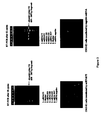
- Figure 1 shows Western Blots characterising G ⁇ i protein in CHO cell.
- Figure 2 shows an example of a targeted sequence of SEQ ID N° 10 (ACVII_miR_173) and the miRNA construction to be inserted into the plasmid.
- Figure 3 depicts blots that show the suppressive effect of different miRNAs on the expression of adenylyl cyclase VII in CHO-K1 cells.
- Figure 4 shows the dose-response curves characterising the measurement of cAMP induced by acetylcholine and quimpirole.
- the present invention provides a reliable and effective in vitro cAMP based assay for Gi-coupled receptors expressed in a selected cell for screening and identifying pharmaceutically effective compounds that specifically interact with and modulate the activity of a cellular receptor.
- the applicant has shown that one way to efficiently improve the agonist inhibition of the cAMP production mediated by forskolin, and therefore to favour easy quantification of an antagonist activity through the reversal of an agonist effect in a particular cell expressing Gi-coupled receptors, is to favour the influence of adenylyl cyclase stimulated by forskolin and sensitive to G ⁇ i protein.
- resulting detection of the Gi effect is mainly associated to the specific inhibition, induced by the interaction with an agonist, of the forskolin pre-stimulated adenylyl cyclase isoform activity sensitive to the G ⁇ i family.
- the invention provides a method for screening, identifying or selecting test compounds using an in vitro assay based on cAMP levels modulated by Gi-coupled receptors expressed in a cell comprising the steps of:
- Selection of the most appropriate cells comprises both identification of G ⁇ i protein and adenylyl cyclase isoforms which are involved in the modulation of intracellular cAMP levels. Indeed, it has been shown that the expression pattern of the different adenylyl cyclase isoforms is cell- or tissue-specific. Accordingly, for the cells for which no data is available in the litera ture on the expression of adenylyl cyclase isoforms, a first step of identification of the adenylyl cyclase isoforms expressed in the specific cell type selected for use in the invention must be implemented.
- the choice of an appropriate cell line is influenced by the presence or absence of particular adenylyl cyclase.
- the selected cell should express at least one adenylyl cyclase isoform shown to be activated by forskolin and sensitive to inhibition by G ⁇ i proteins.
- the cell used in the method of the present invention contains only adenylyl cyclase isoforms activated by forskolin and sensitive to inhibition by G ⁇ i proteins, and no adenylyl cyclase isoform activated by forskolin and insensitive to inhibition by G ⁇ i proteins.
- An embodiment of the invention consists in selecting cells from the group consisting of natural cells and established cell lines expressing endogenous G ⁇ i protein and adenylyl cyclase isoforms.
- the established cell lines express cloned G ⁇ i protein and/or adenylyl cyclase isoforms.
- the host cell is a eukaryotic cell selected among a mammalian cell, a yeast cell or an established cell line selected among CHO, HEK or the insect SF9 lines.
- the host cell is the CHO-K1 or CHO-S line.
- the cells express a number of adenylyl cyclase isoform(s) stimulated by forskolin but not sensitive to inhibition by G ⁇ i protein comprised between 1 and 4, more preferably 4, more preferably 3, more preferably 2 and most preferably 1.
- adenylyl cyclase isoform(s) stimulated by forskolin but not sensitive to inhibition by G ⁇ i are expressed in the selected cell, they must be inactivated in order to overcome the problem encountered in the methods described in the state of the art, i.e.
- the selected cells may correspond to a cell type in which no G ⁇ i protein and/or no adenylyl cyclase isoform is naturally expressed.
- exogenous expression of given isoform(s) of the aforementioned isoforms can be obtained by, for example, transient or stable transfection of vectors comprising polynucleotides coding for the specific protein of interest to express.
- favouring the influence of adenylyl cyclase isoform(s) stimulated by forskolin and sensitive to inhibition by G ⁇ i relative to adenylyl cyclase isoform(s) sensitive to forskolin but not sensitive to inhibition by G ⁇ i is achieved by specifically inactivating the adenylyl cyclase isoform(s) stimulated by forskolin but not sensitive to inhibition by G ⁇ i protein.
- Inactivation of such G ⁇ i-insensitive adenylyl isoform(s) can be achieved, for example, by inhibiting specifically their catalytic activity or preferably by downregulating their expression.
- the nucleic acid molecules can be inserted into a construct which can, optionally, replicate and/or integrate into the mammalian cell, by known methods to those skilled in this art.
- many conventional techniques in molecular biology, microbiology, and recombinant DNA can be used. Such techniques are well known and are explained in details in, for example, Sambrook et al., 1989, Molecular Cloning: A Laboratory Manual, Second Edition, Cold Spring Harbor Laboratory Press, Cold Spring Harbor, New York ; DNA Cloning : A Practical Approach, Volumes I and II, 1985 (D. N. Glover ed .) ; Oligonucleotide Synthesis, 1984, (M. L.
- Step (b) can be achieved in various ways.
- favouring the influence of adenylyl cyclase isoform(s) stimulated by forskolin and sensitive to inhibition by G ⁇ i relative to adenylyl cyclase isoform(s) sensitive to forskolin but not sensitive to inhibition by G ⁇ i is achieved by increasing the expression of adenylyl cyclase isoform(s) gene(s) stimulated by forskolin and sensitive to inhibition by G ⁇ i protein.
- any type of genes from the natural cells or established cell lines identified as interfering with Gi-coupled receptor specific pathways can be upregulated or downregulated to favour these specific pathways.
- any exogenous gene not present in the selected cell line expressing Gi-coupled receptor(s) of interest and susceptible to enhance the adenylyl cyclase isoforms response to Gi in response to a test compound can be expressed or co-expressed with other endogenous selected genes or any type of oligonucleotides including siRNA or miRNA in order to improve the assay.
- the pre-required stimulation of the endogeneous identified adenylyl cyclase isoforms by forskolin may limits the extent of inhibition by G ⁇ i ( Dessauer, C., W., The Journal of Biological Chemistry, 2002, 277, 32, 28823-28829 ).
- G ⁇ i Dessauer, C., W., The Journal of Biological Chemistry, 2002, 277, 32, 28823-28829 .
- CHO-K1 and CHO-S stably expressing adenylyl cyclase VII specific miRNAs can be used to develop relevant and robust cAMP based cellular assays expressing GPCR coupling the specific Gi protein by co-expressing, preferably in the same plasmid, the specific adenylyl cyclase isoform VII miRNA and a specific G ⁇ i protein specific subtype.
- the selected cells express the Gi protein of interest endogenously.
- the cells are engineered to express a heterologous Gi protein. In both cases, it may be desirable to inactivate one or more endogenous genes of the host cells.
- G ⁇ i protein are selected among the G i/0 subfamily that inhibits adenylyl cyclase and include G i1 , Gi 2 , G i3 , G 01 , G 02 , G 03 , Gz, G t1 , G t2 and G gust.
- G ⁇ i protein or Gi-coupled receptors may be expressed by transfecting well-known mammalian expression vectors.
- the identification of adenylyl cyclase isoforms expressed in the selected cell can be performed by PCR, preferably RT-PCR amplification using degenerate primers.
- PCR preferably RT-PCR amplification using degenerate primers.
- adenylyl cyclase identified to date share a common structure. Each has two domains, consisting of six putative membrane-spanning regions separated by a large cytoplasmic loop, as well as a large cytoplasmic loop at the carboxyl terminus.
- the different isoforms of adenylyl cyclase are reviewed in Taussig R, Gilman AG. (1995) Mammalian membrane-bound adenylyl cyclases. J Biol Chem 270 and Sunahara RK, Dessauer CW, Gilman AG. (1996) Complexity and diversity of mammalian adenylyl cyclases. Annu Rev Pharmacol Toxicol 36, 461-80 .
- sample includes but is not limited to genomic libraries, cDNA libraries, nucleic acid molecule extracts from tissue, or nucleic acid molecule extracts from cell culture.
- the target nucleic acid molecule is isolated by methods known in the art. Methods include the polymerase chain reaction (PCR) or reverse transcriptase PCR (RT-PCR), where two probes specific of a target nucleic acids sequence are used to amplify a region of the sample DNA or cDNA. PCR may also be performed with a single adenylyl cyclase probe, and a second oligonucleotide complementary to a known genomic repeat sequence.
- PCR polymerase chain reaction
- RT-PCR reverse transcriptase PCR
- the adenylyl cyclase probe will be labelled with a detectable marker, e.g. 32 P, 35 S, biotin, FITC, etc. when used in a northern or southern blot.
- a detectable marker e.g. 32 P, 35 S, biotin, FITC, etc.
- Nucleic acids used in the invention may be isolated directly from well-known cells.
- the polymerase chain reaction (PCR) method can be used to produce the nucleic acids of the invention, using either chemically synthesized strands or genomic material as templates.
- Primers used for PCR can be synthesized using the sequence information provided herein and can further be designed to introduce appropriate new restriction sites, if desirable, to facilitate incorporation into a given vector for recombinant expression.
- sequences from a target mRNA can be selected in order to identify a target sequence which is specific for a particular mRNA. Sequence alignments with other mRNA sequences that have high homology to the target mRNA are used. If the goal is to identify in a selected cell, G ⁇ i or adenylyl cyclase isoforms, gene homology technique can be used. In the particular case of the present invention, sequences of Gi proteins or adenylyl cyclase isoforms are available from Genbank. For example the mouse adenylyl cyclase VI gene (NM_007405) can be used to identify the homologue hamster gene in CHO cells.
- the invention comprises the use of natural cells or established cell lines in which the expression of adenylyl cyclase isoform(s) stimulated by forskolin but not sensitive to inhibition by G ⁇ i can be down regulated by any type of approaches.
- Particularly preferred cells are those in which RNAi technique can be implemented in order to downregulate the expression of given gene. This technique includes the design, the selection and then the use of adapted RNAi as microRNA (miRNA).
- RNAi Inactivation by RNAi may be obtained either by transiently transfecting adapted RNAi such as siRNA or miRNA specific for a given target gene to be inactivated or by transfecting, either transiently or stably, an expression vector coding such siRNA or miRNA.
- adapted RNAi such as siRNA or miRNA specific for a given target gene to be inactivated
- transfecting either transiently or stably, an expression vector coding such siRNA or miRNA.
- RNA-based vectors including engineered pre-miRNA primary transcripts.
- Designed polynucleotide sequences can be inserted for expression in an eukaryotic cell vectors such as, for example, pSilencer 4.1-CMV (Ambion), pcDNA3.1, pcDNA3.1/zeo or pcDNA3.1/hyg, pRc/RSV, pCMV5 or pRc/CMV2, pRNA-CMV3.1 (GenScript Corporation), or U6 promoter derived vectors such pRNA-U6.1 (GenScript Corporation) or pSilencer 2.0-U6 (Ambion), or Hi promoter derived vectors such pRNA-H1.1 (GenScript Corporation) and pSilencer 3.0- H1 (Ambion).
- the designed polynycleotides for expressing miRNA includes a Drosha cleavage site to the hairpin construct, which has been shown to greatly increase knockdown efficiency (Boden et al 2004, Silva et al 2005).
- the hairpin may consist of 19 to 22-nt of dsRNA and a 19-nt loop from human miR30.
- the miR30 loop and/or 125-nt of miR30 flanking sequence on either side of the hairpin results in greater than 10-fold increase in Drosha and Dicer processing of the expressed hairpins when compared with conventional shRNA designs without miRNA adaptations (Silva et al 2005). This technique will be further detailed in the examples section.
- the method described herein is used for identifying active compounds for "orphan receptors" for which no ligand is known.
- the method enables rapid screening or profiling of large numbers of test compounds to ascertain their agonist or antagonist activity with respect to Gi-coupled receptors expressed in a cell.
- the test compound can interact with a receptor protein which can be any receptor which interacts with said test compound to modulate a signal in the cell.
- the target receptor may be a cell surface receptor. It must be understood that the method of the invention is a screening method which allow the rapid a reliable identification of compounds potentially having the ability to modulate Gi-coupled receptors.
- Preferred G-protein-coupled receptors include [alpha]1A-adrenergic receptor, [alpha]1B-adrenergic receptor, [alpha]2-adrenergic receptor, [alpha]2B-adrenergic receptor, [beta]1 -adrenergic receptor, [beta]2-adrenergic receptor, [beta]3-adrenergic receptor, m1 acetylcholine receptor (AChR), m2 AChR, m3 AChR, m4 AChR, m5 AChR, Apalin, D1 dopamine receptor, D2 dopamine receptor, D3 dopamine receptor, D4 dopamine receptor, D5 dopamine receptor, A1 adenosine receptor, A2b adenosine receptor, 5-HT1a receptor, 5-HT1b receptor, 5HT1-like receptor, 5-HT1d receptor, 5HT1 d beta receptor, substance K
- the invention provides a method for screening, identifying or selecting test compounds potentially having a Gi-coupled receptor modulating activity in a selected cell by implementing the above described method steps.
- All Gi-coupled receptors must physically couple to Gi proteins in order to transduce extracellular stimuli into intracellular signals, i.e. the modulation of cAMP levels that lead to functional responses.
- further characterisation may be necessary for eliminating those compounds which act on the level of cAMP in the cell by secondary interfering pathways. This characterisation can be achieved, for example, by competitive assays on know Gi-coupled receptors in order to determine which receptor the identified test compounds bind.
- screening or profiling can be performed in a high throughput mode.
- the potential effects of the test compound on Gi-coupled receptors is carried out by comparing cAMP levels in cells treated by forskolin and either treated or untreated by the test compound.
- Measurement of intracellular cAMP may be accomplished by well-known in the art detection assays. Among them one can use, for example, the most common automatable technologies used for HTS as SPA (Amersham Biosciences), Flashplates and AlphaScreen (Perkin Elmer life and Analytical Sciences), fluorescence polarisation (Perkin Elmer lifesciences, Amersham Biosciences), DiscovereX/HitHunter, ⁇ -Gal EFC (DiscoverX/GE healthcare), Time resolved-FRET (Cisbio International, Perkin Elmer Lifesciences), Electrochemiluminescence (Meso Scale Discovery), CatchPoint (Molecular Devices) ACTOne cAMP assay (BD Biosciences).
- SPA Analytical Sciences
- Fluorescence polarisation Perkin Elmer lifesciences, Amersham Biosciences
- DiscovereX/HitHunter ⁇ -Gal EFC (DiscoverX/GE healthcare)
- Time resolved-FRET Cisbio International, Perkin Elmer Lifesciences
- Said assays may be, for example, homogeneous or heterogeneous assays including sandwich assays.
- measurement of intracellular cAMP level modulation induced by test compounds can be performed by measurement of the changes in intracellular cAMP levels through technologies using radioactivity, colorimetry, fluorescence or luminescence.
- selected cells are disposed in a plurality of wells of a multi-well assay plate.
- the cells may be, for example, incubated in some wells of the assay plate with a test compound under conditions and for a time sufficient to allow equilibration.
- the test is then read, for example, with a labelling approach that combines the time-resolved fluorescence (TRF) technique and the fluorescence resonance energy transfer (FRET) technique.
- TRF time-resolved fluorescence
- FRET fluorescence resonance energy transfer
- the amount of fluorescence read is proportional to the adenylyl cyclase activity induced by active compounds, in effective amount, that specifically interact with and modulate the activity of a cellular receptor.
- Cells to be used in the inventive assays may be cultured according to standard cell culture techniques. For example, cells are often grown in a suitable vessel in a sterile environment at 37°C in an incubator containing a humidified 95% air - 5% CO2 atmosphere. Vessels may contain stirred or stationary cultures. Various cell culture media may be used including media containing undefined biological fluids such as fetal calf serum, as well as media which are fully defined, such as 293 SFM serum free medium (Invitrogen Corp., Carlsbad, CA). Cell culture techniques are well known in the art and established protocols are available for the culture of diverse cell types (see, for example, R.I. Freshney, "Culture of Animal Cells: A Manual of Basic Technique", 2nd Edition, 1987, Alan R. Liss, Inc. )
- the invention comprises implementing CHO-S or CHO-K1 cells in which adenylyl cyclase VII expression is knocked-down in the method described above for screening, selecting or identifying test compounds.
- a further aspect of the invention relates to an assay system or a kit for measuring the modulation of cAMP levels by test compounds that specifically interact with and modulate the activity of a cellular receptor, said assay system or kit comprising cells which mainly express adenylyl cyclase isoform(s) stimulated by forskolin and sensitive to inhibition by G ⁇ i.
- the term "mainly express” as used herein denotes the more prevalent influence of Adenylyl cyclase isoform(s) stimulated by forskolin and sensitive to inhibition by G ⁇ i relative to Adenylyl cyclase isoform(s) stimulated by forskolin but not sensitive to inhibition by G ⁇ i, in selected cells, as set forth above.
- the assay system or kit of the invention comprises cells in which the expression of adenylyl cyclase isoform(s) stimulated by forskolin but not sensitive to inhibition by G ⁇ i has been inactivated by specific targeting by miRNA.
- the assay system or kit of the present invention is implemented by contacting the cells thereof with forskolin and a test compound and then measuring the levels of cAMP resulting from said contacting.
- the invention provides an assay system or kit wherein said cell stably co-express i) nucleic acid sequences which code for specific G ⁇ i protein or specific adenylyl cyclase isoform(s) stimulated by forskolin and sensitive to inhibition by G ⁇ i protein (ii) and specific miRNA that target adenylyl cyclase transcripts coding for adenylyl cyclase isoform(s) stimulated by forskolin and not sensitive to inhibition by G ⁇ i protein.
- the assay system or kit of the invention comprises the recombinant cells described hereinabove.
- the invention provides a recombinant cell engineered from a selected cell expressing both adenylyl cyclase isoform(s) stimulated by forskolin and sensitive to G ⁇ i and adenylyl cyclase isoform(s) stimulated by forskolin and not sensitive to G ⁇ i, wherein the influence of adenylyl cyclase isoform(s) stimulated by forskolin and sensitive to G ⁇ i is favoured relative to the influence of adenylyl cyclase isoform(s) stimulated by forskolin and not sensitive to G ⁇ i.
- expression of adenylyl cyclase isoform(s) stimulated by forskolin and sensitive to G ⁇ i is upregulated in the recombinant cell of the invention.
- adenylyl cyclase isoform(s) stimulated by forskolin and not sensitive to G ⁇ i are inactivated in the recombinant cell of the invention, for example by deletion of the gene(s) coding said isoform(s) or by downregulation by RNAi.
- said recombinant cell of the invention is transfected, preferably stably, with at least one recombinant expression vector coding for one or more miRNA specific for Adenylyl Cyclase isoform(s) expressed in the cell from which said cell is engineered.
- said recombinant expression vector coding for said at least one or more miRNA is co-transfected with a recombinant expression vector comprising one or more nucleic acid sequences coding for specific G ⁇ i protein or specific adenylyl cyclase isoform(s) stimulated by forskolin and sensitive to inhibition by G ⁇ i protein.
- the recombinant expression vectors transfected in the recombinant cell of the invention can be an appropriate eukaryotic expression vector, including an engineered pre-miRNA structure.
- the recombinant expression vectors may further comprise a Drosha cleavage site in the hairpin construct.
- the hairpin stem preferably consists of 21-22-nt of dsRNA (mature miRNA) derived from the target gene and the hairpin loop may comprise, in a preferred embodiment, 19-nt.
- a recombinant cell line is engineered which co-express a heterologous G ⁇ i protein and specific miRNA that target adenylyl cyclase transcripts coding for adenylyl cyclase isoform(s) stimulated by forskolin and not sensitive to inhibition by G ⁇ i protein.
- the recombinant cell of the invention is a cell stably transformed with a recombinant DNA vector comprising (i) engineered pre-miRNA primary transcripts, ii) nucleic acid sequences which code for a specific G ⁇ i protein or a specific adenylyl cyclase isoform(s) stimulated by forskolin and sensitive to inhibition by G ⁇ i protein, stably co-expressed in said recombinant cell.
- the recombinant cell of the invention is a cell engineered to co-express a specific adenylyl cyclase isoform(s) stimulated by forskolin and sensitive to inhibition by G ⁇ i protein and specific miRNA that target adenylyl cyclase transcripts coding for adenylyl cyclase isoform(s) stimulated by forskolin and not sensitive to inhibition by G ⁇ i protein.
- the recombinant cell is a mammalian cell, for example of the CHO cell line.
- the recombinant cell according to the invention can be used as a tool in an in vitro assay based on cAMP levels modulated by Gi-coupled receptors. Accordingly, the invention further provides the use of a recombinant cell as defined above as a tool for screening, identifying or selecting potential ligands of Gi-coupled receptors.
- CHO-K1 or CHO-S cells are particularly preferred. These cells are available from the European Collection of Cell Cultures (ECACC), Porton Down, UK Accession Number 85051005. HEK-293 cells are available under Accession Number 85120602 (ECACC) and sf9 cells under Accession Number 89070101 (ECACC)
- CHO cells (CHO-K1 and CHO-S) were selected as appropriate cell lines to establish robust and relevant cAMP based cellular assays for the Gi-coupled receptors. Characterisation of these cell lines has confirmed that only the adenylyl cyclase isoforms VI and VII are expressed in CHO. As already mentioned both isoforms are activated by forskolin but only adenylyl cyclase isoform VI is sensitive to G ⁇ i, adenylyl cyclase isoform VII being activated by Gas.
- adenylyl cyclase isoform VI is predominantly expressed in CHO cell lines (CHO-K1 or CHO-S) favouring the approach of using miRNA to knock-down adenylyl cyclase VII which is stimulated by forskolin but not inhibited by activated Gi protein in these cell lines.
- establishment of conditions in which Gi-coupled receptor specific pathways are favoured through up- or downregulation of the expression of one or more identified endogenous genes of the cell lines interfering with these specific pathways include control of the non or limited influence of the up- or downregulation of the targeted genes on the cell viability.
- CHO-S and CHO-K1 cells were washed in PBS 37°C, harvested in a total volume of 5 ml of PBS, 0.5mM EDTA, 0.2M NaOH. Cells were pelleted 5min at 500g at 4°C and resuspended in 3mL of a buffer containing Tris/HCl 50mM, EGTA/Tris 1mM, EDTA 1mM, Trypsin 10 ⁇ g/mL, Leupeptin 1 ⁇ g/mL, PMSF 75 ⁇ g/mL, Pepstatin 1 ⁇ M.
- Cells were frozen at -80°C, thawed at 37°C, and ruptured on ice with by 10 passages through a 26-gauge needle.
- Membranes were centrifuged at 48000g during 20min at 4°C and resuspended in 20mM Hepes/NaOH, 150mM NaCl, Trypsin 10 ⁇ g/mL, Leupeptin 1 ⁇ g/mL, PMSF 75 ⁇ g/mL, Pepstatin 1 ⁇ M. Proteins were quantified with the Bio-Rad Protein Assay kit using bovine serum albumin (BSA) as a standard.
- BSA bovine serum albumin
- Membrane was probed with secondary anti-rabbit horseradish peroxidase conjugate (BioRad) or anti-mouse peroxydase conjugate (BioRad) diluted 1/200000 in blocking reagent 2% (manufactuer recommended conditions) (ECL Advance kit from Amersham Biosciences, Little Chalfont, Buckinghamshire, UK). Immunoreactive proteins were visualized with the ECL Advance kit from Amersham Biosciences (Little Chalfont, Buckinghamshire, UK).
- Real-time PCR was performed using Mix Sybr Green (Bio-Rad) in a iQ5 Multicolor Real-Time PCR Detection System (Bio-Rad).
- the primers used for real-time PCR are as follows:
- Thermocycling conditions consisted of denaturation at 95°C for 3 min followed by 40 cycles comprising a denaturation step at 95°C for 15 s, an annealing step at 55°C for 15 s and an extension step at 72°C for 20 s. Melting curve analysis was performed with data collection from a temperature ramp from 60°C to 95°C.
- GAPDH was used as an internal control gene for normalizing the PCRs.
- the threshold cycle (Ct) was chosen as a point where amplification was in an exponential phase.
- ⁇ Ct being the normalized Ct (Ct gene of interest - Ct control gene) value was used to determine relative abundance of gene expression.
- G ⁇ i2, G ⁇ i3 and G ⁇ o gene expression was detected by real-time PCR in CHO-K1 and CHO-S cells.
- Table 1 shows the relative abundance of the expression of the G ⁇ i protein isoforms.
- Table 1 Cell lines ⁇ Ct (Ct gene of interest - Ct control gene) G ⁇ i3 G ⁇ i2 G ⁇ o CHO-K1 6.71 14.81 15.72 CHO-S 7.21 16.2 17.73
- the degenerate primers (SEQ ID N° 1) were designed by matching conserved regions of the 9 families of mouse adenylyl cyclase as reported by Richard T. Premont (Methods Enzymol. 238, 116-127 )
- PCR amplification of the cDNA was performed with Advantage-HF 2 PCR kit (BD Science) in Thermocycle Perkin-Elmer 2400.
- the PCR amplification conditions consisted of denaturation at 94°C for 1 min followed by 40 cycles comprising a denaturation step at 94°C for 15 s, an annealing step at 58°C for 30 s and an extension step at 68°C for 1 min. At the completion of the cycling reaction, an additional extension step at 68°C for 7 min was performed.
- White plasmid clones were prepared with a Minipreps DNA purification system (Eppendorf) and screened by EcoRI digestion and agarose gel electrophoresis. The positive clones, fourteen clones in CHO-K1 and twelve clones in CHO-S were sequenced.
- sequences were analysed using the BLAST search. Two different sequences were identified with high homology to published adenylyl cyclases.
- Sequence SEQ ID N° 3 is 89% (29/258 bp) homologous to that of mouse adenylyl cyclase VI (NM_007405). The homology of the deduced amino acid sequence is 99 % (1/85 aa).
- Sequence SEQ ID N° 4 is 90% (27/269 bp) homologous to that of mouse adenylyl cyclase VII (NM_007406). The homology of the deduced amino acid sequence is 95% (4/80 aa).
- Table 2 shows the relative abundance of adenylyl cyclase isoforms in CHO-K1 and CHO-S cells.
- Table 2 CHO-K1 CHO-S Number of clone for sequencing 14 12 Number of clone containing adenylyl cyclase isoform VI sequence 13 11 Number of clone containing adenylyl cyclase isoform VII sequence 1 1 VII/VI % (VII %) 1/13 (7%) 1/12 (8%)
- isoforms of adenylyl cyclases are expressed in CHO cell line (CHO-K1 & CHO-S) as reported in the literature ( Eva V. Varga et al, 1998. Euro J Pharmacol.348, R1-R2 )
- Predominant expression of isoform VI in CHO cell line might favour the approach using siRNA to knock-down adenylyl cyclase VII which is stimulated by forskolin but not inhibited by activated Gi protein. Suppressing the adenylyl cyclase VII whose expression is minor in CHO cells won't influence the cell physiological function.
- siRNA siRNA
- NM_007046 published mouse
- XM223666 adenylyl cyclase isoform VII sequence.
- primers were as follows (SEQ ID NO:5 and SEQ ID NO:6)
- primers were as follows (SEQ ID NO:7 and SEQ ID NO:8)
- primers were as follows (SEQ ID NO:9 and SEQ ID NO:10)
- PCR amplification of the cDNA was performed with Phusion High-Fidelity DNA polymerase (Finnzymes) in Thermocycle Perkin-Elmer 2400 as follows: 98°C for 30 sec; 40 cycles of 98°C for 10 sec, 68°C for 30 sec, 72°C for 45 sec; and 72°C for 10 min.
- PCR products were isolated by low-melting agarose gel electrophoresis, purified by GENECLEAN SPIN (Bio 101). The purified fragments were sequenced
- sequences SEQ ID N° 11, SEQ ID N° 12 and SEQ ID N° 13 were aligned with known adenylyl cyclase sequences and analysed with DNASIS Software (Hitachi) and used as the templates for siRNA(miRNA) design.
- CHO-K1 cells were transfected with an appropriate vector.
- the miRNA targeted sequences for knock-downing CHO- adenylyl cyclase isoform VII are as follows:
- CHO-K1 cells were plated in a 6 wells plate, 500 000 cells per well. 24 hours after plating, the cells were washed by serum-free DMEM medium. The ratio between miRNA and Lipofectamine 2000 for constructing miRNA/lipid complex was 1:2.5. The quantity of miRNA used for transfection was 1.0 ⁇ g per well for each construct and miRNA negative control prepared from Block-iT Pol II miRNAi kit (invitrogen). 6 hours after transfection, the medium was changed to DMEM with 5% dialysed serum. 48 hours later, total RNA was prepared using TriReagent (Sigma). cDNA was synthesized by RT-PCR kit (Clontech).
- Figure 3 shows the suppressive effect of different miRNAs on the expression of adenylyl cyclase VII by Polymerase Chain Reaction (PCR) at 48 hours after transient transfection in CHO-K1 cells and the morphologies of CHO-K1 cells transfected by miRNA 173 and control miRNA.
- PCR Polymerase Chain Reaction
- cAMP measurements on CHO-K1 cells that stably expressed the human muscarinic M4 or the human dopamine D4.4 receptor were performed via the HTRF (homogeneous time-resolved fluorescence) technology (CIS Bio, France).
- the principle of these cAMP assays is based on a competition between cAMP produced by cells and cAMP-XL665 conjugate for the binding with monoclonal anti-cAMP-cryptate conjugate.
- the HTRF® conjugates are prepared in lysis buffer so that the cell lysis and the detection step can be performed simultaneously.
- CHO-K1 stably expressing the human muscarinic M4 or the human dopamine D4.4 receptor were cultured under standard conditions. Cells were harvested by EDTA, washed once in phosphate buffered saline and resuspended in assay buffer (HBSS containing 0.1 % glucose and 0.5 mM IBMX). The cells were dispensed into a black 96 half-well plate at a cell density of 10,000 - 15,000 cells. After incubation for 30 min at room temperature or at 37°C, an equal volume of assay buffer containing forskolin, then acetylcholine or quimpirole was added to the cells.
- assay buffer containing forskolin
- cAMP detection was performed following the protocol described above.
- the plate was incubated for one more hour at room temperature and then measured on a RUBYstar a (BMG Labtechnologies) time-resolved fluorescence reader.
- EC50 values for acetylcholine or quimpirole were calculated from the dose response curves by Hill as shown in figure 4.
- CHO-K1 cells were exposed to increasing concentrations of acetylcholine or quimpirole ranging from 0,01 nM to 10 ⁇ M in the presence of 30 ⁇ M forskolin.
Landscapes
- Health & Medical Sciences (AREA)
- Chemical & Material Sciences (AREA)
- Engineering & Computer Science (AREA)
- Life Sciences & Earth Sciences (AREA)
- Immunology (AREA)
- Bioinformatics & Cheminformatics (AREA)
- Biomedical Technology (AREA)
- Organic Chemistry (AREA)
- Molecular Biology (AREA)
- Wood Science & Technology (AREA)
- Medicinal Chemistry (AREA)
- Biotechnology (AREA)
- Urology & Nephrology (AREA)
- Microbiology (AREA)
- Analytical Chemistry (AREA)
- Physics & Mathematics (AREA)
- Toxicology (AREA)
- Zoology (AREA)
- Biochemistry (AREA)
- Hematology (AREA)
- General Health & Medical Sciences (AREA)
- Proteomics, Peptides & Aminoacids (AREA)
- Genetics & Genomics (AREA)
- Tropical Medicine & Parasitology (AREA)
- Cell Biology (AREA)
- General Engineering & Computer Science (AREA)
- Biophysics (AREA)
- Food Science & Technology (AREA)
- General Physics & Mathematics (AREA)
- Pathology (AREA)
- Measuring Or Testing Involving Enzymes Or Micro-Organisms (AREA)
- Investigating Or Analysing Biological Materials (AREA)
- Micro-Organisms Or Cultivation Processes Thereof (AREA)
- Medicines That Contain Protein Lipid Enzymes And Other Medicines (AREA)
Abstract
The present invention relates to a reliable and effective in vitro assay based on cAMP levels modulated by Gi-coupled receptors expressed in a selected cell for screening and identifying pharmaceutically effective compounds that specifically interact with and modulate the activity of a cellular receptor.
Description
- The present invention relates to an in vitro assay based on cAMP levels modulated by Gi-coupled receptors.
- G-protein-coupled receptors (GPCR) represent one of the largest super families in the human genome. They are involved in a large number of physiological disorders and diseases and therefore represent a significant target for pharmaceuticals and drug discovery. Approximately 60% of all drugs currently in development target GPCRs (Lundstrom et al., Trends Biotechnol., 2005, 23, 103-108).
- GPCRs, characterised by their 7 transmembrane spanning domains, can be activated by a wide variety of extracellular stimuli, such as neurotransmitters, hormones, light and odorants. Heterotrimeric G proteins consist of 3 subunits: the α subunit (35kDa) family, the β subunit (35-36kDa) family and the y (6-10kDa) subunit family. Agonist binding leads to active conformational adaptation of the receptor and subsequent activation of G proteins through the association of guanosine-5'-triphosphate (GTP) to the Gα subunit in exchange for guanosine-5'-diphosphate (GDP) (Kristiansen, K., Phamacol Ther, 2004, 103, 21-81). Then, dissociation of the Gα from the Gβγ dimer leads to activation, by Gα or Gβγ dimer, of downstream effectors such as adenylyl cyclases, ion channels and phospholipases.
- A diverse array of adapted assays is available, covering exploitation of the three main steps in the GPCR signalling process, including ligand binding and functional assays (for review, Greasley P.J. and Jansen, F.P., Drug Discovery Today: Technologies, 2005, 2, 2, 163-169). These steps include the binding of the ligand to the receptor, the ligand-mediated stabilisation of the receptor in an active conformation resulting in nucleotidic exchange (GTP for GDP in the Gα subunit) and finally, the subsequent coupling to different intracellular secondary messenger pathways.
- G proteins coupled to GPCRs include four families Gq, Gs, Gi and G12/13 (for review, Wong, S.K.-F., Neurosignals, 2003, 12, 1-12) and coupling to a specific secondary messenger pathway will depend on the G-protein preference of the receptor and of the nature of the agonist used (Akam, E.C. et al., Br J PharmacoL, 2001,132, 4, 950-8; Wong, S. K.-F., Neurosignals, 2003, 12, 1-12) .
- Activation of the Gq-coupled receptors leads to the activation of phospholipase C inducing release of calcium stores via the generation of
inositol 1,4,5-triphosphate (IP3). Functional assays of this pathway are mainly cell-based and exploit calcium and IP3 signals. - Activation of Gs and Gi-coupled receptors lead to activation (Gs) or inhibition (Gi) of adenylyl cyclase, resulting in increased or decreased intracellular cAMP levels, respectively. Many types of assay formats using fluorescence or luminescence readout can be applied to the measurement of intracellular cAMP (For review, Williams, C. et al., Nat Rev Drug Discov., 2004, 3, 2,125-35). They provide good results for the Gs-coupled receptors.
Nevertheless, it is more challenging to obtain a workable assay for the Gi-coupled receptors using these technologies. Detection of the effects induced by Gi-coupled receptors requires pre-activation by forskolin to stimulate adenylyl cyclase and to produce cAMP and inhibition of cAMP production mediated by binding of an agonist on a Gi-coupled receptor rarely exceeds 60% of the stimulation by forskolin. Furthermore, measuring the reversal by an antagonist of the cAMP decrease mediated by a Gi-receptor agonist as a result of prior forskolin stimulation of the adenylyl cyclase activity yet increases the complexity (Greasley P.J. and Jansen, F.P., Drug Discovery Today: Technologies, 2005, 2, 2, 163-169). - One way to overcome these limitations is to transform normal pharmacological effector of Gi-coupled receptors from adenylyl cyclase to PLCβ pathway by using chimeric (Gqi5) or promiscuous G proteins (G16/15), (Lui, A.M., et al., J. Biomol. Screen, 2003, 8, 39-49). However, the use of non-cognate G proteins has been shown to induce significant modifications of the receptor / G-protein interactions thereby decreasing the relevance of the assay.
- Other approaches for assaying cAMP concentration include reporter gene assays (Kent, T.C et al., Journal of Biomolecular Screening, 2005, 10, 5, 437-446). However in this case, measurement of a secondary event, here the activation or inhibition of a reporter gene, favours the generation of false positive and negative hits in a screening.
- After the original cloning of the mammalian adenylyl cyclase by Krunpinski et al (Krunpinski et al., Science, 244, 1558-1564), at least nine isoforms of mammalian adenylyl cyclases have been cloned. Several adenylyl cyclase families have been identified based on sequence similarities and regulatory properties, revealing diverse regulation by G proteins, calcium and phosphorylation (Sunahara et al., Ann. Rev. Pharmacol. Toxicol., 1996, 36, 461-480). These intracellular modulators affect the adenylyl cyclase isoenzymes differently. Therefore, the cAMP response upon the activation of a receptor is dependent on the cellular adenylyl cyclase isoenzymes pool present in a given cell.
- Mammalian cell lines have a cellular machinery adapted for folding and posttranslational modification of expressed receptor proteins. Therefore, cell lines as chinese hamster ovary (CHO) and human embryonic kidney (HEK) are extensively used as tools for screening and identifying chemical entities that can be developed into drugs. However, specificity of the coupling properties of GPCR expressed in a cell line are often less effective than in their native environment (Kenaskin, T., Pharmaco/. Rev., 1996, 48, 413-463). In addition, the outcome of each step in the signal transduction cascade is dependent on the regulatory properties of the particular isoenzyme pool present in the cells (Varga E.V. et al., European Journal of Pharmacology, 1998,348, R1-R2).
- In mammalian cells, different isoforms of adenylyl cyclases have been identified, which are tissue-specifically expressed. The first study to identify the role of adenylyl cyclase isoforms in mammalian cell lines used in the signaling pathways of GPCRs was performed by Varga E.V. et al., in 1998. They used reverse transcriptase polymerase chain reaction (RT-PCR) to amplify and then identify and sequence the adenylyl cyclase cDNA in CHO and B12 cells. They identified adenylyl cyclase isoforms VI and VII in CHO and adenylyl cyclase isoforms III, VI and IX in B12 cells (Varga E.V. et al., European Journal of Pharmacology, 1998,348, R1-R2). Adenylyl cyclase isoforms II, III, VI and IX were also reported In HEK-293 cells (Helleveo, M. et al., Biochem. Biophys. Res. Commun., 1993, 192, 311).
- Transfection studies on the sensitivity of adenylyl cyclase isoforms to activation by Gsα or to inhibition by Giα provided precious informations concerning the integration of signalling at the effector level (Sunahara, R.K., et al., Ann. Rev.Pharmacol. Toxicol. 1996, 36, 461-480; Cooper,D.M. et al., Adv. Sec. Mess. Phosph. Res.,1998, 32, 23-51; Simonds, W.F, Trends Pharmacol Sci., 1999, 20, 2, 66-73. 1999). At least 18 different subtypes of Gα subunits have been identified. In particular, the Gi/o subfamily that inhibits adenylyl cyclase and regulates ion channels includes Gi1, Gi2, Gi3, Go1, Go2, Go3, Gz, Gt1. Gt2 and Ggust·
- Noteworthy, it was shown that Gαi does not inhibit all the adenylyl cyclase isoforms and that only adenylyl cyclase isoforms I, III, V and VI are sensitive to the Gi family.
- Another information concerns the impact of the pre-required forskolin activation on the measurement of the Gi effect in a cAMP based GPCR cellular assay. This molecule is widely used as an in vitro activator of cAMP formation. It has been shown to directly activate almost all the adenylyl cyclase isoforms and to raise cyclic AMP levels in a wide variety of cell lines (Seamon, K.B.et al., J Cyclic Nucleotide Res., 1981, 7, 4, ,201-24). At present, only adenylyl cyclase isoform IX has been identified not to be stimulated by forskolin.
- As set forth above, many types of technologies are applied for measuring changes in cAMP concentration providing useful tools for studying Gs-coupled receptors. However, the need for pre-activation by forskolin which directly activates adenylyl cyclase to detect the effect of Gi limits the development of a relevant, working cAMP functional assay for screening and profiling Gi-coupled receptors. The non homogeneous expression pattern of the nine principal identified adenylyl cyclase isoforms accounting for distinctive cell- and tissue-specific patterns of adenylyl cyclase responsiveness, the sensitivity of only certain adenylyl cyclase isoforms to inhibition by Gi proteins as well as multiple G protein coupling subtypes of a significant number of GPCRs (Wong, S.,K.-F, Neurosignals, 2003, 12, 1-12) added to the pre-required forskolin activation to detect the Gi effect, all significantly contribute to the encountered difficulties in the development of a working cAMP functional screening assay dedicated to Gi-coupled receptors.
- The difficulties encountered in the development of a relevant, working cAMP functional screening and profiling assay dedicated to selective Gi-coupled receptors represents today a breakthrough in the successful identification of new drug candidates for these receptors. Development of methods allowing overcoming these limitations is of strategic importance to the identification of hits and leads for Gi-coupled receptors.
- It is an objective of the present invention to solve the aforementioned problems in the art.
- Accordingly, in a first aspect, the present invention provides a method for screening, identifying or selecting test compounds using an in vitro assay based on cAMP levels modulated by Gi-coupled receptors expressed in a cell comprising the steps of:
- (a) optionally identifying, in a selected cell, the Gαi and adenylyl cyclase isoforms which are involved in the modulation of the intracellular cAMP levels,
- (b) favouring the influence of adenylyl cyclase isoform(s) stimulated by forskolin and sensitive to inhibition by Gαi relative to adenylyl cyclase isoform(s) stimulated by forskolin but not sensitive to inhibition by Gαi in said selected cell;
- (c) contacting said cell with forskolin and a test compound; and
- (d) measuring cAMP levels resulting from contacting said test compound with said cell.
- In a second aspect, the invention provides an assay system or a kit for measuring the modulation of cAMP levels by test compounds that specifically interact with and modulate the activity of a cellular receptor, said assay system or kit comprising cells which mainly express adenylyl cyclase isoform(s) stimulated by forskolin and sensitive to inhibition by Gαi.
- In another aspect, the invention provides a recombinant cell engineered from a selected cell expressing both adenylyl cyclase isoform(s) stimulated by forskolin and sensitive to Gαi and adenylyl cyclase isoform(s) stimulated by forskolin and not sensitive to Gαi, wherein the influence of adenylyl cyclase isoform(s) stimulated by forskolin and sensitive to Gαi is favoured relative to the influence of adenylyl cyclase isoform(s) stimulated by forskolin and not sensitive to Gαi.
- The invention further provides the use of a recombinant cell as defined above as a tool for screening, identifying or selecting potential ligands of Gi-coupled receptors.
- Before further description of the invention, certain terms employed in the specification, examples and claims are defined below.
- A "DNA construct" as used herein means a polynucleotide which contains an open reading frame which encodes one or more protein(s) and includes any promoter, transcription initiation, transcription termination, or other nucleotide sequences operatively linked to said polynucleotide which might facilitate expression of the encoded protein(s).
- The term "heterologous DNA", "heterologous nucleic acid" or "foreign DNA" relates to DNA that does not occur naturally as part of the genome in which it is present. Generally, although not necessarily, such DNA encodes proteins that are not normally produced by the cell in which it is expressed. Heterologous DNA can be from the same species, although in preferred embodiments, it is from a different species. Any DNA that one of skill in the art would recognize or consider as heterologous or foreign to the cell in which it is expressed is herein encompassed by the term heterologous DNA.
- The term "cells" as used herein refers to all normal (natural) and transformed cells derived from, for example eukaryotes such as mammalian cells including hybridoma cells, insect cells, plant cells, yeast cells. Examples of mammalian species include primates (e.g., humans, monkeys, chimpanzees, baboons), rodents (e.g., rats, mice, guinea pigs, hamsters) and ruminants (e.g., cows, horses). Mammalian cells may be derived from any recognized source with respect to species (e. g. human, rodent), tissue source (brain, liver, lung, heart, kidney, skin, muscle) and cell type (e. g. epithelial, endothelial). In addition, transfected cells expressing recombinant genes may also be used in the present invention.
- Cells to be used in the practice of the methods of the present invention may be primary cells, secondary cells or immortalized cells (i.e., established cell lines). They may be prepared by techniques well known in the art or purchased from immunological and microbiological commercial sources (for example, from the American Type Culture Collection, Manassas, VA). Alternatively or additionally, cells may be genetically engineered to contain, for example, a gene of interest such as a gene expressing an adenylyl cyclase isoform, a Gαi protein or a receptor.
- Non-limiting examples of useful mammalian cell lines include animal and human cell lines such as Chinese hamster ovary (CHO) cells, Chinese hamster lung (CHL) cells, baby hamster kidney (BHK) cells, COS cells, HeLa cells, THP cell lines, TAg Jurkat cells, hybridoma cells, carcinoma cell lines, hepatocytes and the like.
- "Stably transfected" as used herein means the introduction and maintenance of exogenous DNA into a cell, or cell line, by integration into the genome of the host cell, e.g. into the host chromosomes or by episomal transfection for at least 2 weeks and preferably more than 4 months.
- "Transiently transfected" as used herein means that the transfected exogenous DNA is not integrated in the genome of the host cell.
DNA constructs that express siRNAs can be transiently transfected into mammalian cells using standard techniques. However, cells vary greatly with respect to their capacity to be transfected. Hence, different transfection reagents and cell culture conditions need to be tested for each cell type. - The term "modulation" as in "modulation of the intracellular cAMP levels" is intended to encompass modulation in its various grammatical forms (e.g., "modulated", "modulation", "modulating", etc.) and encompass induction, stimulation, potentiation, inhibition of one or more signal transduction pathways downstream of a receptor.
- The term "inactivation" or "inactivate" relates to the inhibition, either total or partial, of the expression of a gene (also termed downregulation or knockdown) or of the activity of a protein. For example, this term means that production of a functional gene product is prevented or inhibited. Inactivation may be achieved, for example, either by deletion of the gene (also termed knockout) or mutation of the promoter controlling a gene so that expression does not occur, or mutation of the coding sequence so that the gene product is inactive, or by "RNAi" technique.
- The term "RNAi" or "RNA interference" technique refers to the post-transcriptional process of gene silencing mediated by double stranded RNA (dsRNA) that is homologous in sequence to a RNA to be silenced and is observed in a wide variety of eukaryotic cells such as animal and plant cells. Depending on the cell type, dsRNA may be processed into 21-23 nucleotides (nts) molecules, called small interfering RNAs (siRNAs), which guide the sequence-specific degradation of the target RNA (Sharp, 2001). Furthermore, transfection of siRNA specific to a target gene of which expression is to be inactivated, or of a vector allowing the expression of such a siRNA in a cell, in particular in mammalian cells, has been proven to be a potent tool in mammalian genetic studies as such specific siRNA induce the downregulation of the expression of the target gene (Elbashir et al., Nature. 2001 May 24;411(6836):494-8; "Duplexes of 21-nucleotide RNAs mediate RNA interference in cultured mammalian cells."). Furthermore, RNAi can be used for therapeutic applications, diagnostic and target validation (
EP Patent n°1144623 ;EP Patent1214945 ;EP Patent 1352061 ;US Patent 5898031 ;US Patent 6107094 ).
The term "siRNA" as used herein means a double stranded short interfering RNA molecule, designed in vitro, not larger than about 23 nucleotides in length, and preferably of 19-23 nucleotides in length. The scientific literature describes siRNA as mediating the sequence specific degradation of a target mRNA. - The term "miRNA" as used herein means endogenous 15-35 nucleotides, preferably 19-30 nucleotides, most preferably 21-24 nucleotides small RNAs processed from stem-loop RNA precursors (pre-miRNA). miRNA can downregulate gene expression by two posttranscriptional mechanisms: mRNA cleavage or translational repression.
- The term "Stem-loop" as used herein means a single stranded polynucleotide including two complementary base sequences separated by a sequence with no complementary base sequence thereof and that allow formation of a duplex structure in the corresponding polyribonucleotide, with a single-stranded loop sequence linking two annealed base sequences. The complementary base sequences forming the stem portion of the stem-loop consist of at least two and more preferably at least three base pairs in length. In particular embodiments, where the stem base pair(s) correspond to the complementing sequence of the first and third sequences, one or more of the second sequence complementing stem base pairs can double as a first and third sequence complementing base pair. Under these special circumstances, the stem portion of the second sequence would be considered to contain only one complementing base pair, or no complementing base pairs.
- Preferred stem-loop sequences are based on stem-loop regions known to those persons skilled in the art to be present in RNA molecules such as tRNA, snRNA, rRNA, mtRNA, or structural RNA sequences. One skilled in the art can readily identify stem-loop RNA structures using predictive computer modelling programs such as Mfold (M. Zuker, D. H. Mathews & D. H. Turner Algorithms and Thermodynamics for RNA Secondary Structure Prediction: A Practical Guide In RNA Biochemistry and Biotechnology, 11-43, J. Barciszewski & B. F. C. Clark, eds, NATO ASI Series, Kluwer Academic Publishers, (1999)), RNAstructure (Mathews, D. H.; Sabina, J.; Zuker, M.; and Turner, D. H. ,"expanded sequence dependence of thermodynamic parameters improves prediction of RNA secondary structures", Journal of Molecular Biology, 1999,288, 911-940), RNAfold in the Vienna RNA Package (Ivo Hofacker, Institut fur theoretische Chemie,Wahringerstr. 17, A-1090 Wien, Austria), Tinoco plot ( Tinoco, I. Jr. , Uhlenbeck,O. C. & Levine, M. D. (1971) Nature 230, 363-367), ConStruct, which seeks conserved secondary structures (Luck, R. , Steger, G. & Riesner, D. (1996), Thermodynamic prediction of conserved secondary structure: Application to RRE-element of HIV, tRNA-like element of CMV, and mRNA of prion protein.J. Mol. Biol. 258, 813-826; and Luck, R. , Graf, S. & Steger, G. (1999), Construct : A tool for thermodynamic controlled prediction of conserved secondary structure. Nucleic Acids Res. 21, 4208- 4217), FOLDALIGN, (J. Gorodkin, L. J. Heyer and G. D. Stormo. Nucleic Acids Research, Vol. 25, no. 18 pp 3724-3732,1997a ; and J. Gorodkin, L. J. Heyer, and G. D. Stormo. ISMB5; 120-123,1997b), and RNAdraw (Ole Matzura and Anders Wennborg Computer Applications in the Biosciences (CABIOS), Vol. 12 no. 3 1996, 247-249).
- The term "compound" as used herein (e.g., as in "test compound") is meant to include exogenously added test compounds. The test compound may be contacted with a cell. Exemplary compounds which can be screened for activity include, but are not limited to, peptides, nucleic acids, carbohydrates, small organic molecules and natural product extract libraries. Both agonizing and antagonizing compounds are intended to be screened, identified or selected in the present invention.
- The term "active compounds" as used herein refers to pharmaceutically effective compounds that specifically interact with, and modulate, the activity of a cellular receptor. This term is equivalent to ligand.
- As used herein, the term "effective amount" refers to an amount of a modulator compound, or pharmaceutical composition comprising at least one such compound, that is sufficient to achieve an intended purpose. For example, the intended purpose may be to inhibit or enhance the cAMP accumulation or adenylyl cyclase activity in the whole organism of a subject or in (s) particular tissue(s).
- Figure 1 shows Western Blots characterising Gαi protein in CHO cell.
- Figure 2 shows an example of a targeted sequence of SEQ ID N° 10 (ACVII_miR_173) and the miRNA construction to be inserted into the plasmid.
- Figure 3 depicts blots that show the suppressive effect of different miRNAs on the expression of adenylyl cyclase VII in CHO-K1 cells.
- Figure 4 shows the dose-response curves characterising the measurement of cAMP induced by acetylcholine and quimpirole.
- The present invention provides a reliable and effective in vitro cAMP based assay for Gi-coupled receptors expressed in a selected cell for screening and identifying pharmaceutically effective compounds that specifically interact with and modulate the activity of a cellular receptor.
- As set forth above, observation of the modulation of cAMP levels in a cell by Gi-coupled receptors requires the prior treatment of the cell with forskolin, an activator of adenylyl cyclase isoenzymes. Taking into account that the cAMP response upon activation is dependent on the cellular isoenzyme pool present in a particular cell or cell line, non specificity of the forskolin mediated adenylyl cyclase isoforms stimulation, required to detect the Gαi effect, may significantly contribute to the lack of efficient inhibition of cAMP production mediated by agonists of Gi-coupled receptors. As a consequence, the resulting agonist mediated inhibition rarely exceeds 60 % of the stimulation by forskolin. This renders difficult to then measure the reversal by an antagonist of the cAMP decrease mediated by a receptor agonist.
- The applicant has shown that one way to efficiently improve the agonist inhibition of the cAMP production mediated by forskolin, and therefore to favour easy quantification of an antagonist activity through the reversal of an agonist effect in a particular cell expressing Gi-coupled receptors, is to favour the influence of adenylyl cyclase stimulated by forskolin and sensitive to Gαi protein.
- Accordingly, resulting detection of the Gi effect is mainly associated to the specific inhibition, induced by the interaction with an agonist, of the forskolin pre-stimulated adenylyl cyclase isoform activity sensitive to the Gαi family.
- Accordingly, in a first aspect, the invention provides a method for screening, identifying or selecting test compounds using an in vitro assay based on cAMP levels modulated by Gi-coupled receptors expressed in a cell comprising the steps of:
- (a) optionally identifying, in a selected cell, the Gαi and adenylyl cyclase isoforms which are involved in the modulation of the intracellular cAMP levels,
- (b) favouring the influence of adenylyl cyclase isoform(s) stimulated by forskolin and sensitive to inhibition by Gαi relative to adenylyl cyclase isoform(s) stimulated by forskolin but not sensitive to inhibition by Gαi in said selected cell;
- (c) contacting said cell with forskolin and a test compound; and
- (d) measuring cAMP levels resulting from contacting said test compound with said cell.
- Selection of the most appropriate cells comprises both identification of Gαi protein and adenylyl cyclase isoforms which are involved in the modulation of intracellular cAMP levels. Indeed, it has been shown that the expression pattern of the different adenylyl cyclase isoforms is cell- or tissue-specific. Accordingly, for the cells for which no data is available in the litera ture on the expression of adenylyl cyclase isoforms, a first step of identification of the adenylyl cyclase isoforms expressed in the specific cell type selected for use in the invention must be implemented.
- To date, among the cloned mammalian adenylyl cyclase, all except isoform IX have been identified as stimulated by forskolin. In addition, only adenylyl cyclase I, III, V and VI are sensitive to the Gαi family.
- The choice of an appropriate cell line is influenced by the presence or absence of particular adenylyl cyclase. The selected cell should express at least one adenylyl cyclase isoform shown to be activated by forskolin and sensitive to inhibition by Gαi proteins. In another embodiment, the cell used in the method of the present invention contains only adenylyl cyclase isoforms activated by forskolin and sensitive to inhibition by Gαi proteins, and no adenylyl cyclase isoform activated by forskolin and insensitive to inhibition by Gαi proteins.
- An embodiment of the invention consists in selecting cells from the group consisting of natural cells and established cell lines expressing endogenous Gαi protein and adenylyl cyclase isoforms.
- In another embodiment of the invention the established cell lines express cloned Gαi protein and/or adenylyl cyclase isoforms.
In a particular embodiment the host cell is a eukaryotic cell selected among a mammalian cell, a yeast cell or an established cell line selected among CHO, HEK or the insect SF9 lines. In a preferred embodiment the host cell is the CHO-K1 or CHO-S line. - In a preferred embodiment, the cells express a number of adenylyl cyclase isoform(s) stimulated by forskolin but not sensitive to inhibition by Gαi protein comprised between 1 and 4, more preferably 4, more preferably 3, more preferably 2 and most preferably 1.
In case adenylyl cyclase isoform(s) stimulated by forskolin but not sensitive to inhibition by Gαi are expressed in the selected cell, they must be inactivated in order to overcome the problem encountered in the methods described in the state of the art, i.e. the poor induction of inhibition of cAMP production mediated by Gi-coupled receptors as a consequence of the activation by forskolin of a number of adenylyl cyclases, including those adenylyl cyclases which are stimulated by forskolin but insensitive to inhibition by Gαi proteins. - Alternatively, the selected cells may correspond to a cell type in which no Gαi protein and/or no adenylyl cyclase isoform is naturally expressed. In this case, exogenous expression of given isoform(s) of the aforementioned isoforms can be obtained by, for example, transient or stable transfection of vectors comprising polynucleotides coding for the specific protein of interest to express.
- In a particular embodiment, favouring the influence of adenylyl cyclase isoform(s) stimulated by forskolin and sensitive to inhibition by Gαi relative to adenylyl cyclase isoform(s) sensitive to forskolin but not sensitive to inhibition by Gαi is achieved by specifically inactivating the adenylyl cyclase isoform(s) stimulated by forskolin but not sensitive to inhibition by Gαi protein. Inactivation of such Gαi-insensitive adenylyl isoform(s) can be achieved, for example, by inhibiting specifically their catalytic activity or preferably by downregulating their expression.
- While modifying gene expression in a cell in the method of the present invention, one must take care to carry out such modification without affecting cell viability.
- The nucleic acid molecules can be inserted into a construct which can, optionally, replicate and/or integrate into the mammalian cell, by known methods to those skilled in this art. In practicing the present invention, many conventional techniques in molecular biology, microbiology, and recombinant DNA can be used. Such techniques are well known and are explained in details in, for example, Sambrook et al., 1989, Molecular Cloning: A Laboratory Manual, Second Edition, Cold Spring Harbor Laboratory Press, Cold Spring Harbor, New York; DNA Cloning : A Practical Approach, Volumes I and II, 1985 (D. N. Glover ed.) ; Oligonucleotide Synthesis, 1984, (M. L. Gait ed.) ; Nucleic Acid Hybridization, 1985, (Hames and Higgins); Transcription and Translation, 1984 (Hames and Higgins eds.) ; Animal Cell Culture, 1986 (R. I. Freshney ed.) ; Immobilized Cells and Enzymes, 1986 (IRL Press); Perbal, 1984, A Practical Guide to Molecular Cloning; the series, Methods in Enzymology (Academic Press, Inc.) ; Gene Transfer Vectors for Mammalian Cells, 1987 (J. H. Miller and M. P. Calos eds., Cold Spring Harbor Laboratory); and Methods in Enzymology Vol. 154 and Vol. 155 (Wu and Grossman, and Wu, eds., respectively).
- Step (b) can be achieved in various ways. In an exemplary embodiment, favouring the influence of adenylyl cyclase isoform(s) stimulated by forskolin and sensitive to inhibition by Gαi relative to adenylyl cyclase isoform(s) sensitive to forskolin but not sensitive to inhibition by Gαi is achieved by increasing the expression of adenylyl cyclase isoform(s) gene(s) stimulated by forskolin and sensitive to inhibition by Gαi protein.
- In a further embodiment of the invention, any type of genes from the natural cells or established cell lines identified as interfering with Gi-coupled receptor specific pathways can be upregulated or downregulated to favour these specific pathways. In addition, any exogenous gene not present in the selected cell line expressing Gi-coupled receptor(s) of interest and susceptible to enhance the adenylyl cyclase isoforms response to Gi in response to a test compound can be expressed or co-expressed with other endogenous selected genes or any type of oligonucleotides including siRNA or miRNA in order to improve the assay.
- It is well known that certain agonists can demonstrate high affinity for G-coupling receptor states due to the promotion of G protein coupling. In many natural receptors systems, the amount of G protein available for formation of such complexes is not limiting and the complete receptor population can be converted into a high affinity ternary complex by an efficacious agonist (Kenanin, T., TiPS, 1997, 18, 456-464). However, in some systems including, for example mammalian cell lines, the availability of the required G proteins as Gi proteins subtypes is limiting. On the other hand, in the context of the invention, the pre-required stimulation of the endogeneous identified adenylyl cyclase isoforms by forskolin may limits the extent of inhibition by Gαi (Dessauer, C., W., The Journal of Biological Chemistry, 2002, 277, 32, 28823-28829). In other hands, according to the invention, one can develop an established stable host cell line in which it is possible to co-express in the same plasmid, specific miRNAs and a specific Gi subtype protein in order to re-enforce the Gαi inhibition of the forskolin and/or Gαs stimulated adenylyl cyclases. To illustrate this, CHO-K1 and CHO-S stably expressing adenylyl cyclase VII specific miRNAs can be used to develop relevant and robust cAMP based cellular assays expressing GPCR coupling the specific Gi protein by co-expressing, preferably in the same plasmid, the specific adenylyl cyclase isoform VII miRNA and a specific Gαi protein specific subtype.
- In one embodiment of the present invention the selected cells express the Gi protein of interest endogenously. In yet other embodiments, the cells are engineered to express a heterologous Gi protein. In both cases, it may be desirable to inactivate one or more endogenous genes of the host cells.
- According to the method of the present invention Gαi protein are selected among the Gi/0 subfamily that inhibits adenylyl cyclase and include Gi1, Gi2, Gi3, G01, G02, G03, Gz, Gt1, Gt2 and Ggust.
- A large number of well-known vectors can be used in the invention for expression in a variety of eukaryotic hosts. For example, the Gαi protein or Gi-coupled receptors may be expressed by transfecting well-known mammalian expression vectors.
- One skilled in the art has at his disposal a number of techniques for identifying the expression of a given protein. For example, the identification of adenylyl cyclase isoforms expressed in the selected cell can be performed by PCR, preferably RT-PCR amplification using degenerate primers. Alternatively, one can use western-blot analysis to identify which adenylyl cyclase isoform(s) are expressed in the selected cell by using antibodies specific of each isoform.
- The different types of adenylyl cyclase identified to date share a common structure. Each has two domains, consisting of six putative membrane-spanning regions separated by a large cytoplasmic loop, as well as a large cytoplasmic loop at the carboxyl terminus. The different isoforms of adenylyl cyclase are reviewed in Taussig R, Gilman AG. (1995) Mammalian membrane-bound adenylyl cyclases. J Biol Chem 270 and Sunahara RK, Dessauer CW, Gilman AG. (1996) Complexity and diversity of mammalian adenylyl cyclases. Annu Rev Pharmacol Toxicol 36, 461-80.
- Various methods are known in the art for identification of nucleic acids having sequence similarity, based on the ability of single stranded nucleic acids, e.g. DNA or RNA oligo- or polynucleotides, to form a double stranded complex by complementarity. A sample may be screened for the presence of specific target nucleic acids capable of forming double stranded complexes with, for example, an adenylyl cyclase probe, in particular under low stringency conditions. "Sample" as used herein includes but is not limited to genomic libraries, cDNA libraries, nucleic acid molecule extracts from tissue, or nucleic acid molecule extracts from cell culture.
- After complex formation, the target nucleic acid molecule is isolated by methods known in the art. Methods include the polymerase chain reaction (PCR) or reverse transcriptase PCR (RT-PCR), where two probes specific of a target nucleic acids sequence are used to amplify a region of the sample DNA or cDNA. PCR may also be performed with a single adenylyl cyclase probe, and a second oligonucleotide complementary to a known genomic repeat sequence.
- Generally the adenylyl cyclase probe will be labelled with a detectable marker, e.g.32P, 35S, biotin, FITC, etc. when used in a northern or southern blot.
- Nucleic acids used in the invention may be isolated directly from well-known cells. Alternatively, the polymerase chain reaction (PCR) method can be used to produce the nucleic acids of the invention, using either chemically synthesized strands or genomic material as templates. Primers used for PCR can be synthesized using the sequence information provided herein and can further be designed to introduce appropriate new restriction sites, if desirable, to facilitate incorporation into a given vector for recombinant expression.
- Multiple sequences from a target mRNA can be selected in order to identify a target sequence which is specific for a particular mRNA. Sequence alignments with other mRNA sequences that have high homology to the target mRNA are used. If the goal is to identify in a selected cell, Gαi or adenylyl cyclase isoforms, gene homology technique can be used. In the particular case of the present invention, sequences of Gi proteins or adenylyl cyclase isoforms are available from Genbank. For example the mouse adenylyl cyclase VI gene (NM_007405) can be used to identify the homologue hamster gene in CHO cells.
- The invention comprises the use of natural cells or established cell lines in which the expression of adenylyl cyclase isoform(s) stimulated by forskolin but not sensitive to inhibition by Gαi can be down regulated by any type of approaches. Particularly preferred cells are those in which RNAi technique can be implemented in order to downregulate the expression of given gene. This technique includes the design, the selection and then the use of adapted RNAi as microRNA (miRNA).
- Inactivation by RNAi may be obtained either by transiently transfecting adapted RNAi such as siRNA or miRNA specific for a given target gene to be inactivated or by transfecting, either transiently or stably, an expression vector coding such siRNA or miRNA.
- In a particular embodiment, expression of a miRNA is desired. The expression of miRNA may be obtained with DNA-based vectors including engineered pre-miRNA primary transcripts. Designed polynucleotide sequences can be inserted for expression in an eukaryotic cell vectors such as, for example, pSilencer 4.1-CMV (Ambion), pcDNA3.1, pcDNA3.1/zeo or pcDNA3.1/hyg, pRc/RSV, pCMV5 or pRc/CMV2, pRNA-CMV3.1 (GenScript Corporation), or U6 promoter derived vectors such pRNA-U6.1 (GenScript Corporation) or pSilencer 2.0-U6 (Ambion), or Hi promoter derived vectors such pRNA-H1.1 (GenScript Corporation) and pSilencer 3.0- H1 (Ambion).
- In a particular embodiment of the invention, the designed polynycleotides for expressing miRNA includes a Drosha cleavage site to the hairpin construct, which has been shown to greatly increase knockdown efficiency (Boden et al 2004, Silva et al 2005).
- Advantageously, the hairpin may consist of 19 to 22-nt of dsRNA and a 19-nt loop from human miR30. Furthermore, in another embodiment of the invention, the miR30 loop and/or 125-nt of miR30 flanking sequence on either side of the hairpin results in greater than 10-fold increase in Drosha and Dicer processing of the expressed hairpins when compared with conventional shRNA designs without miRNA adaptations (Silva et al 2005). This technique will be further detailed in the examples section.
- In certain embodiments the method described herein is used for identifying active compounds for "orphan receptors" for which no ligand is known.
- In a particular embodiment of the invention, the method enables rapid screening or profiling of large numbers of test compounds to ascertain their agonist or antagonist activity with respect to Gi-coupled receptors expressed in a cell.
- The test compound can interact with a receptor protein which can be any receptor which interacts with said test compound to modulate a signal in the cell. For example, the target receptor may be a cell surface receptor. It must be understood that the method of the invention is a screening method which allow the rapid a reliable identification of compounds potentially having the ability to modulate Gi-coupled receptors.
- Preferred G-protein-coupled receptors, include [alpha]1A-adrenergic receptor, [alpha]1B-adrenergic receptor, [alpha]2-adrenergic receptor, [alpha]2B-adrenergic receptor, [beta]1 -adrenergic receptor, [beta]2-adrenergic receptor, [beta]3-adrenergic receptor, m1 acetylcholine receptor (AChR), m2 AChR, m3 AChR, m4 AChR, m5 AChR, Apalin, D1 dopamine receptor, D2 dopamine receptor, D3 dopamine receptor, D4 dopamine receptor, D5 dopamine receptor, A1 adenosine receptor, A2b adenosine receptor, 5-HT1a receptor, 5-HT1b receptor, 5HT1-like receptor, 5-HT1d receptor, 5HT1 d-like receptor, 5HT1d beta receptor, substance K (neurokinin A) receptor, fMLP receptor, fMLP-like receptor, angiotensin II type 1 receptor, endothelin ETA receptor, endothelin ETB receptor, thrombin receptor, growth hormone-releasing hormone (GHRH) receptor, vasoactive intestinal peptide receptor, oxytocin receptor, somatostatin SSTR1 and SSTR2, SSTR3, cannabinoid receptor, follicle stimulating hormone (FSH) receptor, leutropin (LH/HCG) receptor, thyroid stimulating hormone (TSH) receptor, thromboxane A2 receptor, platelet-activating factor (PAF) receptor, C5a anaphylatoxin receptor, Interleukin 8 (IL-8) IL-8RA, IL-8RB, Delta Opioid receptor, Kappa Opioid receptor, mip-1/RANTES receptor, -Rhodopsin, Red opsin, Green opsin, Blue opsin, metabotropic glutamate mGluR1-6, histamine H2 receptor, ATP receptor, neuropeptide Y receptor, amyloid protein precursor receptor, insulin-like growth factor II receptor, bradykinin receptor, gonadotropin-releasing hormone receptor, cholecystokinin receptor, melanocyte stimulating hormone receptor receptor, antidiuretic hormone receptor, glucagon receptor, and adrenocorticotropic hormone II receptor.
- In a particular embodiment, the invention provides a method for screening, identifying or selecting test compounds potentially having a Gi-coupled receptor modulating activity in a selected cell by implementing the above described method steps. All Gi-coupled receptors must physically couple to Gi proteins in order to transduce extracellular stimuli into intracellular signals, i.e. the modulation of cAMP levels that lead to functional responses. Accordingly, as to further determine which compounds identified in the method of the invention are ligands of Gi-coupled receptors, further characterisation may be necessary for eliminating those compounds which act on the level of cAMP in the cell by secondary interfering pathways. This characterisation can be achieved, for example, by competitive assays on know Gi-coupled receptors in order to determine which receptor the identified test compounds bind.
- According to the present invention, screening or profiling can be performed in a high throughput mode.
- In a particular embodiment of the method of the invention, the potential effects of the test compound on Gi-coupled receptors is carried out by comparing cAMP levels in cells treated by forskolin and either treated or untreated by the test compound.
- Measurement of intracellular cAMP may be accomplished by well-known in the art detection assays. Among them one can use, for example, the most common automatable technologies used for HTS as SPA (Amersham Biosciences), Flashplates and AlphaScreen (Perkin Elmer life and Analytical Sciences), fluorescence polarisation (Perkin Elmer lifesciences, Amersham Biosciences), DiscovereX/HitHunter, β-Gal EFC (DiscoverX/GE healthcare), Time resolved-FRET (Cisbio International, Perkin Elmer Lifesciences), Electrochemiluminescence (Meso Scale Discovery), CatchPoint (Molecular Devices) ACTOne cAMP assay (BD Biosciences).
- Said assays may be, for example, homogeneous or heterogeneous assays including sandwich assays.
- In another embodiment of the present invention, measurement of intracellular cAMP level modulation induced by test compounds can be performed by measurement of the changes in intracellular cAMP levels through technologies using radioactivity, colorimetry, fluorescence or luminescence.
- In a particular embodiment of the invention, selected cells are disposed in a plurality of wells of a multi-well assay plate. The cells may be, for example, incubated in some wells of the assay plate with a test compound under conditions and for a time sufficient to allow equilibration. The test is then read, for example, with a labelling approach that combines the time-resolved fluorescence (TRF) technique and the fluorescence resonance energy transfer (FRET) technique. FRET refers to a non-radiative energy transfer of excitation energy between suitable donor and acceptor fluorophores.
The amount of fluorescence read is proportional to the adenylyl cyclase activity induced by active compounds, in effective amount, that specifically interact with and modulate the activity of a cellular receptor. - Cells to be used in the inventive assays may be cultured according to standard cell culture techniques. For example, cells are often grown in a suitable vessel in a sterile environment at 37°C in an incubator containing a humidified 95% air - 5% CO2 atmosphere. Vessels may contain stirred or stationary cultures. Various cell culture media may be used including media containing undefined biological fluids such as fetal calf serum, as well as media which are fully defined, such as 293 SFM serum free medium (Invitrogen Corp., Carlsbad, CA). Cell culture techniques are well known in the art and established protocols are available for the culture of diverse cell types (see, for example, R.I. Freshney, "Culture of Animal Cells: A Manual of Basic Technique", 2nd Edition, 1987, Alan R. Liss, Inc.)
- In a preferred embodiment, the invention comprises implementing CHO-S or CHO-K1 cells in which adenylyl cyclase VII expression is knocked-down in the method described above for screening, selecting or identifying test compounds.
- A further aspect of the invention relates to an assay system or a kit for measuring the modulation of cAMP levels by test compounds that specifically interact with and modulate the activity of a cellular receptor, said assay system or kit comprising cells which mainly express adenylyl cyclase isoform(s) stimulated by forskolin and sensitive to inhibition by Gαi.
- The term "mainly express" as used herein denotes the more prevalent influence of Adenylyl cyclase isoform(s) stimulated by forskolin and sensitive to inhibition by Gαi relative to Adenylyl cyclase isoform(s) stimulated by forskolin but not sensitive to inhibition by Gαi, in selected cells, as set forth above.
- In a particular embodiment, the assay system or kit of the invention comprises cells in which the expression of adenylyl cyclase isoform(s) stimulated by forskolin but not sensitive to inhibition by Gαi has been inactivated by specific targeting by miRNA.
- The assay system or kit of the present invention is implemented by contacting the cells thereof with forskolin and a test compound and then measuring the levels of cAMP resulting from said contacting.
- In a particular embodiment, the invention provides an assay system or kit wherein said cell stably co-express i) nucleic acid sequences which code for specific Gαi protein or specific adenylyl cyclase isoform(s) stimulated by forskolin and sensitive to inhibition by Gα i protein (ii) and specific miRNA that target adenylyl cyclase transcripts coding for adenylyl cyclase isoform(s) stimulated by forskolin and not sensitive to inhibition by Gα i protein.
- In another particular embodiment, the assay system or kit of the invention, comprises the recombinant cells described hereinabove.
- In another aspect, the invention provides a recombinant cell engineered from a selected cell expressing both adenylyl cyclase isoform(s) stimulated by forskolin and sensitive to Gαi and adenylyl cyclase isoform(s) stimulated by forskolin and not sensitive to Gαi, wherein the influence of adenylyl cyclase isoform(s) stimulated by forskolin and sensitive to Gαi is favoured relative to the influence of adenylyl cyclase isoform(s) stimulated by forskolin and not sensitive to Gαi.
- According to a particular embodiment, expression of adenylyl cyclase isoform(s) stimulated by forskolin and sensitive to Gαi is upregulated in the recombinant cell of the invention.
- In another particular embodiment, adenylyl cyclase isoform(s) stimulated by forskolin and not sensitive to Gαi are inactivated in the recombinant cell of the invention, for example by deletion of the gene(s) coding said isoform(s) or by downregulation by RNAi.
- Additionally, different ways to achieve a favoured influence of adenylyl cyclase isoform(s) stimulated by forskolin and sensitive to Gαi relative to the influence of adenylyl cyclase isoform(s) stimulated by forskolin and not sensitive to Gαi have been described hereinabove.
- In a particular embodiment of the recombinant cell of the invention, said recombinant cell is transfected, preferably stably, with at least one recombinant expression vector coding for one or more miRNA specific for Adenylyl Cyclase isoform(s) expressed in the cell from which said cell is engineered. In another embodiment, said recombinant expression vector coding for said at least one or more miRNA is co-transfected with a recombinant expression vector comprising one or more nucleic acid sequences coding for specific Gαi protein or specific adenylyl cyclase isoform(s) stimulated by forskolin and sensitive to inhibition by Gαi protein.
- The recombinant expression vectors transfected in the recombinant cell of the invention can be an appropriate eukaryotic expression vector, including an engineered pre-miRNA structure. Advantageously, the recombinant expression vectors may further comprise a Drosha cleavage site in the hairpin construct. The hairpin stem preferably consists of 21-22-nt of dsRNA (mature miRNA) derived from the target gene and the hairpin loop may comprise, in a preferred embodiment, 19-nt.
- In a particular embodiment of the present invention, a recombinant cell line is engineered which co-express a heterologous Gαi protein and specific miRNA that target adenylyl cyclase transcripts coding for adenylyl cyclase isoform(s) stimulated by forskolin and not sensitive to inhibition by Gαi protein.
- In a particular embodiment, the recombinant cell of the invention is a cell stably transformed with a recombinant DNA vector comprising (i) engineered pre-miRNA primary transcripts, ii) nucleic acid sequences which code for a specific Gαi protein or a specific adenylyl cyclase isoform(s) stimulated by forskolin and sensitive to inhibition by Gα i protein, stably co-expressed in said recombinant cell.
- In a particular embodiment, the recombinant cell of the invention is a cell engineered to co-express a specific adenylyl cyclase isoform(s) stimulated by forskolin and sensitive to inhibition by Gα i protein and specific miRNA that target adenylyl cyclase transcripts coding for adenylyl cyclase isoform(s) stimulated by forskolin and not sensitive to inhibition by Gα i protein.
- In a particular embodiment the recombinant cell is a mammalian cell, for example of the CHO cell line.
- The recombinant cell according to the invention can be used as a tool in an in vitro assay based on cAMP levels modulated by Gi-coupled receptors. Accordingly, the invention further provides the use of a recombinant cell as defined above as a tool for screening, identifying or selecting potential ligands of Gi-coupled receptors.
- The use of CHO-K1 or CHO-S cells is particularly preferred. These cells are available from the European Collection of Cell Cultures (ECACC), Porton Down, UK Accession Number 85051005. HEK-293 cells are available under Accession Number 85120602 (ECACC) and sf9 cells under Accession Number 89070101 (ECACC)
- The invention now being generally described will be more readily understood by reference to the following examples, which are included merely for purposes of illustration of certain aspects and embodiments of the present invention and are not intended to limit the invention.
- As example and to illustrate the invention, CHO cells (CHO-K1 and CHO-S) were selected as appropriate cell lines to establish robust and relevant cAMP based cellular assays for the Gi-coupled receptors. Characterisation of these cell lines has confirmed that only the adenylyl cyclase isoforms VI and VII are expressed in CHO. As already mentioned both isoforms are activated by forskolin but only adenylyl cyclase isoform VI is sensitive to Gαi, adenylyl cyclase isoform VII being activated by Gas.
- The adenylyl cyclase isoform VI is predominantly expressed in CHO cell lines (CHO-K1 or CHO-S) favouring the approach of using miRNA to knock-down adenylyl cyclase VII which is stimulated by forskolin but not inhibited by activated Gi protein in these cell lines.
- As illustrated herein, design of miRNA for knock-down of the expression of adenylyl cyclase VII in CHO cell lines (CHO-K1 & CHO-S) has been performed. Identification of the miRNA constructs which suppress the expression of adenylyl cyclase VII in CHO cells was performed by transiently transfecting cultured CHO-K1 and CHO-S cells with simultaneously one to three different miRNA constructs and by measuring gene expression (QPCR, Western Blot) and the production of cAMP induced by Forskolin in cultured cells transfected with miRNAs. After selection of appropriate miRNA we could establish stable cell lines (CHO-K1 and CHO-S) in which the expression of adenylyl cyclase VII is suppressed by miRNA.
- According to the invention, establishment of conditions in which Gi-coupled receptor specific pathways are favoured through up- or downregulation of the expression of one or more identified endogenous genes of the cell lines interfering with these specific pathways include control of the non or limited influence of the up- or downregulation of the targeted genes on the cell viability.
- As illustrated herein for the CHO-K1 and CHO-S cell lines, characterisation of the relative abundance of the adenylyl cyclases VI and VII has been determined showing predominant expression of the isoform VI in CHO cell line. This favours the approach using siRNA or miRNA to knock-down adenylyl cyclase VII which is stimulated by forskolin but not inhibited by activated Gi protein.
- Membrane Preparation and Western Blotting. CHO-S and CHO-K1 cells were washed in PBS 37°C, harvested in a total volume of 5 ml of PBS, 0.5mM EDTA, 0.2M NaOH. Cells were pelleted 5min at 500g at 4°C and resuspended in 3mL of a buffer containing Tris/HCl 50mM, EGTA/Tris 1mM, EDTA 1mM, Trypsin 10µg/mL, Leupeptin 1µg/mL, PMSF 75µg/mL, Pepstatin 1µM. Cells were frozen at -80°C, thawed at 37°C, and ruptured on ice with by 10 passages through a 26-gauge needle. Membranes were centrifuged at 48000g during 20min at 4°C and resuspended in 20mM Hepes/NaOH, 150mM NaCl, Trypsin 10µg/mL,
Leupeptin 1 µg/mL, PMSF 75µg/mL,Pepstatin 1 µM. Proteins were quantified with the Bio-Rad Protein Assay kit using bovine serum albumin (BSA) as a standard. Samples (20-40 µg of membrane protein) were resolved by SDS-polyacrylamide gel electrophoresis (4-12%), transferred to PVDF membranes, and incubated O/N at 4°C with rabbit polyclonal anti-alpha i1, mouse monoclonal anti-alpha i2 or rabbit polyclonal anti-alpha i3 antibodies (Santa Cruz) diluted 1/1000 in blockingreagent 2% (manufactuer recommended conditions) (ECL Advance kit from Amersham Biosciences, Little Chalfont, Buckinghamshire, UK). Membrane was probed with secondary anti-rabbit horseradish peroxidase conjugate (BioRad) or anti-mouse peroxydase conjugate (BioRad) diluted 1/200000 in blockingreagent 2% (manufactuer recommended conditions) (ECL Advance kit from Amersham Biosciences, Little Chalfont, Buckinghamshire, UK). Immunoreactive proteins were visualized with the ECL Advance kit from Amersham Biosciences (Little Chalfont, Buckinghamshire, UK). - Results are shown in figure 1.
- Real-time PCR. Total RNA was purified from cultured CHO-K1 and CHO-S cells using Tri-Reagent (Sigma). Using total RNA as template for reverse transcriptase, the first-strand cDNA was synthesized using RT-PCR kit (BD Bioscience Clontech) and random hexamers according to the manufacturer's instructions.
- Real-time PCR was performed using Mix Sybr Green (Bio-Rad) in a iQ5 Multicolor Real-Time PCR Detection System (Bio-Rad).
- The primers used for real-time PCR are as follows:
- Mm_Gnai1 QT01058687 (Qiagen) for Gαi1
- Mm_Gnai2 QT00140469 (Qiagen) for Gαi2
- Mm_Gnai3 QT01062278 (Qiagen) for Gαi3
- Mm_Gnao QT00171108 (Qiagen) for Gαo
- Mm_Gapd QT00309099 (Qiagen) for GAPDH
- Thermocycling conditions consisted of denaturation at 95°C for 3 min followed by 40 cycles comprising a denaturation step at 95°C for 15 s, an annealing step at 55°C for 15 s and an extension step at 72°C for 20 s. Melting curve analysis was performed with data collection from a temperature ramp from 60°C to 95°C.
- GAPDH was used as an internal control gene for normalizing the PCRs.
- The threshold cycle (Ct) was chosen as a point where amplification was in an exponential phase. ΔCt being the normalized Ct (Ct gene of interest - Ct control gene) value was used to determine relative abundance of gene expression.
- There was no Gαi1 amplification from neither CHO-K1 nor CHO-S cells, which does correspond to the immunoblot results.
- Gαi2, Gαi3 and Gαo gene expression was detected by real-time PCR in CHO-K1 and CHO-S cells. Table 1 shows the relative abundance of the expression of the Gαi protein isoforms.
Table 1 Cell lines ΔCt (Ct gene of interest - Ct control gene) Gαi3 Gαi2 Gαo CHO-K1 6.71 14.81 15.72 CHO-S 7.21 16.2 17.73 - Total RNA was purified from culture CHO-K1 and CHO-S cell using Tri-Reagent (Sigma). Using total RNA as template for reverse transcriptase, the first-strand cDNA was synthesized using QRT-PCR SYBR Green kit (Abgen) and random hexamers according to the manufacture's instructions.
- The degenerate primers (SEQ ID N° 1) were designed by matching conserved regions of the 9 families of mouse adenylyl cyclase as reported by Richard T. Premont (Methods Enzymol. 238, 116-127)
- 5'-CGGCAGCTCGAGAA(A/G)AT(A/C/T)AA(A/G)AC(I)AT(A/C/T)GG-3' (SEQ ID NO:1)
- 5'-CCGGGACTCGAGAC(A/G)TT(I)AC(I)GT(I)T(C/T)(I)CCCCA-3' (SEQ ID NO:2)
- PCR amplification of the cDNA was performed with Advantage-
HF 2 PCR kit (BD Science) in Thermocycle Perkin-Elmer 2400. - The PCR amplification conditions consisted of denaturation at 94°C for 1 min followed by 40 cycles comprising a denaturation step at 94°C for 15 s, an annealing step at 58°C for 30 s and an extension step at 68°C for 1 min. At the completion of the cycling reaction, an additional extension step at 68°C for 7 min was performed.
- PCR products (=300 bp) were isolated by low-melting agarose gel electrophoresis and purified by GENECLEAN SPIN (Bio 101). The purified fragments were ligated into pCR2.1 vector and 4 µl of the ligation mixture were transformed into
TOP 10 competent cells using a T/A cloning kit (Invitrogen). - White plasmid clones were prepared with a Minipreps DNA purification system (Eppendorf) and screened by EcoRI digestion and agarose gel electrophoresis. The positive clones, fourteen clones in CHO-K1 and twelve clones in CHO-S were sequenced.
- The sequences were analysed using the BLAST search. Two different sequences were identified with high homology to published adenylyl cyclases.
- Sequences SEQ ID N° 3 and SEQ ID N° 4 were aligned with known adenylyl cyclase sequences and analysed with DNASIS Software (Hitachi).
- Sequence SEQ ID N° 3 is 89% (29/258 bp) homologous to that of mouse adenylyl cyclase VI (NM_007405). The homology of the deduced amino acid sequence is 99 % (1/85 aa).
- Sequence SEQ ID N° 4 is 90% (27/269 bp) homologous to that of mouse adenylyl cyclase VII (NM_007406). The homology of the deduced amino acid sequence is 95% (4/80 aa).


- Table 2 shows the relative abundance of adenylyl cyclase isoforms in CHO-K1 and CHO-S cells.
Table 2 CHO-K1 CHO-S Number of clone for sequencing 14 12 Number of clone containing adenylyl cyclase isoform VI sequence 13 11 Number of clone containing adenylyl cyclase isoform VII sequence 1 1 VII/VI % (VII %) 1/13 (7%) 1/12 (8%) - Two isoforms of adenylyl cyclases are expressed in CHO cell line (CHO-K1 & CHO-S) as reported in the literature (Eva V. Varga et al, 1998. Euro J Pharmacol.348, R1-R2) Predominant expression of isoform VI in CHO cell line might favour the approach using siRNA to knock-down adenylyl cyclase VII which is stimulated by forskolin but not inhibited by activated Gi protein.
Suppressing the adenylyl cyclase VII whose expression is minor in CHO cells won't influence the cell physiological function. - For siRNA (miRNA) constructions, three sets of primers were designed according to homology study between published mouse (NM_007046) and rat (XM223666) adenylyl cyclase isoform VII sequence.
- For amplification of the fragment corresponding to 43-805 nt of mouse adenylyl cyclase isoform VII, primers were as follows (SEQ ID NO:5 and SEQ ID NO:6)
- Sense: 5'- ATGCCAGCCAAGGGGCGCTAC-3' (SEQ ID NO:5)
- Anti-sense: 5'- AGATGCTGACATTCTGGTGC-3 (SEQ ID NO:6)
- For amplification of the fragment corresponding to 628-1618 nt of mouse adenylyl cyclase isoform VII, primers were as follows (SEQ ID NO:7 and SEQ ID NO:8)
- Sense: 5'-CACAAGCACCAGCTGCAGGACGC-3' (SEQ ID NO:7)
- Anti-sense: 5'-AGACTTGGAGCAGCAGGGCCT-3 (SEQ ID NO:8)
- For amplification of the fragment corresponding to 1685-2816 nt of mouse adenylyl cyclase isoform VII, primers were as follows (SEQ ID NO:9 and SEQ ID NO:10)
- Sense: 5'-TGACGAGATGCTGTCAGCCAT-3' (SEQ ID NO:9)
- Anti-sense: 5'-TGCCAATGGTCTTGATCTTCTCC-3' (SEQ ID N°:10)
- Total RNA was purified from culture CHO-K1 and CHO-S cell using Tri-Reagent (Sigma). Using total RNA as template for reverse transcriptase, the first-strand cDNA was synthesized using QRT-PCR SYBR Green kit (Abgen) and random hexamers according to the manufacture's instructions.
- PCR amplification of the cDNA was performed with Phusion High-Fidelity DNA polymerase (Finnzymes) in Thermocycle Perkin-Elmer 2400 as follows: 98°C for 30 sec; 40 cycles of 98°C for 10 sec, 68°C for 30 sec, 72°C for 45 sec; and 72°C for 10 min.
- PCR products were isolated by low-melting agarose gel electrophoresis, purified by GENECLEAN SPIN (Bio 101). The purified fragments were sequenced
- PCR fragment of CHO adenylyl cyclase isoform VII corresponding to 43-805 nt of mouse adenylyl cyclase isoform VII


- PCR fragment of CHO adenylyl cyclase isoform VII corresponding to 628-1618 nt of mouse adenylyl cyclase isoform VII

- PCR fragment of CHO adenylyl cyclase isoform VII corresponding to 1685-2816 of mouse adenylyl cyclase isoform VII

- The sequences SEQ ID N° 11, SEQ ID N° 12 and SEQ ID N° 13 were aligned with known adenylyl cyclase sequences and analysed with DNASIS Software (Hitachi) and used as the templates for siRNA(miRNA) design.
- Using the Invitrogen BLOCK-iT™ RNAi Designer, eight miRNAs (SEQ ID N° 14 to 21) were synthesized and cloned into pcDNA6.2-GW/miR vector (Invitrogen). Figure 2 shows an example of the construction.
- In order to demonstrate reduction of the target RNA, CHO-K1 cells were transfected with an appropriate vector.
- The miRNA targeted sequences for knock-downing CHO- adenylyl cyclase isoform VII (noted ACVII_miR_NNN) are as follows:
- ACVII_miR_173 : ACAACTTTCAGCCTCTATG (SEQ ID N° 14)
- ACVII_miR_220: TGGTGCTGTTTCTGCTTTG (SEQ ID N° 15)
- ACVII_miR_456: TGACAGGACTTCAAGATGT (SEQ ID N° 16)
- ACVII_miR_553: TATGATGTGGTCCCATGAT (SEQ ID N° 17)
- ACVII_miR_619: TTCCAGGCCAGCACTGAAA (SEQ ID N° 18)
- ACVII_miR_1071: AAAGAAGGTGGAGTGCCTT (SEQ ID N° 19)
- ACVII_miR_2102 : TCCTCCTGCTACACCTGCA (SEQ ID N° 20)
- ACVII_miR_2260 : AGCACTGACCAACAGTACA (SEQ ID N° 21)
- CHO-K1 cells were plated in a 6 wells plate, 500 000 cells per well. 24 hours after plating, the cells were washed by serum-free DMEM medium. The ratio between miRNA and Lipofectamine 2000 for constructing miRNA/lipid complex was 1:2.5. The quantity of miRNA used for transfection was 1.0 µg per well for each construct and miRNA negative control prepared from Block-iT Pol II miRNAi kit (invitrogen). 6 hours after transfection, the medium was changed to DMEM with 5% dialysed serum. 48 hours later, total RNA was prepared using TriReagent (Sigma). cDNA was synthesized by RT-PCR kit (Clontech).
- Using conventional polymerase chain reaction to quantify adenylyl cyclase VII messenger RNA in the cultured cells treated by miRNAs.
- Figure 3 shows the suppressive effect of different miRNAs on the expression of adenylyl cyclase VII by Polymerase Chain Reaction (PCR) at 48 hours after transient transfection in CHO-K1 cells and the morphologies of CHO-K1 cells transfected by miRNA 173 and control miRNA.
- Conclusion:
- 1: miRNA 173 inhibits more than 90% of expression of adenylyl cyclase VII in CHO-K1 cells after 48 hours of transient transfection.
- 2: No significant morphologic difference between the cells treated by miRNA 173 or negative miRNA has been observed.
- cAMP measurements on CHO-K1 cells that stably expressed the human muscarinic M4 or the human dopamine D4.4 receptor were performed via the HTRF (homogeneous time-resolved fluorescence) technology (CIS Bio, France). The principle of these cAMP assays is based on a competition between cAMP produced by cells and cAMP-XL665 conjugate for the binding with monoclonal anti-cAMP-cryptate conjugate. The HTRF® conjugates are prepared in lysis buffer so that the cell lysis and the detection step can be performed simultaneously.
- Preparation of cells and compounds. CHO-K1 stably expressing the human muscarinic M4 or the human dopamine D4.4 receptor were cultured under standard conditions. Cells were harvested by EDTA, washed once in phosphate buffered saline and resuspended in assay buffer (HBSS containing 0.1 % glucose and 0.5 mM IBMX). The cells were dispensed into a black 96 half-well plate at a cell density of 10,000 - 15,000 cells. After incubation for 30 min at room temperature or at 37°C, an equal volume of assay buffer containing forskolin, then acetylcholine or quimpirole was added to the cells. After incubation for 30 min at room temperature or 37°C, cAMP detection was performed following the protocol described above. The plate was incubated for one more hour at room temperature and then measured on a RUBYstara (BMG Labtechnologies) time-resolved fluorescence reader.
- The EC50 values for acetylcholine or quimpirole were calculated from the dose response curves by Hill as shown in figure 4. CHO-K1 cells were exposed to increasing concentrations of acetylcholine or quimpirole ranging from 0,01 nM to 10 µM in the presence of 30 µM forskolin.


Claims (22)
- A method for screening, identifying or selecting test compounds using an in vitro assay based on cAMP levels modulated by Gi-coupled receptors expressed in a cell comprising the steps of:(a) optionally identifying, in a selected cell, the Gαi and adenylyl cyclase isoforms which are involved in the modulation of the intracellular cAMP levels,(b) favouring the influence of adenylyl cyclase isoform(s) stimulated by forskolin and sensitive to inhibition by Gαi relative to adenylyl cyclase isoform(s) stimulated by forskolin but not sensitive to inhibition by Gαi in said selected cell;(c) contacting said cell with forskolin and a test compound; and(d) measuring cAMP levels resulting from contacting said test compound with said cell.
- The method according to claim 1, wherein favouring the influence of adenylyl cyclase isoform(s) stimulated by forskolin and sensitive to inhibition by Gαi relative to adenylyl cyclase isoform(s) sensitive to forskolin but not sensitive to inhibition by Gαi is achieved by specifically inactivating the adenylyl cyclase isoform(s) stimulated by forskolin but not sensitive to inhibition by Gαi protein.
- The method according to claim 2, wherein said inactivation is obtained by downregulating the expression of said adenylyl cyclase isoform(s) stimulated by forskolin but not sensitive to inhibition by Gαi protein.
- The method according to claim 3, wherein said adenylyl cyclase isoform(s) stimulated by forskolin but not sensitive to inhibition by Gαi expressed in said selected cell are downregulated by specific RNAi.
- The method according to claim 4, wherein said specific RNAi are specific miRNA.
- The method according to any one of claims 1 to 5, wherein said selected cell is a eukaryotic cell selected from a mammalian cell or a yeast cell or an established cell line selected from CHO lines, HEK lines or the insect SF9 lines.
- The method according to claim 6, wherein said selected cell is the CHO-K1 or CHO-S cell line.
- The method according to claim 7, wherein the adenylyl cyclase VII isoform is knock-down by using specific miRNA.
- The method according to any one of claim 1-8, wherein cAMP levels resulting from contacting said test compound with said cell is performed via technologies using read out as fluorescence or luminescence.
- An assay system or kit for measuring the modulation of cAMP levels by test compounds that specifically interact with and modulate the activity of a cellular receptor, said assay system or kit comprising cells which mainly express adenylyl cyclase isoform(s) stimulated by forskolin and sensitive to inhibition by Gαi.
- The assay system or kit according to claim 10, wherein said cell stably co-express i) nucleic acid sequences which code for a specific Gαi protein or a specific adenylyl cyclase isoform(s) stimulated by forskolin and sensitive to inhibition by Gα i protein (ii) and specific miRNA that target adenylyl cyclase transcripts coding for adenylyl cyclase isoform(s) stimulated by forskolin and not sensitive to inhibition by Gα i protein.
- A recombinant cell engineered from a selected cell expressing both adenylyl cyclase isoform(s) stimulated by forskolin and sensitive to Gαi and adenylyl cyclase isoform(s) stimulated by forskolin and not sensitive to Gαi, wherein the influence of adenylyl cyclase isoform(s) stimulated by forskolin and sensitive to Gαi is favoured relative to the influence of adenylyl cyclase isoform(s) stimulated by forskolin and not sensitive to Gαi.
- The recombinant cell according to claim 12, wherein expression of adenylyl cyclase isoform(s) stimulated by forskolin and sensitive to Gαi is upregulated.
- The recombinant cell according to claim 12, wherein adenylyl cyclase isoform(s) stimulated by forskolin and not sensitive to Gαi are inactivated.
- The recombinant cell according to claim 14, wherein the gene(s) coding for adenylyl cyclase isoform(s) stimulated by forskolin and not sensitive to Gαi are deleted.
- The recombinant cell according to claim 14, wherein the expression of adenylyl cyclase isoform(s) stimulated by forskolin and not sensitive to Gαi is downregulated by RNAi.
- The recombinant cell according to claim 16, wherein said cell is stably transformed with a recombinant DNA vector comprising (i) engineered pre-miRNA primary transcripts, and ii) nucleic acid sequences which code for a specific Gαi protein or a specific adenylyl cyclase isoform(s) stimulated by forskolin and sensitive to inhibition by Gαi protein, stably co-expressed in said recombinant cell.
- The recombinant cell according to claim 17, which is engineered to co-express a specific adenylyl cyclase isoform(s) stimulated by forskolin and sensitive to inhibition by Gαi protein and specific miRNA that target adenylyl cyclase transcripts coding for adenylyl cyclase isoform(s) stimulated by forskolin and not sensitive to inhibition by Gαi protein.
- The recombinant cell according to any one of claims 12 to 18, which is a mammalian cell.
- The recombinant cell according to claim 19, which is a CHO cell line.
- A use of a recombinant cell as defined in any one claims 12 to 20, as a tool for screening, identifying or selecting potential ligands of Gi-coupled receptors.
- The assay system or kit as defined in claim 10 or 11, wherein said cells are as defined in anyone of claims 12-20.
Priority Applications (10)
| Application Number | Priority Date | Filing Date | Title |
|---|---|---|---|
| EP06290951A EP1865317A1 (en) | 2006-06-09 | 2006-06-09 | In vitro assay based on cAMP levels modulated by Gi-coupled receptors |
| CA002654517A CA2654517A1 (en) | 2006-06-09 | 2007-06-08 | In vitro assay based on camp levels modulated by gi-coupled receptors |
| AU2007255364A AU2007255364A1 (en) | 2006-06-09 | 2007-06-08 | In vitro assay based on camp levels modulated by Gi-coupled receptors |
| JP2009513708A JP2009539363A (en) | 2006-06-09 | 2007-06-08 | In vitro assay based on cAMP levels modulated by Gi-coupled receptors |
| CNA2007800275587A CN101523210A (en) | 2006-06-09 | 2007-06-08 | In vitro assay based on cAMP levels regulated by Gi-coupled receptors |
| EP07765347A EP2030014A1 (en) | 2006-06-09 | 2007-06-08 | IN VITRO ASSAY BASED ON cAMP LEVELS MODULATED BY Gi-COUPLED RECEPTORS |
| US12/308,127 US20090305271A1 (en) | 2006-06-09 | 2007-06-08 | In Vitro Assay Based on Camp Levels Modulated by Gi-Coupled Receptors |
| PCT/EP2007/055682 WO2007141341A1 (en) | 2006-06-09 | 2007-06-08 | IN VITRO ASSAY BASED ON cAMP LEVELS MODULATED BY Gi-COUPLED RECEPTORS |
| EA200802411A EA200802411A1 (en) | 2006-06-09 | 2007-06-08 | METHOD OF ANALYSIS IN VITRO, BASED ON DETERMINING THE LEVEL OF CAMP, MODULATED CONNECTED WITH Gi-PROTEINS OF RECEPTORS |
| IL195750A IL195750A0 (en) | 2006-06-09 | 2008-12-04 | IN VITRO ASSAY BASED ON cAMP LEVELS MODULATED BY Gi-COUPLED RECEPTORS |
Applications Claiming Priority (1)
| Application Number | Priority Date | Filing Date | Title |
|---|---|---|---|
| EP06290951A EP1865317A1 (en) | 2006-06-09 | 2006-06-09 | In vitro assay based on cAMP levels modulated by Gi-coupled receptors |
Publications (1)
| Publication Number | Publication Date |
|---|---|
| EP1865317A1 true EP1865317A1 (en) | 2007-12-12 |
Family
ID=36940460
Family Applications (2)
| Application Number | Title | Priority Date | Filing Date |
|---|---|---|---|
| EP06290951A Withdrawn EP1865317A1 (en) | 2006-06-09 | 2006-06-09 | In vitro assay based on cAMP levels modulated by Gi-coupled receptors |
| EP07765347A Withdrawn EP2030014A1 (en) | 2006-06-09 | 2007-06-08 | IN VITRO ASSAY BASED ON cAMP LEVELS MODULATED BY Gi-COUPLED RECEPTORS |
Family Applications After (1)
| Application Number | Title | Priority Date | Filing Date |
|---|---|---|---|
| EP07765347A Withdrawn EP2030014A1 (en) | 2006-06-09 | 2007-06-08 | IN VITRO ASSAY BASED ON cAMP LEVELS MODULATED BY Gi-COUPLED RECEPTORS |
Country Status (9)
| Country | Link |
|---|---|
| US (1) | US20090305271A1 (en) |
| EP (2) | EP1865317A1 (en) |
| JP (1) | JP2009539363A (en) |
| CN (1) | CN101523210A (en) |
| AU (1) | AU2007255364A1 (en) |
| CA (1) | CA2654517A1 (en) |
| EA (1) | EA200802411A1 (en) |
| IL (1) | IL195750A0 (en) |
| WO (1) | WO2007141341A1 (en) |
Families Citing this family (1)
| Publication number | Priority date | Publication date | Assignee | Title |
|---|---|---|---|---|
| EP3116512B1 (en) * | 2014-03-11 | 2020-06-10 | Dai Niann-tzyy | Pharmaceutical composition and method for reducing scar formation |
Citations (2)
| Publication number | Priority date | Publication date | Assignee | Title |
|---|---|---|---|---|
| US5783402A (en) * | 1991-10-01 | 1998-07-21 | The United States Of America As Represented By The Secretary Of The Department Of Health And Human Services | Method of identifying ligands and anatgonists of G-protein coupled receptor |
| US20020187540A1 (en) * | 1997-07-01 | 2002-12-12 | Tomlinson James E. | Cloning and characterization of a human adenylyl cyclase |
Family Cites Families (1)
| Publication number | Priority date | Publication date | Assignee | Title |
|---|---|---|---|---|
| US8263401B2 (en) * | 2004-05-26 | 2012-09-11 | University Of Medicine And Dentistry Of New Jersey | Adenylyl cyclase antibodies, compositions and uses thereof |
-
2006
- 2006-06-09 EP EP06290951A patent/EP1865317A1/en not_active Withdrawn
-
2007
- 2007-06-08 EP EP07765347A patent/EP2030014A1/en not_active Withdrawn
- 2007-06-08 EA EA200802411A patent/EA200802411A1/en unknown
- 2007-06-08 US US12/308,127 patent/US20090305271A1/en not_active Abandoned
- 2007-06-08 WO PCT/EP2007/055682 patent/WO2007141341A1/en not_active Ceased
- 2007-06-08 JP JP2009513708A patent/JP2009539363A/en active Pending
- 2007-06-08 CN CNA2007800275587A patent/CN101523210A/en active Pending
- 2007-06-08 AU AU2007255364A patent/AU2007255364A1/en not_active Abandoned
- 2007-06-08 CA CA002654517A patent/CA2654517A1/en not_active Abandoned
-
2008
- 2008-12-04 IL IL195750A patent/IL195750A0/en unknown
Patent Citations (2)
| Publication number | Priority date | Publication date | Assignee | Title |
|---|---|---|---|---|
| US5783402A (en) * | 1991-10-01 | 1998-07-21 | The United States Of America As Represented By The Secretary Of The Department Of Health And Human Services | Method of identifying ligands and anatgonists of G-protein coupled receptor |
| US20020187540A1 (en) * | 1997-07-01 | 2002-12-12 | Tomlinson James E. | Cloning and characterization of a human adenylyl cyclase |
Non-Patent Citations (3)
| Title |
|---|
| EXPERT OPINION ON THERAPEUTIC TARGETS, ASHLEY PUBLICATIONS, LONDON, GB, vol. 7, no. 3, 2003, pages 441 - 451, XP008068672, ISSN: 1472-8222 * |
| NEVO I ET AL: "Regulation of adenylyl cyclase isozymes on acute and chronic activation of inhibitory receptors.", MOLECULAR PHARMACOLOGY. AUG 1998, vol. 54, no. 2, August 1998 (1998-08-01), pages 419 - 426, XP002398393, ISSN: 0026-895X * |
| WILLIAMS C: "CAMP DETECTION METHODS IN HTS: SELECTING THE BEST FROM THE REST", NATURE REVIEWS. DRUG DISCOVERY, NATURE PUBLISHING GROUP, BASINGSTOKE, GB, vol. 3, no. 2, February 2004 (2004-02-01), pages 125 - 135, XP008032131, ISSN: 1474-1784 * |
Also Published As
| Publication number | Publication date |
|---|---|
| EP2030014A1 (en) | 2009-03-04 |
| JP2009539363A (en) | 2009-11-19 |
| IL195750A0 (en) | 2011-08-01 |
| EA200802411A1 (en) | 2009-06-30 |
| CA2654517A1 (en) | 2007-12-13 |
| WO2007141341A1 (en) | 2007-12-13 |
| US20090305271A1 (en) | 2009-12-10 |
| CN101523210A (en) | 2009-09-02 |
| AU2007255364A1 (en) | 2007-12-13 |
| AU2007255364A8 (en) | 2009-01-29 |
Similar Documents
| Publication | Publication Date | Title |
|---|---|---|
| Vlachou et al. | Functional genomic analysis of midgut epithelial responses in Anopheles during Plasmodium invasion | |
| Foulquier et al. | TMEM165 deficiency causes a congenital disorder of glycosylation | |
| Zhang et al. | Selective loss of fine tuning of Gq/11 signaling by RGS2 protein exacerbates cardiomyocyte hypertrophy | |
| US20060275770A1 (en) | Heart failure gene determination and therapeutic screening | |
| Walker et al. | On a Potential Global Role for Vitamin K-dependent γ-Carboxylation in Animal Systems: EVIDENCE FOR A γ-GLUTAMYL CARBOXYLASE INDROSOPHILA | |
| WO2006108583A2 (en) | Human marker genes and agents for cardiovascular disorders and artherosclerosi s | |
| EP3745404A1 (en) | Method and system for predicting coupling probabilities of g-protein coupled receptors with g-proteins | |
| Lukas et al. | Susceptibility to glaucoma: differential comparison of the astrocyte transcriptome from glaucomatous African American and Caucasian American donors | |
| Smith et al. | Noncanonical interactions of G proteins and β‐arrestins: from competitors to companions | |
| JP5553326B2 (en) | Single molecule probe and use thereof | |
| Kokkola et al. | Somatostatin receptor 5 is palmitoylated by the interacting ZDHHC5 palmitoyltransferase | |
| TWI780046B (en) | Expression suppressors of pro-inflammatory factors, screening method of effective ingredients thereof, expression cassettes usuful to the method, diagnostic agents and disgnostic methods | |
| CN102089445A (en) | Materials and methods relating to a G-protein coupled receptor | |
| Pajot‐Augy et al. | Engineered yeasts as reporter systems for odorant detection | |
| US20090305271A1 (en) | In Vitro Assay Based on Camp Levels Modulated by Gi-Coupled Receptors | |
| Fukuchi et al. | TATA-binding protein-associated factor 7 regulates polyamine transport activity and polyamine analog-induced apoptosis | |
| Bayona-Bafaluy et al. | A genome-wide shRNA screen for new OxPhos related genes | |
| CN100352842C (en) | Genes whose expression is increased in response to stimulation by corticotropin-releasing hormone | |
| Matovelo et al. | Involvement of receptor-mediated S1P signaling in EGF-induced macropinocytosis in COS7 cells | |
| US20100104584A1 (en) | Genes involved in mitochondrial biogenesis | |
| EP1861711B1 (en) | Use of mgc4504 | |
| Minami et al. | Relationship Between Domain and Function of the Yeast RNase T2, Rny1p, Which Mediates rRNA Degradation upon Starvation | |
| CN114317730A (en) | Application of TTPAL as gastric cancer monitoring or prognosis judgment marker | |
| Pfeil | G protein coupled receptors require active Gαq to mobilize Gi-Gβγ-dependent calcium | |
| EP2851686B1 (en) | Ampk protein activator screening method, and ampk protein activator |
Legal Events
| Date | Code | Title | Description |
|---|---|---|---|
| PUAI | Public reference made under article 153(3) epc to a published international application that has entered the european phase |
Free format text: ORIGINAL CODE: 0009012 |
|
| AK | Designated contracting states |
Kind code of ref document: A1 Designated state(s): AT BE BG CH CY CZ DE DK EE ES FI FR GB GR HU IE IS IT LI LT LU LV MC NL PL PT RO SE SI SK TR |
|
| AX | Request for extension of the european patent |
Extension state: AL BA HR MK YU |
|
| STAA | Information on the status of an ep patent application or granted ep patent |
Free format text: STATUS: THE APPLICATION IS DEEMED TO BE WITHDRAWN |
|
| 18D | Application deemed to be withdrawn |
Effective date: 20071010 |