EP1864662A1 - Therapeutic agent for thrombosis - Google Patents
Therapeutic agent for thrombosis Download PDFInfo
- Publication number
- EP1864662A1 EP1864662A1 EP06730073A EP06730073A EP1864662A1 EP 1864662 A1 EP1864662 A1 EP 1864662A1 EP 06730073 A EP06730073 A EP 06730073A EP 06730073 A EP06730073 A EP 06730073A EP 1864662 A1 EP1864662 A1 EP 1864662A1
- Authority
- EP
- European Patent Office
- Prior art keywords
- aspirin
- pitavastatin
- thrombosis
- blood coagulation
- administration
- Prior art date
- Legal status (The legal status is an assumption and is not a legal conclusion. Google has not performed a legal analysis and makes no representation as to the accuracy of the status listed.)
- Withdrawn
Links
Images
Classifications
-
- A—HUMAN NECESSITIES
- A61—MEDICAL OR VETERINARY SCIENCE; HYGIENE
- A61K—PREPARATIONS FOR MEDICAL, DENTAL OR TOILETRY PURPOSES
- A61K31/00—Medicinal preparations containing organic active ingredients
- A61K31/33—Heterocyclic compounds
- A61K31/395—Heterocyclic compounds having nitrogen as a ring hetero atom, e.g. guanethidine or rifamycins
- A61K31/435—Heterocyclic compounds having nitrogen as a ring hetero atom, e.g. guanethidine or rifamycins having six-membered rings with one nitrogen as the only ring hetero atom
- A61K31/47—Quinolines; Isoquinolines
-
- A—HUMAN NECESSITIES
- A61—MEDICAL OR VETERINARY SCIENCE; HYGIENE
- A61K—PREPARATIONS FOR MEDICAL, DENTAL OR TOILETRY PURPOSES
- A61K31/00—Medicinal preparations containing organic active ingredients
- A61K31/21—Esters, e.g. nitroglycerine, selenocyanates
- A61K31/215—Esters, e.g. nitroglycerine, selenocyanates of carboxylic acids
- A61K31/22—Esters, e.g. nitroglycerine, selenocyanates of carboxylic acids of acyclic acids, e.g. pravastatin
-
- A—HUMAN NECESSITIES
- A61—MEDICAL OR VETERINARY SCIENCE; HYGIENE
- A61K—PREPARATIONS FOR MEDICAL, DENTAL OR TOILETRY PURPOSES
- A61K31/00—Medicinal preparations containing organic active ingredients
- A61K31/33—Heterocyclic compounds
- A61K31/335—Heterocyclic compounds having oxygen as the only ring hetero atom, e.g. fungichromin
- A61K31/357—Heterocyclic compounds having oxygen as the only ring hetero atom, e.g. fungichromin having two or more oxygen atoms in the same ring, e.g. crown ethers, guanadrel
- A61K31/36—Compounds containing methylenedioxyphenyl groups, e.g. sesamin
-
- A—HUMAN NECESSITIES
- A61—MEDICAL OR VETERINARY SCIENCE; HYGIENE
- A61K—PREPARATIONS FOR MEDICAL, DENTAL OR TOILETRY PURPOSES
- A61K31/00—Medicinal preparations containing organic active ingredients
- A61K31/60—Salicylic acid; Derivatives thereof
-
- A—HUMAN NECESSITIES
- A61—MEDICAL OR VETERINARY SCIENCE; HYGIENE
- A61K—PREPARATIONS FOR MEDICAL, DENTAL OR TOILETRY PURPOSES
- A61K31/00—Medicinal preparations containing organic active ingredients
- A61K31/60—Salicylic acid; Derivatives thereof
- A61K31/612—Salicylic acid; Derivatives thereof having the hydroxy group in position 2 esterified, e.g. salicylsulfuric acid
- A61K31/616—Salicylic acid; Derivatives thereof having the hydroxy group in position 2 esterified, e.g. salicylsulfuric acid by carboxylic acids, e.g. acetylsalicylic acid
-
- A—HUMAN NECESSITIES
- A61—MEDICAL OR VETERINARY SCIENCE; HYGIENE
- A61P—SPECIFIC THERAPEUTIC ACTIVITY OF CHEMICAL COMPOUNDS OR MEDICINAL PREPARATIONS
- A61P43/00—Drugs for specific purposes, not provided for in groups A61P1/00-A61P41/00
-
- A—HUMAN NECESSITIES
- A61—MEDICAL OR VETERINARY SCIENCE; HYGIENE
- A61P—SPECIFIC THERAPEUTIC ACTIVITY OF CHEMICAL COMPOUNDS OR MEDICINAL PREPARATIONS
- A61P7/00—Drugs for disorders of the blood or the extracellular fluid
- A61P7/02—Antithrombotic agents; Anticoagulants; Platelet aggregation inhibitors
Definitions
- This invention relates to a therapeutic agent for thrombosis, and more specifically, to a therapeutic agent for thrombosis which is effective for both suppressing blood coagulation and promoting thrombolysis.
- blood circulatory insufficiency is caused by the thrombus formed in the inside of an artery or a vein either by sole action of platelet hyperaggregation, hypercoagulability due to activation of blood coagulation factors, or a reduced thrombolytic ability, or by a combinational action of above factors.
- the resulting ischemia leads to reduction of oxygen and nutrients in the peripheral tissues including brain, heart, and other organs, and this mechanism is strongly related to the onset of diseases such as cerebral infarction and myocardial infarction which may result in fatal symptoms. Therefore, treatment of thrombosis is viewed as an important remedy in these diseases.
- exemplary drugs include antiplatelets which suppress platelet aggregation such as aspirin, ticlopidine, eicosapentaenoic acid (EPA), dipyridamole, and dilazep hydrochloride, and anticoagulants which suppress blood coagulation factors such as warfarin, heparin, low molecular weight heparin, and argatroban.
- antiplatelet such as aspirin suppresses thrombus formation and clot-forming ability at the impaired site of the blood vessel by suppressing development of the blood coagulation triggered by platelet aggregation by suppressing the platelet aggregant-forming ability.
- aspirin is known to induce a serious gastrointestinal dysfunction since physiological production of the substance protecting gastrointestinal mucosa is suppressed, and also, a dysfunction of blood circulatory system since physiological production of vasodilator is suppressed. Accordingly, an escalation of the aspirin dose is not recommended. Administration of aspirin at a dose sufficient for the thrombosis treatment is also difficult in this respect.
- an antiplatelet such as aspirin at an adequate dose and an anticoagulant at an adequate dose is often useful in treating the thrombosis.
- an antiplatelet and an anticoagulant each aim at prevention of the thrombus formation by different mechanisms, and bleeding tendency may become enhanced at a certain dose.
- Patent Document 1 A new drug for treating thrombosis is disclosed in Patent Document 1, wherein an antithrombotic agent containing a combination of HMG-CoA reductase inhibitor and aspirin is administered.
- HMG-CoA reductase inhibitor which has a strong inhibitory action for HMG-CoA reductase, is known to be useful for reducing blood cholesterol levels.
- This drug is not conceived as a therapeutic drug of thrombosis.
- the above-noted publication does not specifically describe effects brought by an action of combined administration of HMG-CoA reductase and aspirin, and the extent of the therapeutic effect remains unknown.
- Patent Documents 2 and 3 which is a HMG-CoA reductase inhibitor with aspirin.
- Patent Document 1 WO98/11896
- Patent Document 2 U.S. Patent No. 5856336
- Patent Document 3 JP-A-1-279866
- an object of the present invention is to provide a therapeutic agent for treating thrombosis which is effective in both suppressing the blood coagulation and promoting the thrombolysis with reduced side effects.
- the inventors of the present invention made an intensive study and found that a combined administration of a pivastatin and aspirin will result in an enhanced suppression of the blood coagulation as well as improved promotion of the thrombolysis compared with the cases in which other HMG-CoA reductases and aspirin are used in combination, which are found to be effective for treating thrombosis.
- the present invention is based on such a finding.
- the present invention provides a therapeutic agent for thrombosis characterized by containing a pitavastatin and aspirin.
- the present invention also provides use of a pitavastatin and aspirin for the manufacture of a therapeutic agent for thrombosis.
- the present invention also provides a method for treating thrombosis characterized by administering a pitavastatin and aspirin in combination.
- the therapeutic agent for thrombosis of the present invention exhibits remarkably excellent antithrombotic action in terms of both improved anticoagulant action and enhanced promotion of thrombolysis compared with the cases in which other HMG-CoA reductases and aspirin are used in combination, and therefore, the therapeutic agent is useful in treating thrombosis associated with hypertension, vasospasm, atherosclerosis, diabetes, surgery, blood congestion, or the like which has occurred either alone or in combination of two or more.
- the combined administration of a pitavastatin and aspirin also exhibits stronger antithrombotic action than sole administration of the aspirin, and therefore, such combined administration can avoid high dose aspirin administration which produces side effects as well as the side effects associated with the aspirin itself since the dose of aspirin can be reduced.
- the pitavastatins used in the present invention include pitavastatin (3R,5S,6E)-7-[2-cyclopropyl-4-(4-fluorophenyl)-3-quinolyl]-3,5-dihydroxy-6-heptenoic acid ( USP 5856336 and JP-A-1-279866 ), pitavastatin forming a lactone ring, its salt, and a hydrate thereof or a solvate thereof with a pharmaceutically acceptable solvent.
- Exemplary salts include alkaline metal salts such as sodium salt and potassium salt; alkaline earth metal salts such as calcium salt and magnesium salt; and organic amino salt such as phenylethylamine salt or ammonium salt.
- the pitavastatin is preferably a pitavastatin salt, and in particular calcium salt.
- the pitavastatins can be produced by the method described in USP 5856336 or JP-A-1-279866 .
- the aspirin used in the invention is acetyl salitylic acid and it is readily available as a commercial product.
- the aspirin may be in the form of a salt with sodium, calcium, or aluminum.
- the present invention relates to a combined administration of a pitavastatin and aspirin, and as will be described in the Examples below, such combined administration of the pitavastatin and the aspirin to a guinea pig exhibited elongated blood coagulation time (an enhanced anticoagulant action) as well as an increased suppression of the maximal clot formation (enhanced thrombolysis) compared to the sole administration of the pitavastatin or the aspirin. Therefore, the therapeutic agent for thrombosis of the present invention is useful in treating thrombosis occurring as a result of blood vessel disorder associated with hypertension, vasospasm, atherosclerosis, diabetes, surgery, blood congestion, and other diseases occurring solely or as a combination of two or more.
- an administration mode of the pitavastatin and the aspirin is not particularly limited, and the pitavastatin and the aspirin may be administered either separately or in a single preparation, and either simultaneously or in separate preparations at a certain interval.
- the number of administration of the pitavastatin may be different from that of the aspirin.
- the pitavastatin and the aspirin are administered in a single preparation, they may be combined at a mass ratio in the range of 1 : 2.5 to 1 : 300, more preferably, at 1 : 2.5 to 1 : 150.
- the pitavastatin and the aspirin may be mixed with a pharmaceutically acceptable diluent, excipient, or the like to prepare single preparation.
- the pitavastatin and the aspirin may be separately prepared to produce a set (kit) containing these preparations. When they are administered separately, they do not have to be in the same dosage form.
- the drugs of the present invention may be administered orally, for example, in the form of tablet, capsule, granule, powder, solution, or syrup.
- the preparation may include a suitable pharmaceutically acceptable excipient, disintegrant, binder, lubricant, diluent, buffer, isotonic agent, antiseptic, lubricant, emulsifier, dispersant, stabilizer, solubilizer, or the like according to its dosage form.
- the preparation may be produced by mixing, diluting, or dissolving the effective components with such additive, and the preparation may be accomplished by any method commonly used in the art.
- the dose of the pitavastatin and the aspirin may be appropriately selected according to the body weight, age, sex, symptom, and the like of the patient.
- typical daily dose of the pitavastatin is 1 to 100 mg, preferably 1 to 50 mg, more preferably 1 to 20 mg
- typical daily dose of the aspirin is 10 to 300 mg, preferably 10 to 100 mg, which may be administered at a single dose or in two or more divided doses.
- Example 1 Effects of combined administration of aspirin and pivastatin calcium on whole blood coagulation time (r + k value) (anticoagulant action)and maximal amplitude (MA) of clot formation (promotion of thrombolysis) Effects of the administration of aspirin and pitavastatin calcium on whole blood coagulation time (r + k value) and maximal amplitude (MA) of clot formation were evaluated as described below in (1) to (4), and the results are shown in (5) (r, reaction time; k, clotting time; MA, Maximal Amplitude).
- the animals used in the test were 6 week old Hartley male guinea pigs (Japan SLC, Inc.), and these animals were kept throughout the test period in a breeding chamber with controlled day and night cycle (light period under illumination of room light, 7 am to 7 pm) at a temperature of 23 ⁇ 3°C and a humidity of 55 ⁇ 15%.
- the animals were fed pellets (RC4; Oriental Yeast Co., Ltd.) and tap water ad libitum.
- 24 guinea pigs were divided into 4 groups (6 animals in each group), namely, control group (with no drug administration), the group solely administered with pitavastatin calcium (3 mg/kg), the group solely administered with aspirin (100 mg/kg), and the group administered with a combination of pitavastatin calcium (3 mg/kg) and aspirin (100 mg/kg). Both drugs were orally administered once a day (at 4 pm) for 14 days, and the control group was orally administered with 1 mL/kg of 0.5 mass% aqueous solution of sodium carboxymethylcellulose.
- Blood was collected from the animals of all groups after 18 hours of fasting from the final administration, and the whole blood coagulation time (r + k value) and the maximal amplitude (MA) of clot formation were measured using Thromboelastograph (Product of Helige).
- pitavastatin calcium is indicated as pitavastatin
- MA maximal amplitude
- the combined administration of the aspirin and the pitavastatin was confirmed to exhibit very strong antithrombotic action in terms of both suppressing the blood coagulation and promoting the thrombolysis compared to the sole administration of the aspirin or the pitavastatin.
- Comparative Examples 1-3 Effects of combined administration of aspirin and atorvastatin, simvastatin or pravastatin on whole blood coagulation time (r + k value) and maximal amplitude (MA) of clot formation Effects of the drug administration on the whole blood coagulation time (r + k value) and the maximal amplitude (MA) of clot formation were determined by repeating the procedure of Example 1 except for the use of atorvastatin calcium hydrate ( USP 4681893 and USP 5273995 ; and JP-A-3-58967 ), simvastatin ( USP 4444784 ) or pravastatin sodium ( USP 4346227 ), each of which is a typical HMG reductase inhibitor, instead of the pitavastatin calcium. Atorvastatin calcium hydrate, simvastatin and pravastatin were each administered at a dose of 15 mg/kg. The results are shown in Tables 3 to 8.
- Table 8 Maximal amplitude (MA) of clot formation on the combined administration of pravastatin and aspirin Dose Case number Maximal amplitude (MA) of clot formation, mm Relative value, % Pravastatin Aspirin 0 mg/kg 0 mg/kg 6 65.2 ⁇ 3.2 100 15 mg/kg 0 mg/kg 6 67.3 ⁇ 2.5 103 0 mg/kg 100 mg/kg 6 66.0 ⁇ 2.7 101 15 mg/kg 100 mg/kg 6 66.7 ⁇ 7.4 102 (The results are all shown in average ⁇ standard deviation)
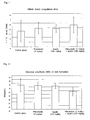
- Fig. 1 is a view showing the effects of the combined administration of aspirin and pivastatin calcium (indicated as pivastatin) in elongating thromboelastograph whole blood coagulation time (r + k value) (in increasing anticoagulant action).
- Fig. 2 is a view showing the effects of the combined administration of aspirin and pivastatin calcium (indicated as pivastatin) in suppressing maximal amplitude (MA) of clot formation (in promoting fibrinolytic action).
- MA maximal amplitude
Landscapes
- Health & Medical Sciences (AREA)
- Chemical & Material Sciences (AREA)
- Medicinal Chemistry (AREA)
- Pharmacology & Pharmacy (AREA)
- Life Sciences & Earth Sciences (AREA)
- Animal Behavior & Ethology (AREA)
- General Health & Medical Sciences (AREA)
- Public Health (AREA)
- Veterinary Medicine (AREA)
- Epidemiology (AREA)
- Engineering & Computer Science (AREA)
- Bioinformatics & Cheminformatics (AREA)
- Chemical Kinetics & Catalysis (AREA)
- General Chemical & Material Sciences (AREA)
- Nuclear Medicine, Radiotherapy & Molecular Imaging (AREA)
- Organic Chemistry (AREA)
- Emergency Medicine (AREA)
- Diabetes (AREA)
- Hematology (AREA)
- Pharmaceuticals Containing Other Organic And Inorganic Compounds (AREA)
Abstract
Description
- This invention relates to a therapeutic agent for thrombosis, and more specifically, to a therapeutic agent for thrombosis which is effective for both suppressing blood coagulation and promoting thrombolysis.
- In the case of thrombosis, blood circulatory insufficiency is caused by the thrombus formed in the inside of an artery or a vein either by sole action of platelet hyperaggregation, hypercoagulability due to activation of blood coagulation factors, or a reduced thrombolytic ability, or by a combinational action of above factors. The resulting ischemia leads to reduction of oxygen and nutrients in the peripheral tissues including brain, heart, and other organs, and this mechanism is strongly related to the onset of diseases such as cerebral infarction and myocardial infarction which may result in fatal symptoms. Therefore, treatment of thrombosis is viewed as an important remedy in these diseases.
- Various drugs are currently used for the treatment of thrombosis. Exemplary such drugs include antiplatelets which suppress platelet aggregation such as aspirin, ticlopidine, eicosapentaenoic acid (EPA), dipyridamole, and dilazep hydrochloride, and anticoagulants which suppress blood coagulation factors such as warfarin, heparin, low molecular weight heparin, and argatroban. These drugs are used either alone or in combination of two or more.
The antiplatelet such as aspirin suppresses thrombus formation and clot-forming ability at the impaired site of the blood vessel by suppressing development of the blood coagulation triggered by platelet aggregation by suppressing the platelet aggregant-forming ability. However, since platelets also bear the function of preventing hemorrhage from the blood vessel, excessive suppression of the platelet aggregability invites loss of physiological hemorrhage-preventing ability, and therefore, antiplatelet administration at the level sufficient for treating the thrombosis often causes difficulties.
In addition, since an antiplatelet such as aspirin does not exhibit direct anticoagulant action, it is often difficult to realize sufficient antithrombotic action solely by the antiplatelet in the patient suffering from the thrombosis.
Aspirin is also known to cause aspirin dilemma when it is administered at a higher dose. More specifically, aspirin is known to induce a serious gastrointestinal dysfunction since physiological production of the substance protecting gastrointestinal mucosa is suppressed, and also, a dysfunction of blood circulatory system since physiological production of vasodilator is suppressed. Accordingly, an escalation of the aspirin dose is not recommended. Administration of aspirin at a dose sufficient for the thrombosis treatment is also difficult in this respect. - In the meanwhile, administration of the anticoagulant at higher dose is associated with the risk of side effects such as hemorrhage, and administration of the anticoagulant at a dose sufficient for the thrombosis treatment is also often difficult.
Accordingly, combined administration of an antiplatelet such as aspirin at an adequate dose and an anticoagulant at an adequate dose is often useful in treating the thrombosis.
However, an antiplatelet and an anticoagulant each aim at prevention of the thrombus formation by different mechanisms, and bleeding tendency may become enhanced at a certain dose. - A new drug for treating thrombosis is disclosed in Patent Document 1, wherein an antithrombotic agent containing a combination of HMG-CoA reductase inhibitor and aspirin is administered. HMG-CoA reductase inhibitor, which has a strong inhibitory action for HMG-CoA reductase, is known to be useful for reducing blood cholesterol levels. This drug, however, is not conceived as a therapeutic drug of thrombosis. In addition, the above-noted publication does not specifically describe effects brought by an action of combined administration of HMG-CoA reductase and aspirin, and the extent of the therapeutic effect remains unknown. Furthermore, there is no indication for the effects that would be achieved by the combined administration of a pitavastatin (Patent Documents 2 and 3) which is a HMG-CoA reductase inhibitor with aspirin.
Patent Document 1:WO98/11896
Patent Document 2:U.S. Patent No. 5856336
Patent Document 3:JP-A-1-279866 - Accordingly, an object of the present invention is to provide a therapeutic agent for treating thrombosis which is effective in both suppressing the blood coagulation and promoting the thrombolysis with reduced side effects.
- In view of the situation as described above, the inventors of the present invention made an intensive study and found that a combined administration of a pivastatin and aspirin will result in an enhanced suppression of the blood coagulation as well as improved promotion of the thrombolysis compared with the cases in which other HMG-CoA reductases and aspirin are used in combination, which are found to be effective for treating thrombosis. The present invention is based on such a finding.
- Accordingly, the present invention provides a therapeutic agent for thrombosis characterized by containing a pitavastatin and aspirin.
The present invention also provides use of a pitavastatin and aspirin for the manufacture of a therapeutic agent for thrombosis.
The present invention also provides a method for treating thrombosis characterized by administering a pitavastatin and aspirin in combination. - The therapeutic agent for thrombosis of the present invention exhibits remarkably excellent antithrombotic action in terms of both improved anticoagulant action and enhanced promotion of thrombolysis compared with the cases in which other HMG-CoA reductases and aspirin are used in combination, and therefore, the therapeutic agent is useful in treating thrombosis associated with hypertension, vasospasm, atherosclerosis, diabetes, surgery, blood congestion, or the like which has occurred either alone or in combination of two or more. The combined administration of a pitavastatin and aspirin also exhibits stronger antithrombotic action than sole administration of the aspirin, and therefore, such combined administration can avoid high dose aspirin administration which produces side effects as well as the side effects associated with the aspirin itself since the dose of aspirin can be reduced.
- The pitavastatins used in the present invention include pitavastatin (3R,5S,6E)-7-[2-cyclopropyl-4-(4-fluorophenyl)-3-quinolyl]-3,5-dihydroxy-6-heptenoic acid (
USP 5856336 andJP-A-1-279866
The pitavastatins can be produced by the method described inUSP 5856336 orJP-A-1-279866 - The aspirin used in the invention is acetyl salitylic acid and it is readily available as a commercial product. Alternatively, the aspirin may be in the form of a salt with sodium, calcium, or aluminum.
- The present invention relates to a combined administration of a pitavastatin and aspirin, and as will be described in the Examples below, such combined administration of the pitavastatin and the aspirin to a guinea pig exhibited elongated blood coagulation time (an enhanced anticoagulant action) as well as an increased suppression of the maximal clot formation (enhanced thrombolysis) compared to the sole administration of the pitavastatin or the aspirin.
Therefore, the therapeutic agent for thrombosis of the present invention is useful in treating thrombosis occurring as a result of blood vessel disorder associated with hypertension, vasospasm, atherosclerosis, diabetes, surgery, blood congestion, and other diseases occurring solely or as a combination of two or more. - In the therapeutic agent for thrombosis of the present invention, an administration mode of the pitavastatin and the aspirin is not particularly limited, and the pitavastatin and the aspirin may be administered either separately or in a single preparation, and either simultaneously or in separate preparations at a certain interval. The number of administration of the pitavastatin may be different from that of the aspirin.
When the pitavastatin and the aspirin are administered in a single preparation, they may be combined at a mass ratio in the range of 1 : 2.5 to 1 : 300, more preferably, at 1 : 2.5 to 1 : 150. - The pitavastatin and the aspirin may be mixed with a pharmaceutically acceptable diluent, excipient, or the like to prepare single preparation. Alternatively, the pitavastatin and the aspirin may be separately prepared to produce a set (kit) containing these preparations. When they are administered separately, they do not have to be in the same dosage form.
- The drugs of the present invention may be administered orally, for example, in the form of tablet, capsule, granule, powder, solution, or syrup.
In addition to the effective components, the preparation may include a suitable pharmaceutically acceptable excipient, disintegrant, binder, lubricant, diluent, buffer, isotonic agent, antiseptic, lubricant, emulsifier, dispersant, stabilizer, solubilizer, or the like according to its dosage form. The preparation may be produced by mixing, diluting, or dissolving the effective components with such additive, and the preparation may be accomplished by any method commonly used in the art.
In the present invention, the dose of the pitavastatin and the aspirin may be appropriately selected according to the body weight, age, sex, symptom, and the like of the patient. In the case of an adult, typical daily dose of the pitavastatin is 1 to 100 mg, preferably 1 to 50 mg, more preferably 1 to 20 mg, and typical daily dose of the aspirin is 10 to 300 mg, preferably 10 to 100 mg, which may be administered at a single dose or in two or more divided doses. - Next, the present invention is described in further detail by referring to the Examples which by no means limit the scope of the present invention.
- Example 1: Effects of combined administration of aspirin and pivastatin calcium on whole blood coagulation time (r + k value) (anticoagulant action)and maximal amplitude (MA) of clot formation (promotion of thrombolysis)
Effects of the administration of aspirin and pitavastatin calcium on whole blood coagulation time (r + k value) and maximal amplitude (MA) of clot formation were evaluated as described below in (1) to (4), and the results are shown in (5) (r, reaction time; k, clotting time; MA, Maximal Amplitude). - The animals used in the test were 6 week old Hartley male guinea pigs (Japan SLC, Inc.), and these animals were kept throughout the test period in a breeding chamber with controlled day and night cycle (light period under illumination of room light, 7 am to 7 pm) at a temperature of 23 ± 3°C and a humidity of 55 ± 15%. The animals were fed pellets (RC4; Oriental Yeast Co., Ltd.) and tap water ad libitum.
- Pitavastatin calcium and aspirin were respectively suspended in 0.5 mass% aqueous solution of sodium carboxymethylcellulose (Product of Iwai Chemicals Company) to a concentration of 1 mg/mL and 10 mg/mL. In the case of pitavastatin calcium which contains 9.43 mass% of water, the dose was corrected by weighing 1.1 folds of the dose. The suspension was stored in a dark bottle and refrigerated at 4°C, and the suspension was renewed every 7 days.
- 24 guinea pigs were divided into 4 groups (6 animals in each group), namely, control group (with no drug administration), the group solely administered with pitavastatin calcium (3 mg/kg), the group solely administered with aspirin (100 mg/kg), and the group administered with a combination of pitavastatin calcium (3 mg/kg) and aspirin (100 mg/kg). Both drugs were orally administered once a day (at 4 pm) for 14 days, and the control group was orally administered with 1 mL/kg of 0.5 mass% aqueous solution of sodium carboxymethylcellulose. Blood was collected from the animals of all groups after 18 hours of fasting from the final administration, and the whole blood coagulation time (r + k value) and the maximal amplitude (MA) of clot formation were measured using Thromboelastograph (Product of Helige).
- The results are all shown in average ± standard deviation.
- As shown in Fig. 1 and Table 1 (wherein pitavastatin calcium is indicated as pitavastatin), some elongation in the whole blood coagulation time (r + k value) was observed in the groups that received the sole administration of pitavastatin calcium or aspirin (110% and 109%). In contrast, the group that received the combined administration of pitavastatin calcium and aspirin exhibited a remarkable elongation in the whole blood coagulation time (122%) compared to the groups of sole administration, and thus the effects were found to be synergistic (Bürgi equation).
More specifically, the effect of the combined administration was larger than the product of the effects of the sole administrations (122% > 110% x 109% = 120%).
In addition, as shown in Fig. 2 and Table 2 (wherein pitavastatin calcium is indicated as pitavastatin), while some suppression in maximal amplitude (MA) of clot formation was observed in the groups that received the sole administration of pitavastatin calcium or aspirin (99% and 98%), the group that received the combined administration of pitavastatin calcium and aspirin exhibited remarkably suppressed maximum clot amplitude (88%) compared to the groups of sole administration, and thus the effects were found to be synergistic (Bürgi equation).
More specifically, the effect of the combined administration was larger than the product of the effects of the sole administrations (88% < 99% x 98% = 97%).
As demonstrated above, the combined administration of the aspirin and the pitavastatin was confirmed to exhibit very strong antithrombotic action in terms of both suppressing the blood coagulation and promoting the thrombolysis compared to the sole administration of the aspirin or the pitavastatin. -
Table 1 Whole blood coagulation time on the combined administration of pitavastatin and aspirin Dose Case number Whole blood coagulation time (r + k value), min Relative value (%) Pitavastatin Aspirin 0 mg/kg 0 mg/kg 6 11.6 ± 4.5 100 3 mg/kg 0 mg/kg 6 12.8 ± 2.4 110 0 mg/ kg 100 mg/kg 6 12.7 ± 1.6 109 3 mg/ kg 100 mg/ kg 5 14.2 ± 3.3* 122 -
Table 2 Maximal amplitude (MA) of clot formation on the combined administration of pitavastatin and aspirin Dose Case number Maximal amplitude (MA) of clot formation, mm Relative value, % Pitavastatin Aspirin 0 mg/kg 0 mg/kg 6 72.5 ± 8.6 100 3 mg/kg 0 mg/kg 6 71.8 ± 5.0 99 0 mg/ kg 100 mg/kg 6 71.0 ± 3.1 98 3 mg/ kg 100 mg/ kg 5 63.9 ± 6.0* 88 - Comparative Examples 1-3: Effects of combined administration of aspirin and atorvastatin, simvastatin or pravastatin on whole blood coagulation time (r + k value) and maximal amplitude (MA) of clot formation
Effects of the drug administration on the whole blood coagulation time (r + k value) and the maximal amplitude (MA) of clot formation were determined by repeating the procedure of Example 1 except for the use of atorvastatin calcium hydrate (USP 4681893 andUSP 5273995 ; andJP-A-3-58967 USP 4444784 ) or pravastatin sodium (USP 4346227 ), each of which is a typical HMG reductase inhibitor, instead of the pitavastatin calcium. Atorvastatin calcium hydrate, simvastatin and pravastatin were each administered at a dose of 15 mg/kg. The results are shown in Tables 3 to 8. - As shown in the Tables 3 and 4 (wherein atorvastatin calcium is indicated as atorvastatin), the group that received the combined administration of atorvastatin calcium hydrate and aspirin did not exhibit elongation in the whole blood coagulation time (r + k value). This group also failed to exhibit suppression of the maximal amplitude (MA) of clot formation. Thus, neither suppression of the blood coagulation nor promotion of the thrombolysis were confirmed in the combined administration of atorvastatin calcium hydrate and aspirin.
-
Table 3 Whole blood coagulation time on the combined administration of atorvastatin and aspirin Dose Case number Whole blood coagulation time (r + k value), min Relative value, % Atorvastatin Aspirin 0 mg/kg 0 mg/kg 6 11.4 ± 3.7 100 15 mg/kg 0 mg/kg 6 12.6 ± 3.8 111 0 mg/ kg 100 mg/ kg 5 9.5 ± 2.4 83 15 mg/ kg 100 mg/kg 6 11.9 ± 2.3 104 -
Table 4 Maximal amplitude (MA) of clot formation on the combined administration of atorvastatin and aspirin Dose Case number Maximal amplitude (MA) of clot formation, mm Relative value, % Atorvastatin Aspirin 0 mg/kg 0 mg/kg 6 70.2 ± 3.2 100 15 mg/kg 0 mg/kg 6 71.4 ± 2.4 102 0 mg/ kg 100 mg/ kg 5 70.9 ± 3.0 101 15 mg/ kg 100 mg/kg 6 72.3 ± 3.6 103 - As shown in the Tables 5 and 6, in the group that received the combined administration of simvastatin and aspirin, neither the whole blood coagulation time nor the maximal amplitude (MA) of clot formation seemed to have been affected (Table 5 and 6, respectively). Furthermore, in the group that received the combined administration of pravastatin sodium (indicated as pravastatin) and aspirin, neither the whole blood coagulation time nor the maximal amplitude (MA) of clot formation seemed to have been affected (Table 7 and 8, respectively). As described above, neither elongation of the whole blood coagulation time nor suppression of the maximum clot amplitude were observed in the combined administration of simvastatin or pravastatin and aspirin.
-
Table 5 Whole blood coagulation time on the combined administration of simvastatin and aspirin Dose Case number Whole blood coagulation time (r + k value), min Relative value, % Simvastatin Aspirin 0 mg/kg 0 mg/kg 6 11.3 ± 2.6 100 15 mg/kg 0 mg/ kg 5 10.6 ± 1.1 94 0 mg/ kg 100 mg/kg 6 10.2 ± 2.7 90 15 mg/ kg 100 mg/kg 6 10.5 ± 1.7 93 -
Table 6 Maximal amplitude (MA) of clot formation on the combined administration of simvastatin and aspirin Dose Case number Maximal amplitude (MA) of clot formation, mm Relative value, % Simvastatin Aspirin 0 mg/kg 0 mg/kg 6 65.2 ± 3.2 100 15 mg/kg 0 mg/ kg 5 65.2 ± 2.1 100 0 mg/ kg 100 mg/kg 6 66.0 ± 2.7 101 15 mg/ kg 100 mg/kg 6 66.3 ± 1.6 102 -
Table 7 Whole blood coagulation time on the combined administration of pravastatin and aspirin Dose Case number Whole blood coagulation time (r + k value), min Relative value, % Pravastatin Aspirin 0 mg/kg 0 mg/kg 6 11.3 ± 2.6 100 15 mg/kg 0 mg/kg 6 10.1 ± 1.7 89 0 mg/ kg 100 mg/kg 6 10.2 ± 2.7 90 15 mg/ kg 100 mg/kg 6 9.4 ± 1.8 83 -
Table 8 Maximal amplitude (MA) of clot formation on the combined administration of pravastatin and aspirin Dose Case number Maximal amplitude (MA) of clot formation, mm Relative value, % Pravastatin Aspirin 0 mg/kg 0 mg/kg 6 65.2 ± 3.2 100 15 mg/kg 0 mg/kg 6 67.3 ± 2.5 103 0 mg/ kg 100 mg/kg 6 66.0 ± 2.7 101 15 mg/ kg 100 mg/kg 6 66.7 ± 7.4 102 - Based on the above results, it was confirmed that the synergistic effect for elongation of the whole blood coagulation time (anticoagulant action) and suppression of the maximum clot amplitude (promotion of thrombolysis) was obtainable only in the case of combined administration of pitavastatin and aspirin.
- Fig. 1 is a view showing the effects of the combined administration of aspirin and pivastatin calcium (indicated as pivastatin) in elongating thromboelastograph whole blood coagulation time (r + k value) (in increasing anticoagulant action).
Fig. 2 is a view showing the effects of the combined administration of aspirin and pivastatin calcium (indicated as pivastatin) in suppressing maximal amplitude (MA) of clot formation (in promoting fibrinolytic action).
Claims (9)
- A therapeutic agent for thrombosis comprising pitavastatins and aspirin.
- The agent according to Claim 1, wherein the pitavastatins is pitavastatin calcium.
- The agent according to Claim 1 or 2, wherein the pitavastatins and aspirin are combined at a mass ratio in the range of 1 : 2.5 to 1 : 300.
- Use of pitavastatins and aspirin for the manufacture of a therapeutic agent for thrombosis.
- The use according to Claim 4, wherein the pitavastatins is pitavastatin calcium.
- The use according to Claim 4, wherein the pitavastatins and aspirin are combined at a mass ratio in the range of 1 : 2.5 to 1 : 300.
- A method for treating thrombosis, comprising administering pitavastatins and aspirin in combination.
- The method for treating thrombosis according to Claim 7, wherein the pitavastatins is pitavastatin calcium.
- The method for treating thrombosis according to Claim 7 or 8, the method comprises administering a preparation in which the pitavastatins and aspirin are combined at a mass ratio in the range of 1 : 2.5 to 1 : 300.
Applications Claiming Priority (3)
| Application Number | Priority Date | Filing Date | Title |
|---|---|---|---|
| US66539005P | 2005-03-28 | 2005-03-28 | |
| US11/158,080 US7598233B2 (en) | 2005-03-28 | 2005-06-22 | Method for treating thrombosis |
| PCT/JP2006/306125 WO2006104086A1 (en) | 2005-03-28 | 2006-03-27 | Therapeutic agent for thrombosis |
Publications (2)
| Publication Number | Publication Date |
|---|---|
| EP1864662A1 true EP1864662A1 (en) | 2007-12-12 |
| EP1864662A4 EP1864662A4 (en) | 2010-06-23 |
Family
ID=37035987
Family Applications (1)
| Application Number | Title | Priority Date | Filing Date |
|---|---|---|---|
| EP06730073A Withdrawn EP1864662A4 (en) | 2005-03-28 | 2006-03-27 | ANTITHROMBOTIC THERAPEUTIC AGENT |
Country Status (5)
| Country | Link |
|---|---|
| US (1) | US7598233B2 (en) |
| EP (1) | EP1864662A4 (en) |
| JP (1) | JP4839309B2 (en) |
| KR (1) | KR101261077B1 (en) |
| WO (1) | WO2006104086A1 (en) |
Families Citing this family (8)
| Publication number | Priority date | Publication date | Assignee | Title |
|---|---|---|---|---|
| US20060276486A1 (en) * | 2003-04-17 | 2006-12-07 | Kowa Co., Ktd. | Lklf/klf2 gene expression promoter |
| WO2011076401A1 (en) | 2009-12-23 | 2011-06-30 | Holger Schankin | Substantially water-free pharmaceutical compositions containing acetylsalicylic acid |
| WO2013040507A1 (en) * | 2011-09-15 | 2013-03-21 | Omthera Pharmaceuticals, Inc. | Methods and compositions for treating, reversing, inhibiting or preventing resistance to antiplatelet therapy |
| LV14963B (en) | 2013-06-28 | 2015-10-20 | Tetra, Sia | Corrector of endothelial dysfunction |
| US10183044B2 (en) * | 2015-05-15 | 2019-01-22 | P Tech, Llc | Systems and methods for thrombosis prevention |
| CN117982446A (en) * | 2016-06-28 | 2024-05-07 | 阿萨德股份有限公司 | Two-component composition |
| EP3501523A1 (en) | 2017-12-22 | 2019-06-26 | Asamedic AS | Two-component compositions comprising acetyl salicylic acid and a carbonate salt |
| EP3501522A1 (en) | 2017-12-22 | 2019-06-26 | Asamedic AS | Compositions comprising acetylsalicylic acid and a phosphate salt |
Family Cites Families (9)
| Publication number | Priority date | Publication date | Assignee | Title |
|---|---|---|---|---|
| JP2569746B2 (en) | 1987-08-20 | 1997-01-08 | 日産化学工業株式会社 | Quinoline mevalonolactones |
| US6235706B1 (en) * | 1996-09-18 | 2001-05-22 | Merck & Co., Inc. | Combination therapy for reducing the risks associated with cardiovascular disease |
| WO1998011896A1 (en) * | 1996-09-18 | 1998-03-26 | Merck & Co., Inc. | Combination therapy for reducing the risks associated with cardiovascular disease |
| US6465477B1 (en) | 1997-08-18 | 2002-10-15 | Kowa Company, Ltd. | Stable pharmaceutical composition |
| US6777552B2 (en) * | 2001-08-16 | 2004-08-17 | Teva Pharmaceutical Industries, Ltd. | Processes for preparing calcium salt forms of statins |
| WO2002078625A2 (en) * | 2001-03-28 | 2002-10-10 | Pharmacia Corporation | Therapeutic combinations for cardiovascular and inflammatory indications |
| MY131170A (en) * | 2002-03-28 | 2007-07-31 | Nissan Chemical Ind Ltd | Therapeutic agent for glomerular disease |
| JP4187141B2 (en) * | 2002-04-12 | 2008-11-26 | 興和株式会社 | Novel thrombomodulin expression promoter |
| ITMI20021012A1 (en) * | 2002-05-13 | 2003-11-13 | Giovanni Scaramuzzino | COMBINATION OF AN HMG-COA REDUCTASE INHIBITOR AND AN ESTER NITRATE |
-
2005
- 2005-06-22 US US11/158,080 patent/US7598233B2/en not_active Expired - Fee Related
-
2006
- 2006-03-27 EP EP06730073A patent/EP1864662A4/en not_active Withdrawn
- 2006-03-27 KR KR1020077021697A patent/KR101261077B1/en not_active Expired - Fee Related
- 2006-03-27 JP JP2007510480A patent/JP4839309B2/en not_active Expired - Fee Related
- 2006-03-27 WO PCT/JP2006/306125 patent/WO2006104086A1/en not_active Ceased
Also Published As
| Publication number | Publication date |
|---|---|
| US7598233B2 (en) | 2009-10-06 |
| KR20080002770A (en) | 2008-01-04 |
| JPWO2006104086A1 (en) | 2008-09-04 |
| KR101261077B1 (en) | 2013-05-06 |
| US20060217352A1 (en) | 2006-09-28 |
| EP1864662A4 (en) | 2010-06-23 |
| JP4839309B2 (en) | 2011-12-21 |
| WO2006104086A1 (en) | 2006-10-05 |
Similar Documents
| Publication | Publication Date | Title |
|---|---|---|
| KR102011641B1 (en) | Oral immediate release formulations for substituted quinazolinones | |
| KR101244508B1 (en) | Remedy for hyperlipemia | |
| KR20080014002A (en) | Dispersible tablet | |
| WO2015080433A1 (en) | Pharmaceutical combination formulation comprising amlodipine, losartan and rosuvastatin | |
| JP2025013684A (en) | Treatment method for cancer patients with severe renal dysfunction | |
| US7598233B2 (en) | Method for treating thrombosis | |
| EP1488808B1 (en) | Remedies for glomerular diseases | |
| JP2020516622A (en) | Gemcavene, pharmaceutically acceptable salts thereof, compositions thereof, and methods of use thereof | |
| EP2698159A1 (en) | Pitavastatin-containing preparation and method for producing same | |
| AU2004220205B2 (en) | Antitumor effect potentiator and antitumor agent | |
| RU2611341C2 (en) | Method of increasing efficiency of therapy of autoimmune diseases, such as rheumatoid arthritis | |
| JP2026063342A (en) | Renal protective agents | |
| US20220168385A1 (en) | Use of cyclosporine analogues as antithrombotic agents | |
| JP2025011312A (en) | Method for preventing precipitation of injection solutions containing p-boronophenylalanine | |
| KR101258422B1 (en) | Novel triglyceride reducing agent | |
| MX2008012729A (en) | Renin inhibitors for the treatment of hypertension. | |
| US20090233898A1 (en) | Pharmaceutical Compositions Comprising Simvastatin and Ezetimibe | |
| HK1117758A (en) | Therapeutic agent for thrombosis | |
| JP2008522955A (en) | Lipid rich plaque reduction, stabilization and rupture prevention methods | |
| EP1649855A1 (en) | Medicinal composition | |
| KR20240173178A (en) | Pharmaceutical composition containing crisdesalazine with improved stability and dissolution rate | |
| JPWO2005117853A1 (en) | Hyperlipidemia treatment and diabetes treatment | |
| WO2008015763A1 (en) | Drug formulation containing fibrate medicament and process for producing the same | |
| HK40058318A (en) | Pharmaceutical composition for treating aortic aneurysm | |
| JP2005089300A (en) | Antihyperlipidemic agent |
Legal Events
| Date | Code | Title | Description |
|---|---|---|---|
| PUAI | Public reference made under article 153(3) epc to a published international application that has entered the european phase |
Free format text: ORIGINAL CODE: 0009012 |
|
| 17P | Request for examination filed |
Effective date: 20070912 |
|
| AK | Designated contracting states |
Kind code of ref document: A1 Designated state(s): AT BE BG CH CY CZ DE DK EE ES FI FR GB GR HU IE IS IT LI LT LU LV MC NL PL PT RO SE SI SK TR |
|
| AX | Request for extension of the european patent |
Extension state: AL BA HR MK YU |
|
| A4 | Supplementary search report drawn up and despatched |
Effective date: 20100527 |
|
| 17Q | First examination report despatched |
Effective date: 20110317 |
|
| GRAP | Despatch of communication of intention to grant a patent |
Free format text: ORIGINAL CODE: EPIDOSNIGR1 |
|
| INTG | Intention to grant announced |
Effective date: 20150921 |
|
| STAA | Information on the status of an ep patent application or granted ep patent |
Free format text: STATUS: THE APPLICATION IS DEEMED TO BE WITHDRAWN |
|
| 18D | Application deemed to be withdrawn |
Effective date: 20160202 |