EP1861091B1 - Compounds having lipid lowering properties - Google Patents
Compounds having lipid lowering properties Download PDFInfo
- Publication number
- EP1861091B1 EP1861091B1 EP06704954.4A EP06704954A EP1861091B1 EP 1861091 B1 EP1861091 B1 EP 1861091B1 EP 06704954 A EP06704954 A EP 06704954A EP 1861091 B1 EP1861091 B1 EP 1861091B1
- Authority
- EP
- European Patent Office
- Prior art keywords
- cholesterol
- phosphate
- group
- lipid
- electron transfer
- Prior art date
- Legal status (The legal status is an assumption and is not a legal conclusion. Google has not performed a legal analysis and makes no representation as to the accuracy of the status listed.)
- Expired - Lifetime
Links
Images
Classifications
-
- A—HUMAN NECESSITIES
- A61—MEDICAL OR VETERINARY SCIENCE; HYGIENE
- A61K—PREPARATIONS FOR MEDICAL, DENTAL OR TOILETRY PURPOSES
- A61K31/00—Medicinal preparations containing organic active ingredients
- A61K31/045—Hydroxy compounds, e.g. alcohols; Salts thereof, e.g. alcoholates
- A61K31/07—Retinol compounds, e.g. vitamin A
-
- A—HUMAN NECESSITIES
- A61—MEDICAL OR VETERINARY SCIENCE; HYGIENE
- A61K—PREPARATIONS FOR MEDICAL, DENTAL OR TOILETRY PURPOSES
- A61K31/00—Medicinal preparations containing organic active ingredients
- A61K31/12—Ketones
- A61K31/122—Ketones having the oxygen directly attached to a ring, e.g. quinones, vitamin K1, anthralin
-
- A—HUMAN NECESSITIES
- A61—MEDICAL OR VETERINARY SCIENCE; HYGIENE
- A61K—PREPARATIONS FOR MEDICAL, DENTAL OR TOILETRY PURPOSES
- A61K31/00—Medicinal preparations containing organic active ingredients
- A61K31/33—Heterocyclic compounds
- A61K31/335—Heterocyclic compounds having oxygen as the only ring hetero atom, e.g. fungichromin
- A61K31/35—Heterocyclic compounds having oxygen as the only ring hetero atom, e.g. fungichromin having six-membered rings with one oxygen as the only ring hetero atom
- A61K31/352—Heterocyclic compounds having oxygen as the only ring hetero atom, e.g. fungichromin having six-membered rings with one oxygen as the only ring hetero atom condensed with carbocyclic rings, e.g. methantheline
- A61K31/353—3,4-Dihydrobenzopyrans, e.g. chroman, catechin
- A61K31/355—Tocopherols, e.g. vitamin E
-
- A—HUMAN NECESSITIES
- A61—MEDICAL OR VETERINARY SCIENCE; HYGIENE
- A61K—PREPARATIONS FOR MEDICAL, DENTAL OR TOILETRY PURPOSES
- A61K31/00—Medicinal preparations containing organic active ingredients
- A61K31/33—Heterocyclic compounds
- A61K31/335—Heterocyclic compounds having oxygen as the only ring hetero atom, e.g. fungichromin
- A61K31/365—Lactones
- A61K31/375—Ascorbic acid, i.e. vitamin C; Salts thereof
-
- A—HUMAN NECESSITIES
- A61—MEDICAL OR VETERINARY SCIENCE; HYGIENE
- A61K—PREPARATIONS FOR MEDICAL, DENTAL OR TOILETRY PURPOSES
- A61K31/00—Medicinal preparations containing organic active ingredients
- A61K31/66—Phosphorus compounds
- A61K31/661—Phosphorus acids or esters thereof not having P—C bonds, e.g. fosfosal, dichlorvos, malathion or mevinphos
-
- A—HUMAN NECESSITIES
- A61—MEDICAL OR VETERINARY SCIENCE; HYGIENE
- A61K—PREPARATIONS FOR MEDICAL, DENTAL OR TOILETRY PURPOSES
- A61K31/00—Medicinal preparations containing organic active ingredients
- A61K31/66—Phosphorus compounds
- A61K31/665—Phosphorus compounds having oxygen as a ring hetero atom, e.g. fosfomycin
-
- A—HUMAN NECESSITIES
- A61—MEDICAL OR VETERINARY SCIENCE; HYGIENE
- A61K—PREPARATIONS FOR MEDICAL, DENTAL OR TOILETRY PURPOSES
- A61K31/00—Medicinal preparations containing organic active ingredients
- A61K31/66—Phosphorus compounds
- A61K31/683—Diesters of a phosphorus acid with two hydroxy compounds, e.g. phosphatidylinositols
-
- A—HUMAN NECESSITIES
- A61—MEDICAL OR VETERINARY SCIENCE; HYGIENE
- A61K—PREPARATIONS FOR MEDICAL, DENTAL OR TOILETRY PURPOSES
- A61K45/00—Medicinal preparations containing active ingredients not provided for in groups A61K31/00 - A61K41/00
- A61K45/06—Mixtures of active ingredients without chemical characterisation, e.g. antiphlogistics and cardiaca
-
- A—HUMAN NECESSITIES
- A61—MEDICAL OR VETERINARY SCIENCE; HYGIENE
- A61P—SPECIFIC THERAPEUTIC ACTIVITY OF CHEMICAL COMPOUNDS OR MEDICINAL PREPARATIONS
- A61P1/00—Drugs for disorders of the alimentary tract or the digestive system
- A61P1/16—Drugs for disorders of the alimentary tract or the digestive system for liver or gallbladder disorders, e.g. hepatoprotective agents, cholagogues, litholytics
-
- A—HUMAN NECESSITIES
- A61—MEDICAL OR VETERINARY SCIENCE; HYGIENE
- A61P—SPECIFIC THERAPEUTIC ACTIVITY OF CHEMICAL COMPOUNDS OR MEDICINAL PREPARATIONS
- A61P13/00—Drugs for disorders of the urinary system
- A61P13/12—Drugs for disorders of the urinary system of the kidneys
-
- A—HUMAN NECESSITIES
- A61—MEDICAL OR VETERINARY SCIENCE; HYGIENE
- A61P—SPECIFIC THERAPEUTIC ACTIVITY OF CHEMICAL COMPOUNDS OR MEDICINAL PREPARATIONS
- A61P27/00—Drugs for disorders of the senses
- A61P27/02—Ophthalmic agents
-
- A—HUMAN NECESSITIES
- A61—MEDICAL OR VETERINARY SCIENCE; HYGIENE
- A61P—SPECIFIC THERAPEUTIC ACTIVITY OF CHEMICAL COMPOUNDS OR MEDICINAL PREPARATIONS
- A61P3/00—Drugs for disorders of the metabolism
- A61P3/06—Antihyperlipidemics
-
- A—HUMAN NECESSITIES
- A61—MEDICAL OR VETERINARY SCIENCE; HYGIENE
- A61P—SPECIFIC THERAPEUTIC ACTIVITY OF CHEMICAL COMPOUNDS OR MEDICINAL PREPARATIONS
- A61P3/00—Drugs for disorders of the metabolism
- A61P3/08—Drugs for disorders of the metabolism for glucose homeostasis
- A61P3/10—Drugs for disorders of the metabolism for glucose homeostasis for hyperglycaemia, e.g. antidiabetics
-
- A—HUMAN NECESSITIES
- A61—MEDICAL OR VETERINARY SCIENCE; HYGIENE
- A61P—SPECIFIC THERAPEUTIC ACTIVITY OF CHEMICAL COMPOUNDS OR MEDICINAL PREPARATIONS
- A61P35/00—Antineoplastic agents
-
- A—HUMAN NECESSITIES
- A61—MEDICAL OR VETERINARY SCIENCE; HYGIENE
- A61P—SPECIFIC THERAPEUTIC ACTIVITY OF CHEMICAL COMPOUNDS OR MEDICINAL PREPARATIONS
- A61P9/00—Drugs for disorders of the cardiovascular system
-
- A—HUMAN NECESSITIES
- A61—MEDICAL OR VETERINARY SCIENCE; HYGIENE
- A61P—SPECIFIC THERAPEUTIC ACTIVITY OF CHEMICAL COMPOUNDS OR MEDICINAL PREPARATIONS
- A61P9/00—Drugs for disorders of the cardiovascular system
- A61P9/10—Drugs for disorders of the cardiovascular system for treating ischaemic or atherosclerotic diseases, e.g. antianginal drugs, coronary vasodilators, drugs for myocardial infarction, retinopathy, cerebrovascula insufficiency, renal arteriosclerosis
Definitions
- the invention relates to one or more phosphate derivatives of one or more electron transfer agents for use in a method for lowering increased circulating blood levels of one or more of the following lipids: LDL cholesterol, triglycerides and overall cholesterol.
- Cardiovascular disease which includes heart disease and stroke is the number one cause of death in Western societies. This is believed to be due to a number of factors including, excessive proliferation of vascular smooth muscle cells (SMC), elevated total cholesterol and low density lipoprotein (LDL) cholesterol.
- SMC smooth muscle cells
- LDL low density lipoprotein
- Heart disease refers only to diseases of the heart and the blood vessel system within the heart.
- Cardiovascular disease refers to diseases of the heart and diseases of the blood vessel system (arteries, capillaries, veins) within a person's entire body, such as the brain, legs, and lungs.
- Cardio refers to the heart and "vascular” refers to the blood vessel system.
- the heart is a strong, muscular pump slightly larger than a fist. It pumps blood continuously through the circulatory system, the network of elastic tubes that allows blood to flow throughout the body.
- the circulatory system includes two major organs, the heart and lungs, and blood vessels (arteries, capillaries, and veins). Arteries and capillaries carry oxygen- and nutrient-rich blood from the heart and lungs to all parts of the body. Veins carry oxygen- and nutrient-depleted blood back to the heart and lungs. Heart and blood vessel problems do not happen quickly. Over time, the arteries that bring blood to the heart and brain can become blocked from a build up of cells, fat, and cholesterol (plaque). Reduced blood flow to the heart from blockages in the arteries causes heart attacks. Lack of blood flow to the brain from a blood clot, or bleeding in the brain from a broken blood vessel, causes a stroke.
- Factors include the following:
- Cholesterol is a fatty substance made by the liver and found in all parts of the body.
- the body uses cholesterol to produce cell membranes, hormones, vitamin D, and the bile acids that help to digest fat. It takes only a small amount of cholesterol in the blood to meet these needs, and the liver makes all the cholesterol the body needs.
- Cholesterol is also accumulated from food. Eating too much cholesterol in animal foods like meats, whole milk dairy products, egg yolks, poultry, and fish can increase cholesterol levels. However, saturated fat in diets is the main culprit that causes cholesterol levels to rise.
- LDL Low density lipoprotein
- HDL high density lipoprotein
- Atorvastatin (Lipitor) Reduce LDL and triglycerides, and moderately increase HDL Upset stomach, gas, constipation, abdominal pain, cramps, muscle soreness, pain and weakness, increased blood levels of some statins with grapefruit juice consumption
- Fluvastatin (Lescol) Lovastatin (Altocor, Mevacor) Pravastatin (Pravachol) Rosuvastatin (Crestor) Simvastatin (Zocor) Bile acid-binding resins Cholestyramine (Questran) Reduce LDL Constipation, bloating, nausea, gas Colesevelam (WelChol) Colestipol (Colestid) Cholesterol absorption inhibitors Ezetimibe (Zetia) Reduce LDL, slightly decrease triglycerides and slightly increase HDL Stomach pain, fatigue Combination cholesterol absorption inhibitor and statin Ezetimibe/simvastatin (Vytorin
- European patent application no. EP 0 617 963 A discloses a lipid metabolism improving medicinal composition containing a phosphoric acid diester compound having a specific formula or a pharmacologically acceptable salt thereof.
- vitamin E ⁇ -tocopherol
- Clinical trials with vitamin E have however been equivocal in demonstrating treatment of atherosclerosis. Current vitamin E supplements are therefore not a useful clinical option to combat atherosclerosis.
- Tocopheryl phosphate has also been disclosed in international patent application no. WO 2004/064831 as having properties related to inhibiting the proliferation of monocytes/macrophages, proliferation of smooth muscle cells, the expression of CD36 receptors and the uptake of oxidized LDL.
- lipids such as cholesterol.
- CD36 promotes changes in response to proteins that accumulate in Alzheimer's disease and atherosclerosis. These processes have nothing to do with lipid metabolism.
- drugs such as Malaria treatments and Alzheimers treatments are aimed at the CD36 expression but do not alter lipid profiles.
- the present invention relates to one or more phosphate derivatives of one or more electron transfer agents for use in a method for lowering increased circulating blood levels of a lipid selected from the group consisting of LDL cholesterol, triglycerides, overall cholesterol and mixtures thereof, wherein the phosphate derivative of the electron transfer agent is selected from the group consisting of mono-tocopheryl phosphate, di-tocopheryl phosphate, metal salts thereof and mixtures thereof.
- the present invention refers to the use of one or more phosphate derivatives of one or more electron transfer agents for the manufacture of a medicament for lowering increased circulating blood levels of a lipid selected from the group consisting of LDL cholesterol, triglycerides, overall cholesterol and mixtures thereof, wherein the phosphate derivative of the electron transfer agent is selected from the group consisting of mono-tocopheryl phosphate, di-tocopheryl phosphate, metal salts thereof and mixtures thereof.
- LDL cholesterol LDL cholesterol
- triglycerides lipids
- overall cholesterol lipids
- diseases include cardiovascular disease, atherosclerosis, diabetes mellitus, chronic renal disease, primary and secondary hyperlipidemias and dyslipidemia, retinopathies, liver & spleen enlargement and xanthomas.
- a pharmaceutical formulation comprising an effective amount of one or more phosphate derivatives of one or more electron transfer agents as defined above and optionally a suitable carrier or diluent can be administered to a subject having or at risk of developing the disease.
- the subject is an animal, more preferably the animal is a human.
- an effective amount is used herein to refer to an amount which is sufficient to lower increased circulating blood levels of one or more of the following lipids: LDL cholesterol, triglycerides, and overall cholesterol. A person skilled in the art will understand that this amount will vary from patient to patient and is usually determined from experience with clinical administration to particular patients.
- Electrode transfer agents are a class of chemicals which may be phosphorylated and which (in the non-phosphorylated form) can accept an electron to generate a relatively stable molecular radical or accept two electrons to allow the compound to participate in a reversible redox system.
- classes of electron transfer agent compounds that may be phosphorylated include hydroxy chromans including ⁇ -, ⁇ -, ⁇ - and ⁇ -tocols in enantiomeric and racemic forms; quinols being the reduced forms of vitamin K1 and ubiquinone; hydroxy carotenoids including retinol; calciferol and ascorbic acid.
- the electron transfer agent include tocopherol and other tocols, retinol, vitamin K1 and mixtures thereof.
- the tocols include all isomers of derivatives of 6:hydroxy 2:methyl chroman (see structure below) where R 1 , R 2 and R 3 may be hydrogen or methyl groups, that is, the ⁇ -5:7:8 tri-methyl; ⁇ -5:8 di-methyl; ⁇ -7:8 di-methyl; and ⁇ -8 methyl derivatives.
- R 4 is substituted by 4:8:12 tri-methyl tridecyl and includes various stereoisomers and optical isomers (chiral centres are indicted by the *).
- R 4 is substituted by 4:8:12 tri-methyl trideca-3:7:11 triene and the 2 position may be stereoactive as R or S stereoisomers.
- tocotrienols examples include ⁇ -tocotrienol, ⁇ -tocotrienol, ⁇ -tocotrienol and mixtures thereof.
- Tocopherol is used as an electron transfer agent in the form of mono-tocopheryl phosphate, di-tocopheryl phosphate, metal salts thereof and mixtures thereof in the present invention.
- the electron transfer agent is selected from the group consisting of ⁇ -tocopherol, ⁇ -tocopherol, ⁇ -tocopherol and mixtures thereof.
- Phosphate derivatives are compounds covalently bound by means of an oxygen to the phosphorus atom of a phosphate group thus forming a carbon-oxygen -phosphorous bond.
- the oxygen atom is typically derived from a hydroxyl group on the electron transfer agent.
- the term includes the acid forms of phosphorylated electron transfer agents, salts of the phosphates including metal salts such as sodium, magnesium, potassium and calcium and any other derivative where the phosphate proton is replaced by other substituents such as ethyl or methyl groups or phosphatidyl groups.
- the term includes mixtures of phosphate derivatives, especially those which result from phosphorylation reactions, as well as each of the phosphate derivatives alone.
- the term includes a mixture of mono-tocopheryl phosphate (TP) and di-tocopheryl phosphate (T2P) as well as each of TP and T2P alone. Suitable mixtures are described in international patent application no. PCT/AU01/01475 .
- Phosphates and metal salts thereof are used as phosphate derivatives in the form of mono-tocopheryl phosphate, di-tocopheryl phosphate, metal salts thereof and mixtures thereof in the present invention.
- the one or more phosphate derivatives of one or more electron transfer agents is preferably selected from the group consisting of mono-tocopheryl phosphate, di-tocopheryl phosphate, and mixtures thereof. In one preferred embodiment, the one or more phosphate derivatives of one or more electron transfer agents is a mixture of one or more of mono-tocopheryl phosphate, and di-tocopheryl phosphate.
- Phosphatidyl derivatives are amino alkyl derivatives of organic phosphates. These derivatives may be prepared from amines having a structure of R 1 R 2 N(CH 2 ) n OH wherein n is an integer between 1 and 6 and R 1 and R 2 may be either H or short alkyl chains with 3 or less carbons. R 1 and R 2 may be the same or different.
- the phosphatidyl derivatives are prepared by displacing the hydroxyl proton of the electron transfer agent with a phosphate entity that is then reacted with an amine, such as ethanolamine or N,N'-dimethylethanolamine, to generate the phosphatidyl derivative of the electron transfer agent.
- a basic solvent such as pyridine or triethylamine with phosphorous oxychloride to prepare the intermediate which is then reacted with the hydroxy group of the amine to produce the corresponding phosphatidyl derivative, such as P cholyl P tocopheryl dihydrogen phosphate.
- Complexes of phosphate derivatives of the electron transfer agents are also disclosed for use in some situations where additional properties such as improved stability or deliverability may be useful.
- the term "complexes of phosphate derivatives” refers to the reaction product of one or more phosphate derivatives of electron transfer agents with one or more complexing agents selected from the group consisting of amphoteric surfactants, cationic surfactants, amino acids having nitrogen functional groups and proteins rich in these amino acids as disclosed in international patent application no. PCT/AU01/01476 .
- proteins rich in these amino acids are those proteins having either at least I in 62 amino acids as arginine, or at least 1 in 83 histidine, or at least 1 in 65 as lysine, such as the various forms of the protein casein.
- insulin parathyroid hormone (PTH), glucagon, calcitonin, adrenocorticotropic hormone (ACTH), prolactin, interferon- ⁇ and - ⁇ and - ⁇ , leutenising hormone (LH) (also known as gonadotropin releasing hormone), follicle stimulating hormone (FSH) and colony stimulating factor (CSF).
- PTH parathyroid hormone
- glucagon calcitonin
- ACTH adrenocorticotropic hormone
- prolactin prolactin
- interferon- ⁇ and - ⁇ and - ⁇ interferon- ⁇ and - ⁇ and - ⁇
- LH leutenising hormone
- FSH follicle stimulating hormone
- CSF colony stimulating factor
- the disclosed complexing agents are selected from the group consisting of arginine, lysine and tertiary substituted amines, such as those according to the following formula: NR 1 R 2 R 3 wherein R 1 is chosen from the group comprising straight or branched chain mixed alkyl radicals from C6 to C22 and carbonyl derivatives thereof; R 2 and R 3 are chosen independently from the group comprising H, CH 2 COOX, CH 2 CHOHCH 2 SO 3 X, CH 2 CHOHCH 2 OPO 3 X, CH 2 CH 2 COOX, CH 2 COOX, CH 2 CH 2 CHOHCH 2 SO 3 X or CH 2 CH 2 CHOHCH 2 OPO 3 X and X is H, Na, K or alkanolamine provided R 2 and R 3 are not both H; and wherein when R 1 is RCO then R 2 may be CH 3 and R 3 may be (CH 2 CH 2 )N(C 2 H 4 OH)-H 2 CHOPO 3 or R 2 and R 3 together may be N(CH 2
- Disclosed complexing agents include arginine, lysine or lauryliminodipropionic acid where complexation occurs between the alkaline nitrogen centre and the phosphoric acid ester to form a stable complex.
- the phosphate derivative of the electron transfer agent may be administered to humans or animals through a variety of dose forms such as supplements, enteral feeds, parenteral dose forms, suppositories, oral dose forms, pulmonary and nasal delivery forms, dermal delivery including patches and creams.
- dose forms such as supplements, enteral feeds, parenteral dose forms, suppositories, oral dose forms, pulmonary and nasal delivery forms, dermal delivery including patches and creams.
- the phosphate derivative of the electron transfer agent may be administered by an orally or parenterally administered dose form.
- these include tablets, powders, chewable tablets, capsules, oral suspensions, suspensions, emulsions or fluids, children's formulations, enteral feeds, nutraceuticals, and functional foods.
- the dose form may further include any additives routinely used in preparation of that dose form such as starch or polymeric binders, sweeteners, coloring agents, emulsifiers, and coatings.
- additives routinely used in preparation of that dose form such as starch or polymeric binders, sweeteners, coloring agents, emulsifiers, and coatings.
- Other suitable additives will be readily apparent to those skilled in the art.
- the dose form has an enteric coating as disclosed in international patent application PCT/AU01/01206 .
- the dose form is a topical formulation as disclosed in international patent application PCT/AU02/01003 .
- the dose form may contain other pharmaceutical compounds which do not antagonise the activity of the phosphate derivatives of electron transfer agents.
- the other pharmaceutical compound may be administered before, with or after the one or more phosphate derivatives of one or more electron transfer agents.
- the other pharmaceutical compounds are drugs for heart and cardiovascular disease and hypercholesterolaemic or dislipidaemic compounds. More preferably, the other pharmaceutical compounds are selected from the group consisting of cholesterol absorption inhibitors such as ezetimibe, cholesterol ester transfer protein inhibitors such as torcetrapib, other HDL increasing pharmaceutical compounds, statins, phosphate derivatives of statins and mixtures thereof. Examples of appropriate statins include provastatin, lovastatin and atorvastatin and phosphates thereof.
- the subject is an animal. More preferably, the animal is a mammal. Most preferably, the mammal is a human.
- This example evaluates the potential anti-CVD effects of a tocopheryl phosphate mixture in a well accepted CVD mouse model, the apolipoprotein E (APOE) mouse.
- the anti-CVD effects are assessed by decreases in the elevated plasma cholesterol, triglyceride and LDL levels.
- the APOE knockout mouse model has been widely used in cardiovascular research as it mimics many of the properties observed clinically as part of the human disease.
- the APOE knockout mouse displays elevated circulating lipid levels from about 6 months of age. Placing these animals on a high fat, high cholesterol diet (i.e. 21 % fat, 0.15% cholesterol) exacerbates the CVD, and therefore these symptoms are observed sooner.
- mice Male APOE knockout mice (15 - 20g) were obtained from the Animal Resource Centre, Perth, Australia. They were fed a vitamin E stripped diet that contained 21 % fat and 0.15% cholesterol rodent pellets from Glen Forrest Stockfeeders, W.A., Australia. The mice were housed in standard laboratory cages with natural lighting, and acclimatised for at least 7 days before use.
- the APOE mice were placed on a high fat, high cholesterol diet for a total of 8 weeks. Four weeks into this diet the animals are treated daily, via oral gavage, with either vehicle (1% CMC), tocopherol acetate (TA) at 100 mg/kg, or TP mixture (TPm) at 33.25, 66.5 or 133 mg/kg.
- vehicle 1% CMC
- TA tocopherol acetate
- TPm TP mixture
- Tocopherol Acetate ( TA ) (Sigma catalogue no.T-3001)
- Tocopheryl phosphate mixture ( TPm ) containing mono-tocopheryl phosphate and di-tocopheryl phosphate in a ratio of 2:1 (made in house batch no. SGNaTPm/21-10-04)
- Formulation Preparation Solutions of TPm and TA were prepared in 1% carboxymethylcellulose (CMC) at the following concentrations: for TA, 15 mg/ml (reference example), and for TPm, 4.99, 9.98 and 19.95 mg/ml (examples according to the invention) for dosing mice at TA 100 mg/kg and TPm at 33.25, 66.5 and 133 mg/kg, respectively.
- CMC carboxymethylcellulose
- the appropriate amount of each compound was made up in the 1% CMC and then placed in a water bath sonicator with warm water (about 50°C) for 15 minutes.
- the TPm dose of 133 mg/kg is used as the TA 100 mg/kg equivalent dose. Therefore the subsequent 66.5 and 33.25 mg/kg doses are 50 and 25% equivalent TA 100 mg/kg doses, respectively).
- mice were weighed weekly, and the doses of each compound were calculated based on this weight for that dosing week. The animals were dosed between 7:30 am-11:00 am, each morning of the treatment period with a stainless steel gavage needle.
- mice On 3 occasions the mice were restrained firmly and the tail nicked and about 50 ⁇ l of blood was collected into CapijectTM tubes. The tubes were then centrifuged at 8,000 x g and the plasma collected, for lipid analysis (i.e. total Cholesterol, triglyceride, HDL and LDL measurements, carried out by Gribbles Pathology).
- lipid analysis i.e. total Cholesterol, triglyceride, HDL and LDL measurements, carried out by Gribbles Pathology.
- mice were bled prior to the commencement of the study (pre-bleeds), at the end of 4 weeks on the respective diets (prior to the commencement of the compound treatments) and 2 weeks into the treatment period.
- blood was collected from the animals directly from the heart after having been sacrificed by CO 2 asphyxiation.
- the APOE mice placed on the high fat and high cholesterol diet increased 2-3 fold their plasma cholesterol, LDL and triglyceride levels during this feeding period and 2 weeks into the treatment period.
- blood was collected from the animals directly from the heart after having been sacrificed by CO 2 asphyxiation.
- the APOE mice placed on the high fat and high cholesterol diet increased 2-3 fold their plasma cholesterol, LDL and triglyceride levels during this feeding period This level was considered very high, as these mice already have quite elevated fasting lipid levels without being placed on an atherogenic diet. This was considered a good starting point in assessing the effectiveness of TPm to reduce these elevated lipid levels.
- glycerol produced is then measured by coupled enzyme reactions shown below: Lipoprotein lipase Triglycerides -----------------> Glycerol + Fatty Acids Glycerol kinase Glycerol + ATP > Glycerol-1-phosphate + ADP Glycerol phosphate oxidase Glycerol-1-phosphate --------------> Dihydroxyacetone phosphate + H 2 O 2 Peroxidase H 2 O 2 + 4-Amino antipyrine + Sodium N-ethyl-N-(3-sulfopropyl) m-anisidine -----------------> Quinoneimine Dye + H 2 O
- the reagents in the kit are prepared as per the manufacturers directions.
- the free glycerol standard reagent and samples are warmed to room temperature.
- a set of cuvets are prepared for Blank, Standard and Samples.
- 0.8ml of Free Glycerol reagent is added to each cuvet, followed by 10 ⁇ l of water, glycerol standard or plasma, respectively.
- the samples are mixed, by inversion, and incubated at 37°C for 5 minutes.
- the absorbance is then read at 540nm and recorded as initial absorbance (IA).
- 0.2ml of triglyceride reagent is then added to each cuvet and they are again mixed by inversion, and incubated for a further 5 minutes at 37°C.
- the final absorbance (FA) is then read and recorded at 540nm.
- the plasma is incubated with Cholesterol ReagentTM (1:100). For example a sample volume of 3 ⁇ l is incubated with 300 ⁇ l of Cholesterol ReagentTM, in a microtitre plate and incubated at 37°C for 5 minutes. This is conducted for a calibrator also supplied in the kit.
- the plasma (4 ⁇ l) is placed in a microtitre plate, and is incubated at 37°C for 5 minutes with 300 ⁇ l of Reagent 1, followed by further 3 minute incubation after the addition of 100 ⁇ l of Reagent 2.
- the absorbance is then read at 600nm.
- a calibrator also supplied in the kit is used also for the calculation.
- the plasma (4 ⁇ l) is placed in a microtitre plate, and is incubated at 37°C for 5 minutes with 300 ⁇ l of Reagent 1, followed by further 5 minute incubation after the addition of 100 ⁇ l of Reagent 2.
- the absorbance is then read at 600nm.
- a calibrator also supplied in the kit is used also for the calculation.
- Results are expressed as mean ⁇ SD.
- a Student's t-test was performed to determine whether there were significant differences in TA or TPm treated mice (whether it is cholesterol, triglyceride, HDL, LDL or plaque size) compared to no treatment or vehicle control groups. For a study of this type P ⁇ 0.05, (*) was considered significant.
- TPm in particular at 33.25 mg/kg, gave a significant decrease in plasma total cholesterol and LDL concentrations compared to no treatment or vehicle alone treated mice, after 2 weeks of treatment. Following the 4 weeks of treatment, the 33.25 mg/kg dose of TPm still provided a significant decrease in plasma triglyceride levels compared to no treatment or vehicle alone controls.
- This example evaluated the effects of a tocopheryl phosphate mixture (TPm) (mono-tocopheryl phosphate and di-tocopheryl phosphate) on the development of atherosclerotic lesions in male APOE deficient mice.
- TPm tocopheryl phosphate mixture
- mice Twenty-eight mice were divided into 4 groups: 2 control groups, a tocopherol acetate (TA) group (150mg TA/kg feed; reference example) and a TPm group (200mg TPm/kg the feed containing 7% fat; example according to the invention).
- TA tocopherol acetate
- TPm TPm/kg the feed containing 7% fat
- the induction phase consisted of the first 16 weeks of the treatment period. During this period the animals were fed a mouse pellet diet low in vitamin E (containing less than 20 mg vitamin E per kg food, with a 7% total fat; modified version of the standard AIN93G rodent diet (SF05-040, Specialty feeds, Glen Forrest, WA Australia). Control animals were fed the diet alone, while TA-feed contained 150mg TA/kg feed and TPm-feed contained 200mg TPm/kg feed. These feeds delivered on average doses of 21 and 26 mg/kg body weight, respectively. The 26mg/kg TPm dose was calculated to be the tocopherol equivalence of the TA dose.
- 'Challenge phase' This phase consisted of the final 8 weeks of the treatment period. During this period the animals were fed a low vitamin E, high fat (21%), high cholesterol (0.15%) specialised rodent pellet diet (HFHC; SF04-055 mouse diet is a version of the standard SF00-219 diet containing less than 20mg vitamin E per kg; Specialty feeds, Glen Forrest, WA, Australia).
- HFHC specialised rodent pellet diet
- the 4 groups of animals were placed on the diet regimes outlined in the table below: Treatment Group Diet for weeks 0-16 Diet for weeks 16-24 Control (C24) SF05-040 SF05-040 Control (C16/8) SF05-040 SF04-055 TA SF05-040 + TA (150mg TA/kg feed) SF04-055 + TA (150mgTA/kg feed) TPm SF05-040 + TPm (200mg TPm/kg feed) SF04-055 + TPm (200mg TPm/kg)
- TA treated mice were fed pellets with 150mg TA/kg feed and TPm treated mice were fed the pellets with 200mg TPm/kg feed. These feeds delivered doses averaging 21 and 26 mg/kg body weight, respectively. The 26 mg/kg TPm dose was calculated to be the tocopherol equivalent to the TA dose.
- mice During the induction phase, the control mice developed mild hypercholesterolemia and atherosclerotic lesions. After 16 weeks of treatment with TPm, the mice showed a 34% reduction in total cholesterol (11.44 +/- 1.37 vs 17.38 +/- 1.47 mmol/L), 51% reduction in triglycerides (0.99 +/- 0.14 vs 2.00 +/- 0.58 mmol/L) and a 44% reduction in LDL-C (4.67 +/- 0.70 vs 8.38 +/- 0.76 mmol/L) compared to control animals. These reductions were significantly different from control animals, and were far greater than those seen with TA treatment.
- mice After the challenge phase, the control mice developed severe hypercholesterolemia and advanced atherosclerotic lesions.
- the TA-treated mice showed no significant reduction in plasma lipid levels or evidence for lesion regression; although there was an average 12% decrease in lesion area (this was not significant).
- the TPm treatment gave a reduction of 15% in total cholesterol (43.8 +/- 4.38 vs 37.08 +/- 5.15 mmol/L), 28% reduction in triglycerides (1.63 +/- 0.22 vs 2.27 +/- 0.20 mmol/L) and 16% reduction in LDL-C (15.02 +/- 2.61 vs 17.95 +/- 1.51 mmol/L) as well as a significant reduction (58%) in aortic lesion formation.
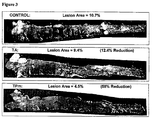
- Figure 3 shows the aortic lesion formation assessment of aortae by Oil red O staining.
- the aortic root, thoracic and abdominal aortae were stained with Oil red O (ORO), (which stains lipids red), showed substantial lipid deposits in vascular atherosclerotic lesions.
- ORO Oil red O
- Table 4 shows the lesion sizes at the end of the 24 week treatment period across each of the treatment groups. On average at the end of the induction period (at week 16) each mouse had approximately 5% atheromatous lesions coverage per aortic region, (data not shown). The lesion area was increased to 8.9% by the end of the 24 week period in animals maintained on the induction diet alone (7% fat alone).
- the findings show a significant reduction in the lipid profiles (LDL, total cholesterol and triglyceride) in animals treated with TPm, indicating that TPm treatment may treat hyperdyslipidemia and related diseases.
- LDL low-density lipoprotein
- the findings show a significant decrease in the atherosclerotic lesion size in TPm treated APO E-deficient mice, indicating that TPm treatment may treat or slow the progression of atherosclerotic lesions in this mouse strain.
Landscapes
- Health & Medical Sciences (AREA)
- Pharmacology & Pharmacy (AREA)
- Veterinary Medicine (AREA)
- Public Health (AREA)
- General Health & Medical Sciences (AREA)
- Animal Behavior & Ethology (AREA)
- Chemical & Material Sciences (AREA)
- Life Sciences & Earth Sciences (AREA)
- Medicinal Chemistry (AREA)
- Epidemiology (AREA)
- Chemical Kinetics & Catalysis (AREA)
- Bioinformatics & Cheminformatics (AREA)
- Nuclear Medicine, Radiotherapy & Molecular Imaging (AREA)
- General Chemical & Material Sciences (AREA)
- Engineering & Computer Science (AREA)
- Organic Chemistry (AREA)
- Diabetes (AREA)
- Heart & Thoracic Surgery (AREA)
- Cardiology (AREA)
- Hematology (AREA)
- Urology & Nephrology (AREA)
- Obesity (AREA)
- Vascular Medicine (AREA)
- Emergency Medicine (AREA)
- Endocrinology (AREA)
- Ophthalmology & Optometry (AREA)
- Gastroenterology & Hepatology (AREA)
- Pharmaceuticals Containing Other Organic And Inorganic Compounds (AREA)
- Acyclic And Carbocyclic Compounds In Medicinal Compositions (AREA)
- Medicines That Contain Protein Lipid Enzymes And Other Medicines (AREA)
Description
- The invention relates to one or more phosphate derivatives of one or more electron transfer agents for use in a method for lowering increased circulating blood levels of one or more of the following lipids: LDL cholesterol, triglycerides and overall cholesterol.
- Cardiovascular disease (CVD) which includes heart disease and stroke is the number one cause of death in Western societies. This is believed to be due to a number of factors including, excessive proliferation of vascular smooth muscle cells (SMC), elevated total cholesterol and low density lipoprotein (LDL) cholesterol. Although changes in lifestyle, including diet and exercise, are recommended first lines of intervention, drug therapy is not only often used, it is also often warranted.
- While often thought of as the same thing, heart and cardiovascular disease are different, involving different parts of the body. Heart disease refers only to diseases of the heart and the blood vessel system within the heart. Cardiovascular disease refers to diseases of the heart and diseases of the blood vessel system (arteries, capillaries, veins) within a person's entire body, such as the brain, legs, and lungs. "Cardio" refers to the heart and "vascular" refers to the blood vessel system.
- The heart is a strong, muscular pump slightly larger than a fist. It pumps blood continuously through the circulatory system, the network of elastic tubes that allows blood to flow throughout the body. The circulatory system includes two major organs, the heart and lungs, and blood vessels (arteries, capillaries, and veins). Arteries and capillaries carry oxygen- and nutrient-rich blood from the heart and lungs to all parts of the body. Veins carry oxygen- and nutrient-depleted blood back to the heart and lungs. Heart and blood vessel problems do not happen quickly. Over time, the arteries that bring blood to the heart and brain can become blocked from a build up of cells, fat, and cholesterol (plaque). Reduced blood flow to the heart from blockages in the arteries causes heart attacks. Lack of blood flow to the brain from a blood clot, or bleeding in the brain from a broken blood vessel, causes a stroke.
- There are many forms of heart and cardiovascular disease, and what follows is a list of the most common of these diseases.
- Coronary heart disease (or coronary artery disease).
- Angina.
- Stroke.
- High blood pressure (or hypertension).
- Heart failure.
- Many things can put a person at risk for heart and cardiovascular disease. The more risk factors (or things that increase risk) a person has, the greater the chance that heart or cardiovascular disease will develop.
- Factors include the following:
- age;
- smoking (active or passive);
- high blood pressure;
- high blood cholesterol;
- physical inactivity;
- excessive body weight; and
- diabetes.
- There are some factors which cannot be controlled such as getting older, family health history, and race. However it is possible to control the three biggest risk factors for heart and cardiovascular disease - smoking, high blood pressure, and high blood cholesterol. Having a low saturated fat, low cholesterol diet and getting regular exercise are excellent health habits. These good health habits will lower blood pressure and keep blood sugar and blood cholesterol levels healthy.
- Cholesterol is a fatty substance made by the liver and found in all parts of the body. The body uses cholesterol to produce cell membranes, hormones, vitamin D, and the bile acids that help to digest fat. It takes only a small amount of cholesterol in the blood to meet these needs, and the liver makes all the cholesterol the body needs.
- Cholesterol is also accumulated from food. Eating too much cholesterol in animal foods like meats, whole milk dairy products, egg yolks, poultry, and fish can increase cholesterol levels. However, saturated fat in diets is the main culprit that causes cholesterol levels to rise.
- Cholesterol travels through the blood in packages called lipoproteins. Low density lipoprotein (LDL) and high density lipoprotein (HDL) are two types of lipoproteins. LDL is often called the "bad" type of cholesterol because it can cause build up and blockage in the arteries that carry blood to the heart. HDL is known as "good" cholesterol because it helps remove cholesterol from the blood, preventing build up and blockage in the arteries.
- Medicines used to lower cholesterol levels, if needed, are used along with lifestyle changes. The main goal of cholesterol-lowering treatment is to lower LDL (bad cholesterol) levels enough to reduce the risk of getting heart disease or having a heart attack. There are several types of drugs available for cholesterol lowering, including statins, bile acid sequestrants, nicotinic acid, and fibric acids. Each class of drugs has its own benefits, side effects and cautions.
Drug class Generic and brand names Benefits Side effects and cautions* Statins Atorvastatin (Lipitor) Reduce LDL and triglycerides, and moderately increase HDL Upset stomach, gas, constipation, abdominal pain, cramps, muscle soreness, pain and weakness, increased blood levels of some statins with grapefruit juice consumption Fluvastatin (Lescol) Lovastatin (Altocor, Mevacor) Pravastatin (Pravachol) Rosuvastatin (Crestor) Simvastatin (Zocor) Bile acid-binding resins Cholestyramine (Questran) Reduce LDL Constipation, bloating, nausea, gas Colesevelam (WelChol) Colestipol (Colestid) Cholesterol absorption inhibitors Ezetimibe (Zetia) Reduce LDL, slightly decrease triglycerides and slightly increase HDL Stomach pain, fatigue Combination cholesterol absorption inhibitor and statin Ezetimibe/simvastatin (Vytorin) Reduce LDL and triglycerides and moderately increase HDL Same as statins and cholesterol absorption inhibitors Fibrates Fenofibrate (Lofibra, Tricor) Reduce triglycerides and modestly increase HDL Gastrointestinal discomfort, increased risk of gallstones Gemfibrozil (Lopid) Niacin (vitamin B-3, nicotinic acid) A variety of prescription or over-the-counter preparations available in three forms: Immediate release, timed release, extended release Increase HDL and reduce LDL and triglycerides Flushing of face and neck, nausea, vomiting, diarrhoea, gout, high blood sugar, peptic ulcers *All types of cholesterol-lowering drugs - with the possible exception of cholesterol absorption inhibitors - may cause liver function abnormalities. -
European patent application no. discloses a lipid metabolism improving medicinal composition containing a phosphoric acid diester compound having a specific formula or a pharmacologically acceptable salt thereof.EP 0 617 963 A - Whilst these cholesterol lowering drugs are very important in reducing the risk of heart disease, there is the downside with all of them that once the desired level has been achieved, it is necessary to continue taking the drugs indefinitely to maintain that level.
- There is thus a need for a pharmaceutical substance which can be used to lower lipid levels which has fewer side effects than the current drugs and which does not lead to an indefinite need to administer the drug.
- Low levels of α-tocopherol (vitamin E) have been associated with increased incidence of coronary heart disease. Conversely, increased intake of α-tocopherol has been shown to have protective effects against heart disease. Since vitamin E is an antioxidant, it is thought to target the cause of atherosclerosis by preventing oxidation of LDL. Studies have also been undertaken to examine potential non-antioxidant mechanisms of vitamin E which could prevent formation of atherosclerotic plaques. Such responses include inhibition of smooth muscle cell proliferation, preservation of endothelial function, inhibition of monocyte-endothelial adhesion, inhibition of monocyte reactive oxygen species and cytokine release, and inhibition of platelet adhesion and aggregation. Clinical trials with vitamin E have however been equivocal in demonstrating treatment of atherosclerosis. Current vitamin E supplements are therefore not a useful clinical option to combat atherosclerosis.
- In international patent application no.
WO 03/026673 - Tocopheryl phosphate has also been disclosed in international patent application no.
WO 2004/064831 as having properties related to inhibiting the proliferation of monocytes/macrophages, proliferation of smooth muscle cells, the expression of CD36 receptors and the uptake of oxidized LDL. However, there is no disclosure of lowering the blood levels of lipids such as cholesterol. There are plenty of studies that have shown that CD36 promotes changes in response to proteins that accumulate in Alzheimer's disease and atherosclerosis. These processes have nothing to do with lipid metabolism. For example, drugs such as Malaria treatments and Alzheimers treatments are aimed at the CD36 expression but do not alter lipid profiles. - It has now been surprisingly found that the phosphate derivatives of electron transfer agents are more effective than the non-phosphorylated electron transfer agents at lowering the blood levels of one or more of the following lipids:
- LDL cholesterol,
- triglycerides, and
- overall cholesterol.
- In a first aspect, the present invention relates to one or more phosphate derivatives of one or more electron transfer agents for use in a method for lowering increased circulating blood levels of a lipid selected from the group consisting of LDL cholesterol, triglycerides, overall cholesterol and mixtures thereof, wherein the phosphate derivative of the electron transfer agent is selected from the group consisting of mono-tocopheryl phosphate, di-tocopheryl phosphate, metal salts thereof and mixtures thereof.
- In a second aspect the present invention refers to the use of one or more phosphate derivatives of one or more electron transfer agents for the manufacture of a medicament for lowering increased circulating blood levels of a lipid selected from the group consisting of LDL cholesterol, triglycerides, overall cholesterol and mixtures thereof, wherein the phosphate derivative of the electron transfer agent is selected from the group consisting of mono-tocopheryl phosphate, di-tocopheryl phosphate, metal salts thereof and mixtures thereof.
- A person skilled in the art will understand that the invention will be useful in relation to therapeutic treatment of diseases which are associated with increased blood levels of one or more of the following lipids: LDL cholesterol, triglycerides, and overall cholesterol. Examples of such diseases include cardiovascular disease, atherosclerosis, diabetes mellitus, chronic renal disease, primary and secondary hyperlipidemias and dyslipidemia, retinopathies, liver & spleen enlargement and xanthomas.
- A pharmaceutical formulation comprising an effective amount of one or more phosphate derivatives of one or more electron transfer agents as defined above and optionally a suitable carrier or diluent can be administered to a subject having or at risk of developing the disease.
- Preferably, the subject is an animal, more preferably the animal is a human.
- The term "effective amount" is used herein to refer to an amount which is sufficient to lower increased circulating blood levels of one or more of the following lipids: LDL cholesterol, triglycerides, and overall cholesterol. A person skilled in the art will understand that this amount will vary from patient to patient and is usually determined from experience with clinical administration to particular patients.
- "Electron transfer agents" are a class of chemicals which may be phosphorylated and which (in the non-phosphorylated form) can accept an electron to generate a relatively stable molecular radical or accept two electrons to allow the compound to participate in a reversible redox system. Examples of classes of electron transfer agent compounds that may be phosphorylated include hydroxy chromans including α-, β-, γ- and δ-tocols in enantiomeric and racemic forms; quinols being the reduced forms of vitamin K1 and ubiquinone; hydroxy carotenoids including retinol; calciferol and ascorbic acid. Examples of the electron transfer agent include tocopherol and other tocols, retinol, vitamin K1 and mixtures thereof.
- The tocols include all isomers of derivatives of 6:hydroxy 2:methyl chroman (see structure below) where R1, R2 and R3 may be hydrogen or methyl groups, that is, the α-5:7:8 tri-methyl; β-5:8 di-methyl; γ-7:8 di-methyl; and δ-8 methyl derivatives. In the tocopherols, R4 is substituted by 4:8:12 tri-methyl tridecyl and includes various stereoisomers and optical isomers (chiral centres are indicted by the *). In the tocotrienols, R4 is substituted by 4:8:12 tri-methyl trideca-3:7:11 triene and the 2 position may be stereoactive as R or S stereoisomers. Examples of tocotrienols include α-tocotrienol, δ-tocotrienol, γ-tocotrienol and mixtures thereof.
Tocopherol is used as an electron transfer agent in the form of mono-tocopheryl phosphate, di-tocopheryl phosphate, metal salts thereof and mixtures thereof in the present invention. - Most preferably, the electron transfer agent is selected from the group consisting of α-tocopherol, δ-tocopherol, γ-tocopherol and mixtures thereof.


- "Phosphate derivatives" are compounds covalently bound by means of an oxygen to the phosphorus atom of a phosphate group thus forming a carbon-oxygen -phosphorous bond. The oxygen atom is typically derived from a hydroxyl group on the electron transfer agent. The term includes the acid forms of phosphorylated electron transfer agents, salts of the phosphates including metal salts such as sodium, magnesium, potassium and calcium and any other derivative where the phosphate proton is replaced by other substituents such as ethyl or methyl groups or phosphatidyl groups. The term includes mixtures of phosphate derivatives, especially those which result from phosphorylation reactions, as well as each of the phosphate derivatives alone. For example, the term includes a mixture of mono-tocopheryl phosphate (TP) and di-tocopheryl phosphate (T2P) as well as each of TP and T2P alone. Suitable mixtures are described in international patent application no.
PCT/AU01/01475 - Phosphates and metal salts thereof are used as phosphate derivatives in the form of mono-tocopheryl phosphate, di-tocopheryl phosphate, metal salts thereof and mixtures thereof in the present invention.
- In the present invention, the one or more phosphate derivatives of one or more electron transfer agents is preferably selected from the group consisting of mono-tocopheryl phosphate, di-tocopheryl phosphate, and mixtures thereof. In one preferred embodiment, the one or more phosphate derivatives of one or more electron transfer agents is a mixture of one or more of mono-tocopheryl phosphate, and di-tocopheryl phosphate.
- The use a phosphate derivative such as a phosphatide is disclosed for some situations where additional properties such as increased water solubility are preferred. Phosphatidyl derivatives are amino alkyl derivatives of organic phosphates. These derivatives may be prepared from amines having a structure of R1R2N(CH2)nOH wherein n is an integer between 1 and 6 and R1 and R2 may be either H or short alkyl chains with 3 or less carbons. R1 and R2 may be the same or different. The phosphatidyl derivatives are prepared by displacing the hydroxyl proton of the electron transfer agent with a phosphate entity that is then reacted with an amine, such as ethanolamine or N,N'-dimethylethanolamine, to generate the phosphatidyl derivative of the electron transfer agent. One therapy of preparation of the phosphatidyl derivatives uses a basic solvent such as pyridine or triethylamine with phosphorous oxychloride to prepare the intermediate which is then reacted with the hydroxy group of the amine to produce the corresponding phosphatidyl derivative, such as P cholyl P tocopheryl dihydrogen phosphate.
- Complexes of phosphate derivatives of the electron transfer agents are also disclosed for use in some situations where additional properties such as improved stability or deliverability may be useful. The term "complexes of phosphate derivatives" refers to the reaction product of one or more phosphate derivatives of electron transfer agents with one or more complexing agents selected from the group consisting of amphoteric surfactants, cationic surfactants, amino acids having nitrogen functional groups and proteins rich in these amino acids as disclosed in international patent application no.
PCT/AU01/01476 Amino acids in protein Amino acids Ratio of Total Amino acids Insulin 110 arg 5 1 in 22 his 2 1 in 55 lys 2 1 in 55 PTH 84 arg 5 1 in 17 his 0 0 lys 5 1 in 17 Glucagon 180 arg 16 1 in 11 his 4 1 in 45 lys 10 1 in 18 Calcitonin 93 arg 6 1 in 16 his 3 1 in 31 lys 5 1 in 19 ACTH 41 arg 3 1 in 14 his 1 1 in 41 lys 4 1 in 10 Prolactin 220 arg 12 1 in 18 his 9 1 in 13 lys 11 1 in 11 Interferon-alpha and beta 133 arg 7 1 in 19 his 2 1 in 83 lys 7 1 in 19 Interferon -gamma 166 arg 8 1 in 21 his 2 1 in 83 lys 21 1 in 8 LH 92 arg 5 1 in 18 his 2 1 in 46 lys 7 1 in 13 FSH 129 arg 5 1 in 26 his 2 1 in 65 lys 9 1 in 14 CSF 144 arg 6 1 in 24 his 3 1 in 48 lys 6 1 in 24 GH domain AOD9604 16 arg 2 1 in 8 - The disclosed complexing agents are selected from the group consisting of arginine, lysine and tertiary substituted amines, such as those according to the following formula:
NR1R2R3
wherein R1 is chosen from the group comprising straight or branched chain mixed alkyl radicals from C6 to C22 and carbonyl derivatives thereof;
R2 and R3 are chosen independently from the group comprising H, CH2COOX, CH2CHOHCH2SO3X, CH2CHOHCH2OPO3X, CH2CH2COOX, CH2COOX, CH2CH2CHOHCH2SO3X or CH2CH2CHOHCH2OPO3X and X is H, Na, K or alkanolamine provided R2 and R3 are not both H; and
wherein when R1 is RCO then R2 may be CH3 and R3 may be (CH2CH2)N(C2H4OH)-H2CHOPO3 or R2 and R3 together may be N(CH2)2N(C2H4OH)CH2COO-. - Disclosed complexing agents include arginine, lysine or lauryliminodipropionic acid where complexation occurs between the alkaline nitrogen centre and the phosphoric acid ester to form a stable complex.
- The phosphate derivative of the electron transfer agent may be administered to humans or animals through a variety of dose forms such as supplements, enteral feeds, parenteral dose forms, suppositories, oral dose forms, pulmonary and nasal delivery forms, dermal delivery including patches and creams.
- For example, the phosphate derivative of the electron transfer agent may be administered by an orally or parenterally administered dose form. These include tablets, powders, chewable tablets, capsules, oral suspensions, suspensions, emulsions or fluids, children's formulations, enteral feeds, nutraceuticals, and functional foods.
- The dose form may further include any additives routinely used in preparation of that dose form such as starch or polymeric binders, sweeteners, coloring agents, emulsifiers, and coatings. Other suitable additives will be readily apparent to those skilled in the art.
- In one embodiment, the dose form has an enteric coating as disclosed in international patent application
PCT/AU01/01206 - In another embodiment, the dose form is a topical formulation as disclosed in international patent application
PCT/AU02/01003 - The dose form may contain other pharmaceutical compounds which do not antagonise the activity of the phosphate derivatives of electron transfer agents. The other pharmaceutical compound may be administered before, with or after the one or more phosphate derivatives of one or more electron transfer agents. Preferably, the other pharmaceutical compounds are drugs for heart and cardiovascular disease and hypercholesterolaemic or dislipidaemic compounds. More preferably, the other pharmaceutical compounds are selected from the group consisting of cholesterol absorption inhibitors such as ezetimibe, cholesterol ester transfer protein inhibitors such as torcetrapib, other HDL increasing pharmaceutical compounds, statins, phosphate derivatives of statins and mixtures thereof. Examples of appropriate statins include provastatin, lovastatin and atorvastatin and phosphates thereof.
- Preferably, the subject is an animal. More preferably, the animal is a mammal. Most preferably, the mammal is a human.
- Various embodiments/aspects of the invention will now be described with reference to the following drawings in which:
-
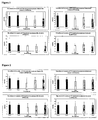
Figure 1 is shows the results of Example 1 at 2 weeks. -
Figure 2 shows the results of Example I at 4 weeks. -
Figure 3 shows the results from Example 2. - Various embodiments/aspects of the invention will now be described with reference to the following examples.
- This example evaluates the potential anti-CVD effects of a tocopheryl phosphate mixture in a well accepted CVD mouse model, the apolipoprotein E (APOE) mouse. The anti-CVD effects are assessed by decreases in the elevated plasma cholesterol, triglyceride and LDL levels.
- The APOE knockout mouse model has been widely used in cardiovascular research as it mimics many of the properties observed clinically as part of the human disease. The APOE knockout mouse displays elevated circulating lipid levels from about 6 months of age. Placing these animals on a high fat, high cholesterol diet (i.e. 21 % fat, 0.15% cholesterol) exacerbates the CVD, and therefore these symptoms are observed sooner.
- Animals: Male APOE knockout mice (15 - 20g) were obtained from the Animal Resource Centre, Perth, Australia. They were fed a vitamin E stripped diet that contained 21 % fat and 0.15% cholesterol rodent pellets from Glen Forrest Stockfeeders, W.A., Australia. The mice were housed in standard laboratory cages with natural lighting, and acclimatised for at least 7 days before use.
- In the current study the APOE mice were placed on a high fat, high cholesterol diet for a total of 8 weeks. Four weeks into this diet the animals are treated daily, via oral gavage, with either vehicle (1% CMC), tocopherol acetate (TA) at 100 mg/kg, or TP mixture (TPm) at 33.25, 66.5 or 133 mg/kg. The assessment of any improvement in the CDV of these mice involved blood being taken at regular intervals during the treatment, to assess the lipid levels and sectioning of the aortic arch, for assessment of the plaque formation at the end of the treatment period.
- Tocopherol Acetate ( TA ) (Sigma catalogue no.T-3001)
- Tocopheryl phosphate mixture ( TPm ) containing mono-tocopheryl phosphate and di-tocopheryl phosphate in a ratio of 2:1 (made in house batch no. SGNaTPm/21-10-04)
- Carboxymethylcellulose (Sigma catalogue no. C-5678)
- Milli Q water (in-house supply)
- Formulation Preparation: Solutions of TPm and TA were prepared in 1% carboxymethylcellulose (CMC) at the following concentrations: for TA, 15 mg/ml (reference example), and for TPm, 4.99, 9.98 and 19.95 mg/ml (examples according to the invention) for dosing mice at
TA 100 mg/kg and TPm at 33.25, 66.5 and 133 mg/kg, respectively. In preparing these solutions, the appropriate amount of each compound was made up in the 1% CMC and then placed in a water bath sonicator with warm water (about 50°C) for 15 minutes. (The TPm dose of 133 mg/kg is used as theTA 100 mg/kg equivalent dose. Therefore the subsequent 66.5 and 33.25 mg/kg doses are 50 and 25%equivalent TA 100 mg/kg doses, respectively). - Dosing: Mice were weighed weekly, and the doses of each compound were calculated based on this weight for that dosing week. The animals were dosed between 7:30 am-11:00 am, each morning of the treatment period with a stainless steel gavage needle.
- Blood collection: On 3 occasions the mice were restrained firmly and the tail nicked and about 50 µl of blood was collected into Capiject™ tubes. The tubes were then centrifuged at 8,000 x g and the plasma collected, for lipid analysis (i.e. total Cholesterol, triglyceride, HDL and LDL measurements, carried out by Gribbles Pathology).
- The mice were bled prior to the commencement of the study (pre-bleeds), at the end of 4 weeks on the respective diets (prior to the commencement of the compound treatments) and 2 weeks into the treatment period. At the end of the treatment period, blood was collected from the animals directly from the heart after having been sacrificed by CO2 asphyxiation. The APOE mice placed on the high fat and high cholesterol diet, increased 2-3 fold their plasma cholesterol, LDL and triglyceride levels during this feeding period and 2 weeks into the treatment period. At the end of the treatment period, blood was collected from the animals directly from the heart after having been sacrificed by CO2 asphyxiation. The APOE mice placed on the high fat and high cholesterol diet, increased 2-3 fold their plasma cholesterol, LDL and triglyceride levels during this feeding period This level was considered very high, as these mice already have quite elevated fasting lipid levels without being placed on an atherogenic diet. This was considered a good starting point in assessing the effectiveness of TPm to reduce these elevated lipid levels.
- Analysis of plasma triglyceride: Measurement of plasma triglyceride took place with the use of the Triglyceride Determination Kit (Sigma, Catalogue No. TR0100). The procedure involves enzymatic hydrolysis by lipase of the triglycerides to glycerol and free fatty acids. The glycerol produced is then measured by coupled enzyme reactions shown below:
Lipoprotein lipase Triglycerides -----------------> Glycerol + Fatty Acids Glycerol kinase Glycerol + ATP > Glycerol-1-phosphate + ADP Glycerol phosphate oxidase Glycerol-1-phosphate -----------------> Dihydroxyacetone phosphate + H2O2 Peroxidase H2O2 + 4-Amino antipyrine + Sodium N-ethyl-N-(3-sulfopropyl) m-anisidine -----------------> Quinoneimine Dye + H2O - The reagents in the kit are prepared as per the manufacturers directions. The free glycerol standard reagent and samples are warmed to room temperature. A set of cuvets are prepared for Blank, Standard and Samples. 0.8ml of Free Glycerol reagent is added to each cuvet, followed by 10µl of water, glycerol standard or plasma, respectively. The samples are mixed, by inversion, and incubated at 37°C for 5 minutes. The absorbance is then read at 540nm and recorded as initial absorbance (IA). 0.2ml of triglyceride reagent is then added to each cuvet and they are again mixed by inversion, and incubated for a further 5 minutes at 37°C. The final absorbance (FA) is then read and recorded at 540nm. The total triglyceride concentration in plasma is then calculated are follows:

- Analysis of plasma cholesterol: Measurement of plasma cholesterol took place with the use of the Infinity™ Cholesterol Reagent Kit (Thermo Electron Corp., Catalogue No. TR13521). The reagent is based on the following reactions:
Cholesterol esterase Cholesterol Esters -----------------> Cholesterol + Fatty Acids Cholesterol oxidase Cholesterol + O2 -----------------> Cholest-4-en-one + H2O2 Peroxidase 2H2O2 + Hydroxybenzoic acid + 4-Aminoantipyrine -----------------> Quinoneimine Dye + 4H2O - (1). Cholesterol esters are enzymatically hydrolysed by cholesterol esterase to cholesterol and free fatty acids.
- (2). Free cholesterol, including that originally present, is then oxidized by cholesterol oxidase to cholest-4-en-3-one and hydrogen peroxide.
- (3). The hydrogen peroxide combines with HBA and 4-aminoantipyrine to form a chromophore (quinoneimine dye) which may be quantitated at 500-550nm.
- The plasma is incubated with Cholesterol Reagent™ (1:100). For example a sample volume of 3µl is incubated with 300µl of Cholesterol Reagent™, in a microtitre plate and incubated at 37°C for 5 minutes. This is conducted for a calibrator also supplied in the kit.
- The total cholesterol is then calculated as follows:

-
- Absorbance of calibrator = 0.35
- Absorbance of unknown = 0.25
- Value of calibrator = 7.0 mmol/L
- Cholesterol = 0.25/0.35 X 7.0 = 5.0 mmol/L
- Analysis of plasma HDL: Measurement of HDL took place with the use of the Infinity™ HDL Cholesterol Reagent Kit (Thermo Electron Corp., Catalogue No. TR39601).
- The plasma (4µl) is placed in a microtitre plate, and is incubated at 37°C for 5 minutes with 300µl of Reagent 1, followed by further 3 minute incubation after the addition of 100µl of
Reagent 2. The absorbance is then read at 600nm. As for the cholesterol kit a calibrator also supplied in the kit is used also for the calculation. - Analysis of plasma LDL: Measurement of LDL took place with the use of the Infinity™ LDL Cholesterol Plus Reagent Kit (Thermo Electron Corp., Catalogue No. 3365-030).
- The plasma (4µl) is placed in a microtitre plate, and is incubated at 37°C for 5 minutes with 300µl of Reagent 1, followed by further 5 minute incubation after the addition of 100µl of
Reagent 2. The absorbance is then read at 600nm. As for the cholesterol kit a calibrator also supplied in the kit is used also for the calculation. - Statistical Analysis: Results are expressed as mean ± SD. A Student's t-test was performed to determine whether there were significant differences in TA or TPm treated mice (whether it is cholesterol, triglyceride, HDL, LDL or plaque size) compared to no treatment or vehicle control groups. For a study of this type P<0.05, (*) was considered significant.
-
-
Figure 1 shows the results obtained after 2 weeks of treatment. -
Figure 2 shows the results obtained after 4 weeks of treatment. - The administration of TPm, in particular at 33.25 mg/kg, gave a significant decrease in plasma total cholesterol and LDL concentrations compared to no treatment or vehicle alone treated mice, after 2 weeks of treatment. Following the 4 weeks of treatment, the 33.25 mg/kg dose of TPm still provided a significant decrease in plasma triglyceride levels compared to no treatment or vehicle alone controls. These results suggest that TPm (in particular at 33.25 mg/kg) is potentially effective in lowering elevated cholesterol, triglyceride and LDL levels circulating in blood.
- This example evaluated the effects of a tocopheryl phosphate mixture (TPm) (mono-tocopheryl phosphate and di-tocopheryl phosphate) on the development of atherosclerotic lesions in male APOE deficient mice.
- Twenty-eight mice were divided into 4 groups: 2 control groups, a tocopherol acetate (TA) group (150mg TA/kg feed; reference example) and a TPm group (200mg TPm/kg the feed containing 7% fat; example according to the invention).
- 'Induction phase' - The induction phase consisted of the first 16 weeks of the treatment period. During this period the animals were fed a mouse pellet diet low in vitamin E (containing less than 20 mg vitamin E per kg food, with a 7% total fat; modified version of the standard AIN93G rodent diet (SF05-040, Specialty feeds, Glen Forrest, WA Australia). Control animals were fed the diet alone, while TA-feed contained 150mg TA/kg feed and TPm-feed contained 200mg TPm/kg feed. These feeds delivered on average doses of 21 and 26 mg/kg body weight, respectively. The 26mg/kg TPm dose was calculated to be the tocopherol equivalence of the TA dose.
- 'Challenge phase' - This phase consisted of the final 8 weeks of the treatment period. During this period the animals were fed a low vitamin E, high fat (21%), high cholesterol (0.15%) specialised rodent pellet diet (HFHC; SF04-055 mouse diet is a version of the standard SF00-219 diet containing less than 20mg vitamin E per kg; Specialty feeds, Glen Forrest, WA, Australia).
- The 4 groups of animals were placed on the diet regimes outlined in the table below:
Treatment Group Diet for weeks 0-16 Diet for weeks 16-24 Control (C24) SF05-040 SF05-040 Control (C16/8) SF05-040 SF04-055 TA SF05-040 + TA (150mg TA/kg feed) SF04-055 + TA (150mgTA/kg feed) TPm SF05-040 + TPm (200mg TPm/kg feed) SF04-055 + TPm (200mg TPm/kg) - Of the two control animal groups only one was placed on the SF04-055, HFHC diet, while the other control group was maintained on the SF05-040 mouse pellet diet (only 7% fat) for the entire treatment period 24 week treatment period (C24). This was done so as to establish the effect of the HFHC diet alone on the various atherosclerotic parameters being measured, and to assess whether or not treatments with the various compounds were as good as animals maintained on normal diets. TA treated mice were fed pellets with 150mg TA/kg feed and TPm treated mice were fed the pellets with 200mg TPm/kg feed. These feeds delivered doses averaging 21 and 26 mg/kg body weight, respectively. The 26 mg/kg TPm dose was calculated to be the tocopherol equivalent to the TA dose.
- During the induction phase, the control mice developed mild hypercholesterolemia and atherosclerotic lesions. After 16 weeks of treatment with TPm, the mice showed a 34% reduction in total cholesterol (11.44 +/- 1.37 vs 17.38 +/- 1.47 mmol/L), 51% reduction in triglycerides (0.99 +/- 0.14 vs 2.00 +/- 0.58 mmol/L) and a 44% reduction in LDL-C (4.67 +/- 0.70 vs 8.38 +/- 0.76 mmol/L) compared to control animals. These reductions were significantly different from control animals, and were far greater than those seen with TA treatment.
- After the challenge phase, the control mice developed severe hypercholesterolemia and advanced atherosclerotic lesions. The TA-treated mice showed no significant reduction in plasma lipid levels or evidence for lesion regression; although there was an average 12% decrease in lesion area (this was not significant). However, the TPm treatment gave a reduction of 15% in total cholesterol (43.8 +/- 4.38 vs 37.08 +/- 5.15 mmol/L), 28% reduction in triglycerides (1.63 +/- 0.22 vs 2.27 +/- 0.20 mmol/L) and 16% reduction in LDL-C (15.02 +/- 2.61 vs 17.95 +/- 1.51 mmol/L) as well as a significant reduction (58%) in aortic lesion formation.
Table 1. Mouse total cholesterol level comparisons (mean ± SD; mmol/L) during the induction and challenge phases of the study. Group (n) Baseline Induction phase Challenge phase Week 0 16 24 Control SF05-040 diet alone (n=8-12) 11.96 ± 0.82 (n=12) 13.43 ± 2.21 (n=12) 11.43 ± 1.89 (n=8) Control (n=8) 12.80 ± 1.35 17.38 ± 1.47 43.8 ± 4.38# TA (n=8) 12.75 ± 1.41 14.47 ± 1.32 47.13 ± 4.44 TP (n=8) 11.61 ± 1.24 11.44 ± 1.37* 37.08 ± 5.15* # indicates control mice maintained on HFHC diet (for the final 8 weeks of the treatment) had significantly higher plasma cholesterol levels to control mice on the normal diet (P<0.05). * indicates significance (P<0.05) from Control animals. Table 2. Mouse triglyceride level comparisons (mean ± SD; mmol/L) during the induction and challenge phases of the study. Group (n) Baseline Induction Phase Challenge Phase Week 0 16 24 Control SF05-040 diet alone (n=8-12) 1.73 ± 0.13 (n=12) 1.10 ± 0.25 (n=12) 1.45 ± 0.21 (n=8) Control (n=8) 1.18 ± 0.28 2.00 ± 0.58 2.27 ± 0.20# TA (n=8) 1.75 ± 0.25 1.30 ± 0.22* 2.23 ± 0.29 TP (n=8) 1.54 ± 0.38 0.99 ± 0.14* 1.63 ± 0.22* # indicates control mice maintained on HFHC diet (for the final 8 weeks of the treatment) had significantly higher plasma cholesterol levels to control mice on the normal diet (P<0.05). * indicates significance (P<0.05) from Control animals. Table 3. Mouse LDL-C level comparisons (mean ± SD; mmol/L) during the induction and challenge phases of the study. Group (n) Baseline Induction Phase Challenge Phase Week 0 16 24 Control SF05-040 diet alone (n=8-12) 6.83 ± 0.54 (n=12) 7.65 ± 0.54 (n=12) 5.20 ± 0.96 (n=8) Control (n=8) 8.08 ± 1.20 8.38 ± 0.76 17.95 ± 1.51# TA (n=8) 8.85 ± 1.66 6.51 ± 0.71 18.98 ± 2.29 TP (n=8) 7.84 ± 1.51 4.67 ± 0.70* 15.02 ± 2.61 # indicates control mice maintained on HFHC diet (for the final 8 weeks of the treatment) had significantly higher plasma cholesterol levels to control mice on the normal diet (P<0.05). * indicates significance (P<0.05) from Control animals. Table 4. Atheromatous lesion area (mean ± SD, % lesion coverage), at the end of the treatment period. Group (n) % Lesion coverage Control SF05-040 diet alone (n=8) 8.9 ± 1.7 Control C16/8 (n=8) 10.7 ± 1.3 TA (n=8) 9.4 ± 1.1 TPm (n=8) 4.5 ± 1.3* * indicates significance (P<0.05) from Control animals. -
Figure 3 shows the aortic lesion formation assessment of aortae by Oil red O staining. - The aortic root, thoracic and abdominal aortae were stained with Oil red O (ORO), (which stains lipids red), showed substantial lipid deposits in vascular atherosclerotic lesions. Table 4 shows the lesion sizes at the end of the 24 week treatment period across each of the treatment groups. On average at the end of the induction period (at week 16) each mouse had approximately 5% atheromatous lesions coverage per aortic region, (data not shown). The lesion area was increased to 8.9% by the end of the 24 week period in animals maintained on the induction diet alone (7% fat alone). Animals that were placed on the atherogenic diet for the final 8 weeks showed on average of 10.7% atheromatous lesions per aortic region compared to 9.4% in TA and 4.5% in TPm treated mice. TA treatment saw a 12% improvement in atherosclerotic lesions (this was not statistically significant), while TPm treatment saw a significant 58% reduction in lesion formation compared to control mice maintained on the same diet regime.
- The findings show a significant reduction in the lipid profiles (LDL, total cholesterol and triglyceride) in animals treated with TPm, indicating that TPm treatment may treat hyperdyslipidemia and related diseases. As a secondary outcome, the findings show a significant decrease in the atherosclerotic lesion size in TPm treated APO E-deficient mice, indicating that TPm treatment may treat or slow the progression of atherosclerotic lesions in this mouse strain.
Claims (7)
- One or more phosphate derivatives of one or more electron transfer agents for use in a method for lowering increased circulating blood levels of a lipid selected from the group consisting of LDL cholesterol, triglycerides, overall cholesterol and mixtures thereof, wherein the phosphate derivative of the electron transfer agent is selected from the group consisting of mono-tocopheryl phosphate, di-tocopheryl phosphate, metal salts thereof and mixtures thereof.
- Use of one or more phosphate derivatives of one or more electron transfer agents for the manufacture of a medicament for lowering increased circulating blood levels of a lipid selected from the group consisting of LDL cholesterol, triglycerides, overall cholesterol and mixtures thereof, wherein the phosphate derivative of the electron transfer agent is selected from the group consisting of mono-tocopheryl phosphate, di-tocopheryl phosphate, metal salts thereof and mixtures thereof.
- The phosphate derivatives for use in a method for lowering increased circulating blood levels of a lipid according to claim 1 or the use according to claim 2, wherein the electron transfer agent is selected from the group consisting of α-tocopherol, δ-tocopherol, γ-tocopherol, and mixtures thereof.
- The phosphate derivatives for use in a method for lowering increased circulating blood levels of a lipid according to claim 1 or 3 or the use according to claim 2 or 3, wherein the one or more phosphate derivatives of one or more electron transfer agents is a mixture of mono-tocopheryl phosphate and di-tocopheryl phosphate.
- The phosphate derivatives for use in a method for lowering increased circulating blood levels of a lipid according to claim 4 or use according to claim 4, wherein one or more other pharmaceutical compounds selected from the group consisting of cholesterol absorption inhibitors, cholesterol ester transfer protein inhibitors, HDL increasing pharmaceutical compounds, statins, their phosphate derivatives, and mixtures thereof are also to be administered.
- The phosphate derivatives for use in a method for lowering increased circulating blood levels of a lipid according to any of claims 1, or 3 to 5 or the use according to any of claims 2 to 5, wherein the lowering increased circulating blood levels of a lipid alleviates symptoms, treats or prevents a disease selected from the group consisting of cardiovascular disease, atherosclerosis, diabetes mellitus, chronic renal disease, primary and secondary hyperlipidemias and dyslipidemia, retinopathies, liver and spleen enlargement, xanthomas and combinations thereof.
- The phosphate derivatives for use in a method for lowering increased circulating blood levels of a lipid according to claim 6 or the use according to claim 6, wherein the disease is selected from the group consisting of chronic renal disease, primary and secondary hyperlipidemias and dyslipidemia, retinopathies, liver and spleen enlargement, xanthomas and combinations thereof.
Applications Claiming Priority (2)
| Application Number | Priority Date | Filing Date | Title |
|---|---|---|---|
| AU2005901013A AU2005901013A0 (en) | 2005-03-03 | Compounds having lipid lowering properties | |
| PCT/AU2006/000281 WO2006092025A1 (en) | 2005-03-03 | 2006-03-03 | Compounds having lipid lowering properties |
Publications (3)
| Publication Number | Publication Date |
|---|---|
| EP1861091A1 EP1861091A1 (en) | 2007-12-05 |
| EP1861091A4 EP1861091A4 (en) | 2010-01-27 |
| EP1861091B1 true EP1861091B1 (en) | 2013-12-11 |
Family
ID=36940793
Family Applications (1)
| Application Number | Title | Priority Date | Filing Date |
|---|---|---|---|
| EP06704954.4A Expired - Lifetime EP1861091B1 (en) | 2005-03-03 | 2006-03-03 | Compounds having lipid lowering properties |
Country Status (10)
| Country | Link |
|---|---|
| EP (1) | EP1861091B1 (en) |
| JP (1) | JP2008531603A (en) |
| KR (1) | KR20070108383A (en) |
| CN (1) | CN101132789A (en) |
| AU (1) | AU2006220248B2 (en) |
| BR (1) | BRPI0608061A2 (en) |
| CA (1) | CA2599612A1 (en) |
| MX (1) | MX2007010493A (en) |
| RU (1) | RU2428973C2 (en) |
| WO (1) | WO2006092025A1 (en) |
Families Citing this family (10)
| Publication number | Priority date | Publication date | Assignee | Title |
|---|---|---|---|---|
| AU2002950713A0 (en) | 2002-08-09 | 2002-09-12 | Vital Health Sciences Pty Ltd | Carrier |
| MX2007015949A (en) | 2005-06-17 | 2008-03-07 | Vital Health Sciences Pty Ltd | A carrier comprising one or more di and/or mono-(electron transfer agent) phosphate derivatives or complexes thereof. |
| US10071030B2 (en) | 2010-02-05 | 2018-09-11 | Phosphagenics Limited | Carrier comprising non-neutralised tocopheryl phosphate |
| JP5806287B2 (en) | 2010-03-30 | 2015-11-10 | フォスファジェニクス リミティド | Transdermal delivery patch |
| DK2385374T4 (en) | 2010-05-05 | 2018-04-30 | Zora Biosciences Oy | LIPIDOMICS BIOMARKERS FOR ATHEROSCLEROSIS AND CARDIOVASCULAR DISEASE |
| CN103154742B (en) | 2010-06-20 | 2017-11-21 | 佐拉生物科学公司 | Lipidomic markers for identifying patients at high risk of coronary artery disease |
| WO2012122586A1 (en) | 2011-03-15 | 2012-09-20 | Phosphagenics Limited | New composition |
| MX383940B (en) | 2015-12-09 | 2025-03-14 | Phosphagenics Ltd | Pharmaceutical formulation |
| JP7198754B2 (en) | 2016-12-21 | 2023-01-04 | アベーチョ バイオテクノロジー リミテッド | Method |
| WO2022155656A1 (en) | 2021-01-13 | 2022-07-21 | Rodan & Fields, Llc | Cosmetic compositions |
Family Cites Families (19)
| Publication number | Priority date | Publication date | Assignee | Title |
|---|---|---|---|---|
| JPS60197621A (en) * | 1984-03-19 | 1985-10-07 | Hohnen Oil Co Ltd | Hypocholesterolemic |
| US4603142A (en) * | 1984-06-01 | 1986-07-29 | Wisconsin Alumni Research Foundation | Cholesterol lowering method of use |
| JPS61176535A (en) * | 1985-01-31 | 1986-08-08 | Morishita Jintan Kk | Enteric drug preparation |
| JP2854631B2 (en) * | 1989-11-21 | 1999-02-03 | 千寿製薬株式会社 | Prevention and treatment of diabetic complications and diseases caused by aging |
| FR2657526B1 (en) * | 1990-01-31 | 1994-10-28 | Lvmh Rech | USE OF AN ALPHA-TOCOPHEROL PHOSPHATE, OR ONE OF ITS DERIVATIVES, FOR THE PREPARATION OF COSMETIC, DERMATOLOGICAL, OR PHARMACEUTICAL COMPOSITIONS; COMPOSITIONS THUS OBTAINED. |
| TW252918B (en) * | 1993-03-31 | 1995-08-01 | Senju Pharma Co | |
| CA2129509A1 (en) * | 1993-09-10 | 1995-03-11 | Kazumi Ogata | Pharmaceutical composition for renal disorder and a dialysis solution for extracorporeal hemodialysis |
| CA2145229A1 (en) * | 1994-03-29 | 1995-09-30 | Tetsuya Toge | Suppressory compositions against hepatic metastases of tumors |
| JP3396953B2 (en) * | 1994-05-10 | 2003-04-14 | 千寿製薬株式会社 | Retinal disease prevention / treatment agent |
| US6022867A (en) * | 1996-11-27 | 2000-02-08 | Showa Denko Kabushiki Kaisha | Method of administering vitamin E to animals and compositions containing tocopheryl phosphates and salts thereof for animals |
| JPH10155429A (en) * | 1996-11-27 | 1998-06-16 | Showa Denko Kk | Vitamin E supply method to animal and animal tocopherol phosphate or salt composition thereof |
| WO1999039716A1 (en) * | 1998-02-03 | 1999-08-12 | Senju Pharmaceutical Co., Ltd. | Preventives and remedies for neuron digeneration-associated diseaseas |
| ITMI981586A1 (en) * | 1998-07-10 | 2000-01-10 | Giorgio Panin | VITAMIN AND ITS ESTERS FOR USE IN TOPICAL TREATMENT OF MUCOSA DISORDERS |
| JP2001169731A (en) * | 1999-12-17 | 2001-06-26 | Showa Denko Kk | Lipid metabolism improving agent for animal |
| KR100576289B1 (en) * | 2000-11-14 | 2006-05-04 | 바이탈 헬스 사이언시즈 피티와이 리미티드 | Formulations Containing Phosphate Derivatives of Electron Transfer Agents |
| WO2003026673A1 (en) * | 2001-09-26 | 2003-04-03 | Vital Health Sciences Pty Ltd. | Modulation of vitamin storage |
| WO2003068209A1 (en) * | 2002-02-14 | 2003-08-21 | Sonus Pharmaceuticals, Inc. | Metformin salts of lipophilic acids |
| BRPI0406484A (en) * | 2003-01-17 | 2005-12-06 | Vital Health Sciences Pty Ltd | Method of inhibiting the occurrence of one or more of the following conditions: monocyte / macrophage proliferation; or the proliferation of smooth muscle cells; or the expression of cd36 receptors; or the absorption of low-density lipoprotein - oxidized ldl, method of relief of symptoms of treatment or prevention of atherosclerosis; diabetes; alzheimer's disease, method of inhibiting the occurrence of plaque formation in the vascular system, method of relieving inflammation associated with the occurrence of one or more of the following conditions: the proliferation of monocytes, the proliferation of smooth muscle cells, the expression oxidized ldl or decontaminating receptor, pharmaceutical composition, use of an effective amount of one or more derivatives or phosphate of one or more electron transfer agents together with a suitable vehicle or diluent, use of an effective amount of one or more (alpha) -tocopherol phosphate derivatives together with an appropriate vehicle or diluent and use of an effective amount of one or more phosphate derivatives from one or more electron transfer agents selected from the group consisting of mono-tocopheryl phosphate, di-tocopheryl phosphate and mixtures of these together with a suitable vehicle or diluent |
| WO2007070981A1 (en) * | 2005-12-23 | 2007-06-28 | Vital Health Sciences Pty Ltd | Compounds having cytokine modulating properties |
-
2006
- 2006-03-03 KR KR1020077019200A patent/KR20070108383A/en not_active Ceased
- 2006-03-03 AU AU2006220248A patent/AU2006220248B2/en not_active Ceased
- 2006-03-03 CN CNA2006800069320A patent/CN101132789A/en active Pending
- 2006-03-03 CA CA002599612A patent/CA2599612A1/en not_active Abandoned
- 2006-03-03 MX MX2007010493A patent/MX2007010493A/en unknown
- 2006-03-03 JP JP2007557287A patent/JP2008531603A/en active Pending
- 2006-03-03 BR BRPI0608061-8A patent/BRPI0608061A2/en not_active IP Right Cessation
- 2006-03-03 EP EP06704954.4A patent/EP1861091B1/en not_active Expired - Lifetime
- 2006-03-03 WO PCT/AU2006/000281 patent/WO2006092025A1/en not_active Ceased
- 2006-03-03 RU RU2007130990/15A patent/RU2428973C2/en not_active IP Right Cessation
Also Published As
| Publication number | Publication date |
|---|---|
| RU2428973C2 (en) | 2011-09-20 |
| RU2007130990A (en) | 2009-04-10 |
| AU2006220248B2 (en) | 2012-06-21 |
| EP1861091A1 (en) | 2007-12-05 |
| MX2007010493A (en) | 2007-11-08 |
| CN101132789A (en) | 2008-02-27 |
| BRPI0608061A2 (en) | 2009-11-03 |
| AU2006220248A1 (en) | 2006-09-08 |
| KR20070108383A (en) | 2007-11-09 |
| WO2006092025A1 (en) | 2006-09-08 |
| CA2599612A1 (en) | 2006-09-08 |
| JP2008531603A (en) | 2008-08-14 |
| EP1861091A4 (en) | 2010-01-27 |
Similar Documents
| Publication | Publication Date | Title |
|---|---|---|
| US20090239827A1 (en) | Compounds having lipid lowering properties | |
| US20110003774A1 (en) | Compounds having anti-proliferative properties | |
| JP2002534445A (en) | Method for lowering blood cholesterol and / or blood triglyceride | |
| AU2006220248B2 (en) | Compounds having lipid lowering properties | |
| EP0825861A1 (en) | High-dose chromic tripicolinate for the treatment of type ii diabetes | |
| JP2014148520A (en) | Method for increasing intestinal absorption of fat soluble vitamins in postmenopausal women and lower animals | |
| EP3657963A1 (en) | Composition for use in the prevention and treatment of pathologies of the cardiovascular apparatus | |
| US7012067B2 (en) | Blood lipid ameliorant composition | |
| AU2001249106A1 (en) | Method for increasing intestinal absorption of fat soluble vitamins in post-menopausal women and lower animals | |
| McKenney et al. | The effect of supplemental dietary fat on plasma cholesterol levels in lovastatin‐treated hypercholesterolemic patients | |
| US7037934B2 (en) | Blood lipid ameliorant composition | |
| KR101054808B1 (en) | Composition for improving blood cholesterol content containing polygamma glutamic acid | |
| CN114177185B (en) | A pharmaceutical composition for reducing cholesterol and preventing cardiovascular diseases | |
| US11185565B2 (en) | Compositions including milk thistle and methods of use | |
| CA2430764A1 (en) | Blood lipid ameliorant composition | |
| AU2004200762B2 (en) | Compounds having anti-proliferative properties | |
| CN115135331A (en) | Rhodospirillum rubrum cells for lowering plasma cholesterol while leaving other serum protein levels unaffected | |
| Moore | Effects of pharmacological concentrations of alpha tocopherol, ascorbic acid and iron on lipid peroxidation, tissue iron distribution, hematological, immunological, performance, and tissue parameters of young rats and pigs | |
| HK1054499B (en) | Method for increasing intestinal absorption of fat soluble vitamins in post-menopausal women and in lower animals | |
| ZA200207235B (en) | Method for increasing intestinal absorption of fat soluble vitamins in post-menopausal women and lower animals. |
Legal Events
| Date | Code | Title | Description |
|---|---|---|---|
| PUAI | Public reference made under article 153(3) epc to a published international application that has entered the european phase |
Free format text: ORIGINAL CODE: 0009012 |
|
| 17P | Request for examination filed |
Effective date: 20071002 |
|
| AK | Designated contracting states |
Kind code of ref document: A1 Designated state(s): AT BE BG CH CY CZ DE DK EE ES FI FR GB GR HU IE IS IT LI LT LU LV MC NL PL PT RO SE SI SK TR |
|
| DAX | Request for extension of the european patent (deleted) | ||
| A4 | Supplementary search report drawn up and despatched |
Effective date: 20091230 |
|
| RIC1 | Information provided on ipc code assigned before grant |
Ipc: A61K 31/122 20060101ALI20091222BHEP Ipc: A61K 31/07 20060101ALI20091222BHEP Ipc: A61K 31/375 20060101ALI20091222BHEP Ipc: A61P 13/12 20060101ALI20091222BHEP Ipc: A61P 3/06 20060101ALI20091222BHEP Ipc: A61K 31/355 20060101AFI20060912BHEP Ipc: A61P 3/10 20060101ALI20091222BHEP Ipc: A61K 31/661 20060101ALI20091222BHEP Ipc: A61P 9/00 20060101ALI20091222BHEP Ipc: A61P 9/10 20060101ALI20091222BHEP Ipc: A61K 31/683 20060101ALI20091222BHEP Ipc: A61P 35/00 20060101ALI20091222BHEP Ipc: A61P 1/16 20060101ALI20091222BHEP |
|
| 17Q | First examination report despatched |
Effective date: 20100712 |
|
| GRAP | Despatch of communication of intention to grant a patent |
Free format text: ORIGINAL CODE: EPIDOSNIGR1 |
|
| INTG | Intention to grant announced |
Effective date: 20130618 |
|
| RIC1 | Information provided on ipc code assigned before grant |
Ipc: A61P 3/10 20060101ALI20130607BHEP Ipc: A61K 31/07 20060101ALI20130607BHEP Ipc: A61K 31/665 20060101ALI20130607BHEP Ipc: A61K 31/122 20060101ALI20130607BHEP Ipc: A61P 35/00 20060101ALI20130607BHEP Ipc: A61K 45/06 20060101ALI20130607BHEP Ipc: A61P 13/12 20060101ALI20130607BHEP Ipc: A61P 9/00 20060101ALI20130607BHEP Ipc: A61K 31/661 20060101ALI20130607BHEP Ipc: A61K 31/683 20060101ALI20130607BHEP Ipc: A61P 9/10 20060101ALI20130607BHEP Ipc: A61P 1/16 20060101ALI20130607BHEP Ipc: A61K 31/355 20060101AFI20130607BHEP Ipc: A61P 3/06 20060101ALI20130607BHEP Ipc: A61K 31/375 20060101ALI20130607BHEP |
|
| GRAS | Grant fee paid |
Free format text: ORIGINAL CODE: EPIDOSNIGR3 |
|
| GRAA | (expected) grant |
Free format text: ORIGINAL CODE: 0009210 |
|
| AK | Designated contracting states |
Kind code of ref document: B1 Designated state(s): AT BE BG CH CY CZ DE DK EE ES FI FR GB GR HU IE IS IT LI LT LU LV MC NL PL PT RO SE SI SK TR |
|
| REG | Reference to a national code |
Ref country code: GB Ref legal event code: FG4D |
|
| REG | Reference to a national code |
Ref country code: CH Ref legal event code: EP |
|
| REG | Reference to a national code |
Ref country code: AT Ref legal event code: REF Ref document number: 644096 Country of ref document: AT Kind code of ref document: T Effective date: 20140115 |
|
| REG | Reference to a national code |
Ref country code: IE Ref legal event code: FG4D |
|
| REG | Reference to a national code |
Ref country code: DE Ref legal event code: R096 Ref document number: 602006039570 Country of ref document: DE Effective date: 20140206 |
|
| REG | Reference to a national code |
Ref country code: NL Ref legal event code: VDEP Effective date: 20131211 |
|
| REG | Reference to a national code |
Ref country code: AT Ref legal event code: MK05 Ref document number: 644096 Country of ref document: AT Kind code of ref document: T Effective date: 20131211 |
|
| PG25 | Lapsed in a contracting state [announced via postgrant information from national office to epo] |
Ref country code: LT Free format text: LAPSE BECAUSE OF FAILURE TO SUBMIT A TRANSLATION OF THE DESCRIPTION OR TO PAY THE FEE WITHIN THE PRESCRIBED TIME-LIMIT Effective date: 20131211 Ref country code: NL Free format text: LAPSE BECAUSE OF FAILURE TO SUBMIT A TRANSLATION OF THE DESCRIPTION OR TO PAY THE FEE WITHIN THE PRESCRIBED TIME-LIMIT Effective date: 20131211 Ref country code: SE Free format text: LAPSE BECAUSE OF FAILURE TO SUBMIT A TRANSLATION OF THE DESCRIPTION OR TO PAY THE FEE WITHIN THE PRESCRIBED TIME-LIMIT Effective date: 20131211 Ref country code: FI Free format text: LAPSE BECAUSE OF FAILURE TO SUBMIT A TRANSLATION OF THE DESCRIPTION OR TO PAY THE FEE WITHIN THE PRESCRIBED TIME-LIMIT Effective date: 20131211 |
|
| REG | Reference to a national code |
Ref country code: LT Ref legal event code: MG4D |
|
| PG25 | Lapsed in a contracting state [announced via postgrant information from national office to epo] |
Ref country code: AT Free format text: LAPSE BECAUSE OF FAILURE TO SUBMIT A TRANSLATION OF THE DESCRIPTION OR TO PAY THE FEE WITHIN THE PRESCRIBED TIME-LIMIT Effective date: 20131211 Ref country code: LV Free format text: LAPSE BECAUSE OF FAILURE TO SUBMIT A TRANSLATION OF THE DESCRIPTION OR TO PAY THE FEE WITHIN THE PRESCRIBED TIME-LIMIT Effective date: 20131211 Ref country code: CY Free format text: LAPSE BECAUSE OF FAILURE TO SUBMIT A TRANSLATION OF THE DESCRIPTION OR TO PAY THE FEE WITHIN THE PRESCRIBED TIME-LIMIT Effective date: 20131211 |
|
| PG25 | Lapsed in a contracting state [announced via postgrant information from national office to epo] |
Ref country code: BE Free format text: LAPSE BECAUSE OF FAILURE TO SUBMIT A TRANSLATION OF THE DESCRIPTION OR TO PAY THE FEE WITHIN THE PRESCRIBED TIME-LIMIT Effective date: 20131211 Ref country code: IS Free format text: LAPSE BECAUSE OF FAILURE TO SUBMIT A TRANSLATION OF THE DESCRIPTION OR TO PAY THE FEE WITHIN THE PRESCRIBED TIME-LIMIT Effective date: 20140411 Ref country code: EE Free format text: LAPSE BECAUSE OF FAILURE TO SUBMIT A TRANSLATION OF THE DESCRIPTION OR TO PAY THE FEE WITHIN THE PRESCRIBED TIME-LIMIT Effective date: 20131211 |
|
| PG25 | Lapsed in a contracting state [announced via postgrant information from national office to epo] |
Ref country code: PT Free format text: LAPSE BECAUSE OF FAILURE TO SUBMIT A TRANSLATION OF THE DESCRIPTION OR TO PAY THE FEE WITHIN THE PRESCRIBED TIME-LIMIT Effective date: 20140411 Ref country code: RO Free format text: LAPSE BECAUSE OF FAILURE TO SUBMIT A TRANSLATION OF THE DESCRIPTION OR TO PAY THE FEE WITHIN THE PRESCRIBED TIME-LIMIT Effective date: 20131211 Ref country code: CZ Free format text: LAPSE BECAUSE OF FAILURE TO SUBMIT A TRANSLATION OF THE DESCRIPTION OR TO PAY THE FEE WITHIN THE PRESCRIBED TIME-LIMIT Effective date: 20131211 Ref country code: ES Free format text: LAPSE BECAUSE OF FAILURE TO SUBMIT A TRANSLATION OF THE DESCRIPTION OR TO PAY THE FEE WITHIN THE PRESCRIBED TIME-LIMIT Effective date: 20131211 Ref country code: PL Free format text: LAPSE BECAUSE OF FAILURE TO SUBMIT A TRANSLATION OF THE DESCRIPTION OR TO PAY THE FEE WITHIN THE PRESCRIBED TIME-LIMIT Effective date: 20131211 Ref country code: SK Free format text: LAPSE BECAUSE OF FAILURE TO SUBMIT A TRANSLATION OF THE DESCRIPTION OR TO PAY THE FEE WITHIN THE PRESCRIBED TIME-LIMIT Effective date: 20131211 |
|
| REG | Reference to a national code |
Ref country code: DE Ref legal event code: R097 Ref document number: 602006039570 Country of ref document: DE |
|
| REG | Reference to a national code |
Ref country code: DE Ref legal event code: R119 Ref document number: 602006039570 Country of ref document: DE |
|
| PLBE | No opposition filed within time limit |
Free format text: ORIGINAL CODE: 0009261 |
|
| STAA | Information on the status of an ep patent application or granted ep patent |
Free format text: STATUS: NO OPPOSITION FILED WITHIN TIME LIMIT |
|
| PG25 | Lapsed in a contracting state [announced via postgrant information from national office to epo] |
Ref country code: DK Free format text: LAPSE BECAUSE OF FAILURE TO SUBMIT A TRANSLATION OF THE DESCRIPTION OR TO PAY THE FEE WITHIN THE PRESCRIBED TIME-LIMIT Effective date: 20131211 Ref country code: LU Free format text: LAPSE BECAUSE OF FAILURE TO SUBMIT A TRANSLATION OF THE DESCRIPTION OR TO PAY THE FEE WITHIN THE PRESCRIBED TIME-LIMIT Effective date: 20140303 |
|
| REG | Reference to a national code |
Ref country code: CH Ref legal event code: PL |
|
| 26N | No opposition filed |
Effective date: 20140912 |
|
| GBPC | Gb: european patent ceased through non-payment of renewal fee |
Effective date: 20140311 |
|
| REG | Reference to a national code |
Ref country code: DE Ref legal event code: R097 Ref document number: 602006039570 Country of ref document: DE Effective date: 20140912 |
|
| REG | Reference to a national code |
Ref country code: FR Ref legal event code: ST Effective date: 20141128 |
|
| REG | Reference to a national code |
Ref country code: IE Ref legal event code: MM4A |
|
| REG | Reference to a national code |
Ref country code: DE Ref legal event code: R119 Ref document number: 602006039570 Country of ref document: DE Effective date: 20141001 |
|
| PG25 | Lapsed in a contracting state [announced via postgrant information from national office to epo] |
Ref country code: FR Free format text: LAPSE BECAUSE OF NON-PAYMENT OF DUE FEES Effective date: 20140331 Ref country code: CH Free format text: LAPSE BECAUSE OF NON-PAYMENT OF DUE FEES Effective date: 20140331 Ref country code: IE Free format text: LAPSE BECAUSE OF NON-PAYMENT OF DUE FEES Effective date: 20140303 Ref country code: LI Free format text: LAPSE BECAUSE OF NON-PAYMENT OF DUE FEES Effective date: 20140331 Ref country code: DE Free format text: LAPSE BECAUSE OF NON-PAYMENT OF DUE FEES Effective date: 20141001 Ref country code: GB Free format text: LAPSE BECAUSE OF NON-PAYMENT OF DUE FEES Effective date: 20140311 |
|
| PG25 | Lapsed in a contracting state [announced via postgrant information from national office to epo] |
Ref country code: SI Free format text: LAPSE BECAUSE OF FAILURE TO SUBMIT A TRANSLATION OF THE DESCRIPTION OR TO PAY THE FEE WITHIN THE PRESCRIBED TIME-LIMIT Effective date: 20131211 |
|
| PG25 | Lapsed in a contracting state [announced via postgrant information from national office to epo] |
Ref country code: BG Free format text: LAPSE BECAUSE OF FAILURE TO SUBMIT A TRANSLATION OF THE DESCRIPTION OR TO PAY THE FEE WITHIN THE PRESCRIBED TIME-LIMIT Effective date: 20131211 Ref country code: MC Free format text: LAPSE BECAUSE OF FAILURE TO SUBMIT A TRANSLATION OF THE DESCRIPTION OR TO PAY THE FEE WITHIN THE PRESCRIBED TIME-LIMIT Effective date: 20131211 |
|
| PG25 | Lapsed in a contracting state [announced via postgrant information from national office to epo] |
Ref country code: IT Free format text: LAPSE BECAUSE OF FAILURE TO SUBMIT A TRANSLATION OF THE DESCRIPTION OR TO PAY THE FEE WITHIN THE PRESCRIBED TIME-LIMIT Effective date: 20131211 Ref country code: GR Free format text: LAPSE BECAUSE OF FAILURE TO SUBMIT A TRANSLATION OF THE DESCRIPTION OR TO PAY THE FEE WITHIN THE PRESCRIBED TIME-LIMIT Effective date: 20140312 |
|
| PG25 | Lapsed in a contracting state [announced via postgrant information from national office to epo] |
Ref country code: TR Free format text: LAPSE BECAUSE OF FAILURE TO SUBMIT A TRANSLATION OF THE DESCRIPTION OR TO PAY THE FEE WITHIN THE PRESCRIBED TIME-LIMIT Effective date: 20131211 Ref country code: HU Free format text: LAPSE BECAUSE OF FAILURE TO SUBMIT A TRANSLATION OF THE DESCRIPTION OR TO PAY THE FEE WITHIN THE PRESCRIBED TIME-LIMIT; INVALID AB INITIO Effective date: 20060303 |