EP1858836B1 - Analogues of the azinomycins as anti-tumour agents and as prodrugs - Google Patents
Analogues of the azinomycins as anti-tumour agents and as prodrugs Download PDFInfo
- Publication number
- EP1858836B1 EP1858836B1 EP06710103A EP06710103A EP1858836B1 EP 1858836 B1 EP1858836 B1 EP 1858836B1 EP 06710103 A EP06710103 A EP 06710103A EP 06710103 A EP06710103 A EP 06710103A EP 1858836 B1 EP1858836 B1 EP 1858836B1
- Authority
- EP
- European Patent Office
- Prior art keywords
- alkyl
- group
- optionally substituted
- formula
- ligand
- Prior art date
- Legal status (The legal status is an assumption and is not a legal conclusion. Google has not performed a legal analysis and makes no representation as to the accuracy of the status listed.)
- Expired - Lifetime
Links
- XYYNNSRTIOOROU-UHFFFAOYSA-N CC(C)CCN(CCC1)CC1Cl Chemical compound CC(C)CCN(CCC1)CC1Cl XYYNNSRTIOOROU-UHFFFAOYSA-N 0.000 description 1
- IDZLFNZTJNIZKK-IMMUGOHXSA-N CC([C@@H](C(NCCN(CCC1)CC1Cl)=O)OC(c1cc(OC)cc2c(C)cccc12)=O)=C Chemical compound CC([C@@H](C(NCCN(CCC1)CC1Cl)=O)OC(c1cc(OC)cc2c(C)cccc12)=O)=C IDZLFNZTJNIZKK-IMMUGOHXSA-N 0.000 description 1
- XSNSQJTYEVOULM-ZGPVRYHASA-N C[C@]1([C@@H](C(NCCN(CCC2)CC2Cl)=O)OC(c2cc(OC)cc3c(C)cccc23)=O)OC1 Chemical compound C[C@]1([C@@H](C(NCCN(CCC2)CC2Cl)=O)OC(c2cc(OC)cc3c(C)cccc23)=O)OC1 XSNSQJTYEVOULM-ZGPVRYHASA-N 0.000 description 1
- HPVQBILHEKOWMH-QAPCUYQASA-N C[C@]1([C@@H](C(O)=O)OC(c2c(cccc3C)c3cc(OC)c2)=O)[O]=C1 Chemical compound C[C@]1([C@@H](C(O)=O)OC(c2c(cccc3C)c3cc(OC)c2)=O)[O]=C1 HPVQBILHEKOWMH-QAPCUYQASA-N 0.000 description 1
- GSZJPBCFOBOTTN-QAPCUYQASA-N C[C@]1([C@@H](C(O)=O)OC(c2cc(OC)cc3c(C)cccc23)=O)OC1 Chemical compound C[C@]1([C@@H](C(O)=O)OC(c2cc(OC)cc3c(C)cccc23)=O)OC1 GSZJPBCFOBOTTN-QAPCUYQASA-N 0.000 description 1
- GAVGEWZQRUGNQG-RDGATRHJSA-N C[C@]1([C@@H](C(OCc2ccccc2)=O)OC(c2cc(OC)cc3c(C)cccc23)=O)OC1 Chemical compound C[C@]1([C@@H](C(OCc2ccccc2)=O)OC(c2cc(OC)cc3c(C)cccc23)=O)OC1 GAVGEWZQRUGNQG-RDGATRHJSA-N 0.000 description 1
Images



Classifications
-
- C—CHEMISTRY; METALLURGY
- C07—ORGANIC CHEMISTRY
- C07C—ACYCLIC OR CARBOCYCLIC COMPOUNDS
- C07C69/00—Esters of carboxylic acids; Esters of carbonic or haloformic acids
- C07C69/76—Esters of carboxylic acids having a carboxyl group bound to a carbon atom of a six-membered aromatic ring
- C07C69/94—Esters of carboxylic acids having a carboxyl group bound to a carbon atom of a six-membered aromatic ring of polycyclic hydroxy carboxylic acids, the hydroxy groups and the carboxyl groups of which are bound to carbon atoms of six-membered aromatic rings
-
- A—HUMAN NECESSITIES
- A61—MEDICAL OR VETERINARY SCIENCE; HYGIENE
- A61P—SPECIFIC THERAPEUTIC ACTIVITY OF CHEMICAL COMPOUNDS OR MEDICINAL PREPARATIONS
- A61P35/00—Antineoplastic agents
-
- C—CHEMISTRY; METALLURGY
- C07—ORGANIC CHEMISTRY
- C07C—ACYCLIC OR CARBOCYCLIC COMPOUNDS
- C07C235/00—Carboxylic acid amides, the carbon skeleton of the acid part being further substituted by oxygen atoms
- C07C235/02—Carboxylic acid amides, the carbon skeleton of the acid part being further substituted by oxygen atoms having carbon atoms of carboxamide groups bound to acyclic carbon atoms and singly-bound oxygen atoms bound to the same carbon skeleton
- C07C235/28—Carboxylic acid amides, the carbon skeleton of the acid part being further substituted by oxygen atoms having carbon atoms of carboxamide groups bound to acyclic carbon atoms and singly-bound oxygen atoms bound to the same carbon skeleton the carbon skeleton being acyclic and unsaturated
-
- C—CHEMISTRY; METALLURGY
- C07—ORGANIC CHEMISTRY
- C07D—HETEROCYCLIC COMPOUNDS
- C07D211/00—Heterocyclic compounds containing hydrogenated pyridine rings, not condensed with other rings
- C07D211/04—Heterocyclic compounds containing hydrogenated pyridine rings, not condensed with other rings with only hydrogen or carbon atoms directly attached to the ring nitrogen atom
- C07D211/06—Heterocyclic compounds containing hydrogenated pyridine rings, not condensed with other rings with only hydrogen or carbon atoms directly attached to the ring nitrogen atom having no double bonds between ring members or between ring members and non-ring members
- C07D211/36—Heterocyclic compounds containing hydrogenated pyridine rings, not condensed with other rings with only hydrogen or carbon atoms directly attached to the ring nitrogen atom having no double bonds between ring members or between ring members and non-ring members with hetero atoms or with carbon atoms having three bonds to hetero atoms with at the most one bond to halogen, e.g. ester or nitrile radicals, directly attached to ring carbon atoms
- C07D211/38—Halogen atoms or nitro radicals
-
- C—CHEMISTRY; METALLURGY
- C07—ORGANIC CHEMISTRY
- C07D—HETEROCYCLIC COMPOUNDS
- C07D211/00—Heterocyclic compounds containing hydrogenated pyridine rings, not condensed with other rings
- C07D211/04—Heterocyclic compounds containing hydrogenated pyridine rings, not condensed with other rings with only hydrogen or carbon atoms directly attached to the ring nitrogen atom
- C07D211/06—Heterocyclic compounds containing hydrogenated pyridine rings, not condensed with other rings with only hydrogen or carbon atoms directly attached to the ring nitrogen atom having no double bonds between ring members or between ring members and non-ring members
- C07D211/36—Heterocyclic compounds containing hydrogenated pyridine rings, not condensed with other rings with only hydrogen or carbon atoms directly attached to the ring nitrogen atom having no double bonds between ring members or between ring members and non-ring members with hetero atoms or with carbon atoms having three bonds to hetero atoms with at the most one bond to halogen, e.g. ester or nitrile radicals, directly attached to ring carbon atoms
- C07D211/40—Oxygen atoms
- C07D211/42—Oxygen atoms attached in position 3 or 5
-
- C—CHEMISTRY; METALLURGY
- C07—ORGANIC CHEMISTRY
- C07D—HETEROCYCLIC COMPOUNDS
- C07D303/00—Compounds containing three-membered rings having one oxygen atom as the only ring hetero atom
- C07D303/02—Compounds containing oxirane rings
- C07D303/38—Compounds containing oxirane rings with hydrocarbon radicals, substituted by carbon atoms having three bonds to hetero atoms with at the most one bond to halogen, e.g. ester or nitrile radicals
- C07D303/46—Compounds containing oxirane rings with hydrocarbon radicals, substituted by carbon atoms having three bonds to hetero atoms with at the most one bond to halogen, e.g. ester or nitrile radicals by amide or nitrile radicals
-
- C—CHEMISTRY; METALLURGY
- C07—ORGANIC CHEMISTRY
- C07D—HETEROCYCLIC COMPOUNDS
- C07D405/00—Heterocyclic compounds containing both one or more hetero rings having oxygen atoms as the only ring hetero atoms, and one or more rings having nitrogen as the only ring hetero atom
- C07D405/02—Heterocyclic compounds containing both one or more hetero rings having oxygen atoms as the only ring hetero atoms, and one or more rings having nitrogen as the only ring hetero atom containing two hetero rings
- C07D405/12—Heterocyclic compounds containing both one or more hetero rings having oxygen atoms as the only ring hetero atoms, and one or more rings having nitrogen as the only ring hetero atom containing two hetero rings linked by a chain containing hetero atoms as chain links
Definitions
- the present invention concerns aromatic oxidation-activated prodrugs, particularly anti-tumour prodrugs and those which are activated by the oxidation activities of the cytochrome P450 family of enzymes.
- the prodrugs may be alkylating agents having topoisomerase II inhibiting activities.
- cytotoxic drugs are known that can be used for therapeutic purposes. However, they typically suffer from the problem that they are generally cytotoxic and therefore may affect cells other than those that are required to be destroyed. This can be alleviated to some extent by the use of targeted drug delivery systems, for example direct injection to a site of tumourous tissue or, e.g. binding the cytotoxic agent to an antibody that specifically recognises an antigen displayed only on the cancer cell surface. Alternatively, electromagnetic radiation my be used to cause chemical alteration in an agent at a desired site such that it becomes cytotoxic. However, all of these techniques have, to a greater or lesser extent, certain limitations and disadvantages.
- the azinomycins A and B are potent anti-tumour agents that bind to DNA by alkylation in the major groove and lead to cell death. However, they are relatively unstable, have poor availability from natural sources and are unlikely to proceed into the clinic.
- Truncated analogue A was first correctly synthesized by Shibuya et al in Tetrahedron Lett. 1987,28,2619-2622 where the commercially available diacetone D-glucose from the chiral pool was used in a lengthy multistep synthesis to stereospecifically generate the analogue A, of the structure shown above, with the same stereochemistry as the natural products.
- azinomycins appear to act by disruption of cellular DNA replication by interstrand crosslink formation.
- Lain et al in Can. J. Biochem. 1997, 55, 630-635 first noted the ability of azinomycin B to form covalent links between complementary strands of DNA.
- Fujiwara et al in Tetrahedron Lett. 1999,40,315-318 further suggest that the crosslinking occurs via an initial alkylation of the aziridine with the N7 of adenine followed by efficient crosslinking through a second reaction of the N7 of a guanine 2 bases away with the epoxide.
- the present invention relates to the first therapeutic use of a range of azinomycin analogues and their synthesis.
- the compounds incorporated herein are new.
- the present invention also relates to synthetic precursors of azinomycin analogues which do not have the epoxide or the aziridine ring of the natural products, and which are substantially inactive as DNA alkylating agents themselves.
- CYP1B1 a member of the cytochrone P450 (CYP) family of xenobiotic metabolizing enzymes
- CYP1B1 a member of the cytochrone P450 family of xenobiotic metabolizing enzymes
- cytochrome P450 isoforms in tumour cells provides a molecular target for the development of new anti-tumour drugs that could be selectively activated by the CYP enzymes in tumour cells, although no drug examples were given.
- a number of other CYP isoforms have been shown to be expressed in various tumors. Many of the CYPs expressed in tumors are mentioned in Patterson, LH et al (1999) Anticancer Drug Des. 14(6) 473-486 .
- WO 02/067930A1 Searcey and Patterson describe various benz-indole and benzo-quinoline compounds as CYP-oxidisable prodrugs for tumour treatment.
- WO 02/068412A1 they further describe pyrrolo-indole and pyrrolo-quinoline derivatives for use as CYP-oxidizable prodrugs and in WO 02/067937A1 indoline and tetrahydro-quinoline CYP-oxidisable prodrugs are described. All of these compounds are expected to be hydroxylated at the carbon atom to which X is joined by cytochrome P450, in particular CYP1 B1, expressed at high levels in tumors.
- the present invention is directed to a new class of prodrugs which are expected to be oxidized in situ by CYP enzymes, in particular enzymes expressed at high levels in tumors.
- the prodrugs are believed to be metabolizable by CYP1B1 enzyme.
- P450 enzymes are involved in Phase I metabolism and are well known to be able to convert an alkene to an epoxide to form an active compound. It is believed that no drugs have previously been activated in this manner.
- Some of the compounds of the present invention contain nitrogen mustards and may act as alkylating agents.
- novel prodrugs of general formula I or a salt thereof in which X 1 is selected from a group consisting of O, S and NR 0 in which R 0 is H or C 1-4 alkyl; R 3 is NH 2 , NHR 4 , SR 4 , OR 4 , CH 2 R 4 or OH; R 1 is optionally substituted naphthyl, anthranyl or a group of formula III R 2 is H, optionally substituted C 1-4 alkyl, C 1-4 alkoxy, optionally substituted phenyl, C 7-12 aralkyl, optionally substituted heteroaryl or a ligand; R 4 is C 1-4 alkyl, C 1-4 substituted alkyl, C 1-4 alkoxy, optionally substituted phenyl, C 7-12 aralkyl, optionally substituted heteroaryl, C n H 2n NR 5 R 6 or a ligand; in which at least one of R 5 and R 6 is (CH 2 ,
- halogen atoms are fluorine, chlorine, bromine and iodine, preferably chlorine.
- leaving groups are alkyl or aryl sulphonates, carboxylates, alkyloxy, acyloxy and aryloxy groups.
- ligand includes a group having specific targeting characteristics, useful for instance in antibody or gene-directed enzyme prodrug-type environments.
- a ligand may be an oligopeptide, biotin, avidin or streptavidin, a polymeric group, an oligonucleotide or a protein.
- it has specific binding characteristics and is preferably an antibody or fragment, an antigen, a sense or anti-sense oligonucleotide, or one of avidin, streptavidin and biotin, that is one component of a specific binding pair.
- it may be a group designed for passive targeting, such as a polymeric group, or a group designed to prolong the stability or reduce immunogenicity such as a hydrophilic group.
- US-A-5843937 discloses suitable ligands for conjugating to these types of actives and methods for carrying out the conjugation.
- the group R 1 is chosen so that it facilitates the intercalation of the compound into DNA.
- the group R 1 is selected from the group consisting of optionally substituted naphthyl and anthranyl. When R 1 is optionally substituted naphthyl, excellent intercalation is observed.
- a preferred group for R 1 is III
- X 1 is preferably oxygen, although sulphur and nitrogen analogues have been generated and have useful properties.
- X 1 is O
- R 2 is CH 3 and R 3 is NH 2 .
- the compounds of the present invention may be present as racemic mixtures or as isolated R or S enantiomers. It is often found that one enantiomer shows more biological activity than another and is therefore preferred.
- the activated products, the epoxides, of this preferred class of compounds of the invention monoalkylate DNA through the epoxide at the N7 of guanine in the major groove.
- Nitrogen mustards that alkylate DNA through the mustard moiety but have the potential to become crosslinking agents via formation of an epoxy group form preferred embodiments of the present invention.
- nitrogen mustards themselves have potent anti-tumour activity, it is believed that conversion to a crosslinking agent through CYP-mediated bioxidation could lead to enhancement of activity or a change in the relative spectrum of activity of a compound.
- R 10 is H or is the same group as R 7 and the or each R 9 is H or the same group as R 8 .
- Such compounds have been shown to cross-link duplex DNA at concentrations similar to those given for the natural products Azinomycin A and B or close analogues. However, the compounds of the present invention are more stable and therapeutically robust, showing greater potential as anti-tumour agents.
- cytochrome P450 family of enzymes CYP1B1
- CYP1B1 One particular isoform of the cytochrome P450 family of enzymes, CYP1B1 is thought to be tumour specific. This provides for a self-targeting drug delivery system in which a non-toxic (or negligibly cytotoxic) compound can be administered to a patient, for example, in a systematic manner, the compound then being activated at the site of the tumour cells to form a highly cytotoxic compound which acts to kill the tumour cells.
- a synthetic method in which a compound of formula V in which R 11 is selected from a group consisting of optionally substituted naphthyl, anthranyl and a group of formula III; is reacted with a compound of formula VI in which R 12 is H, optionally substituted C 1-4 alkyl, C 1-4 alkoxy, optionally substituted phenyl, C 7-12 aralkyl, optionally substituted heteroaryl or a ligand;
- X 2 is O, NH or S;
- R 13 is OH, Cl, C 1-4 alkoxy or OPG wherein PG is a protecting group; such that Cl in V is replaced in a nucleophilic substitution reaction by a group of formula VII wherein the ligand is an oligopeptide, biotin, avidin, streptavidin, a polymeric group, an oligonucleotide or a protein.
- the group R 13 preferably incorporates a protecting group to ensure that the X 2 substituent acts as the nucleophilic end of the molecule.
- Suitable protecting groups for alcohols include benzyl ether, trialkyl silyl (e.g. TBDMS) and tetrahydropyranyl (THP). Of these, benzyl ether is preferred.
- the protecting group may be removed by a deprotection reaction.
- the protecting group is benzyl ether and this may be removed using H 2 over a Pd/C catalyst or by using HBr reagent to yield a carboxylic acid.
- the carboxylic acid may then be reacted with a suitable nucleophile, HR 14 , wherein R 14 is selected from the group consisting of NH 2 , NHR 15 , SR 15 and OR 15 to give a compound of formula VIII wherein R 15 is selected from the group consisting of C 1-4 alkyl, C 1-4 substituted alkyl, C 1-4 alkoxy, optionally substituted phenyl, C 7-12 aralkyl, optionally substituted heteroaryl, C p H 2p NR 16 R 17 and a ligand; in which at least one of R 16 and R 17 is (CH 2 ) 2 A 2 or together with the nitrogen to which they are attached form a ring of formula IX in which at least one of R 18 , R 19 and R 20 is selected from A 2 and A 2 substituted C 1-4 alkyl, and any others are H or C 1-4 alkyl; R 21 is selected from H, C 1-4 alkyl, A 2 and A 2 substituted alkyl; A 2 is a leaving
- the product of the above synthetic method may be oxidized at the alkene to which R 12 is attached to form the corresponding active compound.
- Suitable reagents for carrying out this conversion include Dimethyl dioxirane (DMDO), hydrogen peroxide, the peroxycarboxylic acids and the peroxy-acids, for example meta-chloroperbenzoic acid.
- the groups R 16 -R 21 may be the same as in the desired end product of general formula R 5 -R 10 .
- these groups may be precursors for the desired end groups and may be replaced in a subsequent reaction step or steps to generate the desired substituent. Examples of subsequent reaction steps would be halogenating steps carried out on a hydroxyl, or protected hydroxyl after deprotection, group.
- a group A 2 which is hydroxyl or a protected hydroxyl group is reacted with a halogenating agent, such as a chlorinating agent, optionally after deprotection, to replace the or each A 2 by a halogen atom.
- a halogenating agent such as a chlorinating agent
- this halogen atom is chlorine.
- R 11 is optionally substituted naphthyl, anthranyl or preferably a group of formula III.
- X 2 is preferably oxygen, R 12 is preferably methyl and R 14 is preferably NH 2 or C p H 2p NR 16 R 17 , wherein R 16 and R 17 , together with the nitrogen to which they are attached form a ring of formula IX.
- X 3 is selected from the group consisting of O, NH and S
- R 22 is H, C 1-4 alkyl, C 1-4 alkoxy, optionally substituted phenyl, C 7-12 aralkyl, optionally substituted heteroaryl or a ligand
- R 23 is a ligand or NHR 24 wherein R 24 is C r H 2r NR 25 R 26 or a ligand
- R 25 and R 26 are (CH 2 ) 2 A 3 or both together with the nitrogen to which they are attached, form a ring of formula XI in which at least one of R 27 , R 28 and R 29 is selected from A 3 and A 3 substituted C 1-4 alkyl and any others are H or C 1-4 alkyl,
- R 30 is selected from H, C 1-4 alkyl, A 3 and A 3 substituted C 1-4 alkyl;
- a 3 is a leaving group
- R 22 is preferably CH 3 .
- X 3 is preferably O and as in the compounds of the present invention of general formula I, R 25 and R 26 preferably form a ring together with the nitrogen to which they are attached, to give a nitrogen mustard.
- the groups R 27 -R 30 may be the same or different to the groups R 7 -R 10 in compound II. If different, the groups R 27 -R 30 may be converted to corresponding R 7 -R 10 in a subsequent reaction step.
- the present invention provides novel prodrugs which have a DNA - intercalating group R 1 and a nitrogen mustard which alkylates DNA.
- halogen atoms are fluorine, chlorine, bromine and iodine, preferably chlorine.
- leaving groups as A 4 are carboxylates, alkyl sulphonates, aryl sulphonates, alkyloxy, acyloxy and aryloxy groups.
- the compounds of the present invention may be present as racemic mixtures or as isolated R- or S- enantiomers. It is often found that one enantiomer shows more biological activity and is therefore preferred.
- Suitable protecting groups for alcohols include benzyl ether, trialkyl silyl (e.g. TBDMS) and tetrahydropyranyl (THP). Of these, benzyl ether is preferred.
- the compounds of the present invention of general formula I may be useful in a method of treatment of an animal by therapy.
- the cytotoxic properties of the compound itself or the activated form, as the case may be, may be useful in anti-tumour treatment.
- the invention further provides the use of these compounds in the manufacture of compositions for use in a method of treatment of an animal.
- the compounds may be incorporated into a pharmaceutical composition together with a pharmaceutically acceptable excipient.
- compositions may be suitable for intramuscular, intraperitoneal, intrapulmonary, oral or, most preferably, intravenous administration.
- the compositions may contain suitable matrixes, for example for controlled or delayed release.
- the compositions may be in the form of solutions, solids, for instance powders, tablets or implants, and may comprise the compound of the formula I in solid or dissolved form.
- the compound may be incorporated in a particulate drug delivery system, for instance in a liquid formulation.
- excipients include lactose, sucrose, mannitol, and sorbitol; starch from corn, wheat, rice, potato, or other plants; cellulose, such as methyl cellulose, hydroxypropylmethyl-cellulose, or sodium carboxymethylcellulose; gums, including araboc and tragacanth; and proteins, such as gelatin and collagen.
- disintegrating or solubilising agents may be added, such as the cross-linked polyvinyl pyrrolidone, agar, and alginic acid or a salt thereof, such as sodium alginate.
- Solid compositions may take the form of powders and gels but are more conveniently of a formed type, for example as tablets, cachets or capsules (including spansules).
- more specialised types of formulation include liposomes, nanosomes and nanoparticles.
- the animal which is treated is generally human, although the compounds may also have veterinary use.
- the indication treated is generally cancer, including adenocarcinoma, leukemia, lymphoma, melanoma, myeloma, sarcoma, teracarinoma, and, in particular, cancers of the adrenal gland, bladder, bone, bone marrow, brain, breast, cervix, gall bladder, ganglia, gastrointestinal tract, heart, liver, kidney, lung, muscle, ovary, pancreas, parathyroid, penis, prostate, salivary glands, skin, spleen , testes, thymus, thyroid and uterus.
- the tumour may, for instance, be defined as a tumour expressing high levels of CYP1B1.
- the oxidised forms of the prodrugs of the first aspect of the present invention and the mustard compounds of the second aspect of the invention alkylate DNA and cause cytotoxicity.
- they are potent cytotoxic agents whose exact biological mechanism of action is unknown but involves the disruption of template and other functions of DNA.
- General inhibition of template function of DNA will affect all dividing cells in the body and lead to unacceptable side effects in a therapeutic setting.
- the targeted production of the epoxide forms only in tumour cells that over express particular isoforms of cytochrome P450 will lead to a specific cytotoxic effect only in those cells.
- the novel alkene amides of general formula I were prepared from the carboxylic acid 7 in four steps.
- the acid chloride 8 was coupled to the benzyl hydroxybutenoate by dropwise addition to a stirred solution of alcohol together with Et 3 N in dry CH 2 Cl 2 under a nitrogen atmosphere at 0 °C. After 4 h the reaction was quenched with H 2 O extracted with CH 2 Cl 2 and purified to give 9 in 65 % yield.
- Proton NMR analysis confirmed the structure and showed the alkenyl protons as multiplets at 5.33 and 5.18 ppm.
- the benzyl CH 2 protons also appeared as a multiplet at 5.31 ppm, the H-2 proton was detected at 5.77 ppm and the methyl hydrogens had values of 2.68 ppm for the aromatic methyl and 3.96 ppm for the methoxy methyl.
- the benzyl group was selectively deprotected using catalytic Pd(OAc) 2 .
- a solution of the Pd(OAc) 2 , Et 3 N and Et 3 SiH in dry CH 2 Cl 2 was stirred at RT under N 2 for 15 min.
- a solution of the ester 9 in dry CH 2 Cl 2 was then added dropwise. The mixture was stirred at RT overnight before quenching the reaction by the addition of NH 4 Cl. After extraction with Et 2 O the alkenyl carboxylic acid was recovered in 90% yield. This acid was then treated with 35 % NH 3 , Et 3 N, HOBt and PyBOP to give the amide 2 in 66 % yield.
- U2 OS is a human osteosarcoma cell line
- HoeR is a Hoechst415 resistant version of U2-OS.
- U2-OS 15 120 40 40 >10 000 >10 000
- Figure 1 shows the effect of 2 on the electrophoretic mobility of F174 plasmid DNA.
- Lane 1 contains DNA only, lanes 2-8 have 10 -3 , 10 -2 , 10 -1 , 1,10, 20 and 30 drug/bp ratio respectively.
- the DNA concentration was 3.8 ⁇ m and SC stands for supercoiled DNA and OC for Open Circular DNA.
- Table 1 shows that 2 lacks cytotoxic activity in U2-OS and HoeR cell lines in vitro at concentrations as high as 10 ⁇ M. Further studies of 2 in wild type CHO cells and CHO cells that have been transfected with CYP3A4 revealed that the prodrug 2 appears more cytotoxic in CYP3A4 CHO cells compared to wild type (absent in CYP3A4) Figure 2(a) shows the cytotoxicity of 2 on CHO cells, with or without CYP3A4.
- Figure 2(b) similarly shows the cytotoxicity of (25, 35) -1.
- the epoxide (active) compound has high cytotoxicity in either cell line. This is an initial indicator that shows that the alkene functionality can indeed be metabolised by cytochrome P-450 enzymes to a compound, which is more cytotoxic than the parent alkene precursor.
- the 2-chloropiperidine 16 was synthesised from 1-(2-aminoethyl)-piperidin-3-ol 11 following Boc-protection of the primary amine. This was achieved by stirring the diamino alcohol 11 in CH 3 OH for 5 min after which Boc 2 O (dissolved in CH 3 OH) was added dropwise over 20 min and the reaction mixture stirred at 45°C for 20 h. It was concentrated in vacuo, dissolved in EtOAc and washed with H 2 O to afford 12 as a straw coloured oil in 95 % yield.
- the Boc-protected amine 12 was then converted to the mesylate 13 by stirring in anhyd. CH 2 Cl 2 , with Et 3 N and adding MsCl dropwise at 0 °C. After 1 h the reaction was quenched with ice cold NaHCO 3 in brine and extracted with cold CH 2 Cl 2 to give 14 the precursor to the Boc protected 2-chloropiperidine derivative in 71 % yield.
- the mesylate was immediately transformed into the Boc-protected mustard 15 by heating in anhyd.
- the benzylester ( S , S )- 17 was synthesised using a stereoselective method as described in Bryant et al in Synlett. 1996, 10, 973 . 17 is converted to the free epoxy carboxylic acid in Scheme 3, step (i), by hydrogenolysis using Pd-C in CH 3 OH under hydrogen atmosphere.
- Plasmid DNA pUC 18 was linearised by digestion with Hind III. The linear DNA was then dephosphorylated with BAP and 32 P-radiolabelled on the 5'-end. The DNA was then purified by EtOH precipitation to remove unincorporated ⁇ - 32 P ATP and the DNA resuspended in sterile double distilled H 2 O. To each reaction sample was added 32 P-end labelled DNA and drug at the appropriate concentration. Following incubation at 37°C for the required time, the reaction was terminated by the addition of Stop Solution Buffer. The DNA-drug adduct was EtOH precipitated and dried by lyophilisation. Each dried DNA sample including an untreated DNA single strand as a control was denatured by resuspending in alkali denaturing buffer.
- the double stranded control DNA was then dissolved in sucrose loading buffer and the samples loaded and electrophoresed on a 20 cm long 0.8 % horizontal agarose gel submerged in 1 x TAE buffer at 40 V for 16h. Gels were then dried and autoradiographed
- DS stands for double stranded DNA
- SS stands for single stranded DNA
- U for untreated nondenatured DNA
- UD untreated denatured DNA
- Examples 6 and 7 make use of the NCI 60 cell panel. This is an in vitro cell line screening project providing direct support to the National Cancer Institute's USA Developmental Therapeutic Programme for anti cancer discovery. The methodolgy for the cell line's operation is described by Boyd et al in Drug Development Research 1995, 34, 91-109 .
- the antitumour activity in the NCI 60 cell line panel shows the compound to have low micromolar to high nanomolar activity.
- Table 2 shows the anti-tumour activity (GI 50 , ⁇ m) of compound 20, where the GI 50 value is the concentration which results in growth inhibition of 50%.
- Table 3 shows the anti-tumour activity (GI 50 , ⁇ M) of 21.
- Table 3 Cell line Compound 21 Leukemia CCRF-CEM 3.24 HL-60(TB) 12.1 K562 5.16 MOLT-4 3.3 RPMI-8226 3.43 SR 2.34 NSCLC A549/ATCC 8.26 EKVX 11.4 HOP-62 3.45 HOP-92 4.12 NCI-H226 NCI-H23 NCI-H322M 8.07 NCI-H460 6.26 NCI-H522 5.1 COLON COLO 205 6.08 HCC2998 4.27 HCT-116 12.8 HCT-15 0.049 HT29 7.26 KM12 9.3 SW-620 2.76 CNS SF-268 11.9 SF-295 4.35 SF-539 0.45 SNB-19 5.63 SNB-75 1.2 U251 2.63 MELAN LOX IMVI 2.84 MALME-3M 7.51 M14 1.75 SK-MEL-2 7.81 SK-MEL-28 8.48 SK
Landscapes
- Organic Chemistry (AREA)
- Chemical & Material Sciences (AREA)
- Health & Medical Sciences (AREA)
- Life Sciences & Earth Sciences (AREA)
- General Health & Medical Sciences (AREA)
- Nuclear Medicine, Radiotherapy & Molecular Imaging (AREA)
- General Chemical & Material Sciences (AREA)
- Pharmacology & Pharmacy (AREA)
- Chemical Kinetics & Catalysis (AREA)
- Animal Behavior & Ethology (AREA)
- Medicinal Chemistry (AREA)
- Public Health (AREA)
- Veterinary Medicine (AREA)
- Pharmaceuticals Containing Other Organic And Inorganic Compounds (AREA)
- Saccharide Compounds (AREA)
- Medicines Containing Material From Animals Or Micro-Organisms (AREA)
- Nitrogen Condensed Heterocyclic Rings (AREA)
Abstract
Description
- The present invention concerns aromatic oxidation-activated prodrugs, particularly anti-tumour prodrugs and those which are activated by the oxidation activities of the cytochrome P450 family of enzymes. The prodrugs may be alkylating agents having topoisomerase II inhibiting activities.
- Many conventional cytotoxic drugs are known that can be used for therapeutic purposes. However, they typically suffer from the problem that they are generally cytotoxic and therefore may affect cells other than those that are required to be destroyed. This can be alleviated to some extent by the use of targeted drug delivery systems, for example direct injection to a site of tumourous tissue or, e.g. binding the cytotoxic agent to an antibody that specifically recognises an antigen displayed only on the cancer cell surface. Alternatively, electromagnetic radiation my be used to cause chemical alteration in an agent at a desired site such that it becomes cytotoxic. However, all of these techniques have, to a greater or lesser extent, certain limitations and disadvantages.
- The azinomycins A and B are potent anti-tumour agents that bind to DNA by alkylation in the major groove and lead to cell death. However, they are relatively unstable, have poor availability from natural sources and are unlikely to proceed into the clinic.
- These naturally occurring compounds, along with the truncated analogue A (see structure below), were first isolated from Streptomyces griseofuscus S42227 by Nagaoka et al in Japan (J. Antibiot. (Tokyo) 1986, 39, 1527-1532).

- Armstrong in Tetrahedron Lett. 1991,32,3807-3810 later disclosed using mass and NMR special data, that the anti-tumour antibiotic carzinophilin, isolated in 1954 from Streptomyces sahachiror (Onda et al, J. Antibiot. 1969, 22, 42-44) was the same compound as natural product azinomycin B.
- Shibuya in Tetrahedron Lett. 1983,24,1175-1178 describes the first synthetic studies of the azinomycins but these are inaccurate as they were based upon the erroneous structure of carzinophilin suggested by Lain et al in J. Am. Chem. Soc.1982, 104, 3213-3214.
- Truncated analogue A was first correctly synthesized by Shibuya et al in Tetrahedron Lett. 1987,28,2619-2622 where the commercially available diacetone D-glucose from the chiral pool was used in a lengthy multistep synthesis to stereospecifically generate the analogue A, of the structure shown above, with the same stereochemistry as the natural products.
- The majority of other studies on the epoxide fragment of the azinomycins and on the synthesis of A have focused on the use of Sharpless asymmetric epoxidation. Direct efforts on synthesising enantiopure precursors are described by Konda et al in Chem. Pharmac. Bull 1994, 42, 285-288. Shipman et al in Chem.Soc. Perkin Trans. 11998,1249-1255 further discuss a Sharpless asymmetric dihydroxylation/asymmetric epoxidation methodology to give the required S,S isomer in excellent yield.
- Both Armstrong et al (J. Am. Chem. Soc. 1992,114, 371-372) and Coleman et al (J. Org. Chem.1992, 57,5813-5815) have independently described synthetic routes to the aziridine core of Azinomycin A. The total synthesis proved more elusive and has only recently been described by Coleman et al (Angew. Chem. Int. Ed. 2001, 491736-1739). The key to the total synthesis was assembly of the backbone of the natural product, including the epoxide moiety, followed by the late stage introduction of the azabicyclic system through a Wadsworth-Horner-Emmons reaction.
- The synthesis of the left-hand fragment of the azinomycins allowed the study of its interactions with DNA. Zang et al in Biochemistry 2000, 39,14968-14975 present data to suggest that structure A intercalates with DNA via its naphthalene subunit and alkylates guanine residues at N7 with little, if any sequence selectivity. Shipman et al used these findings in structure-activity surveys to identify analogues of the natural products that might be useful as anti-tumour agents. (Bioorg. Med. Chem. Lett 2000, 10, 239-241). Replacement of the 3-methoxy-5-methylnaphthalene with a phenyl group (which would be expected to show little affinity for DNA through intercalation) effectively removed the biological potency of the epoxide in a variety of cell lines. In Chem. Commun. 2000, 2325-2326 Hortley et al study the DNA cross-linking activity of symmetrical dimers based upon the epoxide domain of the azinomycins. They demonstrated that an optimum linker length appeared to be 4 methylene groups and that the agents can cross-link DNA, and have potent cytotoxic activity, although none of the compounds had significantly greater activity than the non-crosslinking A.
- The azinomycins appear to act by disruption of cellular DNA replication by interstrand crosslink formation. Lain et al in Can. J. Biochem. 1997, 55, 630-635 first noted the ability of azinomycin B to form covalent links between complementary strands of DNA. Fujiwara et al in Tetrahedron Lett. 1999,40,315-318 further suggest that the crosslinking occurs via an initial alkylation of the aziridine with the N7 of adenine followed by efficient crosslinking through a second reaction of the N7 of a
guanine 2 bases away with the epoxide. - Casely-Hayford et al in Bioorganic and Med. Chem. Letters (2005) 15, 653-656, discuss the design and synthesis of a potentially therapeutically-viable azinomycin analogue B based upon A involving the coupling of a piperidine mustard to the acid chloride of the azinomycin chromophore.

- The authors conclude that monoalkylation is sufficient for biological activity and that crosslinking may even be detrimental.
- The present invention relates to the first therapeutic use of a range of azinomycin analogues and their synthesis. The compounds incorporated herein are new. The present invention also relates to synthetic precursors of azinomycin analogues which do not have the epoxide or the aziridine ring of the natural products, and which are substantially inactive as DNA alkylating agents themselves.
- It has been reported (Murray et al, 1997, Cancer Research, 57, 3026-3031 and
WO-A-9712246 - In
WO 02/067930A1 WO 02/068412A1 WO 02/067937A1 - The present invention is directed to a new class of prodrugs which are expected to be oxidized in situ by CYP enzymes, in particular enzymes expressed at high levels in tumors. In particular, the prodrugs are believed to be metabolizable by CYP1B1 enzyme. P450 enzymes are involved in Phase I metabolism and are well known to be able to convert an alkene to an epoxide to form an active compound. It is believed that no drugs have previously been activated in this manner. Some of the compounds of the present invention contain nitrogen mustards and may act as alkylating agents.
- According to the present invention there is provided novel prodrugs of general formula I or a salt thereof:

R3 is NH2, NHR4, SR4, OR4, CH2R4 or OH;
R1 is optionally substituted naphthyl, anthranyl or a group of formula III
R4 is C1-4 alkyl, C1-4 substituted alkyl, C1-4 alkoxy, optionally substituted phenyl, C7-12 aralkyl, optionally substituted heteroaryl, CnH2nNR5R6 or a ligand;
in which at least one of R5 and R6 is (CH2)2A1 or together with the nitrogen to which they are attached form a ring of formula II
A1 is a leaving group or a halogen atom;
m is 1-4;
n is 1-7;
wherein the susbtituent groups are selected from C1-4 alkyl, hydroxyl, amino, alkyl amino, halo and aziridine, and the ligand is an oligopeptide, biotin, avidin, streptavidin, a polymeric group, an oligonucleotide or a protein. - Suitable examples of halogen atoms are fluorine, chlorine, bromine and iodine, preferably chlorine. Suitable examples of leaving groups are alkyl or aryl sulphonates, carboxylates, alkyloxy, acyloxy and aryloxy groups.
- In the present invention the term ligand includes a group having specific targeting characteristics, useful for instance in antibody or gene-directed enzyme prodrug-type environments. A ligand may be an oligopeptide, biotin, avidin or streptavidin, a polymeric group, an oligonucleotide or a protein. Preferably it has specific binding characteristics and is preferably an antibody or fragment, an antigen, a sense or anti-sense oligonucleotide, or one of avidin, streptavidin and biotin, that is one component of a specific binding pair. Alternatively, it may be a group designed for passive targeting, such as a polymeric group, or a group designed to prolong the stability or reduce immunogenicity such as a hydrophilic group.
US-A-5843937 discloses suitable ligands for conjugating to these types of actives and methods for carrying out the conjugation. - In these compounds, the group R1 is chosen so that it facilitates the intercalation of the compound into DNA. For optimized DNA binding ability, the group R1 is selected from the group consisting of optionally substituted naphthyl and anthranyl. When R1 is optionally substituted naphthyl, excellent intercalation is observed.
- A preferred group for R1 is III

- In the compounds of the present invention X1 is preferably oxygen, although sulphur and nitrogen analogues have been generated and have useful properties.
- In one preferred embodiment X1 is O, R2 is CH3 and R3 is NH2.
- Two examples of such a class of compounds are

- Amide analogues of these compounds have been generated and represent a further embodiment of the present invention. The following allylglycine derivative exemplifies this embodiment:

- The compounds of the present invention may be present as racemic mixtures or as isolated R or S enantiomers. It is often found that one enantiomer shows more biological activity than another and is therefore preferred.
- These compounds are converted into epoxides in vivo by a CYP-mediated biooxidative process. This is shown in the diagram below.

- The activated products, the epoxides, of this preferred class of compounds of the invention monoalkylate DNA through the epoxide at the N7 of guanine in the major groove. Nitrogen mustards, that alkylate DNA through the mustard moiety but have the potential to become crosslinking agents via formation of an epoxy group form preferred embodiments of the present invention. Although nitrogen mustards themselves have potent anti-tumour activity, it is believed that conversion to a crosslinking agent through CYP-mediated bioxidation could lead to enhancement of activity or a change in the relative spectrum of activity of a compound.
- Accordingly, a second class of preferred compounds of the present invention of general formula I have R3=NHR4, wherein R4 is a group of formula CnH2nNR5R6 as defined above. R5 and R6 may be joined to form a ring of general formula II. The compounds of the present invention may be pyrrolidine derivatives, that is in which m=1. Another class of compounds of the invention are piperidine derivatives, in which m=2.
- In a preferred class of such compounds of the present invention
- i) R7 is CH2A1 and R8 is H; or
- ii) R7 is H and R8 is A1.
- In this embodiment R10 is H or is the same group as R7 and the or each R9 is H or the same group as R8. Such compounds have been shown to cross-link duplex DNA at concentrations similar to those given for the natural products Azinomycin A and B or close analogues. However, the compounds of the present invention are more stable and therapeutically robust, showing greater potential as anti-tumour agents.
- Compounds in which the groups R7 and R8 are not one of the definitions mentioned above in connection with alkylating agents, may nevertheless bind to DNA and cause cytotoxicity.
- A preferred structure of group CnH2nNR5R6, wherein n=2 is shown below.

- A specific example of this second class of compounds of formula I which contains a nitrogen mustard and may be biooxidatively activated is

- One particular isoform of the cytochrome P450 family of enzymes, CYP1B1, is thought to be tumour specific. This provides for a self-targeting drug delivery system in which a non-toxic (or negligibly cytotoxic) compound can be administered to a patient, for example, in a systematic manner, the compound then being activated at the site of the tumour cells to form a highly cytotoxic compound which acts to kill the tumour cells.
- According to the present invention there is also provided a synthetic method in which a compound of formula V


X2 is O, NH or S;
R13 is OH, Cl, C1-4 alkoxy or OPG wherein PG is a protecting group;
such that Cl in V is replaced in a nucleophilic substitution reaction by a group of formula VII
- The group R13 preferably incorporates a protecting group to ensure that the X2 substituent acts as the nucleophilic end of the molecule. Suitable protecting groups for alcohols include benzyl ether, trialkyl silyl (e.g. TBDMS) and tetrahydropyranyl (THP). Of these, benzyl ether is preferred.
- Once the coupling is complete the protecting group may be removed by a deprotection reaction. In a preferred embodiment, the protecting group is benzyl ether and this may be removed using H2 over a Pd/C catalyst or by using HBr reagent to yield a carboxylic acid.
- The carboxylic acid may then be reacted with a suitable nucleophile, HR14, wherein R14 is selected from the group consisting of NH2, NHR15, SR15 and OR15 to give a compound of formula VIII

in which at least one of R16 and R17 is (CH2)2A2 or together with the nitrogen to which they are attached form a ring of formula IX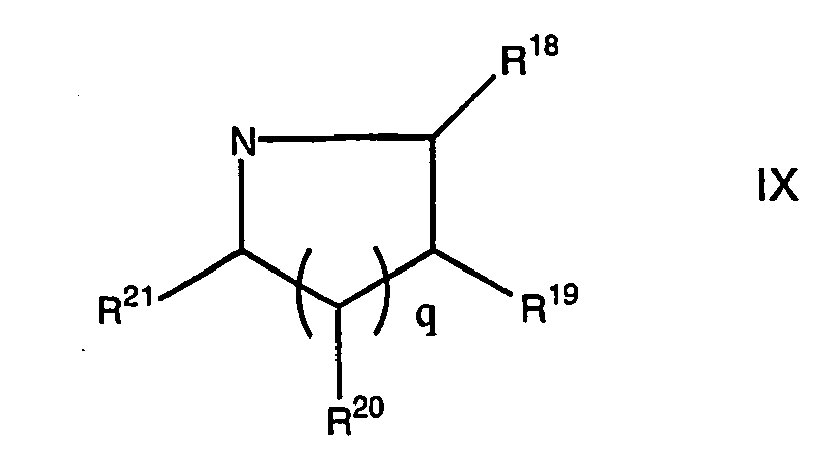
R21 is selected from H, C1-4 alkyl, A2 and A2 substituted alkyl;
A2 is a leaving group, hydroxyl, protected hydroxyl or a halogen atom;
q is 1-4;
p is 1-7;
wherein the substituent groups are selected from C1-4 alkyl, hydroxyl, amino, alkyl amino, halo and aziridine. - The product of the above synthetic method may be oxidized at the alkene to which R12 is attached to form the corresponding active compound. Suitable reagents for carrying out this conversion include Dimethyl dioxirane (DMDO), hydrogen peroxide, the peroxycarboxylic acids and the peroxy-acids, for example meta-chloroperbenzoic acid.
- In a synthesis of compounds of the present invention which contain the ring of formula IX, or a CpH2pNR16R17 group, the groups R16-R21 may be the same as in the desired end product of general formula R5-R10. Alternatively, these groups may be precursors for the desired end groups and may be replaced in a subsequent reaction step or steps to generate the desired substituent. Examples of subsequent reaction steps would be halogenating steps carried out on a hydroxyl, or protected hydroxyl after deprotection, group. In such processes a group A2 which is hydroxyl or a protected hydroxyl group, is reacted with a halogenating agent, such as a chlorinating agent, optionally after deprotection, to replace the or each A2 by a halogen atom. Preferably this halogen atom is chlorine.
- In the synthesis, R11 is optionally substituted naphthyl, anthranyl or preferably a group of formula III.
- X2 is preferably oxygen, R12 is preferably methyl and R14 is preferably NH2 or CpH2pNR16R17, wherein R16 and R17, together with the nitrogen to which they are attached form a ring of formula IX.
- Intermediates for the synthesis of the compounds of general formula I of the present invention are believed to be new compounds and may be represented by the general formula X

R22 is H, C1-4 alkyl, C1-4 alkoxy, optionally substituted phenyl, C7-12 aralkyl, optionally substituted heteroaryl or a ligand;
R23 is a ligand or NHR24 wherein R24 is CrH2rNR25R26 or a ligand;
R25 and R26 are (CH2)2A3 or both together with the nitrogen to which they are attached, form a ring of formula XI
A3 is a leaving group, OH, protected hydroxyl or a halogen atom;
s is 1-4;
r is 1-7. - In the intermediates of the present invention, R22 is preferably CH3. X3 is preferably O and as in the compounds of the present invention of general formula I, R25 and R26 preferably form a ring together with the nitrogen to which they are attached, to give a nitrogen mustard.
- The groups R27-R30 may be the same or different to the groups R7-R10 in compound II. If different, the groups R27-R30 may be converted to corresponding R7-R10 in a subsequent reaction step.
- A specific example of novel intermediate is

- The present invention provides novel prodrugs which have a DNA - intercalating group R1 and a nitrogen mustard which alkylates DNA.
- Suitable examples of halogen atoms are fluorine, chlorine, bromine and iodine, preferably chlorine. Suitable examples of leaving groups as A4 are carboxylates, alkyl sulphonates, aryl sulphonates, alkyloxy, acyloxy and aryloxy groups.
- The compounds of the present invention may be present as racemic mixtures or as isolated R- or S- enantiomers. It is often found that one enantiomer shows more biological activity and is therefore preferred.
- Suitable protecting groups for alcohols include benzyl ether, trialkyl silyl (e.g. TBDMS) and tetrahydropyranyl (THP). Of these, benzyl ether is preferred.
- The compounds of the present invention of general formula I may be useful in a method of treatment of an animal by therapy. In particular, the cytotoxic properties of the compound itself or the activated form, as the case may be, may be useful in anti-tumour treatment. The invention further provides the use of these compounds in the manufacture of compositions for use in a method of treatment of an animal. The compounds may be incorporated into a pharmaceutical composition together with a pharmaceutically acceptable excipient.
- Pharmaceutical compositions may be suitable for intramuscular, intraperitoneal, intrapulmonary, oral or, most preferably, intravenous administration. The compositions may contain suitable matrixes, for example for controlled or delayed release. The compositions may be in the form of solutions, solids, for instance powders, tablets or implants, and may comprise the compound of the formula I in solid or dissolved form. The compound may be incorporated in a particulate drug delivery system, for instance in a liquid formulation. Specific examples of suitable excipients include lactose, sucrose, mannitol, and sorbitol; starch from corn, wheat, rice, potato, or other plants; cellulose, such as methyl cellulose, hydroxypropylmethyl-cellulose, or sodium carboxymethylcellulose; gums, including araboc and tragacanth; and proteins, such as gelatin and collagen. If desired, disintegrating or solubilising agents may be added, such as the cross-linked polyvinyl pyrrolidone, agar, and alginic acid or a salt thereof, such as sodium alginate. Solid compositions may take the form of powders and gels but are more conveniently of a formed type, for example as tablets, cachets or capsules (including spansules). Alternative, more specialised types of formulation include liposomes, nanosomes and nanoparticles.
- The animal which is treated is generally human, although the compounds may also have veterinary use. The indication treated is generally cancer, including adenocarcinoma, leukemia, lymphoma, melanoma, myeloma, sarcoma, teracarinoma, and, in particular, cancers of the adrenal gland, bladder, bone, bone marrow, brain, breast, cervix, gall bladder, ganglia, gastrointestinal tract, heart, liver, kidney, lung, muscle, ovary, pancreas, parathyroid, penis, prostate, salivary glands, skin, spleen , testes, thymus, thyroid and uterus. The tumour may, for instance, be defined as a tumour expressing high levels of CYP1B1.
- The oxidised forms of the prodrugs of the first aspect of the present invention and the mustard compounds of the second aspect of the invention alkylate DNA and cause cytotoxicity. As such, they are potent cytotoxic agents whose exact biological mechanism of action is unknown but involves the disruption of template and other functions of DNA. General inhibition of template function of DNA will affect all dividing cells in the body and lead to unacceptable side effects in a therapeutic setting. However, the targeted production of the epoxide forms only in tumour cells that over express particular isoforms of cytochrome P450 will lead to a specific cytotoxic effect only in those cells.
-
-
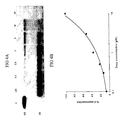
FIG. 1 : Effect of 2 on the electrophoretic mobility of F174 plasmid DNA. -
FIG. 2 :- (a) cytotoxicity of 2 on CHO cells (with or without CYP3A4).
- (b) cytotoxicity of mach 361/1 ((25,35)-(1)) on CHO cells (with or without CYP3A4).
-
FIG. 3 :- (a): Effect of 20 on DNA crosslinking after 1 h incubation with pUC18 plasmid DNA.
- (b) The percentage crosslinked (double stranded) DNA.
-
FIG. 4 : As forFIG. 3 but after 2h incubation. -
FIG. 5 : As forFIG. 3 but after 3h incubation. - The following examples illustrate the invention:
-

- The novel alkene amides of general formula I were prepared from the
carboxylic acid 7 in four steps. Theacid chloride 8 was coupled to the benzyl hydroxybutenoate by dropwise addition to a stirred solution of alcohol together with Et3N in dry CH2Cl2 under a nitrogen atmosphere at 0 °C. After 4 h the reaction was quenched with H2O extracted with CH2Cl2 and purified to give 9 in 65 % yield. Proton NMR analysis confirmed the structure and showed the alkenyl protons as multiplets at 5.33 and 5.18 ppm. The benzyl CH2 protons also appeared as a multiplet at 5.31 ppm, the H-2 proton was detected at 5.77 ppm and the methyl hydrogens had values of 2.68 ppm for the aromatic methyl and 3.96 ppm for the methoxy methyl. - The benzyl group was selectively deprotected using catalytic Pd(OAc)2. A solution of the Pd(OAc)2, Et3N and Et3SiH in dry CH2Cl2 was stirred at RT under N2 for 15 min. A solution of the ester 9 in dry CH2Cl2 was then added dropwise. The mixture was stirred at RT overnight before quenching the reaction by the addition of NH4Cl. After extraction with Et2O the alkenyl carboxylic acid was recovered in 90% yield. This acid was then treated with 35 % NH3, Et3N, HOBt and PyBOP to give the
amide 2 in 66 % yield. NMR analysis showed the NH2 protons as broad singlets at 6.13 and 5.65 ppm whereas the H-2 proton appeared at 5.87 ppm. The alkene methylene protons were identified as two multiplets at 5.36 and 5.21 ppm, and the methyl groups as singlets at 3.95 (OCH3), 2.52 (Ar-CH3) and 1.96 ppm (CH3). The aromatic protons on the naphthalene chromophore were at 8.65 (1 H), 7.90 (1 H), 7.50 (1 H) and 7.36 ppm (2H). The stereoisomer, compound (R)-2 was synthesised using the same route but employing (R)-hydroxy butenoate. - Initial cytotoxicity studies were in the performed U2-OS and HoeR cell lines. The U2-OS is a human osteosarcoma cell line and HoeR is a DNA minor groove binder-resistant variant of this. Both are available from the American Type Culture Collection (ATCC), Dr. Raymon H.10801 University Boulevard, Manassas, VA, 20110-2209, USA. The studies revealed that the
alkene amide analogues 2 and (R)-2 were not cytotoxic compounds whereas their epoxide counterparts (2S, 3S)-1, (2S, 3R)-1, (2R, 3R)-1, (2R, 3S)-1 demonstrated good activity in these cell lines (Table 1).
Table 1 IC50 values in U2-OS and HoeR. U2 OS is a human osteosarcoma cell line, HoeR is a Hoechst415 resistant version of U2-OS. Panel/ Cell line IC50 (nM) of compound (2S, 3S)-1 (2S, 3R)-1 (2R, 3R)-1 (2R, 3S)-1 (2S)-2 (2R)-2 U2-OS 15 120 40 40 >10 000 >10 000 HoeR 14 121 40 45 >10 000 >10 000 -
Figure 1 shows the effect of 2 on the electrophoretic mobility of F174 plasmid DNA.Lane 1 contains DNA only, lanes 2-8 have 10-3, 10-2, 10-1, 1,10, 20 and 30 drug/bp ratio respectively. The DNA concentration was 3.8 µm and SC stands for supercoiled DNA and OC for Open Circular DNA. - Table 1 shows that 2 lacks cytotoxic activity in U2-OS and HoeR cell lines in vitro at concentrations as high as 10 µM. Further studies of 2 in wild type CHO cells and CHO cells that have been transfected with CYP3A4 revealed that the
prodrug 2 appears more cytotoxic in CYP3A4 CHO cells compared to wild type (absent in CYP3A4)Figure 2(a) shows the cytotoxicity of 2 on CHO cells, with or without CYP3A4. -
Figure 2(b) similarly shows the cytotoxicity of (25, 35)-1. By comparison the epoxide (active) compound has high cytotoxicity in either cell line. This is an initial indicator that shows that the alkene functionality can indeed be metabolised by cytochrome P-450 enzymes to a compound, which is more cytotoxic than the parent alkene precursor. - The synthesis of a compound of general formula XII was carried out according to
schemes 

- The 2-chloropiperidine 16 was synthesised from 1-(2-aminoethyl)-piperidin-3-ol 11 following Boc-protection of the primary amine. This was achieved by stirring the diamino alcohol 11 in CH3OH for 5 min after which Boc2O (dissolved in CH3OH) was added dropwise over 20 min and the reaction mixture stirred at 45°C for 20 h. It was concentrated in vacuo, dissolved in EtOAc and washed with H2O to afford 12 as a straw coloured oil in 95 % yield.
- The Boc-protected amine 12 was then converted to the mesylate 13 by stirring in anhyd. CH2Cl2, with Et3N and adding MsCl dropwise at 0 °C. After 1 h the reaction was quenched with ice cold NaHCO3 in brine and extracted with cold CH2Cl2 to give 14 the precursor to the Boc protected 2-chloropiperidine derivative in 71 % yield. The mesylate was immediately transformed into the Boc-protected mustard 15 by heating in anhyd. DMF to 90°C in the presence of TBAC for 30 min after which the DMF was removed in vacuo and the reaction residue redissolved in CH2Cl2 and washed with cold NaHCO3 to give the Boc-protected mustard 15 in 92 % yield. Prior to coupling to the carboxylic acid functionality of the left hand portion of the azinomycins, the Boc-protected amine was deprotected by stirring in dry 2.5 M HCl in EtOAc for an hour. EtOAc was then removed by evaporation to give the chloride salt of the amine.
- The benzylester (S, S)-17 was synthesised using a stereoselective method as described in Bryant et al in Synlett. 1996, 10, 973. 17 is converted to the free epoxy carboxylic acid in
Scheme 3, step (i), by hydrogenolysis using Pd-C in CH3OH under hydrogen atmosphere. - To prepare 20, the freshly prepared epoxy carboxylic acid was dissolved in dry DMF, stirred at 0 °C and was successively treated with 16, Et3N and PyBOP. The reaction mixture was then warmed to RT and stirred for 18h after which toluene was added and the resulting solution successively washed with NaHCO3 and brine. Column chromatography (10-20 % CH3OH/CH2Cl2) provided 20 in 67% yield.
- Plasmid DNA pUC 18 was linearised by digestion with Hind III. The linear DNA was then dephosphorylated with BAP and 32P-radiolabelled on the 5'-end. The DNA was then purified by EtOH precipitation to remove unincorporated γ-32P ATP and the DNA resuspended in sterile double distilled H2O. To each reaction sample was added 32P-end labelled DNA and drug at the appropriate concentration. Following incubation at 37°C for the required time, the reaction was terminated by the addition of Stop Solution Buffer. The DNA-drug adduct was EtOH precipitated and dried by lyophilisation. Each dried DNA sample including an untreated DNA single strand as a control was denatured by resuspending in alkali denaturing buffer. The double stranded control DNA was then dissolved in sucrose loading buffer and the samples loaded and electrophoresed on a 20 cm long 0.8 % horizontal agarose gel submerged in 1 x TAE buffer at 40 V for 16h. Gels were then dried and autoradiographed
-
Compound 20 which consists of both the epoxide and mustard functionality was tested at concentrations between 0.1 and 50 µM at 1h, 2h and 3h intervals.Figure 3 displays an autoradiograph and a concentration-response curve showing that 20 can imitate the natural product Azinomycin A and crosslinks linear double stranded plasmid pUC18 DNA after one hour incubation. Crosslink formation starts at concentrations as low as 0.1 µM and reaches 100 % crosslinking at -10 µM. After incubation for an hour the CR50 (concentration at which 50% of the duplex is crosslinked) was determined to be 3.1 µM. The percentage of crosslinked DNA was determined from autoradiograph densitometry. - Crosslink formation progressed steadily over time and after 2 h the CR50 was reduced from 3.1µM to 2.7 µM (
Figure 4 ). After 3 h the CR50 was 2.2 µM (Figure 5 ). - In
Figures 3-5 DS stands for double stranded DNA, SS stands for single stranded DNA, U for untreated nondenatured DNA and UD for untreated denatured DNA. - Examples 6 and 7 make use of the
NCI 60 cell panel. This is an in vitro cell line screening project providing direct support to the National Cancer Institute's USA Developmental Therapeutic Programme for anti cancer discovery. The methodolgy for the cell line's operation is described by Boyd et al in Drug Development Research 1995, 34, 91-109. - The antitumour activity in the
NCI 60 cell line panel shows the compound to have low micromolar to high nanomolar activity. Table 2 shows the anti-tumour activity (GI50, µm) ofcompound 20, where the GI50 value is the concentration which results in growth inhibition of 50%.Table 2 Cell line Compound 20 Leukemia CCRF-CEM 3.26 HL-60(TB) 6.98 K562 8.33 MOLT-4 3 RPMI-8226 4.18 SR 2.02 NSCLC A549/ATCC 31.1 EKVX 17.5 HOP-62 100 HOP-92 13.8 NCI-H226 NCI-H23 NCI-H322M 17.9 NCI-H460 13 NCI-H522 7.77 COLON COLO 205 13.8 HCC2998 8.25 HCT-116 100 HCT-15 HT29 11 KM12 14.5 SW-620 5.26 CNS SF-268 16.6 SF-295 13.1 SF-539 6.27 SNB-19 14.3 SNB-75 U251 7.82 MELAN LOX IMVI 3.62 MALME-3M 14.8 M14 100 SK-MEL-2 18.6 SK-MEL-28 11.6 SK-MEL-5 1.56 UACC-257 UCC-62 14.7 OVAR IGROV1 12.1 OVCAR-3 18.6 OVCAR-4 21.5 OVCAR-5 16.1 OVCAR-8 44.5 SKOV-3 19.7 RENAL 786-0 100 A498 17.7 ACHN 1.17 CAKI-1 10.3 RXF 393 17.5 SN12C 6.76 TK10 23.4 PROST PC-3 11.2 DU-145 4.49 BREAST MCF7 14.7 NCI/ADRRES 11.1 MDA-MB- 231/ATCC 14 HS 578T 17.5 435 14.3 BT-549 12.5 T-47D 23 MGMID 12.3 - A similar method to that used in Example 4 (
Schemes 2 and 3) was used to synthesise the alkylating analogue using the mustard 16 andalkene carboxylic acid 10 to give 21 (59% yield).
- Table 3 shows the anti-tumour activity (GI50, µM) of 21.
Table 3 Cell line Compound 21 Leukemia CCRF-CEM 3.24 HL-60(TB) 12.1 K562 5.16 MOLT-4 3.3 RPMI-8226 3.43 SR 2.34 NSCLC A549/ATCC 8.26 EKVX 11.4 HOP-62 3.45 HOP-92 4.12 NCI-H226 NCI-H23 NCI-H322M 8.07 NCI-H460 6.26 NCI-H522 5.1 COLON COLO 205 6.08 HCC2998 4.27 HCT-116 12.8 HCT-15 0.049 HT29 7.26 KM12 9.3 SW-620 2.76 CNS SF-268 11.9 SF-295 4.35 SF-539 0.45 SNB-19 5.63 SNB-75 1.2 U251 2.63 MELAN LOX IMVI 2.84 MALME-3M 7.51 M14 1.75 SK-MEL-2 7.81 SK-MEL-28 8.48 SK-MEL-5 1.99 UACC-257 UCC-62 4.41 OVAR IGROV1 4.21 OVCAR-3 10.2 OVCAR-4 20.9 OVCAR-5 11.1 OVCAR-8 32.9 SKOV-3 17.2 RENAL 786-0 4.48 A498 0.19 ACHN 1.78 CAKI-1 5.66 RXF 393 19.1 SN12C 3.76 TK10 12.1 PROST PC-3 7.96 DU-145 5.15 BREAST MCF7 4.62 NCI/ADRRES 12.8 MDA-MB- 231/ATCC 11 HS 578T 3.69 435 7.62 BT-549 4.55 T-47D 10.8 MGMID 5.12 - The results from examples 6 and 7 show that compounds 20 and 21 have significant cytotoxicity in the low micromolar range across a wide range of human tumour cell lines.
-

- To synthesise the non-alkylating analogue 22,
compound 10 the carboxylic acid intermediate was coupled with hydroxypiperidine 11 in 66% yield using PyBOP methodology. 21 was synthesised as described in Example 7.
Claims (20)
- A compound of formula I or a salt thereof

R3 is NH2, NHR4, SR4, OR4, CH2R4 or OH;
R1 is optionally substituted naphthyl, anthranyl, or a group of formula III
R4 is C1-4 alkyl, C1-4 substituted alkyl, C1-4 alkoxy, optionally substituted phenyl, C7-12 aralkyl, optionally substituted heteroaryl, CnH2nNR5R6 or a ligand;
in which at least one of R5 and R6 is (CH2)2A1 or together with the nitrogen to which they are attached form a ring of formula II
A1 is a leaving group or a halogen atom;
m is 1-4;
n is 1-7;
wherein the substituent groups are selected from C1-4 alkyl, hydroxyl, amino, alkyl amino, halo and aziridine and the ligand is an oligopeptide, biotin, avidin, streptavidin, a polymeric group, an oligonucleotide or a protein. - A compound according to claim 1 in which X1 is O.
- A compound according to claim 1 or claim 2 in which R2 is CH3.
- A compound according to any of claims 1-3 in which R3 is NHR4.
- A compound according to claim 4 in which R4 is CnH2nNR5R6.
- A compound according to claim 5 in which CnH2nNR5R6 is IV

- A compound according to claim 1 which is

- A compound according to any of claims 1-3 in which R3 is NH2.
- A compound according to claim 8 selected from

- A compound according to any previous claim for use in a method of medical treatment of an animal by therapy.
- Use of a compound according to any of claims 1-9 in the manufacture of a composition for use in a method of medical treatment of an animal by therapy, preferably in an anti-tumour treatment.
- A pharmaceutical composition comprising the compound of any of claims 1-9 and a pharmaceutically acceptable excipient.
- A synthetic method in which a compound of formula V

is reacted with a compound of formula VI
X2 is O, NH or S;
R13 is OH, Cl, C1-4 alkoxy or OPG wherein PG is a protecting group;
such that Cl in V is replaced in a nucleophilic substitution reaction by a group of formula VII
- A method according to claim 13 followed by removal of the protecting group to give R13 = OH.
- A method according to claim 14 followed by reaction with a group of formula HR14 to give a compound of formula VIII

R15 is C1-4 alkyl, C1-4 substituted alkyl, C1-4 alkoxy, optionally substituted phenyl, C7-12 aralkyl, optionally substituted heteroraryl, CpH2pNR16R17 or a ligand;
in which at least one of R16 and R17 is (CH2)2A2 or together with the nitrogen to which they are attached form a ring of formula IX
R21 is selected from H, C1-4 alkyl, A2 and A2 substituted alkyl;
A2 is a leaving group, halogen atom, hydroxyl or a protected hydroxyl;
q is 1-4;
p is 1-7;
wherein the substituent groups are selected from C1-4 alkyl, hydroxyl, amino, alkyl amino, halo and aziridine. - A method according to any of claims 13-15 wherein the protecting group is benzyl.
- A method according to any of claims 13-16 in which X2 is O.
- A method according to any of claims 13-17 in which R12 is CH3.
- A method according to any of claims 13-18 in which the alkene to which R12 is attached is oxidized to the corresponding epoxide.
- A compound of general formula X

R22 is H, C1-4 alkyl, C1-4 alkoxy, optionally substituted phenyl, C7-12 aralkyl, optionally substituted heteroaryl or a ligand;
R23 is a ligand or NHR24 wherein R24 is CrH2rNR25R26 or a ligand;
R25 and R26 are (CH2)2A3 or together with the nitrogen to which they are attached form a ring of formula XI
A3 is a leaving group, halogen atom, hydroxyl or protected hydroxyl;
s is 1-4;
r is 1-7 and the ligand is an oligopeptide, biotin, avidin, streptavidin, a polymeric group, an oligonucleotide or a protein.
Applications Claiming Priority (2)
| Application Number | Priority Date | Filing Date | Title |
|---|---|---|---|
| GBGB0505644.5A GB0505644D0 (en) | 2005-03-18 | 2005-03-18 | Analogues of the azinomycins as anti-tumour agents and as prodrugs |
| PCT/GB2006/000941 WO2006097730A1 (en) | 2005-03-18 | 2006-03-16 | Analogues of the azinomycins as anti-tumour agents and as prodrugs |
Publications (2)
| Publication Number | Publication Date |
|---|---|
| EP1858836A1 EP1858836A1 (en) | 2007-11-28 |
| EP1858836B1 true EP1858836B1 (en) | 2009-11-18 |
Family
ID=34531512
Family Applications (1)
| Application Number | Title | Priority Date | Filing Date |
|---|---|---|---|
| EP06710103A Expired - Lifetime EP1858836B1 (en) | 2005-03-18 | 2006-03-16 | Analogues of the azinomycins as anti-tumour agents and as prodrugs |
Country Status (7)
| Country | Link |
|---|---|
| US (1) | US20090233966A1 (en) |
| EP (1) | EP1858836B1 (en) |
| AT (1) | ATE449059T1 (en) |
| DE (1) | DE602006010520D1 (en) |
| ES (1) | ES2336940T3 (en) |
| GB (1) | GB0505644D0 (en) |
| WO (1) | WO2006097730A1 (en) |
Families Citing this family (1)
| Publication number | Priority date | Publication date | Assignee | Title |
|---|---|---|---|---|
| EP2856165A4 (en) * | 2012-05-25 | 2016-05-11 | Metavi Labs Inc | Automated detection, tracking and analysis of cell migration in a 3-d matrix system |
Family Cites Families (4)
| Publication number | Priority date | Publication date | Assignee | Title |
|---|---|---|---|---|
| US5843937A (en) | 1996-05-23 | 1998-12-01 | Panorama Research, Inc. | DNA-binding indole derivatives, their prodrugs and immunoconjugates as anticancer agents |
| US7192977B2 (en) | 2001-02-22 | 2007-03-20 | School Of Pharmacy | Benz-indole and benzo-quinoline derivatives as prodrugs for tumor treatment |
| JP2004529887A (en) | 2001-02-22 | 2004-09-30 | スクール オブ ファーマシー, ユニヴァーシティ オブ ロンドン | Pyrrolo-indole and pyrrolo-quinoline derivatives as prodrugs for treating tumors |
| DE60220057T2 (en) | 2001-02-22 | 2008-01-10 | School Of Pharmacy, University Of London | Indolines and tetrahydroquinolines as prodrugs for tumor treatment |
-
2005
- 2005-03-18 GB GBGB0505644.5A patent/GB0505644D0/en not_active Ceased
-
2006
- 2006-03-16 US US11/886,505 patent/US20090233966A1/en not_active Abandoned
- 2006-03-16 EP EP06710103A patent/EP1858836B1/en not_active Expired - Lifetime
- 2006-03-16 DE DE602006010520T patent/DE602006010520D1/en not_active Expired - Lifetime
- 2006-03-16 WO PCT/GB2006/000941 patent/WO2006097730A1/en not_active Ceased
- 2006-03-16 AT AT06710103T patent/ATE449059T1/en not_active IP Right Cessation
- 2006-03-16 ES ES06710103T patent/ES2336940T3/en not_active Expired - Lifetime
Non-Patent Citations (1)
| Title |
|---|
| CASELY-HYFORD ET AL.: "Truncated azinomycin analogues intercalate into DNA", BIOORG. MED. CHEM. LETT., vol. 15, 2005, pages 653 - 656 * |
Also Published As
| Publication number | Publication date |
|---|---|
| GB0505644D0 (en) | 2005-04-27 |
| EP1858836A1 (en) | 2007-11-28 |
| DE602006010520D1 (en) | 2009-12-31 |
| ES2336940T3 (en) | 2010-04-19 |
| ATE449059T1 (en) | 2009-12-15 |
| WO2006097730A1 (en) | 2006-09-21 |
| US20090233966A1 (en) | 2009-09-17 |
Similar Documents
| Publication | Publication Date | Title |
|---|---|---|
| Rahman et al. | Synthesis, stereochemistry and biological activity of some novel long alkyl chain substituted thiazolidin-4-ones and thiazan-4-one from 10-undecenoic acid hydrazide | |
| Chen et al. | Design, synthesis and biological evaluation of novel isoindolinone derivatives as potent histone deacetylase inhibitors | |
| KR20210052331A (en) | A compound containing EZH2 inhibitor and E3 ligase binder, and pharmaceutical composition for use in preventing or treating EZH2 related diseases containing the same as an active ingredient | |
| US20030073731A1 (en) | Compositions and methods of the use thereof achiral analogues of CC-1065 and the duocarmycins | |
| JP7694995B2 (en) | Compounds constituting C20 modified salinomycin derivatives, methods for obtaining same, compositions containing same, uses of said compounds, and methods for obtaining intermediate products | |
| US20210284629A1 (en) | Methods and compounds for the treatment of genetic disease | |
| Taguchi et al. | Chemotherapeutics overcoming nonsense mutation-associated genetic diseases: medicinal chemistry of negamycin | |
| US20100222380A1 (en) | Modified Chalcone Compounds as Antimitotic Agents | |
| US20220306638A1 (en) | Selective btk irreversible inhibitors | |
| EP3606524B1 (en) | Deuterated (s)-2-(4-(piperidin-3-yl)phenyl)-2h-indazole-7-carboxamide | |
| US20090233966A1 (en) | Analogues of the Azinomycins as Anti-Tumour Agents and as Prodrugs | |
| Jordan et al. | Design of scytalone dehydratase inhibitors as rice blast fungicides:(N-phenoxypropyl)-carboxamides | |
| FI106957B (en) | Process for the preparation of alpha - [(2-aminoalkoxy) phenyl] omega-aryylalkanes useful as a drug | |
| US7015215B2 (en) | Pyrrolo[2,1-c][1,4] benzodiazepines compounds and process thereof | |
| Casely-Hayford et al. | Design and synthesis of a DNA-crosslinking azinomycin analogue | |
| Wang et al. | Design, synthesis, antitumor activity, and molecular dynamics simulations of novel sphingosine kinase 2 inhibitors | |
| Singh et al. | Bifunctional derivative of p, p′-dichlorochalcone: Part III. Synthesis and study for cytotoxic activity of a new compound, 2-[2, 2-bis (4-chlorophenyl) ethyl]-2-(4-chlorophenyl)-thiazolidin-4-one from p, p′-dichlorochalcone | |
| US6939869B2 (en) | Pyrrolo[2,1-c][1,4] benzodiazepine-indole derivatives, their preparation process, and uses of the same | |
| CN1206403A (en) | Naphthoquinone antineoplastic compounds and methods | |
| EP1511728B1 (en) | Oxophenyl-cyclohexyl-propanolamine derivatives, production and use thereof in therapeutics | |
| JPH0222252A (en) | 5-hydroxytriptamine-1a-receptor bonding compound | |
| US7304092B1 (en) | Compounds and methods for treating tumors, cancer and hyperproliferative diseases | |
| JP2020529446A (en) | Methods for synthesizing monoprotected bifunctional prodrugs and methods for preparing antibody-drug conjugates and antibody-drug conjugates based on them | |
| Lin et al. | Design and Synthesis of 1‐(6‐(2‐(2‐Arylethynyl) Phenyl) Hexyn‐5‐yl) Piperidin‐2‐Ones as Antitumor Agents that Induce Apoptotic Progress | |
| FR2809725A1 (en) | New phenoxypropanolamino-tetralin derivatives, are beta-3 adrenergic receptor agonists useful e.g. for treating irritable bowel syndrome, glaucoma, diabetes, dysmenorrhea or depression |
Legal Events
| Date | Code | Title | Description |
|---|---|---|---|
| PUAI | Public reference made under article 153(3) epc to a published international application that has entered the european phase |
Free format text: ORIGINAL CODE: 0009012 |
|
| 17P | Request for examination filed |
Effective date: 20071005 |
|
| AK | Designated contracting states |
Kind code of ref document: A1 Designated state(s): AT BE BG CH CY CZ DE DK EE ES FI FR GB GR HU IE IS IT LI LT LU LV MC NL PL PT RO SE SI SK TR |
|
| DAX | Request for extension of the european patent (deleted) | ||
| RAP1 | Party data changed (applicant data changed or rights of an application transferred) |
Owner name: UNIVERSITY OF BRADFORD |
|
| 17Q | First examination report despatched |
Effective date: 20080602 |
|
| GRAP | Despatch of communication of intention to grant a patent |
Free format text: ORIGINAL CODE: EPIDOSNIGR1 |
|
| GRAS | Grant fee paid |
Free format text: ORIGINAL CODE: EPIDOSNIGR3 |
|
| GRAA | (expected) grant |
Free format text: ORIGINAL CODE: 0009210 |
|
| RIN1 | Information on inventor provided before grant (corrected) |
Inventor name: SCARCEY, MARK Inventor name: CASELY-HAYFORD MAXWELL Inventor name: PATTERSON, LAURENCE HYLTONINST. OF CANCER THERAP. Inventor name: PORS, KLAUSINST. OF CANCER THERAP. |
|
| AK | Designated contracting states |
Kind code of ref document: B1 Designated state(s): AT BE BG CH CY CZ DE DK EE ES FI FR GB GR HU IE IS IT LI LT LU LV MC NL PL PT RO SE SI SK TR |
|
| REG | Reference to a national code |
Ref country code: GB Ref legal event code: FG4D |
|
| REG | Reference to a national code |
Ref country code: CH Ref legal event code: EP |
|
| REG | Reference to a national code |
Ref country code: IE Ref legal event code: FG4D |
|
| REF | Corresponds to: |
Ref document number: 602006010520 Country of ref document: DE Date of ref document: 20091231 Kind code of ref document: P |
|
| REG | Reference to a national code |
Ref country code: NL Ref legal event code: VDEP Effective date: 20091118 |
|
| REG | Reference to a national code |
Ref country code: ES Ref legal event code: FG2A Ref document number: 2336940 Country of ref document: ES Kind code of ref document: T3 |
|
| LTIE | Lt: invalidation of european patent or patent extension |
Effective date: 20091118 |
|
| PG25 | Lapsed in a contracting state [announced via postgrant information from national office to epo] |
Ref country code: IS Free format text: LAPSE BECAUSE OF FAILURE TO SUBMIT A TRANSLATION OF THE DESCRIPTION OR TO PAY THE FEE WITHIN THE PRESCRIBED TIME-LIMIT Effective date: 20100318 Ref country code: PT Free format text: LAPSE BECAUSE OF FAILURE TO SUBMIT A TRANSLATION OF THE DESCRIPTION OR TO PAY THE FEE WITHIN THE PRESCRIBED TIME-LIMIT Effective date: 20100318 Ref country code: SE Free format text: LAPSE BECAUSE OF FAILURE TO SUBMIT A TRANSLATION OF THE DESCRIPTION OR TO PAY THE FEE WITHIN THE PRESCRIBED TIME-LIMIT Effective date: 20091118 Ref country code: FI Free format text: LAPSE BECAUSE OF FAILURE TO SUBMIT A TRANSLATION OF THE DESCRIPTION OR TO PAY THE FEE WITHIN THE PRESCRIBED TIME-LIMIT Effective date: 20091118 Ref country code: LT Free format text: LAPSE BECAUSE OF FAILURE TO SUBMIT A TRANSLATION OF THE DESCRIPTION OR TO PAY THE FEE WITHIN THE PRESCRIBED TIME-LIMIT Effective date: 20091118 |
|
| PG25 | Lapsed in a contracting state [announced via postgrant information from national office to epo] |
Ref country code: SI Free format text: LAPSE BECAUSE OF FAILURE TO SUBMIT A TRANSLATION OF THE DESCRIPTION OR TO PAY THE FEE WITHIN THE PRESCRIBED TIME-LIMIT Effective date: 20091118 Ref country code: PL Free format text: LAPSE BECAUSE OF FAILURE TO SUBMIT A TRANSLATION OF THE DESCRIPTION OR TO PAY THE FEE WITHIN THE PRESCRIBED TIME-LIMIT Effective date: 20091118 Ref country code: LV Free format text: LAPSE BECAUSE OF FAILURE TO SUBMIT A TRANSLATION OF THE DESCRIPTION OR TO PAY THE FEE WITHIN THE PRESCRIBED TIME-LIMIT Effective date: 20091118 Ref country code: CY Free format text: LAPSE BECAUSE OF FAILURE TO SUBMIT A TRANSLATION OF THE DESCRIPTION OR TO PAY THE FEE WITHIN THE PRESCRIBED TIME-LIMIT Effective date: 20091118 |
|
| PG25 | Lapsed in a contracting state [announced via postgrant information from national office to epo] |
Ref country code: BE Free format text: LAPSE BECAUSE OF FAILURE TO SUBMIT A TRANSLATION OF THE DESCRIPTION OR TO PAY THE FEE WITHIN THE PRESCRIBED TIME-LIMIT Effective date: 20091118 Ref country code: AT Free format text: LAPSE BECAUSE OF FAILURE TO SUBMIT A TRANSLATION OF THE DESCRIPTION OR TO PAY THE FEE WITHIN THE PRESCRIBED TIME-LIMIT Effective date: 20091118 |
|
| PGFP | Annual fee paid to national office [announced via postgrant information from national office to epo] |
Ref country code: GB Payment date: 20100316 Year of fee payment: 5 |
|
| PG25 | Lapsed in a contracting state [announced via postgrant information from national office to epo] |
Ref country code: NL Free format text: LAPSE BECAUSE OF FAILURE TO SUBMIT A TRANSLATION OF THE DESCRIPTION OR TO PAY THE FEE WITHIN THE PRESCRIBED TIME-LIMIT Effective date: 20091118 Ref country code: BG Free format text: LAPSE BECAUSE OF FAILURE TO SUBMIT A TRANSLATION OF THE DESCRIPTION OR TO PAY THE FEE WITHIN THE PRESCRIBED TIME-LIMIT Effective date: 20100218 Ref country code: RO Free format text: LAPSE BECAUSE OF FAILURE TO SUBMIT A TRANSLATION OF THE DESCRIPTION OR TO PAY THE FEE WITHIN THE PRESCRIBED TIME-LIMIT Effective date: 20091118 Ref country code: EE Free format text: LAPSE BECAUSE OF FAILURE TO SUBMIT A TRANSLATION OF THE DESCRIPTION OR TO PAY THE FEE WITHIN THE PRESCRIBED TIME-LIMIT Effective date: 20091118 Ref country code: DK Free format text: LAPSE BECAUSE OF FAILURE TO SUBMIT A TRANSLATION OF THE DESCRIPTION OR TO PAY THE FEE WITHIN THE PRESCRIBED TIME-LIMIT Effective date: 20091118 |
|
| PGFP | Annual fee paid to national office [announced via postgrant information from national office to epo] |
Ref country code: ES Payment date: 20100325 Year of fee payment: 5 |
|
| PG25 | Lapsed in a contracting state [announced via postgrant information from national office to epo] |
Ref country code: CZ Free format text: LAPSE BECAUSE OF FAILURE TO SUBMIT A TRANSLATION OF THE DESCRIPTION OR TO PAY THE FEE WITHIN THE PRESCRIBED TIME-LIMIT Effective date: 20091118 Ref country code: SK Free format text: LAPSE BECAUSE OF FAILURE TO SUBMIT A TRANSLATION OF THE DESCRIPTION OR TO PAY THE FEE WITHIN THE PRESCRIBED TIME-LIMIT Effective date: 20091118 |
|
| PGFP | Annual fee paid to national office [announced via postgrant information from national office to epo] |
Ref country code: DE Payment date: 20100326 Year of fee payment: 5 |
|
| PLBE | No opposition filed within time limit |
Free format text: ORIGINAL CODE: 0009261 |
|
| STAA | Information on the status of an ep patent application or granted ep patent |
Free format text: STATUS: NO OPPOSITION FILED WITHIN TIME LIMIT |
|
| 26N | No opposition filed |
Effective date: 20100819 |
|
| PG25 | Lapsed in a contracting state [announced via postgrant information from national office to epo] |
Ref country code: MC Free format text: LAPSE BECAUSE OF NON-PAYMENT OF DUE FEES Effective date: 20100331 Ref country code: GR Free format text: LAPSE BECAUSE OF FAILURE TO SUBMIT A TRANSLATION OF THE DESCRIPTION OR TO PAY THE FEE WITHIN THE PRESCRIBED TIME-LIMIT Effective date: 20100219 |
|
| REG | Reference to a national code |
Ref country code: CH Ref legal event code: PL |
|
| REG | Reference to a national code |
Ref country code: FR Ref legal event code: ST Effective date: 20101130 |
|
| REG | Reference to a national code |
Ref country code: FR Ref legal event code: RN |
|
| PG25 | Lapsed in a contracting state [announced via postgrant information from national office to epo] |
Ref country code: IE Free format text: LAPSE BECAUSE OF NON-PAYMENT OF DUE FEES Effective date: 20100316 Ref country code: FR Free format text: LAPSE BECAUSE OF NON-PAYMENT OF DUE FEES Effective date: 20100331 |
|
| REG | Reference to a national code |
Ref country code: FR Ref legal event code: FC |
|
| PG25 | Lapsed in a contracting state [announced via postgrant information from national office to epo] |
Ref country code: CH Free format text: LAPSE BECAUSE OF NON-PAYMENT OF DUE FEES Effective date: 20100331 Ref country code: LI Free format text: LAPSE BECAUSE OF NON-PAYMENT OF DUE FEES Effective date: 20100331 |
|
| PG25 | Lapsed in a contracting state [announced via postgrant information from national office to epo] |
Ref country code: IT Free format text: LAPSE BECAUSE OF NON-PAYMENT OF DUE FEES Effective date: 20100316 |
|
| PGFP | Annual fee paid to national office [announced via postgrant information from national office to epo] |
Ref country code: FR Payment date: 20110422 Year of fee payment: 5 Ref country code: IT Payment date: 20100324 Year of fee payment: 5 |
|
| PGRI | Patent reinstated in contracting state [announced from national office to epo] |
Ref country code: FR Effective date: 20110422 Ref country code: IT Effective date: 20110616 |
|
| GBPC | Gb: european patent ceased through non-payment of renewal fee |
Effective date: 20110316 |
|
| REG | Reference to a national code |
Ref country code: FR Ref legal event code: ST Effective date: 20111130 |
|
| PG25 | Lapsed in a contracting state [announced via postgrant information from national office to epo] |
Ref country code: DE Free format text: LAPSE BECAUSE OF NON-PAYMENT OF DUE FEES Effective date: 20111001 |
|
| PGRI | Patent reinstated in contracting state [announced from national office to epo] |
Ref country code: FR Effective date: 20110422 |
|
| PG25 | Lapsed in a contracting state [announced via postgrant information from national office to epo] |
Ref country code: GB Free format text: LAPSE BECAUSE OF NON-PAYMENT OF DUE FEES Effective date: 20110316 |
|
| PGRI | Patent reinstated in contracting state [announced from national office to epo] |
Ref country code: IT Effective date: 20110616 |
|
| REG | Reference to a national code |
Ref country code: ES Ref legal event code: FD2A Effective date: 20120423 |
|
| REG | Reference to a national code |
Ref country code: DE Ref legal event code: R119 Ref document number: 602006010520 Country of ref document: DE Effective date: 20111001 |
|
| PG25 | Lapsed in a contracting state [announced via postgrant information from national office to epo] |
Ref country code: ES Free format text: LAPSE BECAUSE OF NON-PAYMENT OF DUE FEES Effective date: 20110317 |
|
| PG25 | Lapsed in a contracting state [announced via postgrant information from national office to epo] |
Ref country code: LU Free format text: LAPSE BECAUSE OF NON-PAYMENT OF DUE FEES Effective date: 20100316 Ref country code: HU Free format text: LAPSE BECAUSE OF FAILURE TO SUBMIT A TRANSLATION OF THE DESCRIPTION OR TO PAY THE FEE WITHIN THE PRESCRIBED TIME-LIMIT Effective date: 20100519 |
|
| PG25 | Lapsed in a contracting state [announced via postgrant information from national office to epo] |
Ref country code: TR Free format text: LAPSE BECAUSE OF FAILURE TO SUBMIT A TRANSLATION OF THE DESCRIPTION OR TO PAY THE FEE WITHIN THE PRESCRIBED TIME-LIMIT Effective date: 20091118 |