EP1847833A2 - Scintillation proximity assay - Google Patents
Scintillation proximity assay Download PDFInfo
- Publication number
- EP1847833A2 EP1847833A2 EP06125054A EP06125054A EP1847833A2 EP 1847833 A2 EP1847833 A2 EP 1847833A2 EP 06125054 A EP06125054 A EP 06125054A EP 06125054 A EP06125054 A EP 06125054A EP 1847833 A2 EP1847833 A2 EP 1847833A2
- Authority
- EP
- European Patent Office
- Prior art keywords
- template
- polymerase
- polymerase enzyme
- hcv
- activity
- Prior art date
- Legal status (The legal status is an assumption and is not a legal conclusion. Google has not performed a legal analysis and makes no representation as to the accuracy of the status listed.)
- Granted
Links
Images

Classifications
-
- C—CHEMISTRY; METALLURGY
- C12—BIOCHEMISTRY; BEER; SPIRITS; WINE; VINEGAR; MICROBIOLOGY; ENZYMOLOGY; MUTATION OR GENETIC ENGINEERING
- C12Q—MEASURING OR TESTING PROCESSES INVOLVING ENZYMES, NUCLEIC ACIDS OR MICROORGANISMS; COMPOSITIONS OR TEST PAPERS THEREFOR; PROCESSES OF PREPARING SUCH COMPOSITIONS; CONDITION-RESPONSIVE CONTROL IN MICROBIOLOGICAL OR ENZYMOLOGICAL PROCESSES
- C12Q1/00—Measuring or testing processes involving enzymes, nucleic acids or microorganisms; Compositions therefor; Processes of preparing such compositions
- C12Q1/48—Measuring or testing processes involving enzymes, nucleic acids or microorganisms; Compositions therefor; Processes of preparing such compositions involving transferase
-
- G—PHYSICS
- G01—MEASURING; TESTING
- G01N—INVESTIGATING OR ANALYSING MATERIALS BY DETERMINING THEIR CHEMICAL OR PHYSICAL PROPERTIES
- G01N33/00—Investigating or analysing materials by specific methods not covered by groups G01N1/00 - G01N31/00
- G01N33/48—Biological material, e.g. blood, urine; Haemocytometers
- G01N33/50—Chemical analysis of biological material, e.g. blood, urine; Testing involving biospecific ligand binding methods; Immunological testing
- G01N33/53—Immunoassay; Biospecific binding assay; Materials therefor
- G01N33/543—Immunoassay; Biospecific binding assay; Materials therefor with an insoluble carrier for immobilising immunochemicals
- G01N33/54313—Immunoassay; Biospecific binding assay; Materials therefor with an insoluble carrier for immobilising immunochemicals the carrier being characterised by its particulate form
-
- G—PHYSICS
- G01—MEASURING; TESTING
- G01N—INVESTIGATING OR ANALYSING MATERIALS BY DETERMINING THEIR CHEMICAL OR PHYSICAL PROPERTIES
- G01N33/00—Investigating or analysing materials by specific methods not covered by groups G01N1/00 - G01N31/00
- G01N33/48—Biological material, e.g. blood, urine; Haemocytometers
- G01N33/50—Chemical analysis of biological material, e.g. blood, urine; Testing involving biospecific ligand binding methods; Immunological testing
- G01N33/58—Chemical analysis of biological material, e.g. blood, urine; Testing involving biospecific ligand binding methods; Immunological testing involving labelled substances
- G01N33/60—Chemical analysis of biological material, e.g. blood, urine; Testing involving biospecific ligand binding methods; Immunological testing involving labelled substances involving radioactive labelled substances
-
- G—PHYSICS
- G01—MEASURING; TESTING
- G01N—INVESTIGATING OR ANALYSING MATERIALS BY DETERMINING THEIR CHEMICAL OR PHYSICAL PROPERTIES
- G01N2333/00—Assays involving biological materials from specific organisms or of a specific nature
- G01N2333/90—Enzymes; Proenzymes
- G01N2333/91—Transferases (2.)
- G01N2333/912—Transferases (2.) transferring phosphorus containing groups, e.g. kinases (2.7)
- G01N2333/91205—Phosphotransferases in general
- G01N2333/91245—Nucleotidyltransferases (2.7.7)
-
- G—PHYSICS
- G01—MEASURING; TESTING
- G01N—INVESTIGATING OR ANALYSING MATERIALS BY DETERMINING THEIR CHEMICAL OR PHYSICAL PROPERTIES
- G01N2333/00—Assays involving biological materials from specific organisms or of a specific nature
- G01N2333/90—Enzymes; Proenzymes
- G01N2333/91—Transferases (2.)
- G01N2333/912—Transferases (2.) transferring phosphorus containing groups, e.g. kinases (2.7)
- G01N2333/91205—Phosphotransferases in general
- G01N2333/91245—Nucleotidyltransferases (2.7.7)
- G01N2333/9125—Nucleotidyltransferases (2.7.7) with a definite EC number (2.7.7.-)
Definitions
- This invention pertains to biological assays for polymerase enzymes, and more particularly to a scintillation proximity assay for measuring the activities of RNA and DNA polymerase enzymes.
- Hepatitis C virus is the leading cause of chronic liver disease throughout the world. ( Boyer, N. et al. J. Hepatol. 2000 32:98-112 ). Patients infected with HCV are at risk of developing cirrhosis of the liver and subsequent hepatocellular carcinoma and hence HCV is the major indication for liver transplantation.
- HCV has been classified as a member of the virus family Flaviviridae that includes the genera flaviviruses, pestiviruses, and hapaceiviruses which includes hepatitis C viruses ( Rice, C. M., Flaviviridae: The viruses and their replication. In: Fields Virology, Editors: B. N. Fields, D. M. Knipe and P. M. Howley, Lppincott-Raven Publishers, Philadelphia, Pa., Chapter 30, 931-959, 1996 ).
- HCV is an enveloped virus containing a positive-sense single-stranded RNA genome of approximately 9.4 kb.
- the viral genome consists of a 5' untranslated region (UTR), a long open reading frame encoding a polyprotein precursor of-approximately 3011 amino acids, and a short 3' UTR.
- the 5' UTR is the most highly conserved part of the HCV genome and is important for the initiation and control of polyprotein translation.
- the carboxyl half of nonstructural protein 5, NS5B contains the RNA-dependent RNA polymerase.
- HCV NS5B In vitro, the polymerase activity of HCV NS5B is dependent on an RNA template and requires either a RNA or DNA primer.
- a variety of in vitro assays to measure the activity of the HCV NS5B polymerase have been developed.
- the standard reaction mixture consists of buffers, salts, divalent cations, reducing agents, as well as nucleoside triphosphates and an RNA template and primer.
- the most commonly used templates and primers are synthetic homopolymeric template/primers such as polyadenosine monophosphate:oligo-uridine monophosphate (polyA:oligo U; see, for example, S.-E. Behrens et al., EMBO J. 1996 15(1):12-22 , V. Lohmann et al., J. Virol. 1997 71(11):8416-8428 ).
- NS5B can also initiate in vitro RNA synthesis in a primer-independent fashion when RNA templates of heteropolymeric sequence, including sequences from the HCV genome, are used. These sequences include the internal ribosome entry site located at the 5'-untranslated region of the HCV genome (HCV IRES; Kieft et al., RNA 2001 7:194-206 ) and the 3'-untranslated region (HCV 3'-UTR; Pellerin et al., Biochem. Biophys. Res. Comm. 2002 295:682-688 ).
- the 3'-end of the template is used as the primer and elongation proceeds from a hairpin loop via a snap-back mechanism leading to a double-stranded molecule in which template and product are covalently linked.
- SPA Scintillation proximity assay
- the plastic beads will only scintillate when suspended in solution with the radioactive analyte when the analyte is specifically bound by the binding partner and thus localized near the surface of the beads.
- SPAs have been developed and exploited for a variety of analytical purposes. SPAs have been used for radioimmunoassays, competition assays, enzyme kinetic assays, studies of ligand/receptor and antigen/antibody interactions, and studies of cellular processes (see, Cook, Drug Discovery Today 1996 1:287-294 ; and Cook, U.S. Pat. No. 5,665,562 ). The SPAs described to date all rely on specific binding interactions, such as antibody-antigen interactions, ligand-receptor interactions, biotinylated reagents which bind to streptavidin-coated beads, chelate complex formation of the species of interest, or other interactions which rely on the precise and specific structural complementarity of binding partners.
- a synthetic primer such as oligo U must be modified with an affinity tag molecule (e.g. biotin), allowed to anneal to an appropriate homopolymeric template (in this case, polyA) and reacted with SPA beads coated with a molecule which can bind to the tag molecule (e.g. streptavidin).
- an affinity tag molecule e.g. biotin
- polyA homopolymeric template
- SPA beads coated with a molecule which can bind to the tag molecule e.g. streptavidin
- the present invention is based on the discovery that a SPA assay can be performed to measure the activity of a polymerase enzyme using either no primers or unmodified primers by contacting the products generated from the polymerase with a SPA support structure (e.g. beads) under acidic pH.
- a SPA support structure e.g. beads
- the SPA assay can be performed with either nucleotide sequences which are native to a given polymerase enzyme or other heteropolymeric sequences as templates which represents a more accurate condition to measure the activity of the polymerase.
- the present invention provides a method for assaying an activity of a polymerase enzyme by: incubating a reaction mixture comprising the polymerase enzyme, an appropriate template, and a plurarity of appropriately radiolabeled and non-radiolabeled nucleotide triphosphates to provide labeled transcripts with or without an unmodified primer; contacting the labeled transcripts to a suspension of a SPA support structure at a pH ranging from about 2.0 to about 4.5; and measuring a level of scintillation that correlates with the activity of the polymerase enzyme.
- the reaction mixture is incubated in the presence of compounds that modulate the activity of the polymerase enzyme.
- the polymerase enzyme is HCV NS5B polymerase.
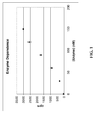
- Fig. 1 Effect of NS5B polymerase concentration.
- the experiment was performed in a 384 well plate with NS5B concentration ranging from 0 to 160 nM.
- HCV IRES template at 0.26 ⁇ g/well, 1 ⁇ M CTP, GTP, ATP and 1 ⁇ Ci 3 H-UTP were present in a buffer containing 40mM Tris (pH 8.0), 4mM magnesium acetate and 4mM DTT.
- the reactions were stopped after 2.5 hour incubation at 30°C with a solution containing 100mM sodium acetate (pH 3.0) and 2.3mg/ml Protein A-PVT SPA beads.
- Fig. 2 Dose-response curves of known NS5B inhibitors: The experiment was performed in a 384 well plate with NS5B concentration at 0.23 ⁇ g/20 ⁇ 1. HCV IRES template at 0.26 ⁇ g/20 ⁇ 1, 1 ⁇ M CTP, GTP, ATP and 1 ⁇ Ci 3 H-UTP were present in a buffer containing 40 mM Tris (pH 8.0), 4 mM magnesium acetate, 4mM DTT and 10% DMSO. The reactions were stopped after 2.5 hour incubation at 30 °C with a solution containing 100 mM sodium acetate (pH 3.0) and 2.3mg/ml Protein A-PVT SPA beads.
- HCV IRES template at 0.26 ⁇ g/20 ⁇ 1, 1 ⁇ M CTP, GTP, ATP and 1 ⁇ Ci 3 H-UTP were present in a buffer containing 40 mM Tris (pH 8.0), 4 mM magnesium acetate, 4mM DTT and 10% DMSO.
- polymerase and “polymerase enzyme” refer to an enzyme that catalyzes the polymerization of nucleotides (i.e., the polymerase activity) . Generally, the enzyme will initiate synthesis at the 3'-end of the primer annealed to a polynucleotide template sequence, and will proceed toward the 5' end of the template strand.
- RNA polymerase catalyzes the polymerization of ribonucleotides
- DNA polymerase catalyzes the polymerization of deoxyribonucleotides.
- DNA polymerases can include "RNA-dependent DNA polymerses” which utilize RNA as the template to produce DNA strands (e.g. reverse transcriptase) as well as “DNA-dependent DNA polymerases” which utilize DNA as the template to produce DNA strands.
- viral polymerase refers to a polymerase enzyme contained within the genome of a virus which catalyzes the polymerization of ribonucleotides or deoxynucleotides and allows the virus to replicate.
- NS5B refers to a portion of the HCV genome located near the 3' end of the viral genome that specifies the region encoding a protein, termed the "NS5B protein", “NS5B polypeptide”, “NS5B polymerase” or combinations of these terms which are used interchangeably herein.
- NS5B in its natural state functions as an RNA-dependent RNA polymerase (RdRp).
- RdRp RNA-dependent RNA polymerase
- the nucleic acid region encoding the NS5B protein may also be referred to as the "NS5B gene".
- NS5B may refer to either a nucleic acid encoding the NS5B polypeptide, to an NS5B gene or to an NS5B polypeptide, or to any portions thereof, depending on the context in which the term is used. NS5B may further refer to natural allelic variants, mutants and derivatives of either NS5B nucleic acid sequences or NS5B polypeptides.
- the NS5B nucleic acid, NS5B gene or NS5B protein referred to is a functional polymerase, or to a non-functional polymerase that still binds to an appropriate template.
- SPA Scintillation Proximity Assay
- the scintillant is activated causing emission of light, which can be detected conventionally using a scintillation counter.
- the amount of light produced is directly proportional to the amount of reactant bound to the surface of the support structures.
- Beads that are used in SPA can be microspheres, approximately 5um in diameter, and can be made from hydrophobic polymers such as but not limited to polyacrylamide, acrylamide, agarose, polystyrene, polypropylene, polycarbonate, and polyvinyltoluene or from inorganic scintillators such as yttrium silicate.
- the core of the bead can be coated with a polyhydroxy film which reduces the hydrophobicity of the bead.
- SPA beads are made from either yttrium silicate or polyvinyltoluene containing an organic scintillant such as diphenyloxazole and are commercially available from Amersham Biosciences (Piscataway, N.J.)
- the isotope of an "appropriately radiolabeled" molecule refers to an isotope that has a relatively low energy beta-emission, for example tritium, or iodine-125 auger electrons. Only that portion of the sample which binds to or is in close proximity to the scintillant-containing support structure will result in scintillation events that can be counted. Unbound radiolabeled molecules will be at too great a distance from the scintillant surface to produce scintillations, the beta-decay energy being dissipated in the liquid aqueous medium.
- affinity tag refers to a ligand (that is linked to a primer) whose strong affinity for a "receptor” can be used to extract from a solution the entity to which the ligand is attached.
- ligands include biotin or a derivative thereof, a histidine polypeptide, an amylose sugar moiety or a defined epitope recognizable by a specific antibody.
- affinity tags are preferabley attached to the primer in solution and is captured by a suitable "receptor” moiety attached to a solid support.
- primer refers to an oligonucleotide, either RNA or DNA, either single-stranded or double- stranded, either derived from a biological system, generated by restriction enzyme digestion, or produced synthetically which, when placed in the proper environment, is able to functionally act as an initiator of template-dependent nucleic acid synthesis.
- the primer When presented with an appropriate nucleic acid template, suitable nucleoside triphosphate precursors of nucleic acids, a polymerase enzyme, suitable cofactors and conditions such as a suitable temperature and pH, the primer may be elongated (extended) at its 3' terminus by the addition of nucleotides by the action of a polymerase or similar activity to yield a primer elongation (extension) product.
- the primer may vary in length depending on the particular conditions and requirement of the application.
- the nucleotide or oligonucleotide primer is typically 1-24 or more nucleotides in length.
- the primer must be of sufficient complementarity to the desired template to prime the synthesis of the desired extension product, that is, to be able to anneal with the desired template strand in a manner sufficient to provide the 3' hydroxyl moiety of the primer in appropriate juxtaposition for similar enzyme. It is not required that the primer sequence represent an exact complement of the desired template.
- a non-complementary nucleotide sequence may be attached to the 5' end of an otherwise complementary primer.
- non-complementary bases may be interspersed within the oligonucleotide primer sequence, provided that the primer sequences has sufficient complementarity with the sequence of the desired template strand to functionally provide a primer- template complex for the synthesis of the extension product.
- unmodified primer refers to a primer which is not modified or linked to an "affinity tag” molecule.
- RNA synthesis and “transcription” are used interchangeably and are defined by the specific steps taken by an RNA polymerase of: recognizing and binding to a template initiation site; priming by incorporating a first complementary nucleotide; and adding consecutively complementary nucleotides to elongate the nascent RNA chain.
- template refers to an oligonucleotide of DNA, or preferably RNA, at least 50 nucleotides in length, that serves as one of the substrate for a polymerase.
- sequence of a template is complementary to the sequence produced by the polymerase during transcription.
- An "appropriate” template for a polymerase is one which is able to serve as a substrate for a given polymerase.
- homopolymeric template refers to a template whose entire sequence is made up from one nucleotide, such as polyadenosine or polyguanidine.
- heteropolymeric template refers to a template which is not “homopolymeric” and whose sequence is made up from more than one nucleotide.
- the present invention provides for methods of assaying the activity of a polymerase enzyme by using a Scintillation Proximity Assay (SPA).
- SPAs work by bringing a radiolabeled molecule within close proximity to a support structure's scintillant to stimulate light emission.
- a method for assaying an activity of a polymerase enzyme comprising the steps of: a) incubating a reaction mixture comprising said polymerase enzyme, an appropriate template, and a plurality of appropriately radiolabeled and non-radiolabeled nucleotide triphosphates to provide labeled transcripts, with or without an unmodified primer b) contacting said labeled transcripts to a Scintillation Proximity Assay (SPA) support structure at a pH ranging from about 2.0 to about 4.5; and c) measuring a level of scintillation wherein said scintillation level correlates with the activity of said polymerase enzyme.
- SPA Scintillation Proximity Assay
- the polymerase enzyme is HCV NS5B polymerase.
- NS5B binds to a single stranded RNA template with or without primer and initiates de-novo synthesis of ds (double stranded) RNA.
- the template can either be homopolymeric, which will require a complementary primer (e.g. poly A- oligo U), or heteropolymeric which may or may not require a complementary primer.
- RNA templates for NS5B that do not require primers include the internal ribosome entry site located at the 5'-untranslated region of the HCV genome (HCV IRES) and the 3'-untranslated region (HCV 3'-UTR).
- Radiolabeled UTP and unlabeled CTP, GTP and ATP are incorporated into the the double stranded helix upon polymerase-template binding.
- the detection of product (ds RNA) is measured by adding a fixed amount of Protein-A Poly-Vinyl Toluene (PVT) SPA Beads (in low pH) which couple to ds RNA and stop the reaction from proceeding further.
- PVT Protein-A Poly-Vinyl Toluene
- SPA Beads in low pH
- Close proximity of a bead to incorporated radiolabeled UTP causes a photon to be emitted and captured by a detector. Absence of signal (photon) indicates lack of ds RNA formation via enzyme/compound blockade.
- a method for assaying an activity of a polymerase enzyme comprising the steps of: a) incubating a reaction mixture comprising said polymerase enzyme, an appropriate template, and a plurality of appropriately radiolabeled and non-radiolabeled nucleotide triphosphates to provide labeled transcripts, in the presence of one or more compounds that modulate the activity of said polymerase enzyme, with or without an unmodified primer; b) contacting said labeled transcripts to a Scintillation Proximity Assay (SPA) support structure at a pH ranging from about 2.0 to about 4.5; and c) measuring a level of scintillation wherein said scintillation level correlates with the activity of said polymerase enzyme.
- the polymerase enzyme is HCV NS5B polymerase.
- RNA and DNA polymerase enzymes can also be practiced with any number of RNA and DNA polymerase enzymes because labeled products which are generated by the polymerase (i.e. ds RNA or DNA) can be brought in proximity to the SPA support structure under acidic pH condition such that the level of scintillation correlates with the activity of the polymerase.
- the present invention applies to RNA and DNA polymerases from prokaryotic and eukaryotic species as well as from RNA and DNA viruses.
- DNA polymerases can include DNA-dependent DNA polymerases or RNA-dependent DNA polymerases such as the Human Immunodeficiency Virus reverse transcriptase (HIV-RT).
- N-terminally histidine tagged HCV polymerase derived from HCV BK strain, genotype 1b (NS5B570n-BK) contains a 21 amino acid deletion at the C-terminus relative to the full-length HCV polymerase and is purified from E coli strain M15.
- the construct containing the coding sequence of HCV BK strain amino acid residues 2421-2999 (GenBank accession number M58335) downstream of a Taq promoter expression cassette was inserted into plasmid constructs.
- the plasmid constructs were transformed in E. coli and colonies were inoculated and grown overnight in 10 L of Terrific broth (Tartoff and Hobbs) supplemented with 100 ⁇ g/mL ampicillin at 37° C.
- IPTG isopropyl- ⁇ -D-thiogalactopyranoside
- NS5B570n-BK was purified to homogeneity using a three step protocol including subsequent column chromatography on Ni-NTA, SP-Sepharose HP and Superdex 75 resins.
- NS5B Polymerase was added into a 384 well plate at various concentrations and co-incubated with a 377 nucleotide HCV IRES template sequence (SEQ ID NO:1), which contains nucleotide residues 21-371 of the HCV 5'-untranslated region from GenBank accession number AF356827, at 0.26 ⁇ g/well concentration and 1 ⁇ M CTP, GTP, ATP and 1 ⁇ Ci 3 H-UTP (Amersham TRK412, 1mCi/ml) in a buffer containing 40mM Tris (pH 8.0), 4mM magnesium acetate and 4mM DTT. In some instances, test compounds at 10 ⁇ M concentration were also added.
- SEQ ID NO:1 377 nucleotide HCV IRES template sequence
- FIG. 1 shows the results of the assay under different concentrations of the NS5B Polymerase.
- Figure 2 shows the results of the assay in the form of dose response curves of several known inhibitors of NS5B Polymerase.
- Recombinant reverse transcriptase from HIV-1 strain can be expressed in E. Coli and purified as described in Mizrahi et al., Arch. Biochem. Biophys. 1989 273:347-358 .
- the reverse transcriptase is added into microtiter plate and mixed with 5 ⁇ g/ml poly (rA) template pre annealed to 2.5 ⁇ g/ml oligo (dT) 16 primer, and 1 ⁇ M dATP, dCTP, dGTP and 1 ⁇ Ci [ methyl- 1'2'- 3 H] dTTP (Amersham TRK-576) in a buffer consisting of 40 mM Tris (pH 8.0), 4 mM magnesium acetate and 4mM DTT. Reaction is run at 37° C. for 30 min. After incubation a solution containing 100mM sodium acetate (pH 3.0) and 2.3mg/ml Protein A-PVT SPA beads is added to each well and the samples are treated and scintillation is detected as described in Example 1.
- E. Coli DNA Polymerase I Large (Klenow) Fragment which is commercially available (e.g. Invitrogen Cat. No. 18012-021) can be assayed using the methods described in Example 2 but using as template either double-stranded DNA with free 3'-hydroxyl ends (e.g. generated by DNase I digestion) and no primers or single-stranded DNA with specific or random primers.
Landscapes
- Health & Medical Sciences (AREA)
- Life Sciences & Earth Sciences (AREA)
- Chemical & Material Sciences (AREA)
- Engineering & Computer Science (AREA)
- Immunology (AREA)
- Molecular Biology (AREA)
- Biomedical Technology (AREA)
- Urology & Nephrology (AREA)
- Hematology (AREA)
- Biotechnology (AREA)
- Microbiology (AREA)
- General Health & Medical Sciences (AREA)
- Organic Chemistry (AREA)
- Analytical Chemistry (AREA)
- Physics & Mathematics (AREA)
- Biochemistry (AREA)
- Zoology (AREA)
- General Physics & Mathematics (AREA)
- Pathology (AREA)
- Medicinal Chemistry (AREA)
- Wood Science & Technology (AREA)
- Cell Biology (AREA)
- Proteomics, Peptides & Aminoacids (AREA)
- Food Science & Technology (AREA)
- Biophysics (AREA)
- Genetics & Genomics (AREA)
- General Engineering & Computer Science (AREA)
- Bioinformatics & Cheminformatics (AREA)
- Measuring Or Testing Involving Enzymes Or Micro-Organisms (AREA)
- Analysing Materials By The Use Of Radiation (AREA)
- Nuclear Medicine (AREA)
Abstract
Description
- This invention pertains to biological assays for polymerase enzymes, and more particularly to a scintillation proximity assay for measuring the activities of RNA and DNA polymerase enzymes.
- Hepatitis C virus is the leading cause of chronic liver disease throughout the world. (Boyer, N. et al. J. Hepatol. 2000 32:98-112). Patients infected with HCV are at risk of developing cirrhosis of the liver and subsequent hepatocellular carcinoma and hence HCV is the major indication for liver transplantation.
- HCV has been classified as a member of the virus family Flaviviridae that includes the genera flaviviruses, pestiviruses, and hapaceiviruses which includes hepatitis C viruses (Rice, C. M., Flaviviridae: The viruses and their replication. In: Fields Virology, Editors: B. N. Fields, D. M. Knipe and P. M. Howley, Lppincott-Raven Publishers, Philadelphia, Pa., ). HCV is an enveloped virus containing a positive-sense single-stranded RNA genome of approximately 9.4 kb. The viral genome consists of a 5' untranslated region (UTR), a long open reading frame encoding a polyprotein precursor of-approximately 3011 amino acids, and a short 3' UTR. The 5' UTR is the most highly conserved part of the HCV genome and is important for the initiation and control of polyprotein translation. The carboxyl half of nonstructural protein 5, NS5B, contains the RNA-dependent RNA polymerase.
- Currently there are a limited number of approved therapies are currently available for the treatment of HCV infection. New and existing therapeutic approaches to treating HCV and inhibition of HCV NS5B polymerase have been reviewed: R. G. Grish, Sem. Liver. Dis., 1999 19:5; Di Besceglie, A. M. and Bacon, B. R., Scientific American, October: 1999 80-85; G. Lake-Bakaar, Current and Future Therapy for Chronic Hepatitis C Virus Liver Disease, Curr. Drug Targ. Infect Dis. 2003 3(3):247-253; P. Hoffmann et al., Recent Ar/27.09.2006 patents on experimental therapy for hepatitis C virus infection (1999-2002), Exp. Opin. Ther. Patents 2003 13(11):1707-1723; M. P. Walker et al., Promising Candidates for the treatment of chronic hepatitis C, Exp. Opin. investing. Drugs 2003 12(8):1269-1280; S.-L. Tan et al., Hepatitis C Therapeutics :Current Status and Emerging Strategies, Nature Rev. Drug Discov. 2002 1:867-881; J. Z. Wu and Z. Hong, Targeting NS5B RNA-Dependent RNA Polymerase for Anti-HCV Chemotherapy, Curr. Drug Targ. - Infect. Dis. 2003 3(3):207-219.
- In vitro, the polymerase activity of HCV NS5B is dependent on an RNA template and requires either a RNA or DNA primer. A variety of in vitro assays to measure the activity of the HCV NS5B polymerase have been developed. Commonly, the standard reaction mixture consists of buffers, salts, divalent cations, reducing agents, as well as nucleoside triphosphates and an RNA template and primer. The most commonly used templates and primers are synthetic homopolymeric template/primers such as polyadenosine monophosphate:oligo-uridine monophosphate (polyA:oligo U; see, for example, S.-E. Behrens et al., EMBO J. 1996 15(1):12-22, V. Lohmann et al., J. Virol. 1997 71(11):8416-8428).
- However NS5B can also initiate in vitro RNA synthesis in a primer-independent fashion when RNA templates of heteropolymeric sequence, including sequences from the HCV genome, are used. These sequences include the internal ribosome entry site located at the 5'-untranslated region of the HCV genome (HCV IRES; Kieft et al., RNA 2001 7:194-206) and the 3'-untranslated region (HCV 3'-UTR; Pellerin et al., Biochem. Biophys. Res. Comm. 2002 295:682-688). Here, the 3'-end of the template is used as the primer and elongation proceeds from a hairpin loop via a snap-back mechanism leading to a double-stranded molecule in which template and product are covalently linked.
- Scintillation proximity assay (SPA) makes use of the limited pathlength of certain electron-emitters (Hart et al., Molecular Immunology 1979 16:265-267;
Hart, U.S. Pat. Nos. 4,271,139 and4,382,074 ; and Bertoglio-Matte,U.S. Pat. No. 4,568,649 ). An exemplary SPA is composed of an analyte in solution, plastic beads which scintillate when exposed to electrons, and a specific binding partner (such as an antibody) bound to the beads and specific for the analyte in solution. If the analyte incorporates a radioactive label which emits electrons of relatively short pathlength, such as tritium, the plastic beads will only scintillate when suspended in solution with the radioactive analyte when the analyte is specifically bound by the binding partner and thus localized near the surface of the beads. - SPAs have been developed and exploited for a variety of analytical purposes. SPAs have been used for radioimmunoassays, competition assays, enzyme kinetic assays, studies of ligand/receptor and antigen/antibody interactions, and studies of cellular processes (see, Cook, Drug Discovery Today 1996 1:287-294; and
Cook, U.S. Pat. No. 5,665,562 ). The SPAs described to date all rely on specific binding interactions, such as antibody-antigen interactions, ligand-receptor interactions, biotinylated reagents which bind to streptavidin-coated beads, chelate complex formation of the species of interest, or other interactions which rely on the precise and specific structural complementarity of binding partners. While this gives SPAs high specificity for an analyte of interest, it also requires extra steps in the preparation of reagents and the time and expense of developing a binding partner system specific to the reaction of interest. It also limits its use to those systems where specific binding partners can be found or developed. For example, specific antibodies are needed for antigen-antibody assays, specific receptors are needed for ligand- receptor assays, chelate ligands must be matched to the geometry of the ion with which they form the chelation complex. If no antibodies or receptors are available for detection of a substance, specific modification of the analyte with a member of a binding pair such as biotin-streptavidin is required. - Therefore, in order to use the standard SPA assay for measuring the activity of any polymerase enzyme, including HCV NS5B polymerase, a synthetic primer such as oligo U must be modified with an affinity tag molecule (e.g. biotin), allowed to anneal to an appropriate homopolymeric template (in this case, polyA) and reacted with SPA beads coated with a molecule which can bind to the tag molecule (e.g. streptavidin). However, it would be useful and cost-effective to develop a system whereby heteropolymeric templates with either no primers or unmodified primers can be utilized in a SPA assay to measure the activity of a polymerase enzyme.
- The present invention is based on the discovery that a SPA assay can be performed to measure the activity of a polymerase enzyme using either no primers or unmodified primers by contacting the products generated from the polymerase with a SPA support structure (e.g. beads) under acidic pH. By eliminating the need to use modified primers linked with an affinity tag molecule (which, by itself, is cost-effective), the SPA assay can be performed with either nucleotide sequences which are native to a given polymerase enzyme or other heteropolymeric sequences as templates which represents a more accurate condition to measure the activity of the polymerase.
- Accordingly, the present invention provides a method for assaying an activity of a polymerase enzyme by: incubating a reaction mixture comprising the polymerase enzyme, an appropriate template, and a plurarity of appropriately radiolabeled and non-radiolabeled nucleotide triphosphates to provide labeled transcripts with or without an unmodified primer; contacting the labeled transcripts to a suspension of a SPA support structure at a pH ranging from about 2.0 to about 4.5; and measuring a level of scintillation that correlates with the activity of the polymerase enzyme. In another embodiment, the reaction mixture is incubated in the presence of compounds that modulate the activity of the polymerase enzyme. In a preferred embodiment, the polymerase enzyme is HCV NS5B polymerase.
- The foregoing and other advantages and features of the invention, and the manner in which the same are accomplished, will become more readily apparent upon consideration of the following detailed description of the invention taken in conjunction with the accompanying examples, which illustrate exemplary embodiments.
- Fig. 1 Effect of NS5B polymerase concentration. The experiment was performed in a 384 well plate with NS5B concentration ranging from 0 to 160 nM. HCV IRES template at 0.26□g/well, 1□M CTP, GTP, ATP and 1□Ci 3H-UTP were present in a buffer containing 40mM Tris (pH 8.0), 4mM magnesium acetate and 4mM DTT. The reactions were stopped after 2.5 hour incubation at 30°C with a solution containing 100mM sodium acetate (pH 3.0) and 2.3mg/ml Protein A-PVT SPA beads.
- Fig. 2 Dose-response curves of known NS5B inhibitors: The experiment was performed in a 384 well plate with NS5B concentration at 0.23□g/20□1. HCV IRES template at 0.26□g/20□1, 1□M CTP, GTP, ATP and 1□Ci 3H-UTP were present in a buffer containing 40 mM Tris (pH 8.0), 4 mM magnesium acetate, 4mM DTT and 10% DMSO. The reactions were stopped after 2.5 hour incubation at 30 °C with a solution containing 100 mM sodium acetate (pH 3.0) and 2.3mg/ml Protein A-PVT SPA beads.
- The terms "polymerase" and "polymerase enzyme" refer to an enzyme that catalyzes the polymerization of nucleotides (i.e., the polymerase activity) . Generally, the enzyme will initiate synthesis at the 3'-end of the primer annealed to a polynucleotide template sequence, and will proceed toward the 5' end of the template strand. "RNA polymerase" catalyzes the polymerization of ribonucleotides and "DNA polymerase" catalyzes the polymerization of deoxyribonucleotides. "DNA polymerases" can include "RNA-dependent DNA polymerses" which utilize RNA as the template to produce DNA strands (e.g. reverse transcriptase) as well as "DNA-dependent DNA polymerases" which utilize DNA as the template to produce DNA strands.
- The term "viral polymerase" refers to a polymerase enzyme contained within the genome of a virus which catalyzes the polymerization of ribonucleotides or deoxynucleotides and allows the virus to replicate.
- The term "NS5B" refers to a portion of the HCV genome located near the 3' end of the viral genome that specifies the region encoding a protein, termed the "NS5B protein", "NS5B polypeptide", "NS5B polymerase" or combinations of these terms which are used interchangeably herein. NS5B in its natural state, functions as an RNA-dependent RNA polymerase (RdRp). The nucleic acid region encoding the NS5B protein may also be referred to as the "NS5B gene". Thus, the term "NS5B" may refer to either a nucleic acid encoding the NS5B polypeptide, to an NS5B gene or to an NS5B polypeptide, or to any portions thereof, depending on the context in which the term is used. NS5B may further refer to natural allelic variants, mutants and derivatives of either NS5B nucleic acid sequences or NS5B polypeptides. The NS5B nucleic acid, NS5B gene or NS5B protein referred to is a functional polymerase, or to a non-functional polymerase that still binds to an appropriate template.
- "Scintillation Proximity Assay (SPA)" refers to an homogeneous assay procedure which produces quantifiable light energy at a level which is related to the amount of radioactively labelled product in the assay medium. The light energy is produced by a scintillant which is either incorporated, or forms part of, a support structure (beads or other solid surface which can be used in the assay process). While the support structure may be coated with a capture molecule, capture molecules are not necessary for the practice of the present invention. In a direct assay, a sample containing a radiolabelled product is mixed in aqueous solution containing scintillant support structure. The radiolabelled product is caused to bind to the scintillant- containing support structure. The scintillant is activated causing emission of light, which can be detected conventionally using a scintillation counter. The amount of light produced is directly proportional to the amount of reactant bound to the surface of the support structures. Beads that are used in SPA can be microspheres, approximately 5um in diameter, and can be made from hydrophobic polymers such as but not limited to polyacrylamide, acrylamide, agarose, polystyrene, polypropylene, polycarbonate, and polyvinyltoluene or from inorganic scintillators such as yttrium silicate. The core of the bead can be coated with a polyhydroxy film which reduces the hydrophobicity of the bead. In one embodiment, SPA beads are made from either yttrium silicate or polyvinyltoluene containing an organic scintillant such as diphenyloxazole and are commercially available from Amersham Biosciences (Piscataway, N.J.)
- The isotope of an "appropriately radiolabeled" molecule refers to an isotope that has a relatively low energy beta-emission, for example tritium, or iodine-125 auger electrons. Only that portion of the sample which binds to or is in close proximity to the scintillant-containing support structure will result in scintillation events that can be counted. Unbound radiolabeled molecules will be at too great a distance from the scintillant surface to produce scintillations, the beta-decay energy being dissipated in the liquid aqueous medium.
- The term "affinity tag" as used herein refers to a ligand (that is linked to a primer) whose strong affinity for a "receptor" can be used to extract from a solution the entity to which the ligand is attached. Examples of such ligands include biotin or a derivative thereof, a histidine polypeptide, an amylose sugar moiety or a defined epitope recognizable by a specific antibody. Such "affinity tags" are preferabley attached to the primer in solution and is captured by a suitable "receptor" moiety attached to a solid support.
- The term "primer" as used herein refers to an oligonucleotide, either RNA or DNA, either single-stranded or double- stranded, either derived from a biological system, generated by restriction enzyme digestion, or produced synthetically which, when placed in the proper environment, is able to functionally act as an initiator of template-dependent nucleic acid synthesis. When presented with an appropriate nucleic acid template, suitable nucleoside triphosphate precursors of nucleic acids, a polymerase enzyme, suitable cofactors and conditions such as a suitable temperature and pH, the primer may be elongated (extended) at its 3' terminus by the addition of nucleotides by the action of a polymerase or similar activity to yield a primer elongation (extension) product. The primer may vary in length depending on the particular conditions and requirement of the application. For example, in the method of the present invention, the nucleotide or oligonucleotide primer is typically 1-24 or more nucleotides in length. The primer must be of sufficient complementarity to the desired template to prime the synthesis of the desired extension product, that is, to be able to anneal with the desired template strand in a manner sufficient to provide the 3' hydroxyl moiety of the primer in appropriate juxtaposition for similar enzyme. It is not required that the primer sequence represent an exact complement of the desired template. For example, a non-complementary nucleotide sequence may be attached to the 5' end of an otherwise complementary primer. Alternatively, non-complementary bases may be interspersed within the oligonucleotide primer sequence, provided that the primer sequences has sufficient complementarity with the sequence of the desired template strand to functionally provide a primer- template complex for the synthesis of the extension product.
- The term "unmodified primer" as used herein refers to a primer which is not modified or linked to an "affinity tag" molecule.
- The terms "RNA synthesis" and "transcription" are used interchangeably and are defined by the specific steps taken by an RNA polymerase of: recognizing and binding to a template initiation site; priming by incorporating a first complementary nucleotide; and adding consecutively complementary nucleotides to elongate the nascent RNA chain.
- The term "template" refers to an oligonucleotide of DNA, or preferably RNA, at least 50 nucleotides in length, that serves as one of the substrate for a polymerase. The sequence of a template is complementary to the sequence produced by the polymerase during transcription. An "appropriate" template for a polymerase is one which is able to serve as a substrate for a given polymerase. The term "homopolymeric template" refers to a template whose entire sequence is made up from one nucleotide, such as polyadenosine or polyguanidine. The term "heteropolymeric template" refers to a template which is not "homopolymeric" and whose sequence is made up from more than one nucleotide.
- The present invention provides for methods of assaying the activity of a polymerase enzyme by using a Scintillation Proximity Assay (SPA). SPAs work by bringing a radiolabeled molecule within close proximity to a support structure's scintillant to stimulate light emission. In a first embodiment of the present invention, there is provided a method for assaying an activity of a polymerase enzyme, comprising the steps of: a) incubating a reaction mixture comprising said polymerase enzyme, an appropriate template, and a plurality of appropriately radiolabeled and non-radiolabeled nucleotide triphosphates to provide labeled transcripts, with or without an unmodified primer b) contacting said labeled transcripts to a Scintillation Proximity Assay (SPA) support structure at a pH ranging from about 2.0 to about 4.5; and c) measuring a level of scintillation wherein said scintillation level correlates with the activity of said polymerase enzyme.
- In one embodiment of the first embodiment of the present invention, the polymerase enzyme is HCV NS5B polymerase. In this assay, NS5B binds to a single stranded RNA template with or without primer and initiates de-novo synthesis of ds (double stranded) RNA. The template can either be homopolymeric, which will require a complementary primer (e.g. poly A- oligo U), or heteropolymeric which may or may not require a complementary primer. RNA templates for NS5B that do not require primers include the internal ribosome entry site located at the 5'-untranslated region of the HCV genome (HCV IRES) and the 3'-untranslated region (HCV 3'-UTR). Radiolabeled UTP and unlabeled CTP, GTP and ATP are incorporated into the the double stranded helix upon polymerase-template binding. The detection of product (ds RNA) is measured by adding a fixed amount of Protein-A Poly-Vinyl Toluene (PVT) SPA Beads (in low pH) which couple to ds RNA and stop the reaction from proceeding further. Close proximity of a bead to incorporated radiolabeled UTP causes a photon to be emitted and captured by a detector. Absence of signal (photon) indicates lack of ds RNA formation via enzyme/compound blockade.
- In a second embodiment of the present invention , there is provided a method for assaying an activity of a polymerase enzyme comprising the steps of: a) incubating a reaction mixture comprising said polymerase enzyme, an appropriate template, and a plurality of appropriately radiolabeled and non-radiolabeled nucleotide triphosphates to provide labeled transcripts, in the presence of one or more compounds that modulate the activity of said polymerase enzyme, with or without an unmodified primer; b) contacting said labeled transcripts to a Scintillation Proximity Assay (SPA) support structure at a pH ranging from about 2.0 to about 4.5; and c) measuring a level of scintillation wherein said scintillation level correlates with the activity of said polymerase enzyme. In a preferred embodiment of the second embodiment of the present invention, the polymerase enzyme is HCV NS5B polymerase.
- The methods of the present invention can also be practiced with any number of RNA and DNA polymerase enzymes because labeled products which are generated by the polymerase (i.e. ds RNA or DNA) can be brought in proximity to the SPA support structure under acidic pH condition such that the level of scintillation correlates with the activity of the polymerase. The present invention applies to RNA and DNA polymerases from prokaryotic and eukaryotic species as well as from RNA and DNA viruses. DNA polymerases can include DNA-dependent DNA polymerases or RNA-dependent DNA polymerases such as the Human Immunodeficiency Virus reverse transcriptase (HIV-RT).
- The following preparations and examples are given to enable those skilled in the art to more clearly understand and to practice the present invention. They should not be considered as limiting the scope of the invention, but merely as being illustrative and representative thereof.
- N-terminally histidine tagged HCV polymerase, derived from HCV BK strain, genotype 1b (NS5B570n-BK) contains a 21 amino acid deletion at the C-terminus relative to the full-length HCV polymerase and is purified from E coli strain M15. The construct containing the coding sequence of HCV BK strain amino acid residues 2421-2999 (GenBank accession number M58335) downstream of a Taq promoter expression cassette was inserted into plasmid constructs. The plasmid constructs were transformed in E. coli and colonies were inoculated and grown overnight in 10 L of Terrific broth (Tartoff and Hobbs) supplemented with 100 µg/mL ampicillin at 37° C. Protein expression was induced by addition of 1 mM isopropyl-β-D-thiogalactopyranoside (IPTG), when optical densities reached between 1.5 and 3.5 OD600 and the culture was then incubated for 16- to 18 h at 22° C. NS5B570n-BK was purified to homogeneity using a three step protocol including subsequent column chromatography on Ni-NTA, SP-Sepharose HP and Superdex 75 resins.
- NS5B Polymerase was added into a 384 well plate at various concentrations and co-incubated with a 377 nucleotide HCV IRES template sequence (SEQ ID NO:1), which contains nucleotide residues 21-371 of the HCV 5'-untranslated region from GenBank accession number AF356827, at 0.26□g/well concentration and 1□M CTP, GTP, ATP and 1□Ci 3H-UTP (Amersham TRK412, 1mCi/ml) in a buffer containing 40mM Tris (pH 8.0), 4mM magnesium acetate and 4mM DTT. In some instances, test compounds at 10□M concentration were also added. After three hour incubation at 30°C, a solution containing 100mM sodium acetate (pH 3.0) and 2.3mg/ml Protein A-PVT SPA beads was added to each well. Samples were left to settle for 12 hours at room temperature. The amount of light emitted from the scintillant contained in the SPA Beads was converted to counts per minutes (CPM) on a Topcount plate reader (Perkin-Elmer). Figure 1 shows the results of the assay under different concentrations of the NS5B Polymerase. Figure 2 shows the results of the assay in the form of dose response curves of several known inhibitors of NS5B Polymerase.
- Recombinant reverse transcriptase (RNA-directed DNA polymerase) from HIV-1 strain can be expressed in E. Coli and purified as described in Mizrahi et al., Arch. Biochem. Biophys. 1989 273:347-358. The reverse transcriptase is added into microtiter plate and mixed with 5 □g/ml poly (rA) template pre annealed to 2.5 □g/ml oligo (dT)16 primer, and 1□M dATP, dCTP, dGTP and 1□Ci [methyl-1'2'-3H] dTTP (Amersham TRK-576) in a buffer consisting of 40 mM Tris (pH 8.0), 4 mM magnesium acetate and 4mM DTT. Reaction is run at 37° C. for 30 min. After incubation a solution containing 100mM sodium acetate (pH 3.0) and 2.3mg/ml Protein A-PVT SPA beads is added to each well and the samples are treated and scintillation is detected as described in Example 1.
- The polymerase activity of E. Coli DNA Polymerase I Large (Klenow) Fragment which is commercially available (e.g. Invitrogen Cat. No. 18012-021) can be assayed using the methods described in Example 2 but using as template either double-stranded DNA with free 3'-hydroxyl ends (e.g. generated by DNase I digestion) and no primers or single-stranded DNA with specific or random primers.

Claims (10)
- A method for assaying an activity of a polymerase enzyme, comprising the steps of:a) incubating a reaction mixture comprising said polymerase enzyme, an appropriate template, and a plurality of appropriately radiolabeled and non-radiolabeled nucleotide triphosphates to provide labeled transcripts, with or without an unmodified primer;b) contacting said labeled transcripts to a Scintillation Proximity Assay (SPA) support structure at a pH ranging from about 2.0 to about 4.5; andc) measuring a level of scintillation wherein said scintillation level correlates with the activity of said polymerase enzyme.
- The method of claim 1 wherein said polymerase enzyme is HCV NS5B polymerase.
- The method of claim 1 wherein said appropriate template is a heteropolymeric template.
- The method of claim 3 wherein said heteropolymeric template is selected from the group consisting of HCV IRES and HCV 3'-UTR.
- The method of claim 1 wherein said appropriate template is a homopolymeric template.
- A method for assaying an activity of a polymerase enzyme comprising the steps of:a) incubating a reaction mixture comprising said polymerase enzyme, an appropriate template, and a plurality of appropriately radiolabeled and non-radiolabeled nucleotide triphosphates to provide labeled transcripts, in the presence of one or more compounds that modulate the activity of said polymerase enzyme, with or without an unmodified primer;b) contacting said labeled transcripts to a Scintillation Proximity Assay (SPA) support structure at a pH ranging from about 2.0 to about 4.5; andc) measuring a level of scintillation wherein said scintillation level correlates with the activity of said polymerase enzyme.
- The method of claim 6 wherein said polymerase enzyme is HCV NS5B polymerase.
- The method of claim 6 wherein said appropriate template is a heteropolymeric template.
- The method of claim 8 wherein said heteropolymeric template is selected from the group consisting of c-IRES and 3'UTR.
- The method of claim 6 wherein said appropriate template is a homopolymeric template.
Applications Claiming Priority (1)
| Application Number | Priority Date | Filing Date | Title |
|---|---|---|---|
| US74878605P | 2005-12-09 | 2005-12-09 |
Publications (3)
| Publication Number | Publication Date |
|---|---|
| EP1847833A2 true EP1847833A2 (en) | 2007-10-24 |
| EP1847833A3 EP1847833A3 (en) | 2007-10-31 |
| EP1847833B1 EP1847833B1 (en) | 2009-09-16 |
Family
ID=38130379
Family Applications (1)
| Application Number | Title | Priority Date | Filing Date |
|---|---|---|---|
| EP06125054A Not-in-force EP1847833B1 (en) | 2005-12-09 | 2006-11-30 | Scintillation proximity assay |
Country Status (9)
| Country | Link |
|---|---|
| US (1) | US7851156B2 (en) |
| EP (1) | EP1847833B1 (en) |
| JP (1) | JP4772652B2 (en) |
| CN (1) | CN1979141B (en) |
| AT (1) | ATE443261T1 (en) |
| CA (1) | CA2569239C (en) |
| DE (1) | DE602006009220D1 (en) |
| ES (1) | ES2331019T3 (en) |
| SG (1) | SG133515A1 (en) |
Families Citing this family (5)
| Publication number | Priority date | Publication date | Assignee | Title |
|---|---|---|---|---|
| US9777312B2 (en) | 2001-06-30 | 2017-10-03 | Enzo Life Sciences, Inc. | Dual polarity analysis of nucleic acids |
| US20040161741A1 (en) | 2001-06-30 | 2004-08-19 | Elazar Rabani | Novel compositions and processes for analyte detection, quantification and amplification |
| CN104313132A (en) * | 2014-09-28 | 2015-01-28 | 南京诺唯赞生物科技有限公司 | Measuring method of activity of T4 DNA polymerase |
| CN107034262B (en) * | 2017-04-10 | 2020-01-03 | 中国科学院上海应用物理研究所 | X-ray genetic marker probe based on synchronous light source and preparation method and application thereof |
| CN119684416A (en) * | 2025-02-21 | 2025-03-25 | 国家食品安全风险评估中心 | Preparation method of phage-like pseudovirus particles |
Family Cites Families (8)
| Publication number | Priority date | Publication date | Assignee | Title |
|---|---|---|---|---|
| US4568649A (en) * | 1983-02-22 | 1986-02-04 | Immunex Corporation | Immediate ligand detection assay |
| US5665562A (en) * | 1993-05-17 | 1997-09-09 | Amersham International Plc | Devices and methods for the measurement of cellular biochemical processes |
| US5861318A (en) * | 1994-11-16 | 1999-01-19 | Pharmacia & Upjohn Company | Scintillation proximity assay for N-acetylgalactosaminyltransferase activity |
| EP0937157A1 (en) * | 1996-11-04 | 1999-08-25 | Merck Frosst Canada & Co. | Hydrolase binding assay |
| US5972595A (en) * | 1997-12-19 | 1999-10-26 | Nen Life Science Products, Inc. | Enzyme assay using a solid phase substrate |
| US6977141B2 (en) * | 1998-02-10 | 2005-12-20 | Vicuron Pharmaceuticals Inc. | Direct adsorption scintillation assay for measuring enzyme activity and assaying biochemical processes |
| WO2001051925A1 (en) * | 2000-01-07 | 2001-07-19 | Virginia Commonwealth University | A scintillation proximity assay for type ii fatty acid biosynthetic enzymes |
| JP2004520839A (en) * | 2001-03-08 | 2004-07-15 | ベーリンガー インゲルハイム (カナダ) リミテッド | Analytical method for identifying inhibitors of HCV RNA-dependent RNA polymerase (NS5B) |
-
2006
- 2006-11-30 AT AT06125054T patent/ATE443261T1/en not_active IP Right Cessation
- 2006-11-30 ES ES06125054T patent/ES2331019T3/en active Active
- 2006-11-30 DE DE602006009220T patent/DE602006009220D1/en active Active
- 2006-11-30 EP EP06125054A patent/EP1847833B1/en not_active Not-in-force
- 2006-12-05 CN CN2006101645485A patent/CN1979141B/en not_active Expired - Fee Related
- 2006-12-06 CA CA2569239A patent/CA2569239C/en not_active Expired - Fee Related
- 2006-12-07 JP JP2006330130A patent/JP4772652B2/en not_active Expired - Fee Related
- 2006-12-08 US US11/635,826 patent/US7851156B2/en not_active Expired - Fee Related
- 2006-12-08 SG SG200608538-5A patent/SG133515A1/en unknown
Also Published As
| Publication number | Publication date |
|---|---|
| JP2007159578A (en) | 2007-06-28 |
| ATE443261T1 (en) | 2009-10-15 |
| EP1847833A3 (en) | 2007-10-31 |
| SG133515A1 (en) | 2007-07-30 |
| US7851156B2 (en) | 2010-12-14 |
| CN1979141A (en) | 2007-06-13 |
| ES2331019T3 (en) | 2009-12-18 |
| JP4772652B2 (en) | 2011-09-14 |
| CA2569239C (en) | 2012-04-03 |
| CN1979141B (en) | 2010-12-29 |
| EP1847833B1 (en) | 2009-09-16 |
| CA2569239A1 (en) | 2007-06-09 |
| DE602006009220D1 (en) | 2009-10-29 |
| US20070134707A1 (en) | 2007-06-14 |
Similar Documents
| Publication | Publication Date | Title |
|---|---|---|
| Fajkus | Detection of telomerase activity by the TRAP assay and its variants and alternatives | |
| Wang et al. | CRISPR-Cas13a cascade-based viral RNA assay for detecting SARS-CoV-2 and its mutations in clinical samples | |
| US5532126A (en) | Replicative RNA-based amplification/detection systems | |
| US20040110126A1 (en) | Hcv polymerase inhibitor assay | |
| EP1847833B1 (en) | Scintillation proximity assay | |
| JP2001519354A (en) | Nucleoside or nucleotide fluorescent conjugates and methods for their preparation and use | |
| CA2595673A1 (en) | Methods of detecting an analyte in a sample | |
| CN107209188A (en) | Compositions and methods for detecting human Pegivirus 2 (HPgV‑2) | |
| Gwack et al. | RNA-stimulated ATPase and RNA helicase activities and RNA binding domain of hepatitis G virus nonstructural protein 3 | |
| Kolupaeva et al. | In vitro reconstitution and biochemical characterization of translation initiation by internal ribosomal entry | |
| Shi et al. | A label-free cyclic assembly of G-quadruplex nanowires for cascade amplification detection of T4 polynucleotide kinase activity and inhibition | |
| Chamberlin et al. | Characterization of a T7-specific RNA polymerase isolated from E. coli infected with T7 phage | |
| US6274738B1 (en) | Carboxamide derivatives having aryl and thiazole rings | |
| CA1339991C (en) | Replicative rna-based amplification/detection system | |
| WO2008148143A1 (en) | Diagnostics in a monoplex/multiplex format | |
| KR20160043419A (en) | Errγ as the biomaker to liver cancer and use thereof | |
| WO1990003445A1 (en) | Target nucleic acid amplification/detection systems | |
| US5334525A (en) | Hepadnavirus polymerase gene product having RNA-dependent DNA priming and reverse transcriptase activities and methods of measuring the activities thereof | |
| Fu et al. | Multiple signal amplification strategy for ultrasensitive sensing of Mycobacterium bovis based on 8–17 DNAzyme and CRISPR-Cas13a | |
| AU2002244566B2 (en) | Assay for identifying inhibitors of the RNA dependent RNA polymerase (NS5B) of HCV | |
| Hester et al. | Identification of a single genome by electron paramagnetic resonance (EPR) with nitroxide-labeled oligonucleotide probes | |
| Pan et al. | Amplification-free reading of double-stranded DNA | |
| Wiesler et al. | Promoter independent abortive transcription assays unravel functional interactions between TFIIB and RNA polymerase | |
| KR20210137621A (en) | Method for measuring polymerase activity | |
| JP2007523637A (en) | Compositions and methods for detecting reverse transcriptase in a sample |
Legal Events
| Date | Code | Title | Description |
|---|---|---|---|
| PUAI | Public reference made under article 153(3) epc to a published international application that has entered the european phase |
Free format text: ORIGINAL CODE: 0009012 |
|
| PUAL | Search report despatched |
Free format text: ORIGINAL CODE: 0009013 |
|
| AK | Designated contracting states |
Kind code of ref document: A2 Designated state(s): AT BE BG CH CY CZ DE DK EE ES FI FR GB GR HU IE IS IT LI LT LU LV MC NL PL PT RO SE SI SK TR |
|
| AX | Request for extension of the european patent |
Extension state: AL BA HR MK YU |
|
| AK | Designated contracting states |
Kind code of ref document: A3 Designated state(s): AT BE BG CH CY CZ DE DK EE ES FI FR GB GR HU IE IS IT LI LT LU LV MC NL PL PT RO SE SI SK TR |
|
| AX | Request for extension of the european patent |
Extension state: AL BA HR MK YU |
|
| 17P | Request for examination filed |
Effective date: 20080502 |
|
| 17Q | First examination report despatched |
Effective date: 20080603 |
|
| AKX | Designation fees paid |
Designated state(s): AT BE BG CH CY CZ DE DK EE ES FI FR GB GR HU IE IS IT LI LT LU LV MC NL PL PT RO SE SI SK TR |
|
| GRAP | Despatch of communication of intention to grant a patent |
Free format text: ORIGINAL CODE: EPIDOSNIGR1 |
|
| GRAS | Grant fee paid |
Free format text: ORIGINAL CODE: EPIDOSNIGR3 |
|
| GRAA | (expected) grant |
Free format text: ORIGINAL CODE: 0009210 |
|
| AK | Designated contracting states |
Kind code of ref document: B1 Designated state(s): AT BE BG CH CY CZ DE DK EE ES FI FR GB GR HU IE IS IT LI LT LU LV MC NL PL PT RO SE SI SK TR |
|
| REG | Reference to a national code |
Ref country code: GB Ref legal event code: FG4D |
|
| REG | Reference to a national code |
Ref country code: CH Ref legal event code: EP |
|
| REG | Reference to a national code |
Ref country code: IE Ref legal event code: FG4D |
|
| REF | Corresponds to: |
Ref document number: 602006009220 Country of ref document: DE Date of ref document: 20091029 Kind code of ref document: P |
|
| REG | Reference to a national code |
Ref country code: ES Ref legal event code: FG2A Ref document number: 2331019 Country of ref document: ES Kind code of ref document: T3 |
|
| PG25 | Lapsed in a contracting state [announced via postgrant information from national office to epo] |
Ref country code: FI Free format text: LAPSE BECAUSE OF FAILURE TO SUBMIT A TRANSLATION OF THE DESCRIPTION OR TO PAY THE FEE WITHIN THE PRESCRIBED TIME-LIMIT Effective date: 20090916 Ref country code: LT Free format text: LAPSE BECAUSE OF FAILURE TO SUBMIT A TRANSLATION OF THE DESCRIPTION OR TO PAY THE FEE WITHIN THE PRESCRIBED TIME-LIMIT Effective date: 20090916 Ref country code: SE Free format text: LAPSE BECAUSE OF FAILURE TO SUBMIT A TRANSLATION OF THE DESCRIPTION OR TO PAY THE FEE WITHIN THE PRESCRIBED TIME-LIMIT Effective date: 20090916 |
|
| LTIE | Lt: invalidation of european patent or patent extension |
Effective date: 20090916 |
|
| PG25 | Lapsed in a contracting state [announced via postgrant information from national office to epo] |
Ref country code: NL Free format text: LAPSE BECAUSE OF FAILURE TO SUBMIT A TRANSLATION OF THE DESCRIPTION OR TO PAY THE FEE WITHIN THE PRESCRIBED TIME-LIMIT Effective date: 20090916 Ref country code: LV Free format text: LAPSE BECAUSE OF FAILURE TO SUBMIT A TRANSLATION OF THE DESCRIPTION OR TO PAY THE FEE WITHIN THE PRESCRIBED TIME-LIMIT Effective date: 20090916 Ref country code: SI Free format text: LAPSE BECAUSE OF FAILURE TO SUBMIT A TRANSLATION OF THE DESCRIPTION OR TO PAY THE FEE WITHIN THE PRESCRIBED TIME-LIMIT Effective date: 20090916 Ref country code: PL Free format text: LAPSE BECAUSE OF FAILURE TO SUBMIT A TRANSLATION OF THE DESCRIPTION OR TO PAY THE FEE WITHIN THE PRESCRIBED TIME-LIMIT Effective date: 20090916 |
|
| NLV1 | Nl: lapsed or annulled due to failure to fulfill the requirements of art. 29p and 29m of the patents act | ||
| PG25 | Lapsed in a contracting state [announced via postgrant information from national office to epo] |
Ref country code: CY Free format text: LAPSE BECAUSE OF FAILURE TO SUBMIT A TRANSLATION OF THE DESCRIPTION OR TO PAY THE FEE WITHIN THE PRESCRIBED TIME-LIMIT Effective date: 20090916 |
|
| PG25 | Lapsed in a contracting state [announced via postgrant information from national office to epo] |
Ref country code: CZ Free format text: LAPSE BECAUSE OF FAILURE TO SUBMIT A TRANSLATION OF THE DESCRIPTION OR TO PAY THE FEE WITHIN THE PRESCRIBED TIME-LIMIT Effective date: 20090916 Ref country code: RO Free format text: LAPSE BECAUSE OF FAILURE TO SUBMIT A TRANSLATION OF THE DESCRIPTION OR TO PAY THE FEE WITHIN THE PRESCRIBED TIME-LIMIT Effective date: 20090916 Ref country code: IS Free format text: LAPSE BECAUSE OF FAILURE TO SUBMIT A TRANSLATION OF THE DESCRIPTION OR TO PAY THE FEE WITHIN THE PRESCRIBED TIME-LIMIT Effective date: 20100116 Ref country code: EE Free format text: LAPSE BECAUSE OF FAILURE TO SUBMIT A TRANSLATION OF THE DESCRIPTION OR TO PAY THE FEE WITHIN THE PRESCRIBED TIME-LIMIT Effective date: 20090916 Ref country code: PT Free format text: LAPSE BECAUSE OF FAILURE TO SUBMIT A TRANSLATION OF THE DESCRIPTION OR TO PAY THE FEE WITHIN THE PRESCRIBED TIME-LIMIT Effective date: 20100118 |
|
| PG25 | Lapsed in a contracting state [announced via postgrant information from national office to epo] |
Ref country code: SK Free format text: LAPSE BECAUSE OF FAILURE TO SUBMIT A TRANSLATION OF THE DESCRIPTION OR TO PAY THE FEE WITHIN THE PRESCRIBED TIME-LIMIT Effective date: 20090916 |
|
| PG25 | Lapsed in a contracting state [announced via postgrant information from national office to epo] |
Ref country code: BE Free format text: LAPSE BECAUSE OF FAILURE TO SUBMIT A TRANSLATION OF THE DESCRIPTION OR TO PAY THE FEE WITHIN THE PRESCRIBED TIME-LIMIT Effective date: 20090916 Ref country code: AT Free format text: LAPSE BECAUSE OF FAILURE TO SUBMIT A TRANSLATION OF THE DESCRIPTION OR TO PAY THE FEE WITHIN THE PRESCRIBED TIME-LIMIT Effective date: 20090916 Ref country code: MC Free format text: LAPSE BECAUSE OF NON-PAYMENT OF DUE FEES Effective date: 20091130 |
|
| PLBE | No opposition filed within time limit |
Free format text: ORIGINAL CODE: 0009261 |
|
| STAA | Information on the status of an ep patent application or granted ep patent |
Free format text: STATUS: NO OPPOSITION FILED WITHIN TIME LIMIT |
|
| PG25 | Lapsed in a contracting state [announced via postgrant information from national office to epo] |
Ref country code: DK Free format text: LAPSE BECAUSE OF FAILURE TO SUBMIT A TRANSLATION OF THE DESCRIPTION OR TO PAY THE FEE WITHIN THE PRESCRIBED TIME-LIMIT Effective date: 20090916 |
|
| 26N | No opposition filed |
Effective date: 20100617 |
|
| PG25 | Lapsed in a contracting state [announced via postgrant information from national office to epo] |
Ref country code: IE Free format text: LAPSE BECAUSE OF NON-PAYMENT OF DUE FEES Effective date: 20091130 Ref country code: GR Free format text: LAPSE BECAUSE OF FAILURE TO SUBMIT A TRANSLATION OF THE DESCRIPTION OR TO PAY THE FEE WITHIN THE PRESCRIBED TIME-LIMIT Effective date: 20091217 |
|
| PG25 | Lapsed in a contracting state [announced via postgrant information from national office to epo] |
Ref country code: BG Free format text: LAPSE BECAUSE OF FAILURE TO SUBMIT A TRANSLATION OF THE DESCRIPTION OR TO PAY THE FEE WITHIN THE PRESCRIBED TIME-LIMIT Effective date: 20091130 |
|
| PG25 | Lapsed in a contracting state [announced via postgrant information from national office to epo] |
Ref country code: LU Free format text: LAPSE BECAUSE OF NON-PAYMENT OF DUE FEES Effective date: 20091130 |
|
| PG25 | Lapsed in a contracting state [announced via postgrant information from national office to epo] |
Ref country code: HU Free format text: LAPSE BECAUSE OF FAILURE TO SUBMIT A TRANSLATION OF THE DESCRIPTION OR TO PAY THE FEE WITHIN THE PRESCRIBED TIME-LIMIT Effective date: 20100317 |
|
| PG25 | Lapsed in a contracting state [announced via postgrant information from national office to epo] |
Ref country code: TR Free format text: LAPSE BECAUSE OF FAILURE TO SUBMIT A TRANSLATION OF THE DESCRIPTION OR TO PAY THE FEE WITHIN THE PRESCRIBED TIME-LIMIT Effective date: 20090916 |
|
| PGFP | Annual fee paid to national office [announced via postgrant information from national office to epo] |
Ref country code: DE Payment date: 20131129 Year of fee payment: 8 Ref country code: GB Payment date: 20131028 Year of fee payment: 8 Ref country code: FR Payment date: 20131025 Year of fee payment: 8 Ref country code: CH Payment date: 20131029 Year of fee payment: 8 |
|
| PGFP | Annual fee paid to national office [announced via postgrant information from national office to epo] |
Ref country code: IT Payment date: 20131126 Year of fee payment: 8 Ref country code: ES Payment date: 20131119 Year of fee payment: 8 |
|
| REG | Reference to a national code |
Ref country code: DE Ref legal event code: R119 Ref document number: 602006009220 Country of ref document: DE |
|
| REG | Reference to a national code |
Ref country code: CH Ref legal event code: PL |
|
| GBPC | Gb: european patent ceased through non-payment of renewal fee |
Effective date: 20141130 |
|
| PG25 | Lapsed in a contracting state [announced via postgrant information from national office to epo] |
Ref country code: CH Free format text: LAPSE BECAUSE OF NON-PAYMENT OF DUE FEES Effective date: 20141130 Ref country code: LI Free format text: LAPSE BECAUSE OF NON-PAYMENT OF DUE FEES Effective date: 20141130 |
|
| REG | Reference to a national code |
Ref country code: FR Ref legal event code: ST Effective date: 20150731 |
|
| PG25 | Lapsed in a contracting state [announced via postgrant information from national office to epo] |
Ref country code: GB Free format text: LAPSE BECAUSE OF NON-PAYMENT OF DUE FEES Effective date: 20141130 Ref country code: DE Free format text: LAPSE BECAUSE OF NON-PAYMENT OF DUE FEES Effective date: 20150602 |
|
| PG25 | Lapsed in a contracting state [announced via postgrant information from national office to epo] |
Ref country code: FR Free format text: LAPSE BECAUSE OF NON-PAYMENT OF DUE FEES Effective date: 20141201 |
|
| REG | Reference to a national code |
Ref country code: ES Ref legal event code: FD2A Effective date: 20151229 |
|
| PG25 | Lapsed in a contracting state [announced via postgrant information from national office to epo] |
Ref country code: IT Free format text: LAPSE BECAUSE OF NON-PAYMENT OF DUE FEES Effective date: 20141130 |
|
| PG25 | Lapsed in a contracting state [announced via postgrant information from national office to epo] |
Ref country code: ES Free format text: LAPSE BECAUSE OF NON-PAYMENT OF DUE FEES Effective date: 20141201 |