EP1845096A1 - 12-Aza-epothilones, process for their preparation and their use as antiproliferative agents - Google Patents
12-Aza-epothilones, process for their preparation and their use as antiproliferative agents Download PDFInfo
- Publication number
- EP1845096A1 EP1845096A1 EP06006278A EP06006278A EP1845096A1 EP 1845096 A1 EP1845096 A1 EP 1845096A1 EP 06006278 A EP06006278 A EP 06006278A EP 06006278 A EP06006278 A EP 06006278A EP 1845096 A1 EP1845096 A1 EP 1845096A1
- Authority
- EP
- European Patent Office
- Prior art keywords
- lower alkyl
- formula
- alkoxycarbonyl
- halogen
- amino
- Prior art date
- Legal status (The legal status is an assumption and is not a legal conclusion. Google has not performed a legal analysis and makes no representation as to the accuracy of the status listed.)
- Withdrawn
Links
- 238000000034 method Methods 0.000 title claims abstract description 36
- 238000002360 preparation method Methods 0.000 title description 15
- 230000008569 process Effects 0.000 title description 14
- 230000001028 anti-proliverative effect Effects 0.000 title description 5
- 150000001875 compounds Chemical class 0.000 claims abstract description 154
- 125000004432 carbon atom Chemical group C* 0.000 claims abstract description 42
- 208000037265 diseases, disorders, signs and symptoms Diseases 0.000 claims abstract description 26
- 238000011282 treatment Methods 0.000 claims abstract description 26
- 201000010099 disease Diseases 0.000 claims abstract description 25
- 229910052760 oxygen Inorganic materials 0.000 claims abstract description 19
- 229910052717 sulfur Inorganic materials 0.000 claims abstract description 16
- 239000000825 pharmaceutical preparation Substances 0.000 claims abstract description 14
- 125000001072 heteroaryl group Chemical group 0.000 claims abstract description 10
- 230000002062 proliferating effect Effects 0.000 claims abstract description 8
- 238000004519 manufacturing process Methods 0.000 claims abstract description 7
- 125000005161 aryl oxy carbonyl group Chemical group 0.000 claims abstract description 4
- 125000000217 alkyl group Chemical group 0.000 claims description 206
- 125000004453 alkoxycarbonyl group Chemical group 0.000 claims description 112
- -1 phenyloxycarbonyl Chemical group 0.000 claims description 98
- 239000001257 hydrogen Substances 0.000 claims description 62
- 229910052739 hydrogen Inorganic materials 0.000 claims description 62
- 150000003839 salts Chemical class 0.000 claims description 57
- 150000003254 radicals Chemical group 0.000 claims description 50
- 150000002431 hydrogen Chemical group 0.000 claims description 43
- 238000006243 chemical reaction Methods 0.000 claims description 38
- 239000000203 mixture Substances 0.000 claims description 36
- 125000004457 alkyl amino carbonyl group Chemical group 0.000 claims description 34
- 125000002496 methyl group Chemical group [H]C([H])([H])* 0.000 claims description 30
- 125000001424 substituent group Chemical group 0.000 claims description 29
- 125000003545 alkoxy group Chemical group 0.000 claims description 27
- 125000006239 protecting group Chemical group 0.000 claims description 27
- 229910052736 halogen Inorganic materials 0.000 claims description 22
- 125000000954 2-hydroxyethyl group Chemical group [H]C([*])([H])C([H])([H])O[H] 0.000 claims description 21
- 150000002367 halogens Chemical class 0.000 claims description 21
- 125000004029 hydroxymethyl group Chemical group [H]OC([H])([H])* 0.000 claims description 20
- 125000002924 primary amino group Chemical group [H]N([H])* 0.000 claims description 20
- IJGRMHOSHXDMSA-UHFFFAOYSA-N Atomic nitrogen Chemical group N#N IJGRMHOSHXDMSA-UHFFFAOYSA-N 0.000 claims description 18
- 125000002023 trifluoromethyl group Chemical group FC(F)(F)* 0.000 claims description 17
- 229910052799 carbon Inorganic materials 0.000 claims description 16
- 125000004216 fluoromethyl group Chemical group [H]C([H])(F)* 0.000 claims description 16
- 125000003917 carbamoyl group Chemical group [H]N([H])C(*)=O 0.000 claims description 15
- 102000029749 Microtubule Human genes 0.000 claims description 14
- 108091022875 Microtubule Proteins 0.000 claims description 14
- 125000000449 nitro group Chemical group [O-][N+](*)=O 0.000 claims description 14
- 241001465754 Metazoa Species 0.000 claims description 13
- 229910052757 nitrogen Inorganic materials 0.000 claims description 13
- 125000001495 ethyl group Chemical group [H]C([H])([H])C([H])([H])* 0.000 claims description 12
- 125000005874 benzothiadiazolyl group Chemical group 0.000 claims description 11
- 125000004435 hydrogen atom Chemical group [H]* 0.000 claims description 11
- 125000004356 hydroxy functional group Chemical group O* 0.000 claims description 11
- 239000008194 pharmaceutical composition Substances 0.000 claims description 11
- 125000000524 functional group Chemical group 0.000 claims description 10
- 125000000022 2-aminoethyl group Chemical group [H]C([*])([H])C([H])([H])N([H])[H] 0.000 claims description 9
- UFHFLCQGNIYNRP-UHFFFAOYSA-N Hydrogen Chemical compound [H][H] UFHFLCQGNIYNRP-UHFFFAOYSA-N 0.000 claims description 8
- 210000004688 microtubule Anatomy 0.000 claims description 8
- QJGQUHMNIGDVPM-UHFFFAOYSA-N nitrogen group Chemical group [N] QJGQUHMNIGDVPM-UHFFFAOYSA-N 0.000 claims description 8
- 125000004414 alkyl thio group Chemical group 0.000 claims description 6
- 125000003118 aryl group Chemical group 0.000 claims description 6
- 125000003785 benzimidazolyl group Chemical group N1=C(NC2=C1C=CC=C2)* 0.000 claims description 6
- 125000001164 benzothiazolyl group Chemical group S1C(=NC2=C1C=CC=C2)* 0.000 claims description 6
- 125000002541 furyl group Chemical group 0.000 claims description 6
- 125000001041 indolyl group Chemical group 0.000 claims description 6
- 125000001997 phenyl group Chemical group [H]C1=C([H])C([H])=C(*)C([H])=C1[H] 0.000 claims description 6
- 125000003373 pyrazinyl group Chemical group 0.000 claims description 6
- 125000004076 pyridyl group Chemical group 0.000 claims description 6
- 125000000714 pyrimidinyl group Chemical group 0.000 claims description 6
- 125000000168 pyrrolyl group Chemical group 0.000 claims description 6
- 125000001544 thienyl group Chemical group 0.000 claims description 6
- 125000003006 2-dimethylaminoethyl group Chemical group [H]C([H])([H])N(C([H])([H])[H])C([H])([H])C([H])([H])* 0.000 claims description 5
- 125000005236 alkanoylamino group Chemical group 0.000 claims description 5
- 125000004448 alkyl carbonyl group Chemical group 0.000 claims description 5
- 125000005530 alkylenedioxy group Chemical group 0.000 claims description 5
- 125000004202 aminomethyl group Chemical group [H]N([H])C([H])([H])* 0.000 claims description 5
- QVGXLLKOCUKJST-UHFFFAOYSA-N atomic oxygen Chemical group [O] QVGXLLKOCUKJST-UHFFFAOYSA-N 0.000 claims description 5
- 125000001589 carboacyl group Chemical group 0.000 claims description 5
- 125000004093 cyano group Chemical group *C#N 0.000 claims description 5
- 230000005764 inhibitory process Effects 0.000 claims description 5
- 239000001301 oxygen Substances 0.000 claims description 5
- 238000005649 metathesis reaction Methods 0.000 claims description 4
- 125000004206 2,2,2-trifluoroethyl group Chemical group [H]C([H])(*)C(F)(F)F 0.000 claims description 3
- UIOAQJNADLELPQ-UHFFFAOYSA-N C[C]1OCCO1 Chemical group C[C]1OCCO1 UIOAQJNADLELPQ-UHFFFAOYSA-N 0.000 claims description 3
- 125000005115 alkyl carbamoyl group Chemical group 0.000 claims description 3
- 125000004541 benzoxazolyl group Chemical group O1C(=NC2=C1C=CC=C2)* 0.000 claims description 3
- 150000001993 dienes Chemical class 0.000 claims description 3
- 125000002883 imidazolyl group Chemical group 0.000 claims description 3
- 125000001449 isopropyl group Chemical group [H]C([H])([H])C([H])(*)C([H])([H])[H] 0.000 claims description 3
- 125000002183 isoquinolinyl group Chemical group C1(=NC=CC2=CC=CC=C12)* 0.000 claims description 3
- 125000001786 isothiazolyl group Chemical group 0.000 claims description 3
- 125000000842 isoxazolyl group Chemical group 0.000 claims description 3
- 125000001715 oxadiazolyl group Chemical group 0.000 claims description 3
- 125000004304 oxazol-5-yl group Chemical group O1C=NC=C1* 0.000 claims description 3
- 125000002971 oxazolyl group Chemical group 0.000 claims description 3
- 125000000561 purinyl group Chemical group N1=C(N=C2N=CNC2=C1)* 0.000 claims description 3
- 125000003226 pyrazolyl group Chemical group 0.000 claims description 3
- 125000002098 pyridazinyl group Chemical group 0.000 claims description 3
- 125000002294 quinazolinyl group Chemical group N1=C(N=CC2=CC=CC=C12)* 0.000 claims description 3
- 125000002943 quinolinyl group Chemical group N1=C(C=CC2=CC=CC=C12)* 0.000 claims description 3
- 125000001567 quinoxalinyl group Chemical group N1=C(C=NC2=CC=CC=C12)* 0.000 claims description 3
- 125000005931 tert-butyloxycarbonyl group Chemical group [H]C([H])([H])C(OC(*)=O)(C([H])([H])[H])C([H])([H])[H] 0.000 claims description 3
- 125000001113 thiadiazolyl group Chemical group 0.000 claims description 3
- 125000000335 thiazolyl group Chemical group 0.000 claims description 3
- 125000001425 triazolyl group Chemical group 0.000 claims description 3
- 125000001626 borono group Chemical group [H]OB([*])O[H] 0.000 claims description 2
- 125000003754 ethoxycarbonyl group Chemical group C(=O)(OCC)* 0.000 claims description 2
- 125000003784 fluoroethyl group Chemical group [H]C([H])(F)C([H])([H])* 0.000 claims description 2
- 150000001261 hydroxy acids Chemical class 0.000 claims description 2
- 125000006518 morpholino carbonyl group Chemical group [H]C1([H])OC([H])([H])C([H])([H])N(C(*)=O)C1([H])[H] 0.000 claims description 2
- 206010028980 Neoplasm Diseases 0.000 abstract description 38
- 239000000543 intermediate Substances 0.000 abstract description 7
- 230000003389 potentiating effect Effects 0.000 abstract description 7
- 231100000433 cytotoxic Toxicity 0.000 abstract description 3
- 230000001472 cytotoxic effect Effects 0.000 abstract description 3
- XEKOWRVHYACXOJ-UHFFFAOYSA-N Ethyl acetate Chemical compound CCOC(C)=O XEKOWRVHYACXOJ-UHFFFAOYSA-N 0.000 description 75
- WEVYAHXRMPXWCK-UHFFFAOYSA-N Acetonitrile Chemical compound CC#N WEVYAHXRMPXWCK-UHFFFAOYSA-N 0.000 description 69
- YMWUJEATGCHHMB-UHFFFAOYSA-N Dichloromethane Chemical compound ClCCl YMWUJEATGCHHMB-UHFFFAOYSA-N 0.000 description 68
- 235000002639 sodium chloride Nutrition 0.000 description 47
- WYURNTSHIVDZCO-UHFFFAOYSA-N Tetrahydrofuran Chemical compound C1CCOC1 WYURNTSHIVDZCO-UHFFFAOYSA-N 0.000 description 44
- OKKJLVBELUTLKV-UHFFFAOYSA-N Methanol Chemical compound OC OKKJLVBELUTLKV-UHFFFAOYSA-N 0.000 description 39
- 238000000816 matrix-assisted laser desorption--ionisation Methods 0.000 description 34
- HEDRZPFGACZZDS-UHFFFAOYSA-N Chloroform Chemical compound ClC(Cl)Cl HEDRZPFGACZZDS-UHFFFAOYSA-N 0.000 description 32
- CSNNHWWHGAXBCP-UHFFFAOYSA-L Magnesium sulfate Chemical compound [Mg+2].[O-][S+2]([O-])([O-])[O-] CSNNHWWHGAXBCP-UHFFFAOYSA-L 0.000 description 32
- 239000000243 solution Substances 0.000 description 32
- UIIMBOGNXHQVGW-UHFFFAOYSA-M Sodium bicarbonate Chemical compound [Na+].OC([O-])=O UIIMBOGNXHQVGW-UHFFFAOYSA-M 0.000 description 31
- 239000002904 solvent Substances 0.000 description 31
- 235000019439 ethyl acetate Nutrition 0.000 description 26
- JUJWROOIHBZHMG-UHFFFAOYSA-N Pyridine Chemical compound C1=CC=NC=C1 JUJWROOIHBZHMG-UHFFFAOYSA-N 0.000 description 24
- ZMANZCXQSJIPKH-UHFFFAOYSA-N Triethylamine Chemical compound CCN(CC)CC ZMANZCXQSJIPKH-UHFFFAOYSA-N 0.000 description 24
- 210000004027 cell Anatomy 0.000 description 23
- 239000002253 acid Substances 0.000 description 21
- 238000003756 stirring Methods 0.000 description 18
- 238000001644 13C nuclear magnetic resonance spectroscopy Methods 0.000 description 17
- 239000004480 active ingredient Substances 0.000 description 17
- 150000001412 amines Chemical class 0.000 description 17
- 238000003818 flash chromatography Methods 0.000 description 17
- 238000004896 high resolution mass spectrometry Methods 0.000 description 17
- LFQSCWFLJHTTHZ-UHFFFAOYSA-N Ethanol Chemical compound CCO LFQSCWFLJHTTHZ-UHFFFAOYSA-N 0.000 description 16
- 229910052943 magnesium sulfate Inorganic materials 0.000 description 16
- 235000019341 magnesium sulphate Nutrition 0.000 description 16
- 230000002829 reductive effect Effects 0.000 description 16
- QTBSBXVTEAMEQO-UHFFFAOYSA-N Acetic acid Chemical compound CC(O)=O QTBSBXVTEAMEQO-UHFFFAOYSA-N 0.000 description 15
- 230000015572 biosynthetic process Effects 0.000 description 14
- 229910000030 sodium bicarbonate Inorganic materials 0.000 description 14
- XLYOFNOQVPJJNP-UHFFFAOYSA-N water Substances O XLYOFNOQVPJJNP-UHFFFAOYSA-N 0.000 description 14
- VLKZOEOYAKHREP-UHFFFAOYSA-N n-Hexane Chemical compound CCCCCC VLKZOEOYAKHREP-UHFFFAOYSA-N 0.000 description 13
- 238000012360 testing method Methods 0.000 description 13
- IAZDPXIOMUYVGZ-UHFFFAOYSA-N Dimethylsulphoxide Chemical compound CS(C)=O IAZDPXIOMUYVGZ-UHFFFAOYSA-N 0.000 description 12
- YXFVVABEGXRONW-UHFFFAOYSA-N Toluene Chemical compound CC1=CC=CC=C1 YXFVVABEGXRONW-UHFFFAOYSA-N 0.000 description 12
- HEDRZPFGACZZDS-MICDWDOJSA-N Trichloro(2H)methane Chemical compound [2H]C(Cl)(Cl)Cl HEDRZPFGACZZDS-MICDWDOJSA-N 0.000 description 12
- UMJSCPRVCHMLSP-UHFFFAOYSA-N pyridine Natural products COC1=CC=CN=C1 UMJSCPRVCHMLSP-UHFFFAOYSA-N 0.000 description 12
- LDJPYCGWRMJSSN-YVNHAIRRSA-N tert-butyl (2s,9s,10s,11r,14s)-2-(1,2-dimethylbenzimidazol-5-yl)-10,14-dihydroxy-9,11,13,13-tetramethyl-12,16-dioxo-1-oxa-5-azacyclohexadecane-5-carboxylate Chemical compound O1C(=O)C[C@H](O)C(C)(C)C(=O)[C@H](C)[C@@H](O)[C@@H](C)CCCN(C(=O)OC(C)(C)C)CC[C@H]1C1=CC=C(N(C)C(C)=N2)C2=C1 LDJPYCGWRMJSSN-YVNHAIRRSA-N 0.000 description 12
- 239000008346 aqueous phase Substances 0.000 description 11
- 239000003921 oil Substances 0.000 description 11
- 235000019198 oils Nutrition 0.000 description 11
- 239000012074 organic phase Substances 0.000 description 11
- IAZDPXIOMUYVGZ-WFGJKAKNSA-N Dimethyl sulfoxide Chemical compound [2H]C([2H])([2H])S(=O)C([2H])([2H])[2H] IAZDPXIOMUYVGZ-WFGJKAKNSA-N 0.000 description 10
- HESCAJZNRMSMJG-KKQRBIROSA-N epothilone A Chemical class C/C([C@@H]1C[C@@H]2O[C@@H]2CCC[C@@H]([C@@H]([C@@H](C)C(=O)C(C)(C)[C@@H](O)CC(=O)O1)O)C)=C\C1=CSC(C)=N1 HESCAJZNRMSMJG-KKQRBIROSA-N 0.000 description 10
- 239000011734 sodium Substances 0.000 description 10
- CSCPPACGZOOCGX-UHFFFAOYSA-N Acetone Chemical compound CC(C)=O CSCPPACGZOOCGX-UHFFFAOYSA-N 0.000 description 9
- PEDCQBHIVMGVHV-UHFFFAOYSA-N Glycerine Chemical compound OCC(O)CO PEDCQBHIVMGVHV-UHFFFAOYSA-N 0.000 description 9
- HEMHJVSKTPXQMS-UHFFFAOYSA-M Sodium hydroxide Chemical compound [OH-].[Na+] HEMHJVSKTPXQMS-UHFFFAOYSA-M 0.000 description 9
- 230000000694 effects Effects 0.000 description 9
- 239000007787 solid Substances 0.000 description 9
- RTZKZFJDLAIYFH-UHFFFAOYSA-N Diethyl ether Chemical compound CCOCC RTZKZFJDLAIYFH-UHFFFAOYSA-N 0.000 description 8
- ZMXDDKWLCZADIW-UHFFFAOYSA-N N,N-Dimethylformamide Chemical compound CN(C)C=O ZMXDDKWLCZADIW-UHFFFAOYSA-N 0.000 description 8
- 239000006260 foam Substances 0.000 description 8
- 239000007858 starting material Substances 0.000 description 8
- 239000000725 suspension Substances 0.000 description 8
- 238000003786 synthesis reaction Methods 0.000 description 8
- FPGGTKZVZWFYPV-UHFFFAOYSA-M tetrabutylammonium fluoride Chemical compound [F-].CCCC[N+](CCCC)(CCCC)CCCC FPGGTKZVZWFYPV-UHFFFAOYSA-M 0.000 description 8
- 238000005160 1H NMR spectroscopy Methods 0.000 description 7
- 210000004556 brain Anatomy 0.000 description 7
- 239000000872 buffer Substances 0.000 description 7
- 239000003814 drug Substances 0.000 description 7
- 150000002678 macrocyclic compounds Chemical class 0.000 description 7
- 238000010626 work up procedure Methods 0.000 description 7
- NVACNNBAQZFZJM-YYKNFJPLSA-N (2s,9s,10s,11r,14s)-2-(1,2-dimethylbenzimidazol-5-yl)-10,14-dihydroxy-9,11,13,13-tetramethyl-5-(4-nitro-2,1,3-benzoxadiazol-7-yl)-1-oxa-5-azacyclohexadecane-12,16-dione Chemical compound O([C@@H](CC1)C=2C=C3N=C(C)N(C)C3=CC=2)C(=O)C[C@H](O)C(C)(C)C(=O)[C@H](C)[C@@H](O)[C@@H](C)CCCN1C1=CC=C([N+]([O-])=O)C2=NON=C12 NVACNNBAQZFZJM-YYKNFJPLSA-N 0.000 description 6
- MQLACMBJVPINKE-UHFFFAOYSA-N 10-[(3-hydroxy-4-methoxyphenyl)methylidene]anthracen-9-one Chemical compound C1=C(O)C(OC)=CC=C1C=C1C2=CC=CC=C2C(=O)C2=CC=CC=C21 MQLACMBJVPINKE-UHFFFAOYSA-N 0.000 description 6
- UHOVQNZJYSORNB-UHFFFAOYSA-N Benzene Chemical compound C1=CC=CC=C1 UHOVQNZJYSORNB-UHFFFAOYSA-N 0.000 description 6
- 201000011510 cancer Diseases 0.000 description 6
- 239000003054 catalyst Substances 0.000 description 6
- 239000003153 chemical reaction reagent Substances 0.000 description 6
- 239000003795 chemical substances by application Substances 0.000 description 6
- 235000014113 dietary fatty acids Nutrition 0.000 description 6
- 229930013356 epothilone Natural products 0.000 description 6
- 239000000194 fatty acid Substances 0.000 description 6
- 229930195729 fatty acid Natural products 0.000 description 6
- 230000014759 maintenance of location Effects 0.000 description 6
- 238000000746 purification Methods 0.000 description 6
- 230000001225 therapeutic effect Effects 0.000 description 6
- RIOQSEWOXXDEQQ-UHFFFAOYSA-N triphenylphosphine Chemical compound C1=CC=CC=C1P(C=1C=CC=CC=1)C1=CC=CC=C1 RIOQSEWOXXDEQQ-UHFFFAOYSA-N 0.000 description 6
- 239000003643 water by type Substances 0.000 description 6
- 241000699670 Mus sp. Species 0.000 description 5
- VYPSYNLAJGMNEJ-UHFFFAOYSA-N Silicium dioxide Chemical compound O=[Si]=O VYPSYNLAJGMNEJ-UHFFFAOYSA-N 0.000 description 5
- 150000001408 amides Chemical class 0.000 description 5
- HESCAJZNRMSMJG-HGYUPSKWSA-N epothilone A Natural products O=C1[C@H](C)[C@H](O)[C@H](C)CCC[C@H]2O[C@H]2C[C@@H](/C(=C\c2nc(C)sc2)/C)OC(=O)C[C@H](O)C1(C)C HESCAJZNRMSMJG-HGYUPSKWSA-N 0.000 description 5
- 238000001704 evaporation Methods 0.000 description 5
- 230000008020 evaporation Effects 0.000 description 5
- 238000002474 experimental method Methods 0.000 description 5
- 239000003112 inhibitor Substances 0.000 description 5
- 239000007788 liquid Substances 0.000 description 5
- 230000001613 neoplastic effect Effects 0.000 description 5
- 238000007911 parenteral administration Methods 0.000 description 5
- 239000000546 pharmaceutical excipient Substances 0.000 description 5
- 239000012071 phase Substances 0.000 description 5
- 229920001223 polyethylene glycol Polymers 0.000 description 5
- 239000000047 product Substances 0.000 description 5
- 238000010992 reflux Methods 0.000 description 5
- IAKHMKGGTNLKSZ-INIZCTEOSA-N (S)-colchicine Chemical compound C1([C@@H](NC(C)=O)CC2)=CC(=O)C(OC)=CC=C1C1=C2C=C(OC)C(OC)=C1OC IAKHMKGGTNLKSZ-INIZCTEOSA-N 0.000 description 4
- VHYFNPMBLIVWCW-UHFFFAOYSA-N 4-Dimethylaminopyridine Chemical compound CN(C)C1=CC=NC=C1 VHYFNPMBLIVWCW-UHFFFAOYSA-N 0.000 description 4
- CIWBSHSKHKDKBQ-JLAZNSOCSA-N Ascorbic acid Chemical compound OC[C@H](O)[C@H]1OC(=O)C(O)=C1O CIWBSHSKHKDKBQ-JLAZNSOCSA-N 0.000 description 4
- ZAMOUSCENKQFHK-UHFFFAOYSA-N Chlorine atom Chemical compound [Cl] ZAMOUSCENKQFHK-UHFFFAOYSA-N 0.000 description 4
- LYCAIKOWRPUZTN-UHFFFAOYSA-N Ethylene glycol Chemical compound OCCO LYCAIKOWRPUZTN-UHFFFAOYSA-N 0.000 description 4
- PXGOKWXKJXAPGV-UHFFFAOYSA-N Fluorine Chemical compound FF PXGOKWXKJXAPGV-UHFFFAOYSA-N 0.000 description 4
- XKMLYUALXHKNFT-UUOKFMHZSA-N Guanosine-5'-triphosphate Chemical compound C1=2NC(N)=NC(=O)C=2N=CN1[C@@H]1O[C@H](COP(O)(=O)OP(O)(=O)OP(O)(O)=O)[C@@H](O)[C@H]1O XKMLYUALXHKNFT-UUOKFMHZSA-N 0.000 description 4
- 241000282412 Homo Species 0.000 description 4
- TWRXJAOTZQYOKJ-UHFFFAOYSA-L Magnesium chloride Chemical compound [Mg+2].[Cl-].[Cl-] TWRXJAOTZQYOKJ-UHFFFAOYSA-L 0.000 description 4
- 238000010521 absorption reaction Methods 0.000 description 4
- 150000007513 acids Chemical class 0.000 description 4
- 239000002585 base Substances 0.000 description 4
- WPYMKLBDIGXBTP-UHFFFAOYSA-N benzoic acid Chemical compound OC(=O)C1=CC=CC=C1 WPYMKLBDIGXBTP-UHFFFAOYSA-N 0.000 description 4
- 239000001768 carboxy methyl cellulose Substances 0.000 description 4
- 230000001413 cellular effect Effects 0.000 description 4
- 239000000460 chlorine Substances 0.000 description 4
- 229910052801 chlorine Inorganic materials 0.000 description 4
- POULHZVOKOAJMA-UHFFFAOYSA-N dodecanoic acid Chemical compound CCCCCCCCCCCC(O)=O POULHZVOKOAJMA-UHFFFAOYSA-N 0.000 description 4
- 150000002148 esters Chemical class 0.000 description 4
- 239000011737 fluorine Substances 0.000 description 4
- 229910052731 fluorine Inorganic materials 0.000 description 4
- 238000000338 in vitro Methods 0.000 description 4
- BDERNNFJNOPAEC-UHFFFAOYSA-N n-propyl alcohol Natural products CCCO BDERNNFJNOPAEC-UHFFFAOYSA-N 0.000 description 4
- 238000006116 polymerization reaction Methods 0.000 description 4
- 235000013855 polyvinylpyrrolidone Nutrition 0.000 description 4
- 239000001267 polyvinylpyrrolidone Substances 0.000 description 4
- 229920000036 polyvinylpyrrolidone Polymers 0.000 description 4
- 239000000843 powder Substances 0.000 description 4
- 238000002953 preparative HPLC Methods 0.000 description 4
- XKMLYUALXHKNFT-UHFFFAOYSA-N rGTP Natural products C1=2NC(N)=NC(=O)C=2N=CN1C1OC(COP(O)(=O)OP(O)(=O)OP(O)(O)=O)C(O)C1O XKMLYUALXHKNFT-UHFFFAOYSA-N 0.000 description 4
- 239000003381 stabilizer Substances 0.000 description 4
- UCSJYZPVAKXKNQ-HZYVHMACSA-N streptomycin Chemical compound CN[C@H]1[C@H](O)[C@@H](O)[C@H](CO)O[C@H]1O[C@@H]1[C@](C=O)(O)[C@H](C)O[C@H]1O[C@@H]1[C@@H](NC(N)=N)[C@H](O)[C@@H](NC(N)=N)[C@H](O)[C@H]1O UCSJYZPVAKXKNQ-HZYVHMACSA-N 0.000 description 4
- DYHSDKLCOJIUFX-UHFFFAOYSA-N tert-butoxycarbonyl anhydride Chemical compound CC(C)(C)OC(=O)OC(=O)OC(C)(C)C DYHSDKLCOJIUFX-UHFFFAOYSA-N 0.000 description 4
- XOLXHMATPUTRMB-XEQNJLPSSA-N tert-butyl (2s,7e,9s,10s,11r,14s)-2-(1,2-dimethylbenzimidazol-5-yl)-10,14-dihydroxy-9,11,13,13-tetramethyl-12,16-dioxo-1-oxa-5-azacyclohexadec-7-ene-5-carboxylate Chemical compound O1C(=O)C[C@H](O)C(C)(C)C(=O)[C@H](C)[C@@H](O)[C@@H](C)\C=C\CN(C(=O)OC(C)(C)C)CC[C@H]1C1=CC=C(N(C)C(C)=N2)C2=C1 XOLXHMATPUTRMB-XEQNJLPSSA-N 0.000 description 4
- 229940124597 therapeutic agent Drugs 0.000 description 4
- 238000002560 therapeutic procedure Methods 0.000 description 4
- AOSZTAHDEDLTLQ-AZKQZHLXSA-N (1S,2S,4R,8S,9S,11S,12R,13S,19S)-6-[(3-chlorophenyl)methyl]-12,19-difluoro-11-hydroxy-8-(2-hydroxyacetyl)-9,13-dimethyl-6-azapentacyclo[10.8.0.02,9.04,8.013,18]icosa-14,17-dien-16-one Chemical compound C([C@@H]1C[C@H]2[C@H]3[C@]([C@]4(C=CC(=O)C=C4[C@@H](F)C3)C)(F)[C@@H](O)C[C@@]2([C@@]1(C1)C(=O)CO)C)N1CC1=CC=CC(Cl)=C1 AOSZTAHDEDLTLQ-AZKQZHLXSA-N 0.000 description 3
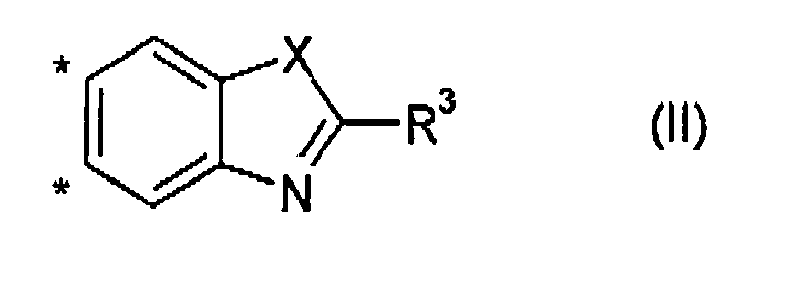
- 0 *C1=Nc2ccccc2*1 Chemical compound *C1=Nc2ccccc2*1 0.000 description 3
- IHPYMWDTONKSCO-UHFFFAOYSA-N 2,2'-piperazine-1,4-diylbisethanesulfonic acid Chemical compound OS(=O)(=O)CCN1CCN(CCS(O)(=O)=O)CC1 IHPYMWDTONKSCO-UHFFFAOYSA-N 0.000 description 3
- OISVCGZHLKNMSJ-UHFFFAOYSA-N 2,6-dimethylpyridine Chemical compound CC1=CC=CC(C)=N1 OISVCGZHLKNMSJ-UHFFFAOYSA-N 0.000 description 3
- WFDIJRYMOXRFFG-UHFFFAOYSA-N Acetic anhydride Chemical compound CC(=O)OC(C)=O WFDIJRYMOXRFFG-UHFFFAOYSA-N 0.000 description 3
- 229940126657 Compound 17 Drugs 0.000 description 3
- FBPFZTCFMRRESA-FSIIMWSLSA-N D-Glucitol Natural products OC[C@H](O)[C@H](O)[C@@H](O)[C@H](O)CO FBPFZTCFMRRESA-FSIIMWSLSA-N 0.000 description 3
- FBPFZTCFMRRESA-JGWLITMVSA-N D-glucitol Chemical compound OC[C@H](O)[C@@H](O)[C@H](O)[C@H](O)CO FBPFZTCFMRRESA-JGWLITMVSA-N 0.000 description 3
- VGGSQFUCUMXWEO-UHFFFAOYSA-N Ethene Chemical compound C=C VGGSQFUCUMXWEO-UHFFFAOYSA-N 0.000 description 3
- 108010010803 Gelatin Proteins 0.000 description 3
- VEXZGXHMUGYJMC-UHFFFAOYSA-N Hydrochloric acid Chemical compound Cl VEXZGXHMUGYJMC-UHFFFAOYSA-N 0.000 description 3
- KFZMGEQAYNKOFK-UHFFFAOYSA-N Isopropanol Chemical compound CC(C)O KFZMGEQAYNKOFK-UHFFFAOYSA-N 0.000 description 3
- WHUUTDBJXJRKMK-VKHMYHEASA-N L-glutamic acid Chemical compound OC(=O)[C@@H](N)CCC(O)=O WHUUTDBJXJRKMK-VKHMYHEASA-N 0.000 description 3
- 239000007990 PIPES buffer Substances 0.000 description 3
- 229930182555 Penicillin Natural products 0.000 description 3
- 239000002202 Polyethylene glycol Substances 0.000 description 3
- DNIAPMSPPWPWGF-UHFFFAOYSA-N Propylene glycol Chemical compound CC(O)CO DNIAPMSPPWPWGF-UHFFFAOYSA-N 0.000 description 3
- 229920002472 Starch Polymers 0.000 description 3
- 102000004243 Tubulin Human genes 0.000 description 3
- 108090000704 Tubulin Proteins 0.000 description 3
- DPXJVFZANSGRMM-UHFFFAOYSA-N acetic acid;2,3,4,5,6-pentahydroxyhexanal;sodium Chemical compound [Na].CC(O)=O.OCC(O)C(O)C(O)C(O)C=O DPXJVFZANSGRMM-UHFFFAOYSA-N 0.000 description 3
- 150000001299 aldehydes Chemical class 0.000 description 3
- 150000008064 anhydrides Chemical class 0.000 description 3
- 239000007864 aqueous solution Substances 0.000 description 3
- 239000012298 atmosphere Substances 0.000 description 3
- 239000002775 capsule Substances 0.000 description 3
- 238000004587 chromatography analysis Methods 0.000 description 3
- KRKNYBCHXYNGOX-UHFFFAOYSA-N citric acid Chemical compound OC(=O)CC(O)(C(O)=O)CC(O)=O KRKNYBCHXYNGOX-UHFFFAOYSA-N 0.000 description 3
- 238000000576 coating method Methods 0.000 description 3
- 229940127089 cytotoxic agent Drugs 0.000 description 3
- 239000006185 dispersion Substances 0.000 description 3
- 229940079593 drug Drugs 0.000 description 3
- 238000001035 drying Methods 0.000 description 3
- 229940052303 ethers for general anesthesia Drugs 0.000 description 3
- 239000008273 gelatin Substances 0.000 description 3
- 229920000159 gelatin Polymers 0.000 description 3
- 235000019322 gelatine Nutrition 0.000 description 3
- 235000011852 gelatine desserts Nutrition 0.000 description 3
- 238000004128 high performance liquid chromatography Methods 0.000 description 3
- RAXXELZNTBOGNW-UHFFFAOYSA-N imidazole Natural products C1=CNC=N1 RAXXELZNTBOGNW-UHFFFAOYSA-N 0.000 description 3
- 238000011534 incubation Methods 0.000 description 3
- HQKMJHAJHXVSDF-UHFFFAOYSA-L magnesium stearate Substances [Mg+2].CCCCCCCCCCCCCCCCCC([O-])=O.CCCCCCCCCCCCCCCCCC([O-])=O HQKMJHAJHXVSDF-UHFFFAOYSA-L 0.000 description 3
- WQEPLUUGTLDZJY-UHFFFAOYSA-N pentadecanoic acid Chemical compound CCCCCCCCCCCCCCC(O)=O WQEPLUUGTLDZJY-UHFFFAOYSA-N 0.000 description 3
- 239000004033 plastic Substances 0.000 description 3
- 229920003023 plastic Polymers 0.000 description 3
- 239000002243 precursor Substances 0.000 description 3
- 230000000069 prophylactic effect Effects 0.000 description 3
- 210000002307 prostate Anatomy 0.000 description 3
- 235000018102 proteins Nutrition 0.000 description 3
- 102000004169 proteins and genes Human genes 0.000 description 3
- 108090000623 proteins and genes Proteins 0.000 description 3
- 230000009467 reduction Effects 0.000 description 3
- 238000006722 reduction reaction Methods 0.000 description 3
- 229920006395 saturated elastomer Polymers 0.000 description 3
- 238000000926 separation method Methods 0.000 description 3
- 235000019812 sodium carboxymethyl cellulose Nutrition 0.000 description 3
- 229920001027 sodium carboxymethylcellulose Polymers 0.000 description 3
- 239000000600 sorbitol Substances 0.000 description 3
- 235000010356 sorbitol Nutrition 0.000 description 3
- 235000019698 starch Nutrition 0.000 description 3
- 125000005415 substituted alkoxy group Chemical group 0.000 description 3
- 235000000346 sugar Nutrition 0.000 description 3
- 239000000454 talc Substances 0.000 description 3
- 229910052623 talc Inorganic materials 0.000 description 3
- 235000012222 talc Nutrition 0.000 description 3
- 125000000999 tert-butyl group Chemical group [H]C([H])([H])C(*)(C([H])([H])[H])C([H])([H])[H] 0.000 description 3
- 210000004881 tumor cell Anatomy 0.000 description 3
- 239000003981 vehicle Substances 0.000 description 3
- ZJNBTFZRQCTKFW-KWOIAIOUSA-N (3s,6r,7s,8s)-3,7-bis[[tert-butyl(dimethyl)silyl]oxy]-11-[[(3s)-3-(1,2-dimethylbenzimidazol-5-yl)-3-hydroxypropyl]-[(2-methylpropan-2-yl)oxycarbonyl]amino]-4,4,6,8-tetramethyl-5-oxoundecanoic acid Chemical compound CC(C)(C)[Si](C)(C)O[C@@H](CC(O)=O)C(C)(C)C(=O)[C@H](C)[C@@H](O[Si](C)(C)C(C)(C)C)[C@@H](C)CCCN(C(=O)OC(C)(C)C)CC[C@H](O)C1=CC=C2N(C)C(C)=NC2=C1 ZJNBTFZRQCTKFW-KWOIAIOUSA-N 0.000 description 2
- GVJHHUAWPYXKBD-UHFFFAOYSA-N (±)-α-Tocopherol Chemical compound OC1=C(C)C(C)=C2OC(CCCC(C)CCCC(C)CCCC(C)C)(C)CCC2=C1C GVJHHUAWPYXKBD-UHFFFAOYSA-N 0.000 description 2
- SJSOFNCYXJUNBT-UHFFFAOYSA-N 3,4,5-trimethoxybenzoic acid Chemical compound COC1=CC(C(O)=O)=CC(OC)=C1OC SJSOFNCYXJUNBT-UHFFFAOYSA-N 0.000 description 2
- HBAQYPYDRFILMT-UHFFFAOYSA-N 8-[3-(1-cyclopropylpyrazol-4-yl)-1H-pyrazolo[4,3-d]pyrimidin-5-yl]-3-methyl-3,8-diazabicyclo[3.2.1]octan-2-one Chemical class C1(CC1)N1N=CC(=C1)C1=NNC2=C1N=C(N=C2)N1C2C(N(CC1CC2)C)=O HBAQYPYDRFILMT-UHFFFAOYSA-N 0.000 description 2
- VVJKKWFAADXIJK-UHFFFAOYSA-N Allylamine Chemical compound NCC=C VVJKKWFAADXIJK-UHFFFAOYSA-N 0.000 description 2
- XKRFYHLGVUSROY-UHFFFAOYSA-N Argon Chemical compound [Ar] XKRFYHLGVUSROY-UHFFFAOYSA-N 0.000 description 2
- 239000005711 Benzoic acid Substances 0.000 description 2
- DPUOLQHDNGRHBS-UHFFFAOYSA-N Brassidinsaeure Natural products CCCCCCCCC=CCCCCCCCCCCCC(O)=O DPUOLQHDNGRHBS-UHFFFAOYSA-N 0.000 description 2
- WKBOTKDWSSQWDR-UHFFFAOYSA-N Bromine atom Chemical compound [Br] WKBOTKDWSSQWDR-UHFFFAOYSA-N 0.000 description 2
- KXDHJXZQYSOELW-UHFFFAOYSA-M Carbamate Chemical compound NC([O-])=O KXDHJXZQYSOELW-UHFFFAOYSA-M 0.000 description 2
- FBPFZTCFMRRESA-KVTDHHQDSA-N D-Mannitol Chemical compound OC[C@@H](O)[C@@H](O)[C@H](O)[C@H](O)CO FBPFZTCFMRRESA-KVTDHHQDSA-N 0.000 description 2
- RGHNJXZEOKUKBD-SQOUGZDYSA-N D-gluconic acid Chemical compound OC[C@@H](O)[C@@H](O)[C@H](O)[C@@H](O)C(O)=O RGHNJXZEOKUKBD-SQOUGZDYSA-N 0.000 description 2
- 229920002307 Dextran Polymers 0.000 description 2
- 239000006144 Dulbecco’s modified Eagle's medium Substances 0.000 description 2
- 239000005977 Ethylene Substances 0.000 description 2
- VZCYOOQTPOCHFL-OWOJBTEDSA-N Fumaric acid Chemical compound OC(=O)\C=C\C(O)=O VZCYOOQTPOCHFL-OWOJBTEDSA-N 0.000 description 2
- IAJILQKETJEXLJ-UHFFFAOYSA-N Galacturonsaeure Natural products O=CC(O)C(O)C(O)C(O)C(O)=O IAJILQKETJEXLJ-UHFFFAOYSA-N 0.000 description 2
- AEMRFAOFKBGASW-UHFFFAOYSA-N Glycolic acid Chemical compound OCC(O)=O AEMRFAOFKBGASW-UHFFFAOYSA-N 0.000 description 2
- 241000124008 Mammalia Species 0.000 description 2
- 229930195725 Mannitol Natural products 0.000 description 2
- LRHPLDYGYMQRHN-UHFFFAOYSA-N N-Butanol Chemical compound CCCCO LRHPLDYGYMQRHN-UHFFFAOYSA-N 0.000 description 2
- AMQJEAYHLZJPGS-UHFFFAOYSA-N N-Pentanol Chemical compound CCCCCO AMQJEAYHLZJPGS-UHFFFAOYSA-N 0.000 description 2
- OKJIRPAQVSHGFK-UHFFFAOYSA-N N-acetylglycine Chemical compound CC(=O)NCC(O)=O OKJIRPAQVSHGFK-UHFFFAOYSA-N 0.000 description 2
- ZQPPMHVWECSIRJ-UHFFFAOYSA-N Oleic acid Natural products CCCCCCCCC=CCCCCCCCC(O)=O ZQPPMHVWECSIRJ-UHFFFAOYSA-N 0.000 description 2
- KDLHZDBZIXYQEI-UHFFFAOYSA-N Palladium Chemical compound [Pd] KDLHZDBZIXYQEI-UHFFFAOYSA-N 0.000 description 2
- JGSARLDLIJGVTE-MBNYWOFBSA-N Penicillin G Chemical compound N([C@H]1[C@H]2SC([C@@H](N2C1=O)C(O)=O)(C)C)C(=O)CC1=CC=CC=C1 JGSARLDLIJGVTE-MBNYWOFBSA-N 0.000 description 2
- NBIIXXVUZAFLBC-UHFFFAOYSA-N Phosphoric acid Chemical compound OP(O)(O)=O NBIIXXVUZAFLBC-UHFFFAOYSA-N 0.000 description 2
- 201000004681 Psoriasis Diseases 0.000 description 2
- LCTONWCANYUPML-UHFFFAOYSA-N Pyruvic acid Chemical compound CC(=O)C(O)=O LCTONWCANYUPML-UHFFFAOYSA-N 0.000 description 2
- FAPWRFPIFSIZLT-UHFFFAOYSA-M Sodium chloride Chemical compound [Na+].[Cl-] FAPWRFPIFSIZLT-UHFFFAOYSA-M 0.000 description 2
- 235000021355 Stearic acid Nutrition 0.000 description 2
- NINIDFKCEFEMDL-UHFFFAOYSA-N Sulfur Chemical group [S] NINIDFKCEFEMDL-UHFFFAOYSA-N 0.000 description 2
- GWEVSGVZZGPLCZ-UHFFFAOYSA-N Titan oxide Chemical compound O=[Ti]=O GWEVSGVZZGPLCZ-UHFFFAOYSA-N 0.000 description 2
- DTQVDTLACAAQTR-UHFFFAOYSA-N Trifluoroacetic acid Chemical compound OC(=O)C(F)(F)F DTQVDTLACAAQTR-UHFFFAOYSA-N 0.000 description 2
- XQAXGZLFSSPBMK-UHFFFAOYSA-M [7-(dimethylamino)phenothiazin-3-ylidene]-dimethylazanium;chloride;trihydrate Chemical compound O.O.O.[Cl-].C1=CC(=[N+](C)C)C=C2SC3=CC(N(C)C)=CC=C3N=C21 XQAXGZLFSSPBMK-UHFFFAOYSA-M 0.000 description 2
- 125000004442 acylamino group Chemical group 0.000 description 2
- 230000010933 acylation Effects 0.000 description 2
- 238000005917 acylation reaction Methods 0.000 description 2
- WNLRTRBMVRJNCN-UHFFFAOYSA-N adipic acid Chemical compound OC(=O)CCCCC(O)=O WNLRTRBMVRJNCN-UHFFFAOYSA-N 0.000 description 2
- 150000001336 alkenes Chemical class 0.000 description 2
- 125000003282 alkyl amino group Chemical group 0.000 description 2
- 238000004458 analytical method Methods 0.000 description 2
- 230000000259 anti-tumor effect Effects 0.000 description 2
- 239000002246 antineoplastic agent Substances 0.000 description 2
- 239000003963 antioxidant agent Substances 0.000 description 2
- 235000006708 antioxidants Nutrition 0.000 description 2
- 150000004945 aromatic hydrocarbons Chemical class 0.000 description 2
- 125000004104 aryloxy group Chemical group 0.000 description 2
- 235000010323 ascorbic acid Nutrition 0.000 description 2
- 229960005070 ascorbic acid Drugs 0.000 description 2
- 239000011668 ascorbic acid Substances 0.000 description 2
- 150000001540 azides Chemical class 0.000 description 2
- 235000010233 benzoic acid Nutrition 0.000 description 2
- FCDPQMAOJARMTG-UHFFFAOYSA-M benzylidene-[1,3-bis(2,4,6-trimethylphenyl)imidazolidin-2-ylidene]-dichlororuthenium;tricyclohexylphosphanium Chemical compound C1CCCCC1[PH+](C1CCCCC1)C1CCCCC1.CC1=CC(C)=CC(C)=C1N(CCN1C=2C(=CC(C)=CC=2C)C)C1=[Ru](Cl)(Cl)=CC1=CC=CC=C1 FCDPQMAOJARMTG-UHFFFAOYSA-M 0.000 description 2
- 239000011230 binding agent Substances 0.000 description 2
- GDTBXPJZTBHREO-UHFFFAOYSA-N bromine Substances BrBr GDTBXPJZTBHREO-UHFFFAOYSA-N 0.000 description 2
- 229910052794 bromium Inorganic materials 0.000 description 2
- 239000001506 calcium phosphate Substances 0.000 description 2
- 244000309466 calf Species 0.000 description 2
- 239000000969 carrier Substances 0.000 description 2
- 229920002678 cellulose Polymers 0.000 description 2
- 239000001913 cellulose Substances 0.000 description 2
- 235000010980 cellulose Nutrition 0.000 description 2
- 239000011248 coating agent Substances 0.000 description 2
- 229960001338 colchicine Drugs 0.000 description 2
- 210000001072 colon Anatomy 0.000 description 2
- 229940125904 compound 1 Drugs 0.000 description 2
- 238000001816 cooling Methods 0.000 description 2
- 238000002425 crystallisation Methods 0.000 description 2
- 239000000824 cytostatic agent Substances 0.000 description 2
- 230000001085 cytostatic effect Effects 0.000 description 2
- 229960004132 diethyl ether Drugs 0.000 description 2
- XBDQKXXYIPTUBI-UHFFFAOYSA-N dimethylselenoniopropionate Natural products CCC(O)=O XBDQKXXYIPTUBI-UHFFFAOYSA-N 0.000 description 2
- 150000002009 diols Chemical class 0.000 description 2
- 238000009826 distribution Methods 0.000 description 2
- UKMSUNONTOPOIO-UHFFFAOYSA-N docosanoic acid Chemical compound CCCCCCCCCCCCCCCCCCCCCC(O)=O UKMSUNONTOPOIO-UHFFFAOYSA-N 0.000 description 2
- 239000003937 drug carrier Substances 0.000 description 2
- 239000000975 dye Substances 0.000 description 2
- ZQPPMHVWECSIRJ-MDZDMXLPSA-N elaidic acid Chemical compound CCCCCCCC\C=C\CCCCCCCC(O)=O ZQPPMHVWECSIRJ-MDZDMXLPSA-N 0.000 description 2
- 150000002170 ethers Chemical class 0.000 description 2
- DEFVIWRASFVYLL-UHFFFAOYSA-N ethylene glycol bis(2-aminoethyl)tetraacetic acid Chemical compound OC(=O)CN(CC(O)=O)CCOCCOCCN(CC(O)=O)CC(O)=O DEFVIWRASFVYLL-UHFFFAOYSA-N 0.000 description 2
- 239000000945 filler Substances 0.000 description 2
- 238000001914 filtration Methods 0.000 description 2
- 229930195712 glutamate Natural products 0.000 description 2
- 239000008187 granular material Substances 0.000 description 2
- 230000012010 growth Effects 0.000 description 2
- 150000004820 halides Chemical class 0.000 description 2
- 239000007902 hard capsule Substances 0.000 description 2
- KEMQGTRYUADPNZ-UHFFFAOYSA-N heptadecanoic acid Chemical compound CCCCCCCCCCCCCCCCC(O)=O KEMQGTRYUADPNZ-UHFFFAOYSA-N 0.000 description 2
- 125000005842 heteroatom Chemical group 0.000 description 2
- IPCSVZSSVZVIGE-UHFFFAOYSA-N hexadecanoic acid Chemical compound CCCCCCCCCCCCCCCC(O)=O IPCSVZSSVZVIGE-UHFFFAOYSA-N 0.000 description 2
- 229930195733 hydrocarbon Natural products 0.000 description 2
- 150000002430 hydrocarbons Chemical class 0.000 description 2
- 238000005984 hydrogenation reaction Methods 0.000 description 2
- VKOBVWXKNCXXDE-UHFFFAOYSA-N icosanoic acid Chemical compound CCCCCCCCCCCCCCCCCCCC(O)=O VKOBVWXKNCXXDE-UHFFFAOYSA-N 0.000 description 2
- SUMDYPCJJOFFON-UHFFFAOYSA-N isethionic acid Chemical compound OCCS(O)(=O)=O SUMDYPCJJOFFON-UHFFFAOYSA-N 0.000 description 2
- QXJSBBXBKPUZAA-UHFFFAOYSA-N isooleic acid Natural products CCCCCCCC=CCCCCCCCCC(O)=O QXJSBBXBKPUZAA-UHFFFAOYSA-N 0.000 description 2
- QWTDNUCVQCZILF-UHFFFAOYSA-N isopentane Chemical compound CCC(C)C QWTDNUCVQCZILF-UHFFFAOYSA-N 0.000 description 2
- JVTAAEKCZFNVCJ-UHFFFAOYSA-N lactic acid Chemical compound CC(O)C(O)=O JVTAAEKCZFNVCJ-UHFFFAOYSA-N 0.000 description 2
- 239000012280 lithium aluminium hydride Substances 0.000 description 2
- 210000004072 lung Anatomy 0.000 description 2
- 229910001629 magnesium chloride Inorganic materials 0.000 description 2
- 235000019359 magnesium stearate Nutrition 0.000 description 2
- 239000000594 mannitol Substances 0.000 description 2
- 235000010355 mannitol Nutrition 0.000 description 2
- 229960000907 methylthioninium chloride Drugs 0.000 description 2
- 150000007522 mineralic acids Chemical class 0.000 description 2
- 125000002950 monocyclic group Chemical group 0.000 description 2
- IOJNPSPGHUEJAQ-UHFFFAOYSA-N n,n-dimethyl-4-(pyridin-2-yldiazenyl)aniline Chemical compound C1=CC(N(C)C)=CC=C1N=NC1=CC=CC=N1 IOJNPSPGHUEJAQ-UHFFFAOYSA-N 0.000 description 2
- SYSQUGFVNFXIIT-UHFFFAOYSA-N n-[4-(1,3-benzoxazol-2-yl)phenyl]-4-nitrobenzenesulfonamide Chemical class C1=CC([N+](=O)[O-])=CC=C1S(=O)(=O)NC1=CC=C(C=2OC3=CC=CC=C3N=2)C=C1 SYSQUGFVNFXIIT-UHFFFAOYSA-N 0.000 description 2
- XTEGVFVZDVNBPF-UHFFFAOYSA-N naphthalene-1,5-disulfonic acid Chemical compound C1=CC=C2C(S(=O)(=O)O)=CC=CC2=C1S(O)(=O)=O XTEGVFVZDVNBPF-UHFFFAOYSA-N 0.000 description 2
- BDJRBEYXGGNYIS-UHFFFAOYSA-N nonanedioic acid Chemical compound OC(=O)CCCCCCCC(O)=O BDJRBEYXGGNYIS-UHFFFAOYSA-N 0.000 description 2
- QIQXTHQIDYTFRH-UHFFFAOYSA-N octadecanoic acid Chemical compound CCCCCCCCCCCCCCCCCC(O)=O QIQXTHQIDYTFRH-UHFFFAOYSA-N 0.000 description 2
- OQCDKBAXFALNLD-UHFFFAOYSA-N octadecanoic acid Natural products CCCCCCCC(C)CCCCCCCCC(O)=O OQCDKBAXFALNLD-UHFFFAOYSA-N 0.000 description 2
- WWZKQHOCKIZLMA-UHFFFAOYSA-N octanoic acid Chemical compound CCCCCCCC(O)=O WWZKQHOCKIZLMA-UHFFFAOYSA-N 0.000 description 2
- 230000003287 optical effect Effects 0.000 description 2
- 150000007524 organic acids Chemical class 0.000 description 2
- 239000012044 organic layer Substances 0.000 description 2
- 230000003647 oxidation Effects 0.000 description 2
- 238000007254 oxidation reaction Methods 0.000 description 2
- 239000008188 pellet Substances 0.000 description 2
- 229940049954 penicillin Drugs 0.000 description 2
- 230000000144 pharmacologic effect Effects 0.000 description 2
- XNGIFLGASWRNHJ-UHFFFAOYSA-N phthalic acid Chemical compound OC(=O)C1=CC=CC=C1C(O)=O XNGIFLGASWRNHJ-UHFFFAOYSA-N 0.000 description 2
- WLJVNTCWHIRURA-UHFFFAOYSA-N pimelic acid Chemical compound OC(=O)CCCCCC(O)=O WLJVNTCWHIRURA-UHFFFAOYSA-N 0.000 description 2
- 239000013641 positive control Substances 0.000 description 2
- BWHMMNNQKKPAPP-UHFFFAOYSA-L potassium carbonate Chemical compound [K+].[K+].[O-]C([O-])=O BWHMMNNQKKPAPP-UHFFFAOYSA-L 0.000 description 2
- 239000003755 preservative agent Substances 0.000 description 2
- 150000003138 primary alcohols Chemical class 0.000 description 2
- 108090000765 processed proteins & peptides Proteins 0.000 description 2
- 238000011321 prophylaxis Methods 0.000 description 2
- 239000011541 reaction mixture Substances 0.000 description 2
- 229910052707 ruthenium Inorganic materials 0.000 description 2
- YGSDEFSMJLZEOE-UHFFFAOYSA-N salicylic acid Chemical compound OC(=O)C1=CC=CC=C1O YGSDEFSMJLZEOE-UHFFFAOYSA-N 0.000 description 2
- FSYKKLYZXJSNPZ-UHFFFAOYSA-N sarcosine Chemical compound C[NH2+]CC([O-])=O FSYKKLYZXJSNPZ-UHFFFAOYSA-N 0.000 description 2
- 150000003335 secondary amines Chemical class 0.000 description 2
- 210000002966 serum Anatomy 0.000 description 2
- 235000012239 silicon dioxide Nutrition 0.000 description 2
- 239000011877 solvent mixture Substances 0.000 description 2
- 238000003797 solvolysis reaction Methods 0.000 description 2
- 239000008117 stearic acid Substances 0.000 description 2
- 239000011550 stock solution Substances 0.000 description 2
- 229960005322 streptomycin Drugs 0.000 description 2
- TYFQFVWCELRYAO-UHFFFAOYSA-N suberic acid Chemical compound OC(=O)CCCCCCC(O)=O TYFQFVWCELRYAO-UHFFFAOYSA-N 0.000 description 2
- 150000008163 sugars Chemical class 0.000 description 2
- 239000011593 sulfur Chemical group 0.000 description 2
- 239000006228 supernatant Substances 0.000 description 2
- 239000000829 suppository Substances 0.000 description 2
- 239000002511 suppository base Substances 0.000 description 2
- YLQBMQCUIZJEEH-UHFFFAOYSA-N tetrahydrofuran Natural products C=1C=COC=1 YLQBMQCUIZJEEH-UHFFFAOYSA-N 0.000 description 2
- VZCYOOQTPOCHFL-UHFFFAOYSA-N trans-butenedioic acid Natural products OC(=O)C=CC(O)=O VZCYOOQTPOCHFL-UHFFFAOYSA-N 0.000 description 2
- QORWJWZARLRLPR-UHFFFAOYSA-H tricalcium bis(phosphate) Chemical class [Ca+2].[Ca+2].[Ca+2].[O-]P([O-])([O-])=O.[O-]P([O-])([O-])=O QORWJWZARLRLPR-UHFFFAOYSA-H 0.000 description 2
- SZHOJFHSIKHZHA-UHFFFAOYSA-N tridecanoic acid Chemical compound CCCCCCCCCCCCC(O)=O SZHOJFHSIKHZHA-UHFFFAOYSA-N 0.000 description 2
- 238000010518 undesired secondary reaction Methods 0.000 description 2
- VNDYJBBGRKZCSX-UHFFFAOYSA-L zinc bromide Chemical compound Br[Zn]Br VNDYJBBGRKZCSX-UHFFFAOYSA-L 0.000 description 2
- LNAZSHAWQACDHT-XIYTZBAFSA-N (2r,3r,4s,5r,6s)-4,5-dimethoxy-2-(methoxymethyl)-3-[(2s,3r,4s,5r,6r)-3,4,5-trimethoxy-6-(methoxymethyl)oxan-2-yl]oxy-6-[(2r,3r,4s,5r,6r)-4,5,6-trimethoxy-2-(methoxymethyl)oxan-3-yl]oxyoxane Chemical compound CO[C@@H]1[C@@H](OC)[C@H](OC)[C@@H](COC)O[C@H]1O[C@H]1[C@H](OC)[C@@H](OC)[C@H](O[C@H]2[C@@H]([C@@H](OC)[C@H](OC)O[C@@H]2COC)OC)O[C@@H]1COC LNAZSHAWQACDHT-XIYTZBAFSA-N 0.000 description 1
- KWMLJOLKUYYJFJ-DIHCEYMBSA-N (2r,3s,4r,5r)-2,3,4,5,6,7-hexahydroxyheptanoic acid Chemical compound OCC(O)[C@@H](O)[C@@H](O)[C@H](O)[C@@H](O)C(O)=O KWMLJOLKUYYJFJ-DIHCEYMBSA-N 0.000 description 1
- OYHQOLUKZRVURQ-NTGFUMLPSA-N (9Z,12Z)-9,10,12,13-tetratritiooctadeca-9,12-dienoic acid Chemical compound C(CCCCCCC\C(=C(/C\C(=C(/CCCCC)\[3H])\[3H])\[3H])\[3H])(=O)O OYHQOLUKZRVURQ-NTGFUMLPSA-N 0.000 description 1
- 125000004178 (C1-C4) alkyl group Chemical group 0.000 description 1
- 125000006570 (C5-C6) heteroaryl group Chemical group 0.000 description 1
- WRIDQFICGBMAFQ-UHFFFAOYSA-N (E)-8-Octadecenoic acid Natural products CCCCCCCCCC=CCCCCCCC(O)=O WRIDQFICGBMAFQ-UHFFFAOYSA-N 0.000 description 1
- AFENDNXGAFYKQO-VKHMYHEASA-N (S)-2-hydroxybutyric acid Chemical compound CC[C@H](O)C(O)=O AFENDNXGAFYKQO-VKHMYHEASA-N 0.000 description 1
- BJEPYKJPYRNKOW-REOHCLBHSA-N (S)-malic acid Chemical compound OC(=O)[C@@H](O)CC(O)=O BJEPYKJPYRNKOW-REOHCLBHSA-N 0.000 description 1
- UWYVPFMHMJIBHE-OWOJBTEDSA-N (e)-2-hydroxybut-2-enedioic acid Chemical compound OC(=O)\C=C(\O)C(O)=O UWYVPFMHMJIBHE-OWOJBTEDSA-N 0.000 description 1
- USVVENVKYJZFMW-ONEGZZNKSA-N (e)-carboxyiminocarbamic acid Chemical compound OC(=O)\N=N\C(O)=O USVVENVKYJZFMW-ONEGZZNKSA-N 0.000 description 1
- UNILWMWFPHPYOR-KXEYIPSPSA-M 1-[6-[2-[3-[3-[3-[2-[2-[3-[[2-[2-[[(2r)-1-[[2-[[(2r)-1-[3-[2-[2-[3-[[2-(2-amino-2-oxoethoxy)acetyl]amino]propoxy]ethoxy]ethoxy]propylamino]-3-hydroxy-1-oxopropan-2-yl]amino]-2-oxoethyl]amino]-3-[(2r)-2,3-di(hexadecanoyloxy)propyl]sulfanyl-1-oxopropan-2-yl Chemical compound O=C1C(SCCC(=O)NCCCOCCOCCOCCCNC(=O)COCC(=O)N[C@@H](CSC[C@@H](COC(=O)CCCCCCCCCCCCCCC)OC(=O)CCCCCCCCCCCCCCC)C(=O)NCC(=O)N[C@H](CO)C(=O)NCCCOCCOCCOCCCNC(=O)COCC(N)=O)CC(=O)N1CCNC(=O)CCCCCN\1C2=CC=C(S([O-])(=O)=O)C=C2CC/1=C/C=C/C=C/C1=[N+](CC)C2=CC=C(S([O-])(=O)=O)C=C2C1 UNILWMWFPHPYOR-KXEYIPSPSA-M 0.000 description 1
- GYSCBCSGKXNZRH-UHFFFAOYSA-N 1-benzothiophene-2-carboxamide Chemical compound C1=CC=C2SC(C(=O)N)=CC2=C1 GYSCBCSGKXNZRH-UHFFFAOYSA-N 0.000 description 1
- IXPNQXFRVYWDDI-UHFFFAOYSA-N 1-methyl-2,4-dioxo-1,3-diazinane-5-carboximidamide Chemical compound CN1CC(C(N)=N)C(=O)NC1=O IXPNQXFRVYWDDI-UHFFFAOYSA-N 0.000 description 1
- UJZBSAONPRVEIJ-UHFFFAOYSA-N 2,2,2-trifluoroethyl carbonochloridate Chemical compound FC(F)(F)COC(Cl)=O UJZBSAONPRVEIJ-UHFFFAOYSA-N 0.000 description 1
- OZGSEIVTQLXWRO-UHFFFAOYSA-N 2,4,6-trichlorobenzoyl chloride Chemical compound ClC(=O)C1=C(Cl)C=C(Cl)C=C1Cl OZGSEIVTQLXWRO-UHFFFAOYSA-N 0.000 description 1
- NYXKVDPOWQTTNC-UHFFFAOYSA-N 2,4-dimethyl-1h-benzimidazole Chemical group C1=CC=C2NC(C)=NC2=C1C NYXKVDPOWQTTNC-UHFFFAOYSA-N 0.000 description 1
- SXGZJKUKBWWHRA-UHFFFAOYSA-N 2-(N-morpholiniumyl)ethanesulfonate Chemical compound [O-]S(=O)(=O)CC[NH+]1CCOCC1 SXGZJKUKBWWHRA-UHFFFAOYSA-N 0.000 description 1
- 125000004777 2-fluoroethyl group Chemical group [H]C([H])(F)C([H])([H])* 0.000 description 1
- XWKFPIODWVPXLX-UHFFFAOYSA-N 2-methyl-5-methylpyridine Natural products CC1=CC=C(C)N=C1 XWKFPIODWVPXLX-UHFFFAOYSA-N 0.000 description 1
- PKRSYEPBQPFNRB-UHFFFAOYSA-N 2-phenoxybenzoic acid Chemical compound OC(=O)C1=CC=CC=C1OC1=CC=CC=C1 PKRSYEPBQPFNRB-UHFFFAOYSA-N 0.000 description 1
- WLJVXDMOQOGPHL-PPJXEINESA-N 2-phenylacetic acid Chemical compound O[14C](=O)CC1=CC=CC=C1 WLJVXDMOQOGPHL-PPJXEINESA-N 0.000 description 1
- 125000000094 2-phenylethyl group Chemical group [H]C1=C([H])C([H])=C(C([H])=C1[H])C([H])([H])C([H])([H])* 0.000 description 1
- LQJBNNIYVWPHFW-UHFFFAOYSA-N 20:1omega9c fatty acid Natural products CCCCCCCCCCC=CCCCCCCCC(O)=O LQJBNNIYVWPHFW-UHFFFAOYSA-N 0.000 description 1
- IWPZKOJSYQZABD-UHFFFAOYSA-N 3,4,5-trimethoxybenzoic acid Natural products COC1=CC(OC)=CC(C(O)=O)=C1 IWPZKOJSYQZABD-UHFFFAOYSA-N 0.000 description 1
- OSJPPGNTCRNQQC-UHFFFAOYSA-N 3-phosphoglyceric acid Chemical compound OC(=O)C(O)COP(O)(O)=O OSJPPGNTCRNQQC-UHFFFAOYSA-N 0.000 description 1
- WUBBRNOQWQTFEX-UHFFFAOYSA-N 4-aminosalicylic acid Chemical compound NC1=CC=C(C(O)=O)C(O)=C1 WUBBRNOQWQTFEX-UHFFFAOYSA-N 0.000 description 1
- IGHBXJSNZCFXNK-UHFFFAOYSA-N 4-chloro-7-nitrobenzofurazan Chemical compound [O-][N+](=O)C1=CC=C(Cl)C2=NON=C12 IGHBXJSNZCFXNK-UHFFFAOYSA-N 0.000 description 1
- HIQIXEFWDLTDED-UHFFFAOYSA-N 4-hydroxy-1-piperidin-4-ylpyrrolidin-2-one Chemical compound O=C1CC(O)CN1C1CCNCC1 HIQIXEFWDLTDED-UHFFFAOYSA-N 0.000 description 1
- WDYVUKGVKRZQNM-UHFFFAOYSA-N 6-phosphonohexylphosphonic acid Chemical compound OP(O)(=O)CCCCCCP(O)(O)=O WDYVUKGVKRZQNM-UHFFFAOYSA-N 0.000 description 1
- ZCYVEMRRCGMTRW-UHFFFAOYSA-N 7553-56-2 Chemical compound [I] ZCYVEMRRCGMTRW-UHFFFAOYSA-N 0.000 description 1
- QSBYPNXLFMSGKH-UHFFFAOYSA-N 9-Heptadecensaeure Natural products CCCCCCCC=CCCCCCCCC(O)=O QSBYPNXLFMSGKH-UHFFFAOYSA-N 0.000 description 1
- 102100033350 ATP-dependent translocase ABCB1 Human genes 0.000 description 1
- 244000215068 Acacia senegal Species 0.000 description 1
- WDJHALXBUFZDSR-UHFFFAOYSA-N Acetoacetic acid Natural products CC(=O)CC(O)=O WDJHALXBUFZDSR-UHFFFAOYSA-N 0.000 description 1
- 235000019489 Almond oil Nutrition 0.000 description 1
- GUBGYTABKSRVRQ-XLOQQCSPSA-N Alpha-Lactose Chemical compound O[C@@H]1[C@@H](O)[C@@H](O)[C@@H](CO)O[C@H]1O[C@@H]1[C@@H](CO)O[C@H](O)[C@H](O)[C@H]1O GUBGYTABKSRVRQ-XLOQQCSPSA-N 0.000 description 1
- NLXLAEXVIDQMFP-UHFFFAOYSA-N Ammonia chloride Chemical compound [NH4+].[Cl-] NLXLAEXVIDQMFP-UHFFFAOYSA-N 0.000 description 1
- 229940122815 Aromatase inhibitor Drugs 0.000 description 1
- BSYNRYMUTXBXSQ-UHFFFAOYSA-N Aspirin Chemical compound CC(=O)OC1=CC=CC=C1C(O)=O BSYNRYMUTXBXSQ-UHFFFAOYSA-N 0.000 description 1
- 235000021357 Behenic acid Nutrition 0.000 description 1
- 208000003174 Brain Neoplasms Diseases 0.000 description 1
- NLZUEZXRPGMBCV-UHFFFAOYSA-N Butylhydroxytoluene Chemical compound CC1=CC(C(C)(C)C)=C(O)C(C(C)(C)C)=C1 NLZUEZXRPGMBCV-UHFFFAOYSA-N 0.000 description 1
- GAWIXWVDTYZWAW-UHFFFAOYSA-N C[CH]O Chemical group C[CH]O GAWIXWVDTYZWAW-UHFFFAOYSA-N 0.000 description 1
- UXVMQQNJUSDDNG-UHFFFAOYSA-L Calcium chloride Chemical compound [Cl-].[Cl-].[Ca+2] UXVMQQNJUSDDNG-UHFFFAOYSA-L 0.000 description 1
- 229920002134 Carboxymethyl cellulose Polymers 0.000 description 1
- 201000009030 Carcinoma Diseases 0.000 description 1
- 241000700198 Cavia Species 0.000 description 1
- 229930186147 Cephalosporin Natural products 0.000 description 1
- 229940126062 Compound A Drugs 0.000 description 1
- 229920002261 Corn starch Polymers 0.000 description 1
- XDTMQSROBMDMFD-UHFFFAOYSA-N Cyclohexane Chemical compound C1CCCCC1 XDTMQSROBMDMFD-UHFFFAOYSA-N 0.000 description 1
- 108090000695 Cytokines Proteins 0.000 description 1
- 102000004127 Cytokines Human genes 0.000 description 1
- DSLZVSRJTYRBFB-LLEIAEIESA-N D-glucaric acid Chemical compound OC(=O)[C@@H](O)[C@@H](O)[C@H](O)[C@@H](O)C(O)=O DSLZVSRJTYRBFB-LLEIAEIESA-N 0.000 description 1
- RGHNJXZEOKUKBD-UHFFFAOYSA-N D-gluconic acid Natural products OCC(O)C(O)C(O)C(O)C(O)=O RGHNJXZEOKUKBD-UHFFFAOYSA-N 0.000 description 1
- GHVNFZFCNZKVNT-UHFFFAOYSA-N Decanoic acid Natural products CCCCCCCCCC(O)=O GHVNFZFCNZKVNT-UHFFFAOYSA-N 0.000 description 1
- FEWJPZIEWOKRBE-JCYAYHJZSA-N Dextrotartaric acid Chemical compound OC(=O)[C@H](O)[C@@H](O)C(O)=O FEWJPZIEWOKRBE-JCYAYHJZSA-N 0.000 description 1
- QOSSAOTZNIDXMA-UHFFFAOYSA-N Dicylcohexylcarbodiimide Chemical compound C1CCCCC1N=C=NC1CCCCC1 QOSSAOTZNIDXMA-UHFFFAOYSA-N 0.000 description 1
- 102000001301 EGF receptor Human genes 0.000 description 1
- 108060006698 EGF receptor Proteins 0.000 description 1
- LVGKNOAMLMIIKO-UHFFFAOYSA-N Elaidinsaeure-aethylester Natural products CCCCCCCCC=CCCCCCCCC(=O)OCC LVGKNOAMLMIIKO-UHFFFAOYSA-N 0.000 description 1
- 102100030011 Endoribonuclease Human genes 0.000 description 1
- 101710199605 Endoribonuclease Proteins 0.000 description 1
- 102000004190 Enzymes Human genes 0.000 description 1
- 108090000790 Enzymes Proteins 0.000 description 1
- QXRSDHAAWVKZLJ-OXZHEXMSSA-N Epothilone B Natural products O=C1[C@H](C)[C@H](O)[C@@H](C)CCC[C@@]2(C)O[C@H]2C[C@@H](/C(=C\c2nc(C)sc2)/C)OC(=O)C[C@H](O)C1(C)C QXRSDHAAWVKZLJ-OXZHEXMSSA-N 0.000 description 1
- URXZXNYJPAJJOQ-UHFFFAOYSA-N Erucic acid Natural products CCCCCCC=CCCCCCCCCCCCC(O)=O URXZXNYJPAJJOQ-UHFFFAOYSA-N 0.000 description 1
- DSLZVSRJTYRBFB-UHFFFAOYSA-N Galactaric acid Natural products OC(=O)C(O)C(O)C(O)C(O)C(O)=O DSLZVSRJTYRBFB-UHFFFAOYSA-N 0.000 description 1
- WHUUTDBJXJRKMK-UHFFFAOYSA-N Glutamic acid Natural products OC(=O)C(N)CCC(O)=O WHUUTDBJXJRKMK-UHFFFAOYSA-N 0.000 description 1
- SXRSQZLOMIGNAQ-UHFFFAOYSA-N Glutaraldehyde Chemical compound O=CCCCC=O SXRSQZLOMIGNAQ-UHFFFAOYSA-N 0.000 description 1
- DHCLVCXQIBBOPH-UHFFFAOYSA-N Glycerol 2-phosphate Chemical compound OCC(CO)OP(O)(O)=O DHCLVCXQIBBOPH-UHFFFAOYSA-N 0.000 description 1
- 229920000084 Gum arabic Polymers 0.000 description 1
- NLDMNSXOCDLTTB-UHFFFAOYSA-N Heterophylliin A Natural products O1C2COC(=O)C3=CC(O)=C(O)C(O)=C3C3=C(O)C(O)=C(O)C=C3C(=O)OC2C(OC(=O)C=2C=C(O)C(O)=C(O)C=2)C(O)C1OC(=O)C1=CC(O)=C(O)C(O)=C1 NLDMNSXOCDLTTB-UHFFFAOYSA-N 0.000 description 1
- 102100026720 Interferon beta Human genes 0.000 description 1
- 108090000467 Interferon-beta Proteins 0.000 description 1
- CKLJMWTZIZZHCS-REOHCLBHSA-N L-aspartic acid Chemical compound OC(=O)[C@@H](N)CC(O)=O CKLJMWTZIZZHCS-REOHCLBHSA-N 0.000 description 1
- ZDXPYRJPNDTMRX-VKHMYHEASA-N L-glutamine Chemical compound OC(=O)[C@@H](N)CCC(N)=O ZDXPYRJPNDTMRX-VKHMYHEASA-N 0.000 description 1
- 229930182816 L-glutamine Natural products 0.000 description 1
- GUBGYTABKSRVRQ-QKKXKWKRSA-N Lactose Natural products OC[C@H]1O[C@@H](O[C@H]2[C@H](O)[C@@H](O)C(O)O[C@@H]2CO)[C@H](O)[C@@H](O)[C@H]1O GUBGYTABKSRVRQ-QKKXKWKRSA-N 0.000 description 1
- 239000005639 Lauric acid Substances 0.000 description 1
- FYYHWMGAXLPEAU-UHFFFAOYSA-N Magnesium Chemical compound [Mg] FYYHWMGAXLPEAU-UHFFFAOYSA-N 0.000 description 1
- 108010047230 Member 1 Subfamily B ATP Binding Cassette Transporter Proteins 0.000 description 1
- 206010027476 Metastases Diseases 0.000 description 1
- AFVFQIVMOAPDHO-UHFFFAOYSA-N Methanesulfonic acid Chemical compound CS(O)(=O)=O AFVFQIVMOAPDHO-UHFFFAOYSA-N 0.000 description 1
- HXFOXFJUNFFYMO-BYPYZUCNSA-N N-alpha-acetyl-L-asparagine Chemical compound CC(=O)N[C@H](C(O)=O)CC(N)=O HXFOXFJUNFFYMO-BYPYZUCNSA-N 0.000 description 1
- 206010029260 Neuroblastoma Diseases 0.000 description 1
- BZQFBWGGLXLEPQ-UHFFFAOYSA-N O-phosphoryl-L-serine Natural products OC(=O)C(N)COP(O)(O)=O BZQFBWGGLXLEPQ-UHFFFAOYSA-N 0.000 description 1
- 239000005642 Oleic acid Substances 0.000 description 1
- 241000283973 Oryctolagus cuniculus Species 0.000 description 1
- 235000021314 Palmitic acid Nutrition 0.000 description 1
- 239000005662 Paraffin oil Substances 0.000 description 1
- 235000019483 Peanut oil Nutrition 0.000 description 1
- 229920001214 Polysorbate 60 Polymers 0.000 description 1
- 239000004793 Polystyrene Substances 0.000 description 1
- OFOBLEOULBTSOW-UHFFFAOYSA-N Propanedioic acid Natural products OC(=O)CC(O)=O OFOBLEOULBTSOW-UHFFFAOYSA-N 0.000 description 1
- 102000001253 Protein Kinase Human genes 0.000 description 1
- 102000003923 Protein Kinase C Human genes 0.000 description 1
- 108090000315 Protein Kinase C Proteins 0.000 description 1
- 108090000412 Protein-Tyrosine Kinases Proteins 0.000 description 1
- 102000004022 Protein-Tyrosine Kinases Human genes 0.000 description 1
- 239000012980 RPMI-1640 medium Substances 0.000 description 1
- 241000700159 Rattus Species 0.000 description 1
- 241000283984 Rodentia Species 0.000 description 1
- KJTLSVCANCCWHF-UHFFFAOYSA-N Ruthenium Chemical compound [Ru] KJTLSVCANCCWHF-UHFFFAOYSA-N 0.000 description 1
- 244000180577 Sambucus australis Species 0.000 description 1
- 235000018734 Sambucus australis Nutrition 0.000 description 1
- 108010077895 Sarcosine Proteins 0.000 description 1
- 101710113029 Serine/threonine-protein kinase Proteins 0.000 description 1
- KDYFGRWQOYBRFD-UHFFFAOYSA-N Succinic acid Natural products OC(=O)CCC(O)=O KDYFGRWQOYBRFD-UHFFFAOYSA-N 0.000 description 1
- 229930006000 Sucrose Natural products 0.000 description 1
- CZMRCDWAGMRECN-UGDNZRGBSA-N Sucrose Chemical compound O[C@H]1[C@H](O)[C@@H](CO)O[C@@]1(CO)O[C@@H]1[C@H](O)[C@@H](O)[C@H](O)[C@@H](CO)O1 CZMRCDWAGMRECN-UGDNZRGBSA-N 0.000 description 1
- 241000282887 Suidae Species 0.000 description 1
- QAOWNCQODCNURD-UHFFFAOYSA-N Sulfuric acid Chemical compound OS(O)(=O)=O QAOWNCQODCNURD-UHFFFAOYSA-N 0.000 description 1
- FEWJPZIEWOKRBE-UHFFFAOYSA-N Tartaric acid Natural products [H+].[H+].[O-]C(=O)C(O)C(O)C([O-])=O FEWJPZIEWOKRBE-UHFFFAOYSA-N 0.000 description 1
- 102000004887 Transforming Growth Factor beta Human genes 0.000 description 1
- 108090001012 Transforming Growth Factor beta Proteins 0.000 description 1
- 235000021307 Triticum Nutrition 0.000 description 1
- 244000098338 Triticum aestivum Species 0.000 description 1
- 229930003427 Vitamin E Natural products 0.000 description 1
- 240000008042 Zea mays Species 0.000 description 1
- 235000005824 Zea mays ssp. parviglumis Nutrition 0.000 description 1
- 235000002017 Zea mays subsp mays Nutrition 0.000 description 1
- SMEGJBVQLJJKKX-HOTMZDKISA-N [(2R,3S,4S,5R,6R)-5-acetyloxy-3,4,6-trihydroxyoxan-2-yl]methyl acetate Chemical compound CC(=O)OC[C@@H]1[C@H]([C@@H]([C@H]([C@@H](O1)O)OC(=O)C)O)O SMEGJBVQLJJKKX-HOTMZDKISA-N 0.000 description 1
- WREOTYWODABZMH-DTZQCDIJSA-N [[(2r,3s,4r,5r)-3,4-dihydroxy-5-[2-oxo-4-(2-phenylethoxyamino)pyrimidin-1-yl]oxolan-2-yl]methoxy-hydroxyphosphoryl] phosphono hydrogen phosphate Chemical compound O[C@@H]1[C@H](O)[C@@H](COP(O)(=O)OP(O)(=O)OP(O)(O)=O)O[C@H]1N(C=C\1)C(=O)NC/1=N\OCCC1=CC=CC=C1 WREOTYWODABZMH-DTZQCDIJSA-N 0.000 description 1
- JDHAWWHSIABIDZ-UHFFFAOYSA-N [tert-butyl(dimethyl)silyl]oxy trifluoromethanesulfonate Chemical compound CC(C)(C)[Si](C)(C)OOS(=O)(=O)C(F)(F)F JDHAWWHSIABIDZ-UHFFFAOYSA-N 0.000 description 1
- RSWGJHLUYNHPMX-ONCXSQPRSA-N abietic acid Chemical compound C([C@@H]12)CC(C(C)C)=CC1=CC[C@@H]1[C@]2(C)CCC[C@@]1(C)C(O)=O RSWGJHLUYNHPMX-ONCXSQPRSA-N 0.000 description 1
- 235000010489 acacia gum Nutrition 0.000 description 1
- 239000000205 acacia gum Substances 0.000 description 1
- 125000000738 acetamido group Chemical group [H]C([H])([H])C(=O)N([H])[*] 0.000 description 1
- 125000002777 acetyl group Chemical group [H]C([H])([H])C(*)=O 0.000 description 1
- 229940081735 acetylcellulose Drugs 0.000 description 1
- 150000008065 acid anhydrides Chemical class 0.000 description 1
- 230000003213 activating effect Effects 0.000 description 1
- 230000006978 adaptation Effects 0.000 description 1
- 239000001361 adipic acid Substances 0.000 description 1
- 235000011037 adipic acid Nutrition 0.000 description 1
- 238000009098 adjuvant therapy Methods 0.000 description 1
- 150000001298 alcohols Chemical class 0.000 description 1
- IAJILQKETJEXLJ-RSJOWCBRSA-N aldehydo-D-galacturonic acid Chemical compound O=C[C@H](O)[C@@H](O)[C@@H](O)[C@H](O)C(O)=O IAJILQKETJEXLJ-RSJOWCBRSA-N 0.000 description 1
- IAJILQKETJEXLJ-QTBDOELSSA-N aldehydo-D-glucuronic acid Chemical compound O=C[C@H](O)[C@@H](O)[C@H](O)[C@H](O)C(O)=O IAJILQKETJEXLJ-QTBDOELSSA-N 0.000 description 1
- 235000010443 alginic acid Nutrition 0.000 description 1
- 239000000783 alginic acid Substances 0.000 description 1
- 229920000615 alginic acid Polymers 0.000 description 1
- 229960001126 alginic acid Drugs 0.000 description 1
- 150000004781 alginic acids Chemical class 0.000 description 1
- 229910000288 alkali metal carbonate Inorganic materials 0.000 description 1
- 150000008041 alkali metal carbonates Chemical class 0.000 description 1
- OENHQHLEOONYIE-UKMVMLAPSA-N all-trans beta-carotene Natural products CC=1CCCC(C)(C)C=1/C=C/C(/C)=C/C=C/C(/C)=C/C=C/C=C(C)C=CC=C(C)C=CC1=C(C)CCCC1(C)C OENHQHLEOONYIE-UKMVMLAPSA-N 0.000 description 1
- 239000008168 almond oil Substances 0.000 description 1
- OBETXYAYXDNJHR-UHFFFAOYSA-N alpha-ethylcaproic acid Natural products CCCCC(CC)C(O)=O OBETXYAYXDNJHR-UHFFFAOYSA-N 0.000 description 1
- BJEPYKJPYRNKOW-UHFFFAOYSA-N alpha-hydroxysuccinic acid Natural products OC(=O)C(O)CC(O)=O BJEPYKJPYRNKOW-UHFFFAOYSA-N 0.000 description 1
- 229910000147 aluminium phosphate Inorganic materials 0.000 description 1
- 235000001014 amino acid Nutrition 0.000 description 1
- 150000001413 amino acids Chemical class 0.000 description 1
- 229960004909 aminosalicylic acid Drugs 0.000 description 1
- 238000005349 anion exchange Methods 0.000 description 1
- 239000000010 aprotic solvent Substances 0.000 description 1
- 229910052786 argon Inorganic materials 0.000 description 1
- 239000003886 aromatase inhibitor Substances 0.000 description 1
- 235000003704 aspartic acid Nutrition 0.000 description 1
- 238000003149 assay kit Methods 0.000 description 1
- 229940116226 behenic acid Drugs 0.000 description 1
- SRSXLGNVWSONIS-UHFFFAOYSA-N benzenesulfonic acid Chemical compound OS(=O)(=O)C1=CC=CC=C1 SRSXLGNVWSONIS-UHFFFAOYSA-N 0.000 description 1
- 125000005605 benzo group Chemical group 0.000 description 1
- 125000001797 benzyl group Chemical group [H]C1=C([H])C([H])=C(C([H])=C1[H])C([H])([H])* 0.000 description 1
- 125000000051 benzyloxy group Chemical group [H]C1=C([H])C([H])=C(C([H])=C1[H])C([H])([H])O* 0.000 description 1
- OQFSQFPPLPISGP-UHFFFAOYSA-N beta-carboxyaspartic acid Natural products OC(=O)C(N)C(C(O)=O)C(O)=O OQFSQFPPLPISGP-UHFFFAOYSA-N 0.000 description 1
- 239000011648 beta-carotene Substances 0.000 description 1
- 235000013734 beta-carotene Nutrition 0.000 description 1
- TUPZEYHYWIEDIH-WAIFQNFQSA-N beta-carotene Natural products CC(=C/C=C/C=C(C)/C=C/C=C(C)/C=C/C1=C(C)CCCC1(C)C)C=CC=C(/C)C=CC2=CCCCC2(C)C TUPZEYHYWIEDIH-WAIFQNFQSA-N 0.000 description 1
- 229960002747 betacarotene Drugs 0.000 description 1
- 125000002619 bicyclic group Chemical group 0.000 description 1
- 230000008033 biological extinction Effects 0.000 description 1
- 210000000601 blood cell Anatomy 0.000 description 1
- 230000037396 body weight Effects 0.000 description 1
- 238000009835 boiling Methods 0.000 description 1
- 210000000481 breast Anatomy 0.000 description 1
- KDYFGRWQOYBRFD-NUQCWPJISA-N butanedioic acid Chemical compound O[14C](=O)CC[14C](O)=O KDYFGRWQOYBRFD-NUQCWPJISA-N 0.000 description 1
- 235000010354 butylated hydroxytoluene Nutrition 0.000 description 1
- 239000001110 calcium chloride Substances 0.000 description 1
- 229910001628 calcium chloride Inorganic materials 0.000 description 1
- FUFJGUQYACFECW-UHFFFAOYSA-L calcium hydrogenphosphate Chemical compound [Ca+2].OP([O-])([O-])=O FUFJGUQYACFECW-UHFFFAOYSA-L 0.000 description 1
- 235000011010 calcium phosphates Nutrition 0.000 description 1
- CJZGTCYPCWQAJB-UHFFFAOYSA-L calcium stearate Chemical compound [Ca+2].CCCCCCCCCCCCCCCCCC([O-])=O.CCCCCCCCCCCCCCCCCC([O-])=O CJZGTCYPCWQAJB-UHFFFAOYSA-L 0.000 description 1
- 235000013539 calcium stearate Nutrition 0.000 description 1
- 239000008116 calcium stearate Substances 0.000 description 1
- 230000009702 cancer cell proliferation Effects 0.000 description 1
- 125000003178 carboxy group Chemical group [H]OC(*)=O 0.000 description 1
- 235000010948 carboxy methyl cellulose Nutrition 0.000 description 1
- 150000001244 carboxylic acid anhydrides Chemical class 0.000 description 1
- 150000001735 carboxylic acids Chemical class 0.000 description 1
- 125000002057 carboxymethyl group Chemical group [H]OC(=O)C([H])([H])[*] 0.000 description 1
- 239000008112 carboxymethyl-cellulose Substances 0.000 description 1
- 239000004359 castor oil Substances 0.000 description 1
- 235000019438 castor oil Nutrition 0.000 description 1
- 150000001768 cations Chemical class 0.000 description 1
- 230000010261 cell growth Effects 0.000 description 1
- 230000004700 cellular uptake Effects 0.000 description 1
- 229920002301 cellulose acetate Polymers 0.000 description 1
- 229940124587 cephalosporin Drugs 0.000 description 1
- 150000001780 cephalosporins Chemical class 0.000 description 1
- 210000003679 cervix uteri Anatomy 0.000 description 1
- 239000007795 chemical reaction product Substances 0.000 description 1
- 230000002113 chemopreventative effect Effects 0.000 description 1
- 238000002512 chemotherapy Methods 0.000 description 1
- 125000004218 chloromethyl group Chemical group [H]C([H])(Cl)* 0.000 description 1
- HNEGQIOMVPPMNR-IHWYPQMZSA-N citraconic acid Chemical compound OC(=O)C(/C)=C\C(O)=O HNEGQIOMVPPMNR-IHWYPQMZSA-N 0.000 description 1
- 235000015165 citric acid Nutrition 0.000 description 1
- 238000003776 cleavage reaction Methods 0.000 description 1
- 238000002648 combination therapy Methods 0.000 description 1
- 229940125758 compound 15 Drugs 0.000 description 1
- 238000009833 condensation Methods 0.000 description 1
- 230000005494 condensation Effects 0.000 description 1
- 238000006482 condensation reaction Methods 0.000 description 1
- 235000005822 corn Nutrition 0.000 description 1
- 239000008120 corn starch Substances 0.000 description 1
- 235000012343 cottonseed oil Nutrition 0.000 description 1
- 239000002385 cottonseed oil Substances 0.000 description 1
- 230000008878 coupling Effects 0.000 description 1
- 238000010168 coupling process Methods 0.000 description 1
- 238000005859 coupling reaction Methods 0.000 description 1
- 239000006071 cream Substances 0.000 description 1
- 239000013078 crystal Substances 0.000 description 1
- 230000008025 crystallization Effects 0.000 description 1
- 150000004292 cyclic ethers Chemical class 0.000 description 1
- 125000004122 cyclic group Chemical group 0.000 description 1
- HCAJEUSONLESMK-UHFFFAOYSA-N cyclohexylsulfamic acid Chemical compound OS(=O)(=O)NC1CCCCC1 HCAJEUSONLESMK-UHFFFAOYSA-N 0.000 description 1
- 239000002254 cytotoxic agent Substances 0.000 description 1
- 231100000599 cytotoxic agent Toxicity 0.000 description 1
- 230000007423 decrease Effects 0.000 description 1
- 238000013461 design Methods 0.000 description 1
- 238000001514 detection method Methods 0.000 description 1
- 239000003599 detergent Substances 0.000 description 1
- 229950006137 dexfosfoserine Drugs 0.000 description 1
- WOWBFOBYOAGEEA-UHFFFAOYSA-N diafenthiuron Chemical compound CC(C)C1=C(NC(=S)NC(C)(C)C)C(C(C)C)=CC(OC=2C=CC=CC=2)=C1 WOWBFOBYOAGEEA-UHFFFAOYSA-N 0.000 description 1
- RAABOESOVLLHRU-UHFFFAOYSA-N diazene Chemical compound N=N RAABOESOVLLHRU-UHFFFAOYSA-N 0.000 description 1
- 229910000071 diazene Inorganic materials 0.000 description 1
- 235000019700 dicalcium phosphate Nutrition 0.000 description 1
- 235000013681 dietary sucrose Nutrition 0.000 description 1
- FAMRKDQNMBBFBR-BQYQJAHWSA-N diethyl azodicarboxylate Substances CCOC(=O)\N=N\C(=O)OCC FAMRKDQNMBBFBR-BQYQJAHWSA-N 0.000 description 1
- 238000007865 diluting Methods 0.000 description 1
- 239000003085 diluting agent Substances 0.000 description 1
- AFABGHUZZDYHJO-UHFFFAOYSA-N dimethyl butane Natural products CCCC(C)C AFABGHUZZDYHJO-UHFFFAOYSA-N 0.000 description 1
- 239000002552 dosage form Substances 0.000 description 1
- 239000006196 drop Substances 0.000 description 1
- 239000003995 emulsifying agent Substances 0.000 description 1
- 239000002702 enteric coating Substances 0.000 description 1
- 238000009505 enteric coating Methods 0.000 description 1
- 210000002615 epidermis Anatomy 0.000 description 1
- QXRSDHAAWVKZLJ-PVYNADRNSA-N epothilone B Chemical compound C/C([C@@H]1C[C@@H]2O[C@]2(C)CCC[C@@H]([C@@H]([C@@H](C)C(=O)C(C)(C)[C@@H](O)CC(=O)O1)O)C)=C\C1=CSC(C)=N1 QXRSDHAAWVKZLJ-PVYNADRNSA-N 0.000 description 1
- 150000003883 epothilone derivatives Chemical class 0.000 description 1
- DPUOLQHDNGRHBS-KTKRTIGZSA-N erucic acid Chemical compound CCCCCCCC\C=C/CCCCCCCCCCCC(O)=O DPUOLQHDNGRHBS-KTKRTIGZSA-N 0.000 description 1
- 230000032050 esterification Effects 0.000 description 1
- 238000005886 esterification reaction Methods 0.000 description 1
- AFAXGSQYZLGZPG-UHFFFAOYSA-N ethanedisulfonic acid Chemical compound OS(=O)(=O)CCS(O)(=O)=O AFAXGSQYZLGZPG-UHFFFAOYSA-N 0.000 description 1
- CCIVGXIOQKPBKL-UHFFFAOYSA-N ethanesulfonic acid Chemical compound CCS(O)(=O)=O CCIVGXIOQKPBKL-UHFFFAOYSA-N 0.000 description 1
- BEFDCLMNVWHSGT-UHFFFAOYSA-N ethenylcyclopentane Chemical compound C=CC1CCCC1 BEFDCLMNVWHSGT-UHFFFAOYSA-N 0.000 description 1
- 238000006266 etherification reaction Methods 0.000 description 1
- 125000001301 ethoxy group Chemical group [H]C([H])([H])C([H])([H])O* 0.000 description 1
- FPIQZBQZKBKLEI-UHFFFAOYSA-N ethyl 1-[[2-chloroethyl(nitroso)carbamoyl]amino]cyclohexane-1-carboxylate Chemical compound ClCCN(N=O)C(=O)NC1(C(=O)OCC)CCCCC1 FPIQZBQZKBKLEI-UHFFFAOYSA-N 0.000 description 1
- RIFGWPKJUGCATF-UHFFFAOYSA-N ethyl chloroformate Chemical compound CCOC(Cl)=O RIFGWPKJUGCATF-UHFFFAOYSA-N 0.000 description 1
- FAMRKDQNMBBFBR-UHFFFAOYSA-N ethyl n-ethoxycarbonyliminocarbamate Chemical compound CCOC(=O)N=NC(=O)OCC FAMRKDQNMBBFBR-UHFFFAOYSA-N 0.000 description 1
- LVGKNOAMLMIIKO-QXMHVHEDSA-N ethyl oleate Chemical compound CCCCCCCC\C=C/CCCCCCCC(=O)OCC LVGKNOAMLMIIKO-QXMHVHEDSA-N 0.000 description 1
- 229940093471 ethyl oleate Drugs 0.000 description 1
- 150000004665 fatty acids Chemical class 0.000 description 1
- 239000010685 fatty oil Substances 0.000 description 1
- 238000011049 filling Methods 0.000 description 1
- 125000003983 fluorenyl group Chemical group C1(=CC=CC=2C3=CC=CC=C3CC12)* 0.000 description 1
- 238000009472 formulation Methods 0.000 description 1
- 239000012634 fragment Substances 0.000 description 1
- 238000007710 freezing Methods 0.000 description 1
- 239000001530 fumaric acid Substances 0.000 description 1
- DSLZVSRJTYRBFB-DUHBMQHGSA-N galactaric acid Chemical compound OC(=O)[C@H](O)[C@@H](O)[C@@H](O)[C@H](O)C(O)=O DSLZVSRJTYRBFB-DUHBMQHGSA-N 0.000 description 1
- WIGCFUFOHFEKBI-UHFFFAOYSA-N gamma-tocopherol Natural products CC(C)CCCC(C)CCCC(C)CCCC1CCC2C(C)C(O)C(C)C(C)C2O1 WIGCFUFOHFEKBI-UHFFFAOYSA-N 0.000 description 1
- 238000001502 gel electrophoresis Methods 0.000 description 1
- 239000000174 gluconic acid Substances 0.000 description 1
- 235000012208 gluconic acid Nutrition 0.000 description 1
- 229940097043 glucuronic acid Drugs 0.000 description 1
- 235000013922 glutamic acid Nutrition 0.000 description 1
- 239000004220 glutamic acid Substances 0.000 description 1
- 125000005456 glyceride group Chemical group 0.000 description 1
- ZEMPKEQAKRGZGQ-XOQCFJPHSA-N glycerol triricinoleate Natural products CCCCCC[C@@H](O)CC=CCCCCCCCC(=O)OC[C@@H](COC(=O)CCCCCCCC=CC[C@@H](O)CCCCCC)OC(=O)CCCCCCCC=CC[C@H](O)CCCCCC ZEMPKEQAKRGZGQ-XOQCFJPHSA-N 0.000 description 1
- 239000001963 growth medium Substances 0.000 description 1
- 239000003630 growth substance Substances 0.000 description 1
- 229940093915 gynecological organic acid Drugs 0.000 description 1
- 150000008282 halocarbons Chemical class 0.000 description 1
- 125000000623 heterocyclic group Chemical group 0.000 description 1
- 150000004677 hydrates Chemical class 0.000 description 1
- XMBWDFGMSWQBCA-UHFFFAOYSA-N hydrogen iodide Chemical compound I XMBWDFGMSWQBCA-UHFFFAOYSA-N 0.000 description 1
- RCBVKBFIWMOMHF-UHFFFAOYSA-L hydroxy-(hydroxy(dioxo)chromio)oxy-dioxochromium;pyridine Chemical compound C1=CC=NC=C1.C1=CC=NC=C1.O[Cr](=O)(=O)O[Cr](O)(=O)=O RCBVKBFIWMOMHF-UHFFFAOYSA-L 0.000 description 1
- WGCNASOHLSPBMP-UHFFFAOYSA-N hydroxyacetaldehyde Natural products OCC=O WGCNASOHLSPBMP-UHFFFAOYSA-N 0.000 description 1
- 239000001866 hydroxypropyl methyl cellulose Substances 0.000 description 1
- 235000010979 hydroxypropyl methyl cellulose Nutrition 0.000 description 1
- 229920003088 hydroxypropyl methyl cellulose Polymers 0.000 description 1
- UFVKGYZPFZQRLF-UHFFFAOYSA-N hydroxypropyl methyl cellulose Chemical compound OC1C(O)C(OC)OC(CO)C1OC1C(O)C(O)C(OC2C(C(O)C(OC3C(C(O)C(O)C(CO)O3)O)C(CO)O2)O)C(CO)O1 UFVKGYZPFZQRLF-UHFFFAOYSA-N 0.000 description 1
- 229940031704 hydroxypropyl methylcellulose phthalate Drugs 0.000 description 1
- 229920003132 hydroxypropyl methylcellulose phthalate Polymers 0.000 description 1
- 238000009169 immunotherapy Methods 0.000 description 1
- 238000001727 in vivo Methods 0.000 description 1
- 238000011065 in-situ storage Methods 0.000 description 1
- 239000003978 infusion fluid Substances 0.000 description 1
- 239000007924 injection Substances 0.000 description 1
- 238000002347 injection Methods 0.000 description 1
- 239000013067 intermediate product Substances 0.000 description 1
- 230000003834 intracellular effect Effects 0.000 description 1
- 238000007918 intramuscular administration Methods 0.000 description 1
- 238000001990 intravenous administration Methods 0.000 description 1
- PNDPGZBMCMUPRI-UHFFFAOYSA-N iodine Chemical compound II PNDPGZBMCMUPRI-UHFFFAOYSA-N 0.000 description 1
- 229910052740 iodine Inorganic materials 0.000 description 1
- 239000011630 iodine Substances 0.000 description 1
- 150000002500 ions Chemical class 0.000 description 1
- 125000000959 isobutyl group Chemical group [H]C([H])([H])C([H])(C([H])([H])[H])C([H])([H])* 0.000 description 1
- 238000002955 isolation Methods 0.000 description 1
- XUGNVMKQXJXZCD-UHFFFAOYSA-N isopropyl palmitate Chemical compound CCCCCCCCCCCCCCCC(=O)OC(C)C XUGNVMKQXJXZCD-UHFFFAOYSA-N 0.000 description 1
- FABUFPQFXZVHFB-CFWQTKTJSA-N ixabepilone Chemical compound C/C([C@@H]1C[C@@H]2O[C@]2(C)CCC[C@@H]([C@@H]([C@H](C)C(=O)C(C)(C)[C@H](O)CC(=O)N1)O)C)=C\C1=CSC(C)=N1 FABUFPQFXZVHFB-CFWQTKTJSA-N 0.000 description 1
- 229960002014 ixabepilone Drugs 0.000 description 1
- 239000004310 lactic acid Substances 0.000 description 1
- 235000014655 lactic acid Nutrition 0.000 description 1
- 150000002596 lactones Chemical class 0.000 description 1
- 239000008101 lactose Substances 0.000 description 1
- 239000010410 layer Substances 0.000 description 1
- 208000032839 leukemia Diseases 0.000 description 1
- 239000003446 ligand Substances 0.000 description 1
- 238000012153 long-term therapy Methods 0.000 description 1
- 239000000314 lubricant Substances 0.000 description 1
- 208000037841 lung tumor Diseases 0.000 description 1
- 229910052749 magnesium Inorganic materials 0.000 description 1
- VZCYOOQTPOCHFL-UPHRSURJSA-N maleic acid Chemical compound OC(=O)\C=C/C(O)=O VZCYOOQTPOCHFL-UPHRSURJSA-N 0.000 description 1
- 239000011976 maleic acid Substances 0.000 description 1
- 239000001630 malic acid Substances 0.000 description 1
- 235000011090 malic acid Nutrition 0.000 description 1
- 239000000463 material Substances 0.000 description 1
- 238000005259 measurement Methods 0.000 description 1
- 230000010534 mechanism of action Effects 0.000 description 1
- 239000002609 medium Substances 0.000 description 1
- 201000001441 melanoma Diseases 0.000 description 1
- 125000000956 methoxy group Chemical group [H]C([H])([H])O* 0.000 description 1
- 229920000609 methyl cellulose Polymers 0.000 description 1
- 239000001923 methylcellulose Substances 0.000 description 1
- 235000010981 methylcellulose Nutrition 0.000 description 1
- 230000003641 microbiacidal effect Effects 0.000 description 1
- 229940124561 microbicide Drugs 0.000 description 1
- 230000000986 microtubule polymerisation Effects 0.000 description 1
- 238000002156 mixing Methods 0.000 description 1
- 125000004573 morpholin-4-yl group Chemical group N1(CCOCC1)* 0.000 description 1
- PSHKMPUSSFXUIA-UHFFFAOYSA-N n,n-dimethylpyridin-2-amine Chemical compound CN(C)C1=CC=CC=N1 PSHKMPUSSFXUIA-UHFFFAOYSA-N 0.000 description 1
- KVBGVZZKJNLNJU-UHFFFAOYSA-N naphthalene-2-sulfonic acid Chemical compound C1=CC=CC2=CC(S(=O)(=O)O)=CC=C21 KVBGVZZKJNLNJU-UHFFFAOYSA-N 0.000 description 1
- 125000001624 naphthyl group Chemical group 0.000 description 1
- 230000017095 negative regulation of cell growth Effects 0.000 description 1
- 230000003472 neutralizing effect Effects 0.000 description 1
- 150000002825 nitriles Chemical class 0.000 description 1
- 125000004433 nitrogen atom Chemical group N* 0.000 description 1
- 150000007523 nucleic acids Chemical class 0.000 description 1
- 108020004707 nucleic acids Chemical class 0.000 description 1
- 102000039446 nucleic acids Human genes 0.000 description 1
- 239000002674 ointment Substances 0.000 description 1
- 239000004006 olive oil Substances 0.000 description 1
- 235000008390 olive oil Nutrition 0.000 description 1
- 235000005985 organic acids Nutrition 0.000 description 1
- 239000003960 organic solvent Substances 0.000 description 1
- 239000003791 organic solvent mixture Substances 0.000 description 1
- 230000003204 osmotic effect Effects 0.000 description 1
- 210000000496 pancreas Anatomy 0.000 description 1
- FJKROLUGYXJWQN-UHFFFAOYSA-N papa-hydroxy-benzoic acid Natural products OC(=O)C1=CC=C(O)C=C1 FJKROLUGYXJWQN-UHFFFAOYSA-N 0.000 description 1
- 239000012188 paraffin wax Substances 0.000 description 1
- 239000006072 paste Substances 0.000 description 1
- 230000001575 pathological effect Effects 0.000 description 1
- 239000000312 peanut oil Substances 0.000 description 1
- 150000002960 penicillins Chemical class 0.000 description 1
- VLTRZXGMWDSKGL-UHFFFAOYSA-N perchloric acid Chemical class OCl(=O)(=O)=O VLTRZXGMWDSKGL-UHFFFAOYSA-N 0.000 description 1
- 125000001792 phenanthrenyl group Chemical group C1(=CC=CC=2C3=CC=CC=C3C=CC12)* 0.000 description 1
- BZQFBWGGLXLEPQ-REOHCLBHSA-N phosphoserine Chemical compound OC(=O)[C@@H](N)COP(O)(O)=O BZQFBWGGLXLEPQ-REOHCLBHSA-N 0.000 description 1
- 238000006303 photolysis reaction Methods 0.000 description 1
- 230000015843 photosynthesis, light reaction Effects 0.000 description 1
- XNGIFLGASWRNHJ-UHFFFAOYSA-L phthalate(2-) Chemical compound [O-]C(=O)C1=CC=CC=C1C([O-])=O XNGIFLGASWRNHJ-UHFFFAOYSA-L 0.000 description 1
- 230000004962 physiological condition Effects 0.000 description 1
- 239000002504 physiological saline solution Substances 0.000 description 1
- OXNIZHLAWKMVMX-UHFFFAOYSA-N picric acid Chemical class OC1=C([N+]([O-])=O)C=C([N+]([O-])=O)C=C1[N+]([O-])=O OXNIZHLAWKMVMX-UHFFFAOYSA-N 0.000 description 1
- 239000000049 pigment Substances 0.000 description 1
- 239000004014 plasticizer Substances 0.000 description 1
- 238000007747 plating Methods 0.000 description 1
- 229920000768 polyamine Polymers 0.000 description 1
- 229930001119 polyketide Natural products 0.000 description 1
- 150000003881 polyketide derivatives Chemical class 0.000 description 1
- 229920000642 polymer Polymers 0.000 description 1
- 230000000379 polymerizing effect Effects 0.000 description 1
- 229920002223 polystyrene Polymers 0.000 description 1
- 229910000027 potassium carbonate Inorganic materials 0.000 description 1
- 229920001592 potato starch Polymers 0.000 description 1
- 238000012545 processing Methods 0.000 description 1
- 235000019260 propionic acid Nutrition 0.000 description 1
- 125000001436 propyl group Chemical group [H]C([*])([H])C([H])([H])C([H])([H])[H] 0.000 description 1
- HLIBNTOXKQCYMV-UHFFFAOYSA-N propylsulfamic acid Chemical compound CCCNS(O)(=O)=O HLIBNTOXKQCYMV-UHFFFAOYSA-N 0.000 description 1
- 108060006633 protein kinase Proteins 0.000 description 1
- GRJJQCWNZGRKAU-UHFFFAOYSA-N pyridin-1-ium;fluoride Chemical compound F.C1=CC=NC=C1 GRJJQCWNZGRKAU-UHFFFAOYSA-N 0.000 description 1
- 229940107700 pyruvic acid Drugs 0.000 description 1
- 238000011002 quantification Methods 0.000 description 1
- 239000010453 quartz Substances 0.000 description 1
- IUVKMZGDUIUOCP-BTNSXGMBSA-N quinbolone Chemical compound O([C@H]1CC[C@H]2[C@H]3[C@@H]([C@]4(C=CC(=O)C=C4CC3)C)CC[C@@]21C)C1=CCCC1 IUVKMZGDUIUOCP-BTNSXGMBSA-N 0.000 description 1
- 238000001959 radiotherapy Methods 0.000 description 1
- 239000000376 reactant Substances 0.000 description 1
- 238000006268 reductive amination reaction Methods 0.000 description 1
- 208000016691 refractory malignant neoplasm Diseases 0.000 description 1
- 230000001105 regulatory effect Effects 0.000 description 1
- 239000011347 resin Substances 0.000 description 1
- 229920005989 resin Polymers 0.000 description 1
- 239000002342 ribonucleoside Substances 0.000 description 1
- 229960004889 salicylic acid Drugs 0.000 description 1
- 235000003441 saturated fatty acids Nutrition 0.000 description 1
- 150000004671 saturated fatty acids Chemical class 0.000 description 1
- 230000007017 scission Effects 0.000 description 1
- 238000007789 sealing Methods 0.000 description 1
- 230000035945 sensitivity Effects 0.000 description 1
- 238000013207 serial dilution Methods 0.000 description 1
- 239000008159 sesame oil Substances 0.000 description 1
- 235000011803 sesame oil Nutrition 0.000 description 1
- RMAQACBXLXPBSY-UHFFFAOYSA-N silicic acid Chemical compound O[Si](O)(O)O RMAQACBXLXPBSY-UHFFFAOYSA-N 0.000 description 1
- 235000010413 sodium alginate Nutrition 0.000 description 1
- 239000000661 sodium alginate Substances 0.000 description 1
- 229940005550 sodium alginate Drugs 0.000 description 1
- 239000011780 sodium chloride Substances 0.000 description 1
- 238000002415 sodium dodecyl sulfate polyacrylamide gel electrophoresis Methods 0.000 description 1
- AKHNMLFCWUSKQB-UHFFFAOYSA-L sodium thiosulfate Chemical compound [Na+].[Na+].[O-]S([O-])(=O)=S AKHNMLFCWUSKQB-UHFFFAOYSA-L 0.000 description 1
- 235000019345 sodium thiosulphate Nutrition 0.000 description 1
- 239000007901 soft capsule Substances 0.000 description 1
- 239000012453 solvate Substances 0.000 description 1
- 238000000638 solvent extraction Methods 0.000 description 1
- 239000004334 sorbic acid Substances 0.000 description 1
- 235000010199 sorbic acid Nutrition 0.000 description 1
- 229940075582 sorbic acid Drugs 0.000 description 1
- 239000003549 soybean oil Substances 0.000 description 1
- 235000012424 soybean oil Nutrition 0.000 description 1
- 241000894007 species Species 0.000 description 1
- 239000007921 spray Substances 0.000 description 1
- 206010041823 squamous cell carcinoma Diseases 0.000 description 1
- 238000010186 staining Methods 0.000 description 1
- 238000010561 standard procedure Methods 0.000 description 1
- 239000008107 starch Substances 0.000 description 1
- 230000000707 stereoselective effect Effects 0.000 description 1
- 238000003860 storage Methods 0.000 description 1
- 238000007920 subcutaneous administration Methods 0.000 description 1
- 239000000758 substrate Substances 0.000 description 1
- 229960004793 sucrose Drugs 0.000 description 1
- IIACRCGMVDHOTQ-UHFFFAOYSA-N sulfamic acid Chemical class NS(O)(=O)=O IIACRCGMVDHOTQ-UHFFFAOYSA-N 0.000 description 1
- 239000001117 sulphuric acid Substances 0.000 description 1
- 235000011149 sulphuric acid Nutrition 0.000 description 1
- 238000011477 surgical intervention Methods 0.000 description 1
- 239000002700 tablet coating Substances 0.000 description 1
- 238000009492 tablet coating Methods 0.000 description 1
- 239000011975 tartaric acid Substances 0.000 description 1
- 235000002906 tartaric acid Nutrition 0.000 description 1
- TUNFSRHWOTWDNC-HKGQFRNVSA-N tetradecanoic acid Chemical compound CCCCCCCCCCCCC[14C](O)=O TUNFSRHWOTWDNC-HKGQFRNVSA-N 0.000 description 1
- ZRKFYGHZFMAOKI-QMGMOQQFSA-N tgfbeta Chemical compound C([C@H](NC(=O)[C@H](C(C)C)NC(=O)CNC(=O)[C@H](CCC(O)=O)NC(=O)[C@H](CCCNC(N)=N)NC(=O)[C@H](CC(N)=O)NC(=O)[C@H](CC(C)C)NC(=O)[C@H]([C@@H](C)O)NC(=O)[C@H](CCC(O)=O)NC(=O)[C@H]([C@@H](C)O)NC(=O)[C@H](CC(C)C)NC(=O)CNC(=O)[C@H](C)NC(=O)[C@H](CO)NC(=O)[C@H](CCC(N)=O)NC(=O)[C@@H](NC(=O)[C@H](C)NC(=O)[C@H](C)NC(=O)[C@@H](NC(=O)[C@H](CC(C)C)NC(=O)[C@@H](N)CCSC)C(C)C)[C@@H](C)CC)C(=O)N[C@@H]([C@@H](C)O)C(=O)N[C@@H](C(C)C)C(=O)N[C@@H](CC=1C=CC=CC=1)C(=O)N[C@@H](C)C(=O)N1[C@@H](CCC1)C(=O)N[C@@H]([C@@H](C)O)C(=O)N[C@@H](CC(N)=O)C(=O)N[C@@H](CCC(O)=O)C(=O)N[C@@H](C)C(=O)N[C@@H](CC=1C=CC=CC=1)C(=O)N[C@@H](CCCNC(N)=N)C(=O)N[C@@H](C)C(=O)N[C@@H](CC(C)C)C(=O)N1[C@@H](CCC1)C(=O)N1[C@@H](CCC1)C(=O)N[C@@H](CCCNC(N)=N)C(=O)N[C@@H](CCC(O)=O)C(=O)N[C@@H](CCCNC(N)=N)C(=O)N[C@@H](CO)C(=O)N[C@@H](CCCNC(N)=N)C(=O)N[C@@H](CC(C)C)C(=O)N[C@@H](CC(C)C)C(O)=O)C1=CC=C(O)C=C1 ZRKFYGHZFMAOKI-QMGMOQQFSA-N 0.000 description 1
- 239000004408 titanium dioxide Substances 0.000 description 1
- DPUOLQHDNGRHBS-MDZDMXLPSA-N trans-Brassidic acid Chemical compound CCCCCCCC\C=C\CCCCCCCCCCCC(O)=O DPUOLQHDNGRHBS-MDZDMXLPSA-N 0.000 description 1
- 238000002054 transplantation Methods 0.000 description 1
- 238000011269 treatment regimen Methods 0.000 description 1
- 150000003626 triacylglycerols Chemical class 0.000 description 1
- 229940078499 tricalcium phosphate Drugs 0.000 description 1
- 235000019731 tricalcium phosphate Nutrition 0.000 description 1
- 229910000391 tricalcium phosphate Inorganic materials 0.000 description 1
- 125000000876 trifluoromethoxy group Chemical group FC(F)(F)O* 0.000 description 1
- UFTFJSFQGQCHQW-UHFFFAOYSA-N triformin Chemical compound O=COCC(OC=O)COC=O UFTFJSFQGQCHQW-UHFFFAOYSA-N 0.000 description 1
- 230000004614 tumor growth Effects 0.000 description 1
- 238000004879 turbidimetry Methods 0.000 description 1
- 238000005199 ultracentrifugation Methods 0.000 description 1
- 235000015112 vegetable and seed oil Nutrition 0.000 description 1
- 239000008158 vegetable oil Substances 0.000 description 1
- 235000013311 vegetables Nutrition 0.000 description 1
- 235000019165 vitamin E Nutrition 0.000 description 1
- 229940046009 vitamin E Drugs 0.000 description 1
- 239000011709 vitamin E Substances 0.000 description 1
- 238000005406 washing Methods 0.000 description 1
- 230000003442 weekly effect Effects 0.000 description 1
- 239000000080 wetting agent Substances 0.000 description 1
- 229940102001 zinc bromide Drugs 0.000 description 1
- OENHQHLEOONYIE-JLTXGRSLSA-N β-Carotene Chemical compound CC=1CCCC(C)(C)C=1\C=C\C(\C)=C\C=C\C(\C)=C\C=C\C=C(/C)\C=C\C=C(/C)\C=C\C1=C(C)CCCC1(C)C OENHQHLEOONYIE-JLTXGRSLSA-N 0.000 description 1
Classifications
-
- C—CHEMISTRY; METALLURGY
- C07—ORGANIC CHEMISTRY
- C07D—HETEROCYCLIC COMPOUNDS
- C07D413/00—Heterocyclic compounds containing two or more hetero rings, at least one ring having nitrogen and oxygen atoms as the only ring hetero atoms
- C07D413/02—Heterocyclic compounds containing two or more hetero rings, at least one ring having nitrogen and oxygen atoms as the only ring hetero atoms containing two hetero rings
- C07D413/04—Heterocyclic compounds containing two or more hetero rings, at least one ring having nitrogen and oxygen atoms as the only ring hetero atoms containing two hetero rings directly linked by a ring-member-to-ring-member bond
-
- A—HUMAN NECESSITIES
- A61—MEDICAL OR VETERINARY SCIENCE; HYGIENE
- A61P—SPECIFIC THERAPEUTIC ACTIVITY OF CHEMICAL COMPOUNDS OR MEDICINAL PREPARATIONS
- A61P35/00—Antineoplastic agents
-
- C—CHEMISTRY; METALLURGY
- C07—ORGANIC CHEMISTRY
- C07D—HETEROCYCLIC COMPOUNDS
- C07D413/00—Heterocyclic compounds containing two or more hetero rings, at least one ring having nitrogen and oxygen atoms as the only ring hetero atoms
- C07D413/14—Heterocyclic compounds containing two or more hetero rings, at least one ring having nitrogen and oxygen atoms as the only ring hetero atoms containing three or more hetero rings
Definitions
- the invention relates to a new class of 12-aza-epothilones, the manufacture of these compounds, pharmaceutical preparations containing these compounds, and the use of these compounds in the treatment of tumours.
- Epothilones A and B are natural occurring microtubule-stabilising cytotoxic agents, which inhibit the growth of human cancer cells in vitro, and are also active against different types of multidrug-resistant cancer cell lines. Numerous synthetic and semisynthetic analogs have been prepared and analysed ( K.-H. Altmann, Current Pharm. Design 2005, 11, 1595-1613 ).
- Epothilones show increased water solubility and are thus more readily accessible for various pharmaceutical formulations, and are also active against muftidrug-resistant tumours ( M. Wartmann and K.-H. Altmann, Curr. Med. Chem. 2002, 2, 923-148 ).
- 12-Aza-epothilones have been described before, but these known compounds showed substantially lower activity than, for example, epothilone A ( K.-H. Altmann et al., Chimia 2004, 58, 686-690 ).
- the aza-epothilones of the present invention prove to be highly potent inhibitors of human tumor growth in vitro.
- 12-aza-epothilones of formula (I) carrying the particular residue R 2 of formula (II) in position 15 have advantageous pharmaceutical properties, for example, are highly potent cytotoxic compounds and are active against multidrug-resistant cell lines and tumours.
- the prefix “lower” denotes a radical having up to and including a maximum of 7, especially up to and including a maximum of 4 carbon atoms, the radicals in question being either unbranched or branched with single or multiple branching.
- Asymmetric carbon atoms that are optionally present in the substituents may exist in the (R), (S) or (R,S) configuration, preferably in the (R) or (S) configuration.
- the present compounds may thus exist as mixtures of isomers or as pure isomers, preferably as pure diastereoisomers.
- the radical R 2 of formula (II) is bonded to the radical of the molecule of formula (I) by one of the two carbon atoms marked by an asterix in formula (II). Bonding is preferably effected via the carbon atom of the benzene ring portion of R 2 which is in para position to X.
- Alkyl is preferably an alkyl radical with 1 to 10 carbon atoms, preferably lower alkyl, especially C 1 -C 4 -alkyl.
- Lower alkyl is unbranched or branched and is in particular methyl, ethyl or tert-butyl.
- Optionally substituted lower alkyl is, for example, hydroxy-lower alkyl, halogen-lower alkyl, unsubstituted or substituted amino-lower alkyl or carbamoyl-lower alkyl, in particular hydroxy-lower alkyl or halogen-lower alkyl.
- Aryl is preferably an aromatic radical with 6 to 14 carbon atoms, especially phenyl, naphthyl, fluorenyl or phenanthrenyl, whereby the said radical is unsubstituted or is substituted by one or more substituents, preferably up to three, primarily one or two substituents, especially those selected from amino; lower alkanoylamino, especially acetylamino; halogen, especially fluorine, chlorine or bromine; lower alkyl, especially methyl or also ethyl or propyl; halogen-lower alkyl, especially trifluoromethyl; hydroxy; lower alkoxy, especially methoxy or also ethoxy; phenyl-lower alkoxy, especially benzyloxy; nitro, cyano, C 8 -C 12 -alkoxy, especially n-decyloxy, carbamoyl, lower alkyl-carbamoyl, such as N-methyl- or N-tert-buty
- aryloxy aryl has the meaning as described above.
- Aryloxy is especially phenyloxy, optionally substituted by one or more, e.g. one, two or three substituents of those mentioned above.
- Heteroaryl represents an aromatic group containing at least one heteroatom selected from nitrogen, oxygen and sulfur, and is mono- or bicyclic.
- Monocyclic heteroaryl includes 5 or 6 membered heteroaryl groups containing 1, 2, 3 or 4 heteroatoms selected from nitrogen, sulfur and oxygen.
- Bicyclic heteroaryl includes 9 or 10 membered fused-ring heteroaryl groups.
- heteroaryl examples include pyrrolyl, thienyl, furyl, pyrazolyl, imidazolyl, triazolyl, oxazolyl, isoxazolyl, oxadiazolyl, thiazolyl, isothiazolyl, thiadiazolyl, pyridyl, pyridazinyl, pyrimidinyl, pyrazinyl, and benzo fused derivatives of such monocyclic heteroaryl groups, such as indolyl, benzimidazolyl, benzoxazolyl, benzoxadiazolyl, benzothiazolyl, benzothiadiazolyl, quinolinyl, isoquinolinyl, quinazolinyl, quinoxalinyl or purinyl, preferably pyrrolyl, thienyl, furyl, indolyl, benzimidazolyl, benzoxadiazolyl, benzothiazolyl, benzo
- the mentioned heteroaryl group may be unsubstituted or substituted.
- Substituents are preferably lower alkyl, halogen-lower alkyl, lower alkoxy-lower alkyl, lower alkoxy, lower alkoxy-lower alkoxy, amino optionally substituted by one or two substituents lower alkyl and one substituent lower alkylcarbonyl, halogen, or nitro.
- Halogen is especially fluorine, chlorine, bromine, or iodine, in particular fluorine or chlorine.
- Halogen-lower alkyl is methyl or ethyl that is substituted by halogen, such as fluorine or chlorine, especially fluoromethyl, trifluoromethyl or also chloromethyl.
- Hydroxy-lower alkyl is in particular lower alkyl that is terminally substituted by hydroxy, preferably hydroxymethyl or hydroxyethyl, especially 2-hydroxyethyl.
- Unsubstituted or substituted amino-lower alkyl is in particular lower alkyl that is terminally substituted by amino or substituted amino, whereby preferably one or two lower alkyl radicals are present as amino substituents, such as in aminomethyl, 2-aminoethyl, N-methylamino-methyl, 2-(N-methylamino)ethyl, N,N-dimethylaminomethyl or 2-(N,N-dimethylamino)ethyl.
- Carbamoyl-lower alkyl is in particular lower alkyl that is terminally substituted by -C(O)NH 2 , preferably carbamoylmethyl or 2-carbamoylethyl.
- radicals R 3 , R 4 , R 5 and R 6 are preferably lower alkyl, such as methyl, halogen-lower alkyl, such as fluoromethyl or trifluoromethyl, hydroxy-lower alkyl, such as hydroxymethyl or -ethyl, unsubstituted or substituted amino-lower alkyl, especially aminomethyl, 2-aminoethyl, N-methylaminomethyl, 2-(N-methylamino)ethyl, N,N-dimethylaminomethyl or 2-(N,N-dimethylamino)ethyl, and the others are hydrogen, or preferably two of the radicals R 3 , R 4 , R 5 and R 6 are lower alkyl, such as methyl, and the others are hydrogen, or preferably one of radicals R 3 , R 4 , R 5 and R 6 is lower alkyl, such as methyl, and one is hydroxy-lower alkyl, such as hydroxy
- R 3 is preferably methyl, ethyl, hydroxymethyl, 2-hydroxyethyl, aminomethyl, 2-aminoethyl, N,N-dimethylaminomethyl or carbamoylmethyl, in particular hydrogen, methyl or hydroxymethyl, and R 4 is hydrogen, methyl or ethyl.
- amino may carry one or two substituents, and these substituents are preferably lower alkyl or optionally substituted lower alkyl as listed above, for example hydroxy-lower alkyl, halogen-lower alkyl, unsubstituted or substituted amino-lower alkyl or carbamoyl-lower alkyl, in particular hydroxy-lower alkyl.
- the substituents may form a five, six or seven membered ring optionally containing oxygen, nitrogen or nitrogen substituted by lower alkyl, and corresponding substituted amino R 1 may e.g. represent pyrrolidino, piperidino, N-methylpiperazino, or morpholino.
- alkyl is preferably lower alkyl as described above.
- alkyl may be substituted by one or more, for example one, two or three, substituents selected from hydroxy, oxo, lower alkoxy, lower alkoxy-lower alkoxy, halogen, amino, lower alkylamino, di(lower alkyl)amino, lower acylamino, carboxy, carbamoyl, lower alkoxycarbonyl, cyano or phenyl.
- substituted alkoxy R 1 is substituted by one substituent hydroxy, oxo, lower alkoxy, lower alkoxy-lower alkoxy, halogen, amino, lower alkylamino, di(lower alkyl)amino, lower acylamino, carboxy, carbamoyl, lower alkoxycarbonyl, cyano or phenyl, or two substituents hydroxy, lower alkoxy or halogen, or three substituents halogen.
- optionally substituted alkoxy R 1 is lower alkyl, such as methyl, ethyl, isopropyl, isobutyl or tert-butyl, 2-hydroxyethyl, 2-aminoethyl, 2-methylaminoethyl, 2-dimethylaminoethyl, 2-fluoroethyl, 2,2,2-trifluoroethyl, benzyl or 2-phenylethyl.
- lower alkyl such as methyl, ethyl, isopropyl, isobutyl or tert-butyl, 2-hydroxyethyl, 2-aminoethyl, 2-methylaminoethyl, 2-dimethylaminoethyl, 2-fluoroethyl, 2,2,2-trifluoroethyl, benzyl or 2-phenylethyl.
- Salts are primarily the pharmaceutically acceptable salts of compounds of formula (I).
- Such salts are formed, for example, as acid addition salts, preferably with organic or inorganic acids, from compounds of formula (I) with a basic nitrogen atom, especially the pharmaceutically acceptable salts.
- Suitable inorganic acids are, for example, hydrohalic acids, such as hydrochloric acid, sulphuric acid, or phosphoric acid.
- Suitable organic acids are, for example, carboxylic, phosphonic, sulphonic or sulphamic acids, for example acetic acid, propionic acid, octanoic acid, decanoic acid, dodecanoic acid, glycolic acid, lactic acid, 2-hydroxybutyric acid, gluconic acid, glucose-monocarboxylic acid, fumaric acid, succinic acid, adipic acid, pimelic acid, suberic acid, azelaic acid, malic acid, tartaric acid, citric acid, glucaric acid, galactaric acid, amino acids, such as glutamic acid, aspartic acid, N-methylglycine, acetylaminoacetic acid, N-acetylasparagine or N-acetyloysteine, pyruvic acid, acetoacetic acid, phosphoserine, 2- or 3-glycerophosphoric acid, maleic acid, hydroxymaleic acid, methylmaleic acid,
- the compounds of formula I have valuable pharmacological properties, as described hereinbefore and hereinafter.
- Tubulin is isolated as pure ⁇ -tubulin from fresh pig brain according to the method of Castoldi and Popov (Protein Expr. Purif. 2003, 32, 83-88 ).
- Working stock solutions of ⁇ -tubulin are stored at -80°C.
- Freshly thawed ⁇ -tubulin is centrifuged and then incubated with the compounds to be tested in suitable solvents and buffers, guanosine-5'-triphosphate (GTP), and glutamate in a 96-well plate, as described in more detail below in the Examples.
- the polymerization is monitored real-time at 340 nm in a temperature-controlled TECAN GeniosPro spectrophotometer. UV absorption of compounds is subtracted from absorption curves.
- the degree of test-compound-induced polymerisation of microtubule protein is determined basically as described by Lin et al., Cancer Chem. Pharm. 1996, 38, 136-140 : A solution of the test compound is admixed with water at room temperature. A working aliquot strain of pigs' brain microtubule protein is rapidly thawed and then diluted with suitable buffer. The polymerisation reaction is started by adding diluted microtubule protein to the test compound, followed by incubation of the sample in a water bath at room temperature. The samples are then centrifuged in order to separate polymerised from unpolymerised microtubule protein.
- the protein concentration of the supernatant (which contains the remaining non-polymerised, soluble microtubule protein) is determined by the Lowry method (CD Assay Kit, Bio-Rad Laboratories, Hercules, Calif.), and the optical density (OD) of the colour reaction is measured at 750 nm using a spectrometer.
- the difference in OD's between samples treated with a test compound and vehicle-treated controls is compared with that obtained with incubations containing epothilone B (positive control).
- the degree of polymerisation induced by a test compound is expressed relatively to the positive control (100%).
- the EC 50 concentration at which 50% of the maximum polymerisation occurs
- the EC 50 lies in the range of 1 to 100, preferably in the range of 1 to 50, especially from 1 to 10 ⁇ M.
- tumour cells The efficacy against tumour cells may be demonstrated in the following way:
- KB-31 and (multidrug-resistant, P-gp170 expressing) KB-8511 epidermoid carcinoma cells ( Akiyama et al., Somat. Cell. Mol. Genetics 1985, 11, 117-120 ), which are both derivatives of the KB cell line (ATCC) and are human epidermis carcinoma cells, are employed.
- KB 31 cells may be cultivated in mono-layers using Dulbecco's modified Eagle's medium (D-MEM) with 10% foetal calf serum (M.A.
- D-MEM Dulbecco's modified Eagle's medium
- KB-8511 is a variant derived from the KB-31 cell line, which is obtained using colchicine treatment cycles, and has an approximately 40 times relative resistance to colchicine compared with KB-31 cells.
- the cells are incubated at 37°C in an incubator with 5% v/v CO 2 and at 80% relative humidity with MEMAlpha medium which contains ribonucleosides and desoxyribonucleosides (Gibco BRL), complemented with 10 IU penicillin, 10 ⁇ g/ml streptomycin and 5% foetal calf serum.
- MEMAlpha medium which contains ribonucleosides and desoxyribonucleosides (Gibco BRL), complemented with 10 IU penicillin, 10 ⁇ g/ml streptomycin and 5% foetal calf serum.
- the cells are seeded in a quantity of 1.5 x 10 3 cells/well in 96-well microtitre plates, and incubated over night. Serial dilutions of the test compounds in culture medium are added on day 1.
- IC 50 values are determined by adaptation of mathematical curves, using the formula [(OD treated)-(OD start) [/] (OD control)-(OD start)] x 100.
- the IC 50 is defined as the concentration of a test compound at the end of the incubation period, which led to 50% of the cell count per well compared with the control (concentration at semi-maximum inhibition of cell growth).
- Compounds of formula (I) thus preferably show an IC 50 in the range of 0.1 x 10 -9 to 500 x 10 -9 M, preferably between 0.2 and 50 nM.
- Tests on other tumour cells lines can also be carried out in a comparable manner.
- the preferred ranges of the IC 50 values of compounds of formula (I) are given in square parentheses.
- A549 lung; ATCC CCL 185) [0.01 to 100 nM], HCT-116 (colon) [0.05 to 200 nM], and PC-3M cells (prostate, hormone-insensitive derivative derived from PC-3, ATCC CRL 1435) [0.05 to 500 nM] were grown in RPMI-1640 medium supplemented with 10% FBS.
- the in vivo efficacy may be demonstrated as follows:
- the models used are xenotransplants of tumours, such as KB-31 or KB-8511 epidermoid tumours, in mice.
- the anti-tumour efficacy of the test compounds may be measured in female BLB/c nu/nu mice, for example against the corresponding subcutaneously transplanted cell line.
- tumour fragments of about 25 mg are implanted into the left side of each of the mice (for example 6 animals per dose).
- the test compound is administered for example on day 11 after transplantation in different dosages (for example 0.1; 0.5; 1; 5 and 10 mg/kg), if desired repeating the administration, if required several times, after between two days and two weeks.
- the volumes of the tumours are determined for example after about 2 to 4 weeks (e.g. two weeks after the start of treatment).
- the tumour volumes are calculated by measuring the tumour diameter along two vertically arranged axes and according to published methods (see Evans et al., Brit. J. Cancer 1982, 45, 466-8 ).
- the anti-tumour efficacy is determined as the mean increase in tumour volume of the treated animals divided by the mean increase in tumour volume of the untreated animals (controls) and, after multiplication by 100, is expressed as T/C %.
- Vt mean tumour volume
- Vo mean tumour volume at the start of treatment
- % regression [1 -(Vt/Vo)] x 100.
- other cell lines can be used, for example those named above in the demonstration of efficacy against tumour cells.
- Tubulin polymerization was determined through turbidity measurements at 340 nm (A 340 ). For a given compound concentration the achievement of an equilibrium state between soluble and polymerized tubulin is indicated by a stable plateau in A 340 . Maximum tubulin polymerization is reached when increases in compound concentration no longer result in an increase of the plateau value for A 340 . Similar maximum values for A 340 were observed for all compounds investigated in this study except for A. [b] IC 50 values for human cancer cell growth inhibition. KB-31, KB-8511: cervical (or cervix); A549: lung; HCT-116: colon; PC-3M: prostate.
- KB-8511 is a P-glycoprotein 170 (P-gp170) overexpressing multidrug-resistant subline of the KB-31 parental line.
- P-gp170 P-glycoprotein 170
- Cells were exposed to compounds for 72 h. Cell numbers were determined by quantification of protein content of fixed cells by methylene blue staining. Values represent the means of at least three independent experiments ( ⁇ standard deviation).
- the antiproliferative activity of 1 is thus comparable with that of Epothilone A (C), with the exception of the multidrug-resistant KB-8511 line, where 1 is significantly less potent.
- 1 induces tubulin polymerization in vitro with similar potency to Epothilone A ( C ), which strongly suggests that the inhibition of human cancer cell proliferation by 1, as for natural epothilones, is a consequence of interference with microtubule functionality.
- the compounds of the invention are suitable for the treatment of proliferative diseases, especially tumour diseases, including metastases; for example solid tumours such as lung tumours, breast tumours, colorectal tumours, prostate tumours, melanomas, brain tumours, pancreas tumours, neck tumours, bladder tumours, neuroblastomas, throat tumours, but also proliferative diseases of blood cells, such as leukaemia; also for the treatment of other diseases which respond to treatment with microtubule depolymerisation inhibitors, such as psoriasis.
- tumour diseases including metastases
- solid tumours such as lung tumours, breast tumours, colorectal tumours, prostate tumours, melanomas, brain tumours, pancreas tumours, neck tumours, bladder tumours, neuroblastomas, throat tumours
- proliferative diseases of blood cells such as leukaemia
- other diseases which respond to treatment with microtubule depolymerisation inhibitors such as psoriasis.
- a compound of formula (I) can be administered alone or in combination with one or more other therapeutic agents; possible combination therapy taking the form of fixed combinations or the administration of a compound of the invention and one or more other therapeutic agents being staggered or given independently of one another, or the combined administration of fixed combinations and one or more other therapeutic agents.
- a compound of formula (I) can besides or in addition be administered for tumour therapy in combination with chemotherapy, radiotherapy, immunotherapy, surgical intervention, or a combination of these. Long-term therapy is equally possible as is adjuvant therapy in the context of other treatment strategies, as described above. Other possible treatments are therapy to maintain the patient's status after tumour regression, or even chemopreventive therapy, for example in patients at risk.
- Therapeutic agents for possible combination are especially one or more anti proliferative, cytostatic or cytotoxic compounds, for example one or more chemotherapeutic agent(s) selected from the group comprising the classical chemotherapeutic agents, an inhibitor of polyamine biosynthesis, an inhibitor of protein kinases, especially of serine/threonine protein kinases, such as protein kinase C, or of tyrosine protein kinases, such as epidermal growth factor receptor protein tyrosine kinase, a cytokine, a negative growth regulator, such as TGF- ⁇ or IFN- ⁇ , an aromatase inhibitor, and a classical cytostatic.
- chemotherapeutic agent(s) selected from the group comprising the classical chemotherapeutic agents, an inhibitor of polyamine biosynthesis, an inhibitor of protein kinases, especially of serine/threonine protein kinases, such as protein kinase C, or of tyrosine protein kinases, such as epi
- Compounds according to the invention are not only for the (prophylactic and preferably therapeutic) treatment of humans, but also for the treatment of other warm-blooded animals, for example of commercially useful animals, for example rodents, such as mice, rabbits or rats, or guinea-pigs. They may also be used as a reference standard in the test systems described above to permit a comparison with other compounds.
- a compound of formula (I) may also be used for diagnostic purposes, for example with tumours that have been obtained from warm-blooded animal "hosts", especially humans, and implanted into mice to test them for decreases in growth after treatment with such a compound, in order to investigate their sensitivity to the said compound and thus to improve the detection and determination of possible therapeutic methods for neoplastic diseases in the original host.
- R 1 is aminocarbonyl, lower alkylaminocarbonyl, di-lower alkylaminocarbonyl, hydroxy-lower alkylaminocarbonyl, halogen-lower alkylaminocarbonyl, amino-lower alkylaminocarbonyl, lower alkylamino-lower alkylaminocarbonyl, di-lower alkylamino-lower alkylaminocarbonyl, carbamoyl-lower alkylaminocarbonyl; substituted aminocarbonyl wherein the substituents on nitrogen form a five, six or seven membered ring optionally containing oxygen, nitrogen or nitrogen substituted by lower alkyl; alkoxycarbonyl, hydroxy-lower alkoxycarbonyl, oxo-lower alkoxycarbonyl, lower alkoxy-lower alkoxycarbonyl, lower alkoxy-lower alkoxy-lower alkoxycarbonyl,
- R 1 is aminocarbonyl, lower alkylaminocarbonyl, di-lower alkylaminocarbonyl, hydroxy-lower alkylaminocarbonyl, pyrrolidinocarbonyl, piperidinocarbonyl, N-methylpiperazinocarbonyl, morpholinocarbonyl; lower alkoxycarbonyl, hydroxy-lower alkoxycarbonyl, lower alkoxy-lower alkoxycarbonyl, lower alkoxy-lower alkoxy-lower alkoxycarbonyl, halogen-lower alkoxycarbonyl, phonyl-lower alkoxycarbonyl, di-hydroxy-lower alkoxycarbonyl, di-lower alkoxy-lower alkoxycarbonyl, di-halo-lower alkoxycarbonyl, tri-halo-lower alkoxycarbonyl; optionally substituted phenyloxycarbonyl, wherein the substituents are selected
- R 1 is aminocarbonyl, lower alkylaminocarbonyl, di-lower alkylaminocarbonyl, hydroxy-lower alkylaminocarbonyl; lower alkoxycarbonyl, hydroxy-lower alkoxycarbonyl, lower alkoxy-lower alkoxycarbonyl, halogen-lower alkoxycarbonyl, phenyl-lower alkoxycarbonyl, di-halo-lower alkoxycarbonyl, tri-halo-lower alkoxycarbonyl, phenyloxycarbonyl; or benzoxadiazolyl or benzothiadiazolyl, each optionally substituted by lower alkyl, halogen-lower alkyl, halogen, or nitro; and R 2 is a radical of formula (II), which is bound to the radical of formula (I) at one of the two carbon atoms indicated with an asterix, preferably by the carbon atom in para-position to
- R 1 is aminocarbonyl, lower alkylaminocarbonyl, di-lower alkylaminocarbonyl, hydroxy-lower alkylaminocarbonyl; lower alkoxycarbonyl, hydroxy-lower alkoxycarbonyl, lower alkoxy-lower alkoxycarbonyl, halogen-lower alkoxycarbonyl, phenyl-lower alkoxycarbonyl, di-halo-lower alkoxycarbonyl, tri-halo-lower alkoxycarbonyl, phenyloxycarbonyl; or benzoxadiazolyl or benzothiadiazolyl, each optionally substituted by lower alkyl, halogen-lower alkyl, halogen, or nitro; and R 2 is a radical of formula (II), which is bound to the radical of formula (I) at one of the two carbon atoms indicated with an asterix, preferably by the carbon atom in para-position
- R 1 is lower alkoxycarbonyl, hydroxy-lower alkoxycarbonyl, lower alkoxy-lower alkoxycarbonyl, halogen-lower alkoxycarbonyl, phenyl-lower alkoxycarbonyl, di-halo-lower alkoxycarbonyl, tri-halo-lower alkoxycarbonyl, or benzoxadiazolyl optionally substituted by lower alkyl, halogen-lower alkyl, halogen, or nitro; and R 2 is a radical of formula (II), which is bound to the radical of formula (I) at one of the two carbon atoms indicated with an asterix, preferably by the carbon atom in para-position to X; wherein R 3 is hydrogen, methyl, ethyl, hydroxymethyl, 2-hydroxyethyl, fluoromethyl, or trifluoromethyl; X is S, O NR 4 , wherein R 4 is hydrogen
- R 1 is lower alkoxycarbonyl, phenyl-lower alkoxycarbonyl, benzoxadiazolyl or nitro-benzoxadiazolyl
- R 2 is a radical of formula (II), which is bound to the radical of formula (I) at one of the two carbon atoms indicated with an asterix, preferably by the carbon atom in para-position to X
- R 3 is hydrogen, methyl, ethyl, hydroxymethyl, 2-hydroxyethyl, fluoromethyl, or trifluoromethyl
- radicals respectively have the meanings given hereinbefore and hereinafter for compounds of formula (I), especially those characterised as being preferred meanings.
- radical R 2 of formula (II) is linked by the bond in para position to X, i.e. is a radical of formula (IIa), wherein the asterix denotes the position connecting the radical of formula (IIa) to the radical of formula (I).
- the compounds of formula (I) may be prepared by methods known per se, preferably in that
- one or more other functional groups for example hydroxy, carboxy or amino, in a compound of formula (IV) or (V) are or need to be protected, because they should not take part in the reaction, these are those usually used in the synthesis of peptide compounds, and also of cephalosporins and penicillins, as well as nucleic acid derivatives and sugars.
- Such protecting groups Y are also chosen to protect the hydroxy functions in position 3 and 7 in the form of a substituent OY.
- the protecting groups may already be present in precursors and should protect the functional groups concerned against unwanted secondary reactions, such as acylations, etherifications, esterifications, oxidations, reduction, solvolysis, and similar reactions.
- the protecting groups may, in addition to this protection, effect a selective, for example stereoselective, course of reactions. It is a characteristic of protecting groups that they lend themselves readily, i.e. without undesired secondary reactions, to removal, typically by solvolysis, reduction, photolysis or also by enzyme activity, for example under conditions analogous to physiological conditions, and that they are not present in the end products.
- the specialist knows, or can easily establish, which protecting groups are suitable for the reactions mentioned hereinabove and hereinafter.
- reaction a) cyclisation is accomplished by a metathesis reaction providing a olefinic macrocycle corresponding to a compound of formula (I) with a double bond in 9/10 position, and ethylene.
- Such metathesis reaction is performed under standard conditions, preferably using ruthenium catalysts, e.g. Grubb's catalysts, in particular second generation Grubb's catalysts based on dihydroimidazol-2-ylidene ruthenium.
- the obtained olefinic macrocycle is then reduced to a compound of formula (I) by any of the standard hydrogenation reaction, preferably by diimide reduction.
- cyclisation may be effected under conventional conditions of macrolactonisation.
- the lactonisation of a compound of formula (V) takes place in the presence of a coupling reagent, for example a compound that can convert the free acid of formula (V) into an activated form, for example by forming an anhydride, an acid halide, or an activated amide, especially by a reaction with an activating reagent used in peptide chemistry, and if necessary in the presence of an inert base, possibly a tertiary nitrogen base, e.g. triethylamine or N,N-dimethylaminopyridine, at preferred temperatures of between -10 and 100°C, preferably between 0 and 75°C.
- a coupling reagent for example a compound that can convert the free acid of formula (V) into an activated form, for example by forming an anhydride, an acid halide, or an activated amide, especially by a reaction with an activating reagent used in
- the reaction may also be carried out in such a way that first of all an activated form of the acid of formula (V) is produced, for example an anhydride or activated amide, and then this anhydride or amide is cyclised to the corresponding lactone, whereby both reactions can also follow immediately one another in one and the same reaction mixture.
- the reactions are preferably effected in suitable solvents or solvent mixtures, such as ethers, e.g. tetrahydrofuran, aromatic hydrocarbons such as toluene, or dipolar aprotic solvents, e.g. dimethylformamide.
- functional groups of the starting compounds which should not take part in the reaction may be present in unprotected form or may be protected for example by one or more of the protecting groups mentioned hereinabove.
- the protecting groups are then wholly or partly removed according to standard methods.
- compounds of formula (I) wherein R 1 is tert-butoxycarbonyl may be treated with a suitable acid known to cleave a tert-butoxycarbonyl protecting group, e.g. trifluoroacetic acid or pyridinium hydrofluoride, and then the resulting secondary amine acylated (or heteroarylated) with a suitable reagent introducing another radical R 1 .
- a suitable acid known to cleave a tert-butoxycarbonyl protecting group
- a suitable reagents may be an acid halide, acid anhydride, activated amide, or halogenated heteroaryl group.
- Salts of compounds of formula (I) with a salt-forming group may be prepared in a manner known per se. Acid addition salts of compounds of formula I may thus be obtained e.g. by treatment with an acid or with a suitable anion exchange reagent.
- Salts can usually be converted to free compounds, e.g. by treating with suitable basic agents, for example with alkali metal carbonates, -hydrogencarbonates, or -hydroxides, typically potassium carbonate or sodium hydroxide.
- suitable basic agents for example with alkali metal carbonates, -hydrogencarbonates, or -hydroxides, typically potassium carbonate or sodium hydroxide.
- Stereoisomeric mixtures e.g. mixtures of diastereoisomers
- Diastereoisomeric mixtures may thus be separated into their individual diastereoisomers by means of fractionated crystallization, chromatography, solvent distribution, and similar procedures. This separation may take place either at the stage of one of the starting compounds or in a compound of formula (I) itself.
- Enantiomers may be separated through the formation of diastereoisomeric salts, for example by salt formation with an enantiomer-pure chiral acid, or by means of chromatography, for example by HPLC, using chromatographic substrates with chiral ligands. Enantiomer separation is normally effected at the intermediate stage.
- the starting materials of formula (IV) and (V) may likewise be produced by known processes, for example as described in the following, in particular as described in the Examples in more detail, or in analogy to these reactions.
- Compounds of formula (IV) are formed by condensation reaction of a compounds of formula (VI) with a compound of formula (VII) under standard conditions for ester formation.
- functional groups other than those involved in ester formation are in protected form, e.g. as shown for the hydroxy functions in a compound of formula (VI).
- Compounds of formula (V) may be formed, for example, by a series of reactions known per se in the art, starting with condensation of an amine of formula (VIII) with an aldehyde of formula (IX) under reductive conditions (reductive amination), acylation of the obtained secondary amine introducing a residue of formula R 1 , and selective cleavage of the protecting group Y 1 followed by oxidation of the hydroxy function to the carboxy group.
- functional groups other than those involved in the reaction steps are in protected form, e.g. as shown for the hydroxy functions in the compounds of formula (VIII) and (IX).
- All process steps described here can be carried out under known reaction conditions, preferably under those specifically mentioned, in the absence of or usually in the presence of solvents or diluents, preferably those that are inert to the reagents used and able to dissolve them, in the absence or presence of catalysts, condensing agents or neutralising agents, for example ion exchangers, typically cation exchangers, for example in the H+ form, depending on the type of reaction and/or reactants at reduced, normal, or elevated temperature, for example in the range from -100°C to about 190°C, preferably from about -80°C to about 150°C, for example at -80 to -60°C, at room temperature, at -20 to 40°C or at the boiling point of the solvent used, under atmospheric pressure or in a closed vessel, if required under pressure, and/or in an inert, for example an argon or nitrogen, atmosphere.
- solvents or diluents preferably those that are inert to the reagents
- Salts may be present in all starting compounds and intermediates, if these contain salt-forming groups. Salts may also be present during the reaction of such compounds, provided that the reaction is not thereby disturbed.
- isomeric mixtures that occur can be separated into their individual isomers, e.g. diastereoisomers or enantiomers, or into any mixtures of isomers,.e.g. racemates or diastereoisomeric mixtures, for example analogously to methods described above.
- the solvents from which those can be selected which are suitable for the reaction In question include for example water, esters, such as lower alkyl-lower alkanoate, e.g ethyl acetate, ethers, such as aliphatic ethers, e.g. diethylether, or cyclic ethers, e.g.
- liquid aromatic hydrocarbons such as benzene or toluene
- alcohols such as methanol, ethanol or 1- or 2-propanol
- nitriles such as acetonitrile
- halogenated hydrocarbons such as methylene chloride
- acid amides such as dimethylformamide
- bases such as heterocyclic nitrogen bases, e.g. pyridine
- carboxylic acids such as lower alkanecarboxylic acids, e.g. acetic acid
- carboxylic acid anhydrides such as lower alkane acid anhydrides, e.g.
- acetic anhydride cyclic, linear, or branched hydrocarbons, such as cyclohexane, hexane, or isopentane, or mixtures of these solvents, e,g- aqueous solutions, unless otherwise stated in the description of the process.
- solvent mixtures may also be used in working up, for example by chromatography or partitioning.
- the invention relates also to those embodiments of the process in which one starts from a compound obtainable at any stage as an intermediate and carries out the missing steps, or breaks off the process at any stage, or forms a starting material under the reaction conditions, or uses said starting material in the form of a reactive derivative or salt, or produces a compound obtainable by means of the process according to the invention under the process conditions therein, and further processes the said compound in situ.
- the invention also relates to intermediate products of formulae (IV), (V), (VI), (VII), (VIII) and (IX), and corresponding intermediates wherein OY and/or OY 1 represent OH, and wherein the radicals are respectively defined as mentioned, and especially have the preferred meanings for compounds of formula (I).
- the compounds of formula (I), including their salts, are also obtainable in the form of hydrates, or their crystals may include, for example, the solvent used for crystallisation (present as solvates).
- the present invention relates also to pharmaceutical preparations that contain a compound of formula (I) as active ingredient and that can be used especially in the treatment of the diseases mentioned above.
- the preparations contain the active ingredient alone or, preferably, together with a pharmaceutically acceptable carrier. The dosage of the active ingredient depends upon the disease to be treated and upon the species, its age, weight, and individual condition, the individual pharmacokinetic data, and the mode of administration.
- the invention relates also to pharmaceutical preparations for use in a method for the prophylactic or especially therapeutic treatment of the human or animal body, to a process for the preparation thereof (especially in the form of compositions for the treatment of tumours) and to a method of treating the above-mentioned diseases, primarily neoplastic diseases, especially those mentioned above.
- the invention relates also to processes and to the use of compounds of formula (I) for the preparation of pharmaceutical preparations which contain compounds of formula (I) as active component (active ingredient).
- a pharmaceutical composition that is suitable for administration to a warm-blooded animal, especially a human or commercially useful mammal, suffering from a disease that is responsive to the inhibition of microtubule depolymerisation, for example psoriasis or especially a neoplastic disease, comprising a correspondingly effective amount of a compound of formula I, or a pharmaceutically acceptable salt thereof when salt-forming groups are present, together with at least one pharmaceutically acceptable carrier.
- a pharmaceutical composition for the prophylactic or especially therapeutic treatment of neoplastic and other proliferative diseases of a warm-blooded animal, especially a human or a commercially useful mammal requiring such treatment, especially suffering from such a disease, comprising a new compound of formula (I), or a pharmaceutically acceptable salt thereof, as active ingredient in a quantity that is prophylactically or especially therapeutically active against said diseases, is likewise preferred.
- compositions contain from about 0.001 % to 95% of the active ingredient, whereby single-dose forms of administration preferably have from approximately 0.01% to 90% and multiple-dose forms of administration preferably have from approximately 0.01 % to 0.5% in the case of preparations for parenteral administration or 1% to 20% active ingredient in the case of preparations for enteral administration.
- Unit dose forms are, for example, coated and uncoated tablets, ampoules, vials, suppositories or capsules.
- Further dosage forms are, for example, ointments, creams, pastes, foams, tinctures, lipsticks, drops, sprays, dispersions, etc. Examples are capsules containing from about 0.002 g to about 1.0 g active ingredient.
- the pharmaceutical preparations of the present invention are prepared in a manner known per se, for example by means of conventional mixing, granulating, coating, dissolving or lyophilising processes.
- solutions of the active ingredient and also suspensions or dispersions, especially isotonic aqueous solutions, dispersions or suspensions which, for example in the case of lyophilised preparations which contain the active ingredient on its own or together with a carrier, for example mannitol, can be made up before use.
- the pharmaceutical preparations may be sterilised and/or may contain excipients, for example preservatives, stabilisers, wetting agents and/or emulsifiers, solubilisers, salts for regulating the osmotic pressure and/or buffers and are prepared in a manner known per se, for example by means of conventional dissolving or lyophilising processes.
- the said solutions or suspensions may contain viscosity-increasing agents, typically sodium carboxymethylcellulose, carboxymethylcellulose, dextran, polyvinylpyrrolidone, or gelatin, or also solubilisers, for example TweenTM 80.
- viscosity-increasing agents typically sodium carboxymethylcellulose, carboxymethylcellulose, dextran, polyvinylpyrrolidone, or gelatin, or also solubilisers, for example TweenTM 80.
- Suspensions in oil contain as the oil component the vegetable, synthetic, or semisynthetic oils customary for injection purposes.
- liquid fatty acid esters that contain as the acid component a long-chained fatty acid having from 8 to 22, especially from 12 to 22, carbon atoms, for example lauric acid, tridecylic acid, myristic acid, pentadecylic acid, palmitic acid, margaric acid, stearic acid, arachidic acid, behenic acid or corresponding unsaturated acids, for example oleic acid, elaidic acid, erucic acid, brassidic acid or linoleic acid, if desired with the addition of antioxidants, for example vitamin E, ⁇ -carotene or 3,5-di-tert-butyl-4-hydroxytoluene.
- the alcohol component of these fatty acid esters has a maximum of 6 carbon atoms and is a mono- or polyhydric, for example a mono-, di- or trihydric, alcohol, for example methanol, ethanol, propanol, butanol or pentanol or the isomers thereof, but especially glycol and glycerol.
- fatty acid esters therefore, the following are mentioned: ethyl oleate, isopropyl myristate, isopropyl palmitate, polyoxyethylene glycerol trioleate, unsaturated or saturated polyglycolised glycerides, and/or triglyceride of saturated fatty acids of chain length C 8 to C 12 , but especially vegetable oils such as olive oil, cottonseed oil, almond oil, castor oil, sesame oil, soybean oil and more especially groundnut oil.
- vegetable oils such as olive oil, cottonseed oil, almond oil, castor oil, sesame oil, soybean oil and more especially groundnut oil.
- injectable preparations are usually carried out under sterile conditions, as is the filling, for example, into ampoules or vials, and the sealing of the containers.
- compositions for oral administration can be obtained, for example, by combining the active ingredient with one or more solid carriers, if need be granulating a resulting mixture, and processing the mixture or granules, if desired, to form tablets or tablet cores, If need be by the inclusion of additional excipients.
- Suitable carriers are especially fillers, such as sugars, for example lactose, saccharose, mannitol or sorbitol, cellulose preparations, and/or calcium phosphates, for example tricalcium phosphate or calcium hydrogen phosphate, and also binders, such as starches, for example corn, wheat, nice or potato starch, methylcellulose, hydroxypropyl methylcellulose, sodium carboxymethylcellulose, and/or polyvinylpyrrolidone, and/or, if desired, disintegrators, such as the above-mentioned starches, also carboxymethyl starch, crosslinked polyvinylpyrrolidone, alginic acid or a salt thereof, such as sodium alginate.
- Additional excipients are especially flow conditioners and lubricants, for example silicic acid, talc, stearic acid or salts thereof, such as magnesium or calcium stearate, and/or polyethylene glycol, or derivatives thereof.
- Tablet cores may be provided with suitable, if need be enteric, coatings, using inter alia concentrated sugar solutions which may comprise gum arabic, talc, polyvinylpyrrolidone, polyethylene glycol and/or titanium dioxide, or coating solutions in suitable organic solvents or solvent mixtures, or, for the preparation of enteric coatings, solutions of suitable cellulose preparations, such as acetylcellulose phthalate or hydroxypropylmethylcellulose phthalate. Dyes or pigments may be added to the tablets or tablet coatings, for example for identification purposes or to indicate different doses of active ingredient.
- suitable, if need be enteric, coatings using inter alia concentrated sugar solutions which may comprise gum arabic, talc, polyvinylpyrrolidone, polyethylene glycol and/or titanium dioxide, or coating solutions in suitable organic solvents or solvent mixtures, or, for the preparation of enteric coatings, solutions of suitable cellulose preparations, such as acetylcellulose phthalate or hydroxypropylmethylcellulose phthalate.
- Orally administrable pharmaceutical compositions also include hard capsules consisting of gelatin, and also soft, sealed capsules consisting of gelatin and a plasticiser, such as glycerol or sorbitol.
- the hard capsules may contain the active ingredient in the form of granules, for example in admixture with fillers, such as corn starch, binders, and/or glidants, such as talc or magnesium stearate, and if need be stabilisers.
- the active ingredient is preferably dissolved or suspended in suitable liquid excipients, such as fatty oils, paraffin oil or liquid polyethylene glycols or fatty acid esters of ethylene or propylene glycol, to which stabilisers and detergents, for example of the polyoxyethylene sorbitan fatty acid ester type, may also be added.
- suitable liquid excipients such as fatty oils, paraffin oil or liquid polyethylene glycols or fatty acid esters of ethylene or propylene glycol, to which stabilisers and detergents, for example of the polyoxyethylene sorbitan fatty acid ester type, may also be added.
- Suitable rectally administrable pharmaceutical preparations are, for example, suppositories that consist of a combination of the active ingredient and a suppository base.
- Suitable suppository bases are, for example, natural or synthetic triglycerides, paraffin hydrocarbons, polyethylene glycols or higher alkanols.
- the formulations suitable for parenteral administration are primarily aqueous solutions, for example in physiological saline, obtainable by diluting solutions in polyethylene glycol, of an active ingredient in water-soluble form, e.g. a water-soluble salt, or aqueous injectable suspensions containing viscosity-increasing agents, e.g. sodium carboxymethyl cellulose, sorbitol and/or dextran, and where appropriate stabilisers.
- the active ingredient if need be together with excipients, can also be in the form of a lyophilisate and can be made into a solution before parenteral administration by the addition of suitable solvents. Solutions such as those used, for example, for parenteral administration can also be employed as infusion solutions.
- Preferred preservatives are, for example, antioxidants, such as ascorbic acid, or microbicides, such as sorbic acid or benzoic acid.
- the invention similarly relates to a process or a method for the treatment of one of the above-mentioned pathological conditions, especially a disease which responds to an inhibition of microtubule depolymerisation, especially a corresponding neoplastic disease.
- a compound of formula (I) can be administered as such or in the form of pharmaceutical compositions, prophylactically or therapeutically, preferably in an amount effective against the said diseases, to a warm-blooded animal, for example a human, requiring such treatment, the compounds especially being used in the form of pharmaceutical compositions.
- the dose administered is from approximately 0.1 mg to approximately 1 g, preferably from approximately 0.5 mg to approximately 200 mg, of a compound of the present invention.
- Administration is preferably effected e.g. every 1 to 4 weeks, for example weekly, every two weeks, every three weeks or every 4 weeks.
- the present invention also relates in particular to the use of a compound of formula (I), or a pharmaceutically acceptable salt thereof, especially a compound of formula (I) named as a preferred compound, or a pharmaceutically acceptable salt thereof, as such or in the form of a pharmaceutical formulation containing at least one pharmaceutically employable carrier, for the therapeutical and also prophylactic treatment of one or more of the above diseases.
- the present invention also relates in particular to the use of a compound of formula (I), or a pharmaceutically acceptable salt thereof, especially a compound of formula I named as a preferred compound, or a pharmaceutically acceptable salt thereof, for the preparation of a pharmaceutical formulation for the therapeutical and also prophylactic treatment of one or more of the above diseases.
- This primary alcohol (1.15 g) is dissolved in a 3/1 mixture of diethyl ether and acetonitrile (29 ml), the solution is cooled to 0°C, and subsequently triphenylphosphine (1.35 g), imidazole (0.47 g) and iodine (1.31 g) are added. After 1 hour sat. sodium thiosulfate solution (2 ml), sat. NaHCO 3 (20 ml) and ethyl acetate (20 ml) are added.
- Diene 9 (168 mg) is dissolved in dichloromethane (50 ml) and the resulting solution is treated with 2 nd generation Grubbs catalyst (tricyclohexylphosphine[1,3-bis(2,4,6-trimethylphenyl)-4,5-dihydroimidazol-2-ylidene][benzylidine]ruthenium(IV)dichloride) (20 mg).
- 2 nd generation Grubbs catalyst tricyclohexylphosphine[1,3-bis(2,4,6-trimethylphenyl)-4,5-dihydroimidazol-2-ylidene][benzylidine]ruthenium(IV)dichloride
- the resin (4.05 g) described above is dissolved in a 1/1 mixture of CH 2 Cl 2 /methanol (100 ml) at 0°C and camphersulfonic acid (0.94 g) is added. After stirring for 3 h at this temperature, sat. NaHCO 3 (100 ml) and dichloromethane (50 ml) are added, and the aqueous phase is extracted with dichloromethane (4 x 50 ml). Combined organic phases are dried over magnesium sulfate and the solvent is removed under reduced pressure. The resulting white foam (3.65 g) is dissolved in DMF (100 ml) together with pyridinium dichromate (21.7 g). After being stirred for 18 h sat.
- Seco acid 15 described above (1.60 g) is dissolved in THF and cooled to 0°C, before triethylamine (1.20 ml) and 2,4,6-trichlorobenzoylchloride (1.20 ml) are added dropwise. After 30 min at room temperature the mixture is diluted with toluene (200 ml) and transferred via cannula into a dropping funnel. This solution is slowly added to a solution of 4-(dimethylamino)pyridine (1.76 g) in toluene (900 ml) at 75°C over a period of 45 min. After the addition stirring is continued for 1 h at this temperature.
- aqueous phase is extracted with ethyl acetate (3 x 20 ml) and combined organic phases are dried over magnesium sulfate.
- the solvent is removed under reduced pressure and the residue is purified by preparative HPLC (Symmetry ® C18 5 ⁇ m (19 x 100 mm; Waters); 25 ml/min of acetonitrile/H 2 O, 0-2 min 5% acetonitrile ⁇ 5 min 70% acetonitrile ⁇ 10 min 70% acetonitrile, retention time 5.50 min) to yield 2 (6.6 mg) as a white powder.
- Amine 16 (18.5 mg) is dissolved in CH 2 Cl 2 (1.5 ml) and triethylamine (3.6 ⁇ l) is added. The mixture is treated with 4-chloro-7-nitrobenzo-2,1,3-oxadiazole (10.3 mg) and subsequently heated to reflux for 2.5 h. After cooling to room temperature the solution is absorbed on Celite ® and the product is purified by flash chromatography (dichloromethanelacetone 2/1) to afford 13.5 mg of the title compound as bright red powder, which is directly deprotected in the next step.
- Tubulin was isolated as pure ⁇ -tubulin from fresh pig brain according to the method of Castoldi and Popov (Protein Expr. Purif. 2003, 32, 83-88 ). Fresh brains were obtained from the local slaughterhouse and processed immediately without prior cooling. 150-200 g cleaned pig brain was put into ice-cooled depolymerization buffer (50 mM MES [2-morpholinoethanesulphonic acid], 1 mM CaCl 2 , adjusted to pH 6.9 with KOH) and homogenized in a Polytron mixer. The homogenate was centrifuged in a Sorvall SLA-1500 rotor at 14500 rpm for 60 min.
- MES 2-morpholinoethanesulphonic acid
- the supernatant was transferred into an Erlenmeyer flask in high-molarity PIPES buffer (1 M PIPES [1,4-piperazinediethanesulfonic acid], 10 mM MgCl 2 , 20 mM EGTA [ethylene glycol-bis-2(2-aminoethyl)-tetraacetic acid] adjusted to pH 6.9 with KOH) plus ATP (1.5 mM final concentration) and glycerol (98%) ad 300 ml.
- PIPES 1,4-piperazinediethanesulfonic acid
- 10 mM MgCl 2 10 mM MgCl 2
- 20 mM EGTA ethylene glycol-bis-2(2-aminoethyl)-tetraacetic acid
- ATP 1.5 mM final concentration
- glycerol glycerol
- Freshly thawed ⁇ -tubulin was centrifuged at 5000 g for 5 min at 5°C and then incubated with additional BRB80 buffer, drugs, DMSO vehicle, guanosine-5'-triphosphate (GTP) / glutamate (25 mM /2.7 M), respectively, in a 96-well plate in either 50 or 100 ⁇ l volumes.
- Experiments were either carried out in a 96-well quartz plate or in normal 96-well polystyrene plates (Falcon). The polymerization was monitored real-time at 340 nm in a temperature-controlled TECAN GeniosPro spectrophotometer.
- the temperature was set either to room temperature (actual measuring temperature was 24-27°C) or 37°C.
- concentration of DMSO was found to be highly critical, because concentrations >2% DMSO induced considerable microtubule formation. UV absorption of compounds was subtracted from absorption curves. All experiments, along with both negative (untreated ⁇ -tubulin) and vehicle controls, were carried out in triplicate. Experiments were performed at least with two different ⁇ -tubulin batches.
Landscapes
- Chemical & Material Sciences (AREA)
- Organic Chemistry (AREA)
- Health & Medical Sciences (AREA)
- Chemical Kinetics & Catalysis (AREA)
- General Chemical & Material Sciences (AREA)
- Medicinal Chemistry (AREA)
- Nuclear Medicine, Radiotherapy & Molecular Imaging (AREA)
- Pharmacology & Pharmacy (AREA)
- Life Sciences & Earth Sciences (AREA)
- Animal Behavior & Ethology (AREA)
- General Health & Medical Sciences (AREA)
- Public Health (AREA)
- Veterinary Medicine (AREA)
- Pharmaceuticals Containing Other Organic And Inorganic Compounds (AREA)
Abstract
The invention relates to 12-aza-epothilones of formula (I)
wherein R1 is optionally substituted antinocarbonyl, optionally substituted atkoxycarbonyl, aryloxycarbonyl or heteroaryl and R2 is a radical of formula (II)
wherein X is S, O, NR4, -C(R5)=N-, -N=C(R5)- or -C(R5)=C(R6)-: and R3, R4, R5 and R6 are as defined in the specification, and which is bound to the radical of formula (I) at one of the two carbon atoms indicated with an asterix; a method of manufacture of these compounds, new intermediates, pharmaceutical preparations containing these compounds, and the use of these compounds in the treatment of proliferative diseases. These 12-aza-epothilones are highly potent cytotoxic compounds and are active against multidrug-resistant cell lines and tumours.
Description
- The invention relates to a new class of 12-aza-epothilones, the manufacture of these compounds, pharmaceutical preparations containing these compounds, and the use of these compounds in the treatment of tumours.
- Epothilones A and B are natural occurring microtubule-stabilising cytotoxic agents, which inhibit the growth of human cancer cells in vitro, and are also active against different types of multidrug-resistant cancer cell lines. Numerous synthetic and semisynthetic analogs have been prepared and analysed (K.-H. Altmann, Current Pharm. Design 2005, 11, 1595-1613).
- These epothilones have advantages over Taxol™, a branded product already introduced for the treatment of tumours, that shows the same mechanism of action but has a series of disadvantages, such as very poor water solubility, making the preparation of pharmaceutical formulations very difficult, and inefficacy on a series of tumours. Epothilones show increased water solubility and are thus more readily accessible for various pharmaceutical formulations, and are also active against muftidrug-resistant tumours (M. Wartmann and K.-H. Altmann, Curr. Med. Chem. 2002, 2, 923-148).
- It is an objective of the invention to provide new epothilone analogs, which through their advantageous biological and pharmacological properties enable the armamentarium for the control of proliferative diseases such as tumours to be expanded. 12-Aza-epothilones have been described before, but these known compounds showed substantially lower activity than, for example, epothilone A (K.-H. Altmann et al., Chimia 2004, 58, 686-690). The aza-epothilones of the present invention, however, prove to be highly potent inhibitors of human tumor growth in vitro.
- The invention relates to 12-aza-epothilones of formula (I)
wherein R1 is optionally substituted aminocarbonyl, optionally substituted alkoxycarbonyl, aryloxycarbonyl or heteroaryl and R2 is a radical of formula (II) wherein X is S, O NR4, -C(R5)=N-, -N=C(R5)- or -C(R5)=C(R6)-; R3 is hydrogen or optionally substituted lower alkyl, R4 is hydrogen, optionally substituted lower alkyl or aryl; R5 and R6 are, independently of one another, hydrogen or optionally substituted lower alkyl, and which is bound to the radical of formula (I) at one of the two carbon atoms indicated with an asterix, or salts thereof;
a method of manufacture of these compounds, new intermediates, pharmaceutical preparations containing these compounds, the use of these compounds in the treatment of proliferative diseases in warm-blooded animals, such as humans, and their use in the production of pharmaceutical preparations for the treatment of proliferative diseases, e.g. tumours. - Surprisingly it has been found that 12-aza-epothilones of formula (I) carrying the particular residue R2 of formula (II) in position 15 have advantageous pharmaceutical properties, for example, are highly potent cytotoxic compounds and are active against multidrug-resistant cell lines and tumours.
- The invention therefore relates to compounds of formula (I), wherein R1 is optionally substituted aminocarbonyl, optionally substituted alkoxycarbonyl, aryloxycarbonyl or heteroaryl and R2 is a radical of formula (II), wherein X is S, O, NR4, -C(R5)=N-, - N=C(R5)- or -C(R5)=C(R6)-; R3 is hydrogen or optionally substituted lower alkyl, R4 is hydrogen, optionally substituted lower alkyl or aryl; R5 and R6 are, independently of one another, hydrogen or optionally substituted lower alkyl, and which is bound to the radical of formula (I) at one of the two carbon atoms indicated with an asterix, or salts thereof.
- The general terms used hereinbefore and hereinafter preferably have within the context of this disclosure the following meanings, unless otherwise indicated:
- The prefix "lower" denotes a radical having up to and including a maximum of 7, especially up to and including a maximum of 4 carbon atoms, the radicals in question being either unbranched or branched with single or multiple branching.
- Where the plural form is used for compounds, salts, and the like, this is taken to mean also a single compound, salt, or the like ("a" as an indefinite article or as a numeral meaning "one").
- Asymmetric carbon atoms that are optionally present in the substituents may exist in the (R), (S) or (R,S) configuration, preferably in the (R) or (S) configuration. Substituents on a double bond or on a ring may be present in cis- (=Z-) or trans- (=E-) form. The present compounds may thus exist as mixtures of isomers or as pure isomers, preferably as pure diastereoisomers.
- The radical R2 of formula (II) is bonded to the radical of the molecule of formula (I) by one of the two carbon atoms marked by an asterix in formula (II). Bonding is preferably effected via the carbon atom of the benzene ring portion of R2 which is in para position to X.
- Alkyl is preferably an alkyl radical with 1 to 10 carbon atoms, preferably lower alkyl, especially C1-C4-alkyl.
- Lower alkyl is unbranched or branched and is in particular methyl, ethyl or tert-butyl.
- Optionally substituted lower alkyl, especially as in R3, R4, R5 and R6, is, for example, hydroxy-lower alkyl, halogen-lower alkyl, unsubstituted or substituted amino-lower alkyl or carbamoyl-lower alkyl, in particular hydroxy-lower alkyl or halogen-lower alkyl.
- Aryl is preferably an aromatic radical with 6 to 14 carbon atoms, especially phenyl, naphthyl, fluorenyl or phenanthrenyl, whereby the said radical is unsubstituted or is substituted by one or more substituents, preferably up to three, primarily one or two substituents, especially those selected from amino; lower alkanoylamino, especially acetylamino; halogen, especially fluorine, chlorine or bromine; lower alkyl, especially methyl or also ethyl or propyl; halogen-lower alkyl, especially trifluoromethyl; hydroxy; lower alkoxy, especially methoxy or also ethoxy; phenyl-lower alkoxy, especially benzyloxy; nitro, cyano, C8-C12-alkoxy, especially n-decyloxy, carbamoyl, lower alkyl-carbamoyl, such as N-methyl- or N-tert-butylcarbamoyl, lower alkanoyl, such as acetyl, phenyloxy, halogen-lower alkyloxy, such as trifluoromethoxy or 1,1,2,2-tetrafluoroethoxy, lower alkoxycarbonyl, such as ethoxycarbonyl, lower alkylmercapto, such as methylmercapto, halogen-lower alkyl-mercapto, such as trifluoromethylmercapto, hydroxy-lower alkyl, such as hydroxymethyl or 1-hydroxymethyl, lower alkanesulphonyl, such as methanesulphonyl, halogen-lower alkane-sulphonyl, such as trifluoromethanesulphonyl, phenylsulphonyl, dihydroxybora (-B(OH)2), 2-methyl-pyrimidin-4-yl, oxazol-5-yl, 2-methyl-1,3-dioxolan-2-yl, 1H-pyrazol-3-yl, 1-methyl-pyrazol-3-yl; and lower alkylenedioxy which is bonded to two adjacent carbon atoms, such as methylenedioxy.
- In aryloxy, aryl has the meaning as described above. Aryloxy is especially phenyloxy, optionally substituted by one or more, e.g. one, two or three substituents of those mentioned above.
- Heteroaryl represents an aromatic group containing at least one heteroatom selected from nitrogen, oxygen and sulfur, and is mono- or bicyclic. Monocyclic heteroaryl includes 5 or 6 membered heteroaryl groups containing 1, 2, 3 or 4 heteroatoms selected from nitrogen, sulfur and oxygen. Bicyclic heteroaryl includes 9 or 10 membered fused-ring heteroaryl groups. Examples of heteroaryl include pyrrolyl, thienyl, furyl, pyrazolyl, imidazolyl, triazolyl, oxazolyl, isoxazolyl, oxadiazolyl, thiazolyl, isothiazolyl, thiadiazolyl, pyridyl, pyridazinyl, pyrimidinyl, pyrazinyl, and benzo fused derivatives of such monocyclic heteroaryl groups, such as indolyl, benzimidazolyl, benzoxazolyl, benzoxadiazolyl, benzothiazolyl, benzothiadiazolyl, quinolinyl, isoquinolinyl, quinazolinyl, quinoxalinyl or purinyl, preferably pyrrolyl, thienyl, furyl, indolyl, benzimidazolyl, benzoxadiazolyl, benzothiazolyl, benzothiadiazolyl, pyridyl, pyrimidinyl or pyrazinyl, in particular benzoxadiazolyl or benzothiadiazolyl. The mentioned heteroaryl group may be unsubstituted or substituted. Substituents are preferably lower alkyl, halogen-lower alkyl, lower alkoxy-lower alkyl, lower alkoxy, lower alkoxy-lower alkoxy, amino optionally substituted by one or two substituents lower alkyl and one substituent lower alkylcarbonyl, halogen, or nitro.
- Halogen is especially fluorine, chlorine, bromine, or iodine, in particular fluorine or chlorine.
- Halogen-lower alkyl is methyl or ethyl that is substituted by halogen, such as fluorine or chlorine, especially fluoromethyl, trifluoromethyl or also chloromethyl.
- Hydroxy-lower alkyl is in particular lower alkyl that is terminally substituted by hydroxy, preferably hydroxymethyl or hydroxyethyl, especially 2-hydroxyethyl.
- Unsubstituted or substituted amino-lower alkyl is in particular lower alkyl that is terminally substituted by amino or substituted amino, whereby preferably one or two lower alkyl radicals are present as amino substituents, such as in aminomethyl, 2-aminoethyl, N-methylamino-methyl, 2-(N-methylamino)ethyl, N,N-dimethylaminomethyl or 2-(N,N-dimethylamino)ethyl.
- Carbamoyl-lower alkyl is in particular lower alkyl that is terminally substituted by -C(O)NH2, preferably carbamoylmethyl or 2-carbamoylethyl.
- Where these radicals are present, one of radicals R3, R4, R5 and R6 is preferably lower alkyl, such as methyl, halogen-lower alkyl, such as fluoromethyl or trifluoromethyl, hydroxy-lower alkyl, such as hydroxymethyl or -ethyl, unsubstituted or substituted amino-lower alkyl, especially aminomethyl, 2-aminoethyl, N-methylaminomethyl, 2-(N-methylamino)ethyl, N,N-dimethylaminomethyl or 2-(N,N-dimethylamino)ethyl, and the others are hydrogen, or preferably two of the radicals R3, R4, R5 and R6 are lower alkyl, such as methyl, and the others are hydrogen, or preferably one of radicals R3, R4, R5 and R6 is lower alkyl, such as methyl, and one is hydroxy-lower alkyl, such as hydroxymethyl or - ethyl, and the others are hydrogen.
- If X is NR4, R3 is preferably methyl, ethyl, hydroxymethyl, 2-hydroxyethyl, aminomethyl, 2-aminoethyl, N,N-dimethylaminomethyl or carbamoylmethyl, in particular hydrogen, methyl or hydroxymethyl, and R4 is hydrogen, methyl or ethyl.
- In optionally substituted amino R1, amino may carry one or two substituents, and these substituents are preferably lower alkyl or optionally substituted lower alkyl as listed above, for example hydroxy-lower alkyl, halogen-lower alkyl, unsubstituted or substituted amino-lower alkyl or carbamoyl-lower alkyl, in particular hydroxy-lower alkyl. Alternatively, the substituents may form a five, six or seven membered ring optionally containing oxygen, nitrogen or nitrogen substituted by lower alkyl, and corresponding substituted amino R1 may e.g. represent pyrrolidino, piperidino, N-methylpiperazino, or morpholino.
- In alkoxy, alkyl is preferably lower alkyl as described above. In optionally substituted alkoxy R1, alkyl may be substituted by one or more, for example one, two or three, substituents selected from hydroxy, oxo, lower alkoxy, lower alkoxy-lower alkoxy, halogen, amino, lower alkylamino, di(lower alkyl)amino, lower acylamino, carboxy, carbamoyl, lower alkoxycarbonyl, cyano or phenyl. Preferably, substituted alkoxy R1 is substituted by one substituent hydroxy, oxo, lower alkoxy, lower alkoxy-lower alkoxy, halogen, amino, lower alkylamino, di(lower alkyl)amino, lower acylamino, carboxy, carbamoyl, lower alkoxycarbonyl, cyano or phenyl, or two substituents hydroxy, lower alkoxy or halogen, or three substituents halogen. Preferably, optionally substituted alkoxy R1 is lower alkyl, such as methyl, ethyl, isopropyl, isobutyl or tert-butyl, 2-hydroxyethyl, 2-aminoethyl, 2-methylaminoethyl, 2-dimethylaminoethyl, 2-fluoroethyl, 2,2,2-trifluoroethyl, benzyl or 2-phenylethyl.
- Salts are primarily the pharmaceutically acceptable salts of compounds of formula (I).
- Such salts are formed, for example, as acid addition salts, preferably with organic or inorganic acids, from compounds of formula (I) with a basic nitrogen atom, especially the pharmaceutically acceptable salts. Suitable inorganic acids are, for example, hydrohalic acids, such as hydrochloric acid, sulphuric acid, or phosphoric acid. Suitable organic acids are, for example, carboxylic, phosphonic, sulphonic or sulphamic acids, for example acetic acid, propionic acid, octanoic acid, decanoic acid, dodecanoic acid, glycolic acid, lactic acid, 2-hydroxybutyric acid, gluconic acid, glucose-monocarboxylic acid, fumaric acid, succinic acid, adipic acid, pimelic acid, suberic acid, azelaic acid, malic acid, tartaric acid, citric acid, glucaric acid, galactaric acid, amino acids, such as glutamic acid, aspartic acid, N-methylglycine, acetylaminoacetic acid, N-acetylasparagine or N-acetyloysteine, pyruvic acid, acetoacetic acid, phosphoserine, 2- or 3-glycerophosphoric acid, maleic acid, hydroxymaleic acid, methylmaleic acid, cyclohexanecarboxylic acid, benzoic acid, salicylic acid, 1- or 3-hydroxy-naphthyl-2-carboxylic acid, 3,4,5-trimethoxybenzoic acid, 2-phenoxybenzoic acid, 2-acetoxybenzoic acid, 4-aminosalicylic acid, phthalic acid, phenylacetic acid, glucuronic acid, galacturonic acid, methane- or ethane-sulphonic acid, 2-hydroxyethanesulfonic acid, ethane-1,2-disulphonic acid, benzenesulphonic acid, 2-naphthalenesulphonic acid, 1,5-naphthalene-disulphonic acid, N-cyclohexylsulphamic acid, N-methyl-, N-ethyl- or N-propyl-sulphamic acid, or other organic protonic acids, such as ascorbic acid.
- For isolation or purification purposes it is also possible to use pharmaceutically unacceptable salts, for example picrates or perchlorates. Only the pharmaceutically acceptable salts or free compounds (if the occasion arises, in the form of pharmaceutical preparations) attain therapeutic use, and these are therefore preferred.
- In view of the close relationship between the novel compounds in free form and in the form of their salts, including those salts that can be used as intermediates, for example In the purification or identification of the novel compounds, hereinbefore and hereinafter any reference to the free compounds is to be understood as referring also to the corresponding salts, as appropriate and expedient.
- The compounds of formula I have valuable pharmacological properties, as described hereinbefore and hereinafter.
- The efficacy of the compounds of formula (I) as inhibitors of microtubule depolymerisation may be proved as follows:
- Tubulin is isolated as pure αβ-tubulin from fresh pig brain according to the method of Castoldi and Popov (Protein Expr. Purif. 2003, 32, 83-88). Working stock solutions of αβ-tubulin are stored at -80°C. Freshly thawed αβ-tubulin is centrifuged and then incubated with the compounds to be tested in suitable solvents and buffers, guanosine-5'-triphosphate (GTP), and glutamate in a 96-well plate, as described in more detail below in the Examples. The polymerization is monitored real-time at 340 nm in a temperature-controlled TECAN GeniosPro spectrophotometer. UV absorption of compounds is subtracted from absorption curves.
- Alternatively, the degree of test-compound-induced polymerisation of microtubule protein is determined basically as described by Lin et al., Cancer Chem. Pharm. 1996, 38, 136-140: A solution of the test compound is admixed with water at room temperature. A working aliquot strain of pigs' brain microtubule protein is rapidly thawed and then diluted with suitable buffer. The polymerisation reaction is started by adding diluted microtubule protein to the test compound, followed by incubation of the sample in a water bath at room temperature. The samples are then centrifuged in order to separate polymerised from unpolymerised microtubule protein. As an indirect measure of tubulin polymerisation, the protein concentration of the supernatant (which contains the remaining non-polymerised, soluble microtubule protein) is determined by the Lowry method (CD Assay Kit, Bio-Rad Laboratories, Hercules, Calif.), and the optical density (OD) of the colour reaction is measured at 750 nm using a spectrometer. The difference in OD's between samples treated with a test compound and vehicle-treated controls is compared with that obtained with incubations containing epothilone B (positive control). The degree of polymerisation induced by a test compound is expressed relatively to the positive control (100%). By comparing the activity of several concentrations, the EC50 (concentration at which 50% of the maximum polymerisation occurs) can be determined. For compounds of formula (I), the EC50 lies in the range of 1 to 100, preferably in the range of 1 to 50, especially from 1 to 10 µM.
- The efficacy against tumour cells may be demonstrated in the following way:
- Stock solutions of the test compounds (2 mM) are prepared in DMSO and stored at -20°C. Human KB-31 and (multidrug-resistant, P-gp170 expressing) KB-8511 epidermoid carcinoma cells (Akiyama et al., Somat. Cell. Mol. Genetics 1985, 11, 117-120), which are both derivatives of the KB cell line (ATCC) and are human epidermis carcinoma cells, are employed. KB 31 cells may be cultivated in mono-layers using Dulbecco's modified Eagle's medium (D-MEM) with 10% foetal calf serum (M.A. Bioproducts), L-glutamine (Flow), penicillin (50 units/ml) and streptomycin (50 µg/ml) (Flow); they then grow at a duplication time of ca. 22 hours, and their relative plating efficiency is ca. 60%. KB-8511 is a variant derived from the KB-31 cell line, which is obtained using colchicine treatment cycles, and has an approximately 40 times relative resistance to colchicine compared with KB-31 cells. The cells are incubated at 37°C in an incubator with 5% v/v CO2 and at 80% relative humidity with MEMAlpha medium which contains ribonucleosides and desoxyribonucleosides (Gibco BRL), complemented with 10 IU penicillin, 10 µg/ml streptomycin and 5% foetal calf serum. The cells are seeded in a quantity of 1.5 x 10³ cells/well in 96-well microtitre plates, and incubated over night. Serial dilutions of the test compounds in culture medium are added on day 1. The plates are then incubated for a further 4 days, after which the cells are fixed with 3.3% v/v glutaraldehyde, washed with water and dyed with 0.05% w/v methylene blue. After washing, the dye is eluted with 3% HCl and the optical density measured at 665 nm with a GeniosPro plate spectrophotometer (Tecan, Switzerland). IC50 values are determined by adaptation of mathematical curves, using the formula [(OD treated)-(OD start) [/] (OD control)-(OD start)] x 100. The IC50 is defined as the concentration of a test compound at the end of the incubation period, which led to 50% of the cell count per well compared with the control (concentration at semi-maximum inhibition of cell growth). Compounds of formula (I) thus preferably show an IC50 in the range of 0.1 x 10⁻⁹ to 500 x 10-9 M, preferably between 0.2 and 50 nM.
- Tests on other tumour cells lines can also be carried out in a comparable manner. The preferred ranges of the IC50 values of compounds of formula (I) are given in square parentheses. A549 (lung; ATCC CCL 185) [0.01 to 100 nM], HCT-116 (colon) [0.05 to 200 nM], and PC-3M cells (prostate, hormone-insensitive derivative derived from PC-3, ATCC CRL 1435) [0.05 to 500 nM] were grown in RPMI-1640 medium supplemented with 10% FBS.
- The in vivo efficacy may be demonstrated as follows: The models used are xenotransplants of tumours, such as KB-31 or KB-8511 epidermoid tumours, in mice. The anti-tumour efficacy of the test compounds may be measured in female BLB/c nu/nu mice, for example against the corresponding subcutaneously transplanted cell line. To this end, tumour fragments of about 25 mg are implanted into the left side of each of the mice (for example 6 animals per dose). The test compound is administered for example on day 11 after transplantation in different dosages (for example 0.1; 0.5; 1; 5 and 10 mg/kg), if desired repeating the administration, if required several times, after between two days and two weeks. The volumes of the tumours are determined for example after about 2 to 4 weeks (e.g. two weeks after the start of treatment). The tumour volumes are calculated by measuring the tumour diameter along two vertically arranged axes and according to published methods (see Evans et al., Brit. J. Cancer 1982, 45, 466-8). The anti-tumour efficacy is determined as the mean increase in tumour volume of the treated animals divided by the mean increase in tumour volume of the untreated animals (controls) and, after multiplication by 100, is expressed as T/C %. Tumour regression (given in %) is calculated as the smallest mean tumour volume (Vt) in relation to the mean tumour volume at the start of treatment (Vo) according to the formula % regression = [1 -(Vt/Vo)] x 100. In this case also, other cell lines can be used, for example those named above in the demonstration of efficacy against tumour cells.
- Values for the in vitro activity of four compounds of the invention (1, 2, 3, 17) and reference compounds A (unsaturated in position 9/10), B (12-aza-epothilone with a different substituent R2, see K.-H. Altmann et al., Chimia 2004, 58, 686-690) and C (Epothilone A) are collected in Table 1.
Table 1: Tubulin-polymerizing and antiproliferative activity of compounds 1, 2, 3 and 17 and reference compounds A, B and C Compound EC50 Tubulin polymerization [µM][a] IC50 [nM][b] A549 HCT-116 PC-3M KB-31 KB-8511 1 3.9 ± 0.6 1.9 ± 0.4 1.6 ± 0.5 2.3 ± 0.6 0.35 222 2 5.4 ± 0.4 18 ± 3.1 23.9 ± 2.9 12.3 ± 1.1 3 5.1 ± 0.5 11.5 ± 1.8 17.1 ± 3.3 6.3 ± 2.1 17 7.2 ± 0.6 329 ± 237 206 ± 8 244 ± 45 A 9.1 ± 0.7 920 ± 85 1009 ± 71 973 ± 64 B 5.6 ± 0.4 130 ± 24 110 ± 19 126 ± 22 31 105 C 4.6 ± 0.5 3.2 ± 0.5 2.2 ± 0.3 3.4 ± 0.4 [a] Concentration required to induce 50% of the maximum αβ-tubulin polymerization achievable with the respective compound (10 µM of porcine brain αβ-tubulin). Tubulin polymerization was determined through turbidity measurements at 340 nm (A340). For a given compound concentration the achievement of an equilibrium state between soluble and polymerized tubulin is indicated by a stable plateau in A340. Maximum tubulin polymerization is reached when increases in compound concentration no longer result in an increase of the plateau value for A340. Similar maximum values for A340 were observed for all compounds investigated in this study except for A.
[b] IC50 values for human cancer cell growth inhibition. KB-31, KB-8511: cervical (or cervix); A549: lung; HCT-116: colon; PC-3M: prostate. KB-8511 is a P-glycoprotein 170 (P-gp170) overexpressing multidrug-resistant subline of the KB-31 parental line. Cells were exposed to compounds for 72 h. Cell numbers were determined by quantification of protein content of fixed cells by methylene blue staining. Values represent the means of at least three independent experiments (± standard deviation). - The antiproliferative activity of 1 is thus comparable with that of Epothilone A (C), with the exception of the multidrug-resistant KB-8511 line, where 1 is significantly less potent. Likewise, 1 induces tubulin polymerization in vitro with similar potency to Epothilone A (C), which strongly suggests that the inhibition of human cancer cell proliferation by 1, as for natural epothilones, is a consequence of interference with microtubule functionality.
- From Table 1 it is apparent that 1 is > 60-fold more potent against drug-sensitive human cancer cells than the corresponding parent (natural side-chain-containing) aza-epothilone B. It should be noted that the potency increase observed for 1 over B dramatically exceeds the potency-enhancing effects previously observed for the dimethyl-benzimidazole side chain in combination with polyketide-based macrocycles (2 to 15-fold, see K.-H. Altmann et al., Bioorg. Med. Chem. Lett. 2000, 10, 2765-2768). Equally intriguing is the observation that compound A, which incorporates a trans double bond between C9 and C10, is significantly less potent than the fully saturated aza-epothilone 1, both at the levels of tubulin polymerization as well as cellular activity. These findings are in marked contrast to the effects observed for Epothilones B and D, where the introduction of a trans double bond between C9 and C10 results in enhanced cellular potency (A. Rivkin et al., J. Am. Chem. Soc. 2004, 126, 10913-10922).
- Compared to aza-epothilone 1, analogs 2 and 3 exhibit somewhat reduced cellular activity (Table 1), but both compounds still remain very potent antiproliferative agents against all drug-sensitive cancer cell lines investigated. Based on the tubulin polymerization data summarized in Table 1, little difference seems to exist between the three compounds in their ability to interfere with microtubule functionality, thus suggesting that the observed differences in cellular potency are also caused by non-target related parameters such as cellular uptake or intracellular distribution. Compound 17 is clearly less active.
- Owing to these properties, the compounds of the invention are suitable for the treatment of proliferative diseases, especially tumour diseases, including metastases; for example solid tumours such as lung tumours, breast tumours, colorectal tumours, prostate tumours, melanomas, brain tumours, pancreas tumours, neck tumours, bladder tumours, neuroblastomas, throat tumours, but also proliferative diseases of blood cells, such as leukaemia; also for the treatment of other diseases which respond to treatment with microtubule depolymerisation inhibitors, such as psoriasis.
- A compound of formula (I) can be administered alone or in combination with one or more other therapeutic agents; possible combination therapy taking the form of fixed combinations or the administration of a compound of the invention and one or more other therapeutic agents being staggered or given independently of one another, or the combined administration of fixed combinations and one or more other therapeutic agents. A compound of formula (I) can besides or in addition be administered for tumour therapy in combination with chemotherapy, radiotherapy, immunotherapy, surgical intervention, or a combination of these. Long-term therapy is equally possible as is adjuvant therapy in the context of other treatment strategies, as described above. Other possible treatments are therapy to maintain the patient's status after tumour regression, or even chemopreventive therapy, for example in patients at risk.
- Therapeutic agents for possible combination are especially one or more anti proliferative, cytostatic or cytotoxic compounds, for example one or more chemotherapeutic agent(s) selected from the group comprising the classical chemotherapeutic agents, an inhibitor of polyamine biosynthesis, an inhibitor of protein kinases, especially of serine/threonine protein kinases, such as protein kinase C, or of tyrosine protein kinases, such as epidermal growth factor receptor protein tyrosine kinase, a cytokine, a negative growth regulator, such as TGF-β or IFN-β, an aromatase inhibitor, and a classical cytostatic.
- Compounds according to the invention are not only for the (prophylactic and preferably therapeutic) treatment of humans, but also for the treatment of other warm-blooded animals, for example of commercially useful animals, for example rodents, such as mice, rabbits or rats, or guinea-pigs. They may also be used as a reference standard in the test systems described above to permit a comparison with other compounds.
- A compound of formula (I) may also be used for diagnostic purposes, for example with tumours that have been obtained from warm-blooded animal "hosts", especially humans, and implanted into mice to test them for decreases in growth after treatment with such a compound, in order to investigate their sensitivity to the said compound and thus to improve the detection and determination of possible therapeutic methods for neoplastic diseases in the original host.
- Within the groups of preferred compounds of formula (I) mentioned hereinafter, definitions of substituents from the general definitions mentioned hereinbefore may reasonably be used, for example, to replace more general definitions with more specific definitions or especially with definitions characterized as being preferred; the definitions characterised as being preferred, or exemplary ("e.g.", "such as", "for example") are preferred.
- Preference is given to a compound of formula (I), wherein
R1 is aminocarbonyl, lower alkylaminocarbonyl, di-lower alkylaminocarbonyl, hydroxy-lower alkylaminocarbonyl, halogen-lower alkylaminocarbonyl, amino-lower alkylaminocarbonyl, lower alkylamino-lower alkylaminocarbonyl, di-lower alkylamino-lower alkylaminocarbonyl, carbamoyl-lower alkylaminocarbonyl; substituted aminocarbonyl wherein the substituents on nitrogen form a five, six or seven membered ring optionally containing oxygen, nitrogen or nitrogen substituted by lower alkyl; alkoxycarbonyl, hydroxy-lower alkoxycarbonyl, oxo-lower alkoxycarbonyl, lower alkoxy-lower alkoxycarbonyl, lower alkoxy-lower alkoxy-lower alkoxycarbonyl, halogen-lower alkoxycarbonyl, amino-lower alkoxycarbonyl, lower alkylamino-lower alkoxycarbonyl, di(lower alkyl)amino-lower alkoxycarbonyl, lower acylamino-lower alkoxycarbonyl, carboxy-fower alkoxycarbonyl, carbamoyl-lower alkoxycarbonyl, lower alkoxycarbonyl-lower alkoxycarbonyl, cyano-lower alkoxycarbonyl, phenyl-lower alkoxycarbonyl, di-hydroxy-lower alkoxycarbonyl, di-lower alkoxy-lower alkoxycarbonyl, di-halo-lower alkoxycarbonyl, tri-halo-lower alkoxycarbonyl; optionally substituted phenyloxycarbonyl, wherein the substituents are selected from amino; lower alkanoylamino, halogen, lower alkyl, halogen-lower alkyl, hydroxy; lower alkoxy, phenyl-lower alkoxy, nitro, cyano, C8-C12-alkoxy, carbamoyl, lower alkyl-carbamoyl, lower alkanoyl, phenyloxy, halogen-lower alkyloxy, lower alkoxycarbonyl, lower alkylmercapto, halogen-lower alkyl-mercapto, hydroxy-lower alkyl, lower alkanesulphonyl, halogen-lower alkane-sulphonyl, phenylsulphonyl, dihydroxyboranyl, 2-methyl-pyrimidin-4-yl, oxazol-5-yl, 2-methyl-1,3-dioxolan-2-yl, 1H-pyrazol-3-yl, 1-methyl-pyrazol-3-yl, and lower alkylenedioxy which is bonded to two adjacent carbon atoms; or pyrrolyl, thienyl, furyl, pyrazolyl, imidazolyl, triazolyl, oxazolyl, isoxazolyl, oxadiazolyl, thiazolyl, isothiazolyl, thiadiazolyl, pyridyl, pyridazinyl, pyrimidinyl, pyrazinyl, indolyl, benzimidazolyl, benzoxazolyl, benzoxadiazolyl, benzothiazolyl, benzothiadiazolyl, quinolinyl, isoquinolinyl, quinazolinyl, quinoxalinyl or purinyl, each optionally substituted by lower alkyl, halogen-lower alkyl, lower alkoxy-lower alkyl, lower alkoxy, lower alkoxy-lower alkoxy, amino optionally substituted by one or two substituents lower alkyl and one substituent lower alkylcarbonyl, halogen, or nitro; and
R2 is a radical of formula (II), which is bound to the radical of formula (I) at one of the two carbon atoms indicated with an asterix, preferably by the carbon atom in para-position to X; wherein
R3 is hydrogen, lower alkyl, hydroxy-lower alkyl, halogen-lower alkyl, amino-lower alkyl, lower alkyl-amino-lower alkyl, di-lower alkyl-amino-lower alkyl or carbamoyl-lower alkyl;
X is S, O NR4, -C(R5)=N-, -N=C(R5)- or -C(R6)=C(R6)-;
R4 is hydrogen, lower alkyl, hydroxy-lower alkyl, halogen-lower alkyl, amino-lower alkyl, lower alkyl-amino-lower alkyl, di-lower alkyl-amino-lower alkyl, carbamoyl-lower alkyl, or phenyl; and
R5 and R6 are, independently of one another, hydrogen, lower alkyl, hydroxy-lower alkyl, halogen-lower alkyl, amino-lower alkyl, lower alkyl-amino-lower alkyl, di-lower alkyl-amino-lower alkyl or carbamoyl-lower alkyl;
or salts thereof. - More preferred is a compound of formula (I), wherein
R1 is aminocarbonyl, lower alkylaminocarbonyl, di-lower alkylaminocarbonyl, hydroxy-lower alkylaminocarbonyl, pyrrolidinocarbonyl, piperidinocarbonyl, N-methylpiperazinocarbonyl, morpholinocarbonyl; lower alkoxycarbonyl, hydroxy-lower alkoxycarbonyl, lower alkoxy-lower alkoxycarbonyl, lower alkoxy-lower alkoxy-lower alkoxycarbonyl, halogen-lower alkoxycarbonyl, phonyl-lower alkoxycarbonyl, di-hydroxy-lower alkoxycarbonyl, di-lower alkoxy-lower alkoxycarbonyl, di-halo-lower alkoxycarbonyl, tri-halo-lower alkoxycarbonyl; optionally substituted phenyloxycarbonyl, wherein the substituents are selected from amino; lower alkanoylamino, halogen, lower alkyl, halogen-lower alkyl, hydroxy; lower alkoxy, lower alkanoyl, and lower alkylenedioxy which is bonded to two adjacent carbon atoms; or pyrrolyl, thienyl, furyl, indolyl, benzimidazolyl, benzoxadiazolyl, benzothiazolyl, benzothiadiazolyl, pyridyl, pyrimidinyl or pyrazinyl, each optionally substituted by lower alkyl, halogen-lower alkyl, lower alkoxy-lower alkyl, lower alkoxy, lower alkoxy-lower alkoxy, amino optionally substituted by one or two substituents lower alkyl and one substituent lower alkylcarbonyl, halogen, or nitro; and
R2 is a radical of formula (II), which is bound to the radical of formula (I) at one of the two carbon atoms indicated with an asterix, preferably by the carbon atom in para-position to X; wherein
R3 is hydrogen, lower alkyl, hydroxy-lower alkyl, halogen-lower alkyl, amino-lower alkyl, lower alkyl-amino-lower alkyl, di-lower alkyl-amino-lower alkyl or carbamoyl-lower alkyl;
X is S, O, NR4, -C(R5)=N-, -N=C(R5)- or-C(R5)=C(R6)-;
R4 is hydrogen, lower alkyl, hydroxy-lower alkyl, halogen-lower alkyl, amino-tower alkyl, lower alkyl-amino-lower alkyl, di-lower alkyl-amino-lower alkyl or carbamoyl-lower alkyl; and
R5 and R6 are, independently of one another, hydrogen, lower alkyl, hydroxy-lower alkyl, or halogen-lower alkyl;
or salts thereof. - Further preferred is a compound of formula (I), wherein
R1 is aminocarbonyl, lower alkylaminocarbonyl, di-lower alkylaminocarbonyl, hydroxy-lower alkylaminocarbonyl; lower alkoxycarbonyl, hydroxy-lower alkoxycarbonyl, lower alkoxy-lower alkoxycarbonyl, halogen-lower alkoxycarbonyl, phenyl-lower alkoxycarbonyl, di-halo-lower alkoxycarbonyl, tri-halo-lower alkoxycarbonyl, phenyloxycarbonyl; or benzoxadiazolyl or benzothiadiazolyl, each optionally substituted by lower alkyl, halogen-lower alkyl, halogen, or nitro; and
R2 is a radical of formula (II), which is bound to the radical of formula (I) at one of the two carbon atoms indicated with an asterix, preferably by the carbon atom in para-position to X; wherein
R3 is hydrogen, lower alkyl, hydroxy-lower alkyl, halogen-lower alkyl, amino-lower alkyl, lower alkyl-amino-lower alkyl, di-lower alkyl-amino-lower alkyl or carbamoyl-lower alkyl;
X is S, O, NR4, -C(R5)=N-, -N=C(R5)- or -C(R5)=C(R6)-;
R4 is hydrogen, lower alkyl, hydroxy-lower alkyl, halogen-lower alkyl, amino-lower alkyl, lower alkyl-amino-lower alkyl, di-lower alkyl-amino-lower alkyl or carbamoyl-lower alkyl; and
R5 and R6 are, independently of one another, hydrogen, lower alkyl, hydroxy-lower alkyl, or halogen-lower alkyl;
or salts thereof. - Special preference is given to a compound of formula (I), wherein
R1 is aminocarbonyl, lower alkylaminocarbonyl, di-lower alkylaminocarbonyl, hydroxy-lower alkylaminocarbonyl; lower alkoxycarbonyl, hydroxy-lower alkoxycarbonyl, lower alkoxy-lower alkoxycarbonyl, halogen-lower alkoxycarbonyl, phenyl-lower alkoxycarbonyl, di-halo-lower alkoxycarbonyl, tri-halo-lower alkoxycarbonyl, phenyloxycarbonyl; or benzoxadiazolyl or benzothiadiazolyl, each optionally substituted by lower alkyl, halogen-lower alkyl, halogen, or nitro; and
R2 is a radical of formula (II), which is bound to the radical of formula (I) at one of the two carbon atoms indicated with an asterix, preferably by the carbon atom in para-position to X; wherein
R3 is hydrogen, methyl, ethyl, isopropyl, hydroxymethyl, 2-hydroxyethyl, aminomethyl, 2-aminoethyl, 2-dimethylaminoethyl, carbamoylmethyl, fluoromethyl, fluoroethyl, trifluoromethyl or 2,2,2-trifluoroethyl;
X is S, O NR4, wherein R4 is hydrogen, methyl, 2-hydroxyethyl, 2-aminoethyl, 2-dimethylaminoethyl or carbamoylmethyl; -C(R5)=N- or -N=C(R5)-, wherein R5 is hydrogen, methyl, hydroxymethyl, 2-hydroxyethyl, fluoromethyl, or trifluoromethyl, or -C(R5)=C(R6)-, wherein one of R6 or R6 is hydrogen and the other one is hydrogen, methyl, hydroxymethyl, 2-hydroxyethyl, fluoromethyl, or trifluoromethyl;
or salts thereof. - Further special preference is given to a compound of formula (I), wherein
R1 is lower alkoxycarbonyl, hydroxy-lower alkoxycarbonyl, lower alkoxy-lower alkoxycarbonyl, halogen-lower alkoxycarbonyl, phenyl-lower alkoxycarbonyl, di-halo-lower alkoxycarbonyl, tri-halo-lower alkoxycarbonyl, or benzoxadiazolyl optionally substituted by lower alkyl, halogen-lower alkyl, halogen, or nitro; and
R2 is a radical of formula (II), which is bound to the radical of formula (I) at one of the two carbon atoms indicated with an asterix, preferably by the carbon atom in para-position to X; wherein
R3 is hydrogen, methyl, ethyl, hydroxymethyl, 2-hydroxyethyl, fluoromethyl, or trifluoromethyl;
X is S, O NR4, wherein R4 is hydrogen, methyl or 2-hydroxyethyl; -C(R5)=N- or - N=C(R5)-, wherein R5 is hydrogen, methyl, hydroxymethyl, 2-hydroxyethyl, fluoromethyl, or trifluoromethyl; or -C(R5)=C(R6)-, wherein one of R5 or R6 is hydrogen and the other one is hydrogen, methyl, hydroxymethyl, 2-hydroxyethyl, fluoromethyl, or trifluoromethyl; or salts thereof. - Particular preference is given to a compound of formula (I), wherein
R1 is lower alkoxycarbonyl, phenyl-lower alkoxycarbonyl, benzoxadiazolyl or nitro-benzoxadiazolyl; and
R2 is a radical of formula (II), which is bound to the radical of formula (I) at one of the two carbon atoms indicated with an asterix, preferably by the carbon atom in para-position to X; wherein
R3 is hydrogen, methyl, ethyl, hydroxymethyl, 2-hydroxyethyl, fluoromethyl, or trifluoromethyl;
X is S, NR4, wherein R4 is hydrogen or methyl, or -C(R5)=C(R6)-, wherein R5 and R6 are hydrogen;
or salts thereof. - Of the compounds and (where appropriate) groups including the compounds, as mentioned hereinbefore and hereinafter, the following are preferred in particular (the free compounds being understood to mean also the corresponding salts):
- (a) compounds of formula (I), wherein X is S;
- (b) compounds of formula (I), wherein X is NH;
- (c) compounds of formula (I), wherein X is NCH3;
- (d) compounds of formula (I), wherein X is -CH=CH-;
- (e) compounds of formula (I), wherein R1 is C1-C4-alkoxycarbonyl [also if they fall within one of the definitions (a) to (d)]; or
- (f) compounds of formula (I), wherein R1 is 7-nitro-4-benzoxadiazolyl [also if they fall within one of the definitions (a) to (d)];
- In the compounds named under the above definitions (a) to (f), the remaining radicals respectively have the meanings given hereinbefore and hereinafter for compounds of formula (I), especially those characterised as being preferred meanings. Of the compounds of formula (I) and their salts falling within definitions (a) to (f), particular preference is given to those in which the radical R2 of formula (II) is linked by the bond in para position to X, i.e. is a radical of formula (IIa),
wherein the asterix denotes the position connecting the radical of formula (IIa) to the radical of formula (I). -
-
- Especially preferred are the compounds named in the examples, or salts thereof (especially pharmaceutically acceptable salts), provided that a salt-forming group is present.
- The compounds of formula (I) may be prepared by methods known per se, preferably in that
- a) a diene of formula (IV)
wherein R1 and R2 have the meanings given for compounds of formula (I), Y is a protecting group and wherein further functional groups that should not participate in the reaction are present if necessary in protected form, is cyclised in a metathesis reaction, the resulting double bond in position 9/10 is hydrogenated, and protecting groups Y and any further protecting group are removed, or - b) a hydroxy-acid of formula (V)
- If one or more other functional groups, for example hydroxy, carboxy or amino, in a compound of formula (IV) or (V) are or need to be protected, because they should not take part in the reaction, these are those usually used in the synthesis of peptide compounds, and also of cephalosporins and penicillins, as well as nucleic acid derivatives and sugars. Such protecting groups Y are also chosen to protect the hydroxy functions in position 3 and 7 in the form of a substituent OY. The protecting groups may already be present in precursors and should protect the functional groups concerned against unwanted secondary reactions, such as acylations, etherifications, esterifications, oxidations, reduction, solvolysis, and similar reactions. In certain cases, the protecting groups may, in addition to this protection, effect a selective, for example stereoselective, course of reactions. It is a characteristic of protecting groups that they lend themselves readily, i.e. without undesired secondary reactions, to removal, typically by solvolysis, reduction, photolysis or also by enzyme activity, for example under conditions analogous to physiological conditions, and that they are not present in the end products. The specialist knows, or can easily establish, which protecting groups are suitable for the reactions mentioned hereinabove and hereinafter.
- The protection of functional groups by such protecting groups, the protecting groups themselves, and their removal reactions are described for example in standard reference works, such as J. F. W. McOmie, "Protective Groups in Organic Chemistry", Plenum Press, London and New York 1991, or in T.W. Greene and P.G.M. Wuts, "Protective Groups in Organic Synthesis", Wiley, 3rd edition 1999.
- In reaction a) cyclisation is accomplished by a metathesis reaction providing a olefinic macrocycle corresponding to a compound of formula (I) with a double bond in 9/10 position, and ethylene. Such metathesis reaction is performed under standard conditions, preferably using ruthenium catalysts, e.g. Grubb's catalysts, in particular second generation Grubb's catalysts based on dihydroimidazol-2-ylidene ruthenium. The obtained olefinic macrocycle is then reduced to a compound of formula (I) by any of the standard hydrogenation reaction, preferably by diimide reduction.
- In reaction b) cyclisation may be effected under conventional conditions of macrolactonisation. The lactonisation of a compound of formula (V) takes place in the presence of a coupling reagent, for example a compound that can convert the free acid of formula (V) into an activated form, for example by forming an anhydride, an acid halide, or an activated amide, especially by a reaction with an activating reagent used in peptide chemistry, and if necessary in the presence of an inert base, possibly a tertiary nitrogen base, e.g. triethylamine or N,N-dimethylaminopyridine, at preferred temperatures of between -10 and 100°C, preferably between 0 and 75°C. The reaction may also be carried out in such a way that first of all an activated form of the acid of formula (V) is produced, for example an anhydride or activated amide, and then this anhydride or amide is cyclised to the corresponding lactone, whereby both reactions can also follow immediately one another in one and the same reaction mixture. The reactions are preferably effected in suitable solvents or solvent mixtures, such as ethers, e.g. tetrahydrofuran, aromatic hydrocarbons such as toluene, or dipolar aprotic solvents, e.g. dimethylformamide.
- In the additional process steps, carried out as desired, functional groups of the starting compounds which should not take part in the reaction may be present in unprotected form or may be protected for example by one or more of the protecting groups mentioned hereinabove. The protecting groups are then wholly or partly removed according to standard methods.
- For example, compounds of formula (I) wherein R1 is tert-butoxycarbonyl may be treated with a suitable acid known to cleave a tert-butoxycarbonyl protecting group, e.g. trifluoroacetic acid or pyridinium hydrofluoride, and then the resulting secondary amine acylated (or heteroarylated) with a suitable reagent introducing another radical R1. Such reagents may be an acid halide, acid anhydride, activated amide, or halogenated heteroaryl group.
- Salts of compounds of formula (I) with a salt-forming group may be prepared in a manner known per se. Acid addition salts of compounds of formula I may thus be obtained e.g. by treatment with an acid or with a suitable anion exchange reagent.
- Salts can usually be converted to free compounds, e.g. by treating with suitable basic agents, for example with alkali metal carbonates, -hydrogencarbonates, or -hydroxides, typically potassium carbonate or sodium hydroxide.
- Stereoisomeric mixtures, e.g. mixtures of diastereoisomers, can be separated into their corresponding isomers in a manner known per se by means of suitable separation methods. Diastereoisomeric mixtures may thus be separated into their individual diastereoisomers by means of fractionated crystallization, chromatography, solvent distribution, and similar procedures. This separation may take place either at the stage of one of the starting compounds or in a compound of formula (I) itself. Enantiomers may be separated through the formation of diastereoisomeric salts, for example by salt formation with an enantiomer-pure chiral acid, or by means of chromatography, for example by HPLC, using chromatographic substrates with chiral ligands. Enantiomer separation is normally effected at the intermediate stage.
- The starting materials of formula (IV) and (V) may likewise be produced by known processes, for example as described in the following, in particular as described in the Examples in more detail, or in analogy to these reactions.
- Compounds of formula (IV) are formed by condensation reaction of a compounds of formula (VI) with a compound of formula (VII) under standard conditions for ester formation. Preferably, functional groups other than those involved in ester formation are in protected form, e.g. as shown for the hydroxy functions in a compound of formula (VI).
- Compounds of formula (V) may be formed, for example, by a series of reactions known per se in the art, starting with condensation of an amine of formula (VIII) with an aldehyde of formula (IX) under reductive conditions (reductive amination), acylation of the obtained secondary amine introducing a residue of formula R1, and selective cleavage of the protecting group Y1 followed by oxidation of the hydroxy function to the carboxy group. Preferably, functional groups other than those involved in the reaction steps are in protected form, e.g. as shown for the hydroxy functions in the compounds of formula (VIII) and (IX).
- All process steps described here can be carried out under known reaction conditions, preferably under those specifically mentioned, in the absence of or usually in the presence of solvents or diluents, preferably those that are inert to the reagents used and able to dissolve them, in the absence or presence of catalysts, condensing agents or neutralising agents, for example ion exchangers, typically cation exchangers, for example in the H+ form, depending on the type of reaction and/or reactants at reduced, normal, or elevated temperature, for example in the range from -100°C to about 190°C, preferably from about -80°C to about 150°C, for example at -80 to -60°C, at room temperature, at -20 to 40°C or at the boiling point of the solvent used, under atmospheric pressure or in a closed vessel, if required under pressure, and/or in an inert, for example an argon or nitrogen, atmosphere.
- Salts may be present in all starting compounds and intermediates, if these contain salt-forming groups. Salts may also be present during the reaction of such compounds, provided that the reaction is not thereby disturbed.
- At all reaction stages, isomeric mixtures that occur can be separated into their individual isomers, e.g. diastereoisomers or enantiomers, or into any mixtures of isomers,.e.g. racemates or diastereoisomeric mixtures, for example analogously to methods described above.
- The solvents from which those can be selected which are suitable for the reaction In question include for example water, esters, such as lower alkyl-lower alkanoate, e.g ethyl acetate, ethers, such as aliphatic ethers, e.g. diethylether, or cyclic ethers, e.g. tetrahydrofuran, liquid aromatic hydrocarbons, such as benzene or toluene, alcohols, such as methanol, ethanol or 1- or 2-propanol, nitriles, such as acetonitrile, halogenated hydrocarbons, such as methylene chloride, acid amides, such as dimethylformamide, bases, such as heterocyclic nitrogen bases, e.g. pyridine, carboxylic acids, such as lower alkanecarboxylic acids, e.g. acetic acid, carboxylic acid anhydrides, such as lower alkane acid anhydrides, e.g. acetic anhydride, cyclic, linear, or branched hydrocarbons, such as cyclohexane, hexane, or isopentane, or mixtures of these solvents, e,g- aqueous solutions, unless otherwise stated in the description of the process. Such solvent mixtures may also be used in working up, for example by chromatography or partitioning.
- The invention relates also to those embodiments of the process in which one starts from a compound obtainable at any stage as an intermediate and carries out the missing steps, or breaks off the process at any stage, or forms a starting material under the reaction conditions, or uses said starting material in the form of a reactive derivative or salt, or produces a compound obtainable by means of the process according to the invention under the process conditions therein, and further processes the said compound in situ. In the preferred embodiment, one starts from those starting materials which lead to the compounds described hereinabove as preferred, particularly as especially preferred, primarily preferred, and/or preferred above all.
- In particular, the invention also relates to intermediate products of formulae (IV), (V), (VI), (VII), (VIII) and (IX), and corresponding intermediates wherein OY and/or OY1 represent OH, and wherein the radicals are respectively defined as mentioned, and especially have the preferred meanings for compounds of formula (I).
- In the preferred embodiment, compounds of formula (I) are prepared analogously to the processes and process steps defined in the examples.
- The compounds of formula (I), including their salts, are also obtainable in the form of hydrates, or their crystals may include, for example, the solvent used for crystallisation (present as solvates).
- The present invention relates also to pharmaceutical preparations that contain a compound of formula (I) as active ingredient and that can be used especially in the treatment of the diseases mentioned above. Preparations for enteral administration, such as nasal, buccal, rectal or, especially, oral administration, and for parenteral administration, such as intravenous, intramuscular or subcutaneous administration, to warm-blooded animals, especially humans, are especially preferred. The preparations contain the active ingredient alone or, preferably, together with a pharmaceutically acceptable carrier. The dosage of the active ingredient depends upon the disease to be treated and upon the species, its age, weight, and individual condition, the individual pharmacokinetic data, and the mode of administration.
- The invention relates also to pharmaceutical preparations for use in a method for the prophylactic or especially therapeutic treatment of the human or animal body, to a process for the preparation thereof (especially in the form of compositions for the treatment of tumours) and to a method of treating the above-mentioned diseases, primarily neoplastic diseases, especially those mentioned above.
- The invention relates also to processes and to the use of compounds of formula (I) for the preparation of pharmaceutical preparations which contain compounds of formula (I) as active component (active ingredient).
- Preference is given to a pharmaceutical composition that is suitable for administration to a warm-blooded animal, especially a human or commercially useful mammal, suffering from a disease that is responsive to the inhibition of microtubule depolymerisation, for example psoriasis or especially a neoplastic disease, comprising a correspondingly effective amount of a compound of formula I, or a pharmaceutically acceptable salt thereof when salt-forming groups are present, together with at least one pharmaceutically acceptable carrier.
- A pharmaceutical composition for the prophylactic or especially therapeutic treatment of neoplastic and other proliferative diseases of a warm-blooded animal, especially a human or a commercially useful mammal requiring such treatment, especially suffering from such a disease, comprising a new compound of formula (I), or a pharmaceutically acceptable salt thereof, as active ingredient in a quantity that is prophylactically or especially therapeutically active against said diseases, is likewise preferred.
- Pharmaceutical preparations contain from about 0.001 % to 95% of the active ingredient, whereby single-dose forms of administration preferably have from approximately 0.01% to 90% and multiple-dose forms of administration preferably have from approximately 0.01 % to 0.5% in the case of preparations for parenteral administration or 1% to 20% active ingredient in the case of preparations for enteral administration. Unit dose forms are, for example, coated and uncoated tablets, ampoules, vials, suppositories or capsules. Further dosage forms are, for example, ointments, creams, pastes, foams, tinctures, lipsticks, drops, sprays, dispersions, etc. Examples are capsules containing from about 0.002 g to about 1.0 g active ingredient.
- The pharmaceutical preparations of the present invention are prepared in a manner known per se, for example by means of conventional mixing, granulating, coating, dissolving or lyophilising processes.
- Preference is given to the use of solutions of the active ingredient, and also suspensions or dispersions, especially isotonic aqueous solutions, dispersions or suspensions which, for example in the case of lyophilised preparations which contain the active ingredient on its own or together with a carrier, for example mannitol, can be made up before use. The pharmaceutical preparations may be sterilised and/or may contain excipients, for example preservatives, stabilisers, wetting agents and/or emulsifiers, solubilisers, salts for regulating the osmotic pressure and/or buffers and are prepared in a manner known per se, for example by means of conventional dissolving or lyophilising processes. The said solutions or suspensions may contain viscosity-increasing agents, typically sodium carboxymethylcellulose, carboxymethylcellulose, dextran, polyvinylpyrrolidone, or gelatin, or also solubilisers, for example Tween™ 80.
- Suspensions in oil contain as the oil component the vegetable, synthetic, or semisynthetic oils customary for injection purposes. In respect of such, special mention may be made of liquid fatty acid esters that contain as the acid component a long-chained fatty acid having from 8 to 22, especially from 12 to 22, carbon atoms, for example lauric acid, tridecylic acid, myristic acid, pentadecylic acid, palmitic acid, margaric acid, stearic acid, arachidic acid, behenic acid or corresponding unsaturated acids, for example oleic acid, elaidic acid, erucic acid, brassidic acid or linoleic acid, if desired with the addition of antioxidants, for example vitamin E, β-carotene or 3,5-di-tert-butyl-4-hydroxytoluene. The alcohol component of these fatty acid esters has a maximum of 6 carbon atoms and is a mono- or polyhydric, for example a mono-, di- or trihydric, alcohol, for example methanol, ethanol, propanol, butanol or pentanol or the isomers thereof, but especially glycol and glycerol. As fatty acid esters, therefore, the following are mentioned: ethyl oleate, isopropyl myristate, isopropyl palmitate, polyoxyethylene glycerol trioleate, unsaturated or saturated polyglycolised glycerides, and/or triglyceride of saturated fatty acids of chain length C8 to C12, but especially vegetable oils such as olive oil, cottonseed oil, almond oil, castor oil, sesame oil, soybean oil and more especially groundnut oil.
- The manufacture of injectable preparations is usually carried out under sterile conditions, as is the filling, for example, into ampoules or vials, and the sealing of the containers.
- Pharmaceutical compositions for oral administration can be obtained, for example, by combining the active ingredient with one or more solid carriers, if need be granulating a resulting mixture, and processing the mixture or granules, if desired, to form tablets or tablet cores, If need be by the inclusion of additional excipients.
- Suitable carriers are especially fillers, such as sugars, for example lactose, saccharose, mannitol or sorbitol, cellulose preparations, and/or calcium phosphates, for example tricalcium phosphate or calcium hydrogen phosphate, and also binders, such as starches, for example corn, wheat, nice or potato starch, methylcellulose, hydroxypropyl methylcellulose, sodium carboxymethylcellulose, and/or polyvinylpyrrolidone, and/or, if desired, disintegrators, such as the above-mentioned starches, also carboxymethyl starch, crosslinked polyvinylpyrrolidone, alginic acid or a salt thereof, such as sodium alginate. Additional excipients are especially flow conditioners and lubricants, for example silicic acid, talc, stearic acid or salts thereof, such as magnesium or calcium stearate, and/or polyethylene glycol, or derivatives thereof.
- Tablet cores may be provided with suitable, if need be enteric, coatings, using inter alia concentrated sugar solutions which may comprise gum arabic, talc, polyvinylpyrrolidone, polyethylene glycol and/or titanium dioxide, or coating solutions in suitable organic solvents or solvent mixtures, or, for the preparation of enteric coatings, solutions of suitable cellulose preparations, such as acetylcellulose phthalate or hydroxypropylmethylcellulose phthalate. Dyes or pigments may be added to the tablets or tablet coatings, for example for identification purposes or to indicate different doses of active ingredient.
- Orally administrable pharmaceutical compositions also include hard capsules consisting of gelatin, and also soft, sealed capsules consisting of gelatin and a plasticiser, such as glycerol or sorbitol. The hard capsules may contain the active ingredient in the form of granules, for example in admixture with fillers, such as corn starch, binders, and/or glidants, such as talc or magnesium stearate, and if need be stabilisers. In soft capsules, the active ingredient is preferably dissolved or suspended in suitable liquid excipients, such as fatty oils, paraffin oil or liquid polyethylene glycols or fatty acid esters of ethylene or propylene glycol, to which stabilisers and detergents, for example of the polyoxyethylene sorbitan fatty acid ester type, may also be added.
- Suitable rectally administrable pharmaceutical preparations are, for example, suppositories that consist of a combination of the active ingredient and a suppository base. Suitable suppository bases are, for example, natural or synthetic triglycerides, paraffin hydrocarbons, polyethylene glycols or higher alkanols.
- The formulations suitable for parenteral administration are primarily aqueous solutions, for example in physiological saline, obtainable by diluting solutions in polyethylene glycol, of an active ingredient in water-soluble form, e.g. a water-soluble salt, or aqueous injectable suspensions containing viscosity-increasing agents, e.g. sodium carboxymethyl cellulose, sorbitol and/or dextran, and where appropriate stabilisers. The active ingredient, if need be together with excipients, can also be in the form of a lyophilisate and can be made into a solution before parenteral administration by the addition of suitable solvents. Solutions such as those used, for example, for parenteral administration can also be employed as infusion solutions.
- Preferred preservatives are, for example, antioxidants, such as ascorbic acid, or microbicides, such as sorbic acid or benzoic acid.
- The invention similarly relates to a process or a method for the treatment of one of the above-mentioned pathological conditions, especially a disease which responds to an inhibition of microtubule depolymerisation, especially a corresponding neoplastic disease. A compound of formula (I) can be administered as such or in the form of pharmaceutical compositions, prophylactically or therapeutically, preferably in an amount effective against the said diseases, to a warm-blooded animal, for example a human, requiring such treatment, the compounds especially being used in the form of pharmaceutical compositions. In the case of an individual having a bodyweight of about 70 kg the dose administered is from approximately 0.1 mg to approximately 1 g, preferably from approximately 0.5 mg to approximately 200 mg, of a compound of the present invention. Administration is preferably effected e.g. every 1 to 4 weeks, for example weekly, every two weeks, every three weeks or every 4 weeks.
- The present invention also relates in particular to the use of a compound of formula (I), or a pharmaceutically acceptable salt thereof, especially a compound of formula (I) named as a preferred compound, or a pharmaceutically acceptable salt thereof, as such or in the form of a pharmaceutical formulation containing at least one pharmaceutically employable carrier, for the therapeutical and also prophylactic treatment of one or more of the above diseases.
- The present invention also relates in particular to the use of a compound of formula (I), or a pharmaceutically acceptable salt thereof, especially a compound of formula I named as a preferred compound, or a pharmaceutically acceptable salt thereof, for the preparation of a pharmaceutical formulation for the therapeutical and also prophylactic treatment of one or more of the above diseases.
- The following examples illustrate the invention, but are not intended to restrict their scope in any way.
-
- Compound 8 and its synthesis is described in J. Sun and S.C. Sinha, Angew. Chem. Int. Ed. 2002, 41, 1381-1383.
- A mixture of acid 8 (190 mg), alcohol 11 (164 mg) and 4-(dimethylamino)pyridine (14 mg) in dichloromethane (2 ml) is treated at 0°C with dicyclohexylcarbodiimide (102 mg) in dichloromethane (0.5 ml). After stirring for 15 minutes at 0°C the reaction is allowed to stir for 15 hours at room temperature. The solution is absorbed on Celite® and the product purified by flash chromatography (ethyl acetate/hexanes 5/3 → 2/1) to afford 193 mg of ester 9 as a colorless film. [α]20 D =-17.2° (c = 0.55, CHCl3); 1H-NMR (400 MHz, CDCl3) δ 7.58 (s, 1 H); 7.22-7.10 (m, 2H); 5.85 (m, 1 H); 5.76 (d, J = 7.0 Hz, 1 H); 5.67 (m, 1H); 5.05-4.90 (m, 4H); 4.30 (m, 1 H); 3.76-3.65 (m, 3H); 3.61 (s, 3H); 3.15 (s, br, 1 H); 2.99 (m, 2H); 2.51 (s, 3H); 2.40 (dd, J=13.6, 3.2 Hz, 1 H); 2.30 (dd, J=10.4, 6.5 Hz, 1 H); 2.18 (m, 1H); 2.05 (m, 2H); 1.38 (s, 9H); 1.11 (s, 3H); 0.99-0.90 (m, 9H); 0.87 (s, 9H), 0.84 (s, 9H); 0.04 (s, 3H); 0.00 (s, 3H), -0.02 (s, 3H); -0.05 (s, 3H); 13C-NMR (100 MHz, CDCl3) δ 217.6, 171.1, 155.1, 152.1, 142.0, 139.8, 135.4, 134.0, 121.0 (br), 116.8, 116.3, 115.2, 108.7, 79.4, 76.1, 74.8, 73.7, 53.1, 49.8 (br), 45.9, 43.7, 43.3, 40.2, 35.1 (br), 29.7, 28.2, 26.1, 25.9, 24.8, 23.3, 19.7, 18.6, 18.3, 18.1, 15.0, 13.6, -3.7, -4.0, -4.3, -4.8; IR (film) 3020, 2930, 2854, 1710, 1362, 1215, 672; MS (MALDI) m/z (rel. intensity) 865 ([M+Na], 29), 843 ([M+H], 2), 523 (29), 342 (25), 286 (100), 143 (4); HR-MS (MALDI) (C46H79N3O7Si2) calcd. 864.5349 (M+Na), found 864.5333 (M+Na).
-
- To a suspension of lithium aluminium hydride (0.3 g) in THF (20 ml) at 0°C is added the acylsultam precursor 12 (3.44 g) in THF (50 ml) dropwise with stirring. After the addition the mixture is allowed to stir for 1 hour at room temperature, before another portion of lithium aluminium hydride (0.1 g) is added. Stirring is continued for 1 hour, before water (2 ml) and 2N NaOH (3 ml) are added dropwise. After 15 minutes magnesium sulfate is added, and after another 15 minutes, the mixture is filtered. The solvent is removed under reduced pressure, and the residue is purified by flash chromatography (CHCl3/MeOH/NEt3 = 100/10/1) to furnish the corresponding diol, 5-(1(S),3-dihydroxypropyl)-1,2-dimethyl-1H-benzo[d]imidazol), (1.12 g) as a white solid. [α]20 D = -11.6° (c = 0.64, MeOH). 1H- and 13C-NMR data are as expected. IR (film) 3220, 2933, 2869, 2360, 2339, 1516, 1430, 1402, 1054, 804, 664; MS (MALDI) m/z (rel. intensity) 243 ([MNa+], 3), 221 ([MH+], 100), 189 (2), 111 (5), 96 (3); HR-MS (MALDI) (C12H16N2O2) calcd. 221.1290 (MH+), found 221.1285 (MH+).
- The diol (1.10 g) together with 2,6-lutidine (2.95 ml) is dissolved in dichloromethane (30 ml) and treated dropwise at -78°C with a solution of TBSOTf (tert-butyl-dimethyl-silyloxy trifluoromethanesulfonate) (3.5 ml) in dichloromethane (10 ml). After 15 min at -78°C the reaction is stirred at room temperature for 1 hour, after which sat. NaHCO3 solution (30 ml) and dichloromethane (30 ml) are added. The phases are separated, and the aqueous phase is extracted with dichloromethane (3 x 30 ml). Combined organic layers are dried over magnesium sulfate and the solvent is removed in vacuo, The resulting colourless oil (2.25 g) is dissolved in a 1/1 mixture of methanol/dichloromethane (50 ml) and camphersulfonic acid (0.98 g) is added at 0°C. After 1.5 hour another portion of camphersulfonic acid (0.60 g) is added and stirring is continued for 30 min. Work-up as described above and subsequent flash chromatography (CH2Cl2/MeOH = 20/1) yields the primary alcohol (1.24 g), wherein the benzylic hydroxy function is protected as the TBSO ether, as a colourless oil. [α]20 D =-59.0° (c = 0.67, CHCl3). 1H- and 13C-NMR data are as expected. IR (film) 3222 (br), 2955, 2930, 2855, 2360, 2343, 1398, 1252, 836, 779, 668; MS (MALDI) m/z (rel. intensity) 357 ([MNa+], 6), 335 ([MH+], 100), 168 (6), 84 (2); HR-MS (MALDI) (C18H30N2O2Si) calcd 335.2155 (MH+), found 335.2149 (MH+).
- This primary alcohol (1.15 g) is dissolved in a 3/1 mixture of diethyl ether and acetonitrile (29 ml), the solution is cooled to 0°C, and subsequently triphenylphosphine (1.35 g), imidazole (0.47 g) and iodine (1.31 g) are added. After 1 hour sat. sodium thiosulfate solution (2 ml), sat. NaHCO3 (20 ml) and ethyl acetate (20 ml) are added. Work-up in the usual way (NaHCO3/EtOAc) followed by flash chromatography (CH2Cl2/MeOH = 30/1) furnishes the corresponding iodide together with triphenylphosphine as a waxy solid, which is taken up in allylamine (15 ml) and heated to reflux for 20 hours. The solution is absorbed on Celite® and the product purified by flash chromatography (CH2Cl2/MeOH = 20/1) to afford the amine (1.55 g) as a slightly yellow foam. The amine (0.78 g) in THF (20 ml) together with triethylamine (1.45 ml) is treated at 0°C with solid di-tert-butyl dicarbonate (1.36 g) and 4-dimethylamino-pyridine (0.02 g), and the mixture is allowed to stir for 3 hours at room temperature. Standard work-up (NaHCO3/EtOAc) followed by flash chromatography (CH2Cl2/MeOH = 50/1) furnishes the BOC-protected amine (0.55 g) as a colourless oil. [α]2O D = -33.9° (c =1.00, CHCl3). 1H- and 13C-NMR data are as expected. IR (film) 2954, 2926, 2851, 1692, 1222, 840, 768; MS (MALDI) m/z (rel. intensity) 496 ([MNa+], 23), 286 (100), 173 (5), 143 (5); HR-MS (MALDI) (C26H43N3O3Si) calcd. 496.2966 (MNa+), found 496.2958 (MNa+).
- In order to cleave the TBSO protecting group, this BOC-protected amine (0.49 g) in THF (30 ml) is treated with 1 M TBAF in THF (3.75 ml) at 0°C, and the mixture is stirred for 2 hours at room temperature. Standard work-up (NaHCO3/EtOAc), followed by flash chromatography (CH2Cl2/MeOH = 25/1) leaves alcohol 11 (0.32 g) as a colourless oil. [α]20 D = -7.0° (c = 1.27, CHCl3). 1H- and 13C-NMR data are as expected. IR (film) 3539 (br), 2969, 1713, 1427, 1362, 1227, 1094; MS (MALDI) m/z (rel. intensity) 382 ([MNa+], 9), 360 ([MH+], 3), 286 (100), 173 (6), 143 (7), HR-MS (MALDI) (C20H29N3O3) calcd 382.2101 (MNa+), found 382.2095 (MNa+).
- Diene 9 (168 mg) is dissolved in dichloromethane (50 ml) and the resulting solution is treated with 2nd generation Grubbs catalyst (tricyclohexylphosphine[1,3-bis(2,4,6-trimethylphenyl)-4,5-dihydroimidazol-2-ylidene][benzylidine]ruthenium(IV)dichloride) (20 mg). The mixture is heated to reflux for 2 hours before another portion of the catalyst (5 mg) is added. Stirring at reflux temperature is further continued for 2 hours, before another portion of catalyst (5 mg) is added. After stirring for 8 hours overall time Celite® is added and the solvent is evaporated under reduced pressure. Purification of the product by flash chromatography (ethyl acetate / hexanes = 5/3) furnishes 138 mg of the corresponding macrocycle as a white foam. [α]20 D = -8.0° (c = 2.00, CHCl3). 1H- and 13C-NMR data are as expected. IR (film) 2978, 2930, 2855, 1745, 1695, 1373, 1244, 829, 775; MS (MALDI) mlz (rel. intensity) 837 ([M+Na], 43), 814 ([M+H], 6), 758 (100), 714 (6), 626 (13), 512 (6), 456 (7), 379 (4), 317 (7), 185 (9); HR-MS (MALDI) (C44H75N3O7Si2) calcd. 836.5036 (M+Na), found 836.5022 (M+Na).
- In a plastic vial the aforementioned macrocycle (30 mg) is dissolved in THF (3.5 ml) and pyridine (0.5 ml) is added. The mixture is cooled to 0°C, before HF*Pyridine (1.8 ml) is added dropwise by syringe. The reaction is stirred for 5 hours at room temperature, after which it is carefully added dropwise to an icecold saturated aqueous NaWCO3 solution (100 ml). The aqueous phase is extracted with ethyl acetate (5 x 30 ml) and combined organic phases are dried over magnesium sulfate. The solvent is removed under reduced pressure to furnish 15 mg of alkene 10, a colourless oil, which is directly used in the next step. Material of very high purity can be obtained by purification by HPLC (Symmetry® C18 5 µm (19 x 100 mm; Waters); 25 ml/min of acetonitrile/H2O, 0-2 min 5% acetonitrile → 5 min 70% acetonitrile → 11 min 70% acetonitrile, retention time 6.30 min); [α]20 D = -113.0° (c = 1.47, CHC13). 1H- and 13C-NMR data are as expected. IR (film) 3020, 2973, 1735, 1681, 1413, 1215, 775; MS (MALDI) m/z (rel. intensity) 608 ([M+Na)], 7), 586 ([M+H], 13), 530 (100), 486 (6), 442 (29), 342 (4), 265 (6), 185 (11), 173 (4); HR-MS (MALDI) (C32H49N3O7)calcd. 586.3487 (M+H), found 586.3477 (M+H).
- Alkene 10 (15 mg, 26 µmol) is dissolved in dichloromethane (2 ml) and PADA (potassium azodicarboxylate, 300 mg) is added in one portion. The mixture is heated to reflux, before acetic acid (0.18 ml) is added dropwise over 15 minutes. Three more portions of PADA (300 mg) and acetic acid (0.18 ml) respectively are added, before the suspension is treated with aqueous NaHCO3 (10 ml) and ethyl acetate (10 ml). The phases are separated and the aqueous phase is extracetd with ethyl acetate (2 x 30 ml). Combined organic phases are dried over magnesium sulfate and the solvent is removed in vacuo. The procedure described above is repeated twice and the resulting solid is purified by preparative HPLC (Symmetry® C18 5 µm (19 x 100 mm; Waters); 25 ml/min of acetonitrile/H2O, 0-2 min 20% acetonitrile → 9 min 90% acetonitrile, retention time: 7.05 min) to furnish 2.6 mg of pure 1 as a white solid together with 3.0 mg of a mixture of 1 (2.0 mg) and 10 (1.0 mg). [α]20 D =-11.8° (c=1.20, CHCl3); 1H-NMR (500 MHz, DMSO-d8, 318 K) δ 7.55 (s, 1 H); 7.40 (d, J = 8.3 Hz, 1H); 7.21 (d, J = 8.3 Hz, 1 H); 5.82 (m, 1H); 5.16 (d, J = 7.9 Hz, 1 H); 4.23 (d, J = 6.5 Hz, 1 H); 4.15 (s, br, 1 H); 3.71 (s, 3H); 3.57 (m, 1 H); 3.42-3.30 (m, 2H); 3.11-3.02 (m, 1H); 2.99-2.90 (s, br, 1 H); 2.55 (s, 3H); 2.49-2.41 (m, 1H); 2.40-2.32 (m, 1H); 2.12-2.00 (m, 3H); 1.60-1.50 (m, 1 H); 1.48-1.40 (m, 1 H); 1.45 (s, 9H); 1.40 (s, 3H); 1.22-1.10 (m, 2H); 1.04 (d, J = 6.7 Hz, 3H); 0.94 (s, 3H); 0.92 (d, J = 6.8 Hz, 3H); 13C-NMR (125 MHz, DMSO-d6, 318 K) δ 217.8, 170.6, 158.7, 152.3, 142.0, 135.1, 133.4, 128.7, 119.2, 115.1, 77.9, 74.2, 73.7, 71.6, 54.9, 52.7, 47.0, 44.2, 42.4, 38.7, 36.1, 36.0, 29.5, 28.6, 28.0, 26.9, 20.2, 17.3, 14.3, 13.1; IR (film) 3460 (br), 3023, 2977, 2930, 2854, 1713, 1695, 1366, 1215, 750; MS (MALDI) m/z (rel. intensity) 610 ([M+Na)], 17), 588 ([M+], 4); HR-MS (MALDI) (C32H49N3O7) calcd. 610.3463 (M+Na), found 610.3452 (M+Na).
-
- Compound 13 and its synthesis is described in K.-H. Altmann, G. Bold, G. Caravatti, D. Denni, A. Floersheimer, A. Schmidt, G. Rihs, M. Wartmann, Helv. Chim. Acta 2002, 85, 4086-4110.
- To a solution of 13 (12.0 g) in ethyl acetate (250 ml) is added palladium on charcoal (10%, 2.0 g) and the mixture is stirred for 16 h under a hydrogen atmosphere. Filtration, evaporation of the solvent, and subsequent flash chromatography (ethyl acetate/hexane 1/20 → 1/8) furnishes 4.3 g of benzyl-deprotected alcohol and 6.5 g of unreacted starting material, which is subjected to the hydrogenation conditions described above to yield after 40 h another 4.7 g of the alcohol. [α]20 D = -8.5° (c = 0.79, CHCl3). 1H- and 13C-NMR data are as expected. IR (film) 3387 (br), 2959, 2926, 2858,1692,1473,1255,1094, 986, 833, 768; MS (MALDI) m/z (rel. intensity) 655 ([MNa+], 18), 541 (26), 503 (23), 371 (6), 333 (100), 289 (13), 25910), 201 (5); HR-MS (MALDI) (C33H72O5Si3) calcd. 655.4580 (MNa+), found 655.4569 (MNa+).
- The aforementioned alcohol (4.72 g) together with triphenylphosphine in THF (30 ml) at 0°C is treated dropwise with HN3 in benzene (0.83 M, 18.10 ml) and diethylazodicarboxylate (1.76 ml) in THF (10 ml). Stirring is continued for 10 min at 0°C and 30 min at RT. Aqueous workup (NaHCO3/ethyl acetate), drying over magnesium sulfate, evaporation of the solvent under reduced pressure and flash chromatography (hexane/ethyl acetate 10/1) of the residue affords the corresponding azide (4.69 g) as a colourless oil. [α]20 D = -27.6° (c = 1.88, CHCl3). 1H- and 13C-NMR data are as expected. IR (film) 2952, 2934, 2855, 2089, 1692, 1469, 1252, 1094, 983, 836, 775; MS (MALDI) m/z (rel. intensity) 680 ([MH+)], 11), 607 (12), 525 (17), 503 (100), 331 (12), 285 (17), 263 (93), 241 (28); HR-MS (MALDI) (C33H71N3O4Si3) calcd. 680.4645 (MH'), found 680.4632 (MH+).
- The azide (4.62 g) is dissolved in ethanol (250 ml) together with palladium on charcoal (10%, 0.32 g) and the mixture is stirred for 3 h under a hydrogen atmosphere. Filtration, evaporation of the solvent and subsequent flash chromatography CH2Cl2/methanol/Et3N 20/2/1) affords amine 14 (4.08 g) as a colourless oil. [α]20 D= -31.7° (c = 0.81, CHCl3). 1H- and 13C-NMR data are as expected. IR (film) 2959, 2930, 2855, 1695, 1469, 1252, 1097, 836, 768; MS (MALDI) m/z (rel. intensity) 654 ([MNa+], 13), 632 ([MH+], 100), 503 (16), 500 (40), 368 (12), 289 (15), 263 (22), 230 (5), 158 (2); HR-MS (MALDI) (C33H73NO4Si3) calcd. 632.4920 (MH+), found 632.4910 (MH+).
- To a solution of amine 14 (4.05 g) in THF (150 ml) is added subsequently MS 4Å (~1g), aldehyde 12a (2.30 g, synthesized analogously to the procedure described by K.-H. Altmann, G. Bold, G. Caravatti, A. Flörsheimer, V. Guagnano, M. Wartmann, Bioorg. Med. Chem Lett. 2000, 10, 2765-2768.), NaBH(OAc)3 (2.17 g) and acetic acid (0.73 ml) and the resulting mixture is stirred for 2.5 h at room temperature. The reaction is cooled to 0°C and treated with sat. NH4Cl solution (30 ml). Aqueous workup (NaHCO3/ethyl acetate), drying over magnesium sulfate and evaporation of the solvent under reduced pressure furnishes a colourless oil (6.30 g), which is dissolved in THF (100 ml) and triethylamine (2.7 ml) is added. The mixture is cooled to 0°C and treated dropwise with a solution of Di-tert-butyl-dicarbonate (2.1 g) in THF (10 ml). Stirring is continued for 45 min at that temperature, before the reaction is worked up in the usual manner (NaHCO3/ethyl acetate). Drying over magnesium sulfate, evaporation of the solvent under reduced pressure and flash chromatography (CH2Cl2/acetone 8/1) of the residue affords the BOC-protected amine (4.06 g) as a slightly yellow resin. [α]20 D =-31.8° (c = 0.48, CHCl3); 1H-NMR (400 MHz, CDCl3) δ 7.54 (s, 1H); 7.17-7.12 (m, 2H); 4.72 (m, 1H); 3.85 (m, 1 H); 3.71 (m, 1 H); 3.65-3.58 (m, 1 H), 3.61 (s, 3H); 3.57-3.50 (m, 1H); 3.24-2.88 (m, 5H); 2.51 (s, 3H); 1.97-1.70 (m, 2H); 1.55-1.39 (m, 4H); 1.36 (s, 9H), 1.35-1-12 (m, 8H), 1.10-0.90 (m, 7H); 0.89 (s, 9H); 0.87 (s, 9H), 0.85 (s, 9H) 0.82 (s, 9H); 0.05 (s, 3H); 0.03 (s, 3H), 0.02 (s, 3H), 0.00 (s, 3H), 0.00 (s, 3H) -0.02 (s, 3H); -0.03 (s, 3H); -0.27 (s, 3H); 13C-NMR (100 MHz, CDCl3) δ 218.0,155.3,151.9 142.2,139.0,134.9,119.9, 116.1, 108.3, 78.7, 77.2, 73.7, 73,5, 60.8, 53.5, 47.5 (br), 45.0, 44.4, 39.6 (br), 38.5 (br), 38.0, 29.7, 28.3. 27.7, 26.7 (br), 26.1, 26.0, 25.8, 25.8, 24.4, 19.1, 18.4, 182, 18.1, 18.0, 17.5 (br), 15.0 (br), 13.6, -3.8, -3.8, -3.8, -3.8, -4.6, -5.1, -5.6, -5.7; IR (film) 2955, 2930, 2855, 1695, 1395, 1473, 1255, 1091, 833, 772; MS (MALDI) m/z (rel. intensity) 1071 ([MNa+], 30), 1049 ([MH+], 15), 917-(16), 861 (100), 596 (48), 503 (4), 464 (3), 331 (4), 185 (2); HR-MS (MALDI) (C56H109N3O7Si4) calcd. 1070.7235 (MNa+), found 1070.7215 (MNa+).
- The resin (4.05 g) described above is dissolved in a 1/1 mixture of CH2Cl2/methanol (100 ml) at 0°C and camphersulfonic acid (0.94 g) is added. After stirring for 3 h at this temperature, sat. NaHCO3 (100 ml) and dichloromethane (50 ml) are added, and the aqueous phase is extracted with dichloromethane (4 x 50 ml). Combined organic phases are dried over magnesium sulfate and the solvent is removed under reduced pressure. The resulting white foam (3.65 g) is dissolved in DMF (100 ml) together with pyridinium dichromate (21.7 g). After being stirred for 18 h sat. NaCl (100 ml) is added and the organic phase is extracted with ethyl acetate (8 x 50 ml). Combined organic phases are dried over magnesium sulfate, the solvent is removed under reduced pressure, and the residue is purified by flash chromatography (CH2Cl2/methanol 30/1 → 20/1) to yield 1.40 g of the corresponding acid. [α]20 D = +1.6° (c = 1.17, CHCl3). 1H- and 13C-NMR data are as expected. IR (film) 2955, 292B, 2851, 1692, 1469, 1362, 1255, 1083, 836, 772; MS (MALDI) m/z (rel. intensity) 972 ([MNa+], 16), 949 ([MH+], 32); 817 (4), 760 (100), 628 (3), 331 (6), 263 (3); HR-MS (MALDI) (C50H93N3O3Si3) calcd. 948.6343 (MH+), found 948.6324 (MH+).
- The acid described above (1.33 g) in THF (30 ml) is treated with tetrabutylammonium fluoride (TBAF) in THF (1M, 8.00 ml) and the reaction mixture is allowed to stir for 20 h. Sat. NaHCO3 (100 ml) and ethyl acetate (100 ml) are added, and the aqueous phase is repeatedly extracted with ethyl acetate (8 x 50 ml). Combined organic layers are dried over magnesium sulfate and the solvent is removed under reduced pressure to furnish compound 15 as a white foam (1.60 g), together with TBAF (ca. 10 %). It is used without further purification in the next step.
- Seco acid 15 described above (1.60 g) is dissolved in THF and cooled to 0°C, before triethylamine (1.20 ml) and 2,4,6-trichlorobenzoylchloride (1.20 ml) are added dropwise. After 30 min at room temperature the mixture is diluted with toluene (200 ml) and transferred via cannula into a dropping funnel. This solution is slowly added to a solution of 4-(dimethylamino)pyridine (1.76 g) in toluene (900 ml) at 75°C over a period of 45 min. After the addition stirring is continued for 1 h at this temperature. The solvent is removed in vacuo and the residue purified by flash chromatography (ethyl acetate/hexane 2/1 → 5/1) to yield 372 mg of the macrocycle as a slightly yellow foam. [α]20 D = -3.2° (c =1.90, CHCl3). 1H- and 13C-NMR data are as expected. IR (film) 2955, 2930, 2858, 1738, 1695, 1469, 1252, 990, 840, 775; MS (MALDI) mlz (rel. intensity) 839 ([MNa+], 19), 817 ([MH+], 8), 760 (100), 628 (4), 380 (4), 331 (17) ; HR-MS (MALDI) (C44H77N3O7Si2) calcd 838.5192 (MNa+), found 838.5201 (MNa+).
- To the aforementioned macrocycle (147 mg) together with pyridine (2.5 ml) in THF (17 ml) at 0°C is treated dropwise with HF*Pyridine (9 ml). The reaction is stirred for 2.5 h at room temperature, before it is carefully added dropwise to a vigorously stirred icecold saturated NaHCO3 solution (200 ml). After adjusting the pH to 8.0 with 1M NaOH, the aqueous phase is extracted with ethyl acetate (5 x 50 ml) and combined organic phases are dried over magnesium sulfate. The solvent is removed under reduced pressure and the residue is purified by preparative HPLC (Symmetry® C18 5 µm (19 x 100 mm; Waters); 25 ml/min of acetonitrile/H2O, 0-2 min 5% acetonitrile → 5 min 70% acetonitrile → 11 min 70% acetonitrile, retention time 7.05 min) to furnish 42 mg of 1 as a white solid.
-
- A solution of 1-(TBS)2 (40 mg) in dichloromethane (3 ml) and anhydrous zinc bromide (50 mg) are stirred for 2.5 h at room temperature, after which diluted NaHCO3 solution is added. The phases are separated and the aqueous phase is extracted with dichloromethane (5 x 5 ml). Combined organic phases are dried over magnesium sulfate and the solvent is removed in vacuo. The crude amine (37 mg) is essentially pure as checked by 1H-NMR analysis and subsequently used in the next step.
- Amine 16 (25.5 mg) is dissolved in THF (1.5 ml) and triethylamine (5 µl) is added. The mixture is cooled to 0°C and treated with ethyl chloroformate (4.3 mg). The reaction is allowed to stir for 1 h at room temperature and sat. NaHCO3 solution is added. The phases are separated and the aqueous phase is extracted with ethyl acetate (3 x 10 ml). Combined organic phases are dried over magnesium sulfate and the solvent is removed in vacuo. Flash chromatography (dichloromethane/acetone 5/1 → 4/1) of the remaining solid furnishes the corresponding carbamate as a white foam (17 mg), which is directly deprotected in the next step.
- In a plastic vial 2-(TBS)2 (17.0 mg) is dissolved in THF (1.7 ml) and pyridine (0.25 ml) is added. The mixture is cooled to 0°C, before HF*Pyridine (0.9 ml) is added dropwise over a period of 10 min. The reaction is stirred for 2 hours at room temperature, after which it is cooled to 0°C and another portion of HF*Pyridine (0.2 ml) is added. The reaction is allowed to stir for another 75 min at room temperature, before it is carefully added dropwise to a vigorously stirred icecold saturated NaHCO3 solution (70 ml). The aqueous phase is extracted with ethyl acetate (3 x 20 ml) and combined organic phases are dried over magnesium sulfate. The solvent is removed under reduced pressure and the residue is purified by preparative HPLC (Symmetry® C18 5 µm (19 x 100 mm; Waters); 25 ml/min of acetonitrile/H2O, 0-2 min 5% acetonitrile → 5 min 70% acetonitrile → 10 min 70% acetonitrile, retention time 5.50 min) to yield 2 (6.6 mg) as a white powder. [α]20 D = -8.3° (c = 0.50, CHCl3); 1H-NMR (500 MHz, DMSO-d6, 318 K) δ 7.58 (s, 1H); 7.42 (d, J = 8.3 Hz, 1H); 7.23 (dd, J = 8.3, 1.3 Hz, 1H); 5.81 (dd, J = 8.4, 3.1 Hz, 1 H); 5.16 (d, J = 8.0 Hz, 1H); 4.23 (d, J = 6.5 Hz, 1H); 4.13 (m, 1H); 3.99 (q, J = 7.0 Hz, 2H); 3.71 (s, 3H); 3.57 (m, 1H); 3.52-3.33 (m, 2H); 3.29-3.16 (m, 1H); 3.15-3.07 (m, 1H); 2.99 (m, 1H); 2.53 (s, 3H); 2.47(dd, J = 14.4, 3.3 Hz, 1H); 2.37 (dd, J = 14.4, 10.4 Hz, 1H); 2.15-2.00 (m, 2H); 1.61-1.52 (m, 1H); 1.49-1.40 (m, 1 H); 1.39-1.23 (m, 2H); 1.30 (s, 3H); 1.22-1.15 (m, 1 H); 1.14 (t, J = 7.0 Hz, 3H); 1.03 (d, J = 6.7 Hz, 3H); 0.93 (s, 3H); 0.91 (d, J = 6.8 Hz, 3H); 13C-NMR (125 MHz, DMSO-d6, 318 K) δ 218.1, 170.7, 155.3, 152.3, 142.0, 135-2, 133.7, 119.6,115.4,109.3, 74.3, 73.8, 72.0, 60.3. 52.9,47.2,44.5, 42.5, 38.8, 38.3, 35.8, 29.7, 27.0, 25.0, 20.5, 20.3, 17.5, 14.6, 14.3, 13.3; IR (film) 3359 (br), 2934, 2869, 1734, 1688, 1427, 1248, 1212, 1147, 1029, 754, 668; MS (MALDI) mlz (rel. intensity) 582 ([MNa+], 33), 560 ([MH+], 100), 472 (6), 303 (4), 263 (15), 241 (19), 185 (31); HR-MS (MALDI) (C30H45N3O7) calcd. 560.3330 (MH+), found 560.3321 (MH+).
- Amine 16 (25.5 mg) is dissolved in THF (1.0 ml) and triethylamine (10 µl) is added. The mixture is cooled to 0°C and treated with a solution of 2,2,2-trifluoroethyl chloroformate in ethyl acetate (0.2 M, 210 µl). The reaction is allowed to stir for 30 min at 0°C and sat. NaHCO3 solution is added. The phases are separated and the aqueous phase is extracted with ethyl acetate (3x10 ml). Combined organic phases are dried over magnesium sulfate and the solvent is removed in vacuo. Flash chromatography (dichloromethane/acetone 6/1 → 5/1) of the remaining solid furnishes the corresponding carbamate as a slightly yellow foam (24.6 mg), which is directly deprotected in the next step.
- In a plastic vial 3-(TBS)2 (24.6 mg) is dissolved in THF (1.7 ml) and pyridine (0.3 ml) is added. The mixture is cooled to 0°C, before HF*Pyridine (1.0 ml) is added dropwise over a period of 10 min. The reaction is stirred for 3 hours at room temperature, before it is carefully added dropwise to a vigorously stirred icecold saturated NaHCO3 solution (70 ml). The aqueous phase is extracted with ethyl acetate (3 x 20 ml) and combined organic phases are dried over magnesium sulfate. The solvent is removed under reduced pressure and the residue is purified by preparative HPLC (Symmetry® C18 5 µm (19 x 100 mm; Waters); 12 ml/min of acetonitrile/H2O, 50% acetonitrile, retention time 5.58 min) to yield 3 (7.0 mg) as a white powder. [α]20 D= -3.2° (c = 0.58, CHCl3); 1H-NMR (500 MHz, DMSO-d6) δ 7.58 (s, 1H); 7.42 (d, J = 8.3 Hz, 1H); 7.22 (m, 1H); 5.83 (d, J = 7.5 Hz, 1H); 5.29 (d, J = 8.5 Hz, 1H); 4.73-4.25 (m, 2H); 4.39 (d, J = 6.5 Hz, 1H); 4.16-4.00 (m, 1 H); 3.71 (s, 3H); 3.59-3.38 (m, 3H); 3.28-3.11 (m, 2H); 3.10-2.94 (m, 1 H); 2.52 (s, 3H); 2.49-2.30 (m, 2H); 2.20-1.95 (m, 2H); 1.68-1.51 (m, 1 H); 1.49-1.39 (m, 1H); 1.33 (s, 3H); 1.30-1.21 (m, 2H); 1.20-1.10 (m; 1H); 1.02 (d, J = 6.4 Hz, 3H); 0.92 (s, 3H); 0.88 (d, J = 8.1 Hz, 3H); 13C-NMR (125 MHz, DMSO-d6, 318 K) δ 218.2, 170.8, 153.4, 152.6, 142.3, 135.4, 133.3, 123.7 (d, J= 278 Hz), 119.4, 115.6, 109.3, 74.5, 73.7, 72.3, 60.4 (q, J = 34.9 Hz), 52.8, 44.6, 40.6, 38.7, 36.3, 35.5, 29.7, 28.7, 26.9, 25.0, 20.7, 20.0, 17.5, 14.8, 13.4; IR (film) 3332 (br), 2933, 2851, 1717, 1430, 1287, 1276, 1165, 976, 757; MS (MALDI) m/z (rel. intensity) 636 ([MNa+], 14), 614 ([MH+], 100). 526 (11), 426 (11), 307 (6), 263 (8), 241 (5), 185 (20); HR-MS (MALDI) (C30H42F3N3O7) calcd. 614.3048 (MH+), found 614.3037 (MH+).
-
- Amine 16 (18.5 mg) is dissolved in CH2Cl2 (1.5 ml) and triethylamine (3.6 µl) is added. The mixture is treated with 4-chloro-7-nitrobenzo-2,1,3-oxadiazole (10.3 mg) and subsequently heated to reflux for 2.5 h. After cooling to room temperature the solution is absorbed on Celite® and the product is purified by flash chromatography (dichloromethanelacetone 2/1) to afford 13.5 mg of the title compound as bright red powder, which is directly deprotected in the next step.
- Following the procedure described for 3, compound 17 is obtained from (17-(TBS)2 (13.5 mg), THF(4 ml) and HF*Pyridine (1.5 ml), but without additional pyridine, after stirring for 3 h, subsequent work-up, and purification by HPLC (Symmetry® C18 5 µm (19 x 100 mm; Waters); 25 ml/min of acetonitrile/H2O, 0-2 min 5% acetonitrile → 5 min 60% acetonitrile → 11 min 60% acetonitrile, retention time 6.35 min) to yield 5.24 mg of a bright red powder, [α]20 D = +565.1° (c = 0.24, CHCl3); 1H-NMR (400 MHz, CDCl3) 6 8.37 (d, J = 9.0 Hz, 1 H); 7.68 (s, 1H); 7.23 (m, 2H); 6.09 (d, J = 9.1 Hz, 1H); 6.05 (d, J = 9.2 Hz, 1 H); 4.31 (m, 1H); 3.85 (br, m, 1H); 3.81 (m, 1 H); 3.72 (s, 3H); 3.67 (m, 1H); 3.45 (m, 1 H); 3.18-2.85 (m, 2H); 2.65-2.45 (m, 3H); 2.59 (s, 3H); 2.33-2.08 (m, 1H); 2.05-1.80 (m, 3H); 1.78-1.65 (m, 1H); 1.58-1.48 (m, 1H); 1.43 (s, 3H); 1.41-1.23 (m, 2H); 1.18 (d, J = 6.8 Hz, 3H); 1.07 (s, 3H); 1.05 (d, J = 7.0 Hz, 3H); 13C-NMR (100 MHz, CDCl3)δ 220.8, 170.3, 152.8, 144.9, 144.8, 144.3, 142.3, 135.6, 135.4, 133.3, 122.2, 120.7, 115.6, 109.2, 100.8, 74.1, 73.1, 73.1, 53.4, 49.8 (br), 44.3 (br), 42.6, 38.8, 35-7,35.2 (br), 30.0, 29.7, 27.4, 20.2, 19.6, 16.6,13.8,12.4; IR (film) 3345 (br), 2955, 2926, 1735, 1556, 1283, 12fi2, 1219, 1147; MS (MALDI) m/z (rel. intensity) 651 ([MH+], 45), 503 (63), 463 (12), 331 (40), 285 (17), 263 (100), 241 (18), 131 (3); HR-MS (MALDI) (C33H42N6O8) calcd. 651.3137 (MH+), found 651.3125 (MH+).
- Tubulin was isolated as pure αβ-tubulin from fresh pig brain according to the method of Castoldi and Popov (Protein Expr. Purif. 2003, 32, 83-88). Fresh brains were obtained from the local slaughterhouse and processed immediately without prior cooling. 150-200 g cleaned pig brain was put into ice-cooled depolymerization buffer (50 mM MES [2-morpholinoethanesulphonic acid], 1 mM CaCl2, adjusted to pH 6.9 with KOH) and homogenized in a Polytron mixer. The homogenate was centrifuged in a Sorvall SLA-1500 rotor at 14500 rpm for 60 min. The supernatant was transferred into an Erlenmeyer flask in high-molarity PIPES buffer (1 M PIPES [1,4-piperazinediethanesulfonic acid], 10 mM MgCl2, 20 mM EGTA [ethylene glycol-bis-2(2-aminoethyl)-tetraacetic acid] adjusted to pH 6.9 with KOH) plus ATP (1.5 mM final concentration) and glycerol (98%) ad 300 ml. The resulting suspension was mixed and incubated at 37°C for 1 hour. Aliquots were transferred into ultracentrifuge tubes and centrifuged in a Beckman Ti50.2 rotor at.32500 rpm (96000 g) for 75 min at 30°C. The microtubule protein pellets were resuspended in depolymerization buffer and put on ice prior to ultracentrifugation at 4°C. The procedure was repeated for two polymerization cycles (total of 3 cycles) and the final αβ-tubulin pellets were resuspended in ice-cold Brinkley Buffer (BRB80; 80 mM PIPES, 1 mM MgCl2, 1 mM EGTA adjusted to pH 6.8 with KOH) prior to shock-freezing in liquid nitrogen and subsequent storage at -80°C. αβ-tubulin purity and concentration were determined by SDS-PAGE gel electrophoresis and spectrophotometrically (A = ε x c x d with a given extinction coefficient of 115'000 M-1cm-1) at 280 nm. This procedure typically yielded 60-100 mg of αβ-tubulin per 100 g of brain.
- Freshly thawed αβ-tubulin was centrifuged at 5000 g for 5 min at 5°C and then incubated with additional BRB80 buffer, drugs, DMSO vehicle, guanosine-5'-triphosphate (GTP) / glutamate (25 mM /2.7 M), respectively, in a 96-well plate in either 50 or 100 µl volumes. Experiments were either carried out in a 96-well quartz plate or in normal 96-well polystyrene plates (Falcon). The polymerization was monitored real-time at 340 nm in a temperature-controlled TECAN GeniosPro spectrophotometer. Depending on the specific experiment, the temperature was set either to room temperature (actual measuring temperature was 24-27°C) or 37°C. The concentration of DMSO was found to be highly critical, because concentrations >2% DMSO induced considerable microtubule formation. UV absorption of compounds was subtracted from absorption curves. All experiments, along with both negative (untreated αβ-tubulin) and vehicle controls, were carried out in triplicate. Experiments were performed at least with two different αβ-tubulin batches.
and, if desired, an obtainable compound of formula (I) is converted into a different compound of formula (I); an obtainable free compound of formula (I) is converted into a salt; an obtainable salt of a compound of formula (I) is converted into another salt or the free compound of formula (I); and/or obtainable isomeric mixtures of compounds of formula (I) are separated into the individual isomers.
Claims (14)
- A compound of formula (I)
wherein R1 is optionally substituted aminocarbonyl, optionally substituted alkoxycarbonyl, aryloxycarbonyl or heteroaryl and R2 is a radical of formula (II) wherein X is S, O, NR4, -C(R5)=N-, -N=C(R6)- or -C(R5)=C(R6)-; R3 is hydrogen or optionally substituted lower alkyl, R4 is hydrogen, optionally substituted lower alkyl or aryl; R5 and R6 are, independently of one another, hydrogen or optionally substituted lower alkyl, and which is bound to the radical of formula (I) at one of the two carbon atoms indicated with an asterix, or salts thereof; - A compound of formula (I) according to claim 1, wherein
R1 is aminocarbonyl, lower alkylaminocarbonyl, di-lower alkylaminocarbonyl, hydroxy-lower alkylaminocarbonyl, halogen-lower alkylaminocarbonyl, amino-lower alkylaminocarbonyl, lower alkylamino-lower alkylaminocarbonyl, di-lower alkylamino-lower alkylaminocarbonyl, carbamoyt-lower alkylaminocarbonyl; substituted aminocarbonyl wherein the substituents on nitrogen form a five, six or seven membered ring optionally containing oxygen, nitrogen or nitrogen substituted by lower alkyl; alkoxycarbonyl, hydroxy-lower alkoxycarbonyl, oxo-lower alkoxycarbonyl, lower alkoxy-lower alkoxycarbonyl, lower alkoxy-lower alkoxy-lower alkoxycarbonyl, halogen-lower alkoxycarbonyl, amino-lower alkoxycarbonyl, lower alkylamino-lower alkoxycarbonyl, di(lower alkyl)amino-lower alkoxycarbonyl, lower acylamino-lower alkoxycarbonyl, carboxy-lower alkoxycarbonyl, carbamoyl-lower alkoxycarbonyl, lower alkoxycarbonyl-lower alkoxycarbonyl, cyano-lower alkoxycarbonyl, phenyl-lower alkoxycarbonyl, di-hydroxy-lower alkoxycarbonyl, di-lower alkoxy-lower alkoxycarbonyl, di-halo-lower alkoxycarbonyl, tri-halo-lower alkoxycarbonyl; optionally substituted phenyloxycarbonyl, wherein the substituents are selected from amino; lower alkanoylamino, halogen, lower alkyl, halogen-lower alkyl, hydroxy; lower alkoxy, phenyl-lower alkoxy, nitro, cyano, C8-C12-alkoxy, carbamoyl, lower alkyl-carbamoyl, lower alkanoyl, phenyloxy, halogen-lower alkyloxy, lower alkoxycarbonyl, lower alkylmercapto, halogen-lower alkyl-mercapto, hydroxy-lower alkyl, lower alkanesulphonyl, halogen-lower alkane-sulphonyl, phenylsulphonyl, dihydroxyboranyl, 2-methyl-pyrimidin-4-yl, oxazol-5-yl, 2-methyl-1,3-dioxolan-2-yl, 1H-pyrazol-3-yl, 1-methyl-pyrazol-3-yl, and lower alkylenedioxy which is bonded to two adjacent carbon atoms; or pyrrolyl, thienyl, furyl, pyrazolyl, imidazolyl, triazolyl, oxazolyl, isoxazolyl, oxadiazolyl, thiazolyl, isothiazolyl, thiadiazolyl, pyridyl, pyridazinyl, pyrimidinyl, pyrazinyl, indolyl, benzimidazolyl, benzoxazolyl, benzoxadiazolyl, benzothiazolyl, benzothiadiazolyl, quinolinyl, isoquinolinyl, quinazolinyl, quinoxalinyl or purinyl, each optionally substituted by lower alkyl, halogen-lower alkyl, lower alkoxy-lower alkyl, lower alkoxy, lower alkoxy-lower alkoxy, amino optionally substituted by one or two substituents lower alkyl and one substituent lower alkylcarbonyl, halogen, or nitro; and
R2 is a radical of formula (II), which is bound to the radical of formula (I) at one of the two carbon atoms indicated with an asterix, preferably by the carbon atom in para-position to X; wherein
R3 is hydrogen, lower alkyl, hydroxy-lower alkyl, halogen-lower alkyl, amino-lower alkyl, lower alkyl-amino-lower alkyl, di-lower alkyl-amino-lower alkyl or carbamoyl-lower alkyl;
X is S, O, NR4, -C(R5)=N-, -N=C(R6)- or -C(R5)=C(R6)-;
R4 is hydrogen, lower alkyl, hydroxy-lower alkyl, halogen-lower alkyl, amino-lower alkyl, lower alkyl-amino-lower alkyl, di-lower alkyl-amino-lower alkyl, carbamoyl-lower alkyl, or phenyl; and
R5 and R6 are, independently of one another, hydrogen, lower alkyl, hydroxy-lower alkyl, halogen-lower alkyl, amino-lower alkyl, lower alkyl-amino-lower alkyl, di-lower alkyl-amino-lower alkyl or carbamoyl-lower alkyl;
or salts thereof. - A compound of formula (I) according to claim 1, wherein
R1 is aminocarbonyl, lower alkylaminocarbonyl, di-lower alkylaminocarbonyl, hydroxy-lower alkylaminocarbonyl, pyrrolidinocarbonyl, piperidinocarbonyl, N-methylpiperazinocarbonyl; morpholinocarbonyl; lower alkoxycarbonyl, hydroxy-lower alkoxycarbonyl, lower alkoxy-lower alkoxycarbonyl, lower alkoxy-lower alkoxy-lower alkoxycarbonyl, halogen-lower alkoxycarbonyl, phenyl-lower alkoxycarbonyl, di-hydroxy-lower alkoxycarbonyl, di-lower alkoxy-lower alkoxycarbonyl, di-halo-lower alkoxycarbonyl, tri-halo-lower alkoxycarbonyl; optionally substituted phenyloxycarbonyl, wherein the substituents are selected from amino; lower alkanoylamino, halogen, lower alkyl, halogen-lower alkyl, hydroxy; lower alkoxy, lower alkanoyl, and lower alkylenedioxy which is bonded to two adjacent carbon atoms; or pyrrolyl, thienyl, furyl, indolyl, benzimidazolyl, benzoxadiazolyl, benzothiazolyl, benzothiadiazolyl, pyridyl, pyrimidinyl or pyrazinyl, each optionally substituted by lower alkyl, halogen-lower alkyl, lower alkoxy-lower alkyl, lower alkoxy, lower alkoxy-lower alkoxy, amino optionally substituted by one or two substituents lower alkyl and one substituent lower alkylcarbonyl, halogen, or nitro; and
R2 is a radical of formula (II), which is bound to the radical of formula (I) at one of the two carbon atoms indicated with an asterix, preferably by the carbon atom in para-position to X; wherein
R3 is hydrogen, lower alkyl, hydroxy-lower alkyl, halogen-lower alkyl, amino-lower alkyl, lower alkyl-amino-lower alkyl, di-lower alkyl-amino-lower alkyl or carbamoyl-lower alkyl;
X is S, O, NR4, -C(R5)=N-, -N=C(R5)- or -C(R5)=C(R6)-;
R4 is hydrogen, lower alkyl, hydroxy-lower alkyl, halogen-lower alkyl, amino-lower alkyl, lower alkyl-amino-lower alkyl, di-lower alkyl-amino-lower alkyl or carbamoyl-lower alkyl; and
R5 and R6 are, independently of one another, hydrogen, lower alkyl, hydroxy-lower alkyl, or halogen-lower alkyl;
or salts thereof. - A compound of formula (I) according to claim 1, wherein
R1 is aminocarbonyl, lower alkylaminocarbonyl, di-lower alkylaminocarbonyl, hydroxy-lower alkylaminocarbonyl; lower alkoxycarbonyl, hydroxy-lower alkoxycarbonyl, lower alkoxy-lower alkoxycarbonyl, halogen-lower alkoxycarbonyl, phenyl-lower alkoxycarbonyl, di-halo-lower alkoxycarbonyl, tri-halo-lower alkoxycarbonyl, phenyloxycarbonyl; or benzoxadiazolyl or benzothiadiazolyl, each optionally substituted by lower alkyl, halogen-lower alkyl, halogen, or nitro; and
R2 is a radical of formula (II), which is bound to the radical of formula (I) at one of the two carbon atoms indicated with an asterix, preferably by the carbon atom in para-position to X; wherein
R3 is hydrogen, lower alkyl, hydroxy-lower alkyl, halogen-lower alkyl, amino-lower alkyl, lower alkyl-amino-lower alkyl, di-lower alkyl-amino-lower alkyl or carbamoyl-lower alkyl;
X is S, O, NR4, -C(R5)=N-, -N=C(R5)- or -C(R5)=C(R6)-;
R4 is hydrogen, lower alkyl, hydroxy-lower alkyl, halogen-lower alkyl, amino-lower alkyl, lower alkyl-amino-lower alkyl, di-lower alkyl-amino-lower alkyl or carbamoyl-lower alkyl; and
R5 and R6 are, independently of one another, hydrogen, lower alkyl, hydroxy-lower alkyl, or halogen-lower alkyl;
or salts thereof. - A compound of formula (I) according to claim 1, wherein
R1 is aminocarbonyl, lower alkylaminocarbonyl, di-lower alkylaminocarbonyl, hydroxy-lower alkylaminocarbonyl; lower alkoxycarbonyl, hydroxy-lower alkoxycarbonyl, lower alkoxy-lower alkoxycarbonyl, halogen-lower alkoxycarbonyl, phenyl-lower alkoxycarbonyl, di-halo-lower alkoxycarbonyl, tri-halo-lower alkoxycarbonyl, phenyloxycarbanyl; or benzoxadiazolyl or benzothiadiazolyl, each optionally substituted by lower alkyl, halogen-lower alkyl, halogen, or nitro; and
R2 is a radical of formula (II), which is bound to the radical of formula (I) at one of the two carbon atoms indicated with an asterix, preferably by the carbon atom in para-position to X; wherein
R3 is hydrogen, methyl, ethyl, isopropyl, hydroxymethyl, 2-hydroxyethyl, aminomethyl, 2-aminoethyl, 2-dimethylaminoethyl, carbamoylmethyl, fluoromethyl, fluoroethyl, trifluoromethyl or 2,2,2-trifluoroethyl;
X is S, O NR4, wherein R4 is hydrogen, methyl, 2-hydroxyethyl, 2-aminoethyl, 2-dimethylaminoethyl or carbamoylmethyl; -C(R5)=N- or -N=C(R5)-, wherein R5 is hydrogen, methyl, hydroxymethyl, 2-hydroxyethyl, fluoromethyl, or trifluoromethyl; or - C(R5)=C(R6)-, wherein one of R5 or R6 is hydrogen and the other one is hydrogen, methyl, hydroxymethyl, 2-hydroxyethyl, fluoromethyl, or trifluoromethyl;
or salts thereof. - A compound of formula (I) according to claim 1, wherein
R1 is lower alkoxycarbonyl, hydroxy-lower alkoxycarbonyl, lower alkoxy-lower alkoxycarbonyl, halogen-lower alkoxycarbonyl, phenyl-lower alkoxycarbonyl, di-halo-lower alkoxycarbonyl, tri-halo-lower alkoxycarbonyl, or benzoxadiazolyl optionally substituted by lower alkyl, halogen-lower alkyl, halogen, or nitro; and
R2 is a radical of formula (II), which is bound to the radical of formula (I) at one of the two carbon atoms indicated with an asterix, preferably by the carbon atom in para-position to X; wherein
R3 is hydrogen, methyl, ethyl, hydroxymethyl, 2-hydroxyethyl, fluoromethyl, or trifluoromethyl;
X is S, O, NR4, wherein R4 is hydrogen, methyl or 2-hydroxyethyl; -C(R5)=N- or-N=C(R5)-, wherein R6 is hydrogen, methyl, hydroxymethyl, 2-hydroxyethyl, fluoromethyl, or trifluoromethyl; or -C(R5)=C(R6)-, wherein one of R5 or R6 is hydrogen and the other one is hydrogen, methyl, hydroxymethyl, 2-hydroxyethyl, fluoromethyl, or trifluoromethyl;
or salts thereof. - A compound of formula (I) according to claim 1, wherein
R1 is lower alkoxycarbonyl, phenyl-lower alkoxycarbonyl, benzoxadiazolyl or nitro-benzoxadiazolyl; and
R2 is a radical of formula (II), which is bound to the radical of formula (I) at one of the two carbon atoms indicated with an asterix, preferably by the carbon atom in para-position to X; wherein
R3 is hydrogen, methyl, ethyl, hydroxymethyl, 2-hydroxyethyl, fluoromethyl, or trifluoromethyl;
X is S, NR4, wherein R4 is hydrogen or methyl, or -C(R5)=C(R6)-, wherein R5 and R6 are hydrogen;
or salts thereof. - A method of manufacture of a compound of formula (I) according to claim 1, whereina) a diene of formula (IV)wherein R1 and R2 have the meanings given for compounds of formula (I), Y is a protecting group and wherein further functional groups that should not participate in the reaction are present if necessary in protected form, is cyclised, and protecting groups Y and any further protecting group are removed,
wherein R1 and R2 have the meanings given for compounds of formula (I), Y is a protecting group and wherein further functional groups that should not participate in the reaction are present if necessary in protected form, is cyclised in a metathesis reaction, the resulting double bond in position 9110 is hydrogenated, and protecting groups Y and any further protecting group are removed, or
and, if desired, an obtainable compound of formula (I) is converted into a different compound of formula (I); an obtainable free compound of formula (I) is converted into a salt; an obtainable salt of a compound of formula (I) is converted into another salt or the free compound of formula (I); and/or obtainable isomeric mixtures of compounds of formula (I) are separated into the individual isomers. - A pharmaceutical preparation comprising a compound of formula (I) as defined in claim 1, or a salt thereof.
- Use of a compound of formula (I) as defined in claim 1 for the manufacture of a pharmaceutical preparation for the treatment of proliferative diseases.
- A method of treatment of a disease which responds to an inhibition of microtubule depolymerisation by administering a compound of formula (I) as claimed in claim 1 as such or in the form of pharmaceutical composition in an amount effective against the said disease to a warm-blooded animal requiring such treatment.
Priority Applications (2)
| Application Number | Priority Date | Filing Date | Title |
|---|---|---|---|
| EP06006278A EP1845096A1 (en) | 2006-03-27 | 2006-03-27 | 12-Aza-epothilones, process for their preparation and their use as antiproliferative agents |
| PCT/EP2007/002634 WO2007110214A1 (en) | 2006-03-27 | 2007-03-26 | 12-aza-ep0thil0nes, process for their preparation and their use as antiproliferative agents |
Applications Claiming Priority (1)
| Application Number | Priority Date | Filing Date | Title |
|---|---|---|---|
| EP06006278A EP1845096A1 (en) | 2006-03-27 | 2006-03-27 | 12-Aza-epothilones, process for their preparation and their use as antiproliferative agents |
Publications (1)
| Publication Number | Publication Date |
|---|---|
| EP1845096A1 true EP1845096A1 (en) | 2007-10-17 |
Family
ID=36218259
Family Applications (1)
| Application Number | Title | Priority Date | Filing Date |
|---|---|---|---|
| EP06006278A Withdrawn EP1845096A1 (en) | 2006-03-27 | 2006-03-27 | 12-Aza-epothilones, process for their preparation and their use as antiproliferative agents |
Country Status (2)
| Country | Link |
|---|---|
| EP (1) | EP1845096A1 (en) |
| WO (1) | WO2007110214A1 (en) |
Cited By (1)
| Publication number | Priority date | Publication date | Assignee | Title |
|---|---|---|---|---|
| CN102827083A (en) * | 2012-08-21 | 2012-12-19 | 江苏恒祥化工有限责任公司 | Preparation method of 2-methylbenzimidazole |
Citations (2)
| Publication number | Priority date | Publication date | Assignee | Title |
|---|---|---|---|---|
| WO2000037473A1 (en) * | 1998-12-22 | 2000-06-29 | Novartis Ag | Epothilone derivatives and their use as antitumor agents |
| US20030045711A1 (en) * | 2001-02-13 | 2003-03-06 | Gary Ashley | Epothilone derivatives and methods for making and using the same |
-
2006
- 2006-03-27 EP EP06006278A patent/EP1845096A1/en not_active Withdrawn
-
2007
- 2007-03-26 WO PCT/EP2007/002634 patent/WO2007110214A1/en not_active Ceased
Patent Citations (2)
| Publication number | Priority date | Publication date | Assignee | Title |
|---|---|---|---|---|
| WO2000037473A1 (en) * | 1998-12-22 | 2000-06-29 | Novartis Ag | Epothilone derivatives and their use as antitumor agents |
| US20030045711A1 (en) * | 2001-02-13 | 2003-03-06 | Gary Ashley | Epothilone derivatives and methods for making and using the same |
Non-Patent Citations (3)
| Title |
|---|
| ALTMANN, K.-H. ET AL., BIOORGANIC AND MEDICINAL CHEMISTRY LETTERS, vol. 10, 2000, pages 2765 - 2768, XP002389726 * |
| ALTMANN, K.-H. ET AL., CHIMIA, vol. 58, 2004, pages 686 - 690, XP008066119 * |
| ALTMANN, K-H. ET AL., CHIMIA, vol. 54, 2000, pages 612 - 621, XP009069231 * |
Cited By (1)
| Publication number | Priority date | Publication date | Assignee | Title |
|---|---|---|---|---|
| CN102827083A (en) * | 2012-08-21 | 2012-12-19 | 江苏恒祥化工有限责任公司 | Preparation method of 2-methylbenzimidazole |
Also Published As
| Publication number | Publication date |
|---|---|
| WO2007110214A1 (en) | 2007-10-04 |
Similar Documents
| Publication | Publication Date | Title |
|---|---|---|
| CA3090482C (en) | Tetrahydroquinazoline derivatives useful as anticancer agents | |
| CN104903321B (en) | Three ring benzimidazoles are substituted as kinase inhibitor | |
| CN108699055B (en) | Heterocyclic compounds used as anticancer drugs | |
| JP5536647B2 (en) | Pyrrolopyrimidine | |
| CN114423751B (en) | Novel heterocyclic compounds useful as selective AURORA a inhibitors | |
| JP2022522534A (en) | Compounds that target PRMT5 | |
| JP7239562B2 (en) | Optically active crosslinked cyclic secondary amine derivatives | |
| CN114478485B (en) | Heteroaromatic compounds as VANIN inhibitors | |
| EA027533B1 (en) | Fused tetra or penta-cyclic dihydrodiazepinocarbazolones as parp inhibitors | |
| IL271104A (en) | Heteroaromatic compounds as vanin inhibitors | |
| CA2806051C (en) | Cyclic n,n'-diarylthioureas and n,n'-diarylureas - androgen receptor antagonists, anticancer agent, method for preparation and use thereof | |
| JP5892620B2 (en) | Pyrazole derivative | |
| ES2932557T3 (en) | Heteroaromatics as vanin inhibitors | |
| WO2019170150A1 (en) | Protein degradation targeting bcr-abl compound and antitumor application thereof | |
| CN113939518A (en) | Fused tricyclic compounds as kinase inhibitors | |
| EP2509980A1 (en) | Heterocyclic compounds containing an indole core | |
| US20230027198A1 (en) | Inhibitors of enl/af9 yeats | |
| BR112019018688A2 (en) | imidazo [4,5-c] quinoline derivatives as lrrk2 inhibitors | |
| EP3532466A1 (en) | Modulators of hedgehog (hh) signalling pathway | |
| JP7447020B2 (en) | Triazole, imidazole and pyrrole-fused piperazine derivatives and their use as modulators of mGlu5 receptors | |
| CN114671878B (en) | Substituted nitrogen-containing bicyclic compounds and uses thereof | |
| EP1845096A1 (en) | 12-Aza-epothilones, process for their preparation and their use as antiproliferative agents | |
| JPWO2012121168A1 (en) | Kinase inhibitor | |
| WO2019043373A1 (en) | Substituted cyclyl-sulfonamides as modulators of hedgehog (hh) signalling pathway | |
| WO2026052129A1 (en) | Polycyclic heteroaryl glp-1 receptor agonist |
Legal Events
| Date | Code | Title | Description |
|---|---|---|---|
| PUAI | Public reference made under article 153(3) epc to a published international application that has entered the european phase |
Free format text: ORIGINAL CODE: 0009012 |
|
| AK | Designated contracting states |
Kind code of ref document: A1 Designated state(s): AT BE BG CH CY CZ DE DK EE ES FI FR GB GR HU IE IS IT LI LT LU LV MC NL PL PT RO SE SI SK TR |
|
| AX | Request for extension of the european patent |
Extension state: AL BA HR MK YU |
|
| AKX | Designation fees paid | ||
| REG | Reference to a national code |
Ref country code: DE Ref legal event code: 8566 |
|
| STAA | Information on the status of an ep patent application or granted ep patent |
Free format text: STATUS: THE APPLICATION IS DEEMED TO BE WITHDRAWN |
|
| 18D | Application deemed to be withdrawn |
Effective date: 20080418 |