EP1820795A1 - Novel anthranilic acid derivative or salt thereof - Google Patents
Novel anthranilic acid derivative or salt thereof Download PDFInfo
- Publication number
- EP1820795A1 EP1820795A1 EP05814561A EP05814561A EP1820795A1 EP 1820795 A1 EP1820795 A1 EP 1820795A1 EP 05814561 A EP05814561 A EP 05814561A EP 05814561 A EP05814561 A EP 05814561A EP 1820795 A1 EP1820795 A1 EP 1820795A1
- Authority
- EP
- European Patent Office
- Prior art keywords
- group
- bond
- general formula
- optionally substituted
- added
- Prior art date
- Legal status (The legal status is an assumption and is not a legal conclusion. Google has not performed a legal analysis and makes no representation as to the accuracy of the status listed.)
- Withdrawn
Links
- 0 *c1ccc(*)c(N)c1 Chemical compound *c1ccc(*)c(N)c1 0.000 description 55
- GHPODDMCSOYWNE-UHFFFAOYSA-N Cc(cc1)cc2c1OCO2 Chemical compound Cc(cc1)cc2c1OCO2 GHPODDMCSOYWNE-UHFFFAOYSA-N 0.000 description 3
- JUXFXYQUXNXVAA-UHFFFAOYSA-N Cc(cc1)ccc1OC(F)(F)F Chemical compound Cc(cc1)ccc1OC(F)(F)F JUXFXYQUXNXVAA-UHFFFAOYSA-N 0.000 description 2
- RYMMNSVHOKXTNN-UHFFFAOYSA-N Cc1cc(Cl)cc(Cl)c1 Chemical compound Cc1cc(Cl)cc(Cl)c1 RYMMNSVHOKXTNN-UHFFFAOYSA-N 0.000 description 2
- LRLRAYMYEXQKID-UHFFFAOYSA-N Cc1ccc(C(F)(F)F)cc1 Chemical compound Cc1ccc(C(F)(F)F)cc1 LRLRAYMYEXQKID-UHFFFAOYSA-N 0.000 description 2
- VHVOLFRBFDOUSH-NSCUHMNNSA-N C/C=C/c1ccc2OCOc2c1 Chemical compound C/C=C/c1ccc2OCOc2c1 VHVOLFRBFDOUSH-NSCUHMNNSA-N 0.000 description 1
- OTGAHJPFNKQGAE-UHFFFAOYSA-N CC(Oc1cccc(C)c1)=O Chemical compound CC(Oc1cccc(C)c1)=O OTGAHJPFNKQGAE-UHFFFAOYSA-N 0.000 description 1
- FDOHASGVZOTTTF-UHFFFAOYSA-N CC1=CCCC(N=O)=C1 Chemical compound CC1=CCCC(N=O)=C1 FDOHASGVZOTTTF-UHFFFAOYSA-N 0.000 description 1
- ULAROYVLLWTDSS-UHFFFAOYSA-N COC(c(ccc(CSc1ccccc1)c1)c1N)=O Chemical compound COC(c(ccc(CSc1ccccc1)c1)c1N)=O ULAROYVLLWTDSS-UHFFFAOYSA-N 0.000 description 1
- WDZWKPGWUSGJHX-UHFFFAOYSA-N COC(c1ccc(CSc2ccccc2)cc1[N+]([O-])=O)=O Chemical compound COC(c1ccc(CSc2ccccc2)cc1[N+]([O-])=O)=O WDZWKPGWUSGJHX-UHFFFAOYSA-N 0.000 description 1
- SUXJOZIAPCUPMU-UHFFFAOYSA-N COc(cc1)ccc1C(Nc(cc(cc1)Oc2ccccc2)c1C(O)=O)=O Chemical compound COc(cc1)ccc1C(Nc(cc(cc1)Oc2ccccc2)c1C(O)=O)=O SUXJOZIAPCUPMU-UHFFFAOYSA-N 0.000 description 1
- MZLSNIREOQCDED-UHFFFAOYSA-N Cc(c(F)ccc1)c1F Chemical compound Cc(c(F)ccc1)c1F MZLSNIREOQCDED-UHFFFAOYSA-N 0.000 description 1
- CZZZABOKJQXEBO-UHFFFAOYSA-N Cc(cc1)cc(C)c1N Chemical compound Cc(cc1)cc(C)c1N CZZZABOKJQXEBO-UHFFFAOYSA-N 0.000 description 1
- ZMXYNJXDULEQCK-UHFFFAOYSA-O Cc(cc1)cc(N)c1[OH2+] Chemical compound Cc(cc1)cc(N)c1[OH2+] ZMXYNJXDULEQCK-UHFFFAOYSA-O 0.000 description 1
- HWRPGNXTCRPZGX-UHFFFAOYSA-N Cc(cc1)cnc1N1CCOCC1 Chemical compound Cc(cc1)cnc1N1CCOCC1 HWRPGNXTCRPZGX-UHFFFAOYSA-N 0.000 description 1
- QGIIQXAIUSWPDR-UHFFFAOYSA-N Cc1cc(-[n]2nccc2)ccc1 Chemical compound Cc1cc(-[n]2nccc2)ccc1 QGIIQXAIUSWPDR-UHFFFAOYSA-N 0.000 description 1
- QHRSESMSOJZMCO-UHFFFAOYSA-N Cc1cc(-c2ccccc2)n[nH]1 Chemical compound Cc1cc(-c2ccccc2)n[nH]1 QHRSESMSOJZMCO-UHFFFAOYSA-N 0.000 description 1
- UCGIIOJWRLQBRP-UHFFFAOYSA-N Cc1cc(-c2ccccc2)n[o]1 Chemical compound Cc1cc(-c2ccccc2)n[o]1 UCGIIOJWRLQBRP-UHFFFAOYSA-N 0.000 description 1
- YISYUYYETHYYMD-UHFFFAOYSA-N Cc1cc(F)cc(F)c1 Chemical compound Cc1cc(F)cc(F)c1 YISYUYYETHYYMD-UHFFFAOYSA-N 0.000 description 1
- DXYYSGDWQCSKKO-UHFFFAOYSA-N Cc1nc(cccc2)c2[s]1 Chemical compound Cc1nc(cccc2)c2[s]1 DXYYSGDWQCSKKO-UHFFFAOYSA-N 0.000 description 1
- PHJFFZJINIEABH-UHFFFAOYSA-N Nc1cc(Oc2ccccc2)ccc1C(O)=O Chemical compound Nc1cc(Oc2ccccc2)ccc1C(O)=O PHJFFZJINIEABH-UHFFFAOYSA-N 0.000 description 1
- WDMRDFVMEDLVGQ-UHFFFAOYSA-N OC(c(ccc(Oc1ccccc1)c1)c1NC(c(c(Cl)ccc1)c1Cl)=O)=O Chemical compound OC(c(ccc(Oc1ccccc1)c1)c1NC(c(c(Cl)ccc1)c1Cl)=O)=O WDMRDFVMEDLVGQ-UHFFFAOYSA-N 0.000 description 1
- WIBGIRASIBJMIE-UHFFFAOYSA-N OC(c(ccc(Oc1ccccc1)c1)c1NC(c1cc(C(F)(F)F)cc(C(F)(F)F)c1)=O)=O Chemical compound OC(c(ccc(Oc1ccccc1)c1)c1NC(c1cc(C(F)(F)F)cc(C(F)(F)F)c1)=O)=O WIBGIRASIBJMIE-UHFFFAOYSA-N 0.000 description 1
- ZMSXYMJKQAQXOQ-UHFFFAOYSA-N OC(c1ccnc(-[n]2cccc2)c1)=O Chemical compound OC(c1ccnc(-[n]2cccc2)c1)=O ZMSXYMJKQAQXOQ-UHFFFAOYSA-N 0.000 description 1
Classifications
-
- C—CHEMISTRY; METALLURGY
- C07—ORGANIC CHEMISTRY
- C07C—ACYCLIC OR CARBOCYCLIC COMPOUNDS
- C07C233/00—Carboxylic acid amides
- C07C233/64—Carboxylic acid amides having carbon atoms of carboxamide groups bound to carbon atoms of six-membered aromatic rings
- C07C233/81—Carboxylic acid amides having carbon atoms of carboxamide groups bound to carbon atoms of six-membered aromatic rings having the nitrogen atom of at least one of the carboxamide groups bound to a carbon atom of a hydrocarbon radical substituted by carboxyl groups
- C07C233/82—Carboxylic acid amides having carbon atoms of carboxamide groups bound to carbon atoms of six-membered aromatic rings having the nitrogen atom of at least one of the carboxamide groups bound to a carbon atom of a hydrocarbon radical substituted by carboxyl groups with the substituted hydrocarbon radical bound to the nitrogen atom of the carboxamide group by an acyclic carbon atom
- C07C233/87—Carboxylic acid amides having carbon atoms of carboxamide groups bound to carbon atoms of six-membered aromatic rings having the nitrogen atom of at least one of the carboxamide groups bound to a carbon atom of a hydrocarbon radical substituted by carboxyl groups with the substituted hydrocarbon radical bound to the nitrogen atom of the carboxamide group by an acyclic carbon atom of a carbon skeleton containing six-membered aromatic rings
-
- C—CHEMISTRY; METALLURGY
- C07—ORGANIC CHEMISTRY
- C07C—ACYCLIC OR CARBOCYCLIC COMPOUNDS
- C07C229/00—Compounds containing amino and carboxyl groups bound to the same carbon skeleton
- C07C229/46—Compounds containing amino and carboxyl groups bound to the same carbon skeleton having amino or carboxyl groups bound to carbon atoms of rings other than six-membered aromatic rings of the same carbon skeleton
- C07C229/48—Compounds containing amino and carboxyl groups bound to the same carbon skeleton having amino or carboxyl groups bound to carbon atoms of rings other than six-membered aromatic rings of the same carbon skeleton with amino groups and carboxyl groups bound to carbon atoms of the same non-condensed ring
-
- A—HUMAN NECESSITIES
- A61—MEDICAL OR VETERINARY SCIENCE; HYGIENE
- A61P—SPECIFIC THERAPEUTIC ACTIVITY OF CHEMICAL COMPOUNDS OR MEDICINAL PREPARATIONS
- A61P19/00—Drugs for skeletal disorders
-
- A—HUMAN NECESSITIES
- A61—MEDICAL OR VETERINARY SCIENCE; HYGIENE
- A61P—SPECIFIC THERAPEUTIC ACTIVITY OF CHEMICAL COMPOUNDS OR MEDICINAL PREPARATIONS
- A61P19/00—Drugs for skeletal disorders
- A61P19/02—Drugs for skeletal disorders for joint disorders, e.g. arthritis, arthrosis
-
- A—HUMAN NECESSITIES
- A61—MEDICAL OR VETERINARY SCIENCE; HYGIENE
- A61P—SPECIFIC THERAPEUTIC ACTIVITY OF CHEMICAL COMPOUNDS OR MEDICINAL PREPARATIONS
- A61P29/00—Non-central analgesic, antipyretic or antiinflammatory agents, e.g. antirheumatic agents; Non-steroidal antiinflammatory drugs [NSAID]
-
- A—HUMAN NECESSITIES
- A61—MEDICAL OR VETERINARY SCIENCE; HYGIENE
- A61P—SPECIFIC THERAPEUTIC ACTIVITY OF CHEMICAL COMPOUNDS OR MEDICINAL PREPARATIONS
- A61P35/00—Antineoplastic agents
-
- A—HUMAN NECESSITIES
- A61—MEDICAL OR VETERINARY SCIENCE; HYGIENE
- A61P—SPECIFIC THERAPEUTIC ACTIVITY OF CHEMICAL COMPOUNDS OR MEDICINAL PREPARATIONS
- A61P43/00—Drugs for specific purposes, not provided for in groups A61P1/00-A61P41/00
-
- C—CHEMISTRY; METALLURGY
- C07—ORGANIC CHEMISTRY
- C07C—ACYCLIC OR CARBOCYCLIC COMPOUNDS
- C07C229/00—Compounds containing amino and carboxyl groups bound to the same carbon skeleton
- C07C229/46—Compounds containing amino and carboxyl groups bound to the same carbon skeleton having amino or carboxyl groups bound to carbon atoms of rings other than six-membered aromatic rings of the same carbon skeleton
-
- C—CHEMISTRY; METALLURGY
- C07—ORGANIC CHEMISTRY
- C07C—ACYCLIC OR CARBOCYCLIC COMPOUNDS
- C07C233/00—Carboxylic acid amides
- C07C233/01—Carboxylic acid amides having carbon atoms of carboxamide groups bound to hydrogen atoms or to acyclic carbon atoms
- C07C233/45—Carboxylic acid amides having carbon atoms of carboxamide groups bound to hydrogen atoms or to acyclic carbon atoms having the nitrogen atom of at least one of the carboxamide groups bound to a carbon atom of a hydrocarbon radical substituted by carboxyl groups
- C07C233/46—Carboxylic acid amides having carbon atoms of carboxamide groups bound to hydrogen atoms or to acyclic carbon atoms having the nitrogen atom of at least one of the carboxamide groups bound to a carbon atom of a hydrocarbon radical substituted by carboxyl groups with the substituted hydrocarbon radical bound to the nitrogen atom of the carboxamide group by an acyclic carbon atom
- C07C233/51—Carboxylic acid amides having carbon atoms of carboxamide groups bound to hydrogen atoms or to acyclic carbon atoms having the nitrogen atom of at least one of the carboxamide groups bound to a carbon atom of a hydrocarbon radical substituted by carboxyl groups with the substituted hydrocarbon radical bound to the nitrogen atom of the carboxamide group by an acyclic carbon atom having the carbon atom of the carboxamide group bound to an acyclic carbon atom of a carbon skeleton containing six-membered aromatic rings
-
- C—CHEMISTRY; METALLURGY
- C07—ORGANIC CHEMISTRY
- C07C—ACYCLIC OR CARBOCYCLIC COMPOUNDS
- C07C233/00—Carboxylic acid amides
- C07C233/57—Carboxylic acid amides having carbon atoms of carboxamide groups bound to carbon atoms of rings other than six-membered aromatic rings
- C07C233/63—Carboxylic acid amides having carbon atoms of carboxamide groups bound to carbon atoms of rings other than six-membered aromatic rings having the nitrogen atom of at least one of the carboxamide groups bound to a carbon atom of a hydrocarbon radical substituted by carboxyl groups
-
- C—CHEMISTRY; METALLURGY
- C07—ORGANIC CHEMISTRY
- C07C—ACYCLIC OR CARBOCYCLIC COMPOUNDS
- C07C233/00—Carboxylic acid amides
- C07C233/64—Carboxylic acid amides having carbon atoms of carboxamide groups bound to carbon atoms of six-membered aromatic rings
- C07C233/81—Carboxylic acid amides having carbon atoms of carboxamide groups bound to carbon atoms of six-membered aromatic rings having the nitrogen atom of at least one of the carboxamide groups bound to a carbon atom of a hydrocarbon radical substituted by carboxyl groups
-
- C—CHEMISTRY; METALLURGY
- C07—ORGANIC CHEMISTRY
- C07C—ACYCLIC OR CARBOCYCLIC COMPOUNDS
- C07C235/00—Carboxylic acid amides, the carbon skeleton of the acid part being further substituted by oxygen atoms
- C07C235/02—Carboxylic acid amides, the carbon skeleton of the acid part being further substituted by oxygen atoms having carbon atoms of carboxamide groups bound to acyclic carbon atoms and singly-bound oxygen atoms bound to the same carbon skeleton
- C07C235/04—Carboxylic acid amides, the carbon skeleton of the acid part being further substituted by oxygen atoms having carbon atoms of carboxamide groups bound to acyclic carbon atoms and singly-bound oxygen atoms bound to the same carbon skeleton the carbon skeleton being acyclic and saturated
- C07C235/16—Carboxylic acid amides, the carbon skeleton of the acid part being further substituted by oxygen atoms having carbon atoms of carboxamide groups bound to acyclic carbon atoms and singly-bound oxygen atoms bound to the same carbon skeleton the carbon skeleton being acyclic and saturated having the nitrogen atom of at least one of the carboxamide groups bound to a carbon atom of a six-membered aromatic ring
-
- C—CHEMISTRY; METALLURGY
- C07—ORGANIC CHEMISTRY
- C07C—ACYCLIC OR CARBOCYCLIC COMPOUNDS
- C07C235/00—Carboxylic acid amides, the carbon skeleton of the acid part being further substituted by oxygen atoms
- C07C235/02—Carboxylic acid amides, the carbon skeleton of the acid part being further substituted by oxygen atoms having carbon atoms of carboxamide groups bound to acyclic carbon atoms and singly-bound oxygen atoms bound to the same carbon skeleton
- C07C235/32—Carboxylic acid amides, the carbon skeleton of the acid part being further substituted by oxygen atoms having carbon atoms of carboxamide groups bound to acyclic carbon atoms and singly-bound oxygen atoms bound to the same carbon skeleton the carbon skeleton containing six-membered aromatic rings
- C07C235/38—Carboxylic acid amides, the carbon skeleton of the acid part being further substituted by oxygen atoms having carbon atoms of carboxamide groups bound to acyclic carbon atoms and singly-bound oxygen atoms bound to the same carbon skeleton the carbon skeleton containing six-membered aromatic rings having the nitrogen atom of at least one of the carboxamide groups bound to a carbon atom of a six-membered aromatic ring
-
- C—CHEMISTRY; METALLURGY
- C07—ORGANIC CHEMISTRY
- C07C—ACYCLIC OR CARBOCYCLIC COMPOUNDS
- C07C237/00—Carboxylic acid amides, the carbon skeleton of the acid part being further substituted by amino groups
- C07C237/28—Carboxylic acid amides, the carbon skeleton of the acid part being further substituted by amino groups having the carbon atom of at least one of the carboxamide groups bound to a carbon atom of a non-condensed six-membered aromatic ring of the carbon skeleton
- C07C237/40—Carboxylic acid amides, the carbon skeleton of the acid part being further substituted by amino groups having the carbon atom of at least one of the carboxamide groups bound to a carbon atom of a non-condensed six-membered aromatic ring of the carbon skeleton having the nitrogen atom of the carboxamide group bound to a carbon atom of a six-membered aromatic ring
-
- C—CHEMISTRY; METALLURGY
- C07—ORGANIC CHEMISTRY
- C07C—ACYCLIC OR CARBOCYCLIC COMPOUNDS
- C07C311/00—Amides of sulfonic acids, i.e. compounds having singly-bound oxygen atoms of sulfo groups replaced by nitrogen atoms, not being part of nitro or nitroso groups
- C07C311/01—Sulfonamides having sulfur atoms of sulfonamide groups bound to acyclic carbon atoms
- C07C311/12—Sulfonamides having sulfur atoms of sulfonamide groups bound to acyclic carbon atoms of an unsaturated carbon skeleton containing rings
- C07C311/13—Sulfonamides having sulfur atoms of sulfonamide groups bound to acyclic carbon atoms of an unsaturated carbon skeleton containing rings the carbon skeleton containing six-membered aromatic rings
-
- C—CHEMISTRY; METALLURGY
- C07—ORGANIC CHEMISTRY
- C07C—ACYCLIC OR CARBOCYCLIC COMPOUNDS
- C07C311/00—Amides of sulfonic acids, i.e. compounds having singly-bound oxygen atoms of sulfo groups replaced by nitrogen atoms, not being part of nitro or nitroso groups
- C07C311/15—Sulfonamides having sulfur atoms of sulfonamide groups bound to carbon atoms of six-membered aromatic rings
- C07C311/21—Sulfonamides having sulfur atoms of sulfonamide groups bound to carbon atoms of six-membered aromatic rings having the nitrogen atom of at least one of the sulfonamide groups bound to a carbon atom of a six-membered aromatic ring
-
- C—CHEMISTRY; METALLURGY
- C07—ORGANIC CHEMISTRY
- C07C—ACYCLIC OR CARBOCYCLIC COMPOUNDS
- C07C317/00—Sulfones; Sulfoxides
- C07C317/44—Sulfones; Sulfoxides having sulfone or sulfoxide groups and carboxyl groups bound to the same carbon skeleton
- C07C317/48—Sulfones; Sulfoxides having sulfone or sulfoxide groups and carboxyl groups bound to the same carbon skeleton the carbon skeleton being further substituted by singly-bound nitrogen atoms, not being part of nitro or nitroso groups
-
- C—CHEMISTRY; METALLURGY
- C07—ORGANIC CHEMISTRY
- C07C—ACYCLIC OR CARBOCYCLIC COMPOUNDS
- C07C323/00—Thiols, sulfides, hydropolysulfides or polysulfides substituted by halogen, oxygen or nitrogen atoms, or by sulfur atoms not being part of thio groups
- C07C323/50—Thiols, sulfides, hydropolysulfides or polysulfides substituted by halogen, oxygen or nitrogen atoms, or by sulfur atoms not being part of thio groups containing thio groups and carboxyl groups bound to the same carbon skeleton
- C07C323/51—Thiols, sulfides, hydropolysulfides or polysulfides substituted by halogen, oxygen or nitrogen atoms, or by sulfur atoms not being part of thio groups containing thio groups and carboxyl groups bound to the same carbon skeleton having the sulfur atoms of the thio groups bound to acyclic carbon atoms of the carbon skeleton
- C07C323/57—Thiols, sulfides, hydropolysulfides or polysulfides substituted by halogen, oxygen or nitrogen atoms, or by sulfur atoms not being part of thio groups containing thio groups and carboxyl groups bound to the same carbon skeleton having the sulfur atoms of the thio groups bound to acyclic carbon atoms of the carbon skeleton the carbon skeleton being further substituted by nitrogen atoms, not being part of nitro or nitroso groups
- C07C323/58—Thiols, sulfides, hydropolysulfides or polysulfides substituted by halogen, oxygen or nitrogen atoms, or by sulfur atoms not being part of thio groups containing thio groups and carboxyl groups bound to the same carbon skeleton having the sulfur atoms of the thio groups bound to acyclic carbon atoms of the carbon skeleton the carbon skeleton being further substituted by nitrogen atoms, not being part of nitro or nitroso groups with amino groups bound to the carbon skeleton
-
- C—CHEMISTRY; METALLURGY
- C07—ORGANIC CHEMISTRY
- C07C—ACYCLIC OR CARBOCYCLIC COMPOUNDS
- C07C323/00—Thiols, sulfides, hydropolysulfides or polysulfides substituted by halogen, oxygen or nitrogen atoms, or by sulfur atoms not being part of thio groups
- C07C323/50—Thiols, sulfides, hydropolysulfides or polysulfides substituted by halogen, oxygen or nitrogen atoms, or by sulfur atoms not being part of thio groups containing thio groups and carboxyl groups bound to the same carbon skeleton
- C07C323/62—Thiols, sulfides, hydropolysulfides or polysulfides substituted by halogen, oxygen or nitrogen atoms, or by sulfur atoms not being part of thio groups containing thio groups and carboxyl groups bound to the same carbon skeleton having the sulfur atom of at least one of the thio groups bound to a carbon atom of a six-membered aromatic ring of the carbon skeleton
- C07C323/63—Thiols, sulfides, hydropolysulfides or polysulfides substituted by halogen, oxygen or nitrogen atoms, or by sulfur atoms not being part of thio groups containing thio groups and carboxyl groups bound to the same carbon skeleton having the sulfur atom of at least one of the thio groups bound to a carbon atom of a six-membered aromatic ring of the carbon skeleton the carbon skeleton being further substituted by nitrogen atoms, not being part of nitro or nitroso groups
-
- C—CHEMISTRY; METALLURGY
- C07—ORGANIC CHEMISTRY
- C07D—HETEROCYCLIC COMPOUNDS
- C07D207/00—Heterocyclic compounds containing five-membered rings not condensed with other rings, with one nitrogen atom as the only ring hetero atom
- C07D207/02—Heterocyclic compounds containing five-membered rings not condensed with other rings, with one nitrogen atom as the only ring hetero atom with only hydrogen or carbon atoms directly attached to the ring nitrogen atom
- C07D207/30—Heterocyclic compounds containing five-membered rings not condensed with other rings, with one nitrogen atom as the only ring hetero atom with only hydrogen or carbon atoms directly attached to the ring nitrogen atom having two double bonds between ring members or between ring members and non-ring members
- C07D207/32—Heterocyclic compounds containing five-membered rings not condensed with other rings, with one nitrogen atom as the only ring hetero atom with only hydrogen or carbon atoms directly attached to the ring nitrogen atom having two double bonds between ring members or between ring members and non-ring members with only hydrogen atoms, hydrocarbon or substituted hydrocarbon radicals, directly attached to ring carbon atoms
- C07D207/325—Heterocyclic compounds containing five-membered rings not condensed with other rings, with one nitrogen atom as the only ring hetero atom with only hydrogen or carbon atoms directly attached to the ring nitrogen atom having two double bonds between ring members or between ring members and non-ring members with only hydrogen atoms, hydrocarbon or substituted hydrocarbon radicals, directly attached to ring carbon atoms with substituted hydrocarbon radicals directly attached to the ring nitrogen atom
- C07D207/327—Radicals substituted by carbon atoms having three bonds to hetero atoms with at the most one bond to halogen, e.g. ester or nitrile radicals
-
- C—CHEMISTRY; METALLURGY
- C07—ORGANIC CHEMISTRY
- C07D—HETEROCYCLIC COMPOUNDS
- C07D207/00—Heterocyclic compounds containing five-membered rings not condensed with other rings, with one nitrogen atom as the only ring hetero atom
- C07D207/02—Heterocyclic compounds containing five-membered rings not condensed with other rings, with one nitrogen atom as the only ring hetero atom with only hydrogen or carbon atoms directly attached to the ring nitrogen atom
- C07D207/30—Heterocyclic compounds containing five-membered rings not condensed with other rings, with one nitrogen atom as the only ring hetero atom with only hydrogen or carbon atoms directly attached to the ring nitrogen atom having two double bonds between ring members or between ring members and non-ring members
- C07D207/34—Heterocyclic compounds containing five-membered rings not condensed with other rings, with one nitrogen atom as the only ring hetero atom with only hydrogen or carbon atoms directly attached to the ring nitrogen atom having two double bonds between ring members or between ring members and non-ring members with hetero atoms or with carbon atoms having three bonds to hetero atoms with at the most one bond to halogen, e.g. ester or nitrile radicals, directly attached to ring carbon atoms
- C07D207/36—Oxygen or sulfur atoms
- C07D207/40—2,5-Pyrrolidine-diones
- C07D207/416—2,5-Pyrrolidine-diones with hetero atoms or with carbon atoms having three bonds to hetero atoms with at the most one bond to halogen, e.g. ester or nitrile radicals, directly attached to other ring carbon atoms
-
- C—CHEMISTRY; METALLURGY
- C07—ORGANIC CHEMISTRY
- C07D—HETEROCYCLIC COMPOUNDS
- C07D209/00—Heterocyclic compounds containing five-membered rings, condensed with other rings, with one nitrogen atom as the only ring hetero atom
- C07D209/02—Heterocyclic compounds containing five-membered rings, condensed with other rings, with one nitrogen atom as the only ring hetero atom condensed with one carbocyclic ring
- C07D209/04—Indoles; Hydrogenated indoles
- C07D209/08—Indoles; Hydrogenated indoles with only hydrogen atoms or radicals containing only hydrogen and carbon atoms, directly attached to carbon atoms of the hetero ring
-
- C—CHEMISTRY; METALLURGY
- C07—ORGANIC CHEMISTRY
- C07D—HETEROCYCLIC COMPOUNDS
- C07D209/00—Heterocyclic compounds containing five-membered rings, condensed with other rings, with one nitrogen atom as the only ring hetero atom
- C07D209/02—Heterocyclic compounds containing five-membered rings, condensed with other rings, with one nitrogen atom as the only ring hetero atom condensed with one carbocyclic ring
- C07D209/04—Indoles; Hydrogenated indoles
- C07D209/30—Indoles; Hydrogenated indoles with hetero atoms or with carbon atoms having three bonds to hetero atoms with at the most one bond to halogen, directly attached to carbon atoms of the hetero ring
- C07D209/32—Oxygen atoms
- C07D209/34—Oxygen atoms in position 2
-
- C—CHEMISTRY; METALLURGY
- C07—ORGANIC CHEMISTRY
- C07D—HETEROCYCLIC COMPOUNDS
- C07D211/00—Heterocyclic compounds containing hydrogenated pyridine rings, not condensed with other rings
- C07D211/04—Heterocyclic compounds containing hydrogenated pyridine rings, not condensed with other rings with only hydrogen or carbon atoms directly attached to the ring nitrogen atom
- C07D211/06—Heterocyclic compounds containing hydrogenated pyridine rings, not condensed with other rings with only hydrogen or carbon atoms directly attached to the ring nitrogen atom having no double bonds between ring members or between ring members and non-ring members
- C07D211/08—Heterocyclic compounds containing hydrogenated pyridine rings, not condensed with other rings with only hydrogen or carbon atoms directly attached to the ring nitrogen atom having no double bonds between ring members or between ring members and non-ring members with hydrocarbon or substituted hydrocarbon radicals directly attached to ring carbon atoms
- C07D211/10—Heterocyclic compounds containing hydrogenated pyridine rings, not condensed with other rings with only hydrogen or carbon atoms directly attached to the ring nitrogen atom having no double bonds between ring members or between ring members and non-ring members with hydrocarbon or substituted hydrocarbon radicals directly attached to ring carbon atoms with radicals containing only carbon and hydrogen atoms attached to ring carbon atoms
- C07D211/14—Heterocyclic compounds containing hydrogenated pyridine rings, not condensed with other rings with only hydrogen or carbon atoms directly attached to the ring nitrogen atom having no double bonds between ring members or between ring members and non-ring members with hydrocarbon or substituted hydrocarbon radicals directly attached to ring carbon atoms with radicals containing only carbon and hydrogen atoms attached to ring carbon atoms with hydrocarbon or substituted hydrocarbon radicals attached to the ring nitrogen atom
-
- C—CHEMISTRY; METALLURGY
- C07—ORGANIC CHEMISTRY
- C07D—HETEROCYCLIC COMPOUNDS
- C07D211/00—Heterocyclic compounds containing hydrogenated pyridine rings, not condensed with other rings
- C07D211/04—Heterocyclic compounds containing hydrogenated pyridine rings, not condensed with other rings with only hydrogen or carbon atoms directly attached to the ring nitrogen atom
- C07D211/06—Heterocyclic compounds containing hydrogenated pyridine rings, not condensed with other rings with only hydrogen or carbon atoms directly attached to the ring nitrogen atom having no double bonds between ring members or between ring members and non-ring members
- C07D211/08—Heterocyclic compounds containing hydrogenated pyridine rings, not condensed with other rings with only hydrogen or carbon atoms directly attached to the ring nitrogen atom having no double bonds between ring members or between ring members and non-ring members with hydrocarbon or substituted hydrocarbon radicals directly attached to ring carbon atoms
- C07D211/18—Heterocyclic compounds containing hydrogenated pyridine rings, not condensed with other rings with only hydrogen or carbon atoms directly attached to the ring nitrogen atom having no double bonds between ring members or between ring members and non-ring members with hydrocarbon or substituted hydrocarbon radicals directly attached to ring carbon atoms with substituted hydrocarbon radicals attached to ring carbon atoms
- C07D211/30—Heterocyclic compounds containing hydrogenated pyridine rings, not condensed with other rings with only hydrogen or carbon atoms directly attached to the ring nitrogen atom having no double bonds between ring members or between ring members and non-ring members with hydrocarbon or substituted hydrocarbon radicals directly attached to ring carbon atoms with substituted hydrocarbon radicals attached to ring carbon atoms with hydrocarbon radicals, substituted by doubly bound oxygen or sulfur atoms or by two oxygen or sulfur atoms singly bound to the same carbon atom
- C07D211/32—Heterocyclic compounds containing hydrogenated pyridine rings, not condensed with other rings with only hydrogen or carbon atoms directly attached to the ring nitrogen atom having no double bonds between ring members or between ring members and non-ring members with hydrocarbon or substituted hydrocarbon radicals directly attached to ring carbon atoms with substituted hydrocarbon radicals attached to ring carbon atoms with hydrocarbon radicals, substituted by doubly bound oxygen or sulfur atoms or by two oxygen or sulfur atoms singly bound to the same carbon atom by oxygen atoms
-
- C—CHEMISTRY; METALLURGY
- C07—ORGANIC CHEMISTRY
- C07D—HETEROCYCLIC COMPOUNDS
- C07D211/00—Heterocyclic compounds containing hydrogenated pyridine rings, not condensed with other rings
- C07D211/04—Heterocyclic compounds containing hydrogenated pyridine rings, not condensed with other rings with only hydrogen or carbon atoms directly attached to the ring nitrogen atom
- C07D211/68—Heterocyclic compounds containing hydrogenated pyridine rings, not condensed with other rings with only hydrogen or carbon atoms directly attached to the ring nitrogen atom having one double bond between ring members or between a ring member and a non-ring member
- C07D211/70—Heterocyclic compounds containing hydrogenated pyridine rings, not condensed with other rings with only hydrogen or carbon atoms directly attached to the ring nitrogen atom having one double bond between ring members or between a ring member and a non-ring member with only hydrogen atoms, hydrocarbon or substituted hydrocarbon radicals, directly attached to ring carbon atoms
-
- C—CHEMISTRY; METALLURGY
- C07—ORGANIC CHEMISTRY
- C07D—HETEROCYCLIC COMPOUNDS
- C07D213/00—Heterocyclic compounds containing six-membered rings, not condensed with other rings, with one nitrogen atom as the only ring hetero atom and three or more double bonds between ring members or between ring members and non-ring members
- C07D213/02—Heterocyclic compounds containing six-membered rings, not condensed with other rings, with one nitrogen atom as the only ring hetero atom and three or more double bonds between ring members or between ring members and non-ring members having three double bonds between ring members or between ring members and non-ring members
- C07D213/04—Heterocyclic compounds containing six-membered rings, not condensed with other rings, with one nitrogen atom as the only ring hetero atom and three or more double bonds between ring members or between ring members and non-ring members having three double bonds between ring members or between ring members and non-ring members having no bond between the ring nitrogen atom and a non-ring member or having only hydrogen or carbon atoms directly attached to the ring nitrogen atom
- C07D213/24—Heterocyclic compounds containing six-membered rings, not condensed with other rings, with one nitrogen atom as the only ring hetero atom and three or more double bonds between ring members or between ring members and non-ring members having three double bonds between ring members or between ring members and non-ring members having no bond between the ring nitrogen atom and a non-ring member or having only hydrogen or carbon atoms directly attached to the ring nitrogen atom with substituted hydrocarbon radicals attached to ring carbon atoms
- C07D213/54—Radicals substituted by carbon atoms having three bonds to hetero atoms with at the most one bond to halogen, e.g. ester or nitrile radicals
- C07D213/55—Acids; Esters
-
- C—CHEMISTRY; METALLURGY
- C07—ORGANIC CHEMISTRY
- C07D—HETEROCYCLIC COMPOUNDS
- C07D213/00—Heterocyclic compounds containing six-membered rings, not condensed with other rings, with one nitrogen atom as the only ring hetero atom and three or more double bonds between ring members or between ring members and non-ring members
- C07D213/02—Heterocyclic compounds containing six-membered rings, not condensed with other rings, with one nitrogen atom as the only ring hetero atom and three or more double bonds between ring members or between ring members and non-ring members having three double bonds between ring members or between ring members and non-ring members
- C07D213/04—Heterocyclic compounds containing six-membered rings, not condensed with other rings, with one nitrogen atom as the only ring hetero atom and three or more double bonds between ring members or between ring members and non-ring members having three double bonds between ring members or between ring members and non-ring members having no bond between the ring nitrogen atom and a non-ring member or having only hydrogen or carbon atoms directly attached to the ring nitrogen atom
- C07D213/60—Heterocyclic compounds containing six-membered rings, not condensed with other rings, with one nitrogen atom as the only ring hetero atom and three or more double bonds between ring members or between ring members and non-ring members having three double bonds between ring members or between ring members and non-ring members having no bond between the ring nitrogen atom and a non-ring member or having only hydrogen or carbon atoms directly attached to the ring nitrogen atom with hetero atoms or with carbon atoms having three bonds to hetero atoms with at the most one bond to halogen, e.g. ester or nitrile radicals, directly attached to ring carbon atoms
- C07D213/78—Carbon atoms having three bonds to hetero atoms, with at the most one bond to halogen, e.g. ester or nitrile radicals
- C07D213/81—Amides; Imides
-
- C—CHEMISTRY; METALLURGY
- C07—ORGANIC CHEMISTRY
- C07D—HETEROCYCLIC COMPOUNDS
- C07D213/00—Heterocyclic compounds containing six-membered rings, not condensed with other rings, with one nitrogen atom as the only ring hetero atom and three or more double bonds between ring members or between ring members and non-ring members
- C07D213/02—Heterocyclic compounds containing six-membered rings, not condensed with other rings, with one nitrogen atom as the only ring hetero atom and three or more double bonds between ring members or between ring members and non-ring members having three double bonds between ring members or between ring members and non-ring members
- C07D213/04—Heterocyclic compounds containing six-membered rings, not condensed with other rings, with one nitrogen atom as the only ring hetero atom and three or more double bonds between ring members or between ring members and non-ring members having three double bonds between ring members or between ring members and non-ring members having no bond between the ring nitrogen atom and a non-ring member or having only hydrogen or carbon atoms directly attached to the ring nitrogen atom
- C07D213/60—Heterocyclic compounds containing six-membered rings, not condensed with other rings, with one nitrogen atom as the only ring hetero atom and three or more double bonds between ring members or between ring members and non-ring members having three double bonds between ring members or between ring members and non-ring members having no bond between the ring nitrogen atom and a non-ring member or having only hydrogen or carbon atoms directly attached to the ring nitrogen atom with hetero atoms or with carbon atoms having three bonds to hetero atoms with at the most one bond to halogen, e.g. ester or nitrile radicals, directly attached to ring carbon atoms
- C07D213/78—Carbon atoms having three bonds to hetero atoms, with at the most one bond to halogen, e.g. ester or nitrile radicals
- C07D213/81—Amides; Imides
- C07D213/82—Amides; Imides in position 3
-
- C—CHEMISTRY; METALLURGY
- C07—ORGANIC CHEMISTRY
- C07D—HETEROCYCLIC COMPOUNDS
- C07D217/00—Heterocyclic compounds containing isoquinoline or hydrogenated isoquinoline ring systems
- C07D217/02—Heterocyclic compounds containing isoquinoline or hydrogenated isoquinoline ring systems with only hydrogen atoms or radicals containing only carbon and hydrogen atoms, directly attached to carbon atoms of the nitrogen-containing ring; Alkylene-bis-isoquinolines
- C07D217/04—Heterocyclic compounds containing isoquinoline or hydrogenated isoquinoline ring systems with only hydrogen atoms or radicals containing only carbon and hydrogen atoms, directly attached to carbon atoms of the nitrogen-containing ring; Alkylene-bis-isoquinolines with hydrocarbon or substituted hydrocarbon radicals attached to the ring nitrogen atom
-
- C—CHEMISTRY; METALLURGY
- C07—ORGANIC CHEMISTRY
- C07D—HETEROCYCLIC COMPOUNDS
- C07D231/00—Heterocyclic compounds containing 1,2-diazole or hydrogenated 1,2-diazole rings
- C07D231/02—Heterocyclic compounds containing 1,2-diazole or hydrogenated 1,2-diazole rings not condensed with other rings
- C07D231/10—Heterocyclic compounds containing 1,2-diazole or hydrogenated 1,2-diazole rings not condensed with other rings having two or three double bonds between ring members or between ring members and non-ring members
- C07D231/12—Heterocyclic compounds containing 1,2-diazole or hydrogenated 1,2-diazole rings not condensed with other rings having two or three double bonds between ring members or between ring members and non-ring members with only hydrogen atoms, hydrocarbon or substituted hydrocarbon radicals, directly attached to ring carbon atoms
-
- C—CHEMISTRY; METALLURGY
- C07—ORGANIC CHEMISTRY
- C07D—HETEROCYCLIC COMPOUNDS
- C07D231/00—Heterocyclic compounds containing 1,2-diazole or hydrogenated 1,2-diazole rings
- C07D231/02—Heterocyclic compounds containing 1,2-diazole or hydrogenated 1,2-diazole rings not condensed with other rings
- C07D231/10—Heterocyclic compounds containing 1,2-diazole or hydrogenated 1,2-diazole rings not condensed with other rings having two or three double bonds between ring members or between ring members and non-ring members
- C07D231/14—Heterocyclic compounds containing 1,2-diazole or hydrogenated 1,2-diazole rings not condensed with other rings having two or three double bonds between ring members or between ring members and non-ring members with hetero atoms or with carbon atoms having three bonds to hetero atoms with at the most one bond to halogen, e.g. ester or nitrile radicals, directly attached to ring carbon atoms
-
- C—CHEMISTRY; METALLURGY
- C07—ORGANIC CHEMISTRY
- C07D—HETEROCYCLIC COMPOUNDS
- C07D235/00—Heterocyclic compounds containing 1,3-diazole or hydrogenated 1,3-diazole rings, condensed with other rings
- C07D235/02—Heterocyclic compounds containing 1,3-diazole or hydrogenated 1,3-diazole rings, condensed with other rings condensed with carbocyclic rings or ring systems
- C07D235/04—Benzimidazoles; Hydrogenated benzimidazoles
- C07D235/06—Benzimidazoles; Hydrogenated benzimidazoles with only hydrogen atoms, hydrocarbon or substituted hydrocarbon radicals, directly attached in position 2
-
- C—CHEMISTRY; METALLURGY
- C07—ORGANIC CHEMISTRY
- C07D—HETEROCYCLIC COMPOUNDS
- C07D239/00—Heterocyclic compounds containing 1,3-diazine or hydrogenated 1,3-diazine rings
- C07D239/02—Heterocyclic compounds containing 1,3-diazine or hydrogenated 1,3-diazine rings not condensed with other rings
- C07D239/24—Heterocyclic compounds containing 1,3-diazine or hydrogenated 1,3-diazine rings not condensed with other rings having three or more double bonds between ring members or between ring members and non-ring members
- C07D239/28—Heterocyclic compounds containing 1,3-diazine or hydrogenated 1,3-diazine rings not condensed with other rings having three or more double bonds between ring members or between ring members and non-ring members with hetero atoms or with carbon atoms having three bonds to hetero atoms with at the most one bond to halogen, directly attached to ring carbon atoms
-
- C—CHEMISTRY; METALLURGY
- C07—ORGANIC CHEMISTRY
- C07D—HETEROCYCLIC COMPOUNDS
- C07D241/00—Heterocyclic compounds containing 1,4-diazine or hydrogenated 1,4-diazine rings
- C07D241/36—Heterocyclic compounds containing 1,4-diazine or hydrogenated 1,4-diazine rings condensed with carbocyclic rings or ring systems
- C07D241/38—Heterocyclic compounds containing 1,4-diazine or hydrogenated 1,4-diazine rings condensed with carbocyclic rings or ring systems with only hydrogen or carbon atoms directly attached to the ring nitrogen atoms
- C07D241/40—Benzopyrazines
- C07D241/42—Benzopyrazines with only hydrogen atoms, hydrocarbon or substituted hydrocarbon radicals, directly attached to carbon atoms of the hetero ring
-
- C—CHEMISTRY; METALLURGY
- C07—ORGANIC CHEMISTRY
- C07D—HETEROCYCLIC COMPOUNDS
- C07D249/00—Heterocyclic compounds containing five-membered rings having three nitrogen atoms as the only ring hetero atoms
- C07D249/16—Heterocyclic compounds containing five-membered rings having three nitrogen atoms as the only ring hetero atoms condensed with carbocyclic rings or ring systems
- C07D249/18—Benzotriazoles
-
- C—CHEMISTRY; METALLURGY
- C07—ORGANIC CHEMISTRY
- C07D—HETEROCYCLIC COMPOUNDS
- C07D257/00—Heterocyclic compounds containing rings having four nitrogen atoms as the only ring hetero atoms
- C07D257/02—Heterocyclic compounds containing rings having four nitrogen atoms as the only ring hetero atoms not condensed with other rings
- C07D257/04—Five-membered rings
-
- C—CHEMISTRY; METALLURGY
- C07—ORGANIC CHEMISTRY
- C07D—HETEROCYCLIC COMPOUNDS
- C07D261/00—Heterocyclic compounds containing 1,2-oxazole or hydrogenated 1,2-oxazole rings
- C07D261/02—Heterocyclic compounds containing 1,2-oxazole or hydrogenated 1,2-oxazole rings not condensed with other rings
- C07D261/06—Heterocyclic compounds containing 1,2-oxazole or hydrogenated 1,2-oxazole rings not condensed with other rings having two or more double bonds between ring members or between ring members and non-ring members
- C07D261/10—Heterocyclic compounds containing 1,2-oxazole or hydrogenated 1,2-oxazole rings not condensed with other rings having two or more double bonds between ring members or between ring members and non-ring members with hetero atoms or with carbon atoms having three bonds to hetero atoms with at the most one bond to halogen, e.g. ester or nitrile radicals, directly attached to ring carbon atoms
- C07D261/18—Carbon atoms having three bonds to hetero atoms, with at the most one bond to halogen
-
- C—CHEMISTRY; METALLURGY
- C07—ORGANIC CHEMISTRY
- C07D—HETEROCYCLIC COMPOUNDS
- C07D277/00—Heterocyclic compounds containing 1,3-thiazole or hydrogenated 1,3-thiazole rings
- C07D277/02—Heterocyclic compounds containing 1,3-thiazole or hydrogenated 1,3-thiazole rings not condensed with other rings
- C07D277/20—Heterocyclic compounds containing 1,3-thiazole or hydrogenated 1,3-thiazole rings not condensed with other rings having two or three double bonds between ring members or between ring members and non-ring members
- C07D277/22—Heterocyclic compounds containing 1,3-thiazole or hydrogenated 1,3-thiazole rings not condensed with other rings having two or three double bonds between ring members or between ring members and non-ring members with only hydrogen atoms, hydrocarbon or substituted hydrocarbon radicals, directly attached to ring carbon atoms
- C07D277/30—Radicals substituted by carbon atoms having three bonds to hetero atoms with at the most one bond to halogen, e.g. ester or nitrile radicals
-
- C—CHEMISTRY; METALLURGY
- C07—ORGANIC CHEMISTRY
- C07D—HETEROCYCLIC COMPOUNDS
- C07D277/00—Heterocyclic compounds containing 1,3-thiazole or hydrogenated 1,3-thiazole rings
- C07D277/60—Heterocyclic compounds containing 1,3-thiazole or hydrogenated 1,3-thiazole rings condensed with carbocyclic rings or ring systems
- C07D277/62—Benzothiazoles
- C07D277/68—Benzothiazoles with hetero atoms or with carbon atoms having three bonds to hetero atoms with at the most one bond to halogen, e.g. ester or nitrile radicals, directly attached in position 2
-
- C—CHEMISTRY; METALLURGY
- C07—ORGANIC CHEMISTRY
- C07D—HETEROCYCLIC COMPOUNDS
- C07D285/00—Heterocyclic compounds containing rings having nitrogen and sulfur atoms as the only ring hetero atoms, not provided for by groups C07D275/00 - C07D283/00
- C07D285/01—Five-membered rings
- C07D285/02—Thiadiazoles; Hydrogenated thiadiazoles
- C07D285/14—Thiadiazoles; Hydrogenated thiadiazoles condensed with carbocyclic rings or ring systems
-
- C—CHEMISTRY; METALLURGY
- C07—ORGANIC CHEMISTRY
- C07D—HETEROCYCLIC COMPOUNDS
- C07D295/00—Heterocyclic compounds containing polymethylene-imine rings with at least five ring members, 3-azabicyclo [3.2.2] nonane, piperazine, morpholine or thiomorpholine rings, having only hydrogen atoms directly attached to the ring carbon atoms
- C07D295/04—Heterocyclic compounds containing polymethylene-imine rings with at least five ring members, 3-azabicyclo [3.2.2] nonane, piperazine, morpholine or thiomorpholine rings, having only hydrogen atoms directly attached to the ring carbon atoms with substituted hydrocarbon radicals attached to ring nitrogen atoms
- C07D295/14—Heterocyclic compounds containing polymethylene-imine rings with at least five ring members, 3-azabicyclo [3.2.2] nonane, piperazine, morpholine or thiomorpholine rings, having only hydrogen atoms directly attached to the ring carbon atoms with substituted hydrocarbon radicals attached to ring nitrogen atoms substituted by carbon atoms having three bonds to hetero atoms with at the most one bond to halogen, e.g. ester or nitrile radicals
- C07D295/155—Heterocyclic compounds containing polymethylene-imine rings with at least five ring members, 3-azabicyclo [3.2.2] nonane, piperazine, morpholine or thiomorpholine rings, having only hydrogen atoms directly attached to the ring carbon atoms with substituted hydrocarbon radicals attached to ring nitrogen atoms substituted by carbon atoms having three bonds to hetero atoms with at the most one bond to halogen, e.g. ester or nitrile radicals with the ring nitrogen atoms and the carbon atoms with three bonds to hetero atoms separated by carbocyclic rings or by carbon chains interrupted by carbocyclic rings
-
- C—CHEMISTRY; METALLURGY
- C07—ORGANIC CHEMISTRY
- C07D—HETEROCYCLIC COMPOUNDS
- C07D307/00—Heterocyclic compounds containing five-membered rings having one oxygen atom as the only ring hetero atom
- C07D307/02—Heterocyclic compounds containing five-membered rings having one oxygen atom as the only ring hetero atom not condensed with other rings
- C07D307/34—Heterocyclic compounds containing five-membered rings having one oxygen atom as the only ring hetero atom not condensed with other rings having two or three double bonds between ring members or between ring members and non-ring members
- C07D307/38—Heterocyclic compounds containing five-membered rings having one oxygen atom as the only ring hetero atom not condensed with other rings having two or three double bonds between ring members or between ring members and non-ring members with substituted hydrocarbon radicals attached to ring carbon atoms
- C07D307/54—Radicals substituted by carbon atoms having three bonds to hetero atoms with at the most one bond to halogen, e.g. ester or nitrile radicals
-
- C—CHEMISTRY; METALLURGY
- C07—ORGANIC CHEMISTRY
- C07D—HETEROCYCLIC COMPOUNDS
- C07D307/00—Heterocyclic compounds containing five-membered rings having one oxygen atom as the only ring hetero atom
- C07D307/02—Heterocyclic compounds containing five-membered rings having one oxygen atom as the only ring hetero atom not condensed with other rings
- C07D307/34—Heterocyclic compounds containing five-membered rings having one oxygen atom as the only ring hetero atom not condensed with other rings having two or three double bonds between ring members or between ring members and non-ring members
- C07D307/56—Heterocyclic compounds containing five-membered rings having one oxygen atom as the only ring hetero atom not condensed with other rings having two or three double bonds between ring members or between ring members and non-ring members with hetero atoms or with carbon atoms having three bonds to hetero atoms with at the most one bond to halogen, e.g. ester or nitrile radicals, directly attached to ring carbon atoms
- C07D307/68—Carbon atoms having three bonds to hetero atoms with at the most one bond to halogen
-
- C—CHEMISTRY; METALLURGY
- C07—ORGANIC CHEMISTRY
- C07D—HETEROCYCLIC COMPOUNDS
- C07D307/00—Heterocyclic compounds containing five-membered rings having one oxygen atom as the only ring hetero atom
- C07D307/77—Heterocyclic compounds containing five-membered rings having one oxygen atom as the only ring hetero atom ortho- or peri-condensed with carbocyclic rings or ring systems
- C07D307/78—Benzo [b] furans; Hydrogenated benzo [b] furans
- C07D307/79—Benzo [b] furans; Hydrogenated benzo [b] furans with only hydrogen atoms, hydrocarbon or substituted hydrocarbon radicals, directly attached to carbon atoms of the hetero ring
-
- C—CHEMISTRY; METALLURGY
- C07—ORGANIC CHEMISTRY
- C07D—HETEROCYCLIC COMPOUNDS
- C07D307/00—Heterocyclic compounds containing five-membered rings having one oxygen atom as the only ring hetero atom
- C07D307/77—Heterocyclic compounds containing five-membered rings having one oxygen atom as the only ring hetero atom ortho- or peri-condensed with carbocyclic rings or ring systems
- C07D307/78—Benzo [b] furans; Hydrogenated benzo [b] furans
- C07D307/79—Benzo [b] furans; Hydrogenated benzo [b] furans with only hydrogen atoms, hydrocarbon or substituted hydrocarbon radicals, directly attached to carbon atoms of the hetero ring
- C07D307/81—Radicals substituted by nitrogen atoms not forming part of a nitro radical
-
- C—CHEMISTRY; METALLURGY
- C07—ORGANIC CHEMISTRY
- C07D—HETEROCYCLIC COMPOUNDS
- C07D307/00—Heterocyclic compounds containing five-membered rings having one oxygen atom as the only ring hetero atom
- C07D307/77—Heterocyclic compounds containing five-membered rings having one oxygen atom as the only ring hetero atom ortho- or peri-condensed with carbocyclic rings or ring systems
- C07D307/78—Benzo [b] furans; Hydrogenated benzo [b] furans
- C07D307/82—Benzo [b] furans; Hydrogenated benzo [b] furans with hetero atoms or with carbon atoms having three bonds to hetero atoms with at the most one bond to halogen, e.g. ester or nitrile radicals, directly attached to carbon atoms of the hetero ring
- C07D307/84—Carbon atoms having three bonds to hetero atoms with at the most one bond to halogen
- C07D307/85—Carbon atoms having three bonds to hetero atoms with at the most one bond to halogen attached in position 2
-
- C—CHEMISTRY; METALLURGY
- C07—ORGANIC CHEMISTRY
- C07D—HETEROCYCLIC COMPOUNDS
- C07D317/00—Heterocyclic compounds containing five-membered rings having two oxygen atoms as the only ring hetero atoms
- C07D317/08—Heterocyclic compounds containing five-membered rings having two oxygen atoms as the only ring hetero atoms having the hetero atoms in positions 1 and 3
- C07D317/44—Heterocyclic compounds containing five-membered rings having two oxygen atoms as the only ring hetero atoms having the hetero atoms in positions 1 and 3 ortho- or peri-condensed with carbocyclic rings or ring systems
- C07D317/46—Heterocyclic compounds containing five-membered rings having two oxygen atoms as the only ring hetero atoms having the hetero atoms in positions 1 and 3 ortho- or peri-condensed with carbocyclic rings or ring systems condensed with one six-membered ring
- C07D317/48—Methylenedioxybenzenes or hydrogenated methylenedioxybenzenes, unsubstituted on the hetero ring
- C07D317/50—Methylenedioxybenzenes or hydrogenated methylenedioxybenzenes, unsubstituted on the hetero ring with only hydrogen atoms, hydrocarbon or substituted hydrocarbon radicals, directly attached to atoms of the carbocyclic ring
- C07D317/60—Radicals substituted by carbon atoms having three bonds to hetero atoms with at the most one bond to halogen, e.g. ester or nitrile radicals
-
- C—CHEMISTRY; METALLURGY
- C07—ORGANIC CHEMISTRY
- C07D—HETEROCYCLIC COMPOUNDS
- C07D317/00—Heterocyclic compounds containing five-membered rings having two oxygen atoms as the only ring hetero atoms
- C07D317/08—Heterocyclic compounds containing five-membered rings having two oxygen atoms as the only ring hetero atoms having the hetero atoms in positions 1 and 3
- C07D317/44—Heterocyclic compounds containing five-membered rings having two oxygen atoms as the only ring hetero atoms having the hetero atoms in positions 1 and 3 ortho- or peri-condensed with carbocyclic rings or ring systems
- C07D317/46—Heterocyclic compounds containing five-membered rings having two oxygen atoms as the only ring hetero atoms having the hetero atoms in positions 1 and 3 ortho- or peri-condensed with carbocyclic rings or ring systems condensed with one six-membered ring
- C07D317/48—Methylenedioxybenzenes or hydrogenated methylenedioxybenzenes, unsubstituted on the hetero ring
- C07D317/62—Methylenedioxybenzenes or hydrogenated methylenedioxybenzenes, unsubstituted on the hetero ring with hetero atoms or with carbon atoms having three bonds to hetero atoms with at the most one bond to halogen, e.g. ester or nitrile radicals, directly attached to atoms of the carbocyclic ring
- C07D317/68—Carbon atoms having three bonds to hetero atoms with at the most one bond to halogen
-
- C—CHEMISTRY; METALLURGY
- C07—ORGANIC CHEMISTRY
- C07D—HETEROCYCLIC COMPOUNDS
- C07D319/00—Heterocyclic compounds containing six-membered rings having two oxygen atoms as the only ring hetero atoms
- C07D319/10—1,4-Dioxanes; Hydrogenated 1,4-dioxanes
- C07D319/14—1,4-Dioxanes; Hydrogenated 1,4-dioxanes condensed with carbocyclic rings or ring systems
- C07D319/16—1,4-Dioxanes; Hydrogenated 1,4-dioxanes condensed with carbocyclic rings or ring systems condensed with one six-membered ring
- C07D319/18—Ethylenedioxybenzenes, not substituted on the hetero ring
-
- C—CHEMISTRY; METALLURGY
- C07—ORGANIC CHEMISTRY
- C07D—HETEROCYCLIC COMPOUNDS
- C07D333/00—Heterocyclic compounds containing five-membered rings having one sulfur atom as the only ring hetero atom
- C07D333/02—Heterocyclic compounds containing five-membered rings having one sulfur atom as the only ring hetero atom not condensed with other rings
- C07D333/04—Heterocyclic compounds containing five-membered rings having one sulfur atom as the only ring hetero atom not condensed with other rings not substituted on the ring sulphur atom
- C07D333/06—Heterocyclic compounds containing five-membered rings having one sulfur atom as the only ring hetero atom not condensed with other rings not substituted on the ring sulphur atom with only hydrogen atoms, hydrocarbon or substituted hydrocarbon radicals, directly attached to the ring carbon atoms
- C07D333/24—Radicals substituted by carbon atoms having three bonds to hetero atoms with at the most one bond to halogen, e.g. ester or nitrile radicals
-
- C—CHEMISTRY; METALLURGY
- C07—ORGANIC CHEMISTRY
- C07D—HETEROCYCLIC COMPOUNDS
- C07D333/00—Heterocyclic compounds containing five-membered rings having one sulfur atom as the only ring hetero atom
- C07D333/02—Heterocyclic compounds containing five-membered rings having one sulfur atom as the only ring hetero atom not condensed with other rings
- C07D333/04—Heterocyclic compounds containing five-membered rings having one sulfur atom as the only ring hetero atom not condensed with other rings not substituted on the ring sulphur atom
- C07D333/26—Heterocyclic compounds containing five-membered rings having one sulfur atom as the only ring hetero atom not condensed with other rings not substituted on the ring sulphur atom with hetero atoms or with carbon atoms having three bonds to hetero atoms with at the most one bond to halogen, e.g. ester or nitrile radicals, directly attached to ring carbon atoms
- C07D333/38—Carbon atoms having three bonds to hetero atoms with at the most one bond to halogen, e.g. ester or nitrile radicals
-
- C—CHEMISTRY; METALLURGY
- C07—ORGANIC CHEMISTRY
- C07D—HETEROCYCLIC COMPOUNDS
- C07D333/00—Heterocyclic compounds containing five-membered rings having one sulfur atom as the only ring hetero atom
- C07D333/50—Heterocyclic compounds containing five-membered rings having one sulfur atom as the only ring hetero atom condensed with carbocyclic rings or ring systems
- C07D333/52—Benzo[b]thiophenes; Hydrogenated benzo[b]thiophenes
- C07D333/54—Benzo[b]thiophenes; Hydrogenated benzo[b]thiophenes with only hydrogen atoms, hydrocarbon or substituted hydrocarbon radicals, directly attached to carbon atoms of the hetero ring
-
- C—CHEMISTRY; METALLURGY
- C07—ORGANIC CHEMISTRY
- C07D—HETEROCYCLIC COMPOUNDS
- C07D333/00—Heterocyclic compounds containing five-membered rings having one sulfur atom as the only ring hetero atom
- C07D333/50—Heterocyclic compounds containing five-membered rings having one sulfur atom as the only ring hetero atom condensed with carbocyclic rings or ring systems
- C07D333/52—Benzo[b]thiophenes; Hydrogenated benzo[b]thiophenes
- C07D333/54—Benzo[b]thiophenes; Hydrogenated benzo[b]thiophenes with only hydrogen atoms, hydrocarbon or substituted hydrocarbon radicals, directly attached to carbon atoms of the hetero ring
- C07D333/60—Radicals substituted by carbon atoms having three bonds to hetero atoms with at the most one bond to halogen, e.g. ester or nitrile radicals
-
- C—CHEMISTRY; METALLURGY
- C07—ORGANIC CHEMISTRY
- C07D—HETEROCYCLIC COMPOUNDS
- C07D333/00—Heterocyclic compounds containing five-membered rings having one sulfur atom as the only ring hetero atom
- C07D333/50—Heterocyclic compounds containing five-membered rings having one sulfur atom as the only ring hetero atom condensed with carbocyclic rings or ring systems
- C07D333/52—Benzo[b]thiophenes; Hydrogenated benzo[b]thiophenes
- C07D333/62—Benzo[b]thiophenes; Hydrogenated benzo[b]thiophenes with hetero atoms or with carbon atoms having three bonds to hetero atoms with at the most one bond to halogen, e.g. ester or nitrile radicals, directly attached to carbon atoms of the hetero ring
- C07D333/68—Carbon atoms having three bonds to hetero atoms with at the most one bond to halogen
-
- C—CHEMISTRY; METALLURGY
- C07—ORGANIC CHEMISTRY
- C07D—HETEROCYCLIC COMPOUNDS
- C07D333/00—Heterocyclic compounds containing five-membered rings having one sulfur atom as the only ring hetero atom
- C07D333/50—Heterocyclic compounds containing five-membered rings having one sulfur atom as the only ring hetero atom condensed with carbocyclic rings or ring systems
- C07D333/52—Benzo[b]thiophenes; Hydrogenated benzo[b]thiophenes
- C07D333/62—Benzo[b]thiophenes; Hydrogenated benzo[b]thiophenes with hetero atoms or with carbon atoms having three bonds to hetero atoms with at the most one bond to halogen, e.g. ester or nitrile radicals, directly attached to carbon atoms of the hetero ring
- C07D333/68—Carbon atoms having three bonds to hetero atoms with at the most one bond to halogen
- C07D333/70—Carbon atoms having three bonds to hetero atoms with at the most one bond to halogen attached in position 2
-
- C—CHEMISTRY; METALLURGY
- C07—ORGANIC CHEMISTRY
- C07D—HETEROCYCLIC COMPOUNDS
- C07D401/00—Heterocyclic compounds containing two or more hetero rings, having nitrogen atoms as the only ring hetero atoms, at least one ring being a six-membered ring with only one nitrogen atom
- C07D401/02—Heterocyclic compounds containing two or more hetero rings, having nitrogen atoms as the only ring hetero atoms, at least one ring being a six-membered ring with only one nitrogen atom containing two hetero rings
- C07D401/04—Heterocyclic compounds containing two or more hetero rings, having nitrogen atoms as the only ring hetero atoms, at least one ring being a six-membered ring with only one nitrogen atom containing two hetero rings directly linked by a ring-member-to-ring-member bond
-
- C—CHEMISTRY; METALLURGY
- C07—ORGANIC CHEMISTRY
- C07D—HETEROCYCLIC COMPOUNDS
- C07D405/00—Heterocyclic compounds containing both one or more hetero rings having oxygen atoms as the only ring hetero atoms, and one or more rings having nitrogen as the only ring hetero atom
- C07D405/14—Heterocyclic compounds containing both one or more hetero rings having oxygen atoms as the only ring hetero atoms, and one or more rings having nitrogen as the only ring hetero atom containing three or more hetero rings
-
- C—CHEMISTRY; METALLURGY
- C07—ORGANIC CHEMISTRY
- C07D—HETEROCYCLIC COMPOUNDS
- C07D407/00—Heterocyclic compounds containing two or more hetero rings, at least one ring having oxygen atoms as the only ring hetero atoms, not provided for by group C07D405/00
- C07D407/02—Heterocyclic compounds containing two or more hetero rings, at least one ring having oxygen atoms as the only ring hetero atoms, not provided for by group C07D405/00 containing two hetero rings
- C07D407/12—Heterocyclic compounds containing two or more hetero rings, at least one ring having oxygen atoms as the only ring hetero atoms, not provided for by group C07D405/00 containing two hetero rings linked by a chain containing hetero atoms as chain links
-
- C—CHEMISTRY; METALLURGY
- C07—ORGANIC CHEMISTRY
- C07D—HETEROCYCLIC COMPOUNDS
- C07D409/00—Heterocyclic compounds containing two or more hetero rings, at least one ring having sulfur atoms as the only ring hetero atoms
- C07D409/02—Heterocyclic compounds containing two or more hetero rings, at least one ring having sulfur atoms as the only ring hetero atoms containing two hetero rings
- C07D409/04—Heterocyclic compounds containing two or more hetero rings, at least one ring having sulfur atoms as the only ring hetero atoms containing two hetero rings directly linked by a ring-member-to-ring-member bond
-
- C—CHEMISTRY; METALLURGY
- C07—ORGANIC CHEMISTRY
- C07C—ACYCLIC OR CARBOCYCLIC COMPOUNDS
- C07C2601/00—Systems containing only non-condensed rings
- C07C2601/02—Systems containing only non-condensed rings with a three-membered ring
-
- C—CHEMISTRY; METALLURGY
- C07—ORGANIC CHEMISTRY
- C07C—ACYCLIC OR CARBOCYCLIC COMPOUNDS
- C07C2601/00—Systems containing only non-condensed rings
- C07C2601/12—Systems containing only non-condensed rings with a six-membered ring
- C07C2601/14—The ring being saturated
-
- Y—GENERAL TAGGING OF NEW TECHNOLOGICAL DEVELOPMENTS; GENERAL TAGGING OF CROSS-SECTIONAL TECHNOLOGIES SPANNING OVER SEVERAL SECTIONS OF THE IPC; TECHNICAL SUBJECTS COVERED BY FORMER USPC CROSS-REFERENCE ART COLLECTIONS [XRACs] AND DIGESTS
- Y02—TECHNOLOGIES OR APPLICATIONS FOR MITIGATION OR ADAPTATION AGAINST CLIMATE CHANGE
- Y02P—CLIMATE CHANGE MITIGATION TECHNOLOGIES IN THE PRODUCTION OR PROCESSING OF GOODS
- Y02P20/00—Technologies relating to chemical industry
- Y02P20/50—Improvements relating to the production of bulk chemicals
- Y02P20/55—Design of synthesis routes, e.g. reducing the use of auxiliary or protecting groups
Definitions
- the present invention relates to a novel anthranilic acid derivative or a salt thereof having the inhibitory activity of matrix metalloprotease 13 (MMP-13) production.
- MMP-13 matrix metalloprotease 13
- Matrix metalloproteases are a family consisting of zinc-dependent proteases whose substrates are components of extracellular matrix, and they are activated by removal of a propeptide after secretion. More than 20 members of matrix metalloproteases have been identified in human, and they are classified into collagenase (MMP-1, 8, 13), gelatinase (MMP-2, 9), stromelysin (MMP-3, 10), matrilysin (MMP-7, 26), membrane-type MMP (MMP-14, 15, 16, 17, 24, 25) according to the domain structure and substrate specificity. Overexpression of these matrix metalloproteases are observed in various cancer cells, and it is considered to be involved in the proliferation and metastasis thereof. Anticancer agents that inhibit matrix metalloprotease have been developed up to now (Non-Patent Document 1).
- Matrix metalloprotease inhibitors have been developed as a therapeutic agent for rheumatoid arthritis and osteoarthritis.
- the articular cartilage is composed of a cartilage type II collagen network in which cartilage proteoglycans such as aggrecan and hyaluronic acid are retained.
- Matrix metalloprotease participates in the maintenance of the extracellular matrix.
- matrix metalloprotease and TIMP tissue inhibitor of metalloproteinases
- an endogenous inhibitor thereof are not in balance and matrix metalloprotease becomes excessively present, destruction of the cartilages and bones may progress.
- collagen fibers are damaged, the joints suffer from progressive destruction as observed in rheumatoid arthritis and osteoarthritis. Accordingly, long-term suppression of the progress of joint destruction in rheumatoid arthritis and osteoarthritis can be expected by inhibiting excessive matrix metalloprotease (Non-Patent Document 2).
- Non-Patent Document 3 MMP-13 that plays a dominant role in this cleavage of type II collagen
- Non-Patent Document 1 Current Oncology Reports, Vol. 6, page 96-102, 2004
- Non-Patent Document 2 Annals of the Rheumatic Diseases, Vol. 60, page 62-67, 2001
- Non-Patent Document 3 Biochemical Society Symposia, Vol. 70, page 115-123, 2003
- R 1 represents a hydrogen atom or a carboxyl protecting group
- R 2 represents a phenyl, cycloalkyl or heterocyclic group which may be optionally substituted
- R 3 represents a phenyl, cycloalkyl, cycloalkenyl, monocyclic heterocyclic or bicyclic heterocyclic group which may be optionally substituted
- X 1 represents a carbonyl group or sulfonyl group
- X 2 represents an alkylene, alkenylene or alkynylene group which may be optionally substituted or a bond; provided that when X 1 is a sulfonyl group and X 4 is a bond, X 2 represents an alkylene, alkenylene or alkynylene group which may be optionally substituted
- X 3 represents an oxygen atom, a sulfur atom or a bond
- novel anthranilic acid derivative or a salt thereof of the present invention has the inhibitory activity of MMP-13 production and is therefore useful as, for example, a therapeutic agent for rheumatoid arthritis, osteoarthritis, cancer and the other diseases in which MMP-13 is involved.
- a halogen atom refers to a fluorine atom, a chlorine atom, a bromine atom and an iodine atom
- an alkyl group refers to, for example, a linear or branched C 1-12 alkyl group such as methyl, ethyl, propyl, isopropyl, butyl, sec-butyl, isobutyl, tert-butyl, pentyl, isopentyl, hexyl, heptyl and octyl
- a lower alkyl group refers to, for example, a linear or branched C 1-6 alkyl group such as methyl, ethyl, propyl, isopropyl, butyl, sec-butyl, isobutyl, tert-butyl, pentyl and isopentyl
- an acyl group refers to, for example, a formyl group, a linear or branched C 2-12 alkanoyl group such as acetyl, propionyl and isovaleryl, an ar-C 1-6 alkylcarbonyl group such as benzylcarbonyl, a cyclic hydrocarbon carbonyl group such as benzoyl and naphthoyl, a heterocyclic carbonyl group such as nicotinoyl, thenoyl, pyrrolidinocarbonyl and furoyl, a succinyl group, a glutaryl group, a maleoyl group, a phthaloyl group and a linear or branched ⁇ -aminoalkanoyl group derived from an amino acid (Examples of the amino acid include glycine, alanine, valine, leucine, isoleucine, serine, threonine, cysteine, methionine, aspartic acid, glut
- an acyloxy group refers to, for example, a linear or branched C 2-6 alkanoyloxy group such as acetyloxy and propionyloxy and an aroyloxy group such as benzoyloxy;
- an acylalkyl group refers to, for example, a group such as acetylmethyl, benzoylmethyl, p-nitrobenzoylmethyl, p-bromobenzoylmethyl, p-methoxybenzoylmethyl and 1-benzoylethyl;
- an acyloxyalkyl group refers to, for example, a group such as acetoxymethyl, propionyloxymethyl and pivaloyloxymethyl;
- an alkylthioalkyl group refers to, for example, a C 1-6 alkylthio C 1-6 alkyl group such as methylthiomethyl, ethylthiomethyl and propylthio- methyl;
- an arylthio group refer
- An oxygen-containing heterocyclic group refers to, for example, a group such as 2-tetrahydropyranyl and 2-tetrahydrofuranyl;
- a sulfur-containing heterocyclic group refers to, for example, a group such as tetrahydrothiopyranyl;
- a heterocyclic oxycarbonyl group refers to, for example, a group such as 2-furfuryloxycarbonyl and 8-quinolyloxycarbonyl;
- a nitrogen-containing heterocyclic alkyl group refers to, for example, a group such as phthalimidomethyl and succinimidomethyl;
- a substituted silyl group refers to, for example, a group such as trimethylsilyl, triethylsilyl and tributylsilyl; and
- an alkylsilylalkyl group refers to, for example, a group such as 2-(trimethylsilyl)ethyl.
- a monocyclic heterocyclic group refers to, for example, a nitrogen-containing monocyclic heterocyclic group containing a nitrogen atom(s) as sole ring-member heteroatom such as pyrrolyl, pyrrolinyl, pyrrolidinyl, piperidyl, piperazinyl, imidazolyl, pyrazolyl, pyridyl, tetrahydropyridyl, pyridazinyl, pyrazinyl, pyrimidinyl, tetrazolyl, imidazolinyl, imidazolidinyl, pyrazolinyl and pyrazolidinyl group; an oxygen-containing monocyclic heterocyclic group containing an oxygen atom(s) as sole ring-member heteroatom such as furyl and pyranyl group; a sulfur-containing monocyclic heterocyclic group containing a sulfur atom(s) as sole ring-member heteroatom such as a thienyl group;
- a bicyclic heterocyclic group refers to, for example, a nitrogen-containing bicyclic heterocyclic group represented by a condensed or bridged ring containing only 1 to 3 nitrogen atom(s) as the heteroatom of the said ring such as indolyl, indolinyl, 2-oxoindolinyl, isoindolyl, indolizinyl, benzimidazolyl, benzotriazolyl, indazolyl, quinolyl, tetrahydroquinolinyl, tetrahydroisoquinolinyl, quinolizinyl, isoquinolyl, phthalazinyl, naphthyridinyl, quinoxalinyl, dihydroquinoxalinyl, quinazolinyl, cinnolinyl, quinuclidinyl and 2,3-dihydrobenzopyrrolyl group; an oxygen-containing bicyclic heterocyclic group represented by a condensed
- a heterocyclic group refers to, for example, a monocyclic heterocyclic group; a bicyclic heterocyclic group; a tricyclic heterocyclic group such as thianthrenyl, xanthenyl, phenoxathiinyl, carbazolyl, ⁇ -carbolinyl, phenanthridinyl, acridinyl, perimidinyl, phenathrolinyl, phenazinyl, phenothiazinyl and phenoxazinyl.
- a cyclic amino group may be, for example, a saturated cyclic amino group and an unsaturated amino group, may optionally contain one or more heteroatoms such as nitrogen atom, oxygen atom and sulfur atom and carbonyl carbon in the ring, and may be monocyclic, bicyclic or tricylic; and more specifically refers to a saturated or unsaturated monocyclic 3- to 7-membered cyclic amino group having one nitrogen atom such as aziridin-1-yl, azetidin-1-yl, pyrrolidin-1-yl, pyrrolin-1-yl, pyrrol-1-yl, dihydropyridin-1-yl, tetrahydropyridin-1-yl, piperidin-1-yl, dihydroazepin-1-yl and perhydroazepin-1-yl; a saturated or unsaturated monocyclic 3- to 7-membered cyclic amino group having 2 nitrogen atoms such as imidazol-1-yl, imid
- the amino protecting group includes any group which can be normally used as a protecting group of an amino group, and examples thereof include groups described in W. Greene et al., Protective Groups in Organic Synthesis, third edition, pp. 494-615, 1999, John Wiley & Sons, INC. Specific examples thereof include an acyl group, an alkyloxycarbonyl group, an aralkyloxycarbonyl group, an aryloxycarbonyl group, an aralkyl group, an alkoxyalkyl group, an aralkyloxyalkyl group, an arylthio group, an alkanesulfonyl group, an arylsulfonyl group and a substituted silyl group.
- the imino protecting group includes any group which can be normally used as a protecting group of an imino group, and examples thereof include groups described in W. Greene et al., Protective Groups in Organic Synthesis, third edition, pp. 494-615, 1999, John Wiley & Sons, INC. Specific examples thereof include an acyl group, an alkyloxycarbonyl group, an aralkyloxycarbonyl group, an aryloxycarbonyl group, an aralkyl group, an alkoxyalkyl group, an arylthio group, an alkanesulfonyl group, an arylsulfonyl group and a substituted silyl group.
- the hydroxyl protecting group includes any group which can be normally used as a protecting group of a hydroxyl group, and examples thereof include groups described in W. Greene et al., Protective Groups in Organic Synthesis, third edition, pp. 17-245, 1999, John Wiley & Sons, INC.
- an acyl group an alkyloxycarbonyl group, an aralkyloxycarbonyl group, a heterocyclic oxycarbonyl group, an alkyl group, an alkenyl group, an aralkyl group, an oxygen-containing heterocyclic group, a sulfur-containing heterocyclic group, an alkoxyalkyl group, an aralkyloxyalkyl group, an alkanesulfonyl group, an arylsulfonyl group and a substituted silyl group.
- the carboxyl protecting group includes any group which can be normally used as a protecting group of a carboxyl group, and examples thereof include groups described in W. Greene et al., Protective Groups in Organic Synthesis, third edition, pp. 369-453, 1999, John Wiley & Sons, INC.
- an alkyl group an aryl group, an aralkyl group, an acylalkyl group, an arylthioalkyl group, an arylsulfonylalkyl group, an oxygen-containing heterocyclic group, an alkyl silyl alkyl group, an acyloxyalkyl group, a nitrogen-containing heterocyclic alkyl group, a cycloalkyl group, an alkoxyalkyl group, an aralkyloxyalkyl group, an alkylthioalkyl group, an alkenyl group and a substituted silyl group.
- the phenolic hydroxyl protecting group includes any group which can be normally used as a protecting group of a phenolic hydroxyl group, and examples thereof include groups described in W. Greene et al., Protective Groups in Organic Synthesis, third edition, pp. 246-287, 1999, John Wiley & Sons, INC. Specific examples thereof include an acyl group, an alkyl group, an alkenyl group, an aralkyl group, an oxygen-containing heterocyclic group, a sulfur-containing heterocyclic group, an alkoxyalkyl group, an alkanesulfonyl group, an arylsulfonyl group and a substituted silyl group.
- the thiol protecting group includes any group which can be normally used as a protecting group of a thiol group, and examples thereof include groups described in W. Greene et al., Protective Groups in Organic Synthesis, third edition, pp. 454-493, 1999, John Wiley & Sons, INC. Specific examples thereof include an acyl group, an alkyl group, an alkenyl group, an aralkyl group, an alkoxyalkyl group and a substituted silyl group.
- the acetylene protecting group includes any group which can be normally used as a protecting group of acetylene, and examples thereof include groups described in W. Greene et al., Protective Groups in Organic Synthesis, third edition, pp. 654-659, 1999, John Wiley & Sons, INC. Specific examples thereof include substituted silyl group.
- Examples of a leaving group include a halogen atom, an alkanesulfonyloxy group, an arylsulfonyloxy group and an acyloxy group.
- the salt of a compound of general formula [1] includes commonly known salts formed from a basic group such as an amino group or from an acidic group such as a phenolic hydroxyl group or a carboxyl group.
- Examples of salts formed from a basic group include salts with a mineral acid such as hydrochloric acid, hydrogen bromide and sulfuric acid; salts with an organic carboxylic acid such as tartaric acid, formic acid, acetic acid, citric acid, trichloroacetic acid and trifluoroacetic acid and salts with a sulfonic acid such as methanesulfonic acid, benzenesulfonic acid, p-toluenesulfonic acid, mesitylenesulfonic acid and naphthalenesulfonic acid.
- salts formed from an acidic group include salts with an alkali metal such as sodium and potassium; salts with an alkali earth metal such as calcium and magnesium; ammonium salt and salts with a nitrogen-containing organic base group such as trimethylamine, triethylamine, tributylamine, pyridine, N,N-dimethylaniline, N-methylpiperidine, N-methylmorpholine, diethylamine, dicyclohexylamine, procaine, dibenzylamine, N-benzyl- ⁇ -phenethylamine and N,N'-dibenzylethylenediamine.
- pharmacologically acceptable salts are included.
- the phenyl, cycloalkyl and heterocyclic groups of R 2 in the present invention may be optionally substituted with at least one group selected from a halogen atom, a cyano group, a nitro group, an acyl group, an acyloxy group, a sulfo group, a phosphoryl group, an alkanesulfonyl group, an alkanesulfonamide group, an acetamide group, a carbamoyl group, carboxyl, amino and hydroxyl groups which may be optionally protected and alkyl, alkenyl, alkynyl, alkoxy, aryl, cyclic amino, aralkyl and heterocyclic groups which may be optionally substituted.
- the phenyl, cycloalkyl, cycloalkenyl, monocyclic heterocyclic and bicyclic heterocyclic groups in R 3 may be optionally substituted with at least one group selected from a halogen atom, a cyano group, a nitro group, an acyl group, an acyloxy group, a sulfo group, a phosphoryl group, an amino group, an alkanesulfonyl group, an alkanesulfonamide group, an acetamide group, a dimethylamino group, a carbamoyl group, carboxyl and hydroxyl groups which may be optionally protected and an alkyl, alkenyl, alkynyl, alkoxy, aryl, aryloxy, cyclic amino, aralkyl and heterocyclic groups which may be optionally substituted.
- the alkylene, alkenylene and alkynylene groups in X 2 and X 6 may be optionally substituted with at least one group selected from a halogen atom, a cyano group, a nitro group, an acyl group, a sulfo group, a phosphoryl group, an alkanesulfonyl, an alkanesulfonamide group, an acetamide group, a carbamoyl group, carboxyl, amino and hydroxyl groups which may be optionally protected and alkyl, alkenyl, alkynyl, alkoxy, aryl, cyclic amino, aralkyl and heterocyclic groups which may be optionally substituted.
- Examples of the substituent of the alkyl, alkenyl, alkynyl, alkoxy, aryl, cyclic amino, aralkyl and heterocyclic groups which may be optionally substituted shown above include a halogen atom, a cyano group, a nitro group, an acyl group, a sulfo group, a phosphoryl group, a cyclic amino group, an alkanesulfonyl group, an alkanesulfonamide group, an acetamide group, an aralkyl group, a carbamoyl group, an alkyl group, an alkenyl group, an alkynyl group, an alkoxy group, an aryl group, a heterocyclic group and carboxyl, amino and hydroxyl groups which may be optionally protected.
- preferable compounds include the following compounds.
- the compounds in which R 1 is a hydrogen atom are preferable.
- the compounds in which R 2 is a phenyl, C 5-7 cycloalkyl or heterocyclic group which may be optionally substituted are preferable, the compounds in which R 2 is a phenyl or heterocyclic group which may be optionally substituted with a group selected from a halogen atom, a cyano group, a nitro group, a hydroxyl group which may be optionally protected, an alkyl group which may be optionally substituted, an alkenyl group which may be optionally substituted, an alkynyl group which may be optionally substituted, an alkoxy group which may be optionally substituted, an aryl group which may be optionally substituted, a cyclic amino group which may be optionally substituted, an aralkyl group which may be optionally substituted and a heterocyclic group which may be optionally substituted are more preferable, the compounds in which R 1
- R 3 is a phenyl, C 5-7 cycloalkyl, C 5-7 cycloalkenyl or monocyclic heterocyclic or bicyclic heterocyclic group which may be optionally substituted
- the compounds in which X 1 is a carbonyl group are preferable.
- the compounds in which X 2 is an alkylene, alkenylene or alkynylene group which may be optionally substituted with a group selected from an alkyl and phenyl group which may be optionally substituted or a bond are preferable, the compound in which X 2 is an alkylene group, an alkenylene group, an alkynylene group or a bond are more preferable, and the compounds in which X 2 is an alkylene group, an alkenylene group or a bond are still more preferable.
- the compounds in which X 3 is an oxygen atom or a bond are preferable, and the compounds in which X 3 is a bond are more preferable.
- the compounds in which X 3 is an oxygen atom are preferable.
- X 4 is the general formula -X 6 -X 5 -, wherein the bond on the left side of the general formula is linked to R 3 , and X 5 represents an oxygen atom, a sulfur atom, an imino group which may be optionally protected, a sulfinyl group, a sulfonyl group or a bond; X 6 represents an alkylene, alkenylene or alkynylene group which may be optionally substituted or a bond are preferable.
- Examples of typical compounds, among the compounds of the present invention, include compounds of the following Tables 1 to 6.
- the present invention includes those isomers and, in addition, includes solvates, hydrates and crystals of various kinds.
- the compound of the present invention can be produced by combining methods well known per se together, but, for example, can be produced following the production processes shown below.
- R 1a represents a carboxyl protecting group
- R 3a represents a phenyl, cycloalkyl, cycloalkenyl, or monocyclic heterocyclic or bicyclic heterocyclic group linking through a ring-member carbon atom, any of which groups may be optionally substituted
- R 4 represents a hydrogen atom or a lower alkyl group
- X 7 represents an alkylene group which may be optionally substituted
- L 1 represents a leaving group
- R 2 , X 1 , X 2 and X 3 mean the same as above.
- a compound of general formula [3a] for example, pyridine-3-boronic acid, 3-(methanesulfonamide)phenylboronic acid, thiophene-2-boronic acid, benzofuran-2-boronic acid and 3-methoxyphenyl boronic acid are known.
- a compound of general formula [3b] for example, 3-(4,4,5,5-tetramethyl-1,3,2-dioxaborolan-2-yl)furan is known.
- the compounds of general formulae [3a] and [3b] can be produced from corresponding halogeno compounds following a method, for example, described in JP-A-2003-206290 .
- the compounds of general formula [1a] can be produced by reacting a compound of general formula [2] with a compound of general formula [3a] or [3b] in the presence of or in the absence of a base, in the presence of a palladium catalyst, and in the presence of or in the absence of a ligand.
- the solvent used in this reaction is not particularly limited as long as it does not adversely affect the reaction and examples thereof include water; alcohols such as methanol, ethanol, 2-propanol and 2-methyl-2-propanol; aromatic hydrocarbons such as benzene, toluene and xylene; amides such as N,N-dimethylformamide, N,N-dimethylacetamide and 1-methyl-2-pyrrolidone; halogenated hydrocarbons such as methylene chloride, chloroform and dichloroethane; ethers such as dioxane, tetrahydrofuran, anisole, ethylene glycol dimethyl ether, diethylene glycol dimethyl ether and diethylene glycol diethyl ether; ketones such as acetone and 2-butanone; nitriles such as acetonitrile; esters such as ethyl acetate and butyl acetate and sulfoxides such as dimethylsulfoxide and these may be optional
- Examples of a base optionally used in this reaction include inorganic bases such as sodium hydrogen carbonate, sodium carbonate, potassium carbonate, cesium carbonate and tripotassium phosphate and organic bases such as triethylamine and diisopropylethylamine.
- the used amount of the base can be 1 to 50 times mol, preferably 2 to 5 times mol for the compound of general formula [2].
- the palladium catalyst used in this reaction includes metal palladium such as palladium-carbon and palladium black; inorganic palladium salts such as palladium chloride; organic palladium salts such as palladium acetate; organopalladium complex such as tetrakis(triphenylphosphine)palladium (0), bis(triphenylphosphine)palladium (II) chloride, 1,1'-bis(diphenylphosphino)ferrocene palladium (II) chloride and tris(dibenzylideneacetone)dipalladium (0) and polymer immobilized organopalladium complex such as polymer supported bis(acetato)triphenylphosphine palladium (II) and polymer supported di(acetato)dicyclohexylphenylphosphine palladium (II) and these may be optionally used in combination.
- the used amount of the palladium catalyst can be 0.00001
- the ligand optionally used in this reaction includes trialkylphosphines such as trimethylphosphine and tri-tert-butylphosphine; tricycloalkylphosphines such as tricyclohexylphosphine; triarylphosphines such as triphenylphosphine and tritolylphosphine; trialkylphosphites such as trimethylphosphite, triethylphosphite and tributylphosphite; tricycloalkylphosphites such as tricyclohexylphosphite; triarylphosphite such as triphenylphosphite; imidazolium salts such as 1,3-bis(2,4,6-trimethylphenyl)imidazolium chloride; diketones such as acetylacetone and octafluoroacetylacetone; amines such as trimethylamine, triethylamine,
- the used amount of the compound of general formula [3a] or [3b] can be 1 to 50 times mol and preferably 1 to 2 times mol for the compound of general formula [2].
- This reaction can be preferably carried out in an inert gas (for example, nitrogen, argon) atmosphere at 40 to 170°C for 1 minute to 96 hours.
- an inert gas for example, nitrogen, argon
- R 3b represents a phenyl or monocyclic heterocyclic or bicyclic heterocyclic group linking through a ring-member carbon atom, any of which groups may be optionally substituted; and R 5 represents a lower alkyl group; R 1a , R 2 , X 1 , X 2 , X 3 and L 1 mean the same as above.”
- 2-(tributyltin)thiazole and 2-(tributyltin)furan are known.
- the compounds of general formula [1b] can be produced by reacting a compound of general formula [2] with a compound of general formula [4] in the presence of or in the absence of silver oxide, in the presence of a palladium catalyst.
- the solvent used in this reaction is not particularly limited as long as it does not adversely affect the reaction and examples thereof include aromatic hydrocarbons such as benzene, toluene and xylene; amides such as N,N-dimethylformamide, N,N-dimethylacetamide and 1-methyl-2-pyrrolidone; ethers such as dioxane, tetrahydrofuran, anisole, ethylene glycol dimethyl ether, diethylene glycol dimethyl ether and diethylene glycol diethyl ether; nitriles such as acetonitrile and sulfoxides such as dimethylsulfoxide and these may be optionally mixed for use.
- aromatic hydrocarbons such as benzene, toluene and xylene
- amides such as N,N-dimethylformamide, N,N-dimethylacetamide and 1-methyl-2-pyrrolidone
- ethers such as dioxane, tetrahydrofuran,
- the palladium catalyst used in this reaction includes organopalladium complexes such as tetrakis(triphenylphosphine)palladium (0), bis(triphenylphosphine)palladium (II) chloride, 1,1'-bis(diphenylphosphino)ferrocene palladium (II) chloride and tris(dibenzylideneacetone)dipalladium (0) and a polymer immobilized organopalladium complex such as a polymer supported bis (acetato) triphenylphosphine palladium (II) and a polymer supported di (acetato) dicyclohexylphenylphosphine palladium (II) and these may be optionally used in combination.
- organopalladium complexes such as tetrakis(triphenylphosphine)palladium (0), bis(triphenylphosphine)palladium (II) chloride, 1,
- the used amount of the palladium catalyst can be 0.00001 to 1 time mol, preferably 0.001 to 0.1 time mol for the compound of general formula [2].
- the amount of silver oxide optionally used in this reaction can be 1 to 50 times mol, preferably 1 to 10 times mol for the compound of general formula [2].
- the used amount of the compound of general formula [4] can be 1 to 50 times mol, preferably 1 to 2 times mol for the compound of general formula [2].
- This reaction can be preferably carried out in an inert gas (for example, nitrogen, argon) atmosphere at 40 to 170°C for 1 minute to 96 hours.
- an inert gas for example, nitrogen, argon
- R 3c represents a phenyl, cycloalkyl, or monocyclic heterocyclic or bicyclic heterocyclic group linking through a ring-member carbon atom, any of which groups may be optionally substituted;
- X 2a represents an alkynyl group which may be optionally substituted or a bond;
- X 6a represents an alkenylene or alkynylene group which may be optionally substituted;
- X 6b represents an alkylene group which may be optionally substituted;
- R 1a , R 2 , R 3a , X 1 , X 2 , X 3 , X 5 and L 1 mean the same as above.
- styrene for example, styrene, allylbenzene, 4-phenyl-1-butene, vinylcyclohexane and allylcyclohexane are known.
- the compounds of general formula [5] can be produced by a method, for example, described in " Jikken Kagaku Kouza", 4th edition, Vol. 19, pp. 298-361, 1992 , Maruzen or the like method.
- the compound of general formula [1c] can be produced by reacting a compound of general formula [2] with a compound of general formula [5] in the presence of or in the absence of a base, in the presence of or in the absence of a phase transfer catalyst, in the presence of or in the absence of a ligand, and in the presence of a palladium catalyst.
- the solvent used in this reaction is not particularly limited as long as it does not adversely affect the reaction and examples thereof include water; alcohols such as methanol, ethanol, 2-propanol and 2-methyl-2-propanol; aromatic hydrocarbons such as benzene, toluene and xylene; amides such as N,N-dimethylformamide, N,N-dimethylacetamide and 1-methyl-2-pyrrolidone; halogenated hydrocarbons such as methylene chloride, chloroform and dichloroethane; ethers such as dioxane, tetrahydrofuran, anisole, ethylene glycol dimethyl ether, diethylene glycol dimethyl ether and diethylene glycol diethyl ether; ketones such as acetone and 2-butanone; nitriles such as acetonitrile; esters such as ethyl acetate and butyl acetate and sulfoxides such as dimethylsulfoxide and these may be optional
- Examples of a base optionally used in this reaction include inorganic bases such as sodium hydride, sodium hydrogen carbonate, sodium carbonate, potassium carbonate, cesium carbonate and tripotassium phosphate and organic bases such as sodium acetate, potassium acetate, sodium tert-butoxide, triethylamine, diisopropylethylamine, tributylamine and N,N-dicyclohexylmethylamine.
- the used amount of the base can be 1 to 50 times mol, preferably 2 to 5 times mol for the compound of general formula [2].
- the used amount of the phase transfer catalyst can be 0.01 to 50 times mol, preferably 0.1 to 5 times mol for the compound of general formula [2].
- the ligand optionally used in this reaction includes trialkylphosphines such as trimethylphosphine and tri-tert-butylphosphine; tricycloalkylphosphines such as tricyclohexylphosphine; triarylphosphines such as triphenylphosphine and tritolylphosphine; trialkylphosphites such as trimethylphosphite, triethylphosphite and tributylphosphite; tricycloalkylphosphites such as tricyclohexylphosphite, triarylphosphites such as triphenylphosphite; imidazolium salts such as 1,3-bis(2,4,6-trimethylphenyl)imidazolium chloride; diketone such as acetylacetone and octafluoroacetylacetone; amines such as trimethylamine, triethylamine, triprop
- the palladium catalyst used in this reaction examples include metal palladium such as palladium-carbon and palladium black; inorganic palladium salts such as palladium chloride; organic palladium salts such as palladium acetate; organopalladium complex such as tetrakis(triphenylphosphine)palladium (0), bis(triphenylphosphine)palladium (II) chloride, 1,1'-bis(diphenylphosphino)ferrocene palladium (II) chloride, (E)-di( ⁇ -acetato) bis(o-(di-o-tolylphosphino)benzyl)dipalladium (II) and tris(dibenzylideneacetone)dipalladium (0) and polymer immobilized organopalladium complex such as polymer supported bis(acetato) triphenylphosphine palladium (II) and polymer supported di(acetato) di
- the used amount of the compound of general formula [5] can be 1 to 50 times mol and preferably 1 to 2 times mol for the compound of general formula [2].
- This reaction can be preferably carried out in an inert gas (for example, nitrogen, argon) atmosphere at 40 to 170°C for 1 minute to 24 hours.
- an inert gas for example, nitrogen, argon
- the compound of general formula [1c] can be produced by reacting a compound of general formula [2] with a compound of general formula [5] in the presence of or in the absence of a base, in the presence of or in the absence of a copper catalyst, and in the presence of a palladium catalyst.
- the solvent used in this reaction is not particularly limited as long as it does not adversely affect the reaction and examples thereof include water; alcohols such as methanol, ethanol, 2-propanol and 2-methyl-2-propanol; aromatic hydrocarbons such as benzene, toluene and xylene; amides such as N,N-dimethylformamide, N,N-dimethylacetamide and 1-methyl-2-pyrrolidone; halogenated hydrocarbons such as methylene chloride, chloroform and dichloroethane; ethers such as dioxane, tetrahydrofuran, anisole, ethylene glycol dimethyl ether, diethylene glycol dimethyl ether and diethylene glycol diethyl ether; ketones such as acetone and 2-butanone; nitriles such as acetonitrile; esters such as ethyl acetate and butyl acetate and sulfoxides such as dimethylsulfoxide and these may be optional
- Examples of a base optionally used in this reaction include inorganic bases such as sodium hydrogen carbonate, sodium carbonate, potassium carbonate, cesium carbonate and tripotassium phosphate and organic bases such as triethylamine and diisopropylethylamine.
- the used amount of the base can be 1 to 50 times mol, preferably 2 to 5 times mol for the compound of general formula [2].
- Examples of the copper catalyst optionally used in this reaction include copper bromide and copper iodide. The used amount of the copper catalyst can be 0.01 to 50 times mol, preferably 0.1 to 5 times mol for the compound of general formula [2].
- the palladium catalyst used in this reaction examples include metal palladium such as palladium-carbon and palladium black; inorganic palladium salts such as palladium chloride; organic palladium salts such as palladium acetate; organopalladium complex such as tetrakis(triphenylphosphine)palladium (0), bis(triphenylphosphine)palladium (II) chloride, 1,1'-bis(diphenylphosphino)ferrocene palladium (II) chloride and tris(dibenzylideneacetone)dipalladium (0) and polymer immobilized organopalladium complex such as polymer supported bis(acetato) triphenylphosphine palladium (II) and polymer supported di(acetato) dicyclohexylphenylphosphine palladium (II) and these may be optionally used in combination.
- metal palladium such as palladium-carbon and pal
- the used amount of the palladium catalyst can be 0.00001 to 1 time mol, preferably 0.001 to 0.1 time mol for the compound of general formula [2].
- the used amount of the compound of general formula [5] can be 1 to 50 times mol and preferably 1 to 2 times mol for the compound of general formula [2].
- This reaction can be preferably carried out in an inert gas (for example, nitrogen, argon) atmosphere at 10 to 170°C for 1 minute to 24 hours.
- the compounds of general formula [1d] can be produced by reducing a compound of general formula [1c].
- Examples of the reducing reaction include catalytic hydrogenation reaction using a metal catalyst.
- the solvent used in this reaction is not particularly limited as long as it does not adversely affect the reaction and examples thereof include water; alcohols such as methanol, ethanol, 2-propanol and 2-methyl-2-propanol; amides such as N,N-dimethylformamide, N,N-dimethylacetamide and 1-methyl-2-pyrrolidone; halogenated hydrocarbons such as methylene chloride, chloroform and dichloroethane; aromatic hydrocarbons such as benzene, toluene and xylene; ethers such as dioxane, tetrahydrofuran, anisole, ethylene glycol dimethyl ether, diethylene glycol dimethyl ether and diethylene glycol diethyl ether; nitriles such as acetonitrile; ketones such
- Examples of the metal catalyst used in this reaction include metal palladium such as palladium-carbon and palladium black; palladium salts such as palladium oxide and palladium hydroxide, nickel metal such as Raney nickel and platinum salts such as platinum oxide.
- the used amount of the metal catalyst can be 0.001 to 5 times amount (W/W), preferably 0.1 to 1 time amount (W/W) for the compound of general formula [1c].
- Examples of the reducing agent used in this reaction include hydrogen; formic acid; formates such as sodium formate, ammonium formate and triethylammonium formate; cyclohexene and cyclohexadiene.
- the used amount of the reducing agent can be 2 to 100 times mol, preferably 2 to 10 times mol for the compound of general formula [1c]. This reaction can be carried out at 0 to 200°C, preferably at 0 to 100°C for 1 minute to 24 hours.
- X 5a represents an oxygen atom, a sulfur atom or an imino group which may be optionally protected; R 1a , R 2 , R 3a , X 1 , X 2 , X 3 , X 6 and L 1 mean the same as above.”
- a compound of general formula [6] for example, aniline, benzylamine, phenol, thiophenol and benzylmercaptan are known.
- the compounds of general formula [6] can be produced by an ordinary method from a corresponding halogeno compound.
- the compound of general formula [1e] can be produced by reacting a compound of general formula [2] with a compound of general formula [6] following production process (3-1).
- the compound of general formula [1e] can be produced by reacting a compound of general formula [2] with a compound of general formula [6] in the presence of or in the absence of a base, and in the presence of a copper catalyst.
- the solvent used in this reaction is not particularly limited as long as it does not adversely affect the reaction and examples thereof include aromatic hydrocarbons such as benzene, toluene and xylene; amides such as N,N-dimethylformamide, N,N-dimethylacetamide and 1-methyl-2-pyrrolidone; halogenated hydrocarbons such as methylene chloride, chloroform and dichloroethane; ethers such as dioxane, tetrahydrofuran, anisole, ethylene glycol dimethyl ether, diethylene glycol dimethyl ether and diethylene glycol diethyl ether; ketones such as acetone and 2-butanone; nitriles such as acetonitrile; esters such as ethyl acetate and butyl acetate and sulfoxides such as dimethylsulfoxide and these may be optionally mixed for use.
- aromatic hydrocarbons such as benzene, toluene and xylene
- Examples of a base optionally used in this reaction include sodium hydride and sodium.
- the used amount of the base can be 1 to 50 times mol, preferably 1 to 5 times mol for the compound of general formula [2].
- Examples of the copper catalyst used in this reaction include copper powder and copper iodide.
- the used amount of the copper catalyst can be 0.00001 to 1 time mol, preferably 0.01 to 1 time mol for the compound of general formula [2].
- the used amount of the compound of general formula [6] can be 1 to 50 times mol and preferably 1 to 5 times mol for the compound of general formula [2]. This reaction can be preferably carried out at 40 to 200°C for 30 minutes to 72 hours.
- L 2 represents a leaving group
- the compound of general formula [1f] can be produced by reacting a compound of general formula [7] with a compound of general formula [8a] following production process (3-1) or (3-2).
- R 1a , R 2 , R 3 , X 1 , X 2 , X 3 and X 4 mean the same as above.
- the compound of general formula [1g] can be produced by amidating a compound of general formula [9]. Specifically, a method using an acid halide in the presence of or in the absence of the base, a method using an acid anhydride in the presence of or in the absence of the base and the like are included.
- the solvent used in this reaction is not particularly limited as long as it does not adversely affect the reaction and examples thereof include amides such as N,N-dimethylformamide, N,N-dimethylacetamide and 1-methyl-2-pyrrolidone; halogenated hydrocarbons such as methylene chloride, chloroform and dichloroethane; aromatic hydrocarbons such as benzene, toluene and xylene; ethers such as dioxane, tetrahydrofuran, anisole, ethylene glycol dimethyl ether, diethylene glycol dimethyl ether and diethylene glycol diethyl ether; nitriles such as acetonitrile; ketones such as acetone and 2-butanone; esters such as ethyl acetate and butyl acetate and sulfoxides such as dimethylsulfoxide and these may be optionally mixed for use.
- amides such as N,N-dimethylformamide, N,N-di
- Examples of the acid halide used in this reaction include benzoyl chloride, benzoyl bromide, 2,4-difluorobenzoyl chloride, 2-naphthoyl chloride, diphenylacetyl chloride, 2,3-dihydrobenzo[1,4]dioxin-6-carbonyl chloride, cyclohexane carbonyl chloride, cyclopentylcarbonyl chloride (E)-3-phenylacryloyl chloride, phenoxyacetyl chloride, 2-furoyl chloride, 1-benzofuran-2-carbonyl chloride, 2-thenoyl chloride, nicotinoyl chloride and picolinoyl chloride.
- the acid halide can be produced by reacting a compound represented by general formula [38] "In the formula, R 2 , X 2 and X 3 mean the same as above.” with thionyl chloride, oxalyl chloride or the like.
- the used amount of the acid halide can be 1 to 50 times mol and preferably 1 to 5 times mol for the compound of general formula [9].
- Examples of the acid anhydride used in this reaction include benzoic anhydride.
- acid halides can be produced from a corresponding carboxylic acid by a method, for example, described in " Shin Jikken Kagaku Kouza", Vol. 14, pp. 1120-1133, 1977 , Maruzen or the like method.
- the used amount of the acid anhydride can be 1 to 50 times mol and preferably 1 to 5 times mol for the compound of general formula [9].
- Examples of the base optionally used in this reaction include inorganic bases such as sodium hydrogen carbonate, sodium carbonate, potassium carbonate and cesium carbonate and organic bases such as triethylamine and diisopropylethylamine.
- the used amount of the base can be 1 to 50 times mol and preferably 1 to 5 times mol for the compound of general formula [9]. This reaction can be carried out ordinarily at -78 to 100°C, preferably at 0 to 80°C for 10 minutes to 24 hours.
- the compound of general formula [1g] can be produced by sulfonamidating a compound of general formula [9]. Specifically, a method using a sulfonyl halide in the presence of or in the absence of the base is included.
- the solvent used in this reaction is not particularly limited as long as it does not adversely affect the reaction and examples thereof include amides such as N,N-dimethylformamide, N,N-dimethylacetamide and 1-methyl-2-pyrrolidone; halogenated hydrocarbons such as methylene chloride, chloroform and dichloroethane; aromatic hydrocarbons such as benzene, toluene and xylene; ethers such as dioxane, tetrahydrofuran, anisole, ethylene glycol dimethyl ether, diethylene glycol dimethyl ether and diethylene glycol diethyl ether; nitriles such as acetonitrile; ketones such as acetone and 2-butanone; esters such as ethyl acetate and butyl acetate, sulfones such as sulfolane and sulfoxides such as dimethylsulfoxide and these may be optionally mixed for use.
- amides such as N
- sulfonyl halide examples include benzenesulfonyl chloride and ⁇ -toluenesulfonyl chloride.
- a sulfonyl halide can be produced from a corresponding sulfonic acid by a method, for example, described in " Shin Jikken Kagaku Kouza", Vol. 14, pp. 1784-1792, 1978 , Maruzen or the like method.
- the used amount of the sulfonyl halide can be 1 to 50 times mol and preferably 1 to 5 times mol for the compound of general formula [9] .
- Examples of the base optionally used in this reaction include inorganic bases such as sodium hydrogen carbonate, sodium carbonate, potassium carbonate and cesium carbonate and organic bases such as triethylamine and diisopropylethylamine.
- the used amount of the base can be 1 to 50 times mol and preferably 1 to 5 times mol for the compound of general formula [9]. This reaction can be carried out ordinarily at -78 to 100°C, preferably at 0 to 80°C for 10 minutes to 24 hours.
- X 6c represents an alkylene group which may be optionally substituted or a bond
- L 3 represents a leaving group
- R 1a , R 2 , R 3a , X 1 , X 2 , X 3 , X 5a and X 6b mean the same as above provided that if X 6c represents a bond, R 3a represents a cycloalkyl group which may be optionally substituted.
- benzyl bromide and (2-bromoethyl)benzene are known.
- compound of general formula [11b] for example, 3-phenyl-1-propanol and cyclohexanol are known.
- the compounds of general formula [1h] can be produced by reacting a compound of general formula [10] with a compound of general formula [11a] in the presence of the base.
- the solvent used in this reaction is not particularly limited as long as it does not adversely affect the reaction and examples thereof include amides such as N,N-dimethylformamide, N,N-dimethylacetamide and 1-methyl-2-pyrrolidone; halogenated hydrocarbons such as methylene chloride, chloroform and dichloroethane; aromatic hydrocarbons such as benzene, toluene and xylene; ethers such as dioxane, tetrahydrofuran, anisole, ethylene glycol dimethyl ether, diethylene glycol dimethyl ether and diethylene glycol diethyl ether; nitriles such as acetonitrile; ketones such as acetone and 2-butanone; esters such as ethyl acetate and butyl acetate, s
- the used amount of the compound of general formula [11a] can be 1 to 20 times mol and preferably 1 to 5 times mol for the compound of general formula [10].
- Examples of the base used in this reaction include organic amines such as dimethylaminopyridine, triethylamine, and pyridine; alkali metal hydrides such as sodium hydride and alkali metal carbonates such as potassium carbonate and sodium carbonate.
- the used amount of the base can be 1 to 20 times mol and preferably 1 to 5 times mol for the compound of general formula [10]. This reaction can be carried out ordinarily at 0 to 200°C, preferably at 25 to 150°C for 10 minutes to 24 hours.
- the compound of general formula [1h] can be produced by subjecting a compound of general formula [10] and a compound of general formula [11b] to Mitsunobu reaction in the presence of an azodicarbonyl compound and a phosphine.
- the solvent used in this reaction is not particularly limited as long as it does not adversely affect the reaction and examples thereof include aromatic hydrocarbons such as benzene, toluene and xylene; ethers such as dioxane, tetrahydrofuran, anisole, diethylene glycol dimethyl ether, ethylene glycol monomethyl ether and ethylene glycol dimethyl ether; esters such as methyl acetate, ethyl acetate and butyl acetate; nitriles such as acetonitrile; amides such as N,N-dimethylformamide and N,N-dimethylacetamide; halogenated hydrocarbons such as chloroform, methylene chloride and these may be optionally mixed for use.
- aromatic hydrocarbons such as benzene, toluene and xylene
- ethers such as dioxane, tetrahydrofuran, anisole, diethylene glycol dimethyl ether, ethylene glycol monomethyl
- Examples of the azodicarbonyl compound used in this reaction include diethyl azodicarboxylate, diisopropyl azodicarboxylate and azodicarbonyldipiperidine.
- the used amount of the azodicarbonyl compound can be 1 to 5 times mol and preferably 1 to 3 times mol for the compound of general formula [10].
- Examples of the phosphines used in this reaction include triarylphosphines such as triphenylphosphine and trialkylphosphines such as tributylphosphine.
- the used amount of the phosphines can be 1 to 5 times mol and preferably 1 to 3 times mol for the compound of general formula [10].
- the used amount of the compound of general formula [11b] can be 1 to 5 times mol and preferably 1 to 3 times mol for the compound of general formula [10].
- This reaction can be carried out ordinarily at -20 to 120°C, preferably at 0 to 50°C for 30 minutes to 24 hours.
- X 2b represents a bond
- X 3a represents an oxygen atom or a bond
- X 5b represents an oxygen atom, a sulfonyl group or a bond
- R 2 , R 3a and X 1 mean the same as above.
- the compound of the general formula [1i] can be produced by reacting a compound of general formula [12] with an oxidizing agent in the presence of or in the absence of an acid or a base, in the presence of or in the absence of a salt.
- the solvent used in this reaction is not particularly limited as long as it does not adversely affect the reaction and examples thereof include water; halogenated hydrocarbons such as methylene chloride, chloroform and dichloroethane; aliphatic hydrocarbons such as hexane and cyclohexane, and pyridine and these may be optionally mixed for use.
- the acid optionally used in this reaction include mineral acids such as hydrochloric acid and sulfuric acid and organic acids such as acetic acid.
- the used amount of the acid can be 1 to 1000 times mol for the compound of general formula [12].
- Examples of the base optionally used in this reaction include, inorganic bases such as sodium hydroxide and potassium hydroxides, and organic base such as pyridine.
- the used amount of the base can be 1 to 1000 times mol for the compound of general formula [12] .
- Examples of the salt optionally used in this reaction include magnesium sulfate, ammonium sulfate and magnesium chloride.
- the used amount of the salt can be 1 to 50 times mol, preferably 1 to 10 times mol for the compound of general formula [12].
- Examples of the oxidizing agent used in this reaction include chromate such as chromium oxide (VI) and sodium dichromate, and permanganate such as potassium permanganate, barium permanganate, calcium permanganate and magnesium permanganate.
- the used amount of the oxidizing agent can be 1 to 50 times mol, preferably 1 to 10 times mol for the compound of general formula [12]. This reaction can be carried out ordinarily at 0 to 150°C, preferably at 40 to 130°C for 30 minutes to 48 hours.
- R 3d represents a monocyclic heterocyclic or bicyclic heterocyclic group linking through a nitrogen atom which forms the ring and which group may be optionally substituted; R 1a , R 2 , X 1 , X 2 , X 3 and L 1 mean the same as above.”
- pyrrolidine for example, pyrrolidine, piperidine, morpholine, pyrrole, indoline, isoindoline, benzimidazole and indole are known.
- the compound of general formula [1j] can be produced by reacting a compound of general formula [2] with a compound of general formula [13] following production process 1.
- R 3e represents a cycloalkenyl group which may be optionally substituted
- R 3f represents a cycloalkyl group which may be optionally substituted
- R 1a , R 2 , X 1 , X 2 , X 2a , X 3 and L 1 mean the same as above.
- cyclopentene and cyclohexene are known.
- the compound of general formula [14] can be produced by a method, for example, described in " Jikken Kagaku Kouza", 4th edition, Vol. 19, pp. 53-298, 1992 , Maruzen or the like method.
- the compound of general formula [1k] can be produced by reacting a compound of general formula [2] with a compound of general formula [14] following production process (3-1).
- the compound of general formula [11] can be produced by reducing a compound of general formula [1k] following production process (3-3).
- L 2a represents a chlorine atom, a bromine atom or an iodine atom
- R 1a , R 2 , R 3b , X 1 , X 2 , X 3 and X 7 mean the same as above.
- the compound of general formula [1b] can be produced by reacting a compound of general formula [15] with a compound of general formula [8b] following production process 1.
- the compound of general formula [1n] can be produced by reducing a compound of general formula [1m] following production process (3-3).
- the compound of general formula [1p] can be produced by reducing a compound of general formula [1o] following production process (3-3).
- R 1a , R 2 , R 3 , X 1 , X 2 , X 3 and X 4 mean the same as above.
- the compound of general formula [1q] can be produced by deprotecting a compound of general formula [1g].
- deprotection reaction include hydrolysis reaction using an acid or a base, dealkylation reaction using a salt and reductive dealkylation reaction including metal catalyst hydrogenation reaction.
- Examples of the acid in hydrolysis reaction using an acid include formic acid, hydrochloric acid, sulfuric acid, hydrobromic acid, trifluoroacetic acid, aluminum chloride and iodinated trimethylsilane.
- the used amount of the acid can be 1 to 100000 times mol and preferably 1 to 1000 times mol for the compound of general formula [1g].
- Examples of the base in hydrolysis reaction using a base include inorganic bases such as sodium hydroxide, potassium hydroxide and lithium hydroxide; organic bases such as sodium methoxide, sodium ethoxide and potassium tert-butoxide; carbonates such as potassium carbonate and sodium carbonate and tetrabutylammonium fluoride.
- the used amount of the base can be 1 to 1000 times mol and preferably 1 to 50 times mol for the compound of general formula [1g].
- Examples of the salt in dealkylation reaction using a salt include lithium iodide and sodium chloride.
- the used amount of the salt can be 1 to 100 times mol and preferably 1 to 10 times mol for the compound of general formula [1g].
- the reductive dealkylation reaction including metal catalyst hydrogenation reaction can be conducted following production process (3-3).
- the solvent used in this reaction is not particularly limited as long as it does not adversely affect the reaction and examples thereof include water; alcohols such as methanol, ethanol, 2-propanol and 2-methyl-2-propanol; ethers such as dioxane, tetrahydrofuran, anisole, ethylene glycol dimethyl ether, diethylene glycol dimethyl ether and diethylene glycol diethyl ether; halogenated hydrocarbons such as methylene chloride, chloroform and dichloroethane; nitriles such as acetonitrile; aliphatic hydrocarbons such as hexane and cyclohexane; aromatic hydrocarbons such as benzene, toluene and xylene; sulfoxides such as dimethylsulfoxide; amides such as N,N-dimethylformamide; nitromethane and pyridine and these may be optionally mixed for use.
- This reaction can be carried out ordinarily at -78 to
- X 5c represents a sulfinyl group or a sulfonyl group
- R 1 , R 2 , R 3 , X 1 , X 2 , X 3 and X 6 mean the same as above.
- the compound of general formula [1s] can be produced by reacting a compound of general formula [1r] with an oxidizing agent.
- the solvent used in this reaction is not particularly limited as long as it does not adversely affect the reaction and examples thereof include water; halogenated hydrocarbons such as methylene chloride, chloroform and dichloroethane; aliphatic hydrocarbons such as hexane and cyclohexane and pyridine and these may be optionally mixed for use.
- Examples of the oxidizing agent used in this reaction include hydrogen peroxide; hyperacids such as a peroxyacetic acid, perbenzoic acid and m-chloroperbenzoic acid; peroxides such as tert-butyl peroxide and sodium metaperiodate.
- the used amount of the oxidizing agent can be 1 to 50 times mol, preferably 1 to 10 times mol for the compound of general formula [1r]. This reaction can be carried out ordinarily at 0 to 150°C, preferably at 10 to 100°C for 30 minutes to 48 hours.
- the compound of general formula [1u] can be produced by reacting a compound of general formula [1t] with an oxidizing agent following production process 15.
- R 1a , R 2 , X 1 , X 2 , X 3 and L 1 mean the same as above.
- the compound of general formula [17] can be produced by esterifying a compound of general formula [16]. This reaction can be performed by a method described in W. Greene et al., Protective Groups in Organic Synthesis, third edition, pp. 369-453, 1999, John Wiley & Sons, INC. or the like method. Specifically, methods using an alkylating agent in the presence of or in the absence of a phase transfer catalyst, in the presence of the base, a method via an acid halide of the compound of general formula [16] are included.
- the solvent used in the reaction using an alkylating agent is not particularly limited as long as it does not adversely affect the reaction and examples thereof include aromatic hydrocarbons such as benzene, toluene and xylene; amides such as N,N-dimethylformamide, N,N-dimethylacetamide and 1-methyl-2-pyrrolidone; halogenated hydrocarbons such as methylene chloride, chloroform and dichloroethane; ethers such as dioxane, tetrahydrofuran, anisole, ethylene glycol dimethyl ether, diethylene glycol dimethyl ether and diethylene glycol diethyl ether; ketones such as acetone and 2-butanone; nitriles such as acetonitrile; esters such as ethyl acetate and butyl acetate and sulfoxides such as dimethylsulfoxide and these may be optionally mixed for use.
- aromatic hydrocarbons such as benzene, tolu
- the used amount of the phase transfer catalyst can be 0.01 mol or more, preferably 0.1 to 5 times mol for the compound of general formula [16].
- base used in this reaction include inorganic bases such as sodium carbonate, potassium carbonate and cesium carbonate and organic bases such as triethylamine, pyridine, dimethylaminopyridine and N-methylmorpholine.
- the used amount of the base can be 1 to 50 times mol, preferably 1 to 5 times mol for the compound of general formula [16] .
- the alkylating agent used in this reaction include methyl iodide, ethyl iodide, dimethyl sulfate, 2-bromo-2-methylpropane, benzyl chloride and benzyl bromide.
- the used amount of the alkylating agent can be 1 to 50 times mol, preferably 1 to 5 times mol for the compound of general formula [16]. This reaction can be carried out ordinarily at 0 to 170°C for 1 minute to 24 hours.
- a compound of general formula [16] in a method via an acid halide, can be reacted with thionyl chloride, oxalyl chloride or the like to converted it to an acid halide and then reacted with alcohols such as methanol, ethanol, benzyl alcohol in the presence of or in the absence of a base.
- the solvent used in this reaction is not particularly limited as long as it does not adversely affect the reaction and examples thereof include aromatic hydrocarbons such as benzene, toluene and xylene; halogenated hydrocarbons such as methylene chloride, chloroform and dichloroethane; ethers such as dioxane, tetrahydrofuran, anisole, ethylene glycol dimethyl ether, diethylene glycol dimethyl ether and diethylene glycol diethyl ether; ketones such as acetone and 2-butanone; nitriles such as acetonitrile; esters such as ethyl acetate and butyl acetate and sulfoxides such as dimethylsulfoxide and these may be optionally mixed for use.
- aromatic hydrocarbons such as benzene, toluene and xylene
- halogenated hydrocarbons such as methylene chloride, chloroform and dichloroethane
- ethers such as dio
- Examples of the base optionally used in this reaction include inorganic bases such as sodium carbonate, potassium carbonate and cesium carbonate and organic bases such as triethylamine, pyridine, dimethylaminopyridine and N-methylmorpholine.
- the used amount of the base can be 1 to 50 times mol, preferably 1 to 5 times mol for the compound of general formula [16] . This reaction can be carried out ordinarily at 0 to 170°C for 1 minute to 24 hours.
- the compound of general formula [18] can be produced by reducing a compound of general formula [17].
- This reaction can be performed by a method described in Richard C. Larock et al., Comprehensive Organic Transformations, second edition, pp. 823-827, 1999, John Wiley & Sons, INC. or the like method. Specifically, catalytic hydrogenation reaction using a metal catalyst and reductive reaction using a metal such as iron or zinc are included.
- the solvent used for subjecting a compound of general formula [17] to reduction using a metal is not particularly limited as long as it does not adversely affect the reaction and examples thereof include water; alcohols such as methanol, ethanol, 2-propanol and 2-methyl-2-propanol; amides such as N,N-dimethylformamide, N,N-dimethylacetamide and 1-methyl-2-pyrrolidone; halogenated hydrocarbons such as methylene chloride, chloroform and dichloroethane; aromatic hydrocarbons such as benzene, toluene and xylene; ethers such as dioxane, tetrahydrofuran, anisole, ethylene glycol dimethyl ether, diethylene glycol dimethyl ether and diethylene glycol diethyl ether; nitriles such as acetonitrile; ketones such as acetonitrile; ketones such as acetonitrile; ketones such as acetonitrile; ketones such
- Examples of the metal used in this reaction include iron, zinc, tin and tin (II) chloride.
- the used amount of the metal can be 1 to 50 times mol, preferably 1 to 10 times mol for the compound of general formula [17].
- Examples of the acid optionally used in this reaction include hydrogen chloride, hydrogen bromide and acetic acid.
- the used amount of the acid can be 0.001 to 100 times amount (W/V), preferably 0.01 to 20 times amount (W/V) for the compound of general formula [17].
- This reaction can be carried out at 0 to 200°C, preferably 0 to 100°C for 1 minute to 24 hours.
- the compound of general formula [2] can be produced by amidating or sulfonamidating a compound of general formula [18] following production process 6.
- R 1a , R 2 , X 1 , X 2b , X 3a and L 1 mean the same as above.
- the compound of general formula [20] can be produced by amidating or sulfonamidating a compound of general formula [19] following production process 6.
- the compound of general formula [21] can be produced by reacting a compound of general formula [20] with an oxidizing agent following production process 8.
- the compound of general formula [2a] can be produced by esterifying a compound of general formula [21] following production process (A-1).
- R 1a , R 2 , R 4 , R 5 , X 1 , X 2 , X 3 , X 6a , X 7 and L 1 mean the same as above.
- the compound of general formula [7] can be produced by subjecting a compound of general formula [2] to coupling reaction with a compound of general formula [22a] following production process 2. In addition, it can also be produced by reacting a compound of general formula [2] with a compound of general formula [22b 1 ] or general formula [22b 2 ] following production process 1.
- R 6 represents an acetylene protecting group
- the compound of general formula [7a] can be produced by reacted a compound of general formula [2] with a compound of general formula [22c] and then by performing deprotection following production process (3-2).
- Deprotection can be performed by a method described in W. Greene et al., Protective Groups in Organic Synthesis, third edition, pp. 654-659, 1999, John Wiley & Sons, INC. or the like method.
- the compound of general formula [24] can be produced by esterifying a compound of general formula [23] following production process (A-1).
- the compound of general formula [9a] can be produced by reducing a compound of general formula [24] following production process (3-3) or (A-2).
- the compound of general formula [25] can be produced by reacting a compound of general formula [17] with a compound of general formula [3a] or general formula [3b] following production process 1.
- the compound of general formula [9b] can be produced by reducing a compound of general formula [25] following production process (3-3) or (A-2).
- the compound of general formula [26] can be produced by reacting a compound of general formula [17] with a compound of general formula [4] following production process 2.
- the compound of general formula [9c] can be produced by reducing a compound of general formula [26] following production process (3-3) or (A-2).
- R 6d represents an alkenylene group which may be optionally substituted;
- R 1a , R 3a , R 3c , X 6b and L 1 mean the same as above.”
- the compound of general formula [28] can be produced by reacting a compound of general formula [17] with a compound of general formula [27] following production process (3-1).
- the compound of general formula [9d] can be produced by reducing a compound of general formula [28] following production process (3-3).
- L 4 represents a leaving group
- methyl 4-(bromomethyl)-2-nitrobenzoate is known.
- methyl 4-(bromomethyl)-2-nitrobenzoate can be produced by esterifying 4-(bromomethyl)-2-nitrobenzoic acid according to an ordinary method described in Journal of Medicinal Chemistry, Vol. 29, pp. 589-591, 1986 .
- the compound of general formula [31] can be produced by reacting a compound of general formula [29] with a compound of general formula [30] following production process (7-1).
- the compound of general formula [9e] can be produced by reducing a compound of general formula [31] following production process (3-3) or (A-2).
- R 7 represents a phenolic hydroxyl protecting group or a thiol protecting group;
- R 1a , R 2 , X 1 , X 2 , X 3 and X 5a mean the same as above.”
- the compound of general formula [33] can be produced by amidating or sulfonamidating a compound of general formula [32] following production process 6.
- the compound of general formula [10] can be produced by deprotecting a compound of general formula [33].
- Deprotection of phenolic hydroxyl protecting group can be performed, for example, by a method described in W. Greene et al., Protective Groups in Organic Synthesis, third edition, pp. 249-287, 1999, John Wiley & Sons, INC. or the like method; deprotection of thiol protecting group can be performed, for example, by a method described in W. Greene et al., Protective Groups in Organic Synthesis, third edition, pp. 454-493, 1999, John Wiley & Sons, INC. or the like method.
- the compound of general formula [35] can be produced by reducing a compound of general formula [34] following production process (3-3) or (A-2).
- the compound of general formula [12] can be produced by amidating or sulfonamidating a compound of general formula [35] following production process 6.
- R 1a , R 2 , X 1 , X 2 , X 3 , X 7 and L 1 mean the same as above.
- the compound of general formula [15] can be produced by reacting a compound of general formula [2] with a compound of general formula [36] following production process 1.
- R 1b represents a carboxyl protecting group
- R 2 , X 2 and X 3 mean the same as above.
- the compound of general formula [38] can be produced by deprotecting a compound of general formula [37] following production process 14.
- salts which are similar to the salts of the compound of general formula [1].
- drug adjuvants usually used for preparation such as excipient, carrier and diluent may be mixed appropriately. They can be administered orally or parenterally in the forms such as tablet, capsule, powder, syrup, granule, pill, suspension, emulsion, solution, powder preparations, suppository, eyedrop, nose drop, eardrop, patch, ointment or injection.
- the administration method, dosage and times of administration can be selected appropriately according to the age, weight and conditions of the patient. Ordinarily, 0.01 to 1000 mg/kg per day can be administered to an adult orally or parenterally (for example, injection, intravenous feeding and administration to a rectal part) at a time or divided to several times.
- methylcellulose aqueous solution was administered in the same manner.
- the severity of arthritis was estimated by scoring at zero point for an animal without change; one point for an animal with swelling at the one or two finger joint or light swelling only at the carpal or tarsal joint; two points for an animal with severe swelling at the carpal or tarsal joint or with swelling at three or more finger joints; three points for an animal with severe swelling along the whole foreleg or hindleg and thus counting 12 points at the maximum for the four limbs as arthritis score.
- Degree of bone destruction was estimated by X-ray photographs of the four limbs on the 36th day observing the interphalangeal joints of the second to fifth fingers, the metacarpophalangeal and metatarsophalangeal joints of the first to fifth fingers, carpal or tarsal parts, calcaneal bone and scoring at 0 or 0.5 point according to the absence or presence of osteoporotic image in the joint and their vicinity, 0 point for the bone image without change, one point for the partially destroyed bone image and, 2 points for the completely destroyed bone image and thus counting 105 points at the maximum for the four limbs as bone destruction score.
- the mixing ratio in the eluent is a volume ratio.
- the carrier in the silica gel column chromatography is B.W.Silica gel, BW-127ZH, manufactured by Fuji Silysia Chemical Ltd.
- the carrier in the reversed-phase silica gel column chromatography is ODS-AM12S05-2520WT of YMC Co., Ltd.
- Each of the symbols used in each Example has the following meaning.
- 70 mg of 5% palladium-carbon was added to 4 mL of ethyl acetate solution containing 0.35 g of 2-nitro-4-(4-phenyl-l-butenyl)benzoate and stirred under hydrogen atmosphere at room temperature for 8 hours.
- 0.33 g of 10% palladium-carbon was added to a mixed solution of 11 mL of methanol and 11 mL of ethyl acetate containing 1.1 g of tert-butyl 4-(3-chlorophenyl)-2-nitrobenzoate and stirred under hydrogen atmosphere at room temperature for 3 hours. After insoluble were removed by filtration, the solvent was evaporated under reduced pressure. 11 mL of acetic acid, 11 mL of methanol and 0.33 g of 10% palladium-carbon were added to the obtained residue sequentially and stirred under hydrogen atmosphere at room temperature for 2 hours.
- PSQ100B silica gel column chromatography
- the organic layer was separated and dried over anhydrous magnesium sulfate after washed with a saturated sodium hydrogen carbonate aqueous solution and a saturated sodium chloride aqueous solution sequentially, and the solvent was evaporated under reduced pressure.
- the organic layer was separated and dried over anhydrous magnesium sulfate after washed with a saturated sodium hydrogen carbonate aqueous solution and a saturated sodium chloride aqueous solution sequentially, and the solvent was evaporated under reduced pressure. 3.0 mL of ethanol and 0.5 mL of 2.0 mol/L aqueous sodium hydroxide solution were added to the obtained residue and stirred at room temperature for 2 hours.
- the reaction mixture was purified with reversed-phase silica gel column chromatography [eluent; 30-100% acetonitrile/0.1% trifluoroacetic acid aqueous solution] to obtain 25 mg of 2-(benzamido)-4-(pyridin-3-yl)benzoic acid trifluoroacetate as white solid.
- the organic layer was separated and dried over anhydrous magnesium sulfate after washed with 1.0 mol/L hydrochloric acid and a saturated sodium chloride aqueous solution sequentially, and the solvent was evaporated under reduced pressure.
- 1.0 mL of 1.0 mol/L aqueous sodium hydroxide and 2.0 mL of ethanol were added to the obtained residue and stirred at room temperature for 1 hour.
- 0.6 mol/L hydrochloric acid was added to the reaction mixture and a solid substance was separated by filtration to obtain 11 mg of 2-(benzamido)-4-(benzofuran-2-yl)benzoic acid as white solid.
- the organic layer was separated and dried over anhydrous magnesium sulfate after washed with 1.0 mol/L hydrochloric acid, a saturated sodium hydrogen carbonate aqueous solution and a saturated sodium chloride aqueous solution sequentially, and the solvent was evaporated under reduced pressure.
- 1.0 mL of 1.0 mol/L aqueous sodium hydroxide and 2.0 mL of ethanol were added to the obtained residue and stirred at room temperature for 1 hour.
- 0.6 mol/L hydrochloric acid was added to the reaction mixture and a solid substance was separated by filtration to obtain 18 mg of 2-(benzamido)-4-(3-methoxyphenyl)benzoic acid as white solid.
- the organic layer was separated and dried over anhydrous magnesium sulfate after washed with 1.0 mol/L hydrochloric acid and a saturated sodium chloride aqueous solution sequentially, and the solvent was evaporated under reduced pressure.
- 1.0 mL of 1.0 mol/L aqueous sodium hydroxide and 2.0 mL of ethanol were added to the obtained residue and stirred at room temperature for 1 hour.
- 0.6 mol/L hydrochloric acid was added to the reaction mixture and a solid substance was separated by filtration to obtain 43 mg of 2-(benzamido)-4-(benzo[1,3]dioxol-5-yl)benzoic acid as white solid.
- the organic layer was separated and dried over anhydrous magnesium sulfate after washed with 1.0 mol/L hydrochloric acid and a saturated sodium chloride aqueous solution sequentially, and the solvent was evaporated under reduced pressure.
- 1.0 mL of 2.0 mol/L aqueous sodium hydroxide and 5.0 mL of ethanol were added to the obtained residue and stirred at room temperature for 1 hour and 30 minutes.
- 0.5 mol/L hydrochloric acid and ethyl acetate were added to the reaction mixture.
- the organic layer was separated and the solvent was evaporated under reduced pressure to obtain 9.3 mg of 2-(benzamido)-4-(4-(tert-butyl)phenyl)benzoic acid as white solid.
- the organic layer was separated and dried over anhydrous magnesium sulfate after washed with 1.0 mol/L hydrochloric acid and a saturated sodium chloride aqueous solution sequentially, and the solvent was evaporated under reduced pressure.
- 1.0 mL of 2.0 mol/L aqueous sodium hydroxide and 2.0 mL of ethanol were added to the obtained residue and stirred at room temperature for 1 hour.
- 0.6 mol/L hydrochloric acid was added to the reaction mixture and a solid substance was separated by filtration to obtain 2.5 mg of 2-(benzamido)-4-(benzothiophen-2-yl)benzoic acid as white solid.
- the obtained solid substance was added to a mixed solution of 1.0 mL of 2.0 mol/L aqueous sodium hydroxide and 5.0 mL of ethanol and stirred at room temperature for 1 hour and 30 minutes. 0.6 mol/L hydrochloric acid and ethyl acetate were added to the reaction mixture. The organic layer was separated, and the solvent was evaporated under reduced pressure to obtain 50 mg of 4-(4-acetylphenyl)-2-(benzamido)benzoic acid as white solid.
- the organic layer was separated and dried over anhydrous magnesium sulfate after washed with 1.0 mol/L hydrochloric acid and a saturated sodium chloride aqueous solution sequentially, and the solvent was evaporated under reduced pressure.
- 1.0 mL of 1.0 mol/L aqueous sodium hydroxide and 4.0 mL of ethanol were added to the obtained residue and stirred at room temperature for 1 hour.
- 0.6 mol/L hydrochloric acid was added to the reaction mixture and a solid substance was separated by filtration to obtain 24 mg of 2-(benzamido)-4-(2,4-difluorophenyl)benzoic acid.
- 0.37 mL of 2.0 mol/L aqueous sodium hydroxide was added dropwise to a mixed solution of 2 mL of methanol and 2 mL of tetrahydrofuran containing 0.18 g of methyl 2-(benzamido)-4-((E)-2-phenylvinyl)benzoate at room temperature, and stirred at the same temperature for 7 hours.
- the solvent was evaporated under reduced pressure and water was added and pH was adjusted to pH 4.0 with 1.0 mol/L hydrochloric acid.
- Example No. R 2 Example No. R 2 Example No. R 2 35 42 49 36 43 50 37 44 51 38 45 52 39 46 53 40 47 41 48 54
- Example No. R 3 Example No. R 3 59 63 60 64 61 65 62 66
- the organic layer was separated, and the solvent was evaporated under reduced pressure after washed with 10% citric acid aqueous solution.
- 2.4 mL of tetrahydrofuran, 0.6 mL of water, 0.42 g of sodium formate, 0.44 mL of acetic acid and 50 mg of 3.9% palladium-carbon (ethylenediamine complex) were added to the obtained residue and stirred at 50°C for 12 hours.
- the reaction mixture was cooled to room temperature and ethyl acetate and 10% citric acid aqueous solution were added.
- the organic layer was separated and the solvent was evaporated under reduced pressure. 10 mL of trifluoroacetic acid was added to the obtained residue and stirred at room temperature for 1 hour.
- 0.35 g of potassium permanganate was added to a suspension of 7 mL of pyridine and 7 mL of water containing 0.70 g of N-((5-benzoyl-2-methyl)phenyl)benzamide at room temperature, and the resulting mixture was heated to reflux for 30 minutes. After the reaction mixture was cooled to room temperature, 0.35 g of potassium permanganate was added and the resulting mixture was heated to reflux for 30 minutes. After the reaction mixture was cooled to room temperature, 0.35 g of potassium permanganate was added and the resulting mixture was heated to reflux for 30 minutes. Ethyl acetate was added after the reaction mixture was cooled and pH was adjusted to pH 1.3 with 6.0 mol/L hydrochloric acid.
- Example No. -X 1 -X 2 -X 3 -R 2 Example No. -X 1 -X 2 -X 3 -R 2 Example No. -X 1 -X 2 -X 3 -R 2 79 86 93 80 87 94 81 88 95 82 89 83 90 96 84 91 97 85 92
- aqueous sodium hydroxide 0.11 mL of 2.0 mol/L aqueous sodium hydroxide was added dropwise to a mixed solution of 1 mL of methanol and 2 mL of tetrahydrofuran containing 70 mg of methyl 2-(benzamido)-4-(benzyloxy)benzoate at room temperature, and stirred at the same temperature for 6 hours and 30 minutes, at 40°C for 1 hour and 30 minutes and at 50°C for 2 hours. After the reaction mixture was cooled to room temperature, the solvent was evaporated under reduced pressure and water and diethyl ether were added. The aqueous layer was separated and pH was adjusted to pH 4.0 with 1.0 mol/L hydrochloric acid.
- 0.13 g of potassium carbonate and 0.10 mL of (2-bromoethyl)benzene were added to 2 mL of N-dimethylformamide solution containing 0.13 g of methyl 2-(benzamido)-4-hydroxybenzoate, and stirred at room temperature for 3 hours.
- 0.10 mL of (2-bromoethyl)benzene was added to the reaction mixture and stirred at 50°C for 4 hours and at 80°C for 3 hours. After the reaction mixture was cooled to room temperature, 0.10 g of potassium carbonate and 0.10 mL of (2-bromoethyl)benzene were added and stirred at 80°C for 2 hours and 30 minutes.
- 0.30 mL of 2.0 mol/L aqueous sodium hydroxide was added dropwise to a mixed solution of 2 mL of methanol and 2 mL of tetrahydrofuran containing 0.19 g of methyl 2-(benzamido)-4-(phenethyloxy)benzoate while ice-cooled, and stirred at room temperature for 14 hours and 30 minutes.
- the solvent was evaporated under reduced pressure and ethyl acetate and 1.0 mol/L hydrochloric acid were added.
- 0.090 mL of 2.0 mol/L aqueous sodium hydroxide was added dropwise to a mixed solution of 1 mL of methanol and 1 mL of tetrahydrofuran containing 45 mg of methyl 2-(benzamido)-4-(3-phenylpropoxy)benzoate while ice-cooled and stirred at room temperature for 14 hours and 30 minutes.
- 0.15 mL of 2.0 mol/L aqueous sodium hydroxide was added dropwise and stirred at the same temperature for 5 hours and 30 minutes.
- the solvent was evaporated under reduced pressure and water was added and pH was adjusted to pH 4.0 with 1.0 mol/L hydrochloric acid.
- 0.077 mL of 2.0 mol/L aqueous sodium hydroxide was added dropwise to a mixed solution of 1 mL of methanol and 1 mL of tetrahydrofuran containing 35 mg of methyl 2-(benzamido)-4-(cyclohexyloxy)benzoate at room temperature and stirred at the same temperature overnight and at 40°C for 6 hours and 30 minutes.
- 0.050 mL of 2.0 mol/L aqueous sodium hydroxide was added at room temperature and stirred at the same temperature for 4 hours and 30 minutes.
- the solvent was evaporated under reduced pressure and water was added and pH was adjusted to pH 4.0 with 1.0 mol/L hydrochloric acid.
- the obtained residue was dissolved in 5.3 mL of methylene chloride and 0.51 mL of triethylamine and 0.26 mL of benzoyl chloride were added while ice-cooled sequentially and stirred at room temperature for 15 hours.
- the solvent was evaporated under reduced pressure and ethyl acetate and 1.0 mol/L hydrochloric acid were added to the obtained residue.
- the organic layer was separated and washed with saturated sodium chloride aqueous solution and dried over anhydrous magnesium sulfate, and the solvent was evaporated under reduced pressure.
- 0.50 mL of 2.0 mol/L aqueous sodium hydroxide was added dropwise to a mixed solution of 3 mL of methanol and 3 mL of tetrahydrofuran containing 0.29 g of methyl 2-(benzamido)-4-((phenylthio)methyl)benzoate while ice-cooled and stirred at room temperature for 5 hours.
- 0.25 mL of 2.0 mol/L aqueous sodium hydroxide was added dropwise and stirred at the same temperature for 14 hours. The solvent was evaporated under reduced pressure and water was added and pH was adjusted to pH 4.0 with 1.0 mol/L hydrochloric acid.
- 0.15 mL of triethylamine and 0.068 mL of benzyl mercaptan were added to 2 mL of toluene suspension containing 0.20 g of methyl 2-(benzamido)-4-iodobenzoate, 36 mg of 1,1'-bis(diphenylphosphino)-ferrocene and 24 mg of tris(dibenzylideneacetone)-dipalladium(0) and stirred under nitrogen atmosphere at 80°C for 2 hours. Insoluble were removed by filtration and the solvent was evaporated under reduced pressure.
- the organic layer was separated and dried over anhydrous magnesium sulfate after washed with 10% citric acid aqueous solution, a saturated sodium thiosulfate aqueous solution and a saturated sodium chloride aqueous solution sequentially, and the solvent was evaporated under reduced pressure.
- the organic layer was separated and dried over anhydrous magnesium sulfate after washed with 10% citric acid aqueous solution, a saturated sodium thiosulfate aqueous solution and a saturated sodium chloride aqueous solution sequentially, and the solvent was evaporated under reduced pressure.
- the organic layer was separated and dried over anhydrous magnesium sulfate after washed with 10% citric acid aqueous solution and a saturated sodium chloride aqueous solution sequentially, and the solvent was evaporated under reduced pressure.
- 0.11 g of 4-nitrophenylboronic acid, 0.11 g of sodium hydrogen carbonate, 1.2 mL of ethanol, 0.6 mL of water and 31 mg of tetrakis (triphenylphosphine) palladium (0) were added to 4.0 mL of toluene solution containing 0.20 g of tert-butyl 2-(benzamido)-4-bromobenzoate, and the resulting mixture was heated to reflux under nitrogen atmosphere for 3 hours. A saturated sodium hydrogen carbonate aqueous solution was added after the reaction mixture was cooled to room temperature.
- the organic layer was separated and dried over anhydrous magnesium sulfate after washed with a saturated sodium hydrogen carbonate aqueous solution and a saturated sodium chloride aqueous solution sequentially, and the solvent was evaporated under reduced pressure.
Landscapes
- Chemical & Material Sciences (AREA)
- Organic Chemistry (AREA)
- Health & Medical Sciences (AREA)
- General Chemical & Material Sciences (AREA)
- Medicinal Chemistry (AREA)
- Nuclear Medicine, Radiotherapy & Molecular Imaging (AREA)
- Chemical Kinetics & Catalysis (AREA)
- Pharmacology & Pharmacy (AREA)
- Life Sciences & Earth Sciences (AREA)
- Animal Behavior & Ethology (AREA)
- General Health & Medical Sciences (AREA)
- Public Health (AREA)
- Veterinary Medicine (AREA)
- Engineering & Computer Science (AREA)
- Bioinformatics & Cheminformatics (AREA)
- Rheumatology (AREA)
- Physical Education & Sports Medicine (AREA)
- Pain & Pain Management (AREA)
- Immunology (AREA)
- Orthopedic Medicine & Surgery (AREA)
- Pharmaceuticals Containing Other Organic And Inorganic Compounds (AREA)
- Plural Heterocyclic Compounds (AREA)
- Acyclic And Carbocyclic Compounds In Medicinal Compositions (AREA)
- Heterocyclic Carbon Compounds Containing A Hetero Ring Having Nitrogen And Oxygen As The Only Ring Hetero Atoms (AREA)
- Thiazole And Isothizaole Compounds (AREA)
- Hydrogenated Pyridines (AREA)
- Heterocyclic Compounds That Contain Two Or More Ring Oxygen Atoms (AREA)
- Pyrrole Compounds (AREA)
- Indole Compounds (AREA)
- Other In-Based Heterocyclic Compounds (AREA)
- Furan Compounds (AREA)
- Heterocyclic Compounds Containing Sulfur Atoms (AREA)
- Nitrogen- Or Sulfur-Containing Heterocyclic Ring Compounds With Rings Of Six Or More Members (AREA)
- Pyridine Compounds (AREA)
- Organic Low-Molecular-Weight Compounds And Preparation Thereof (AREA)
Abstract
Description
- The present invention relates to a novel anthranilic acid derivative or a salt thereof having the inhibitory activity of matrix metalloprotease 13 (MMP-13) production.
- Matrix metalloproteases are a family consisting of zinc-dependent proteases whose substrates are components of extracellular matrix, and they are activated by removal of a propeptide after secretion. More than 20 members of matrix metalloproteases have been identified in human, and they are classified into collagenase (MMP-1, 8, 13), gelatinase (MMP-2, 9), stromelysin (MMP-3, 10), matrilysin (MMP-7, 26), membrane-type MMP (MMP-14, 15, 16, 17, 24, 25) according to the domain structure and substrate specificity. Overexpression of these matrix metalloproteases are observed in various cancer cells, and it is considered to be involved in the proliferation and metastasis thereof. Anticancer agents that inhibit matrix metalloprotease have been developed up to now (Non-Patent Document 1).
- Matrix metalloprotease inhibitors have been developed as a therapeutic agent for rheumatoid arthritis and osteoarthritis. The articular cartilage is composed of a cartilage type II collagen network in which cartilage proteoglycans such as aggrecan and hyaluronic acid are retained. Matrix metalloprotease participates in the maintenance of the extracellular matrix. When matrix metalloprotease and TIMP (tissue inhibitor of metalloproteinases), an endogenous inhibitor thereof, are not in balance and matrix metalloprotease becomes excessively present, destruction of the cartilages and bones may progress. Particularly when collagen fibers are damaged, the joints suffer from progressive destruction as observed in rheumatoid arthritis and osteoarthritis. Accordingly, long-term suppression of the progress of joint destruction in rheumatoid arthritis and osteoarthritis can be expected by inhibiting excessive matrix metalloprotease (Non-Patent Document 2).
- In osteoarthritis, the production of interleukin-1 (IL-1) and tumor necrosis factor (TNF) α also increases and extracellular matrix is degraded. The production of matrix metalloprotease is further increased by degradation products of type II collagen and fibronectin, leading to progress in degradation of matrix in the joints. When this damage of matrix exceeds a certain threshold, character of cartilage cells pathological change, and joint destruction keeps progressing. It is MMP-13 that plays a dominant role in this cleavage of type II collagen (Non-Patent Document 3).
- Non-Patent Document 1: Current Oncology Reports, Vol. 6, page 96-102, 2004
Non-Patent Document 2: Annals of the Rheumatic Diseases, Vol. 60, page 62-67, 2001
Non-Patent Document 3: Biochemical Society Symposia, Vol. 70, page 115-123, 2003 - Drugs inhibiting the production of matrix metalloproteases, particularly MMP-13, are strongly demanded.
- Under the circumstances, the present inventors have conducted extensive studies, and consequently have found that an anthranilic acid derivative represented by general formula [1]

- The novel anthranilic acid derivative or a salt thereof of the present invention has the inhibitory activity of MMP-13 production and is therefore useful as, for example, a therapeutic agent for rheumatoid arthritis, osteoarthritis, cancer and the other diseases in which MMP-13 is involved.
- Hereinbelow, compounds of the present invention are described in detail.
In the present specification, unless otherwise stated in particular, a halogen atom refers to a fluorine atom, a chlorine atom, a bromine atom and an iodine atom; an alkyl group refers to, for example, a linear or branched C1-12 alkyl group such as methyl, ethyl, propyl, isopropyl, butyl, sec-butyl, isobutyl, tert-butyl, pentyl, isopentyl, hexyl, heptyl and octyl; a lower alkyl group refers to, for example, a linear or branched C1-6 alkyl group such as methyl, ethyl, propyl, isopropyl, butyl, sec-butyl, isobutyl, tert-butyl, pentyl and isopentyl; an alkenyl group refers to, for example, a linear or branched C2-12 alkenyl group such as vinyl, allyl, propenyl, isopropenyl, butenyl, isobutenyl, pentenyl, hexenyl, heptenyl and octenyl; an alkynyl group refers to, for example, a linear or branched C2_12 alkynyl group such as ethynyl, 2-propynyl and 2-butynyl; a cycloalkyl group refers to, for example, a C3-8 cycloalkyl group such as cyclopropyl, cyclobutyl, cyclopentyl and cyclohexyl; a cycloalkenyl group refers to, for example, a C3-8 cycloalkenyl group such as cyclopropenyl, cyclobutenyl, cyclopentenyl and cyclohexenyl; an alkylene group refers to, for example, a linear or branched C1-6 alkylene group such as methylene, ethylene, propylene, butylene and hexylene; an alkenylene group refers to, for example, a linear or branched C2-6 alkenylene group such as vinylene, propenylene, 1-butenylene and 2-butenylene; an alkynylene group refers to, for example, a linear or branched C2-6 alkynylene group such as ethynylene, propynylene, 1-butynylene and 2-butynylene; an aryl group refers to, for example, a group such as phenyl and naphthyl; an aralkyl group refers to, for example, an ar-C1-6 alkyl group such as benzyl, diphenylmethyl, trityl, phenethyl and naphthylmethyl; an alkoxy group refers to, for example, a linear or branched C1-6 alkyloxy group such as methoxy, ethoxy, propoxy, isopropoxy, butoxy, isobutoxy, sec-butoxy, tert-butoxy, pentyloxy and isopentyloxy; an aryloxy group refers to, for example, a group such as phenoxy and naphthoxy; an alkoxyalkyl group refers to, for example, a C1-6 alkyloxy C1-6 alkyl group such as methoxymethyl and 1-ethoxyethyl; and an aralkyloxyalkyl group refers to, for example, an ar-C1-6 alkyloxy C1-6 alkyl group such as benzyloxymethyl and phenethyloxymethyl; - an acyl group refers to, for example, a formyl group, a linear or branched C2-12 alkanoyl group such as acetyl, propionyl and isovaleryl, an ar-C1-6 alkylcarbonyl group such as benzylcarbonyl, a cyclic hydrocarbon carbonyl group such as benzoyl and naphthoyl, a heterocyclic carbonyl group such as nicotinoyl, thenoyl, pyrrolidinocarbonyl and furoyl, a succinyl group, a glutaryl group, a maleoyl group, a phthaloyl group and a linear or branched α-aminoalkanoyl group derived from an amino acid (Examples of the amino acid include glycine, alanine, valine, leucine, isoleucine, serine, threonine, cysteine, methionine, aspartic acid, glutamic acid, asparagine, glutamine, arginine, lysine, histidine, hydroxylysine, phenylalanine, tyrosine, tryptophan, proline and hydroxyproline.) in which the N-terminal may be optionally protected; an alkyloxycarbonyl group refers to, for example, a linear or branched C1-12 alkyloxycarbonyl group such as methoxycarbonyl, ethoxycarbonyl, 1,1-dimethylpropoxycarbonyl, isopropoxycarbonyl, 2-ethylhexyloxycarbonyl, tert-butoxycarbonyl and tert-pentyloxycarbonyl; an aralkyloxycarbonyl group refers to, for example, an ar-C1-6 alkyloxycarbonyl group such as benzyloxycarbonyl and phenethyloxycarbonyl group; an aryloxycarbonyl group refers to, for example, a group such as phenyloxycarbonyl;
- an acyloxy group refers to, for example, a linear or branched C2-6 alkanoyloxy group such as acetyloxy and propionyloxy and an aroyloxy group such as benzoyloxy; an acylalkyl group refers to, for example, a group such as acetylmethyl, benzoylmethyl, p-nitrobenzoylmethyl, p-bromobenzoylmethyl, p-methoxybenzoylmethyl and 1-benzoylethyl; an acyloxyalkyl group refers to, for example, a group such as acetoxymethyl, propionyloxymethyl and pivaloyloxymethyl; an alkylthioalkyl group refers to, for example, a C1-6 alkylthio C1-6 alkyl group such as methylthiomethyl, ethylthiomethyl and propylthio- methyl; an arylthio group refers to, for example, a group such as phenylthio; an alkanesulfonyl group refers to, for example, a C1-6 alkanesulfonyl group such as methanesulfonyl, ethanesulfonyl and propanesulfonyl; an arylsulfonyl group refers to, for example, a group such as benzenesulfonyl, toluenesulfonyl and naphthalenesulfonyl; an alkanesulfonyloxy group refers to, for example, a C1-6 alkanesulfonyloxy group such as methanesulfonyloxy and ethanesulfonyloxy; an arylsulfonyloxy group refers to, for example, a group such as benzenesulfonyloxy and toluenesulfonyloxy; an arylthioalkyl group refers to, for example, a group such as phenylsulfenylmethyl and 2-(p-nitrophenylsulfenyl)ethyl; an arylsulfonylalkyl group refers to, for example, a group such as p-toluenesulfonylethyl; and an alkanesulfonamide group refers to, for example, a C1-6 alkanesulfonamide group such as methanesulfonamide and ethanesulfonamide.
- An oxygen-containing heterocyclic group refers to, for example, a group such as 2-tetrahydropyranyl and 2-tetrahydrofuranyl; a sulfur-containing heterocyclic group refers to, for example, a group such as tetrahydrothiopyranyl; a heterocyclic oxycarbonyl group refers to, for example, a group such as 2-furfuryloxycarbonyl and 8-quinolyloxycarbonyl; a nitrogen-containing heterocyclic alkyl group refers to, for example, a group such as phthalimidomethyl and succinimidomethyl; a substituted silyl group refers to, for example, a group such as trimethylsilyl, triethylsilyl and tributylsilyl; and an alkylsilylalkyl group refers to, for example, a group such as 2-(trimethylsilyl)ethyl.
- A monocyclic heterocyclic group refers to, for example, a nitrogen-containing monocyclic heterocyclic group containing a nitrogen atom(s) as sole ring-member heteroatom such as pyrrolyl, pyrrolinyl, pyrrolidinyl, piperidyl, piperazinyl, imidazolyl, pyrazolyl, pyridyl, tetrahydropyridyl, pyridazinyl, pyrazinyl, pyrimidinyl, tetrazolyl, imidazolinyl, imidazolidinyl, pyrazolinyl and pyrazolidinyl group; an oxygen-containing monocyclic heterocyclic group containing an oxygen atom(s) as sole ring-member heteroatom such as furyl and pyranyl group; a sulfur-containing monocyclic heterocyclic group containing a sulfur atom(s) as sole ring-member heteroatom such as a thienyl group; a nitrogen-and-oxygen-containing monocyclic heterocyclic group containing nitrogen and oxygen atoms as sole ring-member heteroatoms such as oxazolyl, oxadiazolyl, isoxazolyl and morpholinyl group; a nitrogen-and-sulfur-containing monocyclic heterocyclic group containing nitrogen and sulfur atoms as sole ring-member heteroatoms such as thiazolyl, isothiazolyl, thiadiazolyl and thiomorpholinyl group; and an oxygen-and-sulfur-containing monocyclic heterocyclic group containing oxygen and sulfur atoms as sole ring-member heteroatoms such as a thioxanyl group.
- A bicyclic heterocyclic group refers to, for example, a nitrogen-containing bicyclic heterocyclic group represented by a condensed or bridged ring containing only 1 to 3 nitrogen atom(s) as the heteroatom of the said ring such as indolyl, indolinyl, 2-oxoindolinyl, isoindolyl, indolizinyl, benzimidazolyl, benzotriazolyl, indazolyl, quinolyl, tetrahydroquinolinyl, tetrahydroisoquinolinyl, quinolizinyl, isoquinolyl, phthalazinyl, naphthyridinyl, quinoxalinyl, dihydroquinoxalinyl, quinazolinyl, cinnolinyl, quinuclidinyl and 2,3-dihydrobenzopyrrolyl group; an oxygen-containing bicyclic heterocyclic group represented by a condensed or bridged ring containing only oxygen atom(s) as the heteroatom of the said ring such as benzofuranyl, isobenzofuranyl, chromenyl, chromanyl, isochromanyl, benzo-1,3-dioxolyl, benzo-1,4-dioxanyl and 2,3-dihydrobenzofuranyl group; a sulfur-containing bicyclic heterocyclic group represented by a condensed or bridged ring containing only sulfur atom(s) as the heteroatom of the said ring such as benzothienyl and 2,3-dihydrobenzothienyl group; a nitrogen-and-oxygen-containing bicyclic heterocyclic group represented by a condensed or bridged ring containing only nitrogen and oxygen atom(s) as the heteroatom of the said ring such as benzomorpholinyl and benzomorpholonyl group; and a nitrogen-and-sulfur-containing bicyclic heterocyclic group represented by a condensed or bridged ring containing only nitrogen and sulfur atom(s) as the heteroatom of the said ring such as benzothiazolyl and benzothiadiazolyl group.
- A heterocyclic group refers to, for example, a monocyclic heterocyclic group; a bicyclic heterocyclic group; a tricyclic heterocyclic group such as thianthrenyl, xanthenyl, phenoxathiinyl, carbazolyl, β-carbolinyl, phenanthridinyl, acridinyl, perimidinyl, phenathrolinyl, phenazinyl, phenothiazinyl and phenoxazinyl.
- A cyclic amino group may be, for example, a saturated cyclic amino group and an unsaturated amino group, may optionally contain one or more heteroatoms such as nitrogen atom, oxygen atom and sulfur atom and carbonyl carbon in the ring, and may be monocyclic, bicyclic or tricylic; and more specifically refers to a saturated or unsaturated monocyclic 3- to 7-membered cyclic amino group having one nitrogen atom such as aziridin-1-yl, azetidin-1-yl, pyrrolidin-1-yl, pyrrolin-1-yl, pyrrol-1-yl, dihydropyridin-1-yl, tetrahydropyridin-1-yl, piperidin-1-yl, dihydroazepin-1-yl and perhydroazepin-1-yl; a saturated or unsaturated monocyclic 3- to 7-membered cyclic amino group having 2 nitrogen atoms such as imidazol-1-yl, imidazolidin-1-yl, imidazolin-1-yl, pyrazolidin-1-yl, piperazin-1-yl, 1,4-dihydropyrazin-1-yl, 1,2-dihydropyrimidin-1-yl, perhydropyrazin-1-yl and homopiperazin-1-yl; a saturated or unsaturated monocyclic 3- to 7-membered cyclic amino group having 3 or more nitrogen atoms such as 1,2,4-triazol-1-yl, 1,2,3-triazol-1-yl, 1,2-dihydro-1,2,4-triazin-1-yl and perhydro-S-triazin-1-yl; a saturated or unsaturated monocyclic 3- to 7-membered cyclic amino group having 1 to 4 heteroatoms selected from an oxygen atom and a sulfur atom in addition to a nitrogen atom(s) such as oxazolidin-3-yl, isoxazolidin-2-yl, morpholin-4-yl, thiazolidin-3-yl, thiazolidin-2-yl, thiomorpholin-4-yl, homothiomorpholin-4-yl and 1,2,4-thiaziazolin-2-yl; a saturated or unsaturated bicyclic or tricyclic cyclic amino group such as isoindolin-2-yl, indolin-1-yl, 1H-indazol-1-yl, 1H-indol-1-yl, 1H-benzimidazol-1-yl, purin-7-yl, tetrahydroquinolin-1-yl and tetrahydroisoquinolin-2-yl; and a saturated or unsaturated 5- to 12-membered spiro or bridged cyclic amino group such as 5-azaspiro[2.4]heptan-5-yl, 2,8-diazabicyclo[4.3.0]nonan-8-yl, 3-azabicyclo[3.1.0]hexan-3-yl, 2-oxa-5,8-diazabicyclo[4.3.0]nonan-8-yl, 2,8-diazaspiro[4.4]nonan-2-yl and 7-azabicyclo[2.2.1]heptan-7-yl.
- The amino protecting group includes any group which can be normally used as a protecting group of an amino group, and examples thereof include groups described in W. Greene et al., Protective Groups in Organic Synthesis, third edition, pp. 494-615, 1999, John Wiley & Sons, INC. Specific examples thereof include an acyl group, an alkyloxycarbonyl group, an aralkyloxycarbonyl group, an aryloxycarbonyl group, an aralkyl group, an alkoxyalkyl group, an aralkyloxyalkyl group, an arylthio group, an alkanesulfonyl group, an arylsulfonyl group and a substituted silyl group.
- The imino protecting group includes any group which can be normally used as a protecting group of an imino group, and examples thereof include groups described in W. Greene et al., Protective Groups in Organic Synthesis, third edition, pp. 494-615, 1999, John Wiley & Sons, INC. Specific examples thereof include an acyl group, an alkyloxycarbonyl group, an aralkyloxycarbonyl group, an aryloxycarbonyl group, an aralkyl group, an alkoxyalkyl group, an arylthio group, an alkanesulfonyl group, an arylsulfonyl group and a substituted silyl group.
- The hydroxyl protecting group includes any group which can be normally used as a protecting group of a hydroxyl group, and examples thereof include groups described in W. Greene et al., Protective Groups in Organic Synthesis, third edition, pp. 17-245, 1999, John Wiley & Sons, INC. Specific examples thereof include an acyl group, an alkyloxycarbonyl group, an aralkyloxycarbonyl group, a heterocyclic oxycarbonyl group, an alkyl group, an alkenyl group, an aralkyl group, an oxygen-containing heterocyclic group, a sulfur-containing heterocyclic group, an alkoxyalkyl group, an aralkyloxyalkyl group, an alkanesulfonyl group, an arylsulfonyl group and a substituted silyl group.
- The carboxyl protecting group includes any group which can be normally used as a protecting group of a carboxyl group, and examples thereof include groups described in W. Greene et al., Protective Groups in Organic Synthesis, third edition, pp. 369-453, 1999, John Wiley & Sons, INC. Specific examples thereof include an alkyl group, an aryl group, an aralkyl group, an acylalkyl group, an arylthioalkyl group, an arylsulfonylalkyl group, an oxygen-containing heterocyclic group, an alkyl silyl alkyl group, an acyloxyalkyl group, a nitrogen-containing heterocyclic alkyl group, a cycloalkyl group, an alkoxyalkyl group, an aralkyloxyalkyl group, an alkylthioalkyl group, an alkenyl group and a substituted silyl group.
- The phenolic hydroxyl protecting group includes any group which can be normally used as a protecting group of a phenolic hydroxyl group, and examples thereof include groups described in W. Greene et al., Protective Groups in Organic Synthesis, third edition, pp. 246-287, 1999, John Wiley & Sons, INC. Specific examples thereof include an acyl group, an alkyl group, an alkenyl group, an aralkyl group, an oxygen-containing heterocyclic group, a sulfur-containing heterocyclic group, an alkoxyalkyl group, an alkanesulfonyl group, an arylsulfonyl group and a substituted silyl group.
- The thiol protecting group includes any group which can be normally used as a protecting group of a thiol group, and examples thereof include groups described in W. Greene et al., Protective Groups in Organic Synthesis, third edition, pp. 454-493, 1999, John Wiley & Sons, INC. Specific examples thereof include an acyl group, an alkyl group, an alkenyl group, an aralkyl group, an alkoxyalkyl group and a substituted silyl group.
- The acetylene protecting group includes any group which can be normally used as a protecting group of acetylene, and examples thereof include groups described in W. Greene et al., Protective Groups in Organic Synthesis, third edition, pp. 654-659, 1999, John Wiley & Sons, INC. Specific examples thereof include substituted silyl group.
- Examples of a leaving group include a halogen atom, an alkanesulfonyloxy group, an arylsulfonyloxy group and an acyloxy group.
- The salt of a compound of general formula [1] includes commonly known salts formed from a basic group such as an amino group or from an acidic group such as a phenolic hydroxyl group or a carboxyl group.
Examples of salts formed from a basic group include salts with a mineral acid such as hydrochloric acid, hydrogen bromide and sulfuric acid; salts with an organic carboxylic acid such as tartaric acid, formic acid, acetic acid, citric acid, trichloroacetic acid and trifluoroacetic acid and salts with a sulfonic acid such as methanesulfonic acid, benzenesulfonic acid, p-toluenesulfonic acid, mesitylenesulfonic acid and naphthalenesulfonic acid.
Examples of salts formed from an acidic group include salts with an alkali metal such as sodium and potassium; salts with an alkali earth metal such as calcium and magnesium; ammonium salt and salts with a nitrogen-containing organic base group such as trimethylamine, triethylamine, tributylamine, pyridine, N,N-dimethylaniline, N-methylpiperidine, N-methylmorpholine, diethylamine, dicyclohexylamine, procaine, dibenzylamine, N-benzyl-β-phenethylamine and N,N'-dibenzylethylenediamine.
Furthermore, as preferable salts of a compound of general formula [1], pharmacologically acceptable salts are included. - The phenyl, cycloalkyl and heterocyclic groups of R2 in the present invention may be optionally substituted with at least one group selected from a halogen atom, a cyano group, a nitro group, an acyl group, an acyloxy group, a sulfo group, a phosphoryl group, an alkanesulfonyl group, an alkanesulfonamide group, an acetamide group, a carbamoyl group, carboxyl, amino and hydroxyl groups which may be optionally protected and alkyl, alkenyl, alkynyl, alkoxy, aryl, cyclic amino, aralkyl and heterocyclic groups which may be optionally substituted.
The phenyl, cycloalkyl, cycloalkenyl, monocyclic heterocyclic and bicyclic heterocyclic groups in R3 may be optionally substituted with at least one group selected from a halogen atom, a cyano group, a nitro group, an acyl group, an acyloxy group, a sulfo group, a phosphoryl group, an amino group, an alkanesulfonyl group, an alkanesulfonamide group, an acetamide group, a dimethylamino group, a carbamoyl group, carboxyl and hydroxyl groups which may be optionally protected and an alkyl, alkenyl, alkynyl, alkoxy, aryl, aryloxy, cyclic amino, aralkyl and heterocyclic groups which may be optionally substituted.
The alkylene, alkenylene and alkynylene groups in X2 and X6 may be optionally substituted with at least one group selected from a halogen atom, a cyano group, a nitro group, an acyl group, a sulfo group, a phosphoryl group, an alkanesulfonyl, an alkanesulfonamide group, an acetamide group, a carbamoyl group, carboxyl, amino and hydroxyl groups which may be optionally protected and alkyl, alkenyl, alkynyl, alkoxy, aryl, cyclic amino, aralkyl and heterocyclic groups which may be optionally substituted. - Examples of the substituent of the alkyl, alkenyl, alkynyl, alkoxy, aryl, cyclic amino, aralkyl and heterocyclic groups which may be optionally substituted shown above include a halogen atom, a cyano group, a nitro group, an acyl group, a sulfo group, a phosphoryl group, a cyclic amino group, an alkanesulfonyl group, an alkanesulfonamide group, an acetamide group, an aralkyl group, a carbamoyl group, an alkyl group, an alkenyl group, an alkynyl group, an alkoxy group, an aryl group, a heterocyclic group and carboxyl, amino and hydroxyl groups which may be optionally protected.
- Among the compounds of the present invention, preferable compounds include the following compounds.
The compounds in which R1 is a hydrogen atom are preferable.
The compounds in which R2 is a phenyl, C5-7 cycloalkyl or heterocyclic group which may be optionally substituted are preferable, the compounds in which R2 is a phenyl or heterocyclic group which may be optionally substituted with a group selected from a halogen atom, a cyano group, a nitro group, a hydroxyl group which may be optionally protected, an alkyl group which may be optionally substituted, an alkenyl group which may be optionally substituted, an alkynyl group which may be optionally substituted, an alkoxy group which may be optionally substituted, an aryl group which may be optionally substituted, a cyclic amino group which may be optionally substituted, an aralkyl group which may be optionally substituted and a heterocyclic group which may be optionally substituted are more preferable, the compounds in which R2 is a phenyl or heterocyclic group which may be optionally substituted with a group selected from a halogen atom, a nitro group, a hydroxyl group, an alkyl group which may be optionally substituted, an alkenyl group which may be optionally substituted, an alkoxy group which may be optionally substituted, an aryl group which may be optionally substituted, a cyclic amino group which may be optionally substituted and a monocyclic heterocyclic group which may be optionally substituted are still more preferable, and the compounds in which R2 is a phenyl group, an oxygen-containing bicyclic heterocyclic group represented by a condensed or bridged ring containing only oxygen atom(s) as the heteroatom of the said ring, a sulfur-containing bicyclic heterocyclic group represented by a condensed or bridged ring containing only sulfur atom(s) as the heteroatom of the said ring and a nitrogen-and-sulfur-containing bicyclic heterocyclic group represented by a condensed or bridged ring containing only nitrogen and sulfur atom(s) as the heteroatom of the said ring; and these groups may be optionally substituted with a group selected from a halogen atom, a hydroxyl group, an alkyl group which may be optionally substituted with a halogen atom, an aryl group which may be optionally substituted with a halogen atom, a cyclic amino group and a nitrogen-containing monocyclic heterocyclic group containing a nitrogen atom(s) as sole ring-member heteroatom are still further more preferable.
The compounds in which R3 is a phenyl, C5-7 cycloalkyl, C5-7 cycloalkenyl or monocyclic heterocyclic or bicyclic heterocyclic group which may be optionally substituted are preferable, the compounds in which R3 is a phenyl, monocyclic heterocyclic or bicyclic heterocyclic group which may be optionally substituted with a group selected from a halogen atom, a cyano group, a nitro group, an acyl group, a hydroxyl group, an alkanesulfonyl group, an alkyl group which may be optionally substituted, an alkoxy group which may be optionally substituted, an aryl group which may be optionally substituted, an aryloxy group which may be optionally substituted and a heterocyclic group which may be optionally substituted are more preferable, the compounds in which R3 is a phenyl, monocyclic heterocyclic or bicyclic heterocyclic group which may be optionally substituted with a group selected from a halogen atom, a hydroxyl group, an alkyl group which may be optionally substituted and an alkoxy group which may be optionally substituted are still more preferable, and the compounds in which R3 is phenyl groups, nitrogen-containing bicyclic heterocyclic group represented by a condensed or bridged ring containing only 1 to 3 nitrogen atom(s) as the heteroatom of the said ring, oxygen-containing bicyclic heterocyclic group represented by a condensed or bridged ring containing only oxygen atom(s) as the heteroatom of the said ring or sulfur-containing bicyclic heterocyclic group represented by a condensed or bridged ring containing only sulfur atom(s) as the heteroatom of the said ring; and these groups may be optionally substituted with a group selected from a halogen atom, a hydroxyl group, an alkyl group which may be optionally substituted with a halogen atom and an alkoxy group which may be optionally substituted with a halogen atom are still further more preferable. - The compounds in which X1 is a carbonyl group are preferable.
The compounds in which X2 is an alkylene, alkenylene or alkynylene group which may be optionally substituted with a group selected from an alkyl and phenyl group which may be optionally substituted or a bond are preferable, the compound in which X2 is an alkylene group, an alkenylene group, an alkynylene group or a bond are more preferable, and the compounds in which X2 is an alkylene group, an alkenylene group or a bond are still more preferable.
The compounds in which X3 is an oxygen atom or a bond are preferable, and the compounds in which X3 is a bond are more preferable.
When X2 is an alkylene, alkenylene or alkynylene group which may be optionally substituted, the compounds in which X3 is an oxygen atom are preferable. - The compounds in which X4 is the general formula -X6-X5-, wherein the bond on the left side of the general formula is linked to R3, and X5 represents an oxygen atom, a sulfur atom, an imino group which may be optionally protected, a sulfinyl group, a sulfonyl group or a bond; X6 represents an alkylene, alkenylene or alkynylene group which may be optionally substituted or a bond are preferable.
The compounds in which X4 is the general formula -X6p-X5p-, wherein the bond on the left side of the general formula is linked to R3; and X5p represents an oxygen atom, a sulfur atom, an imino group or a bond; and X6p represents an alkylene, alkenylene or alkynylene group which may be optionally substituted are preferable, the compounds in which X4 is the general formula -X6p-X5q-, wherein the bond on the left side of the general formula is linked to R3 and X5q represents an oxygen atom, a sulfur atom or a bond; and X6p means the same as above are more preferable, and the compounds in which X4 is a general formula -X6q-X5r-, wherein the bond on the left side of the general formula is linked to R3; and X5r represents a bond; and X6q represents an alkylene group, an alkenylene group or an alkynylene group are further preferable. The compounds in which X4 is the general formula -X6r-X5p-, wherein the bond on the left side of the general formula is linked to R3; and X6r represents a bond; and X5p means the same as above are preferable, and the compounds in which X4 is a general formula -X 6-x5s-, wherein the bond on the left side of the general formula is linked to R3; and X5s represents an oxygen atom or a bond; and X6r means the same as above are more preferable. - Examples of typical compounds, among the compounds of the present invention, include compounds of the following Tables 1 to 6.
-
[Table 1] 
R3 R3 Phenyl 2-Chlorophenyl 4-(tert-Butyl)phenyl 3-Chlorophenyl Thiazol-2-yl 4-Chlorophenyl Thiophen-2-yl 3,5-Dichlorophenyl Benzofuran-2-yl 3,4-Dichlorophenyl Benzofuran-5-yl 2,3-Dichlorophenyl 1H-benzimidazol-1-yl 2,4-Dichlorophenyl 1H-indol-1-yl 2,5-Dichlorophenyl 1H-indol -5-yl 3-Chloro-2-fluorophenyl 1H-indol -4-yl 5-Chloro-2-fluorophenyl 4-(Methanesulfonyl)phenyl 2-Chloro-6-fluorophenyl Benzothiophen-2-yl 3-Chloro-4-fluorophenyl Benzothiophen-5-yl 4-Hydroxyphenyl 3-Nitrophenyl 3-Chloro-4-hydroxyphenyl 4-Nitrophenyl 3-Cyanophenyl 4-Acetylphenyl 4-Cyanophenyl 2-Fluorophenyl 2-Methylphenyl 3-Fluorophenyl 3-Methylphenyl 4-Fluorophenyl 4-Methylphenyl 2,3-Difluorophenyl 2,3-Dimethylphenyl 2,6-Difluorophenyl 2,6-Dimethylphenyl 3,4-Difluorophenyl 3,4-Dimethylphenyl 2,5-Difluorophenyl 3,5-Dimethyl-4-hydroxyphenyl 3,5-Difluorophenyl 3-Fluoro-4-methylphenyl 2,4-Difluorophenyl 4-Fluoro-2-methylphenyl 2-Methoxyphenyl 3-Chloro-2-methylphenyl 3-Methoxyphenyl 3-Chloro-4-methylphenyl 4-Methoxyphenyl 5-Chloro-2-methylphenyl 5-Chloro-2-methoxyphenyl 2-Phenoxyphenyl 3-Chloro-4-methoxyphenyl 4-Phenoxyphenyl 2-Isopropoxyphenyl 4-Benzoylphenyl 4-Isopropoxyphenyl Indolin-1-yl 2-(Trifluoromethoxy)phenyl 2,3-Dihydrobenzo[1,4]dioxin-6-yl 3-(Trifluoromethoxy)phenyl Benzo[1,3]dioxol-5-yl 4-(Trifluoromethoxy)phenyl 4-(1H-pyrrol-1-yl)phenyl 4-Phenylpiperidin-1-yl 1,2,3,4-tetrahydroisoquinolin-2-yl 4-Benzylpiperidin-1-yl -
[Table 2] 
R3 X4 R3 X4 Phenyl CH2 3-(Trifluoromethoxy)phenyl O Phenyl CH=CH 4-(Trifluoromethoxy)phenyl O Phenyl C≡C 3-Fluoro-4-methylphenyl O Phenyl O 4-Fluoro-2-methylphenyl O Phenyl S 3-Chloro-4-fluorophenyl O Phenyl NH 5-Chloro-2-methylphenyl O Phenyl (CH2)2 3-(Trifluoromethyl)phenyl O Phenyl (CH2) 3 4-(Trifluoromethyl)phenyl 2,3- O Phenyl (CH2)4 Dihydrobenzo[1,4]dioxin-6-yl O Phenyl CH2O Benzofuran-5-yl O Phenyl (CH2)2O Benzothiophen-5-yl O Phenyl (CH2)3O Cyclohexyl (CH2)2 Phenyl CH2S Cyclohexyl (CH2)3 Phenyl SCH2 2-Methylphenyl CH=CH Cyclohexyl CH=CH 4-Fluorophenyl CH=CH Cyclohexyl CH2CH=C 3-Fluoro-4-methylphenyl CH=CH Cyclohexyl O 3-Nitrophenyl CH=CH 2-Fluorophenyl O 4-Acetylphenyl CH=CH 3-Fluorophenyl O 3-Methoxyphenyl CH=CH 4-Fluorophenyl O 4-Methoxyphenyl CH=CH 2,3-Difluorophenyl O 3-Chlorophenyl CH=CH 2,4-Difluorophenyl O 2, 3-Dihydrobenzo[1,4]dioxin-6-yl CH=CH 2,5-Difluorophenyl O Benzofuran-5-yl CH=CH 2,6-Difluorophenyl O Benzothiophen-5-yl CH=CH 3,4-Difluorophenyl O Benzo[1,3]dioxol-5-yl CH=CH 3,5-Difluorophenyl O 2,1,3-Benzothiadiazol-4-yl CH=CH 2-Chlorophenyl O 4-(Trifluoromethyl)phenyl CH=CH 3-Chlorophenyl O 2,4-Difluorophenyl CH=CH 4-Chlorophenyl O 3,5-Difluorophenyl CH=CH 2,3-Dichlorophenyl O 3,5-Dichlorophenyl CH=CH 2,4-Dichlorophenyl O 4-Hydroxyphenyl CH=CH 2,5-Dichlorophenyl O 4-(Trifluoromethoxy)phenyl CH=CH 2,6-Dichlorophenyl O 4-Nitrophenyl CH=CH 3,4-Dichlorophenyl O 2-Methylphenyl (CH2)2 3,5-Dichlorophenyl O 4-Fluorophenyl (CH2)2 3-Nitrophenyl O 3-Fluoro-4-methylphenyl (CH2)2 4-Nitrophenyl O 4-Ethylphenyl (CH2)2 2-Methylphenyl O 3-Methoxyphenyl (CH2)2 3-Methylphenyl O 4-(Trifluoromethyl)phenyl (CH2)2 4-Methylphenyl O 3-Chlorophenyl (CH2)2 2,3-Dimethylphenyl O Benzofuran-5-yl (CH2)2 2,6-Dimethylphenyl O 3,5-Difluorophenyl (CH2)2 3,4-Dimethylphenyl O 4-(Trifluoromethoxy)phenyl (CH2)2 -
[Table 3] 
X1 X2-X3 R2 X1 X2-X3 R2 C=O Bond Cyclohexyl C=O Bond Benzofuran-5-yl C=O Bond 2-Fluorophenyl C=O Bond Benzothiophen-2-yl C=O Bond 3-Fluorophenyl C=O Bond Benzothiophen-3-yl C=O Bond 4-Fluorophenyl C=O Bond Benzothiophen-5-yl C=O Bond 2,4-Difluorophenyl C=O Bond Benzothiazol-2-yl C=O Bond 2,6-Difluorophenyl C=O Bond Benzo[1,3]dioxol-5-yl C=O Bond 3,4-Difluorophenyl C=O Bond 2,3-Dihydrobenzo[1,4]dio xin-6-yl C=O Bond 3,5-Difluorophenyl C=O Bond 6-Morpholinopyridin-3-yl C=O Bond 2-Chlorophenyl C=O Bond 1-Phenyl-1H-pyrazol-5-yl C=O Bond 3-Chlorophenyl C=O Bond 6-(Piperidin-1-yl)pyridin-3-yl C=O Bond 4-Chlorophenyl C=O Bond 6-(1H-pyrrol-1-yl)pyridin-3-yl C=O Bond 2,4-Dichlorophenyl C=O Bond 5-(1H-pyrrol-1-yl)pyridin-3-yl C=O Bond 2,6-Dichlorophenyl C=O Bond 2-(1H-pyrrol-1-yl)pyridin-4-yl C=O Bond 3, 4-Dichlorophenyl C=O Bond 3-Phenylisoxazol-5-yl C=O Bond 3,5-Dichlorophenyl C=O Bond 3-Phenyl-1H-pyrazol-5-yl C=O Bond 2-Methylphenyl C=O Bond 6-Phenylpyrimidin-4-yl C=O Bond 3-Methylphenyl C=O Bond 2-(Trifluoromethyl)phe nyl C=O Bond 4-Methylphenyl C=O Bond 3-(Trifluoromethyl)phe nyl C=O Bond 2,3-Dimethylphenyl C=O Bond 4-(Trifluoromethyl)phe nyl C=O Bond 3,4-Dimethylphenyl C=O Bond 2,4-Bis(trifluoromethyl) phenyl C=O Bond 3,5-Dimethylphenyl C=O Bond 3,5-Bis(trifluoromethyl) phenyl C=O Bond 3-Nitrophenyl C=O CH=CH(E) Phenyl C=O Bond 4-Nitrophenyl C=O CH=CH(E) 3,4-Dimethoxyphenyl C=O Bond 2-Hydroxyphenyl C=O CH2 Phenyl C=O Bond 4-Hydroxyphenyl C=O CH2O Phenyl C=O Bond 3-Biphenyl C=O CH2CH=CH (E) Phenyl C=O Bond 4-Biphenyl C=O C(CH3)=CH(E) Phenyl C=O Bond Thiophen-2-yl C=O (CH2)2 Phenyl C=O Bond Benzofuran-2-yl C=O (CH2)3 Phenyl C=O 
Phenyl SO2 Bond Phenyl SO2 CH=CH Phenyl -
[Table 4] 
X1 X2-X3 R2 X1 X2-X3 R2 C=O Bond Cyclohexyl C=O Bond 2-Phenylthiazol-4-yl C=O Bond 2-Fluorophenyl C=O Bond Benzo[1,3]dioxol-5-yl C=O Bond 3-Fluorophenyl C=O Bond 2,3-Dihydrobenzo[1,4]dioxin-6-yl C=O Bond 4-Fluorophenyl C=O Bond 1-Methyl-1H-benzotriazol-5-yl benzotriazol-5-yl C=O Bond 2,4-Difluorophenyl C=O Bond 6-Morpholinopyridin-3-yl C=O Bond 2,6-Difluorophenyl C=O Bond 6-(Piperidin-1-yl)pyridin-3-yl C=O Bond 3,4-Difluorophenyl C=O Bond 6-(1H-pyrrol-1-yl)pyridin-3-yl C=O Bond 3,5-Difluorophenyl C=O Bond 5-(1H-pyrrol-1-yl)pyridin-3-yl C=O Bond 2-Chlorophenyl C=O Bond 2-(1H-pyrrol-1-yl)pyridin-4-yl C=O Bond 3-Chlorophenyl C=O Bond 5- (Thiophen-2-5-(Thiophen-2-yl)pyridin-3-yl C=O Bond 4-Chlorophenyl C=O Bond 3-Phenylisoxazol-5-yl C=O Bond 2,4-Dichlorophenyl C=O Bond 3-Phenyl-1H-pyrazol-5-yl C=O Bond 2,6-Dichlorophenyl C=O Bond 3-(1H-pyrrol-1-yl)phenyl C=O Bond 3,4-Dichlorophenyl C=O Bond 4-(1H-pyrrol-1-yl)phenyl C=O Bond 3,5-Dichlorophenyl C=O Bond 3-(1H-pyrazol-1-yl)phenyl C=O Bond 3-Methoxyphenyl C=O Bond 2-(Trifluoromethyl) phenyl C=O Bond 4-Methoxyphenyl C=O Bond 3-(Trifluoromethyl) phenyl C=O Bond 2-Methylphenyl C=O Bond Phenyl C=O Bond 3-Methylphenyl C=O Bond 2,4-Bis(trifluoromethyl) phenyl C=O Bond 4-Methylphenyl C=O Bond 3,5-Bis(trifluoromethyl) phenyl C=O Bond 2,3-dimethylphenyl Dimethylphenyl C=O CH=CH(E) Phenyl C=O Bond 3,4-Dimethylphenyl C=O CH=CH(E) 3-Chlorophenyl C=O Bond 3,5-Dimethylphenyl C=O CH=CH(E) 4-Chlorophenyl C=O Bond 2-Biphenyl C=O CH=CH(E) 3,4-Dichlorophenyl C=0 Bond 3-Biphenyl C=O CH=CH(E) 3-Methoxyphenyl C=O Bond 4-Biphenyl C=O CH=CH(E) Thiophen-2-yl C=O Bond 4-Morpholinophen yl C=O CH=CH(E) Benzo[1,3]dioxol-5-yl C=O Bond 3-Nitrophenyl C=O CH=CH(E) 3,4-Dimethoxyphenyl C=O Bond 4-Nitrophenyl C=O CH=CH(E) 3-Nitrophenyl C=O Bond 2-Hydroxyphenyl C=O CH=CH(E) 4-Hydroxyphenyl C=O Bond Thiophen-2-yl C=O CH2CH=CH(E) Phenyl C=O Bond Benzofuran-2-yl C=O C(CH3)=CH(E) Phenyl C=O Bond Benzofuran-5-yl C=O (CH2)2 Phenyl C=O Bond Benzothiophen-2-yl C=O (CH2)3 Phenyl C=O Bond Benzothiophen-3-yl C=O CH2O Phenyl C=O Bond Benzothiophen-5-yl SO2 CH2 Phenyl C=O Bond Benzothiazol- 2-yl SO2 CH=CH Phenyl C=O Bond 6-Phenylpyrimidi n-4-yl -
[Table 5] 
X1 X2-X3 R2 X1 X2-X3 R2 C=O Bond 2-Fluorophenyl C=O Bond Benzothiophen-5-yl C=O Bond 3-Fluorophenyl C=O Bond Benzothiazol-2-yl C=O Bond 4-Fluorophenyl C=O Bond Benzo[1,3]dioxol-5-yl C=O Bond 2,4-Difluorophenyl C=O Bond 2,3-Dihydrobenzo[1,4]dioxin-6-yl C=O Bond 2,6-Difluorophenyl C=O Bond 4-Morpholinophenyl C=O Bond 3,4-Difluorophenyl C=O Bond 6-(Piperidin-1-yl)pyridin-3-yl C=O Bond 3,5-Difluorophenyl C=O Bond 6-(1H-pyrrol-1-yl)pyridin-3-yl C=O Bond 2-Chlorophenyl C=O Bond 5-(1H-pyrrol-1-yl)pyridin-3-yl C=O Bond 3-Chlorophenyl C=O Bond 2-(1H-pyrrol-1-yl)pyridin-4-yl C=O Bond 4-Chlorophenyl C=O Bond 3-Phenylisoxazol-5-yl C=O Bond 2,4-Dichlorophenyl C=O Bond 3-Phenyl-1H-pyrazol-5-yl C=O Bond 2,6-Dichlorophenyl C=O Bond 3-(1H-pyrrol-1-yl)phenyl C=O Bond 3, 4-Dichlorophenyl C=O Bond 4-(1H-pyrrol-1-yl)phenyl C=O Bond 3,5-Dichlorophenyl C=O Bond 6-Phenylpyrimidin-4-yl C=O Bond 3-Methoxyphenyl C=O Bond 2-(Trifluoromethyl)phenyl C=O Bond 4-Methoxyphenyl C=O Bond 3-(Trifluoromethyl)phenyl C=O Bond 2-Methylphenyl C=O Bond 4-(Trifluoromethyl)phenyl C=O Bond 3-Methylphenyl C=O Bond 2,4-Bis(trifluoromethyl)phenyl C=O Bond 4-Methylphenyl C=O Bond 3,5-Bis(trifluoromethyl)phenyl C=O Bond 2,3-Dimethylphenyl C=O CH=CH(E) Phenyl C=O Bond 3, 4-Dimethylphenyl C=O CH=CH(E) 3-Chlorophenyl C=O Bond 3,5-Dimethylphenyl C=O CH=CH(E) 4-Chlorophenyl C=O Bond 3-Nitrophenyl C=O CH=CH(E) 3,4-Dichlorophenyl C=O Bond 2-Hydroxyphenyl C=O CH=CH(E) 3-Methoxyphenyl C=O Bond 4-Hydroxyphenyl C=O CH=CH(E) Thiophen-2-yl C=O Bond 2-Biphenyl C=O CH=CH(E) Benzo[1,3]dioxol-5-yl C=O Bond 3-Biphenyl C=O CH=CH(E) 3,4-Dimethoxyphenyl C=O Bond 4-Biphenyl C=O CH=CH(E) 3-Nitrophenyl C=O Bond Benzofuran-2-yl C=O CH=CH(E) 4-Hydroxyphenyl C=O Bond Benzofuran-5-yl C=O CH2CH=CH ( E) Phenyl C=O Bond Benzothiophen-2-yl C=O C(CH3)=CH (E) Phenyl C=O Bond Benzothiophen-3-yl C=O (CH2) 2 Phenyl C=O 
Phenyl SO2 CH=CH Phenyl -
[Table 6] 
R3-X4- -X2-X3-R2 3-Chlorophenyl 4-Fluorophenyl 3-Chlorophenyl 4-Nitrophenyl 3-Chlorophenyl 4-(Trifluoromethyl)phenyl 3-Chlorophenyl 4-Hydroxyphenyl 3-Chlorophenyl 2,3-Dimethylphenyl 3-Chlorophenyl Benzothiazol-2-yl 3-Chlorophenyl 5-(1H-pyrrol-1-yl)pyridin-3-yl 3-Chlorophenyl Benzo[1,3]dioxol-5-yl 3-Chlorophenyl 2-Phenylvinyl 2,4-Difluorophenyl 4-Fluorophenyl 2,4-Difluorophenyl 4-(Trifluoromethyl)phenyl 2,4-Difluorophenyl 2,3-Dimethylphenyl 2,4-Difluorophenyl Benzothiazol-2-yl 2,4-Difluorophenyl 5-(1H-pyrrol-1-yl)pyridin-3-yl 2,4-Difluorophenyl 2-Phenylvinyl 4-Hydroxyphenyl 4-Fluorophenyl 4-Hydroxyphenyl 4-(Trifluoromethyl)phenyl 4-Hydroxyphenyl Benzothiazol-2-yl 4-Hydroxyphenyl 5-(1H-pyrrol-1-yl)pyridin-3-yl 4-Hydroxyphenyl 2-Phenylvinyl Benzofuran-2-yl 4-Fluorophenyl Benzofuran-2-yl 4-(Trifluoromethyl)phenyl Benzofuran-2-yl 2,3-Dimethylphenyl Benzofuran-2-yl Benzo[1,3]dioxol-5-yl Benzofuran-2-yl 2-Phenylvinyl Benzo[1,3]dioxol-5-yl 4-(Trifluoromethyl)phenyl Benzo[1,3]dioxol-5-yl 2,3-Dimethylphenyl Benzo[1,3]dioxol-5-yl Benzothiazol-2-yl Benzo[1,3]dioxol-5-yl Benzo[1,3]dioxol-5-yl Benzo[1,3]dioxol-5-yl 2-Phenylvinyl 2-(3-Methoxyphenyl)vinyl 4-Fluorophenyl 2-(3-Methoxyphenyl)vinyl 4-Nitrophenyl 2-(3-Methoxyphenyl)vinyl Benzothiazol-2-yl 2-(3-Methoxyphenyl)vinyl 2,3-Dimethylphenyl 2-(3-Methoxyphenyl)vinyl Benzo[1,3]dioxol-5-yl 2-(3-Methoxyphenyl)vinyl 5-(1H-pyrrol-1-yl)pyridin-3-yl 2-(3-Methoxyphenyl)vinyl 2-Phenylvinyl - In addition, when any isomer (for example, optical isomer, geometrical isomer, tautomer and the like) is present for the compounds of general formula [1] or a salt thereof, the present invention includes those isomers and, in addition, includes solvates, hydrates and crystals of various kinds.
- Next, production processes of the compounds of the present invention are described.
The compound of the present invention can be produced by combining methods well known per se together, but, for example, can be produced following the production processes shown below. -

- As a compound of general formula [3a], for example, pyridine-3-boronic acid, 3-(methanesulfonamide)phenylboronic acid, thiophene-2-boronic acid, benzofuran-2-boronic acid and 3-methoxyphenyl boronic acid are known. As a compound of general formula [3b], for example, 3-(4,4,5,5-tetramethyl-1,3,2-dioxaborolan-2-yl)furan is known. In addition, the compounds of general formulae [3a] and [3b] can be produced from corresponding halogeno compounds following a method, for example, described in
JP-A-2003-206290
The compounds of general formula [1a] can be produced by reacting a compound of general formula [2] with a compound of general formula [3a] or [3b] in the presence of or in the absence of a base, in the presence of a palladium catalyst, and in the presence of or in the absence of a ligand. - The solvent used in this reaction is not particularly limited as long as it does not adversely affect the reaction and examples thereof include water; alcohols such as methanol, ethanol, 2-propanol and 2-methyl-2-propanol; aromatic hydrocarbons such as benzene, toluene and xylene; amides such as N,N-dimethylformamide, N,N-dimethylacetamide and 1-methyl-2-pyrrolidone; halogenated hydrocarbons such as methylene chloride, chloroform and dichloroethane; ethers such as dioxane, tetrahydrofuran, anisole, ethylene glycol dimethyl ether, diethylene glycol dimethyl ether and diethylene glycol diethyl ether; ketones such as acetone and 2-butanone; nitriles such as acetonitrile; esters such as ethyl acetate and butyl acetate and sulfoxides such as dimethylsulfoxide and these may be optionally mixed for use.
- Examples of a base optionally used in this reaction include inorganic bases such as sodium hydrogen carbonate, sodium carbonate, potassium carbonate, cesium carbonate and tripotassium phosphate and organic bases such as triethylamine and diisopropylethylamine. The used amount of the base can be 1 to 50 times mol, preferably 2 to 5 times mol for the compound of general formula [2].
The palladium catalyst used in this reaction includes metal palladium such as palladium-carbon and palladium black; inorganic palladium salts such as palladium chloride; organic palladium salts such as palladium acetate; organopalladium complex such as tetrakis(triphenylphosphine)palladium (0), bis(triphenylphosphine)palladium (II) chloride, 1,1'-bis(diphenylphosphino)ferrocene palladium (II) chloride and tris(dibenzylideneacetone)dipalladium (0) and polymer immobilized organopalladium complex such as polymer supported bis(acetato)triphenylphosphine palladium (II) and polymer supported di(acetato)dicyclohexylphenylphosphine palladium (II) and these may be optionally used in combination. The used amount of the palladium catalyst can be 0.00001 to 1 time mol, preferably 0.001 to 0.1 times mol for the compound of general formula [2]. - The ligand optionally used in this reaction includes trialkylphosphines such as trimethylphosphine and tri-tert-butylphosphine; tricycloalkylphosphines such as tricyclohexylphosphine; triarylphosphines such as triphenylphosphine and tritolylphosphine; trialkylphosphites such as trimethylphosphite, triethylphosphite and tributylphosphite; tricycloalkylphosphites such as tricyclohexylphosphite; triarylphosphite such as triphenylphosphite; imidazolium salts such as 1,3-bis(2,4,6-trimethylphenyl)imidazolium chloride; diketones such as acetylacetone and octafluoroacetylacetone; amines such as trimethylamine, triethylamine, tripropylamine and triisopropylamine; 1,1'-bis(diphenylphosphino)ferrocene, 2,2'-bis(diphenylphosphino)-1,1'-binaphthyl, 2-dicyclohexylphosphino-2',6'-dimethoxybiphenyl, 2-dicyclohexylphosphino-2',4',6'-triisopropylbiphenyl, 2-(di-tert-butylphosphino)-2',4',6'-triisopropylbiphenyl and 2-(di-tert-butylphosphino)biphenyl and these may be optionally used in combination. The used amount of the ligand can be 0.00001 to 1 time mol and preferably 0.001 to 0.1 time mol for the compound of general formula [2].
- The used amount of the compound of general formula [3a] or [3b] can be 1 to 50 times mol and preferably 1 to 2 times mol for the compound of general formula [2].
This reaction can be preferably carried out in an inert gas (for example, nitrogen, argon) atmosphere at 40 to 170°C for 1 minute to 96 hours. -

- As a compound of general formula [4], for example, 2-(tributyltin)thiazole and 2-(tributyltin)furan are known.
The compounds of general formula [1b] can be produced by reacting a compound of general formula [2] with a compound of general formula [4] in the presence of or in the absence of silver oxide, in the presence of a palladium catalyst.
The solvent used in this reaction is not particularly limited as long as it does not adversely affect the reaction and examples thereof include aromatic hydrocarbons such as benzene, toluene and xylene; amides such as N,N-dimethylformamide, N,N-dimethylacetamide and 1-methyl-2-pyrrolidone; ethers such as dioxane, tetrahydrofuran, anisole, ethylene glycol dimethyl ether, diethylene glycol dimethyl ether and diethylene glycol diethyl ether; nitriles such as acetonitrile and sulfoxides such as dimethylsulfoxide and these may be optionally mixed for use. - The palladium catalyst used in this reaction includes organopalladium complexes such as tetrakis(triphenylphosphine)palladium (0), bis(triphenylphosphine)palladium (II) chloride, 1,1'-bis(diphenylphosphino)ferrocene palladium (II) chloride and tris(dibenzylideneacetone)dipalladium (0) and a polymer immobilized organopalladium complex such as a polymer supported bis (acetato) triphenylphosphine palladium (II) and a polymer supported di (acetato) dicyclohexylphenylphosphine palladium (II) and these may be optionally used in combination. The used amount of the palladium catalyst can be 0.00001 to 1 time mol, preferably 0.001 to 0.1 time mol for the compound of general formula [2].
The amount of silver oxide optionally used in this reaction can be 1 to 50 times mol, preferably 1 to 10 times mol for the compound of general formula [2].
The used amount of the compound of general formula [4] can be 1 to 50 times mol, preferably 1 to 2 times mol for the compound of general formula [2].
This reaction can be preferably carried out in an inert gas (for example, nitrogen, argon) atmosphere at 40 to 170°C for 1 minute to 96 hours. -

- As a compound of general formula [5], for example, styrene, allylbenzene, 4-phenyl-1-butene, vinylcyclohexane and allylcyclohexane are known. In addition, the compounds of general formula [5] can be produced by a method, for example, described in "Jikken Kagaku Kouza", 4th edition, Vol. 19, pp. 298-361, 1992, Maruzen or the like method.
- When X6a is an alkenylene group which may be optionally substituted, the compound of general formula [1c] can be produced by reacting a compound of general formula [2] with a compound of general formula [5] in the presence of or in the absence of a base, in the presence of or in the absence of a phase transfer catalyst, in the presence of or in the absence of a ligand, and in the presence of a palladium catalyst.
The solvent used in this reaction is not particularly limited as long as it does not adversely affect the reaction and examples thereof include water; alcohols such as methanol, ethanol, 2-propanol and 2-methyl-2-propanol; aromatic hydrocarbons such as benzene, toluene and xylene; amides such as N,N-dimethylformamide, N,N-dimethylacetamide and 1-methyl-2-pyrrolidone; halogenated hydrocarbons such as methylene chloride, chloroform and dichloroethane; ethers such as dioxane, tetrahydrofuran, anisole, ethylene glycol dimethyl ether, diethylene glycol dimethyl ether and diethylene glycol diethyl ether; ketones such as acetone and 2-butanone; nitriles such as acetonitrile; esters such as ethyl acetate and butyl acetate and sulfoxides such as dimethylsulfoxide and these may be optionally mixed for use.
Examples of a base optionally used in this reaction include inorganic bases such as sodium hydride, sodium hydrogen carbonate, sodium carbonate, potassium carbonate, cesium carbonate and tripotassium phosphate and organic bases such as sodium acetate, potassium acetate, sodium tert-butoxide, triethylamine, diisopropylethylamine, tributylamine and N,N-dicyclohexylmethylamine. The used amount of the base can be 1 to 50 times mol, preferably 2 to 5 times mol for the compound of general formula [2]. - Examples of the phase transfer catalyst optionally used in this reaction include quaternary ammonium salts such as tetramethylammonium chloride, benzyltrimethylammonium chloride, benzyltriethylammonium chloride, benzyltributylammonium chloride, tetrabutylammonium chloride, tetrabutylammonium bromide, tetrabutylammonium hydrogen sulfate and trioctylmethylammonium chloride; N-laurylpyridinium chloride, N-lauryl-4-picolinium chloride, N-laurylpicolinium chloride and N-benzylpicolinium chloride. The used amount of the phase transfer catalyst can be 0.01 to 50 times mol, preferably 0.1 to 5 times mol for the compound of general formula [2].
- The ligand optionally used in this reaction includes trialkylphosphines such as trimethylphosphine and tri-tert-butylphosphine; tricycloalkylphosphines such as tricyclohexylphosphine; triarylphosphines such as triphenylphosphine and tritolylphosphine; trialkylphosphites such as trimethylphosphite, triethylphosphite and tributylphosphite; tricycloalkylphosphites such as tricyclohexylphosphite, triarylphosphites such as triphenylphosphite; imidazolium salts such as 1,3-bis(2,4,6-trimethylphenyl)imidazolium chloride; diketone such as acetylacetone and octafluoroacetylacetone; amines such as trimethylamine, triethylamine, tripropylamine and triisopropylamine; 1,1'-bis(diphenylphosphino)ferrocene, 2,2'-bis(diphenylphosphino)-1,1'-binaphthyl, 2-dicyclohexylphosphino-2',6'-dimethoxy biphenyl, 2-dicyclohexylphosphino-2',4',6'-triisopropyl biphenyl, 2-(di-tert-butylphosphino)-2',4',6'-triisopropyl biphenyl and 2-(di-tert-butylphosphino) biphenyl and these may be optionally used in combination. The used amount of the ligand can be 0.00001 to 1 time mol and preferably 0.001 to 0.1 time mol for the compound of general formula [2].
- Examples of the palladium catalyst used in this reaction include metal palladium such as palladium-carbon and palladium black; inorganic palladium salts such as palladium chloride; organic palladium salts such as palladium acetate; organopalladium complex such as tetrakis(triphenylphosphine)palladium (0), bis(triphenylphosphine)palladium (II) chloride, 1,1'-bis(diphenylphosphino)ferrocene palladium (II) chloride, (E)-di(µ-acetato) bis(o-(di-o-tolylphosphino)benzyl)dipalladium (II) and tris(dibenzylideneacetone)dipalladium (0) and polymer immobilized organopalladium complex such as polymer supported bis(acetato) triphenylphosphine palladium (II) and polymer supported di(acetato) dicyclohexylphenylphosphine palladium (II) and these may be optionally used in combination. The used amount of the palladium catalyst can be 0.00001 to 1 time mol, preferably 0.001 to 0.1 time mol for the compound of general formula [2].
- The used amount of the compound of general formula [5] can be 1 to 50 times mol and preferably 1 to 2 times mol for the compound of general formula [2].
This reaction can be preferably carried out in an inert gas (for example, nitrogen, argon) atmosphere at 40 to 170°C for 1 minute to 24 hours. - When X6a is an alkynylene group which may be optionally substituted, the compound of general formula [1c] can be produced by reacting a compound of general formula [2] with a compound of general formula [5] in the presence of or in the absence of a base, in the presence of or in the absence of a copper catalyst, and in the presence of a palladium catalyst.
The solvent used in this reaction is not particularly limited as long as it does not adversely affect the reaction and examples thereof include water; alcohols such as methanol, ethanol, 2-propanol and 2-methyl-2-propanol; aromatic hydrocarbons such as benzene, toluene and xylene; amides such as N,N-dimethylformamide, N,N-dimethylacetamide and 1-methyl-2-pyrrolidone; halogenated hydrocarbons such as methylene chloride, chloroform and dichloroethane; ethers such as dioxane, tetrahydrofuran, anisole, ethylene glycol dimethyl ether, diethylene glycol dimethyl ether and diethylene glycol diethyl ether; ketones such as acetone and 2-butanone; nitriles such as acetonitrile; esters such as ethyl acetate and butyl acetate and sulfoxides such as dimethylsulfoxide and these may be optionally mixed for use. - Examples of a base optionally used in this reaction include inorganic bases such as sodium hydrogen carbonate, sodium carbonate, potassium carbonate, cesium carbonate and tripotassium phosphate and organic bases such as triethylamine and diisopropylethylamine. The used amount of the base can be 1 to 50 times mol, preferably 2 to 5 times mol for the compound of general formula [2].
Examples of the copper catalyst optionally used in this reaction include copper bromide and copper iodide. The used amount of the copper catalyst can be 0.01 to 50 times mol, preferably 0.1 to 5 times mol for the compound of general formula [2].
Examples of the palladium catalyst used in this reaction include metal palladium such as palladium-carbon and palladium black; inorganic palladium salts such as palladium chloride; organic palladium salts such as palladium acetate; organopalladium complex such as tetrakis(triphenylphosphine)palladium (0), bis(triphenylphosphine)palladium (II) chloride, 1,1'-bis(diphenylphosphino)ferrocene palladium (II) chloride and tris(dibenzylideneacetone)dipalladium (0) and polymer immobilized organopalladium complex such as polymer supported bis(acetato) triphenylphosphine palladium (II) and polymer supported di(acetato) dicyclohexylphenylphosphine palladium (II) and these may be optionally used in combination. The used amount of the palladium catalyst can be 0.00001 to 1 time mol, preferably 0.001 to 0.1 time mol for the compound of general formula [2].
The used amount of the compound of general formula [5] can be 1 to 50 times mol and preferably 1 to 2 times mol for the compound of general formula [2].
This reaction can be preferably carried out in an inert gas (for example, nitrogen, argon) atmosphere at 10 to 170°C for 1 minute to 24 hours. - The compounds of general formula [1d] can be produced by reducing a compound of general formula [1c].
Examples of the reducing reaction include catalytic hydrogenation reaction using a metal catalyst.
The solvent used in this reaction is not particularly limited as long as it does not adversely affect the reaction and examples thereof include water; alcohols such as methanol, ethanol, 2-propanol and 2-methyl-2-propanol; amides such as N,N-dimethylformamide, N,N-dimethylacetamide and 1-methyl-2-pyrrolidone; halogenated hydrocarbons such as methylene chloride, chloroform and dichloroethane; aromatic hydrocarbons such as benzene, toluene and xylene; ethers such as dioxane, tetrahydrofuran, anisole, ethylene glycol dimethyl ether, diethylene glycol dimethyl ether and diethylene glycol diethyl ether; nitriles such as acetonitrile; ketones such as acetone and 2-butanone; esters such as ethyl acetate and butyl acetate; and carboxylic acids such as acetic acid and heteroaromatics such as pyridine and these may be optionally mixed for use.
Examples of the metal catalyst used in this reaction include metal palladium such as palladium-carbon and palladium black; palladium salts such as palladium oxide and palladium hydroxide, nickel metal such as Raney nickel and platinum salts such as platinum oxide. The used amount of the metal catalyst can be 0.001 to 5 times amount (W/W), preferably 0.1 to 1 time amount (W/W) for the compound of general formula [1c].
Examples of the reducing agent used in this reaction include hydrogen; formic acid; formates such as sodium formate, ammonium formate and triethylammonium formate; cyclohexene and cyclohexadiene. The used amount of the reducing agent can be 2 to 100 times mol, preferably 2 to 10 times mol for the compound of general formula [1c].
This reaction can be carried out at 0 to 200°C, preferably at 0 to 100°C for 1 minute to 24 hours. -

- As a compound of general formula [6], for example, aniline, benzylamine, phenol, thiophenol and benzylmercaptan are known. In addition, for example, the compounds of general formula [6] can be produced by an ordinary method from a corresponding halogeno compound.
- The compound of general formula [1e] can be produced by reacting a compound of general formula [2] with a compound of general formula [6] following production process (3-1).
- When X5a is an oxygen atom, the compound of general formula [1e] can be produced by reacting a compound of general formula [2] with a compound of general formula [6] in the presence of or in the absence of a base, and in the presence of a copper catalyst.
The solvent used in this reaction is not particularly limited as long as it does not adversely affect the reaction and examples thereof include aromatic hydrocarbons such as benzene, toluene and xylene; amides such as N,N-dimethylformamide, N,N-dimethylacetamide and 1-methyl-2-pyrrolidone; halogenated hydrocarbons such as methylene chloride, chloroform and dichloroethane; ethers such as dioxane, tetrahydrofuran, anisole, ethylene glycol dimethyl ether, diethylene glycol dimethyl ether and diethylene glycol diethyl ether; ketones such as acetone and 2-butanone; nitriles such as acetonitrile; esters such as ethyl acetate and butyl acetate and sulfoxides such as dimethylsulfoxide and these may be optionally mixed for use.
Examples of a base optionally used in this reaction include sodium hydride and sodium. The used amount of the base can be 1 to 50 times mol, preferably 1 to 5 times mol for the compound of general formula [2].
Examples of the copper catalyst used in this reaction include copper powder and copper iodide. The used amount of the copper catalyst can be 0.00001 to 1 time mol, preferably 0.01 to 1 time mol for the compound of general formula [2].
The used amount of the compound of general formula [6] can be 1 to 50 times mol and preferably 1 to 5 times mol for the compound of general formula [2].
This reaction can be preferably carried out at 40 to 200°C for 30 minutes to 72 hours. -

- As a compound of general formula [8a], for example, 2-iodotoluene, 3-iodoanisole, 3-iodonitrobenzene and 6-iodo-2,3-dihydrobenzo[1,4]dioxin are known.
- The compound of general formula [1f] can be produced by reacting a compound of general formula [7] with a compound of general formula [8a] following production process (3-1) or (3-2).
-

- When X1 is a carbonyl group, the compound of general formula [1g] can be produced by amidating a compound of general formula [9]. Specifically, a method using an acid halide in the presence of or in the absence of the base, a method using an acid anhydride in the presence of or in the absence of the base and the like are included.
The solvent used in this reaction is not particularly limited as long as it does not adversely affect the reaction and examples thereof include amides such as N,N-dimethylformamide, N,N-dimethylacetamide and 1-methyl-2-pyrrolidone; halogenated hydrocarbons such as methylene chloride, chloroform and dichloroethane; aromatic hydrocarbons such as benzene, toluene and xylene; ethers such as dioxane, tetrahydrofuran, anisole, ethylene glycol dimethyl ether, diethylene glycol dimethyl ether and diethylene glycol diethyl ether; nitriles such as acetonitrile; ketones such as acetone and 2-butanone; esters such as ethyl acetate and butyl acetate and sulfoxides such as dimethylsulfoxide and these may be optionally mixed for use. - Examples of the acid halide used in this reaction include benzoyl chloride, benzoyl bromide, 2,4-difluorobenzoyl chloride, 2-naphthoyl chloride, diphenylacetyl chloride, 2,3-dihydrobenzo[1,4]dioxin-6-carbonyl chloride, cyclohexane carbonyl chloride, cyclopentylcarbonyl chloride (E)-3-phenylacryloyl chloride, phenoxyacetyl chloride, 2-furoyl chloride, 1-benzofuran-2-carbonyl chloride, 2-thenoyl chloride, nicotinoyl chloride and picolinoyl chloride. In addition, the acid halide can be produced by reacting a compound represented by general formula [38]

Examples of the acid anhydride used in this reaction include benzoic anhydride. In addition, acid halides can be produced from a corresponding carboxylic acid by a method, for example, described in "Shin Jikken Kagaku Kouza", Vol. 14, pp. 1120-1133, 1977, Maruzen or the like method. The used amount of the acid anhydride can be 1 to 50 times mol and preferably 1 to 5 times mol for the compound of general formula [9].
Examples of the base optionally used in this reaction include inorganic bases such as sodium hydrogen carbonate, sodium carbonate, potassium carbonate and cesium carbonate and organic bases such as triethylamine and diisopropylethylamine. The used amount of the base can be 1 to 50 times mol and preferably 1 to 5 times mol for the compound of general formula [9].
This reaction can be carried out ordinarily at -78 to 100°C, preferably at 0 to 80°C for 10 minutes to 24 hours. - When X1 is a sulfonyl group, the compound of general formula [1g] can be produced by sulfonamidating a compound of general formula [9]. Specifically, a method using a sulfonyl halide in the presence of or in the absence of the base is included.
The solvent used in this reaction is not particularly limited as long as it does not adversely affect the reaction and examples thereof include amides such as N,N-dimethylformamide, N,N-dimethylacetamide and 1-methyl-2-pyrrolidone; halogenated hydrocarbons such as methylene chloride, chloroform and dichloroethane; aromatic hydrocarbons such as benzene, toluene and xylene; ethers such as dioxane, tetrahydrofuran, anisole, ethylene glycol dimethyl ether, diethylene glycol dimethyl ether and diethylene glycol diethyl ether; nitriles such as acetonitrile; ketones such as acetone and 2-butanone; esters such as ethyl acetate and butyl acetate, sulfones such as sulfolane and sulfoxides such as dimethylsulfoxide and these may be optionally mixed for use.
Examples of the sulfonyl halide used in this reaction include benzenesulfonyl chloride and α-toluenesulfonyl chloride. In addition, a sulfonyl halide can be produced from a corresponding sulfonic acid by a method, for example, described in "Shin Jikken Kagaku Kouza", Vol. 14, pp. 1784-1792, 1978, Maruzen or the like method. The used amount of the sulfonyl halide can be 1 to 50 times mol and preferably 1 to 5 times mol for the compound of general formula [9] .
Examples of the base optionally used in this reaction include inorganic bases such as sodium hydrogen carbonate, sodium carbonate, potassium carbonate and cesium carbonate and organic bases such as triethylamine and diisopropylethylamine. The used amount of the base can be 1 to 50 times mol and preferably 1 to 5 times mol for the compound of general formula [9].
This reaction can be carried out ordinarily at -78 to 100°C, preferably at 0 to 80°C for 10 minutes to 24 hours. -

- As a compound of general formula [11a], for example, benzyl bromide and (2-bromoethyl)benzene are known. As a compound of general formula [11b], for example, 3-phenyl-1-propanol and cyclohexanol are known.
- The compounds of general formula [1h] can be produced by reacting a compound of general formula [10] with a compound of general formula [11a] in the presence of the base.
The solvent used in this reaction is not particularly limited as long as it does not adversely affect the reaction and examples thereof include amides such as N,N-dimethylformamide, N,N-dimethylacetamide and 1-methyl-2-pyrrolidone; halogenated hydrocarbons such as methylene chloride, chloroform and dichloroethane; aromatic hydrocarbons such as benzene, toluene and xylene; ethers such as dioxane, tetrahydrofuran, anisole, ethylene glycol dimethyl ether, diethylene glycol dimethyl ether and diethylene glycol diethyl ether; nitriles such as acetonitrile; ketones such as acetone and 2-butanone; esters such as ethyl acetate and butyl acetate, sulfones such as sulfolane and sulfoxides such as dimethylsulfoxide and these may be optionally mixed for use.
The used amount of the compound of general formula [11a] can be 1 to 20 times mol and preferably 1 to 5 times mol for the compound of general formula [10].
Examples of the base used in this reaction include organic amines such as dimethylaminopyridine, triethylamine, and pyridine; alkali metal hydrides such as sodium hydride and alkali metal carbonates such as potassium carbonate and sodium carbonate.
The used amount of the base can be 1 to 20 times mol and preferably 1 to 5 times mol for the compound of general formula [10].
This reaction can be carried out ordinarily at 0 to 200°C, preferably at 25 to 150°C for 10 minutes to 24 hours. - When X5a is an oxygen atom or a sulfur atom, the compound of general formula [1h] can be produced by subjecting a compound of general formula [10] and a compound of general formula [11b] to Mitsunobu reaction in the presence of an azodicarbonyl compound and a phosphine.
The solvent used in this reaction is not particularly limited as long as it does not adversely affect the reaction and examples thereof include aromatic hydrocarbons such as benzene, toluene and xylene; ethers such as dioxane, tetrahydrofuran, anisole, diethylene glycol dimethyl ether, ethylene glycol monomethyl ether and ethylene glycol dimethyl ether; esters such as methyl acetate, ethyl acetate and butyl acetate; nitriles such as acetonitrile; amides such as N,N-dimethylformamide and N,N-dimethylacetamide; halogenated hydrocarbons such as chloroform, methylene chloride and these may be optionally mixed for use.
Examples of the azodicarbonyl compound used in this reaction include diethyl azodicarboxylate, diisopropyl azodicarboxylate and azodicarbonyldipiperidine. The used amount of the azodicarbonyl compound can be 1 to 5 times mol and preferably 1 to 3 times mol for the compound of general formula [10].
Examples of the phosphines used in this reaction include triarylphosphines such as triphenylphosphine and trialkylphosphines such as tributylphosphine. The used amount of the phosphines can be 1 to 5 times mol and preferably 1 to 3 times mol for the compound of general formula [10].
The used amount of the compound of general formula [11b] can be 1 to 5 times mol and preferably 1 to 3 times mol for the compound of general formula [10].
This reaction can be carried out ordinarily at -20 to 120°C, preferably at 0 to 50°C for 30 minutes to 24 hours. -

- The compound of the general formula [1i] can be produced by reacting a compound of general formula [12] with an oxidizing agent in the presence of or in the absence of an acid or a base, in the presence of or in the absence of a salt.
The solvent used in this reaction is not particularly limited as long as it does not adversely affect the reaction and examples thereof include water; halogenated hydrocarbons such as methylene chloride, chloroform and dichloroethane; aliphatic hydrocarbons such as hexane and cyclohexane, and pyridine and these may be optionally mixed for use.
Examples of the acid optionally used in this reaction include mineral acids such as hydrochloric acid and sulfuric acid and organic acids such as acetic acid. The used amount of the acid can be 1 to 1000 times mol for the compound of general formula [12].
Examples of the base optionally used in this reaction include, inorganic bases such as sodium hydroxide and potassium hydroxides, and organic base such as pyridine. The used amount of the base can be 1 to 1000 times mol for the compound of general formula [12] .
Examples of the salt optionally used in this reaction include magnesium sulfate, ammonium sulfate and magnesium chloride. The used amount of the salt can be 1 to 50 times mol, preferably 1 to 10 times mol for the compound of general formula [12].
Examples of the oxidizing agent used in this reaction include chromate such as chromium oxide (VI) and sodium dichromate, and permanganate such as potassium permanganate, barium permanganate, calcium permanganate and magnesium permanganate. The used amount of the oxidizing agent can be 1 to 50 times mol, preferably 1 to 10 times mol for the compound of general formula [12].
This reaction can be carried out ordinarily at 0 to 150°C, preferably at 40 to 130°C for 30 minutes to 48 hours. -

- As a compound of general formula [13], for example, pyrrolidine, piperidine, morpholine, pyrrole, indoline, isoindoline, benzimidazole and indole are known.
- The compound of general formula [1j] can be produced by reacting a compound of general formula [2] with a compound of general formula [13] following production process 1.
-
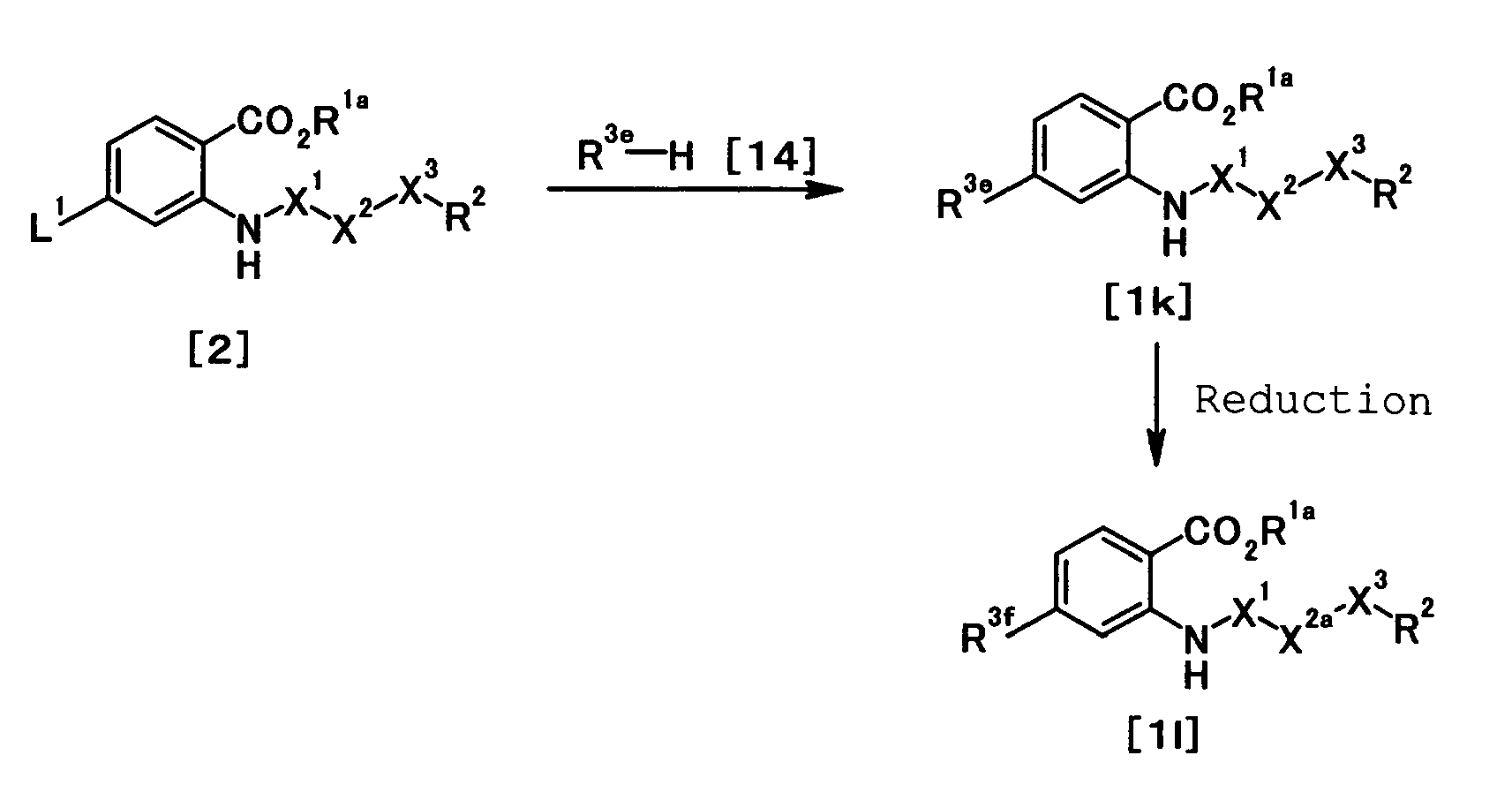
- As a compound of general formula [14], for example, cyclopentene and cyclohexene are known. In addition, the compound of general formula [14] can be produced by a method, for example, described in "Jikken Kagaku Kouza", 4th edition, Vol. 19, pp. 53-298, 1992, Maruzen or the like method.
- The compound of general formula [1k] can be produced by reacting a compound of general formula [2] with a compound of general formula [14] following production process (3-1).
- The compound of general formula [11] can be produced by reducing a compound of general formula [1k] following production process (3-3).
-

- As a compound of general formula [8b], for example, 2-iodotoluene, 3-iodoanisole, 3-iodonitrobenzene and 6-iodo-2,3-dihydrobenzo[1,4]dioxin are known.
- The compound of general formula [1b] can be produced by reacting a compound of general formula [15] with a compound of general formula [8b] following production process 1.
-

- The compound of general formula [1n] can be produced by reducing a compound of general formula [1m] following production process (3-3).
-

- The compound of general formula [1p] can be produced by reducing a compound of general formula [1o] following production process (3-3).
-

- The compound of general formula [1q] can be produced by deprotecting a compound of general formula [1g].
Examples of deprotection reaction include hydrolysis reaction using an acid or a base, dealkylation reaction using a salt and reductive dealkylation reaction including metal catalyst hydrogenation reaction. - Examples of the acid in hydrolysis reaction using an acid include formic acid, hydrochloric acid, sulfuric acid, hydrobromic acid, trifluoroacetic acid, aluminum chloride and iodinated trimethylsilane. The used amount of the acid can be 1 to 100000 times mol and preferably 1 to 1000 times mol for the compound of general formula [1g].
Examples of the base in hydrolysis reaction using a base include inorganic bases such as sodium hydroxide, potassium hydroxide and lithium hydroxide; organic bases such as sodium methoxide, sodium ethoxide and potassium tert-butoxide; carbonates such as potassium carbonate and sodium carbonate and tetrabutylammonium fluoride. The used amount of the base can be 1 to 1000 times mol and preferably 1 to 50 times mol for the compound of general formula [1g].
Examples of the salt in dealkylation reaction using a salt include lithium iodide and sodium chloride. The used amount of the salt can be 1 to 100 times mol and preferably 1 to 10 times mol for the compound of general formula [1g].
The reductive dealkylation reaction including metal catalyst hydrogenation reaction can be conducted following production process (3-3).
The solvent used in this reaction is not particularly limited as long as it does not adversely affect the reaction and examples thereof include water; alcohols such as methanol, ethanol, 2-propanol and 2-methyl-2-propanol; ethers such as dioxane, tetrahydrofuran, anisole, ethylene glycol dimethyl ether, diethylene glycol dimethyl ether and diethylene glycol diethyl ether; halogenated hydrocarbons such as methylene chloride, chloroform and dichloroethane; nitriles such as acetonitrile; aliphatic hydrocarbons such as hexane and cyclohexane; aromatic hydrocarbons such as benzene, toluene and xylene; sulfoxides such as dimethylsulfoxide; amides such as N,N-dimethylformamide; nitromethane and pyridine and these may be optionally mixed for use.
This reaction can be carried out ordinarily at -78 to 100°C, preferably at 0 to 80°C for 10 minutes to 24 hours. -

- The compound of general formula [1s] can be produced by reacting a compound of general formula [1r] with an oxidizing agent.
The solvent used in this reaction is not particularly limited as long as it does not adversely affect the reaction and examples thereof include water; halogenated hydrocarbons such as methylene chloride, chloroform and dichloroethane; aliphatic hydrocarbons such as hexane and cyclohexane and pyridine and these may be optionally mixed for use.
Examples of the oxidizing agent used in this reaction include hydrogen peroxide; hyperacids such as a peroxyacetic acid, perbenzoic acid and m-chloroperbenzoic acid; peroxides such as tert-butyl peroxide and sodium metaperiodate. The used amount of the oxidizing agent can be 1 to 50 times mol, preferably 1 to 10 times mol for the compound of general formula [1r].
This reaction can be carried out ordinarily at 0 to 150°C, preferably at 10 to 100°C for 30 minutes to 48 hours. -

- The compound of general formula [1u] can be produced by reacting a compound of general formula [1t] with an oxidizing agent following production process 15.
- The thus obtained compounds of general formulae [1a], [1b], [1c], [1d], [1e], [1f], [1g], [1h], [1i], [1j], [1k], [11], [1n], [1o], [1p], [1q], [1r], [1s], [1t] and [1u] or the salts thereof can be converted to the other compounds of general formula [1] or the salts thereof by subjecting them to reactions known per se such as condensation, addition, oxidation, reduction, rearrangement, substitution, halogenation, dehydration and hydrolysis or by combining these reactions appropriately.
In addition, when there is any isomer (for example, optical isomer, geometrical isomer, tautomer and the like) for the compounds in the production processes mentioned above, these isomers can also be used, and solvates, hydrates and crystals of various kinds can be also used. - Next, production processes of the compounds of general formulae [2], [7], [9], [10], [12], [15] and [38], which are raw materials in the production of the compounds of the present invention, are described.
-

- As a compound of general formula [16], for example, 4-chloro-2-nitrobenzoic acid and 4-bromo-2-nitrobenzoic acid are known.
- The compound of general formula [17] can be produced by esterifying a compound of general formula [16]. This reaction can be performed by a method described in W. Greene et al., Protective Groups in Organic Synthesis, third edition, pp. 369-453, 1999, John Wiley & Sons, INC. or the like method. Specifically, methods using an alkylating agent in the presence of or in the absence of a phase transfer catalyst, in the presence of the base, a method via an acid halide of the compound of general formula [16] are included.
- The solvent used in the reaction using an alkylating agent is not particularly limited as long as it does not adversely affect the reaction and examples thereof include aromatic hydrocarbons such as benzene, toluene and xylene; amides such as N,N-dimethylformamide, N,N-dimethylacetamide and 1-methyl-2-pyrrolidone; halogenated hydrocarbons such as methylene chloride, chloroform and dichloroethane; ethers such as dioxane, tetrahydrofuran, anisole, ethylene glycol dimethyl ether, diethylene glycol dimethyl ether and diethylene glycol diethyl ether; ketones such as acetone and 2-butanone; nitriles such as acetonitrile; esters such as ethyl acetate and butyl acetate and sulfoxides such as dimethylsulfoxide and these may be optionally mixed for use.
Examples of the phase transfer catalyst optionally used in this reaction include quaternary ammonium salts such as tetramethyl ammonium chloride, benzyltrimethylammonium chloride, benzyltriethylammonium chloride, benzyltributylammonium chloride and tetrabutylammonium bromide. The used amount of the phase transfer catalyst can be 0.01 mol or more, preferably 0.1 to 5 times mol for the compound of general formula [16].
Examples of the base used in this reaction include inorganic bases such as sodium carbonate, potassium carbonate and cesium carbonate and organic bases such as triethylamine, pyridine, dimethylaminopyridine and N-methylmorpholine. The used amount of the base can be 1 to 50 times mol, preferably 1 to 5 times mol for the compound of general formula [16] .
Examples of the alkylating agent used in this reaction include methyl iodide, ethyl iodide, dimethyl sulfate, 2-bromo-2-methylpropane, benzyl chloride and benzyl bromide. The used amount of the alkylating agent can be 1 to 50 times mol, preferably 1 to 5 times mol for the compound of general formula [16].
This reaction can be carried out ordinarily at 0 to 170°C for 1 minute to 24 hours. - For example, in a method via an acid halide, a compound of general formula [16] can be reacted with thionyl chloride, oxalyl chloride or the like to converted it to an acid halide and then reacted with alcohols such as methanol, ethanol, benzyl alcohol in the presence of or in the absence of a base.
The solvent used in this reaction is not particularly limited as long as it does not adversely affect the reaction and examples thereof include aromatic hydrocarbons such as benzene, toluene and xylene; halogenated hydrocarbons such as methylene chloride, chloroform and dichloroethane; ethers such as dioxane, tetrahydrofuran, anisole, ethylene glycol dimethyl ether, diethylene glycol dimethyl ether and diethylene glycol diethyl ether; ketones such as acetone and 2-butanone; nitriles such as acetonitrile; esters such as ethyl acetate and butyl acetate and sulfoxides such as dimethylsulfoxide and these may be optionally mixed for use.
Examples of the base optionally used in this reaction include inorganic bases such as sodium carbonate, potassium carbonate and cesium carbonate and organic bases such as triethylamine, pyridine, dimethylaminopyridine and N-methylmorpholine. The used amount of the base can be 1 to 50 times mol, preferably 1 to 5 times mol for the compound of general formula [16] .
This reaction can be carried out ordinarily at 0 to 170°C for 1 minute to 24 hours. - The compound of general formula [18] can be produced by reducing a compound of general formula [17]. This reaction can be performed by a method described in Richard C. Larock et al., Comprehensive Organic Transformations, second edition, pp. 823-827, 1999, John Wiley & Sons, INC. or the like method. Specifically, catalytic hydrogenation reaction using a metal catalyst and reductive reaction using a metal such as iron or zinc are included.
- When the compound of general formula [17] is subjected to catalytic hydrogenation reaction, it can be performed following production process (3-3).
The solvent used for subjecting a compound of general formula [17] to reduction using a metal is not particularly limited as long as it does not adversely affect the reaction and examples thereof include water; alcohols such as methanol, ethanol, 2-propanol and 2-methyl-2-propanol; amides such as N,N-dimethylformamide, N,N-dimethylacetamide and 1-methyl-2-pyrrolidone; halogenated hydrocarbons such as methylene chloride, chloroform and dichloroethane; aromatic hydrocarbons such as benzene, toluene and xylene; ethers such as dioxane, tetrahydrofuran, anisole, ethylene glycol dimethyl ether, diethylene glycol dimethyl ether and diethylene glycol diethyl ether; nitriles such as acetonitrile; ketones such as acetone and 2-butanone; esters such as ethyl acetate and butyl acetate and these may be optionally mixed for use.
Examples of the metal used in this reaction include iron, zinc, tin and tin (II) chloride. The used amount of the metal can be 1 to 50 times mol, preferably 1 to 10 times mol for the compound of general formula [17].
Examples of the acid optionally used in this reaction include hydrogen chloride, hydrogen bromide and acetic acid. The used amount of the acid can be 0.001 to 100 times amount (W/V), preferably 0.01 to 20 times amount (W/V) for the compound of general formula [17].
This reaction can be carried out at 0 to 200°C, preferably 0 to 100°C for 1 minute to 24 hours. - The compound of general formula [2] can be produced by amidating or sulfonamidating a compound of general formula [18] following production process 6.
-
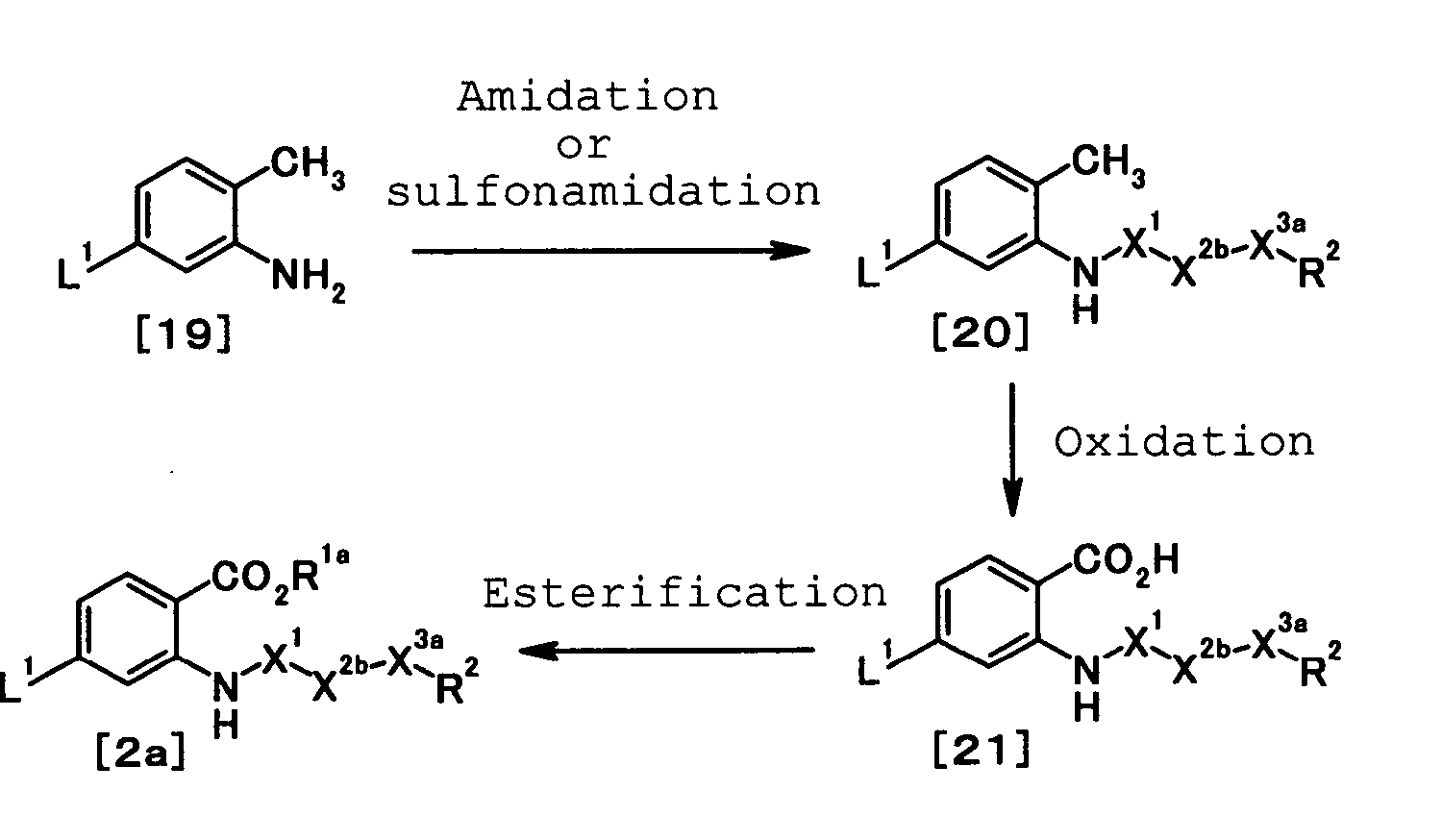
- As a compound of general formula [19], for example, 5-iodo-2-methylaniline is known.
- The compound of general formula [20] can be produced by amidating or sulfonamidating a compound of general formula [19] following production process 6.
- The compound of general formula [21] can be produced by reacting a compound of general formula [20] with an oxidizing agent following production process 8.
- The compound of general formula [2a] can be produced by esterifying a compound of general formula [21] following production process (A-1).
-

- The compound of general formula [7] can be produced by subjecting a compound of general formula [2] to coupling reaction with a compound of general formula [22a] following production process 2. In addition, it can also be produced by reacting a compound of general formula [2] with a compound of general formula [22b1] or general formula [22b2] following production process 1.
-

- The compound of general formula [7a] can be produced by reacted a compound of general formula [2] with a compound of general formula [22c] and then by performing deprotection following production process (3-2).
Deprotection can be performed by a method described in W. Greene et al., Protective Groups in Organic Synthesis, third edition, pp. 654-659, 1999, John Wiley & Sons, INC. or the like method. -

- As a compound of general formula [23], for example, 2-nitro-4-phenoxybenzoic acid [
WO03/033480 - The compound of general formula [24] can be produced by esterifying a compound of general formula [23] following production process (A-1).
- The compound of general formula [9a] can be produced by reducing a compound of general formula [24] following production process (3-3) or (A-2).
-

- The compound of general formula [25] can be produced by reacting a compound of general formula [17] with a compound of general formula [3a] or general formula [3b] following production process 1.
- The compound of general formula [9b] can be produced by reducing a compound of general formula [25] following production process (3-3) or (A-2).
-

- The compound of general formula [26] can be produced by reacting a compound of general formula [17] with a compound of general formula [4] following production process 2.
- The compound of general formula [9c] can be produced by reducing a compound of general formula [26] following production process (3-3) or (A-2).
-

- The compound of general formula [28] can be produced by reacting a compound of general formula [17] with a compound of general formula [27] following production process (3-1).
- The compound of general formula [9d] can be produced by reducing a compound of general formula [28] following production process (3-3).
-

- As a compound of general formula [29], for example, methyl 4-(bromomethyl)-2-nitrobenzoate is known. In addition, methyl 4-(bromomethyl)-2-nitrobenzoate can be produced by esterifying 4-(bromomethyl)-2-nitrobenzoic acid according to an ordinary method described in Journal of Medicinal Chemistry, Vol. 29, pp. 589-591, 1986.
- The compound of general formula [31] can be produced by reacting a compound of general formula [29] with a compound of general formula [30] following production process (7-1).
- The compound of general formula [9e] can be produced by reducing a compound of general formula [31] following production process (3-3) or (A-2).
-

- As a compound of general formula [32], for example, methyl 2-amino-4-methoxybenzoate [Journal of the Chemical Society, Perkin Transactions 1, Vol. 21, pp. 3261-3274, 1997] is known.
- The compound of general formula [33] can be produced by amidating or sulfonamidating a compound of general formula [32] following production process 6.
- The compound of general formula [10] can be produced by deprotecting a compound of general formula [33]. Deprotection of phenolic hydroxyl protecting group can be performed, for example, by a method described in W. Greene et al., Protective Groups in Organic Synthesis, third edition, pp. 249-287, 1999, John Wiley & Sons, INC. or the like method; deprotection of thiol protecting group can be performed, for example, by a method described in W. Greene et al., Protective Groups in Organic Synthesis, third edition, pp. 454-493, 1999, John Wiley & Sons, INC. or the like method.
-

- As a compound of general formula [34], for example, 1-methyl-2-nitro-4-phenoxybenzene [International Patent Publication
WO02/078693 - The compound of general formula [35] can be produced by reducing a compound of general formula [34] following production process (3-3) or (A-2).
- The compound of general formula [12] can be produced by amidating or sulfonamidating a compound of general formula [35] following production process 6.
-

- As a compound of general formula [36], for example, bis(pinacolato)diboron, bis(neopentylglylato)diboron and bis(hexyleneglycolato)diboron are known.
- The compound of general formula [15] can be produced by reacting a compound of general formula [2] with a compound of general formula [36] following production process 1.
-

- As a compound of general formula [37], for example, methyl 2-(1H-pyrrol-1-yl)pyridine-4-carboxylate [
International Patent Publication W09426709 - The compound of general formula [38] can be produced by deprotecting a compound of general formula [37] following production process 14.
- In the compounds used in the production processes mentioned above, compounds which can be in the form of a salt can be used as a salt. Examples of those salts include salts which are similar to the salts of the compound of general formula [1].
- When there is any isomer (for example, optical isomer, geometrical isomer, tautomer and the like) for the compounds in the production processes mentioned above, these isomers can be also used. In addition, when there are solvates, hydrates and various kinds of crystals, these solvates, hydrates and various kinds of crystals can be used. Further, when the compounds used in the production process mentioned above have a protectable group, for example, an amino group, a hydroxyl group or a carboxyl group, these groups can be protected with ordinary protecting groups beforehand, and these protecting groups can be detached by methods well known per se after the reaction.
- When the compounds of the present invention are used as a drug, drug adjuvants usually used for preparation such as excipient, carrier and diluent may be mixed appropriately. They can be administered orally or parenterally in the forms such as tablet, capsule, powder, syrup, granule, pill, suspension, emulsion, solution, powder preparations, suppository, eyedrop, nose drop, eardrop, patch, ointment or injection. The administration method, dosage and times of administration can be selected appropriately according to the age, weight and conditions of the patient. Ordinarily, 0.01 to 1000 mg/kg per day can be administered to an adult orally or parenterally (for example, injection, intravenous feeding and administration to a rectal part) at a time or divided to several times.
- Usefulness of some representative compounds of the present invention is described in the following Test Examples.
- 6.8×10³ human cartilage derived cell line SW1353 cells were suspended in 100 µL of Dulbecco modified Eagle's medium supplemented with 10% fetal calf serum, plated on 96-well plates and cultured for 3 days. After the culture medium was changed to Dulbecco modified Eagle's medium containing 0.2% lactalbumin hydrolysate and the cells were cultured for 6 hours, test compounds were added and then IL-1β was added to obtain the final concentration of 10 ng/mL 1 hour later. 16 hours after the stimulation, supernatant was collected and the amount of MMP-13 in the culture supernatant was determined with an ELISA kit (Amersham). The inhibition rate was calculated from the amount of MMP-13 in the presence of a test compound assuming that the amount of MMP-13 was 100% in the absence of the test compound.
The results are shown in Table 7. -
[Table 7] Example No. Inhibition rate (%) at 30 µmol/L 4 80 7 91 8 95 11 92 15 88 19 94 22 81 24 92 25 86 33 97 80 92 83 93 85 60 88 80 89 94 91 95 96 96 97 97 99 71 105 64 130 96 134 99 138 95 141 95 146 97 150 96 157 98 163 98 176 98 189 96 196 97 212 95 217 68 222 98 230 95 234 99 240 94 243 96 251 83 255 91 261 94 262 93 264 94 276 86 282 75 301 80 316 96 318 95 325 91 330 68 349 95 358 99 382 98 399 79 411 81 415 97 423 98 425 99 426 98 431 98 433 98 442 99 450 98 467 90 495 99 499 99 503 99 505 82 509 77 512 99 514 91 525 87 539 97 541 97 543 85 551 96 560 85 564 97 570 98 - Eight-week old male DBA/1J mice were used (Charles River Laboratories Japan Inc.). 4 mg/mL bovine type II collagen (Collagen Gijutsu Kenshukai) dissolved in 0.01 mol/L of acetic acid aqueous solution and an equal amount of Freund's complete adjuvant (Chondorex) containing 1 mg/mL of killed tuberculosis bacillus were added to prepare an emulsion, and 0.1 mL thereof was intradermally injected at the base of tail. Similar treatment was conducted on the 21st day to cause arthritis. The test compound was suspended in 0.5% methylcellulose aqueous solution, and 30 mg/kg was orally administered once a day from the 21st day to the 35th day. In the control group, 0.5% methylcellulose aqueous solution was administered in the same manner. The severity of arthritis was estimated by scoring at zero point for an animal without change; one point for an animal with swelling at the one or two finger joint or light swelling only at the carpal or tarsal joint; two points for an animal with severe swelling at the carpal or tarsal joint or with swelling at three or more finger joints; three points for an animal with severe swelling along the whole foreleg or hindleg and thus counting 12 points at the maximum for the four limbs as arthritis score. Degree of bone destruction was estimated by X-ray photographs of the four limbs on the 36th day observing the interphalangeal joints of the second to fifth fingers, the metacarpophalangeal and metatarsophalangeal joints of the first to fifth fingers, carpal or tarsal parts, calcaneal bone and scoring at 0 or 0.5 point according to the absence or presence of osteoporotic image in the joint and their vicinity, 0 point for the bone image without change, one point for the partially destroyed bone image and, 2 points for the completely destroyed bone image and thus counting 105 points at the maximum for the four limbs as bone destruction score. The inhibitory rate was determined by the following expression.

The compound shown in Example 25 exhibited inhibitory action on arthritis and bone destruction. - Hereinbelow, the present invention is described by way of Referential Examples and Examples, but the present invention is not limited thereto.
The mixing ratio in the eluent is a volume ratio. Unless indicated otherwise, the carrier in the silica gel column chromatography is B.W.Silica gel, BW-127ZH, manufactured by Fuji Silysia Chemical Ltd., and the carrier in the reversed-phase silica gel column chromatography is ODS-AM12S05-2520WT of YMC Co., Ltd.
Each of the symbols used in each Example has the following meaning. - Ac: acetyl, Boc: tert-butoxycarbonyl, tBu: tert-butyl,
- Bz: benzoyl, Et: ethyl, Me: methyl
- DMSO-d6: deuterated dimethylsulfoxide
-

1H-NMR (CDCl3) δ: 3.97 (3H, s), 7.85 (1H, d, J = 8.3 Hz), 8.07 (1H, dd, J = 8.3, 2.0 Hz), 8.47 (1H, d, J = 2.0 Hz). -

1H-NMR (CDCl3) δ: 1.55 (9H, s), 7.63 (1H, d, J = 8.3 Hz), 7.77 (1H, dd, J = 8.3, 1.9 Hz), 7.95 (1H, d, J = 1.9 Hz). -

1H-NMR (CDCl3) δ: 3.89 (3H, s), 4.20 (2H, s), 7.26 (1H, dd, J = 8.3, 2.1 Hz), 7.43 (1H, d, J = 2.1 Hz), 7.47 (1H, d, J = 8.3 Hz). -

1H-NMR (DMSO-d6) δ: 1.52 (9H, s), 6.65 (1H, dd, J = 8.5, 2.0 Hz), 6.78 (2H, s), 6.98 (1H, d, J = 2.0 Hz), 7.55 (1H, d, J = 8.5 Hz). -

1H-NMR (DMSO-d6) δ: 3.88 (3H, s), 7.54-7.58 (2H, m), 7.61-7.66 (1H, m), 7.77 (1H, dd, J = 8.4, 2.2 Hz), 7.90 (1H, d, J = 8.4 Hz), 8.00-8.02 (2H, m), 8.14 (1H, d, J = 2.2 Hz), 10.18 (1H, s). -

1H-NMR (DMSO-d6) δ : 1.55 (9H, s), 7.45 (1H, dd, J = 8.5, 2.1 Hz), 7.60-7.69 (3H, m), 7.89 (1H, d, J = 8.5 Hz), 7.95-7.97 (2H, m), 8.78 (1H, d, J = 2.1 Hz), 11.68 (1H, s). -

1H-NMR (CDCl3) δ: 3.94 (3H, s), 7.44-7.53 (3H, m), 7.60-7.63 (2H, m), 7.85-7.86 (2H, m), 8.07 (1H, d, J = 1.4 Hz). -

1H-NMR (CDCl3) δ: 3.89 (3H, s), 5.79 (2H, s), 6.87-6.91 (2H, m), 7.35-7.45 (3H, m), 7.57-7.61 (2H, m), 7.92 (1H, d, J = 8.0 Hz). -

1H-NMR (CDCl3) δ: 2.29 (3H, s) , 6.96 (1H, d, J = 8.0 Hz), 7.44 (1H, dd, J = 1.6, 8.0 Hz), 7.49-7.63 (4H, m), 7.86-7.88 (2H, m), 8.39 (1H, d, J = 1.6 Hz). -

1H-NMR (DMSO-d6) δ: 7.58-7.69 (4H, m), 7.79 (1H, d, J = 8.3 Hz), 7.94-7.96 (2H, m), 9.17 (1H, d, J = 1.7 Hz), 12.17 (1H, s). -

1H-NMR (DMSO-d6) δ: 3.89 (3H, s), 7.59-7.69 (4H, m), 7.75 (1H, d, J = 8.3 Hz), 7.95-7.98 (2H, m), 9.04 (1H, d, J = 1.5 Hz), 11.61 (1H, s). -

1H-NMR (DMSO-d6) δ: 1.51 (9H, s), 7.32-7.45 (4H, m), 7.59 (1H, d, J = 16.6 Hz), 7.66 (2H, d, J = 7.4 Hz), 7.84 (1H, d, J = 8.1 Hz), 7.98 (1H, dd, J = 8.1, 1.5 Hz), 8.23 (1H, d, J = 1.5 Hz). -

-

62 mg of 5% palladium-carbon was added to 3 mL of ethyl acetate solution containing 0.31 g of tert-butyl 2-nitro-4-(3-phenyl-1-propenyl)benzoate at room temperature and stirred under hydrogen atmosphere at the same temperature for 5 hours and 30 minutes. Insoluble were removed by filtration, and the solvent was evaporated under reduced pressure to obtain 0.31 g of tert-butyl 2-amino-4-(3-phenylpropyl)benzoate as yellow oil.
1H-NMR (CDCl3) δ: 1.57 (9H, s), 1.88-1.97 (2H, m), 2.55 (2H, t, J = 7.6 Hz), 2.63 (2H, t, J = 7.6 Hz), 5.64 (2H, s), 6.44-6.48 (2H, m), 7.16-7.21 (3H, m), 7.26-7.30 (2H, m), 7.72 (1H, d, J=8.0Hz). -

70 mg of 5% palladium-carbon was added to 4 mL of ethyl acetate solution containing 0.35 g of 2-nitro-4-(4-phenyl-l-butenyl)benzoate and stirred under hydrogen atmosphere at room temperature for 8 hours. Insoluble were removed by filtration, and the solvent was evaporated under reduced pressure to obtain 0.40 g of tert-butyl 2-amino-4-(4-phenylbutyl)benzoate as yellow oil.
1H-NMR (CDCl3) δ: 1.57 (9H, s), 1.61-1.67 (4H, m), 2.50-2.54 (2H, m), 2.60-2.63 (2H, m), 5.63 (2H, s), 6.42-6.47 (2H, m), 7.15-7.19 (3H, m), 7.25-7.29 (2H, m), 7.70 (1H, d, J = 8.0 Hz). -

1H-NMR (CDCl3) δ: 1.63 (9H, s), 5 . 42 (1H, d, J = 11.0 Hz), 5.95 (1H, d, J = 17.7 Hz), 6.77 (1H, dd, J = 17.7, 11.0 Hz), 7.15 (1H, dd, J = 8.2, 1.7 Hz), 7 . 50-7 . 60 (3H, m), 7.97 (1H, d, J = 8.2 Hz), 8.05-8.10 (2H, m), 9.01 (1H, d, J = 1.7 Hz), 12.23 (1H, s). -

1H-NMR (CDCl3) δ: 2.43 (3H, s), 7.37 (1H, d, J = 7.8 Hz), 7.47-7.52 (4H, m), 7.56-7.63 (3H, m), 7.74 (1H, s), 7.82-7.86 (2H, m), 7.87-7.91 (2H, m), 8.29 (1H, s). -

0.68 g of potassium carbonate was added to a solution of 17 mL of methanol and 17 mL of tetrahydrofuran containing 3.5 g of methyl 2-(benzamido)-4-(2-(trimethylsilyl)ethynyl)benzoate and stirred at room temperature for 1 hour. The solvent was evaporated under reduced pressure and ethyl acetate and 1.0 mol/L hydrochloric acid were added and insoluble were removed by filtration. The organic layer was separated and dried over anhydrous magnesium sulfate after washed with 1.0 mol/L hydrochloric acid, and the solvent was evaporated under reduced pressure. The obtained residue was purified with silica gel column chromatography [eluent; hexane: ethyl acetate = 8:1] to obtain 1.6 g of methyl 2-(benzamido)-4-ethynylbenzoate as white solid.
1H-NMR (CDCl3) δ: 3.25 (1H, s), 3.97 (3H, s), 7.22 (1H, dd, J = 8.3, 1.5 Hz), 7.51-7.58 (3H, m), 8.02-8.06 (3H, m), 9.12 (1H, d, J = 1.5 Hz), 12.02 (1H, s). -

1H-NMR (DMSO-d6) δ: 2.27 (3H, s), 6.82 (1H, dd, J = 8.3, 2.4 Hz), 6.96 (1H, d, J = 2.4 Hz), 7.03 (2H, d, J = 7.5 Hz), 7.17 (1H, t, J = 7.5 Hz), 7.26 (1H, d, J = 8.3 Hz), 7.39-7.43 (2H, m). -

1H-NMR (CDCl3) δ: 2.31 (3H, s), 6.78 (1H, dd, J = 8.3, 2.4 Hz), 7.03 (2H, d, J = 7.8 Hz), 7.08 (1H, t, J = 7.5 Hz), 7.17 (1H, d, J = 8.3 Hz), 7.30-7.34 (2H, m), 7.47-7.51 (2H, m), 7.54-7.58 (1H, m), 7.67 (1H, s), 7.78 (1H, s), 7.86 (2H, d, J = 7.1 Hz). -

1H-NMR (DMSO-d6) δ: 1.48 (9H, s), 7.18-7.23 (2H, m), 7.26-7.32 (2H, m), 7.47-7.53 (2H, m), 7.54 (1H, d, J = 2.4 Hz), 7.85 (1H, d, J = 8.5 Hz). -

-

1H-NMR (CDCl3) δ: 3.92 (3H, s), 3.93 (3H, s), 6.65 (1H, dd, J = 9.0, 2.7 Hz), 7.51-7.59 (3H, m), 8.00 (1H, d, H = 9.0 Hz), 8.05-8.07 (2H, m), 8.63 (1H, d, J = 2.7 Hz). -

1H-NMR (CDCl3) δ: 3.93 (3H, s), 6.68 (1H, dd, J = 8.9, 2.5 Hz), 7.54-7.62 (3H, m), 8.02-8.05 (3H, m), 8.84 (1H, d, J = 2.5 Hz), 9.30-9.40 (1H, broad), 12.46 (1H, s). -

1H-NMR (CDCl3) δ: 3.93 (3H, s), 5.17 (2H, s), 6.95-7.03 (3H, m), 7.30-7.34 (2H, m), 7.72-7.79 (2H, m), 7.95-8.00 (1H, m). -
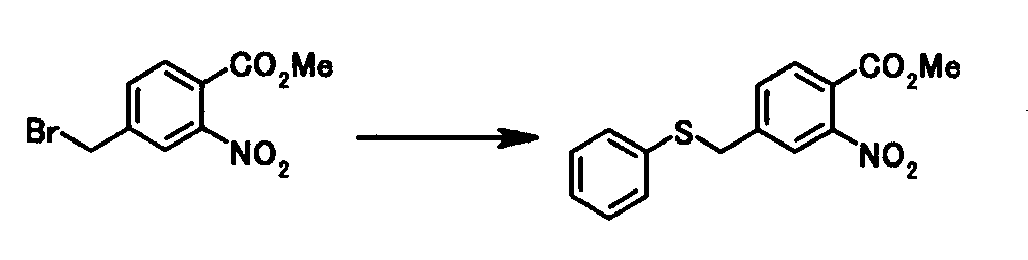
1H-NMR (CDCl3) δ: 3.86 (3H, s), 4.27 (2H, s), 6.60-6.74 (5H, m), 7.15-7.19 (2H, m), 7.82 (1H, d, J = 8.3 Hz). -

1H-NMR (DMSO-d6) δ: 3.76 (3H, s), 4.13 (2H, s), 4.30-4.70 (2H, broad), 6.55 (1H, dd, J = 8.2, 1.7 Hz), 6.79 (1H, d, 1.7 Hz), 7.15-7.19 (1H, m), 7.26-7.33 (4H, m), 7.62 (1H, d, J = 8.2 Hz). -

1H-NMR (CDCl3) δ: 1. 55 (9H, s), 7.59-7.62 (1H, m), 7. 70-7.73 (1H, m), 7.79 (1H, d, J = 2.0 Hz). -

1H-NMR (CDCl3) δ: 1.62 (9H, s), 7.45 (1H, dd, J = 8.5, 1.7 Hz), 7.51-7.60 (3H, m), 7.68 (1H, d, J = 8.5 Hz), 8.02-8.07 (2H, m), 9.38 (1H, d, J = 1.7 Hz), 12.13-12.20 (1H, broad). -

1H-NMR (DMSO-d6) δ: 1.52 (9H, s), 7.53-7.59 (2H, m), 7.77-7.82 (1H, m), 7.89-7.95 (2H, m), 8.15 (1H, dd, J = 8.1, 1.6 Hz), 8.34 (1H, d, J = 1.6 Hz). -

1H-NMR (DMSO-d6) δ: 1.51 (9H, s), 1.52 (9H, s), 7.36 (2H, d, J = 8.8 Hz), 7.87 (2H, d, J = 8.8 Hz), 7.91 (1H, d, J = 8.1 Hz), 8.11 (1H, dd, J = 8.1, 1.8 Hz), 8.29 (1H, d, J = 1.8 Hz). -

1H-NMR (DMSO-d6) δ: 1.52 (9H, s), 7.26-7.31 (1H, m), 7.44-7.51 (1H, m), 7.72-7.79 (1H, m), 7.93 (1H, d, J = 7.9 Hz), 7.98 (1H, d, J = 7.9 Hz), 8.17 (1H, s). -

1H-NMR (DMSO-d6) δ: 1.51 (9H, s), 6.11 (2H, s), 7.06 (1H, d, J = 8.1 Hz), 7.34 (1H, dd, J = 8.1, 1.9 Hz), 7.45 (1H, d, J = 1.9 Hz), 7.85 (1H, d, J = 8.1 Hz), 8.04 (1H, dd, J = 8.1, 1.9 Hz), 8.20 (1H, d, J = 1.9 Hz). -

1H-NMR (DMSO-d6) δ: 1.53 (9H, s), 7.30-7.36 (1H, m), 7.40-7.45 (1H, m), 7.68-7.76 (1H, m), 7.75 (1H, d, J = 7.3 Hz), 7.82 (1H, d, J = 0.7 Hz), 7.96 (1H, d, J = 8.1 Hz), 8.29 (1H, dd, J = 8.1, 1.6 Hz), 8.49 (1H, d, J = 1.6 Hz). -

1H-NMR (DMSO-d6) δ: 1.55 (9H, s), 6.63-6.69 (2H, broad), 6.83 (1H, dd, J = 8.5, 1.9 Hz), 7.06 (1H, d, J = 1.9 Hz), 7.46 (1H, dt, J = 7.8, 1.6 Hz), 7.50 (1H, t, J = 7.8 Hz), 7.57 (1H, dt, J = 7.8, 1.6 Hz), 7.63 (1H, t, J = 1.6 Hz), 7.73 (1H, d, J = 8.5 Hz). -

1H-NMR (DMSO-d6) δ: 1.51 (9H, s), 1.55 (9H, s), 6.66-6.70 (2H, broad), 6.80 (1H, dd, J = 8.5, 1.8 Hz), 7.02 (1H, d, J = 1.8 Hz), 7.27-7.32 (2H, m), 7.61-7.65 (2H, m), 7.73 (1H, d, J = 8.5 Hz). -

1H-NMR (DMSO-d6) δ: 1.55 (9H, s), 6.65 (1H, d, J = 8.3 Hz), 6.66-6.73 (2H, broad), 6.91 (1H, s), 7.17-7.22 (1H, m), 7.33-7.39 (1H, m), 7.50-7.56 (1H, m), 7.72 (1H, d, J = 8.3 Hz). -

1H-NMR (DMSO-d6) δ: 1.54 (9H, s), 6.07 (2H, s), 6.57-6.65 (2H, broad), 6.75 (1H, d, J = 8.5 Hz), 6.96 (1H, s), 7.00 (1H, d, J = 8.6 Hz), 7.10 (1H, d, J = 8.6 Hz), 7.15 (1H, s), 7.68 (1H, d, J = 8.5 Hz). -

1H-NMR (DMSO-d6) δ: 1.56 (9H, s), 6.76-6.84 (2H, broad), 7.07 (1H, dd, J = 8.5, 1.6 Hz), 7.26-7.39 (3H, m), 7.43 (1H, s), 7.64 (1H, d, J = 8.1 Hz), 7.69 (1H, d, J = 8.1 Hz), 7.75 (1H, d, J = 8.5 Hz). -

1H-NMR (DMSO-d6) δ: 1.51 (9H, s), 3.81 (3H, s), 6.90-6.94 (1H, m), 7.20-7.27 (2H, m), 7.34 (1H, t, J = 7.9 Hz), 7.43 (1H, d, J = 16.6 Hz), 7.55 (1H, d, J = 16.6 Hz), 7.84 (1H, d, J = 8.0 Hz), 7.97 (1H, d, J = 7.8 Hz), 8.21 (1H, s). -

1H-NMR (DMSO-d6) δ: 1.54 (9H, s), 3.80 (3H, s), 6.57-6.65 (2H, broad), 6.80-6.92 (3H, m), 7.15-7.23 (4H, m), 7.29 (1H, t, J = 8.1 Hz), 7.64 (1H, d, J = 8.3 Hz). -

1H-NMR (DMSO-d6) δ: 1.33 (12H, s), 1.54 (9H, s), 7.50 (1H, dd, J = 7.8, 1.0 Hz), 7.58-7.68 (3H, m), 7.92 (1H, d, J = 7.8 Hz), 7.96-8.00 (2H, m), 8.72 (1H, d, J = 1.0 Hz), 11.43 (1H, s). -

1H-NMR (DMSO-d6) δ: 6.32 (2H, t, J = 2.3 Hz), 7.64 (1H, dd, J = 5.1, 1.3 Hz), 7.76 (2H, t, J = 2.3 Hz), 8.02 (1H, t, J = 0.9 Hz), 8.60 (1H, dd, J = 5.1, 0.9 Hz), 13.70-13.95 (1H, broad). -
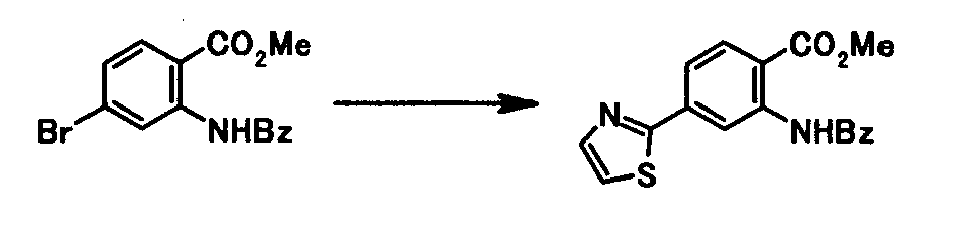
1H-NMR (DMSO-d6) δ: 3.93 (3H, s), 7.61-7.70 (3H, m), 7.82 (1H, dd, J = 8.5, 1.8 Hz), 7.95 (1H, d, J = 3.2 Hz), 7.99-8.01 (2H, m), 8.05 (1H, d, J = 3.2 Hz), 8.13 (1H, d, J = 8.5 Hz), 9.29 (1H, d, J = 1.8 Hz), 11.73 (1H, s). -
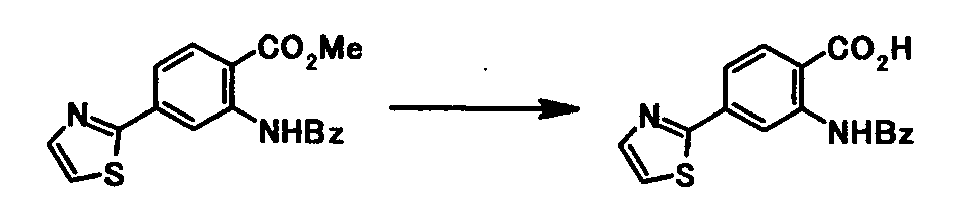
1H-NMR (DMSO-d6) δ: 7.61-7.70 (3H, m), 7.80 (1H, dd, J = 8.3, 1.7 Hz), 7.94 (1H, d, J = 3.2 Hz), 7.98-8.00 (2H, m), 8.05 (1H, d, J = 3.2 Hz), 8.17 (1H, d, J = 8.3 Hz), 9.43 (1H, d, J = 1.7 Hz), 12.28 (1H, s). -

1H-NMR (CDCl3) δ: 3.99 (3H, s), 7.37-7.60 (7H, m), 7.73-7.75 (2H, m), 8.07-8.10 (2H, m), 8.15 (1H, d, J = 8.3 Hz), 9.29 (1H, d, J = 1.7 Hz), 12.13 (1H, s). -

1H-NMR (DMSO-d6) δ: 7.45-7.69 (7H, m), 7.73-7.75 (2H, m), 7.98-8.00 (2H, m), 8.15 (1H, d, J = 8.1 Hz), 9.09 (1H, d, J = 2.0 Hz), 12.29 (1H, s), 13.70-14.00 (1H, broad). -

1H-NMR (DMSO-d6) δ: 7.45-7.49 (2H, m), 7.56 (1H, t, J = 7.0 Hz), 7.63-7.69 (2H, m), 7.77 (2H, d, J = 7.1 Hz), 7.97 (1H, dd, J = 8.1 Hz, J = 1.2 Hz), 8.09 (1H, s), 8.17 (1H, d, J = 7.6 Hz), 8.65 (1H, d, J = 5.1 Hz), 8.83 (1H, s), 10.25 (1H, s). -

1H-NMR (DMSO-d6) δ: 2.08 (3H, s), 7.49-7.52 (1H, m), 7.60-7.76 (7H, m), 7.99 (2H, d, J = 7.6 Hz), 8.11 (1H, d, J = 8.1 Hz), 9.06 (1H, d, J = 1.7 Hz), 10.14 (1H, s). -

1H-NMR (DMSO-d6) δ: 7.22 (1H, t, J = 4.5 Hz), 7.54-7.67 (5H, m), 7.71 (1H, d, J = 4.5 Hz), 7.99 (2H, d, J = 6.8 Hz), 8.08 (1H, d, J = 8.6 Hz), 9.11 (1H, s). -

1H-NMR (DMSO-d6) δ: 7.32 (1H, td, J = 7.3, 0.7 Hz), 7.40 (1H, td, J = 7.7, 1.1 Hz), 7.62-7.79 (7H, m), 8.01-8.03 (2H, m), 8.16 (1H, d, J = 8.6 Hz), 9.33 (1H, s). -

1H-NMR (DMSO-d6) δ: 3.85 (3H, s), 7.05 (1H, dd, J = 8.2, 2.6 Hz), 7.24 (1H, s), 7.30 (1H, d, J =8.1 Hz), 7.47 (1H, t, J = 7.9 Hz), 7.53 (1H, dd, J = 8.3, 1.5 Hz), 7.60-7.69 (3H, m), 7.99 (2H, d, J = 7.1 Hz), 8.13 (1H, d, J = 8.3 Hz), 9.06 (1H, s), 12.30 (1H, s). -

1H-NMR (DMSO-d6) δ: 7.57-7.69 (4H, m), 7.87 (2H, d, J = 8.0 Hz), 7.99-8.01 (2H, m), 8.10 (2H, d, J = 8.3 Hz), 8.17 (1H, d, J = 8.6 Hz), 9.13 (1H, s). -

1H-NMR (DMSO-d6) δ: 6.11 (2H, s), 7.08 (1H, d, J = 8.1 Hz), 7.24 (1H, dd, J = 8.2, 1.8 Hz), 7.30 (1H, d, J = 1.7 Hz), 7.45-7.47 (1H, m), 7.59-7.69 (3H, m), 7.98-8.00 (2H, m), 8.09 (1H, d, J = 8.1 Hz), 9.01 (1H, s). - The compounds shown in Table 8 were obtained in the same manner as in Example 11.
-
[Table 8] 
Example No. R3 12 
13 
- 2-(Benzamido)-4-(1H-indol-5-yl)benzoic acid
1H-NMR (DMSO-d6) δ: 6.56 (1H, s), 7.43 (1H, t, J = 2.7 Hz), 7.47-7.69 (6H, m), 7.94 (1H, s), 8.01 (2H, d, J = 7.1 Hz), 8.12 (1H, d, J = 8.3 Hz), 9.14 (1H, d, J = 1.5 Hz), 11.26 (1H, s). - 2-(Benzamido)-4-(4-(methanesulfonyl)phenyl)benzoic acid
1H-NMR (DMSO-d6) δ: 3.33 (3H, s), 7.57-7.70 (4H, m), 7.99-8.01 (4H, m), 8.09 (2H, d, J = 8.6 Hz), 8.19 (1H, d, J = 8.3 Hz), 9.13 (1H, d, J = 1. 7 Hz), 12.28 (1H, s). -

1H-NMR (DMSO-d6) δ: 6.97 (1H, d, J = 1.7 Hz), 7.47 (1H, dd, J = 8.3, 1.7 Hz), 7.59-7.69 (3H, m), 7.83 (1H, t, J = 1.6 Hz), 7.98-8.00 (2H, m), 8.06 (1H, d, J = 8.3 Hz), 8.32 (1H, s), 8.94 (1H, d, J = 1.7 Hz), 12.29 (1H, s). -

1H-NMR (DMSO-d6) δ : 4.31 (4H, s), 7.02 (1H, d, J = 8.8 Hz), 7.21-7.24 (2H, m), 7.46 (1H, dd, J = 8.3, 2.0 Hz), 7.60-7.69 (3H, m), 7.97-7.99 (2H, m), 8.09 (1H, d, J = 8.5 Hz), 9.02 (1H, d, J = 1.7 Hz). -

1H-NMR (DMSO-d6) δ: 1.28 (9H, s), 7.41-7.57 (8H, m), 7.78-7.80 (2H, m), 7.90 (1H, dd, J = 8.1, 1.7 Hz), 8.06 (1H, d, J = 1.7 Hz), 9.93 (1H, s), 13.09 (1H, s). -

1H-NMR (DMSO-d6) δ: 7.41-7.46 (2H, m), 7.61-7.70 (4H, m), 7.94-8.06 (5H, m), 8.15 (1H, d, J = 8.3 Hz), 9.24 (1H, s), 12.30-12.50 (1H, broad). -

1H-NMR (DMSO-d6) δ: 2.64 (3H, s), 7.59-7.70 (4H, m), 7.89 (2H, d, J = 8.3 Hz), 7.99-8.01 (2H, m), 8.12 (2H, d, J = 8.3 Hz), 8.17 (1H, d, J = 8.3 Hz), 9.14 (1H, d, J = 1.7 Hz), 12.28 (1H, s), 13.80-14.10 (1H, broad). -

1H-NMR (DMSO-d6) δ: 7.28 (1H, td, J = 8.2 Hz, J = 2.2 Hz), 7.39 (1H, dt, J = 8.4, 1.6 Hz), 7.42-7.48 (1H, m), 7.59-7.70 (4H, m), 7.96-7.99 (2H, m), 8.15 (1H, d, J = 8.1 Hz), 8.95 (1H, d, J = 1.4 Hz), 12.24 (1H, s). - The compounds shown in Table 9 were obtained in the same manner as in Example 19.
-
[Table 9] 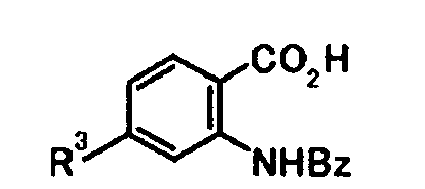
Example No. R3 20 
21 
22 
- 2-(Benzamido)-4-(4-fluorophenyl)benzoic acid
1H-NMR (DMSO-d6) δ: 7.36-7.40 (2H, m), 7.51 (1H, dd, J = 8.1, 2.0 Hz), 7.60-7.69 (3H, m), 7.77-7.81 (2H, m), 7.98-8.00 (2H, m), 8.13 (1H, d, J = 8.3 Hz), 9.06 (1H, s). - 2-(Benzamido)-4-(2-methoxyphenyl)benzoic acid
1H-NMR (DMSO-d6) δ: 3.80 (3H, s), 7.09 (1H, td, J = 7.4, 1.0 Hz), 7.17 (1H, d, J = 7.8 Hz), 7.32-7.37 (2H, m), 7.41-7.45 (1H, m), 7.59-7.68 (3H, m), 7.96-7.98 (2H, m), 8.08 (1H, d, J = 8.3 Hz), 8.88 (1H, t, J = 1.6 Hz). - 2-(Benzamido)-4-(4-methoxyphenyl)benzoic acid
1H-NMR (DMSO-d6) δ: 3.83 (3H, s), 7.09-7.12 (2H, m), 7.49 (1H, dd, J = 8.3, 1.7 Hz), 7.59-7.72 (5H, m), 7.98-8.00 (2H, m), 8.10 (1H, d, J = 8.3 Hz), 9.06 (1H, s), 12.20-12.40 (1H, broad). -

1H-NMR (CDCl3) δ: 3.97 (3H, s), 7.16 (1H, d, J = 16.4 Hz), 7.26-7.41 (5H, m), 7.52-7.59 (5H, m), 8.06-8.10 (3H, m), 9.17 (1H, d, J = 1.4 Hz), 12.12 (1H, s). -

1H-NMR (DMSO-d6) δ: 7.31-7.44 (5H, m), 7.49 (1H, dd, J = 8. 4, 1.3 Hz), 7.60-7.67 (3H, m), 7.71 (2H, d, J = 7.6 Hz), 7.99 (2H, d, J = 7.1 Hz), 8.06 (1H, d, J = 8.4 4 Hz), 8.94 (1H, d, J = 1.3 Hz), 12.27 (1H, s), 13.65-13.85 (1H, broad). -

1H-NMR (DMSO-d6) δ: 2.91-2.99 (4H, m), 7.07 (1H, dd, J = 8.1, 1.4 Hz), 7.17-7.20 (1H, m), 7.26-7.31 (4H, m), 7.58-7.67 (3H, m), 7.95-7.98 (3H, m), 8.67 (1H, d, J = 1.4 Hz), 12.40-12.50 (1H, broad). -

1H-NMR (DMSO-d6) δ: 1.16-1.36 (5H, m), 1.64-1.81 (5H, m), 2.16-2.24 (1H, m), 6.42-6.44 (2H, m), 7.24 (1H, dd, J = 8.3, 1.7 Hz), 7.58-7.67 (3H, m), 7.95-7.99 (3H, m), 8.76 (1H, s), 12.20-12.40 (1H, broad). -

1H-NMR (DMSO-d6) δ: 0.92-1.28 (5H, m), 1.39-1.49 (1H, m), 1.61-1.74 (5H, m), 2.12-2.18 (2H, m), 6.45-6.47 (2H, m), 7.25 (1H, dd, J = 8.3, 1.5 Hz), 7.58-7.67 (3H, m), 7.95-7.99 (3H, m), 8.75 (1H, d, J = 1.5 Hz), 12.20-12.35 (1H, broad). -

1H-NMR (DMSO-d6) δ: 0.89-0.98 (2H, m), 1.12-1.27 (4H, m), 1.48-1.78 (7H, m), 2.65-2.69 (2H, m), 7.05 (1H, dd, J = 8.2, 1.6 Hz), 7.58-7.67 (3H, m), 7.94-7.97 (3H, m), 8.62 (1H, d, J = 1.6 Hz), 12.20-12.35 (1H, broad). -

1H-NMR (DMSO-d6) δ: 0.80-0.91 (2H, m), 1.09-1.24 (6H, m), 1.59-1.70 (7H, m), 2.62-2.65 (2H, m), 7.05 (1H, dd, J = 8.2, 1.6 Hz), 7.55-7.65 (3H, m), 7.94-7.98 (3H, m), 8.62 (1H, d, J = 1.6 Hz), 12.25 (1H, s), 13.64 (1H, s). -

1H-NMR (CDCl3) δ: 1.62 (9H, s), 1.96-2.05 (2H, m), 2.68 (2H, t, J = 7.7 Hz), 2.72 (2H, t, J = 7.8 Hz), 6.92 (1H, dd, J = 8.3, 1.6 Hz), 7.18-7.22 (3H, m), 7.26-7.30 (2H, m), 7.52-7.56 (3H, m), 7.93 (1H, d, J = 8.3 Hz), 8.05-8.07 (2H, m), 8.81 (1H, d, J = 1.6 Hz), 12.22 (1H, s). -

1H-NMR (DMSO-d6) δ: 1.89-1.97 (2H, m), 2.65 (2H, t, J = 7.9 Hz), 2.69 (2H, t, J = 8.3 Hz), 7.07 (1H, dd, J = 8.2, 1.6 Hz), 7.17-7.25 (3H, m), 7.28-7.32 (2H, m), 7.58-7.65 (3H, m), 7.95-7.99 (3H, m), 8.64 (1H, d, J = 1.6 Hz), 12.23 (1H, s), 13.55-13.75 (1H, broad). -
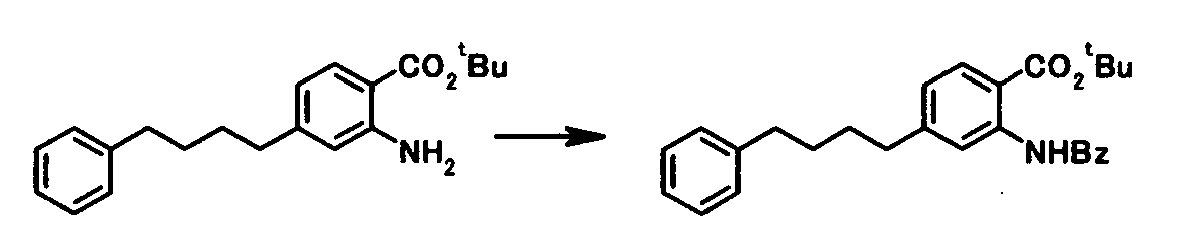
1H-NMR (CDCl3) δ: 1.55-1.73 (4H, m), 1.62 (9H, s), 2.64 (2H, t, J = 7.2 Hz), 2.71 (2H, t, J = 7.2 Hz), 6.90 (1H, dd, J = 8.3, 1.4 Hz), 7.15-7.20 (3H, m), 7.25-7.28 (2H, m), 7.51-7.56 (3H, m), 7.92 (1H, d, J = 8.3 Hz), 8.05-8.07 (2H, m), 8.80 (1H, d, J = 1.4 Hz), 12.22 (1H, s). -

1H-NMR (DMSO-d6) δ: 1.55-1.70 (4H, m), 2.60-2.74 (4H, m), 7.04 (1H, dd, J = 8.2, 1.3 Hz), 7.14-7.21 (3H, m), 7.25-7.28 (2H, m), 7.58-7.65 (3H, m), 7.94-7.98 (3H, m), 8.62 (1H, d, J = 1.3 Hz), 12.22 (1H, s). -

2.0 mL of trifluoroacetic acid was added to the obtained tert-butyl 2-(furan-2-carboxamide)-4-phenethylbenzoate and stirred at room temperature for 1 hour. The solvent was evaporated under reduced pressure and diisopropyl ether was added to the obtained residue and a solid substance was separated by filtration to obtain 32 mg of 2-(furan-2-carboxamido)-4-phenethylbenzoic acid as white solid.
1H-NMR (DMSO-d6) δ: 2.91-2.98 (4H, m), 6.75 (1H, dd, J = 3.4, 1.7 Hz), 7.07 (1H, dd, J = 8.2, 1.3 Hz), 7.16-7.30 (6H, m), 7.95 (1H, d, J = 8.3 Hz), 8.00 (1H, s), 8.61 (1H, s), 12.19 (1H, s), 13.50-13.70 (1H, broad). - The compounds shown in Table 10 were obtained in the same manner as in Example 34.
-
[Table 10] 
Example No. R2 Example No. R2 Example No. R2 35 
42 
49 
36 
43 
50 
37 
44 
51 
38 
45 
52 
39 
46 
53 
40 
47 
41 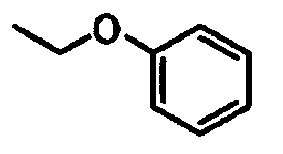
48 
54 
- 2-(2,4-Difluorobenzamido)-4-phenethylbenzoic acid
1H-NMR (DMSO-d6) δ: 2.90-3.00 (4H, m), 7.10 (1H, dd, J = 8.0, 1.5 Hz), 7.16-7.20 (1H, m), 7.26-7.33 (5H, m), 7.50 (1H, ddd, J = 11.4, 9.2, 2.4 Hz), 7.94 (1H, d, J = 8.0 Hz), 8.01 (1H, td, J = 8.8, 6.7 Hz), 8.63 (1H, s), 11.96 (1H, s), 13.54-13.64 (1H, broad). - 2-(Cinnamamido)-4-phenethylbenzoic acid
1H-NMR (DMSO-d6) δ: 2.89-2.98 (4H, m), 6.88 (1H, d, J = 15.6 Hz), 7.05 (1H, dd, J = 8.3, 1.5 Hz), 7.16-7.30 (5H, m), 7.42-47 (3H, m), 7.62 (1H, d, J = 15.6 Hz), 7.73-7.75 (2H, m), 7.91 (1H, d, J = 8.0 Hz), 8.55 (1H, s), 11.37 (1H, s), 13.40-13.60 (1H, broad). - 2-(Cyclohexanecarboxamido)-4-phenethylbenzoic acid
1H-NMR (DMSO-d6) δ: 1.17-1.47 (5H, m), 1.63-1.76 (3H, m), 1.87-1.95 (2H, m), 2.25-2.35 (1H, m), 2.86-2.92 (4H, m), 7.00 (1H, dd, J = 8.0, 1.7 Hz), 7.16-7.29 (5H, m), 7.88 (1H, d, J = 8.3 Hz), 8.49 (1H, s), 11.22 (1H, s), 13.35-13.55 (1H, broad). - 2-(4-Fluorobenzamido)-4-phenethylbenzoic acid
1H-NMR (DMSO-d6) δ: 2.90-3.00 (4H, m), 7.09 (1H, dd, J = 8.1, 1.7 Hz), 7.16-7.20 (1H, m), 7.26-7.30 (4H, m), 7.45 (2H, t, J = 8.9 Hz), 7.96 (1H, d, J = 8.1 Hz), 8.00-8.04 (2H, m), 8.62 (1H, d, J = 1.7 Hz), 12.16 (1H, s). - 4-Phenethyl-2-(thiophene-2-carboxamido)benzoic acid
1H-NMR (DMSO-d6) δ: 2.90-2.98 (4H, m), 7.07 (1H, dd, J = 8.2, 1.6 Hz), 7.16-7.30 (6H, m), 7.74 (1H, dd, J = 3.7, 1.0 Hz), 7.93-7.96 (2H, m), 8.52 (1H, s), 12.20 (1H, s). - 2-(Cyclopropanecarboxamido)-4-phenethylbenzoic acid
1H-NMR (DMSO-d6) δ: 0.85-0.87 (4H, m), 1.67-1.73 (1H, m), 2.86-2.91 (4H, m), 7.00 (1H, dd, J = 8.2, 1.6 Hz), 7.15-7.29 (5H, m), 7.88 (1H, d, J = 8.2 Hz), 8.41 (1H, d, J = 1.6 Hz), 11.38 (1H, s), 13.35-13.60 (1H, broad). - 4-Phenethyl-2-(2-phenoxyacetamido)benzoic acid
1H-NMR (DMSO-d6) δ: 2.88-2.98 (4H, m), 4.73 (2H, s), 7.00-7.10 (4H, m), 7.16-7.37 (7H, m), 7.92 (1H, d, J = 8.0 Hz), 8.63 (1H, d, J = 1.7 Hz), 12.19 (1H, s), 13.50-13.75 (1H, broad). - 4-Phenethyl-2-(pyridine-2-carboxamido)benzoic acid
1H-NMR (DMSO-d6) δ: 2.92-2.99 (4H, m), 7.08-7.10 (1H, m), 7.16-7.20 (1H, m), 7.26-7.31 (4H, m), 7.67-7.70 (1H, m), 7.96 (1H, d, J = 8.3 Hz), 8.09 (1H, td, J = 7.7, 1.5 Hz), 8.20 (1H, d, J = 7.8 Hz), 8.70-8.75 (1H, m), 8.80 (1H, d, J = 1.5 Hz), 13.07 (1H, s), 13.44 (1H, s). - 4-Phenethyl-2-(pyridine-3-carboxamido)benzoic acid trifluoroacetate
1H-NMR (DMSO-d6) δ: 2.91-3.01 (4H, m), 7.11 (1H, dd, J = 8.3, 1.5 Hz), 7.16-7.20 (1H, m), 7.27-7.29 (4H, m), 7.65 (1H, dd, J = 7.8, 4.9 Hz), 7.97 (1H, d, J = 8.3 Hz), 8.30 (1H, dt, J = 8.1, 1.9 Hz), 8.60 (1H, s), 8.82 (1H, dd, J = 4.9, 1.2 Hz), 9.13 (1H, d, J = 2.2 Hz), 12.20 (1H, s), 13.60-13.80 (1H, broad). - 4-Phenethyl-2-(2,2-diphenylacetamido)benzoic acid
1H-NMR (DMSO-d6) δ: 2.86-2.93 (4H, m), 5.28 (1H, s), 7.02 (1H, dd, J = 8.0, 1.7 Hz), 7.15-7.40 (15H, m), 7.84 (1H, d, J = 8.1 Hz), 8.48 (1H, s), 11.34 (1H, s), 13.30-13.40 (1H, broad). - 2-(Benzo[1,3]dioxole-5-carboxamido)-4-phenethylbenzoic acid
1H-NMR (DMSO-d6) δ: 2.91-2.98 (4H, m), 6.16 (2H, s), 7.06 (1H, dd, J = 8.1, 1.7 Hz), 7.12 (1H, d, J = 8.3 Hz), 7.15-7.20 (1H, m), 7.25-7.30 (4H, m), 7.42 (1H, d, J = 2.0 Hz), 7.53 (1H, dd, J = 8.2, 1.8 Hz), 7.95 (1H, d, J = 8.1 Hz), 8.63 (1H, s), 12.06 (1H, s). - 2-(Isoxazole-5-carboxamido)-4-phenethylbenzoic acid
1H-NMR (DMSO-d6) δ: 2.90-3.01 (4H, m), 7.14-7.30 (7H, m), 7.97 (1H, d, 8.1 Hz), 8.53 (1H, s), 8.86 (1H, d, J = 1.5 Hz), 12.41 (1H, s). - 2-(Benzothiophene-3-carboxamido)-4-phenethylbenzoic acid
1H-NMR (DMSO-d6) δ: 2.94-3.01 (4H, m), 7.09 (1H, dd, J = 8.2, 1.6 Hz), 7.17-7.21 (1H, m), 7.28-7.30 (4H, m), 7.47-7.54 (2H, m), 7.96 (1H, d, J = 8.1 Hz), 8.11-8.13 (1H, m), 8.49-8.52 (2H, m), 8.62 (1H, d, J = 1.2 Hz), 12.03 (1H, s), 13.50-13.70 (1H, broad). - 2-(Benzofuran-2-carboxamido)-4-phenethylbenzoic acid
1H-NMR (DMSO-d6) δ: 2.91-3.01 (4H, m), 7.12 (1H, dd, J = 8.4, 1.6 Hz), 7.17-7.21 (1H, m), 7.26-7.29 (4H, m), 7.40 (1H, t, J = 7.6 Hz), 7.54 (1H, t, J = 7.2 Hz), 7.70 (1H, d, J = 8.5 Hz), 7.73 (1H, s), 7.85 (1H, d, J = 7.8 Hz), 7.98 (1H, d, J = 8.0 Hz), 8.66 (1H, s), 12.54 (1H, s). - 2-(2,3-Dihydrobenzo[1,4]dioxin-6-carboxamido)-4-phenethylbenzoic acid
1H-NMR (DMSO-d6) δ: 2.90-2.98 (4H, m), 4.31-4.34 (4H, m), 7.05 (2H, d, J = 8.3 Hz), 7.16-7.20 (1H, m), 7.25-7.30 (4H, m), 7.44-7.47 (2H, m), 7.94 (1H, d, J = 8.3 Hz), 8.65 (1H, d, J = 1.5 Hz), 12 . 12 (1H, s) . - 2-(Benzofuran-5-carboxamido)-4-phenethylbenzoic acid
1H-NMR (DMSO-d6) δ: 2.93-3.00 (4H, m), 7.08 (1H, dd, J = 8.1, 1.7 Hz), 7.15-7.21 (2H, m), 7.28-7.31 (4H, m), 7.81 (1H, d, J = 8.8 Hz), 7.93 (1H, dd, 8.8, 1.9 Hz), 7.97 (1H, d, 8.3 Hz), 8.16 (1H, d, J = 2.2 Hz), 8.30 (1H, d, J = 1.7 Hz), 8.69 (1H, s), 12.27 (1H, s). - 2-(2-Morpholinopyridine-5-carboxamido)-4-phenethylbenzoic acid
1H-NMR (DMSO-d6) δ: 2.91-2.97 (4H, m), 3.61-3.64 (4H, m), 3.70-3.72 (4H, m), 6.98 (1H, d, J = 9.0 Hz), 7.04 (1H, dd, J = 8.3, 1.5 Hz), 7.16-7.20 (1H, m), 7.25-7.30 (4H, m), 7.94 (1H, d, J = 8.3 Hz), 8.02 (1H, dd, J = 9.0, 2.5 Hz), 8.64 (1H, d, J = 1.5 Hz), 8.72 (1H, d, J = 2.5 Hz), 12.00-12.10 (1H, broad). - 2-(Benzothiophene-5-carboxamido)-4-phenethylbenzoic acid
1H-NMR (DMSO-d6) δ: 2.93-3.01 (4H, m), 7.07-7.10 (1H, m), 7.17-7.22 (1H, m), 7.28-7.31 (4H, m), 7.64 (1H, d, J = 5.6 Hz), 7 . 91-7 . 98 (3H, m), 8.24 (1H, d, J = 8.3 Hz), 8.50 (1H, s), 8.70 (1H, s), 12.35 (1H, s). - 2-(Benzothiazole-2-carboxamido)-4-phenethylbenzoic acid
1H-NMR (DMSO-d6) δ: 2.91-3.05 (4H, m), 7.15-7.31 (6H, m), 7.62-7.71 (2H, m), 8.00 (1H, d, J = 7.8 Hz), 8.19 (1H, d, J = 7.8 Hz), 8.29 (1H, d, J = 7.8 Hz), 8.69 (1H, s), 12.98 (1H, s). - 4-Phenethyl-2-(1-phenyl-1H-pyrazole-5-carboxamido)benzoic acid
1H-NMR (DMSO-d6) δ: 2.84-2.94 (4H, m), 7.05 (1H, d, J = 2.0 Hz), 7.08 (1H, dd, J = 8.1, 1.7 Hz), 7.14-7.27 (5H, m), 7.43-7.50 (5H, m), 7.86 (1H, d, J = 2.2 Hz), 7.94 (1H, d, J = 8.1 Hz), 8.37 (1H, s), 12.04 (1H, s). -

2.0 mL of trifluoroacetic acid was added to the obtained tert-butyl 2-(benzylsulfonamido)-4-phenethylbenzoate and stirred at room temperature for 1 hour. The solvent was evaporated under reduced pressure and the obtained residue was purified with reversed-phase silica gel column chromatography [eluent; 65-100% acetonitrile /0.1% trifluoroacetic acid aqueous solution] to obtain 5.1 mg of 2-(benzylsulfonamido)-4-phenethylbenzoic acid as white solid.
1H-NMR (DMSO-d6) δ: 2.86-2.95 (4H, m), 4.53 (2H, s), 7.03 (1H, dd, J = 7.9, 1.6 Hz), 7.11-7.15 (3H, m), 7.21-7.33 (8H, m), 7.88 (1H, d, J = 8.0 Hz). - The compounds shown in Table 11 were obtained in the same manner as in Example 55.
-
[Table 11] 
Example No. R2 56 
57 
- 4-Phenethyl-2-(((E)-2-phenylvinyl)sulfonamido)benzoic acid
1H-NMR (DMSO-d6) δ: 2.76-2.80 (2H, m), 2.90-2.94 (2H, m), 6.94 (1H, dd, J = 8.1, 1.5 Hz), 7.09-7.19 (5H, m), 7.38-7.44 (5H, m), 7.72-7.77 (3H, m), 7.84 (1H, d, J = 8.1 Hz), 11.02 (1H, s). - 2-(Benzenesulfonamido)-4-phenethylbenzoic acid
1H-NMR (DMSO-d6) δ: 2.78-2.82 (2H, m), 2.87-2.91 (2H, m), 6.92 (1H, d, J = 8.0 Hz), 7.12-7.18 (3H, m), 7.22-7.26 (2H, m), 7.39 (1H, s), 7.52-7.56 (2H, m), 7.64 (1H, t, 7.4 Hz), 7.74-7.78 (3H, m). -

1H-NMR (DMSO-d6) δ: 2.45 (3H, s), 7.21-7.25 (4H, m), 7.52-7.69 (5H, m), 7.76-7.78 (1H, m), 7.98-8.00 (2H, m), 8.06 (1H, d, J = 8.3 Hz), 8.94 (1H, s), 12.27 (1H, s). - The compounds shown in Table 12 were obtained in the same manner as in Example 58.
-
[Table 12] 
Example No. R3 Example No. R3 59 
63 
60 
64 
61 
65 
62 
66 
- 2-(Benzamido)-4-((E)-2-(4-fluorophenyl)vinyl)benzoic acid
1H-NMR (DMSO-d6) δ: 7.23-7.42 (4H, m), 7.48 (1H, dd, J = 8.2, 1.6 Hz), 7.60-7.69 (3H, m), 7.75-7.79 (2H, m), 7.99 (2H, d, J = 6.8 Hz), 8.06 (1H, d, J = 8.3 Hz), 8.93 (1H, s), 12.28 (1H, s). - 2-(Benzamido)-4-((E)-2-(3-fluoro-4-methylphenyl)vinyl)benzoic acid
1H-NMR (DMSO-d6) δ: 2.26 (3H, s), 7.29-7.69 (9H, m), 7.99 (2H, d, J = 7.1 Hz), 8.06 (1H, d, J = 8.3 Hz), 8.93 (1H, s), 12.27 (1H, s). - 2-(Benzamido)-4-((E)-2-(3-nitrophenyl)vinyl)benzoic acid
1H-NMR (DMSO-d6) δ: 7.54-7.73 (7H, m), 7.98-8.00 (2H, m), 8.09 (1H, d, J = 8.3 Hz), 8.15-8.20 (2H, m), 8.56 (1H, s), 8.98 (1H, d, J=1.5Hz), 12.24 (1H, s). - 4-((E)-2-(4-acetylphenyl)vinyl)-2-(benzamido)benzoic acid
1H-NMR (DMSO-d6) δ: 2.60 (3H, s), 7.45-7.69 (6H, m), 7.85 (2H, d, J = 8.3 Hz), 7.98-8.00 (4H, m), 8.08 (1H, d, J = 8.3 Hz), 8.97 (1H, d, J = 1.4 Hz), 12.27 (1H, s). - 2-(Benzamido)-4-((E)-2-(4-methoxyphenyl)vinyl)benzoic acid
1H-NMR (DMSO-d6) δ: 3.80 (3H, s), 6.98 (1H, d, J = 8.8 Hz), 7.18-7.22 (2H, m), 7.34 (1H, d, J = 16.3 Hz), 7.44 (1H, dd, J = 8.3, 1.7 Hz), 7.57-7.69 (5H, m), 7.98-8.05 (3H, m), 8.91 (1H, s), 12.29 (1H, s). - 2-(Benzamido)-4-((E)-2-(3-methoxyphenyl)vinyl)benzoic acid
1H-NMR (DMSO-d6) δ: 3.82 (3H, s), 6.89-6.91 (1H, m), 7.26-7.38 (5H, m), 7.48 (1H, dd, J = 8.4, 1.6 Hz), 7.59-7.69 (3H, m), 7.98-8.00 (2H, m), 8.06 (1H, d, J = 8.3 Hz), 8.94 (1H, d, J = 1.7 Hz), 12.20-12.50 (1H, broad). - 2-(Benzamido)-4-((E)-2-(2,3-dihydrobenzo[1,4]dioxin-6-yl)vinyl)benzoic acid
1H-NMR (DMSO-d6) δ: 4.27 (4H, s), 6.88 (1H, d, J = 8.3 Hz), 7.16-7.28 (4H, m), 7.42 (1H, dd, J = 8.2, 1.3 Hz), 7.59-7.68 (3H, m), 7.98-8.04 (3H, m), 8.89 (1H, s). - 2-(Benzamido)-4-((E)-2-(4-(trifluoromethyl)phenyl)vinyl)benzoic acid
1H-NMR (DMSO-d6) δ: 7.48 (1H, d, J = 16.6 Hz), 7.53-7.69 (5H, m), 7.76 (2H, d, J = 8.0 Hz), 7.93 (2H, d, J = 8.0 Hz), 7.98-8.00 (2H, m), 8.08 (1H, d, J = 8.3 Hz), 8.97 (1H, d, J = 1.5 Hz). -

1.0 mL of methanol, 2.0 mL of ethyl acetate and 2.0 mg of 5% palladium-carbon were added to the obtained 2-(benzamido)-4-((E)-2-(3-methoxyphenyl)vinyl)benzoic acid and stirred under hydrogen atmosphere at room temperature for 2 hours. Insoluble were removed by filtration, and the solvent was evaporated under reduced pressure to obtain 6.3 mg of 2-(benzamido)-4-(2-3-methoxyphenyl)ethyl)benzoic acid as white solid.
1H-NMR (DMSO-d6) δ: 2.87 (4H, s), 3.73 (3H, s), 6.74 (1H, ddd, J = 8.2, 2.5, 1.0 Hz), 6.83-6.88 (3H, m), 7.17-7.21 (1H, m), 7.52-7.60 (3H, m), 7.92 (1H, d, J = 7.8 Hz), 8.02-8.05 (2H, m), 8.61 (1H, d, J = 1.7 Hz). - The compounds shown in Table 13 were obtained in the same manner as in Example 67.
-
[Table 13] 
Example No. R3 68 
69 
70 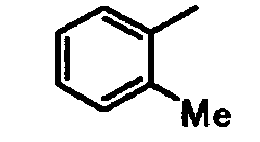
- 2-(Benzamido)-4-(2-(3-fluoro-4-methylphenyl)ethyl)benzoic acid
1H-NMR (DMSO-d6) δ: 2.18 (3H, s), 2.91 (4H, s), 6.96-7.00 (2H, m), 7.05 (1H, d, J = 11.0 Hz), 7.17 (1H, t, J = 7.9 Hz), 7.55-7.63 (3H, m), 7.94 (1H, d, J = 8.0 Hz), 8.00 (2H, d, J = 6.8 Hz), 8.62 (1H, s). - 2-(Benzamido)-4-(2-(4-ethylphenyl)ethyl)benzoic acid
1H-NMR (DMSO-d6) δ: 1.15 (3H, t, J = 7.6 Hz), 2.56 (2H, q, J = 7.6 Hz), 2.86-2.96 (4H, m), 7.05 (1H, d, J = 8.3 Hz), 7. 12 (2H, d, J = 7.9 Hz), 7.18 (2H, d, J = 8.0 Hz), 7.57-7.66 (3H, m), 7.95-7.99 (3H, m), 8.67 (1H, s), 12.65-12.95 (1H, broad). - 2-(Benzamido)-4-(2-(2-methylphenyl)ethyl)benzoic acid
1H-NMR (DMSO-d6) δ: 2.31 (3H, s), 2.89 (4H, s), 7.05-7.21 (5H, m), 7.57-7.66 (3H, m), 7.97-7.99 (3H, m), 8.69 (1H, d, J = 1.5 Hz), 12.55-12.85 (1H, broad). -

1H-NMR (DMSO-d6) δ: 3.00-3.06 (4H, m), 7.09 (1H, dd, J = 8.1, 1.5 Hz), 7.50 (2H, d, J = 8.1 Hz), 7.58-7.67 (5H, m), 7.95-7.98 (3H, m), 8.66 (1H, s), 12.24 (1H, s). -

2-(Benzamido)-4-(2-(4-fluorophenyl)ethyl)benzoic acid
1H-NMR (DMSO-d6) δ: 2.91-2.98 (4H, m), 7.06-7.12 (3H, m), 7.28-7.31 (2H, m), 7.58-7.67 (3H, m), 7.96 (3H, d, J = 7.8 Hz), 8.66 (1H, d, J = 1.2 Hz), 12.21 (1H, s). -

1H-NMR (DMSO-d6) δ: 7.52-7.83 (9H, m), 7.95-7.97 (2H, m), 8.21 (1H, d, J = 8.3 Hz), 9.05 (1H, d, J = 1.7 Hz), 12.20 (1H, s).
30 mg of 5% palladium-carbon was added to a mixed solution of 1.5 mL of methanol and 2 mL of ethyl acetate containing the obtained 0.15 g of 2-(benzamido)-4-benzoylbenzoic acid and stirred under hydrogen atmosphere at room temperature for ten hours. Insoluble were removed by filtration and the solvent was evaporated under reduced pressure. Hexane was added to the obtained residue and a solid substance was separated by filtration to obtain 0.11 g of 2-(benzamido)-4-benzylbenzoic acid as white solid.
1H-NMR (DMSO-d6) δ: 4.03 (2H, s), 7.07 (1H, dd, J = 8.1, 1.4 Hz), 7.20-7.34 (5H, m), 7.57-7.66 (3H, m), 7.93-7 . 95 (2H, m), 7.98 (1H, d, J = 8 . 1 Hz), 8.66 (1H, d, J = 1.4 Hz), 12.36 (1H, s). -

5 mL of trifluoroacetic acid was added to the obtained tert-butyl 2-(3-bromobenzamido)-4-phenoxybenzoate and stirred at room temperature for 5 minutes. The solvent was evaporated under reduced pressure and diisopropyl ether was added to the obtained residue and a solid substance was separated by filtration to obtain 31 mg of 2-(3-bromobenzamido)-4-phenoxybenzoic acid as white solid.
1H-NMR (DMSO-d6) δ: 6.79 (1H, dd, J = 8.9, 2.5 Hz), 7.15-7.22 (2H, m), 7.26-7.32 (1H, m), 7.46-7.53 (2H, m), 7.56 (1H, t, J = 7.9 Hz), 7.83-7.88 (1H, m), 7.88-7.92 (1H, m), 8.05-8.10 (2H, m), 8.33 (1H, d, J = 2.5 Hz), 12.44 (1H, s), 13.70-13.90 (1H, broad). -

1H-NMR (CDCl3) δ: 3.98 (3H, s), 7.27 (1H, dd, J = 8.2, 1.6 Hz), 7.37-7.39 (3H, m), 7.52-7.58 (5H, m), 8.05-8.08 (3H, m), 9.16 (1H, d, J = 1.6 Hz), 12.07 (1H, s). -

1H-NMR (DMSO-d6) δ: 7.27 (1H, dd, J = 8.0, 1.6 Hz), 7.45-7.46 (3H, m), 7.56-7.63 (5H, m), 8.03 (2H, d, J = 6.8 Hz), 8.09 (1H, d, J = 8.0 Hz), 8.89 (1H, d, J = 1.6 Hz), 14.30-14.50 (1H, broad). -

1H-NMR (CDCl3) δ: 6.71 (1H, dd, J = 9.0, 2.5 Hz), 7.13-7.15 (2H, m), 7.21-7.25 (1H, m), 7.41-7.58 (5H, m), 7.98-8.00 (2H, m), 8.12 (1H, d, J = 9.0 Hz), 8.63 (1H, d, J = 2.5 Hz), 11.94 (1H, s). -

3 mL of trifluoroacetic acid was added to the obtained tert-butyl 4-phenoxy-2-(2-phenoxyacetamido)benzoate and stirred at room temperature for 1 hour. The solvent was evaporated under reduced pressure and diisopropyl ether was added to the obtained residue and a solid substance was separated by filtration to obtain 38 mg of 4-phenoxy-2-(2-phenoxyacetamido)benzoic acid as white solid.
1H-NMR (DMSO-d6) δ: 4.70 (2H, s), 6.74 (1H, dd, J = 9.0, 2.5 Hz), 7.01 (1H, t, J = 7.4 Hz), 7.08 (2H, d, J = 8.1 Hz), 7.16 (2H, d, J = 7.8 Hz), 7.27 (1H, t, J = 7.9 Hz), 7.35 (2H, t, J = 7.9 Hz), 7.47 (2H, t, J = 7.9 Hz), 8.03 (1H, d, J = 9.0 Hz), 8.37 (1H, d, J = 2.5 Hz), 12.32 (1H, s), 13.63 (1H, s). - The compounds shown in Table 14 were obtained in the same manner as in Example 78.
[Table 14] 
Example No. -X1-X2-X3-R2 Example No. -X1-X2-X3-R2 Example No. -X1-X2-X3-R2 79 
86 
93 
80 
87 
94 
81 
88 
95 
82 
89 
83 
90 
96 
84 
91 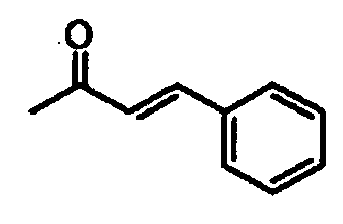
97 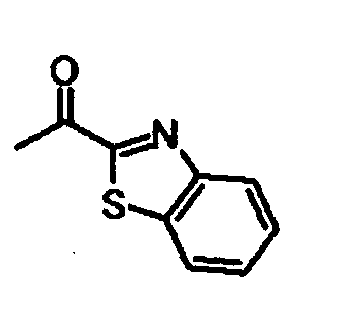
85 
92 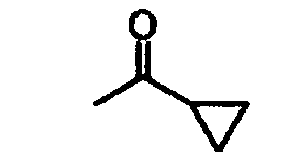
- 4-Phenoxy-2-(pyridine-3-carboxamido)benzoic acid
1H-NMR (DMSO-d6) δ: 6.81 (1H, dd, J = 8.8, 2.4 Hz), 7.18 (2H, d, J = 7.8 Hz), 7.29 (1H, t, J = 7.5 Hz), 7.48-7.51 (2H, m), 7.63 (1H, dd, J = 8.0, 4.9 Hz), 8.08 (1H, d, J = 8.8 Hz), 8.25 (1H, d, J = 8.0 Hz), 8.34 (1H, d, J = 2.4 Hz), 8.81 (1H, d, J = 4.9 Hz), 9.08 (1H, d, J = 1.5 Hz), 12.52 (1H, s). - 2-(Benzo[1,3]dioxole-5-carboxamido)-4-phenoxybenzoic acid
1H-NMR (DMSO-d6) δ: 6.15 (2H, s), 6.76 (1H, dd, J = 8.8, 2.4 Hz), 7.10 (1H, d, J = 8.1 Hz), 7.17 (2H, d, J = 7.8 Hz), 7.28 (1H, t, J = 7.4 Hz), 7.38 (1H, d, J = 1.7 Hz), 7.47-7.50 (3H, m), 8.06 (1H, d, J = 8.8 Hz), 8.36 (1H, d, J = 2.4 Hz), 12.33 (1H, s), 13.55-13.80 (1H, broad). - 2-(Isoxazole-5-carboxamido)-4-phenoxybenzoic acid
1H-NMR (DMSO-d6) δ: 6.83 (1H, dd, J = 8.9, 2.5 Hz), 7.19 (2H, d, J = 7.8 Hz), 7.22 (1H, t, J = 1.0), 7.28-7.31 (1H, m), 7.47-7.51 (2H, m), 8.08 (1H, d, J = 8.9 Hz), 8.27 (1H, d, J = 2.5 Hz), 8.86 (1H, t, J = 1.0), 12.63 (1H, s). - 4-Phenoxy-2-(2-phenylthiazole-4-carboxamido)benzoic acid
1H-NMR (DMSO-d6) δ: 6.78 (1H, dd, J = 8.9, 2.6 Hz), 7.20 (2H, d, J = 7.8 Hz), 7.29 (1H, t, J = 7. 4 Hz), 7.50 (2H, t, J = 7.9 Hz), 7.56-7.57 (3H, m), 8.09 (1H, d, J = 8.8 Hz), 8.11-8.13 (2H, m), 8.52-8.53 (2H, m), 13.08 (1H, s), 13.69 (1H, s). - 2-(2,3-Dihydrobenzo[1,4]dioxin-6-carboxamido)-4-phenoxybenzoic acid
1H-NMR (DMSO-d6) δ: 4.30-4.34 (4H, m), 6.75 (1H, dd, J = 8.8, 2.6 Hz), 7.04 (1H, d, J = 8.3 Hz), 7.17 (2H, d, J = 7.8 Hz), 7.28 (1H, t, J = 7.4 Hz), 7.39-7.43 (2H, m), 7.48 (2H, d, J = 7.9 Hz), 8.06 (1H, d, J = 8.8 Hz), 8.38 (1H, d, J = 2.6 Hz), 12.31 (1H, s), 13.65 (1H, s). - 2-(Benzothiophene-3-carboxamido)-4-phenoxybenzoic acid
1H-NMR (DMSO-d6) δ: 6.77 (1H, dd, J = 8.8, 2.7 Hz), 7.20 (2H, d, J = 8.0 Hz), 7.29 (1H, t, J = 7.4 Hz), 7.45-7.52 (4H, m), 8.08 (1H, d, J = 8.8 Hz), 8.10-8.12 (1H, m), 8.38 (1H, d, J = 2.7 Hz), 8.41-8.43 (1H, m), 8.51 (1H, s), 12.25 (1H, s), 13.64 (1H, s). - 2-(Cyclohexanecarboxamido)-4-phenoxybenzoic acid
1H-NMR (DMSO-d6) δ: 1.14-1.42 (5H, m), 1.61-1.74 (3H, m), 1.86-1.88 (2H, m), 2.23-2.30 (1H, m), 6.69 (1H, dd, J = 8.8, 2.6 Hz), 7.12-7.14 (2H, m), 7.26 (1H, t, J = 7.5 Hz), 7.46 (2H, t, J = 7.5 Hz), 8.00 (1H, d, J = 8.8 Hz), 8.24 (1H, d, J = 2.6 Hz), 11.43 (1H, s), 13.47 (1H, s). - 4-Phenoxy-2-(thiophene-2-carboxamido)benzoic acid
1H-NMR (DMSO-d6) δ: 6.76 (1H, dd, J = 8.8, 2.6 Hz), 7.17 (2H, d, J = 8.1 Hz), 7.26-7.30 (2H, m), 7.47-7.51 (2H, m), 7.72 (1H, d, J = 3.6 Hz), 7.94 (1H, d, J = 4.9 Hz), 8.06 (1H, d, J = 8.8 Hz), 8.26 (1H, d, J = 2.6 Hz). - 2-(Benzylsulfonamido)-4-phenoxybenzoic acid
1H-NMR (DMSO-d6) δ: 4.65 (2H, s), 6.66 (1H, dd, J = 8.9, 2.3 Hz), 7.09 (1H, d, J = 2.3 Hz), 7.18 (4H, d, J = 7.6 Hz), 7.28-7.33 (4H, m), 7.50 (2H, m), 7.97 (1H, d, J = 8.8 Hz), 10.87 (1H, s). - 2-(Benzenesulfonamido)-4-phenoxybenzoic acid
1H-NMR (DMSO-d6) δ: 6.70 (1H, dd, J = 8.8, 2.4 Hz), 6.86 (1H, d, J = 2.4 Hz), 7.05-7.07 (2H, m), 7.34 (1H, t, J = 7.5 Hz), 7.50-7.60 (4H, m), 7.63-7.70 (3H, m), 7.90 (1H, d, J = 8.9 Hz). - 2-(4-Fluorobenzamido)-4-phenoxybenzoic acid
1H-NMR (DMSO-d6) δ: 6.78 (1H, dd, J = 8.8, 2.5 Hz), 7.18 (2H, d, J = 7.6 Hz), 7.28 (1H, t, J = 7.2 Hz), 7.41-7.51 (4H, m), 7.96-8.00 (2H, m), 8.07 (1H, d, J = 8.8 Hz), 8.37 (1H, d, J = 2.5 Hz), 12.39 (1H, s). - 2-(2,4-Difluorobenzamido)-4-phenoxybenzoic acid
1H-NMR (DMSO-d6) δ: 6 . 7 9 (1H, dd, J = 8.8, 2.6 Hz), 7.17-7.19 (2H, m), 7.26-7.31 (2H, m), 7.47-7.53 (3H, m), 7.97 (1H, td, J = 8.8, 6.6 Hz), 8.06 (1H, d, J = 8.8 Hz), 8.39 (1H, d, J = 2.6 Hz), 12.16 (1H, s). - 2-(Cinnamamido)-4-phenoxybenzoic acid
1H-NMR (DMSO-d6) δ: 6.74 (1H, dd, J = 8.8, 2.4 Hz), 6.85 (1H, d, J = 15.5 Hz), 7.17 (2H, d, J = 7.6 Hz), 7.28 (1H, t, J = 7.6 Hz), 7.42-7.51 (5H, m), 7.60 (1H, d, J = 15.5 Hz), 7.72-7.74 (2H, m), 8.03 (1H, d, J = 8.8 Hz), 8.35 (1H, d, J = 2.4 Hz), 11.57 (1H, s). - 2-(Cyclopropanecarboxamido)-4-phenoxybenzoic acid
1H-NMR (DMSO-d6) δ: 0.82-0.87 (4H, m), 1.64-1.70 (1H, m), 6.70 (1H, dd, J = 8.8, 2.6 Hz), 7.12 (2H, d, J =8.3 Hz), 7.25 (1H, t, J = 7.5 Hz), 7.46 (2H, t, J =7.9 Hz), 8.00 (1H, d, J = 8.8 Hz), 8.17 (1H, d, J = 2.6 Hz), 11.63 (1H, s). - 2-(1-Methyl-1H-pyrrole-2-carboxamido)-4-phenoxybenzoic acid
1H-NMR (DMSO-d6) δ: 3.86 (3H, s), 6.15 (1H, dd, J = 4.0, 2.7 Hz), 6.68 (1H, dd, J = 8.9, 2.5 Hz), 6.83 (1H, dd, J = 4.0, 1.6 Hz), 7.08 (1H, s), 7.16 (2H, d, J = 7.6 Hz), 7.26 (1H, t, J = 7.3 Hz), 7.48 (2H, t, J = 7.9 Hz), 8.03 (1H, d, J = 8.9 Hz), 8.33 (1H, d, J = 2.5 Hz) , 12.10 (1H, s). - 2-(Benzofuran-2-carboxamido)-4-phenoxybenzoic acid
1H-NMR (DMSO-d6) δ: 6.80 (1H, dd, J = 8.8, 2.4 Hz), 7.19 (2H, d, J = 7.6 Hz), 7.29 (1H, t, J = 7.4 Hz), 7.39 (1H, t, J = 7.5 Hz), 7.48-7.56 (3H, m), 7.67-7.71 (2H, m), 7.83 (1H, d, J = 7.8 Hz), 8.09 (1H, d, J = 8.8 Hz), 8.39 (1H, d, J = 2.4 Hz), 12.74 (1H, s). - 2-(1-Methyl-1H-benzotriazole-5-carboxamido)-4-phenoxybenzoic acid
1H-NMR (DMSO-d6) δ: 4.37 (3H, s), 6.81 (1H, dd, J =8.8, 2.4 Hz), 7.19 (2H, d, J = 7.6 Hz), 7.29 (1H, t, J = 7.7 Hz), 7.50 (2H, t, J = 7.9 Hz), 8.03-8.10 (3H, m), 8.40 (1H, d, J = 2.4 Hz), 8.59 (1H, s). - 2-(Benzofuran-5-carboxamido)-4-phenoxybenzoic acid
1H-NMR (DMSO-d6) δ: 6.73-6.77 (1H, m), 7.08-7.29 (4H, m), 7.49 (2H, t, J = 7.9 Hz), 7.78 (1H, d, J = 8.6 Hz), 7.90 (1H, d, J = 7.9 Hz), 8.08 (1H, d, J = 8.8 Hz), 8.14 (1H, d, J = 2.2 Hz), 8.27 (1H, s), 8.43 (1H, d, J = 2.2 Hz). - 2-(Benzothiazole-2-carboxamido)-4-phenoxybenzoic acid
1H-NMR (DMSO-d6) δ: 6.85 (1H, dd, J = 8.9, 2.5 Hz), 7.21 (2H, d, J = 7.6 Hz), 7.30 (1H, t, J = 7.4 Hz), 7.51 (2H, t, J = 7.9 Hz), 7.61-7.70 (2H, m), 8.10 (1H, d, J = 8.9 Hz), 8.18 (1H, d, J = 7.6 Hz), 8.28 (1H, d, J = 7.6 Hz), 8.38 (1H, d, J = 2.5 Hz), 13.15 (1H, s), 13.71 (1H, s). -

1H-NMR (CDCl3) δ: 3.93 (3H, s), 5.20 (2H, s), 6.72 (1H, dd, J = 9.0, 2.5 Hz), 7.32-7.36 (1H, m), 7.39-7.42 (2H, m), 7.47-7.49 (2H, m), 7.51-7.57 (3H, m), 8.02 (1H, d, J = 9.0 Hz), 8.05-8.08 (2H, m), 8.76 (1H, d, J = 2.5 Hz), 12.26 (1H, s) . -

1H-NMR (DMSO-d6) δ: 5.22 (2H, s), 6.86 (1H, dd, J = 8.9, 2.7 Hz), 7.34-7.38 (1H, m), 7.40-7.44 (2H, m), 7.49-7.51 (2H, m), 7.58-7.68 (3H, m), 7.95-7.97 (2H, m), 8.02 (1H, d, J = 8.9 Hz), 8.52 (1H, d, J = 2.7 Hz), 12.45 (1H, s), 13.30-13.70 (1H, broad). -

-

1H-NMR (DMSO-d6) δ: 3.09 (2H, t, J = 6.8 Hz), 4.29 (2H, t, J = 6.8 Hz), 6.78 (1H, dd, J = 8.9, 2.5 Hz), 7.22-7.26 (1H, m), 7.31-7.38 (4H, m), 7.58-7.68 (3H, m), 7.94-7.96 (2H, m), 8.00 (1H, d, J = 8.9 Hz), 8.42 (1H, d, J = 2.5 Hz), 12.44 (1H, s). -

-

1H-NMR (DMSO-d6) δ: 2.01-2.08 (2H, m), 2.77 (2H, t, J = 7.7 Hz), 3.99 (2H, t, J = 6.2 Hz), 6.56 (1H, dd, J = 8.6, 2.5 Hz), 7.17-7.21 (1H, m), 7.24-7.31 (4H, m), 7.51-7.60 (3H, m), 7.94 (1H, d, J = 8.6 Hz), 8.03-8.05 (2H, m), 8.34 (1H, d, J = 2.5 Hz). -

1H-NMR (CDCl3) δ: 1.30-1.49 (4H, m), 1.54-1.64 (2H, m), 1.77-1.87 (2H, m), 1.98-2.07 (2H, m), 3.93 (3H, s), 4.45-4.49 (1H, m), 6.63 (1H, dd, J = 9.0, 2.4 Hz), 7.51-7.58 (3H, m), 7.99 (1H, d, J = 9.0 Hz), 8.05-8.07 (2H, m), 8.61 (1H, d, J = 2.4 Hz), 12.21 (1H, s). -

1H-NMR (DMSO-d6) δ: 1.20-1.60 (6H, m), 1.68-1.78 (2H, m), 1.92-2.00 (2H, m), 4.32-4.39 (1H, m), 6.59 (1H, dd, J =
8.7, 2.4 Hz), 7.52-7.59 (3H, m), 7.93 (1H, d, J = 8.7 Hz), 8.01-8.03 (2H, m), 8.33 (1H, d, J = 2.4 Hz). -

1H-NMR (CDCl3) δ: 3.97 (3H, s), 5.17 (2H, s), 6.95-7.00 (3H, m), 7.25-7.31 (3H, m), 7.54-7.58 (3H, m), 8.05-8.07 (2H, m), 8.10 (1H, d, J = 8.3 Hz), 9.04 (1H, d, J = 1.2 Hz), 12.10 (1H, s). -

1H-NMR (DMSO-d6) δ: 5.16 (2H, s), 6.95 (1H, t, J = 7.3 Hz), 7.02-7.04 (2H, m), 7.17 (1H, dd, J = 8.0, 1.2 Hz), 7.28-7.32 (2H, m), 7.54-7.61 (3H, m), 8.00-8.02 (2H, m), 8.05 (1H, d, J = 8.0 Hz), 8.82 (1H, d, J = 1.2 Hz). -

1H-NMR (CDCl3) δ: 3.95 (3H, s), 4.17 (2H, s), 7.08 (1H, dd, J = 8.3, 1.6 Hz), 7.16-7.20 (1H, m), 7.24-7.27 (2H, m), 7.32-7.34 (2H, m), 7.51-7.57 (3H, m), 7.99 (1H, d, J = 8.3 Hz), 8.04-8.06 (2H, m), 8.95 (1H, d, J = 1.6 Hz), 12.04 (1H, s). -

1H-NMR (DMSO-d6) δ: 4.24 (2H, s), 6.99 (1H, dd, J = 7.9, 1.8 Hz), 7.15-7.19 (1H, m), 7.27-7.31 (2H, m), 7.34-7.37 (2H, m), 7.52-7.59 (3H, m), 7.93 (1H, d, J = 7.9 Hz), 8.01-8.04 (2H, m), 8.76 (1H, d, J = 1.8 Hz). -

1H-NMR (DMSO-d6) δ: 3.86 (3H, s), 6.79 (1H, dd, J = 9.0, 2.4 Hz), 7.04 (1H, t, J = 7.3 Hz), 7.25 (2H, d, J = 7.6 Hz), 7.35-7.39 (2H, m), 7.59-7.68 (3H, m), 7.89 (1H, d, J = 9.0 Hz), 7.95-7.97 (2H, m), 8.55 (1H, d, J = 2.4 Hz), 9.03 (1H, s), 12.09 (1H, s). -

1H-NMR (DMSO-d6) δ: 6.78 (1H, dd, J = 8.9, 2.3 Hz), 7.03 (1H, t, J = 7.3 Hz), 7.25 (1H, d, J = 7.8 Hz), 7.36 (2H, t, J = 7.7 Hz), 7.57-7.67 (3H, m), 7.90 (1H, d, J = 8.9 Hz), 7.96 (2H, d, J = 7. 1 Hz), 8.57 (1H, d, J = 2.3 Hz), 8.97 (1H, s), 12.50 (1H, s), 12.80-13.20 (1H, broad). -

1H-NMR (DMSO-d6) δ: 3.88 8 (3H, s), 6.95 (1H, dd, J = 8.4, 1.8 Hz), 7.50-7.67 (8H, m), 7.91-7.96 (3H, m), 8.51 (1H, d, J = 1.8 Hz), 11.73 (1H, s). -

1H-NMR (DMSO-d6) δ: 6.92 (1H, dd, J = 8.4, 1.8 Hz), 7.47-7.67 (8H, m), 7.90-7.92 (2H, m), 7.97 (1H, d, J = 8.4 Hz), 8.63 (1H, d, J = 1.8 Hz), 12.25 (1H, s). -

1H-NMR (CDCl3) δ: 3.94 (3H, s), 4.31 (2H, s), 6.95 (1H, dd, J = 8.5, 2.0 Hz), 7.24-7.27 (1H, m), 7.30-7.34 (2H, m), 7.44-7.46 (2H, m), 7.51-7.57 (3H, m), 7.92 (1H, d, J = 8.5 Hz), 8.04-8.07 (2H, m), 9.03 (1H, d, J = 2.0 Hz), 12.12 (1H, s). -

1H-NMR (DMSO-d6) δ: 4.37 (2H, s), 7.15 (1H, dd, J = 8.5, 2.0 Hz), 7.24-7.28 (1H, m), 7.31-7.35 (2H, m), 7.48 (2H, d, J = 7.3 Hz), 7.58-7.68 (3H, m), 7.94-7.97 (3H, m), 8.77 (1H, d, J = 2.0 Hz), 12.30 (1H, s). -

1H-NMR (CDCl3) δ: 1.59 (9H, s), 1.95-2.02 (2H, m), 2.72-2.77 (1H, m), 3.25-3.29 (1H, m), 6.21 (1H, dd, J = 8.8, 2.5 Hz), 7.19-7.22 (3H, m), 7.26-7.32 (2H, m), 7.49-7.55 (3H, m), 7.82 (1H, d, J = 8.8 Hz), 8.05-8.07 (2H, m), 8.24 (1H, d, J = 2.5 Hz), 12.44-12.46 (1H, broad). -

1H-NMR (CDCl3) δ: 1.60 (9H, s), 2.93-2.98 (2H, m), 3.50-3.55 (2H, m), 4.23-4.28 (1H, broad), 6.25 (1H, dd, J = 8.8, 2.4 Hz), 7.23-7.27 (3H, m), 7.31-7.35 (2H, m), 7.50-7.55 (3H, m), 7.83 (1H, d, J = 8.8 Hz), 8.05-8.07 (2H, m), 8.27 (1H, d, J = 2.4 Hz), 12.44-12.48 (1H, broad). -

1H-NMR (DMSO-d6) δ: 1.85-1.92 (2H, m), 2.68-2.72 (2H, m), 3.09-3.14 (2H, m), 6.33 (1H, dd, J = 9.0, 2.2 Hz), 6.83-6.86 (1H, m), 7.16-7.32 (5H, m), 7.57-7.66 (3H, m), 7.77 (1H, d, J = 9.0 Hz), 7.94-7.96 (2H, m), 8.08 (1H, d, J = 2.2 Hz), 12.54-12.58 (1H, broad), 12.65-12.74 (1H, broad). -

1H-NMR (DMSO-d6-D2O) δ: 2.87-2.91 (2H, m), 3.32-3.36 (2H, m), 6.39 (1H, dd, J = 9.0, 2.1 Hz), 7.21-7.26 (1H, m), 7.32-7.33 (4H, m), 7.57-7.66 (3H, m), 7.79 (1H, d, J = 9.0 Hz), 7.94-7.96 (2H, m), 8.11 (1H, d, J = 2.1 Hz). -

1H-NMR (DMSO-d6) δ: 1.56 (9H, s), 6.77-6.83 (2H, m), 7.11 (1H, d, J = 15.9 Hz), 7.27 (1H, d, J = 15.9 Hz), 7.42 (1H, d, J = 8.4 Hz), 7.50-7.55 (2H, m), 7.59-7.69 (3H, m), 7.94 (1H, d, J = 8.4 Hz), 7.96-8.01 (2H, m), 8.68-8.72 (1H, m), 9.71 (1H, s), 11.70 (1H, s). - The compounds shown in Table 15 were obtained in the same manner as in Example 120.
-
[Table 15] 
Example No. R3 121 
122 
- tert-Butyl 2-(benzamido)-4-((E)-2-(2-hydroxyphenyl)vinyl)benzoate
1H-NMR (DMSO-d6) δ: 1.57 (9H, s), 6.78-6.93 (2H, m), 7.10-7.18 (1H, m), 7.30 (1H, d, J = 16.3 Hz), 7.41 (1H, dd, J = 8.4, 1.6 Hz), 7.58-7.70 (5H, m), 7.96 (1H, d, J = 8.4 Hz), 7.98-8.02 (2H, m), 8.76 (1H, d, J = 1.6 Hz), 9.94 (1H, s), 11.71 (1H, s). - tert-Butyl 2-(benzamido)-4-((E)-2-(3,5-dichlorophenyl)vinyl)benzoate
1H-NMR (DMSO-d6) δ: 1.56 (9H, s), 7.36 (1H, d, J = 16.4 Hz), 7.49 (1H, dd, J = 8.3, 1.2 Hz), 7.53 (1H, t, J = 1.8 Hz), 7.56-7.68 (4H, m), 7.82 (2H, d, J = 1.7 Hz), 7.97-8.02 (3H, m), 8.74 (1H, d, J = 1.4 Hz), 11.65 (1H, s) . -

1H-NMR (DMSO-d6) δ: 1.57 (9H, s), 7.50-7.68 (6H, m), 7.96-8.02 (5H, m), 8.24-8.28 (2H, m), 8.77 (1H, d, J = 1.5 Hz), 11.64 (1H, s). -

1H-NMR (DMSO-d6) δ: 1.56 (9H, s), 7.38-7.43 (4H, m), 7.51 (1H, dd, J = 8.4, 1.5 Hz), 7.59-7.70 (3H, m), 7.81-7.86 (2H, m), 7.95-8.02 (3H, m), 8.74 (1H, d, J = 1.5 Hz), 11.66 (1H, s). -

1H-NMR (DMSO-d6) δ: 1.56 (9H, s), 7.18 (1H, tt, J = 9.3, 2.3 Hz), 7.37 (1H, d, J = 16.4 Hz), 7.44-7.54 (4H, m), 7.60-7.70 (3H, m), 7.97-8.01 (3H, m), 8.74 (1H, d, J = 1.4 Hz), 11.65 (1H, s). -
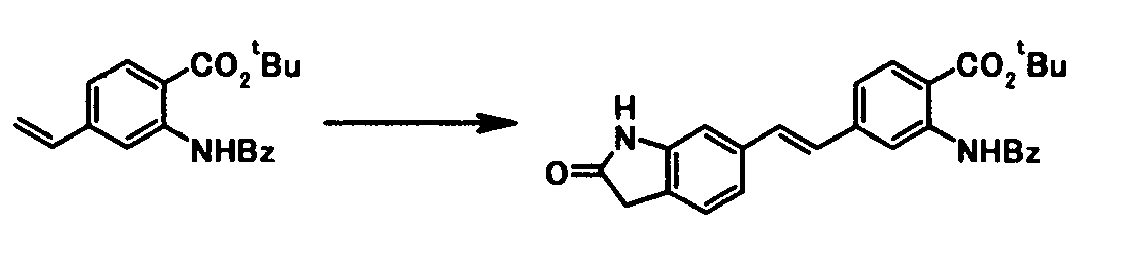
1H-NMR (DMSO-d6) δ: 1.56 (9H, s), 3.50 (2H, s), 7 . 11 (1H, s), 7.21-7.39 (4H, m), 7.50 (1H, dd, J = 8.3, 1.5 Hz), 7.59-7.70 (3H, m), 7.95 (1H, d, J = 8.3 Hz), 7.97-8.02 (2H, m), 8.69-8.74 (1H, m), 10.50 (1H, s), 11.65 (1H, s) . -

1H-NMR (CDCl3) δ: 1.56 (9H, s), 7.13=7.34 (5H, m), 7.40-7.45 (1H, m), 7.52-7.59 (4H, m), 8.01 (1H, d, J = 8.3 Hz), 8.06-8.11 (2H, m), 9.16 (1H, d, J = 1.7 Hz), 12.27 (1H, s). -

1H-NMR (DMSO-d6) δ: 6.79-6.94 (2H, m), 7.10-7.19 (1H, m), 7.31 (1H, d, J = 16.6 Hz), 7.40 (1H, dd, J = 8.4, 1.6 Hz), 7.55-7.70 (5H, m), 7.97-8.02 (2H, m), 8.05 (1H, d, J = 8.4 Hz), 8.95 (1H, d, J = 1.6 Hz), 9.94 (1H, s), 12.26 (1H, s). - The compounds shown in Table 16 were obtained in the same manner as in Example 128.
-
[Table 16] 
Example No. R3 Example No. R3 129 
133 
130 
134 
131 
135 
132 
- 2-(Benzamido)-4-((E)-2-(4-nitrophenyl)vinyl)benzoic acid
1H-NMR (DMSO-d6) δ: 7.50-7.70 (6H, m), 7.96-8.03 (4H, m), 8.09 (1H, d, J = 8.3 Hz), 8.26 (2H, d, J = 8.8 Hz), 8.99 (1H, d, J = 1.4 Hz), 12.23 (1H, s). - 2-(Benzamido)-4-((E)-2-(3,5-difluorophenyl)vinyl)benzoic acid
1H-NMR (DMSO-d6) δ: 7.13-7.22 (1H, m), 7.38 (1H, d, J = 16.1 Hz), 7.45-7.70 (7H, m), 7.96-8.02 (2H, m), 8.08 (1H, d, J = 8.3 Hz), 8.95 (1H, s). - 2-(Benzamido)-4-((E)-2-(4-(trifluoromethoxy)phenyl)vinyl)benzoic acid
1H-NMR (DMSO-d6) δ: 7.37-7.44 (4H, m), 7.47-7.53 (1H, m), 7.58-7.70 (3H, m), 7.84 (2H, d, J = 8.6 Hz), 7.96-8.02 (2H, m), 8.07 (1H, d, J = 8.1 Hz), 8.95 (1H, d, J = 1.4 Hz). - 2-(Benzamido)-4-((E)-2-(4-hydroxyphenyl)vinyl)benzoic acid
1H-NMR (DMSO-d6) δ: 6.80 (2H, d, J = 8.5 Hz), 7.12 (1H, d, J = 16.3 Hz), 7.29 (1H, d, J = 16.3 Hz), 7.42 (1H, dd, J = 8.5, 1.6 Hz), 7.53 (2H, d, J = 8.5 Hz), 7.58-7.70 (3H, m), 7.96-8.01 (2H, m), 8.03 (1H, d, J = 8.5 Hz), 8.89 (1H, d, J = 1.6 Hz), 9.72 (1H, s), 12.25 (1H, s), 13.54-13.80 (1H, broad). - 2-(Benzamido)-4-((E)-2-(2-oxoindolin-6-yl)vinyl)benzoic acid
1H-NMR (DMSO-d6) δ: 3.50 (2H, s), 7.12 (1H, s), 7.21-7.40 (4H, m), 7.49 (1H, dd, J = 8.3, 1.4 Hz), 7.58-7.69 (3H, m), 7.96-8.02 (2H, m), 8.05 (1H, d, J = 8.3 Hz), 8.91 (1H, d, J = 1.4 Hz), 10.50 (1H, s). - 2-(Benzamido)-4-((E)-2-(3-chlorophenyl)vinyl)benzoic acid
1H-NMR (DMSO-d6) δ: 7.32-7.51 (5H, m), 7.56-7.69 (4H, m), 7.81 (1H, s), 7.94-8.00 (2H, m), 8.05 (1H, d, J = 8.0 Hz), 8.93 (1H, d, J = 1.2 Hz), 12.23 (1H, s). - 2-(Benzamido)-4-((E)-2-(3,5-dichlorophenyl)vinyl)benzoic acid
1H-NMR (DMSO-d6) δ: 7.37 (1H, d, J = 16.6 Hz), 7.49 (1H, dd, J = 8.4, 1.3 Hz), 7.53 (1H, t, J = 1.9 Hz), 7.58-7.68 (4H, m), 7.83 (2H, d, J = 1.9 Hz), 7.97-8.01 (2H, m), 8.08 (1H, d, J = 8.4 Hz), 8.95 (1H, d, J = 1.3 Hz), 12.23 (1H, s). -

1H-NMR (DMSO-d6) δ: 2.81-2.94 (4H, m), 6.68-6.72 (1H, m), 6.79-6.82 (1H, m), 6.98-7.12 (3H, m), 7.57-7.68 (3H, m), 7.95-8.01 (3H, m), 8.68 (1H, s), 9.37 (1H, s). - The compounds shown in Table 17 were obtained in the same manner as in Example 136.
-
[Table 17] 
Example No. R3 137 
138 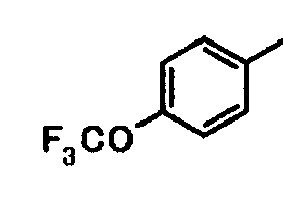
139 
- 2-(Benzamido)-4-(2-(3,5-difluorophenyl)ethyl)benzoic acid
1H-NMR (DMSO-d6) δ: 2.95-3.00 (4H, m), 6.99-7.10 (4H, m), 7.56-7.68 (3H, m), 7.94-8.00 (3H, m), 8.65 (1H, d, J = 1.2 Hz). - 2-(Benzamido)-4-(2-(4-(trifluoromethoxy)phenyl)-ethyl)benzoic acid
1H-NMR (DMSO-d6) δ: 2.96 (4H, s), 6.98-7.05 (1H, m), 7.24-7.30 (2H, m), 7.37-7.42 (2H, m), 7.55-7.66 (3H, m), 7.93-8.00 (3H, m), 8.64 (1H, d, J = 1.5 Hz). - 2-(Benzamido)-4-(2-(4-hydroxyphenyl)ethyl)benzoic acid
1H-NMR (DMSO-d6) δ: 2.78-2.85 (2H, m), 2.87-2.95 (2H, m), 6.64-6.69 (2H, m), 7.02-7.08 (3H, m), 7.57-7.68 (3H, m), 7.93-7.99 (3H, m), 8.66 (1H, d, J = 1.5 Hz), 9.15 (1H, s), 12.23 (1H, s). -

1H-NMR (DMSO-d6) δ: 2.91-3.03 (4H, m), 7.09 (1H, dd, J = 8.2, 1.5 Hz), 7.22-7.35 (3H, m), 7.37-7.40 (1H, m), 7.57-7.69 (3H, m), 7.94-8.02 (3H, m), 8.67 (1H, d, J = 1.5 Hz), 12.22 (1H, s). -

1H-NMR (DMSO-d6) δ: 7.15-7.21 (1H, m), 7.31-7.46 (3H, m), 7.50 (1H, dd, J = 8.3, 1.7 Hz), 7.58-7.71 (3H, m), 7.94-8.02 (3H, m), 8.07 (1H, d, J = 8.3 Hz), 8.96 (1H, s), 12.24 (1H, s), 13.70-13.90 (1H, broad). -

1H-NMR (DMSO-d6) δ: 6.07 (2H, s), 6.95 (1H, d, J = 8.1 Hz), 7.14 (1H, dd, J = 8.3, 1.5 Hz), 7.23 (1H, d, J = 16.4 Hz), 7.32 (1H, d, J = 16.4 Hz), 7.41 (1H, d, J = 1.7 Hz), 7.44 (1H, dd, J = 8.3, 1.7 Hz), 7.58-7.70 (3H, m), 7.95-8.01 (2H, m), 8.04 (1H, d, J = 8.3 Hz), 8.90 (1H, d, J = 1.5 Hz), 12.25 (1H, s), 13.71 (1H, s). -

1H-NMR (DMSO-d6) δ: 7.41-7.70 (7H, m), 7.77 (1H, dd, J =
8.5, 1.2 Hz), 7.81 (1H, d, J = 5.6 Hz), 7.97-8.10 (4H, m), 8.18 (1H, d, J = 1.0 Hz), 8.97 (1H, d, J = 1.7 Hz), 12.26 (1H, s), 13.60-13.91 (1H, broad). -

2-(Benzamido)-4-((E)-2-(quinoxalin-6-yl)vinyl)benzoic acid
1H-NMR (DMSO-d6) δ: 7.58-7.72 (6H, m), 7.98-8.03 (2H, m), 8.08-8.13 (2H, m), 8.31-8.38 (2H, m), 8.91-9.02 (3H, m), 12.24 (1H, s), 13.70-13.90 (1H, broad). -

1H-NMR (DMSO-d6) δ: 6.70-6.80 (1H, m), 7.03-7.07 (1H, m), 7.11-7.15 (1H, m), 7.18-7.33 (3H, m), 7.48 (1H, dd, J = 8.4, 1.5 Hz), 7.58-7.70 (3H, m), 7.96-8.02 (2H, m), 8.05 (1H, d, J = 8.4 Hz), 8.91 (1H, s), 9.50 (1H, s), 12.20-12.35 (1H, broad), 13.65-13.85 (1H, broad). -

1H-NMR (DMSO-d6) δ: 7.56-7.72 (4H, m), 7.80 (1H, dd, J = 8.8, 7.1 Hz), 7.87 (1H, d, J = 16.4 Hz), 7.98-8.14 (5H, m), 8.21 (1H, d, J = 16.4 Hz), 9.06 (1H, s), 12.25-12.45 (1H, broad). -

1H-NMR (DMSO-d6) δ: 7.39-7.70 (7H, m), 7.97-8.03 (2H, m), 8.08 (1H, d, J = 8.3 Hz), 8.17 (1H, dt, J = 7.9, 1.9 Hz), 8.51 (1H, dd, J = 4.6, 1.5 Hz), 8.86 (1H, d, J = 1.9 Hz), 8.96 (1H, d, J = 1.5 Hz), 12.25-12.50 (1H, broad). -

1H-NMR (DMSO-d6) δ: 6.97-7.02 (1H, m), 7.35 (1H, d, J = 16.3 Hz), 7.46-7.53 (2H, m), 7.59-7.74 (5H, m), 7.97-8.08 (5H, m), 8.95 (1H, s), 12.29-12.47 (1H, broad). -

1H-NMR (DMSO-d6) δ: 3.02 (4H, s), 6.89 (1H, dd, J = 2.2, 1.0 Hz), 7.09 (1H, dd, J = 8.3, 1.7 Hz), 7.22 (1H, dd, J = 8.3, 1.6 Hz), 7. 49 (1H, d, J = 8.3 Hz), 7.53 (1H, d, J = 1.7 Hz), 7.57-7.69 (3H, m), 7.92-8.00 (4H, m), 8.69 (1H, d, J = 1.6 Hz), 12.25 (1H, s), 13.54-13.79 (1H, broad). -

10 mL of trifluoroacetic acid was added to the obtained tert-butyl 4-(2,4-difluorophenyl)-2-(4-fluorobenzamido)benzoate and stirred at room temperature for 2 hours. The solvent was evaporated under reduced pressure and diisopropyl ether was added to the obtained residue and a solid substance was separated by filtration to obtain 46 mg of 4-(2,4-difluorophenyl)-2-(4-fluorobenzamido)benzoic acid as white solid.
1H-NMR (DMSO-d6) δ: 7.27 (1H, td, J = 8.5, 2.5 Hz), 7.36-7.50 (4H, m), 7.63-7.70 (1H, m), 8.00-8.08 (2H, m), 8.14 (1H, d, J = 8.3 Hz), 8.89 (1H, s), 12.24 (1H, s). - The compounds shown in Table 18 were obtained in the same manner as in Example 150.
-
[Table 18] 
Example No. R2 Example No. R2 151 
154 
152 
155 
153 
- 2-(Benzo[1,3]dioxole-5-carboxamido)-4-(2,4-difluorophenyl)benzoic acid
1H-NMR (DMSO-d6) δ: 6.17 (2H, s), 7.13 (1H, d, J = 8.0 Hz), 7.26 (1H, td, J = 8.5, 2.5 Hz), 7.36 (1H, d, J = 8.3 Hz), 7.40-7.48 (2H, m), 7.52-7.57 (1H, m), 7.62-7.69 (1H, m), 8.13 (1H, d, J = 8.3 Hz), 8.91 (1H, s), 12.10 (1H, s). - 2-(Benzothiazole-2-carboxamido)-4-(2,4-difluorophenyl)benzoic acid
1H-NMR (DMSO-d6) δ: 7.24-7.32 (1H, m), 7.42-7.50 (2H, m), 7.61-7.73 (3H, m), 8.16-8.23 (2H, m), 8.27-8.32 (1H, m), 8.96-8.98 (1H, m), 13.03 (1H, s). - 4-(2,4-Difluorophenyl)-2-(4-(trifluoromethyl)benzamido)benzoic acid
1H-NMR (DMSO-d6) δ: 7.23-7.31 (1H, m), 7.38-7.49 (2H, m), 7.64-7.71 (1H, m), 8.00 (2H, d, J = 8.3 Hz), 8.13-8.18 (3H, m), 8.88-8.89 (1H; m), 12.32 (1H, s). - 4-(2,4-Difluorophenyl)-2-(4-nitrobenzamido)benzoic acid 1H-NMR (DMSO-d6) δ: 7.22-7.32 (1H, m), 7.40-7.49 (2H, m), 7.64-7.73 (1H, m), 8.13-8.23 (3H, m), 8.42-8.47 (2H, m), 8.84-8.85 (1H, m), 12.33 (1H, s).
- 2-Cinnamamido-4-(2,4-difluorophenyl)benzoic acid
1H-NMR (DMSO-d6) δ: 6.92 (1H, d, J = 15.9 Hz), 7.26 (1H, td, J = 8.4, 2.3 Hz), 7.36 (1H, dt, J = 8.2, 1.7 Hz), 7.39-7.49 (4H, m), 7.60-7.70 (2H, m), 7.71-7.79 (2H, m), 8.10 (1H, d, J = 8.3 Hz), 8.84 (1H, s), 11.40 (1H, s). -

10 mL of trifluoroacetic acid was added to the obtained tert-butyl 2-(4-fluorobenzamido)-4-((E)-2-(3-methoxyphenyl)vinyl)benzoate and stirred at room temperature for 2 hours. The solvent was evaporated under reduced pressure and diisopropyl ether was added to the obtained residue and a solid substance was separated by filtration to obtain 45 mg of 2-(4-fluorobenzamido)-4-((E)-2-(3-methoxyphenyl)vinyl)benzoic acid as white solid.
1H-NMR (DMSO-d6) δ: 3.82 (3H, s), 6.90 (1H, dd, J = 7.9, 2.3 Hz), 7.24-7.43 (4H, m), 7.43-7.52 (3H, m), 8.02-8.08 (3H, m), 8.89 (1H, s), 12.22 (1H, s). - The compounds shown in Table 19 were obtained in the same manner as in Example 156.
-
[Table 19] 
Example No. R2 Example No. R2 157 
160 
158 
161 
159 
- 2-(Benzo[1,3]dioxole-5-carboxamido)-4-((E)-2-(3-methoxyphenyl)vinyl)benzoic acid
1H-NMR (DMSO-d6) δ: 3.82 (3H, s), 6.17 (2H, s), 6.88-6.91 (1H, m), 7.13 (1H, d, J = 8.1 Hz), 7.23-7.43 (5H, m), 7.44-7.49 (2H, m), 7.56 (1H, dd, J = 8.3, 1.8 Hz), 8.04 (1H, d, J = 8.3 Hz), 8.90 (1H, s), 12.10 (1H, s), 13.60-13.85 (1H, broad). - 2-(Benzothiazole-2-carboxamido)-4-((E)-2-(3-methoxyphenyl)vinyl)benzoic acid
1H-NMR (DMSO-d6) δ: 3.83 (3H, s), 6.88-6.94 (1H, m), 7.25-7.46 (5H, m), 7.54 (1H, d, J = 7.9 Hz), 7.61-7.73 (2H, m), 8.09 (1H, d, J = 7.9 Hz), 8.20 (1H, d, J = 7.8 Hz), 8.30 (1H, d, J = 7.8 Hz), 8.96 (1H, s). - 4-((E)-2-(3-methoxyphenyl)vinyl)-2-(4-(trifluoromethyl)benzamido)benzoic acid
1H-NMR (DMSO-d6) δ: 3.82 (3H, s), 6.88-6.92 (1H, m), 7.24-7.44 (5H, m), 7.39 (2H, d, J = 4.9 Hz), 7.52 (1H, dd, J = 8.3, 1.4 Hz), 8.01 (2H, d, J = 8.2 Hz), 8.07 (1H, d, J = 8.3 Hz), 8.18 (2H, d, J = 8.2 Hz), 8.88 (1H, d, J = 1.4 Hz), 12.30 (1H, s). - 4-((E)-2-(3-methoxyphenyl)vinyl)-2-(4-nitrobenzamido)benzoic acid
1H-NMR (DMSO-d6) δ: 3.82 (3H, s), 6.90 (1H, dd, J = 7.7, 1.8 Hz), 7.20-7.46 (5H, m), 7.54 (1H, dd, J = 8.3, 1.6 Hz), 8.07 (1H, d, J = 8.3 Hz), 8.17-8.24 (2H, m), 8.46 (2H, d, J = 8.8 Hz), 8.85 (1H, d, J = 1.6 Hz), 12.32 (1H, s). - 2-cinnamamido-4-((E)-2-(3-methoxyphenyl)vinyl)benzoic acid
1H-NMR (DMSO-d6) δ: 3.82 (3H, s), 6.86-6.96 (2H, m), 7.22-7.40 (5H, m), 7.42-7.50 (4H, m), 7.65 (1H, d, J = 15.6 Hz), 7.72-7.79 (2H, m), 8.01 (1H, d, J = 8.3 Hz), 8.82 (1H, s), 11.38 (1H, s). -

10 mL of trifluoroacetic acid was added to the obtained tert-butyl 4-(3-chlorophenyl)-2-(4-fluorobenzamido)benzoate and stirred at room temperature for 2 hours. The solvent was evaporated under reduced pressure and diisopropyl ether was added to the obtained residue and a solid substance was separated by filtration to obtain 59 mg of 4-(3-chlorophenyl)-2-(4-fluorobenzamido)benzoic acid as white solid.
1H-NMR (DMSO-d6) δ: 7.46 (2H, t, J = 8.8 Hz), 7.51-7.62 (3H, m), 7.68-7.74 (1H, m), 7.76 (1H, s), 8.05 (2H, dd, J = 8.8, 5.4 Hz), 8.14 (1H, d, J = 8.3 Hz), 9.01 (1H, d, J = 1.7 Hz), 12.20 (1H, s). - The compounds shown in Table 20 were obtained in the same manner as in Example 162.
-
[Table 20] 
Example No. R2 Example No. R2 163 
166 
164 
167 
165 
- 2-(Benzo[1,3]dioxole-5-carboxamido)-4-(3-chlorophenyl)benzoic acid
1H-NMR (DMSO-d6) δ: 6.17 (2H, s), 7.14 (1H, d, J = 8.3 Hz), 7.45 (1H, d, J = 1.7 Hz), 7.51-7.60 (4H, m), 7.70 (1H, d, J = 7.6 Hz), 7.76 (1H, s), 8.13 (1H, d, J = 8.3 Hz), 9.02 (1H, d, J = 1.7 Hz), 12.13 (1H, s). - 2-(Benzothiazole-2-carboxamido)-4-(3-chlorophenyl)benzoic acid
1H-NMR (DMSO-d6) δ: 7.52-7.80 (7H, m), 8.15-8.23 (2H, m), 8.30 (1H, d, J = 8.0 Hz), 9.07 (1H, d, J = 1.7 Hz), 13.03 (1H, s). - 4-(3-Chlorophenyl)-2-(4-(trifluoromethyl)benzamido)benzoic acid
1H-NMR (DMSO-d6) δ: 7.52-7.62 (3H, m), 7.71 (1H, dt, J = 7.5, 1.6 Hz), 7.77 (1H, t, J = 1.6 Hz), 8.01 (2H, d, J = 8.2 Hz), 8.15 (1H, d, J = 8.3 Hz), 8.18 (2H, d, J = 8.2 Hz), 8.99 (1H, d, J = 2.0 Hz), 12.30 (1H, s). - 4-(3-Chlorophenyl)-2-(4-nitrobenzamido)benzoic acid
1H-NMR (DMSO-d6) δ: 7.51-7.66 (3H, m), 7.71 (1H, d, J = 7.6 Hz), 7.78 (1H, s), 8.15 (1H, d, J = 8.3 Hz), 8.21 (2H, d, J = 8.8 Hz), 8.45 (2H, d, J = 8. 8 Hz), 8. 96 (1H, d, J = 1.5 Hz), 12.32-12.42 (1H, broad). - 4-(3-Chlorophenyl)-2-cinnamamidobenzoic acid
1H-NMR (DMSO-d6) δ: 6.94 (1H, d, J = 15.6 Hz), 7.40-7.49 (3H, m), 7.50-7.60 (3H, m), 7.62-7.79 (5H, m), 8.10 (1H, d, J = 8.3 Hz), 8.96 (1H, d, J = 1.7 Hz), 11.40 (1H, s) -

10 mL of trifluoroacetic acid was added to the obtained tert-butyl 4-(benzofuran-2-yl)-2-(4-fluorobenzamido)benzoate and stirred at room temperature for 2 hours. The solvent was evaporated under reduced pressure and diisopropyl ether was added to the obtained residue and a solid substance was separated by filtration to obtain 52 mg of 4-(benzofuran-2-yl)-2-(4-fluorobenzamido)benzoic acid as white solid.
1H-NMR (DMSO-d6) δ: 7.28-7.35 (1H, m), 7.38-7.42 (1H, m), 7.44-7.52 (2H, m), 7.63 (1H, s), 7.70-7.81 (3H, m), 8.04-8.11 (2H, m), 8.16 (1H, d, J = 8.3 Hz), 9.26-9.27 (1H, m), 12.26 (1H, s). - The compounds shown in Table 21 were obtained in the same manner as in Example 168.
-
[Table 21] 
Example No. R2 Example No. R2 169 
171 
170 
172 
- 2-(Benzo[1,3]dioxole-5-carboxamido)-4-(benzofuran-2-yl)benzoic acid
1H-NMR (DMSO-d6) δ: 6.18 (2H, s), 7.15 (1H, d, J = 8.0 Hz), 7.28-7.35 (1H, m), 7.37-7.44 (1H, m), 7.47 (1H, d, J = 1.7 Hz), 7.58 (1H, dd, J = 8.2, 1.7 Hz), 7.62 (1H, s), 7.70-7.79 (3H, m), 8.15 (1H, d, J = 8.2 Hz), 9.28 (1H, d, J = 1.7 Hz), 12.18 (1H, s). - 4-(Benzofuran-2-yl)-2-(4-(trifluoromethyl)benzamido)benzoic acid
1H-NMR (DMSO-d6) δ: 7.29-7.35 (1H, m), 7.39-7.43 (1H, m), 7.63 (1H, d, J = 0.9 Hz), 7.70-7.76 (2H, m), 7.80 (1H, dd, J = 8.4, 1.7 Hz), 8.01 (2H, d, J = 8.2 Hz), 8.15 (1H, d, J = 8.4 Hz), 8.19 (2H, d, J = 8.2 Hz), 9.24-9.26 (1H, m), 12.37 (1H, s). - 4-(Benzofuran-2-yl)-2-(4-nitrobenzamido)benzoic acid
1H-NMR (DMSO-d6) δ: 7.29-7.34 (1H, m), 7.37-7.43 (1H, m), 7.63 (1H, s), 7.70-7.74 (2H, m), 7.81 (1H, dd, J = 8.4, 1.7 Hz), 8.16 (1H, d, J = 8.4 Hz), 8.22 (2H, d, J = 8.8 Hz), 8.45 (2H, d, J = 8. 8 Hz), 9.21 (1H, d, J = 1.7 Hz), 12.40 (1H, s). - 4-(Benzofuran-2-yl)-2-(cinnamamido)benzoic acid
1H-NMR (DMSO-d6) δ: 6.95 (1H, d, J = 15.4 Hz), 7.29-7.34 (1H, m), 7.37-7.50 (4H, m), 7.60 (1H, s), 7.66-7.81 (6H, m), 8.12 (1H, d, J = 8.3 Hz), 9.21 (1H, d, J = 1. 7 Hz), 11.47 (1H, s). -
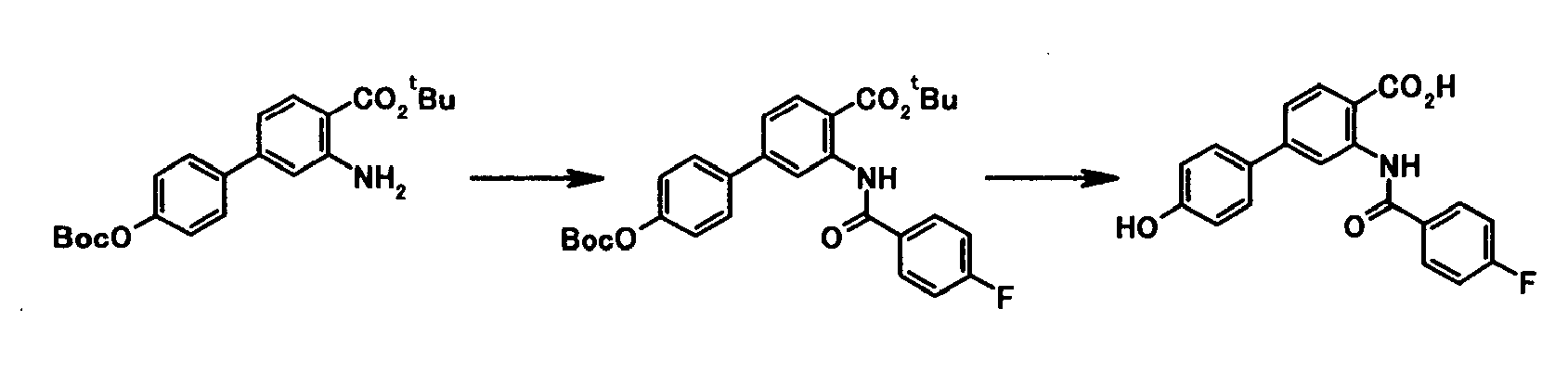
10 mL of trifluoroacetic acid was added to the obtained tert-butyl 4-(4-(tert-butoxycarbonyl)oxyphenyl)-2-(4-fluorobenzamido)benzoate and stirred at room temperature for 2 hours. The solvent was evaporated under reduced pressure and diisopropyl ether was added to the obtained residue and a solid substance was separated by filtration to obtain 49 mg of 4-(4-hydroxyphenyl)-2-(4-fluorobenzamido)benzoic acid as white solid.
1H-NMR (DMSO-d6) δ: 6.92 (2H, d, J = 8.8 Hz), 7.42-7.50 (3H, m), 7.58 (2H, d, J = 8.8 Hz), 8.00-8.10 (3H, m), 8.98 (1H, d, J = 1.7 Hz), 9.79 (1H, s), 12.24 (1H, s). - The compounds shown in Table 22 were obtained in the same manner as in Example 173.
-
[Table 22] 
Example No. R2 Example No. R2 174 
177 
175 
178 
176 
- 2-(Benzo[1,3]dioxole-5-carboxamido)-4-(4-hydroxyphenyl)benzoic acid
1H-NMR (DMSO-d6) δ: 6.17 (2H, s), 6.91 (2H, d, J = 8.8 Hz), 7.13 (1H, d, J = 8.4 Hz), 7.42 (1H, dd, J = 8.4, 1.8 Hz), 7.45 (1H, d, J = 1.8 Hz), 7.52-7.61 (3H, m), 8.07 (1H, d, J = 8.3 Hz), 8.99 (1H, d, J = 1.6 Hz), 9.78 (1H, s), 12.14 (1H, s), 13.55-13.85 (1H, broad). - 2-(Benzothiazole-2-carboxamido)-4-(4-hydroxyphenyl)benzoic acid
1H-NMR (DMSO-d6) δ: 6.93 (2H, d, J = 8.7 Hz), 7.52 (1H, dd, J = 8.4, 1.8 Hz), 7.58-7.72 (4H, m), 8.11 (1H, d, J = 8.4 Hz), 8.17-8.23 (1H, m), 8.28-8.33 (1H, m), 9.03 (1H, d, J = 1.9 Hz), 9.81 (1H, s), 13 . 05 (1H, s), 13.60-14.00 (1H, broad). - 4-(4-Hydroxyphenyl)-2-(4-(trifluoromethyl)benzamido)benzoic acid
1H-NMR (DMSO-d6) δ: 6.90-6.96 (2H, m), 7.48 (1H, dd, J = 8.5, 1.8 Hz), 7.56-7.63 (2H, m), 8.01 (2H, d, J = 8.2 Hz), 8.09 (1H, d, J = 8.5 Hz), 8.17 (2H, d, J = 8.2 Hz), 8.97 (1H, d, J = 1.8 Hz), 9.70-9.90 (1H, broad), 12.34 (1H, s). - 4-(4-Hydroxyphenyl)-2-(4-nitrobenzamido)benzoic acid
1H-NMR (DMSO-d6) δ: 6.90-6.95 (2H, m), 7.49 (1H, dd, J = 8.3, 1.9 Hz), 7.56-7.62 (2H, m), 8.09 (1H, d, J = 8.3 Hz), 8.17-8.23 (2H, m), 8.41-8.48 (2H, m), 8.94 (1H, d, J = 1.9 Hz), 9.80 (1H, s), 12.35 (1H, s). - 2-(Cinnamamido)-4-(4-hydroxyphenyl)benzoic acid
1H-NMR (DMSO-d6) δ: 6.88-6.95 (3H, m), 7.38-7.48 (4H, m), 7.53-7.59 (2H, m), 7.65 (1H, d, J = 15.6 Hz), 7.72-7.78 (2H, m), 8.04 (1H, d, J = 8.6 Hz), 8.92 (1H, d, J = 2.0 Hz), 9.77 (1H, s), 11.43 (1H, s), 13.45-13.70 (1H, broad). -

10 mL of trifluoroacetic acid was added to the obtained tert-butyl 4-(benzo[1,3]dioxol-5-yl)-2-(4-fluorobenzamido)benzoate and stirred at room temperature for 2 hours. The solvent was evaporated under reduced pressure and diisopropyl ether was added to the obtained residue and a solid substance was separated by filtration to obtain 39 mg of 4-(benzo[1,3]dioxol-5-yl)-2-(4-fluorobenzamido)benzoic acid as white solid.
1H-NMR (DMSO-d6) δ: 6.11 (2H, s), 7.08 (1H, d, J = 8.0 Hz), 7.23 (1H, dd, J = 8.0, 1.9 Hz), 7.29 (1H, d, J = 1.9 Hz), 7.43-7.50 (3H, m), 8.00-8.16 (3H, m), 8.96 (1H, d, J = 1.9 Hz), 12.20 (1H, s). - The compounds shown in Table 23 were obtained in the same manner as in Example 179.
-
[Table 23] 
Example No. R2 Example No. R2 180 
182 
181 
183 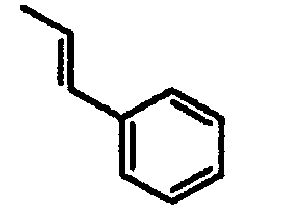
- 2-(Benzo[1,3]dioxole-5-carboxamido)-4-(benzo[1,3]dioxol-5-yl)benzoic acid
1H-NMR (DMSO-d6) δ: 6 . 11 (2H, s), 6.17 (2H, s), 7.07 (1H, d, J = 8.2 Hz), 7.13 (1H, d, J = 8.2 Hz), 7.23 (1H, dd, J = 8.2, 1.9 Hz), 7.28 (1H, d, J = 1.9 Hz), 7.42-7.47 (2H, m), 7.55 (1H, dd, J = 8.3, 1.9 Hz), 8.07 (1H, d, J = 8.3 Hz), 8.97 (1H, d, J = 2.0 Hz), 12.12 (1H, s), 13.65-13.85 (1H, broad). - 4-(Benzo[1,3]dioxol-5-yl)-2-(benzothiazole-2-carboxamido)benzoic acid
1H-NMR (DMSO-d6) δ: 6.12 (2H, s), 7.09 (1H, d, J = 8.0 Hz), 7.22-7.28 (1H, m), 7.31 (1H, d, J = 1.5 Hz), 7.51-7.57 (1H, m), 7.60-7.75 (2H, m), 8.12 (1H, d, J = 7.8 Hz), 8 . 16-8 . 24 (1H, m), 8.30 (1H, d, J = 7.8 Hz), 9.02 (1H, s), 13 . 02 (1H, s). - 4-(Benzo[1,3]dioxol-5-yl)-2-(4-(trifluoromethyl)benzamido)benzoic acid
1H-NMR (DMSO-d6) δ: 6 . 11 (2H, s), 7.08 (1H, d, J = 8 . 1 Hz), 7.24 (1H, dd, J = 8.1, 1.8 Hz), 7.30 (1H, d, J = 1.8 Hz), 7.50 (1H, dd, J = 8.4, 1.9 Hz), 8.01 (2H, d, J = 8.3 Hz), 8.09 (1H, d, J = 8.4 Hz), 8.17 (2H, d, J = 8.3 Hz), 8.95 (1H, d, J = 1.9 Hz), 12.35 (1H, s). - 4-(Benzo[1,3]dioxol-5-yl)-2-(cinnamamido)benzoic acid
1H-NMR (DMSO-d6) δ: 6.11 (2H, s), 6.92 (1H, d, J = 15.6 Hz), 7.07 (1H, d, J = 8.1 Hz), 7.21 (1H, dd, J = 8.1, 1.9 Hz), 7.27 (1H, d, J = 1.9 Hz), 7.41-7.49 (4H, m), 7.65 (1H, d, J = 15.6 Hz), 7.72-7.78 (2H, m), 8.04 (1H, d, J = 8.3 Hz), 8.90 (1H, d, J = 2.0 Hz), 11.43 (1H, s). -

10 mL of trifluoroacetic acid was added to the obtained tert-butyl 4-(benzofuran-2-yl)-2-(2,3-dimethylbenzamido)benzoate and stirred at room temperature for 2 hours. The solvent was evaporated under reduced pressure and ethyl acetate was added to the obtained residue and a solid substance was separated by filtration to obtain 15 mg of 4-(benzofuran-2-yl)-2-(2,3-dimethylbenzamido)benzoic acid as white solid.
1H-NMR (DMSO-d6) δ: 2.33 (3H, s), 2.35 (3H, s), 7.25 (1H, t, J = 7.6 Hz), 7.29-7.46 (4H, m), 7.64 (1H, s), 7.71-7.76 (2H, m), 7.78 (1H, dd, J = 8.3, 1.7 Hz), 8.13 (1H, d, J = 8.3 Hz), 9.26-9.28 (1H, m), 11.65 (1H, s). -

1H-NMR (DMSO-d6) δ: 6.39-6.41 (2H, m), 7.30-7.43 (2H, m), 7.59-7.63 (2H, m), 7.65 (1H, s), 7.71-7.76 (1H, m), 7.83 (1H, dd, J = 8.4, 1.6 Hz), 8.17 (1H, d, J = 8.4 Hz), 8.48-8.51 (1H, m), 9.01 (1H, d, J = 1.5 Hz), 9.18 (1H, d, J = 2.4 Hz), 9.22 (1H, d, J = 1.4 Hz), 12.33 (1H, s). -

10 mL of trifluoroacetic acid was added to the obtained tert-butyl 2-(2,3-dimethylbenzamido)-4-(4-(tert-butoxycarbonyl)oxyphenyl)benzoate and stirred at room temperature for 2 hours. The solvent was evaporated under reduced pressure and ethyl acetate was added to the obtained residue and a solid substance was separated by filtration to obtain 20 mg of 2-(2,3-dimethylbenzamido)-4-(4-hydroxyphenyl)benzoic acid as white solid.
1H-NMR (DMSO-d6) δ: 2.31 (3H, s), 2.33 (3H, s), 6.90-6.95 (2H, m), 7.23 (1H, t, J = 7.5 Hz), 7.34 (1H, d, J = 7.5 Hz), 7.40 (1H, d, J = 7.5 Hz), 7.44 (1H, dd, J = 8.3, 1.7 Hz), 7.56-7.60 (2H, m), 8.05 (1H, d, J = 8.3 Hz), 8.97-8.99 (1H, m), 9.75-9.85 (1H, broad), 11.59 (1H, s), 13.40-13.70 (1H, broad). -

1H-NMR (DMSO-d6) δ: 6.39 (2H, s), 6.93 (2H, d, J = 8.5 Hz), 7.50 (1H, dd, J = 8.4, 1.3 Hz), 7.56-7.65 (4H, m), 8.09 (1H, d, J = 8.0 Hz), 8.47 (1H, s), 8.93-8.99 (2H, m), 9.17 (1H, d, J = 2 . 2 Hz), 9.80 (1H, s), 12.31 (1H, s) . -

10 mL of trifluoroacetic acid was added to the obtained tert-butyl 4-(benzo[1,3]dioxol-5-yl)-2-(2,3-dimethylbenzamido)benzoate and stirred at room temperature for 2 hours. The solvent was evaporated under reduced pressure and methanol was added to the obtained residue and a solid substance was separated by filtration to obtain 31 mg of 4-(benzo[1,3]dioxol-5-yl)-2-(2,3-dimethylbenzamido)benzoic acid as white solid.
1H-NMR (DMSO-d6) δ: 2.31 (3H, s), 2.33 (3H, s), 6. 11 (2H, s), 7.08 (1H, d, J = 8.1 Hz), 7.20-7.27 (2H, m), 7.29 (1H, d, J = 1.7 Hz), 7.34 (1H, d, J = 7.3 Hz), 7.40 (1H, d, J = 7.3 Hz), 7.46 (1H, dd, J = 8.4, 1.8 Hz), 8.05 (1H, d, J = 8.4 Hz), 8.93-9.00 (1H, broad), 11.58 (1H, s), 13.55-13.75 (1H, broad). -

10 mL of trifluoroacetic acid was added to the obtained tert-butyl 4-(2,4-difluorophenyl)-2-(2,3-dimethylbenzamido)benzoate and stirred at room temperature for 2 hours. The solvent was evaporated under reduced pressure and methanol was added to the obtained residue and a solid substance was separated by filtration to obtain 17 mg of 4-(2,4-difluorophenyl)-2-(2,3-dimethylbenzamido)benzoic acid as white solid.
1H-NMR (DMSO-d6) δ: 2.31 (3H, s), 2.31 (3H, s), 7.21-7.30 (2H, m), 7.31-7.49 (4H, m), 7.63-7.70 (1H, m), 8.11 (1H, d, J = 8.0 Hz), 8.89 (1H, s), 11.58 (1H, s). -

1H-NMR (DMSO-d6) δ: 6.39 (2H, t, J = 2.2 Hz), 7.28 (1H, td, J = 8.7, 2.2 Hz), 7.42-7.48 (2H, m), 7.59 (2H, t, J = 2.2 Hz), 7.68 (1H, td, J = 8.7, 6.6 Hz), 8.16 (1H, d, J = 8.0 Hz), 8.46 (1H, t, J = 2.2 Hz), 8.85 (1H, d, J = 1.4 Hz), 8.97 (1H, d, J = 1.7 Hz), 9.17 (1H, d, J = 2.3 Hz), 12.22 (1H, s). -

10 mL of trifluoroacetic acid was added to the obtained tert-butyl 2-(2,3-dimethylbenzamido)-4-((E)-2-(3-methoxyphenyl)vinyl)benzoate and stirred at room temperature for 2 hours. The solvent was evaporated under reduced pressure and methanol was added to the obtained residue and a solid substance was separated by filtration to obtain 15 mg of 2-(2,3-dimethylbenzamido)-4-((E)-2-(3-methoxyphenyl)vinyl)benzoic acid as white solid.
1H-NMR (DMSO-d6) δ: 2.31 (3H, s), 2.33 (3H, s), 3.82 (3H, s), 6.88-6.91 (1H, m), 7.21-7.52 (9H, m), 8.02 (1H, d, J = 8.3 Hz), 8.89 (1H, s), 11.59 (1H, s), 13.60 (1H, s). -

1H-NMR (DMSO-d6) δ: 3.83 (3H, s), 6.40 (2H, t, J = 2.2 Hz), 6.91 (1H, ddd, J = 8.0, 2.5, 0.9 Hz), 7.25-7.44 (5H, m), 7.53 (1H, dd, J = 8.3, 1.6 Hz), 7.59 (2H, t, J = 2.2 Hz), 8.07 (1H, d, J = 8.3 Hz), 8.45-8.47 (1H, m), 8.84 (1H, d, J = 1.7 Hz), 8.99 (1H, d, J = 1.6 Hz), 9.17 (1H, d, J = 2.4 Hz), 12.20-12.35 (1H, broad). -

10 mL of trifluoroacetic acid was added to the obtained tert-butyl 4-(3-chlorophenyl)-2-(2,3-dimethylbenzamido)benzoate and stirred at room temperature for 2 hours. The solvent was evaporated under reduced pressure and methanol was added to the obtained residue and a solid substance was separated by filtration to obtain 32 mg of 4-(3-chlorophenyl)-2-(2,3-dimethylbenzamido)benzoic acid as white solid.
1H-NMR (DMSO-d6) δ: 2.31 (3H, s), 2.33 (3H, s), 7.24 (1H, t, J = 7.5 Hz), 7.34 (1H, d, J = 7.5 Hz), 7.41 (1H, d, J = 7.5 Hz), 7.52-7.61 (3H, m), 7.69-7.78 (2H, m), 8.11 (1H, d, J = 8.3 Hz), 9.01 (1H, s), 11.58 (1H, s), 13.60-13.90 (1H, broad). - The compounds shown in Table 24 were obtained in the same manner as in Example 193.
-
[Table 24] 
Example No. R2 Example No. R2 194 
195 
- 4-(3-Chlorophenyl)-2-(5-(1H-pyrrol-1-yl)pyridine-3-carboxamido)benzoic acid
1H-NMR (DMSO-d6) δ: 6.39 (2H, t, J = 2.2 Hz), 7.52-7.64 (5H, m), 7.72 (1H, dt, J = 7.6, 1.6 Hz), 7.78 (1H, t, J = 1.6 Hz), 8.15 (1H, d, J = 8.3 Hz), 8.46-8.48 (1H, m), 8.96 (1H, d, J = 1.7 Hz), 8.99 (1H, d, J = 1.7 Hz), 9.17 (1H, d, J = 2.7 Hz), 12.23 (1H, s). - 1H-NMR (DMSO-d6) δ: 2.32 (3H, s), 7.39 (2H, d, J = 8.5 Hz), 7.52-7.62 (3H, m), 7.68-7.74 (1H, m), 7.77 (1H, s), 8.03 (2H, d, J = 8.5 Hz), 8.14 (1H, d, J = 8.3 Hz), 9.03 (1H, d, J = 1.7 Hz), 12.23 (1H, s).
-

1H-NMR (DMSO-d6) δ: 6.91-6.97 (2H, m), 7.47-7.60 (3H, m), 7.69 (1H, dt, J = 7.5, 1.6 Hz), 7.75 (1H, t, J = 1.6 Hz), 7.83-7.89 (2H, m), 8.12 (1H, d, J = 8.3 Hz), 9.07 (1H, d, J = 1.9 Hz), 10.28 (1H, s). -

1H-NMR (CDCl3) δ: 1.62 (9H, s), 1.72-1.84 (1H, m), 2.37-2.61 (3H, m), 3.94-4.03 (1H, m), 5.78-5.82 (1H, m), 5.98-6.03 (1H, m), 6.93 (1H, dd, J = 8.3, 1.6 Hz), 7.49-7.59 (3H, m), 7.94 (1H, d, J = 8.3 Hz), 8.04-8.09 (2H, m), 8.80 (1H, d, J = 1.6 Hz), 12.22 (1H, s). -

11H-NMR (DMSO-d6) δ: 1.62-1.74 (1H, m), 2.35-2.55 (3H, m), 3.92-4.00 (1H, m), 5.78-5.83 (1H, m), 6.00-6.04 (1H, m), 7.03 (1H, dd, J = 8.2, 1.5 Hz), 7.57-7.68 (3H, m), 7.93-8.01 (3H, m), 8.63 (1H, d, J = 1.5 Hz), 12.24 (1H, s). -

1H-NMR (DMSO-d6) δ: 1.52-1.86 (6H, m), 1.98-2.12 (2H, m), 3.02-3.12 (1H, m), 7.10 (1H, dd, J = 8.0, 1.6 Hz), 7.57-7.68 (3H, m), 7.94-8.00 (3H, m), 8.70 (1H, d, J = 1.6 Hz), 12.22 (1H, s). -

1H-NMR (DMSO-d6) δ: 1.57 (9H, s), 7.60-7.70 (4H, m), 7.98-8.04 (3H, m), 8.09 (1H, d, J = 8.8 Hz), 8.35-8.40 (3H, m), 8.90 (1H, d, J = 1.7 Hz), 11.66 (1H, s). - The compounds shown in Table 25 were obtained in the same manner as in Example 200.
-
[Table 25] 
Example No. R3 Example No. R3 201 
204 
202 
205 
203 
- tert-Butyl 2-(benzamido)-4-(4-chlorophenyl)benzoate
1H-NMR (DMSO-d6) δ: 1.57 (9H, s), 7.55 (1H, dd, J = 8.4, 1.6 Hz), 7.58-7.70 (5H, m), 7.73-7.78 (2H, m), 7.97-8.02 (2H, m), 8.04 (1H, d, J = 8.4 Hz), 8.85 (1H, d, J = 1.6 Hz), 11.69 (1H, s). - tert-Butyl 2-(benzamido)-4-(3,5-dichlorophenyl)benzoate
1H-NMR (DMSO-d6) δ: 1.56 (9H, s), 7.60-7.70 (4H, m), 7.72-7.73 (1H, m), 7.77 (2H, d, J = 1.7 Hz), 7.98-8.04 (3H, m), 8.77 (1H, d, J = 2.0 Hz), 11.58 (1H, s). - tert-Butyl 2-(benzamido)-4-(3,5-dimethyl-4-hydroxyphenyl)benzoate
1H-NMR (CDCl3) δ: 1.65 (9H, s), 2.33 (6H, s), 4.78 (1H, s), 7.29 (1H, dd, J = 8.4, 1.8 Hz), 7.36 (2H, s), 7.51-7.60 (3H, m), 8.03 (1H, d, J = 8.4 Hz), 8.06-8.11 (2H, m), 9.18 (1H, d, J = 1.8 Hz), 12.28 (1H, s). - tert-Butyl 2-(benzamido)-4-(2-oxoindolin-5-yl)benzoate
1H-NMR (CDCl3) δ: 1.65 (9H, s), 3.64 (2H, s), 6.96 (1H, d, J = 8.1 Hz), 7.29 (1H, dd, J = 8.5, 1.9 Hz), 7.52-7.65 (5H, m), 7.82 (1H, s), 8.05-8.11 (3H, m), 9.22 (1H, d, J=1.9Hz), 12.30 (1H, s). - tert-Butyl 2-(benzamido)-4-(3-chloro-2-fluorophenyl)benzoate
1H-NMR (DMSO-d6) δ: 1.57 (9H, s), 7.40 (1H, t, J = 7.9 Hz), 7.43-7.47 (1H, m), 7.54-7.72 (5H, m), 7.96-8.01 (2H, m), 8.07 (1H, d, J = 8.3 Hz), 8.72 (1H, s), 11.66 (1H, s). -

1H-NMR (DMSO-d6) δ: 1.57 (9H, s), 7.26-7.36 (3H, m), 7.53-7.67 (4H, m), 7.95-8.00 (2H, m), 8.07 (1H, d, J = 8.0 Hz), 8.57-8.61 (1H, m), 11.63 (1H, s). -

1H-NMR (CDCl3) δ: 1.66 (9H, s), 7.40-7.44 (2H, m), 7.50 (1H, d, J = 5.4 Hz), 7.51-7.61 (3H, m), 7.71 (1H, dd, J = 8.5, 1.7 Hz), 7.96 (1H, d, J = 8.3 Hz), 8.08-8.13 (3H, m), 8.19 (1H, d, J = 1.5 Hz), 9.34 (1H, d, J = 1.7 Hz), 12.31 (1H, s). - The compounds shown in Table 26 were obtained in the same manner as in Example 207.
-
[Table 26] 
Example No. R3 208 
209 
210 
- tert-Butyl 2-(benzamido)-4-(benzofuran-5-yl)benzoate
1H-NMR (CDCl3) δ: 1.66 (9H, s), 6.84 (1H, dd, J = 2.2, 1.0 Hz), 7.38 (1H, dd, J = 8.3, 2.0 Hz), 7.51-7.61 (4H, m), 7.64-7.68 (2H, m), 7.96 (1H, d, J = 1.5 Hz), 8.07-8.12 (3H, m), 9.30 (1H, d, J = 2.0 Hz), 12.29 (1H, s). - tert-Butyl 2-(benzamido)-4-(1H-indol-4-yl)benzoate
1H-NMR (CDCl3) δ: 1.66 (9H, s), 6.93-6.97 (1H, m), 7.24-7.36 (3H, m), 7.40-7.50 (2H, m), 7.50-7.60 (3H, m), 8.07-8.13 (2H, m), 8.13 (1H, d, J = 8.3 Hz), 8.31 (1H, s), 9.33 (1H, d, J = 1.5 Hz), 12.24 (1H, s). - tert-Butyl 2-(benzamido)-4-(4-(1H-pyrrol-1-yl)phenyl)benzoate
1H-NMR (CDCl3) δ: 1. 66 (9H, s), 6.38 (2H, t, J = 2.2 Hz), 7.16 (2H, t, J = 2.2 Hz), 7.35 (1H, dd, J = 8.3, 1.7 Hz), 7.47-7.52 (2H, m), 7.52-7.61 (3H, m), 7.76-7.82 (2H, m), 8.07-8.12 (3H, m), 9.29 (1H, d, J = 1.7 Hz), 12.29 (1H, s). -

1H-NMR (DMSO-d6) δ: 7.60-7.70 (4H, m), 7.98-8.04 (4H, m), 8.20 (1H, d, J = 8.6 Hz), 8.39 (2H, d, J = 8.5 Hz), 9.16 (1H, s), 12.26-12.32 (1H, broad). - The compounds shown in Table 27 were obtained in the same manner as in Example 211.
-
[Table 27] 
Example No. R3 Example No. R3 212 
217 
213 
218 
214 
219 
215 
220 
216 
221 
- 2-(Benzamido)-4-(4-chlorophenyl)benzoic acid
1H-NMR (DMSO-d6) δ: 7.53 (1H, dd, J = 8.3, 1.8 Hz), 7.59-7.70 (5H, m), 7.75-7.79 (2H, m), 7.97-8.01 (2H, m), 8.14 (1H, d, J = 8.3 Hz), 9.08 (1H, d, J = 1.8 Hz), 12.28 (1H, s). - 2-(Benzamido)-4-(3,5-dichlorophenyl)benzoic acid
1H-NMR (DMSO-d6) δ: 7.58-7.70 (4H, m), 7.73 (1H, t, J = 1.8 Hz), 7.77 (2H, d, J = 2.0 Hz), 7.97-8.02 (2H, m), 8.14 (1H, d, J = 8.3 Hz), 9.03 (1H, d, J = 1.7 Hz), 12.24-12.31 (1H, broad). - 2-(Benzamido)-4-(3,5-dimethyl-4-hydroxyphenyl)benzoic acid
1H-NMR (DMSO-d6) δ: 2.26 (6H, s), 7.32 (2H, s), 7.44 (1H, dd, J = 8.3, 1.8 Hz), 7.58-7.70 (3H, m), 7.96-8.02 (2H, m), 8.07 (1H, d, J = 8.3 Hz), 8.60 (1H, s), 9.01 (1H, d, J = 1.8 Hz), 12.27 (1H, s), 13.60-13.80 (1H, broad). - 2-(Benzamido)-4-(2-oxoindolin-5-yl)benzoic acid
1H-NMR (DMSO-d6) δ: 3.60 (2H, s), 6.97 (1H, d, J = 8.1 Hz), 7.47 (1H, dd, J = 8.5, 1.8 Hz), 7.56-7.70 (5H, m), 7.96-8.02 (2H, m), 8.10 (1H, d, J = 8.5 Hz), 9.06 (1H, d, J = 1.8 Hz), 10.57 (1H, s), 12.28 (1H, s), 13.60-13.90 (1H, broad). - 2-(Benzamido)-4-(3-chloro-2-fluorophenyl)benzoic acid
1H-NMR (DMSO-d6) δ: 7.37-7.44 (2H, m), 7.56-7.72 (5H, m), 7.95-8.00 (2H, m), 8.17 (1H, d, J = 8.3 Hz), 8.97 (1H, s), 12.22-12.26 (1H, broad). - 2-(Benzamido)-4-(2,6-difluorophenyl)benzoic acid
1H-NMR (DMSO-d6) δ: 7.24-7.35 (3H, m), 7.52-7.69 (4H, m), 7.93-8.00 (2H, m), 8.17 (1H, d, J = 8.3 Hz), 8.86 (1H, s), 12.24 (1H, s). - 2-(Benzamido)-4-(benzothiophen-5-yl)benzoic acid
1H-NMR (DMSO-d6) δ: 7.58-7.71 (5H, m), 7.74 (1H, dd, J = 8.5, 1.7 Hz), 7.87 (1H, d, J = 5.4 Hz), 7.98-8.04 (2H, m), 8.14-8.20 (2H, m), 8.27 (1H, d, J = 1.4 Hz), 9.18 (1H, d, J = 1.7 Hz), 12.31 (1H, s), 13.75-13.95 (1H, broad). - 2-(Benzamido)-4-(benzofuran-5-yl)benzoic acid
1H-NMR (DMSO-d6) δ: 7.09 (1H, dd, J = 2.2, 1.0 Hz), 7.56 (1H, dd, J = 8.3, 2.0 Hz), 7.59-7.71 (4H, m), 7.76 (1H, d, J = 8.5 Hz), 7.98-8.04 (2H, m), 8.03 (1H, d, J = 1.5 Hz), 8.09 (1H, d, J = 2.2 Hz), 8.15 (1H, d, J = 8.3 Hz), 9.14 (1H, d, J = 2.0 Hz), 12.30 (1H, s), 13.70-13.95 (1H, broad). - 2-(Benzamido)-4-(1H-indol-4-yl)benzoic acid
1H-NMR (DMSO-d6) δ: 6.75-6.79 (1H, m), 7.21-7.27 (2H, m), 7.47-7.54 (2H, m), 7.53 (1H, dd, J = 8.3, 1.8 Hz), 7.58-7.70 (3H, m), 7.98-8.03 (2H, m), 8.17 (1H, d, J = 8.3 Hz), 9.17 (1H, d, J = 1.8 Hz), 11.37 (1H, s), 12.29 (1H, s). - 2-(Benzamido)-4-(4-(1H-pyrrol-1-yl)phenyl)benzoic acid 1H-NMR (DMSO-d6) δ: 6.32 (2H, t, J = 2.2 Hz), 7.48 (2H, t, J = 2.2 Hz), 7.57 (1H, dd, J = 8.4, 1.9 Hz), 7.59-7.71 (3H, m), 7.74-7.80 (2H, m), 7.80-7.86 (2H, m), 7.98-8.03 (2H, m), 8.15 (1H, d, J = 8.4 Hz), 9.12 (1H, d, J = 1.9 Hz), 12.30 (1H, s).
-

10 mL of trifluoroacetic acid was added to the obtained tert-butyl 2-(benzamido)-4-(3-chlorophenyl)benzoate and stirred at room temperature for 1 hour. The solvent was evaporated under reduced pressure and methanol was added to the obtained residue and a solid substance was separated by filtration to obtain 21 mg of 2-(benzamido)-4-(3-chlorophenyl)benzoic acid as white solid.
1H-NMR (DMSO-d6) δ: 7.52-7.74 (7H, m), 7.77 (1H, s), 7.97-8.03 (2H, m), 8.14 (1H, d, J = 8.3 Hz), 9.06 (1H, d, J = 2.0 Hz), 12.27 (1H, s). - The compounds shown in Table 28 were obtained in the same manner as in Example 222.
-
[Table 28] 
Example No. R3 Example No. R3 223 
228 
224 
229 
225 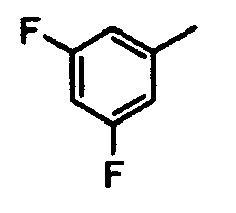
230 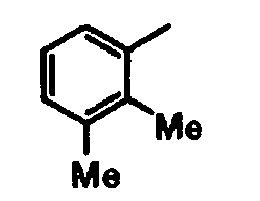
226 
227 
231 
- 2-(Benzamido)-4-(3-fluorophenyl)benzoic acid
1H-NMR (DMSO-d6) δ: 7.27-7.36 (1H, m), 7.53-7.70 (7H, m), 7.96-8.02 (2H, m), 8.14 (1H, d, J = 8.0 Hz), 9.08 (1H, d, J = 1.7 Hz), 12.24 (1H, s). - 2-(Benzamido)-4-(2,3-difluorophenyl)benzoic acid 1H-NMR (DMSO-d6) δ: 7.34-7.47 (3H, m), 7.50-7.70 (4H, m), 7.95-8.01 (2H, m), 8.17 (1H, d, J = 8.3 Hz), 8.98 (1H, s), 12.25 (1H, s).
- 2-(Benzamido)-4-(3,5-difluorophenyl)benzoic acid
1H-NMR (DMSO-d6) δ: 7.36 (1H, tt, J = 9.1, 2.2 Hz), 7.43-7.51 (2H, m), 7.56-7.71 (4H, m), 7.96-8.03 (2H, m), 8.14 (1H, d, J = 8.3 Hz), 9.04 (1H, d, J = 1.7 Hz), 12.27 (1H, s). - 2-(Benzamido)-4-(2-hydroxyphenyl)benzoic acid 1H-NMR (DMSO-d6) δ: 6.90-7.02 (2H, m), 7.20-7.28 (1H, m), 7.32 (1H, dd, J = 7.7, 1.6 Hz), 7.40 (1H, dd, J = 8.3, 1.7 Hz), 7.57-7.69 (3H, m), 7.95-8.01 (2H, m), 8.07 (1H, d, J = 8.3 Hz), 8.96 (1H, d, J = 1.7 Hz), 9.75 (1H, s), 12.20-12.45 (1H, broad).
- 2-(Benzamido)-4-(4-isopropoxyphenyl)benzoic acid
1H-NMR (DMSO-d6) δ: 1.31 (6H, d, J = 6.1 Hz), 4.65-4.76 (1H, m), 7.05-7.10 (2H, m), 7.48 (1H, dd, J = 8.3, 1.7 Hz), 7.59-7.70 (5H, m), 7.96-8.02 (2H, m), 8.10 (1H, d, J = 8.3 Hz), 9.05 (1H, d, J = 1.7 Hz), 12.32 (1H, s). - 2-(Benzamido)-4-(2-phenoxyphenyl)benzoic acid
1H-NMR (DMSO-d6) δ: 6.91-6.97 (2H, m), 7.02-7.09 (2H, m), 7.29-7.50 (5H, m), 7.54-7.69 (4H, m), 7.93-8.00 (2H, m), 8.04 (1H, d, J = 8.2 Hz), 8.99 (1H, d, J = 1.6 Hz), 12.22 (1H, s). - 2-(Benzamido)-4-(4-(trifluoromethoxy)phenyl)benzoic acid
1H-NMR (DMSO-d6) δ: 7.51-7.57 (3H, m), 7.58-7.70 (3H, m), 7.84-7.89 (2H, m), 7.96-8.02 (2H, m), 8.15 (1H, d, J = 8.3 Hz), 9.08 (1H, d, J = 1.7 Hz), 12.27 (1H, s), 13.70-14.05 (1H, broad). - 2-(Benzamido)-4-(2,3-dimethylphenyl)benzoic acid
1H-NMR (DMSO-d6) δ: 2.16 (3H, s), 2.33 (3H, s), 7.09 (1H, d, J = 7.1 Hz), 7.15 (1H, dd, J = 8.1, 1.7 Hz), 7.17-7.27 (2H, m), 7.57-7.69 (3H, m), 7.94-7.99 (2H, m), 8.11 (1H, d, J = 8.1 Hz), 8.70 (1H, d, J = 1.7 Hz), 12.30 (1H, s). - 2-(Benzamido)-4-(3-nitrophenyl)benzoic acid
1H-NMR (DMSO-d6) δ: 7.59-7.71 (4H, m), 7.82-7.88 (1H, m), 7.98-8.03 (2H, m), 8.19 (1H, d, J = 8.3 Hz), 8.21 (1H, ddd, J = 7.8, 1.7, 1.0 Hz), 8.29-8.34 (1H, m), 8.48-8.50 (1H, m), 9.14 (1H, d, J = 1.9 Hz), 12.27 (1H, s), 13.80-14.15 (1H, broad). -

10 mL of trifluoroacetic acid was added to the obtained tert-butyl 2-(benzamido)-4-(3-(hydroxymethyl)phenyl)benzoate and stirred at room temperature for 1 hour. The solvent was evaporated under reduced pressure and the obtained residue was purified with reversed-phase silica gel column chromatography [eluent; 60-100% acetonitrile /0.1% trifluoroacetic acid aqueous solution] to obtain 12 mg of 2-(benzamido)-4-(3-(hydroxymethyl)phenyl)benzoic acid as white solid.
1H-NMR (DMSO-d6) δ: 4.61 (2H, s), 5.26-5.40 (1H, broad), 7.41 (1H, d, J = 7.6 Hz), 7.47-7.55 (2H, m), 7.58-7.73 (5H, m), 7.97-8.04 (2H, m), 8.15 (1H, d, J = 8.3 Hz), 9.09 (1H, d, J = 1.7 Hz), 12.33 (1H, s). - The compounds shown in Table 29 were obtained in the same manner as in Example 232.
-
[Table 29] 
Example No. R3 233 
234 
235 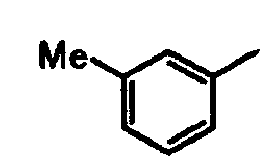
- 2-(Benzamido)-4-(2-isopropoxyphenyl)benzoic acid
1H-NMR (DMSO-d6) δ: 1.26 (6H, d, J = 6.1 Hz), 4.59-4.72 (1H, m), 7.05 (1H, t, J = 7.3 Hz), 7.17 (1H, d, J = 8.1 Hz), 7.32-7.41 (3H, m), 7.57-7.68 (3H, m), 7.95-8.01 (2H, m), 8.07 (1H, d, J = 8.3 Hz), 8.98 (1H, d, J = 1.7 Hz). - 2-(Benzamido)-4-(3-(trifluoromethoxy)phenyl)benzoic acid
1H-NMR (DMSO-d6) δ: 7.48 (1H, d, J = 8.0 Hz), 7.57 (1H, dd, J = 8.3, 1.9 Hz), 7.59-7.73 (5H, m), 7.79 (1H, d, J = 7.8 Hz), 7.97-8.03 (2H, m), 8.16 (1H, d, J = 8.3 Hz), 9.08 (1H, d, J = 1.9 Hz), 12.35 (1H, s). - 2-(Benzamido)-4-(3-methylphenyl)benzoic acid
1H-NMR (DMSO-d6) δ: 2.42 (3H, s), 7.28 (1H, d, J = 7.6 Hz), 7.43 (1H, t, J = 7.6 Hz), 7.49-7.57 (3H, m), 7.59-7.70 (3H, m), 7.97-8.02 (2H, m), 8.13 (1H, d, J = 8.3 Hz), 9.07 (1H, d, J = 1.7 Hz), 12.29 (1H, s). -

5.0 mL of trifluoroacetic acid was added to the obtained tert-butyl 2-(benzamido)-4-(4-phenoxyphenyl)benzoate and stirred at room temperature for 3 hours. The solvent was evaporated under reduced pressure, and the obtained residue was purified with silica gel column chromatography [PSQ100B (spherical) manufactured by Fuji Silysia Chemical Ltd., eluent; hexane: ethyl acetate = 1:2] to obtain 8.0 mg of 2-(benzamido)-4-(4-phenoxyphenyl)benzoic acid as white solid.
1H-NMR (DMSO-d6) δ: 7.08-7.23 (5H, m), 7.41-7.48 (2H, m), 7.51 (1H, dd, J = 8.3, 1.9 Hz), 7.58-7.70 (3H, m), 7.74-7.79 (2H, m), 7.96-8.02 (2H, m), 8.13 (1H, d, J = 8.3 Hz), 9.07 (1H, d, J = 1.9 Hz), 12.30 (1H, s). -

1H-NMR (DMSO-d6) δ: 7.57-7.75 (7H, m), 7.78-7.84 (2H, m), 7.89-7.96 (4H, m), 7.98-8.03 (2H, m), 8.19 (1H, d, J = 8.3 Hz), 9.17 (1H, d, J = 1.5 Hz), 12.29 (1H, s). -

5.0 mL of trifluoroacetic acid was added to the obtained tert-butyl 2-(benzamido)-4-(4-(dimethylamino)phenyl)benzoate and stirred at room temperature for 3 hours. The solvent was evaporated under reduced pressure, ethyl acetate and water were added and pH was adjusted to pH 6.5 with a saturated sodium hydrogen carbonate aqueous solution. The organic layer was separated and dried over anhydrous magnesium sulfate after washed with a saturated sodium chloride aqueous solution, and the solvent was evaporated under reduced pressure. Methanol was added to the obtained residue and a solid substance was separated by filtration to obtain 3.8 mg of 2-(benzamido)-4-(4-(dimethylamino)phenyl)benzoic acid as pale yellow soli 1H-NMR (DMSO-d6) δ: 2.98 (6H, s), 6.83-6.89 (2H, m), 7.45 (1H, dd, J = 8.3, 1.8 Hz), 7.58-7.69 (5H, m), 7.97-8.02 (2H, m), 8.06 (1H, d, J = 8.3 Hz), 9.05 (1H, d, J = 1. Hz), 12.32 (1H, s). -

10 mL of trifluoroacetic acid was added to the obtained tert-butyl 2-(benzamido)-4-(2-methylphenyl)benzoate and stirred at room temperature for 1 hour. The solvent was evaporated under reduced pressure and methanol was added to the obtained residue and a solid substance was separated by filtration to obtain 14 mg of 2-(benzamido)-4-(2-methylphenyl)benzoic acid as white solid.
1H-NMR (DMSO-d6) δ: 2.29 (3H, s), 7.18-7.38 (5H, m), 7.57-7.69 (3H, m), 7.94-8.00 (2H, m), 8.12 (1H, d, J = 8.1 Hz), 8.74 (1H, d, J = 1.4 Hz), 12.27 (1H, s). - The compounds shown in Table 30 were obtained in the same manner as in Example 239.
-
[Table 30] 
Example No. R3 240 
241 
242 
- 2-(Benzamido)-4-(4-methylphenyl)benzoic acid
1H-NMR (DMSO-d6) δ: 2.38 (3H, s), 7.35 (2H, d, J = 8.0 Hz), 7.50 (1H, dd, J = 8.3, 1.9 Hz), 7.58-7.70 (5H, m), 7.96-8.02 (2H, m), 8.12 (1H, d, J = 8.3 Hz), 9.07 (1H, d, J = 1.9 Hz), 12.33 (1H, s). - 2-(Benzamido)-4-(3-cyanophenyl)benzoic acid
1H-NMR (DMSO-d6) δ: 7.58-7.70 (4H, m), 7.76 (1H, t, J = 7.8 Hz), 7.92-7.97 (1H, m), 7.97-8.02 (2H, m), 8.05-8.11 (1H, ), 8.16 (1H, d, J = 8.3 Hz), 8.19-8.23 (1H, m), 9.08 (1H, d, J = 2.0 Hz), 12.28 (1H, s). - 2-(Benzamido)-4-(4-cyanophenyl)benzoic acid
1H-NMR (DMSO-d6) δ: 7.56-7.69 (4H, m), 7.90-8.02 (6H, m), 8.16 (1H, d, J = 8.3 Hz), 9.10 (1H, d, J = 2.0 Hz), 12.29 (1H, s). -

10 mL of trifluoroacetic acid was added to the obtained tert-butyl 2-(benzamido)-4-(4-hydroxyphenyl)benzoate and stirred at room temperature for 1 hour. The solvent was evaporated under reduced pressure and the obtained residue was purified with reversed-phase silica gel column chromatography [eluent; 55-90% acetonitrile /0.1% trifluoroacetic acid aqueous solution] to obtain 1.9 mg of 2-(benzamido)-4-(4-hydroxyphenyl)benzoic acid as white solid.
1H-NMR (DMSO-d6) δ: 6.88-6.96 (2H, m), 7.44 (1H, dd, J = 8.3, 1.9 Hz), 7.56-7.69 (5H, m), 7.96-8.02 (2H, m), 8.08 (1H, d, J = 8.3 Hz), 9.03 (1H, d, J = 1.9 Hz), 9.79 (1H, s), 12.33 (1H, s). -

1H-NMR (DMSO-d6) δ: 6.86 (1H, dd, J = 8.1, 1.9 Hz), 7.11-7.19 (2H, m), 7.33 (1H, t, J = 7.9 Hz), 7.47 (1H, dd, J = 8.1, 1.7 Hz), 7.59-7.70 (3H, m), 7.97-8.02 (2H, m), 8.13 (1H, d, J = 8 . 1 Hz), 9.06 (1H, d, J = 1.7 Hz), 9.69 (1H, s), 12.30 (1H, s). -

10 mL of trifluoroacetic acid was added to the obtained tert-butyl 2-(benzamido)-4-(2-fluorophenyl)benzoate and stirred at room temperature for 2 hours. The solvent was evaporated under reduced pressure and toluene was added. The solvent was evaporated under reduced pressure and diisopropyl ether was added to the obtained residue and a solid substance was separated by filtration to obtain 93 mg of 2-(benzamido)-4-(2-fluorophenyl)benzoic acid as white solid.
1H-NMR (DMSO-d6) δ: 7.34-7.44 (3H, m), 7.47-7.55 (1H, m), 7.56-7.70 (4H, m), 7.94-8.01 (2H, m), 8.16 (1H, d, J = 8.3 Hz), 8.96-9.00 (1H, m), 12.27 (1H, s). - The compounds shown in Table 31 were obtained in the same manner as in Example 245.
-
[Table 31] 
Example No. R3 Example No. R3 246 
249 
247 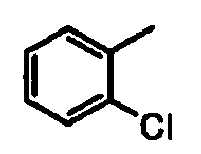
250 
248 
- 2-(Benzamido)-4-(3-fluoro-4-methylphenyl)benzoic acid
1H-NMR (DMSO-d6) δ: 2.28-2.34 (3H, m), 7.42-7.57 (4H, m), 7.58-7.70 (3H, m), 7.96-8.02 (2H, m), 8.12 (1H, d, J = 8.3 Hz), 9.06 (1H, d, J = 1.7 Hz), 12.27 (1H, s). - 2-(Benzamido)-4-(2-chlorophenyl)benzoic acid
1H-NMR (DMSO-d6) δ: 7.29 (1H, dd, J = 8.3, 1.7 Hz), 7.45-7.51 (3H, m), 7.57-7.69 (4H, m), 7.94-8.00 (2H, m), 8.15 (1H, d, J = 8.3 Hz), 8.84 (1H, d, J = 1.7 Hz), 12.28 (1H, s). - 2-(Benzamido)-4-(3,4-dichlorophenyl)benzoic acid
1H-NMR (DMSO-d6) δ: 7.57 (1H, dd, J = 8.3, 1.9 Hz), 7.58-7.70 (3H, m), 7.73 (1H, dd, J = 8.3, 2.2 Hz), 7.81 (1H, d, J = 8.6 Hz), 7.96-8.01 (3H, m), 8.14 (1H, d, J = 8.3 Hz), 9.05 (1H, d, J = 1.9 Hz), 12.24 (1H, s). - 2-(Benzamido)-4-(5-chloro-2-fluorophenyl)benzoic acid
1H-NMR (DMSO-d6) δ: 7.40-7.50 (2H, m), 7.55-7.70 (5H, m), 7.95-8.01 (2H, m), 8.16 (1H, d, J = 8.0 Hz), 8.96 (1H, s), 12.27 (1H, s). - 2-(Benzamido)-4-(2,6-dimethylphenyl)benzoic acid
1H-NMR (DMSO-d6) δ: 2.03 (6H, s), 7.02 (1H, dd, J = 8.1, 1.6 Hz), 7.13-7.25 (3H, m), 7.56-7.69 (3H, m), 7.93-7.99 (2H, m), 8.15 (1H, d, J = 8.1 Hz), 8.53 (1H, d, J = 1.6 Hz), 12.29 (1H, s). -

10 mL of trifluoroacetic acid was added to the obtained tert-butyl 2-(benzamido)-4-(2-chloro-6-fluorophenyl)benzoate and stirred at room temperature for 2 hours. The solvent was evaporated under reduced pressure and toluene was added. The solvent was evaporated under reduced pressure and the obtained residue was purified with reversed-phase silica gel column chromatography [eluent; 70-100% acetonitrile /0.1% trifluoroacetic acid aqueous solution] to obtain 5.8 mg of 2-(benzamido)-4-(2-chloro-6-fluorophenyl)benzoic acid as white solid.
1H-NMR (DMSO-d6) δ: 7.23 (1H, dd, J = 8.3, 1.6 Hz), 7.37-7.45 (1H, m), 7.49-7.70 (5H, m), 7.93-7.99 (2H, m), 8.17 (1H, d, J = 8.3 Hz), 8.73-8.77 (1H, m), 12.28 (1H, s) . -

10 mL of trifluoroacetic acid was added to the obtained tert-butyl 2-(benzamido)-4-(3-chloro-4-hydroxyphenyl)benzoate and stirred at room temperature for 2 hours. The solvent was evaporated under reduced pressure and toluene was added. The solvent was evaporated under reduced pressure and diisopropyl ether was added to the obtained residue and a solid substance was separated by filtration to obtain 94 mg of 2-(benzamido)-4-(3-chloro-4-hydroxyphenyl)benzoic acid as white solid.
1H-NMR (DMSO-d6) δ: 7.13 (1H, d, J = 8.3 Hz), 7.48 (1H, dd, J = 8.3, 1.7 Hz), 7.56 (1H, dd, J = 8.4, 2.3 Hz), 7.57-7.72 (4H, m), 7.96-8.01 (2H, m), 8.09 (1H, d, J= 8.3 Hz), 9.01 (1H, d, J = 1.7 Hz), 10.50-10.66 (1H, broad), 12.26 (1H, s). -
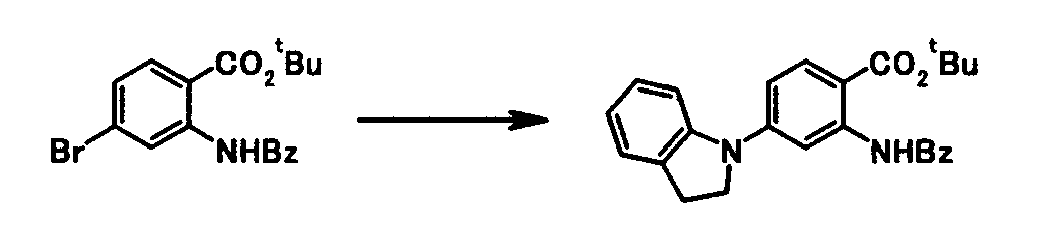
1H-NMR (CDCl3) δ: 1.63 (9H, s), 3. 17 (2H, t, J = 8.4 Hz), 4.10 (2H, t, J = 8.4 Hz), 6.86 (1H, td, J = 7.4, 0.8 Hz), 6.96 (1H, dd, J = 8.9, 2.5 Hz), 7.16-7.24 (2H, m), 7.46-7.57 (4H, m), 7.97 (1H, d, J = 8.9 Hz), 8.06-8.10 (2H, m), 8.81 (1H, d, J = 2.5 Hz), 12.40 (1H, s). -

- The compounds shown in Table 32 were obtained in the same manner as in Example 34.
-
[Table 32] 
Example No. R2 Example No. R2 Example No. R2 255 
263 
271 
256 
264 
272 
257 
265 
273 
258 
266 
274 
259 
267 
275 
260 
268 
276 
261 
269 
277 
262 
270 
- 4-Phenethyl-2-(2-(trifluoromethyl)benzamido)benzoic acid
1H-NMR (DMSO-d6) δ: 2.90-3.02 (4H, m), 7.13 (1H, dd, J = 8.1, 1.7 Hz), 7.16-7.22 (1H, m), 7.26-7.32 (4H, m), 7.73-7.81 (1H, m), 7.81-7.86 (2H, m), 7.86-7.97 (2H, m), 8.49 (1H, s), 11.62 (1H, s), 13.50-13.70 (1H, broad). - 4-Phenethyl-2-(2-phenylacetamido)benzoic acid
1H-NMR (DMSO-d6) δ: 2.82-2.94 (4H, m), 3.75 (2H, s), 6.99 (1H, dd, J = 8.2, 1.5 Hz), 7.13-7.20 (1H, m), 7.20-7.32 (5H, m), 7.32-7.42 (4H, m), 7.84 (1H, d, J = 8.2 Hz), 8.44 (1H, d, J = 1.5 Hz), 11.16 (1H, s). - 2-(2-Methylbenzamido)-4-phenethylbenzoic acid
1H-NMR (DMSO-d6) δ: 2.45 (3H, s), 2.90-3.02 (4H, m), 7.09 (1H, dd, J = 8.3, 1.6 Hz), 7.16-7.23 (1H, m), 7.26-7.37 (6H, m), 7.40-7.50 (1H, m), 7.59 (1H, d, J = 7.6 Hz), 7.94 (1H, d, J = 8.3 Hz), 8.62 (1H, s), 11.62 (1H, s), 13.45-13.65 (1H, broad). - 2-(3-Methylbenzamido)-4-phenethylbenzoic acid
1H-NMR (DMSO-d6) δ: 2.42 (3H, s), 2.90-3.02 (4H, m), 7.08 (1H, dd, J = 8.1, 1.6 Hz), 7.16-7.22 (1H, m), 7.25-7.32 (4H, m), 7.44-7.52 (2H, m), 7.73-7.81 (2H, m), 7.96 (1H, d, J = 8.1 Hz), 8.67 (1H, d, J = 1.6 Hz), 12.24 (1H, s). - 2-(4-Methylbenzamido)-4-phenethylbenzoic acid
1H-NMR (DMSO-d6) δ: 2.40 (3H, s), 2.88-3.01 (4H, m), 7.07 (1H, dd, J = 8.1, 1.7 Hz), 7.15-7.22 (1H, m), 7.24-7.32 (4H, m), 7.40 (2H, d, J = 8.2 Hz), 7.86 (2H, d, J = 8.2 Hz); 7.95 (1H, d, J = 8.1 Hz), 8.67 (1H, d, J = 1.7 Hz), 12.22 (1H, s). - 2-(4-Nitrobenzamido)-4-phenethylbenzoic acid
1H-NMR (DMSO-d6) δ: 2.89-3.04 (4H, m), 7.09-7.14 (1H, m), 7.15-7.22 (1H, m), 7.25-7.32 (4H, m), 7.97 (1H, d, J = 8.3 Hz), 8.19 (2H, d, J = 8.8 Hz), 8.44 (2H, d, J = 8.8 Hz), 8.58 (1H, d, J = 1.5 Hz). - 2-(3,4-Dimethylbenzamido)-4-phenethylbenzoic acid
1H-NMR (DMSO-d6) δ: 2.32 (3H, s), 2.32 (3H, s), 2.90-3.00 (4H, m), 7.06 (1H, d, J = 8.2 Hz), 7.15-7.20 (1H, m), 7.25-7.30 (4H, m), 7.35 (1H, d, J = 7.7 Hz), 7.68 (1H, d, J = 7.7 Hz), 7.74 (1H, s), 7.95 (1H, d, J = 8.2 Hz), 8.68 (1H, s), 12.16-12.20 (1H, broad). - 2-(2,3-Dimethylbenzamido)-4-phenethylbenzoic acid
1H-NMR (DMSO-d6) δ: 2.30 (6H, s), 2.90-3.00 (4H, m), 7.06-7.11 (1H, m), 7.16-7.38 (8H, m), 7.93 (1H, d, J = 8.0 Hz), 8.61 (1H, s), 11.50-11.56 (1H, broad). - 2-(3-Nitrobenzamido)-4-phenethylbenzoic acid
1H-NMR (DMSO-d6) δ: 2.90-3.05 (4H, m), 7.10-7.21 (2H, m), 7.26-7.30 (4H, m), 7.89-7.99 (2H, m), 8.36-8.42 (1H, m), 8.47-8.52 (1H, m), 8.58 (1H, d, J = 1.7 Hz), 8.76 (1H, t, J = 2.0 Hz), 12.36-12.48 (1H, broad). - 4-Phenethyl-2-(4-(trifluoromethyl)benzamido)benzoic acid
1H-NMR (DMSO-d6) δ: 2.90-3.02 (4H, m), 7.11 (1H, d, J = 8.0 Hz), 7.16-7.21 (1H, m), 7.25-7.31 (4H, m), 7.94-8.02 (3H, m), 8.15 (2H, d, J = 7.6 Hz), 8.61 (1H, s), 12.28 (1H, s). - 2-(Benzothiophene-2-carboxamido)-4-phenethylbenzoic acid
1H-NMR (DMSO-d6) δ: 2.90-3.02 (4H, m), 7.10 (1H, dd, J = 8.1, 1.2 Hz), 7.17-7.21 (1H, m), 7.25-7.32 (4H, m), 7.48-7.55 (2H, m), 7.98 (1H, d, J = 8.1 Hz), 8.06-8.11 (3H, m), 8.53-8.57 (1H, m), 12.34 (1H, s). - 2-(2-Fluorobenzamido)-4-phenethylbenzoic acid
1H-NMR (DMSO-d6) δ: 2 . 91-3 . 00 (4H, m), 7.10 (1H, d, J = 8.0 Hz), 7.16-7.21 (1H, m), 7.25-7.31 (4H, m), 7.38-7.44 (2H, m), 7.64-7.69 (1H, m), 7.90-7.96 (2H, m), 8.66 (1H, s), 11.94-12.00 (1H, broad), 13.54-13.60 (1H, broad). - 2-(3-Fluorobenzamido)-4-phenethylbenzoic acid
1H-NMR (DMSO-d6) δ: 2 . 90-3 . 00 (4H, m), 7.10 (1H, dd, J = 8.1, 1.7 Hz), 7.16-7.20 (1H, m), 7.25-7.31 (4H, m), 7.49-7.52 (1H, m), 7.64-7.73 (2H, m), 7.78-7.81 (1H, m), 7.96 (1H, d, J = 8.1 Hz), 8.60-8.62 (1H, m), 12.16-12.22 (1H, broad), 13.64-13.76 (1H, broad). - 2-(2,6-Difluorobenzamido)-4-phenethylbenzoic acid
1H-NMR (DMSO-d6) δ: 2.90-3.02 (4H, m), 7.12-7.21 (2H, m), 7.26-7.33 (6H, m), 7.61-7.69 (1H, m), 7.94 (1H, d, J = 8.0 Hz), 8.50 (1H, s), 11.74-11.82 (1H, broad). - 4-Phenethyl-2-(3-(trifluoromethyl)benzamido)benzoic acid
1H-NMR (DMSO-d6) δ: 2.90-3.03 (4H, m), 7.10-7.13 (1H, m), 7.16-7.21 (1H, m), 7.25-7.31 (4H, m), 7.87 (1H, t, J = 7.9 Hz), 7.96 (1H, d, J = 8.1 Hz), 8.04 (1H, d, J = 7.8 Hz), 8.24-8.28 (2H, m), 8.60 (1H, s), 12.28-12.34 (1H, broad). - 2-(2-Chlorobenzamido)-4-phenethylbenzoic acid
1H-NMR (DMSO-d6) δ: 2.90-3.02 (4H, m), 7.12 (1H, dd, J = 8.3, 1.5 Hz), 7.16-7.22 (1H, m), 7.26-7.32 (4H, m), 7.48-7.63 (3H, m), 7.71 (1H, dd, J = 7.3, 1.7 Hz), 7.94 (1H, d, J = 8.3 Hz), 8.53-8.59 (1H, m), 11.62-11.70 (1H, broad), 13.54-13.62 (1H, broad). - 2-(3-Chlorobenzamido)-4-phenethylbenzoic acid
1H-NMR (DMSO-d6) δ: 2.90-3.02 (4H, m), 7.10 (1H, dd, J = 8.3, 1.2 Hz), 7.16-7.22 (1H, m), 7.25-7.31 (4H, m), 7.64 (1H, t, J = 7.8 Hz), 7.72-7.75 (1H, m), 7.91 (1H, d, J = 7.8 Hz), 7.95-7.97 (2H, m), 8.58-8.61 (1H, m), 12.18-12.24 (1H, broad). - 2-(4-Chlorobenzamido)-4-phenethylbenzoic acid
1H-NMR (DMSO-d6) δ: 2.90-3.01 (4H, m), 7.09 (1H, dd, J = 8.0, 1.0 Hz), 7.16-7.20 (1H, m), 7.26-7.32 (4H, m), 7.69 (2H, d, J = 8.5 Hz), 7.93-7.98 (3H, m), 8.61-8.63 (1H, m), 12.17-12.22 (1H, broad). - 2-(2,4-Bis(trifluoromethyl)benzamido)-4-phenethylbenzoic acid
1H-NMR (DMSO-d6) δ: 2.90-3.02 (4H, m), 7.14-7.22 (2H, m), 7.26-7.30 (4H, m), 7.93 (1H, d, J = 8.0 Hz), 8.09 (1H, d, J = 8.0 Hz), 8.24 (1H, s), 8.28 (1H, d, J = 8.3 Hz), 8.36-8.39 (1H, m), 11.60-11.64 (1H, broad). - 2-(2,4-Dichlorobenzamido)-4-phenethylbenzoic acid
1H-NMR (DMSO-d6) δ: 2.90-3.02 (4H, m), 7.10-7.15 (1H, m), 7.16-7.22 (1H, m), 7.26-7.32 (4H, m), 7.61 (1H, dd, J = 8.4, 2.1 Hz), 7.75 (1H, d, J = 8.3 Hz), 7.81 (1H, d, J = 2.1 Hz), 7.93 (1H, d, J = 8.3 Hz), 8.50 (1H, s), 11.62-11.68 (1H, broad). - 4-Phenethyl-2-((E)-3-(pyridin-4-yl)acrylamido)benzoic acid trifluoroacetate
1H-NMR (DMSO-d6) δ: 2.88-3.00 (4H, m), 7.09 (1H, dd, J = 8.1, 1.5 Hz), 7.16-7.21 (1H, m), 7.23-7.29 (4H, m), 7.32 (1H, d, J = 15.6 Hz), 7.67 (1H, d, J = 15.6 Hz), 7.93 (1H, d, J = 8.1 Hz), 8.00 (2H, d, J = 6.2 Hz), 8.53 (1H, d, J = 1.5 Hz), 8.78 (2H, d, J = 6.2 Hz), 11.48 (1H, s). - 4-Phenethyl-2-(5-(1H-pyrrol-1-yl)pyridine-3-carboxamido)benzoic acid
1H-NMR (DMSO-d6) δ: 2.91-3.03 (4H, m), 6.39 (2H, t, J = 2.2 Hz), 7.13 (1H, dd, J = 8.1, 1.6 Hz), 7.16-7.31 (5H, m), 7.58 (2H, t, J = 2.2 Hz), 7.97 (1H, d, J = 8.1 Hz), 8.44 (1H, t, J = 2.3 Hz), 8.57 (1H, d, J = 1.6 Hz), 8.96 (1H, d, J = 2.3 Hz), 9.16 (1H, d, J = 2.3 Hz), 12.20 (1H, s). - 4-Phenethyl-2-(2-(pyrrolidin-1-yl)pyridine-3-carboxamido)benzoic acid
1H-NMR (DMSO-d6) δ: 1.80-1.89 (4H, m), 2.88-3.01 (4H, m), 3.32-3.42 (4H, m), 6.72 (1H, dd, J = 7.4, 4.8 Hz), 7.08 (1H, dd, J = 8.2, 1.7 Hz), 7.15-7.22 (1H, m), 7.24-7.31 (4H, m), 7.78 (1H, dd, J = 7.4, 1.9 Hz), 7.92 (1H, d, J = 8.2 Hz), 8.22 (1H, dd, J = 4.8, 1.9 Hz), 8.57 (1H, s), 11.58 (1H, s). -

1H-NMR (DMSO-d6) δ: 2.80-2.96 (4H, m), 5.55-5.91 (2H, broad), 6.61 (2H, d, J = 8.6 Hz), 6.81 (1H, dd, J = 8.0, 1.6 Hz), 7.15-7.20 (1H, m), 7.24-7.31 (4H, m), 7.74 (2H, d, J = 8.6 Hz), 7.89 (1H, d, J = 8.0 Hz), 8.61 (1H, d, J = 1.6 Hz). -

3.0 mL of trifluoroacetic acid was added to the obtained tert-butyl 2-(2,6-dichlorobenzamido)-4-phenethylbenzoate and stirred at room temperature for 1 hour. The solvent was evaporated under reduced pressure and diisopropyl ether was added to the obtained residue and a solid substance was separated by filtration to obtain 18 mg of 2-(2,6-dichlorobenzamido)-4-phenethylbenzoic acid as white solid.
1H-NMR (DMSO-d6) δ: 2.91-3.02 (4H, m), 7.15-7.22 (2H, m), 7.26-7.30 (4H, m), 7.53-7.57 (1H, m), 7.61-7.64 (2H, m), 7.64 (1H, d, J = 1.7 Hz), 7.94 (1H, d, J = 8.0 Hz), 8.48-8.50 (1H, broad), 11.56-11.62 (1H, broad). -

3.0 mL of trifluoroacetic acid was added to the obtained tert-butyl 2-(2,6-dichlorobenzamido)-4-phenylbenzoate and stirred at room temperature for 1 hour. The solvent was evaporated under reduced pressure and diisopropyl ether was added to the obtained residue and a solid substance was separated by filtration to obtain 0.10 g of 2-(2,6-dichlorobenzamido)-4-phenylbenzoic acid as white solid.
1H-NMR (DMSO-d6) δ: 7.46-7.65 (7H, m), 7.73 (2H, d, J = 7.8 Hz), 8.12 (1H, d, J = 8.3 Hz), 8.87-8.89 (1H, broad), 11.62-11.68 (1H, broad), 13.76-13.88 (1H, broad). -

3.0 mL of trifluoroacetic acid was added to the obtained tert-butyl 2-(2,6-dichlorobenzamido)-4-phenoxybenzoate and stirred at room temperature for 1 hour. The solvent was evaporated under reduced pressure and diisopropyl ether was added to the obtained residue and a solid substance was separated by filtration to obtain 70 mg of 2-(2,6-dichlorobenzamido)-4-phenoxybenzoic acid as white solid.
1H-NMR (DMSO-d6) δ: 6.79 (1H, dd, J = 8.9, 2.1 Hz), 7.19-7.23 (2H, m), 7.26-7.32 (1H, m), 7.48-7.57 (3H, m), 7.61-7.65 (2H, m), 8.05 (1H, d, J = 8.9 Hz), 8.24-8.28 (1H, m). -

10 mL of trifluoroacetic acid was added to the obtained tert-butyl 2-(2-fluorobenzamido)-4-phenylbenzoate and stirred at room temperature for 2 hours. The solvent was evaporated under reduced pressure and diisopropyl ether was added to the obtained residue and a solid substance was separated by filtration to obtain 61 mg of 2-(2-fluorobenzamido)-4-phenylbenzoic acid as white solid.
1H-NMR (DMSO-d6) δ: 7.39-7.50 (3H, m), 7.52-7.59 (3H, m), 7.65-7.76 (3H, m), 7.96 (1H, td, J = 7.8, 1.8 Hz), 8.13 (1H, d, J = 8.3 Hz), 9.07 (1H, d, J = 1.7 Hz), 12.00-12.10 (1H, broad), 13.65-13.85 (1H, broad). - The compounds shown in Table 33 were obtained in the same manner as in Example 282.
-
[Table 33] 
Example No. R2 Example No. R2 Example No. R2 283 
296 
309 
284 
297 
310 
285 
298 
311 
286 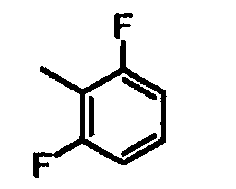
299 
312 
287 
300 
313 
288 
301 
289 
302 
314 
290 
303 
315 
291 
304 
316 
292 
305 
317 
293 
306 
318 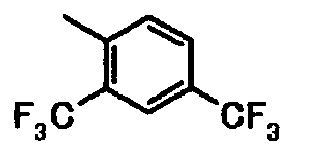
294 
307 
319 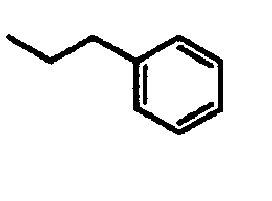
295 
308 
- 2-(3-Fluorobenzamido)-4-phenylbenzoic acid 1H-NMR (DMSO-d6) δ: 7.44-7.49 (1H, m), 7.51-7.58 (4H, m), 7.65-7.72 (1H, m), 7.72-7.77 (3H, m), 7.81-7.85 (1H, m), 8.14 (1H, d, J = 8.3 Hz), 9.02 (1H, d, J = 1.7 Hz), 12.25 (1H, s).
- 2-(4-Fluorobenzamido)-4-phenylbenzoic acid
1H-NMR (DMSO-d6) δ: 7.43-7.59 (6H, m), 7.71-7.77 (2H, m), 8.02-8.09 (2H, m), 8.14 (1H, d, J = 8.3 Hz), 9.04 (1H, d, J = 1.7 Hz), 12.24 (1H, s), 13.75-13.95 (1H, broad). - 2-(2,4-Difluorobenzamido)-4-phenylbenzoic acid
1H-NMR (DMSO-d6) δ: 7.32 (1H, td, J = 8.4, 2.4 Hz), 7.44-7.58 (5H, m), 7.70-7.76 (2H, m), 8.04 (1H, td, J = 8.8, 6.6 Hz), 8.13 (1H, d, J = 8.3 Hz), 9.04 (1H, d, J = 2.0 Hz), 12.02-12.06 (1H, m), 13.77 (1H, s). - 2-(2,6-Difluorobenzamido)-4-phenylbenzoic acid
1H-NMR (DMSO-d6) δ: 7.28-7.35 (2H, m), 7.44-7.50 (1H, m), 7.52-7.61 (3H, m), 7.62-7.78 (3H, m), 8.12 (1H, d, J = 8.3 Hz), 8.90 (1H, s), 11.86 (1H, s), 13.70-13.95 (1H, broad). - 2-(2-Methylbenzamido)-4-phenylbenzoic acid
1H-NMR (DMSO-d6) δ: 2.48 (3H, s), 7.33-7.39 (2H, m), 7.43-7.50 (2H, m), 7.50-7.59 (3H, m), 7.62-7.66 (1H, m), 7.71-7.76 (2H, m), 8.11 (1H, d, J = 8.3 Hz), 9.03 (1H, d, J = 1.7 Hz), 11.69 (1H, s), 13.71 (1H, s). - 2-(3-Methylbenzamido)-4-phenylbenzoic acid
1H-NMR (DMSO-d6) δ: 2.43 (3H, s), 7.44-7.58 (6H, m), 7.71-7.83 (4H, m), 8.14 (1H, d, J = 8.0 Hz), 9.09 (1H, d, J= 1.7 Hz), 12.27 (1H, s), 13.80-13.95 (1H, broad). - 2-(4-Methylbenzamido)-4-phenylbenzoic acid
1H-NMR (DMSO-d6) δ: 2.41 (3H, s), 7.40-7.58 (6H, m), 7.72-7.75 (2H, m), 7.89 (2H, d, J = 8.3 Hz), 8.14 (1H, d, J = 8.3 Hz), 9.09 (1H, d, J = 1.7 Hz), 12.24 (1H, s), 13.75-13.90 (1H, broad). - 4-Phenyl-2-(2-(trifluoromethyl)benzamido)benzoic acid
1H-NMR (DMSO-d6) δ: 7.47 (1H, tt, J = 7.4, 1.5 Hz), 7.52-7.60 (3H, m), 7.70-7.94 (6H, m), 8.12 (1H, d, J = 8.3 Hz), 8.88 (1H, s), 11.69 (1H, s), 13.65-13.85 (1H, broad). - 4-Phenyl-2-(3-(trifluoromethyl)benzamido)benzoic acid
1H-NMR (DMSO-d6) δ: 7.47 (1H, tt, J = 7.3, 1.5 Hz), 7.52-7.58 (3H, m), 7.72-7.77 (2H, m), 7.86-7.91 (1H, m), 8.05 (1H, d, J = 8.1 Hz), 8.14 (1H, d, J = 8.3 Hz), 8.27-8.32 (2H, m), 9.01 (1H, d, J = 2.0 Hz), 12.38 (1H, s), 13.80-14.05 (1H, broad). - 4-Phenyl-2-(4-(trifluoromethyl)benzamido)benzoic acid
1H-NMR (DMSO-d6) δ: 7.47 (1H, tt, J = 7.6, 1.5 Hz), 7.52-7.59 (3H, m), 7.72-7.77 (2H, m), 8.01 (2H, d, J = 8.3 Hz), 8.12-8.22 (3H, m), 9.02 (1H, d, J = 1.7 Hz), 12.34 (1H, s). - 2-(3,4-Dimethylbenzamido)-4-phenylbenzoic acid
1H-NMR (DMSO-d6) δ: 2.32 (3H, s), 2.33 (3H, s), 7.37 (1H, d, J = 7.8 Hz), 7.44-7.58 (4H, m), 7.69-7.79 (4H, m), 8.13 (1H, d, J = 8.3 Hz), 9.09 (1H, d, J = 2.0 Hz), 12.25 (1H, s), 13.75-13.95 (1H, broad). - 2-(2,3-Dimethylbenzamido)-4-phenylbenzoic acid
1H-NMR (DMSO-d6) δ: 2.31 (3H, s), 2.33 (3H, s), 7.24 (1H, t, J = 7.6 Hz), 7.34 (1H, d, J = 7.6 Hz), 7.41 (1H, d, J = 7.6 Hz), 7.44-7.58 (4H, m), 7.71-7.75 (2H, m), 8.11 (1H, d, J = 8.3 Hz), 9.03 (1H, s), 11.60 (1H, s), 13 . 60-13. 80 (1H, broad). - 2-(6-Morpholinopyridine-3-carboxamido)-4-phenylbenzoic acid
1H-NMR (DMSO-d6) δ: 3.60-3.75 (8H, m), 7.00 (1H, d, J = 9.0 Hz), 7.43-7.58 (4H, m), 7.70-7.75 (2H, m), 8.04 (1H, dd, J = 9.0, 2.5 Hz), 8.12 (1H, d, J = 8.3 Hz), 8.75 (1H, d, J = 2.5 Hz), 9.06 (1H, d, J = 1.7 Hz), 12.08 (1H, s), 13.70-13.90 (1H, broad). - 2-(Cyclohexanecarboxamido)-4-phenylbenzoic acid
1H-NMR (DMSO-d6) δ: 1.14-1.52 (5H, m), 1.60-1.71 (1H, m), 1.72-1.81 (2H, m), 1.88-1.99 (2H, m), 2.30-2.39 (1H, m), 7.41-7.56 (4H, m), 7.65-7.71 (2H, m), 8.06 (1H, d, J = 8.3 Hz), 8.90 (1H, d, J = 1.7 Hz), 11.28 (1H, s), 13.61 (1H, s). - 4-Phenyl-2-(2-phenylacetamido)benzoic acid
1H-NMR (DMSO-d6) δ: 3.80 (2H, s), 7.26-7.54 (9H, m), 7.64-7.69 (2H, m), 8.03 (1H, d, J = 8.3 Hz), 8.87 (1H, d, J = 1.7 Hz), 11.23 (1H, s), 13.55-13.75 (1H, broad). - 2-(Cinnamamido)-4-phenylbenzoic acid
1H-NMR (DMSO-d6) δ: 6.94 (1H, d, J = 15.6 Hz), 7.41-7.57 (7H, m), 7.66 (1H, d, J = 15.6 Hz), 7.69-7.78 (4H, m), 8.10 (1H, d, J = 8.3 Hz), 8.98 (1H, d, J = 1.7 Hz), 11.42 (1H, s), 13.55-13.75 (1H, broad). - 2-(2-Phenoxyacetamido)-4-phenylbenzoic acid
1H-NMR (DMSO-d6) δ: 4.77 (2H, s), 7.03 (1H, t, J = 7.3 Hz), 7.09-7.15 (2H, m), 7.33-7.40 (2H, m), 7.43-7.57 (4H, m), 7.67-7.73 (2H, m), 8.10 (1H, d, J = 8.3 Hz), 9.06 (1H, d, J = 1.7 Hz), 12.26 (1H, s), 13.82 (1H, s). - 2-(Furan-2-carboxamido)-4-phenylbenzoic acid
1H-NMR (DMSO-d6) δ: 6.77 (1H, dd, J = 3.5, 1.7 Hz), 7.30 (1H, dd, J = 3.5, 0.6 Hz), 7.44-7.57 (4H, m), 7.69-7.75 (2H, m), 8.02 (1H, dd, J = 1.7, 0.6 Hz), 8.13 (1H, d, J = 8.3 Hz), 9.03 (1H, d, J = 2.0 Hz), 12.26 (1H, s), 13.79 (1H, s). - 4-Phenyl-2-(thiophene-2-carboxamido)benzoic acid
1H-NMR (DMSO-d6) δ: 7.30 (1H, dd, J = 5.0, 3.8 Hz), 7.44-7.50 (1H, m), 7.50-7.58 (3H, m), 7.70-7.76 (2H, m), 7.78 (1H, dd, J= 3.8, 1.1 Hz), 7.96 (1H, dd, J=5.0, 1.1 Hz), 8.13 (1H, d, J = 8.3 Hz), 8.94 (1H, d, J = 1.7 Hz), 12.23 (1H, s), 13.80-14.00 (1H, broad). - 2-(Benzo[1,3]dioxole-5-carboxamido)-4-phenylbenzoic acid
1H-NMR (DMSO-d6) δ: 6.17 (2H, s), 7.13 (1H, d, J = 8.1 Hz), 7.43-7.59 (6H, m), 7.70-7.76 (2H, m), 8.13 (1H, d, J = 8.3 Hz), 9.05 (1H, d, J = 2.0 Hz), 12.14 (1H, s), 13.70-13.95 (1H, broad). - 2-(2,3-Dihydrobenzo[1,4]dioxine-6-carboxamido)-4-phenylbenzoic acid
1H-NMR (DMSO-d6) δ: 4.28-4.39 (4H, m), 7.07 (1H, d, J = 8.3 Hz), 7.43-7.57 (6H, m), 7.70-7.75 (2H, m), 8.13 (1H, d, J = 8.3 Hz), 9.07 (1H, d, J = 1.7 Hz), 12.16 (1H, s), 13.70-13.90 (1H, broad). - 2-(Benzothiophene-5-carboxamido)-4-phenylbenzoic acid
1H-NMR (DMSO-d6) δ: 7.45-7.58 (4H, m), 7.65 (1H, d, J = 5.4 Hz), 7.72-7.78 (2H, m), 7.92-7.97 (2H, m), 8.15 (1H, d, J = 8.3 Hz), 8.25 (1H, d, J = 8.5 Hz), 8.53 (1H, d, J = 1.5 Hz), 9.11 (1H, d, J = 1.7 Hz), 12.37 (1H, s). - 2-(1-Methyl-1H-benzotriazole-5-carboxamido)-4-phenylbenzoic acid
1H-NMR (DMSO-d6) δ: 4.39 (3H, s), 7.45-7.51 (1H, m), 7.53-7.59 (3H, m), 7.73-7.78 (2H, m), 8.07 (1H, d, J = 8.8 Hz), 8.16 (2H, d, J = 8.1 Hz), 8.66 (1H, s), 9.07 (1H, d, J = 1.7 Hz) . 12.37 (1H. s). - 2-(3-Nitrobenzamido)-4-phenylbenzoic acid
1H-NMR (DMSO-d6) δ: 7.48 (1H, tt, J = 7.3, 1.5 Hz), 7.52-7.61 (3H, m), 7.72-7.78 (2H, m), 7.93 (1H, t, J = 8.0 Hz), 8.15 (1H, d, J = 8.3 Hz), 8.41 (1H, ddd, J = 8.0, 1.5, 1.0 Hz), 8.51 (1H, ddd, J = 8.1, 2.4, 1.0 Hz), 8.78-8.80 (1H, m), 8.98-9.00 (1H, m), 12.42 (1H, s). - 2-(Benzofuran-5-carboxamido)-4-phenylbenzoic acid
1H-NMR (DMSO-d6) δ: 7.16 (1H, dd, J = 2.2, 1.0 Hz), 7.47 (1H, tt, J = 7.4, 1.5 Hz), 7.50-7.59 (3H, m), 7.72-7.78 (2H, m), 7.83 (1H, d, J = 8.5 Hz), 7.96 (1H, dd, J = 8.7, 1.7 Hz), 8.12-8.19 (2H, m), 8.33 (1H, d, J = 1.7 Hz), 9.10 (1H, d, J = 1.7 Hz), 12.31 (1H, s). - 2-(Benzothiazole-2-carboxamido)-4-phenylbenzoic acid
1H-NMR (DMSO-d6) δ: 7.46-7.51 (1H, m), 7.53-7.79 (7H, m), 8.16-8.22 (2H, m), 8.29-8.32 (1H, m), 9.10 (1H, d, J= 1.7 Hz), 13.04 (1H, s). - 2-(Benzothiophene-3-carboxamido)-4-phenylbenzoic acid
1H-NMR (DMSO-d6) δ: 7.45-7.61 (6H, m), 7.73-7.80 (2H, m), 8.11-8.18 (2H, m), 8.51-8.55 (1H, m), 8.56 (1H, s), 9.04 (1H, d, J = 2.0 Hz), 12.09 (1H, s). - 2-(Benzofuran-2-carboxamido)-4-phenylbenzoic acid
1H-NMR (DMSO-d6) δ: 7.37-7.48 (1H, m), 7.48 (1H, tt, J = 7.4, 1.5 Hz), 7.52-7.59 (4H, m), 7.69-7.78 (4H, m), 7.86 (1H, d, J = 7.8 Hz), 8.16 (1H, d, J = 8.3 Hz), 9.08 (1H, d, J = 1.7 Hz), 12.61 (1H, s). - 2-(Benzothiophene-2-carboxamido)-4-phenylbenzoic acid
1H-NMR (DMSO-d6) δ: 7.45-7.59 (6H, m), 7.71-7.78 (2H, m), 8.06-8.18 (4H, m), 8.95 (1H, d, J = 1.5 Hz), 12.43 (1H, s). - 4-Phenyl-2-(1-phenyl-1H-pyrazole-5-carboxamido)benzoic acid
1H-NMR (DMSO-d6) δ: 7.09 (1H, d, J = 2.0 Hz), 7.41-7.55 (9H, m), 7.64-7.69 (2H, m), 7.88 (1H, d, J = 2. 0 Hz), 8.12 (1H, d, J = 8.3 Hz), 8.77 (1H, d, J = 1.7 Hz), 12.12 (1H, s). - 2-(2,2-Diphenylacetamido)-4-phenylbenzoic acid
1H-NMR (DMSO-d6) δ: 5.34 (1H, s), 7.28 (1H, tt, J = 7.2, 1.7 Hz), 7.33-7.54 (13H, m), 7.65-7.71 (2H, m), 8.02 (1H, d, J = 8.3 Hz), 8.92 (1H, d, J = 1.7 Hz), 11.42 (1H, s), 13.50-13.70 (1H, broad). - 2-(2-Chlorobenzamido)-4-phenylbenzoic acid
1H-NMR (DMSO-d6) δ: 7.44-7.65 (7H, m), 7.71-7.78 (3H, m), 8.12 (1H, d, J = 8.3 Hz), 8.97 (1H, s), 11.72 (1H, s). - 2-(3-Chlorobenzamido)-4-phenylbenzoic acid
1H-NMR (DMSO-d6) δ: 7.44-7.50 (1H, m), 7.52-7.59 (3H, m), 7.66 (1H, t, J = 7.9 Hz), 7.71-7.78 (3H, m), 7.92-7.96 (1H, m), 7.99 (1H, t, J = 1.8 Hz), 8.14 (1H, d, J = 8.0 Hz), 9.00 (1H, d, J = 2.0 Hz), 12.27 (1H, s). - 2-(4-Chlorobenzamido)-4-phenylbenzoic acid
1H-NMR (DMSO-d6) δ: 7.47 (1H, tt, J = 7.4, 1.6 Hz), 7.52-7.59 (3H, m), 7.68-7.77 (4H, m), 7.97-8.02 (2H, m), 8.14 (1H, d, J = 8.3 Hz), 9.02-9.04 (1H, m), 12.25 (1H, s). - 2-(2,4-Dichlorobenzamido)-4-phenylbenzoic acid
1H-NMR (DMSO-d6) δ: 7.47 (1H, tt, J = 7.3, 1.5 Hz), 7.52-7.59 (3H, m), 7.63 (1H, dd, J = 8.3, 2.0 Hz), 7.70-7.76 (2H, m), 7.79 (1H, d, J = 8.3 Hz), 7.83 (1H, d, J = 2.0 Hz), 8.11 (1H, d, J = 8.3 Hz), 8.91 (1H, s), 11.72 (1H, s). - 4-Phenyl-2-(2,4-bis(trifluoromethyl)benzamido)benzoic acid
1H-NMR (DMSO-d6) δ: 7.47 (1H, tt, J = 7.4, 1.6 Hz), 7.53-7.57 (2H, m), 7.60 (1H, dd, J = 8.3, 1.7 Hz), 7.70-7.76 (2H, m), 8.10-8.15 (2H, m), 8.25 (1H, s), 8.28-8.33 (1H, m), 8.76 (1H, d, J = 1.4 Hz), 11.69 (1H, s) . - 4-Phenyl-2-(3-phenylpropanamido)benzoic acid
1H-NMR (DMSO-d6) δ: 2.76 (2H, t, J = 7.6 Hz), 2.97 (2H, t, J = 7.6 Hz), 7.16-7.22 (1H, m), 7.26-7.31 (4H, m), 7.42-7.48 (2H, m), 7.50-7.56 (2H, m), 7.65-7.71 (2H, m), 8.05 (1H, d, J = 8.3 Hz), 8.85 (1H, d, J = 2.0 Hz), 11.23 (1H, s), 13.55-13.75 (1H, broad). -

10 mL of trifluoroacetic acid was added to the obtained tert-butyl 4-phenoxy-2-(6-(piperidin-1-yl)pyridine-3-carboxamido)benzoate and stirred at room temperature for 2 hours. The solvent was evaporated under reduced pressure and water was added and pH was adjusted to pH 6.5 with a saturated sodium hydrogen carbonate aqueous solution. A solid substance was separated by filtration to obtain 23 mg of 4-phenoxy-2-(6-(piperidin-1-yl)pyridine-3-carboxamido)benzoic acid as white solid.
1H-NMR (DMSO-d6) δ: 1.47-1.70 (6H, m), 3.62-3.70 (4H, m), 6.73 (1H, dd, J = 9.0, 2.6 Hz), 6.93 (1H, d, J = 9.2 Hz), 7.15-7.18 (2H, m), 7.25-7.30 (1H, m), 7.45-7.52 (2H, m), 7.91 (1H, dd, J =9.2, 2.6 Hz), 8.05 (1H, d, J = 9.0 Hz), 8.38 (1H, d, J = 2.6Hz), 8.63 (1H, d, J = 2.6 Hz), 12.22 (1H, s). -

10 mL of trifluoroacetic acid was added to the obtained tert-butyl 2-(2-fluorobenzamido)-4-phenoxybenzoate and stirred at room temperature for 2 hours. The solvent was evaporated under reduced pressure and diisopropyl ether was added to the obtained residue and a solid substance was separated by filtration to obtain 30 mg of 2-(2-fluorobenzamido)-4-phenoxybenzoic acid as white solid.
1H-NMR (DMSO-d6) δ: 6.79 (1H, dd, J = 8.9, 2.5 Hz), 7.16-7.21 (2H, m), 7.25-7.31 (1H, m), 7.35-7.53 (4H, m), 7.63-7.69 (1H, m), 7.88 (1H, td, J = 7.8, 1.8 Hz), 8.06 (1H, d, J = 8.9 Hz), 8.41 (1H, d, J = 2.5 Hz), 12.15-12.19 (1H, broad), 13.50-13.70 (1H, broad). - The compounds shown in Table 34 were obtained in the same manner as in Example 321.
-
[Table 34] 
Example No. R2 Example No. R2 Example No. R2 322 
330 
338 
323 
331 
339 
324 
332 
340 
325 
333 
341 
326 
334 
342 
327 
335 
343 
328 
336 
344 
329 
337 
- 4-Phenoxy-2-(2-(trifluoromethyl)benzamido)benzoic acid
1H-NMR (DMSO-d6) δ: 6.77 (1H, dd, J = 8.8, 2.4 Hz), 7.19 (2H, d, J = 7.8 Hz), 7.28 (1H, t, J = 7.4 Hz), 7.46-7.53 (2H, m), 7.74-7.87 (3H, m), 7.89 (1H, d, J = 8.1 Hz), 8.04 (1H, d, J = 8.8 Hz), 8 . 27 (1H, d, J = 2.4 4 Hz), 11.82 (1H, s), 13.60 (1H, s). - 4-Phenoxy-2-(4-(trifluoromethyl)benzamido)benzoic acid
1H-NMR (DMSO-d6) δ: 6.80 (1H, dd, J = 8.9, 2.5 Hz), 7.16-7.22 (2H, m), 7.26-7.32 (1H, m), 7.47-7.53 (2H, m), 7.98 (2H, d, J = 8.3 Hz), 8.06-8.14 (3H, m), 8.37 (1H, d, J = 2.5 Hz), 12.51 (1H, s), 13.65-13.85 (1H, broad). - 2-(2-Methylbenzamido)-4-phenoxybenzoic acid
1H-NMR (DMSO-d6) δ: 2.42 (3H, s), 6.75 (1H, dd, J = 8.9, 2.7 Hz), 7.16-7.21 (2H, m), 7.25-7.36 (3H, m), 7.41-7.52 (3H, m), 7.56-7.60 (1H, m), 8.05 (1H, d, J = 8.9 Hz), 8.39 (1H, d, J = 2.7 Hz), 11.82 (1H, s), 13.45-13.65 (1H, broad). - 2-(3-Methylbenzamido)-4-phenoxybenzoic acid
1H-NMR (DMSO-d6) δ: 2.40 (3H, s), 6.77 (1H, dd, J = 8.8, 2.7 Hz), 7.16-7.21 (2H, m), 7.26-7.31 (1H, m), 7.44-7.53 (4H, m), 7.68-7.74 (1H, m), 7.74 (1H, s), 8.07 (1H, d, J = 8.8 Hz), 8.41 (1H, d, J = 2.7 Hz), 12.41 (1H, s), 13.71 (1H, s). - 2-(4-Methylbenzamido)-4-phenoxybenzoic acid
1H-NMR (DMSO-d6) δ: 2.39 (3H, s), 6.76 (1H, dd, J = 8.9, 2.6 Hz), 7.15-7.21 (2H, m), 7.26-7.31 (1H, m), 7.39 (2H, d, J = 8.2 Hz), 7.46-7.52 (2H, m), 7.82 (2H, d, J = 8.2 Hz), 8.07 (1H, d, J = 8.9 Hz), 8.41 (1H, d, J = 2.6 Hz), 12.38 (1H, s), 13.67 (1H, s). - 2-(4-Nitrobenzamido)-4-phenoxybenzoic acid
1H-NMR (DMSO-d6) δ: 6.82 (1H, dd, J = 8.9, 2.5 Hz), 7.16-7.21 (2H, m), 7.26-7.32 (1H, m), 7.46-7.53 (2H, m), 8.09 (1H, d, J = 8.9 Hz), 8.12-8.17 (2H, m), 8.35 (1H, d, J = 2.5 Hz), 8.40-8.45 (2H, m), 12.53 (1H, s), 13.65-13.90 (1H, broad). - 2-(3,4-Dimethylbenzamido)-4-phenoxybenzoic acid
1H-NMR (DMSO-d6) δ: 2.30 (6H, s), 6.75 (1H, dd, J = 8.9, 2.7 Hz), 7.15-7.20 (2H, m), 7.25-7.31 (1H, m), 7.34 (1H, d, J = 7.8 Hz), 7.45-7.53 (2H, m), 7.64 (1H, dd, J = 7.8, 1.9 Hz), 7.71 (1H, d, J = 1.9 Hz), 8.06 (1H, d, J = 8.9 Hz), 8.42 (1H, d, J = 2.7 Hz), 12.38 (1H, s), 13.69 (1H, s). - 2-(2,3-Dimethylbenzamido)-4-phenoxybenzoic acid
1H-NMR (DMSO-d6) δ: 2.27 (3H, s), 2.29 (3H, s), 6.75 (1H, dd, J = 8.8, 2.6 Hz), 7.16-7.38 (6H, m), 7.46-7.52 (2H, m), 8.04 (1H, d, J = 8.8 Hz), 8.40 (1H, d, J = 2.6 Hz), 11.73 (1H, s), 13.53 (1H, s). - 2-(6-Morpholinopyridine-3-carboxamido)-4-phenoxybenzoic acid
1H-NMR (DMSO-d6) δ: 3.57-3.75 (8H, m), 6.75 (1H, dd, J = 9.0, 2.6 Hz), 6.96 (1H, d, J = 9.0 Hz), 7.13-7.22 (2H, m), 7.24-7.31 (1H, m), 7.45-7.53 (2H, m), 7.97 (1H, dd, J = 9.0, 2.4 Hz), 8.05 (1H, d, J = 9.0 Hz), 8.37 (1H, d, J = 2.6 Hz), 8.67 (1H, d, J = 2.4 Hz), 12.23 (1H, s), 13.64 (1H, s). - 4-Phenoxy-2-(2-phenylacetamido)benzoic acid
1H-NMR (DMSO-d6) δ: 3.73 (2H, s), 6.69 (1H, dd, J = 8.8, 2.5 Hz), 7.12 (2H, d, J = 7.6 Hz), 7.22-7.38 (6H, m), 7.43-7.49 (2H, m), 7.96 (1H, d, J = 8.8 Hz), 8.21 (1H, d, J = 2.5 Hz), 11.35 (1H, s), 13.45 (1H, s). - 2-(3-Fluorobenzamido)-4-phenoxybenzoic acid
1H-NMR (DMSO-d6) δ: 6.80 (1H, dd, J = 8.8, 2.7 Hz), 7.16-7.21 (2H, m), 7.26-7.31 (1H, m), 7.46-7.55 (3H, m), 7.62-7.70 (2H, m), 7.74-7.78 (1H, m), 8.08 (1H, d, J = 8.8 Hz), 8.35 (1H, d, J = 2.7 Hz), 12.42 (1H, s), 13.60-13.85 (1H, broad). - 2-(2,6-Difluorobenzamido)-4-phenoxybenzoic acid
1H-NMR (DMSO-d6) δ: 6.81 (1H, dd, J = 8.8, 2.4 Hz), 7.19 (2H, d, J = 7.8 Hz), 7.24-7.34 (3H, m), 7.46-7.54 (2H, m), 7.61-7.70 (1H, m), 8.05 (1H, d, J = 8.8 Hz), 8.25-8.29 (1H, m), 11.99 (1H, s), 13.50-13.80 (1H, broad). - 4-Phenoxy-2-(3-(trifluoromethyl)benzamido)benzoic acid
1H-NMR (DMSO-d6) δ: 6.81 (1H, dd, J = 8.8, 2.4 Hz), 7.16-7.21 (2H, m), 7.26-7.32 (1H, m), 7.46-7.53 (2H, m), 7.85 (1H, t, J = 8.0 Hz), 8.03 (1H, d, J = 7.8 Hz), 8.08 (1H, d, J = 8.8 Hz), 8.18-8.24 (2H, m), 8.35 (1H, d, J = 2.4 Hz), 12.54 (1H, s). - 2-(3-Nitrobenzamido)-4-phenoxybenzoic acid
1H-NMR (DMSO-d6) δ: 6.81 (1H, dd, J = 8.8, 2.4 Hz), 7.17-7.21 (2H, m), 7.26-7.33 (1H, m), 7.46-7.54 (2H, m), 7.89 (1H, t, J = 7.9 Hz), 8.08 (1H, d, J = 8.8 Hz), 8.30-8.37 (2H, m), 8.46-8.50 (1H, m), 8.71 (1H, s), 12.62 (1H, s), 13.70-14.00 (1H, broad). - 2-(2-Chlorobenzamido)-4-phenoxybenzoic acid
1H-NMR (DMSO-d6) δ: 6.79 (1H, dd, J = 8.9, 2.4 Hz), 7.16-7.22 (2H, m), 7.26-7.32 (1H, m), 7.46-7.63 (5H, m), 7.69 (1H, dd, J = 7.4, 1.6 Hz), 8.05 (1H, d, J = 8.9 Hz), 8.30-8.34 (1H, m), 11.86 (1H, s), 13.50-13.75 (1H, broad). - 2-(3-Chlorobenzamido)-4-phenoxybenzoic acid
1H-NMR (DMSO-d6) δ: 6.79 (1H, dd, J = 8.8, 2.4 Hz), 7.16-7.21 (2H, m), 7.25-7.31 (1H, m), 7.45-7.53 (2H, m), 7.60-7.65 (1H, m), 7.69-7.76 (1H, m), 7.84-7.95 (2H, m), 8.07 (1H, d, J = 8.8 Hz), 8.34 (1H, d, J = 2.4 Hz), 12.43 (1H, s). - 2-(4-Chlorobenzamido)-4-phenoxybenzoic acid
1H-NMR (DMSO-d6) δ: 6.78 (1H, dd, J = 8.9, 2.6 Hz), 7.16-7.21 (2H, m), 7.26-7.32 (1H, m), 7.46-7.52 (2H, m), 7.64-7.70 (2H, m), 7.88-7.95 (2H, m), 8.07 (1H, d, J = 8.9 Hz), 8.36 (1H, d, J = 2.6 Hz), 12.42 (1H, s). - 2-(2,4-Dichlorobenzamido)-4-phenoxybenzoic acid
1H-NMR (DMSO-d6) δ: 6.80 (1H, dd, J = 8.8, 2.7 Hz), 7.18 (2H, d, J = 7.8 Hz), 7.28 (1H, t, J =7.4 Hz), 7.45-7.53 (2H, m), 7.60 (1H, dd, J = 8.3, 2.2 Hz), 7.74 (1H, d, J = 8.3 Hz), 7.81 (1H, d, J =1.9 Hz), 8.05 (1H, d, J = 8.8 Hz), 8.26-8.28 (1H, m), 11.88 (1H, s), 13.45-13.80 (1H, broad). - 2-(Benzothiophene-5-carboxamido)-4-phenoxybenzoic acid
1H-NMR (DMSO-d6) δ: 6.78 (1H, dd, J = 8.8, 2.7 Hz), 7.17-7.22 (2H, m), 7.27-7.32 (1H, m), 7.47-7.53 (2H, m), 7.62 (1H, d, J = 5.4 Hz), 7.87 (1H, dd, J = 8.4, 1.7 Hz), 7.93 (1H, d, J = 5.4 Hz), 8.09 (1H, d, J = 8.8 Hz), 8.22 (1H, d, J = 8.4 Hz), 8.44 (1H, d, J = 2.7 Hz), 8.47 (1H, d, J = 1.7 Hz), 12.52 (1H, s). - 2-(Benzothiophene-2-carboxamido)-4-phenoxybenzoic acid
1H-NMR (DMSO-d6) δ: 6.80 (1H, dd, J = 8.8, 2.6 Hz), 7.17-7.22 (2H, m), 7.26-7.32 (1H, m), 7.46-7.56 (4H, m), 8.04-8.12 (4H, m), 8.28 (1H, d, J = 2.6 Hz), 12.57 (1H, s), 13.65-13.90 (1H, broad). - 4-Phenoxy-2-(1-phenyl-1H-pyrazole-5-carboxamido)benzoic acid
1H-NMR (DMSO-d6) δ: 6.73 (1H, dd, J = 8.9, 2.7 Hz), 7.04 (1H, d, J = 2.1 Hz), 7.10-7.15 (2H, m), 7.20-7.25 (1H, m), 7.40-7.48 (7H, m), 7.86 (1H, d, J = 2.1 Hz), 8.04 (1H, d, J = 8.9 Hz), 8.13 (1H, d, J = 2.7 Hz), 12.22 (1H, s). - 4-Phenoxy-2-(2,4-bis(trifluoromethyl)benzamido)benzoic acid
1H-NMR (DMSO-d6) δ: 6.80 (1H, dd, J = 8.9, 2.3 Hz), 7.19 (2H, d, J = 7.8 Hz), 7.26-7.31 (1H, m), 7.45-7.53 (2H, m), 8.05 (1H, d, J = 8.9 Hz), 8.09 (1H, d, J = 7.9 Hz), 8.19 (1H, d, J = 2.3 Hz), 8.23 (1H, s), 8.27 (1, d, J = 7.9 Hz), 11.86 (1H, s). - 4-Phenoxy-2-(3-phenylpropanamido)benzoic acid
1H-NMR (DMSO-d6) δ: 2.69 (2H, t, J = 7.7 Hz) , 2.90 (2H, t, J = 7.7 Hz), 6.69 (1H, dd, J = 8.9, 2.5 Hz), 7.11-7.21 (3H, m), 7.21-7.31 (5H, m), 7.43-7.50 (2H, m), 7.98 (1H, d, J = 8.9 Hz), 8.21 (1H, d, J = 2.5 Hz), 11.36 (1H, s), 13.40-13.60 (1H, broad). -
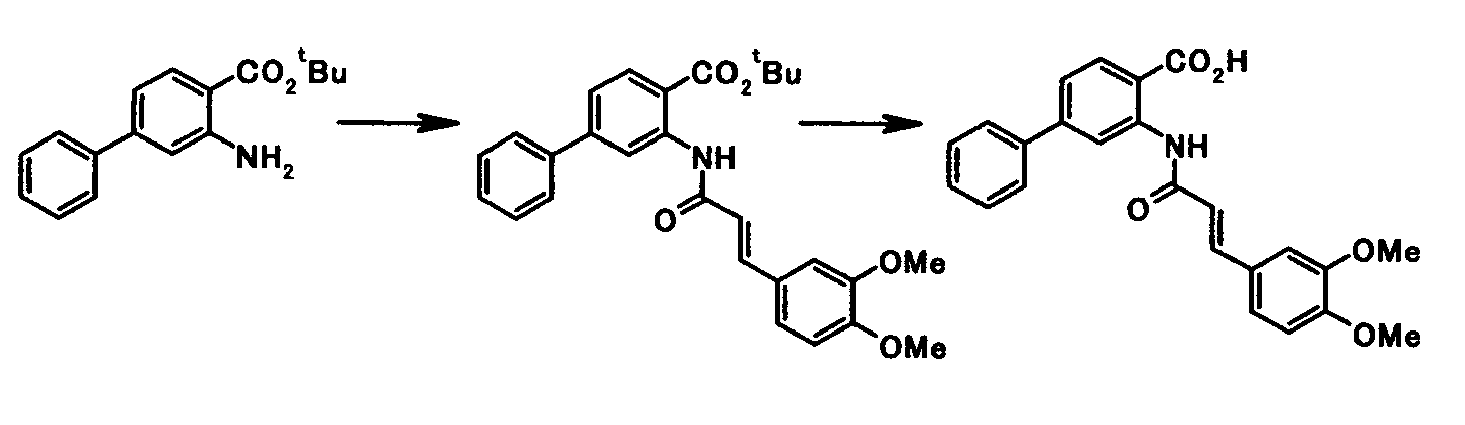
10 mL of trifluoroacetic acid was added to obtain (E)-tert-butyl 2-(3-(3,4-dimethoxyphenyl)acrylamido)-4-phenylbenzoate and stirred at room temperature for 2 hours. The solvent was evaporated under reduced pressure, diisopropyl ether was added to the obtained residue, and a solid substances was separated by filtration to obtain 20 mg of (E)-2-(3-(3,4-dimethoxyphenyl)acrylamido)-4-phenylbenzoic acid as white solid.
1H-NMR (DMSO-d6) δ: 3.81 (3H, s), 3.85 (3H, s), 6.84 (1H, d, J = 15.5 Hz), 7.01 (1H, d, J = 8.3 Hz), 7.26 (1H, dd, J = 8.4, 1.7 Hz), 7.40 (1H, d, J = 1.5 Hz), 7.43-7.57 (4H, m), 7.59 (1H, d, J = 15.5 Hz), 7.71 (2H, d, J =
7.8 Hz), 8.09 (1H, d, J = 8.4 Hz), 9.00 (1H, d, J = 1.7 Hz), 11.37 (1H, s), 13.50-13.75 (1H, broad). - The compounds shown in Table 35 were obtained in the same manner as in Example 345.
-
[Table 35] 
Example No. R2 Example No. R2 Example No. R2 346 
354 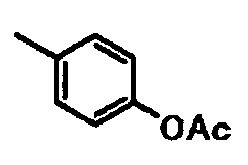
362 
347 
355 
363 
348 
356 
364 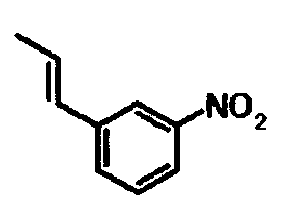
349 
357 
365 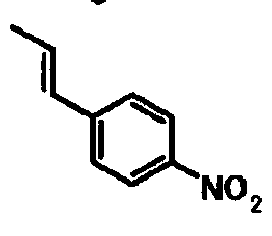
350 
358 
366 
351 
359 
352 
360 
367 
353 
361 
- 4-Phenyl-2-((E)-3-(pyridin-4-yl)acrylamido)benzoic acid trifluoroacetate
1H-NMR (DMSO-d6) δ: 7.40 (1H, d, J = 15.6 Hz), 7.47 (1H, tt, J = 7.3, 1.5 Hz), 7.51-7.58 (3H, m), 7.68-7.75 (3H, m), 8.07 (2H, d, J = 6.1 Hz), 8.11 (1H, d, J = 8.3 Hz), 8.82 (2H, d, J = 6.1 Hz), 8.96 (1H, d, J = 1.7 Hz), 11.56 (1H, s). - 2-(3-Methylpyridine-2-carboxamido)-4-phenylbenzoic acid
1H-NMR (DMSO-d6) δ: 2.71 (3H, s), 7.44-7.61 (5H, m), 7.72-7.77 (2H, m), 7.85-7.88 (1H, m), 8.12 (1H, d, J = 8.0 Hz), 8.56-8.59 (1H, m), 9.20 (1H, d, J = 1.7 Hz), 13.09 (1H, s), 13.45-13.70 (1H, broad). - 4-Phenyl-2-(3-phenylpropiolamido)benzoic acid
1H-NMR (DMSO-d6) δ: 6.56-6.70 (1H, m), 7.21 (1H, d, J = 7.8 Hz), 7.27-7.32 (2H, m), 7.34-7.41 (3H, m), 7.61-7.70 (3H, m), 7.88-7.92 (2H, m), 8.42 (1H, d, J = 7.8 Hz). - 4-Phenyl-2-(6-phenylpyrimidine-4-carboxamido)benzoic acid
1H-NMR (DMSO-d6) δ: 7.45-7.50 (1H, m), 7.54-7.66 (6H, m), 7.74-7.79 (2H, m), 8.17 (1H, d, J = 8.3 Hz), 8.30-8.38 (2H, m), 8.67 (1H, d, J = 1.2 Hz), 9.24 (1H, d, J = 1.7 Hz), 9.49 (1H, d, J = 1.2 Hz), 13.24 (1H, s). - 4-Phenyl-2-(5-phenyl-1H-pyrazole-4-carboxamido)benzoic acid
1H-NMR (DMSO-d6) δ: 7.38-7.55 (8H, m), 7.67-7.75 (4H, m), 8.08 (1H, d, J = 8.3 Hz), 8.95 (1H, d, J = 1.4 Hz), 11.65-11.80 (1H, broad), 12.82-12.90 (1H, broad). - 4-Phenyl-2-(3-phenyl-1H-pyrazole-5-carboxamido)benzoic acid
1H-NMR (DMSO-d6) δ: 7.25 (1H, s), 7.38-7.59 (7H, m), 7.71-7.77 (2H, m), 7.83-7.89 (2H, m), 8.13 (1H, d, J = 8.0 Hz), 9.17 (1H, s), 12.45 (1H, s), 14.01 (1H, s). - 4-Phenyl-2-(3-phenylisoxazole-5-carboxamido)benzoic acid
1H-NMR (DMSO-d6) δ: 7.45-7.51 (1H, m), 7.53-7.63 (7H, m), 7.74 (2H, d, J = 7.8 Hz), 7.98-8.05 (2H, m), 8.16 (1H, d, J = 8.3 Hz), 9.05 (1H, d, J = 1.7 Hz), 12.56 (1H, s), 13.75-14.10 (1H, broad). - 2-(3-Acetoxybenzamido)-4-phenylbenzoic acid
1H-NMR (DMSO-d6) δ: 2.33 (3H, s), 7.43-7.50 (2H, m), 7.51-7.59 (3H, m), 7.67 (1H, t, J = 7.9 Hz), 7.70-7.77 (3H, m), 7.85-7.90 (1H, m), 8.14 (1H, d, J = 8.3 Hz), 9.03 (1H, d, J = 1.7 Hz), 12.27 (1H, s), 13.75-14.05 (1H, broad). - 2-(4-Acetoxybenzamido)-4-phenylbenzoic acid
1H-NMR (DMSO-d6) δ: 2.33 (3H, s), 7.36-7.42 (2H, m), 7.47 (1H, tt, J = 7.3, 1.5 Hz), 7.51-7.59 (3H, m), 7.71-7.77 (2H, m), 8.00-8.06 (2H, m), 8.14 (1H, d, J = 8.3 Hz), 9.06 (1H, d, J = 2.0 Hz), 12.25 (1H, s), 13.75-13.95 (1H, broad). - 2-((E)-3-(4-Acetoxyphenyl)acrylamido)-4-phenylbenzoic acid
1H-NMR (DMSO-d6) δ: 2.29 (3H, s), 6.92 (1H, d, J = 15.7 Hz), 7.21 (2H, d, J = 8.7 Hz), 7.43-7.58 (4H, m), 7.66 (1H, d, J = 15.7 Hz), 7.68-7.75 (2H, m), 7.81 (2H, d, J = 8.7 Hz), 8.10 (1H, d, J = 8.3 Hz), 8.98 (1H, d, J = 1.7 Hz), 11.43 (1H, s), 13.50-13.80 (1H, broad). - 2-((E)-3-(3-Methoxyphenyl)acrylamido)-4-phenylbenzoic acid
1H-NMR (DMSO-d6) δ: 3.82 (3H, s), 6.96 (1H, d, J = 15.6 Hz), 6.97-7.04 (1H, m), 7.28-7.39 (3H, m), 7.43-7.58 (4H, m), 7.62 (1H, d, J = 15.6 Hz), 7.71 (2H, d, J = 8.0 Hz), 8.09 (1H, d, J = 8.3 Hz), 8.97 (1H, d, J = 1.7 Hz), 11.45 (1H, s). - 2-((E)-3-(4-Chlorophenyl)acrylamido)-4-phenylbenzoic acid
1H-NMR (DMSO-d6) δ: 6.98 (1H, d, J = 15.7 Hz), 7.46 (1H, tt, J = 7.3, 1.5 Hz), 7.48-7.57 (5H, m), 7.64 (1H, d, J = 15.7 Hz), 7.69-7.74 (2H, m), 7.77-7.83 (2H, m), 8.10 (1H, d, J = 8.3 Hz), 8.98 (1H, d, J = 2.0 Hz), 11.43 (1H, s), 13.55-13.80 (1H, broad). - 2-((E)-3-(3-Chlorophenyl)acrylamido)-4-phenylbenzoic acid
1H-NMR (DMSO-d6) δ: 7.08 (1H, d, J = 15.6 Hz), 7.43-7.57 (6H, m), 7.63 (1H, d, J = 15.6 Hz), 7.69-7.75 (3H, m), 7.92 (1H, s), 8.10 (1H, d, J = 8.0 Hz), 8.98 (1H, d, J = 2.0 Hz), 11.42 (1H, s), 13.55-13.85 (1H, broad). - 2-((E)-3-(3,4-Dichlorophenyl)acrylamido)-4-phenylbenzoic acid
1H-NMR (DMSO-d6) δ: 7.12 (1H, d, J = 15.6 Hz), 7.46 (1H, tt, J = 7.3, 1.5 Hz), 7.48-7.57 (3H, m), 7.63 (1H, d, J = 15.6 Hz), 7.68-7.74 (3H, m), 7.77 (1H, dd, J = 8.5, 2.0 Hz), 8.10 (1H, d, J = 8.3 Hz), 8.14 (1H, d, J = 2.0 Hz), 8.99 (1H, d, J = 1.7 Hz), 11.43 (1H, s), 13.55-13.80 (1H, broad). - 2-((E)-3-(Benzo[1,3]dioxol-5-yl)acrylamido)-4-phenylbenzoic acid
1H-NMR (DMSO-d6) δ: 6.10 (2H, s), 6.81(1H, d, J = 15.6 Hz), 6.98 (1H, d, J = 8.1 Hz), 7.21 (1H, dd, J = 8.1, 1.7 Hz), 7.43-7.51 (3H, m), 7.51-7.61 (3H, m), 7.68-7.74 (2H, m), 8.09 (1H, d, J = 8.1 Hz), 9.00 (1H, d, J = 1.9 Hz), 11.37 (1H, s), 13.55-13.75 (1H, broad). - 4-Phenyl-2-((E)-3-(thiophen-2-yl)acrylamido)benzoic acid
1H-NMR (DMSO-d6) δ: 6.60 (1H, d, J = 15.4 Hz), 7.17 (1H, dd, J = 5.1, 3.6 Hz), 7.43-7.58 (5H, m), 7.68-7.74 (3H, m), 7.80 (1H, d, J = 15.4 Hz), 8.08 (1H, d, J = 8.3 Hz), 8.90 (1H, d, J = 1.7 Hz), 11.30 (1H, s). - 2-(4-Morpholinobenzamido)-4-phenylbenzoic acid
1H-NMR (DMSO-d6) δ: 3.27-3.31 (4H, m), 3.74-3.77 (4H, m), 7.10 (2H, d, J = 9.0 Hz), 7.43-7.51 (2H, m), 7.51-7.58 (2H, m), 7.71-7.76 (2H, m), 7.86 (2H, d, J = 9.0 Hz), 8.12 (1H, d, J = 8.3 Hz), 9.12 (1H, d, J = 1.7 Hz), 12.16 (1H, s). - 2-(2-(4-Nitrophenyl)acetamido)-4-phenylbenzoic acid
1H-NMR (DMSO-d6) δ: 4.03 (2H, s), 7.42-7.54 (4H, m), 7.64-7.71 (4H, m), 8.04 (1H, d, J = 8.3 Hz), 8.22-8.27 (2H, m), 8.82 (1H, d, J = 1.7 Hz), 11.18 (1H, s). - 2-((E)-3-(3-Nitrophenyl)acrylamido)-4-phenylbenzoic acid
1H-NMR (DMSO-d6) δ: 7.23 (1H, d, J = 15.9 Hz), 7.43-7.58 (4H, m), 7.69-7.81 (4H, m), 8.10 (1H, d, J = 8.3 Hz), 8.20-8.28 (2H, m), 8.63 (1H, t, J = 1.8 Hz), 8.98 (1H, d, J = 1.7 Hz), 11.52 (1H, s). - 2-((E)-3-(4-Nitrophenyl)acrylamido)-4-phenylbenzoic acid
1H-NMR (DMSO-d6) δ: 7.20 (1H, d, J = 15.6 Hz), 7.46 (1H, tt, J = 7.3, 1.6 Hz), 7.50-7.57 (3H, m), 7.69-7.79 (3H, m), 8.02-8.07 (2H, m), 8.10 (1H, d, J = 8.3 Hz), 8.26-8.32 (2H, m), 8.97 (1H, d, J = 1.7 Hz), 11.50 (1H, s). - 4-Phenyl-2-(4-phenylbutanamido)benzoic acid
1H-NMR (DMSO-d6) δ: 1.91-2.01 (2H, m), 2.44 (2H, t, J = 7.3 Hz), 2.66 (2H, t, J = 7.7 Hz), 7.15-7.33 (5H, m), 7.42-7.48 (2H, m), 7.49-7.56 (2H, m), 7.66-7.71 (2H, m), 8.06 (1H, d, J = 8.3 Hz), 8.86 (1H, d, J = 1.9 Hz), 11.22 (1H, s), 13.55-13.75 (1H, broad). - 4-Phenyl-2-((E)-4-phenyl-3-butenamido)benzoic acid
1H-NMR (DMSO-d6) δ: 3.40 (2H, dd, J = 7.3, 1.2 Hz), 6.45 (1H, dt, J = 15.9, 7.3 Hz), 6.68 (1H, d, J = 15.9 Hz), 7.25 (1H, tt, J = 7.3, 1.5 Hz), 7.32-7.37 (2H, m), 7.41-7.55 (6H, m), 7.65-7.71 (2H, m), 8.05 (1H, d, J = 8.3 Hz), 8.89 (1H, d, J = 2.0 Hz), 11.28 (1H, s). -

10 mL of trifluoroacetic acid was added to the obtained tert-butyl 4-phenyl-2-(6-(piperidin-1-yl)pyridine-3-carboxamido)benzoate and stirred at room temperature for 2 hours. The solvent was evaporated under reduced pressure and water was added and pH was adjusted to pH 6.5 with a saturated sodium hydrogen carbonate aqueous solution. A solid substance was separated by filtration to obtain 56 mg of 4-phenyl-2-(6-(piperidin-1-yl)pyridine-3-carboxamido)benzoic acid as white solid.
1H-NMR (DMSO-d6) δ: 1.50-1.70 (6H, m), 3.65-3.72 (4H, m), 6.99 (1H, d, J = 9.3 Hz), 7.43-7.58 (4H, m), 7.70-7.76 (2H, m), 7.99 (1H, dd, J = 9.3, 2.6 Hz), 8.12 (1H, d, J = 8.3 Hz), 8.70 (1H, d, J = 2.6 Hz), 9.07 (1H, d, J = 1.7 Hz), 12.05 (1H, s). -

10 mL of trifluoroacetic acid was added to the obtained tert-butyl 2-((E)-3-(3,4-dimethoxyphenyl)acrylamido)-4-phenoxybenzoate and stirred at room temperature for 2 hours. The solvent was evaporated under reduced pressure, and diisopropyl ether was add to the obtained residue, and a solid substance was separated by filtration to obtain 13 mg of (E)-2-(3-(3,4-dimethoxyphenyl)acrylamido)-4-phenoxybenzoic acid as white solid.
1H-NMR (DMSO-d6) δ: 3.80 (3H, s), 3.83 (3H, s), 6.69-6.81 (2H, m), 6.99 (1H, d, J = 8.5 Hz), 7.14-7.20 (2H, m), 7.22-7.31 (2H, m), 7.38 (1H, s), 7.45-7.51 (2H, m), 7.54 (1H, d, J = 15.6 Hz), 8.03 (1H, d, J = 8.8 Hz), 8.38 (1H, d, J = 2.4 Hz), 11.50 (1H, s), 13.40-13.60 (1H, broad). - The compounds shown in Table 36 were obtained in the same manner as in Example 369.
-
[Table 36] 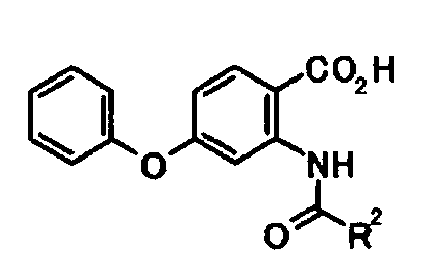
Example No. R2 Example No. R2 Example No. R2 370 
376 
382 
371 
377 
383 
372 
378 
384 
373 
379 
385 
374 
380 
386 
375 
381 
387 
- 4-Phenoxy-2-((E)-3-(pyridin-4-yl)acrylamido)benzoic acid trifluoroacetate
1H-NMR (DMSO-d6) δ: 6.78 (1H, dd, J = 8.8, 2.6 Hz), 7.15-7.20 (2H, m), 7.23-7.32 (2H, m), 7.45-7.53 (2H, m), 7.65 (1H, d, J = 15.6 Hz), 7.94 (2H, d, J = 6.4 Hz), 8.05 (1H, d, J = 8.8 Hz), 8.34 (1H, d, J = 2.6 Hz), 8.75 (2H, d, J=5.1Hz), 11.68 (1H, s). - 4-Phenoxy-2-(5-(thiophen-2-yl)pyridine-3-carboxamido)benzoic acid
1H-NMR (DMSO-d6) δ: 6.83 (1H, dd, J = 8.8, 2.6 Hz), 7.17-7.23 (2H, m), 7.25 (1H, dd, J = 5.1, 3.7 Hz), 7.27-7.33 (1H, m), 7.47-7.54 (2H, m), 7.75 (1H, dd, J = 5.1, 1.1 Hz), 7.78 (1H, dd, J = 3.7, 1.1 Hz), 8.09 (1H, d, J = 8.8 Hz), 8.34 (1H, d, J = 2.6 Hz), 8.43 (1H, t, J = 2.2 Hz), 8.98 (1H, d, J = 2.2 Hz), 9.14 (1H, d, J = 2.2 Hz), 12.51 (1H, s). - 4-Phenoxy-2-(6-phenylpyrimidine-4-carboxamido)benzoic acid
1H-NMR (DMSO-d6) δ: 6.85 (1H, dd, J = 8.8, 2.4 Hz), 7.19-7.25 (2H, m), 7.31 (1H, t, J = 7.5 Hz), 7.48-7.55 (2H, m), 7.57-7.64 (3H, m), 8.10 (1H, d, J = 8.8 Hz), 8.33 (2H, dd, J = 8.0, 1.7 Hz), 8.52 (1H, d, J = 2.4 Hz), 8.60 (1H, d, J = 1.2 Hz), 9.45 (1H, d, J = 1.2 Hz), 13.33 (1H, s), 13.35-13.75 (1H, broad). - 4-Phenoxy-2-(5-phenyl-1H-pyrazole-4-carboxamido)benzoic acid
1H-NMR (DMSO-d6) δ: 6.68 (1H, dd, J = 8.8, 2.7 Hz), 7.12-7.17 (2H, m), 7.24 (1H, t, J = 7.4 Hz), 7.32-7.52 (6H, m), 7.64-7.70 (2H, m), 8.00 (1H, d, J = 8.8 Hz), 8.29 (1H, d, J = 2.7 Hz), 11.65-12.00 (1H, broad), 13.35-13.75 (2H, broad). - 4-Phenoxy-2-(3-phenyl-1H-pyrazole-5-carboxamido)benzoic acid
1H-NMR (DMSO-d6) δ: 6.74 (1H, dd, J = 8.9, 2.6 Hz), 7.16-7.24 (3H, m), 7.28 (1H, t, J = 7.4 Hz), 7.40 (1H, t, J = 7.3 Hz), 7.45-7.53 (4H, m), 7.82 (2H, d, J = 7.6 Hz), 8.05 (1H, d, J = 8.9 Hz), 8.48-8.49 (1H, m), 12.52 (1H, s), 13.30-13.55 (1H, broad), 13.98 (1H, s). - 4-Phenoxy-2-(3-phenylisoxazole-5-carboxamido)benzoic acid
1H-NMR (DMSO-d6) δ: 6.82 (1H, dd, J = 8.9, 2.6 Hz), 7.18-7.23 (2H, m), 7.27-7.33 (1H, m), 7.47-7.62 (6H, m), 7.94-8.02 (2H, m), 8.08 (1H, d, J = 8.9 Hz), 8.38 (1H, d, J = 2.6 Hz), 12.66 (1H, s). - 2-(3-Acetoxybenzamido)-4-phenoxybenzoic acid
1H-NMR (DMSO-d6) δ: 2.31 (3H, s), 6.78 (1H, dd, J = 8.9, 2.7 Hz), 7.15-7.22 (2H, m), 7.28 (1H, t, J = 7.6 Hz), 7.40-7.45 (1H, m), 7.46-7.53 (2H, m), 7.61-7.68 (2H, m), 7.79-7.81 (1H, m), 8.07 (1H, d, J = 8.9 Hz), 8.37 (1H, d, J = 2.7 Hz), 12.43 (1H, s), 13.65-13.85 (1H, broad). - 2-(2-Hydroxybenzamido)-4-phenoxybenzoic acid
1H-NMR (DMSO-d6) δ: 6.75 (1H, ddd, J = 8.8, 2.5, 0.9 Hz), 6.92-7.02 (2H, m), 7.14-7.19 (2H, m), 7.23-7.29 (1H, m), 7.39-7.51 (3H, m), 7.80 (1H, d, J = 7.6 Hz), 8.04 (1H, dd, J = 8.8, 0.9 Hz), 8.41 (1H, dd, J = 2.5, 0.9 Hz), 11.31 (1H, s), 12.42 (1H, s). - 2-(4-Acetoxybenzamido)-4-phenoxybenzoic acid
1H-NMR (DMSO-d6) δ: 2.31 (3H, s), 6.78 (1H, dd, J = 8.9, 2.5 Hz), 7.15-7.21 (2H, m), 7.26-7.31 (1H, m), 7.33-7.39 (2H, m), 7.46-7.53 (2H, m), 7.93-7.99 (2H, m), 8.07 (1H, d, J = 8.9 Hz), 8.39 (1H, d, J = 2.5 Hz), 12.39 (1H, s), 13.60-13.80 (1H, broad). - 2-((E)-3-(3-Methoxyphenyl)acrylamido)-4-phenoxybenzoic acid
1H-NMR (DMSO-d6) δ: 3.81 (3H, s), 6.74 (1H, dd, J = 8.8, 2.6 Hz), 6.88 (1H, d, J = 15.6 Hz), 6.99 (1H, dd, J = 8.0, 1.5 Hz), 7.15-7.20 (2H, m), 7.25-7.38 (4H, m), 7.45-7.52 (2H, m), 7.57 (1H, d, J = 15.6 Hz), 8.03 (1H, d, J = 8.8 Hz), 8.35 (1H, d, J = 2.6 Hz), 11.56 (1H, s), 13.40-13.60 (1H, broad). - 2-((E)-3-(4-Chlorophenyl)acrylamido)-4-phenoxybenzoic acid
1H-NMR (DMSO-d6) δ: 6.74 (1H, dd, J = 8.9, 2.6 Hz), 6.89 (1H, d, J = 15.6 Hz), 7.15-7.20 (2H, m), 7.28 (1H, t, J = 7.4 Hz), 7.45-7.52 (4H, m), 7.60 (1H, d, J = 15.6 Hz), 7.76-7.79 (2H, m), 8.03 (1H, d, J = 8.9 Hz), 8.35 (1H, d, J = 2.6 Hz), 11.57 (1H, s), 13.40-13.65 (1H, broad). - 2-((E)-3-(3-Chlorophenyl)acrylamido)-4-phenoxybenzoic acid
1H-NMR (DMSO-d6) δ: 6.75 (1H, dd, J = 8.9, 2.5 Hz), 6.99 (1H, d, J = 15.6 Hz), 7.14-7.20 (2H, m), 7.28 (1H, t, J = 7.4 Hz), 7.45-7.52 (4H, m), 7.59 (1H, d, J = 15.6 Hz), 7.66-7.73 (1H, m), 7.90 (1H, s), 8.04 (1H, d, J = 8.9 Hz), 8.35 (1H, d, J = 2.5 Hz), 11.59 (1H, s). - 2-((E)-3-(3,4-Dichlorophenyl)acrylamido)-4-phenoxybenzoic acid
1H-NMR (DMSO-d6) δ: 6.75 (1H, dd, J = 9.0, 2.7 Hz), 7.04 (1H, d, J = 15.6 Hz), 7.15-7.21 (2H, m), 7.28 (1H, t, J = 7.4 Hz), 7.45-7.53 (2H, m), 7.58 (1H, d, J = 15.6 Hz), 7.69 (1H, d, J = 8.6 Hz), 7.75 (1H, dd, J = 8.6, 2.0 Hz), 8.03 (1H, d, J = 9.0 Hz), 8.12 (1H, d, J = 2.0 Hz), 8.35 (1H, d, J=2.7 Hz), 11.60 (1H, s). - 2-((E)-3-(Benzo[1,3]dioxol-5-yl)acrylamido)-4-phenoxybenzoic acid
1H-NMR (DMSO-d6) δ: 6.08 (2H, s), 6.68-6.77 (2H, m), 6.96 (1H, d, J = 8.0 Hz), 7.14-7.22 (3H, m), 7.25-7.31 (1H, m), 7 . 43-7 . 55 (4H, m), 8.02 (1H, d, J = 9.0 Hz), 8.36 (1H, d, J = 2.7 Hz), 11.50 (1H, s). - 4-Phenoxy-2-((E)-3-(thiophen-2-yl)acrylamido)benzoic acid
1H-NMR (DMSO-d6) δ: 6.49 (1H, d, J = 15.4 Hz), 6.73 (1H, dd, J = 9.0, 2.5 Hz), 7.13-7.19 (3H, m), 7.25-7.30 (1H, m), 7.44-7.54 (3H, m), 7.71 (1H, d, J = 5.1 Hz), 7.75 (1H, d, J = 15.4 Hz), 8.02 (1H, d, J = 9.0 Hz), 8.30 (1H, d, J = 2.5 Hz), 11.50 (1H, s). - 2-(4-Morpholinobenzamido)-4-phenoxybenzoic acid
1H-NMR (DMSO-d6) δ: 3.28 (4H, t, J = 4.9 Hz), 3.74 (4H, t, J = 4.9 Hz), 6.72 (1H, dd, J = 8.8, 2.4 Hz), 7.07 (2H, d, J = 9.0 Hz), 7.14-7.20 (2H, m), 7.24-7.32 (1H, m), 7.45-7.52 (2H, m), 7.79 (2H, d, J = 9.0 Hz), 8.05 (1H, d, J = 8.8 Hz), 8.43 (1H, d, J = 2.4 Hz), 12.28 (1H, s), 13.50-13.70 (1H, broad). - 2-(2-(4-Nitrophenyl)acetamido)-4-phenoxybenzoic acid
1H-NMR (DMSO-d6) δ: 3.96 (2H, s), 6.71 (1H, dd, J = 8.9, 2.5 Hz), 7.09-7.15 (2H, m), 7.24 (1H, t, J = 7.3 Hz), 7.42-7.49 (2H, m), 7.59-7.67 (2H, m), 7.97 (1H, d, J = 8.9 Hz), 8.17 (1H, d, J = 2.5 Hz), 8.18-8.24 (2H, m), 11.31 (1H, s), 13.40-13.55 (1H, broad). - 4-Phenoxy-2-((E)-4-phenyl-3-butenamido)benzoic acid
1H-NMR (DMSO-d6) δ: 3.35 (2H, dd, J = 7.3, 1.0 Hz), 6.41 (1H, dt, J = 15.9, 7.3 Hz), 6.64 (1H, d, J = 15.9 Hz), 6.71 (1H, dd, J = 8.9, 2.6 Hz), 7.11-7.17 (2H, m), 7.23-7.29 (2H, m), 7.31-7.37 (2H, m), 7.43-7.50 (4H, m), 7.99 (1H, d, J = 8.9 Hz), 8.26 (1H, d, J = 2.6 Hz), 11.48 (1H, s), 13.40-13.60 (1H, broad). -

10 mL of trifluoroacetic acid was added to the obtained tert-butyl 4-phenoxy-2-(5-(1H-pyrrol-1-yl)pyridine-3-carboxamido)benzoate and stirred at room temperature for 2 hours. The solvent was evaporated under reduced pressure, ethyl acetate and water were added and pH was adjusted to pH 7.0 with a saturated sodium hydrogen carbonate aqueous solution. The organic layer was separated and the solvent was evaporated under reduced pressure. Diisopropyl ether was added to the obtained residue and a solid substance was separated by filtration to obtain 7.0 mg of 4-phenoxy-2-(5-(1H-pyrrol-1-yl)pyridine-3-carboxamido)benzoic acid as white solid.
1H-NMR (DMSO-d6) δ: 6.37 (2H, t, J = 2.2 Hz), 6.84 (1H, dd, J = 8.9, 2.6 Hz), 7.17-7.22 (2H, m), 7.30 (1H, t, J = 7.4 Hz), 7.47-7.54 (2H, m), 7.58 (2H, t, J = 2.2 Hz), 8.09 (1H, d, J = 8.9 Hz), 8.32 (1H, d, J = 2.6 Hz), 8.40 (1H, t, J = 2.2 Hz), 8.92 (1H, d, J = 2.2 Hz), 9.15 (1H, d, J = 2.2 Hz), 12.46 (1H, s). -

1H-NMR (DMSO-d6) δ: 6.34 (2H, t, J = 2.1 Hz), 7.45-7.51 (3H, m), 7.53-7.59 (3H, m), 7.69 (1H, t, J = 7.9 Hz), 7.73-7.78 (2H, m), 7.82-7.90 (2H, m), 8.11-8.18 (2H, m), 9.08 (1H, d, J = 1.7 Hz), 12.37 (1H, s). -

10 mL of trifluoroacetic acid was added to the obtained tert-butyl 4-phenyl-2-(5-(1H-pyrrol-1-yl)pyridine-3-carboxamido)benzoate and stirred at room temperature for 2 hours. The solvent was evaporated under reduced pressure, ethyl acetate and water were added and pH was adjusted to pH 7.0 with a saturated sodium hydrogen carbonate aqueous solution. The organic layer was separated and the solvent was evaporated under reduced pressure. Diisopropyl ether was added to the obtained residue and a solid substance was separated by filtration to obtain 23 mg of 4-phenyl-2-(5-(1H-pyrrol-1-yl)pyridine-3-carboxamido)benzoic acid as white solid.
1H-NMR (DMSO-d6) δ: 6.39 (2H, t, J = 2.2 Hz), 7.45-7.51 (1H, m), 7.53-7.61 (5H, m), 7.73-7.77 (2H, m), 8.15 (1H, d, J = 8.3 Hz), 8.47 (1H, t, J = 2.4 Hz), 8.97-9.02 (2H, m), 9.17 (1H, d, J = 2.4 Hz), 12.26 (1H, s). -

1H-NMR (DMSO-d6) δ: 1.80-1.89 (4H, m), 3.35-3.44 (4H, m), 6.74 (1H, dd, J = 7.4, 4.9 Hz), 7.44-7.58 (4H, m), 7.69-7.74 (2H, m), 7.83 (1H, dd, J = 7.4, 1.8 Hz), 8.10 (1H, d, J = 8.3 Hz), 8.24 (1H, dd, J = 4.9, 1.8 Hz), 9.02 (1H, s), 11.67 (1H, s). -

10 mL of trifluoroacetic acid was added to the obtained tert-butyl 4-phenyl-2-(((E)-2-phenylvinyl) sulfonamido)benzoate and stirred at room temperature for 2 hours. The solvent was evaporated under reduced pressure and diisopropyl ether was added to the obtained residue and a solid substance was separated by filtration to obtain 26 mg of 4-phenyl-2-(((E)-2-phenylvinyl) sulfonamido)benzoic acid as white solid.
1H-NMR (DMSO-d6) δ: 7.39-7.58 (8H, m), 7.61-7.66 (2H, m), 7.73-7.81 (4H, m), 8.05 (1H, d, J = 8.3 Hz), 11.04 (1H, s). - The compounds shown in Table 37 were obtained in the same manner as in Example 392.
-
[Table 37] 
Example No. X1-R2 Example No. X1-R2 393 
394 
- 2-(Benzylsulfonamido)-4-phenylbenzoic acid
1H-NMR (DMSO-d6) δ: 4.78 (2H, s), 7.23-7.33 (5H, m), 7.41-7.49 (2H, m), 7.50-7.56 (2H, m), 7.60-7.65 (2H, m), 7.67 (1H, d, J = 1.7 Hz), 8.05 (1H, d, J = 8.3 Hz), 10.75-10.90 (1H, broad). - 2-(3-Bromobenzamido)-4-phenylbenzoic acid
1H-NMR (DMSO-d6) δ: 7.44-7.50 (1H, m), 7.51-7.63 (4H, m), 7.70-7.77 (2H, m), 7.85-7.90 (1H, m), 7.95-8.00 (1H, m), 8.10-8.16 (2H, m), 8.99 (1H, d, J = 1.7 Hz), 12.26 (1H, s), 13.75-14.00 (1H, broad). -

10 mL of trifluoroacetic acid was added to the obtained tert-butyl 4-phenoxy-2-(((E)-2-phenylvinyl) sulfonamido)benzoate and stirred at room temperature for 2 hours. The solvent was evaporated under reduced pressure and diisopropyl ether was added to the obtained residue and a solid substance was separated by filtration to obtain 17 mg of 4-phenoxy-2-(((E)-2-phenylvinyl) sulfonamido)benzoic acid as white solid.
1H-NMR (DMSO-d6) δ: 6.68 (1H, dd, J = 8.8, 2.4 Hz), 6.99 (1H, d, J = 2.4 Hz), 7.04-7.09 (2H, m), 7.23-7.29 (1H, m), 7.32-7.51 (7H, m), 7.64-7.70 (2H, m), 7.98 (1H, d, J = 8.8 Hz), 11.16 (1H, s). -

10 mL of trifluoroacetic acid was added to the obtained tert-butyl 2-((E)-3-(4-acetoxyphenyl)acrylamido)-4-phenoxybenzoate and stirred at room temperature for 2 hours. The solvent was evaporated under reduced pressure and the obtained residue was purified with reversed-phase silica gel column chromatography [eluent; 60-100% acetonitrile /0.1% trifluoroacetic acid aqueous solution] to obtain 34 mg of 2-((E)-3-(4-acetoxyphenyl)acrylamido)-4-phenoxybenzoic acid as white solid.
1H-NMR (DMSO-d6) δ: 2.28 (3H, s), 6.74 (1H, dd, J = 8.9, 2.5 Hz), 6.83 (1H, d, J = 15.6 Hz), 7.14-7.23 (4H, m), 7.25-7.31 (1H, m), 7.45-7.52 (2H, m), 7.61 (1H, d, J = 15.6 Hz), 7.76-7.82 (2H, m), 8.03 (1H, d, J = 8.9 Hz), 8.35 (1H, d, J = 2.5 Hz), 11.58 (1H, s), 13.40-13.65 (1H, broad). -

10 mL of trifluoroacetic acid was added to the obtained tert-butyl 2-(2-acetoxybenzamido)-4-phenylbenzoate, and stirred at room temperature for 2 hours. The solvent was evaporated under reduced pressure and 0.50 mL of methanol, 0.50 mL of tetrahydrofuran and 6.1 mg of potassium carbonate were added to the obtained residue sequentially and stirred at room temperature for 2 hours. 10% citric acid aqueous solution was added to the reaction mixture and a solid substance was separated by filtration to obtain 8.2 mg of 2-(2-hydroxybenzamido)-4-phenylbenzoic acid as white solid.
1H-NMR (DMSO-d6) δ: 6.96-7.05 (2H, m), 7.42-7.49 (2H, m), 7.49-7.58 (3H, m), 7.71-7.76 (2H, m), 7.89-7.93 (1H, m), 8.10 (1H, d, J = 8.3 Hz), 9.02 (1H, d, J = 1. 7 Hz), 11.46 (1H, s), 12.32 (1H, s). -

1H-NMR (DMSO-d6) δ: 7.00-7.07 (1H, m), 7.35-7.59 (7H, m), 7.73 (2H, d, J = 7.6 Hz), 8.14 (1H, d, J = 8.0 Hz), 9.08 (1H, d, J = 1.4 Hz), 9.92 (1H, s), 12.22 (1H, s). - The compounds shown in Table 38 were obtained in the same manner as in Example 398.
-
[Table 38] 
Example No. R2 Example No. R2 399 
400 
- 2-(4-Hydroxybenzamido)-4-phenylbenzoic acid
1H-NMR (DMSO-d6) δ: 6.94 (2H, d, J = 8.8 Hz), 7.43-7.51 (2H, m), 7.54 (2H, t, J = 7.6 Hz), 7.70-7.76 (2H, m), 7.85 (2H, d, J = 8.8 Hz), 8.13 (1H, d, J = 8.3 Hz), 9.09 (1H, d, J = 1.7 Hz), 10.29 (1H, s), 12.16 (1H, s). - 2-((E)-3-(4-Hydroxyphenyl)acrylamido)-4-phenylbenzoic acid
1H-NMR (DMSO-d6) δ: 6.67 (1H, d, J = 15.6 Hz), 6.82 (2H, d, J = 8.5 Hz), 7.43-7.50 (2H, m), 7.50-7.62 (5H, m), 7.68-7.74 (2H, m), 8.09 (1H, d, J = 8.3 Hz), 9.00 (1H, d, J = 2.0 Hz), 9.98 (1H, s), 11.37 (1H, s), 13.50-13.80 (1H, broad). -

1H-NMR (DMSO-d6) δ: 6.76 (1H, dd, J = 8.8, 2.7 Hz), 7.02 (1H, ddd, J = 7.6, 2.3, 1.5 Hz), 7.15-7.21 (2H, m), 7.25-7.40 (4H, m), 7.46-7.52 (2H, m), 8.07 (1H, d, J = 8.8 Hz), 8.41 (1H, d, J = 2.7 Hz), 9.90 (1H, s), 12.34 (1H, s), 13.55-13.75 (1H, broad). - The compounds shown in Table 39 were obtained in the same manner as in Example 401.
-
[Table 39] 
Example No. R2 Example No. R2 402 
403 
- 2-(4-Hydroxybenzamido)-4-phenoxybenzoic acid
1H-NMR (DMSO-d6) δ: 6.73 (1H, dd, J = 8.8, 2.4 Hz), 6.91 (2H, d, J = 8. 8 Hz), 7.15-7.19 (2H, m), 7.27 (1H, t, J = 7.4 Hz), 7.45-7.52 (2H, m), 7.78 (2H, d, J = 8.8 Hz), 8.05 (1H, d, J = 8.8 Hz), 8.41 (1H, d, J = 2.4 Hz), 10.28 (1H, s), 12.27 (1H, s). - 2-((E)-3-(4-Hydroxyphenyl)acrylamido)-4-phenoxybenzoic acid
1H-NMR (DMSO-d6) δ: 6.58 (1H, d, J = 15.6 Hz), 6.71 (1H, dd, J = 8.8, 2.6 Hz), 6.80 (2H, d, J = 8.6 Hz), 7.13-7.19 (2H, m), 7.24-7.30 (1H, m), 7.44-7.53 (3H, m), 7.56 (2H, d, J = 8.6 Hz), 8.02 (1H, d, J = 8.8 Hz), 8.35 (1H, d, J = 2.6 Hz), 9.97 (1H, s), 11.60 (1H, s). -

1H-NMR (DMSO-d6) δ: 6.57-6.65 (3H, m), 7.07-7.13 (2H, m), 7.20 (1H, t, J = 7.4 Hz), 7.41-7.46 (2H, m), 7.67 (2H, d, J = 8.8 Hz), 8.02 (1H, d, J = 8.6 Hz), 8.39 (1H, d, J = 2.4 Hz). -

1H-NMR (DMSO-d6) δ: 6.74-6.81 (1H, m), 7.13-7.22 (3H, m), 7.36 (1H, dd, J = 8.1, 1.7 Hz), 7.42 (1H, t, J = 7.3 Hz), 7.49-7.54 (2H, m), 7.66-7.72 (2H, m), 8.10 (1H, d, J = 8.1 Hz), 9.05 (1H, d, J = 1.7 Hz). -

1H-NMR (CDCl3) δ: 1.65 (9H, s), 6.38 (2H, t, J = 2.2 Hz), 7.12 (1H, dd, J = 8.6, 2.3 Hz), 7.25-7.28 (2H, m), 7.51-7.61 (3H, m), 8.05-8.10 (3H, m), 9.16 (1H, d, J = 2.3 Hz), 12.36 (1H, s). -

1H-NMR (CDCl3) δ: 1. 67 (9H, s), 6.73 (1H, d, J = 3.4 Hz), 7.18-7.22 (1H, m), 7.25-7.33 (2H, m), 7.48 (1H, d, J = 3.4 Hz), 7.51-7.62 (3H, m), 7.66-7.70 (1H, m), 7.83 (1H, d, J = 8.3 Hz), 8.06-8.10 (2H, m), 8.17 (1H, d, J = 8.8 Hz), 9.22 (1H, d, J = 2.2 Hz), 12.35 (1H, s). -

1H-NMR (CDCl3) δ: 1.65 (9H, s), 3.94 (3H, s), 3.99 (3H, s), 6.96 (1H, d, J = 8.3 Hz), 7.23 (1H, d, J = 2.2 Hz), 7.28-7.34 (2H, m), 7.51-7.61 (3H, m), 8.04-8.11 (3H, m), 9.22 (1H, d, J = 2.0 Hz), 12.27 (1H, s). -

1H-NMR (DMSO-d6) δ: 6.37 (2H, t, J = 2.2 Hz), 7.41-7.47 (3H, m), 7.59-7.71 (3H, m), 7.96-8.02 (2H, m), 8.12 (1H, d, J = 8.5 Hz), 8.96 (1H, d, J = 2.2 Hz), 12.40 (1H, s). -

1H-NMR (DMSO-d6) δ: 6.81 (1H, dd, J = 3.4, 0.5 Hz), 7.18-7.24 (1H, m), 7.28-7.33 (1H, m), 7.47 (1H, dd, J = 8.6, 2.4 Hz), 7.59-7.73 (4H, m), 7.79 (1H, d, J = 3.4 Hz), 7.85 (1H, dd, J = 8.4, 0.6 Hz), 7.98-8.03 (2H, m), 8.24 (1H, d, J = 8.6 Hz), 9.09 (1H, d, J = 2.4 Hz), 12.46 (1H, s). -

1H-NMR (DMSO-d6) δ: 3.83 (3H, s), 3.87 (3H, s), 7.12 (1H, d, J = 9.0 Hz), 7.27-7.32 (2H, m), 7.52 (1H, dd, J = 8.3, 1.8 Hz), 7.58-7.70 (3H, m), 7.97-8.02 (2H, m), 8.10 (1H, d, J = 8.3 Hz), 9.04 (1H, d, J = 1.8 Hz), 12.26 (1H, s). -

1H-NMR (CDCl3) δ: 1.64 (9H, s), 6.90-6.96 (2H, m), 7.50-7.60 (4H, m), 7.66 (1H, dd, J = 8.5, 1.2 Hz), 8.02 (1H, d, J = 8.5 Hz), 8.02-8.08 (2H, m), 8.22 (1H, dd, J = 8.7, 1.6 Hz), 8.94 (1H, d, J = 2.2 Hz), 9.53 (1H, s), 12.33 (1H, s). -

1H-NMR (CDCl3) δ: 1.59 (9H, s), 3.79 (2H, s), 5.67 (1H, s), 6.30 (1H, dd, J = 8.8, 2.3 Hz), 6.76-6.85 (2H, m), 7.06-7.12 (1H, m), 7.15-7.18 (1H, m), 7.49-7.58 (3H, m), 7.85 (1H, d, J = 8.8 Hz), 8.03-8.08 (2H, m), 8.41 (1H, d, J = 2.3 Hz), 12.41 (1H, s). -

1H-NMR (CDCl3) δ: 1.68 (9H, s), 7.24-7.30 (1H, m), 7.34-7.44 (2H, m), 7.53-7.63 (3H, m), 7.78-7.82 (1H, m), 7.87-7.92 (1H, m), 8.06-8.10 (2H, m), 8.23 (1H, d, J = 8.6 Hz), 8.26 (1H, s), 9.30 (1H, d, J = 2.2 Hz), 12.38 (1H, s). -

0.5 mL of trifluoroacetic acid and 0.01 mL of 4.0 mol/L hydrogen chloride/dioxane were added to 1.0 mL suspension containing 15 mg of 2-(benzamido)-4-(1H-benzimidazol-1-yl)benzoic acid in ethyl acetate sequentially while ice-cooled and stirred at the same temperature for 10 minutes. A solid substance was separated by filtration to obtain 12 mg of 2-(benzamido)-4-(1H-benzimidazol-1-yl)benzoic acid hydrochloride as white solid.
1H-NMR (DMSO-d6) δ: 7.46-7.56 (2H, m), 7.59-7.72 (4H, m), 7.87-7.92 (2H, m), 7.98-8.03 (2H, m), 8.32 (1H, d, J = 8.6 Hz), 9.15 (1H, d, J = 2.2 Hz), 9.16 (1H, s), 12.38 (1H, s). - The compounds shown in Table 40 were obtained in the same manner as in Example 251.
-
[Table 40] 
Example No. R3 Example No. R3 416 
421 
417 
422 
418 
423 
419 
424 
420 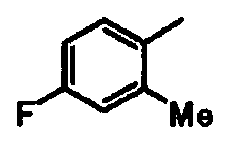
425 
- 2-(Benzamido)-4-(3-chloro-4-fluorophenyl)benzoic acid
1H-NMR (DMSO-d6) δ: 7.52-7.70 (5H, m), 7.72-7.79 (1H, m), 7.93 (1H, dd, J = 7.1, 2.4 Hz), 7.96-8.02 (2H, m), 8.13 (1H, d, J = 8.3), 9.03 (1H, s), 12.23 (1H, s). - 2-(Benzamido)-4-(3,4-difluorophenyl)benzoic acid
1H-NMR (DMSO-d6) δ: 7.54 (1H, dd, J = 8.3, 1.7 Hz), 7.56-7.70 (5H, m), 7.78-7.86 (1H, m), 7.96-8.05 (2H, m), 8.13 (1H, d, J = 8.3 Hz), 9.04 (1H, d, J = 1.7 Hz), 12.22 (1H, s). - 2-(Benzamido)-4-(2,5-difluorophenyl)benzoic acid
1H-NMR (DMSO-d6) δ: 7.33-7.52 (4H, m), 7.58-7.70 (3H, m), 7.95-8.00 (2H, m), 8.16 (1H, d, J = 8.3 Hz), 8.96-8.99 (1H, m), 12.25 (1H, s). - 2-(Benzamido)-4-(2,4-dichlorophenyl)benzoic acid
1H-NMR (DMSO-d6) δ: 7.28 (1H, dd, J = 8.3, 1.7 Hz), 7.52 (1H, d, J = 8.3 Hz), 7.56-7.70 (4H, m), 7.80 (1H, d, J = 2.2 Hz), 7.94-8.00 (2H, m), 8.15 (1H, d, J = 8.3 Hz), 8.82 (1H, d, J = 1.7 Hz), 12.27 (1H, s). - 2-(Benzamido)-4-(4-fluoro-2-methylphenyl)benzoic acid
1H-NMR (DMSO-d6) δ: 2.30 (3H, s), 7.11-7.25 (3H, m), 7.32 (1H, dd, J = 8.5, 6.1 Hz), 7.57-7.69 (3H, m), 7.94-7.99 (2H, m), 8.12 (1H, d, J = 8.1 Hz), 8.72 (1H, d, J = 1.7 Hz).12.26 (1H, s). - 2-(Benzamido)-4-(2-trifluoromethoxyphenyl)benzoic acid
1H-NMR (DMSO-d6) δ: 7.32 (1H, dd, J = 8.1, 1.6 Hz), 7.52-7.69 (7H, m), 7.95-8.00 (2H, m), 8.16 (1H, d, J= 8.1 Hz), 8.91 (1H, d, J = 1.6 Hz), 12.27 (1H, s). - 2-(Benzamido)-4-(3,4-dimethylphenyl)benzoic acid
1H-NMR (DMSO-d6) δ: 2.29 (3H, s), 2.33 (3H, s), 7.29 (1H, d, J = 7.8 Hz), 7.43-7.53 (3H, m), 7.58-7.70 (3H, m), 7.96-8.02 (2H, m), 8.11 (1H, d, J = 8.3 Hz), 9.06 (1H, d, J = 1.7 Hz), 12.27 (1H, s). - 2-(Benzamido)-4-(3-chloro-4-methoxyphenyl)benzoic acid
1H-NMR (DMSO-d6) δ: 3.94 (3H, s), 7.32 (1H, d, J = 8.7 Hz), 7.52 (1H, dd, J = 8.3, 1.8 Hz), 7.58-7.74 (4H, m), 7.79 (1H, d, J = 2.2 Hz), 7.96-8.02 (2H, m), 8.11 (1H, d, J = 8.3 Hz), 9.04 (1H, d, J = 1. 8 Hz), 12.26 (1H, s), 13.70-13.95 (1H, broad). - 2-(Benzamido)-4-(2,3-dichlorophenyl)benzoic acid
1H-NMR (DMSO-d6) δ: 7.29 (1H, dd, J = 8.1, 1.7 Hz), 7.45 (1H, dd, J = 7.8, 1.7 Hz), 7.51 (1H, t, J = 7.8 Hz), 7.58-7.69 (3H, m), 7.75 (1H, dd, J =7.8, 1.7 Hz), 7.94-7.99 (2H, m), 8.15 (1H, d, J = 8.1 Hz), 8.80-8.83 (1H, m), 12.27 (1H, s). - 2-(Benzamido)-4-(2,5-dichlorophenyl)benzoic acid
1H-NMR (DMSO-d6) δ: 7.30 (1H, dd, J = 8.2, 1.6 Hz), 7.54-7.70 (6H, m), 7.94-8.00 (2H, m), 8.15 (1H, d, J = 8.2 Hz), 8.83 (1H, d, J = 1.6 Hz), 12.25 (1H, s). -

5.0 mL of trifluoroacetic acid was added to the obtained tert-butyl 2-(benzamido)-4-(3-chloro-4-methylphenyl)benzoate and stirred at room temperature for 2 hours. The solvent was evaporated under reduced pressure and methanol was added to the obtained residue and a solid substance was separated by filtration to obtain 14 mg of 2-(benzamido)-4-(3-chloro-4-methylphenyl)benzoic acid as white solid.
1H-NMR (DMSO-d6) δ: 2.40 (3H, s), 7.50-7.70 (6H, m), 7.76 (1H, d, J = 1.7 Hz), 7.97-8.02 (2H, m), 8.13 (1H, d, J = 8.3 Hz), 9.06 (1H, d, J = 1.7 Hz), 12.26 (1H, s). - The compounds shown in Table 41 were obtained in the same manner as in Example 252.
-
[Table 41] 
Example No. R3 427 
428 
429 
- 2-(Benzamido)-4-(3-chloro-2-methylphenyl)benzoic acid
1H-NMR (DMSO-d6) δ: 2.29 (3H, s), 7.20 (1H, dd, J = 8.3, 1.8 Hz), 7.26 (1H, dd, J = 7.7, 1.2 Hz), 7.35 (1H, dd, J = 7.9, 7.7 Hz), 7.53 (1H, dd, J = 7.9, 1.2 Hz), 7.58-7.69 (3H, m), 7.94-7.99 (2H, m), 8.13 (1H, d, J = 8.3 Hz), 8.70-8.72 (1H, m), 12.29 (1H, s). - 2-(Benzamido)-4-(5-chloro-2-methylphenyl)benzoic acid
1H-NMR (DMSO-d6) δ: 2.26 (3H, s), 7.23 (1H, dd, J = 8.2, 1.7 Hz), 7.32 (1H, d, J = 1.7 Hz), 7.37-7.44 (2H, m), 7.58-7.70 (3H, m), 7.94-8.00 (2H, m), 8.13 (1H, d, J = 8.2 Hz), 8.73 (1H, d, J = 1.7 Hz), 12.25 (1H, s). - 2-(Benzamido)-4-(5-chloro-2-methoxyphenyl)benzoic acid
1H-NMR (DMSO-d6) δ: 3.81 (3H, s), 7.21 (1H, d, J = 8.8 Hz), 7.34 (1H, dd, J = 8.2, 1.7 Hz), 7.38 (1H, d, J = 2.7 Hz), 7.48 (1H, dd, J = 8.8, 2.7 Hz), 7.58-7.69 (3H, m), 7.95-8.00 (2H, m), 8.09 (1H, d, J = 8.2 Hz), 8.86 (1H, d, J = 1.7 Hz), 12.21 (1H, s). -

10 mL of trifluoroacetic acid was added to the obtained tert-butyl 2-(3,5-dichlorobenzamido)-4-phenethylbenzoate and stirred at room temperature for 2 hours. The solvent was evaporated under reduced pressure and diisopropyl ether was added to the obtained residue and a solid substance was separated by filtration to obtain 62 mg of 2-(3,5-dichlorobenzamido)-4-phenethylbenzoic acid as white solid.
1H-NMR (DMSO-d6) δ: 2.89-3.02 (4H, m), 7.12 (1H, dd, J = 8.0, 1.7 Hz), 7.16-7.21 (1H, m), 7.24-7.31 (4H, m), 7.91-7.97 (4H, m), 8.48-8.52 (1H, m), 12.14 (1H, s), 13.65-13.85 (1H, broad). - The compounds shown in Table 42 were obtained in the same manner as in Example 430.
-
[Table 42] 
Example No. R2 Example No. R2 Example No. R2 431 
434 
437 
432 
435 
438 
433 
436 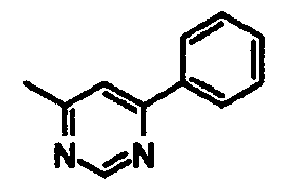
439 
- 2-(3,4-Dichlorobenzamido)-4-phenethylbenzoic acid
1H-NMR (DMSO-d6) δ: 2.89-3.02 (4H, m), 7.11 (1H, dd, J = 8.1, 1.5 Hz), 7.16-7.21 (1H, m), 7.24-7.31 (4H, m), 7.88-7.91 (2H, m), 7.95 (1H, d, J = 8.1 Hz), 8.13 (1H, s), 8.54 (1H, d, J = 1.5 Hz), 12.17 (1H, s), 13.60-13.85 (1H, broad). - 2-(3,5-Difluorobenzamido)-4-phenethylbenzoic acid
1H-NMR (DMSO-d6) δ: 2.88-3.02 (4H, m), 7.12 (1H, dd, J = 8.1, 1.6 Hz), 7.15-7.21 (1H, m), 7.23-7.32 (4H, m), 7.56-7.66 (3H, m), 7.96 (1H, d, J = 8.1 Hz), 8.52 (1H, d, J = 1.6 Hz), 12.12 (1H, s), 13.60-13.80 (1H, broad). - 2-(3,4-Difluorobenzamido)-4-phenethylbenzoic acid
1H-NMR (DMSO-d6) δ: 2.88-3.02 (4H, m), 7.10 (1H, dd, J = 8.1, 1.7 Hz), 7.16-7.21 (1H, m), 7.24-7.31 (4H, m), 7.66-7.74 (1H, m), 7.79-7.85 (1H, m), 7.91-7.99 (2H, m), 8.55 (1H, d, J = 1.7 Hz), 12.12 (1H, s), 13.60-13.80 (1H, broad). - 2-(3,5-Dimethylbenzamido)-4-phenethylbenzoic acid
1H-NMR (DMSO-d6) δ: 2.37 (6H, s), 2.88-3.02 (4H, m), 7.07 (1H, dd, J = 8.1, 1.5 Hz), 7.16-7.21 (1H, m), 7.24-7.31 (5H, m), 7.57 (2H, s), 7.95 (1H, d, J = 8.1 Hz), 8.66-8.68 (1H, m), 12.19 (1H, s), 13.65-13.80 (1H, broad). - 2-(4-Acetoxybenzamido)-4-phenethylbenzoic acid
1H-NMR (DMSO-d6) δ: 2.32 (3H, s), 2.89-3.02 (4H, m), 7.09 (1H, dd, J = 8.3, 1.6 Hz), 7.16-7.21 (1H, m), 7.25-7.32 (4H, m), 7.35-7.40 (2H, m), 7.96 (1H, d, J = 8.3 Hz), 7.96-8.03 (2H, m), 8.63-8.65 (1H, m), 12.17 (1H, s), 13.60-13.75 (1H, broad). - 4-Phenethyl-2-(6-phenylpyrimidine-4-carboxamido)benzoic acid
1H-NMR (DMSO-d6) δ: 2.92-3.05 (4H, m), 7.12-7.22 (2H, m), 7.25-7.32 (4H, m), 7.58-7.67 (3H, m), 7.99 (1H, d, J = 8.3 Hz), 8.30-8.37 (2H, m), 8.64 (1H, d, J = 1.2 Hz), 8.82 (1H, d, J = 1.5 Hz), 9.47 (1H, d, J = 1.2 Hz), 13.16 (1H, s). - 4-Phenethyl-2-(3-phenylisoxazole-5-carboxamido)benzoic acid
1H-NMR (DMSO-d6) δ: 2.90-3.04 (4H, m), 7.12-7.21 (2H, m), 7.25-7.32 (4H, m), 7.52-7.63 (4H, m), 7.96-8.02 (3H, m), 8.63 (1H, d, J = 1.4 Hz), 12.49 (1H, s). - 4-Phenethyl-2-((E)-4-phenyl-3-butenamido)benzoic acid
1H-NMR (DMSO-d6) δ: 2.84-2.97 (4H, m), 3.35-3.38 (2H, m), 6.40-6.50 (1H, m), 6.66 (1H, d, J = 15.8 Hz), 7.01 (1H, dd, J = 8.0, 1.6 Hz), 7.14-7.20 (1H, m), 7.21-7.30 (5H, m), 7.31-7.38 (2H, m), 7.44-7.50 (2H, m), 7.87 (1H, d, J = 8.0 Hz), 8.49 (1H, d, J = 1.6 Hz), 11.29 (1H, s). - 2-((E)-2-Methyl-3-phenylacrylamido)-4-phenethylbenzoic acid
1H-NMR (DMSO-d6) δ: 2.19 (3H, d, J = 1.2 Hz), 2.88-3.01 (4H, m), 7.05 (1H, dd, J = 8.1, 1.5 Hz), 7.16-7.21 (1H, m), 7.24-7.32 (4H, m), 7.35-7.41 (1H, m), 7.43-7.53 (5H, m), 7.94 (1H, d, J = 8.1 Hz), 8.65 (1H, s), 11.86 (1H, s). - The compounds shown in Table 43 were obtained in the same manner as in Example 369.
-
[Table 43] 
Example No. R2 Example No. R2 Example No. R2 440 
443 
446 
441 
444 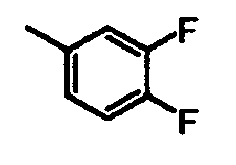
442 
445 
- 2-((E)-3-(4-Nitrophenyl)acrylamido)-4-phenoxybenzoic acid
1H-NMR (DMSO-d6) δ: 6.77 (1H, dd, J = 8.8, 2.5 Hz), 7.12 (1H, d, J = 15.6 Hz), 7.14-7.21 (2H, m), 7.28 (1H, t, J = 7.5 Hz), 7.45-7.53 (2H, m), 7.71 (1H, d, J = 15.6 Hz), 8.00-8.08 (3H, m), 8.26 (2H, d, J = 9.0 Hz), 8.35 (1H, d, J = 2.6 Hz), 11.66 (1H, s), 13.40-13.65 (1H, broad). - 2-(3,5-Dichlorobenzamido)-4-phenoxybenzoic acid
1H-NMR (DMSO-d6) δ: 6.81 (1H, dd, J = 8.8, 2.7 Hz), 7.16-7.22 (2H, m), 7.29 (1H, t, J = 7.4 Hz), 7.46-7.53 (2H, m), 7.88 (2H, d, J = 1.8 Hz), 7.94 (1H, t, J = 1.8 Hz), 8.07 (1H, d, J = 8.8 Hz), 8.26 (1H, d, J = 2.7 Hz), 12.43 (1H, s). - 2-(3,4-Dichlorobenzamido)-4-phenoxybenzoic acid
1H-NMR (DMSO-d6) δ: 6.80 (1H, dd, J = 8.9, 2.5 Hz), 7.15-7.21 (2H, m), 7.26-7.32 (1H, m), 7.46-7.53 (2H, m), 7.84-7.92 (2H, m), 8.07 (1H, d, J = 8.9 Hz), 8.09 (1H, d, J = 1.7 Hz), 8.30 (1H, d, J = 2.5 Hz), 12.43 (1H, s). - 2-(3,5-Difluorobenzamido)-4-phenoxybenzoic acid
1H-NMR (DMSO-d6) δ: 6.81 (1H, dd, J = 8.8, 2.7 Hz), 7.15-7.22 (2H, m), 7.26-7.32 (1H, m), 7.46-7.64 (5H, m), 8.07 (1H, d, J = 8.8 Hz), 8.28 (1H, d, J = 2.7 Hz), 12.39 (1H, s). - 2-(3,4-Difluorobenzamido)-4-phenoxybenzoic acid
1H-NMR (DMSO-d6) δ: 6.80 (1H, dd, J = 8.9, 2.5 Hz), 7.15-7.22 (2H, m), 7.25-7.32 (1H, m), 7.45-7.53 (2H, m), 7.65-7.73 (1H, m), 7.75-7.82 (1H, m), 7.88-7.94 (1H, m), 8.07 (1H, d, J = 8.9 Hz), 8.30 (1H, d, J = 2.5 Hz), 12.37 (1H, s). - 2-(3,5-Dimethylbenzamido)-4-phenoxybenzoic acid
1H-NMR (DMSO-d6) δ: 2.35 (6H, s), 6.76 (1H, dd, J = 8.9, 2.4 Hz), 7.16-7.22 (2H, m), 7.26-7.32 (2H, m), 7.45-7.57 (4H, m), 8.06 (1H, d, J = 8.9 Hz), 8.41 (1H, d, J = 2.4 Hz), 12.40 (1H, s). - 2-((E)-2-Methyl-3-phenylacrylamido)-4-phenoxybenzoic acid
1H-NMR (DMSO-d6) δ: 2 . 16 (3H, d, J = 1.5 Hz), 6 . 7 5 (1H, dd, J = 8.8, 2.6 Hz), 7.15-7.19 (2H, m), 7.25-7.31 (1H, m), 7.34-7.41 (1H, m), 7.42-7.52 (7H, m), 8.05 (1H, d, J = 8.8 Hz), 8.38 (1H, d, J = 2.6 Hz), 12.06 (1H, s). - The compounds shown in Table 44 were obtained in the same manner as in Example 345.
-
[Table 44] 
Example No. R2 Example No. R2 447 
450 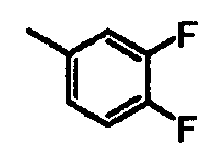
448 
451 
449 
452 
- 2-(3,5-Dichlorobenzamido)-4-phenylbenzoic acid
1H-NMR (DMSO-d6) δ: 7.47 (1H, tt, J = 7.3, 1.6 Hz), 7.51-7.59 (3H, m), 7.70-7.75 (2H, m), 7.94 (3H, s), 8.12 (1H, d, J = 8.3 Hz), 8.90 (1H, d, J = 1.7 Hz), 12.21 (1H, s). - 2-(3,4-Dichlorobenzamido)-4-phenylbenzoic acid
1H-NMR (DMSO-d6) δ: 7.44-7.50 (1H, m), 7.52-7.59 (3H, m), 7.70-7.76 (2H, m), 7.89-7.96 (2H, m), 8.13 (1H, d, J = 8.3 Hz), 8.15-8.19 (1H, m), 8.95 (1H, d, J = 1.7 Hz), 12.23 (1H, s). - 2-(3,5-Difluorobenzamido)-4-phenylbenzoic acid
1H-NMR (DMSO-d6) δ: 7.47 (1H, tt, J = 7.2, 1.5 Hz), 7.52-7.67 (6H, m), 7.70-7.77 (2H, m), 8.13 (1H, d, J = 8.3 Hz), 8.93 (1H, d, J = 1.7 Hz), 12.18 (1H, s). - 2-(3,4-Difluorobenzamido)-4-phenylbenzoic acid
1H-NMR (DMSO-d6) δ: 7.44-7.50 (1H, m), 7.52-7.58 (3H, m), 7.67-7.77 (3H, m), 7.82-7.88 (1H, m), 7.94-8.02 (1H, m), 8.13 (1H, d, J = 8.3 Hz), 8.96 (1H, d, J = 1.7 Hz), 12.19 (1H, s). - 2-(3,5-Dimethylbenzamido)-4-phenylbenzoic acid
1H-NMR (DMSO-d6) δ: 2.38 (6H, s), 7.30 (1H, s), 7.44-7.58 (4H, m), 7.60 (2H, s), 7.70-7.76 (2H, m), 8.13 (1H, d, J = 8.3 Hz), 9.08 (1H, d, J = 1.7 Hz), 12.26 (1H, s). - 2-((E)-2-Methyl-3-phenylacrylamido)-4-phenylbenzoic acid
1H-NMR (DMSO-d6) δ: 2.22 (3H, d, J = 1.2 Hz), 7.36-7.41 (1H, m), 7.44-7.58 (9H, m), 7.70-7.74 (2H, m), 8.12 (1H, d, J = 8.3 Hz), 9.08 (1H, d, J = 1. 7 Hz), 11.93 (1H, s). -

10 mL of trifluoroacetic acid was added to the obtained tert-butyl 2-(2-methoxybenzamido)-4-phenoxybenzoate and stirred at room temperature for 3 minutes. The solvent was evaporated under reduced pressure and diisopropyl ether was added to the obtained residue and a solid substance was separated by filtration to obtain 52 mg of 2-(2-methoxybenzamido)-4-phenoxybenzoic acid as white solid.
1H-NMR (DMSO-d6) δ: 3.99 (3H, s), 6.74 (1H, dd, J = 8.9, 2.6 Hz), 7.06-7.12 (1H, m), 7.14-7.20 (2H, m), 7.21-7.29 (2H, m), 7.44-7.52 (2H, m), 7.55-7.60 (1H, m), 7. 91 (1H, dd, J = 7. 8, 1.7 Hz), 8.04 (1H, d, J = 8. 9 Hz), 8.55 (1H, d, J = 2.6 Hz), 12.40 (1H, s), 13.41 (1H, s). -

1H-NMR (DMSO-d6) δ: 3.84 (3H, s), 6.78 (1H, dd, J = 8.8, 2.4 Hz), 7.16-7.24 (3H, m), 7.29 (1H, t, J = 7.3 Hz), 7.43-7.55 (5H, m), 8.07 (1H, d, J = 8.8 Hz), 8.40 (1H, d, J = 2.4 Hz), 12.40 (1H, s), 13.65-13.85 (1H, broad). -

10 mL of trifluoroacetic acid was added to tert-butyl 2-(4-methoxybenzamido) 4-phenoxybenzoate and stirred at room temperature for 3 minutes. The solvent was evaporated under reduced pressure and diisopropyl ether was added to the obtained residue and a solid substance was separated by filtration to obtain 55 mg of 2-(4-methoxybenzamido)-4-phenoxybenzoic acid as white solid.
1H-NMR (DMSO-d6) δ: 3.85 (3H, s), 6.75 (1H, dd, J = 9.0, 2.5 Hz), 7.09-7.15 (2H, m), 7.15-7.21 (2H, m), 7.28 (1H, t, J = 7.4 Hz), 7.46-7.52 (2H, m), 7.86-7.93 (2H, m), 8.06 (1H, d, J = 9.0 Hz), 8.41 (1H, d, J = 2.5 Hz), 12.33 (1H, s), 13.55-13.75 (1H, broad). -

10 mL of trifluoroacetic acid was added to the obtained tert-butyl 2-(2-methoxybenzamido)-4-phenylbenzoate and stirred at room temperature for 3 minutes. The solvent was evaporated under reduced pressure and diisopropyl ether was added to the obtained residue and a solid substance was separated by filtration to obtain 65 mg of 2-(2-methoxybenzamido)-4-phenylbenzoic acid as white solid.
1H-NMR (DMSO-d6) δ: 4.03 (3H, s), 7.10-7.17 (1H, m), 7.26 (1H, d, J = 8.3 Hz), 7.43-7.64 (5H, m), 7.70-7.77 (2H, m), 8.02 (1H, dd, J = 7.8, 1.7 Hz), 8.11 (1H, d, J = 8.3 Hz), 9.19 (1H, d, J = 1.7 Hz), 12.34 (1H, s), 13.59 (1H, s). -

1H-NMR (DMSO-d6) δ: 3.86 (3H, s), 7.22-7.26 (1H, m), 7.44-7.59 (7H, m), 7.72-7.77 (2H, m), 8.14 (1H, d, J = 8.0 Hz), 9.09 (1H, d, J = 1.7 Hz), 12.26 (1H, s), 13.80-14.00 (1H, broad). - The compounds shown in Table 45 were obtained in the same manner as in Example 34.
-
[Table 45] 
Example No. R2 Example No. R2 458 
459 
- 4-Phenethyl-2-(3-phenylpropanamido)benzoic acid
1H-NMR (DMSO-d6) δ: 2.71 (2H, t, J = 7.7 Hz), 2.84-2.96 (4H, m), 2.94 (2H, t, J = 7.7 Hz), 7.00 (1H, dd, J = 8.2, 1.6 Hz), 7.15-7.31 (10H, m), 7.87 (1H, d, J = 8.2 Hz), 8.43 (1H, d, J = 1.6 Hz), 11.15 (1H, s), 13.45 (1H, s). - 4-Phenethyl-2-(3,5-bis(trifluoromethyl)benzamido)benzoic acid
1H-NMR (DMSO-d6) δ: 2.90-3.04 (4H, m), 7.14 (1H, dd, J = 8.1, 1.7 Hz), 7.15-7.21 (1H, m), 7.24-7.32 (4H, m), 7.96 (1H, d, J = 8.1 Hz), 8.45 (1H, s), 8.49-8.52 (1H, m), 8.54 (2H, s), 12.32 (1H, s), 13.70-13.90 (1H, broad). -

4-Phenyl-2-(3,5-bis(trifluoromethyl)benzamido)benzoic acid
1H-NMR (DMSO-d6) δ: 7.45-7.51 (1H, m), 7.52-7.61 (3H, m), 7.71-7.77 (2H, m), 8.13 (1H, d, J = 8.1 Hz), 8.46 (1H, s), 8.56 (2H, s), 8.91 (1H, d, J = 1.7 Hz), 12.38 (1H, s). -

4-Phenoxy-2-(3,5-bis(trifluoromethyl)benzamido)benzoic acid
1H-NMR (DMSO-d6) δ: 6.84 (1H, dd, J = 8.9, 2.6 Hz), 7.17-7.22 (2H, m), 7.27-7.33 (1H, m), 7.47-7.54 (2H, m), 8.08 (1H, d, J = 8.9 Hz), 8.28 (1H, d, J = 2.6 Hz), 8.44 (1H, s), 8.50 (2H, s), 12.63 (1H, s). -

2-((E)-3-(3-Nitrophenyl)acrylamido)-4-phenoxybenzoic acid
1H-NMR (DMSO-d6) δ: 6.76 (1H, dd, J = 8.9, 2.7 Hz), 7.12-7.22 (3H, m), 7.28 (1H, t, J = 7.4 Hz), 7.46-7.51 (2H, m), 7.68-7.78 (2H, m), 8.04 (1H, d, J = 8.9 Hz), 8.18-8.29 (2H, m), 8.35 (1H, d, J = 2.7 Hz), 8.61 (1H, s), 11.61 (1H, s) . -

1.0 mL of 2.0 mol/L aqueous sodium hydroxide and 3.0 mL of ethanol were added to the obtained methyl 2-(4-methoxybenzamido)-4-phenylbenzoate and stirred at 40°C for 2 hours. After the reaction mixture was cooled to room temperature, 8.0 mL of 0.38 mol/L hydrochloric acid and 10 mL of ethyl acetate were added. The organic layer was separated and dried over anhydrous magnesium sulfate, and the solvent was evaporated under reduced pressure. The obtained residue was purified with reversed-phase silica gel column chromatography [eluent; 55-100% acetonitrile /0.1% trifluoroacetic acid aqueous solution] to obtain 6.1 mg of 2-(4-methoxybenzamido)-4-phenylbenzoic acid as white solid.
1H-NMR (DMSO-d6) δ: 3.86 (3H, s), 7.15 (2H, d, J = 8.8 Hz), 7.44-7.57 (4H, m), 7.73 (2H, d, J = 7.4 Hz), 7.95 (2H, d, J = 8.8 Hz), 8.13 (1H, d, J = 8.3 Hz), 9.09 (1H, d, J = 1.4 Hz), 12.21 (1H, s), 13.70-13.90 (1H, broad). -

10 mL of trifluoroacetic acid was added to the obtained tert-butyl 4-phenethyl-2-(3-phenyl-1H-pyrazole-5-carboxamido)benzoate and stirred at room temperature for 2 hours. The solvent was evaporated under reduced pressure, and the obtained residue was purified with silica gel column chromatography [Flash Tube 2008 manufactured by Trikonex Company, eluent; ethyl acetate] to obtain 2.6 mg of 4-phenethyl-2-(3-phenyl-1H-pyrazole-5-carboxamido)benzoic acid as white solid.
1H-NMR (DMSO-d6) δ: 2.89-3.04 (4H, m), 7.05 (1H, d, J = 7.7 Hz), 7.15-7.33 (6H, m), 7.38-7.44 (1H, m), 7.47-7.53 (2H, m), 7.84 (2H, d, J = 7.6 Hz), 7.95 (1H, d, J = 7.7 Hz), 8.74 (1H, s), 12.39 (1H, s), 13.96 (1H, s). -

10 mL of trifluoroacetic acid was added to the obtained tert-butyl 2-(2-acetoxybenzamido)-4-phenethylbenzoate and stirred at room temperature for 2 hours. The solvent was evaporated under reduced pressure and 0.50 mL of methanol, 0.50 mL of tetrahydrofuran and 10 mg of potassium carbonate were added to the obtained residue sequentially and stirred at room temperature for 3 hours. After insoluble were removed by filtration, 3.0 mL of 10% citric acid aqueous solution was added and a solid substance was separated by filtration to obtain 11 mg of 2-(2-hydroxybenzamido)-4-phenethylbenzoic acid as white solid.
1H-NMR (DMSO-d6) δ: 2.88-3.02 (4H, m), 6.95-7.03 (2H, m), 7.07 (1H, dd, J = 8.1, 1.4 Hz), 7.15-7.21 (1H, m), 7.24-7.32 (4H, m), 7.41-7.47 (1H, m), 7.87 (1H, dd, J = 7.9, 1.6 Hz), 7.92 (1H, d, J = 8.1 Hz), 8.59 (1H, d, J = 1.4 Hz), 11.46 (1H, s), 12.22 (1H, s). -

1H-NMR (DMSO-d6) δ: 2.88-3.00 (4H, m), 6.93 (2H, d, J = 8.7 Hz), 7.04 (1H, dd, J = 8.1, 1.6 Hz), 7.15-7.21 (1H, m), 7.24-7.32 (4H, m), 7.82 (2H, d, J = 8.7 Hz), 7.94 (1H, d, J = 8.1 Hz), 8.68 (1H, d, J = 1.6 Hz), 10.26 (1H, s), 12.09 (1H, s), 13.50-13.70 (1H, broad). -

1H-NMR (DMSO-d6) δ: 1.83-1.94 (2H, m), 2.28 (2H, t, J = 7.6 Hz), 2.60 (2H, t, J = 7.7 Hz), 6.49-6.57 (1H, m), 7.02 (2H, d, J = 7.8 Hz), 7.11-7.31 (6H, m), 7.35-7.43 (2H, m), 7.95 (1H, d, J = 8.6 Hz), 8.17 (1H, d, J = 2.4 Hz). -

1H-NMR (DMSO-d6) δ (D2O treatment): 1.86-2.02 (2H, m), 2.39 (2H, t, J = 7.3 Hz), 2.64-(2H, t, J = 7.6 Hz), 2.85-2.96 (4H, m), 6.56 (1H, s), 7.01 (1H, d, J = 8.2 Hz), 7.14-7.34 (9H, m), 7.87 (1H, d, J = 8.2 Hz), 8.43 (1H, s). -

1H-NMR (CDCl3) δ: 1.66 (9H, s), 7.37-7.44 (2H, m), 7.45-7.52 (2H, m), 7.66-7.74 (3H, m), 7.84-7.87 (1H, m), 8.10 (1H, d, J = 8.3 Hz), 8.28-8.31 (1H, m), 8.37 (1H, t, J = 1.5 Hz), 9.19 (1H, d, J = 1.9 Hz), 12.44 (1H, s). - The compounds shown in Table 46 were obtained in the same manner as in Example 469.
-
[Table 46] 
Example No. R2 Example No. R2 Example No. R2 470 
473 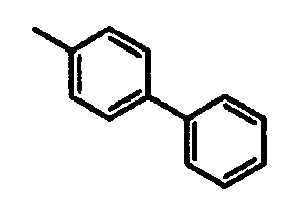
476 
471 
474 
472 
475 
- tert-Butyl 4-phenyl-2-(6-(1H-pyrrol-1-yl)pyridine-3-carboxamido)benzoate
1H-NMR (CDCl3) δ: 1. 66 (9H, s), 6.41 (2H, t, J = 2.3 Hz), 7.37 (1H, dd, J = 8.5, 2.0 Hz), 7.38-7.50 (4H, m), 7.61 (2H, t, J = 2.3 Hz), 7.70-7.74 (2H, m), 8.10 (1H, d, J = 8.5 Hz), 8.43 (1H, dd, J = 8.8, 2.4 Hz), 9.15 (1H, d, J = 2.4 Hz), 9.23 (1H, d, J = 2.0 Hz), 12.44 (1H, s) . - tert-Butyl 4-phenyl-2-(2-(1H-pyrrol-1-yl)pyridine-4-carboxamido)benzoate
1H-NMR (CDCl3) δ: 1.68 (9H, s), 6.40 (2H, t, J = 2.3 Hz), 7.38-7.52 (4H, m), 7.64 (2H, t, J = 2.3 Hz), 7.68 (1H, dd, J = 5.2, 1.4 Hz), 7.71-7.75 (2H, m), 8.00 (1H, s), 8.12 (1H, d, J = 8.3 Hz), 8.64 (1H, d, J = 5.2 Hz), 9.22 (1H, d, J = 2.0 Hz), 12.59 (1H, s). - tert-Butyl 4-phenyl-2-(3-(1H-pyrazol-1-yl)benzamido)benzoate
1H-NMR (CDCl3) δ: 1.67 (9H, s), 6.51-6.53 (1H, m), 7.35-7.44 (2H, m), 7.45-7.51 (2H, m), 7.62-7.68 (1H, m), 7.70-7.78 (3H, m), 7.94-8.00 (1H, m), 8.04-8.12 (3H, m), 8.36-8.38 (1H, m), 9.25 (1H, d, J = 1.7 Hz), 12.42 (1H, s). - tert-Butyl 2-(biphenyl-4-carboxamido)-4-phenylbenzoate
1H-NMR (CDCl3 δ: 1.67 (9H, s), 7.36 (1H, dd, J = 8.4, 1.8 Hz), 7.37-7.44 (2H, m), 7.45-7.53 (4H, m), 7.65-7.70 (2H, m), 7.72-7.80 (4H, m), 8.10 (1H, d, J = 8.4 Hz), 8.14-8.18 (2H, m), 9.28 (1H, d, J= 1.8 Hz), 12.33 (1H, s). - tert-Butyl 2-(3-acetylbenzamido)-4-phenylbenzoate
1H-NMR (CDCl3) δ: 1.66 (9H, s), 2.72 (3H, s), 7.36-7.44 (2H, m), 7.45-7.51 (2H, m), 7.67 (1H, t, J = 7.8 Hz), 7.70-7.76 (2H, m), 8.11 (1H, d, J = 8.3 Hz), 8.16-8.22 (1H, m), 8.25-8.30 (1H, m), 8.68-8.72 (1H, m), 9.25 (1H, d, J = 1.9 Hz), 12.49 (1H, s). - tert-Butyl 4-phenyl-2-(3-(1H-tetrazol-1-yl)benzamido)benzoate
1H-NMR (CDCl3) δ: 1.67 (9H, s), 7.38-7.45 (2H, m), 7.46-7.53 (2H, m), 7.70-7.75 (2H, m), 7.81 (1H, t, J = 7.9 Hz), 8.03-8.07 (1H, m), 8.12 (1H, d, J = 8.3 Hz), 8.21-8.24 (1H, m), 8.42 (1H, t, J = 1.8 Hz), 9.13 (1H, s), 9.22 (1H, d, J = 1.7 Hz), 12.57 (1H, s). - tert-Butyl 2-(3-(3,5-dimethyl-1H-pyrazol-1-yl)benzamido)-4-phenylbenzoate
1H-NMR (CDCl3) δ: 1.65 (9H, s), 2.32 (3H, s), 2.46 (3H, s), 6.05 (1H, s), 7.36 (1H, dd, J = 8.3, 1.9 Hz), 7.36-7.43 (1H, m), 7.44-7.50 (2H, m), 7.64 (1H, t, J = 7.9 Hz), 7.70-7.74 (2H, m), 7.74-7.79 (1H, m), 8.02-8.07 (1H, m), 8.09 (1H, d, J = 8.3 Hz), 8.12 (1H, t, J = 1.7 Hz), 9.25 (1H, d, J = 1.7 Hz), 12.40 (1H, s). -

1H-NMR (CDCl3) δ: 1.63 (9H, s), 6.70 (1H, dd, J = 8.9, 2.7 Hz), 7.08-7.13 (2H, m), 7.18-7.24 (1H, m), 7.38-7.45 (2H, m), 7.62-7.68 (1H, m), 7.83 (1H, dt, J = 7.6, 1.5 Hz), 8.00 (1H, d, J = 8.9 Hz), 8.21-8.26 (1H, m), 8.31 (1H, t, J = 1.5 Hz), 8.53 (1H, d, J = 2.7 Hz), 12.48 (1H, s). - The compounds shown in Table 47 were obtained in the same manner as in Example 477.
-
[Table 47] 
Example No. R2 Example No. R2 Example No. R2 478 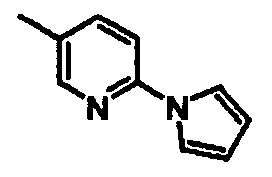
481 
484 
479 
482 
480 
483 
- tert-Butyl 4-phenoxy-2-(6-(1H-pyrrol-1-yl)pyridine-3-carboxamido)benzoate
1H-NMR (CDCl3) δ: 1.63 (9H, s), 6.40 (2H, t, J = 2.3 Hz), 6.69 (1H, dd, J = 8.9, 2.5 Hz), 7.08-7.14 (2H, m), 7.18-7.24 (1H, m), 7.38-7.45 (3H, m), 7.59 (2H, t, J = 2.3 Hz), 8.00 (1H, d, J = 8.9 Hz), 8.37 (1H, dd, J = 8.8, 2.4 Hz), 8.56 (1H, d, J = 2.5 Hz), 9.09 (1H, d, J = 2.4 Hz), 12.48 (1H, s). - tert-Butyl 4-phenoxy-2-(2-(1H-pyrrol-1-yl)pyridine-4-carboxamido)benzoate
1H-NMR (CDCl3) δ: 1.64 (9H, s), 6.39 (2H, t, J = 2.2 Hz), 6.72 (1H, dd, J = 8.9, 2.5 Hz), 7.08-7.14 (2H, m), 7.18-7.25 (1H, m), 7.38-7.46 (2H, m), 7.60-7.64 (3H, m), 7.93 (1H, s), 8.01 (1H, d, J = 8.8 Hz), 8.54 (1H, d, J = 2.5 Hz), 8.60 (1H, d, J = 5.1 Hz), 12.62 (1H, s). - tert-Butyl 4-phenoxy-2-(2-(1H-pyrrol-1-yl)pyridine-3-carboxamido)benzoate
1H-NMR (CDCl3) δ: 1.49 (9H, s), 6.22 (2H, t, J = 2. 3 Hz), 6.63 (1H, dd, J = 8.9, 2.5 Hz), 7.06-7.14 (2H, m), 7.16-7.24 (3H, m), 7.30 (1H, dd, J = 7.7, 4.9 Hz), 7.37-7.44 (2H, m), 7.88 (1H, d, J = 8.9 Hz), 8.05 (1H, dd, J = 7.7, 1.8 Hz), 8.51 (1H, d, J = 2.5 Hz), 8.59 (1H, dd, J = 4.9, 1.8 Hz), 11.62 (1H, s). - tert-Butyl 4-phenoxy-2-(3-(1H-pyrazol-1-yl)benzamido)benzoate
1H-NMR (CDCl3) δ: 1.63 (9H, s), 6.51 (1H, t, J = 2.1 Hz), 6.69 (1H, dd, J = 8.9, 2.4 Hz), 7.09-7.14 (2H, m), 7.21 (1H, t, J = 7.3 Hz), 7.38-7.44 (2H, m), 7.61 (1H, t, J = 7.9 Hz), 7.75 (1H, d, J = 1.5 Hz), 7.88-7.92 (1H, m), 8.00 (1H, d, J = 8.9 Hz), 8.02-8.07 (2H, m), 8.28-8.31 (1H, m), 8.58 (1H, d, J = 2.4 Hz), 12.45 (1H, s). - tert-Butyl 2-(biphenyl-4-carboxamido)-4-phenoxybenzoate
1H-NMR (CDCl3) δ: 1.63 (9H, s), 6.67 (1H, dd, J = 8 . 9, 2.5 Hz), 7.08-7.14 (2H, m), 7.16-7.23 (1H, m), 7.36-7.52 (5H, m), 7.63-7.68 (2H, m), 7.72-7.78 (2H, m), 7.99 (1H, d, J = 8.9 Hz), 8.07-8.13 (2H, m), 8.62 (1H, d, J = 2.5 Hz), 12.37 (1H, s). - tert-Butyl 2-(3-acetylbenzamido)-4-phenoxybenzoate
1H-NMR (CDCl3) δ: 1.63 (9H, s), 2.70 (3H, s), 6.69 (1H, dd, J = 9.0, 2.7 Hz), 7.10-7.15 (2H, m), 7.18-7.23 (1H, m), 7.38-7.45 (2H, m), 7.63 (1H, t, J = 7.8 Hz), 8.00 (1H, d, J = 9.0 Hz), 8.14-8.19 (1H, m), 8.20-8.24 (1H, m), 8.57 (1H, d, J = 2.7 Hz), 8.62-8.64 (1H, m), 12.52 (1H, s). - tert-Butyl 2-(3-(3,5-dimethyl-1H-pyrazol-1-yl)benzamido)-4-phenoxybenzoate
1H-NMR (CDCl3) δ: 1.61 (9H, s), 2.31 (3H, s), 2.44 (3H, s), 6.03 (1H, s), 6.67 (1H, dd, J = 8.9, 2.5 Hz), 7.08-7.13 (2H, m), 7.16-7.22 (1H, m), 7.37-7.43 (2H, m), 7.60 (1H, t, J = 7.9 Hz), 7.72-7.76 (1H, m), 7.96-8.01 (2H, m), 8.06 (1H, t, J = 1.8 Hz), 8.59 (1H, d, J = 2.5 Hz), 12.43 (1H, s). -

1H-NMR (CDCl3) δ: 1.63 (9H, s), 2.90-3.08 (4H, m), 6.41 (2H, t, J = 2.3 Hz), 6.90 (1H, dd, J = 8.1, 1.7 Hz), 7.17-7.32 (5H, m), 7.46 (1H, d, J = 8.7 Hz), 7.60 (2H, d, J = 2.3 Hz), 7.93 (1H, d, J = 8.1 Hz), 8.41 (1H, dd, J = 8.7, 2.3 Hz), 8.83 (1H, d, J = 1.7 Hz), 9.13 (1H, d, J = 2.3 Hz), 12.40 (1H, s). - The compounds shown in Table 48 were obtained in the same manner as in Example 485.
-
[Table 48] 
Example No. R 2 Example No. R 2 486 
488 
487 
- tert-Butyl 4-phenethyl-2-(2-(1H-pyrrol-1-yl)pyridine-4-carboxamido)benzoate
1H-NMR (CDCl3) δ: 1.64 (9H, s), 2.94-3.05 (4H, m), 6.40 (2H, t, J = 2.3 Hz), 6.94 (1H, dd, J = 8.2, 1.7 Hz), 7.18-7.33 (5H, m), 7.63 (2H, t, J = 2.3 Hz), 7.66 (1H, dd, J = 5.1, 1.5 Hz), 7.94 (1H, d, J = 8.2 Hz), 7.97-7.99 (1H, m), 8.63 (1H, d, J = 5.1 Hz), 8.81 (1H, d, J = 1.7 Hz), 12.55 (1H, s). - tert-Butyl 2-(biphenyl-3-carboxamido)-4-phenethylbenzoate
1H-NMR (CDCl3) δ: 1.64 (9H, s), 2.94-3.06 (4H, m), 6.89 (1H, dd, J = 8.2, 1.6 Hz), 7.16-7.34 (5H, m), 7.35-7.43 (1H, m), 7.45-7.52 (2H, m), 7.61 (1H, t, J = 7.7 Hz), 7.70-7.75 (2H, m), 7.78-7.84 (1H, m), 7.93 (1H, d, J = 8.2 Hz), 8.80-8.05 (1H, m), 8.36 (1H, t, J = 1.7 Hz), 8.88 (1H, d, J = 1.6 Hz), 12.38 (1H, s). - tert-Butyl 2-(biphenyl-4-carboxamido)-4-phenethylbenzoate
1H-NMR (CDCl3) δ: 1.64 (9H, s), 2.92-3.06 (4H, m), 6.89 (1H, dd, J = 8.1, 1.6 Hz), 7.16-7.34 (5H, m), 7.37-7.44 (1H, m), 7.45-7.53 (2H, m), 7.64-7.70 (2H, m), 7.74-7.80 (2H, m), 7.93 (1H, d, J = 8.1 Hz), 8.12-8.17 (2H, m), 8.89 (1H, d, J = 1.6 Hz), 12.30 (1H, s). -

1H-NMR (CDCl3) δ: 1.66 (9H, s), 6.40 (2H, t, J = 2.2 Hz), 7.20 (2H, t, J = 2.2 Hz), 7.35 (1H dd, J = 8.3, 1.8 Hz), 7.37-7.43 (1H, m), 7.44-7.50 (2H, m), 7.54-7.59 (2H, m), 7.71-7.76 (2H, m), 8.10 (1H, d, J = 8.3 Hz), 8.14-8.18 (2H, m), 9.26 (1H, d, J = 1.8 Hz), 12.33 (1H, s). -

-

1H-NMR (CDCl3) δ: 1. 63 (9H, s), 6.38 (2H, t, J = 2.2 Hz), 6.68 (1H, dd, J = 8.9, 2.5 Hz), 7.09-7.14 (2H, m), 7.17-7.24 (3H, m), 7.37-7.44 (2H, m), 7.55-7.60 (2H, m), 7.84-7.88 (1H, m), 8.00 (1H, d, J = 8.9 Hz), 8.09-8.11 (1H, m), 8.58 (1H, d, J = 2.5 Hz), 12.46 (1H, s). -

1H-NMR (CDCl3) δ: 1.48 (9H, s), 6.54 (1H, dd, J = 9.0, 2.6 Hz), 7.02-7.08 (2H, m), 7.16 (1H, t, J = 7.4 Hz), 7.21-7.40 (5H, m), 7.41-7.56 (5H, m), 7.69-7.73 (1H, m), 7.81 (1H, d, J = 9.0 Hz), 8.47-8.52 (1H, broad), 11.23-11.27 (1H, broad). -

1H-NMR (CDCl3) δ: 1.67 (9H, s), 7.34-7.43 (3H, m), 7.45-7.51 (4H, m), 7.62 (1H, t, J = 7.7 Hz), 7.70-7.76 (4H, m), 7.82 (1H, ddd, J = 7.7, 1.8, 1.0 Hz), 8.04 (1H, ddd, J = 7.8, 1.8, 1.0 Hz), 8.10 (1H, d, J = 8.3 Hz), 8.37-8.40 (1H, m), 9.28 (1H, d, J = 1.7 Hz), 12.42 (1H, s). -

1H-NMR (CDCl3) δ: 1.63 (9H, s), 6.68 (1H, dd, J = 8.9, 2.5 Hz), 7.08-7.15 (2H, m), 7.16-7.22 (1H, m), 7.35-7.52 (5H, m), 7.58 (1H, t, J = 7.7 Hz), 7.68-7.74 (2H, m), 7.77-7.82 (1H, m), 7.95-8.04 (2H, m), 8.30-8.32 (1H, m), 8.61 (1H, d, J = 2.5 Hz), 12.46 (1H, s). -

1H-NMR (DMSO-d6) δ: 6.33 (2H, t, J = 2.2 Hz), 6.78 (1H, dd, J = 8.8, 2.6 Hz), 7.16-7.21 (2H, m), 7.28 (1H, t, J = 7.4 Hz), 7.46-7.53 (2H, m), 7.53 (2H, t, J = 2.2 Hz), 7.80-7.85 (2H, m), 7.96-8.01 (2H, m), 8.08 (1H, d, J = 8.8 Hz), 8.41 (1H, d, J = 2.6 Hz), 12.49 (1H, s). -

1H-NMR (CDCl3) δ: 1.63 (9H, s), 2.94-3.01 (4H, m), 3.93 (3H, s), 3.97 (3H, s), 6.51 (1H, d, J = 15.5 Hz), 6.86 (1H, dd, J = 8.3, 1.3 Hz), 6.89 (1H, d, J = 8.3 Hz), 7.13 (1H, d, J = 1.7 Hz), 7.16-7.32 (6H, m), 7.71 (1H, d, J = 15.5 Hz), 7.89 (1H, d, J = 8.3 Hz), 8.82 (1H, d, J = 1. 3 Hz), 11.45 (1H, s). -

1H-NMR (CDCl3) δ: 1.52-1.77 (6H, m), 1.61 (9H, s), 2.97 (4H, s), 3.66-3.73 (4H, m), 6.70 (1H, d, J = 9.2 Hz), 6.84 (1H, dd, J = 8.2, 1.7 Hz), 7.17-7.31 (5H, m), 7.90 (1H, d, J = 8.2 Hz), 8.10 (1H, dd, J = 9.2, 2.7 Hz), 8.86 (1H, d, J = 1.7 Hz), 8.89 (1H, d, J = 2.7 Hz), 12 . 11 (1H, s). -

1H-NMR (DMSO-d6) δ: 6.81 (1H, dd, J = 8.9, 2.6 Hz), 7.16-7.20 (2H, m), 7.29 (1H, t, J = 7.2 Hz), 7.47-7.52 (2H, m), 7.81 (1H, t, J = 7.8 Hz), 8.08 (1H, d, J = 8.9 Hz), 8.12 (1H, d, J = 7.8 Hz), 8.20 (1H, d, J = 8.0 Hz), 8.29 (1H, s), 8.31 (1H, d, J = 2.6 Hz), 12.48 (1H, s). - The compounds shown in Table 49 were obtained in the same manner as in Example 498.
-
[Table 49] 
Example No. R2 Example No. R2 Example No. R2 499 
502 
505 
500 
503 
506 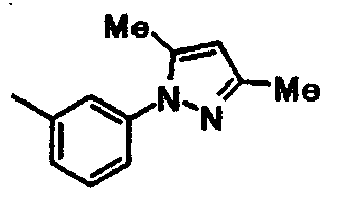
501 
504 
507 
- 4-Phenoxy-2-(6-(1H-pyrrol-1-yl)pyridine-3-carboxamido)benzoic acid
1H-NMR (DMSO-d6) δ: 6.37 (2H, t, J = 2.3 Hz), 6.81 (1H, dd, J = 8.9, 2.6 Hz), 7.16-7.22 (2H, m), 7.26-7.32 (1H, m), 7.46-7.54 (2H, m), 7.78 (2H, t, J = 2.3 Hz), 7.92 (1H, d, J = 8.8 Hz), 8.09 (1H, d, J = 9.0 Hz), 8.30-8.36 (2H, m), 8.92 (1H, d, J = 2.4 Hz), 12.40 (1H, s). - 4-Phenoxy-2-(2-(1H-pyrrol-1-yl)pyridine-4-carboxamido)benzoic acid
1H-NMR (DMSO-d6) δ: 6.35 (2H, t, J = 2.3 Hz), 6.85 (1H, dd, J = 8.9, 2.7 Hz), 7.16-7.24 (2H, m), 7.26-7.34 (1H, m), 7.46-7.54 (2H, m), 7.61 (1H, dd, J = 5.1, 1.2 Hz), 7.74 (2H, t, J = 2.3 Hz), 8.05 (1H, s), 8.10 (1H, d, J = 8.9 Hz), 8.32 (1H, d, J = 2.7 Hz), 8.66 (1H, d, J = 5.1 Hz), 12.50 (1H, s). - 4-Phenoxy-2-(2-(1H-pyrrol-1-yl)pyridine-3-carboxamido)benzoic acid
1H-NMR (DMSO-d6) δ: 6.21 (2H, t, J = 2.2 Hz), 6.75 (1H, dd, J = 8.9, 2.7 Hz), 7.16-7.22 (4H, m), 7.25-7.30 (1H, m), 7.46-7.54 (3H, m), 7.98 (1H, d, J = 8.9 Hz), 8.15-8.22 (2H, m), 8.64 (1H, dd, J = 4.9, 1.7 Hz), 11.67 (1H, s) . - 4-Phenoxy-2-(3-(1H-pyrazol-1-yl)benzamido)benzoic acid
1H-NMR (DMSO-d6) δ: 6.60 (1H, dd, J = 2.6, 1.8 Hz), 6.80 (1H, dd, J = 8.9, 2.6 Hz), 7.16-7.23 (2H, m), 7.27-7.32 (1H, m), 7.46-7.55 (2H, m), 7.71 (1H, t, J = 7.9 Hz), 7.80-7.86 (2H, m), 8.07-8.13 (2H, m), 8.41-8.42 (2H, m), 8.61 (1H, d, J = 2.4 Hz), 12.53 (1H, s). - 2-(Biphenyl-3-carboxamido)-4-phenoxybenzoic acid
1H-NMR (DMSO-d6) δ: 6.79 (1H, dd, J = 8.8, 2.7 Hz), 7.17-7.22 (2H, m), 7.26-7.33 (1H, m), 7.43 (1H, tt, J = 7.4, 1.5 Hz), 7.46-7.55 (4H, m), 7.68 (1H, t, J = 7.8 Hz), 7.72-7.77 (2H, m), 7.90-7.97 (2H, m), 8.08 (1H, d, J = 8.8 Hz), 8.19 (1H, t, J = 1.7 Hz), 8.43 (1H, d, J = 2.7 Hz), 12.54 (1H, s). - 2-(Biphenyl-4-carboxamido)-4-phenoxybenzoic acid
1H-NMR (DMSO-d6) δ: 6.78 (1H, dd, J = 8.9, 2.5 Hz), 7.16-7.22 (2H, m), 7.26-7.32 (1H, m), 7.41-7.55 (5H, m), 7.75-7.80 (2H, m), 7.87-7.93 (2H, m), 7.98-8.04 (2H, m), 8.09 (1H, d, J = 8.9 Hz), 8.43 (1H, d, J = 2.5 Hz), 12.48 (1H, s). - 2-(3-Acetylbenzamido)-4-phenoxybenzoic acid
1H-NMR (DMSO-d6) δ: 2.66 (3H, s), 6.80 (1H, dd, J = 8.9, 2.6 Hz), 7.16-7.22 (2H, m), 7.26-7.32 (1H, m), 7.46-7.54 (2H, m), 7.75 (1H, t, J = 7.8 Hz), 8.09 (1H, d, J = 8.9 Hz), 8.15-8.19 (1H, m), 8.20-8.24 (1H, m), 8.40 (1H, d, J = 2.6 Hz), 8.48-8.51 (1H, m), 12.58 (1H, s), 13 . 60-14 . 00 (1H, broad). - 2-(3-(3,5-Dimethyl-1H-pyrazol-1-yl)benzamido)-4-phenoxybenzoic acid
1H-NMR (DMSO-d6) δ: 2.20 (3H, s), 2.37 (3H, s), 6.13 (1H, s), 6.79 (1H, dd, J = 8.9, 2.5 Hz), 7.17-7.21 (2H, m), 7.26-7.32 (1H, m), 7.46-7.53 (2H, m), 7.70 (1H, t, J = 7.8 Hz), 7.76-7.81 (1H, m), 7.88-7.93 (1H, m), 7.99 (1H, t, J = 2.0 Hz), 8.08 (1H, d, J = 8.9 Hz), 8.40 (1H, d, J = 2.5 Hz), 12.46 (1H, s), 13.50-14.00 (1H, broad). - 2-(Biphenyl-2-carboxamido)-4-phenoxybenzoic acid
1H-NMR (DMSO-d6) δ: 6.66 (1H, dd, J = 8.8, 2.4 Hz), 7.11-7.16 (2H, m), 7.22-7.43 (6H, m), 7.44-7.55 (4H, m), 7.62 (1H, td, J = 7.6, 1.5 Hz), 7.67 (1H, dd, J = 7.6, 1.2 Hz), 7.91 (1H, d, J = 8.8 Hz), 8.22 (1H, s), 11.44 (1H, s), 13.30-13.60 (1H, broad). -

1H-NMR (DMSO-d6) δ: 7.44-7.50 (1H, m), 7.52-7.60 (3H, m), 7.72-7.77 (2H, m), 7.84 (1H, t, J = 7.9 Hz), 8.12-8.18 (2H, m), 8.25-8.30 (1H, m), 8.35-8.38 (1H, m), 8.95 (1H, d, J = 1.7 Hz), 12.24 (1H, s). - The compounds shown in Table 50 were obtained in the same manner as in Example 508.
-
[Table 50] 
Example No. R2 Example No. R2 Example No. R2 509 
512 
515 
510 
513 
516 
511 
514 
- 4-Phenyl-2-(6-(1H-pyrrol-1-yl)pyridine-3-carboxamido)benzoic acid
1H-NMR (DMSO-d6) δ: 6.38 (2H, t, J = 2.1 Hz), 7.44-7.50 (1H, m), 7.52-7.58 (3H, m), 7.71-7.76 (2H, m), 7.80 (2H, t, J = 2.1 Hz), 7.96 (1H, d, J = 8.6 Hz), 8.15 (1H, d, J = 8.3 Hz), 8.40 (1H, dd, J = 8.6, 2.4 Hz), 8.98-9.02 (2H, m), 12.25 (1H, s). - 4-Phenyl-2-(2-(1H-pyrrol-1-yl)pyridine-4-carboxamido)benzoic acid
1H-NMR (DMSO-d6) δ: 6.37 (2H, t, J = 2.3 Hz), 7.48 (1H, tt, J = 7.3, 1.6 Hz), 7.53-7.62 (3H, m), 7.69 (1H, dd, J = 5.1, 1.4 Hz), 7.74-7.78 (4H, m), 8.13 (1H, s), 8.16 (1H, d, J = 8.3 Hz), 8.69 (1H, dd, J = 5.1, 0.8 Hz), 8.98 (1H, d, J = 1.7 Hz), 12.29 (1H, s). - 4-Phenyl-2-(3-(1H-pyrazol-1-yl)benzamido)benzoic acid
1H-NMR (DMSO-d6) δ: 6.62 (1H, dd, J = 2.4, 2.0 Hz), 7.45-7.51 (1H, m), 7.53-7.60 (3H, m), 7.72-7.78 (3H, m), 7.82-7.84 (1H, m), 7.88-7.94 (1H, m), 8.10-8.17 (2H, m), 8.49 (1H, t, J = 1.8 Hz), 8.63 (1H, d, J = 2.4 Hz), 9.09 (1H, d, J = 1.7 Hz), 12.38 (1H, s). - 2-(Biphenyl-3-carboxamido)-4-phenylbenzoic acid
1H-NMR (DMSO-d6) δ: 7.42-7.60 (7H, m), 7.69-7.80 (5H, m), 7.94-8.02 (2H, m), 8.15 (1H, d, J = 8.3 Hz), 8.26 (1H, s), 9.11 (1H, d, J = 1.7 Hz), 12.40 (1H, s). - 2-(Biphenyl-4-carboxamido)-4-phenylbenzoic acid
1H-NMR (DMSO-d6) δ: 7.42-7.60 (7H, m), 7.74-7.82 (4H, m), 7.90-7.95 (2H, m), 8.06-8.11 (2H, m), 8.16 (1H, d, J = 8.3 Hz), 9.11 (1H, d, J = 1.7 Hz), 12.34 (1H, s). - 2-(3-Acetylbenzamido)-4-phenylbenzoic acid
1H-NMR (DMSO-d6) δ: 2.69 (3H, s), 7.45-7.50 (1H, m), 7.52-7.59 (3H, m), 7.72-7.82 (3H, m), 8.15 (1H, d, J = 8.3 Hz), 8.24 (2H, dd, J = 7.8, 1.7 Hz), 8.57 (1H, t, J = 1.7 Hz), 9.07 (1H, d, J = 2.0 Hz), 12.41 (1H, s). - 2-(3-(3,5-Dimethyl-1H-pyrazol-1-yl)benzamido)-4-phenylbenzoic acid
1H-NMR (DMSO-d6) δ: 2.21 (3H, s), 2.39 (3H, d, J = 0.5 Hz), 6.14 (1H, s), 7.47 (1H, tt, J = 7.3, 1.5 Hz), 7.52-7.58 (3H, m), 7.70-7.77 (3H, m), 7.79-7.82 (1H, m), 7.96-7.99 (1H, m), 8.06-8.07 (1H, m), 8.14 (1H, d, J = 8.3 Hz), 9.05-9.07 (1H, m), 12.30 (1H, s). - 2-(Biphenyl-2-carboxamido)-4-phenylbenzoic acid
1H-NMR (DMSO-d6) δ: 7.29 (1H, tt, J = 7.2, 1.7 Hz), 7.34-7.48 (6H, m), 7.48-7.59 (4H, m), 7.61-7.70 (3H, m), 7.73 (1H, dd, J = 7.6, 1.2 Hz), 7.99 (1H, d, J = 8.3 Hz), 8.85 (1H, s), 11.35 (1H, s), 13.40-13.80 (1H, broad). -
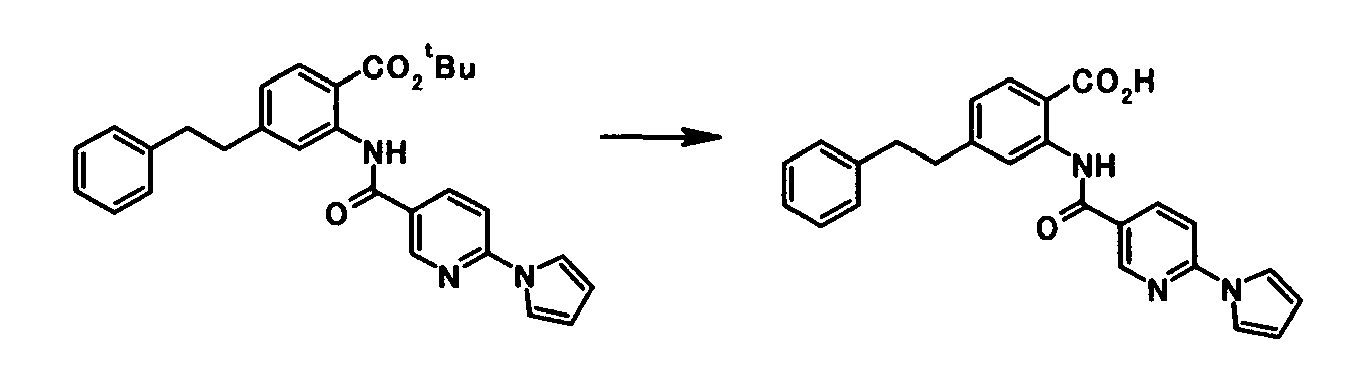
1H-NMR (DMSO-d6) δ: 2.90-3.02 (4H, m), 6.38 (2H, t, J = 2.3 Hz), 7.11 (1H, dd, J = 8.3, 1.6 Hz), 7.15-7.24 (1H, m), 7.25-7.32 (4H, m), 7.79 (2H, t, J = 2.3 Hz), 7.94 (1H, d, J = 8.7 Hz), 7.97 (1H, d, J = 8.3 Hz), 8.37 (1H, dd, J = 8.7, 2.3 Hz), 8.58-8.61 (1H, m), 8.97 (1H, d, J = 2.3 Hz), 12.15 (1H, s), 13.60-13.80 (1H, broad). - The compounds shown in Table 51 were obtained in the same manner as in Example 517.
-
[Table 51] 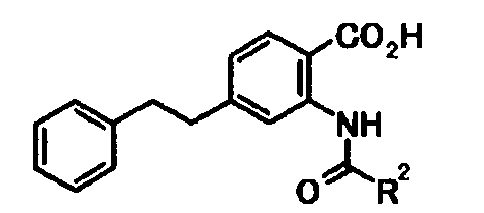
Example No. R2 Example No. R2 518 
520 
519 
521 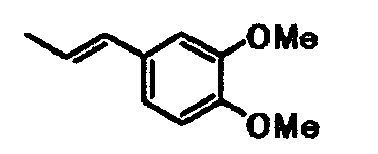
- 4-Phenethyl-2-(2-(1H-pyrrol-1-yl)pyridine-4-carboxamido)benzoic acid
1H-NMR (DMSO-d6) δ: 2.90-3.04 (4H, m), 6.37 (2H, t, J = 2.3 Hz), 7.12-7.22 (2H, m), 7.25-7.32 (4H, m), 7.66 (1H, dd, J = 5.1, 1.5 Hz), 7.74 (2H, t, J = 2.3 Hz), 7.97 (1H, d, J = 8.3 Hz), 8 . 10 (1H, s), 8.56 (1H, d, J = 1.5 Hz), 8.67 (1H, d, J = 5.1 Hz), 12.21 (1H, s). - 2-(Biphenyl-3-carboxamido)-4-phenethylbenzoic acid
1H-NMR (DMSO-d6) δ: 2.88-3.04 (4H, m), 7.10 (1H, dd, J = 8.3, 1.5 Hz), 7.15-7.24 (1H, m), 7.24-7.33 (4H, m), 7.41-7.46 (1H, m), 7.51-7.55 (2H, m), 7.70 (1H, t, J = 7.7 Hz), 7.73-7.78 (2H, m), 7.92-8.00 (3H, m), 8.23 (1H, s), 8.70 (1H, s), 12.31 (1H, s), 13.50-14.00 (1H, broad) . - 2-(Biphenyl-4-carboxamido)-4-phenethylbenzoic acid
1H-NMR (DMSO-d6) δ: 2.90-3.01 (4H, m), 7.09 (1H, dd, J = 8.1, 1.5 Hz), 7.15-7.25 (1H, m), 7.25-7.30 (4H, m), 7.44 (1H, tt, J = 7.3, 1.4 Hz), 7.49-7.56 (2H, m), 7.76-7.80 (2H, m), 7.88-7.94 (2H, m), 7.97 (1H, d, J = 8.1 Hz), 8.03-8.08 (2H, m), 8.70 (1H, d, J = 1.5 Hz), 12.27 (1H, s). - 2-((E)-3-(3,4-Dimethoxyphenyl)acrylamido)-4-phenethylbenzoic acid
1H-NMR (DMSO-d6) δ: 2.89-2.98 (4H, m), 3.81 (3H, s), 3.84 (3H, s), 6.79 (1H, d, J = 15.5 Hz), 7.00 (1H, d, J = 8.5 Hz), 7.04 (1H, dd, J = 8.3, 1.4 Hz), 7.15-7.20 (1H, m), 7.23-7.30 (5H, m), 7.38 (1H, d, J = 1. 7 Hz), 7.56 (1H, d, J = 15.5 Hz), 7.91 (1H, d, J = 8.3 Hz), 8.58 (1H, d, J = 1.4 Hz), 11.30 (1H, s). -

1H-NMR (DMSO-d6) δ: 7.48 (1H, tt, J = 7.3, 1.5 Hz), 7.53-7.60 (3H, m), 7.72-7.78 (2H, m), 7.92 (1H, t, J = 7.9 Hz), 8.15 (2H, d, J = 8.3 Hz), 8.20-8.24 (1H, m), 8.54 (1H, t, J = 1.8 Hz), 9.04 (1H, d, J = 1.7 Hz), 10.23 (1H, s), 12.44 (1H, s). -

1H-NMR (DMSO-d6) δ: 6.34 (2H, t, J = 2.2 Hz), 7.47 (1H, tt, J = 7.3, 1.5 Hz), 7.50-7.59 (5H, m), 7.72-7.78 (2H, m), 7.83-7.88 (2H, m), 8.03-8.09 (2H, m), 8.15 (1H, d, J = 8.5 Hz), 9.09 (1H, d, J = 2.0 Hz), 12.33 (1H, s). -
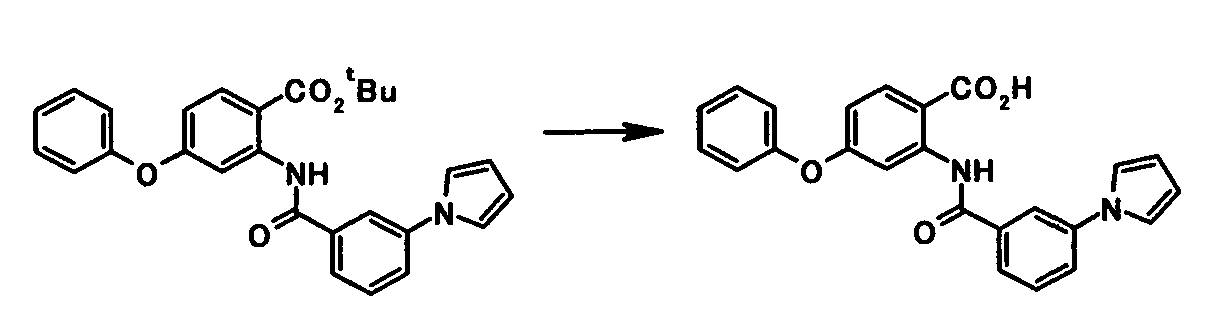
1H-NMR (DMSO-d6) δ: 6.32 (2H, t, J = 2.2 Hz), 6.80 (1H, dd, J = 8.9, 2.7 Hz), 7.16-7.22 (2H, m), 7.26-7.32 (1H, m), 7.46 (2H, t, J = 2.2 Hz), 7.47-7.54 (2H, m), 7.66 (1H, t, J = 7.9 Hz), 7.74-7.80 (1H, m), 7.84-7.88 (1H, m), 8.05 (1H, t, J = 1.8 Hz), 8.09 (1H, d, J = 8.9 Hz), 8.39 (1H, d, J = 2.7 Hz), 12.52 (1H, s). -

1H-NMR (DMSO-d6) δ: 1.51-1.68 (6H, m), 2.88-2.97 (4H, m), 3.62-3.72 (4H, m), 6.94 (1H, d, J = 9.3 Hz), 7.01 (1H, d, J = 8.1 Hz), 7.16-7.20 (1H, m), 7.25-7.30 (4H, m), 7.94 (1H, d, J = 8.0 Hz), 7.94-8.00 (1H, m), 8.65 (1H, s), 8.69 (1H, d, J = 2.4 Hz), 12.30-12.50 (1H, broad). -

1H-NMR (CDCl3) δ: 1.64 (9H, s), 6.56-6.63 (3H, m), 6.73 (1H, dd, J = 8.8, 2.4 Hz), 7.50-7.60 (3H, m), 8.01-8.07 (3H, m), 8.70 (1H, d, J = 2.4 Hz), 12.34 (1H, s). - The compounds shown in Table 52 were obtained in the same manner as in Example 526.
-
[Table 52] 
Example No. R3 Example No. R3 527 
531 
528 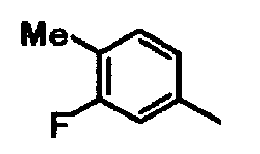
532 
529 
533 
530 
- tert-Butyl 2-(benzamido)-4-(2,3-dimethylphenoxy)benzoate
1H-NMR (CDCl3) δ: 1.61 (9H, s), 2.12 (3H, s), 2.33 (3H, s), 6.50 (1H, dd, J = 8.9, 2.5 Hz), 6.89 (1H, d, J = 7.8 Hz), 7.04 (1H, d, J = 7.6 Hz), 7.10-7.15 (1H, m), 7.48-7.58 (3H, m), 7.94 (1H, d, J = 8.9 Hz), 8.00-8.05 (2H, m), 8.53 (1H, d, J = 2.5 Hz), 12.31 (1H, s). - tert-Butyl 2-(benzamido)-4-(3-fluoro-4-methylphenoxy)benzoate
1H-NMR (CDCl3) δ: 1.62 (9H, s), 2.26 (3H, d, J = 1.7 Hz), 6.67 (1H, dd, J = 8.9, 2.5 Hz), 6.75-6.83 (2H, m), 7.18 (1H, t, J = 8.5 Hz), 7.48-7.59 (3H, m), 7.99 (1H, d, J = 8.9 Hz), 7.99-8.05 (2H, m), 8.61 (1H, d, J = 2.5 Hz), 12.32 (1H, s). - tert-Butyl 2-(benzamido)-4-(3-(trifluoromethoxy)phenoxy)benzoate
1H-NMR (CDCl3) δ: 1.63 (9H, s), 6.69 (1H, dd, J = 8.9, 2.7 Hz), 6.94-6.98 (1H, m), 7.00-7.06 (2H, m), 7.39 (1H, t, J = 8.3 Hz), 7.49-7.60 (3H, m), 8.00-8.06 (3H, m), 8.67 (1H, d, J = 2.7 Hz), 12.32 (1H, s). - tert-Butyl 2-(benzamido)-4-(benzo[1,3]dioxol-5-yloxy)benzoate
1H-NMR (CDCl3) δ: 1.61 (9H, s), 6.00 (2H, s), 6.58 (1H, dd, J = 8.3, 2.4 Hz), 6.61-6.66 (2H, m), 6.80 (1H, d, J = 8.3 Hz), 7.48-7.58 (3H, m), 7.97 (1H, d, J = 9.0 Hz), 8.00-8.05 (2H, m), 8.56 (1H, d, J = 2.7 Hz), 12.31 (1H, s) . - tert-Butyl 2-(benzamido)-4-(2,3-dihydrobenzo[1,4]dioxin-6-yloxy)benzoate
1 H-NMR (CDCl3) δ: 1.61 (9H, s), 4.27 (4H, s), 6.58-6.67 (3H, m), 6.87 (1H, d, J = 8.8 Hz), 7.48-7.58 (3H, m), 7.96 (1H, d, J = 9.0 Hz), 8.00-8.05 (2H, m), 8.57 (1H, d, J = 2.4 Hz), 12.30 (1H, s). - tert-Butyl 2-(benzamido)-4-(benzofuran-5-yloxy)benzoate
1H-NMR (CDCl3) δ: 1.61 (9H, s), 6.64 (1H, dd, J = 9.0, 2.7 Hz), 6.75 (1H, dd, J = 2.2, 1.0 Hz), 7.07 (1H, dd, J = 8.8, 2.4 Hz), 7.33 (1H, d, J = 2.4 Hz), 7.47-7.57 (4H, m), 7.66 (1H, d, J = 2.2 Hz), 7.97 (1H, d, J = 9.0 Hz), 7.98-8.04 (2H, m), 8.58 (1H, d, J = 2.7 Hz), 12.31 (1H, s). - tert-Butyl 2-(benzamido)-4-(benzothiophen-5-yloxy)benzoate
1H-NMR (CDCl3) δ: 1.62 (9H, s), 6.67 (1H, dd, J = 8.9, 2.5 Hz), 7.15 (1H, dd, J = 8.9, 2.1 Hz), 7.27-7.30 (1H, m), 7.48-7.58 (5H, m), 7.88 (1H, d, J = 8.5 Hz), 7.98 (1H, d, J = 8.8 Hz), 7.99-8.04 (2H, m), 8.63 (1H, d, J = 2.5 Hz), 12.32 (1H, s). -

1H-NMR (CDCl3) δ: 1.62 (9H, s), 3.80 (3H, s), 6.64-6.76 (4H, m), 7.28 (1H, t, J = 8.0 Hz), 7.48-7.59 (3H, m), 7.98 (1H, d, J = 8.8 Hz), 8.01-8.06 (2H, m), 8.63 (1H, d, J = 2.7 Hz), 12.30 (1H, s). -

1H-NMR (CDCl3) δ: 1.61 (9H, s), 3.82 (3H, s), 6.62 (1H, dd, J = 9.0, 2.7 Hz), 6.90-6.96 (2H, m), 7.02-7.08 (2H, m), 7.48-7.58 (3H, m), 7.96 (1H, d, J = 9.0 Hz), 7.99-8.06 (2H, m), 8.54 (1H, d, J = 2.7 Hz), 12.31 (1H, s). -

1H-NMR (CDCl3) δ: 1.65 (9H, s), 6.79 (1H, dd, J = 8.8, 2.4 Hz), 7.12-7.17 (2H, m), 7.50-7.61 (3H, m), 8.01-8.06 (2H, m), 8.09 (1H, d, J = 8.8 Hz), 8.23-8.29 (2H, m), 8.74 (1H, d, J = 2.4 Hz), 12.36 (1H, s). -

1H-NMR (CDCl3) δ: 3.83 (3H, s), 3.93 (3H, s), 6.47 (1H, dd, J = 3.1, 0.9 Hz), 6.63 (1H, dd, J = 9.0, 2.6 Hz), 7.02 (1H, dd, J = 8.8, 2.2 Hz), 7.10 (1H, d, J = 2.9 Hz), 7.32-7.38 (2H, m), 7.47-7.57 (3H, m), 7.97-8.03 (3H, m), 8.58 (1H, d, J = 2.6 Hz), 12.14 (1H, s). -

1H-NMR (CDCl3) δ: 3.96 (3H, s), 6.70 (1H, dd, J = 9.0, 2.5 Hz), 7.01 (1H, ddd, J = 8.1, 2.1, 0.9 Hz), 7.10 (1H, t, J = 2.1 Hz), 7.17 (1H, ddd, J = 8.1, 2.1, 0.9 Hz), 7.33 (1H, t, J = 8.1 Hz), 7.48-7.59 (3H, m), 8.00-8.05 (2H, m), 8.07 (1H, d, J = 9.0 Hz), 8.65 (1H, d, J = 2.5 Hz), 12.17 (1H, s). -

1H-NMR (DMSO-d6) δ: 6.90 (1H, dd, J = 8.8, 2.4 Hz), 6.96-7.04 (2H, m), 7.17 (1H, tt, J = 9.4, 2.3 Hz), 7.56-7.69 (3H, m), 7.91-7.97 (2H, m), 8.12 (1H, d, J = 8.8 Hz), 8.48 (1H, d, J = 2.7 Hz), 12.42 (1H, s). - The compounds shown in Table 53 were obtained in the same manner as in Example 539.
-
[Table 53] 
Example No. R3 Example No. R3 Example No. R3 540 
544 
548 
541 
545 
549 
542 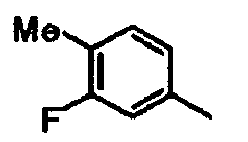
546 
543 
547 
- 2-(Benzamido)-4-(4-nitrophenoxy)benzoic acid
1H-NMR (DMSO-d6) δ: 6.98 (1H, dd, J = 8.7, 2.5 Hz), 7.33-7.38 (2H, m), 7.57-7.69 (3H, m), 7.91-7.97 (2H, m), 8.17 (1H, d, J = 8.7 Hz), 8.30-8.36 (2H, m), 8.54 (1H, d, J = 2.5 Hz), 12.46 (1H, s). - 2-(Benzamido)-4-(2,3-dimethylphenoxy)benzoic acid
1H-NMR (DMSO-d6) δ : 2.07 (3H, s), 2.31 (3H, s), 6.63 (1H, dd, J = 8.9, 2.7 Hz), 6.94 (1H, d, J = 7.7 Hz), 7.13 (1H, d, J = 7.5 Hz), 7.17-7.22 (1H, m), 7.55-7.68 (3H, m), 7.90-7.94 (2H, m), 8.04 (1H, d, J = 8.9 Hz), 8.33 (1H, d, J = 2.7 Hz), 12.41 (1H, s), 13.50-13.70 (1H, broad). - 2-(Benzamido)-4-(3-fluoro-4-methylphenoxy)benzoic acid
1H-NMR (DMSO-d6) δ: 2.26 (3H, d, J = 1.7 Hz), 6.79 (1H, dd, J = 8.9, 2.5 Hz), 6.94 (1H, dd, J = 8.3, 2.2 Hz), 7.07 (1H, dd, J = 10.6, 2.3 Hz), 7.35-7.41 (1H, m), 7.56-7.68 (3H, m), 7.90-7.95 (2H, m), 8.08 (1H, d, J = 8.9 Hz), 8.42 (1H, d, J = 2.5 Hz), 12.42 (1H, s). - 2-(Benzamido)-4-(3-methoxyphenoxy)benzoic acid
1H-NMR (DMSO-d6) δ: 3.78 (3H, s), 6.70-6.88 (4H, m), 7.38 (1H, t, J = 8.2 Hz), 7.55-7.68 (3H, m), 7.91-7.95 (2H, m), 8.07 (1H, d, J = 8.8 Hz), 8.43 (1H, d, J = 2.4 Hz), 12.41 (1H, s). - 2-(Benzamido)-4-(4-methoxyphenoxy)benzoic acid
1H-NMR (DMSO-d6) δ: 3.79 (3H, s), 6.71 (1H, dd, J = 8.9, 2.7 Hz), 7.01-7.06 (2H, m), 7.11-7.17 (2H, m), 7.55-7.68 (3H, m), 7.89-7.95 (2H, m), 8.05 (1H, d, J = 8.9 Hz), 8.36 (1H, d, J = 2.7 Hz), 12.41 (1H, s). - 2-(Benzamido)-4-(3-(trifluoromethoxy)phenoxy)benzoic acid
1H-NMR (DMSO-d6) δ: 6.85 (1H, dd, J = 8.8, 2.6 Hz), 7.20-7.31 (3H, m), 7.56-7.69 (4H, m), 7.90-7.96 (2H, m), 8 . 11 (1H, d, J = 8.8 Hz), 8.46 (1H, d, J = 2.6 Hz), 12.43 (1H, s). - 2-(Benzamido)-4-(benzo[1,3]dioxol-5-yloxy)benzoic acid
1H-NMR (DMSO-d6) δ: 6.10 (2H, s), 6.65 (1H, dd, J = 8.3, 2.3 Hz), 6.73 (1H, dd, J = 8.8, 2.7 Hz), 6.87 (1H, d, J = 2.3 Hz), 6.99 (1H, d, J = 8.3 Hz), 7.56-7.68 (3H, m), 7.90-7.96 (2H, m), 8.05 (1H, d, J = 8.8 Hz), 8.38 (1H, d, J = 2.7 Hz), 12.42 (1H, s), 13.55-13.75 (1H, broad). - 2-(Benzamido)-4-(2,3-dihydrobenzo[1,4]dioxin-6-yloxy)benzoic acid
1H-NMR (DMSO-d6) δ: 4.25-4.31 (4H, m), 6.65 (1H, dd, J = 8.7, 2.8 Hz), 6.69-6.74 (2H, m), 6.95 (1H, d, J = 8.5 Hz), 7.56-7.68 (3H, m), 7.90-7.96 (2H, m), 8.05 (1H, d, J = 8.8 Hz), 8.38 (1H, d, J = 2.7 Hz), 12.42 (1H, s). - 2-(Benzamido)-4-(benzofuran-5-yloxy)benzoic acid
1H-NMR (DMSO-d6) δ: 6.76 (1H, dd, J = 8.9, 2.5 Hz), 7.00 (1H, dd, J = 2.2, 1.0 Hz), 7.15 (1H, dd, J = 8.9, 2.5 Hz), 7.49 (1H, d, J = 2.5 Hz), 7.54-7.67 (3H, m), 7.71 (1H, d, J = 8.9 Hz), 7.88-7.93 (2H, m), 8.06 (1H, d, J = 8.9 Hz), 8.09 (1H, d, J = 2.2 Hz), 8.39 (1H, d, J = 2.5 Hz), 12.42 (1H, s), 13.50-13.75 (1H, broad). - 2-(Benzamido)-4-(benzothiophen-5-yloxy)benzoic acid
1H-NMR (DMSO-d6) δ: 6.81 (1H, dd, J = 8.9, 2.7 Hz), 7.23 (1H, dd, J = 8.7, 2.3 Hz), 7.47 (1H, dd, J = 5.5, 0.6 Hz), 7.54-7.67 (3H, m), 7.70 (1H, d, J = 2.3 Hz), 7.88 (1H, d, J = 5.5 Hz), 7.88-7.93 (2H, m), 8.08 (1H, d, J = 8.8 Hz), 8.11 (1H, d, J = 8.5 Hz), 8.42 (1H, d, J = 2.7 Hz), 12.42 (1H, s). -

1H-NMR (DMSO-d6) δ: 3.84 (3H, s), 6.45 (1H, d, J = 2.9 Hz), 6.71 (1H, dd, J = 8.8, 2.3 Hz), 6.98 (1H, dd, J = 8.8, 2.2 Hz), 7.35 (1H, d, J = 2.2 Hz), 7.42 (1H, d, J = 2.9 Hz), 7.51-7.67 (4H, m), 7.87-7.92 (2H, m), 8.03 (1H, d, J = 8.8 Hz), 8.36 (1H d, J = 2.3 Hz), 12.43 , (1H, s), 13.45-13.70 (1H, broad). -

1H-NMR (DMSO-d6) δ: 6.83 (1H, dd, J = 8.8, 2.4 Hz), 7.15-7.18 (1H, m), 7.29-7.32 (1H, m), 7.33-7.37 (1H, m), 7.51 (1H, t, J = 8.2 Hz), 7.57-7.68 (3H, m), 7.91-7.96 (2H, m), 8.10 (1H, d, J = 8.8 Hz), 8.44 (1H, d, J = 2.4 Hz), 12.42 (1H, s), 13.59-13.92 (1H, broad). -

1H-NMR (DMSO-d6) δ: 6.52 (1H, t, J = 2.2 Hz), 6.55-6.60 (1H, m), 6.64-6.70 (1H, m), 6.78 (1H, dd, J = 8.9, 2.5 Hz), 7.26 (1H, t, J = 8.0 Hz), 7.54-7.71 (3H, m), 7.89-7.99 (2H, m), 8.07 (1H, d, J = 8.9 Hz), 8.42 (1H, d, J = 2.5 Hz), 9.77 (1H, s), 12.43 (1H, s). -

2-(Benzamido)-4-(4-hydroxyphenoxy)benzoic acid
1H-NMR (DMSO-d6) δ: 6.69 (1H, dd, J = 8.8, 2.7 Hz), 6.82-6.88 (2H, m), 6.97-7.04 (2H, m), 7.54-7.68 (3H, m), 7.90-7.95 (2H, m), 8.03 (1H, d, J = 8.8 Hz), 8.34 (1H, d, J = 2.7 Hz), 9.51 (1H, s), 12.44 (1H, s). -

5.0 mL of trifluoroacetic acid was added to the obtained tert-butyl 2-(benzamido)-4-(4-methylphenoxy)benzoate and stirred at room temperature for 3 hours. The solvent was evaporated under reduced pressure and methanol was added to the obtained residue and a solid substance was separated by filtration to obtain 6.2 mg of 2-(benzamido)-4-(4-methylphenoxy)benzoic acid as white solid.
1H-NMR (DMSO-d6) δ: 2.35 (3H, s), 6.74 (1H, dd, J = 8.8, 2.6 Hz), 7.05-7.10 (2H, m), 7.26-7.32 (2H, m), 7.56-7.68 (3H, m), 7.90-7.95 (2H, m), 8.05 (1H, d, J = 8.8 Hz), 8.39 (1H, d, J = 2.6 Hz), 12.43 (1H, s). - The compounds shown in Table 54 were obtained in the same manner as in Example 554.
-
[Table 54] 
Example No. R3 Example No. R3 555 
556 
- 2-(Benzamido)-4-(2-chlorophenoxy)benzoic acid
1H-NMR (DMSO-d6) δ: 6.73 (1H, dd, J = 8.8, 2.5 Hz), 7.33-7.42 (2H, m), 7.45-7.53 (1H, m), 7.54-7.72 (4H, m), 7.87-7.96 (2H, m), 8.08 (1H, d, J = 8.8 Hz), 8.36 (1H, d, J = 2.5 Hz), 12.42 (1H, s), 13.59-13.84 (1H, broad). - 2-(Benzamido)-4-(4-chlorophenoxy)benzoic acid
1H-NMR (DMSO-d6) δ: 6.81 (1H, dd, J = 8.8, 2.4 Hz), 7.18-7.26 (2H, m), 7.50-7.69 (5H, m), 7.88-7.97 (2H, m), 8.09 (1H, d, J = 8.8 Hz), 8.42 (1H, d, J = 2.4 Hz), 12.41 (1H, s), 13.60-13.85 (1H, broad). -

5.0 mL of trifluoroacetic acid was added to the obtained tert-butyl 2-(benzamido)-4-(2,4-difluorophenoxy)benzoate and stirred at room temperature for 3 hours. The solvent was evaporated under reduced pressure and diisopropyl ether was added to the obtained residue and a solid substance was separated by filtration to obtain 3.8 mg of 2-(benzamido)-4-(2,4-difluorophenoxy)benzoic acid as pale yellow solid.
1H-NMR (DMSO-d6) δ: 6.79 (1H, dd, J = 8.8, 2.7 Hz), 7.20-7.28 (1H, m), 7.46-7.52 (1H, m), 7.54-7.68 (4H, m), 7.90-7.95 (2H, m), 8.07 (1H, d, J = 8.8 Hz), 8.38 (1H, d, J = 2.7 Hz), 12.44 (1H, s). -

1.0 mL of trifluoroacetic acid was added to 4.0 mL of methylene chloride solution containing the obtained tert-butyl 5-(3-(benzamido)-4-(tert-butoxycarbonyl)phenoxy)-1H-indole-1-carboxylate while ice-cooled and stirred at the same temperature for 2 hours and 30 minutes. After the reaction mixture was warmed to room temperature, ethyl acetate and a saturated sodium hydrogen carbonate aqueous solution were added. The aqueous layer was separated and washed with ethyl acetate after adjusted to pH 6.5 with 6.0 mol/L hydrochloric acid and allowed to stand still for 17 hours. A solid substance was separated by filtration to obtain 10 mg of 2-(benzamido)-4-(1H-indol-5-yloxy)benzoic acid as white solid.
1H-NMR (DMSO-d6) δ: 6.41-6.43 (1H, m), 6.54 (1H, dd, J = 8.6, 2.7 Hz), 6.87 (1H, dd, J = 8.6, 2.3 Hz), 7.25 (1H, d, J = 2.2 Hz), 7.39-7.41 (1H, m), 7.43 (1H, d, J = 8.5 Hz), 7.46-7.59 (3H, m), 7.96-8.04 (3H, m), 8.30 (1H, d, J=2.4 Hz), 11.19 (1H, s). -

5.0 mL of trifluoroacetic acid was added to the obtained tert-butyl 2-(benzamido)-4-(3-nitrophenoxy)benzoate and stirred at room temperature for 3 hours. The solvent was evaporated under reduced pressure and diisopropyl ether was added to the obtained residue and a solid substance was separated by filtration to obtain 34 mg of 2-(benzamido)-4-(3-nitrophenoxy)benzoic acid as pale yellow solid.
1H-NMR (DMSO-d6) δ: 6.91 (1H, dd, J = 8.8, 2.6 Hz), 7.56-7.71 (4H, m), 7.78 (1H, t, J = 8.2 Hz), 7.90-7.98 (3H, m), 8.10-8.16 (2H, m), 8.49 (1H, d, J = 2.6 Hz), 12.41 (1H, s). - The compounds shown in Table 55 were obtained in the same manner as in Example 559.
-
[Table 55] 
Example No. R3 Example No. R3 Example No. R3 560 
564 
568 
561 
565 
569 
562 
566 
570 
563 
567 
- 2-(Benzamido)-4-(4-fluorophenoxy)benzoic acid
1H-NMR (DMSO-d6) δ: 6.76 (1H, dd, J = 8.9, 2.7 Hz), 7.21-7.28 (2H, m), 7.29-7.37 (2H, m), 7.55-7.68 (3H, m), 7.90-7.95 (2H, m), 8.07 (1H, d, J = 8.9 Hz), 8.39 (1H, d, J = 2.7 Hz), 12.41 (1H, s). - 2-(Benzamido)-4-(4-(trifluoromethoxy)phenoxy)benzoic acid
1H-NMR (DMSO-d6) δ: 6.82 (1H, dd, J = 8.9, 2.7 Hz), 7.28-7.34 (2H, m), 7.46-7.52 (2H, m), 7.56-7.69 (3H, m), 7.90-7.96 (2H, m), 8.10 (1H, d, J = 8.9 Hz), 8.44 (1H, d, J = 2.7 Hz), 12.41 (1H, s). - 2-(Benzamido)-4-(2-methylphenoxy)benzoic acid
1H-NMR (DMSO-d6) δ: 2.16 (3H, s), 6.67 (1H, dd, J = 8 . 9, 2.7 Hz), 7.08-7.13 (1H, m), 7.21-7.26 (1H, m), 7.29-7.34 (1H, m), 7.38-7.41 (1H, m), 7.55-7.68 (3H, m), 7.89-7.95 (2H, m), 8.05 (1H, d, J = 8.9 Hz), 8.32 (1H, d, J=2.7 Hz), 12.41 (1H, s). - 2-(Benzamido)-4-(3-methylphenoxy)benzoic acid
1H-NMR (DMSO-d6) δ: 2.34 (3H, s), 6.76 (1H, dd, J = 9.0, 2.6 Hz), 6.94-7.02 (2H, m), 7.07-7.12 (1H, m), 7.36 (1H, dd, J = 8.0, 7.7 Hz), 7.56-7.68 (3H, m), 7.90-7.96 (2H, m), 8.07 (1H, d, J = 9.0 Hz), 8.41 (1H, d, J = 2.6 Hz), 12.41 (1H, s). - 2-(Benzamido)-4-(2,6-dimethylphenoxy)benzoic acid
1H-NMR (DMSO-d6) δ: 2 . 10 (6H, s), 6.58 (1H, dd, J = 9.0, 2.5 Hz), 7.14-7.25 (3H, m), 7.55-7.68 (3H, m), 7.89-7.95 (2H, m), 8.04 (1H, d, J = 9.0 Hz), 8.25 (1H, d, J = 2.5 Hz), 12.43 (1H, s). - 2-(Benzamido)-4-(3-fluorophenoxy)benzoic acid
1H-NMR (DMSO-d6) δ: 6.84 (1H, dd, J = 8.8, 2.4 Hz), 7.00-7.05 (1H, m), 7.08-7.16 (2H, m), 7.48-7.68 (4H, m), 7.90-7.96 (2H, m), 8.10 (1H, d, J = 8.8 Hz), 8.45 (1H, d, J = 2.4 Hz), 12.41 (1H, s). - 2-(Benzamido)-4-(2-fluorophenoxy)benzoic acid
1H-NMR (DMSO-d6) δ: 6.79 (1H, dd, J = 8.8, 2.6 Hz), 7.29-7.51 (4H, m), 7.55-7.69 (3H, m), 7.89-7.95 (2H, m), 8.08 (1H, d, J = 8.8 Hz), 8.39 (1H, d, J = 2.6 Hz), 12.41 (1H, s). - 2-(Benzamido)-4-(2,6-difluorophenoxy)benzoic acid
1H-NMR (DMSO-d6) δ: 6.85 (1H, dd, J = 9.0, 2.7 Hz), 7.34-7.51 (3H, m), 7.55-7.68 (3H, m), 7.89-7.95 (2H, m), 8.09 (1H, d, J = 9.0 Hz), 8.42 (1H, d, J = 2.7 Hz), 12.43 (1H, s). - 2-(Benzamido)-4-(3,4-dimethylphenoxy)benzoic acid
1H-NMR (DMSO-d6) δ: 2.24 (6H, s), 6.72 (1H, dd, J = 8.9, 2.7 Hz), 6.89 (1H, dd, J = 8.1, 2.5 Hz), 6.98 (1H, d, J = 2.5 Hz), 7.23 (1H, d, J = 8.1 Hz), 7.56-7.68 (3H, m), 7.90-7.95 (2H, m), 8.05 (1H, d, J = 8.9 Hz), 8.39 (1H, d, J = 2.7 Hz), 12.40 (1H, s). - 2-(Benzamido)-4-(3-(trifluoromethyl)phenoxy)benzoic acid
1H-NMR (DMSO-d6) δ: 6.85 (1H, dd, J = 9.0, 2.7 Hz), 7.48-7.52 (1H, m), 7.54-7.68 (5H, m), 7.72 (1H, t, J = 7.9 Hz), 7.90-7.95 (2H, m), 8.11 (1H, d, J = 9.0 Hz), 8.46 (1H, d, J = 2.7 Hz), 12.41 (1H, s). - 2-(Benzamido)-4-(4-(trifluoromethyl)phenoxy)benzoic acid
1H-NMR (DMSO-d6) δ: 6.90 (1H, dd, J = 8.8, 2.6 Hz), 7.33-7.39 (2H, m), 7.56-7.69 (3H, m), 7.81-7.88 (2H, m), 7.91-7.96 (2H, m), 8.13 (1H, d, J = 8.8 Hz), 8.50 (1H, d, J = 2.6 Hz), 12.41 (1H, s), 13.70-13.95 (1H, broad). -

5.0 mL of trifluoroacetic acid was added to the obtained tert-butyl 2- (benzamido) -4- (2,4-dichlorophenoxy)benzoate and stirred at room temperature for 2 hours. The solvent was evaporated under reduced pressure and the obtained residue was purified with reversed-phase silica gel column chromatography [eluent; 80-100% acetonitrile /0.1% trifluoroacetic acid aqueous solution] to obtain 8.7 mg of 2-(benzamido)-4-(2,4-dichlorophenoxy)benzoic acid as white solid.
1H-NMR (DMSO-d6) δ: 6.77 (1H, dd, J = 8.8, 2.7 Hz), 7.41 (1H, d, J = 8.8 Hz), 7.53-7.68 (4H, m), 7.88 (1H, d, J = 2.4 Hz), 7.90-7.95 (2H, m), 8.08 (1H, d, J = 8.8 Hz), 8.36 (1H, d, J = 2.7 Hz), 12.43 (1H, s). - The compounds shown in Table 56 were obtained in the same manner as in Example 571.
-
[Table 56] 
Example No. R3 Example No. R3 Example No. R3 572 
576 
580 
573 
577 
581 
574 
578 
582 
575 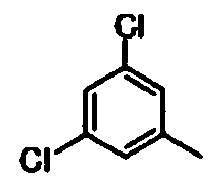
579 
583 
- 2-(Benzamido)-4-(2,3-difluorophenoxy)benzoic acid
1H-NMR (DMSO-d6) δ: 6.86 (1H, dd, J = 8.9, 2.7 Hz), 7.20-7.26 (1H, m), 7.30-7.48 (2H, m), 7.56-7.68 (3H, m), 7.90-7.95 (2H, m), 8.10 (1H, d, J = 8.9 Hz), 8.44 (1H, d, J = 2 . 7 Hz), 12.41 (1H, s). - 2-(Benzamido)-4-(3-chloro-2-fluorophenoxy)benzoic acid
1H-NMR (DMSO-d6) δ: 6.84 (1H, dd, J = 8.8, 2.7 Hz), 7.32-7.43 (2H, m), 7.53-7.69 (4H, m), 7.90-7.96 (2H, m), 8.10 (1H, d, J = 8.8 Hz), 8.43 (1H, d, J = 2.7 Hz), 12.42 (1H, s). - 2-(Benzamido)-4-(3-chloro-4-fluorophenoxy)benzoic acid
1H-NMR (DMSO-d6) δ: 6.81 (1H, dd, J = 8.8, 2.7 Hz), 7.21-7.28 (1H, m), 7.52-7.69 (5H, m), 7.90-7.96 (2H, m), 8.09 (1H, d, J = 8.8 Hz), 8.42 (1H, d, J = 2.7 Hz), 12.41 (1H, s). - 2-(Benzamido)-4-(3,5-dichlorophenoxy)benzoic acid
1H-NMR (DMSO-d6) δ: 6.88 (1H, dd, J = 8.8, 2.6 Hz), 7.32 (2H, d, J = 1.9 Hz), 7.52 (1H, t, J = 1. 9 Hz), 7.56-7.69 (3H, m), 7.91-7.97 (2H, m), 8.12 (1H, d, J = 8.8 Hz), 8.46 (1H, d, J=2.6 Hz), 12.42 (1H, s). - 2-(Benzamido)-4-(4-fluoro-2-methylphenoxy)benzoic acid
1H-NMR (DMSO-d6) δ: 2.15 (3H, s), 6.67 (1H, dd, J = 8.9, 2.5 Hz), 7.11-7.20 (2H, m), 7.27-7.31 (1H, m), 7.55-7.68 (3H, m), 7.89-7.95 (2H, m), 8.05 (1H, d, J = 8.9 Hz), 8.31 (1H, d, J = 2.5 Hz), 12.43 (1H, s). - 2-(Benzamido)-4-(3,4-difluorophenoxy)benzoic acid
1H-NMR (DMSO-d6) δ: 6.81 (1H, dd, J = 8.8, 2.7 Hz), 7.04-7.11 (1H, m), 7.42-7.48 (1H, m), 7.52-7.69 (4H, m), 7.90-7.96 (2H, m), 8.09 (1H, d, J = 8.8 Hz), 8.42 (1H, d, J = 2.7 Hz), 12.42 (1H, s). - 2-(Benzamido)-4-(2,5-difluorophenoxy)benzoic acid
1H-NMR (DMSO-d6) δ: 6.84 (1H, dd, J = 8.8, 2.7 Hz), 7.21-7.28 (1H, m), 7.38-7.44 (1H, m), 7.51-7.69 (4H, m), 7.90-7.96 (2H, m), 8.09 (1H, d, J = 8.8 Hz), 8.43 (1H, d, J = 2.7 Hz), 12.42 (1H, s). - 2-(Benzamido)-4-(5-chloro-2-methylphenoxy)benzoic acid
1H-NMR (DMSO-d6) δ: 2.15 (3H, s), 6.72 (1H, dd, J = 8.9, 2.7 Hz), 7.22 (1H, d, J = 2.2 Hz), 7.30 (1H, dd, J = 8.3, 2.2 Hz), 7.44 (1H, d, J = 8.3 Hz), 7.55-7.68 (3H, m), 7.90-7.95 (2H, m), 8.08 (1H, d, J = 8.9 Hz), 8.34 (1H, d, J = 2.7 Hz), 12.42 (1H, s). - 2-(Benzamido)-4-(3,4-dichlorophenoxy)benzoic acid
1H-NMR (DMSO-d6) δ: 6.86 (1H, dd, J = 9.0, 2.5 Hz), 7.22 (1H, dd, J = 8.9, 2.7 Hz), 7.54-7.69 (4H, m), 7.74 (1H, d, J = 8.9 Hz), 7.90-7.96 (2H, m), 8.10 (1H, d, J = 9.0 Hz), 8.45 (1H, d, J = 2.5 Hz), 12.41 (1H, s). - 2-(Benzamido)-4-(2,3-dichlorophenoxy)benzoic acid
1H-NMR (DMSO-d6) δ: 6.78 (1H, dd, J = 8.8, 2.6 Hz), 7.36 (1H, dd, J = 8.3, 1.2 Hz), 7.50 (1H, t, J = 8.2 Hz), 7.56-7.69 (4H, m), 7.90-7.96 (2H, m), 8.09 (1H, d, J = 8.8 Hz), 8.38 (1H, d, J = 2.6 Hz), 12.44 (1H, s). - 2-(Benzamido)-4-(2,5-dichlorophenoxy)benzoic acid
1H-NMR (DMSO-d6) δ: 6.78 (1H, dd, J = 8.9, 2.7 Hz), 7.46 (1H, dd, J = 8.8, 2.5 Hz), 7.54 (1H, d, J = 2.5 Hz), 7.56-7.69 (3H, m), 7.73 (1H, d, J = 8.8 Hz), 7.90-7.96 (2H, m), 8.09 (1H, d, J = 8.9 Hz), 8.38 (1H, d, J = 2.7 Hz), 12.41 (1H, s). - 2-(Benzamido)-4-(2,6-dichlorophenoxy)benzoic acid
1H-NMR (DMSO-d6) δ: 6.70 (1H, dd, J = 8.8, 2.7 Hz), 7.46 (1H, t, J = 8.3 Hz), 7.55-7.68 (3H, m), 7.71 (2H, d, J = 8.3 Hz), 7.89-7.96 (2H, m), 8.08 (1H, d, J = 8.8 Hz), 8.31 (1H, d, J = 2.7 Hz), 12.49 (1H, s). -

5.0 mL of trifluoroacetic acid was added to the obtained tert-butyl 2-(benzamido)-4-(4-phenylpiperidin-1-yl)benzoate and stirred at room temperature for 3 hours. The solvent was evaporated under reduced pressure, ethyl acetate and water were added and pH was adjusted to pH 6.5 with a saturated sodium hydrogen carbonate aqueous solution. The organic layer was separated and dried over anhydrous magnesium sulfate after washed with water and a saturated sodium chloride aqueous solution sequentially, and the solvent was evaporated under reduced pressure. Diisopropyl ether was added to the obtained residue and a solid substance was separated by filtration to obtain 20 mg of 2-(benzamido)-4-(4-phenylpiperidin-1-yl)benzoic acid as white solid.
1H-NMR (DMSO-d6) δ: 1.65-1.78 (2H, m), 1.86-1.95 (2H, m), 2.76-2.87 (1H, m), 2.97-3.08 (2H, m), 4.01-4.11 (2H, m), 6.78 (1H, dd, J = 9.1, 2.5 Hz), 7.17-7.23 (1H, m), 7.25-7.34 (4H, m), 7.56-7.68 (3H, m), 7.88 (1H, d, J = 9.1 Hz), 7.94-7.99 (2H, m), 8.47 (1H, d, J = 2.5 Hz), 12.53 (1H, s). - The compounds shown in Table 57 were obtained in the same manner as in Example 584.
-
[Table 57] 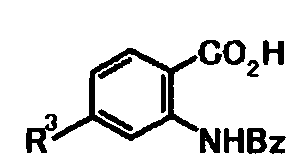
Example No. R3 Example No. R3 585 
587 
586 
588 
- 2-(Benzamido)-4-(1,2,3,4-tetrahydroisoquinolin-2-yl)benzoic acid
1H-NMR (DMSO-d6) δ: 2.95-3.01 (2H, m), 3.64-3.70 (2H, m), 4.58 (2H, s), 6.77 (1H, dd, J = 9.0, 2.6 Hz), 7.18-7.32 (4H, m), 7.57-7.68 (3H, m), 7.90 (1H, d, J = 9.0 Hz), 7.95-8.00 (2H, m), 8.45 (1H, d, J = 2.6 Hz), 12.53 (1H, s), 12.97 (1H, s). - 2-(Benzamido)-4-(4-benzylpiperidin-1-yl)benzoic acid
1H-NMR (DMSO-d6) δ: 1.17-1.31 (2H, m), 1.62-1.71 (2H, m), 1.74-1.88 (1H, m), 2.50-2.57 (2H, m), 2.82-2.92 (2H, m), 3.86-3.96 (2H, m), 6.69 (1H, dd, J = 9.3, 2.5 Hz), 7.16-7.22 (3H, m), 7.26-7.32 (2H, m), 7.56-7.67 (3H, m), 7.84 (1H, d, J = 9.3 Hz), 7.92-7.98 (2H, m), 8.39 (1H, d, J = 2.5 Hz), 12.49 (1H, s), 12.94 (1H, s). - 2-(Benzamido)-4-(4-benzoylpiperidin-1-yl)benzoic acid
1H-NMR (DMSO-d6) δ: 1.58-1.72 (2H, m), 1.86-1.95 (2H, m), 3.10-3.21 (2H, m), 3.73-3.83 (1H, m), 3.93-4.03 (2H, m), 6.76 (1H, dd, J = 9.1, 2.4 Hz), 7.53-7.70 (6H, m), 7.87 (1H, d, J = 9.1 Hz), 7.93-7.98 (2H, m), 8.01-8.06 (2H, m), 8.43 (1H, d, J = 2.4 Hz), 12.49 (1H, s), 12.90-13.15 (1H, broad). - 2-(benzamido)-4-(4-phenyl-1,2,3,6-tetrahydropyridin-1-yl)benzoic acid
1H-NMR (DMSO-d6) δ: 2.64-2.72 (2H, m), 3.65-3.71 (2H, m), 4.02-4.09 (2H, m), 6.32-6.37 (1H, m), 6.78 (1H, dd, J = 9.1, 2.5 Hz), 7.25-7.32 (1H, m), 7.35-7.41 (2H, m), 7.48-7.53 (2H, m), 7.57-7.68 (3H, m), 7.90 (1H, d, J = 9.1 Hz), 7.95-8.00 (2H, m), 8.47 (1H, d, J = 2.5 Hz), 12.53 (1H, s), 12.90-13.15 (1H, broad). - The compounds of general formula [1] of the present invention or the salts thereof have the inhibitory activity of MMP-13 production and therefore they are useful as, for example, therapeutic agents for rheumatoid arthritis, osteoarthritis, cancer and the other diseases in which MMP-13 is involved.
Claims (8)
- An anthranilic acid derivative represented by the general formula:

X5 represents an oxygen atom, a sulfur atom, an imino group which may be optionally protected, a sulfinyl group, a sulfonyl group or a bond; and X6 represents an alkylene, alkenylene or alkynylene group which may be optionally substituted or a bond or a salt thereof. - The anthranilic acid derivative or a salt thereof according to claim 1 wherein X1 is a carbonyl group.
- The anthranilic acid derivative or a salt thereof according to claim 1 or 2, wherein R1 represents a hydrogen atom; R2 represents a phenyl or heterocyclic group which may be optionally substituted with a group selected from a halogen atom, a cyano group, a nitro group, a hydroxyl group which may be optionally protected, an alkyl group which may be optionally substituted, an alkenyl group which may be optionally substituted, an alkynyl group which may be optionally substituted, an alkoxy group which may be optionally substituted, an aryl group which may be optionally substituted, a cyclic amino group which may be optionally substituted, an aralkyl group which may be optionally substituted and a heterocyclic group which may be optionally substituted; R3 represents a phenyl, monocyclic heterocyclic or bicyclic heterocyclic group which may be optionally substituted with a group selected from a halogen atom, a hydroxyl group, an alkyl group which may be optionally substituted and an alkoxy group which may be optionally substituted; X2 represents an alkylene group, an alkenylene group, an alkynylene group or a bond; provided that when X1 is a sulfonyl group and X4 is a bond, X2 represents an alkylene group, an alkenylene group or an alkynylene group; X3 represents an oxygen atom or a bond; and X4 represents the general formula -X6-X5-, wherein the bond on the left side of the general formula is linked to R3; and
X5 represents an oxygen atom, a sulfur atom, an imino group which may be optionally protected, a sulfinyl group, a sulfonyl group or a bond; and X6 represents an alkylene, alkenylene or alkynylene group which may be optionally substituted or a bond. - The anthranilic acid derivative or a salt thereof according to claims 1 to 3, wherein R3 represents a phenyl group, a nitrogen-containing bicyclic heterocyclic group represented by a condensed or bridged ring containing only 1 to 3 nitrogen atom(s) as the heteroatom of the said ring, an oxygen-containing bicyclic heterocyclic group represented by a condensed or bridged ring containing only oxygen atom(s) as the heteroatom of the said ring or a sulfur-containing bicyclic heterocyclic group or represented by a condensed or bridged ring containing only sulfur atom(s) as the heteroatom of the said ring; and these groups may be optionally substituted with a group selected from a halogen atom, a hydroxyl group, an alkyl group which may be optionally substituted with a halogen atom and an alkoxy group which may be optionally substituted with a halogen atom.
- The anthranilic acid derivative or a salt thereof according to claims 1 to 4, wherein X4 represents the general formula -X6p-X5q-, wherein the bond on the left side of the general formula is linked to R3; and X5q represents an oxygen atom, a sulfur atom or a bond; and X6p represents an alkylene, alkenylene or alkynylene group which may be optionally substituted.
- The anthranilic acid derivative or salts thereof according to claims 1 to 4, wherein X4 represents the general formula -X6r-X5s-, wherein the bond on the left side of the general formula is linked to R3; and X5s represents an oxygen atom or a bond; and X6r represents a bond.
- A matrix metalloprotease 13 production inhibitor which comprises the anthranilic acid derivative or a salt thereof according to claims 1 to 6.
- A therapeutic agent for rheumatoid arthritis which comprises the anthranilic acid derivative or a salt thereof according to claims 1 to 6.
Applications Claiming Priority (2)
| Application Number | Priority Date | Filing Date | Title |
|---|---|---|---|
| JP2004353725 | 2004-12-07 | ||
| PCT/JP2005/022367 WO2006062093A1 (en) | 2004-12-07 | 2005-12-06 | Novel anthranilic acid derivative or salt thereof |
Publications (2)
| Publication Number | Publication Date |
|---|---|
| EP1820795A1 true EP1820795A1 (en) | 2007-08-22 |
| EP1820795A4 EP1820795A4 (en) | 2010-10-20 |
Family
ID=36577920
Family Applications (1)
| Application Number | Title | Priority Date | Filing Date |
|---|---|---|---|
| EP05814561A Withdrawn EP1820795A4 (en) | 2004-12-07 | 2005-12-06 | NOVEL DERIVATIVE OF ANTHRANILIC ACID OR SALT THEREOF |
Country Status (14)
| Country | Link |
|---|---|
| US (1) | US7999132B2 (en) |
| EP (1) | EP1820795A4 (en) |
| JP (1) | JP4956194B2 (en) |
| KR (1) | KR20070100888A (en) |
| CN (1) | CN101094829B (en) |
| AU (1) | AU2005312721B9 (en) |
| BR (1) | BRPI0518467A2 (en) |
| CA (1) | CA2588633A1 (en) |
| MX (1) | MX2007006790A (en) |
| NO (1) | NO20072605L (en) |
| NZ (1) | NZ555326A (en) |
| RU (1) | RU2394021C2 (en) |
| WO (1) | WO2006062093A1 (en) |
| ZA (1) | ZA200704789B (en) |
Cited By (12)
| Publication number | Priority date | Publication date | Assignee | Title |
|---|---|---|---|---|
| WO2010045188A1 (en) | 2008-10-17 | 2010-04-22 | Boehringer Ingelheim International Gmbh | Heteroaryl substituted indole compounds useful as mmp-13 inhibitors |
| WO2011056985A3 (en) * | 2009-11-04 | 2011-10-27 | Gilead Sciences, Inc. | Substituted heterocyclic compounds |
| EP2320897A4 (en) * | 2008-08-29 | 2012-05-09 | Treventis Corp | Compositions and methods of treating amyloid disease |
| US8802657B2 (en) | 2007-06-29 | 2014-08-12 | Millennium Pharmaceuticals, Inc. | Compounds useful as Raf kinase inhibitors |
| AU2010208962B2 (en) * | 2009-01-30 | 2014-08-14 | Toyama Chemical Co., Ltd. | N-acyl anthranilic acid derivative or salt thereof |
| WO2014170706A1 (en) * | 2013-04-15 | 2014-10-23 | Università Degli Studi Di Bari | Galloyl benzamide-based compounds as jnk modulators |
| EP2714941A4 (en) * | 2011-05-24 | 2014-12-03 | Wistar Inst | COMPOSITIONS AND METHODS FOR MODULATION OF EPSTEIN-BARR NUCLEAR ANTIGEN 1 ACTIVITY |
| WO2016027282A1 (en) * | 2014-08-20 | 2016-02-25 | Council Of Scientific & Industrial Research | N-((3,4,5-trimethoxystyryl)aryl)cinnamamide compounds as potential anticancer agents and process for the preparation thereof |
| IT201700028127A1 (en) * | 2017-03-14 | 2018-09-14 | Fondazione St Italiano Tecnologia | COMPOUNDS AND COMPOSITIONS FOR THE TREATMENT OF CYSTIC FIBROSIS |
| WO2019243523A1 (en) * | 2018-06-21 | 2019-12-26 | Cellestia Biotech Ag | Process for making amino diaryl ethers and amino diaryl ethers hydrochloride salts |
| US10697985B2 (en) | 2013-06-21 | 2020-06-30 | Immusmol Sas | Method for detecting small molecules in a sample |
| WO2021035257A1 (en) * | 2019-08-21 | 2021-02-25 | The Scripps Research Institute | Monocyclic agonists of stimulator of interferon genes sting |
Families Citing this family (20)
| Publication number | Priority date | Publication date | Assignee | Title |
|---|---|---|---|---|
| JP5193861B2 (en) * | 2005-07-07 | 2013-05-08 | アボット・ラボラトリーズ | Apoptosis promoter |
| CN101412682B (en) * | 2007-10-19 | 2012-06-27 | 上海药明康德新药开发有限公司 | Process for synthesizing aryl anthranilic acid and derivatives thereof |
| BRPI0817897A2 (en) * | 2007-11-02 | 2019-09-24 | Methylgene Inc | compound, composition, and methods for inhibiting hdac activity, and treating a disease responsive to an hdac activity inhibitor |
| NZ601483A (en) | 2008-08-04 | 2013-10-25 | Chdi Foundation Inc | Certain kynurenine-3-monooxygenase inhibitors, pharmaceutical compositions, and methods of use thereof |
| US8785473B2 (en) | 2009-03-31 | 2014-07-22 | Renascience Co., Ltd. | Plasminogen activator inhibitor-1 inhibitor |
| CN102811620B (en) | 2010-01-25 | 2015-03-25 | Chdi基金会股份有限公司 | Certain kynurenine-3-monooxygenase inhibitors, pharmaceutical compositions, and methods of use thereof |
| JP5964809B2 (en) * | 2010-03-22 | 2016-08-03 | レンセラール ポリテクニック インスティチュート | Morphine derivatives containing carboxamide groups as opioid receptor ligands |
| AU2012300246A1 (en) | 2011-08-30 | 2014-03-06 | Chdi Foundation, Inc. | Kynurenine-3-monooxygenase inhibitors, pharmaceutical compositions, and methods of use thereof |
| BR112014004741B1 (en) | 2011-08-30 | 2021-10-13 | Chdi Foundation, Inc | CHEMICAL ENTITY, ITS USE AND PHARMACEUTICAL COMPOSITION INCLUDING IT |
| US9730913B2 (en) * | 2011-10-13 | 2017-08-15 | The Johns Hopkins University | High affinity beta lactamase inhibitors |
| AU2014236719B2 (en) | 2013-03-15 | 2018-06-21 | The California Institute For Biomedical Research | Compounds and methods for inducing chondrogenesis |
| US10092537B2 (en) | 2013-04-15 | 2018-10-09 | Renascience Co., Ltd. | Use for PAI-1 inhibitor |
| LT3113772T (en) * | 2014-03-07 | 2020-12-28 | Biocryst Pharmaceuticals, Inc. | Trifluoromethyl substituted pyrazoles as human plasma kallikrein inhibitors |
| AU2015289492B2 (en) | 2014-07-17 | 2020-02-20 | Chdi Foundation, Inc. | Methods and compositions for treating HIV-related disorders |
| ES2578377B1 (en) * | 2014-12-22 | 2017-05-04 | Consejo Superior De Investigaciones Científicas (Csic) | DREAM CALCIUM NEURONAL SENSOR MODULATING COMPOUNDS AND THERAPEUTIC USES. |
| JP6533997B2 (en) * | 2014-12-26 | 2019-06-26 | 株式会社ヤクルト本社 | Compound having ZNF143 inhibitory activity and use thereof |
| CN110612286A (en) * | 2017-02-28 | 2019-12-24 | 广东东阳光药业有限公司 | Cyano-substituted fused bicyclic derivatives, their preparation and use |
| CN110357789B (en) * | 2018-04-11 | 2022-09-30 | 华东理工大学 | N-substituted acrylamide derivative as DHODH inhibitor and preparation and application thereof |
| CN113493365B (en) | 2020-03-19 | 2022-11-04 | 中国石油化工股份有限公司 | Method for reducing catalyst run-off in methanol to olefin conversion process |
| US20230255906A1 (en) * | 2020-07-02 | 2023-08-17 | The Brigham And Women`S Hospital, Inc. | Targeting Serpin B9 in Cancer |
Family Cites Families (11)
| Publication number | Priority date | Publication date | Assignee | Title |
|---|---|---|---|---|
| DE2331444A1 (en) * | 1973-06-20 | 1975-01-23 | Hoechst Ag | NEW STYRYL BENZOXAZOLE, PROCESS FOR THEIR PRODUCTION AND THEIR USE AS AN OPTICAL LIGHTENING AGENT |
| SU1566684A1 (en) * | 1988-05-24 | 1991-05-15 | Пятигорский фармацевтический институт | Hydrochlorides of amides of cinnamic acid, displaying antiallergic and cerebroprojector activity |
| WO1998003166A1 (en) * | 1996-07-22 | 1998-01-29 | Monsanto Company | Thiol sulfonamide metalloprotease inhibitors |
| US6649656B1 (en) | 1998-07-24 | 2003-11-18 | Teijin Limited | Anthranilic acid derivatives |
| CN1481377A (en) * | 2000-03-17 | 2004-03-10 | ����˹�ж�-����˹˹����ҩƷ��˾ | Cyclic β-amino acid derivatives as inhibitors of matrix metalloproteinases and TNF-α |
| DE10065042A1 (en) * | 2000-12-23 | 2002-06-27 | Boehringer Ingelheim Pharma | New 3-(hetero)aryl-alk-2-enoic acid N-(carboxy-aryl)-amide derivatives, useful e.g. for treating tumor, inflammatory, immunological or parasitic diseases, are telomerase inhibitors |
| PA8539301A1 (en) * | 2001-02-14 | 2002-09-30 | Warner Lambert Co | INHIBITORS OF THE METALOPROTEINASE OF THE MATRIX |
| DOP2002000333A (en) * | 2001-02-14 | 2002-09-30 | Warner Lambert Co | DERIVATIVES OF ISOFTALIC ACID AS INHIBITORS OF METALOPROTEINASES OF THE MATRIX |
| GB0126902D0 (en) | 2001-11-08 | 2002-01-02 | Novartis Ag | Organic compounds |
| US20060106048A1 (en) * | 2002-07-26 | 2006-05-18 | Yoshihisa Inoue | Furoisoquinoline derivative and use thereof |
| SE0400234D0 (en) * | 2004-02-06 | 2004-02-06 | Active Biotech Ab | New compounds, methods for their preparation and use thereof |
-
2005
- 2005-12-06 CN CN2005800457815A patent/CN101094829B/en not_active Expired - Fee Related
- 2005-12-06 KR KR1020077015347A patent/KR20070100888A/en not_active Abandoned
- 2005-12-06 BR BRPI0518467-3A patent/BRPI0518467A2/en not_active IP Right Cessation
- 2005-12-06 US US11/721,007 patent/US7999132B2/en not_active Expired - Fee Related
- 2005-12-06 AU AU2005312721A patent/AU2005312721B9/en not_active Ceased
- 2005-12-06 NZ NZ555326A patent/NZ555326A/en not_active IP Right Cessation
- 2005-12-06 MX MX2007006790A patent/MX2007006790A/en active IP Right Grant
- 2005-12-06 WO PCT/JP2005/022367 patent/WO2006062093A1/en not_active Ceased
- 2005-12-06 JP JP2006546701A patent/JP4956194B2/en not_active Expired - Fee Related
- 2005-12-06 EP EP05814561A patent/EP1820795A4/en not_active Withdrawn
- 2005-12-06 CA CA002588633A patent/CA2588633A1/en not_active Abandoned
- 2005-12-06 ZA ZA200704789A patent/ZA200704789B/en unknown
- 2005-12-06 RU RU2007125726/04A patent/RU2394021C2/en not_active IP Right Cessation
-
2007
- 2007-05-24 NO NO20072605A patent/NO20072605L/en not_active Application Discontinuation
Cited By (24)
| Publication number | Priority date | Publication date | Assignee | Title |
|---|---|---|---|---|
| US9556177B2 (en) | 2007-06-29 | 2017-01-31 | Millennium Pharmaceuticals, Inc. | Substituted 1,3-thiazoles as synthetic intermediates for preparation of Raf kinase inhibitors |
| US8802657B2 (en) | 2007-06-29 | 2014-08-12 | Millennium Pharmaceuticals, Inc. | Compounds useful as Raf kinase inhibitors |
| US9920048B2 (en) | 2007-06-29 | 2018-03-20 | Millennium Pharmaceuticals, Inc. | Substituted pyrimidines for inhibiting Raf kinase activity |
| EP2320897A4 (en) * | 2008-08-29 | 2012-05-09 | Treventis Corp | Compositions and methods of treating amyloid disease |
| US8420640B2 (en) | 2008-08-29 | 2013-04-16 | Treventis Corporation | Methods of treating amyloid disease using analogs of 1-(4-nitrophenyl) piperazine |
| WO2010045188A1 (en) | 2008-10-17 | 2010-04-22 | Boehringer Ingelheim International Gmbh | Heteroaryl substituted indole compounds useful as mmp-13 inhibitors |
| US8785489B2 (en) | 2008-10-17 | 2014-07-22 | Boehringer Ingelheim International Gmbh | Heteroaryl substituted indole compounds useful as MMP-13 inhibitors |
| AU2010208962B2 (en) * | 2009-01-30 | 2014-08-14 | Toyama Chemical Co., Ltd. | N-acyl anthranilic acid derivative or salt thereof |
| WO2011056985A3 (en) * | 2009-11-04 | 2011-10-27 | Gilead Sciences, Inc. | Substituted heterocyclic compounds |
| EP2714941A4 (en) * | 2011-05-24 | 2014-12-03 | Wistar Inst | COMPOSITIONS AND METHODS FOR MODULATION OF EPSTEIN-BARR NUCLEAR ANTIGEN 1 ACTIVITY |
| US9309212B2 (en) | 2011-05-24 | 2016-04-12 | The Wistar Institute | Compositions and methods for modulating the activity of Epstein-Barr nuclear antigen 1 |
| WO2014170706A1 (en) * | 2013-04-15 | 2014-10-23 | Università Degli Studi Di Bari | Galloyl benzamide-based compounds as jnk modulators |
| US10697985B2 (en) | 2013-06-21 | 2020-06-30 | Immusmol Sas | Method for detecting small molecules in a sample |
| GB2546430A (en) * | 2014-08-20 | 2017-07-19 | Council Scient Ind Res | N-((3,4,5-Trimethoxystyryl)aryl) cinnamamide compounds as potential anticancer agents and process for the preparation thereof |
| WO2016027282A1 (en) * | 2014-08-20 | 2016-02-25 | Council Of Scientific & Industrial Research | N-((3,4,5-trimethoxystyryl)aryl)cinnamamide compounds as potential anticancer agents and process for the preparation thereof |
| IT201700028127A1 (en) * | 2017-03-14 | 2018-09-14 | Fondazione St Italiano Tecnologia | COMPOUNDS AND COMPOSITIONS FOR THE TREATMENT OF CYSTIC FIBROSIS |
| US11597723B2 (en) | 2017-03-14 | 2023-03-07 | Fondazione Istituto Italiano Di Technologia | Pyrazole derivatives for the treatment of cystic fibrosis |
| US12492193B2 (en) | 2017-03-14 | 2025-12-09 | Fondazione Instituto Italiano Di Tecnologia | Pyrazole derivatives for the treatment of cystic fibrosis |
| WO2019243523A1 (en) * | 2018-06-21 | 2019-12-26 | Cellestia Biotech Ag | Process for making amino diaryl ethers and amino diaryl ethers hydrochloride salts |
| CN112351969A (en) * | 2018-06-21 | 2021-02-09 | 塞莱斯蒂亚生物技术股份公司 | Process for preparing aminodiaryl ethers and aminodiaryl ether hydrochlorides |
| US11472771B2 (en) | 2018-06-21 | 2022-10-18 | Cellestia Biotech Ag | Process for making amino diaryl ethers and amino diaryl ethers hydrochloride salts |
| US12030855B2 (en) | 2018-06-21 | 2024-07-09 | Cellestia Biotech Ag | Process for making amino diaryl ethers and amino diaryl ethers hydrochloride salts |
| AU2019289917B2 (en) * | 2018-06-21 | 2025-01-09 | Cellestia Biotech Ag | Process for making amino diaryl ethers and amino diaryl ethers hydrochloride salts |
| WO2021035257A1 (en) * | 2019-08-21 | 2021-02-25 | The Scripps Research Institute | Monocyclic agonists of stimulator of interferon genes sting |
Also Published As
| Publication number | Publication date |
|---|---|
| US20090240052A1 (en) | 2009-09-24 |
| CN101094829B (en) | 2012-02-08 |
| NO20072605L (en) | 2007-09-05 |
| NZ555326A (en) | 2010-01-29 |
| AU2005312721A1 (en) | 2006-06-15 |
| CA2588633A1 (en) | 2006-06-15 |
| AU2005312721B9 (en) | 2012-08-02 |
| RU2007125726A (en) | 2009-01-20 |
| MX2007006790A (en) | 2007-08-15 |
| BRPI0518467A2 (en) | 2008-11-18 |
| ZA200704789B (en) | 2008-11-26 |
| JP4956194B2 (en) | 2012-06-20 |
| JPWO2006062093A1 (en) | 2008-06-12 |
| CN101094829A (en) | 2007-12-26 |
| WO2006062093A1 (en) | 2006-06-15 |
| AU2005312721B2 (en) | 2011-09-08 |
| EP1820795A4 (en) | 2010-10-20 |
| KR20070100888A (en) | 2007-10-12 |
| RU2394021C2 (en) | 2010-07-10 |
| US7999132B2 (en) | 2011-08-16 |
Similar Documents
| Publication | Publication Date | Title |
|---|---|---|
| US7999132B2 (en) | Anthranilic acid derivative or salt thereof | |
| RU2529860C2 (en) | Derivative of n-acylanthranilic acid or its salt | |
| AU2008321577B2 (en) | Bis-(sulfonylamino) derivatives in therapy 066 | |
| EP1860098B1 (en) | Novel anthranilic acid derivative or salt thereof | |
| AU2005321609B2 (en) | Fused bicyclic carboxamide derivatives for use as CXCR2 inhibitors in the treatment of inflammation | |
| US8461209B2 (en) | Malonic acid sulfonamide derivative and pharmaceutical use thereof | |
| AU2004276337B2 (en) | Inhibitors of histone deacetylase | |
| KR101397352B1 (en) | 4-Substituted Phenoxyphenylacetic Acid Derivatives | |
| CA2384974A1 (en) | Compounds and pharmaceutical compositions as cathepsin s inhibitors | |
| CN1373662A (en) | 3(5)-amino-pyrazole derivs., process for their preparation and their use as antitumor agents | |
| AU2004207675A1 (en) | EP4 receptor antagonists | |
| JP2007261945A (en) | Thiazole derivative | |
| JP5443975B2 (en) | Novel sulfonamide derivative or salt thereof | |
| JPWO2005026127A1 (en) | Plasminogen activator inhibitor-1 inhibitor | |
| CA2506114A1 (en) | Cyanomethyl derivatives as cysteine protease inhibitors | |
| CN1882529A (en) | Histone deacetylase inhibitors | |
| US20240287052A1 (en) | Novel oxazole derivative and pharmaceutical composition for preventing or treating allergic diseases comprising the same | |
| HK1113348A (en) | Fused bicyclic carboxamide derivatives for use as cxcr2 inhibitors in the treatment of inflammation |
Legal Events
| Date | Code | Title | Description |
|---|---|---|---|
| PUAI | Public reference made under article 153(3) epc to a published international application that has entered the european phase |
Free format text: ORIGINAL CODE: 0009012 |
|
| 17P | Request for examination filed |
Effective date: 20070515 |
|
| AK | Designated contracting states |
Kind code of ref document: A1 Designated state(s): AT BE BG CH CY CZ DE DK EE ES FI FR GB GR HU IE IS IT LI LT LU LV MC NL PL PT RO SE SI SK TR |
|
| AX | Request for extension of the european patent |
Extension state: AL BA HR MK YU |
|
| A4 | Supplementary search report drawn up and despatched |
Effective date: 20100921 |
|
| 17Q | First examination report despatched |
Effective date: 20120420 |
|
| GRAP | Despatch of communication of intention to grant a patent |
Free format text: ORIGINAL CODE: EPIDOSNIGR1 |
|
| INTG | Intention to grant announced |
Effective date: 20130424 |
|
| STAA | Information on the status of an ep patent application or granted ep patent |
Free format text: STATUS: THE APPLICATION IS DEEMED TO BE WITHDRAWN |
|
| 18D | Application deemed to be withdrawn |
Effective date: 20130905 |