EP1815741B1 - Use of n-piperidine derivative compositions for protecting biological systems - Google Patents
Use of n-piperidine derivative compositions for protecting biological systems Download PDFInfo
- Publication number
- EP1815741B1 EP1815741B1 EP06100589A EP06100589A EP1815741B1 EP 1815741 B1 EP1815741 B1 EP 1815741B1 EP 06100589 A EP06100589 A EP 06100589A EP 06100589 A EP06100589 A EP 06100589A EP 1815741 B1 EP1815741 B1 EP 1815741B1
- Authority
- EP
- European Patent Office
- Prior art keywords
- solution
- cells
- preservation
- compound
- range
- Prior art date
- Legal status (The legal status is an assumption and is not a legal conclusion. Google has not performed a legal analysis and makes no representation as to the accuracy of the status listed.)
- Expired - Lifetime
Links
Images


Classifications
-
- A—HUMAN NECESSITIES
- A01—AGRICULTURE; FORESTRY; ANIMAL HUSBANDRY; HUNTING; TRAPPING; FISHING
- A01N—PRESERVATION OF BODIES OF HUMANS OR ANIMALS OR PLANTS OR PARTS THEREOF; BIOCIDES, e.g. AS DISINFECTANTS, AS PESTICIDES OR AS HERBICIDES; PEST REPELLANTS OR ATTRACTANTS; PLANT GROWTH REGULATORS
- A01N1/00—Preservation of bodies of humans or animals, or parts thereof
- A01N1/10—Preservation of living parts
- A01N1/12—Chemical aspects of preservation
- A01N1/122—Preservation or perfusion media
- A01N1/126—Physiologically active agents, e.g. antioxidants or nutrients
-
- A—HUMAN NECESSITIES
- A01—AGRICULTURE; FORESTRY; ANIMAL HUSBANDRY; HUNTING; TRAPPING; FISHING
- A01N—PRESERVATION OF BODIES OF HUMANS OR ANIMALS OR PLANTS OR PARTS THEREOF; BIOCIDES, e.g. AS DISINFECTANTS, AS PESTICIDES OR AS HERBICIDES; PEST REPELLANTS OR ATTRACTANTS; PLANT GROWTH REGULATORS
- A01N1/00—Preservation of bodies of humans or animals, or parts thereof
- A01N1/10—Preservation of living parts
Definitions
- the present invention relates to compositions and the use of such compositions in the formulation of preservation solutions for protecting mammalian (including human) biological systems such as biotechnological preparations (including recombinant proteins), organs, tissues (including whole blood and blood derivatives such platelets and plasma) and cells (including red blood cells, pancreatic ⁇ -cells, stem cells and germ cells) from oxidative damage occurring, from example, during the different phases of transplantation and surgery.
- mammalian including human
- biotechnological preparations including recombinant proteins
- organs including whole blood and blood derivatives such platelets and plasma
- cells including red blood cells, pancreatic ⁇ -cells, stem cells and germ cells
- this invention relates to a method for protecting and/or enhancing viability of mammalian biotechnological preparations/cells/tissues/organs during isolation (or harvesting), preservation (or storage), expansion (or colture), transplantation and surgery by using compositions containing effective amount of antioxidant cyclic (bis)-hydroxylamines derived from N-piperidine.
- biotechnological preparations including recombinant proteins
- organs including whole blood derivatives such as platelets and plasma
- cells including red blood cells, pancreatic ⁇ -cells, stem cells and germ cells
- transplantation or organ e.g. cardiopulmonary bypass surgery
- ischemia of five to six hours due to "heat ischemia", occurring during the removal from the donor, "cold ischemia", following the hypothermic storage phase (universally accepted as the basic strategy for the maintenance and transport of organs for transplantation), and "global ischemia", occurring during implantation, constitutes (for example, in the case of heart) the upper tolerable limit, and does not rule out a large number of accidents.
- organs/tissues such as liver, skin/muscle flap, trachea, amputated digits, pancreas, kidney, lung, intestine or cells (e.g. pancreatic islet cells), are subject to oxidative damage when removed from the host prior to (or during) culture, expansion and transplantation.
- the above cited preservation solutions present only limited advantages in efficaciously fighting oxidative damage.
- the protective agents contained in the solutions which are conventional substances (including antioxidants) capable of counteracting the production or the effects of reactive free radicals, such as trolox derivatives of vitamin E (Trolox C), allopurinol, desferoxamine, indanoindoles, catalase, peroxidase, superoxide dismutase, glutathione, N-acetylcysteine, nitroxides, ginkgolides, coenzyme Q, ⁇ -carotene, cyanidol (see, for example, WO88/05044 , U.S. Patent No.
- the present invention provides a method for preserving and/or enhancing the viability ex vivo of a mammalian biological system and solutions for protecting biological systems as defined in the appended claims.
- the method of the invention makes use of effective protective compositions containing antioxidant cyclic hydroxylamines derived form the N-piperidine.
- antioxidants over conventional ones (e.g. acting toward most, if not all, carbon, nitrogen and oxygen-centered radicals of biological interest including peroxyl, superoxide and peroxynitrite radicals), which now have been found useful for mammalian biological system preservation solutions in accordance with the present invention, are disclosed in U.S. Patent No. 5,981,548 and WO 2005/084677 as well as processes for their preparation.
- the invention provides preservation/perfusion solutions for protecting against oxidative damage mammalian (including humans) biological systems such as biotechnological preparations (including recombinant proteins), organs, tissues (including tissue derivatives such as platelets and plasma) or cells (including stem cells, pancreatic islets, germ cells and red blood cells), during isolation (or harvesting), preservation (e.g. perfusion, storage), expansion (or colture), transplantation and surgery (e.g. cardiopulmonary bypass).
- biotechnological preparations including recombinant proteins
- organs including tissue derivatives such as platelets and plasma
- cells including stem cells, pancreatic islets, germ cells and red blood cells
- transplantation and surgery e.g. cardiopulmonary bypass.
- the compound known as: bis (1-hydroxy-2,2,6,6-tetramethyl-4-piperidinyl)decandioate having the formula should be preferred and used preferably in the range of 0.001 to 50 mM, preferably in the form of a physiologically acceptable salt.
- these salts are chloride, fumarate and maleate. Chloride is the first choice.
- solutions for preservation of biological materials comprise, in addition to the N-piperidine derivative of formula (I) or (III), one or more further antioxidants or protective agents, such as those listed hereinbefore.
- the solutions of the invention are preferably substantially isotonic with the biological material to be preserved.
- an isotonic solution refers to a solution in which the cells neither swell nor shrink substantially.
- the preservative solutions of the invention have an osmolality substantially equal to that of the biological material to be preserved.
- this is not a requirement of all the inventive solutions, since some solutions may include one or more components which raise the osmolality of the solution but are able to cross semi-permeable membranes freely, thus raising the osmotic pressure equally on both sides of the cell membranes.
- the osmolality may range from about 270 to 450 mOsm/l.
- the solutions of the invention comprise a physiological acceptable amount of ions, selected from the group consisting of sodium, potassium, calcium, magnesium, mono-and bi-acidic phosphate, bicarbonate, chloride ions and mixtures thereof.
- ions selected from the group consisting of sodium, potassium, calcium, magnesium, mono-and bi-acidic phosphate, bicarbonate, chloride ions and mixtures thereof.
- Typical amounts of potassium, sodium, magnesium, calcium and chloride ions are for instance shown in US 5 498 427 (cf. claim 6).
- the solution may further comprise a carbohydrate source, such as glucose and mannitol.
- the pH of the solution is typical between 7.4 and 8.5.
- compositions comprise desferoxamine preferably at the final concentration within the range of from 0.01 to 55 mM, Na + preferably from 0.1 to 200 mM and K + , preferably from 0.2 to 220 mM.
- the determination of the optimal dosage is amongst the possible selections that are open to a person skilled in the art, and widely reported in literature.
- At least one N-piperidine derivative singularly or together with desferoxamine, or the combination of both K + and Na + ,if not originally present can be used as additive to commercially available preservation solutions.
- Ingredient/s should be packaged in a manner such as is a common practice with this type of compounds, such as in ampoule under an inert atmosphere or in vacuum, so that the component/s is to be reconstituted in a suitable physiologically acceptable buffer, or directly into conventional preservation solutions, prior to use.
- composition of the invention is preferably for use in the preservation of biological systems or materials of human origin, but it can also be used for preservation of materials of animal origin, such as farm animals, cats, dogs, cattle, sheep and pigs.
- Celsior showed high efficacy for heart preservation.
- growing evidences from prospective multicenter randomized clinical trials support the use of Celsior preservation solution in multiple organ harvesting as a universal cold storage solution for intra-abdominal organs and for intrathoracic organs as well (see for example Faenza A. et al., Transplantation 72, 1274-1277, 2001 ).
- the hearts were quickly excised from anesthetized animals (55 mg/kg body weight sodium pentobarbital; ten rabbits for each experiment group were used) flushed with the respective experimental solutions and placed in either cold (4°C) Celsior and Celsior plus 5mM MP1001 or Celsior plus GSH 5mM for 24 hours. Because Celsior standard solution contains 3 mM reduced glutathione (GSH), comparative experiments in term of "total antioxidant power" using equimolar antioxidant amount (e.g. adding 5 mM MP1001 or 5 mM GSH to Celsior) were performed.
- GSH reduced glutathione
- the organs were then reperfused in a Langerdoff working heart model with oxygenated Krebs-Henseleit buffer (120 mM NaCl, 25 mM NaHCO 3 , 4.9 mM KCl, 1.2 mM KH 2 PO 4 , 2.5 mM CaCl 2 , 1.25 MgSO 4 and 10 mM glucose).
- the buffers were bubbled regularly with a mixture of O 2 (95%) and CO 2 (5%); the CO 2 helped maintain the buffer at a physiological pH (7.4).
- the apparatus had extensive water-jacketing connected to a water heater that maintained buffers and hearts at 37°C.
- the buffers was filtered through a Gelman GA-4, 0.8 ⁇ m metrical membrane before the use.
- a saline-filled latex balloon connected through a pressure transducer to a polygraph recorder was inserted into the left ventricle through a left atriotomy and secured by a suture to the mitrial annulus. The suture was loose enough to allow fluid drainage from the ventricle.
- FIG 1 clearly shows that the antioxidant MP1001 when added to standard Celsior solution is able to provide a marked and significant (p ⁇ 0.01) protection.
- the antioxidant MP1001 when added to standard Celsior solution is able to provide a marked and significant (p ⁇ 0.01) protection.
- the hearts were preserved with this modified solution, cardioplegia for 24 hours and reperfused, the recovery as measured by developed pressure was 88 ⁇ 9.02 mmHg.
- the presence in Celsior of an equimolar (8 mM GSH) amount of the most used conventional antioxidant (reduced glutathione) did not provide any additional protection compared to standard solution (3 mM GSH) .
- Lipid peroxidation was determined by quantification of the release of malondialdeyde (MDA) accumulated in cells which was used as biomarker, essentially according to Buege Y.A. & Aust S.G., Method Enzymol. 52, 302-310, 1978 .
- Figure 2a clearly shows the high development of lipid peroxidation products in the presence of standard Celsior solution. The use of additional 5 mM GSH did not significantly modify this parameter.
- the addition of MP1001 to Celsior preservation solution provoked a marked and significant (p ⁇ 0.01) reduction of the lipid peroxidation (1.28 ⁇ 0.37 Celsior vs 0.31 ⁇ 0.10 Celsior + MP1001).
- Oxidative modification of proteins is a typical biomarker of reperfusion injury as a consequences of attack by free reactive radicals ( Fundam. Clin. Pharmacol. 19, 491-496, 2005 ).
- Figure 2b shows the presence of a significant (p ⁇ 0.01) and concomitant decrease in the levels of both peroxidation and carbonyl proteins determined by MP1001 (198 ⁇ 18 Celsior vs 48 ⁇ 11Celsior + MP1001). Again, LDA levels in the perfusate was significantly (p ⁇ 0.01) reduced by MP1001 when compared to Celsior ( Fig. 2c ) (11 ⁇ 2.5 Celsior vs 0.3 ⁇ 0.1Celsior + MP1001). Both carbonyl proteins and LDA were not modified by GSH supplement.
- the hystopathological analysis of tissue graded for the degree of myocyte injury, edema, and endotelial damage was consistent with previous results showing the least amount of disruption of the myocardial architecture.
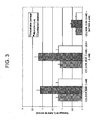
- the hystopathological analysis shows the protection of hearts stored in the presence of MP1001 as compared to GSH ( Fig. 3 ). Hearts sustained less injury by all criteria examined.
Landscapes
- Life Sciences & Earth Sciences (AREA)
- Health & Medical Sciences (AREA)
- Engineering & Computer Science (AREA)
- Dentistry (AREA)
- General Health & Medical Sciences (AREA)
- Wood Science & Technology (AREA)
- Zoology (AREA)
- Environmental Sciences (AREA)
- Agricultural Chemicals And Associated Chemicals (AREA)
- Micro-Organisms Or Cultivation Processes Thereof (AREA)
- Medicines Containing Material From Animals Or Micro-Organisms (AREA)
Abstract
Description
- The present invention relates to compositions and the use of such compositions in the formulation of preservation solutions for protecting mammalian (including human) biological systems such as biotechnological preparations (including recombinant proteins), organs, tissues (including whole blood and blood derivatives such platelets and plasma) and cells (including red blood cells, pancreatic β-cells, stem cells and germ cells) from oxidative damage occurring, from example, during the different phases of transplantation and surgery. More particularly, this invention relates to a method for protecting and/or enhancing viability of mammalian biotechnological preparations/cells/tissues/organs during isolation (or harvesting), preservation (or storage), expansion (or colture), transplantation and surgery by using compositions containing effective amount of antioxidant cyclic (bis)-hydroxylamines derived from N-piperidine.
- The generation of highly reactive free radicals - the superoxide anion (O2 ·- ), the perhydroxyl radical (HO2 ·-), the oxygen singleton (1AO2), the hydroxyl radical (HO·), hydrogen peroxide (H2O2), nitrogen dioxide (NO2), peroxynitrite (NOO·) and other (R·) radicals (alkyl - L· , alkoxy-LO· , peroxy-LOO· radicals, etc. has a detrimental effect on the viability of biological systems such as biotechnological preparations (including recombinant proteins), organs, tissues (including whole blood derivatives such as platelets and plasma) or cells (including red blood cells, pancreatic β-cells, stem cells and germ cells) during isolation, preservation (or storage), expansion (or colture), transplantation or organ (e.g. cardiopulmonary) bypass surgery (see, for example, Bottino R., Diabetes 53, 2559-2567, 2004).
- It is known, for example, that successful organ transplantation is often limited due to ischemic/reperfusion injury: the failure originates from the risks of degradations, or even necrosis, of the graft, which manifest themselves during the reoxygenation of the transplanted organ and which are associated to the ischemia, usually prolonged, occurring between initiation of the transplantation itself from the donor and the completion of the implantation in the recipient. Minimizing the morbidity and mortality associated with graft tissue damage during ischemia and reperfusion injury is thus of enormous clinical relevance (see, for example, Tsuchihashi S.I. et al., Curr. Opin. Organ Transplant. 9, 145-152, 2004).
- An ischemia of five to six hours due to "heat ischemia", occurring during the removal from the donor, "cold ischemia", following the hypothermic storage phase (universally accepted as the basic strategy for the maintenance and transport of organs for transplantation), and "global ischemia", occurring during implantation, constitutes (for example, in the case of heart) the upper tolerable limit, and does not rule out a large number of accidents. Of course, other organs/tissues such as liver, skin/muscle flap, trachea, amputated digits, pancreas, kidney, lung, intestine or cells (e.g. pancreatic islet cells), are subject to oxidative damage when removed from the host prior to (or during) culture, expansion and transplantation. In the latter case, during the reperfusion of the organ in the recipient, free oxygen radicals are actually produced in copious amount (see for example Vega D.J. et al., Am. Thorac.Surg. 71, 1442-1447, 2001).
- To overcome the limit, many different organ preservation solutions have been designed, as investigators have sought to lengthen the time that an organ may remain extra-corporeally, as well as to maximize the function of the organs/cells following implantation.
- Examples of conventional preservation solutions are the following:
- Celsior solution, disclosed in Menosche P. et al., Eur. J. Cardiothoracic Surg. 8, 207-215, 1994;
- University of Wisconsin solution, disclosed in
U.S. Patent No. 4,798,824 ; - Collins solution, disclosed in Maurer E.J. et al., Tranplant. Proc. 22, 548-550, 1990;
- Euro-Collins solution, disclosed by Collins G.M. and Holsz N.A., Surgery 39, 432, 1976 & Eurotransplant Formation Annual Report, 1976;
- Columbia University solution, disclosed in
U.S. Patent No. 5,552,267 ; - Krebs-Henseleit solution, disclosed by Sharek H.J. et al., Pfluger's Arch. 354, 349-365, 1975;
- Stanfort solution, disclosed in Swanson D.K. et al., J. Heart Transpl. 7, 456, 467, 1988;
- Lactate Ringer's solution, also namely Hartmann's solution, disclosed in Dreikorn K. et al., Eur. Urol. 6, 221-224, 1980;
- S.Thomas II solution, disclosed by Jynge P. et al., Scand. J. Thorac. Cardiov. Surg. Suppl. 30, 1-28, 1981;
- CRMBM solution, disclosed in Bernard M. et al., J. Heart Lung Transplant 18, 572-581, 1999;
- LYPS solution, disclosed in Michel P. et al., J. Heart Lung Transplant 21, 1030-1039, 2002;
- ET-Kyoto solution, disclosed in Chen F. et al., Yonsei Med. J. 45, 1107-1114, 2004;
- CMU-1 solution, disclosed in Cheng Y. et al., World J. Gastroenterol. 11, 2522-2525, 2005;
- Polysol solution, disclosed in Bessems M. et al., Transpl. Proc. 37, 326-328, 2005.
- To date, however, the above cited preservation solutions present only limited advantages in efficaciously fighting oxidative damage. This is due to the fact that the protective agents contained in the solutions, which are conventional substances (including antioxidants) capable of counteracting the production or the effects of reactive free radicals, such as trolox derivatives of vitamin E (Trolox C), allopurinol, desferoxamine, indanoindoles, catalase, peroxidase, superoxide dismutase, glutathione, N-acetylcysteine, nitroxides, ginkgolides, coenzyme Q, β-carotene, cyanidol (see, for example,
WO88/05044 U.S. Patent No. 5 002 965 ;U.S. Patent No. 6 054 261 ;U.S. Patent No. 5 498 427 ;U.S. Patent No. 4 877 810 ;WO95/02323 WO02/102149 - The need of the new refined preservation solutions, containing more effective additives toward ischemia and reperfusion injury, is indeed strongly evoked by the international scientific community (see, for example, Kupiec-Weglinski J.W., Curr. Op. Organ Transpl. 9, 130-131, 2004).
- To solve these problems, the present invention provides a method for preserving and/or enhancing the viability ex vivo of a mammalian biological system and solutions for protecting biological systems as defined in the appended claims.
- The method of the invention makes use of effective protective compositions containing antioxidant cyclic hydroxylamines derived form the N-piperidine. These very potent antioxidants over conventional ones (e.g. acting toward most, if not all, carbon, nitrogen and oxygen-centered radicals of biological interest including peroxyl, superoxide and peroxynitrite radicals), which now have been found useful for mammalian biological system preservation solutions in accordance with the present invention, are disclosed in
U.S. Patent No. 5,981,548 andWO 2005/084677 as well as processes for their preparation. - The invention provides preservation/perfusion solutions for protecting against oxidative damage mammalian (including humans) biological systems such as biotechnological preparations (including recombinant proteins), organs, tissues (including tissue derivatives such as platelets and plasma) or cells (including stem cells, pancreatic islets, germ cells and red blood cells), during isolation (or harvesting), preservation (e.g. perfusion, storage), expansion (or colture), transplantation and surgery (e.g. cardiopulmonary bypass).
- In the preservation solutions, the compound known as: bis (1-hydroxy-2,2,6,6-tetramethyl-4-piperidinyl)decandioate, having the formula

- The solutions for preservation of biological materials, according to the invention, comprise, in addition to the N-piperidine derivative of formula (I) or (III), one or more further antioxidants or protective agents, such as those listed hereinbefore.
- The solutions of the invention are preferably substantially isotonic with the biological material to be preserved. As used herein an isotonic solution refers to a solution in which the cells neither swell nor shrink substantially. Preferably, the preservative solutions of the invention have an osmolality substantially equal to that of the biological material to be preserved. However, this is not a requirement of all the inventive solutions, since some solutions may include one or more components which raise the osmolality of the solution but are able to cross semi-permeable membranes freely, thus raising the osmotic pressure equally on both sides of the cell membranes. By way of example, the osmolality may range from about 270 to 450 mOsm/l.
- Preferably the solutions of the invention comprise a physiological acceptable amount of ions, selected from the group consisting of sodium, potassium, calcium, magnesium, mono-and bi-acidic phosphate, bicarbonate, chloride ions and mixtures thereof. Typical amounts of potassium, sodium, magnesium, calcium and chloride ions are for instance shown in
US 5 498 427 (cf. claim 6). The solution may further comprise a carbohydrate source, such as glucose and mannitol. The pH of the solution is typical between 7.4 and 8.5. - According to a preferred embodiment the compositions comprise desferoxamine preferably at the final concentration within the range of from 0.01 to 55 mM, Na+ preferably from 0.1 to 200 mM and K+, preferably from 0.2 to 220 mM. The determination of the optimal dosage is amongst the possible selections that are open to a person skilled in the art, and widely reported in literature.
- Alternatively at least one N-piperidine derivative singularly or together with desferoxamine, or the combination of both K+ and Na+ ,if not originally present can be used as additive to commercially available preservation solutions.
- Ingredient/s should be packaged in a manner such as is a common practice with this type of compounds, such as in ampoule under an inert atmosphere or in vacuum, so that the component/s is to be reconstituted in a suitable physiologically acceptable buffer, or directly into conventional preservation solutions, prior to use.
- The composition of the invention is preferably for use in the preservation of biological systems or materials of human origin, but it can also be used for preservation of materials of animal origin, such as farm animals, cats, dogs, cattle, sheep and pigs.
- The following example enables a person skilled in the art to carry out the invention. The example is therefore illustrative of this invention and is included solely as an embodiment of the invention and not as a limitation. The use of the invention in an animal model of organ (rabbit heart) preservation experiment, by way of example cold ischemia, is therefore described.
- The example which follows, refers to the annexed drawings, wherein:
-
figure 1 is a diagram showing the developed pressure expressed in mmHg after heart reperfusion (1 h) under equimolar antioxidant potency, GSH vs MP1001 **p<0. 01 (Wilcoxon's rank method); -
figure 2 is a diagram showing the expression of lipid peroxidation, carbonyl proteins and LDH levels in rabbit hearts after 1 h reperfusion under equimolar antioxidant potency GSH vs MP1001 **p<0. 01 (Wilcoxon's rank method); and -
figure 3 is a diagram showing the histological analysis of rabbit hearts after 1 h reperfusion under equimolar antioxidant potency GSH vs MP1001 **p<0. 01 (Wilcoxon's rank method) . - Reports conflict on the benefit of preservation solutions for cardiac graft preservation during hypothermia. Cold storage solutions can be classified into 2 types, extracellular and intracellular, based on K+ and Na+ concentrations. In other words, extracellular-type solutions mimic extracellular fluids - [Na+]≥70 mmol/L, [K+] = 5 ~ 30 mmol/L - and intracellular-type solutions mimic intracellular fluids- [Na+]<70 mmol/L, [K+] = 30 ~ 125 mmol/L. Recent comparative investigations on the most widely used solutions showed that extracellular-type solutions provided better preservation that did intracellular-type ones (see for example Michel P. et al., J. Heart & Lung Transpl. 21, 1030-1035, 2002). Among extracellular solutions, Celsior showed high efficacy for heart preservation. In addition, growing evidences from prospective multicenter randomized clinical trials support the use of Celsior preservation solution in multiple organ harvesting as a universal cold storage solution for intra-abdominal organs and for intrathoracic organs as well (see for example Faenza A. et al., Transplantation 72, 1274-1277, 2001).
- For these reasons Celsior solution is becoming the gold standard solution worldwide and therefore selected as the most indicative for checking the efficacy of chemical compounds or compositions according to the present invention.
- A brief discussion of a conventional technique for organ (heart) preservation follows, since the method disclosed herein is widely described in literature.
- Male New Zealand rabbits (1.4-1.8 kg weight) were kept on a standard laboratory diet supplemented with "Nossan pellet" (both the animals and pellets are available from Nossan Company, Milan, Italy) and were housed for three weeks (
relative humidity 50%±10%, temperature 22°C±1°C and in a light/darkness cycle of 12 hours/12 hours, with first light at 7.30 a.m.) prior to the experiments; food and water were available ad libitum. - The hearts were quickly excised from anesthetized animals (55 mg/kg body weight sodium pentobarbital; ten rabbits for each experiment group were used) flushed with the respective experimental solutions and placed in either cold (4°C) Celsior and Celsior plus 5mM MP1001 or Celsior plus GSH 5mM for 24 hours. Because Celsior standard solution contains 3 mM reduced glutathione (GSH), comparative experiments in term of "total antioxidant power" using equimolar antioxidant amount (e.g. adding 5 mM MP1001 or 5 mM GSH to Celsior) were performed.
- At the end of cold preservation, the organs were then reperfused in a Langerdoff working heart model with oxygenated Krebs-Henseleit buffer (120 mM NaCl, 25 mM NaHCO3, 4.9 mM KCl, 1.2 mM KH2PO4, 2.5 mM CaCl2, 1.25 MgSO4 and 10 mM glucose). The buffers were bubbled regularly with a mixture of O2 (95%) and CO2 (5%); the CO2 helped maintain the buffer at a physiological pH (7.4). In the mean time, the apparatus had extensive water-jacketing connected to a water heater that maintained buffers and hearts at 37°C. The buffers was filtered through a Gelman GA-4, 0.8 µm metrical membrane before the use. A saline-filled latex balloon connected through a pressure transducer to a polygraph recorder was inserted into the left ventricle through a left atriotomy and secured by a suture to the mitrial annulus. The suture was loose enough to allow fluid drainage from the ventricle.
- After 24 hours of cold preservation and reperfusion for 1 hour, the developed pressure (as a measure of protection) of the hearts preserved in Celsior (standard/control) was a mean of 34±9.55 mmHg. The organs could no longer convert and maintain a good sinus rhythm and contract efficiently. We determined that this level of recovery was not sufficient and proceeded to add the cardioprotective antioxidant MP1001 (5 mM) or GSH (5mM, to have a final, equimolar 8 mM "antioxidant concentration").
-
Figure 1 clearly shows that the antioxidant MP1001 when added to standard Celsior solution is able to provide a marked and significant (p<0.01) protection. When the hearts were preserved with this modified solution, cardioplegia for 24 hours and reperfused, the recovery as measured by developed pressure was 88±9.02 mmHg. On the contrary, the presence in Celsior of an equimolar (8 mM GSH) amount of the most used conventional antioxidant (reduced glutathione) did not provide any additional protection compared to standard solution (3 mM GSH) . - Lipid peroxidation was determined by quantification of the release of malondialdeyde (MDA) accumulated in cells which was used as biomarker, essentially according to Buege Y.A. & Aust S.G., Method Enzymol. 52, 302-310, 1978.
Figure 2a clearly shows the high development of lipid peroxidation products in the presence of standard Celsior solution. The use of additional 5 mM GSH did not significantly modify this parameter. By contrast, the addition of MP1001 to Celsior preservation solution provoked a marked and significant (p<0.01) reduction of the lipid peroxidation (1.28±0.37 Celsior vs 0.31±0.10 Celsior + MP1001). Oxidative modification of proteins is a typical biomarker of reperfusion injury as a consequences of attack by free reactive radicals ( Fundam. Clin. Pharmacol. 19, 491-496, 2005).Figure 2b shows the presence of a significant (p<0.01) and concomitant decrease in the levels of both peroxidation and carbonyl proteins determined by MP1001 (198±18 Celsior vs 48±11Celsior + MP1001). Again, LDA levels in the perfusate was significantly (p<0.01) reduced by MP1001 when compared to Celsior (Fig. 2c ) (11±2.5 Celsior vs 0.3±0.1Celsior + MP1001). Both carbonyl proteins and LDA were not modified by GSH supplement. - It is known that the disruption of the myocardial architecture indicate reperfusion damage. The hystopathological analysis of tissue graded for the degree of myocyte injury, edema, and endotelial damage was consistent with previous results showing the least amount of disruption of the myocardial architecture. The hystopathological analysis shows the protection of hearts stored in the presence of MP1001 as compared to GSH (
Fig. 3 ). Hearts sustained less injury by all criteria examined. - These tests show that, according to the present invention, the presence of MP1001 in Celsior solution is able to drastically reduce the ischemic damage after reperfusion of stored heart compared to storage in standard Celsior solution. These data demonstrate the capacity of the compound of the invention to exert an exceptional protective effect of ischemic hearts thus improving the viability of cold-preserved organs.
Claims (16)
- A method for preserving and/or enhancing the viability ex vivo of a mammalian biological system, comprising contacting said biological system with a preservation solution comprising a compound of formula:
 R1, R2, R3 and R4 are, independently of one another, alkyl having from 1 to 6 carbon atoms, R6 is oxygen or hydroxyl, and R5 is
 in which R1, R2, R3 and R4 are, independently of one another, alkyl having from 1 to 6 carbon atoms, R7 is oxygen or hydroxyl, and n is a whole number from 2 to 14; or a physiologically acceptable salt of said compound.
 - A method according to Claim 1, in which R1, R2, R3 and R4 are, independently of one another, an alkyl having from 1 to 3 carbon atoms and R5 is:

- A method according to any one of Claims 1 or 2, in which the compound is of formula

- A method according to any of Claims 1 to 3, in which biological systems are selected from biotechnological preparations such as recombinant proteins, organs such as heart, liver, pancreas, kidney, lung, intestine, trachea as well as amputated organs such as digits, tissues such as skin/muscle flaps, whole blood, blood derivatives such as platelets and plasma, and cells such as red blood cells, pancreatic islet cells, stem cells and germ cells.
- A method according to any of Claims 1 to 4, in which the compounds are under the form of physiologically acceptable salts preferably selected from the group consisting of chloride, fumarate and maleate.
- A method according to any of the preceding Claims, in which said compound is present in the preservation solution in an antioxidant effective amount, preferably in the range of from 0.001 to 50 mM.
- A method according to any of the previous Claims, wherein said compound is added to a standard commercially available preservation solution such as Celsior solution, University of Wisconsin solution (UW-1), Modified University of Wisconsin solution (UW-2), Krebs-Henseleit solution, St. Thomas 1 (STH-1) and 2 (STH-2) solution, Collins solution, Euro-Collins solution (EC), Lactated Ringer's solution, Columbia University solution, Stanford solution (STF), Lyon Preservation solution (LYPS), Bretschneider solution (HTK), RMBM solution, ET-Kioto solution, CMV-1 solution, Polysol solution, NaCl solution.
- A method according to any of the preceding Claims, in which said compound is used in combination with desferoxamine preferably within the range of from 0.01 to 55 mM and, if not already present, Na+, preferably at the final concentration within the range of from 0.1 to 200 mM, and K+, preferably at the final concentration within the range of from 0.2 to 220 mM.
- A method according to any of Claims 1 to 8, in which said compound is comprised in an isotonic aqueous buffer solution comprising desferoxamine, within the range of from 0,01 to 55mM, Na+, within the range of from 0.1 to 200 mM, and K+, within the range of from 0.2 to 220 mM.
- A method according to any of the preceding Claims, wherein the biological system is contacted with the preservation solution by infusion, immersion, flushing, perfusion or culture.
- An aqueous saline-based solution for the preservation of biological materials, particularly for storage, perfusion and reperfusion ex vivo of mammalian organs, comprising an effective antioxidant amount of a compound of formula (I) as defined in claim 1 or (III) , as defined in claim 3 or a physiological acceptable salt thereof and further comprising a preservative or antioxidant compound selected from the group of trolox derivatives of vitamin E (Trolox C), allopurinol, deferoxamine, indaindoles, catalase, peroxidase, superoxide dismutase, glutathione, N-acetylcysteine, nytroxides, ginkolides, coenzyme Q, β-carotene, cyanidol and mixtures thereof.
- A solution according to Claim 11, comprising a physiologically acceptable amount of an ion selected from the group consisting of sodium, potassium, calcium, magnesium, mono- and bi-acidic phosphate, bicarbonate, chloride and mixtures thereof.
- A solution according to any Claims 11 or 12, further comprising a carbohydrate source.
- A solution according to any of Claims 11 to 13, having a pH of from 7.4 to 8.5.
- A solution according to any of Claims 11 to 14, comprising desferoxamine, preferably in the concentration of from 0.01 to 55 mM.
- A solution according to any of Claims 11 to 15, comprising sodium ions preferably from 0.1 to 200 mM and potassium ions preferably from 0.2 to 220 mM.
Priority Applications (5)
| Application Number | Priority Date | Filing Date | Title |
|---|---|---|---|
| ES06100589T ES2368937T3 (en) | 2006-01-19 | 2006-01-19 | USE OF N-PIPERIDINE DERIVATIVES COMPOSITIONS TO PROTECT BIOLOGICAL SYSTEMS. |
| EP06100589A EP1815741B1 (en) | 2006-01-19 | 2006-01-19 | Use of n-piperidine derivative compositions for protecting biological systems |
| AT06100589T ATE515187T1 (en) | 2006-01-19 | 2006-01-19 | USE OF COMPOSITIONS CONTAINING N-PIPERIDINE DERIVATIVES FOR THE PROTECTION OF BIOLOGICAL SYSTEMS |
| US12/161,232 US20100167260A1 (en) | 2006-01-19 | 2007-01-18 | Use of N-Piperidine Derivative Compositions for Protecting Biological Systems |
| PCT/EP2007/050502 WO2007082916A1 (en) | 2006-01-19 | 2007-01-18 | Use of n-piperidine derivative compositions for protecting biological systems |
Applications Claiming Priority (1)
| Application Number | Priority Date | Filing Date | Title |
|---|---|---|---|
| EP06100589A EP1815741B1 (en) | 2006-01-19 | 2006-01-19 | Use of n-piperidine derivative compositions for protecting biological systems |
Publications (2)
| Publication Number | Publication Date |
|---|---|
| EP1815741A1 EP1815741A1 (en) | 2007-08-08 |
| EP1815741B1 true EP1815741B1 (en) | 2011-07-06 |
Family
ID=36603627
Family Applications (1)
| Application Number | Title | Priority Date | Filing Date |
|---|---|---|---|
| EP06100589A Expired - Lifetime EP1815741B1 (en) | 2006-01-19 | 2006-01-19 | Use of n-piperidine derivative compositions for protecting biological systems |
Country Status (5)
| Country | Link |
|---|---|
| US (1) | US20100167260A1 (en) |
| EP (1) | EP1815741B1 (en) |
| AT (1) | ATE515187T1 (en) |
| ES (1) | ES2368937T3 (en) |
| WO (1) | WO2007082916A1 (en) |
Families Citing this family (9)
| Publication number | Priority date | Publication date | Assignee | Title |
|---|---|---|---|---|
| US8835104B2 (en) | 2007-12-20 | 2014-09-16 | Fenwal, Inc. | Medium and methods for the storage of platelets |
| US8968992B2 (en) | 2008-03-21 | 2015-03-03 | Fenwal, Inc. | Red blood cell storage medium for extended storage |
| US8871434B2 (en) | 2008-03-21 | 2014-10-28 | Fenwal, Inc. | Red blood cell storage medium for extended storage |
| WO2011049709A1 (en) | 2009-10-23 | 2011-04-28 | Fenwal, Inc. | Methods and systems for providing red blood cell products with reduced plasma |
| JP2014518547A (en) | 2011-04-07 | 2014-07-31 | フェンウォール、インコーポレイテッド | Automated method and system for providing platelet concentrates with reduced residual plasma volume and storage medium for such platelet concentrates |
| WO2014123930A2 (en) * | 2013-02-05 | 2014-08-14 | Williams Joseph L | Prevention and treatment of tissue fibrosis |
| CN106035316B (en) * | 2016-04-25 | 2018-07-31 | 浙江大学 | A kind of Celsior of improvement preserves liquid and preparation method thereof for the heart |
| CN108812647A (en) * | 2018-08-10 | 2018-11-16 | 广东维赛生物科技有限公司 | Low irritability suitable for cat dog mescenchymal stem cell saves liquid and preparation method thereof |
| US20230087020A1 (en) * | 2020-03-10 | 2023-03-23 | University Of Florida Research Foundation, Incorporated | Composition for extending viable preservation and shelf-life of organs and tissues |
Family Cites Families (7)
| Publication number | Priority date | Publication date | Assignee | Title |
|---|---|---|---|---|
| WO1988005044A1 (en) * | 1986-12-29 | 1988-07-14 | Pharmacia Ab | Nitroxide compounds for the preparation of a pharmaceutical composition intended for the prophylaxis and treatment of ischemic cell damage |
| US5498427A (en) | 1990-11-20 | 1996-03-12 | Pasteur Merieux Serums Et Vaccines | Solutions for the perfusion, preservation and reperfusion of organs |
| ATE194596T1 (en) * | 1994-11-15 | 2000-07-15 | Moreno Paolini | N-HYDROXYPIPERIDINE AS A SUPEROXIDE RADICAL CATCHER |
| US6495532B1 (en) * | 1997-03-19 | 2002-12-17 | Sky High, Llc | Compositions containing lysophosphotidic acids which inhibit apoptosis and uses thereof |
| JP2005508864A (en) * | 2001-06-01 | 2005-04-07 | ナショナル・ジュウィッシュ・メディカル・アンド・リサーチ・センター | Oxidant scavengers for the treatment of diabetes or for use in transplantation or for induction of immune tolerance |
| ITTO20040124A1 (en) * | 2004-03-01 | 2004-06-01 | Medestea Internaz Srl | NEW USES IN THERAPY OF N-PIPERIDINE DERIVATIVES PARTICULARLY FOR THE TREATMENT OF NEURODEGENERATIVE PATHOLOGIES |
| WO2005099758A2 (en) * | 2004-04-17 | 2005-10-27 | The Board Of Trustees The Leland Standford Junior University | Injectable bioartificial tissue matrix |
-
2006
- 2006-01-19 ES ES06100589T patent/ES2368937T3/en not_active Expired - Lifetime
- 2006-01-19 EP EP06100589A patent/EP1815741B1/en not_active Expired - Lifetime
- 2006-01-19 AT AT06100589T patent/ATE515187T1/en not_active IP Right Cessation
-
2007
- 2007-01-18 US US12/161,232 patent/US20100167260A1/en not_active Abandoned
- 2007-01-18 WO PCT/EP2007/050502 patent/WO2007082916A1/en not_active Ceased
Also Published As
| Publication number | Publication date |
|---|---|
| US20100167260A1 (en) | 2010-07-01 |
| ATE515187T1 (en) | 2011-07-15 |
| EP1815741A1 (en) | 2007-08-08 |
| WO2007082916A1 (en) | 2007-07-26 |
| ES2368937T3 (en) | 2011-11-23 |
Similar Documents
| Publication | Publication Date | Title |
|---|---|---|
| US20100167260A1 (en) | Use of N-Piperidine Derivative Compositions for Protecting Biological Systems | |
| Scott et al. | Biopreservation of red blood cells: past, present, and future | |
| Taylor | Biology of cell survival in the cold: the basis for biopreservation of tissues and organs | |
| Blankensteijn et al. | Liver preservation: the past and the future | |
| ES2641883T3 (en) | Use of a globin, a globin protomer or an extracellular hemoglobin for the preservation of organs, tissues, or of cells of organs or tissues | |
| Guibert et al. | Organ preservation: current concepts and new strategies for the next decade | |
| US6365338B1 (en) | Organ preservative solution containing trehalose, anti-oxidant, cations and an energy source | |
| CN101098622B (en) | Compositions for organ cold storage and perfusion | |
| Menasché et al. | Improved recovery of heart transplants with a specific kit of preservation solutions | |
| US6140123A (en) | Method for conditioning and cryopreserving cells | |
| US20050202394A1 (en) | Organ arrest, protection, preservation and recovery | |
| Riesco et al. | Evaluation of zebrafish (Danio rerio) PGCs viability and DNA damage using different cryopreservation protocols | |
| RU2396748C2 (en) | Medium for storage of cells | |
| CN113490414B (en) | Preservation of Stem cells | |
| US12471592B2 (en) | Cytoprotective compositions for short-term cells storage and transportation without cryopreservation and deep freezing | |
| US20110159474A1 (en) | Solutions for perfusing and preserving organs and tissues | |
| Harvey | Cryobiology and the storage of teleost gametes | |
| US8900804B2 (en) | Methods and solutions for tissue preservation | |
| Aktar et al. | Effects of alpha lipoic acid supplementation on post-thaw quality of drone semen | |
| Tomalty et al. | Chilling injury in human kidney tubule cells after subzero storage is not mitigated by antifreeze protein addition | |
| CA2996859C (en) | Preserving agent for organs or tissue and preservation method for organs or tissue | |
| KR20010002227A (en) | Composition for the Preservation of Organs and Blood Cells | |
| Abbas et al. | General principles of organ preservation in liver transplantation | |
| US20040018482A1 (en) | Loading and unloading of permeating protectants for cell, tissue, and organ cryopreservation by vitrification | |
| US20200229426A1 (en) | Isolation and cryopreservation of amniotic membrane sheets |
Legal Events
| Date | Code | Title | Description |
|---|---|---|---|
| PUAI | Public reference made under article 153(3) epc to a published international application that has entered the european phase |
Free format text: ORIGINAL CODE: 0009012 |
|
| AK | Designated contracting states |
Kind code of ref document: A1 Designated state(s): AT BE BG CH CY CZ DE DK EE ES FI FR GB GR HU IE IS IT LI LT LU LV MC NL PL PT RO SE SI SK TR |
|
| AX | Request for extension of the european patent |
Extension state: AL BA HR MK YU |
|
| 17P | Request for examination filed |
Effective date: 20080205 |
|
| 17Q | First examination report despatched |
Effective date: 20080307 |
|
| AKX | Designation fees paid |
Designated state(s): AT BE BG CH CY CZ DE DK EE ES FI FR GB GR HU IE IS IT LI LT LU LV MC NL PL PT RO SE SI SK TR |
|
| GRAP | Despatch of communication of intention to grant a patent |
Free format text: ORIGINAL CODE: EPIDOSNIGR1 |
|
| GRAS | Grant fee paid |
Free format text: ORIGINAL CODE: EPIDOSNIGR3 |
|
| GRAA | (expected) grant |
Free format text: ORIGINAL CODE: 0009210 |
|
| RAP1 | Party data changed (applicant data changed or rights of an application transferred) |
Owner name: MEDESTEA RESEARCH & PRODUCTION S.P.A. |
|
| AK | Designated contracting states |
Kind code of ref document: B1 Designated state(s): AT BE BG CH CY CZ DE DK EE ES FI FR GB GR HU IE IS IT LI LT LU LV MC NL PL PT RO SE SI SK TR |
|
| REG | Reference to a national code |
Ref country code: GB Ref legal event code: FG4D |
|
| REG | Reference to a national code |
Ref country code: CH Ref legal event code: EP |
|
| REG | Reference to a national code |
Ref country code: IE Ref legal event code: FG4D |
|
| REG | Reference to a national code |
Ref country code: DE Ref legal event code: R096 Ref document number: 602006022882 Country of ref document: DE Effective date: 20110901 |
|
| REG | Reference to a national code |
Ref country code: NL Ref legal event code: VDEP Effective date: 20110706 |
|
| REG | Reference to a national code |
Ref country code: ES Ref legal event code: FG2A Ref document number: 2368937 Country of ref document: ES Kind code of ref document: T3 Effective date: 20111123 |
|
| PG25 | Lapsed in a contracting state [announced via postgrant information from national office to epo] |
Ref country code: SI Free format text: LAPSE BECAUSE OF FAILURE TO SUBMIT A TRANSLATION OF THE DESCRIPTION OR TO PAY THE FEE WITHIN THE PRESCRIBED TIME-LIMIT Effective date: 20110706 |
|
| REG | Reference to a national code |
Ref country code: AT Ref legal event code: MK05 Ref document number: 515187 Country of ref document: AT Kind code of ref document: T Effective date: 20110706 |
|
| PG25 | Lapsed in a contracting state [announced via postgrant information from national office to epo] |
Ref country code: FI Free format text: LAPSE BECAUSE OF FAILURE TO SUBMIT A TRANSLATION OF THE DESCRIPTION OR TO PAY THE FEE WITHIN THE PRESCRIBED TIME-LIMIT Effective date: 20110706 Ref country code: BE Free format text: LAPSE BECAUSE OF FAILURE TO SUBMIT A TRANSLATION OF THE DESCRIPTION OR TO PAY THE FEE WITHIN THE PRESCRIBED TIME-LIMIT Effective date: 20110706 Ref country code: SE Free format text: LAPSE BECAUSE OF FAILURE TO SUBMIT A TRANSLATION OF THE DESCRIPTION OR TO PAY THE FEE WITHIN THE PRESCRIBED TIME-LIMIT Effective date: 20110706 Ref country code: NL Free format text: LAPSE BECAUSE OF FAILURE TO SUBMIT A TRANSLATION OF THE DESCRIPTION OR TO PAY THE FEE WITHIN THE PRESCRIBED TIME-LIMIT Effective date: 20110706 Ref country code: LT Free format text: LAPSE BECAUSE OF FAILURE TO SUBMIT A TRANSLATION OF THE DESCRIPTION OR TO PAY THE FEE WITHIN THE PRESCRIBED TIME-LIMIT Effective date: 20110706 Ref country code: PT Free format text: LAPSE BECAUSE OF FAILURE TO SUBMIT A TRANSLATION OF THE DESCRIPTION OR TO PAY THE FEE WITHIN THE PRESCRIBED TIME-LIMIT Effective date: 20111107 Ref country code: IS Free format text: LAPSE BECAUSE OF FAILURE TO SUBMIT A TRANSLATION OF THE DESCRIPTION OR TO PAY THE FEE WITHIN THE PRESCRIBED TIME-LIMIT Effective date: 20111106 |
|
| PG25 | Lapsed in a contracting state [announced via postgrant information from national office to epo] |
Ref country code: PL Free format text: LAPSE BECAUSE OF FAILURE TO SUBMIT A TRANSLATION OF THE DESCRIPTION OR TO PAY THE FEE WITHIN THE PRESCRIBED TIME-LIMIT Effective date: 20110706 Ref country code: CY Free format text: LAPSE BECAUSE OF FAILURE TO SUBMIT A TRANSLATION OF THE DESCRIPTION OR TO PAY THE FEE WITHIN THE PRESCRIBED TIME-LIMIT Effective date: 20110706 Ref country code: AT Free format text: LAPSE BECAUSE OF FAILURE TO SUBMIT A TRANSLATION OF THE DESCRIPTION OR TO PAY THE FEE WITHIN THE PRESCRIBED TIME-LIMIT Effective date: 20110706 Ref country code: LV Free format text: LAPSE BECAUSE OF FAILURE TO SUBMIT A TRANSLATION OF THE DESCRIPTION OR TO PAY THE FEE WITHIN THE PRESCRIBED TIME-LIMIT Effective date: 20110706 Ref country code: GR Free format text: LAPSE BECAUSE OF FAILURE TO SUBMIT A TRANSLATION OF THE DESCRIPTION OR TO PAY THE FEE WITHIN THE PRESCRIBED TIME-LIMIT Effective date: 20111007 |
|
| PG25 | Lapsed in a contracting state [announced via postgrant information from national office to epo] |
Ref country code: SK Free format text: LAPSE BECAUSE OF FAILURE TO SUBMIT A TRANSLATION OF THE DESCRIPTION OR TO PAY THE FEE WITHIN THE PRESCRIBED TIME-LIMIT Effective date: 20110706 Ref country code: CZ Free format text: LAPSE BECAUSE OF FAILURE TO SUBMIT A TRANSLATION OF THE DESCRIPTION OR TO PAY THE FEE WITHIN THE PRESCRIBED TIME-LIMIT Effective date: 20110706 |
|
| PLBE | No opposition filed within time limit |
Free format text: ORIGINAL CODE: 0009261 |
|
| STAA | Information on the status of an ep patent application or granted ep patent |
Free format text: STATUS: NO OPPOSITION FILED WITHIN TIME LIMIT |
|
| PG25 | Lapsed in a contracting state [announced via postgrant information from national office to epo] |
Ref country code: RO Free format text: LAPSE BECAUSE OF FAILURE TO SUBMIT A TRANSLATION OF THE DESCRIPTION OR TO PAY THE FEE WITHIN THE PRESCRIBED TIME-LIMIT Effective date: 20110706 Ref country code: EE Free format text: LAPSE BECAUSE OF FAILURE TO SUBMIT A TRANSLATION OF THE DESCRIPTION OR TO PAY THE FEE WITHIN THE PRESCRIBED TIME-LIMIT Effective date: 20110706 |
|
| 26N | No opposition filed |
Effective date: 20120411 |
|
| PG25 | Lapsed in a contracting state [announced via postgrant information from national office to epo] |
Ref country code: DK Free format text: LAPSE BECAUSE OF FAILURE TO SUBMIT A TRANSLATION OF THE DESCRIPTION OR TO PAY THE FEE WITHIN THE PRESCRIBED TIME-LIMIT Effective date: 20110706 |
|
| PGFP | Annual fee paid to national office [announced via postgrant information from national office to epo] |
Ref country code: IT Payment date: 20120117 Year of fee payment: 7 |
|
| REG | Reference to a national code |
Ref country code: DE Ref legal event code: R097 Ref document number: 602006022882 Country of ref document: DE Effective date: 20120411 |
|
| PG25 | Lapsed in a contracting state [announced via postgrant information from national office to epo] |
Ref country code: MC Free format text: LAPSE BECAUSE OF NON-PAYMENT OF DUE FEES Effective date: 20120131 |
|
| REG | Reference to a national code |
Ref country code: CH Ref legal event code: PL |
|
| REG | Reference to a national code |
Ref country code: IE Ref legal event code: MM4A |
|
| PG25 | Lapsed in a contracting state [announced via postgrant information from national office to epo] |
Ref country code: CH Free format text: LAPSE BECAUSE OF NON-PAYMENT OF DUE FEES Effective date: 20120131 Ref country code: LI Free format text: LAPSE BECAUSE OF NON-PAYMENT OF DUE FEES Effective date: 20120131 |
|
| PG25 | Lapsed in a contracting state [announced via postgrant information from national office to epo] |
Ref country code: IE Free format text: LAPSE BECAUSE OF NON-PAYMENT OF DUE FEES Effective date: 20120119 |
|
| PGFP | Annual fee paid to national office [announced via postgrant information from national office to epo] |
Ref country code: ES Payment date: 20121220 Year of fee payment: 8 |
|
| PGFP | Annual fee paid to national office [announced via postgrant information from national office to epo] |
Ref country code: GB Payment date: 20130122 Year of fee payment: 8 Ref country code: FR Payment date: 20130225 Year of fee payment: 8 |
|
| PG25 | Lapsed in a contracting state [announced via postgrant information from national office to epo] |
Ref country code: BG Free format text: LAPSE BECAUSE OF FAILURE TO SUBMIT A TRANSLATION OF THE DESCRIPTION OR TO PAY THE FEE WITHIN THE PRESCRIBED TIME-LIMIT Effective date: 20111006 |
|
| PGFP | Annual fee paid to national office [announced via postgrant information from national office to epo] |
Ref country code: DE Payment date: 20130328 Year of fee payment: 8 |
|
| PG25 | Lapsed in a contracting state [announced via postgrant information from national office to epo] |
Ref country code: TR Free format text: LAPSE BECAUSE OF FAILURE TO SUBMIT A TRANSLATION OF THE DESCRIPTION OR TO PAY THE FEE WITHIN THE PRESCRIBED TIME-LIMIT Effective date: 20110706 |
|
| PG25 | Lapsed in a contracting state [announced via postgrant information from national office to epo] |
Ref country code: LU Free format text: LAPSE BECAUSE OF NON-PAYMENT OF DUE FEES Effective date: 20120119 |
|
| PG25 | Lapsed in a contracting state [announced via postgrant information from national office to epo] |
Ref country code: HU Free format text: LAPSE BECAUSE OF FAILURE TO SUBMIT A TRANSLATION OF THE DESCRIPTION OR TO PAY THE FEE WITHIN THE PRESCRIBED TIME-LIMIT Effective date: 20060119 |
|
| REG | Reference to a national code |
Ref country code: DE Ref legal event code: R119 Ref document number: 602006022882 Country of ref document: DE |
|
| GBPC | Gb: european patent ceased through non-payment of renewal fee |
Effective date: 20140119 |
|
| REG | Reference to a national code |
Ref country code: DE Ref legal event code: R119 Ref document number: 602006022882 Country of ref document: DE Effective date: 20140801 |
|
| PG25 | Lapsed in a contracting state [announced via postgrant information from national office to epo] |
Ref country code: DE Free format text: LAPSE BECAUSE OF NON-PAYMENT OF DUE FEES Effective date: 20140801 |
|
| REG | Reference to a national code |
Ref country code: FR Ref legal event code: ST Effective date: 20140930 |
|
| PG25 | Lapsed in a contracting state [announced via postgrant information from national office to epo] |
Ref country code: FR Free format text: LAPSE BECAUSE OF NON-PAYMENT OF DUE FEES Effective date: 20140131 Ref country code: GB Free format text: LAPSE BECAUSE OF NON-PAYMENT OF DUE FEES Effective date: 20140119 |
|
| REG | Reference to a national code |
Ref country code: ES Ref legal event code: FD2A Effective date: 20150327 |
|
| PG25 | Lapsed in a contracting state [announced via postgrant information from national office to epo] |
Ref country code: ES Free format text: LAPSE BECAUSE OF NON-PAYMENT OF DUE FEES Effective date: 20140120 |
|
| PG25 | Lapsed in a contracting state [announced via postgrant information from national office to epo] |
Ref country code: IT Free format text: LAPSE BECAUSE OF NON-PAYMENT OF DUE FEES Effective date: 20140119 |