EP1807419B1 - (2-carboxamido)(3-amino) thiophene compounds - Google Patents
(2-carboxamido)(3-amino) thiophene compounds Download PDFInfo
- Publication number
- EP1807419B1 EP1807419B1 EP05821171A EP05821171A EP1807419B1 EP 1807419 B1 EP1807419 B1 EP 1807419B1 EP 05821171 A EP05821171 A EP 05821171A EP 05821171 A EP05821171 A EP 05821171A EP 1807419 B1 EP1807419 B1 EP 1807419B1
- Authority
- EP
- European Patent Office
- Prior art keywords
- pharmaceutically acceptable
- compound according
- cancer
- oxide
- acceptable salt
- Prior art date
- Legal status (The legal status is an assumption and is not a legal conclusion. Google has not performed a legal analysis and makes no representation as to the accuracy of the status listed.)
- Expired - Lifetime
Links
- NQPMLQAMTCBVHM-UHFFFAOYSA-N CC(C)(C)c1cc(NC(c([s]cc2)c2NCc2ccnc3c2c(OC)cc(OC)c3)=O)n[nH]1 Chemical compound CC(C)(C)c1cc(NC(c([s]cc2)c2NCc2ccnc3c2c(OC)cc(OC)c3)=O)n[nH]1 NQPMLQAMTCBVHM-UHFFFAOYSA-N 0.000 description 1
- NXEBWJCDQJRCQY-UHFFFAOYSA-N COc1ccc(c(CNc2c(C(Nc3cc(C(F)(F)F)ccn3)=O)[s]cc2)ccn2)c2c1 Chemical compound COc1ccc(c(CNc2c(C(Nc3cc(C(F)(F)F)ccn3)=O)[s]cc2)ccn2)c2c1 NXEBWJCDQJRCQY-UHFFFAOYSA-N 0.000 description 1
- GVNUXPVSPWNPDN-UHFFFAOYSA-N Oc1cc2nccc(CNc3c(C(Nc(cc4)ccc4OC(F)(F)F)=O)[s]cc3)c2cc1 Chemical compound Oc1cc2nccc(CNc3c(C(Nc(cc4)ccc4OC(F)(F)F)=O)[s]cc3)c2cc1 GVNUXPVSPWNPDN-UHFFFAOYSA-N 0.000 description 1
Classifications
-
- A—HUMAN NECESSITIES
- A61—MEDICAL OR VETERINARY SCIENCE; HYGIENE
- A61K—PREPARATIONS FOR MEDICAL, DENTAL OR TOILETRY PURPOSES
- A61K31/00—Medicinal preparations containing organic active ingredients
- A61K31/33—Heterocyclic compounds
- A61K31/38—Heterocyclic compounds having sulfur as a ring hetero atom
- A61K31/381—Heterocyclic compounds having sulfur as a ring hetero atom having five-membered rings
-
- A—HUMAN NECESSITIES
- A61—MEDICAL OR VETERINARY SCIENCE; HYGIENE
- A61K—PREPARATIONS FOR MEDICAL, DENTAL OR TOILETRY PURPOSES
- A61K31/00—Medicinal preparations containing organic active ingredients
- A61K31/33—Heterocyclic compounds
- A61K31/395—Heterocyclic compounds having nitrogen as a ring hetero atom, e.g. guanethidine or rifamycins
- A61K31/435—Heterocyclic compounds having nitrogen as a ring hetero atom, e.g. guanethidine or rifamycins having six-membered rings with one nitrogen as the only ring hetero atom
- A61K31/4353—Heterocyclic compounds having nitrogen as a ring hetero atom, e.g. guanethidine or rifamycins having six-membered rings with one nitrogen as the only ring hetero atom ortho- or peri-condensed with heterocyclic ring systems
- A61K31/437—Heterocyclic compounds having nitrogen as a ring hetero atom, e.g. guanethidine or rifamycins having six-membered rings with one nitrogen as the only ring hetero atom ortho- or peri-condensed with heterocyclic ring systems the heterocyclic ring system containing a five-membered ring having nitrogen as a ring hetero atom, e.g. indolizine, beta-carboline
-
- A—HUMAN NECESSITIES
- A61—MEDICAL OR VETERINARY SCIENCE; HYGIENE
- A61K—PREPARATIONS FOR MEDICAL, DENTAL OR TOILETRY PURPOSES
- A61K31/00—Medicinal preparations containing organic active ingredients
- A61K31/33—Heterocyclic compounds
- A61K31/395—Heterocyclic compounds having nitrogen as a ring hetero atom, e.g. guanethidine or rifamycins
- A61K31/435—Heterocyclic compounds having nitrogen as a ring hetero atom, e.g. guanethidine or rifamycins having six-membered rings with one nitrogen as the only ring hetero atom
- A61K31/44—Non condensed pyridines; Hydrogenated derivatives thereof
- A61K31/4427—Non condensed pyridines; Hydrogenated derivatives thereof containing further heterocyclic ring systems
- A61K31/4436—Non condensed pyridines; Hydrogenated derivatives thereof containing further heterocyclic ring systems containing a heterocyclic ring having sulfur as a ring hetero atom
-
- A—HUMAN NECESSITIES
- A61—MEDICAL OR VETERINARY SCIENCE; HYGIENE
- A61K—PREPARATIONS FOR MEDICAL, DENTAL OR TOILETRY PURPOSES
- A61K31/00—Medicinal preparations containing organic active ingredients
- A61K31/33—Heterocyclic compounds
- A61K31/395—Heterocyclic compounds having nitrogen as a ring hetero atom, e.g. guanethidine or rifamycins
- A61K31/435—Heterocyclic compounds having nitrogen as a ring hetero atom, e.g. guanethidine or rifamycins having six-membered rings with one nitrogen as the only ring hetero atom
- A61K31/47—Quinolines; Isoquinolines
-
- A—HUMAN NECESSITIES
- A61—MEDICAL OR VETERINARY SCIENCE; HYGIENE
- A61K—PREPARATIONS FOR MEDICAL, DENTAL OR TOILETRY PURPOSES
- A61K31/00—Medicinal preparations containing organic active ingredients
- A61K31/33—Heterocyclic compounds
- A61K31/395—Heterocyclic compounds having nitrogen as a ring hetero atom, e.g. guanethidine or rifamycins
- A61K31/435—Heterocyclic compounds having nitrogen as a ring hetero atom, e.g. guanethidine or rifamycins having six-membered rings with one nitrogen as the only ring hetero atom
- A61K31/47—Quinolines; Isoquinolines
- A61K31/4709—Non-condensed quinolines and containing further heterocyclic rings
-
- A—HUMAN NECESSITIES
- A61—MEDICAL OR VETERINARY SCIENCE; HYGIENE
- A61K—PREPARATIONS FOR MEDICAL, DENTAL OR TOILETRY PURPOSES
- A61K31/00—Medicinal preparations containing organic active ingredients
- A61K31/33—Heterocyclic compounds
- A61K31/395—Heterocyclic compounds having nitrogen as a ring hetero atom, e.g. guanethidine or rifamycins
- A61K31/435—Heterocyclic compounds having nitrogen as a ring hetero atom, e.g. guanethidine or rifamycins having six-membered rings with one nitrogen as the only ring hetero atom
- A61K31/47—Quinolines; Isoquinolines
- A61K31/4738—Quinolines; Isoquinolines ortho- or peri-condensed with heterocyclic ring systems
- A61K31/4745—Quinolines; Isoquinolines ortho- or peri-condensed with heterocyclic ring systems condensed with ring systems having nitrogen as a ring hetero atom, e.g. phenantrolines
-
- A—HUMAN NECESSITIES
- A61—MEDICAL OR VETERINARY SCIENCE; HYGIENE
- A61K—PREPARATIONS FOR MEDICAL, DENTAL OR TOILETRY PURPOSES
- A61K45/00—Medicinal preparations containing active ingredients not provided for in groups A61K31/00 - A61K41/00
- A61K45/06—Mixtures of active ingredients without chemical characterisation, e.g. antiphlogistics and cardiaca
-
- A—HUMAN NECESSITIES
- A61—MEDICAL OR VETERINARY SCIENCE; HYGIENE
- A61P—SPECIFIC THERAPEUTIC ACTIVITY OF CHEMICAL COMPOUNDS OR MEDICINAL PREPARATIONS
- A61P35/00—Antineoplastic agents
-
- A—HUMAN NECESSITIES
- A61—MEDICAL OR VETERINARY SCIENCE; HYGIENE
- A61P—SPECIFIC THERAPEUTIC ACTIVITY OF CHEMICAL COMPOUNDS OR MEDICINAL PREPARATIONS
- A61P35/00—Antineoplastic agents
- A61P35/02—Antineoplastic agents specific for leukemia
-
- A—HUMAN NECESSITIES
- A61—MEDICAL OR VETERINARY SCIENCE; HYGIENE
- A61P—SPECIFIC THERAPEUTIC ACTIVITY OF CHEMICAL COMPOUNDS OR MEDICINAL PREPARATIONS
- A61P43/00—Drugs for specific purposes, not provided for in groups A61P1/00-A61P41/00
-
- C—CHEMISTRY; METALLURGY
- C07—ORGANIC CHEMISTRY
- C07D—HETEROCYCLIC COMPOUNDS
- C07D409/00—Heterocyclic compounds containing two or more hetero rings, at least one ring having sulfur atoms as the only ring hetero atoms
- C07D409/02—Heterocyclic compounds containing two or more hetero rings, at least one ring having sulfur atoms as the only ring hetero atoms containing two hetero rings
- C07D409/12—Heterocyclic compounds containing two or more hetero rings, at least one ring having sulfur atoms as the only ring hetero atoms containing two hetero rings linked by a chain containing hetero atoms as chain links
-
- C—CHEMISTRY; METALLURGY
- C07—ORGANIC CHEMISTRY
- C07D—HETEROCYCLIC COMPOUNDS
- C07D409/00—Heterocyclic compounds containing two or more hetero rings, at least one ring having sulfur atoms as the only ring hetero atoms
- C07D409/14—Heterocyclic compounds containing two or more hetero rings, at least one ring having sulfur atoms as the only ring hetero atoms containing three or more hetero rings
-
- C—CHEMISTRY; METALLURGY
- C07—ORGANIC CHEMISTRY
- C07D—HETEROCYCLIC COMPOUNDS
- C07D471/00—Heterocyclic compounds containing nitrogen atoms as the only ring hetero atoms in the condensed system, at least one ring being a six-membered ring with one nitrogen atom, not provided for by groups C07D451/00 - C07D463/00
- C07D471/02—Heterocyclic compounds containing nitrogen atoms as the only ring hetero atoms in the condensed system, at least one ring being a six-membered ring with one nitrogen atom, not provided for by groups C07D451/00 - C07D463/00 in which the condensed system contains two hetero rings
- C07D471/04—Ortho-condensed systems
Definitions
- the present invention is directed to 2,3-substituted thiophenes.
- the present invention is directed to (2-carboxamido)(3-amino)thiophenes that are inhibitors of c-Kit proto-oncogene (also known as Kit, CD-117, stem cell factor receptor, mast cell growth factor receptor).
- c-Kit proto-oncogene is believed to be important in embryogenesis, melanogenesis, hematopoiesis, and the pathogenesis of mastocytosis, gastrointestinal tumors, and other solid tumors, as well as certain leukemias, including AML. Accordingly, it would be desirable to develop novel compounds that are inhibitors of the c-Kit receptor.
- cancer hyperproliferative disorders
- a cell may become cancerous by virtue of the transformation of a portion of its DNA into an oncogene (i.e. a gene which, on activation, leads to the formation of malignant tumor cells).
- oncogenes encode proteins that are aberrant protein-tyrosine kinases capable of causing cell transformation.
- the overexpression of a normal proto-oncogenic tyrosine kinase can also result in proliferative disorders, sometimes resulting in a malignant phenotype.
- co-expression of a receptor tyrosine kinase and its cognate ligand within the same cell type may also lead to malignant transformation.
- Receptor tyrosine kinases are large enzymes which span the cell membrane and possess i) an extracellular binding domain for growth factors such as KIT ligand (also known as stem cell factor (SCF), Steel factor (SLF) or mast cell growth factor (MGF)), ii) a transmembrane domain, and iii) an intracellular portion which functions as a kinase to phosphorylate specific tyrosine residues in proteins.
- KIT ligand also known as stem cell factor (SCF), Steel factor (SLF) or mast cell growth factor (MGF)
- SCF stem cell factor
- SSF Steel factor
- MMF mast cell growth factor
- Binding of KIT ligand to KIT tyrosine kinase results in receptor homodimerization, the activation of KIT tyrosine kinase activity, and the subsequent phosphorylation of a variety of protein substrates, many of which are effectors of intracellular signal transduction, These events can lead to enhanced cell proliferation or promote enhanced cell survival. With some receptor kinases, receptor heterodimerization can also occur.
- kinases are frequently aberrantly expressed in common human cancers such as breast cancer, head and neck cancers, gastrointestinal cancer such as colon, rectal or stomach cancer, leukemia, and ovarian, bronchial, lung or pancreatic cancer.
- Kit kinase expression has been documented in a wide variety of human malignancies such as mastocytosis/ mast cell leukemia, gastrointestinal stromal tumors (GIST), small cell lung carcinoma (SCLC), sinonasal natural killer/T-cell lymphoma, testicular cancer (seminoma), thyroid carcinoma, malignant melanoma, ovarian carcinoma, adenoid cystic carcinoma, acute myelogenous leukemia (AML), breast carcinoma, pediatric T-cell acute lymphoblastic leukemia, angiosarcoma, anaplastic large cell lymphoma, endometrial carcinoma, and prostate carcinoma.
- human malignancies such as mastocytosis/ mast cell leukemia, gastrointestinal stromal tumors (GIST), small cell lung carcinoma (SCLC), sinonasal natural killer/T-cell lymphoma, testicular cancer (seminoma), thyroid carcinoma, malignant melanoma, ovarian carcinoma, adenoid cystic carcinoma,
- the kinase activity of KIT has been implicated in the pathophysiology of several of these - and additional tumors - including breast carcinoma, SCLC, GIST, germ cell tumors, mast cell leukemia, neuroblastoma, AML, melanoma and ovarian carcinoma.
- KIT activation in tumor cells including activating mutations, autocrine and paracrine activation of the receptor kinase by its ligand, loss of protein-tyrosine phosphatase activity, and cross activation by other kinases.
- the transforming mechanisms initiated by the activating mutations are thought to include dimer formation and increased intrinsic activity of the kinase domain, both of which result in constitutive ligand-independent kinase activation, and possibly altered substrate specificity. More than thirty activating mutations of the Kit protein have been associated with highly malignant tumors in humans.
- GleevecTM also known as imatinib mesylate, or STI571
- STI571 2-phenylpyrimidine tyrosine kinase inhibitor that inhibits the kinase activity of the BCR-ABL fusion gene product
- GleevecTM in addition to inhibiting BCR-ABL kinase, also inhibits the KIT kinase and PDGF receptor kinase, although it is not effective against all mutant isoforms of the KIT kinase.
- Kit ligand-stimulated growth of MO7e human leukemia cells is inhibited by GleevecTM, which also induces apoptosis under these conditions.
- GM-CSF stimulated growth of MO7e human leukemia cells is not affected by GleevecTM.
- GleevecTM in recent clinical studies using GleevecTM to treat patients with GIST, a disease in which KIT kinase is involved in transformation of the cells, many of the patients showed marked improvement.
- KIT kinase inhibitors can treat tumors whose growth is dependent on KIT kinase activity.
- Other kinase inhibitors show even greater kinase selectivity.
- the 4-anilinoquinazoline compound TarcevaTM inhibits only EGF receptor kinase with high potency, although it can inhibit the signal transduction of other receptor kinases, probably by virtue of the fact that these receptors heterodimerize with EGF receptor.
- anti-cancer compounds such as those described above make a significant contribution to the art, there is a continuing need for improved anti-cancer pharmaceuticals, and it would be desirable to develop new compounds with better selectivity or potency, or with reduced toxicity or side effects.
- International Patent Publication No. WO00/27820 describes N-aryl(thio)anthranilic acid amide derivatives.
- International Patent Publication No. WO99/32477 and U.S. Patent No. 6,140,351 describe ortho-anthranilimide derivatives.
- International Patent Publication No. WO00/27819 describes anthranilic acid amides.
- International Patent Publication Nos. WO02/00651 and WO01/19798 describe factor Xa inhibitors.
- International Patent Publication No. WO01/07050 describes nociceptin receptor ORL-1 agonists.
- U.S. Patent No. 5,968,965 describes farnesyl-protein inhibitors.
- the present invention is directed to a compound selected from the following (hereinafter referred to as a compound of the invention):
- the present invention is also directed to the use of a compound of the invention, or a pharmaceutically acceptable salt or N -oxide thereof, for treating hyperproliferative disorders, including breast cancer, head cancer, or neck cancer, gastrointestinal cancer, leukemia, ovarian, bronchial, lung, or pancreatic cancer, sinonasal natural killer/T-cell lymphoma, testicular cancer (seminoma), thyroid carcinoma, malignant melanoma, adenoid cystic carcinoma, angiosarcoma, anaplastic large cell lymphoma, endometrial carcinoma, or prostate carcinoma.
- hyperproliferative disorders including breast cancer, head cancer, or neck cancer, gastrointestinal cancer, leukemia, ovarian, bronchial, lung, or pancreatic cancer, sinonasal natural killer/T-cell lymphoma, testicular cancer (seminoma), thyroid carcinoma, malignant melanoma, adenoid cystic carcinoma, angiosarcoma, anaplastic
- the invention includes the use of a compound of the invention, or a pharmaceutically acceptable salt or N -oxide thereof, for the treatment of a hyperproliferative disorder in combination with an anti-neoplastic, anti-tumor, anti-angiogenic, or chemotherapeutic agent.
- the invention includes the use of a compound of the invention, or a pharmaceutically acceptable salt or N -oxide thereof, for the treatment of a hyperproliferative disorder, wherein the hyperproliferative disorder is breast cancer, head cancer, or neck cancer.
- the invention includes the use of a compound of the invention, or a pharmaceutically acceptable salt or N -oxide thereof, for the treatment of a hyperproliferative disorder, wherein the hyperproliferative disorder is gastrointestinal cancer.
- the invention includes the use of a compound of the invention, or a pharmaceutically acceptable salt or N -oxide thereof, for the treatment of a hyperproliferative disorder, wherein the hyperproliferative disorder is leukemia.
- the invention includes the use of a compound of the invention, or a pharmaceutically acceptable salt or N -oxide thereof, for the treatment of a hyperproliferative disorder, wherein the hyperproliferative disorder is ovarian, bronchial, lung, or pancreatic cancer.
- the invention includes the use of a compound of the invention, or a pharmaceutically acceptable salt or N -oxide thereof, for the treatment of a hyperproliferative disorder, wherein the hyperproliferative disorder is sinonasal natural killer/T-cell lymphoma, testicular cancer (seminoma), thyroid carcinoma, malignant melanoma, adenoid cystic carcinoma, angiosarcoma, anaplastic large cell lymphoma, endometrial carcinoma, or prostate carcinoma.
- the hyperproliferative disorder is sinonasal natural killer/T-cell lymphoma, testicular cancer (seminoma), thyroid carcinoma, malignant melanoma, adenoid cystic carcinoma, angiosarcoma, anaplastic large cell lymphoma, endometrial carcinoma, or prostate carcinoma.
- the present invention includes a composition comprising a compound of the invention, or a pharmaceutically acceptable salt or N -oxide thereof, and a pharmaceutically acceptable carrier.
- the present invention includes a composition comprising a compound of the invention, or a pharmaceutically acceptable salt or N -oxide thereof, and an anti-neoplastic, anti-tumor, anti-angiogenic, or chemotherapeutic agent.
- the present invention includes a composition comprising a compound of the invention, or a pharmaceutically acceptable salt or N -oxide thereof, and a cytotoxic cancer therapeutic agent.
- the present invention also includes a composition comprising a compound of the invention, or a pharmaceutically acceptable salt or N -oxide thereof, and an angiogenesis inhibiting cancer therapeutic agent.
- the composition is comprised of a pharmaceutically acceptable carrier and a non-toxic therapeutically effective amount of a compound of the invention, or a pharmaceutically acceptable salt or N -oxide thereof.
- the invention encompasses a pharmaceutical composition for the treatment of disease by the inhibition of the c-Kit kinase, which may be a wild-type or mutant form of the protein, comprising a pharmaceutically acceptable carrier and a non-toxic therapeutically effective amount of a compound of the invention, or a pharmaceutically acceptable salt or N -oxide thereof.
- the compounds and compositions of the present invention are effective for treating mammals such as, for example, humans.
- pharmaceutically acceptable salts refers to salts prepared from pharmaceutically acceptable non-toxic bases or acids.
- the compound of the invention When the compound of the invention is basic, its corresponding salt can be conveniently prepared from pharmaceutically acceptable non-toxic acids, including inorganic and organic acids.
- acids include, for example, acetic, benzenesulfonic, benzoic, camphorsulfonic, citric, ethanesulfonic, fumaric, gluconic, glutamic, hydrobromic, hydrochloric, isethionic, lactic, maleic, malic, mandelic, methanesulfonic, mucic, nitric, pamoic, pantothenic, phosphoric, succinic, sulfuric, tartaric, p-toluenesulfonic acid and the like.
- Particularly preferred are citric, hydrobromic, hydrochloric, maleic, phosphoric, sulfuric, methanesulfonic, and tartaric acids.
- compositions of the present invention or used by the methods of the present invention comprise a compound of the invention, or a pharmaceutically acceptable salt or N -oxide thereof, as an active ingredient, a pharmaceutically acceptable carrier and optionally other therapeutic ingredients or adjuvants.
- the compositions include compositions suitable for oral, rectal, topical, and parenteral (including subcutaneous, intramuscular, and intravenous) administration, although the most suitable route in any given case will depend on the particular host, and nature and severity of the conditions for which the active ingredient is being administered.
- the pharmaceutical compositions may be conveniently presented in unit dosage form and prepared by any of the methods well known in the art of pharmacy.
- the compounds of the invention can be combined as the active ingredient in intimate admixture with a pharmaceutical carrier according to conventional pharmaceutical compounding techniques.
- the carrier may take a wide variety of forms depending on the form of preparation desired for administration, e.g., oral or parenteral (including intravenous).
- the pharmaceutical compositions of the present invention can be presented as discrete units suitable for oral administration such as capsules, cachets or tablets each containing a predetermined amount of the active ingredient.
- compositions can be presented as a powder, as granules, as a solution, as a suspension in an aqueous liquid, as a non-aqueous liquid, as an oil-in-water emulsion, or as a water-in-oil liquid emulsion.
- the compound of the invention, or a pharmaceutically acceptable salt or N -oxide thereof may also be administered by controlled release means and/or delivery devices.
- the compositions may be prepared by any of the methods of pharmacy. In general, such methods include a step of bringing into association the active ingredient with the carrier that constitutes one or more necessary ingredients. In general, the compositions are prepared by uniformly and intimately admixing the active ingredient with liquid carriers or finely divided solid carriers or both. The product can then be conveniently shaped into the desired presentation.
- compositions of this invention may include a pharmaceutically acceptable carrier and a compound of the invention, or a pharmaceutically acceptable salt or N -oxide thereof.
- the compounds of the invention, or pharmaceutically acceptable salts or N -oxides thereof, can also be included in pharmaceutical compositions in combination with one or more other therapeutically active compounds.
- compositions of this invention include a pharmaceutically acceptable liposomal formulation containing a compound of the invention, or a pharmaceutically acceptable salt or N -oxide thereof.
- the pharmaceutical carrier employed can be, for example, a solid, liquid, or gas.
- solid carriers include lactose, terra alba, sucrose, talc, gelatin, agar, pectin, acacia, magnesium stearate, and stearic acid.
- liquid carriers are sugar syrup, peanut oil, olive oil, and water.
- gaseous carriers include carbon dioxide and nitrogen.
- any convenient pharmaceutical media may be employed.
- water, glycols, oils, alcohols, flavoring agents, preservatives, coloring agents, and the like may be used to form oral liquid preparations such as suspensions, elixirs and solutions; while carriers such as starches, sugars, microcrystalline cellulose, diluents, granulating agents, lubricants, binders, disintegrating agents, and the like may be used to form oral solid preparations such as powders, capsules and tablets. Because of their ease of administration, tablets and capsules are the preferred oral dosage units whereby solid pharmaceutical carriers are employed.
- tablets may be coated by standard aqueous or nonaqueous techniques.
- a tablet containing the composition of this invention may be prepared by compression or molding, optionally with one or more accessory ingredients or adjuvants.
- Compressed tablets may be prepared by compressing, in a suitable machine, the active ingredient in a free-flowing form such as powder or granules, optionally mixed with a binder, lubricant, inert diluent, surface active or dispersing agent or other such excipient.
- excipients may be, for example, inert diluents such as calcium carbonate, sodium carbonate, lactose, calcium phosphate or sodium phosphate; granulating and disintegrating agents, for example, corn starch, or alginic acid; binding agents, for example, starch, gelatin or acacia; and lubricating agents, for example, magnesium stearate, stearic acid or talc.
- the tablets may be uncoated or they may be coated by known techniques to delay disintegration and absorption in the gastrointestinal tract and thereby provide a sustained action over a longer time.
- a time delay material such as glyceryl monostearate or glyceryl distearate may be used.
- the active ingredient is mixed with an inert solid diluent, for example, calcium carbonate, calcium phosphate or kaolin.
- the active ingredient is mixed with water or an oil medium, for example, peanut oil, liquid paraffin or olive oil.
- Molded tablets may be made by molding in a suitable machine, a mixture of the powdered compound moistened with an inert liquid diluent.
- Each tablet preferably contains from about 0.05mg to about 5g of the active ingredient and each cachet or capsule preferably containing from about 0.05mg to about 5g of the active ingredient.
- a formulation intended for the oral administration to humans may contain from about 0.5mg to about 5g of active agent, compounded with an appropriate and convenient amount of carrier material, which may vary from about 5 to about 95 percent of the total composition.
- Unit dosage forms will generally contain between from about 1mg to about 2g of the active ingredient, typically 25mg, 50mg, 100mg, 200mg, 300mg, 400mg, 500mg, 600mg, 800mg, or 1000mg.
- compositions of the present invention suitable for parenteral administration may be prepared as solutions or suspensions of the active compounds in water.
- a suitable surfactant can be included such as, for example, hydroxypropylcellulose.
- Dispersions can also be prepared in glycerol, liquid polyethylene glycols, and mixtures thereof in oils. Further, a preservative can be included to prevent the detrimental growth of microorganisms.
- compositions of the present invention suitable for injectable use include sterile aqueous solutions or dispersions.
- the compositions can be in the form of sterile powders for the extemporaneous preparation of such sterile injectable solutions or dispersions.
- the final injectable form must be sterile and must be effectively fluid for easy syringability.
- the pharmaceutical compositions must be stable under the conditions of manufacture and storage; thus, preferably should be preserved against the contaminating action of microorganisms such as bacteria and fungi.
- the carrier can be a solvent or dispersion medium containing, for example, water, ethanol, polyol (e.g., glycerol, propylene glycol and liquid polyethylene glycol), vegetable oils, and suitable mixtures thereof.
- compositions of the present invention can be in a form suitable for topical use such as, for example, an aerosol, cream, ointment, lotion, dusting powder, or the like. Further, the compositions can be in a form suitable for use in transdermal devices. These formulations may be prepared, utilizing a compound of the invention, or a pharmaceutically acceptable salt or N -oxide thereof, via conventional processing methods. As an example, a cream or ointment is prepared by admixing hydrophilic material and water, together with about 5wt% to about 10wt% of the compound, to produce a cream or ointment having a desired consistency.
- compositions of this invention can be in a form suitable for rectal administration wherein the carrier is a solid. It is preferable that the mixture forms unit dose suppositories. Suitable carriers include cocoa butter and other materials commonly used in the art. The suppositories may be conveniently formed by first admixing the composition with the softened or melted carrier(s) followed by chilling and shaping in molds.
- the pharmaceutical formulations described above may include, as appropriate, one or more additional carrier ingredients such as diluents, buffers, flavoring agents, binders, surface-active agents, thickeners, lubricants, preservatives (including anti-oxidants) and the like.
- additional carrier ingredients such as diluents, buffers, flavoring agents, binders, surface-active agents, thickeners, lubricants, preservatives (including anti-oxidants) and the like.
- additional carrier ingredients such as diluents, buffers, flavoring agents, binders, surface-active agents, thickeners, lubricants, preservatives (including anti-oxidants) and the like.
- additional carrier ingredients such as diluents, buffers, flavoring agents, binders, surface-active agents, thickeners, lubricants, preservatives (including anti-oxidants) and the like.
- other adjuvants can be included to render the formulation isotonic with the blood of the intended recipient
- dosage levels on the order of from about 0.01mg/kg to about 150mg/kg of body weight per day are useful in the treatment of the above-indicated conditions, or alternatively about 0.5mg to about 10g per patient per day.
- breast cancer, head and neck cancers, and gastrointestinal cancer such as colon, rectal or stomach cancer may be effectively treated by the administration of from about 0.01 to 100mg of the compound per kilogram of body weight per day, or alternatively about 0.5mg to about 7g per patient per day.
- leukemia, ovarian, bronchial, lung, and pancreatic cancer may be effectively treated by the administration of from about 0.01 to 100mg of the compound per kilogram of body weight per day, or alternatively about 0.5mg to about 7g per patient per day.
- Mastocytosis/ mast cell leukemia may be effectively treated by the administration of from about 0.01 to 100mg of the compound per kilogram of body weight per day, or alternatively about 0.5mg to about 7g per patient per day.
- the compounds of the invention can also be effectively administered in conjunction with other cancer therapeutic compounds.
- cytotoxic agents and angiogenesis inhibiting agents can be advantageous co-agents with the compounds of the present invention.
- the present invention includes compositions comprising a compound of the invention, or a pharmaceutically acceptable salt or N -oxide thereof, and a cytotoxic agent or an angiogenesis-inhibiting agent.
- the amounts of each can be therapeutically effective alone - in which case the additive effects can overcome cancers resistant to treatment by monotherapy.
- the amounts of any can also be subtherapeutic - to minimize adverse effects, particularly in sensitive patients.
- first line therapy is different from second line therapy, which in turn is different from third line therapy.
- Newly diagnosed patients might be treated with cisplatinum containing regimens. Were that to fail, they move onto a second line therapy such as a taxane. Finally, if that failed, they might get a tyrosine kinase EGFR inhibitor as a third line therapy.
- the regulatory approval process differs from country to country. Accordingly, the accepted treatment regimens can differ from country to country.
- the compounds of the invention can be beneficially co-administered in conjunction or combination with other such cancer therapeutic compounds.
- Such other compounds include, for example, a variety of cytotoxic agents (alkylators, DNA topoisomerase inhibitors, antimetabolites, tubulin binders); inhibitors of angiogenesis; and different other forms of therapies including kinase inhibitors such as Tarceva TM , monoclonal antibodies, and cancer vaccines.
- Other such compounds that can be beneficially co-administered with the compounds of the invention include doxorubicin, vincristine, cisplatin, carboplatin, gemcitabine, and the taxanes.
- the compositions of the present invention include a compound of the invention, or a pharmaceutically acceptable salt or N -oxide thereof, and an anti-neoplastic, anti-tumor, anti-angiogenic, or chemotherapeutic agent.
- the compounds of the invention can also be effectively administered in conjunction with other therapeutic compounds, aside from cancer therapy.
- therapeutic agents effective to ameliorate adverse side-effects can be advantageous co-agents with the compounds of the invention.
- Kit tyrosine kinase domain cDNA encoding the Kit tyrosine kinase domain was isolated from K562 cells and cloned into a baculovirus expression vector for protein expression as a fusion protein with GST (Glutathione S-Transferase) in insect cells. Following purification, the enzyme was incubated with ATP to generate a tyrosine phosphorylated, activated form of the enzyme, which was used in kinase assays to determine the ability of compounds of the invention to inhibit phosphorylation of an exogenous substrate by the Kit tyrosine kinase domain.
- 75 ⁇ L purified GST-Kit tyrosine kinase protein (approximately 150 ⁇ g) is incubated with 225 ⁇ L phosphorylation buffer for 1h at 30°C.
- a desalting column e.g. Pharmacia PD-10 column
- Phosphorylated protein is applied to the column followed by sufficient column buffer to equal 2.5mL total (in this case 2.2mL).
- the phosphorylated Kit protein is then eluted with 3.5mL column buffer, and collected into a tube containing 3.5mL glycerol (final concentration of 50% glycerol). After mixing, aliquots are stored at -20°C or -70°C.
- Kinase activity is determined in an ELISA-based assay that measures the ability of Kit to phosphorylate an exogenous substrate (poly Glu:Tyr) on tyrosine residues in the presence of ATP.
- Substrate phosphorylation is monitored by quantitation of the degree of binding of an antibody that recognizes only the phosphorylated tyrosine residues within the substrate following incubation with Kit.
- the antibody used has a reporter enzyme (e.g. horseradish peroxidase, HRP) covalently attached, such that binding of antibody to the phosphorylated substrate can be determined quantitatively by incubation with an appropriate HRP substrate (e.g. ABTS).
- HRP horseradish peroxidase
- the stock reagents used are as follows:
- 1X wash buffer Dilute 20X wash buffer (KPL #50-63-00) to 1X with H 2 O.
- Assay buffer + ATP Add 5.8 ⁇ L of 75mM ATP to 12mL of assay buffer.
- ABTS substrate KPL 3 50-66-06, use as provided
- Each well of a 94-well immulon-4 microtitre plate is coated with 75 ⁇ L of 13.3 ⁇ g/mL PGT stock solution, incubated overnight at 37°C and washed once with 250 ⁇ L 1X wash buffer.
- test compounds (at concentrations between 10nM and 100 ⁇ M) dissolved in 5% DMSO.
- 30 ⁇ L of activated GST-c-kit are added to initiate the assay, which is incubated at RT for 30min, and then stopped by the addition of 50 ⁇ L/well of 0.5M EDTA.
- the plate is washed 3X with 1X wash buffer, and then 75 ⁇ L of a phospho-tyrosine-specific antibody-HRP conjugate (e.g. pY20-HRP, Calbiochem) in block buffer are added.
- the plate is incubated at RT for 2h, and then washed 3X with 1X wash buffer.
- 100 ⁇ L of ABTS substrate are then added, the plate is incubated at RT for 30min, and the reaction stopped by the addition of 100 ⁇ L of 1% SDS.
- the reaction is quantitated by measuring the OD at 405/490nM on a microtitre plate reader.
- EXAMPLES CIP3 to CIP21 of this invention reduced the ability of Kit to phosphorylate poly(Glu:Tyr) in the above assay, thus demonstrating direct inhibition of the c-Kit receptor tyrosine kinase activity.
- IC 50 values in this assay were between 3nM and 393nM for EXAMPLES CIP3 to CIP21.
- the compounds of the present invention surprisingly and unexpectedly demonstrated better activity inhibiting c-Kit according to the above assay than the nearest similar thiophene compounds in the art (IC 50 values in this assay of the compounds of this invention were less than the IC 50 values in this assay of the known nearest thiophene compounds). Further, the compounds of the present invention surprisingly and unexpectedly are more stable chemically than many of their respective regioisomers.
- anilides of type 3 may be prepared directly from esters such as compound 1 under Weinreb amidation conditions, whereby said esters are reacted with anilines as exemplified by compound 2 in the presence of alkyl aluminum reagents such as (but not limited to) trimethylaluminum or chlorodimethylaluminum in a neutral solvent such as toluene or dichloromethane ( Synthetic Communications, (1982), 12, 989 ).
- alkyl aluminum reagents such as (but not limited to) trimethylaluminum or chlorodimethylaluminum in a neutral solvent such as toluene or dichloromethane
- COMPARATIVE EXAMPLE 1 was prepared by the following procedure:
- N -(4-Trifluoromethoxyphenyl) 3-aminothiophene-2-carboxamide To a stirred solution of 4-trifluoromethoxyaniline (7.8g, 44.5mmol) in toluene (50mL) under nitrogen was added trimethylaluminum (2M in toluene, 26.7mL, 53.4mmol). The mixture was stirred at RT for 16h. Methyl 3-amino-2-thiophenecarboxylate (7g, 44.5mmol) was added and the resulting solution was stirred at reflux (oil bath temperature: 130°C) under nitrogen for 24h.
- N -(4-Trifluoromethoxyphenyl) 3-[(quinolin-4-ylmethyl)amino]thiophene-2-carboxamide A solution of N -(4-trifluoromethoxyphenyl) 3-aminothiophene-2-carboxamide (1g, 3.31mmol) and quinoline-4-carboxaldehyde (347mg, 2.21mmol) in trifluoroacetic acid:dichloromethane (1:1, 30mL) was heated at reflux for 2h under nitrogen. The reaction was cooled to RT and triethylsilane (0.71mL, 4.42mmol) was added. The resulting solution was then stirred at reflux for 16h under nitrogen.
Landscapes
- Health & Medical Sciences (AREA)
- Chemical & Material Sciences (AREA)
- Organic Chemistry (AREA)
- Medicinal Chemistry (AREA)
- Pharmacology & Pharmacy (AREA)
- Life Sciences & Earth Sciences (AREA)
- Animal Behavior & Ethology (AREA)
- General Health & Medical Sciences (AREA)
- Public Health (AREA)
- Veterinary Medicine (AREA)
- Epidemiology (AREA)
- Chemical Kinetics & Catalysis (AREA)
- Nuclear Medicine, Radiotherapy & Molecular Imaging (AREA)
- General Chemical & Material Sciences (AREA)
- Engineering & Computer Science (AREA)
- Bioinformatics & Cheminformatics (AREA)
- Hematology (AREA)
- Oncology (AREA)
- Pharmaceuticals Containing Other Organic And Inorganic Compounds (AREA)
- Plural Heterocyclic Compounds (AREA)
- Medicines That Contain Protein Lipid Enzymes And Other Medicines (AREA)
Abstract
Description
- The present invention is directed to 2,3-substituted thiophenes. In particular, the present invention is directed to (2-carboxamido)(3-amino)thiophenes that are inhibitors of c-Kit proto-oncogene (also known as Kit, CD-117, stem cell factor receptor, mast cell growth factor receptor).
- The c-Kit proto-oncogene is believed to be important in embryogenesis, melanogenesis, hematopoiesis, and the pathogenesis of mastocytosis, gastrointestinal tumors, and other solid tumors, as well as certain leukemias, including AML. Accordingly, it would be desirable to develop novel compounds that are inhibitors of the c-Kit receptor.
- Many of the current treatment regimes for hyperproliferative disorders (cancer) utilize compounds that inhibit DNA synthesis. Such compounds' mechanism of operation is to be toxic to cells, particularly to rapidly dividing tumor cells. Thus, their broad toxicity can be a problem to the subject patient. However, other approaches to anti-cancer agents that act other than by the inhibition of DNA synthesis have been explored to try to enhance the selectivity of the anti-cancer action and thereby reduce adverse side-effects.
- It is known that a cell may become cancerous by virtue of the transformation of a portion of its DNA into an oncogene (i.e. a gene which, on activation, leads to the formation of malignant tumor cells). Many oncogenes encode proteins that are aberrant protein-tyrosine kinases capable of causing cell transformation. By a different route, the overexpression of a normal proto-oncogenic tyrosine kinase can also result in proliferative disorders, sometimes resulting in a malignant phenotype. Alternatively, co-expression of a receptor tyrosine kinase and its cognate ligand within the same cell type may also lead to malignant transformation.
- Receptor tyrosine kinases are large enzymes which span the cell membrane and possess i) an extracellular binding domain for growth factors such as KIT ligand (also known as stem cell factor (SCF), Steel factor (SLF) or mast cell growth factor (MGF)), ii) a transmembrane domain, and iii) an intracellular portion which functions as a kinase to phosphorylate specific tyrosine residues in proteins. Binding of KIT ligand to KIT tyrosine kinase results in receptor homodimerization, the activation of KIT tyrosine kinase activity, and the subsequent phosphorylation of a variety of protein substrates, many of which are effectors of intracellular signal transduction, These events can lead to enhanced cell proliferation or promote enhanced cell survival. With some receptor kinases, receptor heterodimerization can also occur.
- It is known that such kinases are frequently aberrantly expressed in common human cancers such as breast cancer, head and neck cancers, gastrointestinal cancer such as colon, rectal or stomach cancer, leukemia, and ovarian, bronchial, lung or pancreatic cancer. Kit kinase expression has been documented in a wide variety of human malignancies such as mastocytosis/ mast cell leukemia, gastrointestinal stromal tumors (GIST), small cell lung carcinoma (SCLC), sinonasal natural killer/T-cell lymphoma, testicular cancer (seminoma), thyroid carcinoma, malignant melanoma, ovarian carcinoma, adenoid cystic carcinoma, acute myelogenous leukemia (AML), breast carcinoma, pediatric T-cell acute lymphoblastic leukemia, angiosarcoma, anaplastic large cell lymphoma, endometrial carcinoma, and prostate carcinoma. The kinase activity of KIT has been implicated in the pathophysiology of several of these - and additional tumors - including breast carcinoma, SCLC, GIST, germ cell tumors, mast cell leukemia, neuroblastoma, AML, melanoma and ovarian carcinoma.
- Several mechanisms of KIT activation in tumor cells have been reported, including activating mutations, autocrine and paracrine activation of the receptor kinase by its ligand, loss of protein-tyrosine phosphatase activity, and cross activation by other kinases. The transforming mechanisms initiated by the activating mutations are thought to include dimer formation and increased intrinsic activity of the kinase domain, both of which result in constitutive ligand-independent kinase activation, and possibly altered substrate specificity. More than thirty activating mutations of the Kit protein have been associated with highly malignant tumors in humans.
- Accordingly, it has been recognized that inhibitors of receptor tyrosine kinases are useful as selective inhibitors of the growth of mammalian cancer cells. For example, Gleevec™ (also known as imatinib mesylate, or STI571), a 2-phenylpyrimidine tyrosine kinase inhibitor that inhibits the kinase activity of the BCR-ABL fusion gene product, was recently approved by the U.S. Food and Drug Administration for the treatment of CML. Gleevec™, in addition to inhibiting BCR-ABL kinase, also inhibits the KIT kinase and PDGF receptor kinase, although it is not effective against all mutant isoforms of the KIT kinase. Kit ligand-stimulated growth of MO7e human leukemia cells is inhibited by Gleevec™, which also induces apoptosis under these conditions. By contrast, GM-CSF stimulated growth of MO7e human leukemia cells is not affected by Gleevec™. Further, in recent clinical studies using Gleevec™ to treat patients with GIST, a disease in which KIT kinase is involved in transformation of the cells, many of the patients showed marked improvement.
- These studies demonstrate how KIT kinase inhibitors can treat tumors whose growth is dependent on KIT kinase activity. Other kinase inhibitors show even greater kinase selectivity. For example, the 4-anilinoquinazoline compound Tarceva™ inhibits only EGF receptor kinase with high potency, although it can inhibit the signal transduction of other receptor kinases, probably by virtue of the fact that these receptors heterodimerize with EGF receptor.
- Although anti-cancer compounds such as those described above make a significant contribution to the art, there is a continuing need for improved anti-cancer pharmaceuticals, and it would be desirable to develop new compounds with better selectivity or potency, or with reduced toxicity or side effects.
- International Patent Publication No.
WO00/27820 WO99/32477 U.S. Patent No. 6,140,351 describe ortho-anthranilimide derivatives. International Patent Publication No.WO00/27819 WO02/00651 WO01/19798 WO01/07050 U.S. Patent No. 5,968,965 describes farnesyl-protein inhibitors. International Patent Publication No.WO01/64642 U.S. Patent No. 6,376,515 describe benzamides. International Patent Publication No.WO01/05763 U.S. Patent No. 6,410,561 describe muscarinic receptor active compounds.U.S. Patent No. 6,410,561 describes amide derivatives. - International Patent Publication No.
WO02/066470 WO02/068406 WO02/055501 -
U.S. Patent Nos. 6,207,693 and6,316,482 , and European Patent No.EP0832061 describe benzamide derivatives having vasopressin antagonistic activity. - International Patent Publication No.
WO2004/063330 and US Patent Application Publication No.US2004/0186124 describe (2-carboxamido)(3-amino) thiophene compounds as inhibitors of c-Kit. - Compounds of the invention, or pharmaceutically acceptable salts or N-oxides thereof, are useful in the treatment of tumors.
- The present invention is directed to a compound selected from the following (hereinafter referred to as a compound of the invention):


- or a pharmaceutically acceptable salt or N-oxide thereof.
- The present invention is also directed to the use of a compound of the invention, or a pharmaceutically acceptable salt or N-oxide thereof, for treating hyperproliferative disorders, including breast cancer, head cancer, or neck cancer, gastrointestinal cancer, leukemia, ovarian, bronchial, lung, or pancreatic cancer, sinonasal natural killer/T-cell lymphoma, testicular cancer (seminoma), thyroid carcinoma, malignant melanoma, adenoid cystic carcinoma, angiosarcoma, anaplastic large cell lymphoma, endometrial carcinoma, or prostate carcinoma.
- The invention includes the use of a compound of the invention, or a pharmaceutically acceptable salt or N-oxide thereof, for the treatment of a hyperproliferative disorder in combination with an anti-neoplastic, anti-tumor, anti-angiogenic, or chemotherapeutic agent.
- The invention includes the use of a compound of the invention, or a pharmaceutically acceptable salt or N-oxide thereof, for the treatment of a hyperproliferative disorder, wherein the hyperproliferative disorder is breast cancer, head cancer, or neck cancer.
- The invention includes the use of a compound of the invention, or a pharmaceutically acceptable salt or N-oxide thereof, for the treatment of a hyperproliferative disorder, wherein the hyperproliferative disorder is gastrointestinal cancer.
- The invention includes the use of a compound of the invention, or a pharmaceutically acceptable salt or N-oxide thereof, for the treatment of a hyperproliferative disorder, wherein the hyperproliferative disorder is leukemia.
- The invention includes the use of a compound of the invention, or a pharmaceutically acceptable salt or N-oxide thereof, for the treatment of a hyperproliferative disorder, wherein the hyperproliferative disorder is ovarian, bronchial, lung, or pancreatic cancer.
- The invention includes the use of a compound of the invention, or a pharmaceutically acceptable salt or N-oxide thereof, for the treatment of a hyperproliferative disorder, wherein the hyperproliferative disorder is sinonasal natural killer/T-cell lymphoma, testicular cancer (seminoma), thyroid carcinoma, malignant melanoma, adenoid cystic carcinoma, angiosarcoma, anaplastic large cell lymphoma, endometrial carcinoma, or prostate carcinoma.
- The present invention includes a composition comprising a compound of the invention, or a pharmaceutically acceptable salt or N-oxide thereof, and a pharmaceutically acceptable carrier.
- The present invention includes a composition comprising a compound of the invention, or a pharmaceutically acceptable salt or N-oxide thereof, and an anti-neoplastic, anti-tumor, anti-angiogenic, or chemotherapeutic agent.
- The present invention includes a composition comprising a compound of the invention, or a pharmaceutically acceptable salt or N-oxide thereof, and a cytotoxic cancer therapeutic agent.
- The present invention also includes a composition comprising a compound of the invention, or a pharmaceutically acceptable salt or N-oxide thereof, and an angiogenesis inhibiting cancer therapeutic agent.
- Preferably, the composition is comprised of a pharmaceutically acceptable carrier and a non-toxic therapeutically effective amount of a compound of the invention, or a pharmaceutically acceptable salt or N-oxide thereof.
- Moreover, within this preferred embodiment, the invention encompasses a pharmaceutical composition for the treatment of disease by the inhibition of the c-Kit kinase, which may be a wild-type or mutant form of the protein, comprising a pharmaceutically acceptable carrier and a non-toxic therapeutically effective amount of a compound of the invention, or a pharmaceutically acceptable salt or N-oxide thereof.
- The compounds and compositions of the present invention are effective for treating mammals such as, for example, humans.
- The term "pharmaceutically acceptable salts" refers to salts prepared from pharmaceutically acceptable non-toxic bases or acids.
- When the compound of the invention is basic, its corresponding salt can be conveniently prepared from pharmaceutically acceptable non-toxic acids, including inorganic and organic acids. Such acids include, for example, acetic, benzenesulfonic, benzoic, camphorsulfonic, citric, ethanesulfonic, fumaric, gluconic, glutamic, hydrobromic, hydrochloric, isethionic, lactic, maleic, malic, mandelic, methanesulfonic, mucic, nitric, pamoic, pantothenic, phosphoric, succinic, sulfuric, tartaric, p-toluenesulfonic acid and the like. Particularly preferred are citric, hydrobromic, hydrochloric, maleic, phosphoric, sulfuric, methanesulfonic, and tartaric acids.
- The pharmaceutical compositions of the present invention or used by the methods of the present invention comprise a compound of the invention, or a pharmaceutically acceptable salt or N-oxide thereof, as an active ingredient, a pharmaceutically acceptable carrier and optionally other therapeutic ingredients or adjuvants. The compositions include compositions suitable for oral, rectal, topical, and parenteral (including subcutaneous, intramuscular, and intravenous) administration, although the most suitable route in any given case will depend on the particular host, and nature and severity of the conditions for which the active ingredient is being administered. The pharmaceutical compositions may be conveniently presented in unit dosage form and prepared by any of the methods well known in the art of pharmacy.
- In practice, the compounds of the invention, or pharmaceutically acceptable salts or N-oxides thereof, can be combined as the active ingredient in intimate admixture with a pharmaceutical carrier according to conventional pharmaceutical compounding techniques. The carrier may take a wide variety of forms depending on the form of preparation desired for administration, e.g., oral or parenteral (including intravenous). Thus, the pharmaceutical compositions of the present invention can be presented as discrete units suitable for oral administration such as capsules, cachets or tablets each containing a predetermined amount of the active ingredient. Further, the compositions can be presented as a powder, as granules, as a solution, as a suspension in an aqueous liquid, as a non-aqueous liquid, as an oil-in-water emulsion, or as a water-in-oil liquid emulsion. In addition to the common dosage forms set out above, the compound of the invention, or a pharmaceutically acceptable salt or N-oxide thereof, may also be administered by controlled release means and/or delivery devices. The compositions may be prepared by any of the methods of pharmacy. In general, such methods include a step of bringing into association the active ingredient with the carrier that constitutes one or more necessary ingredients. In general, the compositions are prepared by uniformly and intimately admixing the active ingredient with liquid carriers or finely divided solid carriers or both. The product can then be conveniently shaped into the desired presentation.
- Thus, the pharmaceutical compositions of this invention may include a pharmaceutically acceptable carrier and a compound of the invention, or a pharmaceutically acceptable salt or N-oxide thereof. The compounds of the invention, or pharmaceutically acceptable salts or N-oxides thereof, can also be included in pharmaceutical compositions in combination with one or more other therapeutically active compounds.
- The pharmaceutical compositions of this invention include a pharmaceutically acceptable liposomal formulation containing a compound of the invention, or a pharmaceutically acceptable salt or N-oxide thereof.
- The pharmaceutical carrier employed can be, for example, a solid, liquid, or gas. Examples of solid carriers include lactose, terra alba, sucrose, talc, gelatin, agar, pectin, acacia, magnesium stearate, and stearic acid. Examples of liquid carriers are sugar syrup, peanut oil, olive oil, and water. Examples of gaseous carriers include carbon dioxide and nitrogen.
- In preparing the compositions for oral dosage form, any convenient pharmaceutical media may be employed. For example, water, glycols, oils, alcohols, flavoring agents, preservatives, coloring agents, and the like may be used to form oral liquid preparations such as suspensions, elixirs and solutions; while carriers such as starches, sugars, microcrystalline cellulose, diluents, granulating agents, lubricants, binders, disintegrating agents, and the like may be used to form oral solid preparations such as powders, capsules and tablets. Because of their ease of administration, tablets and capsules are the preferred oral dosage units whereby solid pharmaceutical carriers are employed. Optionally, tablets may be coated by standard aqueous or nonaqueous techniques.
- A tablet containing the composition of this invention may be prepared by compression or molding, optionally with one or more accessory ingredients or adjuvants. Compressed tablets may be prepared by compressing, in a suitable machine, the active ingredient in a free-flowing form such as powder or granules, optionally mixed with a binder, lubricant, inert diluent, surface active or dispersing agent or other such excipient. These excipients may be, for example, inert diluents such as calcium carbonate, sodium carbonate, lactose, calcium phosphate or sodium phosphate; granulating and disintegrating agents, for example, corn starch, or alginic acid; binding agents, for example, starch, gelatin or acacia; and lubricating agents, for example, magnesium stearate, stearic acid or talc. The tablets may be uncoated or they may be coated by known techniques to delay disintegration and absorption in the gastrointestinal tract and thereby provide a sustained action over a longer time. For example, a time delay material such as glyceryl monostearate or glyceryl distearate may be used.
- In hard gelatin capsules, the active ingredient is mixed with an inert solid diluent, for example, calcium carbonate, calcium phosphate or kaolin. In soft gelatin capsules, the active ingredient is mixed with water or an oil medium, for example, peanut oil, liquid paraffin or olive oil. Molded tablets may be made by molding in a suitable machine, a mixture of the powdered compound moistened with an inert liquid diluent. Each tablet preferably contains from about 0.05mg to about 5g of the active ingredient and each cachet or capsule preferably containing from about 0.05mg to about 5g of the active ingredient.
- For example, a formulation intended for the oral administration to humans may contain from about 0.5mg to about 5g of active agent, compounded with an appropriate and convenient amount of carrier material, which may vary from about 5 to about 95 percent of the total composition. Unit dosage forms will generally contain between from about 1mg to about 2g of the active ingredient, typically 25mg, 50mg, 100mg, 200mg, 300mg, 400mg, 500mg, 600mg, 800mg, or 1000mg.
- Pharmaceutical compositions of the present invention suitable for parenteral administration may be prepared as solutions or suspensions of the active compounds in water. A suitable surfactant can be included such as, for example, hydroxypropylcellulose. Dispersions can also be prepared in glycerol, liquid polyethylene glycols, and mixtures thereof in oils. Further, a preservative can be included to prevent the detrimental growth of microorganisms.
- Pharmaceutical compositions of the present invention suitable for injectable use include sterile aqueous solutions or dispersions. Furthermore, the compositions can be in the form of sterile powders for the extemporaneous preparation of such sterile injectable solutions or dispersions. In all cases, the final injectable form must be sterile and must be effectively fluid for easy syringability. The pharmaceutical compositions must be stable under the conditions of manufacture and storage; thus, preferably should be preserved against the contaminating action of microorganisms such as bacteria and fungi. The carrier can be a solvent or dispersion medium containing, for example, water, ethanol, polyol (e.g., glycerol, propylene glycol and liquid polyethylene glycol), vegetable oils, and suitable mixtures thereof.
- Pharmaceutical compositions of the present invention can be in a form suitable for topical use such as, for example, an aerosol, cream, ointment, lotion, dusting powder, or the like. Further, the compositions can be in a form suitable for use in transdermal devices. These formulations may be prepared, utilizing a compound of the invention, or a pharmaceutically acceptable salt or N-oxide thereof, via conventional processing methods. As an example, a cream or ointment is prepared by admixing hydrophilic material and water, together with about 5wt% to about 10wt% of the compound, to produce a cream or ointment having a desired consistency.
- Pharmaceutical compositions of this invention can be in a form suitable for rectal administration wherein the carrier is a solid. It is preferable that the mixture forms unit dose suppositories. Suitable carriers include cocoa butter and other materials commonly used in the art. The suppositories may be conveniently formed by first admixing the composition with the softened or melted carrier(s) followed by chilling and shaping in molds.
- In addition to the aforementioned carrier ingredients, the pharmaceutical formulations described above may include, as appropriate, one or more additional carrier ingredients such as diluents, buffers, flavoring agents, binders, surface-active agents, thickeners, lubricants, preservatives (including anti-oxidants) and the like. Furthermore, other adjuvants can be included to render the formulation isotonic with the blood of the intended recipient. Compositions containing a compound of the invention, or pharmaceutically acceptable salts or N-oxides thereof, may also be prepared in powder or liquid concentrate form.
- Generally, dosage levels on the order of from about 0.01mg/kg to about 150mg/kg of body weight per day are useful in the treatment of the above-indicated conditions, or alternatively about 0.5mg to about 10g per patient per day. For example, breast cancer, head and neck cancers, and gastrointestinal cancer such as colon, rectal or stomach cancer may be effectively treated by the administration of from about 0.01 to 100mg of the compound per kilogram of body weight per day, or alternatively about 0.5mg to about 7g per patient per day.
- Similarly, leukemia, ovarian, bronchial, lung, and pancreatic cancer may be effectively treated by the administration of from about 0.01 to 100mg of the compound per kilogram of body weight per day, or alternatively about 0.5mg to about 7g per patient per day.
- Mastocytosis/ mast cell leukemia, gastrointestinal stromal tumors (GIST), small cell lung carcinoma (SCLC), sinonasal natural killer/T-cell lymphoma, testicular cancer (seminoma), thyroid carcinoma, malignant melanoma, ovarian carcinoma, adenoid cystic carcinoma, acute myelogenous leukemia (AML), breast carcinoma, pediatric T-cell acute lymphoblastic leukemia, angiosarcoma, anaplastic large cell lymphoma, endometrial carcinoma, and prostate carcinoma may be effectively treated by the administration of from about 0.01 to 100mg of the compound per kilogram of body weight per day, or alternatively about 0.5mg to about 7g per patient per day.
- It is understood, however, that the specific dose level for any particular patient will depend upon a variety of factors including the age, body weight, general health, sex, diet, time of administration, route of administration, rate of excretion, drug combination and the severity of the particular disease undergoing therapy.
- The compounds of the invention, or pharmaceutically acceptable salts or N-oxides thereof, can also be effectively administered in conjunction with other cancer therapeutic compounds. For example, cytotoxic agents and angiogenesis inhibiting agents can be advantageous co-agents with the compounds of the present invention. Accordingly, the present invention includes compositions comprising a compound of the invention, or a pharmaceutically acceptable salt or N-oxide thereof, and a cytotoxic agent or an angiogenesis-inhibiting agent. The amounts of each can be therapeutically effective alone - in which case the additive effects can overcome cancers resistant to treatment by monotherapy. The amounts of any can also be subtherapeutic - to minimize adverse effects, particularly in sensitive patients.
- It is understood that the treatment of cancer depends on the type of cancer. For example, lung cancer is treated differently as a first line therapy than are colon cancer or breast cancer treated. Even within lung cancer, for example, first line therapy is different from second line therapy, which in turn is different from third line therapy. Newly diagnosed patients might be treated with cisplatinum containing regimens. Were that to fail, they move onto a second line therapy such as a taxane. Finally, if that failed, they might get a tyrosine kinase EGFR inhibitor as a third line therapy. Further, the regulatory approval process differs from country to country. Accordingly, the accepted treatment regimens can differ from country to country. Nevertheless, the compounds of the invention, or pharmaceutically acceptable salts or N-oxides thereof, can be beneficially co-administered in conjunction or combination with other such cancer therapeutic compounds. Such other compounds include, for example, a variety of cytotoxic agents (alkylators, DNA topoisomerase inhibitors, antimetabolites, tubulin binders); inhibitors of angiogenesis; and different other forms of therapies including kinase inhibitors such as Tarceva™, monoclonal antibodies, and cancer vaccines. Other such compounds that can be beneficially co-administered with the compounds of the invention include doxorubicin, vincristine, cisplatin, carboplatin, gemcitabine, and the taxanes. Thus, the compositions of the present invention include a compound of the invention, or a pharmaceutically acceptable salt or N-oxide thereof, and an anti-neoplastic, anti-tumor, anti-angiogenic, or chemotherapeutic agent.
- The compounds of the invention, or pharmaceutically acceptable salts or N-oxides thereof, can also be effectively administered in conjunction with other therapeutic compounds, aside from cancer therapy. For example, therapeutic agents effective to ameliorate adverse side-effects can be advantageous co-agents with the compounds of the invention.
- I. Activated c-Kit Kinase Bench Assay
- cDNA encoding the Kit tyrosine kinase domain was isolated from K562 cells and cloned into a baculovirus expression vector for protein expression as a fusion protein with GST (Glutathione S-Transferase) in insect cells. Following purification, the enzyme was incubated with ATP to generate a tyrosine phosphorylated, activated form of the enzyme, which was used in kinase assays to determine the ability of compounds of the invention to inhibit phosphorylation of an exogenous substrate by the Kit tyrosine kinase domain.
- Phosphorylation of c-Kit protein
- The reagents used were as follows:
- Column Buffer:
- 50mM HEPES pH 7.4125mM NaCl
- 10% Glycerol
- 1mg/mL BSA
- 2mM DTT
- 200µM NaVO3
- Phosphorylation Buffer:
- 50mM HEPES pH 7.4
- 125mM NaCl
- 24mM MgCl2
- 1mM MnCl2
- 1% Glycerol
- 200µM NaVO3
- 2mM DTT
- 2mM ATP
- 75µL purified GST-Kit tyrosine kinase protein (approximately 150µg) is incubated with 225µL phosphorylation buffer for 1h at 30°C. In a cold room, a desalting column (e.g. Pharmacia PD-10 column) is equilibrated using 25mL of column buffer. Phosphorylated protein is applied to the column followed by sufficient column buffer to equal 2.5mL total (in this case 2.2mL). The phosphorylated Kit protein is then eluted with 3.5mL column buffer, and collected into a tube containing 3.5mL glycerol (final concentration of 50% glycerol). After mixing, aliquots are stored at -20°C or -70°C.
- Assay of c-Kit kinase activity
- Kinase activity is determined in an ELISA-based assay that measures the ability of Kit to phosphorylate an exogenous substrate (poly Glu:Tyr) on tyrosine residues in the presence of ATP. Substrate phosphorylation is monitored by quantitation of the degree of binding of an antibody that recognizes only the phosphorylated tyrosine residues within the substrate following incubation with Kit. The antibody used has a reporter enzyme (e.g. horseradish peroxidase, HRP) covalently attached, such that binding of antibody to the phosphorylated substrate can be determined quantitatively by incubation with an appropriate HRP substrate (e.g. ABTS).
- The stock reagents used are as follows:
- 13.3µg/mL PGT stock solution: Add 66.7µL 10mg/mL PGT to 50mL PBS.
- 1X wash buffer: Dilute 20X wash buffer (KPL #50-63-00) to 1X with H2O.
- Assay Buffer:
- 50mM Hepes, pH 7.4
- 125mM NaCl
- 24mM MgCl2
- 1mM MnCl2
- 1% Glycerol
- 200µM Vanadate - add immediately prior to use
- 2mM DTT - add immediately prior to use
- Assay buffer + ATP: Add 5.8µL of 75mM ATP to 12mL of assay buffer.
- Activated GST-c-kit(TK): Dilute 1:500 in assay buffer.
- Block Buffer:
- PBS containing 0.5% Tween-20, 3% BSA
- 200µM Vanadate - add immediately prior to use
- pY20-HRP:
- Add 6.2µL of a 100µg/mL stock of pY20-HRP to 10mL of block buffer
- ABTS substrate: KPL 3 50-66-06, use as provided
- Assay protocol
- Each well of a 94-well immulon-4 microtitre plate is coated with 75µL of 13.3µg/mL PGT stock solution, incubated overnight at 37°C and washed once with 250µL 1X wash buffer.
- To the negative control wells, 50µL of assay buffer (without ATP) are added, all other wells contain 50µL assay buffer +ATP. To positive and negative control wells, 10µL 5% DMSO is added, other wells contain 10µL of test compounds (at concentrations between 10nM and 100µM) dissolved in 5% DMSO.
- 30µL of activated GST-c-kit are added to initiate the assay, which is incubated at RT for 30min, and then stopped by the addition of 50µL/well of 0.5M EDTA. The plate is washed 3X with 1X wash buffer, and then 75µL of a phospho-tyrosine-specific antibody-HRP conjugate (e.g. pY20-HRP, Calbiochem) in block buffer are added. The plate is incubated at RT for 2h, and then washed 3X with 1X wash buffer. 100µL of ABTS substrate are then added, the plate is incubated at RT for 30min, and the reaction stopped by the addition of 100µL of 1% SDS. The reaction is quantitated by measuring the OD at 405/490nM on a microtitre plate reader.
- Comparison of the assay signals obtained in the presence of compound with those of controls (in the presence and absence of ATP, with no compound added), allows the degree of inhibition of kinase activity to be determined over a range of compound concentrations. These inhibition values are fitted to a sigmoidal dose-response inhibition curve to determine the IC50 values (i.e. the concentration of compound that reduces the kinase activity to 50% of the control activity).
- The following EXAMPLES CIP3 to CIP21 of this invention reduced the ability of Kit to phosphorylate poly(Glu:Tyr) in the above assay, thus demonstrating direct inhibition of the c-Kit receptor tyrosine kinase activity. IC50 values in this assay were between 3nM and 393nM for EXAMPLES CIP3 to CIP21.
- The compounds of the present invention surprisingly and unexpectedly demonstrated better activity inhibiting c-Kit according to the above assay than the nearest similar thiophene compounds in the art (IC50 values in this assay of the compounds of this invention were less than the IC50 values in this assay of the known nearest thiophene compounds). Further, the compounds of the present invention surprisingly and unexpectedly are more stable chemically than many of their respective regioisomers.
- EXPERIMENTAL
- The EXAMPLES of the present invention were prepared according to the following procedures:
- Referring to the scheme shown below for COMPARATIVE EXAMPLE 1, anilides of type 3 may be prepared directly from esters such as compound 1 under Weinreb amidation conditions, whereby said esters are reacted with anilines as exemplified by compound 2 in the presence of alkyl aluminum reagents such as (but not limited to) trimethylaluminum or chlorodimethylaluminum in a neutral solvent such as toluene or dichloromethane (Synthetic Communications, (1982), 12, 989).
- Compounds such as 3 bearing a primary amino functionality may then be reacted with aldehydes under reducing conditions to give secondary amines such as COMPARATIVE EXAMPLE 1 - for example in the presence of a mixture of triethylsilane and trifluoroacetic acid, or other reagents such as (but not limited to) sodium cyanoborohydride, sodium triacetoxyborohydride, sodium borohydride and hydrogen.
-

- COMPARATIVE EXAMPLE 1 was prepared by the following procedure:
- Part 1:
- N-(4-Trifluoromethoxyphenyl) 3-aminothiophene-2-carboxamide: To a stirred solution of 4-trifluoromethoxyaniline (7.8g, 44.5mmol) in toluene (50mL) under nitrogen was added trimethylaluminum (2M in toluene, 26.7mL, 53.4mmol). The mixture was stirred at RT for 16h. Methyl 3-amino-2-thiophenecarboxylate (7g, 44.5mmol) was added and the resulting solution was stirred at reflux (oil bath temperature: 130°C) under nitrogen for 24h. After cooling to RT, saturated sodium bicarbonate solution (100mL) was added dropwise with caution and the mixture was stirred at RT for 30min. The product was extracted into dichloromethane (3 x 100mL), and the organic layer was dried over Na2SO4, and concentrated to yield a thick oil, which was then triturated with a mixture of hexane/ethyl acetate to afford N-(4-trifluoromethoxyphenyl) 3-aminothiophene-2-carboxamide as a brown solid. 1H-NMR (400MHz/CD3OD): δ = 6.65 (d, J= 5.6 Hz, 1 H), 7.23 (d, J = 8.4 Hz, 2 H), 7.39 (d, J = 5.2 Hz, 1 H), 7.67 (d, J = 9.2 Hz, 2 H). MS (ES+): 303 [MH+].
- Part 2:
- N-(4-Trifluoromethoxyphenyl) 3-[(quinolin-4-ylmethyl)amino]thiophene-2-carboxamide: A solution of N-(4-trifluoromethoxyphenyl) 3-aminothiophene-2-carboxamide (1g, 3.31mmol) and quinoline-4-carboxaldehyde (347mg, 2.21mmol) in trifluoroacetic acid:dichloromethane (1:1, 30mL) was heated at reflux for 2h under nitrogen. The reaction was cooled to RT and triethylsilane (0.71mL, 4.42mmol) was added. The resulting solution was then stirred at reflux for 16h under nitrogen. After cooling to RT, the reaction mixture was evaporated under reduced pressure and the residue was partitioned between ethyl acetate (3 x 100 mL) and saturated sodium bicarbonate solution (50mL). The organic layers were dried over Na2SO4, filtered, and concentrated. The residue was purified by silica gel chromatography (20-30% ethyl acetate in hexane) to give COMPARATIVE EXAMPLE 1 as a light yellow solid, mp: 168-170°C. 1H-NMR (400MHz/CDCl3): δ = 5.01 (d, J= 6.2 Hz, 2 H), 6.56 (d; J = 5.4 Hz, 1 H), 7.12 (s, 1 H), 7.22 (d, J = 8.7 Hz, 2 H), 7.25 (s, 1 H), 7.44 (d, J = 4.3 Hz, 1 H), 7.58 (d, J = 9.0 Hz, 2 H), 7.62 (t, J = 8.2 Hz, 1 H), 7.76 (t, J = 8.3 Hz, 1 H), 8.02 (d, J = 7.5 Hz, 2 H), 8.17 (d, J = 8.3 Hz, 1 H), 8.86 (d, J = 4.5 Hz, 1 H). MS (ES+): 444 [MH+]. 13C-NMR (400MHz/CDCl3): δ = 45.9, 101.4, 117.9, 118.9, 119.5, 121.9, 122.0, 122.6, 126.5, 127.2, 129.1, 129.7, 130.6, 136.8, 144.5, 145.4, 148.3, 150.7, 155.9, 163.8. Anal. Calcd for C22H16F3N3O2S: C, 59.59; H, 3.64; N, 9.48; F, 12.85; S, 7.23. Found: C, 59.59; H, 3.67; N, 9.46; F, 13.01; S, 7.23.
- EXAMPLES CIP3 to CIP21 were made by procedures similar to that described above, following the following Scheme:

- Illustrative Experimental for EXAMPLE CIP 20: 3-({[7-(2-Methoxy ethoxy)quinolin-4-yl]methyl}amino)-N-[4-(trifluoromethoxy)phenyl]thiophene-2-carboxamide (8)
- 7-(2-Methoxyethoxy)-4-methylquinoline and 5-(2-Methoxyethoxy)-4-methylquino line:
- A solution of 3-(2-methoxyethoxy)aniline (5, 50g, 0.3mol, described in European Patent No.
EP 0388165 ) in 345mL ethanol was treated with a 2M ethereal hydrogen chloride solution (160mL) and the mixture refluxed for 30min. Then, the ether was distilled off and the reaction solution cooled to RT and treated with a slurry of 2,3-dichloro-1,4-naphthoquinone (68.4g, 0.3mol) in 290mL of ethanol. The mixture was heated to reflux then treated with a solution of MVK (25.3g, 0.36mol) in ethanol (90mL) over 25min and then the mixture was heated for a further 90min. - The cooled mixture was concentrated in vacuo and the residue partitioned between 1M hydrochloric acid (1.3L) and ether (800mL). The ether layer was removed and the aqueous phase washed with ether (3 x 400mL). The aqueous phase was then basified (4M NaOH) and extracted with ether (4 x 500mL), and the ether layers combined, washed with water, dried (MgSO4) and concentrated in vacuo to yield 7-(2-Methoxyethoxy)-4-methylquinoline (6) and 5-(2-Methoxyethoxy)-4-methylquinoline as a mixture of isomers.
- 7-(2-Methoxyethoxy)quinoline-4-carbaldehyde and 5-(2-methoxyethoxy) quinoline-4-carbaldehyde:
- A solution of a mixture of 7-(2-methoxyethoxy)-4-methylquinoline (6) and 5-(2-methoxyethoxy)-4-methylquinoline (55g, 0.25mol) in DMSO (210mL) was placed under argon and treated dropwise with TFA (30mL). Then, tert-butyl iodide (117g, 0.64mol) and ferrous chloride (4.9g, 0.039mol) were added cautiously, and the mixture heated to 85°C and stirred overnight.
- After this time, the mixture was poured into water and extracted with tbutyl methyl ether. Drying and concentration of the extracts gave a thick black gum, which was initially semi-purified by short path chromatography over silica gel, eluting with ethyl acetate. A sample of the resulting material was re-chromatographed over silica gel eluting with 10 → 20% MeCN/DCM to afford isolation of isomerically pure 7-(2-methoxyethoxy)quinoline-4-carbaldehyde (7). 1H NMR (400 MHz, CDCl3): δ ppm 3.49 (3 H, s), 3.83 - 3.88 (2 H, t, J=4.55 Hz), 4.28 - 4.34 (2 H, t, J=4.55 Hz), 7.44 (1 H, dd, J=9.35, 2.78 Hz), 7.52 (1 H, d, J=2.78 Hz), 7.66 (1 H, d, J=4.29 Hz), 8.92 (1 H, d, J=9.35 Hz), 9.11 (1 H, d, J=4.29 Hz), 10.46 (1 H, s).
- 3-({[7-(2-Methoxyethoxy)quinolin-4-yl]methyl}amino)-N-[4-(trifluoromethoxy)phenyl]thiophene-2-carboxamide (8) (EXAMPLE CIP 20)
- To a solution of 3-amino-N-(4-trifluoromethoxyphenyl)thiophene-2-carboxamide (137mg, 0.454mmol) and 7-(2-methoxyethoxy)quinoline-4-carbaldehyde (105mg, 0.454mmol) in dichloromethane (3mL) was added TFA (3mL). This solution was then stirred at 60°C for 45min prior to the dropwise addition of triethylsilane (0.145mL, 0.8mmol) followed by further heating at 60°C for 16h. The reaction mixture was then concentrated in vacuo and the residue reconstituted in dichloromethane (10mL) and washed with saturated sodium bicarbonate solution (6mL) and brine (6mL), and then dried over MgSO4, and concentrated in vacuo to give crude product. This was purified by chromatography over silica gel eluting with 5% MeOH in dichloromethane to afford the title compound (8). 1H NMR (400 MHz, CDCl3): δ ppm 3.49 (s, 3 H), 3.85 (t, J = 4.4 Hz, 2 H), 4.30 (t, J = 4.4 Hz, 2 H), 4.95 (d, J = 5.6 Hz, 2 H), 6.56 (d, J = 5.6 Hz, 1 H), 6.57 (s, br, 1 H), 7.21 (d, J = 8.0 Hz, 1 H), 7.25 (d, J = 5.2 Hz, 1 H), 7.30-7.34 (m, 2 H), 7.47 (d, J = 2.8 Hz, 1 H), 7.57 (d, J = 9.2 Hz, 1 H), 7.91 (d, J = 9.2 Hz, 1 H), 7.99 (t, J = 6.0 Hz, 1 H), 8.76 (d, J = 4.4 Hz, 1 H). MS (ES+): m/z 518.13 [M+H].
- The EXAMPLES below were made analogously according to the Schemes shown above.
- EXAMPLE CIP3

- EXAMPLE CIP4

- EXAMPLE CIP5

- EXAMPLE CIP6

- EXAMPLE CIP7

- EXAMPLE CIP8

- EXAMPLE CIP9

- EXAMPLE CIP10

- EXAMPLE CIP11

- EXAMPLE CIP12

- EXAMPLE CIP13
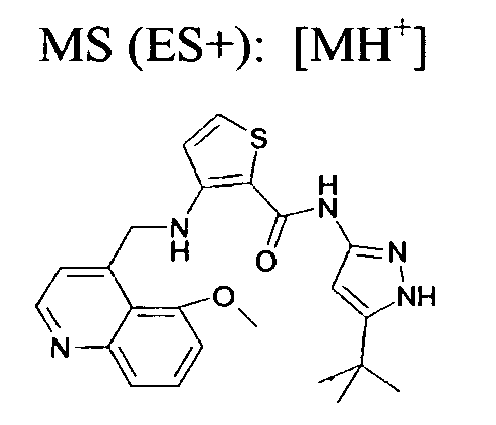
- EXAMPLE CIP14

- EXAMPLE CIP15

- EXAMPLE CIP16

- EXAMPLE CIP17

- EXAMPLE CIP18

- EXAMPLE CIP19
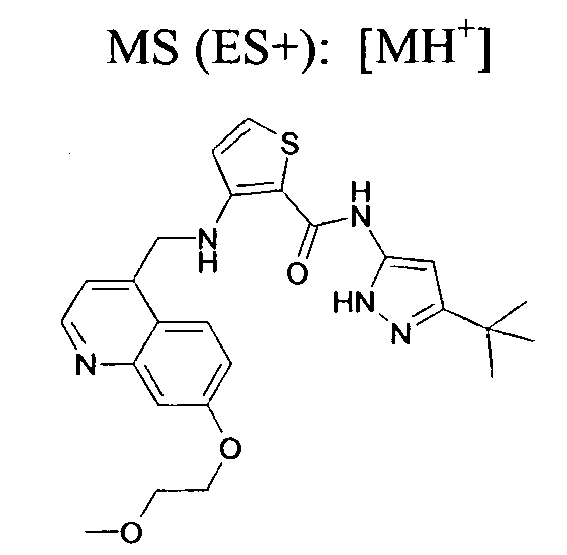
- EXAMPLE CIP20

- EXAMPLE CIP21

Claims (14)
- A compound selected from the following:
 or a pharmaceutically acceptable salt or N-oxide thereof.
- The compound:

- A composition comprising a compound according to claim 1 or 2, or a pharmaceutically acceptable salt or N-oxide thereof, and a pharmaceutically acceptable carrier.
- A composition comprising a compound according to claim 1 or 2, or a pharmaceutically acceptable salt or N-oxide thereof, and an anti-neoplastic, anti-tumor, anti-angiogenic, or chemotherapeutic agent.
- A composition comprising a compound according to claim 1 or 2, or a pharmaceutically acceptable salt or N-oxide thereof, and a cytotoxic cancer therapeutic agent.
- A composition comprising a compound according to claim 1 or 2, or a pharmaceutically acceptable salt or N-oxide thereof, and an angiogenesis inhibiting cancer therapeutic agent.
- A compound according to claim 1 or 2, or a pharmaceutically acceptable salt or N-oxide thereof, for use in the treatment of a hyperproliferative disorder.
- The compound according to claim 7 for administration in combination with an anti-neoplastic, anti-tumor, anti-angiogenic, or chemotherapeutic agent.
- The compound according to claim 7 wherein the hyperproliferative disorder is breast cancer, head cancer, or neck cancer.
- The compound according to claim 7 wherein the hyperproliferative disorder is gastrointestinal cancer.
- The compound according to claim 7 wherein the hyperproliferative disorder is leukemia.
- The compound according to claim 7 wherein the hyperproliferative disorder is ovarian, bronchial, lung, or pancreatic cancer.
- The compound according to claim 7 wherein the hyperproliferative disorder is sinonasal natural killer/T-cell lymphoma, testicular cancer (seminoma), thyroid carcinoma, malignant melanoma, adenoid cystic carcinoma, angiosarcoma, anaplastic large cell lymphoma, endometrial carcinoma, or prostate carcinoma.
- The use of a compound according to claim 1 or 2, or a pharmaceutically acceptable salt or N-oxide thereof, in the manufacture of a medicament for the treatment of a hyperproliferative disorder as defined in any one of claims 7 to 13.
Applications Claiming Priority (2)
| Application Number | Priority Date | Filing Date | Title |
|---|---|---|---|
| US10/973,870 US7696225B2 (en) | 2003-01-06 | 2004-10-26 | (2-carboxamido)(3-Amino) thiophene compounds |
| PCT/US2005/038520 WO2006047574A1 (en) | 2004-10-26 | 2005-10-25 | (2-carboxamido)(3-amino) thiophene compounds |
Publications (2)
| Publication Number | Publication Date |
|---|---|
| EP1807419A1 EP1807419A1 (en) | 2007-07-18 |
| EP1807419B1 true EP1807419B1 (en) | 2009-05-27 |
Family
ID=35789148
Family Applications (1)
| Application Number | Title | Priority Date | Filing Date |
|---|---|---|---|
| EP05821171A Expired - Lifetime EP1807419B1 (en) | 2004-10-26 | 2005-10-25 | (2-carboxamido)(3-amino) thiophene compounds |
Country Status (16)
| Country | Link |
|---|---|
| US (1) | US7696225B2 (en) |
| EP (1) | EP1807419B1 (en) |
| JP (1) | JP5057985B2 (en) |
| KR (1) | KR20070070233A (en) |
| CN (1) | CN101087782A (en) |
| AR (1) | AR051405A1 (en) |
| AT (1) | ATE432277T1 (en) |
| AU (1) | AU2005299384B2 (en) |
| BR (1) | BRPI0516968A (en) |
| CA (1) | CA2586738A1 (en) |
| DE (1) | DE602005014660D1 (en) |
| ES (1) | ES2327766T3 (en) |
| MX (1) | MX2007005066A (en) |
| MY (1) | MY139743A (en) |
| TW (1) | TW200630362A (en) |
| WO (1) | WO2006047574A1 (en) |
Families Citing this family (31)
| Publication number | Priority date | Publication date | Assignee | Title |
|---|---|---|---|---|
| PL1696920T3 (en) * | 2003-12-19 | 2015-03-31 | Plexxikon Inc | Compounds and methods for development of ret modulators |
| US20070066641A1 (en) * | 2003-12-19 | 2007-03-22 | Prabha Ibrahim | Compounds and methods for development of RET modulators |
| US7498342B2 (en) | 2004-06-17 | 2009-03-03 | Plexxikon, Inc. | Compounds modulating c-kit activity |
| JP2008503473A (en) * | 2004-06-17 | 2008-02-07 | プレキシコン,インコーポレーテッド | Compounds that modulate C-KIT activity |
| CA2608733A1 (en) * | 2005-05-17 | 2007-02-01 | Plexxikon, Inc. | Pyrrol (2,3-b) pyridine derivatives protein kinase inhibitors |
| DK2395004T3 (en) * | 2005-06-22 | 2016-03-21 | Plexxikon Inc | Pyrrolo [2,3-b] pyridine derivatives as protein kinase inhibitors |
| ES2408318T3 (en) | 2005-12-23 | 2013-06-20 | Glaxosmithkline Llc | Aurora kinase azaindole inhibitors |
| WO2008063888A2 (en) | 2006-11-22 | 2008-05-29 | Plexxikon, Inc. | Compounds modulating c-fms and/or c-kit activity and uses therefor |
| WO2008079909A1 (en) * | 2006-12-21 | 2008-07-03 | Plexxikon, Inc. | Pyrrolo [2,3-b] pyridines as kinase modulators |
| WO2008080015A2 (en) | 2006-12-21 | 2008-07-03 | Plexxikon, Inc. | Compounds and methods for kinase modulation, and indications therefor |
| PE20081581A1 (en) * | 2006-12-21 | 2008-11-12 | Plexxikon Inc | PIRROLO [2,3-b] PYRIDINES COMPOUNDS AS KINASE MODULATORS |
| EP2166846B1 (en) * | 2007-06-20 | 2012-10-17 | Merck Sharp & Dohme Corp. | Inhibitors of janus kinases |
| US20100190777A1 (en) | 2007-07-17 | 2010-07-29 | Plexxikon Inc. | Compounds and methods for kinase modulation, and indications therefor |
| WO2009073139A2 (en) * | 2007-11-28 | 2009-06-11 | Osi Pharmaceuticals, Inc. | Combined treatment with an egfr kinase inhibitor and an inhibitor of c-kit |
| WO2009152340A2 (en) * | 2008-06-12 | 2009-12-17 | Osi Pharmaceuticals, Inc. | 2,3-substituted thiophenes in lung inflammation therapies |
| WO2010088000A2 (en) * | 2009-02-02 | 2010-08-05 | Angion Biomedica Corp. | Antifibrotic compounds and uses thereof |
| WO2010099139A2 (en) | 2009-02-25 | 2010-09-02 | Osi Pharmaceuticals, Inc. | Combination anti-cancer therapy |
| US8642834B2 (en) | 2009-02-27 | 2014-02-04 | OSI Pharmaceuticals, LLC | Methods for the identification of agents that inhibit mesenchymal-like tumor cells or their formation |
| WO2010099138A2 (en) | 2009-02-27 | 2010-09-02 | Osi Pharmaceuticals, Inc. | Methods for the identification of agents that inhibit mesenchymal-like tumor cells or their formation |
| US8465912B2 (en) | 2009-02-27 | 2013-06-18 | OSI Pharmaceuticals, LLC | Methods for the identification of agents that inhibit mesenchymal-like tumor cells or their formation |
| HUE027598T2 (en) * | 2009-04-03 | 2016-10-28 | Hoffmann La Roche | Propane-i-sulfonic acid {3-[5-(4-chloro-phenyl)-1h-pyrrolo[2,3-b]pyridine-3-carbonyl]-2,4-difluoro-phenyl}-amide compositions and uses thereof |
| US8329724B2 (en) | 2009-08-03 | 2012-12-11 | Hoffmann-La Roche Inc. | Process for the manufacture of pharmaceutically active compounds |
| BR112012002336A2 (en) * | 2009-08-07 | 2016-05-31 | Merck Patent Gmbh | azaheterocyclic compounds |
| ES2633317T3 (en) | 2009-11-06 | 2017-09-20 | Plexxikon, Inc. | Compounds and methods for kinase modulation, and indications for it |
| MA34948B1 (en) | 2011-02-07 | 2014-03-01 | Plexxikon Inc | COMPOUNDS AND METHODS FOR MODULATING KINASE, AND INDICATIONS THEREOF |
| TWI558702B (en) | 2011-02-21 | 2016-11-21 | 普雷辛肯公司 | Solid forms of a pharmaceutically active substance |
| JP2014519813A (en) | 2011-04-25 | 2014-08-21 | オーエスアイ・ファーマシューティカルズ,エルエルシー | Use of EMT gene signatures in cancer drug discovery, diagnosis, and treatment |
| WO2013152252A1 (en) | 2012-04-06 | 2013-10-10 | OSI Pharmaceuticals, LLC | Combination anti-cancer therapy |
| US9150570B2 (en) | 2012-05-31 | 2015-10-06 | Plexxikon Inc. | Synthesis of heterocyclic compounds |
| US9845507B2 (en) | 2014-09-30 | 2017-12-19 | Sysmex Corporation | Methods for detecting oncogenic mutations |
| CN109400595B (en) * | 2018-12-24 | 2020-07-17 | 深圳市第二人民医院 | Anticancer compound containing thiophene ring |
Family Cites Families (18)
| Publication number | Priority date | Publication date | Assignee | Title |
|---|---|---|---|---|
| CA2012004A1 (en) | 1989-03-15 | 1990-09-15 | Frank Ellis | Chemical compounds |
| GB9511694D0 (en) | 1995-06-09 | 1995-08-02 | Fujisawa Pharmaceutical Co | Benzamide derivatives |
| US5968965A (en) | 1996-01-30 | 1999-10-19 | Merck & Co., Inc. | Inhibitors of farnesyl-protein transferase |
| AUPO395396A0 (en) | 1996-12-02 | 1997-01-02 | Fujisawa Pharmaceutical Co., Ltd. | Benzamide derivatives |
| US6140351A (en) | 1997-12-19 | 2000-10-31 | Berlex Laboratories, Inc. | Ortho-anthranilamide derivatives as anti-coagulants |
| NZ503809A (en) | 1997-12-19 | 2002-04-26 | Schering Ag | Ortho-anthranilamide derivatives as anti-coagulants |
| HUP0101275A3 (en) | 1998-03-26 | 2002-12-28 | Japan Tobacco Inc | Amide derivatives and pharmaceutical compositions containing them as nociceptin antagonists |
| US6528529B1 (en) | 1998-03-31 | 2003-03-04 | Acadia Pharmaceuticals Inc. | Compounds with activity on muscarinic receptors |
| US6262066B1 (en) | 1998-07-27 | 2001-07-17 | Schering Corporation | High affinity ligands for nociceptin receptor ORL-1 |
| UA71587C2 (en) | 1998-11-10 | 2004-12-15 | Шерінг Акцієнгезелльшафт | Anthranilic acid amides and use thereof as medicaments |
| GB9824579D0 (en) | 1998-11-10 | 1999-01-06 | Novartis Ag | Organic compounds |
| JP2003509412A (en) | 1999-09-17 | 2003-03-11 | シーオーアール セラピューティクス インコーポレイテッド | Factor Xa inhibitor |
| ES2254385T3 (en) | 2000-02-29 | 2006-06-16 | Millennium Pharmaceuticals, Inc. | RELATED BENZAMIDS AND INHIBITORS OF FACTOR XA. |
| AU2001273040A1 (en) | 2000-06-27 | 2002-01-08 | Du Pont Pharmaceuticals Company | Factor xa inhibitors |
| US20020147198A1 (en) | 2001-01-12 | 2002-10-10 | Guoqing Chen | Substituted arylamine derivatives and methods of use |
| US7105682B2 (en) | 2001-01-12 | 2006-09-12 | Amgen Inc. | Substituted amine derivatives and methods of use |
| US6995162B2 (en) | 2001-01-12 | 2006-02-07 | Amgen Inc. | Substituted alkylamine derivatives and methods of use |
| TWI299664B (en) | 2003-01-06 | 2008-08-11 | Osi Pharm Inc | (2-carboxamido)(3-amino)thiophene compounds |
-
2004
- 2004-10-26 US US10/973,870 patent/US7696225B2/en not_active Expired - Fee Related
-
2005
- 2005-10-25 JP JP2007539061A patent/JP5057985B2/en not_active Expired - Fee Related
- 2005-10-25 BR BRPI0516968-2A patent/BRPI0516968A/en not_active IP Right Cessation
- 2005-10-25 AT AT05821171T patent/ATE432277T1/en not_active IP Right Cessation
- 2005-10-25 WO PCT/US2005/038520 patent/WO2006047574A1/en not_active Ceased
- 2005-10-25 AU AU2005299384A patent/AU2005299384B2/en not_active Ceased
- 2005-10-25 EP EP05821171A patent/EP1807419B1/en not_active Expired - Lifetime
- 2005-10-25 MX MX2007005066A patent/MX2007005066A/en active IP Right Grant
- 2005-10-25 CA CA002586738A patent/CA2586738A1/en not_active Abandoned
- 2005-10-25 CN CNA2005800448981A patent/CN101087782A/en active Pending
- 2005-10-25 KR KR1020077011645A patent/KR20070070233A/en not_active Ceased
- 2005-10-25 DE DE602005014660T patent/DE602005014660D1/en not_active Expired - Lifetime
- 2005-10-25 ES ES05821171T patent/ES2327766T3/en not_active Expired - Lifetime
- 2005-10-26 AR ARP050104495A patent/AR051405A1/en not_active Application Discontinuation
- 2005-10-26 TW TW094137532A patent/TW200630362A/en unknown
- 2005-10-26 MY MYPI20055035A patent/MY139743A/en unknown
Also Published As
| Publication number | Publication date |
|---|---|
| JP5057985B2 (en) | 2012-10-24 |
| US20050154014A1 (en) | 2005-07-14 |
| BRPI0516968A (en) | 2008-09-30 |
| CN101087782A (en) | 2007-12-12 |
| US7696225B2 (en) | 2010-04-13 |
| JP2008518019A (en) | 2008-05-29 |
| AU2005299384A1 (en) | 2006-05-04 |
| KR20070070233A (en) | 2007-07-03 |
| AR051405A1 (en) | 2007-01-10 |
| CA2586738A1 (en) | 2006-05-04 |
| DE602005014660D1 (en) | 2009-07-09 |
| WO2006047574A1 (en) | 2006-05-04 |
| EP1807419A1 (en) | 2007-07-18 |
| HK1106943A1 (en) | 2008-03-20 |
| TW200630362A (en) | 2006-09-01 |
| AU2005299384B2 (en) | 2011-05-26 |
| MY139743A (en) | 2009-10-30 |
| ATE432277T1 (en) | 2009-06-15 |
| ES2327766T3 (en) | 2009-11-03 |
| MX2007005066A (en) | 2007-06-25 |
Similar Documents
| Publication | Publication Date | Title |
|---|---|---|
| US7696225B2 (en) | (2-carboxamido)(3-Amino) thiophene compounds | |
| EP1590328B1 (en) | (2-carboxamido) (3-amino) thiophene compounds | |
| EP1664032B1 (en) | N-substituted pyrazolyl-amidyl-benzimidazolyl c-kit inhibitors | |
| US20070232669A1 (en) | N-phenylbenzotriazolyl c-kit inhibitors | |
| US7485658B2 (en) | N-substituted pyrazolyl-amidyl-benzimidazolyl c-Kit inhibitors | |
| CN108026080B (en) | Pyrazolyl-substituted heteroaryl compounds and their use as medicaments | |
| WO2006034110A1 (en) | (arylamidoaryl) cyanoguanidine compounds as inhibitors of c-kit proto-oncogene | |
| HK1106943B (en) | (2-carboxamido)(3-amino) thiophene compounds | |
| US7439256B2 (en) | (Arylamidoaryl) cyanoguanidine compounds | |
| US7388012B2 (en) | (Hydrazido)(amino)thiophene compounds | |
| AU2004204135B2 (en) | (2-carboxamido) (3-amino) thiophene compounds | |
| RU2339633C2 (en) | Compounds of (2-carboxyamido)(3-amino)thiophene | |
| US7618965B2 (en) | (Arylamidoanilino)nitroethylene compounds | |
| CN100471841C (en) | (2-Carboxamido)(3-amino)thiophene compounds | |
| US20060223799A1 (en) | Pyrrolo[2,3-D]imidazoles for the treatment of hyperproliferative disorders | |
| Newton et al. | (2-carboxamido)(3-amino) thiophene compounds |
Legal Events
| Date | Code | Title | Description |
|---|---|---|---|
| PUAI | Public reference made under article 153(3) epc to a published international application that has entered the european phase |
Free format text: ORIGINAL CODE: 0009012 |
|
| 17P | Request for examination filed |
Effective date: 20070529 |
|
| AK | Designated contracting states |
Kind code of ref document: A1 Designated state(s): AT BE BG CH CY CZ DE DK EE ES FI FR GB GR HU IE IS IT LI LT LU LV MC NL PL PT RO SE SI SK TR |
|
| AX | Request for extension of the european patent |
Extension state: AL BA HR MK YU |
|
| 17Q | First examination report despatched |
Effective date: 20070720 |
|
| REG | Reference to a national code |
Ref country code: HK Ref legal event code: DE Ref document number: 1106943 Country of ref document: HK |
|
| GRAP | Despatch of communication of intention to grant a patent |
Free format text: ORIGINAL CODE: EPIDOSNIGR1 |
|
| GRAS | Grant fee paid |
Free format text: ORIGINAL CODE: EPIDOSNIGR3 |
|
| GRAA | (expected) grant |
Free format text: ORIGINAL CODE: 0009210 |
|
| AK | Designated contracting states |
Kind code of ref document: B1 Designated state(s): AT BE BG CH CY CZ DE DK EE ES FI FR GB GR HU IE IS IT LI LT LU LV MC NL PL PT RO SE SI SK TR |
|
| AX | Request for extension of the european patent |
Extension state: AL BA HR MK YU |
|
| REG | Reference to a national code |
Ref country code: GB Ref legal event code: FG4D |
|
| REG | Reference to a national code |
Ref country code: CH Ref legal event code: EP |
|
| REG | Reference to a national code |
Ref country code: IE Ref legal event code: FG4D |
|
| REF | Corresponds to: |
Ref document number: 602005014660 Country of ref document: DE Date of ref document: 20090709 Kind code of ref document: P |
|
| REG | Reference to a national code |
Ref country code: CH Ref legal event code: NV Representative=s name: E. BLUM & CO. AG PATENT- UND MARKENANWAELTE VSP |
|
| PG25 | Lapsed in a contracting state [announced via postgrant information from national office to epo] |
Ref country code: LT Free format text: LAPSE BECAUSE OF FAILURE TO SUBMIT A TRANSLATION OF THE DESCRIPTION OR TO PAY THE FEE WITHIN THE PRESCRIBED TIME-LIMIT Effective date: 20090527 Ref country code: AT Free format text: LAPSE BECAUSE OF FAILURE TO SUBMIT A TRANSLATION OF THE DESCRIPTION OR TO PAY THE FEE WITHIN THE PRESCRIBED TIME-LIMIT Effective date: 20090527 Ref country code: PT Free format text: LAPSE BECAUSE OF FAILURE TO SUBMIT A TRANSLATION OF THE DESCRIPTION OR TO PAY THE FEE WITHIN THE PRESCRIBED TIME-LIMIT Effective date: 20090927 Ref country code: FI Free format text: LAPSE BECAUSE OF FAILURE TO SUBMIT A TRANSLATION OF THE DESCRIPTION OR TO PAY THE FEE WITHIN THE PRESCRIBED TIME-LIMIT Effective date: 20090527 |
|
| NLV1 | Nl: lapsed or annulled due to failure to fulfill the requirements of art. 29p and 29m of the patents act | ||
| REG | Reference to a national code |
Ref country code: ES Ref legal event code: FG2A Ref document number: 2327766 Country of ref document: ES Kind code of ref document: T3 |
|
| PG25 | Lapsed in a contracting state [announced via postgrant information from national office to epo] |
Ref country code: NL Free format text: LAPSE BECAUSE OF FAILURE TO SUBMIT A TRANSLATION OF THE DESCRIPTION OR TO PAY THE FEE WITHIN THE PRESCRIBED TIME-LIMIT Effective date: 20090527 Ref country code: LV Free format text: LAPSE BECAUSE OF FAILURE TO SUBMIT A TRANSLATION OF THE DESCRIPTION OR TO PAY THE FEE WITHIN THE PRESCRIBED TIME-LIMIT Effective date: 20090527 Ref country code: PL Free format text: LAPSE BECAUSE OF FAILURE TO SUBMIT A TRANSLATION OF THE DESCRIPTION OR TO PAY THE FEE WITHIN THE PRESCRIBED TIME-LIMIT Effective date: 20090527 Ref country code: SI Free format text: LAPSE BECAUSE OF FAILURE TO SUBMIT A TRANSLATION OF THE DESCRIPTION OR TO PAY THE FEE WITHIN THE PRESCRIBED TIME-LIMIT Effective date: 20090527 Ref country code: SE Free format text: LAPSE BECAUSE OF FAILURE TO SUBMIT A TRANSLATION OF THE DESCRIPTION OR TO PAY THE FEE WITHIN THE PRESCRIBED TIME-LIMIT Effective date: 20090827 Ref country code: IS Free format text: LAPSE BECAUSE OF FAILURE TO SUBMIT A TRANSLATION OF THE DESCRIPTION OR TO PAY THE FEE WITHIN THE PRESCRIBED TIME-LIMIT Effective date: 20090927 |
|
| PG25 | Lapsed in a contracting state [announced via postgrant information from national office to epo] |
Ref country code: CZ Free format text: LAPSE BECAUSE OF FAILURE TO SUBMIT A TRANSLATION OF THE DESCRIPTION OR TO PAY THE FEE WITHIN THE PRESCRIBED TIME-LIMIT Effective date: 20090527 Ref country code: DK Free format text: LAPSE BECAUSE OF FAILURE TO SUBMIT A TRANSLATION OF THE DESCRIPTION OR TO PAY THE FEE WITHIN THE PRESCRIBED TIME-LIMIT Effective date: 20090527 Ref country code: EE Free format text: LAPSE BECAUSE OF FAILURE TO SUBMIT A TRANSLATION OF THE DESCRIPTION OR TO PAY THE FEE WITHIN THE PRESCRIBED TIME-LIMIT Effective date: 20090527 Ref country code: RO Free format text: LAPSE BECAUSE OF FAILURE TO SUBMIT A TRANSLATION OF THE DESCRIPTION OR TO PAY THE FEE WITHIN THE PRESCRIBED TIME-LIMIT Effective date: 20090527 |
|
| REG | Reference to a national code |
Ref country code: HK Ref legal event code: GR Ref document number: 1106943 Country of ref document: HK |
|
| PG25 | Lapsed in a contracting state [announced via postgrant information from national office to epo] |
Ref country code: BE Free format text: LAPSE BECAUSE OF FAILURE TO SUBMIT A TRANSLATION OF THE DESCRIPTION OR TO PAY THE FEE WITHIN THE PRESCRIBED TIME-LIMIT Effective date: 20090527 Ref country code: SK Free format text: LAPSE BECAUSE OF FAILURE TO SUBMIT A TRANSLATION OF THE DESCRIPTION OR TO PAY THE FEE WITHIN THE PRESCRIBED TIME-LIMIT Effective date: 20090527 |
|
| PG25 | Lapsed in a contracting state [announced via postgrant information from national office to epo] |
Ref country code: BG Free format text: LAPSE BECAUSE OF FAILURE TO SUBMIT A TRANSLATION OF THE DESCRIPTION OR TO PAY THE FEE WITHIN THE PRESCRIBED TIME-LIMIT Effective date: 20090827 |
|
| PLBE | No opposition filed within time limit |
Free format text: ORIGINAL CODE: 0009261 |
|
| STAA | Information on the status of an ep patent application or granted ep patent |
Free format text: STATUS: NO OPPOSITION FILED WITHIN TIME LIMIT |
|
| 26N | No opposition filed |
Effective date: 20100302 |
|
| PG25 | Lapsed in a contracting state [announced via postgrant information from national office to epo] |
Ref country code: GR Free format text: LAPSE BECAUSE OF FAILURE TO SUBMIT A TRANSLATION OF THE DESCRIPTION OR TO PAY THE FEE WITHIN THE PRESCRIBED TIME-LIMIT Effective date: 20090828 |
|
| PG25 | Lapsed in a contracting state [announced via postgrant information from national office to epo] |
Ref country code: HU Free format text: LAPSE BECAUSE OF FAILURE TO SUBMIT A TRANSLATION OF THE DESCRIPTION OR TO PAY THE FEE WITHIN THE PRESCRIBED TIME-LIMIT Effective date: 20091128 |
|
| PG25 | Lapsed in a contracting state [announced via postgrant information from national office to epo] |
Ref country code: CY Free format text: LAPSE BECAUSE OF FAILURE TO SUBMIT A TRANSLATION OF THE DESCRIPTION OR TO PAY THE FEE WITHIN THE PRESCRIBED TIME-LIMIT Effective date: 20090527 |
|
| PGFP | Annual fee paid to national office [announced via postgrant information from national office to epo] |
Ref country code: LU Payment date: 20121031 Year of fee payment: 8 |
|
| PGFP | Annual fee paid to national office [announced via postgrant information from national office to epo] |
Ref country code: MC Payment date: 20121002 Year of fee payment: 8 |
|
| PGFP | Annual fee paid to national office [announced via postgrant information from national office to epo] |
Ref country code: GB Payment date: 20131028 Year of fee payment: 9 Ref country code: CH Payment date: 20131029 Year of fee payment: 9 Ref country code: FR Payment date: 20131017 Year of fee payment: 9 Ref country code: IE Payment date: 20131025 Year of fee payment: 9 Ref country code: DE Payment date: 20131029 Year of fee payment: 9 |
|
| PGFP | Annual fee paid to national office [announced via postgrant information from national office to epo] |
Ref country code: ES Payment date: 20131028 Year of fee payment: 9 Ref country code: IT Payment date: 20131024 Year of fee payment: 9 Ref country code: TR Payment date: 20131004 Year of fee payment: 9 |
|
| PG25 | Lapsed in a contracting state [announced via postgrant information from national office to epo] |
Ref country code: MC Free format text: LAPSE BECAUSE OF NON-PAYMENT OF DUE FEES Effective date: 20131031 |
|
| REG | Reference to a national code |
Ref country code: DE Ref legal event code: R119 Ref document number: 602005014660 Country of ref document: DE |
|
| REG | Reference to a national code |
Ref country code: CH Ref legal event code: PL |
|
| GBPC | Gb: european patent ceased through non-payment of renewal fee |
Effective date: 20141025 |
|
| REG | Reference to a national code |
Ref country code: IE Ref legal event code: MM4A |
|
| PG25 | Lapsed in a contracting state [announced via postgrant information from national office to epo] |
Ref country code: GB Free format text: LAPSE BECAUSE OF NON-PAYMENT OF DUE FEES Effective date: 20141025 Ref country code: LI Free format text: LAPSE BECAUSE OF NON-PAYMENT OF DUE FEES Effective date: 20141031 Ref country code: DE Free format text: LAPSE BECAUSE OF NON-PAYMENT OF DUE FEES Effective date: 20150501 Ref country code: CH Free format text: LAPSE BECAUSE OF NON-PAYMENT OF DUE FEES Effective date: 20141031 Ref country code: LU Free format text: LAPSE BECAUSE OF NON-PAYMENT OF DUE FEES Effective date: 20131025 |
|
| REG | Reference to a national code |
Ref country code: FR Ref legal event code: ST Effective date: 20150630 |
|
| PG25 | Lapsed in a contracting state [announced via postgrant information from national office to epo] |
Ref country code: FR Free format text: LAPSE BECAUSE OF NON-PAYMENT OF DUE FEES Effective date: 20141031 Ref country code: IT Free format text: LAPSE BECAUSE OF NON-PAYMENT OF DUE FEES Effective date: 20141025 |
|
| PG25 | Lapsed in a contracting state [announced via postgrant information from national office to epo] |
Ref country code: IE Free format text: LAPSE BECAUSE OF NON-PAYMENT OF DUE FEES Effective date: 20141025 |
|
| REG | Reference to a national code |
Ref country code: ES Ref legal event code: FD2A Effective date: 20151127 |
|
| PG25 | Lapsed in a contracting state [announced via postgrant information from national office to epo] |
Ref country code: ES Free format text: LAPSE BECAUSE OF NON-PAYMENT OF DUE FEES Effective date: 20141026 |
|
| PG25 | Lapsed in a contracting state [announced via postgrant information from national office to epo] |
Ref country code: TR Free format text: LAPSE BECAUSE OF NON-PAYMENT OF DUE FEES Effective date: 20141025 |