EP1806132A1 - STAT3 PHOSPHORYLATION INHIBITOR AND Notch1 EXPRESSION INHIBITOR - Google Patents
STAT3 PHOSPHORYLATION INHIBITOR AND Notch1 EXPRESSION INHIBITOR Download PDFInfo
- Publication number
- EP1806132A1 EP1806132A1 EP05793722A EP05793722A EP1806132A1 EP 1806132 A1 EP1806132 A1 EP 1806132A1 EP 05793722 A EP05793722 A EP 05793722A EP 05793722 A EP05793722 A EP 05793722A EP 1806132 A1 EP1806132 A1 EP 1806132A1
- Authority
- EP
- European Patent Office
- Prior art keywords
- group
- notch
- cell
- suppressing
- inhibitor
- Prior art date
- Legal status (The legal status is an assumption and is not a legal conclusion. Google has not performed a legal analysis and makes no representation as to the accuracy of the status listed.)
- Granted
Links
- 0 CC(*)(CC1)C(*O)=C(*)C1=O Chemical compound CC(*)(CC1)C(*O)=C(*)C1=O 0.000 description 1
Images

Classifications
-
- A—HUMAN NECESSITIES
- A61—MEDICAL OR VETERINARY SCIENCE; HYGIENE
- A61K—PREPARATIONS FOR MEDICAL, DENTAL OR TOILETRY PURPOSES
- A61K31/00—Medicinal preparations containing organic active ingredients
- A61K31/045—Hydroxy compounds, e.g. alcohols; Salts thereof, e.g. alcoholates
- A61K31/07—Retinol compounds, e.g. vitamin A
-
- A—HUMAN NECESSITIES
- A61—MEDICAL OR VETERINARY SCIENCE; HYGIENE
- A61K—PREPARATIONS FOR MEDICAL, DENTAL OR TOILETRY PURPOSES
- A61K31/00—Medicinal preparations containing organic active ingredients
- A61K31/045—Hydroxy compounds, e.g. alcohols; Salts thereof, e.g. alcoholates
-
- A—HUMAN NECESSITIES
- A61—MEDICAL OR VETERINARY SCIENCE; HYGIENE
- A61K—PREPARATIONS FOR MEDICAL, DENTAL OR TOILETRY PURPOSES
- A61K31/00—Medicinal preparations containing organic active ingredients
- A61K31/12—Ketones
- A61K31/122—Ketones having the oxygen directly attached to a ring, e.g. quinones, vitamin K1, anthralin
-
- A—HUMAN NECESSITIES
- A61—MEDICAL OR VETERINARY SCIENCE; HYGIENE
- A61P—SPECIFIC THERAPEUTIC ACTIVITY OF CHEMICAL COMPOUNDS OR MEDICINAL PREPARATIONS
- A61P35/00—Antineoplastic agents
-
- A—HUMAN NECESSITIES
- A61—MEDICAL OR VETERINARY SCIENCE; HYGIENE
- A61P—SPECIFIC THERAPEUTIC ACTIVITY OF CHEMICAL COMPOUNDS OR MEDICINAL PREPARATIONS
- A61P43/00—Drugs for specific purposes, not provided for in groups A61P1/00-A61P41/00
Definitions
- the present invention relates to a non-peptide compound having a low molecular weight acting as a factor of determining cell fate.
- the compound acts on transduction system via STAT signal and Notch signal by reducing phosphorylation of STAT3 and suppressing expression of a Notch1 receptor.
- the compound acts as a differentiation-inducing agent of undifferentiated cells (stem cells). Based on these characteristics, the compound is useful as a preventive or therapeutic agent for clinical conditions induced by dysfunction of both STAT signal and Notch signal transduction systems.
- Notch signal transduction ralates to determination of cell fate in youth and adulthood and is a mechanism which is not so changed (Non-Patent Document 1).
- the Notch signal transduction participates in the determination of cell fate in many tissues.
- the function of Notch acts on neighboring cells having the same function.
- Notch signal actively promotes differentiation of various types of cells. For example, Notch signal promotes differentiation into astrocytes in a nerve system.
- Notch signal was confirmed first in drosophila and then in vertebrates. This depends on a transmembrane receptor encoded by a Notch gene (Non-Patent Documents 1 to 3) and it is activated by a transmembrane ligand (encoded by a gene such as Delta or Jagged). This activation regulates a series of degradation and cleavage of Notch protein and transcription of a fragment which is present in a molecule into a nucleus, which binds to CBF protein. They also act as transcription complexes which activate transcription of HES gene. Since HES inhibits transcription of MASH1 which is a proneuron gene, differentiation of the nerve stem cells into neurocytes is inhibited by activation of Notch in the cells.
- Non-Patent Documents 2 to 3 A cell fate-determining factor acting on Notch signal transduction system becomes a target for novel pharmaceuticals. Since the strategies which have been employed aim at control of Notch function through targeting a factor which exists in downstream of Notch signal system (e.g., suppression of binding of a ligand, inhibition of protein degradation and cleavage of a receptor, suppression of transcription thereof to a nucleus, etc.), they do not suppress expression of Notch.
- the determination of cell fate is an important event in youth as in adulthood. It controls processes such as proliferation, differentiation, and apoptosis of cells. Disorder of such processes is an origin of many clinical conditions.
- An object of the present invention is to provide a compound having a low molecular weight specifically acting on expression of Notch1 gene.
- the inventors of the present invention have demonstrated in a test using neurospheres that the compound suppresses differentiation of nerve stem cells into astrocytes and promotes differentiation into neurocytes ( PCT:WO 02/29014 A2 ).
- STAT3 is activated by phosphorylation with a large amount of cytokines (growth factors and hormones). Hitherto, 7 kinds of STAT families are specified and some of them can be considerably specifically activated. Biological roles of STAT3 have been clarified by researches with knockout mice and by Cre-LoxP recombination and it is shown that STAT3 plays important roles in various biological functions such as cell proliferation, suppression of apoptosis, and cell motility. On the other hand, activity of STAT3 on ES (embryo stem cells) cells is suppression of self-proliferation of ES cells and promotion of differentiation thereof. Inhibition of STAT3 signal correlates with many cell strains of cancers such as blood cancer, breast cancer, head cancer and neck cancer ( Bromberg and Darnell, Oncogene (2000) 19, 2468-2473 ).
- the present invention relates to;
- the compound represented by the formula (1) exhibits excellent suppressing effect of STAT3 phosphorylation and suppressing effect of Notch1 expression and is useful as an agent for improving STAT signal and Notch signal transduction system dysfunction. Moreover, since it is revealed that STAT signal and Notch signal transduction system dysfunction causes diseases such as various tumors, cancers, and neurodegenerative diseases such as Alzheimer's disease, the compound represented by the formula (1) is also useful as a preventive or therapeutic agent for various tumors and cancers and various neurodegenerative diseases.
- X is a linear or branched alkyl, alkylene or alkenylene group having 10 to 28 carbon atoms and an alkyl group having 1 to 10 carbon atoms is mentioned as a side chain in the case of the branched alkylene or alkenylene group.
- Examples of the side chain alkyl group include a methyl group, an ethyl group, a propyl group, an isopropyl group, a butyl group, an isobutyl group, a sec-butyl group, a tert-butyl group, a pentyl group, an isopentyl group, a neopentyl group, a tert-pentyl group, a hexyl group, an isohexyl group, a heptyl group, an octyl group, a nonyl group, a decyl group, and the like.
- a methyl group is preferred.
- substitution of the side chain on the linear alkylene group or alkenylene group is preferably carried out in 3-and/or 7-position.
- a linear alkyl group having 10 to 28 carbon atoms is more preferred and a linear alkyl group having 10 to 18 carbon atoms is particularly preferred.
- R 1 , R 2 and R 3 each represents a hydrogen atom or a methyl group, and the case where at least one of them is a methyl group is more preferred.
- the compound represented by the formula (1) may be in the form of a pharmaceutically acceptable salt, a solvate or a hydrate thereof.
- various isomers may be present and these isomers are also included in the present invention.
- the compound represented by the formula (1) can be prepared by any known methods and, for example, it can be produced in accordance with the production method described in JP-A-2000-297034 .
- the compound represented by the formula (1) can be administered either by oral administration or by parenteral (intramuscular, subcutaneous, intravenous, suppository, or the like) administration.
- oral preparations they can be formulated into tablets, coated tablets, granules, capsules, solutions, syrups, elixirs, oil or aqueous suspensions in a conventional manner after addition of an excipient and, if necessary, a binder, a disintegrator, a lubricant, a colorant, a corrigent and the like.
- excipient include lactose, corn starch, sucrose, glucose, sorbitol, crystalline cellulose and the like.
- binder examples include polyvinyl alcohol, polyvinyl ether, ethyl cellulose, methyl cellulose, gum arabic, tragacanth, gelatin, shellac, hydroxypropyl cellulose, hydroxypropyl starch, polyvinyl pyrrolidone and the like.
- disintegrator examples include starch, agar, gelatin powder, crystalline cellulose, calcium carbonate, sodium bicarbonate, calcium citrate, dextran, pectin and the like.
- lubricant examples include magnesium stearate, talc, polyethylene glycol, silica, hardened vegetable oil and the like.
- colorant those which are pharmaceutically acceptable as an additive for pharmaceuticals can be used.
- corrigent examples include cocoa powder, menthol, aromatic acid, peppermint oil, camphol, cinnamon powder and the like. These tablets and granules may be coated with sugar, gelatin or the like, if necessary.
- subcutaneous, intramuscular or intravenous injections are formulated in a conventional manner by adding a pH regulator, a buffer, a stabilizer and/or a preservative, if necessary.
- the injection may be formulated into a preparation for reconstitution immediately before use as a solid preparation by placing the injection solution in a vial, subsequently lyophilizing the solution and the like.
- One dose may be placed in a vial or alternatively, multiple doses may be placed in one vial.
- the dose of the compound of the present invention as a medicament per adult is usually in the range of from 0.01 to 1000 mg/day, preferably in the range of from 0.1 to 500 mg/day, and the daily dose is administered once a day or may be divided into 2 to 4 portions.
- Neurospheres were cultured in a "neurosphere medium" containing 10 ng/ml EGF under various conditions for different times (as described in the text, 3 hours, 12 hours, or 24 hours before RNA extraction).
- Neurocytes derived from murine 13-14 days fetal brain
- astrocytes derived from Wistar rat neonatal brain
- oligodendrocytes derived from Wistar rat neonatal brain
- RNA was purified from cultured cells and transcribed. Three independent RNA samples were prepared for individual experiments.
- cDNA was synthesized at 37°C for 1 hour from 3 ⁇ g of total RNA for neurospheres, 2 ⁇ g thereof for astrocytes and oligodendrocytes, and 1.5 ⁇ g thereof for neurocytes with 20 ⁇ l of a reaction mixture solution containing 200U M-MLV transcription enzyme (Invitrogen), 0.5 mM dNTP (QBiogen), 5 mM DTT (Invitrogen), 0.01 ⁇ g/ ⁇ l random hexamer (Invitrogen) and 20U RnaseOUT (registered trademark) (Invitrogen).
- Invitrogen 200U M-MLV transcription enzyme
- Invitrogen 0.5 mM dNTP
- DTT Invitrogen
- 0.01 ⁇ g/ ⁇ l random hexamer Invitrogen
- 20U RnaseOUT registered trademark
- cDNA was amplified with 20 ⁇ l of a reaction mixture solution containing 1.25U Taq DNA Polymerase (Invitrogen), 0.5 mM dNTPs (QBiogen) and 0.5 ⁇ g of each primer.
- the conditions for PCR were adjusted for each kind of primers and cells targeted in the study.
- the primers were designed as follows to fit for both of rat and mouse specimens.
- Typical cycle conditions were 94°C for 30 seconds, 55°C for 30 seconds, and 72°C for 30 seconds except for HES-5 whose program was 94°C for 30 seconds, 63°C for 30 seconds, and 72°C for 2 minutes.
- PCR was repeated twice. The results are represented by percent in gene expression of cells which was already treated with 2,4,4-trimethyl-3-(15-hydroxypentadecyl)-2-cyclohexen-1-one relative to untreated cells (control conditions adjusted to 100% after normalized toward GAPDH).
- the relative amount of mRNA was quantitatively determined in accordance with BabyImager analysis and NIHimage 1.36.
- 3T3 Ras transformed fibroblast derived from mouse
- 3T3 fibroblast derived from mouse
- each is cultured at a concentration of 10,000 cell/ml in 10% FBS-containing DMEM medium for 1 day.
- each cell is treated with 10 -5 M 2,4,4-trimethyl-3-(15-hydroxypentadecyl)-2-cyclohexen-1-one for 6 days.
- 3T3 Ras transformed fibroblast or 3T3 fibroblast is cultured at a concentration of 10,000 cell/ml in 5% FBS-containing DMEM medium which contains 0.625% agar (DIFCO) and 10 -6 M 2,4,4-trimethyl-3-(15-hydroxypentadecyl)-2-cyclohexen-1-one.
- DIFCO 0.625% agar
- Notch1 is necessary for maintaining neoplastic foci of the cell strain transformed with Ras.
- Notch signal transduction in a key downstream effecter of tumorigenic Ras and further confirms that Notch may be a novel therapeutic target ( Weijzen et al., Nature Med. (2002) 8, 979-986 ).
- the fibroblast transformed with Ras was treated with 2,4,4-trimethyl-3-(15-hydroxypentadecyl)-2-cyclohexen-1-one (10 -6 M) and then compared with the untreated cell.
- Non-transformed cell strains (treated and untreated) were used as controls.
- 3T3 Ras transformed fibroblast (derived from mouse) or 3T3 fibroblast (derived from mouse) was treated with applying 50 ⁇ l (10 -3 M) of 2,4,4-trimethyl-3-(15-hydroxypentadecyl)-2-cyclohexen-1-one.
- the cell (2 ⁇ 10 7 cells) was again suspended in 400 ⁇ l of DMEM medium and 200 ⁇ l thereof was injected into 7 weeks-old Swiss Nu/Nu mouse (male) symmetrically.
- 2,4,4-trimethyl-3-(15-hydroxypentadecyl)-2-cyclohexen-1-one was intraperitoneally administrated into mouse.
- the compound represented by the formula (1) exhibits excellent suppressing effect of STAT3 phosphorylation and suppressing effect of Notch1 expression and is useful as an agent for improving STAT signal and Notch signal transduction system dysfunction. Moreover, the compound is useful as a preventive/therapeutic drug for various tumors and cancers and various neurodegenerative diseases.
Landscapes
- Health & Medical Sciences (AREA)
- Veterinary Medicine (AREA)
- Chemical & Material Sciences (AREA)
- Medicinal Chemistry (AREA)
- Pharmacology & Pharmacy (AREA)
- Life Sciences & Earth Sciences (AREA)
- Animal Behavior & Ethology (AREA)
- General Health & Medical Sciences (AREA)
- Public Health (AREA)
- Epidemiology (AREA)
- Chemical Kinetics & Catalysis (AREA)
- General Chemical & Material Sciences (AREA)
- Nuclear Medicine, Radiotherapy & Molecular Imaging (AREA)
- Organic Chemistry (AREA)
- Engineering & Computer Science (AREA)
- Bioinformatics & Cheminformatics (AREA)
- Acyclic And Carbocyclic Compounds In Medicinal Compositions (AREA)
Abstract

X represents a linear or branched alkyl, alkylene or alkenylene group having 10 to 28 carbon atoms.
Description
- The present invention relates to a non-peptide compound having a low molecular weight acting as a factor of determining cell fate. The compound acts on transduction system via STAT signal and Notch signal by reducing phosphorylation of STAT3 and suppressing expression of a Notch1 receptor. As a result, the compound acts as a differentiation-inducing agent of undifferentiated cells (stem cells). Based on these characteristics, the compound is useful as a preventive or therapeutic agent for clinical conditions induced by dysfunction of both STAT signal and Notch signal transduction systems.
- Notch signal transduction ralates to determination of cell fate in youth and adulthood and is a mechanism which is not so changed (Non-Patent Document 1). The Notch signal transduction participates in the determination of cell fate in many tissues. The function of Notch acts on neighboring cells having the same function.
- In many cases, it inhibits differentiation toward initial differentiation fate. Instead, it differentiates a cell into second alternative fate or retains the cell in an undifferentiated state. This function is an origin of cell diversity. Other than this role, Notch signal actively promotes differentiation of various types of cells. For example, Notch signal promotes differentiation into astrocytes in a nerve system.
- Molecularly, Notch signal was confirmed first in drosophila and then in vertebrates. This depends on a transmembrane receptor encoded by a Notch gene (Non-Patent
Documents 1 to 3) and it is activated by a transmembrane ligand (encoded by a gene such as Delta or Jagged). This activation regulates a series of degradation and cleavage of Notch protein and transcription of a fragment which is present in a molecule into a nucleus, which binds to CBF protein. They also act as transcription complexes which activate transcription of HES gene. Since HES inhibits transcription of MASH1 which is a proneuron gene, differentiation of the nerve stem cells into neurocytes is inhibited by activation of Notch in the cells. - By the multifunction thereof, dysfunction of the Notch signal transduction invites various diseases such as tumors, cancers, and neurodegenerative diseases such as Alzheimer's disease (Non-Patent
Documents 2 to 3). A cell fate-determining factor acting on Notch signal transduction system becomes a target for novel pharmaceuticals. Since the strategies which have been employed aim at control of Notch function through targeting a factor which exists in downstream of Notch signal system (e.g., suppression of binding of a ligand, inhibition of protein degradation and cleavage of a receptor, suppression of transcription thereof to a nucleus, etc.), they do not suppress expression of Notch. - Non-Patent Document 1: S. Artavanis-Tsakonsa, M. Rand, R. Lake, Notch Signaling: Cell Control and Signal Integration in Development. Science Vol. 284 Page 770-776 (1999)
- Non-Patent Document 2: A Zlobin, M. Jang, L. Miele, Toward the rational design of cell fate modifiers: Notch signaling as a target for novel biopharmaceuticals. Current Pharmaceutical Biotechnology July 1(1) Page 86-106 (2000)
- Non-Patent Document 3: B. Nickoloff, B. Osborne, L. Miele Notch signaling as a therapeutic target in cancer: a new approach to the development of cell fate modifying agents. Oncogene Vol 22(42) Page 6598-6608 (2003)
- The determination of cell fate is an important event in youth as in adulthood. It controls processes such as proliferation, differentiation, and apoptosis of cells. Disorder of such processes is an origin of many clinical conditions.
- Therefore, development of a cell fate-determining factor is one of main purposes for the development of pharmaceuticals.
- An object of the present invention is to provide a compound having a low molecular weight specifically acting on expression of Notch1 gene.
- It has been already reported that a cyclohexenone long chain alcohol has a neurotrophic activity which promotes living of neurocytes and extension of neurites (Gonzales de Aguilar et al., Brain Res (2001) 920, 65-73).
- Furthermore, the inventors of the present invention have demonstrated in a test using neurospheres that the compound suppresses differentiation of nerve stem cells into astrocytes and promotes differentiation into neurocytes (
PCT:WO 02/29014 A2 - STAT3 is activated by phosphorylation with a large amount of cytokines (growth factors and hormones). Hitherto, 7 kinds of STAT families are specified and some of them can be considerably specifically activated. Biological roles of STAT3 have been clarified by researches with knockout mice and by Cre-LoxP recombination and it is shown that STAT3 plays important roles in various biological functions such as cell proliferation, suppression of apoptosis, and cell motility. On the other hand, activity of STAT3 on ES (embryo stem cells) cells is suppression of self-proliferation of ES cells and promotion of differentiation thereof. Inhibition of STAT3 signal correlates with many cell strains of cancers such as blood cancer, breast cancer, head cancer and neck cancer (Bromberg and Darnell, Oncogene (2000) 19, 2468-2473).
- As a result of the extensive studies for solving the above problems, the inventors of the present invention have found that a cyclohexenone long chain alcohol has activity of suppressing phosphorylation of STAT3 and activity of suppressing expression of Notch1, and thus have accomplished the present invention.
- Namely, the present invention relates to;
- (1) an agent for suppressing STAT3 phosphorylation and for suppressing Notch1 expression comprising as an active ingredient a compound represented by the following formula (1):

X represents a linear or branched alkyl, alkylene or alkenylene group having 10 to 28 carbon atoms; - (2) an antitumor agent comprising the above compound (1) as an active ingredient; and
- (3) an agent for improving STAT signal and Notch signal transduction system dysfunction comprising the above compound (1) as an active ingredient.
- The compound represented by the formula (1) exhibits excellent suppressing effect of STAT3 phosphorylation and suppressing effect of Notch1 expression and is useful as an agent for improving STAT signal and Notch signal transduction system dysfunction. Moreover, since it is revealed that STAT signal and Notch signal transduction system dysfunction causes diseases such as various tumors, cancers, and neurodegenerative diseases such as Alzheimer's disease, the compound represented by the formula (1) is also useful as a preventive or therapeutic agent for various tumors and cancers and various neurodegenerative diseases.
-
- [FIG. 1]
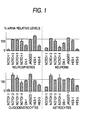
FIG. 1 is a drawing which shows increase or decrease of gene expression depending on presence of addition of the cyclohexenone long chain alcohol of the present invention. - [FIG. 2]
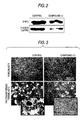
FIG. 2 is a drawing which shows a suppressing activity of STAT3 phosphorylation by addition of the cyclohexenone long chain alcohol of the present invention. - [FIG. 3]
FIG. 3 is a drawing which shows test results indicating in vitro antitumor activity of the cyclohexenone long chain alcohol of the present invention. - [FIG. 4]
FIG. 4 is a drawing which shows test results indicating ex vivo antitumor activity of the cyclohexenone long-chain alcohol of the present invention. - In the above formula (1), X is a linear or branched alkyl, alkylene or alkenylene group having 10 to 28 carbon atoms and an alkyl group having 1 to 10 carbon atoms is mentioned as a side chain in the case of the branched alkylene or alkenylene group. Examples of the side chain alkyl group include a methyl group, an ethyl group, a propyl group, an isopropyl group, a butyl group, an isobutyl group, a sec-butyl group, a tert-butyl group, a pentyl group, an isopentyl group, a neopentyl group, a tert-pentyl group, a hexyl group, an isohexyl group, a heptyl group, an octyl group, a nonyl group, a decyl group, and the like. Among these, a methyl group is preferred. Moreover, substitution of the side chain on the linear alkylene group or alkenylene group (which means an alkene structure having at least one carbon-carbon double bond) is preferably carried out in 3-and/or 7-position. Among these X, a linear alkyl group having 10 to 28 carbon atoms is more preferred and a linear alkyl group having 10 to 18 carbon atoms is particularly preferred. Furthermore, R1, R2 and R3 each represents a hydrogen atom or a methyl group, and the case where at least one of them is a methyl group is more preferred.
- Additionally, the compound represented by the formula (1) may be in the form of a pharmaceutically acceptable salt, a solvate or a hydrate thereof. As the compound represented by the formula (1), various isomers may be present and these isomers are also included in the present invention.
- The compound represented by the formula (1) can be prepared by any known methods and, for example, it can be produced in accordance with the production method described in
JP-A-2000-297034 - The compound represented by the formula (1) can be administered either by oral administration or by parenteral (intramuscular, subcutaneous, intravenous, suppository, or the like) administration.
- In the case of oral preparations, they can be formulated into tablets, coated tablets, granules, capsules, solutions, syrups, elixirs, oil or aqueous suspensions in a conventional manner after addition of an excipient and, if necessary, a binder, a disintegrator, a lubricant, a colorant, a corrigent and the like. Examples of the excipient include lactose, corn starch, sucrose, glucose, sorbitol, crystalline cellulose and the like. Examples of the binder include polyvinyl alcohol, polyvinyl ether, ethyl cellulose, methyl cellulose, gum arabic, tragacanth, gelatin, shellac, hydroxypropyl cellulose, hydroxypropyl starch, polyvinyl pyrrolidone and the like.
- Examples of the disintegrator include starch, agar, gelatin powder, crystalline cellulose, calcium carbonate, sodium bicarbonate, calcium citrate, dextran, pectin and the like. Examples of the lubricant include magnesium stearate, talc, polyethylene glycol, silica, hardened vegetable oil and the like. As the colorant, those which are pharmaceutically acceptable as an additive for pharmaceuticals can be used. Examples of the corrigent include cocoa powder, menthol, aromatic acid, peppermint oil, camphol, cinnamon powder and the like. These tablets and granules may be coated with sugar, gelatin or the like, if necessary.
- As examples of parenteral administration, in the case of preparing injections, subcutaneous, intramuscular or intravenous injections are formulated in a conventional manner by adding a pH regulator, a buffer, a stabilizer and/or a preservative, if necessary. The injection may be formulated into a preparation for reconstitution immediately before use as a solid preparation by placing the injection solution in a vial, subsequently lyophilizing the solution and the like. One dose may be placed in a vial or alternatively, multiple doses may be placed in one vial.
- In the case of human, the dose of the compound of the present invention as a medicament per adult is usually in the range of from 0.01 to 1000 mg/day, preferably in the range of from 0.1 to 500 mg/day, and the daily dose is administered once a day or may be divided into 2 to 4 portions.
- Although the following will explain the present invention with reference to Examples, the invention is not limited to these Examples.
- In ethanol, 2,4,4-trimethyl-3-(15-hydroxypentadecyl)-2-cyclohexen-1-one synthesized by the method described in
JP-A-2000-297034 - Protocol was adapted from Grandbarbe et al., Development (2003) 130, 1393-1402. When briefly explained, as described in Tropepe et al., Dev. Biol. (1999) 208, 166-188, primary neurospheres were prepared from telencephalon of wild-type embryo (E14.5) and were maintained as secondary neurospheres by continuous subculture in a serum-free medium (Reynolds and Weiss, Science (1992) 255, 1707-1770) containing 10 ng/ml EGF. After propagation for different times, 50 to 100 neurospheres were inoculated to a polyornithine (Sigma)-coated cover slip in the presence of 2 ng/ml EGF and 0.5% FBS and differentiated.
- Neurospheres were cultured in a "neurosphere medium" containing 10 ng/ml EGF under various conditions for different times (as described in the text, 3 hours, 12 hours, or 24 hours before RNA extraction). Neurocytes (derived from murine 13-14 days fetal brain), astrocytes (derived from Wistar rat neonatal brain), and oligodendrocytes (derived from Wistar rat neonatal brain) were cultured for 24 hours in the presence of 2,4,4-trimethyl-3-(15-hydroxypentadecyl)-2-cyclohexen-1-one (or ethanol). RNA was purified from cultured cells and transcribed. Three independent RNA samples were prepared for individual experiments. cDNA was synthesized at 37°C for 1 hour from 3 µg of total RNA for neurospheres, 2 µg thereof for astrocytes and oligodendrocytes, and 1.5 µg thereof for neurocytes with 20 µl of a reaction mixture solution containing 200U M-MLV transcription enzyme (Invitrogen), 0.5 mM dNTP (QBiogen), 5 mM DTT (Invitrogen), 0.01 µg/µl random hexamer (Invitrogen) and 20U RnaseOUT (registered trademark) (Invitrogen). One tenth of total cDNA was amplified with 20 µl of a reaction mixture solution containing 1.25U Taq DNA Polymerase (Invitrogen), 0.5 mM dNTPs (QBiogen) and 0.5 µg of each primer. The conditions for PCR were adjusted for each kind of primers and cells targeted in the study. The primers were designed as follows to fit for both of rat and mouse specimens.
Notch1 F:5'-TGCCAAATGCCTGCCAGAAT-3' (SEQ ID NO:1)
Notch1 R:5'-CATGGATCTTGTCCATGCAG-3' (SEQ ID NO:2)
Notch2 F:5'-GAGGCGACTCTTCTGCTGTTGAAGA-3' (SEQ ID NO:3)
Notch2 R:5'-ATAGAGTCACTGAGCTCTCGGACAG-3' (SEQ ID NO:4)
Notch3 F:5'-ACACTGGGAGTTCTCTGTGAG-3' (SEQ ID NO:5)
Notch3 R:5'-GCTGTCTGCTGGCATGGGATA-3' (SEQ ID NO:6)
Notch4 F:5'-CTTCTCGTCCTCCAGCTCAT-3' (SEQ ID NO:7)
Notch4 R:5'-GCTGACATCAGGGGTGTCAC-3' (SEQ ID NO:8) - Typical cycle conditions were 94°C for 30 seconds, 55°C for 30 seconds, and 72°C for 30 seconds except for HES-5 whose program was 94°C for 30 seconds, 63°C for 30 seconds, and 72°C for 2 minutes. PCR was repeated twice. The results are represented by percent in gene expression of cells which was already treated with 2,4,4-trimethyl-3-(15-hydroxypentadecyl)-2-cyclohexen-1-one relative to untreated cells (control conditions adjusted to 100% after normalized toward GAPDH). The relative amount of mRNA was quantitatively determined in accordance with BabyImager analysis and NIHimage 1.36.
- As a result of molecular analysis of key gene expression of Notch pathway by RT-PCR, it was found that expression levels of the other Notch receptors (
Notch 2 to 4) were not changed by the treatment with 2,4,4-trimethyl-3-(15-hydroxypentadecyl)-2-cyclohexen-1-one, while levels of mRNA of Notch1 and then HES5 were always decreased. - After preparation of 2,4,4-trimethyl-3-(15-hydroxypentadecyl)-2-cyclohexen-1-one solution (10-8 M), Western Blot was performed using STAT3 and phosphorylated STAT3 antibody (STAT3 antibody derived from rabbit, manufactured by Cell Signaling) to confirm the action of 2,4,4-trimethyl-3-(15-hydroxypentadecyl)-2-cyclohexen-1-one on STAT3 phosphorylation.
- As shown in FIG. 2, the results indicated that the band of a phosphorylated product of STAT3(P-STAT3) was thin in the presence of 2,4,4-trimethyl-3-(15-hydroxypentadecyl)-2-cyclohexen-1-one as compared with the control (the compound was not added). Thus, it was shown that the STAT3 phosphorylation was suppressed.
- When 3T3 Ras transformed fibroblast was cultured in 10% FBS-containing DMEM medium for 3 days, appearance of "foci" is observed as compared with non-transformed cell strains.
- Each of 3T3 Ras transformed fibroblast (derived from mouse) or 3T3 fibroblast (derived from mouse) each is cultured at a concentration of 10,000 cell/ml in 10% FBS-containing DMEM medium for 1 day.
- Thereafter, each cell is treated with 10-5
M - 3T3 Ras transformed fibroblast or 3T3 fibroblast is cultured at a concentration of 10,000 cell/ml in 5% FBS-containing DMEM medium which contains 0.625% agar (DIFCO) and 10-6
M - Recently, it was shown that the activity of Notch1 is necessary for maintaining neoplastic foci of the cell strain transformed with Ras. Such observation positions Notch signal transduction in a key downstream effecter of tumorigenic Ras and further confirms that Notch may be a novel therapeutic target (Weijzen et al., Nature Med. (2002) 8, 979-986).
- The fibroblast transformed with Ras was treated with 2,4,4-trimethyl-3-(15-hydroxypentadecyl)-2-cyclohexen-1-one (10-6M) and then compared with the untreated cell. Non-transformed cell strains (treated and untreated) were used as controls.
- From FIG. 3, it was revealed that 2,4,4-trimethyl-3-(15-hydroxypentadecyl)-2-cyclohexen-1-one reduced neoplastic foci of the cell strain transformed with Ras. The finding was accompanied by molecular decrease in Notch1 expression.
- In a test tube for 3 days, 3T3 Ras transformed fibroblast (derived from mouse) or 3T3 fibroblast (derived from mouse) was treated with applying 50 µl (10-3 M) of 2,4,4-trimethyl-3-(15-hydroxypentadecyl)-2-cyclohexen-1-one. The cell (2×10⁷ cells) was again suspended in 400 µl of DMEM medium and 200 µl thereof was injected into 7 weeks-old Swiss Nu/Nu mouse (male) symmetrically. On second, eighth, and fifteenth days after injection, 2,4,4-trimethyl-3-(15-hydroxypentadecyl)-2-cyclohexen-1-one was intraperitoneally administrated into mouse.
- From FIG. 4, it was revealed that tumor size was reduced by administration of the cyclohexenone long-chain alcohol.
- While the present invention has been described in detail and with reference to specific examples thereof, it will be apparent to one skilled in the art that various changes and modifications can be made therein without departing from the spirit and scope thereof.
- The present application is based on
Japanese Patent Application No. 2004-299415 filed on October 13, 2004 - The compound represented by the formula (1) exhibits excellent suppressing effect of STAT3 phosphorylation and suppressing effect of Notch1 expression and is useful as an agent for improving STAT signal and Notch signal transduction system dysfunction. Moreover, the compound is useful as a preventive/therapeutic drug for various tumors and cancers and various neurodegenerative diseases.


Claims (3)
- An agent for suppressing STAT3 phosphorylation and for suppressing Notch1 expression comprising as an active ingredient a compound represented by the following formula (1):

X represents a linear or branched alkyl, alkylene or alkenylene group having 10 to 28 carbon atoms. - An antitumor agent comprising the compound described in claim 1 as an active ingredient.
- An agent for improving STAT signal and Notch signal transduction system dysfunction comprising the compound described in claim 1 as an active ingredient.
Applications Claiming Priority (2)
| Application Number | Priority Date | Filing Date | Title |
|---|---|---|---|
| JP2004299415 | 2004-10-13 | ||
| PCT/JP2005/018882 WO2006041135A1 (en) | 2004-10-13 | 2005-10-13 | STAT3 PHOSPHORYLATION INHIBITOR AND Notch1 EXPRESSION INHIBITOR |
Publications (3)
| Publication Number | Publication Date |
|---|---|
| EP1806132A1 true EP1806132A1 (en) | 2007-07-11 |
| EP1806132A4 EP1806132A4 (en) | 2008-02-20 |
| EP1806132B1 EP1806132B1 (en) | 2011-09-28 |
Family
ID=36148422
Family Applications (1)
| Application Number | Title | Priority Date | Filing Date |
|---|---|---|---|
| EP05793722A Expired - Lifetime EP1806132B1 (en) | 2004-10-13 | 2005-10-13 | Stat3 phosphorylation inhibitor and notch1 expression inhibitor |
Country Status (7)
| Country | Link |
|---|---|
| US (1) | US7888395B2 (en) |
| EP (1) | EP1806132B1 (en) |
| JP (1) | JP4827739B2 (en) |
| KR (1) | KR101194137B1 (en) |
| CN (1) | CN101039663B (en) |
| CA (1) | CA2583699C (en) |
| WO (1) | WO2006041135A1 (en) |
Families Citing this family (2)
| Publication number | Priority date | Publication date | Assignee | Title |
|---|---|---|---|---|
| US20140303134A1 (en) | 2011-10-26 | 2014-10-09 | H. Lee Moffitt Cancer Center & Research Institute, Inc. | Platinum compounds that inhibit constitutive stat3 signaling and induce cell cycle arrest and apoptosis of malignant cells |
| WO2022235932A1 (en) * | 2021-05-05 | 2022-11-10 | Board Of Regents, The University Of Texas System | Methods and compositions for treatment of neuropathic pain using stat3 inhibitors |
Family Cites Families (6)
| Publication number | Priority date | Publication date | Assignee | Title |
|---|---|---|---|---|
| US4169103A (en) * | 1978-04-12 | 1979-09-25 | Hoffmann-La Roche Inc. | Nonatetraenoic acid derivatives |
| US5786391A (en) | 1995-01-11 | 1998-07-28 | Cornell Research Foundation, Inc. | Regulating gene expression using retinoids with Ch2 OH or related groups at the side chain terminal position |
| US6228893B1 (en) | 1997-08-13 | 2001-05-08 | Meiji Milk Products Co., Ltd. | Cyclohexenone long-chain alcohol and medicament containing same |
| US6552009B2 (en) | 1998-07-16 | 2003-04-22 | Gentrix Llc | Compositions and methods of treating abnormal cell proliferation |
| JP4469441B2 (en) | 1999-02-10 | 2010-05-26 | 明治乳業株式会社 | Preventive or therapeutic agents for neurodegenerative diseases |
| JP2002068973A (en) | 2000-06-16 | 2002-03-08 | Meiji Milk Prod Co Ltd | Stem cell differentiation inducer |
-
2005
- 2005-10-13 CA CA2583699A patent/CA2583699C/en not_active Expired - Fee Related
- 2005-10-13 EP EP05793722A patent/EP1806132B1/en not_active Expired - Lifetime
- 2005-10-13 JP JP2006540974A patent/JP4827739B2/en not_active Expired - Fee Related
- 2005-10-13 CN CN2005800351045A patent/CN101039663B/en not_active Expired - Fee Related
- 2005-10-13 WO PCT/JP2005/018882 patent/WO2006041135A1/en not_active Ceased
- 2005-10-13 US US11/665,375 patent/US7888395B2/en not_active Expired - Fee Related
- 2005-10-13 KR KR1020077008611A patent/KR101194137B1/en not_active Expired - Fee Related
Also Published As
| Publication number | Publication date |
|---|---|
| CA2583699A1 (en) | 2006-04-20 |
| CA2583699C (en) | 2012-11-20 |
| CN101039663B (en) | 2012-11-21 |
| WO2006041135A1 (en) | 2006-04-20 |
| EP1806132A4 (en) | 2008-02-20 |
| US20100094061A1 (en) | 2010-04-15 |
| JP4827739B2 (en) | 2011-11-30 |
| US7888395B2 (en) | 2011-02-15 |
| KR20070074567A (en) | 2007-07-12 |
| EP1806132B1 (en) | 2011-09-28 |
| CN101039663A (en) | 2007-09-19 |
| KR101194137B1 (en) | 2012-10-25 |
| JPWO2006041135A1 (en) | 2008-05-22 |
Similar Documents
| Publication | Publication Date | Title |
|---|---|---|
| CN103845317A (en) | Application of entacapone to prevention or treatment of obesity and other metabolic syndrome | |
| HK1255453A1 (en) | Methods and compositions for treating leukemia | |
| US20220323551A1 (en) | Composition for preventing, treating, or ameliorating viral infection disease, containing active oxygen production inhibitor and active oxygen scavenger complex as active ingredients | |
| US20230201244A1 (en) | Compositions and methods for preventing and/or treating microbial infections | |
| EP3043809B1 (en) | Filipendula vulgaris extract and uses thereof | |
| Chen et al. | Glucosamine sulfate inhibits TNF-α and IFN-γ-induced production of ICAM-1 in human retinal pigment epithelial cells in vitro | |
| EP3020829A1 (en) | Method for screening substance capable of inhibiting abnormal splicing causative of onset or progress of disease | |
| EP1806132B1 (en) | Stat3 phosphorylation inhibitor and notch1 expression inhibitor | |
| HUT63843A (en) | Process for producing new kumarin derivatives and their analogs inhibiting mammal cell proliferation and tumour growth, as well as pharmaceutical comkpositions comprising such compounds | |
| EP2432466B1 (en) | Schweinfurthins and uses thereof | |
| Na et al. | Itraconazole attenuates hepatic gluconeogenesis and promotes glucose uptake by regulating AMPK pathway | |
| EP1322748B1 (en) | Stem cell differentiation-inducing promoter | |
| CN112675155A (en) | Application of mevalonate metabolic intermediate product in preparation of medicine for improving aged ovarian oocyte quality and meiosis process | |
| CN109223755A (en) | Drug molecule is for treating TDP-43 abnormal protein aggregation related disease | |
| KR20230022002A (en) | Pharmaceutical composition for preventing or treating tumors comprising miR-16-5p and somatostatin analogs | |
| KR102767836B1 (en) | Composition for preventing or treating PKA-related diseases comprising pterosin compounds or derivative thereof | |
| EP0944311A1 (en) | Heregulin antagonists and methods for their use | |
| JP2002068973A (en) | Stem cell differentiation inducer | |
| WO2025242147A1 (en) | Oligonucleotide targeting peripheral myelin protein-22 gene, and use thereof | |
| WO2024106815A1 (en) | Composition for preventing or treating neuropathic pain, comprising gch1-targeting sirna as active ingredient | |
| JP2010280598A (en) | LKB1 activator | |
| US9107879B1 (en) | Methods of increasing the cytotoxicity of chemotherapeutic agents with multisubstrate inhibitors of histone, protein-lys, polyamine acetylation, and polyamine metabolism | |
| WO2020222349A1 (en) | Pharmaceutical composition and health functional food for preventing or treating peripheral neurodegenerative diseases | |
| JP2022046831A (en) | Agent for extending life of mammal | |
| HK1148691A (en) | Treatment for ocular-related disorders |
Legal Events
| Date | Code | Title | Description |
|---|---|---|---|
| PUAI | Public reference made under article 153(3) epc to a published international application that has entered the european phase |
Free format text: ORIGINAL CODE: 0009012 |
|
| 17P | Request for examination filed |
Effective date: 20070412 |
|
| AK | Designated contracting states |
Kind code of ref document: A1 Designated state(s): CH DE FR GB IT LI SE |
|
| DAX | Request for extension of the european patent (deleted) | ||
| RBV | Designated contracting states (corrected) |
Designated state(s): CH DE FR GB IT LI SE |
|
| A4 | Supplementary search report drawn up and despatched |
Effective date: 20080118 |
|
| 17Q | First examination report despatched |
Effective date: 20080609 |
|
| GRAP | Despatch of communication of intention to grant a patent |
Free format text: ORIGINAL CODE: EPIDOSNIGR1 |
|
| RTI1 | Title (correction) |
Free format text: STAT3 PHOSPHORYLATION INHIBITOR AND NOTCH1 EXPRESSION INHIBITOR |
|
| RAP1 | Party data changed (applicant data changed or rights of an application transferred) |
Owner name: MEIJI CO., LTD. |
|
| GRAS | Grant fee paid |
Free format text: ORIGINAL CODE: EPIDOSNIGR3 |
|
| GRAA | (expected) grant |
Free format text: ORIGINAL CODE: 0009210 |
|
| RIN1 | Information on inventor provided before grant (corrected) |
Inventor name: MOHIER, ELLANE Inventor name: SUZUKI, HIROTO Inventor name: YAMADA, MASASHI Inventor name: LUU, BANG |
|
| AK | Designated contracting states |
Kind code of ref document: B1 Designated state(s): CH DE FR GB IT LI SE |
|
| REG | Reference to a national code |
Ref country code: GB Ref legal event code: FG4D |
|
| REG | Reference to a national code |
Ref country code: CH Ref legal event code: NV Representative=s name: BOVARD AG Ref country code: CH Ref legal event code: EP |
|
| REG | Reference to a national code |
Ref country code: DE Ref legal event code: R096 Ref document number: 602005030279 Country of ref document: DE Effective date: 20111201 |
|
| PG25 | Lapsed in a contracting state [announced via postgrant information from national office to epo] |
Ref country code: SE Free format text: LAPSE BECAUSE OF FAILURE TO SUBMIT A TRANSLATION OF THE DESCRIPTION OR TO PAY THE FEE WITHIN THE PRESCRIBED TIME-LIMIT Effective date: 20110928 |
|
| REG | Reference to a national code |
Ref country code: DE Ref legal event code: R082 Ref document number: 602005030279 Country of ref document: DE Representative=s name: HOFFMANN - EITLE, DE |
|
| PLBE | No opposition filed within time limit |
Free format text: ORIGINAL CODE: 0009261 |
|
| STAA | Information on the status of an ep patent application or granted ep patent |
Free format text: STATUS: NO OPPOSITION FILED WITHIN TIME LIMIT |
|
| 26N | No opposition filed |
Effective date: 20120629 |
|
| REG | Reference to a national code |
Ref country code: DE Ref legal event code: R082 Ref document number: 602005030279 Country of ref document: DE Representative=s name: HOFFMANN - EITLE, DE Effective date: 20120724 Ref country code: DE Ref legal event code: R081 Ref document number: 602005030279 Country of ref document: DE Owner name: MEIJI CO., LTD., JP Free format text: FORMER OWNER: MEIJI CO., LTD., TOKYO, JP Effective date: 20120724 Ref country code: DE Ref legal event code: R081 Ref document number: 602005030279 Country of ref document: DE Owner name: CENTRE NATIONAL DE LA RECHERCHE SCIENTIFIQUE (, FR Free format text: FORMER OWNER: MEIJI CO., LTD., TOKYO, JP Effective date: 20120724 Ref country code: DE Ref legal event code: R081 Ref document number: 602005030279 Country of ref document: DE Owner name: UNIVERSITE DE STRASBOURG, FR Free format text: FORMER OWNER: MEIJI CO., LTD., TOKYO, JP Effective date: 20120724 Ref country code: DE Ref legal event code: R081 Ref document number: 602005030279 Country of ref document: DE Owner name: MEIJI CO., LTD., JP Free format text: FORMER OWNER: MEIJI DAIRIES CORP., TOKIO/TOKYO, JP Effective date: 20111006 Ref country code: DE Ref legal event code: R081 Ref document number: 602005030279 Country of ref document: DE Owner name: UNIVERSITE DE STRASBOURG, FR Free format text: FORMER OWNER: MEIJI DAIRIES CORP., TOKIO/TOKYO, JP Effective date: 20111006 Ref country code: DE Ref legal event code: R081 Ref document number: 602005030279 Country of ref document: DE Owner name: CENTRE NATIONAL DE LA RECHERCHE SCIENTIFIQUE (, FR Free format text: FORMER OWNER: MEIJI DAIRIES CORP., TOKIO/TOKYO, JP Effective date: 20111006 Ref country code: DE Ref legal event code: R082 Ref document number: 602005030279 Country of ref document: DE Representative=s name: HOFFMANN - EITLE PATENT- UND RECHTSANWAELTE PA, DE Effective date: 20120724 |
|
| REG | Reference to a national code |
Ref country code: GB Ref legal event code: 732E Free format text: REGISTERED BETWEEN 20120830 AND 20120905 |
|
| REG | Reference to a national code |
Ref country code: CH Ref legal event code: PUEA Owner name: CENTRE NATIONAL DE LA RECHERCHE SCIENTIFIQUE (CNR Free format text: MEIJI CO., LTD.#2-10, SHINSUNA 1-CHOME KOTO-KU#TOKYO (JP) -TRANSFER TO- CENTRE NATIONAL DE LA RECHERCHE SCIENTIFIQUE (CNRS)#3, RUE MICHEL ANGE#75794 PARIS CEDEX 16 (FR) $ MEIJI CO., LTD.#2-10, SHINSUNA 1-CHOME KOTO-KU#TOKYO (JP) $ UNIVERSITE DE STRASBOURG#4, RUE BLAISE PASCAL CS 90032#67081 STRASBOURG CEDEX (FR) Ref country code: FR Ref legal event code: TQ Owner name: MEIJI CO., LTD., JP Effective date: 20120830 Ref country code: FR Ref legal event code: TQ Owner name: UNIVERSITE DE STRASBOURG, FR Effective date: 20120830 Ref country code: FR Ref legal event code: TQ Owner name: CENTRE NATIONAL DELA RECHERCHE SCIENTIFIQUE (C, FR Effective date: 20120830 |
|
| REG | Reference to a national code |
Ref country code: DE Ref legal event code: R097 Ref document number: 602005030279 Country of ref document: DE Effective date: 20120629 |
|
| PGFP | Annual fee paid to national office [announced via postgrant information from national office to epo] |
Ref country code: CH Payment date: 20141014 Year of fee payment: 10 Ref country code: FR Payment date: 20141008 Year of fee payment: 10 Ref country code: DE Payment date: 20141007 Year of fee payment: 10 Ref country code: GB Payment date: 20141008 Year of fee payment: 10 |
|
| PGFP | Annual fee paid to national office [announced via postgrant information from national office to epo] |
Ref country code: IT Payment date: 20141015 Year of fee payment: 10 |
|
| REG | Reference to a national code |
Ref country code: DE Ref legal event code: R119 Ref document number: 602005030279 Country of ref document: DE |
|
| REG | Reference to a national code |
Ref country code: CH Ref legal event code: PL |
|
| GBPC | Gb: european patent ceased through non-payment of renewal fee |
Effective date: 20151013 |
|
| PG25 | Lapsed in a contracting state [announced via postgrant information from national office to epo] |
Ref country code: CH Free format text: LAPSE BECAUSE OF NON-PAYMENT OF DUE FEES Effective date: 20151031 Ref country code: DE Free format text: LAPSE BECAUSE OF NON-PAYMENT OF DUE FEES Effective date: 20160503 Ref country code: IT Free format text: LAPSE BECAUSE OF NON-PAYMENT OF DUE FEES Effective date: 20151013 Ref country code: GB Free format text: LAPSE BECAUSE OF NON-PAYMENT OF DUE FEES Effective date: 20151013 Ref country code: LI Free format text: LAPSE BECAUSE OF NON-PAYMENT OF DUE FEES Effective date: 20151031 |
|
| REG | Reference to a national code |
Ref country code: FR Ref legal event code: ST Effective date: 20160630 |
|
| PG25 | Lapsed in a contracting state [announced via postgrant information from national office to epo] |
Ref country code: FR Free format text: LAPSE BECAUSE OF NON-PAYMENT OF DUE FEES Effective date: 20151102 |