EP1792615A1 - Method of screening for a visceral pain inhibitor - Google Patents
Method of screening for a visceral pain inhibitor Download PDFInfo
- Publication number
- EP1792615A1 EP1792615A1 EP07004426A EP07004426A EP1792615A1 EP 1792615 A1 EP1792615 A1 EP 1792615A1 EP 07004426 A EP07004426 A EP 07004426A EP 07004426 A EP07004426 A EP 07004426A EP 1792615 A1 EP1792615 A1 EP 1792615A1
- Authority
- EP
- European Patent Office
- Prior art keywords
- visceral pain
- type calcium
- calcium channel
- alpha
- mice
- Prior art date
- Legal status (The legal status is an assumption and is not a legal conclusion. Google has not performed a legal analysis and makes no representation as to the accuracy of the status listed.)
- Granted
Links
Images
Classifications
-
- A—HUMAN NECESSITIES
- A61—MEDICAL OR VETERINARY SCIENCE; HYGIENE
- A61K—PREPARATIONS FOR MEDICAL, DENTAL OR TOILETRY PURPOSES
- A61K31/00—Medicinal preparations containing organic active ingredients
- A61K31/33—Heterocyclic compounds
- A61K31/395—Heterocyclic compounds having nitrogen as a ring hetero atom, e.g. guanethidine or rifamycins
- A61K31/41—Heterocyclic compounds having nitrogen as a ring hetero atom, e.g. guanethidine or rifamycins having five-membered rings with two or more ring hetero atoms, at least one of which being nitrogen, e.g. tetrazole
- A61K31/4164—1,3-Diazoles
- A61K31/4184—1,3-Diazoles condensed with carbocyclic rings, e.g. benzimidazoles
-
- A—HUMAN NECESSITIES
- A61—MEDICAL OR VETERINARY SCIENCE; HYGIENE
- A61K—PREPARATIONS FOR MEDICAL, DENTAL OR TOILETRY PURPOSES
- A61K31/00—Medicinal preparations containing organic active ingredients
-
- A—HUMAN NECESSITIES
- A61—MEDICAL OR VETERINARY SCIENCE; HYGIENE
- A61K—PREPARATIONS FOR MEDICAL, DENTAL OR TOILETRY PURPOSES
- A61K33/00—Medicinal preparations containing inorganic active ingredients
-
- A—HUMAN NECESSITIES
- A61—MEDICAL OR VETERINARY SCIENCE; HYGIENE
- A61P—SPECIFIC THERAPEUTIC ACTIVITY OF CHEMICAL COMPOUNDS OR MEDICINAL PREPARATIONS
- A61P1/00—Drugs for disorders of the alimentary tract or the digestive system
-
- A—HUMAN NECESSITIES
- A61—MEDICAL OR VETERINARY SCIENCE; HYGIENE
- A61P—SPECIFIC THERAPEUTIC ACTIVITY OF CHEMICAL COMPOUNDS OR MEDICINAL PREPARATIONS
- A61P1/00—Drugs for disorders of the alimentary tract or the digestive system
- A61P1/06—Anti-spasmodics, e.g. drugs for colics, esophagic dyskinesia
-
- A—HUMAN NECESSITIES
- A61—MEDICAL OR VETERINARY SCIENCE; HYGIENE
- A61P—SPECIFIC THERAPEUTIC ACTIVITY OF CHEMICAL COMPOUNDS OR MEDICINAL PREPARATIONS
- A61P25/00—Drugs for disorders of the nervous system
-
- A—HUMAN NECESSITIES
- A61—MEDICAL OR VETERINARY SCIENCE; HYGIENE
- A61P—SPECIFIC THERAPEUTIC ACTIVITY OF CHEMICAL COMPOUNDS OR MEDICINAL PREPARATIONS
- A61P25/00—Drugs for disorders of the nervous system
- A61P25/02—Drugs for disorders of the nervous system for peripheral neuropathies
-
- A—HUMAN NECESSITIES
- A61—MEDICAL OR VETERINARY SCIENCE; HYGIENE
- A61P—SPECIFIC THERAPEUTIC ACTIVITY OF CHEMICAL COMPOUNDS OR MEDICINAL PREPARATIONS
- A61P25/00—Drugs for disorders of the nervous system
- A61P25/04—Centrally acting analgesics, e.g. opioids
-
- A—HUMAN NECESSITIES
- A61—MEDICAL OR VETERINARY SCIENCE; HYGIENE
- A61P—SPECIFIC THERAPEUTIC ACTIVITY OF CHEMICAL COMPOUNDS OR MEDICINAL PREPARATIONS
- A61P29/00—Non-central analgesic, antipyretic or antiinflammatory agents, e.g. antirheumatic agents; Non-steroidal antiinflammatory drugs [NSAID]
-
- A—HUMAN NECESSITIES
- A61—MEDICAL OR VETERINARY SCIENCE; HYGIENE
- A61P—SPECIFIC THERAPEUTIC ACTIVITY OF CHEMICAL COMPOUNDS OR MEDICINAL PREPARATIONS
- A61P43/00—Drugs for specific purposes, not provided for in groups A61P1/00-A61P41/00
-
- G—PHYSICS
- G01—MEASURING; TESTING
- G01N—INVESTIGATING OR ANALYSING MATERIALS BY DETERMINING THEIR CHEMICAL OR PHYSICAL PROPERTIES
- G01N33/00—Investigating or analysing materials by specific methods not covered by groups G01N1/00 - G01N31/00
- G01N33/48—Biological material, e.g. blood, urine; Haemocytometers
- G01N33/50—Chemical analysis of biological material, e.g. blood, urine; Testing involving biospecific ligand binding methods; Immunological testing
- G01N33/68—Chemical analysis of biological material, e.g. blood, urine; Testing involving biospecific ligand binding methods; Immunological testing involving proteins, peptides or amino acids
- G01N33/6872—Intracellular protein regulatory factors and their receptors, e.g. including ion channels
-
- G—PHYSICS
- G01—MEASURING; TESTING
- G01N—INVESTIGATING OR ANALYSING MATERIALS BY DETERMINING THEIR CHEMICAL OR PHYSICAL PROPERTIES
- G01N2500/00—Screening for compounds of potential therapeutic value
- G01N2500/04—Screening involving studying the effect of compounds C directly on molecule A (e.g. C are potential ligands for a receptor A, or potential substrates for an enzyme A)
Definitions
- the present invention relates to a method for the suppression of visceral pain by regulating the T-type calcium channel; a visceral pain inhibitor that includes a T-type calcium channel inhibitor as an effective ingredient; and a method of screening a visceral pain inhibitor by investigating the suppression activity of T-type calcium channels.
- the present invention relates to a method for the suppression of visceral pain by regulating an alpha 1G T-type calcium channel in the central nervous system and alpha 1H and alpha 1I T-type calcium channels in the peripheral nervous system; a visceral pain inhibitor that includes a T-type calcium channel inhibitor as an effective ingredient; and a method of screening a visceral pain inhibitor by investigating the suppression activity of T-type calcium channels.
- Visceral pain is usually caused by excessive dilation of internal organs, necrosis of these cells or intensive contraction or acute relaxation of internal organs.
- Visceral pain caused especially by tumors cannot be easily suppressed even with an excessive amount of morphine, so neuro-surgical operations such as partial myelotomy of the spinal cord are frequently used ( Gybels, Pain Headache, 1989, 11:1-402 ).
- the bilateral cordotomies or commissural myelotomies of spinothalamic tract have many side effects.
- the midline myelotomy that severs the upper middle part of the T10 spinal cord is known as an effective remedy ( Nauta, J. Neurosurg., 1997, 86:538-542 ).
- the visceral pain signal is delivered to the brain through the spinal cord, which supports the fact that the visceral pain signal is delivered through a different channel from other pains.
- a MRI test carried out on a-visceral-pain-induced monkey it can be known that visceral pain induces the activation of thalamus ( Willis, Proc. Natl. Acad. Sci. USA., 1999, 96:7675-79 ).
- the result of the test tells that the visceral pain is delivered from the pain sensory cells in the end of the internal organs through the spinal cord to thalamus.
- thalamus is known as an important sensory processing organ since it delivers the stimulus to the cerebral cortex ( McCormick, Curr. Opin. Neurobiol., 1994, 4:550-556 ).
- the calcium in nerve cells plays an important role in delivering signals between nerve cells. Calcium has many different delivery paths, however, when delivering peripheral stimuli, the voltage-activated calcium channel is crucial.
- the voltage-activated calcium channel can be categorized into the high voltage-activated calcium channel (HVA) that is activated at a higher voltage than the resting membrane potential and the low voltage-activated calcium channel (LVA) that is activated at a lower voltage.
- HVA calcium channel can be subdivided into L, P/Q, N or R-type depending on the pharmacological property of the current, and the LVA calcium channel is differentiated as T-type ( Tsien, Trends Neurosci., 1988, 11:431-438 ).
- the HVA calcium channel is evenly expressed from the peripheral sensory cells to the central nervous system, and is well known to play an important role in transmission of the sense of pain and reflection.
- the inhibitors against these channels are already commercially available as various anodynes ( Schaible, Prog. Brain Res., 2000, 129:173-190 ).
- the LVA calcium channel that generates the T-type calcium current can regulate pain.
- the reason why the T-type calcium current is categorized as one of the functions of the LVA calcium channel is that when the excitability of nerve cells lowers, the calcium current are generated so that the excitability increases again ( Llinas, J.
- the nerve cells excited by the T-type calcium channel have the property of burst firings and induce a type of excitability different from tonic firings ( Llinas, J. Physiol (Lond), 1981, 315:549-567 ).
- the channel protein of the T-type calcium channel is encoded by three different genes, which are referred to as alpha1G, alpha1H and alpha1I respectively ( Perez-Reyes, Nature, 1998, 391:896-900 ).
- T-type calcium current inhibitor mibefradil
- Todorovic Neuron, 2001, 31:75-85
- Mibefradil (R040-5967) was initially known for lowering blood pressure ( Clozel, Cardiovasc Drugs Ther., 1990, 4:731-736 ; Hefti, Arzneistoffforschung, 1990, 40:417-421 ), and was reported to have a suppression effect ( Viana, Cell Calcium, 1997, 22:299-311 ). Recently, it has been reported that Mibefradil has the most selective suppression effect on T-type calcium channels.
- the present inventors have studied about visceral pain with alpha1G-/- transgenic mice and found that the alpha1G-/- transgenic mice show hyperalgesia to visceral pain caused by acetic acid.
- visceral pain caused by acetic acid could be alleviated by administration of mibefradil at the periphery but enhanced when mibefradil is injected in the brain.
- the present invention has been accomplished by confirming that visceral pain can be modulated by controlling the T-type calcium channel.
- a tetraline T-type calcium channel inhibitor for use in the suppression of visceral pain.
- a tetraline T-type calcium channel inhibitor in the manufacture of a medicament for use in a method of suppressing visceral pain.
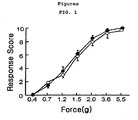
- FIG. 1 is a graph showing the responses of alpha 1G-/- mice and normal mice against mechanical stimuli such as paw withdrawal and tail flick test, •: normal mice o: alpha 1G-/- mice
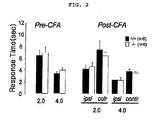
- FIG. 2 is a graph showing the responses of alpha 1G-/- mice and normal mice against thermostimulus Hyperalgesia that is caused by a thermostimulus by radiation or by inflammation
- ⁇ normal mice
- ⁇ alpha 1G-/- mice
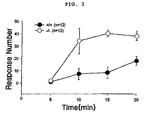
- FIG. 3 is a graph showing the responses of alpha 1G-/- mice and normal mice against pain in internal organs that is caused by acetic acid
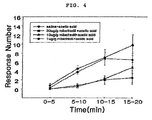
- FIG. 4 is a graph showing the suppression degree in accordance with the concentration of a T-type calcium channel inhibitor, mibefradil.
- the present invention provides a method for the suppression of visceral pain by regulating the T-type calcium channel.
- the present invention also provides a visceral pain inhibitor that includes a T-type calcium channel inhibitor as an effective ingredient.
- the present invention also provides a method of screening a visceral pain inhibitor by investigating the suppression activity of T-type calcium channels.
- the present invention provides a method for the suppression of visceral pain by regulating the T-type calcium channel.
- the present invention provides a method for the suppression of visceral pain either by activating alpha 1G T-type calcium channel function in the brain or by suppressing alpha 1H and alpha 1I T-type calcium channel function in the peripheral nervous system.
- the T-type calcium channel is categorized into alpha 1G, alpha 1H and alpha 1I depending on the organization unit of small-pore forming, and in the present invention, the inventors carried out an experiment related to pain by using the alpha 1G-/transgenic mice so as to suppress the function of the alpha 1G protein, one of the component of alpha 1G - type calcium channel. It has been known that mechanical stimuli, which are acute pains, are controlled by spinal reflex, and the responsiveness of the mechanical stimuli is proportionate with the intensity of the pains received by the peripheral organs. The alpha 1G-/- mice do not have much difference from the normal mice in the paw withdrawal and tail flick test (see FIG. 1).
- the result of the thermal pain response analysis using radiant heat in which spinal reflex and supraspinal mechanism is involved shows that the alpha 1G-/- mice does not have much difference from the normal mice, either in thermo-stimulus hyperalgesia caused by inflammation reaction or thermo-stimulus by infrared radiation (see FIG. 2).
- thermo-stimulus hyperalgesia caused by inflammation reaction
- thermo-stimulus by infrared radiation see FIG. 2.
- the alpha 1G-/mice show serious hyperalgesia to the visceral pain induced by acetic acid (see FIG. 3). It shows that the alpha 1G T-type calcium channel is selectively involved in the control of visceral pain.
- the present inventors injected mibefradil, a T-type inhibitor, in the same spot of acetic acid injection. The result was that there was analgesia to the visceral pain caused by the acetic acid (see FIG. 4).
- Mibefradil in this case suppresses the T-type calcium channel only in the peripheral nervous system since it cannot pass through the brain barrier inside the body.
- the T-type calcium channel functions wholly differently in the peripheral nervous system and in the central nervous system concerning visceral pain control, and the T-type calcium channel is activated when the resting membrane potential lowers, thus suppressing the membrane potential from being low, which increase the activity of the visceral pain sensory cells in the peripheral organs.
- the T-type calcium channel functions against hyperalgesia to mechanical or thermal stimuli induced by reducing agents.
- visceral pain the dilation of intestinal cells or outflow of reduced substrates from cells caused by necrosis is brought along, so it is highly likely that hyperalgesia is already included in the normal algesia.
- the present invention also provides a visceral pain inhibitor that includes a T-type calcium channel inhibitor as an effective ingredient.
- a visceral pain inhibitor that includes a T-type calcium channel inhibitor as an effective ingredient
- the inhibitor reacts with alpha 1H and alpha 1I T-type calcium channel, which will eventually suppress visceral pain by suppressing the functions of the above-mentioned alpha 1H and alpha 1I T-type calcium channel.
- the T-type calcium channel inhibitor is selected from a group consisting of mibefradil and Ni 2+ .
- the present invention provides a method of screening a visceral pain inhibitor by investigating the suppression activation of the T-type calcium channel.
- the suppression activity of the T-type calcium channel of chemical materials or natural materials is investigated; the materials that have suppression activity to the T-type calcium channel are selected; and among the selected materials, the material that has an analegesic effect only on the visceral pain induced by acetic acid, et al. is found by carrying out experiments related pain with alpha 1G-/- mice and normal mice.
- the T-type calcium channel inhibitor has a suppression effect on visceral pain in a precise mechanism without any side effects, therefore, the selected material from these T-type calcium channel inhibitors can be used as a visceral pain inhibitor.
- the present inventors have produced transgenic mice that have the genotype of alpha 1G-/- by using an embryo that has the genotype of alpha 1G+/(International Depository Authority: Korea Institute of Bioscience and Biotechnology Gene Bank, Accession No: KCTC 10086 BP).
- the heterozygote transgenic mice having alpha 1G-/- genotype was produced by transplanting the embryo having alpha 1G+/- genotype to a surrogate mother, and the homozygote transgenic mice having alpha 1G-/- genotype was produced by crossbreeding male and female of the above heterozygote transgenic mice.
- the present inventors carried out a paw withdrawal test and a tail flick test.
- Paw withdrawal test was based on that described by Mogil et al ( Mogil et al., J. Neurosci., 1999, 19:RC25 ). Particularly, the alpha 1G -/- mice were placed individually on a fine mesh metal floor and allowed to acclimate for at least 2 hr. The mechanical threshold was measured using calibrated von Frey filaments (Stoelting) and was defined as the bending force, in grams, at which the mice withdraws its paw. The filament was applied from underneath the floor, through the mesh, to the plantar surface of the paw for each limb. The response score was assessed as the total numbers of paw withdrawals in 10 consecutive trials for each filament and the average value of the response was used in the analysis.
- the local pressure required to elicit tail flick was determined using von Frey filaments.
- the alpha 1G -/- mice were habituated in the mice restrainer 30 minutes every day for 2 weeks.
- the bending force of each monofilament was applied locally to the tail resting on a table. Only flicking of the pressed tail was defined as a nociceptive response.
- the response score was assessed as the average of the total tail flicking number in 10 consecutive trials with an interval of 10 min between each filament application.
- the alpha 1G -/- mice do not have any difference from the normal mice in responding to thermal or mechanical stimuli using von Frey (FIG. 1)
- the present inventors examined the thermal pain response by using radiant heat assay (Hargreaves test) wherein the mechanism of spinal reflex and supraspine is involved.
- the present inventors measured hind-paw withdrawal latency by Hargreaves' method ( Hargreaves et al., Pain, 1988, 32:77-88 ) using an Ugo Basile plantar test apparatus (Stoelting). Mice were placed in a Plexiglas box on an elevated glass plate and acclimated for 2 hr before testing. The tests were performed at low (20) and high (40) intensities. Response was defined as withdrawal of a paw when head turning and paw licking were observed. The time was defined as the paw withdrawal latency. Five to ten minutes were allowed between each trial on both hind-paws and 4 to 5 trials were averaged for each mice.
- Thermal pain response was assessed using the hot-plate test ( Mogil et al., J. Neurosci., 1999, 19:RC25 ).
- the mice was habituated for 2 days in a transparent testing box (14 X 14 X 20 cm) with a metal bottom. The mice was then placed on the box pre-heated to the desired temperature in a thermoregulated water bath, and the time was recorded to the first hind-paw licking or jumping response (cut-off time, 60 s).
- the alpha 1G -/- mice did not have much difference from the normal mice in the response to thermal hyperalgesia caused by inflammation reaction or thermostimuli by infrared radiation (FIG. 2).
- the loss of the alpha 1G T-type calcium channel did not affect the development of the peripheral sensory organs, that is, the nerves that are involved in spinal reflection and inflammation reaction.
- the present inventors injected 0.6% acetic acid into the peritoneal cavity of mice to examine the acetic acid-induced visceral pain response.
- the visceral pain is elicited secondarily to a delayed inflammatory response and induced abdominal stretching and writhing behavior ( Gyires and Torma, Arch Int. Pharmacodyn. Ther., 1984, 267:131-140 ).
- Mice were placed individually in a transparent home cage (24 X 18 X 12 cm) and allowed to acclimate for at least 60 min. Then, 0.6% acetic acid (5.0 mg/kg) was injected into the peritoneum, after which the mice was returned to the testing chamber. The number of abdominal stretches or writhing motions was counted for 20 min. All mice were used only once in this experiment.
- the alpha 1G -/- mice showed severe hyperalgesia to the visceral pain induced by acetic acid (FIG. 3), which means that the alpha 1G T-type calcium channel is involved selectively in controlling the sense of visceral pain.
- Example 5 Analysis of visceral pain induced by mibefradil
- the T-type inhibitor mibefradil
- mibefreail was dissolved in 0.9% of NaCl at the concentration of 5 mg/ml.
- the degree of writhing was measured in a visceral pain inducing experiment 20 minutes after the injection of the said mibefradil at the concentration of 1, 10 and 30 mg/kg respectively in peritoneum of the mice.
- a method of the present invention can be effectively used to suppress visceral pain by regulating T-type calcium channel in a precise mechanism without any side effects.
Landscapes
- Health & Medical Sciences (AREA)
- Life Sciences & Earth Sciences (AREA)
- Chemical & Material Sciences (AREA)
- Medicinal Chemistry (AREA)
- General Health & Medical Sciences (AREA)
- Engineering & Computer Science (AREA)
- Public Health (AREA)
- Veterinary Medicine (AREA)
- Pharmacology & Pharmacy (AREA)
- Animal Behavior & Ethology (AREA)
- Molecular Biology (AREA)
- Biomedical Technology (AREA)
- Epidemiology (AREA)
- Chemical Kinetics & Catalysis (AREA)
- Organic Chemistry (AREA)
- Nuclear Medicine, Radiotherapy & Molecular Imaging (AREA)
- General Chemical & Material Sciences (AREA)
- Cell Biology (AREA)
- Hematology (AREA)
- Bioinformatics & Cheminformatics (AREA)
- Urology & Nephrology (AREA)
- Immunology (AREA)
- Food Science & Technology (AREA)
- Biochemistry (AREA)
- Proteomics, Peptides & Aminoacids (AREA)
- Neurology (AREA)
- Microbiology (AREA)
- Neurosurgery (AREA)
- Inorganic Chemistry (AREA)
- Physics & Mathematics (AREA)
- Analytical Chemistry (AREA)
- Biotechnology (AREA)
- General Physics & Mathematics (AREA)
- Pathology (AREA)
- Pain & Pain Management (AREA)
- Rheumatology (AREA)
- Medicines That Contain Protein Lipid Enzymes And Other Medicines (AREA)
- Pharmaceuticals Containing Other Organic And Inorganic Compounds (AREA)
- Investigating Or Analysing Biological Materials (AREA)
- Acyclic And Carbocyclic Compounds In Medicinal Compositions (AREA)
Abstract
Description
- The present invention relates to a method for the suppression of visceral pain by regulating the T-type calcium channel; a visceral pain inhibitor that includes a T-type calcium channel inhibitor as an effective ingredient; and a method of screening a visceral pain inhibitor by investigating the suppression activity of T-type calcium channels. Particularly, the present invention relates to a method for the suppression of visceral pain by regulating an alpha 1G T-type calcium channel in the central nervous system and alpha 1H and alpha 1I T-type calcium channels in the peripheral nervous system; a visceral pain inhibitor that includes a T-type calcium channel inhibitor as an effective ingredient; and a method of screening a visceral pain inhibitor by investigating the suppression activity of T-type calcium channels.
- Visceral pain is usually caused by excessive dilation of internal organs, necrosis of these cells or intensive contraction or acute relaxation of internal organs. When there is a tumor, infection or congestion in internal organs, slight mechanical stimulus, acidic or basic solution might cause severe pain. Visceral pain caused especially by tumors cannot be easily suppressed even with an excessive amount of morphine, so neuro-surgical operations such as partial myelotomy of the spinal cord are frequently used (Gybels, Pain Headache, 1989, 11:1-402). However, the bilateral cordotomies or commissural myelotomies of spinothalamic tract have many side effects. Relatively, the midline myelotomy that severs the upper middle part of the T10 spinal cord is known as an effective remedy (Nauta, J. Neurosurg., 1997, 86:538-542).
- The above result proves that the visceral pain signal is delivered to the brain through the spinal cord, which supports the fact that the visceral pain signal is delivered through a different channel from other pains. According to a MRI test carried out on a-visceral-pain-induced monkey, it can be known that visceral pain induces the activation of thalamus (Willis, Proc. Natl. Acad. Sci. USA., 1999, 96:7675-79). The result of the test, after all, tells that the visceral pain is delivered from the pain sensory cells in the end of the internal organs through the spinal cord to thalamus. Particularly, thalamus is known as an important sensory processing organ since it delivers the stimulus to the cerebral cortex ( McCormick, Curr. Opin. Neurobiol., 1994, 4:550-556).
- The calcium in nerve cells plays an important role in delivering signals between nerve cells. Calcium has many different delivery paths, however, when delivering peripheral stimuli, the voltage-activated calcium channel is crucial. The voltage-activated calcium channel can be categorized into the high voltage-activated calcium channel (HVA) that is activated at a higher voltage than the resting membrane potential and the low voltage-activated calcium channel (LVA) that is activated at a lower voltage. The HVA calcium channel can be subdivided into L, P/Q, N or R-type depending on the pharmacological property of the current, and the LVA calcium channel is differentiated as T-type (Tsien, Trends Neurosci., 1988, 11:431-438).
- The HVA calcium channel is evenly expressed from the peripheral sensory cells to the central nervous system, and is well known to play an important role in transmission of the sense of pain and reflection. The inhibitors against these channels are already commercially available as various anodynes (Schaible, Prog. Brain Res., 2000, 129:173-190). However, it is not yet clearly understood how the LVA calcium channel that generates the T-type calcium current can regulate pain. The reason why the T-type calcium current is categorized as one of the functions of the LVA calcium channel is that when the excitability of nerve cells lowers, the calcium current are generated so that the excitability increases again (Llinas, J. Physiol (Lond), 1981, 315:549-567; McCormick, Neuroscience, 1990, 39:103-113). Thus, the nerve cells excited by the T-type calcium channel have the property of burst firings and induce a type of excitability different from tonic firings (Llinas, J. Physiol (Lond), 1981, 315:549-567). The channel protein of the T-type calcium channel is encoded by three different genes, which are referred to as alpha1G, alpha1H and alpha1I respectively (Perez-Reyes, Nature, 1998, 391:896-900). It is known that the alpha1G and alpha1H T-type calcium channels are expressed in the back of the spinal cord, and that the alpha1G is expressed in thalamocortical relay neurons (Talley, J. Neurosci., 1999, 19:1895-1911), and that is identical with the delivery path of the visceral pain. Recently, it has been proved in an experiment using a T-type calcium current inhibitor, mibefradil, that the function of the T-type calcium current in the peripheral nerves is related to hyperalgesic reaction against thermo-stimuli or mechanical stimuli by reducing agents (Todorovic, Neuron, 2001, 31:75-85), however, it has not yet been found which T-type calcium channel is related. Mibefradil (R040-5967) was initially known for lowering blood pressure (Clozel, Cardiovasc Drugs Ther., 1990, 4:731-736; Hefti, Arzneimittelforschung, 1990, 40:417-421), and was reported to have a suppression effect (Viana, Cell Calcium, 1997, 22:299-311). Recently, it has been reported that Mibefradil has the most selective suppression effect on T-type calcium channels.
- Thus, the present inventors have studied about visceral pain with alpha1G-/- transgenic mice and found that the alpha1G-/- transgenic mice show hyperalgesia to visceral pain caused by acetic acid. In wild-type mice, visceral pain caused by acetic acid could be alleviated by administration of mibefradil at the periphery but enhanced when mibefradil is injected in the brain. The present invention has been accomplished by confirming that visceral pain can be modulated by controlling the T-type calcium channel.
- It is an object of the present invention to provide a method for the suppression of visceral pain by regulating the T-type calcium channel.
- It is another object of the present invention to provide a visceral pain inhibitor that includes a T-type calcium channel inhibitor as an effective ingredient.
- It is a further object of the present invention to provide a method of screening a visceral pain inhibitor by investigating the suppression activity of T-type calcium channels.
- In a further object of the present invention, there is provided a tetraline T-type calcium channel inhibitor for use in the suppression of visceral pain.
- In a further object of the present invention, there is provided the use of a tetraline T-type calcium channel inhibitor in the manufacture of a medicament for use in a method of suppressing visceral pain.
- FIG. 1 is a graph showing the responses of alpha 1G-/- mice and normal mice against mechanical stimuli such as paw withdrawal and tail flick test,
•: normal mice o: alpha 1G-/- mice ■: normal mice □: alpha 1G-/- mice •: normal mice o: alpha 1G-/- mice - The present invention provides a method for the suppression of visceral pain by regulating the T-type calcium channel.
- The present invention also provides a visceral pain inhibitor that includes a T-type calcium channel inhibitor as an effective ingredient.
- The present invention also provides a method of screening a visceral pain inhibitor by investigating the suppression activity of T-type calcium channels.
- Hereinafter, the present invention is described in detail.
- The present invention provides a method for the suppression of visceral pain by regulating the T-type calcium channel.
- The present invention provides a method for the suppression of visceral pain either by activating alpha 1G T-type calcium channel function in the brain or by suppressing alpha 1H and alpha 1I T-type calcium channel function in the peripheral nervous system.
- The T-type calcium channel is categorized into alpha 1G, alpha 1H and alpha 1I depending on the organization unit of small-pore forming, and in the present invention, the inventors carried out an experiment related to pain by using the alpha 1G-/transgenic mice so as to suppress the function of the alpha 1G protein, one of the component of alpha 1G - type calcium channel. It has been known that mechanical stimuli, which are acute pains, are controlled by spinal reflex, and the responsiveness of the mechanical stimuli is proportionate with the intensity of the pains received by the peripheral organs. The alpha 1G-/- mice do not have much difference from the normal mice in the paw withdrawal and tail flick test (see FIG. 1). In addition, the result of the thermal pain response analysis using radiant heat in which spinal reflex and supraspinal mechanism is involved shows that the alpha 1G-/- mice does not have much difference from the normal mice, either in thermo-stimulus hyperalgesia caused by inflammation reaction or thermo-stimulus by infrared radiation (see FIG. 2). As mentioned above, deducing from the fact that the alpha 1G-/- mice reacts normally to thermal or mechanical stimuli, it can be known that the loss of the alpha 1G T-type calcium channel do not affect the development of the peripheral sensory organs, that is, the nerves that are involved in spinal reflection and inflammation reaction.
- From the observation of the response of the internal pains induced by acetic acid, the alpha 1G-/mice show serious hyperalgesia to the visceral pain induced by acetic acid (see FIG. 3). It shows that the alpha 1G T-type calcium channel is selectively involved in the control of visceral pain. In order to find out whether the alpha 1G T-type calcium channel that is involved in visceral pain control functions in the peripheral sensory organs or in the part where the spine is connected to the brain and thalamus, the present inventors injected mibefradil, a T-type inhibitor, in the same spot of acetic acid injection. The result was that there was analgesia to the visceral pain caused by the acetic acid (see FIG. 4). Mibefradil in this case suppresses the T-type calcium channel only in the peripheral nervous system since it cannot pass through the brain barrier inside the body.
- From the result, it can be deduced that the pain suppression of the alpha 1G T-type calcium channel only functions in the central nervous system, not in the peripheral nervous system. It can also be known that the other types of the T-type calcium channels, alpha 1H and alpha 1I calcium channels increase pain in the peripheral nervous system.
- As described above, the T-type calcium channel functions wholly differently in the peripheral nervous system and in the central nervous system concerning visceral pain control, and the T-type calcium channel is activated when the resting membrane potential lowers, thus suppressing the membrane potential from being low, which increase the activity of the visceral pain sensory cells in the peripheral organs. This is supported by the fact that the T-type calcium channel functions against hyperalgesia to mechanical or thermal stimuli induced by reducing agents. As for visceral pain, the dilation of intestinal cells or outflow of reduced substrates from cells caused by necrosis is brought along, so it is highly likely that hyperalgesia is already included in the normal algesia.
- The present invention also provides a visceral pain inhibitor that includes a T-type calcium channel inhibitor as an effective ingredient.
- When a visceral pain inhibitor that includes a T-type calcium channel inhibitor as an effective ingredient is injected into a body, the inhibitor reacts with alpha 1H and alpha 1I T-type calcium channel, which will eventually suppress visceral pain by suppressing the functions of the above-mentioned alpha 1H and alpha 1I T-type calcium channel.
- In the present invention, the T-type calcium channel inhibitor is selected from a group consisting of mibefradil and Ni2+.
- Moreover, the present invention provides a method of screening a visceral pain inhibitor by investigating the suppression activation of the T-type calcium channel.
- In the present invention, the suppression activity of the T-type calcium channel of chemical materials or natural materials is investigated; the materials that have suppression activity to the T-type calcium channel are selected; and among the selected materials, the material that has an analegesic effect only on the visceral pain induced by acetic acid, et al. is found by carrying out experiments related pain with alpha 1G-/- mice and normal mice.
- In accordance with the present invention, the T-type calcium channel inhibitor has a suppression effect on visceral pain in a precise mechanism without any side effects, therefore, the selected material from these T-type calcium channel inhibitors can be used as a visceral pain inhibitor.
- Practical and presently preferred embodiments of the present invention are illustrative as shown in the following Examples.
- However, it will be appreciated that those skilled in the art, on consideration of this disclosure, may make modifications and improvements within the spirit and scope of the present invention.
- The present inventors have produced transgenic mice that have the genotype of alpha 1G-/- by using an embryo that has the genotype of alpha 1G+/(International Depository Authority: Korea Institute of Bioscience and Biotechnology Gene Bank, Accession No: KCTC 10086 BP). Particularly, the heterozygote transgenic mice having alpha 1G-/- genotype was produced by transplanting the embryo having alpha 1G+/- genotype to a surrogate mother, and the homozygote transgenic mice having alpha 1G-/- genotype was produced by crossbreeding male and female of the above heterozygote transgenic mice.
- All animals were allowed to access freely to food and water under the environment of controlled temperature and humidity, and they were bred under the condition in which the daytime starts at 8 o'clock in a 12 hour cycle of daytime and nighttime. All male and female F2 mice were used in the experiments when they are 8~15 week old.
- In order to observe the response of the alpha 1G-/- mice to mechanical stimuli, the present inventors carried out a paw withdrawal test and a tail flick test.
- Paw withdrawal test was based on that described by Mogil et al (Mogil et al., J. Neurosci., 1999, 19:RC25). Particularly, the alpha 1G -/- mice were placed individually on a fine mesh metal floor and allowed to acclimate for at least 2 hr. The mechanical threshold was measured using calibrated von Frey filaments (Stoelting) and was defined as the bending force, in grams, at which the mice withdraws its paw. The filament was applied from underneath the floor, through the mesh, to the plantar surface of the paw for each limb. The response score was assessed as the total numbers of paw withdrawals in 10 consecutive trials for each filament and the average value of the response was used in the analysis.
- The local pressure required to elicit tail flick was determined using von Frey filaments. The alpha 1G -/- mice were habituated in the mice restrainer 30 minutes every day for 2 weeks. The bending force of each monofilament was applied locally to the tail resting on a table. Only flicking of the pressed tail was defined as a nociceptive response. The response score was assessed as the average of the total tail flicking number in 10 consecutive trials with an interval of 10 min between each filament application.
- As a result, the alpha 1G -/- mice do not have any difference from the normal mice in responding to thermal or mechanical stimuli using von Frey (FIG. 1)
- The present inventors examined the thermal pain response by using radiant heat assay (Hargreaves test) wherein the mechanism of spinal reflex and supraspine is involved.
- The present inventors measured hind-paw withdrawal latency by Hargreaves' method (Hargreaves et al., Pain, 1988, 32:77-88) using an Ugo Basile plantar test apparatus (Stoelting). Mice were placed in a Plexiglas box on an elevated glass plate and acclimated for 2 hr before testing. The tests were performed at low (20) and high (40) intensities. Response was defined as withdrawal of a paw when head turning and paw licking were observed. The time was defined as the paw withdrawal latency. Five to ten minutes were allowed between each trial on both hind-paws and 4 to 5 trials were averaged for each mice.
- Thermal pain response was assessed using the hot-plate test (Mogil et al., J. Neurosci., 1999, 19:RC25). For the hot-plate test, the mice was habituated for 2 days in a transparent testing box (14 X 14 X 20 cm) with a metal bottom. The mice was then placed on the box pre-heated to the desired temperature in a thermoregulated water bath, and the time was recorded to the first hind-paw licking or jumping response (cut-off time, 60 s).
- As a result, the alpha 1G -/- mice did not have much difference from the normal mice in the response to thermal hyperalgesia caused by inflammation reaction or thermostimuli by infrared radiation (FIG. 2). Thus, it was confirmed that the loss of the alpha 1G T-type calcium channel did not affect the development of the peripheral sensory organs, that is, the nerves that are involved in spinal reflection and inflammation reaction.
- The present inventors injected 0.6% acetic acid into the peritoneal cavity of mice to examine the acetic acid-induced visceral pain response. The visceral pain is elicited secondarily to a delayed inflammatory response and induced abdominal stretching and writhing behavior (Gyires and Torma, Arch Int. Pharmacodyn. Ther., 1984, 267:131-140). Mice were placed individually in a transparent home cage (24 X 18 X 12 cm) and allowed to acclimate for at least 60 min. Then, 0.6% acetic acid (5.0 mg/kg) was injected into the peritoneum, after which the mice was returned to the testing chamber. The number of abdominal stretches or writhing motions was counted for 20 min. All mice were used only once in this experiment.
- As a result, the alpha 1G -/- mice showed severe hyperalgesia to the visceral pain induced by acetic acid (FIG. 3), which means that the alpha 1G T-type calcium channel is involved selectively in controlling the sense of visceral pain.
- In order to find where the alpha 1G T-type calcium channel functions in relation to controlling visceral pain, whether the peripheral nerves or the part where the spine was connected to thalamus and brain, the T-type inhibitor, mibefradil, was injected into peritoneum, the same spot where the acetic acid (the visceral pain inducer for the normal mice) was injected.
- Particularly, in order to find out how mibefradil, the T-type calcium channel inhibitor functions, mibefreail was dissolved in 0.9% of NaCl at the concentration of 5 mg/ml. The degree of writhing was measured in a visceral
pain inducing experiment 20 minutes after the injection of the said mibefradil at the concentration of 1, 10 and 30 mg/kg respectively in peritoneum of the mice. - As a result, the mibefradil induced analgesia to the visceral pain caused by acetic acid in the normal mice (FIG. 4).
- As shown above, a method of the present invention can be effectively used to suppress visceral pain by regulating T-type calcium channel in a precise mechanism without any side effects.
- Those skilled in the art will appreciate that the concepts and specific embodiments disclosed in the foregoing description may be readily utilized as a basis for modifying or designing other embodiments for carrying out the same purposes of the present invention. Those skilled in the art will also appreciate that such equivalent embodiments do not depart from the spirit and scope of the invention as set forth in the appended claims.
Claims (3)
- A method of screening for a visceral pain inhibitor by investigating suppression activity on T-type calcium channels.
- A method according to claim 1 comprising the following steps:investigating the suppression activity of chemical or natural materials on the T-type calcium channel;selecting materials that have suppression activity on the T-type calcium channel; andusing the selected materials to find material that has an analgesic effect only on the visceral pain induced by acetic acid, by carrying out experiments related to pain with alpha 1G -/- mice and normal mice.
- A screening method of the visceral pain inhibitor by investigating the suppression activity of the T-type calcium channel.
Applications Claiming Priority (2)
| Application Number | Priority Date | Filing Date | Title |
|---|---|---|---|
| KR1020010068180A KR20030037081A (en) | 2001-11-02 | 2001-11-02 | Method for the suppression of visceral pain by regulating T-type calcium channel |
| EP02257625A EP1312362A1 (en) | 2001-11-02 | 2002-11-04 | Method for the suppression of visceral pain by regulating T-type calcium channel |
Related Parent Applications (2)
| Application Number | Title | Priority Date | Filing Date |
|---|---|---|---|
| EP02257625.0 Division | 2002-11-04 | ||
| EP02257625A Division EP1312362A1 (en) | 2001-11-02 | 2002-11-04 | Method for the suppression of visceral pain by regulating T-type calcium channel |
Publications (2)
| Publication Number | Publication Date |
|---|---|
| EP1792615A1 true EP1792615A1 (en) | 2007-06-06 |
| EP1792615B1 EP1792615B1 (en) | 2011-03-02 |
Family
ID=19715647
Family Applications (2)
| Application Number | Title | Priority Date | Filing Date |
|---|---|---|---|
| EP07004426A Expired - Lifetime EP1792615B1 (en) | 2001-11-02 | 2002-11-04 | Method of screening for a visceral pain inhibitor |
| EP02257625A Ceased EP1312362A1 (en) | 2001-11-02 | 2002-11-04 | Method for the suppression of visceral pain by regulating T-type calcium channel |
Family Applications After (1)
| Application Number | Title | Priority Date | Filing Date |
|---|---|---|---|
| EP02257625A Ceased EP1312362A1 (en) | 2001-11-02 | 2002-11-04 | Method for the suppression of visceral pain by regulating T-type calcium channel |
Country Status (6)
| Country | Link |
|---|---|
| US (2) | US20030086980A1 (en) |
| EP (2) | EP1792615B1 (en) |
| JP (2) | JP4632622B2 (en) |
| KR (1) | KR20030037081A (en) |
| AT (1) | ATE499937T1 (en) |
| DE (1) | DE60239365D1 (en) |
Families Citing this family (12)
| Publication number | Priority date | Publication date | Assignee | Title |
|---|---|---|---|---|
| DE10227511A1 (en) * | 2002-06-19 | 2004-01-08 | Max-Delbrück-Centrum für Molekulare Medizin | Medicines for acute and chronic pain |
| US20080003633A1 (en) * | 2004-12-13 | 2008-01-03 | Heesup Shin | Methods for Relieving Neuropathic Pain by Modulating Alpha1G T-Type Calcium Channels and Mice Lacking Alpha 1G T-Type Calcium Channels |
| CA2685753A1 (en) * | 2007-05-09 | 2008-11-20 | Neuromed Pharmaceuticals Ltd. | Bicyclic pyrimidine derivatives as calcium channel blockers |
| US20090012010A1 (en) * | 2007-05-18 | 2009-01-08 | Neuromed Phramaceuticals Ltd. | Amino acid derivatives as calcium channel blockers |
| WO2009132452A1 (en) * | 2008-04-28 | 2009-11-05 | Neuromed Pharmaceuticals Ltd. | Diaryl-cyclylalkyl derivatives as calcium channel blockers |
| CA2722704A1 (en) * | 2008-04-28 | 2009-11-05 | Zalicus Pharmaceuticals Ltd. | Cyclylamine derivatives as calcium channel blockers |
| WO2009132454A1 (en) * | 2008-04-28 | 2009-11-05 | Neuromed Pharmaceuticals Ltd. | Di-t-butylphenyl piperazines as calcium channel blockers |
| US20090298834A1 (en) * | 2008-06-02 | 2009-12-03 | Hassan Pajouhesh | 4-(aminomethyl)cyclohexanamine derivatives as calcium channel blockers |
| US8377968B2 (en) * | 2008-06-02 | 2013-02-19 | Zalicus Pharmaceuticals, Ltd. | N-piperidinyl acetamide derivatives as calcium channel blockers |
| EP2681200A4 (en) | 2011-03-03 | 2015-05-27 | Zalicus Pharmaceuticals Ltd | Benzimidazole inhibitors of the sodium channel |
| WO2014134306A1 (en) | 2013-03-01 | 2014-09-04 | Zalicus Pharmaceuticals, Ltd. | Heterocyclic inhibitors of the sodium channel |
| EP3996746A4 (en) | 2019-07-11 | 2023-08-23 | Praxis Precision Medicines, Inc. | FORMULATIONS OF T-TYPE CALCIUM CHANNEL MODULATORS AND METHODS OF USE THEREOF |
Citations (3)
| Publication number | Priority date | Publication date | Assignee | Title |
|---|---|---|---|---|
| US5773463A (en) * | 1993-07-28 | 1998-06-30 | Smithkline Beecham P.L.C. | Indane and tetrahydronaphthalene derivatives as calcium channel antagonists |
| WO1999028342A2 (en) * | 1997-12-03 | 1999-06-10 | Merck & Co., Inc. | Low-voltage activated calcium channel compositions and methods |
| WO2001030844A1 (en) * | 1999-10-26 | 2001-05-03 | Ortho-Mcneil Pharmaceutical, Inc. | Dna encoding human alpha1g-c t-type calcium channel |
Family Cites Families (7)
| Publication number | Priority date | Publication date | Assignee | Title |
|---|---|---|---|---|
| CA1319144C (en) * | 1986-11-14 | 1993-06-15 | Quirico Branca | Tetrahydronaphthalene derivatives |
| GB9411045D0 (en) * | 1994-06-02 | 1994-07-20 | Smithkline Beecham Plc | Compounds and use |
| JPH11508264A (en) | 1995-06-23 | 1999-07-21 | メディケム リサーチ インコーポレイテッド | Biflavanoids and their derivatives as antiviral agents |
| CA2340206A1 (en) * | 1998-08-26 | 2000-03-09 | Queen's University At Kingston | Use of anti-pressor agents for vascular remodeling in genital dysfunction |
| US6309858B1 (en) * | 1998-09-29 | 2001-10-30 | Syntex (U.S.A.) Llc | T-type calcium channel variants; compositions thereof; and uses |
| EP1031350A1 (en) * | 1999-02-23 | 2000-08-30 | Warner-Lambert Company | Use of a gabapentin-analog for the manufacture of a medicament for preventing and treating visceral pain |
| US6326404B1 (en) * | 2000-02-21 | 2001-12-04 | Gruenenthal Gmbh | Use of O-desmethyl-N-mono-desmethyl-tramadol |
-
2001
- 2001-11-02 KR KR1020010068180A patent/KR20030037081A/en not_active Ceased
-
2002
- 2002-10-25 JP JP2002310392A patent/JP4632622B2/en not_active Expired - Fee Related
- 2002-10-31 US US10/284,889 patent/US20030086980A1/en not_active Abandoned
- 2002-11-04 DE DE60239365T patent/DE60239365D1/en not_active Expired - Lifetime
- 2002-11-04 AT AT07004426T patent/ATE499937T1/en not_active IP Right Cessation
- 2002-11-04 EP EP07004426A patent/EP1792615B1/en not_active Expired - Lifetime
- 2002-11-04 EP EP02257625A patent/EP1312362A1/en not_active Ceased
-
2007
- 2007-03-05 JP JP2007054025A patent/JP4633077B2/en not_active Expired - Fee Related
- 2007-05-24 US US11/753,108 patent/US7670791B1/en not_active Expired - Fee Related
Patent Citations (3)
| Publication number | Priority date | Publication date | Assignee | Title |
|---|---|---|---|---|
| US5773463A (en) * | 1993-07-28 | 1998-06-30 | Smithkline Beecham P.L.C. | Indane and tetrahydronaphthalene derivatives as calcium channel antagonists |
| WO1999028342A2 (en) * | 1997-12-03 | 1999-06-10 | Merck & Co., Inc. | Low-voltage activated calcium channel compositions and methods |
| WO2001030844A1 (en) * | 1999-10-26 | 2001-05-03 | Ortho-Mcneil Pharmaceutical, Inc. | Dna encoding human alpha1g-c t-type calcium channel |
Non-Patent Citations (4)
| Title |
|---|
| KIM DAESOO ET AL: "Thalamic control of visceral nociception mediated by T-type Ca2+ channels.", SCIENCE (WASHINGTON D C), vol. 302, no. 5642, 3 October 2003 (2003-10-03), pages 117 - 119, XP002430085, ISSN: 0036-8075 * |
| MATTHEWS ELIZABETH A ET AL: "Effects of ethosuximide, a T-type Ca2+ channel blocker, on dorsal horn neuronal responses in rats", EUROPEAN JOURNAL OF PHARMACOLOGY, vol. 415, no. 2-3, 16 March 2001 (2001-03-16), pages 141 - 149, XP002430083, ISSN: 0014-2999 * |
| MUTH J N ET AL: "Use of transgenic mice to study voltage-dependent Cachannels", TRENDS IN PHARMACOLOGICAL SCIENCES, ELSEVIER TRENDS JOURNAL, CAMBRIDGE, GB, vol. 22, no. 10, 1 October 2001 (2001-10-01), pages 526 - 532, XP004307622, ISSN: 0165-6147 * |
| TODOROVIC SLOBODAN M ET AL: "Mechanical and thermal antinociception in rats following systemic administration of mibefradil, a T-type calcium channel blocker", BRAIN RESEARCH, vol. 951, no. 2, 4 October 2002 (2002-10-04), pages 336 - 340, XP002430084, ISSN: 0006-8993 * |
Also Published As
| Publication number | Publication date |
|---|---|
| JP4632622B2 (en) | 2011-02-16 |
| DE60239365D1 (en) | 2011-04-14 |
| JP4633077B2 (en) | 2011-02-16 |
| ATE499937T1 (en) | 2011-03-15 |
| US7670791B1 (en) | 2010-03-02 |
| EP1792615B1 (en) | 2011-03-02 |
| US20030086980A1 (en) | 2003-05-08 |
| JP2003137813A (en) | 2003-05-14 |
| KR20030037081A (en) | 2003-05-12 |
| JP2007191483A (en) | 2007-08-02 |
| EP1312362A1 (en) | 2003-05-21 |
Similar Documents
| Publication | Publication Date | Title |
|---|---|---|
| US7670791B1 (en) | Method for the suppression of visceral pain by regulating T-type calcium channel | |
| Viola et al. | Phosphorylated cAMP response element-binding protein as a molecular marker of memory processing in rat hippocampus: effect of novelty | |
| Cole et al. | Seizures and neuronal damage in mice lacking vesicular zinc | |
| Meroni et al. | Intestinal macrophages and their interaction with the enteric nervous system in health and inflammatory bowel disease | |
| Veenema et al. | Distinct correlations of vasopressin release within the lateral septum and the bed nucleus of the stria terminalis with the display of intermale aggression | |
| Costanzi et al. | Extinction after retrieval: effects on the associative and nonassociative components of remote contextual fear memory | |
| White et al. | Hippocampal function during adolescence: a unique target of ethanol effects | |
| Le Merrer et al. | Reward processing by the opioid system in the brain | |
| Rodd et al. | Intracranial self-administration of cocaine within the posterior ventral tegmental area of Wistar rats: evidence for involvement of serotonin-3 receptors and dopamine neurons | |
| Alam et al. | GABA‐mediated control of hypocretin‐but not melanin‐concentrating hormone‐immunoreactive neurones during sleep in rats | |
| Kaur et al. | Effects of ibotenate and 192IgG-saporin lesions of the nucleus basalis magnocellularis/substantia innominata on spontaneous sleep and wake states and on recovery sleep after sleep deprivation in rats | |
| Pereira et al. | The changing role of the medial preoptic area in the regulation of maternal behavior across the postpartum period: facilitation followed by inhibition | |
| Szczytkowski-Thomson et al. | Morphine prevents the development of stress-enhanced fear learning | |
| Bhatnagar et al. | The effects of prior chronic stress on cardiovascular responses to acute restraint and formalin injection | |
| Lucantonio et al. | Effects of prior cocaine versus morphine or heroin self-administration on extinction learning driven by overexpectation versus omission of reward | |
| Wang | Novelty enhances memory persistence and remediates propranolol-induced deficit via reconsolidation | |
| Gil et al. | Role of sympathetic nervous system in rat model of chronic visceral pain | |
| Davies et al. | Calorie seeking, but not hedonic response, contributes to hyperphagia in a mouse model for Prader–Willi syndrome | |
| Puig et al. | Sex‐specific role of the circadian transcription factor NPAS2 in opioid tolerance, withdrawal and analgesia | |
| Madison et al. | Sex-dependent differences in the stress mitigating and antidepressant effects of selective aryl hydrocarbon receptor modulators | |
| Holmes et al. | Intravenous self‐administration of amphetamine is increased in a rat model of depression | |
| Langberg et al. | Distinct behavioral phenotypes in novel “fast” kindling-susceptible and “slow” kindling-resistant rat strains selected by stimulation of the hippocampal perforant path | |
| Thornton et al. | Long-term alterations in opiate antinociception resulting from infant fentanyl tolerance and dependence | |
| Zavala et al. | Region-specific involvement of AMPA/Kainate receptors in Fos protein expression induced by cocaine-conditioned cues | |
| Marshall et al. | The role of the globus pallidus D2 subfamily of dopamine receptors in pallidal immediate early gene expression |
Legal Events
| Date | Code | Title | Description |
|---|---|---|---|
| PUAI | Public reference made under article 153(3) epc to a published international application that has entered the european phase |
Free format text: ORIGINAL CODE: 0009012 |
|
| 17P | Request for examination filed |
Effective date: 20070313 |
|
| AC | Divisional application: reference to earlier application |
Ref document number: 1312362 Country of ref document: EP Kind code of ref document: P |
|
| AK | Designated contracting states |
Kind code of ref document: A1 Designated state(s): AT BE BG CH CY CZ DE DK EE ES FI FR GB GR IE IT LI LU MC NL PT SE SK TR |
|
| 17Q | First examination report despatched |
Effective date: 20080104 |
|
| AKX | Designation fees paid |
Designated state(s): AT BE BG CH CY CZ DE DK EE ES FI FR GB GR IE IT LI LU MC NL PT SE SK TR |
|
| GRAP | Despatch of communication of intention to grant a patent |
Free format text: ORIGINAL CODE: EPIDOSNIGR1 |
|
| GRAS | Grant fee paid |
Free format text: ORIGINAL CODE: EPIDOSNIGR3 |
|
| GRAA | (expected) grant |
Free format text: ORIGINAL CODE: 0009210 |
|
| AC | Divisional application: reference to earlier application |
Ref document number: 1312362 Country of ref document: EP Kind code of ref document: P |
|
| AK | Designated contracting states |
Kind code of ref document: B1 Designated state(s): AT BE BG CH CY CZ DE DK EE ES FI FR GB GR IE IT LI LU MC NL PT SE SK TR |
|
| REG | Reference to a national code |
Ref country code: GB Ref legal event code: FG4D |
|
| REG | Reference to a national code |
Ref country code: CH Ref legal event code: EP |
|
| REG | Reference to a national code |
Ref country code: IE Ref legal event code: FG4D |
|
| REF | Corresponds to: |
Ref document number: 60239365 Country of ref document: DE Date of ref document: 20110414 Kind code of ref document: P |
|
| REG | Reference to a national code |
Ref country code: DE Ref legal event code: R096 Ref document number: 60239365 Country of ref document: DE Effective date: 20110414 |
|
| REG | Reference to a national code |
Ref country code: NL Ref legal event code: VDEP Effective date: 20110302 |
|
| PG25 | Lapsed in a contracting state [announced via postgrant information from national office to epo] |
Ref country code: SE Free format text: LAPSE BECAUSE OF FAILURE TO SUBMIT A TRANSLATION OF THE DESCRIPTION OR TO PAY THE FEE WITHIN THE PRESCRIBED TIME-LIMIT Effective date: 20110302 Ref country code: ES Free format text: LAPSE BECAUSE OF FAILURE TO SUBMIT A TRANSLATION OF THE DESCRIPTION OR TO PAY THE FEE WITHIN THE PRESCRIBED TIME-LIMIT Effective date: 20110613 Ref country code: GR Free format text: LAPSE BECAUSE OF FAILURE TO SUBMIT A TRANSLATION OF THE DESCRIPTION OR TO PAY THE FEE WITHIN THE PRESCRIBED TIME-LIMIT Effective date: 20110603 |
|
| PG25 | Lapsed in a contracting state [announced via postgrant information from national office to epo] |
Ref country code: FI Free format text: LAPSE BECAUSE OF FAILURE TO SUBMIT A TRANSLATION OF THE DESCRIPTION OR TO PAY THE FEE WITHIN THE PRESCRIBED TIME-LIMIT Effective date: 20110302 Ref country code: AT Free format text: LAPSE BECAUSE OF FAILURE TO SUBMIT A TRANSLATION OF THE DESCRIPTION OR TO PAY THE FEE WITHIN THE PRESCRIBED TIME-LIMIT Effective date: 20110302 Ref country code: NL Free format text: LAPSE BECAUSE OF FAILURE TO SUBMIT A TRANSLATION OF THE DESCRIPTION OR TO PAY THE FEE WITHIN THE PRESCRIBED TIME-LIMIT Effective date: 20110302 Ref country code: BG Free format text: LAPSE BECAUSE OF FAILURE TO SUBMIT A TRANSLATION OF THE DESCRIPTION OR TO PAY THE FEE WITHIN THE PRESCRIBED TIME-LIMIT Effective date: 20110602 Ref country code: CY Free format text: LAPSE BECAUSE OF FAILURE TO SUBMIT A TRANSLATION OF THE DESCRIPTION OR TO PAY THE FEE WITHIN THE PRESCRIBED TIME-LIMIT Effective date: 20110302 |
|
| PG25 | Lapsed in a contracting state [announced via postgrant information from national office to epo] |
Ref country code: BE Free format text: LAPSE BECAUSE OF FAILURE TO SUBMIT A TRANSLATION OF THE DESCRIPTION OR TO PAY THE FEE WITHIN THE PRESCRIBED TIME-LIMIT Effective date: 20110302 |
|
| PG25 | Lapsed in a contracting state [announced via postgrant information from national office to epo] |
Ref country code: EE Free format text: LAPSE BECAUSE OF FAILURE TO SUBMIT A TRANSLATION OF THE DESCRIPTION OR TO PAY THE FEE WITHIN THE PRESCRIBED TIME-LIMIT Effective date: 20110302 Ref country code: PT Free format text: LAPSE BECAUSE OF FAILURE TO SUBMIT A TRANSLATION OF THE DESCRIPTION OR TO PAY THE FEE WITHIN THE PRESCRIBED TIME-LIMIT Effective date: 20110704 |
|
| PG25 | Lapsed in a contracting state [announced via postgrant information from national office to epo] |
Ref country code: CZ Free format text: LAPSE BECAUSE OF FAILURE TO SUBMIT A TRANSLATION OF THE DESCRIPTION OR TO PAY THE FEE WITHIN THE PRESCRIBED TIME-LIMIT Effective date: 20110302 Ref country code: SK Free format text: LAPSE BECAUSE OF FAILURE TO SUBMIT A TRANSLATION OF THE DESCRIPTION OR TO PAY THE FEE WITHIN THE PRESCRIBED TIME-LIMIT Effective date: 20110302 |
|
| PLBE | No opposition filed within time limit |
Free format text: ORIGINAL CODE: 0009261 |
|
| STAA | Information on the status of an ep patent application or granted ep patent |
Free format text: STATUS: NO OPPOSITION FILED WITHIN TIME LIMIT |
|
| 26N | No opposition filed |
Effective date: 20111205 |
|
| PG25 | Lapsed in a contracting state [announced via postgrant information from national office to epo] |
Ref country code: DK Free format text: LAPSE BECAUSE OF FAILURE TO SUBMIT A TRANSLATION OF THE DESCRIPTION OR TO PAY THE FEE WITHIN THE PRESCRIBED TIME-LIMIT Effective date: 20110302 |
|
| REG | Reference to a national code |
Ref country code: DE Ref legal event code: R097 Ref document number: 60239365 Country of ref document: DE Effective date: 20111205 |
|
| PG25 | Lapsed in a contracting state [announced via postgrant information from national office to epo] |
Ref country code: IT Free format text: LAPSE BECAUSE OF FAILURE TO SUBMIT A TRANSLATION OF THE DESCRIPTION OR TO PAY THE FEE WITHIN THE PRESCRIBED TIME-LIMIT Effective date: 20110302 |
|
| PG25 | Lapsed in a contracting state [announced via postgrant information from national office to epo] |
Ref country code: MC Free format text: LAPSE BECAUSE OF NON-PAYMENT OF DUE FEES Effective date: 20111130 |
|
| REG | Reference to a national code |
Ref country code: CH Ref legal event code: PL |
|
| PG25 | Lapsed in a contracting state [announced via postgrant information from national office to epo] |
Ref country code: LI Free format text: LAPSE BECAUSE OF NON-PAYMENT OF DUE FEES Effective date: 20111130 Ref country code: CH Free format text: LAPSE BECAUSE OF NON-PAYMENT OF DUE FEES Effective date: 20111130 |
|
| REG | Reference to a national code |
Ref country code: FR Ref legal event code: ST Effective date: 20120731 |
|
| REG | Reference to a national code |
Ref country code: IE Ref legal event code: MM4A |
|
| PG25 | Lapsed in a contracting state [announced via postgrant information from national office to epo] |
Ref country code: IE Free format text: LAPSE BECAUSE OF NON-PAYMENT OF DUE FEES Effective date: 20111104 |
|
| PG25 | Lapsed in a contracting state [announced via postgrant information from national office to epo] |
Ref country code: FR Free format text: LAPSE BECAUSE OF NON-PAYMENT OF DUE FEES Effective date: 20111130 |
|
| PG25 | Lapsed in a contracting state [announced via postgrant information from national office to epo] |
Ref country code: LU Free format text: LAPSE BECAUSE OF NON-PAYMENT OF DUE FEES Effective date: 20111104 |
|
| PG25 | Lapsed in a contracting state [announced via postgrant information from national office to epo] |
Ref country code: TR Free format text: LAPSE BECAUSE OF FAILURE TO SUBMIT A TRANSLATION OF THE DESCRIPTION OR TO PAY THE FEE WITHIN THE PRESCRIBED TIME-LIMIT Effective date: 20110302 |
|
| PGFP | Annual fee paid to national office [announced via postgrant information from national office to epo] |
Ref country code: GB Payment date: 20141111 Year of fee payment: 13 Ref country code: DE Payment date: 20141111 Year of fee payment: 13 |
|
| REG | Reference to a national code |
Ref country code: DE Ref legal event code: R119 Ref document number: 60239365 Country of ref document: DE |
|
| GBPC | Gb: european patent ceased through non-payment of renewal fee |
Effective date: 20151104 |
|
| PG25 | Lapsed in a contracting state [announced via postgrant information from national office to epo] |
Ref country code: GB Free format text: LAPSE BECAUSE OF NON-PAYMENT OF DUE FEES Effective date: 20151104 Ref country code: DE Free format text: LAPSE BECAUSE OF NON-PAYMENT OF DUE FEES Effective date: 20160601 |