EP1787992A1 - Pyrrolopyrimidine and pyrrolopyridine derivatives substituted with cyclic amino group - Google Patents
Pyrrolopyrimidine and pyrrolopyridine derivatives substituted with cyclic amino group Download PDFInfo
- Publication number
- EP1787992A1 EP1787992A1 EP06019987A EP06019987A EP1787992A1 EP 1787992 A1 EP1787992 A1 EP 1787992A1 EP 06019987 A EP06019987 A EP 06019987A EP 06019987 A EP06019987 A EP 06019987A EP 1787992 A1 EP1787992 A1 EP 1787992A1
- Authority
- EP
- European Patent Office
- Prior art keywords
- phenyl
- pyrrolo
- alkyl
- dimethyl
- piperidin
- Prior art date
- Legal status (The legal status is an assumption and is not a legal conclusion. Google has not performed a legal analysis and makes no representation as to the accuracy of the status listed.)
- Granted
Links
- 0 Cc(c1c2*(c3cc(C(F)(F)F)c4)c(C)nc1N1C(CCO)CCCC1)c(C)[n]2c3c4Br=C Chemical compound Cc(c1c2*(c3cc(C(F)(F)F)c4)c(C)nc1N1C(CCO)CCCC1)c(C)[n]2c3c4Br=C 0.000 description 23
- JYOKDJPITDWCEZ-UHFFFAOYSA-N CN(CCC1)CC1C#N Chemical compound CN(CCC1)CC1C#N JYOKDJPITDWCEZ-UHFFFAOYSA-N 0.000 description 5
- ANUGJSIGXLNJRH-UHFFFAOYSA-N Cc1cc(Br)cc(C)c1C Chemical compound Cc1cc(Br)cc(C)c1C ANUGJSIGXLNJRH-UHFFFAOYSA-N 0.000 description 5
- PGPXRIFFCBCWEO-UHFFFAOYSA-N CN1CCC(CCO)CC1 Chemical compound CN1CCC(CCO)CC1 PGPXRIFFCBCWEO-UHFFFAOYSA-N 0.000 description 4
- DMJIGGBWHGOSQX-UHFFFAOYSA-N CN1CCC(CC#N)CC1 Chemical compound CN1CCC(CC#N)CC1 DMJIGGBWHGOSQX-UHFFFAOYSA-N 0.000 description 3
- QYRYQOHCDCTGHJ-UHFFFAOYSA-N CN1CCC(CCCO)CC1 Chemical compound CN1CCC(CCCO)CC1 QYRYQOHCDCTGHJ-UHFFFAOYSA-N 0.000 description 3
- KJZLJGZZDNGGCA-UHFFFAOYSA-N CN1CCC(CO)CC1 Chemical compound CN1CCC(CO)CC1 KJZLJGZZDNGGCA-UHFFFAOYSA-N 0.000 description 3
- LFIMQKASAKRTDE-UHFFFAOYSA-N CC(C)c1cc(Br)c(C)c(Br)c1 Chemical compound CC(C)c1cc(Br)c(C)c(Br)c1 LFIMQKASAKRTDE-UHFFFAOYSA-N 0.000 description 2
- SPQXEZCUUYJJQL-UHFFFAOYSA-N CC(C)c1cc(Br)c(C)cc1 Chemical compound CC(C)c1cc(Br)c(C)cc1 SPQXEZCUUYJJQL-UHFFFAOYSA-N 0.000 description 2
- UGXQXVDTGJCQHR-UHFFFAOYSA-N CN1CC(CO)CCC1 Chemical compound CN1CC(CO)CCC1 UGXQXVDTGJCQHR-UHFFFAOYSA-N 0.000 description 2
- RCTKUIOMKBEGTG-UHFFFAOYSA-N Cc(c(Cl)cc(Cl)c1)c1Cl Chemical compound Cc(c(Cl)cc(Cl)c1)c1Cl RCTKUIOMKBEGTG-UHFFFAOYSA-N 0.000 description 2
- BFIMMTCNYPIMRN-UHFFFAOYSA-N Cc1cc(C)c(C)c(C)c1 Chemical compound Cc1cc(C)c(C)c(C)c1 BFIMMTCNYPIMRN-UHFFFAOYSA-N 0.000 description 2
- KQAWYZZWZQHGEX-UHFFFAOYSA-N Cc1cc(Cl)cc(C)c1C Chemical compound Cc1cc(Cl)cc(C)c1C KQAWYZZWZQHGEX-UHFFFAOYSA-N 0.000 description 2
- LDSQQXKSEFZAPE-UHFFFAOYSA-N OCCC1CCNCC1 Chemical compound OCCC1CCNCC1 LDSQQXKSEFZAPE-UHFFFAOYSA-N 0.000 description 2
- NUYVOACAFCTDFM-UHFFFAOYSA-N CC(C)(CCN(C)CC1)C(C)(C)C1(C)S Chemical compound CC(C)(CCN(C)CC1)C(C)(C)C1(C)S NUYVOACAFCTDFM-UHFFFAOYSA-N 0.000 description 1
- VXTMMECGUOGUTK-UHFFFAOYSA-N CC(C)c(cc1SC)ccc1-[n]1c2nc(C)nc(N(CCC3)CC3C#N)c2c(C)c1 Chemical compound CC(C)c(cc1SC)ccc1-[n]1c2nc(C)nc(N(CCC3)CC3C#N)c2c(C)c1 VXTMMECGUOGUTK-UHFFFAOYSA-N 0.000 description 1
- OBIYXIANGPEONN-UHFFFAOYSA-N CC(C)c1cc(SC)c(C)cc1 Chemical compound CC(C)c1cc(SC)c(C)cc1 OBIYXIANGPEONN-UHFFFAOYSA-N 0.000 description 1
- PCLVUCVEDWXYMM-UHFFFAOYSA-N CC1(C)C(CO)CCN(C)C1 Chemical compound CC1(C)C(CO)CCN(C)C1 PCLVUCVEDWXYMM-UHFFFAOYSA-N 0.000 description 1
- LIPHTBOSXYCXFC-UHFFFAOYSA-N CC1(CO)CN(C)CCC1 Chemical compound CC1(CO)CN(C)CCC1 LIPHTBOSXYCXFC-UHFFFAOYSA-N 0.000 description 1
- RHRUFLICTQHEKF-UHFFFAOYSA-N CCC(C(CC1)CCN1c1c(c(C)c(C)[n]2-c(c(C)c3)c(C)cc3Br)c2nc(C)n1)O Chemical compound CCC(C(CC1)CCN1c1c(c(C)c(C)[n]2-c(c(C)c3)c(C)cc3Br)c2nc(C)n1)O RHRUFLICTQHEKF-UHFFFAOYSA-N 0.000 description 1
- CEIWJMBXBOEKJW-UHFFFAOYSA-N CCc1cc(Br)cc(CC)c1-[n]1c2nc(C)nc(N3CCC(CC#N)CC3)c2c(C)c1 Chemical compound CCc1cc(Br)cc(CC)c1-[n]1c2nc(C)nc(N3CCC(CC#N)CC3)c2c(C)c1 CEIWJMBXBOEKJW-UHFFFAOYSA-N 0.000 description 1
- PKWSNLRJHKDXLC-UHFFFAOYSA-N CCc1cc(CCBr)c(C)c(C)c1C Chemical compound CCc1cc(CCBr)c(C)c(C)c1C PKWSNLRJHKDXLC-UHFFFAOYSA-N 0.000 description 1
- HNAKTMSXYZOSTP-UHFFFAOYSA-N CN(CC1)CCC1C#N Chemical compound CN(CC1)CCC1C#N HNAKTMSXYZOSTP-UHFFFAOYSA-N 0.000 description 1
- DEMQRPVIHQBNGF-UHFFFAOYSA-N CN1CC(CC#N)CCC1 Chemical compound CN1CC(CC#N)CCC1 DEMQRPVIHQBNGF-UHFFFAOYSA-N 0.000 description 1
- PLZATTBQOOIXMS-UHFFFAOYSA-N CN1CC(CCO)CCC1 Chemical compound CN1CC(CCO)CCC1 PLZATTBQOOIXMS-UHFFFAOYSA-N 0.000 description 1
- NPWMWLAPRVMNBN-UHFFFAOYSA-N CN1CC(CO)CC1 Chemical compound CN1CC(CO)CC1 NPWMWLAPRVMNBN-UHFFFAOYSA-N 0.000 description 1
- XHLUDLJCAOFLLP-UHFFFAOYSA-N CN1CCC(CCC#N)CC1 Chemical compound CN1CCC(CCC#N)CC1 XHLUDLJCAOFLLP-UHFFFAOYSA-N 0.000 description 1
- QYRYQOHCDCTGHJ-UHFFFAOYSA-O CN1CCC(CCC[OH2+])CC1 Chemical compound CN1CCC(CCC[OH2+])CC1 QYRYQOHCDCTGHJ-UHFFFAOYSA-O 0.000 description 1
- XBNQVOQEVUGCQK-UHFFFAOYSA-N CN1CCC(CN=O)CC1 Chemical compound CN1CCC(CN=O)CC1 XBNQVOQEVUGCQK-UHFFFAOYSA-N 0.000 description 1
- PIZLMNKOKUTGJS-UHFFFAOYSA-N CN1CCC(COC(c2ccccn2)=O)CC1 Chemical compound CN1CCC(COC(c2ccccn2)=O)CC1 PIZLMNKOKUTGJS-UHFFFAOYSA-N 0.000 description 1
- PYNWLQMFGMGAHM-UHFFFAOYSA-N Cc(c(Br)cc(C(F)(F)F)c1)c1Br Chemical compound Cc(c(Br)cc(C(F)(F)F)c1)c1Br PYNWLQMFGMGAHM-UHFFFAOYSA-N 0.000 description 1
- NBTODKFUPOFXRZ-UHFFFAOYSA-N Cc(c(I)cc(CC(F)(F)F)c1)c1Br Chemical compound Cc(c(I)cc(CC(F)(F)F)c1)c1Br NBTODKFUPOFXRZ-UHFFFAOYSA-N 0.000 description 1
- HDLXAJBKOSQRAS-UHFFFAOYSA-N Cc(c(c1nc(C)c2)c2N(CCC2)CC2C#N)c(C)[n]1-c(c(Cl)c1)ccc1Cl Chemical compound Cc(c(c1nc(C)c2)c2N(CCC2)CC2C#N)c(C)[n]1-c(c(Cl)c1)ccc1Cl HDLXAJBKOSQRAS-UHFFFAOYSA-N 0.000 description 1
- YVKMMOAQOQUYIJ-UHFFFAOYSA-N Cc(c(c1nc(C)c2)c2N2CCC(CC#N)CC2)c(C)[n]1-c(c(C)c1)c(C)cc1Br Chemical compound Cc(c(c1nc(C)c2)c2N2CCC(CC#N)CC2)c(C)[n]1-c(c(C)c1)c(C)cc1Br YVKMMOAQOQUYIJ-UHFFFAOYSA-N 0.000 description 1
- JUZUOCKWRCFCNO-UHFFFAOYSA-N Cc(c(c1nc(C)c2)c2N2CCC(CCCO)CC2)c(C)[n]1-c(c(C)c1)c(C)cc1OC Chemical compound Cc(c(c1nc(C)c2)c2N2CCC(CCCO)CC2)c(C)[n]1-c(c(C)c1)c(C)cc1OC JUZUOCKWRCFCNO-UHFFFAOYSA-N 0.000 description 1
- FEADYEYJFUIHRP-UHFFFAOYSA-N Cc(c(c1nc(C)c2)c2N2CCC(CCCO)CC2)c(C)[n]1-c(ccc(Cl)c1)c1Cl Chemical compound Cc(c(c1nc(C)c2)c2N2CCC(CCCO)CC2)c(C)[n]1-c(ccc(Cl)c1)c1Cl FEADYEYJFUIHRP-UHFFFAOYSA-N 0.000 description 1
- RRHJJWVFWXHZTD-UHFFFAOYSA-N Cc(c(c1nc(C)c2)c2N2CCC(CCCO)CC2)c[n]1-c(c(C)c1)c(C)cc1Br Chemical compound Cc(c(c1nc(C)c2)c2N2CCC(CCCO)CC2)c[n]1-c(c(C)c1)c(C)cc1Br RRHJJWVFWXHZTD-UHFFFAOYSA-N 0.000 description 1
- UPGIIZSFUUSEPP-UHFFFAOYSA-N Cc(c(c1nc(C)c2)c2N2CCC(CO)CC2)c[n]1-c(c(C)c1)c(C)cc1Br Chemical compound Cc(c(c1nc(C)c2)c2N2CCC(CO)CC2)c[n]1-c(c(C)c1)c(C)cc1Br UPGIIZSFUUSEPP-UHFFFAOYSA-N 0.000 description 1
- QLHXEAIYRSWCMS-UHFFFAOYSA-N Cc(c(c1nc(C)c2)c2N2CCC(CO)CC2)c[n]1-c(ccc(C(F)(F)F)c1)c1Br Chemical compound Cc(c(c1nc(C)c2)c2N2CCC(CO)CC2)c[n]1-c(ccc(C(F)(F)F)c1)c1Br QLHXEAIYRSWCMS-UHFFFAOYSA-N 0.000 description 1
- IADACYPZPUVLPE-UHFFFAOYSA-O Cc(c(c1nc(C)c2)c2N2CCC(C[OH2+])CC2)c[n]1-c(cc(c(Br)c1)Br)c1Br Chemical compound Cc(c(c1nc(C)c2)c2N2CCC(C[OH2+])CC2)c[n]1-c(cc(c(Br)c1)Br)c1Br IADACYPZPUVLPE-UHFFFAOYSA-O 0.000 description 1
- ZFESUNUASYIXKQ-UHFFFAOYSA-N Cc(c(c1nc(C)c2Br)c2N2CCC(CCO)CC2)c[n]1-c(c(C)c1)c(C)cc1Cl Chemical compound Cc(c(c1nc(C)c2Br)c2N2CCC(CCO)CC2)c[n]1-c(c(C)c1)c(C)cc1Cl ZFESUNUASYIXKQ-UHFFFAOYSA-N 0.000 description 1
- QTEKZKBLFLXAON-UHFFFAOYSA-N Cc(c1c(N(CCC2)CC2C#N)nc(C)nc11)c(C)[n]1-c(c(C)c1)c(C)cc1Br Chemical compound Cc(c1c(N(CCC2)CC2C#N)nc(C)nc11)c(C)[n]1-c(c(C)c1)c(C)cc1Br QTEKZKBLFLXAON-UHFFFAOYSA-N 0.000 description 1
- BMEIYMQIKFQHND-UHFFFAOYSA-N Cc(c1c(N2CC(CC#N)CC2)nc(C)nc11)c(C)[n]1-c(c(C)c1)c(C)cc1Br Chemical compound Cc(c1c(N2CC(CC#N)CC2)nc(C)nc11)c(C)[n]1-c(c(C)c1)c(C)cc1Br BMEIYMQIKFQHND-UHFFFAOYSA-N 0.000 description 1
- XKIQMKSPWUPKPD-UHFFFAOYSA-N Cc(c1c(N2CCC(CCCO)CC2)nc(C)nc11)c(C)[n]1-c1c(C)cc(C)cc1C Chemical compound Cc(c1c(N2CCC(CCCO)CC2)nc(C)nc11)c(C)[n]1-c1c(C)cc(C)cc1C XKIQMKSPWUPKPD-UHFFFAOYSA-N 0.000 description 1
- WZYJONXXWNLKPA-UHFFFAOYSA-N Cc(c1c(N2CCC(CCCO)CC2)nc(C)nc11)c[n]1-c(c([ClH+])cc(Br)c1)c1Cl Chemical compound Cc(c1c(N2CCC(CCCO)CC2)nc(C)nc11)c[n]1-c(c([ClH+])cc(Br)c1)c1Cl WZYJONXXWNLKPA-UHFFFAOYSA-N 0.000 description 1
- BYGRMCOTWHGVIX-UHFFFAOYSA-N Cc(c1c(N2CCC(CCO)CC2)nc(C)nc11)c(C)[n]1-c(c(C)c1)c(C)cc1Br Chemical compound Cc(c1c(N2CCC(CCO)CC2)nc(C)nc11)c(C)[n]1-c(c(C)c1)c(C)cc1Br BYGRMCOTWHGVIX-UHFFFAOYSA-N 0.000 description 1
- KWVHQRABXCEIPJ-UHFFFAOYSA-N Cc(c1c(N2CCC(CO)CC2)nc(C)nc11)c(C)[n]1-c(c(Cl)cc(Br)c1)c1Cl Chemical compound Cc(c1c(N2CCC(CO)CC2)nc(C)nc11)c(C)[n]1-c(c(Cl)cc(Br)c1)c1Cl KWVHQRABXCEIPJ-UHFFFAOYSA-N 0.000 description 1
- GGRHUOGLCCJDDN-UHFFFAOYSA-N Cc(c1c(N2CCC(CO)CC2)nc(C)nc11)c[n]1-c(c(C)c1)c(C)cc1Br Chemical compound Cc(c1c(N2CCC(CO)CC2)nc(C)nc11)c[n]1-c(c(C)c1)c(C)cc1Br GGRHUOGLCCJDDN-UHFFFAOYSA-N 0.000 description 1
- PBSAYKWRSATVPH-UHFFFAOYSA-N Cc(c1c(N2CCC(CO)CC2)nc(C)nc11)c[n]1-c1c(C)cc(C)cc1C Chemical compound Cc(c1c(N2CCC(CO)CC2)nc(C)nc11)c[n]1-c1c(C)cc(C)cc1C PBSAYKWRSATVPH-UHFFFAOYSA-N 0.000 description 1
- SJVSFUWXJVNDRG-UHFFFAOYSA-N Cc(c1c2nc(C)cc1N1CCC(CO)CC1)c[n]2-c(c(C)c1)c(C)cc1OC Chemical compound Cc(c1c2nc(C)cc1N1CCC(CO)CC1)c[n]2-c(c(C)c1)c(C)cc1OC SJVSFUWXJVNDRG-UHFFFAOYSA-N 0.000 description 1
- WVTKUVAKUUOIBO-UHFFFAOYSA-N Cc(cc1C)cc(C)c1-[n]1c2nc(C)nc(N3CCC(CO)CC3)c2c2ccccc12 Chemical compound Cc(cc1C)cc(C)c1-[n]1c2nc(C)nc(N3CCC(CO)CC3)c2c2ccccc12 WVTKUVAKUUOIBO-UHFFFAOYSA-N 0.000 description 1
- TWWUWLMGYSLODU-UHFFFAOYSA-N Cc(ccc(C(F)(F)F)c1)c1Br Chemical compound Cc(ccc(C(F)(F)F)c1)c1Br TWWUWLMGYSLODU-UHFFFAOYSA-N 0.000 description 1
- FPYBDAANBYIHOB-UHFFFAOYSA-N Cc1c(C)c(Br)cc(Cl)c1 Chemical compound Cc1c(C)c(Br)cc(Cl)c1 FPYBDAANBYIHOB-UHFFFAOYSA-N 0.000 description 1
- GNKOHAJTOBQUOX-UHFFFAOYSA-N Cc1c(C)c(C)cc(C2CC2)c1 Chemical compound Cc1c(C)c(C)cc(C2CC2)c1 GNKOHAJTOBQUOX-UHFFFAOYSA-N 0.000 description 1
- DHLJKGCUEHGOPW-UHFFFAOYSA-N Cc1cc(Cl)cc(C2CC2)c1C Chemical compound Cc1cc(Cl)cc(C2CC2)c1C DHLJKGCUEHGOPW-UHFFFAOYSA-N 0.000 description 1
- INUIIFYJGREHOR-UHFFFAOYSA-N Cc1cc(S)cc(C)c1C Chemical compound Cc1cc(S)cc(C)c1C INUIIFYJGREHOR-UHFFFAOYSA-N 0.000 description 1
Classifications
-
- C—CHEMISTRY; METALLURGY
- C07—ORGANIC CHEMISTRY
- C07D—HETEROCYCLIC COMPOUNDS
- C07D471/00—Heterocyclic compounds containing nitrogen atoms as the only ring hetero atoms in the condensed system, at least one ring being a six-membered ring with one nitrogen atom, not provided for by groups C07D451/00 - C07D463/00
- C07D471/02—Heterocyclic compounds containing nitrogen atoms as the only ring hetero atoms in the condensed system, at least one ring being a six-membered ring with one nitrogen atom, not provided for by groups C07D451/00 - C07D463/00 in which the condensed system contains two hetero rings
- C07D471/04—Ortho-condensed systems
-
- A—HUMAN NECESSITIES
- A61—MEDICAL OR VETERINARY SCIENCE; HYGIENE
- A61P—SPECIFIC THERAPEUTIC ACTIVITY OF CHEMICAL COMPOUNDS OR MEDICINAL PREPARATIONS
- A61P1/00—Drugs for disorders of the alimentary tract or the digestive system
-
- A—HUMAN NECESSITIES
- A61—MEDICAL OR VETERINARY SCIENCE; HYGIENE
- A61P—SPECIFIC THERAPEUTIC ACTIVITY OF CHEMICAL COMPOUNDS OR MEDICINAL PREPARATIONS
- A61P1/00—Drugs for disorders of the alimentary tract or the digestive system
- A61P1/04—Drugs for disorders of the alimentary tract or the digestive system for ulcers, gastritis or reflux esophagitis, e.g. antacids, inhibitors of acid secretion, mucosal protectants
-
- A—HUMAN NECESSITIES
- A61—MEDICAL OR VETERINARY SCIENCE; HYGIENE
- A61P—SPECIFIC THERAPEUTIC ACTIVITY OF CHEMICAL COMPOUNDS OR MEDICINAL PREPARATIONS
- A61P1/00—Drugs for disorders of the alimentary tract or the digestive system
- A61P1/14—Prodigestives, e.g. acids, enzymes, appetite stimulants, antidyspeptics, tonics, antiflatulents
-
- A—HUMAN NECESSITIES
- A61—MEDICAL OR VETERINARY SCIENCE; HYGIENE
- A61P—SPECIFIC THERAPEUTIC ACTIVITY OF CHEMICAL COMPOUNDS OR MEDICINAL PREPARATIONS
- A61P17/00—Drugs for dermatological disorders
-
- A—HUMAN NECESSITIES
- A61—MEDICAL OR VETERINARY SCIENCE; HYGIENE
- A61P—SPECIFIC THERAPEUTIC ACTIVITY OF CHEMICAL COMPOUNDS OR MEDICINAL PREPARATIONS
- A61P17/00—Drugs for dermatological disorders
- A61P17/14—Drugs for dermatological disorders for baldness or alopecia
-
- A—HUMAN NECESSITIES
- A61—MEDICAL OR VETERINARY SCIENCE; HYGIENE
- A61P—SPECIFIC THERAPEUTIC ACTIVITY OF CHEMICAL COMPOUNDS OR MEDICINAL PREPARATIONS
- A61P25/00—Drugs for disorders of the nervous system
-
- A—HUMAN NECESSITIES
- A61—MEDICAL OR VETERINARY SCIENCE; HYGIENE
- A61P—SPECIFIC THERAPEUTIC ACTIVITY OF CHEMICAL COMPOUNDS OR MEDICINAL PREPARATIONS
- A61P25/00—Drugs for disorders of the nervous system
- A61P25/08—Antiepileptics; Anticonvulsants
-
- A—HUMAN NECESSITIES
- A61—MEDICAL OR VETERINARY SCIENCE; HYGIENE
- A61P—SPECIFIC THERAPEUTIC ACTIVITY OF CHEMICAL COMPOUNDS OR MEDICINAL PREPARATIONS
- A61P25/00—Drugs for disorders of the nervous system
- A61P25/14—Drugs for disorders of the nervous system for treating abnormal movements, e.g. chorea, dyskinesia
-
- A—HUMAN NECESSITIES
- A61—MEDICAL OR VETERINARY SCIENCE; HYGIENE
- A61P—SPECIFIC THERAPEUTIC ACTIVITY OF CHEMICAL COMPOUNDS OR MEDICINAL PREPARATIONS
- A61P25/00—Drugs for disorders of the nervous system
- A61P25/14—Drugs for disorders of the nervous system for treating abnormal movements, e.g. chorea, dyskinesia
- A61P25/16—Anti-Parkinson drugs
-
- A—HUMAN NECESSITIES
- A61—MEDICAL OR VETERINARY SCIENCE; HYGIENE
- A61P—SPECIFIC THERAPEUTIC ACTIVITY OF CHEMICAL COMPOUNDS OR MEDICINAL PREPARATIONS
- A61P25/00—Drugs for disorders of the nervous system
- A61P25/18—Antipsychotics, i.e. neuroleptics; Drugs for mania or schizophrenia
-
- A—HUMAN NECESSITIES
- A61—MEDICAL OR VETERINARY SCIENCE; HYGIENE
- A61P—SPECIFIC THERAPEUTIC ACTIVITY OF CHEMICAL COMPOUNDS OR MEDICINAL PREPARATIONS
- A61P25/00—Drugs for disorders of the nervous system
- A61P25/22—Anxiolytics
-
- A—HUMAN NECESSITIES
- A61—MEDICAL OR VETERINARY SCIENCE; HYGIENE
- A61P—SPECIFIC THERAPEUTIC ACTIVITY OF CHEMICAL COMPOUNDS OR MEDICINAL PREPARATIONS
- A61P25/00—Drugs for disorders of the nervous system
- A61P25/24—Antidepressants
-
- A—HUMAN NECESSITIES
- A61—MEDICAL OR VETERINARY SCIENCE; HYGIENE
- A61P—SPECIFIC THERAPEUTIC ACTIVITY OF CHEMICAL COMPOUNDS OR MEDICINAL PREPARATIONS
- A61P25/00—Drugs for disorders of the nervous system
- A61P25/28—Drugs for disorders of the nervous system for treating neurodegenerative disorders of the central nervous system, e.g. nootropic agents, cognition enhancers, drugs for treating Alzheimer's disease or other forms of dementia
-
- A—HUMAN NECESSITIES
- A61—MEDICAL OR VETERINARY SCIENCE; HYGIENE
- A61P—SPECIFIC THERAPEUTIC ACTIVITY OF CHEMICAL COMPOUNDS OR MEDICINAL PREPARATIONS
- A61P25/00—Drugs for disorders of the nervous system
- A61P25/30—Drugs for disorders of the nervous system for treating abuse or dependence
- A61P25/36—Opioid-abuse
-
- A—HUMAN NECESSITIES
- A61—MEDICAL OR VETERINARY SCIENCE; HYGIENE
- A61P—SPECIFIC THERAPEUTIC ACTIVITY OF CHEMICAL COMPOUNDS OR MEDICINAL PREPARATIONS
- A61P29/00—Non-central analgesic, antipyretic or antiinflammatory agents, e.g. antirheumatic agents; Non-steroidal antiinflammatory drugs [NSAID]
-
- A—HUMAN NECESSITIES
- A61—MEDICAL OR VETERINARY SCIENCE; HYGIENE
- A61P—SPECIFIC THERAPEUTIC ACTIVITY OF CHEMICAL COMPOUNDS OR MEDICINAL PREPARATIONS
- A61P37/00—Drugs for immunological or allergic disorders
-
- A—HUMAN NECESSITIES
- A61—MEDICAL OR VETERINARY SCIENCE; HYGIENE
- A61P—SPECIFIC THERAPEUTIC ACTIVITY OF CHEMICAL COMPOUNDS OR MEDICINAL PREPARATIONS
- A61P43/00—Drugs for specific purposes, not provided for in groups A61P1/00-A61P41/00
-
- A—HUMAN NECESSITIES
- A61—MEDICAL OR VETERINARY SCIENCE; HYGIENE
- A61P—SPECIFIC THERAPEUTIC ACTIVITY OF CHEMICAL COMPOUNDS OR MEDICINAL PREPARATIONS
- A61P9/00—Drugs for disorders of the cardiovascular system
-
- A—HUMAN NECESSITIES
- A61—MEDICAL OR VETERINARY SCIENCE; HYGIENE
- A61P—SPECIFIC THERAPEUTIC ACTIVITY OF CHEMICAL COMPOUNDS OR MEDICINAL PREPARATIONS
- A61P9/00—Drugs for disorders of the cardiovascular system
- A61P9/10—Drugs for disorders of the cardiovascular system for treating ischaemic or atherosclerotic diseases, e.g. antianginal drugs, coronary vasodilators, drugs for myocardial infarction, retinopathy, cerebrovascula insufficiency, renal arteriosclerosis
-
- A—HUMAN NECESSITIES
- A61—MEDICAL OR VETERINARY SCIENCE; HYGIENE
- A61P—SPECIFIC THERAPEUTIC ACTIVITY OF CHEMICAL COMPOUNDS OR MEDICINAL PREPARATIONS
- A61P9/00—Drugs for disorders of the cardiovascular system
- A61P9/12—Antihypertensives
-
- C—CHEMISTRY; METALLURGY
- C07—ORGANIC CHEMISTRY
- C07D—HETEROCYCLIC COMPOUNDS
- C07D487/00—Heterocyclic compounds containing nitrogen atoms as the only ring hetero atoms in the condensed system, not provided for by groups C07D451/00 - C07D477/00
- C07D487/02—Heterocyclic compounds containing nitrogen atoms as the only ring hetero atoms in the condensed system, not provided for by groups C07D451/00 - C07D477/00 in which the condensed system contains two hetero rings
- C07D487/04—Ortho-condensed systems
-
- C—CHEMISTRY; METALLURGY
- C07—ORGANIC CHEMISTRY
- C07F—ACYCLIC, CARBOCYCLIC OR HETEROCYCLIC COMPOUNDS CONTAINING ELEMENTS OTHER THAN CARBON, HYDROGEN, HALOGEN, OXYGEN, NITROGEN, SULFUR, SELENIUM OR TELLURIUM
- C07F9/00—Compounds containing elements of Groups 5 or 15 of the Periodic Table
- C07F9/02—Phosphorus compounds
- C07F9/547—Heterocyclic compounds, e.g. containing phosphorus as a ring hetero atom
- C07F9/6561—Heterocyclic compounds, e.g. containing phosphorus as a ring hetero atom containing systems of two or more relevant hetero rings condensed among themselves or condensed with a common carbocyclic ring or ring system, with or without other non-condensed hetero rings
Definitions
- the present invention relates to a therapeutic agent for diseases in which corticotropin releasing factor (CRF) is considered to be involved, such as depression, anxiety, Alzheimer's disease, Parkinson's disease, Huntington's chorea, eating disorder, hypertension, gastral diseases, drug dependence, cerebral infarction, cerebral ischemia, cerebral edema, cephalic external wound, inflammation immunity-related diseases, alpecia, irritable bowel syndrome, sleep disorders, epilepsy, dermatitides, schizophrenia, etc.
- CCF corticotropin releasing factor
- CRF is a hormone comprising 41 amino acids ( Science, 213, 1394-1397, 1981 ; and J. Neurosci., 7, 88-100, 1987 ), and it is suggested that CRF plays a core role in biological reactions against stresses ( Cell. Mol. Neurobiol., 14, 579-588, 1994 ; Endocrinol., 132, 723-728, 1994 ; and Neuroendocrinol. 61, 445-452, 1995 ).
- CRF CRF Releasing Factor: Basic and Clinical Studies of a Neuropeptide, pp. 29-52, 1990 .
- Intraventricular administration of CRF to hypophysectomized rats and normal rats causes an anxiety-like symptom in both types of rats ( Pharmacol. Rev., 43, 425-473, 1991 ; and Brain Res. Rev., 15, 71-100, 1990 ). That is, there are suggested the participation of CRF in hypothalamus-pituitary-adrenal system and the pathway by which CRF functions as a neurotransmitter in central nervous system.
- WO02/002549 and WO00/053604 disclose pyrrolopyridine and pyrrolopyrimidine derivatives respectively as CRF receptor antagonists.
- Bioorganic & Medicinal Chemistry 10 (2002) 175-183 also discloses pyrrolopyrimidine derivatives.
- An object of the present invention is to provide an antagonist against CRF receptors which is effective as a therapeutic or prophylactic agent for diseases in which CRF is considered to be involved, such as depression, anxiety, Alzheimer's disease, Parkinson's disease, Huntington's chorea, eating disorder, hypertension, gastral diseases, drug dependence, epilepsy, cerebral infarction, cerebral ischemia, cerebral edema, cephalic external wound, inflammation, immunity-related diseases, alpecia, irritable bowel syndrome, sleep disorders, epilepsy, dermatitides, schizophrenia, etc.
- diseases in which CRF is considered to be involved such as depression, anxiety, Alzheimer's disease, Parkinson's disease, Huntington's chorea, eating disorder, hypertension, gastral diseases, drug dependence, epilepsy, cerebral infarction, cerebral ischemia, cerebral edema, cephalic external wound, inflammation, immunity-related diseases, alpecia, irritable bowel syndrome, sleep disorders, epilepsy, dermatitides, schizophrenia, etc.
- the present inventors earnestly investigated pyrrolopyrimidine and pyrrolopyridine derivatives substituted with a cyclic amino group that have a high affinity for CRF receptors, whereby the present invention has been accomplished.
- the present invention is pyrrolopyrimidine and pyrrolopyridine derivatives substituted with a cyclic amino group explained below.
- X is cyano, hydroxy or -OR 9 ;
- Y is N or CR 10 ;
- R 1 is hydrogen, hydroxy, C 1-5 alkyl, C 1-5 alkoxy-C 1
- a 3- to 8-membered saturated cyclic amine means aziridine, azetidine, pyrrolidine, piperidine, azepane or azocane.
- C 1-5 alkylene means a straight or branched chain alkylene of 1 to 5 carbon atoms, such as methylene, ethylene, propylene, trimethylene, tetramethylene, pentamethylene or the like.
- a 3- to 8-membered saturated cyclic amine bridged with C 1-5 alkylene or C 1-4 alkylene-O-C 1-4 alkylene between any different two carbon atoms of the cyclic amine includes, for example, 8-azabicyclo[3.2.1]oct-8-yl, 9-azabicyclo[3.3.1]non-9-yl, 7-azabicyclo[2.2.1]hept-7-yl, 3-oxa-7-azabicyclo[3.3.1]non-7-yl and 3-oxa-9-azabicyclo[3.3.1]non-9-yl.
- C 1-5 alkyl means a straight chain or branched chain alkyl group of 1 to 5 carbon atoms, such as methyl, ethyl, propyl, isopropyl, butyl, isobutyl, t-butyl, sec-butyl, pentyl, isopentyl or the like.
- C 1-5 alkoxy means a straight chain or branched chain alkoxy group of 1 to 5 carbon atoms, such as methoxy, ethoxy, propoxy, isopropyloxy, butoxy, isobutyloxy, pentyloxy, isopentyloxy or the like.
- C 1-5 alkoxy-C 1-5 alkyl means a substituted C 1-5 alkyl group having the above-mentioned C 1-5 alkoxy group as the substituent, such as methoxymethyl, 2-methoxyethyl, 2-ethoxyethyl or the like.
- hydroxy-C 1-5 alkyl means a substituted C 1-5 alkyl group having hydroxy group, such as hydroxymethyl, 1-hydroxyethyl, 2-hydroxyethyl, 1-hydroxypropyl, 2-hydroxypropyl, 3-hydroxypropyl, 4-hydroxybutyl, 5-hydroxypentyl or the like.
- cyano-C 1-5 alkyl means a substituted C 1-5 alkyl group having cyano group, such as cyanomethyl, 1-cyanoethyl, 2-cyanoethyl, 3-cyanopropyl, 4-cyanobutyl, 5-cyanopentyl or the like.
- C 3-8 cycloalkyl means a cyclic alkyl group of 3 to 8 carbon atoms, such as cyclopropyl, cyclobutyl, cyclopentyl, cyclohexyl, cycloheptyl or the like.
- C 3-8 cycloalkyl-C 1-5 alkyl means a substituted C 1-5 alkyl group having the above-mentioned C 3-8 cycloalkyl as the substituent, such as cyclopropylmethyl, cyclopropylethyl, cyclopentylethyl or the like.
- C 3-8 cycloalkyloxy means a cyclic alkoxy group of 3 to 8 carbon atoms, such as cyclopropyloxy, cyclobutyloxy, cyclopentyloxy or the like.
- halogen means fluorine, chlorine, bromine or iodine atom.
- C 3-8 cycloalkyloxy-C 1-5 alkyl means a substituted C 1-5 alkyl group having the above mentioned C 3-8 cycloalkyloxy as the substituent, such as cyclopropyloxymethyl, 2-cyclopropyloxyethyl or the like.
- C 1-5 alkylthio means a straight chain or branched chain alkylthio group of 1 to 5 carbon atoms, such as methylthio, ethylthio, propylthio or the like.
- C 1-24 acyl means a straight chain or branched chain, and saturated or unsaturated acyl group of 1 to 24 carbon atoms, such as acetyl, propionyl, butyryl, pentanoyl, hexanoyl, heptanoyl, octanoyl, nonanoyl, decanoyl, isobutyryl, 2,2-dimethylpropionyl, octadeca-9,12-dienoyl, eicosa-5,8,11,14-tetraenoyl, docosa-4,7,10,13,16,19-hexaenoyl, eicosa-5,8,11,14,17-pentaenoyl or the like.
- C 1-10 alkoxycarbonyl means a straight chain or branched chain alkoxycarbonyl group of 2 to 11 carbon atoms, such as methoxycarbonyl, ethoxycarbonyl, propoxycarbonyl, butoxycarbonyl, pentyloxycarbonyl, hexyloxycarbonyl, heptyloxycarbonyl, octyloxycarbonyl, nonyloxycarbonyl, decyloxycarbonyl, isopropoxycarbonyl, t-butoxycarbonyl or the like.
- aryl means a monocyclic or bicyclic group of 6 to 12 ring carbon atoms having at least one aromatic ring, such as phenyl, naphthyl or the like.
- aryl-C 1-5 alkyloxycarbonyl means a substituted C 1-5 alkyloxycarbonyl group having the above-mentioned aryl as the substituent, such as benzyloxycarbonyl, phenethyloxycarbonyl or the like.
- arylcarbonyl means a substituted carbonyl group having the above-mentioned aryl as the substituent, such as benzoyl, naphthalene-1-carbonyl, naphthalene-2-carbonyl or the like.
- heteroaryl means a monocyclic or bicyclic group of 5 to 12 ring atoms having at least one aromatic ring having in its ring 1 to 4 atoms which may be the same or different and are selected from nitrogen, oxygen and sulfur, such as pyridyl, pyrimidinyl, imidazolyl, quinolyl, indolyl, benzofuranyl, quinoxalinyl, benzo[1,2,5]thiadiazolyl, benzo[1,2,5]oxadiazolyl or the like.
- heteroarylcarbonyl means a substituted carbonyl group having the above-mentioned heteroaryl as the substituent, such as pyridine-2-carbonyl, pyridine-3-carbonyl, pyridine-4-carbonyl, pyrimidine-2-carbonyl, pyrimidine-4-carbonyl, pyrimidine-5-carbonyl or the like.
- C 2-5 alkenyl means a straight chain or branched chain alkenyl group of 2 to 5 carbon atoms, such as vinyl, isopropenyl, allyl or the like.
- C 2-5 alkynyl means a straight chain or branched chain alkynyl group of 2 to 5 carbon atoms, such as ethynyl, prop-1-ynyl, prop-2-ynyl or the like.
- C 1-5 alkysulfinyl means a straight chain or branched chain alkylsulfinyl group of 1 to 5 carbon atoms, such as methanesulfinyl, ethanesulfinyl or the like.
- C 1-5 alkysulfonyl means a straight chain or branched chain alkylsulfonyl group of 1 to 5 carbon atoms, such as methanesulfonyl, ethanesulfonyl or the like.
- hydroxy-C 2-5 alkylamino-C 2-5 alkoxy means a substituted C 2-5 alkoxy group having a hydroxy-C 2-5 alkylamino group as the substituent such as 2-(2-hydroxyethylamino)ethoxy or the like.
- aryl-C 1-5 alkyl means a substituted C 1-5 alkyl group having the above-mentioned aryl as the substituent, such as benzyl, phenethyl, 3-phenylpropyl, naphthalen-1-ylmethyl, naphthalen-2-ylmethyl or the like.
- heteroaryl-C 1-5 alkyl means a substituted C 1-5 alkyl group having the above-mentioned heteroaryl as the substituent, such as 1H-indol-3-ylmethyl, 1H-imidazol-4-ylmethyl or the like.
- hydroxycarbonyl-C 1-5 alkyl means a substituted C 1-5 alkyl group having a hydroxycarbonyl group as the substituent, such as hydroxycarbonylmethyl, 2-hydroxycarbonylethyl, 3-hydroxycarbonylpropyl, 4-hydroxycarbonylbutyl or the like.
- hydroxyphenyl-C 1-5 alkyl means a substituted C 1-5 alkyl group having a hydroxyphenyl group as the substituent, such as 4-hydroxybenzyl, 3-hydroxybenzyl 2-hydroxybenzyl, 2-(4-hydroxyphenyl)ethyl or the like.
- amino-C 1-5 alkyl means a substituted C 1-5 alkyl group having a amino group as the substituent, such as aminomethyl, 1-aminoethyl, 2-aminoethyl, 3-aminopropyl, 4-aminobutyl, 5-aminopentyl or the like.
- guanidino-C 1-5 alkyl means a substituted C 1-5 alkyl group having a guanidino group as the substituent, such as guanidinomethyl, 1-guanidinoethyl, 2-guanidinoethyl, 3-guanidinopropyl, 4-guanidinobutyl, 5-guanidinopentyl or the like.
- mercapto-C 1-5 alkyl means a substituted C 1-5 alkyl group having a mercapto group as the substituent, such as mercaptomethyl, 1-mercaptoethyl, 2-mercaptoethyl, 3-mercaptopropyl, 4-mercaptobutyl, 5-mercaptopentyl or the like.
- C 1-5 alkylthio-C 1-5 alkyl means a substituted C 1-5 alkyl group having the above-mentioned C 1-5 alkylthio group as the substituent, such as methylthiomethyl, 1-methylthioethyl, 2-methylthioethyl, 3-methylthiopropyl, 4-methylthiobutyl, 5-methylthiopentyl or the like.
- aminocarbonyl-C 1-5 alkyl means a substituted C 1-5 alkyl group having an aminocarbonyl group as the substituent, such as aminocarbonylmethyl, 2-aminocarbonylethyl, 3-aminocarbonylpropyl, 4-aminocarbonylbutyl or the like.
- the "pharmaceutically acceptable salts" in the present invention include, for example, salts with an inorganic acid such as sulfuric acid, hydrochloric acid, hydrobromic acid, phosphoric acid, nitric acid or the like; salts with an organic acid such as acetic acid, oxalic acid, lactic acid, tartaric acid, fumaric acid, maleic acid, citric acid, benzenesulfonic acid, methanesulfonic acid, p-toluenesulfonic acid, benzoic acid, camphorsulfonic acid, ethanesulfonic acid, glucoheptonic acid, gluconic acid, glutamic acid, glycolic acid, malic acid, malonic acid, mandelic acid, galactaric acid, naphthalene-2-sulfonic acid or the like; salts with one or more metal ions such as lithium ion, sodium ion, potassium ion, calcium ion, magnesium ion, zinc i
- a compound of the present invention includes any isomers such as diastereomers, enantiomers, geometricisomers and tautomeric forms.
- a compound represented by formula [I] if the cyclic amino group has one or more chiral carbons and/or if there is an axial chirality between Ar and pyrrolopyrimidine (or pyrrolopyridine) ring, several stereoisomers (diastereomers or enantiomers) can exist.
- the compound of the present invention includes the individual isomers and the racemic and non-racemic mixtures of the isomers.
- cyclic amino group is represented by the following formula [IV]: in which the cyclic amino group is a 3- to 8-membered saturated cyclic amine or a 3- to 8-membered saturated cyclic amine bridged with C 1-5 alkylene or C 1-4 alkylene-O-C 1-4 alkylene between any different two carbon atoms of the cyclic amine, which cyclic amine is substituted with a group represented by -(CR 1 R 2 ) m -(CHR 3 ) n -CN, R 4 and R 5 independently on the same or different carbon atoms of the cyclic amine; Y is N or CR 10 ; R 1 is hydrogen, hydroxy, C 1-5 alkyl, C 1-5 alkoxy-C 1-5 alkyl or hydroxy-C 1-5 alkyl; R 2 is hydrogen or C 1-5 alkyl; R 3 is hydrogen, cyano, C 1-5 alkyl,
- Y is CR 10
- More preferable are compounds represented by the formula [III] in which Y is CR 10 ; n is 0; R 1 , R 2 , R 4 and R 5 are hydrogen; R 10 is hydrogen or halogen.
- cyclic amino group is represented by the following formula [VI]: in which the cyclic amino group is a 3- to 8-membered saturated cyclic amine or a 3- to 8-membered saturated cyclic amine bridged with C 1-5 alkylene or C 1-4 alkylene-O-C 1-4 alkylene between any different two carbon atoms of the cyclic amine, which cyclic amine is substituted with a group represented by -(CR 1 R 2 ) m -(CHR 3 ) n -OH, R 4 and R 5 independently on the same or different carbon atoms of the cyclic amine;
- Y is N or CR 10 ;
- R 1 is hydrogen, hydroxy, C 1-5 alkyl, C 1-5 alkoxy-C 1-5 alkyl or hydroxy-C 1-5 alkyl;
- R 2 is hydrogen or C 1-5 alkyl;
- R 3 is hydrogen, cyano, C 1-5 alkyl, C
- Y is CR 10
- More preferable are compounds represented by the formula [V] in which Y is CR 10 ; m is an integer selected from 1, 2, 3, 4 and 5; n is 0; R 1 , R 2 , R 4 and R 5 are hydrogen; R 10 is hydrogen or halogen.
- Y is CR 10 ; the cyclic amino group is a 4- to 7-membered saturated cyclic amine; m is an integer selected from 1, 2 and 3; n is 0; R 1 , R 2 and R 5 are hydrogen; R 4 is cyano; R 6 is methyl; R 7 and R 8 are the same or different, and independently are hydrogen or C 1-5 alkyl; R 10 is hydrogen or halogen; Ar is phenyl or pyridyl which phenyl or pyridyl is substituted with two or three substituents, which are the same or different, selected from the group consisting of halogen, C 1-3 alkyl, C 1-3 alkoxy, C 1-3 alkylthio, trifluoromethyl, trifluoromethoxy and-N(R 20 )R 21 (wherein R 20 and R 21 are the same or different, and independently are hydrogen or C 1-3 alkyl), wherein a group represented by -(
- cyclic amino group is represented by the following formula [VIII]: in which the cyclic amino group is a 3- to 8-membered saturated cyclic amine or a 3- to 8-membered saturated cyclic amine bridged with C 1-5 alkylene or C 1-4 alkylene-O-C 1-4 alkylene between any different two carbon atoms of the cyclic amine, which cyclic amine is substituted with a group represented by -(CR 1 R 2 ) m -(CHR 3 ) n -OR 9 , R 4 and R 5 independently on the same or different carbon atoms of the cyclic amine; Y is N or CR 10 ; R 1 is hydrogen, hydroxy, C 1-5 alkyl, C 1-5 alkoxy-C 1-5 alkyl or hydroxy-C 1-5 alkyl; R 2 is hydrogen or C 1-5 alkyl; R 3 is hydrogen, cyano, C 1-5 alkyl;
- cyclic amino group is a 4- to 7-membered saturated cyclic amine
- m is an integer selected from 1, 2, 3, 4 and 5
- n is 0
- Y is N
- R 1 , R 2 , R 4 and R 5 are hydrogen
- R 6 is methyl
- R 7 and R 8 are the same or different, and independently are hydrogen or C 1-5 alkyl
- Ar is phenyl or pyridyl which phenyl or pyridyl is substituted with two or three substituents, which are the same or different, selected from the group consisting of halogen, C 1-3 alkyl, C 1-3 alkoxy, C 1-3 alkylthio, trifluoromethyl, trifluoromethoxy and -N(R 20 )R 21 (wherein R 20 and R 21 are the same or different, and independently are hydrogen or C 1-3 alkyl).
- cyclic amino group is a 6-membered saturated cyclic amine
- m is an integer selected from 1, 2 and 3
- n is 0
- Y is N
- R 1 , R 2 , R 4 and R 5 are hydrogen
- R 6 is methyl
- R 7 and R 8 are the same or different, and independently are hydrogen or methyl
- Ar is phenyl which phenyl is substituted with two or three substituents, which are the same or different, selected from the group consisting of chloro, bromo, C 1-3 alkyl, C 1-3 alkoxy, C 1-3 alkylthio, trifluoromethyl, trifluoromethoxy and dimethylamino.
- Especially preferable compounds of the present invention are: 2- ⁇ 1-[7-(2,6-dibromo-4-trifluoromethyl-phenyl)-2,5,6-trimethyl-7H-pyrrolo[2,3-d]pyrimidin-4-yl]-piperidin-2-yl ⁇ -ethanol, 2- ⁇ 1-[7-(4-bromo-2,6-dimethyl-phenyl)-2,5,6-trimethyl-7H-pyrrolo[2,3-d]pyrimidin-4-yl]-piperidin-2-yl ⁇ -ethanol, 2- ⁇ 1-[7-(4-bromo-2,6-dimethyl-phenyl)-2,5-dimethyl-7H-pyrrolo[2,3-d]pyrimidin-4-yl]-piperidin-2-yl ⁇ -ethanol, 2- ⁇ 1-[7-(4-bromo-2,6-diethyl-phenyl)-2,5-dimethyl-7H-pyrrolo[2,3-d]pyrimidin
- the compound represented by the formula [I] can be produced, for example, by the process shown in the following reaction scheme 1 - 4 [in the following reaction scheme, R 1 , R 2 , R 3 , R 4 , R 5 , R 6 , R 7 , R 8 , m, n, X, Y and Ar are as defined above; LG is chloro, bromo, iodo, methanesulfonyloxy, benzenesulfonyloxy, 4-toluenesulfonyloxy or trifluoromethanesulfonyloxy group; Z 1 and Z 2 are the same or different, and independently are chloride or bromide; R a and R b are the same or different, and independently are hydrogen, C 1-5 alkyl, C 3-8 cycloalkyl or C 3-8 cycloakyl-C 1-5 alkyl; and X a is -(CHR 3 ) n -OH, -(CHR 3 )
- Compound (3) a compound of the present invention, can be obtained by reacting Compound (1) with Compound (2) in an inert solvent in the presence or absence of a base.
- the base includes, for example, amines such as triethylamine, N,N-diisopropylethylamine, pyridine and the like; inorganic bases such as sodium carbonate, potassium carbonate, sodium hydrogencarbonate, potassium hydrogencarbonate, sodium hydroxide, potassium hydroxide, barium hydroxide, sodium hydride and the like; metal alcoholates such as sodium methoxide, sodium ethoxide, potassium tert-butoxide and the like; metal amides such as sodium amide, lithium diisopropylamide and the like; and Grignard reagents such as methylmagnesium bromide and the like.
- the inert solvent includes, for example, alcohols such as methanol, ethanol, isopropyl alcohol, ethylene glycol and the like; ethers such as diethyl ether, tetrahydrofuran, 1,4-dioxane, 1,2-dimethoxyethane and the like; hydrocarbons such as benzene, toluene, xylene and the like; amides such as N,N-dimethylformamide, N-methylpyrrolidone, N,N-dimethylacetamide and the like; acetonitrile; dimethyl sulfoxide; pyridine; water; and mixtures of solvents selected from these inert solvents.
- alcohols such as methanol, ethanol, isopropyl alcohol, ethylene glycol and the like
- ethers such as diethyl ether, tetrahydrofuran, 1,4-dioxane, 1,2-dimethoxyethane and the like
- the compound of the present invention can be converted to a salt in an inert solvent with an inorganic acid such as sulfuric acid, hydrochloric acid, hydrobromic acid, phosphoric acid, nitric acid or the like, with an organic acid such as acetic acid, oxalic acid, lactic acid, tartaric acid, fumaric acid, maleic acid, citric acid, benzenesulfonic acid, methanesulfonic acid, p-toluenesulfonic acid, benzoic acid, camphorsulfonic acid, ethanesulfonic acid, glucoheptonic acid, gluconic acid, glutamic acid, glycolic acid, malic acid, malonic acid, mandelic acid, galactaric acid, naphthalene-2-sulfonic acid or the like, with an inorganic base such as lithium hydroxide, sodium hydroxide, potassium hydroxide, calcium hydroxide, magnesium hydroxide, zinc hydroxide, aluminum hydroxide or
- the inert solvent includes, for example, alcohols such as methanol, ethanol, isopropyl alcohol, ethylene glycol and the like; ethers such as diethyl ether, diisopropyl ether, tetrahydrofuran, 1,4-dioxane, 1,2-dimethoxyethane and the like; hydrocarbons such as benzene, toluene and the like; esters such as ethyl acetate, ethyl formate and the like; ketones such as acetone, methylethylketone and the like; amides such as N,N-dimethylformamide, N-methylpyrrolidone, N,N-dimethylacetamide and the like; acetonitrile; dichloromethane; chloroform; dimethyl sulfoxide; pyridine; water; and mixtures of solvents selected from these inert solvents.
- alcohols such as methanol, ethanol, isopropyl
- Compound (4) can be converted to Compound (6) by reacting Compound (4) with Compound (5) in an inert solvent in the presence or absence of a base.
- the base includes, for example, amines such as triethylamine, N,N-diisopropylethylamine, pyridine and the like; inorganic bases such as sodium carbonate, potassium carbonate, sodium hydrogencarbonate, potassium hydrogencarbonate, sodium hydroxide, potassium hydroxide, barium hydroxide, sodium hydride and the like; metal alcoholates such as sodium methoxide, sodium ethoxide, potassium tert-butoxide and the like; metal amides such as sodium amide, lithium diisopropylamide and the like; and Grignard reagents such as methyl magnesium bromide and the like.
- the inert solvent includes, for example, alcohols such as methanol, ethanol, isopropyl alcohol, ethylene glycol and the like; ethers such as diethyl ether, tetrahydrofuran, 1,4-dioxane, 1,2-dimethoxyethane and the like; hydrocarbons such as benzene, toluene, xylene and the like; amides such as N,N-dimethylformamide, N-methylpyrrolidone, N,N-dimethylacetamide and the like; acetonitrile; dimethyl sulfoxide; pyridine; water; and mixtures of solvents selected from these inert solvents.
- alcohols such as methanol, ethanol, isopropyl alcohol, ethylene glycol and the like
- ethers such as diethyl ether, tetrahydrofuran, 1,4-dioxane, 1,2-dimethoxyethane and the like
- Compound (6) can be converted to Compound (7) by reacting Compound (6) with malononitrile in an inert solvent in the presence or absence of a base.
- the base includes, for example, amines such as triethylamine, N,N-diisopropylethylamine, pyridine and the like; inorganic bases such as sodium carbonate, potassium carbonate, sodium hydrogencarbonate, potassium hydrogencarbonate, sodium hydroxide, potassium hydroxide, barium hydroxide, sodium hydride, potassium hydride and the like; metal alcoholates such as sodium methoxide, sodium ethoxide, potassium tert-butoxide and the like; metal amides such as sodium amide, lithium diisopropylamide, lithium hexamethyldisilazanide, sodium hexamethyldisilazanide, potassium hexamethyldisilazanide and the like; alkyl lithiums such as methyl lithium, n-butyl lithium, sec-butyl lithium
- the inert solvent includes, for example, alcohols such as methanol, ethanol, isopropyl alcohol, ethylene glycol and the like; ethers such as diethyl ether, tetrahydrofuran, 1,4-dioxane, 1,2-dimethoxyethane and the like; hydrocarbons such as benzene, toluene and the like; amides such as N,N-dimethylformamide, N-methylpyrrolidone, N,N-dimethylacetamide and the like; acetonitrile; dimethyl sulfoxide; pyridine; water; and mixtures of solvents selected from these inert solvents.
- alcohols such as methanol, ethanol, isopropyl alcohol, ethylene glycol and the like
- ethers such as diethyl ether, tetrahydrofuran, 1,4-dioxane, 1,2-dimethoxyethane and the like
- hydrocarbons such as benz
- Compound (7) can be converted to Compound (8) by acylation of amino group in Compound (7) and followed by formation of pyrimidine ring.
- the acylation and the formation of pyrimidine ring may occur continuously in one pot.
- the acylation can be achieved by reacting Compound (7) with an acylating reagent in an inert solvent in the presence or absence of a base or an acid.
- the following formation of pyrimidine ring can be carried out by heating the acylated compound in an inert solvent in the presence or absence of an acid.
- the acylating reagent includes, for example, halogenated acyls such as acetyl chloride, acetyl bromide, propionyl chloride, propionyl bromide, butyryl chloride, cyclopropanecarbonyl chloride, benzoyl chloride and the like; acid anhydride such as acetic anhydride, propionic anhydride, butyric anhydride, benzoic anhydride and the like.
- halogenated acyls such as acetyl chloride, acetyl bromide, propionyl chloride, propionyl bromide, butyryl chloride, cyclopropanecarbonyl chloride, benzoyl chloride and the like
- acid anhydride such as acetic anhydride, propionic anhydride, butyric anhydride, benzoic anhydride and the like.
- the base includes, for example, amines such as triethylamine, N,N-diisopropylethylamine, pyridine and the like; inorganic bases such as sodium carbonate, potassium carbonate, sodium hydrogencarbonate, potassium hydrogencarbonate, sodium hydroxide, potassium hydroxide, barium hydroxide, sodium hydride, potassium hydride and the like; metal alcoholates such as sodium methoxide, sodium ethoxide, potassium tert-butoxide and the like; metal amides such as sodium amide, lithium diisopropylamide, lithium hexamethyldisilazanide, sodium hexamethyldisilazanide, potassium hexamethyldisilazanide and the like; and Grignard reagents such as methyl magnesium bromide and the like.
- amines such as triethylamine, N,N-diisopropylethylamine, pyridine and the like
- inorganic bases such as sodium carbonate,
- the acid includes, for example, organic acids such as formic acid, acetic acid, trifluoroacetic acid, benzenesulfonic acid, methanesulfonic acid, p-toluenesulfonic acid, benzoic acid, trifluoromethanesulfonic acid and the like; inorganic acids such as sulfuric acid, hydrochloric acid, hydrobromic acid, phosphoric acid, polyphosphoric acid, nitric acid or the like.
- organic acids such as formic acid, acetic acid, trifluoroacetic acid, benzenesulfonic acid, methanesulfonic acid, p-toluenesulfonic acid, benzoic acid, trifluoromethanesulfonic acid and the like
- inorganic acids such as sulfuric acid, hydrochloric acid, hydrobromic acid, phosphoric acid, polyphosphoric acid, nitric acid or the like.
- the inert solvent includes, for example, alcohols such as methanol, ethanol, isopropyl alcohol, ethylene glycol and the like; ethers such as diethyl ether, tetrahydrofuran, 1,4-dioxane, 1,2-dimethoxyethane and the like; hydrocarbons such as benzene, toluene, xylene and the like; amides such as N,N-dimethylformamide, N-methylpyrrolidone, N,N-dimethylacetamide and the like; acetonitrile; dimethyl sulfoxide; pyridine; acetic acid; water; and mixtures of solvents selected from these inert solvents.
- alcohols such as methanol, ethanol, isopropyl alcohol, ethylene glycol and the like
- ethers such as diethyl ether, tetrahydrofuran, 1,4-dioxane, 1,2-dimethoxyethane and the
- Compound (8) can be converted to Compound (9) by reacting (8) with a halogenating reagent or a sulfonating reagent in the presence or absence of a base in an inert solvent or without any solvent.
- the halogenating reagent includes, for example, phosphoryl chloride, phosphoryl bromide, phosphorous pentachloride, phosphorous trichloride, phosphorous pentabromide, phosphorous tribromide, thionyl chloride, thionyl bromide, oxalyl chloride, oxalyl bromide and the like.
- the sulfonating reagent includes, for example, p-toluenesulfonyl chloride, methanesulfonyl chloride, p-toluenesulfonic anhydride, methansulfonic anhydride, trifluoromethanesulfonic anhydride, N-phenylbis(trifluoromethanesulfonimide) and the like.
- the base includes, for example, amines such as triethylamine, N,N-diisopropylethylamine, pyridine, N,N-dimethylaniline, N,N-diethylaniline and the like; inorganic bases such as sodium carbonate, potassium carbonate, sodium hydrogencarbonate, potassium hydrogencarbonate, sodium hydroxide, potassium hydroxide, barium hydroxide, sodium hydride and the like; metal alcoholates such as sodium methoxide, sodium ethoxide, potassium tert-butoxide and the like; metal amides such as sodium amide, lithium diisopropylamide and the like; and Grignard reagents such as methyl magnesium bromide and the like.
- amines such as triethylamine, N,N-diisopropylethylamine, pyridine, N,N-dimethylaniline, N,N-diethylaniline and the like
- inorganic bases such as sodium carbonate, potassium carbon
- the inert solvent includes, for example, alcohols such as methanol, ethanol, isopropyl alcohol, ethylene glycol and the like; ethers such as diethyl ether, tetrahydrofuran, 1,4-dioxane, 1,2-dimethoxyethane and the like; hydrocarbons such as benzene, toluene and the like; amides such as N,N-dimethylformamide, N-methylpyrrolidone, N,N-dimethylacetamide and the like; dichloromethane; chloroform; acetonitrile; dimethyl sulfoxide; pyridine; water; and mixtures of solvents selected from these inert solvents.
- alcohols such as methanol, ethanol, isopropyl alcohol, ethylene glycol and the like
- ethers such as diethyl ether, tetrahydrofuran, 1,4-dioxane, 1,2-dimethoxyethane and the
- Compound (9) can be converted to Compound (11) by reacting Compound (9) with Compound (10) in the same method as step 1.
- Compound (11) can be converted to Compound (12) by reduction of Compound (11) with a conventional reducing agent in an inert solvent. Or if necessary, treatment with an acid in the presence or absence of inert solvent after the reduction can provide Compound (12).
- X a is -CO 2 -(C 1-5 alkyl)
- the ester group can be converted to a hydroxymethyl group at the same time.
- the reducing agent includes, for example, lithium borohydride, sodium borohydride, calcium borohydride, lithium triethylborohydride, lithium tri-sec-butylborohydride, potassium tri-sec-butylborohydride, zinc borohydride, borane, lithium trimethoxyborohydride, lithium triacetoxyborohydride, tetramethylammonium borohydride, lithium aluminum hydride, sodium aluminum hydride, sodium bis(2-methoxyethoxy)aluminum hydride, diisobutylaluminum hydride, trichlorosilane and the like.
- the reduction can be also carried out by hydrogenation using a catalyst including palladium, platinum dioxide, Raney nickel or the like.
- the acid includes, for example, organic acids such as acetic acid, trifluoroacetic acid, benzenesulfonic acid, methanesulfonic acid, p-toluenesulfonic acid, benzoic acid and the like; inorganic acids such as sulfuric acid, hydrochloric acid, hydrobromic acid, phosphoric acid, polyphosphoric acid, nitric acid or the like.
- organic acids such as acetic acid, trifluoroacetic acid, benzenesulfonic acid, methanesulfonic acid, p-toluenesulfonic acid, benzoic acid and the like
- inorganic acids such as sulfuric acid, hydrochloric acid, hydrobromic acid, phosphoric acid, polyphosphoric acid, nitric acid or the like.
- the inert solvent includes, for example, alcohols such as methanol, ethanol, isopropyl alcohol, ethylene glycol and the like; ethers such as diethyl ether, tetrahydrofuran, 1,4-dioxane, 1,2-dimethoxyethane and the like; hydrocarbons such as benzene, toluene and the like; amides such as N,N-dimethylformamide, N-methylpyrrolidone, N,N-dimethylacetamide and the like; acetonitrile; dimethyl sulfoxide; pyridine; water; and mixtures of solvents selected from these inert solvents.
- alcohols such as methanol, ethanol, isopropyl alcohol, ethylene glycol and the like
- ethers such as diethyl ether, tetrahydrofuran, 1,4-dioxane, 1,2-dimethoxyethane and the like
- hydrocarbons such as benz
- Compoumd (7) can be converted to Compound (13) by reacting Compound (7) with ketones such as acetone and the like; vinyl ethers such as isopropenyl methyl ether and the like in an inert solvent in the presence or absence of an acid, and the following conversion from Compound (13) to Compound (14) can be carried out in the presence of base in an inert solvent.
- the acid includes, for example, organic acids such as acetic acid, trifluoroacetic acid, benzenesulfonic acid, methanesulfonic acid, p-toluenesulfonic acid, benzoic acid and the like.
- the base includes, for example, amines such as triethylamine, N,N-diisopropylethylamine, pyridine, 1,8-diazabicyclo[5.4.0]undec-7-ene and the like; inorganic bases such as sodium carbonate, potassium carbonate, sodium hydrogencarbonate, potassium hydrogencarbonate, sodium hydroxide, potassium hydroxide, barium hydroxide, sodium hydride and the like; metal alcoholates such as sodium methoxide, sodium ethoxide, potassium tert-butoxide and the like; metal amides such as sodium amide, lithium diisopropylamide, lithium hexamethyldisilazanide, sodium hexamethyldisilazanide, potassium hexamethyldisilazanide and the like; alkyl lithiums such as n-butyl lithium, sec-butyl lithium, tert-butyl lithium, methyl lithium and the like; and Grignard reagents such as methyl magnesium bro
- the inert solvent includes, for example, ethers such as diethyl ether, tetrahydrofuran, 1,4-dioxane, 1,2-dimethoxyethane and the like; hydrocarbons such as benzene, toluene and the like; amides such as N,N-dimethylformamide, N-methylpyrrolidone, N,N-dimethylacetamide and the like; acetonitrile; dimethyl sulfoxide; pyridine; and mixtures of solvents selected from these inert solvents.
- ethers such as diethyl ether, tetrahydrofuran, 1,4-dioxane, 1,2-dimethoxyethane and the like
- hydrocarbons such as benzene, toluene and the like
- amides such as N,N-dimethylformamide, N-methylpyrrolidone, N,N-dimethylacetamide and the like
- Compound (14) can be converted to Compound (15) in the same manner as step 7.
- Compound (15) can be converted into Compound (16) via the corresponding diazonium compound.
- the conversion to the diazonium compound can be carried out using, for example, sodium nitrite, potassium nitrite, butylnitrite, tert-butylnitrite, iso-butylnitrite or the like in the presence or absence of an acid in an inert solvent.
- the acid includes, for example, inorganic acids such as sulfuric acid, hydrochloric acid, hydrobromic acid, nitric acid or the like.
- the inert solvent includes, for example, ethers such as diethyl ether, tetrahydrofuran, 1,4-dioxane, 1,2-dimethoxyethane and the like; hydrocarbons such as benzene, toluene and the like; amides such as N,N-dimethylformamide, N-methylpyrrolidone, N,N-dimethylacetamide and the like; acetonitrile; dimethyl sulfoxide; pyridine; water; and mixtures of solvents selected from these inert solvents.
- ethers such as diethyl ether, tetrahydrofuran, 1,4-dioxane, 1,2-dimethoxyethane and the like
- hydrocarbons such as benzene, toluene and the like
- amides such as N,N-dimethylformamide, N-methylpyrrolidone, N,N-dimethylacetamide and the like
- Compound (16) can be converted to Compound (17) in the same manner as step 5.
- Compound (17) can be obtained from Compound (15) directly by formation of the diazonium compound in the presence of one or more metal salts in an inert solvent.
- the formation of the diazonium compound can be carried out in the same manner as step 10.
- the metal salts include, for example, potassium iodide, potassium bromide, sodium iodide, sodium bromide, sodium chloride, copper (I) chloride, copper (II) chloride, copper (I) bromide, copper (II) bromide, copper (I) iodide and the like.
- the inert solvent includes, for example, ethers such as diethyl ether, tetrahydrofuran, 1,4-dioxane, 1,2-dimethoxyethane and the like; hydrocarbons such as benzene, toluene and the like; amides such as N,N-dimethylformamide, N-methylpyrrolidone, N,N-dimethylacetamide and the like; acetonitrile; dimethyl sulfoxide; pyridine; water; and mixtures of solvents selected from these inert solvents.
- ethers such as diethyl ether, tetrahydrofuran, 1,4-dioxane, 1,2-dimethoxyethane and the like
- hydrocarbons such as benzene, toluene and the like
- amides such as N,N-dimethylformamide, N-methylpyrrolidone, N,N-dimethylacetamide and the like
- Compound (17) can be converted to Compound (18) in the same manner as step 1.
- the ester group can be converted to hydroxymethyl group in the same manner as step 7.
- Compound (20) can be converted to Compound (21) by a coupling of Compound (20) with the corresponding carboxylic acid using a conventional coupling reagent in the presence or absence of an additive or a base in an inert solvent or a coupling of Compound (20) with the corresponding acyl halide in the presence or absence of a base in an inert solvent.
- R 9 has protective groups of an amino group, a hydroxy group, a mercapto goup, a carboxy group, a guanidine group or a phosphoric acid group, those protective groups can be removed by conventional methods for deprotection (ref. Theodora W. Greene and Peter G. M.
- the coupling reagent includes, for example, N,N'-dicyclohexylcarbodiimide (DCC), 1-(3-dimethylaminopropyl)-3-ethylcarbodiimide (EDC), 1,1'-carbonyldiimidazole (CDI), diphenylphosphorylazide (DPPA), diethyl cyanophosphate and the like.
- the additive includes, for example, 1-hydroxybenzotriazole (HOBt), N-hydroxysuccinimide, 4-dimethylaminopyridine and the like.
- the base includes amines such as triethylamine, N,N-diisopropylethylamine, pyridine, 1,8-diazabicyclo[5.4.0]undec-7-ene and the like; inorganic bases such as sodium carbonate, potassium carbonate, sodium hydrogencarbonate, potassium hydrogencarbonate, sodium hydroxide, potassium hydroxide, barium hydroxide, sodium hydride and the like; metal alcoholates such as sodium methoxide, sodium ethoxide, potassium tert-butoxide and the like; metal amides such as sodium amide, lithium diisopropylamide, lithium hexamethyldisilazanide, sodium hexamethyldisilazanide, potassium hexamethyldisilazanide and the like; alkyl lithiums such as n-butyl lithium, sec-butyl lithium, tert-butyl lithium, methyl lithium and the like; and Grignard reagents such as methyl magnesium bromide and the
- the inert solvent includes, for example, alcohols such as methanol, ethanol, isopropyl alcohol, ethylene glycol and the like; ethers such as diethyl ether, tetrahydrofuran, 1,4-dioxane, 1,2-dimethoxyethane and the like; hydrocarbons such as benzene, toluene and the like; amides such as N,N-dimethylformamide, N-methylpyrrolidone, N,N-dimethylacetamide and the like; acetonitrile; dimethyl sulfoxide; pyridine; chloroform; dichloromethane; water; and mixtures of solvents selected from these inert solvents.
- alcohols such as methanol, ethanol, isopropyl alcohol, ethylene glycol and the like
- ethers such as diethyl ether, tetrahydrofuran, 1,4-dioxane, 1,2-dimethoxyethane and the
- the compound of the present invention is useful as a therapeutic or prophylactic agent for diseases in which CRF is considered to be involved.
- the compound of the present invention can be formulated into tablets, pills, capsules, granules, powders, solutions, emulsions, suspensions, injections and the like by a conventional preparation technique by adding conventional fillers, binders, disintegrators, pH-adjusting agents, solvents, etc.
- the compound of the present invention can be administered to an adult patient in a dose of 0.1 to 500 mg per day in one portion or several portions orally or parenterally.
- the dose can be properly increased or decreased depending on the kind of a disease and the age, body weight and symptom of a patient.
- Table 1 and Table 2 list the compound obtained in Example 1 and compounds obtained by the similar procedure as in Example 1.
- Table 1 lists the compounds obtained in Example 2.
- Table 3 lists the compound obtained in Example 5 and compounds obtained by the similar procedure as in Example 5.
- Table 3 lists the compound obtained in Example 6 and compounds obtained by the similar procedure as in Example 6.
- Table 3 lists the compound obtained in Example 7 and compounds obtained by the similar procedure as in Example 7.
- MS (ES, Pos.): 429 (M + 1) + , 431 (M + 3) + ; HPLC retention time: 12.1 min. (CHIRAL PAK AD (DAICEL CHEMICAL INDUSTRIES, LTD), 0.46 cm I.D. ⁇ 25 cm, mobile phase: hexane / IPA 20:1, flow rate: 1.0 mL / min.) 1-125: MS (ES, Pos.): 388 (M + 1) + , 410 (M + Na) + ; HPLC retention time: 4.20 min.
- CHIRAL PAK AD (DAICEL CHEMICAL INDUSTRIES, LTD), 0.46 cm I.D.
- mobile phase A 95% 25mM ammonium acetate + 5% acetonitrile
- mobile phase B acetonitrile
- mobile phase C methanol
- mobile phase A 95% 25mM ammonium acetate + 5% acetonitrile
- mobile phase B acetonitrile
- mobile phase C methanol
- Monkey amygdala membranes were used as a receptor preparation.
- 125 I-CRF was used as 125 I-labeled ligand.
- Binding reaction using the 125 I-labeled ligand was carried out by the following method described in The Journal of Neuroscience, 7,88 (1987 ).
- Monkey amygdala was homogenized in 50 mM Tris-HCl buffer (pH 7.0) containing 10 mM MgCl 2 , 2 mM EDTA and centrifuged at 48,000 x g for 20 min, and the precipitate was washed once with Tris-HCl buffer. The washed precipitate was suspended in 50 mM Tris-HCl buffer (pH 7.0) containing 10 mM MgCl 2 , 2 mM EDTA, 0.1% bovine serum albumin and 100 kallikrein units/ml aprotinin, to obtain a membrane preparation.
- the membrane preparation (0.3 mg protein/ml), 125 I-CRF (0.2 nM) and a test drug were reacted at 25°C for 2 hours. After completion of the reaction, the reaction mixture was filtered by suction through a glass filter (GF/C) treated with 0.3% polyethylene imine, and the glass filter was washed three times with phosphate-buffered saline containing 0.01% Triton X-100. After the washing, the radioactivity of the filter paper was measured in a gamma counter.
- the amount of 125 I-CRF bound when the reaction was carried out in the presence of 1 ⁇ M CRF was taken as the degree of nonspecific binding of 125 I-CRF, and the difference between the total degree of 125 I-CRF binding and the degree of nonspecific 125 I-CRF binding was taken as the degree of specific 125 I-CRF binding.
- An inhibition curve was obtained by reacting a definite concentration (0.2 nM) of 125 I-CRF with various concentrations of each test drug under the conditions described above. A concentration of the test drug at which binding of 125 I-CRF is inhibited by 50% (IC 50 ) was determined from the inhibition curve.
- compounds having a high affinity for CRF receptors have been provided. These compounds are effective against diseases in which CRF is considered to be involved, such as depression, anxiety, Alzheimer's disease, Parkinson's disease, Huntington's chorea, eating disorder, hypertension, gastric diseases, drug dependence, epilepsy, cerebral infarction, cerebral ischemia, cerebral edema, cephalic external wound, inflammation, immunity-related diseases, alopecia, irritable bowel syndrome, sleep disorders, epilepsy, dermatitides, schizophrenia, etc.
- diseases in which CRF is considered to be involved such as depression, anxiety, Alzheimer's disease, Parkinson's disease, Huntington's chorea, eating disorder, hypertension, gastric diseases, drug dependence, epilepsy, cerebral infarction, cerebral ischemia, cerebral edema, cephalic external wound, inflammation, immunity-related diseases, alopecia, irritable bowel syndrome, sleep disorders, epilepsy, dermatitides, schizophrenia, etc.
Landscapes
- Health & Medical Sciences (AREA)
- Chemical & Material Sciences (AREA)
- Organic Chemistry (AREA)
- Engineering & Computer Science (AREA)
- Bioinformatics & Cheminformatics (AREA)
- General Health & Medical Sciences (AREA)
- Life Sciences & Earth Sciences (AREA)
- Pharmacology & Pharmacy (AREA)
- Public Health (AREA)
- Medicinal Chemistry (AREA)
- Veterinary Medicine (AREA)
- General Chemical & Material Sciences (AREA)
- Animal Behavior & Ethology (AREA)
- Chemical Kinetics & Catalysis (AREA)
- Nuclear Medicine, Radiotherapy & Molecular Imaging (AREA)
- Biomedical Technology (AREA)
- Neurosurgery (AREA)
- Neurology (AREA)
- Psychiatry (AREA)
- Cardiology (AREA)
- Heart & Thoracic Surgery (AREA)
- Pain & Pain Management (AREA)
- Addiction (AREA)
- Molecular Biology (AREA)
- Biochemistry (AREA)
- Dermatology (AREA)
- Psychology (AREA)
- Immunology (AREA)
- Urology & Nephrology (AREA)
- Vascular Medicine (AREA)
- Nutrition Science (AREA)
- Rheumatology (AREA)
- Hospice & Palliative Care (AREA)
- Pharmaceuticals Containing Other Organic And Inorganic Compounds (AREA)
- Nitrogen Condensed Heterocyclic Rings (AREA)
- Saccharide Compounds (AREA)
Abstract
Description
- The present invention relates to a therapeutic agent for diseases in which corticotropin releasing factor (CRF) is considered to be involved, such as depression, anxiety, Alzheimer's disease, Parkinson's disease, Huntington's chorea, eating disorder, hypertension, gastral diseases, drug dependence, cerebral infarction, cerebral ischemia, cerebral edema, cephalic external wound, inflammation immunity-related diseases, alpecia, irritable bowel syndrome, sleep disorders, epilepsy, dermatitides, schizophrenia, etc.
- CRF is a hormone comprising 41 amino acids (Science, 213, 1394-1397, 1981; and J. Neurosci., 7, 88-100, 1987), and it is suggested that CRF plays a core role in biological reactions against stresses (Cell. Mol. Neurobiol., 14, 579-588, 1994; Endocrinol., 132, 723-728, 1994; and Neuroendocrinol. 61, 445-452, 1995). For CRF, there are the following two paths: a path by which CRF acts on peripheral immune system or sympathetic nervous system through hypothalamus-pituitary-adrenal system, and a path by which CRF functions as a neurotransmitter in central nervous system (in Corticotropin Releasing Factor: Basic and Clinical Studies of a Neuropeptide, pp. 29-52, 1990). Intraventricular administration of CRF to hypophysectomized rats and normal rats causes an anxiety-like symptom in both types of rats (Pharmacol. Rev., 43, 425-473, 1991; and Brain Res. Rev., 15, 71-100, 1990). That is, there are suggested the participation of CRF in hypothalamus-pituitary-adrenal system and the pathway by which CRF functions as a neurotransmitter in central nervous system.
- The review by Owens and Nemeroff in 1991 summarizes diseases in which CRF is involved (Pharmacol. Rev., 43, 425-474, 1991). That is, CRF is involved in depression, anxiety, Alzheimer's disease, Parkinson's disease, Huntington's chorea, eating disorder, hypertension, gastrointestinal diseases, drug dependence, inflammation, immunity-related diseases, etc. It has recently been reported that CRF is involved also in epilepsy, cerebral infarction, cerebral ischemia, cerebral edema, and cephalic external wound (Brain Res. 545, 339-342, 1991; Ann. Neurol. 31, 48-498, 1992; Dev. Brain Res. 91, 245-251, 1996; and Brain Res. 744, 166-170, 1997). Accordingly, antagonists against CRF receptors are useful as therapeutic agents for the diseases described above.
-
WO02/002549 WO00/053604 - An object of the present invention is to provide an antagonist against CRF receptors which is effective as a therapeutic or prophylactic agent for diseases in which CRF is considered to be involved, such as depression, anxiety, Alzheimer's disease, Parkinson's disease, Huntington's chorea, eating disorder, hypertension, gastral diseases, drug dependence, epilepsy, cerebral infarction, cerebral ischemia, cerebral edema, cephalic external wound, inflammation, immunity-related diseases, alpecia, irritable bowel syndrome, sleep disorders, epilepsy, dermatitides, schizophrenia, etc.
- The present inventors earnestly investigated pyrrolopyrimidine and pyrrolopyridine derivatives substituted with a cyclic amino group that have a high affinity for CRF receptors, whereby the present invention has been accomplished.
- The present invention is pyrrolopyrimidine and pyrrolopyridine derivatives substituted with a cyclic amino group explained below.
- A pyrrolopyrimidine or pyrrolopyridine derivative substituted with a cyclic amino group represented by the following formula [I]:


X is cyano, hydroxy or -OR9;
Y is N or CR10;
R1 is hydrogen, hydroxy, C1-5alkyl, C1-5alkoxy-C1-5alkyl or hydroxy-C1-5alkyl;
R2 is hydrogen or C1-5alkyl;
R3 is hydrogen, cyano, C1-5akyl, C1-5alkoxy-C1-5alkyl or hydroxy-C1-5alkyl;
m is an integer selected from 0, 1, 2, 3, 4 and 5;
n is 0 or 1;
with the proviso that when X is hydroxy or OR9, and n is 0, then m is an integer selected from 1, 2, 3, 4 and 5;
R4 is hydrogen, hydroxy, hydroxy-C1-5alkyl, cyano, cyano-C1-5alkyl or C1-5alkyl;
R5 is hydrogen or C1-5alkyl;
R6 is hydrogen, C1-5alkyl, C3-8cycloalkyl, C3-8cycloalkyl-C1-5alkyl, hydroxy, C1-5alkoxy, C3-8cycloalkyloxy or -N(R11)R12;
R7 and R8 are the same or different, and independently are hydrogen, halogen, C1-5alkyl, C3-8cycloalkyl, C3-8cycloalkyl-C1-5alkyl, hydroxy, C1-5alkoxy,
C3-8cycloalkyloxy, -N(R11a)R12a, -CO2R13, cyano, nitro, C1-5alkylthio, trifluoromethyl or trifluoromethoxy; or R7 and R8 are taken together to form -CH2-CH2-CH2-CH2- or -CH=CH-CH=CH-;
R9 is C1-24acyl, C1-10alkoxycarbonyl, aryl-C1-5alkyloxycarbonyl, -CO-O-CHR14-O-CO-R15, -P(=O)(OR14a)OR15a, -CO-(CH2)p-(CHR16)q-NR17R18, arylcarbonyl or heteroarylcarbonyl, wherein each said acyl, aryl and heteroaryl is unsubstituted or substituted with C1-5alkoxy, and C1-24acyl optionally includes one to six double bonds;
R10 is hydrogen, C1-5alkyl, halogen, cyano or -CO2R19;
Ar is aryl or heteroaryl which aryl or heteroaryl is unsubstituted or substituted with 1 or more substituents, which are the same or different, selected from the group consisting of halogen, C1-5alkyl, C3-8cycloalkyl, C2-5alkenyl, C2-5alkynyl, C1-5alkoxy, C1-5alkylthio, C1-5alkylsulfinyl, C1-5alkylsulfonyl, cyano, nitro, hydroxy, -CO2R19a, -C(=O)R19a, -CONR11bR12b, -OC(=O)R19a, -NR11bCO2R19a, -S(O)rNR11bR12b, hydroxy-C2-5alkylamino-C2-5alkoxy, trifluoromethyl, trifluoromethoxy, difluoromethoxy, fluoromethoxy, methylenedioxy, ethylenedioxy and -N(R20)R21; with the proviso that when X is hydroxy, Y is N, and the cyclic amino group is 5-membered ring, then Ar is aryl or heteroaryl which aryl or heteroaryl is substituted with at least one of substituents which are selected from halogen and trifluoromethyl;
R11 and R12 are the same or different, and independently are hydrogen, C1-5alkyl, C3-8cycloalkyl or C3-8cycloalkyl-C1-5alkyl;
R11a and R12a are the same or different, and independently are hydrogen, C1-5alkyl, C3-8cycloalkyl or C3-8cycloalkyl-C1-5alkyl;
R11b and R12b are the same or different, and independently are hydrogen, C1-5alkyl, C3-8cycloalkyl or C3-8cycloalkyl-C1-5alkyl;
R13 is hydrogen, C1-5alkyl, C3-8cycloalkyl, C3-8cycloalkyl-C1-5alkyl, C1-5alkoxy-C1-5alkyl, C3-8cycloalkyloxy-C1-5alkyl or phenyl;
R14 and R15 are the same or different, and independently are hydrogen, C1-5alkyl or aryl-C1-5alkyl;
R14a and R15a are the same or different, and independently are hydrogen, C1-5alkyl or aryl-C1-5alkyl;
R16 is hydrogen, C1-5alkyl, aryl, heteroaryl, aryl-C1-5alkyl, heteroaryl-C1-5alkyl, hydroxy-C1-5alkyl, hydroxycarbonyl-C1-5alkyl, hydroxyphenyl-C1-5alkyl, C1-5alkoxy-C1-5alkyl, amino-C1-5alkyl, guanidino-C1-5alkyl, mercapto-C1-5alkyl, C1-5alkylthio-C1-5alkyl or amino carbonyl- C1-5alkyl;
R17 and R18 are the same or different, and independently are hydrogen, C1-5alkyl, C3-8cycloalkyl, C3-8cycloalkyl-C1-5alkyl, C1-10acyl, C1-10alkoxycarbonyl or aryl-C1-5alkyloxycarbonyl;
or R16 and R17 are taken together to form -CH2-, -CH2CH2-, -CH2CH2CH2- or -CH2CH2CH2CH2-;
p is an integer selected from 0, 1, 2, 3, 4 and 5;
q is 0 or 1;
R19 is hydrogen or C1-5alkyl;
R19a is hydrogen or C1-5alkyl;
r is 1 or 2;
R20 and R21 are the same or different, and independently are hydrogen or C1-5alkyl), individual isomers thereof, racemic or non-racemic mixtures of isomers thereof or N-oxide thereof, or pharmaceutically acceptable salts and hydrates thereof. - The terms used in the present specification have the following meanings.
- The term "a 3- to 8-membered saturated cyclic amine" means aziridine, azetidine, pyrrolidine, piperidine, azepane or azocane.
- The term "C1-5alkylene" means a straight or branched chain alkylene of 1 to 5 carbon atoms, such as methylene, ethylene, propylene, trimethylene, tetramethylene, pentamethylene or the like.
- The term "a 3- to 8-membered saturated cyclic amine bridged with C1-5alkylene or C1-4alkylene-O-C1-4alkylene between any different two carbon atoms of the cyclic amine" includes, for example, 8-azabicyclo[3.2.1]oct-8-yl, 9-azabicyclo[3.3.1]non-9-yl, 7-azabicyclo[2.2.1]hept-7-yl, 3-oxa-7-azabicyclo[3.3.1]non-7-yl and 3-oxa-9-azabicyclo[3.3.1]non-9-yl.
- The term "C1-5alkyl" means a straight chain or branched chain alkyl group of 1 to 5 carbon atoms, such as methyl, ethyl, propyl, isopropyl, butyl, isobutyl, t-butyl, sec-butyl, pentyl, isopentyl or the like.
- The term "C1-5alkoxy" means a straight chain or branched chain alkoxy group of 1 to 5 carbon atoms, such as methoxy, ethoxy, propoxy, isopropyloxy, butoxy, isobutyloxy, pentyloxy, isopentyloxy or the like.
- The term "C1-5alkoxy-C1-5alkyl" means a substituted C1-5alkyl group having the above-mentioned C1-5alkoxy group as the substituent, such as methoxymethyl, 2-methoxyethyl, 2-ethoxyethyl or the like.
- The term "hydroxy-C1-5alkyl" means a substituted C1-5alkyl group having hydroxy group, such as hydroxymethyl, 1-hydroxyethyl, 2-hydroxyethyl, 1-hydroxypropyl, 2-hydroxypropyl, 3-hydroxypropyl, 4-hydroxybutyl, 5-hydroxypentyl or the like.
- The term "cyano-C1-5alkyl" means a substituted C1-5alkyl group having cyano group, such as cyanomethyl, 1-cyanoethyl, 2-cyanoethyl, 3-cyanopropyl, 4-cyanobutyl, 5-cyanopentyl or the like.
- The term "C3-8cycloalkyl" means a cyclic alkyl group of 3 to 8 carbon atoms, such as cyclopropyl, cyclobutyl, cyclopentyl, cyclohexyl, cycloheptyl or the like.
- The term "C3-8cycloalkyl-C1-5alkyl" means a substituted C1-5alkyl group having the above-mentioned C3-8cycloalkyl as the substituent, such as cyclopropylmethyl, cyclopropylethyl, cyclopentylethyl or the like.
- The term "C3-8cycloalkyloxy" means a cyclic alkoxy group of 3 to 8 carbon atoms, such as cyclopropyloxy, cyclobutyloxy, cyclopentyloxy or the like.
- The term "halogen" means fluorine, chlorine, bromine or iodine atom.
- The term "C3-8cycloalkyloxy-C1-5alkyl" means a substituted C1-5alkyl group having the above mentioned C3-8cycloalkyloxy as the substituent, such as cyclopropyloxymethyl, 2-cyclopropyloxyethyl or the like.
- The term "C1-5alkylthio" means a straight chain or branched chain alkylthio group of 1 to 5 carbon atoms, such as methylthio, ethylthio, propylthio or the like.
- The term "C1-24acyl" means a straight chain or branched chain, and saturated or unsaturated acyl group of 1 to 24 carbon atoms, such as acetyl, propionyl, butyryl, pentanoyl, hexanoyl, heptanoyl, octanoyl, nonanoyl, decanoyl, isobutyryl, 2,2-dimethylpropionyl, octadeca-9,12-dienoyl, eicosa-5,8,11,14-tetraenoyl, docosa-4,7,10,13,16,19-hexaenoyl, eicosa-5,8,11,14,17-pentaenoyl or the like.
- The term "C1-10alkoxycarbonyl" means a straight chain or branched chain alkoxycarbonyl group of 2 to 11 carbon atoms, such as methoxycarbonyl, ethoxycarbonyl, propoxycarbonyl, butoxycarbonyl, pentyloxycarbonyl, hexyloxycarbonyl, heptyloxycarbonyl, octyloxycarbonyl, nonyloxycarbonyl, decyloxycarbonyl, isopropoxycarbonyl, t-butoxycarbonyl or the like.
- The term "aryl" means a monocyclic or bicyclic group of 6 to 12 ring carbon atoms having at least one aromatic ring, such as phenyl, naphthyl or the like.
- The term "aryl-C1-5alkyloxycarbonyl" means a substituted C1-5alkyloxycarbonyl group having the above-mentioned aryl as the substituent, such as benzyloxycarbonyl, phenethyloxycarbonyl or the like.
- The term "arylcarbonyl" means a substituted carbonyl group having the above-mentioned aryl as the substituent, such as benzoyl, naphthalene-1-carbonyl, naphthalene-2-carbonyl or the like.
- The term "heteroaryl" means a monocyclic or bicyclic group of 5 to 12 ring atoms having at least one aromatic ring having in its ring 1 to 4 atoms which may be the same or different and are selected from nitrogen, oxygen and sulfur, such as pyridyl, pyrimidinyl, imidazolyl, quinolyl, indolyl, benzofuranyl, quinoxalinyl, benzo[1,2,5]thiadiazolyl, benzo[1,2,5]oxadiazolyl or the like.
- The term "heteroarylcarbonyl" means a substituted carbonyl group having the above-mentioned heteroaryl as the substituent, such as pyridine-2-carbonyl, pyridine-3-carbonyl, pyridine-4-carbonyl, pyrimidine-2-carbonyl, pyrimidine-4-carbonyl, pyrimidine-5-carbonyl or the like.
- The term "C2-5alkenyl" means a straight chain or branched chain alkenyl group of 2 to 5 carbon atoms, such as vinyl, isopropenyl, allyl or the like.
- The term "C2-5alkynyl" means a straight chain or branched chain alkynyl group of 2 to 5 carbon atoms, such as ethynyl, prop-1-ynyl, prop-2-ynyl or the like.
- The term "C1-5alkysulfinyl" means a straight chain or branched chain alkylsulfinyl group of 1 to 5 carbon atoms, such as methanesulfinyl, ethanesulfinyl or the like.
- The term "C1-5alkysulfonyl" means a straight chain or branched chain alkylsulfonyl group of 1 to 5 carbon atoms, such as methanesulfonyl, ethanesulfonyl or the like.
- The term "hydroxy-C2-5alkylamino-C2-5alkoxy" means a substituted C2-5alkoxy group having a hydroxy-C2-5alkylamino group as the substituent such as 2-(2-hydroxyethylamino)ethoxy or the like.
- The term "aryl-C1-5alkyl" means a substituted C1-5alkyl group having the above-mentioned aryl as the substituent, such as benzyl, phenethyl, 3-phenylpropyl, naphthalen-1-ylmethyl, naphthalen-2-ylmethyl or the like.
- The term "heteroaryl-C1-5alkyl" means a substituted C1-5alkyl group having the above-mentioned heteroaryl as the substituent, such as 1H-indol-3-ylmethyl, 1H-imidazol-4-ylmethyl or the like.
- The term "hydroxycarbonyl-C1-5alkyl" means a substituted C1-5alkyl group having a hydroxycarbonyl group as the substituent, such as hydroxycarbonylmethyl, 2-hydroxycarbonylethyl, 3-hydroxycarbonylpropyl, 4-hydroxycarbonylbutyl or the like.
- The term "hydroxyphenyl-C1-5alkyl" means a substituted C1-5alkyl group having a hydroxyphenyl group as the substituent, such as 4-hydroxybenzyl, 3-hydroxybenzyl 2-hydroxybenzyl, 2-(4-hydroxyphenyl)ethyl or the like.
- The term "amino-C1-5alkyl" means a substituted C1-5alkyl group having a amino group as the substituent, such as aminomethyl, 1-aminoethyl, 2-aminoethyl, 3-aminopropyl, 4-aminobutyl, 5-aminopentyl or the like.
- The term "guanidino-C1-5alkyl" means a substituted C1-5alkyl group having a guanidino group as the substituent, such as guanidinomethyl, 1-guanidinoethyl, 2-guanidinoethyl, 3-guanidinopropyl, 4-guanidinobutyl, 5-guanidinopentyl or the like.
- The term "mercapto-C1-5alkyl" means a substituted C1-5alkyl group having a mercapto group as the substituent, such as mercaptomethyl, 1-mercaptoethyl, 2-mercaptoethyl, 3-mercaptopropyl, 4-mercaptobutyl, 5-mercaptopentyl or the like.
- The term "C1-5alkylthio-C1-5alkyl" means a substituted C1-5alkyl group having the above-mentioned C1-5alkylthio group as the substituent, such as methylthiomethyl, 1-methylthioethyl, 2-methylthioethyl, 3-methylthiopropyl, 4-methylthiobutyl, 5-methylthiopentyl or the like.
- The term "aminocarbonyl-C1-5alkyl" means a substituted C1-5alkyl group having an aminocarbonyl group as the substituent, such as aminocarbonylmethyl, 2-aminocarbonylethyl, 3-aminocarbonylpropyl, 4-aminocarbonylbutyl or the like.
- The phrase "aryl or heteroaryl which aryl or heteroaryl is unsubstituted or substituted with 1 or more substituents, which are the same or different, selected from the group consisting of halogen, C1-5alkyl, C3-8cycloalkyl, C2-5alkenyl, C2-5alkynyl, C1-5alkoxy, C1-5alkylthio, C1-5alkylsulfinyl, C1-5akylsulfonyl, cyano, nitro, hydroxy, -CO2R19a, -C(=O)R19a, -CONR11bR12b, -OC(=O)R19a, -NR11bCO2R19a, -S(O)rNR11bR12b, hydroxy-C2-5alkylamino-C2-5alkoxy, trifluoromethyl, trifluoromethoxy, difluoromethoxy, fluoromethoxy, methylenedioxy, ethylenedioxy and -N(R20)R21" includes, for example, 2,4-dimethylphenyl, 2,6-dimethylphenyl, 2,4-dibromophenyl, 2-bromo-4-isoproylphenyl, 2,4-dichlorophenyl, 2,6-dichlorophenyl, 2-chloro-4-trifluoromethylphenyl, 4-methoxy-2-methylphenyl, 2-chloro-4-trifluoromethoxyphenyl, 4-isopropyl-2-methylthiophenyl, 2,4,6-trimethylphenyl, 4-bromo-2,6-dimethylphenyl, 4-bromo-2,6-diethylphenyl, 4-chloro-2,6-dimethylphenyl, 2,4,6-tribromophenyl, 2,4,5-tribromophenyl, 2,4,6-trichlorophenyl, 2,4,5-trichlorophenyl, 4-bromo-2,6-dichlorophenyl, 6-chloro-2,4-dibromophenyl, 2,4-dibromo-6-fluorophenyl, 2,4-dibromo-6-methylphenyl, 2,4-dibromo-6-methoxyphenyl, 2,4-dibromo-6-methylthiophenyl, 2,6-dibromo-4-isopropylphenyl, 2,6-dibromo-4-trifluoromethylphenyl, 2-bromo-4-trifluoromethylphenyl, 4-bromo-2-chlorophenyl, 2-bromo-4-chlorophenyl, 4-bromo-2-methylphenyl, 4-chloro-2-methylphenyl, 2,4-dimethoxyphenyl, 2,6-dimethyl-4-methoxyphenyl, 4-chloro-2,6-dibromophenyl, 4-bromo-2,6-difluorophenyl, 2,6-dichloro-4-trifluoromethylphenyl, 2,6-dichloro-4-trifluoromethoxyphenyl, 2,6-dibromo-4-trifluoromethoxyphenyl, 2-chloro-4,6-dimethylphenyl, 2-bromo-4,6-dimethoxyphenyl, 2-bromo-4-isopropyl-6-methoxyphenyl, 2,4-dimethoxy-6-methylphenyl, 2,6-dimethyl-4-[2-(2-hydroxyethylamino)ethoxy]phenyl, 6-dimethylamino-4-methylpyridin-3-yl, 2-chloro-6-trifluoromethylpyridin-3-yl, 2-chloro-6-trifluoromethoxypyridin-3-yl, 2-chloro-6-methoxypyridin-3-yl, 6-methoxy-2-trifluoromethylpyridin-3-yl, 2-chloro-6-difluoromethylpyridin-3-yl, 6-methoxy-2-methylpyridin-3-yl, 2,6-dimethoxypyridin-3-yl, 4,6-dimethyl-2-trifluoromethylpyrimidin-5-yl, 2-dimethylamino-6-methylpyridin-3-yl, 6-dimethylamino-2-methylpyridin-3-yl, 2,3-dihydrobenzo[1,4]dioxin-5-yl and benzo[1,3]dioxol-4-yl, 5,7-dimethylbenzo[1,2,5]thiadiazol-4-yl, 5,7-dimethylbenzo[1,2,5]oxadiazol-4-yl, 2-isopropoxy-6-trifluoromethylpyridin-3-yl, 2-methoxy-6-methylpyridin-3-yl, 2,6-dimethylpyridin-3-yl, 2-bromo-6-methoxypyridin-3-yl, 2-chloro-6-dimethylaminopyridin-3-yl, 2,6-dichloropyridin-3-yl, 2,4-dimethyl-6-dimethylaminopyridin-3-yl, 2,4,6-trimethylpyridin-3-yl, 2,4,6-trimethylpyrimidin-5-yl, 4,6-dimethyl-2-dimethylaminopyrimidin-5-yl, 5-iodo-3-methylpyridin-2-yl, 3-methyl-5-methylaminopyridin-2-yl, 3-dimethylamino-5-methylpyridin-2-yl, 5-methyl-3-methylaminopyridin-2-yl, 3-chloro-5-methylpyridin-2-yl, 3-amino-5-methylpyridin-2-yl, 5-methyl-3-nitropyridin-2-yl, 5-diethylamino-3-methylpyridin-2-yl, S-fluoro-3-methylpyridin-2-yl, 5-chloro-3-methylpyridin-2-yl, 5-dimethylamino-3-methylpyridin-2-yl, 5-amino-3-methylpyridin-2-yl, 3-methyl-5-nitropyridin-2-yl, 3-bromo-5-methylpyridin-2-yl, 4-chloro-2,5-dimethoxyphenyl, 4,5-dimethyl-2-methoxyphenyl, 5-fluoro-2,4-dimethylphenyl, 2,4-dimethoxy-5-methylphenyl, 2-chloro-4-methoxy-5-methylphenyl, 2-chloro-5-fluoro-4-methylphenyl, 2-bromo-4,5-dimethoxyphenyl, 2-bromo-5-fluoro-4-methoxyphenyl, 2-chloro-4,5-dimethoxyphenyl, 2.5-dichloro-4-methoxyphenyl, 2,4-dichloro-5-fluorophenyl, 2-chloro-5-fluoro-4-methoxyphenyl, 2,4,5-trichlorophenyl, 2-chloro-5-fluoro-4-methylphenyl, 5-fluoro-4-methoxy-2-methylphenyl, 4,5-dimethoxy-2-methylphenyl, 5-chloro-4-methoxy-2-methylphenyl, 2,4,5-trimethylphenyl, 6-methoxy-4-methylpyridin-3-yl, 4-methoxy-6-methylpyridin-3-yl, 4,6-dimetliylpyridin-3-yl, 2-chloro-4-isopropylphenyl, 2-chloro-4-methylphenyl, 4-amino-2-chlorophenyl, 2-chloro-4-dimethylcarbamoylphenyl, 2-chloro-4-methylcarbamoylphenyl, 4-carbamoyl-2-chlorophenyl, 2-chloro-4-methylsulfonylphenyl, 4-carboxy-2-chlorophenyl, 2-chloro-4-iodophenyl, 2-bromo-4-methylthiophenyl, 2-bromo-4-methylsulfinylphenyl, 2-bromo-4-dimethylaminophenyl, 2-bromo-4-methylsulfonylphenyl, 2-bromo-4-cyclopentylphenyl, 2-bromo-4-tert-butylphenyl, 2-bromo-4-propylphenyl, 2-bromo-4-methylphenyl, 2-bromo-4-trifluoromethoxyphenyl, 2-bromo-4-methoxyphenyl, 2-bromo-4-ethoxyphenyl, 4-isopropyl-2-methylsulfonylphenyl, 4-cyclopentyl-2-methylthiophenyl, 4-butyl-2-methylthiophenyl, 4-methoxy-2-methylthiophenyl, 2-methylthio-4-propylphenyl, 2-dimethylamino-4-isopropylphenyl, 2-iodo-4-isopropylphenyl, 2-fluoro-4-methylphenyl, 2,4-difluorophenyl, 2-chloro-4-methoxyphenyl, 2-chloro-4-hydroxyphenyl, 4-cyano-2-methoxyphenyl, 4-bromo-2-methoxyphenyl, 2-methoxy-4-methylphenyl, 4-chloro-2-methoxyphenyl, 2-hydroxy-4-methylphenyl, 4-fluoro-2-methoxyphenyl, 2-hydroxy-4-methylphenyl, 4-cyano-2-methoxyphenyl, 2-chloro-4-methylthiophenyl, 2-methoxy-4-trifluoromethylphenyl, 4-isopropyl-2-methoxyphenyl, 2-chloro-4-cyanophenyl, 2-chloro-4-ethoxycarbonylphenyl, 2-chloro-4-methylaminophenyl, 4-cyano-2-trifluoromethylphenyl, 4-cyano-2-methylphenyl, 2-methyl-4-trifluoromethoxyphenyl, 2-cyano-4-trifluoromethylphenyl, 4-carboxyamino-2-trifluoromethylphenyl, 4-methoxy-2-trifluoromethylphenyl, 4-fluoro-2-methylphenyl, 4-hydroxy-2-methylphenyl, 4-methoxy-2-methoxycarbonylphenyl, 2-ethyl-4-methoxyphenyl, 2-formyl-4-methoxyphenyl, 4-chloro-2-trifluoromethylphenyl, 4-dimethylamino-2-trifluoromethylphenyl, 4-difluoromethoxy-2-methylphenyl, 2-cyano-4-methoxyphenyl, 4-hydroxy-2-trifluoromethylphenyl, 4-isopropyl-2-trifluoromethylphenyl, 4-diethylamino-2-methylphenyl, 4-fluoro-2-trifluoromethylphenyl, 4-propoxy-2-trifluoromethylphenyl, 4-dimethylamino-2-methylthiophenyl, 4-isopropyl-2-isopropylthiophenyl, 2-ethylthio-4-isopropylphenyl, 4-methylamino-2-methylthiophenyl, 2-methylthio-4-propionylphenyl, 4-acetyl-2-methylthiophenyl, 4-cyano-2-methylthiophenyl, 4-methoxy-2-methylthiophenyl, 4-ethyl-2-methylthiophenyl, 4-bromo-2-methylthiophenyl, 4-isopropyl-2-methylsulfinylphenyl, 2,4-dimethylthiophenyl, 4,6-dimethyl-2-isopropylphenyl, 4,6-dimethyl-2-isopropenylphenyl, 2-acetyl-4,6-dimethylphenyl, 2,6-dimethyl-4-trifluoromethylphenyl, 2,6-dimethyl-4-isopropenylphenyl, 4-acetyl-2,6-dimethylphenyl, 2,4,6-triethylphenyl, 4,6-dimethyl-2-methylthiophenyl, 4,6-dimethyl-2-iodophenyl, 2-fluoromethoxy-4,6-dimethylphenyl, 4,6-dimethyl-2-isopropoxyphenyl, 4,6-dimethyl-2-ethoxyphenyl, 2,6-dichloro-4-ethoxyphenyl, 2-bromo-4,6-dimethoxyphenyl, 2-bromo-6-hydroxy-4-methoxyphenyl, 2,6-dibromo-4-ethoxyphenyl, 4-bromo-2-methoxy-6-methylphenyl, 2,6-dibromo-4-methoxyphenyl, 4,6-dibromo-2-trifluoromethoxyphenyl, 2,4-dibromo-6-trifluoromethylphenyl, 4-bromo-2-chloro-6-methylphenyl, 4-chloro-2,6-dimethoxyphenyl, 2,4-dichloro-6-methoxyphenyl, 4,6-dichloro-2-methylthiophenyl, 4,6-dichloro-2-trifluoromethylphenyl, 2,6-dimethoxy-4-ethylphenyl, 4,6-dimethyl-2-methoxyphenyl, 2,6-dimethoxy-4-methylphenyl, 2-chloro-6-methoxy-4-methylphenyl, 4,6-dimethyl-2-ethoxyphenyl, 6-hydroxy-2,4-dimethylphenyl, 4-cyano-2-methoxy-6-methylphenyl, 6-fluoro-2-methoxy-4-methylphenyl, 4-acetyl-2-methoxy-6-methylphenyl, 2-chloro-4,6-dimethoxyphenyl, 2,6-dimethoxy-4-ethoxyphenyl, 2,4,6-trimethoxyphenyl, 4,6-dibromo-2-trifluoromethoxyphenyl, 2-bromo-4-dimethylamino-6-methoxyphenyl, 4-bromo-2-methoxy-6-methylphenyl, 4,6-dimethoxy-2-propoxyphenyl, 4,6-dichloro-2-propoxyphenyl, 2-bromo-6-hydroxy-4-methoxyphenyl, 2,4,6-trifluorophenyl, 2-bromo-6-fluoro-4-methylphenyl, 4-difluoromethoxy-2,6-dimethylphenyl, 2,6-dimethyl-4-ethoxyphenyl, 2,6-dimethyl-4-isopropoxyphenyl, 2,6-dimethyl-4-methylthiophenyl, 2,6-dimethyl-4-methylsulfonylophenyl, 2,6-dimethyl-4-methylsulfinylophenyl, 2,3-dichlorophenyl, 4-methoxy-2,3-dimethylphenyl, 2-chloro-3-fluoro-4-methoxyphenyl, 2,3,4-trichlorophenyl and 4-methoxy-2,5-dimethylphenyl.
- The "pharmaceutically acceptable salts" in the present invention include, for example, salts with an inorganic acid such as sulfuric acid, hydrochloric acid, hydrobromic acid, phosphoric acid, nitric acid or the like; salts with an organic acid such as acetic acid, oxalic acid, lactic acid, tartaric acid, fumaric acid, maleic acid, citric acid, benzenesulfonic acid, methanesulfonic acid, p-toluenesulfonic acid, benzoic acid, camphorsulfonic acid, ethanesulfonic acid, glucoheptonic acid, gluconic acid, glutamic acid, glycolic acid, malic acid, malonic acid, mandelic acid, galactaric acid, naphthalene-2-sulfonic acid or the like; salts with one or more metal ions such as lithium ion, sodium ion, potassium ion, calcium ion, magnesium ion, zinc ion, aluminium ion or the like; salts with amines such as ammonia, arginine, lysine, piperazine, choline, diethylamine, 4-phenylcyclohexylamine, 2-aminoethanol, benzathine or the like.
- A compound of the present invention includes any isomers such as diastereomers, enantiomers, geometricisomers and tautomeric forms. In a compound represented by formula [I], if the cyclic amino group has one or more chiral carbons and/or if there is an axial chirality between Ar and pyrrolopyrimidine (or pyrrolopyridine) ring, several stereoisomers (diastereomers or enantiomers) can exist. The compound of the present invention includes the individual isomers and the racemic and non-racemic mixtures of the isomers.
- Preferable examples of the compound of the present invention are as follows.
- That is, preferable are compounds represented by the following formula [III]


Y is N or CR10;
R1 is hydrogen, hydroxy, C1-5alkyl, C1-5alkoxy-C1-5alkyl or hydroxy-C1-5alkyl;
R2 is hydrogen or C1-5alkyl;
R3 is hydrogen, cyano, C1-5alkyl, C1-5alkoxy-C1-5alkyl or hydroxy-C1-5alkyl;
m is an integer selected from 0, 1, 2, 3, 4 and 5;
n is 0 or 1;
R4 is hydrogen, hydroxy, hydroxy-C1-5alkyl, cyano, cyano-C1-5alkyl or C1-5alkyl;
R5 is hydrogen or C1-5alkyl;
R6 is hydrogen, C1-5alkyl, C3-8cycloalkyl, C3-8cycloalkyl-C1-5alkyl, hydroxy, C1-5alkoxy, C3-8cycloalkyloxy or -N(R11)R12;
R7 and R8 are the same or different, and independently are hydrogen, halogen, C1-5alkyl, C3-8cycloalkyl, C3-8cycloalkyl-C1-5alkyl, hydroxy, C1-5alkoxy,
C3-8cycloalkyloxy, -N(R11a)R12a, -CO2R13, cyano, nitro, C1-5alkylthio, trifluoromethyl or trifluoromethoxy; or R7 and R8 are taken together to form -CH2-CH2-CH2-CH2- or -CH=CH-CH=CH-;
R10 is hydrogen, C1-5alkyl, halogen, cyano or -CO2R19;
Ar is aryl or heteroaryl which aryl or heteroaryl is unsubstituted or substituted with 1 or more substituents, which are the same or different, selected from the group consisting of halogen, C1-5alkyl, C3-8cycloalkyl, C2-5alkenyl, C2-5alkynyl, C1-5alkoxy, C1-5alkylthio, C1-5alkylsulfinyl, C1-5alkylsulfonyl, cyano, nitro, hydroxy, - CO2R19a, -C(=O)R19a, -CONR11bR12b, -OC(=O)R19a, -NR11bCO2R19a, -S(O)rNR11bR12b, hydroxy-C2-5alkylamino-C2-5alkoxy, trifluoromethyl, trifluoromethoxy, difluoromethoxy, fluoromethoxy, methylenedioxy, ethylenedioxy and -N(R20)R21;
R11 and R12 are the same or different, and independently are hydrogen, C1-5alkyl, C3-8cycloalkyl or C3-8cycloalkyl-C1-5alkyl;
R11a and R12a are the same or different, and independently are hydrogen, C1-5alkyl, C3-8cycloalkyl or C3-8cycloalkyl-C1-5alkyl;
R11b and R12b are the same or different, and independently are hydrogen, C1-5alkyl, C3-8cycloalkyl or C3-8cycloalkyl-C1-5alkyl;
R13 is hydrogen, C1-5alkyl, C3-8cycloalkyl, C3-8cycloalkyl-C1-5alkyl, C1-5alkoxy-C1-5alkyl, C3-8cycloalkyloxy-C1-5alkyl or phenyl;
R19 is hydrogen or C1-5alkyl;
R19a is hydrogen or C1-5alkyl;
r is 1 or 2;
R20 and R21 are the same or different, and independently are hydrogen or C1-5alkyl). More preferable are compounds represented by the formula [III] in which Y is N. More preferable are compounds represented by the formula [III] in which Y is N; n is 0; R1, R2, R4 and R5 are hydrogen. More preferable are compounds represented by the formula [III] in which Y is N; the cyclic amino group is a 4- to 7-membered saturated cyclic amine; m is an integer selected from 0, 1, 2 and 3; n is 0; R1, R2, R4 and R5 are hydrogen; R6 is methyl; R7 and R8 are the same or different, and independently are hydrogen or C1-5alkyl; Ar is phenyl or pyridyl which phenyl or pyridyl is substituted with two or three substituents, which are the same or different, selected from the group consisting of halogen, C1-3alkyl, C1-3alkoxy, C1-3alkylthio, trifluoromethyl, trifluoromethoxy and ―N(R20)R21 (wherein R20 and R21 are the same or different, and independently are hydrogen or C1-3alkyl). More preferable are compounds represented by the formula [III] in which wherein Y is N; the cyclic amino group is a 6-membered saturated cyclic amine; m is 0 or 1; n is 0; R1, R2, R4 and R5 are hydrogen; R6 is methyl; R7 and R8 are the same or different, and independently are hydrogen or methyl; Ar is phenyl which phenyl is substituted with two or three substituents, which are the same or different, selected from the group consisting of chloro, bromo, C1-3alkyl, C1-3alkoxy, C1-3alkylthio, trifluoromethyl, trifluoromethoxy and dimethylamino. - Other preferable are compounds represented by the formula [III] in which Y is CR10. More preferable are compounds represented by the formula [III] in which Y is CR10; n is 0; R1, R2, R4 and R5 are hydrogen; R10 is hydrogen or halogen. More preferable are compounds represented by the formula [III] in which Y is CR10; the cyclic amino group is a 4- to 7-membered saturated cyclic amine; m is an integer selected from 0, 1, 2 and 3; n is 0; R1, R2, R4 and R5 are hydrogen; R6 is methyl; R7 and R8 are the same or different, and independently are hydrogen or C1-5alkyl; R10 is hydrogen or halogen; Ar is phenyl or pyridyl which phenyl or pyridyl is substituted with two or three substituents, which are the same or different, selected from the group consisting of halogen, C1-3alkyl, C1-3alkoxy, C1-3alkylthio, trifluoromethyl, trifluoromethoxy and ―N(R20)R21 (wherein R20 and R21 are the same or different, and independently are hydrogen or C1-3alkyl. More preferable are compounds represented by the formula [III] in which Y is CR10; the cyclic amino group is a 6-membered saturated cyclic amine; m is 0 or 1; n is 0; R1, R2, R4 and R5 are hydrogen; R6 is methyl; R7 and R8 are the same or different, and independently are hydrogen or methyl; R10 is hydrogen; Ar is phenyl which phenyl is substituted with two or three substituents, which are the same or different, selected from the group consisting of chloro, bromo, C1-3alkyl, C1-3alkoxy, C1-3alkylthio, trifluoromethyl, trifluoromethoxy and dimethylamino.
- Other preferable are compounds represented by the following formula [V]:


Y is N or CR10;
R1 is hydrogen, hydroxy, C1-5alkyl, C1-5alkoxy-C1-5alkyl or hydroxy-C1-5alkyl;
R2 is hydrogen or C1-5alkyl;
R3 is hydrogen, cyano, C1-5alkyl, C1-5alkoxy-C1-5alkyl or hydroxy-C1-5alkyl;
m is an integer selected from 0, 1, 2, 3, 4 and 5;
n is 0 or 1;
with the proviso that when n is 0, m is an integer selected from 1, 2, 3, 4 and 5;
R4 is hydrogen, hydroxy, hydroxy-C1-5alkyl, cyano, cyano-C1-5alkyl or C1-5alkyl;
R5 is hydrogen or C1-5alkyl;
R6 is hydrogen, C1-5alkyl, C3-8cycloalkyl, C3-8cycloalkyl-C1-5alkyl, hydroxy, C1-5alkoxy, C3-8cycloalkyloxy or -N(R11)R12;
R7 and R8 are the same or different, and independently are hydrogen, halogen, C1-5alkyl, C3-8cycloalkyl; C3-8cycloalkyl-C1-5alkyl, hydroxy, C1-5alkoxy,
C3-8cycloalkyloxy, -N(R11a)R12a, -CO2R13, cyano, nitro, C1-5alkylthio, trifluoromethyl or trifluoromethoxy; or R7 and R8 are taken together to form -CH2-CH2-CH2-CH2- or -CH=CH-CH=CH-;
R10 is hydrogen, C1-5alkyl, halogen, cyano or -CO2R19;
Ar is aryl or heteroaryl which aryl or heteroaryl is unsubstituted or substituted with 1 or more substituents, which are the same or different, selected from the group consisting of halogen, C1-5alkyl, C3-8cycloalkyl, C2-5alkenyl, C2-5alkynyl, C1-5alkoxy, C1-5alkylthio, C1-5akylsulfinyl, C1-5alkylsulfonyl, cyano, nitro, hydroxy, - CO2R19a, -C(=O)R19a, -CONR11bR12b, -OC(=O)R19a, -NR11bCO2R19a, -S(O)rNR11bR12b, hydroxy-C2-5alkylamino-C2-5alkoxy, trifluoromethyl, trifluoromethoxy, difluoromethoxy, fluoromethoxy, methylenedioxy, ethylenedioxy and -N(R20)R21; with the proviso that when Y is N, and the cyclic amino group is 5-membered ring, then Ar is aryl or heteroaryl which aryl or heteroaryl is substituted with at least one of substituents which are selected from halogen and trifluoromethyl;
R11 and R12 are the same or different, and independently are hydrogen, C1-5alkyl, C3-8cycloalkyl or C3-8cycloalkyl-C1-5alkyl;
R11a and R12a are the same or different, and independently are hydrogen, C1-5alkyl, C3-8cycloalkyl or C3-8cycloalkyl-C1-5alkyl;
R11b and R12b are the same or different, and independently are hydrogen, C1-5alkyl, C3-8cycloalkyl or C3-8cycloalkyl-C1-5alkyl;
R13 is hydrogen, C1-5alkyl, C3-8cycloalkyl, C3-8cycloalkyl-C1-5alkyl, C1-5alkoxy-C1-5alkyl, C3-8cycloalkyloxy-C1-5alkyl or phenyl;
R19 is hydrogen or C1-5alkyl;
R19a is hydrogen or C1-5alkyl;
r is 1 or 2;
R20 and R21 are the same or different, and independently are hydrogen or C1-5alkyl). More preferable are compounds represented by the formula [V] in which Y is N. More preferable are compounds represented by the formula [V] in which Y is N; m is an integer selected from 1, 2, 3, 4 and 5; n is 0; R1, R2, R4 and R5 are hydrogen. More preferable are compounds represented by the formula [V] in which Y is N; the cyclic amino group is a 4- to 7-membered saturated cyclic amine; m is an integer selected from 1, 2 and 3; n is 0; R1, R2, R4 and R5 are hydrogen; R6 is methyl; R7 and R8 are the same or different, and independently are hydrogen or C1-5alkyl; Ar.is phenyl or pyridyl which phenyl or pyridyl is substituted with two or three substituents, which are the same or different, selected from the group consisting of halogen, C1-3alkyl, C1-3alkoxy, C1-3alkylthio, trifluoromethyl, trifluoromethoxy and -N(R20)R21 (wherein R20 and R21 are the same or different, and independently are hydrogen or C1-3alkyl); with the proviso that when the cyclic amino group is 5-membered ring, Ar is phenyl or pyridyl which phenyl or pyridyl is substituted with at least one of substituents which are selected from halogen and trifluoromethyl. More preferable are compounds represented by the formula [V] in which Y is N; the cyclic amino group is a 6-membered saturated cyclic amine; m is an integer selected from 1, 2 and 3; n is 0; R1, R2, R4 and R5 are hydrogen; R6 is methyl; R7 and R8 are the same or different, and independently are hydrogen or methyl; Ar is phenyl which phenyl is substituted with two or three substituents, which are the same or different, selected from the group consisting of chloro, bromo, C1-3alkyl, C1-3alkoxy, C1-3alkylthio, trifluoromethyl, trifluoromethoxy and dimethylamino. - Other preferable are compounds represented by the formula [V] in which Y is N; m is 1; n is 0; R1 is C1-5alkyl or hydroxy-C1-5alkyl; R2, R4 and R5 are hydrogen. More preferable are compounds represented by the formula [V] in which Y is N; m is 1; n is 0; the cyclic amino group is a 4- to 7-membered saturated cyclic amine; R1 is C1-5alkyl or hydroxy-C1-5alkyl; R2, R4 and R5 are hydrogen; R6 is methyl; R7 and R8 are the same or different, and independently are hydrogen or C1-5alkyl; Ar is phenyl or pyridyl which phenyl or pyridyl is substituted with two or three substituents, which are the same or different, selected from the group consisting of halogen, C1-3alkyl, C1-3alkoxy, C1-3alkylthio, trifluoromethyl, trifluoromethoxy and -N(R20)R21 (wherein R20 and R21 are the same or different, and independently are hydrogen or C1-3alkyl). More preferable are compounds represented by the formula [V] in which Y is N; m is 1; n is 0; the cyclic amino group is a 6-membered saturated cyclic amine; R1 is C1-5alkyl or hydroxy-C1-5alkyl; R2, R4 and R5 are hydrogen; R6 is methyl; R7 and R8 are the same or different, and independently are hydrogen or methyl; Ar is phenyl which phenyl is substituted with two or three substituents, which are the same or different, selected from the group consisting of chloro, bromo, C1-3alkyl, C1-3alkoxy, C1-3alkylthio, trifluoromethyl, trifluoromethoxy and dimethylamino.
- Other preferable are compounds represented by the formula [V] in which Y is N; m is an integer selected from 1, 2, 3, 4 and 5; n is 0; R1, R2 and R5 are hydrogen; R4 is cyano, wherein a group represented by -(CR1R2)m-(CHR3)n-OH and R4 are substituted on the same carbon atom of the cyclic amine. More preferable are compounds represented by the formula [V] in which Y is N; the cyclic amino group is a 4- to 7-membered saturated cyclic amine; m is an integer selected from 1, 2 and 3; n is 0; R1, R2 and R5 are hydrogen; R4 is cyano; R6 is methyl; R7 and R8 are the same or different, and independently are hydrogen or C1-5alkyl; Ar is phenyl or pyridyl which phenyl or pyridyl is substituted with two or three substituents, which are the same or different, selected from the group consisting of halogen, C1-3alkyl, C1-3alkoxy, C1-3alkylthio, trifluoromethyl, trifluoromethoxy and -N(R20)R21 (wherein R20 and R21 are the same or different, and independently are hydrogen or C1-3alkyl), wherein a group represented by -(CR1R2)m-(CHR3)n-OH and R4 are substituted on the same carbon atom of the cyclic amine. More preferable are compounds represented by the formula [V] in which Y is N; the cyclic amino group is a 6-membered saturated cyclic amine; m is an integer selected from 1, 2 and 3; n is 0; R1, R2 and R5 are hydrogen; R4 is cyano; R6 is methyl; R7 and R8 are the same or different, and independently are hydrogen or methyl; Ar is phenyl which phenyl is substituted with two or three substituents, which are the same or different, selected from the group consisting of chloro, bromo, C1-3alkyl, C1-3alkoxy, C1-3alkylthio, trifluoromethyl, trifluoromethoxy and dimethylamino, wherein a group represented by -(CR1R2)m-(CHR3)n-OH and R4 are substituted on the same carbon atom of the cyclic amine.
- Other preferable are compounds represented by the formula [V] in which wherein Y is CR10. More preferable are compounds represented by the formula [V] in which Y is CR10; m is an integer selected from 1, 2, 3, 4 and 5; n is 0; R1, R2, R4 and R5 are hydrogen; R10 is hydrogen or halogen. More preferable are compounds represented by the formula [V] in which Y is CR10; the cyclic amino group is a 4- to 7-membered saturated cyclic amine; m is an integer selected from 1, 2 and 3; n is 0; R1, R2, R4 and R5 are hydrogen; R6 is methyl; R7 and R8 are the same or different, and independently are hydrogen or C1-5alkyl; R10 is hydrogen or halogen; Ar is phenyl or pyridyl which phenyl or pyridyl is substituted with two or three substituents, which are the same or different, selected from the group consisting of halogen, C1-3alkyl, C1-3alkoxy, C1-3alkylthio, trifluoromethyl, trifluoromethoxy and -N(R20)R21 (wherein R20 and R21 are the same or different, and independently are hydrogen or C1-3alkyl). More preferable are compounds represented by the formula [V] in which Y is CR10; the cyclic amino group is a 6-membered saturated cyclic amine; m is an integer selected from 1, 2 and 3; n is 0; R1, R2, R4 and R5 are hydrogen; R6 is methyl; R7 and R8 are the same or different, and independently are hydrogen or methyl; R10 is hydrogen; Ar is phenyl which phenyl is substituted with two or three substituents, which are the same or different, selected from the group consisting of chloro, bromo, C1-3alkyl, C1-3alkoxy, C1-3alkylthio, trifluoromethyl, trifluoromethoxy and dimethylamino.
- Other preferable are compounds represented by the formula [V] in which Y is CR10; m is 1; n is 0; R1 is C1-5alkyl or hydroxy-C1-5alkyl; R2, R4 and R5 are hydrogen; R10 is hydrogen or halogen. More preferable are compounds represented by the formula [V] in which Y is CR10; m is 1; n is 0; the cyclic amino group is a 4- to 7-membered saturated cyclic amine; R1 is C1-5alkyl or hydroxy-C1-5alkyl; R2, R4 and R5 are hydrogen; R6 is methyl; R7 and R8 are the same or different, and independently are hydrogen or C1-5alkyl; R10 is hydrogen or halogen; Ar is phenyl or pyridyl which phenyl or pyridyl is substituted with two or three substituents, which are the same or different, selected from the group consisting of halogen, C1-3alkyl, C1-3alkoxy, C1-3alkylthio, trifluoromethyl, trifluoromethoxy and -N(R20)R21 (wherein R20 and R21 are the same or different, and independently are hydrogen or C1-3alkyl). More preferable are compounds represented by the formula [V] in which Y is CR10; m is 1; n is 0; the cyclic amino group is a 6-membered saturated cyclic amine; R1 is C1-5alkyl or hydroxy-C1-5alkyl; R2, R4 and R5 are hydrogen; R6 is methyl; R7 and R8 are the same or different, and independently are hydrogen or methyl; R10 is hydrogen; Ar is phenyl which phenyl is substituted with two or three substituents, which are the same or different, selected from the group consisting of chloro, bromo, C1-3alkyl, C1-3alkoxy, C1-3alkylthio, trifluoromethyl, trifluoromethoxy and dimethylamino.
- Other preferable are compounds represented by the formula [V] in which Y is CR10; m is an integer selected from 1, 2, 3, 4 and 5; n is 0; R1, R2 and R5 are hydrogen; R4 is cyano; R10 is hydrogen or halogen, wherein a group represented by -(CR1R2)m-(CHR3)n-OH and R4 are substituted on the same carbon atom of the cyclic amine. More preferable are compounds represented by the formula [V] in which Y is CR10; the cyclic amino group is a 4- to 7-membered saturated cyclic amine; m is an integer selected from 1, 2 and 3; n is 0; R1, R2 and R5 are hydrogen; R4 is cyano; R6 is methyl; R7 and R8 are the same or different, and independently are hydrogen or C1-5alkyl; R10 is hydrogen or halogen; Ar is phenyl or pyridyl which phenyl or pyridyl is substituted with two or three substituents, which are the same or different, selected from the group consisting of halogen, C1-3alkyl, C1-3alkoxy, C1-3alkylthio, trifluoromethyl, trifluoromethoxy and-N(R20)R21 (wherein R20 and R21 are the same or different, and independently are hydrogen or C1-3alkyl), wherein a group represented by -(CR1R2)m-(CHR3)n-OH and R4 are substituted on the same carbon atom of the cyclic amine. More preferable are compounds represented by the formula [V] in which Y is CR10; the cyclic amino group is a 6-membered saturated cyclic amine; m is an integer selected from 1, 2 and 3; n is 0; R1, R2 and R5 are hydrogen; R4 is cyano; R6 is methyl; R7 and R8 are the same or different, and independently are hydrogen or methyl; R10 is hydrogen; Ar is phenyl which phenyl is substituted with two or three substituents, which are the same or different, selected from the group consisting of chloro, bromo, C1-3alkyl, C1-3alkoxy, C1-3alkylthio, trifluoromethyl, trifluoromethoxy and dimethylamino, wherein a group represented by -(CR1R2)m-(CHR3)n-OH and R4 are substituted on the same carbon atom of the cyclic amine.
- Other preferable are compounds represented by the following formula [VII]:


Y is N or CR10;
R1 is hydrogen, hydroxy, C1-5alkyl, C1-5alkoxy-C1-5alkyl or hydroxy-C1-5alkyl;
R2 is hydrogen or C1-5alkyl;
R3 is hydrogen, cyano, C1-5alkyl, C1-5alkoxy-C1-5alkyl or hydroxy-C1-5alkyl;
m is an integer selected from 0, 1, 2, 3, 4 and 5;
n is 0 or 1;
with the proviso that when n is 0, m is an integer selected from 1, 2, 3, 4 and 5;
R4 is hydrogen, hydroxy, hydroxy-C1-5alkyl, cyano, cyano-C1-5alkyl or C1-5alkyl;
R5 is hydrogen or C1-5alkyl;
R6 is hydrogen, C1-5alkyl, C3-8cycloalkyl, C3-8cycloalkyl-C1-5alkyl, hydroxy, C1-5alkoxy, C3-8cycloalkyloxy or -N(R11)R12;
R7 and R8 are the same or different, and independently are hydrogen, halogen, C1-5alkyl, C3-8cycloalkyl, C3-8cycloalkyl-C1-5alkyl, hydroxy, C1-5alkoxy,
C3-8cycloalkyloxy, -N(R11a)R12a, -CO2R13, cyano, nitro, C1-5alkylthio, trifluoromethyl or trifluoromethoxy; or R7 and R8 are taken together to form -CH2-CH2-CH2-CH2- or -CH=CH-CH=CH-;
R9 is C1-24acyl, C1-10alkoxycarbonyl, aryl-C1-5alkyloxycarbonyl, -CO-O-CHR14-O-CO-R15, -P(=O)(OR14a)OR15a, -CO-(CH2)p-(CHR16)q-NR17R18, arylcarbonyl or heteroarylcarbonyl, wherein each said acyl, aryl and heteroaryl is unsubstituted or substituted with C1-5alkoxy, and C1-24acyl optionally includes one to six double bonds;
R10 is hydrogen, C1-5alkyl, halogen, cyano or -CO2R19;
Ar is aryl or heteroaryl which aryl or heteroaryl is unsubstituted or substituted with 1 or more substituents, which are the same or different, selected from the group consisting of halogen, C1-5alkyl, C3-8cycloalkyl, C2-5alkenyl, C2-5alkynyl, C1-5alkoxy, C1-5alkylthio, C1-5alkylsulfinyl, C1-5alkylsulfonyl, cyano, nitro, hydroxy, - CO2R19a, -C(=O)R19a, -CONR11bR12b, -OC(=O)R19a, -NR11bCO2R19a, -S(O)rNR11bR12b, hydroxy-C2-5alkylamino-C2-5alkoxy, trifluoromethyl, trifluoromethoxy, difluoromethoxy, fluoromethoxy, methylenedioxy, ethylenedioxy and -N(R20)R21;
R11 and R12 are the same or different, and independently are hydrogen, C1-5alkyl, C3-8cycloalkyl or C3-8cycloalkyl-C1-5alkyl;
R11a and R12a are the same or different, and independently are hydrogen, C1-5alkyl, C3-8cycloalkyl or C3-8cycloalkyl-C1-5alkyl;
R11b and R12b are the same or different, and independently are hydrogen, C1-5alkyl, C3-8cycloalkyl or C3-8cycloalkyl-C1-5alkyl;
R13 is hydrogen, C1-5alkyl, C3-8cycloalkyl, C3-8cycloalkyl-C1-5alkyl, C1-5alkoxy-C1-5alkyl, C3-8cycloalkyloxy-C1-5alkyl or phenyl;
R14 and R15 are the same or different, and independently are hydrogen, C1-5alkyl or aryl-C1-5alkyl;
R14a and R15a are the same or different, and independently are hydrogen, C1-5alkyl or aryl-C1-5alkyl;
R16 is hydrogen, C1-5alkyl, aryl, heteroaryl, aryl-C1-5alkyl, heteroaryl-C1-5alkyl, hydroxy-C1-5alkyl, hydroxycarbonyl-C1-5alkyl, hydroxyphenyl-C1-5alkyl, C1-5alkoxy-C1-5alkyl, amino-C1-5alkyl, guanidino-C1-5akyl, mercapto-C1-5alkyl, C1-5alkylthio-C1-5alkyl or aminocarbonyl-C1-5alkyl;
R17 and R18 are the same or different, and independently are hydrogen, C1-5alkyl, C3-8cycloalkyl, C3-8cycloalkyl-C1-5alkyl, C1-10acyl, C1-10alkoxycarbonyl and aryl-C1-5alkyloxycarbonyl,
or R16 and R17 are taken together to form -CH2-, -CH2CH2-, -CH2CH2CH2- or -CH2CH2CH2CH2-;
p is an integer selected from 0, 1, 2, 3, 4 and 5;
q is 0 or 1;
R19 is hydrogen or C1-5alkyl;
R19a is hydrogen or C1-5alkyl;
r is 1 or 2;
R20 and R21 are the same or different, and independently are hydrogen or C1-5alkyl). More preferable are compounds represented by the formula [VII] in which Y is N. More preferable are compounds represented by the formula [VII] in which Y is N; m is an integer selected from 1, 2, 3, 4 and 5; n is 0; R1, R2, R4 and R5 are hydrogen. More preferable are compounds represented by the formula [VII] in which the cyclic amino group is a 4- to 7-membered saturated cyclic amine; m is an integer selected from 1, 2, 3, 4 and 5; n is 0; Y is N; R1, R2, R4 and R5 are hydrogen; R6 is methyl; R7 and R8 are the same or different, and independently are hydrogen or C1-5alkyl; Ar is phenyl or pyridyl which phenyl or pyridyl is substituted with two or three substituents, which are the same or different, selected from the group consisting of halogen, C1-3alkyl, C1-3alkoxy, C1-3alkylthio, trifluoromethyl, trifluoromethoxy and -N(R20)R21 (wherein R20 and R21 are the same or different, and independently are hydrogen or C1-3alkyl). More preferable are compounds represented by the formula [VII] in which the cyclic amino group is a 6-membered saturated cyclic amine; m is an integer selected from 1, 2 and 3; n is 0; Y is N; R1, R2, R4 and R5 are hydrogen; R6 is methyl; R7 and R8 are the same or different, and independently are hydrogen or methyl; Ar is phenyl which phenyl is substituted with two or three substituents, which are the same or different, selected from the group consisting of chloro, bromo, C1-3alkyl, C1-3alkoxy, C1-3alkylthio, trifluoromethyl, trifluoromethoxy and dimethylamino. - Other preferable are compounds represented by the formula [VII] in which Y is CR10. More preferable are compounds represented by the formula [VII] in which Y is CR10; m is an integer selected from 1, 2, 3, 4 and 5; n is 0; R1, R2, R4 and R5 are hydrogen. More preferable are compounds represented by the formula [VII] in which Y is CR10; the cyclic amino group is a 4- to 7-membered saturated cyclic amine; m is an integer selected from 1, 2 and 3; n is 0; R1, R2, R4 and R5 are hydrogen; R6 is methyl; R7 and R8 are the same or different, and independently are hydrogen or C1-5akyl; R10 is hydrogen or halogen; Ar is phenyl or pyridyl which phenyl or pyridyl is substituted with two or three substituents, which are the same or different, selected from the group consisting of halogen, C1-3alkyl, C1-3alkoxy, C1-3alkylthio, trifluoromethyl, trifluoromethoxy and ―N(R20)R21 (wherein R20 and R21 are the same or different, and independently are hydrogen or C1-3alkyl). More preferable are compounds represented by the formula [VII] in which Y is CR10; the cyclic amino group is a 6-membered saturated cyclic amine; m is an integer selected from 1, 2 and 3; n is 0; R1, R2, R4 and R5 are hydrogen; R6 is methyl; R7 and R8 are the same or different, and independently are hydrogen or methyl; R10 is hydrogen; Ar is phenyl which phenyl is substituted with two or three substituents, which are the same or different, selected from the group consisting of chloro, bromo, C1-3alkyl, C1-3alkoxy, C1-3alkylthio, trifluoromethyl, trifluoromethoxy and dimethylamino.
- Especially preferable compounds of the present invention are: 2-{1-[7-(2,6-dibromo-4-trifluoromethyl-phenyl)-2,5,6-trimethyl-7H-pyrrolo[2,3-d]pyrimidin-4-yl]-piperidin-2-yl}-ethanol,

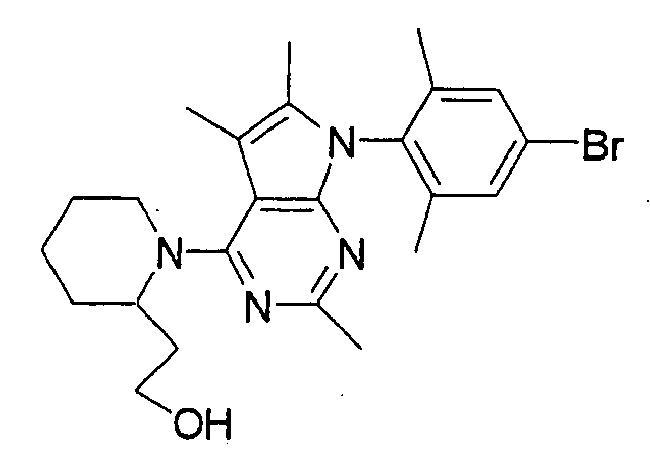


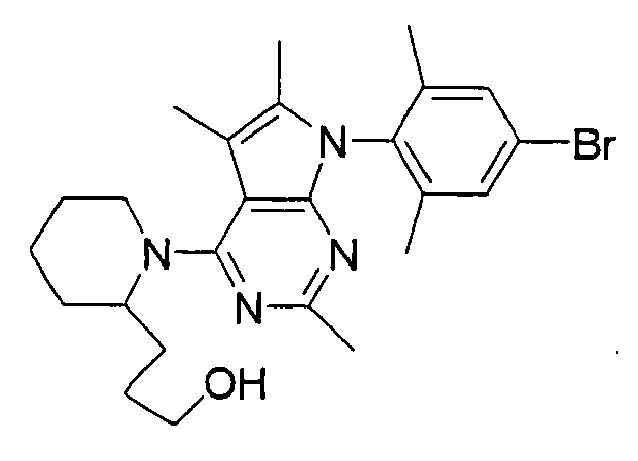


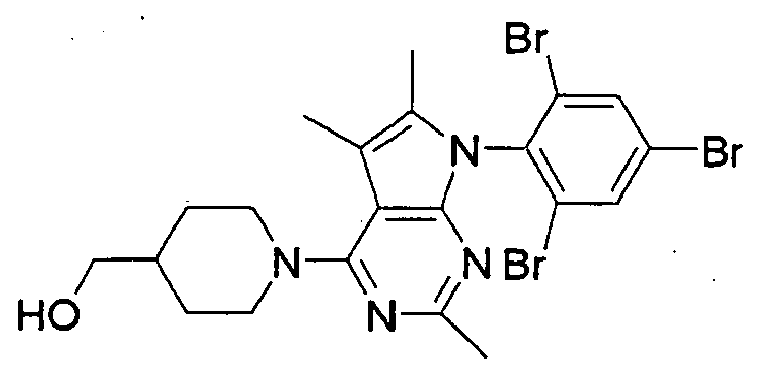
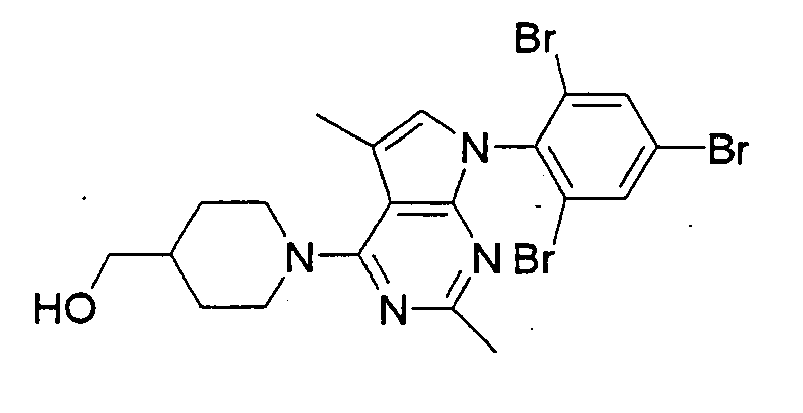


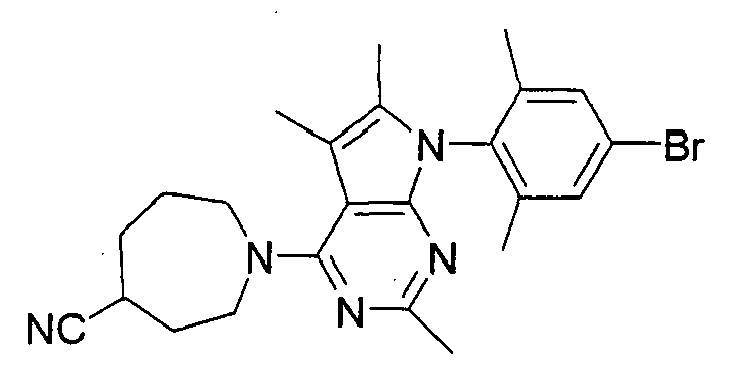


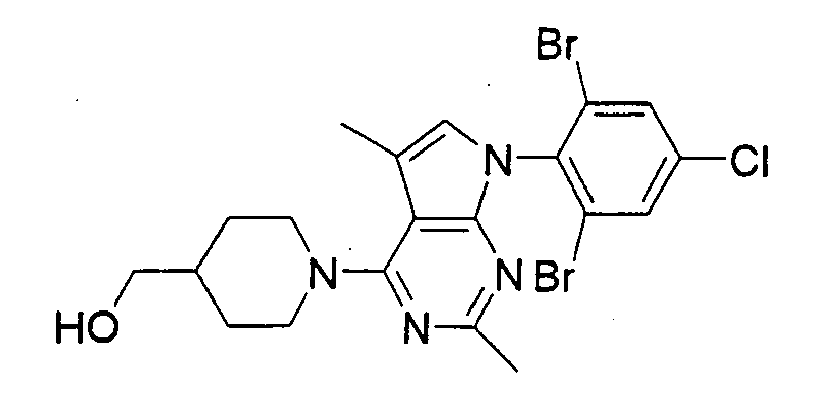


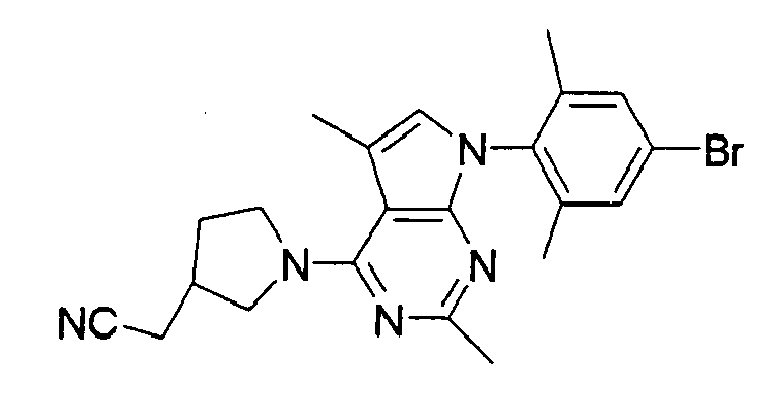


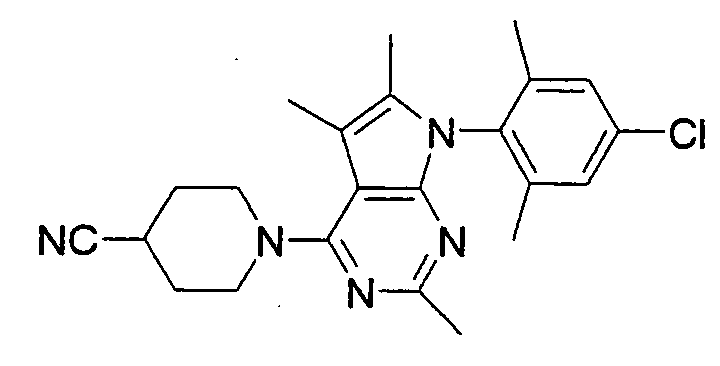


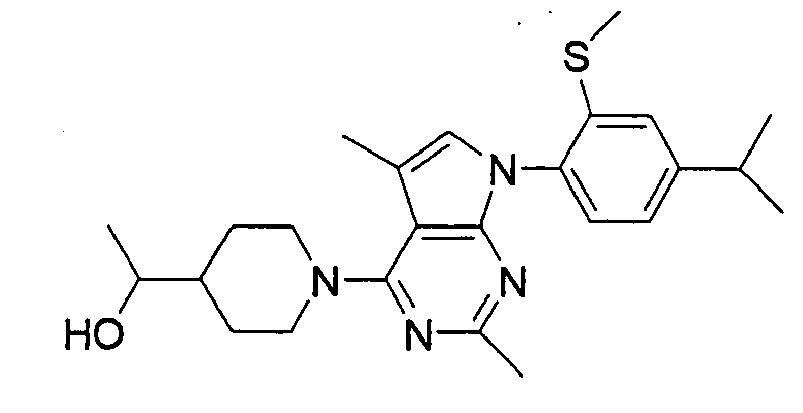


 {1-[1-(2,4-dichloro-phenyl)-2,3,6-trimethyl-1H-pyrrolo[2,3-b]pyridin-4-yl]-piperidin-4-yl}-acetonitrile,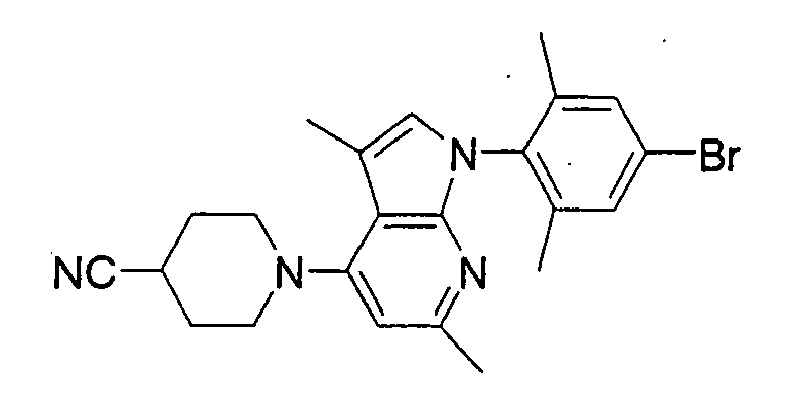


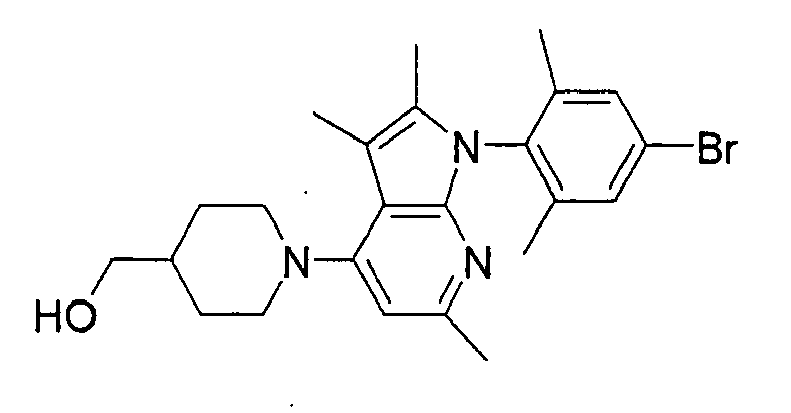


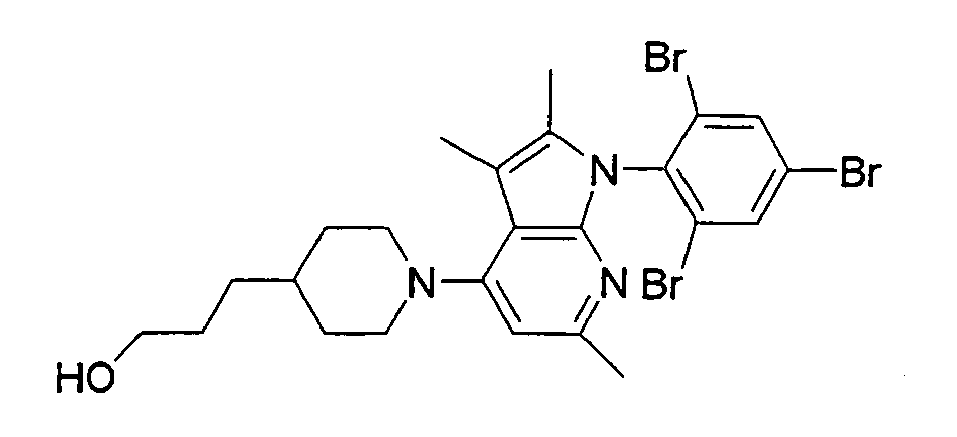


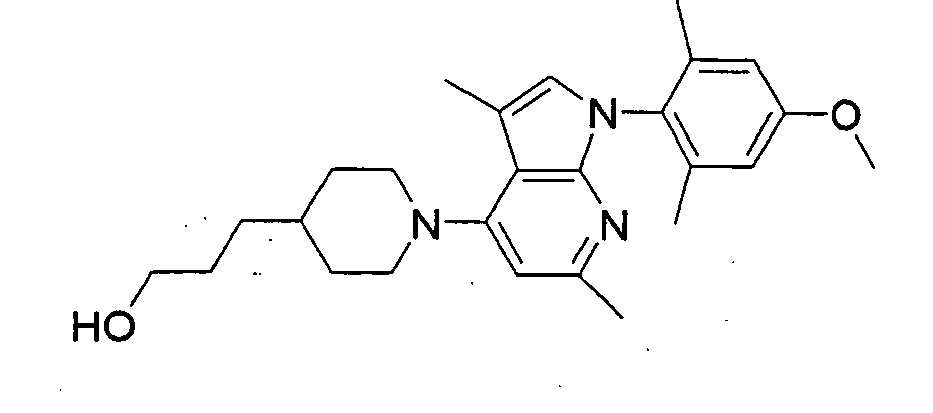


 1-[1-(4-bromo-2,6-dichloro-phenyl)-2,3,6-trimethyl-1H-pyrrolo[2,3-b]pyridin-4-yl]-piperidine-4-carbonitrile,


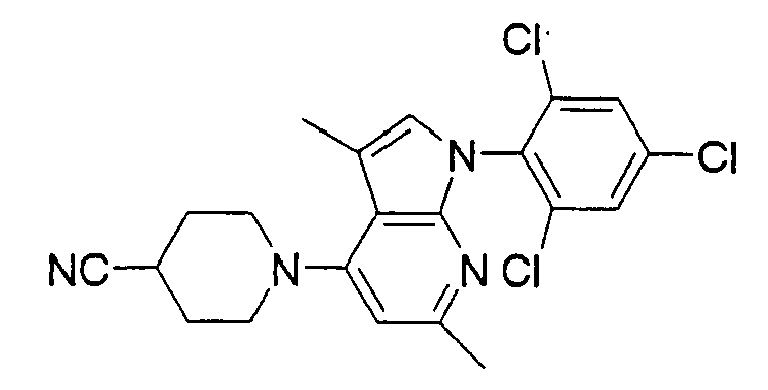


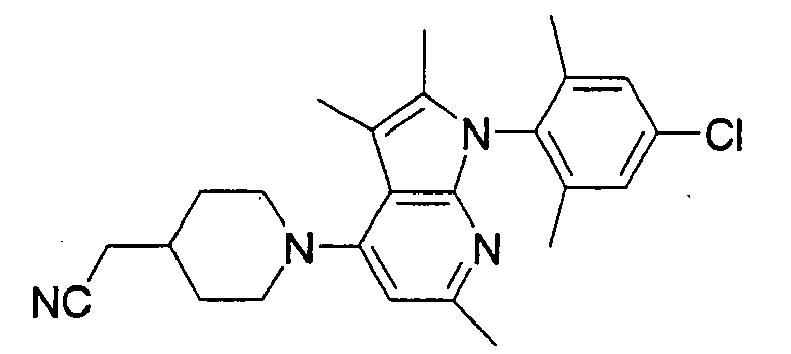


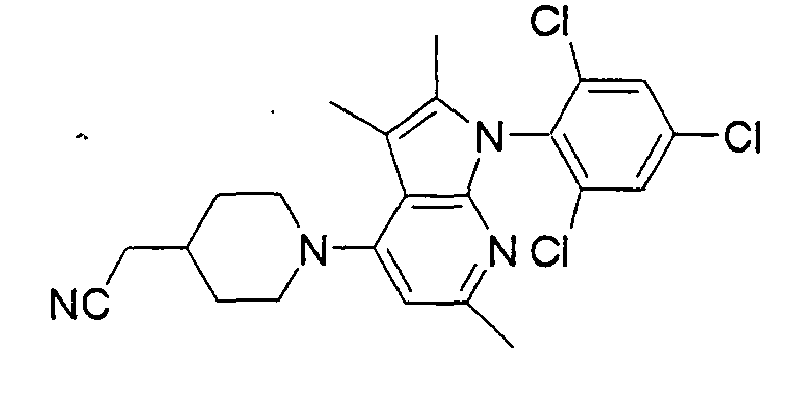


- The compound represented by the formula [I] can be produced, for example, by the process shown in the following reaction scheme 1 - 4 [in the following reaction scheme, R1, R2, R3, R4, R5, R6, R7, R8, m, n, X, Y and Ar are as defined above; LG is chloro, bromo, iodo, methanesulfonyloxy, benzenesulfonyloxy, 4-toluenesulfonyloxy or trifluoromethanesulfonyloxy group; Z1 and Z2 are the same or different, and independently are chloride or bromide; Ra and Rb are the same or different, and independently are hydrogen, C1-5alkyl, C3-8cycloalkyl or C3-8cycloakyl-C1-5alkyl; and Xa is -(CHR3)n-OH, -(CHR3)n-CN or -CO2-(C1-5alkyl)].

- Compound (3), a compound of the present invention, can be obtained by reacting Compound (1) with Compound (2) in an inert solvent in the presence or absence of a base. Herein, the base includes, for example, amines such as triethylamine, N,N-diisopropylethylamine, pyridine and the like; inorganic bases such as sodium carbonate, potassium carbonate, sodium hydrogencarbonate, potassium hydrogencarbonate, sodium hydroxide, potassium hydroxide, barium hydroxide, sodium hydride and the like; metal alcoholates such as sodium methoxide, sodium ethoxide, potassium tert-butoxide and the like; metal amides such as sodium amide, lithium diisopropylamide and the like; and Grignard reagents such as methylmagnesium bromide and the like. The inert solvent includes, for example, alcohols such as methanol, ethanol, isopropyl alcohol, ethylene glycol and the like; ethers such as diethyl ether, tetrahydrofuran, 1,4-dioxane, 1,2-dimethoxyethane and the like; hydrocarbons such as benzene, toluene, xylene and the like; amides such as N,N-dimethylformamide, N-methylpyrrolidone, N,N-dimethylacetamide and the like; acetonitrile; dimethyl sulfoxide; pyridine; water; and mixtures of solvents selected from these inert solvents.
- The compound of the present invention can be converted to a salt in an inert solvent with an inorganic acid such as sulfuric acid, hydrochloric acid, hydrobromic acid, phosphoric acid, nitric acid or the like, with an organic acid such as acetic acid, oxalic acid, lactic acid, tartaric acid, fumaric acid, maleic acid, citric acid, benzenesulfonic acid, methanesulfonic acid, p-toluenesulfonic acid, benzoic acid, camphorsulfonic acid, ethanesulfonic acid, glucoheptonic acid, gluconic acid, glutamic acid, glycolic acid, malic acid, malonic acid, mandelic acid, galactaric acid, naphthalene-2-sulfonic acid or the like, with an inorganic base such as lithium hydroxide, sodium hydroxide, potassium hydroxide, calcium hydroxide, magnesium hydroxide, zinc hydroxide, aluminum hydroxide or the like or with an organic base such as ammonia, arginine, lysine, piperazine, choline, diethylamine, 4-phenylcyclohexylamine, 2-aminoethanol, benzathine or the like. The inert solvent includes, for example, alcohols such as methanol, ethanol, isopropyl alcohol, ethylene glycol and the like; ethers such as diethyl ether, diisopropyl ether, tetrahydrofuran, 1,4-dioxane, 1,2-dimethoxyethane and the like; hydrocarbons such as benzene, toluene and the like; esters such as ethyl acetate, ethyl formate and the like; ketones such as acetone, methylethylketone and the like; amides such as N,N-dimethylformamide, N-methylpyrrolidone, N,N-dimethylacetamide and the like; acetonitrile; dichloromethane; chloroform; dimethyl sulfoxide; pyridine; water; and mixtures of solvents selected from these inert solvents.

- Compound (4) can be converted to Compound (6) by reacting Compound (4) with Compound (5) in an inert solvent in the presence or absence of a base. Herein, the base includes, for example, amines such as triethylamine, N,N-diisopropylethylamine, pyridine and the like; inorganic bases such as sodium carbonate, potassium carbonate, sodium hydrogencarbonate, potassium hydrogencarbonate, sodium hydroxide, potassium hydroxide, barium hydroxide, sodium hydride and the like; metal alcoholates such as sodium methoxide, sodium ethoxide, potassium tert-butoxide and the like; metal amides such as sodium amide, lithium diisopropylamide and the like; and Grignard reagents such as methyl magnesium bromide and the like. The inert solvent includes, for example, alcohols such as methanol, ethanol, isopropyl alcohol, ethylene glycol and the like; ethers such as diethyl ether, tetrahydrofuran, 1,4-dioxane, 1,2-dimethoxyethane and the like; hydrocarbons such as benzene, toluene, xylene and the like; amides such as N,N-dimethylformamide, N-methylpyrrolidone, N,N-dimethylacetamide and the like; acetonitrile; dimethyl sulfoxide; pyridine; water; and mixtures of solvents selected from these inert solvents.
- Compound (6) can be converted to Compound (7) by reacting Compound (6) with malononitrile in an inert solvent in the presence or absence of a base. Herein, the base includes, for example, amines such as triethylamine, N,N-diisopropylethylamine, pyridine and the like; inorganic bases such as sodium carbonate, potassium carbonate, sodium hydrogencarbonate, potassium hydrogencarbonate, sodium hydroxide, potassium hydroxide, barium hydroxide, sodium hydride, potassium hydride and the like; metal alcoholates such as sodium methoxide, sodium ethoxide, potassium tert-butoxide and the like; metal amides such as sodium amide, lithium diisopropylamide, lithium hexamethyldisilazanide, sodium hexamethyldisilazanide, potassium hexamethyldisilazanide and the like; alkyl lithiums such as methyl lithium, n-butyl lithium, sec-butyl lithium, tert-butyl lithium and phenyl lithium; and Grignard reagents such as methyl magnesium bromide and the like. The inert solvent includes, for example, alcohols such as methanol, ethanol, isopropyl alcohol, ethylene glycol and the like; ethers such as diethyl ether, tetrahydrofuran, 1,4-dioxane, 1,2-dimethoxyethane and the like; hydrocarbons such as benzene, toluene and the like; amides such as N,N-dimethylformamide, N-methylpyrrolidone, N,N-dimethylacetamide and the like; acetonitrile; dimethyl sulfoxide; pyridine; water; and mixtures of solvents selected from these inert solvents.
- Compound (7) can be converted to Compound (8) by acylation of amino group in Compound (7) and followed by formation of pyrimidine ring. The acylation and the formation of pyrimidine ring may occur continuously in one pot. The acylation can be achieved by reacting Compound (7) with an acylating reagent in an inert solvent in the presence or absence of a base or an acid. The following formation of pyrimidine ring can be carried out by heating the acylated compound in an inert solvent in the presence or absence of an acid. Herein, the acylating reagent includes, for example, halogenated acyls such as acetyl chloride, acetyl bromide, propionyl chloride, propionyl bromide, butyryl chloride, cyclopropanecarbonyl chloride, benzoyl chloride and the like; acid anhydride such as acetic anhydride, propionic anhydride, butyric anhydride, benzoic anhydride and the like. The base includes, for example, amines such as triethylamine, N,N-diisopropylethylamine, pyridine and the like; inorganic bases such as sodium carbonate, potassium carbonate, sodium hydrogencarbonate, potassium hydrogencarbonate, sodium hydroxide, potassium hydroxide, barium hydroxide, sodium hydride, potassium hydride and the like; metal alcoholates such as sodium methoxide, sodium ethoxide, potassium tert-butoxide and the like; metal amides such as sodium amide, lithium diisopropylamide, lithium hexamethyldisilazanide, sodium hexamethyldisilazanide, potassium hexamethyldisilazanide and the like; and Grignard reagents such as methyl magnesium bromide and the like. The acid includes, for example, organic acids such as formic acid, acetic acid, trifluoroacetic acid, benzenesulfonic acid, methanesulfonic acid, p-toluenesulfonic acid, benzoic acid, trifluoromethanesulfonic acid and the like; inorganic acids such as sulfuric acid, hydrochloric acid, hydrobromic acid, phosphoric acid, polyphosphoric acid, nitric acid or the like. The inert solvent includes, for example, alcohols such as methanol, ethanol, isopropyl alcohol, ethylene glycol and the like; ethers such as diethyl ether, tetrahydrofuran, 1,4-dioxane, 1,2-dimethoxyethane and the like; hydrocarbons such as benzene, toluene, xylene and the like; amides such as N,N-dimethylformamide, N-methylpyrrolidone, N,N-dimethylacetamide and the like; acetonitrile; dimethyl sulfoxide; pyridine; acetic acid; water; and mixtures of solvents selected from these inert solvents.
- Compound (8) can be converted to Compound (9) by reacting (8) with a halogenating reagent or a sulfonating reagent in the presence or absence of a base in an inert solvent or without any solvent. Herein, the halogenating reagent includes, for example, phosphoryl chloride, phosphoryl bromide, phosphorous pentachloride, phosphorous trichloride, phosphorous pentabromide, phosphorous tribromide, thionyl chloride, thionyl bromide, oxalyl chloride, oxalyl bromide and the like. The sulfonating reagent includes, for example, p-toluenesulfonyl chloride, methanesulfonyl chloride, p-toluenesulfonic anhydride, methansulfonic anhydride, trifluoromethanesulfonic anhydride, N-phenylbis(trifluoromethanesulfonimide) and the like. The base includes, for example, amines such as triethylamine, N,N-diisopropylethylamine, pyridine, N,N-dimethylaniline, N,N-diethylaniline and the like; inorganic bases such as sodium carbonate, potassium carbonate, sodium hydrogencarbonate, potassium hydrogencarbonate, sodium hydroxide, potassium hydroxide, barium hydroxide, sodium hydride and the like; metal alcoholates such as sodium methoxide, sodium ethoxide, potassium tert-butoxide and the like; metal amides such as sodium amide, lithium diisopropylamide and the like; and Grignard reagents such as methyl magnesium bromide and the like. The inert solvent includes, for example, alcohols such as methanol, ethanol, isopropyl alcohol, ethylene glycol and the like; ethers such as diethyl ether, tetrahydrofuran, 1,4-dioxane, 1,2-dimethoxyethane and the like; hydrocarbons such as benzene, toluene and the like; amides such as N,N-dimethylformamide, N-methylpyrrolidone, N,N-dimethylacetamide and the like; dichloromethane; chloroform; acetonitrile; dimethyl sulfoxide; pyridine; water; and mixtures of solvents selected from these inert solvents.
- Compound (9) can be converted to Compound (11) by reacting Compound (9) with Compound (10) in the same method as step 1.
- Compound (11) can be converted to Compound (12) by reduction of Compound (11) with a conventional reducing agent in an inert solvent. Or if necessary, treatment with an acid in the presence or absence of inert solvent after the reduction can provide Compound (12). When Xa is -CO2-(C1-5alkyl), the ester group can be converted to a hydroxymethyl group at the same time. Herein, the reducing agent includes, for example, lithium borohydride, sodium borohydride, calcium borohydride, lithium triethylborohydride, lithium tri-sec-butylborohydride, potassium tri-sec-butylborohydride, zinc borohydride, borane, lithium trimethoxyborohydride, lithium triacetoxyborohydride, tetramethylammonium borohydride, lithium aluminum hydride, sodium aluminum hydride, sodium bis(2-methoxyethoxy)aluminum hydride, diisobutylaluminum hydride, trichlorosilane and the like. The reduction can be also carried out by hydrogenation using a catalyst including palladium, platinum dioxide, Raney nickel or the like. The acid includes, for example, organic acids such as acetic acid, trifluoroacetic acid, benzenesulfonic acid, methanesulfonic acid, p-toluenesulfonic acid, benzoic acid and the like; inorganic acids such as sulfuric acid, hydrochloric acid, hydrobromic acid, phosphoric acid, polyphosphoric acid, nitric acid or the like. The inert solvent includes, for example, alcohols such as methanol, ethanol, isopropyl alcohol, ethylene glycol and the like; ethers such as diethyl ether, tetrahydrofuran, 1,4-dioxane, 1,2-dimethoxyethane and the like; hydrocarbons such as benzene, toluene and the like; amides such as N,N-dimethylformamide, N-methylpyrrolidone, N,N-dimethylacetamide and the like; acetonitrile; dimethyl sulfoxide; pyridine; water; and mixtures of solvents selected from these inert solvents.

- Compoumd (7) can be converted to Compound (13) by reacting Compound (7) with ketones such as acetone and the like; vinyl ethers such as isopropenyl methyl ether and the like in an inert solvent in the presence or absence of an acid, and the following conversion from Compound (13) to Compound (14) can be carried out in the presence of base in an inert solvent. Herein, the acid includes, for example, organic acids such as acetic acid, trifluoroacetic acid, benzenesulfonic acid, methanesulfonic acid, p-toluenesulfonic acid, benzoic acid and the like. The base includes, for example, amines such as triethylamine, N,N-diisopropylethylamine, pyridine, 1,8-diazabicyclo[5.4.0]undec-7-ene and the like; inorganic bases such as sodium carbonate, potassium carbonate, sodium hydrogencarbonate, potassium hydrogencarbonate, sodium hydroxide, potassium hydroxide, barium hydroxide, sodium hydride and the like; metal alcoholates such as sodium methoxide, sodium ethoxide, potassium tert-butoxide and the like; metal amides such as sodium amide, lithium diisopropylamide, lithium hexamethyldisilazanide, sodium hexamethyldisilazanide, potassium hexamethyldisilazanide and the like; alkyl lithiums such as n-butyl lithium, sec-butyl lithium, tert-butyl lithium, methyl lithium and the like; and Grignard reagents such as methyl magnesium bromide and the like. The inert solvent includes, for example, ethers such as diethyl ether, tetrahydrofuran, 1,4-dioxane, 1,2-dimethoxyethane and the like; hydrocarbons such as benzene, toluene and the like; amides such as N,N-dimethylformamide, N-methylpyrrolidone, N,N-dimethylacetamide and the like; acetonitrile; dimethyl sulfoxide; pyridine; and mixtures of solvents selected from these inert solvents.
- Compound (14) can be converted to Compound (15) in the same manner as step 7.
- Compound (15) can be converted into Compound (16) via the corresponding diazonium compound. The conversion to the diazonium compound can be carried out using, for example, sodium nitrite, potassium nitrite, butylnitrite, tert-butylnitrite, iso-butylnitrite or the like in the presence or absence of an acid in an inert solvent. The acid includes, for example, inorganic acids such as sulfuric acid, hydrochloric acid, hydrobromic acid, nitric acid or the like. The inert solvent includes, for example, ethers such as diethyl ether, tetrahydrofuran, 1,4-dioxane, 1,2-dimethoxyethane and the like; hydrocarbons such as benzene, toluene and the like; amides such as N,N-dimethylformamide, N-methylpyrrolidone, N,N-dimethylacetamide and the like; acetonitrile; dimethyl sulfoxide; pyridine; water; and mixtures of solvents selected from these inert solvents.
- Compound (16) can be converted to Compound (17) in the same manner as step 5.
- When LG is chloride, bromide or iodide, Compound (17) can be obtained from Compound (15) directly by formation of the diazonium compound in the presence of one or more metal salts in an inert solvent. The formation of the diazonium compound can be carried out in the same manner as step 10. The metal salts include, for example, potassium iodide, potassium bromide, sodium iodide, sodium bromide, sodium chloride, copper (I) chloride, copper (II) chloride, copper (I) bromide, copper (II) bromide, copper (I) iodide and the like. The inert solvent includes, for example, ethers such as diethyl ether, tetrahydrofuran, 1,4-dioxane, 1,2-dimethoxyethane and the like; hydrocarbons such as benzene, toluene and the like; amides such as N,N-dimethylformamide, N-methylpyrrolidone, N,N-dimethylacetamide and the like; acetonitrile; dimethyl sulfoxide; pyridine; water; and mixtures of solvents selected from these inert solvents.
- Compound (17) can be converted to Compound (18) in the same manner as step 1.
- When Xa is -CO2-(C1-5alkyl), the ester group can be converted to hydroxymethyl group in the same manner as step 7.

- Compound (20) can be converted to Compound (21) by a coupling of Compound (20) with the corresponding carboxylic acid using a conventional coupling reagent in the presence or absence of an additive or a base in an inert solvent or a coupling of Compound (20) with the corresponding acyl halide in the presence or absence of a base in an inert solvent. When R9 has protective groups of an amino group, a hydroxy group, a mercapto goup, a carboxy group, a guanidine group or a phosphoric acid group, those protective groups can be removed by conventional methods for deprotection (ref. Theodora W. Greene and Peter G. M. Wuts "Protective Groups in Organic Synthesis"; Wiley-Interscience) after the above coupling. Herein, the coupling reagent includes, for example, N,N'-dicyclohexylcarbodiimide (DCC), 1-(3-dimethylaminopropyl)-3-ethylcarbodiimide (EDC), 1,1'-carbonyldiimidazole (CDI), diphenylphosphorylazide (DPPA), diethyl cyanophosphate and the like. The additive includes, for example, 1-hydroxybenzotriazole (HOBt), N-hydroxysuccinimide, 4-dimethylaminopyridine and the like. The base includes amines such as triethylamine, N,N-diisopropylethylamine, pyridine, 1,8-diazabicyclo[5.4.0]undec-7-ene and the like; inorganic bases such as sodium carbonate, potassium carbonate, sodium hydrogencarbonate, potassium hydrogencarbonate, sodium hydroxide, potassium hydroxide, barium hydroxide, sodium hydride and the like; metal alcoholates such as sodium methoxide, sodium ethoxide, potassium tert-butoxide and the like; metal amides such as sodium amide, lithium diisopropylamide, lithium hexamethyldisilazanide, sodium hexamethyldisilazanide, potassium hexamethyldisilazanide and the like; alkyl lithiums such as n-butyl lithium, sec-butyl lithium, tert-butyl lithium, methyl lithium and the like; and Grignard reagents such as methyl magnesium bromide and the like. The inert solvent includes, for example, alcohols such as methanol, ethanol, isopropyl alcohol, ethylene glycol and the like; ethers such as diethyl ether, tetrahydrofuran, 1,4-dioxane, 1,2-dimethoxyethane and the like; hydrocarbons such as benzene, toluene and the like; amides such as N,N-dimethylformamide, N-methylpyrrolidone, N,N-dimethylacetamide and the like; acetonitrile; dimethyl sulfoxide; pyridine; chloroform; dichloromethane; water; and mixtures of solvents selected from these inert solvents.
- The compound of the present invention is useful as a therapeutic or prophylactic agent for diseases in which CRF is considered to be involved. For this purpose, the compound of the present invention can be formulated into tablets, pills, capsules, granules, powders, solutions, emulsions, suspensions, injections and the like by a conventional preparation technique by adding conventional fillers, binders, disintegrators, pH-adjusting agents, solvents, etc.
- The compound of the present invention can be administered to an adult patient in a dose of 0.1 to 500 mg per day in one portion or several portions orally or parenterally. The dose can be properly increased or decreased depending on the kind of a disease and the age, body weight and symptom of a patient.
- The present invention is concretely explained with reference to the following examples and test example, but is not limited thereto.
-

- (1) A mixture of 7-(4-bromo-2,6-dimethylphenyl)-4-chloro-2,5-dimethyl-7H-pyrrolo[2,3-d]pyrimidine (6.0 g), 4-(2-hydroxyethyl)piperidine (3.2 g), N,N-diisopropylethylamine (3.2 g) in ethanol (15 mL) was heated at reflux for 5.5 hours. The reaction mixture was cooled to room temperature, poured into a saturated aqueous sodium hydrogencarbonate, and then extracted with ethyl acetate three times. The organic layer was washed with brine, dried over anhydrous sodium sulfate and filtered. The filtrate was concentrated under reduced pressure and purified by a silica gel column chromatography (silica gel: Wako Gel (C200), eluent: hexane / ethyl acetate = 2 : 1) to obtain 2-{1-[7-(4-bromo-2,6-dimethyl-phenyl)-2,5-dimethyl-7H-pyrrolo[2,3-d]pyrimidin-4-yl]-piperidin-4-yl}-ethanol as a white solid (6.41 g).
- (2) To a suspension of 2-{1-[7-(4-bromo-2,6-dimethyl-phenyl)-2,5-dimethyl-7H-pyrrolo[2,3-d]pyrimidin-4-yl]-piperidin-4-yl}-ethanol (6.41 g) in ethanol (51 mL) was added 4 M HCl in ethyl acetate (4.2 mL) under ice-cooling. After removing the solvent, ethyl acetate (26 mL) was added to the residue. The mixture was stirred overnight to afford a white crystal. The crystal was collected by filtration to give the title compound (6.1 g).
m.p. 187-189°C. - Table 1 and Table 2 list the compound obtained in Example 1 and compounds obtained by the similar procedure as in Example 1.
-

- A mixture of 7-(2-bromo-4-trifluoromethylphenyl)-4-chloro-2,5,6-trimethyl-7H-pyrrolo[2,3-d]pyrimidine (400 mg), piperidine-3-carbonitrile (290 mg), N,N-diisopropylethylamine (309 mg) in ethanol (2 mL) was heated at reflux for 6 days. The reaction mixture was cooled to room temperature, and concentrated under reduced pressure. The residue was purified by a silica gel column chromatography (silica gel: Wako Gel (C200), eluent: hexane / ethyl acetate = 5 : 1) to obtain two diastereoisomers (low polar diastereoisomer: 62 mg and high polar diastereoisomer: 36 mg) of 1-[7-(2-bromo-4-trifluoromethylphenyl)-2,5,6-trimethyl-7H-pyrrolo[2,3-d]pyrimidine-4-yl]piperidine-3-carbonitrile.
Low polar diastereoisomer:
Rf value 0.64 (developing solvent: hexane / ethyl acetate = 1:1, TLC plate Silica gel 60 F254 (Merck))
1H NMR (300 MHz) δ 1.68-1.83 (1 H, m), 1.85-2.07 (3 H, m), 2.08 (3 H, s), 2.40 (3H, s), 2.51 (3 H, s), 3.04-3.16 (1 H, m), 3.26-3.62 (3 H, m), 3.81-3.95 (1 H, m), 7.43 (1 H, d, J = 8.2 Hz), 7.74 (1 H, d, J = 8.2 Hz), 8.02 (1 H, s)
High polar diastereoisomer:
Rf value 0.56 (developing solvent: hexane / ethyl acetate = 1:1, TLC plate Silica gel 60 F 254 (Merck))
1H NMR (300MHz) δ 1.65-1.83 (1H, m), 1.82-2.16 (6H, m), 2.40 (3H, s), 2.51 (3H, s), 3.04-3.17 (1H, m), 3.28-3.63 (3H, m), 3.85-3.98 (1H, m), 7.47 (1H, d, J=8.6 Hz), 7.74 (1H, d, J=8.6 Hz), 8.02 (1H, s) - The low polar diastereoisomer was optically resolved by high performance liquid chromatography to give each enantiomer.
Compound 1-134:
1H NMR (300 MHz) δ 1.68-1.83 (1 H, m), 1.85-2.07 (3 H, m), 2.08 (3 H, s), 2.40 (3H, s), 2.51 (3 H, s), 3.04-3.16 (1 H, m), 3.26-3.62 (3 H, m), 3.81-3.95 (1 H, m), 7.43 (1 H, d, J = 8.2 Hz), 7.74 (1 H, d, J = 8.2 Hz), 8.02 (1 H, s)
HPLC retention time: 20.0 min. (CHIRAL PAK AD (DAICEL CHEMICAL INDUSTRIES, LTD), 2.0 cm I.D. × 25 cm, mobile phase: hexane - IPA = 4:1, flow rate: 5.0 mL / min.)
Compound 1-135:
1H NMR (300 MHz) δ 1.68-1.83 (1 H, m), 1.85-2.07 (3 H, m), 2.08 (3 H, s), 2.40 (3H, s), 2.51 (3 H, s), 3.04-3.16 (1 H, m), 3.26-3.62 (3 H, m), 3.81-3.95 (1 H, m), 7.43 (1 H, d, J = 8.2 Hz), 7.74 (1 H, d, J = 8.2 Hz), 8.02 (1 H, s)
HPLC retention time: 23.0 min. (CHIRAL PAK AD (DAICEL CHEMICAL INDUSTRIES, LTD), 2.0 cm I.D. × 25 cm, mobile phase: hexane - IPA = 4:1, flow rate: 5.0 mL / min.) - The high polar diastereoisomer was also optically resolved by high performance liquid chromatography to give each enantiomer.
Compound 1-136:
1H NMR (300MHz) δ 1.65-1.83 (1H, m), 1.82-2.16 (6H, m), 2.40 (3H, s), 2.51 (3H, s), 3.04-3.17 (1H, m), 3.28-3.63 (3H, m), 3.85-3.98 (1H, m), 7.47 (1H, d, J = 8.6 Hz), 7.74 (1H, d, J = 8.6 Hz), 8.02 (1H, s)
HPLC retention time: 21.4 min. (CHIRAL PAK AD (DAICEL CHEMICAL INDUSTRIES, LTD), 2.0 cm I.D. × 25 cm, mobile phase: hexane - IPA = 4:1, flow rate: 5.0 mL / min.)
Compound 1-137:
1H NMR (300MHz) δ 1.65-1.83 (1H, m), 1.82-2.16 (6H, m), 2.40 (3H, s), 2.51 (3H, s), 3.04-3.17 (1H, m), 3.28-3.63 (3H, m), 3.85-3.98 (1H, m), 7.47 (1H, d, J = 8.6 Hz), 7.74 (1H, d, J = 8.6 Hz), 8.02 (1H, s)
HPLC retention time: 32.8 min. (CHIRAL PAK AD (DAICEL CHEMICAL INDUSTRIES, LTD), 2.0 cm I.D. × 25 cm, mobile phase: hexane - IPA = 4:1, flow rate: 5.0 mL/min.) - Table 1 lists the compounds obtained in Example 2.
-

- (1) To a solution of 4-bromo-2,6-dimethylaniline (100.0 g) in tetrahydrofuran (400 mL) was added triethylamine (60.7 g) and 2-bromopropionyl bromide (129.5 g) under ice-cooling. The mixture was stirred at room temperature for 1 hour and cooled in an ice-cooling bath. To the reaction mixture was added a sodium hydrogencarbonate aqueous solution and the mixture was stirred at room temperature for 30 minutes. The precipitate was collected by filtration, washed with water and diethyl ether, and dried to give 2-bromo-N-(4-bromo-2,6-dimethylphenyl)propionamide (151.2 g).
m.p. 187-189°C
- (2) To a suspension of NaH (17.2 g) in tetrahydrofuran (500 mL) was added a solution of malononitrile (28.4 g) in tetrahydrofuran (100 mL) under ice-cooling and the mixture was stirred at room temperature for 1 hour. 2-Bromo-N-(4-bromo-2,6-dimethylphenyl)propionamide (120 g) was added and the mixture was heated at reflux for 1 hour. With ice -cooling, an ammonium chloride aqueous solution was added and extracted with ethyl acetate. The organic layer was washed with brine, dried over anhydrous sodium sulfate and filtered. The filtrate was concentrated under reduced pressure to give a solid. The solid was washed with a mixture of diisopropylether and ethyl acetate and filtered, dried to give 2-amino-1-(4-bromo-2,6-dimethylphenyl)-4-methyl-5-oxo-4,5-dihydro-1H-pyrrole-3-carbonitrile (110.1 g).
m.p. 175-177°C
- (3) To a suspension of 2-amino-1-(4-bromo-2,6-dimethylphenyl)-4-methyl-5-oxo-4,5-dihydro-1H-pyrrole-3-carbonitrile (100 g) in acetic acid (100 mL) was added acetic anhydride (38.3 g) and the mixture was heated at reflux for 8 hours. After cooling to room temperature, the solvent was concentrated under reduced pressure, and water was added and extracted with ethyl acetate. The organic layer was washed with brine, dried over anhydrous sodium sulfate and filtered. The filtrate was concentrated under reduced pressure and the residue was crystallized from a mixture of ethyl acetate and diisopropylether to give 7-(4-bromo-2,6-dimethylphenyl)-4-hydroxy-2,5-dimethyl-5,7-dihydropyrrolo[2,3-d]pyrimidin-6-one (56.6 g).
m.p. 271-273°C
- (4) To a suspension of 7-(4-bromo-2,6-dimethylphenyl)-4-hydroxy-2,5-dimethyl-5,7-dihydropyrrolo[2,3-d]pyrimidin-6-one (10.0 g) in phosphoryl chloride (25.7 mL) was added N,N-dimethylaniline (2.6 mL) and the mixture was heated at 120 °C for 6 hours. After cooling to room temperature the mixture was poured into ice-cold water and extracted with ethyl acetate. The organic layer was washed with a sodium hydrogencarbonate aqueous solution and brine, dried over anhydrous sodium sulfate and filtered. The filtrate was concentrated under reduced pressure to give a solid. The solid was washed with diisopropylether to afford 7-(4-bromo-2,6-dimethylphenyl)-4-chloro-2,5-dimethyl-5,7-dihydropyrrolo[2,3-d]pyrimidin-6-one (8.0 g)
m.p. 148-150°C
- (5) A suspension of 7-(4-bromo-2,6-dimethylphenyl)-4-chloro-2,5-dimethyl-5,7-dihydropyrrolo[2,3-d]pyrimidin-6-one (7.5 g), ethyl isonipecotate (4.7 g), N,N-diisopropylethylamine (3.8 g) in ethanol (35 mL) was heated at reflux for 12 hours. The reaction mixture was stirred at room temperature to afford a solid. The solid was collected by filtration and washed with cold ethanol to give 1-[7-(4-bromo-2,6-dimethylphenyl)-2,5-dimethyl-6-oxo-6,7-dihydro-5H-pyrrolo[2,3-d]pyrimidin-4-yl]piperidine-4-carboxylic acid ethyl ester (7.7 g).
m.p. 159-161°C
- (6) To a solution of lithium borohydride (2.61 g) in tetrahydrofuran (60 mL) was added a solution of 1-[7-(4-bromo-2,6-dimethylphenyl)-2,5-dimethyl-6-oxo-6,7-dihydro-5H-pyrrolo[2,3-d]pyrimidin-4-yl]piperidine-4-carboxylic acid ethyl ester (6.0 g) in a mixture of tetrahydrofuran (60 mL) and methanol (3 mL) dropwise over 10 minutes under ice-cooling. The reaction mixture was warmed up to room temperature and stirred for 3 hours. After cooling with an ice-bath, 6 M HCl aqueous solution (30 mL) was added and stirred at room temperature for 1 hour. The solution was made to alkaline (pH = 9) with 6 M NaOH aqueous solution, and extracted with ethyl acetate. The organic layer was washed with brine, dried over anhydrous sodium sulfate and filtered. The filtrate was concentrated under reduced pressure and the residue was purified by a silica gel column chromatography (silica gel: Wako Gel (C200), eluent: hexane/ethyl acetate = 1 : 1) to give {1-[7-(4-bromo-2,6-dimethylphenyl)-2,5-dimethyl-7H-pyrrolo[2,3-d]pyrimidin-4-yl]piperidin-4-yl}methanol (4.6 g).
- (7) To a suspension of {1-[7-(4-bromo-2,6-dimethylphenyl)-2,5-dimethyl-7H-pyrrolo[2,3-d]pyrimidin-4-yl]piperidm-4-yl}methanol (0.71 g) in water (7 mL) was added concentrated HCl aqueous solution (0.15 mL) under ice-cooling. The mixture was stirred at room temperature for 5 minutes, cooled with an ice-bath again, and stirred for 15 minutes in an ice-cooling bath. The precipitate was collected by filtration; washed with water and dried to give the title compound (0.73 g).
-

- (1) To a solution of 2-amino-1-(4-chloro-2,6-dimethylphenyl)-4-methyl-5-oxo-4,5-dihydro-1H-pyrrole-3-carbonitrile (44.1 g), which was obtained in the same method as example 3, in tetrahydrofuran (220 mL) was added isopropenyl methyl ether (46.2 g) and p-toluenesulfonic acid (608 mg). The mixture was heated at reflux for 1 hour. After removing the solvent under reduced pressure, the residue was dissolved in tetrahydrofuran (500 mL) and cooled in an ice-NaCl bath. Lithium diisopropylamide in tetrahydrofuran solution (generated from 2.64M n-butyl lithium in hexane (127 mL), diisopropylamine (40.5 g) and tetrahydrofuran (300 mL)) was added dropwise over 30 minutes, and stirred at room temperature for 1 hour. To the reaction mixture a saturated NH4Cl aqueous solution was added and separated. The aqueous layer was extracted with CHCl3. The organic layer was washed with water, dried over anhydrous sodium sulfate and filtered. The filtrate was concentrated under reduced pressure and the residue was purified by a silica gel column chromatography (silica gel: Wako Gel (C200), eluent: hexane/ethyl acetate = 1 : 1) to give 4-amino-1-(4-chloro-2,6-dimethylphenyl)-3,6-dimethyl-1,3-dihydropyrrolo[2,3-b]pyridin-2-one (35.8 g) as an amorphous.
MS (ES, Pos.): 316 (M + 1)+, 318 (M + 3)+, 338 (M + Na)+, 340 (M + Na + 2)+
- (2) To a suspension of lithium borohydride (11.6 g) in tetrahydrofuran (50 mL) was added a solution of 4-amino-1-(4-chloro-2,6-dimethylphenyl)-3,6-dimethyl-1,3-dihydropyrrolo[2,3-b]pyridin-2-one (33.7 g) in tetrahydrofuran (100 mL) was added. The mixture was stirred at reflux for 1 hour. After cooling with ice-cooling bath, a 6M HCl aqueous solution was added slowly. The solution was made to alkaline (pH = 9) with 4 M NaOH aqueous solution, and extracted with ethyl acetate. The organic layer was washed with brine, dried over anhydrous sodium sulfate and filtered. The filtrate was concentrated under reduced pressure and the residue was purified by a silica gel column chromatography (silica gel: Wako Gel (C200), eluent: hexane/ethyl acetate = 3 : 1) to give 1-(4-chloro-2,6-dimethylphenyl)-3,6-dimethyl-1H-pyrrolo[2,3-b]pyridin-4-ylamine (17.9 g) as a solid.
m.p. 190-192°C
- (3) With ice-cooling, to a suspension of 1-(4-chloro-2,6-dimethylphenyl)-3,6-dimethyl-1H-pyrrolo[2,3-b]pyridin-4-ylamine (17.9 g) in a mixure of 1,4-dioxane (45 mL) and water (45 mL) was added dropwise a mixture of concentrated H2SO4 (17.8 mL) and water (90 mL) and then a solution of NaNO2 (6.2 g) in water (62 mL). The mixture was stirred at room temperature for 20 minutes, and heated at 100 °C for 1.5 hours. After cooling in an ice-cooling bath, the reaction mixture was poured into a cold saturated NaHCO3 aqueous solution and extracted with CHCl3. The organic layer was dried over anhydrous sodium sulfate, and filtered. The filtrate was concentrated under reduced pressure to give a solid. The solid was washed with a mixture of ethyl acetate and diisopropylether (1 : 5) to give 1-(4-chloro-2,6-dimethylphenyl)-3,6-dimethyl-1H-pyrrolo[2,3-b]pyridin-4-ol (14.4 g).
m.p. 260°C (decomp.)
- (4) To a mixture of 1-(4-chloro-2,6-dimethylphenyl)-3,6-dimethyl-1H-pyrrolo[2,3-b]pyridin-4-ol (14.4 g) and triethylamine (9.7 g) in CHCl3 (100 mL) was added trifluoromethansulfonic anhydride (9.7 mL) in an ice-cooling bath. After stirring for 10 miniutes, water was added and extracted with CHCl3. The organic layer was washed with water and brine successively, dried over anhydrous sodium sulfate and filtered. The filtrate was concentrated under reduced pressure to give crude trifluoromethanesulfonic acid 1-(4-chloro-2,6-dimethylphenyl)-3,6-dimethyl-1H-pyrrolo[2,3-b]pyridin-4-yl ester (20.7 g).
A mixture of the crude trifluoromethanesulfonic acid 1-(4-chloro-2,6-dimethylphenyl)-3,6-dimethyl-1H-pyrrolo[2,3-b]pyridin-4-yl ester (20.5 g), ethyl isonipecotate (74.4 g) and N,N-diisopropylethylamine (12.2 g) was heated at 150-170 °C for 1 hour. To the reaction mixture, water was added and extracted with ethyl acetate. The organic layer was washed with water, and brine, dried over anhydrous sodium sulfate and filtered. The filtrate was concentrated under reduced pressure and the residue was purified by a silica gel column chromatography (silica gel: Wako Gel (C200), eluent: hexane/ethyl acetate = 5 : 1) to give 1-[1-(4-chloro-2,6-dimethylphenyl)-3,6-dimethyl-1H-pyrrolo[2,3-b]pyridin-4-yl]piperidine-4-carboxylic acid ethyl ester (16.6 g) as a pale yellow solid.
m.p. 140-142°C
- (5) To a suspension of lithium borohydride (4.11 g) in tetrahydrofuran (50 mL) was added a solution of 1-[1-(4-chloro-2,6-dimethylphenyl)-3,6-dimethyl-1H-pyrrolo[2,3-b]pyridin-4-yl]piperidine-4-carboxylic acid ethyl ester (16.6 g) in a mixture of tertrahydrofuran (80 mL) and methanol (7.7 mL) in an ice-cooling bath. The mixture was stirred at room temperature for 2 hours. After cooling with an ice-cooling bath, water was added and the mixture was poured slowly into a 3M HCl aqueous solution. The solution was made to alkaline (pH = 8) with 4 M NaOH aqueous solution to give a solid. The solid was collected by filtration and washed with water and diethylether. The solid was recrystallized from a mixture of ethanol and ethyl acetate to give {1-[1-(4-chloro-2,6-dimethylphenyl)-3,6-dimethyl-1H-pyrrolo[2,3-b]pyridin-4-yl]piperidin-4-yl}methanol (9.1 g).
- (6) In the same method as example 1-(2), the title compound (8.0 g) was obtained from {1-[1-(4-chloro-2,6-dimethylphenyl)-3,6-dimethyl-1H-pyrrolo[2,3-b]pyridin-4-yl]piperidin-4-yl}methanol (9.1 g).
-

- {1-[7-(4-Bromo-2,6-dimethylphenyl)-2,5-dimethyl-7H-pyrrolo[2,3-d]pyrimidin-4-yl]piperidin-4-yl}methanol (1.15 g) synthesized in the similar manner as example 1 in tetrahydrofuran (25 mL) was stirred , then NaH (60% in paraffin, 0.10 g) was added and the mixture was heated at reflux for 3 hours. After cooling to 0 °C, ethyl chloroformate (0.28 g) in a small amount of tetrahydrofuran was added and the reaction mixture was allowed to reach room temperature and evaporated. The residue was purified over a silica gel on a glass filter (eluent: CH2Cl2 / CH3CN = 95 : 5 then 90 : 10) to give the title product (366 mg).
- Table 3 lists the compound obtained in Example 5 and compounds obtained by the similar procedure as in Example 5.
-

- Under nitrogen atmosphere, {1-[7-(4-bromo-2,6-dimethylphenyl)-2,5-dimethyl-7H-pyrrolo[2,3-d]pyrimidin-4-yl]piperidin-4-yl}methanol(1.15g) synthesized in the similar manner as example 1 in tetrahydrofuran (25 mL) was stirred , then NaH (60% in paraffin, 0.10 g) was added and the mixture was heated at reflux overnight, giving mixture (I). Decanoic acid (0.45 g) in tetrahydrofuran (25 mL) was stirred, then 1,1'-carbonyldiimidazole (0.42 g) was added and the mixture was stirred overnight at room temperature, giving mixture (II). The mixture (II) was added dropwise to the mixture (I) at 0 - 5 °C and the resulting reaction mixture was allowed to reach room temperature. The solvent was evaporated and the residue was purified over a silica gel on a glass filter (eluent: CH2Cl2 / CH3CN = 100 : 0, 95 : 5 then 90 : 10) to give the title product (888 mg).
- Table 3 lists the compound obtained in Example 6 and compounds obtained by the similar procedure as in Example 6.
-

- Under nitrogen atmosphere, to a solution of 1-[7-(4-bromo-2,6-dimethylphenyl)-2,5-dimethyl-7H-pyrrolo[2,3-d]pyrimidin-4-yl]piperidin-4-yl}methanol (606 mg) in CH2Cl2 (20 ml) was added arachidonic acid (500 mg), 4-dimethylaminopyridine (33 mg) and N,N'-dicyclohexylcarbodiimide (565 mg). The mixture was stirred at room temperature for 2 hours and concentrated under reduced pressure. The residue was purified by a silica gel column chromatography (silica gel: Wako Gel (C200), eluent: hexane / ethyl acetate = 7 : 1) to give the title compound (990 mg) as an oil.
- Table 3 lists the compound obtained in Example 7 and compounds obtained by the similar procedure as in Example 7.
-

- (1) A solution of N-(tert-butoxycarbonyl)-L-tryptophan (510 mg) and 1,1'-carbonyldiimidazole (330 mg) in acetonitrile (10 mL) was stirred at room temperature overnight. The solvent is evaporated and the residue is redissolved in toluene (5 mL). Sequentially {1-[7-(4-bromo-2,6-dimethylphenyl)-2,5-dimethyl-7H-pyrrolo[2,3-d]pyrimidin-4-yl]piperidin-4-yl}methanol (594 mg) and 1,8-diazabicyclo[5.4.0]undec-7-ene (40 µL) were added and stirred at room temperature for 2 days. After evaporation of the solvent the residue was extracted with ethylacetate and dilute NaHCO3 solution. After the usual work-up the residue of the extract was purified over silica gel (eluent: CH2Cl2/MeOH = 95:5) to give the title product 3-014 (578 mg).

- (2) To a solution of 3-014 (1.16 g) in CH2Cl2 (200 mL) a 6M solution of HCl in isopropanol (2.7 mL) was added and stirred at room temperature for 2 days. After evaporation, the residue is purified by reversed-phase chromatography (BDS RP18, 8 µm particle size, 200 g, ID 5 cm column, eluent: (0.5% NH4Ac/CH3CN: 9:1 (v/v))/CH3CN 85/15 to 1/9 gradient). After partial evaporation of the aqueous fractions a fine precipitate of pure compound is formed and recuperated, yielding the tiltle compound 3-016 (139 mg). The aqueous filtrate was extracted with CH2Cl2 and the organic extract was washed with dilute ammonia. After the usual work-up of the organic extract some more product 3-016 was recuperated (304 mg).
-

- Under nitrogen atmosphere, to a solution of {1-[7-(4-bromo-2,6-dimethylphenyl)-2,5-dimethyl-7H-pyrrolo[2,3-d]pyrimidin-4-yl]piperidin-4-yl}methanol (0.50 g) and 4-dimethylaminopyridine (0.55 g) in CH2Cl2 (50 mL) at 0 °C diethyl chlorophosphate (0.38 g) was added dropwise and the reaction is slowly heated up to room temperature. The reaction mixture is poured on ice-water and extracted with CH2Cl2. After the usual work-up the residue is purified over silica gel on a glass filter (eluent: CH2Cl2 / MeOH = 98 : 2) yielding product 3-017 (0.31 g).
-

Table 1*1 
Com. No. Ex. No. 
R6 R7 R8 -Ar melting point (°C) (solvent for crystallization) 1-001 1 
CH3 CH3 CH3 
142-144 (hexane) 1-002 1 
CH3 CH3 H 
124-126 (hexane) 1-003 1 
CH3 CH3 CH3 
amorphous 1-004 1 
CH3 CH3 CH3 
146-148*2 (EtOAc/EtOH) 1-005 1 
CH3 CH3 H 
amorphous 1-006 1 
CH3 CH3 CH3 
144-146 (hexane) 1-007 1 
CH3 CH3 H 
121-122 (hexane) 1-008 1 
CH3 CH3 H 
141-143*2 (EtOAc/EtOH) 1-009 1 
CH3 CH3 CH3 
134-136*2 (EtOAc/EtOH) 1-010 1 
CH3 CH3 H 
157-159*2 (EtOAc/EtOH) 1-011 1 
CH3 CH3 CH3 
amorphous 1-012 1 
CH3 CH3 H 
amorphous 1-013 1 
CH3 CH3 H 
amorphous*3 1-014 1 
CH3 CH3 H 
amorphous*3 1-015 1 
CH3 CH3 CH3 
amorphous 1-016 1 
CH3 CH3 CH3 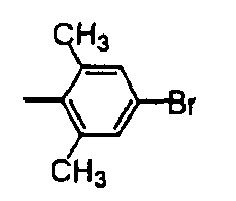
amorphous 1-017 1 
CH3 CH3 CH3 
144-146*2*4 (EtAc/EtOH) 1-018 1 
CH3 CH3 CH3 
131-133*2*4 (EtOAc/EtOH) 1-019 1 
CH3 CH3 H 
amorphous 1-020 1 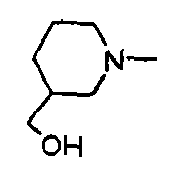
CH3 CH3 H 
152-154*2*4 (EtOAc/EtOH) 1-021 1 
CH3 CH3 H 
145-147*2*4 (EtOAc) 1-022 1 
CH3 CH3 CH3 
amorphous*3 1-023 1 
CH3 CH3 H 
amorphous 1-024 1 
CH3 CH3 CH3 
amorphous 1-025 1 
CH3 CH3 H 
amorphous 1-026 1 
CH3 CH2CH3 CH2CH3 
amorphous 1-027 1 
CH3 CH3 CH3 
amorphous*3 1-028 1 
CH3 -(CH2)4- 
amorphous 1-029 1 
CH3 -CH=CH-CH=CH- 
amorphous 1-030 1 
CH3 CH3 CH3 
amorphous 1-031 1 
CH3 CH3 H 
amorphous 1-032 1 
CH3 CH3 H 
159-161*2 (EtOAc/EtOH) 1-033 1 
CH3 CH3 CH3 
163-164*2 (EtOAc/EtOH) 1-034 1 
CH3 CH3 H 
160-162*2 (EtOAc/EtOH) 1-035 1 
CH3 CH3 H 
157-159*2 (EtOAc/EtOH) 1-036 1 
CH3 CH3 CH3 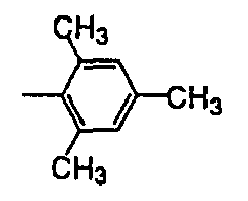
amorphous 1-037 1 
CH3 CH3 H 
amorphous 1-038 1 
CH3 CH3 CH3 
159-161 (IPE) 1-039 1 
CH3 CH3 CH3 
amorphous 1-040 1 
CH3 CH3 H 
amorphous 1-041 1 
CH3 CH2CH3 CH2CH3 
amorphous 1-042 1 
CH3 -(CH2)4- 
134-136*5 1-043 1 
CH3 -CH=CH-CH=CH- 
amorphous 1-044 1 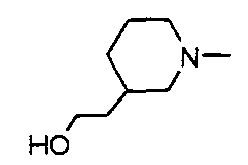
CH3 CH3 CH3 
amorphous 1-045 1 
CH3 CH3 H 
amorphous 1-046 1 
CH3 CH3 H 
172-174*2 (EtOAc/EtOH) 1-047 1 
CH3 CH3 CH3 
150-152*2 (EtOAc/EtOH) 1-048 1 
CH3 CH3 H 
177-179*2 (EtOAc/EtOH) 1-049 1 
CH3 CH3 H 
156-158*2 (EtOAc/EtOH) 1-050 1 
CH3 CH3 CH3 
170-172 (hexane) 1-051 1 
CH3 CH3 H 
178-180 (hexane) 1-052 1 
CH3 CH3 CH3 
157-159 (IPE/hexane) 1-053 1 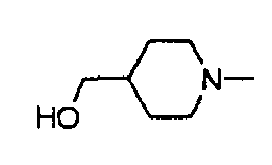
CH3 CH3 CH3 
167-169*2 (EtOAc) 1-054 1 
CH3 CH3 H 
173-175*2 (EtOH) 1-055 1 
CH3 -(CH2)4- 
177-179 (IPE) 1-056 1 
CH3 -CH=CH-CH=CH- 
amorphous 1-057 1 
CH3 CH3 CH3 
amorphous 1-058 1 
CH3 CH3 H 
166-168*2 (EtOAc) 1-059 1 
CH3 CH3 CH3 
155-157*2 (EtOAc) 1-060 1 
CH3 CH3 H 
176-178*2 (EtOAc) 1-061 1 
CH3 CH3 CH3 
164-166*2 (EtOAc) 1-062 1 
CH3 CH3 H 
170-172*2 (EtOAc) 1-063 1 
CH3 CH3 CH3 
amorphous*2 1-064 1 
CH3 CH3 H 
164-166*2 (EtOAc) 1-065 1 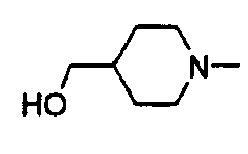
CH3 CH3 CH3 
188-190*2 (EtOAc) 1-066 1 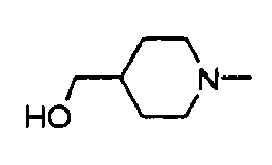
CH3 CH3 H 
184-186*2 (EtOAc) 1-067 1 
CH3 CH3 CH3 
179-181*2 (EtOAc) 1-068 1 
CH3 CH3 H 
178-180*2 (EtOAc) 1-069 1 
CH3 CH3 H 
197-199*2 (EtOAc/EtOH) 1-070 1 
CH3 CH3 CH3 
155-157*2 (EtOAc) 1-071 1 
CH3 CH3 H 
167-169*2 (EtOAc/EtOH) 1-072 1 
CH3 CH3 CH3 
220-222 (hexane) 1-073 1 
CH3 CH3 CH3 
212-214*2 (EtOAc) 1-074 1 
CH3 CH3 H 
187-189*2 (EtOAc) 1-075 1 
CH3 CH3 CH3 
180-182*2 (hexane) 1-076 1 
CH3 CH3 H 
188-190*2 (IPE) 1-077 1 
CH3 CH3 CH3 
179-181*2 (EtOAc/EtOH) 1-078 1 
CH3 CH3 H 
194-196*2 (EtOAc/EtOH) 1-079 1 
CH3 CH3 CH3 
199-201*2 (EtOAc/EtOH) 1-080 1 
CH3 CH3 H 
193-195*2 (EtOAc/EtOH) 1-081 1 
CH3 CH3 CH3 
164-166*2 (EtOAc/EtOH) 1-082 1 
CH3 CH3 H 
177-179*2 (EtOAc/EtOH) 1-083 1 
CH3 CH3 CH3 
170-172*2 (EtOAc/EtOH) 1-084 1 
CH3 CH3 H 
162-164*2 (EtOAc) 1-085 1 
CH3 CH3 CH3 
168-170*2 (EtOAc) 1-086 1 
CH3 CH3 H 
187-189*2 (EtOAc/EtOH) 1-087 1 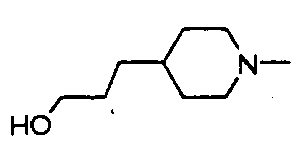
CH3 CH3 CH3 
183-184 (hexane) 1-088 1 
CH3 CH3 H 
165-167 (hexane) 1-089 1 
CH3 CH3 CH3 
191-193 (IPA) 1-090 1 
CH3 CH3 CH3 
189-191*2 (THF/EtOAc) 1-091 1 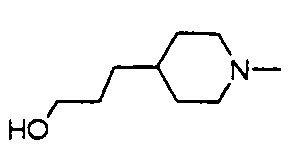
CH3 CH3 H 
202-204*2 (EtOAc/EtOH) 1-092 1 
CH3 CH2CH3 CH2CH3 
amorphous 1-093 1 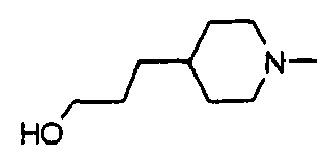
CH3 -(CH2)4- 
177-179 (IPE) 1-094 1 
CH3 -CH=CH-CH=CH- 
amorphous 1-095 1 
CH3 CH3 CH3 
175-177*2 (hexane) 1-096 1 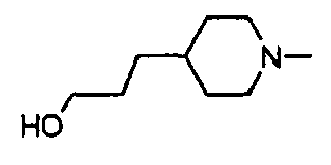
CH3 CH3 H 
174-176*2 (EtOAc) 1-097 1 
CH3 CH3 H 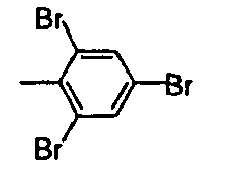
207-209*2 (EtOAc/EtOH) 1-098 1 
CH3 CH3 CH3 
205-207*2 (EtOAc/EtOH) 1-099 1 
CH3 CH3 H 
195-197*2 (EtOAc/EtOH) 1-100 1 
CH3 CH3 H 
192-194*2 (EtOAc/EtOH) 1-101 1 
CH3 CH3 CH3 
175-177*2 (EtOAc) 1-102 1 
CH3 CH3 H 
158-160*2 (EtOAc/EtOH) 1-103 1 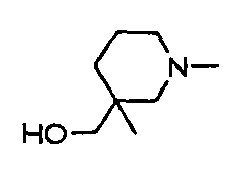
CH3 CH3 CH3 
amorphous 1-104 1 
CH3 CH3 CH3 
amorphous 1-105 1 
CH3 CH3 H 
amorphous 1-106 1 
CH3 CH3 CH3 
amorphous 1-107 1 
CH3 CH3 H 
amorphous 1-108 1 
CH3 CH3 CH3 
206-208 (IPE) 1-109 1 
CH3 CH3 H 
161-163 (IPE) 1-110 1 
CH3 CH3 CH3 
amorphous 1-111 1 
CH3 CH3 H 
141-143 (IPE) 1-112 1 
CH3 CH3 CH3 
184-186*2 (EtOH) 1-113 1 
CH3 CH3 H 
181-182 (IPE) 1-114 1 
CH3 CH3 CH3 
amorphous 1-115 1 
CH3 CH3 CH3 
167-169*2*4 (EtOAc) 1-116 1 
CH3 CH3 H 
amorphous*2*4 1-117 1 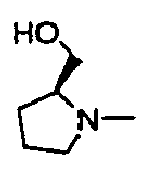
CH3 CH3 CH3 
148-150*2*4 (EtOAc) 1-118 1 
CH3 CH3 H 
amorphous*2*4 1-119 1 
CH3 CH3 CH3 
214-216*2 (EtOAc) 1-120 1 
CH3 CH3 H 
153-155*2 (EtOH/EtOAc) 1-121 1 
CH3 CH3 CH3 
214-215*2 (EtOAc) 1-122 1 
CH3 CH3 H 
148-150*2 (EtOH/EtOAc) 1-123 1 
CH3 CH3 CH3 
170-172*2 (EtOAc) 1-124 1 
CH3 CH3 H 
91-93*2 (EtOH/EtOAc) 1-125 1 
CH3 CH3 CH3 
amorphous 1-126 1 
CH3 CH3 H 
amorphous 1-127 2 
CH3 CH3 H 
amorphous 1-128 2 
CH3 CH3 H 
amorphous 1-129 1 
CH3 CH3 CH3 
amorphous 1-130 1 
CH3 CH3 CH3 
amorphous 1-131 1 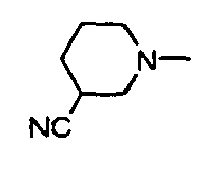
CH3 CH3 H 
amorphous 1-132 1 
CH3 CH3 CH3 
amorphous*3 1-133 1 
CH3 CH3 H 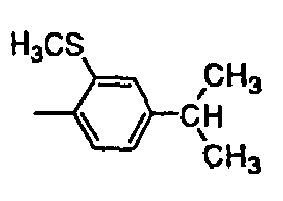
amorphous 1-134 2 
CH3 CH3 CH3 
amorphous*4 1-135 2 
CH3 CH3 CH3 
amorphous*4 1-136 2 
CH3 CH3 CH3 
amorphous*4 1-137 2 
CH3 CH3 CH3 
amorphous*4 1-138 1 
CH3 CH3 H 
amorphous 1-139 1 
CH3 -(CH2)4- 
173-175*5 1-140 1 
CH3 -CH=CH-CH=CH- 
amorphous 1-141 1 
CH3 CH3 CH3 
amorphous 1-142 1 
CH3 CH3 H 
amorphous 1-143 1 
CH3 CH3 CH3 
amorphous 1-144 1 
CH3 CH3 CH3 
amorphous 1-145 1 
CH3 CH3 H 
147-149 (hexane) 1-146 1 
CH3 CH3 CH3 
amorphous 1-147 1 
CH3 CH3 H 
amorphous 1-148 1 
CH3 CH3 CH3 
195-197*2 (EtOAc) 1-149 1 
CH3 CH3 H 
amorphous*2 1-150 1 
CH3 CH3 CH3 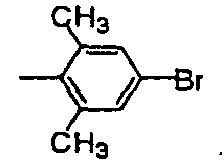
164-166*2 (EtOAc) 1-151 1 
CH3 CH3 H 
168-170*2 (EtOAc) 1-152 1 
CH3 CH3 CH3 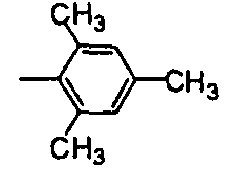
145-147*2 (EtOAc/IPE) 1-153 1 
CH3 CH3 CH3 
182-184 (hexane) 1-154 1 
CH3 CH3 CH3 
166-168*2 (IPE) 1-155 1 
CH3 CH3 H 
145-146*2 (EtOAc) 1-156 1 
CH3 CH3 CH3 
164-166*2 (EtOAc/IPE) 1-157 1 
CH3 CH3 H 
174-176*2 (EtOAc/IPE) 1-158 1 
CH3 CH3 CH3 
194-196*2 (EtOAc) 1-159 1 
CH3 CH3 H 
199-201*2 (EtOAc) 1-160 1 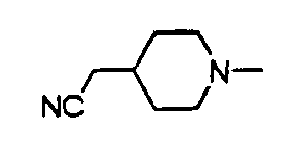
CH3 CH3 CH3 
162-164*2 (EtOAc) 1-161 1 
CH3 CH3 H 
170-172*2 (EtOAc) 1-162 1 
CH3 CH3 CH3 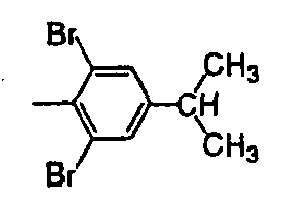
164-166*2 (EtOAc) 1-163 1 
CH3 CH3 H 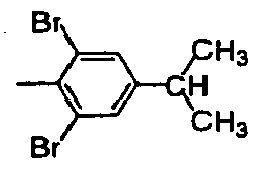
152-154*2 (EtOAc) 1-164 1 
CH3 CH3 CH3 
158-160*2 (EtOAc) 1-165 1 
CH3 CH3 H 
139-141*2 (EtOAc/EtOH) 1-166 1 
CH3 CH3 CH3 
140-141*2 (EtOAc) 1-167 1 
CH3 CH3 H 
137-139*2 (EtOAc) 1-168 1 
CH3 CH3 H 
amorphous*2 1-169 1 
CH3 CH3 CH3 
219-221 (IPE) 1-170 1 
CH3 CH3 H 
179-181 (IPE) 1-171 1 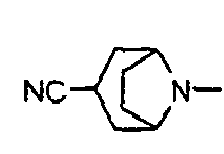
CH3 CH3 CH3 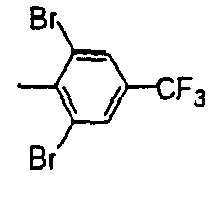
amorphous 1-172 1 
CH3 CH3 CH3 
269-270 (IPE) 1-173 1 
CH3 CH3 H 
236-238 (IPE) 1-174 1 
CH3 CH3 CH3 
amorphous 1-175 1 
CH3 CH3 H 
196-198 (IPE) 1-176 1 
CH3 CH3 CH3 
153-155*2 (EtOAc) 1-177 1 
CH3 CH3 H 
205-207*2 (EtOAc/EtOH) 1-178 1 
CH3 CH3 CH3 
182-184*2 (EtOAc) 1-179 1 
CH3 CH3 H 
amorphous*2 1-180 1 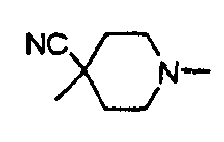
CH3 CH3 CH3 
215-217 (hexane) 1-181 1 
CH3 CH3 CH3 
150-152*2 (EtOAc/EtOH) 1-182 1 
CH3 CH3 H 
121-123*2 (EtOAc/EtOH) 1-183 1 
CH3 CH3 H 
125-127*2 (EtOAc) 1-184 1 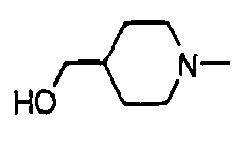
CH3 CH3 H 
161-163*2 (EtOAc/EtOH) 1-185 1 
CH3 CH3 H 
149-151*2 (EtOAc/EtOH) 1-186 1 
CH3 CH3 H 
152-154*2 (EtOAc/EtOH) 1-187 1 
CH3 CH3 H 
170-172*2 (EtOAc/EtOH) 1-188 1 
CH3 CH3 H 
158-160*2 (EtOAc) 1-189 1 
CH3 CH3 H 
173-175*2 (EtOAc/EtOH) 1-190 1 
CH3 CH3 H 
155-157*2 (EtOAc/EtOH) 1-191 1 
CH3 CH3- H 
146-148*2 (EtOAc/EtOH) 1-192 1 
CH3 CH3 H 
150-152*2 (EtOAc/EtOH) 1-193 1 
CH3 CH3 H 
158-160*2 (EtOAc/EtOH) 1-194 1 
CH3 CH2CH3 CH2CH3 
amorphous 1-195 1 
CH3 CH3 H 
177-179*2 (EtOAc/EtOH) 1-196 1 
CH3- CH3 H 
154-156*2 (EtOAc/EtOH) 1-197 1 
CH3 CH3 H 
153-155*2 (EtOAc) 1-198 1 
CH3 CH3 H 
128-130*2 (EtOAc/EtOH) 1-199 1 
CH3 CH3 H 
140-142*2 (EtOAc) 1-200 1 
CH3 CH3 H 
149-151*2 (EtOAc/EtOH) 1-201 1 
CH3 CH3 H 
168-170*2 (EtOAc/EtOH) 1-202 1 
CH3 CH3 H 
152-154*2 (EtOAc/EtOH) 1-203 1 
CH3 CH3 H 
153-155*2 (EtOAc/EtOH) 1-204 1 
CH3 CH3 H 
157-159*2 (EtOAc/EtOH) 1-205 1 
CH3 CH3 H 
179-181*2 (EtOAc/EtOH) 1-206 1 
CH3 CH3 H 
170-172*2 (EtOAc/EtOH) 1-207 1 
CH3 CH3 H 
184-186*2 (EtOAc) 1-208 1 
CH3 CH3 H 
172-174*2 (EtOAc/EtOH) 1-209 1 
CH3 CH3 CH3 
amorphous 1-210 1 
CH3 CH3 H 
amorphous 1-211 1 
CH3 CH3 CH3 
193-195*2 (EtOAc) 1-212 1 
CH3 CH3 H 
164-166*2 (EtOAc/EtOH) 1-213 1 
CH3 CH3 CH3 
163-165 (IPE) 1-214 1 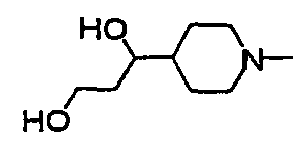
CH3 CH3 H 
182-184 (IPE) 1-215 1 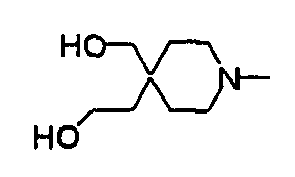
CH3 CH3 CH3 
180-182 (EtOAc/EtOH) 1-216 1 
CH3 CH3 H 
153-155 (IPE) 1-217 1 
CH3 CH3 CH3 
177-179*2 (EtOAc) 1-218 1 
CH3 CH3 H 
162-164*2 (EtOAc/EtOH) 1-219 1 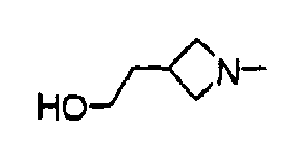
CH3 CH3 H 
151-153*2 (EtOAc/EtOH) 1-220 1 
CH3 CH3 CH3 
138-140*2 (EtOAc/EtOH) 1-221 1 
CH3 CH3 H 
164-166*2 (EtOAc/EtOH) 1-222 1 
CH3 CH2CH3 CH2CH3 
amorphous 1-223 1 
CH3 CH3 H 
129-131*2 (EtOAc/IPE) 1-224 1 
CH3 CH3 H 
138-140*2 (EtOAc/EtOH) 1-225 1 
CH3 CH3 H 
131-133*2 (EtOAc) 1-226 1 
CH3 CH3 H 
205-207*2 (EtOAc) 1-227 1 
CH3 CH3 H 
180-182*2 (EtOAc) 1-228 1 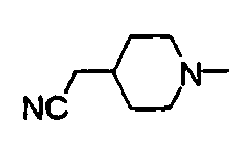
CH3 CH3 H 
165-167*2 (EtOAc/EtOH) 1-229 1 
CH3 CH3 H 
185-187*2 (IPE) 1-230 1 
CH3 CH3 H 
130-132*2 (EtOAc/EtOH) 1-231 1 
CH3 CH3 H 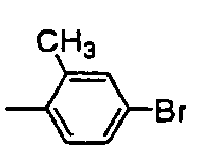
131-133*2 (EtOH) 1-232 1 
CH3 CH3 H 
146-148*2 (EtOAc/EtOH) 1-233 1 
CH3 CH3 H 
160-162*2 (EtOAc/EtOH) 1-234 1 
CH3 CH3 H 
193-195*2 (EtOAc/EtOH) 1-235 1 
CH3 CH3 H 
190-192*2 (EtOAc/EtOH) 1-236 1 
CH3 CH3 CH3 
180-182*2 (EtOAc/EtOH) 1-237 1 
CH3 CH3 H 
159-161*2 (EtOAc/EtOH) 1-238 1 
CH3 CH3 CH3 
amorphous*4 1-239 1 
CH3 CH3 CH3 
amorphous*4 1-240 1 
CH3 CH3 CH3 
amorphous*4 1-241 1 
CH3 CH3 CH3 
amorphous*4 1-242 1 
CH3 CH3 H 
185-187*2 (EtOH) 1-243 1 
CH3 CH3 H 
186-188*2 (EtOAc/EtOH) 1-244 1 
CH3 CH3 H 
174-176*2 (EtOAc/EtOH) 1-245 1 
CH3 CH3 H 
165-167*2 (EtOAc/EtOH) 1-246 1 
CH3 CH3 H 
172-174*2 (EtOAc/EtOH) 1-247 1 
CH3 CH3 H 
155-157*2 (EtOAc/EtOH) 1-248 1 
CH3 CH3 H 
139-141*2 (EtOAc/EtOH) 1-249 1 
CH3 CH3 H 
176-178*2 (EtOAc/IPE) 1-250 1 
CH3 CH3 H 
147-149*2 (EtOAc) 1-251 1 
CH3 CH3 CH3 
170-172*2 (EtOAc) 1-252 1 
CH3 CH3 CH3 
193-195 (EtOAc/IPE) 1-253 1 
CH3 CH3 H 
200-202 (IPE) 1-254 1 
CH3 CH3 CH3 
155-157*2 (EtOAc/EtOH) 1-255 1 
CH3 CH3 CH3 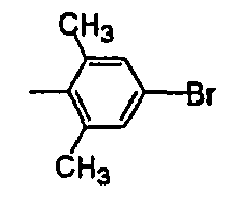
222-224 (IPE) 1-256 1 
CH3 CH3 H 
193-195 (IPE) 1-257 1 
CH3 CH3 CH3 
199-201*2 (EtOAc/EtOH) 1-258 1 
CH3 CH3 H 
166-168*2 (EtOAc/EtOH) 1-259 1 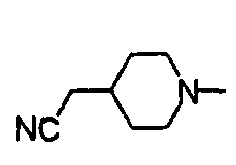
CH3 CH3 H 
165-167*2 (EtOAc/EtOH) 1-260 1 
CH3 CH3 H 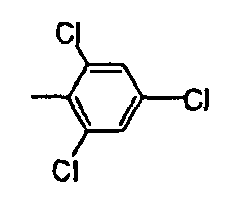
167-169*2 (EtOAc) 1-261 1 
CH3 CH3 H 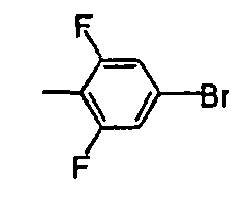
187-189*2 (EtOAc/EtOH) 1-262 1 
CH3 CH3 H 
185-187*2 (EtOAc/IPE) 1-263 1 
CH3 CH3 H 
141-143*2 (EtOAc) 1-264 1 
CH3 CH3 CH3 
179-181 (IPE) 1-265 1 
CH3 CH3 H 
218-220 (EtOAc/EtOH) 1-266 1 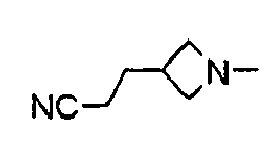
CH3 CH3 CH3 
166-168*2 (EtOAc/EtOH) 1-267 1 
CH3 CH3 H 
amorphous*2 1-268 1 
CH3 CH3 CH3 
158-160*2 (EtOAc/EtOH) 1-269 1 
CH3 CH3 H 
160-162*2 (EtOAc/EtOH) 1-270 1 
CH3 H H 
162-164 (EtOAc/IPE) 1-271 1 
CH3 CH3 H 
133-136*2 (EtOAc/EtOH) 1-272 1 
CH3 CH3 CH3 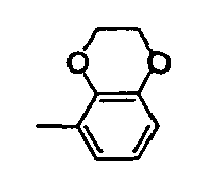
229-231 (CH3CN) 1-273 1 
CH3 CH3 H 
208-210 (CH3CN) 1-274 1 
CH3 CH3 OH 
196-198 (EtOH) 1-275 1 
CH3 CH3 H 
129-131*2 (EtOAc) 1-276 1 
CH3 CH3 CH3 
166-168*2*4 (EtOAc/EtOH) 1-277 1 
CH3 CH3 H 
131-133*2*4 (EtOAc/EtOH) 1-278 1 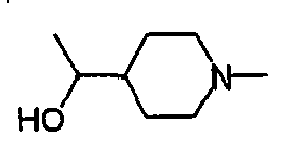
CH3 CH3 CH3 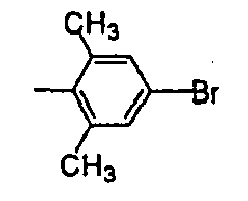
158-160*2*4 (EtOAc/EtOH) 1-279 1 
CH3 CH3 H 
129-131*2*4 (EtOAc/EtOH) 1-280 1 
CH3 CH3 H 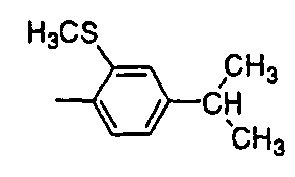
144-146*2*4 (EtOAc/EtOH) 1-281 1 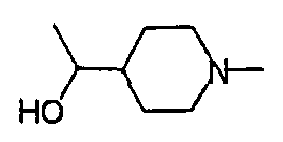
CH3 CH3 H 
170-173*2*4 (EtOAc/EtOH) 1-282 1 
CH3 CH3 H 
152-155*2*4 (EtOAc/EtOH) 1-283 1 
CH3 CH3 CH3 
184-185*2*4 (EtOAc/EtOH) 1-284 1 
CH3 CH3 H 
122-124*2*4 (EtOAc/EtOH) 1-285 1 
CH3 CH3 CH3 
150-152*2 (EtOAc/EtOH) 1-286 1 
CH3 CH3 H 
165-167*2 (EtOAc/EtOH) 1-287 1 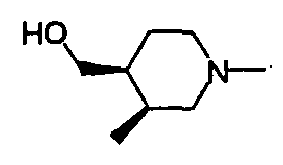
CH3 CH3 CH3 
182-184*2 (EtOAc/EtOH) 1-288 1 
CH3 CH3 H 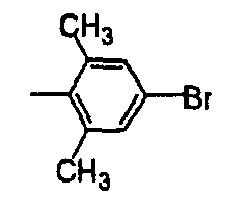
172-174*2 (EtOAc/EtOH) 1-289 1 
CH3 CH3 CH3 
162-165*2 (EtOAc/EtOH) 1-290 1 
CH3 CH3 H 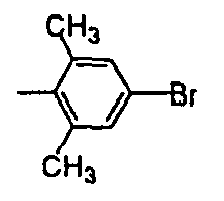
149-151*2. (EtOAc/EtOH) 1-291 1 
CH3 CH3 CH3 
232-234*2 (EtOAc/EtOH) 1-292 1 
CH3 CH3 H 
164-166*2 (EtOAc/EtOH) 1-293 1 
CH3 CH3 CH3 
192-194*2 (EtOAc/EtOH) 1-294 1 
CH3 CH3 H 
153-155*2 (EtOAc/EtOH) 1-295 1 
CH3 CH3 CH3 
162-164*2 (EtOAc) 1-296 1 
CH3 CH3 H 
204-206*2 (EtOAc/EtOH) 1-297 1 
CH3 CH3 H 
145-147 (EtOAc/IPE) 1-298 1 
CH3 CH3 H 
195-196 (EtOAc/IPE) 1-299 1 
CH3 CH3 H 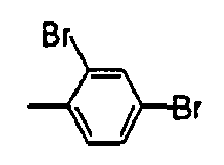
202-203 (EtOAc/IPE) 1-300 1 
CH3 CH3 CH3 
202-203 (EtOAc/IPE) 1-301 1 
CH3 CH3 H 
181-183 (EtOAc/IPE) 1-302 1 
CH3 CH3 CH3 
203-205*4 (IPE) 1-303 1 
CH3 CH3 H 
156-158*4 (IPE) 1-304 1 
CH3 CH3 CH3 
212-213*4 (IPE) 1-305 1 
CH3 CH3 H 
164-166*4 (IPE) 1-306 1 
CH3 CH3 CH3 
188-190 (IPE)*4 1-307 1 
CH3 CH3 H 
191-192 (IPE)*4 1-308 1 
CH3 CH3 CH3 
188-189 (IPE)*4 1-309 1 
CH3 CH3 H 
190-191 (IPE)*4 1-310 1 
CH3 CH3 CH3 
200-202 (IPE) 1-311 1 
CH3 CH3 H 
131-133 (IPE) 1-312 1 
CH3 CH3 CH3 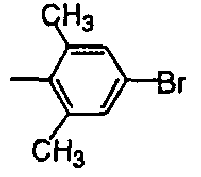
223-224 (IPE) 1-313 1 
CH3 CH3 H 
184-186 (IPE) 1-314 1 
CH3 CH3 CH3 
215-216 (IPE) 1-315 1 
CH3 CH3 H 
214-215 (IPE) 1-316 1 
CH3 CH3 CH3 
amorphous 1-317 1 
CH3 CH3 CH3 
151-153 (EtOAc) 1-318 1 
CH3 CH3 H 
149-151 (IPE) 1-319 1 
CH3 CH3 CH3 
240-242*2 (EtOAc/EtOH) 1-320 1 
CH3 CH3 H 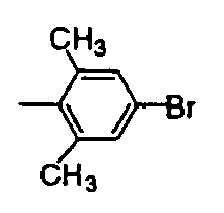
216-218*2 (EtOAc/EtOH) 1-321 1 
CH3 CH3 CH3 
180-183*2 (EtOAc/EtOH) 1-322 1 
CH3 CH3 H 
214-216*2 (EtOAc/EtOH) 1-323 1 
CH3 CH3 CH3 
198-200*2 (EtOAc/EtOH) 1-324 1 
CH3 CH3 H 
291-293*2 (EtOAc/EtOH) 1-325 1 
CH3 CH3 CH3 
amorphous 1-326 1 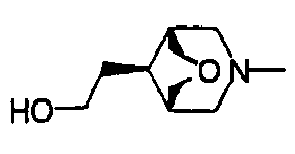
CH3 CH3 CH3 
183-186*2 (EtOAc/EtOH) 1-327 1 
CH3 CH3 H 
154-156*2 (EtOAc/EtOH) 1-328 1 
CH3 CH3 CH3 
192-194 (No solvent) 1-329 1 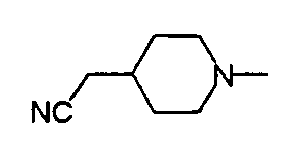
CH3 H H 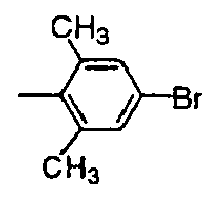
156-158*2*5 1-330 1 
CH3 CH3 H 
159-161*2 (IPE) 1-331 1 
CH3 CH3 OH 
242-244*5 1-332 1 
CH3 CH3 CH3 
217-219*2 (EtOAc/EtOH) 1-333 1 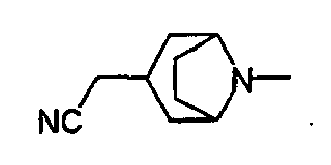
CH3 CH3 H 
204-206*2 (EtOAc/EtOH) 1-334 1 
CH3 CH3 CH3 
143-145*2 (EtOAc/EtOH) 1-335 1 
CH3 CH3 H 
172-174*2 (EtOAc/EtOH) 1-336 1 
CH3 CH3 CH3 
168-170 (IPE/hexane) 1-337 1 
CH3 CH3 H 
164-166 (IPE) 1-338 1 
CH3 CH3 CH3 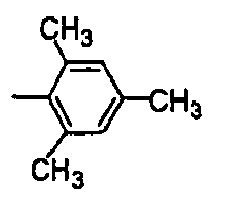
amorphous 1-339 1 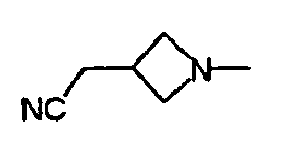
CH3 CH3 H 
amorphous 1-340 1 
CH3 CH3 CH3 
148-150 (IPE) 1-341 1 
CH3 CH3 CH3 
183-185 (IPE) 1-342 1 
CH3 CH3 CH3 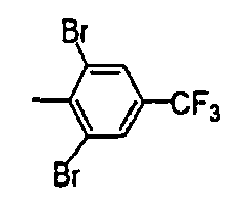
221-223 (EtOAc) 1-343 1 
CH3 CH3 H 
205-206 (EtOAc) 1-344 1 
CH3 CH3 H 
203-204 (EtOAc) 1-345 1 
CH3 CH3 H 
196-198 (EtOAc) 1-346 1 
CH3 CH3 CH3 
234-236 (EtOAc) 1-347 1 
CH3 CH3 H 
202-236 (EtOAc) 1-348 1 
CH3 CH3 H 
187-188 (EtOAc) 1-349 1 
CH3 CH3 H 
200-201 (EtOAc)
1-003:
MS (ES, Pos.): 589 (M + 1)+, 591 (M + 3)+, 593 (M + 5)+, 611 (M + Na)+, 613 (M + Na + 2)+, 615 (M + Na + 4)+; HPLC retention time: 4.84 min. (Capcell Pak UG120, 4.6 mm × 150 mm, Shiseido); Flow rate: 1.0 ml/min; Mobile phase: acetonitrile /0.05M ammonium acetate aqueous solution (80 : 20), pH of the solvent was adjusted to 7.4 with aqueous ammonia or acetic acid.
1-005:
MS (ES, Pos.): 457 (M + 1)+, 459 (M + 3)+, 479 (M + Na)+, 481 (M + Na + 2)+; HPLC retention time: 9.47 min. (Capcell Pak UG120, 4.6 mm × 150 mm, Shiseido); Flow rate: 1.0 ml/min; Mobile phase: acetonitrile / 0.05M ammonium acetate aqueous solution (80 : 20), pH of the solvent was adjusted to 7.4 with aqueous ammonia or acetic acid.
1-011:
MS (ES, Pos.): 393 (M + 1)+, 415 (M + Na)+; HPLC retention time: 4.16 min. (Capcell Pak UG120, 4.6 mm × 150 mm, Shiseido); Flow rate: 1.0 ml/min; Mobile phase: acetonitrile / 0.05M ammonium acetate aqueous solution (80 : 20), pH of the solvent was adjusted to 7.4 with aqueous ammonia or acetic acid.
1-012:
MS (ES, Pos.): 379 (M + 1)+, 401 (M + Na)+; HPLC retention time: 3.8 min. (Capcell Pak UG120, 4.6 mm × 150 mm, Shiseido); Flow rate: 1.0 ml/min; Mobile phase: acetonitrile / 0.05M ammonium acetate aqueous solution (80 : 20), pH of the solvent was adjusted to 7.4 with aqueous ammonia or acetic acid.
1-013:
MS (ES, Pos.): 523 (M + 1)+, 525 (M + 3)+, 527 (M + 5)+, 545 (M + Na)+, 547(M + Na + 2)+, 549 (M + Na + 4)+; HPLC retention time: 3.14 and 3.27 min. (Capcell Pak UG120, 4.6 mm × 150 mm, Shiseido); Flow rate: 1.0 ml/min; Mobile phase: acetonitrile / 0.05M ammonium acetate aqueous solution (80 : 20), pH of the solvent was adjusted to 7.4 with aqueous ammonia or acetic acid.
1-014:
MS (ES, Pos.): 539 (M + 1)+, 541 (M + 3)+, 543(M + 5)+, 561 (M + Na)+, 563 (M + Na + 2)+, 565 (M + Na + 4)+; HPLC retention time: 3.57 and 3.69 min. (Capcell Pak UG120, 4.6 mm × 150 mm, Shiseido); Flow rate: 1.0 ml/min; Mobile phase: acetonitrile / 0.05M ammonium acetate aqueous solution (80 : 20), pH of the solvent was adjusted to 7.4 with aqueous ammonia or acetic acid.
1-015:
MS (ES, Pos.): 575 (M + 1)+, 577 (M + 3)+, 579 (M + 5)+; HPLC retention time: 4.05 min. (Capcell Pak UG120, 4.6 mm × 150 mm, Shiseido); Flow rate: 1.0 ml/min; Mobile phase: acetonitrile / 0.05M ammonium acetate aqueous solution (80 : 20), pH of the solvent was adjusted to 7.4 with aqueous ammonia or acetic acid.
1-016:
MS (ES, Pos.): 457 (M + 1)+, 459 (M + 3)+, 479 (M + Na)+, 481 (M + Na + 2)+; HPLC retention time: 4.60 min. (Capcell Pak UG120, 4.6 mm × 150 mm, Shiseido); Flow rate: 1.0 ml/min; Mobile phase: acetonitrile / 0.05M ammonium acetate aqueous solution (80 : 20), pH of the solvent was adjusted to 7.4 with aqueous ammonia or acetic acid.
1-017 (the enantiomer of 1-018):
HPLC retention time: 10.0 min. (CHIRAL PAK AD (DAICEL CHEMICAL INDUSTRIES, LTD), 0.46 cm I.D. × 25 cm, mobile phase: hexane / IPA= 20:1, flow rate: 1.0 mL / min.)
1-018 (the enantiomer of 1-017):
HPLC retention time: 11.4 min. (CHIRAL PAK AD (DAICEL CHEMICAL INDUSTRIES, LTD), 0.46 cm I.D. × 25 cm, mobile phase: hexane / IPA= 20:1, flow rate: 1.0 mL/min.)
1-019:
MS (ES, Pos.): 443 (M + 1)+, 466 (M + Na)+; HPLC retention time: 4.27 min. (Capcell Pak UG120, 4.6 mm × 150 mm, Shiseido); Flow rate: 1.0 ml/min; Mobile phase: acetonitrile / 0.05M ammonium acetate aqueous solution (80 : 20), pH of the solvent was adjusted to 7.4 with aqueous ammonia or acetic acid.
1-020 (the enantiomer of 1-021):
HPLC retention time: 9.1 min. (CHIRAL PAKAD (DAICEL CHEMICAL INDUSTRIES, LTD), 0.46 cm I.D. × 25 cm, mobile phase: hexane / IPA= 20:1, flow rate: 1.0 mL / min.)
1-021 (the enantiomer of 1-020):
HPLC retention time: 11.0 min. (CHIRAL PAK AD (DAICEL CHEMICAL INDUSTRIES, LTD), 0.46 cm I.D. × 25 cm, mobile phase: hexane / IPA= 20:1, flow rate: 1.0 mL/min.)
1-022:
MS (ES, Pos.): 439 (M + 1)+, 461 (M + Na)+; HPLC retention time: 4.27 and 4.56 min. (Capcell Pak UG120, 4.6 mm × 150 mm, Shiseido); Flow rate: 1.0 ml/min; Mobile phase: acetonitrile / 0.05M ammonium acetate aqueous solution (80 : 20), pH of the solvent was adjusted to 7.4 with aqueous ammonia or acetic acid.
1-023:
MS (ES, Pos.): 425 (M + 1)+, 447 (M + Na)+; HPLC retention time: 4.16 min. (Capcell Pak UG120, 4.6 mm × 150 mm, Shiseido); Flow rate: 1.0 ml/min; Mobile phase: acetonitrile / 0.05M ammonium acetate aqueous solution (80 : 20), pH of the solvent was adjusted to 7.4 with aqueous ammonia or acetic acid.
1-024:
MS (ES, Pos.): 497 (M + 1)+, 499 (M + 3)+, 519 (M + Na)+, 521 (M + Na + 2)+; HPLC retention time: 3.72 min. (Capcell Pak UG120, 4.6 mm × 150 mm, Shiseido); Flow rate: 1.0 ml/min; Mobile phase: acetonitrile / 0.05M ammonium acetate aqueous solution (80 : 20), pH of the solvent was adjusted to 7.4 with aqueous ammonia or acetic acid.
1-025:
MS (ES, Pos.): 483 (M + 1)+, 485 (M + 3)+, 505 (M + Na)+, 507 (M + Na + 2)+; HPLC retention time: 3.66 min. (Capcell Pak UG120, 4.6 mm × 150 mm, Shiseido); Flow rate: 1.0 ml/min; Mobile phase: acetonitrile / 0.05M ammonium acetate aqueous solution (80 : 20), pH of the solvent was adjusted to 7.4 with aqueous ammonia or acetic acid.
1-026:
MS (ES, Pos.): 421 (M +1)+; HPLC retention time: 5.20 min. (Capcell Pak UG120, 4.6 mm × 150 mm, Shiseido); Flow rate: 1.0 ml/min; Mobile phase: acetonitrile / 0.05M ammonium acetate aqueous solution (80 : 20), pH of the solvent was adjusted to 7.4 with aqueous ammonia or acetic acid.
1-027:
MS (ES, Pos.): 409 (M + 1)+, 431 (M + Na)+; HPLC retention time: 2.70 min. (Capcell Pak UG120, 4.6 mm × 150 mm, Shiseido); Flow rate: 1.0 ml/min; Mobile phase: acetonitrile / 0.05M ammonium acetate aqueous solution (80 : 20), pH of the solvent was adjusted to 7.4 with aqueous ammonia or acetic acid.
1-028:
MS (ES, Pos.): 419 (M + 1)+; HPLC retention time: 5.45 min. (Capcell Pak UG120, 4.6 mm × 150 mm, Shiseido); Flow rate: 1.0 ml/min; Mobile phase: acetonitrile / 0.05M ammonium acetate aqueous solution (80 : 20), pH of the solvent was adjusted to 7.4 with aqueous ammonia or acetic acid.
1-029:
MS (ES, Pos.): 415 (M + 1)+; HPLC retention time: 5.27 min. (Capcell Pak UG120, 4.6 mm × 150 mm, Shiseido); Flow rate: 1.0 ml/min; Mobile phase: acetonitrile / 0.05M ammonium acetate aqueous solution (80 : 20), pH of the solvent was adjusted to 7.4 with aqueous ammonia or acetic acid.
1-030:
MS (ES, Pos.): 485 (M + 1)+, 487 (M + 3)+, 507 (M + Na)+, 509 (M + Na + 2)+; HPLC retention time: 8.57 min. (Capcell Pak UG120, 4.6 mm × 150 mm, Shiseido); Flow rate: 1.0 ml/min; Mobile phase: acetonitrile / 0.05M ammonium acetate aqueous solution (80 : 20), pH of the solvent was adjusted to 7.4 with aqueous ammonia or acetic acid.
1-031:
MS (ES, Pos.): 471 (M + 1)+, 473 (M + 3)+, 493 (M + Na)+, 495 (M + Na + 2)+; HPLC retention time: 7.71 min. (Capcell Pak UG120, 4.6 mm × 150 mm, Shiseido); Flow rate: 1.0 ml/min; Mobile phase: acetonitrile / 0.05M ammonium acetate aqueous solution (80 : 20), pH of the solvent was adjusted to 7.4 with aqueous ammonia or acetic acid.
1-036:
MS (ES, Pos.): 407 (M + 1)+, 429 (M + Na)+; HPLC retention time: 4.32 min. (Capcell Pak UG120, 4.6 mm × 150 mm, Shiseido); Flow rate: 1.0 ml/min; Mobile phase: acetonitrile / 0.05M ammonium acetate aqueous solution (80 : 20), pH of the solvent was adjusted to 7.4 with aqueous ammonia or acetic acid.
1-037:
MS (ES, Pos.): 415 (M + Na)+; HPLC retention time: 3.98 min. (Capcell Pak UG120, 4.6 mm × 150 mm, Shiseido); Flow rate: 1.0 ml/min; Mobile phase: acetonitrile / 0.05M ammonium acetate aqueous solution (80 : 20), pH of the solvent was adjusted to 7.4 with aqueous ammonia or acetic acid.
1-039:
MS (ES, Pos.): 471 (M + 1)+, 473 (M + 3)+, 493 (M + Na)+, 495(M + Na + 2)+; HPLC retention time: 4.91 min. (Capcell Pak UG120, 4.6 mm × 150 mm, Shiseido); Flow rate: 1.0 ml/min; Mobile phase: acetonitrile / 0.05M ammonium acetate aqueous solution (80 : 20), pH of the solvent was adjusted to 7.4 with aqueous ammonia or acetic acid.
1-040:
MS (ES, Pos.): 479 (M + Na)+, 481 (M + Na + 2)+; HPLC retention time: 4.46 min. (Capcell Pak UG120, 4.6 mm × 150 mm, Shiseido); Flow rate: 1.0 ml/min; Mobile phase: acetonitrile / 0.05M ammonium acetate aqueous solution (80 : 20), pH of the solvent was adjusted to 7.4 with aqueous ammonia or acetic acid.
1-041:
MS (ES, Pos.): 435 (M + 1)+; HPLC retention time: 5.56 min. (Capcell Pak UG120, 4.6 mm × 150 mm, Shiseido); Flow rate: 1.0 ml/min; Mobile phase: acetonitrile /0.05M ammonium acetate aqueous solution (80 : 20), pH of the solvent was adjusted to 7.4 with aqueous ammonia or acetic acid.
1-043:
MS (ES, Pos.): 429 (M + 1)+; HPLC retention time: 5.47 min. (Capcell Pak UG120, 4.6 mm × 150 mm, Shiseido); Flow rate: 1.0 ml/min; Mobile phase: acetonitrile /0.05M ammonium acetate aqueous solution (80 : 20), pH of the solvent was adjusted to 7.4 with aqueous ammonia or acetic acid.
1-044:
MS (ES, Pos.): 499 (M + 1)+, 501 (M + 3)+; HPLC retention time: 6.66 min. (Capcell Pak UG120, 4.6 mm × 150 mm, Shiseido); Flow rate: 1.0 ml/min; Mobile phase: acetonitrile / 0.05M ammonium acetate aqueous solution (80 : 20), pH of the solvent was adjusted to 7.4 with aqueous ammonia or acetic acid.
1-045:
MS (ES, Pos.): 485 (M + 1)+, 487 (M + 3)+, 507 (M + Na)+, 509 (M + Na + 2)+; HPLC retention time: 6.89 min. (Capcell Pak UG120, 4.6 mm × 150 mm, Shiseido); Flow rate: 1.0 ml/min; Mobile phase: acetonitrile / 0.05M ammonium acetate aqueous solution (80 : 20), pH of the solvent was adjusted to 7.4 with aqueous ammonia or acetic acid.
1-056:
MS (ES, Pos.): 415 (M + 1)+; HPLC retention time: 4.45 min. (Capcell Pak UG120, 4.6 mm × 150 mm, Shiseido); Flow rate: 1.0 ml/min; Mobile phase: acetonitrile / 0.05M ammonium acetate aqueous solution (80 : 20), pH of the solvent was adjusted to 7.4 with aqueous ammonia or acetic acid.
1-057:
MS (ES, Pos.): 485 (M + 1)+, 487 (M + 3)+; HPLC retention time: 7.54 min. (Capcell Pak UG120, 4.6 mm × 150 mm, Shiseido); Flow rate: 1.0 ml/min; Mobile phase: acetonitrile / 0.05M ammonium acetate aqueous solution (80 : 20), pH of the solvent was adjusted to 7.4 with aqueous ammonia or acetic acid.
1-063:
MS (ES, Pos.): 571 (M + Na)+, 573 (M + Na + 2)+, 575 (M + Na + 4)+; HPLC retention time: 5.20 min. (Capcell Pak UG120, 4.6 mm × 150 mm, Shiseido); Flow rate: 1.0 ml/min; Mobile phase: acetonitrile / 0.05M ammonium acetate aqueous solution (80 : 20), pH of the solvent was adjusted to 7.4 with aqueous ammonia or acetic acid.
1-092:
MS (ES, Pos.): 449 (M + 1)+; HPLC retention time: 6.24 min. (Capcell Pak UG120, 4.6 mm × 150 mm, Shiseido); Flow rate: 1.0 ml/min; Mobile phase: acetonitrile / 0.05M ammonium acetate aqueous solution (80 : 20), pH of the solvent was adjusted to 7.4 with aqueous ammonia or acetic acid.
1-094:
MS (ES, Pos.): 443 (M + 1)+; HPLC retention time: 6.22 min. (Capcell Pak UG120, 4.6 mm × 150 mm, Shiseido); Flow rate: 1.0 ml/min; Mobile phase: acetonitrile / 0.05M ammonium acetate aqueous solution (80 : 20), pH of the solvent was adjusted to 7.4 with aqueous ammonia or acetic acid.
1-103:
MS (ES, Pos.): 589 (M + 1)+, 591 (M + 3)+, 593(M + 5), 611(M + Na)+, 613 (M +Na + 2)+, 615 (M + Na + 4)+; HPLC retention time: 5.01 min. (Capcell Pak UG120, 4.6 mm × 150 mm, Shiseido); Flow rate: 1.0 ml/min; Mobile phase: acetonitrile / 0.05M ammonium acetate aqueous solution (80 : 20), pH of the solvent was adjusted to 7.4 with aqueous ammonia or acetic acid.
1-104:
MS (ES, Pos.): 471 (M + 1)+, 473 (M + 3)+, 493 (M + Na)+, 495 (M + Na + 2)+; HPLC retention time: 6.69 min. (Capcell Pak UG120, 4.6 mm × 150 mm, Shiseido); Flow rate: 1.0 ml/min; Mobile phase: acetonitrile / 0.05M ammonium acetate aqueous solution (80 : 20), pH of the solvent was adjusted to 7.4 with aqueous ammonia or acetic acid.
1-105:
MS (ES, Pos.): 457 (M + 1)+, 459 (M + 3)+, 479 (M + Na)+, 481 (M + Na + 2)+; HPLC retention time: 6.01 min. (Capcell Pak UG120, 4.6 mm × 150 mm, Shiseido); Flow rate: 1.0 ml/min; Mobile phase: acetonitrile / 0.05M ammonium acetate aqueous solution (80 : 20), pH of the solvent was adjusted to 7.4 with aqueous ammonia or acetic acid.
1-106:
MS (ES, Pos.): 499 (M + 1)+, 501 (M + 3)+, 521 (M + Na)+, 523 (M + Na + 2)+; HPLC retention time: 8.06 min. (Capcell Pak UG120, 4.6 mm × 150 mm, Shiseido); Flow rate: 1.0 ml/min; Mobile phase: acetonitrile / 0.05M ammonium acetate aqueous solution (80 : 20), pH of the solvent was adjusted to 7.4 with aqueous ammonia or acetic acid.
1-107:
MS (ES, Pos.): 485 (M + 1)+, 487 (M + 3)+, 507 (M + Na)+, 509 (M + Na + 2)+; HPLC retention time: 10.24 min. (Capcell Pak UG120, 4.6 mm × 150 mm, Shiseido); Flow rate: 1.0 ml/min; Mobile phase: acetonitrile / 0.05M ammonium acetate aqueous solution (80 : 20), pH of the solvent was adjusted to 7.4 with aqueous ammonia or acetic acid.
1-110:
MS (ES, Pos.): 501 (M + 1)+, 503 (M + 3)+, 523 (M + Na)+, 525 (M + Na + 2)+; HPLC retention time: 4.61 min. (Capcell Pak UG120, 4.6 mm × 150 mm, Shiseido); Flow rate: 1.0 ml/min; Mobile phase: acetonitrile / 0.05M ammonium acetate aqueous solution (80 : 20), pH of the solvent was adjusted to 7.4 with aqueous ammonia or acetic acid.
1-114:
MS (ES, Pos.): 613 (M + Na)+, 615 (M + Na + 2)+, 617(M + Na + 4)+; HPLC retention time: 2.57 min. (Capcell Pak UG120, 4.6 mm × 150 mm, Shiseido); Flow rate: 1.0 ml/min; Mobile phase: acetonitrile / 0.05M ammonium acetate aqueous solution (80 : 20), pH of the solvent was adjusted to 7.4 with aqueous ammonia or acetic acid.
1-115:
HPLC retention time: 10.6 min. (CHIRAL PAK AD (DAICEL CHEMICAL INDUSTRIES, LTD), 0.46 cm I.D. × 25 cm, mobile phase: hexane / IPA= 20:1, flow rate: 1.0 mL / min.)
1-116:
MS (ES, Pos.): 451 (M + Na)+, 453 (M + Na + 2)+; HPLC retention time: 11.5 min. (CHIRAL PAK AD (DAICEL CHEMICAL INDUSTRIES, LTD), 0.46 cm I.D. × 25 cm, mobile phase: hexane / IPA= 20:1, flow rate: 1.0 mL / min.)
1-117:
HPLC retention time: 9.3 min. (CHIRAL PAK AD (DAICEL CHEMICAL INDUSTRIES, LTD), 0.46 cm I.D. × 25 cm, mobile phase: hexane / IPA= 20:1, flow rate: 1.0 mL / min.)
1-118:
MS (ES, Pos.): 429 (M + 1)+, 431 (M + 3)+; HPLC retention time: 12.1 min. (CHIRAL PAK AD (DAICEL CHEMICAL INDUSTRIES, LTD), 0.46 cm I.D. × 25 cm, mobile phase: hexane / IPA= 20:1, flow rate: 1.0 mL / min.)
1-125:
MS (ES, Pos.): 388 (M + 1)+, 410 (M + Na)+; HPLC retention time: 4.20 min. (Capcell Pak UG120, 4.6 mm × 150 mm, Shiseido); Flow rate: 1.0 ml/min; Mobile phase: acetonitrile / 0.05M ammonium acetate aqueous solution (80 : 20), pH of the solvent was adjusted to 7.4 with aqueous ammonia or acetic acid.
1-126:
MS (ES, Pos.): 396 (M + Na)+; HPLC retention time: 4.40 min. (Capcell Pak UG120, 4.6 mm × 150 mm, Shiseido); Flow rate: 1.0 ml/min; Mobile phase: acetonitrile / 0.05M ammonium acetate aqueous solution (80 : 20), pH of the solvent was adjusted to 7.4 with aqueous ammonia or acetic acid.
1-127 (a diastereoisomer of 1-128):
Rf value 0.55 (developing solvent: hexane / EtOAc= 1:1, TLC plate Silica gel 60 F254 (Merck)); 1H NMR (300 MHz, CDCl3) δ 1.64-1.82 (1 H, m), 1.83-2.03 (2 H, m), 2.05-2.18 (1 H, m), 2.34 (3 H, s), 2.46 (3 H, m), 2.53 (3 H, s), 2.99-3.12 (1 H, m), 3.31-3.70 (3H, m), 3.90-4.02 (1 H, m), 6.63 (1 H, s), 7.30 (1 H, d, J = 2.0 Hz), 7.62 (1 H, d, J = 2.0 Hz); MS (ES, Pos.): 556 (M + Na)+, 558 (M + Na + 2), 560 (M + Na + 4)+
1-128 (a diastereoisomer of 1-127):
Rf value 0.48 (developing solvent: hexane / EtOAc= 1:1, TLC plate Silica gel 60 F254 (Merck)); 1H NMR (300 MHz, CDCl3) δ 1.62-1.81 (1 H, m), 1.89-2.03 (2 H, m), 2.05-2.19 (1 H, m), 2.35 (3 H, s), 2.46 (3 H, d, J = 1.2 Hz), 2.53 (3 H, s), 3.01-3.13 (1 H, m), 3.34-3.70 (3H, m), 3.91-4.02 (1 H, m), 6.63 (1 H, s), 7.30 (1 H, d, J = 2.0 Hz), 7.62 (1 H, d, J = 2.0 Hz); MS (ES, Pos.): 534 (M + 1)+, 536 (M + 3)+, 538 (M + 5)+, 556 (M + Na)+, 558 (M + Na + 2), 560 (M + Na + 4)+
1-129:
MS (ES, Pos.): 570 (M + 1)+, 572 (M + 3)+, 574 (M + 5)+; HPLC retention time: 4.46 min. (Capcell Pak UG120, 4.6 mm × 150 mm, Shiseido); Flow rate: 1.0 ml/min; Mobile phase: acetonitrile / 0.05M ammonium acetate aqueous solution (80 : 20), pH of the solvent was adjusted to 7.4 with aqueous ammonia or acetic acid.
1-130:
MS (ES, Pos.): 452 (M + 1)+, 454(M + 3)+, 474(M + Na)+, 476(M + Na + 2)+; HPLC retention time: 5.36 min. (Capcell Pak UG120, 4.6 mm × 150 mm, Shiseido); Flow rate: 1.0 ml/min; Mobile phase: acetonitrile / 0.05M ammonium acetate aqueous solution (80 : 20), pH of the solvent was adjusted to 7.4 with aqueous ammonia or acetic acid.
1-131:
MS (ES, Pos.): 460 (M + Na)+, 462 (M + Na + 2)+; HPLC retention time: 4.87 min. (Capcell Pak UG120, 4.6 mm × 150 mm, Shiseido); Flow rate: 1.0 ml/min; Mobile phase: acetonitrile / 0.05M ammonium acetate aqueous solution (80 : 20), pH of the solvent was adjusted to 7.4 with aqueous ammonia or acetic acid.
1-132:
MS (ES, Pos.): 456 (M + Na)+; HPLC retention time: 5.12 min. (Capcell Pak UG120, 4.6 mm × 150 mm, Shiseido); Flow rate: 1.0 ml/min; Mobile phase: acetonitrile / 0.05M ammonium acetate aqueous solution (80 : 20), pH of the solvent was adjusted to 7.4 with aqueous ammonia or acetic acid.
1-133:
MS (ES, Pos.): 442 (M + Na)+; HPLC retention time: 4.64 min. (Capcell Pak UG120, 4.6 mm × 150 mm, Shiseido); Flow rate: 1.0 ml/min; Mobile phase: acetonitrile / 0.05M ammonium acetate aqueous solution (80 : 20), pH of the solvent was adjusted to 7.4 with aqueous ammonia or acetic acid.
1-138:
MS (ES, Pos.): 500 (M + Na)+, 502 (M + Na + 2)+; HPLC retention time: 4.05 min. (Capcell Pak UG120, 4.6 mm × 150 mm, Shiseido); Flow rate: 1.0 ml/min; Mobile phase: acetonitrile / 0.05M ammonium acetate aqueous solution (80 : 20), pH of the solvent was adjusted to 7.4 with aqueous ammonia or acetic acid.
1-140:
MS (ES, Pos.): 410 (M + 1)+; HPLC retention time: 5.85 min. (Capcell Pak UG120, 4.6 mm × 150 mm, Shiseido); Flow rate: 1.0 ml/min; Mobile phase: acetonitrile / 0.05M ammonium acetate aqueous solution (80 : 20), pH of the solvent was adjusted to 7.4 with aqueous ammonia or acetic acid.
1-141:
MS (ES, Pos.): 480 (M + 1)+, 482 (M + 3)+, 502 (M + Na)+, 504 (M + Na + 2)+; HPLC retention time: 7.51 min. (Capcell Pak UG120, 4.6 mm × 150 mm, Shiseido); Flow rate: 1.0 ml/min; Mobile phase: acetonitrile / 0.05M ammonium acetate aqueous solution (80 : 20), pH of the solvent was adjusted to 7.4 with aqueous ammonia or acetic acid.
1-142:
MS (ES, Pos.): 466 (M + 1)+, 468 (M + 3)+, 488 (M + Na)+, 490 (M + Na + 2)+; HPLC retention time: 9.01 min. (Capcell Pak UG120, 4.6 mm × 150 mm, Shiseido); Flow rate: 1.0 ml/min; Mobile phase: acetonitrile / 0.05M ammonium acetate aqueous solution (80 : 20), pH of the solvent was adjusted to 7.4 with aqueous ammonia or acetic acid.
1-143:
MS (ES, Pos.): 584 (M + 1)+, 586 (M + 3)+, 588 (M + 5)+, 606 (M + Na)+, 608 (M + Na + 2)+, 610 (M + Na + 4)+; HPLC retention time: 4.48 min. (Capcell Pak UG120, 4.6 mm × 150 mm, Shiseido); Flow rate: 1.0 ml/min; Mobile phase: acetonitrile /0.05M ammonium acetate aqueous solution (80 : 20), pH of the solvent was adjusted to 7.4 with aqueous ammonia or acetic acid.
1-144:
MS (ES, Pos.): 466 (M + 1)+, 468 (M + 3)+, 488 (M + Na)+, 490 (M + Na + 2)+; HPLC retention time: 5.92 min. (Capcell Pak UG120, 4.6 mm × 150 mm, Shiseido); Flow rate: 1.0 ml/min; Mobile phase: acetonitrile / 0.05M ammonium acetate aqueous solution (80 : 20), pH of the solvent was adjusted to 7.4 with aqueous ammonia or acetic acid.
1-146:
MS (ES, Pos.): 516 (M + Na)+, 518 (M + Na + 2)+; HPLC retention time: 8.63 min. (Capcell Pak UG120, 4.6 mm × 150 mm, Shiseido); Flow rate: 1.0 ml/min; Mobile phase: acetonitrile / 0.05M ammonium acetate aqueous solution (80 : 20), pH of the solvent was adjusted to 7.4 with aqueous ammonia or acetic acid.
1-147:
MS (ES, Pos.): 480 (M + 1)+, 482 (M + 3)+, 502 (M + Na)+, 504 (M + Na + 2)+; HPLC retention time: 3.44 min. (Capcell Pak UG120, 4.6 mm × 150 mm, Shiseido); Flow rate: 1.0 ml/min; Mobile phase: acetonitrile / 0.05M ammonium acetate aqueous solution (80 : 20), pH of the solvent was adjusted to 7.4 with aqueous ammonia or acetic acid.
1-149:
MS (ES, Pos.): 466 (M + 1)+, 468 (M + 3)+, 488 (M + Na)+, 490 (M + Na + 2)+
1-168:
MS (ES, Pos.): 444 (M + 1)+, 466 (M + Na)+; HPLC retention time: 4.11 min. (Capcell Pak UG120, 4.6 mm × 150 mm, Shiseido); Flow rate: 1.0 ml/min; Mobile phase: acetonitrile / 0.05M ammonium acetate aqueous solution (80 : 20), pH of the solvent was adjusted to 7.4 with aqueous ammonia or acetic acid.
1-171:
MS (ES, Pos.): 596 (M + 1)+, 598 (M + 3)+, 600 (M + 5)+, 618 (M + Na)+, 620 (M + Na + 2)+, 622 (M + Na + 4)+; HPLC retention time: 5.87 min. (Capcell Pak UG120, 4.6 mm × 150 mm, Shiseido); Flow rate: 1.0 ml/min; Mobile phase: acetonitrile / 0.05M ammonium acetate aqueous solution (80 : 20), pH of the solvent was adjusted to 7.4 with aqueous ammonia or acetic acid.
1-174:
MS (ES, Pos.): 506 (M + 1)+, 508 (M + 3)+, 528 (M + Na)+, 530 (M + Na + 2)+; HPLC retention time: 5.83 min. (Capcell Pak UG120, 4.6 mm × 150 mm, Shiseido); Flow rate: 1.0 ml/min; Mobile phase: acetonitrile / 0.05M ammonium acetate aqueous solution (80 : 20), pH of the solvent was adjusted to 7.4 with aqueous ammonia or acetic acid.
1-179:
MS (ES, Pos.): 474 (M + Na)+, 476 (M + Na + 2)+; HPLC retention time: 5.74 min. (Capcell Pak UG120, 4.6 mm × 150 mm, Shiseido); Flow rate: 1.0 ml/min; Mobile phase: acetonitrile / 0.05M ammonium acetate aqueous solution (80 : 20), pH of the solvent was adjusted to 7.4 with aqueous ammonia or acetic acid.
1-194:
MS (ES, Pos.): 421 (M + 1)+; HPLC retention time: 5.08 min. (Capcell Pak UG120, 4.6 mm × 150 mm, Shiseido); Flow rate: 1.0 ml/min; Mobile phase: acetonitrile / 0.05M ammonium acetate aqueous solution (80 : 20), pH of the solvent was adjusted to 7.4 with aqueous ammonia or acetic acid.
1-209:
MS (ES, Pos.): 496 (M + 1)+
1-210:
MS (ES, Pos.): 482 (M + 1)+
1-222:
MS (ES, Pos.): 421 (M + 1)+; HPLC retention time: 7.13 min. (Capcell Pak UG120, 4.6 mm × 150 mm, Shiseido); Flow rate: 1.0 ml/min; Mobile phase: acetonitrile / 0.05M ammonium acetate aqueous solution (80 : 20), pH of the solvent was adjusted to 7.4 with aqueous ammonia or acetic acid.
1-238:
MS (ES, Pos.): 575 (M + 1)+, 577 (M + 3)+, 579 (M + 5)+ HPLC retention time: 8.6 min. (CHIRAL PAK AD (DAICEL CHEMICAL INDUSTRIES, LTD), 0.46 cm I.D. × 25 cm, mobile phase: hexane / IPA = 20:1, flow rate: 1.0 mL / min.)
1-239:
MS (ES, Pos.): 575 (M + 1)+, 577 (M + 3)+, 579 (M + 5)+ HPLC retention time: 9.6 min. (CHIRAL PAKAD (DAICEL CHEMICAL INDUSTRIES, LTD), 0.46 cm I.D. × 25 cm, mobile phase: hexane / IPA = 20:1, flow rate: 1.0 mL / min.)
1-240:
MS (ES, Pos.): 570 (M + 1)+, 572 (M + 3)+, 574 (M + 5)+ HPLC retention time: 13.0 min. (CHIRAL PAK AD (DAICEL CHEMICAL INDUSTRIES, LTD), 0.46 cm I.D. × 25 cm, mobile phase: hexane / IPA= 100:1, flow rate: 1.0 mL / min.)
1-241:
MS (ES, Pos.): 570 (M + 1)+, 572 (M + 3)+, 574 (M + 5)+ HPLC retention time: 11.9 min. (CHIRAL PAK AD (DAICEL CHEMICAL INDUSTRIES, LTD), 0.46 cm I.D. × 25 cm, mobile phase: hexane / IPA = 100:1, flow rate: 1.0 mL / min.)
1-267:
MS (ES, Pos.): 438 (M + 1)+, 440 (M + 3)+, 460 (M + Na)+, 462 (M + Na + 2)+; HPLC retention time: 4.43 min. (Capcell Pak UG120, 4.6 mm × 150 mm, Shiseido); Flow rate: 1.0 ml/min; Mobile phase: acetonitrile / 0.05M ammonium acetate aqueous solution (80 : 20), pH of the solvent was adjusted to 7.4 with aqueous ammonia or acetic acid.
1-276 (the enantiomer of 1-278):
[α]D 29 = +7.41 (c 1.00, CH3OH)
1-277 (the enantiomer of 1-279):
HPLC retention time: 6.0 min. (CHIRAL PAK AD (DAICEL CHEMICAL INDUSTRIES, LTD), 0.46 cm I.D. × 25 cm, mobile phase: hexane / IPA= 8:1, flow rate: 1.0 mL / min.)
1-278 (the enantiomer of 1-276):
[α]D 29 = -5.90 (c 1.01, CH3OH)
1-279 (the enantiomer of 1-277):
HPLC retention time: 5.5 min. (CHIRAL PAK AD (DAICEL CHEMICAL INDUSTRIES, LTD), 0.46 cm I.D. × 25 cm, mobile phase: hexane / IPA= 8:1, flow rate: 1.0 mL/min.)
1-280:
[α]D 29 = -9.30 (c 0.41, CH3OH)
1-281:
[α]D 28= -11.2 (c 0.41, CH3OH)
1-282:
[α]D 28 = -18.0 (c 0.41, CH3OH)
1-283:
[α]D 22=-6.6 (c 0.40, CH3OH)
1-284:
[α]D 28 = -5.5 (c 0.40, CH3OH)
1-302 (the enantiomer of 1-304):
HPLC retention time: 8.4 min. (CHIRAL PAK AD (DAICEL CHEMICAL INDUSTRIES, LTD), 0.46 cm I.D. × 25 cm, mobile phase: hexane / IPA= 8:1, flow rate: 1.0 mL / min.)
1-303 (the enantiomer of 1-305):
HPLC retention time: 9.2 min. (CHIRAL PAK AD (DAICEL CHEMICAL INDUSTRIES, LTD), 0.46 cm I.D. × 25 cm, mobile phase: hexane / IPA= 8:1, flow rate: 1.0 mL/ min.)
1-304 (the enantiomer of 1-302):
HPLC retention time: 8.9 min. (CHIRAL PAK AD (DAICEL CHEMICAL INDUSTRIES, LTD), 0.46 cm I.D. × 25 cm, mobile phase: hexane / IPA= 8:1, flow rate: 1.0 mL / min.)
1-305 (the enantiomer of 1-303):
HPLC retention time: 10.6 min. (CHIRAL PAK AD (DAICEL CHEMICAL INDUSTRIES, LTD), 0.46 cm I.D. × 25 cm, mobile phase: hexane / IPA= 8:1, flow rate: 1.0 mL / min.)
1-306 (the enantiomer of 1-308):
[α]D 28= +5.38 (c 0.81, CH3OH)
1-307 (the enantiomer of 1-309):
HPLC retention time: 16.6 min. (CHIRAL PAKAD (DAICEL CHEMICAL INDUSTRIES, LTD), (0.46 cm I.D. × 25 cm) × 2, mobile phase: hexane / IPA= 8:1, flow rate: 1.0 mL/ min.)
1-308 (the enantiomer of 1-306):
[α]D 29 = -7.69 (c 0.80, CH3OH)
1-309 (the enantiomer of 1-307):
HPLC retention time: 17.4 min. (CHIRAL PAK AD (DAICEL CHEMICAL INDUSTRIES, LTD), (0.46 cm I.D. × 25 cm) × 2, mobile phase: hexane / IPA= 8:1, flow rate: 1.0 mL/ min.)
1-316:
MS (ES, Pos.): 451 (M + 1)+; HPLC retention time: 6.26 min. (Xterra MS C18 (Waters, Milford, MA) 3.5 µm, 4.6 × 100 mm); Flow rate 1.6 ml/min. Three mobile phases (mobile phase A 95% 25mM ammonium acetate + 5% acetonitrile; mobile phase B: acetonitrile; mobile phase C: methanol) were employed to run a gradient condition from 100 % A to 50% B and 50% C in 6.5 min., to 100 % B in 1 min, 100% B for 1 min. and reequilibrate with 100 % A for 1.5 min)
1-325:
MS (ES, Pos.): 449 (M + 1)+; HPLC retention time: 5.78 min. (Xterra MS C18 (Waters, Milford, MA) 3.5 µm, 4.6 × 100 mm); Flow rate 1.6 ml/min. Three mobile phases (mobile phase A 95% 25mM ammonium acetate + 5% acetonitrile; mobile phase B: acetonitrile; mobile phase C: methanol) were employed to run a gradient condition from 100 % A to 50% B and 50% C in 6.5 min., to 100 % B in 1 min, 100% B for 1 min. and reequilibrate with 100 % A for 1.5 min)
1-338:
MS (ES, Pos.): 360 (M + 1)+; HPLC retention time: 6.19 min. (Xterra MS C18 (Waters, Milford, MA) 3.5 µm, 4.6 × 100 mm); Flow rate 1.6 ml/min. Three mobile phases (mobile phase A 95% 25mM ammonium acetate + 5% acetonitrile; mobile phase B: acetonitrile; mobile phase C: methanol) were employed to run a gradient condition from 100 % A to 50% B and 50% C in 6.5 min., to 100 % B in 1 min, 100% B for 1 min. and reequilibrate with 100 % A for 1.5 min)
1-339:
MS (ES, Pos.): 424 (M + 1)+, 426 (M + 3)+; HPLC retention time: 5.93 min. (Xterra MSC18 (Waters, Milford, MA) 3.5 µm, 4.6 x 100 mm); Flow rate 1.6 ml/min. Three mobile phases (mobile phase A 95% 25mM ammonium acetate + 5% acetonitrile; mobile phase B: acetonitrile; mobile phase C: methanol) were employed to run a gradient condition from 100 % A to 50% B and 50% C in 6.5 min., to 100 % B in 1 min, 100% B for 1 min. and reequilibrate with 100 % A for 1.5 min)
*2: HCl salt
*3: a mixture of diastereomers
*4: optically active compound
*5: Crystallized on standing from the compound purified (silica gel column chromatography) and dried.Table 2*1 
Com. No. Ex. No. 
R10 R6 R7 R8 -Ar melting point (°C) (solvent for crystallization) 2-001 1 
H CH3 CH3 CH3 
amorphous 2-002 1 
H CH3 CH3 CH3 
amorphous 2-003 1 
H CH3 CH3 H 
119-121*2 (IPE) 2-004 1 
H CH3 CH3 CH3 
200-202*2 (EtOAc) 2-005 1 
H CH3 CH3 H 
204-206*2 (ACE) 2-006 1 
H CH3 CH3 CH3 
228-230*2 (EtOAc) 2-007 1 
H CH3 CH3 H 
218-220*2 (ACE) 2-008 1 
H CH3 CH3 CH3 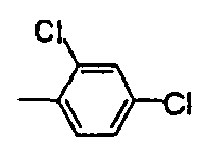
179-181*2 (EtOAc/EtOH) 2-009 1 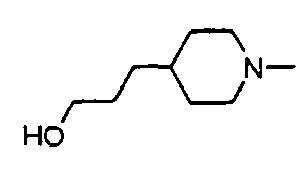
H CH3 CH3 H 
204-206*2 (ACE) 2-010 1 
H CH3 CH3 CH3 
146-148*2 (EtOAc/EtOH) 2-011 1 
H CH3 CH3 H 
108-110*2 (IPE) 2-012 1 
H CH3 CH3 CH3 
amorphous 2-013 1 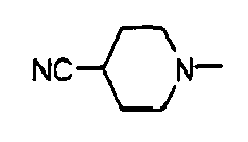
H CH3 CH3 CH3 
163-165*2 (EtOAc/EtOH) 2-014 1 
H CH3 CH3 H 
179-181*2 (ACE) 2-015 1 
H CH3 CH3 CH3 
149-151*2 (EtOAc) 2-016 1 
H CH3 CH3 CH3 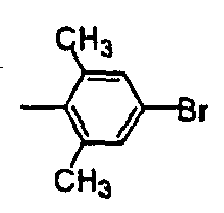
125-127*2 (MeOH/IPE) 2-017 1 
H CH3 CH3 CH3 
172-174*2 (ACE/IPE) 2-018 1 
H CH3 CH3 CH3 
133-135*2 (MeOH) 2-019 1 
H CH3 CH3 H 
207-209*2 (ACE) 2-020 1 
H CH3 CH3 CH3 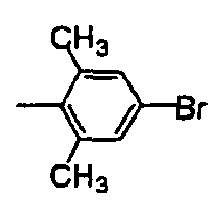
130-132*2 (MeOH/IPE) 2-021 1 
H CH3 CH3 CH3 
124-126*2 (MeOH) 2-022 1 
H CH3 CH3 H 
110-112*2 (IPE) 2-023 1 
H CH3 CH3 CH3 
132-134*2 (MeOH/IPE) 2-024 1 
H CH3 CH3 CH3 
130-132*2 (MeOH) 2-025 1 
H CH3 CH3 H 
200-202*2 (IPA) 2-026 1 
H CH3 CH3 CH3 
122-124*2 (MeOH) 2-027 1 
H CH3 CH3 CH3 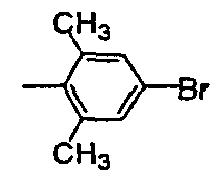
198-200*2 (MeOH/IPE) 2-028 1 
H CH3 CH3 CH3 
124-126*2 (MeOH) 2-029 1 
H CH3 CH3 H 
184-186*2 (Et2O) 2-030 1 
H CH3 CH3 CH3 
138-140*2 (MeOH) 2-031 1 
H CH3 CH3 H 
157-159*2 (ACE) 2-032 1 
H CH3 CH3 H 
154-156*2 (Et2O) 2-033 1 
H CH3 CH3 CH3 
167-169*2 (MeOH) 2-034 1 
H CH3 CH3 H 
amorphous*2 2-035 1 
H CH3 CH3 CH3 
223-225*2 (ACE) 2-036 1 
H CH3 CH3 H 
236-238*2 (CH3CN) 2-037 1 
H CH3 CH3 CH3 
228-230*2 (ACE) 2-038 1 
H CH3 CH3 H 
230-232*2 (CH3CN) 2-039 1 
H CH3 CH3 CH3 
218-220*2 (ACE) 2-040 1 
H CH3 CH3 H 
232-234*2 (ACE) 2-041 1 
H CH3 CH3 CH3 
amorphous*2 2-042 1 
H CH3 CH3 H 
241-243*2 (CH3CN) 2-043 1 
H CH3 CH3 CH3 
218-220*2 (ACE) 2-044 1 
H CH3 CH3 H 
182-184*2 (CH3CN) 2-045 1 
H CH3 CH3 H 
amorphous*2 2-046 1 
H CH3 CH3 H 
amorphous*2 2-047 1 
H CH3 CH3 H 
198-200*2 (CH3CN) 2-048 1 
H CH3 CH3 H 
amorphous*2 2-049 1 
H CH3 CH3 CH3 
amorphous*2 2-050 1 
H CH3 CH3 H 
amorphous*2 2-051 1 
CO2Et CH3 CH3 CH3 
169-171 (IPE) 2-052 1 
H CH3 CH3 CH3 
amorphous*2 2-053 1 
H CH3 CH3 H 
amorphous*2 2-054 1 
H CH3 CH3 CH3 
amorphous*2 2-055 1 
H CH3 CH3 H 
215-217*2 (CH3CN) 2-056 1 
H CH3 CH3 CH3 
amorphous*2 2-057 1 
H CH3 CH3 H 
amorphous*2 2-058 1 
H CH3 CH3 CH3 
amorphous*2 2-059 1 
H CH3 CH3 H 
amorphous*2 2-060 1 
H CH3 CH3 CH3 
amorphous*2 2-061 1 
H CH3 CH3 H 
210-212*2 (CH3CN) 2-062 1 
H CH3 CH3 CH3 
amorphous*2 2-063 1 
H CH3 CH3 H 
amorphous*2 2-064 1 
H CH3 CH3 H 
amorphous*2 2-065 1 
H CH3 CH3 H 
amorphous*2 2-066 1 
H CH3 CH3 H 
amorphous*2 2-067 1 
H CH3 CH3 H 
113-115*2 (IPE) 2-068 1 
H CH3 CH3 CH3 
amorphous*2 2-069 1 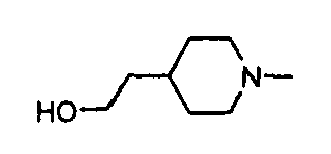
H CH3 CH3 H 
amorphous*2 2-070 1 
Br CH3 CH3 H 
216-218*2 (EtOAc/EtOH) 2-071 1 
H CH3 CH3 CH3 
127-129*2 (MeOH) 2-072 1 
H CH3 CH3 H 
amorphous*2 2-073 1 
H CH3 CH3 CH3 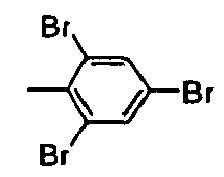
amorphous*2 2-074 1 
H CH3 CH3 H 
215-217*2 (CH3CN) 2-075 1 
H CH3 CH3 CH3 
202-204*2 (ACE) 2-076 1 
H CH3 CH3 H 
197-199*2 (CH3CN) 2-077 1 
H CH3 CH3 CH3 
amorphous*2 2-078 1 
H CH3 CH3 H 
amorphous*2 2-079 1 
H CH3 CH3 CH3 
amorphous*2 2-080 1 
H CH3 CH3 H 
212-214*2 (CH3CN) 2-081 1 
H CH3 CH3 CH3 
amorphous*2 2-082 1 
H CH3 CH3 H 
178-180*2 (CH3CN) 2-083 1 
H CH3 CH3 H 
amorphous*2 2-084 1 
H CH3 CH3 H 
amorphous*2 2-085 1 
H CH3 CH3 H 
201-203*2 (CH3CN) 2-086 1 
H CH3 CH3 H 
192-194*2 (IPE) 2-087 1 
H CH3 CH3 CH3 
amorphous*2 2-088 1 
H CH3 CH3 H 
amorphous*2 2-089 1 
H CH3 CH3 CH3 
153-155*2 (Et2O) 2-090 1 
H CH3 CH3 H 
215-217*2 (CH3CN) 2-091 1 
H CH3 CH3 CH3 
208-210*2 (IPE) 2-092 1 
H CH3 CH3 H 
207-209*2 (CH3CN) 2-093 1 
H CH3 CH3 CH3 
130-132*2 (MeOH) 2-094 1 
H CH3 CH3 H 
amorphous*2 2-095 1 
H CH3 CH3 CH3 
236-238*2 (ACE) 2-096 1 
H CH3 CH3 H 
226-228*2 (Et2O) 2-097 1 
H CH3 CH3 CH3 
amorphous*2 2-098 1 
H CH3 CH3 H. 
225-227*2 (Et2O) 2-099 1 
H CH3 CH3 CH3 
amorphous 2-100 1 
H CH3 CH3 H 
amorphous*2 2-101 1 
H CH3 CH3 CH3 
amorphous*2 2-102 1 
H CH3 CH3 H 
amorphous*2 2-103 1 
H CH3 CH3 CH3 
amorphous*2 2-104 1 
H CH3 CH3 H 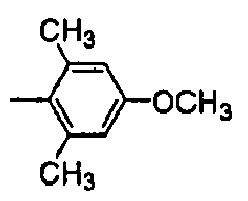
amorphous*2 2-105 1 
H CH3 CH3 H 
amorphous*2 2-106 1 
H CH3 CH3 H 
amorphous*2 2-107 1 
H CH3 CH3 H 
amorphous*2 2-108 1 
H CH3 CH3 H 
amorphous*2 2-109 1 
H CH3 CH3 CH3 
amorphous*2 2-110 1 
H CH3 CH3 H 
amorphous*2 2-111 1 
H CH3 CH3 CH3 
amorphous*2 2-112 1 
H CH3 CH3 CH3 
amorphous*2 2-113 1 
H CH3 CH3 H 
amorphous*2 2-114 1 
H CH3 CH3 CH3 
amorphous*2 2-115 1 
H CH3 CH3 H 
217-219*2 (ACE) 2-116 1 
H CH3 CH3 CH3 
amorphous*2 2-117 1 
H CH3 CH3 H 
amorphous*2 2-118 1 
H CH3 CH3 CH3 
amorphous*2 2-119 1 
H CH3 CH3 H 
amorphous*2 2-120 1 
H CH3 CH3 CH3 
amorphous*2 2-121 1 
H CH3 CH3 H 
amorphous*2 2-122 1 
H CH3 CH3 CH3 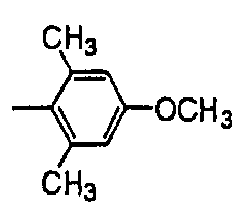
amorphous*2 2-123 1 
H CH3 CH3 H 
amorphous*2 2-124 1 
H CH3 CH3 H 
amorphous*2 2-125 1 
H CH3 CH3 H 
amorphous*2 2-126 1 
H CH3 CH3 H 
amorphous*2 2-127 1 
H CH3 CH3 H 
212-214*2 (IPE) 2-128 1 
H CH3 CH3 H 
amorphous*2 2-129 1 
CO2Et CH3 CH3 CH3 
176-178 (IPE)
Analytical data of non-crystal compounds are described below.
2-001:
MS (ES, Pos.): 418 (M + 1)+, 420 (M + 3)+, 422 (M + 5)+
2-002:
MS (ES, Pos.): 432 (M + 1)+, 434 (M + 3)+, 436 (M + 5)+
2-012:
MS (ES, Pos.): 427 (M +1)+
2-034:
MS (ES, Pos.): 534 (M + 1)+, 536 (M + 3)+, 538 (M + 5)+; HPLC retention time: 6.55 min. (Xterra MS C18 (Waters, Milford, MA) 3.5 µm, 4.6 x 100 mm); Flow rate 1.6 ml/min. Three mobile phases (mobile phase A 95% 25mM ammonium acetate + 5% acetonitrile; mobile phase B: acetonitrile; mobile phase C: methanol) were employed to run a gradient condition from 100 % A to 50% B and 50% C in 6.5 min., to 100 % B in 1 min, 100% B for 1 min. and reequilibrate with 100 % A for 1.5 min)
2-041:
MS (ES, Pos.): 540 (M + 1)+, 542(M + 3)+, 544 (M + 5)+; HPLC retention time: 6.60 min. (Xterra MS C18 (Waters, Milford, MA) 3.5 µm, 4.6 x 100 mm); Flow rate 1.6 ml/min. Three mobile phases (mobile phase A 95% 25mM ammonium acetate + 5% acetonitrile; mobile phase B: acetonitrile; mobile phase C: methanol) were employed to run a gradient condition from 100 % A to 50% B and 50% C in 6.5 min., to 100 % B in 1 min, 100% B for 1 min. and reequilibrate with 100 % A for 1.5 min)
2-045:
MS (ES, Pos.): 456 (M + 1)+, 458 (M + 3)+; HPLC retention time: 6.72 min. (Xterra MS C18 (Waters, Milford, MA) 3.5 µm, 4.6 x 100 mm); Flow rate 1.6 ml/min. Three mobile phases (mobile phase A 95% 25mM ammonium acetate + 5% acetonitrile; mobile phase B: acetonitrile; mobile phase C: methanol) were employed to run a gradient condition from 100 % A to 50% B and 50% C in 6.5 min., to 100 % B in 1 min, 100% B for 1 min. and reequilibrate with 100 % A for 1.5 min)
2-046:
MS (ES, Pos.): 424 (M + 1)+; HPLC retention time: 6.61 min. (Xterra MS C18 (Waters, Milford, MA) 3.5 µm, 4.6 x 100 mm); Flow rate 1.6 ml/min. Three mobile phases (mobile phase A 95% 25mM ammonium acetate + 5% acetonitrile; mobile phase B: acetonitrile; mobile phase C: methanol) were employed to run a gradient condition from 100 % A to 50% B and 50% C in 6.5 min., to 100 % B in 1 min, 100% B for 1 min. and reequilibrate with 100 % A for 1.5 min)
2-048:
MS (ES, Pos.): 482 (M + 1)+, 484 (M + 3)+; HPLC retention time: 5.67 min. (Xterra MS C18 (Waters, Milford, MA) 3.5 µm, 4.6 x 100 mm); Flow rate 1.6 ml/min. Three mobile phases (mobile phase A 95% 25mM ammonium acetate + 5% acetonitrile; mobile phase B: acetonitrile; mobile phase C: methanol) were employed to run a gradient condition from 100 % A to 50% B and 50% C in 6.5 min., to 100 % B in 1 min, 100% B for 1 min. and reequilibrate with 100 % A for 1.5 min)
2-049:
MS (ES, Pos.): 584 (M + 1)+, 586 (M + 3)+, 588 (M + 5)+; HPLC retention time: 6.73min. (Xterra MS C18 (Waters, Milford, MA) 3.5 µm, 4.6 x 100 mm); Flow rate 1.6 ml/min. Three mobile phases (mobile phase A 95% 25mM ammonium acetate +5% acetonitrile; mobile phase B: acetonitrile; mobile phase C: methanol) were employed to run a gradient condition from 100 % A to 50% B and 50% C in 6.5 min., to 100 % B in 1 min, 100% B for 1 min. and reequilibrate with 100 % A for 1.5 min)
2-050:
MS (ES, Pos.): 570 (M + 1)+, 572 (M + 3)+, 574 (M + 5)+; HPLC retention time: 6.90 min. (Xterra MS C18 (Waters, Milford, MA) 3.5 µm, 4.6 x 100 mm); Flow rate 1.6 ml/min. Three mobile phases (mobile phase A 95% 25mM ammonium acetate + 5% acetonitrile; mobile phase B: acetonitrile; mobile phase C: methanol) were employed to run a gradient condition from 100 % A to 50% B and 50% C in 6.5 min., to 100 % B in 1 min, 100% B for 1 min. and reequilibrate with 100 % A for 1.5 min)
2-052:
MS (ES, Pos.): 562 (M + 1)+, 564 (M + 3)+, 562 (M + 5)+; HPLC retention time: 6.81 min. (Xterra MS C18 (Waters, Milford, MA) 3.5 µm, 4.6 x 100 mm); Flow rate 1.6 ml/min. Three mobile phases (mobile phase A 95% 25mM ammonium acetate + 5% acetonitrile; mobile phase B: acetonitrile; mobile phase C: methanol) were employed to run a gradient condition from 100 % A to 50% B and 50% C in 6.5 min., to 100 % B in 1 min, 100% B for 1 min. and reequilibrate with 100 % A for 1.5 min)
2-053:
MS (ES, Pos.): 548 (M + 1)+, 550 (M + 3)+, 552 (M + 5)+; HPLC retention time: 6.72 min. (Xterra MS C18 (Waters, Milford, MA) 3.5 µm, 4.6 x 100 mm); Flow rate 1.6 ml/min. Three mobile phases (mobile phase A 95% 25mM ammonium acetate + 5% acetonitrile; mobile phase B: acetonitrile; mobile phase C: methanol) were employed to run a gradient condition from 100 % A to 50% B and 50% C in 6.5 min., to 100 % B in 1 min, 100% B for 1 min. and reequilibrate with 100 % A for 1.5 min)
2-054:
MS (ES, Pos.): 598 (M + 1)+, 600 (M + 3)+, 602 (M + 5)+; HPLC retention time: 6.47 min. (Xterra MS C18 (Waters, Milford, MA) 3.5 µm, 4.6 x 100 mm); Flow rate 1.6 ml/min. Three mobile phases (mobile phase A 95% 25mM ammonium acetate + 5% acetonitrile; mobile phase B: acetonitrile; mobile phase C: methanol) were employed to run a gradient condition from 100 % A to 50% B and 50% C in 6.5 min., to 100 % B in 1 min, 100% B for 1 min. and reequilibrate with 100 % A for 1.5 min)
2-056:
MS (ES, Pos.): 510 (M + 1)+, 512 (M + 3)+, 514 (M + 5)+; HPLC retention time: 6.42 min. (Xterra MS C18 (Waters, Milford, MA) 3.5 µm, 4.6 x 100 mm); Flow rate 1.6 ml/min. Three mobile phases (mobile phase A 95% 25mM ammonium acetate + 5% acetonitrile; mobile phase B: acetonitrile; mobile phase C: methanol) were employed to run a gradient condition from 100 % A to 50% B and 50% C in 6.5 min., to 100 % B in 1 min, 100% B for 1 min. and reequilibrate with 100 % A for 1.5 min)
2-057:
MS (ES, Pos.): 496 (M + 1)+, 498 (M + 3)+, 500 (M + 5)+; HPLC retention time: 6.55 min. (Xterra MS C18 (Waters, Milford, MA) 3.5 µm, 4.6 x 100 mm); Flow rate 1.6 ml/min. Three mobile phases (mobile phase A 95% 25mM ammonium acetate + 5% acetonitrile; mobile phase B: acetonitrile; mobile phase C: methanol) were employed to run a gradient condition from 100 % A to 50% B and 50% C in 6.5 min., to 100 % B in 1 min, 100% B for 1 min. and reequilibrate with 100 % A for 1.5 min)
2-058:
MS (ES, Pos.): 466 (M + 1)+, 468 (M + 3)+, 470 (M + 5)+; HPLC retention time: 6.82min. (Xterra MS C18 (Waters, Milford, MA) 3.5 µm, 4.6 x 100 mm); Flow rate 1.6 ml/min. Three mobile phases (mobile phase A 95% 25mM ammonium acetate +5% acetonitrile; mobile phase B: acetonitrile; mobile phase C: methanol) were employed to run a gradient condition from 100 % A to 50% B and 50% C in 6.5 min., to 100 % B in 1 min, 100% B for 1 min. and reequilibrate with 100 % A for 1.5 min)
2-059:
MS (ES, Pos.): 452 (M + 1)+, 454 (M + 3)+, 456 (M + 5)+; HPLC retention time: 6.23 min. (Xterra MS C18 (Waters, Milford, MA) 3.5 µm, 4.6 x 100 mm); Flow rate 1.6 ml/min. Three mobile phases (mobile phase A 95% 25mM ammonium acetate + 5% acetonitrile; mobile phase B: acetonitrile; mobile phase C: methanol) were employed to run a gradient condition from 100 % A to 50% B and 50% C in 6.5 min., to 100 % B in 1 min, 100% B for 1 min. and reequilibrate with 100 % A for 1.5 min)
2-060:
MS (ES, Pos.): 554 (M + 1)+, 556 (M + 3)+, 558 (M + 5)+; HPLC retention time: 6.43 min. (Xterra MS C18 (Waters, Milford, MA) 3.5 µm, 4.6 x 100 mm); Flow rate 1.6 ml/min. Three mobile phases (mobile phase A 95% 25mM ammonium acetate + 5% acetonitrile; mobile phase B: acetonitrile; mobile phase C: methanol) were employed to run a gradient condition from 100 % A to 50% B and 50% C in 6.5 min., to 100 % B in 1 min, 100% B for 1 min. and reequilibrate with 100 % A for 1.5 min)
2-062:
MS (ES, Pos.): 422 (M + 1)+; HPLC retention time: 6.29 min. (Xterra MS C18 (Waters, Milford, MA) 3.5 µm, 4.6 x 100 mm); Flow rate 1.6 ml/min. Three mobile phases (mobile phase A 95% 25mM ammonium acetate + 5% acetonitrile; mobile phase B: acetonitrile; mobile phase C: methanol) were employed to run a gradient condition from 100 % A to 50% B and 50% C in 6.5 min., to 100 % B in 1 min, 100% B for 1 min. and reequilibrate with 100 % A for 1.5 min)
2-063:
MS (ES, Pos.): 408 (M + 1)+; HPLC retention time: 5.94 min. (Xterra MS C18 (Waters, Milford, MA) 3.5 µm, 4.6 x 100 mm); Flow rate 1.6 ml/min. Three mobile phases (mobile phase A 95% 25mM ammonium acetate + 5% acetonitrile; mobile phase B: acetonitrile; mobile phase C: methanol) were employed to run a gradient condition from 100 % A to 50% B and 50% C in 6.5 min., to 100 % B in 1 min, 100% B for 1 min. and reequilibrate with 100 % A for 1.5 min)
2-064:
MS (ES, Pos.): 470 (M + 1)+, 472 (M + 3)+, HPLC retention time: 6.92 min. (Xterra MS C18 (Waters, Milford, MA) 3.5 µm, 4.6 x 100 mm); Flow rate 1.6 ml/min. Three mobile phases (mobile phase A 95% 25mM ammonium acetate + 5% acetonitrile; mobile phase B: acetonitrile; mobile phase C: methanol) were employed to run a gradient condition from 100 % A to 50% B and 50% C in 6.5 min., to 100 % B in 1 min, 100% B for 1 min. and reequilibrate with 100 % A for 1.5 min)
2-065:
MS (ES, Pos.): 438 (M + 1)+; HPLC retention time: 6.40 min. (Xterra MS C18 (Waters, Milford, MA) 3.5 µm, 4.6 x 100 mm); Flow rate 1.6 ml/min. Three mobile phases (mobile phase A 95% 25mM ammonium acetate + 5% acetonitrile; mobile phase B: acetonitrile; mobile phase C: methanol) were employed to run a gradient condition from 100 % A to 50% B and 50% C in 6.5 min., to 100 % B in 1 min, 100% B for 1 min. and reequilibrate with 100 % A for 1.5 min)
2-066:
MS (ES, Pos.): 506 (M + 1)+, 508 (M + 3)+, 510 (M + 5)+; HPLC retention time: 6.31 min. (Xterra MS C18 (Waters, Milford, MA) 3.5 µm, 4.6 x 100 mm); Flow rate 1.6 ml/min. Three mobile phases (mobile phase A 95% 25mM ammonium acetate + 5% acetonitrile; mobile phase B: acetonitrile; mobile phase C: methanol) were employed to run a gradient condition from 100 % A to 50% B and 50% C in 6.5 min., to 100 % B in 1 min, 100% B for 1 min. and reequilibrate with 100 % A for 1.5 min)
2-068:
MS (ES, Pos.): 598 (M + 1)+, 600 (M + 3)+, 602 (M + 5)+; HPLC retention time: 7.11 min. (Xterra MS C18 (Waters, Milford, MA) 3.5 µm, 4.6 x 100 mm); Flow rate 1.6 ml/min. Three mobile phases (mobile phase A 95% 25mM ammonium acetate + 5% acetonitrile; mobile phase B: acetonitrile; mobile phase C: methanol) were employed to run a gradient condition from 100 % A to 50% B and 50% C in 6.5 min., to 100 % B in 1 min, 100% B for 1 min. and reequilibrate with 100 % A for 1.5 min)
2-069:
MS (ES, Pos.): 584 (M + 1)+, 586 (M + 3)+, 588 (M + 5)+; HPLC retention time: 7.11 min. (Xterra MS C18 (Waters, Milford, MA) 3.5 µm, 4.6 x 100 mm); Flow rate 1.6 ml/min. Three mobile phases (mobile phase A 95% 25mM ammonium acetate + 5% acetonitrile; mobile phase B: acetonitrile; mobile phase C: methanol) were employed to run a gradient condition from 100 % A to 50% B and 50% C in 6.5 min., to 100 % B in 1 min, 100% B for 1 min. and reequilibrate with 100 % A for 1.5 min)
2-072:2-069:
MS (ES, Pos.): 562 (M + 1)+, 564 (M + 3)+, 566 (M + 5)+; HPLC retention time: 6.63 min. (Xterra MS C18 (Waters, Milford, MA) 3.5 µm, 4.6 x 100 mm); Flow rate 1.6 ml/min. Three mobile phases (mobile phase A 95% 25mM ammonium acetate + 5% acetonitrile; mobile phase B: acetonitrile; mobile phase C: methanol) were employed to run a gradient condition from 100 % A to 50% B and 50% C in 6.5 min., to 100 % B in 1 min, 100% B for 1 min. and reequilibrate with 100 % A for 1.5 min)
2-073:
MS (ES, Pos.): 612 (M + 1)+, 614 (M + 3)+, 616 (M + 5)+; HPLC retention time: 6.61 min. (Xterra MS C18 (Waters, Milford, MA) 3.5 µm, 4.6 x 100 mm); Flow rate 1.6 ml/min. Three mobile phases (mobile phase A 95% 25mM ammonium acetate + 5% acetonitrile; mobile phase B: acetonitrile; mobile phase C: methanol) were employed to run a gradient condition from 100 % A to 50% B and 50% C in 6.5 min., to 100 % B in 1 min, 100% B for 1 min. and reequilibrate with 100 % A for 1.5 min)
2-077:
MS (ES, Pos.): 480 (M + 1)+, 482 (M + 3)+, 484 (M + 5)+; HPLC retention time: 6.54 min. (Xterra MS C18 (Waters, Milford, MA) 3.5 µm, 4.6 x 100 mm); Flow rate 1.6 ml/min. Three mobile phases (mobile phase A 95% 25mM ammonium acetate + 5% acetonitrile; mobile phase B: acetonitrile; mobile phase C: methanol) were employed to run a gradient condition from 100 % A to 50% B and 50% C in 6.5 min., to 100 % B in 1 min, 100% B for 1 min. and reequilibrate with 100 % A for 1.5 min)
2-078:
MS (ES, Pos.): 466 (M + 1)+, 468(M + 3)+, 470 (M + 5)+; HPLC retention time: 5.95 min. (Xterra MS C18 (Waters, Milford, MA) 3.5 µm, 4.6 x 100 mm); Flow rate 1.6 ml/min. Three mobile phases (mobile phase A 95% 25mM ammonium acetate + 5% acetonitrile; mobile phase B: acetonitrile; mobile phase C: methanol) were employed to run a gradient condition from 100 % A to 50% B and 50% C in 6.5 min., to 100 % B in 1 min, 100% B for 1 min. and reequilibrate with 100 % A for 1.5 min)
2-079:
MS (ES, Pos.): 568 (M + 1)+, 570 (M + 3)+, 572 (M + 5)+; HPLC retention time: 6.97 min. (Xterra MS C18 (Waters, Milford, MA) 3.5 µm, 4.6 x 100 mm); Flow rate 1.6 ml/min. Three mobile phases (mobile phase A 95% 25mM ammonium acetate + 5% acetonitrile; mobile phase B: acetonitrile; mobile phase C: methanol) were employed to run a gradient condition from 100 % A to 50% B and 50% C in 6.5 min., to 100 % B in 1 min, 100% B for 1 min. and reequilibrate with 100 % A for 1.5 min)
2-081:
MS (ES, Pos.): 436 (M + 1)+; HPLC retention time: 6.49 min. (Xterra MS C18 (Waters, Milford, MA) 3.5 µm, 4.6 x 100 mm); Flow rate 1.6 ml/min. Three mobile phases (mobile phase A 95% 25mM ammonium acetate + 5% acetonitrile; mobile phase B: acetonitrile; mobile phase C: methanol) were employed to run a gradient condition from 100 % A to 50% B and 50% C in 6.5 min., to 100 % B in 1 min, 100% B for 1 min. and reequilibrate with 100 % A for 1.5 min)
2-083:
MS (ES, Pos.): 484 (M + 1)+, 486(M + 3)+; HPLC retention time: 7.09 min. (Xterra MS C18 (Waters, Milford, MA) 3.5 µm, 4.6 x 100 mm); Flow rate 1.6 ml/min. Three mobile phases (mobile phase A 95% 25mM ammonium acetate + 5% acetonitrile; mobile phase B: acetonitrile; mobile phase C: methanol) were employed to run a gradient condition from 100 % A to 50% B and 50% C in 6.5 min., to 100 % B in 1 min, 100% B for 1 min. and reequilibrate with 100 % A for 1.5 min)
2-084:
MS (ES, Pos.): 452 (M + 1)+; HPLC retention time: 6.55 min. (Xterra MS C18 (Waters, Milford, MA) 3.5 µm, 4.6 x 100 mm); Flow rate 1.6 ml/min. Three mobile phases (mobile phase A 95% 25mM ammonium acetate + 5% acetonitrile; mobile phase B: acetonitrile; mobile phase C: methanol) were employed to run a gradient condition from 100 % A to 50% B and 50% C in 6.5 min., to 100 % B in 1 min, 100% B for 1 min. and reequilibrate with 100 % A for 1.5 min)
2-087:
MS (ES, Pos.): 612 (M + 1)+, 614 (M + 3)+, 616 (M + 5)+; HPLC retention time: 7.24 min. (Xterra MS C18 (Waters, Milford, MA) 3.5 µm, 4.6 x 100 mm); Flow rate 1.6 ml/min. Three mobile phases (mobile phase A 95% 25mM ammonium acetate + 5% acetonitrile; mobile phase B: acetonitrile; mobile phase C: methanol) were employed to run a gradient condition from 100 % A to 50% B and 50% C in 6.5 min., to 100 % B in 1 min, 100% B for 1 min. and reequilibrate with 100 % A for 1.5 min)
2-088:
MS (ES, Pos.): 598 (M + 1)+, 600 (M + 3)+, 602 (M + 5)+; HPLC retention time: 7.21 min. (Xterra MS C18 (Waters, Milford, MA) 3.5 µm, 4.6 x 100 mm); Flow rate 1.6 ml/min. Three mobile phases (mobile phase A 95% 25mM ammonium acetate + 5% acetonitrile; mobile phase B: acetonitrile; mobile phase C: methanol) were employed to run a gradient condition from 100 % A to 50% B and 50% C in 6.5 min., to 100 % B in 1 min, 100% B for 1 min. and reequilibrate with 100 % A for 1.5 min)
2-094:
MS (ES, Pos.): 529 (M + 1)+, 531 (M + 3)+, 533 (M + 5)+; HPLC retention time: 6.40 min. (Xterra MS C18 (Waters, Milford, MA) 3.5 µm, 4.6 x 100 mm); Flow rate 1.6 ml/min. Three mobile phases (mobile phase A 95% 25mM ammonium acetate + 5% acetonitrile; mobile phase B: acetonitrile; mobile phase C: methanol) were employed to run a gradient condition from 100 % A to 50% B and 50% C in 6.5 min., to 100 % B in 1 min, 100% B for 1 min. and reequilibrate with 100 % A for 1.5 min)
2-097:
MS (ES, Pos.): 491 (M + 1)+, 493 (M + 3)+, 495 (M + 5)+; HPLC retention time: 6.78 min. (Xterra MS C18 (Waters, Milford, MA) 3.5 µm, 4.6 x 100 mm); Flow rate 1.6 ml/min. Three mobile phases (mobile phase A 95% 25mM ammonium acetate + 5% acetonitrile; mobile phase B: acetonitrile; mobile phase C: methanol) were employed to run a gradient condition from 100 % A to 50% B and 50% C in 6.5 min., to 100 % B in 1 min, 100% B for 1 min. and reequilibrate with 100 % A for 1.5 min)
2-099:
MS (ES, Pos.): 447 (M + 1)+, 449 (M + 3)+, 451 (M + 5)+; HPLC retention time: 6.73 min. (Xterra MS C18 (Waters, Milford, MA) 3.5 µm, 4.6 x 100 mm); Flow rate 1.6 ml/min. Three mobile phases (mobile phase A 95% 25mM ammonium acetate + 5% acetonitrile; mobile phase B: acetonitrile; mobile phase C: methanol) were employed to run a gradient condition from 100 % A to 50% B and 50% C in 6.5 min., to 100 % B in 1 min, 100% B for 1 min. and reequilibrate with 100 % A for 1.5 min)
2-100:
MS (ES, Pos.): 433 (M + 1)+, 435 (M + 3)+, 437 (M + 5)+; HPLC retention time: 5.70 min. (Xterra MS C18 (Waters, Milford, MA) 3.5 µm, 4.6 x 100 mm); Flow rate 1.6 ml/min. Three mobile phases (mobile phase A 95% 25mM ammonium acetate + 5% acetonitrile; mobile phase B: acetonitrile; mobile phase C: methanol) were employed to run a gradient condition from 100 % A to 50% B and 50% C in 6.5 min., to 100 % B in 1 min, 100% B for 1 min. and reequilibrate with 100 % A for 1.5 min)
2-101:
MS (ES, Pos.): 535 (M + 1)+, 537 (M + 3)+, 539 (M + 5)+; HPLC retention time: 6.72 min. (Xterra MS C18 (Waters, Milford, MA) 3.5 µm, 4.6 x 100 mm); Flow rate 1.6 ml/min. Three mobile phases (mobile phase A 95% 25mM ammonium acetate + 5% acetonitrile; mobile phase B: acetonitrile; mobile phase C: methanol) were employed to run a gradient condition from 100 % A to 50% B and 50% C in 6.5 min., to 100 % B in 1 min, 100% B for 1 min. and reequilibrate with 100 % A for 1.5 min)
2-102:
MS (ES, Pos.): 521 (M + 1)+, 523 (M + 3)+, 525 (M + 5)+; HPLC retention time: 6.27 min. (Xterra MS C18 (Waters, Milford, MA) 3.5 µm, 4.6 x 100 mm); Flow rate 1.6 ml/min. Three mobile phases (mobile phase A 95% 25mM ammonium acetate + 5% acetonitrile; mobile phase B: acetonitrile; mobile phase C: methanol) were employed to run a gradient condition from 100 % A to 50% B and 50% C in 6.5 min., to 100 % B in 1 min, 100% B for 1 min. and reequilibrate with 100 % A for 1.5 min)
2-103:
MS (ES, Pos.): 403 (M + 1); HPLC retention time: 6.24 min. (Xterra MS C18 (Waters, Milford, MA) 3.5 µm, 4.6 x 100 mm); Flow rate 1.6 ml/min. Three mobile phases (mobile phase A 95% 25mM ammonium acetate + 5% acetonitrile; mobile phase B: acetonitrile; mobile phase C: methanol) were employed to run a gradient condition from 100 % A to 50% B and 50% C in 6.5 min., to 100 % B in 1 min, 100% B for 1 min. and reequilibrate with 100 % A for 1.5 min)
2-104:
MS (ES, Pos.): 389 (M +1)+; HPLC retention time: 5.89 min. (Xterra MS C18 (Waters, Milford, MA) 3.5 µm, 4.6 x 100 mm); Flow rate 1.6 ml/min. Three mobile phases (mobile phase A 95% 25mM ammonium acetate + 5% acetonitrile; mobile phase B: acetonitrile; mobile phase C: methanol) were employed to run a gradient condition from 100 % A to 50% B and 50% C in 6.5 min., to 100 % B in 1 min, 100% B for 1 min. and reequilibrate with 100 % A for 1.5 min)
2-105:
MS (ES, Pos.): 451 (M + 1)+, 453(M + 3)+, HPLC retention time: 6.87 min. (Xterra MS C18 (Waters, Milford, MA) 3.5 µm, 4.6 x 100 mm); Flow rate 1.6 ml/min. Three mobile phases (mobile phase A 95% 25mM ammonium acetate + 5% acetonitrile; mobile phase B: acetonitrile; mobile phase C: methanol) were employed to run a gradient condition from 100 % A to 50% B and 50% C in 6.5 min., to 100 % B in 1 min, 100% B for 1 min. and reequilibrate with 100 % A for 1.5 min)
2-106:
MS (ES, Pos.): 419 (M + 1)+; HPLC retention time: 6.33 min. (Xterra MS C18 (Waters, Milford, MA) 3.5 µm, 4.6 x 100 mm); Flow rate 1.6 ml/min. Three mobile phases (mobile phase A 95% 25mM ammonium acetate + 5% acetonitrile; mobile phase B: acetonitrile; mobile phase C: methanol) were employed to run a gradient condition from 100 % A to 50% B and 50% C in 6.5 min., to 100 % B in 1 min, 100% B for 1 min. and reequilibrate with 100 % A for 1.5 min)
2-107:
MS (ES, Pos.): 487 (M + 1)+, 489 (M + 3)+, 491 (M + 5)+; HPLC retention time: 6.20 min. (Xterra MS C18 (Waters, Milford, MA) 3.5 µm, 4.6 x 100 mm); Flow rate 1.6 ml/min. Three mobile phases (mobile phase A 95% 25mM ammonium acetate + 5% acetonitrile; mobile phase B: acetonitrile; mobile phase C: methanol) were employed to run a gradient condition from 100 % A to 50% B and 50% C in 6.5 min., to 100 % B in 1 min, 100% B for 1 min. and reequilibrate with 100 % A for 1.5 min)
2-108:
MS (ES, Pos.): 477 (M + 1)+, 479 (M + 3)+, 481 (M + 5)+; HPLC retention time: 6.21 min. (Xterra MS C18 (Waters, Milford, MA) 3.5 µm, 4.6 x 100 mm); Flow rate 1.6 ml/min. Three mobile phases (mobile phase A 95% 25mM ammonium acetate + 5% acetonitrile; mobile phase B: acetonitrile; mobile phase C: methanol) were employed to run a gradient condition from 100 % A to 50% B and 50% C in 6.5 min., to 100 % B in 1 min, 100% B for 1 min. and reequilibrate with 100 % A for 1.5 min)
2-109:
MS (ES, Pos.): 579 (M + 1)+, 581 (M + 3)+, 583 (M + 5)+; HPLC retention time: 7.00 min. (Xterra MS C18 (Waters, Milford, MA) 3.5 µm, 4.6 x 100 mm); Flow rate 1.6 ml/min. Three mobile phases (mobile phase A 95% 25mM ammonium acetate + 5% acetonitrile; mobile phase B: acetonitrile; mobile phase C: methanol) were employed to run a gradient condition from 100 % A to 50% B and 50% C in 6.5 min., to 100 % B in 1 min, 100% B for 1 min. and reequilibrate with 100 % A for 1.5 min)
2-110:
MS (ES, Pos.): 565 (M + 1)+, 567 (M + 3)+, 569 (M + 5)+; HPLC retention time: 7.00 min. (Xterra MS C18 (Waters, Milford, MA) 3.5 µm, 4.6 x 100 mm); Flow rate 1.6 ml/min. Three mobile phases (mobile phase A 95% 25mM ammonium acetate + 5% acetonitrile; mobile phase B: acetonitrile; mobile phase C: methanol) were employed to run a gradient condition from 100 % A to 50% B and 50% C in 6.5 min., to 100 % B in 1 min, 100% B for 1 min. and reequilibrate with 100 % A for 1.5 min)
2-111:
MS (ES, Pos.): 421 (M + 1)+, 423 (M + 3)+; HPLC retention time: 6.84 min. (Xterra MS C18 (Waters, Milford, MA) 3.5 µm, 4.6 x 100 mm); Flow rate 1.6 ml/min. Three mobile phases (mobile phase A 95% 25mM ammonium acetate + 5% acetonitrile; mobile phase B: acetonitrile; mobile phase C: methanol) were employed to run a gradient condition from 100 % A to 50% B and 50% C in 6.5 min., to 100 % B in 1 min, 100% B for 1 min. and reequilibrate with 100 % A for 1.5 min)
2-112:
MS (ES, Pos.): 557 (M + 1)+, 559 (M + 3)+, 561 (M + 5)+; HPLC retention time: 6.54 min. (Xterra MS C18 (Waters, Milford, MA) 3.5 µm, 4.6 x 100 mm); Flow rate 1.6 ml/min. Three mobile phases (mobile phase A 95% 25mM ammonium acetate + 5% acetonitrile; mobile phase B: acetonitrile; mobile phase C: methanol) were employed to run a gradient condition from 100 % A to 50% B and 50% C in 6.5 min., to 100 % B in 1 min, 100% B for 1 min. and reequilibrate with 100 % A for 1.5 min)
2-113:
MS (ES, Pos.): 543 (M + 1)+, 545 (M + 3)+, 547 (M + 5)+; HPLC retention time: 6.69 min. (Xterra MS C18 (Waters, Milford, MA) 3.5 µm, 4.6 x 100 mm); Flow rate 1.6 ml/min. Three mobile phases (mobile phase A 95% 25mM ammonium acetate + 5% acetonitrile; mobile phase B: acetonitrile; mobile phase C: methanol) were employed to run a gradient condition from 100 % A to 50% B and 50% C in 6.5 min., to 100 % B in 1 min, 100% B for 1 min. and reequilibrate with 100 % A for 1.5 min)
2-114:
MS (ES, Pos.): 593 (M + 1)+, 595 (M + 3)+, 597 (M + 5)+; HPLC retention time: 6.84 min. (Xterra MS C18 (Waters, Milford, MA) 3.5 µm, 4.6 x 100 mm); Flow rate 1.6 ml/min. Three mobile phases (mobile phase A 95% 25mM ammonium acetate + 5% acetonitrile; mobile phase B: acetonitrile; mobile phase C: methanol) were employed to run a gradient condition from 100 % A to 50% B and 50% C in 6.5 min., to 100 % B in 1 min, 100% B for 1 min. and reequilibrate with 100 % A for 1.5 min)
2-116:
MS (ES, Pos.): 505 (M + 1)+, 507 (M + 3)+, 509 (M + 5)+; HPLC retention time: 6.37 min. (Xterra MS C18 (Waters, Milford, MA) 3.5 µm, 4.6 x 100 mm); Flow rate 1.6 ml/min. Three mobile phases (mobile phase A 95% 25mM ammonium acetate + 5% acetonitrile; mobile phase B: acetonitrile; mobile phase C: methanol) were employed to run a gradient condition from 100 % A to 50% B and 50% C in 6.5 min., to 100 % B in 1 min, 100% B for 1 min. and reequilibrate with 100 % A for 1.5 min)
2-117:
MS (ES, Pos.): 491 (M + 1)+, 493 (M + 3)+, 495 (M + 5)+; HPLC retention time: 6.52 min. (Xterra MS C18 (Waters, Milford, MA) 3.5 µm, 4.6 x 100 mm); Flow rate 1.6 ml/min. Three mobile phases (mobile phase A 95% 25mM ammonium acetate + 5% acetonitrile; mobile phase B: acetonitrile; mobile phase C: methanol) were employed to run a gradient condition from 100 % A to 50% B and 50% C in 6.5 min., to 100 % B in 1 min, 100% B for 1 min. and reequilibrate with 100 % A for 1.5 min)
2-118:
MS (ES, Pos.): 461 (M + 1)+, 463 (M + 3)+, 465 (M + 5)+; HPLC retention time: 6.34 min. (Xterra MS C18 (Waters, Milford, MA) 3.5 µm, 4.6 x 100 mm); Flow rate 1.6 ml/min. Three mobile phases (mobile phase A 95% 25mM ammonium acetate + 5% acetonitrile; mobile phase B: acetonitrile; mobile phase C: methanol) were employed to run a gradient condition from 100 % A to 50% B and 50% C in 6.5 min., to 100 % B in 1 min, 100% B for 1 min. and reequilibrate with 100 % A for 1.5 min)
2-119:
MS (ES, Pos.): 447 (M + 1)+, 449 (M + 3)+, 451 (M + 5)+; HPLC retention time: 5.79 min. (Xterra MS C18 (Waters, Milford, MA) 3.5 µm, 4.6 x 100 mm); Flow rate 1.6 ml/min. Three mobile phases (mobile phase A 95% 25mM ammonium acetate + 5% acetonitrile; mobile phase B: acetonitrile; mobile phase C: methanol) were employed to run a gradient condition from 100 % A to 50% B and 50% C in 6.5 min., to 100 % B in 1 min, 100% B for 1 min. and reequilibrate with 100 % A for 1.5 min)
2-120:
MS (ES, Pos.): 549 (M + 1)+, 551 (M + 3)+, 553 (M + 5)+; HPLC retention time: 6.77min. (Xterra MS C18 (Waters, Milford, MA) 3.5 µm, 4.6 x 100 mm); Flow rate 1.6 ml/min. Three mobile phases (mobile phase A 95% 25mM ammonium acetate + 5% acetonitrile; mobile phase B: acetonitrile; mobile phase C: methanol) were employed to run a gradient condition from 100 % A to 50% B and 50% C in 6.5 min., to 100 % B in 1 min, 100% B for 1 min. and reequilibrate with 100 % A for 1.5 min)
2-121:
MS (ES, Pos.): 535 (M + 1)+, 537 (M + 3)+, 539 (M + 5)+; HPLC retention time: 5.83 min. (Xterra MS C18 (Waters, Milford, MA) 3.5 µm, 4.6 x 100 mm); Flow rate 1.6 ml/min. Three mobile phases (mobile phase A 95% 25mM ammonium acetate + 5% acetonitrile; mobile phase B: acetonitrile; mobile phase C: methanol) were employed to run a gradient condition from 100 % A to 50% B and 50% C in 6.5 min., to 100 % B in 1 min, 100% B for 1 min. and reequilibrate with 100 % A for 1.5 min)
2-122:
MS (ES, Pos.): 417 (M + 1)+; HPLC retention time: 6.49 min. (Xterra MS C18 (Waters, Milford, MA) 3.5 µm, 4.6 x 100 mm); Flow rate 1.6 ml/min. Three mobile phases (mobile phase A 95% 25mM ammonium acetate + 5% acetonitrile; mobile phase B: acetonitrile; mobile phase C: methanol) were employed to run a gradient condition from 100 % A to 50% B and 50% C in 6.5 min., to 100 % B in 1 min, 100% B for 1 min. and reequilibrate with 100 % A for 1.5 min)
2-123:
MS (ES, Pos.): 403 (M + 1)+; HPLC retention time: 5.96 min. (Xterra MS C18 (Waters, Milford, MA) 3.5 µm, 4.6 x 100 mm); Flow rate 1.6 ml/min. Three mobile phases (mobile phase A 95% 25mM ammonium acetate + 5% acetonitrile; mobile phase B: acetonitrile; mobile phase C: methanol) were employed to run a gradient condition from 100 % A to 50% B and 50% C in 6.5 min., to 100 % B in 1 min, 100% B for 1 min. and reequilibrate with 100 % A for 1.5 min)
2-124:
MS (ES, Pos.): 465 (M + 1)+, 467(M + 3)+, HPLC retention time: 6.87 min. (Xterra MS C18 (Waters, Milford, MA) 3.5 µm, 4.6 x 100 mm); Flow rate 1.6 ml/min. Three mobile phases (mobile phase A 95% 25mM ammonium acetate + 5% acetonitrile; mobile phase B: acetonitrile; mobile phase C: methanol) were employed to run a gradient condition from 100 % A to 50% B and 50% C in 6.5 min., to 100 % B in 1 min, 100% B for 1 min. and reequilibrate with 100 % A for 1.5 min)
2-125:
MS (ES, Pos.): 433 (M + 1)+; HPLC retention time: 6.38 min. (Xterra MS C18 (Waters, Milford, MA) 3.5 µm, 4.6 x 100 mm); Flow rate 1.6 ml/min. Three mobile phases (mobile phase A 95% 25mM ammonium acetate + 5% acetonitrile; mobile phase B: acetonitrile; mobile phase C: methanol) were employed to run a gradient condition from 100 % A to 50% B and 50% C in 6.5 min., to 100 % B in 1 min, 100% B for 1 min. and reequilibrate with 100 % A for 1.5 min)
2-126:
MS (ES, Pos.): 501 (M + 1)+, 503 (M + 3)+, 505 (M + 5)+; HPLC retention time: 6.26 min. (Xterra MS C18 (Waters, Milford, MA) 3.5 µm, 4.6 x 100 mm); Flow rate 1.6 ml/min. Three mobile phases (mobile phase A 95% 25mM ammonium acetate + 5% acetonitrile; mobile phase B: acetonitrile; mobile phase C: methanol) were employed to run a gradient condition from 100 % A to 50% B and 50% C in 6.5 min., to 100 % B in 1 min, 100% B for 1 min. and reequilibrate with 100 % A for 1.5 min)
2-128:
MS (ES, Pos.): 579 (M + 1)+, 581 (M + 3)+, 583 (M + 5)+; HPLC retention time: 6.10 min. (Xterra MS C18 (Waters, Milford, MA) 3.5 µm, 4.6 x 100 mm); Flow rate 1.6 ml/min. Three mobile phases (mobile phase A 95% 25mM ammonium acetate + 5% acetonitrile; mobile phase B: acetonitrile; mobile phase C: methanol) were employed to run a gradient condition from 100 % A to 50% B and 50% C in 6.5 min., to 100 % B in 1 min, 100% B for 1 min. and reequilibrate with 100 % A for 1.5 min)
*2: HCl saltTable 3*1 
Com. No. Ex. No. 
Y R6 R7 R8 -Ar melting point (°C) (solvent for crystallization) 3-001 5 
N CH3 CH3 H 
151-153 (No solvent) 3-002 5 
CH CH3 CH3 H 
amorphous 3-003 6 
N CH3 CH3 H 
142-144 (IPE) 3-004 6 
N CH3 CH3 H 
143-145 (IPE) 3-005 6 
CH CH3 CH3 H 
amorphous 3-006 6 
N CH3 CH3 H 
131-133 (hexane) 3-007 6 
CH CH3 CH3 H 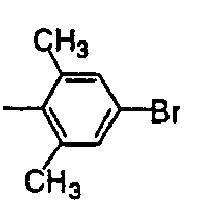
amorphous 3-008 5 
N CH3 CH3 H 
amorphous 3-009 6 
N CH3 CH3 H 
amorphous 3-010 6 
CH CH3 CH3 CH3 
oil 3-011 6 
CH CH3 CH3 H 
oil 3-012 5 
N CH3 CH3 H 
110-112 (No solvent) 3-013 5 
N CH3 CH3 CH3 
amorphous 3-014 8 
N CH3 CH3 H 
205-207*2 (No solvent) 3-015 7 
N CH3 CH3 H 
amorphous 3-016 8 
N CH3 CH3 H 
amorphous*2 3-017 9 
N CH3 CH3 H 
94-96 (No solvent) 3-018 10 
N CH3 CH3 H 
215-217*3 (No solvent) 3-019 7 
N CH3 CH3 H 
amorphous 3-020 7 
N CH3 CH3 H 
amorphous 3-021 7 
N CH3 CH3 H 
amorphous 3-022 7 
N CH3 CH3 H 
amorphous
Analytical data of non-crystal compounds are described below.
3-002:
MS (ES, Pos.): 514 (M + 1)+, 516 (M + 3)+; HPLC Retention time: 6.77 min. (Xterra MS C18 (Waters, Milford, MA) 3.5 µm, 4.6 x 100 mm); Flow rate 1.6 ml/min. Three mobile phases (mobile phase A 95% 25mM ammonium acetate + 5% acetonitrile; mobile phase B: acetonitrile; mobile phase C: methanol) were employed to run a gradient condition from 100 % A to 50% B and 50% C in 6.5 min., to 100 % B in 1 min, 100% B for 1 min. and reequilibrate with 100 % A for 1.5 min)
3-005:
MS (ES, Pos.): 547 (M + 1)+, 549 (M + 3)+; HPLC Retention time: 7.06 min. (Xterra MS C18 (Waters, Milford, MA) 3.5 µm, 4.6 x 100 mm); Flow rate 1.6 ml/min. Three mobile phases (mobile phase A 95% 25mM ammonium acetate + 5% acetonitrile; mobile phase B: acetonitrile; mobile phase C: methanol) were employed to run a gradient condition from 100 % A to 50% B and 50% C in 6.5 min., to 100 % B in 1 min, 100% B for 1 min. and reequilibrate with 100 % A for 1.5 min)
3-007:
MS (ES, Pos.): 514 (M + 1)+, 516 (M + 3)+; HPLC Retention time: 7.01 min. (Xterra MS C18 (Waters, Milford, MA) 3.5 µm, 4.6 x 100 mm); Flow rate 1.6 ml/min. Three mobile phases (mobile phase A 95% 25mM ammonium acetate + 5% acetonitrile; mobile phase B: acetonitrile; mobile phase C: methanol) were employed to run a gradient condition from 100 % A to 50% B and 50% C in 6.5 min., to 100 % B in 1 min, 100% B for 1 min. and reequilibrate with 100 % A for 1.5 min)
3-008:
MS (ES, Pos.): 577 (M + 1)+, 579 (M + 3)+; HPLC Retention time: 10.89 min. (Xterra MS C18 (Waters, Milford, MA) 3.5 µm, 4.6 x 100 mm); Flow rate 1.2 ml/min. Three mobile phases (mobile phase A 95% 25mM ammonium acetate + 5% acetonitrile; mobile phase B: acetonitrile; mobile phase C: methanol) were employed to run a gradient condition from 30% A, 50 % B and 20 % C to 50% B and 50% C in 6.5 min., to 100 % B in 1 min, 100% B for 1 min. and reequilibrate with 100 % A for 1.5 min)
3-009:
MS (ES, Pos.): 597 (M + 1)+, 599 (M + 3)+; HPLC Retention time: 13.94 min. (Xterra MS C18 (Waters, Milford, MA) 3.5 µm, 4.6 x 100 mm); Flow rate 1.2 ml/min. Three mobile phases (mobile phase A 95% 25mM ammonium acetate + 5% acetonitrile; mobile phase B: acetonitrile; mobile phase C: methanol) were employed to run a gradient condition from 30% A, 50 % B and 20 % C to 50% B and 50% C in 6.5 min., to 100 % B in 1 min, 100% B for 1 min. and reequilibrate with 100 % A for 1.5 min)
3-010:
MS No spectrum (decomposition in LC-MS); 1H NMR (360 MHz, DMSO-D6) δ ppm 0.83 (3 H, t, J = 6.4 Hz), 1.24 (12 H, br.s), 1.52 (4 H, m), 1.79 (9 H, m), 1.93 (3 H, s), 2.29 (3 H, s), 2.32 (2 H, t, J = 7.1 Hz), 2.39 (3 H, s), 2.68 (2 H, t, J = 11.3 Hz), 3.46 (2 H, d, J = 11.7 Hz,), 4.00 (2 H, d, J = 5.9 Hz), 6.45 (1 H, s), 7.47 (2 H, s)
3-011:
MS (ES, Pos.): 596 (M + 1)+, 598 (M + 3)+; HPLC Retention time: 6.45 min. (Xterra MS C18 (Waters, Milford, MA) 3.5 µm, 4.6 x 100 mm); Flow rate 1.6 ml/min. Three mobile phases (mobile phase A 95% 25mM ammonium acetate + 5% acetonitrile; mobile phase B: acetonitrile; mobile phase C: methanol) were employed to run a gradient condition from 100 % A to 50% B and 50% C in 6.5 min., to 100 % B in 1 min, 100% B for 1 min. and reequilibrate with 100 % A for 1.5 min)
3-013:
MS (ES, Pos.): 617 (M + 1)+, 619 (M + 3)+, 621 (M + 5)+; HPLC Retention time: 6.65 min. (Xterra MS C18 (Waters, Milford, MA) 3.5 µm, 4.6 x 100 mm); Flow rate 1.6 ml/min. Three mobile phases (mobile phase A 95% 25mM ammonium, acetate + 5% acetonitrile; mobile phase B: acetonitrile; mobile phase C: methanol) were employed to run a gradient condition from 100 % A to 50% B and 50% C in 6.5 min., to 100 % B in 1 min, 100% B for 1 min. and reequilibrate with 100 % A for 1.5 min)
3-015:
MS (ES, Pos.): 570 (M + 1)+, 572(M + 3)+; HPLC Retention time: 7.05 min. (Xterra MS C18 (Waters, Milford, MA) 3.5 µm, 4.6 x 100 mm); Flow rate 1.6 ml/min. Three mobile phases (mobile phase A 95% 25mM ammonium acetate + 5% acetonitrile; mobile phase B: acetonitrile; mobile phase C: methanol) were employed to run a gradient condition from 100 % A to 50% B and 50% C in 6.5 min., to 100 % B in 1 min, 100% B for 1 min. and reequilibrate with 100 % A for 1.5 min)
3-016:
MS (ES, Pos.): 629 (M + 1)+, 631 (M + 3)+; HPLC Retention time: 6.86 min. (Xterra MS C18 (Waters, Milford, MA) 3.5 µm, 4.6 x 100 mm); Flow rate 1.6 ml/min. Three mobile phases (mobile phase A 95% 25mM ammonium acetate + 5% acetonitrile; mobile phase B: acetonitrile; mobile phase C: methanol) were employed to run a gradient condition from 100 % A to 50% B and 50% C in 6.5 min., to 100 % B in 1 min, 100% B for 1 min. and reequilibrate with 100 % A for 1.5 min)
3-019:
MS (ES, Pos.): 705 (M + 1)+, 707 (M + 3)+; 1H NMR (300 MHz, CDCl3) δ ppm 0.89 (3 H, t, J = 6.7 Hz), 1.17-1.40 (14 H, m), 1.42-1.72 (4 H, m), 1.81-1.93 (3 H, m), 1.92 (6 H, s), 2.00-2.07 (4H, m), 2.34 (2 H, t, J = 7.5 Hz), 2.44 (3 H, d, J = 1.1 Hz), 2.51 (3 H, s), 2.74-2.81 (2 H, m), 2.90-3.04 (2 H, m), 4.03 (2 H, d, J = 6.4 Hz,), 4.10-4.19 (2 H, m), 5.28-5.42 (4 H, m), 6.57 (1 H, m), 7.30 (2 H, s)
3-020:
MS (ES, Pos.): 729 (M + 1)+, 731 (M + 3)+; 1H NMR (300 MHz, CDCl3) δ ppm 0.89 (3 H, t, J = 6.7 Hz), 1.20-1.40 (6 H, m), 1.41-1.53 (2 H, m), 1.65-1.80 (2 H, m), 1.81-2.00 (3 H, m), 1.92 (6 H, s), 2.02-2.19 (4H, m), 2.36 (2 H, t, J = 7.5 Hz), 2.44 (3 H, d, J = 1.0 Hz), 2.51 (3 H, s), 2.77-2.90 (6 H, m), 2.92-3.05 (2 H, m), 4.03 (2 H, d, J = 6.4 Hz,), 4.05-4.19 (2 H, m), 5.28-5.47 (8 H, m), 6.57 (1 H, m), 7.30 (2 H, s)
3-021:
MS (ES, Pos.): 753 (M + 1)+, 754 (M + 3)+; 1H NMR (500 MHz, CDCl3) δ ppm 0.97 (3 H, t, J = 7.3 Hz), 1.15-1.40 (1 H, m), 1.45-1.55 (2 H, m), 1.84-2.00 (3 H, m), 1.92 (6 H, s), 2.04-2.11 (2H, m), 2.38-2.44 (4 H, m), 2.43 (3 H, d, J = 1.2 Hz), 2.50 (3 H, s), 2.77-2.90 (10 H, m), 2.94-3.02 (2 H, m), 4.04 (2 H, d, J = 6.7 Hz,), 4.09-4.16 (2 H, m), 5.27-5.46 (12 H, m), 6.57 (1 H, m), 7.30 (2 H, s)
3-022:
MS (ES, Pos.): 727 (M + 1)+, 729 (M + 3)+; 1H NMR (500 MHz, CDCl3) δ ppm 0.97 (3 H, t, J = 7.3 Hz), 1.15-1.40 (1 H, m), 1.45-1.55 (2 H, m), 1.65-1.80 (2 H, m), 1.84-1.98 (2 H, m), 1.92 (6 H, s), 2.03-2.17 (4 H, m), 2.36 (2 H, t, J = 7.3 Hz), 2.43 (3 H, d, J = 1.2 Hz), 2.50 (3 H, s), 2.77-2.91 (8 H, m), 2.94-3.02 (2 H, m), 4.04 (2 H, d, J = 6.7 Hz,), 4.09-4.16 (2 H, m), 5.28-5.44 (10 H, m), 6.57 (1 H, m), 7.30 (2 H, s)
*2: optically active compound
*3: 1 Na salt - Monkey amygdala membranes were used as a receptor preparation.
- 125I-CRF was used as 125I-labeled ligand.
- Binding reaction using the 125I-labeled ligand was carried out by the following method described in The Journal of Neuroscience, 7,88 (1987).
- Monkey amygdala was homogenized in 50 mM Tris-HCl buffer (pH 7.0) containing 10 mM MgCl2, 2 mM EDTA and centrifuged at 48,000 x g for 20 min, and the precipitate was washed once with Tris-HCl buffer. The washed precipitate was suspended in 50 mM Tris-HCl buffer (pH 7.0) containing 10 mM MgCl2, 2 mM EDTA, 0.1% bovine serum albumin and 100 kallikrein units/ml aprotinin, to obtain a membrane preparation.
- The membrane preparation (0.3 mg protein/ml), 125I-CRF (0.2 nM) and a test drug were reacted at 25°C for 2 hours. After completion of the reaction, the reaction mixture was filtered by suction through a glass filter (GF/C) treated with 0.3% polyethylene imine, and the glass filter was washed three times with phosphate-buffered saline containing 0.01% Triton X-100. After the washing, the radioactivity of the filter paper was measured in a gamma counter.
- The amount of 125I-CRF bound when the reaction was carried out in the presence of 1 µM CRF was taken as the degree of nonspecific binding of 125I-CRF, and the difference between the total degree of 125I-CRF binding and the degree of nonspecific 125I-CRF binding was taken as the degree of specific 125I-CRF binding. An inhibition curve was obtained by reacting a definite concentration (0.2 nM) of 125I-CRF with various concentrations of each test drug under the conditions described above. A concentration of the test drug at which binding of 125I-CRF is inhibited by 50% (IC50) was determined from the inhibition curve.
- As a result, it was found that compounds 1-003, 1-004, 1-005, 1-007, 1-008, 1-009, 1-010, 1-013, 1-014, 1-016, 1-018, 1-019, 1-021, 1-032, 1-038, 1-039, 1-040, 1-046, 1-050, 1-051, 1-052, 1-053, 1-054, 1-056, 1-057, 1-058, 1-059, 1-060, 1-061, 1-062, 1-063, 1-064, 1-067, 1-068, 1-072,1-073, 1-074, 1-077, 1-078, 1-087, 1-088, 1-089, 1-090, 1-091, 1-097, 1-098, 1-099, 1-103, 1-104, 1-105, 1-112, 1-117, 1-118, 1-120, 1-121, 1-122, 1-123, 1-125, 1-126, 1-127, 1-128, 1-129, 1-130, 1-131, 1-132, 1-133, 1-135, 1-141, 1-142, 1-143, 1-144, 1-145, 1-148, 1-149, 1-150, 1-151, 1-152, 1-153, 1-154, 1-155, 1-156, 1-157, 1-158, 1-159, 1-160, 1-161, 1-162, 1-163, 1-164, 1-165, 1-166, 1-167, 1-172, 1-173, 1-176, 1-177, 1-178, 1-179, 1-181, 1-183, 1-184, 1-188, 1-195, 1-208, 1-213, 1-235, 1-236, 1-237, 1-243, 1-245, 1-251, 1-257, 1-262, 1-264, 1-278, 1-280, 1-283, 1-284, 1-285, 1-286, 1-287, 1-288, 1-302, 1-304, 1-306, 1-308, 1-319, 1-320, 1-332, 1-333, 1-336, 1-337, 2-002, 2-003, 2-004, 2-005, 2-006, 2-007, 2-008, 2-009, 2-010, 2-011, 2-012, 2-013, 2-014, 2-015, 2-016, 2-017, 2-018, 2-019, 2-020, 2-021, 2-022, 2-023, 2-024, 2-025, 2-026, 2-027, 2-028, 2-029, 2-030, 2-031, 2-032, 2-033, 2-034, 2-035, 2-036, 2-037, 2-038, 2-039, 2-040, 2-041, 2-042, 2-043, 2-044, 2-045, 2-046, 2-047, 2-048, 2-049, 2-050, 2-052, 2-053, 2-054, 2-055, 2-056, 2-057, 2-058, 2-059, 2-060, 2-061, 2-062, 2-063, 2-064, 2-065, 2-066, 2-068, 2-069, 2-070, 2-071, 2-072, 2-073, 2-074, 2-075, 2-076, 2-077, 2-078, 2-079, 2-080, 2-081, 2-082, 2-084, 2-087, 2-088, 2-089, 2-090, 2-091, 2-092, 2-093, 2-094, 2-095, 2-096, 2-097, 2-098, 2-099, 2-100, 2-101, 2-102, 2-103, 2-104, 2-105, 2-106, 2-107, 2-108, 2-109, 2-110, 2-111, 2-112, 2-113, 2-114, 2-115, 2-116, 2-117, 2-118, 2-119, 2-120, 2-121, 2-122, 2-123, 2-124, 2-125, 2-126, 2-127, 2-128, 3-001, 3-004, 3-006, 3-007, 3-008, 3-009, 3-015 and 3-018 can be exemplified as typical compounds having an IC50 value of 50 nM or less.
- According to the present invention, compounds having a high affinity for CRF receptors have been provided. These compounds are effective against diseases in which CRF is considered to be involved, such as depression, anxiety, Alzheimer's disease, Parkinson's disease, Huntington's chorea, eating disorder, hypertension, gastric diseases, drug dependence, epilepsy, cerebral infarction, cerebral ischemia, cerebral edema, cephalic external wound, inflammation, immunity-related diseases, alopecia, irritable bowel syndrome, sleep disorders, epilepsy, dermatitides, schizophrenia, etc.
Claims (42)
- A pyrrolopyrimidine or pyrrolopyridine derivative substituted with a cyclic amino group represented by the following formula [I]:


X is cyano, hydroxy or -OR9;
Y is N or CR10;
R1 is hydrogen, hydroxy, C1-5alkyl, C1-5alkoxy-C1-5alkyl or hydroxy-C1-5alkyl;
R2 is hydrogen or C1-5alkyl;
R3 is hydrogen, cyano, C1-5alkyl, C1-5alkoxy-C1-5alkyl or hydroxy-C1-5alkyl;
m is an integer selected from 0, 1, 2, 3, 4 and 5;
n is 0 or 1;
with the proviso that when X is hydroxy or OR9, and n is 0, then m is an integer selected from 1, 2, 3, 4 and 5;
R4 is hydrogen, hydroxy, hydroxy-C1-5alkyl, cyano, cyano-C1-5alkyl or C1-5alkyl;
R5 is hydrogen or C1-5alkyl;
R6 is hydrogen, C1-5alkyl, C3-8cycloalkyl, C3-8cycloakyl-C1-5alkyl, hydroxy, C1-5alkoxy, C3-8cycloalkyloxy or -N(R11)R12;
R7 and R8 are the same or different, and independently are hydrogen, halogen, C1-5alkyl, C3-8cycloalkyl, C3-8cycloalkyl-C1-5alkyl, hydroxy, C1-5alkoxy, C3-8cycloalkyloxy, -N(R11a)R12a, -CO2R13, cyano, nitro, C1-5alkylthio, trifluoromethyl or trifluoromethoxy; or R7 and R8 are taken together to form -CH2-CH2-CH2-CH2- or -CH=CH-CH=CH-;
R9 is C1-24acyl, C1-10alkoxycarbonyl, aryl-C1-5alkyloxycarbonyl, -CO-O-CHR14-O-CO-R15, -P(=O)(OR14a)OR15a, -CO-(CH2)p-(CHR16)q-NR17R18, arylcarbonyl or heteroarylcarbonyl, wherein each said acyl, aryl and heteroaryl is unsubstituted or substituted with C1-5alkoxy, and C1-24acyl optionally includes one to six double bonds;
R10 is hydrogen, C1-5alkyl, halogen, cyano or -CO2R19;
Ar is aryl or heteroaryl which aryl or heteroaryl is unsubstituted or substituted with 1 or more substituents, which are the same or different, selected from the group consisting of halogen, C1-5alkyl, C3-8cycloalkyl, C2-5alkenyl, C2-5alkynyl, C1-5alkoxy, C1-5alkylthio, C1-5alkylsulfinyl, C1-5alkylsulfonyl, cyano, nitro, hydroxy, - CO2R19a, -C(=O)R19a, -CONR11bR12b, -OC(=O)R19a, -NR11bCO2R19a, -S(O)rNR11bR12b, hydroxy-C2-5alkylamino-C2-5akoxy, trifluoromethyl, trifluoromethoxy, difluoromethoxy, fluoromethoxy, methylenedioxy, ethylenedioxy and -N(R20)R21; with the proviso that when X is hydroxy, Y is N, and the cyclic amino group is 5-membered ring, then Ar is aryl or heteroaryl which aryl or heteroaryl is substituted with at least one of substituents which are selected from halogen and trifluoromethyl;
R11 and R12 are the same or different, and independently are hydrogen, C1-5alkyl, C3-8cycloalkyl or C3-8cycloalkyl-C1-5alkyl;
R11a and R12a are the same or different, and independently are hydrogen, C1-5alkyl, C3-8cycloalkyl or C3-8cycloalkyl-C1-5alkyl;
R11b and R12b are the same or different, and independently are hydrogen, C1-5alkyl, C3-8cycloalkyl or C3-8cycloakyl-C1-5alkyl;
R13 is hydrogen, C1-5alkyl, C3-8cycloalkyl, C3-8cycloalkyl-C1-5alkyl, C1-5alkoxy-C1-5alkyl, C3-8cycloalkyloxy-C1-5alkyl or phenyl;
R14 and R15 are the same or different, and independently are hydrogen, C1-5alkyl or aryl-C1-5alkyl;
R14a and R15a are the same or different, and independently are hydrogen, C1-5alkyl or aryl-C1-5alkyl;
R16 is hydrogen, C1-5alkyl, aryl, heteroaryl, aryl-C1-5alkyl, heteroaryl-C1-5alkyl, hydroxy-C1-5alkyl, hydroxycarbonyl-C1-5alkyl, hydroxyphenyl-C1-5alkyl, C1-5alkoxy-C1-5alkyl, amino-C1-5alkyl, guanidino-C1-5alkyl, mercapto-C1-5alkyl, C1-5alkylthio-C1-5alkyl or aminocarbonyl-C1-5alkyl;
R17 and R18 are the same or different, and independently are hydrogen, C1-5alkyl, C3-8cycloalkyl, C3-8cycloalkyl-C1-5alkyl, C1-10acyl, C1-10alkoxycarbonyl or aryl-C1-5alkyloxycarbonyl;
or R16 and R17 are taken together to form -CH2-, -CH2CH2-, -CH2CH2CH2- or -CH2CH2CH2CH2-;
p is an integer selected from 0, 1, 2, 3, 4 and 5;
q is 0 or 1;
R19 is hydrogen or C1-5alkyl;
R19a is hydrogen or C1-5alkyl;
r is 1 or 2;
R20 and R21 are the same or different, and independently are hydrogen or C1-5alkyl), individual isomers thereof, racemic or non-racemic mixtures of isomers thereof or N-oxide thereof, or pharmaceutically acceptable salts and hydrates thereof. - The pyrrolopyrimidine or pyrrolopyridine derivative substituted with the cyclic amino group according to claim 1, which is a compound represented by the following formula [III]:


Y is N or CR10;
R1 is hydrogen, hydroxy, C1-5alkyl, C1-5alkoxy-C1-5alkyl or hydroxy-C1-5alkyl;
R2 is hydrogen or C1-5alkyl;
R3 is hydrogen, cyano, C1-5alkyl, C1-5alkoxy-C1-5alkyl or hydroxy-C1-5alkyl;
m is an integer selected from 0, 1, 2, 3, 4 and 5;
n is 0 or 1;
R4 is hydrogen, hydroxy, hydroxy-C1-5alkyl, cyano, cyano-C1-5alkyl or C1-5alkyl;
R5 is hydrogen or C1-5alkyl;
R6 is hydrogen, C1-5alkyl, C3-8cycloalkyl, C3-8cycloalkyl-C1-5alkyl, hydroxy, C1-5alkoxy, C3-8cycloalkyloxy or -N(R11)R12,
R7 and R8 are the same or different, and independently are hydrogen, halogen, C1-5alkyl, C3-8cycloalkyl, C3-8cycloalkyl-C1-5alkyl, hydroxy, C1-5alkoxy, C3-8cycloalkyloxy, -N(R11a)R12a, -CO2R13, cyano, nitro, C1-5alkylthio, trifluoromethyl or trifluoromethoxy; or R7 and R8 are taken together to form -CH2-CH2-CH2-CH2- or -CH=CH-CH=CH-;
R10 is hydrogen, C1-5alkyl, halogen, cyano or -CO2R19;
Ar is aryl or heteroaryl which aryl or heteroaryl is unsubstituted or substituted with 1 or more substituents, which are the same or different, selected from the group consisting of halogen, C1-5alkyl, C3-8cycloalkyl, C2-5alkenyl, C2-5alkynyl, C1-5alkoxy, C1-5alkylthio, C1-5alkylsulfinyl C1-5alkylsulfonyl, cyano, nitro, hydroxy, - CO2R19a, -C(=O)R19a, -CONR11bR12b, -OC(=O)R19a, -NR11bCO2R19a, -S(O)rNR11bR12b, hydroxy-C2-5alkylamino-C2-5alkoxy, trifluoromethyl, trifluoromethoxy, difluoromethoxy, fluoromethoxy, methylenedioxy, ethylenedioxy and -N(R20)R21;
R11 and R12 are the same or different, and independently are hydrogen, C1-5alkyl, C3-8cycloalkyl or C3-8cycloalkyl-C1-5alkyl;
R11a and R12a are the same or different, and independently are hydrogen, C1-5alkyl, C3-8cycloalkyl or C3-8cycloalkyl-C1-5alkyl;
R11b and R12b are the same or different, and independently are hydrogen, C1-5alkyl, C3-8cycloalkyl or C3-8cycloalkyl-C1-5alkyl;
R13 is hydrogen, C1-5alkyl, C3-8cycloalkyl, C3-8cycloalkyl-C1-5alkyl, C1-5alkoxy-C1-5alkyl, C3-8cycloalkyloxy-C1-5alkyl or phenyl;
R19 is hydrogen or C1-5alkyl;
R19a is hydrogen or C1-5alkyl;
r is 1 or 2;
R20 and R21 are the same or different, and independently are hydrogen or C1-5alkyl), individual isomers thereof or racemic or non-racemic mixtures of isomers thereof, or pharmaceutically acceptable salts and hydrates thereof. - The pyrrolopyrimidine derivative substituted with the cyclic amino group according to claim 2 represented by formula [III], wherein Y is N; the cyclic amino group, m, n, R1, R2, R3, R4, R5, R6, R7, R8 and Ar are as defined in claim 2; individual isomers thereof or racemic or non-racemic mixtures of isomers thereof, or pharmaceutically acceptable salts and hydrates thereof.
- The pyrrolopyrimidine derivative substituted with the cyclic amino group according to claim 2 represented by formula [III], wherein Y is N; n is 0; R1, R2, R4 and R5 are hydrogen; the cyclic amino group, m, R6, R7, R8 and Ar are as defined in claim 2; individual isomers thereof or racemic or non-racemic mixtures of isomers thereof, or pharmaceutically acceptable salts and hydrates thereof.
- The pyrrolopyrimidine derivative substituted with the cyclic amino group according to claim 2 represented by formula [III], wherein Y is N; the cyclic amino group is a 4- to 7-membered saturated cyclic amine; m is an integer selected from 0, 1, 2 and 3; n is 0; R1, R2, R4 and R5 are hydrogen; R6 is methyl; R7 and R8 are the same or different, and independently are hydrogen or C1-5alkyl; Ar is phenyl or pyridyl which phenyl or pyridyl is substituted with two or three substituents, which are the same or different, selected from the group consisting of halogen, C1-3alkyl, C1-3alkoxy, C1-3alkylthio, trifluoromethyl, trifluoromethoxy and -N(R20)R21 (wherein R20 and R21 are the same or different, and independently are hydrogen or C1-3alkyl); individual isomers thereof or racemic or non-racemic mixtures of isomers thereof, or pharmaceutically acceptable salts and hydrates thereof.
- The pyrrolopyrimidine derivative substituted with the cyclic amino group according to claim 2 represented by formula [III], wherein Y is N; the cyclic amino group is a 6-membered saturated cyclic amine; m is 0 or 1; n is 0; R1, R2, R4 and R5 are hydrogen; R6 is methyl; R7 and R8 are the same or different, and independently are hydrogen or methyl; Ar is phenyl which phenyl is substituted with two or three substituents, which are the same or different, selected from the group consisting of chloro, bromo, C1-3alkyl, C1-3alkoxy, C1-3alkylthio, trifluoromethyl, trifluoromethoxy and dimethylamino; individual isomers thereof or racemic or non-racemic mixtures of isomers thereof, or pharmaceutically acceptable salts and hydrates thereof.
- The pyrrolopyridine derivative substituted with the cyclic amino group according to claim 2 represented by formula [III], wherein Y is CR10; the cyclic amino group, m, n, R1, R2, R3, R4, R5, R6, R7, R8, R10 and Ar are as defined in claim 2; individual isomers thereof or racemic or non-racemic mixtures of isomers thereof, or pharmaceutically acceptable salts and hydrates thereof.
- The pyrrolopyridine derivative substituted with the cyclic amino group according to claim 2 represented by formula [III], wherein Y is CR10; n is 0; R1, R2, R4 and R5 are hydrogen; R10 is hydrogen or halogen; the cyclic amino group, m, R6, R7, R8 and Ar are as defined in claim 2; individual isomers thereof or racemic or non-racemic mixtures of isomers thereof, or pharmaceutically acceptable salts and hydrates thereof.
- The pyrrolopyridine derivative substituted with the cyclic amino group according to claim 2 represented by formula [III], wherein Y is CR10; the cyclic amino group is a 4- to 7-membered saturated cyclic amine; m is an integer selected from 0, 1, 2 and 3; n is 0; R1, R2, R4 and R5 are hydrogen; R6 is methyl; R7 and R8 are the same or different, and independently are hydrogen or C1-5alkyl; R10 is hydrogen or halogen; Ar is phenyl or pyridyl which phenyl or pyridyl is substituted with two or three substituents, which are the same or different, selected from the group consisting of halogen, C1-3alkyl, C1-3alkoxy, C1-3alkylthio, trifluoromethyl, trifluoromethoxy and -N(R20)R21 (wherein R20 and R21 are the same or different, and independently are hydrogen or C1-3alkyl); individual isomers thereof or racemic or non-racemic mixtures of isomers thereof, or pharmaceutically acceptable salts and hydrates thereof.
- The pyrrolopyridine derivative substituted with the cyclic amino group according to claim 2 represented by formula [III], wherein Y is CR10; the cyclic amino group is a 6-membered saturated cyclic amine; m is 0 or 1; n is 0; R1, R2, R4 and R5 are hydrogen; R6 is methyl; R7 and R8 are the same or different, and independently are hydrogen or methyl; R10 is hydrogen; Ar is phenyl which phenyl is substituted with two or three substituents, which are the same or different, selected from the group consisting of chloro, bromo, C1-3alkyl, C1-3alkoxy, C1-3alkylthio, trifluoromethyl, trifluoromethoxy and dimethylamino; individual isomers thereof or racemic or non-racemic mixtures of isomers thereof, or pharmaceutically acceptable salts and hydrates thereof.
- The pyrrolopyrimidine or pyrrolopyridine derivative substituted with the cyclic amino group according to claim 1, which is a compound represented by the following formula [V]:


Y is N or CR10;
R1 is hydrogen, hydroxy, C1-5alkyl, C1-5alkoxy-C1-5alkyl or hydroxy-C1-5alkyl;
R2 is hydrogen or C1-5alkyl;
R3 is hydrogen, cyano, C1-5alkyl, C1-5alkoxy-C1-5alkyl or hydroxy-C1-5alkyl;
m is an integer selected from 0, 1, 2, 3, 4 and 5;
n is 0 or 1;
with the proviso that when n is 0, m is an integer selected from 1, 2, 3, 4 and 5;
R4 is hydrogen, hydroxy, hydroxy-C1-5alkyl, cyano, cyano-C1-5alkyl or C1-5alkyl;
R5 is hydrogen or C1-5alkyl;
R6 is hydrogen, C1-5alkyl, C3-8cycloalkyl, C3-8cycloalkyl-C1-5alkyl, hydroxy, C1-5alkoxy, C3-8cycloalkyloxy or -N(R11)R12;
R7 and R8 are the same or different, and independently are hydrogen, halogen, C1-5alkyl, C3-8cycloalkyl, C3-8cycloalkyl-C1-5alkyl, hydroxy, C1-5alkoxy, C3-8cycloalkyloxy, -N(R11a)R12a, -CO2R13, cyano, nitro, C1-5alkylthio, trifluoromethyl or trifluoromethoxy; or R7 and R8 are taken together to form -CH2-CH2-CH2-CH2- or -CH=CH-CH=CH-;
R10 is hydrogen, C1-5alkyl, halogen, cyano or -CO2R19;
Ar is aryl or heteroaryl which aryl or heteroaryl is unsubstituted or substituted with 1 or more substituents, which are the same or different, selected from the group consisting of halogen, C1-5alkyl, C3-8cycloalkyl, C2-5alkenyl, C2-5alkynyl, C1-5alkoxy, C1-5alkylthio, C1-5alkylsulfinyl, C1-5alkylsulfonyl, cyano, nitro, hydroxy, - CO2R19a, -C(=O)R19a, -CONR11bR12b, -OC(=O)R19a, -NR11bCO2R19a, -S(O)rNR11bR12b, hydroxy-C2-5alkylamino-C2-5alkoxy, trifluoromethyl, trifluoromethoxy, difluoromethoxy, fluoromethoxy, methylenedioxy, ethylenedioxy and -N(R20)R21; with the proviso that when Y is N, and the cyclic amino group is 5-membered ring, then Ar is aryl or heteroaryl which aryl or heteroaryl is substituted with at least one of substituents which are selected from halogen and trifluoromethyl;
R11 and R12 are the same or different, and independently are hydrogen, C1-5alkyl, C3-8cycloalkyl or C3-8cycloalkyl-C1-5alkyl;
R11a and R12a are the same or different, and independently are hydrogen, C1-5alkyl, C3-8cycloalkyl or C3-8cycloalkyl-C1-5alkyl;
R11b and R12b are the same or different, and independently are hydrogen, C1-5alkyl, C3-8cycloalkyl or C3-8cycloalkyl-C1-5alkyl;
R13 is hydrogen, C1-5alkyl, C3-8cycloalkyl, C3-8cycloalkyl-C1-5alkyl, C1-5alkoxy-C1-5alkyl, C3-8cycloalkyloxy-C1-5alkyl or phenyl;
R19 is hydrogen or C1-5alkyl;
R19a is hydrogen or C1-5alkyl;
r is 1 or 2;
R20 and R21 are the same or different, and independently are hydrogen or C1-5alkyl), individual isomers thereof or racemic or non-racemic mixtures of isomers thereof, or pharmaceutically acceptable salts and hydrates thereof. - The pyrrolopyrimidine derivative substituted with the cyclic amino group according to claim 11 represented by formula [V], wherein Y is N; the cyclic amino group, m, n, R1, R2, R3, R4, R5, R6, R7, R8 and Ar are as defined in claim 11; individual isomers thereof or racemic or non-racemic mixtures of isomers thereof, or pharmaceutically acceptable salts and hydrates thereof.
- The pyrrolopyrimidine derivative substituted with the cyclic amino group according to claim 11 represented by formula [V], wherein Y is N; m is an integer selected from 1, 2, 3, 4 and 5; n is 0; R1, R2, R4 and R5 are hydrogen; the cyclic amino group, R6, R7, R8 and Ar are as defined in claim 11; individual isomers thereof or racemic or non-racemic mixtures of isomers thereof, or pharmaceutically acceptable salts and hydrates thereof.
- The pyrrolopyrimidine derivative substituted with the cyclic amino group according to claim 11 represented by formula [V], wherein Y is N; the cyclic amino group is a 4- to 7-membered saturated cyclic amine; m is an integer selected from 1, 2 and 3; n is 0; R1, R2, R4 and R5 are hydrogen; R6 is methyl; R7 and R8 are the same or different, and independently are hydrogen or C1-5alkyl; Ar is phenyl or pyridyl which phenyl or pyridyl is substituted with two or three substituents, which are the same or different, selected from the group consisting of halogen, C1-3alkyl, C1-3alkoxy, C1-3alkylthio, trifluoromethyl, trifluoromethoxy and -N(R20)R21 (wherein R20 and R21 are the same or different, and independently are hydrogen or C1-3alkyl); with the proviso that when the cyclic amino group is 5-membered ring, Ar is phenyl or pyridyl which phenyl or pyridyl is substituted with at least one of substituents which are selected from halogen and trifluoromethyl; individual isomers.thereof or racemic or non-racemic mixtures of isomers thereof, or pharmaceutically acceptable salts and hydrates thereof.
- The pyrrolopyrimidine derivatives substituted with the cyclic amino group according to claim 11 represented by formula [V], wherein Y is N; m is 1; n is 0; R1 is C1-5alkyl or hydroxy-C1-5alkyl; R2, R4 and R5 are hydrogen; the cyclic amino group, R6, R7, R8 and Ar are as defined in claim 11; individual isomers thereof or racemic or non-racemic mixtures of isomers thereof, or pharmaceutically acceptable salts and hydrates thereof.
- The pyrrolopyrimidine derivatives substituted with the cyclic amino group according to claim 11 represented by formula [V], wherein Y is N; m is 1; n is 0; the cyclic amino group is a 4- to 7-membered saturated cyclic amine; R1 is C1-5alkyl or hydroxy-C1-5alkyl; R2, R4 and R5 are hydrogen; R6 is methyl; R7 and R8 are the same or different, and independently are hydrogen or C1-5alkyl; Ar is phenyl or pyridyl which phenyl or pyridyl is substituted with two or three substituents, which are the same or different, selected from the group consisting of halogen, C1-3alkyl, C1-3alkoxy, C1-3alkylthio, trifluoromethyl, trifluoromethoxy and ―N(R20)R21 (wherein R20 and R21 are the same or different, and independently are hydrogen or C1-3alkyl); individual isomers thereof or racemic or non-racemic mixtures of isomers thereof, or pharmaceutically acceptable salts and hydrates thereof.
- The pyrrolopyrimidine derivatives substituted with the cyclic amino group according to claim 11 represented by formula [V], wherein Y is N; m is 1; n is 0; the cyclic amino group is a 6-membered saturated cyclic amine; R1 is C1-5alkyl or hydroxy-C1-5alkyl; R2, R4 and R5 are hydrogen; R6 is methyl; R7 and R8 are the same or different, and independently are hydrogen or methyl; Ar is phenyl which phenyl is substituted with two or three substituents, which are the same or different, selected from the group consisting of chloro, bromo, C1-3alkyl, C1-3alkoxy, C1-3alkylthio, trifluoromethyl, trifluoromethoxy and dimethylamino; individual isomers thereof or racemic or non-racemic mixtures of isomers thereof, or pharmaceutically acceptable salts and hydrates thereof.
- The pyrrolopyrimidine derivative substituted with the cyclic amino group according to claim 11 represented by formula [V], wherein Y is N; m is an integer selected from 1, 2, 3, 4 and 5; n is 0; R1, R2 and R5 are hydrogen; R4 is cyano; the cyclic amino group, R6, R7, R8 and Ar are as defined in claim 11, wherein a group represented by -(CR1R2)m-(CHR3)n-OH and R4 are substituted on the same carbon atom of the cyclic amine; individual isomers thereof or racemic or non-racemic mixtures of isomers thereof, or pharmaceutically acceptable salts and hydrates thereof.
- The pyrrolopyrimidine derivative substituted with the cyclic amino group according to claim 11 represented by formula [V], wherein Y is N; the cyclic amino group is a 4- to 7-membered saturated cyclic amine; m is an integer selected from 1, 2 and 3; n is 0; R1, R2 and R5 are hydrogen; R4 is cyano; R6 is methyl; R7 and R8 are the same or different, and independently are hydrogen or C1-5alkyl; Ar is phenyl or pyridyl which phenyl or pyridyl is substituted with two or three substituents, which are the same or different, selected from the group consisting of halogen, C1-3alkyl, C1-3alkoxy, C1-3alkylthio, trifluoromethyl, trifluoromethoxy and -N(R20)R21 (wherein R20 and R21 are the same or different, and independently are hydrogen or C1-3alkyl), wherein a group represented by -(CR1R2)m-(CHR3)n-OH and R4 are substituted on the same carbon atom of the cyclic amine; individual isomers thereof or racemic or non-racemic mixtures of isomers thereof, or pharmaceutically acceptable salts and hydrates thereof.
- The pyrrolopyrimidine derivative substituted with the cyclic amino group according to claim 11 represented by formula [V], wherein Y is N; the cyclic amino group is a 6-membered saturated cyclic amine; m is an integer selected from 1, 2 and 3; n is 0; R1, R2 and R5 are hydrogen; R4 is cyano; R6 is methyl; R7 and R8 are the same or different, and independently are hydrogen or methyl; Ar is phenyl which phenyl is substituted with two or three substituents, which are the same or different, selected from the group consisting of chloro, bromo, C1-3alkyl, C1-3alkoxy, C1-3alkylthio, trifluoromethyl, trifluoromethoxy and dimethylamino, wherein a group represented by -(CR1R2)m-(CHR3)n-OH and R4 are substituted on the same carbon atom of the cyclic amine; individual isomers, thereof or racemic or non-racemic mixtures of isomers thereof, or pharmaceutically acceptable salts and hydrates thereof.
- The pyrrolopyridine derivative substituted with the cyclic amino group according to claim 11 represented by formula [V], wherein Y is CR10; the cyclic amino group, m, n, R1, R2, R3, R4, R5, R6, R7, R8, R10 and Ar are as defined in claim 11; individual isomers thereof or racemic or non-racemic mixtures of isomers thereof, or pharmaceutically acceptable salts and hydrates thereof.
- The pyrrolopyridine derivative substituted with the cyclic amino group according to claim 11 represented by formula [V], wherein Y is CR10; m is an integer selected from 1, 2, 3, 4 and 5; n is 0; R1, R2, R4 and R5 are hydrogen; R10 is hydrogen or halogen; the cyclic amino group, R6, R7, R8 and Ar are as defined in claim 11; individual isomers thereof or racemic or non-racemic mixtures of isomers thereof, or pharmaceutically acceptable salts and hydrates thereof.
- The pyrrolopyridine derivative substituted with the cyclic amino group according to claim 11 represented by formula [V], wherein Y is CR10; the cyclic amino group is a 4- to 7-membered saturated cyclic amine; m is an integer selected from 1, 2 and 3; n is 0; R1, R2, R4 and R5 are hydrogen; R6 is methyl; R7 and R8 are the same or different, and independently are hydrogen or C1-5alkyl; R10 is hydrogen or halogen; Ar is phenyl or pyridyl which phenyl or pyridyl is substituted with two or three substituents, which are the same or different, selected from the group consisting of halogen, C1-3alkyl, C1-3alkoxy, C1-3alkylthio, trifluoromethyl, trifluoromethoxy and -N(R20)R21 (wherein R20 and R21 are the same or different, and independently are hydrogen or C1-3alkyl); individual isomers thereof or racemic or non-racemic mixtures of isomers thereof, or pharmaceutically acceptable salts and hydrates thereof.
- The pyrrolopyridine derivative substituted with the cyclic amino group according to claim 11 represented by formula [V], wherein Y is CR10; the cyclic amino group is a 6-membered saturated cyclic amine; m is an integer selected from 1, 2 and 3; n is 0; R1, R2, R4 and R5 are hydrogen; R6 is methyl; R7 and R8 are the same or different, and independently are hydrogen or methyl; R10 is hydrogen; Ar is phenyl which phenyl is substituted with two or three substituents, which are the same or different, selected from the group consisting of chloro, bromo, C1-3alkyl, C1-3alkoxy, C1-3alkylthio, trifluoromethyl, trifluoromethoxy and dimethylamino; individual isomers thereof or racemic or non-racemic mixtures of isomers thereof, or pharmaceutically acceptable salts and hydrates thereof.
- The pyrrolopyridine derivatives substituted with the cyclic amino group according to claim 11 represented by formula [V], wherein Y is CR10; m is 1; n is 0; R1 is C1-5alkyl or hydroxy-C1-5alkyl; R2, R4 and R5 are hydrogen; R10 is hydrogen or halogen; the cyclic amino group, R6, R7, R8 and Ar are as defined in claim 11; individual isomers thereof or racemic or non-racemic mixtures of isomers thereof, or pharmaceutically acceptable salts and hydrates thereof.
- The pyrrolopyridine derivatives substituted with the cyclic amino group according to claim 11 represented by formula [V], wherein Y is CR10; m is 1; n is 0; the cyclic amino group is a 4- to 7-membered saturated cyclic amine; R1 is C1-5alkyl or hydroxy-C1-5alkyl; R2, R4 and R5 are hydrogen; R6 is methyl; R7 and R8 are the same or different, and independently are hydrogen or C1-5alkyl; R10 is hydrogen or halogen; Ar is phenyl or pyridyl which phenyl or pyridyl is substituted with two or three substituents, which are the same or different, selected from the group consisting of halogen, C1-3alkyl, C1-3alkoxy, C1-3alkylthio, trifluoromethyl, trifluoromethoxy and ―N(R20)R21 (wherein R20 and R21 are the same or different, and independently are hydrogen or C1-3alkyl); individual isomers thereof or racemic or non-racemic mixtures of isomers thereof, or pharmaceutically acceptable salts and hydrates thereof.
- The pyrrolopyridine derivatives substituted with the cyclic amino group according to claim 11 represented by formula [V], wherein Y is CR10; m is 1; n is 0; the cyclic amino group is a 6-membered saturated cyclic amine; R1 is C1-5alkyl or hydroxy-C1-5alkyl; R2, R4 and R5 are hydrogen; R6 is methyl; R7 and R8 are the same or different, and independently are hydrogen or methyl; R10 is hydrogen; Ar is phenyl which phenyl is substituted with two or three substituents, which are the same or different, selected from the group consisting of chloro, bromo, C1-3alkyl, C1-3alkoxy, C1-3alkylthio, trifluoromethyl, trifluoromethoxy and dimethylamino; individual isomers thereof or racemic or non-racemic mixtures of isomers thereof, or pharmaceutically acceptable salts and hydrates thereof.
- The pyrrolopyridine derivative substituted with the cyclic amino group according to claim 11 represented by formula [V], wherein Y is CR10; m is an integer selected from 1, 2, 3, 4 and 5; n is 0; R1, R2 and R5 are hydrogen; R4 is cyano; R10 is hydrogen or halogen; the cyclic amino group, R6, R7, R8 and Ar are as defined in claim 11, wherein a group represented by -(CR1R2)m-(CHR3)n-OH and R4 are substituted on the same carbon atom of the cyclic amine; individual isomers thereof or racemic or non-racemic mixtures of isomers thereof, or pharmaceutically acceptable salts and hydrates thereof.
- The pyrrolopyridine derivative substituted with the cyclic amino group according to claim 11 represented by formula [V], wherein Y is CR10; the cyclic amino group is a 4- to 7-membered saturated cyclic amine; m is an integer selected from 1, 2 and 3; n is 0; R1, R2 and R5 are hydrogen; R4 is cyano; R6 is methyl; R7 and R8 are the same or different, and independently are hydrogen or C1-5alkyl; R10 is hydrogen or halogen; Ar is phenyl or pyridyl which phenyl or pyridyl is substituted with two or three substituents, which are the same or different, selected from the group consisting of halogen, C1-3alkyl, C1-3alkoxy, C1-3alkylthio, trifluoromethyl, trifluoromethoxy and -N(R20)R21 (wherein R20 and R21 are the same or different, and independently are hydrogen or C1-3alkyl), wherein a group represented by -(CR1R2)m-(CHR3)n-OH and R4 are substituted on the same carbon atom of the cyclic amine; individual isomers thereof or racemic or non-racemic mixtures of isomers thereof, or pharmaceutically acceptable salts and hydrates thereof.
- The pyrrolopyridine derivative substituted with the cyclic amino group according to claim 11 represented by formula [V], wherein Y is CR10; the cyclic amino group is a 6-membered saturated cyclic amine; m is an integer selected from 1, 2 and 3; n is 0; R1, R2 and R5 are hydrogen; R4 is cyano; R6 is methyl; R7 and R8 are the same or different, and independently are hydrogen or methyl; R10 is hydrogen; Ar is phenyl which phenyl is substituted with two or three substituents, which are the same or different, selected from the group consisting of chloro, bromo, C1-3alkyl, C1-3alkoxy, C1-3alkylthio, trifluoromethyl, trifluoromethoxy and dimethylamino, wherein a group represented by -(CR1R2)m-(CHR3)n-OH and R4 are substituted on the same carbon atom of the cyclic amine; individual isomers thereof or racemic or non-racemic mixtures of isomers thereof, or pharmaceutically acceptable salts and hydrates thereof.
- The pyrrolopyrimidine or pyrrolopyridine derivative substituted with the cyclic amino group according to claim 1, which is a compound represented by the following formula [VII]:


Y is N or CR10;
R1 is hydrogen, hydroxy, C1-5alkyl, C1-5alkoxy-C1-5alkyl or hydroxy-C1-5alkyl;
R2 is hydrogen or C1-5alkyl;
R3 is hydrogen, cyano, C1-5alkyl, C1-5alkoxy-C1-5alkyl or hydroxy-C1-5alkyl;
m is an integer selected from 0, 1, 2, 3, 4 and 5;
n is 0 or 1;
with the proviso that when n is 0, m is an integer selected from 1, 2, 3, 4 and 5;
R4 is hydrogen, hydroxy, hydroxy-C1-5alkyl, cyano, cyano-C1-5alkyl or C1-5alkyl;
R5 is hydrogen or C1-5alkyl;
R6 is hydrogen, C1-5alkyl, C3-8cycloalkyl, C3-8cycloalkyl-C1-5alkyl, hydroxy, C1-5alkoxy, C3-8cycloalkyloxy or -N(R11)R12;
R7 and R8 are the same or different, and independently are hydrogen, halogen, C1-5alkyl, C3-8cycloalkyl, C3-8cycloalkyl-C1-5alkyl, hydroxy, C1-5alkoxy, C3-8cycloalkyloxy, -N(R11a)R12a, -CO2R13, cyano, nitro, C1-5alkylthio, trifluoromethyl or trifluoromethoxy; or R7 and R8 are taken together to form -CH2-CH2-CH2-CH2- or -CH=CH-CH=CH-;
R9 is C1-24acyl, C1-10alkoxycarbonyl, aryl-C1-5alkyloxycarbonyl, -CO-O-CHR14-O-CO-R15, -P(=O)(OR14a)OR15a, -CO-(CH2)p-(CHR16)q-NR17R18, arylcarbonyl or heteroarylcarbonyl, wherein each said acyl, aryl and heteroaryl is unsubstituted or substituted with C1-5alkoxy, and C1-24acyl optionally includes one to six double bonds;
R10 is hydrogen, C1-5alkyl, halogen, cyano or -CO2R19;
Ar is aryl or heteroaryl which aryl or heteroaryl is unsubstituted or substituted with 1 or more substituents, which are the same or different, selected from the group consisting of halogen, C1-5alkyl, C3-8cycloalkyl, C2-5alkenyl, C2-5alkynyl, C1-5alkoxy, C1-5alkylthio, C1-5alkylsulfinyl, C1-5alkylsulfonyl, cyano, nitro, hydroxy, -CO2R19a, -C(=O)R19a, -CONR11bR12b, -OC(=O)R19a, -NR11bCO2R19a, -S(O)rNR11bR12b, hydroxy-C2-5alkylamino-C2-5alkoxy, trifluoromethyl, trifluoromethoxy, difluoromethoxy, fluoromethoxy, methylenedioxy, ethylenedioxy and -N(R20)R21;
R11 and R12 are the same or different, and independently are hydrogen, C1-5alkyl, C3-8cycloalkyl or C3-8cycloalkyl-C1-5alkyl;
R11a and R12a are the same or different, and independently are hydrogen, C1-5alkyl, C3-8cycloalkyl or C3-8cycloalkyl-C1-5alkyl;
R11b and R12b are the same or different, and independently are hydrogen, C1-5alkyl, C3-8cycloalkyl or C3-8cycloalkyl-C1-5alkyl;
R13 is hydrogen, C1-5alkyl, C3-8cycloalkyl, C3-8cycloalkyl-C1-5alkyl, C1-5alkoxy-C1-5alkyl, C3-8cycloalkyloxy-C1-5alkyl or phenyl;
R14 and R15 are the same or different, and independently are hydrogen, C1-5alkyl or aryl-C1-5alkyl;
R14a and R15a are the same or different, and independently are hydrogen, C1-5alkyl or aryl-C1-5alkyl;
R16 is hydrogen, C1-5alkyl, aryl, heteroaryl, aryl-C1-5alkyl, heteroaryl-C1-5alkyl, hydroxy-C1-5alkyl, hydroxycarbonyl-C1-5alkyl, hydroxyphenyl-C1-5alkyl, C1-5alkoxy-C1-5alkyl, amino-C1-5alkyl, guanidino-C1-5alkyl, mercapto-C1-5akyl, C1-5alkylthio-C1-5alkyl or aminocarbonyl-C1-5alkyl;
R17 and R18 are the same or different, and independently are hydrogen, C1-5alkyl, C3-8cycloalkyl, C3-8cycloalkyl-C1-5alkyl, C1-10acyl, C1-10alkoxycarbonyl and aryl-C1-5alkyloxycarbonyl,
or R16 and R17 are taken together to form -CH2-, -CH2CH2-, -CH2CH2CH2- or -CH2CH2CH2CH2-;
p is an integer selected from 0, 1, 2, 3, 4 and 5;
q is 0 or 1;
R19 is hydrogen or C1-5alkyl;
R19a is hydrogen or C1-5alkyl;
r is 1 or 2;
R20 and R21 are the same or different, and independently are hydrogen or C1-5alkyl), individual isomers thereof or racemic or non-racemic mixtures of isomers thereof, or pharmaceutically acceptable salts and hydrates thereof. - The pyrrolopyrimidine derivative substituted with the cyclic amino group according to claim 32 represented by the formula [VII], wherein Y is N; the cyclic amino group, m, n, R1, R2, R3, R4, R5, R6, R7, R8, R9 and Ar are as defined in claim 32; individual isomers thereof or racemic or non-racemic mixtures of isomers thereof, or pharmaceutically acceptable salts and hydrates thereof.
- The pyrrolopyrimidine derivative substituted with the cyclic amino group according to claim 32 represented by formula [VII], wherein Y is N; m is an integer selected from 1, 2, 3, 4 and 5; n is 0; R1, R2, R4 and R5 are hydrogen; the cyclic amino group, R6, R7, R8, R9 and Ar are as defined in claim 32; individual isomers thereof or racemic or non-racemic mixtures of isomers thereof, or pharmaceutically acceptable salts and hydrates thereof.
- The pyrrolopyrimidine derivative substituted with the cyclic amino group according to claim 32 represented by the formula [VII], wherein the cyclic amino group is a 4- to 7-membered saturated cyclic amine; m is an integer selected from 1, 2, 3, 4 and 5; n is 0; Y is N; R1, R2, R4 and R5 are hydrogen; R6 is methyl; R7 and R8 are the same or different, and independently are hydrogen or C1-5alkyl; Ar is phenyl or pyridyl which phenyl or pyridyl is substituted with two or three substituents, which are the same or different, selected from the group consisting of halogen, C1-3alkyl, C1-3alkoxy, C1-3alkylthio, trifluoromethyl, trifluoromethoxy and -N(R20)R21 (wherein R20 and R21 are the same or different, and independently are hydrogen or C1-3alkyl); R9 is as defined in claim 32; individual isomers thereof or racemic or non-racemic mixtures of isomers thereof, or pharmaceutically acceptable salts and hydrates thereof.
- The pyrrolopyrimidine derivative substituted with the cyclic amino group according to claim 32 represented by the formula [VII], wherein the cyclic amino group is a 6-membered saturated cyclic amine; m is an integer selected from 1, 2 and 3; n is 0; Y is N; R1, R2, R4 and R5 are hydrogen; R6 is methyl; R7 and R8 are the same or different, and independently are hydrogen or methyl; Ar is phenyl which phenyl is substituted with two or three substituents, which are the same or different, selected from the group consisting of chloro, bromo, C1-3alkyl, C1-3alkoxy, C1-3alkylthio, trifluoromethyl, trifluoromethoxy and dimethylamino; R9 is as defined in claim 32; individual isomers thereof or racemic or non-racemic mixtures of isomers thereof, or pharmaceutically acceptable salts and hydrates thereof.
- The pyrrolopyridine derivative substituted with the cyclic amino group according to claim 32 represented by formula [VII], wherein Y is CR10; the cyclic amino group, m, n, R1, R2, R3, R4, R5, R6, R7, R8, R9, R10 and Ar are as defined in claim 32; individual isomers thereof or racemic or non-racemic mixtures of isomers thereof, or pharmaceutically acceptable salts and hydrates thereof.
- The pyrrolopyridine derivative substituted with the cyclic amino group according to claim 32 represented by formula [VII], wherein Y is CR10; m is an integer selected from 1, 2, 3, 4 and 5; n is 0; R1, R2, R4 and R5 are hydrogen; the cyclic amino group, R6, R7, R8, R9, R10 and Ar are as defined in claim 32; individual isomers thereof or racemic or non-racemic mixtures of isomers thereof, or pharmaceutically acceptable salts and hydrates thereof.
- The pyrrolopyridine derivative substituted with the cyclic amino group according to claim 32 represented by formula [VII], wherein Y is CR10; the cyclic amino group is a 4- to 7-membered saturated cyclic amine; m is an integer selected from 1, 2 and 3; n is 0; R1, R2, R4 and R5 are hydrogen; R6 is methyl; R7 and R8 are the same or different, and independently are hydrogen or C1-5alkyl; R10 is hydrogen or halogen; Ar is phenyl or pyridyl which phenyl or pyridyl is substituted with two or three substituents, which are the same or different, selected from the group consisting of halogen, C1-3alkyl, C1-3alkoxy, C1-3alkylthio, trifluoromethyl, trifluoromethoxy and - N(R20)R21 (wherein R20 and R21 are the same or different, and independently are hydrogen or C1-3alkyl); R9 is as defined in claim 32; individual isomers thereof or racemic or non-racemic mixtures of isomers thereof, or pharmaceutically acceptable salts and hydrates thereof.
- The pyrrolopyridine derivative substituted with the cyclic amino group according to claim 32 represented by formula [VII], wherein Y is CR10; the cyclic amino group is a 6-membered saturated cyclic amine; m is an integer selected from 1, 2 and 3; n is 0; R1, R2, R4 and R5 are hydrogen; R6 is methyl; R7 and R8 are the same or different, and independently are hydrogen or methyl; R10 is hydrogen; Ar is phenyl which phenyl is substituted with two or three substituents, which are the same or different, selected from the group consisting of chloro, bromo, C1-3alkyl, C1-3alkoxy, C1-3alkylthio, trifluoromethyl, trifluoromethoxy and dimethylamino; R9 is as defined in claim 32; individual isomers thereof or racemic or non-racemic mixtures of isomers thereof, or pharmaceutically acceptable salts and hydrates thereof.
- Compounds represented by formula [I] according to claim 1, which compounds are selected from the group consisting of
{1-[2-methyl-9-(2,4,6-trimethyl-phenyl)-9H-1,3,9-triaza-fluoren-4-yl]-piperidin-4-yl}-methanol,
{1-[7-(2,6-dibromo-4-trifluoromethyl-phenyl)-2,5,6-trimethyl-7H-pyrrolo[2,3-d]pyrimidin-4-yl]-3-methyl-piperidin-3-yl}-methanol,
{1-[7-(4-bromo-2,6-dimethyl-phenyl)-2,5,6-trimethyl-7H-pyrrolo[2,3-d]pyrimidin-4-yl]-3-methyl-piperidin-3-yl}-methanol,
{1-[7-(4-bromo-2,6-dimethyl-phenyl)-2,5-dimethyl-7H-pyrrolo[2,3-d]pyrimidin-4-yl]-3-methyl-piperidin-3-yl}-methanol,
1-{1-[7-(4-bromo-2,6-dimethyl-phenyl)-2,5,6-trimethyl-7H-pyrrolo[2,3-d]pyrimidin-4-yl]-piperidin-4-yl}-ethane-1,2-diol,
{1-[7-(4-bromo-2,6-dimethyl-phenyl)-2,5,6-trimethyl-7H-pyrrolo[2,3-d]pyrimidin-4-yl]-pyrrolidin-2-yl}-methanol,
{1-[7-(4-bromo-2,6-dimethyl-phenyl)-2,5-dimethyl-7H-pyrrolo[2,3-d]pyrimidin-4-yl]-pyrrolidin-2-yl}-methanol,
2-{1-[7-(4-bromo-2,6-dimethyl-phenyl)-2,5-dimethyl-7H-pyrrolo[2,3-d]pyrimidin-4-yl]-pyrrolidin-3-yl}-ethanol,
{1-[7-(4-bromo-2,6-dimethyl-phenyl)-2,5,6-trimethyl-7H-pyrrolo[2,3-d]pyrimidin-4-yl]-azepan-4-yl}-methanol,
{1-[7-(4-bromo-2,6-dimethyl-phenyl)-2,5-dimethy]-7H-pyrrolo[2,3-d]pyrimidin-4-yl]-azepan-4-yl}-methanol,
{1-[7-(4-bromo-2,6-dimethyl-phenyl)-2,5,6-trimethyl-7H-pyrrolo[2,3-d]pyrimidin-4-yl]-piperidin-2-yl}-acetonitrile,
1-[2,5,6-trimethyl-7-(2,4,6-trimethyl-phenyl)-7H-pyrrolo[2,3-d]pyrimidin-4-yl]-piperidine-3-carbonitrile,
1-[2,5-dimethyl-7-(2,4,6-trimethyl-phenyl)-7H-pyrrolo[2,3-d]pyrimidin-4-yl]-piperidine-3-carbonitrile,
1-[7-(2,4-dibromo-6-methylsulfanyl-phenyl)-2,5-dimethyl-7H-pyrrolo[2,3-d]pyrimidin-4-yl]-piperidine-3-carbonitrile,
1-[7-(2,6-dibromo-4-trifluoromethyl-phenyl)-2,5,6-trimethyl-7H-pyrrolo[2,3-d]pyrimidin-4-yl]-piperidine-3-carbonitrile,
1-[7-(4-bromo-2,6-dimethyl-phenyl)-2,5,6-trimethyl-7H-pyrrolo[2,3-d]pyrimidin-4-yl]-piperidine-3-carbonitrile,
1-[7-(4-bromo-2,6-dimethyl-phenyl)-2,5-dimethyl-7H-pyrrolo[2,3-d]pyrimidin-4-yl]-piperidine-3-carbonitrile,
1-[7-(4-isopropyl-2-methylsulfanyl-phenyl)-2,5,6-trimethyl-7H-pyrrolo[2,3-d]pyrimidin-4-yl]-piperidine-3-carbonitrile,
1-[7-(4-isopropyl-2-methylsulfanyl-phenyl)-2,5-dimethyl-7H-pyrrolo[2,3-d]pyrimidin-4-yl]-piperidine-3-carbonitrile,
1-[7-(2-bromo-4-trifluoromethyl-phenyl)-2,5,6-trimethyl-7H-pyrrolo[2,3-d]pyrimidin-4-yl]-piperidine-3-carbonitrile,
1-[7-(4-bromo-2,6-diethyl-phenyl)-2,5,6-trimethyl-7H-pyrrolo[2,3-d]pyrimidin-4-yl]-piperidine-3-carbonitrile,
1-[7-(4-bromo-2,6-diethyl-phenyl)-2,5-dimethyl-7H-pyrrolo[2,3-d]pyrimidin-4-yl]-piperidine-3-carbonitrile,
{1-[7-(2,6-dibromo-4-trifluoromethyl-phenyl)-2,5,6-trimethyl-7H-pyrrolo[2,3-d]pyrimidin-4-yl]-piperidin-3-yl}-acetonitrile,
{1-[7-(4-bromo-2,6-dimethyl-phenyl)-2,5,6-trimethyl-7H-pyrrolo[2,3-d]pyrimidin-4-yl]-piperidin-3-yl}-acetonitrile,
{1-[7-(4-bromo-2,6-dimethyl-phenyl)-2,5-dimethyl-7H-pyrrolo[2,3-d]pyrimidin-4-yl]-piperidin-3-yl}-acetonitrile,
3-{1-[7-(4-bromo-2,6-dimethyl-phenyl)-2,5,6-trimethyl-7H-pyrrolo[2,3-d]pyrimidin-4-yl]-piperidin-3-yl}-propionitrile,
3-{1-[7-(4-bromo-2,6-dimethyl-phenyl)-2,5-dimethyl-7H-pyrrolo[2,3-d]pyrimidin-4-yl]-piperidin-3-yl}-propionitrile,
1-[7-(4-bromo-2,6-dimethyl-phenyl)-2,5,6-trimethyl-7H-pyrrolo[2,3-d]pyrimidin-4-yl]-piperidine-4-carbonitrile,
1-[7-(4-bromo-2,6-dimethyl-phenyl)-2,5-dimethyl-7H-pyrrolo[2,3-d]pyrimidin-4-yl]-piperidine-4-carbonitrile,
{1-[2,5,6-trimethyl-7-(2,4,6-trimethyl-phenyl)-7H-pyrrolo[2,3-d]pyrimidin-4-yl]-piperidin-4-yl}-acetonitrile,
{1-[7-(2,6-dibromo-4-trifluoromethyl-phenyl)-2,5,6-trimethyl-7H-pyrrolo[2,3-d]pyrimidin-4-yl]-piperidin-4-yl}-acetonitrile,
{1-[7-(4-bromo-2,6-dimethyl-phenyl)-2,5,6-trimethyl-7H-pyrrolo[2,3-d]pyrimidin-4-yl]-piperidin-4-yl}-acetonitrile,
{1-[7-(4-bromo-2,6-dimethyl-phenyl)-2,5-dimethyl-7H-pyrrolo[2,3-d]pyrimidm-4-yl]-piperidin-4-yl}-acetonitrile,
{1-[7-(4-bromo-2,6-diethyl-phenyl)-2,5,6-trimethyl-7H-pyrrolo[2,3-d]pyrimidm-4-yl]-piperidin-4-yl}-acetonitrile,
{1-[7-(4-bromo-2,6-diethyl-phenyl)-2,5-dimethyl-7H-pyrrolo[2,3-d]pyrimidin-4-yl]-piperidin-4-yl}-acetonitrile,
{1-[2,5,6-trimethyl-7-(2,4,6-tribromo-phenyl)-7H-pyrrolo[2,3-d]pyrimidin-4-yl]-piperidin-4-yl}-acetonitrile,
{1-[2,5-dimethyl-7-(2,4,6-tribromo-phenyl)-7H-pyrrolo[2,3-d]pyrimidin-4-yl]-piperidin-4-yl}-acetonitrile,
{1-[7-(4-bromo-2,6-dichloro-phenyl)-2,5,6-trimethyl-7H-pyrrolo[2,3-d]pyrimidin-4-yl]-piperidin-4-yl}-acetonitrile,
{1-[7-(4-bromo-2,6-dichloro-phenyl)-2,5-dimethyl-7H-pyrrolo[2,3-d]pyrimidin-4-yl]-piperidin-4-yl}-acetonitrile,
{1-[7-(2,6-dibromo-4-isopropyl-phenyl)-2,5,6-trimethyl-7H-pyrrolo[2,3-d]pyrimidin-4-yl]-piperidin-4-yl}-acetonitrile,
{1-[7-(2,6-dibromo-4-isopropyl-phenyl)-2,5-dimethyl-7H-pyrrolo [2,3-d]pyrimidin-4-yl]-piperidin-4-yl}-acetonitrile,
{1-[7-(4-methoxy-2,6-dimethyl-phenyl)-2,5,6-trimethyl-7H-pyrrolo[2,3-d]pyrimidin-4-yl]-piperidin-4-yl}-acetonitrile,
{1-[7-(4-methoxy-2,6-dimethyl-phenyl)-2,5-dimethyl-7H-pyrrolo[2,3-d]pyrimidin-4-yl]-piperidin-4-yl}-acetonitrile,
{1-[7-(4-chloro-2,6-dimethyl-phenyl)-2,5,6-trimethyl-7H-pyrrolo[2,3-d]pyrimidin-4-yl]-piperidin-4-yl}-acetonitrile,
{1-[7-(4-chloro-2,6-dimethyl-phenyl)-2,5-dimethyl-7H-pyrrolo[2,3-d]pyrimidin-4-yl]-piperidin-4-yl}-acetonitrile,
8-[7-(4-bromo-2,6-dimethyl-phenyl)-2,5,6-trimethyl-7H-pyrrolo[2,3-d]pyrimidin-4-yl]-8-aza-bicyclo[3.2.1]octane-3-carbonitrile,
8-[7-(4-bromo-2,6-dimethyl-phenyl)-2,5-dimethyl-7H-pyrrolo[2,3-d]pyrimidin-4-yl]-8-aza-bicyclo[3.2.1]octane-3-carbonitrile,
1-[7-(4-bromo-2,6-dimethyl-phenyl)-2,5,6-trimethyl-7H-pyrrolo[2,3-d]pyrimidin-4-yl]-pyrrolidine-3-carbonitrile,
1-[7-(4-bromo-2,6-dimethyl-phenyl)-2,5-dimethyl-7H-pyrrolo[2,3-d]pyrimidin-4-yl]-pyrrolidine-3-carbonitrile,
1-[7-(4-bromo-2,6-dimethyl-phenyl)-2,5,6-trimethyl-7H-pyrrolo[2,3-d]pyrimidin-4-yl]-azepane-4-carbonitrile,
1-[7-(4-bromo-2,6-dimethyl-phenyl)-2,5-dimethyl-7H-pyrrolo[2,3-d]pyrimidin-4-yl]-azepane-4-carbonitrile,
1-[7-(4-bromo-2,6-dimethyl-phenyl)-2,5,6-trimethyl-7H-pyrrolo[2,3-d]pyrimidin-4-yl]-3-hydroxymethyl-piperidine-3-carbonitrile,
1-{1-[7-(4-bromo-2,6-dimethyl-phenyl)-2,5,6-trimethyl-7H-pyrrolo[2,3-d]pyrimidin-4-yl]-piperidin-4-yl}-propane-1,3-diol,
{1-[7-(2,6-dibromo-4-chloro-phenyl)-2,5-dimethyl-7H-pyrrolo[2,3-d]pyrimidin-4-yl]-piperidin-4-yl}-acetonitrile,
{1-[7-(4-bromo-2,6-dimethyl-phenyl)-2,5,6-trimethyl-7H-pyrrolo[2,3-d]pyrimidin-4-yl]-pyrrolidin-3-yl}-acetonitrile,
{1-[7-(4-bromo-2,6-dimethyl-phenyl)-2,5-dimethyl-7H-pyrrolo[2,3-d]pyrimidin-4-yl]-pyrrolidin-3-yl}-acetonitrile,
1-[7-(4-chloro-2,6-dimethyl-phenyl)-2,5,6-trimethyl-7H-pyrrolo[2,3-d]pyrimidin-4-yl]-piperidine-4-carbonitrile,
{1-[7-(2,6-Dichloro-4-trifluoromethyl-phenyl)-2,5-dimethyl-7H-pyrrolo[2,3-d]pyrimidin-4-yl]-piperidin-4-yl}-acetonitrile,
1-[7-(4-bromo-2,6-dimethyl-phenyl)-2,5,6-trimethyl-7H-pyrrolo[2,3-d]pyrimidin-4-yl]-azetidine-3-carbonitrile,
1-{1-[7-(4-bromo-2,6-dimethyl-phenyl)-2,5,6-trimethyl-7H-pyrrolo[2,3-d]pyrimidin-4-yl]-piperidin-4-yl}-ethanol,
1-{1-[7-(4-isopropy]-2-methylsulfanyl-phenyl)-2,5-dimethyl-7H-pyrrolo[2,3-d]pyrimidin-4-yl]-piperidin-4-yl}-ethanol,
1-{1-[7-(4-chloro-2,6-dimethyl-phenyl)-2,5,6-trimethyl-7H-pyrrolo[2,3-d]pyrimidin-4-yl]-piperidin-4-yl-ethanol,
1-{1-[7-(4-chloro-2,6-dimethyl-phenyl)-2,5-dimethyl-7H-pyrrolo[2,3-d]pyrimidin-4-yl]-piperidin-4-yl}-ethanol,
{1-[7-(4-bromo-2,6-dimethyl-phenyl)-2,5,6-trimethyl-7H-pyrrolo[2,3-d]pyrimidin-4-yl]-3-methyl-piperidin-4-yl}-methanol,
{1-[7-(4-bromo-2,6-dimethyl-phenyl)-2,5-dimethyl-7H-pyrrolo[2,3-d]pyrimidin-4-yl]-3-methyl-piperidin-4-yl}-methanol,
{8-[7-(4-bromo-2,6-dimethyl-phenyl)-2,5,6-trimethyl-7H-pyrrolo[2,3-d]pyrimidin-4-yl]-8-aza-bicyclo[3.2.1]oct-3-yl}-methanol,
{8-[7-(4-bromo-2,6-dimethyl-phenyl)-2,5-dimethyl-7H-pyrrolo[2,3-d]pyrimidin-4-yl]-8-aza-bicyclo[3.2.1]oct-3-yl}-methanol,
{8-[7-(4-bromo-2,6-dimethyl-phenyl)-2,5,6-trimethyl-7H-pyrrolo[2,3-d]pyrimidin-4-yl]-8-aza-bicyclo[3.2.1]oct-3-yl}-acetonitrile,
{8-[7-(4-bromo-2,6-dimethyl-phenyl)-2,5-dimethyl-7H-pyrrolo[2,3-d]pyrimidin-4-yl]-8-aza-bicyclo[3.2.1]oct-3-yl}-acetonitrile,
2-{1-[7-(4-bromo-2,6-dimethyl-phenyl)-2,5,6-trimethyl-7H-pyrrolo[2,3-d]pyrimidin-4-yl]-piperidin-4-yl}-malononitrile,
2-{1-[7-(4-bromo-2,6-dimethyl-phenyl)-2,5-dimethyl-7H-pyrrolo[2,3-d]pyrimidin-4-yl]-piperidin-4-yl}-malononitrile,
2-{1-[1-(2,4-dichloro-phenyl)-2,3,6-trimethyl-1H-pyrrolo[2,3-b]pyridin-4-yl]-piperidin-3-yl}-ethanol,
2-{1-[1-(4-bromo-2,6-dimethyl-phenyl)-3,6-dimethyl-1H-pyrrolo[2,3-b]pyridin-4-yl]-piperidin-3-yl}-ethanol,
{1-[1-(2,4-dichloro-phenyl)-2,3,6-trimethyl-1H-pyrrolo[2,3-b]pyridin-4-yl]-piperidin-4-yl}-methanol,
{1-[1-(4-bromo-2,6-dimethyl-phenyl)-3,6-dimethyl-1H-pyrrolo[2,3-b]pyridin-4-yl]-piperidin-4-yl}-methanol,
2-{1-[1-(2,4-dichloro-phenyl)-2,3,6-trimethyl-1H-pyrrolo[2,3-b]pyridin-4-yl]-piperidin-4-yl}-ethanol,
2-{1-[1-(4-bromo-2,6-dimethyl-phenyl)-3,6-dimethyl-1H-pyrrolo[2,3-b]pyridin-4-yl]-piperidin-4-yl}-ethanol,
3-{1-[1-(2,4-dichloro-phenyl)-2,3,6-trimethyl-1H-pyrrolo[2,3-b]pyridin-4-yl]-piperidin-4-yl}-propan-1-ol,
3-{1-[1-(4-bromo-2,6-dimethyl-phenyl)-3,6-dimethyl-1H-pyrrolo[2,3-b]pyridin-4-yl]-piperidin-4-yl}-propan-1-ol,
1-[1-(2,4-dichloro-phenyl)-2,3,6-trimethyl-1H-pyrrolo [2,3-b]pyridin-4-yl]-piperidine-3-carbonitrile,
1-[1-(4-bromo-2,6-dimethyl-phenyl)-3,6-dimethyl-1H-pyrrolo[2,3-b]pyridin-4-yl]-piperidine-3-carbonitrile,
{1-[1-(2,4-dichloro-phenyl)-2,3,6-trimethyl-1H-pyrrolo[2,3-b]pyridin-4-yl]-piperidin-3-yl}-acetonitrile,
1-[1-(2,4-dichloro-phenyl)-2,3,6-trimethyl-1H-pyrrolo[2,3-b]pyridin-4-yl]-piperidine-4-carbonitrile,
1-[1-(4-bromo-2,6-dimethyl-phenyl)-3,6-dimethyl-1H-pyrrolo[2,3-b]pyridin-4-yl]-piperidine-4-carbonitrile,
{1-[1-(2,4-dichloro-phenyl)-2,3,6-trimethyl-1H-pyrrolo[2,3-b]pyridin-4-yl]-piperidin-4-yl}-acetonitrile,
2-{1-[1-(4-bromo-2,6-dimethyl-phenyl)-2,3,6-trimethyl-1H-pyrrolo[2,3-b]pyridin-4-yl]-piperidin-3-yl}-ethanol,
{1-[1-(4-bromo-2,6-dimethyl-phenyl)-2,3,6-trimethyl-1H-pyrrolo[2,3-b]pyridin-4-yl]-piperidin-4-yl}-methanol,
{1-[1-(4-chloro-2,6-dimethyl-phenyl)-2,3,6-trimethyl-1H-pyrrolo[2,3-b]pyridin-4-yl]-piperidin-4-yl}-methanol,
{1-[1-(4-chloro-2,6-dimethyl-phenyl)-3,6-dimethyl-1H-pyrrolo[2,3-b]pyridin-4-yl]-piperidin-4-yl}-methanol,
2-{1-[1-(4-bromo-2,6-dimethyl-phenyl)-2,3,6-trimethyl-1H-pyrrolo[2,3-b]pyridin-4-yl]-piperidin-4-yl}-ethanol,
2-{1-[1-(4-chloro-2,6-dimethyl-phenyl)-2,3,6-trimethyl-1H-pyrrolo[2,3-b]pyridin-4-yl]-piperidin-4-yl}-ethanol,
2-{1-[1-(4-chloro-2,6-dimethyl-phenyl)-3,6-dimethyl-1H-pyrrolo[2,3-b]pyridin-4-yl]-piperidin-4-yl}-ethanol,
3-{1-[1-(4-bromo-2,6-dimethyl-phenyl)-2,3,6-trimethyl-1H-pyrrolo[2,3-b]pyridin-4-yl]-piperidin-4-yl}-propan-1-ol,
3-{1-[1-(4-chloro-2,6-dimethyl-phenyl)-2,3,6-trimethyl-1H-pyrrolo[2,3-b]pyridin-4-yl]-piperidin-4-yl}-propan-1-ol,
3-{1-[1-(4-chloro-2,6-dimethyl-phenyl)-3,6-dimethyl-1H-pyrrolo[2,3-b]pyridin-4-yl]-piperidin-4-yl}-propan-1-ol,
1-[1-(4-bromo-2,6-dimethyl-phenyl)-2,3,6-trimethyl-1H-pyrrolo[2,3-b]pyridin-4-yl]-piperidine-3-carbonitrile,
1-[1-(4-bromo-2,6-dimethyl-phenyl)-2,3,6-trimethyl-1H-pyrrolo[2,3-b]pyridin-4-yl]-piperidine-4-carbonitrile,
1-[1-(4-chloro-2,6-dimethyl-phenyl)-2,3,6-trimethyl-1H-pyrrolo[2,3-b]pyridin-4-yl]-piperidine-4-carbonitrile,
1-[1-(4-chloro-2,6-dimethyl-phenyl)-3,6-dimethyl-1H-pyrrolo[2,3-b]pyridin-4-yl]-piperidine-4-carbonitrile,
{1-[1-(4-bromo-2,6-dimethyl-phenyl)-2,3,6-trimethyl-1H-pyrrolo[2,3-b]pyridin-4-yl]-piperidin-4-yl}-acetonitrile,
{1-[1-(4-bromo-2,6-dimethyl-phenyl)-3,6-dimethyl-1H-pyrrolo[2,3-b]pyridin-4-yl]-piperidin-4-yl}-acetonitrile,
{1-[1-(4-chloro-2,6-dimethyl-phenyl)-3,6-dimethyl-1H-pyrrolo[2,3-b]pyridin-4-yl]-piperidin-4-yl}-acetonitrile,
{1-[1-(2,6-dibromo-4-isopropyl-phenyl)-2,3,6-trimethyl-1H-pyrrolo[2,3-b]pyridin-4-yl]-piperidin-4-yl}-methanol,
{1-[1-(2,6-dibromo-4-isopropyl-phenyl)-3,6-dimethyl-1H-pyrrolo[2,3-b]pyridin-4-yl]-piperidin-4-yl}-methanol,
{1-[2,3,6-trimethyl-1-(2,4,6-tribromo-phenyl)-1H-pyrrolo[2,3-b]pyridin-4-yl]-piperidin-4-yl}-methanol,
{1-[3,6-dimethyl-1-(2,4,6-tribromo-phenyl)-1H-pyrrolo[2,3-b]pyridin-4-yl]-piperidin-4-yl}-methanol,
{1-[1-(4-bromo-2,6-dichloro-phenyl)-2,3,6-trimethyl-1H-pyrrolo[2,3-b]pyridin-4-yl]-piperidin-4-yl}-methanol,
{1-[1-(4-bromo-2,6-dichloro-phenyl)-3,6-dimethyl-1H-pyrrolo[2,3-b]pyridin-4-yl]-piperidin-4-yl}-methanol,
{1-[2,3,6-trimethyl-1-(2,4,6-trichloro-phenyl)-1H-pyrrolo[2,3-b]pyridin-4-yl]-piperidin-4-yl}-methanol,
{1-[3,6-dimethyl-1-(2,4,6-trichloro-phenyl)-1H-pyrrolo[2,3-b]pyridin-4-yl]-pipendin-4-yl}-methanol,
{1-[1-(2,6-dibromo-4-chloro-phenyl)-2,3,6-trimethyl-1H-pyrrolo[2,3-b]pyridin-4-yl]-piperidin-4-yl}-methanol,
{1-[1-(2,6-dibromo-4-chloro-phenyl)-3,6-dimethyl-1H-pyrrolo[2,3-b]pyridin-4-yl]-piperidin-4-yl}-methanol,
{1-[1-(4-methoxy-2,6-dimethyl-phenyl)-2,3,6-trimethyl-1H-pyrrolo[2,3-b]pyridin-4-yl]-piperidin-4-yl}-methanol,
{1-[1-(4-methoxy-2,6-dimethyl-phenyl)-3,6-dimethyl-1H-pyrrolo[2,3-b]pyridin-4-yl]-piperidin-4-yl}-methanol,
{1-[1-(2-bromo-4-isopropyl-phenyl)-3,6-dimethyl-1H-pyrrolo[2,3-b]pyridin-4-yl]-piperidin-4-yl}-methanol,
{1-[1-(4-isopropyl-2-methylsulfanyl-phenyl)-3,6-dimethy]-1H-pyrrolo[2,3-b]pyridin-4-yl]-piperidin-4-yl}-methanol,
{1-[1-(2,4-dibromo-phenyl)-3,6-dimethyl-1H-pyrrolo[2,3-b]pyridin-4-yl]-piperidin-4-yl}-methanol,
{1-[1-(2-bromo-4-trifluoromethyl-phenyl)-3,6-dimethyl-1H-pyrrolo[2,3-b]pyridin-4-yl]-piperidin-4-yl}-methanol,
{1-[2,3,6-trimethyl-1-(2,4,5-tribromo-phenyl)-1H-pyrrolo[2,3-b]pyridin-4-yl]-piperidin-4-yl}-methanol,
{1-[3,6-dimethyl-1-(2,4,5-tribromo-phenyl)-1H-pyrrolo[2,3-b]pyridin-4-yl]-piperidin-4-yl}-methanol,
2-{1-[1-(2,6-dibromo-4-isopropyl-phenyl)-2,3,6-trimethyl-1H-pyrrolo[2,3-b]pyridin-4-yl]-piperidin-4-yl}-ethanol,
2-{1-[1-(2,6-dibromo-4-isopropyl-phenyl)-3,6-dimethyl-1H-pyrrolo[2,3-b]pyridin-4-yl]-piperidin-4-yl}-ethanol,
2-{1-[2,3,6-trimethyl-1-(2,4,6-tribromo-phenyl)-1H-pyrrolo[2,3-b]pyridin-4-yl]-piperidin-4-yl}-ethanol,
2-{1-[3,6-dimethyl-1-(2,4,6-tribromo-phenyl)-1H-pyrrolo[2,3-b]pyridin-4-yl]-piperidin-4-yl}-ethanol,
2-{1-[1-(4-bromo-2,6-dichloro-phenyl)-2,3,6-trimethyl-1H-pyrrolo[2,3-b]pyridin-4-yl]-piperidin-4-yl}-ethanol,
2-{1-[1-(4-bromo-2,6-dichloro-phenyl)-3,6-dimethyl-1H-pyrrolo[2,3-b]pyridin-4-yl]-piperidin-4-yl}-ethanol,
2-{1-[2,3,6-trimethyl-1-(2,4,6-trichloro-phenyl)-1H-pyrrolo[2,3-b]pyndin-4-yl]-piperidin-4-yl}-ethanol,
2-{1-[3,6-dimethyl-1-(2,4,6-trichloro-phenyl)-1H-pyrrolo[2,3-b]pyridin-4-yl]-piperidin-4-yl}-ethanol,
2-{1-[1-(2,6-dibromo-4-chloro-phenyl)-2,3,6-trimethyl-1H-pyrrolo[2,3-b]pyridin-4-yl]-piperidin-4-yl}-ethanol,
2-{1-[1-(2,6-dibromo-4-chloro-phenyl)-3,6-dimethyl-1H-pyrrolo[2,3-b]pyridin-4-yl]-piperidin-4-yl}-ethanol,
2-{1-[1-(4-methoxy-2,6-dimethyl-phenyl)-2,3,6-trimethyl-1H-pyrrolo[2,3-b]pyridin-4-yl]-piperidin-4-yl}-ethanol,
2-{1-[1-(4-methoxy-2,6-dimethyl-phenyl)-3,6-dimethyl-1H-pyrrolo[2,3-b]pyridin-4-yl]-piperidin-4-yl}-ethanol,
2-{1-[1-(2-bromo-4-isopropyl-phenyl)-3,6-dimethyl-1H-pyrrolo[2,3-b]pyridin-4-yl]-piperidin-4-yl}-ethanol,
2-{1-[1,-(4-isopropyl-2-methylsulfanyl-phenyl)-3,6-dimethyl-1H-pyrrolo[2,3-b]pyridin-4-yl]-piperidin-4-yl}-ethanol,
2-{1-[1-(2,4-dibromo-phenyl)-3,6-dimethyl-1H-pyrrolo[2,3-b]pyridin-4-yl]-piperidin-4-yl}-ethanol,
2-{1-[2,3,6-trimethyl-1-(2,4,5-tribromo-phenyl)-1H-pyrrolo[2,3-b]pyridin-4-yl]-piperidin-4-yl}-ethanol,
2-{1-[3,6-dimethyl-1-(2,4,5-tribromo-phenyl)-1H-pyrrolo[2,3-b]pyridin-4-yl]-piperidin-4-yl}-ethanol,
2-{1-[5-bromo-1-(4-chloro-2,6-dimethyl-phenyl)-3,6-dimethyl-1H-pyrrolo[2,3-b]pyridin-4-yl]-piperidin-4-yl}-ethanol,
3-{1-[1-(2,6-dibromo-4-isopropyl-phenyl)-2,3,6-trimethyl-1H-pyrrolo[2,3-b]pyridin-4-yl]-piperidin-4-yl}-propan-1-ol,
3-{1-[1-(2,6-dibromo-4-isopropyl-phenyl)-3,6-dimethyl-1H-pyrrolo[2,3-b]pyridin-4-yl]-piperidin-4-yl}-propan-1-ol,
3-{1-[2,3,6-trimethyl-1-(2,4,6-tribromo-phenyl)-1H-pyrrolo[2,3-b]pyridin-4-yl]-piperidin-4-yl}-propan-1-ol,
3-{1-[3,6-dimethyl-1-(2,4,6-tribromo-phenyl)-1H-pyrrolo[2,3-b]pyridin-4-yl]-piperidin-4-yl}-propan-1-ol,
3-{1-[1-(4-bromo-2,6-dichloro-phenyl)-2,3,6-trimethyl-1H-pyrrolo[2,3-b]pyridin-4-yl]-piperidin-4-yl}-propan-1-ol,
3-{1-[1-(4-bromo-2,6-dichloro-phenyl)-3,6-dimethy]-1H-pyrrolo[2,3-b]pyridin-4-yl]-piperidin-4-yl}-propan-1-ol,
3-{1-[2,3,6-trimethyl-1-(2,4,6-trichloro-phenyl)-1H-pyrrolo[2,3-b]pyridin-4-yl]-piperidin-4-yl}-propan-1-ol,
3-{1-[3,6-dimethyl-1-(2,4,6-trichloro-pheny1)-1H-pyrrolo[2,3-b]pyridin-4-yl]-piperidin-4-yl}-propan-1-ol,
3-{1-[1-(2,6-dibromo-4-chloro-phenyl)-2,3,6-tnmethyl-1H-pyrrolo[2,3-b]pyridin-4-yl]-piperidin-4-yl}-propan-1-ol,
3-{1-[1-(2,6-dibromo-4-chloro-phenyl)-3,6-dimethyl-1H-pyrrolo[2,3-b]pyridin-4-yl]-piperidin-4-yl}-propan-1-ol,
3-{1-[1-(4-methoxy-2,6-dimethyl-phenyl)-2,3,6-trimethyl-1H-pyrrolo[2,3-b]pyridin-4-yl]-piperidin-4-yl}-propan-1-ol,
3-{1-[1-(4-methoxy-2,6-dimethyl-phenyl)-3,6-dimethyl-1H-pyrrolo[2,3-b]pyridin-4-yl]-piperidin-4-yl}-propan-1-ol,
3-{1-[1-(4-isopropyl-2-methylsulfanyl-phenyl)-3,6-dimethyl-1H-pyrrolo[2,3-b]pyridin-4-yl]-piperidin-4-yl}-propan-1-ol,
3-{1-[2,3,6-trimethyl-1-(2,4,5-tribromo-phenyl)-1H-pyrrolo[2,3-b]pyridin-4-yl]-piperidin-4-yl}-propan-1-ol,
3-{1-[3,6-dimethyl-1-(2,4,5-tribromo-phenyl)-1H-pyrrolo[2,3-b]pyridin-4-yl]-piperidin-4-yl}-propan-1-ol,
1-{1-[1-(4-bromo-2,6-dimethyl-phenyl)-2,3,6-trimethyl-1H-pyrrolo[2,3-b]pyridin-4-yl]-piperidin-4-yl}-ethane-1,2-diol,
1-{1-(1-(4-bromo-2,6-dimethyl-phenyl)-3,6-dimethyl-1H-pyrrolo(2,3-b)pyridin-4-yl)-piperidin-4-yl}-ethane-1,2-diol,
1-{1-[1-(4-bromo-2,6-dimethyl-phenyl)-2,3,6-trimethyl-1H-pyrrolo[2,3-b]pyridin-4-yl]-piperidin-4-yl}-propane-1,3-diol,
1-{1-[1-(4-bromo-2,6-dimethyl-phenyl)-3,6-dimethyl-1H-pyrrolo[2,3-b]pyridin-4-yl]-piperidin-4-yl}-propane-1,3-diol,
1-[1-(2,6-dibromo-4-isopropyl-phenyl)-2,3,6-trimethyl-1H-pyrrolo[2,3-b]pyridin-4-yl]-piperidine-4-carbonitrile,
1-[1-(2,6-dibromo-4-isopropyl-phenyl)-3,6-dimethyl-1H-pyrrolo[2,3-b]pyridin-4-yl]-piperidine-4-carbonitrile,
1-[2,3,6-trimethyl-1-(2,4,6-tribromo-phenyl)-1H-pyrrolo[2,3-b]pyridin-4-yl]-piperidine-4-carbonitrile,
1-[3,6-dimethyl-1-(2,4,6-tribromo-phenyl)-1H-pyrrolo[2,3-b]pyridin-4-yl]-piperidine-4-carbonitrile,
1-[1-(4-bromo-2,6-dichloro-phenyl)-2,3,6-trimethyl-1H-pyrrolo[2,3-b]pyridin-4-yl]-piperidine-4-carbonitrile,
1-[1-(4-bromo-2,6-dichloro-phenyl)-3,6-dimethyl-1H-pyrrolo[2,3-b]pyridin-4-yl]-piperidine-4-carbonitrile,
1-[2,3,6-trimethyl-1-(2,4,6-trichloro-phenyl)-1H-pyrrolo[2,3-b]pyridin-4-yl]-piperidine-4-carbonitrile,
1-[3,6-dimethyl-1-(2,4,6-trichloro-phenyl)-1H-pyrrolo[2,3-b]pyridin-4-yl]-piperidine-4-carbonitrile,
1-[1-(2,6-dibromo-4-chloro-phenyl)-2,3,6-trimethyl-1H-pyriolo[2,3-b]pyridin-4-yl]-piperidine-4-carbonitrile,
1-[1-(2,6-dibromo-4-chloro-phenyl)-3,6-dimethyl-1H-pyrrolo[2,3-b]pyridin-4-yl]-piperidine-4-carbonitrile,
1-[1-(4-methoxy-2,6-dimethyl-phenyl)-2,3,6-trimethyl-1H-pyrrolo[2,3-b]pyridin-4-yl]-piperidine-4-carbonitrile,
1-[1-(4-methoxy-2,6-dimethyl-phenyl)-3,6-dimethyl-1H-pyrrolo[2,3-b]pyridin-4-yl piperidine-4-carbonitrile,
1-[1-(2-bromo-4-isopropyl-phenyl)-3,6-dimethyl-1H-pyrrolo[2,3-b]pyridin-4-yl]-piperidine-4-carbonitrile,
1-[1-(4-isopropyl-2-methylsulfanyl-phenyl)-3,6-dimethyl-1H-pyrrolo[2,3-b]pyridin-4-yl]-piperidine-4-carbonitrile,
1-[1-(2,4-dibromo-phenyl)-3,6-dimethyl-1H-pyrrolo[2,3-b]pyridin-4-yl]-piperidine-4-carbonitrile,
1-[1-(2-bromo-4-trifluoromethyl-phenyl)-3,6-dimethy]-1H-pyrrolo[2,3-b]pyridin-4-yl]-piperidine-4-carbonitrile,
1-[2,3,6-trimethyl-1-(2,4,5-tribromo-phenyl)-1H-pyrrolo[2,3-b]pyridin-4-yl]-piperidine-4-carbonitrile,
1-[3,6-dimethyl-1-(2,4,5-tribromo-phenyl)-1H-pyrrolo[2,3-b]pyridin-4-yl]-piperidine-4-carbonitrile,
{1-[1-(4-chloro-2,6-dimethyl-phenyl)-2,3,6-trimethyl-1H-pyrrolo[2,3-b]pyridin-4-yl]-piperidin-4-yl}-acetonitrile,
{1-[1-(2,6-dibromo-4-isopropyl-phenyl)-2,3,6-trimethyl-1H-pyrrolo[2,3-b]pyridin-4-yl]-piperidin-4-yl}-acetonitrile,
{1-[1-(2,6-dibromo-4-isopropyl-phenyl)-3,6-dimethyl-1H-pyrrolo[2,3-b]pyridin-4-yl]-piperidin-4-yl}-acelonitrile,
{1-[2,3,6-trimethyl-1-(2,4,6-tribromo-phenyl)-1H-pyrrolo[2,3-b]pyridin-4-yl]-piperidin-4-yl}-acetonitrile,
{1-[3,6-dimethyl-1-(2,4,6-tribromo-phenyl)-1H-pyrrolo[2,3-b]pyridin-4-yl]-piperidin-4-yl}-acetonitrile,
{1-[1-(4-bromo-2,6-dichloro-phenyl)-2,3,6-trimethyl-1H-pyrrolo[2,3-b]pyridin-4-yl]-piperidin-4-yl}-acetonitrile,
{1-[1-(4-bromo-2,6-dichloro-phenyl)-3,6-dimethyl-1H-pyrrolo[2,3-b]pyridin-4-yl]-piperidin-4-yl}-acetonitrile,
{1-[2,3,6-trimethyl-1-(2,4,6-trichloro-phenyl)-1H-pyrrolo[2,3-b]pyridin-4-yl]-piperidin-4-yl}-acetonitrile,
{1-[3,6-dimethyl-1-(2,4,6-trichloro-phenyl)-1H-pyrrolo[2,3-b]pyridin-4-yl]-piperidin-4-yl}-acetonitrile,
{1-[1-(2,6-dibromo-4-chloro-phenyl)-2,3,6-trimethyl-1H-pyrrolo[2,3-b]pyridin-4-yl]-piperidin-4-yl}-acetonitrile,
{1-[1-(2,6-dibromo-4-chloro-phenyl)-3,6-dimethyl-1H-pyrrolo[2,3-b]pyridin-4-yl]-piperidin-4-yl}-acetonitrile,
{1-[1-(4-methoxy-2,6-dimethyl-phenyl)-2,3,6-trimethyl-1H-pyrrolo[2,3-b]pyridin-4-yl]-piperidin-4-yl}-acetonitrile,
{1-[1-(4-methoxy-2,6-dimethyl-phenyl)-3,6-dimethyl-1H-pyrrolo[2,3-b]pyridin-4-yl]-piperidin-4-yl}-acetonitrile,
{1-[1-(2-bromo-4-isopropyl-phenyl)-3,6-dimethyl-1H-pyrrolo[2,3-b]pyridin-4-yl]-piperidin-4-yl}-acetonitrile,
{1-[1-(4-isopropyl-2-methylsulfanyl-phenyl)-3,6-dimethyl-1H-pyrrolo[2,3-b]pyridin-4-yl]-piperidin-4-yl}-acetonitrile,
{1-[1-(2,4-dibromo-phenyl)-3,6-dimethyl-1H-pyrrolo[2,3-b]pyridin-4-yl]-piperidin-4-yl}-acetonitrile,
{1-(1-(2-bromo-4-trifluoromethyl-phenyl)-3,6-dimethyl-1H-pyrrolo[2,3-b]pyridin-4-yl]-piperidin-4-yl}-acetonitrile,
{1-[3,6-dimethyl-1-(2,4,5-tribromo-phenyl)-1H-pyrrolo[2,3-b]pyridin-4-yl]-piperidin-4-yl}-acetonitrile,
carbonic acid 1-[7-(4-bromo-2,6-dimethyl-phenyl)-2,5-dimethyl-7H-pyrrolo[2,3-d]pyrimidin-4-yl]-piperidin-4-ylmethyl ester ethyl ester,
pyridine-2-carboxylic acid 1-[7-(4-bromo-2,6-dimethyl-phenyl)-2,5-dimethyl-7H-pyrrolo[2,3-d]pyrimidin-4-yl]-piperidin-4-ylmethyl ester,
methoxy-acetic acid 1-[7-(4-bromo-2,6-dimethyl-phenyl)-2,5-dimethyl-7H-pyrrolo[2,3-d]pyrimidin-4-yl]-piperidin-4-ylmethyl ester,
methoxy-acetic acid 1-[1-(4-bromo-2,6-dimethyl-phenyl)-3,6-dimethyl-1H-pyrrolo[2,3-b]pyridin-4-yl]-piperidin-4-ylmethyl ester,
carbonic acid benzyl ester 1-[7-(4-bromo-2,6-dimethyl-phenyl)-2,5-dimethyl-7H-pyrrolo[2,3-d]pyrimidin-4-yl]-piperidin-4-ylmethyl ester,
decanoic acid 1-[7-(4-bromo-2,6-dimethyl-phenyl)-2,5-dimethyl-7H-pyrrolo[2,3-d]pyrimidin-4-yl]-piperidin-4-ylmethyl ester,
3-diethylamino-propionic acid 1-[7-(4-bromo-2,6-dimethyl-phenyl)-2,5-dimethyl-7H-pyrrolo[2,3-d]pyrimidin-4-yl]-piperidin-4-ylmethyl ester
and phosphoric acid mono-{1-[7-(4-bromo-2,6-dimethyl-phenyl)-2,5-dimethyl-7H-pyrrolo[2,3-d]pyrimidin-4-yl]-piperidin-4-ylmethyl} ester,
individual isomers thereof or racemic or non-racemic mixtures of isomers thereof, or pharmaceutically acceptable salts and hydrates thereof. - A pharmaceutical composition comprising the pyrrolopyrimidine or pyrrolopyridine derivative substituted with a cyclic amino group, a pharmaceutically acceptable salt thereof or its hydrate according to any one of claims 1 to 41, as an active ingredient.
- Use of a pyrrolopyrimidine or pyrrolopyridine derivative substituted with a cyclic amino group, a pharmaceutically acceptable salt thereof or its hydrate according to any one of claim 1 to 41, for the manufacture of a medicament effective in the treatment of CRF related diseases.
Applications Claiming Priority (2)
| Application Number | Priority Date | Filing Date | Title |
|---|---|---|---|
| JP2002383667 | 2002-12-26 | ||
| EP03768186A EP1467997B8 (en) | 2002-12-26 | 2003-12-24 | Pyrrolopyrimidine and pyrrolopyridine derivatives substituted with cyclic amino group |
Related Parent Applications (1)
| Application Number | Title | Priority Date | Filing Date |
|---|---|---|---|
| EP03768186A Division EP1467997B8 (en) | 2002-12-26 | 2003-12-24 | Pyrrolopyrimidine and pyrrolopyridine derivatives substituted with cyclic amino group |
Publications (2)
| Publication Number | Publication Date |
|---|---|
| EP1787992A1 true EP1787992A1 (en) | 2007-05-23 |
| EP1787992B1 EP1787992B1 (en) | 2009-04-29 |
Family
ID=32677471
Family Applications (2)
| Application Number | Title | Priority Date | Filing Date |
|---|---|---|---|
| EP06019987A Expired - Lifetime EP1787992B1 (en) | 2002-12-26 | 2003-12-24 | Pyrrolopyrimidine and pyrrolopyridine derivatives substituted with cyclic amino group |
| EP03768186A Expired - Lifetime EP1467997B8 (en) | 2002-12-26 | 2003-12-24 | Pyrrolopyrimidine and pyrrolopyridine derivatives substituted with cyclic amino group |
Family Applications After (1)
| Application Number | Title | Priority Date | Filing Date |
|---|---|---|---|
| EP03768186A Expired - Lifetime EP1467997B8 (en) | 2002-12-26 | 2003-12-24 | Pyrrolopyrimidine and pyrrolopyridine derivatives substituted with cyclic amino group |
Country Status (23)
| Country | Link |
|---|---|
| US (3) | US20050209253A1 (en) |
| EP (2) | EP1787992B1 (en) |
| JP (1) | JP4181126B2 (en) |
| KR (2) | KR100688395B1 (en) |
| CN (1) | CN1692115A (en) |
| AR (1) | AR042667A1 (en) |
| AT (2) | ATE390426T1 (en) |
| AU (1) | AU2003292550B8 (en) |
| BR (1) | BR0307587A (en) |
| CA (1) | CA2485556C (en) |
| CL (1) | CL2003002762A1 (en) |
| DE (2) | DE60319951T2 (en) |
| EA (1) | EA200401060A1 (en) |
| ES (2) | ES2325596T3 (en) |
| HR (1) | HRP20040724A2 (en) |
| MX (1) | MXPA04008081A (en) |
| MY (1) | MY141200A (en) |
| NO (1) | NO20043508L (en) |
| PL (1) | PL371810A1 (en) |
| TW (1) | TWI270549B (en) |
| UA (1) | UA77265C2 (en) |
| WO (1) | WO2004058767A1 (en) |
| ZA (1) | ZA200405982B (en) |
Families Citing this family (32)
| Publication number | Priority date | Publication date | Assignee | Title |
|---|---|---|---|---|
| EP1701961A1 (en) * | 2004-01-06 | 2006-09-20 | Taisho Pharmaceutical Co., Ltd | Thienopyrimidine and thienopyridine derivatives substituted with cyclic amino group |
| DE602005000676T2 (en) | 2004-01-06 | 2007-11-22 | Taisho Pharmaceutical Co., Ltd. | Triaza [CD] INDEN DERIVATIVES |
| WO2005066142A2 (en) | 2004-01-06 | 2005-07-21 | Taisho Pharmaceutical Co., Ltd. | Pyrrolopyrimidine and pyrrolotriazine derivatives as crf receptor antagonists |
| WO2005085253A1 (en) * | 2004-03-05 | 2005-09-15 | Taisho Pharmaceutical Co., Ltd. | Pyrrolopyrimidine derivatives |
| JP2007161585A (en) * | 2004-06-25 | 2007-06-28 | Taisho Pharmaceut Co Ltd | Pyrrolopyrimidine and pyrrolopyridine derivatives substituted with cyclic amino groups |
| ZA200610043B (en) * | 2004-06-25 | 2008-06-25 | Taisho Pharmaceutical Co Ltd | Pyrrolopyrimidine and pyrrolopyridine derivatives substituted with tetrahydropyridine as CRF antagonists |
| DE102004042607A1 (en) * | 2004-09-03 | 2006-03-09 | Bayer Healthcare Ag | Substituted phenylaminothiazoles and their use |
| DE102006042143A1 (en) * | 2006-09-08 | 2008-03-27 | Bayer Healthcare Aktiengesellschaft | Novel substituted bipyridine derivatives and their use |
| DE102006056739A1 (en) * | 2006-12-01 | 2008-06-05 | Bayer Healthcare Ag | Substituted 4-amino-3,5-dicyano-2-thiopyridines and their use |
| DE102006056740A1 (en) * | 2006-12-01 | 2008-06-05 | Bayer Healthcare Ag | Cyclic substituted 3,5-dicyano-2-thiopyridines and their use |
| US8969514B2 (en) | 2007-06-04 | 2015-03-03 | Synergy Pharmaceuticals, Inc. | Agonists of guanylate cyclase useful for the treatment of hypercholesterolemia, atherosclerosis, coronary heart disease, gallstone, obesity and other cardiovascular diseases |
| MX2009013293A (en) | 2007-06-04 | 2010-02-15 | Synergy Pharmaceuticals Inc | Agonists of guanylate cyclase useful for the treatment of gastrointestinal disorders, inflammation, cancer and other disorders. |
| DE102007035367A1 (en) | 2007-07-27 | 2009-01-29 | Bayer Healthcare Ag | Substituted aryloxazoles and their use |
| DE102007036076A1 (en) | 2007-08-01 | 2009-02-05 | Bayer Healthcare Aktiengesellschaft | Dipeptoid Produgs and their use |
| DE102007061764A1 (en) * | 2007-12-20 | 2009-06-25 | Bayer Healthcare Ag | Anellated cyanopyridines and their use |
| DE102007061763A1 (en) | 2007-12-20 | 2009-06-25 | Bayer Healthcare Ag | Substituted azabicyclic compounds and their use |
| DE102008013587A1 (en) * | 2008-03-11 | 2009-09-17 | Bayer Schering Pharma Aktiengesellschaft | Heteroaryl-substituted dicyanopyridines and their use |
| AR071717A1 (en) | 2008-05-13 | 2010-07-07 | Array Biopharma Inc | PIRROLO [2,3-B] CHK1 AND CHK2 QUINASE INHIBITING PIRIDINS, PHARMACEUTICAL COMPOSITIONS THAT CONTAIN THEM, PROCESS TO PREPARE THEM AND USE OF THE SAME IN THE TREATMENT AND PREVENTION OF CANCER. |
| US8791146B2 (en) * | 2008-05-29 | 2014-07-29 | Bayer Intellectual Property Gmbh | 2-alkoxy-substituted dicyanopyridines and their use |
| EP2810951B1 (en) | 2008-06-04 | 2017-03-15 | Synergy Pharmaceuticals Inc. | Agonists of guanylate cyclase useful for the treatment of gastrointestinal disorders, inflammation, cancer and other disorders |
| CA2730603C (en) | 2008-07-16 | 2019-09-24 | Synergy Pharmaceuticals Inc. | Agonists of guanylate cyclase useful for the treatment of gastrointestinal disorders, inflammation, cancer and other disorders |
| DE102008062567A1 (en) | 2008-12-16 | 2010-06-17 | Bayer Schering Pharma Aktiengesellschaft | Dipeptoid prodrugs and their use |
| DE102009006602A1 (en) * | 2009-01-29 | 2010-08-05 | Bayer Schering Pharma Aktiengesellschaft | Alkylamino-substituted dicyanopyridines and their amino acid ester prodrugs |
| DE102010030688A1 (en) | 2010-06-30 | 2012-01-05 | Bayer Schering Pharma Aktiengesellschaft | Substituted dicyanopyridines and their use |
| US20120058983A1 (en) | 2010-09-02 | 2012-03-08 | Bayer Pharma Aktiengesellschaft | Adenosine A1 agonists for the treatment of glaucoma and ocular hypertension |
| PH12013501800A1 (en) | 2011-03-15 | 2013-10-14 | L Livermore Nat Security Llc | Tricyclic gyrase inhibitors |
| JP2016514671A (en) | 2013-03-15 | 2016-05-23 | シナジー ファーマシューティカルズ インコーポレイテッド | Guanylate cyclase agonists and uses thereof |
| JP2016514670A (en) | 2013-03-15 | 2016-05-23 | シナジー ファーマシューティカルズ インコーポレイテッド | Guanylate cyclase receptor agonists in combination with other drugs |
| PE20151748A1 (en) | 2013-04-11 | 2015-12-02 | Hoffmann La Roche | BACE1 INHIBITORS |
| KR20160002857A (en) * | 2013-05-02 | 2016-01-08 | 에프. 호프만-라 로슈 아게 | Pyrrolo[2,3-d]pyrimidine derivatives as cb2 receptor agonists |
| WO2021115286A1 (en) * | 2019-12-10 | 2021-06-17 | 成都倍特药业股份有限公司 | Six-membered and five-membered aromatic ring derivative containing nitrogen heteroatoms which can be used as shp2 inhibitor |
| CN114646700B (en) * | 2022-03-01 | 2023-10-20 | 浙江国邦药业有限公司 | Detection method of (S) -pyrrolidine-2-formonitrile hydrochloride |
Citations (2)
| Publication number | Priority date | Publication date | Assignee | Title |
|---|---|---|---|---|
| WO2000053604A1 (en) | 1999-03-11 | 2000-09-14 | Taisho Pharmaceutical Co., Ltd. | Carbamoyl tetrahydropyridine derivatives |
| WO2002002549A1 (en) | 2000-07-05 | 2002-01-10 | Taisho Pharmaceutical Co., Ltd. | Tetrahydropyridino or piperidino heterocyclic derivatives |
Family Cites Families (5)
| Publication number | Priority date | Publication date | Assignee | Title |
|---|---|---|---|---|
| ES2128544T3 (en) | 1992-12-17 | 1999-05-16 | Pfizer | PYROLOPYRIMIDINES AS CRF ANTAGONISTS. |
| US5646152A (en) | 1994-06-15 | 1997-07-08 | Pfizer Inc. | Methods of administering CRF antagonists |
| EP0765327B1 (en) | 1994-06-16 | 1999-07-21 | Pfizer Inc. | Pyrazolo and pyrrolopyridines |
| CN1142931C (en) | 1997-03-26 | 2004-03-24 | 大正制药株式会社 | 4-Tetrahydropyridylpyrimidine Derivatives |
| DE602005000676T2 (en) * | 2004-01-06 | 2007-11-22 | Taisho Pharmaceutical Co., Ltd. | Triaza [CD] INDEN DERIVATIVES |
-
2003
- 2003-12-23 TW TW092136594A patent/TWI270549B/en not_active IP Right Cessation
- 2003-12-23 AR ARP030104818A patent/AR042667A1/en unknown
- 2003-12-24 DE DE60319951T patent/DE60319951T2/en not_active Expired - Lifetime
- 2003-12-24 MX MXPA04008081A patent/MXPA04008081A/en active IP Right Grant
- 2003-12-24 PL PL03371810A patent/PL371810A1/en not_active Application Discontinuation
- 2003-12-24 ES ES06019987T patent/ES2325596T3/en not_active Expired - Lifetime
- 2003-12-24 JP JP2004562918A patent/JP4181126B2/en not_active Expired - Fee Related
- 2003-12-24 AT AT03768186T patent/ATE390426T1/en not_active IP Right Cessation
- 2003-12-24 EP EP06019987A patent/EP1787992B1/en not_active Expired - Lifetime
- 2003-12-24 DE DE60327477T patent/DE60327477D1/en not_active Expired - Lifetime
- 2003-12-24 CA CA002485556A patent/CA2485556C/en not_active Expired - Fee Related
- 2003-12-24 AT AT06019987T patent/ATE430151T1/en not_active IP Right Cessation
- 2003-12-24 US US10/504,981 patent/US20050209253A1/en not_active Abandoned
- 2003-12-24 BR BR0307587-7A patent/BR0307587A/en not_active IP Right Cessation
- 2003-12-24 KR KR1020047013348A patent/KR100688395B1/en not_active Expired - Fee Related
- 2003-12-24 EA EA200401060A patent/EA200401060A1/en unknown
- 2003-12-24 WO PCT/JP2003/016598 patent/WO2004058767A1/en not_active Ceased
- 2003-12-24 UA UA20040907464A patent/UA77265C2/en unknown
- 2003-12-24 MY MYPI20034990A patent/MY141200A/en unknown
- 2003-12-24 EP EP03768186A patent/EP1467997B8/en not_active Expired - Lifetime
- 2003-12-24 AU AU2003292550A patent/AU2003292550B8/en not_active Ceased
- 2003-12-24 CN CNA2003801004264A patent/CN1692115A/en active Pending
- 2003-12-24 ES ES03768186T patent/ES2302949T3/en not_active Expired - Lifetime
- 2003-12-24 KR KR1020067025000A patent/KR100808756B1/en not_active Expired - Fee Related
- 2003-12-24 HR HR20040724A patent/HRP20040724A2/en not_active Application Discontinuation
- 2003-12-26 CL CL200302762A patent/CL2003002762A1/en unknown
-
2004
- 2004-07-27 ZA ZA200405982A patent/ZA200405982B/en unknown
- 2004-08-23 NO NO20043508A patent/NO20043508L/en not_active Application Discontinuation
-
2008
- 2008-04-21 US US12/106,873 patent/US7932259B2/en not_active Expired - Fee Related
-
2010
- 2010-11-22 US US12/951,556 patent/US8455511B2/en not_active Expired - Fee Related
Patent Citations (2)
| Publication number | Priority date | Publication date | Assignee | Title |
|---|---|---|---|---|
| WO2000053604A1 (en) | 1999-03-11 | 2000-09-14 | Taisho Pharmaceutical Co., Ltd. | Carbamoyl tetrahydropyridine derivatives |
| WO2002002549A1 (en) | 2000-07-05 | 2002-01-10 | Taisho Pharmaceutical Co., Ltd. | Tetrahydropyridino or piperidino heterocyclic derivatives |
Non-Patent Citations (17)
| Title |
|---|
| ANN. NEUROL., vol. 31, 1992, pages 48 - 498 |
| BIOORGANIC & MEDICINAL CHEMISTRY, vol. 10, 2002, pages 175 - 183 |
| BRAIN RES. REV., vol. 15, 1990, pages 71 - 100 |
| BRAIN RES., vol. 545, 1991, pages 339 - 342 |
| BRAIN RES., vol. 744, 1997, pages 166 - 170 |
| CELL . MOL. NEUROBIOL., vol. 14, 1994, pages 579 - 588 |
| CORTICOTROPIN RELEASING FACTOR: BASIC AND CLINICAL STUDIES OF A NEUROPEPTIDE, 1990, pages 29 - 52 |
| DEV. BRAIN RES., vol. 91, 1996, pages 245 - 251 |
| ENDOCRINOL., vol. 132, 1994, pages 723 - 728 |
| HSIN, LING-WEI ET AL: "CRHR1 Receptor binding and lipophilicity of pyrrolopyrimidines, potential nonpeptide corticotropin-releasing hormone type 1 receptor antagonists", BIOORGANIC & MEDICINAL CHEMISTRY (2001), VOLUME DATE 2002, 10(1), 175-183, January 2002 (2002-01-01), XP002275670 * |
| J. NEUROSCI., vol. 7, 1987, pages 88 - 100 |
| NEUROENDOCRINOL., vol. 61, 1995, pages 445 - 452 |
| PHARMACOL. REV., vol. 43, 1991, pages 425 - 473 |
| PHARMACOL. REV., vol. 43, 1991, pages 425 - 474 |
| SCIENCE, vol. 213, 1981, pages 1394 - 1397 |
| THE JOURNAL OF NEUROSCIENCE, vol. 7, 1987, pages 88 |
| THEODORA W. GREENE; PETER G. M. WUTS: "PROTECTIVE GROUPS IN ORGANIC SYNTHESIS", WILEY -INTERSCIENCE |
Also Published As
Similar Documents
| Publication | Publication Date | Title |
|---|---|---|
| EP1787992B1 (en) | Pyrrolopyrimidine and pyrrolopyridine derivatives substituted with cyclic amino group | |
| AU2005257496B2 (en) | Pyrrolopyrimidine and pyrrolopyridine derivatives substituted with a cyclic amino group as CRF antagonists | |
| EP3166608A1 (en) | Aminopyridazinone compounds as protein kinase inhibitors | |
| US20070293670A1 (en) | Pyrrolopyrimidine and Pyrrolopyridine Derivatives Substituted with Tetrahydropyridine as Crf Antagonists | |
| KR20240069773A (en) | Pyridazinyl amino derivatives as ALK5 inhibitors | |
| JP2006036762A (en) | Pyrrolopyrimidine and pyrrolopyridine derivatives substituted with cyclic amino groups |
Legal Events
| Date | Code | Title | Description |
|---|---|---|---|
| PUAI | Public reference made under article 153(3) epc to a published international application that has entered the european phase |
Free format text: ORIGINAL CODE: 0009012 |
|
| 17P | Request for examination filed |
Effective date: 20060925 |
|
| AC | Divisional application: reference to earlier application |
Ref document number: 1467997 Country of ref document: EP Kind code of ref document: P |
|
| AK | Designated contracting states |
Kind code of ref document: A1 Designated state(s): AT BE BG CH CY CZ DE DK EE ES FI FR GB GR HU IE IT LI LU MC NL PT RO SE SI SK TR |
|
| AX | Request for extension of the european patent |
Extension state: AL LT LV MK |
|
| 17Q | First examination report despatched |
Effective date: 20070910 |
|
| AKX | Designation fees paid |
Designated state(s): AT BE BG CH CY CZ DE DK EE ES FI FR GB GR HU IE IT LI LU MC NL PT RO SE SI SK TR |
|
| AXX | Extension fees paid |
Extension state: MK Payment date: 20060925 Extension state: LV Payment date: 20060925 Extension state: AL Payment date: 20060925 Extension state: LT Payment date: 20060925 |
|
| GRAP | Despatch of communication of intention to grant a patent |
Free format text: ORIGINAL CODE: EPIDOSNIGR1 |
|
| GRAS | Grant fee paid |
Free format text: ORIGINAL CODE: EPIDOSNIGR3 |
|
| GRAA | (expected) grant |
Free format text: ORIGINAL CODE: 0009210 |
|
| AC | Divisional application: reference to earlier application |
Ref document number: 1467997 Country of ref document: EP Kind code of ref document: P |
|
| AK | Designated contracting states |
Kind code of ref document: B1 Designated state(s): AT BE BG CH CY CZ DE DK EE ES FI FR GB GR HU IE IT LI LU MC NL PT RO SE SI SK TR |
|
| AX | Request for extension of the european patent |
Extension state: AL LT LV MK |
|
| REG | Reference to a national code |
Ref country code: GB Ref legal event code: FG4D |
|
| REG | Reference to a national code |
Ref country code: CH Ref legal event code: EP |
|
| REF | Corresponds to: |
Ref document number: 60327477 Country of ref document: DE Date of ref document: 20090610 Kind code of ref document: P |
|
| REG | Reference to a national code |
Ref country code: IE Ref legal event code: FG4D |
|
| REG | Reference to a national code |
Ref country code: ES Ref legal event code: FG2A Ref document number: 2325596 Country of ref document: ES Kind code of ref document: T3 |
|
| LTIE | Lt: invalidation of european patent or patent extension |
Effective date: 20090429 |
|
| NLV1 | Nl: lapsed or annulled due to failure to fulfill the requirements of art. 29p and 29m of the patents act | ||
| PG25 | Lapsed in a contracting state [announced via postgrant information from national office to epo] |
Ref country code: AT Free format text: LAPSE BECAUSE OF FAILURE TO SUBMIT A TRANSLATION OF THE DESCRIPTION OR TO PAY THE FEE WITHIN THE PRESCRIBED TIME-LIMIT Effective date: 20090429 Ref country code: PT Free format text: LAPSE BECAUSE OF FAILURE TO SUBMIT A TRANSLATION OF THE DESCRIPTION OR TO PAY THE FEE WITHIN THE PRESCRIBED TIME-LIMIT Effective date: 20090829 Ref country code: FI Free format text: LAPSE BECAUSE OF FAILURE TO SUBMIT A TRANSLATION OF THE DESCRIPTION OR TO PAY THE FEE WITHIN THE PRESCRIBED TIME-LIMIT Effective date: 20090429 |
|
| PG25 | Lapsed in a contracting state [announced via postgrant information from national office to epo] |
Ref country code: SI Free format text: LAPSE BECAUSE OF FAILURE TO SUBMIT A TRANSLATION OF THE DESCRIPTION OR TO PAY THE FEE WITHIN THE PRESCRIBED TIME-LIMIT Effective date: 20090429 Ref country code: NL Free format text: LAPSE BECAUSE OF FAILURE TO SUBMIT A TRANSLATION OF THE DESCRIPTION OR TO PAY THE FEE WITHIN THE PRESCRIBED TIME-LIMIT Effective date: 20090429 Ref country code: SE Free format text: LAPSE BECAUSE OF FAILURE TO SUBMIT A TRANSLATION OF THE DESCRIPTION OR TO PAY THE FEE WITHIN THE PRESCRIBED TIME-LIMIT Effective date: 20090729 |
|
| PG25 | Lapsed in a contracting state [announced via postgrant information from national office to epo] |
Ref country code: RO Free format text: LAPSE BECAUSE OF FAILURE TO SUBMIT A TRANSLATION OF THE DESCRIPTION OR TO PAY THE FEE WITHIN THE PRESCRIBED TIME-LIMIT Effective date: 20090429 Ref country code: CZ Free format text: LAPSE BECAUSE OF FAILURE TO SUBMIT A TRANSLATION OF THE DESCRIPTION OR TO PAY THE FEE WITHIN THE PRESCRIBED TIME-LIMIT Effective date: 20090429 Ref country code: DK Free format text: LAPSE BECAUSE OF FAILURE TO SUBMIT A TRANSLATION OF THE DESCRIPTION OR TO PAY THE FEE WITHIN THE PRESCRIBED TIME-LIMIT Effective date: 20090429 Ref country code: EE Free format text: LAPSE BECAUSE OF FAILURE TO SUBMIT A TRANSLATION OF THE DESCRIPTION OR TO PAY THE FEE WITHIN THE PRESCRIBED TIME-LIMIT Effective date: 20090429 |
|
| PG25 | Lapsed in a contracting state [announced via postgrant information from national office to epo] |
Ref country code: BE Free format text: LAPSE BECAUSE OF FAILURE TO SUBMIT A TRANSLATION OF THE DESCRIPTION OR TO PAY THE FEE WITHIN THE PRESCRIBED TIME-LIMIT Effective date: 20090429 Ref country code: SK Free format text: LAPSE BECAUSE OF FAILURE TO SUBMIT A TRANSLATION OF THE DESCRIPTION OR TO PAY THE FEE WITHIN THE PRESCRIBED TIME-LIMIT Effective date: 20090429 |
|
| PLBE | No opposition filed within time limit |
Free format text: ORIGINAL CODE: 0009261 |
|
| STAA | Information on the status of an ep patent application or granted ep patent |
Free format text: STATUS: NO OPPOSITION FILED WITHIN TIME LIMIT |
|
| PG25 | Lapsed in a contracting state [announced via postgrant information from national office to epo] |
Ref country code: BG Free format text: LAPSE BECAUSE OF FAILURE TO SUBMIT A TRANSLATION OF THE DESCRIPTION OR TO PAY THE FEE WITHIN THE PRESCRIBED TIME-LIMIT Effective date: 20090729 |
|
| 26N | No opposition filed |
Effective date: 20100201 |
|
| PG25 | Lapsed in a contracting state [announced via postgrant information from national office to epo] |
Ref country code: MC Free format text: LAPSE BECAUSE OF NON-PAYMENT OF DUE FEES Effective date: 20100701 |
|
| REG | Reference to a national code |
Ref country code: CH Ref legal event code: PL |
|
| REG | Reference to a national code |
Ref country code: IE Ref legal event code: MM4A |
|
| PG25 | Lapsed in a contracting state [announced via postgrant information from national office to epo] |
Ref country code: LI Free format text: LAPSE BECAUSE OF NON-PAYMENT OF DUE FEES Effective date: 20091231 Ref country code: IE Free format text: LAPSE BECAUSE OF NON-PAYMENT OF DUE FEES Effective date: 20091224 Ref country code: GR Free format text: LAPSE BECAUSE OF FAILURE TO SUBMIT A TRANSLATION OF THE DESCRIPTION OR TO PAY THE FEE WITHIN THE PRESCRIBED TIME-LIMIT Effective date: 20090730 Ref country code: CH Free format text: LAPSE BECAUSE OF NON-PAYMENT OF DUE FEES Effective date: 20091231 |
|
| PG25 | Lapsed in a contracting state [announced via postgrant information from national office to epo] |
Ref country code: LU Free format text: LAPSE BECAUSE OF NON-PAYMENT OF DUE FEES Effective date: 20091224 |
|
| PG25 | Lapsed in a contracting state [announced via postgrant information from national office to epo] |
Ref country code: HU Free format text: LAPSE BECAUSE OF FAILURE TO SUBMIT A TRANSLATION OF THE DESCRIPTION OR TO PAY THE FEE WITHIN THE PRESCRIBED TIME-LIMIT Effective date: 20091030 |
|
| PG25 | Lapsed in a contracting state [announced via postgrant information from national office to epo] |
Ref country code: TR Free format text: LAPSE BECAUSE OF FAILURE TO SUBMIT A TRANSLATION OF THE DESCRIPTION OR TO PAY THE FEE WITHIN THE PRESCRIBED TIME-LIMIT Effective date: 20090429 |
|
| PG25 | Lapsed in a contracting state [announced via postgrant information from national office to epo] |
Ref country code: CY Free format text: LAPSE BECAUSE OF FAILURE TO SUBMIT A TRANSLATION OF THE DESCRIPTION OR TO PAY THE FEE WITHIN THE PRESCRIBED TIME-LIMIT Effective date: 20090429 |
|
| PGFP | Annual fee paid to national office [announced via postgrant information from national office to epo] |
Ref country code: DE Payment date: 20131220 Year of fee payment: 11 Ref country code: GB Payment date: 20131219 Year of fee payment: 11 |
|
| PGFP | Annual fee paid to national office [announced via postgrant information from national office to epo] |
Ref country code: IT Payment date: 20131217 Year of fee payment: 11 Ref country code: ES Payment date: 20131226 Year of fee payment: 11 |
|
| PGFP | Annual fee paid to national office [announced via postgrant information from national office to epo] |
Ref country code: FR Payment date: 20131220 Year of fee payment: 11 |
|
| REG | Reference to a national code |
Ref country code: DE Ref legal event code: R119 Ref document number: 60327477 Country of ref document: DE |
|
| GBPC | Gb: european patent ceased through non-payment of renewal fee |
Effective date: 20141224 |
|
| REG | Reference to a national code |
Ref country code: FR Ref legal event code: ST Effective date: 20150831 |
|
| PG25 | Lapsed in a contracting state [announced via postgrant information from national office to epo] |
Ref country code: GB Free format text: LAPSE BECAUSE OF NON-PAYMENT OF DUE FEES Effective date: 20141224 Ref country code: DE Free format text: LAPSE BECAUSE OF NON-PAYMENT OF DUE FEES Effective date: 20150701 |
|
| PG25 | Lapsed in a contracting state [announced via postgrant information from national office to epo] |
Ref country code: FR Free format text: LAPSE BECAUSE OF NON-PAYMENT OF DUE FEES Effective date: 20141231 |
|
| PG25 | Lapsed in a contracting state [announced via postgrant information from national office to epo] |
Ref country code: IT Free format text: LAPSE BECAUSE OF NON-PAYMENT OF DUE FEES Effective date: 20141224 |
|
| REG | Reference to a national code |
Ref country code: ES Ref legal event code: FD2A Effective date: 20160128 |
|
| PG25 | Lapsed in a contracting state [announced via postgrant information from national office to epo] |
Ref country code: ES Free format text: LAPSE BECAUSE OF NON-PAYMENT OF DUE FEES Effective date: 20141225 |