EP1769677A2 - Method of identifying therapeutic compounds which can be used for the treatment and/or prevention of infections and diseases caused by human herpesviruses - Google Patents
Method of identifying therapeutic compounds which can be used for the treatment and/or prevention of infections and diseases caused by human herpesviruses Download PDFInfo
- Publication number
- EP1769677A2 EP1769677A2 EP05740634A EP05740634A EP1769677A2 EP 1769677 A2 EP1769677 A2 EP 1769677A2 EP 05740634 A EP05740634 A EP 05740634A EP 05740634 A EP05740634 A EP 05740634A EP 1769677 A2 EP1769677 A2 EP 1769677A2
- Authority
- EP
- European Patent Office
- Prior art keywords
- human
- animal
- herpesviruses
- female
- herpesvirus
- Prior art date
- Legal status (The legal status is an assumption and is not a legal conclusion. Google has not performed a legal analysis and makes no representation as to the accuracy of the status listed.)
- Granted
Links
- 241001529453 unidentified herpesvirus Species 0.000 title claims abstract description 180
- 150000001875 compounds Chemical class 0.000 title claims abstract description 88
- 238000000034 method Methods 0.000 title claims abstract description 78
- 230000001225 therapeutic effect Effects 0.000 title claims description 41
- 208000015181 infectious disease Diseases 0.000 title abstract description 36
- 208000037265 diseases, disorders, signs and symptoms Diseases 0.000 title abstract description 19
- 201000010099 disease Diseases 0.000 title abstract description 17
- 238000011282 treatment Methods 0.000 title description 8
- 230000002265 prevention Effects 0.000 title description 2
- 241001465754 Metazoa Species 0.000 claims abstract description 100
- 230000000694 effects Effects 0.000 claims abstract description 28
- 238000009402 cross-breeding Methods 0.000 claims abstract description 19
- 241000894007 species Species 0.000 claims abstract description 18
- 238000004458 analytical method Methods 0.000 claims description 31
- 241000700588 Human alphaherpesvirus 1 Species 0.000 claims description 30
- 210000004369 blood Anatomy 0.000 claims description 17
- 239000008280 blood Substances 0.000 claims description 17
- 210000004556 brain Anatomy 0.000 claims description 17
- 230000002981 neuropathic effect Effects 0.000 claims description 9
- 241000701085 Human alphaherpesvirus 3 Species 0.000 claims description 8
- 230000002559 cytogenic effect Effects 0.000 claims description 8
- 210000000278 spinal cord Anatomy 0.000 claims description 8
- 230000035899 viability Effects 0.000 claims description 8
- 241000701022 Cytomegalovirus Species 0.000 claims description 7
- 241000701074 Human alphaherpesvirus 2 Species 0.000 claims description 7
- 241000701041 Human betaherpesvirus 7 Species 0.000 claims description 7
- 241000701044 Human gammaherpesvirus 4 Species 0.000 claims description 7
- 241000701027 Human herpesvirus 6 Species 0.000 claims description 7
- -1 /or Species 0.000 claims description 5
- 241000283984 Rodentia Species 0.000 claims description 5
- 239000000203 mixture Substances 0.000 claims description 5
- 241000251468 Actinopterygii Species 0.000 claims description 4
- 238000004519 manufacturing process Methods 0.000 claims description 4
- 241000700199 Cavia porcellus Species 0.000 claims description 3
- 241000288906 Primates Species 0.000 claims description 3
- 241001502974 Human gammaherpesvirus 8 Species 0.000 claims 1
- 230000005540 biological transmission Effects 0.000 abstract description 20
- 238000010171 animal model Methods 0.000 abstract description 13
- MKUXAQIIEYXACX-UHFFFAOYSA-N aciclovir Chemical compound N1C(N)=NC(=O)C2=C1N(COCCO)C=N2 MKUXAQIIEYXACX-UHFFFAOYSA-N 0.000 description 35
- 229960004150 aciclovir Drugs 0.000 description 34
- 241000700605 Viruses Species 0.000 description 31
- 230000003612 virological effect Effects 0.000 description 30
- 210000000056 organ Anatomy 0.000 description 18
- 239000003443 antiviral agent Substances 0.000 description 13
- 108090000623 proteins and genes Proteins 0.000 description 13
- 241000699666 Mus <mouse, genus> Species 0.000 description 12
- 210000003169 central nervous system Anatomy 0.000 description 12
- 238000012360 testing method Methods 0.000 description 11
- 241000699670 Mus sp. Species 0.000 description 10
- 230000006399 behavior Effects 0.000 description 10
- 238000003752 polymerase chain reaction Methods 0.000 description 10
- 230000005570 vertical transmission Effects 0.000 description 9
- 108010085238 Actins Proteins 0.000 description 8
- 230000004048 modification Effects 0.000 description 8
- 238000012986 modification Methods 0.000 description 8
- 238000007920 subcutaneous administration Methods 0.000 description 8
- 229960005486 vaccine Drugs 0.000 description 8
- 206010014599 encephalitis Diseases 0.000 description 7
- 238000002474 experimental method Methods 0.000 description 7
- 239000000047 product Substances 0.000 description 7
- 230000004083 survival effect Effects 0.000 description 7
- 238000006243 chemical reaction Methods 0.000 description 6
- 238000010586 diagram Methods 0.000 description 6
- 239000012634 fragment Substances 0.000 description 6
- 208000013210 hematogenous Diseases 0.000 description 6
- 210000000427 trigeminal ganglion Anatomy 0.000 description 6
- 102000007469 Actins Human genes 0.000 description 5
- 108020004414 DNA Proteins 0.000 description 5
- 238000007796 conventional method Methods 0.000 description 5
- 210000002257 embryonic structure Anatomy 0.000 description 5
- 238000007912 intraperitoneal administration Methods 0.000 description 5
- 102000004169 proteins and genes Human genes 0.000 description 5
- 238000003753 real-time PCR Methods 0.000 description 5
- 230000009467 reduction Effects 0.000 description 5
- 208000029433 Herpesviridae infectious disease Diseases 0.000 description 4
- TWRXJAOTZQYOKJ-UHFFFAOYSA-L Magnesium chloride Chemical compound [Mg+2].[Cl-].[Cl-] TWRXJAOTZQYOKJ-UHFFFAOYSA-L 0.000 description 4
- 102000006601 Thymidine Kinase Human genes 0.000 description 4
- 108020004440 Thymidine kinase Proteins 0.000 description 4
- 230000000840 anti-viral effect Effects 0.000 description 4
- 239000003795 chemical substances by application Substances 0.000 description 4
- 238000001514 detection method Methods 0.000 description 4
- 239000012895 dilution Substances 0.000 description 4
- 238000010790 dilution Methods 0.000 description 4
- 229940079593 drug Drugs 0.000 description 4
- 239000003814 drug Substances 0.000 description 4
- 230000002068 genetic effect Effects 0.000 description 4
- 230000001537 neural effect Effects 0.000 description 4
- 230000004770 neurodegeneration Effects 0.000 description 4
- 230000007171 neuropathology Effects 0.000 description 4
- 230000008569 process Effects 0.000 description 4
- 208000024827 Alzheimer disease Diseases 0.000 description 3
- 108010043121 Green Fluorescent Proteins Proteins 0.000 description 3
- 102000004144 Green Fluorescent Proteins Human genes 0.000 description 3
- 241000725303 Human immunodeficiency virus Species 0.000 description 3
- 208000032420 Latent Infection Diseases 0.000 description 3
- 238000005481 NMR spectroscopy Methods 0.000 description 3
- 238000011529 RT qPCR Methods 0.000 description 3
- 241000700159 Rattus Species 0.000 description 3
- 206010058874 Viraemia Diseases 0.000 description 3
- 230000004075 alteration Effects 0.000 description 3
- 230000002490 cerebral effect Effects 0.000 description 3
- 230000002759 chromosomal effect Effects 0.000 description 3
- 208000037771 disease arising from reactivation of latent virus Diseases 0.000 description 3
- 230000008030 elimination Effects 0.000 description 3
- 238000003379 elimination reaction Methods 0.000 description 3
- 210000002149 gonad Anatomy 0.000 description 3
- 239000005090 green fluorescent protein Substances 0.000 description 3
- 238000002347 injection Methods 0.000 description 3
- 239000007924 injection Substances 0.000 description 3
- 238000010172 mouse model Methods 0.000 description 3
- 230000007170 pathology Effects 0.000 description 3
- 238000002600 positron emission tomography Methods 0.000 description 3
- 230000011514 reflex Effects 0.000 description 3
- 239000000523 sample Substances 0.000 description 3
- 230000000007 visual effect Effects 0.000 description 3
- 108091093088 Amplicon Proteins 0.000 description 2
- 101710137189 Amyloid-beta A4 protein Proteins 0.000 description 2
- 101710151993 Amyloid-beta precursor protein Proteins 0.000 description 2
- 102100022704 Amyloid-beta precursor protein Human genes 0.000 description 2
- 102100029470 Apolipoprotein E Human genes 0.000 description 2
- 101710095339 Apolipoprotein E Proteins 0.000 description 2
- 206010012289 Dementia Diseases 0.000 description 2
- 208000010201 Exanthema Diseases 0.000 description 2
- 208000037952 HSV-1 infection Diseases 0.000 description 2
- 208000001688 Herpes Genitalis Diseases 0.000 description 2
- 208000007766 Kaposi sarcoma Diseases 0.000 description 2
- 201000009906 Meningitis Diseases 0.000 description 2
- 208000003926 Myelitis Diseases 0.000 description 2
- 208000002454 Nasopharyngeal Carcinoma Diseases 0.000 description 2
- 206010061306 Nasopharyngeal cancer Diseases 0.000 description 2
- 208000012902 Nervous system disease Diseases 0.000 description 2
- 208000025966 Neurological disease Diseases 0.000 description 2
- 206010033799 Paralysis Diseases 0.000 description 2
- 206010035664 Pneumonia Diseases 0.000 description 2
- 206010038910 Retinitis Diseases 0.000 description 2
- 108020005202 Viral DNA Proteins 0.000 description 2
- 230000003321 amplification Effects 0.000 description 2
- DZHSAHHDTRWUTF-SIQRNXPUSA-N amyloid-beta polypeptide 42 Chemical compound C([C@@H](C(=O)N[C@@H](C)C(=O)N[C@@H](CCC(O)=O)C(=O)N[C@@H](CC(O)=O)C(=O)N[C@H](C(=O)NCC(=O)N[C@@H](CO)C(=O)N[C@@H](CC(N)=O)C(=O)N[C@@H](CCCCN)C(=O)NCC(=O)N[C@@H](C)C(=O)N[C@H](C(=O)N[C@@H]([C@@H](C)CC)C(=O)NCC(=O)N[C@@H](CC(C)C)C(=O)N[C@@H](CCSC)C(=O)N[C@@H](C(C)C)C(=O)NCC(=O)NCC(=O)N[C@@H](C(C)C)C(=O)N[C@@H](C(C)C)C(=O)N[C@@H]([C@@H](C)CC)C(=O)N[C@@H](C)C(O)=O)[C@@H](C)CC)C(C)C)NC(=O)[C@H](CC=1C=CC=CC=1)NC(=O)[C@@H](NC(=O)[C@H](CC(C)C)NC(=O)[C@H](CCCCN)NC(=O)[C@H](CCC(N)=O)NC(=O)[C@H](CC=1N=CNC=1)NC(=O)[C@H](CC=1N=CNC=1)NC(=O)[C@@H](NC(=O)[C@H](CCC(O)=O)NC(=O)[C@H](CC=1C=CC(O)=CC=1)NC(=O)CNC(=O)[C@H](CO)NC(=O)[C@H](CC(O)=O)NC(=O)[C@H](CC=1N=CNC=1)NC(=O)[C@H](CCCNC(N)=N)NC(=O)[C@H](CC=1C=CC=CC=1)NC(=O)[C@H](CCC(O)=O)NC(=O)[C@H](C)NC(=O)[C@@H](N)CC(O)=O)C(C)C)C(C)C)C1=CC=CC=C1 DZHSAHHDTRWUTF-SIQRNXPUSA-N 0.000 description 2
- 230000002555 anti-neurodegenerative effect Effects 0.000 description 2
- 238000003556 assay Methods 0.000 description 2
- 238000005415 bioluminescence Methods 0.000 description 2
- 230000029918 bioluminescence Effects 0.000 description 2
- 210000004027 cell Anatomy 0.000 description 2
- 238000011109 contamination Methods 0.000 description 2
- 238000012864 cross contamination Methods 0.000 description 2
- 108010082025 cyan fluorescent protein Proteins 0.000 description 2
- 230000037430 deletion Effects 0.000 description 2
- 238000012217 deletion Methods 0.000 description 2
- 208000017004 dementia pugilistica Diseases 0.000 description 2
- 230000036425 denaturation Effects 0.000 description 2
- 238000004925 denaturation Methods 0.000 description 2
- 230000001419 dependent effect Effects 0.000 description 2
- 208000035475 disorder Diseases 0.000 description 2
- 238000002224 dissection Methods 0.000 description 2
- 238000006911 enzymatic reaction Methods 0.000 description 2
- 201000005884 exanthem Diseases 0.000 description 2
- 238000002509 fluorescent in situ hybridization Methods 0.000 description 2
- 238000001502 gel electrophoresis Methods 0.000 description 2
- 230000014509 gene expression Effects 0.000 description 2
- 201000004946 genital herpes Diseases 0.000 description 2
- 238000010191 image analysis Methods 0.000 description 2
- 230000002055 immunohistochemical effect Effects 0.000 description 2
- 201000006747 infectious mononucleosis Diseases 0.000 description 2
- 238000011081 inoculation Methods 0.000 description 2
- 229910001629 magnesium chloride Inorganic materials 0.000 description 2
- 239000003550 marker Substances 0.000 description 2
- 201000011475 meningoencephalitis Diseases 0.000 description 2
- 230000002906 microbiologic effect Effects 0.000 description 2
- 201000011216 nasopharynx carcinoma Diseases 0.000 description 2
- 239000004090 neuroprotective agent Substances 0.000 description 2
- 230000000324 neuroprotective effect Effects 0.000 description 2
- 230000002276 neurotropic effect Effects 0.000 description 2
- 238000003199 nucleic acid amplification method Methods 0.000 description 2
- 230000036285 pathological change Effects 0.000 description 2
- 231100000915 pathological change Toxicity 0.000 description 2
- ZJAOAACCNHFJAH-UHFFFAOYSA-N phosphonoformic acid Chemical compound OC(=O)P(O)(O)=O ZJAOAACCNHFJAH-UHFFFAOYSA-N 0.000 description 2
- 210000002826 placenta Anatomy 0.000 description 2
- 239000013641 positive control Substances 0.000 description 2
- 206010037844 rash Diseases 0.000 description 2
- 239000011541 reaction mixture Substances 0.000 description 2
- 108010054624 red fluorescent protein Proteins 0.000 description 2
- 208000024891 symptom Diseases 0.000 description 2
- 210000001550 testis Anatomy 0.000 description 2
- 238000003325 tomography Methods 0.000 description 2
- 238000001262 western blot Methods 0.000 description 2
- 108091005957 yellow fluorescent proteins Proteins 0.000 description 2
- 101150037123 APOE gene Proteins 0.000 description 1
- 102000002260 Alkaline Phosphatase Human genes 0.000 description 1
- 108020004774 Alkaline Phosphatase Proteins 0.000 description 1
- 102100026882 Alpha-synuclein Human genes 0.000 description 1
- 108010060159 Apolipoprotein E4 Proteins 0.000 description 1
- 108010025628 Apolipoproteins E Proteins 0.000 description 1
- 102000013918 Apolipoproteins E Human genes 0.000 description 1
- 208000014912 Central Nervous System Infections Diseases 0.000 description 1
- 241000282693 Cercopithecidae Species 0.000 description 1
- 208000031404 Chromosome Aberrations Diseases 0.000 description 1
- VWFCHDSQECPREK-LURJTMIESA-N Cidofovir Chemical compound NC=1C=CN(C[C@@H](CO)OCP(O)(O)=O)C(=O)N=1 VWFCHDSQECPREK-LURJTMIESA-N 0.000 description 1
- 208000003322 Coinfection Diseases 0.000 description 1
- 102000016928 DNA-directed DNA polymerase Human genes 0.000 description 1
- 238000002965 ELISA Methods 0.000 description 1
- 102000004533 Endonucleases Human genes 0.000 description 1
- 108010042407 Endonucleases Proteins 0.000 description 1
- 102000004190 Enzymes Human genes 0.000 description 1
- 108090000790 Enzymes Proteins 0.000 description 1
- 206010015548 Euthanasia Diseases 0.000 description 1
- 206010053172 Fatal outcomes Diseases 0.000 description 1
- 241000700586 Herpesviridae Species 0.000 description 1
- 241000282412 Homo Species 0.000 description 1
- 108060001084 Luciferase Proteins 0.000 description 1
- 239000005089 Luciferase Substances 0.000 description 1
- 206010061308 Neonatal infection Diseases 0.000 description 1
- 108020005187 Oligonucleotide Probes Proteins 0.000 description 1
- 241000283973 Oryctolagus cuniculus Species 0.000 description 1
- 208000018737 Parkinson disease Diseases 0.000 description 1
- JNTOCHDNEULJHD-UHFFFAOYSA-N Penciclovir Chemical compound N1C(N)=NC(=O)C2=C1N(CCC(CO)CO)C=N2 JNTOCHDNEULJHD-UHFFFAOYSA-N 0.000 description 1
- 208000020584 Polyploidy Diseases 0.000 description 1
- 206010037660 Pyrexia Diseases 0.000 description 1
- 102000004357 Transferases Human genes 0.000 description 1
- 108090000992 Transferases Proteins 0.000 description 1
- 108091000117 Tyrosine 3-Monooxygenase Proteins 0.000 description 1
- 102000048218 Tyrosine 3-monooxygenases Human genes 0.000 description 1
- HDOVUKNUBWVHOX-QMMMGPOBSA-N Valacyclovir Chemical compound N1C(N)=NC(=O)C2=C1N(COCCOC(=O)[C@@H](N)C(C)C)C=N2 HDOVUKNUBWVHOX-QMMMGPOBSA-N 0.000 description 1
- 108700005077 Viral Genes Proteins 0.000 description 1
- 208000036142 Viral infection Diseases 0.000 description 1
- 206010052428 Wound Diseases 0.000 description 1
- 208000027418 Wounds and injury Diseases 0.000 description 1
- 229960004373 acetylcholine Drugs 0.000 description 1
- 210000004100 adrenal gland Anatomy 0.000 description 1
- 108090000185 alpha-Synuclein Proteins 0.000 description 1
- 230000003322 aneuploid effect Effects 0.000 description 1
- 208000036878 aneuploidy Diseases 0.000 description 1
- 230000003602 anti-herpes Effects 0.000 description 1
- 239000000427 antigen Substances 0.000 description 1
- 102000036639 antigens Human genes 0.000 description 1
- 108091007433 antigens Proteins 0.000 description 1
- 101150031224 app gene Proteins 0.000 description 1
- 230000008335 axon cargo transport Effects 0.000 description 1
- 102000005936 beta-Galactosidase Human genes 0.000 description 1
- 108010005774 beta-Galactosidase Proteins 0.000 description 1
- 230000002146 bilateral effect Effects 0.000 description 1
- 230000003925 brain function Effects 0.000 description 1
- 239000013553 cell monolayer Substances 0.000 description 1
- 230000001413 cellular effect Effects 0.000 description 1
- 210000001638 cerebellum Anatomy 0.000 description 1
- 210000003710 cerebral cortex Anatomy 0.000 description 1
- 239000003153 chemical reaction reagent Substances 0.000 description 1
- 230000001713 cholinergic effect Effects 0.000 description 1
- 231100000005 chromosome aberration Toxicity 0.000 description 1
- 229960000724 cidofovir Drugs 0.000 description 1
- 239000000287 crude extract Substances 0.000 description 1
- 230000002950 deficient Effects 0.000 description 1
- 230000007850 degeneration Effects 0.000 description 1
- 210000005064 dopaminergic neuron Anatomy 0.000 description 1
- 239000003651 drinking water Substances 0.000 description 1
- 235000020188 drinking water Nutrition 0.000 description 1
- 231100000351 embryotoxic Toxicity 0.000 description 1
- 230000001779 embryotoxic effect Effects 0.000 description 1
- 238000013401 experimental design Methods 0.000 description 1
- 239000000284 extract Substances 0.000 description 1
- 229960004396 famciclovir Drugs 0.000 description 1
- GGXKWVWZWMLJEH-UHFFFAOYSA-N famcyclovir Chemical compound N1=C(N)N=C2N(CCC(COC(=O)C)COC(C)=O)C=NC2=C1 GGXKWVWZWMLJEH-UHFFFAOYSA-N 0.000 description 1
- 108091006047 fluorescent proteins Proteins 0.000 description 1
- 102000034287 fluorescent proteins Human genes 0.000 description 1
- 238000009472 formulation Methods 0.000 description 1
- 229960005102 foscarnet Drugs 0.000 description 1
- 229960002963 ganciclovir Drugs 0.000 description 1
- IRSCQMHQWWYFCW-UHFFFAOYSA-N ganciclovir Chemical compound O=C1NC(N)=NC2=C1N=CN2COC(CO)CO IRSCQMHQWWYFCW-UHFFFAOYSA-N 0.000 description 1
- 230000036541 health Effects 0.000 description 1
- 238000003384 imaging method Methods 0.000 description 1
- 230000001900 immune effect Effects 0.000 description 1
- 238000001727 in vivo Methods 0.000 description 1
- 230000037431 insertion Effects 0.000 description 1
- 238000003780 insertion Methods 0.000 description 1
- 238000001990 intravenous administration Methods 0.000 description 1
- 230000003902 lesion Effects 0.000 description 1
- 238000004020 luminiscence type Methods 0.000 description 1
- 230000003211 malignant effect Effects 0.000 description 1
- 239000000463 material Substances 0.000 description 1
- 210000001259 mesencephalon Anatomy 0.000 description 1
- 108020004999 messenger RNA Proteins 0.000 description 1
- 239000003147 molecular marker Substances 0.000 description 1
- 238000012544 monitoring process Methods 0.000 description 1
- 230000004660 morphological change Effects 0.000 description 1
- 230000004973 motor coordination Effects 0.000 description 1
- 230000007659 motor function Effects 0.000 description 1
- 230000035772 mutation Effects 0.000 description 1
- 230000000926 neurological effect Effects 0.000 description 1
- 210000002569 neuron Anatomy 0.000 description 1
- 230000005156 neurotropism Effects 0.000 description 1
- 108020004707 nucleic acids Proteins 0.000 description 1
- 102000039446 nucleic acids Human genes 0.000 description 1
- 150000007523 nucleic acids Chemical class 0.000 description 1
- 239000002751 oligonucleotide probe Substances 0.000 description 1
- 210000001672 ovary Anatomy 0.000 description 1
- 229960001179 penciclovir Drugs 0.000 description 1
- 230000009984 peri-natal effect Effects 0.000 description 1
- 239000000825 pharmaceutical preparation Substances 0.000 description 1
- 229940127557 pharmaceutical product Drugs 0.000 description 1
- 230000026731 phosphorylation Effects 0.000 description 1
- 238000006366 phosphorylation reaction Methods 0.000 description 1
- 238000007747 plating Methods 0.000 description 1
- 230000035935 pregnancy Effects 0.000 description 1
- 108090000765 processed proteins & peptides Proteins 0.000 description 1
- 102000004196 processed proteins & peptides Human genes 0.000 description 1
- 230000000069 prophylactic effect Effects 0.000 description 1
- 238000011321 prophylaxis Methods 0.000 description 1
- 238000002331 protein detection Methods 0.000 description 1
- 238000004445 quantitative analysis Methods 0.000 description 1
- 230000003362 replicative effect Effects 0.000 description 1
- 230000001850 reproductive effect Effects 0.000 description 1
- 238000011160 research Methods 0.000 description 1
- 230000004044 response Effects 0.000 description 1
- 238000003757 reverse transcription PCR Methods 0.000 description 1
- 230000001953 sensory effect Effects 0.000 description 1
- 230000000405 serological effect Effects 0.000 description 1
- 230000011273 social behavior Effects 0.000 description 1
- 239000000243 solution Substances 0.000 description 1
- 238000010254 subcutaneous injection Methods 0.000 description 1
- 239000007929 subcutaneous injection Substances 0.000 description 1
- 230000002311 subsequent effect Effects 0.000 description 1
- 239000000126 substance Substances 0.000 description 1
- 239000013589 supplement Substances 0.000 description 1
- 230000009885 systemic effect Effects 0.000 description 1
- 231100000378 teratogenic Toxicity 0.000 description 1
- 230000003390 teratogenic effect Effects 0.000 description 1
- 231100000331 toxic Toxicity 0.000 description 1
- 230000002588 toxic effect Effects 0.000 description 1
- 231100000419 toxicity Toxicity 0.000 description 1
- 230000001988 toxicity Effects 0.000 description 1
- 230000009261 transgenic effect Effects 0.000 description 1
- 230000005945 translocation Effects 0.000 description 1
- 230000032258 transport Effects 0.000 description 1
- 229940093257 valacyclovir Drugs 0.000 description 1
- 210000003462 vein Anatomy 0.000 description 1
- 230000009385 viral infection Effects 0.000 description 1
Images



Classifications
-
- A—HUMAN NECESSITIES
- A61—MEDICAL OR VETERINARY SCIENCE; HYGIENE
- A61K—PREPARATIONS FOR MEDICAL, DENTAL OR TOILETRY PURPOSES
- A61K49/00—Preparations for testing in vivo
- A61K49/0004—Screening or testing of compounds for diagnosis of disorders, assessment of conditions, e.g. renal clearance, gastric emptying, testing for diabetes, allergy, rheuma, pancreas functions
- A61K49/0008—Screening agents using (non-human) animal models or transgenic animal models or chimeric hosts, e.g. Alzheimer disease animal model, transgenic model for heart failure
-
- G—PHYSICS
- G01—MEASURING; TESTING
- G01N—INVESTIGATING OR ANALYSING MATERIALS BY DETERMINING THEIR CHEMICAL OR PHYSICAL PROPERTIES
- G01N33/00—Investigating or analysing materials by specific methods not covered by groups G01N1/00 - G01N31/00
- G01N33/48—Biological material, e.g. blood, urine; Haemocytometers
- G01N33/50—Chemical analysis of biological material, e.g. blood, urine; Testing involving biospecific ligand binding methods; Immunological testing
- G01N33/5005—Chemical analysis of biological material, e.g. blood, urine; Testing involving biospecific ligand binding methods; Immunological testing involving human or animal cells
- G01N33/5008—Chemical analysis of biological material, e.g. blood, urine; Testing involving biospecific ligand binding methods; Immunological testing involving human or animal cells for testing or evaluating the effect of chemical or biological compounds, e.g. drugs, cosmetics
- G01N33/5082—Supracellular entities, e.g. tissue, organisms
- G01N33/5088—Supracellular entities, e.g. tissue, organisms of vertebrates
-
- A—HUMAN NECESSITIES
- A01—AGRICULTURE; FORESTRY; ANIMAL HUSBANDRY; HUNTING; TRAPPING; FISHING
- A01K—ANIMAL HUSBANDRY; AVICULTURE; APICULTURE; PISCICULTURE; FISHING; REARING OR BREEDING ANIMALS, NOT OTHERWISE PROVIDED FOR; NEW BREEDS OF ANIMALS
- A01K2227/00—Animals characterised by species
- A01K2227/10—Mammal
- A01K2227/105—Murine
-
- A—HUMAN NECESSITIES
- A01—AGRICULTURE; FORESTRY; ANIMAL HUSBANDRY; HUNTING; TRAPPING; FISHING
- A01K—ANIMAL HUSBANDRY; AVICULTURE; APICULTURE; PISCICULTURE; FISHING; REARING OR BREEDING ANIMALS, NOT OTHERWISE PROVIDED FOR; NEW BREEDS OF ANIMALS
- A01K2267/00—Animals characterised by purpose
- A01K2267/03—Animal model, e.g. for test or diseases
- A01K2267/0337—Animal models for infectious diseases
-
- C—CHEMISTRY; METALLURGY
- C12—BIOCHEMISTRY; BEER; SPIRITS; WINE; VINEGAR; MICROBIOLOGY; ENZYMOLOGY; MUTATION OR GENETIC ENGINEERING
- C12N—MICROORGANISMS OR ENZYMES; COMPOSITIONS THEREOF; PROPAGATING, PRESERVING, OR MAINTAINING MICROORGANISMS; MUTATION OR GENETIC ENGINEERING; CULTURE MEDIA
- C12N2710/00—MICROORGANISMS OR ENZYMES; COMPOSITIONS THEREOF; PROPAGATING, PRESERVING, OR MAINTAINING MICROORGANISMS; MUTATION OR GENETIC ENGINEERING; CULTURE MEDIA dsDNA viruses
- C12N2710/00011—Details
- C12N2710/16011—Herpesviridae
- C12N2710/16611—Simplexvirus, e.g. human herpesvirus 1, 2
-
- G—PHYSICS
- G01—MEASURING; TESTING
- G01N—INVESTIGATING OR ANALYSING MATERIALS BY DETERMINING THEIR CHEMICAL OR PHYSICAL PROPERTIES
- G01N2333/00—Assays involving biological materials from specific organisms or of a specific nature
- G01N2333/005—Assays involving biological materials from specific organisms or of a specific nature from viruses
- G01N2333/01—DNA viruses
- G01N2333/03—Herpetoviridae, e.g. pseudorabies virus
- G01N2333/035—Herpes simplex virus I or II
Definitions
- the invention relates to a method for identifying compounds that are potentially useful for preventing and/or treating infections and diseases caused by human herpesviruses comprising the use of an animal model developed from the vertical transmission of human herpesviruses in said animal model.
- Herpesviruses are members of the Herpesviridae family. These viruses are large, have a double-strand DNA (dsDNA) genome of about 80-250 kilobases (kb) and are found in a wide range of host systems. About 100 herpesviruses have been isolated in various animal species, including the human species.
- herpes simplex virus type 1 HSV-1
- herpes simplex virus type 2 HSV-2
- varicella-zoster virus VZV
- CMV cytomegalovirus
- human herpesvirus 6 HHV-6
- human herpesvirus 7 HHV-7
- Epstein-Barr virus EBV
- Kaposi's herpesvirus HHV-8
- HSV-1, HSV-2 and VZV The members of the alpha-human herpesvirus sub-family (HSV-1, HSV-2 and VZV) are neurotropic whereas the members of the gamma-human herpesvirus sub-family (EBV and HHV-8) are lymphotropic.
- CMV, HHV-6 and HHV-7 belong to the beta-human herpesvirus sub-family.
- Each one of said human herpesviruses is related to a human disease, for example labial and genital herpes labial (HSV-1 and HSV-2), varicella (VZV), infectious mononucleosis and nasopharyngeal carcinoma (EBV), pneumonia and retinitis (CMV), sudden exanthema (HHV-6 and HHV-7) and Kaposi's sarcoma (HHV-8).
- a human disease for example labial and genital herpes labial (HSV-1 and HSV-2), varicella (VZV), infectious mononucleosis and nasopharyngeal carcinoma (EBV), pneumonia and retinitis (CMV), sudden exanthema (HHV-6 and HHV-7) and Kaposi's sarcoma (HHV-8).
- herpesviruses After the primary infection, usually in childhood, herpesviruses establish latency in the specific host cells of the infected individual and remain there for the rest of the individual's life, possibly causing secondary infections on occasions. Primary infections with herpesviruses often differ in their clinical symptoms from secondary or recurring infections. Both primary and recurring herpesvirus infections may infect the central nervous system (CNS) and cause a disease at any time.
- CNS central nervous system
- HSV-1 a neurotropic virus infecting about 90% of the adult population worldwide, is the most common virus infecting nervous tissue in neonates, children and adults associated with various neurological diseases and neuropathological disorders, such as severe human encephalitis, Alzheimer's disease, boxer's dementia, dementia associated with the human immunodeficiency virus (HIV) and cerebral paralysis.
- HSV-1 After the primary infection, HSV-1 reaches the CNS by means of reverse axonal transport and establishes a latent state. The virus may subsequently be reactivated in response to different stimuli and reach the primary infection area by means of anterograde transport, causing recurring mucocutaneous lesions.
- encephalitis and generalized neonatal infections Although some clinical manifestations caused by human herpesviruses are not malignant, there are pathologies which potentially compromise the individual's life, such as encephalitis and generalized neonatal infections. In fact, encephalitis caused by HSV-1 and VZV has been widely described and has a yearly incidence of about 1 to 4 cases out of a million people. The absence of suitable treatment may result in a fatal outcome or may leave severe sequelae. On the other hand, neonatal encephalitis caused by human herpesviruses is a devastating disease which normally occurs as a result of perinatal HSV-2 transmission. In immunocompetent patients over the age of 3 months, meningitis, meningoencephalitis and myelitis have often been associated with HSV-2.
- antiviral agents such as acyclovir, cidofovir, famcyclovir, ganciclovir, penciclovir, valacyclovir or foscarnet, acyclovir being the drug of choice in the prevention and treatment of human systemic herpesvirus infections. Nevertheless, these drugs generally have a relatively low bioavailability and are potentially toxic.
- a new transmission route of human herpesvirus has been found that allows developing an animal model that is useful for identifying potentially therapeutic compounds, particularly compounds that are potentially useful in treating and/or preventing infections and diseases caused by human herpesviruses.
- an animal model that is useful for testing compounds for the purpose of identifying potentially prophylactic or therapeutic compounds has been developed based on the new vertical mother-progeny transmission route.
- This model which comprises experimentally infecting a non-human female animal with human herpesviruses before or after the administration of the compound to be tested, crossbreeding her with a male of the same species and analyzing the presence of human herpesviruses in the progeny and/or determining the effect of said compound on the progeny or the mother (non-human female animal infected with a human herpesvirus).
- the compounds to be tested can alternatively be administered to the descendants carrying human herpesviruses and the effect on such animals can be analyzed.
- a method such as the one provided by this invention allows (i) identifying compounds that are potentially useful for preventing the vertical transmission of the virus from the mother to the progeny, which could be used as vaccines or as antiviral agents, as well as (ii) evaluating compounds that are potentially useful for treating or preventing infections and diseases caused by human herpesviruses and/or for treating the clinical symptoms associated with such diseases, which could be used, for example as antiviral, neuroprotective, anti-neurodegenerative agents, etc.
- the animal model developed in this invention based on the discovery of the vertical mother-progeny transmission of the human herpesvirus, allows consistently and reproducibly replicating the infection caused by human herpesviruses, particularly the neurotropism of some human herpesviruses, so it can be used to test compounds that are potentially therapeutic for treating and/or preventing infections and diseases caused by human herpesviruses.
- the invention relates to a method for identifying a potentially therapeutic compound which comprises experimentally infecting a non-human female animal with human herpesviruses before or after administering the compound to be tested, crossbreeding her with a male from her species and analyzing the presence of human herpesviruses in the progeny and/or determining their effect on the progeny and/or the mother.
- the invention in another aspect, relates to an alternative method for identifying a potentially therapeutic compound which comprises experimentally infecting a non-human female animal with human herpesviruses, crossbreeding her with a male from her species, selecting the descendants carrying human herpesviruses, administering the compound to be tested to said descendants and determining the effect caused by the compound to be tested on said descendants carrying human herpesviruses.
- the invention in another aspect, relates to a method for producing a non-human animal carrying human herpesviruses which comprises infecting a non-human female animal with a human herpesvirus, crossbreeding her with a male from her species and selecting the descendants carrying human herpesviruses, which constitute an additional aspect of this invention.
- non-human animal refers to any non-human animal species susceptible susceptible of being infected by a human herpesvirus, both the wild type (wt) and the genetically manipulated type, for example genetically manipulated so as to incorporate a mutation (deletion, insertion or alteration) giving rise to a modification of the "wt" genotype or phenotype, for example non-human animals that are transgenic or mutant/deficient in a gene (KO), such as for example the APP gene, APOE gene, etc.
- wt wild type
- a genetically manipulated type for example genetically manipulated so as to incorporate a mutation (deletion, insertion or alteration) giving rise to a modification of the "wt" genotype or phenotype
- KO transgenic or mutant/deficient in a gene
- Said non-human animal can be, for example, a fish, a non-human mammal, such as a rodent, a primate, a suid, etc., preferably a rodent, for example a mouse, a rat, a guinea pig, etc.; in a particular embodiment, the non-human animal used and susceptible of being infected by a human herpesvirus is a female mouse or fish.
- a non-human mammal such as a rodent, a primate, a suid, etc.
- a rodent for example a mouse, a rat, a guinea pig, etc.
- the non-human animal used and susceptible of being infected by a human herpesvirus is a female mouse or fish.
- human herpesvirus includes any human herpesvirus, for example HSV-1, HSV-2, VZV, CMV, EBV, HHV-6, HHV-7 or HHV-8, and mixtures thereof; said term includes both wild type (wt) virus and genetically manipulated viruses; by way of illustration, said viruses are human herpesviruses that are genetically manipulated to eliminate some of their genes or to incorporate a marker, for example ⁇ -galactosidase, luciferase, alkaline phosphatase, fluorescent marking proteins such as green fluorescent protein (GFP), cyan fluorescent protein (CFP), red fluorescent protein (RFP), yellow fluorescent protein (YFP), etc.; the present invention can be carried out by experimentally infecting with a human herpesvirus or with a mixture of two or more different human herpesviruses.
- a marker for example ⁇ -galactosidase, luciferase, alkaline phosphatase, fluorescent marking proteins such as green fluorescent protein (GF
- the term "potentially therapeutic compound” refers to a compound that is able to have an effect on the non-human female animal experimentally infected with a human herpesvirus or on her progeny (descendants), as well as an effect on the viral load, for example preventing the vertical mother-progeny transmission of human herpesviruses and/or reducing or eliminating the human herpesvirus load in said experimentally infected female or in her progeny or in successive generations, or its consequences on, for example, their viability, their behavior, their possible modifications in organs of interest, their possible cytogenetic or neuropathological alterations.
- Said compound can be a compound of any nature, for example a chemical, biological, microbiological compound, etc., isolated or mixed with one or more different compounds, and it includes compounds of a known or unknown composition and structure, pharmaceutical products with a known therapeutic application, biological products, microbiological products, etc., for example organic or inorganic chemical compounds, peptides, proteins, nucleic acids, extracts, etc..
- the viral load can be determined by any conventional method, such as any of the methods defined in relation to step d) of the method of the invention (see below).
- a compound in order for a compound to be considered “potentially therapeutic" said compound has to (i) prevent the vertical mother-progeny transmission of human herpesviruses, which can easily be evaluated by determining the presence or absence of human herpesviruses in the progeny of a female experimentally infected with human herpesviruses, (ii) reducing the viral load of the experimentally infected female or in a descendant of her progeny carrying human herpesviruses by at least 5% with respect to the viral load of the mother or her descendant immediately before the administration of the compound to be tested, for example at least 10%, or at least 20%, or at least 30%, or at least 40%, or at least 50%, or at least 60%, or at least 70%, or at least 80%, or at least 90%, or at least 95% with respect to the viral load of the mother or her descendant immediately
- the present invention is based on the discovery that human herpesviruses can be vertically transmitted from mothers to progeny. Therefore by analyzing the progeny of a mother experimentally infected with human herpesviruses that was administered before or after said experimental infection a potentially therapeutic compound, or the mother herself, it is possible to evaluate the possible therapeutic use of said compound in preventing and/or treating infections and diseases caused by human herpesviruses. Also, by administering a potentially therapeutic compound to the descendants of a mother experimentally infected with human herpesviruses that was not previously administered said compound to be tested, it is possible to evaluate the possible therapeutic use of the tested compound in preventing and/or treating infections and diseases caused by human herpesviruses and its consequences.
- the invention relates to a method for identifying a potentially therapeutic compound, hereinafter, method of the invention, comprising the steps of:
- the method of the invention comprises performing step a) [experimentally infecting the non-human female animal with a human herpesvirus] before step b) [administering the non-human female animal the potentially therapeutic compound to be tested].
- This particular embodiment of the method of the invention is hereinafter referred to as Method A.
- the method of the invention comprises performing step b) [administering the potentially therapeutic compound to be tested to the non-human female animal] before step a) [experimental infection of the non-human female animal with a human herpesvirus].
- step b) administering the potentially therapeutic compound to be tested to the non-human female animal
- step a) [experimental infection of the non-human female animal with a human herpesvirus].
- Method A begins with experimentally infecting the non-human female animal with a human herpesvirus [step a)].
- Said infection can be carried out using any of the known human herpesvirus infection routes, for example the olfactory, neural or hematogenous route.
- the infection is carried out following the hematogenous route, administering human herpesvirus to the female by means of intraperitoneal (i.p.) and/or intravenous (i.v.) injection (for example by puncturing a vein), advantageously by means of i.p. injection or 2 injections (i.p. + i.v.).
- Infection through the olfactory route can be carried out by means of intranasal administrations, whereas infection through the neural route can be carried out by different methods, for example by causing bilateral wounds by abrading the non-human animal's nose with a blade and applying solutions with the virus, which mimics cold fevers occurring in humans.
- the human herpesvirus load to be administered to the female to be experimentally infected can vary within a wide range; nevertheless, in a particular embodiment, said viral load is comprised between 1 and 10 6 plaque forming units (pfu).
- the potentially therapeutic compound to be tested is administered to the non-human female animal infected with human herpesvirus [step b)].
- Said compound is administered to the previously infected female by any suitable administration route (for example orally, subcutaneously, parenterally, for example i.v. or i.p., etc.), in an administration form that is suitable for the chosen administration route and at a suitable dosage; by way of illustration said potentially therapeutic compound can be administered in the forma of a single dose or step or in several doses or steps over time, or by means of a continuous supply of the compound to be tested.
- the female infected with human herpesvirus that was administered the compound to be tested is crossbred [step c)], by conventional methods known by persons skilled in the art, with a non-human male animal belonging to the same species as said female.
- the male that the infected female is crossbred with may or may not be free of human herpesviruses; in principle this fact seems to be irrelevant since for transmission it would not matter if the father were infected or were MOCK (that is, free of human herpesviruses), provided that this did not affect the ability of impregnating the female, which does not seem to occur; nevertheless, in a particular embodiment MOCK males are used in the experimental design.
- the presence of human herpesviruses in the progeny of the experimentally infected female is analyzed.
- Said analysis can be carried out by any suitable method that allows detecting the presence of human herpesviruses in the tested sample.
- Such methods include serological (immunological) or genetic methods, etc., and the use of suitable molecular marker detection systems based, for example, on fluorescence, luminescence, colorimetric reactions, etc.
- ELISA or Western-blot protein detection assays methods based on the use of bioluminiscent, fluorescent viruses, etc., methods based on the immunocytological and immunohistological detection of human herpesviruses, cell monolayer plating assays, viral-based DNA identification methods, for example methods based on the use of oligonucleotide probes marked with detectable markers, or based on carrying out carrying out specific enzymatic reactions such as restriction reactions or amplification reactions, based for example on polymerase chain reaction (PCR), etc., can be used.
- PCR polymerase chain reaction
- the possible presence of human herpesviruses in progeny is carried out in a sample from the animals of the progeny by means of real-time quantitative PCR according to a previously defined protocol [ Burgos JS, Ramirez C, Sastre I, Bullido MJ and Valdivieso F. (2003). ApoE4 is more efficient than E3 in brain access by herpes simplex virus type 1. NeuroReport 14(14); 1825-1827 ; Burgos JS, Ramirez C, Sastre I, Bullido MJ and Valdivieso F. (2002). Involvement of apolipoprotein E in the hematogenous route of herpes simplex virus type 1 to the central nervous system.
- the effect of the tested compound on the progeny of the experimentally infected female or on said female is determined.
- the presence of human herpesviruses can thus be determined both in the progeny and in the mother, as well as the pathological changes associated with the presence of viruses in the progeny and/or in the mother.
- the effect of the tested compound on said progeny or on their mother can be determined by means of different conventional experimental techniques based, for example, on image analysis (for example nuclear magnetic resonance, bioluminescence, computerized tomography, positron emission tomography or PET, fluorescence, etc.), histopathological techniques, detection of viral and neurodegeneration markers both at the genomic and proteomic levels, etc.
- the effect of the tested compound on the female experimentally infected with human herpesviruses or on her descendants can be determined by means of performing at least one analysis or study selected from (1) viability analysis of the female progenitors and of the progeny, (2) behavior analysis of the female progenitors and of the progeny, (3) image studies of the female progenitors and of the progeny, (4) cytogenetic analyses of the progeny, and (5) neuropathological studies.
- Examples 1 to 3 enclosed in this description show: (i) vertical mother-progeny transmission of human herpesviruses and the location of the virus mainly in the descendants' blood and brain; (ii) the administration of acyclovir to the mothers reduces mortality levels observed in the descendants of the untreated animal; (iii) the viral load levels in the different organs analyzed both in the mother and progeny decrease when the mothers are treated with acyclovir; and, (iv) the oral administration of acyclovir is more efficient than the subcutaneous administration.
- the invention shows the existence of vertical transmission of human herpesviruses from experimentally infected mothers to progeny.
- this mother-progeny transmission mainly occurs by means of the hematogenous route since the larger viral load in the neonate is found in the blood it shares with the mother.
- the mother would be supplying the virus to the progeny during the entire gestation through blood. Therefore, the presence of the human herpesvirus in progeny would be indicative that the compound tested in the mother is not able to eliminate the herpesvirus in the mother and, therefore, it occurs in her descendants.
- the absence of human herpesvirus in the progeny would be indicative that the compound tested in the mother is able to eliminate the herpesvirus in the mother or to prevent the vertical mother-progeny transmission, and, therefore can act as an antiviral agent.
- Method A comprising the administration the compound to be tested to the previously infected mother allows identifying potentially useful compounds because they have an effect on the mother or on the progeny, as a result of the presence of human herpesviruses, at the level of survival, behavior, modifications in organs of interest and/or neuropathologies or as antiviral agents (the absence or reduction in the viral load of the experimentally infected mother illustrates that the administered compound is potentially useful as an antiviral agent).
- Method B begins with the administration of the potentially therapeutic compound to be tested to the non-human female animal [step b)], and then said female pretreated with a human herpesviruses is experimentally infected [step a)]. These steps are carried out in a manner similar to that in which steps a) and b) defined in relation to Method A are carried out. Steps c) and d) of Method B are the same as those of Method A and are carried out in the same manner.
- Method B comprising the administration to the female of the compound to be tested before she is experimentally infected allows identifying potentially therapeutic compounds that are useful as vaccines or as agents that are capable of preventing the mother-progeny transmission of the virus.
- the target females of the experimental infection must be females with no signs of human herpesvirus infection; advantageously females that are free of such viruses (MOCK), for this reason such females are previously analyzed by means of any conventional method that allows detecting the presence of human herpesviruses and determining whether or not they were in contact with such viruses, by means of any of the previously mentioned methods.
- Said Method B likewise allows identifying compounds exercising an effect on the mother or on the progeny at the level of survival, behavior, modifications of organs of interest and/or neuropathologies as a consequence of the presence of human herpesviruses.
- Method C an alternative method for identifying a potentially therapeutic compound, hereinafter Method C, comprising the steps of:
- Method C begins with the experimental infection of the non-human female animal with a human herpesvirus [step i)]. Said experimental infection is carried out in a manner similar to that in which it is carried out in step a) of Method A. Then, the female infected with human herpesvirus is crossbred [step ii)] with a non-human male animal belonging to the same species as said female in a manner similar to how it is carried out in step c) of Method A. Then, the presence of human herpesviruses in the progeny of the non-human female animal infected with human herpesvirus is analyzed and those descendants carrying human herpesviruses are selected [step iii)].
- the presence of human herpesvirus in the progeny of the experimentally infected female is analyzed by any suitable method in a manner similar to that indicated in relation to step d) of Method A: Then the descendants carrying human herpesviruses are administered the potentially therapeutic compound to be tested in the form of a single dose or step or in several doses or steps over time or by means of a continuous supply of the compound to be tested in a manner similar to that indicated in relation to step b) of Method A and, finally the effect of said potentially therapeutic compound tested on said descendants carrying human herpesviruses is determined.
- Said effect may consist of the total or partial reduction of the viral load of the animal carrying human herpesviruses, in which case said potentially therapeutic compound is a said potentially therapeutic compound is a compound that is potentially useful as an antiviral agent, or of an effect related to the consequences of the presence of human herpesviruses in said animal at the level of survival, behavior, modifications of organs of interest and/or neuropathologies, to which end at least an analysis or study on said descendants carrying human herpesviruses can be carried out, selected from (1) viability analysis, (2) behavior analysis, (3) image studies, (4) cytogenetic analyses, and (5) neuropathological studies.
- human herpesviruses are related to various human diseases, for example labial or genital herpes, varicella, infectious mononucleosis, nasopharyngeal carcinoma, pneumonia, retinitis, sudden exanthema, Kaposi's sarcoma, CNS infections, neurological diseases and neuropathological disorders such as encephalitis; Alzheimer's disease, boxer's dementia, HIV-associated dementia, cerebral paralysis, meningitis, meningoencephalitis and myelitis, said potentially therapeutic compound can be used for the treatment or prophylaxis of such pathologies insofar as they are caused by human herpesvirus. Therefore, in a particular embodiment, the potentially therapeutic compound susceptible of being identified by means of any of the previously defined Methods A, B and C, is a vaccine, an antiviral agent, a neuroprotective agent or an anti-neurodegenerative agent.
- the invention relates to a method for producing a non-human animal carrying human herpesviruses, comprising the steps of:
- Said method begins with the experimental infection of the non-human female animal with a human herpesvirus [step a)], which is carried out in a manner similar to that in which it is carried out in step a) of Method A; then, the female infected with human herpesvirus is crossbred [step b)] with a non-human male animal,belonging to the same species as said female in a manner similar to that in which it is carried out in step c) of Method A; and finally the presence of human herpesviruses in the progeny of the non-human female animal infected with human herpesvirus is analyzed and those descendants carrying human herpesviruses [step c)] are selected.
- the presence of human herpesvirus in the progeny of the experimentally infected female is analyzed by any suitable method in a manner similar to that indicated in relation to step d) of Method A.
- the invention relates to a non-human animal carrying human herpesviruses obtained according to the previously described method.
- the non-human animal carrying human herpesviruses provided by this invention is characterized by being a descendant of a non-human animal infected with a human herpesvirus. Additionally, said non-human animal has the characteristic that said human herpesviruses are mainly located in the central nervous system (CNS) and/or in blood, for example in the brain, spinal cord and/or blood.
- CNS central nervous system
- the non-human animal carrying human herpesviruses is a fish, a rodent, a primate or a suid, for example a mouse, a rat, a guinea pig, a monkey or a pig, either male or female. These animals can be used both as animal models for experimenting and searching for potentially therapeutic compounds and as progenitors for new descendants carrying human herpesviruses.
- the invention relates to an alternative method for producing a non-human animal carrying human herpesviruses, comprising the steps of:
- Said method comprises crossbreeding a first non-human animal carrying human herpesviruses provided by this invention that is a descendant of a non-human female animal infected with a human herpesvirus with a second non-human animal belonging to the same species but of a different sex.
- This second animal can be a MOCK animal or, alternatively a non-human animal carrying human herpesviruses provided by this invention that is a descendant of a non-human female animal infected with a human herpesvirus.
- the crossbreeding of said animals is carried out in a conventional manner, as previously mentioned.
- human herpesviruses in the descendants is analyzed and the descendants carrying human descendants carrying human herpesviruses are selected, which can be used as animal models are for reproductive purposes for crossbreeding new non-human animals carrying human herpesviruses.
- mice included in the experimental process were 14-week old female mice from the C57B1/6 lineage: Sixteen adult mice (females) were used as progenitors, and 21 embryos, 77 neonates and 13 adult progeny were used. The experiments were carried out strictly following the Guidance on the Operation of Animals (Scientific Procedures, Act 1986), being supervised by personnel of the Animal house of the Centro de Biologia Molecular ( Molecular Biology Center) Severo Ochoa. All the animals went through a quarantine period and were treated with strict precautions against contamination during inoculation and dissection.
- the animals were intraperitoneally infected with a dose of 10 6 plaque forming units (pfu) of herpes simplex virus type 1 (HSV-1) of the KOS strain (provided by Dr. L. Carrasco, Centro de Biologia Molecular Severo Ochoa, Universidad Autónoma of Madrid).
- HSV-1 herpes simplex virus type 1
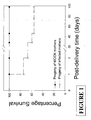
- the females were crossbred with male mice and mortality of the descendants between days 1 and 100 post-delivery was analyzed.
- a comparison was carried out by means of a Kaplan-Meier graph between the descendants of infected mothers and the descendants of MOCK mothers.
- the embryos were extracted and their organs were dissected and frozen the day before birth.
- the HSV-1 DNA was extracted and quantified in the different analyzed organs (encephalon, spinal cord, placenta) by means of quantitative real-time PCR (expressed as equivalent pfu) and normalized with respect to the mouse actin gene (expressed as (expressed as ng).
- the DNA was extracted using conventional methods (NucleoSpin ® , Cat. K3053-2, ClonTech, USA). The cross-contamination of samples and the PCR false positives were carefully prevented by frequently changing gloves, exclusive use of pipettes and strictly separating the three main PCR steps.
- Quantitative PCR was carried out using the LightCycler thermal cycler (Roche Diagnostics Ltd, Lewes, UK), the reaction mixture of which contained I ⁇ M of primers and 2 mM of MgCl 2 .
- the ⁇ -actin primers (SEQ. ID. NO: 1 and SEQ. ID. NO: 2) were used as positive control for the PCR reaction (in order to obtain a 379 base pair [bp] amplicon or amplification product).
- Primers specific for amplifying a 120 bp fragment of the sequence of the viral DNA polymerase (pol) gene [SEQ. ID. NO: 3 and SEQ. ID.
- telomere sequence a sequence of the viral thymidine kinase (TK) gene [SEQ. ID. NO: 5 and SEQ. ID. NO: 6].
- the PCR conditions were one cycle of 95°C for 1 minute, followed by 45 cycles at 95°C for 30 seconds; 55°C (for ⁇ -actin and TK) or 60°C (for pol) for 30 seconds; and 72°C for 40 seconds.
- the virus concentration interval for optimizing the quantitative real-time PCR standard curve was expressed as pfu.
- nanograms (ng) were used as the unit of this endogenous gene.
- the identity of the amplified products was checked by analysis of the denaturation curves, gel electrophoresis and restriction analysis.
- the gene fragments analyzed were subjected to a restriction analysis with the endonuclease Aval for viral polymerase (pol) (producing two 23 and 97 bp fragments) and for viral TK (producing two 35 and 75 bp fragments) and with the enzyme N1a1V for ⁇ -actin (producing two 220 and 159 bp fragments).
- poly polymerase
- TK producing two 35 and 75 bp fragments
- N1a1V for ⁇ -actin producing two 220 and 159 bp fragments
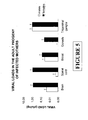
- the viral load results in adults descending from infected mothers separated by sex are shown in Figure 5.
- the results correspond to 5 males and 8 females.
- the target organs for HSV-1 infection by vertical transmission are the CNS and blood, corroborating earlier results.
- the trigeminal ganglia showed high virus levels.
- One of the major differences between sexes was colonization of the gonads, HSV-1 being undetectable in testicles.
- Viremia in pre-delivery females, neonates (1 or 2 days after birth) and in post-delivery mothers as well as the sum of the latter two categories is represented in Figure 6.
- the graph indicates that transmission is dependent on viremia and is useful for analyzing vaccines and antiviral agents by means of a hematogenous administration route.
- Example 1 shows the existence of vertical mother-progeny transmission of HSV-1.
- mice 14-week old female mice of the C57Bl/6 lineage. Between two and three adult mice were used per analysis group and between 13 and 25 neonates, depending on the availability of animals.
- the experiments were performed strictly following the Guidance on the Operation of Animals (Scientific Procedures, Act 1986), supervised by personnel of the Animal house of the Centro de Biologia Molecular Severo Ochoa. All the animals went through a quarantine period and were treated with strict precautions against contamination during inoculation and dissection. The animals were.:: intraperitoneally infected with a dose 10 6 pfu of herpes simplex virus type 1 (HSV-1) of the KOS strain (provided by el Dr. L.
- HSV-1 herpes simplex virus type 1
- mice were separated into three different basins corresponding to the control (untreated), oral acyclovir and subcutaneous acyclovir (administration of which is slower) groups, and treatment with acyclovir began five days before crossbreeding until birth, crossbreeding the animals at day 42 post-infection. The first group of mice was not given any treatment.
- the oral acyclovir group was administered 100 ⁇ l of a 2.5 mg/ml dilution of the drug three times a day with intervals of at least 8 hours of difference (since the plasma half-life of acyclovir after administration is 2.9 h).
- Another group of animals was injected 100 ⁇ l of subcutaneous acyclovir at a dilution of 2.5 mg/ml three times a day (every 8 hours) coinciding with the previous group. Therefore the antiviral concentration administered per dose and mouse was 0.25 mg (10 mg/kg per mouse, far from the toxicity limit of 80 mg/kg cited above), with a total daily dose of 0.75 mg/day.
- the acyclovir administration process concluded on the day of birth, at which time euthanasia was performed on the mothers and the respective progeny for subsequent analysis.
- the dissected organs in the adult animals were the following: blood, ovaries, adrenal gland, spinal cord, brain, cerebellum and trigeminal ganglia. The entire brain was separated into three rough regions: midbrain, ventricles and cerebral cortex. In the neonates, the dissected organs were blood, spinal cord and encephalon. DNA was extracted using conventional methods (NucleoSpin ® , Cat. K3053-2, ClonTech, USA). The viral load of the different organs was analyzed by means of quantitative PCR. Cross-contamination of samples and PCR false positives were carefully prevented by frequently changing gloves, exclusive use of pipettes and strictly separating the three main PCR steps.
- Quantitative PCR was performed using the LightCycler thermal cycler (Roche Diagnostics Ltd, Lewes, UK), the reaction mixture of which contained 1 ⁇ M of primers and 2 mM of MgCl 2 .
- ⁇ -actin primers SEQ. ID. NO:1 and SEQ. ID. NO: 2
- Primers specific for the sequence of the viral polymerase (pol) gene were used to detect the virus (SEQ. ID. NO: 3 and SEQ. ID. NO: 4) (120 bp amplicon).
- the PCR conditions were one cycle of 95°C for 10 minutes, followed by 45 cycles at 95°C for 30 seconds, 55°C (for ⁇ -actin) or 60°C (for viral polymerase) for 30 seconds, and a last cycle of 72°C for 40 seconds.
- the virus concentration range used for optimizing the quantitative PCR standard curve was expressed as plaque forming units (pfu).
- nanograms were used as the unit of this endogenous gene.
- the identity of the amplified products was checked by analysis of the denaturation curves, by gel electrophoresis and restriction analysis.
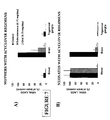
- the conclusions inferred from the trial performed are basically the following: (i) the vertical transmission phenomenon is confirmed in a new experiment, again observing that the virus is mainly located in the blood and brain of the descendant animals; (ii) it is shown that treating the mothers with acyclovir reduces the mortality levels observed in the descendants of the untreated animals; (iii) it is observed that the viral load levels in the various organs analyzed, both in the mothers and the progeny, decrease when the mothers are treated with acyclovir; and (iv), finally, it is observed that the administration of oral acyclovir is considerably more efficient than the subcutaneous administration of this antiviral drug.
Landscapes
- Health & Medical Sciences (AREA)
- Life Sciences & Earth Sciences (AREA)
- Engineering & Computer Science (AREA)
- Biomedical Technology (AREA)
- Immunology (AREA)
- Urology & Nephrology (AREA)
- Cell Biology (AREA)
- Hematology (AREA)
- Chemical & Material Sciences (AREA)
- Molecular Biology (AREA)
- Pathology (AREA)
- Toxicology (AREA)
- General Health & Medical Sciences (AREA)
- Medicinal Chemistry (AREA)
- Microbiology (AREA)
- Food Science & Technology (AREA)
- Biotechnology (AREA)
- Physics & Mathematics (AREA)
- Analytical Chemistry (AREA)
- Biochemistry (AREA)
- Tropical Medicine & Parasitology (AREA)
- General Physics & Mathematics (AREA)
- Bioinformatics & Cheminformatics (AREA)
- Diabetes (AREA)
- Zoology (AREA)
- Endocrinology (AREA)
- Gastroenterology & Hepatology (AREA)
- Rheumatology (AREA)
- Epidemiology (AREA)
- Animal Behavior & Ethology (AREA)
- Public Health (AREA)
- Veterinary Medicine (AREA)
- Investigating Or Analysing Biological Materials (AREA)
- Measuring Or Testing Involving Enzymes Or Micro-Organisms (AREA)
- Medicines That Contain Protein Lipid Enzymes And Other Medicines (AREA)
Abstract
Description
- The invention relates to a method for identifying compounds that are potentially useful for preventing and/or treating infections and diseases caused by human herpesviruses comprising the use of an animal model developed from the vertical transmission of human herpesviruses in said animal model.
- Herpesviruses are members of the Herpesviridae family. These viruses are large, have a double-strand DNA (dsDNA) genome of about 80-250 kilobases (kb) and are found in a wide range of host systems. About 100 herpesviruses have been isolated in various animal species, including the human species.
- Eight human herpesviruses have been described until now: herpes simplex virus type 1 (HSV-1), herpes simplex virus type 2 (HSV-2), varicella-zoster virus (VZV), cytomegalovirus (CMV), human herpesvirus 6 (HHV-6), human herpesvirus 7 (HHV-7), Epstein-Barr virus (EBV) and Kaposi's herpesvirus (HHV-8). These human herpesviruses are in turn grouped into various sub-families. The members of the alpha-human herpesvirus sub-family (HSV-1, HSV-2 and VZV) are neurotropic whereas the members of the gamma-human herpesvirus sub-family (EBV and HHV-8) are lymphotropic. CMV, HHV-6 and HHV-7 belong to the beta-human herpesvirus sub-family. Each one of said human herpesviruses is related to a human disease, for example labial and genital herpes labial (HSV-1 and HSV-2), varicella (VZV), infectious mononucleosis and nasopharyngeal carcinoma (EBV), pneumonia and retinitis (CMV), sudden exanthema (HHV-6 and HHV-7) and Kaposi's sarcoma (HHV-8).
- After the primary infection, usually in childhood, herpesviruses establish latency in the specific host cells of the infected individual and remain there for the rest of the individual's life, possibly causing secondary infections on occasions. Primary infections with herpesviruses often differ in their clinical symptoms from secondary or recurring infections. Both primary and recurring herpesvirus infections may infect the central nervous system (CNS) and cause a disease at any time. In fact, HSV-1, a neurotropic virus infecting about 90% of the adult population worldwide, is the most common virus infecting nervous tissue in neonates, children and adults associated with various neurological diseases and neuropathological disorders, such as severe human encephalitis, Alzheimer's disease, boxer's dementia, dementia associated with the human immunodeficiency virus (HIV) and cerebral paralysis. After the primary infection, HSV-1 reaches the CNS by means of reverse axonal transport and establishes a latent state. The virus may subsequently be reactivated in response to different stimuli and reach the primary infection area by means of anterograde transport, causing recurring mucocutaneous lesions.
- Although some clinical manifestations caused by human herpesviruses are not malignant, there are pathologies which potentially compromise the individual's life, such as encephalitis and generalized neonatal infections. In fact, encephalitis caused by HSV-1 and VZV has been widely described and has a yearly incidence of about 1 to 4 cases out of a million people. The absence of suitable treatment may result in a fatal outcome or may leave severe sequelae. On the other hand, neonatal encephalitis caused by human herpesviruses is a devastating disease which normally occurs as a result of perinatal HSV-2 transmission. In immunocompetent patients over the age of 3 months, meningitis, meningoencephalitis and myelitis have often been associated with HSV-2.
- Treatment of infections caused by human herpesviruses is usually done with antiviral agents, such as acyclovir, cidofovir, famcyclovir, ganciclovir, penciclovir, valacyclovir or foscarnet, acyclovir being the drug of choice in the prevention and treatment of human systemic herpesvirus infections. Nevertheless, these drugs generally have a relatively low bioavailability and are potentially toxic.
- Although there are antiviral drugs for preventing and treating infections and diseases caused by human herpesviruses, it is still necessary to find new compounds that are useful for treating and/or preventing infections caused by said viruses. In this sense, animal models susceptible of being used in research related to human herpesviruses would be a valuable tool for evaluating compounds that are potentially useful in treating and/or preventing infections and diseases caused by human herpesviruses.
- A new transmission route of human herpesvirus has been found that allows developing an animal model that is useful for identifying potentially therapeutic compounds, particularly compounds that are potentially useful in treating and/or preventing infections and diseases caused by human herpesviruses. In particular, an animal model that is useful for testing compounds for the purpose of identifying potentially prophylactic or therapeutic compounds has been developed based on the new vertical mother-progeny transmission route. This model, which comprises experimentally infecting a non-human female animal with human herpesviruses before or after the administration of the compound to be tested, crossbreeding her with a male of the same species and analyzing the presence of human herpesviruses in the progeny and/or determining the effect of said compound on the progeny or the mother (non-human female animal infected with a human herpesvirus). Instead of the mother, the compounds to be tested can alternatively be administered to the descendants carrying human herpesviruses and the effect on such animals can be analyzed.
- A method such as the one provided by this invention allows (i) identifying compounds that are potentially useful for preventing the vertical transmission of the virus from the mother to the progeny, which could be used as vaccines or as antiviral agents, as well as (ii) evaluating compounds that are potentially useful for treating or preventing infections and diseases caused by human herpesviruses and/or for treating the clinical symptoms associated with such diseases, which could be used, for example as antiviral, neuroprotective, anti-neurodegenerative agents, etc.
- The animal model developed in this invention, based on the discovery of the vertical mother-progeny transmission of the human herpesvirus, allows consistently and reproducibly replicating the infection caused by human herpesviruses, particularly the neurotropism of some human herpesviruses, so it can be used to test compounds that are potentially therapeutic for treating and/or preventing infections and diseases caused by human herpesviruses.
- Therefore, in one aspect, the invention relates to a method for identifying a potentially therapeutic compound which comprises experimentally infecting a non-human female animal with human herpesviruses before or after administering the compound to be tested, crossbreeding her with a male from her species and analyzing the presence of human herpesviruses in the progeny and/or determining their effect on the progeny and/or the mother.
- In another aspect, the invention relates to an alternative method for identifying a potentially therapeutic compound which comprises experimentally infecting a non-human female animal with human herpesviruses, crossbreeding her with a male from her species, selecting the descendants carrying human herpesviruses, administering the compound to be tested to said descendants and determining the effect caused by the compound to be tested on said descendants carrying human herpesviruses.
- In another aspect, the invention relates to a method for producing a non-human animal carrying human herpesviruses which comprises infecting a non-human female animal with a human herpesvirus, crossbreeding her with a male from her species and selecting the descendants carrying human herpesviruses, which constitute an additional aspect of this invention.
-
- Figure 1 is a Kaplan-Meier graph showing the percentage of descendant mice (from neonates to adults) of mothers infected with HSV-1 that survived post-delivery and their comparison with the descendants of MOCK mothers.
- Figure 2 is a bar diagram showing the results, according to sex, of the mortality of the neonates (
days - Figure 3 is a bar diagram showing viral loads in the spinal cord, encephalon and placenta of the embryos (day before birth) of mothers infected with HSV-1 and the percentages of infected neonates.
- Figure 4 is a bar diagram showing viral loads in the blood and encephalon of neonates of mothers infected with HSV-1 and the percentages of infected embryos.
- Figure 5 is a bar diagram showing viral loads in the brain, spinal cord, blood, gonads and trigeminal ganglia of 14-week old male and female adults born to infected mothers.
- Figure 6 is a bar diagram showing the viremia of the females pre-delivery, neonates, mothers post-delivery and the sum of neonates and mothers after birth.
- Figure 7 is a bar diagram illustrating the effect of acyclovir on the mothers (Figure 7A), particularly the viral loads in the blood, brain and trigeminal ganglia, as well as the effect of acyclovir on the progeny (Figure 7B), particularly viral loads in the blood, brain and spinal cord.
- The meaning of some terms and expressions used in the context of the invention are described below in order to aid in understanding the invention object of this patent application.
- The expression "non-human animal" refers to any non-human animal species susceptible susceptible of being infected by a human herpesvirus, both the wild type (wt) and the genetically manipulated type, for example genetically manipulated so as to incorporate a mutation (deletion, insertion or alteration) giving rise to a modification of the "wt" genotype or phenotype, for example non-human animals that are transgenic or mutant/deficient in a gene (KO), such as for example the APP gene, APOE gene, etc. Said non-human animal can be, for example, a fish, a non-human mammal, such as a rodent, a primate, a suid, etc., preferably a rodent, for example a mouse, a rat, a guinea pig, etc.; in a particular embodiment, the non-human animal used and susceptible of being infected by a human herpesvirus is a female mouse or fish.
- The term "human herpesvirus" includes any human herpesvirus, for example HSV-1, HSV-2, VZV, CMV, EBV, HHV-6, HHV-7 or HHV-8, and mixtures thereof; said term includes both wild type (wt) virus and genetically manipulated viruses; by way of illustration, said viruses are human herpesviruses that are genetically manipulated to eliminate some of their genes or to incorporate a marker, for example β-galactosidase, luciferase, alkaline phosphatase, fluorescent marking proteins such as green fluorescent protein (GFP), cyan fluorescent protein (CFP), red fluorescent protein (RFP), yellow fluorescent protein (YFP), etc.; the present invention can be carried out by experimentally infecting with a human herpesvirus or with a mixture of two or more different human herpesviruses.
- The term "potentially therapeutic compound" refers to a compound that is able to have an effect on the non-human female animal experimentally infected with a human herpesvirus or on her progeny (descendants), as well as an effect on the viral load, for example preventing the vertical mother-progeny transmission of human herpesviruses and/or reducing or eliminating the human herpesvirus load in said experimentally infected female or in her progeny or in successive generations, or its consequences on, for example, their viability, their behavior, their possible modifications in organs of interest, their possible cytogenetic or neuropathological alterations.
- Said compound can be a compound of any nature, for example a chemical, biological, microbiological compound, etc., isolated or mixed with one or more different compounds, and it includes compounds of a known or unknown composition and structure, pharmaceutical products with a known therapeutic application, biological products, microbiological products, etc., for example organic or inorganic chemical compounds, peptides, proteins, nucleic acids, extracts, etc..
- The viral load can be determined by any conventional method, such as any of the methods defined in relation to step d) of the method of the invention (see below). By way of illustration, in order for a compound to be considered "potentially therapeutic" said compound has to (i) prevent the vertical mother-progeny transmission of human herpesviruses, which can easily be evaluated by determining the presence or absence of human herpesviruses in the progeny of a female experimentally infected with human herpesviruses, (ii) reducing the viral load of the experimentally infected female or in a descendant of her progeny carrying human herpesviruses by at least 5% with respect to the viral load of the mother or her descendant immediately before the administration of the compound to be tested, for example at least 10%, or at least 20%, or at least 30%, or at least 40%, or at least 50%, or at least 60%, or at least 70%, or at least 80%, or at least 90%, or at least 95% with respect to the viral load of the mother or her descendant immediately before administration of the compound to be tested; and/or (iii) reversing, reducing or minimizing the consequences of human herpesviruses in the experimentally infected female or in her progeny or in successive generations, for example on their viability, their behavior, their possible modifications in organs of interest, their possible cytogenetic or neuropathological alterations.
- The present invention is based on the discovery that human herpesviruses can be vertically transmitted from mothers to progeny. Therefore by analyzing the progeny of a mother experimentally infected with human herpesviruses that was administered before or after said experimental infection a potentially therapeutic compound, or the mother herself, it is possible to evaluate the possible therapeutic use of said compound in preventing and/or treating infections and diseases caused by human herpesviruses. Also, by administering a potentially therapeutic compound to the descendants of a mother experimentally infected with human herpesviruses that was not previously administered said compound to be tested, it is possible to evaluate the possible therapeutic use of the tested compound in preventing and/or treating infections and diseases caused by human herpesviruses and its consequences.
- Therefore, in one aspect, the invention relates to a method for identifying a potentially therapeutic compound, hereinafter, method of the invention, comprising the steps of:
- a) infecting a non-human female animal with a human herpesvirus;
- b) administering the potentially therapeutic compound to be tested to said non-human female animal;
- c) crossbreeding said non-human female animal infected with a human herpesvirus with a non-human male animal belonging to the same species as said female, and
- d) analyzing the presence of human herpesviruses in the progeny of said non-human female animal infected with a human herpesvirus and/or determining the effect of said potentially therapeutic compound on said progeny or on said non-human female animal infected with a human herpesvirus,
in which steps a) and b) are performed in any order. - In a particular embodiment, the method of the invention comprises performing step a) [experimentally infecting the non-human female animal with a human herpesvirus] before step b) [administering the non-human female animal the potentially therapeutic compound to be tested]. This particular embodiment of the method of the invention is hereinafter referred to as Method A.
- In another particular embodiment, the method of the invention comprises performing step b) [administering the potentially therapeutic compound to be tested to the non-human female animal] before step a) [experimental infection of the non-human female animal with a human herpesvirus]. This particular embodiment of the method of the invention is hereinafter referred to as Method B.
- Method A begins with experimentally infecting the non-human female animal with a human herpesvirus [step a)]. Said infection can be carried out using any of the known human herpesvirus infection routes, for example the olfactory, neural or hematogenous route. In a particular embodiment, the infection is carried out following the hematogenous route, administering human herpesvirus to the female by means of intraperitoneal (i.p.) and/or intravenous (i.v.) injection (for example by puncturing a vein), advantageously by means of i.p. injection or 2 injections (i.p. + i.v.). Infection through the olfactory route can be carried out by means of intranasal administrations, whereas infection through the neural route can be carried out by different methods, for example by causing bilateral wounds by abrading the non-human animal's nose with a blade and applying solutions with the virus, which mimics cold fevers occurring in humans. The human herpesvirus load to be administered to the female to be experimentally infected can vary within a wide range; nevertheless, in a particular embodiment, said viral load is comprised between 1 and 106 plaque forming units (pfu). Despite the viral specificity and the limited range of human herpesvirus hosts that could prevent the effective infection of species that are not the natural hosts of said viruses, good infection rates are infection rates are obtained when non-human animals are infected with human herpesviruses according to the methodology described in the present invention.
- Then the potentially therapeutic compound to be tested is administered to the non-human female animal infected with human herpesvirus [step b)]. Said compound is administered to the previously infected female by any suitable administration route (for example orally, subcutaneously, parenterally, for example i.v. or i.p., etc.), in an administration form that is suitable for the chosen administration route and at a suitable dosage; by way of illustration said potentially therapeutic compound can be administered in the forma of a single dose or step or in several doses or steps over time, or by means of a continuous supply of the compound to be tested.
- Then the female infected with human herpesvirus that was administered the compound to be tested is crossbred [step c)], by conventional methods known by persons skilled in the art, with a non-human male animal belonging to the same species as said female. The male that the infected female is crossbred with may or may not be free of human herpesviruses; in principle this fact seems to be irrelevant since for transmission it would not matter if the father were infected or were MOCK (that is, free of human herpesviruses), provided that this did not affect the ability of impregnating the female, which does not seem to occur; nevertheless, in a particular embodiment MOCK males are used in the experimental design. Finally the presence of human herpesviruses in the progeny of said non-human female animal infected with a human herpesvirus is analyzed and/or the effect of said potentially therapeutic compound on said progeny or on said non-human female animal infected with a human herpesvirus is determined [step d)].
- In a particular embodiment, the presence of human herpesviruses in the progeny of the experimentally infected female is analyzed. Said analysis can be carried out by any suitable method that allows detecting the presence of human herpesviruses in the tested sample. Such methods include serological (immunological) or genetic methods, etc., and the use of suitable molecular marker detection systems based, for example, on fluorescence, luminescence, colorimetric reactions, etc. By way of illustration, ELISA or Western-blot protein detection assays, methods based on the use of bioluminiscent, fluorescent viruses, etc., methods based on the immunocytological and immunohistological detection of human herpesviruses, cell monolayer plating assays, viral-based DNA identification methods, for example methods based on the use of oligonucleotide probes marked with detectable markers, or based on carrying out carrying out specific enzymatic reactions such as restriction reactions or amplification reactions, based for example on polymerase chain reaction (PCR), etc., can be used. In a particular embodiment, the possible presence of human herpesviruses in progeny is carried out in a sample from the animals of the progeny by means of real-time quantitative PCR according to a previously defined protocol [Burgos JS, Ramirez C, Sastre I, Bullido MJ and Valdivieso F. (2003). ApoE4 is more efficient than E3 in brain access by herpes ; Burgos JS, Ramirez C, Sastre I, Bullido MJ and Valdivieso F. (2002). Involvement of apolipoprotein E in the hematogenous route of herpes ; Burgos JS, Ramirez C, Tenorio R, Sastre I and Bullido MJ. (2002). Influence of reagents formulation on real-time PCR parameters. Molecular and Cellular Probes. 16; 257-260].
- In another particular embodiment the effect of the tested compound on the progeny of the experimentally infected female or on said female is determined. The presence of human herpesviruses can thus be determined both in the progeny and in the mother, as well as the pathological changes associated with the presence of viruses in the progeny and/or in the mother. The effect of the tested compound on said progeny or on their mother can be determined by means of different conventional experimental techniques based, for example, on image analysis (for example nuclear magnetic resonance, bioluminescence, computerized tomography, positron emission tomography or PET, fluorescence, etc.), histopathological techniques, detection of viral and neurodegeneration markers both at the genomic and proteomic levels, etc.
- By way of illustration, the effect of the tested compound on the female experimentally infected with human herpesviruses or on her descendants can be determined by means of performing at least one analysis or study selected from (1) viability analysis of the female progenitors and of the progeny, (2) behavior analysis of the female progenitors and of the progeny, (3) image studies of the female progenitors and of the progeny, (4) cytogenetic analyses of the progeny, and (5) neuropathological studies.
- (1) Viability analysis of female progenitors and descendants: Survival rates are determined by means of this analysis both in the progeny and in the female progenitor and it evaluates if the tested compound modifies the viability percentage in the animals administered the compound with respect to the controls.
- (2) Behavior analysis of the female progenitors and descendants: The complete study of diseases in animal models includes a behavior analysis of the animal. This study is useful for checking the effect of the viral infection on brain function both in the descendants and in the female progenitor. In a particular embodiment, the animal model is a murine model, in which case the behavior analysis of said murine model for a disease can be subdivided into three experimental phases: (i) phase of evaluating their state of health and neurological reflexes; (ii) phase of analyzing their motor and sensory ability; and (iii) model-specific phase with specific tests validated for the specific neuropathology. Generally, the animal's weight, the condition of their coat, reaction to being handled by the investigator, auditory reflexes, visual reflexes, olfactory capability and social behaviors are checked in the first phase [(i)]. The second phase [(ii)] consists of a group of tests for checking if the animal's condition is suitable when performing the specific subsequent tests. This group of tests includes studying the auditory capability, visual capability, motor functions or the coordination of movements, among others. Tests specific to the pathology under study are carried out in the third phase [(iii)], including those described in the literature, with the fundamental characteristic that they are standardized tests that can be validated and are reproducible. By way of illustration, the test that is most used in Alzheimer's disease animal models for checking the mouse's memory is the Morris tank. This test analyzes the mouse's ability to remember the location of a platform submerged in a bath, exclusively using a series of visual clues located outside the tank. For Parkinson's disease animal models, the learning capability is studied in the Rotarod. This test can analyze the motor learning of a mouse. The mouse must adapt to the accelerated movement of a cylinder, in which motor coordination and learning thereof are evaluated.
- (3) Image studies in female progenitors and descendants: Image techniques for small animals, which are non-invasive and allow performing the different studies without sacrificing the animal, can be applied for the purpose of studying modifications at the cerebral level and in other organs of interest. Included among the techniques most used for this purpose are nuclear magnetic resonance (NMR), positron emission tomography (PET), computer-assisted tomography (CAT), high-resolution X-rays and bioluminescence imaging (BLI) based on enzymatic reactions and on methods of implanting genetic constructs with fluorescent proteins, for example, GFP. The various image analysis techniques can be used to detect morphological and pathological changes in vivo, and for monitoring the human herpesvirus in the female progenitors and progeny.
- (4) Cytogenetic analyses in the progeny: Chromosomal aberrations, structural genetic changes and variation of the number of copies in the progeny of experimentally infected mothers, studying the genetic consequences of this fact, can be studied for this purpose. To that end, cytogenetic maps of the descendants as well as strategies for searching for structural modifications by fluorescent in situ hybridization [FISH] are carried out. Chromosomal structural variations to be studied may be: deletions, duplications, inversions and/or translocations. Chromosomal numerical variations to be studied include: polyploids, haploids and/or aneuploids. If desired, the possible transmission of said chromosomal variations may also be studied.
- (5) Neuropathological studies in female progenitors and in descendants: The regions of the brain showing signs of degeneration in the female progenitors and in their descendants can be determined by means of histopathological techniques. Furthermore, some neurodegeneration neuronal markers, such as α-synuclein, APP (amyloid precursor protein), ApoE (apolipoprotein E), tau phosphorylation state, etc., can be studied by means of immunohistochemical techniques. These antigens of interest can be detected together with specific neuronal-type markers, such as tyrosine hydroxylase, which marks dopaminergic neurons, or acetylcholine transferase, a cholinergic neuronal marker, for the purpose of determining the loss of specific neuron populations. In this case, the protein markers involved in neurodegenerative processes would be analyzed under different infection conditions, comparing them with variations in endogenous proteins. The mRNA of the cell and viral genes involved in neuroinvasion and neurodegeneration can also be analyzed as a supplement to the immunohistochemical studies by means of quantitative analysis with RT-PCR of the corresponding messengers, as well as the quantitative variability of the total protein levels of crude extracts by means of the Western-blot technique.
- The results obtained in Examples 1 to 3 enclosed in this description show: (i) vertical mother-progeny transmission of human herpesviruses and the location of the virus mainly in the descendants' blood and brain; (ii) the administration of acyclovir to the mothers reduces mortality levels observed in the descendants of the untreated animal; (iii) the viral load levels in the different organs analyzed both in the mother and progeny decrease when the mothers are treated with acyclovir; and, (iv) the oral administration of acyclovir is more efficient than the subcutaneous administration.
- Therefore, the invention shows the existence of vertical transmission of human herpesviruses from experimentally infected mothers to progeny. Al though the inventors do not wish to be linked to any hypothesis, it is believed that this mother-progeny transmission mainly occurs by means of the hematogenous route since the larger viral load in the neonate is found in the blood it shares with the mother. According to this hypothesis, the mother would be supplying the virus to the progeny during the entire gestation through blood. Therefore, the presence of the human herpesvirus in progeny would be indicative that the compound tested in the mother is not able to eliminate the herpesvirus in the mother and, therefore, it occurs in her descendants. In contrast, the absence of human herpesvirus in the progeny would be indicative that the compound tested in the mother is able to eliminate the herpesvirus in the mother or to prevent the vertical mother-progeny transmission, and, therefore can act as an antiviral agent.
- Method A, comprising the administration the compound to be tested to the previously infected mother allows identifying potentially useful compounds because they have an effect on the mother or on the progeny, as a result of the presence of human herpesviruses, at the level of survival, behavior, modifications in organs of interest and/or neuropathologies or as antiviral agents (the absence or reduction in the viral load of the experimentally infected mother illustrates that the administered compound is potentially useful as an antiviral agent).
- Method B begins with the administration of the potentially therapeutic compound to be tested to the non-human female animal [step b)], and then said female pretreated with a human herpesviruses is experimentally infected [step a)]. These steps are carried out in a manner similar to that in which steps a) and b) defined in relation to Method A are carried out. Steps c) and d) of Method B are the same as those of Method A and are carried out in the same manner.
- Method B, comprising the administration to the female of the compound to be tested before she is experimentally infected allows identifying potentially therapeutic compounds that are useful as vaccines or as agents that are capable of preventing the mother-progeny transmission of the virus. To identify the compounds that are potentially useful as vaccines, the target females of the experimental infection must be females with no signs of human herpesvirus infection; advantageously females that are free of such viruses (MOCK), for this reason such females are previously analyzed by means of any conventional method that allows detecting the presence of human herpesviruses and determining whether or not they were in contact with such viruses, by means of any of the previously mentioned methods. The absence of human herpesviruses in the progeny of the experimentally infected female illustrates that the potentially therapeutic compound administered to the mother is potentially useful as a vaccine or as an agent that is able to prevent vertical mother-progeny transmission of the virus. Said Method B likewise allows identifying compounds exercising an effect on the mother or on the progeny at the level of survival, behavior, modifications of organs of interest and/or neuropathologies as a consequence of the presence of human herpesviruses.
- In another aspect, the invention relates to an alternative method for identifying a potentially therapeutic compound, hereinafter Method C, comprising the steps of:
- i) infecting a non-human female animal with a human herpesvirus;
- ii) crossbreeding said non-human female animal infected with a human herpesvirus with a non-human male animal belonging to the same species as said female;
- iii) analyzing the presence of human herpesviruses in the progeny of said non-human female animal infected with a human herpesvirus and selecting those descendants carrying human herpesviruses;
- iv) administering the potentially therapeutic compound to be tested to said descendants carrying human herpesviruses; and
- v) determining the effect of said potentially therapeutic compound tested on said descendants carrying human herpesviruses.
- Method C begins with the experimental infection of the non-human female animal with a human herpesvirus [step i)]. Said experimental infection is carried out in a manner similar to that in which it is carried out in step a) of Method A. Then, the female infected with human herpesvirus is crossbred [step ii)] with a non-human male animal belonging to the same species as said female in a manner similar to how it is carried out in step c) of Method A. Then, the presence of human herpesviruses in the progeny of the non-human female animal infected with human herpesvirus is analyzed and those descendants carrying human herpesviruses are selected [step iii)]. The presence of human herpesvirus in the progeny of the experimentally infected female is analyzed by any suitable method in a manner similar to that indicated in relation to step d) of Method A: Then the descendants carrying human herpesviruses are administered the potentially therapeutic compound to be tested in the form of a single dose or step or in several doses or steps over time or by means of a continuous supply of the compound to be tested in a manner similar to that indicated in relation to step b) of Method A and, finally the effect of said potentially therapeutic compound tested on said descendants carrying human herpesviruses is determined. Said effect may consist of the total or partial reduction of the viral load of the animal carrying human herpesviruses, in which case said potentially therapeutic compound is a said potentially therapeutic compound is a compound that is potentially useful as an antiviral agent, or of an effect related to the consequences of the presence of human herpesviruses in said animal at the level of survival, behavior, modifications of organs of interest and/or neuropathologies, to which end at least an analysis or study on said descendants carrying human herpesviruses can be carried out, selected from (1) viability analysis, (2) behavior analysis, (3) image studies, (4) cytogenetic analyses, and (5) neuropathological studies.
- Since human herpesviruses are related to various human diseases, for example labial or genital herpes, varicella, infectious mononucleosis, nasopharyngeal carcinoma, pneumonia, retinitis, sudden exanthema, Kaposi's sarcoma, CNS infections, neurological diseases and neuropathological disorders such as encephalitis; Alzheimer's disease, boxer's dementia, HIV-associated dementia, cerebral paralysis, meningitis, meningoencephalitis and myelitis, said potentially therapeutic compound can be used for the treatment or prophylaxis of such pathologies insofar as they are caused by human herpesvirus. Therefore, in a particular embodiment, the potentially therapeutic compound susceptible of being identified by means of any of the previously defined Methods A, B and C, is a vaccine, an antiviral agent, a neuroprotective agent or an anti-neurodegenerative agent.
- In another aspect, the invention relates to a method for producing a non-human animal carrying human herpesviruses, comprising the steps of:
- a) infecting a non-human female animal with a human herpesvirus;
- b) crossbreeding said non-human female animal infected with a human herpesvirus with a non-human male animal belonging to the same species as said female, and
- c) selecting the descendants carrying human herpesviruses.
- Said method begins with the experimental infection of the non-human female animal with a human herpesvirus [step a)], which is carried out in a manner similar to that in which it is carried out in step a) of Method A; then, the female infected with human herpesvirus is crossbred [step b)] with a non-human male animal,belonging to the same species as said female in a manner similar to that in which it is carried out in step c) of Method A; and finally the presence of human herpesviruses in the progeny of the non-human female animal infected with human herpesvirus is analyzed and those descendants carrying human herpesviruses [step c)] are selected. The presence of human herpesvirus in the progeny of the experimentally infected female is analyzed by any suitable method in a manner similar to that indicated in relation to step d) of Method A.
- The descendants carrying human herpesviruses thus obtained constitute an additional aspect of the present invention. Therefore, in another aspect the invention relates to a non-human animal carrying human herpesviruses obtained according to the previously described method. The non-human animal carrying human herpesviruses provided by this invention is characterized by being a descendant of a non-human animal infected with a human herpesvirus. Additionally, said non-human animal has the characteristic that said human herpesviruses are mainly located in the central nervous system (CNS) and/or in blood, for example in the brain, spinal cord and/or blood. As shown in Example 1 and in Figure 5, it was again observed in 14-week old progeny of infected mothers that the target organs for HSV-1 infection by vertical transmission are CNS and blood, corroborating prior results. Furthermore, both in males and females, the trigeminal ganglia showed high levels of the virus. One of the major differences between sexes was the colonization of the gonads, HSV-1 being undetectable in testicles. In a particular embodiment, the non-human animal carrying human herpesviruses provided by this invention is a fish, a rodent, a primate or a suid, for example a mouse, a rat, a guinea pig, a monkey or a pig, either male or female. These animals can be used both as animal models for experimenting and searching for potentially therapeutic compounds and as progenitors for new descendants carrying human herpesviruses.
- Therefore, in another aspect the invention relates to an alternative method for producing a non-human animal carrying human herpesviruses, comprising the steps of:
- a) crossbreeding a first non-human animal carrying human herpesviruses descending from a non-human female animal infected with a human herpesvirus with a second non-human animal that belongs to the same species as said first animal but of a different sex, and
- b) selecting the descendants carrying human herpesviruses.
- Said method comprises crossbreeding a first non-human animal carrying human herpesviruses provided by this invention that is a descendant of a non-human female animal infected with a human herpesvirus with a second non-human animal belonging to the same species but of a different sex. This second animal can be a MOCK animal or, alternatively a non-human animal carrying human herpesviruses provided by this invention that is a descendant of a non-human female animal infected with a human herpesvirus. The crossbreeding of said animals is carried out in a conventional manner, as previously mentioned. Then the presence of human herpesviruses in the descendants is analyzed and the descendants carrying human descendants carrying human herpesviruses are selected, which can be used as animal models are for reproductive purposes for crossbreeding new non-human animals carrying human herpesviruses.
- The following Examples are useful for illustrating the invention and must not be considered to be limiting thereof.
- All the animals included in the experimental process were 14-week old female mice from the C57B1/6 lineage: Sixteen adult mice (females) were used as progenitors, and 21 embryos, 77 neonates and 13 adult progeny were used. The experiments were carried out strictly following the Guidance on the Operation of Animals (Scientific Procedures, Act 1986), being supervised by personnel of the Animal house of the Centro de Biologia Molecular (Molecular Biology Center) Severo Ochoa. All the animals went through a quarantine period and were treated with strict precautions against contamination during inoculation and dissection.
- The animals were intraperitoneally infected with a dose of 106 plaque forming units (pfu) of herpes simplex virus type 1 (HSV-1) of the KOS strain (provided by Dr. L. Carrasco, Centro de Biologia Molecular Severo Ochoa, Universidad Autónoma of Madrid). After 37 days post-infection, at which time latent infection was already established (latency is considered after day 28 post-infection), the females were crossbred with male mice and mortality of the descendants between
days days - On the other hand, the embryos were extracted and their organs were dissected and frozen the day before birth. Then, the HSV-1 DNA was extracted and quantified in the different analyzed organs (encephalon, spinal cord, placenta) by means of quantitative real-time PCR (expressed as equivalent pfu) and normalized with respect to the mouse actin gene (expressed as (expressed as ng). The DNA was extracted using conventional methods (NucleoSpin®, Cat. K3053-2, ClonTech, USA). The cross-contamination of samples and the PCR false positives were carefully prevented by frequently changing gloves, exclusive use of pipettes and strictly separating the three main PCR steps. Quantitative PCR was carried out using the LightCycler thermal cycler (Roche Diagnostics Ltd, Lewes, UK), the reaction mixture of which contained I µM of primers and 2 mM of MgCl2. The β-actin primers (SEQ. ID. NO: 1 and SEQ. ID. NO: 2) were used as positive control for the PCR reaction (in order to obtain a 379 base pair [bp] amplicon or amplification product). Primers specific for amplifying a 120 bp fragment of the sequence of the viral DNA polymerase (pol) gene [SEQ. ID. NO: 3 and SEQ. ID. NO: 4] were further used, as well as primers specific for amplifying a 110 bp fragment of bases of the sequence of the viral thymidine kinase (TK) gene [SEQ. ID. NO: 5 and SEQ. ID. NO: 6]. The PCR conditions were one cycle of 95°C for 1 minute, followed by 45 cycles at 95°C for 30 seconds; 55°C (for β-actin and TK) or 60°C (for pol) for 30 seconds; and 72°C for 40 seconds. The virus concentration interval for optimizing the quantitative real-time PCR standard curve was expressed as pfu. To calibrate the β-actin gene, nanograms (ng) were used as the unit of this endogenous gene. The identity of the amplified products was checked by analysis of the denaturation curves, gel electrophoresis and restriction analysis. The gene fragments analyzed were subjected to a restriction analysis with the endonuclease Aval for viral polymerase (pol) (producing two 23 and 97 bp fragments) and for viral TK (producing two 35 and 75 bp fragments) and with the enzyme N1a1V for β-actin (producing two 220 and 159 bp fragments). The viral DNA detection results in embryos are shown in Figure 3, whereas the viral loads in the neonates is shown in Figure 4.
- The viral load results in adults descending from infected mothers separated by sex are shown in Figure 5. The results correspond to 5 males and 8 females. As can be observed in said Figure 5, it was again observed in the 14-week old progeny of infected mothers that the target organs for HSV-1 infection by vertical transmission are the CNS and blood, corroborating earlier results. Furthermore, both in males and in females, the trigeminal ganglia showed high virus levels. One of the major differences between sexes was colonization of the gonads, HSV-1 being undetectable in testicles.
- The previously described murine model was used to evaluate the effectiveness of the vertical hematogenous transmission of HSV-1 from the mother to the descendants. Viremia in pre-delivery females, neonates (1 or 2 days after birth) and in post-delivery mothers as well as the sum of the latter two categories is represented in Figure 6. The graph indicates that transmission is dependent on viremia and is useful for analyzing vaccines and antiviral agents by means of a hematogenous administration route.
- Example 1 shows the existence of vertical mother-progeny transmission of HSV-1. These results indicate that HSV-1 if found both in blood and in the brain of the descendants on
day 1 post-delivery, and in the CNS of embryos-onday 1 before birth. This group of results implies that the interruption of the vertical transmission of HSV-1 could have potential therapeutic properties (vaccine, antiviral or neuroprotective properties) on the descendants, resulting from the elimination of HSV-1 in the progeny's CNS. Based on said hypothesis, the inventors decided to evaluate the antiviral role of the classic anti-herpes product of choice, acyclovir, which has been proven to be non-teratogenic or embryotoxic in rabbits, rats or mice. To that end, and after establishing a latent infection in adult females, treatment with acyclovir, crossbreeding and analysis of the mothers and progeny were carried out. - All the animals included in the experimental process were 14-week old female mice of the C57Bl/6 lineage. Between two and three adult mice were used per analysis group and between 13 and 25 neonates, depending on the availability of animals. The experiments were performed strictly following the Guidance on the Operation of Animals (Scientific Procedures, Act 1986), supervised by personnel of the Animal house of the Centro de Biologia Molecular Severo Ochoa. All the animals went through a quarantine period and were treated with strict precautions against contamination during inoculation and dissection. The animals were.:: intraperitoneally infected with a dose 106 pfu of herpes simplex virus type 1 (HSV-1) of the KOS strain (provided by el Dr. L. Carrasco, Centro de Biologia Molecular Severo Ochoa, Universidad Autónoma of Madrid). After 37 days post-infection, at which time latent infection was already established, the mice were separated into three different basins corresponding to the control (untreated), oral acyclovir and subcutaneous acyclovir (administration of which is slower) groups, and treatment with acyclovir began five days before crossbreeding until birth, crossbreeding the animals at day 42 post-infection. The first group of mice was not given any treatment. The oral acyclovir group was administered 100 µl of a 2.5 mg/ml dilution of the drug three times a day with intervals of at least 8 hours of difference (since the plasma half-life of acyclovir after administration is 2.9 h). Another group of animals was injected 100 µl of subcutaneous acyclovir at a dilution of 2.5 mg/ml three times a day (every 8 hours) coinciding with the previous group. Therefore the antiviral concentration administered per dose and mouse was 0.25 mg (10 mg/kg per mouse, far from the toxicity limit of 80 mg/kg cited above), with a total daily dose of 0.75 mg/day. The acyclovir administration process concluded on the day of birth, at which time euthanasia was performed on the mothers and the respective progeny for subsequent analysis.
- The dissected organs in the adult animals were the following: blood, ovaries, adrenal gland, spinal cord, brain, cerebellum and trigeminal ganglia. The entire brain was separated into three rough regions: midbrain, ventricles and cerebral cortex. In the neonates, the dissected organs were blood, spinal cord and encephalon. DNA was extracted using conventional methods (NucleoSpin®, Cat. K3053-2, ClonTech, USA). The viral load of the different organs was analyzed by means of quantitative PCR. Cross-contamination of samples and PCR false positives were carefully prevented by frequently changing gloves, exclusive use of pipettes and strictly separating the three main PCR steps. Quantitative PCR was performed using the LightCycler thermal cycler (Roche Diagnostics Ltd, Lewes, UK), the reaction mixture of which contained 1 µM of primers and 2 mM of MgCl2. β-actin primers (SEQ. ID. NO:1 and SEQ. ID. NO: 2) were used as positive control for the PCR reaction (obtaining a 379 bp product). Primers specific for the sequence of the viral polymerase (pol) gene were used to detect the virus (SEQ. ID. NO: 3 and SEQ. ID. NO: 4) (120 bp amplicon). The PCR conditions were one cycle of 95°C for 10 minutes, followed by 45 cycles at 95°C for 30 seconds, 55°C (for β-actin) or 60°C (for viral polymerase) for 30 seconds, and a last cycle of 72°C for 40 seconds. The virus concentration range used for optimizing the quantitative PCR standard curve was expressed as plaque forming units (pfu). For calibrating the β-actin gene, nanograms were used as the unit of this endogenous gene. The identity of the amplified products was checked by analysis of the denaturation curves, by gel electrophoresis and restriction analysis.
- After birth and sacrifice, the progeny survival rates and the mother and neonate viral loads were analyzed. The adult animals remained asymptomatic during the entire experimental process, suffering no mortality. In contrast, the descendants of the various animal groups showed variable mortality rates. Therefore, the control group neonates showed mortality of 7.1% (1 exitus out of 14 animals), whereas the group corresponding to the administration of subcutaneous acyclovir showed a mortality rate of 4.0% (1 out of 25); finally, no mortality was observed in the group corresponding to the oral administration of the drug (none of the 17 animals). The number of females and males was not significantly different among the three groups of descendants (ratio of 1:1.66).
- Regarding the virus levels in the various organs, and as can be seen in Figure 7, administration of acyclovir at a daily dose of 0.75 mg by means of the two administration routes evaluated produced a significant reduction of viral loads both in the mothers and in the progeny. The efficiency of the use of the subcutaneous administration of acyclovir was less than that of the oral administration both in mothers (Figure 7A) and in progeny (Figure 7B). Nevertheless, elimination of the virus in the animals with subcutaneous acyclovir was significant, observing considerably lower levels of the virus in all the analyzed organs of the mother and, specifically, in the progeny's CNS. The oral administration of acyclovir was still more effective in eliminating the virus in the mothers and, by extension, in the descendants. In this sense, virus levels in blood and in the trigeminal ganglia of the mothers were virtually undetectable, whereas in the brain of the orally treated animals, reduction of the virus level was 96%. Regarding the descendants, the oral administration of acyclovir in the mothers caused an almost complete elimination of viral levels in all the analyzed organs.
- The conclusions inferred from the trial performed are basically the following: (i) the vertical transmission phenomenon is confirmed in a new experiment, again observing that the virus is mainly located in the blood and brain of the descendant animals; (ii) it is shown that treating the mothers with acyclovir reduces the mortality levels observed in the descendants of the untreated animals; (iii) it is observed that the viral load levels in the various organs analyzed, both in the mothers and the progeny, decrease when the mothers are treated with acyclovir; and (iv), finally, it is observed that the administration of oral acyclovir is considerably more efficient than the subcutaneous administration of this antiviral drug.
- The perspectives inferred from this trial indicate that not only acyclovir but also other antiviral agents, vaccines or neuroprotective agents could prevent the vertical transmission of HSV-1 and its subsequent effects on the CNS.
- As the results observed in Examples 1 and 2 indicate that oral administration of acyclovir is more efficient than subcutaneous injection, an experiment of administering acyclovir in drink was carried out. For this experiment, 14 mice (5 controls and 9 treated with acyclovir) in which acyclovir was used ad libitum in the drink at 2 determined doses (4 animals with 250 mg/ml and 5 with 500 mg/ml) were used. In previous experiments, both oral and subcutaneous, 0.25 mg of acyclovir were administered per dose (100 µl of a dilution of 2.5 mg/ml), 3 times a day. Assuming that a mouse drinks about 3 ml a day, 2 working dilutions (250 mg/ml so that the final daily dose was 0.75 mg, and 500 mg/ml so that the final daily dose was 1.50 mg) were used. The administration of acyclovir began on the day the vaginal plug appears, at which time the mouse basin is changed to a new one with acyclovir. The obtained results show that survival of the animals treated with acyclovir that ingested acyclovir (high dose) with drinking water is higher.


Claims (16)
- A method for identifying a potentially therapeutic compound, comprising the steps of:a) infecting a non-human female animal with a human herpesvirus;b) administering the potentially therapeutic compound to be tested to said non-human female animal;c) crossbreeding said non-human female animal infected with a human herpesvirus with a non-human male animal belonging to the same species as said female, andd) - analyzing the presence of human herpesviruses in the progeny of said non-human female animal infected with a human herpesvirus and/or determining the effect of said potentially therapeutic compound on said progeny or on said non-human female animal infected with a human herpesvirus,wherein steps a) and b) are carried out in any order.
- A method according to claim 1, wherein step a) is carried out before step b).
- A method according to claim 1, wherein step b) is carried out before step a).
- A method for identifying a potentially therapeutic compound, comprising the steps of:i) infecting a non-human female animal with a human herpesvirus;ii) crossbreeding said non-human female animal infected with a human herpesvirus with a non-human male animal belonging to the same species as said female;iii) analyzing the presence of human herpesviruses in the progeny of said non-human female animal infected with a human herpesvirus and selecting those descendants carrying human herpesviruses;iv) administering the potentially therapeutic compound to be tested to said descendants carrying human herpesviruses; andv) determining the effect of said potentially therapeutic compound tested on said descendants carrying human herpesviruses.
- A method according to any of claims I to 4, wherein said non-human animal is a fish or a non-human mammal.
- A method according to claim 5, wherein said non-human mammal is selected from a rodent, a primate and a suid.
- A method according to claim 6, wherein said rodent is selected from a mouse, a rat and a guinea pig.
- A method according to any of claims 1 to 4, wherein said human herpesvirus is selected from herpes simplex virus type 1 (HSV-1), herpes simplex virus type 2 (HSV-2), varicella-zoster virus (VZV), cytomegalovirus (CMV), human herpesvirus 6 (HHV-6), human herpesvirus 7 (HHV-7), Epstein-Barr virus (EBV) and Kaposi's herpesvirus (HHV-8), and mixtures thereof.
- A method according to claim 1, wherein the determination of the effect of the tested compound on said progeny or on said non-human female animal infected with a human herpesvirus comprises performing at least one analysis or study selected from (1) viability analysis, (2) behavior analysis, (3) image studies, (4) cytogenetic analyses and (5) neuropathological studies.
- A method according to claim 4, wherein the determination of the effect of the tested compound on said descendants carrying human herpesviruses comprises performing at least one analysis or study selected from (1) viability analysis, (2) behavior analysis, (3) image studies, (4) cytogenetic analyses and (5) neuropathological studies.
- A method for obtaining a non-human animal carrying human herpesviruses comprising the steps of:a) infecting a non-human female animal with a human herpesvirus;b) crossbreeding said non-human female animal infected with a human herpesvirus with a non-human male animal belonging to the same species as said female, andc) selecting the descendants carrying human herpesviruses.
- A non-human animal carrying human herpesviruses obtained according to the method of claim 11.
- A non-human animal carrying human herpesviruses, characterized in that it is an animal that is a descendant of a non-human female animal infected with a human herpesvirus.
- A non-human animal according to any of claims 12 or 13, wherein said human herpesviruses are mainly located in the brain, spinal cord and/or in the blood.
- A method for producing a non-human animal carrying human herpesviruses, comprising the steps of:a) crossbreeding a first non-human animal carrying human herpesviruses according to any of claims 12 to 14 with a second non-human animal belonging to the same species as said first animal but of a different sex, andb) selecting the descendants carrying human herpesviruses.
- A method according to claim 15, wherein said second animal is selected from a MOCK animal and a non-human animal carrying human herpesviruses.
Applications Claiming Priority (2)
| Application Number | Priority Date | Filing Date | Title |
|---|---|---|---|
| ES200400965A ES2304070B1 (en) | 2004-04-21 | 2004-04-21 | METHOD FOR IDENTIFYING THERAPEUTICALLY USEFUL COMPOUNDS FOR THE TREATMENT AND / OR PREVENTION OF INFECTIONS AND DISEASES CAUSED BY HUMAN HERPESVIRUS. |
| PCT/ES2005/000209 WO2005101956A2 (en) | 2004-04-21 | 2005-04-21 | Method of identifying therapeutic compounds which can be used for the treatment and/or prevention of infections and diseases caused by human herpesviruses |
Publications (2)
| Publication Number | Publication Date |
|---|---|
| EP1769677A2 true EP1769677A2 (en) | 2007-04-04 |
| EP1769677B1 EP1769677B1 (en) | 2009-11-04 |
Family
ID=35197409
Family Applications (1)
| Application Number | Title | Priority Date | Filing Date |
|---|---|---|---|
| EP05740634A Expired - Lifetime EP1769677B1 (en) | 2004-04-21 | 2005-04-21 | Method of identifying therapeutic compounds which can be used for the treatment and/or prevention of infections and diseases caused by human herpesviruses |
Country Status (8)
| Country | Link |
|---|---|
| EP (1) | EP1769677B1 (en) |
| JP (1) | JP2007533315A (en) |
| AT (1) | ATE447321T1 (en) |
| AU (1) | AU2005235319B2 (en) |
| CA (1) | CA2562787A1 (en) |
| DE (1) | DE602005017496D1 (en) |
| ES (2) | ES2304070B1 (en) |
| WO (1) | WO2005101956A2 (en) |
Family Cites Families (1)
| Publication number | Priority date | Publication date | Assignee | Title |
|---|---|---|---|---|
| JP2938916B2 (en) * | 1990-01-10 | 1999-08-25 | 日本ケミカルリサーチ株式会社 | Inhibitor of herpesvirus growth and inhibitor of recurrence after latent infection |
-
2004
- 2004-04-21 ES ES200400965A patent/ES2304070B1/en not_active Expired - Fee Related
-
2005
- 2005-04-21 DE DE602005017496T patent/DE602005017496D1/en not_active Expired - Lifetime
- 2005-04-21 WO PCT/ES2005/000209 patent/WO2005101956A2/en not_active Ceased
- 2005-04-21 JP JP2007508917A patent/JP2007533315A/en active Pending
- 2005-04-21 AT AT05740634T patent/ATE447321T1/en not_active IP Right Cessation
- 2005-04-21 EP EP05740634A patent/EP1769677B1/en not_active Expired - Lifetime
- 2005-04-21 ES ES05740634T patent/ES2337594T3/en not_active Expired - Lifetime
- 2005-04-21 CA CA002562787A patent/CA2562787A1/en not_active Abandoned
- 2005-04-21 AU AU2005235319A patent/AU2005235319B2/en not_active Ceased
Non-Patent Citations (1)
| Title |
|---|
| See references of WO2005101956A3 * |
Also Published As
| Publication number | Publication date |
|---|---|
| CA2562787A1 (en) | 2005-11-03 |
| AU2005235319B2 (en) | 2010-02-18 |
| WO2005101956A3 (en) | 2005-12-22 |
| ATE447321T1 (en) | 2009-11-15 |
| ES2304070B1 (en) | 2009-07-07 |
| WO2005101956A2 (en) | 2005-11-03 |
| ES2337594T3 (en) | 2010-04-27 |
| EP1769677B1 (en) | 2009-11-04 |
| ES2304070A1 (en) | 2008-09-01 |
| DE602005017496D1 (en) | 2009-12-17 |
| JP2007533315A (en) | 2007-11-22 |
| AU2005235319A1 (en) | 2005-11-03 |
Similar Documents
| Publication | Publication Date | Title |
|---|---|---|
| Jamieson et al. | Latent herpes simplex virus type 1 in normal and Alzheimer's disease brains | |
| Krosky et al. | Resistance of human cytomegalovirus to benzimidazole ribonucleosides maps to two open reading frames: UL89 and UL56 | |
| Carbone et al. | Herpes virus in Alzheimer's disease: relation to progression of the disease | |
| Grundy et al. | Influence of H-2 and non-H-2 genes on resistance to murine cytomegalovirus infection | |
| Mancini et al. | Insights into the pathogenesis of herpes simplex encephalitis from mouse models | |
| Shimomura et al. | Genome-wide epistatic interaction analysis reveals complex genetic determinants of circadian behavior in mice | |
| Ma et al. | Lytic gene expression is frequent in HSV-1 latent infection and correlates with the engagement of a cell-intrinsic transcriptional response | |
| Le Jambre et al. | The inheritance of thiabendazole resistance in Haemonchus contortus | |
| Lipart et al. | Herpes-like virus detection in infected Crassostrea gigas spat using DIG-labelled probes | |
| Gandar et al. | The genome of a tortoise herpesvirus (testudinid herpesvirus 3) has a novel structure and contains a large region that is not required for replication in vitro or virulence in vivo | |
| Caignard et al. | Genome-wide mouse mutagenesis reveals CD45-mediated T cell function as critical in protective immunity to HSV-1 | |
| Zhou et al. | Pseudorabies virus gM and its homologous proteins in herpesviruses induce mitochondria-related apoptosis involved in viral pathogenicity | |
| Pandey et al. | Inferred father-to-son transmission of herpes simplex virus results in near-perfect preservation of viral genome identity and in vivo phenotypes | |
| Duarte et al. | Asymptomatic herpes simplex virus type 1 infection causes an earlier onset and more severe experimental autoimmune encephalomyelitis | |
| Armistead et al. | Growth arrest in the ribosomopathy, Bowen–Conradi syndrome, is due to dramatically reduced cell proliferation and a defect in mitotic progression | |
| Shipley et al. | Personalized viral genomic investigation of herpes simplex virus 1 perinatal viremic transmission with dual fatality | |
| Koros et al. | HSV1 and 2 detection in the CSF of multiple sclerosis patients by real-time PCR | |
| Burgos et al. | Hematogenous vertical transmission of herpes simplex virus type 1 in mice | |
| EP1769677B1 (en) | Method of identifying therapeutic compounds which can be used for the treatment and/or prevention of infections and diseases caused by human herpesviruses | |
| Masumura et al. | Dose-dependent de novo germline mutations detected by whole-exome sequencing in progeny of ENU-treated male gpt delta mice | |
| Bourdon et al. | Susceptibility to Zika virus in a Collaborative Cross mouse strain is induced by Irf3 deficiency in vitro but requires other variants in vivo | |
| Wang et al. | The importance of IFNα2A (Roferon-A) in HSV-1 latency and T cell exhaustion in ocularly infected mice | |
| Arnold et al. | A “Four Core Genotypes” rat model to distinguish mechanisms underlying sex-biased phenotypes and diseases | |
| US20070218004A1 (en) | Method of Identifying Therapeutic Compounds Which Can Be Used for the Treatment and/or Prevention of Infections and Diseases Caused by Human Herpesviruses | |
| Le Chevalier et al. | Mice humanized for MHC and hACE2 with high permissiveness to SARS-CoV-2 omicron replication |
Legal Events
| Date | Code | Title | Description |
|---|---|---|---|
| PUAI | Public reference made under article 153(3) epc to a published international application that has entered the european phase |
Free format text: ORIGINAL CODE: 0009012 |
|
| 17P | Request for examination filed |
Effective date: 20061117 |
|
| AK | Designated contracting states |
Kind code of ref document: A2 Designated state(s): AT BE BG CH CY CZ DE DK EE ES FI FR GB GR HU IE IS IT LI LT LU MC NL PL PT RO SE SI SK TR |
|
| DAX | Request for extension of the european patent (deleted) | ||
| 17Q | First examination report despatched |
Effective date: 20070724 |
|
| GRAP | Despatch of communication of intention to grant a patent |
Free format text: ORIGINAL CODE: EPIDOSNIGR1 |
|
| GRAS | Grant fee paid |
Free format text: ORIGINAL CODE: EPIDOSNIGR3 |
|
| GRAA | (expected) grant |
Free format text: ORIGINAL CODE: 0009210 |
|
| AK | Designated contracting states |
Kind code of ref document: B1 Designated state(s): AT BE BG CH CY CZ DE DK EE ES FI FR GB GR HU IE IS IT LI LT LU MC NL PL PT RO SE SI SK TR |
|
| REG | Reference to a national code |
Ref country code: GB Ref legal event code: FG4D |
|
| REG | Reference to a national code |
Ref country code: CH Ref legal event code: EP |
|
| REG | Reference to a national code |
Ref country code: IE Ref legal event code: FG4D |
|
| REF | Corresponds to: |
Ref document number: 602005017496 Country of ref document: DE Date of ref document: 20091217 Kind code of ref document: P |
|
| REG | Reference to a national code |
Ref country code: CH Ref legal event code: NV Representative=s name: ING. MARCO ZARDI C/O M. ZARDI & CO. S.A. |
|
| REG | Reference to a national code |
Ref country code: SE Ref legal event code: TRGR |
|
| NLV1 | Nl: lapsed or annulled due to failure to fulfill the requirements of art. 29p and 29m of the patents act | ||
| LTIE | Lt: invalidation of european patent or patent extension |
Effective date: 20091104 |
|
| REG | Reference to a national code |
Ref country code: ES Ref legal event code: FG2A Ref document number: 2337594 Country of ref document: ES Kind code of ref document: T3 |
|
| PG25 | Lapsed in a contracting state [announced via postgrant information from national office to epo] |
Ref country code: IS Free format text: LAPSE BECAUSE OF FAILURE TO SUBMIT A TRANSLATION OF THE DESCRIPTION OR TO PAY THE FEE WITHIN THE PRESCRIBED TIME-LIMIT Effective date: 20100304 Ref country code: LT Free format text: LAPSE BECAUSE OF FAILURE TO SUBMIT A TRANSLATION OF THE DESCRIPTION OR TO PAY THE FEE WITHIN THE PRESCRIBED TIME-LIMIT Effective date: 20091104 Ref country code: PT Free format text: LAPSE BECAUSE OF FAILURE TO SUBMIT A TRANSLATION OF THE DESCRIPTION OR TO PAY THE FEE WITHIN THE PRESCRIBED TIME-LIMIT Effective date: 20100304 Ref country code: FI Free format text: LAPSE BECAUSE OF FAILURE TO SUBMIT A TRANSLATION OF THE DESCRIPTION OR TO PAY THE FEE WITHIN THE PRESCRIBED TIME-LIMIT Effective date: 20091104 |
|
| PG25 | Lapsed in a contracting state [announced via postgrant information from national office to epo] |
Ref country code: PL Free format text: LAPSE BECAUSE OF FAILURE TO SUBMIT A TRANSLATION OF THE DESCRIPTION OR TO PAY THE FEE WITHIN THE PRESCRIBED TIME-LIMIT Effective date: 20091104 Ref country code: SI Free format text: LAPSE BECAUSE OF FAILURE TO SUBMIT A TRANSLATION OF THE DESCRIPTION OR TO PAY THE FEE WITHIN THE PRESCRIBED TIME-LIMIT Effective date: 20091104 Ref country code: CY Free format text: LAPSE BECAUSE OF FAILURE TO SUBMIT A TRANSLATION OF THE DESCRIPTION OR TO PAY THE FEE WITHIN THE PRESCRIBED TIME-LIMIT Effective date: 20091104 |
|
| PG25 | Lapsed in a contracting state [announced via postgrant information from national office to epo] |
Ref country code: BE Free format text: LAPSE BECAUSE OF FAILURE TO SUBMIT A TRANSLATION OF THE DESCRIPTION OR TO PAY THE FEE WITHIN THE PRESCRIBED TIME-LIMIT Effective date: 20091104 Ref country code: AT Free format text: LAPSE BECAUSE OF FAILURE TO SUBMIT A TRANSLATION OF THE DESCRIPTION OR TO PAY THE FEE WITHIN THE PRESCRIBED TIME-LIMIT Effective date: 20091104 |
|
| PG25 | Lapsed in a contracting state [announced via postgrant information from national office to epo] |
Ref country code: EE Free format text: LAPSE BECAUSE OF FAILURE TO SUBMIT A TRANSLATION OF THE DESCRIPTION OR TO PAY THE FEE WITHIN THE PRESCRIBED TIME-LIMIT Effective date: 20091104 Ref country code: BG Free format text: LAPSE BECAUSE OF FAILURE TO SUBMIT A TRANSLATION OF THE DESCRIPTION OR TO PAY THE FEE WITHIN THE PRESCRIBED TIME-LIMIT Effective date: 20100204 Ref country code: DK Free format text: LAPSE BECAUSE OF FAILURE TO SUBMIT A TRANSLATION OF THE DESCRIPTION OR TO PAY THE FEE WITHIN THE PRESCRIBED TIME-LIMIT Effective date: 20091104 Ref country code: RO Free format text: LAPSE BECAUSE OF FAILURE TO SUBMIT A TRANSLATION OF THE DESCRIPTION OR TO PAY THE FEE WITHIN THE PRESCRIBED TIME-LIMIT Effective date: 20091104 |
|
| PG25 | Lapsed in a contracting state [announced via postgrant information from national office to epo] |
Ref country code: SK Free format text: LAPSE BECAUSE OF FAILURE TO SUBMIT A TRANSLATION OF THE DESCRIPTION OR TO PAY THE FEE WITHIN THE PRESCRIBED TIME-LIMIT Effective date: 20091104 Ref country code: CZ Free format text: LAPSE BECAUSE OF FAILURE TO SUBMIT A TRANSLATION OF THE DESCRIPTION OR TO PAY THE FEE WITHIN THE PRESCRIBED TIME-LIMIT Effective date: 20091104 |
|
| PLBE | No opposition filed within time limit |
Free format text: ORIGINAL CODE: 0009261 |
|
| STAA | Information on the status of an ep patent application or granted ep patent |
Free format text: STATUS: NO OPPOSITION FILED WITHIN TIME LIMIT |
|
| 26N | No opposition filed |
Effective date: 20100805 |
|
| PG25 | Lapsed in a contracting state [announced via postgrant information from national office to epo] |
Ref country code: GR Free format text: LAPSE BECAUSE OF FAILURE TO SUBMIT A TRANSLATION OF THE DESCRIPTION OR TO PAY THE FEE WITHIN THE PRESCRIBED TIME-LIMIT Effective date: 20100205 |
|
| PG25 | Lapsed in a contracting state [announced via postgrant information from national office to epo] |
Ref country code: MC Free format text: LAPSE BECAUSE OF NON-PAYMENT OF DUE FEES Effective date: 20100430 |
|
| PG25 | Lapsed in a contracting state [announced via postgrant information from national office to epo] |
Ref country code: IE Free format text: LAPSE BECAUSE OF NON-PAYMENT OF DUE FEES Effective date: 20100421 |
|
| PG25 | Lapsed in a contracting state [announced via postgrant information from national office to epo] |
Ref country code: IT Free format text: LAPSE BECAUSE OF NON-PAYMENT OF DUE FEES Effective date: 20100421 |
|
| PGFP | Annual fee paid to national office [announced via postgrant information from national office to epo] |
Ref country code: CH Payment date: 20110425 Year of fee payment: 7 |
|
| PGRI | Patent reinstated in contracting state [announced from national office to epo] |
Ref country code: IT Effective date: 20110616 |
|
| PGFP | Annual fee paid to national office [announced via postgrant information from national office to epo] |
Ref country code: IT Payment date: 20110427 Year of fee payment: 7 |
|
| PGFP | Annual fee paid to national office [announced via postgrant information from national office to epo] |
Ref country code: DE Payment date: 20120427 Year of fee payment: 8 |
|
| PGFP | Annual fee paid to national office [announced via postgrant information from national office to epo] |
Ref country code: SE Payment date: 20120427 Year of fee payment: 8 Ref country code: GB Payment date: 20120425 Year of fee payment: 8 Ref country code: FR Payment date: 20120503 Year of fee payment: 8 |
|
| PG25 | Lapsed in a contracting state [announced via postgrant information from national office to epo] |
Ref country code: LU Free format text: LAPSE BECAUSE OF NON-PAYMENT OF DUE FEES Effective date: 20100421 Ref country code: HU Free format text: LAPSE BECAUSE OF FAILURE TO SUBMIT A TRANSLATION OF THE DESCRIPTION OR TO PAY THE FEE WITHIN THE PRESCRIBED TIME-LIMIT Effective date: 20100505 Ref country code: NL Free format text: LAPSE BECAUSE OF FAILURE TO SUBMIT A TRANSLATION OF THE DESCRIPTION OR TO PAY THE FEE WITHIN THE PRESCRIBED TIME-LIMIT Effective date: 20091104 |
|
| PG25 | Lapsed in a contracting state [announced via postgrant information from national office to epo] |
Ref country code: TR Free format text: LAPSE BECAUSE OF FAILURE TO SUBMIT A TRANSLATION OF THE DESCRIPTION OR TO PAY THE FEE WITHIN THE PRESCRIBED TIME-LIMIT Effective date: 20091104 |
|
| REG | Reference to a national code |
Ref country code: CH Ref legal event code: PL |
|
| PG25 | Lapsed in a contracting state [announced via postgrant information from national office to epo] |
Ref country code: LI Free format text: LAPSE BECAUSE OF NON-PAYMENT OF DUE FEES Effective date: 20120430 Ref country code: CH Free format text: LAPSE BECAUSE OF NON-PAYMENT OF DUE FEES Effective date: 20120430 |
|
| PG25 | Lapsed in a contracting state [announced via postgrant information from national office to epo] |
Ref country code: IT Free format text: LAPSE BECAUSE OF NON-PAYMENT OF DUE FEES Effective date: 20120421 |
|
| PGFP | Annual fee paid to national office [announced via postgrant information from national office to epo] |
Ref country code: ES Payment date: 20120327 Year of fee payment: 8 |
|
| REG | Reference to a national code |
Ref country code: SE Ref legal event code: EUG |
|
| GBPC | Gb: european patent ceased through non-payment of renewal fee |
Effective date: 20130421 |
|
| PG25 | Lapsed in a contracting state [announced via postgrant information from national office to epo] |
Ref country code: DE Free format text: LAPSE BECAUSE OF NON-PAYMENT OF DUE FEES Effective date: 20131101 Ref country code: GB Free format text: LAPSE BECAUSE OF NON-PAYMENT OF DUE FEES Effective date: 20130421 Ref country code: SE Free format text: LAPSE BECAUSE OF NON-PAYMENT OF DUE FEES Effective date: 20130422 |
|
| REG | Reference to a national code |
Ref country code: FR Ref legal event code: ST Effective date: 20131231 |
|
| REG | Reference to a national code |
Ref country code: DE Ref legal event code: R119 Ref document number: 602005017496 Country of ref document: DE Effective date: 20131101 |
|
| PG25 | Lapsed in a contracting state [announced via postgrant information from national office to epo] |
Ref country code: FR Free format text: LAPSE BECAUSE OF NON-PAYMENT OF DUE FEES Effective date: 20130430 |
|
| REG | Reference to a national code |
Ref country code: ES Ref legal event code: FD2A Effective date: 20140610 |
|
| PG25 | Lapsed in a contracting state [announced via postgrant information from national office to epo] |
Ref country code: ES Free format text: LAPSE BECAUSE OF NON-PAYMENT OF DUE FEES Effective date: 20130422 |