EP1767939A1 - FABP4 as marker for a toxic effect - Google Patents
FABP4 as marker for a toxic effect Download PDFInfo
- Publication number
- EP1767939A1 EP1767939A1 EP06120554A EP06120554A EP1767939A1 EP 1767939 A1 EP1767939 A1 EP 1767939A1 EP 06120554 A EP06120554 A EP 06120554A EP 06120554 A EP06120554 A EP 06120554A EP 1767939 A1 EP1767939 A1 EP 1767939A1
- Authority
- EP
- European Patent Office
- Prior art keywords
- fabp4
- expression
- toxic effect
- gene
- indomethacin
- Prior art date
- Legal status (The legal status is an assumption and is not a legal conclusion. Google has not performed a legal analysis and makes no representation as to the accuracy of the status listed.)
- Withdrawn
Links
Images
Classifications
-
- C—CHEMISTRY; METALLURGY
- C12—BIOCHEMISTRY; BEER; SPIRITS; WINE; VINEGAR; MICROBIOLOGY; ENZYMOLOGY; MUTATION OR GENETIC ENGINEERING
- C12Q—MEASURING OR TESTING PROCESSES INVOLVING ENZYMES, NUCLEIC ACIDS OR MICROORGANISMS; COMPOSITIONS OR TEST PAPERS THEREFOR; PROCESSES OF PREPARING SUCH COMPOSITIONS; CONDITION-RESPONSIVE CONTROL IN MICROBIOLOGICAL OR ENZYMOLOGICAL PROCESSES
- C12Q1/00—Measuring or testing processes involving enzymes, nucleic acids or microorganisms; Compositions therefor; Processes of preparing such compositions
- C12Q1/68—Measuring or testing processes involving enzymes, nucleic acids or microorganisms; Compositions therefor; Processes of preparing such compositions involving nucleic acids
- C12Q1/6876—Nucleic acid products used in the analysis of nucleic acids, e.g. primers or probes
- C12Q1/6883—Nucleic acid products used in the analysis of nucleic acids, e.g. primers or probes for diseases caused by alterations of genetic material
-
- G—PHYSICS
- G01—MEASURING; TESTING
- G01N—INVESTIGATING OR ANALYSING MATERIALS BY DETERMINING THEIR CHEMICAL OR PHYSICAL PROPERTIES
- G01N33/00—Investigating or analysing materials by specific methods not covered by groups G01N1/00 - G01N31/00
- G01N33/48—Biological material, e.g. blood, urine; Haemocytometers
- G01N33/50—Chemical analysis of biological material, e.g. blood, urine; Testing involving biospecific ligand binding methods; Immunological testing
- G01N33/5005—Chemical analysis of biological material, e.g. blood, urine; Testing involving biospecific ligand binding methods; Immunological testing involving human or animal cells
- G01N33/5008—Chemical analysis of biological material, e.g. blood, urine; Testing involving biospecific ligand binding methods; Immunological testing involving human or animal cells for testing or evaluating the effect of chemical or biological compounds, e.g. drugs, cosmetics
- G01N33/5014—Chemical analysis of biological material, e.g. blood, urine; Testing involving biospecific ligand binding methods; Immunological testing involving human or animal cells for testing or evaluating the effect of chemical or biological compounds, e.g. drugs, cosmetics for testing toxicity
-
- G—PHYSICS
- G01—MEASURING; TESTING
- G01N—INVESTIGATING OR ANALYSING MATERIALS BY DETERMINING THEIR CHEMICAL OR PHYSICAL PROPERTIES
- G01N33/00—Investigating or analysing materials by specific methods not covered by groups G01N1/00 - G01N31/00
- G01N33/48—Biological material, e.g. blood, urine; Haemocytometers
- G01N33/50—Chemical analysis of biological material, e.g. blood, urine; Testing involving biospecific ligand binding methods; Immunological testing
- G01N33/68—Chemical analysis of biological material, e.g. blood, urine; Testing involving biospecific ligand binding methods; Immunological testing involving proteins, peptides or amino acids
- G01N33/6803—General methods of protein analysis not limited to specific proteins or families of proteins
- G01N33/6845—Methods of identifying protein-protein interactions in protein mixtures
-
- C—CHEMISTRY; METALLURGY
- C12—BIOCHEMISTRY; BEER; SPIRITS; WINE; VINEGAR; MICROBIOLOGY; ENZYMOLOGY; MUTATION OR GENETIC ENGINEERING
- C12Q—MEASURING OR TESTING PROCESSES INVOLVING ENZYMES, NUCLEIC ACIDS OR MICROORGANISMS; COMPOSITIONS OR TEST PAPERS THEREFOR; PROCESSES OF PREPARING SUCH COMPOSITIONS; CONDITION-RESPONSIVE CONTROL IN MICROBIOLOGICAL OR ENZYMOLOGICAL PROCESSES
- C12Q2600/00—Oligonucleotides characterized by their use
- C12Q2600/142—Toxicological screening, e.g. expression profiles which identify toxicity
-
- C—CHEMISTRY; METALLURGY
- C12—BIOCHEMISTRY; BEER; SPIRITS; WINE; VINEGAR; MICROBIOLOGY; ENZYMOLOGY; MUTATION OR GENETIC ENGINEERING
- C12Q—MEASURING OR TESTING PROCESSES INVOLVING ENZYMES, NUCLEIC ACIDS OR MICROORGANISMS; COMPOSITIONS OR TEST PAPERS THEREFOR; PROCESSES OF PREPARING SUCH COMPOSITIONS; CONDITION-RESPONSIVE CONTROL IN MICROBIOLOGICAL OR ENZYMOLOGICAL PROCESSES
- C12Q2600/00—Oligonucleotides characterized by their use
- C12Q2600/158—Expression markers
-
- G—PHYSICS
- G01—MEASURING; TESTING
- G01N—INVESTIGATING OR ANALYSING MATERIALS BY DETERMINING THEIR CHEMICAL OR PHYSICAL PROPERTIES
- G01N2500/00—Screening for compounds of potential therapeutic value
-
- G—PHYSICS
- G01—MEASURING; TESTING
- G01N—INVESTIGATING OR ANALYSING MATERIALS BY DETERMINING THEIR CHEMICAL OR PHYSICAL PROPERTIES
- G01N2800/00—Detection or diagnosis of diseases
- G01N2800/52—Predicting or monitoring the response to treatment, e.g. for selection of therapy based on assay results in personalised medicine; Prognosis
Definitions
- markers may allow the prediction of toxic liabilities, the differentiation of species-specific responses and the identification of responder and non-responder populations.
- Gene expression analysis is an extremely powerful tool for the detection of new, specific and sensitive markers for given mechanisms of toxicity ( Fielden, M. R., and Zacharewski, T. R. (2001). Challenges and limitations of gene expression profiling in mechanistic and predictive toxicology. Toxicol Sci 60, 6-10 ). These markers should provide additional endpoints for inclusion into early animal studies, thus minimizing the time, the cost and the number of animals needed to identify the toxic potential of a compound in development.
- the present invention is based on a PPARalpha/gamma co-agonist showing unexpected toxicity in mice.
- the main target organ was the liver, showing dose dependent coagulative necrosis. Also, the compound caused degeneration of heart and skeletal muscle, and brown adipose tissue.
- Gene expression analysis in the livers revealed effects on lipolysis, including a strong induction of fatty acid binding protein 4 which was not detected in the control.
- FABP Fatty acid binding proteins
- the present invention provides FABP4 as biomarker for determining at least one toxic effect of a candidate compound.
- the at least toxic effect is a hepatotoxic effect.
- the predicted hepatotoxicity is liver necrosis.
- the present invention provides the use of FABP4 as biomarker for determining at least one toxic effect of a candidate compound.
- the toxic effect is a hepatotoxic effect. More preferably, the toxic effect is liver necrosis.
- the differential expression of the gene is an increased expression. More preferably, an increased expression of FABP4 gene in the tissue or cell sample exposed to the compound in comparison to the control sample is indicative of at least one toxic effect.
- a control sample is a sample not exposed to the candidate compound.
- tissue or cell sample exposed to the candidate compound means that the tissue or cell sample or the animal from which the sample is derived is treated with the candidate compound.
- a "toxic effect” as used herein refers to a deleterious effect on a living organism, organ system, individal organ, tissue, cell or subcellular unit attributed to the presence of a compound.
- a toxic effect may be a physiologic or physical manifestation or derangement such as necrosis of cells or organs.
- a “candidate compound” as used herein refers to any compound which shall be tested for its toxicity.
- RNA or protein relates to amount or concentration of an RNA or protein or fragments thereof in an individual or a sample taken from an individual.
- Measuring a FAPB4 RNA or protein includes also the measuring a fragment or a variant of the RNA or protein.
- Methods for measuring the RNA level of FABP4 comprise for example Northern Blotting, quantitation of the bands by densitometry. Preferred are methods comprising, microarray analysis (gene chip), dot blotting or different quantitative PCR methodologies. More preferably, a microarray analysis is used for measuring the level of expression of FABP4 gene.
- Methods for measuring the level of FABP4- protein comprise for example precipitation (particularly immunoprecipitation), electrochemiluminescence (electrogenerated chemiluminescence), RIA (radioimmunoassay), ELISA (enzyme-linked immunosorbent assay), sandwich enzyme immune tests, electrochemiluminescence sandwich immunoassays (ECLIA), dissociation-enhanced lanthanide fluoro immuno assay (DELFIA), scintillation proximity assay (SPA), turbidimetry, nephelometry, latex-enhanced turbidimetry or nephelometry, solid phase immune tests, and mass spectrometry such as SELDI-TOF, MALDI-TOF, or capillary electrophoresis-mass spectrometry (CEMS).
- ELIA electrochemiluminescence sandwich immunoassays
- DELFIA dissociation-enhanced lanthanide fluoro immuno assay
- FABP4 may be used as marker in any mammal such as human rat, mouse, or monkey (human FABP4: SEQ. ID NO: 1, rat FAPB4: SEQ. ID NO: 2, mouse FABP4: SEQ. ID NO: 3).
- FABP4 is used as marker in mouse or rat.
- RNA in this context relates to nucleotides substantially similar to said RNA.
- substantially similar is well understood by the person skilled in the art.
- a variant may be an isoform or allele which shows nucleotide exchanges compared to the nucleotide sequence of the most prevalent RNA isoform in the respective population.
- a substantially similar RNA has a sequence similarity to the most prevalent isoform of the RNA of at least 80%, preferably at least 85%, more preferably at least 90%, most preferably at least 95%.
- substantially similar are also degradation products, e.g. nuclease degradation products, which are still recognized by the diagnostic means or by ligands directed against the respective full-length RNA.
- variants of a protein in this context relate to proteins or peptides substantially similar to said protein.
- substantially similar is well understood by the person skilled in the art.
- a variant may be an isoform or allele which shows amino acid exchanges compared to the amino acid sequence of the most prevalent peptide isoform in the respective population.
- a substantially similar peptide has a sequence similarity to the most prevalent isoform of the protein or peptide of at least 80%, preferably at least 85%, more preferably at least 90%, most preferably at least 95%.
- substantially similar are also degradation products, e.g. proteolytic degradation products, which are still recognized by the diagnostic means or by ligands directed against the respective full-length protein or peptide.
- variants is also meant to relate to splice variants.
- variant also relates to a post-translation ally modified protein such as glycosylated protein.
- a “variant” is also a peptide which has been modified after collection of the sample, for example by covalent or non-covalent attachment of a label, particularly a radioactive or fluorescent label, to the protein.
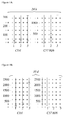
- Figure 1 shows a schematic representation of the expression levels of mouse FABP4 (SEQ. ID NO: 3) in livers of CD1 and C57B1/6 mice treated with different doses of a PPARalpha/gamma co-antagonist 3- ⁇ 1-[2-(2-CHLORO-PHENYL)-5-METHYL-OXAZOL-4-YLMETHYL]-1H-INDOL-5-YL ⁇ -2-ETHOXY-PROPIONIC ACID (known to cause liver necrosis after repeated administration to the animals at the tested doses) measured with Affymetrix microarray (MEA 230 plus).
- 1 Control (0mg/kg), 2: 0.2 mg/kg; 3: 3 mg/kg
- CD-1 mice (Charles River Laboratories, UK):
- the expression levels of FABP4 of the mice were measured using Affymetrix microarrays (MEA 230 plus, probe sets: 1417023_a_at, 1424155_at, 1425809_at, 1451263_a_at) or Applied Biosystems Assays on Demand (assay ID: Mm00445880_m1).
- the expression levels of FABP4 of the rat were measured using Affymetrix microarrays (RG U34A, probe set: rc_AI169612_at) or Applied Biosystems Assays on Demand (assay ID: Rn00670361_ml).
- the expression levels of FABP4 of the monkeys were not measured.
- the compound caused degeneration of heart and skeletal muscle, and brown adipose tissue. Mortality in mice occurred at ⁇ 0.6 mg/kg/day.
- hepatocellular hypertrophy Slight histopathological alterations (hepatocellular hypertrophy) was observed in a dose dependent manner in the livers of indomethacin treated. Decreased hepatocellular glycogen deposition in test-item treated animals was observed after single administration of 10 or 20 mg/kg or multiple administration of 5 mg/kg/day for 7 consecutive days. These finding were accompanied by changes of different clinical biochemistry parameters indicative of liver changes especially in the 10 and 20 mg/kg dose groups after single dose indomethacin administration and the 5 mg/kg/day dose group after repeated treatment.
- the gene expression in the liver after administration of indomethacin was measured using Affymetrix gene arrays and a strong induction of the expression of fatty acid binding protein 4 (see Table 1) was observed in rats 24 hours after single dose treatment with 10 or 20 mg/kg indomethacin and in the livers of rats treated for 7 consecutive days with 5 mg/kg/day indomethacin.
- this induction of FABP4 mRNA was confirmed by PCR.
Landscapes
- Health & Medical Sciences (AREA)
- Life Sciences & Earth Sciences (AREA)
- Engineering & Computer Science (AREA)
- Chemical & Material Sciences (AREA)
- Molecular Biology (AREA)
- Immunology (AREA)
- Biomedical Technology (AREA)
- Proteomics, Peptides & Aminoacids (AREA)
- Analytical Chemistry (AREA)
- Physics & Mathematics (AREA)
- Hematology (AREA)
- Urology & Nephrology (AREA)
- Biotechnology (AREA)
- Biochemistry (AREA)
- Organic Chemistry (AREA)
- Microbiology (AREA)
- Pathology (AREA)
- General Health & Medical Sciences (AREA)
- Bioinformatics & Cheminformatics (AREA)
- Biophysics (AREA)
- General Physics & Mathematics (AREA)
- Medicinal Chemistry (AREA)
- Genetics & Genomics (AREA)
- Toxicology (AREA)
- Food Science & Technology (AREA)
- Cell Biology (AREA)
- Wood Science & Technology (AREA)
- Zoology (AREA)
- Tropical Medicine & Parasitology (AREA)
- General Engineering & Computer Science (AREA)
- Bioinformatics & Computational Biology (AREA)
- Measuring Or Testing Involving Enzymes Or Micro-Organisms (AREA)
Abstract
Description
- The gene expression pattern governs cellular development and physiology, and is affected by pathological situations, including disease and the response to a toxic insult. Bearing this in mind, it becomes clear that the study of gene and protein expression in preclinical safety experiments will help toxicologists to better understand the effects of chemical exposure on mammalian physiology. On the one hand, the identification of a certain number of modulated genes and/or proteins after exposure to a toxicant will lead to the identification of novel predictive and more sensitive biomarkers which might replace the ones currently used. The knowledge regarding marker genes for particular mechanisms of toxicity, together with the rapidly growing understanding of the structure of the human genome will form the basis for the identification of new biomarkers. These markers may allow the prediction of toxic liabilities, the differentiation of species-specific responses and the identification of responder and non-responder populations. Gene expression analysis is an extremely powerful tool for the detection of new, specific and sensitive markers for given mechanisms of toxicity (Fielden, M. R., and Zacharewski, T. R. (2001). Challenges and limitations of gene expression profiling in mechanistic and predictive toxicology. Toxicol Sci 60, 6-10). These markers should provide additional endpoints for inclusion into early animal studies, thus minimizing the time, the cost and the number of animals needed to identify the toxic potential of a compound in development.
- The present invention is based on a PPARalpha/gamma co-agonist showing unexpected toxicity in mice. The main target organ was the liver, showing dose dependent coagulative necrosis. Also, the compound caused degeneration of heart and skeletal muscle, and brown adipose tissue. Gene expression analysis in the livers revealed effects on lipolysis, including a strong induction of fatty acid binding protein 4 which was not detected in the control.
- Fatty acid binding proteins (FABP) are a family of small, highly conserved, cytoplasmic proteins that bind long-chain fatty acids and other hydrophobic ligands. It is thought that FABPs roles include fatty acid uptake, transport and metabolism. FABP4 is usually not expressed in the liver cells but in adipocytes where it increases lipolysis.
- The present invention provides FABP4 as biomarker for determining at least one toxic effect of a candidate compound. Preferably, the at least toxic effect is a hepatotoxic effect. In a preferred embodiment, the predicted hepatotoxicity is liver necrosis.
- Moreover, the present invention provides the use of FABP4 as biomarker for determining at least one toxic effect of a candidate compound. Preferably, the toxic effect is a hepatotoxic effect. More preferably, the toxic effect is liver necrosis.
- The present invention also provides a method for predicting at least one toxic effect of a candidate compound comprising
- a) detecting the level of expression of the FABP4 gene in a tissue or cell sample exposed to the compound,
- b) comparing the level of expression of gene to its level of expression in a control tissue or cell sample, wherein a differential expression of the gene is indicative of at least one toxic effect.
- Preferably, the differential expression of the gene is an increased expression. More preferably, an increased expression of FABP4 gene in the tissue or cell sample exposed to the compound in comparison to the control sample is indicative of at least one toxic effect.A control sample is a sample not exposed to the candidate compound.
- The term "tissue or cell sample exposed to the candidate compound" means that the tissue or cell sample or the animal from which the sample is derived is treated with the candidate compound.
- A "toxic effect" as used herein refers to a deleterious effect on a living organism, organ system, individal organ, tissue, cell or subcellular unit attributed to the presence of a compound. A toxic effect may be a physiologic or physical manifestation or derangement such as necrosis of cells or organs.
- A "candidate compound" as used herein refers to any compound which shall be tested for its toxicity.
- The person skilled in the art is familiar with different methods of measuring the level of RNA or protein. The term "level" relates to amount or concentration of an RNA or protein or fragments thereof in an individual or a sample taken from an individual. Measuring a FAPB4 RNA or protein includes also the measuring a fragment or a variant of the RNA or protein.
- Methods for measuring the RNA level of FABP4 comprise for example Northern Blotting, quantitation of the bands by densitometry. Preferred are methods comprising, microarray analysis (gene chip), dot blotting or different quantitative PCR methodologies. More preferably, a microarray analysis is used for measuring the level of expression of FABP4 gene.
- Methods for measuring the level of FABP4- protein comprise for example precipitation (particularly immunoprecipitation), electrochemiluminescence (electrogenerated chemiluminescence), RIA (radioimmunoassay), ELISA (enzyme-linked immunosorbent assay), sandwich enzyme immune tests, electrochemiluminescence sandwich immunoassays (ECLIA), dissociation-enhanced lanthanide fluoro immuno assay (DELFIA), scintillation proximity assay (SPA), turbidimetry, nephelometry, latex-enhanced turbidimetry or nephelometry, solid phase immune tests, and mass spectrometry such as SELDI-TOF, MALDI-TOF, or capillary electrophoresis-mass spectrometry (CEMS).
- Further methods known in the art (such as gel electrophoresis, 2D gel electrophoresis, SDS polyacrylamid gel electrophoresis (SDS-PAGE), Western Blotting), can be used alone or in combination with labelling or other detection methods.
- FABP4 may be used as marker in any mammal such as human rat, mouse, or monkey (human FABP4: SEQ. ID NO: 1, rat FAPB4: SEQ. ID NO: 2, mouse FABP4: SEQ. ID NO: 3). Preferably, FABP4 is used as marker in mouse or rat.
- The term "variant" of a RNA in this context relates to nucleotides substantially similar to said RNA. The term "substantially similar" is well understood by the person skilled in the art. In particular, a variant may be an isoform or allele which shows nucleotide exchanges compared to the nucleotide sequence of the most prevalent RNA isoform in the respective population. Preferably, such a substantially similar RNA has a sequence similarity to the most prevalent isoform of the RNA of at least 80%, preferably at least 85%, more preferably at least 90%, most preferably at least 95%. Substantially similar are also degradation products, e.g. nuclease degradation products, which are still recognized by the diagnostic means or by ligands directed against the respective full-length RNA.
- The term "variant" of a protein in this context relates to proteins or peptides substantially similar to said protein. The term "substantially similar" is well understood by the person skilled in the art. In particular, a variant may be an isoform or allele which shows amino acid exchanges compared to the amino acid sequence of the most prevalent peptide isoform in the respective population. Preferably, such a substantially similar peptide has a sequence similarity to the most prevalent isoform of the protein or peptide of at least 80%, preferably at least 85%, more preferably at least 90%, most preferably at least 95%. Substantially similar are also degradation products, e.g. proteolytic degradation products, which are still recognized by the diagnostic means or by ligands directed against the respective full-length protein or peptide. The term "variants" is also meant to relate to splice variants.
- The term "variant" also relates to a post-translation ally modified protein such as glycosylated protein. A "variant" is also a peptide which has been modified after collection of the sample, for example by covalent or non-covalent attachment of a label, particularly a radioactive or fluorescent label, to the protein.
- Having now generally described this invention, the same will become better understood by reference to the specific examples, which are included herein for purpose of illustration only and are not intended to be limiting unless otherwise specified, in connection with the following figures.
- Figure 1 shows a schematic representation of the expression levels of mouse FABP4 (SEQ. ID NO: 3) in livers of CD1 and C57B1/6 mice treated with different doses of a PPARalpha/gamma co-antagonist 3-{1-[2-(2-CHLORO-PHENYL)-5-METHYL-OXAZOL-4-YLMETHYL]-1H-INDOL-5-YL}-2-ETHOXY-PROPIONIC ACID (known to cause liver necrosis after repeated administration to the animals at the tested doses) measured with Affymetrix microarray (MEA 230 plus). 1: Control (0mg/kg), 2: 0.2 mg/kg; 3: 3 mg/kg
- A: at 24h after initial treatment.
- B: at 10 days after initial treatment (daily administration)
- Commercially available reagents referred to in the example were used according to manufacturer's instructions unless otherwise indicated.
-
- treatment with 3-{1-[2-(2-CHIDRO-PHENYL)-5-METHYL-OXAZOL-4-YLMETHYL]-1H-INDOL-5-YL}-2-ETHOXY-PROPIONIC ACID for 1 day; doses were 0, 0.2 and 3 mg/kg
- treatment with 3-{1-[2-(2-CHLORO-PHENYL)-5-METHYL-OXAZOL-4-YLMETHYL]-1H-INDOL-5-YL}-2-ETHOXY-PROPIONIC ACID for 10 days; doses were 0, 0.2 and 3 mg/kg
- treatment with 3-{1-[2-(2-CHLORO-PHENYL)-5-METHYL-OXAZOL-4-YLMETHYL]-1H-INDOL-5-YL}-2-ETHOXY-PROPIONIC ACID for 14 days; doses were 0, 0.6 and 15 mg/kg
-
- treatment with 3-{1-[2-(2-CHLORO-PHENYL)-5-METHYL-OXAZOL-4-YLMETHYL]-1H-INDOL-5-YL}-2-ETHOXY-PROPIONIC ACID for 1 day; doses were 0, 0.2 and 3 mg/kg
- treatment with 3-{1-[2-(2-CHLORO-PHENYL)-5-METHYL-OXAZOL-4-YLMETHYL]-1H-INDOL-5-YL}-2-ETHOXY-PROPIONIC ACID for 10 days; doses were 0, 0.2 and 3 mg/kg
-
- treatment with 3-{1-[2-(2-CHLORO-PHENYL)-5-METHYL-OXAZOL-4-YLMETHYL]-1H-INDOL-5-YL}-2-ETHOXY-PROPIONIC ACID for 14 days; doses were 0, 0.3 and 1.2 mg/kg
- Treatment with 3-{1-[2-(2-CHLORO-PHENYL)-5-METHYL-OXAZOL-4-YLMETHYL]-1H-INDOL-5-YL}-2-ETHOXY-PROPIONIC ACID for 28 days; doses were 0, 0.1, 0.5 and 2.5 mg/kg
-
- treatment with 3-{1-[2-(2-CHLORO-PHENYL)-5-METHYL-OXAZOL-4-YLMETHYL]-1H-INDOL-5-YL}-2-ETHOXY-PROPIONIC ACID for 28 days; doses were 0, 0.015, 0.09 and 0.31 mg/kg
- Treatment with 3-{1-[2-(2-CHLORO-PHENYL)-5-METHYL-OXAZOL-4-YLMETHYL]-1H-INDOL-5-YL}-2-ETHOXY-PROPIONIC ACID for 16 weeks; doses were 0, 0.15, 0.1, 0.3 and 1 mg/kg
- 3-{1-[2-(2-CHLORO-PHENYL)-5-METHYL-OXAZOL-4-YLMETHYL]-1H-INDOL-5-YL}-2-ETHOXY-PROPIONIC ACID was dissolved in 20% propylene glycol/phosphate buffer, pH8. Treated animals were dosed orally (p.o.).
- The expression levels of FABP4 of the mice (SEQ. ID NO: 3) were measured using Affymetrix microarrays (MEA 230 plus, probe sets: 1417023_a_at, 1424155_at, 1425809_at, 1451263_a_at) or Applied Biosystems Assays on Demand (assay ID: Mm00445880_m1). The expression levels of FABP4 of the rat (SEQ. ID NO: 2) were measured using Affymetrix microarrays (RG U34A, probe set: rc_AI169612_at) or Applied Biosystems Assays on Demand (assay ID: Rn00670361_ml). The expression levels of FABP4 of the monkeys were not measured.
- A dose-dependent severe toxicity at ≥ approximately 50x anticipated human exposure was found in mice with 3-{1-[2-(2-CHLORO-PHENYL)-5-METHYL-OXAZOL-4-YLMETHYL]-1H-INDOL-5-YL}-2-ETHOXY-PROPIONIC ACID (PPAR α,γ-co-agonist). The main target organ was the liver, showing dose dependent coagulative necrosis. Also, the compound caused degeneration of heart and skeletal muscle, and brown adipose tissue. Mortality in mice occurred at ≥0.6 mg/kg/day.
- In rat and monkey tissue (liver, heart, skeletal muscle, Brown adipose tissue) such toxicity was not observed at similar exposure levels.
- The gene expression in the liver after administration of 3-{1-[2-(2-CHLOROPHENYL)-5-METHYL-OXAZOL-4-YLMETHYL]-1H-INDOL-5-YL}-2-ETHOXY PROPIONIC ACID was compared between rats and mice. The comparison revealed a strong induction of the expression of fatty acid binding protein 4 in mice (see Figure 1). FABP 4 was not induced in rats.
- For other compounds eliciting liver toxicity in the rat (indomethacine (see example 2), lipopolysaccharide (LPS), carbon tetrachloride (CCl4)) an induction of the expression of FABP4 was also found in rat liver tissue.
-
- treatment with INDOMETHACIN (1-(4-Chlorobenzoyl)-5-methoxy-2-methyl-3-indoleacetic acid, Sigma 17378), single dose p.o. (orally); doses were 0, 2, 10 and 20 mg/kg
- Treatment with INDOMETHACIN (1-(4-Chlorobenzoyl)-5-methoxy-2-methyl-3-indoleacetic acid, Sigma 17378) for 7 days; doses were 0, 2, and 5 mg/kg/day
- Slight histopathological alterations (hepatocellular hypertrophy) was observed in a dose dependent manner in the livers of indomethacin treated. Decreased hepatocellular glycogen deposition in test-item treated animals was observed after single administration of 10 or 20 mg/kg or multiple administration of 5 mg/kg/day for 7 consecutive days. These finding were accompanied by changes of different clinical biochemistry parameters indicative of liver changes especially in the 10 and 20 mg/kg dose groups after single dose indomethacin administration and the 5 mg/kg/day dose group after repeated treatment.
- The gene expression in the liver after administration of indomethacin was measured using Affymetrix gene arrays and a strong induction of the expression of fatty acid binding protein 4 (see Table 1) was observed in
rats 24 hours after single dose treatment with 10 or 20 mg/kg indomethacin and in the livers of rats treated for 7 consecutive days with 5 mg/kg/day indomethacin. For the treatment groups with the highest induction (20 mg/kg for 24 hours and 5 mg/kg/day for 7 days), this induction of FABP4 mRNA was confirmed by PCR. (see Table 1)Treatment Time of necropsy Dose (mg/kg) FABP4 expression relative to time matched vehicle control Affymetrix result (Fold change) PCR result (Fold change) vehicle 6 hours 0 1 n.d. indomethacin 6 hours 2 1 n.d. indomethacin 6 hours 10 1 n.d. indomethacin 6 hours 20 1 n.d. vehicle 24 hours 0 1 n.d. indomethacin 24 hours 2 1 n.d. indomethacin 24 hours 10 4.13 n.d. indomethacin 24 hours 20 8.41 13.68 vehicle 7days 0 1 n.d. indomethacin 7days 2 1 n.d. indomethacin 7days 5 79.59 26.92 - Table 1: Mean relative expression of rat FABP4 (SEQ. ID NO: 2) in the livers of WISTAR rats treated either once or for 7 consecutive days with different doses of indomethacin measured with Affymetrix microarray (RG U34A) or PCR (Applied Biosystems Assays on Demand ; assay ID: Rn00670361_ml). The expression is given relative to the expression in the respective time matched control animals treated with vehicle only. (n.d. = not determined)


The expression levels of FABP4 of the rat (SEQ. ID NO: 2) were measured using Affymetrix microarrays (RG U34A, probe sets: rc_AI169612_at) or Applied Biosystems Assays on Demand (assay ID: Rn00670361_ml).
Claims (5)
- Use of FABP4 as biomarker for determining at least one toxic effect of a candidate compound.
- The use according to claim 1, wherein the toxic effect is a hepatotoxic effect.
- Method for predicting at least one toxic effect of a candidate compound comprisinga) detecting the level of expression of the FABP4 gene in a tissue or cell sample exposed to the compoundb) comparing the level of expression of the gene to its level of expression in a control tissue or cell sample, wherein a differential expression of the gene is indicative of at least one toxic effect.
- Method according to claim 3, wherein a higher expression of the FABP4 gene in the tissue or cell sample exposed to the compound in comparison to the control is indicative for at least one toxic effect.
- Method according to claim 3 or 4, wherein the at least one toxic effect is a hepatotoxic effect.
Priority Applications (1)
| Application Number | Priority Date | Filing Date | Title |
|---|---|---|---|
| EP06120554A EP1767939A1 (en) | 2005-09-23 | 2006-09-13 | FABP4 as marker for a toxic effect |
Applications Claiming Priority (2)
| Application Number | Priority Date | Filing Date | Title |
|---|---|---|---|
| EP05108821 | 2005-09-23 | ||
| EP06120554A EP1767939A1 (en) | 2005-09-23 | 2006-09-13 | FABP4 as marker for a toxic effect |
Publications (1)
| Publication Number | Publication Date |
|---|---|
| EP1767939A1 true EP1767939A1 (en) | 2007-03-28 |
Family
ID=37665400
Family Applications (1)
| Application Number | Title | Priority Date | Filing Date |
|---|---|---|---|
| EP06120554A Withdrawn EP1767939A1 (en) | 2005-09-23 | 2006-09-13 | FABP4 as marker for a toxic effect |
Country Status (1)
| Country | Link |
|---|---|
| EP (1) | EP1767939A1 (en) |
Citations (2)
| Publication number | Priority date | Publication date | Assignee | Title |
|---|---|---|---|---|
| WO2002010453A2 (en) * | 2000-07-31 | 2002-02-07 | Gene Logic, Inc. | Molecular toxicology modeling |
| US20050084872A1 (en) * | 2003-01-24 | 2005-04-21 | Lum Pek Y. | Methods for determining whether an agent possesses a defined biological activity |
-
2006
- 2006-09-13 EP EP06120554A patent/EP1767939A1/en not_active Withdrawn
Patent Citations (2)
| Publication number | Priority date | Publication date | Assignee | Title |
|---|---|---|---|---|
| WO2002010453A2 (en) * | 2000-07-31 | 2002-02-07 | Gene Logic, Inc. | Molecular toxicology modeling |
| US20050084872A1 (en) * | 2003-01-24 | 2005-04-21 | Lum Pek Y. | Methods for determining whether an agent possesses a defined biological activity |
Non-Patent Citations (6)
| Title |
|---|
| BOESS F ET AL: "GENE EXPRESSION IN TWO HEPATIC CELL LINES, CULTURED PRIMARY HEPATOCYTES, AND LIVER SLICES COMPARED TO THE IN VIVO LIVER GENE EXPRESSION IN RATS: POSSIBLE IMPLICATIONS FOR TOXICOGENOMICS USE OF IN VITRO SYSTEMS", TOXICOLOGICAL SCIENCES, ACADEMIC PRESS, SAN DIEGO, FL,, US, vol. 73, no. 2, June 2003 (2003-06-01), pages 386 - 402, XP009023305, ISSN: 1096-6080 * |
| LAZARENKO ET AL: "Netoglitazone is a PPAR-gamma ligand with selective effects on bone and fat", BONE, PERGAMON PRESS., OXFORD, GB, vol. 38, no. 1, January 2006 (2006-01-01), pages 74 - 84, XP005230672, ISSN: 8756-3282 * |
| MCCAUGHAN GEOFFREY W ET AL: "Microarray analysis of intrahepatic gene expression at different stages of genotype 3 chronic HCV infection: Novel gene associations with portal inflammation, insulin resistance and fibrosis.", HEPATOLOGY, vol. 40, no. 4, Suppl. 1, October 2004 (2004-10-01), & 55TH ANNUAL MEETING OF THE AMERICAN-ASSOCIATION-FOR-THE-STUDY-OF-LIVE R-DISEASES (AASLD); BOSTON, MA, USA; OCTOBER 29 -NOVEMBER 02, 2004, pages 442A, XP009077916, ISSN: 0270-9139 * |
| RUEPP ET AL: "Assessment of hepatotoxic liabilities by transcript profiling", TOXICOLOGY AND APPLIED PHARMACOLOGY, ACADEMIC PRESS, vol. 207, no. 2, 1 September 2005 (2005-09-01), pages 161 - 170, XP005018717, ISSN: 0041-008X * |
| SCHADINGER SUSAN E ET AL: "PPARgamma2 regulates lipogenesis and lipid accumulation in steatotic hepatocytes.", AMERICAN JOURNAL OF PHYSIOLOGY. ENDOCRINOLOGY AND METABOLISM JUN 2005, vol. 288, no. 6, June 2005 (2005-06-01), pages E1195 - E1205, XP002417046, ISSN: 0193-1849 * |
| TAN G D ET AL: "The effects of rosiglitazone on fatty acid and triglyceride metabolism in type 2 diabetes.", DIABETOLOGIA JAN 2005, vol. 48, no. 1, January 2005 (2005-01-01), pages 83 - 95, XP002417047, ISSN: 0012-186X * |
Similar Documents
| Publication | Publication Date | Title |
|---|---|---|
| McGregor et al. | Proteomics of heart disease | |
| Insenser et al. | A nontargeted proteomic approach to the study of visceral and subcutaneous adipose tissue in human obesity | |
| Horn et al. | Profiling humoral autoimmune repertoire of dilated cardiomyopathy (DCM) patients and development of a disease‐associated protein chip | |
| Köttgen et al. | Genome-wide association studies of metabolite concentrations (mGWAS): relevance for nephrology | |
| Wilson et al. | Comparative proteomic analysis using samples obtained with laser microdissection and saturation dye labelling | |
| WO2016127035A1 (en) | Methods of detecting osteoarthritis and predicting progression thereof | |
| US20090181379A1 (en) | Molecular markers of hepatocellular carcinoma and their applications | |
| Buxbaum et al. | Serum transthyretin levels in senile systemic amyloidosis: effects of age, gender and ethnicity | |
| Trenchevska et al. | Mass spectrometric immunoassays for discovery, screening and quantification of clinically relevant proteoforms | |
| Matsumoto et al. | Proteomic comparison between abdominal and thoracic aortic aneurysms | |
| US20070072222A1 (en) | FABP4 as biomarker for toxic effect | |
| EP2313782B1 (en) | Proteomic fingerprint for the diagnosis of non-alcoholic steatohepatitis (nash) and/or steatosis | |
| Nedelkov | Human proteoforms as new targets for clinical mass spectrometry protein tests | |
| Ferraccioli et al. | Proteomic approaches to Sjögren's syndrome: a clue to interpret the pathophysiology and organ involvement of the disease | |
| Lam et al. | Application of proteomics in cardiovascular medicine | |
| US9921225B2 (en) | Phenyl glyoxal probes | |
| EP1767939A1 (en) | FABP4 as marker for a toxic effect | |
| Chen et al. | Changes in the protein expression profiles of the Hepa-T1 cell line when exposed to Cu2+ | |
| KR102039815B1 (en) | Biomarkers for diagnosis or prognosis of inflammation in kidney allografts | |
| Ueda et al. | Chicken heat shock protein HSPB1 increases and interacts with αB-crystallin in aged skeletal muscle | |
| Murphy et al. | Dataset on the comparative proteomic profiling of mouse saliva and serum from wild type versus the dystrophic mdx-4cv mouse model of dystrophinopathy | |
| Yamauchi et al. | Hepatic transcriptome and proteome responses against diethyl maleate-induced glutathione depletion in the rat | |
| Löhr et al. | Proteomics in pancreatic disease | |
| CN107436321A (en) | The purposes of the protein marker of myocarditis | |
| Dai et al. | Identification and analysis of α1, 6‐fucosylated proteins in human normal liver tissues by a target glycoproteomic approach |
Legal Events
| Date | Code | Title | Description |
|---|---|---|---|
| PUAI | Public reference made under article 153(3) epc to a published international application that has entered the european phase |
Free format text: ORIGINAL CODE: 0009012 |
|
| AK | Designated contracting states |
Kind code of ref document: A1 Designated state(s): AT BE BG CH CY CZ DE DK EE ES FI FR GB GR HU IE IS IT LI LT LU LV MC NL PL PT RO SE SI SK TR |
|
| AX | Request for extension of the european patent |
Extension state: AL BA HR MK YU |
|
| 17P | Request for examination filed |
Effective date: 20070928 |
|
| 17Q | First examination report despatched |
Effective date: 20071105 |
|
| AKX | Designation fees paid |
Designated state(s): AT BE BG CH CY CZ DE DK EE ES FI FR GB GR HU IE IS IT LI LT LU LV MC NL PL PT RO SE SI SK TR |
|
| STAA | Information on the status of an ep patent application or granted ep patent |
Free format text: STATUS: THE APPLICATION IS DEEMED TO BE WITHDRAWN |
|
| 18D | Application deemed to be withdrawn |
Effective date: 20080516 |