EP1766845B1 - Host credentials authorization protocol - Google Patents
Host credentials authorization protocol Download PDFInfo
- Publication number
- EP1766845B1 EP1766845B1 EP05770029.6A EP05770029A EP1766845B1 EP 1766845 B1 EP1766845 B1 EP 1766845B1 EP 05770029 A EP05770029 A EP 05770029A EP 1766845 B1 EP1766845 B1 EP 1766845B1
- Authority
- EP
- European Patent Office
- Prior art keywords
- posture validation
- server
- request
- message
- field
- Prior art date
- Legal status (The legal status is an assumption and is not a legal conclusion. Google has not performed a legal analysis and makes no representation as to the accuracy of the status listed.)
- Expired - Lifetime
Links
Images




Classifications
-
- H—ELECTRICITY
- H04—ELECTRIC COMMUNICATION TECHNIQUE
- H04L—TRANSMISSION OF DIGITAL INFORMATION, e.g. TELEGRAPHIC COMMUNICATION
- H04L63/00—Network architectures or network communication protocols for network security
- H04L63/08—Network architectures or network communication protocols for network security for authentication of entities
- H04L63/0823—Network architectures or network communication protocols for network security for authentication of entities using certificates
-
- H—ELECTRICITY
- H04—ELECTRIC COMMUNICATION TECHNIQUE
- H04L—TRANSMISSION OF DIGITAL INFORMATION, e.g. TELEGRAPHIC COMMUNICATION
- H04L63/00—Network architectures or network communication protocols for network security
- H04L63/16—Implementing security features at a particular protocol layer
- H04L63/162—Implementing security features at a particular protocol layer at the data link layer
-
- H—ELECTRICITY
- H04—ELECTRIC COMMUNICATION TECHNIQUE
- H04L—TRANSMISSION OF DIGITAL INFORMATION, e.g. TELEGRAPHIC COMMUNICATION
- H04L67/00—Network arrangements or protocols for supporting network services or applications
- H04L67/01—Protocols
- H04L67/02—Protocols based on web technology, e.g. hypertext transfer protocol [HTTP]
Definitions
- AAA Authentication, authorization, and accounting
- Authentication is the process of identifying and authenticating a user.
- authentication occurs when a user passes appropriate user credentials to an AAA server, and requests that the server authenticate the user.
- the AAA server will attempt to validate the credentials, and respond with either an accept or deny message.
- Remote users typically use AAA authentication to control access to a network device such as a router or Network Access Server (NAS), or to control access to network resources.
- NAS Network Access Server
- Authorization is used for permitting predefined rights or privileges to a user, group of users, system, or a process.
- a client queries the AAA server to determine what actions a user is authorized to perform.
- the AAA server returns a set of attribute-value (AV) pairs that defines the user's authorization.
- the client is then responsible for enforcing user access control based on those AV pairs.
- AAA authorization is typically used to provide authorization for actions attempted while logged into a network device or to provide authorization for attempts to use network services.
- Accounting is a method which records (or accounts) the who, what, when, and where of an action that has taken place. Accounting enables tracking of the services that users are accessing and the amount of resources they are consuming. This data can later be used for accountability, network management, billing, auditing, and reporting purposes.
- the client sends accounting records that include accounting AV pairs to the AAA server for centralized storage.
- An accounting record is comprised of accounting AV pairs
- RADIUS Remote Access Dial-In User Service
- the RADIUS protocol is a client/server protocol, wherein the client is typically Network Accessed Storage (NAS), a router or a switch, which requests a service such as authentication or authorization from the RADIUS server.
- NAS Network Accessed Storage
- the RADIUS server is queried by the client and passes the user credentials to the designated RADIUS server.
- the server then acts on the configuration information necessary for the client to deliver services to the user.
- a RADIUS server can also act as a proxy client to other RADIUS servers or other kinds of authentication servers.
- EAP Extensible Authentication Protocol
- WLAN wireless local area network
- AP access point
- RADIUS server RADIUS server
- PEAP Protected Extensible Authentication Protocol
- One such problem relates to conventional posture validation wherein a third party posture validation server provides vendor specific capabilities as part of an authentication session.
- the external posture validation server communicates with an AAA server by way of a protocol.
- this is accomplished by using existing technologies and proxying RADIUS messages to an external posture validation server. This forces the external posture validation server to implement a RADIUS server and an EAP authenticator for both PEAP and EAP.
- the posture validation session is part of an entire authentication session between a host and an AAA server.
- An external posture validation server doesn't authenticate/authorize a host/user; it only provides posture validation results. This means that the AAA server needs to forward only the relevant portion of the authentication session to the external servers.
- the technologies in use include RADIUS, EAP-FAST, PEAP, and EAP-TLV, while the posture validation session is implemented using EAP-TLV, tunneled in either PEAP or EAP-FAST encapsulated in RADIUS.
- posture validation is only one step in the entire authentication session, this means that the session has to be broken and the posture validation data has to be separated from authentication data.
- Authentication protocols used for authentication provide a Boolean result (yes/no, accept/reject) however the posture validation result may contain a set of evaluation results that are used by the AAA server when making a policy decision.
- US-A1-2003/0055994 describes a system for providing anti-virus enforcement in which information pertaining to virus protection available on the device is collected and evaluated to determine whether the device is in compliance with an anti-virus policy.
- a Host Credentials Authorization Protocol is used to provide the AAA server with a method to communicate with third party servers and validate posture data arriving from a host.
- the HCAP may include at least one version negotiation request message, at least one version negotiation response message, at least one posture validation request message, and at least one posture validation response message; although version negotiation is not mandatory.
- a method for controlling access to a device includes receiving a request for access to the device from a host, forwarding the request for access from the device to a AAA server, initiating a posture validation session between the AAA server and a posture validation server utilizing the host credentials authorization protocol, determining whether to allow access by the host to the device by AAA server based on the result of the posture validation session, and when access is allowed then allowing access by the host to the device and when access is not allowed then disabling access by the host to the device.
- Other embodiments include a computer readable medium having computer readable code thereon for providing a host credentials authorization protocol, the medium including instructions for receiving a request for access to the device from a host, instructions for forwarding the request for access from the device to a AAA server, instructions for initiating a posture validation session between the AAA server and a posture validation server, the posture validation session utilizing a host credentials authorization protocol (HCAP).
- the computer readable medium further includes instructions for determining whether to allow access by the host to the device by the AAA server based on a result from the posture validation session, and instructions for allowing access by the host to the device when access is allowed and instructions for disabling access by the host to the device when access is not allowed.
- Still other embodiments include a computerized device, configured to process all the method operations disclosed herein as embodiments of the invention.
- the computerized device includes a memory system, a processor, communications interface in an interconnection mechanism connecting these components.
- the memory system is encoded with a process that provides an attribute history as explained herein that when performed (e.g. when executing) on the processor, operates as explained herein within the computerized device to perform all of the method embodiments and operations explained herein as embodiments of the invention.
- any computerized device that performs or is programmed to perform up processing explained herein is an embodiment of the invention.
- a computer program product is one embodiment that has a computer-readable medium including computer program logic encoded thereon that when performed in a computerized device provides associated operations providing a host credentials authorization protocol as explained herein.
- the computer program logic when executed on at least one processor with a computing system, causes the processor to perform the operations (e.g., the methods) indicated herein as embodiments of the invention.
- Such arrangements of the invention are typically provided as software, code and/or other data structures arranged or encoded on a computer readable medium such as an optical medium (e.g., CD-ROM), floppy or hard disk or other a medium such as firmware or microcode in one or more ROM or RAM or PROM chips or as an Application Specific Integrated Circuit (ASIC) or as downloadable software images in one or more modules, shared libraries, etc.
- the software or firmware or other such configurations can be installed onto a computerized device to cause one or more processors in the computerized device to perform the techniques explained herein as embodiments of the invention.
- Software processes that operate in a collection of computerized devices, such as in a group of data communications devices or other entities can also provide the system of the invention.
- the system of the invention can be distributed between many software processes on several data communications devices, or all processes could run on a small set of dedicated computers, or on one computer alone.
- the embodiments of the invention can be embodied strictly as a software program, as software and hardware, or as hardware and/or circuitry alone, such as within a data communications device.
- the features of the invention, as explained herein, may be employed in data communications devices and/or software systems for such devices such as those manufactured by Cisco Systems, Inc. of San Jose, California.
- the posture validation session between the AAA server and the posture validation server is accomplished utilizing a host credentials authorization protocol (HCAP).
- HCAP host credentials authorization protocol
- a host 10 requests access to device 12.
- Device 12 forwards the request to an AAA server 14.
- the AAA server 14 communicates with a posture validation server (PVS) 16 by way of the HCAP.
- the AAA server 14 is a server program that handles user requests for access to computer resources and, for an enterprise, provides (AAA) services.
- the AAA server 14 typically interacts with network access and gateway servers and with databases and directories containing user information.
- the current standard by which devices or applications communicate with an AAA server is the Remote Authentication Dial-In User Service (RADIUS).
- RADIUS Remote Authentication Dial-In User Service
- the PVS 16 is a server related to a particular application and is used for enforcement of a network access policy.
- the PVS may be realized as an anit-virus PVS and is used to implement anti-virus policies such as "Denial of access unless there was a successful scan in the last 48 hours based on anti-virus software from vendor XXX, version YYY".
- a HyperText Transfer Protocol (HTTP) connection is established between the AAA server and the posture validation server (PVS).
- HTTP HyperText Transfer Protocol
- the first step in performing posture validation, after the HTTP connection is established, is to perform version negotiation.
- HCAP version negotiation is initiated by the AAA server. Version negotiation can be initiated by the AAA server at any time while the connection is open. The AAA server may send HCAP requests before performing version negotiation. The AAA server negotiates the version after the HTTP connection is established and before sending any other HCAP requests. The negotiated version is coupled with the connection until the next version negotiation is performed. The negotiated version is used in all request sent to the PVS. After the HCAP version negotiation is completed, the posture validation can take place.
- the AAA server sends posture validation requests to the PVS and the PVS responds with posture validation responses. Each response is matched to a request using the Request ID field of the request (described in detail below).
- the Request ID is unique inside a single TCP connection. Both the AAA server and the PVS use the data field to send parameters relevant to the request or the response. Parameters are encapsulated as TLVs (Type, Length and Value frame). Each TLV can contain one or more parameters.
- the following illustration describes the general format of an HCAP message.
- the format contains seven fields, defined below.
- the Code field comprises 8 bits, indicating the code of message.
- a code value of 0 is reserved.
- a code value of 1 indicates the present message is a request message.
- a code value of 2 indicates the present message is a response message.
- the Request ID field comprises 16 bits, indicating the Identity of this message. This value is unique for each request. When a PVS responds to a request it must use the same identity taken from the request. The ID is unique within each connection.
- the Length field comprises 16 bits, and indicates the overall number of octets (including the message header and data).
- the Type field comprises 8 bits, indicating the message type.
- a type value of 1 indicates the present message is a version negotiation message type.
- a type value of 2 indicates the present message is a posture validation message type.
- the Flags field comprises 8 bits and is reserved.
- the Version field comprises 8 bits and defines the HCAP version to be used for this session.
- the Data field stores the data transmitted as part of the HCAP message.
- HCAP uses different message types (request or response). Each message type requests a different type of operation from the PVS.
- the first message type is a version negotiation message type.
- the Request message type has the following format
- the Response message type has the following format
- the sequence of messages comprising a Version negotiation is as follows.
- the AAA server sends a version negotiation request message.
- the AAA server sets the version field of the message to the highest supported HCAP version number.
- the PVS responds back with a version negotiation response message. If the PVS supports the requested version, the PVS sets the version field of the message to the version number that was sent by the AAA server. If the PVS doesn't support the requested version, the PVS responds with the highest version supported by the PVS. If the AAA server supports the version proposed by the PVS in the version negotiation response message then all future messages are populated with the supported version. If the AAA server doesn't support the version proposed by the PVS the AAA server terminates the connection.
- Posture validation comprises posture validation request and response messages which are sent in order to validate posture data by the PVS.
- the AAA server includes a Vendor AppType Frame-Type Length Value (VAF-TLV) frame in the posture validation request.
- VAF-TLV Vendor AppType Frame-Type Length Value
- the PVS includes a Result-TLV in the posture validation response.
- the Result-TLV is the first TLV.
- the Result-TLV value is set to 0x01 (success) and a VAF-TLV must be included in the posture validation response.
- the VAF-TLV in the response contains the PVS posture validation response.
- the Posture Validation Request format is
- the posture validation response message contains at least one TLV.
- the TLV format comprises three fields.
- the Type field comprises 16 bits, and is used to indicating the message type.
- a type value of 0 is reserved.
- a type value of 1 indicates the present message is VAF-TLV posture data (in posture request/response messages).
- a type value of 2 indicates a result TLV.
- the Length field comprises 16 bits, and is used to indicate the total number of octets including the TLV header and data.
- the Value field comprises the data.
- the VAF-TLV is used to pass VAF information from the AAA server to the PVS and from the PVS to the AAA server.
- the VAF-TLV format includes a type field of 1, a length field indicating the total number of octets including the TLV header and data, and a value field including the Vendor-AppType frames.
- the VAF-TLV is included in the posture validation request/response message.
- the TLV value contains one or more Vendor-AppType Frames (VAFs).
- a VAF contains Attribute Value Pairs (AVPs) sent by the host and forwarded by the AAA server.
- the posture validation response contains VAFs corresponding to VAFs in the request.
- Each VAF in the response can contain an Application specific Posture Token (APT), an Action AVP and a list of proprietary AVPs.
- the VAF is forwarded to the host by the AAA server.
- the AAA server can add one or more AVPs to the VAF but it will not delete an AVP from the VAF. If an APT is included, the APT is located as the first AVP in the VAF (optimizing the search for the APT in the VAF). At least one APT is present in a valid VAF-TLV response.
- the PVS follows the following processing rules. If no VAF exists in the request, the PVS returns a Result-TLV with value set to 0x0006. If not enough data exists in the VAFs either because codes are not recognized (vendor, application type or attribute) or information is missing the PVS can return a Result-TLV with value set to 0x0001 and a VAF-TLV with APT set to 'unknown'. If the Result-TLV value is set to 0x0001 "Success" then at least one VAF is present in the VAF-TLV and at least one APT is present in the returned VAFs.
- the AAA server follows the following processing rules. If the response has a Result-TLV with value set to 0x0001 and the VAF-TLV doesn't contain VAFs the AAA will fail the response. If the response has a Result-TLV with value set to 0x0001 and none of the VAF within the VAF-TLV contain an APT, the AAA server will fail the response. If the response has a Result-TLV with value not set to 0x0001 the AAA server will fail the response. If the response has a Result-TLV with value set to 0x0001 and at least one APT is present in the VAF that are within the VAF-TLV then the AAA server will consider the response as a valid response.
- Vendor-AppType Frames are utilized to carry Attribute-Value Pairs (AVPs).
- the frame header describes the vendor ID and application type to which the AVPs within the frame belong to.
- Vendor-AppType Frame format includes four fields.
- the Vendor ID field is a 32 bit field describing the vendor's public identification.
- the App Type field is a 16 bit field describing the application type.
- the Length field is a 16 bit field describing the overall length of the frame including the frame header and the total size of the AVPs.
- the AVPs field contains a set of A VPs.
- An Attribute-Value Pair is the basic data entity, containing the attribute code and the attribute data.
- the Attribute Code field is a 16 bit field describing the attribute.
- the Length field is a 16 bit field describing the overall length of the AVP, including the AVP header and value.
- the Value field contains the actual value.
- the Result TLV contains a code describing the result status that was requested by the AAA server.
- the Result TLV is be included all PVS posture validation responses to indicate the result status.
- the Result TLV has a Type of 2, a Length of 8 and a Value containing an unsigned integer.
- a value of 0x0001 indicates the operation was performed successfully and the response contains a valid VAF-TLV frame.
- a value of 0x0003 indicates the PVS is currently busy and can't perform the requested operation. Supporting this value depends on the implementation.
- a value of 0x0004 indicates the PVS does not support this type of request.
- a value of 0x0005 indicates the message could not be read by the PVS because the values in the field don't make sense.
- VAF length is larger than the TLV length or the TLV length is larger the message length.
- a value of 0x0006 indicates that there are no VAFs in the request.
- a value of 0x0008 indicates that the version is not supported by the PVS, if the AAA server supports other versions as well, the AAA server may decide to start version negotiation.
- a value of 0x00FF indicates a general error.
- HCAP is encapsulated in HTTP messages.
- HTTP is an extensive protocol that provides many features.
- the encapsulation method described is the minimal set of HTTP features that are required in order to support the encapsulation of HCAP messages.
- HCAP requests are encapsulated in HTTP requests.
- the AAA server uses the POST method for sending an HCAP requests.
- the HCAP request is an entity body.
- HCAP responses are encapsulated in the HTTP response.
- the HCAP response is an entity body.
- the AAA server can continue sending HCAP messages encapsulated in HTTP requests.
- HTTP error codes are supported: a code of 200 indicates "OK” and is used whenever the HTTP request is a valid request, a code of 400 indicates a bad request and is used whenever there is an error with the HTTP request, and a code of 401 indicates "Unauthorized” and is used whenever the PVS wishes.
- HTTP messages are encapsulated within Secure Socket Layer (SSL) protocol.
- SSL is a protocol that provides both authentication and encryption.
- the AAA server expects the PVS to send a certificate, which the AAA server validates. The AAA server will not send any certificates to the PVS.
- the encrypted tunnel is created without authenticating the AAA server. If a PVS wishes to authenticate the AAA server, the PVS uses HTTP digest authentication.
- a Terminal Control Protocol (TCP) connection 20 is established between the AAA server 14 and the PVS 16.
- TCP Terminal Control Protocol
- An SSL handshake is performed between the AAA server 14 and PVS 16.
- a posture validation server certificate 24 is transferred from PVS 16 to AAA server 14.
- the SSL handshake is finalized and a tunnel is established 26 between the AAA server 14 and PVS 16. This signifies the end of the connection establishment.
- An HTTP Post message 28 is sent from the AAA server 14 to PVS 16.
- an HTTP message 30 is sent from PVS 16 to AAA server 14. This message 30 includes a status code of 401, and a www authentication digest challenge.
- a message is sent from AAA server 14 to PVS 16. This message comprises n HTTP Post (WWW-authentication username, MD5 (challenge, password).
- the PVS responds with an HTTP message including a status code of 200.
- An HCAP connection establishment process 36 begins between the AAA server 14 and the PVS server 16.
- An HTTP/post 38 is sent from the AAA server 14 to the PVS 16.
- This message 38 includes a request message type of 0x1 (version negotiation), a request ID of 0x1 (the identification number for this message) and a version of 0x1 (indicating the version of the HCAP being negotiated).
- the posture verification server 16 then sends a response message 40 to the AAA server 14.
- the response message type is 1 (indicating version negotiation) a request ID of 1 (the identification number for this message) and a version of 1 (indicating the version of the HCAP being negotiated). After successful version negotiation the posture validation begins.
- An HTTP request message 42 is sent from AAA server 14 to posture verification server 16.
- This message includes a message type of 2 (posture validation) a request ID of 2 (the identification number for this message) and a version of 1 (indicating the version of the HCAP that was negotiated).
- the posture verification server 16 sends a response message 44 to the AAA server 14.
- the response message type is also 2(indicating posture validation) and includes a request ID of 2 (indicating the identification number for this message) and a version of 1.
- the AAA server 14 sends another HTTP Post Message to the PVS 16.
- This message also has a message type of 2 indicating posture validation.
- This message has a request ID of 3 (indicating that this is a different request than the prior request which has a request ID of 2).
- This message also has a version of 1.
- the posture verification server 16 sends back a posture validation message with a request ID of 3 indicating it is a response to the request having an ID of 3 and not for the request having an ID of 2.
- This message also has version
- Posture validation request from a host are blocked until the HCAP implementation returns one of the following results: a valid response returned from PVS or from local policy evaluation, an error occurred , or a timeout occurred.
- a single HCAP request is blocked until one of the following occurs: the PVS returned a valid HCAP response with success code, the PVS returned a valid HCAP response with a failure code, an error occurred, the connection was closed (can be closed by any layer - TCP, SSL, HTTP), or a timeout occurred.
- the timeout for a single HCAP request can have a different value than the timeout value of the entire Posture request.
- a first HCAP connection 50 is established between the AAA server 14 and the PVS 16.
- An HTTP/post 52 is sent from the AAA server 14 to the PVS 16.
- This message 52 includes a request message type of 1 (version negotiation), a request ID of 1 (the identification number for this request) and a version of 1 (indicating the version of the HCAP being negotiated).
- the posture verification server 16 then sends a response message 54 to the AAA server 14.
- the response message type is 1 (indicating version negotiation) a request ID of 1 (the identification number for this response and indicating that this response is to the request having the same request ID number) and a version of 1 (indicating the version of the HCAP being negotiated).
- a second HCAP connection 56 is established between the AAA server 14 and the PVS 16.
- An HTTP/post 58 is sent from the AAA server 14 to the PVS 16.
- This message 58 includes a request message type of 1 (version negotiation), a request ID of 1 (the identification number for this request) and a version of 1 (indicating the version of the HCAP being negotiated).
- the posture verification server 16 then sends a response message 60 to the AAA server 14.
- the response message type is 1 (indicating version negotiation) a request ID of 1 (the identification number for this response and indicating that this response is to the request having the same request ID number) and a version of 1 (indicating the version of the HCAP being negotiated).
- An HTTP request message 62 is sent from AAA server 14 to posture verification server 16.
- This message 62 includes a message type of 2 (posture validation) a request ID of 2 (the identification number for this message) and a version of 1 (indicating the version of the HCAP that was negotiated).
- An HTTP request message 64 is sent from AAA server 14 to posture verification server 16.
- This message 64 includes a message type of 2 (posture validation) a request ID of 4 (the identification number for this message) and a version of 1 (indicating the version of the HCAP that was negotiated).
- the posture verification server 16 sends a response message 66 to the AAA server 14.
- the response message type is also 2(indicating posture validation) and includes a request ID of 4 (indicating the identification number for this message) and a version of 1.
- An HTTP request message 68 is sent from AAA server 14 to posture verification server 16.
- This message includes a message type of 2 (posture validation) a request ID of 3 (the identification number for this message) and a version of 1 (indicating the version of the HCAP that was negotiated).
- the posture verification server 16 sends a response message 70 to the AAA server 14.
- the response message type is also 2 (indicating posture validation) and includes a request ID of 2 (indicating the identification number for this message) and a version of 1.
- the posture verification server 16 sends a response message 72 to the AAA server 14.
- the response message type is also 2 (indicating posture validation) and includes a request ID of 3 (indicating the identification number for this message) and a version of 1.
- a first HCAP connection 74 is established between the first AAA server 14 and the PVS 16.
- An HTTP/post 76 is sent from the first AAA server 14 to the PVS 16.
- This message 74 includes a request message type of 1 (version negotiation), a request ID of 1 (the identification number for this request) and a version of 1 (indicating the version of the HCAP being negotiated).
- the posture verification server 16 then sends a response message 78 to the first AAA server 14.
- the response message type is 1 (indicating version negotiation) a request ID of 1 (the identification number for this response and indicating that this response is to the request having the same request ID number) and a version of 1 (indicating the version of the HCAP being negotiated).
- a second HCAP connection 56 is established between the second AAA server 15 and the PVS 16.
- An HTTP/post 82 is sent from the second AAA server 15 to the PVS 16.
- This message 82 includes a request message type of 1 (version negotiation), a request ID of 1 (the identification number for this request) and a version of 1 (indicating the version of the HCAP being negotiated).
- the posture verification server 16 then sends a response message 84 to the second AAA server 15.
- the response message type is 1 (indicating version negotiation) a request ID of 1 (the identification number for this response and indicating that this response is to the request having the same request ID number) and a version of 1 (indicating the version of the HCAP being negotiated).
- An HTTP request message 86 is sent from first AAA server 14 to posture verification server 16.
- This message includes a message type of 2 (posture validation) a request ID of 2 (the identification number for this message) and a version of 1 (indicating the version of the HCAP that was negotiated).
- the posture verification server 16 sends a response message 88 to the first AAA server 14.
- the response message type is also 2 (indicating posture validation) and includes a request ID of 2 (indicating the identification number for this message) and a version of 1.
- An HTTP request message 90 is sent from second AAA server 15 to posture verification server 16.
- This message includes a message type of 2 (posture validation) a request ID of 2 (the identification number for this message) and a version of 1 (indicating the version of the HCAP that was negotiated).
- the posture verification server 16 sends a response message 92 to the second AAA server 15.
- the response message type is also 2 (indicating posture validation) and includes a request ID of 2 (indicating the identification number for this message) and a version of 1.
- An HTTP request message 94 is sent from first AAA server 14 to posture verification server 16.
- This message includes a message type of 2 (posture validation) a request ID of 3 (the identification number for this message) and a version of 1 (indicating the version of the HCAP that was negotiated).
- the posture verification server 16 sends a response message 96 to the first AAA server 14.
- the response message type is also 2 (indicating posture validation) and includes a request ID of 3 (indicating the identification number for this message) and a version of 1.
- an HCAP connection establishment process 98 begins between AAA server 14 and posture verification server 16.
- An HTTP request message 100 is sent from AAA server 14 to posture verification server 16.
- This message includes a message type of (version negotiation) a request ID of 1 (the identification number for this message) and a version of 1 (indicating the version of the HCAP that is being negotiated).
- the posture verification server 16 sends a response message 102 to the AAA server 14.
- the response message type is also 1 (indicating version negotiation) and includes a request ID of 1 (indicating the identification number for this message) and a version of 2.
- the AAA server 14 in response to the response message having a different version number than the request message, closes the TCP connection 100.
- AAA server can be configured to communicate with more than one PVS.
- a fail over scenario happens when an HCAP request fails for different reasons.
- An AAA server may be configured to handle failover cases in different manners, as described in the following sections.
- the AAA server sends an HCAP request to the primary server. If the connection to the primary PVS was closed, an error occurred or a timeout occurred then the AAA server send the same HCAP message to the secondary server (it must not be assume that the ID of the request sent to the primary server is the same to the ID of the request sent to the secondary server). Otherwise the operation returns the valid response. If the connection to the secondary PVS was closed, an error occurred or a timeout occurred then the AAA server validates the posture locally, otherwise the operation returns the valid response. If an error occurred the operation return an error code, otherwise the operation returns a valid response. During the operation a timeout for the entire posture validation can occur. In this case the operation returns an error with timeout code.
- FIG. 7 A flow chart of the presently disclosed method is depicted in Figure 7 .
- the rectangular elements are herein denoted “processing blocks” and represent computer software instructions or groups of instructions.
- the diamond shaped elements are herein denoted “decision blocks,” represent computer software instructions, or groups of instructions which affect the execution of the computer software instructions represented by the processing blocks.
- the processing and decision blocks represent steps performed by functionally equivalent circuits such as a digital signal processor circuit or an application specific integrated circuit (ASIC).
- ASIC application specific integrated circuit
- the flow diagrams do not depict the syntax of any particular programming language. Rather, the flow diagrams illustrate the functional information one of ordinary skill in the art requires to fabricate circuits or to generate computer software to perform the processing required in accordance with the present invention. It should be noted that many routine program elements, such as initialization of loops and variables and the use of temporary variables are not shown. It will be appreciated by those of ordinary skill in the art that unless otherwise indicated herein, the particular sequence of steps described is illustrative only and can be varied without departing from the spirit of the invention. Thus, unless otherwise stated the steps described below are unordered meaning that, when possible, the steps can be performed in any convenient or desirable order.
- processing block 112 a request for access to a device from a host is received.
- Processing block 114 recites that a request for access is forwarded from the device to a first server.
- the first server may be any AAA server or similar such device.
- Processing block 116 discloses that a posture validation session is initiated between the first server in a second server.
- the posture validation session utilizes a host credentials authorization protocol (HCAP).
- HCAP host credentials authorization protocol
- the second server may be a posture validation server such as, for example, an antivirus server.
- Decision block 118 states that a determination is made whether to allow access by the host to the device. The decision is made by the first server and is based on a result from the posture validation session.
- processing block 120 When the determination from decision block 118 is to allow access, then processing block 120 is executed. Processing block 120 recites that the device is allowed access by the host. Following execution of processing block 120 the process ends.
- processing block 122 discloses that access by the host to the device is denied. Following execution of processing block 122 the process ends.
- embodiments of the invention include the applications (i.e., the un-executed or non-performing logic instructions and/or data) encoded within a computer readable medium such as a floppy disk, hard disk or in an optical medium, or in a memory type system such as in firmware, read only memory (ROM), or as executable code within the memory system (e.g., within random access memory or RAM). It is also to be understood that other embodiments of the invention can provide the applications operating within the processor as the processes. While not shown in this example, those skilled in the art will understand that the computer system may include other processes and/or software and hardware components, such as an operating system, which have been left out of this illustration for ease of description of the invention.
- a computer usable medium can include a readable memory device, such as a hard drive device, a CD-ROM, a DVD-ROM, or a computer diskette, having computer readable program code segments stored thereon.
- the computer readable medium can also include a communications link, either optical, wired, or wireless, having program code segments carried thereon as digital or analog signals.
Landscapes
- Engineering & Computer Science (AREA)
- Computer Security & Cryptography (AREA)
- Computer Networks & Wireless Communication (AREA)
- Signal Processing (AREA)
- Computer Hardware Design (AREA)
- Computing Systems (AREA)
- General Engineering & Computer Science (AREA)
- Computer And Data Communications (AREA)
- Mobile Radio Communication Systems (AREA)
- Communication Control (AREA)
Description
- Authentication, authorization, and accounting (AAA) is an architectural framework used for providing secure access to network devices and resources. AAA is comprised of the three independent but related functions of authentication, authorization, and accounting.
- Authentication is the process of identifying and authenticating a user. Within the AAA framework, authentication occurs when a user passes appropriate user credentials to an AAA server, and requests that the server authenticate the user. The AAA server will attempt to validate the credentials, and respond with either an accept or deny message. Remote users typically use AAA authentication to control access to a network device such as a router or Network Access Server (NAS), or to control access to network resources.
- Authorization is used for permitting predefined rights or privileges to a user, group of users, system, or a process. Within the AAA framework, a client queries the AAA server to determine what actions a user is authorized to perform. The AAA server returns a set of attribute-value (AV) pairs that defines the user's authorization. The client is then responsible for enforcing user access control based on those AV pairs. AAA authorization is typically used to provide authorization for actions attempted while logged into a network device or to provide authorization for attempts to use network services.
- Accounting is a method which records (or accounts) the who, what, when, and where of an action that has taken place. Accounting enables tracking of the services that users are accessing and the amount of resources they are consuming. This data can later be used for accountability, network management, billing, auditing, and reporting purposes. Within the AAA framework, the client sends accounting records that include accounting AV pairs to the AAA server for centralized storage. An accounting record is comprised of accounting AV pairs
- One protocol used for providing authentication services is Remote Access Dial-In User Service (RADIUS) protocol. The RADIUS protocol is a client/server protocol, wherein the client is typically Network Accessed Storage (NAS), a router or a switch, which requests a service such as authentication or authorization from the RADIUS server. When authorization information is needed by the client, the RADIUS server is queried by the client and passes the user credentials to the designated RADIUS server. The server then acts on the configuration information necessary for the client to deliver services to the user. A RADIUS server can also act as a proxy client to other RADIUS servers or other kinds of authentication servers.
- Another protocol used for providing authentication services is known as Extensible Authentication Protocol (EAP). EAP is a general protocol for authentication that also supports multiple authentication methods. In wireless communications using EAP, a user requests connection to a wireless local area network (WLAN) through an access point (AP) which requests the identity of the user and transmits that identity to an authentication server such as a RADIUS server. The server asks the AP for proof of identity, which the AP gets from the user and then sends back to the server to complete the authentication.
- Yet another protocol used for providing authentication services is known as Protected Extensible Authentication Protocol (PEAP). PEAP authenticates WLAN clients using server-side digital certificates by creating an encrypted tunnel between the client and the authentication server. The tunnel then protects the subsequent user authentication exchange.
- Conventional mechanisms such as those explained above suffer from a variety of problems or deficiencies. One such problem relates to conventional posture validation wherein a third party posture validation server provides vendor specific capabilities as part of an authentication session. In order to perform posture validation the external posture validation server communicates with an AAA server by way of a protocol. In one conventional approach this is accomplished by using existing technologies and proxying RADIUS messages to an external posture validation server. This forces the external posture validation server to implement a RADIUS server and an EAP authenticator for both PEAP and EAP.
- In the conventional architecture the posture validation session is part of an entire authentication session between a host and an AAA server. An external posture validation server doesn't authenticate/authorize a host/user; it only provides posture validation results. This means that the AAA server needs to forward only the relevant portion of the authentication session to the external servers. The technologies in use include RADIUS, EAP-FAST, PEAP, and EAP-TLV, while the posture validation session is implemented using EAP-TLV, tunneled in either PEAP or EAP-FAST encapsulated in RADIUS.
- This is problematic since the vendor is required to implement a full RADIUS and EAP authenticator (PEAP and EAP-TLV) server in order to perform posture validation. The RADIUS and EAP authenticators are major overheads and support much more then just posture validation.
- Further, since posture validation is only one step in the entire authentication session, this means that the session has to be broken and the posture validation data has to be separated from authentication data. This causes the AAA server to function as a gateway and not just a RADIUS proxy.
- Authentication protocols (e.g. EAP and RADIUS) used for authentication provide a Boolean result (yes/no, accept/reject) however the posture validation result may contain a set of evaluation results that are used by the AAA server when making a policy decision.
-
US-A1-2003/0055994 describes a system for providing anti-virus enforcement in which information pertaining to virus protection available on the device is collected and evaluated to determine whether the device is in compliance with an anti-virus policy. - Embodiments of the invention significantly overcome such deficiencies and provide mechanisms and techniques that provide posture validation functionality between the AAA server and the external posture validation server. In a particular embodiment, a Host Credentials Authorization Protocol (HCAP) is used to provide the AAA server with a method to communicate with third party servers and validate posture data arriving from a host. The HCAP may include at least one version negotiation request message, at least one version negotiation response message, at least one posture validation request message, and at least one posture validation response message; although version negotiation is not mandatory.
- In another embodiment a method for controlling access to a device includes receiving a request for access to the device from a host, forwarding the request for access from the device to a AAA server, initiating a posture validation session between the AAA server and a posture validation server utilizing the host credentials authorization protocol, determining whether to allow access by the host to the device by AAA server based on the result of the posture validation session, and when access is allowed then allowing access by the host to the device and when access is not allowed then disabling access by the host to the device.
- Other embodiments include a computer readable medium having computer readable code thereon for providing a host credentials authorization protocol, the medium including instructions for receiving a request for access to the device from a host, instructions for forwarding the request for access from the device to a AAA server, instructions for initiating a posture validation session between the AAA server and a posture validation server, the posture validation session utilizing a host credentials authorization protocol (HCAP). The computer readable medium further includes instructions for determining whether to allow access by the host to the device by the AAA server based on a result from the posture validation session, and instructions for allowing access by the host to the device when access is allowed and instructions for disabling access by the host to the device when access is not allowed.
- Still other embodiments include a computerized device, configured to process all the method operations disclosed herein as embodiments of the invention. In such embodiments, the computerized device includes a memory system, a processor, communications interface in an interconnection mechanism connecting these components. The memory system is encoded with a process that provides an attribute history as explained herein that when performed (e.g. when executing) on the processor, operates as explained herein within the computerized device to perform all of the method embodiments and operations explained herein as embodiments of the invention. Thus any computerized device that performs or is programmed to perform up processing explained herein is an embodiment of the invention.
- Other arrangements of embodiments of the invention that are disclosed herein include software programs to perform the method embodiment steps and operations summarized above and disclosed in detail below. More particularly, a computer program product is one embodiment that has a computer-readable medium including computer program logic encoded thereon that when performed in a computerized device provides associated operations providing a host credentials authorization protocol as explained herein. The computer program logic, when executed on at least one processor with a computing system, causes the processor to perform the operations (e.g., the methods) indicated herein as embodiments of the invention. Such arrangements of the invention are typically provided as software, code and/or other data structures arranged or encoded on a computer readable medium such as an optical medium (e.g., CD-ROM), floppy or hard disk or other a medium such as firmware or microcode in one or more ROM or RAM or PROM chips or as an Application Specific Integrated Circuit (ASIC) or as downloadable software images in one or more modules, shared libraries, etc. The software or firmware or other such configurations can be installed onto a computerized device to cause one or more processors in the computerized device to perform the techniques explained herein as embodiments of the invention. Software processes that operate in a collection of computerized devices, such as in a group of data communications devices or other entities can also provide the system of the invention. The system of the invention can be distributed between many software processes on several data communications devices, or all processes could run on a small set of dedicated computers, or on one computer alone.
- It is to be understood that the embodiments of the invention can be embodied strictly as a software program, as software and hardware, or as hardware and/or circuitry alone, such as within a data communications device. The features of the invention, as explained herein, may be employed in data communications devices and/or software systems for such devices such as those manufactured by Cisco Systems, Inc. of San Jose, California.
- The foregoing and other objects, features and advantages of the invention will be apparent from the following more particular description of preferred embodiments of the invention, as illustrated in the accompanying drawings in which like reference characters refer to the same parts throughout the different views. The drawings are not necessarily to scale, emphasis instead being placed upon illustrating the principles of the invention.
-
Figure 1 is a block diagram of a system utilizing the present protocol; -
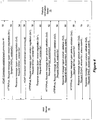
Figure 2 is a diagram showing messages used in performing mutual authentication and connection establishment; -
Figure 3 is a diagram showing messages used in a single connection scenario; -
Figure 4 is a diagram showing messages used in a multiple connection scenario; -
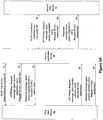
Figures 5A and5B are diagrams showing messages used in a multiple AAA server/single posture validation server scenario; -
Figure 6 is a diagram showing messages used in a failed negotiation; and -
Figure 7 is a flowchart of a method of performing host credential authorization. - A posture validation session between a first server (such as an AAA server) and a second server (such as a posture validation server (PVS)) takes place in order to provide vendor specific capabilities as part of an authentication session. The posture validation session between the AAA server and the posture validation server is accomplished utilizing a host credentials authorization protocol (HCAP). Referring now to
Figure 1 , an environment for performing posture validation is shown. Ahost 10 requests access todevice 12.Device 12 forwards the request to anAAA server 14. TheAAA server 14 communicates with a posture validation server (PVS) 16 by way of the HCAP. - The
AAA server 14 is a server program that handles user requests for access to computer resources and, for an enterprise, provides (AAA) services. TheAAA server 14 typically interacts with network access and gateway servers and with databases and directories containing user information. The current standard by which devices or applications communicate with an AAA server is the Remote Authentication Dial-In User Service (RADIUS). - The
PVS 16 is a server related to a particular application and is used for enforcement of a network access policy. As an example, the PVS may be realized as an anit-virus PVS and is used to implement anti-virus policies such as "Denial of access unless there was a successful scan in the last 48 hours based on anti-virus software from vendor XXX, version YYY". - In order to perform posture validation a HyperText Transfer Protocol (HTTP) connection is established between the AAA server and the posture validation server (PVS). The first step in performing posture validation, after the HTTP connection is established, is to perform version negotiation.
- HCAP version negotiation is initiated by the AAA server. Version negotiation can be initiated by the AAA server at any time while the connection is open. The AAA server may send HCAP requests before performing version negotiation. The AAA server negotiates the version after the HTTP connection is established and before sending any other HCAP requests. The negotiated version is coupled with the connection until the next version negotiation is performed. The negotiated version is used in all request sent to the PVS. After the HCAP version negotiation is completed, the posture validation can take place.
- The AAA server sends posture validation requests to the PVS and the PVS responds with posture validation responses. Each response is matched to a request using the Request ID field of the request (described in detail below). The Request ID is unique inside a single TCP connection. Both the AAA server and the PVS use the data field to send parameters relevant to the request or the response. Parameters are encapsulated as TLVs (Type, Length and Value frame). Each TLV can contain one or more parameters.
- The following illustration describes the general format of an HCAP message. The format contains seven fields, defined below.

- The Code field comprises 8 bits, indicating the code of message. A code value of 0 is reserved. A code value of 1 indicates the present message is a request message. A code value of 2 indicates the present message is a response message.
- The Request ID field comprises 16 bits, indicating the Identity of this message. This value is unique for each request. When a PVS responds to a request it must use the same identity taken from the request. The ID is unique within each connection.
- The Length field comprises 16 bits, and indicates the overall number of octets (including the message header and data).
- The Type field comprises 8 bits, indicating the message type. A type value of 1 indicates the present message is a version negotiation message type. A type value of 2 indicates the present message is a posture validation message type.
- The Flags field comprises 8 bits and is reserved.
- The Version field comprises 8 bits and defines the HCAP version to be used for this session.
- The Data field stores the data transmitted as part of the HCAP message.
- HCAP uses different message types (request or response). Each message type requests a different type of operation from the PVS. The first message type is a version negotiation message type.
- The Request message type has the following format

- The Response message type has the following format

- The sequence of messages comprising a Version negotiation is as follows. The AAA server sends a version negotiation request message. The AAA server sets the version field of the message to the highest supported HCAP version number. The PVS responds back with a version negotiation response message. If the PVS supports the requested version, the PVS sets the version field of the message to the version number that was sent by the AAA server. If the PVS doesn't support the requested version, the PVS responds with the highest version supported by the PVS. If the AAA server supports the version proposed by the PVS in the version negotiation response message then all future messages are populated with the supported version. If the AAA server doesn't support the version proposed by the PVS the AAA server terminates the connection.
- Once version negotiation is successful, posture validation can begin. Posture validation comprises posture validation request and response messages which are sent in order to validate posture data by the PVS. The AAA server includes a Vendor AppType Frame-Type Length Value (VAF-TLV) frame in the posture validation request. The PVS includes a Result-TLV in the posture validation response. The Result-TLV is the first TLV. When the PVS is able to process the request and can return a valid posture validation response, then the Result-TLV value is set to 0x01 (success) and a VAF-TLV must be included in the posture validation response. The VAF-TLV in the response contains the PVS posture validation response.
- The Posture Validation Request format is

- The Posture Validation Response format is

- The posture validation response message contains at least one TLV. The TLV format comprises three fields.

- The Type field comprises 16 bits, and is used to indicating the message type. A type value of 0 is reserved. A type value of 1 indicates the present message is VAF-TLV posture data (in posture request/response messages). A type value of 2 indicates a result TLV.
- The Length field comprises 16 bits, and is used to indicate the total number of octets including the TLV header and data.
- The Value field comprises the data.
- The VAF-TLV is used to pass VAF information from the AAA server to the PVS and from the PVS to the AAA server.
- The VAF-TLV format includes a type field of 1, a length field indicating the total number of octets including the TLV header and data, and a value field including the Vendor-AppType frames.
- The VAF-TLV is included in the posture validation request/response message. The TLV value contains one or more Vendor-AppType Frames (VAFs). A VAF may be empty (length = 0x08). In the posture validation request each VAF contains Attribute Value Pairs (AVPs) sent by the host and forwarded by the AAA server. The posture validation response contains VAFs corresponding to VAFs in the request. Each VAF in the response can contain an Application specific Posture Token (APT), an Action AVP and a list of proprietary AVPs. The VAF is forwarded to the host by the AAA server. The AAA server can add one or more AVPs to the VAF but it will not delete an AVP from the VAF. If an APT is included, the APT is located as the first AVP in the VAF (optimizing the search for the APT in the VAF). At least one APT is present in a valid VAF-TLV response.
- The PVS follows the following processing rules. If no VAF exists in the request, the PVS returns a Result-TLV with value set to 0x0006. If not enough data exists in the VAFs either because codes are not recognized (vendor, application type or attribute) or information is missing the PVS can return a Result-TLV with value set to 0x0001 and a VAF-TLV with APT set to 'unknown'. If the Result-TLV value is set to 0x0001 "Success" then at least one VAF is present in the VAF-TLV and at least one APT is present in the returned VAFs.
- The AAA server follows the following processing rules. If the response has a Result-TLV with value set to 0x0001 and the VAF-TLV doesn't contain VAFs the AAA will fail the response. If the response has a Result-TLV with value set to 0x0001 and none of the VAF within the VAF-TLV contain an APT, the AAA server will fail the response. If the response has a Result-TLV with value not set to 0x0001 the AAA server will fail the response. If the response has a Result-TLV with value set to 0x0001 and at least one APT is present in the VAF that are within the VAF-TLV then the AAA server will consider the response as a valid response.
- Vendor-AppType Frames(VAFs) are utilized to carry Attribute-Value Pairs (AVPs). The frame header describes the vendor ID and application type to which the AVPs within the frame belong to.
- Vendor-AppType Frame format includes four fields.

- The Vendor ID field is a 32 bit field describing the vendor's public identification. The App Type field is a 16 bit field describing the application type. The Length field is a 16 bit field describing the overall length of the frame including the frame header and the total size of the AVPs. The AVPs field contains a set of A VPs.
- An Attribute-Value Pair (AVP) is the basic data entity, containing the attribute code and the attribute data.

- The Attribute Code field is a 16 bit field describing the attribute. The Length field is a 16 bit field describing the overall length of the AVP, including the AVP header and value. The Value field contains the actual value.
- The Result TLV contains a code describing the result status that was requested by the AAA server. The Result TLV is be included all PVS posture validation responses to indicate the result status. The Result TLV has a Type of 2, a Length of 8 and a Value containing an unsigned integer. A value of 0x0001 indicates the operation was performed successfully and the response contains a valid VAF-TLV frame. A value of 0x0003 indicates the PVS is currently busy and can't perform the requested operation. Supporting this value depends on the implementation. A value of 0x0004 indicates the PVS does not support this type of request. A value of 0x0005 indicates the message could not be read by the PVS because the values in the field don't make sense. For example: if VAF length is larger than the TLV length or the TLV length is larger the message length. A value of 0x0006 indicates that there are no VAFs in the request. A value of 0x0008 indicates that the version is not supported by the PVS, if the AAA server supports other versions as well, the AAA server may decide to start version negotiation. A value of 0x00FF indicates a general error.
- HCAP is encapsulated in HTTP messages. HTTP is an extensive protocol that provides many features. The encapsulation method described is the minimal set of HTTP features that are required in order to support the encapsulation of HCAP messages.
- HCAP requests are encapsulated in HTTP requests. The AAA server uses the POST method for sending an HCAP requests. The HCAP request is an entity body. HCAP responses are encapsulated in the HTTP response. The HCAP response is an entity body.
- When authentication is complete and the PVS sends a success code, the AAA server can continue sending HCAP messages encapsulated in HTTP requests.
- The following HTTP error codes are supported: a code of 200 indicates "OK" and is used whenever the HTTP request is a valid request, a code of 400 indicates a bad request and is used whenever there is an error with the HTTP request, and a code of 401 indicates "Unauthorized" and is used whenever the PVS wishes.
- HTTP messages are encapsulated within Secure Socket Layer (SSL) protocol. SSL is a protocol that provides both authentication and encryption. The AAA server expects the PVS to send a certificate, which the AAA server validates. The AAA server will not send any certificates to the PVS. The encrypted tunnel is created without authenticating the AAA server. If a PVS wishes to authenticate the AAA server, the PVS uses HTTP digest authentication.
- Referring now to
Figure 2 , an example of the mutual authentication and connection establishment between theAAA server 14 and thePVS 16 is shown. A Terminal Control Protocol (TCP)connection 20 is established between theAAA server 14 and thePVS 16. An SSL handshake is performed between theAAA server 14 andPVS 16. Next, a posturevalidation server certificate 24 is transferred fromPVS 16 toAAA server 14. The SSL handshake is finalized and a tunnel is established 26 between theAAA server 14 andPVS 16. This signifies the end of the connection establishment. - Mutual authentication then takes place between the
AAA server 14 and thePVS 16. AnHTTP Post message 28 is sent from theAAA server 14 toPVS 16. In response to the HTTP Post message, anHTTP message 30 is sent fromPVS 16 toAAA server 14. Thismessage 30 includes a status code of 401, and a www authentication digest challenge. In response to the message from thePVS 16, a message is sent fromAAA server 14 toPVS 16. This message comprises n HTTP Post (WWW-authentication username, MD5 (challenge, password). The PVS responds with an HTTP message including a status code of 200. - Referring now to
Figure 3 , an example of HCAP communications for establishing and using a single connection between theAAA server 14 andposture verification server 16 is shown. An HCAPconnection establishment process 36 begins between theAAA server 14 and thePVS server 16. An HTTP/post 38 is sent from theAAA server 14 to thePVS 16. Thismessage 38 includes a request message type of 0x1 (version negotiation), a request ID of 0x1 (the identification number for this message) and a version of 0x1 (indicating the version of the HCAP being negotiated). Theposture verification server 16 then sends aresponse message 40 to theAAA server 14. The response message type is 1 (indicating version negotiation) a request ID of 1 (the identification number for this message) and a version of 1 (indicating the version of the HCAP being negotiated). After successful version negotiation the posture validation begins. - An
HTTP request message 42 is sent fromAAA server 14 to postureverification server 16. This message includes a message type of 2 (posture validation) a request ID of 2 (the identification number for this message) and a version of 1 (indicating the version of the HCAP that was negotiated). Theposture verification server 16 sends aresponse message 44 to theAAA server 14. The response message type is also 2(indicating posture validation) and includes a request ID of 2 (indicating the identification number for this message) and a version of 1. TheAAA server 14 sends another HTTP Post Message to thePVS 16. This message also has a message type of 2 indicating posture validation. This message has a request ID of 3 (indicating that this is a different request than the prior request which has a request ID of 2). This message also has a version of 1. Theposture verification server 16 sends back a posture validation message with a request ID of 3 indicating it is a response to the request having an ID of 3 and not for the request having an ID of 2. This message also has version value of 1 and includes a status code. - Posture validation request from a host are blocked until the HCAP implementation returns one of the following results: a valid response returned from PVS or from local policy evaluation, an error occurred , or a timeout occurred.
- A single HCAP request is blocked until one of the following occurs: the PVS returned a valid HCAP response with success code, the PVS returned a valid HCAP response with a failure code, an error occurred, the connection was closed (can be closed by any layer - TCP, SSL, HTTP), or a timeout occurred. The timeout for a single HCAP request can have a different value than the timeout value of the entire Posture request.
- Referring now to
Figure 4 , an environment wherein theAAA server 14 has multiple connections to aPVS 16 is shown. Afirst HCAP connection 50 is established between theAAA server 14 and thePVS 16. An HTTP/post 52 is sent from theAAA server 14 to thePVS 16. Thismessage 52 includes a request message type of 1 (version negotiation), a request ID of 1 (the identification number for this request) and a version of 1 (indicating the version of the HCAP being negotiated). Theposture verification server 16 then sends aresponse message 54 to theAAA server 14. The response message type is 1 (indicating version negotiation) a request ID of 1 (the identification number for this response and indicating that this response is to the request having the same request ID number) and a version of 1 (indicating the version of the HCAP being negotiated). - A
second HCAP connection 56 is established between theAAA server 14 and thePVS 16. An HTTP/post 58 is sent from theAAA server 14 to thePVS 16. Thismessage 58 includes a request message type of 1 (version negotiation), a request ID of 1 (the identification number for this request) and a version of 1 (indicating the version of the HCAP being negotiated). Theposture verification server 16 then sends aresponse message 60 to theAAA server 14. The response message type is 1 (indicating version negotiation) a request ID of 1 (the identification number for this response and indicating that this response is to the request having the same request ID number) and a version of 1 (indicating the version of the HCAP being negotiated). - An
HTTP request message 62 is sent fromAAA server 14 to postureverification server 16. Thismessage 62 includes a message type of 2 (posture validation) a request ID of 2 (the identification number for this message) and a version of 1 (indicating the version of the HCAP that was negotiated). - An
HTTP request message 64 is sent fromAAA server 14 to postureverification server 16. Thismessage 64 includes a message type of 2 (posture validation) a request ID of 4 (the identification number for this message) and a version of 1 (indicating the version of the HCAP that was negotiated). - The
posture verification server 16 sends aresponse message 66 to theAAA server 14. The response message type is also 2(indicating posture validation) and includes a request ID of 4 (indicating the identification number for this message) and a version of 1. - An
HTTP request message 68 is sent fromAAA server 14 to postureverification server 16. This message includes a message type of 2 (posture validation) a request ID of 3 (the identification number for this message) and a version of 1 (indicating the version of the HCAP that was negotiated). - The
posture verification server 16 sends aresponse message 70 to theAAA server 14. The response message type is also 2 (indicating posture validation) and includes a request ID of 2 (indicating the identification number for this message) and a version of 1. - The
posture verification server 16 sends aresponse message 72 to theAAA server 14. The response message type is also 2 (indicating posture validation) and includes a request ID of 3 (indicating the identification number for this message) and a version of 1. - Referring now to
Figure 5A , an environment whereinmultiple AAA servers PVS 16 is shown. Afirst HCAP connection 74 is established between thefirst AAA server 14 and thePVS 16. An HTTP/post 76 is sent from thefirst AAA server 14 to thePVS 16. Thismessage 74 includes a request message type of 1 (version negotiation), a request ID of 1 (the identification number for this request) and a version of 1 (indicating the version of the HCAP being negotiated). Theposture verification server 16 then sends aresponse message 78 to thefirst AAA server 14. The response message type is 1 (indicating version negotiation) a request ID of 1 (the identification number for this response and indicating that this response is to the request having the same request ID number) and a version of 1 (indicating the version of the HCAP being negotiated). - A
second HCAP connection 56 is established between thesecond AAA server 15 and thePVS 16. An HTTP/post 82 is sent from thesecond AAA server 15 to thePVS 16. Thismessage 82 includes a request message type of 1 (version negotiation), a request ID of 1 (the identification number for this request) and a version of 1 (indicating the version of the HCAP being negotiated). Theposture verification server 16 then sends aresponse message 84 to thesecond AAA server 15. The response message type is 1 (indicating version negotiation) a request ID of 1 (the identification number for this response and indicating that this response is to the request having the same request ID number) and a version of 1 (indicating the version of the HCAP being negotiated). - An
HTTP request message 86 is sent fromfirst AAA server 14 to postureverification server 16. This message includes a message type of 2 (posture validation) a request ID of 2 (the identification number for this message) and a version of 1 (indicating the version of the HCAP that was negotiated). Theposture verification server 16 sends aresponse message 88 to thefirst AAA server 14. The response message type is also 2 (indicating posture validation) and includes a request ID of 2 (indicating the identification number for this message) and a version of 1. - An
HTTP request message 90 is sent fromsecond AAA server 15 to postureverification server 16. This message includes a message type of 2 (posture validation) a request ID of 2 (the identification number for this message) and a version of 1 (indicating the version of the HCAP that was negotiated). Theposture verification server 16 sends aresponse message 92 to thesecond AAA server 15. The response message type is also 2 (indicating posture validation) and includes a request ID of 2 (indicating the identification number for this message) and a version of 1. - An
HTTP request message 94 is sent fromfirst AAA server 14 to postureverification server 16. This message includes a message type of 2 (posture validation) a request ID of 3 (the identification number for this message) and a version of 1 (indicating the version of the HCAP that was negotiated). Theposture verification server 16 sends aresponse message 96 to thefirst AAA server 14. The response message type is also 2 (indicating posture validation) and includes a request ID of 3 (indicating the identification number for this message) and a version of 1. - Referring now to
Figure 6 , there may be in instance where a version negotiation fails. InFigure 6 an HCAPconnection establishment process 98 begins betweenAAA server 14 andposture verification server 16. AnHTTP request message 100 is sent fromAAA server 14 to postureverification server 16. This message includes a message type of (version negotiation) a request ID of 1 (the identification number for this message) and a version of 1 (indicating the version of the HCAP that is being negotiated). Theposture verification server 16 sends aresponse message 102 to theAAA server 14. The response message type is also 1 (indicating version negotiation) and includes a request ID of 1 (indicating the identification number for this message) and a version of 2. TheAAA server 14 in response to the response message having a different version number than the request message, closes theTCP connection 100. - To handle failover scenarios an AAA server can be configured to communicate with more than one PVS. A fail over scenario happens when an HCAP request fails for different reasons. An AAA server may be configured to handle failover cases in different manners, as described in the following sections.
- The following describes the failover operation assuming that both the primary and the secondary PVSs are configured, as well as a local policy for validating posture. The AAA server sends an HCAP request to the primary server. If the connection to the primary PVS was closed, an error occurred or a timeout occurred then the AAA server send the same HCAP message to the secondary server (it must not be assume that the ID of the request sent to the primary server is the same to the ID of the request sent to the secondary server). Otherwise the operation returns the valid response. If the connection to the secondary PVS was closed, an error occurred or a timeout occurred then the AAA server validates the posture locally, otherwise the operation returns the valid response. If an error occurred the operation return an error code, otherwise the operation returns a valid response. During the operation a timeout for the entire posture validation can occur. In this case the operation returns an error with timeout code.
- A flow chart of the presently disclosed method is depicted in
Figure 7 . The rectangular elements are herein denoted "processing blocks" and represent computer software instructions or groups of instructions. The diamond shaped elements, are herein denoted "decision blocks," represent computer software instructions, or groups of instructions which affect the execution of the computer software instructions represented by the processing blocks. - Alternatively, the processing and decision blocks represent steps performed by functionally equivalent circuits such as a digital signal processor circuit or an application specific integrated circuit (ASIC). The flow diagrams do not depict the syntax of any particular programming language. Rather, the flow diagrams illustrate the functional information one of ordinary skill in the art requires to fabricate circuits or to generate computer software to perform the processing required in accordance with the present invention. It should be noted that many routine program elements, such as initialization of loops and variables and the use of temporary variables are not shown. It will be appreciated by those of ordinary skill in the art that unless otherwise indicated herein, the particular sequence of steps described is illustrative only and can be varied without departing from the spirit of the invention. Thus, unless otherwise stated the steps described below are unordered meaning that, when possible, the steps can be performed in any convenient or desirable order.
- Referring now to
Figure 7 , themethod 110 starts andprocessing block 112 is executed. In processing block 112 a request for access to a device from a host is received. -
Processing block 114 recites that a request for access is forwarded from the device to a first server. The first server may be any AAA server or similar such device. - Processing block 116 discloses that a posture validation session is initiated between the first server in a second server. The posture validation session utilizes a host credentials authorization protocol (HCAP). The second server may be a posture validation server such as, for example, an antivirus server.
- Decision block 118 states that a determination is made whether to allow access by the host to the device. The decision is made by the first server and is based on a result from the posture validation session.
- When the determination from decision block 118 is to allow access, then processing block 120 is executed. Processing block 120 recites that the device is allowed access by the host. Following execution of processing block 120 the process ends.
- When the determination from decision block 118 is not to allow access, processing continues with processing block 122. Processing block 122 discloses that access by the host to the device is denied. Following execution of processing block 122 the process ends.
- It is to be understood that embodiments of the invention include the applications (i.e., the un-executed or non-performing logic instructions and/or data) encoded within a computer readable medium such as a floppy disk, hard disk or in an optical medium, or in a memory type system such as in firmware, read only memory (ROM), or as executable code within the memory system (e.g., within random access memory or RAM). It is also to be understood that other embodiments of the invention can provide the applications operating within the processor as the processes. While not shown in this example, those skilled in the art will understand that the computer system may include other processes and/or software and hardware components, such as an operating system, which have been left out of this illustration for ease of description of the invention.
- Having described preferred embodiments of the invention it will now become apparent to those of ordinary skill in the art that other embodiments incorporating these concepts may be used. Additionally, the software included as part of the invention may be embodied in a computer program product that includes a computer useable medium. For example, such a computer usable medium can include a readable memory device, such as a hard drive device, a CD-ROM, a DVD-ROM, or a computer diskette, having computer readable program code segments stored thereon. The computer readable medium can also include a communications link, either optical, wired, or wireless, having program code segments carried thereon as digital or analog signals. Accordingly, it is submitted that that the invention should not be limited to the described embodiments but rather should be limited only by the scope of the appended claims.
Claims (20)
- A method for controlling access to a device (12), the method comprising:receiving (104) a request for access to the device (12) from a host (10);forwarding (106) the request for access from said device to an authentication, authorization and accounting, AAA, server (14);initiating (108) a posture validation session between the AAA server (14) and a posture validation server (16), said posture validation session utilizing a host credentials authorization protocol, HCAP;wherein the posture validation session includes a posture validation request message and a posture validation response message, the posture validation response message including at least one type-length-value field, wherein the value field comprises at least one attribute value pair, the attribute value pair comprising evaluation results;determining (110) whether to allow access by said host to said device by said AAA server (14) based on said evaluation results from said posture validation session; andwhen access is allowed then allowing access (112) by said host to said device and when access is not allowed then disabling access (114) by said host to said device, wherein said HCAP includes a version negotiation request message (38) and a version negotiation response message (40).
- The method of claim 1 wherein said version negotiation request message (38), said version negotiation response message (40), said posture validation request message (42), and said posture validation response message (44) are in a format comprising a code field, a request ID field, a length field, a type field, a flags field, a version field and a data field.
- the method of claim 2 wherein said code field comprises an eight bit field indicating the message is one of a request message and a response message.
- the method of claim 2 or 3 wherein said request ID field comprises a sixteen bit field indicating an identification number for a request.
- The method of any of claims 2 to 4 wherein said length field comprises a sixteen bit field indicating a number of octets in the message.
- The method of any of claims 2 to 5 wherein said type field comprises an eight bit field indicating a message type.
- The method of any of claims 2 to 6 wherein said flag field comprises an eight bit field.
- The method of any of claims 2 to 7 wherein said version field comprises an eight bit field indicating the version of the HCAP.
- The method of any of claims 2 to 8 wherein the data field of at least one of said posture validation request message (42) and said posture validation response message (44) includes at least one Vendor AppType Frame-Type Length Value (VAF-TLV)
- The method of claim 9 wherein said data field of said posture validation response message further includes a Result-TLV.
- The method of claim 9 wherein said VAF-TLV includes at least one Attribute Value Pair (AVP).
- The method of claim 1, wherein the posture validation server (16) is a server related to a particular application and is used for enforcement of a network access policy, and wherein the result from said posture validation session comprises a posture validation response message (44) pertaining to enforcement of the network access policy.
- The method of claim 12, wherein posture validation server (16) comprises an anti-virus posture validation server and the network access policy comprises an anti-virus policy.
- The method of claim 13, wherein the anti-virus policy comprises a requirement for a successful scan of the host by anti-virus software within a specified preceding time interval.
- A computer program or computer program medium having computer readable code thereon for providing a host credentials authorization protocol, comprising instructions for performing a method according to any of claims 1 to 15.
- A system comprising:means for receiving a request for access to a device (12) from a host (10);means for forwarding the request for access from said device (12) to an authentication, authorization and accounting, AAA, server (14);means for initiating a posture validation session between said AAA server and a posture validation server, said posture validation session utilizing a host credentials authorization protocol, HCAP (18);wherein the posture validation session includes a posture validation request message (42) and a posture validation response message (44), the posture validation response message (44) including at least one type-length-value field, wherein the value field comprises at least one attribute value pair, the attribute value pair comprising evaluation results;means for determining whether to allow access by said host (10) to said device (12) by said AAA server (14) based on said evaluation results from said posture validation session; andwhen access is allowed then means for allowing access by said host (10) to said device (12) and when access is not allowed then means for disabling access by said host (10) to said device (12), wherein said HCAP (18) further includes a version negotiation request message (38) and a version negotiation response message (40).
- The system of claim 16 wherein said posture validation request message (42), said posture validation response message (44), said version negotiation request message (38) and said version negotiation response message (40) are in a format comprising a code field, a request ID field, a length field, a type field, a flags field, a version field and a data field.
- The system of claim 16, wherein the posture validation server (16) is a server related to a particular application and is used for enforcement of a network access policy, and wherein the result from said posture validation session comprises a posture validation response pertaining to enforcement of the network access policy.
- The system of claim 18, wherein posture validation server (16) comprises an anti-virus posture validation server and the network access policy comprises an anti-virus policy.
- The system of claim 19, wherein the anti-virus policy comprises a requirement for a successful scan of the host (10) by anti-virus software within a specified preceding time interval.
Applications Claiming Priority (2)
| Application Number | Priority Date | Filing Date | Title |
|---|---|---|---|
| US10/891,683 US7512970B2 (en) | 2004-07-15 | 2004-07-15 | Host credentials authorization protocol |
| PCT/US2005/024511 WO2006019682A2 (en) | 2004-07-15 | 2005-07-08 | Host credentials authorization protocol |
Publications (3)
| Publication Number | Publication Date |
|---|---|
| EP1766845A2 EP1766845A2 (en) | 2007-03-28 |
| EP1766845A4 EP1766845A4 (en) | 2014-01-22 |
| EP1766845B1 true EP1766845B1 (en) | 2018-01-17 |
Family
ID=35600825
Family Applications (1)
| Application Number | Title | Priority Date | Filing Date |
|---|---|---|---|
| EP05770029.6A Expired - Lifetime EP1766845B1 (en) | 2004-07-15 | 2005-07-08 | Host credentials authorization protocol |
Country Status (5)
| Country | Link |
|---|---|
| US (1) | US7512970B2 (en) |
| EP (1) | EP1766845B1 (en) |
| CN (1) | CN101019364B (en) |
| CA (1) | CA2573171C (en) |
| WO (1) | WO2006019682A2 (en) |
Families Citing this family (30)
| Publication number | Priority date | Publication date | Assignee | Title |
|---|---|---|---|---|
| US7587751B2 (en) * | 2004-08-02 | 2009-09-08 | Cisco Technology, Inc. | Method and apparatus for automatically re-validating multiple clients of an authentication system |
| US7681038B1 (en) * | 2004-12-02 | 2010-03-16 | Sprint Communications Company L.P. | Method and system for facilitating packet-based communications |
| KR100670791B1 (en) * | 2004-12-07 | 2007-01-17 | 한국전자통신연구원 | Extended Authorization Method in AAA Server |
| US20060136519A1 (en) * | 2004-12-17 | 2006-06-22 | Anurag Batta | System and method for user database synchronization |
| US20060236385A1 (en) * | 2005-01-14 | 2006-10-19 | Citrix Systems, Inc. | A method and system for authenticating servers in a server farm |
| US8042165B2 (en) * | 2005-01-14 | 2011-10-18 | Citrix Systems, Inc. | Method and system for requesting and granting membership in a server farm |
| US8099495B2 (en) * | 2005-12-29 | 2012-01-17 | Intel Corporation | Method, apparatus and system for platform identity binding in a network node |
| US8205238B2 (en) * | 2006-03-30 | 2012-06-19 | Intel Corporation | Platform posture and policy information exchange method and apparatus |
| KR100823277B1 (en) * | 2006-07-07 | 2008-04-21 | 삼성전자주식회사 | Method and apparatus for managing information about mobile network service |
| US8042090B2 (en) * | 2006-09-29 | 2011-10-18 | Sap Ag | Integrated configuration of cross organizational business processes |
| US8407464B2 (en) * | 2006-10-10 | 2013-03-26 | Cisco Technology, Inc. | Techniques for using AAA services for certificate validation and authorization |
| US20080120696A1 (en) * | 2006-11-21 | 2008-05-22 | Aditya Desaraju | Method and Product for Generating Network and Server Analytics |
| US8700907B2 (en) * | 2007-06-06 | 2014-04-15 | Cisco Technology, Inc. | Use of mobile communication network credentials to protect the transfer of posture data |
| EP2304578A4 (en) * | 2008-06-13 | 2012-08-29 | Hewlett Packard Development Co | Hierarchical policy management |
| US8762707B2 (en) * | 2009-07-14 | 2014-06-24 | At&T Intellectual Property I, L.P. | Authorization, authentication and accounting protocols in multicast content distribution networks |
| US8578465B2 (en) | 2009-07-21 | 2013-11-05 | Cisco Technology, Inc. | Token-based control of permitted sub-sessions for online collaborative computing sessions |
| US8566926B1 (en) | 2010-03-18 | 2013-10-22 | Sprint Communications Company L.P. | Mobility protocol selection by an authorization system |
| US8566468B2 (en) * | 2010-05-12 | 2013-10-22 | Alcatel Lucent | Extensible data driven message validation |
| CA2840154C (en) * | 2011-06-28 | 2017-08-15 | Zte Portugal-Projectos De Telecomunicacoes Unipessoal Lda | Establishing a secure file transfer session for secure file transfer to a demarcation device |
| US8990898B2 (en) * | 2012-02-16 | 2015-03-24 | Citrix Systems, Inc. | Connection leasing for hosted services |
| US8819769B1 (en) * | 2012-03-30 | 2014-08-26 | Emc Corporation | Managing user access with mobile device posture |
| US8661246B1 (en) * | 2012-04-09 | 2014-02-25 | Rockwell Collins, Inc. | System and method for protecting certificate applications using a hardened proxy |
| US8997201B2 (en) * | 2012-05-14 | 2015-03-31 | Cisco Technology, Inc. | Integrity monitoring to detect changes at network device for use in secure network access |
| US9197498B2 (en) | 2012-08-31 | 2015-11-24 | Cisco Technology, Inc. | Method for automatically applying access control policies based on device types of networked computing devices |
| US8850543B2 (en) * | 2012-12-23 | 2014-09-30 | Mcafee, Inc. | Hardware-based device authentication |
| JP6429559B2 (en) * | 2014-09-26 | 2018-11-28 | キヤノン株式会社 | COMMUNICATION DEVICE, COMMUNICATION SYSTEM, INFORMATION PROCESSING METHOD, AND PROGRAM |
| US11893247B2 (en) * | 2020-09-22 | 2024-02-06 | SK Hynix Inc. | Data storage device and method of operating the same |
| US12461665B2 (en) | 2020-09-22 | 2025-11-04 | SK Hynix Inc. | Storage device including replay protected memory block (RPMB) host device accessing the RPMB, electronic device including storage device and host device, and method of operating the same |
| JP7786154B2 (en) * | 2021-11-24 | 2025-12-16 | ヤマハ株式会社 | Communication control system, communication method and program |
| US11956635B2 (en) | 2022-01-20 | 2024-04-09 | Hewlett Packard Enterprise Development Lp | Authenticating a client device |
Family Cites Families (17)
| Publication number | Priority date | Publication date | Assignee | Title |
|---|---|---|---|---|
| US5911044A (en) * | 1996-11-08 | 1999-06-08 | Ricoh Company, Ltd. | Network image scanning system which transmits image information from a scanner over a network to a client computer |
| US6523027B1 (en) | 1999-07-30 | 2003-02-18 | Accenture Llp | Interfacing servers in a Java based e-commerce architecture |
| US6609128B1 (en) | 1999-07-30 | 2003-08-19 | Accenture Llp | Codes table framework design in an E-commerce architecture |
| US6601233B1 (en) | 1999-07-30 | 2003-07-29 | Accenture Llp | Business components framework |
| US6718535B1 (en) | 1999-07-30 | 2004-04-06 | Accenture Llp | System, method and article of manufacture for an activity framework design in an e-commerce based environment |
| US6704873B1 (en) | 1999-07-30 | 2004-03-09 | Accenture Llp | Secure gateway interconnection in an e-commerce based environment |
| US6633878B1 (en) | 1999-07-30 | 2003-10-14 | Accenture Llp | Initializing an ecommerce database framework |
| US6769000B1 (en) * | 1999-09-08 | 2004-07-27 | Nortel Networks Limited | Unified directory services architecture for an IP mobility architecture framework |
| CA2331474A1 (en) | 2001-01-19 | 2002-07-19 | Stergios V. Anastasiadis | Stride-based disk space allocation scheme |
| US7010807B1 (en) * | 2001-04-13 | 2006-03-07 | Sonicwall, Inc. | System and method for network virus protection |
| US20020199116A1 (en) * | 2001-06-25 | 2002-12-26 | Keith Hoene | System and method for computer network virus exclusion |
| US6873988B2 (en) * | 2001-07-06 | 2005-03-29 | Check Point Software Technologies, Inc. | System and methods providing anti-virus cooperative enforcement |
| US20040107360A1 (en) * | 2002-12-02 | 2004-06-03 | Zone Labs, Inc. | System and Methodology for Policy Enforcement |
| US7529933B2 (en) * | 2002-05-30 | 2009-05-05 | Microsoft Corporation | TLS tunneling |
| US7552470B2 (en) * | 2002-11-21 | 2009-06-23 | Honeywell International Inc. | Generic security infrastructure for COM based systems |
| US7505596B2 (en) * | 2003-12-05 | 2009-03-17 | Microsoft Corporation | Automatic detection of wireless network type |
| US7046647B2 (en) * | 2004-01-22 | 2006-05-16 | Toshiba America Research, Inc. | Mobility architecture using pre-authentication, pre-configuration and/or virtual soft-handoff |
-
2004
- 2004-07-15 US US10/891,683 patent/US7512970B2/en not_active Expired - Lifetime
-
2005
- 2005-07-08 CA CA2573171A patent/CA2573171C/en not_active Expired - Fee Related
- 2005-07-08 CN CN2005800238080A patent/CN101019364B/en not_active Expired - Fee Related
- 2005-07-08 EP EP05770029.6A patent/EP1766845B1/en not_active Expired - Lifetime
- 2005-07-08 WO PCT/US2005/024511 patent/WO2006019682A2/en not_active Ceased
Non-Patent Citations (1)
| Title |
|---|
| None * |
Also Published As
| Publication number | Publication date |
|---|---|
| CN101019364A (en) | 2007-08-15 |
| CA2573171C (en) | 2012-05-08 |
| US20060015724A1 (en) | 2006-01-19 |
| WO2006019682A3 (en) | 2007-04-12 |
| US7512970B2 (en) | 2009-03-31 |
| CA2573171A1 (en) | 2006-02-23 |
| EP1766845A4 (en) | 2014-01-22 |
| WO2006019682A2 (en) | 2006-02-23 |
| CN101019364B (en) | 2012-03-14 |
| EP1766845A2 (en) | 2007-03-28 |
Similar Documents
| Publication | Publication Date | Title |
|---|---|---|
| US7512970B2 (en) | Host credentials authorization protocol | |
| RU2342700C2 (en) | Increased level of automation during initialisation of computer system for network access | |
| US7421503B1 (en) | Method and apparatus for providing multiple authentication types using an authentication protocol that supports a single type | |
| CN100591011C (en) | An authentication method and system | |
| US7263076B1 (en) | System and method for managing a wireless network community | |
| US8239933B2 (en) | Network protecting authentication proxy | |
| US9009778B2 (en) | Segmented network identity management | |
| US7194763B2 (en) | Method and apparatus for determining authentication capabilities | |
| US7958352B2 (en) | Method and system for verifying and updating the configuration of an access device during authentication | |
| US7962954B2 (en) | Authenticating multiple network elements that access a network through a single network switch port | |
| US20040107360A1 (en) | System and Methodology for Policy Enforcement | |
| US7587751B2 (en) | Method and apparatus for automatically re-validating multiple clients of an authentication system | |
| US20040010713A1 (en) | EAP telecommunication protocol extension | |
| US8316430B2 (en) | Preventing network traffic blocking during port-based authentication | |
| CN101867476A (en) | 3G virtual private dialing network user safety authentication method and device thereof | |
| JP5581382B2 (en) | Access control method suitable for three-factor peer authentication trusted network access architecture | |
| CN120019373A (en) | Methods, systems, and computer-readable media for detecting stolen access tokens | |
| CN101218576B (en) | Method and system for managing access to a network | |
| CN102271120A (en) | Trusted network access authentication method capable of enhancing security | |
| US20090271852A1 (en) | System and Method for Distributing Enduring Credentials in an Untrusted Network Environment | |
| CN114024693B (en) | Authentication method, device, session management function entity, server and terminal | |
| Ventura | Diameter: Next generations AAA protocol | |
| Melnikov et al. | A protocol for remotely managing sieve scripts | |
| Zhou | Adding bandwidth specification to a AAA Sever | |
| Bouguetaia | Analysis and Evaluation of Endpoint Security Solutions |
Legal Events
| Date | Code | Title | Description |
|---|---|---|---|
| PUAI | Public reference made under article 153(3) epc to a published international application that has entered the european phase |
Free format text: ORIGINAL CODE: 0009012 |
|
| 17P | Request for examination filed |
Effective date: 20070129 |
|
| AK | Designated contracting states |
Kind code of ref document: A2 Designated state(s): AT BE BG CH CY CZ DE DK EE ES FI FR GB GR HU IE IS IT LI LT LU LV MC NL PL PT RO SE SI SK TR |
|
| AX | Request for extension of the european patent |
Extension state: AL BA HR MK YU |
|
| PUAK | Availability of information related to the publication of the international search report |
Free format text: ORIGINAL CODE: 0009015 |
|
| RIC1 | Information provided on ipc code assigned before grant |
Ipc: H04L 9/00 20060101AFI20070419BHEP |
|
| RIN1 | Information on inventor provided before grant (corrected) |
Inventor name: FUX, EITAN Inventor name: NAFTALI, AMIR Inventor name: THOMSON, SUSAN Inventor name: BRONSHTEIN, ILAN |
|
| RIC1 | Information provided on ipc code assigned before grant |
Ipc: G06K 19/00 20060101ALI20070508BHEP Ipc: G06F 7/04 20060101ALI20070508BHEP Ipc: H04L 9/00 20060101AFI20070508BHEP Ipc: G06F 17/30 20060101ALI20070508BHEP Ipc: G06F 7/58 20060101ALI20070508BHEP Ipc: G06F 15/16 20060101ALI20070508BHEP Ipc: G06K 9/00 20060101ALI20070508BHEP |
|
| DAX | Request for extension of the european patent (deleted) | ||
| A4 | Supplementary search report drawn up and despatched |
Effective date: 20140107 |
|
| RIC1 | Information provided on ipc code assigned before grant |
Ipc: G06K 9/00 20060101ALI20131219BHEP Ipc: G06F 7/58 20060101ALI20131219BHEP Ipc: G06F 15/16 20060101ALI20131219BHEP Ipc: H04L 9/00 20060101AFI20131219BHEP Ipc: G06K 19/00 20060101ALI20131219BHEP Ipc: G06F 7/04 20060101ALI20131219BHEP Ipc: G06F 17/30 20060101ALI20131219BHEP |
|
| RAP1 | Party data changed (applicant data changed or rights of an application transferred) |
Owner name: CISCO TECHNOLOGY, INC. |
|
| RIN1 | Information on inventor provided before grant (corrected) |
Inventor name: HOWARD, THOMAS GARY Inventor name: NAFTALI, AMIR Inventor name: FUX, EITAN Inventor name: THOMSON, SUSAN Inventor name: BRONSHTEIN, ILAN |
|
| 17Q | First examination report despatched |
Effective date: 20161220 |
|
| GRAP | Despatch of communication of intention to grant a patent |
Free format text: ORIGINAL CODE: EPIDOSNIGR1 |
|
| INTG | Intention to grant announced |
Effective date: 20170720 |
|
| GRAS | Grant fee paid |
Free format text: ORIGINAL CODE: EPIDOSNIGR3 |
|
| GRAA | (expected) grant |
Free format text: ORIGINAL CODE: 0009210 |
|
| AK | Designated contracting states |
Kind code of ref document: B1 Designated state(s): AT BE BG CH CY CZ DE DK EE ES FI FR GB GR HU IE IS IT LI LT LU LV MC NL PL PT RO SE SI SK TR |
|
| REG | Reference to a national code |
Ref country code: GB Ref legal event code: FG4D |
|
| REG | Reference to a national code |
Ref country code: CH Ref legal event code: EP |
|
| REG | Reference to a national code |
Ref country code: IE Ref legal event code: FG4D |
|
| REG | Reference to a national code |
Ref country code: AT Ref legal event code: REF Ref document number: 965085 Country of ref document: AT Kind code of ref document: T Effective date: 20180215 |
|
| REG | Reference to a national code |
Ref country code: DE Ref legal event code: R096 Ref document number: 602005053401 Country of ref document: DE |
|
| REG | Reference to a national code |
Ref country code: NL Ref legal event code: MP Effective date: 20180117 |
|
| REG | Reference to a national code |
Ref country code: LT Ref legal event code: MG4D |
|
| REG | Reference to a national code |
Ref country code: AT Ref legal event code: MK05 Ref document number: 965085 Country of ref document: AT Kind code of ref document: T Effective date: 20180117 |
|
| PG25 | Lapsed in a contracting state [announced via postgrant information from national office to epo] |
Ref country code: NL Free format text: LAPSE BECAUSE OF FAILURE TO SUBMIT A TRANSLATION OF THE DESCRIPTION OR TO PAY THE FEE WITHIN THE PRESCRIBED TIME-LIMIT Effective date: 20180117 |
|
| REG | Reference to a national code |
Ref country code: FR Ref legal event code: PLFP Year of fee payment: 14 |
|
| PG25 | Lapsed in a contracting state [announced via postgrant information from national office to epo] |
Ref country code: CY Free format text: LAPSE BECAUSE OF FAILURE TO SUBMIT A TRANSLATION OF THE DESCRIPTION OR TO PAY THE FEE WITHIN THE PRESCRIBED TIME-LIMIT Effective date: 20180117 Ref country code: LT Free format text: LAPSE BECAUSE OF FAILURE TO SUBMIT A TRANSLATION OF THE DESCRIPTION OR TO PAY THE FEE WITHIN THE PRESCRIBED TIME-LIMIT Effective date: 20180117 Ref country code: FI Free format text: LAPSE BECAUSE OF FAILURE TO SUBMIT A TRANSLATION OF THE DESCRIPTION OR TO PAY THE FEE WITHIN THE PRESCRIBED TIME-LIMIT Effective date: 20180117 Ref country code: ES Free format text: LAPSE BECAUSE OF FAILURE TO SUBMIT A TRANSLATION OF THE DESCRIPTION OR TO PAY THE FEE WITHIN THE PRESCRIBED TIME-LIMIT Effective date: 20180117 |
|
| PG25 | Lapsed in a contracting state [announced via postgrant information from national office to epo] |
Ref country code: SE Free format text: LAPSE BECAUSE OF FAILURE TO SUBMIT A TRANSLATION OF THE DESCRIPTION OR TO PAY THE FEE WITHIN THE PRESCRIBED TIME-LIMIT Effective date: 20180117 Ref country code: LV Free format text: LAPSE BECAUSE OF FAILURE TO SUBMIT A TRANSLATION OF THE DESCRIPTION OR TO PAY THE FEE WITHIN THE PRESCRIBED TIME-LIMIT Effective date: 20180117 Ref country code: AT Free format text: LAPSE BECAUSE OF FAILURE TO SUBMIT A TRANSLATION OF THE DESCRIPTION OR TO PAY THE FEE WITHIN THE PRESCRIBED TIME-LIMIT Effective date: 20180117 Ref country code: BG Free format text: LAPSE BECAUSE OF FAILURE TO SUBMIT A TRANSLATION OF THE DESCRIPTION OR TO PAY THE FEE WITHIN THE PRESCRIBED TIME-LIMIT Effective date: 20180417 Ref country code: IS Free format text: LAPSE BECAUSE OF FAILURE TO SUBMIT A TRANSLATION OF THE DESCRIPTION OR TO PAY THE FEE WITHIN THE PRESCRIBED TIME-LIMIT Effective date: 20180517 Ref country code: GR Free format text: LAPSE BECAUSE OF FAILURE TO SUBMIT A TRANSLATION OF THE DESCRIPTION OR TO PAY THE FEE WITHIN THE PRESCRIBED TIME-LIMIT Effective date: 20180418 Ref country code: PL Free format text: LAPSE BECAUSE OF FAILURE TO SUBMIT A TRANSLATION OF THE DESCRIPTION OR TO PAY THE FEE WITHIN THE PRESCRIBED TIME-LIMIT Effective date: 20180117 |
|
| REG | Reference to a national code |
Ref country code: DE Ref legal event code: R097 Ref document number: 602005053401 Country of ref document: DE |
|
| PG25 | Lapsed in a contracting state [announced via postgrant information from national office to epo] |
Ref country code: IT Free format text: LAPSE BECAUSE OF FAILURE TO SUBMIT A TRANSLATION OF THE DESCRIPTION OR TO PAY THE FEE WITHIN THE PRESCRIBED TIME-LIMIT Effective date: 20180117 Ref country code: RO Free format text: LAPSE BECAUSE OF FAILURE TO SUBMIT A TRANSLATION OF THE DESCRIPTION OR TO PAY THE FEE WITHIN THE PRESCRIBED TIME-LIMIT Effective date: 20180117 Ref country code: EE Free format text: LAPSE BECAUSE OF FAILURE TO SUBMIT A TRANSLATION OF THE DESCRIPTION OR TO PAY THE FEE WITHIN THE PRESCRIBED TIME-LIMIT Effective date: 20180117 |
|
| PLBE | No opposition filed within time limit |
Free format text: ORIGINAL CODE: 0009261 |
|
| STAA | Information on the status of an ep patent application or granted ep patent |
Free format text: STATUS: NO OPPOSITION FILED WITHIN TIME LIMIT |
|
| PG25 | Lapsed in a contracting state [announced via postgrant information from national office to epo] |
Ref country code: DK Free format text: LAPSE BECAUSE OF FAILURE TO SUBMIT A TRANSLATION OF THE DESCRIPTION OR TO PAY THE FEE WITHIN THE PRESCRIBED TIME-LIMIT Effective date: 20180117 Ref country code: SK Free format text: LAPSE BECAUSE OF FAILURE TO SUBMIT A TRANSLATION OF THE DESCRIPTION OR TO PAY THE FEE WITHIN THE PRESCRIBED TIME-LIMIT Effective date: 20180117 Ref country code: CZ Free format text: LAPSE BECAUSE OF FAILURE TO SUBMIT A TRANSLATION OF THE DESCRIPTION OR TO PAY THE FEE WITHIN THE PRESCRIBED TIME-LIMIT Effective date: 20180117 |
|
| 26N | No opposition filed |
Effective date: 20181018 |
|
| PG25 | Lapsed in a contracting state [announced via postgrant information from national office to epo] |
Ref country code: SI Free format text: LAPSE BECAUSE OF FAILURE TO SUBMIT A TRANSLATION OF THE DESCRIPTION OR TO PAY THE FEE WITHIN THE PRESCRIBED TIME-LIMIT Effective date: 20180117 |
|
| REG | Reference to a national code |
Ref country code: CH Ref legal event code: PL |
|
| PG25 | Lapsed in a contracting state [announced via postgrant information from national office to epo] |
Ref country code: MC Free format text: LAPSE BECAUSE OF FAILURE TO SUBMIT A TRANSLATION OF THE DESCRIPTION OR TO PAY THE FEE WITHIN THE PRESCRIBED TIME-LIMIT Effective date: 20180117 Ref country code: LU Free format text: LAPSE BECAUSE OF NON-PAYMENT OF DUE FEES Effective date: 20180708 |
|
| REG | Reference to a national code |
Ref country code: BE Ref legal event code: MM Effective date: 20180731 |
|
| REG | Reference to a national code |
Ref country code: IE Ref legal event code: MM4A |
|
| PG25 | Lapsed in a contracting state [announced via postgrant information from national office to epo] |
Ref country code: IE Free format text: LAPSE BECAUSE OF NON-PAYMENT OF DUE FEES Effective date: 20180708 Ref country code: LI Free format text: LAPSE BECAUSE OF NON-PAYMENT OF DUE FEES Effective date: 20180731 Ref country code: CH Free format text: LAPSE BECAUSE OF NON-PAYMENT OF DUE FEES Effective date: 20180731 |
|
| PG25 | Lapsed in a contracting state [announced via postgrant information from national office to epo] |
Ref country code: BE Free format text: LAPSE BECAUSE OF NON-PAYMENT OF DUE FEES Effective date: 20180731 |
|
| PG25 | Lapsed in a contracting state [announced via postgrant information from national office to epo] |
Ref country code: TR Free format text: LAPSE BECAUSE OF FAILURE TO SUBMIT A TRANSLATION OF THE DESCRIPTION OR TO PAY THE FEE WITHIN THE PRESCRIBED TIME-LIMIT Effective date: 20180117 |
|
| PG25 | Lapsed in a contracting state [announced via postgrant information from national office to epo] |
Ref country code: HU Free format text: LAPSE BECAUSE OF FAILURE TO SUBMIT A TRANSLATION OF THE DESCRIPTION OR TO PAY THE FEE WITHIN THE PRESCRIBED TIME-LIMIT; INVALID AB INITIO Effective date: 20050708 Ref country code: PT Free format text: LAPSE BECAUSE OF FAILURE TO SUBMIT A TRANSLATION OF THE DESCRIPTION OR TO PAY THE FEE WITHIN THE PRESCRIBED TIME-LIMIT Effective date: 20180117 |
|
| P01 | Opt-out of the competence of the unified patent court (upc) registered |
Effective date: 20230525 |
|
| PGFP | Annual fee paid to national office [announced via postgrant information from national office to epo] |
Ref country code: DE Payment date: 20240724 Year of fee payment: 20 |
|
| PGFP | Annual fee paid to national office [announced via postgrant information from national office to epo] |
Ref country code: GB Payment date: 20240719 Year of fee payment: 20 |
|
| PGFP | Annual fee paid to national office [announced via postgrant information from national office to epo] |
Ref country code: FR Payment date: 20240722 Year of fee payment: 20 |
|
| REG | Reference to a national code |
Ref country code: DE Ref legal event code: R071 Ref document number: 602005053401 Country of ref document: DE |
|
| REG | Reference to a national code |
Ref country code: GB Ref legal event code: PE20 Expiry date: 20250707 |