EP1762244A1 - Bmp-9 compositions for inducing differentiation of cholinergic neurons - Google Patents
Bmp-9 compositions for inducing differentiation of cholinergic neurons Download PDFInfo
- Publication number
- EP1762244A1 EP1762244A1 EP06020758A EP06020758A EP1762244A1 EP 1762244 A1 EP1762244 A1 EP 1762244A1 EP 06020758 A EP06020758 A EP 06020758A EP 06020758 A EP06020758 A EP 06020758A EP 1762244 A1 EP1762244 A1 EP 1762244A1
- Authority
- EP
- European Patent Office
- Prior art keywords
- bmp
- cholinergic
- medicament
- cells
- neurons
- Prior art date
- Legal status (The legal status is an assumption and is not a legal conclusion. Google has not performed a legal analysis and makes no representation as to the accuracy of the status listed.)
- Withdrawn
Links
- 210000002932 cholinergic neuron Anatomy 0.000 title claims abstract description 39
- 239000000203 mixture Substances 0.000 title description 51
- 230000004069 differentiation Effects 0.000 title description 12
- 230000001939 inductive effect Effects 0.000 title description 4
- 108010090290 Growth Differentiation Factor 2 Proteins 0.000 claims abstract description 133
- 230000001713 cholinergic effect Effects 0.000 claims abstract description 43
- 108010058699 Choline O-acetyltransferase Proteins 0.000 claims abstract description 30
- 102100023460 Choline O-acetyltransferase Human genes 0.000 claims abstract description 30
- 108090000623 proteins and genes Proteins 0.000 claims abstract description 28
- 108091006774 SLC18A3 Proteins 0.000 claims abstract description 21
- 102000045965 Vesicular Acetylcholine Transport Proteins Human genes 0.000 claims abstract description 20
- 238000002360 preparation method Methods 0.000 claims abstract description 6
- 239000003814 drug Substances 0.000 claims abstract 13
- 102000037280 Growth Differentiation Factor 2 Human genes 0.000 claims abstract 5
- 210000004027 cell Anatomy 0.000 claims description 74
- 210000004129 prosencephalon Anatomy 0.000 claims description 14
- 230000001537 neural effect Effects 0.000 claims description 11
- 208000037265 diseases, disorders, signs and symptoms Diseases 0.000 claims description 7
- 238000000338 in vitro Methods 0.000 claims description 7
- 201000010099 disease Diseases 0.000 claims description 5
- 239000013598 vector Substances 0.000 claims description 5
- 206010002026 amyotrophic lateral sclerosis Diseases 0.000 claims description 4
- 208000024827 Alzheimer disease Diseases 0.000 claims description 3
- 210000002161 motor neuron Anatomy 0.000 claims description 3
- 230000007547 defect Effects 0.000 claims description 2
- 239000002773 nucleotide Substances 0.000 claims description 2
- 125000003729 nucleotide group Chemical group 0.000 claims description 2
- 102100040892 Growth/differentiation factor 2 Human genes 0.000 description 127
- OIPILFWXSMYKGL-UHFFFAOYSA-N acetylcholine Chemical compound CC(=O)OCC[N+](C)(C)C OIPILFWXSMYKGL-UHFFFAOYSA-N 0.000 description 39
- 229960004373 acetylcholine Drugs 0.000 description 34
- 238000000034 method Methods 0.000 description 31
- 102000003974 Fibroblast growth factor 2 Human genes 0.000 description 15
- 108090000379 Fibroblast growth factor 2 Proteins 0.000 description 15
- 241000699666 Mus <mouse, genus> Species 0.000 description 13
- 238000012423 maintenance Methods 0.000 description 12
- 210000002569 neuron Anatomy 0.000 description 12
- 210000004556 brain Anatomy 0.000 description 11
- 210000003169 central nervous system Anatomy 0.000 description 11
- 230000000694 effects Effects 0.000 description 11
- 230000001965 increasing effect Effects 0.000 description 11
- 108020004999 messenger RNA Proteins 0.000 description 11
- 239000008194 pharmaceutical composition Substances 0.000 description 11
- 235000018102 proteins Nutrition 0.000 description 10
- 102000004169 proteins and genes Human genes 0.000 description 10
- 102000018233 Fibroblast Growth Factor Human genes 0.000 description 9
- 108050007372 Fibroblast Growth Factor Proteins 0.000 description 9
- OKKJLVBELUTLKV-UHFFFAOYSA-N Methanol Chemical compound OC OKKJLVBELUTLKV-UHFFFAOYSA-N 0.000 description 9
- 238000011161 development Methods 0.000 description 9
- 230000018109 developmental process Effects 0.000 description 9
- 229940126864 fibroblast growth factor Drugs 0.000 description 9
- 210000002257 embryonic structure Anatomy 0.000 description 7
- 108090000723 Insulin-Like Growth Factor I Proteins 0.000 description 6
- 241001465754 Metazoa Species 0.000 description 6
- 238000001727 in vivo Methods 0.000 description 6
- 230000006698 induction Effects 0.000 description 6
- 210000000130 stem cell Anatomy 0.000 description 6
- 239000003981 vehicle Substances 0.000 description 6
- 108010049931 Bone Morphogenetic Protein 2 Proteins 0.000 description 5
- 108010049955 Bone Morphogenetic Protein 4 Proteins 0.000 description 5
- 102100024506 Bone morphogenetic protein 2 Human genes 0.000 description 5
- 102100024505 Bone morphogenetic protein 4 Human genes 0.000 description 5
- 108060001084 Luciferase Proteins 0.000 description 5
- 239000005089 Luciferase Substances 0.000 description 5
- 239000003795 chemical substances by application Substances 0.000 description 5
- 239000003102 growth factor Substances 0.000 description 5
- 239000011159 matrix material Substances 0.000 description 5
- 230000035800 maturation Effects 0.000 description 5
- 238000003757 reverse transcription PCR Methods 0.000 description 5
- 210000000278 spinal cord Anatomy 0.000 description 5
- 230000003827 upregulation Effects 0.000 description 5
- 108091032973 (ribonucleotides)n+m Proteins 0.000 description 4
- 108010049974 Bone Morphogenetic Protein 6 Proteins 0.000 description 4
- 108010049870 Bone Morphogenetic Protein 7 Proteins 0.000 description 4
- 102100022525 Bone morphogenetic protein 6 Human genes 0.000 description 4
- 102100022544 Bone morphogenetic protein 7 Human genes 0.000 description 4
- 102000014429 Insulin-like growth factor Human genes 0.000 description 4
- 241000699670 Mus sp. Species 0.000 description 4
- 108091000117 Tyrosine 3-Monooxygenase Proteins 0.000 description 4
- 102000048218 Tyrosine 3-monooxygenases Human genes 0.000 description 4
- 230000009471 action Effects 0.000 description 4
- VREFGVBLTWBCJP-UHFFFAOYSA-N alprazolam Chemical compound C12=CC(Cl)=CC=C2N2C(C)=NN=C2CN=C1C1=CC=CC=C1 VREFGVBLTWBCJP-UHFFFAOYSA-N 0.000 description 4
- 230000015572 biosynthetic process Effects 0.000 description 4
- 238000010166 immunofluorescence Methods 0.000 description 4
- 238000002347 injection Methods 0.000 description 4
- 239000007924 injection Substances 0.000 description 4
- 239000000463 material Substances 0.000 description 4
- 239000002858 neurotransmitter agent Substances 0.000 description 4
- 238000009256 replacement therapy Methods 0.000 description 4
- 210000002186 septum of brain Anatomy 0.000 description 4
- 238000003786 synthesis reaction Methods 0.000 description 4
- 239000006144 Dulbecco’s modified Eagle's medium Substances 0.000 description 3
- 102000008214 Glutamate decarboxylase Human genes 0.000 description 3
- 108091022930 Glutamate decarboxylase Proteins 0.000 description 3
- 108090000581 Leukemia inhibitory factor Proteins 0.000 description 3
- 238000000636 Northern blotting Methods 0.000 description 3
- 108091028043 Nucleic acid sequence Proteins 0.000 description 3
- 102000004887 Transforming Growth Factor beta Human genes 0.000 description 3
- 108090001012 Transforming Growth Factor beta Proteins 0.000 description 3
- 230000001419 dependent effect Effects 0.000 description 3
- 210000002308 embryonic cell Anatomy 0.000 description 3
- 238000002474 experimental method Methods 0.000 description 3
- 239000012091 fetal bovine serum Substances 0.000 description 3
- 239000012634 fragment Substances 0.000 description 3
- 230000006870 function Effects 0.000 description 3
- 102000006602 glyceraldehyde-3-phosphate dehydrogenase Human genes 0.000 description 3
- 108020004445 glyceraldehyde-3-phosphate dehydrogenase Proteins 0.000 description 3
- 239000003550 marker Substances 0.000 description 3
- 230000004048 modification Effects 0.000 description 3
- 238000012986 modification Methods 0.000 description 3
- 239000013612 plasmid Substances 0.000 description 3
- 239000013641 positive control Substances 0.000 description 3
- 230000004044 response Effects 0.000 description 3
- 230000004043 responsiveness Effects 0.000 description 3
- 230000002441 reversible effect Effects 0.000 description 3
- 239000000523 sample Substances 0.000 description 3
- ZRKFYGHZFMAOKI-QMGMOQQFSA-N tgfbeta Chemical compound C([C@H](NC(=O)[C@H](C(C)C)NC(=O)CNC(=O)[C@H](CCC(O)=O)NC(=O)[C@H](CCCNC(N)=N)NC(=O)[C@H](CC(N)=O)NC(=O)[C@H](CC(C)C)NC(=O)[C@H]([C@@H](C)O)NC(=O)[C@H](CCC(O)=O)NC(=O)[C@H]([C@@H](C)O)NC(=O)[C@H](CC(C)C)NC(=O)CNC(=O)[C@H](C)NC(=O)[C@H](CO)NC(=O)[C@H](CCC(N)=O)NC(=O)[C@@H](NC(=O)[C@H](C)NC(=O)[C@H](C)NC(=O)[C@@H](NC(=O)[C@H](CC(C)C)NC(=O)[C@@H](N)CCSC)C(C)C)[C@@H](C)CC)C(=O)N[C@@H]([C@@H](C)O)C(=O)N[C@@H](C(C)C)C(=O)N[C@@H](CC=1C=CC=CC=1)C(=O)N[C@@H](C)C(=O)N1[C@@H](CCC1)C(=O)N[C@@H]([C@@H](C)O)C(=O)N[C@@H](CC(N)=O)C(=O)N[C@@H](CCC(O)=O)C(=O)N[C@@H](C)C(=O)N[C@@H](CC=1C=CC=CC=1)C(=O)N[C@@H](CCCNC(N)=N)C(=O)N[C@@H](C)C(=O)N[C@@H](CC(C)C)C(=O)N1[C@@H](CCC1)C(=O)N1[C@@H](CCC1)C(=O)N[C@@H](CCCNC(N)=N)C(=O)N[C@@H](CCC(O)=O)C(=O)N[C@@H](CCCNC(N)=N)C(=O)N[C@@H](CO)C(=O)N[C@@H](CCCNC(N)=N)C(=O)N[C@@H](CC(C)C)C(=O)N[C@@H](CC(C)C)C(O)=O)C1=CC=C(O)C=C1 ZRKFYGHZFMAOKI-QMGMOQQFSA-N 0.000 description 3
- 230000001225 therapeutic effect Effects 0.000 description 3
- 238000002054 transplantation Methods 0.000 description 3
- VBEQCZHXXJYVRD-GACYYNSASA-N uroanthelone Chemical compound C([C@@H](C(=O)N[C@H](C(=O)N[C@@H](CS)C(=O)N[C@@H](CC(N)=O)C(=O)N[C@@H](CS)C(=O)N[C@H](C(=O)N[C@@H]([C@@H](C)CC)C(=O)NCC(=O)N[C@@H](CC=1C=CC(O)=CC=1)C(=O)N[C@@H](CO)C(=O)NCC(=O)N[C@@H](CC(O)=O)C(=O)N[C@@H](CCCNC(N)=N)C(=O)N[C@@H](CS)C(=O)N[C@@H](CCC(N)=O)C(=O)N[C@@H]([C@@H](C)O)C(=O)N[C@@H](CCCNC(N)=N)C(=O)N[C@@H](CC(O)=O)C(=O)N[C@@H](CC(C)C)C(=O)N[C@@H](CCCNC(N)=N)C(=O)N[C@@H](CC=1C2=CC=CC=C2NC=1)C(=O)N[C@@H](CC=1C2=CC=CC=C2NC=1)C(=O)N[C@@H](CCC(O)=O)C(=O)N[C@@H](CC(C)C)C(=O)N[C@@H](CCCNC(N)=N)C(O)=O)C(C)C)[C@@H](C)O)NC(=O)[C@H](CO)NC(=O)[C@H](CC(O)=O)NC(=O)[C@H](CC(C)C)NC(=O)[C@H](CO)NC(=O)[C@H](CCC(O)=O)NC(=O)[C@@H](NC(=O)[C@H](CC=1NC=NC=1)NC(=O)[C@H](CCSC)NC(=O)[C@H](CS)NC(=O)[C@@H](NC(=O)CNC(=O)CNC(=O)[C@H](CC(N)=O)NC(=O)[C@H](CC(C)C)NC(=O)[C@H](CS)NC(=O)[C@H](CC=1C=CC(O)=CC=1)NC(=O)CNC(=O)[C@H](CC(O)=O)NC(=O)[C@H](CC=1C=CC(O)=CC=1)NC(=O)[C@H](CO)NC(=O)[C@H](CO)NC(=O)[C@H]1N(CCC1)C(=O)[C@H](CS)NC(=O)CNC(=O)[C@H]1N(CCC1)C(=O)[C@H](CC=1C=CC(O)=CC=1)NC(=O)[C@H](CO)NC(=O)[C@@H](N)CC(N)=O)C(C)C)[C@@H](C)CC)C1=CC=C(O)C=C1 VBEQCZHXXJYVRD-GACYYNSASA-N 0.000 description 3
- UBWXUGDQUBIEIZ-UHFFFAOYSA-N (13-methyl-3-oxo-2,6,7,8,9,10,11,12,14,15,16,17-dodecahydro-1h-cyclopenta[a]phenanthren-17-yl) 3-phenylpropanoate Chemical compound CC12CCC(C3CCC(=O)C=C3CC3)C3C1CCC2OC(=O)CCC1=CC=CC=C1 UBWXUGDQUBIEIZ-UHFFFAOYSA-N 0.000 description 2
- 108010059616 Activins Proteins 0.000 description 2
- 102000005606 Activins Human genes 0.000 description 2
- IJGRMHOSHXDMSA-UHFFFAOYSA-N Atomic nitrogen Chemical compound N#N IJGRMHOSHXDMSA-UHFFFAOYSA-N 0.000 description 2
- 108010049951 Bone Morphogenetic Protein 3 Proteins 0.000 description 2
- 108010049976 Bone Morphogenetic Protein 5 Proteins 0.000 description 2
- 102100028728 Bone morphogenetic protein 1 Human genes 0.000 description 2
- 102100028726 Bone morphogenetic protein 10 Human genes 0.000 description 2
- 101710118482 Bone morphogenetic protein 10 Proteins 0.000 description 2
- 102000003928 Bone morphogenetic protein 15 Human genes 0.000 description 2
- 108090000349 Bone morphogenetic protein 15 Proteins 0.000 description 2
- 102100024504 Bone morphogenetic protein 3 Human genes 0.000 description 2
- 102100022526 Bone morphogenetic protein 5 Human genes 0.000 description 2
- 102100022545 Bone morphogenetic protein 8B Human genes 0.000 description 2
- 108091003079 Bovine Serum Albumin Proteins 0.000 description 2
- 101100297347 Caenorhabditis elegans pgl-3 gene Proteins 0.000 description 2
- 101150054987 ChAT gene Proteins 0.000 description 2
- HEDRZPFGACZZDS-UHFFFAOYSA-N Chloroform Chemical compound ClC(Cl)Cl HEDRZPFGACZZDS-UHFFFAOYSA-N 0.000 description 2
- 108091026890 Coding region Proteins 0.000 description 2
- 108700024394 Exon Proteins 0.000 description 2
- 102100040898 Growth/differentiation factor 11 Human genes 0.000 description 2
- 101710194452 Growth/differentiation factor 11 Proteins 0.000 description 2
- 102100035368 Growth/differentiation factor 6 Human genes 0.000 description 2
- 101710204281 Growth/differentiation factor 6 Proteins 0.000 description 2
- 101000899368 Homo sapiens Bone morphogenetic protein 8B Proteins 0.000 description 2
- 108010004250 Inhibins Proteins 0.000 description 2
- 102000002746 Inhibins Human genes 0.000 description 2
- 102000004058 Leukemia inhibitory factor Human genes 0.000 description 2
- 241001529936 Murinae Species 0.000 description 2
- 101001060271 Mus musculus Fibroblast growth factor 4 Proteins 0.000 description 2
- 108700020797 Parathyroid Hormone-Related Proteins 0.000 description 2
- 102000003982 Parathyroid hormone Human genes 0.000 description 2
- 108090000445 Parathyroid hormone Proteins 0.000 description 2
- 102000043299 Parathyroid hormone-related Human genes 0.000 description 2
- 108010038512 Platelet-Derived Growth Factor Proteins 0.000 description 2
- 102000010780 Platelet-Derived Growth Factor Human genes 0.000 description 2
- 108700008625 Reporter Genes Proteins 0.000 description 2
- 102000006747 Transforming Growth Factor alpha Human genes 0.000 description 2
- 108010009583 Transforming Growth Factors Proteins 0.000 description 2
- 102000009618 Transforming Growth Factors Human genes 0.000 description 2
- 101800004564 Transforming growth factor alpha Proteins 0.000 description 2
- 239000000488 activin Substances 0.000 description 2
- 230000008901 benefit Effects 0.000 description 2
- 230000033228 biological regulation Effects 0.000 description 2
- 210000005013 brain tissue Anatomy 0.000 description 2
- 230000000768 catecholaminergic effect Effects 0.000 description 2
- 230000024245 cell differentiation Effects 0.000 description 2
- 230000001413 cellular effect Effects 0.000 description 2
- 239000002299 complementary DNA Substances 0.000 description 2
- 230000007850 degeneration Effects 0.000 description 2
- 238000001514 detection method Methods 0.000 description 2
- 210000001671 embryonic stem cell Anatomy 0.000 description 2
- 238000001415 gene therapy Methods 0.000 description 2
- ZJYYHGLJYGJLLN-UHFFFAOYSA-N guanidinium thiocyanate Chemical compound SC#N.NC(N)=N ZJYYHGLJYGJLLN-UHFFFAOYSA-N 0.000 description 2
- 230000035876 healing Effects 0.000 description 2
- 239000000893 inhibin Substances 0.000 description 2
- 238000005259 measurement Methods 0.000 description 2
- 210000001259 mesencephalon Anatomy 0.000 description 2
- BDAGIHXWWSANSR-UHFFFAOYSA-N methanoic acid Natural products OC=O BDAGIHXWWSANSR-UHFFFAOYSA-N 0.000 description 2
- 239000003068 molecular probe Substances 0.000 description 2
- 229960002362 neostigmine Drugs 0.000 description 2
- LULNWZDBKTWDGK-UHFFFAOYSA-M neostigmine bromide Chemical compound [Br-].CN(C)C(=O)OC1=CC=CC([N+](C)(C)C)=C1 LULNWZDBKTWDGK-UHFFFAOYSA-M 0.000 description 2
- 230000008520 organization Effects 0.000 description 2
- 239000000199 parathyroid hormone Substances 0.000 description 2
- 229960001319 parathyroid hormone Drugs 0.000 description 2
- 239000002243 precursor Substances 0.000 description 2
- 230000035755 proliferation Effects 0.000 description 2
- 230000001105 regulatory effect Effects 0.000 description 2
- 239000012266 salt solution Substances 0.000 description 2
- 230000008093 supporting effect Effects 0.000 description 2
- 238000001890 transfection Methods 0.000 description 2
- 210000004291 uterus Anatomy 0.000 description 2
- XLYOFNOQVPJJNP-UHFFFAOYSA-N water Substances O XLYOFNOQVPJJNP-UHFFFAOYSA-N 0.000 description 2
- FWBHETKCLVMNFS-UHFFFAOYSA-N 4',6-Diamino-2-phenylindol Chemical compound C1=CC(C(=N)N)=CC=C1C1=CC2=CC=C(C(N)=N)C=C2N1 FWBHETKCLVMNFS-UHFFFAOYSA-N 0.000 description 1
- OSWFIVFLDKOXQC-UHFFFAOYSA-N 4-(3-methoxyphenyl)aniline Chemical compound COC1=CC=CC(C=2C=CC(N)=CC=2)=C1 OSWFIVFLDKOXQC-UHFFFAOYSA-N 0.000 description 1
- 102000012440 Acetylcholinesterase Human genes 0.000 description 1
- 108010022752 Acetylcholinesterase Proteins 0.000 description 1
- 108090000654 Bone morphogenetic protein 1 Proteins 0.000 description 1
- 241000283707 Capra Species 0.000 description 1
- 108010078791 Carrier Proteins Proteins 0.000 description 1
- 108010000659 Choline oxidase Proteins 0.000 description 1
- 208000017667 Chronic Disease Diseases 0.000 description 1
- KDXKERNSBIXSRK-RXMQYKEDSA-N D-lysine Chemical compound NCCCC[C@@H](N)C(O)=O KDXKERNSBIXSRK-RXMQYKEDSA-N 0.000 description 1
- BWGNESOTFCXPMA-UHFFFAOYSA-N Dihydrogen disulfide Chemical compound SS BWGNESOTFCXPMA-UHFFFAOYSA-N 0.000 description 1
- 102000004190 Enzymes Human genes 0.000 description 1
- 108090000790 Enzymes Proteins 0.000 description 1
- 102000009024 Epidermal Growth Factor Human genes 0.000 description 1
- 101800003838 Epidermal growth factor Proteins 0.000 description 1
- CEAZRRDELHUEMR-URQXQFDESA-N Gentamicin Chemical compound O1[C@H](C(C)NC)CC[C@@H](N)[C@H]1O[C@H]1[C@H](O)[C@@H](O[C@@H]2[C@@H]([C@@H](NC)[C@@](C)(O)CO2)O)[C@H](N)C[C@@H]1N CEAZRRDELHUEMR-URQXQFDESA-N 0.000 description 1
- 229930182566 Gentamicin Natural products 0.000 description 1
- 101000893585 Homo sapiens Growth/differentiation factor 2 Proteins 0.000 description 1
- 102000004218 Insulin-Like Growth Factor I Human genes 0.000 description 1
- 102100032352 Leukemia inhibitory factor Human genes 0.000 description 1
- 101100175313 Mus musculus Gdf3 gene Proteins 0.000 description 1
- 101000819572 Mus musculus Glyceraldehyde-3-phosphate dehydrogenase Proteins 0.000 description 1
- 108700026244 Open Reading Frames Proteins 0.000 description 1
- 239000012807 PCR reagent Substances 0.000 description 1
- 108010001267 Protein Subunits Proteins 0.000 description 1
- 102000002067 Protein Subunits Human genes 0.000 description 1
- 238000011530 RNeasy Mini Kit Methods 0.000 description 1
- 102000013275 Somatomedins Human genes 0.000 description 1
- 238000002105 Southern blotting Methods 0.000 description 1
- 101100472152 Trypanosoma brucei brucei (strain 927/4 GUTat10.1) REL1 gene Proteins 0.000 description 1
- 210000000683 abdominal cavity Anatomy 0.000 description 1
- 229940022698 acetylcholinesterase Drugs 0.000 description 1
- 239000002253 acid Substances 0.000 description 1
- 239000004480 active ingredient Substances 0.000 description 1
- 230000002411 adverse Effects 0.000 description 1
- 230000032683 aging Effects 0.000 description 1
- 230000003321 amplification Effects 0.000 description 1
- 238000004458 analytical method Methods 0.000 description 1
- 239000005557 antagonist Substances 0.000 description 1
- 239000008346 aqueous phase Substances 0.000 description 1
- 238000000376 autoradiography Methods 0.000 description 1
- 230000004071 biological effect Effects 0.000 description 1
- 239000000872 buffer Substances 0.000 description 1
- 230000015556 catabolic process Effects 0.000 description 1
- 238000004113 cell culture Methods 0.000 description 1
- 239000006143 cell culture medium Substances 0.000 description 1
- 230000022131 cell cycle Effects 0.000 description 1
- 230000032823 cell division Effects 0.000 description 1
- 230000004663 cell proliferation Effects 0.000 description 1
- 208000015114 central nervous system disease Diseases 0.000 description 1
- -1 centrifuged Chemical compound 0.000 description 1
- 210000003710 cerebral cortex Anatomy 0.000 description 1
- 210000004289 cerebral ventricle Anatomy 0.000 description 1
- 210000001175 cerebrospinal fluid Anatomy 0.000 description 1
- 229960001231 choline Drugs 0.000 description 1
- OEYIOHPDSNJKLS-UHFFFAOYSA-N choline Chemical compound C[N+](C)(C)CCO OEYIOHPDSNJKLS-UHFFFAOYSA-N 0.000 description 1
- 230000019771 cognition Effects 0.000 description 1
- 239000006059 cover glass Substances 0.000 description 1
- 238000006731 degradation reaction Methods 0.000 description 1
- 230000037213 diet Effects 0.000 description 1
- 235000005911 diet Nutrition 0.000 description 1
- 239000000539 dimer Substances 0.000 description 1
- 208000035475 disorder Diseases 0.000 description 1
- 239000003937 drug carrier Substances 0.000 description 1
- 230000013020 embryo development Effects 0.000 description 1
- 230000002255 enzymatic effect Effects 0.000 description 1
- 229940088598 enzyme Drugs 0.000 description 1
- 229940116977 epidermal growth factor Drugs 0.000 description 1
- 230000000763 evoking effect Effects 0.000 description 1
- 230000001747 exhibiting effect Effects 0.000 description 1
- 239000000945 filler Substances 0.000 description 1
- 235000019253 formic acid Nutrition 0.000 description 1
- 238000009472 formulation Methods 0.000 description 1
- 210000001222 gaba-ergic neuron Anatomy 0.000 description 1
- 230000003371 gabaergic effect Effects 0.000 description 1
- 229960002518 gentamicin Drugs 0.000 description 1
- 239000001963 growth medium Substances 0.000 description 1
- 239000000833 heterodimer Substances 0.000 description 1
- 238000004128 high performance liquid chromatography Methods 0.000 description 1
- 238000003125 immunofluorescent labeling Methods 0.000 description 1
- 238000012744 immunostaining Methods 0.000 description 1
- 238000011065 in-situ storage Methods 0.000 description 1
- 208000015181 infectious disease Diseases 0.000 description 1
- 230000003993 interaction Effects 0.000 description 1
- 238000000185 intracerebroventricular administration Methods 0.000 description 1
- 238000002372 labelling Methods 0.000 description 1
- 238000002350 laparotomy Methods 0.000 description 1
- 230000000670 limiting effect Effects 0.000 description 1
- 239000007788 liquid Substances 0.000 description 1
- 238000003670 luciferase enzyme activity assay Methods 0.000 description 1
- 210000001161 mammalian embryo Anatomy 0.000 description 1
- 238000004519 manufacturing process Methods 0.000 description 1
- 239000002609 medium Substances 0.000 description 1
- 230000000394 mitotic effect Effects 0.000 description 1
- 238000010369 molecular cloning Methods 0.000 description 1
- 238000000329 molecular dynamics simulation Methods 0.000 description 1
- 229940126619 mouse monoclonal antibody Drugs 0.000 description 1
- 239000013642 negative control Substances 0.000 description 1
- 210000000653 nervous system Anatomy 0.000 description 1
- 210000003061 neural cell Anatomy 0.000 description 1
- 230000001722 neurochemical effect Effects 0.000 description 1
- 230000004770 neurodegeneration Effects 0.000 description 1
- 230000004766 neurogenesis Effects 0.000 description 1
- 229910052757 nitrogen Inorganic materials 0.000 description 1
- 231100000252 nontoxic Toxicity 0.000 description 1
- 230000003000 nontoxic effect Effects 0.000 description 1
- 238000003199 nucleic acid amplification method Methods 0.000 description 1
- 230000000737 periodic effect Effects 0.000 description 1
- 210000001428 peripheral nervous system Anatomy 0.000 description 1
- 239000012071 phase Substances 0.000 description 1
- 238000002205 phenol-chloroform extraction Methods 0.000 description 1
- 238000007747 plating Methods 0.000 description 1
- 229920000729 poly(L-lysine) polymer Polymers 0.000 description 1
- 230000008092 positive effect Effects 0.000 description 1
- 210000002243 primary neuron Anatomy 0.000 description 1
- 230000008569 process Effects 0.000 description 1
- 230000001737 promoting effect Effects 0.000 description 1
- 238000003753 real-time PCR Methods 0.000 description 1
- 230000002829 reductive effect Effects 0.000 description 1
- 238000003571 reporter gene assay Methods 0.000 description 1
- 150000003839 salts Chemical class 0.000 description 1
- 230000011664 signaling Effects 0.000 description 1
- 229910052709 silver Inorganic materials 0.000 description 1
- 239000004332 silver Substances 0.000 description 1
- 239000007787 solid Substances 0.000 description 1
- 239000000243 solution Substances 0.000 description 1
- 239000003381 stabilizer Substances 0.000 description 1
- 238000010186 staining Methods 0.000 description 1
- 230000004083 survival effect Effects 0.000 description 1
- 230000002194 synthesizing effect Effects 0.000 description 1
- 230000009885 systemic effect Effects 0.000 description 1
- 238000012360 testing method Methods 0.000 description 1
- 238000002560 therapeutic procedure Methods 0.000 description 1
- 210000001519 tissue Anatomy 0.000 description 1
- 238000011144 upstream manufacturing Methods 0.000 description 1
- 238000001262 western blot Methods 0.000 description 1
Images



Classifications
-
- A—HUMAN NECESSITIES
- A61—MEDICAL OR VETERINARY SCIENCE; HYGIENE
- A61K—PREPARATIONS FOR MEDICAL, DENTAL OR TOILETRY PURPOSES
- A61K38/00—Medicinal preparations containing peptides
- A61K38/16—Peptides having more than 20 amino acids; Gastrins; Somatostatins; Melanotropins; Derivatives thereof
- A61K38/17—Peptides having more than 20 amino acids; Gastrins; Somatostatins; Melanotropins; Derivatives thereof from animals; from humans
- A61K38/18—Growth factors; Growth regulators
- A61K38/1875—Bone morphogenic factor; Osteogenins; Osteogenic factor; Bone-inducing factor
-
- A—HUMAN NECESSITIES
- A61—MEDICAL OR VETERINARY SCIENCE; HYGIENE
- A61P—SPECIFIC THERAPEUTIC ACTIVITY OF CHEMICAL COMPOUNDS OR MEDICINAL PREPARATIONS
- A61P25/00—Drugs for disorders of the nervous system
-
- A—HUMAN NECESSITIES
- A61—MEDICAL OR VETERINARY SCIENCE; HYGIENE
- A61P—SPECIFIC THERAPEUTIC ACTIVITY OF CHEMICAL COMPOUNDS OR MEDICINAL PREPARATIONS
- A61P25/00—Drugs for disorders of the nervous system
- A61P25/28—Drugs for disorders of the nervous system for treating neurodegenerative disorders of the central nervous system, e.g. nootropic agents, cognition enhancers, drugs for treating Alzheimer's disease or other forms of dementia
Definitions
- the present invention relates to BMP-9 pharmaceutical compositions and methods for using them for the induction and maintenance of the cholinergenic phenotype of the central nervous system (CNS). These compositions and methods may be used treat CNS diseases or disorders involving cholinergic neurons.
- CNS central nervous system
- BMP-9 DNA sequences, composition and methods for producing them are disclosed in PCT publication WO 93/00432 the disclosure of which is incorporated herein by reference.
- BMPs promote the survival and phenotypic maturation of neurons in the peripheral nervous system and lineage-restricted neuronal progenitor cells in the CNS. Cholinergic neurons synthesize, store and release acetylcholine (ACh).
- ACh acetylcholine
- BMP-9 synthesized locally in the vicinity of the developing cholinergic neurons, acts to induce the expression of the cholinergic gene locus in these cells.
- BMP-9 expressed in the embryonic mouse septum and spinal cord induces the cholinergic neurotransmitter phenotype in cultured embryonic mouse CNS neurons.
- BMP-9 compositions of the invention may be used as a cholinergic differentiation factor in the treatment of diseases that affect cholinergic neurons. Depending on brain region and developmental stage, various BMPs may regulate the expression of other neurotransmitter
- the invention therefore provides pharmaceutical compositions containing a therapeutically effective amount of a BMP-9 protein in a pharmaceutically acceptable vehicle or carrier.
- the cholinergic neurons of the basal forebrain are understood to be important for cognition and memory and undergo severe degeneration in Alzheimer's disease.
- BMP-9 compositions of the invention may therefore be used in the treatment of degenerating cholinergic neurons in Alzheimer's disease.
- BMP-9 compositions may also be used to treat other diseases/disorders involving degenerating and/or malfunctioning cholinergic neurons.
- BMP-9 may be used as a motor neuron factor. Therefore BMP-9 may be used for the treatment of such conditions as amyotrophic lateral sclerosis (Lou Gehrig disease).
- BMP-9 compositions may be further characterized by the ability to demonstrate effects upon the growth and/or differentiation of embryonic and/or stem cells. Therefore, in another embodiment the BMP-9 compositions of the invention may be used in cell replacement therapy in which embryonic basal forebrain cells are treated in vitro to generate cholinergic neurons before transplantation into patients.
- Compositions of the invention may further include at least one other therapeutically useful agent such as the BMP proteins BMP-1, BMP-2, BMP-3, BMP-4, BMP-5, BMP-6 and BMP-7, disclosed for instance in United States Patents 5,108,922 ; 5,013,649 ; 5,116,738 ; 5,106,748 ; 5,187,076 ; and 5,141,905 ; BMP-8, disclosed in PCT publication WO91/18098 ; BMP-10, disclosed in PCT application WO94/26893 ; BMP-11, disclosed in PCT application WO94/26892 , or BMP-12 or BMP-13, disclosed in PCT application WO 95/16035 , or BMP-15, disclosed in copending patent application, serial no. 08/446,924, filed on May 18, 1995 .
- BMP proteins BMP-1, BMP-2, BMP-3, BMP-4, BMP-5, BMP-6 and BMP-7 disclosed for instance in United States Patents 5,108,922 ; 5,013,6
- compositions of the invention may comprise, in addition to a BMP-9 protein, other therapeutically useful agents including growth factors such as epidermal growth factor (EGF), fibroblast growth factor (FGF), transforming growth factor (TGF- ⁇ and TGF- ⁇ ), activins, inhibins and insulin-like growth factor (IGF).
- growth factors such as epidermal growth factor (EGF), fibroblast growth factor (FGF), transforming growth factor (TGF- ⁇ and TGF- ⁇ ), activins, inhibins and insulin-like growth factor (IGF).
- compositions may also include an appropriate matrix for example, for supporting the composition.
- the matrix may provide slow release of the protein and/or the appropriate environment for presentation thereof.
- the BMP-9 compositions may be employed in methods for treating a number of neuronal diseases and/or defects. These methods, according to the invention, entail administering to a patient needing treatment, such as degenerating neurons for example as in Alzheimer's, an effective amount of a BMP-9 protein composition. Another method entails cell replacement therapy wherein embryonic basal forebrain cells are treated in vitro with BMP-9 to generate cholinergic neurons before transplantation into patients for example, Alzheimer's patients or other patients requiring differentiation and/or maintenance of cholinergenic neurons.
- the BMP-9 DNA sequences are used, in another embodiment, for preparing vectors for gene therapy applications whereby BMP-9 is delivered by implanted cells transfected with the BMP-9 gene.
- the vectors may be transfected into the cells of a patient ex vivo, and the cells may be reintroduced into a patient.
- the vectors may be introduced into a patient in vivo through targeted transfection.
- These methods may also entail the administration of a protein of the invention in conjunction with at least one of the novel BMP proteins disclosed in the co-owned applications described above.
- these methods may also include the administration of a BMP-9 protein with other growth factors including EGF, TGF- a, TGF- b, FGF and IGF.
- BMP-9 DNA sequences, proteins and methods for their production have been disclosed in WO 93/00432 incorporated herein by reference.
- BMP-9 induces and maintains the cholinergic phenotype of neurons in the CNS. More particularly, the present invention demonstrates that BMP-9 is highly expressed in the embryonic mouse septum and spinal cord and induces the cholinergic neurotransmitter phenotype in cultured embryonic mouse CNS neurons.
- BMP-9 acts directly by inducing the expression of the cholinergic gene locus encoding choline acetyltransferase and the vesicular acetylcholine (ACh) transporter, resulting in an upregulation of ACh synthesis. Withdrawal of BMP-9 reduces ACh synthesis indicating that in addition to inducing the cholinergic phenotype, BMP-9 is necessary for its maintenance.
- a BMP-9 composition of the present invention which induces differentiation of and/or malfunctioning of cholinergic neurons, has application in the treatment of conditions exhibiting a degeneration of cholinergic neurons and/or requiring maintenance thereof.
- An example of a condition which may be treated with BMP-9 compositions of the present invention is Alzheimer's.
- BMP-9 compositions of the invention may be further characterized by the ability to demonstrate effects upon the growth and/or differentiation of embryonic cells and/or stem cells.
- the proteins or compositions of the present invention may also be useful for treating cell populations, such as embryonic cells or stem cell populations, to enhance or enrich the growth and/or differentiation of the cells.
- the BMP-9 compositions may also provide valuable component of cell culture media.
- Another aspect of the present invention provides novel methods for administering BMP-9 compositions.
- One method involves treatment of the patient needing differentiation and/or maintenance of cholinergic neurons.
- BMP-9 is added to the embryonic basal forebrain cells in vitro to generate cholinergic neurons them transplanted into patients.
- compositions comprise a therapeutically effective amount of a BMP-9 proteins of the invention in admixture with a pharmaceutically acceptable vehicle, carrier or matrix. It is expected that the proteins of the invention may act in concert with or perhaps synergistically with other related proteins and growth factors.
- compositions of the invention therefore comprise a therapeutic amount of at least one BMP-9 protein of the invention with a therapeutic amount of at least one of the other BMP proteins, BMP-1, BMP-2, BMP-3, BMP-4, BMP-5, BMP-6 and BMP-7, disclosed for instance in United States Patents 5,108,922 ; 5,013,649 ; 5,116,738 ; 5,106,748 ; 5,187,076 ; and 5,141,905 ; BMP-8, disclosed in PCT publication WO91/18098 ; BMP-10, disclosed in PCT application WO94/26893 ; BMP-11, disclosed in PCT application WO94/26892 , BMP-12 or BMP-13, disclosed in PCT application WO 95/16035 , or BMP-15, disclosed in copending patent application, serial no.
- compositions which may also be useful include Vgr-2, and any of the growth and differentiation factors [GDFs], including those described in PCT applications WO94/15965 ; WO94/15949 ; WO95/01801 ; WO95/01802 ; WO94/21681 ; WO94/15966 ; WO95/10539 ; WO96/01845 ; WO96/02559 and others.
- GDFs growth and differentiation factors
- Also useful in the present invention may be BIP, disclosed in WO94/01557 ; HP00269, disclosed in JP Publication number: 7-250688 ; and MP52, disclosed in PCT application WO93/16099 .
- Such combinations may comprise separate molecules of the BMP proteins or heteromolecules comprised of different BMP moieties.
- a method and composition of the invention may comprise a disulfide linked dimer comprising a BMP-9 protein subunit and a subunit from one of the "BMP" proteins described above.
- a further embodiment may comprise a heterodimer of BMP-9 moieties.
- agents include various growth factors such as epidermal growth factor (EGF), fibroblast growth factor (FGF), platelet derived growth factor (PDGF), transforming growth factors (TGF- ⁇ and TGF- ⁇ ), activins, inhibins, and k-fibroblast growth factor (kFGF), parathyroid hormone (PTH), parathyroid hormone related peptide (PTHrP), leukemia inhibitory factor (LIF/HILA/DA), insulin-like growth factors (IGF-I and IFG-II). Portions of these agents may also be used in compositions of the present invention.
- EGF epidermal growth factor
- FGF fibroblast growth factor
- PDGF platelet derived growth factor
- TGF- ⁇ and TGF- ⁇ transforming growth factors
- activins activins
- inhibins and k-fibroblast growth factor (kFGF)
- kFGF k-fibroblast growth factor
- PTH parathyroid hormone
- PTHrP parathyroid hormone related peptide
- BMP-9 compositions could be delivered directly to the brain by injection either intraparenchymally, intraventricularly into the ventricle spaces of the brain, or intrathecally into the cerebrospinal fluid. Methods involving cell replacement therapy would involve treating cells in vitro before transplantation into patients. In gene therapy applications BMP-9 is delivered by implanted cells transfected with the BMP-9 gene. When administered, the therapeutic composition for use in this invention is, of course, in a pyrogen-free, physiologically acceptable form.
- composition may desirably be encapsulated or injected in a viscous form for delivery to the site of neuronal degeneration or site where differentiation is needed.
- Therapeutically useful agents other than the BMP-9 proteins which may also optionally be included in the composition as described above, may alternatively or additionally, be administered simultaneously or sequentially with the BMP composition in the methods of the invention.
- a matrix may be desired.
- the matrix may provide slow release of BMP-9 and/or the appropriate environment for presentation thereof.
- Such matrices may be formed of materials presently in use for other implanted medical applications.
- compositions suitable for use in the method of the present invention may contain, in addition to the BMP, pharmaceutically acceptable carriers, dilutents, fillers, salts, buffers, stabilizers, and/or other materials well known in the art.
- pharmaceutically acceptable means a non-toxic material that does not interfere with the effectiveness of the biological activity of the active ingredients(s). The characteristics of the carrier of other material will depend on the route of administration.
- the dosage regimen will be determined by the attending physician considering various factors which modify the action of the BMP-9 protein, e.g., amount of differentiation desired, the nature and condition being treated, the patient's age, sex, and diet, the severity of any infection, time of administration and other clinical factors.
- systemic or injectable administration will be initiated at a dose which is minimally effective, and the dose will be increased over a preselected time course until a positive effect is observed.
- incremental increases in dosage will be made limiting such incremental increases to such levels that produce a corresponding increase in effect, while taking into account any adverse affects that may appear.
- the addition of other known growth factors, such as IGF I or FGF, to the final composition may also effect the dosage.
- terapéuticaally effective amount means the total amount of each active component of the method that is sufficient to show a meaningful patient benefit, i.e., healing of chronic conditions or increase in rate of healing. Progress can be monitored by periodic assessment of the patient as determined by the attending physician.
- DMEM Dulbecco Modified Eagle Medium
- bFGF basic fibroblast growth factor
- BMP-9 The possible function of BMP-9 in the CNS, was determined by the expression of BMP-9 during mouse development using quantitative RT-PCR.
- BMP-9 mRNA was measured in the septum, cortex, mesencephalon and spinal cord dissected from E14 mice and snap frozen in liquid nitrogen.
- Total RNA was prepared using a Quiagen RNeasy Mini Kit. To avoid animal to animal variations, each sample contained RNA prepared from a pool of at least 10 animals.
- cDNA was prepared using a Superscript Preamplification System (GIBCO BRL, Gaithersburg MD). Real time semi-quantitative PCR was performed using the SYBR Green PCR Reagents and an ABI PRISM 7700 Sequence Detection System (PE Applied Biosystems, Foster City CA).
- BMP-9 mRNA levels were normalized to levels of GAPDH.
- the PCR primers used were: BMP9, forward primer: 5'-TCCCCACCGACTTGTTCTTC-3', reverse primer: 5'-GAGAGTCAGCTGGGAGCTTGA-3'.
- GAPDH forward primer: 5'-TGTGTCCGTCGTGGATCTGA-3'
- reverse primer 5'-CCTGCTTCACCACCTTCTTGA-3'.
- RT-PCR for the M exon of ChAT was performed using the Access RT-PCR system from Promega.
- the forward primer (5'-GGG GTG GCT GGT TTG CTT GCA GTC A -3') was designed specifically for detection of transcripts originating at the M promoter, and the reverse primer (5'-GGG GGC ACT GGC AAC TTA GGT AAG -3') was derived from the coding region of the ChAT gene.
- amplification products were subjected to Southern blotting with a ChAT-specific probe and visualized by autoradiography.
- a 4.8-kb XhoI-HindIII fragment of the ChAT promoter (a gift from Dr. Jorge Naciff) was inserted upstream of the luciferase coding region in the plasmid pGL3 from Promega.
- SN56T17 cells were transfected using LipofectAMINE (Gibco) and luciferase activity was measured with the Luciferase Assay System from Promega.
- the cells were washed once with ice-cold choline-free physiological salt solution supplemented with 15 ⁇ M neostigmine.
- the cells were collected in methanol, centrifuged, and ACh was extracted from the methanol in 1 N formic acid, chloroform and water (1:0.1:2:1 by volume). The aqueous phase was collected, dried under a vacuum, and reconstituted in water.
- ACh The content of ACh was determined by HPLC with an enzymatic reactor containing acetylcholinesterase and choline oxidase in series with an electrochemical detector (Bioanalytical Systems, Inc.) based on the method of Potter et al.( Potter, P.E., Meek, J.L., and Neff, N.H. J.Neurochem. 41, 188-194, 1983 ).
- Potter et al. Potter, P.E., Meek, J.L., and Neff, N.H. J.Neurochem. 41, 188-194, 1983 .
- the culture medium contained 10% of fetal bovine serum, and basic fibroblast growth factor (bFGF; 20 ng/ml).
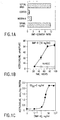
- BMP-9 increased ACh content of these cells in a time-(Fig. 1b) and concentration-dependent (Fig. 1c) fashion. After an initial 24 hour lag period following the addition of BMP-9 (10 ng/ml), ACh levels rose monotonically until 72 h and then tended to level off. Untreated cultures maintained their ACh content throughout the study, indicating that cholinergic neurons initially present in the cultures did not degenerate in the absence of BMP-9.
- BMP-9 upregulates the cholinergic phenotype of cholinergic cells or of cells committed to become cholinergic, or acts as an instructive factor for uncommitted neuronal progenitor cells to develop as cholinergic neurons.
- the amounts of Ach produced in the BMP-9-treated cultures are similar to those observed in adult mouse brain in situ.
- BMP-9 was the most effective among the factors tested, increasing the cellular ACh content 20- fold. Moreover, this effect of BMPs was not shared by TGF- ⁇ which did not significantly affect the levels of Ach. Therefore, BMP-2 and BMP-4, as well as BMPs 6, 7 and 12 may also be useful in compositions and methods for the induction and maintenance of the cholinergic phenotype of the CNS.
- BMP-9 alters the morphology of neural cultures. Whereas untreated cells grow in uniformly-dispersed monolayers, cells exposed to BMP-9 tended to grow in characteristic round clusters and extended long and numerous processes (Fig. 1d).
- Immunofluorescence studies were performed using goat affinity-purified polyclonal antibodies for ChAT (1:100), TH (1:200), GAD (1:1000) and VAChT (1:500), and a mouse monoclonal antibody against ⁇ -III-tubulin (1:500) (all from Chemicon), done in parallel with negative and positive controls.
- Cells plated on Biocoat chamber slides (Falcon) or cover-glass coated with poly-D-lysine and laminin were fixed in methanol for 5 minutes at -10°C and incubated at room temperature with 0.1% Triton-100 solution.
- the cells were washed with PBS, blocked for 30 min with 1% BSA, incubated overnight with primary antibodies in 1 % BSA and for 40 minutes with the appropriate fluorescent Alexa-conjugated secondary antibodies (Molecular Probes). Slides were mounted using Prolong Antifade (Molecular Probes) and visualized on an epifluorescence equipped microscope.
- BMP-9 specifically promotes the cholinergic, but not the catecholaminergic or GABAergic, phenotype of neural cells from the septal area.
- the greatest responsiveness to BMP-9 occurred in cells derived from brain regions that abundantly express BMP-9 (Fig. 1a) and contain high numbers of cholinergic neurons, namely spinal cord and septum (Fig. 2a).
- cultures of midbrain and cerebral cortex responded less well to BMP-9 (Fig. 2a).
- Cholinergic neurons are among the first to leave the mitotic cycle in the mouse basal forebrain ( Schambra, U.B., Sulik, K.K., Petrusz, P., and Lauder, J.M., J.Comp. Neurol. 288, 101-122, 1989 ) and cholinergic neurogenesis begins in a caudo-rostral progression from E11 until E18 ( Schambra, U.B., Sulik, K.K., Petrusz, P., and Lauder, J.M., J.Comp. Neurol. 288, 101-122, 1989 ; Semba, K. and Fibiger, J.Comp.Neurol. 269, 87-95, 1988 ; Sweeney, J. E., Hohmann, C. F., Oster-Granite, M. L., and Coyle, J. T., Neuroscience 31, 413-425, 1989 ).
- BMP-9 the rate of maturation of cholinergic neurons may be enhanced by BMP -9 and it is contemplated therefore that BMP-9 most likely acts on cells committed to become cholinergic, or on cells with restricted fates, one of which is the cholinergic neuronal phenotype.
- cells from E11 and E18 cultures or those in older animals in vivo that are less responsive to BMP-9 may produce antagonists that bind, and thereby inactivate, BMP-9, a mode of regulation that has been observed for other BMPs ( Piccolo, S., Sasai, Y., Lu, B., and De Robertis, E.M.
- RNA levels of ChAT and VAChT were measured in septal cultures by Northern blot.
- Total RNA was extracted from the cells using the acid guanidinium thiocyanate (GT)-phenol-chloroform method ( Chomczynski, P. and Sacchi, N. Anal.Biochem. 162, 156-159, 1987 ; Sambrook, J., Fritsch, E.F., and Maniatis, T. Molecular cloning: a laboratory manual. Cold Spring Harbor Laboratory Press, Cold Spring Harbor, NY, 1989 ).
- Northern blotting was performed as described ( Berse, B.
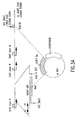
- ChAT and VAChT genes reside in an evolutionarily-conserved single genomic locus (Fig. 3a) ( Bejanin, S., Cervini, R., Mallet, J., and Berrard, S. J.Biol.Chem. 269, 21944-21947, 1994 ; Roghani, A. et al. Proc.Natl.Acad.Sci.USA 91, 10620-10624, 1994 ; Erickson, J.D. et al. J.Biol.Chem.
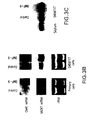
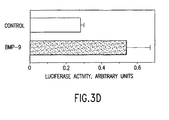
- BMP-9 increased the abundance of endogenous ChAT mRNA originating from the M promoter (Fig. 3c) and stimulated the expression of a luciferase reporter gene driven by a 4.8 kb fragment of the ChAT gene containing this promoter (Fig. 3a,d).
- BMP-9 may also act as a maintenance factor for septal cholinergic neurons
- the cells were cultured for three days in the presence of BMP-9 (which resulted in a 14 fold increase in ACh content), and subsequently grown in the presence or absence of this BMP for another three day period (Fig. 4a).
- Cells treated continuously with BMP-9 maintained their high ACh content, while in cells deprived of BMP-9 ACh levels were reduced by 80%, indicating that BMP-9 was necessary for the maintenance of the induced cholinergic phenotype.
- a three-day treatment of the cells with BMP-9 following a deprivation period resulted in a two-fold upregulation of ACh synthesis, indicating that they retain their responsiveness to BMP-9.
- bFGF and BMP signaling may interact in the development of the nervous system ( Mabie, P. C., Mehler, M. F., and Kessler, J.A., J Neurosci 19,7077-7088, 1999 ; Song, Q.B., Mehler, M.F., and Kessler, J.A., Dev.Biol. 196, 119-127, 1998 ; Streit, A. and Stem, C. D. Mech Dev 82, 51-66 1999 ).
- FGF promotes the proliferation of progenitor cells, preventing their exit from the cell-cycle and contributing to the specification of progenitor cell identity ( Ericson, J., Norlin, S., Jessell, T.
- BMPs tend to reduce cell proliferation, promoting cell differentiation and cell lineage restriction. These apparently opposing effects may contribute during development to a specific cell fate ( Kretzschmar, M., Doody, J., and Massagué, J. Nature 389, 618-622, 1997 ).
- bFGF bFGF
Landscapes
- Health & Medical Sciences (AREA)
- Life Sciences & Earth Sciences (AREA)
- Engineering & Computer Science (AREA)
- Bioinformatics & Cheminformatics (AREA)
- Veterinary Medicine (AREA)
- Chemical & Material Sciences (AREA)
- Neurology (AREA)
- General Health & Medical Sciences (AREA)
- Public Health (AREA)
- Medicinal Chemistry (AREA)
- Pharmacology & Pharmacy (AREA)
- Neurosurgery (AREA)
- Biomedical Technology (AREA)
- Animal Behavior & Ethology (AREA)
- General Chemical & Material Sciences (AREA)
- Chemical Kinetics & Catalysis (AREA)
- Nuclear Medicine, Radiotherapy & Molecular Imaging (AREA)
- Organic Chemistry (AREA)
- Epidemiology (AREA)
- Hospice & Palliative Care (AREA)
- Proteomics, Peptides & Aminoacids (AREA)
- Psychiatry (AREA)
- Immunology (AREA)
- Gastroenterology & Hepatology (AREA)
- Zoology (AREA)
- Orthopedic Medicine & Surgery (AREA)
- Medicines That Contain Protein Lipid Enzymes And Other Medicines (AREA)
Abstract
Description
- This invention was made with Government Support under Contract Number P01AG09525 awarded by the National Institute on Aging and Contact Number IBN-9907572 awarded by the National Science Foundation. The Government has certain rights in the invention.
- The present invention relates to BMP-9 pharmaceutical compositions and methods for using them for the induction and maintenance of the cholinergenic phenotype of the central nervous system (CNS). These compositions and methods may be used treat CNS diseases or disorders involving cholinergic neurons.
- BMP-9 DNA sequences, composition and methods for producing them are disclosed in
PCT publication WO 93/00432 - The invention therefore provides pharmaceutical compositions containing a therapeutically effective amount of a BMP-9 protein in a pharmaceutically acceptable vehicle or carrier. The cholinergic neurons of the basal forebrain are understood to be important for cognition and memory and undergo severe degeneration in Alzheimer's disease. In one embodiment, BMP-9 compositions of the invention may therefore be used in the treatment of degenerating cholinergic neurons in Alzheimer's disease. BMP-9 compositions may also be used to treat other diseases/disorders involving degenerating and/or malfunctioning cholinergic neurons.
- BMP-9 may be used as a motor neuron factor. Therefore BMP-9 may be used for the treatment of such conditions as amyotrophic lateral sclerosis (Lou Gehrig disease).
- BMP-9 compositions may be further characterized by the ability to demonstrate effects upon the growth and/or differentiation of embryonic and/or stem cells. Therefore, in another embodiment the BMP-9 compositions of the invention may be used in cell replacement therapy in which embryonic basal forebrain cells are treated in vitro to generate cholinergic neurons before transplantation into patients.
- Compositions of the invention may further include at least one other therapeutically useful agent such as the BMP proteins BMP-1, BMP-2, BMP-3, BMP-4, BMP-5, BMP-6 and BMP-7, disclosed for instance in
United States Patents 5,108,922 ;5,013,649 ;5,116,738 ;5,106,748 ;5,187,076 ; and5,141,905 ; BMP-8, disclosed inPCT publication WO91/18098 PCT application WO94/26893 PCT application WO94/26892 PCT application WO 95/16035 no. 08/446,924, filed on May 18, 1995 - The compositions of the invention may comprise, in addition to a BMP-9 protein, other therapeutically useful agents including growth factors such as epidermal growth factor (EGF), fibroblast growth factor (FGF), transforming growth factor (TGF-α and TGF-β), activins, inhibins and insulin-like growth factor (IGF).
- In certain applications, as determined by one skilled in the art, the compositions may also include an appropriate matrix for example, for supporting the composition. The matrix may provide slow release of the protein and/or the appropriate environment for presentation thereof.
- The BMP-9 compositions may be employed in methods for treating a number of neuronal diseases and/or defects. These methods, according to the invention, entail administering to a patient needing treatment, such as degenerating neurons for example as in Alzheimer's, an effective amount of a BMP-9 protein composition. Another method entails cell replacement therapy wherein embryonic basal forebrain cells are treated in vitro with BMP-9 to generate cholinergic neurons before transplantation into patients for example, Alzheimer's patients or other patients requiring differentiation and/or maintenance of cholinergenic neurons.
- The BMP-9 DNA sequences are used, in another embodiment, for preparing vectors for gene therapy applications whereby BMP-9 is delivered by implanted cells transfected with the BMP-9 gene. In such use, the vectors may be transfected into the cells of a patient ex vivo, and the cells may be reintroduced into a patient. Alternatively, the vectors may be introduced into a patient in vivo through targeted transfection.
- These methods may also entail the administration of a protein of the invention in conjunction with at least one of the novel BMP proteins disclosed in the co-owned applications described above. In addition, these methods may also include the administration of a BMP-9 protein with other growth factors including EGF, TGF-a, TGF-b, FGF and IGF.
- Other aspects and advantages of the present invention will be apparent upon consideration of the following detailed description and preferred embodiments thereof.
-
- FIG. 1 sets forth results of studies of the expression of BMP-9 in mouse embryonic CNS, and induction of the cholinergic phenotype in cultured mouse basal forebrain neurons. FIG. 1a) sets forth the results of the mRNA levels of BMP-9 measured by real time quantitative RT-PCR in E14 brain regions indicated. Total RNA was prepared from a pool of at least 10 animals in each age group. FIG. 1 (b-c) sets forth results of E 14 septal cultures treated with BMP-9 for varied time periods (b), or for three days with varied concentrations of BMP-9 (c), with measurement of acetylcholine. Values are means +/- SEM (n=3) (b) and means (n=2) (c); FIG. d-f) sets forth results from E14 septal cultures treated for four days with BMP-9 (10 ng/ml) with the cells examined by phase contrast (d,f), double immunofluorescence staining with anti-β-III-tubulin antibodies (e,f) combined with anti-ChAT (e), or anti-VAChT antibodies (f). Scale bars: 100 micrometers, d,e; 50 Fm, f.
- FIG. 2a and 2b set forth results of the study of BMP-9 induction of the expression of the cholinergic phenotype in a fashion specific for brain region and developmental stage. The cultures were treated for three days with 10 ng/ml of BMP-9 and ACh was measured. FIG. 2a) sets forth results of brain region specificity in E14 cultures from the CNS regions. FIG. 2b) sets forth results of developmental stage specificity in Septal area cultures obtained at E11, E14, and E18. Fig 2c sets forth advanced maturation of the cholinergic phenotype in vivo. Mouse embryos were injected intracerebroventricularly with 6ng of BMP-9 and brain tissue was processed for Ach content two days after. Values are means +/- SEM (n = 5).
- FIG. 3 sets forth results of the studies regarding BMP-9 induction of the expression of the cholinergic gene locus. FIG. 3a) sets forth organization of the cholinergic gene locus and the reporter gene construct used in panel d. The noncoding exons R, N, and M are shown as black boxes and the coding sequences are in gray. The intronless open reading frame of VAChT resides between exons R and N of ChAT. For the reporter gene assays the 4,857 bp XhoI-HindIII fragment of the murine gene was inserted into the pGL3 basic luciferase plasmid. FIG. 3b) sets forth results of E14 septal cultures or SN56T17 cells treated with 10 ng/ml of BMP-9 for three days and ChAT and VAChT mRNA was determined by Northern blotting. FIG. 3c) sets froth results of the study of BMP-9 upregulation of the expression of the M exon of ChAT. SN56T17 cells were treated for two days with 10 ng/ml of BMP-9 and the expression of the M exon was determined by RT-PCR. Adult mouse septum was used as a positive control. FIG. 3d) sets forth the results of the upregulation of luciferase expression driven by the ChAT promoter in SN56T17 cells treated for two days with 10 ng/ml BMP-9.
- FIG. 4 sets forth the results of the studies of BMP-9 in the maintenance of the induced cholinergic phenotype and FGF potentiation of the induction of the cholinergic phenotype evoked by BMP-9. FIG. 4a) sets forth the results of ACh measured in septal cultures from E14 mice treated with 10 ng/ml of BMP-9 (solid triangles) for 3, 6, and 9 days; for 3 days following a 3 day withdrawal of BMP-9 (open triangle), and for an additional 3 day period with BMP-9 (filled square). Controls received no BMP-9 (open circles). FIG. 4 (b-c) sets forth results of E14 septal cultures treated for three days with the factors indicated (b), BMP-9 (10 ng/ml); bFGF (10 ng/ml), or (c) in the presence of BMP-9 with varying concentrations of bFGF, and ACh measurement. The values are means ± s.d.
- BMP-9 DNA sequences, proteins and methods for their production have been disclosed in
WO 93/00432 - A BMP-9 composition of the present invention, which induces differentiation of and/or malfunctioning of cholinergic neurons, has application in the treatment of conditions exhibiting a degeneration of cholinergic neurons and/or requiring maintenance thereof. An example of a condition which may be treated with BMP-9 compositions of the present invention is Alzheimer's. BMP-9 compositions of the invention may be further characterized by the ability to demonstrate effects upon the growth and/or differentiation of embryonic cells and/or stem cells. The proteins or compositions of the present invention may also be useful for treating cell populations, such as embryonic cells or stem cell populations, to enhance or enrich the growth and/or differentiation of the cells. The BMP-9 compositions may also provide valuable component of cell culture media.
- Another aspect of the present invention provides novel methods for administering BMP-9 compositions. One method involves treatment of the patient needing differentiation and/or maintenance of cholinergic neurons. In another embodiment involving cell replacement therapy, BMP-9 is added to the embryonic basal forebrain cells in vitro to generate cholinergic neurons them transplanted into patients.
- Such compositions comprise a therapeutically effective amount of a BMP-9 proteins of the invention in admixture with a pharmaceutically acceptable vehicle, carrier or matrix. It is expected that the proteins of the invention may act in concert with or perhaps synergistically with other related proteins and growth factors. Further therapeutic methods and compositions of the invention therefore comprise a therapeutic amount of at least one BMP-9 protein of the invention with a therapeutic amount of at least one of the other BMP proteins, BMP-1, BMP-2, BMP-3, BMP-4, BMP-5, BMP-6 and BMP-7, disclosed for instance in
United States Patents 5,108,922 ;5,013,649 ;5,116,738 ;5,106,748 ;5,187,076 ; and5,141,905 ; BMP-8, disclosed inPCT publication WO91/18098 PCT application WO94/26893 PCT application WO94/26892 PCT application WO 95/16035 no. 08/446,924, filed on May 18, 1995 PCT applications WO94/15965 WO94/15949 WO95/01801 WO95/01802 WO94/21681 WO94/15966 WO95/10539 WO96/01845 WO96/02559 WO94/01557 JP Publication number: 7-250688 PCT application WO93/16099 - The method of administration of the composition depends, of course, on the method of treatment. For the treatment of cholinergic neurons in Alzheimer's patients, BMP-9 compositions could be delivered directly to the brain by injection either intraparenchymally, intraventricularly into the ventricle spaces of the brain, or intrathecally into the cerebrospinal fluid. Methods involving cell replacement therapy would involve treating cells in vitro before transplantation into patients. In gene therapy applications BMP-9 is delivered by implanted cells transfected with the BMP-9 gene. When administered, the therapeutic composition for use in this invention is, of course, in a pyrogen-free, physiologically acceptable form. Further, the composition may desirably be encapsulated or injected in a viscous form for delivery to the site of neuronal degeneration or site where differentiation is needed. Therapeutically useful agents other than the BMP-9 proteins which may also optionally be included in the composition as described above, may alternatively or additionally, be administered simultaneously or sequentially with the BMP composition in the methods of the invention. In certain applications a matrix may be desired. The matrix may provide slow release of BMP-9 and/or the appropriate environment for presentation thereof. Such matrices may be formed of materials presently in use for other implanted medical applications.
- The preparation and formulation of such physiologically acceptable protein compositions, having due regard to pH, isotonicity, stability and the like, is within the skill of the art. Pharmaceutical compositions suitable for use in the method of the present invention may contain, in addition to the BMP, pharmaceutically acceptable carriers, dilutents, fillers, salts, buffers, stabilizers, and/or other materials well known in the art. The term "pharmaceutically acceptable" means a non-toxic material that does not interfere with the effectiveness of the biological activity of the active ingredients(s). The characteristics of the carrier of other material will depend on the route of administration.
- The dosage regimen will be determined by the attending physician considering various factors which modify the action of the BMP-9 protein, e.g., amount of differentiation desired, the nature and condition being treated, the patient's age, sex, and diet, the severity of any infection, time of administration and other clinical factors. Generally, systemic or injectable administration will be initiated at a dose which is minimally effective, and the dose will be increased over a preselected time course until a positive effect is observed. Subsequently, incremental increases in dosage will be made limiting such incremental increases to such levels that produce a corresponding increase in effect, while taking into account any adverse affects that may appear. The addition of other known growth factors, such as IGF I or FGF, to the final composition, may also effect the dosage.
- The term "therapeutically effective amount" means the total amount of each active component of the method that is sufficient to show a meaningful patient benefit, i.e., healing of chronic conditions or increase in rate of healing. Progress can be monitored by periodic assessment of the patient as determined by the attending physician.
- The following examples illustrate practice of the present invention in determining a novel developmental function for BMP-9 and employing it to induce the expression of the cholinergic gene locus in these cells and its use in the treatment of diseases that affect cholinergic neurons.
- Primary neuronal cultures were prepared by a modification of the method described by Hartikka and Hefti (Hartikka, J. and Hefti, F. J.Neurosci. 8, 2967-2985, 1988) for basal forebrain cholinergic neurons. Dissociated cells, obtained from the septal area of embryonic day 11-18 mice (Schambra, U. B., Lauder, J. M., and Silver, J. Atlas of the prenatal mouse brain. 1992. San Diego, Academic Press) were plated on poly-L-lysine/laminin-coated tissue culture dishes and incubated with Dulbecco Modified Eagle Medium (DMEM) containing 10% heat inactivated fetal bovine serum and basic fibroblast growth factor (bFGF) (20 ng/ml). BMP-9 and other TGF-$ family members (Genetics Institute, Inc.) were added immediately after plating and every 24 hours until the cells were collected for analysis. Transfections and reporter plasmid experiments were carried out on mouse cholinergic septal SN56T17 cells (Hammond, D.N., Wainer, B.H., Tonsgard, J.H., and Heller, A. Science 234, 1237-1240, 1986; Lee, H.J., Hammond, D.N., Large, T.H., and Wainer, B.H. Dev.Brain Res. 52, 219-228 1990). The cells were maintained in DMEM medium containing 10% FBS, and 50 Fg/ml gentamicin.
- Intracerebroventricular injections (1µl) of BMP-9 (6ng) and vehicle, both containing bFGF (20ng), were performed in embryos at E14 and E16. Dams (and embryos) were anesthesized with isofluorane. Following a midventral laparotomy, the uterus was extemalized and the embryos were injected through the uterine wall, into the ventricular system, by means of a 33-gauge needle attached to a microcannula. This procedure was carried out under a surgical microscope. Following the injections, the uterus was repositioned into the abdominal cavity, which was closed at various planes with absorbable and nonabsorbable surgical suture. Animals were allowed to recover and the sacrificed two days later by
CO 2 inhalation. Brain tissue from the embryos was collected, and Ach content of the forebrain was measured. - The possible function of BMP-9 in the CNS, was determined by the expression of BMP-9 during mouse development using quantitative RT-PCR. BMP-9 mRNA was measured in the septum, cortex, mesencephalon and spinal cord dissected from E14 mice and snap frozen in liquid nitrogen. Total RNA was prepared using a Quiagen RNeasy Mini Kit. To avoid animal to animal variations, each sample contained RNA prepared from a pool of at least 10 animals. cDNA was prepared using a Superscript Preamplification System (GIBCO BRL, Gaithersburg MD). Real time semi-quantitative PCR was performed using the SYBR Green PCR Reagents and an ABI PRISM 7700 Sequence Detection System (PE Applied Biosystems, Foster City CA). BMP-9 mRNA levels were normalized to levels of GAPDH. The PCR primers used were: BMP9, forward primer: 5'-TCCCCACCGACTTGTTCTTC-3', reverse primer: 5'-GAGAGTCAGCTGGGAGCTTGA-3'. GAPDH, forward primer: 5'-TGTGTCCGTCGTGGATCTGA-3', reverse primer: 5'-CCTGCTTCACCACCTTCTTGA-3'. RT-PCR for the M exon of ChAT was performed using the Access RT-PCR system from Promega. The forward primer (5'-GGG GTG GCT GGT TTG CTT GCA GTC A -3') was designed specifically for detection of transcripts originating at the M promoter, and the reverse primer (5'-GGG GGC ACT GGC AAC TTA GGT AAG -3') was derived from the coding region of the ChAT gene. Following PCR, amplification products were subjected to Southern blotting with a ChAT-specific probe and visualized by autoradiography. To make a reporter construct, a 4.8-kb XhoI-HindIII fragment of the ChAT promoter (a gift from Dr. Jorge Naciff) was inserted upstream of the luciferase coding region in the plasmid pGL3 from Promega. SN56T17 cells were transfected using LipofectAMINE (Gibco) and luciferase activity was measured with the Luciferase Assay System from Promega.
- On embryonic day 14 (E14) the highest abundance of BMP-9 mRNA was found in the septum and spinal cord (Fig. 1a). Based on the resemblance of this expression pattern to that of mature cholinergic neurons it was contemplated that BMP-9 may influence the development of these cells. To test this hypothesis, primary cells derived from the septal area of E14 mice were treated with human recombinant BMP-9 and measured ACh in the cultures (Fig. 1b, c). Ach in the cultures was measured by incubating cells for one hour at 37°C in physiological salt solution supplemented with 15 µM choline and 15 µM neostigmine (Berse, B. and Blusztajn, J.K. J.Biol.Chem. 270, 22101-22104, 1995; Berse, B., López-Coviella, I., and Blusztajn, J.K. Biochem.J. 342, 301-308, 1999). The cells were washed once with ice-cold choline-free physiological salt solution supplemented with 15 µM neostigmine. The cells were collected in methanol, centrifuged, and ACh was extracted from the methanol in 1 N formic acid, chloroform and water (1:0.1:2:1 by volume). The aqueous phase was collected, dried under a vacuum, and reconstituted in water. The content of ACh was determined by HPLC with an enzymatic reactor containing acetylcholinesterase and choline oxidase in series with an electrochemical detector (Bioanalytical Systems, Inc.) based on the method of Potter et al.(Potter, P.E., Meek, J.L., and Neff, N.H. J.Neurochem. 41, 188-194, 1983). To maintain a level of precursor cell division and differentiation similar to that observed in vivo (Li, W., Cogswell, C.A., and LoTurco, J.J. J Neurosci 18, 8853-8862 1998), the culture medium contained 10% of fetal bovine serum, and basic fibroblast growth factor (bFGF; 20 ng/ml). BMP-9 increased ACh content of these cells in a time-(Fig. 1b) and concentration-dependent (Fig. 1c) fashion. After an initial 24 hour lag period following the addition of BMP-9 (10 ng/ml), ACh levels rose monotonically until 72 h and then tended to level off. Untreated cultures maintained their ACh content throughout the study, indicating that cholinergic neurons initially present in the cultures did not degenerate in the absence of BMP-9. In accordance with this data BMP-9 upregulates the cholinergic phenotype of cholinergic cells or of cells committed to become cholinergic, or acts as an instructive factor for uncommitted neuronal progenitor cells to develop as cholinergic neurons. The amounts of Ach produced in the BMP-9-treated cultures are similar to those observed in adult mouse brain in situ.
- To determine the specificity of BMP-9 action the cells were treated for 96 hours with additional members of the BMP family of proteins. In the absence of BMPs, ACh levels were low (6.4 ± 1.3 pmol/plate) and the addition of BMPs (10 ng/ml) increased the levels of this neurotransmitter to varied extents. BMP-6, BMP-7 and BMP-12 caused a 5-fold increase in cellular ACh levels. BMP-2 and BMP-4 increased ACh levels 13- and 14- fold, respectively. BMP-9 was the most effective among the factors tested, increasing the cellular ACh content 20- fold. Moreover, this effect of BMPs was not shared by TGF-β which did not significantly affect the levels of Ach. Therefore, BMP-2 and BMP-4, as well as
BMPs - In addition to the above-described neurochemical effects, BMP-9 alters the morphology of neural cultures. Whereas untreated cells grow in uniformly-dispersed monolayers, cells exposed to BMP-9 tended to grow in characteristic round clusters and extended long and numerous processes (Fig. 1d).
- Immunofluorescence studies were performed using goat affinity-purified polyclonal antibodies for ChAT (1:100), TH (1:200), GAD (1:1000) and VAChT (1:500), and a mouse monoclonal antibody against β-III-tubulin (1:500) (all from Chemicon), done in parallel with negative and positive controls. Cells plated on Biocoat chamber slides (Falcon) or cover-glass coated with poly-D-lysine and laminin were fixed in methanol for 5 minutes at -10°C and incubated at room temperature with 0.1% Triton-100 solution. The cells were washed with PBS, blocked for 30 min with 1% BSA, incubated overnight with primary antibodies in 1 % BSA and for 40 minutes with the appropriate fluorescent Alexa-conjugated secondary antibodies (Molecular Probes). Slides were mounted using Prolong Antifade (Molecular Probes) and visualized on an epifluorescence equipped microscope.
- Double label immunofluorescence studies revealed that these neuronal clusters were positive for β-III-tubulin (an early marker for neurons during development (Menezes, J. and Luskin, M. J Neurosci 14, 5399-5416, 1994) and concurrently also expressed choline acetyltransferase (ChAT), the ACh synthesizing enzyme (Fig. 1e). Neuronal labeling of untreated cells (β-III-tubulin positive controls) was found, however, ChAT immunofluorescence was almost completely absent (Fig.1e). To further investigate the identity of the neuronal clusters generated by treatment with BMP-9, double label experiments were repeated with antibodies against β-III-tubulin and the vesicular acetylcholine transporter (VAChT) protein, a cholinergic marker. In most cases, the β-III-tub-positive neurons in these clusters were also positively stained for VAChT (Fig. 1f). Parallel immunofluorescence experiments with antibodies against tyrosine hydroxylase (TH) and glutamic acid decarboxylase (GAD) B markers for catecholaminergic and GABAergic neurons, respectively - revealed no positive staining for these proteins in cells treated with BMP-9, and only a slight increase in TH immunoreactivity was observed by Western blot. These data suggest that BMP-9 specifically promotes the cholinergic, but not the catecholaminergic or GABAergic, phenotype of neural cells from the septal area. The greatest responsiveness to BMP-9 occurred in cells derived from brain regions that abundantly express BMP-9 (Fig. 1a) and contain high numbers of cholinergic neurons, namely spinal cord and septum (Fig. 2a). In contrast, cultures of midbrain and cerebral cortex responded less well to BMP-9 (Fig. 2a).
- Determination of cell fate by extrinsic factors may be dependent on the stage of development. Cholinergic neurons are among the first to leave the mitotic cycle in the mouse basal forebrain (Schambra, U.B., Sulik, K.K., Petrusz, P., and Lauder, J.M., J.Comp. Neurol. 288, 101-122, 1989) and cholinergic neurogenesis begins in a caudo-rostral progression from E11 until E18 (Schambra, U.B., Sulik, K.K., Petrusz, P., and Lauder, J.M., J.Comp. Neurol. 288, 101-122, 1989; Semba, K. and Fibiger, J.Comp.Neurol. 269, 87-95, 1988; Sweeney, J. E., Hohmann, C. F., Oster-Granite, M. L., and Coyle, J. T., Neuroscience 31, 413-425, 1989).
- To determine whether the response of the embryonic basal forebrain to BMP-9 depends on the stage or extent of maturation, we studied the effects of BMP-9 on ACh content in septal cultures obtained at E11, E14 and E18. Consistent with reported in vivo data on the maturation of the basal forebrain cholinergic neurons, the amount of ACh in the control cultures increased with the gestational age between E11 and E18 (Fig. 2b). BMP-9 increased ACh levels in all of these cultures. However the response to BMP-9 was the highest in cells originating from E14 embryos (27-fold increase in ACh content), precisely the time during embryogenesis when cholinergic differentiation peaks ( Schambra, U.B., Sulik, K.K., Petrusz, P., and Lauder, J.M., J.Comp. Neurol. 288, 101-122, 1989) (Fig. 2b). These data show that the responsiveness of the basal forebrain cells to BMP-9 coincides with the development of cholinergic neurons in vivo. The data indicates that the rate of maturation of cholinergic neurons may be enhanced by BMP -9 and it is contemplated therefore that BMP-9 most likely acts on cells committed to become cholinergic, or on cells with restricted fates, one of which is the cholinergic neuronal phenotype. Alternatively, cells from E11 and E18 cultures or those in older animals in vivo that are less responsive to BMP-9 may produce antagonists that bind, and thereby inactivate, BMP-9, a mode of regulation that has been observed for other BMPs (Piccolo, S., Sasai, Y., Lu, B., and De Robertis, E.M. Cell 86, 589-598, 1996; Zimmerman, L.B., De Jesus-Escobar, J.M., and Harland, R.M. Cell 86, 599-606, 1996; McMahon, J. A., Takada, S., Zimmerman, L. B., Fan, C. M., Harland, R. M., and McMahon, ; Mabie, P. C., Mehler, M. F., and Kessler, J. A,. J Neurosci 19, 7077-7088, 1999).
- To determine if the BMP-9-induced increase in ACh content and ChAT and VAChT immunostaining were a consequence of increased expression, mRNA levels of ChAT and VAChT, were measured in septal cultures by Northern blot. Total RNA was extracted from the cells using the acid guanidinium thiocyanate (GT)-phenol-chloroform method (Chomczynski, P. and Sacchi, N. Anal.Biochem. 162, 156-159, 1987; Sambrook, J., Fritsch, E.F., and Maniatis, T. Molecular cloning: a laboratory manual. Cold Spring Harbor Laboratory Press, Cold Spring Harbor, NY, 1989). Northern blotting was performed as described (Berse, B. and Blusztajn, J.K. J.Biol.Chem. 270, 22101-22104, 1995). Signal intensities were quantified directly from the blots with a PhosphoImager 400E and ImageQuant software (Molecular Dynamics). To control for total mRNA content and lack of degradation, the blots were stripped and subsequently hybridized with a mouse glyceraldehyde 3-phosphate dehydrogenase (GAPDH) cDNA probe.
- The ChAT and VAChT genes reside in an evolutionarily-conserved single genomic locus (Fig. 3a) (Bejanin, S., Cervini, R., Mallet, J., and Berrard, S. J.Biol.Chem. 269, 21944-21947, 1994; Roghani, A. et al. Proc.Natl.Acad.Sci.USA 91, 10620-10624, 1994; Erickson, J.D. et al. J.Biol.Chem. 269, 21929-21932, 1994) an organization that is thought to permit coordinated regulation of their expression (Usdin, T.B., Eiden, L.E., Bonner, T.I., and Erickson, J.D., TINS 18, 218-224, 1995; Berrard, S. et al. J.Neurochem. 65, 939-942, 1995; Berse, B. and Blusztajn, J.K. J.Biol.Chem. 270, 22101-22104, 1995). In the absence of BMP-9, levels of both ChAT and VAChT mRNA were very low or undetectable in cells derived from E14 embryos after four days in culture. However, addition of BMP-9 significantly increased the expression of ChAT and VAChT mRNA (Fig. 3b) indicating that BMP-9 induced the expression of the cholinergic gene locus.
- In order to determine if BMP-9 upregulates cholinergic phenotype by acting directly on responsive cells, we determined the effect of this BMP on ChAT and VAChT expression in a murine septal cell line, SN56T17 (Berse, B. and Blusztajn, J.K. J.Biol.Chem. 270, 22101-22104, 1995; Berse, B., López-Coviella, I., and Blusztajn, J.K. Biochem.J. 342, 301-308, 1999). BMP-9 increased the expression of ChAT and VAChT mRNA in these cells (Fig. 3b). Note that this action of BMP-9 was quantitatively smaller in SN56T 17 cells than in primary neurons, presumably because the former are already committed cholinergic cells with high basal expression of ChAT and VAChT. Moreover, BMP-9 increased the abundance of endogenous ChAT mRNA originating from the M promoter (Fig. 3c) and stimulated the expression of a luciferase reporter gene driven by a 4.8 kb fragment of the ChAT gene containing this promoter (Fig. 3a,d). These results show that upregulation of the cholinergic phenotype by BMP-9 occurs in a homogeneous population of competent cells, supporting the notion that in primary brain cultures, BMP-9 also acts directly on cholinergic precursor cells and not by inducing diffusible factors originating from other cell types. Moreover, the data point to the presence of a BMP-9-responsive region within the cholinergic gene locus.
- When cholinergic neurons are deprived of their targets and/or tropic factors they lose their ChAT marker, but do not die Sofroniew, M.V., Galletly, N.P., Isacson, O., and Svendsen, C.N. Science 247, 338-342 1990; Sofroniew, M.V. et al. J.Neurosci. 13, 5263-5276, 1993; Naumann, T., Kermer, P., and Frotscher, M. J.Comp.Neurol. 350, 161-170, 1994). Expression of the cholinergic phenotype is not a fully intrinsic property of these neurons, but rather its maintenance continues to depend on extrinsic signals. To determine if BMP-9 may also act as a maintenance factor for septal cholinergic neurons, the cells were cultured for three days in the presence of BMP-9 (which resulted in a 14 fold increase in ACh content), and subsequently grown in the presence or absence of this BMP for another three day period (Fig. 4a). Cells treated continuously with BMP-9 maintained their high ACh content, while in cells deprived of BMP-9 ACh levels were reduced by 80%, indicating that BMP-9 was necessary for the maintenance of the induced cholinergic phenotype. Significantly, a three-day treatment of the cells with BMP-9 following a deprivation period resulted in a two-fold upregulation of ACh synthesis, indicating that they retain their responsiveness to BMP-9.
- bFGF and BMP signaling may interact in the development of the nervous system (Mabie, P. C., Mehler, M. F., and Kessler, J.A., J Neurosci 19,7077-7088, 1999; Song, Q.B., Mehler, M.F., and Kessler, J.A., Dev.Biol. 196, 119-127, 1998; Streit, A. and Stem, C. D. Mech Dev 82, 51-66 1999). FGF promotes the proliferation of progenitor cells, preventing their exit from the cell-cycle and contributing to the specification of progenitor cell identity (Ericson, J., Norlin, S., Jessell, T. M., and Edlund, T. Development 125, 1005-1015 1998). BMPs, in contrast, tend to reduce cell proliferation, promoting cell differentiation and cell lineage restriction. These apparently opposing effects may contribute during development to a specific cell fate (Kretzschmar, M., Doody, J., and Massagué, J. Nature 389, 618-622, 1997). To determine if bFGF is necessary for BMP-9 to increase ACh levels, the response of septal cells to BMP-9 in the presence and absence of bFGF was measured. Whereas bFGF had no effect on ACh synthesis by itself, BMP-9 alone was sufficient to increase ACh levels by more than 4-fold as compared to controls (Fig. 4b). However, in the presence of bFGF, the effect of BMP-9 on ACh content was potentiated, and the extent of potentiation by bFGF was concentration-dependent (Fig. 4c). Thus, while BMP-9 is sufficient to induce the cholinergic phenotype, it is more effective in cultures treated with bFGF. These data are consistent with the notion that bFGF stimulates proliferation of cholinergic progenitor cells which are induced by BMP-9 to express the cholinergic phenotype.
- The foregoing descriptions detail presently preferred embodiments of the present invention. Numerous modifications and variations in practice thereof are expected to occur to those skilled in the art upon consideration of these descriptions. Those modifications and variations are believed to be encompassed within the claims appended hereto.
-
- 1. A pharmaceutical composition for regulating the cholinergic phenotype of neurons said composition comprising an effective amount of a BMP-9 protein in a pharmaceutically acceptable vehicle.
- 2. A pharmaceutical composition for differentiating cholinergic neurons, said components comprising an effective amount of BMP-9 in a pharmaceutically acceptable vehicle.
- 3. A pharmaceutical composition for treating degenerating cholinergic neurons said composition comprising an effective amount of a BMP-9 protein in a pharmaceutically acceptable vehicle.
- 4. A pharmaceutical composition for treatment of Alzheimer's comprising an effective amount of the composition of
item 3. - 5. A pharmaceutical composition upregulating the genes for choline acetyltransferase said composition comprising an effective amount of the composition of item1.
- 6. A pharmaceutical composition for upregulating the genes for vesicular acetylcholine transporter said composition comprising an effective amount of the composition of
item 1. - 7. A method for differentiating cholinergic neurons in a patient in need of same comprising administering to said patient an effective amount of the composition of
item 4. - 8. A method for treating Alzheimer's in a patient in need of same comprising:
- a) applying a BMP-9 composition of item 4to embryonic basal forebrain cells to differentiate cholinergic neurons in vitro; and
- b) transplanting said treated cells in said patient.
- 9. A method for treating degenerating and/or malfunctioning cholinergic neurons in a patient in need of same comprising administering to said patient an effective amount of the composition of
item 3. - 10. A method for treating degenerating and/or malfunctioning cholinergic neurons in a patient in need of same comprising the steps of
- a) treating embryonic basal forebrain cells in vitro with BMP-9 to generate cholinergic neurons; and
- b) transplanting said treated cells in said patient.
- 11. A method for upregulating the genes for choline acetyltransferase in a patient in need of some administering a composition of item 5 to said patient.
- 12. A method for upregulating vesicular acetylcholine transporter in a patient in need of same comprising administering a composition of
item 6 to said patient. - 13. A method for the differentiation and/or maintenance of cholinergic neurons in a patient in need of same comprising:
- a) transfecting cells with a vector comprising a nucleotide sequence encoding BMP-9; and
- b) implanting said transfected cells in said patient.
- 14. A method for treating degenerating motor neurons in a patient in need of same comprising administering to said patient an effective amount of a
BMP 9 composition. - 15. A pharmaceutical composition for regulating the cholinergic phenotype of neurons said composition comprising an effective amount of a BMP selected from the group consisting of BMP-2, BMP-4, BMP-6, BMP-7 and BMP-12.
- 16. A pharmaceutical composition upregulating the genes for choline acetyltransferase said composition comprising an effective amount of the composition of item 15.
Claims (7)
- Use of an effective amount of a BMP-9 protein for the preparation of a medicament for treating degenerating and/or malfunctioning cholinergic neurons in a patient in need of same wherein the medicament is used to upregulate the genes for choline acetyltransferase and/or vesicular acetylcholine transporter to induce the cholinergic phenotype.
- Use of a transplantable cell transfected with a vector comprising a nucleotide sequence encoding BMP-9 for the preparation of a medicament for treating degenerating and/or malfunctioning cholinergic neurons in a patient in need of same wherein the medicament is used to upregulate the genes for choline acetyltransferase and/or vesicular acetylcholine transporter to induce the cholinergic phenotype.
- Use of an effective amount of dissociated transplantable embryonic basal forebrain cells treated with BMP-9 in vitro for the preparation of a medicament for treating degenerating and/or malfunctioning cholinergic neurons in a patient in need of same wherein the medicament is used to upregulate the genes for choline acetyltransferase and/or vesicular acetylcholine transporter to induce the cholinergic phenotype.
- Use of an effective amount of a BMP-9 protein for the preparation of a medicament for treating degenerating motor neurons in a patient in need of same wherein the medicament is used to upregulate the genes for choline acetyltransferase and/or vesicular acetylcholine transporter to induce the cholinergic phenotype.
- Use according to any of claims 1-4 wherein the medicament is used for treating neuronal diseases and/or defects.
- Use according to any of claims 1- 3 wherein the medicament is used for treating Alzheimer's disease.
- Use according to claim 4 wherein the medicament is used for treating amyotrophic lateral sclerosis (ALS).
Applications Claiming Priority (2)
| Application Number | Priority Date | Filing Date | Title |
|---|---|---|---|
| US15312199P | 1999-09-08 | 1999-09-08 | |
| EP00961631A EP1210107A2 (en) | 1999-09-08 | 2000-09-07 | Bmp-9 compositions and methods for inducing differentiation of cholinergic neurons |
Related Parent Applications (1)
| Application Number | Title | Priority Date | Filing Date |
|---|---|---|---|
| EP00961631A Division EP1210107A2 (en) | 1999-09-08 | 2000-09-07 | Bmp-9 compositions and methods for inducing differentiation of cholinergic neurons |
Publications (1)
| Publication Number | Publication Date |
|---|---|
| EP1762244A1 true EP1762244A1 (en) | 2007-03-14 |
Family
ID=37704424
Family Applications (1)
| Application Number | Title | Priority Date | Filing Date |
|---|---|---|---|
| EP06020758A Withdrawn EP1762244A1 (en) | 1999-09-08 | 2000-09-07 | Bmp-9 compositions for inducing differentiation of cholinergic neurons |
Country Status (1)
| Country | Link |
|---|---|
| EP (1) | EP1762244A1 (en) |
Cited By (1)
| Publication number | Priority date | Publication date | Assignee | Title |
|---|---|---|---|---|
| CN103305458A (en) * | 2012-03-06 | 2013-09-18 | 中国科学院上海生命科学研究院 | Method for inducing cholinergic neurons from pluripotent stem cells |
Citations (3)
| Publication number | Priority date | Publication date | Assignee | Title |
|---|---|---|---|---|
| US5756457A (en) * | 1993-08-26 | 1998-05-26 | Genetics Institute, Inc. | Neural regeneration using human bone morphogenetic proteins |
| WO1999001159A1 (en) * | 1997-07-04 | 1999-01-14 | University Of Utah Research Foundation | Lineage-restricted neuronal precursors |
| WO1999037320A1 (en) * | 1998-01-23 | 1999-07-29 | Creative Biomolecules, Inc. | Methods and compositions for enhancing cognitive function using morphogenic proteins |
-
2000
- 2000-09-07 EP EP06020758A patent/EP1762244A1/en not_active Withdrawn
Patent Citations (3)
| Publication number | Priority date | Publication date | Assignee | Title |
|---|---|---|---|---|
| US5756457A (en) * | 1993-08-26 | 1998-05-26 | Genetics Institute, Inc. | Neural regeneration using human bone morphogenetic proteins |
| WO1999001159A1 (en) * | 1997-07-04 | 1999-01-14 | University Of Utah Research Foundation | Lineage-restricted neuronal precursors |
| WO1999037320A1 (en) * | 1998-01-23 | 1999-07-29 | Creative Biomolecules, Inc. | Methods and compositions for enhancing cognitive function using morphogenic proteins |
Non-Patent Citations (3)
| Title |
|---|
| KALYANI ANJALI ET AL: "Spinal cord neuronal precursors generate multiple neuronal phenotypes in culture.", JOURNAL OF NEUROSCIENCE, vol. 18, no. 19, 1 October 1998 (1998-10-01), pages 7856 - 7868, XP000916225, ISSN: 0270-6474 * |
| LOPEZ-COVIELLA I ET AL: "Bone morphogenetic protein-9 modulates acetylcholine content and choline acetyltransferase and vesicular acetylcholine transporter gene expression in the SN56 murine septal cell line.", JOURNAL OF PHYSIOLOGY PARIS, vol. 92, no. 5-6, October 1998 (1998-10-01), Xth International Symposium on Cholinergic Mechanisms, Part III;Paris, France; 1998, pages 460 - 461, XP000982562, ISSN: 0928-4257 * |
| LOPEZ-COVIELLA IGNACIO ET AL: "Induction and maintenance of the neuronal cholinergic phenotype in the central nervous system by BMP-9.", SCIENCE (WASHINGTON D C), vol. 289, no. 5477, 2000, pages 313 - 316, XP002161575, ISSN: 0036-8075 * |
Cited By (2)
| Publication number | Priority date | Publication date | Assignee | Title |
|---|---|---|---|---|
| CN103305458A (en) * | 2012-03-06 | 2013-09-18 | 中国科学院上海生命科学研究院 | Method for inducing cholinergic neurons from pluripotent stem cells |
| CN103305458B (en) * | 2012-03-06 | 2015-06-03 | 中国科学院上海生命科学研究院 | Method for inducing cholinergic neurons from pluripotent stem cells |
Similar Documents
| Publication | Publication Date | Title |
|---|---|---|
| Zhu et al. | Transplantation of vascular endothelial growth factor-transfected neural stem cells into the rat brain provides neuroprotection after transient focal cerebral ischemia | |
| Yan et al. | Insulin‐like growth factor‐1 is an endogenous mediator of focal ischemia‐induced neural progenitor proliferation | |
| Shingo et al. | Erythropoietin regulates the in vitro and in vivo production of neuronal progenitors by mammalian forebrain neural stem cells | |
| Rice et al. | Long-lasting reduction of inhibitory function and gamma-aminobutyric acid type A receptor subunit mRNA expression in a model of temporal lobe epilepsy. | |
| Drago et al. | Fibroblast growth factor-mediated proliferation of central nervous system precursors depends on endogenous production of insulin-like growth factor I. | |
| Hynes et al. | Neurotrophic‐4/5 is a survival factor for embryonic midbrain dopaminergic neurons in enriched cultures | |
| EP0716610B1 (en) | Human bone morphogenetic proteins for use in neural regeneration | |
| Richards et al. | Leukaemia inhibitory factor or related factors promote the differentiation of neuronal and astrocytic precursors within the developing murine spinal cord | |
| Ma et al. | Interleukin-1 beta guides the migration of cortical neurons | |
| Kang et al. | Loss of neuron-astroglial interaction rapidly induces protective CNTF expression after stroke in mice | |
| DE69431993T2 (en) | IN SITU MODIFICATION AND MANIPULATION OF STEM CELLS OF THE CENTRAL NERVOUS SYSTEM | |
| Huntley et al. | Developmental expression of brain derived neurotrophic factor mRNA by neurons of fetal and adult monkey prefrontal cortex | |
| Weickert et al. | Striatal TGF-α: postnatal developmental expression and evidence for a role in the proliferation of subependymal cells | |
| US20040005704A1 (en) | Low oxygen culturing of central nervous system progenitor cells | |
| Othberg et al. | Specific effects of platelet derived growth factor (PDGF) on fetal rat and human dopaminergic neurons in vitro | |
| KR20010022641A (en) | Method for treating neurological deficits | |
| Crutcher et al. | Entorhinal lesions result in increased nerved growth factor-like growth-promoting activity in medium conditioned by hippocampal slices | |
| Xia et al. | ANXA1 directs Schwann cells proliferation and migration to accelerate nerve regeneration through the FPR2/AMPK pathway | |
| JP2010150278A (en) | Method of alleviating cancer symptom | |
| Kang et al. | P2X7 receptor inhibition increases CNTF in the subventricular zone, but not neurogenesis or neuroprotection after stroke in adult mice | |
| Zhao et al. | Mesencephalic astrocyte-derived neurotrophic factor (MANF) alleviates cerebral ischemia/reperfusion injury in mice by regulating microglia polarization via A20/NF-κB pathway | |
| Kordower et al. | TRK‐immunoreactivity in the monkey central nervous system: Forebrain | |
| Zhu et al. | Expression of poly (C)-binding proteins is differentially regulated by hypoxia and ischemia in cortical neurons | |
| Paula-Barbosa et al. | Nerve growth factor restores mRNA levels and the expression of neuropeptides in the suprachiasmatic nucleus of rats submitted to chronic ethanol treatment and withdrawal | |
| US20050222028A1 (en) | BMP-9 compositions and methods for inducing differentiation of cholinergic neurons |
Legal Events
| Date | Code | Title | Description |
|---|---|---|---|
| PUAI | Public reference made under article 153(3) epc to a published international application that has entered the european phase |
Free format text: ORIGINAL CODE: 0009012 |
|
| 17P | Request for examination filed |
Effective date: 20061002 |
|
| AC | Divisional application: reference to earlier application |
Ref document number: 1210107 Country of ref document: EP Kind code of ref document: P |
|
| AK | Designated contracting states |
Kind code of ref document: A1 Designated state(s): AT BE CH CY DE DK ES FI FR GB GR IE IT LI LU MC NL PT SE |
|
| 17Q | First examination report despatched |
Effective date: 20071015 |
|
| AKX | Designation fees paid |
Designated state(s): AT BE CH CY DE DK ES FI FR GB GR IE IT LI LU MC NL PT SE |
|
| R17C | First examination report despatched (corrected) |
Effective date: 20071015 |
|
| STAA | Information on the status of an ep patent application or granted ep patent |
Free format text: STATUS: THE APPLICATION HAS BEEN WITHDRAWN |
|
| 18W | Application withdrawn |
Effective date: 20150213 |