EP1757186A1 - Restless legs syndrome/periodic appendicular dyskinesia model animal - Google Patents
Restless legs syndrome/periodic appendicular dyskinesia model animal Download PDFInfo
- Publication number
- EP1757186A1 EP1757186A1 EP05743686A EP05743686A EP1757186A1 EP 1757186 A1 EP1757186 A1 EP 1757186A1 EP 05743686 A EP05743686 A EP 05743686A EP 05743686 A EP05743686 A EP 05743686A EP 1757186 A1 EP1757186 A1 EP 1757186A1
- Authority
- EP
- European Patent Office
- Prior art keywords
- rls
- plmd
- model animal
- animal
- mouse
- Prior art date
- Legal status (The legal status is an assumption and is not a legal conclusion. Google has not performed a legal analysis and makes no representation as to the accuracy of the status listed.)
- Granted
Links
Images

Classifications
-
- A—HUMAN NECESSITIES
- A01—AGRICULTURE; FORESTRY; ANIMAL HUSBANDRY; HUNTING; TRAPPING; FISHING
- A01K—ANIMAL HUSBANDRY; AVICULTURE; APICULTURE; PISCICULTURE; FISHING; REARING OR BREEDING ANIMALS, NOT OTHERWISE PROVIDED FOR; NEW BREEDS OF ANIMALS
- A01K67/00—Rearing or breeding animals, not otherwise provided for; New or modified breeds of animals
- A01K67/027—New or modified breeds of vertebrates
-
- A—HUMAN NECESSITIES
- A61—MEDICAL OR VETERINARY SCIENCE; HYGIENE
- A61K—PREPARATIONS FOR MEDICAL, DENTAL OR TOILETRY PURPOSES
- A61K49/00—Preparations for testing in vivo
- A61K49/0004—Screening or testing of compounds for diagnosis of disorders, assessment of conditions, e.g. renal clearance, gastric emptying, testing for diabetes, allergy, rheuma, pancreas functions
- A61K49/0008—Screening agents using (non-human) animal models or transgenic animal models or chimeric hosts, e.g. Alzheimer disease animal model, transgenic model for heart failure
-
- A—HUMAN NECESSITIES
- A01—AGRICULTURE; FORESTRY; ANIMAL HUSBANDRY; HUNTING; TRAPPING; FISHING
- A01K—ANIMAL HUSBANDRY; AVICULTURE; APICULTURE; PISCICULTURE; FISHING; REARING OR BREEDING ANIMALS, NOT OTHERWISE PROVIDED FOR; NEW BREEDS OF ANIMALS
- A01K2227/00—Animals characterised by species
- A01K2227/10—Mammal
- A01K2227/105—Murine
-
- A—HUMAN NECESSITIES
- A01—AGRICULTURE; FORESTRY; ANIMAL HUSBANDRY; HUNTING; TRAPPING; FISHING
- A01K—ANIMAL HUSBANDRY; AVICULTURE; APICULTURE; PISCICULTURE; FISHING; REARING OR BREEDING ANIMALS, NOT OTHERWISE PROVIDED FOR; NEW BREEDS OF ANIMALS
- A01K2267/00—Animals characterised by purpose
- A01K2267/03—Animal model, e.g. for test or diseases
Definitions
- the present invention relates to i) a model animal of Restless Legs Syndrome (RLS) and Periodic Limb Movement Disorder (PLMD), ii) a method for production of the model animal and iii) a method for identification of a causative substance of RLS and PLMD by use of the model animal, etc.
- RLS Restless Legs Syndrome
- PLMD Periodic Limb Movement Disorder
- RLS Restless Legs Syndrome
- RLS patient is likely to be driven by strong impulse that he/she wants to move his/her leg, ii) he/she often feels his/her leg tickled, iii) he/she feels as if some insect crept on his/her leg, iv) such symptoms especially happen when he/she is motionless and the symptoms can be reduced by moving his/her leg, v) the symptoms deteriorate especially when he/she is in bed from evening to night, resulting in sleep problem.
- the cause of RLS is unclear, but it is reported that 63-92% of RLS patients have another RLS patient in their family. It is also said that RLS will often deteriorate by caffeine or antidepressant drug.
- RLS patients are suffering from Periodic Limb Movement Disorder (PLMD).
- PLMD Periodic Limb Movement Disorder
- RLS patient is likely to feel his/her leg tickled especially when he/she is in bed at night, resulting in a symptom of sleep trouble having difficulty in sleeping.
- PLMD patient shows a symptom that he/she repeats the movement of his/her limbs while sleeping at a cycle of 5-90 seconds and such movement continues for a while, and stops for a while. Both symptoms of RLS and PLMD very often appear together in the same patient and thus, there is a high possibility that these two diseases develop by the same reason.
- RLS and PLMD develop especially in the renal failure patients and the pregnant women.
- the symptoms of RLS and PLMD are recognized in 1/3 or more of the dialysis patients with renal failure (see Reference (1) below, concerning research results of RLS in the renal failure patients.)
- RLS Restless Legs Syndrome
- PLMD Periodic Limb Movement Disorder
- RLS and PLMD are diseases which very often cause the sleep problem. Additionally, RLS and PLMD are diseases which may be related to ADHD (Attention Deficit Hyperactivity Disorder) etc that is now a matter of social concern.
- ADHD tention Deficit Hyperactivity Disorder
- the model animal could be also used to develop and evaluate a diagnostic method and therapy for such other related diseases.
- the object of the present invention is to solve the above-mentioned problems and provide a model animal of Restless Legs Syndrome (RLS) and Periodic Limb Movement Disorder (PLMD), as well as a method for producing the model animal and a method for identifying a causative substance of these diseases by use of the model animal, etc.
- RLS Restless Legs Syndrome
- PLMD Periodic Limb Movement Disorder
- the inventor paid attention to the fact that RLS and PLMD develop especially in the renal failure patients and the pregnant women, as mentioned above, and set up a hypothesis that the reason may be decrease in excretion of causative substances from the kidney in the renal failure patients, and in the pregnant women, the reason may be overproduction of metabolites while pregnancy. Based on this hypothesis, the inventor administered a part of peripheral blood prepared from the patient to a laboratory animal and found the animal showing the symptom of RLS and PLMD. Thus, the inventor succeeded in the production of a model animal in which the symptom of RLS and PLMD was well induced or reproduced, which led to the present invention.
- the present invention includes the following industrially and medically useful inventions of A) to F).
- a model animal of the present invention is a firstly produced model animal of Restless Legs Syndrome (RLS) and Periodic Limb Movement Disorder (PLMD).
- the model animal can be easily produced, and can be used to identify a causative substance of RLS and PLMD, and also to develop and evaluate a diagnostic method and therapy for RLS and PLMD.
- the present invention can be used in various aspects such as i) identification of a causative substance in blood (or urine) collected from RLS and PLMD patients, ii) examination as to whether or not a candidate is really a causative substance of RLS and PLMD, iii) development of a new therapy for the removal of causative substances, iv) development of a new dialysis machine having such removal function, v) development of a new diagnostic method or tool for the measurement or quantification of causative substances in a sample, vi) examination as to whether or not a candidate really has a therapeutic effect for RLS and PLMD, and vii) development and evaluation of a diagnostic method and therapy for other related diseases such as ADHD.
- peripheral blood was collected from renal failure patients in whom RLS and PLMD were diagnosed, and its plasma constituents were administered to a mouse by intraperitoneal injection.
- the result was that the mouse started to take the action pathognomonic in these disorders.
- such action was not observed when the plasma constituents from a healthy person developing neither RLS nor PLMD were administered.
- This result suggested that a causative substance exists in the patient's peripheral blood, and its physiological activity can be examined by using a laboratory animal such as a mouse.
- a model animal of the present invention shows the symptom of RLS and PLMD, and it is the model animal of RLS and PLMD produced for the first time.
- This model animal can be used to identify a causative substance of RLS and PLMD and other associated diseases.
- peripheral blood is collected from one or plural patients showing the symptom of RLS and PLMD.
- the blood-collecting method is not especially limited.
- the method using a blood-collecting tube with anticoagulant can be adopted, as adopted in the example described later.
- its cell constituents such as red blood cells and white blood cells are removed by centrifugal separation etc.
- produced plasma constituents are frozen for preservation in a freezer etc until its use.
- the level of fractionation is not necessary to be so strict, and some cell constituents such as platelets may be included in the plasma constituents.
- the dosage volume of the plasma constituents administered to a target animal may be determined in consideration of various factors such as the kind of a used laboratory animal, its weight and size, method of administration, a smallest volume necessary for showing the symptom, and undesired influence due to overdosing. For example, when an adult mouse is used as the laboratory animal, the dosage volume may be set to be within about 0.1-2.0 mL.
- the parenteral administration is preferable, including intravenous administration, intramuscular administration and subcutaneous administration, in addition to intraperitoneal administration.
- the plasma constituents may be administered separately into twice or more times.
- the urine constituents from the patient When the urine constituents from the patient are administered, it is preferable to concentrate it, if necessary, with fractionation. Concentration can be carried out with concentration column, centrifugal ultrafiltration, gel filtration chromatography, solvent absorption concentration, centrifugal concentration device, etc. In the case of administration of the urine constituents, the dosage volume and method of administration can be determined, as well as the case of administration of the plasma constituents.
- the kind of animal used as a model animal is not especially limited, as long as it can be used as the laboratory animal.
- the following mammals are exemplified as a preferable model animal; the bos taurus, the pig, the sheep, the goat, the rabbit, the dog, the cat, the guinea pig, the hamster, the mouse and the rat.
- the rodent such as the mouse and the rat is more preferable, since it is easily available and more frequently used as the laboratory animal.
- model mice of the present invention were produced by intraperitoneal administration of the plasma constituents in blood collected from RLS and PLMD patients.
- the model animal of the present invention can be used to identify a causative substance of RLS and PLMD.
- blood samples collected from RLS and PLMD patients are administered to laboratory animals after different fractionations with various methods, in order to compare appearance of the symptom and the degree of severeness, etc.
- the causative substance can be analyzed more in detail by administering to laboratory animals, candidate causative substances found by such method (or, another method), followed by observation of appearance of the symptom and the degree of severeness, etc.
- the model animal of the present invention can be used as a control animal in such research analysis.
- the model animal of the present invention can be also used to identify a causative substance by comparing the amount of candidate causative substances in the blood etc of the model animal, with that of a control animal.
- patient's plasma constituents are separated by a method selected from the fractionation according to molecular weight using centrifugal ultrafiltration unit or gel filtration, the fractionation according to hydrophobicity using reverse phase column chromatography or hydrophobic chromatography, the fractionation according to electric charge using ion exchange chromatography or isoelectric chromatography, and the fractionation according to affinity using affinity chromatography, etc.
- a laboratory animal such as the mouse.
- the one or two-dimensional electrophoresis of the determined fraction derived from the patient may be carried out together with a fraction derived from healthy person, followed by mass spectroscopy of bands or spots (in the two-dimensional electrophoresis) according to the difference of the amount (density), to identify a causative substance.
- the identification of a causative substance of RLS and PLMD can contribute to the development of a diagnostic method and therapy for RLS and PLMD.
- the present invention can be used to develop new dialysis equipment with such therapeutic effect.
- the model animal of the present invention can be used at the development stage of a new therapeutic drug.
- the model animal of the present invention can be used for evaluation of the therapeutic effect of a candidate drug by administering it to the model animal and examining as to whether or not the symptom can be ameliorated.
- a diagnostic method it is possible to provide a more objective new diagnostic method for RLS and PLMD, for example by the development of a kit for the measurement and quantification of the amount of causative substances in blood etc of a subject.
- diagnosis of RLS and PLMD had been based on a subjective symptom, and the development of a more objective diagnostic method had been strongly desired.
- the present invention can be used for such development of a more objective diagnostic method and its evaluation, as well as the development and evaluation of a new diagnostic tool.
- RLS and PLMD are diseases which may be related to ADHD (Attention Deficit Hyperactivity Disorder) etc that are becoming an issue in school education and a matter of social concern.
- ADHD Active Deficit Hyperactivity Disorder
- the model animal could be also used to develop and evaluate a diagnostic method and therapy for such other related diseases.
- the present invention is described in detail below through its Example producing a model mouse of RLS and PLMD, but in no way is the present invention limited to this Example.
- peripheral blood was collected from dialysis patients with renal failure, showing the symptom of RLS and PLMD, and diagnosed as 'RLS+.
- peripheral blood was collected from the patients by use of the 4.5ml blood-collecting tube with 3.8% sodium citrate buffer as an anticoagulant.
- Peripheral blood was also collected, as the control, from not only healthy persons but also dialysis patients with renal failure, showing the symptom of neither RLS nor PLMD, and hence diagnosed as 'RLS-.'
- the blood-collecting tube was immediately placed on the ice, followed by centrifugal separation of 3,500 rpm for ten minutes.
- supernatants plasma constituents
- the plasma constituents were defrosted from the frozen storage, and they were administered to each mouse by intraperitoneal (IP) injection.
- IP intraperitoneal
- supernatants of them were administered to each mouse after fractionation.
- the method of fractionation was selected from the fractionation according to molecular weight using centrifugal ultrafiltration unit or gel filtration, the fractionation according to hydrophobicity using reverse phase column chromatography or hydrophobic chromatography, the fractionation according to electric charge using ion exchange chromatography or isoelectric chromatography, and the fractionation according to affinity using affinity chromatography.
- the plasma constituents administered to each mouse were one of i) the plasma constituents from the patients diagnosed as 'RLS+', ii) the plasma constituents from the dialysis patients diagnosed as 'RLS-', and iii) the plasma constituents from the healthy persons.
- the dosage volume of the plasma constituents was set to be within 0.1-2.0mL.
- a saline, or a buffer was administered to another mouse group, as the control, by intraperitoneal injection. The intraperitoneal injection was carried out under anesthetization by ether or barbiturate.
- Fig. 1 is a graph showing the result of behavior observation of each mouse.
- the vertical axis represents the frequency of overextension of lower limbs in the above-mentioned ten minutes, and the signs of rounds and squares in the graph represent the result of each mouse.
- no overextension of lower limbs was observed in the mice having the saline or buffer administered. In these mice, no change of the action was observed. Also, the change of the action was hardly observed in not only the mice having the administered plasma constituents from the healthy persons, but also the mice having the administered plasma constituents from the (RLS-) dialysis patients with neither RLS nor PLMD.
- Figure 2 shows, on the right side, one of images of behavior of the mouse, to which the plasma constituents of the (RLS+) dialysis patient were administered.
- one of images of behavior of the control mouse (to which the plasma constituents of the healthy person were administered) is also shown on the left side of the Figure.
- the following behavior and action were observed such as i) motionless crouching, ii) stretching to the back and overextension of the lower limbs, and iii) twitchy actions.
- These behavior and action very closely resembled the symptoms of RLS and PLMD.
- the mouse can be used as a model mouse of these disorders.
- Fig. 3 shows the result.
- the signs of diamonds and squares represent the result of each mouse.
- the signs of diamonds represent the result of intraperitoneal administration of plasma constituents from healthy persons (RLS-) with normal renal function
- the signs of squares represent the result of intraperitoneal administration of plasma constituents from RLS and PLMD patients (RLS+) with normal renal function.
- the horizontal axis represents the frequency of Periodic Limb Movements while sleeping (times / sleeping hours), while the vertical axis represents the frequency of overextension of lower limbs in the ten minutes, as well as the vertical axis of Fig. 1.
- mice showed the action or symptom pathognomonic in RLS and PLMD, even by administering the plasma constituents from the RLS and PLMD patients with normal renal function to the mice.
- mice showed more pathognomonic actions by administering the plasma constituents from the RLS+ patients with normal renal function, as compared with the administration of the plasma constituents from the RLS+ patients with renal failure.
- model mouse of RLS and PLMD can be useful for the development of a diagnostic method and therapy of RLS accompanied with PLMD.
- the present invention relates to a model animal of RLS and PLMD, and it can be used for not only the identification of a causative substance of RLS and PLMD but also the development and evaluation of a diagnostic method and therapy for these diseases.
- the present invention also has other various industrial utilities as mentioned above.
Landscapes
- Life Sciences & Earth Sciences (AREA)
- Health & Medical Sciences (AREA)
- Zoology (AREA)
- Environmental Sciences (AREA)
- Animal Behavior & Ethology (AREA)
- Toxicology (AREA)
- Epidemiology (AREA)
- Gastroenterology & Hepatology (AREA)
- Pathology (AREA)
- Rheumatology (AREA)
- Diabetes (AREA)
- Urology & Nephrology (AREA)
- Endocrinology (AREA)
- Biomedical Technology (AREA)
- General Health & Medical Sciences (AREA)
- Public Health (AREA)
- Veterinary Medicine (AREA)
- Animal Husbandry (AREA)
- Biodiversity & Conservation Biology (AREA)
- Engineering & Computer Science (AREA)
- Investigating Or Analysing Biological Materials (AREA)
Abstract
Description
- The present invention relates to i) a model animal of Restless Legs Syndrome (RLS) and Periodic Limb Movement Disorder (PLMD), ii) a method for production of the model animal and iii) a method for identification of a causative substance of RLS and PLMD by use of the model animal, etc.
- Restless Legs Syndrome (RLS) is such a frequent disease or disorder that several percent of ordinary people are suffering from it. Its symptom includes the following various symptoms; i) RLS patient is likely to be driven by strong impulse that he/she wants to move his/her leg, ii) he/she often feels his/her leg tickled, iii) he/she feels as if some insect crept on his/her leg, iv) such symptoms especially happen when he/she is motionless and the symptoms can be reduced by moving his/her leg, v) the symptoms deteriorate especially when he/she is in bed from evening to night, resulting in sleep problem. The cause of RLS is unclear, but it is reported that 63-92% of RLS patients have another RLS patient in their family. It is also said that RLS will often deteriorate by caffeine or antidepressant drug.
- Moreover, 80-90% of RLS patients are suffering from Periodic Limb Movement Disorder (PLMD). As mentioned above, RLS patient is likely to feel his/her leg tickled especially when he/she is in bed at night, resulting in a symptom of sleep trouble having difficulty in sleeping. On the other hand, PLMD patient shows a symptom that he/she repeats the movement of his/her limbs while sleeping at a cycle of 5-90 seconds and such movement continues for a while, and stops for a while. Both symptoms of RLS and PLMD very often appear together in the same patient and thus, there is a high possibility that these two diseases develop by the same reason.
- RLS and PLMD develop especially in the renal failure patients and the pregnant women. The symptoms of RLS and PLMD are recognized in 1/3 or more of the dialysis patients with renal failure (see Reference (1) below, concerning research results of RLS in the renal failure patients.)
- Reference (1): Y. Oka, S. Koike, K. Yamamoto, H. Kadotani and Y. Inoue, "Investigation of the Restless Legs Syndrome in the dialysis patients with renal failure." program and abstracts of the 19th meeting of insomnia research society, page 32
- Many dialysis patients with renal failure are suffering from sleep trouble, and their QOL (Quality of Life) is remarkably damaged for that. The main reason is Restless Legs Syndrome (RLS) and Periodic Limb Movement Disorder (PLMD). Therefore, it is desirable for such renal failure patients to promptly identify a causative substance of RLS and PLMD, and further to develop and establish a more objective diagnostic method and therapy for RLS and PLMD. For this purpose, it is very effective to firstly produce a model animal of RLS and PLMD, to identify a causative substance of these diseases by use of the model animal, and also to develop and evaluate a diagnostic method and therapy by use of it.
- As mentioned above, RLS and PLMD are diseases which very often cause the sleep problem. Additionally, RLS and PLMD are diseases which may be related to ADHD (Attention Deficit Hyperactivity Disorder) etc that is now a matter of social concern. By producing a model animal of RLS and PLMD, the model animal could be also used to develop and evaluate a diagnostic method and therapy for such other related diseases.
- The object of the present invention is to solve the above-mentioned problems and provide a model animal of Restless Legs Syndrome (RLS) and Periodic Limb Movement Disorder (PLMD), as well as a method for producing the model animal and a method for identifying a causative substance of these diseases by use of the model animal, etc.
- The inventor paid attention to the fact that RLS and PLMD develop especially in the renal failure patients and the pregnant women, as mentioned above, and set up a hypothesis that the reason may be decrease in excretion of causative substances from the kidney in the renal failure patients, and in the pregnant women, the reason may be overproduction of metabolites while pregnancy. Based on this hypothesis, the inventor administered a part of peripheral blood prepared from the patient to a laboratory animal and found the animal showing the symptom of RLS and PLMD. Thus, the inventor succeeded in the production of a model animal in which the symptom of RLS and PLMD was well induced or reproduced, which led to the present invention.
- That is, the present invention includes the following industrially and medically useful inventions of A) to F).
- A) A method for producing a model animal of Restless Legs Syndrome (RLS) and Periodic Limb Movement Disorder (PLMD), characterized by administering to an animal, plasma constituents in blood prepared from a patient who shows the symptom of Restless Legs Syndrome (RLS) and Periodic Limb Movement Disorder (PLMD) or constituents in urine prepared from the patient.
There is a high possibility that the urine of RLS and PLMD patient with normal renal function includes a causative substance, which is identical to that in the plasma of the patient, or its metabolite. Therefore, even by administering the urine of the patient to an animal, the symptom of RLS and PLMD might be shown in the animal, as shown by administering the plasma of the patient. - B) A method for producing a model animal according to the above A), characterized by administering through intraperitoneal injection to an animal the plasma constituents in blood, or the constituents in urine.
- C) A model animal of Restless Legs Syndrome (RLS) and Periodic Limb Movement Disorder (PLMD), produced by a method according to the above A) or B).
- D) A model animal according to the above C), characterized in that the animal is a mouse.
- E) A method for identifying a causative substance of Restless Legs Syndrome (RLS) and Periodic Limb Movement Disorder (PLMD), characterized by using a model animal according to the above C) or D).
- F) A method for developing a diagnostic method and therapy for Restless Legs Syndrome (RLS) and Periodic Limb Movement Disorder (PLMD), characterized by using a model animal according to the above C) or D), or by using as a target a causative substance identified by use of the model animal.
- A model animal of the present invention is a firstly produced model animal of Restless Legs Syndrome (RLS) and Periodic Limb Movement Disorder (PLMD). The model animal can be easily produced, and can be used to identify a causative substance of RLS and PLMD, and also to develop and evaluate a diagnostic method and therapy for RLS and PLMD.
- Although the concrete use of the present invention is described later, the present invention can be used in various aspects such as i) identification of a causative substance in blood (or urine) collected from RLS and PLMD patients, ii) examination as to whether or not a candidate is really a causative substance of RLS and PLMD, iii) development of a new therapy for the removal of causative substances, iv) development of a new dialysis machine having such removal function, v) development of a new diagnostic method or tool for the measurement or quantification of causative substances in a sample, vi) examination as to whether or not a candidate really has a therapeutic effect for RLS and PLMD, and vii) development and evaluation of a diagnostic method and therapy for other related diseases such as ADHD.
-
- Figure 1 is a graph showing a result of behavior observation of model mice of the present invention and other mice used in experiments.
- Figure 2 shows one of images of behavior of a model mouse of the present invention, as compared with that of a control mouse.
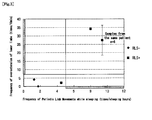
- Figure 3 is a graph showing that mice showed the symptom of RLS and PLMD even when the plasma constituents from RLS and PLMD patients with normal renal function were administered to the mice.
- Specific embodiments of the present invention are described in detail below.
- [1] Model animal of the present invention and method for its production
As mentioned above, a model animal of the present invention is a model animal of Restless Legs Syndrome (RLS) and Periodic Limb Movement Disorder (PLMD), produced by administering to an animal, plasma constituents in blood prepared from a patient who shows the symptom of Restless Legs Syndrome (RLS) and Periodic Limb Movement Disorder (PLMD), or constituents in urine prepared from the patient. - The inventor paid attention to the fact that RLS and PLMD were found especially in renal failure patients, and that the symptom was able to be ameliorated by dialysis (especially, by long time dialysis). Therefore, the inventor set up a hypothesis that the diseases might be due to accumulation of substances to be excreted from the kidney, and also thought that the symptom of RLS and PLMD might be induced or reproduced by administering to a laboratory animal the blood prepared from the patient.
- In order to test this hypothesis, peripheral blood was collected from renal failure patients in whom RLS and PLMD were diagnosed, and its plasma constituents were administered to a mouse by intraperitoneal injection. The result was that the mouse started to take the action pathognomonic in these disorders. On the other hand, such action was not observed when the plasma constituents from a healthy person developing neither RLS nor PLMD were administered. This result suggested that a causative substance exists in the patient's peripheral blood, and its physiological activity can be examined by using a laboratory animal such as a mouse.
- Thus, a model animal of the present invention shows the symptom of RLS and PLMD, and it is the model animal of RLS and PLMD produced for the first time. This model animal can be used to identify a causative substance of RLS and PLMD and other associated diseases.
- The following is a more detailed description of a method of making a model animal of the present invention.
- First, peripheral blood is collected from one or plural patients showing the symptom of RLS and PLMD. The blood-collecting method is not especially limited. For example, the method using a blood-collecting tube with anticoagulant can be adopted, as adopted in the example described later. After collection of a blood sample, its cell constituents such as red blood cells and white blood cells are removed by centrifugal separation etc. Thus produced plasma constituents are frozen for preservation in a freezer etc until its use. The level of fractionation is not necessary to be so strict, and some cell constituents such as platelets may be included in the plasma constituents.
- The dosage volume of the plasma constituents administered to a target animal may be determined in consideration of various factors such as the kind of a used laboratory animal, its weight and size, method of administration, a smallest volume necessary for showing the symptom, and undesired influence due to overdosing. For example, when an adult mouse is used as the laboratory animal, the dosage volume may be set to be within about 0.1-2.0 mL.
- As to the method of administration, the parenteral administration is preferable, including intravenous administration, intramuscular administration and subcutaneous administration, in addition to intraperitoneal administration. When the dosage volume is large, the plasma constituents may be administered separately into twice or more times.
- When the urine constituents from the patient are administered, it is preferable to concentrate it, if necessary, with fractionation. Concentration can be carried out with concentration column, centrifugal ultrafiltration, gel filtration chromatography, solvent absorption concentration, centrifugal concentration device, etc. In the case of administration of the urine constituents, the dosage volume and method of administration can be determined, as well as the case of administration of the plasma constituents.
- The kind of animal used as a model animal is not especially limited, as long as it can be used as the laboratory animal. The following mammals are exemplified as a preferable model animal; the bos taurus, the pig, the sheep, the goat, the rabbit, the dog, the cat, the guinea pig, the hamster, the mouse and the rat. Among these, the rodent such as the mouse and the rat is more preferable, since it is easily available and more frequently used as the laboratory animal. In the following example, model mice of the present invention were produced by intraperitoneal administration of the plasma constituents in blood collected from RLS and PLMD patients.
- The model animal of the present invention can be used to identify a causative substance of RLS and PLMD.
- For example, blood samples collected from RLS and PLMD patients are administered to laboratory animals after different fractionations with various methods, in order to compare appearance of the symptom and the degree of severeness, etc. By such comparative study, it is possible to identify not only a fraction including a causative substance but also a causative substance itself. The causative substance can be analyzed more in detail by administering to laboratory animals, candidate causative substances found by such method (or, another method), followed by observation of appearance of the symptom and the degree of severeness, etc. The model animal of the present invention can be used as a control animal in such research analysis. The model animal of the present invention can be also used to identify a causative substance by comparing the amount of candidate causative substances in the blood etc of the model animal, with that of a control animal.
- Here, one example will be described as a method for identifying a causative substance. First, patient's plasma constituents (or, urinary constituents) are separated by a method selected from the fractionation according to molecular weight using centrifugal ultrafiltration unit or gel filtration, the fractionation according to hydrophobicity using reverse phase column chromatography or hydrophobic chromatography, the fractionation according to electric charge using ion exchange chromatography or isoelectric chromatography, and the fractionation according to affinity using affinity chromatography, etc. Afterwards, it can be determined which fraction contains a causative substance, by using a laboratory animal such as the mouse. The one or two-dimensional electrophoresis of the determined fraction derived from the patient may be carried out together with a fraction derived from healthy person, followed by mass spectroscopy of bands or spots (in the two-dimensional electrophoresis) according to the difference of the amount (density), to identify a causative substance.
- The identification of a causative substance of RLS and PLMD can contribute to the development of a diagnostic method and therapy for RLS and PLMD.
- For example, since many dialysis patients with renal failure are suffering from RLS and PLMD, enormous therapeutic effect can be expected by simultaneously removing the causative substance at the time of artificial dialysis. The present invention can be used to develop new dialysis equipment with such therapeutic effect. Of course, the model animal of the present invention can be used at the development stage of a new therapeutic drug. For example, the model animal of the present invention can be used for evaluation of the therapeutic effect of a candidate drug by administering it to the model animal and examining as to whether or not the symptom can be ameliorated.
- As to the development of a diagnostic method, it is possible to provide a more objective new diagnostic method for RLS and PLMD, for example by the development of a kit for the measurement and quantification of the amount of causative substances in blood etc of a subject. Conventionally, the diagnosis of RLS and PLMD had been based on a subjective symptom, and the development of a more objective diagnostic method had been strongly desired. The present invention can be used for such development of a more objective diagnostic method and its evaluation, as well as the development and evaluation of a new diagnostic tool.
- Additionally, RLS and PLMD are diseases which may be related to ADHD (Attention Deficit Hyperactivity Disorder) etc that are becoming an issue in school education and a matter of social concern. By producing a model animal of RLS and PLMD and identifying a causative substance, the model animal could be also used to develop and evaluate a diagnostic method and therapy for such other related diseases.
- The present invention is described in detail below through its Example producing a model mouse of RLS and PLMD, but in no way is the present invention limited to this Example.
- First of all, peripheral blood was collected from dialysis patients with renal failure, showing the symptom of RLS and PLMD, and diagnosed as 'RLS+.' More specifically, peripheral blood was collected from the patients by use of the 4.5ml blood-collecting tube with 3.8% sodium citrate buffer as an anticoagulant. Peripheral blood was also collected, as the control, from not only healthy persons but also dialysis patients with renal failure, showing the symptom of neither RLS nor PLMD, and hence diagnosed as 'RLS-.'
- After collection, the blood-collecting tube was immediately placed on the ice, followed by centrifugal separation of 3,500 rpm for ten minutes. Thus obtained supernatants (plasma constituents) were separated into several containers, for frozen storage using the -80°C freezer or the dry ice.
- Afterwards, the plasma constituents were defrosted from the frozen storage, and they were administered to each mouse by intraperitoneal (IP) injection. Altenatively, supernatants of them were administered to each mouse after fractionation. The method of fractionation was selected from the fractionation according to molecular weight using centrifugal ultrafiltration unit or gel filtration, the fractionation according to hydrophobicity using reverse phase column chromatography or hydrophobic chromatography, the fractionation according to electric charge using ion exchange chromatography or isoelectric chromatography, and the fractionation according to affinity using affinity chromatography. The plasma constituents administered to each mouse were one of i) the plasma constituents from the patients diagnosed as 'RLS+', ii) the plasma constituents from the dialysis patients diagnosed as 'RLS-', and iii) the plasma constituents from the healthy persons. The dosage volume of the plasma constituents was set to be within 0.1-2.0mL. Moreover, a saline, or a buffer, was administered to another mouse group, as the control, by intraperitoneal injection. The intraperitoneal injection was carried out under anesthetization by ether or barbiturate.
- Before the intraperitoneal administration of the plasma constituents etc to each mouse, the behavior and action of each mouse was observed with a video, and the observation was continued for about one hour after the administration. Based on thus obtained images with the video, the frequency of overextension of lower limbs in ten minutes (which were 10-20 minutes after the intraperitoneal injection) was counted in each mouse.
- Fig. 1 is a graph showing the result of behavior observation of each mouse. The vertical axis represents the frequency of overextension of lower limbs in the above-mentioned ten minutes, and the signs of rounds and squares in the graph represent the result of each mouse. As shown in the Figure, no overextension of lower limbs was observed in the mice having the saline or buffer administered. In these mice, no change of the action was observed. Also, the change of the action was hardly observed in not only the mice having the administered plasma constituents from the healthy persons, but also the mice having the administered plasma constituents from the (RLS-) dialysis patients with neither RLS nor PLMD.
- In contrast, the frequency of overextension of lower limbs remarkably increased in the mice having the administered plasma constituents from the (RLS+) dialysis patients with RLS and PLMD. The change of the action was also remarkably observed in these mice.
- Moreover, another sample, in which albumin had been removed from the plasma constituents of the (RLS+) dialysis patients, was administered to a mouse (see "After removal of Alb" in the Figure). The activity eliciting the overextension of mouse's lower limbs was also observed in this sample.
- Figure 2 shows, on the right side, one of images of behavior of the mouse, to which the plasma constituents of the (RLS+) dialysis patient were administered. For comparison, one of images of behavior of the control mouse (to which the plasma constituents of the healthy person were administered) is also shown on the left side of the Figure. In the mouse to which the plasma constituents of the (RLS+) dialysis patient were administered, the following behavior and action were observed such as i) motionless crouching, ii) stretching to the back and overextension of the lower limbs, and iii) twitchy actions. These behavior and action very closely resembled the symptoms of RLS and PLMD. Thus, the mouse can be used as a model mouse of these disorders.
- Furthermore, the plasma constituents from RLS and PLMD patients with normal renal function were administered to mice. Fig. 3 shows the result.
- In the graph of Fig. 3, the signs of diamonds and squares represent the result of each mouse. The signs of diamonds represent the result of intraperitoneal administration of plasma constituents from healthy persons (RLS-) with normal renal function, whereas the signs of squares represent the result of intraperitoneal administration of plasma constituents from RLS and PLMD patients (RLS+) with normal renal function. The horizontal axis represents the frequency of Periodic Limb Movements while sleeping (times / sleeping hours), while the vertical axis represents the frequency of overextension of lower limbs in the ten minutes, as well as the vertical axis of Fig. 1.
- As shown in Fig. 3, the mice showed the action or symptom pathognomonic in RLS and PLMD, even by administering the plasma constituents from the RLS and PLMD patients with normal renal function to the mice. In samples collected from the same patient, reproducibility of the symptom was high, regardless of the blood-collecting period or the experiment date (the number of experiments is n=6). These results show that a causative substance also exists in the plasma of the RLS and PLMD patients with normal renal function.
- In the above-mentioned experiment results, the mice showed more pathognomonic actions by administering the plasma constituents from the RLS+ patients with normal renal function, as compared with the administration of the plasma constituents from the RLS+ patients with renal failure. Thus produced model mouse of RLS and PLMD can be useful for the development of a diagnostic method and therapy of RLS accompanied with PLMD.
- Thus, the present invention relates to a model animal of RLS and PLMD, and it can be used for not only the identification of a causative substance of RLS and PLMD but also the development and evaluation of a diagnostic method and therapy for these diseases. The present invention also has other various industrial utilities as mentioned above.
Claims (6)
- A method for producing a model animal of Restless Legs Syndrome (RLS) and Periodic Limb Movement Disorder (PLMD), characterized by administering to an animal, plasma constituents in blood prepared from a patient who shows the symptom of Restless Legs Syndrome (RLS) and Periodic Limb Movement Disorder (PLMD) or constituents in urine prepared from the patient.
- A method for producing a model animal according to claim 1, characterized by administering through intraperitoneal injection to an animal the plasma constituents in blood, or the constituents in urine.
- A model animal of Restless Legs Syndrome (RLS) and Periodic Limb Movement Disorder (PLMD), produced by a method according to claim 1 or 2.
- A model animal according to claim 3, characterized in that the animal is a mouse.
- A method for identifying a causative substance of Restless Legs Syndrome (RLS) and Periodic Limb Movement Disorder (PLMD), characterized by using a model animal according to claim 3 or 4.
- A method for developing a diagnostic method and therapy for Restless Legs Syndrome (RLS) and Periodic Limb Movement Disorder (PLMD), characterized by using a model animal according to claim 3 or 4, or by using as a target a causative substance identified by use of the model animal.
Applications Claiming Priority (2)
| Application Number | Priority Date | Filing Date | Title |
|---|---|---|---|
| JP2004162468 | 2004-05-31 | ||
| PCT/JP2005/009517 WO2005115134A1 (en) | 2004-05-31 | 2005-05-25 | Restless legs syndrome/periodic appendicular dyskinesia model animal |
Publications (3)
| Publication Number | Publication Date |
|---|---|
| EP1757186A1 true EP1757186A1 (en) | 2007-02-28 |
| EP1757186A4 EP1757186A4 (en) | 2010-05-05 |
| EP1757186B1 EP1757186B1 (en) | 2011-10-05 |
Family
ID=35450588
Family Applications (1)
| Application Number | Title | Priority Date | Filing Date |
|---|---|---|---|
| EP05743686A Expired - Lifetime EP1757186B1 (en) | 2004-05-31 | 2005-05-25 | Restless legs syndrome/periodic appendicular dyskinesia model animal |
Country Status (5)
| Country | Link |
|---|---|
| US (1) | US20080250512A1 (en) |
| EP (1) | EP1757186B1 (en) |
| JP (1) | JP4484873B2 (en) |
| CA (1) | CA2567429C (en) |
| WO (1) | WO2005115134A1 (en) |
Family Cites Families (2)
| Publication number | Priority date | Publication date | Assignee | Title |
|---|---|---|---|---|
| US7033745B1 (en) * | 1999-04-22 | 2006-04-25 | Institut National De La Sante Et De La Rescherche Medicale (Inserm) | Use of gluclose-6-phosphate isomerase and antibodies thereto for the diagnosis and therapy of arthritis, and test of anti-arthritic compounds |
| EP1171157B1 (en) * | 1999-04-22 | 2006-08-09 | Institut National De La Sante Et De La Recherche Medicale (Inserm) | Use of glucose-6-phospate isomerase and antibodies thereto for the diagnosis and therapy of arthritis, and test of anti-arthritic compounds |
-
2005
- 2005-05-25 JP JP2006513897A patent/JP4484873B2/en not_active Expired - Fee Related
- 2005-05-25 EP EP05743686A patent/EP1757186B1/en not_active Expired - Lifetime
- 2005-05-25 CA CA2567429A patent/CA2567429C/en not_active Expired - Fee Related
- 2005-05-25 WO PCT/JP2005/009517 patent/WO2005115134A1/en not_active Ceased
- 2005-05-25 US US11/569,742 patent/US20080250512A1/en not_active Abandoned
Non-Patent Citations (7)
| Title |
|---|
| BAIER PC, ONDO WG, WINKELMANN J.: "Animal studies in restless legs syndrome." MOV DISORD., vol. 22, no. suppl 18, 26 June 2007 (2007-06-26), pages S459-S465, XP002575500 * |
| BAIER PC, WINKELMANN J, HÖHNE A, LANCEL M, TRENKWALDER C.: "Assessment of spontaneously occurring periodic limb movements in sleep in the rat." NEUROL SCI., vol. 198, no. 1, 15 June 2002 (2002-06-15) , pages 71-77, XP002575497 * |
| CLEMENS S, HOCHMAN S.: "Conversion of the modulatory actions of dopamine on spinal reflexes from depression to facilitation in D3 receptor knock-out mice." J NEUROSCI., vol. 24, no. 50, 15 December 2004 (2004-12-15), pages 11337-11345, XP002575499 * |
| ESTEVES AM, DE MELLO MT, LANCELLOTTI CL, NATAL CL, TUFIK S.: "Occurrence of limb movement during sleep in rats with spinal cord injury." BRAIN RES., vol. 1017, no. 1-2, 20 June 2004 (2004-06-20), pages 32-34, XP002575498 * |
| MANCONI M, HUTCHINS W, FEROAH TR, ZUCCONI M, FERINI-STRAMBI L.: "On the pathway of an animal model for restless legs syndrome..." NEUROL SCI, vol. 28, 1 January 2007 (2007-01-01), XP002575502 * |
| ONDO WG, ZHAO HR, LE WD.: "Animal models of restless legs syndrome." SLEEP MED., vol. 8, no. 4, 30 April 2007 (2007-04-30), pages 344-348, XP002575501 * |
| See also references of WO2005115134A1 * |
Also Published As
| Publication number | Publication date |
|---|---|
| EP1757186B1 (en) | 2011-10-05 |
| WO2005115134A1 (en) | 2005-12-08 |
| JP4484873B2 (en) | 2010-06-16 |
| CA2567429A1 (en) | 2005-12-08 |
| US20080250512A1 (en) | 2008-10-09 |
| JPWO2005115134A1 (en) | 2008-07-31 |
| CA2567429C (en) | 2013-04-23 |
| EP1757186A4 (en) | 2010-05-05 |
Similar Documents
| Publication | Publication Date | Title |
|---|---|---|
| Hassanein et al. | Performance of the hepatic encephalopathy scoring algorithm in a clinical trial of patients with cirrhosis and severe hepatic encephalopathy | |
| Ditraglia et al. | Assessment of olfactory deficits in detoxified alcoholics | |
| US20190381070A1 (en) | Methods for Prophylactically Preventing, Slowing the Progression of, or Treating Cerebral Amyloid Angiopathy, Alzheimer's Disease and/or Acute Stroke | |
| CA2567429C (en) | Restless legs syndrome/periodic appendicular dyskinesia model animal | |
| JP6025568B2 (en) | Test method to determine dementia by blood sample | |
| US20020172978A1 (en) | Methods and kits for diagnosing or monitoring synovial or osteoarticular disease, comprising the use of a specific marker for synovial tissue degradation | |
| CN112384237A (en) | Methods for prophylactic prevention, slowing of progression or treatment of cerebral amyloid angiopathy, alzheimer's disease and/or acute stroke | |
| US4996988A (en) | Method of determining behavior of drugs in living bodies | |
| Zhang et al. | Does circadian rhythm disruption during their early development have lasting effects on cognition of the elder rats? | |
| CN110402890B (en) | NMOSD animal model construction method | |
| Rosenling et al. | The experimental autoimmune encephalomyelitis model for proteomic biomarker studies: from rat to human | |
| Asad et al. | Loss of sense of smells associated with sour taste is a possible diagnostic marker for COVID-19 | |
| JP2001526184A (en) | Schizophrenia skin test | |
| US20200171086A1 (en) | Methods for Treating Lipid-Related Diseases Including Xanthomas, Carotid Artery Stenoses, and Cerebral Atherosclerosis | |
| JP6512590B2 (en) | Method of predicting the risk of developing metabolic syndrome | |
| El-Assal et al. | 𝛼-2-Macroglobulin in Saliva as A Glycemic Control Marker in Type 2 Diabetes Mellitus Patients | |
| Bergasa et al. | Basal total opioid peptide release in the striatum of rats with cholestasis from bile duct resection: A study by the use of in vivo microdialysis. | |
| Stuart | Systemic inflammation and disease progression in Multiple Sclerosis | |
| Fadda | Polioencephalopathy in Eurasier dogs | |
| Mualaba et al. | Etiology and Treatment of Parkinsonian Syndrome at the Neuropsychopathological Centre of Kinshasa, in the Democratic Republic of Congo (DRC) About 33 Cases and Review of the Literature | |
| LIAO et al. | Association of serum protein S100B in intracerebral hemorrhage patients with nerve function lesion | |
| CN113365643A (en) | Methods for treating lipid-related diseases including xanthomas, carotid stenosis, and cerebral atherosclerosis | |
| Guo et al. | FDG-PET | |
| Oktekin et al. | Iron, Zinc, Copper levels of thalassemia patients of northern Cyprus | |
| CN114252618A (en) | Application of urine alpha-1-microglobulin/trypsin inhibitor precursor and polypeptide fragment thereof in allergic diseases |
Legal Events
| Date | Code | Title | Description |
|---|---|---|---|
| PUAI | Public reference made under article 153(3) epc to a published international application that has entered the european phase |
Free format text: ORIGINAL CODE: 0009012 |
|
| 17P | Request for examination filed |
Effective date: 20061127 |
|
| AK | Designated contracting states |
Kind code of ref document: A1 Designated state(s): CH DE FR GB LI SE |
|
| RBV | Designated contracting states (corrected) |
Designated state(s): CH DE FR GB LI SE |
|
| DAX | Request for extension of the european patent (deleted) | ||
| RBV | Designated contracting states (corrected) |
Designated state(s): CH DE FR GB LI SE |
|
| A4 | Supplementary search report drawn up and despatched |
Effective date: 20100409 |
|
| 17Q | First examination report despatched |
Effective date: 20100706 |
|
| RIC1 | Information provided on ipc code assigned before grant |
Ipc: A01K 67/027 20060101AFI20110411BHEP |
|
| GRAP | Despatch of communication of intention to grant a patent |
Free format text: ORIGINAL CODE: EPIDOSNIGR1 |
|
| GRAS | Grant fee paid |
Free format text: ORIGINAL CODE: EPIDOSNIGR3 |
|
| GRAA | (expected) grant |
Free format text: ORIGINAL CODE: 0009210 |
|
| AK | Designated contracting states |
Kind code of ref document: B1 Designated state(s): CH DE FR GB LI SE |
|
| REG | Reference to a national code |
Ref country code: GB Ref legal event code: FG4D |
|
| REG | Reference to a national code |
Ref country code: CH Ref legal event code: EP |
|
| REG | Reference to a national code |
Ref country code: CH Ref legal event code: NV Representative=s name: SERVOPATENT GMBH |
|
| REG | Reference to a national code |
Ref country code: DE Ref legal event code: R096 Ref document number: 602005030398 Country of ref document: DE Effective date: 20111208 |
|
| REG | Reference to a national code |
Ref country code: SE Ref legal event code: TRGR |
|
| PGFP | Annual fee paid to national office [announced via postgrant information from national office to epo] |
Ref country code: DE Payment date: 20120523 Year of fee payment: 8 Ref country code: CH Payment date: 20120523 Year of fee payment: 8 |
|
| PLBE | No opposition filed within time limit |
Free format text: ORIGINAL CODE: 0009261 |
|
| STAA | Information on the status of an ep patent application or granted ep patent |
Free format text: STATUS: NO OPPOSITION FILED WITHIN TIME LIMIT |
|
| PGFP | Annual fee paid to national office [announced via postgrant information from national office to epo] |
Ref country code: SE Payment date: 20120522 Year of fee payment: 8 Ref country code: FR Payment date: 20120601 Year of fee payment: 8 Ref country code: GB Payment date: 20120522 Year of fee payment: 8 |
|
| 26N | No opposition filed |
Effective date: 20120706 |
|
| REG | Reference to a national code |
Ref country code: DE Ref legal event code: R097 Ref document number: 602005030398 Country of ref document: DE Effective date: 20120706 |
|
| REG | Reference to a national code |
Ref country code: CH Ref legal event code: PL |
|
| REG | Reference to a national code |
Ref country code: SE Ref legal event code: EUG |
|
| GBPC | Gb: european patent ceased through non-payment of renewal fee |
Effective date: 20130525 |
|
| PG25 | Lapsed in a contracting state [announced via postgrant information from national office to epo] |
Ref country code: SE Free format text: LAPSE BECAUSE OF NON-PAYMENT OF DUE FEES Effective date: 20130526 Ref country code: LI Free format text: LAPSE BECAUSE OF NON-PAYMENT OF DUE FEES Effective date: 20130531 Ref country code: DE Free format text: LAPSE BECAUSE OF NON-PAYMENT OF DUE FEES Effective date: 20131203 Ref country code: CH Free format text: LAPSE BECAUSE OF NON-PAYMENT OF DUE FEES Effective date: 20130531 |
|
| REG | Reference to a national code |
Ref country code: DE Ref legal event code: R119 Ref document number: 602005030398 Country of ref document: DE Effective date: 20131203 |
|
| REG | Reference to a national code |
Ref country code: FR Ref legal event code: ST Effective date: 20140131 |
|
| PG25 | Lapsed in a contracting state [announced via postgrant information from national office to epo] |
Ref country code: GB Free format text: LAPSE BECAUSE OF NON-PAYMENT OF DUE FEES Effective date: 20130525 |
|
| PG25 | Lapsed in a contracting state [announced via postgrant information from national office to epo] |
Ref country code: FR Free format text: LAPSE BECAUSE OF NON-PAYMENT OF DUE FEES Effective date: 20130531 |