EP1755606B1 - Quinazolinone derivatives useful as vanilloid antagonists - Google Patents
Quinazolinone derivatives useful as vanilloid antagonists Download PDFInfo
- Publication number
- EP1755606B1 EP1755606B1 EP05750584A EP05750584A EP1755606B1 EP 1755606 B1 EP1755606 B1 EP 1755606B1 EP 05750584 A EP05750584 A EP 05750584A EP 05750584 A EP05750584 A EP 05750584A EP 1755606 B1 EP1755606 B1 EP 1755606B1
- Authority
- EP
- European Patent Office
- Prior art keywords
- alkyl
- hydroxy
- amino
- compound
- alkoxy
- Prior art date
- Legal status (The legal status is an assumption and is not a legal conclusion. Google has not performed a legal analysis and makes no representation as to the accuracy of the status listed.)
- Expired - Lifetime
Links
- 0 *c(c(N=C(*)N1C2=CC=C=CC=C2)c(cc2)C1=O)c2N Chemical compound *c(c(N=C(*)N1C2=CC=C=CC=C2)c(cc2)C1=O)c2N 0.000 description 3
- VRXCDUZINKTTGU-KNILPIELSA-N CC(C)C(N1C/C=C\C(\Cl)=C/C)=Nc(c(C#C)c(cc2)N=N)c2C1=O Chemical compound CC(C)C(N1C/C=C\C(\Cl)=C/C)=Nc(c(C#C)c(cc2)N=N)c2C1=O VRXCDUZINKTTGU-KNILPIELSA-N 0.000 description 1
- HMDYMLFXIZTSNT-UHFFFAOYSA-N CC(C)C(N1c(cc2)cc(C)c2C#N)=Nc(cc(cc2)O)c2C1=O Chemical compound CC(C)C(N1c(cc2)cc(C)c2C#N)=Nc(cc(cc2)O)c2C1=O HMDYMLFXIZTSNT-UHFFFAOYSA-N 0.000 description 1
- SFTSWYPRPTXKRF-UHFFFAOYSA-N CC(C)C(N1c(cc2)ccc2Cl)=Nc(c(C=C)c(cc2)N)c2C1=O Chemical compound CC(C)C(N1c(cc2)ccc2Cl)=Nc(c(C=C)c(cc2)N)c2C1=O SFTSWYPRPTXKRF-UHFFFAOYSA-N 0.000 description 1
- PMAUFROECVJWHQ-UHFFFAOYSA-N CC(C)C(N1c(cc2)ccc2Cl)=Nc(c(OCCNC(C(C)(C)C)=O)c(cc2)O)c2C1=O Chemical compound CC(C)C(N1c(cc2)ccc2Cl)=Nc(c(OCCNC(C(C)(C)C)=O)c(cc2)O)c2C1=O PMAUFROECVJWHQ-UHFFFAOYSA-N 0.000 description 1
- JUCGOURPWAAWSU-UHFFFAOYSA-N CCCCCCNc(cc1)cc(N=C(C(C)C)N2c(cc3)ccc3Cl)c1C2=O Chemical compound CCCCCCNc(cc1)cc(N=C(C(C)C)N2c(cc3)ccc3Cl)c1C2=O JUCGOURPWAAWSU-UHFFFAOYSA-N 0.000 description 1
- VPCKKIAUEFYTJA-UHFFFAOYSA-N CCCCNc(cc1)cc(N=C(C(C)C)N2c(cc3)ccc3Cl)c1C2=O Chemical compound CCCCNc(cc1)cc(N=C(C(C)C)N2c(cc3)ccc3Cl)c1C2=O VPCKKIAUEFYTJA-UHFFFAOYSA-N 0.000 description 1
- CQPUBNMAMJHCOS-UHFFFAOYSA-N CCOc(c(N=C(C(C)C)N1C2C=CC(C#N)=CC2)c(cc2)C1=O)c2O Chemical compound CCOc(c(N=C(C(C)C)N1C2C=CC(C#N)=CC2)c(cc2)C1=O)c2O CQPUBNMAMJHCOS-UHFFFAOYSA-N 0.000 description 1
Classifications
-
- C—CHEMISTRY; METALLURGY
- C07—ORGANIC CHEMISTRY
- C07D—HETEROCYCLIC COMPOUNDS
- C07D239/00—Heterocyclic compounds containing 1,3-diazine or hydrogenated 1,3-diazine rings
- C07D239/70—Heterocyclic compounds containing 1,3-diazine or hydrogenated 1,3-diazine rings condensed with carbocyclic rings or ring systems
- C07D239/72—Quinazolines; Hydrogenated quinazolines
- C07D239/86—Quinazolines; Hydrogenated quinazolines with hetero atoms directly attached in position 4
- C07D239/88—Oxygen atoms
- C07D239/91—Oxygen atoms with aryl or aralkyl radicals attached in position 2 or 3
-
- C—CHEMISTRY; METALLURGY
- C07—ORGANIC CHEMISTRY
- C07D—HETEROCYCLIC COMPOUNDS
- C07D401/00—Heterocyclic compounds containing two or more hetero rings, having nitrogen atoms as the only ring hetero atoms, at least one ring being a six-membered ring with only one nitrogen atom
- C07D401/02—Heterocyclic compounds containing two or more hetero rings, having nitrogen atoms as the only ring hetero atoms, at least one ring being a six-membered ring with only one nitrogen atom containing two hetero rings
- C07D401/04—Heterocyclic compounds containing two or more hetero rings, having nitrogen atoms as the only ring hetero atoms, at least one ring being a six-membered ring with only one nitrogen atom containing two hetero rings directly linked by a ring-member-to-ring-member bond
-
- A—HUMAN NECESSITIES
- A61—MEDICAL OR VETERINARY SCIENCE; HYGIENE
- A61K—PREPARATIONS FOR MEDICAL, DENTAL OR TOILETRY PURPOSES
- A61K31/00—Medicinal preparations containing organic active ingredients
- A61K31/33—Heterocyclic compounds
- A61K31/395—Heterocyclic compounds having nitrogen as a ring hetero atom, e.g. guanethidine or rifamycins
- A61K31/495—Heterocyclic compounds having nitrogen as a ring hetero atom, e.g. guanethidine or rifamycins having six-membered rings with two or more nitrogen atoms as the only ring heteroatoms, e.g. piperazine or tetrazines
- A61K31/505—Pyrimidines; Hydrogenated pyrimidines, e.g. trimethoprim
-
- A—HUMAN NECESSITIES
- A61—MEDICAL OR VETERINARY SCIENCE; HYGIENE
- A61K—PREPARATIONS FOR MEDICAL, DENTAL OR TOILETRY PURPOSES
- A61K31/00—Medicinal preparations containing organic active ingredients
- A61K31/33—Heterocyclic compounds
- A61K31/395—Heterocyclic compounds having nitrogen as a ring hetero atom, e.g. guanethidine or rifamycins
- A61K31/495—Heterocyclic compounds having nitrogen as a ring hetero atom, e.g. guanethidine or rifamycins having six-membered rings with two or more nitrogen atoms as the only ring heteroatoms, e.g. piperazine or tetrazines
- A61K31/505—Pyrimidines; Hydrogenated pyrimidines, e.g. trimethoprim
- A61K31/517—Pyrimidines; Hydrogenated pyrimidines, e.g. trimethoprim ortho- or peri-condensed with carbocyclic ring systems, e.g. quinazoline, perimidine
-
- A—HUMAN NECESSITIES
- A61—MEDICAL OR VETERINARY SCIENCE; HYGIENE
- A61P—SPECIFIC THERAPEUTIC ACTIVITY OF CHEMICAL COMPOUNDS OR MEDICINAL PREPARATIONS
- A61P1/00—Drugs for disorders of the alimentary tract or the digestive system
-
- A—HUMAN NECESSITIES
- A61—MEDICAL OR VETERINARY SCIENCE; HYGIENE
- A61P—SPECIFIC THERAPEUTIC ACTIVITY OF CHEMICAL COMPOUNDS OR MEDICINAL PREPARATIONS
- A61P1/00—Drugs for disorders of the alimentary tract or the digestive system
- A61P1/04—Drugs for disorders of the alimentary tract or the digestive system for ulcers, gastritis or reflux esophagitis, e.g. antacids, inhibitors of acid secretion, mucosal protectants
-
- A—HUMAN NECESSITIES
- A61—MEDICAL OR VETERINARY SCIENCE; HYGIENE
- A61P—SPECIFIC THERAPEUTIC ACTIVITY OF CHEMICAL COMPOUNDS OR MEDICINAL PREPARATIONS
- A61P1/00—Drugs for disorders of the alimentary tract or the digestive system
- A61P1/18—Drugs for disorders of the alimentary tract or the digestive system for pancreatic disorders, e.g. pancreatic enzymes
-
- A—HUMAN NECESSITIES
- A61—MEDICAL OR VETERINARY SCIENCE; HYGIENE
- A61P—SPECIFIC THERAPEUTIC ACTIVITY OF CHEMICAL COMPOUNDS OR MEDICINAL PREPARATIONS
- A61P11/00—Drugs for disorders of the respiratory system
-
- A—HUMAN NECESSITIES
- A61—MEDICAL OR VETERINARY SCIENCE; HYGIENE
- A61P—SPECIFIC THERAPEUTIC ACTIVITY OF CHEMICAL COMPOUNDS OR MEDICINAL PREPARATIONS
- A61P11/00—Drugs for disorders of the respiratory system
- A61P11/02—Nasal agents, e.g. decongestants
-
- A—HUMAN NECESSITIES
- A61—MEDICAL OR VETERINARY SCIENCE; HYGIENE
- A61P—SPECIFIC THERAPEUTIC ACTIVITY OF CHEMICAL COMPOUNDS OR MEDICINAL PREPARATIONS
- A61P11/00—Drugs for disorders of the respiratory system
- A61P11/06—Antiasthmatics
-
- A—HUMAN NECESSITIES
- A61—MEDICAL OR VETERINARY SCIENCE; HYGIENE
- A61P—SPECIFIC THERAPEUTIC ACTIVITY OF CHEMICAL COMPOUNDS OR MEDICINAL PREPARATIONS
- A61P11/00—Drugs for disorders of the respiratory system
- A61P11/14—Antitussive agents
-
- A—HUMAN NECESSITIES
- A61—MEDICAL OR VETERINARY SCIENCE; HYGIENE
- A61P—SPECIFIC THERAPEUTIC ACTIVITY OF CHEMICAL COMPOUNDS OR MEDICINAL PREPARATIONS
- A61P13/00—Drugs for disorders of the urinary system
-
- A—HUMAN NECESSITIES
- A61—MEDICAL OR VETERINARY SCIENCE; HYGIENE
- A61P—SPECIFIC THERAPEUTIC ACTIVITY OF CHEMICAL COMPOUNDS OR MEDICINAL PREPARATIONS
- A61P13/00—Drugs for disorders of the urinary system
- A61P13/02—Drugs for disorders of the urinary system of urine or of the urinary tract, e.g. urine acidifiers
-
- A—HUMAN NECESSITIES
- A61—MEDICAL OR VETERINARY SCIENCE; HYGIENE
- A61P—SPECIFIC THERAPEUTIC ACTIVITY OF CHEMICAL COMPOUNDS OR MEDICINAL PREPARATIONS
- A61P13/00—Drugs for disorders of the urinary system
- A61P13/10—Drugs for disorders of the urinary system of the bladder
-
- A—HUMAN NECESSITIES
- A61—MEDICAL OR VETERINARY SCIENCE; HYGIENE
- A61P—SPECIFIC THERAPEUTIC ACTIVITY OF CHEMICAL COMPOUNDS OR MEDICINAL PREPARATIONS
- A61P17/00—Drugs for dermatological disorders
-
- A—HUMAN NECESSITIES
- A61—MEDICAL OR VETERINARY SCIENCE; HYGIENE
- A61P—SPECIFIC THERAPEUTIC ACTIVITY OF CHEMICAL COMPOUNDS OR MEDICINAL PREPARATIONS
- A61P17/00—Drugs for dermatological disorders
- A61P17/02—Drugs for dermatological disorders for treating wounds, ulcers, burns, scars, keloids, or the like
-
- A—HUMAN NECESSITIES
- A61—MEDICAL OR VETERINARY SCIENCE; HYGIENE
- A61P—SPECIFIC THERAPEUTIC ACTIVITY OF CHEMICAL COMPOUNDS OR MEDICINAL PREPARATIONS
- A61P17/00—Drugs for dermatological disorders
- A61P17/06—Antipsoriatics
-
- A—HUMAN NECESSITIES
- A61—MEDICAL OR VETERINARY SCIENCE; HYGIENE
- A61P—SPECIFIC THERAPEUTIC ACTIVITY OF CHEMICAL COMPOUNDS OR MEDICINAL PREPARATIONS
- A61P19/00—Drugs for skeletal disorders
- A61P19/02—Drugs for skeletal disorders for joint disorders, e.g. arthritis, arthrosis
-
- A—HUMAN NECESSITIES
- A61—MEDICAL OR VETERINARY SCIENCE; HYGIENE
- A61P—SPECIFIC THERAPEUTIC ACTIVITY OF CHEMICAL COMPOUNDS OR MEDICINAL PREPARATIONS
- A61P19/00—Drugs for skeletal disorders
- A61P19/06—Antigout agents, e.g. antihyperuricemic or uricosuric agents
-
- A—HUMAN NECESSITIES
- A61—MEDICAL OR VETERINARY SCIENCE; HYGIENE
- A61P—SPECIFIC THERAPEUTIC ACTIVITY OF CHEMICAL COMPOUNDS OR MEDICINAL PREPARATIONS
- A61P19/00—Drugs for skeletal disorders
- A61P19/08—Drugs for skeletal disorders for bone diseases, e.g. rachitism, Paget's disease
-
- A—HUMAN NECESSITIES
- A61—MEDICAL OR VETERINARY SCIENCE; HYGIENE
- A61P—SPECIFIC THERAPEUTIC ACTIVITY OF CHEMICAL COMPOUNDS OR MEDICINAL PREPARATIONS
- A61P25/00—Drugs for disorders of the nervous system
- A61P25/04—Centrally acting analgesics, e.g. opioids
-
- A—HUMAN NECESSITIES
- A61—MEDICAL OR VETERINARY SCIENCE; HYGIENE
- A61P—SPECIFIC THERAPEUTIC ACTIVITY OF CHEMICAL COMPOUNDS OR MEDICINAL PREPARATIONS
- A61P25/00—Drugs for disorders of the nervous system
- A61P25/06—Antimigraine agents
-
- A—HUMAN NECESSITIES
- A61—MEDICAL OR VETERINARY SCIENCE; HYGIENE
- A61P—SPECIFIC THERAPEUTIC ACTIVITY OF CHEMICAL COMPOUNDS OR MEDICINAL PREPARATIONS
- A61P29/00—Non-central analgesic, antipyretic or antiinflammatory agents, e.g. antirheumatic agents; Non-steroidal antiinflammatory drugs [NSAID]
-
- A—HUMAN NECESSITIES
- A61—MEDICAL OR VETERINARY SCIENCE; HYGIENE
- A61P—SPECIFIC THERAPEUTIC ACTIVITY OF CHEMICAL COMPOUNDS OR MEDICINAL PREPARATIONS
- A61P43/00—Drugs for specific purposes, not provided for in groups A61P1/00-A61P41/00
-
- A—HUMAN NECESSITIES
- A61—MEDICAL OR VETERINARY SCIENCE; HYGIENE
- A61P—SPECIFIC THERAPEUTIC ACTIVITY OF CHEMICAL COMPOUNDS OR MEDICINAL PREPARATIONS
- A61P7/00—Drugs for disorders of the blood or the extracellular fluid
- A61P7/10—Antioedematous agents; Diuretics
-
- A—HUMAN NECESSITIES
- A61—MEDICAL OR VETERINARY SCIENCE; HYGIENE
- A61P—SPECIFIC THERAPEUTIC ACTIVITY OF CHEMICAL COMPOUNDS OR MEDICINAL PREPARATIONS
- A61P7/00—Drugs for disorders of the blood or the extracellular fluid
- A61P7/12—Antidiuretics, e.g. drugs for diabetes insipidus
-
- A—HUMAN NECESSITIES
- A61—MEDICAL OR VETERINARY SCIENCE; HYGIENE
- A61P—SPECIFIC THERAPEUTIC ACTIVITY OF CHEMICAL COMPOUNDS OR MEDICINAL PREPARATIONS
- A61P9/00—Drugs for disorders of the cardiovascular system
- A61P9/10—Drugs for disorders of the cardiovascular system for treating ischaemic or atherosclerotic diseases, e.g. antianginal drugs, coronary vasodilators, drugs for myocardial infarction, retinopathy, cerebrovascula insufficiency, renal arteriosclerosis
Definitions
- the present invention relates to the use of quinazolinone derivatives as vanilloid antagonists, to certain novel quinazolinone derivatives, to processes for preparing them, to their use as pharmaceuticals and to pharmaceutical compositions containing them.
- the present invention relates to the use of a quinazolinone compound of the formula wherein
- the present invention relates to the use of a quinazolinone compound of the formula I, wherein
- the present invention relates to novel quinazolinone compounds of the formula wherein
- the present invention relates to novel quinazolinone compounds of the formula Ia, wherein
- the quinazolinone compounds of the invention exist in free or salt form and, where possible, in acid addition salt form.
- the invention is to be understood as including the compounds of formulae (I) and (Ia) in free or salt form and, where possible, in acid addition salt form.
- suitable pharmaceutically acceptable acid addition salts for pharmaceutical use in accordance with the invention include, in particular, the hydrochloride salt.
- the present invention relates to processes for preparing the compounds of formula (Ia) as depicted in the following reaction schemes:
- the first step of Scheme A involves the condensation/cyclisation of the amide compound of formula 1 with a substituted aniline compound in the presence of phosphorus trichloride to obtain the 7-nitro substituted quinazolin-4-one compound of formula 2.
- the second step of Scheme A involves the reduction of the 7-nitro substituted quinazolin-4-one compound of formula 2 with glacial acetic acid and iron powder to obtain the 7-amino substituted quinazolin-4-one compound of formula 3 .
- the corresponding alkylamines, amides and carbamates may be prepared by methods described in the literature utilising a compound of formula 3. More particularly, the alkylamines may be prepared by subjecting a compound of formula 3 to reductive alkylation utilising an appropriate aldehyde or ketone. Alternatively, a compound of formula 3 may be reacted with a C 1 -C 6 alkyl halide. The amides may be prepared by acylating a compound of formula 3 with an appropriate acyl chloride. The carbamates may be prepared by reacting a compound of formula 3 with an appropriate alkylchloroformate.
- Scheme B involves the Sandmeyer reaction of the 7-amino substituted quinazolin-4-one compound of formula 3 which was prepared as set forth in Scheme A, with concentrated sulphuric acid and sodium nitrite to obtain the 7-hydroxy substituted quinazolin-4-one compound of formula 4.
- Acid addition salts may be produced from the free bases in known manner, and vice-versa.
- Stereoisomeric mixtures e.g., mixtures of diastereomers
- Diastereomeric mixtures e.g., may be separated into their individual diastereomers by means of fractionated crystallisation, chromatography, solvent distribution and similar procedures. This separation may take place either at the level of a starting compound or in a compound of formula (I) or (Ia) itself.
- Enantiomers may be separated through the formation of diastereomeric salts, e.g., by salt formation with an enantiomer-pure chiral acid, or by means of chromatography, e.g., by HPLC, using chromatographic substrates with chiral ligands.
- functional groups of the starting compounds which should not take part in the reaction may be present in unprotected form or may be protected, e.g., by one or more of the protecting groups mentioned below.
- the protecting groups are then wholly- or partly-removed according to one of the methods described there.
- the protecting groups may already be present in precursors and should protect the functional groups concerned against unwanted secondary reactions. It is a characteristic of protecting groups that they lend themselves readily, i.e., without undesired secondary reactions, to removal, typically by solvolysis, reduction, photolysis or also by enzyme activity, e.g., under conditions analogous to physiological conditions, and that they are not present in the end-products.
- the skilled artisan knows, or can easily establish, which protecting groups are suitable with the reactions mentioned hereinabove and hereinafter.
- All process steps described herein can be carried out under known reaction conditions, preferably under those specifically mentioned, in the absence of or usually in the presence of solvents or diluents, preferably such as are inert to the reagents used and able to dissolve these, in the absence or presence of catalysts, condensing agents or neutralizing agents, e.g., ion exchangers, typically cation exchangers, e.g., in the H + form, depending on the type of reaction and/or reactants at reduced, normal or elevated temperature, e.g., in the range from -100°C to about 190°C, preferably from about -80°C to about 150°C, e.g., at -80°C to 60°C, at room temperature, at -20°C to 40°C or at the boiling point of the solvent used, under atmospheric pressure or in a closed vessel, where appropriate under pressure, and/or in an inert atmosphere, e.g., under argon or nitrogen.
- Preferred compounds of formula (I) are those wherein
- Preferred compounds of formula (Ia) are those wherein
- the even more preferred compounds of the formula I or Ia are the compounds of the Examples 1 to 29, especially of the Examples 1 to 28.
- Another aspect of this invention relates to the fact that the compounds of formulae (I) and (Ia) and their pharmaceutically acceptable salts and, where possible, pharmaceutically acceptable acid addition salts, have beneficial pharmacological activity and, therefore, are useful as pharmaceuticals.
- the compounds of formulae (I) and (Ia) exhibit human vanilloid antagonistic activity.
- the compounds of formulae (I) and (Ia) are active at the TRPVI receptor as demonstrated by their ability to inhibit capsaicin and low pH activation of the TRPVI ion channel as follows:
- CHO-K1 Chinese Hamster Ovary-K1 (CHO-K1) cells, transfected to express either the human, rat or guinea pig TRPV1 receptor, were grown in Minimal Essential Media (MEM) alpha medium without nucleosides supplemented with fetal calf serum (10%), 2 mM L-glutamine, 100 IU/mL penicillin, 100 ⁇ g/mL streptomycin and 350-700 ⁇ g/mL geneticin. All reagents were supplied by Invitrogen. Cells were grown in T-175 flasks or Costar black, clear-bottomed 96-well view plates and maintained at 37°C in a 90% humidified incubator with an atmosphere of 5% CO 2 and 95% air. The cells were passaged twice a week at a ratio of 1:10 to 1:20 to maintain steady growth. For experimentation, cells were harvested at approximately 80% confluency and plated onto view plates at 40,000 cells per well in 100 ⁇ L media and grown overnight.
- MEM
- HEPES N -2-(hydroxyethylpiperazine- N '-[2-ethane-sulfonic acid]
- test compounds made up in HBSS, pH 7.4
- test compounds made up in HBSS, pH 7.4
- the plate was then placed in a Molecular Devices Flexstation.
- the TRPV1 receptor was stimulated by application of either capsaicin or low pH.
- capsaicin was used at the EC 80 concentration which was 0.05 ⁇ M for the rat TRPV1 receptor, and 0.1 ⁇ M for the human and guinea pig.
- a low pH buffered solution [60 mM 2-[N-morpholino] ethane sulfonic acid (MES) in HBSS] was added to the assay wells to give a final pH of 5.5.
- MES N-morpholino] ethane sulfonic acid
- IC 50 values concentration of antagonist that inhibit responses to either pH 5.5 or capsacin by 50%
- concentration of antagonist concentration of antagonist that inhibit responses to either pH 5.5 or capsacin by 50%
- the response in the presence of the antagonist was calculated as a percentage of the control response to capsaicin or low pH and was plotted against the concentration of antagonist.
- the IC 50 was estimated by non-linear regression analysis to sigmoidal-logistic curves by Activity-Base software (v5.0.10) or Microcal Origin (v7.03). These values were averaged (means and standard error of the mean) for at least three independent experiments.
- the compounds of formulae (I) and (Ia) are useful as vanilloid receptor blockers, e.g., in the treatment of diseases and conditions in which vanilloid receptor activation plays a role or is implicated.
- diseases and conditions include, in particular, pain, e.g., bone and joint pain (osteoarthritis), cancer pain, myofascial pain (muscular injury, fibromyalgia) and perioperative pain (general surgery, gynecologic surgery).
- the compounds of formulae (I) and (Ia) are particularly useful In the treatment or prevention of chronic pain, especially inflammatory, e.g., chronic inflammatory pain; inflammatory diseases, e.g., inflammatory airways disease, e.g., chronic obstructive pulmonary disease (COPD), or in asthma; cough; urinary incontinence; migraine; visceral disorders, e.g., inflammatory bowel disease; rhinitis; cystitis, e.g. interstitial cystitis; pancreatitis; uveitis; inflammatory skin disorders; and rheumatoid arthritis.
- chronic pain especially chronic inflammatory, e.g., chronic inflammatory pain; inflammatory diseases, e.g., inflammatory airways disease, e.g., chronic obstructive pulmonary disease (COPD), or in asthma; cough; urinary incontinence; migraine; visceral disorders, e.g., inflammatory bowel disease; rhinitis; cystitis,
- the compounds of formulae (I) and (Ia) are thus useful as vanilloid receptor antagonists, e.g., for the treatment of pain of various genesis or aetiology and as anti-inflammatory and/or anti-edemic agents for the treatment of inflammatory reactions, diseases or conditions, as well as for the treatment of allergic responses. Having regard to their analgesic/anti-inflammatory profile, they are useful for the treatment of inflammatory pain, for the treatment of hyperalgesia and, in particular, for the treatment of severe chronic pain.
- They are, e.g., useful for the treatment of pain, inflammation and/or oedema consequential to trauma, e.g., associated with burns, sprains, fractures or the like, subsequent to surgical intervention, e.g., as post-operative analgesics, as well as for the treatment of inflammatory pain of diverse genesis, e.g., for the treatment of osteo and rheumatoid arthritis and rheumatic disease, teno-synovitis and gout. They are further suitable as analgesics for the treatment of pain associated with, e.g., angina, menstruation or cancer. As anti-inflammatory/anti-oedema agents, they are further useful, e.g., for the treatment of inflammatory skin disorders, e.g., psoriasis and eczema.
- the compounds of formula (I) and (Ia) are also useful as smooth muscle relaxants, e.g., for the treatment of spasm of the gastrointestinal tract or uterus, e.g., in the therapy of Crohn's disease, ulcerative colitis or pancreatitis.
- the compounds of formula (I) and (Ia) are in particular useful as agents for the therapy of airways hyperreactivity and for the treatment of inflammatory events associated with airways disease, in particular, asthma.
- the agents of invention may, e.g., be used for the control, restriction or reversal of airways hyperreactivity in asthma.
- Inflammatory or obstructive airways diseases to which the present invention is applicable include asthma of whatever type or genesis including both intrinsic and, especially, extrinsic asthma.
- the compounds of formula (I) and (Ia) are useful for the treatment of allergic asthma, as well as, e.g., exercise induced asthma, occupational asthma, asthma induced following bacterial infection, other non-allergic asthmas and "whez-infant syndrome".
- Efficacy in the treatment of asthma will be evidenced by reduced frequency or severity of symptomatic attack, e.g., of acute asthmatic or bronchoconstrictor attack and by reduced requirement for other, symptomatic therapy, e.g., anti-inflammatory, e.g., corticosteroid; or bronchodilator, e.g., ⁇ 2 adrenergic, therapy.
- symptomatic therapy e.g., anti-inflammatory, e.g., corticosteroid
- bronchodilator e.g., ⁇ 2 adrenergic
- Inflammatory or obstructive airways diseases to which the present invention is applicable further include pneumoconiosis (an inflammatory, commonly occupational, disease of the lungs, frequently accompanied by repeated inhalation of dusts) of whatever type or genesis including, e.g., aluminosis, anthracosis, asbestosis, chalicosis, ptilosis, siderosis, silicosis, tabacosis and, in particular, byssinosis.
- pneumoconiosis an inflammatory, commonly occupational, disease of the lungs, frequently accompanied by repeated inhalation of dusts
- pneumoconiosis an inflammatory, commonly occupational, disease of the lungs, frequently accompanied by repeated inhalation of dusts
- aluminosis anthracosis
- asbestosis chalicosis
- ptilosis ptilosis
- siderosis silicosis
- tabacosis tabacosis
- inflammatory or obstructive airways diseases and conditions for which the compounds of formulae (I) and (Ia) may be used include adult respiratory distress syndrome (ARDS), chronic obstructive pulmonary or airways disease (COPD or COAD), and bronchitis.
- ARDS adult respiratory distress syndrome
- COPD chronic obstructive pulmonary or airways disease
- bronchitis bronchitis.
- the compounds of formulae (I) and (Ia) may also be used for the treatment of allergic and vasomotor rhinitis.
- the compounds of formulae (I) and (Ia) are also indicated for use in the therapy of septic shock, e.g., as anti-hypovolaemic and/or anti-hypotensive agents; in the treatment of inflammatory bowel disease; cerebral oedema; headache; migraine; inflammatory skin disease, such as eczema and psoriasis; inflammatory disorders of the gut, e.g., irritable bowel syndrome; Crohn's disease; ulcerative colitis; and cystitis, e.g., interstitial cystitis, nephritis and uveitis.
- septic shock e.g., as anti-hypovolaemic and/or anti-hypotensive agents
- in the treatment of inflammatory bowel disease cerebral oedema
- headache migraine
- inflammatory skin disease such as eczema and psoriasis
- inflammatory disorders of the gut e.g., irritable bowel
- the agents of the invention are useful in the prevention and treatment of diseases and conditions in which human VR1 activation plays a role or is implicated, and therefore susceptible to treatment by the modulation (preferably antagonism) of VR1 receptors.
- diseases and conditions include chronic pain with an inflammatory component such as rheumatoid arthritis; bone and joint pain (osteoarthritis); post-surgical pain; musculo-skeletal pain such as fibromyalgia; myofascial pain syndromes; headache, including migraine, acute or chronic tension headache, cluster headache, temporomandibular pain, and maxillary sinus pain; ear pain; episiotomy pain; burns, and especially primary hyperalgesia associated therewith; deep and visceral pain, such as heart pain, muscle pain, eye pain, orofacial pain, abdominal pain, gynaecological pain, such as dysmenorrhoea, and labour pain; pain associated with the urogenital tract such as cystitis and vulvadynia
- Chronic Obstructive Pulmonary Disease chronic bronchitis, asbestosis, chalicosis, ptilosis, siderosis, silicosis, tabacosis, byssinosis; rhinitis including allergic rhinitis such as seasonal and perennial rhinitis, and non-allergic rhinitis; cough, either idiopathic or associated with respiratory diseases such as COPD, asthma, cystic fibrosis, cancer, or gastrointestinal disturbances such as gastro-oesophageal reflux; autoimmune diseases;, gastrointestinal disorders including but not restricted to irritable bowel syndrome, Crohn's disease, ulcerative colitis, pancreatitis, inflammatory bowel disease. Diseases of the urogenital tract, particularly cystitis; urinary incontinence including bladder detrusor hyper-reflexia and bladder hypersensitivity.
- the appropriate dosage will of course vary depending upon, e.g., the compound employed, the host, the mode of administration and the nature and severity of the condition being treated. However, in general, satisfactory results in animals are indicated to be obtained at a daily dosage of from about 0.05 to about 150, preferably from about 0.1 mg/kg to about 100 mg/kg animal body weight. In larger mammals, e.g., humans, an indicated daily dosage is in the range from about 0.5 to about 5,000, preferably from about 1 mg to about 500 mg of a compound of formulae (I) and (Ia), conveniently administered, e.g., in divided doses up to four times a day or in sustained-release form.
- the compounds of formulae (I) and (Ia) can be administered in vivo either alone or in combination with other pharmaceutical agents effective in the treatment of diseases and conditions in which vanilloid receptor activation plays a role or is implicated including cyclooxygenase-2 (COX-2) inhibitors, such as specific COX-2 inhibitors, e.g., celecoxib and rofecoxib; and non-steroidal anti-inflammatory drugs (NSAIDs), e.g., acetylsalicylic acid and propionic acid derivatives; tricyclic anti-depressants, e.g., Anafranil ® , Asendin ® , Aventyl ® , Elavil ® , Endep ® , Norfranil ® , Norpramin ® , Pamelor ® , Sinequan ® , Surmontil ® , Tipramine ® , Tofranil ® , Vivactil ® , Tofranil-PM ® ; anti
- agents of the invention can be administered in vivo either alone or in combination with other pharmaceutical agents, e.g. agents effective in the treatment of diseases and conditions in which the human VR1 activation plays a role or is implicated, such as cyclooxygenase inhibitors, including specific COX-2 inhibitors (e.g. celecoxib, lumiracoxib, and valdecoxib) or in general nonsteroidal anti-inflammatory drugs (NSAIDs) (e.g. acetylsalicylic acid, propionic acid derivatives), anti-migraine agents such as 5-HTi agonists and CGRP antagonists, tricyclic antidepressants (e.g.
- cyclooxygenase inhibitors including specific COX-2 inhibitors (e.g. celecoxib, lumiracoxib, and valdecoxib) or in general nonsteroidal anti-inflammatory drugs (NSAIDs) (e.g. acetylsalicylic acid, propionic acid derivatives), anti-migraine agents such as
- clomipramine amoxapine, nortripyline, amitriptyline, imipramine, desipramine, doxepin, trimipramine, protripyline
- selective serotonic reuptake inhibitors e.g. fluoxetine
- selective noradrenaline reuptake inhibitors e.g. duloxetine
- anticonvulsants e.g. gabapentin, pregabalin, oxcarbazepine, carbamazepine
- GABA B agonists e.g. L-baclofen
- opioids e.g. morphine
- CB 1 receptor agonists e.g. morphine
- bradykinin receptor antagonists substance P antagonists.
- compositions for separate administration of the combination partners and for the administration in a fixed combination i.e., a single galenical composition comprising at least two combination partners
- a single galenical composition comprising at least two combination partners
- compositions contain, e.g., from about 0.1 % to about 99.9%, preferably from about 20% to about 60%, of the active ingredients.
- Pharmaceutical preparations for the combination therapy for enteral or parenteral administration are, e.g., those in unit dosage forms, such as tablets including sugar-coated tablets, capsules, suppositories and ampoules. These are prepared in a manner known, per se, e.g., by means of conventional mixing, granulating, sugar-coating, dissolving or lyophilizing processes. It will be appreciated that the unit content of a combination partner contained in an individual dose of each dosage form need not in itself constitute an effective amount since the necessary effective amount can be reached by administration of a plurality of dosage units.
- a further aspect of the instant invention involves the "novel" compositions comprising a pharmaceutically acceptable carrier or diluent and a therapeutically effective amount of a compound of formula (Ia), in free or salt form and, where possible, in acid addition salt form.
- the present invention also provides:
- the compounds 29.1 to 29.54 can be prepared in a manner analogous to that described in the previous Examples. No. Structure HPLC Retention Time (in minutes) (M + H) + 29.1 5.7 385.3 29.2 8.0 373.4 29.3 5.2 431.1 29.4 7.6 334.3 29.5 4.8 376.0 29.6 5.1 346.2 29.7 4.7 320.2 29.8 5.1 333.2 29.9 4.3 350.3 29.10 5.2 359.3 29.11 4.5 364.4 29.12 5.0 432.2 29.13 340.2 29.14 6.1 343.0 29.15 5.8 441.2 29.16 4.0 350.3 29.17 6.0 441.0 29.18 5.2 373.4 29.19 6.4 356.3 29.20 5.0 339.2 29.21 4.4 333.1 29.22 4.3 329.2 29.23 6.5 357.9 29.24 4.8 359.3 29.25 5.8 474.4 29.26 6.3 390.3 29.27 4.7 333.0 29.28 3.8 336.3 29.29 4.5 33
- 5'000 soft gelatin capsules each comprising as active ingredient 0.05 g of one of the compounds of formula (Ia) mentioned in the preceding Examples, are prepared as follows:
- the pulverized active ingredient is suspended in Lauroglykol ® (propylene glycol laurate, Gattefossé S.A., Saint Priest, France) and ground in a wet pulverizer to produce a particle size of about 1-3 ⁇ m. 0.419 g portions of the mixture are then introduced into soft gelatin capsules using a capsule-filling machine.
- Lauroglykol ® propylene glycol laurate, Gattefossé S.A., Saint Priest, France
Landscapes
- Health & Medical Sciences (AREA)
- Chemical & Material Sciences (AREA)
- Organic Chemistry (AREA)
- Medicinal Chemistry (AREA)
- Veterinary Medicine (AREA)
- Pharmacology & Pharmacy (AREA)
- Life Sciences & Earth Sciences (AREA)
- Animal Behavior & Ethology (AREA)
- General Health & Medical Sciences (AREA)
- Public Health (AREA)
- Bioinformatics & Cheminformatics (AREA)
- Chemical Kinetics & Catalysis (AREA)
- General Chemical & Material Sciences (AREA)
- Nuclear Medicine, Radiotherapy & Molecular Imaging (AREA)
- Engineering & Computer Science (AREA)
- Pulmonology (AREA)
- Physical Education & Sports Medicine (AREA)
- Rheumatology (AREA)
- Urology & Nephrology (AREA)
- Pain & Pain Management (AREA)
- Diabetes (AREA)
- Dermatology (AREA)
- Hematology (AREA)
- Orthopedic Medicine & Surgery (AREA)
- Neurology (AREA)
- Neurosurgery (AREA)
- Biomedical Technology (AREA)
- Epidemiology (AREA)
- Heart & Thoracic Surgery (AREA)
- Vascular Medicine (AREA)
- Immunology (AREA)
- Otolaryngology (AREA)
- Cardiology (AREA)
- Pharmaceuticals Containing Other Organic And Inorganic Compounds (AREA)
- Plural Heterocyclic Compounds (AREA)
- Heterocyclic Carbon Compounds Containing A Hetero Ring Having Oxygen Or Sulfur (AREA)
- Cereal-Derived Products (AREA)
- Organic Low-Molecular-Weight Compounds And Preparation Thereof (AREA)
Abstract
Description
- The present invention relates to the use of quinazolinone derivatives as vanilloid antagonists, to certain novel quinazolinone derivatives, to processes for preparing them, to their use as pharmaceuticals and to pharmaceutical compositions containing them.
- In a first aspect, the present invention relates to the use of a quinazolinone compound of the formula

- R1
- is C1-C6alkyl, (C1-C6alkyl)C1-C6alkyl, di-(C1-C6alkyl)C1-C6alkyl, C3-C6cycloalkyl, (C1-C6alkyl)amino or di-(C1-C6alkyl)amino;
- each R2,
- independently, is halogen, C1-C6alkyl, halogen-substituted C1-C6alkyl, hydroxyC1-C6alkyl, cyano or a group -C(=O)-R2a, where R2a is C1-C6alkyl;
- R3
- is hydrogen, halogen, C1-C6alkyl, C2-C6alkenyl, C2-C6alkynyl, hydroxy, hydroxy-substituted C1-C6alkyl, C1-C6alkoxy, C3-C6cycloalkyl, cyano, -C(=O)H, phenyl, (C3-C6cycloalkyl)C1-C6alkoxy, (C1-C6alkoxycarbonylamino)C1-C6alkoxy or (C1-C6alkylcarbonylamino)C1-C6alkoxy;
- R4
- is hydroxy, esterified hydroxy, etherified hydroxy, amino, (C1-C6alkyl)amino, a group

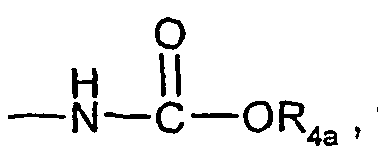
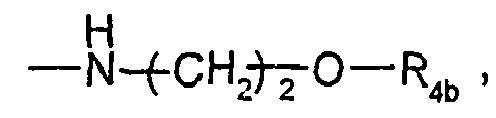
- R5
- is hydrogen or hydroxy; and
- m
- is 1 or 2,
- In a special embodiment of the first aspect, the present invention relates to the use of a quinazolinone compound of the formula I, wherein
- R1
- is C1-C6alkyl, (C1-C6alkyl)C1-C6alkyl, di-(C1-C6alkyl)C1-Cealkyl or C3-C6cycloalkyl;
- each R2,
- independently, is halo, C1-C6alkyl, tri-halo substituted C1-C6alkyl, hydroxyC1-C6alkyl or a group

- R3
- is hydrogen, halo, C1-C6alkyl, hydroxy, C1-C6alkoxy or (C3-C6cycloalkyl)C1-C6alkoxy;
- R4
- is hydroxy, esterified hydroxy, etherified hydroxy, amino, (C1-C6alkyl)amino, a group


- R5
- is hydrogen or hydroxy; and
- m
- is 1 or 2,
- In a second aspect, the present invention relates to novel quinazolinone compounds of the formula

- R1
- is C1-C6alkyl, (C1-C6alkyl)C1-C6alkyl, di-(C1-C6alkyl)C1-C6alkyl, C3-C6cycloalkyl, (C1-C6alkyl)amino or di-(C1-C6alkyl)amino;
- each R2,
- independently, is halogen, C1-C6alkyl, halogen-substituted C1-C6alkyl, hydroxyC1-C6alkyl, cyano or a group -C(=O)-R2a, where R2a is C1-C6alkyl;
- R3
- is hydrogen, halogen, C1-C6alkyl, C2-C6alkenyl, C2-C6alkynyl, hydroxy, hydroxy-substituted C1-C6alkyl, C1-C6alkoxy, C3-C6cycloalkyl, cyano, -C(=O)H, phenyl, (C3-C6cycloalkyl)C1-C6alkoxy, (C1-C6alkoxycarbonylamino)C1-C6alkoxy or (C1-C6alkylcarbonylamino)C1-C6alkoxy;
- R4
- is hydroxy, esterified hydroxy, etherified hydroxy, amino, (C1-C6alkyl)amino, a group
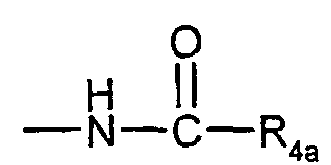


- m
- is 1 or 2,
- In a special embodiment of the second aspect, the present invention relates to novel quinazolinone compounds of the formula Ia, wherein
- R1
- is C1-C6alkyl, (C1-C6alkyl)C1-C6alkyl, di-(C1-C6alkyl)C1-C6alkyl or C3-C6cycloalkyl;
- each R2,
- independently, is halo, C1-C6alkyl, tri-halo substituted C1-C6alkyl, hydroxyC1-C6alkyl or a group

- R3
- is hydrogen, halo, C1-C6alkyl, hydroxy, C1-C6alkoxy or (C3-C6cycloalkyl)C1-C6alkoxy;
- R4
- is hydroxy, esterified hydroxy, etherified hydroxy, amino, (C1-C6alkyl)amino, a group


- m
- is 1 or 2,
- Terms used in this specification have the following meanings:
- "C1-C6alkyl" denotes straight-chain or branched C1 to C6-alkyl, e.g., methyl ethyl, n-propyl, isopropyl, n-butyl, isobutyl, sec-butyl or tert-butyl.
- "C1-C6alkoxy" denotes straight-chain or branched C1 to C6-alkyl-oxy, e.g., methoxy, ethoxy, n-propoxy or isopropoxy.
- "Halo" denotes halogen which may be I, Br, CI or F.
- "Esterified hydroxy" denotes acyloxy, preferably C1-C6alkanoyloxy, more preferably C1-C4alkanoyloxy.
- "Etherified hydroxy" denotes C1-C6alkoxy, preferably C1-C4alkoxy.
- The quinazolinone compounds of the invention exist in free or salt form and, where possible, in acid addition salt form. The invention is to be understood as including the compounds of formulae (I) and (Ia) in free or salt form and, where possible, in acid addition salt form. In the latter connection, suitable pharmaceutically acceptable acid addition salts for pharmaceutical use in accordance with the invention include, in particular, the hydrochloride salt.
- In formulae (I) and (Ia), the following significances are preferred independently, collectively or in any combination or sub-combination:
- (a) R1 is C1-C4alkyl, (C1-C4alkyl)C1-C4alkyl, di-(C1-C4alkyl)C1-C4alkyl or cyclopropyl;
- (b) each R2, independently, is chloro, fluoro, C1-C4alkyl, trifluoro-substituted C1-C4alkyl, more preferably trifluoromethyl, C1-C4alkylcarbonyl, more preferably methylcarbonyl, or hydroxyC1-C4alkyl, more preferably hydroxymethyl;
- (c) R3 is hydrogen, chloro, bromo, C1-C4alkyl, hydroxy, C1-C4alkoxy or (C3-C6cycloalkyl)C1-C4alkoxy; and
- (d) R4 is hydroxy, amino, (C1-C4alkyl)amino or a group

- In a third aspect, the present invention relates to processes for preparing the compounds of formula (Ia) as depicted in the following reaction schemes:
- A. For preparing compounds of formula (Ia), where R1 and R2 are as defined above, R3 is as defined for a compound of formula I, R4 is amino and m is 1.
-

- The first step of Scheme A involves the condensation/cyclisation of the amide compound of formula 1 with a substituted aniline compound in the presence of phosphorus trichloride to obtain the 7-nitro substituted quinazolin-4-one compound of formula 2.
-

- The second step of Scheme A involves the reduction of the 7-nitro substituted quinazolin-4-one compound of formula 2 with glacial acetic acid and iron powder to obtain the 7-amino substituted quinazolin-4-one compound of formula 3.
- The corresponding alkylamines, amides and carbamates may be prepared by methods described in the literature utilising a compound of formula 3. More particularly, the alkylamines may be prepared by subjecting a compound of formula 3 to reductive alkylation utilising an appropriate aldehyde or ketone. Alternatively, a compound of formula 3 may be reacted with a C1-C6alkyl halide. The amides may be prepared by acylating a compound of formula 3 with an appropriate acyl chloride. The carbamates may be prepared by reacting a compound of formula 3 with an appropriate alkylchloroformate.
- B. For preparing compounds of formula (Ia), where R1 and R2 are as defined above, R3 is as defined for a compound of formula I, R4 is hydroxy and m is 1.

- Scheme B involves the Sandmeyer reaction of the 7-amino substituted quinazolin-4-one compound of formula 3 which was prepared as set forth in Scheme A, with concentrated sulphuric acid and sodium nitrite to obtain the 7-hydroxy substituted quinazolin-4-one compound of formula 4.
- The starting compounds in Scheme A are known compounds which are commercially available.
- Working up the reaction mixtures according to the above processes and purification of the compounds thus obtained may be carried out in accordance with known procedures.
- Acid addition salts may be produced from the free bases in known manner, and vice-versa.
- Compounds of formulae (I) and (Ia) in optically pure form can be obtained from the corresponding racemates according to well-known procedures, e.g., HPLC with chiral matrix. Alternatively, optically pure starting materials can be used.
- Stereoisomeric mixtures, e.g., mixtures of diastereomers, can be separated into their corresponding isomers in a manner known per se by means of suitable separation methods. Diastereomeric mixtures, e.g., may be separated into their individual diastereomers by means of fractionated crystallisation, chromatography, solvent distribution and similar procedures. This separation may take place either at the level of a starting compound or in a compound of formula (I) or (Ia) itself. Enantiomers may be separated through the formation of diastereomeric salts, e.g., by salt formation with an enantiomer-pure chiral acid, or by means of chromatography, e.g., by HPLC, using chromatographic substrates with chiral ligands.
- In any additional process steps, carried out as desired, functional groups of the starting compounds which should not take part in the reaction may be present in unprotected form or may be protected, e.g., by one or more of the protecting groups mentioned below. The protecting groups are then wholly- or partly-removed according to one of the methods described there.
- The protecting groups may already be present in precursors and should protect the functional groups concerned against unwanted secondary reactions. It is a characteristic of protecting groups that they lend themselves readily, i.e., without undesired secondary reactions, to removal, typically by solvolysis, reduction, photolysis or also by enzyme activity, e.g., under conditions analogous to physiological conditions, and that they are not present in the end-products. The skilled artisan knows, or can easily establish, which protecting groups are suitable with the reactions mentioned hereinabove and hereinafter.
- The protection of such functional groups by protecting groups, the protecting groups themselves, and their removal reactions are described, e.g., in standard reference works, such as J.F.W. McOmie, Protective Groups in Organic Chemistry, Plenum Press, London and NY (1973); T.W. Greene, Protective Groups in Organic Synthesis, Wiley, NY (1981); The Peptides; Volume 3, E. Gross and J. Meienhofer, Eds., Academic Press, London and NY (1981); Methoden der organischen Chemie (Methods of organic chemistry), Houben Weyl, 4th Edition, Volume 15/1, Georg Thieme Verlag, Stuttgart (1974); H.D. Jakubke and H. Jescheit, Aminosauren, Peptide, Proteine (Amino acids, peptides, proteins), Verlag Chemie, Weinheim, Deerfield Beach, and Basel (1982); and Jochen Lehmann, Chemie der Kohlenhydrate: Monosaccharide und Derivate (Chemistry of carbohydrates: monosaccharides and derivatives), Georg Thieme Verlag., Stuttgart (1974).
- All process steps described herein can be carried out under known reaction conditions, preferably under those specifically mentioned, in the absence of or usually in the presence of solvents or diluents, preferably such as are inert to the reagents used and able to dissolve these, in the absence or presence of catalysts, condensing agents or neutralizing agents, e.g., ion exchangers, typically cation exchangers, e.g., in the H+ form, depending on the type of reaction and/or reactants at reduced, normal or elevated temperature, e.g., in the range from -100°C to about 190°C, preferably from about -80°C to about 150°C, e.g., at -80°C to 60°C, at room temperature, at -20°C to 40°C or at the boiling point of the solvent used, under atmospheric pressure or in a closed vessel, where appropriate under pressure, and/or in an inert atmosphere, e.g., under argon or nitrogen.
- Preferred compounds of formula (I) are those wherein
- R1
- is C1-C4alkyl, (C1-C4alkyl)C1-C4alkyl or C3-C6cycloalkyl;
- R2
- is chloro, fluoro, C1-C4alkyl, trifluoro-substituted C1-C4alkyl, C1-C4alkylcarbonyl or hydroxyC1-C4alkyl;
- R3
- is hydrogen, chloro, bromo, C1-C4alkyl, hydroxy, C1-C4alkoxy or (C3-C6cycloalkyl)C1-C4alkoxy;
- R4
- is hydroxy, amino or (C1-C4alkyl)amino;
- R5
- is hydrogen or hydroxy; and
- m
- is 1 or 2.
- More preferred compounds of formula (I) are those wherein
- R1
- is C1-C4alkyl, (C1-C4alkyl)C1-C4alkyl or C3-C6cycloalkyl;
- R2
- is chloro, fluoro, C1-C4alkyl, trifluoromethyl, methylcarbonyl or hydroxymethyl;
- R3
- is hydrogen, chloro, bromo, C1-C4alkyl, hydroxy or C1-C4alkoxy;
- R4
- is hydroxy, amino or (C1-C4alkyl)amino;
- R5
- is hydrogen or hydroxy; and
- m
- is 1.
- Preferred compounds of formula (Ia) are those wherein
- R1
- is C1-C4alkyl, (C1-C4alkyl)C1-C4alkyl or C3-C6cycloalkyl;
- R2
- is chloro, fluoro, C1-C4alkyl, trifluoro-substituted C1-C4alkyl, C1-C4alkylcarbonyl or hydroxyC1-C4alkyl;
- R3
- is hydrogen, chloro, bromo, C1-C4alkyl, hydroxy, C1-C4alkoxy or (C3-C6cycloalkyl)C1-C4alkoxy;
- R4
- is hydroxy, amino or (C1-C4alkyl)amino; and
- m
- is 1 or 2.
- More preferred compounds of formula (Ia) are those wherein
- R1
- is C1-C4alkyl, (C1-C4alkyl)C1-C4alkyl or C3-C6cycloalkyl;
- R2
- is chloro, fluoro, C1-C4alkyl, trifluoromethyl, methylcarbonyl or hydroxymethyl;
- R3
- is hydrogen, chloro, bromo, C1-C4alkyl, hydroxy, C1-C4alkoxy or (C3-C6cycloalkyl)C1-C4alkoxy;
- R4
- is hydroxy, amino or (C1-C4alkyl)amino; and
- m
- is 1.
- The even more preferred compounds of the formula I or Ia are the compounds of the Examples 1 to 29, especially of the Examples 1 to 28.
- Another aspect of this invention relates to the fact that the compounds of formulae (I) and (Ia) and their pharmaceutically acceptable salts and, where possible, pharmaceutically acceptable acid addition salts, have beneficial pharmacological activity and, therefore, are useful as pharmaceuticals. In particular, the compounds of formulae (I) and (Ia) exhibit human vanilloid antagonistic activity. More particularly, the compounds of formulae (I) and (Ia) are active at the TRPVI receptor as demonstrated by their ability to inhibit capsaicin and low pH activation of the TRPVI ion channel as follows:
- Chinese Hamster Ovary-K1 (CHO-K1) cells, transfected to express either the human, rat or guinea pig TRPV1 receptor, were grown in Minimal Essential Media (MEM) alpha medium without nucleosides supplemented with fetal calf serum (10%), 2 mM L-glutamine, 100 IU/mL penicillin, 100 µg/mL streptomycin and 350-700 µg/mL geneticin. All reagents were supplied by Invitrogen. Cells were grown in T-175 flasks or Costar black, clear-bottomed 96-well view plates and maintained at 37°C in a 90% humidified incubator with an atmosphere of 5% CO2 and 95% air. The cells were passaged twice a week at a ratio of 1:10 to 1:20 to maintain steady growth. For experimentation, cells were harvested at approximately 80% confluency and plated onto view plates at 40,000 cells per well in 100 µL media and grown overnight.
- On the day of the capsaicin assay, media was aspirated and cells were washed with 100 µL 10 mM N-2-(hydroxyethylpiperazine-N'-[2-ethane-sulfonic acid] (HEPES) buffered Hank's Balanced Salt Solution (HBSS), pH 7.4. Cells were then incubated for 40 minutes with 2.3 µM of the ratiometric calcium binding dye fura-2/AM (from Molecular Probes), made up in HEPES buffered HBSS, containing 0.01% pluronic F-127. For the pH assay, HEPES was omitted and the pH of HBSS adjusted to 7.4. After washing twice with 100 µL assay buffer, cells were incubated for 10 minutes with 100 µL of test compounds (made up in HBSS, pH 7.4), in duplicate, at concentrations between 0.001 and 30 µM. The plate was then placed in a Molecular Devices Flexstation. The TRPV1 receptor was stimulated by application of either capsaicin or low pH. For testing the effect of compounds for possible antagonism, capsaicin was used at the EC80 concentration which was 0.05 µM for the rat TRPV1 receptor, and 0.1 µM for the human and guinea pig. For pH experiments, a low pH buffered solution [60 mM 2-[N-morpholino] ethane sulfonic acid (MES) in HBSS] was added to the assay wells to give a final pH of 5.5.
- For determinations of antagonist IC50 values (concentrations of antagonist that inhibit responses to either pH 5.5 or capsacin by 50%), at least 10 antagonist concentrations were measured in duplicate. The response in the presence of the antagonist was calculated as a percentage of the control response to capsaicin or low pH and was plotted against the concentration of antagonist. The IC50 was estimated by non-linear regression analysis to sigmoidal-logistic curves by Activity-Base software (v5.0.10) or Microcal Origin (v7.03). These values were averaged (means and standard error of the mean) for at least three independent experiments.
- The compounds of formulae (I) and (Ia), e.g., the compounds of Examples 1-28, show TRPVI receptor antagonist activity having IC50 values in the range 0.004-30 µM.
- In view of the above, the compounds of formulae (I) and (Ia) are useful as vanilloid receptor blockers, e.g., in the treatment of diseases and conditions in which vanilloid receptor activation plays a role or is implicated. Such conditions include, in particular, pain, e.g., bone and joint pain (osteoarthritis), cancer pain, myofascial pain (muscular injury, fibromyalgia) and perioperative pain (general surgery, gynecologic surgery).
- The compounds of formulae (I) and (Ia) are particularly useful In the treatment or prevention of chronic pain, especially inflammatory, e.g., chronic inflammatory pain; inflammatory diseases, e.g., inflammatory airways disease, e.g., chronic obstructive pulmonary disease (COPD), or in asthma; cough; urinary incontinence; migraine; visceral disorders, e.g., inflammatory bowel disease; rhinitis; cystitis, e.g. interstitial cystitis; pancreatitis; uveitis; inflammatory skin disorders; and rheumatoid arthritis.
- The compounds of formulae (I) and (Ia) are thus useful as vanilloid receptor antagonists, e.g., for the treatment of pain of various genesis or aetiology and as anti-inflammatory and/or anti-edemic agents for the treatment of inflammatory reactions, diseases or conditions, as well as for the treatment of allergic responses. Having regard to their analgesic/anti-inflammatory profile, they are useful for the treatment of inflammatory pain, for the treatment of hyperalgesia and, in particular, for the treatment of severe chronic pain. They are, e.g., useful for the treatment of pain, inflammation and/or oedema consequential to trauma, e.g., associated with burns, sprains, fractures or the like, subsequent to surgical intervention, e.g., as post-operative analgesics, as well as for the treatment of inflammatory pain of diverse genesis, e.g., for the treatment of osteo and rheumatoid arthritis and rheumatic disease, teno-synovitis and gout. They are further suitable as analgesics for the treatment of pain associated with, e.g., angina, menstruation or cancer. As anti-inflammatory/anti-oedema agents, they are further useful, e.g., for the treatment of inflammatory skin disorders, e.g., psoriasis and eczema.
- As vanilloid receptor blockers, the compounds of formula (I) and (Ia) are also useful as smooth muscle relaxants, e.g., for the treatment of spasm of the gastrointestinal tract or uterus, e.g., in the therapy of Crohn's disease, ulcerative colitis or pancreatitis.
- The compounds of formula (I) and (Ia) are in particular useful as agents for the therapy of airways hyperreactivity and for the treatment of inflammatory events associated with airways disease, in particular, asthma. In addition, the agents of invention may, e.g., be used for the control, restriction or reversal of airways hyperreactivity in asthma.
- Inflammatory or obstructive airways diseases to which the present invention is applicable include asthma of whatever type or genesis including both intrinsic and, especially, extrinsic asthma. Thus, the compounds of formula (I) and (Ia) are useful for the treatment of allergic asthma, as well as, e.g., exercise induced asthma, occupational asthma, asthma induced following bacterial infection, other non-allergic asthmas and "wheezy-infant syndrome".
- Efficacy in the treatment of asthma will be evidenced by reduced frequency or severity of symptomatic attack, e.g., of acute asthmatic or bronchoconstrictor attack and by reduced requirement for other, symptomatic therapy, e.g., anti-inflammatory, e.g., corticosteroid; or bronchodilator, e.g., β2 adrenergic, therapy.
- Inflammatory or obstructive airways diseases to which the present invention is applicable further include pneumoconiosis (an inflammatory, commonly occupational, disease of the lungs, frequently accompanied by repeated inhalation of dusts) of whatever type or genesis including, e.g., aluminosis, anthracosis, asbestosis, chalicosis, ptilosis, siderosis, silicosis, tabacosis and, in particular, byssinosis.
- Further inflammatory or obstructive airways diseases and conditions for which the compounds of formulae (I) and (Ia) may be used include adult respiratory distress syndrome (ARDS), chronic obstructive pulmonary or airways disease (COPD or COAD), and bronchitis. The compounds of formulae (I) and (Ia) may also be used for the treatment of allergic and vasomotor rhinitis.
- In addition to the foregoing, the compounds of formulae (I) and (Ia) are also indicated for use in the therapy of septic shock, e.g., as anti-hypovolaemic and/or anti-hypotensive agents; in the treatment of inflammatory bowel disease; cerebral oedema; headache; migraine; inflammatory skin disease, such as eczema and psoriasis; inflammatory disorders of the gut, e.g., irritable bowel syndrome; Crohn's disease; ulcerative colitis; and cystitis, e.g., interstitial cystitis, nephritis and uveitis.
- The agents of the invention are useful in the prevention and treatment of diseases and conditions in which human VR1 activation plays a role or is implicated, and therefore susceptible to treatment by the modulation (preferably antagonism) of VR1 receptors. Such conditions include chronic pain with an inflammatory component such as rheumatoid arthritis; bone and joint pain (osteoarthritis); post-surgical pain; musculo-skeletal pain such as fibromyalgia; myofascial pain syndromes; headache, including migraine, acute or chronic tension headache, cluster headache, temporomandibular pain, and maxillary sinus pain; ear pain; episiotomy pain; burns, and especially primary hyperalgesia associated therewith; deep and visceral pain, such as heart pain, muscle pain, eye pain, orofacial pain, abdominal pain, gynaecological pain, such as dysmenorrhoea, and labour pain; pain associated with the urogenital tract such as cystitis and vulvadynia; inflammatory skin disorders, for example psoriasis and eczema, or itch of non-specific origin; chronic pain associated with nerve injury and/or diseases affecting the nervous system, such as neuropathic pain associated with post-herpetic neuralgia, diabetic neuropathy, chemotherapy-induced neuropathy, amputations ("phantom limb pain"), nerve entrapment and brachial plexus avulsions, low back pain, sciatica and ankylosing spondylitis, reflex sympathetic dystrophy and other chronic nerve injuries; complex regional pain syndromes; central nervous system pain, such as pain due to spinal cord or brain stem damage, or stroke; gout; scar pain; pain associated with carcinoma, often referred to as cancer pain; respiratory diseases including asthma, aluminosis, anthracosis, inflammatory airways disease, e.g. Chronic Obstructive Pulmonary Disease; chronic bronchitis, asbestosis, chalicosis, ptilosis, siderosis, silicosis, tabacosis, byssinosis; rhinitis including allergic rhinitis such as seasonal and perennial rhinitis, and non-allergic rhinitis; cough, either idiopathic or associated with respiratory diseases such as COPD, asthma, cystic fibrosis, cancer, or gastrointestinal disturbances such as gastro-oesophageal reflux; autoimmune diseases;, gastrointestinal disorders including but not restricted to irritable bowel syndrome, Crohn's disease, ulcerative colitis, pancreatitis, inflammatory bowel disease. Diseases of the urogenital tract, particularly cystitis; urinary incontinence including bladder detrusor hyper-reflexia and bladder hypersensitivity.
- For the above-mentioned indications, the appropriate dosage will of course vary depending upon, e.g., the compound employed, the host, the mode of administration and the nature and severity of the condition being treated. However, in general, satisfactory results in animals are indicated to be obtained at a daily dosage of from about 0.05 to about 150, preferably from about 0.1 mg/kg to about 100 mg/kg animal body weight. In larger mammals, e.g., humans, an indicated daily dosage is in the range from about 0.5 to about 5,000, preferably from about 1 mg to about 500 mg of a compound of formulae (I) and (Ia), conveniently administered, e.g., in divided doses up to four times a day or in sustained-release form.
- The compounds of formulae (I) and (Ia) can be administered in vivo either alone or in combination with other pharmaceutical agents effective in the treatment of diseases and conditions in which vanilloid receptor activation plays a role or is implicated including cyclooxygenase-2 (COX-2) inhibitors, such as specific COX-2 inhibitors, e.g., celecoxib and rofecoxib; and non-steroidal anti-inflammatory drugs (NSAIDs), e.g., acetylsalicylic acid and propionic acid derivatives; tricyclic anti-depressants, e.g., Anafranil®, Asendin®, Aventyl®, Elavil®, Endep®, Norfranil®, Norpramin®, Pamelor®, Sinequan®, Surmontil®, Tipramine®, Tofranil®, Vivactil®, Tofranil-PM®; anti-convulsants, e.g., carbamazepine, oxcarbazepine and gabapentin; bradykinin B1 or B2 antagonists; and GABAB agonists, e.g., L-baclofen.
- The agents of the invention can be administered in vivo either alone or in combination with other pharmaceutical agents, e.g. agents effective in the treatment of diseases and conditions in which the human VR1 activation plays a role or is implicated, such as cyclooxygenase inhibitors, including specific COX-2 inhibitors (e.g. celecoxib, lumiracoxib, and valdecoxib) or in general nonsteroidal anti-inflammatory drugs (NSAIDs) (e.g. acetylsalicylic acid, propionic acid derivatives), anti-migraine agents such as 5-HTi agonists and CGRP antagonists, tricyclic antidepressants (e.g. clomipramine, amoxapine, nortripyline, amitriptyline, imipramine, desipramine, doxepin, trimipramine, protripyline) selective serotonic reuptake inhibitors (e.g. fluoxetine), selective noradrenaline reuptake inhibitors (e.g. duloxetine), anticonvulsants (e.g. gabapentin, pregabalin, oxcarbazepine, carbamazepine), GABAB agonists (e.g. L-baclofen), opioids (e.g. morphine), CB1 receptor agonists, bradykinin receptor antagonists, substance P antagonists.
- The pharmaceutical compositions for separate administration of the combination partners and for the administration in a fixed combination, i.e., a single galenical composition comprising at least two combination partners, according to the invention can be prepared in a manner known per se and are those suitable for enteral, such as oral or rectal, and parenteral administration to mammals, including man, comprising a therapeutically effective amount of at least one pharmacologically active combination partner alone or in combination with one or more pharmaceutically acceptable carriers, especially suitable for enteral or parenteral application.
- Pharmaceutical compositions contain, e.g., from about 0.1 % to about 99.9%, preferably from about 20% to about 60%, of the active ingredients. Pharmaceutical preparations for the combination therapy for enteral or parenteral administration are, e.g., those in unit dosage forms, such as tablets including sugar-coated tablets, capsules, suppositories and ampoules. These are prepared in a manner known, per se, e.g., by means of conventional mixing, granulating, sugar-coating, dissolving or lyophilizing processes. It will be appreciated that the unit content of a combination partner contained in an individual dose of each dosage form need not in itself constitute an effective amount since the necessary effective amount can be reached by administration of a plurality of dosage units.
- A further aspect of the instant invention involves the "novel" compositions comprising a pharmaceutically acceptable carrier or diluent and a therapeutically effective amount of a compound of formula (Ia), in free or salt form and, where possible, in acid addition salt form. In accordance with the foregoing, the present invention also provides:
- (1) A compound of formula (I) or (Ia) in free or salt form and, where possible, in pharmaceutically acceptable acid addition salt form for use as a vanilloid receptor blocker, e.g., for use in any of the particular indications set forth hereinabove;
- (2) A compound of formula (I) or (Ia) in free or salt form and, where possible, in pharmaceutically acceptable acid addition salt form for the treatment of a disease or condition in which vanilloid receptor plays a role or is implicated;
- (3) Use of a compound of formula (I) or (Ia) in free or salt form and, where possible, in pharmaceutically acceptable acid addition salt form for the manufacture of a medicament for the treatment or prevention of a disease or condition in which activity of vanilloid receptor plays a role or is implicated;
- (4) A combination comprising a therapeutically effective amount of a compound of formula (I) or (Ia) in free or salt form and, where possible, in pharmaceutically acceptable acid addition salt form and a second drug substance, said second drug substance being, e.g., for use in any of the particular indications set forth hereinabove.
- In the Examples which follow, which are not intended to limit, in any way, the scope of the present invention, the following abbreviations are used:
- EtOAc
- ethyl acetate
- DCM
- dichloromethane
- A suspension of 4-nitroanthranilic acid isobutyramide (4 g, 15.8 mmol), 4-chloroaniline (2.2 g, 17.2 mmol) and phosphorus trichloride (5.6 mL) in toluene (150 mL) is heated to reflux (bath temperature for 150°C) for 2 hours. The reaction mixture is allowed to cool to room temperature and then evaporated to dryness. The residue is partitioned between water and EtOAc and the aqueous phase is extracted (2x) with EtOAc. The combined organic phases are washed with water, dried (Na2SO4) and evaporated in vacuo. Trituration with isopropyl ether provides the desired compound as a brown solid.
- A mixture of the compound prepared in Example 1a above (2.4 g, 6.98 mmol), iron powder (1.16 g, 20.8 mmol) and glacial acetic acid (70 mL) is stirred at 50°C for 2.5 hours. The reaction mixture is allowed to cool to room temperature and then evaporated in vacuo to dryness. The residue is partitioned between water and EtOAc and the aqueous phase is extracted (2x) with EtOAc. The combined organic phases are washed with water, dried (Na2SO4) and evaporated in vacuo to give a brown solid. Purification by automated flash chromatography (gradient elution: EtOAc/DCM 0-50%) provides the title compound as a pale yellow solid.
(M+H)+ = 314.2; HPLC retention time = 3.9 minutes. - To a suspension of the compound of Example 1 (778 mg, 2.479 mmol) in concentrated sulphuric acid/water 972 µL/1.4 mL, cooled to ice bath temperature, is added a solution of sodium nitrite (188 mg) in water (680 µL). The mixture is stirred for 45 minutes at 0-5°C (internal temperature) and then added to sulphuric acid/water 3/2 (5 mL), pre-heated to 150°C. After stirring for 15 minutes, the mixture is allowed to cool to room temperature, filtered and extracted with EtOAc (3x). The combined EtOAc extracts are washed with water, dried (Na2SO4) and evaporated to a yellow-orange solid. Purification by automated flash chromatography (gradient elution: EtOAc/hexane 0-25%) provides the title compound as a yellow solid.
1H NMR (400 MHz, MeOH-d 4): δ 7.91 (1H, d, J=8.7 Hz), 7.49 (2H, d, J=9.5 Hz), 7.25 (2H, J=9.5 Hz), 6.93 (1H, d, J=2.3 Hz), 6.86 (1H, dd, J=2.3, 8.7 Hz), 2.56 (1H, quint, J=6.7 Hz), 1.11 (6H, d, J=6.7 Hz); (M+H)+ = 315.8; HPLC retention time = 4.2 minutes. - The compounds of Examples 3 to 28 can be prepared in a manner analogous to that described in the previous Examples.
Example Structure (M+H)+ HPLC Retention Time (in minutes) Method of Preparation 3 
302.0 3.5 Schemes A + B 4 
356.3 5.6 Scheme A + Reductive Alkylation 5 
348.2 4.3 Scheme A 6 
356.3 5.5 Scheme A + Reductive Alkylation 7 
370.3 6.2 Scheme A + Reductive Alkylation 8 
384.3 6.7 Scheme A + Reductive Alkylation 9 
448.3 6.2 Scheme A + Reductive Alkylation 10 
328.2 4.9 Scheme A 11 
391.7 5.4 Scheme A + Selective Halogenation 12 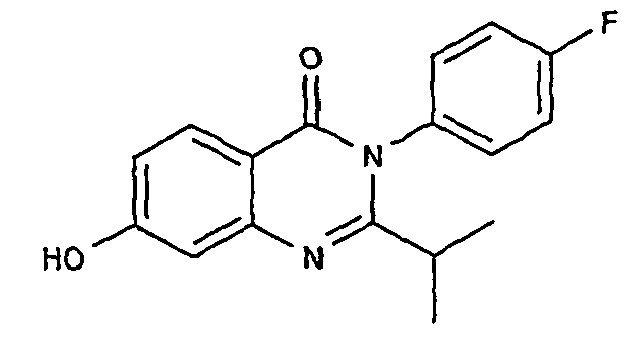
300.0 3.6 Schemes A + B 13 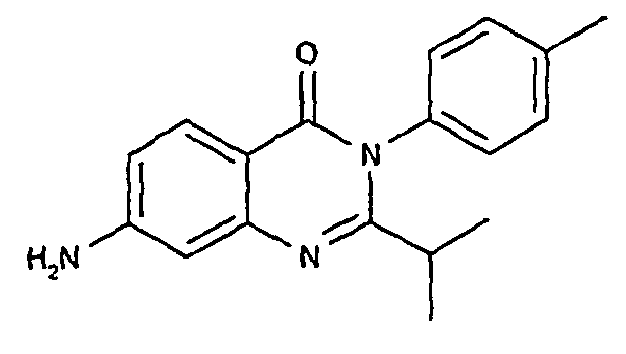
295.0 3.4 Scheme A 14 
349.0 4.6 Schemes A + B 15 
298.3 3.2 Scheme A 16 
398.4 7.2 Scheme A + Reductive Alkylation 17 
384.3 5.1 Scheme A + N-Acylation 18 
329.0 5.9 Scheme A 19 
297.0 3.1 Scheme A 20 
313.9 4.1 Schemes A + B 21 
329.0 4.6 Schemes A + B 22 
350.2 5.3 Schemes A + B + Selective Halogenation 23 
341.0 4.7 Scheme A 24 
341.0 4.6 Schemes A + B 25 
298.0 3.5 Schemes A + B 26 
349.2 5.5 Scheme A + Selective Halogenation 27 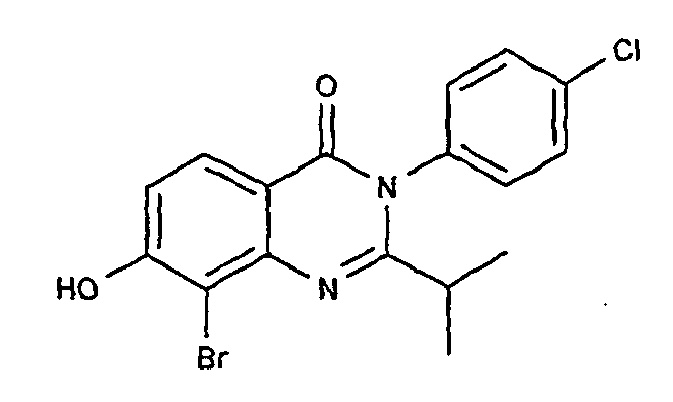
394.7 5.5 Schemes A + B + Selective Halogenation 28 
393.7 5.7 Scheme A + Selective Halogenation - The compounds 29.1 to 29.54 can be prepared in a manner analogous to that described in the previous Examples.
No. Structure HPLC Retention Time (in minutes) (M + H)+ 29.1 
5.7 385.3 29.2 
8.0 373.4 29.3 
5.2 431.1 29.4 
7.6 334.3 29.5 
4.8 376.0 29.6 
5.1 346.2 29.7 
4.7 320.2 29.8 
5.1 333.2 29.9 
4.3 350.3 29.10 
5.2 359.3 29.11 
4.5 364.4 29.12 
5.0 432.2 29.13 
340.2 29.14 
6.1 343.0 29.15 
5.8 441.2 29.16 
4.0 350.3 29.17 
6.0 441.0 29.18 
5.2 373.4 29.19 
6.4 356.3 29.20 
5.0 339.2 29.21 
4.4 333.1 29.22 
4.3 329.2 29.23 
6.5 357.9 29.24 
4.8 359.3 29.25 
5.8 474.4 29.26 
6.3 390.3 29.27 
4.7 333.0 29.28 
3.8 336.3 29.29 
4.5 331.0 29.30 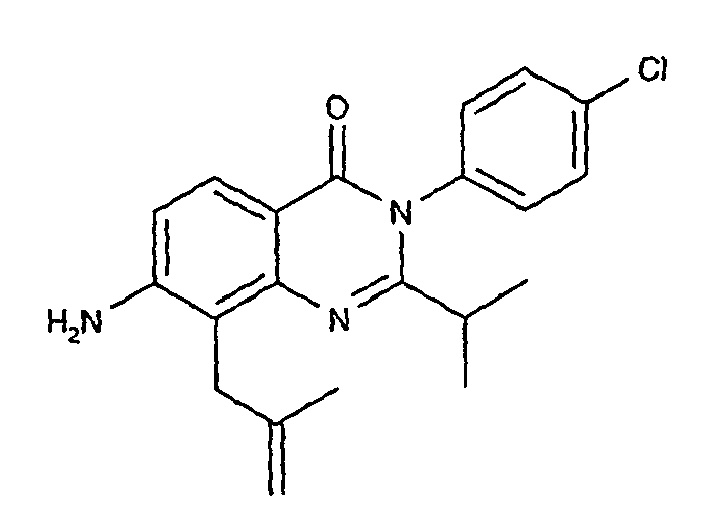
6.5 368.3 29.31 
3.4 306.4 29.32 
3.9 295.3 29.33 
4.8 345.0 29.34 
3.5 336.3 29.35 
345.2 29.36 
6.1 354.2 29.37 
7.2 345.2 29.38 
4.7 329.0 29.39 
4.7 329.2 29.40 
316.8 29.41 
6.9 313.3 29.42 
5.9 363.1 29.43 
4.7 329.2 29.44 
331.2 29.45 
3.1 305.3 29.46 
3.9 309.3 29.47 
6.0 341.2 29.48 
3.8 320.2 29.49 
7.7 458.5 29.50 
5.7 410.2 29.51 
6.2 361.3 29.52 
3.3 316.3 29.53 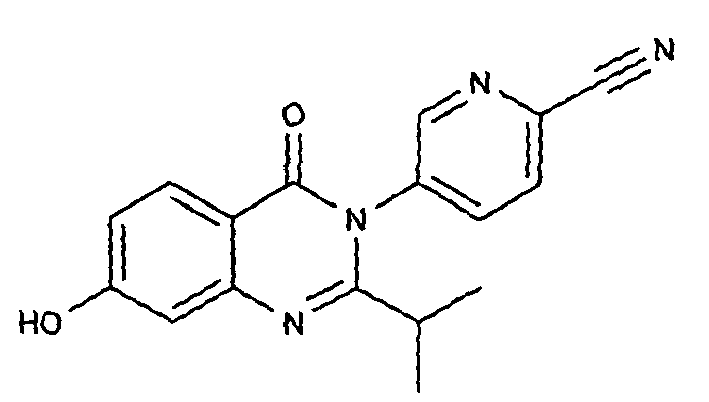
3.1 307.3 29.54 
3.7 324.3 - 5'000 soft gelatin capsules, each comprising as active ingredient 0.05 g of one of the compounds of formula (Ia) mentioned in the preceding Examples, are prepared as follows:
-
Active Ingredient 250 g Lauroglycol® 2 l - The pulverized active ingredient is suspended in Lauroglykol® (propylene glycol laurate, Gattefossé S.A., Saint Priest, France) and ground in a wet pulverizer to produce a particle size of about 1-3 µm. 0.419 g portions of the mixture are then introduced into soft gelatin capsules using a capsule-filling machine.
Claims (5)
- A quinazolinone compound of the formula
 R1 is C1-C6alkyl, (C1-C6alkyl)C1-C6alkyl, di-(C1-C6alkyl)C1-C6alkyl, C3-C6cycloalkyl, (C1-C6alkyl)amino or di-(C1-C6alkyl)amino;each R2, independently, is halogen, C1-C6alkyl, halogen-substituted C1-C6alkyl, hydroxyC1-C6alkyl, cyano or a group -C(=O)-R2a, where R2a is C1-C6alkyl;R3 is hydrogen, halogen, C1-C6alkyl, C2-C6alkenyl, C2-C6alkynyl, hydroxy, hydroxy-substituted C1-C6alkyl, C1-C6alkoxy, C3-C6cycloalkyl, cyano, -C(=O)H, phenyl, (C3-C6cycloalkyl)C1-C6alkoxy, (C1-C6alkoxycarbonylamino)C1-C6alkoxy or (C1-C6alkylcarbonylamino)C1-C6alkoxy;R4 is hydroxy, esterified hydroxy, etherified hydroxy, amino, (C1-C6alkyl)amino, a group
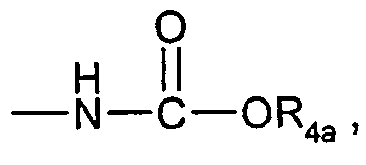
 R5 is hydrogen or hydroxy; andm is 1 or 2,in free form or in salt form, and, where possible, in pharmaceutically acceptable acid addition salt form, for use as a pharmaceutical for the treatment or prevention of a disease or condition in which vanilloid receptor activation plays a role or is implicated.
 - The use of a quinazolinone compound of the formula
 R1 is C1-C6alkyl, (C1-C6alkyl)C1-C6alkyl, di-(C1-C6alkyl)C1-C6alkyl, C3-C6cycloalkyl, (C1-C6alkyl)amino or di-(C1-C6alkyl)amino;each R2, independently, is halogen, C1-C6alkyl, halogen-substituted C1-C6alkyl, hydroxyC1-C6alkyl, cyano or a group -C(=O)-R2a, where R2a is C1-C6alkyl;R3 is hydrogen, halogen, C1-C6alkyl, C2-C6alkenyl, C2-C6alkynyl, hydroxy, hydroxy-substituted C1-C6alkyl, C1-C6alkoxy, C3-C6cycloalkyl, cyano, -C(=O)H, phenyl, (C3-C6cycloalkyl)C1-C6alkoxy, (C1-C6alkoxycarbonylamino)C1-C6alkoxy or (C1-C6alkylcarbonylamino)C1-C6alkoxy;R4 is hydroxy, esterified hydroxy, etherified hydroxy, amino, (C1-C6alkyl)amino, a group

 R5 is hydrogen or hydroxy; andm is 1 or 2,in free form or in salt form, and, where possible, in pharmaceutically acceptable acid addition salt form, for the manufacture of a medicament for the treatment or prevention of a disease or condition, in which vanilloid receptor activation plays a role or is implicated.
 - A quinazolinone compound of the formula
 R1 is C1-C6alkyl, (C1-C6alkyl)C1-C6alkyl, di-(C1-C6alkyl)C1-C6alkyl, C3-C6cycloalkyl, (C1-C6alkyl)amino or di-(C1-C6alkyl)amino;each R2, independently, is halogen, C1-C6alkyl, halogen-substituted C1-C6alkyl, hydroxyC1-C6alkyl, cyano or a group -C(=O)-R2a, where R2a is C1-C6alkyl;R3 is hydrogen, halogen, C1-C6alkyl, C2-C6alkenyl, C2-C6alkynyl, hydroxy, hydroxy-substituted C1-C6alkyl, C1-C6alkoxy, C3-C6cycloalkyl, cyano, -C(=O)H, phenyl, (C3-C6cycloalkyl)C1-C6alkoxy, (C1-C6alkoxycarbonylamino)C1-C6alkoxy or (C1-C6alkylcarbonylamino)C1-C6alkoxy;R4 is hydroxy, esterified hydroxy, etherified hydroxy, amino, (C1-C6alkyl)amino, a group

 m is 1 or 2,in free form or in salt form, and, where possible, in acid addition salt form.
 - A pharmaceutical composition comprising a compound of claim 3, in free or salt form and, where possible, in pharmaceutically acceptable acid addition salt form, in association with a pharmaceutical carrier or diluent.
- A process for the preparation of a compound of the formula la, as defined in claim 3, or a salt thereof, comprising:a) for the preparation of a compound of formula (Ia), where R1 and R2 are as defined in claim 4, R3 is hydrogen, R4 is amino and m is 1, condensing/cyclising an amide compound have the formula


 b) for the preparation of a compound of formula (Ia), where R1 and R2 are as defined in claim 4, R3 is hydrogen, R4 is hydroxy and m is 1, reducing the 7-amino substituted quinazolin-4-one compound prepared in a) above with concentrated sulfuric acid and sodium nitrite to obtain a 7-hydroxy substituted quinazolin-4-one compound having the formula
Priority Applications (4)
| Application Number | Priority Date | Filing Date | Title |
|---|---|---|---|
| SI200530141T SI1755606T2 (en) | 2004-06-08 | 2005-06-08 | Quinazolinone derivatives useful as vanilloid antagonists |
| DE602005003128T DE602005003128T3 (en) | 2004-06-08 | 2005-06-08 | CHINAZOLINONE DERIVATIVES AS VANILLOID ANTAGONISTS |
| PL05750584T PL1755606T5 (en) | 2004-06-08 | 2005-06-08 | Quinazolinone derivatives useful as vanilloid antagonists |
| CY20081100014T CY1107846T1 (en) | 2004-06-08 | 2008-01-03 | KINAZOLINONE PRODUCERS USEFUL AS VANILLOIDS COMPONENTS |
Applications Claiming Priority (2)
| Application Number | Priority Date | Filing Date | Title |
|---|---|---|---|
| GBGB0412769.2A GB0412769D0 (en) | 2004-06-08 | 2004-06-08 | Organic compounds |
| PCT/EP2005/006253 WO2005120510A1 (en) | 2004-06-08 | 2005-06-08 | Quinazolinone derivatives useful as vanilloid antagonists |
Publications (3)
| Publication Number | Publication Date |
|---|---|
| EP1755606A1 EP1755606A1 (en) | 2007-02-28 |
| EP1755606B1 true EP1755606B1 (en) | 2007-10-31 |
| EP1755606B2 EP1755606B2 (en) | 2011-06-29 |
Family
ID=32696854
Family Applications (1)
| Application Number | Title | Priority Date | Filing Date |
|---|---|---|---|
| EP05750584A Expired - Lifetime EP1755606B2 (en) | 2004-06-08 | 2005-06-08 | Quinazolinone derivatives useful as vanilloid antagonists |
Country Status (29)
| Country | Link |
|---|---|
| US (4) | US7960399B2 (en) |
| EP (1) | EP1755606B2 (en) |
| JP (2) | JP4703650B2 (en) |
| KR (2) | KR20100101017A (en) |
| CN (1) | CN1956721B (en) |
| AT (1) | ATE376833T1 (en) |
| AU (2) | AU2005251476C1 (en) |
| BR (1) | BRPI0511933B8 (en) |
| CA (1) | CA2567821C (en) |
| CY (1) | CY1107846T1 (en) |
| DE (1) | DE602005003128T3 (en) |
| DK (1) | DK1755606T4 (en) |
| EC (2) | ECSP067067A (en) |
| ES (1) | ES2293584T5 (en) |
| GB (1) | GB0412769D0 (en) |
| HR (1) | HRP20070577T4 (en) |
| IL (1) | IL179532A (en) |
| MA (1) | MA28685B1 (en) |
| MX (1) | MXPA06014249A (en) |
| NO (1) | NO338181B1 (en) |
| NZ (1) | NZ551630A (en) |
| PL (1) | PL1755606T5 (en) |
| PT (1) | PT1755606E (en) |
| RU (2) | RU2396261C2 (en) |
| SG (1) | SG153811A1 (en) |
| SI (1) | SI1755606T2 (en) |
| TN (1) | TNSN06405A1 (en) |
| WO (1) | WO2005120510A1 (en) |
| ZA (1) | ZA200609634B (en) |
Families Citing this family (26)
| Publication number | Priority date | Publication date | Assignee | Title |
|---|---|---|---|---|
| GB0412769D0 (en) | 2004-06-08 | 2004-07-07 | Novartis Ag | Organic compounds |
| GB0525068D0 (en) | 2005-12-08 | 2006-01-18 | Novartis Ag | Organic compounds |
| WO2008024438A2 (en) | 2006-08-23 | 2008-02-28 | Neurogen Corporation | 2-phenoxy pyrimidinone analogues |
| AU2007325940A1 (en) * | 2006-11-06 | 2008-06-05 | Neurogen Corporation | Cis-cyclohexyl substituted pyrimidinone derivatives |
| CN101754774B (en) | 2007-07-18 | 2013-08-21 | 诺瓦提斯公司 | Synergistic combination of VR-1 antagonist and COX-2 inhibitor |
| US8915362B2 (en) | 2008-10-08 | 2014-12-23 | Ultimed, Inc. | Sharps container |
| US8349852B2 (en) | 2009-01-13 | 2013-01-08 | Novartis Ag | Quinazolinone derivatives useful as vanilloid antagonists |
| AR080055A1 (en) | 2010-02-01 | 2012-03-07 | Novartis Ag | DERIVATIVES OF PIRAZOLO- [5,1-B] -OXAZOL AS ANTAGONISTS OF THE RECEIVERS OF CRF -1 |
| WO2011092293A2 (en) | 2010-02-01 | 2011-08-04 | Novartis Ag | Cyclohexyl amide derivatives as crf receptor antagonists |
| ES2527849T3 (en) | 2010-02-02 | 2015-01-30 | Novartis Ag | Cyclohexylamide derivatives as CRF receptor antagonists |
| AR086554A1 (en) | 2011-05-27 | 2014-01-08 | Novartis Ag | DERIVATIVES OF PIPERIDINE 3-ESPIROCICLICA AS AGRONISTS OF GHRELINE RECEPTORS |
| JP2015525202A (en) | 2012-05-03 | 2015-09-03 | ノバルティス アーゲー | L-malate salt of 2,7-diaza-spiro [4,5] dec-7-yl derivative as ghrelin receptor agonist and its crystalline form |
| WO2014138302A1 (en) * | 2013-03-05 | 2014-09-12 | University Of Notre Dame | Quinazolinone antibiotics |
| US10016425B2 (en) | 2016-11-03 | 2018-07-10 | King Saud University | Anti-ulcerative colitis compound |
| WO2020092528A1 (en) | 2018-10-31 | 2020-05-07 | Gilead Sciences, Inc. | Substituted 6-azabenzimidazole compounds having hpk1 inhibitory activity |
| PE20211655A1 (en) | 2018-10-31 | 2021-08-24 | Gilead Sciences Inc | 6-AZABENZIMIDAZOLE COMPOUNDS SUBSTITUTED AS HPK1 INHIBITORS |
| US12600702B2 (en) | 2019-02-15 | 2026-04-14 | Bausch + Lomb Ireland Limited | Crystalline forms of 4-(7-hydroxy-2-isopropyl-4-oxo-4H-quinazolin-3-yl)-benzonitrile and formulations thereof |
| EP3923909A1 (en) | 2019-02-15 | 2021-12-22 | Novartis AG | Methods for treating ocular surface pain |
| JP6994061B2 (en) | 2019-02-15 | 2022-01-14 | ノバルティス アーゲー | Preparation of 4- (7-hydroxy-2-isopropyl-4-oxo-4H-quinazoline-3-yl) -benzonitrile |
| TWI826690B (en) | 2019-05-23 | 2023-12-21 | 美商基利科學股份有限公司 | Substituted eneoxindoles and uses thereof |
| RU2755206C1 (en) | 2020-05-20 | 2021-09-14 | Федеральное государственное бюджетное учреждение науки Тихоокеанский институт биоорганической химии им. Г.Б. Елякова Дальневосточного отделения Российской академии наук (ТИБОХ ДВО РАН) | Agent with prolonged analgesic action and medicinal product based thereon |
| CN116419918A (en) * | 2020-08-06 | 2023-07-11 | 诺华股份有限公司 | Crystalline forms of 4-(7-hydroxy-2-isopropyl-4-oxo-4H-quinazolin-3-yl)-benzonitrile and preparations thereof |
| CN116456986A (en) * | 2020-11-17 | 2023-07-18 | 苏州晶云药物科技股份有限公司 | New crystal form of quinazolinone derivative and preparation method thereof |
| UY39681A (en) | 2021-03-26 | 2022-10-31 | Novartis Ag | 1,3-Substituted Cyclobutyl Derivatives and Their Uses |
| IL319539A (en) | 2022-09-21 | 2025-05-01 | Bausch & Lomb Ireland Ltd | Crystalline polymorph forms of a trpv1 antagonist and formulations thereof |
| KR20250030194A (en) | 2023-08-24 | 2025-03-05 | 코웨이 주식회사 | Water discharging apparatus |
Family Cites Families (74)
| Publication number | Priority date | Publication date | Assignee | Title |
|---|---|---|---|---|
| US82365A (en) * | 1868-09-22 | thompson | ||
| US220227A (en) * | 1879-10-07 | Improvement in stri klng-movements for clocks | ||
| US95650A (en) * | 1869-10-12 | Improvement in machines for bending sheet-metal for cornices | ||
| US49728A (en) * | 1865-09-05 | Improvement | ||
| DE239090C (en) | 1906-11-01 | |||
| US2749344A (en) | 1953-01-02 | 1956-06-05 | Burroughs Wellcome Co | Pyrimidine compounds |
| DE1224316B (en) | 1961-03-18 | 1966-09-08 | Beiersdorf & Co Ag P | Process for the preparation of 2-methyl-3- (o-aethylphenyl) -4-oxo-3, 4-dihydroquinazoline and its salts |
| US3515787A (en) * | 1962-06-27 | 1970-06-02 | Squibb & Sons Inc | Compositions and methods for producing a muscle relaxing effect in an animal with 2,3 - substituted - 6 - amino-4-quinazolones |
| DE1232152B (en) † | 1962-06-27 | 1967-01-12 | Heyden Chem Fab | Process for the preparation of 3-phenylquinazolinone (4) derivatives |
| GB1003802A (en) | 1963-06-04 | 1965-09-08 | Searle & Co | Pyrimidinone derivatives |
| DE1280874B (en) | 1963-10-09 | 1968-10-24 | Boehringer Sohn Ingelheim | 2-methyl-3- (2-dimethylaminophenyl) -8-amino-3H-quinazolone- (4) |
| US3317388A (en) | 1964-11-20 | 1967-05-02 | Wallace & Tiernan Inc | Methods for treating pain |
| US3864362A (en) | 1970-05-27 | 1975-02-04 | Chinoin Gyogyszer Es Vegyeszet | Iso flavones |
| BE793594A (en) | 1972-01-03 | 1973-07-02 | Pfizer | NEW 6,7-DIMETHOXYQUINAZOLINES USEFUL AS ANALGESICS AND TRANQUILIZERS |
| GB1495305A (en) | 1975-09-12 | 1977-12-14 | Pfizer Ltd | 3-phenyl-4-oxo-4h-benzopyran derivatives |
| US4501755A (en) | 1981-05-01 | 1985-02-26 | Pennwalt Corporation | Isoflavones useful as anti-inflammatory agents |
| JPS59128376A (en) * | 1983-01-13 | 1984-07-24 | Tanabe Seiyaku Co Ltd | Quinazolinone derivative and its preparation |
| SU1262927A1 (en) | 1985-01-09 | 1997-11-20 | Институт физико-органической химии и углехимии АН УССР | Method of synthesis of 6-bromo-5-methylamidazo-[4,5-b]-pyridine |
| JPS62201882A (en) | 1985-11-18 | 1987-09-05 | Yamanouchi Pharmaceut Co Ltd | Isoflavon derivative |
| JPS62193605A (en) | 1986-02-20 | 1987-08-25 | Toray Ind Inc | Production of semipermeable composite membrane |
| ZA873745B (en) | 1986-06-04 | 1988-10-26 | Daiichi Seiyaku Co | Benzopyran derivatives |
| US5290780A (en) * | 1991-01-30 | 1994-03-01 | American Cyanamid Co. | Angiotensin II receptor blocking 2,3,6 substituted quinazolinones |
| WO1992013535A1 (en) * | 1991-02-06 | 1992-08-20 | Research Corporation Technologies, Inc. | Anticonvulsant substituted quinazolones |
| US5958930A (en) | 1991-04-08 | 1999-09-28 | Duquesne University Of The Holy Ghost | Pyrrolo pyrimidine and furo pyrimidine derivatives |
| US5294617A (en) | 1993-04-23 | 1994-03-15 | American Cyanamid Company | Angiotensin II receptor blocking 2,3,6 substituted quinazolinones |
| US5284853A (en) | 1993-04-23 | 1994-02-08 | American Cyanamid Company | Angiotensin II receptor blocking 2,3,6 substituted quinazolinones |
| EP0635263A3 (en) | 1993-06-28 | 1995-09-27 | American Cyanamid Co | Angiotensin (AII) antagonists as inhibitors of the growth of adipose tissue. |
| HUT68558A (en) | 1993-07-20 | 1995-06-28 | Chinoin Gyogyszer Es Vegyeszet | Method for preparing isoflavon derivatives |
| JPH09510695A (en) | 1994-01-03 | 1997-10-28 | エイシア・ファーマシュウティカルズ,インコーポレイテッド | 8-Aza, 6-aza and 6,8-diaza-1,4-dihydroquinoxaline-2,3-diones and their use as antagonists to the glycine / NMDA receptor |
| JPH07258224A (en) | 1994-03-24 | 1995-10-09 | Dai Ichi Seiyaku Co Ltd | Bicyclic compound |
| US5756502A (en) * | 1994-08-08 | 1998-05-26 | Warner-Lambert Company | Quinazolinone derivatives as cholyecystokinin (CCK) ligands |
| HUP9801828A3 (en) * | 1995-03-14 | 2001-02-28 | Novartis Ag | Benzoic acid, quinoline and quinazoline derivatives, pharmaceutical compositions containing them and process for producing them |
| US5783577A (en) | 1995-09-15 | 1998-07-21 | Trega Biosciences, Inc. | Synthesis of quinazolinone libraries and derivatives thereof |
| WO1997028118A1 (en) | 1996-02-05 | 1997-08-07 | Hoechst Celanese Corporation | Process for preparing anthranilic acids |
| WO1997044041A1 (en) | 1996-05-20 | 1997-11-27 | Merck & Co., Inc. | Antagonists of gonadotropin releasing hormone |
| FR2750862B1 (en) | 1996-07-12 | 1998-10-16 | Dupin Jean Pierre | USE OF FUSED DIAZOTA HETEROCYCLES WITH AN AROMATIC OR HETEROAROMATIC SYSTEM FOR THE TREATMENT OF THROMBO-EMBOLIC DISEASES |
| WO1998018781A2 (en) | 1996-10-28 | 1998-05-07 | Versicor, Inc. | Fused 2,4-pyrimidinedione combinatorial libraries, their preparation and the use of fused 2,4-pyrimidinediones derivatives as antimicrobial agents |
| IT1289154B1 (en) | 1997-01-03 | 1998-09-29 | Chiesi Farma Spa | ISOFLAVONE DERIVATIVES THEIR PREPARATION AND THEIR THERAPEUTIC USE |
| JPH10259176A (en) | 1997-03-17 | 1998-09-29 | Japan Tobacco Inc | New amide derivative having vascularization inhibiting action and its use |
| US5948775A (en) | 1997-03-19 | 1999-09-07 | American Home Products Corporation | 2- or 3-(substitutedaminoalkoxyphenyl)quinazolin-4-ones |
| DE69819345T2 (en) | 1997-08-20 | 2004-07-15 | The Regents Of The University Of California, Oakland | NUCLEIC ACID SEQUENCES ENCODING THE CAPSAICIN RECEPTOR AND POLYPEPTIDES SIMILAR TO THE CAPSAICIN RECEPTOR AND THEIR USE |
| WO1999037675A1 (en) | 1998-01-22 | 1999-07-29 | The Regents Of The University Of California | Nucleic acid sequences encoding capsaicin receptors |
| PL343007A1 (en) | 1998-02-25 | 2001-07-30 | Genetics Inst | Inhibitors of phospholipase enzymes |
| US6500853B1 (en) | 1998-02-28 | 2002-12-31 | Genetics Institute, Llc | Inhibitors of phospholipase enzymes |
| WO2000050387A1 (en) * | 1999-02-22 | 2000-08-31 | Pacific Corporation | Vanilloid analogues containing resiniferatoxin pharmacophores as potent vanilloid receptor agonists and analgesics, compositions and uses thereof |
| GB9920912D0 (en) | 1999-09-03 | 1999-11-10 | Indena Spa | Novel derivatives of flavones,xanthones and coumarins |
| AU4742101A (en) | 2000-03-17 | 2001-10-03 | Merck & Co., Inc. | Antagonists of gonadotropin releasing hormone |
| WO2002008221A2 (en) | 2000-07-20 | 2002-01-31 | Neurogen Corporation | Capsaicin receptor ligands |
| WO2002016318A1 (en) * | 2000-08-21 | 2002-02-28 | Pacific Corporation | Novel thiourea derivatives and the pharmaceutical compositions containing the same |
| FR2815033B1 (en) | 2000-10-06 | 2003-09-05 | Negma Lab | 7-CARBOXY-FLAVONES DERIVATIVES, PORCEDIA FOR THEIR PREPARATION AND THERAPEUTIC APPLICATION |
| NZ526622A (en) | 2000-12-11 | 2006-07-28 | Amgen Sf Llc | CXCR3 antagonists |
| EP1377576A2 (en) | 2001-03-26 | 2004-01-07 | Novartis AG | Pyridine derivatives |
| CA2455754A1 (en) | 2001-07-31 | 2003-02-20 | Bayer Healthcare Ag | Amine derivatives |
| GB0128499D0 (en) | 2001-11-28 | 2002-01-23 | Merck Sharp & Dohme | Therapeutic agents |
| IL147416A (en) * | 2001-12-31 | 2008-11-26 | Israel State | Combined modalities for improved cancer treatment |
| US7074805B2 (en) * | 2002-02-20 | 2006-07-11 | Abbott Laboratories | Fused azabicyclic compounds that inhibit vanilloid receptor subtype 1 (VR1) receptor |
| US7381730B2 (en) | 2002-03-15 | 2008-06-03 | Bristol-Myers Squibb Company | 3-arylquinazoline derivatives as selective estrogen receptor beta modulators |
| AU2003238157A1 (en) * | 2002-06-18 | 2003-12-31 | Sankyo Company, Limited | Fused-ring pyrimidin-4(3h)-one derivatives, processes for the preparation and uses thereof |
| EP1560816A1 (en) | 2002-07-05 | 2005-08-10 | F. Hoffmann-La Roche Ag | Quinazoline derivatives |
| EP1398032A1 (en) | 2002-09-10 | 2004-03-17 | PheneX Pharmaceuticals AG | 4-Oxo-quinazolines as LXR nuclear receptor binding compounds |
| GB0223730D0 (en) | 2002-10-11 | 2002-11-20 | Novartis Ag | Organic compounds |
| US20060052345A1 (en) | 2002-11-04 | 2006-03-09 | Nps Pharmaceuticals, Inc. | Quinazolinone compounds as calcilytics |
| SI1611112T1 (en) | 2003-02-11 | 2012-12-31 | Vernalis (R&D) Limited | Isoxazole compounds as inhibitors of heat shock proteins |
| JPWO2004078719A1 (en) | 2003-03-06 | 2006-06-08 | 小野薬品工業株式会社 | Indole derivative compounds and drugs containing the compounds as active ingredients |
| JP2006193426A (en) | 2003-09-05 | 2006-07-27 | Sankyo Co Ltd | Substituted condensed-ring pyrimidin-4(3h)-one compound |
| WO2005040112A1 (en) | 2003-10-14 | 2005-05-06 | Oxagen Limited | Compounds with pgd2 antagonist activity |
| CA2545725A1 (en) † | 2003-11-14 | 2005-06-02 | Merck Sharp & Dohme Limited | Bicyclic pyrimidin-4-(3h)-ones and analogues and derivatives thereof which modulate the function of the vanilloid-1 receptor (vr1) |
| UA83416C2 (en) | 2004-02-13 | 2008-07-10 | Баниу Фармасьютикал Ко., Лтд. | Fused ring 4-oxopyrimidine derivative |
| GB0412768D0 (en) | 2004-06-08 | 2004-07-07 | Novartis Ag | Organic compounds |
| GB0412769D0 (en) * | 2004-06-08 | 2004-07-07 | Novartis Ag | Organic compounds |
| US20090298856A1 (en) | 2005-05-11 | 2009-12-03 | Rebecca Elizabeth Brown | 2,3 Substituted fused bicyclic pyrimidin-4(3H)-ones modulating the function of the vanilliod-1receptor (VR1) |
| GB0525068D0 (en) | 2005-12-08 | 2006-01-18 | Novartis Ag | Organic compounds |
| CN101754774B (en) | 2007-07-18 | 2013-08-21 | 诺瓦提斯公司 | Synergistic combination of VR-1 antagonist and COX-2 inhibitor |
| US8349852B2 (en) | 2009-01-13 | 2013-01-08 | Novartis Ag | Quinazolinone derivatives useful as vanilloid antagonists |
-
2004
- 2004-06-08 GB GBGB0412769.2A patent/GB0412769D0/en not_active Ceased
-
2005
- 2005-06-08 SG SG200903909-0A patent/SG153811A1/en unknown
- 2005-06-08 KR KR1020107019024A patent/KR20100101017A/en not_active Ceased
- 2005-06-08 US US11/569,802 patent/US7960399B2/en not_active Expired - Lifetime
- 2005-06-08 MX MXPA06014249A patent/MXPA06014249A/en active IP Right Grant
- 2005-06-08 AU AU2005251476A patent/AU2005251476C1/en not_active Expired
- 2005-06-08 SI SI200530141T patent/SI1755606T2/en unknown
- 2005-06-08 CA CA2567821A patent/CA2567821C/en not_active Expired - Lifetime
- 2005-06-08 DK DK05750584.4T patent/DK1755606T4/en active
- 2005-06-08 HR HR20070577T patent/HRP20070577T4/en unknown
- 2005-06-08 EP EP05750584A patent/EP1755606B2/en not_active Expired - Lifetime
- 2005-06-08 WO PCT/EP2005/006253 patent/WO2005120510A1/en not_active Ceased
- 2005-06-08 BR BRPI0511933A patent/BRPI0511933B8/en not_active IP Right Cessation
- 2005-06-08 RU RU2006146632/04A patent/RU2396261C2/en active
- 2005-06-08 CN CN200580016187.3A patent/CN1956721B/en not_active Expired - Lifetime
- 2005-06-08 NZ NZ551630A patent/NZ551630A/en not_active IP Right Cessation
- 2005-06-08 ES ES05750584T patent/ES2293584T5/en not_active Expired - Lifetime
- 2005-06-08 PL PL05750584T patent/PL1755606T5/en unknown
- 2005-06-08 DE DE602005003128T patent/DE602005003128T3/en not_active Expired - Lifetime
- 2005-06-08 PT PT05750584T patent/PT1755606E/en unknown
- 2005-06-08 JP JP2007526311A patent/JP4703650B2/en not_active Expired - Lifetime
- 2005-06-08 RU RU2010112450/04A patent/RU2449995C2/en active
- 2005-06-08 KR KR1020067025788A patent/KR101018607B1/en not_active Expired - Lifetime
- 2005-06-08 AT AT05750584T patent/ATE376833T1/en active
-
2006
- 2006-11-20 ZA ZA200609634A patent/ZA200609634B/en unknown
- 2006-11-23 IL IL179532A patent/IL179532A/en active IP Right Grant
- 2006-12-07 TN TNP2006000405A patent/TNSN06405A1/en unknown
- 2006-12-07 EC EC2006007067A patent/ECSP067067A/en unknown
- 2006-12-28 MA MA29565A patent/MA28685B1/en unknown
-
2007
- 2007-01-08 NO NO20070122A patent/NO338181B1/en unknown
-
2008
- 2008-01-03 CY CY20081100014T patent/CY1107846T1/en unknown
-
2009
- 2009-11-06 AU AU2009233684A patent/AU2009233684A1/en not_active Abandoned
-
2011
- 2011-01-21 JP JP2011010997A patent/JP5400812B2/en not_active Expired - Lifetime
- 2011-04-19 US US13/089,943 patent/US8211902B2/en not_active Expired - Lifetime
-
2012
- 2012-02-14 EC ECSP12007067 patent/ECSP12007067A/en unknown
- 2012-03-29 US US13/434,248 patent/US8809528B2/en not_active Expired - Lifetime
-
2014
- 2014-07-02 US US14/322,165 patent/US9102653B2/en not_active Expired - Lifetime
Also Published As
Similar Documents
| Publication | Publication Date | Title |
|---|---|---|
| US8211902B2 (en) | Quinazolinone derivatives useful as vanilloid antagonists | |
| EP2238119B1 (en) | Quinazolines and related heterocyclic compounds, and their therapeutic use | |
| US20080114056A1 (en) | Chromone Derivatives Useful as Vanilloid Antagonists | |
| HK1105577C (en) | Quinazolinone derivatives useful as vanilloid antagonists | |
| HK1105577B (en) | Quinazolinone derivatives useful as vanilloid antagonists | |
| US20040259881A1 (en) | Nitrogenous heterocyclic compounds |
Legal Events
| Date | Code | Title | Description |
|---|---|---|---|
| PUAI | Public reference made under article 153(3) epc to a published international application that has entered the european phase |
Free format text: ORIGINAL CODE: 0009012 |
|
| 17P | Request for examination filed |
Effective date: 20070108 |
|
| AK | Designated contracting states |
Kind code of ref document: A1 Designated state(s): AT BE BG CH CY CZ DE DK EE ES FI FR GB GR HU IE IS IT LI LT LU MC NL PL PT RO SE SI SK TR |
|
| AX | Request for extension of the european patent |
Extension state: HR |
|
| GRAP | Despatch of communication of intention to grant a patent |
Free format text: ORIGINAL CODE: EPIDOSNIGR1 |
|
| RAX | Requested extension states of the european patent have changed |
Extension state: HR Payment date: 20070108 |
|
| GRAS | Grant fee paid |
Free format text: ORIGINAL CODE: EPIDOSNIGR3 |
|
| GRAA | (expected) grant |
Free format text: ORIGINAL CODE: 0009210 |
|
| AK | Designated contracting states |
Kind code of ref document: B1 Designated state(s): AT BE BG CH CY CZ DE DK EE ES FI FR GB GR HU IE IS IT LI LT LU MC NL PL PT RO SE SI SK TR |
|
| AX | Request for extension of the european patent |
Extension state: HR |
|
| REG | Reference to a national code |
Ref country code: GB Ref legal event code: FG4D |
|
| REG | Reference to a national code |
Ref country code: IE Ref legal event code: FG4D |
|
| REG | Reference to a national code |
Ref country code: CH Ref legal event code: EP |
|
| REF | Corresponds to: |
Ref document number: 602005003128 Country of ref document: DE Date of ref document: 20071213 Kind code of ref document: P |
|
| REG | Reference to a national code |
Ref country code: HR Ref legal event code: TUEP Ref document number: P20070577 Country of ref document: HR |
|
| REG | Reference to a national code |
Ref country code: PT Ref legal event code: SC4A Free format text: AVAILABILITY OF NATIONAL TRANSLATION Effective date: 20080108 |
|
| REG | Reference to a national code |
Ref country code: SE Ref legal event code: TRGR |
|
| REG | Reference to a national code |
Ref country code: RO Ref legal event code: EPE |
|
| REG | Reference to a national code |
Ref country code: GR Ref legal event code: EP Ref document number: 20070403788 Country of ref document: GR |
|
| REG | Reference to a national code |
Ref country code: HK Ref legal event code: DE Ref document number: 1105577 Country of ref document: HK |
|
| REG | Reference to a national code |
Ref country code: DK Ref legal event code: T3 |
|
| REG | Reference to a national code |
Ref country code: ES Ref legal event code: FG2A Ref document number: 2293584 Country of ref document: ES Kind code of ref document: T3 |
|
| REG | Reference to a national code |
Ref country code: PL Ref legal event code: T3 |
|
| ET | Fr: translation filed | ||
| PLBI | Opposition filed |
Free format text: ORIGINAL CODE: 0009260 |
|
| REG | Reference to a national code |
Ref country code: HK Ref legal event code: GR Ref document number: 1105577 Country of ref document: HK |
|
| REG | Reference to a national code |
Ref country code: HU Ref legal event code: AG4A Ref document number: E003186 Country of ref document: HU |
|
| REG | Reference to a national code |
Ref country code: HR Ref legal event code: T1PR Ref document number: P20070577 Country of ref document: HR |
|
| PLAX | Notice of opposition and request to file observation + time limit sent |
Free format text: ORIGINAL CODE: EPIDOSNOBS2 |
|
| 26 | Opposition filed |
Opponent name: MUNDIPHARMA GMBH Effective date: 20080731 |
|
| NLR1 | Nl: opposition has been filed with the epo |
Opponent name: MUNDIPHARMA GMBH |
|
| PLAF | Information modified related to communication of a notice of opposition and request to file observations + time limit |
Free format text: ORIGINAL CODE: EPIDOSCOBS2 |
|
| PG25 | Lapsed in a contracting state [announced via postgrant information from national office to epo] |
Ref country code: MC Free format text: LAPSE BECAUSE OF NON-PAYMENT OF DUE FEES Effective date: 20080630 |
|
| PLAF | Information modified related to communication of a notice of opposition and request to file observations + time limit |
Free format text: ORIGINAL CODE: EPIDOSCOBS2 |
|
| PG25 | Lapsed in a contracting state [announced via postgrant information from national office to epo] |
Ref country code: CY Free format text: LAPSE BECAUSE OF NON-PAYMENT OF DUE FEES Effective date: 20080608 |
|
| PLAF | Information modified related to communication of a notice of opposition and request to file observations + time limit |
Free format text: ORIGINAL CODE: EPIDOSCOBS2 |
|
| PLBB | Reply of patent proprietor to notice(s) of opposition received |
Free format text: ORIGINAL CODE: EPIDOSNOBS3 |
|
| PLBP | Opposition withdrawn |
Free format text: ORIGINAL CODE: 0009264 |
|
| PLAY | Examination report in opposition despatched + time limit |
Free format text: ORIGINAL CODE: EPIDOSNORE2 |
|
| PLAH | Information related to despatch of examination report in opposition + time limit modified |
Free format text: ORIGINAL CODE: EPIDOSCORE2 |
|
| PLBC | Reply to examination report in opposition received |
Free format text: ORIGINAL CODE: EPIDOSNORE3 |
|
| PUAH | Patent maintained in amended form |
Free format text: ORIGINAL CODE: 0009272 |
|
| STAA | Information on the status of an ep patent application or granted ep patent |
Free format text: STATUS: PATENT MAINTAINED AS AMENDED |
|
| 27A | Patent maintained in amended form |
Effective date: 20110629 |
|
| AK | Designated contracting states |
Kind code of ref document: B2 Designated state(s): AT BE BG CH CY CZ DE DK EE ES FI FR GB GR HU IE IS IT LI LT LU MC NL PL PT RO SE SI SK TR |
|
| AX | Request for extension of the european patent |
Extension state: HR |
|
| REG | Reference to a national code |
Ref country code: CH Ref legal event code: AEN Free format text: AUFRECHTERHALTUNG DES PATENTES IN GEAENDERTER FORM |
|
| REG | Reference to a national code |
Ref country code: HK Ref legal event code: AM43 Ref document number: 1105577 Country of ref document: HK |
|
| REG | Reference to a national code |
Ref country code: DE Ref legal event code: R102 Ref document number: 602005003128 Country of ref document: DE Effective date: 20110629 |
|
| REG | Reference to a national code |
Ref country code: NL Ref legal event code: T3 |
|
| REG | Reference to a national code |
Ref country code: SE Ref legal event code: RPEO |
|
| REG | Reference to a national code |
Ref country code: EE Ref legal event code: LD4A Ref document number: E001764 Country of ref document: EE |
|
| REG | Reference to a national code |
Ref country code: DK Ref legal event code: T4 |
|
| REG | Reference to a national code |
Ref country code: HR Ref legal event code: T4IZ Ref document number: P20070577 Country of ref document: HR |
|
| REG | Reference to a national code |
Ref country code: GR Ref legal event code: EP Ref document number: 20110402246 Country of ref document: GR Effective date: 20111013 |
|
| REG | Reference to a national code |
Ref country code: ES Ref legal event code: DC2A Ref document number: 2293584 Country of ref document: ES Kind code of ref document: T5 Effective date: 20111123 |
|
| REG | Reference to a national code |
Ref country code: PL Ref legal event code: T5 |
|
| REG | Reference to a national code |
Ref country code: SK Ref legal event code: T5 Ref document number: E 2881 Country of ref document: SK |
|
| REG | Reference to a national code |
Ref country code: SK Ref legal event code: TH4A |
|
| PGFP | Annual fee paid to national office [announced via postgrant information from national office to epo] |
Ref country code: CY Payment date: 20130702 Year of fee payment: 9 |
|
| REG | Reference to a national code |
Ref country code: DE Ref legal event code: R082 Ref document number: 602005003128 Country of ref document: DE |
|
| PG25 | Lapsed in a contracting state [announced via postgrant information from national office to epo] |
Ref country code: CY Free format text: LAPSE BECAUSE OF NON-PAYMENT OF DUE FEES Effective date: 20140806 |
|
| REG | Reference to a national code |
Ref country code: FR Ref legal event code: PLFP Year of fee payment: 12 |
|
| REG | Reference to a national code |
Ref country code: FR Ref legal event code: PLFP Year of fee payment: 13 |
|
| REG | Reference to a national code |
Ref country code: FR Ref legal event code: PLFP Year of fee payment: 14 |
|
| REG | Reference to a national code |
Ref country code: HR Ref legal event code: ODRP Ref document number: P20070577 Country of ref document: HR Payment date: 20190524 Year of fee payment: 15 |
|
| REG | Reference to a national code |
Ref country code: HR Ref legal event code: ODRP Ref document number: P20070577 Country of ref document: HR Payment date: 20200527 Year of fee payment: 16 |
|
| REG | Reference to a national code |
Ref country code: HR Ref legal event code: ODRP Ref document number: P20070577 Country of ref document: HR Payment date: 20210602 Year of fee payment: 17 |
|
| REG | Reference to a national code |
Ref country code: HR Ref legal event code: ODRP Ref document number: P20070577 Country of ref document: HR Payment date: 20220608 Year of fee payment: 18 |
|
| REG | Reference to a national code |
Ref country code: AT Ref legal event code: PC Ref document number: 376833 Country of ref document: AT Kind code of ref document: T Owner name: NOVARTIS AG, CH Effective date: 20230320 |
|
| REG | Reference to a national code |
Ref country code: HR Ref legal event code: ODRP Ref document number: P20070577 Country of ref document: HR Payment date: 20230524 Year of fee payment: 19 |
|
| P01 | Opt-out of the competence of the unified patent court (upc) registered |
Effective date: 20230513 |
|
| REG | Reference to a national code |
Ref country code: LU Ref legal event code: PD Owner name: BAUSCH + LOMB IRELAND LIMITED; IE Free format text: FORMER OWNER: NOVARTIS AG Effective date: 20231128 |
|
| REG | Reference to a national code |
Ref country code: GB Ref legal event code: 732E Free format text: REGISTERED BETWEEN 20231130 AND 20231206 |
|
| REG | Reference to a national code |
Ref country code: EE Ref legal event code: HC1A Ref document number: E001764 Country of ref document: EE Ref country code: EE Ref legal event code: GB1A Ref document number: E001764 Country of ref document: EE |
|
| REG | Reference to a national code |
Ref country code: DE Ref legal event code: R082 Ref document number: 602005003128 Country of ref document: DE Representative=s name: MAIWALD GMBH, DE Ref country code: DE Ref legal event code: R082 Ref document number: 602005003128 Country of ref document: DE Representative=s name: MAIKOWSKI & NINNEMANN PATENTANWAELTE PARTNERSC, DE Ref country code: DE Ref legal event code: R081 Ref document number: 602005003128 Country of ref document: DE Owner name: BAUSCH + LOMB IRELAND LIMITED, IE Free format text: FORMER OWNER: NOVARTIS AG, 4056 BASEL, CH |
|
| REG | Reference to a national code |
Ref country code: HU Ref legal event code: GB9C Owner name: BAUSCH + LOMB IRELAND LIMITED, IE Free format text: FORMER OWNER(S): NOVARTIS AG, CH Ref country code: HU Ref legal event code: FH1C Free format text: FORMER REPRESENTATIVE(S): SOMLAI MARIA, S.B.G. & K. SZABADALMI UEGYVIVOEI IRODA, HU Representative=s name: DR. HATHAZI VERA UEGYVEDI IRODA, HU |
|
| REG | Reference to a national code |
Ref country code: BE Ref legal event code: PD Owner name: BAUSCH + LOMB IRELAND LIMITED; IE Free format text: DETAILS ASSIGNMENT: CHANGE OF OWNER(S), ASSIGNMENT; FORMER OWNER NAME: NOVARTIS AG Effective date: 20240208 |
|
| REG | Reference to a national code |
Ref country code: DE Ref legal event code: R082 Ref document number: 602005003128 Country of ref document: DE Representative=s name: MAIWALD GMBH, DE |
|
| REG | Reference to a national code |
Ref country code: NL Ref legal event code: PD Owner name: BAUSCH + LOMB IRELAND LIMITED; IE Free format text: DETAILS ASSIGNMENT: CHANGE OF OWNER(S), ASSIGNMENT; FORMER OWNER NAME: NOVARTIS AG Effective date: 20240313 |
|
| REG | Reference to a national code |
Ref country code: SK Ref legal event code: PC4A Ref document number: E 2881 Country of ref document: SK Owner name: BAUSCH + LOMB IRELAND LIMITED, DUBLIN 24, IE Free format text: FORMER OWNER: NOVARTIS AG, BASEL, CH Effective date: 20240314 |
|
| REG | Reference to a national code |
Ref country code: FI Ref legal event code: PCE Owner name: BAUSCH + LOMB IRELAND LIMITED |
|
| REG | Reference to a national code |
Ref country code: HR Ref legal event code: PPPP Ref document number: P20070577 Country of ref document: HR Owner name: BAUSCH + LOMB IRELAND LIMITED, IE Ref country code: AT Ref legal event code: PC Ref document number: 376833 Country of ref document: AT Kind code of ref document: T Owner name: BAUSCH + LOMB IRELAND LIMITED, IE Effective date: 20240325 |
|
| REG | Reference to a national code |
Ref country code: SI Ref legal event code: SP73 Owner name: BAUSCH + LOMB IRELAND LIMITED; IE Effective date: 20240326 |
|
| PGFP | Annual fee paid to national office [announced via postgrant information from national office to epo] |
Ref country code: LU Payment date: 20240521 Year of fee payment: 20 |
|
| REG | Reference to a national code |
Ref country code: HR Ref legal event code: ODRP Ref document number: P20070577 Country of ref document: HR Payment date: 20240522 Year of fee payment: 20 |
|
| PGFP | Annual fee paid to national office [announced via postgrant information from national office to epo] |
Ref country code: NL Payment date: 20240521 Year of fee payment: 20 |
|
| PGFP | Annual fee paid to national office [announced via postgrant information from national office to epo] |
Ref country code: IS Payment date: 20240521 Year of fee payment: 20 |
|
| PGFP | Annual fee paid to national office [announced via postgrant information from national office to epo] |
Ref country code: IE Payment date: 20240523 Year of fee payment: 20 |
|
| PGFP | Annual fee paid to national office [announced via postgrant information from national office to epo] |
Ref country code: GB Payment date: 20240521 Year of fee payment: 20 |
|
| PGFP | Annual fee paid to national office [announced via postgrant information from national office to epo] |
Ref country code: LT Payment date: 20240521 Year of fee payment: 20 |
|
| PGFP | Annual fee paid to national office [announced via postgrant information from national office to epo] |
Ref country code: DE Payment date: 20240521 Year of fee payment: 20 |
|
| PGFP | Annual fee paid to national office [announced via postgrant information from national office to epo] |
Ref country code: DK Payment date: 20240521 Year of fee payment: 20 |
|
| PGFP | Annual fee paid to national office [announced via postgrant information from national office to epo] |
Ref country code: GR Payment date: 20240523 Year of fee payment: 20 |
|
| PGFP | Annual fee paid to national office [announced via postgrant information from national office to epo] |
Ref country code: AT Payment date: 20240523 Year of fee payment: 20 Ref country code: CZ Payment date: 20240522 Year of fee payment: 20 |
|
| PGFP | Annual fee paid to national office [announced via postgrant information from national office to epo] |
Ref country code: SK Payment date: 20240524 Year of fee payment: 20 |
|
| PGFP | Annual fee paid to national office [announced via postgrant information from national office to epo] |
Ref country code: RO Payment date: 20240607 Year of fee payment: 20 Ref country code: IT Payment date: 20240522 Year of fee payment: 20 Ref country code: FR Payment date: 20240521 Year of fee payment: 20 Ref country code: FI Payment date: 20240521 Year of fee payment: 20 Ref country code: EE Payment date: 20240522 Year of fee payment: 20 Ref country code: BG Payment date: 20240528 Year of fee payment: 20 Ref country code: SI Payment date: 20240530 Year of fee payment: 20 |
|
| PGFP | Annual fee paid to national office [announced via postgrant information from national office to epo] |
Ref country code: PL Payment date: 20240529 Year of fee payment: 20 Ref country code: PT Payment date: 20240521 Year of fee payment: 20 |
|
| REG | Reference to a national code |
Ref country code: ES Ref legal event code: PC2A Owner name: BAUSCH + LOMB IRELAND LIMITED Effective date: 20240816 |
|
| PGFP | Annual fee paid to national office [announced via postgrant information from national office to epo] |
Ref country code: TR Payment date: 20240527 Year of fee payment: 20 Ref country code: SE Payment date: 20240521 Year of fee payment: 20 Ref country code: HU Payment date: 20240604 Year of fee payment: 20 Ref country code: BE Payment date: 20240521 Year of fee payment: 20 |
|
| PGFP | Annual fee paid to national office [announced via postgrant information from national office to epo] |
Ref country code: ES Payment date: 20240701 Year of fee payment: 20 Ref country code: CH Payment date: 20240701 Year of fee payment: 20 |
|
| REG | Reference to a national code |
Ref country code: DE Ref legal event code: R071 Ref document number: 602005003128 Country of ref document: DE |
|
| REG | Reference to a national code |
Ref country code: DK Ref legal event code: EUP Expiry date: 20250608 |
|
| REG | Reference to a national code |
Ref country code: NL Ref legal event code: MK Effective date: 20250607 |
|
| REG | Reference to a national code |
Ref country code: HR Ref legal event code: PB20 Ref document number: P20070577 Country of ref document: HR Effective date: 20250608 Ref country code: CH Ref legal event code: PL |
|
| REG | Reference to a national code |
Ref country code: LT Ref legal event code: MM9A Effective date: 20250608 Ref country code: SK Ref legal event code: MK4A Ref document number: E 2881 Country of ref document: SK Expiry date: 20250608 |
|
| REG | Reference to a national code |
Ref country code: ES Ref legal event code: FD2A Effective date: 20250626 |
|
| REG | Reference to a national code |
Ref country code: GB Ref legal event code: PE20 Expiry date: 20250607 |
|
| PG25 | Lapsed in a contracting state [announced via postgrant information from national office to epo] |
Ref country code: ES Free format text: LAPSE BECAUSE OF EXPIRATION OF PROTECTION Effective date: 20250609 Ref country code: GB Free format text: LAPSE BECAUSE OF EXPIRATION OF PROTECTION Effective date: 20250607 |
|
| REG | Reference to a national code |
Ref country code: AT Ref legal event code: MK07 Ref document number: 376833 Country of ref document: AT Kind code of ref document: T Effective date: 20250608 |
|
| PG25 | Lapsed in a contracting state [announced via postgrant information from national office to epo] |
Ref country code: PT Free format text: LAPSE BECAUSE OF EXPIRATION OF PROTECTION Effective date: 20250623 |
|
| PG25 | Lapsed in a contracting state [announced via postgrant information from national office to epo] |
Ref country code: SK Free format text: LAPSE BECAUSE OF EXPIRATION OF PROTECTION Effective date: 20250608 |
|
| PG25 | Lapsed in a contracting state [announced via postgrant information from national office to epo] |
Ref country code: CZ Free format text: LAPSE BECAUSE OF EXPIRATION OF PROTECTION Effective date: 20250608 |
|
| REG | Reference to a national code |
Ref country code: SE Ref legal event code: EUG |
|
| REG | Reference to a national code |
Ref country code: IE Ref legal event code: MK9A |
|
| REG | Reference to a national code |
Ref country code: BE Ref legal event code: MK Effective date: 20250608 |
|
| PG25 | Lapsed in a contracting state [announced via postgrant information from national office to epo] |
Ref country code: IE Free format text: LAPSE BECAUSE OF EXPIRATION OF PROTECTION Effective date: 20250608 |