EP1741721A1 - Method for production of a compound in a eukaryotic cell - Google Patents
Method for production of a compound in a eukaryotic cell Download PDFInfo
- Publication number
- EP1741721A1 EP1741721A1 EP05106200A EP05106200A EP1741721A1 EP 1741721 A1 EP1741721 A1 EP 1741721A1 EP 05106200 A EP05106200 A EP 05106200A EP 05106200 A EP05106200 A EP 05106200A EP 1741721 A1 EP1741721 A1 EP 1741721A1
- Authority
- EP
- European Patent Office
- Prior art keywords
- polypeptide
- membrane
- eukaryotic cell
- cell
- amino acid
- Prior art date
- Legal status (The legal status is an assumption and is not a legal conclusion. Google has not performed a legal analysis and makes no representation as to the accuracy of the status listed.)
- Withdrawn
Links
- 210000003527 eukaryotic cell Anatomy 0.000 title claims abstract description 58
- 238000004519 manufacturing process Methods 0.000 title claims abstract description 17
- 150000001875 compounds Chemical class 0.000 title claims description 15
- 108090000765 processed proteins & peptides Proteins 0.000 claims abstract description 228
- 102000004196 processed proteins & peptides Human genes 0.000 claims abstract description 225
- 229920001184 polypeptide Polymers 0.000 claims abstract description 220
- 210000004027 cell Anatomy 0.000 claims abstract description 132
- 210000002824 peroxisome Anatomy 0.000 claims abstract description 78
- 230000000858 peroxisomal effect Effects 0.000 claims abstract description 72
- 230000037361 pathway Effects 0.000 claims abstract description 29
- 230000003248 secreting effect Effects 0.000 claims abstract description 28
- 230000002538 fungal effect Effects 0.000 claims abstract description 13
- 230000001737 promoting effect Effects 0.000 claims abstract description 9
- 239000012528 membrane Substances 0.000 claims description 59
- 241000228245 Aspergillus niger Species 0.000 claims description 40
- 108010041948 SNARE Proteins Proteins 0.000 claims description 36
- 102000000583 SNARE Proteins Human genes 0.000 claims description 36
- 150000007523 nucleic acids Chemical class 0.000 claims description 30
- 238000000034 method Methods 0.000 claims description 28
- 150000001413 amino acids Chemical class 0.000 claims description 26
- 101150038744 PMP22 gene Proteins 0.000 claims description 24
- 238000000855 fermentation Methods 0.000 claims description 22
- 230000004151 fermentation Effects 0.000 claims description 22
- 210000002288 golgi apparatus Anatomy 0.000 claims description 20
- 108091028043 Nucleic acid sequence Proteins 0.000 claims description 19
- 210000000170 cell membrane Anatomy 0.000 claims description 19
- 210000004899 c-terminal region Anatomy 0.000 claims description 18
- 239000013604 expression vector Substances 0.000 claims description 18
- 101150010925 Pxmp2 gene Proteins 0.000 claims description 17
- 241001138401 Kluyveromyces lactis Species 0.000 claims description 15
- 108020004707 nucleic acids Proteins 0.000 claims description 14
- 102000039446 nucleic acids Human genes 0.000 claims description 14
- 230000004807 localization Effects 0.000 claims description 13
- 210000002472 endoplasmic reticulum Anatomy 0.000 claims description 12
- CRJGESKKUOMBCT-VQTJNVASSA-N N-acetylsphinganine Chemical compound CCCCCCCCCCCCCCC[C@@H](O)[C@H](CO)NC(C)=O CRJGESKKUOMBCT-VQTJNVASSA-N 0.000 claims description 11
- 241000894007 species Species 0.000 claims description 11
- YDNKGFDKKRUKPY-JHOUSYSJSA-N C16 ceramide Natural products CCCCCCCCCCCCCCCC(=O)N[C@@H](CO)[C@H](O)C=CCCCCCCCCCCCCC YDNKGFDKKRUKPY-JHOUSYSJSA-N 0.000 claims description 10
- 229940106189 ceramide Drugs 0.000 claims description 10
- ZVEQCJWYRWKARO-UHFFFAOYSA-N ceramide Natural products CCCCCCCCCCCCCCC(O)C(=O)NC(CO)C(O)C=CCCC=C(C)CCCCCCCCC ZVEQCJWYRWKARO-UHFFFAOYSA-N 0.000 claims description 10
- VVGIYYKRAMHVLU-UHFFFAOYSA-N newbouldiamide Natural products CCCCCCCCCCCCCCCCCCCC(O)C(O)C(O)C(CO)NC(=O)CCCCCCCCCCCCCCCCC VVGIYYKRAMHVLU-UHFFFAOYSA-N 0.000 claims description 10
- 230000035755 proliferation Effects 0.000 claims description 10
- 101150110423 SNCA gene Proteins 0.000 claims description 9
- 239000012634 fragment Substances 0.000 claims description 9
- 230000001939 inductive effect Effects 0.000 claims description 9
- 229940049964 oleate Drugs 0.000 claims description 9
- 229910052757 nitrogen Inorganic materials 0.000 claims description 7
- 241000233866 Fungi Species 0.000 claims description 6
- 239000000126 substance Substances 0.000 claims description 6
- 241000228212 Aspergillus Species 0.000 claims description 5
- 229910052799 carbon Inorganic materials 0.000 claims description 5
- 240000006439 Aspergillus oryzae Species 0.000 claims description 4
- 241000223259 Trichoderma Species 0.000 claims description 4
- 239000012190 activator Substances 0.000 claims description 4
- 229910052739 hydrogen Inorganic materials 0.000 claims description 4
- 229910052700 potassium Inorganic materials 0.000 claims description 4
- 241000196324 Embryophyta Species 0.000 claims description 3
- 241000228143 Penicillium Species 0.000 claims description 3
- 241000499912 Trichoderma reesei Species 0.000 claims description 3
- ZQPPMHVWECSIRJ-KTKRTIGZSA-N oleic acid Chemical compound CCCCCCCC\C=C/CCCCCCCC(O)=O ZQPPMHVWECSIRJ-KTKRTIGZSA-N 0.000 claims description 3
- 108091033319 polynucleotide Proteins 0.000 claims description 3
- 102000040430 polynucleotide Human genes 0.000 claims description 3
- 239000002157 polynucleotide Substances 0.000 claims description 3
- 235000002247 Aspergillus oryzae Nutrition 0.000 claims description 2
- 241000238631 Hexapoda Species 0.000 claims description 2
- 241000228150 Penicillium chrysogenum Species 0.000 claims description 2
- 229910052698 phosphorus Inorganic materials 0.000 claims description 2
- 229910052717 sulfur Inorganic materials 0.000 claims description 2
- 210000005253 yeast cell Anatomy 0.000 claims description 2
- 125000003275 alpha amino acid group Chemical group 0.000 claims 13
- 238000012258 culturing Methods 0.000 claims 1
- 230000014318 peroxisome localization Effects 0.000 abstract description 2
- 108090000623 proteins and genes Proteins 0.000 description 59
- 235000018102 proteins Nutrition 0.000 description 28
- 102000004169 proteins and genes Human genes 0.000 description 28
- 239000005090 green fluorescent protein Substances 0.000 description 27
- 108010043121 Green Fluorescent Proteins Proteins 0.000 description 25
- 102000004144 Green Fluorescent Proteins Human genes 0.000 description 25
- 230000004927 fusion Effects 0.000 description 25
- 239000013598 vector Substances 0.000 description 22
- 108010048241 acetamidase Proteins 0.000 description 21
- 239000002609 medium Substances 0.000 description 20
- 230000014509 gene expression Effects 0.000 description 19
- 230000003834 intracellular effect Effects 0.000 description 14
- 238000006243 chemical reaction Methods 0.000 description 13
- BLTCBVOJNNKFKC-QUDYQQOWSA-N N-acetylsphingosine Chemical compound CCCCCCCCCCCCC\C=C\[C@@H](O)[C@H](CO)NC(C)=O BLTCBVOJNNKFKC-QUDYQQOWSA-N 0.000 description 11
- 240000004808 Saccharomyces cerevisiae Species 0.000 description 11
- 235000014680 Saccharomyces cerevisiae Nutrition 0.000 description 11
- 230000000694 effects Effects 0.000 description 11
- 108020004414 DNA Proteins 0.000 description 10
- 235000001014 amino acid Nutrition 0.000 description 9
- 230000008685 targeting Effects 0.000 description 9
- 108091026890 Coding region Proteins 0.000 description 8
- 102000004190 Enzymes Human genes 0.000 description 8
- 108090000790 Enzymes Proteins 0.000 description 8
- 101150069003 amdS gene Proteins 0.000 description 8
- 229940088598 enzyme Drugs 0.000 description 8
- 230000028327 secretion Effects 0.000 description 8
- 230000009466 transformation Effects 0.000 description 8
- 238000004458 analytical method Methods 0.000 description 7
- 239000012228 culture supernatant Substances 0.000 description 7
- DLFVBJFMPXGRIB-UHFFFAOYSA-N Acetamide Chemical compound CC(N)=O DLFVBJFMPXGRIB-UHFFFAOYSA-N 0.000 description 6
- QTBSBXVTEAMEQO-UHFFFAOYSA-N Acetic acid Chemical compound CC(O)=O QTBSBXVTEAMEQO-UHFFFAOYSA-N 0.000 description 6
- IJGRMHOSHXDMSA-UHFFFAOYSA-N Atomic nitrogen Chemical compound N#N IJGRMHOSHXDMSA-UHFFFAOYSA-N 0.000 description 6
- 238000002372 labelling Methods 0.000 description 6
- 238000001262 western blot Methods 0.000 description 6
- 108010073178 Glucan 1,4-alpha-Glucosidase Proteins 0.000 description 5
- 102000004316 Oxidoreductases Human genes 0.000 description 5
- 108090000854 Oxidoreductases Proteins 0.000 description 5
- 230000015572 biosynthetic process Effects 0.000 description 5
- 230000009089 cytolysis Effects 0.000 description 5
- 239000000499 gel Substances 0.000 description 5
- 238000002415 sodium dodecyl sulfate polyacrylamide gel electrophoresis Methods 0.000 description 5
- 239000000758 substrate Substances 0.000 description 5
- 239000004382 Amylase Substances 0.000 description 4
- 102000016938 Catalase Human genes 0.000 description 4
- 108010053835 Catalase Proteins 0.000 description 4
- 101000621749 Penicillium citrinum Peroxiredoxin Pen c 3 Proteins 0.000 description 4
- 238000002869 basic local alignment search tool Methods 0.000 description 4
- 230000008436 biogenesis Effects 0.000 description 4
- XBDQKXXYIPTUBI-UHFFFAOYSA-N dimethylselenoniopropionate Natural products CCC(O)=O XBDQKXXYIPTUBI-UHFFFAOYSA-N 0.000 description 4
- 239000001963 growth medium Substances 0.000 description 4
- 230000003993 interaction Effects 0.000 description 4
- 230000035800 maturation Effects 0.000 description 4
- 238000005259 measurement Methods 0.000 description 4
- 230000007246 mechanism Effects 0.000 description 4
- 230000001404 mediated effect Effects 0.000 description 4
- 230000034217 membrane fusion Effects 0.000 description 4
- 238000010369 molecular cloning Methods 0.000 description 4
- 239000013612 plasmid Substances 0.000 description 4
- 230000008569 process Effects 0.000 description 4
- 238000013518 transcription Methods 0.000 description 4
- 230000035897 transcription Effects 0.000 description 4
- 108090000915 Aminopeptidases Proteins 0.000 description 3
- 102000004400 Aminopeptidases Human genes 0.000 description 3
- 108010065511 Amylases Proteins 0.000 description 3
- 102000013142 Amylases Human genes 0.000 description 3
- 239000002028 Biomass Substances 0.000 description 3
- OKTJSMMVPCPJKN-UHFFFAOYSA-N Carbon Chemical compound [C] OKTJSMMVPCPJKN-UHFFFAOYSA-N 0.000 description 3
- KCXVZYZYPLLWCC-UHFFFAOYSA-N EDTA Chemical compound OC(=O)CN(CC(O)=O)CCN(CC(O)=O)CC(O)=O KCXVZYZYPLLWCC-UHFFFAOYSA-N 0.000 description 3
- 101150108358 GLAA gene Proteins 0.000 description 3
- 102100022624 Glucoamylase Human genes 0.000 description 3
- 229910019142 PO4 Inorganic materials 0.000 description 3
- 102000035195 Peptidases Human genes 0.000 description 3
- 108091005804 Peptidases Proteins 0.000 description 3
- 108090000608 Phosphoric Monoester Hydrolases Proteins 0.000 description 3
- 102000004160 Phosphoric Monoester Hydrolases Human genes 0.000 description 3
- 235000019418 amylase Nutrition 0.000 description 3
- 230000015556 catabolic process Effects 0.000 description 3
- 238000010367 cloning Methods 0.000 description 3
- 235000014113 dietary fatty acids Nutrition 0.000 description 3
- 229930195729 fatty acid Natural products 0.000 description 3
- 239000000194 fatty acid Substances 0.000 description 3
- 150000004665 fatty acids Chemical class 0.000 description 3
- 238000000799 fluorescence microscopy Methods 0.000 description 3
- 210000002500 microbody Anatomy 0.000 description 3
- 230000004048 modification Effects 0.000 description 3
- 238000012986 modification Methods 0.000 description 3
- 238000001823 molecular biology technique Methods 0.000 description 3
- 239000010452 phosphate Substances 0.000 description 3
- QLNJFJADRCOGBJ-UHFFFAOYSA-N propionamide Chemical compound CCC(N)=O QLNJFJADRCOGBJ-UHFFFAOYSA-N 0.000 description 3
- 229940080818 propionamide Drugs 0.000 description 3
- 238000000425 proton nuclear magnetic resonance spectrum Methods 0.000 description 3
- 239000011550 stock solution Substances 0.000 description 3
- 239000006228 supernatant Substances 0.000 description 3
- 239000013595 supernatant sample Substances 0.000 description 3
- 238000000844 transformation Methods 0.000 description 3
- 239000003656 tris buffered saline Substances 0.000 description 3
- SMZOUWXMTYCWNB-UHFFFAOYSA-N 2-(2-methoxy-5-methylphenyl)ethanamine Chemical compound COC1=CC=C(C)C=C1CCN SMZOUWXMTYCWNB-UHFFFAOYSA-N 0.000 description 2
- SXGZJKUKBWWHRA-UHFFFAOYSA-N 2-(N-morpholiniumyl)ethanesulfonate Chemical compound [O-]S(=O)(=O)CC[NH+]1CCOCC1 SXGZJKUKBWWHRA-UHFFFAOYSA-N 0.000 description 2
- NIXOWILDQLNWCW-UHFFFAOYSA-N 2-Propenoic acid Natural products OC(=O)C=C NIXOWILDQLNWCW-UHFFFAOYSA-N 0.000 description 2
- HRPVXLWXLXDGHG-UHFFFAOYSA-N Acrylamide Chemical compound NC(=O)C=C HRPVXLWXLXDGHG-UHFFFAOYSA-N 0.000 description 2
- 241001479434 Agfa Species 0.000 description 2
- 108010021809 Alcohol dehydrogenase Proteins 0.000 description 2
- 102000007698 Alcohol dehydrogenase Human genes 0.000 description 2
- 241000351920 Aspergillus nidulans Species 0.000 description 2
- 241001370055 Aspergillus niger CBS 513.88 Species 0.000 description 2
- 108010008885 Cellulose 1,4-beta-Cellobiosidase Proteins 0.000 description 2
- 101710121765 Endo-1,4-beta-xylanase Proteins 0.000 description 2
- 108050001049 Extracellular proteins Proteins 0.000 description 2
- 108700007698 Genetic Terminator Regions Proteins 0.000 description 2
- 108090000769 Isomerases Proteins 0.000 description 2
- 102000004195 Isomerases Human genes 0.000 description 2
- 241000235058 Komagataella pastoris Species 0.000 description 2
- 102000005431 Molecular Chaperones Human genes 0.000 description 2
- 108010006519 Molecular Chaperones Proteins 0.000 description 2
- 238000005481 NMR spectroscopy Methods 0.000 description 2
- 102000003992 Peroxidases Human genes 0.000 description 2
- 239000004365 Protease Substances 0.000 description 2
- FAPWRFPIFSIZLT-UHFFFAOYSA-M Sodium chloride Chemical compound [Na+].[Cl-] FAPWRFPIFSIZLT-UHFFFAOYSA-M 0.000 description 2
- 102000002932 Thiolase Human genes 0.000 description 2
- 108060008225 Thiolase Proteins 0.000 description 2
- 108010078123 amadoriase Proteins 0.000 description 2
- 239000013592 cell lysate Substances 0.000 description 2
- 230000001413 cellular effect Effects 0.000 description 2
- 238000005119 centrifugation Methods 0.000 description 2
- 239000003795 chemical substances by application Substances 0.000 description 2
- 210000000349 chromosome Anatomy 0.000 description 2
- 239000013599 cloning vector Substances 0.000 description 2
- 230000000295 complement effect Effects 0.000 description 2
- 239000002299 complementary DNA Substances 0.000 description 2
- 125000000151 cysteine group Chemical group N[C@@H](CS)C(=O)* 0.000 description 2
- 210000000805 cytoplasm Anatomy 0.000 description 2
- 238000006731 degradation reaction Methods 0.000 description 2
- 238000012217 deletion Methods 0.000 description 2
- 230000037430 deletion Effects 0.000 description 2
- 230000030609 dephosphorylation Effects 0.000 description 2
- 238000006209 dephosphorylation reaction Methods 0.000 description 2
- 238000001514 detection method Methods 0.000 description 2
- 238000011143 downstream manufacturing Methods 0.000 description 2
- 238000001962 electrophoresis Methods 0.000 description 2
- 230000005284 excitation Effects 0.000 description 2
- 230000028023 exocytosis Effects 0.000 description 2
- 238000000605 extraction Methods 0.000 description 2
- 108020001507 fusion proteins Proteins 0.000 description 2
- 102000037865 fusion proteins Human genes 0.000 description 2
- 230000013595 glycosylation Effects 0.000 description 2
- 238000006206 glycosylation reaction Methods 0.000 description 2
- 238000000227 grinding Methods 0.000 description 2
- 239000005556 hormone Substances 0.000 description 2
- 229940088597 hormone Drugs 0.000 description 2
- 230000001976 improved effect Effects 0.000 description 2
- 230000006872 improvement Effects 0.000 description 2
- 230000006698 induction Effects 0.000 description 2
- 230000010354 integration Effects 0.000 description 2
- 239000007788 liquid Substances 0.000 description 2
- 210000005060 membrane bound organelle Anatomy 0.000 description 2
- 108020004999 messenger RNA Proteins 0.000 description 2
- 239000000203 mixture Substances 0.000 description 2
- 235000015097 nutrients Nutrition 0.000 description 2
- 108040007629 peroxidase activity proteins Proteins 0.000 description 2
- 230000011597 peroxisome degradation Effects 0.000 description 2
- 101150107962 pex11 gene Proteins 0.000 description 2
- NBIIXXVUZAFLBC-UHFFFAOYSA-K phosphate Chemical compound [O-]P([O-])([O-])=O NBIIXXVUZAFLBC-UHFFFAOYSA-K 0.000 description 2
- 239000000047 product Substances 0.000 description 2
- 235000019260 propionic acid Nutrition 0.000 description 2
- 235000019419 proteases Nutrition 0.000 description 2
- 210000001938 protoplast Anatomy 0.000 description 2
- IUVKMZGDUIUOCP-BTNSXGMBSA-N quinbolone Chemical compound O([C@H]1CC[C@H]2[C@H]3[C@@H]([C@]4(C=CC(=O)C=C4CC3)C)CC[C@@]21C)C1=CCCC1 IUVKMZGDUIUOCP-BTNSXGMBSA-N 0.000 description 2
- 108020003175 receptors Proteins 0.000 description 2
- 102000005962 receptors Human genes 0.000 description 2
- 230000010076 replication Effects 0.000 description 2
- 108091008146 restriction endonucleases Proteins 0.000 description 2
- 239000000523 sample Substances 0.000 description 2
- 238000012216 screening Methods 0.000 description 2
- 235000020183 skimmed milk Nutrition 0.000 description 2
- 230000002103 transcriptional effect Effects 0.000 description 2
- 238000009966 trimming Methods 0.000 description 2
- YPUDISCJWPUYAX-VRPWFDPXSA-N (3S,4S,5R)-2-amino-2,5-bis(hydroxymethyl)oxolane-3,4-diol Chemical compound OCC1(N)O[C@H](CO)[C@@H](O)[C@@H]1O YPUDISCJWPUYAX-VRPWFDPXSA-N 0.000 description 1
- PHIQHXFUZVPYII-ZCFIWIBFSA-N (R)-carnitine Chemical compound C[N+](C)(C)C[C@H](O)CC([O-])=O PHIQHXFUZVPYII-ZCFIWIBFSA-N 0.000 description 1
- OWEGMIWEEQEYGQ-UHFFFAOYSA-N 100676-05-9 Natural products OC1C(O)C(O)C(CO)OC1OCC1C(O)C(O)C(O)C(OC2C(OC(O)C(O)C2O)CO)O1 OWEGMIWEEQEYGQ-UHFFFAOYSA-N 0.000 description 1
- QKNYBSVHEMOAJP-UHFFFAOYSA-N 2-amino-2-(hydroxymethyl)propane-1,3-diol;hydron;chloride Chemical compound Cl.OCC(N)(CO)CO QKNYBSVHEMOAJP-UHFFFAOYSA-N 0.000 description 1
- 108010024868 2-hydroxyhepta-2,4-diene-1,7-dioate isomerase Proteins 0.000 description 1
- FWMNVWWHGCHHJJ-SKKKGAJSSA-N 4-amino-1-[(2r)-6-amino-2-[[(2r)-2-[[(2r)-2-[[(2r)-2-amino-3-phenylpropanoyl]amino]-3-phenylpropanoyl]amino]-4-methylpentanoyl]amino]hexanoyl]piperidine-4-carboxylic acid Chemical compound C([C@H](C(=O)N[C@H](CC(C)C)C(=O)N[C@H](CCCCN)C(=O)N1CCC(N)(CC1)C(O)=O)NC(=O)[C@H](N)CC=1C=CC=CC=1)C1=CC=CC=C1 FWMNVWWHGCHHJJ-SKKKGAJSSA-N 0.000 description 1
- UHPMCKVQTMMPCG-UHFFFAOYSA-N 5,8-dihydroxy-2-methoxy-6-methyl-7-(2-oxopropyl)naphthalene-1,4-dione Chemical compound CC1=C(CC(C)=O)C(O)=C2C(=O)C(OC)=CC(=O)C2=C1O UHPMCKVQTMMPCG-UHFFFAOYSA-N 0.000 description 1
- 108010011619 6-Phytase Proteins 0.000 description 1
- 101150022075 ADR1 gene Proteins 0.000 description 1
- 241001019659 Acremonium <Plectosphaerellaceae> Species 0.000 description 1
- 102000004539 Acyl-CoA Oxidase Human genes 0.000 description 1
- 108020001558 Acyl-CoA oxidase Proteins 0.000 description 1
- 108700023418 Amidases Proteins 0.000 description 1
- 101000835846 Arabidopsis thaliana Sucrose nonfermenting 4-like protein Proteins 0.000 description 1
- 241000223651 Aureobasidium Species 0.000 description 1
- 101150059057 BET1 gene Proteins 0.000 description 1
- 102000015081 Blood Coagulation Factors Human genes 0.000 description 1
- 108010039209 Blood Coagulation Factors Proteins 0.000 description 1
- 241000208199 Buxus sempervirens Species 0.000 description 1
- 102100031172 C-C chemokine receptor type 1 Human genes 0.000 description 1
- 101710149814 C-C chemokine receptor type 1 Proteins 0.000 description 1
- 101100494773 Caenorhabditis elegans ctl-2 gene Proteins 0.000 description 1
- 241000283707 Capra Species 0.000 description 1
- 108010006303 Carboxypeptidases Proteins 0.000 description 1
- 102000005367 Carboxypeptidases Human genes 0.000 description 1
- 102000014914 Carrier Proteins Human genes 0.000 description 1
- 108010078791 Carrier Proteins Proteins 0.000 description 1
- 108010031396 Catechol oxidase Proteins 0.000 description 1
- 102000030523 Catechol oxidase Human genes 0.000 description 1
- 108010059892 Cellulase Proteins 0.000 description 1
- 108090000751 Ceramidases Proteins 0.000 description 1
- 102000004201 Ceramidases Human genes 0.000 description 1
- 229920002101 Chitin Polymers 0.000 description 1
- 108010022172 Chitinases Proteins 0.000 description 1
- 102000012286 Chitinases Human genes 0.000 description 1
- 229920001661 Chitosan Polymers 0.000 description 1
- 241001337994 Cryptococcus <scale insect> Species 0.000 description 1
- 108010008456 D-mandelate dehydrogenase Proteins 0.000 description 1
- 108010053770 Deoxyribonucleases Proteins 0.000 description 1
- 102000016911 Deoxyribonucleases Human genes 0.000 description 1
- YZCKVEUIGOORGS-OUBTZVSYSA-N Deuterium Chemical compound [2H] YZCKVEUIGOORGS-OUBTZVSYSA-N 0.000 description 1
- 108010001682 Dextranase Proteins 0.000 description 1
- 101100422645 Drosophila melanogaster Syx5 gene Proteins 0.000 description 1
- 102000011426 Enoyl-CoA hydratase Human genes 0.000 description 1
- 108010023922 Enoyl-CoA hydratase Proteins 0.000 description 1
- 102000005486 Epoxide hydrolase Human genes 0.000 description 1
- 108020002908 Epoxide hydrolase Proteins 0.000 description 1
- 108090000371 Esterases Proteins 0.000 description 1
- 241000206602 Eukaryota Species 0.000 description 1
- 101100112369 Fasciola hepatica Cat-1 gene Proteins 0.000 description 1
- 102000001390 Fructose-Bisphosphate Aldolase Human genes 0.000 description 1
- 108010068561 Fructose-Bisphosphate Aldolase Proteins 0.000 description 1
- 108700005088 Fungal Genes Proteins 0.000 description 1
- 241000223218 Fusarium Species 0.000 description 1
- 101150066002 GFP gene Proteins 0.000 description 1
- 229920001503 Glucan Polymers 0.000 description 1
- WQZGKKKJIJFFOK-GASJEMHNSA-N Glucose Natural products OC[C@H]1OC(O)[C@H](O)[C@@H](O)[C@@H]1O WQZGKKKJIJFFOK-GASJEMHNSA-N 0.000 description 1
- 102100024013 Golgi SNAP receptor complex member 2 Human genes 0.000 description 1
- 244000299507 Gossypium hirsutum Species 0.000 description 1
- 235000009432 Gossypium hirsutum Nutrition 0.000 description 1
- 101000904234 Homo sapiens Golgi SNAP receptor complex member 2 Proteins 0.000 description 1
- 241000223198 Humicola Species 0.000 description 1
- 102000004157 Hydrolases Human genes 0.000 description 1
- 108090000604 Hydrolases Proteins 0.000 description 1
- 239000007836 KH2PO4 Substances 0.000 description 1
- ODKSFYDXXFIFQN-BYPYZUCNSA-N L-arginine Chemical compound OC(=O)[C@@H](N)CCCN=C(N)N ODKSFYDXXFIFQN-BYPYZUCNSA-N 0.000 description 1
- 229930064664 L-arginine Natural products 0.000 description 1
- 235000014852 L-arginine Nutrition 0.000 description 1
- FFEARJCKVFRZRR-BYPYZUCNSA-N L-methionine Chemical compound CSCC[C@H](N)C(O)=O FFEARJCKVFRZRR-BYPYZUCNSA-N 0.000 description 1
- 108010029541 Laccase Proteins 0.000 description 1
- 108090000364 Ligases Proteins 0.000 description 1
- 102000003960 Ligases Human genes 0.000 description 1
- 108090001060 Lipase Proteins 0.000 description 1
- 102000004882 Lipase Human genes 0.000 description 1
- 239000004367 Lipase Substances 0.000 description 1
- 108090000856 Lyases Proteins 0.000 description 1
- 102000004317 Lyases Human genes 0.000 description 1
- 241001344133 Magnaporthe Species 0.000 description 1
- 108010026217 Malate Dehydrogenase Proteins 0.000 description 1
- 102000013460 Malate Dehydrogenase Human genes 0.000 description 1
- 102100024295 Maltase-glucoamylase Human genes 0.000 description 1
- GUBGYTABKSRVRQ-PICCSMPSSA-N Maltose Natural products O[C@@H]1[C@@H](O)[C@H](O)[C@@H](CO)O[C@@H]1O[C@@H]1[C@@H](CO)OC(O)[C@H](O)[C@H]1O GUBGYTABKSRVRQ-PICCSMPSSA-N 0.000 description 1
- 229920000057 Mannan Polymers 0.000 description 1
- 108010054377 Mannosidases Proteins 0.000 description 1
- 102000001696 Mannosidases Human genes 0.000 description 1
- 241001465754 Metazoa Species 0.000 description 1
- 102000008109 Mixed Function Oxygenases Human genes 0.000 description 1
- 108010074633 Mixed Function Oxygenases Proteins 0.000 description 1
- 241000235395 Mucor Species 0.000 description 1
- 241000226677 Myceliophthora Species 0.000 description 1
- 102000004960 NAD(P)H dehydrogenase (quinone) Human genes 0.000 description 1
- 108020000284 NAD(P)H dehydrogenase (quinone) Proteins 0.000 description 1
- 241000233892 Neocallimastix Species 0.000 description 1
- 241000221960 Neurospora Species 0.000 description 1
- 101100005271 Neurospora crassa (strain ATCC 24698 / 74-OR23-1A / CBS 708.71 / DSM 1257 / FGSC 987) cat-1 gene Proteins 0.000 description 1
- 239000000020 Nitrocellulose Substances 0.000 description 1
- 241000320412 Ogataea angusta Species 0.000 description 1
- 108010038807 Oligopeptides Proteins 0.000 description 1
- 102000015636 Oligopeptides Human genes 0.000 description 1
- 241000233654 Oomycetes Species 0.000 description 1
- 241001236817 Paecilomyces <Clavicipitaceae> Species 0.000 description 1
- 206010034133 Pathogen resistance Diseases 0.000 description 1
- 239000001888 Peptone Substances 0.000 description 1
- 108010080698 Peptones Proteins 0.000 description 1
- 102000009913 Peroxisomal Targeting Signal 2 Receptor Human genes 0.000 description 1
- 108010077056 Peroxisomal Targeting Signal 2 Receptor Proteins 0.000 description 1
- 241000235379 Piromyces Species 0.000 description 1
- 108010059820 Polygalacturonase Proteins 0.000 description 1
- 229940124158 Protease/peptidase inhibitor Drugs 0.000 description 1
- 108010076504 Protein Sorting Signals Proteins 0.000 description 1
- 108010026552 Proteome Proteins 0.000 description 1
- 102000004879 Racemases and epimerases Human genes 0.000 description 1
- 108090001066 Racemases and epimerases Proteins 0.000 description 1
- 108020004511 Recombinant DNA Proteins 0.000 description 1
- 108700005075 Regulator Genes Proteins 0.000 description 1
- 102000006382 Ribonucleases Human genes 0.000 description 1
- 108010083644 Ribonucleases Proteins 0.000 description 1
- 101150055709 SNF1 gene Proteins 0.000 description 1
- 101100498759 Saccharomyces cerevisiae (strain ATCC 204508 / S288c) DDI1 gene Proteins 0.000 description 1
- 241000222480 Schizophyllum Species 0.000 description 1
- 101100465990 Schizosaccharomyces pombe (strain 972 / ATCC 24843) psy1 gene Proteins 0.000 description 1
- 102000006384 Soluble N-Ethylmaleimide-Sensitive Factor Attachment Proteins Human genes 0.000 description 1
- 108010019040 Soluble N-Ethylmaleimide-Sensitive Factor Attachment Proteins Proteins 0.000 description 1
- 101710172711 Structural protein Proteins 0.000 description 1
- 241000228341 Talaromyces Species 0.000 description 1
- 241000228178 Thermoascus Species 0.000 description 1
- 241001494489 Thielavia Species 0.000 description 1
- 241001149964 Tolypocladium Species 0.000 description 1
- 102000004357 Transferases Human genes 0.000 description 1
- 108090000992 Transferases Proteins 0.000 description 1
- 108060008539 Transglutaminase Proteins 0.000 description 1
- 241000700605 Viruses Species 0.000 description 1
- 108091005971 Wild-type GFP Proteins 0.000 description 1
- 101150016810 YKT6 gene Proteins 0.000 description 1
- 241000222124 [Candida] boidinii Species 0.000 description 1
- XJLXINKUBYWONI-DQQFMEOOSA-N [[(2r,3r,4r,5r)-5-(6-aminopurin-9-yl)-3-hydroxy-4-phosphonooxyoxolan-2-yl]methoxy-hydroxyphosphoryl] [(2s,3r,4s,5s)-5-(3-carbamoylpyridin-1-ium-1-yl)-3,4-dihydroxyoxolan-2-yl]methyl phosphate Chemical compound NC(=O)C1=CC=C[N+]([C@@H]2[C@H]([C@@H](O)[C@H](COP([O-])(=O)OP(O)(=O)OC[C@@H]3[C@H]([C@@H](OP(O)(O)=O)[C@@H](O3)N3C4=NC=NC(N)=C4N=C3)O)O2)O)=C1 XJLXINKUBYWONI-DQQFMEOOSA-N 0.000 description 1
- 238000011481 absorbance measurement Methods 0.000 description 1
- 238000010521 absorption reaction Methods 0.000 description 1
- 238000009825 accumulation Methods 0.000 description 1
- 230000009471 action Effects 0.000 description 1
- 108010030291 alpha-Galactosidase Proteins 0.000 description 1
- 102000005840 alpha-Galactosidase Human genes 0.000 description 1
- 108010028144 alpha-Glucosidases Proteins 0.000 description 1
- 102000005922 amidase Human genes 0.000 description 1
- BFNBIHQBYMNNAN-UHFFFAOYSA-N ammonium sulfate Chemical compound N.N.OS(O)(=O)=O BFNBIHQBYMNNAN-UHFFFAOYSA-N 0.000 description 1
- 229910052921 ammonium sulfate Inorganic materials 0.000 description 1
- 238000012870 ammonium sulfate precipitation Methods 0.000 description 1
- 239000000427 antigen Substances 0.000 description 1
- 108091007433 antigens Proteins 0.000 description 1
- 102000036639 antigens Human genes 0.000 description 1
- 238000013459 approach Methods 0.000 description 1
- 210000004507 artificial chromosome Anatomy 0.000 description 1
- 108010051210 beta-Fructofuranosidase Proteins 0.000 description 1
- 108010005774 beta-Galactosidase Proteins 0.000 description 1
- 102000005936 beta-Galactosidase Human genes 0.000 description 1
- 108010047754 beta-Glucosidase Proteins 0.000 description 1
- 102000006995 beta-Glucosidase Human genes 0.000 description 1
- 230000003115 biocidal effect Effects 0.000 description 1
- 239000003139 biocide Substances 0.000 description 1
- 230000033228 biological regulation Effects 0.000 description 1
- OWMVSZAMULFTJU-UHFFFAOYSA-N bis-tris Chemical compound OCCN(CCO)C(CO)(CO)CO OWMVSZAMULFTJU-UHFFFAOYSA-N 0.000 description 1
- 239000003114 blood coagulation factor Substances 0.000 description 1
- 239000000872 buffer Substances 0.000 description 1
- 238000010804 cDNA synthesis Methods 0.000 description 1
- 229940041514 candida albicans extract Drugs 0.000 description 1
- 108010089934 carbohydrase Proteins 0.000 description 1
- 229960004203 carnitine Drugs 0.000 description 1
- 210000002421 cell wall Anatomy 0.000 description 1
- 229940106157 cellulase Drugs 0.000 description 1
- 229920002678 cellulose Polymers 0.000 description 1
- 239000001913 cellulose Substances 0.000 description 1
- 239000003638 chemical reducing agent Substances 0.000 description 1
- 108091006116 chimeric peptides Proteins 0.000 description 1
- 238000011098 chromatofocusing Methods 0.000 description 1
- 238000004587 chromatography analysis Methods 0.000 description 1
- 230000002759 chromosomal effect Effects 0.000 description 1
- 230000004186 co-expression Effects 0.000 description 1
- 108091036078 conserved sequence Proteins 0.000 description 1
- 238000010276 construction Methods 0.000 description 1
- 239000000356 contaminant Substances 0.000 description 1
- 235000012343 cottonseed oil Nutrition 0.000 description 1
- 108010005400 cutinase Proteins 0.000 description 1
- 210000000172 cytosol Anatomy 0.000 description 1
- 230000001086 cytosolic effect Effects 0.000 description 1
- 230000003247 decreasing effect Effects 0.000 description 1
- 230000001419 dependent effect Effects 0.000 description 1
- 229910052805 deuterium Inorganic materials 0.000 description 1
- 239000008121 dextrose Substances 0.000 description 1
- 238000010790 dilution Methods 0.000 description 1
- 239000012895 dilution Substances 0.000 description 1
- ZPWVASYFFYYZEW-UHFFFAOYSA-L dipotassium hydrogen phosphate Chemical compound [K+].[K+].OP([O-])([O-])=O ZPWVASYFFYYZEW-UHFFFAOYSA-L 0.000 description 1
- 229910000396 dipotassium phosphate Inorganic materials 0.000 description 1
- 230000002222 downregulating effect Effects 0.000 description 1
- 238000005516 engineering process Methods 0.000 description 1
- 238000001704 evaporation Methods 0.000 description 1
- 230000008020 evaporation Effects 0.000 description 1
- 230000007717 exclusion Effects 0.000 description 1
- 108010000165 exo-1,3-alpha-glucanase Proteins 0.000 description 1
- 108010093305 exopolygalacturonase Proteins 0.000 description 1
- 239000000284 extract Substances 0.000 description 1
- 238000001914 filtration Methods 0.000 description 1
- 239000012530 fluid Substances 0.000 description 1
- 102000034356 gene-regulatory proteins Human genes 0.000 description 1
- 108091006104 gene-regulatory proteins Proteins 0.000 description 1
- 230000006130 geranylgeranylation Effects 0.000 description 1
- 150000004676 glycans Chemical class 0.000 description 1
- 102000006602 glyceraldehyde-3-phosphate dehydrogenase Human genes 0.000 description 1
- 108020004445 glyceraldehyde-3-phosphate dehydrogenase Proteins 0.000 description 1
- 101150073906 gpdA gene Proteins 0.000 description 1
- 239000011544 gradient gel Substances 0.000 description 1
- 230000009036 growth inhibition Effects 0.000 description 1
- -1 haloperoxidase Proteins 0.000 description 1
- 229910001385 heavy metal Inorganic materials 0.000 description 1
- 230000013632 homeostatic process Effects 0.000 description 1
- 230000002209 hydrophobic effect Effects 0.000 description 1
- WQYVRQLZKVEZGA-UHFFFAOYSA-N hypochlorite Chemical compound Cl[O-] WQYVRQLZKVEZGA-UHFFFAOYSA-N 0.000 description 1
- 238000000126 in silico method Methods 0.000 description 1
- 230000002779 inactivation Effects 0.000 description 1
- 238000011534 incubation Methods 0.000 description 1
- 239000000411 inducer Substances 0.000 description 1
- 239000001573 invertase Substances 0.000 description 1
- 235000011073 invertase Nutrition 0.000 description 1
- 238000005342 ion exchange Methods 0.000 description 1
- 238000001155 isoelectric focusing Methods 0.000 description 1
- 229930027917 kanamycin Natural products 0.000 description 1
- SBUJHOSQTJFQJX-NOAMYHISSA-N kanamycin Chemical compound O[C@@H]1[C@@H](O)[C@H](O)[C@@H](CN)O[C@@H]1O[C@H]1[C@H](O)[C@@H](O[C@@H]2[C@@H]([C@@H](N)[C@H](O)[C@@H](CO)O2)O)[C@H](N)C[C@@H]1N SBUJHOSQTJFQJX-NOAMYHISSA-N 0.000 description 1
- 229960000318 kanamycin Drugs 0.000 description 1
- 229930182823 kanamycin A Natural products 0.000 description 1
- 229940049918 linoleate Drugs 0.000 description 1
- 235000019421 lipase Nutrition 0.000 description 1
- 238000011068 loading method Methods 0.000 description 1
- 239000003550 marker Substances 0.000 description 1
- 239000011159 matrix material Substances 0.000 description 1
- 230000004060 metabolic process Effects 0.000 description 1
- 229930182817 methionine Natural products 0.000 description 1
- 229910000402 monopotassium phosphate Inorganic materials 0.000 description 1
- 229920001220 nitrocellulos Polymers 0.000 description 1
- 210000003463 organelle Anatomy 0.000 description 1
- 230000002018 overexpression Effects 0.000 description 1
- 230000001590 oxidative effect Effects 0.000 description 1
- 229910052760 oxygen Inorganic materials 0.000 description 1
- 239000001301 oxygen Substances 0.000 description 1
- 239000000137 peptide hydrolase inhibitor Substances 0.000 description 1
- 235000019319 peptone Nutrition 0.000 description 1
- SNGREZUHAYWORS-UHFFFAOYSA-N perfluorooctanoic acid Chemical compound OC(=O)C(F)(F)C(F)(F)C(F)(F)C(F)(F)C(F)(F)C(F)(F)C(F)(F)F SNGREZUHAYWORS-UHFFFAOYSA-N 0.000 description 1
- 239000008363 phosphate buffer Substances 0.000 description 1
- 229940085127 phytase Drugs 0.000 description 1
- 230000008488 polyadenylation Effects 0.000 description 1
- 235000010482 polyoxyethylene sorbitan monooleate Nutrition 0.000 description 1
- 229920001282 polysaccharide Polymers 0.000 description 1
- 239000005017 polysaccharide Substances 0.000 description 1
- 229920000053 polysorbate 80 Polymers 0.000 description 1
- 230000004481 post-translational protein modification Effects 0.000 description 1
- 230000001124 posttranscriptional effect Effects 0.000 description 1
- GNSKLFRGEWLPPA-UHFFFAOYSA-M potassium dihydrogen phosphate Chemical compound [K+].OP(O)([O-])=O GNSKLFRGEWLPPA-UHFFFAOYSA-M 0.000 description 1
- 238000001556 precipitation Methods 0.000 description 1
- 238000002360 preparation method Methods 0.000 description 1
- 235000019833 protease Nutrition 0.000 description 1
- 235000004252 protein component Nutrition 0.000 description 1
- 238000001742 protein purification Methods 0.000 description 1
- 238000000746 purification Methods 0.000 description 1
- 238000003259 recombinant expression Methods 0.000 description 1
- 238000011084 recovery Methods 0.000 description 1
- 230000008929 regeneration Effects 0.000 description 1
- 238000011069 regeneration method Methods 0.000 description 1
- 230000003362 replicative effect Effects 0.000 description 1
- 150000003839 salts Chemical class 0.000 description 1
- 239000012723 sample buffer Substances 0.000 description 1
- 230000035945 sensitivity Effects 0.000 description 1
- 239000011780 sodium chloride Substances 0.000 description 1
- AJPJDKMHJJGVTQ-UHFFFAOYSA-M sodium dihydrogen phosphate Chemical compound [Na+].OP(O)([O-])=O AJPJDKMHJJGVTQ-UHFFFAOYSA-M 0.000 description 1
- 229910000162 sodium phosphate Inorganic materials 0.000 description 1
- 239000012064 sodium phosphate buffer Substances 0.000 description 1
- 238000010563 solid-state fermentation Methods 0.000 description 1
- 239000000243 solution Substances 0.000 description 1
- 238000001228 spectrum Methods 0.000 description 1
- 238000001694 spray drying Methods 0.000 description 1
- 238000003860 storage Methods 0.000 description 1
- 230000009469 supplementation Effects 0.000 description 1
- 230000001502 supplementing effect Effects 0.000 description 1
- 238000012546 transfer Methods 0.000 description 1
- 102000003601 transglutaminase Human genes 0.000 description 1
- 238000013519 translation Methods 0.000 description 1
- 230000014616 translation Effects 0.000 description 1
- 230000014621 translational initiation Effects 0.000 description 1
- 108020003114 trichothecene 3-O-acetyltransferase Proteins 0.000 description 1
- 238000000108 ultra-filtration Methods 0.000 description 1
- 230000009105 vegetative growth Effects 0.000 description 1
- 238000005406 washing Methods 0.000 description 1
- XLYOFNOQVPJJNP-UHFFFAOYSA-N water Substances O XLYOFNOQVPJJNP-UHFFFAOYSA-N 0.000 description 1
- 239000012138 yeast extract Substances 0.000 description 1
Images
Classifications
-
- C—CHEMISTRY; METALLURGY
- C12—BIOCHEMISTRY; BEER; SPIRITS; WINE; VINEGAR; MICROBIOLOGY; ENZYMOLOGY; MUTATION OR GENETIC ENGINEERING
- C12P—FERMENTATION OR ENZYME-USING PROCESSES TO SYNTHESISE A DESIRED CHEMICAL COMPOUND OR COMPOSITION OR TO SEPARATE OPTICAL ISOMERS FROM A RACEMIC MIXTURE
- C12P21/00—Preparation of peptides or proteins
- C12P21/02—Preparation of peptides or proteins having a known sequence of two or more amino acids, e.g. glutathione
-
- C—CHEMISTRY; METALLURGY
- C07—ORGANIC CHEMISTRY
- C07K—PEPTIDES
- C07K14/00—Peptides having more than 20 amino acids; Gastrins; Somatostatins; Melanotropins; Derivatives thereof
- C07K14/37—Peptides having more than 20 amino acids; Gastrins; Somatostatins; Melanotropins; Derivatives thereof from fungi
- C07K14/38—Peptides having more than 20 amino acids; Gastrins; Somatostatins; Melanotropins; Derivatives thereof from fungi from Aspergillus
-
- C—CHEMISTRY; METALLURGY
- C12—BIOCHEMISTRY; BEER; SPIRITS; WINE; VINEGAR; MICROBIOLOGY; ENZYMOLOGY; MUTATION OR GENETIC ENGINEERING
- C12N—MICROORGANISMS OR ENZYMES; COMPOSITIONS THEREOF; PROPAGATING, PRESERVING, OR MAINTAINING MICROORGANISMS; MUTATION OR GENETIC ENGINEERING; CULTURE MEDIA
- C12N9/00—Enzymes; Proenzymes; Compositions thereof; Processes for preparing, activating, inhibiting, separating or purifying enzymes
- C12N9/14—Hydrolases (3)
- C12N9/78—Hydrolases (3) acting on carbon to nitrogen bonds other than peptide bonds (3.5)
- C12N9/80—Hydrolases (3) acting on carbon to nitrogen bonds other than peptide bonds (3.5) acting on amide bonds in linear amides (3.5.1)
Definitions
- the present invention relates to recombinant-DNA-technology. Specifically, this invention relates to a method for production of a compound in a eukaryotic cell, wherein the compound is present in a peroxisome capable of fusion with a membrane structure of the cell involved in the secretory pathway of the cell, causing the compound to be released outside of the cell.
- Secretion of proteins by eukaryotic cells into the culture medium involves transfer of the proteins through the various membrane-enclosed compartments constituting the secretory pathway.
- the proteins are translocated into the lumen of the endoplasmic reticulum (ER).
- the proteins are transported in membrane vesicles to the Golgi complex and from the Golgi complex to plasma membrane.
- the secretory pathway involves several steps in which vesicles containing the secreted proteins are pinched off from the donor membrane, targeted to and fused with the acceptor membrane.
- the function of several proteins such as chaperones or folding enzymes is needed in order to perform adequate maturation of the proteins including glycosylation and disulphide bridge formation.
- the extracellular proteins mature in the oxidizing environment of the ER where they become core glycosylated and this glycosylation process is subsequently completed in the Golgi complex.
- the present invention provides a novel method to produce proteins with high efficiency.
- the invention in a first aspect, relates to a eukaryotic cell containing peroxisomes that are capable to fuse with a membrane-structure of the cell involved in the secretory pathway of the cell.
- the present invention provides a novel capability of eukaryotic cells in that they are capable to release the content of a peroxisome outside of the cell.
- polypeptides that otherwise would not be secreted by a eukaryotic cell can now be advantageously released via the peroxisomal route.
- fusion of a peroxisome with a membrane-structure of the cell involved in the secretory pathway of the cell is equivalent with fusion of the peroxisomal membrane with a membrane-structure of the cell involved in the secretory pathway of the cell.
- Fusion means the merging of diverse elements to form a unified whole: one element is here the peroxisomal membrane and other elements are membranes from membrane-structures of the cell involved in the secretory pathway of the cell. For example, if fusion of peroxisome with the plasma membrane occurs, the peroxisomal content will be directly exported outside of the cell.
- the peroxisomal content will be translocated into the Golgi complex and/or the ER, thereby being indirectly exported outside of the cell via the endogenous secretory pathway of the cell.
- a peroxisome (also called microbody) is defined as a single membrane bound organelle involved in a variety of metabolic processes ubiquitously found in eukaryotic cells ( Sakai et al. Yeast 14, 1175-1187; 1998 ). In eukaryotic cells, peroxisomes normally do not fuse with a membrane-structure of the cell involved in the secretory pathway of the cell but are maintained as single membrane bound organelles within the cytosol.
- a membrane-structure of the cell involved in the secretory pathway of the cell may be any membrane structure involved in the secretion of a polypeptide by the cell.
- the phrase "membrane-structure of the cell involved in the secretory pathway of the cell” and the term “membrane-structure” are used synonymously.
- the membrane-structure of the cell involved in the secretory pathway of the cell is selected from the group consisting of the plasma membrane, the Golgi complex and the Endoplasmic Reticulum (ER).
- the Golgi complex is defined as to include minimally three (cis-, medial- and trans-Golgi) distinct flattened membrane-bound compartments (cisternae), which associate with each other to form a stack ( Pfeffer SR, Constructing a Golgi complex. J Cell Biol. 2001 Dec 10;155(6):873-5 ).
- SNAREs Soluble N-ethylmaleimide-sensitive factor Attachment protein Receptors
- Complementary SNAREs are present on donor and acceptor membranes and are distinguished by a conserved sequence motif (SNARE motif).
- SNARE motif conserved sequence motif
- four SNARE motifs bundle to form a parallel coiled-coil structure, referred to as SNAREpin.
- the SNAREpin is comprised of at least one membrane-anchored SNARE on the acceptor membrane-structure and at least one membrane anchored SNARE on the donor membrane-structure.
- Soluble or alternatively membrane bound SNAREs containing one or two SNARE motifs may complement SNAREpin formation.
- the arrangement of SNAREpin components in the donor : acceptor membrane structures may be 1 : 3, but can also be 2 : 2.
- the fusion of the peroxisome membrane with a membrane-structure of the cell involved in the secretory pathway of the cell can be effectuated in several ways, which can be used alone or in combination.
- a fusing polypeptide or a part thereof is exposed at the surface of the peroxisome.
- a fusing polypeptide is a polypeptide involved in the fusion of a donor membrane-structure with an acceptor membrane-structure and normally exposed at the surface of the donor membrane-structure.
- a donor membrane-structure is defined as a membrane-structure that is capable to generate vesicles that are able to fuse with an acceptor membrane-structure.
- the donor membrane structure is selected from the group consisting of the Golgi complex and the ER.
- Fusing polypeptides typically comprise a part exposed at the surface of the donor membrane-structure, e.g. the Golgi complex or the ER, and a transmembrane domain.
- that part of the fusing polypeptide normally exposed at the surface of the donor membrane-structure, i.e. the surface exposed domain is used for exposure at the surface of the peroxisome.
- the donor membrane structure is the Golgi complex, i.e. the fusing polypeptide is a polypeptide normally expressed at the surface of a vesicle of the Golgi complex and known to be involved in the fusion of the Golgi vesicle with the plasma membrane.
- Preferred fusing polypeptides are polypeptides of the family of v-SNARE polypeptides or v-SNAREs (vesicle-SNAREs, Jahn et al, Annu Rev. Biochem.(1999) 863-911 ; Burri et al. supra ) .
- v-SNAREs expressed at the surface of a vesicle of the Golgi complex have already been described, e.g. Snc1 and Snc2 (Burri et al. supra ).
- Examples of a v-SNARE expressed at the surface of the ER are Sec22 and Ykt6 (Burri et al. supra ) .
- at least one of the v-SNAREs Snc1 or Snc2, or a homologue thereof is used.
- An example of a Snc1/Snc2 homologue is the Aspergillus niger SncA polypeptide as provided by the present invention.
- the present invention encompasses the use of homologues of any polypeptide (or its encoding gene) that is described in the present invention with reference to its origin from a specific reference species, usually yeast ( S. cerevisiae ).
- a homologue or a homologous sequence
- a homologue is defined as a polypeptide from another species than the reference species that exerts substantially the same function as the polypeptide of the reference species, although the homologue may have a different name than the name used in the reference species.
- a homologue may have a degree of identity with the polypeptide of the reference species of at least 50%.
- Such a homologue preferably originates from the same eukaryotic species as the eukaryotic cell that is modified according to the present invention.
- the fusing polypeptide or part thereof is operatively associated with, preferably fused to, a peroxisomal membrane polypeptide or part thereof.
- a chimeric polypeptide is obtained comprising a fusing polypeptide part or component and a peroxisomal membrane polypeptide part or component.
- the peroxisomal membrane polypeptide or part thereof, as component of the chimeric polypeptide should be capable to mediate targeting to and localisation of the entire chimeric polypeptide in the peroxisomal membrane, thereby functioning as a membrane anchor and exposing the fusing polypeptide part of the chimeric polypeptide on the surface of the peroxisome.
- the peroxisomal membrane polypeptide is trimmed at the N-terminal part to result in exposure of the fusing polypeptide as close as possible to the peroxisomal membrane, without abrogating peroxisomal targeting of the chimeric fusing polypeptide.
- that part of the fusing polypeptide is used as component of the chimeric polypeptide that comprises at least the domain of the fusing polypeptide normally exposed at the surface of the donor membrane-structure, such as a Golgi vesicle.
- the transmembrane domain(s) of the fusing polypeptide may be absent in the chimeric polypeptide, either partly or completely.
- any peroxisomal membrane polypeptide or a part thereof suitable to function as a peroxisomal membrane anchor is suitable to be used for operative associated with, preferably fusion to, at least the surface-exposed domain of the fusing polypeptide, as long as the result is a chimeric peptide comprising the fusing polypeptide part located at the cytosolic side (or surface) of the peroxisome (able to interact with the membrane-structure of the cell involved in the secretory pathway of the cell).
- the fusing polypeptide part is located at the N-terminal side of the chimeric polypeptide.
- Pmp22 Peroxisomal Membrane Polypeptide 22
- a homologue thereof Brosius U, Dehmel T, Gartner J. Two different targeting signals direct human peroxisomal membrane protein 22 to peroxisomes. J Biol Chem. 2002 Jan 4;277(1):774-84 ).
- An example of a Pmp22 homologue is the Aspergillus niger Pmp22 as provided by the present invention.
- the part of the Pmp22 polypeptide that is used as component of the chimeric polypeptide comprises at least one peroxisomal transmembrane domain of Pmp22, more preferably all peroxisomal transmembrane domains of Pmp22.
- Pmp22 is trimmed at the N-terminal part as described above.
- Said trimming comprises a deletion of at least the first methionine.
- the trimming on the N-terminal part may further comprise the deletion of the N-terminal 1 to 50, e.g. 48, amino acids, preferably of the N-terminal 1 to 35, e.g. 33, amino acids, more preferably of the N-terminal 1 to 20, e.g. 18, amino acids.
- the domain of a v-SNARE (e.g. Snc1, Snc2 or SncA) normally exposed at the surface of the donor membrane-structure is operatively associated with (fused to) the peroxisomal membrane polypeptide Pmp22, to decorate peroxisomes with the corresponding part of the v-SNARE, e.g. Snc1, Snc2 or SncA. More preferably, the surface exposed domain of SncA is used. Even more preferably, the chimeric polypeptide has an amino acid sequence according to SEQ ID NO: 24.
- a fusing polypeptide at the surface of the peroxisome is accompanied by over-expression of a complementing fusing polypeptide at the acceptor membrane-structure of the cell, e.g. the plasma membrane or the Golgi complex.
- a "complementing fusing polypeptide” according to the invention is a polypeptide involved in facilitating the fusion of a donor membrane structure, e.g. a vesicle of the Golgi complex or the ER, with an acceptor membrane-structure, e.g. the plasma membrane or the Golgi complex
- a complementing fusing polypeptide is preferably a target-SNARE or t-SNARE ( Jahn et al., Annu. Rev. Biochem. 863-911 (1999 )).
- Preferred t-SNARE polypeptides are for instance Sso1 or Sso2, or homologues thereof, which are located at the plasma membrane, or Sed5, or homologues thereof, which is located at the Golgi complex (Burri et al. supra ).
- Other preferred complementing fusing polypeptides are Sec9 involved in fusion at the plasma membrane or Bos1, Gos1 or Bet1 involved is fusion at the Golgi complex (Burri et al. supra ), or homologues thereof.
- the fusing and complementing fusing polypeptides are exposed in stoichiometric amounts, meaning that the polypeptide interaction between a fusing and a complementing fusing polypeptide(s) is as close as possible to the physiological ratio or native stochiometry (Burri L et al, supra).
- a stoichiometric co-exposure is expected to further facilitate the fusion of the peroxisome with the acceptor membrane-structure, e.g. the plasma membrane.
- This stoichiometric co-expression is preferably achieved by using identical expression cassettes in substantially the same copy numbers.
- the eukaryotic cell contains peroxisomes capable to fuse with the plasma membrane as well as the Golgi complex of the cell.
- all the chosen fusing and optional complementing fusing polypeptide(s), and the peroxisomal membrane polypeptide to be expressed are native to the eukaryotic host cell of choice.
- the present invention further envisages improvements of eukaryotic cells according to the invention such that the eukaryotic cells are capable of fulfilling the activities according to the invention with an increased efficiency.
- targeting of the peroxisome to the plasma membrane and subsequent membrane fusion may be enhanced by using the targeting mechanism of Golgi derived vesicles. Modification may allow this mechanism to be effective on peroxisomes.
- the two C-terminal cysteine residues of Sec4 may be deleted or substituted by a different amino acid and a chimeric polypeptide comprising a peroxisomal membrane polypeptide or part thereof, may be engineered analogous to the already described chimeric polypeptide comprising a fusing polypeptide and a peroxisomal membrane polypeptide.
- the fusion of the peroxisome with the membrane-structure of the cell involved in the secretory pathway of the cell may be improved by making the complementing fusion polypeptide(s) more susceptible for interaction with the fusing polypeptide. This can be done in various ways, as described below.
- a constitutively active mutant of a fusing polypeptide and, optionally, a complementing fusing polypeptide may be prepared and (over-)exposed at the surface of the peroxisome and, optionally, the acceptor membrane-structure, e.g. the plasma membrane.
- An example of a constitutively active mutant is a dephosphorylated mutant of a complementing fusing polypeptide, preferably a t-SNARE, more preferably Sso1 or a homologue thereof ( Marash M, Gerst JE. t-SNARE dephosphorylation promotes SNARE assembly and exocytosis in yeast. EMBO J. 2001 Feb 1;20(3):411-21 ).
- a regulator gene of a SNARE is the v-SNARE master (VSM-1 or a homologue thereof), which binds to phosphorylated Sso1 and stabilizes the closed, inactive conformation of Sso1 ( Marash M, Gerst JE. Mol Biol Cell. 2003 Aug;14(8):3114-25 ).
- CAPP Ceramide Activated Phosphatase Protein
- fishbein JD Dobrowsky RT, Bielawska A, Garrett S, Hannun YA. Ceramide-mediated growth inhibition and CAPP are conserved in Saccharomyces cerevisiae. J Biol Chem. 1993 May 5;268(13):9255-61 ).
- modification may comprise improving the rate of peroxisome biogenesis and/or decreasing the rate of peroxisome degradation as compared to the peroxisome biogenesis and/or degradation of the parental cell from which the eukaryotic cell according to the invention originates.
- the eukaryotic cell has been genetically modified by (as described in WO 00/71579 ):
- the eukaryotic cell is a mammalian, insect, plant, fungal, or algal cell. More preferably, the eukaryotic cell is a fungal cell, i.e. a yeast cell, such as K. lactis or S. cerevisiae or Hansenula polymorpha or Pichia pastoris, or a filamentous fungal cell. According to a most preferred embodiment, the eukaryotic cell is a filamentous fungal cell.
- Filamentous fungi include all filamentous forms of the subdivision Eumycota and Oomycota (as defined by Hawksworth etal., 1995, supra).
- the filamentous fungi are characterized by a mycelial wall composed of chitin, cellulose, glucan, chitosan, mannan, and other complex polysaccharides. Vegetative growth is by hyphal elongation and carbon catabolism is obligately aerobic.
- Filamentous fungal strains include, but are not limited to, strains of Acremonium, Aspergillus, Aureobasidium, Cryptococcus, Filibasidium, Fusarium, Humicola, Magnaporthe, Mucor, Myceliophthora, Neocallimastix, Neurospora, Paecilomyces, Penicillium, Piromyces, Schizophyllum, Talaromyces, Thermoascus, Thielavia, Tolypocladium, and Trichoderma.
- Preferred filamentous fungal cells belong to a species of an Aspergillus, Penicillium or Trichoderma genus, most preferably a species of Aspergillus niger, Aspergillus oryzae, Trichoderma reesei or Penicillium chrysogenum.
- the present invention relates to novel polypeptides to be used for preparation of the eukaryotic cells of the first aspect.
- the present invention provides fusing polypeptides, chimeric polypeptides wherein a fusing polypeptide is operatively associated with a peroxisomal membrane polypeptide, peroxisomal membrane polypeptides and complementing fusing polypeptides, as defined herein above.
- the present invention provides a polypeptide displaying a v-SNARE function selected from the group consisting of (a) a polypeptide having an amino acid sequence according to SEQ ID NO: 13; (b) a polypeptide having an amino acid sequence that displays a degree of identity of at least 85%, preferably at least 90%, more preferably at least 93%, even more preferably at least 95% even more preferably at least 97%, even more preferably at least 98%, even more preferably at least 99% to the amino acid sequence according to SEQ ID NO: 13; and (c) a functional fragment of the polypeptide defined in (a) or (b).
- a v-SNARE function selected from the group consisting of (a) a polypeptide having an amino acid sequence according to SEQ ID NO: 13; (b) a polypeptide having an amino acid sequence that displays a degree of identity of at least 85%, preferably at least 90%, more preferably at least 93%, even more preferably at least 95% even more preferably at least 97%,
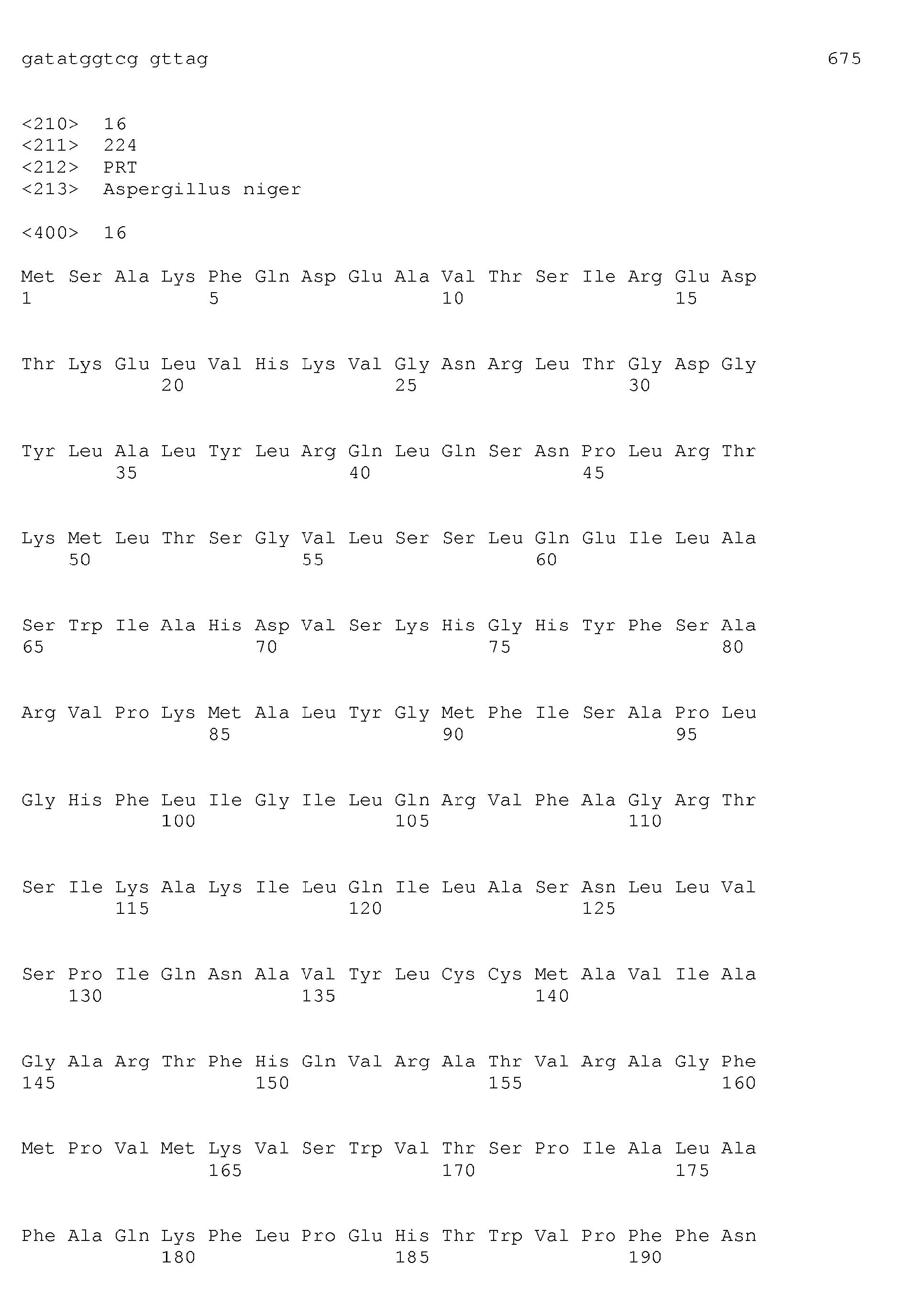
- the present invention provides a peroxisomal membrane polypeptide selected from the group consisting of (a) a polypeptide having an amino acid sequence according to SEQ ID NO: 16; (b) a polypeptide having an amino acid sequence that displays a degree of identity of at least 85%, preferably at least 90%, more preferably at least 93%, even more preferably at least 95% even more preferably at least 97%, even more preferably at least 98%, even more preferably at least 99% to the amino acid sequence according to SEQ ID NO: 16; and (c) a functional fragment of the polypeptide defined in (a) or (b)..
- the present invention provides a chimeric polypeptide suitable to obtain exposure at the surface of a peroxisome of an amino acid sequence corresponding to the amino acid sequence of a fusing polypeptide exposed at the surface of a donor membrane-structure, wherein the chimeric polypetide comprises a fusing polypeptide or part thereof operatively associated with a peroxisomal membrane polypeptide or a part thereof.
- the fusing polypeptide component of the chimeric polypeptide comprises an amino acid sequence selected from the group consisting of (a) a sequence corresponding to position 1 to 95 of SEQ ID NO:13 and (b) a homologous sequence displaying a degree of identity of at least 50%, preferably at least 60%, more preferably at least 70%, even more preferably at least 80%, most preferably at least 90% to the sequence defined in (a).
- the peroxisomal membrane protein component of the chimeric polypeptide comprises an amino acid sequence selected from the group consisting of (a) a sequence corresponding to position 2 to 224 of SEQ ID NO:16, preferably corresponding to a position 3 or 4 or 5 or 6 or 7 or 8 or 9 or 10 or 11 or 12 or 13 or 14 or 15 or 16 or 17 or 18 or 19 or 20 or 21 or 22 or 23 or 24 or 25 or 26 or 27 or 28 or 29 or 30 or 31 or 32 or 33 or 34 or 35 or 36 or 37 or 38 or 39 or 40 to position 224 and (b) a homologous sequence displaying a degree of identity of at least 50% preferably at least 60%, more preferably at least 70%, even more preferably at least 80%, most preferably at least 90% to the sequence defined in (a).
- the chimeric polypeptide has an amino acid sequence according to SEQ ID NO: 24.
- the degree of identity between two amino acid sequences refers to the percentage of amino acids that are identical between the two sequences.
- homologous polypeptide sequences are searched using the Basic Local Alignment Search Tool (BLAST) algorithm, which is described in Altschul, et al., J. Mol. Biol. 215: 403-410 (1990) .
- Software for performing BLAST analyses is publicly available through the National Center for Biotechnology Information ( http://www.ncbi.nlm.nih.gov/ ).
- the BLAST algorithm parameters W, B, and E determine the sensitivity and speed of the alignment.
- the present invention relates to polynucleotides comprising nucleic acid sequences encoding any of the polypeptides of the second aspect.
- the invention encompasses nucleic acid sequences encoding fusing polypeptides, chimeric polypeptides wherein a fusing polypeptide is operatively associated with a peroxisomal membrane polypeptide, peroxisomal membrane polypeptides and complementing fusing polypeptides, as defined herein.
- the identity (source) of the fusing polypeptide, the polypeptide functioning as the peroxisomal membrane anchor and, optionally, the complementing fusing polypeptide may be established.
- the source of nucleic acid sequences encoding the polypeptides of the second aspect may depend on the identity of the eukaryotic cell of choice.
- the nucleic acid sequences encoding the polypeptides of the second aspect are endogenous to the eukaryotic cell to be modified according to the invention.
- the present invention further provides a nucleic acid construct comprising a nucleic acid sequence encoding a polypeptides as defined above, operatively associated with one or more control sequences directing the expression of the polypeptide in a suitable host.
- Expression will be understood to include any step involved in the production of the polypeptide including, but not limited to, transcription, post-transcriptional modification, translation, post-translational modification.
- nucleic acid construct is defined herein as a nucleic acid molecule, either single-or double-stranded, which is isolated from a naturally occurring gene or which has been modified to contain segments of nucleic acid which are combined and juxtaposed in a manner which would not otherwise exist in nature.
- nucleic acid construct is synonymous with the term expression cassette or vector when the nucleic acid construct contains all the control sequences required for expression of a coding sequence.
- control sequences is defined herein to include all components, which are necessary or advantageous for the expression of a polypeptide in general. Each control sequence may be native or foreign to the nucleic acid sequence encoding the polypeptide. Such control sequences include, but are not limited to, a promoter, a leader, optimal translation initiation sequences (as described in Kozak, 1991, J. Biol. Chem. 266:19867-19870 ), a polyadenylation sequence, a transcription terminator. At a minimum, the control sequences include a promoter, and transcriptional and translational stop signals.
- operatively associated is defined herein as a configuration in which a control sequence is appropriately placed at a position relative to the coding sequence of the DNA sequence such that the control sequence directs the expression of a polypeptide.
- the control sequence may be any appropriate promoter sequence, which shows transcriptional activity in the cell, including mutant, truncated, and hybrid promoters, and may be obtained from genes encoding extra-cellular or intracellular polypeptides either homologous (native) or heterologous (foreign) to the cell.
- the promoter may be the promoter natively associated with the coding sequence to be expressed.
- the promoter may also be a constitutive or inducible promoter foreign to the coding sequence to be expressed.
- inducible promoters examples include a starch-, copper-, oleic acid- inducible promoter.
- a strong inducible promoter such as the glucoamylase promoter of A. niger or the TAKA amylase promoter of A. oryzae.
- the control sequence may also be a suitable transcription terminator sequence, a sequence recognized by cell to terminate transcription.
- the terminator sequence is operably linked to the 3' terminus of the nucleic acid sequence encoding the polypeptide. Any terminator, which is functional in the cell, may be used in the present invention.
- the nucleic acid construct may be identical to or cloned in a vector or expression vector.
- the recombinant expression vector may be any vector (e.g., a plasmid or virus), which can be conveniently subjected to recombinant DNA procedures and can bring about the expression of the nucleic acid sequence encoding the fusing polypeptide (or complementing fusing polypeptide).
- the choice of the vector will typically depend on the compatibility of the vector with the eukaryotic cell into which the vector is to be introduced.
- the vectors may be linear or closed circular plasmids.
- the vector may be an autonomously replicating vector, i.
- a vector which exists as an extrachromosomal entity, the replication of which is independent of chromosomal replication, e.g., a plasmid, an extrachromosomal element, a minichromosome, or an artificial chromosome.
- An autonomously maintained cloning vector which may be used in filamentous fungal cells comprise the AMA1-sequence (see e.g. Aleksenko and Clutterbuck (1997), Fungal Genet. Biol. 21: 373-397 ).
- the vector may be one which, when introduced into the cell, is integrated into the genome and replicated together with the chromosome (s) into which it has been integrated.
- the integrative vector may integrate at random or at a predetermined target locus in the chromosomes of the host cell.
- the integrative vector comprises a DNA fragment, which is homologous to a DNA sequence in a predetermined target locus in the genome of the host cell for targeting the integration of the vector to this predetermined locus.
- the vector is preferably linearized prior to transformation of the host cell. Linearization is preferably performed such that at least one but preferably either end of the cloning vector is flanked by sequences homologous to the target locus. The length of the homologous sequences flanking the target locus is depending on the identity of the host cell.
- the length is preferably at least 0.1kb, even preferably at least 0.2kb, more preferably at least 0.5 kb, even more preferably at least 1 kb, most preferably at least 2 kb.
- the DNA sequence in the vector, which is homologous to the target locus is derived from a highly expressed locus meaning that it is derived from a gene, which is capable of high expression level in the host cell.
- a gene capable of high expression level, i.e. a highly expressed gene is herein defined as a gene whose mRNA can make up at least 0.5% (w/w) of the total cellular mRNA, e.g.
- a gene whose gene product can make up at least 1% (w/w) of the total cellular protein (as described in EP 357 127 ).
- a number of preferred highly expressed fungal genes are given by way of example: the amylase, glucoamylase, alcohol dehydrogenase, xylanase, glyceraldehyde-phosphate dehydrogenase or cellobiohydrolase genes from Aspergilli or Trichoderma.
- Most preferred highly expressed genes for these purposes are a glucoamylase gene, preferably an A. niger glucoamylase gene, an A. oryzae TAKA-amylase gene, an A.
- nidulans gpdA gene or a Trichoderma reesei cellobiohydrolase gene This type of expression vector is highly suited to over-express a given gene in the eukaryotic cell of the invention, such as CAPP or a wild type or constitutively active mutant of a fusing polypeptide or a complementing fusing polypeptide (sso1).
- a gene of the host has to be inactivated such as VSM1
- it is preferably performed by designing an inactivation vector and targeting the vector at the locus of the gene to be inactivated according to the techniques described in EP 635 574 .
- the vector system may be a single vector or two or more vectors, which together contain the total DNA to be introduced into the genome of the cell.
- the vectors preferably contain one or more selectable markers, which permit easy selection of transformed cells.
- a selectable marker is a gene the product of which provides for biocide or viral resistance, resistance to heavy metals, prototrophy to auxotrophs, and the like.
- an expression vector or a nucleic acid construct into a cell is done using commonly known techniques. It may involve a process consisting of protoplast formation, transformation of the protoplasts, and regeneration of the cell wall in a manner known per se. Selected transformed cells are then analysed for the capacity of peroxisomes to fuse with a membrane-structure involved in the secretory pathway of the cell, e.g the plasma membrane.
- the morphology of the cells is studied under electronic or fluorescence microscopy, using peroxisomal-specific labelling to visualize the fusion of the peroxisome with a membrane-structure of the cell involved in the secretory pathway of the cell.
- peroxisomal-specific labelling are:
- the fusion of the peroxisome with a membrane-structure of the cell involved in the secretory pathway of the cell is monitored by expressing a model polypeptide in the peroxisome of the cell, preferably using a signal promoting peroxisome localisation of the model polypeptideand measuring the presence of the model polypeptide in the fermentation broth.
- a preferred model polypeptide is Green Fluorescent Protein (GFP), since its presence in the fermentation broth can be visualised by fluorescence and monitored by western blotting.
- GFP Green Fluorescent Protein
- Other model polypeptides may be enzymatically active intracellular proteins operatively associated with a peroxisomal localization signal, like acetamidase, or naturally peroxisomal localised proteins like catalase, amadoriase or thiolase.
- a eukaryotic cell containing peroxisomes that are capable to fuse with a membrane-structure of the cell involved in the secretory pathway of the cell is obtained by classical strain improvement, using an appropriate screening method.
- a preferred screening method uses expression of a model polypeptide like GFP as described above.
- the eukaryotic cell containing peroxisomes that are capable to fuse with a membrane-structure of the cell involved in the secretory pathway displays a peroxisomal fusion efficiency to an extent that at least 10% of the total amount of produced polypeptide is secreted into the culture medium at a given time point during cultivation, more preferably at least 40% of the produced polypeptide is secreted, even more preferably at least 60% of the produced polypeptide is secreted, even more preferably at least 70% of the produced polypeptide is secreted, even more preferably at least 80% of the produced polypeptide is secreted, and most preferably at least 90% of the produced polypeptide is secreted.
- the total amount of produced polypeptide is defined as the amount of polypeptide present in the fermentation broth, where the fermentation broth is defined to consist of a biomass fraction and a medium fraction.
- the amount of secreted polypeptide may be estimated using a model polypeptide.
- This model polypeptide may be Green Fluorescent Protein (GFP) with an engineered PTS-1 (e.g. GFP-SKL).
- GFP-SKL Green Fluorescent Protein
- concentration of GFP-SKL within the fermentation broth fractions can be determined using techniques known the person skilled in the art (e.g. fluorescence measurement, absorbance measurement, Western blot). Using the determined concentrations of the model polypeptide, the fraction of secreted model polypeptide can be calculated as percentage of the total amount of produced model polypeptide.
- the present invention relates to the production of a polypeptide of interest using the eukaryotic cell of the first aspect as host cell.
- the eukaryotic cell of the first aspect additionally comprises a nucleic acid construct or an expression vector comprising a nucleic acid sequence encoding a polypeptide of interest and operatively associated therewith a nucleic acid sequence encoding a signal that promotes peroxisomal localisation of the polypeptide of interest.
- the signal promoting peroxisomal localisation can be any signal as long as it allows the localisation and/or accumulation of the associated polypeptide inside the peroxisome.
- the signal promoting peroxisomal localisation is selected from the group consisting of:
- the tripeptide defined in (a), also named PTS-1 is present as a C-terminal extension of the polypeptide to be produced in the peroxisome.
- the DNA sequence coding for the signal promoting peroxisomal localisation is cloned downstream of and in operative association with the DNA sequence encoding the polypeptide.
- the tripeptide defined in (a) is a variant of [PAS]-[HKR]-[L] as described in: In silico prediction of the peroxisomal proteome in fungi, plants and animals. Olof Emanuelsson, Arne Elofsson, Gunnar von Heijne and Susana Cristo' bal. J. Mol. Biol. (2003) 330, 443-456 .
- the tripeptide defined in (a) is SKL or PRL.
- the tripeptide defined in (a) has a sequence that allows removal of the tripeptide sequence or removal of the tripeptide sequence together with a sequence preceding the tripeptide sequence from the C-terminus of the polypeptide of interest once the polypeptide is secreted outside the cell, by for instance action of a suitable protease or peptidase.
- Peptides defined in (b) are also named PTS2 signals ( Swinkels, B et al 1991. EMBO Journal 3255-3262 ; Petriv O.I. et al 2004. The Journal of molecular Biology 119-134 ). Preferably, they are present in the N-terminal part of the polypeptide.
- the polypeptide of interest already contains a signal promoting peroxisomal localisation, preferably this native signal is used to promote peroxisomal localisation.
- this native signal is used to promote peroxisomal localisation.
- the present invention envisages a phased extra-cellular production of the polypeptide of interest present in the peroxisome.
- the polypeptide of interest accumulates in the peroxisome and in a second phase the inducible promoter driving the expression of the fusing polypeptide (optionally complementing fusing polypeptide) is induced by adding a specific inducer to the medium, which will in turn lead to the fusion of the peroxisome with an acceptor membrane structure of the cell involved in the secretory pathway of the cell. This will result in the extra-cellular production of the polypeptide of interest.
- phased production first the production of the polypeptide of interest, then induction of peroxisome proliferation and as a last step induction of the fusion of the peroxisome with an acceptor membrane structure of the cell involved in the secretory pathway of the cell.
- the polypeptide may be any polypeptide native or foreign to the host cell.
- the term "foreign polypeptide” is defined herein as a polypeptide, which is not naturally produced by a given cell.
- the term “polypeptide” is not meant herein to refer to a specific length of the encoded polypeptide produced and therefore encompasses peptides, oligopeptides and proteins.
- the host cell of the invention is highly suited for the production of polypeptides needing a reducing environment for maturation, e.g. intracellular polypeptides.
- the polypeptide of interest is an intracellular polypeptide.
- the method of the invention using the host cell of the invention is the first one able to produce intracellular polypeptide in the fermentation medium on an industrial scale.
- a preferred polypeptide is an enzyme naturally produced in the peroxisome, such as amadoriase, catalase, acyl-CoA oxidase, linoleate isomerase, trans-2-enoyl-ACP reductase, trichothecene 3-O-acetyltransferase, alcohol dehydrogenase, carnitine racemase, D-mandelate dehydrogenase, enoyl CoA hydratase, fructosyl amine oxygen oxidoreductase, 2-hydroxyhepta-2,4-diene-1,7-dioate isomerase, NADP-dependent malate dehydrogenase, oxidoreductase, quinone reductase All these enzymes contain a C-terminal SKL sequence.
- ceramidases Other intracellular enzymes are ceramidases, epoxide hydrolases aminopeptidases, acylases, aldolase, hydroxylase, aminopeptidases.
- the polypeptide is an antibody or portion thereof, an antigen, a clotting factor, an extracellular enzyme, a hormone or a hormone variant, a receptor or portions thereof, a regulatory protein, a structural protein, a reporter, or a transport protein.
- the present invention thereby advantageously allows the extracellular production of polypeptides that encounter difficulties in the normal secretory pathway of the cell.
- the extracellular enzyme may be an aminopeptidase, amylase, carbohydrase, carboxypeptidase, catalase, cellulase, chitinase, cutinase, deoxyribonuclease, dextranase, esterase, alpha-galactosidase, beta-galactosidase, glucoamylase, alpha-glucosidase, beta-glucosidase, haloperoxidase, hydrolase, invertase, isomerase, laccase, ligase, lipase, lyase, mannosidase, mutanase, oxidase, oxidoreductase pectinase, peroxidase, phytase, polyphenoloxidase, protease, ribonuclease, transferase, transglutaminase, or xylanase.
- the nucleic acid sequence encoding a polypeptide of interest may be obtained from any prokaryotic, eukaryotic, or other source.
- the term "obtained from “as used herein in connection with a given source shall mean that the polypeptide is produced by the source or by a cell in which a gene from the source has been inserted.
- the host cells of the present invention are cultivated in a nutrient medium suitable for production of the polypeptide of interest using methods known in the art.
- the cells may be cultivated by shake flask cultivation, small-scale or large-scale fermentation (including continuous, batch, fedbatch, or solid state fermentations) in laboratory or industrial fermentors performed in a suitable medium and under conditions allowing the polypeptide to be expressed and/or isolated.
- the cultivation takes place in a suitable nutrient medium comprising carbon and nitrogen sources and inorganic salts, using procedures known in the art (see, e. g., Bennett,J. W. and LaSure, L.,eds., More Gene Manipulations in Fungi, Academic Press, CA, 1991 ).
- Suitable media are available from commercial suppliers or may be prepared using published compositions (e. g., in catalogues of the American Type Culture Collection).
- the cultivation medium may be adapted to the polypeptide to be produced and to the eukaryotic cell chosen.
- the cultivation medium comprises an activator of Ceramide Activated Phosphatase Protein (CAPP).
- CAPP Ceramide Activated Phosphatase Protein
- This phosphatase is known to activate SNARE interactions by dephosphorylating t-SNARE's. ( Marash M, Gerst JE :t-SNARE dephosphorylation promotes SNARE assembly and exocytosis in yeast. EMBO J. 2001 Feb 1;20(3):411-21 ).
- An example of an activator of CAPP is a ceramide, e.g. dihydro-C 2 ceramide or another C2-ceramide (Calbiochem, SIGMA).
- 1 to 100 ⁇ M ceramide is present in the fermentation medium at the beginning of the fermentation. More preferably, 5 to 50 ⁇ M ceramide is present in the fermentation medium at the beginning of the fermentation. Even more preferably, about 10 ⁇ M ceramide is present in the fermentation medium at the beginning of the fermentation. According to a most preferred embodiment, the concentration of ceramide is monitored during the whole fermentation process to be kept at such values. If needed, fresh ceramide may be continuously added during the fermentation process.
- the fermentation medium comprises a substance inducing peroxisome proliferation, such as a substrate that is metabolised via at least one enzyme that is normally located in the peroxisome, preferably a fatty acid, more preferably oleate, as previously described ( YASUYOSHI SAKAI et al, Regulation of Peroxisomal Proteins and Organelle Proliferation by Multiple Carbon Sources in the Methylotrophic Yeast, Candida boidinii. Yeast 14, 1175-1187 (1998) ).
- Fatty acids can also be used to obtain peroxisomal proliferation as previously described ( Intrasuksri U, et al, Mechanisms of peroxisome proliferation by perfluorooctanoic acid and endogenous fatty acids. Gen Pharmacol. 1998 Aug;31 (2):187-97 .)
- the fermentation medium comprises both an activator of CAPP and a peroxisome-inducing substance.
- the resulting polypeptide may be isolated from the culture broth by methods known in the art.
- the polypeptide may be isolated from the culture broth by conventional procedures including, but not limited to, centrifugation, filtration, extraction, spray drying, evaporation, or precipitation.
- the isolated polypeptide may then be further purified by a variety of procedures known in the art including, but not limited to, chromatography (e. g., ion exchange, affinity, hydrophobic, chromatofocusing, and size exclusion), electrophoretic procedures (e.g., preparative isoelectric focusing, differential solubility (e. g., ammonium sulfate precipitation), or extraction (see, e.g., Protein Purification, J.-C.
- chromatography e. g., ion exchange, affinity, hydrophobic, chromatofocusing, and size exclusion
- electrophoretic procedures e.g., preparative isoelectric focusing, differential solubility (e. g., ammonium s
- the method of the invention advantageously allows the production of at least 0.01 g/I of the polypeptide of interest at the end of the fermentation period.
- at least 0.05 g/l of the polypeptide is produced, more preferably at least 0.1g/l, even more preferably at least 0.5g/l and most preferably at least 1 g/l.
- Example 1 Targeting an acetamidase (amdS) protein in peroxisome in Aspergillus niger and Kluyveromyces lactis using a C-terminal SKL tag
- the Aspergillus niger strain (CBS 513.88) and K.lactis strain (CBS 685.97) used were already deposited. In these strains, using classical molecular biology techniques, as described in Molecular Cloning: A Laboratoy Manual, Sambrook et al., New York: Cold Spring Harbour Press, 1989, several genes were over-expressed and activity of the encoded proteins was determined as described below.
- Genomic DNA from CBS 513.88 was used as template in a PCR reaction using SEQ ID NO: 1 and SEQ ID NO: 2, resulting in coding sequence shown as SEQ ID NO: 4.
- genomic DNA from CBS 513.88 was used as template in a PCR reaction using SEQ ID NO: 1 and SEQ ID NO: 3, resulting in coding sequence shown as SEQ ID NO: 5.
- All PCR reactions, cDNA synthesis, ligations and transformations were performed as described above in Molecular Cloning.
- the resulting PCR fragments (SEQ ID NO: 4 and SEQ ID NO: 5) were cut with Pacl and Ascl according to the manufacturers instructions and ligated in a Pacl, Ascl linearized A. niger expression vector depicted in figure 1, resulting in a construct in which the acetamidase gene is placed under control of the glaA promoter. This expression vector was used to transform A. niger.
- genomic DNA from CBS 513.88 was used as template in a PCR reaction using SEQ ID NO: 6 and SEQ ID NO: 7, resulting in coding sequence shown as SE ID NO: 9.
- genomic DNA from CBS 513.88 was used as template in a PCR reaction using SEQ ID NO: 6 and SEQ ID NO: 8, resulting in coding sequence shown as SEQ ID NO: 10.
- the resulting PCR fragments (SEQ ID NO: 9 and SEQ ID NO: 10) were cut with Pacl and Ascl according to the manufacturers instructions and ligated in a Pacl, Ascl linearized K.lactis expression vector depicted in figure 2, resulting in a construct in which, the A. niger acetamidase gene (SEQ ID NO: 9 and SEQ ID NO: 10) is placed under control of the lac4 promotor. This expression vector was used to transform K. lactis.
- the resulting plasmids were transformed respectively to A. niger CBS 513.88 or to K. lactis CBS 685.97.
- the transformation of A niger was performed according to ( Kelly JM, Hynes MJ Transformation of Aspergillus niger by the amdS gene of Aspergillus nidulans. EMBO J. 1985 Feb;4(2):475-9 ) and of K lactis according to ( Sreekrishna K, Webster TD, Dickson RC, Transformation of Kluyveromyces lactis with the kanamycin (G418) resistance gene of Tn903. Gene. 1984 Apr;28(1):73-81 ).
- the presence of the expression cassette in the A. niger transformants was checked by PCR.
- the selected transformants were cultivated for 5 days at 30 °C at 250 rpm in 500 ml conical shake flasks with baffles in 100 ml of the following medium: 150 g/l maltose, 60 g/l bacto soytone, 1 g/l NaH 2 PO 4 , 15 g/l (NH 4 ) 2 SO 4 , 1 g/l MgSO 4 .4H 2 O, 0.08 g/l tween-80, 0.02 g/l Basildon, 20 g/l Morpholino Ethane Sulfonicacid (MES), 1 g/l L-arginine.
- MES Morpholino Ethane Sulfonicacid
- Cells were harvested and disrupted by grinding under liquid nitrogen. Cell lysates were obtained by resuspending 25 mg grinded biomass in 0.5 ml phosphate buffered D 2 O (deuterium pD 7.0). Subsequently 0.5 ml of 10 mg/ml substrate (propionamide) in D 2 O was added and incubated at 37oC for 4 days and centrifuged (end concentration 5 mg/mL substrate and 25 mg/mL extract).Measurement of the acetamidase activity in the control cell CBS513.88 and in the transformed cell was performed by Nuclear Magnetic Resonance as described by the manufacturer's instructions (figure 3).
- 1 H NMR spectra were recorded on a Bruker DRX-600 operating at a proton frequency of 600 MHz at a probe temperature of 300 K. A 5mm triple resonance probe with self-shielded gradients was used. 1 H NMR spectra of all reference compounds were acquired in order to show that all the compounds involved have unique NMR signals, based on which they can be identified and quantified (not shown). In order to create perfect reference spectra of every relevant compound, a stock solution of each compound was prepared in D 2 O (Cambridge Isotope Laboratories). Stock solutions were prepared in concentrations of 10 mg/mL by weighting the substrate or the reference compound and adding D 2 O.
- the resulting K.lactis transformants were cultivated for 3 days in 100 ml YEPD (Yeast Extract 10 g/l, Peptone 20 g/l, Dextrose 20 g/l) at 30 °C at 250 rpm in 500 ml conical shake flasks with baffles.
- Cells were harvested and disrupted by grinding under liquid nitrogen.
- Cell lysates were obtained by resuspending grinded biomass in 20 mM sodiumphosphatebuffer, pH 7.4, 1 mM EDTA, 2 mM DTT with protease inhibitor (complete from Roche: catalogus number 1873580).
- Acetamidase activities were determined in the control K lactis cell and in the transformed cell according to Skouloubris et al., Molecular Microbiology (2001) 40(3), 596-609 (figure 4).
- Example 2 Addition of oleate to the fermentation medium to increase peroxisome proliferation
- the resulting A . niger strains over-expressing GFP with a C-terminal linked -SKL peptide were cultivated in shake flasks using an orbital shaker at 30oC, 250 RPM in Minimal Enriched Aspergillus Medium (MEAM, described in patent application WO 98/46772 ). After 48 hours of pre-culture, mycelium was harvested and, washed and subsequently transferred to fresh culture medium (MEAM) supplemented with 0.18% (w/v) Na-oleate and 0.02% (w/v) Tween-40). Control cultures were cultured in MEAM without supplementation with Na-oleate and Tween-40. After 26 hours of culture, samples were analysed using a Zeiss fluorescence microscope, using blue light excitation (490nm). Representative samples were used for fluorescence photography using Fujicolor 800ASA colorfilm.
- MEAM Minimal Enriched Aspergillus Medium
- A. niger v-SNARE SncA shown as SEQ ID NO's: 11, 12 and 13, genomic, cDNA and protein sequence, respectively, without transmembrane domain, was fused to peroxisomal membrane protein 22 (Pmp22), shown as SEQ ID NO's: 14, 15 and 16, genomic, cDNA and protein sequence, respectively.
- Genomic DNA from CBS513.88 was used as template in a PCR reaction using SEQ ID NO: 17 and SEQ ID NO: 18 to result in coding SEQ ID NO: 19.
- genomic DNA from CBS513.88 was used as template in a PCR reaction using SEQ ID NO: 20 and SEQ ID NO: 21 to result in coding SEQ IDNO: 22.
- SEQ ID NO: 19 and SEQ ID NO: 22 were used as template in a PCR reaction using SEQ ID NO: 17 and SEQ ID NO: 21 to result in SEQ ID NO: 23.
- the resulting PCR fragment (SEQ ID NO: 23) was digested with restriction enzymes Pac l and Asc l according to the manufacturers instructions and ligated into a Pac l, Asc l linearised A. niger expression vector as depicted in figure 1. This resulted in a construct in which the gene encoding the fusing polypeptide with peroxisomal membrane anchor (SncA/Pmp-22) was placed under control of the glaA promoter.
- SDS-PAGE Supernatant samples from 3.2 were analysed by SDS-PAGE.
- SDS-PAGE was performed using NuPAGE Novex high performance pre-cast gels (4-12% Bis-Tris gradient gel, Invitrogen, Paisley, UK) according to manufacturer's instructions.
- the samples (20 ⁇ l) were mixed with 2.0 ⁇ l reducing agent and 6.0 ⁇ l sample buffer according to the manufacturer's instructions and subsequently heated for 10 min at 70oC before loading onto the gel. After electrophoresis, gels were stained using Simply Blue Safe stain (Invitrogen, Paisley, UK) according to manufacturer's instructions.
- the commercially available anti-GFP antibody (anti-GFP Eurogentec, Belgium catno: MMS-118P) was diluted to 1/10.000 and the blot was incubated for 1 hour with this antibody. Subsequently the blot was washed 3 times for 5 minutes with MilliQ water and TBS + 0.2% skim milk. After washing, the blot was incubated for one hour at room temperature with a 1/5000 dilution of Goat Anti-Rabbit Peroxidase (catalogues number 31460, Pierce Rock Ford Illinois USA). The blot was washed again and immersed with detection fluid (ECL direct nucleic acid labelling and detection system, Amersham biosciences, Buckinghamshire, UK). Finally, the blot was exposed to AGFA Curix Blue HC-S plus film (AGFA Mortsel, Belgium).
- the degree of lysis of the cultures was determined by measurement of the activity of the intra-cellular enzyme acetamidase (amdS) in the culture supernatant.
- Acetamidase measurement was performed according to Skouloubris et al., Molecular Microbiology (2001) 40 (3), 596-609 .
- Ten ⁇ l of supernatant from cultures was added to 100mM acetamide (catalogues number A0500, Sigma Missouri USA) in Phosphate EDTA Buffer (PEB, 100mM Na-Phosphate, pH 7.4, 10mM EDTA).
- Example 4 Pmp22 can be utilised to decorate peroxisomes with recombinant (poly)peptides
- GFP Green Fluorescent Protein
- GFP shown as SEQ ID NO: 25 and 26 was fused to peroxisomal membrane protein 22 (Pmp22), shown as SEQ ID NO's: 14, 15 and 16.
- GFP DNA (SEQ ID NO: 25) was used as template in a PCR reaction using SEQ ID NO: 27 and SEQ ID NO: 28 to result in SEQ ID NO: 29.
- genomic DNA from CBS513.88 was used as template in a PCR reaction using SEQ ID NO: 30 and SEQ ID NO: 31 to result in coding SEQ ID NO: 32.
- SEQ ID: 29 and SEQ ID: 32 were used as template in a PCR reaction using SEQ ID: 27 and SEQ ID: 31 to result in SEQ ID: 33.
- the resulting PCR fragment (SEQ ID NO: 33) was digested with restriction enzymes Pac l and Asc l according to the manufacturers instructions and ligated into a Pac I , Asc I linearised A . niger expression vector as depicted in figure 1.
- Expression of the gene resulted in GFP with peroxisomal membrane anchor shown as SEQ ID NO: 34.
- the GFP/Pmp-22 expression vector was used to transform A. niger. All PCR reactions, ligations and transformations were performed using classical molecular biology techniques, as described in Molecular Cloning: A Laboratory Manual, Sambrook et al., New York: Cold Spring Harbor Press, 1989 .
- the resulting A . niger strains over-expressing GFP/Pmp-22 were cultivated in shake flasks using an orbital shaker at 30oC, 250 RPM in Minimal Enriched Aspergillus Medium (MEAM, described in patent application WO 98/46772 ).
- Control cultures over-expressing GFP with and without a C-terminal linked -SKL were cultivated using identical culture conditions. After 18 hours of culture, samples were analysed using a Zeiss fluorescence microscope, using blue light excitation (490nm). Representative samples were used for fluorescence photography using Fujicolor 800ASA colorfilm.
- a . niger over-expressing GFP/Pmp22 chimeric protein shows the same punctuate pattern of intense green, spherical shaped, intra-cellular micro bodies as A . niger over-expressing GFP-SKL ( Figure 9B), where GFP-SKL is targeted to the peroxisome by the C-terminal SKL.
- A. niger over-expressing wild-type GFP i.e. without C-terminal SKL
Landscapes
- Chemical & Material Sciences (AREA)
- Life Sciences & Earth Sciences (AREA)
- Health & Medical Sciences (AREA)
- Organic Chemistry (AREA)
- Wood Science & Technology (AREA)
- Engineering & Computer Science (AREA)
- Genetics & Genomics (AREA)
- Zoology (AREA)
- Biochemistry (AREA)
- General Health & Medical Sciences (AREA)
- Molecular Biology (AREA)
- Bioinformatics & Cheminformatics (AREA)
- General Engineering & Computer Science (AREA)
- Medicinal Chemistry (AREA)
- Proteomics, Peptides & Aminoacids (AREA)
- Microbiology (AREA)
- Biotechnology (AREA)
- Biomedical Technology (AREA)
- Mycology (AREA)
- Gastroenterology & Hepatology (AREA)
- Biophysics (AREA)
- Chemical Kinetics & Catalysis (AREA)
- General Chemical & Material Sciences (AREA)
- Micro-Organisms Or Cultivation Processes Thereof (AREA)
- Peptides Or Proteins (AREA)
- Preparation Of Compounds By Using Micro-Organisms (AREA)
Abstract
The present invention relates to an eukaryotic cell containing peroxisomes that are capable to fuse with a membrane-structure of the cell involved in the secretory pathway of the cell. In this way, the eukaryotic cell is able to release the peroxisomal content outside the cell. The invention also relates to a method for production of a polypeptide of interest in said eukaryotic cell wherein said polypeptide of interest is present in the peroxisome of the cell. Said polypeptide will accumulate in the peroxisome by a signal promoting peroxisome localisation. Preferred host cells are filamentous fungal cells.
Description
- The present invention relates to recombinant-DNA-technology. Specifically, this invention relates to a method for production of a compound in a eukaryotic cell, wherein the compound is present in a peroxisome capable of fusion with a membrane structure of the cell involved in the secretory pathway of the cell, causing the compound to be released outside of the cell.
- Secretion of proteins by eukaryotic cells into the culture medium involves transfer of the proteins through the various membrane-enclosed compartments constituting the secretory pathway. First, the proteins are translocated into the lumen of the endoplasmic reticulum (ER). From there on, the proteins are transported in membrane vesicles to the Golgi complex and from the Golgi complex to plasma membrane. The secretory pathway involves several steps in which vesicles containing the secreted proteins are pinched off from the donor membrane, targeted to and fused with the acceptor membrane. At each of these steps, the function of several proteins such as chaperones or folding enzymes is needed in order to perform adequate maturation of the proteins including glycosylation and disulphide bridge formation. The extracellular proteins mature in the oxidizing environment of the ER where they become core glycosylated and this glycosylation process is subsequently completed in the Golgi complex.
- Several attempts have been made to increase protein secretion in eukaryotes. A common approach to increase secretion of heterologous proteins is to use signal sequences (see for example
EP 0215 594 ). The conventional secretory pathway in eukaryotic cells, as outlined above, is by definition adapted to the maturation of extracellular proteins. The maturation of intracellular proteins is realized in the reducing environment of the cytoplasm having specific chaperones and folding proteins. Production of proteins, especially intracellular proteins, in an industrial setting is still a difficult task due to the low yield of proteins caused by the inefficiency of both the secretion and the down stream processing (Hopkins TR. Physical and chemical cell disruption for the recovery of intracellular proteins. Bioprocess Technol. 1991;12:57-83.) - Due to the growing industrial importance to produce proteins and to the poor efficiency of both secretion and down stream processing pathways, there is still a need to obtain improved process for production of proteins in eukaryotic cells. The present invention provides a novel method to produce proteins with high efficiency.
-
- Figure 1 depicts the expression vector used to express the acetamidase gene in A. niger.
- Figure 2 depicts the expression vector used to express the acetamidase gene in K. lactis.
- Figure 3 depicts the acetamidase activity measured in control A. niger cells transformed with the acetamidase gene or in A. niger cells transformed with the acetamidase gene fused to the SKL sequence.
- Figure 4 depicts the acetamidase activity measured in control K. lactis cells transformed with the acetamidase gene or in K. lactis cells transformed with the acetamidase gene fused to the SKL sequence.
- Figure 5 shows the peroxisomes of A. niger transformed with GFP-SKL.
- Figure 6 shows the peroxisomes of A. niger transformed with GFP-SKL and cultivated with Na-oleate, a mediator of peroxisome proliferation.
- Figure 7 shows a SDS-PAGE gel containing culture supernatants of several transformed A niger strains that demonstrates the release of GFP-SKL in the supernatant.
- Figure 8 shows a Western blot containing culture supernatants of several transformed A. niger strains that demonstrates the release of GFP-SKL in the supernatant.
- Figure 9 shows A. niger strains expressing GFP (panel C), GFP-SKL (panel B) or GFP/Pmp22 (panel A).
- In a first aspect, the invention relates to a eukaryotic cell containing peroxisomes that are capable to fuse with a membrane-structure of the cell involved in the secretory pathway of the cell. In this way, the present invention provides a novel capability of eukaryotic cells in that they are capable to release the content of a peroxisome outside of the cell. In this way, polypeptides that otherwise would not be secreted by a eukaryotic cell can now be advantageously released via the peroxisomal route.
- According to the invention fusion of a peroxisome with a membrane-structure of the cell involved in the secretory pathway of the cell is equivalent with fusion of the peroxisomal membrane with a membrane-structure of the cell involved in the secretory pathway of the cell. Fusion means the merging of diverse elements to form a unified whole: one element is here the peroxisomal membrane and other elements are membranes from membrane-structures of the cell involved in the secretory pathway of the cell. For example, if fusion of peroxisome with the plasma membrane occurs, the peroxisomal content will be directly exported outside of the cell. In another example, if the fusion of the peroxisome with the Golgi complex and/or with the ER occurs, the peroxisomal content will be translocated into the Golgi complex and/or the ER, thereby being indirectly exported outside of the cell via the endogenous secretory pathway of the cell.
- A peroxisome (also called microbody) is defined as a single membrane bound organelle involved in a variety of metabolic processes ubiquitously found in eukaryotic cells (Sakai et al. Yeast 14, 1175-1187; 1998). In eukaryotic cells, peroxisomes normally do not fuse with a membrane-structure of the cell involved in the secretory pathway of the cell but are maintained as single membrane bound organelles within the cytosol.
- In the context of the invention, a membrane-structure of the cell involved in the secretory pathway of the cell may be any membrane structure involved in the secretion of a polypeptide by the cell. Throughout this invention, the phrase "membrane-structure of the cell involved in the secretory pathway of the cell" and the term "membrane-structure" are used synonymously. Preferably, the membrane-structure of the cell involved in the secretory pathway of the cell is selected from the group consisting of the plasma membrane, the Golgi complex and the Endoplasmic Reticulum (ER). The Golgi complex is defined as to include minimally three (cis-, medial- and trans-Golgi) distinct flattened membrane-bound compartments (cisternae), which associate with each other to form a stack (Pfeffer SR, Constructing a Golgi complex. J Cell Biol. 2001 Dec 10;155(6):873-5).
- The process of membrane fusion is highly conserved in all eukaryotic species. According to the present state of the art, the central components driving membrane fusion are polypeptides called SNAREs (Soluble N-ethylmaleimide-sensitive factor Attachment protein Receptors). Complementary SNAREs are present on donor and acceptor membranes and are distinguished by a conserved sequence motif (SNARE motif). To mediate membrane fusion, four SNARE motifs bundle to form a parallel coiled-coil structure, referred to as SNAREpin. The SNAREpin is comprised of at least one membrane-anchored SNARE on the acceptor membrane-structure and at least one membrane anchored SNARE on the donor membrane-structure. Soluble or alternatively membrane bound SNAREs containing one or two SNARE motifs (e.g. Sec9) may complement SNAREpin formation. The arrangement of SNAREpin components in the donor : acceptor membrane structures may be 1 : 3, but can also be 2 : 2. (Burri L, Lithgow T. A complete set of SNAREs in yeast. Traffic. 2004 Jan;5(1):45-52).
- According to the invention, the fusion of the peroxisome membrane with a membrane-structure of the cell involved in the secretory pathway of the cell can be effectuated in several ways, which can be used alone or in combination.
- The present invention disclose that to obtain fusion of a peroxisome with the plasma membrane of a eukaryotic cell, a fusing polypeptide or a part thereof is exposed at the surface of the peroxisome. According to the invention, a fusing polypeptide is a polypeptide involved in the fusion of a donor membrane-structure with an acceptor membrane-structure and normally exposed at the surface of the donor membrane-structure. A donor membrane-structure is defined as a membrane-structure that is capable to generate vesicles that are able to fuse with an acceptor membrane-structure. Preferably, the donor membrane structure is selected from the group consisting of the Golgi complex and the ER.
- Fusing polypeptides typically comprise a part exposed at the surface of the donor membrane-structure, e.g. the Golgi complex or the ER, and a transmembrane domain. In a preferred embodiment, that part of the fusing polypeptide normally exposed at the surface of the donor membrane-structure, i.e. the surface exposed domain, is used for exposure at the surface of the peroxisome.
- In a preferred embodiment, the donor membrane structure is the Golgi complex, i.e. the fusing polypeptide is a polypeptide normally expressed at the surface of a vesicle of the Golgi complex and known to be involved in the fusion of the Golgi vesicle with the plasma membrane.
- Preferred fusing polypeptides are polypeptides of the family of v-SNARE polypeptides or v-SNAREs (vesicle-SNAREs, Jahn et al, Annu Rev. Biochem.(1999) 863-911; Burri et al. supra).
- Several v-SNAREs expressed at the surface of a vesicle of the Golgi complex have already been described, e.g. Snc1 and Snc2 (Burri et al. supra). Examples of a v-SNARE expressed at the surface of the ER are Sec22 and Ykt6 (Burri et al. supra). In a preferred embodiment of the invention, at least one of the v-SNAREs Snc1 or Snc2, or a homologue thereof, is used. An example of a Snc1/Snc2 homologue is the Aspergillus niger SncA polypeptide as provided by the present invention.
- The present invention encompasses the use of homologues of any polypeptide (or its encoding gene) that is described in the present invention with reference to its origin from a specific reference species, usually yeast (S. cerevisiae). Thus, a homologue (or a homologous sequence) is defined as a polypeptide from another species than the reference species that exerts substantially the same function as the polypeptide of the reference species, although the homologue may have a different name than the name used in the reference species. Typically, such a homologue may have a degree of identity with the polypeptide of the reference species of at least 50%. Such a homologue preferably originates from the same eukaryotic species as the eukaryotic cell that is modified according to the present invention.
- To obtain exposure of a fusing polypeptide, such as a v-SNARE, at the peroxisomal surface, the fusing polypeptide or part thereof is operatively associated with, preferably fused to, a peroxisomal membrane polypeptide or part thereof. In this way a chimeric polypeptide is obtained comprising a fusing polypeptide part or component and a peroxisomal membrane polypeptide part or component.
- The peroxisomal membrane polypeptide or part thereof, as component of the chimeric polypeptide, should be capable to mediate targeting to and localisation of the entire chimeric polypeptide in the peroxisomal membrane, thereby functioning as a membrane anchor and exposing the fusing polypeptide part of the chimeric polypeptide on the surface of the peroxisome. Preferably, the peroxisomal membrane polypeptide is trimmed at the N-terminal part to result in exposure of the fusing polypeptide as close as possible to the peroxisomal membrane, without abrogating peroxisomal targeting of the chimeric fusing polypeptide.
- Preferably, that part of the fusing polypeptide, such as a v-SNARE, is used as component of the chimeric polypeptide that comprises at least the domain of the fusing polypeptide normally exposed at the surface of the donor membrane-structure, such as a Golgi vesicle. The transmembrane domain(s) of the fusing polypeptide may be absent in the chimeric polypeptide, either partly or completely.
- Any peroxisomal membrane polypeptide or a part thereof suitable to function as a peroxisomal membrane anchor is suitable to be used for operative associated with, preferably fusion to, at least the surface-exposed domain of the fusing polypeptide, as long as the result is a chimeric peptide comprising the fusing polypeptide part located at the cytosolic side (or surface) of the peroxisome (able to interact with the membrane-structure of the cell involved in the secretory pathway of the cell). Preferably, the fusing polypeptide part is located at the N-terminal side of the chimeric polypeptide.
- An example of a preferred peroxisomal membrane polypeptide is Peroxisomal Membrane Polypeptide 22 (Pmp22) or a homologue thereof (Brosius U, Dehmel T, Gartner J. Two different targeting signals direct human peroxisomal membrane protein 22 to peroxisomes. J Biol Chem. 2002 Jan 4;277(1):774-84). An example of a Pmp22 homologue is the Aspergillus niger Pmp22 as provided by the present invention. According to a preferred embodiment, the part of the Pmp22 polypeptide that is used as component of the chimeric polypeptide comprises at least one peroxisomal transmembrane domain of Pmp22, more preferably all peroxisomal transmembrane domains of Pmp22.
- Preferably, Pmp22 is trimmed at the N-terminal part as described above. Said trimming comprises a deletion of at least the first methionine. The trimming on the N-terminal part may further comprise the deletion of the N-
terminal 1 to 50, e.g. 48, amino acids, preferably of the N-terminal 1 to 35, e.g. 33, amino acids, more preferably of the N-terminal 1 to 20, e.g. 18, amino acids. - According to a preferred embodiment, the domain of a v-SNARE (e.g. Snc1, Snc2 or SncA) normally exposed at the surface of the donor membrane-structure is operatively associated with (fused to) the peroxisomal membrane polypeptide Pmp22, to decorate peroxisomes with the corresponding part of the v-SNARE, e.g. Snc1, Snc2 or SncA. More preferably, the surface exposed domain of SncA is used. Even more preferably, the chimeric polypeptide has an amino acid sequence according to SEQ ID NO: 24.
- In one embodiment of the invention, exposure of a fusing polypeptide at the surface of the peroxisome is accompanied by over-expression of a complementing fusing polypeptide at the acceptor membrane-structure of the cell, e.g. the plasma membrane or the Golgi complex. A "complementing fusing polypeptide" according to the invention is a polypeptide involved in facilitating the fusion of a donor membrane structure, e.g. a vesicle of the Golgi complex or the ER, with an acceptor membrane-structure, e.g. the plasma membrane or the Golgi complex
- A complementing fusing polypeptide is preferably a target-SNARE or t-SNARE (Jahn et al., Annu. Rev. Biochem. 863-911 (1999)). Preferred t-SNARE polypeptides are for instance Sso1 or Sso2, or homologues thereof, which are located at the plasma membrane, or Sed5, or homologues thereof, which is located at the Golgi complex (Burri et al. supra). Other preferred complementing fusing polypeptides are Sec9 involved in fusion at the plasma membrane or Bos1, Gos1 or Bet1 involved is fusion at the Golgi complex (Burri et al. supra), or homologues thereof.
- According to a preferred embodiment, the fusing and complementing fusing polypeptides are exposed in stoichiometric amounts, meaning that the polypeptide interaction between a fusing and a complementing fusing polypeptide(s) is as close as possible to the physiological ratio or native stochiometry (Burri L et al, supra). A stoichiometric co-exposure is expected to further facilitate the fusion of the peroxisome with the acceptor membrane-structure, e.g. the plasma membrane. This stoichiometric co-expression is preferably achieved by using identical expression cassettes in substantially the same copy numbers.
- According to one embodiment of the invention, the eukaryotic cell contains peroxisomes capable to fuse with the plasma membrane as well as the Golgi complex of the cell.
- According to a preferred embodiment, all the chosen fusing and optional complementing fusing polypeptide(s), and the peroxisomal membrane polypeptide to be expressed are native to the eukaryotic host cell of choice.
- The present invention further envisages improvements of eukaryotic cells according to the invention such that the eukaryotic cells are capable of fulfilling the activities according to the invention with an increased efficiency.
- For instance, targeting of the peroxisome to the plasma membrane and subsequent membrane fusion may be enhanced by using the targeting mechanism of Golgi derived vesicles. Modification may allow this mechanism to be effective on peroxisomes.
- An example to modify this mechanism to be effective on peroxisomes is to engineer Sec4, or a homologue thereof, such that it is operatively associated with the peroxisome. This will result in targeting of the peroxisome to the secretion complex in the plasma membrane (exocyst) and in addition will increase SNAREpin formation to enhance efficiency of peroxisomal fusion with the plasma membrane. Normally, Sec4 cycles between a GDP soluble state and a GTP bound secretion vesicle membrane attached state. It was demonstrated (Ossig et al 1995. EMBO Journal 3645-3653.) that a permanently attached Sec4 is biologically active. The membrane attachment of Sec4 is normally achieved by geranylgeranylation of the two C-terminal cysteine residues. To allow permanent attachment of Sec4 to the peroxisomal membrane, the two C-terminal cysteine residues of Sec4 may be deleted or substituted by a different amino acid and a chimeric polypeptide comprising a peroxisomal membrane polypeptide or part thereof, may be engineered analogous to the already described chimeric polypeptide comprising a fusing polypeptide and a peroxisomal membrane polypeptide.
- In addition, the fusion of the peroxisome with the membrane-structure of the cell involved in the secretory pathway of the cell may be improved by making the complementing fusion polypeptide(s) more susceptible for interaction with the fusing polypeptide. This can be done in various ways, as described below.
- A constitutively active mutant of a fusing polypeptide and, optionally, a complementing fusing polypeptide may be prepared and (over-)exposed at the surface of the peroxisome and, optionally, the acceptor membrane-structure, e.g. the plasma membrane. An example of a constitutively active mutant is a dephosphorylated mutant of a complementing fusing polypeptide, preferably a t-SNARE, more preferably Sso1 or a homologue thereof (Marash M, Gerst JE. t-SNARE dephosphorylation promotes SNARE assembly and exocytosis in yeast. EMBO J. 2001 ).
- It is also possible to inactivate a regulator gene of a SNARE by techniques known to the skilled person. Such a regulator for instance is the v-SNARE master (VSM-1 or a homologue thereof), which binds to phosphorylated Sso1 and stabilizes the closed, inactive conformation of Sso1 (Marash M, Gerst JE. Mol Biol Cell. 2003 Aug;14(8):3114-25).
- It is also possible to over-express an enzyme known to activate SNARE interactions. Preferably, the Ceramide Activated Phosphatase Protein (CAPP) or a homologue thereof is over-expressed (Fishbein JD, Dobrowsky RT, Bielawska A, Garrett S, Hannun YA. Ceramide-mediated growth inhibition and CAPP are conserved in Saccharomyces cerevisiae. J Biol Chem. 1993 May 5;268(13):9255-61).
- It is also possible to modify the eukaryotic cell in such a way that the homeostasis of peroxisomes is affected. Such modification may comprise improving the rate of peroxisome biogenesis and/or decreasing the rate of peroxisome degradation as compared to the peroxisome biogenesis and/or degradation of the parental cell from which the eukaryotic cell according to the invention originates.
- According to a more preferred embodiment, the eukaryotic cell has been genetically modified by (as described in
):WO 00/71579 - (a) over-expressing genes involved in peroxisome biogenesis, e.g. pex11 and/or pex3 or homologues thereof, and/or
- (b) down-regulating the expression of genes involved in peroxisome degradation, e.g. vps15 and/or pdd1 and/or APG or homologues thereof..
- The role of the pex3 and pex11 polypeptides in peroxisome biogenesis has already been described (Baerends RJ, et al Yeast. 1997 Dec;13(15):1449-63 and
). The role of Apg and Vps15 polypeptides in degradation of peroxisomes has also been described (Wang CW et al. J Biol Chem. 2001 Aug 10;276(32):30442-51 and Hutchins MU, et al. J Cell Sci. 1999 Nov;112 (Pt 22):4079-87).WO 00/71579 - The choice of a host cell to be modified according to the present invention will to a large extent depend upon the source of the nucleic acid sequence encoding a polypeptide of interest. Preferably, the eukaryotic cell is a mammalian, insect, plant, fungal, or algal cell. More preferably, the eukaryotic cell is a fungal cell, i.e. a yeast cell, such as K. lactis or S. cerevisiae or Hansenula polymorpha or Pichia pastoris, or a filamentous fungal cell. According to a most preferred embodiment, the eukaryotic cell is a filamentous fungal cell.
- "Filamentous fungi" include all filamentous forms of the subdivision Eumycota and Oomycota (as defined by Hawksworth etal., 1995, supra). The filamentous fungi are characterized by a mycelial wall composed of chitin, cellulose, glucan, chitosan, mannan, and other complex polysaccharides. Vegetative growth is by hyphal elongation and carbon catabolism is obligately aerobic. Filamentous fungal strains include, but are not limited to, strains of Acremonium, Aspergillus, Aureobasidium, Cryptococcus, Filibasidium, Fusarium, Humicola, Magnaporthe, Mucor, Myceliophthora, Neocallimastix, Neurospora, Paecilomyces, Penicillium, Piromyces, Schizophyllum, Talaromyces, Thermoascus, Thielavia, Tolypocladium, and Trichoderma.
- Preferred filamentous fungal cells belong to a species of an Aspergillus, Penicillium or Trichoderma genus, most preferably a species of Aspergillus niger, Aspergillus oryzae, Trichoderma reesei or Penicillium chrysogenum.
- In a second aspect, the present invention relates to novel polypeptides to be used for preparation of the eukaryotic cells of the first aspect. In particular, the present invention provides fusing polypeptides, chimeric polypeptides wherein a fusing polypeptide is operatively associated with a peroxisomal membrane polypeptide, peroxisomal membrane polypeptides and complementing fusing polypeptides, as defined herein above.
- In one embodiment, the present invention provides a polypeptide displaying a v-SNARE function selected from the group consisting of (a) a polypeptide having an amino acid sequence according to SEQ ID NO: 13; (b) a polypeptide having an amino acid sequence that displays a degree of identity of at least 85%, preferably at least 90%, more preferably at least 93%, even more preferably at least 95% even more preferably at least 97%, even more preferably at least 98%, even more preferably at least 99% to the amino acid sequence according to SEQ ID NO: 13; and (c) a functional fragment of the polypeptide defined in (a) or (b).
- In another embodiment, the present invention provides a peroxisomal membrane polypeptide selected from the group consisting of (a) a polypeptide having an amino acid sequence according to SEQ ID NO: 16; (b) a polypeptide having an amino acid sequence that displays a degree of identity of at least 85%, preferably at least 90%, more preferably at least 93%, even more preferably at least 95% even more preferably at least 97%, even more preferably at least 98%, even more preferably at least 99% to the amino acid sequence according to SEQ ID NO: 16; and (c) a functional fragment of the polypeptide defined in (a) or (b)..
- In still another embodiment, the present invention provides a chimeric polypeptide suitable to obtain exposure at the surface of a peroxisome of an amino acid sequence corresponding to the amino acid sequence of a fusing polypeptide exposed at the surface of a donor membrane-structure, wherein the chimeric polypetide comprises a fusing polypeptide or part thereof operatively associated with a peroxisomal membrane polypeptide or a part thereof.
- Preferably, the fusing polypeptide component of the chimeric polypeptide comprises an amino acid sequence selected from the group consisting of (a) a sequence corresponding to
position 1 to 95 of SEQ ID NO:13 and (b) a homologous sequence displaying a degree of identity of at least 50%, preferably at least 60%, more preferably at least 70%, even more preferably at least 80%, most preferably at least 90% to the sequence defined in (a). - Also preferably, the peroxisomal membrane protein component of the chimeric polypeptide comprises an amino acid sequence selected from the group consisting of (a) a sequence corresponding to
position 2 to 224 of SEQ ID NO:16, preferably corresponding to a 3 or 4 or 5 or 6 or 7 or 8 or 9 or 10 or 11 or 12 or 13 or 14 or 15 or 16 or 17 or 18 or 19 or 20 or 21 or 22 or 23 or 24 or 25 or 26 or 27 or 28 or 29 or 30 or 31 or 32 or 33 or 34 or 35 or 36 or 37 or 38 or 39 or 40 to position 224 and (b) a homologous sequence displaying a degree of identity of at least 50% preferably at least 60%, more preferably at least 70%, even more preferably at least 80%, most preferably at least 90% to the sequence defined in (a).position - More preferably, the chimeric polypeptide has an amino acid sequence according to SEQ ID NO: 24.
- For the purpose of the present invention, the degree of identity between two amino acid sequences refers to the percentage of amino acids that are identical between the two sequences. First, homologous polypeptide sequences are searched using the Basic Local Alignment Search Tool (BLAST) algorithm, which is described in Altschul, et al., J. Mol. Biol. 215: 403-410 (1990). Software for performing BLAST analyses is publicly available through the National Center for Biotechnology Information (http://www.ncbi.nlm.nih.gov/). The BLAST algorithm parameters W, B, and E determine the sensitivity and speed of the alignment. The BLAST program uses as defaults a word length (W) of 3, the BLOSUM62 scoring matrix (see Henikoff & Henikoff, Proc. Natl. Acad. Sci. USA 89: 10915 (1989)) alignments (B) of 50, expectation (E) of 10, M=5, N=-4.
- Next, the degree of identity (as defined above) of homologous sequences is determined using the CLUSTALW alignment algorithm (Higgins D. et al (1994). Nucleic Acids Res. 22:4673-4680) using the following parameters; Gap size: 5, Gap open: 11, Gap extension: 1, Mismatch: -15, Word size: 3.
- In a third aspect, the present invention relates to polynucleotides comprising nucleic acid sequences encoding any of the polypeptides of the second aspect.
- The invention encompasses nucleic acid sequences encoding fusing polypeptides, chimeric polypeptides wherein a fusing polypeptide is operatively associated with a peroxisomal membrane polypeptide, peroxisomal membrane polypeptides and complementing fusing polypeptides, as defined herein.
- After having chosen a eukaryotic cell to be modified according to the invention, the identity (source) of the fusing polypeptide, the polypeptide functioning as the peroxisomal membrane anchor and, optionally, the complementing fusing polypeptide may be established. For instance, the source of nucleic acid sequences encoding the polypeptides of the second aspect may depend on the identity of the eukaryotic cell of choice. Preferably, the nucleic acid sequences encoding the polypeptides of the second aspect are endogenous to the eukaryotic cell to be modified according to the invention.
- The present invention further provides a nucleic acid construct comprising a nucleic acid sequence encoding a polypeptides as defined above, operatively associated with one or more control sequences directing the expression of the polypeptide in a suitable host.
- Expression will be understood to include any step involved in the production of the polypeptide including, but not limited to, transcription, post-transcriptional modification, translation, post-translational modification.
- "Nucleic acid construct " is defined herein as a nucleic acid molecule, either single-or double-stranded, which is isolated from a naturally occurring gene or which has been modified to contain segments of nucleic acid which are combined and juxtaposed in a manner which would not otherwise exist in nature. The term nucleic acid construct is synonymous with the term expression cassette or vector when the nucleic acid construct contains all the control sequences required for expression of a coding sequence.
- The term "control sequences" is defined herein to include all components, which are necessary or advantageous for the expression of a polypeptide in general. Each control sequence may be native or foreign to the nucleic acid sequence encoding the polypeptide. Such control sequences include, but are not limited to, a promoter, a leader, optimal translation initiation sequences (as described in Kozak, 1991, J. Biol. Chem. 266:19867-19870), a polyadenylation sequence, a transcription terminator. At a minimum, the control sequences include a promoter, and transcriptional and translational stop signals.
- The term "operatively associated" is defined herein as a configuration in which a control sequence is appropriately placed at a position relative to the coding sequence of the DNA sequence such that the control sequence directs the expression of a polypeptide.
- The control sequence may be any appropriate promoter sequence, which shows transcriptional activity in the cell, including mutant, truncated, and hybrid promoters, and may be obtained from genes encoding extra-cellular or intracellular polypeptides either homologous (native) or heterologous (foreign) to the cell.
- The promoter may be the promoter natively associated with the coding sequence to be expressed. The promoter may also be a constitutive or inducible promoter foreign to the coding sequence to be expressed.
- Examples of preferred inducible promoters that can be used are a starch-, copper-, oleic acid- inducible promoter.
- According to another preferred embodiment, if a gene has to be over-expressed in the host cell of the invention, such as CAPP, a strong inducible promoter is used such as the glucoamylase promoter of A. niger or the TAKA amylase promoter of A. oryzae.
- The control sequence may also be a suitable transcription terminator sequence, a sequence recognized by cell to terminate transcription. The terminator sequence is operably linked to the 3' terminus of the nucleic acid sequence encoding the polypeptide. Any terminator, which is functional in the cell, may be used in the present invention.
- The nucleic acid construct may be identical to or cloned in a vector or expression vector.
- The recombinant expression vector may be any vector (e.g., a plasmid or virus), which can be conveniently subjected to recombinant DNA procedures and can bring about the expression of the nucleic acid sequence encoding the fusing polypeptide (or complementing fusing polypeptide). The choice of the vector will typically depend on the compatibility of the vector with the eukaryotic cell into which the vector is to be introduced. The vectors may be linear or closed circular plasmids. The vector may be an autonomously replicating vector, i. e., a vector, which exists as an extrachromosomal entity, the replication of which is independent of chromosomal replication, e.g., a plasmid, an extrachromosomal element, a minichromosome, or an artificial chromosome. An autonomously maintained cloning vector, which may be used in filamentous fungal cells comprise the AMA1-sequence (see e.g. Aleksenko and Clutterbuck (1997), Fungal Genet. Biol. 21: 373-397).
- Alternatively, the vector may be one which, when introduced into the cell, is integrated into the genome and replicated together with the chromosome (s) into which it has been integrated. The integrative vector may integrate at random or at a predetermined target locus in the chromosomes of the host cell.
- In a preferred embodiment of the invention, the integrative vector comprises a DNA fragment, which is homologous to a DNA sequence in a predetermined target locus in the genome of the host cell for targeting the integration of the vector to this predetermined locus. In order to promote targeted integration, the vector is preferably linearized prior to transformation of the host cell. Linearization is preferably performed such that at least one but preferably either end of the cloning vector is flanked by sequences homologous to the target locus. The length of the homologous sequences flanking the target locus is depending on the identity of the host cell. For a fungus, the length is preferably at least 0.1kb, even preferably at least 0.2kb, more preferably at least 0.5 kb, even more preferably at least 1 kb, most preferably at least 2 kb. Preferably, the DNA sequence in the vector, which is homologous to the target locus is derived from a highly expressed locus meaning that it is derived from a gene, which is capable of high expression level in the host cell. A gene capable of high expression level, i.e. a highly expressed gene, is herein defined as a gene whose mRNA can make up at least 0.5% (w/w) of the total cellular mRNA, e.g. under induced conditions, or alternatively, a gene whose gene product can make up at least 1% (w/w) of the total cellular protein (as described in
). A number of preferred highly expressed fungal genes are given by way of example: the amylase, glucoamylase, alcohol dehydrogenase, xylanase, glyceraldehyde-phosphate dehydrogenase or cellobiohydrolase genes from Aspergilli or Trichoderma. Most preferred highly expressed genes for these purposes are a glucoamylase gene, preferably an A. niger glucoamylase gene, an A. oryzae TAKA-amylase gene, an A. nidulans gpdA gene or a Trichoderma reesei cellobiohydrolase gene. This type of expression vector is highly suited to over-express a given gene in the eukaryotic cell of the invention, such as CAPP or a wild type or constitutively active mutant of a fusing polypeptide or a complementing fusing polypeptide (sso1).EP 357 127 - If a gene of the host has to be inactivated such as VSM1, it is preferably performed by designing an inactivation vector and targeting the vector at the locus of the gene to be inactivated according to the techniques described in
.EP 635 574 - The vector system may be a single vector or two or more vectors, which together contain the total DNA to be introduced into the genome of the cell. The vectors preferably contain one or more selectable markers, which permit easy selection of transformed cells. A selectable marker is a gene the product of which provides for biocide or viral resistance, resistance to heavy metals, prototrophy to auxotrophs, and the like.
- The introduction of an expression vector or a nucleic acid construct into a cell is done using commonly known techniques. It may involve a process consisting of protoplast formation, transformation of the protoplasts, and regeneration of the cell wall in a manner known per se. Selected transformed cells are then analysed for the capacity of peroxisomes to fuse with a membrane-structure involved in the secretory pathway of the cell, e.g the plasma membrane.
- Several methods are available to analyse whether cells have obtained the capacity of fusion of the peroxisome with a membrane-structure of the cell involved in the secretory pathway of the cell.
- According to one embodiment, the morphology of the cells is studied under electronic or fluorescence microscopy, using peroxisomal-specific labelling to visualize the fusion of the peroxisome with a membrane-structure of the cell involved in the secretory pathway of the cell. Examples of peroxisomal-specific labelling are:
- thiolase labelling as described by : Simon M, Binder M, Adam G, Hartig A, Ruis H Control of peroxisome proliferation in Saccharomyces cerevisiae by ADR1, SNF1 (CAT1, CCR1) and SNF4 (CAT3). Yeast. 1992 Apr;8(4):303-9, or
- GFP labelling as described by Monosov EZ, Wenzel TJ, Luers GH, Heyman JA, Subramani S Labeling of peroxisomes with green fluorescent protein in living P. pastoris cells. J Histochem Cytochem. 1996 Jun;44(6):581-9, or
- catalase labelling as described by Kunce CM, Trelease RN, Turley RB. Purification and biosynthesis of cottonseed (Gossypium hirsutum L.) catalase. Biochem J. 1988 .
- According to another embodiment, the fusion of the peroxisome with a membrane-structure of the cell involved in the secretory pathway of the cell is monitored by expressing a model polypeptide in the peroxisome of the cell, preferably using a signal promoting peroxisome localisation of the model polypeptideand measuring the presence of the model polypeptide in the fermentation broth. A preferred model polypeptide is Green Fluorescent Protein (GFP), since its presence in the fermentation broth can be visualised by fluorescence and monitored by western blotting. Other model polypeptides may be enzymatically active intracellular proteins operatively associated with a peroxisomal localization signal, like acetamidase, or naturally peroxisomal localised proteins like catalase, amadoriase or thiolase.
- Alternatively to or in combination with methods described above a eukaryotic cell containing peroxisomes that are capable to fuse with a membrane-structure of the cell involved in the secretory pathway of the cell is obtained by classical strain improvement, using an appropriate screening method. A preferred screening method uses expression of a model polypeptide like GFP as described above.
- Preferably, the eukaryotic cell containing peroxisomes that are capable to fuse with a membrane-structure of the cell involved in the secretory pathway displays a peroxisomal fusion efficiency to an extent that at least 10% of the total amount of produced polypeptide is secreted into the culture medium at a given time point during cultivation, more preferably at least 40% of the produced polypeptide is secreted, even more preferably at least 60% of the produced polypeptide is secreted, even more preferably at least 70% of the produced polypeptide is secreted, even more preferably at least 80% of the produced polypeptide is secreted, and most preferably at least 90% of the produced polypeptide is secreted. The total amount of produced polypeptide is defined as the amount of polypeptide present in the fermentation broth, where the fermentation broth is defined to consist of a biomass fraction and a medium fraction. The amount of secreted polypeptide may be estimated using a model polypeptide. This model polypeptidemay be Green Fluorescent Protein (GFP) with an engineered PTS-1 (e.g. GFP-SKL). The concentration of GFP-SKL within the fermentation broth fractions can be determined using techniques known the person skilled in the art (e.g. fluorescence measurement, absorbance measurement, Western blot). Using the determined concentrations of the model polypeptide, the fraction of secreted model polypeptide can be calculated as percentage of the total amount of produced model polypeptide.
- In a further aspect, the present invention relates to the production of a polypeptide of interest using the eukaryotic cell of the first aspect as host cell.
- To that end, the eukaryotic cell of the first aspect additionally comprises a nucleic acid construct or an expression vector comprising a nucleic acid sequence encoding a polypeptide of interest and operatively associated therewith a nucleic acid sequence encoding a signal that promotes peroxisomal localisation of the polypeptide of interest.
- The signal promoting peroxisomal localisation can be any signal as long as it allows the localisation and/or accumulation of the associated polypeptide inside the peroxisome.
- Preferably, the signal promoting peroxisomal localisation is selected from the group consisting of:
- (a) a tripeptide wherein the first amino acid in the N- to C-terminal direction is A, C, H, K, N, P, S or T, the second amino acid in the N- to C-terminal direction is H, K, N, Q, R or S and the third amino acid in the N- to C-terminal direction is A, F, I, L, M or V, and
- (b) a peptide defined as follows: (R/K) (L/V/I/Q) XX (L/V/I/H/Q) (US/G/A/K) X(H/Q)(L/A/F), wherein X may be any amino acid.
- More preferably, the tripeptide defined in (a), also named PTS-1, is present as a C-terminal extension of the polypeptide to be produced in the peroxisome. Thus, the DNA sequence coding for the signal promoting peroxisomal localisation is cloned downstream of and in operative association with the DNA sequence encoding the polypeptide.
- According to a preferred embodiment, the tripeptide defined in (a) is a variant of [PAS]-[HKR]-[L] as described in: In silico prediction of the peroxisomal proteome in fungi, plants and animals. Olof Emanuelsson, Arne Elofsson, Gunnar von Heijne and Susana Cristo' bal. J. Mol. Biol. (2003) 330, 443-456. According to a more preferred embodiment, the tripeptide defined in (a) is SKL or PRL.
- According to another preferred embodiment, the tripeptide defined in (a) has a sequence that allows removal of the tripeptide sequence or removal of the tripeptide sequence together with a sequence preceding the tripeptide sequence from the C-terminus of the polypeptide of interest once the polypeptide is secreted outside the cell, by for instance action of a suitable protease or peptidase.
- Peptides defined in (b) are also named PTS2 signals (Swinkels, B et al 1991. EMBO Journal 3255-3262; Petriv O.I. et al 2004. The Journal of molecular Biology 119-134). Preferably, they are present in the N-terminal part of the polypeptide.
- If the polypeptide of interest already contains a signal promoting peroxisomal localisation, preferably this native signal is used to promote peroxisomal localisation. Alternatively, one may choose to replace the native signal promoting peroxisomal localisation by a different one.
- In one embodiment, the present invention envisages a phased extra-cellular production of the polypeptide of interest present in the peroxisome. In a first phase the polypeptide of interest accumulates in the peroxisome and in a second phase the inducible promoter driving the expression of the fusing polypeptide (optionally complementing fusing polypeptide) is induced by adding a specific inducer to the medium, which will in turn lead to the fusion of the peroxisome with an acceptor membrane structure of the cell involved in the secretory pathway of the cell. This will result in the extra-cellular production of the polypeptide of interest.
- Alternatively, other types of phased production are possible: first the production of the polypeptide of interest, then induction of peroxisome proliferation and as a last step induction of the fusion of the peroxisome with an acceptor membrane structure of the cell involved in the secretory pathway of the cell.
- The polypeptide may be any polypeptide native or foreign to the host cell. The term "foreign polypeptide" is defined herein as a polypeptide, which is not naturally produced by a given cell. The term "polypeptide" is not meant herein to refer to a specific length of the encoded polypeptide produced and therefore encompasses peptides, oligopeptides and proteins.
- The host cell of the invention is highly suited for the production of polypeptides needing a reducing environment for maturation, e.g. intracellular polypeptides. Thus, according to a preferred embodiment, the polypeptide of interest is an intracellular polypeptide. Accordingly, the method of the invention using the host cell of the invention is the first one able to produce intracellular polypeptide in the fermentation medium on an industrial scale.
- A preferred polypeptide is an enzyme naturally produced in the peroxisome, such as amadoriase, catalase, acyl-CoA oxidase, linoleate isomerase, trans-2-enoyl-ACP reductase, trichothecene 3-O-acetyltransferase, alcohol dehydrogenase, carnitine racemase, D-mandelate dehydrogenase, enoyl CoA hydratase, fructosyl amine oxygen oxidoreductase, 2-hydroxyhepta-2,4-diene-1,7-dioate isomerase, NADP-dependent malate dehydrogenase, oxidoreductase, quinone reductase All these enzymes contain a C-terminal SKL sequence.
- Other intracellular enzymes are ceramidases, epoxide hydrolases aminopeptidases, acylases, aldolase, hydroxylase, aminopeptidases.
- In another embodiment, the polypeptide is an antibody or portion thereof, an antigen, a clotting factor, an extracellular enzyme, a hormone or a hormone variant, a receptor or portions thereof, a regulatory protein, a structural protein, a reporter, or a transport protein. The present invention thereby advantageously allows the extracellular production of polypeptides that encounter difficulties in the normal secretory pathway of the cell.
- The extracellular enzyme may be an aminopeptidase, amylase, carbohydrase, carboxypeptidase, catalase, cellulase, chitinase, cutinase, deoxyribonuclease, dextranase, esterase, alpha-galactosidase, beta-galactosidase, glucoamylase, alpha-glucosidase, beta-glucosidase, haloperoxidase, hydrolase, invertase, isomerase, laccase, ligase, lipase, lyase, mannosidase, mutanase, oxidase, oxidoreductase pectinase, peroxidase, phytase, polyphenoloxidase, protease, ribonuclease, transferase, transglutaminase, or xylanase. The nucleic acid sequence encoding a polypeptide of interest may be obtained from any prokaryotic, eukaryotic, or other source. For purposes of the present invention, the term "obtained from "as used herein in connection with a given source shall mean that the polypeptide is produced by the source or by a cell in which a gene from the source has been inserted.
- The host cells of the present invention are cultivated in a nutrient medium suitable for production of the polypeptide of interest using methods known in the art. For example, the cells may be cultivated by shake flask cultivation, small-scale or large-scale fermentation (including continuous, batch, fedbatch, or solid state fermentations) in laboratory or industrial fermentors performed in a suitable medium and under conditions allowing the polypeptide to be expressed and/or isolated. The cultivation takes place in a suitable nutrient medium comprising carbon and nitrogen sources and inorganic salts, using procedures known in the art (see, e. g., Bennett,J. W. and LaSure, L.,eds., More Gene Manipulations in Fungi, Academic Press, CA, 1991). Suitable media are available from commercial suppliers or may be prepared using published compositions (e. g., in catalogues of the American Type Culture Collection).
- The cultivation medium may be adapted to the polypeptide to be produced and to the eukaryotic cell chosen. According to a preferred embodiment, the cultivation medium comprises an activator of Ceramide Activated Phosphatase Protein (CAPP). This phosphatase is known to activate SNARE interactions by dephosphorylating t-SNARE's. (Marash M, Gerst JE :t-SNARE dephosphorylation promotes SNARE assembly and exocytosis in yeast. EMBO J. 2001 ). An example of an activator of CAPP is a ceramide, e.g. dihydro-C2 ceramide or another C2-ceramide (Calbiochem, SIGMA). Preferably, 1 to 100 µM ceramide is present in the fermentation medium at the beginning of the fermentation. More preferably, 5 to 50µM ceramide is present in the fermentation medium at the beginning of the fermentation. Even more preferably, about 10µM ceramide is present in the fermentation medium at the beginning of the fermentation. According to a most preferred embodiment, the concentration of ceramide is monitored during the whole fermentation process to be kept at such values. If needed, fresh ceramide may be continuously added during the fermentation process.
- According to another preferred embodiment, the fermentation medium comprises a substance inducing peroxisome proliferation, such as a substrate that is metabolised via at least one enzyme that is normally located in the peroxisome, preferably a fatty acid, more preferably oleate, as previously described (YASUYOSHI SAKAI et al, Regulation of Peroxisomal Proteins and Organelle Proliferation by Multiple Carbon Sources in the Methylotrophic Yeast, Candida boidinii. Yeast 14, 1175-1187 (1998)). Fatty acids can also be used to obtain peroxisomal proliferation as previously described (Intrasuksri U, et al, Mechanisms of peroxisome proliferation by perfluorooctanoic acid and endogenous fatty acids. Gen Pharmacol. 1998 Aug;31 (2):187-97.) These two references are incorporated by reference in this context to define the amount of peroxisome-inducing substances needed.
- According to a more preferred embodiment, the fermentation medium comprises both an activator of CAPP and a peroxisome-inducing substance.
- The resulting polypeptide may be isolated from the culture broth by methods known in the art. For example, the polypeptide may be isolated from the culture broth by conventional procedures including, but not limited to, centrifugation, filtration, extraction, spray drying, evaporation, or precipitation. The isolated polypeptide may then be further purified by a variety of procedures known in the art including, but not limited to, chromatography (e. g., ion exchange, affinity, hydrophobic, chromatofocusing, and size exclusion), electrophoretic procedures (e.g., preparative isoelectric focusing, differential solubility (e. g., ammonium sulfate precipitation), or extraction (see, e.g., Protein Purification, J.-C. Janson and Lars Ryden, editors, VCH Publishers, New York, 1989). The method of the invention advantageously allows the production of at least 0.01 g/I of the polypeptide of interest at the end of the fermentation period. Preferably at least 0.05 g/l of the polypeptide is produced, more preferably at least 0.1g/l, even more preferably at least 0.5g/l and most preferably at least 1 g/l.
- All patents and publications, including all sequences and methods disclosed within such patents and publications, referred to herein are expressly incorporated by reference. These patents and publications include:
,EP 357 127 ,EP 635 574 ,EP 238 023 ,WO 97/06261 ,WO 98/46772 .WO 00/71579 - The present invention is further described by the following examples, which should not be construed as limiting the scope of the invention.
- The Aspergillus niger strain (CBS 513.88) and K.lactis strain (CBS 685.97) used were already deposited. In these strains, using classical molecular biology techniques, as described in Molecular Cloning: A Laboratoy Manual, Sambrook et al., New York: Cold Spring Harbour Press, 1989, several genes were over-expressed and activity of the encoded proteins was determined as described below.
- Genomic DNA from CBS 513.88 was used as template in a PCR reaction using SEQ ID NO: 1 and SEQ ID NO: 2, resulting in coding sequence shown as SEQ ID NO: 4. In addition genomic DNA from CBS 513.88 was used as template in a PCR reaction using SEQ ID NO: 1 and SEQ ID NO: 3, resulting in coding sequence shown as SEQ ID NO: 5. All PCR reactions, cDNA synthesis, ligations and transformations were performed as described above in Molecular Cloning. The resulting PCR fragments (SEQ ID NO: 4 and SEQ ID NO: 5) were cut with Pacl and Ascl according to the manufacturers instructions and ligated in a Pacl, Ascl linearized A. niger expression vector depicted in figure 1, resulting in a construct in which the acetamidase gene is placed under control of the glaA promoter. This expression vector was used to transform A. niger.
- In addition, genomic DNA from CBS 513.88 was used as template in a PCR reaction using SEQ ID NO: 6 and SEQ ID NO: 7, resulting in coding sequence shown as SE ID NO: 9. Furthermore, genomic DNA from CBS 513.88 was used as template in a PCR reaction using SEQ ID NO: 6 and SEQ ID NO: 8, resulting in coding sequence shown as SEQ ID NO: 10. The resulting PCR fragments (SEQ ID NO: 9 and SEQ ID NO: 10) were cut with Pacl and Ascl according to the manufacturers instructions and ligated in a Pacl, Ascl linearized K.lactis expression vector depicted in figure 2, resulting in a construct in which, the A. niger acetamidase gene (SEQ ID NO: 9 and SEQ ID NO: 10) is placed under control of the lac4 promotor. This expression vector was used to transform K. lactis.
- The resulting plasmids were transformed respectively to A. niger CBS 513.88 or to K. lactis CBS 685.97. The transformation of A niger was performed according to (Kelly JM, Hynes MJ Transformation of Aspergillus niger by the amdS gene of Aspergillus nidulans. EMBO J. 1985 Feb;4(2):475-9) and of K lactis according to (Sreekrishna K, Webster TD, Dickson RC, Transformation of Kluyveromyces lactis with the kanamycin (G418) resistance gene of Tn903. Gene. 1984 Apr;28(1):73-81).
- The presence of the expression cassette in the A. niger transformants was checked by PCR. The selected transformants were cultivated for 5 days at 30 °C at 250 rpm in 500 ml conical shake flasks with baffles in 100 ml of the following medium: 150 g/l maltose, 60 g/l bacto soytone, 1 g/l NaH2PO4, 15 g/l (NH4)2SO4, 1 g/l MgSO4.4H2O, 0.08 g/l tween-80, 0.02 g/l Basildon, 20 g/l Morpholino Ethane Sulfonicacid (MES), 1 g/l L-arginine. Cells were harvested and disrupted by grinding under liquid nitrogen. Cell lysates were obtained by resuspending 25 mg grinded biomass in 0.5 ml phosphate buffered D2O (deuterium pD 7.0). Subsequently 0.5 ml of 10 mg/ml substrate (propionamide) in D2O was added and incubated at 37ºC for 4 days and centrifuged (end
concentration 5 mg/mL substrate and 25 mg/mL extract).Measurement of the acetamidase activity in the control cell CBS513.88 and in the transformed cell was performed by Nuclear Magnetic Resonance as described by the manufacturer's instructions (figure 3). 1H NMR spectra were recorded on a Bruker DRX-600 operating at a proton frequency of 600 MHz at a probe temperature of 300 K. A 5mm triple resonance probe with self-shielded gradients was used. 1H NMR spectra of all reference compounds were acquired in order to show that all the compounds involved have unique NMR signals, based on which they can be identified and quantified (not shown). In order to create perfect reference spectra of every relevant compound, a stock solution of each compound was prepared in D2O (Cambridge Isotope Laboratories). Stock solutions were prepared in concentrations of 10 mg/mL by weighting the substrate or the reference compound and adding D2O. From these stock solutions 500 µL was mixed with 500 µL 0.5 M phosphate buffer pH 6.96 (KH2PO4/K2HPO4). 1H-NMR spectra of each compound, i.e. acrylamide, acrylic acid, acetamide, acetic acid, propionamide and propionic acid were subsequently collected at 600 MHz in D2O at 27ºC (endconcentration 5 mg/mL substrate or reference compound in D2O). Unique chemical shifts, which did not overlap with signals caused by other compounds, were identified for each compound. In addition, the purity of each reference was checked and the absence of possible contaminants was confirmed. - The compounds had the following characteristic signals:
- Acrylamide (catalog number 8.00830, lot 4202056, Merck NJ USA): 5.82 (dd, Hb, J = 10.3 Hz, 1.2 Hz), 6.22 (dd, Hc, J = 17.2 Hz, 1.2 Hz), 6.28 (d, Ha, J = 10.3 Hz), 6.31 (d, Ha, J = 10.3 Hz) ppm.
- Acrylic acid (catalog number 14,723-0, lot S17163-034, Aldrich, WI USA): 5.65 (dd, Hb, J = 10.4 Hz, 1.6 Hz), 6.01 (dd, Hc, J = 17.4 Hz, 1.6 Hz), 6.11 (d, CH2=CH, 3J = 10.3 Hz), 6.14 (d, CH2=CH, 3J = 10.3 Hz).
- Acetamide (catalog number 12,263-7, lot16813BA-453, Aldrich, WI USA): 1.99 (s, CH3) ppm.
- Acetic acid (catalog number 1.00063, lot K31668363, Merck NJ USA): 1.90 (s, CH3) ppm.
- Propionamide (catalog number 14,393-6, lot 25009JB-413, Aldrich, WI USA): 1.10 (t, CH3), 2.27 (q, CH2) ppm.
- Propionic acid (catalog number P-1386, lot 083 K3404, Sigma, St Louis, Mo USA): 1.09 (t, CH3), 2.37 (q, CH2) ppm.
- The resulting K.lactis transformants (checked by PCR) were cultivated for 3 days in 100 ml YEPD (Yeast Extract 10 g/l, Peptone 20 g/l, Dextrose 20 g/l) at 30 °C at 250 rpm in 500 ml conical shake flasks with baffles. Cells were harvested and disrupted by grinding under liquid nitrogen. Cell lysates were obtained by resuspending grinded biomass in 20 mM sodiumphosphatebuffer, pH 7.4, 1 mM EDTA, 2 mM DTT with protease inhibitor (complete from Roche: catalogus number 1873580). Acetamidase activities were determined in the control K lactis cell and in the transformed cell according to Skouloubris et al., Molecular Microbiology (2001) 40(3), 596-609 (figure 4).
- As clearly shown in figures 3 and 4, the addition of the C-terminal SKL tag, which promotes peroxisomal localisation of the acetamidase protein, increases the intracellular acetamidase enzyme activity in A. niger and K.lactis.
- An increase of the number of peroxisomes per cell and thus an increase in peroxisomal storage volume of A. niger was mediated by supplementing the culture medium with Na-oleate (catalogus number 26125, Riedel-de Haën, Hannover, Germany) and Tween-40 (catalogus number 93775, Fluka, Buchs, Switzerland). The increased number of peroxisomes was demonstrated by fluorescence microscopy using Green Fluorescent Protein (GFP)(Chalfie, M et al., Science (1994) 263(5148): 802-805) with an engineered C-terminal SKL tag. The C-terminal -SKL tag was engineered to the widely used and well-characterised GFP gene using PCR methodology as described in Example 1. The resulting GFP-SKL gene was cloned into an A. niger expression vector and transformed to A. niger CBS513.88 using methodology as described in Example 1.
- The resulting A. niger strains over-expressing GFP with a C-terminal linked -SKL peptide were cultivated in shake flasks using an orbital shaker at 30ºC, 250 RPM in Minimal Enriched Aspergillus Medium (MEAM, described in patent application
). After 48 hours of pre-culture, mycelium was harvested and, washed and subsequently transferred to fresh culture medium (MEAM) supplemented with 0.18% (w/v) Na-oleate and 0.02% (w/v) Tween-40). Control cultures were cultured in MEAM without supplementation with Na-oleate and Tween-40. After 26 hours of culture, samples were analysed using a Zeiss fluorescence microscope, using blue light excitation (490nm). Representative samples were used for fluorescence photography using Fujicolor 800ASA colorfilm.WO 98/46772 - As can be observed in figure 5, cultivation of a GFP-SKL over-expressing strain, in a medium, which does not comprise Na-oleate and Tween-40, resulted in few peroxisomes per cell. As clearly demonstrated in figure 6, cultivating the same cell in a fermentation medium supplemented with Na-oleate and Tween-40, induced peroxisome proliferation and resulted in increased numbers of peroxisomes per cell.
- A. niger v-SNARE SncA, shown as SEQ ID NO's: 11, 12 and 13, genomic, cDNA and protein sequence, respectively, without transmembrane domain, was fused to peroxisomal membrane protein 22 (Pmp22), shown as SEQ ID NO's: 14, 15 and 16, genomic, cDNA and protein sequence, respectively. Genomic DNA from CBS513.88 was used as template in a PCR reaction using SEQ ID NO: 17 and SEQ ID NO: 18 to result in coding SEQ ID NO: 19. In addition, genomic DNA from CBS513.88 was used as template in a PCR reaction using SEQ ID NO: 20 and SEQ ID NO: 21 to result in coding SEQ IDNO: 22. Subsequently, SEQ ID NO: 19 and SEQ ID NO: 22 and were used as template in a PCR reaction using SEQ ID NO: 17 and SEQ ID NO: 21 to result in SEQ ID NO: 23. The resulting PCR fragment (SEQ ID NO: 23) was digested with restriction enzymes Pacl and Ascl according to the manufacturers instructions and ligated into a Pacl, Ascl linearised A. niger expression vector as depicted in figure 1. This resulted in a construct in which the gene encoding the fusing polypeptide with peroxisomal membrane anchor (SncA/Pmp-22) was placed under control of the glaA promoter. Expression of the gene resulted in a chimeric protein comprising a peroxisomal membrane anchor, as shown as SEQ ID NO: 24 The SncA/Pmp-22 expression vector together with a GFP-SKL expression vector was used to co-transform A. niger. All PCR reactions, ligations and transformations were performed using classical molecular biology techniques, as described in Molecular Cloning: A Laboratory Manual, Sambrook et al., New York: Cold Spring Harbor Press,1989 .
- Amongst several clones of A. niger strains over-expressing GFP-SKL and SncA/Pmp-22 as obtained in the former paragraph, a selection was made using PCR for clones containing a single copy of each gene. The clone selected was cultivated in shake flasks in an orbital shaker at 30ºC, 250 RPM in MEAM buffered medium (described extensively in patent application
) with and without 10 µM C2-ceramide (N-Acetyl-D-sphingosine: catalogues number A7191, Sigma, St. Louis Missouri USA). A GFP-SKL over-expressing strain containing a single gene copy (construction described in Example 2) and an empty host strain (CBS513.88) were used as controls. Samples were taken at 24 and 48-hour time points. The supernatant samples were cleared by centrifugation and separated from residual cell debris by ultrafiltration through .45µm filters (catalogus number 4614, Pall, Ann Arbor, Mo USA).WO 98/46772 - Supernatant samples from 3.2 were analysed by SDS-PAGE. SDS-PAGE was performed using NuPAGE Novex high performance pre-cast gels (4-12% Bis-Tris gradient gel, Invitrogen, Paisley, UK) according to manufacturer's instructions. The samples (20 µl) were mixed with 2.0 µl reducing agent and 6.0 µl sample buffer according to the manufacturer's instructions and subsequently heated for 10 min at 70ºC before loading onto the gel. After electrophoresis, gels were stained using Simply Blue Safe stain (Invitrogen, Paisley, UK) according to manufacturer's instructions.
- In figure 7, the release of GFP-SKL outside the cell can be clearly observed. All samples contain equal amounts of endogenous protein as observed by the endogenous band at 54 kD. In contrast, lanes, 4, 5, 6 and 7 contain significantly more GFP-SKL as compared to
1, 2 and 3. Furthermore, it is demonstrated that C2-ceramide further induces the release of peroxisomal content, i.e. GFP-SKL outside the cells;control lanes lanes 5 and 7 (MEAM + C2-ceramide) contain more GFP-SKL as compared to lanes 4 and 6, respectively. - Supernatant samples from 3.2 were analysed by Western blot. SDS-PAGE was carried out as in 3.3, Western blot was carried out using the XCell II Blot Module according to manufacturer's instructions (Invitrogen, Paisley, UK). After electrophoresis, the NuPage gel was blotted for 1 hour at 30 volt, on a pre-cut nitrocellulose membrane (Invitrogen). The blot was blocked at room temperature (rT) for 1 hour in Tris Buffered Saline (TBS, 20mM Tris-HCl pH 7.4, 0.9% w/v NaCl; catalogues number: T5912, Sigma) + 2% skim milk. The commercially available anti-GFP antibody (anti-GFP Eurogentec, Belgium catno: MMS-118P) was diluted to 1/10.000 and the blot was incubated for 1 hour with this antibody. Subsequently the blot was washed 3 times for 5 minutes with MilliQ water and TBS + 0.2% skim milk. After washing, the blot was incubated for one hour at room temperature with a 1/5000 dilution of Goat Anti-Rabbit Peroxidase (catalogues number 31460, Pierce Rock Ford Illinois USA). The blot was washed again and immersed with detection fluid (ECL direct nucleic acid labelling and detection system, Amersham biosciences, Buckinghamshire, UK). Finally, the blot was exposed to AGFA Curix Blue HC-S plus film (AGFA Mortsel, Belgium).
- In figure 8, the release of GFP-SKL outside the cell can be clearly observed. In
5, 6, 7 and 8, GFP-SKL is present. In contrast, inlanes 3, 4 and 9, 10, no extracellular GFP-SKL is present.lanes - To demonstrate that the observed release of peroxisomal content as described in 3.1 to 3.4 was not mediated by aspecific lysis, the degree of lysis of the cultures was determined by measurement of the activity of the intra-cellular enzyme acetamidase (amdS) in the culture supernatant. Acetamidase measurement was performed according to Skouloubris et al., Molecular Microbiology (2001) 40 (3), 596-609. Ten µl of supernatant from cultures was added to 100mM acetamide (catalogues number A0500, Sigma Missouri USA) in Phosphate EDTA Buffer (PEB, 100mM Na-Phosphate, pH 7.4, 10mM EDTA). After 90 minutes incubation at 37ºC, 400µl Phenolnitroprusside (catalogus number P6994, Sigma Missouri USA) and 400µl alkaline hypochloride solution (0.2%, catalogue number A1727, Sigma Missouri USA) was added and mixed. The mix was incubated at 55ºC for 6 minutes. Subsequently, the absorption was measured at 635nm in an
Ultraspec 2000 UV/VIS Spectrophotometer (Pharmacia Biotech, Sweden) according to the manufacturer's instructions. The amount of amdS in the samples was calculated from a standard curve and designated as relative units/ ml culture supernatant. - The results are depicted in Table 1. It can be clearly observed that after 24 hours of cultivation, no amdS activity is present in the culture supernatants, demonstrating that no lyses has occurred. After 48 hours of cultivation, all samples contain equivalent amounts of amdS activity, demonstrating that the degree of lyses in all cultures is the same. These results clearly show that the observed presence of GFP-SKL in culture supernatants in 3.1 to 3.4 was mediated by active release of peroxisomal content outside the cells and not by a-specific lysis of cells.
Table 1. Degree of aspecific lysis of cells, depicted as relative amounts of acetamidase (amdS)/ml culture supernatant. A. niger strain 24 hours 48 hours amdS amdS GFP-SKL 0.007 0.039 GFP-SKL + C2-ceramide -0.008 0.044 GFP-SKL + SNC/PMP -0.011 0.053 GFP-SKL + SNC/PMP + C2-ceramide -0.011 0.056 GFP-SKL + SNC/PMP + PEX-11 -0.011 0.054 GFP-SKL + SNC/PMP + PEX-11 + C2-ceramide -0.011 0.050 Empty control strain -0.004 0.054 Empty control strain + C2-ceramide 0.001 0.052 - To demonstrate that Pmp22 can be utilised as a peroxisomal membrane anchor, a chimeric gene was constructed in which Green Fluorescent Protein (GFP) was fused to the N-terminal end of Pmp22 and expressed in A. niger. Fluorescence microscopy revealed intense green, spherical shaped, intra-cellular micro bodies.
- GFP, shown as SEQ ID NO: 25 and 26 was fused to peroxisomal membrane protein 22 (Pmp22), shown as SEQ ID NO's: 14, 15 and 16.
- GFP DNA (SEQ ID NO: 25) was used as template in a PCR reaction using SEQ ID NO: 27 and SEQ ID NO: 28 to result in SEQ ID NO: 29. In addition, genomic DNA from CBS513.88 was used as template in a PCR reaction using SEQ ID NO: 30 and SEQ ID NO: 31 to result in coding SEQ ID NO: 32. Subsequently, SEQ ID: 29 and SEQ ID: 32 were used as template in a PCR reaction using SEQ ID: 27 and SEQ ID: 31 to result in SEQ ID: 33. The resulting PCR fragment (SEQ ID NO: 33) was digested with restriction enzymes Pacl and Ascl according to the manufacturers instructions and ligated into a PacI, AscI linearised A. niger expression vector as depicted in figure 1. This resulted in a construct in which the gene encoding GFP with peroxisomal membrane anchor (GFP/Pmp-22) was placed under control of the glaA promoter. Expression of the gene resulted in GFP with peroxisomal membrane anchor shown as SEQ ID NO: 34. The GFP/Pmp-22 expression vector was used to transform A. niger. All PCR reactions, ligations and transformations were performed using classical molecular biology techniques, as described in Molecular Cloning: A Laboratory Manual, Sambrook et al., New York: Cold Spring Harbor Press, 1989.
- The resulting A. niger strains over-expressing GFP/Pmp-22 were cultivated in shake flasks using an orbital shaker at 30ºC, 250 RPM in Minimal Enriched Aspergillus Medium (MEAM, described in patent application
). Control cultures over-expressing GFP with and without a C-terminal linked -SKL (as described in example 2) were cultivated using identical culture conditions. After 18 hours of culture, samples were analysed using a Zeiss fluorescence microscope, using blue light excitation (490nm). Representative samples were used for fluorescence photography using Fujicolor 800ASA colorfilm.WO 98/46772 - As can be observed in figure 9A, A. niger over-expressing GFP/Pmp22 chimeric protein shows the same punctuate pattern of intense green, spherical shaped, intra-cellular micro bodies as A. niger over-expressing GFP-SKL (Figure 9B), where GFP-SKL is targeted to the peroxisome by the C-terminal SKL. In contrast, A. niger over-expressing wild-type GFP (i.e. without C-terminal SKL), shows general green fluorescence throughout the whole cytoplasm of the cells (Figure 9C).
-
Claims (30)
- A eukaryotic cell containing a peroxisome that is capable to fuse with a membrane-structure of the cell involved in the secretory pathway of the cell.
- The eukaryotic cell according to claim 1, wherein the membrane-structure of the cell involved in the secretory pathway of the cell is selected from the group consisting of the plasma membrane, the Golgi complex and the Endoplasmic Reticulum.
- The eukaryotic cell according to claim 1 or 2, wherein a fusing polypeptide or a part thereof is exposed at the surface of the peroxisome.
- The eukaryotic cell according to claim 3, wherein a part of the fusing polypeptide is exposed that is normally exposed at the surface of a donor membrane-structure.
- The eukaryotic cell according to claim 3 or 4, wherein the fusing polypeptide or a part thereof is fused to or operatively associated with a peroxisomal membrane polypeptide or a part thereof.
- The eukaryotic cell according to claim 5, wherein the part of the peroxisomal membrane polypeptide comprises at least one trans-membrane domain.
- The eukaryotic cell according to any of the claims 3 to 7, wherein the fusing polypeptide is a v-SNARE.
- The eukaryotic cell according to claim 7, wherein the v-SNARE is Snc1, Snc2 or a homologue thereof, preferably SncA.
- The eukaryotic cell according to claim 5 or 6, wherein the peroxisomal membrane polypeptide is Pmp22 or a homologue thereof.
- The eukaryotic cell according to any of the preceding claims, wherein a complementing fusing polypeptide or a part thereof is over-expressed at an acceptor membrane-structure.
- The eukaryotic cell according to claim 10, wherein the acceptor membrane-structure is the plasma membrane.
- The eukaryotic cell according to claim 10 or 11, wherein the complementing fusing polypeptide is a t-SNARE.
- The eukaryotic cell according to claim 3, wherein the cell comprises a nucleic acid construct comprising a nucleic acid sequence encoding a fusing polypeptide or a part thereof operatively associated with a peroxisomal membrane polypeptide or a part thereof
- The eukaryotic cell according to claim 13, wherein the nucleic acid construct comprises a nucleic acid sequence encoding a chimeric polypeptide with an amino acid sequence according to SEQ ID NO: 24, preferably is a nucleic acid sequence according to SEQ ID NO:23.
- The eukaryotic cell according to any one of the preceding claims, wherein the cell additionally comprises a nucleic acid construct or an expression vector comprising a DNA sequence encoding a polypeptide of interest operatively associated with a DNA sequence promoting peroxisomal localisation of the polypeptide of interest.
- The eukaryotic cell according to claim 15, wherein the signal promoting peroxisomal localisation is an amino acid sequence selected from the group consisting of (a) a tripeptide sequence wherein the first amino acid in the N- to C-terminal direction is A, C, H, K, N, P, S or T, the second amino acid in the N- to C-terminal direction is H, K, N, Q, R or S and the third amino acid in the N- to C-terminal direction is A, F, I, L, M or V; and (b) a peptide defined as follows: (R/K) (UV/I/Q) XX (L/V/I/H/Q) (L/S/G/A/K) X(H/Q)(L/A/F), wherein X may be any amino acid.
- The eukaryotic cell according to any one of preceding claims, wherein the eukaryotic cell is a mammalian, insect, plant, fungus or algal cell.
- The eukaryotic cell according to claim 16, wherein the fungal cell is a yeast cell, preferably K. lactis or S. cerevisiae.
- The eukaryotic cell according to claim 16, wherein the fungal cell is a filamentous fungal cell, preferably a cell belonging to a species of an Aspergillus, Penicillium or Trichoderma genus.
- The eukaryotic cell according to claim 18, wherein the filamentous fungal cell belongs Aspergillus niger, Aspergillus oryzae, Trichoderma reesei or Penicillium chrysogenum.
- A method for production of a polypeptide of interest in the eukaryotic cell according to any one of claims 15 to 20, wherein said polypeptide of interest is present in the peroxisome of the cell, said method comprising culturing the eukaryotic cell in a given fermentation medium, and optionally purifying the compound.
- The method according to claim 21, wherein the fermentation medium comprises an activator of CAPP, preferably ceramide and/or a substance inducing peroxisome proliferation, preferably oleate.
- Method according to claim 21 or 22, wherein at least 0.01 g/I of the polypeptide of interest is produced.
- A polypeptide displaying a v-SNARE function selected from the group consisting of (a) a polypeptide having an amino acid sequence according to SEQ ID NO: 13; (b) a polypeptide having an amino acid sequence that displays a degree of identity of at least 85%, preferably at least 90%, more preferably at least 93%, even more preferably at least 95% even more preferably at least 97%, even more preferably at least 98%, even more preferably at least 99% to the amino acid sequence according to SEQ ID NO: 13; and (c) a functional fragment of the polypeptide defined in (a) or (b)..
- A peroxisomal membrane polypeptide selected from the group consisting of (a) a polypeptide having an amino acid sequence according to SEQ ID NO: 16; (b) a polypeptide having an amino acid sequence that displays a degree of identity of at least 85%, preferably at least 90%, more preferably at least 93%, even more preferably at least 95% even more preferably at least 97%, even more preferably at least 98%, even more preferably at least 99% to the amino acid sequence according to SEQ ID NO: 16; and (c) a functional fragment of the polypeptide defined in (a) or (b).
- A chimeric polypeptide suitable to obtain exposure at the surface of a peroxisome of an amino acid sequence corresponding to the amino acid sequence of a fusing polypeptide exposed at the surface of a donor membrane-structure, wherein the chimeric polypetide comprises a fusing polypeptide or part thereof operatively associated with a peroxisomal membrane polypeptide or a part thereof.
- The chimeric polypeptide according to claim 26 comprising as a fusing polypeptide component an amino acid sequence selected from the group consisting of (a) a sequence corresponding to position 1 to 95 of SEQ ID NO:13 and (b) a homologous sequence displaying a degree of identity of at least 50%, preferably at least 60%, more preferably at least 70%, even more preferably at least 80%, most preferably at least 90%. to the sequence defined in (a).
- The chimeric polypeptide according to claim 26 comprising as a peroxisomal membrane component an amino acid sequence selected from the group consisting of (a) a sequence corresponding to position 2 to 224 of SEQ ID NO:16, preferably corresponding to a position 3 or 4 or 5 or 6 or 7 or 8 or 9 or 10 or 11 or 12 or 13 or 14 or 15 or 16 or 17 or 18 or 19 or 20 or 21 or 22 or 23 or 24 or 25 or 26 or 27 or 28 or 29 or 30 or 31 or 32 or 33 or 34 or 35 or 36 or 37 or 38 or 39 or 40 to position 224 and (b) a homologous sequence displaying a degree of identity of at least 50% preferably at least 60%, more preferably at least 70%, even more preferably at least 80%, most preferably at least 90% to the sequence defined in (a).
- The chimeric polypeptide according to any one of the claims 26 to 28 having an amino acid sequence according to SEQ ID NO: 24.
- A polynucleotide comprising a nucleic acid sequence encoding a polypeptide according to any one of the claims 24 to 29.
Priority Applications (14)
| Application Number | Priority Date | Filing Date | Title |
|---|---|---|---|
| EP05106200A EP1741721A1 (en) | 2005-07-07 | 2005-07-07 | Method for production of a compound in a eukaryotic cell |
| US11/664,419 US20080008780A1 (en) | 2004-10-15 | 2005-10-13 | Amidases from Aspergillus Niger and Their Use in a Food Production Process |
| PCT/EP2005/055229 WO2006040340A2 (en) | 2004-10-15 | 2005-10-13 | Method for production of a compound in a eukaryotic cell |
| AT05811156T ATE541936T1 (en) | 2004-10-15 | 2005-10-13 | METHOD FOR PRODUCING A COMPOUND IN A EUKARYOTIC CELL |
| EP05810939A EP1799822A2 (en) | 2004-10-15 | 2005-10-13 | Amidases from aspergillus niger and their use in a food production process |
| DK05811156.8T DK1799829T3 (en) | 2004-10-15 | 2005-10-13 | Process for preparing a compound in a eukaryotic cell |
| AU2005293578A AU2005293578B2 (en) | 2004-10-15 | 2005-10-13 | Method for production of a compound in a eukaryotic cell |
| PCT/EP2005/055242 WO2006040345A2 (en) | 2004-10-15 | 2005-10-13 | Amidases from aspergillus niger and their use in a food production process |
| EA200700852A EA014853B1 (en) | 2004-10-15 | 2005-10-13 | AMIDAZE FROM ASPERGILLUS NIGER AND APPLICATION OF AMIDAZE TO OBTAIN A FOOD PRODUCT WITH A REDUCED ACRYLAMIDE CONTENT |
| EP05811156A EP1799829B1 (en) | 2004-10-15 | 2005-10-13 | Method for production of a compound in a eukaryotic cell |
| US11/664,591 US8129143B2 (en) | 2004-10-15 | 2005-10-13 | Method for production of a compound in a eukaryotic cell |
| CA002580884A CA2580884A1 (en) | 2004-10-15 | 2005-10-13 | Method for production of a compound in a eukaryotic cell |
| BRPI0516523-7A BRPI0516523A (en) | 2004-10-15 | 2005-10-13 | process for food production |
| JP2007536177A JP5025480B2 (en) | 2004-10-15 | 2005-10-13 | Method for producing compounds in eukaryotic cells |
Applications Claiming Priority (1)
| Application Number | Priority Date | Filing Date | Title |
|---|---|---|---|
| EP05106200A EP1741721A1 (en) | 2005-07-07 | 2005-07-07 | Method for production of a compound in a eukaryotic cell |
Publications (1)
| Publication Number | Publication Date |
|---|---|
| EP1741721A1 true EP1741721A1 (en) | 2007-01-10 |
Family
ID=35063087
Family Applications (1)
| Application Number | Title | Priority Date | Filing Date |
|---|---|---|---|
| EP05106200A Withdrawn EP1741721A1 (en) | 2004-10-15 | 2005-07-07 | Method for production of a compound in a eukaryotic cell |
Country Status (1)
| Country | Link |
|---|---|
| EP (1) | EP1741721A1 (en) |
Citations (1)
| Publication number | Priority date | Publication date | Assignee | Title |
|---|---|---|---|---|
| WO1994024289A1 (en) * | 1993-04-19 | 1994-10-27 | Eurolysine | Method for addressing proteins in yeast peroxisomes |
-
2005
- 2005-07-07 EP EP05106200A patent/EP1741721A1/en not_active Withdrawn
Patent Citations (1)
| Publication number | Priority date | Publication date | Assignee | Title |
|---|---|---|---|---|
| WO1994024289A1 (en) * | 1993-04-19 | 1994-10-27 | Eurolysine | Method for addressing proteins in yeast peroxisomes |
Non-Patent Citations (5)
| Title |
|---|
| BURRI LENA ET AL: "A complete set of SNAREs in yeast.", TRAFFIC (COPENHAGEN, DENMARK) JAN 2004, vol. 5, no. 1, January 2004 (2004-01-01), pages 45 - 52, XP002349973, ISSN: 1398-9219 * |
| DATABASE UniProt [online] 5 July 2004 (2004-07-05), "Putative synaptobrevin", XP002349978, retrieved from EBI Database accession no. Q6UNZ8 * |
| EMANUELSSON OLOF ET AL: "In silico prediction of the peroxisomal proteome in fungi, plants and animals.", JOURNAL OF MOLECULAR BIOLOGY. 4 JUL 2003, vol. 330, no. 2, 4 July 2003 (2003-07-04), pages 443 - 456, XP002349974, ISSN: 0022-2836 * |
| HAYASHI ET AL: "Transport of chimeric proteins that contain a carboxy-terminal targeting signall into plant microbodies", PLANT JOURNAL, BLACKWELL SCIENTIFIC PUBLICATIONS, OXFORD, GB, vol. 2, no. 10, 1996, pages 225 - 234, XP002077733, ISSN: 0960-7412 * |
| TITORENKO V I ET AL: "Dynamics of peroxisome assembly and function.", TRENDS IN CELL BIOLOGY. JAN 2001, vol. 11, no. 1, January 2001 (2001-01-01), pages 22 - 29, XP002349975, ISSN: 0962-8924 * |
Similar Documents
| Publication | Publication Date | Title |
|---|---|---|
| US8129143B2 (en) | Method for production of a compound in a eukaryotic cell | |
| US7968312B2 (en) | Production of polypeptides by improved secretion | |
| US10351863B2 (en) | Selection in fungi | |
| MX2011009059A (en) | Method for improving the yield of a polypeptide. | |
| JP2012524530A (en) | Method for producing target recombinant polypeptide | |
| CN101512001A (en) | Methods for increasing expression of genes in a fungal cell | |
| KR102004003B1 (en) | Filamentous fungi having an altered viscosity phenotype | |
| Liu et al. | Improved secretory production of glucoamylase in Pichia pastoris by combination of genetic manipulations | |
| JP6064915B2 (en) | Expression vector and method for producing protein | |
| US20090305347A1 (en) | Pichia Pastoris P1R1 Secretion Signal Peptide for Recombinant Protein Expression and Pichia Pastoris P1R1 and P1R2 Anchor Domain Peptides for Recombinant Surface Display | |
| US7785872B2 (en) | Nucleic acids for enhancing gene expression and use thereof | |
| EP1741721A1 (en) | Method for production of a compound in a eukaryotic cell | |
| JP4796840B2 (en) | Method for secretory production of proteins in filamentous fungi | |
| CN101180396A (en) | Methods of producing compounds in eukaryotic cells | |
| Gwynne | Foreign proteins | |
| Wang et al. | Combined strategies for the improvement of heterologous expression of a His-tagged Yarrowia lipolytica lipase Lip2 in Pichia pastoris | |
| Zhang et al. | Changing the N-terminal sequence protects recombinant Plasmodium falciparum circumsporozoite protein from degradation in Pichia pastoris | |
| Liua et al. | Improved secretory production of glucoamylase in Pichia pastoris by combination of genetic manipulationsq | |
| JP2005536989A (en) | Fungi transformed for the production of recombinant proteins | |
| US20140227727A1 (en) | Unconventional protein secretion |
Legal Events
| Date | Code | Title | Description |
|---|---|---|---|
| PUAI | Public reference made under article 153(3) epc to a published international application that has entered the european phase |
Free format text: ORIGINAL CODE: 0009012 |
|
| AK | Designated contracting states |
Kind code of ref document: A1 Designated state(s): AT BE BG CH CY CZ DE DK EE ES FI FR GB GR HU IE IS IT LI LT LU LV MC NL PL PT RO SE SI SK TR |
|
| AX | Request for extension of the european patent |
Extension state: AL BA HR MK YU |
|
| STAA | Information on the status of an ep patent application or granted ep patent |
Free format text: STATUS: THE APPLICATION HAS BEEN WITHDRAWN |
|
| 18W | Application withdrawn |
Effective date: 20070124 |