EP1740715B1 - Method of detecting and predicting bronchodilatory response to beta agonist - Google Patents
Method of detecting and predicting bronchodilatory response to beta agonist Download PDFInfo
- Publication number
- EP1740715B1 EP1740715B1 EP04730321A EP04730321A EP1740715B1 EP 1740715 B1 EP1740715 B1 EP 1740715B1 EP 04730321 A EP04730321 A EP 04730321A EP 04730321 A EP04730321 A EP 04730321A EP 1740715 B1 EP1740715 B1 EP 1740715B1
- Authority
- EP
- European Patent Office
- Prior art keywords
- agonist
- responders
- gene
- seq
- asthma
- Prior art date
- Legal status (The legal status is an assumption and is not a legal conclusion. Google has not performed a legal analysis and makes no representation as to the accuracy of the status listed.)
- Expired - Lifetime
Links
- 230000004044 response Effects 0.000 title claims abstract description 52
- 238000000034 method Methods 0.000 title claims abstract description 32
- 230000003182 bronchodilatating effect Effects 0.000 title claims abstract description 12
- 229940125388 beta agonist Drugs 0.000 title abstract description 17
- 108090000623 proteins and genes Proteins 0.000 claims abstract description 57
- 208000006673 asthma Diseases 0.000 claims description 67
- 239000013615 primer Substances 0.000 claims description 58
- 229940124748 beta 2 agonist Drugs 0.000 claims description 33
- 239000002773 nucleotide Substances 0.000 claims description 28
- 125000003729 nucleotide group Chemical group 0.000 claims description 28
- NDAUXUAQIAJITI-UHFFFAOYSA-N albuterol Chemical group CC(C)(C)NCC(O)C1=CC=C(O)C(CO)=C1 NDAUXUAQIAJITI-UHFFFAOYSA-N 0.000 claims description 24
- 229960002052 salbutamol Drugs 0.000 claims description 24
- 108700028369 Alleles Proteins 0.000 claims description 17
- 239000003155 DNA primer Substances 0.000 claims description 15
- 108091034117 Oligonucleotide Proteins 0.000 claims description 15
- 102000054765 polymorphisms of proteins Human genes 0.000 claims description 10
- 238000012216 screening Methods 0.000 claims description 7
- JLCPHMBAVCMARE-UHFFFAOYSA-N [3-[[3-[[3-[[3-[[3-[[3-[[3-[[3-[[3-[[3-[[3-[[5-(2-amino-6-oxo-1H-purin-9-yl)-3-[[3-[[3-[[3-[[3-[[3-[[5-(2-amino-6-oxo-1H-purin-9-yl)-3-[[5-(2-amino-6-oxo-1H-purin-9-yl)-3-hydroxyoxolan-2-yl]methoxy-hydroxyphosphoryl]oxyoxolan-2-yl]methoxy-hydroxyphosphoryl]oxy-5-(5-methyl-2,4-dioxopyrimidin-1-yl)oxolan-2-yl]methoxy-hydroxyphosphoryl]oxy-5-(6-aminopurin-9-yl)oxolan-2-yl]methoxy-hydroxyphosphoryl]oxy-5-(6-aminopurin-9-yl)oxolan-2-yl]methoxy-hydroxyphosphoryl]oxy-5-(6-aminopurin-9-yl)oxolan-2-yl]methoxy-hydroxyphosphoryl]oxy-5-(6-aminopurin-9-yl)oxolan-2-yl]methoxy-hydroxyphosphoryl]oxyoxolan-2-yl]methoxy-hydroxyphosphoryl]oxy-5-(5-methyl-2,4-dioxopyrimidin-1-yl)oxolan-2-yl]methoxy-hydroxyphosphoryl]oxy-5-(4-amino-2-oxopyrimidin-1-yl)oxolan-2-yl]methoxy-hydroxyphosphoryl]oxy-5-(5-methyl-2,4-dioxopyrimidin-1-yl)oxolan-2-yl]methoxy-hydroxyphosphoryl]oxy-5-(5-methyl-2,4-dioxopyrimidin-1-yl)oxolan-2-yl]methoxy-hydroxyphosphoryl]oxy-5-(6-aminopurin-9-yl)oxolan-2-yl]methoxy-hydroxyphosphoryl]oxy-5-(6-aminopurin-9-yl)oxolan-2-yl]methoxy-hydroxyphosphoryl]oxy-5-(4-amino-2-oxopyrimidin-1-yl)oxolan-2-yl]methoxy-hydroxyphosphoryl]oxy-5-(4-amino-2-oxopyrimidin-1-yl)oxolan-2-yl]methoxy-hydroxyphosphoryl]oxy-5-(4-amino-2-oxopyrimidin-1-yl)oxolan-2-yl]methoxy-hydroxyphosphoryl]oxy-5-(6-aminopurin-9-yl)oxolan-2-yl]methoxy-hydroxyphosphoryl]oxy-5-(4-amino-2-oxopyrimidin-1-yl)oxolan-2-yl]methyl [5-(6-aminopurin-9-yl)-2-(hydroxymethyl)oxolan-3-yl] hydrogen phosphate Polymers Cc1cn(C2CC(OP(O)(=O)OCC3OC(CC3OP(O)(=O)OCC3OC(CC3O)n3cnc4c3nc(N)[nH]c4=O)n3cnc4c3nc(N)[nH]c4=O)C(COP(O)(=O)OC3CC(OC3COP(O)(=O)OC3CC(OC3COP(O)(=O)OC3CC(OC3COP(O)(=O)OC3CC(OC3COP(O)(=O)OC3CC(OC3COP(O)(=O)OC3CC(OC3COP(O)(=O)OC3CC(OC3COP(O)(=O)OC3CC(OC3COP(O)(=O)OC3CC(OC3COP(O)(=O)OC3CC(OC3COP(O)(=O)OC3CC(OC3COP(O)(=O)OC3CC(OC3COP(O)(=O)OC3CC(OC3COP(O)(=O)OC3CC(OC3COP(O)(=O)OC3CC(OC3COP(O)(=O)OC3CC(OC3COP(O)(=O)OC3CC(OC3CO)n3cnc4c(N)ncnc34)n3ccc(N)nc3=O)n3cnc4c(N)ncnc34)n3ccc(N)nc3=O)n3ccc(N)nc3=O)n3ccc(N)nc3=O)n3cnc4c(N)ncnc34)n3cnc4c(N)ncnc34)n3cc(C)c(=O)[nH]c3=O)n3cc(C)c(=O)[nH]c3=O)n3ccc(N)nc3=O)n3cc(C)c(=O)[nH]c3=O)n3cnc4c3nc(N)[nH]c4=O)n3cnc4c(N)ncnc34)n3cnc4c(N)ncnc34)n3cnc4c(N)ncnc34)n3cnc4c(N)ncnc34)O2)c(=O)[nH]c1=O JLCPHMBAVCMARE-UHFFFAOYSA-N 0.000 claims description 5
- 238000012163 sequencing technique Methods 0.000 claims description 4
- 238000000137 annealing Methods 0.000 claims description 3
- 238000006467 substitution reaction Methods 0.000 claims description 3
- 239000008280 blood Substances 0.000 claims 1
- 210000004369 blood Anatomy 0.000 claims 1
- 230000002974 pharmacogenomic effect Effects 0.000 abstract description 6
- 238000001514 detection method Methods 0.000 abstract description 4
- 239000003814 drug Substances 0.000 description 34
- 229940079593 drug Drugs 0.000 description 31
- 238000003752 polymerase chain reaction Methods 0.000 description 29
- 108020004414 DNA Proteins 0.000 description 12
- 238000012360 testing method Methods 0.000 description 12
- 238000011282 treatment Methods 0.000 description 11
- 208000037265 diseases, disorders, signs and symptoms Diseases 0.000 description 10
- 230000002441 reversible effect Effects 0.000 description 10
- 150000001413 amino acids Chemical class 0.000 description 9
- 238000006243 chemical reaction Methods 0.000 description 9
- 201000010099 disease Diseases 0.000 description 9
- 239000000523 sample Substances 0.000 description 9
- 108091026890 Coding region Proteins 0.000 description 8
- 230000007883 bronchodilation Effects 0.000 description 8
- 239000002987 primer (paints) Substances 0.000 description 8
- 238000009007 Diagnostic Kit Methods 0.000 description 7
- DHMQDGOQFOQNFH-UHFFFAOYSA-N Glycine Chemical compound NCC(O)=O DHMQDGOQFOQNFH-UHFFFAOYSA-N 0.000 description 7
- 102000054766 genetic haplotypes Human genes 0.000 description 7
- 102000005962 receptors Human genes 0.000 description 7
- 108020003175 receptors Proteins 0.000 description 7
- 229940124630 bronchodilator Drugs 0.000 description 6
- 230000004043 responsiveness Effects 0.000 description 6
- 238000003205 genotyping method Methods 0.000 description 5
- 101150090155 R gene Proteins 0.000 description 4
- 239000000872 buffer Substances 0.000 description 4
- 230000008859 change Effects 0.000 description 4
- 238000009396 hybridization Methods 0.000 description 4
- 108700026215 vpr Genes Proteins 0.000 description 4
- 239000004475 Arginine Substances 0.000 description 3
- 108090000790 Enzymes Proteins 0.000 description 3
- 102000004190 Enzymes Human genes 0.000 description 3
- 239000004471 Glycine Substances 0.000 description 3
- XKMLYUALXHKNFT-UUOKFMHZSA-N Guanosine-5'-triphosphate Chemical compound C1=2NC(N)=NC(=O)C=2N=CN1[C@@H]1O[C@H](COP(O)(=O)OP(O)(=O)OP(O)(O)=O)[C@@H](O)[C@H]1O XKMLYUALXHKNFT-UUOKFMHZSA-N 0.000 description 3
- 241000282412 Homo Species 0.000 description 3
- 238000012408 PCR amplification Methods 0.000 description 3
- DBMJMQXJHONAFJ-UHFFFAOYSA-M Sodium laurylsulphate Chemical compound [Na+].CCCCCCCCCCCCOS([O-])(=O)=O DBMJMQXJHONAFJ-UHFFFAOYSA-M 0.000 description 3
- 208000037065 Subacute sclerosing leukoencephalitis Diseases 0.000 description 3
- 206010042297 Subacute sclerosing panencephalitis Diseases 0.000 description 3
- ODKSFYDXXFIFQN-UHFFFAOYSA-N arginine Natural products OC(=O)C(N)CCCNC(N)=N ODKSFYDXXFIFQN-UHFFFAOYSA-N 0.000 description 3
- 230000000295 complement effect Effects 0.000 description 3
- 210000004072 lung Anatomy 0.000 description 3
- 239000000758 substrate Substances 0.000 description 3
- 235000011178 triphosphate Nutrition 0.000 description 3
- 239000001226 triphosphate Substances 0.000 description 3
- 238000011144 upstream manufacturing Methods 0.000 description 3
- YBJHBAHKTGYVGT-ZKWXMUAHSA-N (+)-Biotin Chemical compound N1C(=O)N[C@@H]2[C@H](CCCCC(=O)O)SC[C@@H]21 YBJHBAHKTGYVGT-ZKWXMUAHSA-N 0.000 description 2
- 208000000884 Airway Obstruction Diseases 0.000 description 2
- 108091006027 G proteins Proteins 0.000 description 2
- 102000030782 GTP binding Human genes 0.000 description 2
- 108091000058 GTP-Binding Proteins 0.000 description 2
- 108010010803 Gelatin Proteins 0.000 description 2
- TWRXJAOTZQYOKJ-UHFFFAOYSA-L Magnesium chloride Chemical compound [Mg+2].[Cl-].[Cl-] TWRXJAOTZQYOKJ-UHFFFAOYSA-L 0.000 description 2
- 239000004677 Nylon Substances 0.000 description 2
- 208000008589 Obesity Diseases 0.000 description 2
- VMHLLURERBWHNL-UHFFFAOYSA-M Sodium acetate Chemical compound [Na+].CC([O-])=O VMHLLURERBWHNL-UHFFFAOYSA-M 0.000 description 2
- FAPWRFPIFSIZLT-UHFFFAOYSA-M Sodium chloride Chemical compound [Na+].[Cl-] FAPWRFPIFSIZLT-UHFFFAOYSA-M 0.000 description 2
- 108091081024 Start codon Proteins 0.000 description 2
- 108010006785 Taq Polymerase Proteins 0.000 description 2
- 239000007983 Tris buffer Substances 0.000 description 2
- 239000000556 agonist Substances 0.000 description 2
- 210000004027 cell Anatomy 0.000 description 2
- 210000000038 chest Anatomy 0.000 description 2
- 210000000349 chromosome Anatomy 0.000 description 2
- 238000004925 denaturation Methods 0.000 description 2
- 230000036425 denaturation Effects 0.000 description 2
- 239000005549 deoxyribonucleoside Substances 0.000 description 2
- 238000003745 diagnosis Methods 0.000 description 2
- 239000005546 dideoxynucleotide Substances 0.000 description 2
- 238000002474 experimental method Methods 0.000 description 2
- 239000008273 gelatin Substances 0.000 description 2
- 229920000159 gelatin Polymers 0.000 description 2
- 235000019322 gelatine Nutrition 0.000 description 2
- 235000011852 gelatine desserts Nutrition 0.000 description 2
- 230000002068 genetic effect Effects 0.000 description 2
- 230000001939 inductive effect Effects 0.000 description 2
- 230000003834 intracellular effect Effects 0.000 description 2
- 239000003550 marker Substances 0.000 description 2
- 238000005259 measurement Methods 0.000 description 2
- 238000002844 melting Methods 0.000 description 2
- 230000008018 melting Effects 0.000 description 2
- 239000012528 membrane Substances 0.000 description 2
- 229920001778 nylon Polymers 0.000 description 2
- 235000020824 obesity Nutrition 0.000 description 2
- 239000002751 oligonucleotide probe Substances 0.000 description 2
- 238000009613 pulmonary function test Methods 0.000 description 2
- 230000009257 reactivity Effects 0.000 description 2
- 235000019333 sodium laurylsulphate Nutrition 0.000 description 2
- 238000013125 spirometry Methods 0.000 description 2
- 208000024891 symptom Diseases 0.000 description 2
- 210000000115 thoracic cavity Anatomy 0.000 description 2
- UNXRWKVEANCORM-UHFFFAOYSA-N triphosphoric acid Chemical compound OP(O)(=O)OP(O)(=O)OP(O)(O)=O UNXRWKVEANCORM-UHFFFAOYSA-N 0.000 description 2
- LENZDBCJOHFCAS-UHFFFAOYSA-N tris Chemical compound OCC(N)(CO)CO LENZDBCJOHFCAS-UHFFFAOYSA-N 0.000 description 2
- FWMNVWWHGCHHJJ-SKKKGAJSSA-N 4-amino-1-[(2r)-6-amino-2-[[(2r)-2-[[(2r)-2-[[(2r)-2-amino-3-phenylpropanoyl]amino]-3-phenylpropanoyl]amino]-4-methylpentanoyl]amino]hexanoyl]piperidine-4-carboxylic acid Chemical compound C([C@H](C(=O)N[C@H](CC(C)C)C(=O)N[C@H](CCCCN)C(=O)N1CCC(N)(CC1)C(O)=O)NC(=O)[C@H](N)CC=1C=CC=CC=1)C1=CC=CC=C1 FWMNVWWHGCHHJJ-SKKKGAJSSA-N 0.000 description 1
- 101150029129 AR gene Proteins 0.000 description 1
- 108060003345 Adrenergic Receptor Proteins 0.000 description 1
- 102000002260 Alkaline Phosphatase Human genes 0.000 description 1
- 108020004774 Alkaline Phosphatase Proteins 0.000 description 1
- 206010003645 Atopy Diseases 0.000 description 1
- 241000972773 Aulopiformes Species 0.000 description 1
- 108090001008 Avidin Proteins 0.000 description 1
- 206010007559 Cardiac failure congestive Diseases 0.000 description 1
- 206010008469 Chest discomfort Diseases 0.000 description 1
- 108020004705 Codon Proteins 0.000 description 1
- 206010011224 Cough Diseases 0.000 description 1
- KCXVZYZYPLLWCC-UHFFFAOYSA-N EDTA Chemical compound OC(=O)CN(CC(O)=O)CCN(CC(O)=O)CC(O)=O KCXVZYZYPLLWCC-UHFFFAOYSA-N 0.000 description 1
- 108700039691 Genetic Promoter Regions Proteins 0.000 description 1
- 206010019280 Heart failures Diseases 0.000 description 1
- 206010020772 Hypertension Diseases 0.000 description 1
- 241000699660 Mus musculus Species 0.000 description 1
- 108700026244 Open Reading Frames Proteins 0.000 description 1
- 206010033557 Palpitations Diseases 0.000 description 1
- 239000004698 Polyethylene Substances 0.000 description 1
- 229920002594 Polyethylene Glycol 8000 Polymers 0.000 description 1
- 239000002202 Polyethylene glycol Substances 0.000 description 1
- 208000037656 Respiratory Sounds Diseases 0.000 description 1
- 206010044565 Tremor Diseases 0.000 description 1
- 206010047924 Wheezing Diseases 0.000 description 1
- 238000002835 absorbance Methods 0.000 description 1
- 230000009471 action Effects 0.000 description 1
- 230000001154 acute effect Effects 0.000 description 1
- 102000030621 adenylate cyclase Human genes 0.000 description 1
- 108060000200 adenylate cyclase Proteins 0.000 description 1
- 210000000577 adipose tissue Anatomy 0.000 description 1
- 239000000048 adrenergic agonist Substances 0.000 description 1
- 239000000808 adrenergic beta-agonist Substances 0.000 description 1
- 230000002411 adverse Effects 0.000 description 1
- 230000010386 affect regulation Effects 0.000 description 1
- 239000011543 agarose gel Substances 0.000 description 1
- 210000005091 airway smooth muscle Anatomy 0.000 description 1
- 230000004075 alteration Effects 0.000 description 1
- 125000000539 amino acid group Chemical group 0.000 description 1
- 230000003321 amplification Effects 0.000 description 1
- 229940040526 anhydrous sodium acetate Drugs 0.000 description 1
- 238000012098 association analyses Methods 0.000 description 1
- 238000000376 autoradiography Methods 0.000 description 1
- 230000008901 benefit Effects 0.000 description 1
- 102000012740 beta Adrenergic Receptors Human genes 0.000 description 1
- 108010079452 beta Adrenergic Receptors Proteins 0.000 description 1
- 108010014499 beta-2 Adrenergic Receptors Proteins 0.000 description 1
- 102000016966 beta-2 Adrenergic Receptors Human genes 0.000 description 1
- 229960002685 biotin Drugs 0.000 description 1
- 235000020958 biotin Nutrition 0.000 description 1
- 239000011616 biotin Substances 0.000 description 1
- 210000000621 bronchi Anatomy 0.000 description 1
- 239000004044 bronchoconstricting agent Substances 0.000 description 1
- 230000003435 bronchoconstrictive effect Effects 0.000 description 1
- 244000309466 calf Species 0.000 description 1
- 125000003178 carboxy group Chemical group [H]OC(*)=O 0.000 description 1
- 230000000747 cardiac effect Effects 0.000 description 1
- 150000003943 catecholamines Chemical class 0.000 description 1
- 239000003153 chemical reaction reagent Substances 0.000 description 1
- 208000029771 childhood onset asthma Diseases 0.000 description 1
- 208000037976 chronic inflammation Diseases 0.000 description 1
- 208000037893 chronic inflammatory disorder Diseases 0.000 description 1
- 238000011340 continuous therapy Methods 0.000 description 1
- 238000000586 desensitisation Methods 0.000 description 1
- 238000011161 development Methods 0.000 description 1
- 238000002405 diagnostic procedure Methods 0.000 description 1
- 208000035475 disorder Diseases 0.000 description 1
- 238000010494 dissociation reaction Methods 0.000 description 1
- 230000005593 dissociations Effects 0.000 description 1
- 230000000694 effects Effects 0.000 description 1
- 230000007613 environmental effect Effects 0.000 description 1
- 229960002848 formoterol Drugs 0.000 description 1
- BPZSYCZIITTYBL-UHFFFAOYSA-N formoterol Chemical compound C1=CC(OC)=CC=C1CC(C)NCC(O)C1=CC=C(O)C(NC=O)=C1 BPZSYCZIITTYBL-UHFFFAOYSA-N 0.000 description 1
- 239000012634 fragment Substances 0.000 description 1
- 230000006870 function Effects 0.000 description 1
- 102000054767 gene variant Human genes 0.000 description 1
- 210000000936 intestine Anatomy 0.000 description 1
- 239000003199 leukotriene receptor blocking agent Substances 0.000 description 1
- 230000004807 localization Effects 0.000 description 1
- 229940127212 long-acting beta 2 agonist Drugs 0.000 description 1
- 229910001629 magnesium chloride Inorganic materials 0.000 description 1
- 238000002483 medication Methods 0.000 description 1
- 239000003607 modifier Substances 0.000 description 1
- 238000007479 molecular analysis Methods 0.000 description 1
- 235000019799 monosodium phosphate Nutrition 0.000 description 1
- 230000035772 mutation Effects 0.000 description 1
- 206010028417 myasthenia gravis Diseases 0.000 description 1
- 208000024696 nocturnal asthma Diseases 0.000 description 1
- 238000003199 nucleic acid amplification method Methods 0.000 description 1
- 239000002777 nucleoside Substances 0.000 description 1
- -1 nucleoside triphosphates Chemical class 0.000 description 1
- 210000000056 organ Anatomy 0.000 description 1
- 239000013610 patient sample Substances 0.000 description 1
- 210000005259 peripheral blood Anatomy 0.000 description 1
- 239000011886 peripheral blood Substances 0.000 description 1
- 229920001223 polyethylene glycol Polymers 0.000 description 1
- 238000001556 precipitation Methods 0.000 description 1
- 230000002265 prevention Effects 0.000 description 1
- 125000002924 primary amino group Chemical group [H]N([H])* 0.000 description 1
- 230000001681 protective effect Effects 0.000 description 1
- 102000004169 proteins and genes Human genes 0.000 description 1
- 230000000306 recurrent effect Effects 0.000 description 1
- 230000029058 respiratory gaseous exchange Effects 0.000 description 1
- 230000000284 resting effect Effects 0.000 description 1
- 108091008146 restriction endonucleases Proteins 0.000 description 1
- 235000019515 salmon Nutrition 0.000 description 1
- 229940127211 short-acting beta 2 agonist Drugs 0.000 description 1
- 229940125390 short-acting beta agonist Drugs 0.000 description 1
- 210000000329 smooth muscle myocyte Anatomy 0.000 description 1
- 239000001632 sodium acetate Substances 0.000 description 1
- 235000017281 sodium acetate Nutrition 0.000 description 1
- 239000011780 sodium chloride Substances 0.000 description 1
- AJPJDKMHJJGVTQ-UHFFFAOYSA-M sodium dihydrogen phosphate Chemical compound [Na+].OP(O)([O-])=O AJPJDKMHJJGVTQ-UHFFFAOYSA-M 0.000 description 1
- 229910000162 sodium phosphate Inorganic materials 0.000 description 1
- 239000000243 solution Substances 0.000 description 1
- 230000001225 therapeutic effect Effects 0.000 description 1
- 238000002560 therapeutic procedure Methods 0.000 description 1
- 210000001519 tissue Anatomy 0.000 description 1
- 238000004448 titration Methods 0.000 description 1
- 238000011830 transgenic mouse model Methods 0.000 description 1
Images





Classifications
-
- C—CHEMISTRY; METALLURGY
- C12—BIOCHEMISTRY; BEER; SPIRITS; WINE; VINEGAR; MICROBIOLOGY; ENZYMOLOGY; MUTATION OR GENETIC ENGINEERING
- C12Q—MEASURING OR TESTING PROCESSES INVOLVING ENZYMES, NUCLEIC ACIDS OR MICROORGANISMS; COMPOSITIONS OR TEST PAPERS THEREFOR; PROCESSES OF PREPARING SUCH COMPOSITIONS; CONDITION-RESPONSIVE CONTROL IN MICROBIOLOGICAL OR ENZYMOLOGICAL PROCESSES
- C12Q1/00—Measuring or testing processes involving enzymes, nucleic acids or microorganisms; Compositions therefor; Processes of preparing such compositions
- C12Q1/68—Measuring or testing processes involving enzymes, nucleic acids or microorganisms; Compositions therefor; Processes of preparing such compositions involving nucleic acids
- C12Q1/6876—Nucleic acid products used in the analysis of nucleic acids, e.g. primers or probes
- C12Q1/6883—Nucleic acid products used in the analysis of nucleic acids, e.g. primers or probes for diseases caused by alterations of genetic material
-
- C—CHEMISTRY; METALLURGY
- C12—BIOCHEMISTRY; BEER; SPIRITS; WINE; VINEGAR; MICROBIOLOGY; ENZYMOLOGY; MUTATION OR GENETIC ENGINEERING
- C12Q—MEASURING OR TESTING PROCESSES INVOLVING ENZYMES, NUCLEIC ACIDS OR MICROORGANISMS; COMPOSITIONS OR TEST PAPERS THEREFOR; PROCESSES OF PREPARING SUCH COMPOSITIONS; CONDITION-RESPONSIVE CONTROL IN MICROBIOLOGICAL OR ENZYMOLOGICAL PROCESSES
- C12Q2600/00—Oligonucleotides characterized by their use
- C12Q2600/106—Pharmacogenomics, i.e. genetic variability in individual responses to drugs and drug metabolism
-
- C—CHEMISTRY; METALLURGY
- C12—BIOCHEMISTRY; BEER; SPIRITS; WINE; VINEGAR; MICROBIOLOGY; ENZYMOLOGY; MUTATION OR GENETIC ENGINEERING
- C12Q—MEASURING OR TESTING PROCESSES INVOLVING ENZYMES, NUCLEIC ACIDS OR MICROORGANISMS; COMPOSITIONS OR TEST PAPERS THEREFOR; PROCESSES OF PREPARING SUCH COMPOSITIONS; CONDITION-RESPONSIVE CONTROL IN MICROBIOLOGICAL OR ENZYMOLOGICAL PROCESSES
- C12Q2600/00—Oligonucleotides characterized by their use
- C12Q2600/156—Polymorphic or mutational markers
-
- C—CHEMISTRY; METALLURGY
- C12—BIOCHEMISTRY; BEER; SPIRITS; WINE; VINEGAR; MICROBIOLOGY; ENZYMOLOGY; MUTATION OR GENETIC ENGINEERING
- C12Q—MEASURING OR TESTING PROCESSES INVOLVING ENZYMES, NUCLEIC ACIDS OR MICROORGANISMS; COMPOSITIONS OR TEST PAPERS THEREFOR; PROCESSES OF PREPARING SUCH COMPOSITIONS; CONDITION-RESPONSIVE CONTROL IN MICROBIOLOGICAL OR ENZYMOLOGICAL PROCESSES
- C12Q2600/00—Oligonucleotides characterized by their use
- C12Q2600/158—Expression markers
-
- C—CHEMISTRY; METALLURGY
- C12—BIOCHEMISTRY; BEER; SPIRITS; WINE; VINEGAR; MICROBIOLOGY; ENZYMOLOGY; MUTATION OR GENETIC ENGINEERING
- C12Q—MEASURING OR TESTING PROCESSES INVOLVING ENZYMES, NUCLEIC ACIDS OR MICROORGANISMS; COMPOSITIONS OR TEST PAPERS THEREFOR; PROCESSES OF PREPARING SUCH COMPOSITIONS; CONDITION-RESPONSIVE CONTROL IN MICROBIOLOGICAL OR ENZYMOLOGICAL PROCESSES
- C12Q2600/00—Oligonucleotides characterized by their use
- C12Q2600/172—Haplotypes
Definitions
- Present invention relates to a method for predicting an individual's bronchodilatory response to a (3-agonist).
- Present invention particularly relates to the detection of specific allelic variants of the ⁇ 2AR gene and their use as pharmacogenetic markers towards response to ⁇ agonist.
- Asthma is a chronic inflammatory disease of the airways characterized by recurrent episodes of wheezing, chest tightness and coughing, which vary in severity and frequency from person to person (Suki et al., 2003). It is a condition in which the airways of the lungs become either narrowed or completely blocked, impeding normal breathing. However in asthma this obstruction of the lungs is reversible, either spontaneously or with medication.
- three main asthma treatments are available (Jeffrey et al., 2000): (a) Inhaled glucosteroids (Martin, 2003; Settipane et al., 2003) (b) beta 2-agonists (Eh et al., 2003) and (c) leukotriene inhibitors.
- ⁇ 2AR agonists are recommended for first-line use as bronchodilator therapy in asthma (National Asthma Education and Prevention Program (1997) Expert Panel Report II). Short and long acting ⁇ 2 agonists exhibit protective effects against a variety of direct and indirect bronchoconstrictor stimuli (Cockcroft et al., 1996).
- the beta-adrenergic receptor has been subdivided into at least three distinct groups: ⁇ 1, ⁇ 2, ⁇ 3 classically identified in cardiac, airway smooth muscle, and adipose tissue, respectively (Johnson M, 1998).
- ⁇ 1, ⁇ 2 and ⁇ 3 receptors There is a 65-70 % homology between ⁇ 1, ⁇ 2 and ⁇ 3 receptors.
- beta adrenoreceptors exist in activated and inactivated forms and under resting conditions these two forms are in equilibrium with the inactivated state being predominant (Johnson M, 1998).
- the ⁇ 2AR is in the activated form when it is associated with the ⁇ subunit of the G protein, together with a molecule of guanosine triphosphate (GTP), and it is through this ⁇ subunit that the receptor is coupled to adenylate cyclase.
- GTP guanosine triphosphate
- the ⁇ 2 adrenergic receptor is the key target for the ⁇ 2 agonist drugs used for bronchodilation in asthma.
- the ⁇ 2AR is a G protein-coupled, and has an extracellular amino terminus, seven transmembrane spanning domain, three intracellular and three extracellular loops, and an intracellular carboxyl terminus, that is widely distributed throughout the body especially in smooth muscle cells of bronchi, and mediates the action of catecholamines in various tissues and organs.
- the ⁇ 2AR is composed of 413 amino acid residues of approximately 46,500 Dalton (Da) (Drysdale et al., 2000).
- the ⁇ 2 A R is encoded by an intronless gene on chromosome 5q31-32 (Kobilka et al., 1987). Johnson M.,(1998) have reported several single nucleotide polymorphisms (SNPs) in the coding block of the ⁇ 2 AR gene that lead to significant genetic variability in the structure of the ⁇ 2 AR protein in the human population (GenBank Accession Numbers AF022953.1 GI:2570526; AF022954.1 GI:2570528; and AF022956.1 GI:2570532).
- SNPs single nucleotide polymorphisms
- SNPs are located at nucleotides 46 (A or G), 79 (C or G), and 491 (C or T) of the ⁇ 2 AR coding sequence, and result in variation that occurs in the amino-terminus of the receptor at amino acids 16 (Arg or Gly) and 27 (Gln or Glu) and in the fourth transmembrane spanning domain at amino acid 164 (Thr or Ile), respectively.
- amino acid variants have clear phenotypic differences as demonstrated by recombinant cell studies (Green et al., 1994), primary cultures of cells (CHW-1102) endogenously expressing these variants (Green et al., 1995), and transgenic mice overexpressing the Thr164 or Ile164 receptors in the heart (Turki et al., 1996).
- a synonymous polymorphism of C or A at nucleotide 523 in the coding sequence has been reported to be associated with altered responsiveness to salbutamol in Japanese families (Ohe et al., 1995).
- ⁇ 2AR gene polymorphisms discussed above may act as disease modifiers in asthma or may be the basis for the known interindividual variation in the bronchodilating response to ⁇ agonists (Drysdale et al., 2000). Indeed, Martinez et al (1997) have reported that individuals homozygous or heterozygous for the Arg16 variant are more likely to respond to albuterol than individuals homozygous for the G1y16 variant. Interestingly, another group has reported bronchodilator desensitization in asthmatics homozygous for the Guy16 variant following continuous therapy with the beta-agonist formoterol (Tan et al., 1997). At the same time, however other studies failed to demonstrate any correlations between adverse drug response and regular treatment with beta-agonists (Lipworth et al., 1999).
- Asthma is one of the most common diseases worldwide. There are 15-20 million asthmatics in India and 6% of the children in India suffer from asthma (Chabra S. K., 1998). Asthma is a complex, multifactorial disorder, involving many genes as well as some environmental factors (Suki et al., 2003). Genetic factors have yet to be fully elucidated for the Indian population. A lot of irrational drug prescription occurs due to lack of knowledge of the individual and inter-racial variations in the drug response to most of the currently prescribed drugs for asthma leading to wrong treatment. This could prove to be fatal in certain acute cases. These situations can be avoided using prior knowledge of the individual's response to the drug prescribed based on pharmacogenomic rationale.
- allelic variants of ⁇ 2AR gene at nucleotide position 46 have been found to be the dictator marker for the bronchodilatory response of the beta agonist drugs particularly in the Indian population. It has been observed that sometimes the patients suffering from asthma do not respond to salbutamol, and it takes long time (days to months) to identify that a particular patient is not responding to the medication. During this time it is very difficult to provide symptomatic relief for the patient.
- the physician can identify the responders or the non-responders at the beginning of the treatment, the dose titration time will be saved and the patient would get timely treatment with other alternative therapeutics. In case of an emergency, correct and timely treatment can be given to the non-responders, which may be life-saving.
- Drysdale et al (2000) in the US patent application no. 811286 have disclosed a method wherein three SNPs at positions -654 (G/A), 46 (A/G) and 252 (G/A) of the ⁇ 2AR gene determine the response of beta agonist drugs in the Caucasian population.
- the method and diagnostic kit claimed by Drysdale et al (2000) is more time consuming, expensive (due to use of three sets of probes and primers and related fine biochemicals). Further their method is restricted for use to the Caucasian population.
- the SNP disclosed in the invention has been found to be associated with the biologic and therapeutic phenotype and has a strong predictive power as an indicator of drug response of individual patient.
- Asthma is a complex disease with a phenotype that has been clinically difficult to define.
- Inhaled beta-adrenergic agonists are the most commonly used medications for treatment of asthma.
- Polymorphisms of the ⁇ 2AR can affect regulation of the receptor.
- the novelty of the present invention is in providing strong association of one single nucleotide polymorphism as pharmacogenetic locus determining the drug response towards beta agonists in Indian asthmatics.
- the novelty of the present invention is in providing a method for prediction of bronchodilatory response by detecting allelic variants of ⁇ 2AR gene at position 46 (A/G). This single nucleotide polymorphism has been found to be solely associated with the drug response in the Indian asthmatics.
- this SNP has been found to be a dictator marker for the drug response in the Indian population. Drysdale et al., found three SNPs together contributing the drug response in the Caucasian population whereas in Indian population these three SNPs are found to be unlinked and therefore we observed that taking these three SNPs together in Indian population is less significant than one SNP (A ⁇ G).
- the invention also provides specific novel probes and primers and diagnostic kit for screening the Indian population for responders to the ⁇ 2 agonist.
- the invention further provides a cheaper and faster method for predicting drug response of the Indian asthmatics to ⁇ 2 agonist.
- This polymorphism in ⁇ 2AR gene has great commercial value both as a cheaper diagnostic reagent and for developing new treatments for this disease.
- Main object of the invention is to provide a method for predicting bronchodilatory response to a ⁇ 2 agonist.
- Another object is to provide a faster and specific method for screening asthmatics for responders and non-responders to ⁇ 2 agonist.
- Yet another object of the invention is to provide the genotype of the pharmacogenetic locus in ⁇ 2 A R gene for predicting the drug response.
- Yet another object of the invention is to provide novel and specific probes and primers for detecting nonsynonymous allelic variants (A/G) of ⁇ 2AR gene at nucleotide position 46 in the coding region, useful for screening the Indian asthmatic population for the drug response.
- A/G nonsynonymous allelic variants
- Yet another object of the invention is to study association of polymorphisms in ⁇ 2AR gene with asthma.
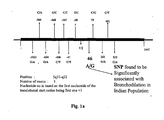
- Figure 1a Schematic representation of all the SNPs including nonsynonymous polymorphism in ⁇ 2AR gene.
- Figure1b Primers used for PCR amplification of the region covering the full ⁇ 2AR gene.
- Figure1c Localization of SNPs and the identification of linkage disequilibrium of the regions of the ⁇ 2AR gene in the Indian Population.
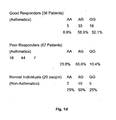
- Figure1d Showing distribution of A/G polymorphism (genotype) at 46 nucleotide position.
- the present invention discloses genotypes and haplotypes for ten polymorphic sites in the beta subtype 2, adrenergic receptor gene ( ⁇ 2AR gene) in Indian population.
- Present invention relates to a method for predicting bronchodilatory response to a beta agonist ( ⁇ agonist).
- ⁇ agonist beta agonist
- the invention is of advantage to the Indian asthmatics in particular.
- This invention provides a method for detection of an allelic variant (genotype) in ⁇ 2AR gene, which has been envisaged to be responsible for the key target for the ( ⁇ 2-agonist) used for bronchodilation.
- the invention is useful for developing a diagnostic kit for predicting individual drug response.
- missense polymorphisms within the coding block of the ⁇ 2AR gene on chromosome 5q31 have been identified in the human population.
- the present invention also discloses the specific primers and probes for detecting the specific allelic variant in ⁇ 2AR gene responsible for drug response.
- the ⁇ 2AR is the key target for the ⁇ 2 agonist used for bronchodilation in asthma.
- Direct sequencing of coding region (only one exon) of this gene in the responder and non-responder patient samples led to the discovery of nonsynonymous polymorphism associated with the drug response.
- the codon AGA which codes for amino acid arginine has changed to GGA, which codes for glycine.
- GGA which codes for glycine.
- the nonsynonymous polymorphism if present in the homozygous state in the responder/non-responder individuals, could lead to the altered bronchodilation.
- the invention also provides oligonucleotide sequences (as listed in SEQ ID NO: 2, 3, 4, 5, 6, 7, 8 and 9) suitable for the detection of polymorphism in ⁇ 2AR gene associated with the drug response.
- a diagnostic kit predicting an individual's response to a beta agonist comprising one set of specific primers or probes along with the required buffers and accessories suitable for identification of polymorphism in ⁇ 2AR gene to establish an individual's response towards ⁇ 2 agonist is included in the invention.
- the present invention relates to a method for predicting bronchodilatory response to a ⁇ 2 agonist in a subject suffering from asthmas as defined in the claims.
- Yet another embodiment of the present invention relates to the ⁇ 2-agonist wherein the ⁇ 2-agonist is salbutamol.
- Still another embodiment of the present invention relates to the pharmacologically active dose of ⁇ 2 agonist, salbutamol, wherein the pharmacologically active dose of ⁇ 2 agonist, salbutamol, is in the range of about 100 to 250 ⁇ g.
- One more embodiment of the present invention relates to the pharmacologically active dose of ⁇ 2 agonist, salbutamol, wherein the pharmacologically active dose of ⁇ 2 agonist, salbutamol, is about 200 ⁇ g.
- Another embodiment of the present invention relates to the delivery of ⁇ 2 agonist, salbutamol, wherein the active dose of ⁇ 2 agonist, salbutamol, is delivered through inhaler.
- the present invention discloses the oligonucleotide primers wherein the oligonucleotide primers suitable for amplifying coding region of ⁇ 2AR are selected from group consisting of :
- the present invention discloses the oligonucleotide primers wherein the oligonucleotide primers suitable for amplifying detected nonsynonymous polymorphims or SNPs are selected from group consisting of :
- Yet another embodiment of the present invention relates to the number of PCR cycles wherein the number of PCR is carried out are 37.
- oligonucleotide primers wherein oligonucleotide primers are suitable for validating the SNPs or the allelic variants of ⁇ 2AR gene or locus are selected from group consisting of :
- the length of the synthetic oligonucleotides primers and probes are in the range of 5 to 100 bases.
- One more embodiment of the present invention relates to the length of the synthetic oligonucleotide primers and probes wherein the length of oligonucleotide primers and probes are in the range of 8 to 24 bases.
- genotype GG is associated with good responder and genotype AA is associated with poor responders to salbutamol.
- Another embodiment of the present invention is useful for development of therapeutics suitable for non -responder asthmatics for inducing bronchodilation.
- Still another embodiment of the present invention relates to the developed method wherein the developed method provides markers, primers and probes for predicting and detecting single allelic variant for ⁇ 2AR gene or locus in humans.
- the present invention discloses phramacogenetic markers wherein the phramcogenetic markers are associated with single specific allele variant or single nucleotide polymorphism (SNP) of ⁇ 2AR gene or locus.
- SNP single nucleotide polymorphism
- One more embodiment of the present invention relates to nonsynonymous polymorphism or SNPs wherein the identified nonsynonymous polymorphism or SNPs or the specific single ⁇ 2AR allelic variant function as a pharmacogenetic markers.
- the present invention discloses markers wherein markers/oligonucleotide primers having SEQ ID Nos 2 and 3 are capable of amplifying the coding region of ⁇ 2AR gene.
- the markers/oligonucleotide primers having SEQ ID Nos 4 and 5 are capable of screening and identifying responders and non responder asthmatic individuals for polymorphism at position 46 (which is same as the base position of 857 as per the SEQ ID NO. 1 disclosed in the present invention) to detect specific SNPs of ⁇ 2AR gene.
- the markers/oligonucleotide primers having SEQ ID Nos 6,7,8 and 9 are capable of validating the normal control individuals and asthmatics patients (comprising of responders and non-responders) for presence of SNP's or specific allelic ⁇ 2AR or locus variants.
- the present invention discloses a kit wherein said kit is useful for identifying therapeutics suitable for non -responder asthmatics for inducing bronchodilation.
- the present invention discloses a kit wherein the kit method provides markers, primers and probes for predicting and detecting single allelic variant for ⁇ 2AR locus in humans.
- the present invention discloses a kit which further comprises instructions for using the oligonucleotides and assigning the response type based on AA or GG genotypes of ⁇ 2AR gene variants.
- a first step to the present invention applicants carried out the study by administering the patients with short-acting beta agonist e.g. salbutamol, which showing the various degree of responses, for making more descriptive study we classified the patients on the basis of their responses to salbutamol as Good responders and Poor responders.
- Salbutamol can be taken either orally or more commonly using an inhaler device. The inhaler ensures that very small amounts of medication are delivered directly into the lungs.
- the diagnosis of Asthma was made on the basis of positive history of signs and symptoms consistent with the disease and by the presence of reversible airway obstruction. All patients underwent routine laboratory diagnostics tests and pulmonary function test (PFT) to exclude other possible chest diseases.
- PFT pulmonary function test
- the inventors have identified ten polymorphic sites in the Indian population in a contiguous region of the 5' upstream and coding sequence of the ⁇ 2AR gene in Indian population (Table2).
- the applicants carried out the PCR amplification of exonic region of the human ⁇ 2 A R gene using oligonucleotide primers. These primers were designed in accordance with the human ⁇ 2 A R gene sequence submitted by DOE Joint Genome Institute and Stanford Human Genome Center (06-Oct-1999) (GenBank accession number- AC011354). The sequencing of the purified PCR product revealed homozygous nonsynonymous polymorphism in exonic region of the human ⁇ 2AR gene associated with bronchodilation.
- the present invention provides a sequence for the allelic variants of human ⁇ 2AR gene comprising nonsynonymous polymorphism in exonic region of the human ⁇ 2AR gene sequence in the database (GenBank Accession No.- AC011354) associated with drug response.
- Table 1 Site of change Base change Amino-acid alteration 857 A ⁇ G Arginine to Glycine
- the sites of changes are in accordance with the PCR Product Sequence obtained using primers (SEQ ID 2 and 3) flanking exonic region of the human ⁇ 2AR gene (GenBank accession number-AC011354).
- substitution A ⁇ G changes amino acid arginine to glycine which consequently leads to the nucleotide sequence of the allelic variant of exonic region of the human ⁇ 2AR gene.
- PCR Product Sequence containing the nonsynonymous polymorphism is obtained using primers SEQ ID 2 and 3 flanking nonsynonymous polymorphism in exonic region of the human ⁇ 2AR gene of SEQ ID 1.
- the polymorphic site is at nucleotide position 857 in the above sequence (A*) corresponds to nucleotide position 46 from the database (GenBank Accession No.- AC011354).
- the primers are used to detect polymorphism at position 857 according to the PCR product obtained using primers (SEQ ID 2 and 3) flanking exonic region of the human ⁇ 2AR gene (Table 1).
- a patient's bronchodilating response to salbutamol in Indian population may be predicted with high confidence by genotyping only one polymorphic site in the ⁇ 2AR gene at nucleotide position 46. Further genotyping of several asthmatics (responders and non-responders) showed a significant association with altered response to ⁇ agonist. These results constitute the first demonstration of association of a single polymorphism responsible for the altered responsiveness to ⁇ agonist. Homozygous Arg16 and homozygous Gly16 showed association with poor and good response in Indian population ( Figure1d ).
- the invention further provides a diagnostic kit for predicting an individual's response to a beta agonist comprising:
- At least one allele-specific oligonucleotide selected from oligonucleotides of SEQ ID Nos. 6, 7, 8, and 9.
- the allele-specific oligonucleotides may alternatively be provided as immobilized to a substrate, which can be used to detect polymorphism in ⁇ 24R gene.
- a substrate which can be used to detect polymorphism in ⁇ 24R gene.
- additional components of the kit include, for example, restriction enzymes, polymerase, the substrate nucleoside triphosphates, means used to label (for example, an avidin enzyme conjugate and enzyme substrate and chromogen if the label is biotin).
- the inventors identified ten polymorphic sites in a contiguous region of the 5' upstream and coding sequence of the ⁇ 2AR gene in Indian population (Table2). It illustrates examination of the ten polymorphic sites from 1581 base pairs upstream of the ATG start site to about 750 base pairs downstream of the ATG start site. Thirteen polymorphic sites found in humans by Drysdale et al (2000) is different from our finding of only ten polymorphic sites in Indian population.
- Overlapping parts of the ⁇ 2AR gene were amplified from genomic DNA from the asthma patients and normal Indian individuals using the following PCR primers, with the indicated positions corresponding to GeneBank Accession No. AC011354.
- Positions of the primers are based on the first nucleotide of the start codon being +1.
- Reverse Primer (SEQ ID 3): complement of nt +143 to +122
- Table 2 Polymorphisms identified in the ⁇ 2AR gene in Indian population Nucleotide number is based on the first nucleotide of the start codon being +1 Allele Allele -1023 G A -654 G A -468 G C -367 C T -47 C T -20 T C 46 A G 79 C G 252 G A 523 C A Table 3 Seven haplotype pairs shown here in the table were estimated from the unphased genotypes using extension of Clark's algorithm (Clark, 1990), in which haplotypes are assigned directly from individuals who are homozygous at all sites or heterozygous at no more than one of the variable sites.
- This example describes the identification of nonsynonymous polymorphism in exonic region of ⁇ 2AR gene by PCR and sequencing, using certain oligonucleotide primers according to the invention.
- Genomic DNA was isolated from peripheral blood using salt-precipitation method (Miller et al., 1988). The concentration of the DNA was determined by measuring the absorbance of the sample, at a wavelength of 260 nm. The DNA from asthmatics was then amplified by polymerase chain reaction by using the oligonucleotide primer 2 and 3 (SEQ ID 2 and 3).
- Each 50 ⁇ l PCR reaction contained 200 ng DNA, 20 pmol each of oligonucleotide primer 2 and 3 (SEQ ID 2 and 3), 1.8 units Taq Polymerase (Bangalore Genei), and 200 mM deoxyribonucleoside triphosphate (dNTP) in a 10x PCR buffer (containing 100 mM Tris (pH 9.0), 500 mM KCl, and 0.1 % Gelatin).
- PCR products were purified by Poly Ethylene Glycol/Sodium acetate solution (containing PEG 8000, 1M Magnesium chloride and 3M anhydrous Sodium acetate, pH-4.8) and both the strands of the PCR product were directly sequenced using dye terminator chemistry on an ABI Prism 3100 automated DNA sequencer.
- the PCR product was shown to be identical to the exon of the ⁇ 2AR gene sequence in the database (Accession Number-AL022326). Sequences were aligned with the corresponding wild-type sequences using the Factura and Sequence Navigator software programs
- This example describes a primer extension reaction used to screen single nucleotide variants.
- the primer extension reaction was performed on the purified PCR products using oligonucleotide primer and SNaPshot ddNTP primer extension kit (PE Biosystems).
- the snapshot technique is extensively used in the molecular studies and is useful in exact base identity determination of a polymorphic locus. Although, the basic methodology followed for all snapshot protocols is same in all studies. But the each snapshot protocol is unique in itself. This is because each protocol is locus specific. Therefore, a specific working protocol has to be developed and invented for identification of specific locus. In other words the reaction and PCR conditions developed using the snapshot technique in the present study is different from any other snapshot technique used for any other disease locus.
- the primer extension products were treated with calf intestine alkaline phosphatase (New England Biolabs) for removing unincorporated dideoxynucleotides.
- the products were run on an ABI Prism 3100 automated DNA sequencer. Depending on the colour of the fluoroscently labeled dideoxynucleotide incorporated, the wild type and polymorphic alleles of the ⁇ 2AR gene were detected.
- non-synonymous SNP or polymorphism are defined as "when the altered code doesn't correspond to the same amino acid as the wild type sequence i.e these are substitutions in coding region that result in a different amino acid”.
- a patient's bronchodilating response to salbutamol in Indian population may be predicted with high confidence by genotyping only one polymorphic site in the ⁇ 2AR gene at nucleotide position 46. Further genotyping of several asthmatics (responders and non-responders) showed a significant association with altered response to ⁇ 2 agonist. These results constitute the first demonstration of association of a single polymorphism solely responsible for the altered responsiveness to ⁇ 2 agonist. Homozygous Arg16 and homozygous Gly16 showed association with poor and good response in Indian population ( Figure1d ).
- a patient having AA genotype is expected to be a poor responder with probability 0.76 and one with GG genotype is expected to be a good responder with probability 0.72.
- SSO sequence specific oligonucleotide hybridation experiments were set up. The experiments were based on the amplification of the region of interest by polymerase chain reaction (PCR) followed by blotting of the PCR products on to a nylon membrane and subsequent hybridization with the radiolabelled primers of SEQ ID No.6,7,8 and 9.
- PCR polymerase chain reaction
- the DNA from asthmatics was amplified by polymerase chain reaction using the oligonucleotide primer 2 and 3 (SEQ ID 2 and 3). Each 50 ⁇ l PCR reactions contained 200 ng DNA, 20 pmol each of oligonucleotide primer 2 and 3 (SEQ ID No.
- each of the PCR products generated as above were electrophoresed on a 1% agarose gel and transferred onto the nylon membrane and hybridized in 6X SSPE (NaCl 0.9M; NaH2PO4 70mM; EDTA 6mM), 0.5% sodium dodecyl sulphate (SDS), 5X Denhardt's , and 100 ⁇ g/ml salmon sperm DNA with the oligonucleotide primers specific for nucleotide position 46 (the radiolabelled primers of SEQ ID No. 6, 7, 8 and 9). Hybridization were carried out under stringent conditions at the melting temperature of each oligonucleotide which was determined as per standard protocol.
- the filters were washed twice at room temperature in 2X SSPE, 0.1% SDS for 10 min, once 2°C above the melting temperature in 6X SSPE, 1% SDS for 10 min and then exposed to autoradiography.
- the exposed radiographs were analysed for the hybridized spots resulting from hybridization of the PCR products of the sequence containing the SNP at position 46 with the radiolabelled allele specific primers of SEQ ID no.6, 7, 8 and 9.
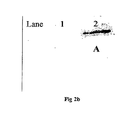
- the results of the allele specific primers of SEQ ID No. 6, 7, 8 and 9 are shown in Fig 2a , 2b , 2c , 2d respectively.
Landscapes
- Chemical & Material Sciences (AREA)
- Life Sciences & Earth Sciences (AREA)
- Proteomics, Peptides & Aminoacids (AREA)
- Health & Medical Sciences (AREA)
- Organic Chemistry (AREA)
- Wood Science & Technology (AREA)
- Analytical Chemistry (AREA)
- Zoology (AREA)
- Genetics & Genomics (AREA)
- Engineering & Computer Science (AREA)
- Pathology (AREA)
- Immunology (AREA)
- Microbiology (AREA)
- Molecular Biology (AREA)
- Biotechnology (AREA)
- Biophysics (AREA)
- Physics & Mathematics (AREA)
- Biochemistry (AREA)
- Bioinformatics & Cheminformatics (AREA)
- General Engineering & Computer Science (AREA)
- General Health & Medical Sciences (AREA)
- Measuring Or Testing Involving Enzymes Or Micro-Organisms (AREA)
Abstract
Description
- Present invention relates to a method for predicting an individual's bronchodilatory response to a (3-agonist). Present invention particularly relates to the detection of specific allelic variants of the β2AR gene and their use as pharmacogenetic markers towards response to β agonist.
- Asthma is a chronic inflammatory disease of the airways characterized by recurrent episodes of wheezing, chest tightness and coughing, which vary in severity and frequency from person to person (Suki et al., 2003). It is a condition in which the airways of the lungs become either narrowed or completely blocked, impeding normal breathing. However in asthma this obstruction of the lungs is reversible, either spontaneously or with medication. Currently three main asthma treatments are available (Jeffrey et al., 2000): (a) Inhaled glucosteroids (Martin, 2003; Settipane et al., 2003) (b) beta 2-agonists (Eh et al., 2003) and (c) leukotriene inhibitors. (Bjermer et al., 2002). In the patients suffering from asthma with an apparently identical phenotype, response to drug treatment may be remarkably variable (Drysdale et al., 2000). β2AR agonists are recommended for first-line use as bronchodilator therapy in asthma (National Asthma Education and Prevention Program (1997) Expert Panel Report II). Short and long acting
β 2 agonists exhibit protective effects against a variety of direct and indirect bronchoconstrictor stimuli (Cockcroft et al., 1996). The beta-adrenergic receptor has been subdivided into at least three distinct groups: β1, β2, β3 classically identified in cardiac, airway smooth muscle, and adipose tissue, respectively (Johnson M, 1998). There is a 65-70 % homology between β1, β2 and β3 receptors. There is now good evidence that beta adrenoreceptors exist in activated and inactivated forms and under resting conditions these two forms are in equilibrium with the inactivated state being predominant (Johnson M, 1998). The β2AR is in the activated form when it is associated with the α subunit of the G protein, together with a molecule of guanosine triphosphate (GTP), and it is through this αsubunit that the receptor is coupled to adenylate cyclase. The replacement of the GTP by GDP catalyzes the conversion of ATP to cAMP by the enzyme and dramatically reduces the affinity of the α subunit for the receptor, causing dissociation and the receptor to return to its low-energy, inactivated form (Johnson M, 1998). The β2 adrenergic receptor is the key target for the β2 agonist drugs used for bronchodilation in asthma. The β2AR is a G protein-coupled, and has an extracellular amino terminus, seven transmembrane spanning domain, three intracellular and three extracellular loops, and an intracellular carboxyl terminus, that is widely distributed throughout the body especially in smooth muscle cells of bronchi, and mediates the action of catecholamines in various tissues and organs. The β2AR is composed of 413 amino acid residues of approximately 46,500 Dalton (Da) (Drysdale et al., 2000). - The β2 A R is encoded by an intronless gene on chromosome 5q31-32 (Kobilka et al., 1987). Johnson M.,(1998) have reported several single nucleotide polymorphisms (SNPs) in the coding block of the β2 AR gene that lead to significant genetic variability in the structure of the β2 AR protein in the human population (GenBank Accession Numbers AF022953.1 GI:2570526; AF022954.1 GI:2570528; and AF022956.1 GI:2570532). These SNPs are located at nucleotides 46 (A or G), 79 (C or G), and 491 (C or T) of the β2 AR coding sequence, and result in variation that occurs in the amino-terminus of the receptor at amino acids 16 (Arg or Gly) and 27 (Gln or Glu) and in the fourth transmembrane spanning domain at amino acid 164 (Thr or Ile), respectively. These amino acid variants have clear phenotypic differences as demonstrated by recombinant cell studies (Green et al., 1994), primary cultures of cells (CHW-1102) endogenously expressing these variants (Green et al., 1995), and transgenic mice overexpressing the Thr164 or Ile164 receptors in the heart (Turki et al., 1996). Besides, a synonymous polymorphism of C or A at
nucleotide 523 in the coding sequence has been reported to be associated with altered responsiveness to salbutamol in Japanese families (Ohe et al., 1995). In addition to the above polymorphisms in the coding block, several SNPs in the 5' promoter region have recently been identified and are located at nucleotides -1023 (A or G), -654 (G or A), -468 (C or G), -367 (T or C), -47 (C or T) and -20 (T or C) (Scott et al., 1999). Recently two more SNPs at -709(C or A) and - 406(C or T) are reported by Drysdale et al (2000). Thus, thirteen polymorphic sites have previously been identified in the region of the β2AR gene located between nucleotides 565 and 2110 of GenBank Accession No. M15169.1. Different groups have suggested associations between some of the above β2AR amino acid variants and increased susceptibility to various conditions, including: high blood pressure (G1y16 variant, Hoit et al., 2000); atopy (G1y16 variant, Dewar et al., 1998); nocturnal asthma (G1y16 variant, Turki et al., 1995); response to treatment for obesity (G1y16 variant, Sakane et al., 1999); myasthenia gravis (Arg16 variant, Xu et al., 2000); childhood asthma (Gln27 variant, Dewar et al., 1997); obesity (Glu27 variant, Large et al., 1997); and mortality from congestive heart failure (Ile 164 variant, Liggett et al., 1998). - It has also been suggested that some of the β2AR gene polymorphisms discussed above may act as disease modifiers in asthma or may be the basis for the known interindividual variation in the bronchodilating response to β agonists (Drysdale et al., 2000). Indeed, Martinez et al (1997) have reported that individuals homozygous or heterozygous for the Arg16 variant are more likely to respond to albuterol than individuals homozygous for the G1y16 variant. Interestingly, another group has reported bronchodilator desensitization in asthmatics homozygous for the Guy16 variant following continuous therapy with the beta-agonist formoterol (Tan et al., 1997). At the same time, however other studies failed to demonstrate any correlations between adverse drug response and regular treatment with beta-agonists (Lipworth et al., 1999).
- Asthma is one of the most common diseases worldwide. There are 15-20 million asthmatics in India and 6% of the children in India suffer from asthma (Chabra S. K., 1998). Asthma is a complex, multifactorial disorder, involving many genes as well as some environmental factors (Suki et al., 2003). Genetic factors have yet to be fully elucidated for the Indian population. A lot of irrational drug prescription occurs due to lack of knowledge of the individual and inter-racial variations in the drug response to most of the currently prescribed drugs for asthma leading to wrong treatment. This could prove to be fatal in certain acute cases. These situations can be avoided using prior knowledge of the individual's response to the drug prescribed based on pharmacogenomic rationale. There are also varied side effects due to irrational drug prescription like tremor, palpitation, trachycardia and tolerance to the efficacy (O'Connor et al., 1992, Dennis et al., 2000). The allelic variants of β2AR gene at nucleotide position 46 (A/G), disclosed in the present invention, have been found to be the dictator marker for the bronchodilatory response of the beta agonist drugs particularly in the Indian population. It has been observed that sometimes the patients suffering from asthma do not respond to salbutamol, and it takes long time (days to months) to identify that a particular patient is not responding to the medication. During this time it is very difficult to provide symptomatic relief for the patient. If the physician can identify the responders or the non-responders at the beginning of the treatment, the dose titration time will be saved and the patient would get timely treatment with other alternative therapeutics. In case of an emergency, correct and timely treatment can be given to the non-responders, which may be life-saving.
- Drysdale et al (2000) in the
US patent application no. 811286 have disclosed a method wherein three SNPs at positions -654 (G/A), 46 (A/G) and 252 (G/A) of the β2AR gene determine the response of beta agonist drugs in the Caucasian population. The method and diagnostic kit claimed by Drysdale et al (2000) is more time consuming, expensive (due to use of three sets of probes and primers and related fine biochemicals). Further their method is restricted for use to the Caucasian population. Hence a need exists to develop an inexpensive, rapid and specific diagnostic method and kit for screening the Indian population for drug response to beta agonists as there are 15-20 million asthmatics in India and 6% of the children in India suffer from asthma. The SNP disclosed in the invention has been found to be associated with the biologic and therapeutic phenotype and has a strong predictive power as an indicator of drug response of individual patient. - Asthma is a complex disease with a phenotype that has been clinically difficult to define. Inhaled beta-adrenergic agonists are the most commonly used medications for treatment of asthma. Polymorphisms of the β2AR can affect regulation of the receptor. The novelty of the present invention is in providing strong association of one single nucleotide polymorphism as pharmacogenetic locus determining the drug response towards beta agonists in Indian asthmatics. The novelty of the present invention is in providing a method for prediction of bronchodilatory response by detecting allelic variants of β2AR gene at position 46 (A/G). This single nucleotide polymorphism has been found to be solely associated with the drug response in the Indian asthmatics. Moreover, this SNP has been found to be a dictator marker for the drug response in the Indian population. Drysdale et al., found three SNPs together contributing the drug response in the Caucasian population whereas in Indian population these three SNPs are found to be unlinked and therefore we observed that taking these three SNPs together in Indian population is less significant than one SNP (A →G).
- The invention also provides specific novel probes and primers and diagnostic kit for screening the Indian population for responders to the β2 agonist.
- The invention further provides a cheaper and faster method for predicting drug response of the Indian asthmatics to β2 agonist. This polymorphism in β2AR gene has great commercial value both as a cheaper diagnostic reagent and for developing new treatments for this disease.
- Main object of the invention is to provide a method for predicting bronchodilatory response to a β2 agonist.
- Another object is to provide a faster and specific method for screening asthmatics for responders and non-responders to β2 agonist.
- Yet another object of the invention is to provide the genotype of the pharmacogenetic locus in β2 A R gene for predicting the drug response.
- Yet another object of the invention is to provide novel and specific probes and primers for detecting nonsynonymous allelic variants (A/G) of β2AR gene at
nucleotide position 46 in the coding region, useful for screening the Indian asthmatic population for the drug response. - Yet another object of the invention is to study association of polymorphisms in β2AR gene with asthma.
-
Figure 1a : Schematic representation of all the SNPs including nonsynonymous polymorphism in β2AR gene. -
Figure1b : Primers used for PCR amplification of the region covering the full β2AR gene. -
Figure1c : Localization of SNPs and the identification of linkage disequilibrium of the regions of the β2AR gene in the Indian Population. -
Figure1d : Showing distribution of A/G polymorphism (genotype) at 46 nucleotide position. -
Figure 2a Hydridization with allele specific primer having SEQ ID No.6 to show presence of A -
Figure 2b Hydridization with allele specific primer having SEQ ID No.7 to show presence of A -
Figure 2c Hydridization with allele specific primer having SEQ ID No.8 to show presence of G -
Figure 2d Hydridization with allele specific primer having SEQ ID No.9 to show presence of G - The present invention discloses genotypes and haplotypes for ten polymorphic sites in the
beta subtype 2, adrenergic receptor gene (β2AR gene) in Indian population. Present invention relates to a method for predicting bronchodilatory response to a beta agonist (β agonist). The invention is of advantage to the Indian asthmatics in particular. This invention provides a method for detection of an allelic variant (genotype) in β2AR gene, which has been envisaged to be responsible for the key target for the (β2-agonist) used for bronchodilation. The invention is useful for developing a diagnostic kit for predicting individual drug response. Several missense polymorphisms within the coding block of the β2AR gene on chromosome 5q31 have been identified in the human population. The present invention also discloses the specific primers and probes for detecting the specific allelic variant in β2AR gene responsible for drug response. - The β2AR is the key target for the
β 2 agonist used for bronchodilation in asthma. Direct sequencing of coding region (only one exon) of this gene in the responder and non-responder patient samples led to the discovery of nonsynonymous polymorphism associated with the drug response. In the individuals the codon AGA, which codes for amino acid arginine has changed to GGA, which codes for glycine. The nonsynonymous polymorphism if present in the homozygous state in the responder/non-responder individuals, could lead to the altered bronchodilation. Since nonsynonymous polymorphism in exonic region of the β2AR gene is associated with bronchodilation in asthma, this led to the discovery of nonsynonymous polymorphism in asthmatics associated with altered responsiveness. This polymorphism is found to predict altered invivo responsiveness. Further genotyping of several asthmatics (responders and non-responders) showed a significant association with altered response to β2 agonist. These results constitute the first demonstration of association of a single nucleotide polymorphism solely responsible for the altered responsiveness to β2 agonist. - The invention also provides oligonucleotide sequences (as listed in SEQ ID NO: 2, 3, 4, 5, 6, 7, 8 and 9) suitable for the detection of polymorphism in β2AR gene associated with the drug response.
- A diagnostic kit predicting an individual's response to a beta agonist comprising one set of specific primers or probes along with the required buffers and accessories suitable for identification of polymorphism in β2AR gene to establish an individual's response towards β2 agonist is included in the invention.
- Accordingly, the present invention relates to a method for predicting bronchodilatory response to a β2 agonist in a subject suffering from asthmas as defined in the claims.
- Yet another embodiment of the present invention relates to the β2-agonist wherein the β2-agonist is salbutamol.
- Still another embodiment of the present invention relates to the pharmacologically active dose of β2 agonist, salbutamol, wherein the pharmacologically active dose of β2 agonist, salbutamol, is in the range of about 100 to 250 µg.
- One more embodiment of the present invention relates to the pharmacologically active dose of β2 agonist, salbutamol, wherein the pharmacologically active dose of β2 agonist, salbutamol, is about 200 µg.
- Another embodiment of the present invention relates to the delivery of β2 agonist, salbutamol, wherein the active dose of β2 agonist, salbutamol, is delivered through inhaler.
- The present invention discloses the oligonucleotide primers wherein the oligonucleotide primers suitable for amplifying coding region of β2AR are selected from group consisting of :
- (a) 5'TCTGGGTGCTTCTGTGTTTGTTTC3' (SEQ ID No. 2 Forward Primer)
- (b) 5 'ACGATGGCCAGGACGATGAGA3 (SEQ ID NO: 3 Reverse Primer)
- The present invention discloses the oligonucleotide primers wherein the oligonucleotide primers suitable for amplifying detected nonsynonymous polymorphims or SNPs are selected from group consisting of :
- (a) 5' GCC TTC TTG CTG GC-A CCC AAT 3' (SEQ ID NO: 4) Forward Primer
- (b) 5'CGTGGTCCGGCGCATGGCTTC 3' (SEQ ID NO : 5 ) Reverse Primer
- Yet another embodiment of the present invention relates to the number of PCR cycles wherein the number of PCR is carried out are 37.
- The present invention discloses oligonucleotide primers wherein oligonucleotide primers are suitable for validating the SNPs or the allelic variants of β2AR gene or locus are selected from group consisting of :
- (a) 5'GCACCCAATAGAAGCCATG 3'(SEQ ID NO: 6) Forward Primer
- (b) 5'CATGGCTTCTATTGGGTG C 3'(SEQ ID NO: 7) Reverse Primer
- (c) 5'GCACCCAATGGAAGCCATG 3'(SEQ ID NO: 8) Forward Primer
- (d) 5'CATGGG"I`TCCATTGGGTG C 3'(SEQ ID NO: 9) Reverse Primer
- The length of the synthetic oligonucleotides primers and probes are in the range of 5 to 100 bases.
- One more embodiment of the present invention relates to the length of the synthetic oligonucleotide primers and probes wherein the length of oligonucleotide primers and probes are in the range of 8 to 24 bases.
- Yet another embodiment of the present invention relates to the genotype wherein genotype GG is associated with good responder and genotype AA is associated with poor responders to salbutamol.
- Another embodiment of the present invention is useful for development of therapeutics suitable for non -responder asthmatics for inducing bronchodilation.
- Still another embodiment of the present invention relates to the developed method wherein the developed method provides markers, primers and probes for predicting and detecting single allelic variant for β2AR gene or locus in humans.
- The present invention discloses phramacogenetic markers wherein the phramcogenetic markers are associated with single specific allele variant or single nucleotide polymorphism (SNP) of β2AR gene or locus.
- One more embodiment of the present invention relates to nonsynonymous polymorphism or SNPs wherein the identified nonsynonymous polymorphism or SNPs or the specific single β2AR allelic variant function as a pharmacogenetic markers.
- The present invention discloses markers wherein markers/oligonucleotide primers having
SEQ ID Nos 2 and 3 are capable of amplifying the coding region of β2AR gene. - The markers/oligonucleotide primers having
SEQ ID Nos - The markers/oligonucleotide primers having
SEQ ID Nos 6,7,8 and 9 are capable of validating the normal control individuals and asthmatics patients (comprising of responders and non-responders) for presence of SNP's or specific allelic β2AR or locus variants. - The present invention discloses a kit wherein said kit is useful for identifying therapeutics suitable for non -responder asthmatics for inducing bronchodilation.
- The present invention discloses a kit wherein the kit method provides markers, primers and probes for predicting and detecting single allelic variant for β2AR locus in humans.
- The present invention discloses a kit which further comprises instructions for using the oligonucleotides and assigning the response type based on AA or GG genotypes of β2AR gene variants.
- The following examples are given by way of illustration of the present invention and should not be construed to limit the scope of the present invention.
- As a first step to the present invention, applicants carried out the study by administering the patients with short-acting beta agonist e.g. salbutamol, which showing the various degree of responses, for making more descriptive study we classified the patients on the basis of their responses to salbutamol as Good responders and Poor responders. Salbutamol can be taken either orally or more commonly using an inhaler device. The inhaler ensures that very small amounts of medication are delivered directly into the lungs. The diagnosis of Asthma was made on the basis of positive history of signs and symptoms consistent with the disease and by the presence of reversible airway obstruction. All patients underwent routine laboratory diagnostics tests and pulmonary function test (PFT) to exclude other possible chest diseases. In the spirometry test, a minimum of three acceptable maneuvers were performed and the "best-test" curve was chosen ("Best-test" curve is defined as the test that meets the acceptability criteria laid down by American Thoracic Society and gives the largest sum of FVC and FEV1). The patients who showed signs of obstruction in the airways, were given 200micrograms of salbutamol (
beta 2 adrenergic agonist) and the test was repeated after 20 minutes. This was done to assess the degree of reversibility of obstruction of the airways. The same procedure was repeated 2-3 times at intervals of more than two weeks, and the best value of %age change in FEV1 was chosen to classify the asthmatics as good, poor or non-responder to salbutamol. - The inventors have identified ten polymorphic sites in the Indian population in a contiguous region of the 5' upstream and coding sequence of the β2AR gene in Indian population (Table2).
- This finding is different from the findings of Drysdale et al (2000) wherein thirteen polymorphic sites have been reported.
- Seven haplotype pairs shown in Table 3 were estimated from the unphased genotypes using extension of Clark's algorithm (Clark, 1990), in which haplotypes are assigned directly from individuals who are homozygous at all sites or heterozygous at no more than one of the variable sites.
- The applicants carried out the PCR amplification of exonic region of the human β2 A R gene using oligonucleotide primers. These primers were designed in accordance with the human β2 A R gene sequence submitted by DOE Joint Genome Institute and Stanford Human Genome Center (06-Oct-1999) (GenBank accession number- AC011354). The sequencing of the purified PCR product revealed homozygous nonsynonymous polymorphism in exonic region of the human β2AR gene associated with bronchodilation.
- The present invention provides a sequence for the allelic variants of human β2AR gene comprising nonsynonymous polymorphism in exonic region of the human β2AR gene sequence in the database (GenBank Accession No.- AC011354) associated with drug response.
Table 1 Site of change Base change Amino-acid alteration 857 A→ G Arginine to Glycine - The sites of changes are in accordance with the PCR Product Sequence obtained using primers (
SEQ ID 2 and 3) flanking exonic region of the human β2AR gene (GenBank accession number-AC011354). - The substitution A → G changes amino acid arginine to glycine which consequently leads to the nucleotide sequence of the allelic variant of exonic region of the human β2AR gene. PCR Product Sequence containing the nonsynonymous polymorphism is obtained using
primers SEQ ID 2 and 3 flanking nonsynonymous polymorphism in exonic region of the human β2AR gene ofSEQ ID 1. - The polymorphic site is at nucleotide position 857 in the above sequence (A*) corresponds to nucleotide
position 46 from the database (GenBank Accession No.- AC011354). The primers are used to detect polymorphism at position 857 according to the PCR product obtained using primers (SEQ ID 2 and 3) flanking exonic region of the human β2AR gene (Table 1). - The inventors herein have discovered that a patient's bronchodilating response to salbutamol in Indian population may be predicted with high confidence by genotyping only one polymorphic site in the β2AR gene at
nucleotide position 46. Further genotyping of several asthmatics (responders and non-responders) showed a significant association with altered response to β agonist. These results constitute the first demonstration of association of a single polymorphism responsible for the altered responsiveness to β agonist. Homozygous Arg16 and homozygous Gly16 showed association with poor and good response in Indian population (Figure1d ). Furthermore, the very small number of homozygous Arg16 asthmatics who had a positive bronchodilator response and Gly16 asthmatics who had a negative bronchodilator response, the potential confoundment of race, and the use of mild pediatric asthmatics, makes the others (Martinez et al., 1997) study incomparable to the inventor's study described herein which utilized the Indian asthmatics in particular, a greater number of asthmatics and adult Indian subjects having a range of asthma severity. The applicants could not fmd any SNP in β2AR gene associated with asthma in Indian population. - The invention further provides a diagnostic kit for predicting an individual's response to a beta agonist comprising:
- PCR amplification primers of
SEQ ID 2 and 3, - Snapshot primer of SEQ ID No. 4 or 5,
- At least one allele-specific oligonucleotide selected from oligonucleotides of SEQ ID Nos. 6, 7, 8, and 9.
- Appropriate buffers for PCR or hybridization reactions.
- The allele-specific oligonucleotides may alternatively be provided as immobilized to a substrate, which can be used to detect polymorphism in β24R gene. Optional additional components of the kit include, for example, restriction enzymes, polymerase, the substrate nucleoside triphosphates, means used to label (for example, an avidin enzyme conjugate and enzyme substrate and chromogen if the label is biotin).
- The diagnosis of Asthma was made on the basis of positive history of signs and symptoms consistent with the disease and by the presence of reversible airway obstruction. All patients underwent routine laboratory diagnostics tests and pulmonary function test (PFT) to exclude other possible chest diseases. In the spirometry test, a minimum of three acceptable maneuvers were performed and the "best-test" curve was chosen ("Best-test" curve is defined as the test that meets the acceptability criteria laid down by American Thoracic Society and gives the largest sum of FVC and FEV1). The patient who showed signs of obstruction in the airways were given 200micrograms of salbutamol (
β 2 agonist) and the test was repeated after 20 minutes. This was done to assess the degree of reversibility of obstruction of the airways. The same procedure was repeated 2-3 times at intervals of more than two weeks, and the best value of %age change in FEV1 was chosen to classify the asthmatics as good, poor or non-responder to salbutamol. - The inventors identified ten polymorphic sites in a contiguous region of the 5' upstream and coding sequence of the β2AR gene in Indian population (Table2). It illustrates examination of the ten polymorphic sites from 1581 base pairs upstream of the ATG start site to about 750 base pairs downstream of the ATG start site. Thirteen polymorphic sites found in humans by Drysdale et al (2000) is different from our finding of only ten polymorphic sites in Indian population.
- Seven haplotype pairs shown in Table 3 were estimated from the unphased genotypes using extension of Clark's algorithm (Clark, 1990), in which haplotypes are assigned directly from individuals who are homozygous at all sites or heterozygous at no more than one of the variable sites.
- Overlapping parts of the β2AR gene were amplified from genomic DNA from the asthma patients and normal Indian individuals using the following PCR primers, with the indicated positions corresponding to GeneBank Accession No. AC011354.
- Positions of the primers are based on the first nucleotide of the start codon being +1.
- Forward Primer: nt -1472 to -1448
- Reverse Primer: complement of nt -530 to -548
- 942 nt product (-1472 to - 530)
- Forward Primer (SEQ ID 2): nt -811 to -787
- Reverse Primer (SEQ ID 3): complement of nt +143 to +122
- 954 nt product (-811 to +143)
- Forward Primer (5): nt +126 to +148
- Reverse Primer (6): complement of nt +721 to +699
- 595 nt product (+721 to +126)
Table 2: Polymorphisms identified in the β2AR gene in Indian population Nucleotide number is based on the first nucleotide of the start codon being +1 Allele Allele -1023 G A -654 G A -468 G C -367 C T -47 C T -20 T C 46 A G 79 C G 252 G A 523 C A Table 3 Seven haplotype pairs shown here in the table were estimated from the unphased genotypes using extension of Clark's algorithm (Clark, 1990), in which haplotypes are assigned directly from individuals who are homozygous at all sites or heterozygous at no more than one of the variable sites. -1023 -654 -468 -367 -47 -20 46 79 252 523 1. A G G C C C G G G C 2. G A C T T T A C G C 3. G A C T T T G C G C 4. G G C T T T G C A A 5. G A C T T T A C A A 6. G G C T T T G C A C 7. G G C T T T G C G C - This example describes the identification of nonsynonymous polymorphism in exonic region of β2AR gene by PCR and sequencing, using certain oligonucleotide primers according to the invention.
- Genomic DNA was isolated from peripheral blood using salt-precipitation method (Miller et al., 1988). The concentration of the DNA was determined by measuring the absorbance of the sample, at a wavelength of 260 nm. The DNA from asthmatics was then amplified by polymerase chain reaction by using the
oligonucleotide primer 2 and 3 (SEQ ID 2 and 3). Each 50µl PCR reaction contained 200 ng DNA, 20 pmol each ofoligonucleotide primer 2 and 3 (SEQ ID 2 and 3), 1.8 units Taq Polymerase (Bangalore Genei), and 200 mM deoxyribonucleoside triphosphate (dNTP) in a 10x PCR buffer (containing 100 mM Tris (pH 9.0), 500 mM KCl, and 0.1 % Gelatin). - The samples were denatured at 94°C for 5 min followed by 37 cycles of denaturation 94°C, 45sec), annealing (56°C, 1min), extension (72°C, 1.2 min) and a final extension of 10 min at 72°C in a Perkin Elmer Gene Amp PCR System 9600. This reaction produced a DNA fragment of 954 bp. PCR products were purified by Poly Ethylene Glycol/Sodium acetate solution (containing PEG 8000, 1M Magnesium chloride and 3M anhydrous Sodium acetate, pH-4.8) and both the strands of the PCR product were directly sequenced using dye terminator chemistry on an ABI Prism 3100 automated DNA sequencer. The PCR product was shown to be identical to the exon of the β2AR gene sequence in the database (Accession Number-AL022326). Sequences were aligned with the corresponding wild-type sequences using the Factura and Sequence Navigator software programs
- This example describes a primer extension reaction used to screen single nucleotide variants.
- The DNA samples from several asthmatics (responders/non-responders) and several normal subjects were amplified by PCR and the PCR products were purified as described in example 2.
- The primer extension reaction was performed on the purified PCR products using oligonucleotide primer and SNaPshot ddNTP primer extension kit (PE Biosystems). The snapshot technique is extensively used in the molecular studies and is useful in exact base identity determination of a polymorphic locus. Although, the basic methodology followed for all snapshot protocols is same in all studies. But the each snapshot protocol is unique in itself. This is because each protocol is locus specific. Therefore, a specific working protocol has to be developed and invented for identification of specific locus. In other words the reaction and PCR conditions developed using the snapshot technique in the present study is different from any other snapshot technique used for any other disease locus. This means that the novel specific protocol of snapshot technique as given in the present invention has been established for this very specific locus i.e for β2AR locus. This protocol will only work if only these specific designed and developed primers having SEQ ID No. 4 and SEQ ID No.5 are used. The oligonucleotide primer was designed till the penultimate position of mutation and the primer is extended by one ddNTP, which is in accordance with the variant allele present. The reaction was performed for 30 cycles of denaturation (96°C, 10 sec), annealing (55°C, 5 sec) and extension (60°C, 30 sec) in a Perkin Elmer GeneAmp PCR System 9600 using primers having SEQ ID No. 4 and SEQ ID No.5. The primer extension products were treated with calf intestine alkaline phosphatase (New England Biolabs) for removing unincorporated dideoxynucleotides. The products were run on an ABI Prism 3100 automated DNA sequencer. Depending on the colour of the fluoroscently labeled dideoxynucleotide incorporated, the wild type and polymorphic alleles of the β2AR gene were detected.
- The nucleotide sequence of the allelic variant of β2AR gene derived using the method as described in example 2-

- The association of non-synonymous polymorphism with drug response
- The non-synonymous SNP or polymorphism are defined as "when the altered code doesn't correspond to the same amino acid as the wild type sequence i.e these are substitutions in coding region that result in a different amino acid".
- The inventors herein have discovered that a patient's bronchodilating response to salbutamol in Indian population may be predicted with high confidence by genotyping only one polymorphic site in the β2AR gene at
nucleotide position 46. Further genotyping of several asthmatics (responders and non-responders) showed a significant association with altered response to β2 agonist. These results constitute the first demonstration of association of a single polymorphism solely responsible for the altered responsiveness to β2 agonist. Homozygous Arg16 and homozygous Gly16 showed association with poor and good response in Indian population (Figure1d ). Furthermore, the very small number of homozygous Arg16 asthmatics who had a positive bronchodilator response and Gly16 asthmatics who had a negative bronchodilator response, the potential confoundment of race, and the use of mild pediatric asthmatics, makes the others (Martinez et al., 1997) study incomparable to the inventor's study described herein which utilized the Indian asthmatics in particular, a greater number of asthmatics and adult Indian subjects having a range of asthma severity. The applicants could not find any SNP in β2AR gene associated with asthma in Indian population. - A patient having AA genotype is expected to be a poor responder with probability 0.76 and one with GG genotype is expected to be a good responder with probability 0.72.
- The responder status to salbutamol treatment and genotype at β2AR gene of a asthmatic patient are strongly associated in the Indian population (χ2=11.28, df=2, p=0.004).
- For validatation of polymorphism at
nucleotide position 46, a sequence specific oligonucleotide (SSO) hybridation experiments were set up. The experiments were based on the amplification of the region of interest by polymerase chain reaction (PCR) followed by blotting of the PCR products on to a nylon membrane and subsequent hybridization with the radiolabelled primers of SEQ ID No.6,7,8 and 9. The DNA from asthmatics was amplified by polymerase chain reaction using theoligonucleotide primer 2 and 3 (SEQ ID 2 and 3). Each 50µl PCR reactions contained 200 ng DNA, 20 pmol each ofoligonucleotide primer 2 and 3 (SEQ ID No. 2 and 3), 1.8 units Taq Polymerase (Bangalore Genei), and 200 mM deoxyribonucleoside triphosphate (dNTP) in a 10x PCR buffer (containing 100 mM Tris (pH 9.0), 500 mM KCl, and 0.1% Gelatin). - 1 microlitre each of the PCR products generated as above were electrophoresed on a 1% agarose gel and transferred onto the nylon membrane and hybridized in 6X SSPE (NaCl 0.9M; NaH2PO4 70mM; EDTA 6mM), 0.5% sodium dodecyl sulphate (SDS), 5X Denhardt's , and 100µg/ml salmon sperm DNA with the oligonucleotide primers specific for nucleotide position 46 (the radiolabelled primers of SEQ ID No. 6, 7, 8 and 9). Hybridization were carried out under stringent conditions at the melting temperature of each oligonucleotide which was determined as per standard protocol. The filters were washed twice at room temperature in 2X SSPE, 0.1% SDS for 10 min, once 2°C above the melting temperature in 6X SSPE, 1% SDS for 10 min and then exposed to autoradiography. The exposed radiographs were analysed for the hybridized spots resulting from hybridization of the PCR products of the sequence containing the SNP at
position 46 with the radiolabelled allele specific primers of SEQ ID no.6, 7, 8 and 9. The results of the allele specific primers of SEQ ID No. 6, 7, 8 and 9 are shown inFig 2a ,2b ,2c ,2d respectively. - In
figure 2a and2b , out of the two lanes, one lane in each figure, showed a hybridized spot with the allele specific primer of SEQ ID No. 6 and 7, confirming presence of the allele A where as infig 2c andfig 2d , the hybridized spots with allele specific primers of SEQ ID No. 8 and 9 confirmed the presence of the allele G at the 46 nucleotide position. - REFERENCES:
- 1. Bjermer, L., Diamant, Z. (2002). The use of leukotriene receptor antagonists (LTRAs) as complementary therapy in asthma. Monaldi Arch Chest Dis. 57(1):76-83.
- 2. Chabra S. K. (1998). Epidemiology of childhood asthma. Ind. J. of Chest Disease & Allied Sci. 40: 179-93.
- 3. Clark, A. G., .
- 4. Cockcroft, D.W. and Swystun, V. A.(1996). Functional antagonism: tolerance produced by inhaled .
- 5. Dennis S.M., Sharp S.J., Vickers M.R., et al. (2000). Regular inhaled salbutamol and asthma control: the TRUST randomized trial. Therapy Working Group of the National Asthma Task Force and the MRC General Practice Research Framework. Lancet 355:1675-9
- 6. Dewar, Wheatley, Venn, Morrison, Britton & Hall (1998). Beta2-adrenoceptor polymorphisms are in linkage disequilibrium, but are not associated with asthma in an adult population. Clinical & Experimental Allergy, 28 (4):442 -448.
- 7. Dewar, J.C., Wilkinson, J., Wheatley, A., N. Thomas, S. (1997) .The glutamine 27 beta2-adrenoceptor polymorphism is associated with elevated IgE levels in asthmatic families. Journal of Allergy and Clinical Immunology. 100 (2): 261-265.
- 8. Drysdale, Connie M., Judson, Richard S., Liggett, Stephen B., Nandabalan, K., Stack, Catherine B., Stephens, J. Claiborne (2002). Association of beta2-adrenergic receptor haplotypes with drug response.
- 9. Eh, W., Walters, J., Gibson, Mdp (2003). Inhaled long acting beta agonists for stable chronic asthma. Cochrane Database Syst Rev.; 4:CD001385.
- 10. Green, S. A. (1994). Amino-Terminal Polymorphisms of the Human B2-Adrenergic Receptor Impart Distinct Agonist-Promoted Regulatory Properties. Biochemistry,Vol. 33, P. 9414 - 9419.
- 11. Green, S. A., Turki, J., Bejarano, P., Hall, I. P., and Liggett, S. B. (1995). Influence of beta 2-adrenergic receptor genotypes on signal transduction in human airway smooth muscle cells. Am. J. Respir. Cell Mol. Biol. 13: 25-33.
- 12. Hoit, B. D., Suresh, D. P., Craft, L., Walsh, R.A., Liggett S. B. (2000). Beta2-adrenergic receptor polymorphisms at .
- 13. Jeffrey, M. Drazen, Edwin K. Silverman and Tak H. Lee (2000). Heterogeneity of therapeutic responses in asthma. British Medical Bulletin 56:1054-1070.
- 14. Johnson, M. (1998) The beta-adrenoceptor. Am J Respir Crit Care Med. 158(5 Pt 3): S 146.
- 15. Kobilka, B. K., Dixon, R. A., Frielle, H. G., Dohlman, M. A., Bolanowski, I. and Sigal I. S. (1987). cDNA for the human beta2-adrenergic receptor: a protein with multiple spanning domains and encoded by a gene whose chromosomal location is shared with that of a receptor for platelet growth factor. Proc. Natl. Acad. Sci 84:46-50.
- 16. Large,V., Hellström, L., Reynisdottir, S., Lönnqvist, F., Eriksson, P., Lannfelt, L and Amer, P (1997). Human Beta-2 Adrenoceptor Gene Polymorphisms Are Highly Frequent in Obesity and Associate with Altered Adipocyte Beta-2 Adrenoceptor Function. J. Clin. Invest. 100:3005-3013.
- 17. Liggett, S. B., Wagoner, LE., Craft, L. L., Hornung, R.W., Hoit, B. D., McIntosh, T. C. and Walsh, R. A (1998). The Ile164 2-Adrenergic Receptor Polymorphism Adversely Affects the Outcome of Congestive Heart Failure. J. Clin. Invest. 102:1534-1539. Lipworth, B. J., Hall, I. P., Aziz, I., Tan, K. S. and Wheatley, A. (1999). Beta2-Adrenoceptor polymorphism and bronchoprotective sensitivity with regular short- and long-acting beta2-agonist therapy. Clinical Science 96: 253-259.
- 18. Martin, R. J. (2003).Considering therapeutic options in the real world. J Allergy Clin Immunol. 112(5 Suppl): S112-115.
- 19. Martinez, F. D., Graves, P. E., Baldini, M., Solomon, S. and Erickson, R.(1997). Association between Genetic Polymorphisms of the beta2-Adrenoceptor and Response to Albuterol in Children with and without a History of Wheezing. J. Clin. Invest. 100:3184-3188.
- 20. National Asthma Education and Prevention Program (1997) Expert Panel Report II, Guidelines for the Diagnosis and Management of Asthma, National Institutes of Health Publication 9724051, Bethesda, MD.
- 21. Ohe, M., Munakata, M., Hizawa, N., Itoh, A., Doi, I., Yamaguchi, E., Homma, Y and Kawakami, Y (1995). .
- 22. O'Connor B.J., Aikman S.L., and Barnes P.J.(1992). Tolerance to the nonbronchodilator effects of inhaled beta 2-agonists in asthma. N Engl J Med 327:1204-8
- 23. Reihsaus, E., Innis, M., MacIntyre, N and Liggett, S. B. (1993) Mutations in the gene encoding for the beta 2-adrenergic receptor in normal and asthmatic subjects. Am J Respir Cell Mol Biol. 8(3):334-339.
- 24. Scott M. G. H., Swan C., Wheatley A. P., and Hall I. P. (1999). Identification of novel polymorphisms within the promoter region of the human β2 adrenergic receptor gene. Br J Pharmacol 126: 841-844.
- 25. Suki B., Frey (2003). Temporal dynamics of recurrent airway symptoms and cellular random walk. U. J Appl Physiol. 95(5):2122-21227.
- 26. Settipane, R. A. (2003). Defining the effects of an inhaled corticosteroid and long-acting beta-agonist on therapeutic targets. Allergy Asthma Proc. Mar-Apr;24(2):85-89.
- 27. 28.Sakane, N., Yoshida, T., Umekawa, T., Kogure, A., Kondo, M.(1999). β2-adrenoceptor gene polymorphism and obesity. Lancet 353 (9168):1976.
- 28. Turki, J., John N. Lorenz, Stuart A. Green, Elizabeth T. Donnelly,Marie Jacinto, and Stephen B. Liggett.(1996). Myocardial signaling defects and impaired cardiac function of a human beta2-adrenergic receptor polymorphism expressed in transgenic mice. PNAS 93: 10483-10488.
- 29. Turki J, Pak J, Green SA, Martin RJ, Liggett SB (1995). Genetic polymorphisms of the beta 2-adrenergic receptor in nocturnal and nonnocturnal asthma. Evidence that Gly16 correlates with the nocturnal phenotype. J Clin Invest. 95(4):1635-1641.
- 30. Tan, S., Hall, I. P., Dewar, J., Dow, E., Lipworth, B. (1997). Association between β2-adrenoceptor polymorphism and susceptibility to bronchodilator desensitisation in moderately severe stable asthmatics. Lancet 350 (9083): 995.
- 31. Xu, B. Y., Huang, D., Pirskanen, R & Lefvert, A.K. (2000). Beta2- adrenergic receptor gene polymorphisms in myasthenia gravis (MG). Clinical & Experimental Immunology 119 (1) Page 156.
Claims (5)
- A method for predicting bronchodilatory response to a β2 agonist in an Indian subject suffering from asthma, said method comprising the steps of:(a) identifying and categorizing, among subjects suffering from asthma who have been administered a pharmacologically active dose of known and fast acting β2 agonist through appropriate route, phenotypically good responders and poor responders to the β2 agonist,(b) isolating genomic DNA from the blood samples of the responders, non- responders suffering from asthma and normal individuals,(c) amplifying the genomic DNA of the phenotypically categorized responders and non-responders asthmatic patients using SEQ ID Nos. 2 and 3,(d) sequencing the amplified PCR product obtained in step (c) and identifying the nonsynonymous polymorphism or single nucleotide polymorphisms (SNPs) of the sequenced PCR product obtained from step (c) computationally by comparing with the known sequence of β2AR gene to detect β2AR allelic variants,(e) screening the responder and non-responder asthmatic individuals for polymorphism at position 46 to detect the specific SNPs of β2AR gene using primers having SEQ ID No.s 4 and 5, said process comprising following PCR conditions:i. denaturing the isolated DNA at temperature of 96 °C for 10 seconds,ii. annealing the primers of SEQ ID nos. 4 and 5 to the denatured DNA of step (i) at a temperature of 55 °C for 5 seconds, andiii. undertaking the extension of annealed DNA of step (ii) at a temperature of 60 °C for 30 seconds and carrying out steps (i) to (iii) for 37 cycles, and(f) validating the normal control individuals and asthmatics patients, comprising responders and non-responders, screened in step (e) for presence of SNPs or specific β2AR allelic variants using allele specific oligonucleotide primers having SEQ ID Nos. 6,7,8 and 9, wherein the said oligonucleotides primers specifically hybridize to a target SNPs or specific β2AR allelic variants wherein the target SNPs or specific β2AR allelic variants have substitution of nucleotide A to G at the position 46 of β2AR gene in the asthmatic patients,
wherein genotype GG is associated with good responder and genotype AA is associated with poor responders to the β2 agonist. - A method as claimed in claim 1, wherein β2 agonist is salbutamol.
- A method as claimed in any one of claims 1 to 2, wherein pharmacologically active dose of β2 agonist, salbutamol, is in the range of about 100 to 250 µg.
- A method as claimed in any one of claims 1 to 3, wherein pharmacologically active dose of β2 agonist, salbutamol, is about 200 µg.
- A method as claimed in any one of claims 1 to 4, wherein the dose of β2 agonist is delivered through inhaler.
Applications Claiming Priority (1)
| Application Number | Priority Date | Filing Date | Title |
|---|---|---|---|
| PCT/IB2004/001286 WO2005106027A1 (en) | 2004-04-29 | 2004-04-29 | Method of detecting and predicting bronchodilatory response to beta agonist |
Publications (2)
| Publication Number | Publication Date |
|---|---|
| EP1740715A1 EP1740715A1 (en) | 2007-01-10 |
| EP1740715B1 true EP1740715B1 (en) | 2012-08-15 |
Family
ID=34957662
Family Applications (1)
| Application Number | Title | Priority Date | Filing Date |
|---|---|---|---|
| EP04730321A Expired - Lifetime EP1740715B1 (en) | 2004-04-29 | 2004-04-29 | Method of detecting and predicting bronchodilatory response to beta agonist |
Country Status (8)
| Country | Link |
|---|---|
| EP (1) | EP1740715B1 (en) |
| JP (1) | JP5119378B2 (en) |
| KR (1) | KR100924371B1 (en) |
| CN (1) | CN1985005B (en) |
| AU (1) | AU2004319074B2 (en) |
| CA (1) | CA2565126C (en) |
| NZ (1) | NZ551169A (en) |
| WO (1) | WO2005106027A1 (en) |
Cited By (1)
| Publication number | Priority date | Publication date | Assignee | Title |
|---|---|---|---|---|
| RU2571894C2 (en) * | 2013-03-13 | 2015-12-27 | Государственное бюджетное образовательное учреждение высшего профессионального образования "Воронежский государственный медицинский университет имени Н.Н. Бурденко" Министерства здравоохранения Российской Федерации (ГБОУ ВПО ВГМУ им. Н.Н. Бурденко Минздрава России) | Method of achieving control over bronchial asthma |
Families Citing this family (1)
| Publication number | Priority date | Publication date | Assignee | Title |
|---|---|---|---|---|
| GB2573297A (en) * | 2018-04-30 | 2019-11-06 | Mexichem Fluor Sa De Cv | Pharmaceutical composition |
Family Cites Families (2)
| Publication number | Priority date | Publication date | Assignee | Title |
|---|---|---|---|---|
| US6156503A (en) * | 1997-03-03 | 2000-12-05 | The Regents Of The University Of California | Diagnosing asthma patients predisposed to adverse β-agonist reactions |
| US6586183B2 (en) * | 2000-04-13 | 2003-07-01 | Genaissance Pharmaceuticals, Inc. | Association of β2-adrenergic receptor haplotypes with drug response |
-
2004
- 2004-04-29 KR KR1020067025062A patent/KR100924371B1/en not_active Expired - Fee Related
- 2004-04-29 CN CN200480043197.1A patent/CN1985005B/en not_active Expired - Fee Related
- 2004-04-29 EP EP04730321A patent/EP1740715B1/en not_active Expired - Lifetime
- 2004-04-29 JP JP2007510133A patent/JP5119378B2/en not_active Expired - Fee Related
- 2004-04-29 NZ NZ551169A patent/NZ551169A/en not_active IP Right Cessation
- 2004-04-29 WO PCT/IB2004/001286 patent/WO2005106027A1/en not_active Ceased
- 2004-04-29 AU AU2004319074A patent/AU2004319074B2/en not_active Ceased
- 2004-04-29 CA CA2565126A patent/CA2565126C/en not_active Expired - Fee Related
Cited By (1)
| Publication number | Priority date | Publication date | Assignee | Title |
|---|---|---|---|---|
| RU2571894C2 (en) * | 2013-03-13 | 2015-12-27 | Государственное бюджетное образовательное учреждение высшего профессионального образования "Воронежский государственный медицинский университет имени Н.Н. Бурденко" Министерства здравоохранения Российской Федерации (ГБОУ ВПО ВГМУ им. Н.Н. Бурденко Минздрава России) | Method of achieving control over bronchial asthma |
Also Published As
| Publication number | Publication date |
|---|---|
| KR20070057081A (en) | 2007-06-04 |
| WO2005106027A1 (en) | 2005-11-10 |
| CA2565126C (en) | 2014-02-25 |
| NZ551169A (en) | 2010-05-28 |
| EP1740715A1 (en) | 2007-01-10 |
| JP2007534329A (en) | 2007-11-29 |
| CA2565126A1 (en) | 2005-11-10 |
| AU2004319074B2 (en) | 2010-06-24 |
| JP5119378B2 (en) | 2013-01-16 |
| CN1985005A (en) | 2007-06-20 |
| CN1985005B (en) | 2012-01-04 |
| KR100924371B1 (en) | 2009-10-30 |
| AU2004319074A1 (en) | 2005-11-10 |
Similar Documents
| Publication | Publication Date | Title |
|---|---|---|
| Podlowski et al. | β1-Adrenoceptor gene variations: a role in idiopathic dilated cardiomyopathy? | |
| Sander et al. | Association analysis of sequence variants of the GABAAα6, β2, and γ2 gene cluster and alcohol dependence | |
| US6525185B1 (en) | Polymorphisms associated with hypertension | |
| US20100120628A1 (en) | Genemap of the human genes associated with adhd | |
| US20040018493A1 (en) | Haplotypes of the CD3E gene | |
| US6586183B2 (en) | Association of β2-adrenergic receptor haplotypes with drug response | |
| US20090011407A1 (en) | Polymorphic Cd24 Genotypes that are Predictive of Multiple Sclerosis Risk and Progression | |
| US8268983B2 (en) | Primers for amplifying and detecting the beta 2 adrenergic receptor gene | |
| AU2004319074B2 (en) | Method of detecting and predicting bronchodilatory response to beta agonist | |
| US20100267024A1 (en) | Mutations in the macrophage scavenger receptor 1 gene alter risk of prostate cancer, asthma, and cardiovascular disease | |
| US6861217B1 (en) | Variation in drug response related to polymorphisms in the β2-adrenergic receptor | |
| US20080020383A1 (en) | Haplotype Markers And Methods Of Using The Same To Determine Response To Treatment | |
| EP1576352B1 (en) | Methods of cardiovascular disease assessment in an individual | |
| US20030039979A1 (en) | Association of beta2-adrenergic receptor haplotypes with drug response | |
| WO2005068653A1 (en) | Method for detecting the risk of cardiovascular diseases such as acute myocardial infarction and coronary heart disease by analysing defensin | |
| WO2002020841A2 (en) | 5-hydroxytryptamine receptor gene polymorphisms and response to treatment | |
| US20030091998A1 (en) | Association of beta2-adrenergic receptor haplotypes with drug response | |
| EP1255870B1 (en) | 5-hydroxytryptamine transporter gene polymorphisms | |
| WO2000031307A1 (en) | POLYMORPHISMS IN THE 5' LEADER CISTRON OF THE β2-ADRENERGIC RECEPTOR | |
| WO2001079252A1 (en) | ASSOCIATION OF β2-ADRENERGIC RECEPTOR HAPLOTYPES WITH DRUG RESPONSE | |
| JP2002223769A (en) | Method for predicting side effects of immunosuppressants and primers used therefor |
Legal Events
| Date | Code | Title | Description |
|---|---|---|---|
| PUAI | Public reference made under article 153(3) epc to a published international application that has entered the european phase |
Free format text: ORIGINAL CODE: 0009012 |
|
| 17P | Request for examination filed |
Effective date: 20061109 |
|
| AK | Designated contracting states |
Kind code of ref document: A1 Designated state(s): DE DK FR GB IT |
|
| RBV | Designated contracting states (corrected) |
Designated state(s): DE DK FR GB IT |
|
| 17Q | First examination report despatched |
Effective date: 20070319 |
|
| RBV | Designated contracting states (corrected) |
Designated state(s): DE DK FR GB IT |
|
| DAX | Request for extension of the european patent (deleted) | ||
| RAP1 | Party data changed (applicant data changed or rights of an application transferred) |
Owner name: PIRAMAL LIFE SCIENCES LIMITED Owner name: COUNCIL OF SCIENTIFIC AND INDUSTRIAL RESEARCH |
|
| GRAP | Despatch of communication of intention to grant a patent |
Free format text: ORIGINAL CODE: EPIDOSNIGR1 |
|
| RIN1 | Information on inventor provided before grant (corrected) |
Inventor name: GHOSH, BALRAM Inventor name: BHATNAGAR, PALLAV Inventor name: BRAHMACHARI, SAMIR, KUMAR Inventor name: GULERIA, RANDEEP Inventor name: DAS, CHINMOYEE Inventor name: RAO, CHANDRIKA Inventor name: KUKRETI, RITUSHREE |
|
| GRAS | Grant fee paid |
Free format text: ORIGINAL CODE: EPIDOSNIGR3 |
|
| GRAA | (expected) grant |
Free format text: ORIGINAL CODE: 0009210 |
|
| AK | Designated contracting states |
Kind code of ref document: B1 Designated state(s): DE DK FR GB IT |
|
| REG | Reference to a national code |
Ref country code: GB Ref legal event code: FG4D |
|
| REG | Reference to a national code |
Ref country code: DE Ref legal event code: R096 Ref document number: 602004038926 Country of ref document: DE Effective date: 20121011 |
|
| PG25 | Lapsed in a contracting state [announced via postgrant information from national office to epo] |
Ref country code: DK Free format text: LAPSE BECAUSE OF FAILURE TO SUBMIT A TRANSLATION OF THE DESCRIPTION OR TO PAY THE FEE WITHIN THE PRESCRIBED TIME-LIMIT Effective date: 20120815 |
|
| PG25 | Lapsed in a contracting state [announced via postgrant information from national office to epo] |
Ref country code: IT Free format text: LAPSE BECAUSE OF FAILURE TO SUBMIT A TRANSLATION OF THE DESCRIPTION OR TO PAY THE FEE WITHIN THE PRESCRIBED TIME-LIMIT Effective date: 20120815 |
|
| PLBE | No opposition filed within time limit |
Free format text: ORIGINAL CODE: 0009261 |
|
| STAA | Information on the status of an ep patent application or granted ep patent |
Free format text: STATUS: NO OPPOSITION FILED WITHIN TIME LIMIT |
|
| 26N | No opposition filed |
Effective date: 20130516 |
|
| PGFP | Annual fee paid to national office [announced via postgrant information from national office to epo] |
Ref country code: DE Payment date: 20130513 Year of fee payment: 10 Ref country code: GB Payment date: 20130521 Year of fee payment: 10 |
|
| PGFP | Annual fee paid to national office [announced via postgrant information from national office to epo] |
Ref country code: FR Payment date: 20130605 Year of fee payment: 10 |
|
| REG | Reference to a national code |
Ref country code: DE Ref legal event code: R097 Ref document number: 602004038926 Country of ref document: DE Effective date: 20130516 |
|
| REG | Reference to a national code |
Ref country code: DE Ref legal event code: R119 Ref document number: 602004038926 Country of ref document: DE |
|
| GBPC | Gb: european patent ceased through non-payment of renewal fee |
Effective date: 20140429 |
|
| REG | Reference to a national code |
Ref country code: DE Ref legal event code: R119 Ref document number: 602004038926 Country of ref document: DE Effective date: 20141101 |
|
| REG | Reference to a national code |
Ref country code: FR Ref legal event code: ST Effective date: 20141231 |
|
| PG25 | Lapsed in a contracting state [announced via postgrant information from national office to epo] |
Ref country code: GB Free format text: LAPSE BECAUSE OF NON-PAYMENT OF DUE FEES Effective date: 20140429 Ref country code: DE Free format text: LAPSE BECAUSE OF NON-PAYMENT OF DUE FEES Effective date: 20141101 |
|
| PG25 | Lapsed in a contracting state [announced via postgrant information from national office to epo] |
Ref country code: FR Free format text: LAPSE BECAUSE OF NON-PAYMENT OF DUE FEES Effective date: 20140430 |