EP1740169B1 - Immunomoduating agent, anti-cancer agent and health food containing monoacetyldiacylglycerol derivatives - Google Patents
Immunomoduating agent, anti-cancer agent and health food containing monoacetyldiacylglycerol derivatives Download PDFInfo
- Publication number
- EP1740169B1 EP1740169B1 EP05764751A EP05764751A EP1740169B1 EP 1740169 B1 EP1740169 B1 EP 1740169B1 EP 05764751 A EP05764751 A EP 05764751A EP 05764751 A EP05764751 A EP 05764751A EP 1740169 B1 EP1740169 B1 EP 1740169B1
- Authority
- EP
- European Patent Office
- Prior art keywords
- cells
- compound
- day
- cancer
- treated group
- Prior art date
- Legal status (The legal status is an assumption and is not a legal conclusion. Google has not performed a legal analysis and makes no representation as to the accuracy of the status listed.)
- Expired - Lifetime
Links
Images



Classifications
-
- A—HUMAN NECESSITIES
- A61—MEDICAL OR VETERINARY SCIENCE; HYGIENE
- A61K—PREPARATIONS FOR MEDICAL, DENTAL OR TOILETRY PURPOSES
- A61K31/00—Medicinal preparations containing organic active ingredients
- A61K31/21—Esters, e.g. nitroglycerine, selenocyanates
- A61K31/215—Esters, e.g. nitroglycerine, selenocyanates of carboxylic acids
- A61K31/22—Esters, e.g. nitroglycerine, selenocyanates of carboxylic acids of acyclic acids, e.g. pravastatin
-
- F—MECHANICAL ENGINEERING; LIGHTING; HEATING; WEAPONS; BLASTING
- F16—ENGINEERING ELEMENTS AND UNITS; GENERAL MEASURES FOR PRODUCING AND MAINTAINING EFFECTIVE FUNCTIONING OF MACHINES OR INSTALLATIONS; THERMAL INSULATION IN GENERAL
- F16L—PIPES; JOINTS OR FITTINGS FOR PIPES; SUPPORTS FOR PIPES, CABLES OR PROTECTIVE TUBING; MEANS FOR THERMAL INSULATION IN GENERAL
- F16L33/00—Arrangements for connecting hoses to rigid members; Rigid hose-connectors, i.e. single members engaging both hoses
- F16L33/02—Hose-clips
- F16L33/035—Hose-clips fixed by means of teeth or hooks
Definitions
- This invention relates to uses of immunomodulating agent, medical supplies, and health foods containing mono acetyl diacyl glycerol derivatives extracted from deer antler as an effective ingredient.
- Antler in Latin, Cervi parvum cornu is an uncalcified horn harvested and dried from any animal of the deer family.
- deer antlers together with ginseng have been widely used for their various acclaimed medicinal effects.
- the deer family for the traditional use of antlers are limited only Cervus nippon Temminick var. mantchuricus Swinhoe (Referred as C.N. hereafter) and Cervus elaphus L.. Deer antler has been acclaimed to have numerous medicinal effects.
- Immunity is a defense mechanism protecting a living body from various pathogens. Immunodeficiency is resulted from a defect in a constituent of immune system, indicating that immune system is unable to response to various antigens. Immunodeficiency is largely divided into congenital or primary immunodeficiency and acquired or secondary immunodeficiency. In the case of congenital immunodeficiency, B-cells or T-cells do not exist naturally, so it can be treated only by gene therapy, antibody insertion and bone marrow transplantation. On the other hand, in the case of acquired immunodeficiency, all the immune related factors exist naturally but there is malfunctioning in immune response, so it can be improved by promoting the functions of immune factors.
- autoimmune diseases such as arthritis, atopy, dementia and sepsis have been increased.
- Autoimmune diseases are resulted from over increasing of immune function.
- An immune suppressor has been used to remedy autoimmune diseases, but the immune suppressor also causes decreasing of immunity frequently.
- various attempts have been made to develop an immune regulator for the control of immunity. The purpose of these attempts is for increasing defensive power of a living body against pathogens and minimizing side-effects by controlling promotion or suppression of immune function with immune regulators which can stimulate immune cells non-specifically.
- Immune regulators can remedy almost diseases of living body such as cancer, sepsis, degenerative arthritis, infection, dementia, aging, diabetes, anemia, skin disease, asthma, atopy, stress, nerve breakdown, physical fatigue, chronic fatigue syndrome, and osteoporosis.
- chemical compounds, microorganism compositions, biological products, etc have been used as an immune regulator.
- Most of those immune regulators are limited in using because they are inclined to work only one effect (either immune promotion or suppression). Therefore, they may cause side effects and have toxicity themselves.
- foodstuffs without toxicity, effective ingredients extracted from natural sources and the traditional herb medicines are the major targets to develop immune regulators and experiments to examine their effects as a medicine have been on trial. But these immune regulators still have either immune promotion or suppression effect.
- the present inventors separated various ingredients of C.N. antler which has been known to having excellent pharmaceutical effects as a folk remedy, and further observed that one of those effective ingredients of C.N. antler, mono acetyl diacyl glycerol, showed significant immune regulation activity in vivo.
- the C.N. antler has a possibility of using for septic shock treatment and anti-cancer agent without causing toxicity in vivo.
- the present inventors completed this invention by confirming that mono acetyl diacyl glycerol of the invention can be used as a septic shock treatment and an anti-cancer agent.
- the present invention provides an immunomodulating agent containing mono acetyl diacyl glycerol derivatives represented by the following formula 1 as an effective ingredient.
- R1/R2 is 9-octadecenoyl(oleoyl)/hexadecanoyl(palmitoyl), hexadecanoyl (palmitoyl)/(9-octadecenoyl(oleoyl), hexadecanoyl(palmitoyl)/9,12-octadecadienoyl(linoleoyl), hexadecanoyl(palmitoyl)/9,12,15-octadecatrienoyl (linolenoyl) or hexadecanoyl(palmitoyl)/5,8,11,14-eicosatetraenoyl(arachidonoyl), for use in the
- the present invention also provides a sepsis treatment, and an anti-cancer agent containing mono acetyl diacyl glycerol derivatives of formula 1 as an effective ingredient.
- the present invention further provides health foods containing mono acetyl diacyl glycerol derivatives of formula 1 as an effective ingredient for the prevention of cancer.
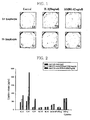
- Fig. 1 is a set of photographs showing the T-cell (T-4 and T-8) activity of control group, IL-2 treated group (20ng/ml), and Compound 3 treated group (1 ⁇ g/ml). Each number indicates the number of spots capturing IL-2 specific antibody.
- Fig. 2 is a graph showing the release of cytokines when T lymphocytes are activated by Compound 3,
- the present invention provides a sepsis treatment, and an anti-cancer agent containing mono acetyl diacyl glycerol derivatives represented by the following formula 1 as an effective ingredient.
- the compound represented by formula 1 of the present invention is one of following 5 compounds:
- the compound of the present invention was extracted from C.N. antlers or manufactured by conventional organic synthesis method.
- the exemplary of extraction method has the following steps. Particularly, the chloroform extracts of C.N. antler are obtained by extracting C.N. antler with hexane first and further extracting the residue of the hexane extract with chloroform.
- the amounts of hexane and chloroform used in this extraction process are enough amounts to impregnate deer antler.
- hexane and chloroform are used in the ratio of 4 ⁇ 5l to 1 kg of C.N. antler.
- the chloroform extract of C.N. antler obtained from such extraction processes is fractionated and purified by a series of silica gel column chromatography and TLC(Thin layer chromatography).
- An eluent of the subsequent extracting steps is selected from chloroform/methanol, hexane/ethylacetate.
- 1-palmitoylglycerine is separated from the products in the reaction of both glycerol and palmitic acid.
- the objecting mono acetyl diacyl glycerol can be synthesized as esterifying 1-palmitoylglycerine with carboxylic acid compounds such as acetic acid and linoleic acid, and purified as occasion demands.
- Another method for synthesizing mono acetyl diacyl glycerol derivatives is the acetolysis of phosphatidyl choline.
- T cell which is responsible for immunity but the extent of T cell's activation, the ratio of T4 to T8 cells, and the kinds of cytokines secreted from T4 and T8 cells.
- the present inventors treated mono acetyl diacyl glycerol derivatives to T-4 and T-8 lymphocytes for researching the immunomodulating effect of mono acetyl diacyl glycerol derivatives of the invention. As a result, it was confirmed that secretion of IL-2, a kind of cytokines, was increased in those cells (see Fig. 1 ).
- IL-4 is a multi-function cytokine called anti-inflammation cytokine which is secreted from Th2 which is differentiated from T4 cells.
- IL-4 can suppress cell damage resulted from autoimmune reaction by processing important role to anti-cancer effect and immune response regulation ( Annu. Rev. Immunol.
- the compounds of the present invention have effects of both immunity enhancing by stimulating IL-2 secretion and immunity modulating by stimulating IL-4 secretion. And, the compounds of the present invention also can maintain the ratio of T4 to T8 normally by increasing and activating not only T4 but also T8, which is a cytotoxic immune cell. Therefore, it is effective for treating on side effects and diseases resulted from abnormal increasing or decreasing of immune system. In the septic shock model, these immunity enhancing effects can work to the direction of stimulating IL-4. secretion and inhibiting apoptosis. In result, the lethal rate of sepsis is decreased remarkably. Therefore, mono acetyl diacyl glycerol derivatives according to the present invention are useful for the preventing and treating of sepsis, because these compounds increase IL-4 secretion.
- mono acetyl diacyl glycerol derivatives according to the present invention were confirmed to have the effects not only T-cell activation effect but also specific anti-cancer effect through activating of dendritic cells which enable T-cell to recognize antigen of cancer cells.
- mono acetyl diacyl glycerol derivatives according to the present invention were effective for preventing and treating of sepsis. From the above results, it confirmed that mono acetyl diacyl glycerol derivatives according to the present invention were good for ideal immunomodulating agent having both immunity enhancing effect and immunity function regulation effect.
- the present inventors investigate anti-cancer effect of the compounds against biliary cancer and malignant melanoma that were known to the incurable cancer.
- the present inventors induced cancer in a hamster by injecting intravenously or subcutaneously KIBG-5, a biliary cancer cell line.
- RPMI, BMSC, adenovirus/ ⁇ E1, dendritic cell + tumor lysate, Compound 3, adenovirus/IL-2 and the mixtures were injected to a hamster. The observation of result was performed 4 weeks later.
- BMSC + adenovirus/hIL-2 treated group and BMSC + Ad/hIL-2 +Compound 3 treated group see Fig. 10 .
- the tumor formation was inhibited by Compound 3 dose-dependently (see Figs. 11 and 12 ).
- the present inventors induced metastatic cancer in hamster by injecting biliary cancer cells (KIBG), and then treated the hamster with mono acetyl diacyl glycerol derivatives of the present invention. As a result, it was confirm that cancer development was significantly inhibited by the treatment of those compounds of the present invention.
- Intravenous injection of malignant melanoma cells was performed to the tail of mice to induce cancer therein. Then, each of or the mixture of RPMI, dendritic cells (DC), tumor lysate and Compound 3 was treated. As a result, metastatic lung lesion was formed in a control group treated with RPMI, but no lesions were observed in the groups each treated with Compound 3 and dendritic cells + tumor lysate (see Fig. 13 and 14 ). In addition, Compound 3 treated group and dendritic cells + tumor lysate treated group were observed for 6 weeks after tumor injection, resulting in 90% survival rate (see Fig. 15 ).
- the present inventors confirmed that Compound 3 activates T-cell (T4 and 8), which means it has anti-cancer effect. So, the present inventors performed cytotoxicity test of T-cells activated by Compound 3 to malignant melanoma in vitro. As a result, cytotoxicity was increased much when T-cells were treated with Compound 3 than when T-cells were not treated with Compound 3, and also cytotoxicity was increased with the increase of the amount of T-cells (see Fig, 16 ).
- a sepsis treatment, and an anti-cancer agent of the present invention preferably include mono acetyl diacyl glycerol derivatives by 20 to 100 weight% to the total weight of compounds, more preferably include them by 30 to 100 weight%. If the amount of mono acetyl diacyl glycerols is too much or less, it just difficult to take medicine and there are no advantages. It is also preferred for a sepsis treatment, an anti-cancer agent, to be orally administered 1 to 3times/day or 1 to 4 times/ day with the dose of 50mg/kg.
- the compounds according to the present invention can additionally include one or more pharmaceutically acceptable carriers, in addition to an effective ingredient, to be formulated in a pharmaceutical form.
- the carrier can be selected from a group consisting of saline, buffered saline, water, glycerol and ethanol, but the selection is not always limited thereto. Any acceptable pharmaceutical formulation know in this field ( Remingtons Pharmaceutical Science (the latest edition), Mack Publishing Company, Easton PA ) is available.
- a composition of the present invention can be administered orally and be used in general forms of pharmaceutical formulations.
- the composition of the present invention can be prepared for oral administration by mixing with generally used fillers, extenders, binders, wetting agents, disintegrating agents, diluents such as surfactant, or excipient.
- the effective dosage of the composition of the present invention can be determined according to age, gender, health condition, absorption of an active ingredient, inactivation rate, excretion and other medicines applied together.
- the dosage for oral administration might be 0.24 to 9.0g per day, but not always limited thereto.
- the present invention also includes pharmaceutical formulations in dosage units. This means that the formulations are presented in the form of individual parts, for example tablets, coated tablets, capsules, pills, suppositories and ampoules, the active compound content of which corresponds to a fraction or a multiple of an individual dose.
- the dosage units can contain, for example, 1, 2, 3, or 4 individual doses or 1/2, 1/3, or 1/4 of an individual dose.
- An individual dose preferably contains the amount of active compound which is administered in one application and which usually corresponds to a whole, 1/2, 1/3 or 1/4 of a daily dose.
- Solid formulations for oral administration are tablets, pills, dusting powders and capsules
- liquid formulations for oral administration are suspensions, solutions, emulsions and syrups
- the above mentioned formulations can contain various excipients such as wetting agents, sweeteners, aromatics and preservatives in addition to generally-used simple diluents such as water and liquid paraffin.
- the compounds of the present invention can be applied not only formulations for oral administration but also formulation for injection. For example, watery or oily suspension for sterile injection can be prepared according to the known method with dispersing agents, wetting agents or emulsions.
- Any acceptable pharmaceutical solvent includes water, Ringer's solution, or isotonic NaCl solution.
- Sterile fixing oil is used as solvent or dispersive medium and can include non-stimulus fixing oil including monoglyceride, diglyceride, and poly propylene glycol and fatty acid such as oleic acid.
- the present invention also provides immunomodulating and anti-cancer health food containing mono acetyl diacyl glycerol derivatives as an effective ingredient.
- health food includes foodstuff, nutrient and health supplement for treating or preventing of various diseases and maintaining the balance of body function.
- Health food prepared in the present invention contains mono acetyl diacyl glycerols by 0.02 to 100 weight%.
- the compounds of the present invention can be used according to the conventional method, for example, using intact compounds or using mixed compounds with other foods or food ingredients. The effective amount of the compound mixture depends on the purpose of its use (prevention, health or therapeutic treatment).
- the preferable amount of mono acetyl diacyl glycerol derivatives is from 0.02 to 2 weight% for the total amount of health food, preferably 0.2 to 0.6 weight%. If the amount of mono acetyl diacyl glycerols is too much or less, it just difficult to take health food and there are no advantages.
- the effective ingredient is also safe for the long-term administration aiming at the control or the preservation of health, supported by cytotoxicity test.
- Any kinds of food containing the composition of the present invention can be made without limitation. For example, meat sausage, bread, soups, beverages, teas, drinks, alcoholic beverages and vitamin complex are the food to be made as health food containing the composition of the present invention.
- the preferable amount of mono acetyl diacyl glycerol derivatives is from 20 to 100 weight% for the total amount of health food, preferably 30 to 100 weight%, more preferably 35 to 95 weight.
- the intake might be 0.18 to 9.0g per day, but not always limited thereto.
- the formulations include tablets and capsules.
- mono acetyl diacyl glycerol derivatives of the present invention activate T-cells to promote the secretion of cytokines, increase the expression of adhesive molecules between cells to stimulate hematopoietic cells and immune cells so as to not only improve immunity but also prevent and treat cancer.
- Splenocytes were collected from C57BU6 mice (provided from Asan Institute for Life Sciences Animal Lab., Seoul, Korea) spleens. Then, single cell suspensions were obtained by repeated aspiration and flushing. Red blood cells were removed using ammonium chloride and then passed through nylon wool to remove debris and clumps.
- T-cells were purified using magnetic bead (MACS bead, Miltenyi Biotec, bergich gladbach, Germany) containing anti-goat IgG MACS bead, Miltenyi Biotec, bergich gladbach, Germany) or anti-mouse CD4(MACS bead, Miltenyi Biotec, bergich gladbach, Germany) or anti-mouse CD8 antibody (MACS bead, Miltenyi Biotec, bergich gladbach, Germany) ( Turner and Dockrell (1996) Immunology, 87: 339-342 ).
- T cell suspensions were suspended in Isocove's modified Dulbecco's medium (IMDM, Gibco, Grand Island, NY) supplemented with 10% fetal bovine serum (referred as 'FBS' hereinafter) (Gibco, Grand Island, NY).
- IMDM Isocove's modified Dulbecco's medium
- 'FBS' fetal bovine serum
- 5 ⁇ 10 4 viable cells per well were cultured in 96-well plates, with 1 ⁇ g/ml of Compound 1, Compound 2, Compound 4 and Compound 5, 0.01, 0.1, 1 ⁇ g/ml of Compound 3(synthesized and provided by Department of Chemistry, Ewha Mans University, Seoul, Korea) or 20ng/ml of IL-2.
- On the 6th day cells were incubated with 1 ⁇ Ci 3 H-thymidine/well for 24 hours.
- Monocytes were isolated from human whole blood using Histopaque 1077. And then, monocytes(5 ⁇ 10 6 cells/ml) were allowed to adhere to tissue culture flask for 3 hours in a 5% CO 2 incubator. After 3 hours, non-adherent cells were removed and adherent cells were placed in 96-well plates in RPMI 1640 medium (GIBCO, Grand Island, NY) supplemented with 10% FBS. 5 ⁇ 10 4 viable cells per well were cultured in 96-well plates, with 1 ⁇ g/ml of Compound 1 - 5. On the 6 th day, cells were incubated with 1 ⁇ Ci 3 H-thymidine/well for 24 hours.
- Elispot bioassay (ESAT-6 enzyme-linked immunospot assay) is a very sensitive quantification assay for detecting cytokine bound to the membrane because the bottom of each well of Elispot plates used in this assay was precoated with a cytokine specific antibody. Thus, Elispot assay was performed to measure the T cell activity. T-cells were seeded by 2 ⁇ 10 6 cells to each well in a 24-well sterile tissue culture plate (Nunc, Denmark), followed by the treatment with 0.01, 0.1, 1 ⁇ g/ml concentrations of Compound 3 or IL-2 (20ng/ml).
- Bio-plex can measure huge amount of cytokine at a time in a well.
- Bio-plex kit was used to quantify 8 kinds of cytokines of Th1/Th2 channels, which are secreted when T-cells are activated.
- Sterilized 24-well tissue culture plate (Nunc, Denmark) was treated with anti-CD3 and anti-CD28. Then, the plate was inoculated with T-cells by 2 ⁇ 10 6 cells/ml.
- 0.1, 1 ⁇ g/ml of Compound 3 was treated thereto, followed by culture for 5 days. On the 5 th day, culture solutions at each different stage were recovered, followed by centrifugation.
- cytokine secreted therein was quantified by using Bio-plex kit according to the manufacturer's instruction (Bio-rad).
- three kinds of cytokines(IL-2, IL-4, and IL-5) among 8 kinds of cytokines(IL-2, IL-4, IL-5, IL-10, IL-12, INF- ⁇ , GM-CSF, TNF- ⁇ ) were secreted in the group treated with Compound 3 and the amounts of them were bigger than those in a control group not treated with Compound 3 ( Fig. 2 ).
- Bone marrow cells were obtained from the femurs and tibias of Balb/c AnN mice ( Park, J. et al. (2003) J. Korean Med. Sci., 18: 372-380 ). The cells were washed 3 times in RPMI, and then mononuclear cells were obtained. These mononuclear cells were allowed to adhere to tissue culture flask 3 hours in RPMI and 10% FBS.
- the adherent cells(monocytes) were removed and non-adherent cells were placed in 100mm tissue culture dishes, in a concentration of 1 x 10 5 cells/ml in RPMI plus 10% FBS supplemented with 20ng/ml murine rGM-CSF(R&D systems, Minneapolis, MN, USA), 10ng/ml, murine IL-4(R&D systems), and 2.5ng/ml murine TNF- ⁇ (R&D systems).
- Culture dishes were fed every 3 days.
- Murine TNF- ⁇ (R&D systems) was added at the 6 th day of the culture. After that, murine TNF- ⁇ (R&D systems) was added every 3 days until on the 11th day.
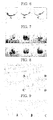
- Mature dendritic cells were harvested for RT-PCR of adhesion molecule studies. As a result, when round shaped granulocytes were cultured for three days, those cells formed a cluster which was growing on the bottom of a well of cell culture plate, and mature dendritic cells were growing with forming a group on the 6 th or the 7 th day of culture. And on the 9 th day of culture, dendritic cells formed a small but long protrusion specifically ( Fig. 3 ).
- Flow cytometric analysis of the fixed cells was performed by using FACScan (Beckton Dickinson, Mountain View, CA, U.S.A), leading to the determination of the phenotype using antibodies against the following markers; isotype control against hamster IgG, rat IgG 2a, DC marker: DEC 205(NLDC-145) and CD 11C, co-stimulatory/adhesion molecule: CD 80(B7-1) and CD 86(B7-2), macrophage marker: CD 14 and F4/80, granulocyte marker: Gr-1 (Pharmingen, Hamburg, Germany).
- the levels of co-stimulation specific molecular markers CD80 and C86 and dendritic cell specific markers CD11C and DEC-205 were high.
- the levels of monocytes specific markers CD14 and F4/80 and granulocyte specific marker Gr-1 were low.
- the results indicate that the dendritic cells separated in the present invention have an exact phenotype of dendritic cells and the purity 97 to 98% ( Fig. 4 ).
- Icam-1 SEQ. ID. No 1 and No 2
- Icam-2 SEQ. ID. No 3 and No 4
- Vcam-1 SEQ. ID. No 5 and No 6
- VLA-4 SEQ. ID. No 7 and No 8
- VLA-5 SEQ. ID. No 9 and No 10
- LFA-1 SEQ. ID. No 11 and No 12
- GAPDH GAPDH
- Reaction sets used herein was a mixed solution of 2 ⁇ l DNA, 10x buffer solution, 1.5 ⁇ l of MgCl 2 , 2 ⁇ l of dNTPs, 0.5 ⁇ l of forward primer, 0.5 ⁇ l of reverse primer, 0.2 ⁇ l of polymerase and 15.8 ⁇ l of distilled water.
- adhesion molecules such as Vcam-1, Icam-1, Icam-2, VLA-4, VLA-5, and LFA-1 were confirmed by RT-PCR.
- PCR with GAPDH was performed to confirm the corresponding cDNA. The results showed that the expressions of adhesion molecules, Icam-2, VLA-5, LFA-1 on Compound 3 treated dendritic cells were significantly increased compared to a control ( Fig. 5 ).
- BMSC treated group 2.5 ⁇ 10 6 of BMSC cells were injected once again to each hamster.
- DC + tumor lysate treated group 5 ⁇ 10 6 of DC cells and tumor lysate were injected to each hamster (with subcutaneous injection or intravenous injection) at the first, second, third, forth, sixth, eighth week, followed by observation for 12 weeks.
- Compound 3 treated group one week before KIBG-5 cells injection, Compound 3(25mg/kg/day) via P.O was continued 2 weeks on and 1 week off for 8 weeks.
- KIGB-5 cells (5 ⁇ 10 5 ) suspended in 100 ⁇ l of RPMI 1640 serum-free medium were intravenously injected via femoral vein.
- Hamsters were divided into following 4 groups: 1) PBS control group, 2) Compound 3 (10mg/kg/day) treated group, 3) Compound 3 (25mg/kg/day) treated group, 4) Compound 3 (50mg/kg/day) treated group.
- One week before tumor cell injection Compound 3(10, 25 or 50mg/kg/day) via P.O was continued 2 weeks on and 1 week off for 12 weeks. Animals of each group were sacrificed at 4, 8, 12 weeks for pathological examination.
- B16F10 cells(2 ⁇ 10 4 ) suspended in 100 ⁇ l of RPMI 1640 serum-free medium were intravenously injected via tail vein.
- RPMI 1640 serum-free medium 100 ⁇ l
- DC + tumor lysate treated group In the case of DC + tumor lysate treated group, one week before melanoma injection, 5 ⁇ 10 5 DC cells mixed with tumor lysate were injected to the abdominal cavity every 1 weeks. In the case of Compound 3 treated group, 50mg/kg/day of Compound 3 was treated to each mouse. One week before melanoma(B16F10) injection, Compound 3(50mg/kg/day) via P.O was continued 2 weeks on and 1 week off for 6 weeks. As a result, gross findings at 4 th week control group observed multiple metastatic lesions in both lungs. Compound 3 treated group and DC + tumor lysate treated group showed no evidence of disease in the lung( Fig. 13, 14 ) and showed 90% survival rate in the observation for 6 weeks after melanoma (B16F10) injection ( Fig. 15 ).
- cytotoxicity of T-cells activated by Compound 3 to malignant melanoma cells was investigated. As a result, when the ratio of T-cells activated by Compound 3 to melanoma cells was 100:1, cytotoxicity was 42% increased( Fig. 16 ).
- Synthesized Compound 3 was dissolved in 5% ethanol solution which was orally administered at the 0.1 ml/20g dose. Control group was treated 5% ethanol solution.
- IRC mice housed in SPF facility were used as test animals. The animals were fasted for one day before drug administration, and had free access to water and chow thereafter. Eight to ten ICR mice, 25-35g of weight, were grouped. The test agent was orally administered once at increasing doses ranging from 62.5 mg/kg, 125 mg/kg, 250 mg/kg, 500 mg/kg, 1.0g/kg, to 2.0 g/kg. From the day of administration, survival number and any abnormal signs were observed with the naked eye for 14 days.
- LD 50 was calculated by the method of Lichfield-Wilcoxon( acute toxicity test, Realize Inc., Tokyo, 1988), and weight changes were calculated by the following Mathematical Formula.
- Weight increment rate % Weight of day 14 - Weight of day 0 ⁇ Weight of day 0 ⁇ 100
- CLP test was performed in order to confirm the effect of Compound 3 for prevention and treatment against septic shock.
- Ten 7-10 week old male inbred C3H/HeN mice(20-25g of weight) were grouped. After 50mg/kg/day of Compound 3 was orally administered to mice for 2 weeks on and 1 week off, mice were anesthetized with 80mg/kg of ketamine and 16mg/kg of rompun.
- Septic shock was induced by CLP model in anesthetized mice. One hour after inducing septic shock, 50mg/kg of Compound 3 was treated, and then, the same treatment was continued for 3 days every 24 hours. Control group was orally administered PBS + 5% ethanol solution.
- the present inventors prepared a treatment containing Compound 3 as an effective ingredient. Further, the followed manufacturing example of the treatment containing Compound 3 as an effective ingredient can be applied not only to the preparing of treatment but also to the preparing of health food. If there isn't extra mention, the symbol of % means weight% in the following manufacturing example.
- Vitamin C 30% Vitamin C 4.5% Vitamin D3 0.001% Manganese sulfate 0.1% Wax 10% Palm oil 25% Safflower oil (Carthamus tinctorius) 30.399%
- Vitamin E acetate ester (DL- ⁇ -tocopherol acetate) 2.0%
- Vitamin C 10% Vitamin D3 0.001 % Manganese sulfate 0.1 % Crystalline cellulose 25.0% Lactose 32.999% Magnesium Stearate 2%
- the injection formulation was prepared by the conventional method with above mentioned compositions and contents.
- Soft gelatin capsules, tablets and injection suspension were prepared by the same method and composition as described in the above manufacturing example 1, except the Compound 3 was substituted with Compound 1, 2, 4, and 5 at the same ratio.
- the present inventors prepared health food containing the same as an effective ingredient.
- Beverage was prepared based on the above compositions and contents by following a conventional method.
- Chewing gum was prepared based on the above compositions and contents by following a conventional method.
- Biscuit was prepared based on the above compositions and contents by following a conventional method.
- Ice cream was prepared based on the above compositions and contents by following a conventional method.
- Beverage, chewing gum, candy, biscuit, ice cream and chocolate were prepared by the same method and composition as described in the above manufacturing example 3, except the Compound 3 was substituted with Compound 1, 2, 4, and 5 at the same ratio.
- the mono acetyl diacyl glycerol derivatives containing Compound 3 shows significant effect for immuno modulation including immune enhancing.
- cancer development was delayed by activating lymphocytes, monocytes, and dendritic cells that are important factors to promote immunity and apoptosis of cancer cell was induced by promoting cytotoxicity of immune cell against caner cell.
- mouse induced septic shock it shows 100% survival rate even after lapse of 120 hours by control of immune function and suppression effect of apoptosis. Therefore, mono acetyl diacyl glycerol derivatives according to the present invention can be effectively used for a sepsis treatment, or a cancer treatment
Landscapes
- Health & Medical Sciences (AREA)
- General Engineering & Computer Science (AREA)
- Engineering & Computer Science (AREA)
- Epidemiology (AREA)
- Emergency Medicine (AREA)
- Chemical & Material Sciences (AREA)
- Medicinal Chemistry (AREA)
- Pharmacology & Pharmacy (AREA)
- Mechanical Engineering (AREA)
- Life Sciences & Earth Sciences (AREA)
- Animal Behavior & Ethology (AREA)
- General Health & Medical Sciences (AREA)
- Public Health (AREA)
- Veterinary Medicine (AREA)
- Acyclic And Carbocyclic Compounds In Medicinal Compositions (AREA)
- Coloring Foods And Improving Nutritive Qualities (AREA)
Description
- This invention relates to uses of immunomodulating agent, medical supplies, and health foods containing mono acetyl diacyl glycerol derivatives extracted from deer antler as an effective ingredient.
- Antler (in Latin, Cervi parvum cornu) is an uncalcified horn harvested and dried from any animal of the deer family. In traditional oriental medicine in Korea, deer antlers together with ginseng have been widely used for their various acclaimed medicinal effects. The deer family for the traditional use of antlers are limited only Cervus nippon Temminick var. mantchuricus Swinhoe (Referred as C.N. hereafter) and Cervus elaphus L.. Deer antler has been acclaimed to have numerous medicinal effects. It has been known to be efficacious in tonic agents, growth and development promotion, hematopoiesis, treating nervous breakdown, treating cardiac insufficiency, and generally improving the function of the five viscera and six entrails (Dong-euibogam, a classical medical literature in Korea). Other literatures in traditional medicine, concerning the effects of deer antlers, also reported that tonic effects, nourishing effect, strengthening vitality effects including improving cardiac function, relieving fatigue effects, enhancing immunity. Many attempts have been made to uncover the curious chemical make-up of antler. As a result, it is found to contain active gradients such as free amino acids, trace (metallic) elements, hexose, pentose, hexosamine, uronic acid, sialic acid, mucopolysaccharides (e.g. hyaluronic acid, chondroitin A), various fatty acids, prostaglandins. It has also been reported that glycolipid, phospholipid, cholesterol, hypoxanthine, cholest-5-ene-3β,7β-diol, cholesterol ester, polyamine were detected in the extracts from deer antler. Others reported the presence of estrone, and estradiol receptor (report of NIH Korea, Vol.22, p359, 1985; Korean Biochem. J,Vol.9, No.3, p153, 1976; Korean Biochem. J,Vol.9, No.4; p215, 1976; Korean Biochem. J,Vol.10, No.1, p1, 1977; Shoykugaku Zasshi, 43(2), p173, 1989).
- Immunity is a defense mechanism protecting a living body from various pathogens. Immunodeficiency is resulted from a defect in a constituent of immune system, indicating that immune system is unable to response to various antigens. Immunodeficiency is largely divided into congenital or primary immunodeficiency and acquired or secondary immunodeficiency. In the case of congenital immunodeficiency, B-cells or T-cells do not exist naturally, so it can be treated only by gene therapy, antibody insertion and bone marrow transplantation. On the other hand, in the case of acquired immunodeficiency, all the immune related factors exist naturally but there is malfunctioning in immune response, so it can be improved by promoting the functions of immune factors. Recently the outbreak of autoimmune diseases such as arthritis, atopy, dementia and sepsis have been increased. Autoimmune diseases are resulted from over increasing of immune function. An immune suppressor has been used to remedy autoimmune diseases, but the immune suppressor also causes decreasing of immunity frequently. Based on the disclosure of immune mechanism, various attempts have been made to develop an immune regulator for the control of immunity. The purpose of these attempts is for increasing defensive power of a living body against pathogens and minimizing side-effects by controlling promotion or suppression of immune function with immune regulators which can stimulate immune cells non-specifically. Immune regulators can remedy almost diseases of living body such as cancer, sepsis, degenerative arthritis, infection, dementia, aging, diabetes, anemia, skin disease, asthma, atopy, stress, nerve breakdown, physical fatigue, chronic fatigue syndrome, and osteoporosis. As of today, chemical compounds, microorganism compositions, biological products, etc, have been used as an immune regulator. Most of those immune regulators are limited in using because they are inclined to work only one effect (either immune promotion or suppression). Therefore, they may cause side effects and have toxicity themselves. In order to overcome above mentioned problems, foodstuffs without toxicity, effective ingredients extracted from natural sources and the traditional herb medicines are the major targets to develop immune regulators and experiments to examine their effects as a medicine have been on trial. But these immune regulators still have either immune promotion or suppression effect.
- Cancer, the leading cause of death in Korea, has been increasing every year. Chemo-therapy or radio-therapy for the treatment of cancer not only kills cancer cells but also destroys normal bone marrow cells, especially hematopoietic cells regulating immunity and hematopoieses, resulting in the malfunction of immune system and hematopoietic organ (Korean J. BRM., 1, p23, 1993; Korean J. BRM., 4, p47, 1994; Crit Rev Oncol Hematol. 1, p227, 1984). Sepsis is a serious disease having over 45% lethal rate caused by a severe systemic infection leading to a systemic inflammatory response. It almost happens when infected hosts response excessively against endotoxin from gram negative bacteria. However Antibiotics, steroid, or Xigris (Eli Lilly company) have been used as a septic shock treatment, the lethal rate from septic shock is still high because theses antibiotics, steroid, or Xigris are ineffective against sepsis.
- Thus, the present inventors separated various ingredients of C.N. antler which has been known to having excellent pharmaceutical effects as a folk remedy, and further observed that one of those effective ingredients of C.N. antler, mono acetyl diacyl glycerol, showed significant immune regulation activity in vivo. As a result of immune regulation effects, the C.N. antler has a possibility of using for septic shock treatment and anti-cancer agent without causing toxicity in vivo. And, the present inventors completed this invention by confirming that mono acetyl diacyl glycerol of the invention can be used as a septic shock treatment and an anti-cancer agent.
- Therefore, it is an object of the present invention to provide a septic shock treatment and an anti-cancer agent, and health foods containing mono acetyl diacyl glycerol derivatives as an effective ingredient. Health foods are far use in the prevention or treatment of septic shock or cancer.
- In order to achieve the above object, the present invention provides an immunomodulating agent containing mono acetyl diacyl glycerol derivatives represented by the following
formula 1 as an effective ingredient.
- Here, above mentioned mono acetyl diacyl glycerol derivatives represented by the
below formula 2 is preferred.

- The present invention also provides a sepsis treatment, and an anti-cancer agent containing mono acetyl diacyl glycerol derivatives of
formula 1 as an effective ingredient. The present invention further provides health foods containing mono acetyl diacyl glycerol derivatives offormula 1 as an effective ingredient for the prevention of cancer. -
Fig. 1 is a set of photographs showing the T-cell (T-4 and T-8) activity of control group, IL-2 treated group (20ng/ml), and Compound 3 treated group (1 µg/ml). Each number indicates the number of spots capturing IL-2 specific antibody.
Fig. 2 is a graph showing the release of cytokines when T lymphocytes are activated by Compound 3, - ① Control group: anti-CD3, anti-CD28 treated,
- ② Experimental group: anti-CD3, anti-CD28 and Compound 3(0.1, 1 µg/ml) treated.
- A: a microscopic photograph taken right after the inoculation of mouse bone marrow cells with the density of 1 ×10⁶ cells/ml (×100).
- B: a microscopic photograph showing the round bone marrow stem cells after three days culture. Those cells formed a cluster, which was growing on the bottom of a well of a cell culture plate (×400).
- C: a microscopic photograph of the growing mature dendritic cells which are forming cluster on the 6th day or 7th day of culture (×400), the small photograph is the enlarged photograph of the specific cell (×2).
- D: a microscopic photograph of the dendritic cells which are forming specific small and long protrusions on the 9th day of culture (×1000), the small photograph is the enlarged photograph of the specific cell (×2).
- CD80 and CD86 as co-stimulation specific markers,
- CD11c and DEC-205 as dendritic cell specific markers,
- CD14 and F4/80 as monocyte/macrophage specific markers,
- Gr-1 as a granulocyte specific marker.
- A: RPMI control group
- B: BMSC(2.5×10⁶ cells/day) treated group
- C: BMSC(2.5×10⁶ cells/day) + Ad/ΔE1(50 MOI) treated group
- D: Dendritic Cells(5×10⁶ cells/day) + Tumor lysate treated group
- E: BMSC(2.5×10⁶ cells/day) + Ad/IL-2(50 MOI) treated group
- F: Compound 3 (50 mg/kg/day) treated group.
- A: RPMI control group
- B: BMSC(2.5×10⁶ cells/day) treated group
- C: BMSC(2.5×10⁶ cells/day) + Ad/ΔE1(50 MOI) treated group
- D: BMSC(2.5×10⁶ cells/day) + Ad/IL-2(50 MOI) treated group.
- A: RPMI control group
- B: Dendritic Cells(5×10⁶ cells/day) + Tumor lysate treated group
- C: Compound 3 (25 mg/kg/day) treated group.
- A: RPMI control group
- B: BMSC(2.5×10⁶ cells/day) + Ad/ΔE1(50 MOI) treated group
- C: BMSC(2.5×10⁶ cells/day) treated group
- D: DC(5×10⁶ cells/day) + Tumor lysate treated group
- E: BMSC(2.5×10⁶ cells/day) + Ad/IL-2(50 MOI) treated group
- F: BMSC(2.5×10⁶ cells/day) + Ad/IL-2(50 MOI) + Compound 3 (25 mg/kg/day) treated group
- G: Compound 3 (25 mg/kg/day) treated group.
- A: PBS Control group
- B: Compound 3 (10mg/kg/day) treated group
- C: Compound 3 (25mg/kg/day) treated group
- D: Compound 3 (50mg/kg/day) treated group
- A: PBS Control group
- B: Compound 3 (10mg/kg/day) treated group
- C: Compound 3 (25mg/kg/day) treated group
- D: Compound 3 (50mg/kg/day) treated group
- A: PBS Control group
- B: Dendritic cells (4×10⁵ cells/day) + tumor lysate treated group
- C: Compound 3 (50mg/kg/day) treated group.
- A: PBS Control group
- B: Dendritic cells (4×10⁵ cells/day) + tumor lysate treated group
- C: Compound 3 (50mg/kg/day) treated group.
- ① RPMI control group
- ② Dendritic cells (5×10⁵ cells/day) + tumor lysate treated group
- compound 3 (50mg/kg/day) treated group.
- ① Control 1: anti-CD3, anti-CD28 treated group
- ② Control 2: anti-CD3, anti-CD28, and IL-2 (20ng/ml) treated group
- ③ Experimental group: anti-CD3, anti-CD28, and Compound 3(1 µg/ml) treated group.
- Hereinafter, the present invention is described in detail.
The present invention provides a sepsis treatment, and an anti-cancer agent containing mono acetyl diacyl glycerol derivatives represented by the followingformula 1 as an effective ingredient. The compound represented byformula 1 of the present invention is one of following 5 compounds: - 1) 1-oleoyl-2-2palmitoyl-3-acetylglycerol(
R 1/R2=9-octadecenoyl/hexadeca noyl, referred as "Compound 1" hereinafter) - 2) 1-palmitoyl-2-oleoyl-3-acetylglycerol(R1/R2=hexadecanoyl/9-octadece noyl, referred as "
Compound 2" hereinafter) - 3) 1-palmitoyl-2-linoleyl-3-acetylglycerol(R1/R2=hexadecanoyl/9,12-octa decadienoyl, referred as "
Compound 3" hereinafter) - 4) 1-palmitoyl-2-linolenoyl-3-acetylglycerol(R1/R2=hexadecanoyl/9,12,15-octadecatrienoyl, referred as "
Compound 4" hereinafter) - 5) 1-palmitoyl-2-arachidonoyl-3-acetylglycerol(R1/R2=hexadecanoyl/5,8,11, 14-eicosatetraenoyl, referred as "Compound 5" hereinafter)
- Any of mono acetyl diacyl glycerol derivative represented by
formula 2 is available and in particular,Compound 3 is preferred. The compound of the present invention was extracted from C.N. antlers or manufactured by conventional organic synthesis method. The exemplary of extraction method has the following steps. Particularly, the chloroform extracts of C.N. antler are obtained by extracting C.N. antler with hexane first and further extracting the residue of the hexane extract with chloroform. The amounts of hexane and chloroform used in this extraction process are enough amounts to impregnate deer antler. Generally, hexane and chloroform are used in the ratio of 4∼5ℓ to 1 kg of C.N. antler. The chloroform extract of C.N. antler obtained from such extraction processes, is fractionated and purified by a series of silica gel column chromatography and TLC(Thin layer chromatography). An eluent of the subsequent extracting steps is selected from chloroform/methanol, hexane/ethylacetate. In order to synthesize mono acetyl diacyl glycerol derivatives chemically, for instance, 1-palmitoylglycerine is separated from the products in the reaction of both glycerol and palmitic acid. The objecting mono acetyl diacyl glycerol can be synthesized as esterifying 1-palmitoylglycerine with carboxylic acid compounds such as acetic acid and linoleic acid, and purified as occasion demands. Another method for synthesizing mono acetyl diacyl glycerol derivatives is the acetolysis of phosphatidyl choline. - In the regulation of immune function, the important thing is not increase of T cell which is responsible for immunity but the extent of T cell's activation, the ratio of T4 to T8 cells, and the kinds of cytokines secreted from T4 and T8 cells. The present inventors treated mono acetyl diacyl glycerol derivatives to T-4 and T-8 lymphocytes for researching the immunomodulating effect of mono acetyl diacyl glycerol derivatives of the invention. As a result, it was confirmed that secretion of IL-2, a kind of cytokines, was increased in those cells (see
Fig. 1 ). After treating the cells with theCompound 3 of the present invention by using Bio-plex, which enables measuring huge amount of cytokines at a time, the secretion of cytokine in T-cells was investigated. As a result, the secretions of IL-2, IL-4, and IL-5 were much greater inCompound 3 treated group than in a control group (seeFig. 2 ). The most increased cytokine, IL-4 is a multi-function cytokine called anti-inflammation cytokine which is secreted from Th2 which is differentiated from T4 cells. As inhibiting differentiation of T4 to Th1, IL-4 can suppress cell damage resulted from autoimmune reaction by processing important role to anti-cancer effect and immune response regulation (Annu. Rev. Immunol. 1999. 17: 701∼738). The compounds of the present invention have effects of both immunity enhancing by stimulating IL-2 secretion and immunity modulating by stimulating IL-4 secretion. And, the compounds of the present invention also can maintain the ratio of T4 to T8 normally by increasing and activating not only T4 but also T8, which is a cytotoxic immune cell. Therefore, it is effective for treating on side effects and diseases resulted from abnormal increasing or decreasing of immune system. In the septic shock model, these immunity enhancing effects can work to the direction of stimulating IL-4. secretion and inhibiting apoptosis. In result, the lethal rate of sepsis is decreased remarkably. Therefore, mono acetyl diacyl glycerol derivatives according to the present invention are useful for the preventing and treating of sepsis, because these compounds increase IL-4 secretion. - It has been known to that the interaction between cells stimulate various hematopoietic cells and immune cells, and particularly, dendritic cells are very important in immune system. The present inventors investigated the effect of mono acetyl diacyl glycerol derivatives on the interaction between separated and induced dendritic cells and TCR(T-cell Receptor). For the investigation, RT-PCR of the
Compound 3 treated DC (Dendritic Cells) was performed to measure the expressions of adhesion molecules mediating the interaction between DC and TCR. As a result, the expression of adhesive molecules such as Vcam-1, Icam-1, Icam-2, VLA-4, VLA-5, and LFA-1 were increased, comparing to a control (seeFig. 5 ). From the above results, mono acetyl diacyl glycerol derivatives according to the present invention were confirmed to have the effects not only T-cell activation effect but also specific anti-cancer effect through activating of dendritic cells which enable T-cell to recognize antigen of cancer cells. - From the above results, mono acetyl diacyl glycerol derivatives according to the present invention were confirmed to have the immunity enhancing effect by increasing cytokine secretion through activating T-cells and by promoting the proliferation and stimulation of hematopoietic cells and immune cells through increasing the expressions of intracellular adhesion molecules. As a result, it was confirmed that these compounds have the possibility of using as an immuno-therapy against various diseases. In order to investigate the use of compounds according to the present invention as prevention and treatment for septic shock, the CLP (Cecal Ligation and Puncture) test of mice was performed. In result, all tested mice survived until 120 hours. Therefore, it confirmed that mono acetyl diacyl glycerol derivatives according to the present invention were effective for preventing and treating of sepsis. From the above results, it confirmed that mono acetyl diacyl glycerol derivatives according to the present invention were good for ideal immunomodulating agent having both immunity enhancing effect and immunity function regulation effect.
- Further, in order to investigate the use of compounds according to the present invention for prevention and treatment of cancer, the present inventors investigate anti-cancer effect of the compounds against biliary cancer and malignant melanoma that were known to the incurable cancer. First, the present inventors induced cancer in a hamster by injecting intravenously or subcutaneously KIBG-5, a biliary cancer cell line. Then, RPMI, BMSC, adenovirus/ΔE1, dendritic cell + tumor lysate,
Compound 3, adenovirus/IL-2 and the mixtures were injected to a hamster. The observation of result was performed 4 weeks later. As a result, when it observed by the naked eye or a microscope, dendritic cell + tumor lysate,Compound 3, and adenovirus/IL-2 treated groups did not form tumor (seeFig. 6 ). Further, tumor cells were injected intravenously and observation was performed 8 weeks later. As a result, metastatic lung lesion was formed in all groups except BMSC + adenovirus/IL-2 treated group. From the biopsy, only a minute lesion was observed in dendritic cell + tumor lysate treated group andCompound 3 treated group (seeFig. 7, Fig. 8, and Fig. 9 ). And further, tumor cells were injected subcutaneously and observation was performed 12 weeks later. As a result, tumor was formed in all groups except BMSC + adenovirus/hIL-2 treated group and BMSC + Ad/hIL-2+Compound 3 treated group (seeFig. 10 ). The tumor formation was inhibited byCompound 3 dose-dependently (seeFigs. 11 and 12 ). As explained hereinbefore, the present inventors induced metastatic cancer in hamster by injecting biliary cancer cells (KIBG), and then treated the hamster with mono acetyl diacyl glycerol derivatives of the present invention. As a result, it was confirm that cancer development was significantly inhibited by the treatment of those compounds of the present invention. - Intravenous injection of malignant melanoma cells was performed to the tail of mice to induce cancer therein. Then, each of or the mixture of RPMI, dendritic cells (DC), tumor lysate and
Compound 3 was treated. As a result, metastatic lung lesion was formed in a control group treated with RPMI, but no lesions were observed in the groups each treated withCompound 3 and dendritic cells + tumor lysate (seeFig. 13 and 14 ). In addition,Compound 3 treated group and dendritic cells + tumor lysate treated group were observed for 6 weeks after tumor injection, resulting in 90% survival rate (seeFig. 15 ). Based on the above results, the present inventors confirmed thatCompound 3 activates T-cell (T4 and 8), which means it has anti-cancer effect. So, the present inventors performed cytotoxicity test of T-cells activated byCompound 3 to malignant melanoma in vitro. As a result, cytotoxicity was increased much when T-cells were treated withCompound 3 than when T-cells were not treated withCompound 3, and also cytotoxicity was increased with the increase of the amount of T-cells (seeFig, 16 ). As explained hereinbefore, it was confirmed that mono acetyl diacyl glycerol derivatives of the present invention inhibit cancer development and show cytotoxicity to cancer cells by activating T-cells, indicating that the compounds of the present invention can be effectively used as an anti-cancer agent. The treatment with the product of the present invention as an anti-cancer agent appears to be promising for bile duct cancer, kidney cancer and melanoma, but other forms of malignant diseases should be explored. - The present inventor, henceforth, completed this invention by preparing trial capsules and tablets containing mono acetyl diacyl glycerol derivatives as an effective ingredient. A sepsis treatment, and an anti-cancer agent of the present invention preferably include mono acetyl diacyl glycerol derivatives by 20 to 100 weight% to the total weight of compounds, more preferably include them by 30 to 100 weight%. If the amount of mono acetyl diacyl glycerols is too much or less, it just difficult to take medicine and there are no advantages. It is also preferred for a sepsis treatment, an anti-cancer agent, to be orally administered 1 to 3times/day or 1 to 4 times/ day with the dose of 50mg/kg. The compounds according to the present invention can additionally include one or more pharmaceutically acceptable carriers, in addition to an effective ingredient, to be formulated in a pharmaceutical form. The carrier can be selected from a group consisting of saline, buffered saline, water, glycerol and ethanol, but the selection is not always limited thereto. Any acceptable pharmaceutical formulation know in this field (Remingtons Pharmaceutical Science (the latest edition), Mack Publishing Company, Easton PA) is available. A composition of the present invention can be administered orally and be used in general forms of pharmaceutical formulations. The composition of the present invention can be prepared for oral administration by mixing with generally used fillers, extenders, binders, wetting agents, disintegrating agents, diluents such as surfactant, or excipient. The effective dosage of the composition of the present invention can be determined according to age, gender, health condition, absorption of an active ingredient, inactivation rate, excretion and other medicines applied together. For example, the dosage for oral administration might be 0.24 to 9.0g per day, but not always limited thereto. The present invention also includes pharmaceutical formulations in dosage units. This means that the formulations are presented in the form of individual parts, for example tablets, coated tablets, capsules, pills, suppositories and ampoules, the active compound content of which corresponds to a fraction or a multiple of an individual dose. The dosage units can contain, for example, 1, 2, 3, or 4 individual doses or 1/2, 1/3, or 1/4 of an individual dose. An individual dose preferably contains the amount of active compound which is administered in one application and which usually corresponds to a whole, 1/2, 1/3 or 1/4 of a daily dose. Solid formulations for oral administration are tablets, pills, dusting powders and capsules, liquid formulations for oral administration are suspensions, solutions, emulsions and syrups, and the above mentioned formulations can contain various excipients such as wetting agents, sweeteners, aromatics and preservatives in addition to generally-used simple diluents such as water and liquid paraffin. The compounds of the present invention can be applied not only formulations for oral administration but also formulation for injection. For example, watery or oily suspension for sterile injection can be prepared according to the known method with dispersing agents, wetting agents or emulsions. Any acceptable pharmaceutical solvent includes water, Ringer's solution, or isotonic NaCl solution. Sterile fixing oil is used as solvent or dispersive medium and can include non-stimulus fixing oil including monoglyceride, diglyceride, and poly propylene glycol and fatty acid such as oleic acid.
- The present invention also provides immunomodulating and anti-cancer health food containing mono acetyl diacyl glycerol derivatives as an effective ingredient. In the present invention, "health food" includes foodstuff, nutrient and health supplement for treating or preventing of various diseases and maintaining the balance of body function. Health food prepared in the present invention contains mono acetyl diacyl glycerols by 0.02 to 100 weight%. In the case of using the compounds of the present invention as health food, the compounds can be used according to the conventional method, for example, using intact compounds or using mixed compounds with other foods or food ingredients. The effective amount of the compound mixture depends on the purpose of its use (prevention, health or therapeutic treatment). In the case of using for prevention, the preferable amount of mono acetyl diacyl glycerol derivatives is from 0.02 to 2 weight% for the total amount of health food, preferably 0.2 to 0.6 weight%. If the amount of mono acetyl diacyl glycerols is too much or less, it just difficult to take health food and there are no advantages. The effective ingredient is also safe for the long-term administration aiming at the control or the preservation of health, supported by cytotoxicity test. Any kinds of food containing the composition of the present invention can be made without limitation. For example, meat sausage, bread, soups, beverages, teas, drinks, alcoholic beverages and vitamin complex are the food to be made as health food containing the composition of the present invention. In case that the health food is used as nutrients or health supplements for the purpose of treating and preventing disease, the preferable amount of mono acetyl diacyl glycerol derivatives is from 20 to 100 weight% for the total amount of health food, preferably 30 to 100 weight%, more preferably 35 to 95 weight. The intake might be 0.18 to 9.0g per day, but not always limited thereto. The formulations include tablets and capsules.
- As explained hereinbefore, mono acetyl diacyl glycerol derivatives of the present invention activate T-cells to promote the secretion of cytokines, increase the expression of adhesive molecules between cells to stimulate hematopoietic cells and immune cells so as to not only improve immunity but also prevent and treat cancer.
- Hereinafter, the preferable experimental examples are provided for better understanding of the present invention. However, the present invention is not limited to the following experimental examples.
- Splenocytes were collected from C57BU6 mice (provided from Asan Institute for Life Sciences Animal Lab., Seoul, Korea) spleens. Then, single cell suspensions were obtained by repeated aspiration and flushing. Red blood cells were removed using ammonium chloride and then passed through nylon wool to remove debris and clumps. T-cells were purified using magnetic bead (MACS bead, Miltenyi Biotec, bergich gladbach, Germany) containing anti-goat IgG MACS bead, Miltenyi Biotec, bergich gladbach, Germany) or anti-mouse CD4(MACS bead, Miltenyi Biotec, bergich gladbach, Germany) or anti-mouse CD8 antibody (MACS bead, Miltenyi Biotec, bergich gladbach, Germany) (Turner and Dockrell (1996) Immunology, 87: 339-342).
- T cell suspensions were suspended in Isocove's modified Dulbecco's medium (IMDM, Gibco, Grand Island, NY) supplemented with 10% fetal bovine serum (referred as 'FBS' hereinafter) (Gibco, Grand Island, NY). 5×10⁴ viable cells per well were cultured in 96-well plates, with 1 µg/mℓ of
Compound 1,Compound 2,Compound 4 and Compound 5, 0.01, 0.1, 1 µg/mℓ of Compound 3(synthesized and provided by Department of Chemistry, Ewha Womans University, Seoul, Korea) or 20ng/mℓ of IL-2. On the 6th day, cells were incubated with 1 µCi 3H-thymidine/well for 24 hours. On the 7th day, the cells were harvested and the incorporation Index (referred as 'SI' hereinafter) was calculated by the followingMathematical Formula 1.
- As a result, mono acetyl diacyl glycerol derivatives treated group had increased SI of T-cells by thymidine uptake of 2.05, which was similar to that of IL-2 treated group (Table 1).
[Table 1] Treated group SI IL-2 (20 ng/mℓ)* 2.05 ± 0.24 Compound 1 (1 µg/mℓ)* 2.01 ± 0.43 Compound 2 (1 µg/mℓ)* 2.03 ± 0.54 Compound 3 (0.01 µg/mℓ)** 1.83 ± 0.32 Compound 3 (0.1 µg/mℓ)* 1.96 ± 0.18 Compound 3 (1 µg/mℓ)* 2.05 ± 0.64 Compound 4 (1 µg/mℓ)* 1.98 ± 0.26 Compound 5 (1 µg/mℓ)* 2.02 ± 0.38 *P<0.05, **P<0.005. All tests were done in triplicate and were repeated three times. - Monocytes were isolated from human whole blood using Histopaque 1077. And then, monocytes(5×10⁶ cells/mℓ) were allowed to adhere to tissue culture flask for 3 hours in a 5% CO2 incubator. After 3 hours, non-adherent cells were removed and adherent cells were placed in 96-well plates in RPMI 1640 medium (GIBCO, Grand Island, NY) supplemented with 10% FBS. 5×10⁴ viable cells per well were cultured in 96-well plates, with 1 µg/mℓ of Compound 1 - 5. On the 6th day, cells were incubated with 1 µCi 3H-thymidine/well for 24 hours. On the 7th day, the cells were harvested and the incorporation of 3H-thymidine was measured. SI was calculated by the above mentioned
formula 1. As a result, Compound 1 - 5 treated group had increased monocytes SI 10.68, comparing to control, indicating that the compounds stimulated proliferation of monocytes (Table 2).[Table 2] Treated group SI(± S.E) Non treated control 1 Compound 1 (1 µg/mℓ)* 9.97 ± 0.10 Compound 2 (1 µg/mℓ)* 10.42 ± 0.15 Compound 3 (1 µg/mℓ)* 10.68 ± 0.13 Compound 4 (1 µg/mℓ)* 10.21 ± 0.18 Compound 5 (1 µg/mℓ)* 9.75 ± 0.09 *P<0.001, All tests were done in triplicate and were repeated two times. - Elispot bioassay (ESAT-6 enzyme-linked immunospot assay) is a very sensitive quantification assay for detecting cytokine bound to the membrane because the bottom of each well of Elispot plates used in this assay was precoated with a cytokine specific antibody. Thus, Elispot assay was performed to measure the T cell activity. T-cells were seeded by 2 ×10⁶ cells to each well in a 24-well sterile tissue culture plate (Nunc, Denmark), followed by the treatment with 0.01, 0.1, 1 µg/mℓ concentrations of
Compound 3 or IL-2 (20ng/mℓ). On the 7th day, cells were harvested and the cells were seeded by 5 × 10⁵ cells/mℓ in multi-testplates (Elispot system kit, AID, Straberg, Germany) coated with the respective primary antibody (murine IL-2). After the plate was incubated for 24 hours in a 5% CO2 incubator, there was a secretion of cytokines by the cells, which were captured by the primary antibody (murine IL-2) determined by Elispot using commercially available mouse IL-2 Elispot kits according to the manufacturer's instructions. Each sample was tested in duplicate. Counting the number of IL-2 producing cells by Elispot is accomplished with Elispot reader (AID Elispot Reader System). The results showed thatCompound 3 treated group showed 1.52 folds increased T-4 activity, comparing to control group, and 1.46 folds increased of T-8 activity (Fig. 1 ). - Bio-plex can measure huge amount of cytokine at a time in a well. Thus, Bio-plex kit was used to quantify 8 kinds of cytokines of Th1/Th2 channels, which are secreted when T-cells are activated. Sterilized 24-well tissue culture plate (Nunc, Denmark) was treated with anti-CD3 and anti-CD28. Then, the plate was inoculated with T-cells by 2 ×10⁶ cells/mℓ. In order to activate T-cells, 0.1, 1 µg/mℓ of
Compound 3 was treated thereto, followed by culture for 5 days. On the 5th day, culture solutions at each different stage were recovered, followed by centrifugation. Supernatants were obtained and cytokine secreted therein was quantified by using Bio-plex kit according to the manufacturer's instruction (Bio-rad). As a result, three kinds of cytokines(IL-2, IL-4, and IL-5), among 8 kinds of cytokines(IL-2, IL-4, IL-5, IL-10, IL-12, INF-γ, GM-CSF, TNF-α) were secreted in the group treated withCompound 3 and the amounts of them were bigger than those in a control group not treated with Compound 3 (Fig. 2 ). - The following experiment was performed to confirm the effect of
Compound 3 against immunocytes of the AIDS patients. First, Human mononuclear cells were obtained by Hisopaque 1077 from peripheral blood of AIDS patients. Red blood cells were removed using ammonium chloride and then passed through nylon wool to remove debris and clumps. T-cells were purified using magnetic bead (anti-human CD3)(MACS bead, Miltenyi Biotec, bergich gladbach, Germany). T cell suspensions were suspended in Isocove's modified Dulbecco's medium (IMDM, Gibco, Grand Island, NY) supplemented with 10% fetal bovine serum (referred as 'FBS' hereinafter) (Gibco, Grand Island, NY). 5×10⁴ viable cells per well(in triplicate) were cultured in 96-well plates, with 0.01, 0.1, 1 µg/mℓ concentrations ofCompound 3 or IL-2(20ng/ mℓ). On the 6th day, cells were incubated with 1 µCi 3H-thymidine/well for 24 hours. On the 7th day, the cells were harvested and the incorporation of 3H-thymidine was measured. The SI(Stimulation Index) was calculated by the above mentionedformula 1. As a result, in AIDS patients, T cell proliferation assay, showedCompounds 3 treated group had 1.5 to 3.9 fold increase of T-cell stimulation index by thymidine uptake in all patients(4 out of 4) compared with control as seen in Table 3. Over all result of stimulation byCompound 3 was comparable with IL-2 stimulation.[Table 3] Stimulation Index (SI) 1 2 3 4 IL-2(20ng/ml) 1.41 4.17 1.29 6.54 Compound 3 (1 µg/ml) 2.23 3.87 1.48 3.49 - Bone marrow cells were obtained from the femurs and tibias of Balb/c AnN mice (Park, J. et al. (2003) J. Korean Med. Sci., 18: 372-380). The cells were washed 3 times in RPMI, and then mononuclear cells were obtained. These mononuclear cells were allowed to adhere to
tissue culture flask 3 hours in RPMI and 10% FBS. After incubation, the adherent cells(monocytes) were removed and non-adherent cells were placed in 100mm tissue culture dishes, in a concentration of 1 x 10⁵ cells/mℓ in RPMI plus 10% FBS supplemented with 20ng/mℓ murine rGM-CSF(R&D systems, Minneapolis, MN, USA), 10ng/mℓ, murine IL-4(R&D systems), and 2.5ng/mℓ murine TNF-α(R&D systems). Culture dishes were fed every 3 days. Murine TNF-α(R&D systems) was added at the 6th day of the culture. After that, murine TNF-α(R&D systems) was added every 3 days until on the 11th day. Mature dendritic cells were harvested for RT-PCR of adhesion molecule studies. As a result, when round shaped granulocytes were cultured for three days, those cells formed a cluster which was growing on the bottom of a well of cell culture plate, and mature dendritic cells were growing with forming a group on the 6th or the 7th day of culture. And on the 9th day of culture, dendritic cells formed a small but long protrusion specifically (Fig. 3 ). - Those cells that were big and negative against trypan blue staining were counted and the morphology of each of them was investigated. 1 x 10⁶ cells/mℓ were cultured and then washed, followed by fixation with 1% para-formaldehyde solution. Flow cytometric analysis of the fixed cells was performed by using FACScan (Beckton Dickinson, Mountain View, CA, U.S.A), leading to the determination of the phenotype using antibodies against the following markers; isotype control against hamster IgG, rat IgG 2a, DC marker: DEC 205(NLDC-145) and CD 11C, co-stimulatory/adhesion molecule: CD 80(B7-1) and CD 86(B7-2), macrophage marker:
CD 14 and F4/80, granulocyte marker: Gr-1 (Pharmingen, Hamburg, Germany). As a result, the levels of co-stimulation specific molecular markers CD80 and C86 and dendritic cell specific markers CD11C and DEC-205 were high. On the contrary, the levels of monocytes specific markers CD14 and F4/80 and granulocyte specific marker Gr-1 were low. The results indicate that the dendritic cells separated in the present invention have an exact phenotype of dendritic cells and the purity 97 to 98% (Fig. 4 ). - It is generally known that the cell-cell interaction is involved in stimulations of various hematopoietic cells and of immune cells. Thus, the present inventors tried to confirm whether or not
Compound 3 affects various adhesion molecules of the mentioned cells. Particularly, dendritic cells cultured in the above example were treated with 1 µg/mℓ ofCompound 3, and then RT-PCR was performed. - Following primers: Icam-1 (SEQ. ID.
No 1 and No 2), Icam-2(SEQ. ID.No 3 and No 4), Vcam-1(SEQ. ID. No 5 and No 6), VLA-4(SEQ. ID.No 7 and No 8), VLA-5(SEQ. ID. No 9 and No 10), LFA-1(SEQ. ID. No 11 and No 12) and GAPDH(SEQ. ID. No 13 and No 14) were used for the RT-PCR. Reaction sets used herein was a mixed solution of 2 µℓ DNA, 10x buffer solution, 1.5 µℓ of MgCl2, 2 µℓ of dNTPs, 0.5 µℓ of forward primer, 0.5 µℓ of reverse primer, 0.2 µℓ of polymerase and 15.8 µℓ of distilled water. - Total RNA separated from dendritic cells and MS-5, low density cells cultured with oligo(dt)-primer, was reverse-transcribed, and PCR was performed at 94°C for 30 seconds, 65°C for 30 seconds and 72°C for 50 seconds. PCR was performed 34 times at total, and PCR products were doubled every performance. The expressions of adhesion molecules such as Vcam-1, Icam-1, Icam-2, VLA-4, VLA-5, and LFA-1 were confirmed by RT-PCR. For the quantification, PCR with GAPDH was performed to confirm the corresponding cDNA. The results showed that the expressions of adhesion molecules, Icam-2, VLA-5, LFA-1 on
Compound 3 treated dendritic cells were significantly increased compared to a control (Fig. 5 ). - Six week old female Syrian golden hamsters (Harlan, Indianapolis, India, USA) were housed in specific pathogen free unit. 5 × 10⁵ KIBG-5 cells (Molecular therapy, Vol. 3, No. 4, pp431-437) suspended in 100 µℓ of RPMI 1640 serum-free medium were intravenously injected via femoral vein. And 5 × 10⁵ KIBG-5 cells suspended in 100 µℓ of RPMI 1640 serum-free medium were subcutaneously injected to the flank of the hamsters. Hamsters injected KIBG-5 were divided into following 7 groups;
- 1) Control group treated with RPMI medium,
- 2) Experimental group treated with non-modified BMSC cells(2.5 × 10⁶)(Leukemia & Lymphoma, Vol.44, No. 11, pp1973-1978),
- 3) Experimental group treated with BMSC cells modified with Ad/
ΔE1 50 MOI (Leukemia & Lymphoma, Vol.44, No. 11, pp1973-1978), - 4) Experimental group treated with DC + tumor lysate(5 × 10⁶),
- 5) Experimental group treated with BMSC cells modified with Ad/hIL-2 50 MOI(Leukemia & Lymphoma, Vol.44, No. 11, pp1973-1978),
- 6) Experimental group treated with BMSC cells modified with Ad/hIL-2 50 MOI + Experimental group treated with Compound 3(25 mg/kg/day);
- 7) Experimental group treated with Compound 3(25 mg/kg/day).
- One week after the injection of cancer cells to hamsters (BMSC treated group), 2.5 × 10⁶ of BMSC cells were injected once again to each hamster. In the case of DC + tumor lysate treated group, 5 × 10⁶ of DC cells and tumor lysate were injected to each hamster (with subcutaneous injection or intravenous injection) at the first, second, third, forth, sixth, eighth week, followed by observation for 12 weeks. In the case of
Compound 3 treated group, one week before KIBG-5 cells injection, Compound 3(25mg/kg/day) via P.O was continued 2 weeks on and 1 week off for 8 weeks. - As a result, 4 weeks after the cancer cell injection, tumor formed in RPMI treated group which was a control, BMSC treated group, and BMSC + Ad/ΔE1 treated group, but no tumor were found in DC + tumor lysate treated group,
Compound 3 treated group, and BMSC + Ad/IL-2 treated group(Fig. 6 ). Moreover, 8 weeks after the cancer cell injection, multiple metastatic lung lesions were found in RPMI treated group which was a control, BMSC treated group, and BMSC + Ad/ΔE1 treated group, and only one minute lung lesion was found in DC + tumor lysate treated group, andCompound 3 treated group. But no lesions were found in BMSC + Ad/IL-2 treated group (Fig. 7, 8, 9 ). Further, 12 weeks after the cancer cell subcutaneous injection, tumor formed in RPMI treated group which was a control, BMSC treated group, BMSC + Ad/ΔE1 treated group, and DC + tumor lysate treated group, and less 5mm sized tumor in one mice were found in BMSC+Ad/hIL-2 treated group but no tumor were found in BMSC + Ad/IL-2+ Compound 3 treated group (Fig. 10 ). - In another hand, six week old female Syrian golden hamsters were housed in specific pathogen free unit. KIGB-5 cells(5 × 10⁵) suspended in 100 µℓ of RPMI 1640 serum-free medium were intravenously injected via femoral vein. Hamsters were divided into following 4 groups: 1) PBS control group, 2) Compound 3 (10mg/kg/day) treated group, 3) Compound 3 (25mg/kg/day) treated group, 4) Compound 3 (50mg/kg/day) treated group. One week before tumor cell injection, Compound 3(10, 25 or 50mg/kg/day) via P.O was continued 2 weeks on and 1 week off for 12 weeks. Animals of each group were sacrificed at 4, 8, 12 weeks for pathological examination. Gross findings at 4th week, tumor developed at injection site in control group, Compound 3(10, 25 or 50mg/kg/day) treated groups showed no evidence of tumor. At 8th week, control group observed multiple metastatic lesions in both lungs.
Compound 3 treated group(25, 50mg/kg/day) did not show any metastatic lung lesions with naked eye, butCompound 3 treated group(25mg/kg/day) showed one minute lesion with microscope.Compound 3 treated group(10mg/kg/day) showed tumor in the left lung (Figs. 11 and 12 ). - 6 week female C57BL/6 mice (provided from Asan Institute for Life Sciences Animal Lab., Seoul, Korea) were housed in specific pathogen free unit.
- B16F10 cells(2×10⁴) suspended in 100 µℓ of RPMI 1640 serum-free medium were intravenously injected via tail vein. One week before tumor cell injection, the following 3 groups were treated.
- 1) RPMI control group
- 2) Dendritic cells(DC)(5×10⁵ cells/day) + tumor lysate treated group
- 3) Compound 3 (50mg/kg/day) treated group.
- In the case of DC + tumor lysate treated group, one week before melanoma injection, 5×10⁵ DC cells mixed with tumor lysate were injected to the abdominal cavity every 1 weeks. In the case of
Compound 3 treated group, 50mg/kg/day ofCompound 3 was treated to each mouse. One week before melanoma(B16F10) injection, Compound 3(50mg/kg/day) via P.O was continued 2 weeks on and 1 week off for 6 weeks. As a result, gross findings at 4th week control group observed multiple metastatic lesions in both lungs.Compound 3 treated group and DC + tumor lysate treated group showed no evidence of disease in the lung(Fig. 13, 14 ) and showed 90% survival rate in the observation for 6 weeks after melanoma (B16F10) injection (Fig. 15 ). - Based on the presumption that the anti-cancer effects of the
Compound 3 are attributed to the activation of T-cells byCompound 3, cytotoxicity of T-cells activated byCompound 3 to malignant melanoma cells was investigated. As a result, when the ratio of T-cells activated byCompound 3 to melanoma cells was 100:1, cytotoxicity was 42% increased(Fig. 16 ). - Synthesized
Compound 3 was dissolved in 5% ethanol solution which was orally administered at the 0.1 mℓ/20g dose. Control group was treated 5% ethanol solution. IRC mice, housed in SPF facility were used as test animals. The animals were fasted for one day before drug administration, and had free access to water and chow thereafter. Eight to ten ICR mice, 25-35g of weight, were grouped. The test agent was orally administered once at increasing doses ranging from 62.5 mg/kg, 125 mg/kg, 250 mg/kg, 500 mg/kg, 1.0g/kg, to 2.0 g/kg. From the day of administration, survival number and any abnormal signs were observed with the naked eye for 14 days. LD50 was calculated by the method of Lichfield-Wilcoxon(acute toxicity test, Realize Inc., Tokyo, 1988), and weight changes were calculated by the following Mathematical Formula.

- The results are shown in Table 4. No toxicity was seen with 62.5 mg/kg ∼ 2g/kg of
Compound 3. This observation indicated that LD50 was over 2g/kg. Any abnormal sign as not observed with the naked eyes for 14 days after the administration. The weight of animals in treated group increased steadily so did in control animals. As shown in Table 5, no significant, treatment-specific weight change (gaining or losing) was observed.[Table 4] Death rate by the treatment o Compound 3(%) Dosage of Compound 3(mg/kg) 0 62.5 125 250 500 1000 2000 Number of dead mice/ Number of orally administered mice 0/10 1/8 0/8 1/8 2/9 0/9 0/9 LD 500 12.5 30 12.5 22.2 0 0 [Table 5] Weight increase 14 days after the oral-administration of CompoundDosage of Compound 3(mg/kg) 0 63 125 250 500 1000 2000 Weight 14 days after38.7 34.3 38.1 35.6 36.5 35.5 35.9 Administration(g) ± 1.1 ± 0.1 ± 1.3 ± 1.4 ± 1.9 ± 1.1 ± 2.7 Weight increment rate(%) 16.9 11.9 17.3 11.2 10.1 9.5 14.4 - Long term hepatotoxicity test was done on rats with
Compound 3 dose at 100mg/Kg body weight/day given P.O. for 4 weeks, and liver function test, lipid profile, cytochrome C-450 activity were observed. At the end of 4 weeks liver histology was observed. No significantly adverse effect was observed. - CLP test was performed in order to confirm the effect of
Compound 3 for prevention and treatment against septic shock. Ten 7-10 week old male inbred C3H/HeN mice(20-25g of weight) were grouped. After 50mg/kg/day ofCompound 3 was orally administered to mice for 2 weeks on and 1 week off, mice were anesthetized with 80mg/kg of ketamine and 16mg/kg of rompun. Septic shock was induced by CLP model in anesthetized mice. One hour after inducing septic shock, 50mg/kg ofCompound 3 was treated, and then, the same treatment was continued for 3 days every 24 hours. Control group was orally administered PBS + 5% ethanol solution. Survival rate ofCompound 3 treated group and control group with time lapse was shown in Table 6.Compound 3 treated groups had 100% survival rate even after lapse of 120 hours.[Table 6] Survival rate in septic shock Survival rate with time lapse 0hour Survival rate 24hours Survival rate 48hours Survival rate 72hours Survival rate 96hours Survival rate 120hours Survival rate PBS treated group(control) 100% 60% 40% 40% 40% 40% Compound 3 (50mg/kg) 100% 100% 100% 100% 100% 100% - After confirming through the above experiments that
Compound 3 had an excellent anti-cancer activity, the present inventors prepared atreatment containing Compound 3 as an effective ingredient. Further, the followed manufacturing example of thetreatment containing Compound 3 as an effective ingredient can be applied not only to the preparing of treatment but also to the preparing of health food. If there isn't extra mention, the symbol of % means weight% in the following manufacturing example. -
Compound 330% Vitamin C 4.5% Vitamin D3 0.001% Manganese sulfate 0.1 % Wax 10 % Palm oil 25% Safflower oil (Carthamus tinctorius) 30.399% -
Compound 331.25% Evening primrose seed oil 59.75% Soy oil 6.7% Vitamin E acetate ester (DL-α-tocopherol acetate) 2.1% Soy lecithin 0.2% -
Compound 398.0% Vitamin E acetate ester (DL-α-tocopherol acetate) 2.0% -
Compound 330 % Vitamin C 10% Vitamin D3 0.001 % Manganese sulfate 0.1 % Crystalline cellulose 25.0% Lactose 32.999 % Magnesium Stearate 2% -
Compound 32% Propylene glycol 35% Mono glyceride 8% Ethanol 5 % Water 50% - The injection formulation was prepared by the conventional method with above mentioned compositions and contents.
- Soft gelatin capsules, tablets and injection suspension were prepared by the same method and composition as described in the above manufacturing example 1, except the
Compound 3 was substituted withCompound - After confirming through the above examples that the
Compound 3 had an excellent immunomodulating, anti-septic shock, and anti-cancer activity, the present inventors prepared health food containing the same as an effective ingredient. -
Honey 522 mg Thioctic amide 5 mg Nicotinic amide 10 mg Sodium riboflavin hydrochloride 3 mg pyridoxine hydrochloride 2 mg I nositol 30 mg Ortho acid 50 mg Compound 3 0.48 ∼ 1.28 mg water 200 mℓ - Beverage was prepared based on the above compositions and contents by following a conventional method.
-
Gum base 20% Sugar 76.36 ∼ 76.76 % Compound 3 0.24∼0.64 % Fruit flavor 1 % Water 2 % - Chewing gum was prepared based on the above compositions and contents by following a conventional method.
-
Sugar 50 ~ 60 % Starch syrup 39.26 ∼ 49.66 % Compound 3 0.24 ~ 0.64 % Orange flavor 0.1 % - Candy was prepared based on the above compositions and contents by following a conventional method.
-
Strong flour 1st class88 kg Cake flour 1st class 76.4 kg Refined sugar 16.5 kg Salt 2.5 kg Glucose 2.7 kg Palm shortening 40.5 kg Ammo 5.3 kg Baking soda 0.6 kg Sodium bisulfate 0.55 kg Rice flour 5.0 kg Vitamin B1 0.003 kg Vitamin B2 0.003 kg Milk flavor 0.16 kg Water 71.1 kg Whole milk powder 4 kg Substitute milk powder 1 kg Calcium phosphate, monobasic 0.1 kg Spraying salt 1 kg Spraying milk 25 kg Compound 3 0.2 - 0.5 kg - Biscuit was prepared based on the above compositions and contents by following a conventional method.
-
Milk fat 10.0 % Milk solids non-fat 10.8 % Sugar 12.0 % Starch syrup 3.0 % Emulsifying stabilizer (span) 0.5 % Flavor (Strawberry) 0.15 % Water 63.31 ∼ 62.91 % Compound 3 0.24∼0.64% - Ice cream was prepared based on the above compositions and contents by following a conventional method.
-
Sugar 34.36 ∼34.76 % Cocoa butter 34 % Cocoa mat 15 % Cocoa powder 15 % Lecithin 0.5 % Vanilla flavor 0.5 % Compound 3 0.24 ∼ 0.64 % - Chocolate was prepared based on the above compositions and contents by following a conventional method.
- Beverage, chewing gum, candy, biscuit, ice cream and chocolate were prepared by the same method and composition as described in the above manufacturing example 3, except the
Compound 3 was substituted withCompound - As explained hereinbefore, the mono acetyl diacyl glycerol
derivatives containing Compound 3 shows significant effect for immuno modulation including immune enhancing. In the case of inducing cancer in a hamster by injecting cancer cell line, cancer development was delayed by activating lymphocytes, monocytes, and dendritic cells that are important factors to promote immunity and apoptosis of cancer cell was induced by promoting cytotoxicity of immune cell against caner cell. Also in the case of mouse induced septic shock, it shows 100% survival rate even after lapse of 120 hours by control of immune function and suppression effect of apoptosis. Therefore, mono acetyl diacyl glycerol derivatives according to the present invention can be effectively used for a sepsis treatment, or a cancer treatment -
- <110> KIM, Sang Hee
- <120> Immunomodulating agent, anti-cancer agent and health food containing monoacetyldiacylglycerol derivatives
- <130> pd5013
- <150>
KR 10-2004-0028514
<151> 2004-04-24 - <150>
KR 10-2004-0070650
<151> 2004-09-04 - <150>
KR 10-2004-0109805
<151> 2004-12-21 - <160> 14
- <170> KopatentIn 1.71
- <210> 1
<211> 22
<212> DNA
<213> Artificial Sequence - <220>
<223> ICAM-1 forward primer - <400> 1
ccaactggaa gctgtttgag ct 22 - <210> 2
<211> 21
<212> DNA
<213> Artificial Sequence - <220>
<223> ICAM-1 reverse primer - <400> 2
ttctgtcgaa ctccacagtc a 21 - <210> 3
<211> 21
<212> DNA
<213> Artificial Sequence - <220>
<223> ICAM-2 forward primer - <400> 3
catatggtcc gagaagcaga t 21 - <210> 4
<211> 21
<212> DNA
<213> Artificial Sequence - <220>
<223> ICAM-2 reverse primer - <400> 4
aagcatagca ggacagatgtc 21 - <210> 5
<211> 24
<212> DNA
<213> Artificial Sequence - <220>
<223> VCAM-1 forward primer - <400> 5
ggttgggaag ccggtcacag tcaa 24 - <210> 6
<211> 24
<212> DNA
<213> Artificial Sequence - <220>
<223> VCAM-1 reverse primer - <400> 6
gcacacgtca gaacaaccga atcc 24 - <210> 7
<211> 24
<212> DNA
<213> Artificial Sequence - <220>
<223> VLA-4 forward primer - <400> 7
ctcagatctc cttgttggag cagc 24 - <210> 8
<211> 21
<212> DNA
<213> Artificial Sequence - <220>
<223> VLA-4 reverse primer - <400> 8
tgaatgcctg gtgtgtcctac 21 - <210> 9
<211> 21
<212> DNA
<213> Artificial Sequence - <220>
<223> VLA-5 forward primer - <400> 9
cagtggtgat gacactgatg a 21 - <210> 10
<211> 21
<212> DNA
<213> Artificial Sequence - <220>
<223> VLA-5 reverse primer - <400> 10
agaagctaag gttgatgcagg 21 - <210> 11
<211> 20
<212> DNA
<213> Artificial Sequence - <220>
<223> LFA-1 forward primer - <400> 11
tgacacttta cttgcgacca 20 - <210> 12
<211> 21
<212> DNA
<213> Artificial Sequence - <220>
<223> LFA-1 reverse primer - <400> 12
gatgggtagt cgaactcattg 21 - <210> 13
<211> 20
<212> DNA
<213> Artificial Sequence - <220>
<223> GAPDH forward primer - <400> 13
accacagtcc atgccatcac 20 - <210> 14
<211> 20
<212> DNA
<213> Artificial Sequence - <220>
<223> GAPDH reverse primer - <400> 14
tccaccaccc tgttgctgta 20 Sequence Listing - <110> KIM, Sang Hee
- <120> Immunomodulating agent, anti-cancer agent and health food containing monoacetyldiacylglycerol derivatives
- <130> pd5013
- <150>
KR 10-2004-0028514
<151> 2004-04-24 - <150>
KR 10-2004-0070650
<151> 2004-09-04 - <150>
KR 10-2004-0109805
<151> 2004-12-21 - <160> 14
- <170> KopatentIn 1.71
- <210> 1
<211> 22
<212> DNA
<213> Artificial Sequence - <220>
<223> ICAM-1 forward primer - <400> 1
ccaactggaa gctgtttgag ct 22 - <210> 2
<211> 21
<212> DNA
<213> Artificial Sequence - <220>
<223> ICAM-1 reverse primer - <400> 2
ttctgtcgaa ctccacagtc a 21 - <210> 3
<211> 21
<212> DNA
<213> Artificial Sequence - <220>
<223> ICAM-2 forward primer - <400> 3
catatggtcc gagaagcaga t 21 - <210> 4
<211> 21
<212> DNA
<213> Artificial Sequence - <220>
<223> ICAM-2 reverse primer - <400> 4
aagcatagca ggacagatgtc 21 - <210> 5
<211> 24
<212> DNA
<213> Artificial Sequence - <220>
<223> VCAM-1 forward primer - <400> 5
ggttgggaag ccggtcacag tcaa 24 - <210> 6
<211> 24
<212> DNA
<213> Artificial Sequence - <220>
<223> VCAM-1 reverse primer - <400> 6
gcacacgtca gaacaaccga atcc 24 - <210> 7
<211> 24
<212> DNA
<213> Artificial Sequence - <220>
<223> VLA-4 forward primer - <400> 7
ctcagatctc cttgttggag cagc 24 - <210> 8
<211> 21
<212> DNA
<213> Artificial Sequence - <220>
<223> VLA-4 reverse primer - <400> 8
tgaatgcctg gtgtgtcctac 21 - <210> 9
<211> 21
<212> DNA
<213> Artificial Sequence - <220>
<223> VLA-5 forward primer - <400> 9
cagtggtgat gacactgatg a 21 - <210> 10
<211> 21
<212> DNA
<213> Artificial Sequence - <220>
<223> VLA-5 reverse primer - <400> 10
agaagctaag gttgatgcagg 21 - <210> 11
<211> 20
<212> DNA
<213> Artificial Sequence - <220>
<223> LFA-1 forward primer - <400> 11
tgacacttta cttgcgacca 20 - <210> 12
<211> 21
<212> DNA
<213> Artificial Sequence - <220>
<223> LFA-1 reverse primer - <400> 12
gatgggtagt cgaactcattg 21 - <210> 13
<211> 20
<212> DNA
<213> Artificial Sequence - <220>
<223> GAPDH forward primer - <400> 13
accacagtcc atgccatcac 20 - <210> 14
<211> 20
<212> DNA
<213> Artificial Sequence - <220>
<223> GAPDH reverse primer - <400> 14
tccaccaccc tgttgctgta 20
Following markers are used:
| Lane 1: Vcam-1 | Lane 2: Icam-1 | Lane 3: Icam-2 |
| Lane 4: VLA-4 | Lane 5: VLA-5 | Lane 6: LFA-1 |
| Lane 7: GAPDH | ||
| (+): | ||
| (-): Control group. | ||
| A: RPMI control group | B: BMSC treated group |
| C: BMSC + Ad/ΔE1 treated group. | |
In
In
Claims (4)
- An agent containing mono acetyl diacyl glycerol derivatives according to below mentioned [Formula 1] as an effective ingredient for use in the treatment of sepsis.

- An agent containing mono acetyl diacyl glycerol derivatives according to above mentioned [Formula 1] as an effective ingredient for use in the treatment of cancer.
- The agent as set forth in claim 2, wherein the agent is used for the treatment of bile duct cancer, kidney cancer or malignant melanoma.
- The agent as set forth in claim 3, wherein the agent activates dendritic cells which enable T-cells to recognize antigen of cancer cells.
Applications Claiming Priority (4)
| Application Number | Priority Date | Filing Date | Title |
|---|---|---|---|
| KR20040028514 | 2004-04-24 | ||
| KR1020040070650A KR20050118057A (en) | 2004-04-24 | 2004-09-04 | Anti-cancer agent and health food containing acethyldiacylglycerole derivatives as an effective ingredient |
| KR1020040109805A KR20050118095A (en) | 2004-04-24 | 2004-12-21 | Immunity enhancing agent, anti-cancer agent, and health food containing acethyldiacylglycerole derivatives as an effective ingredient |
| PCT/KR2005/001175 WO2005112912A1 (en) | 2004-04-24 | 2005-04-22 | Immunomoduating agent, anti-cancer agent and health food containing monoacetyldiacylglycerol derivatives |
Publications (3)
| Publication Number | Publication Date |
|---|---|
| EP1740169A1 EP1740169A1 (en) | 2007-01-10 |
| EP1740169A4 EP1740169A4 (en) | 2009-09-16 |
| EP1740169B1 true EP1740169B1 (en) | 2012-09-05 |
Family
ID=35428238
Family Applications (1)
| Application Number | Title | Priority Date | Filing Date |
|---|---|---|---|
| EP05764751A Expired - Lifetime EP1740169B1 (en) | 2004-04-24 | 2005-04-22 | Immunomoduating agent, anti-cancer agent and health food containing monoacetyldiacylglycerol derivatives |
Country Status (4)
| Country | Link |
|---|---|
| EP (1) | EP1740169B1 (en) |
| KR (2) | KR100767701B1 (en) |
| CA (1) | CA2562897C (en) |
| WO (1) | WO2005112912A1 (en) |
Families Citing this family (25)
| Publication number | Priority date | Publication date | Assignee | Title |
|---|---|---|---|---|
| KR100789323B1 (en) * | 2005-07-20 | 2007-12-28 | 주식회사 엔지켐 | Site-selective preparation method of glycerol derivatives and intermediates thereof |
| WO2010006261A1 (en) * | 2008-07-10 | 2010-01-14 | Hong John J | Methods for inducing stem cell migration and specialization with ec-18 |
| RU2636615C2 (en) * | 2013-08-19 | 2017-11-24 | Энзикем Лайфсайенсиз Корпорейшн | Composition for asthma prevention or treatment containing monoacethyldiacyl glycerine compound as active ingredient |
| CN105592847B (en) | 2013-08-19 | 2019-04-09 | Enzychem生命科学株式会社 | Composition for the prevention or treatment of chronic obstructive pulmonary disease containing a monoacetyldiacylglycerol compound as an active ingredient |
| CA2921841C (en) * | 2013-08-19 | 2018-06-19 | Korea Research Institute Of Bioscience And Biotechnology | Composition containing monoacetyldiglyceride compound as active ingredient for inhibiting blood cancer or metastasis |
| CN105530930A (en) | 2013-08-19 | 2016-04-27 | Enzychem生命科学株式会社 | Composition for prevention or treatment of rheumatoid arthritis containing monoacetyldiacylglycerol compound as an active ingredient |
| KR20150027008A (en) * | 2013-09-03 | 2015-03-11 | 한국생명공학연구원 | Composition comprising monoacetyldiacylglycerol compound for preventing or treating atopic dermatitis |
| KR20150032223A (en) * | 2013-09-17 | 2015-03-25 | 한국생명공학연구원 | Composition comprising monoacetyldiacylglycerol compound for promoting differentiation or proliferation of erythroid cells |
| AU2015258840B2 (en) | 2014-05-15 | 2018-03-15 | Enzychem Lifesciences Corporation | Methods for treating leukopenia and thrombocytopenia |
| US9808438B2 (en) * | 2015-11-09 | 2017-11-07 | Enzychem Lifesciences Corporation | Method for treating mucositis |
| US10653657B2 (en) | 2015-11-14 | 2020-05-19 | Enzychem Lifesciences Corporation | Method for treating hemolytic uremic syndrome |
| US10555923B2 (en) | 2015-11-14 | 2020-02-11 | Enzychem Lifesciences Corporation | Method for treating paroxysmal nocturnal hemoglobinuria |
| USD796476S1 (en) | 2015-11-17 | 2017-09-05 | Samsung Electronics Co., Ltd. | Headset |
| KR101817552B1 (en) * | 2016-10-13 | 2018-01-11 | 주식회사 엔지켐생명과학 | Composition for preventing or treating hepatitis comprising monoacetyl-diacylglycerol compound |
| KR101836822B1 (en) * | 2016-10-17 | 2018-03-09 | 주식회사 엔지켐생명과학 | Composition for preventing or treating psoriasis comprising monoacetyl-diacylglycerol compound |
| KR20190018317A (en) * | 2017-08-14 | 2019-02-22 | 한국생명공학연구원 | Composition for prevention or treatment of Pseudomonas genus infection containing monoacetyldiacylglycerol compounds |
| KR102054401B1 (en) * | 2018-03-26 | 2019-12-10 | 주식회사 엔지켐생명과학 | 1,2-diacylglycerol compound, method for preparing the same and immunomodulating agent including the same as active ingredient |
| KR102062291B1 (en) | 2018-04-23 | 2020-01-03 | 주식회사 엔지켐생명과학 | Glycerol derivatives, method for preparing these and immunomodulating agent including the same as active ingredient |
| KR102076314B1 (en) | 2018-07-16 | 2020-02-11 | (주) 에프엔지리서치 | Novel compounds isolated from Cervus nippon and pharmaceutical use thereof |
| KR102218540B1 (en) | 2019-04-16 | 2021-02-22 | 주식회사 엔지켐생명과학 | Composition for treating diabetes containing monoacetyldiacylglycerol compound and method for treating diabetes |
| KR102218542B1 (en) | 2019-04-16 | 2021-02-22 | 주식회사 엔지켐생명과학 | Composition for treating gout containing monoacetyldiacylglycerol compound and method for treating gout |
| KR102258231B1 (en) | 2019-10-22 | 2021-05-31 | 강릉원주대학교 산학협력단 | Polypeptide derived from oenanthe javanica and phamaceutical composition comprising polypeptide thereof |
| KR102365266B1 (en) | 2019-10-22 | 2022-02-23 | 강릉원주대학교산학협력단 | Polypeptide derived from oenanthe javanica and phamaceutical composition comprising polypeptide thereof |
| JP2022553421A (en) * | 2019-10-28 | 2022-12-22 | エンジーケム ライフサイエンシーズ コーポレーション | Methods and compositions for treating cancer |
| JP2022104792A (en) | 2020-12-29 | 2022-07-11 | ヒュサイオン カンパニー リミテッド | Piperlongumine-based compound and immunoregulator comprising the same |
Family Cites Families (11)
| Publication number | Priority date | Publication date | Assignee | Title |
|---|---|---|---|---|
| US4058594A (en) * | 1974-04-25 | 1977-11-15 | John Williams | Immuno-suppressive agents |
| GB1506563A (en) * | 1974-04-25 | 1978-04-05 | Williams J | Immunosuppressive agents |
| JPH01261998A (en) * | 1988-04-13 | 1989-10-18 | Matsushita Electric Ind Co Ltd | Headphone |
| JPH0332002A (en) * | 1989-06-29 | 1991-02-12 | Murata Mfg Co Ltd | Coil with cap |
| WO1997004761A1 (en) * | 1995-07-28 | 1997-02-13 | Trustees Of Boston University | Methods and compositions for treating cell proliferative disorders |
| WO1999026640A1 (en) * | 1997-11-20 | 1999-06-03 | Bukwang Pharm. Ind. Co., Ltd. | Pharmaceutical composition containing extracts of cervus nippon antlers having growth-stimulating activities of hematopoietic stem cells and megakaryocytes |
| KR100291743B1 (en) | 1997-11-20 | 2001-05-15 | 전길자 | Process for preparing glycerol derivative |
| KR100283010B1 (en) * | 1997-11-20 | 2001-04-02 | 전길자 | Composition for promoting hematopoietic stem cell and platelet progenitor cell proliferation containing antler extract |
| IL142535A0 (en) * | 2001-04-11 | 2002-03-10 | Yeda Res & Dev | Pharmaceutical compositions for the treatment of inflammation |
| IL142536A0 (en) * | 2001-04-11 | 2002-03-10 | Yeda Res & Dev | Carriers for therapeutic preparations for treatment of t-cell mediated diseases |
| KR20050103259A (en) * | 2004-04-24 | 2005-10-27 | 김상희 | Anti-cancer agent containing interleukin-2 and monoacethyldiglyceride-3 as an effective ingredient |
-
2005
- 2005-04-22 CA CA2562897A patent/CA2562897C/en not_active Expired - Lifetime
- 2005-04-22 WO PCT/KR2005/001175 patent/WO2005112912A1/en not_active Ceased
- 2005-04-22 EP EP05764751A patent/EP1740169B1/en not_active Expired - Lifetime
- 2005-04-22 KR KR1020050033744A patent/KR100767701B1/en not_active Expired - Fee Related
-
2006
- 2006-10-19 KR KR1020060102032A patent/KR100885679B1/en not_active Expired - Lifetime
Non-Patent Citations (2)
| Title |
|---|
| BAUMHOFER J M ET AL: "Gene transfer with IL-4 and IL-13 improves survival in lethal endotoxemia in the mouse and ameliorates peritoneal macrophages immune competence", EUROPEAN JOURNAL OF IMMUNOLOGY 199802 DE, vol. 28, no. 2, February 1998 (1998-02-01), pages 610 - 615, ISSN: 0014-2980 * |
| NAPOLITANO L A ET AL: "Increased thymic mass and circulating naive CD4 T cells in HIV-1-infected adults treated with growth hormone", AIDS 20020524 GB LNKD- DOI:10.1097/00002030-200205240-00003, vol. 16, no. 8, 24 May 2002 (2002-05-24), pages 1103 - 1111, ISSN: 0269-9370 * |
Also Published As
| Publication number | Publication date |
|---|---|
| WO2005112912A1 (en) | 2005-12-01 |
| KR100767701B1 (en) | 2007-10-18 |
| CA2562897C (en) | 2011-03-15 |
| KR20060047447A (en) | 2006-05-18 |
| EP1740169A4 (en) | 2009-09-16 |
| CA2562897A1 (en) | 2005-12-01 |
| KR20060122795A (en) | 2006-11-30 |
| KR100885679B1 (en) | 2009-02-25 |
| EP1740169A1 (en) | 2007-01-10 |
Similar Documents
| Publication | Publication Date | Title |
|---|---|---|
| US20100137435A1 (en) | Monoacetyldiacylglycerol Derivative for the Treatment of Sepsis | |
| CA2562897C (en) | Immunomodulating agent, anti-cancer agent and health food containing monoacetyldiacylglycerol derivatives | |
| Cao et al. | Antitumor and immunomodulatory activity of arabinoxylans: A major constituent of wheat bran | |
| Liu et al. | Antitumor effects of the partially purified polysaccharides from Antrodia camphorata and the mechanism of its action | |
| US20150174186A1 (en) | Pharmaceutical composition for preventing or treating stat3-mediated disease, comprising salvia plebeia r. br. extract or fraction thereof as active ingredient | |
| EP3527206A2 (en) | Composition for preventing or treating hepatitis containing monoacetyl diacylglycerol compound | |
| KR101785495B1 (en) | Composition comprising Chrisanthemum indicum extract or fraction for treating, improving or preventing obesity or obesity-related disease | |
| KR102267195B1 (en) | Skin improvement composition comprising the active substance isolated from the strain culture | |
| KR20050103259A (en) | Anti-cancer agent containing interleukin-2 and monoacethyldiglyceride-3 as an effective ingredient | |
| KR100605114B1 (en) | Arthritis prevention and treatment composition containing Samchil root extract as an active ingredient | |
| KR100605116B1 (en) | Composition for preventing and treating periodontal disease containing Samchil-Geun extract as an active ingredient | |
| KR20160123130A (en) | Composition comprising Chrisanthemum indicum extract or fraction for treating, improving or preventing obesity or obesity-related disease | |
| KR101206370B1 (en) | Use of Ginsenosides for Prevention and Treatment of Autoimmune Disease | |
| JP2007126383A (en) | Gastrointestinal mucosa protective agent, caveolin gene expression promoter and anti-stress agent | |
| KR100661398B1 (en) | Mixed herbal medicine extract of zelkova mushroom, Ogapi and samchil root and composition for preventing and treating periodontal disease containing the same as an active ingredient | |
| JP7232503B2 (en) | Pharmaceutical composition for prevention and/or treatment of bone disease | |
| EP3047849A1 (en) | Composition for promoting differentiation or proliferation of erythrocytic cells, containing monoacetyl diacylglycerol compound as active ingredient | |
| KR20050118095A (en) | Immunity enhancing agent, anti-cancer agent, and health food containing acethyldiacylglycerole derivatives as an effective ingredient | |
| JP3246683B2 (en) | Cell growth promoting substance and composition containing the same | |
| KR20250043691A (en) | Composition for preventing or treating bone disease comprising ginsenoside Rg2 | |
| KR20240079612A (en) | Composition for preventing, improving or treating non-alcoholic fatty liver disease comprising red bean extract | |
| Boissonneault et al. | Immunomodulatory effect of fu-fang-tai-pan-pian, a traditional Chinese tonic medicine | |
| JP2023032210A (en) | Antiinflammatory agent for joint synovial membrane | |
| Khan et al. | Endotoxin-induced protein catabolism in man is closely related to the proinflammatory cytokine response | |
| Dar et al. | Oral Type 1 Collagen Peptides Induce Chondroregeneration In Posttraumatic Osteoarthritis |
Legal Events
| Date | Code | Title | Description |
|---|---|---|---|
| PUAI | Public reference made under article 153(3) epc to a published international application that has entered the european phase |
Free format text: ORIGINAL CODE: 0009012 |
|
| 17P | Request for examination filed |
Effective date: 20061018 |
|
| AK | Designated contracting states |
Kind code of ref document: A1 Designated state(s): AT BE BG CH CY CZ DE DK EE ES FI FR GB GR HU IE IS IT LI LT LU MC NL PL PT RO SE SI SK TR |
|
| DAX | Request for extension of the european patent (deleted) | ||
| A4 | Supplementary search report drawn up and despatched |
Effective date: 20090817 |
|
| 17Q | First examination report despatched |
Effective date: 20100629 |
|
| GRAP | Despatch of communication of intention to grant a patent |
Free format text: ORIGINAL CODE: EPIDOSNIGR1 |
|
| GRAS | Grant fee paid |
Free format text: ORIGINAL CODE: EPIDOSNIGR3 |
|
| GRAA | (expected) grant |
Free format text: ORIGINAL CODE: 0009210 |
|
| RAP1 | Party data changed (applicant data changed or rights of an application transferred) |
Owner name: ENZYCHEM LIFESCIENCES CORPORATION |
|
| RIN1 | Information on inventor provided before grant (corrected) |
Inventor name: KIM, SANG HEE |
|
| AK | Designated contracting states |
Kind code of ref document: B1 Designated state(s): AT BE BG CH CY CZ DE DK EE ES FI FR GB GR HU IE IS IT LI LT LU MC NL PL PT RO SE SI SK TR |
|
| REG | Reference to a national code |
Ref country code: GB Ref legal event code: FG4D |
|
| REG | Reference to a national code |
Ref country code: CH Ref legal event code: EP |
|
| REG | Reference to a national code |
Ref country code: AT Ref legal event code: REF Ref document number: 573766 Country of ref document: AT Kind code of ref document: T Effective date: 20120915 |
|
| REG | Reference to a national code |
Ref country code: IE Ref legal event code: FG4D |
|
| REG | Reference to a national code |
Ref country code: DE Ref legal event code: R096 Ref document number: 602005036008 Country of ref document: DE Effective date: 20121031 |
|
| REG | Reference to a national code |
Ref country code: CH Ref legal event code: NV Representative=s name: BOHEST AG, CH |
|
| REG | Reference to a national code |
Ref country code: AT Ref legal event code: MK05 Ref document number: 573766 Country of ref document: AT Kind code of ref document: T Effective date: 20120905 |
|
| REG | Reference to a national code |
Ref country code: NL Ref legal event code: VDEP Effective date: 20120905 |
|
| PG25 | Lapsed in a contracting state [announced via postgrant information from national office to epo] |
Ref country code: LT Free format text: LAPSE BECAUSE OF FAILURE TO SUBMIT A TRANSLATION OF THE DESCRIPTION OR TO PAY THE FEE WITHIN THE PRESCRIBED TIME-LIMIT Effective date: 20120905 Ref country code: FI Free format text: LAPSE BECAUSE OF FAILURE TO SUBMIT A TRANSLATION OF THE DESCRIPTION OR TO PAY THE FEE WITHIN THE PRESCRIBED TIME-LIMIT Effective date: 20120905 Ref country code: AT Free format text: LAPSE BECAUSE OF FAILURE TO SUBMIT A TRANSLATION OF THE DESCRIPTION OR TO PAY THE FEE WITHIN THE PRESCRIBED TIME-LIMIT Effective date: 20120905 |
|
| REG | Reference to a national code |
Ref country code: LT Ref legal event code: MG4D Effective date: 20120905 |
|
| PG25 | Lapsed in a contracting state [announced via postgrant information from national office to epo] |
Ref country code: GR Free format text: LAPSE BECAUSE OF FAILURE TO SUBMIT A TRANSLATION OF THE DESCRIPTION OR TO PAY THE FEE WITHIN THE PRESCRIBED TIME-LIMIT Effective date: 20121206 Ref country code: SI Free format text: LAPSE BECAUSE OF FAILURE TO SUBMIT A TRANSLATION OF THE DESCRIPTION OR TO PAY THE FEE WITHIN THE PRESCRIBED TIME-LIMIT Effective date: 20120905 Ref country code: SE Free format text: LAPSE BECAUSE OF FAILURE TO SUBMIT A TRANSLATION OF THE DESCRIPTION OR TO PAY THE FEE WITHIN THE PRESCRIBED TIME-LIMIT Effective date: 20120905 |
|
| PG25 | Lapsed in a contracting state [announced via postgrant information from national office to epo] |
Ref country code: IS Free format text: LAPSE BECAUSE OF FAILURE TO SUBMIT A TRANSLATION OF THE DESCRIPTION OR TO PAY THE FEE WITHIN THE PRESCRIBED TIME-LIMIT Effective date: 20130105 Ref country code: ES Free format text: LAPSE BECAUSE OF FAILURE TO SUBMIT A TRANSLATION OF THE DESCRIPTION OR TO PAY THE FEE WITHIN THE PRESCRIBED TIME-LIMIT Effective date: 20121216 Ref country code: EE Free format text: LAPSE BECAUSE OF FAILURE TO SUBMIT A TRANSLATION OF THE DESCRIPTION OR TO PAY THE FEE WITHIN THE PRESCRIBED TIME-LIMIT Effective date: 20120905 Ref country code: NL Free format text: LAPSE BECAUSE OF FAILURE TO SUBMIT A TRANSLATION OF THE DESCRIPTION OR TO PAY THE FEE WITHIN THE PRESCRIBED TIME-LIMIT Effective date: 20120905 Ref country code: BE Free format text: LAPSE BECAUSE OF FAILURE TO SUBMIT A TRANSLATION OF THE DESCRIPTION OR TO PAY THE FEE WITHIN THE PRESCRIBED TIME-LIMIT Effective date: 20120905 Ref country code: RO Free format text: LAPSE BECAUSE OF FAILURE TO SUBMIT A TRANSLATION OF THE DESCRIPTION OR TO PAY THE FEE WITHIN THE PRESCRIBED TIME-LIMIT Effective date: 20120905 Ref country code: CZ Free format text: LAPSE BECAUSE OF FAILURE TO SUBMIT A TRANSLATION OF THE DESCRIPTION OR TO PAY THE FEE WITHIN THE PRESCRIBED TIME-LIMIT Effective date: 20120905 |
|
| PG25 | Lapsed in a contracting state [announced via postgrant information from national office to epo] |
Ref country code: PT Free format text: LAPSE BECAUSE OF FAILURE TO SUBMIT A TRANSLATION OF THE DESCRIPTION OR TO PAY THE FEE WITHIN THE PRESCRIBED TIME-LIMIT Effective date: 20130107 Ref country code: PL Free format text: LAPSE BECAUSE OF FAILURE TO SUBMIT A TRANSLATION OF THE DESCRIPTION OR TO PAY THE FEE WITHIN THE PRESCRIBED TIME-LIMIT Effective date: 20120905 Ref country code: SK Free format text: LAPSE BECAUSE OF FAILURE TO SUBMIT A TRANSLATION OF THE DESCRIPTION OR TO PAY THE FEE WITHIN THE PRESCRIBED TIME-LIMIT Effective date: 20120905 Ref country code: CY Free format text: LAPSE BECAUSE OF FAILURE TO SUBMIT A TRANSLATION OF THE DESCRIPTION OR TO PAY THE FEE WITHIN THE PRESCRIBED TIME-LIMIT Effective date: 20120905 |
|
| PLBE | No opposition filed within time limit |
Free format text: ORIGINAL CODE: 0009261 |
|
| STAA | Information on the status of an ep patent application or granted ep patent |
Free format text: STATUS: NO OPPOSITION FILED WITHIN TIME LIMIT |
|
| PG25 | Lapsed in a contracting state [announced via postgrant information from national office to epo] |
Ref country code: DK Free format text: LAPSE BECAUSE OF FAILURE TO SUBMIT A TRANSLATION OF THE DESCRIPTION OR TO PAY THE FEE WITHIN THE PRESCRIBED TIME-LIMIT Effective date: 20120905 Ref country code: BG Free format text: LAPSE BECAUSE OF FAILURE TO SUBMIT A TRANSLATION OF THE DESCRIPTION OR TO PAY THE FEE WITHIN THE PRESCRIBED TIME-LIMIT Effective date: 20121205 |
|
| 26N | No opposition filed |
Effective date: 20130606 |
|
| PG25 | Lapsed in a contracting state [announced via postgrant information from national office to epo] |
Ref country code: IT Free format text: LAPSE BECAUSE OF FAILURE TO SUBMIT A TRANSLATION OF THE DESCRIPTION OR TO PAY THE FEE WITHIN THE PRESCRIBED TIME-LIMIT Effective date: 20120905 |
|
| REG | Reference to a national code |
Ref country code: DE Ref legal event code: R097 Ref document number: 602005036008 Country of ref document: DE Effective date: 20130606 |
|
| PG25 | Lapsed in a contracting state [announced via postgrant information from national office to epo] |
Ref country code: MC Free format text: LAPSE BECAUSE OF FAILURE TO SUBMIT A TRANSLATION OF THE DESCRIPTION OR TO PAY THE FEE WITHIN THE PRESCRIBED TIME-LIMIT Effective date: 20120905 |
|
| REG | Reference to a national code |
Ref country code: IE Ref legal event code: MM4A |
|
| PG25 | Lapsed in a contracting state [announced via postgrant information from national office to epo] |
Ref country code: IE Free format text: LAPSE BECAUSE OF NON-PAYMENT OF DUE FEES Effective date: 20130422 |
|
| REG | Reference to a national code |
Ref country code: CH Ref legal event code: PCAR Free format text: NEW ADDRESS: HOLBEINSTRASSE 36-38, 4051 BASEL (CH) |
|
| PG25 | Lapsed in a contracting state [announced via postgrant information from national office to epo] |
Ref country code: TR Free format text: LAPSE BECAUSE OF FAILURE TO SUBMIT A TRANSLATION OF THE DESCRIPTION OR TO PAY THE FEE WITHIN THE PRESCRIBED TIME-LIMIT Effective date: 20120905 |
|
| PG25 | Lapsed in a contracting state [announced via postgrant information from national office to epo] |
Ref country code: HU Free format text: LAPSE BECAUSE OF FAILURE TO SUBMIT A TRANSLATION OF THE DESCRIPTION OR TO PAY THE FEE WITHIN THE PRESCRIBED TIME-LIMIT; INVALID AB INITIO Effective date: 20050422 Ref country code: LU Free format text: LAPSE BECAUSE OF NON-PAYMENT OF DUE FEES Effective date: 20130422 |
|
| REG | Reference to a national code |
Ref country code: FR Ref legal event code: PLFP Year of fee payment: 12 |
|
| REG | Reference to a national code |
Ref country code: FR Ref legal event code: PLFP Year of fee payment: 13 |
|
| REG | Reference to a national code |
Ref country code: FR Ref legal event code: PLFP Year of fee payment: 14 |
|
| P01 | Opt-out of the competence of the unified patent court (upc) registered |
Effective date: 20230601 |
|
| PGFP | Annual fee paid to national office [announced via postgrant information from national office to epo] |
Ref country code: GB Payment date: 20240418 Year of fee payment: 20 |
|
| PGFP | Annual fee paid to national office [announced via postgrant information from national office to epo] |
Ref country code: DE Payment date: 20240418 Year of fee payment: 20 |
|
| PGFP | Annual fee paid to national office [announced via postgrant information from national office to epo] |
Ref country code: CH Payment date: 20240501 Year of fee payment: 20 |
|
| PGFP | Annual fee paid to national office [announced via postgrant information from national office to epo] |
Ref country code: FR Payment date: 20240426 Year of fee payment: 20 |
|
| REG | Reference to a national code |
Ref country code: DE Ref legal event code: R071 Ref document number: 602005036008 Country of ref document: DE |
|
| REG | Reference to a national code |
Ref country code: CH Ref legal event code: PL |
|
| REG | Reference to a national code |
Ref country code: GB Ref legal event code: PE20 Expiry date: 20250421 |
|
| PG25 | Lapsed in a contracting state [announced via postgrant information from national office to epo] |
Ref country code: GB Free format text: LAPSE BECAUSE OF EXPIRATION OF PROTECTION Effective date: 20250421 |