EP1732864B1 - Radiolabeled 3-[3- (benzoyl-amido) benzyloxy]aspartic acid derivative and method of producing the same - Google Patents
Radiolabeled 3-[3- (benzoyl-amido) benzyloxy]aspartic acid derivative and method of producing the same Download PDFInfo
- Publication number
- EP1732864B1 EP1732864B1 EP05721527.9A EP05721527A EP1732864B1 EP 1732864 B1 EP1732864 B1 EP 1732864B1 EP 05721527 A EP05721527 A EP 05721527A EP 1732864 B1 EP1732864 B1 EP 1732864B1
- Authority
- EP
- European Patent Office
- Prior art keywords
- group
- compound
- tboa
- glutamate
- bza
- Prior art date
- Legal status (The legal status is an assumption and is not a legal conclusion. Google has not performed a legal analysis and makes no representation as to the accuracy of the status listed.)
- Expired - Lifetime
Links
- 238000000034 method Methods 0.000 title claims description 18
- 125000000051 benzyloxy group Chemical group [H]C1=C([H])C([H])=C(C([H])=C1[H])C([H])([H])O* 0.000 title claims description 7
- 150000001509 aspartic acid derivatives Chemical class 0.000 title 1
- 150000001875 compounds Chemical class 0.000 claims description 58
- 108091006151 Glutamate transporters Proteins 0.000 claims description 30
- -1 acetoxymethyl group Chemical group 0.000 claims description 23
- WHUUTDBJXJRKMK-VKHMYHEASA-N L-glutamic acid Chemical compound OC(=O)[C@@H](N)CCC(O)=O WHUUTDBJXJRKMK-VKHMYHEASA-N 0.000 claims description 22
- 229930195712 glutamate Natural products 0.000 claims description 16
- 230000002285 radioactive effect Effects 0.000 claims description 15
- 239000003446 ligand Substances 0.000 claims description 13
- 230000009870 specific binding Effects 0.000 claims description 13
- 239000003112 inhibitor Substances 0.000 claims description 12
- YZCKVEUIGOORGS-NJFSPNSNSA-N Tritium Chemical group [3H] YZCKVEUIGOORGS-NJFSPNSNSA-N 0.000 claims description 11
- 239000012472 biological sample Substances 0.000 claims description 11
- 229910052722 tritium Inorganic materials 0.000 claims description 11
- 125000001424 substituent group Chemical group 0.000 claims description 10
- CKLJMWTZIZZHCS-REOHCLBHSA-N L-aspartic acid Chemical compound OC(=O)[C@@H](N)CC(O)=O CKLJMWTZIZZHCS-REOHCLBHSA-N 0.000 claims description 7
- 235000003704 aspartic acid Nutrition 0.000 claims description 7
- OQFSQFPPLPISGP-UHFFFAOYSA-N beta-carboxyaspartic acid Natural products OC(=O)C(N)C(C(O)=O)C(O)=O OQFSQFPPLPISGP-UHFFFAOYSA-N 0.000 claims description 7
- 150000003839 salts Chemical class 0.000 claims description 7
- 125000000217 alkyl group Chemical group 0.000 claims description 6
- 230000000694 effects Effects 0.000 claims description 6
- 150000002148 esters Chemical class 0.000 claims description 6
- 239000002243 precursor Substances 0.000 claims description 6
- 125000001931 aliphatic group Chemical group 0.000 claims description 5
- 125000004435 hydrogen atom Chemical group [H]* 0.000 claims description 5
- 125000003236 benzoyl group Chemical group [H]C1=C([H])C([H])=C(C([H])=C1[H])C(*)=O 0.000 claims description 4
- 125000001495 ethyl group Chemical group [H]C([H])([H])C([H])([H])* 0.000 claims description 4
- 125000002496 methyl group Chemical group [H]C([H])([H])* 0.000 claims description 4
- 125000004429 atom Chemical group 0.000 claims description 3
- 125000000999 tert-butyl group Chemical group [H]C([H])([H])C(*)(C([H])([H])[H])C([H])([H])[H] 0.000 claims description 3
- 125000005843 halogen group Chemical group 0.000 claims description 2
- 125000001449 isopropyl group Chemical group [H]C([H])([H])C([H])(*)C([H])([H])[H] 0.000 claims description 2
- 125000004108 n-butyl group Chemical group [H]C([H])([H])C([H])([H])C([H])([H])C([H])([H])* 0.000 claims description 2
- 125000004123 n-propyl group Chemical group [H]C([H])([H])C([H])([H])C([H])([H])* 0.000 claims description 2
- 125000002914 sec-butyl group Chemical group [H]C([H])([H])C([H])([H])C([H])(*)C([H])([H])[H] 0.000 claims description 2
- 125000000391 vinyl group Chemical group [H]C([*])=C([H])[H] 0.000 claims description 2
- 102000006941 Amino Acid Transport System X-AG Human genes 0.000 claims 4
- 125000003903 2-propenyl group Chemical group [H]C([*])([H])C([H])=C([H])[H] 0.000 claims 1
- 125000003342 alkenyl group Chemical group 0.000 claims 1
- 125000004369 butenyl group Chemical group C(=CCC)* 0.000 claims 1
- 125000004368 propenyl group Chemical group C(=CC)* 0.000 claims 1
- 102000034575 Glutamate transporters Human genes 0.000 description 25
- HEDRZPFGACZZDS-UHFFFAOYSA-N Chloroform Chemical compound ClC(Cl)Cl HEDRZPFGACZZDS-UHFFFAOYSA-N 0.000 description 20
- 210000004556 brain Anatomy 0.000 description 20
- 230000027455 binding Effects 0.000 description 19
- 238000009739 binding Methods 0.000 description 19
- 229910052739 hydrogen Inorganic materials 0.000 description 19
- VLKZOEOYAKHREP-UHFFFAOYSA-N n-Hexane Chemical compound CCCCCC VLKZOEOYAKHREP-UHFFFAOYSA-N 0.000 description 15
- XLYOFNOQVPJJNP-UHFFFAOYSA-N water Substances O XLYOFNOQVPJJNP-UHFFFAOYSA-N 0.000 description 15
- RTZKZFJDLAIYFH-UHFFFAOYSA-N Diethyl ether Chemical compound CCOCC RTZKZFJDLAIYFH-UHFFFAOYSA-N 0.000 description 14
- 229940049906 glutamate Drugs 0.000 description 14
- 239000007983 Tris buffer Substances 0.000 description 13
- 239000000203 mixture Substances 0.000 description 13
- QTBSBXVTEAMEQO-UHFFFAOYSA-N Acetic acid Chemical compound CC(O)=O QTBSBXVTEAMEQO-UHFFFAOYSA-N 0.000 description 12
- ZMANZCXQSJIPKH-UHFFFAOYSA-N Triethylamine Chemical compound CCN(CC)CC ZMANZCXQSJIPKH-UHFFFAOYSA-N 0.000 description 12
- 238000002474 experimental method Methods 0.000 description 12
- LENZDBCJOHFCAS-UHFFFAOYSA-N tris Chemical compound OCC(N)(CO)CO LENZDBCJOHFCAS-UHFFFAOYSA-N 0.000 description 12
- LPWONNPEPDHEAI-GJZGRUSLSA-N (2s,3s)-2-amino-3-[[3-[[4-(trifluoromethyl)benzoyl]amino]phenyl]methoxy]butanedioic acid Chemical compound OC(=O)[C@@H](N)[C@@H](C(O)=O)OCC1=CC=CC(NC(=O)C=2C=CC(=CC=2)C(F)(F)F)=C1 LPWONNPEPDHEAI-GJZGRUSLSA-N 0.000 description 11
- 210000004027 cell Anatomy 0.000 description 11
- 238000006243 chemical reaction Methods 0.000 description 11
- HEDRZPFGACZZDS-MICDWDOJSA-N Trichloro(2H)methane Chemical compound [2H]C(Cl)(Cl)Cl HEDRZPFGACZZDS-MICDWDOJSA-N 0.000 description 10
- KRKNYBCHXYNGOX-UHFFFAOYSA-N citric acid Chemical compound OC(=O)CC(O)(C(O)=O)CC(O)=O KRKNYBCHXYNGOX-UHFFFAOYSA-N 0.000 description 9
- 239000000047 product Substances 0.000 description 9
- FVAUCKIRQBBSSJ-UHFFFAOYSA-M sodium iodide Chemical compound [Na+].[I-] FVAUCKIRQBBSSJ-UHFFFAOYSA-M 0.000 description 9
- 239000000243 solution Substances 0.000 description 9
- BYOBCYXURWDEDS-UHFFFAOYSA-N 2-amino-3-phenylmethoxybutanedioic acid Chemical compound OC(=O)C(N)C(C(O)=O)OCC1=CC=CC=C1 BYOBCYXURWDEDS-UHFFFAOYSA-N 0.000 description 8
- DTQVDTLACAAQTR-UHFFFAOYSA-N Trifluoroacetic acid Chemical compound OC(=O)C(F)(F)F DTQVDTLACAAQTR-UHFFFAOYSA-N 0.000 description 8
- 238000006467 substitution reaction Methods 0.000 description 8
- 238000005160 1H NMR spectroscopy Methods 0.000 description 7
- 108010078791 Carrier Proteins Proteins 0.000 description 7
- 102100031562 Excitatory amino acid transporter 2 Human genes 0.000 description 7
- 101000866287 Homo sapiens Excitatory amino acid transporter 2 Proteins 0.000 description 7
- 239000007864 aqueous solution Substances 0.000 description 7
- 230000002401 inhibitory effect Effects 0.000 description 7
- 238000002360 preparation method Methods 0.000 description 7
- 239000000523 sample Substances 0.000 description 7
- TWRXJAOTZQYOKJ-UHFFFAOYSA-L Magnesium chloride Chemical compound [Mg+2].[Cl-].[Cl-] TWRXJAOTZQYOKJ-UHFFFAOYSA-L 0.000 description 6
- CSNNHWWHGAXBCP-UHFFFAOYSA-L Magnesium sulfate Chemical compound [Mg+2].[O-][S+2]([O-])([O-])[O-] CSNNHWWHGAXBCP-UHFFFAOYSA-L 0.000 description 6
- OKKJLVBELUTLKV-UHFFFAOYSA-N Methanol Chemical compound OC OKKJLVBELUTLKV-UHFFFAOYSA-N 0.000 description 6
- UIIMBOGNXHQVGW-UHFFFAOYSA-M Sodium bicarbonate Chemical compound [Na+].OC([O-])=O UIIMBOGNXHQVGW-UHFFFAOYSA-M 0.000 description 6
- FAPWRFPIFSIZLT-UHFFFAOYSA-M Sodium chloride Chemical compound [Na+].[Cl-] FAPWRFPIFSIZLT-UHFFFAOYSA-M 0.000 description 6
- 206010002026 amyotrophic lateral sclerosis Diseases 0.000 description 6
- 239000007788 liquid Substances 0.000 description 6
- 239000002904 solvent Substances 0.000 description 6
- 101100007328 Cocos nucifera COS-1 gene Proteins 0.000 description 5
- 102100031766 Excitatory amino acid transporter 5 Human genes 0.000 description 5
- 101000866606 Homo sapiens Excitatory amino acid transporter 5 Proteins 0.000 description 5
- KDLHZDBZIXYQEI-UHFFFAOYSA-N Palladium Chemical compound [Pd] KDLHZDBZIXYQEI-UHFFFAOYSA-N 0.000 description 5
- 241000700159 Rattus Species 0.000 description 5
- 230000015572 biosynthetic process Effects 0.000 description 5
- 238000001514 detection method Methods 0.000 description 5
- WEMULRFJAZXJLB-KUYBMFOZSA-N ditert-butyl (2s,3s)-2-[(2-methylpropan-2-yl)oxycarbonylamino]-3-[[3-[(4-tributylstannylbenzoyl)amino]phenyl]methoxy]butanedioate Chemical compound C1=CC([Sn](CCCC)(CCCC)CCCC)=CC=C1C(=O)NC1=CC=CC(CO[C@@H]([C@H](NC(=O)OC(C)(C)C)C(=O)OC(C)(C)C)C(=O)OC(C)(C)C)=C1 WEMULRFJAZXJLB-KUYBMFOZSA-N 0.000 description 5
- 238000001035 drying Methods 0.000 description 5
- 230000006870 function Effects 0.000 description 5
- 210000003734 kidney Anatomy 0.000 description 5
- 239000012528 membrane Substances 0.000 description 5
- 239000011541 reaction mixture Substances 0.000 description 5
- 238000003786 synthesis reaction Methods 0.000 description 5
- NRFSLZOAIQNIKO-HJRIMICESA-N (2s,3s)-2-amino-3-[[3-[(4-iodanylbenzoyl)amino]phenyl]methoxy]butanedioic acid Chemical compound OC(=O)[C@@H](N)[C@@H](C(O)=O)OCC1=CC=CC(NC(=O)C=2C=CC([125I])=CC=2)=C1 NRFSLZOAIQNIKO-HJRIMICESA-N 0.000 description 4
- KBPLFHHGFOOTCA-UHFFFAOYSA-N 1-Octanol Chemical compound CCCCCCCCO KBPLFHHGFOOTCA-UHFFFAOYSA-N 0.000 description 4
- 102100031559 Excitatory amino acid transporter 4 Human genes 0.000 description 4
- 101000866302 Homo sapiens Excitatory amino acid transporter 3 Proteins 0.000 description 4
- 101000866308 Homo sapiens Excitatory amino acid transporter 4 Proteins 0.000 description 4
- 239000003054 catalyst Substances 0.000 description 4
- 238000011161 development Methods 0.000 description 4
- 206010013663 drug dependence Diseases 0.000 description 4
- 230000009871 nonspecific binding Effects 0.000 description 4
- 239000012044 organic layer Substances 0.000 description 4
- 235000018102 proteins Nutrition 0.000 description 4
- 108090000623 proteins and genes Proteins 0.000 description 4
- 102000004169 proteins and genes Human genes 0.000 description 4
- 238000010898 silica gel chromatography Methods 0.000 description 4
- 208000011117 substance-related disease Diseases 0.000 description 4
- WCIPMGCSLQVXHX-IRXDYDNUSA-N (2s,3s)-2-amino-3-[[3-[(4-ethenylbenzoyl)amino]phenyl]methoxy]butanedioic acid Chemical compound OC(=O)[C@@H](N)[C@@H](C(O)=O)OCC1=CC=CC(NC(=O)C=2C=CC(C=C)=CC=2)=C1 WCIPMGCSLQVXHX-IRXDYDNUSA-N 0.000 description 3
- QKNYBSVHEMOAJP-UHFFFAOYSA-N 2-amino-2-(hydroxymethyl)propane-1,3-diol;hydron;chloride Chemical compound Cl.OCC(N)(CO)CO QKNYBSVHEMOAJP-UHFFFAOYSA-N 0.000 description 3
- WEVYAHXRMPXWCK-UHFFFAOYSA-N Acetonitrile Chemical compound CC#N WEVYAHXRMPXWCK-UHFFFAOYSA-N 0.000 description 3
- 208000024827 Alzheimer disease Diseases 0.000 description 3
- UXVMQQNJUSDDNG-UHFFFAOYSA-L Calcium chloride Chemical compound [Cl-].[Cl-].[Ca+2] UXVMQQNJUSDDNG-UHFFFAOYSA-L 0.000 description 3
- LFQSCWFLJHTTHZ-UHFFFAOYSA-N Ethanol Chemical compound CCO LFQSCWFLJHTTHZ-UHFFFAOYSA-N 0.000 description 3
- XEKOWRVHYACXOJ-UHFFFAOYSA-N Ethyl acetate Chemical compound CCOC(C)=O XEKOWRVHYACXOJ-UHFFFAOYSA-N 0.000 description 3
- 102100031560 Excitatory amino acid transporter 3 Human genes 0.000 description 3
- 208000023105 Huntington disease Diseases 0.000 description 3
- 229930195714 L-glutamate Natural products 0.000 description 3
- 241001465754 Metazoa Species 0.000 description 3
- 241000699670 Mus sp. Species 0.000 description 3
- LRHPLDYGYMQRHN-UHFFFAOYSA-N N-Butanol Chemical compound CCCCO LRHPLDYGYMQRHN-UHFFFAOYSA-N 0.000 description 3
- VYPSYNLAJGMNEJ-UHFFFAOYSA-N Silicium dioxide Chemical compound O=[Si]=O VYPSYNLAJGMNEJ-UHFFFAOYSA-N 0.000 description 3
- YXFVVABEGXRONW-UHFFFAOYSA-N Toluene Chemical compound CC1=CC=CC=C1 YXFVVABEGXRONW-UHFFFAOYSA-N 0.000 description 3
- 239000012148 binding buffer Substances 0.000 description 3
- 210000004369 blood Anatomy 0.000 description 3
- 239000008280 blood Substances 0.000 description 3
- 239000001110 calcium chloride Substances 0.000 description 3
- 229910001628 calcium chloride Inorganic materials 0.000 description 3
- 208000037265 diseases, disorders, signs and symptoms Diseases 0.000 description 3
- 206010015037 epilepsy Diseases 0.000 description 3
- 229960002989 glutamic acid Drugs 0.000 description 3
- 210000002216 heart Anatomy 0.000 description 3
- 238000003384 imaging method Methods 0.000 description 3
- 238000001727 in vivo Methods 0.000 description 3
- 210000000936 intestine Anatomy 0.000 description 3
- 239000010410 layer Substances 0.000 description 3
- 210000004185 liver Anatomy 0.000 description 3
- 210000004072 lung Anatomy 0.000 description 3
- 229910001629 magnesium chloride Inorganic materials 0.000 description 3
- 229910052943 magnesium sulfate Inorganic materials 0.000 description 3
- 235000019341 magnesium sulphate Nutrition 0.000 description 3
- 238000005259 measurement Methods 0.000 description 3
- 230000001537 neural effect Effects 0.000 description 3
- 230000004770 neurodegeneration Effects 0.000 description 3
- 208000015122 neurodegenerative disease Diseases 0.000 description 3
- 210000000056 organ Anatomy 0.000 description 3
- 210000000496 pancreas Anatomy 0.000 description 3
- 238000005192 partition Methods 0.000 description 3
- 230000001575 pathological effect Effects 0.000 description 3
- 229920000729 poly(L-lysine) polymer Polymers 0.000 description 3
- 229920006395 saturated elastomer Polymers 0.000 description 3
- 239000000741 silica gel Substances 0.000 description 3
- 229910002027 silica gel Inorganic materials 0.000 description 3
- 235000017557 sodium bicarbonate Nutrition 0.000 description 3
- 229910000030 sodium bicarbonate Inorganic materials 0.000 description 3
- 239000011780 sodium chloride Substances 0.000 description 3
- 235000009518 sodium iodide Nutrition 0.000 description 3
- 210000000952 spleen Anatomy 0.000 description 3
- 210000002784 stomach Anatomy 0.000 description 3
- 150000003606 tin compounds Chemical class 0.000 description 3
- NRFSLZOAIQNIKO-GJZGRUSLSA-N (2s,3s)-2-amino-3-[[3-[(4-iodobenzoyl)amino]phenyl]methoxy]butanedioic acid Chemical compound OC(=O)[C@@H](N)[C@@H](C(O)=O)OCC1=CC=CC(NC(=O)C=2C=CC(I)=CC=2)=C1 NRFSLZOAIQNIKO-GJZGRUSLSA-N 0.000 description 2
- BYOBCYXURWDEDS-IUCAKERBSA-N (2s,3s)-2-amino-3-phenylmethoxybutanedioic acid Chemical compound OC(=O)[C@@H](N)[C@@H](C(O)=O)OCC1=CC=CC=C1 BYOBCYXURWDEDS-IUCAKERBSA-N 0.000 description 2
- VHYFNPMBLIVWCW-UHFFFAOYSA-N 4-Dimethylaminopyridine Chemical compound CN(C)C1=CC=NC=C1 VHYFNPMBLIVWCW-UHFFFAOYSA-N 0.000 description 2
- IRQWEODKXLDORP-UHFFFAOYSA-N 4-ethenylbenzoic acid Chemical compound OC(=O)C1=CC=C(C=C)C=C1 IRQWEODKXLDORP-UHFFFAOYSA-N 0.000 description 2
- ZCYVEMRRCGMTRW-UHFFFAOYSA-N 7553-56-2 Chemical compound [I] ZCYVEMRRCGMTRW-UHFFFAOYSA-N 0.000 description 2
- IJGRMHOSHXDMSA-UHFFFAOYSA-N Atomic nitrogen Chemical compound N#N IJGRMHOSHXDMSA-UHFFFAOYSA-N 0.000 description 2
- 241000282465 Canis Species 0.000 description 2
- UFHFLCQGNIYNRP-UHFFFAOYSA-N Hydrogen Chemical compound [H][H] UFHFLCQGNIYNRP-UHFFFAOYSA-N 0.000 description 2
- 235000010724 Wisteria floribunda Nutrition 0.000 description 2
- PMJHPLYNASCEAT-UHFFFAOYSA-N [Sn].[I] Chemical group [Sn].[I] PMJHPLYNASCEAT-UHFFFAOYSA-N 0.000 description 2
- 238000003556 assay Methods 0.000 description 2
- 238000000376 autoradiography Methods 0.000 description 2
- 230000037396 body weight Effects 0.000 description 2
- 210000000170 cell membrane Anatomy 0.000 description 2
- 238000001816 cooling Methods 0.000 description 2
- LOKCTEFSRHRXRJ-UHFFFAOYSA-I dipotassium trisodium dihydrogen phosphate hydrogen phosphate dichloride Chemical compound P(=O)(O)(O)[O-].[K+].P(=O)(O)([O-])[O-].[Na+].[Na+].[Cl-].[K+].[Cl-].[Na+] LOKCTEFSRHRXRJ-UHFFFAOYSA-I 0.000 description 2
- 230000004064 dysfunction Effects 0.000 description 2
- 238000001914 filtration Methods 0.000 description 2
- 238000004108 freeze drying Methods 0.000 description 2
- 239000007789 gas Substances 0.000 description 2
- 239000004220 glutamic acid Substances 0.000 description 2
- 238000004128 high performance liquid chromatography Methods 0.000 description 2
- 230000005764 inhibitory process Effects 0.000 description 2
- 238000010253 intravenous injection Methods 0.000 description 2
- 229910052740 iodine Inorganic materials 0.000 description 2
- 239000011630 iodine Substances 0.000 description 2
- 150000002828 nitro derivatives Chemical class 0.000 description 2
- 125000002524 organometallic group Chemical group 0.000 description 2
- 230000001590 oxidative effect Effects 0.000 description 2
- 229910052763 palladium Inorganic materials 0.000 description 2
- NFHFRUOZVGFOOS-UHFFFAOYSA-N palladium;triphenylphosphane Chemical compound [Pd].C1=CC=CC=C1P(C=1C=CC=CC=1)C1=CC=CC=C1.C1=CC=CC=C1P(C=1C=CC=CC=1)C1=CC=CC=C1.C1=CC=CC=C1P(C=1C=CC=CC=1)C1=CC=CC=C1.C1=CC=CC=C1P(C=1C=CC=CC=1)C1=CC=CC=C1 NFHFRUOZVGFOOS-UHFFFAOYSA-N 0.000 description 2
- 239000008188 pellet Substances 0.000 description 2
- 125000001997 phenyl group Chemical group [H]C1=C([H])C([H])=C(*)C([H])=C1[H] 0.000 description 2
- 239000002953 phosphate buffered saline Substances 0.000 description 2
- 238000000163 radioactive labelling Methods 0.000 description 2
- 230000002829 reductive effect Effects 0.000 description 2
- 238000013222 sprague-dawley male rat Methods 0.000 description 2
- 239000006228 supernatant Substances 0.000 description 2
- 210000000225 synapse Anatomy 0.000 description 2
- 238000005406 washing Methods 0.000 description 2
- WHUUTDBJXJRKMK-SBRSOFCMSA-N (2S)-2-amino(214C)pentanedioic acid Chemical compound N[14C@@H](CCC(=O)O)C(=O)O WHUUTDBJXJRKMK-SBRSOFCMSA-N 0.000 description 1
- ZTMMDRIEDFTBSG-HOCLYGCPSA-N (2s,3s)-2-amino-3-[[3-(4-bromobenzoyl)phenyl]methoxy]butanedioic acid Chemical compound OC(=O)[C@@H](N)[C@@H](C(O)=O)OCC1=CC=CC(C(=O)C=2C=CC(Br)=CC=2)=C1 ZTMMDRIEDFTBSG-HOCLYGCPSA-N 0.000 description 1
- YYLQUHNPNCGKJQ-NHYDCYSISA-N (3R)-3-hydroxy-L-aspartic acid Chemical class OC(=O)[C@@H](N)[C@@H](O)C(O)=O YYLQUHNPNCGKJQ-NHYDCYSISA-N 0.000 description 1
- ASOKPJOREAFHNY-UHFFFAOYSA-N 1-Hydroxybenzotriazole Chemical compound C1=CC=C2N(O)N=NC2=C1 ASOKPJOREAFHNY-UHFFFAOYSA-N 0.000 description 1
- UNILWMWFPHPYOR-KXEYIPSPSA-M 1-[6-[2-[3-[3-[3-[2-[2-[3-[[2-[2-[[(2r)-1-[[2-[[(2r)-1-[3-[2-[2-[3-[[2-(2-amino-2-oxoethoxy)acetyl]amino]propoxy]ethoxy]ethoxy]propylamino]-3-hydroxy-1-oxopropan-2-yl]amino]-2-oxoethyl]amino]-3-[(2r)-2,3-di(hexadecanoyloxy)propyl]sulfanyl-1-oxopropan-2-yl Chemical compound O=C1C(SCCC(=O)NCCCOCCOCCOCCCNC(=O)COCC(=O)N[C@@H](CSC[C@@H](COC(=O)CCCCCCCCCCCCCCC)OC(=O)CCCCCCCCCCCCCCC)C(=O)NCC(=O)N[C@H](CO)C(=O)NCCCOCCOCCOCCCNC(=O)COCC(N)=O)CC(=O)N1CCNC(=O)CCCCCN\1C2=CC=C(S([O-])(=O)=O)C=C2CC/1=C/C=C/C=C/C1=[N+](CC)C2=CC=C(S([O-])(=O)=O)C=C2C1 UNILWMWFPHPYOR-KXEYIPSPSA-M 0.000 description 1
- MEKOFIRRDATTAG-UHFFFAOYSA-N 2,2,5,8-tetramethyl-3,4-dihydrochromen-6-ol Chemical compound C1CC(C)(C)OC2=C1C(C)=C(O)C=C2C MEKOFIRRDATTAG-UHFFFAOYSA-N 0.000 description 1
- DENKGPBHLYFNGK-UHFFFAOYSA-N 4-bromobenzoyl chloride Chemical compound ClC(=O)C1=CC=C(Br)C=C1 DENKGPBHLYFNGK-UHFFFAOYSA-N 0.000 description 1
- 229960000549 4-dimethylaminophenol Drugs 0.000 description 1
- BBYDXOIZLAWGSL-COJKEBBMSA-N 4-fluoranylbenzoic acid Chemical compound OC(=O)C1=CC=C([18F])C=C1 BBYDXOIZLAWGSL-COJKEBBMSA-N 0.000 description 1
- NJAKCIUOTIPYED-UHFFFAOYSA-N 4-iodobenzoyl chloride Chemical compound ClC(=O)C1=CC=C(I)C=C1 NJAKCIUOTIPYED-UHFFFAOYSA-N 0.000 description 1
- QTBSBXVTEAMEQO-UHFFFAOYSA-M Acetate Chemical compound CC([O-])=O QTBSBXVTEAMEQO-UHFFFAOYSA-M 0.000 description 1
- ZOXJGFHDIHLPTG-UHFFFAOYSA-N Boron Chemical compound [B] ZOXJGFHDIHLPTG-UHFFFAOYSA-N 0.000 description 1
- 0 CC(C)(C)OC(N[C@@]([C@@](**)OCC(C=CC)=C[C@@](*)N)C(O)=O)=O Chemical compound CC(C)(C)OC(N[C@@]([C@@](**)OCC(C=CC)=C[C@@](*)N)C(O)=O)=O 0.000 description 1
- 101100119767 Caenorhabditis elegans fat-4 gene Proteins 0.000 description 1
- 101100468762 Caenorhabditis elegans ric-3 gene Proteins 0.000 description 1
- CURLTUGMZLYLDI-UHFFFAOYSA-N Carbon dioxide Chemical compound O=C=O CURLTUGMZLYLDI-UHFFFAOYSA-N 0.000 description 1
- KRKNYBCHXYNGOX-UHFFFAOYSA-K Citrate Chemical compound [O-]C(=O)CC(O)(CC([O-])=O)C([O-])=O KRKNYBCHXYNGOX-UHFFFAOYSA-K 0.000 description 1
- KCXVZYZYPLLWCC-UHFFFAOYSA-N EDTA Chemical compound OC(=O)CN(CC(O)=O)CCN(CC(O)=O)CC(O)=O KCXVZYZYPLLWCC-UHFFFAOYSA-N 0.000 description 1
- 102000037087 Excitatory amino acid transporters Human genes 0.000 description 1
- 108091006291 Excitatory amino acid transporters Proteins 0.000 description 1
- JOHUUWGGONBPIK-UHFFFAOYSA-K FC(F)(F)C(=O)O[Hg](OC(=O)C(F)(F)F)OC(=O)C(F)(F)F Chemical compound FC(F)(F)C(=O)O[Hg](OC(=O)C(F)(F)F)OC(=O)C(F)(F)F JOHUUWGGONBPIK-UHFFFAOYSA-K 0.000 description 1
- 108010010803 Gelatin Proteins 0.000 description 1
- WHUUTDBJXJRKMK-UHFFFAOYSA-N Glutamic acid Natural products OC(=O)C(N)CCC(O)=O WHUUTDBJXJRKMK-UHFFFAOYSA-N 0.000 description 1
- VEXZGXHMUGYJMC-UHFFFAOYSA-N Hydrochloric acid Chemical compound Cl VEXZGXHMUGYJMC-UHFFFAOYSA-N 0.000 description 1
- DGAQECJNVWCQMB-PUAWFVPOSA-M Ilexoside XXIX Chemical compound C[C@@H]1CC[C@@]2(CC[C@@]3(C(=CC[C@H]4[C@]3(CC[C@@H]5[C@@]4(CC[C@@H](C5(C)C)OS(=O)(=O)[O-])C)C)[C@@H]2[C@]1(C)O)C)C(=O)O[C@H]6[C@@H]([C@H]([C@@H]([C@H](O6)CO)O)O)O.[Na+] DGAQECJNVWCQMB-PUAWFVPOSA-M 0.000 description 1
- 101100208721 Mus musculus Usp5 gene Proteins 0.000 description 1
- 208000029955 Nervous System Heredodegenerative disease Diseases 0.000 description 1
- 229940124639 Selective inhibitor Drugs 0.000 description 1
- XUIMIQQOPSSXEZ-UHFFFAOYSA-N Silicon Chemical compound [Si] XUIMIQQOPSSXEZ-UHFFFAOYSA-N 0.000 description 1
- FKNQFGJONOIPTF-UHFFFAOYSA-N Sodium cation Chemical compound [Na+] FKNQFGJONOIPTF-UHFFFAOYSA-N 0.000 description 1
- QAOWNCQODCNURD-UHFFFAOYSA-L Sulfate Chemical compound [O-]S([O-])(=O)=O QAOWNCQODCNURD-UHFFFAOYSA-L 0.000 description 1
- ATJFFYVFTNAWJD-UHFFFAOYSA-N Tin Chemical compound [Sn] ATJFFYVFTNAWJD-UHFFFAOYSA-N 0.000 description 1
- DTQVDTLACAAQTR-UHFFFAOYSA-M Trifluoroacetate Chemical compound [O-]C(=O)C(F)(F)F DTQVDTLACAAQTR-UHFFFAOYSA-M 0.000 description 1
- 102000004142 Trypsin Human genes 0.000 description 1
- 108090000631 Trypsin Proteins 0.000 description 1
- 125000002777 acetyl group Chemical group [H]C([H])([H])C(*)=O 0.000 description 1
- 239000002253 acid Substances 0.000 description 1
- 229910052783 alkali metal Inorganic materials 0.000 description 1
- 229910052784 alkaline earth metal Inorganic materials 0.000 description 1
- 229910052782 aluminium Inorganic materials 0.000 description 1
- XAGFODPZIPBFFR-UHFFFAOYSA-N aluminium Chemical compound [Al] XAGFODPZIPBFFR-UHFFFAOYSA-N 0.000 description 1
- 150000003863 ammonium salts Chemical class 0.000 description 1
- 238000004458 analytical method Methods 0.000 description 1
- 239000012300 argon atmosphere Substances 0.000 description 1
- 239000012298 atmosphere Substances 0.000 description 1
- 230000004071 biological effect Effects 0.000 description 1
- 230000005540 biological transmission Effects 0.000 description 1
- 230000008499 blood brain barrier function Effects 0.000 description 1
- 210000001218 blood-brain barrier Anatomy 0.000 description 1
- 229910052796 boron Inorganic materials 0.000 description 1
- 239000000872 buffer Substances 0.000 description 1
- 244000309464 bull Species 0.000 description 1
- 159000000007 calcium salts Chemical class 0.000 description 1
- 235000011089 carbon dioxide Nutrition 0.000 description 1
- 150000007942 carboxylates Chemical group 0.000 description 1
- 210000003169 central nervous system Anatomy 0.000 description 1
- VDQQXEISLMTGAB-UHFFFAOYSA-N chloramine T Chemical compound [Na+].CC1=CC=C(S(=O)(=O)[N-]Cl)C=C1 VDQQXEISLMTGAB-UHFFFAOYSA-N 0.000 description 1
- 238000005352 clarification Methods 0.000 description 1
- 230000000052 comparative effect Effects 0.000 description 1
- 230000009137 competitive binding Effects 0.000 description 1
- 230000002860 competitive effect Effects 0.000 description 1
- 229940126214 compound 3 Drugs 0.000 description 1
- 238000007796 conventional method Methods 0.000 description 1
- ORTQZVOHEJQUHG-UHFFFAOYSA-L copper(II) chloride Chemical compound Cl[Cu]Cl ORTQZVOHEJQUHG-UHFFFAOYSA-L 0.000 description 1
- 238000007405 data analysis Methods 0.000 description 1
- 230000001419 dependent effect Effects 0.000 description 1
- 125000000664 diazo group Chemical group [N-]=[N+]=[*] 0.000 description 1
- IJGRMHOSHXDMSA-UHFFFAOYSA-O diazynium Chemical group [NH+]#N IJGRMHOSHXDMSA-UHFFFAOYSA-O 0.000 description 1
- IJKVHSBPTUYDLN-UHFFFAOYSA-N dihydroxy(oxo)silane Chemical compound O[Si](O)=O IJKVHSBPTUYDLN-UHFFFAOYSA-N 0.000 description 1
- 201000010099 disease Diseases 0.000 description 1
- 208000035475 disorder Diseases 0.000 description 1
- 239000003814 drug Substances 0.000 description 1
- 229940079593 drug Drugs 0.000 description 1
- 238000009509 drug development Methods 0.000 description 1
- 238000007336 electrophilic substitution reaction Methods 0.000 description 1
- 238000010828 elution Methods 0.000 description 1
- 125000004185 ester group Chemical group 0.000 description 1
- 230000002964 excitative effect Effects 0.000 description 1
- 230000009540 excitatory neurotransmission Effects 0.000 description 1
- 239000000706 filtrate Substances 0.000 description 1
- 239000008273 gelatin Substances 0.000 description 1
- 229920000159 gelatin Polymers 0.000 description 1
- 235000019322 gelatine Nutrition 0.000 description 1
- 235000011852 gelatine desserts Nutrition 0.000 description 1
- 239000011521 glass Substances 0.000 description 1
- 235000013922 glutamic acid Nutrition 0.000 description 1
- 125000005842 heteroatom Chemical group 0.000 description 1
- 102000047064 human SLC1A1 Human genes 0.000 description 1
- 102000055746 human SLC1A2 Human genes 0.000 description 1
- 239000001257 hydrogen Substances 0.000 description 1
- NPZTUJOABDZTLV-UHFFFAOYSA-N hydroxybenzotriazole Substances O=C1C=CC=C2NNN=C12 NPZTUJOABDZTLV-UHFFFAOYSA-N 0.000 description 1
- 238000011534 incubation Methods 0.000 description 1
- 230000004941 influx Effects 0.000 description 1
- 238000002347 injection Methods 0.000 description 1
- 239000007924 injection Substances 0.000 description 1
- INQOMBQAUSQDDS-UHFFFAOYSA-N iodomethane Chemical compound IC INQOMBQAUSQDDS-UHFFFAOYSA-N 0.000 description 1
- 238000002955 isolation Methods 0.000 description 1
- 230000002934 lysing effect Effects 0.000 description 1
- 230000014759 maintenance of location Effects 0.000 description 1
- QSHDDOUJBYECFT-UHFFFAOYSA-N mercury Chemical compound [Hg] QSHDDOUJBYECFT-UHFFFAOYSA-N 0.000 description 1
- 229910052753 mercury Inorganic materials 0.000 description 1
- 229910052751 metal Inorganic materials 0.000 description 1
- 239000002184 metal Substances 0.000 description 1
- 238000012544 monitoring process Methods 0.000 description 1
- 210000001640 nerve ending Anatomy 0.000 description 1
- 210000004498 neuroglial cell Anatomy 0.000 description 1
- 239000002858 neurotransmitter agent Substances 0.000 description 1
- 125000000449 nitro group Chemical group [O-][N+](*)=O 0.000 description 1
- 229910052757 nitrogen Inorganic materials 0.000 description 1
- HGASFNYMVGEKTF-UHFFFAOYSA-N octan-1-ol;hydrate Chemical compound O.CCCCCCCCO HGASFNYMVGEKTF-UHFFFAOYSA-N 0.000 description 1
- 239000007800 oxidant agent Substances 0.000 description 1
- 230000035699 permeability Effects 0.000 description 1
- 239000008363 phosphate buffer Substances 0.000 description 1
- 230000035790 physiological processes and functions Effects 0.000 description 1
- XAEFZNCEHLXOMS-UHFFFAOYSA-M potassium benzoate Chemical compound [K+].[O-]C(=O)C1=CC=CC=C1 XAEFZNCEHLXOMS-UHFFFAOYSA-M 0.000 description 1
- 230000003389 potentiating effect Effects 0.000 description 1
- 239000000843 powder Substances 0.000 description 1
- 238000002731 protein assay Methods 0.000 description 1
- 239000008213 purified water Substances 0.000 description 1
- 238000010992 reflux Methods 0.000 description 1
- 238000004007 reversed phase HPLC Methods 0.000 description 1
- 238000013391 scatchard analysis Methods 0.000 description 1
- 238000012216 screening Methods 0.000 description 1
- 229910052710 silicon Inorganic materials 0.000 description 1
- 239000010703 silicon Substances 0.000 description 1
- 229910052708 sodium Inorganic materials 0.000 description 1
- 239000011734 sodium Substances 0.000 description 1
- 229910001415 sodium ion Inorganic materials 0.000 description 1
- 159000000000 sodium salts Chemical class 0.000 description 1
- 239000007787 solid Substances 0.000 description 1
- 239000011877 solvent mixture Substances 0.000 description 1
- 238000011895 specific detection Methods 0.000 description 1
- 238000005556 structure-activity relationship Methods 0.000 description 1
- 208000024891 symptom Diseases 0.000 description 1
- 230000000946 synaptic effect Effects 0.000 description 1
- 210000002182 synaptic membrane Anatomy 0.000 description 1
- 230000002194 synthesizing effect Effects 0.000 description 1
- 238000012360 testing method Methods 0.000 description 1
- 229910052716 thallium Inorganic materials 0.000 description 1
- BKVIYDNLLOSFOA-UHFFFAOYSA-N thallium Chemical compound [Tl] BKVIYDNLLOSFOA-UHFFFAOYSA-N 0.000 description 1
- 238000004809 thin layer chromatography Methods 0.000 description 1
- 210000001519 tissue Anatomy 0.000 description 1
- 238000003325 tomography Methods 0.000 description 1
- 125000005208 trialkylammonium group Chemical group 0.000 description 1
- 125000002306 tributylsilyl group Chemical group C(CCC)[Si](CCCC)(CCCC)* 0.000 description 1
- PIILXFBHQILWPS-UHFFFAOYSA-N tributyltin Chemical class CCCC[Sn](CCCC)CCCC PIILXFBHQILWPS-UHFFFAOYSA-N 0.000 description 1
- REDSKZBUUUQMSK-UHFFFAOYSA-N tributyltin Chemical compound CCCC[Sn](CCCC)CCCC.CCCC[Sn](CCCC)CCCC REDSKZBUUUQMSK-UHFFFAOYSA-N 0.000 description 1
- 125000004044 trifluoroacetyl group Chemical group FC(C(=O)*)(F)F 0.000 description 1
- 239000012588 trypsin Substances 0.000 description 1
- 210000003462 vein Anatomy 0.000 description 1
- 229920002554 vinyl polymer Polymers 0.000 description 1
- 238000012800 visualization Methods 0.000 description 1
Images



Classifications
-
- C—CHEMISTRY; METALLURGY
- C07—ORGANIC CHEMISTRY
- C07B—GENERAL METHODS OF ORGANIC CHEMISTRY; APPARATUS THEREFOR
- C07B59/00—Introduction of isotopes of elements into organic compounds ; Labelled organic compounds per se
- C07B59/001—Acyclic or carbocyclic compounds
-
- A—HUMAN NECESSITIES
- A61—MEDICAL OR VETERINARY SCIENCE; HYGIENE
- A61P—SPECIFIC THERAPEUTIC ACTIVITY OF CHEMICAL COMPOUNDS OR MEDICINAL PREPARATIONS
- A61P43/00—Drugs for specific purposes, not provided for in groups A61P1/00-A61P41/00
Definitions
- This invention relates to radiolabeled L-glutamate uptake inhibitors. More specifically, the invention relates to a 3-[3-(benzoylamido)benzyloxy]aspartic acid, a precursor compound thereof, a radiolabeled inhibitor of a glutamate transporter activity, a radioactive ligand to a glutamate transporter, and to a method of examining a biological sample, as defined in the claims.
- L-glutamate transporter function contributes to the development of a method of specifically detecting L-glutamate transporter function.
- the development of such a method is expected as applicable to the treatment for neuronal disorders and neurodegenerative diseases such as epilepsy, Huntington's disease, amyotrophic lateral sclerosis (ALS) and Alzheimer's disease.
- neurodegenerative diseases such as epilepsy, Huntington's disease, amyotrophic lateral sclerosis (ALS) and Alzheimer's disease.
- L-glutamic acid which is an excitatory neurotransmitter in mammalian central nervous systems, rapidly induces neural transmission between synapses and, moreover, participates in complicated higher order physiological processes such as memory and learning.
- Excitatory neurotransmission between synapses starts with a release of glutamate from presynapses and ends with a rapid uptake of the glutamate from synaptic clefts by high affinity glutamate transporter in nerve endings and glial cells ( Attwell, D. and Nicholls, D., TIPS 68-74, 1991 ).
- glutamate transporter dysfunction is a factor causative of neuronal disorders such as epilepsy, Huntington's disease, amyotrophic lateral sclerosis (ALS), Alzheimer's disease and drug dependence.
- ⁇ -hydroxyaspartic acid derivatives having a substituent at the ⁇ -posittion exhibit an inhibitory effect against the glutamate uptake by all of excitatory amino acid transporter subtypes KAAT1 to EAAT5 ( Lebrun, B. et al., J. Biol. Chem. 272, 20336-20339, 1997 ; Shimamoto, K. et al., Mol. Pharmacol. 53, 195-201, 1998 ; Shigeri, Y. et al., J. Neurochem. 79, 297-302, 2001 ).
- TBOA threo- ⁇ -benzyloxyaspartic acid
- WO 03/000698 describes L-threo- ⁇ -benzyloxyaspartate derivatives which are able to inhibit up-take of glutamate by L-glutamate transporters and are useful in the treatment of neurodegenerative diseases.
- the present invention provides a radiolabeled compound which is highly selective and potent for glutamate transporter and usable as a ligand and/or an inhibitor in the specific detection of glutamate transporter, and a method of using the same for examining distribution and/or expression of glutamate transporter and/or glutamate uptake level in a biological sample.
- the present invention also provides a precursor compound for producing the above-described radiolabeled compound.
- the present inventors focused on the high affinity of TBOA (threo- ⁇ -benzyloxyaspartic acid) derivatives and attempted to synthesize corresponding derivatives having a radioactive substituent on the benzene ring of TBOA in order to obtain derivatives which can be used for specifically detecting the glutamate transporter function.
- TBOA threo- ⁇ -benzyloxyaspartic acid
- X-BzA-TBOA benzoylamido-substituted TBOA
- the present invention provides a derivative of 3-[3-(benzoylamido)benzyloxy]aspartic acid as defined in claims 1 and 2.
- a salt of the compound according to the present invention can be prepared by a commonly employed method.
- examples of such salts include alkali metal salts such as sodium salt and potassium salt, alkaline earth metal salts such as calcium salt, ammonium salts and so on. These salts are all included in the scope of the present invention. It is also possible to prepare a salt by using a commonly employed acid.
- examples of such salts include inorganic acid salts such as hydrochloride and sulfate, organic acid salts such as acetate, citrate and trifluoracetate and so on. These salts are all included in the scope of the present invention too.
- TBOA occurs as four stereoisomers and the (2S, 3S) compound shows the strongest activity among them.
- the substituent on the benzoyl ring may be located at three positions, i.e., ortho-, meta- and para-positions. Studies on the structure-activity-relationship of these compounds clarified that the para-compound shows the strongest activity. Therefore, in the following synthesis scheme the introduction of a radioactive substituent is shown by taking compounds having a (2S, 3S) -configuration in the aspartic acid and having the substituent at the para-position on the benzoyl, though all isomers having different substitution or configuration manners are included in the scope of the present invention.
- the compound of the formula (1) according to the present invention can be produced by an electrophilic substitution reaction between the leaving group of a compound represented by the formula (2) and a radioactive atom(s): wherein R 1 and R 2 each represents a hydrogen atom, a straight or branched lower aliphatic alkyl group or an acetoxymethyl group; Y represents a leaving group to undergo a substitution reaction which is an organometallic group, a halogen atom, a diazo group, a diazonium group, a trialkylammonium group or a nitro group; and Boc represents a t-butoxycarbonyl group.
- Y is an organometallic group
- examples thereof include tin, thalium, mercury, silicon, aluminum and boron.
- examples of an organic substituent on the metal include lower straight alkyl groups, acetyl group and trifluoroacetyl group ( Baldwin R. M., Appl. Radiat. Isot. 37, 817-821, 1986 ).
- a compound of the formula (1) wherein X is 125 I and R 1 and R 2 are hydrogen atoms ( 125 I-BzA-TBOA) can be synthesized by starting with a precursor of the formula (2) wherein Y is organotin (compound 3) and [ 125 I]NaI in accordance with, for example, the following scheme.
- the compound (5) is reacted with radioactive sodium iodide in the presence of an oxidizing agent and acetic acid.
- radioactive iodine is introduced by an oxidative tin-iodine exchange reaction to give a compound (6).
- Boc group and t-butyl ester group are removed to give the target compound (7).
- a compound having 123 I in place of 125 I can be obtained by the same oxidative tin-iodine exchange reaction. It is also known that a compound wherein Y is a tributylsilyl group, tris(trifluoroacetoxy)thallium or tris(trifluoroacetoxy)mercury undergoes the same substitution reaction with iodine.
- [ 18 F]4-fluorobenzoic acid is known ( Murakami, Y. et al., J. Labelled Compd. Radiopharm., 45, 2002, 1219-1228, 2002 ), which may thus be reacted with the compound (3) (Scheme 3) or a substitution with [ 18 F]KF can be carried out by using a nitro compound (12) ( Shimamoto et al., Mol. Pharmacol., 65, 1008-1015 (2004 )) as a precursor as reported in the above document (Scheme 4).
- the compound of formula (1) wherein X represents a tritium-containing alkyl group can be produced by the addition of tritium gas to a compound represented by the formula (3) wherein R 3 is as defined above:
- the tritium-containing ethyl compound (15: [ 3 H]Et-BzA-TBOA) represented by the formula (1) wherein X is C 2 H 3 T 2 group and R 1 and R 2 are hydrogen atoms can be synthesized from a precursor of the formula (3) wherein R3 is vinyl group as shown in scheme 5.
- the compound according to the present invention shows a high affinity as well as an inhibitory effect on glutamate transporter.
- the fact that the compound according to the present invention binds to and/or inhibits the glutamate transporter with a high affinity is confirmed by using a corresponding non-radioactive compound.
- the inhibitory activity of 125 I-BzA-TBOA or 123 I-BzA-TBOA is assayed as the ability to inhibit the uptake of 14 C-labeled glutamic acid by human excitatory amino acid transporters EAAT2 and EAAT3 stably expressed in MDCK (Madin-Darby canine kidney) cells with the use of 127 I-BzA-TBOA.
- MDCK Meth-Darby canine kidney
- Et-BzA-TBOA inhibited EAAT2 or EAAT3 with almost the same potency as I-BzA-TBOA.
- Specific binding of ( 3 H) Et-BzA-TBOA also can be detected by tracing the radioactivity.
- F-BzA-TBOA shows a somewhat lower affinity for glutamate transporter than I-BzA-TBOA
- F-BzA-TBOA shows an IC 50 at the several ten nM order and, therefore, is expected to have a similar specific bind ability.
- the present invention further provides a method of examining the distribution and/or expression of glutamate transporter and/or the glutamate uptake level in a biological sample.
- the method according to the present invention comprises: a) contacting the biological sample with a compound as claimed in claim 1, an-inhibitor as claimed in claim 4 or a ligand as claimed in claim 5; b) examining the presence or absence of the compound as claimed in claim 1, the inhibitor as claimed in claim 4 or the ligand as claimed in claim 5 having bound specifically to the biological sample with the use of the radioactivity as an indication; and c) in the case where the specific binding is observed in the above step b), estimating that the glutamate transporter is distributed or expressed in the biological sample or the corresponding part participates in the glutamate uptake.
- the compounds according to the present invention enable visualization of the distribution and/or expression of glutamate transporter and/or the ability of the transporter to take up glutamate through binding experiments, autoradiography and PET, and so on. Therefore, these compounds are expected to be useful for clarifying the pathological conditions of neurodegenerative diseases such as epilepsy, Huntington's disease, amyotrophic lateral sclerosis (ALS), Alzheimer's disease and drug dependence seemingly caused by dysfunction of glutamate transporter.
- neurodegenerative diseases such as epilepsy, Huntington's disease, amyotrophic lateral sclerosis (ALS), Alzheimer's disease and drug dependence seemingly caused by dysfunction of glutamate transporter.
- radiolabeled ligands according to the present invention being highly selective and affinitive to glutamate transporter, are capable of detecting the specific binding occurring even in a trace level.
- these ligands are also expected to contribute, by way of binding experiments, to drug development via screening of novel ligands and isolation of proteins.
- a tritium-labeled compound can be synthesized by using tritium gas instead of the hydrogen gas in the above reaction.
- Fig. 5 shows thin layer chromatogram on silica gel for examining the purity of the tritium-labeled compound.
- the radiochemical purity was estimated to be 97.1%.
- Fig. 6 shows high-performance liquid chromatogram for examining the purity of the tritium-labeled compound.
- the radiochemical purity was estimated to be 97.7%.
- the inhibitory activity was assayed as the ability to inhibit the uptake of [ 14 C]-glutamic acid by human EAAT2 and EAAT3 stably expressed in MDCK (Madin-Darby canine kidney) cells or transiently expressed in COS-1 cells.
- the glutamate uptake activity was assayed by incubating a mixture of 1 ⁇ M of L-[ 14 C]-glutamic acid with a sample compound at a predetermined concentration for 12 minutes, lysing the cells and then measuring the radioactivity incorporated into the cells with a liquid scintillator.
- the amount of uptake was expressed in percentage by referring the amount of uptake in the absence of a test compound (i.e., the buffer alone) as 100% and referring the amount of uptake in a sodium-free solution as 0%.
- Table 2 shows IC 50 data thus determined.
- [ 125 I]I-BzA-TBOA (about 1 ⁇ Ci) was injected via tail vein into male ddy mice (29 to 31 g) aged 6 weeks. After 2, 5, 15, 30, 60 and 120 minutes, the animals were sacrificed. Then, liver, kidney, intestine, spleen, pancreas, lung, heart, stomach, brain and blood were collected from the animals and weighed and the radioactivity of each organ was measured. Table 3 and Fig. 2 show the results.
- the radioactivity of the sample incubated in the Tris buffer free from non-labeled TFB-TBOA was referred to as the total binding amount, while the radioactivity of the sample incubated in the Tris buffer containing 10 -5 M of non-labeled TFB-TBOA was referred to as the nonspecific binding amount. Then the difference was calculated as the specific binding mount.
- Fig. 3 shows the results.
- [ 125 I]I-BzA-TBOA (200 Ci/mmol) was diluted with a Tris buffer (50 mM Tris-HCl (pH 7.4), 120 mM NaCl, 5 mM KCl, 2.5 mM CaCl 2 , 1 mM MgCl 2 ) to give a concentration of 1 nM and the brain sections prepared above were incubated at 25°C for 60 minutes. In order to determine the nonspecific binding, 4 ⁇ M of TFB-TBOA was added. After the completion of the incubation, the brain sections were washed by being soaked in an ice-cooled Tris buffer for 5 minutes three times and in ice-cooled purified water for 5 minutes once, and then the brain sections were dried. Next, the sections were exposed to an imaging plate overnight and the radioactivity thus detected was analyzed by BAS2500.
- Tris buffer 50 mM Tris-HCl (pH 7.4), 120 mM NaCl, 5 mM KCl, 2.5 mM
- Fig. 4 shows the results.
- a medium contained in a T-flask 150 cm 2 was inoculated with COS-1 cells expressing EAAT which were then incubated therein until they reached confluence. After aspiration of the medium, the cells were washed with about 10 ml of phosphate buffered saline (PBS). After adding 4 ml of 0.25% trypsin/1 mM EDTA and allowing to stand for 5 minutes, 6 ml of the medium was added and the cells were collected into a 50 ml tube. Then they were centrifuged at 1200 rpm for 2 minutes and the supernatant was aspirated.
- PBS phosphate buffered saline
- the residue was thoroughly homogenized in a binding buffer (50 mM Tris-HCl (pH 7.4), 120 mM NaCl, 5 mM KCl, 2.5 mM CaCl 2 , 1 mM MgCl 2 ) with the use of a Polytron homogenizer on ice.
- the homogenate was centrifuged at 30,000 x g at 4°C for 20 minutes. After discarding the supernatant, the pellet was re-suspended in an appropriate amount of the binding buffer to give a concentration of 100 to 500 ⁇ g/ml and homogenized again.
- 25 ⁇ l of [ 3 H]Et-BzA-TBOA at a concentration 10 times higher than the measurement concentration (50, 100, 250, 500 or 1000 nM), 25 ⁇ l of 100 ⁇ M of TFB-TBOA or the binding buffer were mixed with 200 ⁇ l of the above-described membrane preparation and the obtained mixture was incubated at room temperature for 60 minutes. Then the reaction was ceased by filtering the mixture through a GF/C filter (Whatman) having been soaked in a 0.1% poly-L-lysine hydrobromide solution for an hour followed by washing with 20 mM Tris buffer.
- GF/C filter Whatman
- Fig. 7 shows the saturation binding of ( 3 H)Et-BzA-TBOA to EAAT2, EAAT4, or EAAT5 expressed on COS-1 cells.
- Fig. 8 shows the results of Scatcherd analysis. K d values of respective subtypes were 26 nM (EAAT2), 13 nM (EAAT4) and 30 nM (EAAT5).
- the radioactivity of the sample free from the inhibitor was referred to as the total binding amount, while the radioactivity of the sample containing 10 ⁇ M TFB-TBOA was referred to as the nonspecific binding amount. Then the difference was referred to as the specific binding amount and expressed in percentage of the total binding amount ( Fig. 9 ).
Landscapes
- Organic Chemistry (AREA)
- Chemical & Material Sciences (AREA)
- Health & Medical Sciences (AREA)
- Nuclear Medicine, Radiotherapy & Molecular Imaging (AREA)
- Life Sciences & Earth Sciences (AREA)
- Chemical Kinetics & Catalysis (AREA)
- General Chemical & Material Sciences (AREA)
- Medicinal Chemistry (AREA)
- Engineering & Computer Science (AREA)
- Pharmacology & Pharmacy (AREA)
- Bioinformatics & Cheminformatics (AREA)
- Animal Behavior & Ethology (AREA)
- General Health & Medical Sciences (AREA)
- Public Health (AREA)
- Veterinary Medicine (AREA)
- Organic Low-Molecular-Weight Compounds And Preparation Thereof (AREA)
- Investigating Or Analysing Biological Materials (AREA)
- Low-Molecular Organic Synthesis Reactions Using Catalysts (AREA)
Description
- This invention relates to radiolabeled L-glutamate uptake inhibitors. More specifically, the invention relates to a 3-[3-(benzoylamido)benzyloxy]aspartic acid,
a precursor compound thereof,
a radiolabeled inhibitor of a glutamate transporter activity, a radioactive ligand to a glutamate transporter, and to a method of examining a biological sample, as defined in the claims. - These compounds contribute to the development of a method of specifically detecting L-glutamate transporter function. The development of such a method is expected as applicable to the treatment for neuronal disorders and neurodegenerative diseases such as epilepsy, Huntington's disease, amyotrophic lateral sclerosis (ALS) and Alzheimer's disease.
- It is known that L-glutamic acid, which is an excitatory neurotransmitter in mammalian central nervous systems, rapidly induces neural transmission between synapses and, moreover, participates in complicated higher order physiological processes such as memory and learning. Excitatory neurotransmission between synapses starts with a release of glutamate from presynapses and ends with a rapid uptake of the glutamate from synaptic clefts by high affinity glutamate transporter in nerve endings and glial cells (Attwell, D. and Nicholls, D., TIPS 68-74, 1991).
- It is reported that sodium-dependent glutamate uptake activity is lowered in the brains of some patients suffering from certain hereditary neurodegenerative diseases (Rothstein, J. D. et al. , N. Eng. J. Med 326, 1464-1468, 1992). The present inventors have found that the expression level of glutamate transporter gene is changed in rats with drug dependence and the symptoms are worsened by inhibiting the transporter (Ozawa, T. et al., Eur.J. Neurosci. , 19, 221-226, 2004; Sekiya, Y., et al., Eur. J. Pharmacol., 485, 201-210, 2004). Therefore, the expression and inhibition of the glutamate transporter function have attracted great attention in the context of these diseases and drug dependence. For example, it appears that glutamate transporter dysfunction is a factor causative of neuronal disorders such as epilepsy, Huntington's disease, amyotrophic lateral sclerosis (ALS), Alzheimer's disease and drug dependence.
- To study the relationship between the physiological role of glutamate transporters and pathological conditions, it is highly important to use a selective inhibitor (Bridges, R. J. et al., Curr Pharm Des 5: 363-379, 1999; Balcar, V. J., Biol Pharm Bull 25: 291-301, 2002; Campiani, G. et al., J Med Chem 44:2507-2510, 2003; Shigeri, Y. et al., Brain Res. Rev. 45, 250-265, 2004). Development of a method of specifically detecting the function of glutamate transporters largely contributes to the clarification of the relationship between these pathological conditions and the transporter function.
- From this viewpoint, the present inventors have reported that β-hydroxyaspartic acid derivatives having a substituent at the β-posittion exhibit an inhibitory effect against the glutamate uptake by all of excitatory amino acid transporter subtypes KAAT1 to EAAT5 (Lebrun, B. et al., J. Biol. Chem. 272, 20336-20339, 1997; Shimamoto, K. et al., Mol. Pharmacol. 53, 195-201, 1998; Shigeri, Y. et al., J. Neurochem. 79, 297-302, 2001). It has also been reported that, among all these derivatives, threo-β-benzyloxyaspartic acid (TBOA) serves as a blocker for all EAAT subtypes and thus inhibits not only the glutamate uptake but also the sodium ion influx and the glutamate efflux caused by hetero exchange reactions (Chatton, J-Y. et al., Brain Res. 893, 46-52, 2001; Anderson, C. M. et al., J. Neurochem., 79, 1207-1216, 2001). The present inventors have further found that the affinity of TBOA is remarkably elevated by introducing a substituent on its benzene ring (Shimamoto et al., Mol. Pharmacol., 65, 1008-1015 (2004)).
- By radio-labeling such a selective and high-affinity ligand of the transporter, a specific binding even in a trace amount could be detected. Thus, such radio-labeling would bring about a significant contribution in the field of drug searching based on binding experiments to screen for novel ligands and isolate novel proteins. It would also be expected that the distribution and expression of glutamate transporter and the level of its ability to take up glutamate could be visualized with the use of autoradiography and positoron emission tomography (PET) techniques. However, no compound usable in the detection of specific bindings or the visualizing techniques has been known from the viewpoint of satisfactory affinity and selectivity.
-
WO 03/000698 -
- 1. Attwell, D. and Nicholls, D., TIPS 68-74, 1991
- 2. Rothstein, J. D. et al. , N. Eng. J. Med 326, 1464-1468, 1992
- 3. Ozawa, T. et al., Eur.J. Neurosci., 19, 221-226, 2004
- 4. Sekiya, Y., et al., Eur. J. Pharmacol., 485, 201-210, 2004
- 5. Bridges, R. J. et al., Curr Pharm Des 5: 363-379, 1999
- 6. Balcar, V. J., Biol Pharm Bull 25: 291-301, 2002
- 7. Campiani, G. et al., J Med Chem 44:2507-2510, 2003
- 8. Shigeri, Y. et al., Brain Res. Rev. 45, 250-265, 2004
- 9. Lebrun, B. et al., J. Biol. Chem. 272, 20336-20339, 1997
- 10. Shimamoto, K. et al., Mol. Pharmacol. 53, 195-201, 1998
- 11. Shigeri, Y. et al., J. Neurochem. 79, 297-302, 2001
- 12. Chatton, J-Y. et al., Brain Res. 893, 46-52, 2001
- 13. Anderson, C. M. et al., J. Neurochem., 79, 1207-1216, 2001
- 14. Shimamoto et al., Mol. Pharmacol., 65, 1008-1015 (2004)
- The present invention provides a radiolabeled compound which is highly selective and potent for glutamate transporter and usable as a ligand and/or an inhibitor in the specific detection of glutamate transporter, and a method of using the same for examining distribution and/or expression of glutamate transporter and/or glutamate uptake level in a biological sample.
- The present invention also provides a precursor compound for producing the above-described radiolabeled compound.
-
-
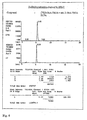
Fig. 1(A) shows a high-performance liquid chromatogram of I-BzA-TBOA, andFig. 1(B) shows a radiochromatogram of [125I]I-BzA-TBOA. -
Fig. 2 is a graph showing the radioactivity distribution in organs after administering [125I]I-BzA-TBOA to mice, wherein Liv stands for liver, Kid stands for kidney, Int stands for intestines, Pan stands for pancreas, Spl stands for spleen, Lng stands for lung, Hrt stands for heart, Sto stands for stomach, Brain stands for brain and Bld stands for blood. -
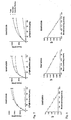
Fig. 3 shows substitution curves of glutamate transporter inhibitors in the specific binding system of 10 nM [125I]I-BzA-TBOA to rat brain homogenate. -
Fig. 4 shows the distribution of the binding sites of [125I]I-BzA-TBOA in rat brain sections observed by use of 1 nM [125I]I-BzA-TBOA. -
Fig. 5 shows a silica gel thin layer chromatogram for examining the purity of a tritium-labeled compound ([3H]Et-BzA-TBOA). -
Fig. 6 shows a high performance liquid chromatogram for examining the purity of a tritium-labeled compound ([3H]Et-BzA-TBOA). -
Fig. 7 shows the saturation binding of (3H)Et-BzA-TBOA to EAAT2, EAAT4, or EAAT5 expressed on COS-1 cells. -
Fig. 8 shows the Scatchard analysis of (3H)Et-BzA-TBOA to EAAT2, EAAT4, or EAAT5 expressed on COS-1 cells. -
Fig. 9 shows substitution curves of glutamate transporter inhibitors in the specific binding system of [3H]Et-BzA-TBOA to cell membrane homogenate. - The present inventors focused on the high affinity of TBOA (threo-β-benzyloxyaspartic acid) derivatives and attempted to synthesize corresponding derivatives having a radioactive substituent on the benzene ring of TBOA in order to obtain derivatives which can be used for specifically detecting the glutamate transporter function. As a result of intensive studies, they have found that selective detection by radioactivity of a binding with glutamate transporter is achievable by introducing a substituent which contains a radioactive atom(s) onto the benzoyl group of a benzoylamido-substituted TBOA (X-BzA-TBOA), which is a high-affinity blocker, binding to glutamate transporter, thereby accomplishing the present invention.
- Accordingly, the present invention provides a derivative of 3-[3-(benzoylamido)benzyloxy]aspartic acid as defined in
claims - It is estimated that, when the compound according to the present invention exerts its inhibitory activity, the carboxylate moiety is in the free state (R1=R2=H). By taking the in vivo kinetics and the blood-brain barrier permeability into consideration, it is possible in some cases to convert both or one of R1 and R2 in the formula (1) into an ester. Examples of the ester include methyl, ethyl, n-propyl, i-propyl, n-butyl, s-butyl, t-butyl and acetoxymethyl esters. These esters are all included in the scope of the present invention.
- A salt of the compound according to the present invention can be prepared by a commonly employed method. Examples of such salts include alkali metal salts such as sodium salt and potassium salt, alkaline earth metal salts such as calcium salt, ammonium salts and so on. These salts are all included in the scope of the present invention. It is also possible to prepare a salt by using a commonly employed acid. Examples of such salts include inorganic acid salts such as hydrochloride and sulfate, organic acid salts such as acetate, citrate and trifluoracetate and so on. These salts are all included in the scope of the present invention too.
- TBOA occurs as four stereoisomers and the (2S, 3S) compound shows the strongest activity among them. The substituent on the benzoyl ring may be located at three positions, i.e., ortho-, meta- and para-positions. Studies on the structure-activity-relationship of these compounds clarified that the para-compound shows the strongest activity. Therefore, in the following synthesis scheme the introduction of a radioactive substituent is shown by taking compounds having a (2S, 3S) -configuration in the aspartic acid and having the substituent at the para-position on the benzoyl, though all isomers having different substitution or configuration manners are included in the scope of the present invention.
- The compound of the formula (1) according to the present invention can be produced by an electrophilic substitution reaction between the leaving group of a compound represented by the formula (2) and a radioactive atom(s):

- In the case where Y is an organometallic group, examples thereof include tin, thalium, mercury, silicon, aluminum and boron. Examples of an organic substituent on the metal include lower straight alkyl groups, acetyl group and trifluoroacetyl group (Baldwin R. M., Appl. Radiat. Isot. 37, 817-821, 1986).
- For example, a compound of the formula (1) wherein X is 125I and R1 and R2 are hydrogen atoms (125I-BzA-TBOA) can be synthesized by starting with a precursor of the formula (2) wherein Y is organotin (compound 3) and [125I]NaI in accordance with, for example, the following scheme.

- Namely, protected (2S,3S)-3-[3-(4-bromobenzoyl)benzyloxy]aspartic acid (4), which is obtained form a known compound (3) by the same method as in synthesizing TFB-TBOA (Japanese Patent Application
2003-507101 PCT/JP02/06286 WO03/00698 - A compound having 123I in place of 125I can be obtained by the same oxidative tin-iodine exchange reaction. It is also known that a compound wherein Y is a tributylsilyl group, tris(trifluoroacetoxy)thallium or tris(trifluoroacetoxy)mercury undergoes the same substitution reaction with iodine.
- It is also possible to obtain an ester derivative by preliminarily introducing desired esters into R1 and R2 of the compound (4).
- There has been known a method which comprises treating a tin compound with radioactive methyl iodide in the presence of a palladium catalyst and copper chloride to thereby introduce a methyl group (Suzuki, M. et al., Chem. Eur. J. 3, 2039, 1997; Suzuki, M. et al., Tetrahedron, 56, 8263, 2000). Thus, a compound (9) can be synthesized from the compound (5) in the same manner (Scheme 2).

- As for an 18F-substituted compound (11), [18F]4-fluorobenzoic acid is known (Murakami, Y. et al., J. Labelled Compd. Radiopharm., 45, 2002, 1219-1228, 2002), which may thus be reacted with the compound (3) (Scheme 3) or a substitution with [18F]KF can be carried out by using a nitro compound (12) (Shimamoto et al., Mol. Pharmacol., 65, 1008-1015 (2004)) as a precursor as reported in the above document (Scheme 4).


- The compound of formula (1) wherein X represents a tritium-containing alkyl group can be produced by the addition of tritium gas to a compound represented by the formula (3) wherein R3 is as defined above:

- For example, the tritium-containing ethyl compound (15: [3H]Et-BzA-TBOA) represented by the formula (1) wherein X is C2H3T2 group and R1 and R2 are hydrogen atoms can be synthesized from a precursor of the formula (3) wherein R3 is vinyl group as shown in
scheme 5.
- It has been found that the compound according to the present invention shows a high affinity as well as an inhibitory effect on glutamate transporter. The fact that the compound according to the present invention binds to and/or inhibits the glutamate transporter with a high affinity is confirmed by using a corresponding non-radioactive compound.
- That is to say, the inhibitory activity of 125I-BzA-TBOA or 123I-BzA-TBOA is assayed as the ability to inhibit the uptake of 14C-labeled glutamic acid by human excitatory amino acid transporters EAAT2 and EAAT3 stably expressed in MDCK (Madin-Darby canine kidney) cells with the use of 127I-BzA-TBOA. In monitoring kinetics in vivo after intravenous injection into rats or carrying out binding experiments in brain synaptic membrane preparations with the use of a radioactive compound (125I-BzA-TBOA), a transporter-specific binding can be detected by tracing the radioactivity. Similarly, Et-BzA-TBOA inhibited EAAT2 or EAAT3 with almost the same potency as I-BzA-TBOA. Specific binding of (3H) Et-BzA-TBOA also can be detected by tracing the radioactivity.
- Although F-BzA-TBOA shows a somewhat lower affinity for glutamate transporter than I-BzA-TBOA, F-BzA-TBOA shows an IC50 at the several ten nM order and, therefore, is expected to have a similar specific bind ability.
- Therefore, the present invention further provides a method of examining the distribution and/or expression of glutamate transporter and/or the glutamate uptake level in a biological sample. The method according to the present invention comprises: a) contacting the biological sample with a compound as claimed in
claim 1, an-inhibitor as claimed inclaim 4 or a ligand as claimed inclaim 5; b) examining the presence or absence of the compound as claimed inclaim 1, the inhibitor as claimed inclaim 4 or the ligand as claimed inclaim 5 having bound specifically to the biological sample with the use of the radioactivity as an indication; and c) in the case where the specific binding is observed in the above step b), estimating that the glutamate transporter is distributed or expressed in the biological sample or the corresponding part participates in the glutamate uptake. Those skilled in the art once provided with the ligand according to the present invention can carry out the method according to the present invention by exploiting conventional techniques. - It is expected that the compounds according to the present invention enable visualization of the distribution and/or expression of glutamate transporter and/or the ability of the transporter to take up glutamate through binding experiments, autoradiography and PET, and so on. Therefore, these compounds are expected to be useful for clarifying the pathological conditions of neurodegenerative diseases such as epilepsy, Huntington's disease, amyotrophic lateral sclerosis (ALS), Alzheimer's disease and drug dependence seemingly caused by dysfunction of glutamate transporter.
- Furthermore, the radiolabeled ligands according to the present invention, being highly selective and affinitive to glutamate transporter, are capable of detecting the specific binding occurring even in a trace level. Thus, these ligands are also expected to contribute, by way of binding experiments, to drug development via screening of novel ligands and isolation of proteins.
- 200 mg (0.42 mmol) of the known amino compound (3) was dissolved in 4 ml of chloroform. After adding 4-bromobenzoyl chloride (110 mg, 0.50 mmol) and triethylamine (120 µl, 0.84 mmol) thereto, the obtained mixture was stirred for 30 minutes. Then a saturated aqueous solution of sodium hydrogencarbonate was added to thereby cease the reaction. The reaction mixture was extracted with ether and the organic layer was washed successively with water, a 5% aqueous solution of citric acid and water. After drying over magnesium sulfate, the solvent was distilled off. The residue was purified by silica gel column chromatography (ether/hexane=1/1) to thereby give 283 mg (100%) of the title compound. Oily product; [α]D -6.3° (c 0.65, CHCl3); 1H NMR (CDCl3, 400 MHz); ™1.41 (s, 9 H), 1.43 (s, 9 H), 1.49 (s, 9 H), 4.42 (d, 1 H, J = 11.5 Hz), 4.44 (d, 1 H, J = 2.5 Hz), 4.75 (dd, 1 H, J = 2.5, 10.5 Hz), 4.82 (d, 1 H, J = 11.5 Hz), 5.26 (d, 1 H, J = 10.5 Hz), 7.10 (d, 1 H, J = 7.5 Hz), 7.34 (t, 1 H, J = 7.5 Hz), 7.45 (s, 1 H), 7.64 (d, 2 H, J = 8.5 Hz), 7.74 (m, 1 H), 7.74 (d, 2 H, J = 8.5 Hz), 7.81 (s, 1 H).
- The bromo compound (4) (25 mg, 0.038 mmol), hexa-n-butyl ditin (48 µl, 0.095 mmol) and triethylamine (10 µl, 0.076 mmol) were dissolved in dry toluene. After adding tetrakis(triphenylphosphine)palladium (2.2 mg, 0.0019 mmol), the obtained mixture was heated under reflux in an argon atmosphere for 2 hours. After cooling by allowing to stand, the reaction solution was subjected to silica gel column chromatography (hexane to ether/hexane=1/3) to give 17 mg (52%) of the title compound. Oily product; [α]D -5.4° (c 0.58, CHCl3); 1H NMR (CDCl3, 400 MHz); δ 0.90 (t, 9 H, J = 7.5 Hz), 1.10 (t, 6 H, J = 7.5 Hz), 1.34 (m, 6 H), 1.41 (s, 9 H), 1.43 (s, 9 H), 1.49 (s, 9 H), 1.55 (m, 6 H), 4.42 (d, 1 H, J = 11.5 Hz), 4.45 (d, 1 H, J = 2.0 Hz), 4.65 (dd, 1 H, J = 2.5, 10.5 Hz), 4.81 (d, 1 H, J = 11.5 Hz), 5.25 (d, 1 H, J = 10.5 Hz), 7.19 (d, 1 H, J = 7.5 Hz), 7.34 (t, 1 H, J = 7.5 Hz), 7.46 (s, 1 H), 7.60 (d, 2 H, J = 7.5 Hz), 7.74 (d, 1 H, J = 8.0 Hz), 7.78 (d, 2 H, J = 7.5 Hz), 7.81 (s, 1 H).
- To 1.5 µl of an aqueous solution of [125I]NaI were added 10 µl of a solution of the tin compound (5) (10 mg/ml) in ethanol, 100 µl of 1.25% acetic acid and 50 µl of an aqueous Chloramine T solution (2 mg/ml). After reacting at room temperature for 10 minutes, the reaction mixture was extracted with 2 ml of ethyl acetate. After distilling off the organic layer under reduced pressure, 200 µl portions of TFA and chloroform were added to the residue and the mixture was reacted at room temperature overnight. After distilling off TFA/chloroform under reduced pressure, the residue was mixed with methanol, dissolved therein and subjected to reverse phase HPLC to purify the title compound. HPLC conditions; column: Cosmosil 5C18-AR-300 4.6 x 150 mm (manufactured by Nacalai Tesque, Inc.), mobile phase: 0.1% aqueous TFA solution/methanol=65/35, flow rate: 1.0 ml/min, retention time of compound (7): 45 min. Based on the high-performance liquid chromatogram shown in
Fig. 1 , the radiochemical yield and the radiochemical purity were estimated respectively to be 56% and 95% or higher. - Equal amounts of octanol and a phosphate buffer were mixed together and [125I]I-BzA-TBOA was added thereto. After repeatedly shaking for 1 minute and allowing to stand for 1 minute three times, the mixture was allowed to stand for 20 minutes. After repeating this procedure three times, it was centrifuged (1,000 x g, 10 min, 4°C) and the radioactivity of each layer was measured. Thus, the partition coefficient was calculated (Table 1).
Table 1: Octanol/water partition coefficient (Log P) of [125I]I-BzA-TBOA PH 3.0 PH 7.0 PH 7.4 PH 8.0 0.641 ± 0.006 -0.821 ± 0.003 -0.849 ± 0.006 -0.936 ± 0.007 Each value is expressed in mean ± S.D. - 100 mg (0.21 mmol) of the amino compound (3) was dissolved in 2 ml of chloroform. After adding 4-iodobenzoyl chloride (67mg, 0.25 mmol) and triethylamine (60 µl, 0. 42 mmol) thereto, the obtained mixture was stirred for 30 minutes. Then a saturated aqueous solution of sodium hydrogencarbonate was added to thereby cease the reaction. The reaction mixture was extracted with ether and the organic layer was washed successively with water, a 5% aqueous solution of citric acid and water. After drying over magnesium sulfate, the solvent was distilled off. The residue was purified by silica gel column chromatography (ether/hexane=1/1) to thereby give 147 mg (100%) of the title compound. Oily product; [α]D -5.2° (c 0.52, CHCl3); 1H NMR (CDCl3, 400 MHz); δ1.41 (s, 9 H), 1.42 (s, 9 H), 1.49 (s, 9 H), 4.42 (d, 1 H, J = 11.5 Hz), 4.44 (d, 1 H, J = 2.5 Hz), 4.75 (dd, 1 H, J = 2.5, 10.5 Hz), 4.80 (d, 1 H, J = 11.5 Hz), 5.26 (d, 1 H, J = 10.5 Hz), 7.09 (d, 1 H, J = 7.5 Hz), 7.33 (t, 1 H, J = 7.5 Hz), 7.45 (s, 1 H), 7.60 (d, 2 H, J = 8.5 Hz), 7.72 (m, 1H), 7.84 (d, 2 H, J = 8.5 Hz), 7.90 (s, 1 H).
- Protected I-BzA-TBOA (120 mg, 0.17 mmol) was dissolved in 1 ml of chloroform. After adding 1 ml of TFA, the obtained mixture was stirred for 24 hours. Then the solvent was distilled off and water was added to the residue followed by repeated freeze-drying. Thus, 78 mg (76%) of the title compound was obtained. Amorphous product; [α]D -37.7° (c 0.34, CHCl3); 1H NMR (CDCl3, 400 MHz); ™4.30 (d, 1 H, J = 5.0 Hz), 4.45 (d, 1 H, J = 11.0 Hz), 4.68 (d, 1 H, J = 11.0 Hz), 7.14 (d, 1 H, J = 7.5 Hz), 7.30 (t, 1 H, J = 8.0 Hz), 7.59 (s, 1 H), 7.64 (d, 1 H, J = 8.5 Hz), 7.67 (d, 2 H, J = 7.5 Hz), 7.86 (d, 2 H, J = 7.5 Hz).
- 100 mg (0.21 mmol) of the known compound (3) was dissolved in DMF (5 ml). After adding 64 mg (0.42 mmol) of 4-vinylbenzoic acid, 99 mg (0.51 mmol) of 1-ethyl-3-(3-dimethylaminopropyl)carbodimide HCl salt (WSCD), 60 µl (0.43 mmol) of triethylamine, 7.9 mg (0.06 mmol) of 4-N,N-dimethylaminopyridine (DMAP) and 29 mg (0.21 mmol) of 1-hydroxybenzotriazole (HOBt) thereto, the obtained mixture was stirred for 30 minutes at room temperature. Then a saturated aqueous solution of sodium hydrogencarbonate was added to thereby cease the reaction. The reaction mixture was extracted with ether and the organic layer was washed successively with water, a 5% aqueous solution of citric acid and water. After drying over magnesium sulfate, the solvent was distilled off. The residue was purified by silica gel column chromatography (ether/hexane=1/1) to thereby give 115 mg (90%) of the title compound. Oily product; 400 MHz 1H-NMR (CDCl3): 1.41 (s, 9 H), 1.42 (s, 9 H), 1.49 (s, 9 H), 4.41 (d, 1 H, J = 11.5 Hz), 4.44 (d, 2 H, J = 2.5 Hz), 4.75 (dd, 1 H, J = 2.5, 10.5 Hz), 4.80 (d, 1H, J = 11.5 Hz), 5.27 (d, 1 H, J = 10.5 Hz), 5.38 (d, 1 H, J = 11.0 Hz), 5.87 (d, 1 H, J = 17.5 Hz), 6.76 (dd, 1 H, J = 11.0, 17.5 Hz), 7.09 (d, 1 H, J = 7.5 Hz), 7.13 (t, 1 H, J = 7.8 Hz), 7.46 (s, 1 H), 7.50 (d, 2 H, J = 8.0. Hz), 7.75 (d, 1 H, J = 7.8 Hz), 7.82 (d, 2 H, J = 8.0 Hz), 7.90 (s, 1 H).
- 36 mg (0.06 mmol) of the
compound 13 was dissolved in 1 ml of chloroform. After adding 1 ml of TFA thereto, the obtained mixture was stirred for 18 hours. Then the solvent was distilled off and water was added to the residue followed by repeated freeze-drying. Thus, 25 mg (83%) of the title compound was obtained. Amorphous product; 400 MHz 1H-NMR (AcOD-d4): 4.60 (1 H, d, J = 11.5 Hz), 4.63 (1 H, d, J = 2.5 Hz), 4.80 (1 H, d, J = 2.5 Hz), 4.83 (1 H, d, J = 11.5 Hz), 5.40 (1 H, d, J = 11.0 Hz), 5.94 (1 H, d, J = 17.5 Hz), 6.82 (1 H. dd, J = 11.0, 17.5 Hz), 7.16 (1 H, d, J = 8.0 Hz), 7.36 (1 H, t, J = 8.0 Hz), 7.57 (2 H, d, J = 8.0 Hz), 7.67 (1 H, s), 7.77 (1 H, d, J = 8.0 Hz), 7.97 (2 H, d, J = 8.0 Hz). - 10 mg (0.02 mmol) of TFA salt of the vinyl compound (14) was dissolved in a solvent mixture comprising 2 ml of acetic acid with 1 ml of water. After adding 5 mg of catalyst (10% Pd-C), the obtained mixture was stirred under atmospheric pressure in a hydrogen atmosphere at room temperature for 3 hours. Then the catalyst was filtered off and the filtrate was concentrated and repeatedly freeze-dried from water three times to give 7.5 mg of the target product (2). Yield: 84%. Amorphous product; 400 MHz 1H-NMR (AcOD-d4): 1.27 (3 H, t, J = 7.5 Hz), 2.74 (2 H, q, J = 7.5 Hz), 4.58 (2 H, m), 4.82 (2 H, m), 7.17 (1 H, d, J = 7.0 Hz), 7.28 (1 H) 7.28 (2 H, d, J = 7.5 Hz), 7.62 (1 H, s), 7.79 (1 H, d, J = 8.0 Hz), 7.86 (2 H, d, J = 7.5 Hz).
- A tritium-labeled compound can be synthesized by using tritium gas instead of the hydrogen gas in the above reaction.
-
Fig. 5 shows thin layer chromatogram on silica gel for examining the purity of the tritium-labeled compound. - The development conditions employed in the silica gel thin layer chromatography were as follows.
Medium:Silica gel 60 F254 (Merck, thickness 0.25 mm)
Solvent: 1-butanol / acetic acid / water (4/1/2)
Detection: UV 254 nm
Imaging plate: BAS-MS2040 (Fuji Photo Film)
Instrument: BIO-IMAGING ANALYZER BAS2000 (Fuji Photo Film) - According to this calibration, the radiochemical purity was estimated to be 97.1%.
-
Fig. 6 shows high-performance liquid chromatogram for examining the purity of the tritium-labeled compound. - The elution conditions employed in the HPLC were as follows.
Column: Cosmosil 5C18-MS-II, 4.6 mm I.D. x 150 cm (NACALAI TESQUE)
Mobile phase: acetonitrile/water (3/7) containing 0.1% TFA
Flow rate: 1 ml/min
Detection: UV 254 nm
Radiodetection: 525TR (PerkinElmer)
Scintillation cocktail: FLO-SCINT II (Perkin Elmer) - According to this calibration, the radiochemical purity was estimated to be 97.7%.
- In accordance with a known method (Shimamoto, K. et al., Mol. Pharmacol. 53, 195-201, 1998; Bioorg. Med. Chem. Lett. 10, 2407-2410, 2000), the inhibitory activity was assayed as the ability to inhibit the uptake of [14C]-glutamic acid by human EAAT2 and EAAT3 stably expressed in MDCK (Madin-Darby canine kidney) cells or transiently expressed in COS-1 cells. The glutamate uptake activity was assayed by incubating a mixture of 1 µM of L-[14C]-glutamic acid with a sample compound at a predetermined concentration for 12 minutes, lysing the cells and then measuring the radioactivity incorporated into the cells with a liquid scintillator. The amount of uptake was expressed in percentage by referring the amount of uptake in the absence of a test compound (i.e., the buffer alone) as 100% and referring the amount of uptake in a sodium-free solution as 0%. Table 2 shows IC50 data thus determined.
Table 2: Inhibition of glutamate uptake by I-BzA-TBOA and comparative compounds EAAT2 IC50 (nM) EAAT3 IC50 (nM) L-TBOA 1300 ± 120 1300 ± 120 TFB-TBOA 1.9 ± 0.10 28 ± 1.8 I-BzA-TBOA 4.8 ± 0.32 56 ± 1.8 F-BzA-TBOA 22 ± 2.7 473 ± 13 Et-BzA-TBOA 3.2 ± 0.3 88 ± 4.8 - [125I]I-BzA-TBOA (about 1 µCi) was injected via tail vein into male ddy mice (29 to 31 g) aged 6 weeks. After 2, 5, 15, 30, 60 and 120 minutes, the animals were sacrificed. Then, liver, kidney, intestine, spleen, pancreas, lung, heart, stomach, brain and blood were collected from the animals and weighed and the radioactivity of each organ was measured. Table 3 and
Fig. 2 show the results.Table 3: Biodistribution of radioactivity after intravenous injection of [125I]I-BzA-TBOA in mice Time after administration Organ 2 min 5 min 15 min 30 min 1 hr 2 hr Liver 28.71 ± 1.97 22.52 ± 4.43 11.11 ± 0.24 4.96 ± 1.65 1.95 ± 0.46 1.50 ± 0.43 Kidney 15.17 ± 2.34 16.02 ± 0.57 14.47 ± 2.59 8.29 ± 2.63 2.08 ± 0.15 1.03 ± 0.23 Intestine 1.76 ± 0.15 4.51 ± 1.36 12.28 ± 0.72 15.91 ± 1.65 20.05 ± 6.29 23.69 ± 1.58 Pancreas 2.10 ± 0.24 2.13 ± 0.26 0.94 ± 0.02 0.33 ± 0.23 0.10 ± 0.06 0.06 ± 0.04 Spleen 1.11 ± 0.12 0.65 ± 0.12 0.30 ± 0.04 0.11 ± 0.07 0.03 ± 0.04 0.03 ±0.03 Lung 3.11 ± 0.22 2.44 ± 0.59 1.39 ± 0.12 0.64 ± 0.42 0.26 ± 0.06 0.10 ± 0.02 Heart 0.93 ± 0.06 0.64 ± 0.13 0.33 ± 0.04 0.19 ± 0.14 0.04 ± 0.02 0.00 ± 0.00 Stomach 1.12 ± 0.20 0.78 ± 0.22 0.88 ± 0.13 0.58 ±0.40 0.74 ± 0.80 0.48 ± 0.19 Brain 0.21 ± 0.09 0.19 ± 0.18 0.06 ± 0.09 0.10±0.13 0.01 ± 0.02 0.18 ± 0.23 Blood 2.29 ± 0.23 1.58 ± 0.25 0.67 ± 0.19 0.40 ± 0.12 0.16 ± 0.04 0.07 ± 0.01
Each value shows mean ± S.D. in 3 to 5 animals. - Male Sprague-Dawley rats (body weight 200 to 250 g) were decapitated and the whole brain was taken out. The whole brain was quickly frozen in liquid nitrogen and stored at -80°C until using. Under ice-cooling, the whole brain was homogenized in a Tris buffer (50 mM Tris-HCl (pH 7.4), 120 mM NaCl, 5 mM KCl, 2.5 mM CaCl2, 1 mM MgCl2) and centrifuged at 30,000 x g at 4°C for 20 minutes. The obtained pellet was re-suspended in the Tris buffer and the protein concentration was measured by using a protein assay kit (BioRad). The protein concentration was re-adjusted to 0.1 mg/100 µl and the obtained product was employed in the following binding experiments as a crude membrane preparation.
- In the Tris buffer as described above, the concentration of 50 µl of [125I]I-BzA-TBOA (200 Ci/mmol) was adjusted to 50 nM (
final concentration 10 nM) while 100 µl of non-labeled TFB-TBOA was adjusted to 10-11M, 10-10M, 10-9M, 10-8M, 10-7M, 10-6M and 10-5M, and DL-TBOA was adjusted to 10-10M, 10-9M, 10-8M, 10-7M, 10-6M, 10-5M and 10-4M. 50 µl of [125I]I-BzA-TBOA, 100 µl of the crude membrane preparation (0.1 mg/100 µl) and 100 µl of the Tris buffer containing or not containing non-labeled TFB-TBOA or DL-TBOA were mixed and incubated at 25°C for 60 minutes. The reaction was ceased by adding 4 ml of ice-cooled Tris buffer. Then the reaction mixture was filtered through a GF/C filter (Whatman) having been soaked in a 0.1% poly-L-lysine hydrobromide solution at 4°C overnight and washed three times with 4 ml portions of the Tris buffer. The radioactivity of the GF/C filter was measured with a γ -counter. - The radioactivity of the sample incubated in the Tris buffer free from non-labeled TFB-TBOA was referred to as the total binding amount, while the radioactivity of the sample incubated in the Tris buffer containing 10-5 M of non-labeled TFB-TBOA was referred to as the nonspecific binding amount. Then the difference was calculated as the specific binding mount.
-
Fig. 3 shows the results. - Male Sprague-Dawley rats (body weight 200 to 250 g) were decapitated and the whole brain was taken out. The whole brain was quickly frozen in dry ice powder and stored at -80°C until using. Fresh frozen sections of 20 µm in thickness were prepared by using a cryostat, tightly layered onto a gelatin-coated slide glass plate and stored at -80°C until using.
- [125I]I-BzA-TBOA (200 Ci/mmol) was diluted with a Tris buffer (50 mM Tris-HCl (pH 7.4), 120 mM NaCl, 5 mM KCl, 2.5 mM CaCl2, 1 mM MgCl2) to give a concentration of 1 nM and the brain sections prepared above were incubated at 25°C for 60 minutes. In order to determine the nonspecific binding, 4 µM of TFB-TBOA was added. After the completion of the incubation, the brain sections were washed by being soaked in an ice-cooled Tris buffer for 5 minutes three times and in ice-cooled purified water for 5 minutes once, and then the brain sections were dried. Next, the sections were exposed to an imaging plate overnight and the radioactivity thus detected was analyzed by BAS2500.
-
Fig. 4 shows the results. - About 20 ml of a medium contained in a T-flask (150 cm2) was inoculated with COS-1 cells expressing EAAT which were then incubated therein until they reached confluence. After aspiration of the medium, the cells were washed with about 10 ml of phosphate buffered saline (PBS). After adding 4 ml of 0.25% trypsin/1 mM EDTA and allowing to stand for 5 minutes, 6 ml of the medium was added and the cells were collected into a 50 ml tube. Then they were centrifuged at 1200 rpm for 2 minutes and the supernatant was aspirated. The residue was thoroughly homogenized in a binding buffer (50 mM Tris-HCl (pH 7.4), 120 mM NaCl, 5 mM KCl, 2.5 mM CaCl2, 1 mM MgCl2) with the use of a Polytron homogenizer on ice. The homogenate was centrifuged at 30,000 x g at 4°C for 20 minutes. After discarding the supernatant, the pellet was re-suspended in an appropriate amount of the binding buffer to give a concentration of 100 to 500 µg/ml and homogenized again.
- 25 µl of [3H]Et-BzA-TBOA at a
concentration 10 times higher than the measurement concentration (50, 100, 250, 500 or 1000 nM), 25 µl of 100 µM of TFB-TBOA or the binding buffer were mixed with 200 µl of the above-described membrane preparation and the obtained mixture was incubated at room temperature for 60 minutes. Then the reaction was ceased by filtering the mixture through a GF/C filter (Whatman) having been soaked in a 0.1% poly-L-lysine hydrobromide solution for an hour followed by washing with 20 mM Tris buffer. After drying the filter, a solid scintillator MeltiLex A (PerkinElmer) was melted-on and the radioactivity was measured with a β-counter. The radioactivity of the sample free from TFB-TBOA was referred to as the total binding amount, while the radioactivity of the sample containing TFB-TBOA was referred to as the nonspecific binding amount. Then the difference was calculated as the specific binding amount. -
Fig. 7 shows the saturation binding of (3H)Et-BzA-TBOA to EAAT2, EAAT4, or EAAT5 expressed on COS-1 cells.Fig. 8 shows the results of Scatcherd analysis. Kd values of respective subtypes were 26 nM (EAAT2), 13 nM (EAAT4) and 30 nM (EAAT5). - 25 µl of an inhibitor solution at a
concentration 10 times higher than a predetermined concentration, 25 µl of 100 nM [3H]Et-BzA-TBOA and 200 µl of the membrane preparation were mixed together and incubated at room temperature for 30 minutes. Then the reaction was ceased by filtering the mixture through a GF/C filter (Whatman) having been soaked in a 0.1% poly-L-lysine hydrobromide solution for an hour and followed by washing with 20 mM Tris buffer. After drying the filter, a MeltiLex A (Perkin Elmer) was melted-on and the radioactivity was measured with a β-counter. The radioactivity of the sample free from the inhibitor was referred to as the total binding amount, while the radioactivity of the sample containing 10 µM TFB-TBOA was referred to as the nonspecific binding amount. Then the difference was referred to as the specific binding amount and expressed in percentage of the total binding amount (Fig. 9 ).
Claims (6)
- A 3-[3-(benzoylamido) benzyloxy] aspartic acid having a radioactive substituent on the benzoyl group which is represented by the following formula (1), or an ester or salt thereof:

- A compound as claimed in claim 1, wherein X is a tritium-containing aliphatic alkyl group such as tritium-containing ethyl group (X=C2H3T2), or 125I and each of R1 and R2 is a hydrogen atom.
- A precursor compound of a compound of the formula (1) as claimed in claim 1 or 2, which is represented by the following formula (3):
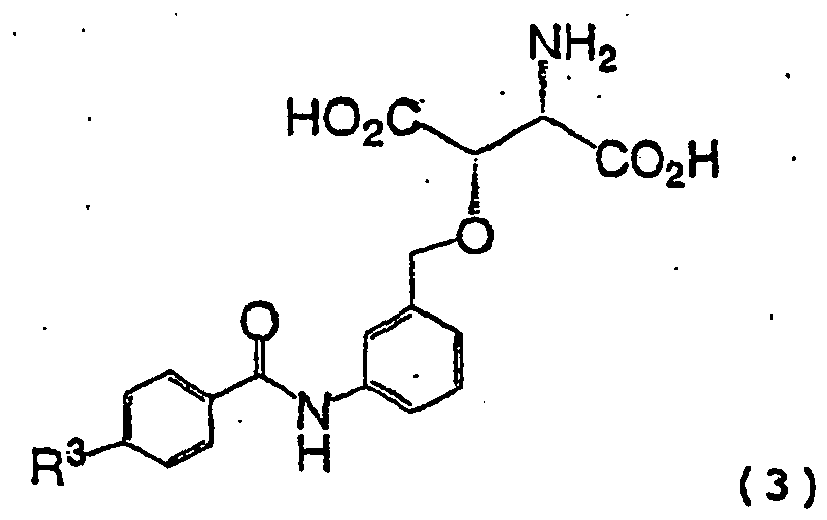
- A radiolabelled inhibitor of glutamate transporter activity comprising a compound as claimed in claim 1 or 2.
- A radioactive ligand to a glutamate transporter comprising a compound as claimed in claim 1 or 2.
- A method for examining distribution and/or expression of glutamate transporter and/or glutamate uptake level in a biological sample which comprises:a) contacting the biological sample with a compound as claimed in claim 1 or 2, an inhibitor as claimed in claim 4 or a ligand as claimed in claim 5;b) detecting the presence or absence of the compound as claimed in claim 1 or 2, the inhibitor as claimed in claim 4 or the ligand as claimed in claim 5 having bound specifically to the biological sample with the use of the radioactivity as an indicator; andc) in the case where the specific binding is observed in the above step b), estimating that the glutamate transporter is distributed or expressed in the biological sample or that the part of the body from which the biological sample was obtained participates in glutamate uptake.
Applications Claiming Priority (2)
| Application Number | Priority Date | Filing Date | Title |
|---|---|---|---|
| JP2004079116 | 2004-03-18 | ||
| PCT/JP2005/005600 WO2005090268A1 (en) | 2004-03-18 | 2005-03-18 | Radiolabeled 3-[3-(benzoyl-amido)benzyloxy]aspartic acid derivative and method of producing the same |
Publications (2)
| Publication Number | Publication Date |
|---|---|
| EP1732864A1 EP1732864A1 (en) | 2006-12-20 |
| EP1732864B1 true EP1732864B1 (en) | 2013-12-25 |
Family
ID=34961867
Family Applications (1)
| Application Number | Title | Priority Date | Filing Date |
|---|---|---|---|
| EP05721527.9A Expired - Lifetime EP1732864B1 (en) | 2004-03-18 | 2005-03-18 | Radiolabeled 3-[3- (benzoyl-amido) benzyloxy]aspartic acid derivative and method of producing the same |
Country Status (4)
| Country | Link |
|---|---|
| US (1) | US8097654B2 (en) |
| EP (1) | EP1732864B1 (en) |
| JP (1) | JP5311739B2 (en) |
| WO (1) | WO2005090268A1 (en) |
Families Citing this family (5)
| Publication number | Priority date | Publication date | Assignee | Title |
|---|---|---|---|---|
| CA1289706C (en) | 1986-12-05 | 1991-10-01 | Myron Del Sanders | Elastomeric hinge spring |
| JP4008446B2 (en) | 2004-12-27 | 2007-11-14 | サントリー株式会社 | Β-Benzyloxyaspartic acid derivatives having disubstituents on the benzene ring |
| US8063112B2 (en) * | 2008-12-08 | 2011-11-22 | Cansolv Technologies Inc. | Process for the regeneration of an ion exchange resin using sulfurous acid |
| WO2011061154A1 (en) * | 2009-11-17 | 2011-05-26 | Bayer Schering Pharma Aktiengesellschaft | Iodine-labeled homoglutamic acid and glutamic acid derivatives |
| WO2013134241A1 (en) * | 2012-03-05 | 2013-09-12 | The University Of Montana | Novel aspartylamide inhibitors of excitatory amino acid transporters |
Family Cites Families (6)
| Publication number | Priority date | Publication date | Assignee | Title |
|---|---|---|---|---|
| MXPA03001951A (en) * | 2000-09-06 | 2003-10-15 | Neurogen Corp | Substituted fused pyrroleimines and pyrazoleimines. |
| BR0113697A (en) * | 2000-09-06 | 2003-07-22 | Neurogen Corp | A compound or a pharmaceutically acceptable salt thereof, pharmaceutical composition, use of a compound or salt, packaging and methods for, to alter the signal transducing activity of gaba receptors, to treat anxiety, depression, a sleep disorder, or dementia. alzheimer, to demonstrate the presence of gabaa receptors in cells or tissue samples and to prepare a compound |
| JP4190290B2 (en) * | 2001-03-02 | 2008-12-03 | ユニバーシティー オブ ウエスタン オンタリオ | Polymeric precursors of radiolabeled compounds and methods of making and using the same |
| ES2274973T3 (en) * | 2001-04-23 | 2007-06-01 | The Trustees Of The University Of Pennsylvania | INHIBITORS OF THE AGGREGATION OF AMYLOID PLATES AND AGENTS FOR OBTAINING DIAGNOSTIC IMAGES. |
| US7247652B2 (en) * | 2001-06-22 | 2007-07-24 | Suntory Limited | β-benzyloxyaspartate derivatives with amino group on benzene ring |
| CN101003526B (en) * | 2001-08-27 | 2012-02-22 | 宾夕法尼亚州大学理事会 | Stilbene derivatives and their use for binding and imaging amyloid plaques |
-
2005
- 2005-03-18 EP EP05721527.9A patent/EP1732864B1/en not_active Expired - Lifetime
- 2005-03-18 JP JP2006529410A patent/JP5311739B2/en not_active Expired - Fee Related
- 2005-03-18 WO PCT/JP2005/005600 patent/WO2005090268A1/en not_active Ceased
- 2005-03-18 US US10/593,034 patent/US8097654B2/en not_active Expired - Fee Related
Also Published As
| Publication number | Publication date |
|---|---|
| JP5311739B2 (en) | 2013-10-09 |
| JP2007529412A (en) | 2007-10-25 |
| WO2005090268A1 (en) | 2005-09-29 |
| EP1732864A1 (en) | 2006-12-20 |
| US8097654B2 (en) | 2012-01-17 |
| US20080248485A1 (en) | 2008-10-09 |
Similar Documents
| Publication | Publication Date | Title |
|---|---|---|
| EP1334091B1 (en) | Thioflavin derivatives and their use in diagnosis and therapy of alzheimer's disease | |
| Slavik et al. | Synthesis, radiolabeling and evaluation of novel 4-oxo-quinoline derivatives as PET tracers for imaging cannabinoid type 2 receptor | |
| RU2376282C2 (en) | Stereo-selective synthesis of amino acids for production of tumor image | |
| KR20010031872A (en) | Compounds for the antemortem diagnosis of alzheimer's disease and in vivo imaging and prevention of amyloid deposition | |
| CN101384578A (en) | Radioligands for the 5 -ht1b receptor | |
| KR19990008328A (en) | Azo compounds for vital diagnosis and in vivo imaging of Alzheimer's disease and prevention of amyloid deposition | |
| US8097654B2 (en) | Radiolabeled 3-[3-(benzoyl-amido)benzyloxy]aspartic acid derivative and method of producing the same | |
| EP1202945A1 (en) | Methods for preparing perfluorinated [18 f]-radiolabelled nitroimidazole derivatives for cellular hypoxia detection | |
| EP1684810B1 (en) | Polybiotin compounds for magnetic resonance imaging and drug delivery | |
| WO2015184731A1 (en) | Fluoro-substituted chiral side chain-containing 2-arylbenzoheterocyclic compounds having affinity with aβ plaque, preparation method therefor and application thereof | |
| CA2911307C (en) | Use of fluorinated derivatives of 4-aminopyridine in therapeutics and medical imaging | |
| CN108290883B (en) | Azetidine derivatives for tau imaging | |
| Li et al. | Deuterated [18F] fluoroethyl tropane analogs as dopamine transporter probes: Synthesis and biological evaluation | |
| EP1867634A1 (en) | Ligand for vesicular acetylcholine transporter | |
| US7670784B2 (en) | β-Benzyloxyaspartic acid derivatives having two substituents on their benzene rings | |
| Kiyono et al. | A new norepinephrine transporter imaging agent for cardiac sympathetic nervous function imaging: radioiodinated (R)-N-methyl-3-(2-iodophenoxy)-3-phenylpropanamine | |
| EP3096799B1 (en) | Labeled molecular agents for imaging cystine/glutamate antiporter | |
| JPH11152270A (en) | Muscarinic acetylcholine nervous system labeled compound and its synthesis | |
| WO2026050911A1 (en) | CRYSTAL FORM OF TR-β SELECTIVE AGONIST, PREPARATION METHOD, AND USE | |
| Inguimbert et al. | Synthesis and separation of tritiated inhibitors of aminopeptidase A and their prodrugs DOI: 10.1002/jlcr. 888 | |
| HK1257042B (en) | Azetidine derivatives for tau imaging | |
| HK40050781A (en) | Novel compounds for diagnosis | |
| MXPA06003317A (en) | Polybiotin compounds for magnetic resonance imagining and drug delivery | |
| HK1058041B (en) | Thioflavin derivatives and their use in diagnosis and therapy of alzheimer's disease | |
| JP2001302632A (en) | Muscarinic acetylcholine nervous system labeled compound and method for producing the same |
Legal Events
| Date | Code | Title | Description |
|---|---|---|---|
| PUAI | Public reference made under article 153(3) epc to a published international application that has entered the european phase |
Free format text: ORIGINAL CODE: 0009012 |
|
| 17P | Request for examination filed |
Effective date: 20060915 |
|
| AK | Designated contracting states |
Kind code of ref document: A1 Designated state(s): AT BE BG CH CY CZ DE DK EE ES FI FR GB GR HU IE IS IT LI LT LU MC NL PL PT RO SE SI SK TR |
|
| DAX | Request for extension of the european patent (deleted) | ||
| 17Q | First examination report despatched |
Effective date: 20070323 |
|
| RTI1 | Title (correction) |
Free format text: RADIOLABELED 3-??3- (BENZOYL-AMIDO) BENZYLOXY ASPARTIC ACID DERIVATIVE AND METHOD OF PRODUCING THE SAME |
|
| RAP1 | Party data changed (applicant data changed or rights of an application transferred) |
Owner name: SUNTORY HOLDINGS LIMITED |
|
| RTI1 | Title (correction) |
Free format text: RADIOLABELED 3-(3- (BENZOYL-AMIDO) BENZYLOXY)ASPARTIC ACID DERIVATIVE AND METHOD OF PRODUCING THE SAME |
|
| GRAP | Despatch of communication of intention to grant a patent |
Free format text: ORIGINAL CODE: EPIDOSNIGR1 |
|
| INTG | Intention to grant announced |
Effective date: 20130705 |
|
| RIN1 | Information on inventor provided before grant (corrected) |
Inventor name: NAKAGAWA, TAKAYUKI Inventor name: SAJI, HIDEO Inventor name: KUGE, YUJI Inventor name: SHIMAMOTO, KEIKO Inventor name: SATOH, MASAMICHI Inventor name: UEDA, MASASHI |
|
| GRAS | Grant fee paid |
Free format text: ORIGINAL CODE: EPIDOSNIGR3 |
|
| GRAA | (expected) grant |
Free format text: ORIGINAL CODE: 0009210 |
|
| AK | Designated contracting states |
Kind code of ref document: B1 Designated state(s): AT BE BG CH CY CZ DE DK EE ES FI FR GB GR HU IE IS IT LI LT LU MC NL PL PT RO SE SI SK TR |
|
| REG | Reference to a national code |
Ref country code: GB Ref legal event code: FG4D |
|
| REG | Reference to a national code |
Ref country code: CH Ref legal event code: EP |
|
| REG | Reference to a national code |
Ref country code: AT Ref legal event code: REF Ref document number: 646532 Country of ref document: AT Kind code of ref document: T Effective date: 20140115 |
|
| REG | Reference to a national code |
Ref country code: IE Ref legal event code: FG4D |
|
| REG | Reference to a national code |
Ref country code: DE Ref legal event code: R096 Ref document number: 602005042242 Country of ref document: DE Effective date: 20140213 |
|
| PG25 | Lapsed in a contracting state [announced via postgrant information from national office to epo] |
Ref country code: FI Free format text: LAPSE BECAUSE OF FAILURE TO SUBMIT A TRANSLATION OF THE DESCRIPTION OR TO PAY THE FEE WITHIN THE PRESCRIBED TIME-LIMIT Effective date: 20131225 Ref country code: SE Free format text: LAPSE BECAUSE OF FAILURE TO SUBMIT A TRANSLATION OF THE DESCRIPTION OR TO PAY THE FEE WITHIN THE PRESCRIBED TIME-LIMIT Effective date: 20131225 Ref country code: LT Free format text: LAPSE BECAUSE OF FAILURE TO SUBMIT A TRANSLATION OF THE DESCRIPTION OR TO PAY THE FEE WITHIN THE PRESCRIBED TIME-LIMIT Effective date: 20131225 |
|
| REG | Reference to a national code |
Ref country code: NL Ref legal event code: VDEP Effective date: 20131225 |
|
| REG | Reference to a national code |
Ref country code: AT Ref legal event code: MK05 Ref document number: 646532 Country of ref document: AT Kind code of ref document: T Effective date: 20131225 |
|
| REG | Reference to a national code |
Ref country code: LT Ref legal event code: MG4D |
|
| PG25 | Lapsed in a contracting state [announced via postgrant information from national office to epo] |
Ref country code: EE Free format text: LAPSE BECAUSE OF FAILURE TO SUBMIT A TRANSLATION OF THE DESCRIPTION OR TO PAY THE FEE WITHIN THE PRESCRIBED TIME-LIMIT Effective date: 20131225 Ref country code: BE Free format text: LAPSE BECAUSE OF FAILURE TO SUBMIT A TRANSLATION OF THE DESCRIPTION OR TO PAY THE FEE WITHIN THE PRESCRIBED TIME-LIMIT Effective date: 20131225 Ref country code: IS Free format text: LAPSE BECAUSE OF FAILURE TO SUBMIT A TRANSLATION OF THE DESCRIPTION OR TO PAY THE FEE WITHIN THE PRESCRIBED TIME-LIMIT Effective date: 20140425 |
|
| PG25 | Lapsed in a contracting state [announced via postgrant information from national office to epo] |
Ref country code: CZ Free format text: LAPSE BECAUSE OF FAILURE TO SUBMIT A TRANSLATION OF THE DESCRIPTION OR TO PAY THE FEE WITHIN THE PRESCRIBED TIME-LIMIT Effective date: 20131225 Ref country code: PT Free format text: LAPSE BECAUSE OF FAILURE TO SUBMIT A TRANSLATION OF THE DESCRIPTION OR TO PAY THE FEE WITHIN THE PRESCRIBED TIME-LIMIT Effective date: 20140428 Ref country code: PL Free format text: LAPSE BECAUSE OF FAILURE TO SUBMIT A TRANSLATION OF THE DESCRIPTION OR TO PAY THE FEE WITHIN THE PRESCRIBED TIME-LIMIT Effective date: 20131225 Ref country code: CY Free format text: LAPSE BECAUSE OF FAILURE TO SUBMIT A TRANSLATION OF THE DESCRIPTION OR TO PAY THE FEE WITHIN THE PRESCRIBED TIME-LIMIT Effective date: 20131225 Ref country code: NL Free format text: LAPSE BECAUSE OF FAILURE TO SUBMIT A TRANSLATION OF THE DESCRIPTION OR TO PAY THE FEE WITHIN THE PRESCRIBED TIME-LIMIT Effective date: 20131225 Ref country code: ES Free format text: LAPSE BECAUSE OF FAILURE TO SUBMIT A TRANSLATION OF THE DESCRIPTION OR TO PAY THE FEE WITHIN THE PRESCRIBED TIME-LIMIT Effective date: 20131225 Ref country code: RO Free format text: LAPSE BECAUSE OF FAILURE TO SUBMIT A TRANSLATION OF THE DESCRIPTION OR TO PAY THE FEE WITHIN THE PRESCRIBED TIME-LIMIT Effective date: 20131225 Ref country code: AT Free format text: LAPSE BECAUSE OF FAILURE TO SUBMIT A TRANSLATION OF THE DESCRIPTION OR TO PAY THE FEE WITHIN THE PRESCRIBED TIME-LIMIT Effective date: 20131225 Ref country code: SK Free format text: LAPSE BECAUSE OF FAILURE TO SUBMIT A TRANSLATION OF THE DESCRIPTION OR TO PAY THE FEE WITHIN THE PRESCRIBED TIME-LIMIT Effective date: 20131225 |
|
| REG | Reference to a national code |
Ref country code: DE Ref legal event code: R097 Ref document number: 602005042242 Country of ref document: DE |
|
| PG25 | Lapsed in a contracting state [announced via postgrant information from national office to epo] |
Ref country code: LU Free format text: LAPSE BECAUSE OF FAILURE TO SUBMIT A TRANSLATION OF THE DESCRIPTION OR TO PAY THE FEE WITHIN THE PRESCRIBED TIME-LIMIT Effective date: 20140318 Ref country code: DK Free format text: LAPSE BECAUSE OF FAILURE TO SUBMIT A TRANSLATION OF THE DESCRIPTION OR TO PAY THE FEE WITHIN THE PRESCRIBED TIME-LIMIT Effective date: 20131225 |
|
| PLBE | No opposition filed within time limit |
Free format text: ORIGINAL CODE: 0009261 |
|
| REG | Reference to a national code |
Ref country code: CH Ref legal event code: PL |
|
| STAA | Information on the status of an ep patent application or granted ep patent |
Free format text: STATUS: NO OPPOSITION FILED WITHIN TIME LIMIT |
|
| 26N | No opposition filed |
Effective date: 20140926 |
|
| REG | Reference to a national code |
Ref country code: IE Ref legal event code: MM4A |
|
| REG | Reference to a national code |
Ref country code: DE Ref legal event code: R097 Ref document number: 602005042242 Country of ref document: DE Effective date: 20140926 |
|
| PG25 | Lapsed in a contracting state [announced via postgrant information from national office to epo] |
Ref country code: CH Free format text: LAPSE BECAUSE OF NON-PAYMENT OF DUE FEES Effective date: 20140331 Ref country code: LI Free format text: LAPSE BECAUSE OF NON-PAYMENT OF DUE FEES Effective date: 20140331 Ref country code: IE Free format text: LAPSE BECAUSE OF NON-PAYMENT OF DUE FEES Effective date: 20140318 |
|
| PG25 | Lapsed in a contracting state [announced via postgrant information from national office to epo] |
Ref country code: SI Free format text: LAPSE BECAUSE OF FAILURE TO SUBMIT A TRANSLATION OF THE DESCRIPTION OR TO PAY THE FEE WITHIN THE PRESCRIBED TIME-LIMIT Effective date: 20131225 |
|
| REG | Reference to a national code |
Ref country code: FR Ref legal event code: PLFP Year of fee payment: 12 |
|
| PG25 | Lapsed in a contracting state [announced via postgrant information from national office to epo] |
Ref country code: BG Free format text: LAPSE BECAUSE OF FAILURE TO SUBMIT A TRANSLATION OF THE DESCRIPTION OR TO PAY THE FEE WITHIN THE PRESCRIBED TIME-LIMIT Effective date: 20131225 Ref country code: MC Free format text: LAPSE BECAUSE OF FAILURE TO SUBMIT A TRANSLATION OF THE DESCRIPTION OR TO PAY THE FEE WITHIN THE PRESCRIBED TIME-LIMIT Effective date: 20131225 |
|
| PG25 | Lapsed in a contracting state [announced via postgrant information from national office to epo] |
Ref country code: GR Free format text: LAPSE BECAUSE OF FAILURE TO SUBMIT A TRANSLATION OF THE DESCRIPTION OR TO PAY THE FEE WITHIN THE PRESCRIBED TIME-LIMIT Effective date: 20140326 Ref country code: IT Free format text: LAPSE BECAUSE OF FAILURE TO SUBMIT A TRANSLATION OF THE DESCRIPTION OR TO PAY THE FEE WITHIN THE PRESCRIBED TIME-LIMIT Effective date: 20131225 |
|
| PG25 | Lapsed in a contracting state [announced via postgrant information from national office to epo] |
Ref country code: TR Free format text: LAPSE BECAUSE OF FAILURE TO SUBMIT A TRANSLATION OF THE DESCRIPTION OR TO PAY THE FEE WITHIN THE PRESCRIBED TIME-LIMIT Effective date: 20131225 Ref country code: HU Free format text: LAPSE BECAUSE OF FAILURE TO SUBMIT A TRANSLATION OF THE DESCRIPTION OR TO PAY THE FEE WITHIN THE PRESCRIBED TIME-LIMIT; INVALID AB INITIO Effective date: 20050318 |
|
| REG | Reference to a national code |
Ref country code: FR Ref legal event code: PLFP Year of fee payment: 13 |
|
| PGFP | Annual fee paid to national office [announced via postgrant information from national office to epo] |
Ref country code: FR Payment date: 20170213 Year of fee payment: 13 Ref country code: DE Payment date: 20170314 Year of fee payment: 13 |
|
| PGFP | Annual fee paid to national office [announced via postgrant information from national office to epo] |
Ref country code: GB Payment date: 20170315 Year of fee payment: 13 |
|
| REG | Reference to a national code |
Ref country code: DE Ref legal event code: R119 Ref document number: 602005042242 Country of ref document: DE |
|
| GBPC | Gb: european patent ceased through non-payment of renewal fee |
Effective date: 20180318 |
|
| PG25 | Lapsed in a contracting state [announced via postgrant information from national office to epo] |
Ref country code: DE Free format text: LAPSE BECAUSE OF NON-PAYMENT OF DUE FEES Effective date: 20181002 |
|
| PG25 | Lapsed in a contracting state [announced via postgrant information from national office to epo] |
Ref country code: GB Free format text: LAPSE BECAUSE OF NON-PAYMENT OF DUE FEES Effective date: 20180318 |
|
| PG25 | Lapsed in a contracting state [announced via postgrant information from national office to epo] |
Ref country code: FR Free format text: LAPSE BECAUSE OF NON-PAYMENT OF DUE FEES Effective date: 20180331 |