EP1721437B1 - Method and apparatus providing a protocol to enable a wireless tcp session using a split tcp connection - Google Patents
Method and apparatus providing a protocol to enable a wireless tcp session using a split tcp connection Download PDFInfo
- Publication number
- EP1721437B1 EP1721437B1 EP05708572A EP05708572A EP1721437B1 EP 1721437 B1 EP1721437 B1 EP 1721437B1 EP 05708572 A EP05708572 A EP 05708572A EP 05708572 A EP05708572 A EP 05708572A EP 1721437 B1 EP1721437 B1 EP 1721437B1
- Authority
- EP
- European Patent Office
- Prior art keywords
- control protocol
- transport control
- protocol connection
- performance enhancing
- enhancing proxy
- Prior art date
- Legal status (The legal status is an assumption and is not a legal conclusion. Google has not performed a legal analysis and makes no representation as to the accuracy of the status listed.)
- Expired - Lifetime
Links
- 238000000034 method Methods 0.000 title claims abstract description 49
- 230000004044 response Effects 0.000 claims abstract description 8
- 230000002708 enhancing effect Effects 0.000 claims description 57
- 230000001413 cellular effect Effects 0.000 claims description 9
- 238000004891 communication Methods 0.000 claims description 8
- 238000004590 computer program Methods 0.000 claims 8
- 230000000977 initiatory effect Effects 0.000 claims 2
- 238000004885 tandem mass spectrometry Methods 0.000 description 7
- 239000003623 enhancer Substances 0.000 description 5
- 238000010586 diagram Methods 0.000 description 4
- 230000007246 mechanism Effects 0.000 description 3
- 230000004048 modification Effects 0.000 description 3
- 238000012986 modification Methods 0.000 description 3
- 230000008569 process Effects 0.000 description 3
- 230000008901 benefit Effects 0.000 description 2
- 230000011664 signaling Effects 0.000 description 2
- 238000011144 upstream manufacturing Methods 0.000 description 2
- 230000006978 adaptation Effects 0.000 description 1
- 230000003044 adaptive effect Effects 0.000 description 1
- 230000010267 cellular communication Effects 0.000 description 1
- 239000003795 chemical substances by application Substances 0.000 description 1
- 230000001419 dependent effect Effects 0.000 description 1
- 230000007727 signaling mechanism Effects 0.000 description 1
Images




Classifications
-
- H—ELECTRICITY
- H04—ELECTRIC COMMUNICATION TECHNIQUE
- H04L—TRANSMISSION OF DIGITAL INFORMATION, e.g. TELEGRAPHIC COMMUNICATION
- H04L47/00—Traffic control in data switching networks
- H04L47/10—Flow control; Congestion control
- H04L47/19—Flow control; Congestion control at layers above the network layer
- H04L47/193—Flow control; Congestion control at layers above the network layer at the transport layer, e.g. TCP related
-
- H—ELECTRICITY
- H04—ELECTRIC COMMUNICATION TECHNIQUE
- H04L—TRANSMISSION OF DIGITAL INFORMATION, e.g. TELEGRAPHIC COMMUNICATION
- H04L47/00—Traffic control in data switching networks
- H04L47/10—Flow control; Congestion control
-
- H—ELECTRICITY
- H04—ELECTRIC COMMUNICATION TECHNIQUE
- H04L—TRANSMISSION OF DIGITAL INFORMATION, e.g. TELEGRAPHIC COMMUNICATION
- H04L69/00—Network arrangements, protocols or services independent of the application payload and not provided for in the other groups of this subclass
- H04L69/16—Implementation or adaptation of Internet protocol [IP], of transmission control protocol [TCP] or of user datagram protocol [UDP]
-
- H—ELECTRICITY
- H04—ELECTRIC COMMUNICATION TECHNIQUE
- H04L—TRANSMISSION OF DIGITAL INFORMATION, e.g. TELEGRAPHIC COMMUNICATION
- H04L69/00—Network arrangements, protocols or services independent of the application payload and not provided for in the other groups of this subclass
- H04L69/16—Implementation or adaptation of Internet protocol [IP], of transmission control protocol [TCP] or of user datagram protocol [UDP]
- H04L69/165—Combined use of TCP and UDP protocols; selection criteria therefor
-
- H—ELECTRICITY
- H04—ELECTRIC COMMUNICATION TECHNIQUE
- H04W—WIRELESS COMMUNICATION NETWORKS
- H04W28/00—Network traffic management; Network resource management
- H04W28/02—Traffic management, e.g. flow control or congestion control
- H04W28/0273—Traffic management, e.g. flow control or congestion control adapting protocols for flow control or congestion control to wireless environment, e.g. adapting transmission control protocol [TCP]
-
- H—ELECTRICITY
- H04—ELECTRIC COMMUNICATION TECHNIQUE
- H04W—WIRELESS COMMUNICATION NETWORKS
- H04W8/00—Network data management
- H04W8/02—Processing of mobility data, e.g. registration information at HLR [Home Location Register] or VLR [Visitor Location Register]; Transfer of mobility data, e.g. between HLR, VLR or external networks
- H04W8/04—Registration at HLR or HSS [Home Subscriber Server]
Definitions
- This invention relates generally to mobile Internet devices, procedures and protocols, and more specifically relates to the set up of wireless Transport Control Protocol (TCP) sessions.
- TCP Transport Control Protocol
- Wireless TCP is a TCP protocol that is optimized for use in wireless environments. Wireless links are prone to long latencies and high error rates. These factors can make the conventional TCP perform poorly in the wireless link environment, as the end-to-end TCP dynamics is usually not fast enough to track the variations in the wireless link quality and thus the wireless link, which usually is the bottleneck in the end-to-end path, is not optimally used.
- IETF Internet Engineering Task Force
- OMA Open Mobile Alliance
- One proposed enhancement recommends splitting the end-to-end TCP connection at certain intermediate network entities. For example, and referring to Fig. 1 , if a mobile stations (MS) 1 is to set up a TCP connection with application web server 2 in the wired Internet 4, it is recommended that one TCP connection be set up over a wireless access network 5 between the MS 1 and an intermediate network entity, sometimes referred to as a performance enhancing proxy (PEP) 3, while another TCP connection is set up between the PEP 3 and the web server 2.
- PEP performance enhancing proxy
- the intermediate network entity or PEP 3 can reside on a WAP proxy or on a gateway between the wireless access network 5 and the Internet 4.
- an appropriate signaling mechanism is required to set up a split TCP connection in a cellular communications network, such as in the CDMA, network architecture or in the GPRS/UMTS network architecture Further, in the case of a mobile-to-mobile session, the PEPs 3 at each of two ends may need to communicate so that an appropriate split TCP connection can be set up.
- the PEP 3 is to be hosted on a network element such as the GGSN/PDSN, these elements are not a priori known to the mobile station, as the specific GGSN/PDSN that the terminal connects to depends on the location of the mobile station.
- Maltz D A; Bhagwat P: "An architecture for transport slayer mobility" 29 March 1998 , XP010270326 (Maltz), relates to a transport layer mobility scheme using a split-connection proxy architecture and a technique described as a TCP splice.
- the transport layer mobility architecture is built around a proxy that is inserted into the communication path between a mobile node and its corresponding hosts. For each data stream from a mobile node to a corresponding host, the proxy is able to maintain one stable data stream to the correspondent host, isolating the correspondent host from any mobility issues.
- Maltz discloses that a perfect place to put a proxy that supports the mobile nodes is in a network of a corporation or school with wireless networks in which there is one wiring closet where the wired connections to the base stations of various wireless networks come together and connect to the building's wired networks.
- WO 02/49293 A (Roke Manor Research) 20 June 2002, relates to a communication system having two or more links, where in one of the links an enhancer is inserted.
- the operation of the enhancer is to communicate with the unit upstream of the data flow such that the upstream unit perceives that it is communicating with the unit(s) downstream of the enhancer.
- the enhancer then obtains a measure of the efficacy of operation of the downstream unit and dependent on the measure, variably adjusts the control of data sent to the downstream units.
- the enhancer operates with downstream systems and units to send data in a more efficient manner in an adaptive fashion using knowledge of how the downstream systems are functioning.
- US 2003131079 A1 (Neale, Jason; et al. ) relates to performance enhancing proxy techniques for internet protocol traffic. Relevant sections relate to a proxy architecture for Internet traffic and in part a method of accelerated connection opening with error handling.
- a mobile terminal as claimed in claim 18.
- Disclosed herein is a mechanism to set up a split TCP connection in a cellular network, and involves identifying the PEP and informing the PEP about the required connection parameters, such as the IP address and TCP port number of the remote end of the connection.
- the PEP in response, sends certain parameters to the MS so that a split TCP connection can be set up.
- the method includes sending a split TCP request from the MS to a PEP located in the wireless network, where the split TCP request includes information for-identifying a network address of the MS and a network address of the end point destination.
- the method further includes, in response to receiving the split TCP request from the MS, establishing a split TCP connection that includes a wireless TCP (WTCP) connection between the MS and the PEP, and a TCP connection at least part way between the PEP and the end point destination.
- WTCP wireless TCP
- the end point destination is an application server that is coupled to the Internet, and the TCP connection is established between the PEP and the application server.
- the end point destination is a second MS that is coupled to a second PEP in a second wireless network, and the TCP connection is established at least as far as the second PEP, and then as a WTCP connection from the second PEP to the second MS.
- the MS_A and the MS_B are served by the same PEP using two different WTCP connections.
- the wireless network is a CDMA network
- the PEP is embodied in or is co-located with a Packet Data Support Node (PDSN) in the CDMA network.
- the wireless network is a General Packet Radio Service (GPRS) or Universal Mobile Telecommunications System (UMTS) network
- GPRS General Packet Radio Service
- UMTS Universal Mobile Telecommunications System
- the PEP is embodied in or is co-located with a Gateway GPRS Support Node (GGSN) in the GPRS or UMTS network.
- GPRS General Packet Radio Service
- UMTS Universal Mobile Telecommunications System
- the case of the MS-MS connection is based on, and extends, the solution for the MS-server connection case.
- the general messaging and message flow is described in the context of embodiments for CDMA and GPRS/UMTS architectures.
- server in a generic fashion, and as used herein implies that this end point of the connection is a node that does not require wireless TCP (WTCP) service.
- WTCP wireless TCP
- the end point of the connection may not be the web server 2 that is connected to the conventional wired Internet 4, but it maybe another MS, thereby requiring a MS-to-MS connection to be established as described below in relation to Fig. 3B .
- the second MS maybe functioning as a web server, just not one that is connected the wired Internet.
- this embodiment of the invention performs the following procedure:
- the PEP 3 may reside on or be co-located with a Packet Data Support Node (PDSN) 6 in the CDMA network architecture defined by 3GPP2.
- the PEP 3 may be implemented as a software module that is executed by a data processor of the PDSN 6, or by another data processor in the CDMA network architecture.
- the PEP/PDSN 6 is reached from the wireless link 5 via a radio network (RN) element 7 and an A10/A11 interface 8.
- RN radio network
- the MS 1 For accessing the Internet 4 over the CDMA network, the MS 1 first establishes a conventional Point-to-Point Protocol (PPP) connection with the PDSN 6. If using simple IP, the MS 1 obtains its IP address during the PPP connection establishment For mobile IP, the PDSN 6 and the MS 1 perform agent advertisement/solicitation signaling for the IP address assignment. The established PPP connection can then be used to carry out Step 4A from the MS 1 to the PDSN 6.
- a Resv message defined in 3GPP2 Specification X.P0011.*, Wireless IP Network Standard, February 2003, can be used in a modified form to encode the request to establish the split TCP connection and to convey the reverse link (x4,y4) information.
- the (x2,y2) information in Step 4C can be conveyed from the PDSN 6 to the MS 1 in a ResvConf message, also defined in 3GPP2 Specification X.P0011.*, Wireless IP Network Standard, February 2003, which functions basically as an acknowledgment to the Resv message.
- the PEP 3 can reside (in a General Packet Radio System or GPRS embodiment) on or be co-located with a Gateway GPRS Support Node (GGSN) 13 in the GPRS, or in an Universal Mobile Telecommunications System (UMTS) network architecture, as defined by 3GPP.
- the PEP 3 maybe implemented as a software module that is executed by a data processor of the GGSN 13, or by another data processor in the GPRS/UMTS network architecture.
- the PEP/GGSN 13 is reached from the wireless link 5 via a base station system (BSS) 9 that is connected to a conventional mobile switching center (MSC) 10 and to a serving gateway support node (SGSN) 11 that in turn connects to an Internet Protocol (IP) core network 12 and thence to the GGSN 13.
- BSS base station system
- MSC mobile switching center
- SGSN serving gateway support node
- IP Internet Protocol
- the MS 1 When accessing the Internet 4 over the GPRS network, the MS 1 first establishes a primary Packet Data Protocol (PDP) context with the GGSN 13. The MS 1 obtains its IP address during the PDP context establishment procedure, as defined in 3GPP Technical Specification TS 23.060, General Packet Radio Service (GPRS); Service description; Stage 2 (Release 1999), Version 3.10.0, January 2002. While setting up the PDP context, the MS 1 also specifies the desired service from the GPRS/UMTS access network. This can be accomplished by the use of an access point name (APN) field in a PDP Activate message.
- PDP Packet Data Protocol
- the MS 1 may initiate the PDP context (primary or secondary) with the GGSN 13 by providing an APN value that is predetermined to be indicative of the request for WTCP service.
- the MS 1 preferably also includes the (x4,y4) information along with this message.
- the (x2,y2) information in Step 4C can be conveyed from the GGSN 13 to the MS 1 in an acknowledgment to the PDP Activate message, as described in 3GPP Technical Specification TS 23.060, General Packet Radio Service (GPRS); Service description; Stage 2 (Release 1999), Version 3.10.0, January 2002.
- GPRS General Packet Radio Service
- MS_A and MS_B may be served from a single PE_B 3, such as when they are two mobile stations connected to the same network operator.
- Reference in this regard can be made to Fig. 3C for showing the exemplary GPRS embodiment (note that the CDMA embodiment of Fig. 2 can be employed as well, where MS_A and MS_B are both served from the same PEP 3/PDSN 6).
- Fig. 3C for showing the exemplary GPRS embodiment (note that the CDMA embodiment of Fig. 2 can be employed as well, where MS_A and MS_B are both served from the same PEP 3/PDSN 6).
- the MS 1 need not send (x4, y4), in the embodiment of Fig: 4 , or (x6, y6), in the embodiment of Figs. 5 and 6 , but may instead send a URL (such as http://www.someserver.com or http://www.somemobile.someoperator.com), and the corresponding address information can be provided using a conventional domain name server (DNS) procedure.
- DNS domain name server
Landscapes
- Engineering & Computer Science (AREA)
- Computer Networks & Wireless Communication (AREA)
- Signal Processing (AREA)
- Computer Security & Cryptography (AREA)
- Databases & Information Systems (AREA)
- Mobile Radio Communication Systems (AREA)
- Computer And Data Communications (AREA)
- Communication Control (AREA)
- Data Exchanges In Wide-Area Networks (AREA)
Abstract
Description
- This invention relates generally to mobile Internet devices, procedures and protocols, and more specifically relates to the set up of wireless Transport Control Protocol (TCP) sessions.
- There currently exists the concept of a TCP connection that is set up over a wireless link, such as in a cellular network. Wireless TCP (WTCP) is a TCP protocol that is optimized for use in wireless environments. Wireless links are prone to long latencies and high error rates. These factors can make the conventional TCP perform poorly in the wireless link environment, as the end-to-end TCP dynamics is usually not fast enough to track the variations in the wireless link quality and thus the wireless link, which usually is the bottleneck in the end-to-end path, is not optimally used. In an attempt to overcome these problems the Internet Engineering Task Force (IETF, http://ietf.org/html.charters/pilc-charter.html), as well as the Open Mobile Alliance (OMA, http://www. openmobilealliance.org/tech/affiliates/wap/wap-225-tcp-20010331-a.pdf) have recommended a number of enhancements to conventional TCP to make it more efficient over wireless links.
- One proposed enhancement recommends splitting the end-to-end TCP connection at certain intermediate network entities. For example, and referring to
Fig. 1 , if a mobile stations (MS) 1 is to set up a TCP connection withapplication web server 2 in the wired Internet 4, it is recommended that one TCP connection be set up over awireless access network 5 between theMS 1 and an intermediate network entity, sometimes referred to as a performance enhancing proxy (PEP) 3, while another TCP connection is set up between thePEP 3 and theweb server 2. This enables the connection between the MS 1 and the intermediate network entity (the PEP 3) to run a version of TCP that is optimized for wireless links (also referred to as wireless profiled TCP), while the other connection runs the conventional (wireline) TCP. The intermediate network entity orPEP 3 can reside on a WAP proxy or on a gateway between thewireless access network 5 and the Internet 4. - As may be appreciated, an appropriate signaling mechanism is required to set up a split TCP connection in a cellular communications network, such as in the CDMA, network architecture or in the GPRS/UMTS network architecture Further, in the case of a mobile-to-mobile session, the
PEPs 3 at each of two ends may need to communicate so that an appropriate split TCP connection can be set up. - However, while it is known in the prior art (e.g., IETFs Performance Implication of Link Characteristics (PILC) working group and the WAP 2.0 protocol) to recommend the use of the split TCP connection for performance, enhancement, no mechanisms are available or have been proposed, to the knowledge of the inventors, to actually set up such split TCP connections in a cellular environment. Note in this regard that if the
PEP 3 is to reside on a priori known network elements, such as on a WAP Proxy, then no specific mechanism is needed other than to have address of the WASP Proxy configured in the mobile station or other type of terminal. However, if the PEP 3 is to be hosted on a network element such as the GGSN/PDSN, these elements are not a priori known to the mobile station, as the specific GGSN/PDSN that the terminal connects to depends on the location of the mobile station. - Maltz D A; Bhagwat P: "An architecture for transport slayer mobility" 29 March 1998, XP010270326 (Maltz), relates to a transport layer mobility scheme using a split-connection proxy architecture and a technique described as a TCP splice. The transport layer mobility architecture is built around a proxy that is inserted into the communication path between a mobile node and its corresponding hosts. For each data stream from a mobile node to a corresponding host, the proxy is able to maintain one stable data stream to the correspondent host, isolating the correspondent host from any mobility issues. Maltz discloses that a perfect place to put a proxy that supports the mobile nodes is in a network of a corporation or school with wireless networks in which there is one wiring closet where the wired connections to the base stations of various wireless networks come together and connect to the building's wired networks.
-
WO 02/49293 A -
US 2003131079 A1 (Neale, Jason; et al. ) relates to performance enhancing proxy techniques for internet protocol traffic. Relevant sections relate to a proxy architecture for Internet traffic and in part a method of accelerated connection opening with error handling. - The foregoing and other problems are overcome, and other advantages are realized, in accordance with the presently preferred embodiments of these teachings.
- According to one aspect of the invention, there is provided a method as claimed in
claim 1. - According to another aspect of the invention, there is provided a computer readable medium as claimed in
claim 11. - According to another aspect of the invention, there is provided a mobile terminal as claimed in claim 18.
- According to another aspect of the invention, there is provided a computer readable medium as claimed in
claim 11. - Disclosed herein is a mechanism to set up a split TCP connection in a cellular network, and involves identifying the PEP and informing the PEP about the required connection parameters, such as the IP address and TCP port number of the remote end of the connection. The PEP, in response, sends certain parameters to the MS so that a split TCP connection can be set up.
- Disclosed herein is a method, and a system that operates in accordance with the method, to set up a TCP session between a mobile terminal (MT) or mobile station (MS) and an end point destination via a wireless network and the Internet. The method includes sending a split TCP request from the MS to a PEP located in the wireless network, where the split TCP request includes information for-identifying a network address of the MS and a network address of the end point destination. The method further includes, in response to receiving the split TCP request from the MS, establishing a split TCP connection that includes a wireless TCP (WTCP) connection between the MS and the PEP, and a TCP connection at least part way between the PEP and the end point destination. In one embodiment the end point destination is an application server that is coupled to the Internet, and the TCP connection is established between the PEP and the application server. In another embodiment the end point destination is a second MS that is coupled to a second PEP in a second wireless network, and the TCP connection is established at least as far as the second PEP, and then as a WTCP connection from the second PEP to the second MS.
- In another embodiment the MS_A and the MS_B are served by the same PEP using two different WTCP connections.
- In one exemplary embodiment the wireless network is a CDMA network, and the PEP is embodied in or is co-located with a Packet Data Support Node (PDSN) in the CDMA network. In another exemplary embodiment the wireless network is a General Packet Radio Service (GPRS) or Universal Mobile Telecommunications System (UMTS) network, and the PEP is embodied in or is co-located with a Gateway GPRS Support Node (GGSN) in the GPRS or UMTS network.
- The foregoing and other aspects of these teachings are made more evident in the following Detailed Description of the Preferred Embodiments, when read in conjunction with the attached Drawing Figures, wherein:
-
Fig. 1 is a diagram that illustrates a split TCP connection as proposed in the prior art; -
Fig. 2 shows an embodiment where a PEP is located with a PDSN in a CDMA cellular architecture, and is useful in describing a MS-web server WTCP embodiment; -
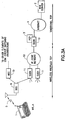
Fig. 3A shows an embodiment where a PEP is located with a GGSN in a GPRS/UMTS cellular architecture, and is also useful in describing the MS-web server WTCP embodiment; -
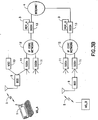
Fig. 3B shows an embodiment where a first PEP is located with a first GGSN in a first GPRS/UMTS cellular architecture and where a second PEP is located with a second GGSN in a second GPRS/UMTS cellular architecture, and is useful in describing a MS-MS WTCP embodiment; -
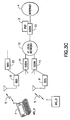
Fig. 3C shows an embodiment where a single PEP is located with the GGSN in the GPRS/UMTS cellular architecture, and is useful in describing a MS-MS WTCP embodiment; -
Fig. 4 is a logic flow diagram that illustrates a method for accommodating the MS-web server embodiment ofFig. 3A ; -
Fig. 5 is a logic flow diagram that illustrates a method for accommodating the MS-MS multi-PEP embodiment ofFig. 3B ; and -
Fig. 6 is a logic flow diagram that illustrates a method for accommodating the MS-MS single PEP embodiment ofFig. 3C . - Described herein are several embodiments of split TCP connections for the case of the MS-server connection and for the case of the MS-MS connection. The case of the MS-MS connection is based on, and extends, the solution for the MS-server connection case. The general messaging and message flow is described in the context of embodiments for CDMA and GPRS/UMTS architectures. For the case of the MS-server connection the term "server" in a generic fashion, and as used herein implies that this end point of the connection is a node that does not require wireless TCP (WTCP) service.
- In embodiments of this invention the end point of the connection may not be the
web server 2 that is connected to the conventional wiredInternet 4, but it maybe another MS, thereby requiring a MS-to-MS connection to be established as described below in relation toFig. 3B . Of course, the second MS maybe functioning as a web server, just not one that is connected the wired Internet. - Assume that the
MS 1 wishes to initiate a wireless TCP connection with theweb server 2. The following conventions can be used in the description of this case: - x1,y1: IP address and port number at the
MS 1 - x2,y2 : IP address and port number at the
PEP 3 that theMS 1 communicates with - x3,y3 : IP address and port number at
PEP 3 that theserver 2 communicates with - x4,y4 : IP address and port number at the
server 2 that thePEP 3 communicates with - Referring also to
Fig. 4 , this embodiment of the invention performs the following procedure: - 4A. The
MS 1 sends a message to thePEP 3 specifying the need for split TCP connection. This split TCP connection request message includes, or is sent in conjunction with, information that is descriptive of (x4,y4) and (x1,y1). Note that the (x1,y1) information may be implicit in the split TCP connection request message as it is the address and port of the origin of the message (i.e., the address and port of the MS 1). - 4B. The
PEP 3 selects (x2,y2) and (x3,y3) to be used in the split TCP connection. This may be accomplished by a table lookup procedure. - 4C. The
MS 1 and thePEP 3 establish a WTCP connection between (x1,y1) and (x2,y2). For this purpose thePEP 3 may first send a message to theMS 1 informing the MS of (x2,y2), and theMS 1 may then initiate the TCP connection setup (for example, by the use of a conventional SYN, SYN ACK and ACK transaction). In an alternate embodiment, thePEP 3 may initiate the TCP connection setup with theMS 1. - 4D. The
PEP 3 and theserver 2 set up a TCP connection between (x3,y3) and (x4,y4) (for example, by using the conventional SYN, SYN ACK and ACK handshake used to establish TCP connections). - Referring to
Fig. 2 , thePEP 3 may reside on or be co-located with a Packet Data Support Node (PDSN) 6 in the CDMA network architecture defined by 3GPP2. ThePEP 3 may be implemented as a software module that is executed by a data processor of thePDSN 6, or by another data processor in the CDMA network architecture. The PEP/PDSN 6 is reached from thewireless link 5 via a radio network (RN) element 7 and an A10/A11 interface 8. - For accessing the
Internet 4 over the CDMA network, theMS 1 first establishes a conventional Point-to-Point Protocol (PPP) connection with thePDSN 6. If using simple IP, theMS 1 obtains its IP address during the PPP connection establishment For mobile IP, thePDSN 6 and theMS 1 perform agent advertisement/solicitation signaling for the IP address assignment. The established PPP connection can then be used to carry outStep 4A from theMS 1 to thePDSN 6. A Resv message defined in 3GPP2 Specification X.P0011.*, Wireless IP Network Standard, February 2003, can be used in a modified form to encode the request to establish the split TCP connection and to convey the reverse link (x4,y4) information. The (x2,y2) information inStep 4C can be conveyed from thePDSN 6 to theMS 1 in a ResvConf message, also defined in 3GPP2 Specification X.P0011.*, Wireless IP Network Standard, February 2003, which functions basically as an acknowledgment to the Resv message. - Further by example, and referring to
Fig. 3A , thePEP 3 can reside (in a General Packet Radio System or GPRS embodiment) on or be co-located with a Gateway GPRS Support Node (GGSN) 13 in the GPRS, or in an Universal Mobile Telecommunications System (UMTS) network architecture, as defined by 3GPP. ThePEP 3 maybe implemented as a software module that is executed by a data processor of theGGSN 13, or by another data processor in the GPRS/UMTS network architecture. In this embodiment the PEP/GGSN 13 is reached from thewireless link 5 via a base station system (BSS) 9 that is connected to a conventional mobile switching center (MSC) 10 and to a serving gateway support node (SGSN) 11 that in turn connects to an Internet Protocol (IP)core network 12 and thence to theGGSN 13. - When accessing the
Internet 4 over the GPRS network, theMS 1 first establishes a primary Packet Data Protocol (PDP) context with theGGSN 13. TheMS 1 obtains its IP address during the PDP context establishment procedure, as defined in 3GPP Technical Specification TS 23.060, General Packet Radio Service (GPRS); Service description; Stage 2 (Release 1999), Version 3.10.0, January 2002. While setting up the PDP context, theMS 1 also specifies the desired service from the GPRS/UMTS access network. This can be accomplished by the use of an access point name (APN) field in a PDP Activate message. As inStep 4A for setting up the split TCP connection, theMS 1 may initiate the PDP context (primary or secondary) with theGGSN 13 by providing an APN value that is predetermined to be indicative of the request for WTCP service. TheMS 1 preferably also includes the (x4,y4) information along with this message. The (x2,y2) information inStep 4C can be conveyed from theGGSN 13 to theMS 1 in an acknowledgment to the PDP Activate message, as described in 3GPP Technical Specification TS 23.060, General Packet Radio Service (GPRS); Service description; Stage 2 (Release 1999), Version 3.10.0, January 2002. - The foregoing discussion of
Figs. 2 ,3A and4 considered the case in which theMS 1 establishes a WTCP connection with theserver 2. What is now described is the case, shown for convenience and not by way of limitation in a GPRS architecture system inFig. 3B , in which aMS 1, say MS_A, establishes a WTCP connection with anotherMS 1, say MS_B. The following naming convention is used during the description of this case: - x1,y1 :
- IP address and port number at MS_A
- x2,y2 :
- IP address and port number at PEP (PEP_A) that MS_A communicates with
- x3,y3:
- IP address and port number at PEP_A that the PEP for MS_B (PEP_B) communicates with
- x4,y4 :
- IP address and port number at PEP_B that PEP_A communicates with
- x5,y5 :
- IP address and port number at PEP_B that MS_B communicates with
- x6,y6 :
- IP address and port number at MS_B
- In this embodiment it may be assumed that both MS_A and MS_B desire to have a WTCP connection. The associated
PEPs 3 are PEP_A and PEP_B, respectively. Referring also toFig. 5 , this embodiment of the invention performs the following procedure: - 5A. The MS_A sends a message to PEP_A specifying a request for a split TCP connection to be set up, along with information about MS_B (at least (x6,y6)) and also the IP address and port number at MS_A (x1,y1). The (x1,y1) information may be implicit in the message, as it is the address and port of the origin of the message.
- 5B. The PEP_A selects (x2,y2) and (x3,y3) to be used in the split TCP connection, such as through a table look up procedure.
- 5C. The MS_A and PEP_A establish a WTCP connection between (x1,y1) and (x2,y2).
For this purpose the PEP_A may first send a message to the MS_A informing MS_A of (x2,y2), and MS_A may then initiates a WTCP connection setup. In an alternate embodiment, PEP_A initiates the WTCP connection setup. - 5D. PEP_A begins the process of establishing a TCP connection with MS_B. Once MS_B receives a TCP SYN message from PEP_A, it begins the procedure of establishing a WTCP connection with PBP_B.
- 5E. MS_B sends a message to PEP_B convening its WTCP set up request, along with the appropriate end-point information, (x3,y3) and (x6,y6). The (x6,y6) information may be implicit in the message, as it is the address and port of the origin of the message.
- 5F. The PBP_B selects (x4,y4) and (x5,y5) to be used in the split TCP connection, such as through a table look up procedure. The MS_B and PEP_B establish a WTCP connection between (x6,y6) and (x5,y5). For this purpose the PEP_B may first send a message to the MS_B informing MS_B of (x5,y5), and MS_B may then initiates a WTCP connection setup. In an alternate embodiment, PEP_B initiates the WTCP connection setup.
- 5G. PEP_B, from (x4,y4), also sends a TCP-SYN ACK to PEP_A, at address (x3,y3), and encapsulates MS_B's information (x6,y6) in this TCP-SYN ACK packet. When PEP_A sees the encapsulated TCP-SYN ACK packet, it understands that it is a special case where PEP_B is acting as a proxy for MS_B for this particular TCP-SYN request.
- 5H. PEP_A initiates a TCP connection with PEP_B with end-points (x3,y3) and (x4,y4), respectively, using a conventional TCP SYN, SYN ACK and ACK handshake.
- As can be appreciated, after performing
steps 5A-5H there are WTCP connections established between MS_A and PEP_A, and between MS_B and PEP_B, while there is a conventional TCP connection established between PEP_A and PEP_B. - The process by which the MSs A and B acquire IP addresses in the CDMA2000 and GPRS/UMTS architectures, in this case, is similar to what is described in the previous case.
- The foregoing description has provided by way of exemplary and non-limiting examples a full and informative description of the best method and apparatus presently contemplated by the inventors for carrying out the invention. However, various modifications and adaptations maybecome apparent to those skilled in the relevant arts in view of the foregoing description, when read in conjunction with the accompanying drawings and the appended claims. As but some examples, the use of other similar or equivalent system architectures, message types and signaling protocols maybe attempted by those skilled in the art.
- Furthermore, it is possible that MS_A and MS_B may be served from a
single PE_B 3, such as when they are two mobile stations connected to the same network operator. Reference in this regard can be made toFig. 3C for showing the exemplary GPRS embodiment (note that the CDMA embodiment ofFig. 2 can be employed as well, where MS_A and MS_B are both served from thesame PEP 3/PDSN 6). In the embodiment ofFig. 3C it is assumed that both MS_A and MS_B desire to have a WTCP connection Also in this embodiment it is assumed that (x3,y3), the IP address and port number at PEP_A that PEP_B communicates with, and (x4,y4), the IP address and port number at PEP_B that PEP_A communicates with, are not used. Further, it is assumed that (x5, y5), the IP address and port number at PEP_B that MS_B communicates with, is modified so as to represent the IP address and port number atPEP 3 that MS_B communicates with. Alternatively, parameters (x7,y7) could be defined for this purpose, it being realized that the embodiments ofFigs. 3B and3C could very well both be used together (depending on where MS_B happens to be located). Referring toFig. 6 , this embodiment of the invention performs the following procedure: - 6A. The MS_A sends a message to
PEP 3 specifying a request for a split TCP connection to be set up, along with information about MS_B (at least (x6,y6)) and also the IP address and port number at MS_A (x1,y1). The (x1,y1) information may be implicit in the message, as it is the address and port of the origin of the message. - 6B. The
PEP 3 selects (x2,y2) and modified (x5,y5), shown as (x5, y5)M inFig. 6 , or (x7, y7), to be used in the split TCP connection, such as through a table look up procedure. - 6C. The MS_A and
PEP 3 establish a WTCP connection between (x1,y1) and (x2,y2). For this purpose thePEP 3 may first send a message to the MS_A informing MS_A of (x2,y2), and MS_A may then initiate a WTCP connection setup. In an alternate embodiment thePEP 3 initiates the TCP connection setup. - 6D.
PEP 3 begins the process of establishing a TCP connection with MS_B. Once MS_B receives a TCP SYN message from PEP_A, it begins the procedure of establishing a WTCP connection withPEP 3. - 6E. The MS_B and PEP. 3 establish a WTCP connection between (x6,y6) and the modified (x5,y5). For this purpose the
PEP 3 may first send a message to the MS_B informing MS_B of (x5,y5), and MS_B may then initiate a new TCP connection setup. In an alternate embodiment thePEP 3 initiates the TCP connection setup. - As can be appreciated, after performing
steps 6A-5E there are two WTCP connections established, one between MS_A andPEP 3 and one between MS_B andPEP 3. In operation, thePEP 3 operates to copy from port-to-port - As a further exemplary and non-limiting modification to the foregoing teachings the
MS 1 need not send (x4, y4), in the embodiment ofFig: 4 , or (x6, y6), in the embodiment ofFigs. 5 and6 , but may instead send a URL (such as http://www.someserver.com or http://www.somemobile.someoperator.com), and the corresponding address information can be provided using a conventional domain name server (DNS) procedure. However, all such and similar modifications of the teachings of this invention will still fall within the scope of this invention. - Furthermore, some of the features of the present invention could be used to advantage without the corresponding use of other features. As such, the foregoing description should be considered as merely illustrative of the principles of the present invention, and not in limitation thereof.
Claims (27)
- A method, comprising:sending via a wireless network (5) a split transport control protocol connection request from a mobile station (1) to a performance enhancing proxy (3) located in the wireless network (5) to connect to an endpoint destination (2), the split transport control protocol connection request comprising information for identifying a network address of the mobile station (1) and a network address of the end point destination (2), where the wireless network (5) comprises a general packet radio service or universal mobile telecommunications system network or a code division multiple access network, and where the performance enhancing proxy (3) is embodied in or co-located with a gateway general packet radio service support node (13) in the general packet radio service or universal mobile telecommunications system network, or embodied in or co-located with a packet data support node (6) in the code division multiple access network; andin response to the requested split transport control protocol connection being established, the mobile station (1) connecting to the endpoint destination (2) via the split transport control protocol connection which comprises a wireless transport control protocol connection between the mobile station (1) and the performance enhancing proxy (3), and a transport control protocol connection at least part way between the performance enhancing proxy (3) and the end point destination (2).
- A method as in claim 1, where the end point destination (2) comprises an application server that is coupled to the Internet (4), and where the transport control protocol connection is established between the performance enhancing proxy (3) and the application server.
- A method as in claim 1, where the end point destination (2) comprises a second mobile station that is coupled to a second performance enhancing proxy in a second wireless network, and where the transport control protocol connection is established at least as far as the second performance enhancing proxy, and then as a wireless transport control protocol connection between the second performance enhancing proxy and the second mobile station.
- A method as in claim 1, where sending the split transport control protocol connection request from the mobile station (1) to the performance enhancing proxy (3) uses a point-to-point protocol connection.
- A method as in claim 1, where establishing the split transport control protocol connection includes sending a network address of the performance enhancing proxy (3) to the mobile station (1) for use by the mobile station (1) in initiating a wireless transport control protocol connection set up procedure.
- A method as in claim 5, where sending the split transport control protocol connection request from the mobile station (1) to the performance enhancing proxy (3) uses a Resv message during a point-to-point protocol connection, and where the network address of the performance enhancing proxy (3) is sent to the mobile station (1) in a ResvConf message,
- A method as in claim 1, where sending the split transport control protocol connection request from the mobile station (1) to the performance enhancing proxy (3) occurs during a packet data protocol context establishment procedure.
- A method as in claim 1, where establishing the split transport control protocol connection includes the mobile station (1) receiving a network address of the performance enhancing proxy (3) for use by the mobile station (1) in initiating a transport control protocol connection set up procedure.
- A method as in claim 8, where sending the split transport control protocol request from the mobile station (1) to the performance enhancing proxy (3) occurs during a packet data protocol context establishment procedure using an access point name in a packet data protocol activate message to specify the split transport control protocol request, and where the network address of the performance enhancing proxy (3) is received by the mobile station (1) in an acknowledgment to the packet data protocol activate message,
- A computer readable medium encoded with a computer program executable by a processor to perform operations to set up a transport control protocol connection between a mobile station (1) and an endpoint destination (2), comprising:sending via a wireless network (5) a split transport control protocol connection request from the mobile station (1) to a performance enhancing proxy (3) located in the wireless network (5) to connect to the endpoint destination (2), where the wireless network (5) comprises a general packet radio service or universal mobile telecommunications system network or a code division multiple access network, and where the performance enhancing proxy (3) is embodied in or co-located with a gateway general packet radio service support node (13) in the general packet radio service or universal mobile telecommunications system network, or embodied in or co-located with a packet data support node (6) in the code division multiple access network; andresponsive to the requested split transport control protocol connection being established the mobile station (1) connecting to the endpoint destination (2) via the split transport control protocol connection which comprises a wireless transport control protocol connection between the mobile station (1) and the performance enhancing proxy (3), and a transport control protocol connection at least part way between the performance enhancing proxy (3) and an application server.
- A computer program as in claim 10, where
x1,y1 represents an IP address and port number at the mobile station (1); x2,y2 represents an IP address and port number at the performance enhancing proxy (3); x3,y3 represents an IP address and port number at the performance enhancing proxy (3) that the application server 2 communicates with; and x4,y4 represents an IP address and port number at the server (2);
the split transport control protocol connection request message comprises information that is descriptive of (x4,y4) and (x1,y1); and
responsive to the requested split transport control protocol connection being established the split transport control protocol connection comprises a wireless transport control protocol connection between (x1,y1) on the mobile station (1) and (x2,y2) on the performance enhancing proxy (3), and
a transport control protocol connection between (x3,y3) on the performance enhancing proxy (3) and (x4,y4) on the application server (2). - A computer program as in claim 11, where for the mobile station (1) and the performance enhancing proxy (3) to establish the wireless transport control protocol connection the mobile station (1) receives a message from the performance enhancing proxy (3) informing the mobile station (1) of (x2,y2), and in response the mobile station (1) initiates the transport control protocol connection setup.
- A computer program as in claim 12, where the mobile station (1) initiates the wireless transport control protocol connection setup by the use of a transport control protocol handshake transaction.
- A computer program as in claim 10, where the wireless transport control protocol connection between the mobile station (1) and the performance enhancing proxy (3) is initiated by the performance enhancing proxy (3).
- A computer program as in claim 14, where the performance enhancing proxy (3) initiates the wireless transport control protocol connection setup by the use of a transport control protocol handshake transaction.
- A computer program as in claim 11, where (x1, y1) is sent implicitly from the mobile station (1) to the performance enhancing proxy (3) in the split transport control protocol connection request message.
- A system, comprising:an endpoint destination;a wireless communications network (5) comprising a general packet radio service or universal mobile telecommunications system network or code division multiple access network, and comprising a performance enhancing proxy (3) embodied in or co-located with a gateway general packet radio service support node (13) in the general packet radio service or universal mobile telecommunications system network, or with a packet data support node (6) in the code division multiple access network; anda mobile terminal (1) comprising a data processor bidirectionally coupled to an interface to the wireless communications network (5), said data processor operable to initiate set up of a transport control protocol connection between the mobile terminal (1) and the end point destination (2) via the wireless communications network (5) and Internet (4), said data processor sending a split transport control protocol connection request to the performance enhancing proxy (3) located in the wireless communications network (5), the split transport control protocol connection request comprising information for identifying a network address of the mobile terminal (1) and a network address of the end point destination (2),wherein in response to the requested split transport control protocol connection being established the mobile terminal (1) connects to the end point destination (2) via the split transport control protocol connection which comprises a wireless transport control protocol connection between the mobile terminal (1) and the performance enhancing proxy (3), and a transport control protocol connection at least part way between the performance enhancing proxy (3) and the end point destination (2), said data processor conducting a transport control protocol session with the end point destination (2).
- A system as in claim 17, where the end point destination (2) comprises an application server that is coupled to the Internet (4), and where the transport control protocol connection is established between the performance enhancing proxy (3) and the application server.
- A system as in claim 17, where the end point destination (2) comprises a second mobile terminal that is coupled to a second performance enhancing proxy in a second wireless communications network, and where the transport control protocol connection is established at least as far as the second performance enhancing proxy, and then as a wireless transport control protocol connection between the second performance enhancing proxy and the second mobile terminal.
- A system as in claim 17, where the wireless communications network (5) comprises a cellular network.
- A method, comprising:receiving at a performance enhancing proxy (3), via a wireless network (5), a split transport control protocol connection request from a mobile station (1) to connect to an endpoint destination (2), the split transport control protocol connection request comprising information for identifying a network address of the mobile station (1) and a network address of the end point destination (2), where the wireless network (5) comprises a general packet radio service or universal mobile telecommunications system network or a code division multiple access network, and where the performance enhancing proxy (3) is embodied in or co-located with a gateway general packet radio service support node (13) in the general packet radio service or universal mobile telecommunications system network, or embodied in or co-located with a packet data support node (6) in the code division multiple access network; andin response to receiving the request, establishing a split transport control protocol connection which comprises a wireless transport control protocol connection between the performance enhancing proxy (3) and the mobile station (1) and establishing a transport control protocol connection at least part way between the performance enhancing proxy (3) and the end point destination (2), where the split transport control protocol connection is for the mobile station (1) to connect to the endpoint destination (2).
- The method as in claim 21, where the transport control protocol connection is established between the performance enhancing proxy (3) and an application server of the end point destination (2).
- The method as in claim 21, where the end point destination (2) is a second mobile station that is coupled to a second performance enhancing proxy, and where the transport control protocol connection is established at least as far as the second performance enhancing proxy and as a wireless transport control protocol connection between the second performance enhancing proxy and the second mobile station.
- A memory embodying a-computer program executable to perform the method of claim 21.
- An performance enhancing proxy apparatus comprising:an interface configured to receive at a performance enhancing proxy (3), via a wireless network (5), a split transport control protocol connection request from a mobile station (1) to connect to an endpoint destination (2), the split transport control protocol connection request comprising information for identifying a network address of the mobile station (1) and a network address of the end point destination (2), where the wireless network (5) comprises a general packet radio service or universal mobile telecommunications system network or a code division multiple access network, and where the performance enhancing proxy (3) is embodied in or co-located with a gateway general packet radio service support node (13) in the general packet radio service or universal mobile telecommunications system network, or embodied in or co-located with a packet data support node (6) in the code division multiple access network; anda processor and the interface configured, in response to receiving the request, to establish a split transport control protocol connection which comprises a wireless transport control protocol connection between the mobile station (1) and the performance enhancing proxy (3) and a transport control protocol connection at least part way between the performance enhancing proxy (3) and the end point destination (2), where the split transport control protocol connection is established for the mobile station (1) to connect to the endpoint destination (2).
- The apparatus as in claim 25, where a processor and the interface is configured to establish the transport control protocol connection between the performance enhancing proxy (3) and an application server of the end point destination (2).
- The apparatus as in claim 25, where the end point destination (2) is a second mobile station that is coupled to a second performance enhancing proxy, and where the interface and the processor is configured to establish the transport control protocol connection at least as far as the second performance enhancing proxy and to initiate establishing a wireless transport control protocol connection between the second performance enhancing proxy and the second mobile station.
Applications Claiming Priority (2)
| Application Number | Priority Date | Filing Date | Title |
|---|---|---|---|
| US10/788,131 US7616644B2 (en) | 2004-02-25 | 2004-02-25 | Method and apparatus providing a protocol to enable a wireless TCP session using a split TCP connection |
| PCT/IB2005/000448 WO2005083974A1 (en) | 2004-02-25 | 2005-02-22 | Method and apparatus providing a protocol to enable a wireless tcp session using a split tcp connection |
Publications (2)
| Publication Number | Publication Date |
|---|---|
| EP1721437A1 EP1721437A1 (en) | 2006-11-15 |
| EP1721437B1 true EP1721437B1 (en) | 2010-04-14 |
Family
ID=34861955
Family Applications (1)
| Application Number | Title | Priority Date | Filing Date |
|---|---|---|---|
| EP05708572A Expired - Lifetime EP1721437B1 (en) | 2004-02-25 | 2005-02-22 | Method and apparatus providing a protocol to enable a wireless tcp session using a split tcp connection |
Country Status (6)
| Country | Link |
|---|---|
| US (1) | US7616644B2 (en) |
| EP (1) | EP1721437B1 (en) |
| CN (1) | CN1943205A (en) |
| AT (1) | ATE464728T1 (en) |
| DE (1) | DE602005020588D1 (en) |
| WO (1) | WO2005083974A1 (en) |
Families Citing this family (23)
| Publication number | Priority date | Publication date | Assignee | Title |
|---|---|---|---|---|
| US7801171B2 (en) | 2002-12-02 | 2010-09-21 | Redknee Inc. | Method for implementing an Open Charging (OC) middleware platform and gateway system |
| US7457865B2 (en) * | 2003-01-23 | 2008-11-25 | Redknee Inc. | Method for implementing an internet protocol (IP) charging and rating middleware platform and gateway system |
| US7440441B2 (en) * | 2003-06-16 | 2008-10-21 | Redknee Inc. | Method and system for Multimedia Messaging Service (MMS) rating and billing |
| US7873347B2 (en) * | 2003-06-19 | 2011-01-18 | Redknee Inc. | Method for implementing a Wireless Local Area Network (WLAN) gateway system |
| EP1813075A1 (en) * | 2004-11-15 | 2007-08-01 | TELEFONAKTIEBOLAGET LM ERICSSON (publ) | Method for modifying mss |
| US8775621B2 (en) * | 2006-08-31 | 2014-07-08 | Redknee Inc. | Policy services |
| KR100842281B1 (en) * | 2006-12-08 | 2008-06-30 | 한국전자통신연구원 | Apparatus and method for managing performance of transmission control protocol through path recovery notification in wireless network |
| KR101314604B1 (en) | 2006-12-14 | 2013-10-07 | 엘지전자 주식회사 | Method for connecting wireless internet in mobile terminal and Mobile terminal thereof and System thereof |
| US20080298366A1 (en) * | 2007-05-31 | 2008-12-04 | Microsoft Corporation | Agnostic Network Architecture |
| US20090059788A1 (en) * | 2007-08-29 | 2009-03-05 | Motorola, Inc. | Method and Apparatus for Dynamic Adaptation of Network Transport |
| US20110082779A1 (en) * | 2007-09-13 | 2011-04-07 | Redknee Inc. | Billing profile manager |
| CA2708670C (en) | 2007-12-27 | 2016-10-04 | Redknee Inc. | Policy-based communication system and method |
| CN101656750B (en) * | 2009-09-23 | 2012-05-23 | 贵州师范大学 | TCP split connection method suitable for space communication network |
| US9054913B1 (en) | 2009-11-30 | 2015-06-09 | Dell Software Inc. | Network protocol proxy |
| US8547835B2 (en) * | 2010-10-21 | 2013-10-01 | Telefonaktiebolaget L M Ericsson (Publ) | Controlling IP flows to bypass a packet data network gateway using multi-path transmission control protocol connections |
| JP5258938B2 (en) * | 2011-07-26 | 2013-08-07 | 株式会社日立製作所 | Communication device |
| TWI459768B (en) | 2011-12-30 | 2014-11-01 | Ind Tech Res Inst | Communication system and method for assisting TCP packet transmission |
| US9264365B2 (en) * | 2012-07-31 | 2016-02-16 | International Business Machines Corporation | Split transport control protocol (TCP) flow control management in a cellular broadband network |
| US9397939B2 (en) * | 2014-06-24 | 2016-07-19 | International Business Machines Corporation | Hybrid approach for performance enhancing proxies |
| KR102342144B1 (en) | 2014-12-01 | 2021-12-22 | 삼성전자주식회사 | Method and apparatus for establishing split tcp connention in a communication, and handover method and apparatus |
| KR102240712B1 (en) | 2014-12-05 | 2021-04-15 | 삼성전자주식회사 | Apparatus and method for controlling throughput of transmission layer in wireless communication system |
| GB2539003B (en) | 2015-06-03 | 2018-05-09 | Openwave Mobility Inc | A method and apparatus for managing connections in a communication network |
| JP2019068113A (en) * | 2016-02-16 | 2019-04-25 | シャープ株式会社 | Terminal device, MME (Mobility Management Entity), and communication control method |
Citations (1)
| Publication number | Priority date | Publication date | Assignee | Title |
|---|---|---|---|---|
| WO2002049293A1 (en) * | 2000-12-16 | 2002-06-20 | Roke Manor Research Limited | Method of enhancing the efficiency of data flow in communication systems |
Family Cites Families (8)
| Publication number | Priority date | Publication date | Assignee | Title |
|---|---|---|---|---|
| US5941988A (en) | 1997-01-27 | 1999-08-24 | International Business Machines Corporation | Session and transport layer proxies via TCP glue |
| JP3494610B2 (en) * | 2000-02-28 | 2004-02-09 | 富士通株式会社 | IP router device with TCP termination function and medium |
| JP3814185B2 (en) | 2000-11-13 | 2006-08-23 | 松下電器産業株式会社 | Base station apparatus, mobile communication terminal apparatus, and radio access system using them |
| EP1278348A1 (en) | 2001-07-17 | 2003-01-22 | Alcatel | Long-lived TCP connection using ICMP messages in wireless mobile communications |
| US20030131079A1 (en) | 2001-11-13 | 2003-07-10 | Ems Technologies, Inc. | Performance enhancing proxy techniques for internet protocol traffic |
| EP1497955B1 (en) | 2002-04-19 | 2010-06-09 | Telefonaktiebolaget LM Ericsson (publ) | Method and devices for adaptative proxying of flows |
| US7246176B2 (en) * | 2002-04-30 | 2007-07-17 | Nortel Networks Limited | PDP context distribution among multiple GGSNs |
| JP2006506842A (en) * | 2002-11-13 | 2006-02-23 | ケイティーフリーテル シーオー リミテッド | Packet data analysis apparatus and method for mobile communication network |
-
2004
- 2004-02-25 US US10/788,131 patent/US7616644B2/en not_active Expired - Fee Related
-
2005
- 2005-02-22 EP EP05708572A patent/EP1721437B1/en not_active Expired - Lifetime
- 2005-02-22 CN CNA2005800115663A patent/CN1943205A/en active Pending
- 2005-02-22 AT AT05708572T patent/ATE464728T1/en not_active IP Right Cessation
- 2005-02-22 WO PCT/IB2005/000448 patent/WO2005083974A1/en not_active Ceased
- 2005-02-22 DE DE602005020588T patent/DE602005020588D1/en not_active Expired - Lifetime
Patent Citations (1)
| Publication number | Priority date | Publication date | Assignee | Title |
|---|---|---|---|---|
| WO2002049293A1 (en) * | 2000-12-16 | 2002-06-20 | Roke Manor Research Limited | Method of enhancing the efficiency of data flow in communication systems |
Non-Patent Citations (1)
| Title |
|---|
| MALTZ D.A.; BHAGWAT P.: "An architecture for transport layer mobility", INFOCOM '98, vol. 3, 29 March 1998 (1998-03-29), NEW YORK, NY, USA,IEEE, US, pages 1037 - 1045, XP010270326 * |
Also Published As
| Publication number | Publication date |
|---|---|
| CN1943205A (en) | 2007-04-04 |
| US20050185664A1 (en) | 2005-08-25 |
| ATE464728T1 (en) | 2010-04-15 |
| US7616644B2 (en) | 2009-11-10 |
| EP1721437A1 (en) | 2006-11-15 |
| DE602005020588D1 (en) | 2010-05-27 |
| WO2005083974A1 (en) | 2005-09-09 |
Similar Documents
| Publication | Publication Date | Title |
|---|---|---|
| US7616644B2 (en) | Method and apparatus providing a protocol to enable a wireless TCP session using a split TCP connection | |
| AU2005222894B2 (en) | Method, apparatus and computer program product providing quality of service support in a wireless communications system | |
| CN100438523C (en) | Method and system for invoking mobile node registration in a wireless communication network | |
| JP4347810B2 (en) | Header compression method | |
| JP5044026B2 (en) | Method and apparatus for channel optimization during point-to-point protocol (PPP) session request period | |
| FI113144B (en) | Providing a packet data service in a wireless communication system | |
| EP1318633B1 (en) | Mobile/portable terminal and PDP context management method used therefor in constantly-on state | |
| JP3507440B2 (en) | Method and apparatus for preventing loss of error sensitive non-real time data during handover | |
| KR100396144B1 (en) | Resource reservation in 3G or future generation telecommunication network (Ⅳ) | |
| CN100450268C (en) | Bit Rate Control Means in Telecommunication System | |
| US20050201388A1 (en) | Method and apparatus for providing a VPN service according to a packet data protocol in a wireless communication system | |
| CN1822589A (en) | Combining multiple physical traffic channels in a wireless communication system | |
| KR100608838B1 (en) | How to set and release PD context in mobile communication terminal | |
| KR100915781B1 (en) | Network-initiated service change from speech to multimedia | |
| US20020087701A1 (en) | Providing a dial-up connection in a packet radio system | |
| CN103067981B (en) | A kind of content caching by-pass method and system | |
| RU2628771C1 (en) | Method, system and device of characteristics compliance | |
| KR100446638B1 (en) | Packet terminal capable of supporting multiple packet calls and method for supporting multiple packet calls in the same | |
| KR20020026984A (en) | An Internet QoS Mechanism for UMTS/GPRS | |
| CN101064676A (en) | Method and system for establishing point-to-multipoint communication environment | |
| WO2002093863A2 (en) | Application transparent redundancy in a protocol stack | |
| KR20060092474A (en) | Method of providing data service in JPSR mobile communication system | |
| HK1112549A (en) | Network-initiated service change from speech to multimedia | |
| HK1112549B (en) | Network-initiated service change from speech to multimedia |
Legal Events
| Date | Code | Title | Description |
|---|---|---|---|
| PUAI | Public reference made under article 153(3) epc to a published international application that has entered the european phase |
Free format text: ORIGINAL CODE: 0009012 |
|
| 17P | Request for examination filed |
Effective date: 20060913 |
|
| AK | Designated contracting states |
Kind code of ref document: A1 Designated state(s): AT BE BG CH CY CZ DE DK EE ES FI FR GB GR HU IE IS IT LI LT LU MC NL PL PT RO SE SI SK TR |
|
| DAX | Request for extension of the european patent (deleted) | ||
| 17Q | First examination report despatched |
Effective date: 20071220 |
|
| GRAP | Despatch of communication of intention to grant a patent |
Free format text: ORIGINAL CODE: EPIDOSNIGR1 |
|
| GRAS | Grant fee paid |
Free format text: ORIGINAL CODE: EPIDOSNIGR3 |
|
| GRAA | (expected) grant |
Free format text: ORIGINAL CODE: 0009210 |
|
| AK | Designated contracting states |
Kind code of ref document: B1 Designated state(s): AT BE BG CH CY CZ DE DK EE ES FI FR GB GR HU IE IS IT LI LT LU MC NL PL PT RO SE SI SK TR |
|
| REG | Reference to a national code |
Ref country code: GB Ref legal event code: FG4D |
|
| REG | Reference to a national code |
Ref country code: CH Ref legal event code: EP |
|
| REG | Reference to a national code |
Ref country code: IE Ref legal event code: FG4D |
|
| REF | Corresponds to: |
Ref document number: 602005020588 Country of ref document: DE Date of ref document: 20100527 Kind code of ref document: P |
|
| REG | Reference to a national code |
Ref country code: NL Ref legal event code: VDEP Effective date: 20100414 |
|
| LTIE | Lt: invalidation of european patent or patent extension |
Effective date: 20100414 |
|
| PG25 | Lapsed in a contracting state [announced via postgrant information from national office to epo] |
Ref country code: LT Free format text: LAPSE BECAUSE OF FAILURE TO SUBMIT A TRANSLATION OF THE DESCRIPTION OR TO PAY THE FEE WITHIN THE PRESCRIBED TIME-LIMIT Effective date: 20100414 Ref country code: NL Free format text: LAPSE BECAUSE OF FAILURE TO SUBMIT A TRANSLATION OF THE DESCRIPTION OR TO PAY THE FEE WITHIN THE PRESCRIBED TIME-LIMIT Effective date: 20100414 Ref country code: SE Free format text: LAPSE BECAUSE OF FAILURE TO SUBMIT A TRANSLATION OF THE DESCRIPTION OR TO PAY THE FEE WITHIN THE PRESCRIBED TIME-LIMIT Effective date: 20100414 Ref country code: ES Free format text: LAPSE BECAUSE OF FAILURE TO SUBMIT A TRANSLATION OF THE DESCRIPTION OR TO PAY THE FEE WITHIN THE PRESCRIBED TIME-LIMIT Effective date: 20100725 |
|
| PG25 | Lapsed in a contracting state [announced via postgrant information from national office to epo] |
Ref country code: FI Free format text: LAPSE BECAUSE OF FAILURE TO SUBMIT A TRANSLATION OF THE DESCRIPTION OR TO PAY THE FEE WITHIN THE PRESCRIBED TIME-LIMIT Effective date: 20100414 Ref country code: SI Free format text: LAPSE BECAUSE OF FAILURE TO SUBMIT A TRANSLATION OF THE DESCRIPTION OR TO PAY THE FEE WITHIN THE PRESCRIBED TIME-LIMIT Effective date: 20100414 Ref country code: IS Free format text: LAPSE BECAUSE OF FAILURE TO SUBMIT A TRANSLATION OF THE DESCRIPTION OR TO PAY THE FEE WITHIN THE PRESCRIBED TIME-LIMIT Effective date: 20100814 Ref country code: AT Free format text: LAPSE BECAUSE OF FAILURE TO SUBMIT A TRANSLATION OF THE DESCRIPTION OR TO PAY THE FEE WITHIN THE PRESCRIBED TIME-LIMIT Effective date: 20100414 |
|
| PG25 | Lapsed in a contracting state [announced via postgrant information from national office to epo] |
Ref country code: GR Free format text: LAPSE BECAUSE OF FAILURE TO SUBMIT A TRANSLATION OF THE DESCRIPTION OR TO PAY THE FEE WITHIN THE PRESCRIBED TIME-LIMIT Effective date: 20100715 Ref country code: PL Free format text: LAPSE BECAUSE OF FAILURE TO SUBMIT A TRANSLATION OF THE DESCRIPTION OR TO PAY THE FEE WITHIN THE PRESCRIBED TIME-LIMIT Effective date: 20100414 Ref country code: CY Free format text: LAPSE BECAUSE OF FAILURE TO SUBMIT A TRANSLATION OF THE DESCRIPTION OR TO PAY THE FEE WITHIN THE PRESCRIBED TIME-LIMIT Effective date: 20100505 |
|
| PG25 | Lapsed in a contracting state [announced via postgrant information from national office to epo] |
Ref country code: DK Free format text: LAPSE BECAUSE OF FAILURE TO SUBMIT A TRANSLATION OF THE DESCRIPTION OR TO PAY THE FEE WITHIN THE PRESCRIBED TIME-LIMIT Effective date: 20100414 Ref country code: PT Free format text: LAPSE BECAUSE OF FAILURE TO SUBMIT A TRANSLATION OF THE DESCRIPTION OR TO PAY THE FEE WITHIN THE PRESCRIBED TIME-LIMIT Effective date: 20100816 Ref country code: EE Free format text: LAPSE BECAUSE OF FAILURE TO SUBMIT A TRANSLATION OF THE DESCRIPTION OR TO PAY THE FEE WITHIN THE PRESCRIBED TIME-LIMIT Effective date: 20100414 |
|
| PLBE | No opposition filed within time limit |
Free format text: ORIGINAL CODE: 0009261 |
|
| STAA | Information on the status of an ep patent application or granted ep patent |
Free format text: STATUS: NO OPPOSITION FILED WITHIN TIME LIMIT |
|
| PG25 | Lapsed in a contracting state [announced via postgrant information from national office to epo] |
Ref country code: SK Free format text: LAPSE BECAUSE OF FAILURE TO SUBMIT A TRANSLATION OF THE DESCRIPTION OR TO PAY THE FEE WITHIN THE PRESCRIBED TIME-LIMIT Effective date: 20100414 Ref country code: CZ Free format text: LAPSE BECAUSE OF FAILURE TO SUBMIT A TRANSLATION OF THE DESCRIPTION OR TO PAY THE FEE WITHIN THE PRESCRIBED TIME-LIMIT Effective date: 20100414 Ref country code: BE Free format text: LAPSE BECAUSE OF FAILURE TO SUBMIT A TRANSLATION OF THE DESCRIPTION OR TO PAY THE FEE WITHIN THE PRESCRIBED TIME-LIMIT Effective date: 20100414 Ref country code: RO Free format text: LAPSE BECAUSE OF FAILURE TO SUBMIT A TRANSLATION OF THE DESCRIPTION OR TO PAY THE FEE WITHIN THE PRESCRIBED TIME-LIMIT Effective date: 20100414 |
|
| 26N | No opposition filed |
Effective date: 20110117 |
|
| PG25 | Lapsed in a contracting state [announced via postgrant information from national office to epo] |
Ref country code: IT Free format text: LAPSE BECAUSE OF FAILURE TO SUBMIT A TRANSLATION OF THE DESCRIPTION OR TO PAY THE FEE WITHIN THE PRESCRIBED TIME-LIMIT Effective date: 20100414 |
|
| PG25 | Lapsed in a contracting state [announced via postgrant information from national office to epo] |
Ref country code: MC Free format text: LAPSE BECAUSE OF NON-PAYMENT OF DUE FEES Effective date: 20110228 |
|
| REG | Reference to a national code |
Ref country code: CH Ref legal event code: PL |
|
| GBPC | Gb: european patent ceased through non-payment of renewal fee |
Effective date: 20110222 |
|
| PG25 | Lapsed in a contracting state [announced via postgrant information from national office to epo] |
Ref country code: LI Free format text: LAPSE BECAUSE OF NON-PAYMENT OF DUE FEES Effective date: 20110228 Ref country code: CH Free format text: LAPSE BECAUSE OF NON-PAYMENT OF DUE FEES Effective date: 20110228 |
|
| REG | Reference to a national code |
Ref country code: FR Ref legal event code: ST Effective date: 20111102 |
|
| REG | Reference to a national code |
Ref country code: IE Ref legal event code: MM4A |
|
| REG | Reference to a national code |
Ref country code: DE Ref legal event code: R119 Ref document number: 602005020588 Country of ref document: DE Effective date: 20110901 |
|
| PG25 | Lapsed in a contracting state [announced via postgrant information from national office to epo] |
Ref country code: IE Free format text: LAPSE BECAUSE OF NON-PAYMENT OF DUE FEES Effective date: 20110222 Ref country code: FR Free format text: LAPSE BECAUSE OF NON-PAYMENT OF DUE FEES Effective date: 20110228 |
|
| PG25 | Lapsed in a contracting state [announced via postgrant information from national office to epo] |
Ref country code: GB Free format text: LAPSE BECAUSE OF NON-PAYMENT OF DUE FEES Effective date: 20110222 |
|
| PG25 | Lapsed in a contracting state [announced via postgrant information from national office to epo] |
Ref country code: LU Free format text: LAPSE BECAUSE OF NON-PAYMENT OF DUE FEES Effective date: 20110222 |
|
| PG25 | Lapsed in a contracting state [announced via postgrant information from national office to epo] |
Ref country code: DE Free format text: LAPSE BECAUSE OF NON-PAYMENT OF DUE FEES Effective date: 20110901 |
|
| PG25 | Lapsed in a contracting state [announced via postgrant information from national office to epo] |
Ref country code: TR Free format text: LAPSE BECAUSE OF FAILURE TO SUBMIT A TRANSLATION OF THE DESCRIPTION OR TO PAY THE FEE WITHIN THE PRESCRIBED TIME-LIMIT Effective date: 20100414 Ref country code: BG Free format text: LAPSE BECAUSE OF FAILURE TO SUBMIT A TRANSLATION OF THE DESCRIPTION OR TO PAY THE FEE WITHIN THE PRESCRIBED TIME-LIMIT Effective date: 20100714 |
|
| PG25 | Lapsed in a contracting state [announced via postgrant information from national office to epo] |
Ref country code: HU Free format text: LAPSE BECAUSE OF FAILURE TO SUBMIT A TRANSLATION OF THE DESCRIPTION OR TO PAY THE FEE WITHIN THE PRESCRIBED TIME-LIMIT Effective date: 20100414 |