EP1715741B1 - Pheromones and method of preventing infestation of contarinia nasturtii - Google Patents
Pheromones and method of preventing infestation of contarinia nasturtii Download PDFInfo
- Publication number
- EP1715741B1 EP1715741B1 EP05704820A EP05704820A EP1715741B1 EP 1715741 B1 EP1715741 B1 EP 1715741B1 EP 05704820 A EP05704820 A EP 05704820A EP 05704820 A EP05704820 A EP 05704820A EP 1715741 B1 EP1715741 B1 EP 1715741B1
- Authority
- EP
- European Patent Office
- Prior art keywords
- diacetoxyundecane
- nasturtii
- pheromone
- acetoxyundecane
- mmol
- Prior art date
- Legal status (The legal status is an assumption and is not a legal conclusion. Google has not performed a legal analysis and makes no representation as to the accuracy of the status listed.)
- Expired - Lifetime
Links
- 239000003016 pheromone Substances 0.000 title claims abstract description 59
- 241000084473 Contarinia nasturtii Species 0.000 title claims abstract description 52
- 238000000034 method Methods 0.000 title claims abstract description 23
- 206010061217 Infestation Diseases 0.000 title claims description 5
- 239000000203 mixture Substances 0.000 claims abstract description 42
- 230000013011 mating Effects 0.000 claims abstract description 22
- 238000012544 monitoring process Methods 0.000 claims abstract description 22
- GCEXVGWOZJOVLN-UHFFFAOYSA-N 10-acetyloxyundecan-2-yl acetate Chemical compound CC(=O)OC(C)CCCCCCCC(C)OC(C)=O GCEXVGWOZJOVLN-UHFFFAOYSA-N 0.000 claims abstract description 9
- UZAQMQSUCWZRKI-UHFFFAOYSA-N 9-acetyloxyundecan-2-yl acetate Chemical compound CC(=O)OC(CC)CCCCCCC(C)OC(C)=O UZAQMQSUCWZRKI-UHFFFAOYSA-N 0.000 claims abstract description 8
- HABRKYMFOVMIBP-UHFFFAOYSA-N undecan-2-yl acetate Chemical compound CCCCCCCCCC(C)OC(C)=O HABRKYMFOVMIBP-UHFFFAOYSA-N 0.000 claims abstract 6
- 150000001875 compounds Chemical class 0.000 claims description 15
- 239000000877 Sex Attractant Substances 0.000 claims description 8
- 230000001568 sexual effect Effects 0.000 claims description 8
- 240000007124 Brassica oleracea Species 0.000 claims description 3
- 238000002360 preparation method Methods 0.000 claims description 3
- 235000003899 Brassica oleracea var acephala Nutrition 0.000 claims 1
- 235000011301 Brassica oleracea var capitata Nutrition 0.000 claims 1
- 235000001169 Brassica oleracea var oleracea Nutrition 0.000 claims 1
- 235000004221 Brassica oleracea var gemmifera Nutrition 0.000 abstract description 10
- 244000308368 Brassica oleracea var. gemmifera Species 0.000 abstract description 10
- 240000003259 Brassica oleracea var. botrytis Species 0.000 abstract description 9
- 235000011299 Brassica oleracea var botrytis Nutrition 0.000 abstract description 8
- 235000011331 Brassica Nutrition 0.000 abstract description 7
- 241000219198 Brassica Species 0.000 abstract description 7
- 235000013311 vegetables Nutrition 0.000 abstract description 5
- 235000017647 Brassica oleracea var italica Nutrition 0.000 abstract description 4
- VLKZOEOYAKHREP-UHFFFAOYSA-N n-Hexane Chemical compound CCCCCC VLKZOEOYAKHREP-UHFFFAOYSA-N 0.000 description 60
- XEKOWRVHYACXOJ-UHFFFAOYSA-N Ethyl acetate Chemical compound CCOC(C)=O XEKOWRVHYACXOJ-UHFFFAOYSA-N 0.000 description 57
- 241000196324 Embryophyta Species 0.000 description 36
- 241000255930 Chironomidae Species 0.000 description 22
- 241000238631 Hexapoda Species 0.000 description 21
- 239000000284 extract Substances 0.000 description 18
- 239000000243 solution Substances 0.000 description 18
- WYURNTSHIVDZCO-UHFFFAOYSA-N Tetrahydrofuran Chemical compound C1CCOC1 WYURNTSHIVDZCO-UHFFFAOYSA-N 0.000 description 16
- 238000002474 experimental method Methods 0.000 description 16
- 238000003556 assay Methods 0.000 description 15
- CSNNHWWHGAXBCP-UHFFFAOYSA-L Magnesium sulfate Chemical compound [Mg+2].[O-][S+2]([O-])([O-])[O-] CSNNHWWHGAXBCP-UHFFFAOYSA-L 0.000 description 12
- 238000003818 flash chromatography Methods 0.000 description 12
- 238000011282 treatment Methods 0.000 description 10
- WFDIJRYMOXRFFG-UHFFFAOYSA-N Acetic anhydride Chemical compound CC(=O)OC(C)=O WFDIJRYMOXRFFG-UHFFFAOYSA-N 0.000 description 9
- RTZKZFJDLAIYFH-UHFFFAOYSA-N Diethyl ether Chemical compound CCOCC RTZKZFJDLAIYFH-UHFFFAOYSA-N 0.000 description 9
- 230000004044 response Effects 0.000 description 9
- NLXLAEXVIDQMFP-UHFFFAOYSA-N Ammonia chloride Chemical compound [NH4+].[Cl-] NLXLAEXVIDQMFP-UHFFFAOYSA-N 0.000 description 8
- JUJWROOIHBZHMG-UHFFFAOYSA-N Pyridine Chemical compound C1=CC=NC=C1 JUJWROOIHBZHMG-UHFFFAOYSA-N 0.000 description 8
- VYPSYNLAJGMNEJ-UHFFFAOYSA-N Silicium dioxide Chemical compound O=[Si]=O VYPSYNLAJGMNEJ-UHFFFAOYSA-N 0.000 description 8
- YLQBMQCUIZJEEH-UHFFFAOYSA-N tetrahydrofuran Natural products C=1C=COC=1 YLQBMQCUIZJEEH-UHFFFAOYSA-N 0.000 description 8
- 229920000742 Cotton Polymers 0.000 description 7
- 238000004458 analytical method Methods 0.000 description 6
- 230000000694 effects Effects 0.000 description 6
- 239000011521 glass Substances 0.000 description 6
- 229910052943 magnesium sulfate Inorganic materials 0.000 description 6
- 235000019341 magnesium sulphate Nutrition 0.000 description 6
- 239000002689 soil Substances 0.000 description 6
- 238000003786 synthesis reaction Methods 0.000 description 6
- 241001465828 Cecidomyiidae Species 0.000 description 5
- 241000084474 Contarinia pisi Species 0.000 description 5
- 239000010410 layer Substances 0.000 description 5
- 230000001473 noxious effect Effects 0.000 description 5
- 239000012044 organic layer Substances 0.000 description 5
- 239000000123 paper Substances 0.000 description 5
- 241000894007 species Species 0.000 description 5
- 238000012360 testing method Methods 0.000 description 5
- DCWOAQHULIMVPB-QWRGUYRKSA-N (2s,10s)-undecane-2,10-diol Chemical compound C[C@H](O)CCCCCCC[C@H](C)O DCWOAQHULIMVPB-QWRGUYRKSA-N 0.000 description 4
- VHYFNPMBLIVWCW-UHFFFAOYSA-N 4-Dimethylaminopyridine Chemical compound CN(C)C1=CC=NC=C1 VHYFNPMBLIVWCW-UHFFFAOYSA-N 0.000 description 4
- 241000256135 Chironomus thummi Species 0.000 description 4
- 239000007818 Grignard reagent Substances 0.000 description 4
- GOOHAUXETOMSMM-VKHMYHEASA-N S-propylene oxide Chemical compound C[C@H]1CO1 GOOHAUXETOMSMM-VKHMYHEASA-N 0.000 description 4
- 238000000692 Student's t-test Methods 0.000 description 4
- 235000019270 ammonium chloride Nutrition 0.000 description 4
- 230000015572 biosynthetic process Effects 0.000 description 4
- 230000001276 controlling effect Effects 0.000 description 4
- 239000007799 cork Substances 0.000 description 4
- 210000004907 gland Anatomy 0.000 description 4
- 230000017448 oviposition Effects 0.000 description 4
- UMJSCPRVCHMLSP-UHFFFAOYSA-N pyridine Natural products COC1=CC=CN=C1 UMJSCPRVCHMLSP-UHFFFAOYSA-N 0.000 description 4
- 229920006395 saturated elastomer Polymers 0.000 description 4
- 238000003756 stirring Methods 0.000 description 4
- 239000000126 substance Substances 0.000 description 4
- 239000000758 substrate Substances 0.000 description 4
- 238000010626 work up procedure Methods 0.000 description 4
- JBAYWUMDFPCBDF-JTQLQIEISA-N (2s)-dec-9-en-2-ol Chemical compound C[C@H](O)CCCCCCC=C JBAYWUMDFPCBDF-JTQLQIEISA-N 0.000 description 3
- XMUJIPOFTAHSOK-NSHDSACASA-N (2s)-undecan-2-ol Chemical compound CCCCCCCCC[C@H](C)O XMUJIPOFTAHSOK-NSHDSACASA-N 0.000 description 3
- DQTAGSCXCIJKOV-QWRGUYRKSA-N (2s,9s)-undecane-2,9-diol Chemical compound CC[C@H](O)CCCCCC[C@H](C)O DQTAGSCXCIJKOV-QWRGUYRKSA-N 0.000 description 3
- YNOVLUGQPAOTGN-WMZOPIPTSA-N (3s,10s)-10-phenylmethoxyundecan-3-ol Chemical compound CC[C@H](O)CCCCCC[C@H](C)OCC1=CC=CC=C1 YNOVLUGQPAOTGN-WMZOPIPTSA-N 0.000 description 3
- FYYHWMGAXLPEAU-UHFFFAOYSA-N Magnesium Chemical compound [Mg] FYYHWMGAXLPEAU-UHFFFAOYSA-N 0.000 description 3
- JWNHLPKJVGKYHF-INIZCTEOSA-N [(2s)-dec-9-en-2-yl]oxymethylbenzene Chemical compound C=CCCCCCC[C@H](C)OCC1=CC=CC=C1 JWNHLPKJVGKYHF-INIZCTEOSA-N 0.000 description 3
- 230000021736 acetylation Effects 0.000 description 3
- 238000006640 acetylation reaction Methods 0.000 description 3
- 238000005520 cutting process Methods 0.000 description 3
- 238000001514 detection method Methods 0.000 description 3
- 238000011161 development Methods 0.000 description 3
- 230000010006 flight Effects 0.000 description 3
- 239000005350 fused silica glass Substances 0.000 description 3
- 150000004795 grignard reagents Chemical class 0.000 description 3
- 239000002917 insecticide Substances 0.000 description 3
- 239000011777 magnesium Substances 0.000 description 3
- 229910052749 magnesium Inorganic materials 0.000 description 3
- 229930014626 natural product Natural products 0.000 description 3
- 238000000746 purification Methods 0.000 description 3
- 230000009467 reduction Effects 0.000 description 3
- 208000024891 symptom Diseases 0.000 description 3
- BDRWMXGRSCKUQT-DOTOQJQBSA-N (2r,9s)-9-phenylmethoxydecane-1,2-diol Chemical compound OC[C@H](O)CCCCCC[C@H](C)OCC1=CC=CC=C1 BDRWMXGRSCKUQT-DOTOQJQBSA-N 0.000 description 2
- LKMWDVVIKGSQPP-NMUNODQISA-N (z)-dodec-8-en-1-ol;[(e)-dodec-8-enyl] acetate Chemical class CCC\C=C/CCCCCCCO.CCC\C=C\CCCCCCCOC(C)=O LKMWDVVIKGSQPP-NMUNODQISA-N 0.000 description 2
- YYROPELSRYBVMQ-UHFFFAOYSA-N 4-toluenesulfonyl chloride Chemical compound CC1=CC=C(S(Cl)(=O)=O)C=C1 YYROPELSRYBVMQ-UHFFFAOYSA-N 0.000 description 2
- WDYVUKGVKRZQNM-UHFFFAOYSA-N 6-phosphonohexylphosphonic acid Chemical compound OP(O)(=O)CCCCCCP(O)(O)=O WDYVUKGVKRZQNM-UHFFFAOYSA-N 0.000 description 2
- GNYDYUQVALBGGZ-UHFFFAOYSA-N 7-bromohept-1-ene Chemical compound BrCCCCCC=C GNYDYUQVALBGGZ-UHFFFAOYSA-N 0.000 description 2
- XKRFYHLGVUSROY-UHFFFAOYSA-N Argon Chemical compound [Ar] XKRFYHLGVUSROY-UHFFFAOYSA-N 0.000 description 2
- IJGRMHOSHXDMSA-UHFFFAOYSA-N Atomic nitrogen Chemical compound N#N IJGRMHOSHXDMSA-UHFFFAOYSA-N 0.000 description 2
- 241001465180 Botrytis Species 0.000 description 2
- LFQSCWFLJHTTHZ-UHFFFAOYSA-N Ethanol Chemical compound CCO LFQSCWFLJHTTHZ-UHFFFAOYSA-N 0.000 description 2
- VEXZGXHMUGYJMC-UHFFFAOYSA-N Hydrochloric acid Chemical compound Cl VEXZGXHMUGYJMC-UHFFFAOYSA-N 0.000 description 2
- 241000068648 Sitodiplosis mosellana Species 0.000 description 2
- DKGAVHZHDRPRBM-UHFFFAOYSA-N Tert-Butanol Chemical compound CC(C)(C)O DKGAVHZHDRPRBM-UHFFFAOYSA-N 0.000 description 2
- 241000607479 Yersinia pestis Species 0.000 description 2
- ADVQNKKUACFJPY-JTHBVZDNSA-N [(2r,9s)-2-hydroxy-9-phenylmethoxydecyl] 4-methylbenzenesulfonate Chemical compound C([C@H](O)CCCCCC[C@H](C)OCC=1C=CC=CC=1)OS(=O)(=O)C1=CC=C(C)C=C1 ADVQNKKUACFJPY-JTHBVZDNSA-N 0.000 description 2
- 230000004913 activation Effects 0.000 description 2
- 239000012300 argon atmosphere Substances 0.000 description 2
- 230000006399 behavior Effects 0.000 description 2
- 239000012159 carrier gas Substances 0.000 description 2
- 239000003054 catalyst Substances 0.000 description 2
- 238000006243 chemical reaction Methods 0.000 description 2
- 238000001816 cooling Methods 0.000 description 2
- 230000001186 cumulative effect Effects 0.000 description 2
- 238000013461 design Methods 0.000 description 2
- 235000013601 eggs Nutrition 0.000 description 2
- 229920001971 elastomer Polymers 0.000 description 2
- 235000013305 food Nutrition 0.000 description 2
- 238000004817 gas chromatography Methods 0.000 description 2
- 238000003306 harvesting Methods 0.000 description 2
- 238000005984 hydrogenation reaction Methods 0.000 description 2
- CCERQOYLJJULMD-UHFFFAOYSA-M magnesium;carbanide;chloride Chemical compound [CH3-].[Mg+2].[Cl-] CCERQOYLJJULMD-UHFFFAOYSA-M 0.000 description 2
- 230000014759 maintenance of location Effects 0.000 description 2
- 238000001819 mass spectrum Methods 0.000 description 2
- 238000000926 separation method Methods 0.000 description 2
- 239000000377 silicon dioxide Substances 0.000 description 2
- 239000000725 suspension Substances 0.000 description 2
- RSJKGSCJYJTIGS-UHFFFAOYSA-N undecane Chemical compound CCCCCCCCCCC RSJKGSCJYJTIGS-UHFFFAOYSA-N 0.000 description 2
- XLYOFNOQVPJJNP-UHFFFAOYSA-N water Substances O XLYOFNOQVPJJNP-UHFFFAOYSA-N 0.000 description 2
- BDRWMXGRSCKUQT-RDJZCZTQSA-N (2s,9s)-9-phenylmethoxydecane-1,2-diol Chemical compound OC[C@@H](O)CCCCCC[C@H](C)OCC1=CC=CC=C1 BDRWMXGRSCKUQT-RDJZCZTQSA-N 0.000 description 1
- CNBFRBXEGGRSPL-UHFFFAOYSA-N 1,4-dibromopentane Chemical compound CC(Br)CCCBr CNBFRBXEGGRSPL-UHFFFAOYSA-N 0.000 description 1
- IBODDUNKEPPBKW-UHFFFAOYSA-N 1,5-dibromopentane Chemical compound BrCCCCCBr IBODDUNKEPPBKW-UHFFFAOYSA-N 0.000 description 1
- VMKOFRJSULQZRM-UHFFFAOYSA-N 1-bromooctane Chemical compound CCCCCCCCBr VMKOFRJSULQZRM-UHFFFAOYSA-N 0.000 description 1
- IUVJQORBMDDZKM-UHFFFAOYSA-N 11-acetyloxytridecan-2-yl acetate Chemical compound CC(=O)OC(CC)CCCCCCCCC(C)OC(C)=O IUVJQORBMDDZKM-UHFFFAOYSA-N 0.000 description 1
- MFBCSZKSIATILU-UHFFFAOYSA-N 12-acetyloxytridecan-2-yl acetate Chemical compound CC(=O)OC(C)CCCCCCCCCC(C)OC(C)=O MFBCSZKSIATILU-UHFFFAOYSA-N 0.000 description 1
- 241001124076 Aphididae Species 0.000 description 1
- 235000011303 Brassica alboglabra Nutrition 0.000 description 1
- 235000011302 Brassica oleracea Nutrition 0.000 description 1
- 241000015599 Cancer oregonensis Species 0.000 description 1
- 241000254173 Coleoptera Species 0.000 description 1
- 229920000858 Cyclodextrin Polymers 0.000 description 1
- 235000014466 Douglas bleu Nutrition 0.000 description 1
- 230000005526 G1 to G0 transition Effects 0.000 description 1
- 238000003747 Grignard reaction Methods 0.000 description 1
- 241000258937 Hemiptera Species 0.000 description 1
- UFHFLCQGNIYNRP-UHFFFAOYSA-N Hydrogen Chemical compound [H][H] UFHFLCQGNIYNRP-UHFFFAOYSA-N 0.000 description 1
- VVQNEPGJFQJSBK-UHFFFAOYSA-N Methyl methacrylate Chemical compound COC(=O)C(C)=C VVQNEPGJFQJSBK-UHFFFAOYSA-N 0.000 description 1
- 229920005439 Perspex® Polymers 0.000 description 1
- 241001512202 Phyllophaga anxia Species 0.000 description 1
- 241000286134 Phyllophaga crinita Species 0.000 description 1
- 229920005372 Plexiglas® Polymers 0.000 description 1
- GOOHAUXETOMSMM-UHFFFAOYSA-N Propylene oxide Chemical compound CC1CO1 GOOHAUXETOMSMM-UHFFFAOYSA-N 0.000 description 1
- 240000001416 Pseudotsuga menziesii Species 0.000 description 1
- 235000005386 Pseudotsuga menziesii var menziesii Nutrition 0.000 description 1
- 239000005925 Pymetrozine Substances 0.000 description 1
- KEAYESYHFKHZAL-UHFFFAOYSA-N Sodium Chemical compound [Na] KEAYESYHFKHZAL-UHFFFAOYSA-N 0.000 description 1
- 240000001717 Vaccinium macrocarpon Species 0.000 description 1
- 235000012545 Vaccinium macrocarpon Nutrition 0.000 description 1
- 235000002118 Vaccinium oxycoccus Nutrition 0.000 description 1
- UZAQMQSUCWZRKI-WFASDCNBSA-N [(2s,9s)-9-acetyloxyundecan-2-yl] acetate Chemical compound CC(=O)O[C@@H](CC)CCCCCC[C@H](C)OC(C)=O UZAQMQSUCWZRKI-WFASDCNBSA-N 0.000 description 1
- 238000002835 absorbance Methods 0.000 description 1
- 230000009471 action Effects 0.000 description 1
- 230000002411 adverse Effects 0.000 description 1
- 150000001336 alkenes Chemical class 0.000 description 1
- 229910052786 argon Inorganic materials 0.000 description 1
- 230000003542 behavioural effect Effects 0.000 description 1
- AGEZXYOZHKGVCM-UHFFFAOYSA-N benzyl bromide Chemical compound BrCC1=CC=CC=C1 AGEZXYOZHKGVCM-UHFFFAOYSA-N 0.000 description 1
- 238000004166 bioassay Methods 0.000 description 1
- 238000007664 blowing Methods 0.000 description 1
- 239000012267 brine Substances 0.000 description 1
- KTUQUZJOVNIKNZ-UHFFFAOYSA-N butan-1-ol;hydrate Chemical compound O.CCCCO KTUQUZJOVNIKNZ-UHFFFAOYSA-N 0.000 description 1
- 239000003610 charcoal Substances 0.000 description 1
- 239000004927 clay Substances 0.000 description 1
- 238000004891 communication Methods 0.000 description 1
- 230000008878 coupling Effects 0.000 description 1
- 238000010168 coupling process Methods 0.000 description 1
- 238000005859 coupling reaction Methods 0.000 description 1
- 235000004634 cranberry Nutrition 0.000 description 1
- 238000003967 crop rotation Methods 0.000 description 1
- 239000012043 crude product Substances 0.000 description 1
- 238000006264 debenzylation reaction Methods 0.000 description 1
- 230000001419 dependent effect Effects 0.000 description 1
- 239000003599 detergent Substances 0.000 description 1
- 238000003745 diagnosis Methods 0.000 description 1
- 230000005058 diapause Effects 0.000 description 1
- 231100000673 dose–response relationship Toxicity 0.000 description 1
- 238000002001 electrophysiology Methods 0.000 description 1
- 230000007831 electrophysiology Effects 0.000 description 1
- 239000003797 essential amino acid Substances 0.000 description 1
- 235000020776 essential amino acid Nutrition 0.000 description 1
- 230000003203 everyday effect Effects 0.000 description 1
- 230000001747 exhibiting effect Effects 0.000 description 1
- 239000012847 fine chemical Substances 0.000 description 1
- 239000011888 foil Substances 0.000 description 1
- 238000013277 forecasting method Methods 0.000 description 1
- 239000012634 fragment Substances 0.000 description 1
- 239000007789 gas Substances 0.000 description 1
- 238000002290 gas chromatography-mass spectrometry Methods 0.000 description 1
- PCHJSUWPFVWCPO-UHFFFAOYSA-N gold Chemical compound [Au] PCHJSUWPFVWCPO-UHFFFAOYSA-N 0.000 description 1
- 239000001307 helium Substances 0.000 description 1
- 229910052734 helium Inorganic materials 0.000 description 1
- SWQJXJOGLNCZEY-UHFFFAOYSA-N helium atom Chemical compound [He] SWQJXJOGLNCZEY-UHFFFAOYSA-N 0.000 description 1
- 239000001257 hydrogen Substances 0.000 description 1
- 229910052739 hydrogen Inorganic materials 0.000 description 1
- 125000002887 hydroxy group Chemical group [H]O* 0.000 description 1
- 239000005457 ice water Substances 0.000 description 1
- 208000015181 infectious disease Diseases 0.000 description 1
- 230000002401 inhibitory effect Effects 0.000 description 1
- 239000007788 liquid Substances 0.000 description 1
- 230000033001 locomotion Effects 0.000 description 1
- 238000007726 management method Methods 0.000 description 1
- 238000004949 mass spectrometry Methods 0.000 description 1
- 239000000463 material Substances 0.000 description 1
- 150000004702 methyl esters Chemical class 0.000 description 1
- 239000003595 mist Substances 0.000 description 1
- 229910052757 nitrogen Inorganic materials 0.000 description 1
- 238000000655 nuclear magnetic resonance spectrum Methods 0.000 description 1
- 239000012188 paraffin wax Substances 0.000 description 1
- 239000003415 peat Substances 0.000 description 1
- 239000004033 plastic Substances 0.000 description 1
- 229920003023 plastic Polymers 0.000 description 1
- 239000004926 polymethyl methacrylate Substances 0.000 description 1
- 239000000047 product Substances 0.000 description 1
- 238000004393 prognosis Methods 0.000 description 1
- QHMTXANCGGJZRX-WUXMJOGZSA-N pymetrozine Chemical compound C1C(C)=NNC(=O)N1\N=C\C1=CC=CN=C1 QHMTXANCGGJZRX-WUXMJOGZSA-N 0.000 description 1
- ALZOLUNSQWINIR-UHFFFAOYSA-N quinmerac Chemical compound OC(=O)C1=C(Cl)C=CC2=CC(C)=CN=C21 ALZOLUNSQWINIR-UHFFFAOYSA-N 0.000 description 1
- 230000000384 rearing effect Effects 0.000 description 1
- 238000012552 review Methods 0.000 description 1
- 238000005070 sampling Methods 0.000 description 1
- 239000012047 saturated solution Substances 0.000 description 1
- 210000002966 serum Anatomy 0.000 description 1
- 239000000741 silica gel Substances 0.000 description 1
- 229910002027 silica gel Inorganic materials 0.000 description 1
- 238000001877 single-ion monitoring Methods 0.000 description 1
- HRZFUMHJMZEROT-UHFFFAOYSA-L sodium disulfite Chemical compound [Na+].[Na+].[O-]S(=O)S([O-])(=O)=O HRZFUMHJMZEROT-UHFFFAOYSA-L 0.000 description 1
- 239000012312 sodium hydride Substances 0.000 description 1
- 229910000104 sodium hydride Inorganic materials 0.000 description 1
- 235000010262 sodium metabisulphite Nutrition 0.000 description 1
- HPALAKNZSZLMCH-UHFFFAOYSA-M sodium;chloride;hydrate Chemical compound O.[Na+].[Cl-] HPALAKNZSZLMCH-UHFFFAOYSA-M 0.000 description 1
- 239000007787 solid Substances 0.000 description 1
- 239000002904 solvent Substances 0.000 description 1
- 238000001228 spectrum Methods 0.000 description 1
- 238000005507 spraying Methods 0.000 description 1
- 229910021653 sulphate ion Inorganic materials 0.000 description 1
- 239000006228 supernatant Substances 0.000 description 1
- 239000008399 tap water Substances 0.000 description 1
- 235000020679 tap water Nutrition 0.000 description 1
- DPKBAXPHAYBPRL-UHFFFAOYSA-M tetrabutylazanium;iodide Chemical compound [I-].CCCC[N+](CCCC)(CCCC)CCCC DPKBAXPHAYBPRL-UHFFFAOYSA-M 0.000 description 1
- CZDYPVPMEAXLPK-UHFFFAOYSA-N tetramethylsilane Chemical compound C[Si](C)(C)C CZDYPVPMEAXLPK-UHFFFAOYSA-N 0.000 description 1
- 238000007070 tosylation reaction Methods 0.000 description 1
- GRXOWOKLKIZFNP-UHFFFAOYSA-N undecane-1,1-diol Chemical class CCCCCCCCCCC(O)O GRXOWOKLKIZFNP-UHFFFAOYSA-N 0.000 description 1
Images




Classifications
-
- C—CHEMISTRY; METALLURGY
- C07—ORGANIC CHEMISTRY
- C07C—ACYCLIC OR CARBOCYCLIC COMPOUNDS
- C07C69/00—Esters of carboxylic acids; Esters of carbonic or haloformic acids
- C07C69/003—Esters of saturated alcohols having the esterified hydroxy group bound to an acyclic carbon atom
-
- A—HUMAN NECESSITIES
- A01—AGRICULTURE; FORESTRY; ANIMAL HUSBANDRY; HUNTING; TRAPPING; FISHING
- A01N—PRESERVATION OF BODIES OF HUMANS OR ANIMALS OR PLANTS OR PARTS THEREOF; BIOCIDES, e.g. AS DISINFECTANTS, AS PESTICIDES OR AS HERBICIDES; PEST REPELLANTS OR ATTRACTANTS; PLANT GROWTH REGULATORS
- A01N37/00—Biocides, pest repellants or attractants, or plant growth regulators containing organic compounds containing a carbon atom having three bonds to hetero atoms with at the most two bonds to halogen, e.g. carboxylic acids
- A01N37/18—Biocides, pest repellants or attractants, or plant growth regulators containing organic compounds containing a carbon atom having three bonds to hetero atoms with at the most two bonds to halogen, e.g. carboxylic acids containing the group —CO—N<, e.g. carboxylic acid amides or imides; Thio analogues thereof
- A01N37/20—Biocides, pest repellants or attractants, or plant growth regulators containing organic compounds containing a carbon atom having three bonds to hetero atoms with at the most two bonds to halogen, e.g. carboxylic acids containing the group —CO—N<, e.g. carboxylic acid amides or imides; Thio analogues thereof containing the group, wherein Cn means a carbon skeleton not containing a ring; Thio analogues thereof
-
- C—CHEMISTRY; METALLURGY
- C07—ORGANIC CHEMISTRY
- C07C—ACYCLIC OR CARBOCYCLIC COMPOUNDS
- C07C69/00—Esters of carboxylic acids; Esters of carbonic or haloformic acids
- C07C69/02—Esters of acyclic saturated monocarboxylic acids having the carboxyl group bound to an acyclic carbon atom or to hydrogen
- C07C69/12—Acetic acid esters
- C07C69/16—Acetic acid esters of dihydroxylic compounds
Definitions
- the present invention relates to new pheromones and method of preventing infestation of the swede midge, Contarinia nasturtii in Brassica vegetables, in particular Brussels sprouts, cauliflower and broccoli.
- the present invention relates to sexual pheromones of C . nasturtii, and their use for the monitoring of the presence of C . nasturtii, as well as controlling said insect, method for its use, as well as compounds having such an activity.
- the object of the present invention is to obtain a possibility to reduce infestation of Brassica vegetable plants by C . nasturtii.
- the object of the present invention is to obtain a possibility to determine the quantitative presence as well as the emergence time of C . nasturtii for monitoring purpose, and to obtain an efficient control of C . nasturtii by forecasting optimal timing of plant protection measures based on results of the above mentioned monitoring.
- a further object of the invention is to obtain an environmentally acceptable control of C . nasturtii by applying the sexual pheromones of C . nasturtii to interrupt mating and thereby reproduction of the pest in the treated cultures.
- Cecidomyiidae, gall midges is a family encompassing about 5000 species (Gagné 1989) of which several are important noxious insects within the agricultural area all over the world.
- One of these gall midges is C. nasturtii, which infests Brassica vegetables, in particular Brussels sprouts, cauliflower and broccoli.
- the female C . nasturtii lays its eggs in the tips (buds) of cruciferous host plants, where the larvae feed and develop. Feeding damage near the growing tips induces distortion and gall-like symptoms.
- the larvae When the larvae have become fully developed they will go down into the soil and form cocoons, in which they will pass into the chrysalis stage and then either emerge to start the next generation cycle, or begin a diapause, which can be one or two winters long. In springtime, the larvae will leave the winter cocoon and create a summer cocoon in which it will develop to chrysalis and then to an adult midge.. The emergence is determined by temperature and moisture. Mating is thought to occur shortly after emergence. Both sexes are known to leave the emergence field (due to crop rotation usually not a cruciferous crop) and once mated females will look for a field with a Brassica crop to lay their eggs.
- the (monitoring) method used today means sifting and floatation of soil samples, which are then analysed under microscope to determine in which development stage the chrysalises are.
- the analyses are carried out by someone skilled in the art and are very time consuming. Soil samples of a few fields are, however, only analysed.
- the accuracy of (the monitoring) becomes low with regard to other fields.
- the adults appear very suddenly and for a short time period, and as the control actions must be carried out prior to egg laying, the method is very uncertain.
- pheromone based monitoring methods a limited number of traps baited with a pheromone related to the intended insect, in particular a sexual pheromone, in synthetic form, are used.
- a pheromone trap is the most sensitive monitoring system known today. Using such, even very low population densities can be detected. Since pheromones are highly specific with respect to the attracted insect species, traps baited with such pheromones catch predominantly the targeted species, which greatly facilitates the analysis of the traps content and the detection of the respective species.
- the trap catches will, however, provide an answer to three essential questions, viz: 1) if the insect is present in the field; 2) when the insect is present in the field; and 3) approximately how many there are.
- the answer to the first question is essential to prevent or eliminate unnecessary control treatments as a matter of precaution, using insecticides. Having the answer to question no. 2), an optional control treatment can be made at the right time, i.e, when the insect is there.
- Pheromone baited traps do not provide an exact measure of the population density but the catch result denotes if there is a low, an average, or a high risk infestation.
- Pheromone based monitoring systems are used today for about 200 different noxious insects, in particular moths. With such monitoring traps the use of insecticides can be lowered with 50 to 75 %. Unnecessary control treatment can thus be avoided, which not only reduces the farmer's costs but also limits the adverse effects on the environment. Should the trap catches indicate that control treatments are necessary, one will be able to carry out the control at the most sensitive development stage of the insect.
- Chemical insecticides to noxious insects will, with regard to the impact on the environment and their quite often broad control spectrum (i.e. , they target many different insects), be replaced by biological control methods.
- Such methods utilize basic knowledge of the ecology and biochemistry of the specific insects. The precision, i.e. , the desired species specificity can thus become very high.
- the methods which are the commercially most successful ones, are based on the sexual pheromones or other pheromones of insects.
- the use of pheromones in insect pest management is based on the use of naturally occurring compounds at naturally occurring amounts and concentrations, which means maximum consideration of the environment.
- Larvae of C. nasturtii were collected in August 2000 from heavily attacked Brussels sprouts of a field near Kerzers (Canton Freiburg, Switzerland). Infested growing tips were placed on a peat-soil mixture where larvae pupated when they had completed their development. The pots containing the pupae were stored in cages, and from the emerging adults a continuous laboratory culture was established. Similarly, larvae from a field near Ins (Canton Bern, Switzerland) were added to the culture in 2001.
- C. nasturtii larvae were reared on cauliflower, Brassica oleracea convar. botrytis, cv. Candid Charm.
- Food plants were grown in pairs in pots (diameter 13 cm) in a substrate consisting of 85 % peat and clay (Floraton no. 5, Floragard, Oldenburg, Gemany) in a greenhouse at 15 - 30°C with additional light supplied during winter months. Plants were kept free of aphids and white flies by spraying them, if necessary, once with pymetrozine (0.025 % a.i.) not later than 3 weeks before they were used as food plants.
- aboveground plant parts were cut off on day 17 after oviposition before the pots with substrate containing the pupae were placed in the oviposition cages where midges were allowed to hatch. If midges were supposed to be used for EAG-work or for the collection of pheromone gland extracts, aboveground plant parts were cut off on day 15. Males for wind tunnel experiments were prevented from getting a chance to mate by placing glass cylinders over pots. In the morning after the night when the first midges had hatched, these cylinders, containing usually only males, were set aside before females started to emerge.
- the pots with infested soil were put in glass cages (28 x 28 x 33 cm) and kept at L/D 18/6, 25°C, and RH 70 % for the adults to emerge. After emergence, males and females were transferred to separate cages. Females were kept under the conditions mentioned and males were kept at L/D 18/6, 15°C, and RH 75 %. Gland extracts were prepared by excising the ovipositors of females exhibiting calling behaviour, i.e. extending their ovipositor (see Harris and Foster (1999) for a detailed description). The ovipositors were collected in a vial kept in liquid nitrogen and then extracted for 1-2 min in redistilled hexane (LabScan). Extracts were kept in sealed glass capillaries at - 18°C until use.
- GC-EAD gas chromatography with electroantennographic detection
- the GC used was a Hewlett Packard 6890 GC with flame ionization detection and an Innowax column (30 m x 0.25 mm ID, Hewlett Packard, USA). The column temperature was programmed from 80 °C (2 min hold) to 230 °C at 10°C/min.
- the antennal recordings were made using a Plexiglass holder with two wells connected to an amplifier by gold wire electrodes (JoAC, Lund, Sweden; Zhang et al., 1997; Hillbur, 2001). Male insects were mounted in the holder as described by Hillbur et al. (2000).
- the antennal preparations were continuously exposed to a charcoal filtered and humidified air stream (0.3 m/s) through a glass tube (8 mm diam.). Antennal signals were amplified (JoAC) before they were recorded and analysed with ElectroAntennoGraphy software (Syntech, Hilversum, The Netherlands).
- GC-MS coupled gas chromatography mass spectrometry
- a Hewlett-Packard gas chromatograph 5890 (Palo Alto, California, USA) was linked to a double focusing sector-field mass spectrometer VG 70/250 E (Vacuum Generators, Manchester, UK) operated at 70 eV.
- VG 70/250 E Vauum Generators, Manchester, UK
- a quadrupole instrument (MD 800/GC 8060, Fisons, Ismaning, Germany) was employed.
- Fine chemicals and solvents were purchased from Aldrich or Merck and were of highest purity available. Purifications of synthetic products were carried out by flash chromatography on silica gel (silica 32-63, 60 ⁇ , ICN-Biomedicals, Eschwege, Germany) at 1.3 bar using mixtures of ethyl acetate and hexane.
- a Grignard reagent was prepared from 10.0 g (56.6 mmol) 7-bromohept-1-ene and 2.06 g (84.8 mmol) freshly ground magnesium cuttings in 50 ml abs. tetrahydrofuran at 60°C. After cooling to room temperature, the solution was added dropwise to 3.3 g (4 ml, 56.7 mmol) (S)-methyloxiran and 1.1 g (5.7 mmol) copper-I-iodide dissolved in 40 ml tetrahydrofuran at -78°C. Subsequently, the solution was warmed to room temperature and stirred for an additional hour.
- a Grignard reagent was prepared from 2.5 g (10.9 mmol) 1,5-dibromopentane and 795 mg (32.6 mmol) freshly ground magnesium cuttings in 25 ml abs. tetrahydrofuran at 60 °C. After cooling to room temperature, the solution was added dropwise to 1.24 g (1.5 ml, 21.7 mmol) (S)-methyloxiran and 420 mg (2.17 mmol) Cu-I-iodide, dissolved in 10 ml abs. tetrahydrofuran at -78 °C. Subsequently, the solution was warmed to room temperature and stirred for another hour.
- a Grignard reagent was prepared from 2.8 g (14,7 mmol) 1-bromooctane and 900 mg (37.0 mmol) freshly ground magnesium cuttings and reacted with 853 mg (1.03 ml, 14.7 mmol) ( S )-methyloxiran.
- the preparation procedure and work up followed the protocol as described for the synthesis of (S)-dec-9-ene-2-ol.
- Wind tunnel experiments were performed in the 2 nd to 4 th hour of the photophase at 22°C and 73 % r.h. in a wind tunnel described in detail by Rauscher et al. (1984) .
- the field assay was performed in a plot with broccoli ( B . oleracea convar botrytis var. italica cv. Fiesta) two weeks before harvest. At this stage, plants were 50-70 cm in height, the leaf canopy was closed, and between broccoli plants numerous weeds were growing. Pots containing substrate with 150-250 pupae each of laboratory-reared midges were placed in the field. Two groups of 5 pots each were arranged in the centre of the field, 8 m apart from each other. The pots were replaced by a new batch 7 days later. Groups of traps were placed at 6 locations, all between 3.5 and 5 m from the nearest release point.
- Each trap group consisted of 6 traps, belonging to the three different treatments, each exposed at two different heights above ground. Traps with the same treatment were fixed on the same pole at 20 or 55 cm above ground, and at 30-40 cm from the next pole of the same group. The sticky inserts were replaced 5 times within the 10 day experimental period and midges were counted with a binocular microscope.
- the pheromone applied for mating disruption on the treated plot was distributed with dispensers made of whole dental cotton rolls (diameter 1 cm). Each dispenser was covered by a delta-formed 10 cm wide sheet made of white plastic foil as rain protection (10 cm high; open to the sides) and mounted at a height of 45 cm. Dispensers were spaced in a rectangular 2 x 2 m grid over the entire plot.
- the dose of pheromone applied per square metre on the treated plot was 12.5 ⁇ g (2 S , 9 S )-diacetoxyundecane, 25 ⁇ g (2 S ,10 S )-diacetoxyundecane, and 250 ng (2 S )-acetoxyundecane.
- each dispenser was loaded with a blend of 50 ⁇ g (2 S , 9 S )-diacetoxyundecane, 100 ⁇ g (2 S ,10 S )-diacetoxyundecane, and 1 ⁇ g (2S)-acetoayundecane, diluted in 100 ⁇ l of hexane.
- Freshly loaded dispensers were installed three days prior to each of the two release experiments.
- the pots were placed on 20 July 2004 in a row with a distance of 30 m from the treated and control plot in western direction, each.
- the plants on the plots were about 50 cm high by that time and had an age of 10 weeks from planting.
- the design tested whether mating disruption in a target field is effective even when the emergence area is not treated by the pheromone.
- Damage for both release experiments was scored at harvest time by the end of September 2004. Randomly starting within each row, every fifth plant was chosen for damage scoring and taken out, i.e. about 130 plants each were scored for the control and the treated plot. Each plant was scored for early damage from release 1-midges (lower plant half) and later damage from release 2-midges (higher plant half). Damage types scored were the number of distorted sprouts and the number of sprouts with cork damage. Additionally the number of dwarf sprouts at the basis of the plants was counted.
- GC-EAD analysis of ovipositor extract revealed two peaks that elicited a response in the male antenna.
- nasturtii extract showed only (2 S ,10 S )-diacetoxyundecane to coelute with the natural product.
- this result strongly suggested the other EAD-active compound to show (2 S ,9 S )-configuration.
- the synthesis of the target compound started from commercially available 1-bromohept-6-ene, which was chain elongated with ( S )-methyloxiran via Grignard reaction. The resulting ( S )-2-dec-9-ene-2-ol was benzylated and reacted with AD-Mix- ⁇ to furnish (2 S ,9 S )-9-benzyloxydecane-1,2-diol.
- the assay was conducted in a field that had little C. nasturtii damage in recent years. Hence, the indigenous population was likely to be low during the experiment. Therefore, a comparison between the estimated number of released midges and the captured males suggests a high recapture rate, probably above 50 %, despite the simultaneous presence of females that were probably calling during some time of the assay. This indicates a very high efficiency of the trap within the tested range of 3 - 5 m.
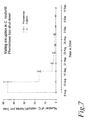
- the application of the pheromone results in a full trap shut-down of pheromone traps in the treated plot (release 2) indicating that the mixture and dose applied effectively interrupts mating of C. nasturtii within the treated plot (Fig. MD 1).
- the shut-down is effective at least over a period of four continuous weeks in which the trap catches differed significantly between pheromone treated plot and untreated control (Student's t-test, P ⁇ 0.05). During this time no midge was caught by the four randomly distributed pheromone traps in the pheromone treated plot while a cumulative number of 282 males was recorded in the untreated control (Fig. MD 1).
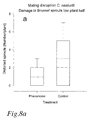
- Damage in low plant half is caused in the period of part one of the release from distance (without pheromone traps), damage in high plant half is caused in the period of part two of the release within the plots combined with testing trap shut down of pheromone traps. Reduction in damage is calculated as the relative difference (given in %) between pheromone treated plot and the untreated control plot.
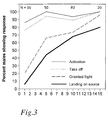
- the behaviors observed were activation (excited walking in glass tube), take off, oriented flight upwind towards the odour source (as opposed to flights to the walls of the tunnel), and landing on the filter paper (size 1 m2) impregnated with extract.
- N number of males tested for respective concentration of extract.
- FIG. WT 2 Number of landings on the odour source of swede midge males in the wind tunnel in response to single components and blends thereof.
- 2S9S (2S , 9S)-diacetoxyundecane
- 2S10S (2S,10S)-diacetoxyundecane
- 2S 2S-acetoxyundecane.
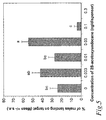
- FIG. WT 3 Number of landings on the odour source of swede midge males in response to blends with varying concentrations of 2S-acetoxyundecane.
- 2S9S-diacetoxy undecane and 2S10S-diacetoxyundecane were identical in all blends (1.5 ng/dispenser and 3 ng/dispenser, respectively).
- Each concentration of 2S was tested with 9 (0.01 ng, 0.1 ng) or 10 groups of males (other conc.), each consisting of 5 males. Values topped by different letters are significantly different (p ⁇ 0.05, Tukey -Kramer H SD).
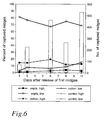
- FIG. Field 1 Field assay with released midges and pheromone traps loaded with a blend of pheromone components (2S9S : 2S10S : 2S 1 : 2 : 0.02) on either elastomeric septa, or cotton rolls, or traps with no dispensers (control).
- FIG. MD 2 Effect of mating disruption of the Swede midge Contarinia nasturtii with the tested sexual pheromone mixture and dosage on typical damage of the midge in Brussels sprouts.
- Box plot shows median value (solid), mean (dotted), 25th, 75th percentile (Box), 10th, 90th percentile (error bars).
Landscapes
- Chemical & Material Sciences (AREA)
- Organic Chemistry (AREA)
- Life Sciences & Earth Sciences (AREA)
- Agronomy & Crop Science (AREA)
- Pest Control & Pesticides (AREA)
- Plant Pathology (AREA)
- Health & Medical Sciences (AREA)
- Engineering & Computer Science (AREA)
- Dentistry (AREA)
- General Health & Medical Sciences (AREA)
- Wood Science & Technology (AREA)
- Zoology (AREA)
- Environmental Sciences (AREA)
- Agricultural Chemicals And Associated Chemicals (AREA)
- Catching Or Destruction (AREA)
- Organic Low-Molecular-Weight Compounds And Preparation Thereof (AREA)
Abstract
Description
- The present invention relates to new pheromones and method of preventing infestation of the swede midge, Contarinia nasturtii in Brassica vegetables, in particular Brussels sprouts, cauliflower and broccoli. In particular the present invention relates to sexual pheromones of C. nasturtii, and their use for the monitoring of the presence of C. nasturtii, as well as controlling said insect, method for its use, as well as compounds having such an activity.
- The object of the present invention is to obtain a possibility to reduce infestation of Brassica vegetable plants by C. nasturtii. The object of the present invention is to obtain a possibility to determine the quantitative presence as well as the emergence time of C. nasturtii for monitoring purpose, and to obtain an efficient control of C. nasturtii by forecasting optimal timing of plant protection measures based on results of the above mentioned monitoring.
- A further object of the invention is to obtain an environmentally acceptable control of C. nasturtii by applying the sexual pheromones of C. nasturtii to interrupt mating and thereby reproduction of the pest in the treated cultures.
- Cecidomyiidae, gall midges, is a family encompassing about 5000 species (Gagné 1989) of which several are important noxious insects within the agricultural area all over the world. One of these gall midges is C. nasturtii, which infests Brassica vegetables, in particular Brussels sprouts, cauliflower and broccoli. The female C. nasturtii lays its eggs in the tips (buds) of cruciferous host plants, where the larvae feed and develop. Feeding damage near the growing tips induces distortion and gall-like symptoms. When the larvae have become fully developed they will go down into the soil and form cocoons, in which they will pass into the chrysalis stage and then either emerge to start the next generation cycle, or begin a diapause, which can be one or two winters long. In springtime, the larvae will leave the winter cocoon and create a summer cocoon in which it will develop to chrysalis and then to an adult midge.. The emergence is determined by temperature and moisture. Mating is thought to occur shortly after emergence. Both sexes are known to leave the emergence field (due to crop rotation usually not a cruciferous crop) and once mated females will look for a field with a Brassica crop to lay their eggs.
- One reason for high damage levels is the lack of a good monitoring method for determining the time of emergence. The (monitoring) method used today means sifting and floatation of soil samples, which are then analysed under microscope to determine in which development stage the chrysalises are. The analyses are carried out by someone skilled in the art and are very time consuming. Soil samples of a few fields are, however, only analysed. As the emergence is dependent on the local climate (moisture and temperature) the accuracy of (the monitoring) becomes low with regard to other fields. Furthermore, the adults appear very suddenly and for a short time period, and as the control actions must be carried out prior to egg laying, the method is very uncertain. It requires a very efficient communication system as well, in order to reach all farmers with the results of the prognostication (monitoring) and recommendation concerning the time for controlling action. Currently, the only available monitoring method is based on the exposition of yellow pan traps filled with water and a detergent. The traps do not catch species-specifically, but rather all phytophagous insects are attracted and, therefore, the analysis of the trap content is laborious and the tiny swede midges can be detected and identified only by well trained personnel. Furthermore, the trapping efficiency of yellow traps is low for the swede midge and, with rather low populations, the crop is frequently damaged by C. nasturtii even when no midges are detected in traps. Temperature-based forecasting methods have been developed but failed to give accurate, field-specific prognosis.
- In pheromone based monitoring methods a limited number of traps baited with a pheromone related to the intended insect, in particular a sexual pheromone, in synthetic form, are used. A pheromone trap is the most sensitive monitoring system known today. Using such, even very low population densities can be detected. Since pheromones are highly specific with respect to the attracted insect species, traps baited with such pheromones catch predominantly the targeted species, which greatly facilitates the analysis of the traps content and the detection of the respective species.
- Noxious insects, as well as all other insects, can vary a lot in number from year to year and their occurrence during the season may vary too. The difficulty is thus to know if and when they need to be controlled. The trap catches will, however, provide an answer to three essential questions, viz: 1) if the insect is present in the field; 2) when the insect is present in the field; and 3) approximately how many there are. The answer to the first question is essential to prevent or eliminate unnecessary control treatments as a matter of precaution, using insecticides. Having the answer to question no. 2), an optional control treatment can be made at the right time, i.e, when the insect is there.
- Pheromone baited traps do not provide an exact measure of the population density but the catch result denotes if there is a low, an average, or a high risk infestation. Pheromone based monitoring systems are used today for about 200 different noxious insects, in particular moths. With such monitoring traps the use of insecticides can be lowered with 50 to 75 %. Unnecessary control treatment can thus be avoided, which not only reduces the farmer's costs but also limits the adverse effects on the environment. Should the trap catches indicate that control treatments are necessary, one will be able to carry out the control at the most sensitive development stage of the insect.
- Chemical insecticides to noxious insects will, with regard to the impact on the environment and their quite often broad control spectrum (i.e., they target many different insects), be replaced by biological control methods. Such methods utilize basic knowledge of the ecology and biochemistry of the specific insects. The precision, i.e., the desired species specificity can thus become very high. The methods, which are the commercially most successful ones, are based on the sexual pheromones or other pheromones of insects. The use of pheromones in insect pest management is based on the use of naturally occurring compounds at naturally occurring amounts and concentrations, which means maximum consideration of the environment.
- When controlling noxious insects with sexual pheromones one imitates and utilizes the natural situation in which a female attracts a male by emitting the sexual pheromone, which will be spread as a mist in the wind direction. A male who comes into the pheromone plume responds by flying against the wind towards the female. For control purposes, a large number of synthetic pheromone sources are applied in an area that will thus be flooded with pheromone. In this scent environment the female's own signal will be drowned and the male will have no possibility to find her. The technique is called mating disruption and is a commonly spread control method.
- It has been shown that females use a sexual pheromone in order to attract the males in approximately 10 gall midge species (for a review, see Harris and Foster, 1999; Hillbur, 2001 ). However, chemical identifications of pheromones have so far only been made in the pea midge, C. pisi(Hillbur et al. 1999, 2000, 2001), the orange wheat blossom midge, Sitodiplosis mosellana (Gries et al. 2000), and the Douglas-fir cone gall midge, C. oregonensis (Gries et al. 2002).
- It has now been found possible to control C. nasturtii by prognostication (monitoring), or mating disruption, with a mixture of the pheromones (2S,9S)-diacetoxyundecane, (2S,10S)-diacetoxyundecane and 25-acetoxyundecane.
- Larvae of C. nasturtii (Kieffer) were collected in August 2000 from heavily attacked Brussels sprouts of a field near Kerzers (Canton Freiburg, Switzerland). Infested growing tips were placed on a peat-soil mixture where larvae pupated when they had completed their development. The pots containing the pupae were stored in cages, and from the emerging adults a continuous laboratory culture was established. Similarly, larvae from a field near Ins (Canton Bern, Switzerland) were added to the culture in 2001.
- C. nasturtii larvae were reared on cauliflower, Brassica oleracea convar. botrytis, cv. Candid Charm. Food plants were grown in pairs in pots (
diameter 13 cm) in a substrate consisting of 85 % peat and clay (Floraton no. 5, Floragard, Oldenburg, Gemany) in a greenhouse at 15 - 30°C with additional light supplied during winter months. Plants were kept free of aphids and white flies by spraying them, if necessary, once with pymetrozine (0.025 % a.i.) not later than 3 weeks before they were used as food plants. When plants had 8 to 10 true leaves and a tip diameter of 5 - 10 mm, they were transferred to climate rooms with 22 °C, R.H.75 %, and L/D = 16/8. In there, they were placed into cages (50x50x50 cm) made of perspex with the two side walls consisting of a fine-meshed screen. The cages contained 100-200 midges, males and females that were allowed to oviposit on the plants for 24 hrs. Then the plants were removed, replaced by the next batch, and incubated at the above mentioned conditions. Every day, the tips of the plants, where larvae became visible 5-6 days after oviposition, were misted with tap water. - If larvae were used to supply the culture, aboveground plant parts were cut off on
day 17 after oviposition before the pots with substrate containing the pupae were placed in the oviposition cages where midges were allowed to hatch. If midges were supposed to be used for EAG-work or for the collection of pheromone gland extracts, aboveground plant parts were cut off onday 15. Males for wind tunnel experiments were prevented from getting a chance to mate by placing glass cylinders over pots. In the morning after the night when the first midges had hatched, these cylinders, containing usually only males, were set aside before females started to emerge. - The pots with infested soil were put in glass cages (28 x 28 x 33 cm) and kept at L/D 18/6, 25°C, and
RH 70 % for the adults to emerge. After emergence, males and females were transferred to separate cages. Females were kept under the conditions mentioned and males were kept at L/D 18/6, 15°C, and RH 75 %. Gland extracts were prepared by excising the ovipositors of females exhibiting calling behaviour, i.e. extending their ovipositor (see Harris and Foster (1999) for a detailed description). The ovipositors were collected in a vial kept in liquid nitrogen and then extracted for 1-2 min in redistilled hexane (LabScan). Extracts were kept in sealed glass capillaries at - 18°C until use. - Calling females were collected from the laboratory culture and submersed in batches in hexane (p.a. grade) for 15 min at room temperature. The supernatant was then decanted and concentrated to the highest concentration tested by blowing off the hexane with N2.
- Male antennal response to ovipositor extracts was analysed by gas chromatography with electroantennographic detection (GC-EAD). The GC used was a Hewlett Packard 6890 GC with flame ionization detection and an Innowax column (30 m x 0.25 mm ID, Hewlett Packard, USA). The column temperature was programmed from 80 °C (2 min hold) to 230 °C at 10°C/min. The antennal recordings were made using a Plexiglass holder with two wells connected to an amplifier by gold wire electrodes (JoAC, Lund, Sweden; Zhang et al., 1997; Hillbur, 2001). Male insects were mounted in the holder as described by Hillbur et al. (2000). The antennal preparations were continuously exposed to a charcoal filtered and humidified air stream (0.3 m/s) through a glass tube (8 mm diam.). Antennal signals were amplified (JoAC) before they were recorded and analysed with ElectroAntennoGraphy software (Syntech, Hilversum, The Netherlands).
- Analyses were carried out by coupled gas chromatography mass spectrometry (GC-MS). A Hewlett-Packard gas chromatograph 5890 (Palo Alto, California, USA) was linked to a double focusing sector-field
mass spectrometer VG 70/250 E (Vacuum Generators, Manchester, UK) operated at 70 eV. Alternatively, a quadrupole instrument (MD 800/GC 8060, Fisons, Ismaning, Germany) was employed. Using helium as carrier gas, separations were achieved with a 60m x min 50°C, then programmed to 280 °C at a rate of 5°C/min. In addition, a 50m x min 50 °C, then programmed to 220°C at a rate of 3 °C/min. Separation of stereo isomers was carried out with a 25m x - Fine chemicals and solvents were purchased from Aldrich or Merck and were of highest purity available. Purifications of synthetic products were carried out by flash chromatography on silica gel (silica 32-63, 60 Å, ICN-Biomedicals, Eschwege, Germany) at 1.3 bar using mixtures of ethyl acetate and hexane.
- Under argon atmosphere a Grignard reagent was prepared from 10.0 g (56.6 mmol) 7-bromohept-1-ene and 2.06 g (84.8 mmol) freshly ground magnesium cuttings in 50 ml abs. tetrahydrofuran at 60°C. After cooling to room temperature, the solution was added dropwise to 3.3 g (4 ml, 56.7 mmol) (S)-methyloxiran and 1.1 g (5.7 mmol) copper-I-iodide dissolved in 40 ml tetrahydrofuran at -78°C. Subsequently, the solution was warmed to room temperature and stirred for an additional hour. After addition of 300 ml saturated aqueous ammonium chloride solution, the mixture was extracted with 200 ml ethyl acetate. The aqueous layer was separated and extracted three times with 200 ml of a 1:1 1 mixture of ethyl acetate and hexane. The combined organic extracts were dried over magnesium sulphate and concentrated in vacuo. Purification by flash chromatography (10 % ethyl acetate in hexane) furnished 6.2 g (39 mmol, 70 %) of (S)-2-dec-9-ene-2-ol.
- To a suspension of 3.2 g (133 mmol) sodium hydride (freed from paraffin) in 105 ml ice cold abs. tetrahydrofuran was added 6.2 g (39.5 mmol) (S)-dec-9-ene-2-ol under argon. After stirring for 2 h, 470 mg (1.3 mmol) tetra-n-butyl ammonium iodide were added, followed by dropwise addition of 13.5 g (9.4 ml, 78.9 mmol) benzyl bromide, while stirring was continued for 12 h. Subsequently, 50 ml saturated aqueous ammonium chloride solution were added at 0°C followed by 50 ml hexane. The aqueous layer was separated and extracted four times with 100 ml of a 1:4 mixture of ethyl acetate/hexane. The combined organic layers were dried over magnesium sulphate and concentrated in vacuo. Flash chromatography (5 % ethyl acetate in hexane) furnished 9.7 g (39.4 mmol, 100 %) (S)-2-benzyloxydec-9-ene.
- A vigorously stirred solution of 6.0 g (24.3 mmol) (S)-2-benzyloxydec-9-ene in 300 ml of a 1:1 mixture of water and tert-butanol was cooled to -10°C. After addition of 29.2 g AD-Mix β (i.e. 1.2 g per mmol alkene) the mixture was stirred at 4 °C for 40 h. Subsequently, 30.0 g (158 mmol) sodium disulfite were added, and the mixture was stirred at 20°C for another hour. The brownish suspension was extracted three times with 250 ml ethyl acetate. The organic layers were combined, dried over magnesium sulphate, and concentrated in vacuo. Flash chromatography (ethyl acetate and hexane 1:1) furnished 4.2 g (15 mmol, 62 %) (2R,9S)-9-benzyloxydecan-1,2-diol as a colourless oil.
- To an ice cold solution of 4.6 g (16.4 mmol) (2R,9S)-9-benzyioxydecane-1,2-diol in 50 ml abs. pyridine was slowly added a solution of 2.9 g (15 mmol) p-toluene sulfonyl chloride in 20 ml abs. pyridine. Stirring was continued for 5 h at 0 °C and 12 h at 4°C. Subsequently, 150 ml ice water (brought to
pH 5 with 0.1 % hydrochloric acid) were added and 60 ml diethyl ether. Subsequently, the aqueous layer was extracted four times with 120 ml diethyl ether. The combined organic layers were washed three times with 100 ml of an aqueous, saturated solution of copper-II-sulphate and two times with 100 ml brine. The organic layer was dried over magnesium sulphate and concentrated in vacuo. Flash chromatography (10 % ethyl acetate in hexane) furnished 4.6 g (10.5 mmol, 64 %) (2R,9S)-9-benzyloxy-1 (p-tolylsulfonyloxy) decane-2-ol. - To 11.8 ml of a commercially available solution of 20 % methyl magnesium chloride (31.4 mmol) in tetrahydrofuran were added 20 ml abs. tetrahydrofuran. The solution was cooled to -78 °C, and 595 mg (3.14 mmol) copper-I-iodide were added. After stirring for 15 min, a solution of 4.55 g (10.5 mmol) (2R,9S)-9-benzyloxy-1(p-tolylsulfonyloxy)-decane-2-ol in 10 ml abs. tetrahydrofuran was added over a period of 2 h. The solution was warmed to -30 °C and stirred for another hour. Subsequently, 150 ml saturated aqueous ammonium chloride and 50 ml diethyl ether were added at 0 °C. The aqueous layer was extracted three times with 150 ml ethyl acetate. The combined organic layers were dried over magnesium sulphate and concentrated in vacuo. Flash chromatography (16 % ethyl acetate in hexane) furnished 2.6 g (9.4 mmol, 90 %) (2S,9S)-2-benzyloxyundecane-9-ol.
- To a solution of 1.95 g (7 mmol) (2S,9S)-2-benzyloxyundecane-9-ol in 30 ml ethanol was added 20 mg Pd/C-catalyst. Hydrogenation was carried out over a period of 12 h at a pressure of 40 atm. After completion of the reaction, the catalyst was filtered off over silica, and the solution was concentrated in vacuo. Flash chromatography (ethyl acetate: hexane 1:1) yielded 1.2 g (6.4 mmol, 92 %) (2S,9S)-undecane-2,9-diol.
- A solution of 1.40 g (7.4 mmol) (2S,9S)-undecane-2,9-diol in 20 ml abs. pyridine was cooled to 0°C. After addition of a small amount of 4-dimethylaminopyridine, 2.3 g (2.1 ml, 22.3 mmol) acetic anhydride were added dropwise, and the fixture was stirred for another two hours at room temperature. Usual workup followed by flash chromatography (7 % ethyl acetate in hexane) furnished 1.9 g (6.9. mmol 93 %) (2S,9S)-diacetoxyundecane.
- Under an argon atmosphere a Grignard reagent was prepared from 2.5 g (10.9 mmol) 1,5-dibromopentane and 795 mg (32.6 mmol) freshly ground magnesium cuttings in 25 ml abs. tetrahydrofuran at 60 °C. After cooling to room temperature, the solution was added dropwise to 1.24 g (1.5 ml, 21.7 mmol) (S)-methyloxiran and 420 mg (2.17 mmol) Cu-I-iodide, dissolved in 10 ml abs. tetrahydrofuran at -78 °C. Subsequently, the solution was warmed to room temperature and stirred for another hour. After addition of 250 ml of saturated aqueous ammonium chloride solution, the mixture was extracted with 100 ml ethyl acetate. The aqueous layer was separated and extracted three times with 150 ml of a 1:1 mixture of ethyl acetate and hexane. The combined organic extracts were dried over magnesium sulphate and concentrated in vacuo. Purification by flash chromatography (20 % hexane in ethyl acetate) furnished 1.1 g (5.84 mmol, 54 %) (2S,10S)-undecane-2,10-diol.
- A solution of 1.1 g (5.8 mmol) (2S,10S)-undecane-2,10-diol in 15 ml abs. pyridine was cooled to 0 °C. After addition of a small amount of 4-dimethylaminopyridine, 1.79 g (1,66 ml, 17.5 mmol) acetic anhydride were added dropwise, and the mixture was stirred for another two hours at room temperature. Usual work up followed by flash chromatography (10 % ethyl acetate in hexane) furnished 1.38 g (5.1 mmol, 87 %) (2S,10S)-diacetoxyundecane.
- A Grignard reagent was prepared from 2.8 g (14,7 mmol) 1-bromooctane and 900 mg (37.0 mmol) freshly ground magnesium cuttings and reacted with 853 mg (1.03 ml, 14.7 mmol) (S)-methyloxiran. The preparation procedure and work up followed the protocol as described for the synthesis of (S)-dec-9-ene-2-ol. After flash chromatography of the crude product, (20 % ethyl acetate in hexane), 2.0 g (11.6 mmol, 79 %) (2S)-undecane-2-ol were obtained.
- Acetylation of 2.0 g (11.6 mmol) (2S)-undecane-2-ol followed the protocol as described above for the acetylation of the undecane diols. Work up followed by flash chromatography (5 % ethyl acetate in hexane) furnished 2.3 g (10.7 mmol, 93 %). (2S)-acetoxyundecane.
- Wind tunnel experiments were performed in the 2nd to 4th hour of the photophase at 22°C and 73 % r.h. in a wind tunnel described in detail by Rauscher et al. (1984) .
- Compounds were diluted in hexane (p.a. grade). For the bioassays, 10 µl of the stimulus to be tested was applied onto a piece of filter paper (Chromatographiepapier "Schleicher & Schuell AG" Auer-Bittmann Soulié AG, Zürich, Switzerland, 69.2gr/m2, 1 cm2) which was then placed in the air stream at least 20 sec before the first male was tested. For each stimulus, a series of five males were tested individually, requiring a total of 5-10 min for each series. For each series, a new piece of filter paper was loaded with the respective stimulus.
- Males were kept individually in glass tubes (10 cm, 15 mm i.d.) closed at one end with a piece of screen (mesh size 1 x 1 mm) until they were tested. With these tubes they were transferred into the wind tunnel, where the tube was placed on a pole in horizontal position with the opening upwind, at a distance of 130 cm downwind from the odour source. Time recording was then started and the following steps recorded: Activation by wing-fanning, take off, directed flight towards the odour source, flights closer than 30 cm from the source ("close in"), landing on the source or elsewhere. The test was stopped when no activity or take off was registered during 2min or when the insect landed elsewhere.
- Of the recorded parameters only the number of successful landings on the source were analyzed
- The blend with the highest attractiveness in the wind tunnel was tested in the field. Treatments tested were either dispensers consisting of red rubber septa (used as lids for serum bottles, VWR International, S-220 09 Lund, Schweden, weight=1.7g), or dental cotton rolls (Hillbur et al., 2000), or control traps without pheromone dispensers. Cotton rolls were cut and one third was used per dispenser. Both dispenser types were loaded with a blend of 500 ng (2S, 9S)-diacetoxyundecane, 1000 ng (2S,10S)-diacetoxyundecane, and 10 ng (2S)-acetoxyundecane, diluted in 20 µl of hexane. Delta traps made of waxed cardboard were provided by PheroNet AB. They had a height of 10 cm and a sticky insert of 15.5 x 9 cm. Dispensers were positioned 1-2 cm above the insert.
- The field assay was performed in a plot with broccoli (B. oleracea convar botrytis var. italica cv. Fiesta) two weeks before harvest. At this stage, plants were 50-70 cm in height, the leaf canopy was closed, and between broccoli plants numerous weeds were growing. Pots containing substrate with 150-250 pupae each of laboratory-reared midges were placed in the field. Two groups of 5 pots each were arranged in the centre of the field, 8 m apart from each other. The pots were replaced by a
new batch 7 days later. Groups of traps were placed at 6 locations, all between 3.5 and 5 m from the nearest release point. Each trap group consisted of 6 traps, belonging to the three different treatments, each exposed at two different heights above ground. Traps with the same treatment were fixed on the same pole at 20 or 55 cm above ground, and at 30-40 cm from the next pole of the same group. The sticky inserts were replaced 5 times within the 10 day experimental period and midges were counted with a binocular microscope. - The blend of the pheromone used in the field assays for monitoring was tested for its effect on mating disruption in the field. Two equally designed and planted plots of Brussels sprouts (Brassica oleracea var. gemmifera cv. Helemus) were used to perform two release experiments each (
release 1,release 2; see below) with the midges. The dimensions of the plots were 16 x 16 m each with a distance of 1 m between the rows and about 40 plants per row (640 plants per plot). Before the experiments both plots had no Brassica planted for several years and therefore no natural population of C. nasturtii. The two plots were located about 500 m apart and separated by a row of greenhouses excluding movements from one plot to the other. One plot was treated with pheromone for mating disruption, the other plot was not treated and used as control. - The pheromone applied for mating disruption on the treated plot was distributed with dispensers made of whole dental cotton rolls (
diameter 1 cm). Each dispenser was covered by a delta-formed 10 cm wide sheet made of white plastic foil as rain protection (10 cm high; open to the sides) and mounted at a height of 45 cm. Dispensers were spaced in a rectangular 2 x 2 m grid over the entire plot. - The dose of pheromone applied per square metre on the treated plot was 12.5 µg (2S, 9S)-diacetoxyundecane, 25 µg (2S,10S)-diacetoxyundecane, and 250 ng (2S)-acetoxyundecane. In order to achieve this dose each dispenser was loaded with a blend of 50 µg (2S, 9S)-diacetoxyundecane, 100 µg (2S,10S)-diacetoxyundecane, and 1 µg (2S)-acetoayundecane, diluted in 100 µl of hexane. Freshly loaded dispensers were installed three days prior to each of the two release experiments.
- For each release experiments, 12 pots per plot containing substrate with 150-250 pupae each of laboratory-reared midges were placed in the field. The total expected emergence of adults midges was about 1000 males and 1000 females per plot and release.
- In
release 1, the pots were placed on 20 July 2004 in a row with a distance of 30 m from the treated and control plot in western direction, each. The plants on the plots were about 50 cm high by that time and had an age of 10 weeks from planting. The design tested whether mating disruption in a target field is effective even when the emergence area is not treated by the pheromone. - In
release 2, the pots were placed on 9 August 2004 randomly distributed within the treated and control plot, each. The plants on the plots were about 65 cm high by that time and had an age of 13 weeks from planting. The design tested whether mating disruption in a target field is effective for midges emerging from within the planted plot. - Furthermore the general effectiveness of mating disruption was controlled with a test for pheromone-trap-shut down. For latter, four pheromone traps each (as used in the field assays for mating disruption with cotton dispenser) were randomly distributed over the treated and control plot. From
release 2 on, the sticky inserts of those 8 traps were changed and counted in three- or four-day intervals for about six weeks. - Damage for both release experiments was scored at harvest time by the end of September 2004. Randomly starting within each row, every fifth plant was chosen for damage scoring and taken out, i.e. about 130 plants each were scored for the control and the treated plot. Each plant was scored for early damage from release 1-midges (lower plant half) and later damage from release 2-midges (higher plant half). Damage types scored were the number of distorted sprouts and the number of sprouts with cork damage. Additionally the number of dwarf sprouts at the basis of the plants was counted.
- GC-EAD analysis of ovipositor extract revealed two peaks that elicited a response in the male antenna.
- The mass spectra of the two EAD-active peaks (
Fig. 2 ) were found to show a similar pattern to those of 2,11-diacetoxytridecane and 2,12-diacetoxytridecane, the major pheromone components of the pea midge, C. pisi (Hillbur et al., 1999). Signals in the higher mass region pointed to a molecular mass of M = 272, suggesting the target compounds to be 2,9-diacetoxyundecane and 2,10-diacetoxyundecane. This was in line with a diagnostic signal at m/z 152 representing an undecadiene-fragment and with a retention index lower than that of the C. pisi compounds. The synthesis of the optically active stereo isomers of 2,10-diacetoxyundecane was straight forward (Fig. 1 ). The bis-Grignard reagent of 1,4-dibromopentane (Aldrich) was reacted with optically active 2-methyloxirane to furnish (2R,10R)- or (2S,10S)-undecane-2,10-diol, respectively. The corresponding diacetates were produced upon reaction with acetic anhydride. Using a chiral stationary phase, coinjection of the synthetic stereoisomers and a C. nasturtii extract showed only (2S,10S)-diacetoxyundecane to coelute with the natural product. In analogy this result strongly suggested the other EAD-active compound to show (2S,9S)-configuration. The synthesis of the target compound started from commercially available 1-bromohept-6-ene, which was chain elongated with (S)-methyloxiran via Grignard reaction. The resulting (S)-2-dec-9-ene-2-ol was benzylated and reacted with AD-Mix-β to furnish (2S,9S)-9-benzyloxydecane-1,2-diol. After tosylation of the primary hydroxy group, chain elongation was carried out with methyl magnesium chloride in the presence of copper-I-iodide. Debenzylation upon hydrogenation and acetylation completed the syntheses of (2S,9S)-2,9-diacetoxyundecane. Upon chiral gas chromatography, the synthetic compound coeluted with the natural product. - Using a synthetic sample to check for retention times and using single ion monitoring mass spectrometry (m/
z 43, 87) we found a target compound in the natural extract in extremely small amounts. However, due to its low concentration, we were unable to determine the stereoisomeric composition of the natural product. - Response to female extract: The number of males flying upwind and landing on the odour source increased with increasing doses of female extract on the filter paper (Fig. WT 1). At the dose of 15 female equivalents, 92 % of the males closed in towards the odour source and 80 % landed on it. This result proved that the set-up was suitable to test also synthetic potential pheromone compounds.
- Response to synthetics and mixtures: The identified pheromone components did not elicit responses directed towards the odour source (Fig WT 2). Less than 15 % of the tested males started from the release point and no males flew towards the odour source. A blend of the two major components (2S,9S)-diacetoxyundecane and (2S,10S)-diacetoxyundecane mixed in a ratio similar to that of the two compounds in pheromone gland extract at best stimulated 26% of the males to exhibit the whole behavioural sequence from take off to landing on the odour source (Fig. WT 2). Adding 2 % of (2S)-acetoxyundecane to the blend yielded a much more attractive three-component blend with a landing rate of 86.8 % for the most attractive concentration, for which a total of 250 males were tested.
- Optimizing the relative concentration of (2S)-acetoxyundecane: In blends with 1.5 ng/dispenser of (2S,9S)-diacetoxyundecane and 3.0 ng/dispenser of (2S,10S)-diacetoxyundecane the concentration of (2S)-acetoxyundecane was varied in order to find the optimal relative concentration of this compound (Fig. WT3). A concentration of 0.03 ng/dispenser proved to be most attractive. This concentration corresponds to that of the dose-response curve in Fig. WT2. While concentrations of (2S)-acetoxyundecane equal or lower than 0.03 ng/dispenser induced landings in at least as many males as did the binary blend (cf. Fig WT3, conc. (2S)-acetoxyundecane = 0), higher concentrations were inhibitory and significantly reduced the proportion of males landing. Therefore, a ratio of components corresponding to the blend with 0.03 ng/dispenser in this experiment, i.e. weight ratio (2S,9S)-diacetoxyundecane : (2S,10S)-diacetoxyundecane : (2S)-acetoxyundecane = 1 : 2 : 0.02, was used in the following field experiments.
- A total of 1500-2500 males were released for this experiment and a total of 1543 males were captured in the exposed traps during 10 days. None of the control traps without pheromone dispensers ever contained a male C. nasturtii (Fig. Field 1). Over the whole assay, the traps in the lower position captured on average 81.9 % ± 2.12 of the males (mean ± s.e., N = 5 dates of counting midges). This indicates that midges, at least for short range dispersal within vegetable fields, fly close to the soil.
- Traps with cotton rolls as dispensers captured 88.4 % ± 2.35 of all midges captured (mean ± s.e., N = 5 dates of counting midges), indicating that the pheromone blend released from the cotton rolls was more attractive than that from the rubber septa, which may be due to the release rate from and absorbance to the septa.
- The assay was conducted in a field that had little C. nasturtii damage in recent years. Hence, the indigenous population was likely to be low during the experiment.
Therefore, a comparison between the estimated number of released midges and the captured males suggests a high recapture rate, probably above 50 %, despite the simultaneous presence of females that were probably calling during some time of the assay. This indicates a very high efficiency of the trap within the tested range of 3 - 5 m. - In this preliminary field assay that was set up in Brussels sprouts in the region of Ins (Kanton Bern, Switzerland) two traps captured male midges for 6 weeks. From the sticky papers of these traps, a total of 100 male midges were identified based on a molecular diagnosis method (Frey et al., submitted) and all turned out to be C. nasturtii. Thus, there is evidence that the tested blend is not only attractive to C. nasturtii males but that this attractiveness is also species-specific to a substantial degree. However, to consolidate this finding, more evidence is needed from all C. nasturtii flights over the whole season. Furthermore, the developed trap must be tested in various regions with C. nasturtii populations throughout the world so that species-specificity of the catches can be assessed for the respective regions.
- The application of the pheromone results in a full trap shut-down of pheromone traps in the treated plot (release 2) indicating that the mixture and dose applied effectively interrupts mating of C. nasturtii within the treated plot (Fig. MD 1). The shut-down is effective at least over a period of four continuous weeks in which the trap catches differed significantly between pheromone treated plot and untreated control (Student's t-test, P<0.05). During this time no midge was caught by the four randomly distributed pheromone traps in the pheromone treated plot while a cumulative number of 282 males was recorded in the untreated control (Fig. MD 1).
- Both release experiments show a significant reduction of damage caused by the infection by C. nasturtii (Fig.
MD 2, Table MD 1). With respect release 1 (from the distance) the damage could be reduced by 68.5 % in the number of distorted sprouts and 80.3 % in the number of cork-damaged sprouts (Table MD 1, Fig. MD 2 a). This means that mating disruption in a target field is effective even when the emergence area is not treated by the pheromone. Consequently a considerable number of females must have been mated within the treated crop plot and not at the emergence place located in 30 m distance. In release 2 (within the field) the damage could be reduced by 74.8 % in the number of distorted sprouts and 34.2 % in the number of cork-damaged sprouts (Table MD 1, Fig. MD 2 a). The overall-reduction of damage symptoms in the two release experiments was 58.8 % with a highly significant difference between the treated plot and the control. Statistics are given inTable MD 1. Although further experiments are necessary with field populations of C. nasturtii the method tested here proofs effective for controlling the Swede midge in Brassica cultures.Table MD 1: Summary data of damage in Brussels sprouts that underwent part one and Damage type analyzed (b-e: possible relation to Number of sprouts damaged per plant Pheromone Control Reduction of damage with treatment C. nasturtii) Mean SE Mean SE (Student's t-test) Dwarf sprouts (a) at plant basis 2.262 0.117 2.214 0.130 -2.2% (P=0.78, n.s.) Distorted sprouts (b) (low plant half) 0.946 0.118 3.000 0.267 68.5% (P<0.00001) Cork damaged sprouts (c) (low plant half) 0.062 0.021 0.313 0.070 80.3% (P<0.001) Distorted sprouts (d) (high plant half) 0.023 0.017 0.092 0.033 74.8% (P=0.069, n.s.) Cork damaged sprouts (e) (high plant half) 1.000 0.155 1.519 0.166 34.2% (P<0.05) Sum of symptoms (b-e) 2.031 0.211 4.924 0.424 58.8% (P<0.00001) Sample size (number of plants) 130 131 (20% of all plants each) -
-
FIG. 1 Synthesis schemes -
FIG. 2 Mass spectra of two EAD peaks - FIG.
WT 1 Response in a wind tunnel of male C. nasturtii to total body extracts of calling females. The behaviors observed were activation (excited walking in glass tube), take off, oriented flight upwind towards the odour source (as opposed to flights to the walls of the tunnel), and landing on the filter paper (size 1 m2) impregnated with extract. N = number of males tested for respective concentration of extract. - FIG.
WT 2 Number of landings on the odour source of swede midge males in the wind tunnel in response to single components and blends thereof. 2S9S = (2S,9S)-diacetoxyundecane, 2S10S = (2S,10S)-diacetoxyundecane, 2S = 2S-acetoxyundecane. Single cpds: response to either one of the three components tested indiviually at the concentrations indicated was always = 0. N >= 50 for all concentrations of blends tested, N>= 20 for concentrations of single components. - FIG.
WT 3 Number of landings on the odour source of swede midge males in response to blends with varying concentrations of 2S-acetoxyundecane. 2S9S-diacetoxy undecane and 2S10S-diacetoxyundecane were identical in all blends (1.5 ng/dispenser and 3 ng/dispenser, respectively). Each concentration of 2S was tested with 9 (0.01 ng, 0.1 ng) or 10 groups of males (other conc.), each consisting of 5 males. Values topped by different letters are significantly different (p <0.05, Tukey -Kramer H SD). - FIG.
Field 1 Field assay with released midges and pheromone traps loaded with a blend of pheromone components (2S9S : 2S10S : 2S = 1 : 2 : 0.02) on either elastomeric septa, or cotton rolls, or traps with no dispensers (control). For each treatment traps were either positioned 20 cm (low) or 55 cm (high) above ground. Bars indicate the total number of midges in all traps on respective days. Lines indicate the distribution of these midges among the treatments. - FIG.
MD 1 Pheromone trap shut-down of the Swede midge Contarinia nasturtii with the tested sexual pheromone mixture and dosage in Brussels sprouts showing effective mating disruption in the treated area. Average number of males caught per randomly distributed pheromone trap and sampling interval (mean, standard error). For four continuous weeks after release no midge was caught by the four randomly distributed pheromone traps in the treated plot while a cumulative number of 282 males was recorded in the untreated control. From starting the experiment to 3 September (four weeks) the trap catches differed significantly between pheromone treated plot and untreated control (Student's t-test, P<0.05). - FIG.
MD 2 Effect of mating disruption of the Swede midge Contarinia nasturtii with the tested sexual pheromone mixture and dosage on typical damage of the midge in Brussels sprouts. Box plot shows median value (solid), mean (dotted), 25th, 75th percentile (Box), 10th, 90th percentile (error bars). Both the number of distorted sprouts in the lower plant half (a) as the number of cork damaged sprouts in the higher plant half (b) differed highly significantly between pheromone treated plot and untreated control plot (Student's t-test, a: P < 0.00001, b: P=0.023, Mann-Whitney rank sum test, a: P < 0.001, b: P=0.003). -
- FREY, J.E., FREY, B. AND BAUR, R. 2004 (SUBMITTED). Molecular identification of the Swede Midge Contarinia nasturrii (Diptera: Cecidomyiidae) for surveys and testing the attractiveness and field-specificity of synthetic pheromone blends. Canadian Entomologist.
- GRIES R, GRIES G, KHASKIN G, KING S, OLFERT O, KAMINSKI L-A, LAMB R, BENNETT R. 2000. Sex pheromone of the orange wheat blossom midge, Sitodiplosis mosellana. Naturwiss. 87, 450-454
- GRIES R, KHASKIN G, GRIES G, BENNETT RG, KING GGS, MOREWOOD P, SLESSOR KN, MOREWOOD WD. 2002. (Z,Z)-4,7-Tridecadien-(S)-2-yl acetate: Sex pheromone of Douglas-fir cone gall midge, Contarinia oregonensis. J. Chem. Ecol. 28, 2283-2297
- HARRIS, M. O. and FOSTER, S. P. 1999. Gall midges, pp. 27-49, in Hardie, J. and Minks, A. K. (eds.). Pheromones of Non-Lepidopteran Insects Associated with Agricultural Plants. CAB International, Oxford, UK.
- HILLBUR Y., ANDERSON P., ARN H., BENGTSSON M., LÖFQUIST J., BIDDLE A.J., SMITT O., HOGBERG H.-E., PLASS E., FRANKE S., and FRANCKE W., 1999, Identification of sex pheromone components of the pea midge, Contarini pisi (Diptera: Cecidomyiidae). Naturwissenschaften 86:292-294.
- HILLBUR Y, EL-SAYED A, BENGTSSON M. LÖFQVIST J, BIDDLE A, PLASS E, FRANCKE W. 2000. Laboratory and field study of the attraction of male pea midges, Contarinia pisi, to synthetic sex pheromone components. J. Chem. Ecol. 26, 1941-1952
- HILLBUR Y, BENGTSSON M, LÖFQVIST J, BIDDLE A, PILLON O, PLASS E, FRANCKE, W, HALLBERG E. 2001. A chiral sex pheromone system in the pea midge, C. pisi. J. Chem. Ecol. 27, 1391-1407
- HILLBUR Y., 2001, Tracking the tiny - identification of the sex pheromone of the pea midge as a prerequisite for pheromone-based monitoring. Doctoral thesis, SLU, Agraria 275
- Rauscher, S., Arn, H., Guerin, P. 1984. Effects of dodecyl acetate and Z-10-Tridecenyl acetate on attraction of Eupoecilia ambiguella males to the main sex pheromone component, Z-9-Dodecenyl acetate. J. Chem. Ecol. 10:253-264.
- ZHANG, A., ROBBINS, P. S., LEAL, W. S., LINN, C. E., VILLANI, G., and ROELOFS, W. L. 1997. Essential amino acid methyl esters: major sex pheromone components of the cranberry white grub, Phyllophaga anxia (Coleoptera: Scarabidae). J. Chem. Ecol. 23:231-245.
Claims (15)
- The pheromone mixture comprising 2,9-diacetoxyundecane, 2,10-diacetoxyundecane and 2-acetoxyundecane, as a racemate or biologically active stereoisomers thereof.
- The pheromone 2,9-diacetoxyundecane as a racemate or a biologically active stereoisomer thereof.
- The pheromone 2,10-diacetoxyundecane as a racemate or a biologically active stereoisomer thereof.
- The pheromone mixture of C. nasturtii comprising (2S,9S)-diacetoxyundecane,(2S,10S)-diacetoxyundecane and (2S)-acetoxyundecane.
- The sex pheromone (2S,9S)-diacetoxyundecane of C. nasturtii.
- The sex pheromone (2S,10S)-diacetoxyundecane of C. nasturtii.
- A mixture according to claim 1 or 4, wherein the (2S,9S)-diacetoxyundecane, (2S,10S)-diacetoxyundecane and (2S)-acetoxyundecane are present in a weight ratio of 1:0.5-3:0.001-0.05, preferably 1:2:0.02.
- A method for preventing infestation of C. nasturtii in cabbage, wherein a sex pheromone mixture of C. nasturtii comprising (2S,9S)-diacetoxyundecane,(2S,10S)-diacetoxyundecane and (2S)-acetoxyundecane is used to monitor, catch, attract and kill and/or disrupt mating in is used in such amounts as to catch, attract & kill or disrupt mating in said C. nasturtii.
- Method for monitoring of C. nasturtii, wherein one applies 2,9-diacetoxyundecane, 2,10-diacetoxyundecane and 2-acetoxyundecane either as a racemate and/or as a biologically active stereoisomer, in a combination, in a trap in connection with a field or a geographical region to be monitored with regard to the presence of C. nasturtii.
- Method for prognostication (monitoring) of C. nasturtii according to claim 11, wherein one applies (2S,9S)-diacetoxyundecane, (2S,10S)-diacetoxyundecane and (2S)-acetoxyundecane either as a racemate and/or as a biologically active stereoisomer, in a combination.
- Method for controlling C. nasturtii, wherein one applies 2,9-diacetoxyundecane, 2,10-diacetoxyundecane and 2-acetoxyundecane, either as a racemate and/or as a biologically active stereoisomer, in a combination, in connection to a field, to be controlled, for mating disruption spreading of these compounds.
- Method for controlling C. nasturtii according to claim 11, wherein one applies (2S,9S)-diacetoxyundecane, (2S,10S)-diacetoxyundecane and (2S)-acetoxyundecane, either as a racemate and/or as a biologically active stereoisomer, in a combination.
- A dispenser comprising the sexual pheromone compounds 2,9-diacetoxyundecane, 2,10-diacetoxyundecane, and 2-acetoxyundecane, as racemates or biologically active stereoisomers in a combination for prognostication (monitoring) and/or control of C. nasturtii.
- A dispenser according to claim 13, comprising the sexual pheromone compounds (2S,9S)-diacetoxyundecane, (2S,10S)-diacetoxyundecane, and (2S)-acetoxyundecane in a combination, at the preparation of a dispenser for prognostication (monitoring) and/or control of C. nasturtii.
- A dispenser according to claim 13-14, whereby 2,9-diacetoxyundecane, 2,10-diacetoxyundecane, and 2-acetoxyundecane are present in a weight ratio of about 1:0,5-3:0.001-0.05, preferably 1:2:0.02.
Priority Applications (1)
| Application Number | Priority Date | Filing Date | Title |
|---|---|---|---|
| SI200530431T SI1715741T1 (en) | 2004-02-12 | 2005-02-11 | Pheromones and method of preventing infestation of contarinia nasturtii |
Applications Claiming Priority (2)
| Application Number | Priority Date | Filing Date | Title |
|---|---|---|---|
| SE0400302A SE528488C2 (en) | 2004-02-12 | 2004-02-12 | Pheromones and method for preventing infestation of contarinia nasturtii |
| PCT/SE2005/000186 WO2005077174A1 (en) | 2004-02-12 | 2005-02-11 | Pheromones and method of preventing infestation of contarinia nasturtii |
Publications (2)
| Publication Number | Publication Date |
|---|---|
| EP1715741A1 EP1715741A1 (en) | 2006-11-02 |
| EP1715741B1 true EP1715741B1 (en) | 2008-07-23 |
Family
ID=31885298
Family Applications (1)
| Application Number | Title | Priority Date | Filing Date |
|---|---|---|---|
| EP05704820A Expired - Lifetime EP1715741B1 (en) | 2004-02-12 | 2005-02-11 | Pheromones and method of preventing infestation of contarinia nasturtii |
Country Status (9)
| Country | Link |
|---|---|
| US (2) | US7608254B2 (en) |
| EP (1) | EP1715741B1 (en) |
| AT (1) | ATE401790T1 (en) |
| CA (1) | CA2555802A1 (en) |
| DE (1) | DE602005008381D1 (en) |
| DK (1) | DK1715741T3 (en) |
| SE (1) | SE528488C2 (en) |
| SI (1) | SI1715741T1 (en) |
| WO (1) | WO2005077174A1 (en) |
Families Citing this family (2)
| Publication number | Priority date | Publication date | Assignee | Title |
|---|---|---|---|---|
| SE528488C2 (en) * | 2004-02-12 | 2006-11-28 | Forskarpatent I Syd Ab | Pheromones and method for preventing infestation of contarinia nasturtii |
| JP2025038885A (en) * | 2023-09-07 | 2025-03-19 | 信越化学工業株式会社 | 8-(acyloxy)alkanal compound, method for producing same, and method for producing 2,9-diacetoxyundecane using said 8-(acyloxy)alkanal compound |
Family Cites Families (3)
| Publication number | Priority date | Publication date | Assignee | Title |
|---|---|---|---|---|
| US5091423A (en) * | 1990-09-27 | 1992-02-25 | International Flavors And Fragrances Inc. | Use of ketones, ketoesters and alcohol in repelling insects; use of aliphatic ester in attracting insects and process and apparatus for determination of insect repellency and attractancy |
| SE9804483D0 (en) * | 1998-05-19 | 1998-12-22 | Jan Loefqvist | pheromones |
| SE528488C2 (en) * | 2004-02-12 | 2006-11-28 | Forskarpatent I Syd Ab | Pheromones and method for preventing infestation of contarinia nasturtii |
-
2004
- 2004-02-12 SE SE0400302A patent/SE528488C2/en not_active IP Right Cessation
-
2005
- 2005-02-11 DE DE602005008381T patent/DE602005008381D1/en not_active Expired - Lifetime
- 2005-02-11 EP EP05704820A patent/EP1715741B1/en not_active Expired - Lifetime
- 2005-02-11 DK DK05704820T patent/DK1715741T3/en active
- 2005-02-11 CA CA002555802A patent/CA2555802A1/en not_active Abandoned
- 2005-02-11 WO PCT/SE2005/000186 patent/WO2005077174A1/en not_active Ceased
- 2005-02-11 AT AT05704820T patent/ATE401790T1/en not_active IP Right Cessation
- 2005-02-11 SI SI200530431T patent/SI1715741T1/en unknown
-
2006
- 2006-08-11 US US11/502,896 patent/US7608254B2/en not_active Expired - Fee Related
-
2008
- 2008-05-22 US US12/125,494 patent/US20080219945A1/en not_active Abandoned
Also Published As
| Publication number | Publication date |
|---|---|
| SE0400302L (en) | 2005-10-10 |
| SI1715741T1 (en) | 2009-02-28 |
| DE602005008381D1 (en) | 2008-09-04 |
| SE528488C2 (en) | 2006-11-28 |
| EP1715741A1 (en) | 2006-11-02 |
| CA2555802A1 (en) | 2005-08-25 |
| ATE401790T1 (en) | 2008-08-15 |
| US20080219945A1 (en) | 2008-09-11 |
| US7608254B2 (en) | 2009-10-27 |
| DK1715741T3 (en) | 2008-11-24 |
| WO2005077174A1 (en) | 2005-08-25 |
| US20070122376A1 (en) | 2007-05-31 |
| SE0400302D0 (en) | 2004-02-12 |
Similar Documents
| Publication | Publication Date | Title |
|---|---|---|
| Hall et al. | The chemical ecology of cecidomyiid midges (Diptera: Cecidomyiidae) | |
| Hillbur et al. | Identification of the Sex Pheromone of the Swede Midge, Contarinia nasturtii: Hillbur et al. | |
| Roelofs et al. | Sex pheromone of the grape berry moth: identification by classical and electroantennogram methods, and field tests | |
| Coss et al. | The aggregation pheromone of Diorhabda elongata, a biological control agent of saltcedar (Tamarix spp.): identification of two behaviorally active components | |
| Cossé et al. | Pheromone components of the wheat stem sawfly: identification, electrophysiology, and field bioassay | |
| US5728376A (en) | Tetradecatrienyl and tetradecadienyl acetates and their use as sex attractants for tomato pests | |
| Andersson et al. | Identification of sex pheromone components of the Hessian fly, Mayetiola destructor | |
| Zhan et al. | Pheromones emitted by both female and male moths regulate coordination between the sexes for Agriphila aeneociliella (Lepidoptera: Crambidae) | |
| Honda et al. | Hybrid sex pheromones of the hibiscus flower-bud borer, Rehimena surusalis | |
| Lu et al. | Anatomical localization and stereoisomeric composition of Tribolium castaneum aggregation pheromones | |
| Hall et al. | (S)-2-acetoxy-5-undecanone, female sex pheromone of the raspberry cane midge, Resseliella theobaldi (Barnes) | |
| De Silva et al. | Identification of sex pheromone components of blueberry spanworm Itame argillacearia (Lepidoptera: Geometridae) | |
| Fürstenau et al. | Phytal: A candidate sex pheromone component of the Moroccan locust Dociostaurus maroccanus | |
| US20080219945A1 (en) | Pheromones and method of preventing infestation of contarinia nasturtii | |
| Twidle et al. | Synthesis and biological testing of ester pheromone analogues for two fruitworm moths (Carposinidae) | |
| US7655253B2 (en) | Navel orangeworm pheromone composition | |
| Li et al. | Modular synthesis of the pheromone (2 S, 7 S)‐2, 7‐nonanediyl dibutyrate and its racemate and their field efficacy to control orange wheat blossom midge, Sitodiplosis mosellana (Géhin)(Diptera: Cecidomyiidae) | |
| US20230337664A1 (en) | Fruit fly control | |
| Staples et al. | Sex pheromone of the pine false webworm Acantholyda erythrocephala | |
| Krysan et al. | Responses of Diabrotica lemniscata and D. longicornis (Coleoptera: Chrysomelidae) to stereoisomers of 8-methyl-2-decyl-propanoate and studies on the pheromone of D. longicornis | |
| HU176515B (en) | Composition for enticing male agrotis of cabbage | |
| US8663621B2 (en) | Identification and synthesis of a male-produced pheromone for the neotropical root weevil Diaperpes abbreviatus (coleoptera: curculionidae) | |
| US8088367B2 (en) | Gall midge pheromone mixture | |
| US8071117B2 (en) | Pheromones | |
| Dunkelblum et al. | Pheromone Research and Development in Israel 1975–2015 |
Legal Events
| Date | Code | Title | Description |
|---|---|---|---|
| PUAI | Public reference made under article 153(3) epc to a published international application that has entered the european phase |
Free format text: ORIGINAL CODE: 0009012 |
|
| 17P | Request for examination filed |
Effective date: 20060824 |
|
| AK | Designated contracting states |
Kind code of ref document: A1 Designated state(s): AT BE BG CH CY CZ DE DK EE ES FI FR GB GR HU IE IS IT LI LT LU MC NL PL PT RO SE SI SK TR |
|
| DAX | Request for extension of the european patent (deleted) | ||
| GRAP | Despatch of communication of intention to grant a patent |
Free format text: ORIGINAL CODE: EPIDOSNIGR1 |
|
| GRAS | Grant fee paid |
Free format text: ORIGINAL CODE: EPIDOSNIGR3 |
|
| GRAA | (expected) grant |
Free format text: ORIGINAL CODE: 0009210 |
|
| AK | Designated contracting states |
Kind code of ref document: B1 Designated state(s): AT BE BG CH CY CZ DE DK EE ES FI FR GB GR HU IE IS IT LI LT LU MC NL PL PT RO SE SI SK TR |
|
| REG | Reference to a national code |
Ref country code: GB Ref legal event code: FG4D |
|
| REG | Reference to a national code |
Ref country code: CH Ref legal event code: EP |
|
| REG | Reference to a national code |
Ref country code: IE Ref legal event code: FG4D |
|
| REF | Corresponds to: |
Ref document number: 602005008381 Country of ref document: DE Date of ref document: 20080904 Kind code of ref document: P |
|
| REG | Reference to a national code |
Ref country code: DK Ref legal event code: T3 |
|
| PG25 | Lapsed in a contracting state [announced via postgrant information from national office to epo] |
Ref country code: IS Free format text: LAPSE BECAUSE OF FAILURE TO SUBMIT A TRANSLATION OF THE DESCRIPTION OR TO PAY THE FEE WITHIN THE PRESCRIBED TIME-LIMIT Effective date: 20081123 Ref country code: LT Free format text: LAPSE BECAUSE OF FAILURE TO SUBMIT A TRANSLATION OF THE DESCRIPTION OR TO PAY THE FEE WITHIN THE PRESCRIBED TIME-LIMIT Effective date: 20080723 |
|
| PG25 | Lapsed in a contracting state [announced via postgrant information from national office to epo] |
Ref country code: PT Free format text: LAPSE BECAUSE OF FAILURE TO SUBMIT A TRANSLATION OF THE DESCRIPTION OR TO PAY THE FEE WITHIN THE PRESCRIBED TIME-LIMIT Effective date: 20081223 Ref country code: BG Free format text: LAPSE BECAUSE OF FAILURE TO SUBMIT A TRANSLATION OF THE DESCRIPTION OR TO PAY THE FEE WITHIN THE PRESCRIBED TIME-LIMIT Effective date: 20081023 Ref country code: AT Free format text: LAPSE BECAUSE OF FAILURE TO SUBMIT A TRANSLATION OF THE DESCRIPTION OR TO PAY THE FEE WITHIN THE PRESCRIBED TIME-LIMIT Effective date: 20080723 Ref country code: ES Free format text: LAPSE BECAUSE OF FAILURE TO SUBMIT A TRANSLATION OF THE DESCRIPTION OR TO PAY THE FEE WITHIN THE PRESCRIBED TIME-LIMIT Effective date: 20081103 Ref country code: FI Free format text: LAPSE BECAUSE OF FAILURE TO SUBMIT A TRANSLATION OF THE DESCRIPTION OR TO PAY THE FEE WITHIN THE PRESCRIBED TIME-LIMIT Effective date: 20080723 |
|
| PG25 | Lapsed in a contracting state [announced via postgrant information from national office to epo] |
Ref country code: BE Free format text: LAPSE BECAUSE OF FAILURE TO SUBMIT A TRANSLATION OF THE DESCRIPTION OR TO PAY THE FEE WITHIN THE PRESCRIBED TIME-LIMIT Effective date: 20080723 |
|
| PG25 | Lapsed in a contracting state [announced via postgrant information from national office to epo] |
Ref country code: EE Free format text: LAPSE BECAUSE OF FAILURE TO SUBMIT A TRANSLATION OF THE DESCRIPTION OR TO PAY THE FEE WITHIN THE PRESCRIBED TIME-LIMIT Effective date: 20080723 |
|
| PG25 | Lapsed in a contracting state [announced via postgrant information from national office to epo] |
Ref country code: SK Free format text: LAPSE BECAUSE OF FAILURE TO SUBMIT A TRANSLATION OF THE DESCRIPTION OR TO PAY THE FEE WITHIN THE PRESCRIBED TIME-LIMIT Effective date: 20080723 Ref country code: RO Free format text: LAPSE BECAUSE OF FAILURE TO SUBMIT A TRANSLATION OF THE DESCRIPTION OR TO PAY THE FEE WITHIN THE PRESCRIBED TIME-LIMIT Effective date: 20080723 Ref country code: CZ Free format text: LAPSE BECAUSE OF FAILURE TO SUBMIT A TRANSLATION OF THE DESCRIPTION OR TO PAY THE FEE WITHIN THE PRESCRIBED TIME-LIMIT Effective date: 20080723 |
|
| PGFP | Annual fee paid to national office [announced via postgrant information from national office to epo] |
Ref country code: SI Payment date: 20090205 Year of fee payment: 5 |
|
| PLBE | No opposition filed within time limit |
Free format text: ORIGINAL CODE: 0009261 |
|
| STAA | Information on the status of an ep patent application or granted ep patent |
Free format text: STATUS: NO OPPOSITION FILED WITHIN TIME LIMIT |
|
| 26N | No opposition filed |
Effective date: 20090424 |
|
| PG25 | Lapsed in a contracting state [announced via postgrant information from national office to epo] |
Ref country code: IT Free format text: LAPSE BECAUSE OF FAILURE TO SUBMIT A TRANSLATION OF THE DESCRIPTION OR TO PAY THE FEE WITHIN THE PRESCRIBED TIME-LIMIT Effective date: 20080723 |
|
| PG25 | Lapsed in a contracting state [announced via postgrant information from national office to epo] |
Ref country code: MC Free format text: LAPSE BECAUSE OF NON-PAYMENT OF DUE FEES Effective date: 20090228 |
|
| REG | Reference to a national code |
Ref country code: CH Ref legal event code: PL |
|
| PG25 | Lapsed in a contracting state [announced via postgrant information from national office to epo] |
Ref country code: CH Free format text: LAPSE BECAUSE OF NON-PAYMENT OF DUE FEES Effective date: 20090228 Ref country code: LI Free format text: LAPSE BECAUSE OF NON-PAYMENT OF DUE FEES Effective date: 20090228 |
|
| REG | Reference to a national code |
Ref country code: IE Ref legal event code: MM4A |
|
| PG25 | Lapsed in a contracting state [announced via postgrant information from national office to epo] |
Ref country code: SE Free format text: LAPSE BECAUSE OF FAILURE TO SUBMIT A TRANSLATION OF THE DESCRIPTION OR TO PAY THE FEE WITHIN THE PRESCRIBED TIME-LIMIT Effective date: 20081023 Ref country code: IE Free format text: LAPSE BECAUSE OF NON-PAYMENT OF DUE FEES Effective date: 20090211 |
|
| PG25 | Lapsed in a contracting state [announced via postgrant information from national office to epo] |
Ref country code: PL Free format text: LAPSE BECAUSE OF FAILURE TO SUBMIT A TRANSLATION OF THE DESCRIPTION OR TO PAY THE FEE WITHIN THE PRESCRIBED TIME-LIMIT Effective date: 20080723 |
|
| PG25 | Lapsed in a contracting state [announced via postgrant information from national office to epo] |
Ref country code: GR Free format text: LAPSE BECAUSE OF FAILURE TO SUBMIT A TRANSLATION OF THE DESCRIPTION OR TO PAY THE FEE WITHIN THE PRESCRIBED TIME-LIMIT Effective date: 20081024 |
|
| REG | Reference to a national code |
Ref country code: SI Ref legal event code: KO00 Effective date: 20100921 |
|
| PG25 | Lapsed in a contracting state [announced via postgrant information from national office to epo] |
Ref country code: SI Free format text: LAPSE BECAUSE OF NON-PAYMENT OF DUE FEES Effective date: 20100212 |
|
| PG25 | Lapsed in a contracting state [announced via postgrant information from national office to epo] |
Ref country code: LU Free format text: LAPSE BECAUSE OF NON-PAYMENT OF DUE FEES Effective date: 20090211 |
|
| PG25 | Lapsed in a contracting state [announced via postgrant information from national office to epo] |
Ref country code: HU Free format text: LAPSE BECAUSE OF FAILURE TO SUBMIT A TRANSLATION OF THE DESCRIPTION OR TO PAY THE FEE WITHIN THE PRESCRIBED TIME-LIMIT Effective date: 20090124 |
|
| PG25 | Lapsed in a contracting state [announced via postgrant information from national office to epo] |
Ref country code: TR Free format text: LAPSE BECAUSE OF FAILURE TO SUBMIT A TRANSLATION OF THE DESCRIPTION OR TO PAY THE FEE WITHIN THE PRESCRIBED TIME-LIMIT Effective date: 20080723 |
|
| PG25 | Lapsed in a contracting state [announced via postgrant information from national office to epo] |
Ref country code: CY Free format text: LAPSE BECAUSE OF FAILURE TO SUBMIT A TRANSLATION OF THE DESCRIPTION OR TO PAY THE FEE WITHIN THE PRESCRIBED TIME-LIMIT Effective date: 20080723 |
|
| PGFP | Annual fee paid to national office [announced via postgrant information from national office to epo] |
Ref country code: FR Payment date: 20120221 Year of fee payment: 8 |
|
| PGFP | Annual fee paid to national office [announced via postgrant information from national office to epo] |
Ref country code: DE Payment date: 20120202 Year of fee payment: 8 |
|
| PGFP | Annual fee paid to national office [announced via postgrant information from national office to epo] |
Ref country code: DK Payment date: 20120102 Year of fee payment: 8 Ref country code: GB Payment date: 20120203 Year of fee payment: 8 |
|
| PGFP | Annual fee paid to national office [announced via postgrant information from national office to epo] |
Ref country code: NL Payment date: 20120210 Year of fee payment: 8 |
|
| REG | Reference to a national code |
Ref country code: NL Ref legal event code: V1 Effective date: 20130901 |
|
| REG | Reference to a national code |
Ref country code: DK Ref legal event code: EBP |
|
| GBPC | Gb: european patent ceased through non-payment of renewal fee |
Effective date: 20130211 |
|
| PG25 | Lapsed in a contracting state [announced via postgrant information from national office to epo] |
Ref country code: NL Free format text: LAPSE BECAUSE OF NON-PAYMENT OF DUE FEES Effective date: 20130901 |
|
| REG | Reference to a national code |
Ref country code: FR Ref legal event code: ST Effective date: 20131031 |
|
| REG | Reference to a national code |
Ref country code: DE Ref legal event code: R119 Ref document number: 602005008381 Country of ref document: DE Effective date: 20130903 |
|
| PG25 | Lapsed in a contracting state [announced via postgrant information from national office to epo] |
Ref country code: FR Free format text: LAPSE BECAUSE OF NON-PAYMENT OF DUE FEES Effective date: 20130228 Ref country code: GB Free format text: LAPSE BECAUSE OF NON-PAYMENT OF DUE FEES Effective date: 20130211 Ref country code: DK Free format text: LAPSE BECAUSE OF NON-PAYMENT OF DUE FEES Effective date: 20130228 Ref country code: DE Free format text: LAPSE BECAUSE OF NON-PAYMENT OF DUE FEES Effective date: 20130903 |