EP1711603B1 - Transformed saccharomyces cerevisiae and method for mass-production of lk8 protein using the same - Google Patents
Transformed saccharomyces cerevisiae and method for mass-production of lk8 protein using the same Download PDFInfo
- Publication number
- EP1711603B1 EP1711603B1 EP05726252A EP05726252A EP1711603B1 EP 1711603 B1 EP1711603 B1 EP 1711603B1 EP 05726252 A EP05726252 A EP 05726252A EP 05726252 A EP05726252 A EP 05726252A EP 1711603 B1 EP1711603 B1 EP 1711603B1
- Authority
- EP
- European Patent Office
- Prior art keywords
- protein
- culture
- saccharomyces cerevisiae
- strain
- galactose
- Prior art date
- Legal status (The legal status is an assumption and is not a legal conclusion. Google has not performed a legal analysis and makes no representation as to the accuracy of the status listed.)
- Expired - Lifetime
Links
- 108090000623 proteins and genes Proteins 0.000 title claims abstract description 133
- 102000004169 proteins and genes Human genes 0.000 title claims abstract description 107
- 240000004808 Saccharomyces cerevisiae Species 0.000 title claims abstract description 82
- 235000014680 Saccharomyces cerevisiae Nutrition 0.000 title claims abstract description 81
- 238000000034 method Methods 0.000 title claims abstract description 40
- 238000004519 manufacturing process Methods 0.000 title claims abstract description 24
- 229930182830 galactose Natural products 0.000 claims description 33
- 239000002609 medium Substances 0.000 claims description 33
- FAPWRFPIFSIZLT-UHFFFAOYSA-M Sodium chloride Chemical compound [Na+].[Cl-] FAPWRFPIFSIZLT-UHFFFAOYSA-M 0.000 claims description 32
- 239000001488 sodium phosphate Substances 0.000 claims description 20
- 229910000162 sodium phosphate Inorganic materials 0.000 claims description 20
- RYFMWSXOAZQYPI-UHFFFAOYSA-K trisodium phosphate Chemical compound [Na+].[Na+].[Na+].[O-]P([O-])([O-])=O RYFMWSXOAZQYPI-UHFFFAOYSA-K 0.000 claims description 20
- 239000007788 liquid Substances 0.000 claims description 17
- 239000011780 sodium chloride Substances 0.000 claims description 16
- 238000000746 purification Methods 0.000 claims description 15
- QVGXLLKOCUKJST-UHFFFAOYSA-N atomic oxygen Chemical compound [O] QVGXLLKOCUKJST-UHFFFAOYSA-N 0.000 claims description 14
- 238000010828 elution Methods 0.000 claims description 14
- 229910052760 oxygen Inorganic materials 0.000 claims description 14
- 239000001301 oxygen Substances 0.000 claims description 14
- OKTJSMMVPCPJKN-UHFFFAOYSA-N Carbon Chemical compound [C] OKTJSMMVPCPJKN-UHFFFAOYSA-N 0.000 claims description 13
- 229910052799 carbon Inorganic materials 0.000 claims description 13
- 238000004191 hydrophobic interaction chromatography Methods 0.000 claims description 12
- 230000001105 regulatory effect Effects 0.000 claims description 12
- WQZGKKKJIJFFOK-GASJEMHNSA-N Glucose Natural products OC[C@H]1OC(O)[C@H](O)[C@@H](O)[C@@H]1O WQZGKKKJIJFFOK-GASJEMHNSA-N 0.000 claims description 11
- 238000005277 cation exchange chromatography Methods 0.000 claims description 11
- 238000012258 culturing Methods 0.000 claims description 11
- 239000008103 glucose Substances 0.000 claims description 11
- 238000003756 stirring Methods 0.000 claims description 10
- BFNBIHQBYMNNAN-UHFFFAOYSA-N ammonium sulfate Chemical compound N.N.OS(O)(=O)=O BFNBIHQBYMNNAN-UHFFFAOYSA-N 0.000 claims description 9
- 229910052921 ammonium sulfate Inorganic materials 0.000 claims description 9
- 235000011130 ammonium sulphate Nutrition 0.000 claims description 9
- 238000004587 chromatography analysis Methods 0.000 claims description 6
- WQZGKKKJIJFFOK-PHYPRBDBSA-N alpha-D-galactose Chemical compound OC[C@H]1O[C@H](O)[C@H](O)[C@@H](O)[C@H]1O WQZGKKKJIJFFOK-PHYPRBDBSA-N 0.000 claims description 5
- WQZGKKKJIJFFOK-VFUOTHLCSA-N beta-D-glucose Chemical compound OC[C@H]1O[C@@H](O)[C@H](O)[C@@H](O)[C@@H]1O WQZGKKKJIJFFOK-VFUOTHLCSA-N 0.000 claims description 5
- 239000000872 buffer Substances 0.000 claims description 5
- 239000012526 feed medium Substances 0.000 claims description 4
- 238000004255 ion exchange chromatography Methods 0.000 claims description 3
- 230000033115 angiogenesis Effects 0.000 abstract description 19
- VEEGZPWAAPPXRB-BJMVGYQFSA-N (3e)-3-(1h-imidazol-5-ylmethylidene)-1h-indol-2-one Chemical compound O=C1NC2=CC=CC=C2\C1=C/C1=CN=CN1 VEEGZPWAAPPXRB-BJMVGYQFSA-N 0.000 abstract description 6
- 229940121369 angiogenesis inhibitor Drugs 0.000 abstract description 6
- 239000004037 angiogenesis inhibitor Substances 0.000 abstract description 6
- 230000002401 inhibitory effect Effects 0.000 abstract description 4
- 239000000243 solution Substances 0.000 description 53
- 230000014509 gene expression Effects 0.000 description 47
- 230000028327 secretion Effects 0.000 description 29
- 239000013598 vector Substances 0.000 description 28
- 239000013604 expression vector Substances 0.000 description 23
- 210000000349 chromosome Anatomy 0.000 description 17
- 239000012528 membrane Substances 0.000 description 17
- 239000002299 complementary DNA Substances 0.000 description 15
- 210000004027 cell Anatomy 0.000 description 13
- 108091008146 restriction endonucleases Proteins 0.000 description 13
- UHEPSJJJMTWUCP-DHDYTCSHSA-N (2r,3r,4r,5r)-2-[(1s,2s,3r,4s,6r)-4,6-diamino-3-[(2s,3r,4r,5s,6r)-3-amino-4,5-dihydroxy-6-[(1r)-1-hydroxyethyl]oxan-2-yl]oxy-2-hydroxycyclohexyl]oxy-5-methyl-4-(methylamino)oxane-3,5-diol;sulfuric acid Chemical compound OS(O)(=O)=O.OS(O)(=O)=O.O1C[C@@](O)(C)[C@H](NC)[C@@H](O)[C@H]1O[C@@H]1[C@@H](O)[C@H](O[C@@H]2[C@@H]([C@@H](O)[C@H](O)[C@@H]([C@@H](C)O)O2)N)[C@@H](N)C[C@H]1N UHEPSJJJMTWUCP-DHDYTCSHSA-N 0.000 description 12
- 239000012535 impurity Substances 0.000 description 12
- 150000003839 salts Chemical class 0.000 description 12
- 108020004414 DNA Proteins 0.000 description 11
- ISAKRJDGNUQOIC-UHFFFAOYSA-N Uracil Chemical compound O=C1C=CNC(=O)N1 ISAKRJDGNUQOIC-UHFFFAOYSA-N 0.000 description 10
- 210000004204 blood vessel Anatomy 0.000 description 10
- 239000007853 buffer solution Substances 0.000 description 10
- 238000003780 insertion Methods 0.000 description 10
- 239000000523 sample Substances 0.000 description 10
- 239000006228 supernatant Substances 0.000 description 10
- 239000000020 Nitrocellulose Substances 0.000 description 9
- 229920001213 Polysorbate 20 Polymers 0.000 description 9
- IXKSXJFAGXLQOQ-XISFHERQSA-N WHWLQLKPGQPMY Chemical group C([C@@H](C(=O)N[C@@H](CC=1C2=CC=CC=C2NC=1)C(=O)N[C@@H](CC(C)C)C(=O)N[C@@H](CCC(N)=O)C(=O)N[C@@H](CC(C)C)C(=O)N1CCC[C@H]1C(=O)NCC(=O)N[C@@H](CCC(N)=O)C(=O)N[C@@H](CC(O)=O)C(=O)N1CCC[C@H]1C(=O)N[C@@H](CCSC)C(=O)N[C@@H](CC=1C=CC(O)=CC=1)C(O)=O)NC(=O)[C@@H](N)CC=1C2=CC=CC=C2NC=1)C1=CNC=N1 IXKSXJFAGXLQOQ-XISFHERQSA-N 0.000 description 9
- 230000037431 insertion Effects 0.000 description 9
- 229920001220 nitrocellulos Polymers 0.000 description 9
- 239000000256 polyoxyethylene sorbitan monolaurate Substances 0.000 description 9
- 235000010486 polyoxyethylene sorbitan monolaurate Nutrition 0.000 description 9
- 239000011347 resin Substances 0.000 description 9
- 229920005989 resin Polymers 0.000 description 9
- 238000012216 screening Methods 0.000 description 9
- 238000011218 seed culture Methods 0.000 description 9
- 238000005406 washing Methods 0.000 description 9
- 238000002965 ELISA Methods 0.000 description 8
- 101150094690 GAL1 gene Proteins 0.000 description 8
- 102100028501 Galanin peptides Human genes 0.000 description 8
- 101100121078 Homo sapiens GAL gene Proteins 0.000 description 8
- 206010028980 Neoplasm Diseases 0.000 description 8
- 229940041514 candida albicans extract Drugs 0.000 description 8
- 239000012634 fragment Substances 0.000 description 8
- 230000002209 hydrophobic effect Effects 0.000 description 8
- 238000003119 immunoblot Methods 0.000 description 8
- 239000012138 yeast extract Substances 0.000 description 8
- NWUYHJFMYQTDRP-UHFFFAOYSA-N 1,2-bis(ethenyl)benzene;1-ethenyl-2-ethylbenzene;styrene Chemical compound C=CC1=CC=CC=C1.CCC1=CC=CC=C1C=C.C=CC1=CC=CC=C1C=C NWUYHJFMYQTDRP-UHFFFAOYSA-N 0.000 description 7
- 229920002684 Sepharose Polymers 0.000 description 7
- 239000003112 inhibitor Substances 0.000 description 7
- 239000001888 Peptone Substances 0.000 description 6
- 108010080698 Peptones Proteins 0.000 description 6
- 239000003729 cation exchange resin Substances 0.000 description 6
- 230000000694 effects Effects 0.000 description 6
- 235000019319 peptone Nutrition 0.000 description 6
- 108091003079 Bovine Serum Albumin Proteins 0.000 description 5
- 229940098773 bovine serum albumin Drugs 0.000 description 5
- 238000006243 chemical reaction Methods 0.000 description 5
- 201000010099 disease Diseases 0.000 description 5
- 208000037265 diseases, disorders, signs and symptoms Diseases 0.000 description 5
- 239000003550 marker Substances 0.000 description 5
- 230000008569 process Effects 0.000 description 5
- 238000003259 recombinant expression Methods 0.000 description 5
- 238000012360 testing method Methods 0.000 description 5
- 229940035893 uracil Drugs 0.000 description 5
- IJGRMHOSHXDMSA-UHFFFAOYSA-N Atomic nitrogen Chemical compound N#N IJGRMHOSHXDMSA-UHFFFAOYSA-N 0.000 description 4
- 241000282414 Homo sapiens Species 0.000 description 4
- 239000002585 base Substances 0.000 description 4
- 238000010276 construction Methods 0.000 description 4
- 239000012228 culture supernatant Substances 0.000 description 4
- 238000000855 fermentation Methods 0.000 description 4
- 230000004151 fermentation Effects 0.000 description 4
- HNDVDQJCIGZPNO-UHFFFAOYSA-N histidine Natural products OC(=O)C(N)CC1=CN=CN1 HNDVDQJCIGZPNO-UHFFFAOYSA-N 0.000 description 4
- 230000003248 secreting effect Effects 0.000 description 4
- 238000002415 sodium dodecyl sulfate polyacrylamide gel electrophoresis Methods 0.000 description 4
- 239000007787 solid Substances 0.000 description 4
- OKKJLVBELUTLKV-UHFFFAOYSA-N Methanol Chemical compound OC OKKJLVBELUTLKV-UHFFFAOYSA-N 0.000 description 3
- 101000702488 Rattus norvegicus High affinity cationic amino acid transporter 1 Proteins 0.000 description 3
- HEMHJVSKTPXQMS-UHFFFAOYSA-M Sodium hydroxide Chemical compound [OH-].[Na+] HEMHJVSKTPXQMS-UHFFFAOYSA-M 0.000 description 3
- 150000001413 amino acids Chemical group 0.000 description 3
- 239000003242 anti bacterial agent Substances 0.000 description 3
- 229940088710 antibiotic agent Drugs 0.000 description 3
- 238000003556 assay Methods 0.000 description 3
- 201000011510 cancer Diseases 0.000 description 3
- 229920002678 cellulose Polymers 0.000 description 3
- 239000001913 cellulose Substances 0.000 description 3
- 230000002759 chromosomal effect Effects 0.000 description 3
- 238000001514 detection method Methods 0.000 description 3
- 238000001962 electrophoresis Methods 0.000 description 3
- 238000003018 immunoassay Methods 0.000 description 3
- 230000010354 integration Effects 0.000 description 3
- 238000011084 recovery Methods 0.000 description 3
- 238000011160 research Methods 0.000 description 3
- 239000000126 substance Substances 0.000 description 3
- 230000001131 transforming effect Effects 0.000 description 3
- 238000011282 treatment Methods 0.000 description 3
- 102100040214 Apolipoprotein(a) Human genes 0.000 description 2
- 108090000790 Enzymes Proteins 0.000 description 2
- 102000004190 Enzymes Human genes 0.000 description 2
- DHMQDGOQFOQNFH-UHFFFAOYSA-N Glycine Chemical compound NCC(O)=O DHMQDGOQFOQNFH-UHFFFAOYSA-N 0.000 description 2
- 241000235058 Komagataella pastoris Species 0.000 description 2
- 229930193140 Neomycin Natural products 0.000 description 2
- 241000283973 Oryctolagus cuniculus Species 0.000 description 2
- 102000007056 Recombinant Fusion Proteins Human genes 0.000 description 2
- 108010008281 Recombinant Fusion Proteins Proteins 0.000 description 2
- CDBYLPFSWZWCQE-UHFFFAOYSA-L Sodium Carbonate Chemical compound [Na+].[Na+].[O-]C([O-])=O CDBYLPFSWZWCQE-UHFFFAOYSA-L 0.000 description 2
- 239000002253 acid Substances 0.000 description 2
- 239000003513 alkali Substances 0.000 description 2
- 230000008901 benefit Effects 0.000 description 2
- 150000001768 cations Chemical class 0.000 description 2
- 230000010261 cell growth Effects 0.000 description 2
- 238000005119 centrifugation Methods 0.000 description 2
- 238000004140 cleaning Methods 0.000 description 2
- 238000003776 cleavage reaction Methods 0.000 description 2
- 239000011248 coating agent Substances 0.000 description 2
- 238000000576 coating method Methods 0.000 description 2
- 238000004040 coloring Methods 0.000 description 2
- 210000000172 cytosol Anatomy 0.000 description 2
- 238000011161 development Methods 0.000 description 2
- 238000010586 diagram Methods 0.000 description 2
- 239000012470 diluted sample Substances 0.000 description 2
- 210000002889 endothelial cell Anatomy 0.000 description 2
- 235000013861 fat-free Nutrition 0.000 description 2
- 230000012010 growth Effects 0.000 description 2
- 150000002433 hydrophilic molecules Chemical class 0.000 description 2
- 230000003993 interaction Effects 0.000 description 2
- 238000004811 liquid chromatography Methods 0.000 description 2
- 229960004927 neomycin Drugs 0.000 description 2
- 230000007935 neutral effect Effects 0.000 description 2
- 229910052757 nitrogen Inorganic materials 0.000 description 2
- 239000002773 nucleotide Substances 0.000 description 2
- 125000003729 nucleotide group Chemical group 0.000 description 2
- 239000013612 plasmid Substances 0.000 description 2
- 235000008476 powdered milk Nutrition 0.000 description 2
- 238000002360 preparation method Methods 0.000 description 2
- 230000007017 scission Effects 0.000 description 2
- 238000003860 storage Methods 0.000 description 2
- -1 sulpho propyl Chemical group 0.000 description 2
- 239000007222 ypd medium Substances 0.000 description 2
- SXAMGRAIZSSWIH-UHFFFAOYSA-N 2-[3-[2-(2,3-dihydro-1H-inden-2-ylamino)pyrimidin-5-yl]-1,2,4-oxadiazol-5-yl]-1-(2,4,6,7-tetrahydrotriazolo[4,5-c]pyridin-5-yl)ethanone Chemical compound C1C(CC2=CC=CC=C12)NC1=NC=C(C=N1)C1=NOC(=N1)CC(=O)N1CC2=C(CC1)NN=N2 SXAMGRAIZSSWIH-UHFFFAOYSA-N 0.000 description 1
- 229920001817 Agar Polymers 0.000 description 1
- 102100036826 Aldehyde oxidase Human genes 0.000 description 1
- 101710115418 Apolipoprotein(a) Proteins 0.000 description 1
- 102000007592 Apolipoproteins Human genes 0.000 description 1
- 108010071619 Apolipoproteins Proteins 0.000 description 1
- 108010012927 Apoprotein(a) Proteins 0.000 description 1
- 206010012689 Diabetic retinopathy Diseases 0.000 description 1
- 102000009123 Fibrin Human genes 0.000 description 1
- 108010073385 Fibrin Proteins 0.000 description 1
- BWGVNKXGVNDBDI-UHFFFAOYSA-N Fibrin monomer Chemical compound CNC(=O)CNC(=O)CN BWGVNKXGVNDBDI-UHFFFAOYSA-N 0.000 description 1
- SXRSQZLOMIGNAQ-UHFFFAOYSA-N Glutaraldehyde Chemical compound O=CCCCC=O SXRSQZLOMIGNAQ-UHFFFAOYSA-N 0.000 description 1
- 239000004471 Glycine Substances 0.000 description 1
- 101000928314 Homo sapiens Aldehyde oxidase Proteins 0.000 description 1
- 108091028043 Nucleic acid sequence Proteins 0.000 description 1
- 229910019142 PO4 Inorganic materials 0.000 description 1
- 201000004681 Psoriasis Diseases 0.000 description 1
- 238000002105 Southern blotting Methods 0.000 description 1
- 238000009825 accumulation Methods 0.000 description 1
- 239000008272 agar Substances 0.000 description 1
- 238000000246 agarose gel electrophoresis Methods 0.000 description 1
- 206010003246 arthritis Diseases 0.000 description 1
- 230000031018 biological processes and functions Effects 0.000 description 1
- 230000015572 biosynthetic process Effects 0.000 description 1
- 239000008280 blood Substances 0.000 description 1
- 210000004369 blood Anatomy 0.000 description 1
- 210000004899 c-terminal region Anatomy 0.000 description 1
- 239000003153 chemical reaction reagent Substances 0.000 description 1
- 239000003795 chemical substances by application Substances 0.000 description 1
- 238000010367 cloning Methods 0.000 description 1
- 230000005757 colony formation Effects 0.000 description 1
- 239000012141 concentrate Substances 0.000 description 1
- 239000000356 contaminant Substances 0.000 description 1
- 210000004246 corpus luteum Anatomy 0.000 description 1
- 238000012136 culture method Methods 0.000 description 1
- 230000007423 decrease Effects 0.000 description 1
- 230000003247 decreasing effect Effects 0.000 description 1
- 238000000502 dialysis Methods 0.000 description 1
- 238000010790 dilution Methods 0.000 description 1
- 239000012895 dilution Substances 0.000 description 1
- 239000012153 distilled water Substances 0.000 description 1
- 230000003828 downregulation Effects 0.000 description 1
- 239000003814 drug Substances 0.000 description 1
- 239000002158 endotoxin Substances 0.000 description 1
- 210000002919 epithelial cell Anatomy 0.000 description 1
- 238000002474 experimental method Methods 0.000 description 1
- 238000000605 extraction Methods 0.000 description 1
- 230000002349 favourable effect Effects 0.000 description 1
- 210000003754 fetus Anatomy 0.000 description 1
- 229950003499 fibrin Drugs 0.000 description 1
- 230000006870 function Effects 0.000 description 1
- 239000000499 gel Substances 0.000 description 1
- 230000009036 growth inhibition Effects 0.000 description 1
- 239000001963 growth medium Substances 0.000 description 1
- 230000035876 healing Effects 0.000 description 1
- 230000006801 homologous recombination Effects 0.000 description 1
- 238000002744 homologous recombination Methods 0.000 description 1
- 238000009396 hybridization Methods 0.000 description 1
- 230000006872 improvement Effects 0.000 description 1
- 238000001727 in vivo Methods 0.000 description 1
- 239000000411 inducer Substances 0.000 description 1
- 230000001939 inductive effect Effects 0.000 description 1
- 208000027866 inflammatory disease Diseases 0.000 description 1
- 230000005764 inhibitory process Effects 0.000 description 1
- 239000002054 inoculum Substances 0.000 description 1
- 102000006495 integrins Human genes 0.000 description 1
- 108010044426 integrins Proteins 0.000 description 1
- 239000003456 ion exchange resin Substances 0.000 description 1
- 229920003303 ion-exchange polymer Polymers 0.000 description 1
- 150000002632 lipids Chemical class 0.000 description 1
- 238000011068 loading method Methods 0.000 description 1
- 238000011866 long-term treatment Methods 0.000 description 1
- 210000001161 mammalian embryo Anatomy 0.000 description 1
- 230000035800 maturation Effects 0.000 description 1
- 239000012913 medium supplement Substances 0.000 description 1
- 206010061289 metastatic neoplasm Diseases 0.000 description 1
- 210000004088 microvessel Anatomy 0.000 description 1
- 230000005012 migration Effects 0.000 description 1
- 238000013508 migration Methods 0.000 description 1
- 239000000203 mixture Substances 0.000 description 1
- 238000012986 modification Methods 0.000 description 1
- 230000004048 modification Effects 0.000 description 1
- 230000014399 negative regulation of angiogenesis Effects 0.000 description 1
- 235000015097 nutrients Nutrition 0.000 description 1
- 210000000056 organ Anatomy 0.000 description 1
- 239000003960 organic solvent Substances 0.000 description 1
- 229940062044 oxygen 40 % Drugs 0.000 description 1
- 230000035699 permeability Effects 0.000 description 1
- 102000013415 peroxidase activity proteins Human genes 0.000 description 1
- 108040007629 peroxidase activity proteins Proteins 0.000 description 1
- NBIIXXVUZAFLBC-UHFFFAOYSA-K phosphate Chemical compound [O-]P([O-])([O-])=O NBIIXXVUZAFLBC-UHFFFAOYSA-K 0.000 description 1
- 239000010452 phosphate Substances 0.000 description 1
- 230000035790 physiological processes and functions Effects 0.000 description 1
- 210000002826 placenta Anatomy 0.000 description 1
- 239000013600 plasmid vector Substances 0.000 description 1
- 238000002264 polyacrylamide gel electrophoresis Methods 0.000 description 1
- 230000035755 proliferation Effects 0.000 description 1
- 235000019624 protein content Nutrition 0.000 description 1
- 230000017854 proteolysis Effects 0.000 description 1
- 238000011002 quantification Methods 0.000 description 1
- 230000029058 respiratory gaseous exchange Effects 0.000 description 1
- 230000019491 signal transduction Effects 0.000 description 1
- 229910000029 sodium carbonate Inorganic materials 0.000 description 1
- 230000004936 stimulating effect Effects 0.000 description 1
- 238000012437 strong cation exchange chromatography Methods 0.000 description 1
- 238000002305 strong-anion-exchange chromatography Methods 0.000 description 1
- 239000000758 substrate Substances 0.000 description 1
- 239000012622 synthetic inhibitor Substances 0.000 description 1
- 230000036962 time dependent Effects 0.000 description 1
- 210000001519 tissue Anatomy 0.000 description 1
- 230000009466 transformation Effects 0.000 description 1
- 230000007704 transition Effects 0.000 description 1
- 230000003827 upregulation Effects 0.000 description 1
- 210000004291 uterus Anatomy 0.000 description 1
- XLYOFNOQVPJJNP-UHFFFAOYSA-N water Chemical compound O XLYOFNOQVPJJNP-UHFFFAOYSA-N 0.000 description 1
Images


Classifications
-
- C—CHEMISTRY; METALLURGY
- C12—BIOCHEMISTRY; BEER; SPIRITS; WINE; VINEGAR; MICROBIOLOGY; ENZYMOLOGY; MUTATION OR GENETIC ENGINEERING
- C12N—MICROORGANISMS OR ENZYMES; COMPOSITIONS THEREOF; PROPAGATING, PRESERVING, OR MAINTAINING MICROORGANISMS; MUTATION OR GENETIC ENGINEERING; CULTURE MEDIA
- C12N15/00—Mutation or genetic engineering; DNA or RNA concerning genetic engineering, vectors, e.g. plasmids, or their isolation, preparation or purification; Use of hosts therefor
-
- C—CHEMISTRY; METALLURGY
- C12—BIOCHEMISTRY; BEER; SPIRITS; WINE; VINEGAR; MICROBIOLOGY; ENZYMOLOGY; MUTATION OR GENETIC ENGINEERING
- C12N—MICROORGANISMS OR ENZYMES; COMPOSITIONS THEREOF; PROPAGATING, PRESERVING, OR MAINTAINING MICROORGANISMS; MUTATION OR GENETIC ENGINEERING; CULTURE MEDIA
- C12N15/00—Mutation or genetic engineering; DNA or RNA concerning genetic engineering, vectors, e.g. plasmids, or their isolation, preparation or purification; Use of hosts therefor
- C12N15/09—Recombinant DNA-technology
- C12N15/63—Introduction of foreign genetic material using vectors; Vectors; Use of hosts therefor; Regulation of expression
- C12N15/79—Vectors or expression systems specially adapted for eukaryotic hosts
- C12N15/80—Vectors or expression systems specially adapted for eukaryotic hosts for fungi
- C12N15/81—Vectors or expression systems specially adapted for eukaryotic hosts for fungi for yeasts
-
- C—CHEMISTRY; METALLURGY
- C07—ORGANIC CHEMISTRY
- C07K—PEPTIDES
- C07K14/00—Peptides having more than 20 amino acids; Gastrins; Somatostatins; Melanotropins; Derivatives thereof
- C07K14/435—Peptides having more than 20 amino acids; Gastrins; Somatostatins; Melanotropins; Derivatives thereof from animals; from humans
- C07K14/745—Blood coagulation or fibrinolysis factors
- C07K14/755—Factors VIII, e.g. factor VIII C (AHF), factor VIII Ag (VWF)
Definitions
- the present invention relates to a method for preparing LK8 protein, more particularly, a method for mass-production of LK8 protein using Saccharomyces cerevisiae transformed by a gene coding LK8 protein having angiogenesis inhibiting activity.
- Angiogenesis is a biological process to provide a new blood vessel to organs or tissues. Particularly, new blood capillaries are generated from an old microvessel, which are growing to become blood vessels.
- Angiogenesis as a normal physiological process, is observed only in limited cases in a human body, for example during the development of fetus and embryo, during the maturation of uterus, during the pro liferation of placenta, during the formation of corpus luteum, and for the healing of a wound. And even for such cases, angiogenesis is accurately regulated and stopped when it finishes its job.
- Angiogenesis is regulated strictly by an angiogenesis regulating factor ( Folkman, J., Nature Med., 1: 27-31, 1995 ) and the phenotype of angiogenesis seems to differ from the balance between up-regulation of an angiogenesis stimulating factor and down-regulation of an angiogenesis-inhibiting factor.
- angiogenesis process is very complicated and sophisticated, it can be outlined as follows. First, a stimulus for angiogenesis is transmitted to an old blood vessel, resulting in the expansion of the blood vessel and the increase of membrane permeability. Second, fibrin is coming out of the expanded blood vessel and then accumulated in cytosol around the blood vessel. Third, an enzyme to decompose the basal membrane of the old blood vessel is activated. Fourth, the basal membrane is destroyed so that endothelial cells come out of the blood vessel and proliferate in cytosol around and then move again. Lastly, those endothelial cells are lined up to form a vessel, resulting in a new blood vessel.
- the diseases related to angiogenesis are exemplified by inflammatory diseases including arthritis, ophthalmic diseases including diabetic retinopathy, dermatological diseases including psoriasis and cancer which is the most representative angiogenesis related disease among all other diseases ( Folkman, J., Nature Med., 1:27-31, 1995 ).
- angiogenesis is essential for the growth of a primary tumor and a metastatic tumor ( Folkman, J., New Engl. J. Med., 285:1182-1186, 1971 ; Folkman, J., J. Biol. Chem., 267:10931-10934, 1992 ). That means a tumor cannot be growing when angiogenesis is inhibited or stopped, indicating that inhibition of angiogenesis might be an effective way for long term treatment of tumors.
- Angiogenesis inhibitor is regarded as one of the most favorable treatment methods for cancer because it targets blood vessels supplying nutrients to a tumor, instead of attacking directly cancer cells, which means it reduces resistance against medicine.
- Various inhibitors to inhibit angiogenesis in a tumor such as natural inhibitors found in vivo, synthetic inhibitors, integrin inhibitors, signal transduction inhibitors and proteolysis inhibitors, have been verified to be effective and are on clinical test ( Brower, V., Nat. Biotechnol., 17:963-8, 1999 ; Carmeliet, P. and Jain, R. K., Nature, 407:249-57, 2000 ).
- LK6, LK7 and LK8 which are the 36 th , 37 th and 38 th kringle subunits of Apo(a) of human apolipoprotein, stated in international patent publication WO 01/19868 , have been known to have angiogenesis inhibiting activity along with activities of growth inhibition and migration inhibition of epithelial cells.
- LK8 protein shows the highest activity.
- the development of a method for mass-production of LK8 protein through the culture of recombinant strain transformed by LK8 gene is essential.
- the present inventors have studied on the functions of LK8 protein and the method for effective commercial use of the protein.
- the present inventors prepared recombinant Saccharomyces cerevisiae by transforming yeast Saccharomyces cerevisiae with plasmid vector containing LK8 gene or inserting LK8 gene into host chromosome, and then selected strains mass-producing LK8 protein therefrom.
- the present inventors also determined the optimal culture condition for the growth of the strains and finally completed this invention by confirming that high quality LK8 protein could be mass-produced under said condition.
- LK8 recombinant expression vector containing LK8 expression cassette consisting of promoter, secretion sequence, LK8 cDNA represented by SEQ ID No: 1 and terminator, in that order is disclosed herein.
- a transformed Saccharomyces cerevisiae strain prepared by transfecting host strain with said recombinant vector is also described.
- a method for preparing a transformant expressing LK8 protein highly comprising the following steps: (1) transforming host strain with the recombinant vector mentioned above; (2) culturing the transformant prepared in the step 1 after the treatment of G418 sulfate antibiotics; and (3) screening LK8 high expressing transformant by immunoassay.
- Also discribed is a method for mass-production of LK8 protein comprising the following steps: (1) preparing a transformed strain by inserting recombinant LK8 gene expression vector, MdLK8, into host strain (2) seed-culturing the transformed strain prepared in the step 1 and batch-culturing the strain in a liquid medium containing glucose and galactose as a carbon source, with keeping dissolved oxygen stable by regulating air supply and stirring speed; (3) fed-batch-culturing the culture solution of the step 2 in a liquid medium containing galactose as a carbon source; and (4) purifying LK8 protein from the culture solution of the step 3.
- M ⁇ LK8 recombinant expression vector containing LK8 expression cassette comprising promoter, secretion sequence, LK8 cDNA represented by SEQ ID No: 1 and terminator in that order, ⁇ sequence for the multiple insertion of LK8 expression cassette into chromosome of host strain, and neomycin resistant gene (neo) for the selection after the multiple insertion.
- said promoter is GAL1 promoter.
- said secretion sequence is ⁇ -factor secretion signal represented by SEQ ID No: 2.
- said terminator is CYC1 terminator.
- DNA fragment containing ⁇ -factor secretion signal and LK8 cDNA was obtained by treating a restriction enzyme to pMBRI-LK8 expression vector (Korean Patent Publication No: 2004-0069840 ) which used to be used for the production of LK8 protein in Pichia pastoris yeast strain (see FIG. 1 ).
- the DNA fragment was inserted into p426GAL1 vector to construct expression vector pMCLK8 (6.9 kb) available for the production of recombinant LK8 expression cassette in yeast strain (see FIG. 2 ).
- recombinant M ⁇ LK8 expression vector was constructed (see FIG. 5 ) to insert the recombinant LK8 expression cassette containing promoter, secretion sequence, LK8 cDNA sequence and terminator, into yeast chromosome, followed by multiple insertion.
- the present description also provides a transformed Saccharomyces cerevisiae strain prepared by transfecting host strain with the above recombinant expression vector.
- said host strain is selected from a group consisting of Saccharomyces cerevisiae BJ3501, Saccharomyces cerevisiae BY4742, Saccharomyces cerevisiae CEN.PK2-1D and Saccharomyces cerevisiae 2805.
- said host strain is Saccharomyces cerevisiae BJ3501.
- a host strain Saccharomyces cerevisiae BJ3501
- Saccharomyces cerevisiae BJ3501 was transformed by being transfected with recombinant expression vector containing LK8 gene and then, transformed yeast strains that specifically had numbers of LK8 gene in their chromosomes were selected.
- the strain over-secreting LK8 protein was selected by means of colony immunoblotting, dot-blotting and ELISA (Enzyme Linked Immunosorbent assays), and then named Saccharomyces cerevisiae BJ3501/M ⁇ LK8 #36 (see FIG. 6 and FIG. 7 ).
- the strain was deposited at Korean Collection for Type Cultures of Korean Research Institute of Bioscience and Biotechnology (#52, Aeun-dong yousung-ku, Daejeun city, Korea) on January 13, 2004 (Accession No: KCTC 10582BP).
- the present description further provides a method for preparing a transformant expressing LK8 protein highly, comprising the following steps: (1) transforming host strain with the recombinant vector mentioned above; (2) culturing the transformant prepared in the step 1 after the treatment of G418 sulfate antibiotics; and (3) selecting LK8 high expressing transformant by immunoassay.
- antibiotics is not limited to G418 sulfate, but 5 - 20 g/L of G418 sulfate was preferably treated to the strain.
- a method for the selection is not limited to a specific one of immunoassay, but colony immunoblotting assay, dot blotting assay or ELISA (enzyme linked immunosorbant assay) is preferred. It is also preferred to perform the above step 3 additionally, and more preferably colony immunoblotting is performed for the primary selection and then dot blotting is performed for the second selection from the primary selected strains, and lastly ELISA is performed for the final selection from the secondly selected strains.
- LK8 When LK8 is expressed in a transformed yeast strain containing a multi-copy of LK8 gene, prepared by the method of the present invention, in its chromosome, the secretion of LK8 protein doubles or triples, comparing to the conventional episomal expression method in which a foreign gene is introduced in the form of episome to express and secret the foreign protein.
- the present description also provides a method for mass-production of LK8 protein comprising the following steps: (1) preparing a transformed strain by inserting recombinant LK8 gene expression vector into host strain, (2) seed-culturing the transformed strain prepared in the step 1 and batch-culturing the strain in a liquid medium containing glucose and galactose as a carbon source, with keeping dissolved oxygen stable by regulating air supply and stirring speed; (3) fed-batch-culturing the culture solution of the step 2 in a liquid medium containing galactose as a carbon source; and (4) purifying LK8 protein from the culture solution of the step 3.
- said step 1 is for the preparation of a transformed strain resulted from the insertion of recombinant LK8 gene expression vector into a host strain. More particularly, a recombinant vector containing LK8 expression cassette is introduced into a host strain, so that the expression or the secretion of LK8 gene is induced on plasmid. Then, multiple insertion of LK8 gene and secretion sequence into chromosome of the strain is performed. The strain that shows the best LK8 expression/secretion is selected, which is transformed Saccharomyces cerevisiae strain.
- step 2 of the method the transformed strain of the above step 1 is seed-cultured, and then batch-cultured in a liquid medium containing glucose and galactose as a carbon source, during which dissolved oxygen is kept stable by regulating air supply and/or stirring speed.
- the preferable inoculum size of the seed culture solution is 5 - 10%(w/v).
- the batch-culture is preferably performed with 1 - 3 vvm (5 - 80 L/minute) of air supply and/or 200 - 1000 rpm of stirring speed, in a liquid medium containing 1 - 5%(w/v) glucose and 1 - 5%(w/v) galactose as a carbon source, in which dissolved oxygen is adjusted to 40 - 90% of maximum dissolved oxygen.
- the liquid medium can additionally include 1 - 50 g/L yeast extract, 1 - 10 g/L casamino acid, 0.1 - - 5g/L uracil and 0.1 - 5 g/L histidine.
- said transformed yeast strain is distributed into hundreds or thousands of sterilized storage vials. It is stored under the same conditions, which is working cell bank system constructed to keep and control strain in order for them to be used as the same seed at each seed-culture for the production of a recombinant protein.
- step 2 said seed-culture is carried out for 24 hours to secure required amount of cells from the working well bank system.
- the batch-culture of the present invention is the stage of cell growth, during which the number of cell is increased and cells become adapted to an expression inducing agent, galactose.
- dissolved oxygen is decreased because of vigorous respiration of cells.
- air supply and stirring speed ought to be regulated until batch-culture is finished to keep dissolved oxygen 40% above.
- Step 3 of the method is for fed-batch-culture of the culture solution of step 2 in a liquid medium containing galactose as a carbon source.
- dissolved oxygen has to be maintained as 20 - 80% of maximum dissolved oxygen
- the liquid medium preferably includes 20 - 50% (w/v) galactose as a carbon source. It is also preferred to regulate the speed of galactose supply in order to maintain galactose content in the medium as 0.5 - 5%(w/v).
- the liquid medium can additionally include 1 - 50 g/L yeast extract, 1 - 30 g/L peptone, 0.1 - 5 g/L uracil and 0.1 - 5 g/L histidine.
- the supply of galactose is controlled from the beginning of fed-batch-culture in order to maintain regular galactose content in medium. That is, the content of galactose in medium is maintained as under 5%(w/v) by adding galactose if necessary, for which dissolved oxygen has to be checked all through the culture, and as a result, the expression of LK8 protein is increased. From the fed-batch-culture, several hundred mg of LK8 protein per 1 L of culture supernatant can be obtained (see FIG. 8 and FIG. 9 ).
- Step 4 of the method is for purifying LK8 protein from the culture solution of the above step 3.
- LK8 protein is a hydrophilic molecule having 9 - 10 kD of molecular weight. It has characteristically low solubility in neutral pH. During its expression in culture solution, derivatives having smaller or bigger molecular weight than LK8 protein happen to be generated. Thus, in order to separate pure LK8 protein from culture solution, purifying processes taking advantage of physico-chemical characteristics of LK8 protein are required.
- any of conventional protein purifying processes can be used without limitation, but chromatography is preferred. It is more preferred for the chromatography to include ion exchange chromatography and hydrophobic interaction chromatography (see FIG. 10 - FIG. 13 ). In a preferred embodiment of the method of the present invention, said ion exchange chromatography is cation exchange chromatography, and the elution of LK8 protein is preferably performed from the eluting solution containing 0 - 5 M of NaCl at pH 4.0 - 8.0.
- the elution of LK8 protein is preferably performed from 100 mM of sodium phosphate eluting solution containing 0.1 - 5 M of ammonium sulfate and 0 - 500 mM of NaCl at pH 4 - 8.
- LK8 protein is attached to cation exchange resin by means of cation exchange chromatography, then, impurities are removed by regulating pH or salinity.
- the elution of LK8 protein at proper concentration is performed.
- the level of pH and the salt concentration depend on the type of cation exchange resin.
- strong ion exchange resin of SP sulpho propyl
- the present disclosure is not limited to the embodiments using SP (sulpho propyl) cation exchange resin and the buffer condition, suggesting that the invention can include any purifying processes using conventional cation exchange resin to concentrate LK8 after eliminating impurities attached to LK8.
- SP sulpho propyl
- the resultant sample purified with said cation exchange chromatography is further purified with hydrophobic interaction chromatography.
- hydrophobic interaction chromatography Precisely, hydrophilic LK8 protein of the sample is attached to hydrophobic resin under the high salt concentration, and then impurities are eliminated by lowering the salt concentration, followed by the elution of LK8 protein at proper salt concentration. Highly hydrophobic impurities are eliminated at the lower salt concentration than the proper salt concentration for the elution.
- hydrophobic interaction chromatography is used for the purification of hydrophobic protein. At this time, the remaining impurities that cannot be eliminated by cation exchange resin have to be removed by taking advantage of the hydrophobic characteristics, by which purified LK8 protein can be mass-produced.
- the scope of the present invention are not limited to the above mentioned hydrophobic interaction resin and the buffer conditions.
- the present disclosure includes possible purification processes for eliminating impurities of LK8 by using conventional hydrophobic interaction resin.
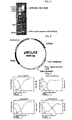
- FIG. 1 is a photograph of agarose gel electrophoresis showing the GAL1 promoter DNA fragment (6.4 kbp) and DNA fragment (500 bp) containing MAT ⁇ ( ⁇ -factor secretion signal) represented by SEQ ID No: 2 and LK8 cDNA represented by SEQ ID No: 1 prepared by treating restriction enzymes Eco R I and Bam H I to pMBRI-LK8 expression vector.
- FIG. 2 is a schematic diagram showing the cleavage map of pMCLK8 (6.9 kb) expression vector constructed by inserting a DNA fragment containing ⁇ -factor secretion signal (MAT ⁇ ) represented by SEQ ID No: 2 and LK8 cDNA represented by SEQ ID No: 1, which are available for the production of recombinant LK8 protein in yeast, in between GAL1 promoter and CYC1 terminator of p426GAL1 vector.
- MAT ⁇ ⁇ -factor secretion signal
- FIG. 3 is a set of graphs showing the results of liquid chromatography investigating LK8 secretion and the remaining sugar.
- Saccharomyces cerevisiae BJ3501, BY4742, CEN.PK2-1D and 2805 were transfected with LK8 expression vector pMCLK8 (6.9 kb).
- the resultant transformed yeast strains were cultured to express LK8 protein episomally.
- FIG. 4 is an electrophoresis photograph showing the results of immunoblotting measuring the amount of LK8 protein produced in each strain after 30 and 40 hours of culture.
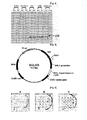
- FIG. 5 is a schematic diagram showing the cleavage map of recombinant vector M ⁇ LK8 constructed to insert LK8 expression cassette containing GAL1 promoter, ⁇ -factor secretion signal represented by SEQ ID No: 2, LK8 cDNA represented by SEQ ID No: 1 and CYC1 terminator into chromosome of yeast.
- FIG. 6 is a set of photographs showing the primary screening of a strain. Precisely, colony blotting was performed to select a strain having a strong resistance against G418 sulfate, among transformed yeast strains containing LK8 expression cassette in their chromosomes. Shading on the film was observed:
- FIG. 7 is a photograph showing the second screening of a strain.
- the strain selected from the primary screening was fixed onto nitrocellulose membrane using dot blot kit. Then, shading on the film was observed by using a detection kit.
- FIG. 8 is a graph showing the time-dependent cell growth (•), the accumulation of supplied galactose ( ⁇ ) and the remaining galactose ( ⁇ ) during the fermentation processes of transformed yeast strain Saccharomyces cerevisiae BJ3501/M ⁇ LK8 #36.
- FIG. 9 is a photograph of SDS-PAGE with the culture supernatant during the fermentation of transformed yeast strain Saccharomyces cerevisiae BJ3501/M ⁇ LK8 #36:
- Lane 1 Ladder marker
- Lane 3 86 hours after the beginning of culture
- Lane 4 110 hours after the beginning of culture
- Lane 5 134 hours after the beginning of culture
- Lane 6 158 hours after the beginning of culture
- Lane 7 184 hours after the beginning of culture
- Lane 8 211 hours after the beginning of culture
- Lane 9 Control LK8 protein (200 mg/L).
- Lane 10 Control LK8 protein (100 mg/L).
- FIG. 10 is an electrophoresis photograph.
- transformed yeast strains Saccharomyces cerevisiae BJ3501/pMCLK8 and Saccharomyces cerevisiae BJ3501/M ⁇ LK8 #36, were batch-cultured.
- the secreted LK8 protein was quantified time-dependently by immunoblotting:
- Lane 1 LK8 standard, 10 mg/L;
- Lane 2 LK8 standard, 50 mg/L
- Lane 3 20 hours after the beginning of batch-culture of Saccharomyces cerevisiae BJ3501/pMCLK8;
- Lane 4 30 hours after the beginning of batch-culture of Saccharomyces cerevisiae BJ3501/pMCLK8;
- Lane 5 40 hours after the beginning of batch-culture of Saccharomyces cerevisiae BJ3501/pMCLK8;
- Lane 7 30 hours after the beginning of batch-culture of Saccharomyces cerevisiae BJ3501/pMCLK8;
- Lane 8 40 hours after the beginning of batch-culture of Saccharomyces cerevisiae BJ3501/pMCLK8;
- Lane 9 20 hours after the beginning of batch-culture of Saccharomyces cerevisiae BJ3501/M ⁇ LK8 #36;
- Lane 10 30 hours after the beginning of batch-culture of Saccharomyces cerevisiae BJ3501/M ⁇ LK8 #36;
- Lane 11 40 hours after the beginning of batch-culture of Saccharomyces cerevisiae BJ3501/M ⁇ LK8 #36.
- FIG. 11 is a chromatogram showing the purification step of LK8 protein by cation exchange chromatography:
- FIG. 12 is a photograph of SDS-PAGE showing the LK8 protein in each eluted fraction of SP-Sepharose cation exchange chromatography:
- Lane 1 Ladder marker
- Lane 3 5-fold diluted sample of supernatant of final culture solution
- Lane 5 Sample used for washing resin
- Lane 10 Sample eluted with NaOH.
- FIG. 13 is a chromatogram showing the specific purification of LK8 protein by hydrophobic interaction chromatography, in the middle of whole secretion and purification processes of LK8 protein:
- FIG. 14 is a photograph of PAGE showing the LK8 protein contents in each fraction of SP-phenylsepharose 6FF (fast flow) hydrophobic interaction chromatography:
- Lane 1 Marker
- Lane 2 Sample eluted from SP-sepharose cation exchange resin
- Lane 3 Sample not attached resin
- Lane 7 Sample eluted with sodium phosphate
- Lane 8 Sample eluted with distilled water
- Lane 9 Ladder marker.
- a vector for the expression of a gene, containing LK8 cDNA composed of amino acid sequence of V38 of human [apolipoprotein (a)] kringle region, in yeast was constructed.
- pMBRI-LK8 expression vector Korean Patent Publication No. 2004-0069840
- pPIC9 vector 8.0 kb
- AOX1 promoter of pPIC9 expression vector was used to induce the expression of LK8 gene by methanol, and to play a role in secretion of LK8 protein out of a cell which was expressed by the bond of a target gene LK8 cDNA to the region behind ⁇ -factor secretion signal.
- LK8 gene was amplified by PCR using pET15b/LK8 (International Patent Publication No. WO 01/19868 ) as a template. Then, the amplified gene was digested with restriction enzymes Xho I and Eco R I. Sub-cloning was performed to insert the gene fragment into pPIC9 vector, resulting in the construction of pMBRI-LK8 (8.25 kb).
- the pMBRI-LK8 expression vector was treated with restriction enzyme EcoR I for 7 hours, followed by washing with PCR purification kit (Qiagen, USA). The vector was treated with restriction enzyme BamH I for 7 hours. DNA was separated by electrophoresis and DNA fragment containing ⁇ -factor secretion signal represented by SEQ ID No: 2 and nucleotide sequence of LK8 cDNA represented by SEQ ID No: 1 was obtained using gel extraction kit (QIAGEN) ( FIG. 1 ).
- the obtained DNA fragment was inserted in between GAL1 promoter and CYC1 terminator of p426GAL1 vector (ATCC 87833, USA) to construct pMCLK8 expression vector (6.9 kb) for the production of recombinant LK8 in yeast ( FIG. 2 ). Since the expression vector contains GAL1 promoter, the expression of the protein is induced by galactose. URA3 marker was used to select transformed yeast strains in a selection medium.
- each strain mentioned above was transfected with the expression vector constructed in the above Example 1 by using alkali cation yeast kit (Q-Biogene, Canada).
- the strains were cultured in uracil-free yeast nitrogen base medium [(yeast nitrogen base without amino acid, Difco, USA) 0.67% and (yeast synthetic drop-out medium supplement without uracil, Difco, USA) 0.192%], in order to confirm whether or not the transformation was successfully done.
- uracil-free yeast nitrogen base medium (yeast nitrogen base without amino acid, Difco, USA) 0.67% and (yeast synthetic drop-out medium supplement without uracil, Difco, USA) 0.192%
- each strain was cultured (30°C, pH 5.5, 700 rpm) in a bioreactor (Biostat Q, B.
- LK8 protein was secreted in every transformed strain, indicating that pMCLK8 expression vector was successfully introduced.
- Saccharomyces cerevisiae BJ3501 was proved to be the optimum host showing the highest secretion of LK8 protein per cell.
- a recombinant vector for the insertion of LK8 expression cassette composed of GAL1 promoter, ⁇ -factor secretion signal, nucleotide sequence of LK8 cDNA and CYC1 terminator into yeast chromosome was constructed. And a transformed yeast strain transfected with the above vector was obtained.
- p ⁇ neo vector ( Lee, FWF., Appl. Microbiol. Biolechnol., 48:339, 1997 ) which is able to insert a target gene into ⁇ sequence, one of transition elements of yeast chromosome, was used as a mother vector.
- the p ⁇ neo vector includes ⁇ sequence enabling multiple insertion of a vector by homologous recombination and neomycin-resistant gene (neo) enabling the selection of the inserted vector.
- LK8 expression cassette and p ⁇ neo vector have Sal I restriction enzyme recognition site. The Sal I restriction enzyme recognition site in a recombinant vector is essential for the insertion of the vector into yeast chromosome.
- LK8 expression cassette was separated from pMCLK8 vector constructed in the above Example 1 with restriction enzymes Sac I and Kpn I that cut both ends of GAL1 promoter and CYC1 terminator. Since p ⁇ neo vector did not have Kpn I restriction enzyme recognition site, both Xba I restriction enzyme recognition site of p ⁇ neo vector and Kpn I restriction enzyme recognition site of the separated LK8 expression cassette were made to be blunt end. Then, a recombinant vector was constructed by inserting LK8 expression cassette into the recombinant p ⁇ neo vector constructed above, which was named M ⁇ LK8 ( FIG. 5 ).
- the M ⁇ LK8 was linearized by treating with Sal I restriction enzyme. Then, a yeast strain was transfected with the linearized M ⁇ LK8 by using alkali cation yeast kit (Q-Biogene, Canada). In order for LK8 expression cassette to be inserted massively into yeast chromosome, the linearized M ⁇ LK8 was concentrated.
- Transformed yeast transfected with the linearized M ⁇ LK8 recombinant integration cassette of the present invention was selected by using YPD plate (2% peptone, 1% yeast extract, 2% glucose, 2% agar) containing G418 sulfate. At that time, the concentrations of G418 sulfate were adjusted to 5 g/L, 10 g/L and 15 g/L, respectively, to culture the transformed yeast strain.
- Example 4 The primary screening of a high-producer of LK8 protein by colony immunoblotting
- the strains over-secreting LK8 protein were primarily selected by colony immunoblotting.
- transformed Saccharomyces cerevisiae strains were distributed on YPD solid medium, followed by culture at 30°C for 24 hours. Then, the colony formation was observed. Sterilized cellulose membrane was put on the colony and then taken off carefully. In the meantime, nitrocellulose membrane was put on YPG solid medium, on which the above cellulose membrane was put carefully not to produce air bubble, by making the colony attached side look upward. Then, the solid medium containing colony was cultured at 30°C for 48 hours. Cellulose membrane was carefully taken off and put on a new YPD solid medium. The remaining nitrocellulose membrane was taken off and used for blotting.
- the nitrocellulose membrane was put in a solution supplemented with PBS buffer solution containing 0.1 %(v/v) Tween 20 ® and 5%(w/v) non-fat powdered milk, which was softly stirring at room temperature for 2 hours.
- Rabbit LK8 antibody was put in the same solution, which was also stirred softly at room temperature for one hour, followed by washing with PBS buffer solution containing 0.1% Tween 20 ® five times.
- Anti-rabbit IgG-HRP (Sigma, USA) was put in a solution containing PBS buffer solution supplemented with 0.1% Tween 20 ® and 5% non-fat powdered milk, into which the nitrocellulose membrane treated above was dipped, followed by stirring softly at room temperature for one hour.
- shading differed from the amount of expressed LK8 ( FIG. 6 ), and in particular, those strains showing darker shading were primarily selected.
- strains secreting LK8 protein more were secondly selected by dot blotting.
- the strains primarily selected in the Example 4 were inoculated into test tube containing YPG (2% peptone, 1% yeast extract, 2% galactose) liquid medium, followed by shaking-culture at 30°C with 180 rpm for 48 hours. 48 hours later, the culture solution was centrifuged with 5,000 rpm for 5 minutes to obtain supernatant only. The supernatant was 10-fold diluted with PBS, which was attached onto nitrocellulose membrane by using dot blot kit (Bio-Rad, USA). The nitrocellulose membrane was left in 0.5%(v/v) glutaraldehyde solution for 5 - 10 minutes, and then transferred into 50 mM glycine solution, followed by washing with PBS buffer solution. Then, the nitrocellulose membrane was taken out and transferred into a detecting solution, which was fixed on radiated film. Shading on the film was investigated by detection kit in analogy to the procedure described in the above Example 4.
- shading differed from the amount of expressed LK8 ( FIG. 7 ).
- the strains especially showing darker shading were secondly selected.
- the secondly selected strains were inoculated into test tube containing YPD liquid medium, followed by shaking-culture at 30°C with 180 rpm for 48 hours.
- the culture solution was inoculated into a flask containing YPG liquid medium.
- OD was adjusted by YPG liquid medium.
- Shaking-culture was performed at 30°C with 180 rpm for 48 hours. Centrifugation with the solution was performed to obtain supernatant only.
- Rabbit anti-LK8 antibodies were put on immunomodule (Maxisorp TM Immunomodule, Nunc, USA), followed by coating with a coating buffer (0.1 M sodium carbonate, pH 9.6) for ELISA.
- the coated immunomodule was treated with PBS buffer solution supplemented with 1% BSA (bovine serum albumin) and 0.1% Tween 20 ® , and then left at room temperature for 2 hours.
- the supernatant was 1000-fold diluted with PBS buffer solution supplemented with 0.1% Tween 20 ® , which was put in the immunomodule for further reaction at 37°C for 1 hour.
- the immunomodule was washed with PBS buffer solution supplemented with 1% BSA and 0.1% Tween 20 ® .
- rat anti-LK8 antibodies were diluted with PBS buffer solution supplemented with 1% BSA and 0.1% Tween 20 ® .
- the solution was put in immunomodule, followed by reaction at 37°C for 1 hour.
- the iinmunomodule was washed with PBS buffer solution supplemented with 1% BSA and 0.1 % Tween 20 ® .
- every immunomodule was colored for 15 minutes with TMB coloring reagent (TMB Peroxidase Substrates, KPL, USA), and then the coloring reaction was terminated by 1 M phosphate solution.
- OD 405 was measured to quantify the expression of LK8 protein.
- LK8 The expression of LK8 was quantified by standard curve (Table 1).
- B36 which was named 'S accharomyces cerevisiae BJ3501/M ⁇ LK8 #36'.
- the strain was deposited at Korean Collection for Type Cultures of Korean Research Institute of Bioscience and Biotechnology (#52, Aeun-dong yousung-ku, Daejeun city, Korea) on January 13, 2004 (Accession No: KCTC 10582BP).
- transformed Saccharomyces cerevisiae BJ3501/M ⁇ LK8 #36 strain was distributed into hundreds or thousands of sterilized storage vials, which were all cared under the same conditions, that is they were under the control of 'working cell bank system' established by the present inventors to keep the strain suitable as a seed for seed-culture for the production of recombinant protein.
- Seed-culture was performed in the YPD medium. Then, batch-culture was performed in starting medium inoculated with seed-culture solution obtained in the above Example 7-1. In this stage, seed-culture solution was inoculated by over 1%, and glucose and galactose were used as a carbon source to increase the number of cells and let them be adapted to galactose.
- the starting medium was composed of 1 - 5%(w/v) glucose, 1 - 5%(w/v) galactose, 1 - 50 g/L of yeast extract, 1 - 10 g/L of casamino acid, 0.1 - 5 g/L of uracil and 0.1 - 5 g/L of histidine.
- Air supply was regulated as 1 - 3 vvm and stirring speed was controlled as 200 - 1000 rpm according to the composition of medium. As a result, dissolved oxygen was kept over 40% during the entire batch-culture stage.
- the cell concentration reaches to over 30 of O.D. at 600nm.
- Fed-batch-culture is the stage to increase cell mass and secretion level of LK8 protein by adding galactose that was used as an inducer and sole carbon source.
- the feed medium containing 20 - 50%(w/v) galactose, 1 - 50 g/L of yeast extract, 1 - 30 g/L of peptone, 0.1 - 5 g/L of uracil and 0.1 - 5 g/L of histidine was used for the fed-batch culture.
- the feed medium was supplied with keeping the content of galactose in medium as under 5%(w/v).
- Saccharomyces cerevisiae BI3501/pMCLK8 showed the highest LK8 expression efficacy in Example 2 and Saccharomyces cerevisiae BI3501/M ⁇ LK8 #36 prepared in Example 6 were cultured by batch-culture method used in Example 7-2, and then the maximum LK8 secretions in them were measured ( FIG. 10 ). As a result, as shown in FIG.
- LK8 protein is a hydrophilic molecule having the molecular weight of 9 - 10 kDa, which is characterized by low solubility in neutral pH or in organic solvent.
- other derivatives having bigger or smaller molecular weight than LK8 protein were observed in the culture solution. Those derivatives seemed to be amino acids cut from C-terminal or N-terminal of LK8 protein or chemical derivatives. Based on such physico-chemical characteristics of LK8 protein and conditions of culture, purification process using cation exchange chromatography and hydrophobic interaction chromatography was established in this invention, in order to produce LK8 protein with high purity.
- pH and salt concentration were regulated by cation exchange chromatography to eliminate impurities, followed by the elution of LK8 protein. Then, hydrophobic interaction chromatography was performed to let highly hydrophilic LK8 protein bind to fixed resin under the condition of high salt concentration. Impurities were eliminated by lowering the salt concentration. The elution of LK8 protein was carried out under the condition of proper salt concentration, then hydrophobic impurities (hydrophobic proteins, lipids or nonproteineous contaminants including endotoxins) were eliminated by lowering the salt concentration.
- the purification process of the present invention is more precisely explained step by step hereinafter.
- the culture solution obtained in the Example 7 was centrifuged with 8,000 rpm to obtain supernatant.
- the supernatant was 4-fold diluted with 0.1 - 1 M sodium phosphate (monobasic) and pH was adjusted under 4.
- the solution was filtered by filter membrane.
- a column was packed with SP-sepharose FF (fast flow) resin, followed by equilibrium with 0.1 - 1 M sodium phosphate solution (monobasic). Then, the diluted supernatant was loaded on the SP-sepharose column.
- 0.1 - 1 M sodium phosphate solution was passed through the column to base line.
- the column was washed with 0.1 - 1 M sodium phosphate solution (pH 5 - 7) to remove impurities.
- the elution of LK8 protein was carried out by spilling 0.1 - 1 M sodium phosphate solution containing 0 - 2 M NaCl (pH 5 - 9).
- a column was packed with SP-sepharose 6FF (fast flow) resin, followed by equilibrium with 0.1 - 1 M sodium phosphate solution (pH 5 - 9) containing 0.1 - 3 M ammonium sulfate and 0 - 2 M NaCl.
- the eluted sample of Example 9-1 was dissolved with ammonium sulfate (final conc: 0.1 - 3 M). Then, the solution was loaded on the SP-sepharose column.
- 0.1 - 1 M sodium phosphate solution (pH 5 - 9) containing 0.1 - 3 M ammonium sulfate and 0 - 2 M NaCl was passed through the column to base line.
- the column was washed with 0.1 - 1 M sodium phosphate solution (pH 5 - 9) containing 0.1 - 3 M ammonium sulfate and 0 - 2 M NaCl. Then, the elution of LK8 protein was carried out by spilling 0.1 - 1 M sodium phosphate solution (pH 5 - 9) containing 0.1 - 2 M ammonium sulfate and 0 - 2 M NaCl. Dialysis of the eluted LK8 protein was performed with a filter membrane (10,000 D, Sigma, USA) using 0.1-M sodium phosphate solution.
- LK8 gene could be expressed and secreted efficiently in a large-scale fermentor by providing the optimum conditions for batch-culture and fed-batch-culture of the above strain.
- the mass production of LK8 protein can be achieved. Therefore, the transformed strain and production processes of LK8 protein of the present invention are expected to contribute greatly to the commercialization of LK8 protein as a novel angiogenesis inhibitor.
- SEQ ID No: 1 is a cDNA sequence coding the LK8 protein.
- SEQ ID No: 2 is a DNA sequence coding the a-factor secretion signal of S. cerevisiae.
Landscapes
- Health & Medical Sciences (AREA)
- Life Sciences & Earth Sciences (AREA)
- Genetics & Genomics (AREA)
- Chemical & Material Sciences (AREA)
- Organic Chemistry (AREA)
- Engineering & Computer Science (AREA)
- Zoology (AREA)
- Biomedical Technology (AREA)
- Biotechnology (AREA)
- Wood Science & Technology (AREA)
- Bioinformatics & Cheminformatics (AREA)
- General Engineering & Computer Science (AREA)
- Molecular Biology (AREA)
- Biochemistry (AREA)
- General Health & Medical Sciences (AREA)
- Biophysics (AREA)
- Mycology (AREA)
- Physics & Mathematics (AREA)
- Plant Pathology (AREA)
- Microbiology (AREA)
- Toxicology (AREA)
- Hematology (AREA)
- Medicinal Chemistry (AREA)
- Proteomics, Peptides & Aminoacids (AREA)
- Gastroenterology & Hepatology (AREA)
- Preparation Of Compounds By Using Micro-Organisms (AREA)
- Micro-Organisms Or Cultivation Processes Thereof (AREA)
Abstract
Description
- The present invention relates to a method for preparing LK8 protein, more particularly, a method for mass-production of LK8 protein using Saccharomyces cerevisiae transformed by a gene coding LK8 protein having angiogenesis inhibiting activity.
- Angiogenesis is a biological process to provide a new blood vessel to organs or tissues. Particularly, new blood capillaries are generated from an old microvessel, which are growing to become blood vessels. Angiogenesis, as a normal physiological process, is observed only in limited cases in a human body, for example during the development of fetus and embryo, during the maturation of uterus, during the pro liferation of placenta, during the formation of corpus luteum, and for the healing of a wound. And even for such cases, angiogenesis is accurately regulated and stopped when it finishes its job. Angiogenesis is regulated strictly by an angiogenesis regulating factor (Folkman, J., Nature Med., 1: 27-31, 1995) and the phenotype of angiogenesis seems to differ from the balance between up-regulation of an angiogenesis stimulating factor and down-regulation of an angiogenesis-inhibiting factor.
- Although the angiogenesis process is very complicated and sophisticated, it can be outlined as follows. First, a stimulus for angiogenesis is transmitted to an old blood vessel, resulting in the expansion of the blood vessel and the increase of membrane permeability. Second, fibrin is coming out of the expanded blood vessel and then accumulated in cytosol around the blood vessel. Third, an enzyme to decompose the basal membrane of the old blood vessel is activated. Fourth, the basal membrane is destroyed so that endothelial cells come out of the blood vessel and proliferate in cytosol around and then move again. Lastly, those endothelial cells are lined up to form a vessel, resulting in a new blood vessel.
- The diseases related to angiogenesis are exemplified by inflammatory diseases including arthritis, ophthalmic diseases including diabetic retinopathy, dermatological diseases including psoriasis and cancer which is the most representative angiogenesis related disease among all other diseases (Folkman, J., Nature Med., 1:27-31, 1995). In particular, angiogenesis is essential for the growth of a primary tumor and a metastatic tumor (Folkman, J., New Engl. J. Med., 285:1182-1186, 1971; Folkman, J., J. Biol. Chem., 267:10931-10934, 1992). That means a tumor cannot be growing when angiogenesis is inhibited or stopped, indicating that inhibition of angiogenesis might be an effective way for long term treatment of tumors.
- Therefore, it is urgently required to develop a novel angiogenesis inhibitor to inhibit or to stop angiogenesis and further to provide the inhibitor to a user by moderate prices resulted from effective mass-production of the angiogenesis inhibitor.
- Angiogenesis inhibitor is regarded as one of the most favorable treatment methods for cancer because it targets blood vessels supplying nutrients to a tumor, instead of attacking directly cancer cells, which means it reduces resistance against medicine. Various inhibitors to inhibit angiogenesis in a tumor, such as natural inhibitors found in vivo, synthetic inhibitors, integrin inhibitors, signal transduction inhibitors and proteolysis inhibitors, have been verified to be effective and are on clinical test (Brower, V., Nat. Biotechnol., 17:963-8, 1999; Carmeliet, P. and Jain, R. K., Nature, 407:249-57, 2000). Among those inhibitors on the clinical test, LK6, LK7 and LK8, which are the 36th, 37th and 38th kringle subunits of Apo(a) of human apolipoprotein, stated in international patent publication
WO 01/19868 - Thus, the present inventors have studied on the functions of LK8 protein and the method for effective commercial use of the protein. At last, the present inventors prepared recombinant Saccharomyces cerevisiae by transforming yeast Saccharomyces cerevisiae with plasmid vector containing LK8 gene or inserting LK8 gene into host chromosome, and then selected strains mass-producing LK8 protein therefrom. The present inventors also determined the optimal culture condition for the growth of the strains and finally completed this invention by confirming that high quality LK8 protein could be mass-produced under said condition.
- It is an object of the present invention to provide a preparation method for transformed yeast strain that is able to mass-produce LK8 protein, an angiogenesis inhibitor, and a method for mass-production of LK8 protein by the culture of the strain.
- In order to achieve the above object, a MδLK8 recombinant expression vector containing LK8 expression cassette consisting of promoter, secretion sequence, LK8 cDNA represented by SEQ ID No: 1 and terminator, in that order is disclosed herein.
- A transformed Saccharomyces cerevisiae strain prepared by transfecting host strain with said recombinant vector is also described.
- Further disclosed is a method for preparing a transformant expressing LK8 protein highly, comprising the following steps: (1) transforming host strain with the recombinant vector mentioned above; (2) culturing the transformant prepared in the
step 1 after the treatment of G418 sulfate antibiotics; and (3) screening LK8 high expressing transformant by immunoassay. - Also discribed is a method for mass-production of LK8 protein, comprising the following steps: (1) preparing a transformed strain by inserting recombinant LK8 gene expression vector, MdLK8, into host strain (2) seed-culturing the transformed strain prepared in the
step 1 and batch-culturing the strain in a liquid medium containing glucose and galactose as a carbon source, with keeping dissolved oxygen stable by regulating air supply and stirring speed; (3) fed-batch-culturing the culture solution of thestep 2 in a liquid medium containing galactose as a carbon source; and (4) purifying LK8 protein from the culture solution of thestep 3. - The invention is defined by the claims.
- Hereinafter, the present invention is described in detail.
- Is disclosed herein a MδLK8 recombinant expression vector containing LK8 expression cassette comprising promoter, secretion sequence, LK8 cDNA represented by SEQ ID No: 1 and terminator in that order, δ sequence for the multiple insertion of LK8 expression cassette into chromosome of host strain, and neomycin resistant gene (neo) for the selection after the multiple insertion. In a preferred embodiment of MδLK8 recombinant expression vector of the present invention, said promoter is GAL1 promoter. In a preferred embodiment of the present invention, said secretion sequence is α-factor secretion signal represented by SEQ ID No: 2. In another preferred embodiment of the present invetion, said terminator is CYC1 terminator.
- Particularly, herein, DNA fragment containing α-factor secretion signal and LK8 cDNA was obtained by treating a restriction enzyme to pMBRI-LK8 expression vector (Korean Patent Publication No:
2004-0069840 FIG. 1 ). The DNA fragment was inserted into p426GAL1 vector to construct expression vector pMCLK8 (6.9 kb) available for the production of recombinant LK8 expression cassette in yeast strain (seeFIG. 2 ). Then, recombinant MδLK8 expression vector was constructed (seeFIG. 5 ) to insert the recombinant LK8 expression cassette containing promoter, secretion sequence, LK8 cDNA sequence and terminator, into yeast chromosome, followed by multiple insertion. - The present description also provides a transformed Saccharomyces cerevisiae strain prepared by transfecting host strain with the above recombinant expression vector. In a preferred embodiment of the transformed Saccharomyces cerevisiae of the present invention, said host strain is selected from a group consisting of Saccharomyces cerevisiae BJ3501, Saccharomyces cerevisiae BY4742, Saccharomyces cerevisiae CEN.PK2-1D and Saccharomyces cerevisiae 2805. In a more preferred embodiment of the transformed Saccharomyces cerevisiae of the present invention, said host strain is Saccharomyces cerevisiae BJ3501.
- Herein, a host strain, Saccharomyces cerevisiae BJ3501, was transformed by being transfected with recombinant expression vector containing LK8 gene and then, transformed yeast strains that specifically had numbers of LK8 gene in their chromosomes were selected. The strain over-secreting LK8 protein was selected by means of colony immunoblotting, dot-blotting and ELISA (Enzyme Linked Immunosorbent assays), and then named Saccharomyces cerevisiae BJ3501/MδLK8 #36 (see
FIG. 6 andFIG. 7 ). The strain was deposited at Korean Collection for Type Cultures of Korean Research Institute of Bioscience and Biotechnology (#52, Aeun-dong yousung-ku, Daejeun city, Korea) on January 13, 2004 (Accession No: KCTC 10582BP). - The present description further provides a method for preparing a transformant expressing LK8 protein highly, comprising the following steps: (1) transforming host strain with the recombinant vector mentioned above; (2) culturing the transformant prepared in the
step 1 after the treatment of G418 sulfate antibiotics; and (3) selecting LK8 high expressing transformant by immunoassay. In thestep 2, antibiotics is not limited to G418 sulfate, but 5 - 20 g/L of G418 sulfate was preferably treated to the strain. In thestep 3, a method for the selection is not limited to a specific one of immunoassay, but colony immunoblotting assay, dot blotting assay or ELISA (enzyme linked immunosorbant assay) is preferred. It is also preferred to perform theabove step 3 additionally, and more preferably colony immunoblotting is performed for the primary selection and then dot blotting is performed for the second selection from the primary selected strains, and lastly ELISA is performed for the final selection from the secondly selected strains. - When LK8 is expressed in a transformed yeast strain containing a multi-copy of LK8 gene, prepared by the method of the present invention, in its chromosome, the secretion of LK8 protein doubles or triples, comparing to the conventional episomal expression method in which a foreign gene is introduced in the form of episome to express and secret the foreign protein.
- The present description also provides a method for mass-production of LK8 protein comprising the following steps: (1) preparing a transformed strain by inserting recombinant LK8 gene expression vector into host strain, (2) seed-culturing the transformed strain prepared in the
step 1 and batch-culturing the strain in a liquid medium containing glucose and galactose as a carbon source, with keeping dissolved oxygen stable by regulating air supply and stirring speed; (3) fed-batch-culturing the culture solution of thestep 2 in a liquid medium containing galactose as a carbon source; and (4) purifying LK8 protein from the culture solution of thestep 3. - The method for mass-production of LK8 protein is more precisely explained step by step hereinafter.
- In a preferred embodiment of the method said
step 1 is for the preparation of a transformed strain resulted from the insertion of recombinant LK8 gene expression vector into a host strain. More particularly, a recombinant vector containing LK8 expression cassette is introduced into a host strain, so that the expression or the secretion of LK8 gene is induced on plasmid. Then, multiple insertion of LK8 gene and secretion sequence into chromosome of the strain is performed. The strain that shows the best LK8 expression/secretion is selected, which is transformed Saccharomyces cerevisiae strain. - In
step 2 of the method, the transformed strain of theabove step 1 is seed-cultured, and then batch-cultured in a liquid medium containing glucose and galactose as a carbon source, during which dissolved oxygen is kept stable by regulating air supply and/or stirring speed. At this time, the preferable inoculum size of the seed culture solution is 5 - 10%(w/v). The batch-culture is preferably performed with 1 - 3 vvm (5 - 80 L/minute) of air supply and/or 200 - 1000 rpm of stirring speed, in a liquid medium containing 1 - 5%(w/v) glucose and 1 - 5%(w/v) galactose as a carbon source, in which dissolved oxygen is adjusted to 40 - 90% of maximum dissolved oxygen. At this time, the liquid medium can additionally include 1 - 50 g/L yeast extract, 1 - 10 g/L casamino acid, 0.1 - - 5g/L uracil and 0.1 - 5 g/L histidine. - In a preferred embodiment of the method, said transformed yeast strain is distributed into hundreds or thousands of sterilized storage vials. It is stored under the same conditions, which is working cell bank system constructed to keep and control strain in order for them to be used as the same seed at each seed-culture for the production of a recombinant protein.
- In
step 2, said seed-culture is carried out for 24 hours to secure required amount of cells from the working well bank system. The batch-culture of the present invention is the stage of cell growth, during which the number of cell is increased and cells become adapted to an expression inducing agent, galactose. In the late stage of batch-culture, dissolved oxygen is decreased because of vigorous respiration of cells. In order to prevent the decrease of dissolved oxygen, air supply and stirring speed ought to be regulated until batch-culture is finished to keep dissolvedoxygen 40% above. -
Step 3 of the method is for fed-batch-culture of the culture solution ofstep 2 in a liquid medium containing galactose as a carbon source. At this time, dissolved oxygen has to be maintained as 20 - 80% of maximum dissolved oxygen, and the liquid medium preferably includes 20 - 50% (w/v) galactose as a carbon source. It is also preferred to regulate the speed of galactose supply in order to maintain galactose content in the medium as 0.5 - 5%(w/v). The liquid medium can additionally include 1 - 50 g/L yeast extract, 1 - 30 g/L peptone, 0.1 - 5 g/L uracil and 0.1 - 5 g/L histidine. - The supply of galactose is controlled from the beginning of fed-batch-culture in order to maintain regular galactose content in medium. That is, the content of galactose in medium is maintained as under 5%(w/v) by adding galactose if necessary, for which dissolved oxygen has to be checked all through the culture, and as a result, the expression of LK8 protein is increased. From the fed-batch-culture, several hundred mg of LK8 protein per 1 L of culture supernatant can be obtained (see
FIG. 8 and FIG. 9 ). -
Step 4 of the method is for purifying LK8 protein from the culture solution of theabove step 3. LK8 protein is a hydrophilic molecule having 9 - 10 kD of molecular weight. It has characteristically low solubility in neutral pH. During its expression in culture solution, derivatives having smaller or bigger molecular weight than LK8 protein happen to be generated. Thus, in order to separate pure LK8 protein from culture solution, purifying processes taking advantage of physico-chemical characteristics of LK8 protein are required. - For the purification of LK8 protein, any of conventional protein purifying processes can be used without limitation, but chromatography is preferred. It is more preferred for the chromatography to include ion exchange chromatography and hydrophobic interaction chromatography (see
FIG. 10 - FIG. 13 ). In a preferred embodiment of the method of the present invention, said ion exchange chromatography is cation exchange chromatography, and the elution of LK8 protein is preferably performed from the eluting solution containing 0 - 5 M of NaCl at pH 4.0 - 8.0. In the case of using hydrophobic interaction chromatography, the elution of LK8 protein is preferably performed from 100 mM of sodium phosphate eluting solution containing 0.1 - 5 M of ammonium sulfate and 0 - 500 mM of NaCl at pH 4 - 8. - Particularly, in a more preferred embodiment of the method, LK8 protein is attached to cation exchange resin by means of cation exchange chromatography, then, impurities are removed by regulating pH or salinity. The elution of LK8 protein at proper concentration is performed. At this time, the level of pH and the salt concentration depend on the type of cation exchange resin. In a preferred embodiment of the method of the present invention, strong ion exchange resin of SP (sulpho propyl) is used. It is generally understood among those people in this field that when strong cation exchange chromatography is used, washing and the elution of LK8 protein are performed at high salt concentration and at high level of pH because of its stronger ionic bond, comparing to week cation exchange chromatography. Thus, the present disclosure is not limited to the embodiments using SP (sulpho propyl) cation exchange resin and the buffer condition, suggesting that the invention can include any purifying processes using conventional cation exchange resin to concentrate LK8 after eliminating impurities attached to LK8.
- In a preferred embodiment of the method, the resultant sample purified with said cation exchange chromatography is further purified with hydrophobic interaction chromatography. Precisely, hydrophilic LK8 protein of the sample is attached to hydrophobic resin under the high salt concentration, and then impurities are eliminated by lowering the salt concentration, followed by the elution of LK8 protein at proper salt concentration. Highly hydrophobic impurities are eliminated at the lower salt concentration than the proper salt concentration for the elution. In general, hydrophobic interaction chromatography is used for the purification of hydrophobic protein. At this time, the remaining impurities that cannot be eliminated by cation exchange resin have to be removed by taking advantage of the hydrophobic characteristics, by which purified LK8 protein can be mass-produced. However, the scope of the present invention are not limited to the above mentioned hydrophobic interaction resin and the buffer conditions. The present disclosure includes possible purification processes for eliminating impurities of LK8 by using conventional hydrophobic interaction resin.
-
FIG. 1 is a photograph of agarose gel electrophoresis showing the GAL1 promoter DNA fragment (6.4 kbp) and DNA fragment (500 bp) containing MATα (α-factor secretion signal) represented by SEQ ID No: 2 and LK8 cDNA represented by SEQ ID No: 1 prepared by treating restriction enzymes EcoR I and BamH I to pMBRI-LK8 expression vector. -
FIG. 2 is a schematic diagram showing the cleavage map of pMCLK8 (6.9 kb) expression vector constructed by inserting a DNA fragment containing α-factor secretion signal (MATα) represented by SEQ ID No: 2 and LK8 cDNA represented by SEQ ID No: 1, which are available for the production of recombinant LK8 protein in yeast, in between GAL1 promoter and CYC1 terminator of p426GAL1 vector. -
FIG. 3 is a set of graphs showing the results of liquid chromatography investigating LK8 secretion and the remaining sugar. In order to select an optimum host for the production of recombinant LK8 protein, Saccharomyces cerevisiae BJ3501, BY4742, CEN.PK2-1D and 2805 were transfected with LK8 expression vector pMCLK8 (6.9 kb). The resultant transformed yeast strains were cultured to express LK8 protein episomally. -
FIG. 4 is an electrophoresis photograph showing the results of immunoblotting measuring the amount of LK8 protein produced in each strain after 30 and 40 hours of culture. -
FIG. 5 is a schematic diagram showing the cleavage map of recombinant vector MδLK8 constructed to insert LK8 expression cassette containing GAL1 promoter, α-factor secretion signal represented by SEQ ID No: 2, LK8 cDNA represented by SEQ ID No: 1 and CYC1 terminator into chromosome of yeast. -
FIG. 6 is a set of photographs showing the primary screening of a strain. Precisely, colony blotting was performed to select a strain having a strong resistance against G418 sulfate, among transformed yeast strains containing LK8 expression cassette in their chromosomes. Shading on the film was observed: - A : 5 g/L of G418 sulfate treated;
- B : 10 g/L of G418 sulfate treated; and
- C : 15 g/L of G418 sulfate treated.
-
FIG. 7 is a photograph showing the second screening of a strain. The strain selected from the primary screening was fixed onto nitrocellulose membrane using dot blot kit. Then, shading on the film was observed by using a detection kit. -
FIG. 8 is a graph showing the time-dependent cell growth (•), the accumulation of supplied galactose (▼) and the remaining galactose (■) during the fermentation processes of transformed yeast strain Saccharomyces cerevisiae BJ3501/MδLK8 # 36. -
FIG. 9 is a photograph of SDS-PAGE with the culture supernatant during the fermentation of transformed yeast strain Saccharomyces cerevisiae BJ3501/MδLK8 #36: - Lane 1 : Ladder marker;
- Lane 2 : 38 hours after the beginning of culture;
- Lane 3 : 86 hours after the beginning of culture;
- Lane 4 : 110 hours after the beginning of culture;
- Lane 5 : 134 hours after the beginning of culture;
- Lane 6 : 158 hours after the beginning of culture;
- Lane 7 : 184 hours after the beginning of culture;
- Lane 8 : 211 hours after the beginning of culture;
- Lane 9 : Control LK8 protein (200 mg/L); and
- Lane 10 : Control LK8 protein (100 mg/L).
-
FIG. 10 is an electrophoresis photograph. In order to compare the effects of the two methods (plasmid expression of LK8 gene and expression after the insertion into chromosome) on the expression and secretion of LK8 protein, transformed yeast strains, Saccharomyces cerevisiae BJ3501/pMCLK8 and Saccharomyces cerevisiae BJ3501/MδLK8 # 36, were batch-cultured. The secreted LK8 protein was quantified time-dependently by immunoblotting: - Lane 1: LK8 standard, 10 mg/L;
- Lane 2: LK8 standard, 50 mg/L;
- Lane 3: 20 hours after the beginning of batch-culture of Saccharomyces cerevisiae BJ3501/pMCLK8;
- Lane 4: 30 hours after the beginning of batch-culture of Saccharomyces cerevisiae BJ3501/pMCLK8;
- Lane 5: 40 hours after the beginning of batch-culture of Saccharomyces cerevisiae BJ3501/pMCLK8;
- Lane 6: 20 hours after the beginning of batch-culture of Saccharomyces cerevisiae BJ3501/pMCLK8;
- Lane 7: 30 hours after the beginning of batch-culture of Saccharomyces cerevisiae BJ3501/pMCLK8;
- Lane 8: 40 hours after the beginning of batch-culture of Saccharomyces cerevisiae BJ3501/pMCLK8;
- Lane 9: 20 hours after the beginning of batch-culture of Saccharomyces cerevisiae BJ3501/
MδLK8 # 36; - Lane 10: 30 hours after the beginning of batch-culture of Saccharomyces cerevisiae BJ3501/
MδLK8 # 36; and - Lane 11: 40 hours after the beginning of batch-culture of Saccharomyces cerevisiae BJ3501/
MδLK8 # 36. -
FIG. 11 is a chromatogram showing the purification step of LK8 protein by cation exchange chromatography: - Washing : 0.1 - 1 M of sodium phosphate solution;
- Elution : 0.1 - 1 M of sodium phosphate, 0 - 2 M of NaCl solution; and
- Cleaning : 0 - 2 M of NaCl solution.
-
FIG. 12 is a photograph of SDS-PAGE showing the LK8 protein in each eluted fraction of SP-Sepharose cation exchange chromatography: - Lane 1 : Ladder marker;
- Lane 2 : Supernatant of final culture solution;
- Lane 3 : 5-fold diluted sample of supernatant of final culture solution;
- Lane 4 : Diluted sample not attached resin;
- Lane 5 : Sample used for washing resin;
- Lane 6 :
Eluted fraction # 1; - Lane 7 :
Eluted fraction # 2; - Lane 8 :
Eluted fraction # 3; - Lane 9 :
Eluted fraction # 4; and - Lane 10 : Sample eluted with NaOH.
-
FIG. 13 is a chromatogram showing the specific purification of LK8 protein by hydrophobic interaction chromatography, in the middle of whole secretion and purification processes of LK8 protein: - Washing : 0.1 - 1 M of sodium phosphate solution;
- Elution : 0.1 - 3 M of ammonium sulfate, 0.1 - 1 M of sodium phosphate, NaCl solution; and
- Cleaning : NaCl solution.
-
FIG. 14 is a photograph of PAGE showing the LK8 protein contents in each fraction of SP-phenylsepharose 6FF (fast flow) hydrophobic interaction chromatography: - Lane 1 : Marker;
- Lane 2 : Sample eluted from SP-sepharose cation exchange resin;
- Lane 3 : Sample not attached resin;
- Lane 4 :
Eluted fraction # 1; - Lane 5 :
Eluted fraction # 2; - Lane 6 :
Eluted fraction # 3; - Lane 7 : Sample eluted with sodium phosphate;
- Lane 8 : Sample eluted with distilled water; and
- Lane 9 : Ladder marker.
- Practical and presently preferred embodiments of the present invention are illustrative as shown in the following Examples.
- However, it will be appreciated that those skilled in the art, on consideration of this disclosure, may make modifications and improvements within the spirit and scope of the present invention.
- <Example 1> Construction of recombinant LK8 expression vector
- A vector for the expression of a gene, containing LK8 cDNA composed of amino acid sequence of V38 of human [apolipoprotein (a)] kringle region, in yeast was constructed.
- Particularly, in order to separate α-factor secretion signal and LK8 cDNA together, the present inventors used pMBRI-LK8 expression vector (Korean Patent Publication No.
2004-0069840 WO 01/19868 - The pMBRI-LK8 expression vector was treated with restriction enzyme EcoR I for 7 hours, followed by washing with PCR purification kit (Qiagen, USA). The vector was treated with restriction enzyme BamH I for 7 hours. DNA was separated by electrophoresis and DNA fragment containing α-factor secretion signal represented by SEQ ID No: 2 and nucleotide sequence of LK8 cDNA represented by SEQ ID No: 1 was obtained using gel extraction kit (QIAGEN) (
FIG. 1 ). The obtained DNA fragment was inserted in between GAL1 promoter and CYC1 terminator of p426GAL1 vector (ATCC 87833, USA) to construct pMCLK8 expression vector (6.9 kb) for the production of recombinant LK8 in yeast (FIG. 2 ). Since the expression vector contains GAL1 promoter, the expression of the protein is induced by galactose. URA3 marker was used to select transformed yeast strains in a selection medium. - <Example 2> Selection of a host strain for the expression of LK8 protein
- In order to select an optimum host strain for the expression of LK8 protein, BJ3501 (ATCC 208280, USA), BY4742 (EUROSCARF Y10000, Germany), CEN.PK2-1D (EUROSCARF 30000B, Germany) and 2805 (Sohn, J.H., J. Microbiol. Biolechnol., 1:266-273, 1991), among many Saccharomyces cerevisiae strains, were selected for the experiment.
- Particularly, each strain mentioned above was transfected with the expression vector constructed in the above Example 1 by using alkali cation yeast kit (Q-Biogene, Canada). The strains were cultured in uracil-free yeast nitrogen base medium [(yeast nitrogen base without amino acid, Difco, USA) 0.67% and (yeast synthetic drop-out medium supplement without uracil, Difco, USA) 0.192%], in order to confirm whether or not the transformation was successfully done. For the production of recombinant LK8, each strain was cultured (30°C, pH 5.5, 700 rpm) in a bioreactor (Biostat Q, B. Braun Biotech International, Germany) with YPDG medium (2% peptone, 1% yeast extract, 2% glucose, 3% galactose). During the fermentation process, culture medium was recovered every 4 hours, and supernatant containing LK8 protein was collected by centrifugation (15,000 rpm, 5 minutes). Liquid chromatography was performed to inve stigate the residual sugar concentration in the culture supernatant (
FIG. 3 ), and immunoblotting was performed to quantify the secreted recombinant LK8 protein (FIG. 4 ). - As a result, LK8 protein was secreted in every transformed strain, indicating that pMCLK8 expression vector was successfully introduced. In particular, Saccharomyces cerevisiae BJ3501 was proved to be the optimum host showing the highest secretion of LK8 protein per cell.
- <Example 3> Construction of a integration cassette of LK8 gene and it's multiple-insertion into yeast chromosome
- A recombinant vector for the insertion of LK8 expression cassette composed of GAL1 promoter, α-factor secretion signal, nucleotide sequence of LK8 cDNA and CYC1 terminator into yeast chromosome was constructed. And a transformed yeast strain transfected with the above vector was obtained.
- Particularly, pδneo vector (Lee, FWF., Appl. Microbiol. Biolechnol., 48:339, 1997) which is able to insert a target gene into δ sequence, one of transition elements of yeast chromosome, was used as a mother vector. The pδneo vector includes δ sequence enabling multiple insertion of a vector by homologous recombination and neomycin-resistant gene (neo) enabling the selection of the inserted vector. LK8 expression cassette and pδneo vector have Sal I restriction enzyme recognition site. The Sal I restriction enzyme recognition site in a recombinant vector is essential for the insertion of the vector into yeast chromosome. Thus, Sal I restriction enzyme recognition site in LK8 expression cassette was removed by using DNA blunt kit (Takara, Japan). In the meantime, LK8 expression cassette was separated from pMCLK8 vector constructed in the above Example 1 with restriction enzymes Sac I and Kpn I that cut both ends of GAL1 promoter and CYC1 terminator. Since pδneo vector did not have Kpn I restriction enzyme recognition site, both Xba I restriction enzyme recognition site of pδneo vector and Kpn I restriction enzyme recognition site of the separated LK8 expression cassette were made to be blunt end. Then, a recombinant vector was constructed by inserting LK8 expression cassette into the recombinant pδneo vector constructed above, which was named MδLK8 (
FIG. 5 ). - The MδLK8 was linearized by treating with Sal I restriction enzyme. Then, a yeast strain was transfected with the linearized MδLK8 by using alkali cation yeast kit (Q-Biogene, Canada). In order for LK8 expression cassette to be inserted massively into yeast chromosome, the linearized MδLK8 was concentrated.
- Transformed yeast transfected with the linearized MδLK8 recombinant integration cassette of the present invention was selected by using YPD plate (2% peptone, 1% yeast extract, 2% glucose, 2% agar) containing G418 sulfate. At that time, the concentrations of G418 sulfate were adjusted to 5 g/L, 10 g/L and 15 g/L, respectively, to culture the transformed yeast strain.
- As a result, when LK8 expression cassette was massively inserted into yeast chromosome, the yeast could be growing even in a medium with high concentration of G418 sulfate and LK8 activity was also high (
FIG. 6 ). Therefore, tens of thousands of transformed yeast colonies having resistance against G418 sulfate (even over 15 g/L concentration), owing to the mass-introduction of LK8 gene into yeast chromosome, were obtained. - <Example 4> The primary screening of a high-producer of LK8 protein by colony immunoblotting
- Among those transformed yeast strains selected in the above Example 3, the strains over-secreting LK8 protein were primarily selected by colony immunoblotting.
- Particularly, transformed Saccharomyces cerevisiae strains were distributed on YPD solid medium, followed by culture at 30°C for 24 hours. Then, the colony formation was observed. Sterilized cellulose membrane was put on the colony and then taken off carefully. In the meantime, nitrocellulose membrane was put on YPG solid medium, on which the above cellulose membrane was put carefully not to produce air bubble, by making the colony attached side look upward. Then, the solid medium containing colony was cultured at 30°C for 48 hours. Cellulose membrane was carefully taken off and put on a new YPD solid medium. The remaining nitrocellulose membrane was taken off and used for blotting.
- The nitrocellulose membrane was put in a solution supplemented with PBS buffer solution containing 0.1 %(v/v)
Tween % Tween 20® five times. Anti-rabbit IgG-HRP (Sigma, USA) was put in a solution containing PBS buffer solution supplemented with 0.1% Tween % Tween 20®. Then, the nitrocellulose membrane was taken out and transferred into a detecting solution (Pierce, USA) provided from detection kit (SuperSignal™ West Pico kit, Pierce, USA), which was fixed on radiated film. Shading on the film was investigated. - As a result, shading differed from the amount of expressed LK8 (
FIG. 6 ), and in particular, those strains showing darker shading were primarily selected. - <Example 5> The second screening of a high-producer of LK8 protein by dot blotting
- Among those strains selected from the primary colony screening in the above Example 4, the strains secreting LK8 protein more were secondly selected by dot blotting.
- Particularly, the strains primarily selected in the Example 4 were inoculated into test tube containing YPG (2% peptone, 1% yeast extract, 2% galactose) liquid medium, followed by shaking-culture at 30°C with 180 rpm for 48 hours. 48 hours later, the culture solution was centrifuged with 5,000 rpm for 5 minutes to obtain supernatant only. The supernatant was 10-fold diluted with PBS, which was attached onto nitrocellulose membrane by using dot blot kit (Bio-Rad, USA). The nitrocellulose membrane was left in 0.5%(v/v) glutaraldehyde solution for 5 - 10 minutes, and then transferred into 50 mM glycine solution, followed by washing with PBS buffer solution. Then, the nitrocellulose membrane was taken out and transferred into a detecting solution, which was fixed on radiated film. Shading on the film was investigated by detection kit in analogy to the procedure described in the above Example 4.
- As a result, shading differed from the amount of expressed LK8 (
FIG. 7 ). In particular, the strains especially showing darker shading were secondly selected. - <Example 6> The third screening of a high-producer of LK8 protein by ELISA
- Among those strains selected from the second screening in the above Example 5, the strains secreting LK8 protein massively were finally selected by ELISA (Enzyme Linked Immunosorbent assay).
- Particularly, the secondly selected strains were inoculated into test tube containing YPD liquid medium, followed by shaking-culture at 30°C with 180 rpm for 48 hours. The culture solution was inoculated into a flask containing YPG liquid medium. Then, OD was adjusted by YPG liquid medium.
Shaking-culture was performed at 30°C with 180 rpm for 48 hours. Centrifugation with the solution was performed to obtain supernatant only. - Rabbit anti-LK8 antibodies were put on immunomodule (Maxisorp™ Immunomodule, Nunc, USA), followed by coating with a coating buffer (0.1 M sodium carbonate, pH 9.6) for ELISA. The coated immunomodule was treated with PBS buffer solution supplemented with 1% BSA (bovine serum albumin) and 0.1
% Tween 20®, and then left at room temperature for 2 hours. The supernatant was 1000-fold diluted with PBS buffer solution supplemented with 0.1% Tween 20®, which was put in the immunomodule for further reaction at 37°C for 1 hour. Then, the immunomodule was washed with PBS buffer solution supplemented with 1% BSA and 0.1% Tween 20®. - On the other hand, rat anti-LK8 antibodies were diluted with PBS buffer solution supplemented with 1% BSA and 0.1
% Tween 20®. The solution was put in immunomodule, followed by reaction at 37°C for 1 hour. When the reaction was finished, the iinmunomodule was washed with PBS buffer solution supplemented with 1% BSA and 0.1% Tween 20®. - For the reaction processes above, every immunomodule was colored for 15 minutes with TMB coloring reagent (TMB Peroxidase Substrates, KPL, USA), and then the coloring reaction was terminated by 1 M phosphate solution. OD405 was measured to quantify the expression of LK8 protein.
-
Table 1 Quantification of LK8 expression by standard curve Sample strain 1 102 11 17 25 B9 B12 B31 B36 µg/ml 113 97 57 80 104 63 59 103 129 - The expression of LK8 was quantified by standard curve (Table 1). In conclusion, the strain showing the best LK8 expression was B36, which was named 'S accharomyces cerevisiae BJ3501/MδLK8 #36'. And the strain was deposited at Korean Collection for Type Cultures of Korean Research Institute of Bioscience and Biotechnology (#52, Aeun-dong yousung-ku, Daejeun city, Korea) on January 13, 2004 (Accession No: KCTC 10582BP).
- Southern blot hybridization was performed to investigate the copy number of recombinant LK8 cDNA of the strain. As a result, it was confirmed that about 8 copies of LK8 gene were successfully inserted.
- <Example 7> Seed-culture, batch-culture and fed-batch-culture of Saccharomyces cerevisiae BJ3501/
MδLK8 # 36 - <7-1> Seed-culture
- In the present invention, transformed Saccharomyces cerevisiae BJ3501/
MδLK8 # 36 strain was distributed into hundreds or thousands of sterilized storage vials, which were all cared under the same conditions, that is they were under the control of 'working cell bank system' established by the present inventors to keep the strain suitable as a seed for seed-culture for the production of recombinant protein. The transformed strain was cultured, as a seed, in YPD medium (1% yeast extract, 2% peptone, 2% glucose) for 24 hours to secure wanted cell mass [and activity (in the case of 20-fold dilution, OD600 = 0.8 - 1.2)]. - <7-2> Hatch-culture
- Seed-culture was performed in the YPD medium. Then, batch-culture was performed in starting medium inoculated with seed-culture solution obtained in the above Example 7-1. In this stage, seed-culture solution was inoculated by over 1%, and glucose and galactose were used as a carbon source to increase the number of cells and let them be adapted to galactose. The starting medium was composed of 1 - 5%(w/v) glucose, 1 - 5%(w/v) galactose, 1 - 50 g/L of yeast extract, 1 - 10 g/L of casamino acid, 0.1 - 5 g/L of uracil and 0.1 - 5 g/L of histidine.
- Air supply was regulated as 1 - 3 vvm and stirring speed was controlled as 200 - 1000 rpm according to the composition of medium. As a result, dissolved oxygen was kept over 40% during the entire batch-culture stage.
- In this stage, the cell concentration reaches to over 30 of O.D. at 600nm.
- <7-3> Fed-batch-culture
- Fed-batch-culture is the stage to increase cell mass and secretion level of LK8 protein by adding galactose that was used as an inducer and sole carbon source.
- Particularly, the feed medium containing 20 - 50%(w/v) galactose, 1 - 50 g/L of yeast extract, 1 - 30 g/L of peptone, 0.1 - 5 g/L of uracil and 0.1 - 5 g/L of histidine was used for the fed-batch culture. At that time, in order to induce over-secretion of LK8 protein, the feed medium was supplied with keeping the content of galactose in medium as under 5%(w/v).
- In order to keep the concentration of galactose constantly during fed-batch culture, its content in the culture solution was measured on a regular basis and then the speed of galactose supply was controlled during whole fermentation processes, leading to the increase of LK8 expression and secretion (
FIG. 8 ). From the fed-batch-culture, LK8 protein was secreted as much as hundreds mg per 1 L of culture supernatant (FIG. 9 ). - <Example 8> Comparison between episomal expression of LK8 and chromosomal expression of LK8
- In order to compare the secretion efficacy of LK8 protein between episomal expression and chromosomal expression, Saccharomyces cerevisiae BI3501/pMCLK8 showed the highest LK8 expression efficacy in Example 2 and Saccharomyces cerevisiae BI3501/
MδLK8 # 36 prepared in Example 6 were cultured by batch-culture method used in Example 7-2, and then the maximum LK8 secretions in them were measured (FIG. 10 ). As a result, as shown inFIG. 10 , the LK8 secretion induced by chromosomal expression (Saccharomyces cerevisiae BI3501/MδLK8 #36) after 30 hours of batch-culture was twice as much as that induced by episomal expression ( Saccharomyces cerevisiae BI3501/pMCLK8). - <Example 9> Purification of LK8 protein by chromatography
- LK8 protein is a hydrophilic molecule having the molecular weight of 9 - 10 kDa, which is characterized by low solubility in neutral pH or in organic solvent. During the expression processes of LK protein, other derivatives having bigger or smaller molecular weight than LK8 protein were observed in the culture solution. Those derivatives seemed to be amino acids cut from C-terminal or N-terminal of LK8 protein or chemical derivatives. Based on such physico-chemical characteristics of LK8 protein and conditions of culture, purification process using cation exchange chromatography and hydrophobic interaction chromatography was established in this invention, in order to produce LK8 protein with high purity. Precisely, pH and salt concentration were regulated by cation exchange chromatography to eliminate impurities, followed by the elution of LK8 protein. Then, hydrophobic interaction chromatography was performed to let highly hydrophilic LK8 protein bind to fixed resin under the condition of high salt concentration. Impurities were eliminated by lowering the salt concentration. The elution of LK8 protein was carried out under the condition of proper salt concentration, then hydrophobic impurities (hydrophobic proteins, lipids or nonproteineous contaminants including endotoxins) were eliminated by lowering the salt concentration. The purification process of the present invention is more precisely explained step by step hereinafter.
- <9-1> Purification by cation exchange chromatography
- The culture solution obtained in the Example 7 was centrifuged with 8,000 rpm to obtain supernatant. The supernatant was 4-fold diluted with 0.1 - 1 M sodium phosphate (monobasic) and pH was adjusted under 4. The solution was filtered by filter membrane. A column was packed with SP-sepharose FF (fast flow) resin, followed by equilibrium with 0.1 - 1 M sodium phosphate solution (monobasic). Then, the diluted supernatant was loaded on the SP-sepharose column. 0.1 - 1 M sodium phosphate solution was passed through the column to base line. The column was washed with 0.1 - 1 M sodium phosphate solution (pH 5 - 7) to remove impurities. Then, the elution of LK8 protein was carried out by spilling 0.1 - 1 M sodium phosphate solution containing 0 - 2 M NaCl (pH 5 - 9).
- As confirmed from chromatogram (
FIG. 11 ) and SDS-polyacryl amide gel electrophoresis (FIG. 12 ), most of impurities were eliminated by washing with 0.1 - 1 M sodium phosphate solution, and only LK8 protein was eluted from fractions by using the sodium phosphate solution containing 0 - 2 M NaCl. - <9-2> Purification by hydrophobic interaction chromatography
- A column was packed with SP-sepharose 6FF (fast flow) resin, followed by equilibrium with 0.1 - 1 M sodium phosphate solution (pH 5 - 9) containing 0.1 - 3 M ammonium sulfate and 0 - 2 M NaCl. The eluted sample of Example 9-1 was dissolved with ammonium sulfate (final conc: 0.1 - 3 M). Then, the solution was loaded on the SP-sepharose column. 0.1 - 1 M sodium phosphate solution (pH 5 - 9) containing 0.1 - 3 M ammonium sulfate and 0 - 2 M NaCl was passed through the column to base line. The column was washed with 0.1 - 1 M sodium phosphate solution (pH 5 - 9) containing 0.1 - 3 M ammonium sulfate and 0 - 2 M NaCl. Then, the elution of LK8 protein was carried out by spilling 0.1 - 1 M sodium phosphate solution (pH 5 - 9) containing 0.1 - 2 M ammonium sulfate and 0 - 2 M NaCl. Dialysis of the eluted LK8 protein was performed with a filter membrane (10,000 D, Sigma, USA) using 0.1-M sodium phosphate solution.
- As confirmed from chromatogram (
FIG. 13 ) and SDS-polyacryl amide gel electrophoresis (FIG. 14 ), most of impurities were eliminated by washing with 0.1 - 1 M sodium phosphate solution (pH 5 - 9) containing 0 - 2 M NaCl, and only LK8 protein was eluted from fraction by using ammonium sulfate and NaCl solution. -
Table 2 LK8 Recovery rate(%) Loading 204.3 100 SP-sepharose FF 160.6 80.1 SP-phenylsepharose 6FF 134.9 66 - As explained hereinbefore, the recovery rate of purification of LK8 protein from the culture solution prepared in Example 7 by cation exchange chromatography was 80. 1% and the recovery rate by hydrophobic interaction chromatography was 66% (Table 2).
- As explained hereinbefore, a transformed strain was prepared by inserting chromosome integration cassette for LK8 gene expression into a Saccharomyces cerevisiae strain. LK8 gene could be expressed and secreted efficiently in a large-scale fermentor by providing the optimum conditions for batch-culture and fed-batch-culture of the above strain. By using the effective purification processes of the present invention, the mass production of LK8 protein can be achieved. Therefore, the transformed strain and production processes of LK8 protein of the present invention are expected to contribute greatly to the commercialization of LK8 protein as a novel angiogenesis inhibitor.
- SEQ ID No: 1 is a cDNA sequence coding the LK8 protein.
- SEQ ID No: 2 is a DNA sequence coding the a-factor secretion signal of S. cerevisiae.
-
- <110> NOGAM BIOTECYHNCLOGY RESEARCH INSTITUTE
- <120> Transformed Saccharomyces cerevisiae and production method of LK8 protein using the same
- <130> 4fpo-11-16
- <150>
KR10-2004-0005033
<151> 2004-01-27 - <160> 2
- <170>
KopatentIn 1. 71 - <210> 1
<211> 258
<212> DNA
<213> Homo sapiens - <220>
<221> gene
<222> (1)..(258)
<223> LK8 cDNA - <400> 1

- <210> 2
<211> 255
<212> DNA
<213> Saccharomyces cerevisiae - <220>
<221> sig_peptide
<222> (1)..(255)
<223> alpha-fact or secretion signal - <400> 2

Claims (8)
- A transformed Saccharomyces cerevisiae strain, which is Saccharomyces cerevisiae BJ3501/MδLK8#36 deposited under Accession No:KCTC10582BP.
- A method for mass-production of LK8 protein comprising the following steps:(1) Seed-culturing the transformed Saccharomyces cerevisiae strain of claim and batch-culturing the strain in a liquid medium containing glucose and galactose as a carbon source, with keeping dissolved oxygen stable by regulating air supply and/or stirring speed;(2) Fed-batch-culturing the culture solution of the step 1 with a feed medium containing galactose; and(3) Purifying LK8 protein from the culture solution of the step 2.
- The method according to claim 2, wherein said batch-culture of step 1 is performed with 1 - 3 vvm (5 - 80 L/minute) of air supply and/or 200 - 1000 rpm of stirring speed, in a liquid medium containing 1 - 5%(w/v) glucose and 1 - 5%(w/v) galactose as a carbon source, in which dissolved oxygen is adjusted to 40 - 90% of maximum dissolved oxygen.
- The method according to claim 2, wherein said fed-batch-culture of step 2 is performed using a liquid medium containing 10 - 50%(w/v) of galactose as a carbon source and regulating the supply speed of the feed medium in order to maintain the content of galactose in the medium as 0.5 - 5%(w/v).
- The method according to claim 2, wherein said purification of LK8 protein of step 3 is performed by chromatography.
- The method according to claim 5, wherein said chromatography includes ion exchange chromatography and hydrophobic interaction chromatography.
- The method according to claim 6, wherein said exchange chromatography is cation exchange chromatography and the elution of LK8 protein is performed with an eluting buffer (pH 4.0-8.0) containing 0 - 5 M NaCl.
- The method according to claim 6, wherein said hydrophobic interaction chromatography is performed with 0-100 mM sodium phosphate eluting buffer (pH 4-8) containing 0.1 - 5 M ammonium sulfate and 0 - 500 mM NaCl for the elution of LK8 protein.
Applications Claiming Priority (2)
| Application Number | Priority Date | Filing Date | Title |
|---|---|---|---|
| KR1020040005033A KR100595864B1 (en) | 2004-01-27 | 2004-01-27 | Transformed Saccharomyces cerevisiae strain and method for producing L8 protein using same |
| PCT/KR2005/000214 WO2005071074A1 (en) | 2004-01-27 | 2005-01-26 | Transformed saccharomyces cerevisiae and method for mass-production of lk8 protein using the same |
Publications (3)
| Publication Number | Publication Date |
|---|---|
| EP1711603A1 EP1711603A1 (en) | 2006-10-18 |
| EP1711603A4 EP1711603A4 (en) | 2007-07-25 |
| EP1711603B1 true EP1711603B1 (en) | 2011-01-26 |
Family
ID=36968296
Family Applications (1)
| Application Number | Title | Priority Date | Filing Date |
|---|---|---|---|
| EP05726252A Expired - Lifetime EP1711603B1 (en) | 2004-01-27 | 2005-01-26 | Transformed saccharomyces cerevisiae and method for mass-production of lk8 protein using the same |
Country Status (9)
| Country | Link |
|---|---|
| US (1) | US7858361B2 (en) |
| EP (1) | EP1711603B1 (en) |
| JP (1) | JP4465363B2 (en) |
| KR (1) | KR100595864B1 (en) |
| CN (1) | CN1914317B (en) |
| AT (1) | ATE496993T1 (en) |
| DE (1) | DE602005026099D1 (en) |
| ES (1) | ES2356641T3 (en) |
| WO (1) | WO2005071074A1 (en) |
Families Citing this family (7)
| Publication number | Priority date | Publication date | Assignee | Title |
|---|---|---|---|---|
| KR100649102B1 (en) * | 2004-08-23 | 2006-11-24 | 이재화 | Method for producing leucocin a |
| KR100764839B1 (en) * | 2006-04-25 | 2007-10-09 | 재단법인 목암생명공학연구소 | Saccharomyces cerevisiae for protein production |
| US8298787B2 (en) | 2006-06-20 | 2012-10-30 | Mogam Biotechnology Research Institute | Methods for enhancing a secretion efficiency of recombinant foreign protein in yeast expression system |
| KR100888022B1 (en) * | 2006-12-21 | 2009-03-09 | 재단법인 목암생명공학연구소 | Fusion protein between immunoglobulin Fc and human apolipoprotein (a) kringle fragment L8 8Fc |
| CN103717741B (en) | 2011-06-15 | 2016-04-13 | 中央大学校产学协力团 | Method for increasing production of human papillomavirus L1 protein |
| JP6475336B2 (en) | 2014-08-21 | 2019-02-27 | チュン−アン ユニヴァーシティ インダストリー−アカデミー コーポレーション ファウンデーションChung−Ang University Industry−Academy Cooperation Foundation | rDNA NTS-based gene multiple insertion cassette set and GRAS grade recombinant yeast strain using the same |
| US11008370B2 (en) | 2015-10-26 | 2021-05-18 | Council Of Scientific & Industrial Research | Genetically modified yeast cell and improved process for production of clot-specific streptokinase |
Family Cites Families (5)
| Publication number | Priority date | Publication date | Assignee | Title |
|---|---|---|---|---|
| US7270969B2 (en) * | 1999-05-05 | 2007-09-18 | Phylogica Limited | Methods of constructing and screening diverse expression libraries |
| AU774759B2 (en) * | 1999-09-15 | 2004-07-08 | Mogam Biotechnology Research Institute | A novel angiogenesis inhibitor |
| DK1343903T3 (en) * | 2000-12-21 | 2008-03-10 | Thrombogenics Nv | A yeast expression vector and a method for producing a recombinant protein by expression in a yeast cell |
| WO2003010020A2 (en) * | 2001-07-25 | 2003-02-06 | Intier Automotive, Inc. | Sliding sun visor |
| EP1713511B1 (en) * | 2004-01-09 | 2011-11-09 | Mogam Biotechnology Research Institute | Therapeutic agent for treatment of cancer comprising human apolipoprotein (a) kringles lk68 or lk8 genes as effective ingredient, and method for treating cancer using the same |
-
2004
- 2004-01-27 KR KR1020040005033A patent/KR100595864B1/en not_active Expired - Fee Related
-
2005
- 2005-01-26 US US10/587,155 patent/US7858361B2/en not_active Expired - Fee Related
- 2005-01-26 EP EP05726252A patent/EP1711603B1/en not_active Expired - Lifetime
- 2005-01-26 DE DE602005026099T patent/DE602005026099D1/en not_active Expired - Lifetime
- 2005-01-26 WO PCT/KR2005/000214 patent/WO2005071074A1/en not_active Ceased
- 2005-01-26 ES ES05726252T patent/ES2356641T3/en not_active Expired - Lifetime
- 2005-01-26 JP JP2006550943A patent/JP4465363B2/en not_active Expired - Fee Related
- 2005-01-26 CN CN2005800032815A patent/CN1914317B/en not_active Expired - Fee Related
- 2005-01-26 AT AT05726252T patent/ATE496993T1/en not_active IP Right Cessation
Also Published As
| Publication number | Publication date |
|---|---|
| ATE496993T1 (en) | 2011-02-15 |
| CN1914317A (en) | 2007-02-14 |
| US7858361B2 (en) | 2010-12-28 |
| CN1914317B (en) | 2011-10-05 |
| US20080187940A1 (en) | 2008-08-07 |
| EP1711603A1 (en) | 2006-10-18 |
| JP4465363B2 (en) | 2010-05-19 |
| ES2356641T3 (en) | 2011-04-11 |
| WO2005071074A1 (en) | 2005-08-04 |
| JP2007519417A (en) | 2007-07-19 |
| DE602005026099D1 (en) | 2011-03-10 |
| KR100595864B1 (en) | 2006-06-30 |
| EP1711603A4 (en) | 2007-07-25 |
| KR20050077399A (en) | 2005-08-02 |
Similar Documents
| Publication | Publication Date | Title |
|---|---|---|
| JP3230091B2 (en) | Method for suppressing coloration of human serum albumin | |
| Fleer et al. | Stable multicopy vectors for high–level secretion of recombinant human serum albumin by Kluyveromyces Yeasts | |
| JP2609367B2 (en) | Yeast processing system consisting of negatively charged amino acids adjacent to the processing site | |
| US6410264B1 (en) | Pichia pastoris gene sequences and methods for their use | |
| EP0322094A1 (en) | N-terminal fragments of human serum albumin | |
| CN1681930B (en) | Polypeptide having signal sequence containing FIVSI motif and oligonucleotide encoding said motif | |
| JPH06506444A (en) | Novel insulin analogs | |
| JP2010504742A (en) | Method for producing mature insulin polypeptide | |
| JPH0671434B2 (en) | Method for producing human serum albumin | |
| US7858361B2 (en) | Transformed Saccharomyces cerevisiae and method for mass-production of LK8 protein using the same | |
| FI105348B (en) | Process for endoproteolytic treatment of proteins and method for (micro) biological production of proteins | |
| EP0656419A1 (en) | Method of highly purifying human serum albumin | |
| CN102925451A (en) | Gene recombinant human growth hormone preparation method | |
| EP0360411A1 (en) | O-glycosylated IGF-1 | |
| EP2857417B1 (en) | Highly glycosylated long-acting human growth hormone protein and production method for same | |
| Murasugi | Secretory expression of human protein in the Yeast Pichia pastoris by controlled fermentor culture | |
| CN119841932A (en) | Preparation method of recombinant engineering bacteria for expressing type III collagen COL17A1 | |
| CN107778365B (en) | Multi-point integrated recombinant protein expression method | |
| EP1211314A2 (en) | Expression of a human insulin precursor in p. pastoris | |
| CN109593773B (en) | Method for expressing soluble growth stimulation expression gene 2 protein by using yeast expression system | |
| CN111808201B (en) | Preparation method of recombinant human glucagon-like peptide-1 analog fusion protein | |
| EP2041280B1 (en) | Methods for enhancing a secretion efficiency of recombinant foreign protein in yeast expression system | |
| EP0590721B1 (en) | Method for expressing receptors of the human nervous system in the yeast Schizosaccharomyces pombe | |
| Chen et al. | Expression, purification, and characterization of secreted recombinant human insulin-like growth factor-binding protein-6 in methylotrophic yeast Pichia pastoris | |
| JPH09176195A (en) | Highly pure human serum albumin-containing composition obtained from genetically engineered human serum albumin |
Legal Events
| Date | Code | Title | Description |
|---|---|---|---|
| PUAI | Public reference made under article 153(3) epc to a published international application that has entered the european phase |
Free format text: ORIGINAL CODE: 0009012 |
|
| 17P | Request for examination filed |
Effective date: 20060802 |
|
| AK | Designated contracting states |
Kind code of ref document: A1 Designated state(s): AT BE BG CH CY CZ DE DK EE ES FI FR GB GR HU IE IS IT LI LT LU MC NL PL PT RO SE SI SK TR |
|
| DAX | Request for extension of the european patent (deleted) | ||
| A4 | Supplementary search report drawn up and despatched |
Effective date: 20070626 |
|
| RIC1 | Information provided on ipc code assigned before grant |
Ipc: C12N 15/00 20060101AFI20050809BHEP Ipc: C12N 15/81 20060101ALI20070621BHEP Ipc: C07K 14/755 20060101ALI20070621BHEP |
|
| 17Q | First examination report despatched |
Effective date: 20070911 |
|
| GRAP | Despatch of communication of intention to grant a patent |
Free format text: ORIGINAL CODE: EPIDOSNIGR1 |
|
| GRAS | Grant fee paid |
Free format text: ORIGINAL CODE: EPIDOSNIGR3 |
|
| GRAA | (expected) grant |
Free format text: ORIGINAL CODE: 0009210 |
|
| AK | Designated contracting states |
Kind code of ref document: B1 Designated state(s): AT BE BG CH CY CZ DE DK EE ES FI FR GB GR HU IE IS IT LI LT LU MC NL PL PT RO SE SI SK TR |
|
| REG | Reference to a national code |
Ref country code: GB Ref legal event code: FG4D |
|
| REG | Reference to a national code |
Ref country code: CH Ref legal event code: EP |
|
| REG | Reference to a national code |
Ref country code: IE Ref legal event code: FG4D |
|
| REF | Corresponds to: |
Ref document number: 602005026099 Country of ref document: DE Date of ref document: 20110310 Kind code of ref document: P |
|
| REG | Reference to a national code |
Ref country code: DE Ref legal event code: R096 Ref document number: 602005026099 Country of ref document: DE Effective date: 20110310 |
|
| REG | Reference to a national code |
Ref country code: CH Ref legal event code: NV Representative=s name: OFFICE ERNEST T. FREYLINGER S.A. |
|
| REG | Reference to a national code |
Ref country code: ES Ref legal event code: FG2A Ref document number: 2356641 Country of ref document: ES Kind code of ref document: T3 Effective date: 20110411 |
|
| REG | Reference to a national code |
Ref country code: NL Ref legal event code: VDEP Effective date: 20110126 |
|
| LTIE | Lt: invalidation of european patent or patent extension |
Effective date: 20110126 |
|
| PG25 | Lapsed in a contracting state [announced via postgrant information from national office to epo] |
Ref country code: LT Free format text: LAPSE BECAUSE OF FAILURE TO SUBMIT A TRANSLATION OF THE DESCRIPTION OR TO PAY THE FEE WITHIN THE PRESCRIBED TIME-LIMIT Effective date: 20110126 Ref country code: PT Free format text: LAPSE BECAUSE OF FAILURE TO SUBMIT A TRANSLATION OF THE DESCRIPTION OR TO PAY THE FEE WITHIN THE PRESCRIBED TIME-LIMIT Effective date: 20110526 Ref country code: GR Free format text: LAPSE BECAUSE OF FAILURE TO SUBMIT A TRANSLATION OF THE DESCRIPTION OR TO PAY THE FEE WITHIN THE PRESCRIBED TIME-LIMIT Effective date: 20110427 Ref country code: SE Free format text: LAPSE BECAUSE OF FAILURE TO SUBMIT A TRANSLATION OF THE DESCRIPTION OR TO PAY THE FEE WITHIN THE PRESCRIBED TIME-LIMIT Effective date: 20110126 Ref country code: IS Free format text: LAPSE BECAUSE OF FAILURE TO SUBMIT A TRANSLATION OF THE DESCRIPTION OR TO PAY THE FEE WITHIN THE PRESCRIBED TIME-LIMIT Effective date: 20110526 |
|
| PG25 | Lapsed in a contracting state [announced via postgrant information from national office to epo] |
Ref country code: SI Free format text: LAPSE BECAUSE OF FAILURE TO SUBMIT A TRANSLATION OF THE DESCRIPTION OR TO PAY THE FEE WITHIN THE PRESCRIBED TIME-LIMIT Effective date: 20110126 Ref country code: FI Free format text: LAPSE BECAUSE OF FAILURE TO SUBMIT A TRANSLATION OF THE DESCRIPTION OR TO PAY THE FEE WITHIN THE PRESCRIBED TIME-LIMIT Effective date: 20110126 Ref country code: BG Free format text: LAPSE BECAUSE OF FAILURE TO SUBMIT A TRANSLATION OF THE DESCRIPTION OR TO PAY THE FEE WITHIN THE PRESCRIBED TIME-LIMIT Effective date: 20110426 Ref country code: NL Free format text: LAPSE BECAUSE OF FAILURE TO SUBMIT A TRANSLATION OF THE DESCRIPTION OR TO PAY THE FEE WITHIN THE PRESCRIBED TIME-LIMIT Effective date: 20110126 Ref country code: CY Free format text: LAPSE BECAUSE OF FAILURE TO SUBMIT A TRANSLATION OF THE DESCRIPTION OR TO PAY THE FEE WITHIN THE PRESCRIBED TIME-LIMIT Effective date: 20110126 Ref country code: AT Free format text: LAPSE BECAUSE OF FAILURE TO SUBMIT A TRANSLATION OF THE DESCRIPTION OR TO PAY THE FEE WITHIN THE PRESCRIBED TIME-LIMIT Effective date: 20110126 Ref country code: MC Free format text: LAPSE BECAUSE OF NON-PAYMENT OF DUE FEES Effective date: 20110131 Ref country code: PL Free format text: LAPSE BECAUSE OF FAILURE TO SUBMIT A TRANSLATION OF THE DESCRIPTION OR TO PAY THE FEE WITHIN THE PRESCRIBED TIME-LIMIT Effective date: 20110126 |
|
| REG | Reference to a national code |
Ref country code: IE Ref legal event code: MM4A |
|
| PG25 | Lapsed in a contracting state [announced via postgrant information from national office to epo] |
Ref country code: DK Free format text: LAPSE BECAUSE OF FAILURE TO SUBMIT A TRANSLATION OF THE DESCRIPTION OR TO PAY THE FEE WITHIN THE PRESCRIBED TIME-LIMIT Effective date: 20110126 Ref country code: EE Free format text: LAPSE BECAUSE OF FAILURE TO SUBMIT A TRANSLATION OF THE DESCRIPTION OR TO PAY THE FEE WITHIN THE PRESCRIBED TIME-LIMIT Effective date: 20110126 |
|
| PG25 | Lapsed in a contracting state [announced via postgrant information from national office to epo] |
Ref country code: SK Free format text: LAPSE BECAUSE OF FAILURE TO SUBMIT A TRANSLATION OF THE DESCRIPTION OR TO PAY THE FEE WITHIN THE PRESCRIBED TIME-LIMIT Effective date: 20110126 Ref country code: CZ Free format text: LAPSE BECAUSE OF FAILURE TO SUBMIT A TRANSLATION OF THE DESCRIPTION OR TO PAY THE FEE WITHIN THE PRESCRIBED TIME-LIMIT Effective date: 20110126 Ref country code: RO Free format text: LAPSE BECAUSE OF FAILURE TO SUBMIT A TRANSLATION OF THE DESCRIPTION OR TO PAY THE FEE WITHIN THE PRESCRIBED TIME-LIMIT Effective date: 20110126 |
|
| PLBE | No opposition filed within time limit |
Free format text: ORIGINAL CODE: 0009261 |
|
| STAA | Information on the status of an ep patent application or granted ep patent |
Free format text: STATUS: NO OPPOSITION FILED WITHIN TIME LIMIT |
|
| 26N | No opposition filed |
Effective date: 20111027 |
|
| PG25 | Lapsed in a contracting state [announced via postgrant information from national office to epo] |
Ref country code: IE Free format text: LAPSE BECAUSE OF NON-PAYMENT OF DUE FEES Effective date: 20110126 |
|
| REG | Reference to a national code |
Ref country code: DE Ref legal event code: R097 Ref document number: 602005026099 Country of ref document: DE Effective date: 20111027 |
|
| PGFP | Annual fee paid to national office [announced via postgrant information from national office to epo] |
Ref country code: IT Payment date: 20111207 Year of fee payment: 8 |
|
| PGFP | Annual fee paid to national office [announced via postgrant information from national office to epo] |
Ref country code: CH Payment date: 20121211 Year of fee payment: 9 |
|
| PGFP | Annual fee paid to national office [announced via postgrant information from national office to epo] |
Ref country code: ES Payment date: 20121218 Year of fee payment: 9 Ref country code: GB Payment date: 20121213 Year of fee payment: 9 |
|
| PGFP | Annual fee paid to national office [announced via postgrant information from national office to epo] |
Ref country code: FR Payment date: 20130123 Year of fee payment: 9 Ref country code: BE Payment date: 20121211 Year of fee payment: 9 Ref country code: DE Payment date: 20121213 Year of fee payment: 9 |
|
| PG25 | Lapsed in a contracting state [announced via postgrant information from national office to epo] |
Ref country code: LU Free format text: LAPSE BECAUSE OF NON-PAYMENT OF DUE FEES Effective date: 20110126 |
|
| PG25 | Lapsed in a contracting state [announced via postgrant information from national office to epo] |
Ref country code: TR Free format text: LAPSE BECAUSE OF FAILURE TO SUBMIT A TRANSLATION OF THE DESCRIPTION OR TO PAY THE FEE WITHIN THE PRESCRIBED TIME-LIMIT Effective date: 20110126 |
|
| PG25 | Lapsed in a contracting state [announced via postgrant information from national office to epo] |
Ref country code: HU Free format text: LAPSE BECAUSE OF FAILURE TO SUBMIT A TRANSLATION OF THE DESCRIPTION OR TO PAY THE FEE WITHIN THE PRESCRIBED TIME-LIMIT Effective date: 20110126 |
|
| BERE | Be: lapsed |
Owner name: MOGAM BIOTECHNOLOGY RESEARCH INSTITUTE Effective date: 20140131 |
|
| REG | Reference to a national code |
Ref country code: DE Ref legal event code: R119 Ref document number: 602005026099 Country of ref document: DE |
|
| REG | Reference to a national code |
Ref country code: CH Ref legal event code: PL |
|
| GBPC | Gb: european patent ceased through non-payment of renewal fee |
Effective date: 20140126 |
|
| PG25 | Lapsed in a contracting state [announced via postgrant information from national office to epo] |
Ref country code: CH Free format text: LAPSE BECAUSE OF NON-PAYMENT OF DUE FEES Effective date: 20140131 Ref country code: DE Free format text: LAPSE BECAUSE OF NON-PAYMENT OF DUE FEES Effective date: 20140801 Ref country code: LI Free format text: LAPSE BECAUSE OF NON-PAYMENT OF DUE FEES Effective date: 20140131 |
|
| REG | Reference to a national code |
Ref country code: FR Ref legal event code: ST Effective date: 20140930 |
|
| REG | Reference to a national code |
Ref country code: DE Ref legal event code: R119 Ref document number: 602005026099 Country of ref document: DE Effective date: 20140801 |
|
| PG25 | Lapsed in a contracting state [announced via postgrant information from national office to epo] |
Ref country code: GB Free format text: LAPSE BECAUSE OF NON-PAYMENT OF DUE FEES Effective date: 20140126 Ref country code: FR Free format text: LAPSE BECAUSE OF NON-PAYMENT OF DUE FEES Effective date: 20140131 |
|
| PG25 | Lapsed in a contracting state [announced via postgrant information from national office to epo] |
Ref country code: BE Free format text: LAPSE BECAUSE OF NON-PAYMENT OF DUE FEES Effective date: 20140131 |
|
| REG | Reference to a national code |
Ref country code: ES Ref legal event code: FD2A Effective date: 20150504 |
|
| PG25 | Lapsed in a contracting state [announced via postgrant information from national office to epo] |
Ref country code: ES Free format text: LAPSE BECAUSE OF NON-PAYMENT OF DUE FEES Effective date: 20140127 |
|
| PG25 | Lapsed in a contracting state [announced via postgrant information from national office to epo] |
Ref country code: IT Free format text: LAPSE BECAUSE OF NON-PAYMENT OF DUE FEES Effective date: 20140126 |