EP1710236A1 - Derivatives of pyridine and quinoline - Google Patents
Derivatives of pyridine and quinoline Download PDFInfo
- Publication number
- EP1710236A1 EP1710236A1 EP05708100A EP05708100A EP1710236A1 EP 1710236 A1 EP1710236 A1 EP 1710236A1 EP 05708100 A EP05708100 A EP 05708100A EP 05708100 A EP05708100 A EP 05708100A EP 1710236 A1 EP1710236 A1 EP 1710236A1
- Authority
- EP
- European Patent Office
- Prior art keywords
- alkoxyl
- trifluoromethyl
- hydroxyl
- optionally substituted
- halogen
- Prior art date
- Legal status (The legal status is an assumption and is not a legal conclusion. Google has not performed a legal analysis and makes no representation as to the accuracy of the status listed.)
- Granted
Links
- CREXZCSABVDLQZ-UHFFFAOYSA-N CCc1cc(C)nc(-c2nc(CC)cc(C)n2)n1 Chemical compound CCc1cc(C)nc(-c2nc(CC)cc(C)n2)n1 CREXZCSABVDLQZ-UHFFFAOYSA-N 0.000 description 1
- NTIHPLTXVZTAMN-UHFFFAOYSA-N CN(C)C1C=CC(Cl)=CC1 Chemical compound CN(C)C1C=CC(Cl)=CC1 NTIHPLTXVZTAMN-UHFFFAOYSA-N 0.000 description 1
- XCEYKKJMLOFDSS-UHFFFAOYSA-O C[NH2+]c(cc1)ccc1Cl Chemical compound C[NH2+]c(cc1)ccc1Cl XCEYKKJMLOFDSS-UHFFFAOYSA-O 0.000 description 1
Classifications
-
- C—CHEMISTRY; METALLURGY
- C07—ORGANIC CHEMISTRY
- C07D—HETEROCYCLIC COMPOUNDS
- C07D401/00—Heterocyclic compounds containing two or more hetero rings, having nitrogen atoms as the only ring hetero atoms, at least one ring being a six-membered ring with only one nitrogen atom
- C07D401/02—Heterocyclic compounds containing two or more hetero rings, having nitrogen atoms as the only ring hetero atoms, at least one ring being a six-membered ring with only one nitrogen atom containing two hetero rings
- C07D401/10—Heterocyclic compounds containing two or more hetero rings, having nitrogen atoms as the only ring hetero atoms, at least one ring being a six-membered ring with only one nitrogen atom containing two hetero rings linked by a carbon chain containing aromatic rings
-
- C—CHEMISTRY; METALLURGY
- C07—ORGANIC CHEMISTRY
- C07D—HETEROCYCLIC COMPOUNDS
- C07D213/00—Heterocyclic compounds containing six-membered rings, not condensed with other rings, with one nitrogen atom as the only ring hetero atom and three or more double bonds between ring members or between ring members and non-ring members
- C07D213/02—Heterocyclic compounds containing six-membered rings, not condensed with other rings, with one nitrogen atom as the only ring hetero atom and three or more double bonds between ring members or between ring members and non-ring members having three double bonds between ring members or between ring members and non-ring members
- C07D213/04—Heterocyclic compounds containing six-membered rings, not condensed with other rings, with one nitrogen atom as the only ring hetero atom and three or more double bonds between ring members or between ring members and non-ring members having three double bonds between ring members or between ring members and non-ring members having no bond between the ring nitrogen atom and a non-ring member or having only hydrogen or carbon atoms directly attached to the ring nitrogen atom
- C07D213/60—Heterocyclic compounds containing six-membered rings, not condensed with other rings, with one nitrogen atom as the only ring hetero atom and three or more double bonds between ring members or between ring members and non-ring members having three double bonds between ring members or between ring members and non-ring members having no bond between the ring nitrogen atom and a non-ring member or having only hydrogen or carbon atoms directly attached to the ring nitrogen atom with hetero atoms or with carbon atoms having three bonds to hetero atoms with at the most one bond to halogen, e.g. ester or nitrile radicals, directly attached to ring carbon atoms
- C07D213/72—Nitrogen atoms
- C07D213/74—Amino or imino radicals substituted by hydrocarbon or substituted hydrocarbon radicals
-
- A—HUMAN NECESSITIES
- A61—MEDICAL OR VETERINARY SCIENCE; HYGIENE
- A61P—SPECIFIC THERAPEUTIC ACTIVITY OF CHEMICAL COMPOUNDS OR MEDICINAL PREPARATIONS
- A61P31/00—Antiinfectives, i.e. antibiotics, antiseptics, chemotherapeutics
-
- A—HUMAN NECESSITIES
- A61—MEDICAL OR VETERINARY SCIENCE; HYGIENE
- A61P—SPECIFIC THERAPEUTIC ACTIVITY OF CHEMICAL COMPOUNDS OR MEDICINAL PREPARATIONS
- A61P31/00—Antiinfectives, i.e. antibiotics, antiseptics, chemotherapeutics
- A61P31/04—Antibacterial agents
-
- A—HUMAN NECESSITIES
- A61—MEDICAL OR VETERINARY SCIENCE; HYGIENE
- A61P—SPECIFIC THERAPEUTIC ACTIVITY OF CHEMICAL COMPOUNDS OR MEDICINAL PREPARATIONS
- A61P31/00—Antiinfectives, i.e. antibiotics, antiseptics, chemotherapeutics
- A61P31/10—Antimycotics
-
- A—HUMAN NECESSITIES
- A61—MEDICAL OR VETERINARY SCIENCE; HYGIENE
- A61P—SPECIFIC THERAPEUTIC ACTIVITY OF CHEMICAL COMPOUNDS OR MEDICINAL PREPARATIONS
- A61P31/00—Antiinfectives, i.e. antibiotics, antiseptics, chemotherapeutics
- A61P31/12—Antivirals
-
- A—HUMAN NECESSITIES
- A61—MEDICAL OR VETERINARY SCIENCE; HYGIENE
- A61P—SPECIFIC THERAPEUTIC ACTIVITY OF CHEMICAL COMPOUNDS OR MEDICINAL PREPARATIONS
- A61P33/00—Antiparasitic agents
-
- A—HUMAN NECESSITIES
- A61—MEDICAL OR VETERINARY SCIENCE; HYGIENE
- A61P—SPECIFIC THERAPEUTIC ACTIVITY OF CHEMICAL COMPOUNDS OR MEDICINAL PREPARATIONS
- A61P33/00—Antiparasitic agents
- A61P33/02—Antiprotozoals, e.g. for leishmaniasis, trichomoniasis, toxoplasmosis
-
- A—HUMAN NECESSITIES
- A61—MEDICAL OR VETERINARY SCIENCE; HYGIENE
- A61P—SPECIFIC THERAPEUTIC ACTIVITY OF CHEMICAL COMPOUNDS OR MEDICINAL PREPARATIONS
- A61P35/00—Antineoplastic agents
-
- A—HUMAN NECESSITIES
- A61—MEDICAL OR VETERINARY SCIENCE; HYGIENE
- A61P—SPECIFIC THERAPEUTIC ACTIVITY OF CHEMICAL COMPOUNDS OR MEDICINAL PREPARATIONS
- A61P43/00—Drugs for specific purposes, not provided for in groups A61P1/00-A61P41/00
-
- C—CHEMISTRY; METALLURGY
- C07—ORGANIC CHEMISTRY
- C07D—HETEROCYCLIC COMPOUNDS
- C07D215/00—Heterocyclic compounds containing quinoline or hydrogenated quinoline ring systems
- C07D215/02—Heterocyclic compounds containing quinoline or hydrogenated quinoline ring systems having no bond between the ring nitrogen atom and a non-ring member or having only hydrogen atoms or carbon atoms directly attached to the ring nitrogen atom
- C07D215/16—Heterocyclic compounds containing quinoline or hydrogenated quinoline ring systems having no bond between the ring nitrogen atom and a non-ring member or having only hydrogen atoms or carbon atoms directly attached to the ring nitrogen atom with hetero atoms or with carbon atoms having three bonds to hetero atoms with at the most one bond to halogen, e.g. ester or nitrile radicals, directly attached to ring carbon atoms
- C07D215/38—Nitrogen atoms
- C07D215/42—Nitrogen atoms attached in position 4
- C07D215/44—Nitrogen atoms attached in position 4 with aryl radicals attached to said nitrogen atoms
Definitions
- the invention generally relates to compounds blocking phosphorylcholine biosynthesis by means of the selective blocking of the choline kinase enzyme in tumor cells or in cells affected by parasitic infection and therefore being applicable in the treatment of tumors and parasitic diseases or diseases produced by viruses, bacteria and fungi in animals including human beings; as well as to a method for preparing the compounds of the invention and certain intermediates of said method.
- Choline kinase is the first enzyme in the Kennedy or phosphatidylcholine (PC) synthesis pathway and phosphorylates choline to phosphorylcholine ( P Cho) using adenosine 5'-triphosphate (ATP) as a phosphate group donor [ Kent, C. Prog. Lipid Res., 29, 87-105 (1990) ; Kennedy, E. P. Fed. Proc., 20, 934-940 (1961) ].
- Ras genes form a family called oncogenes, which have been widely studied because they are activated in 25-30% of all human tumors and in some of them in 90% [ Bos, JL. Cancer Res 49, 4682-4689 (1989) ; Kiaris, H., Spandidos, D. A.
- Ras proteins play an important role in intracellular signal transmission due to their involvement in regulating cell proliferation, terminal differentiation and senescence [ Abdellatif, M., MacLellan, W. R.; Schneider, M. D. J. Biol. Chem., 269, 15423-15426 (1994) ; Wiesmüller, L., Wittinghofer, F. Cell Signal., 6, 247-267 (1994) ; Barbacid, M. Eur. J. Clin. Invest., 20, 225-235 (1990) ; Hahn & Weinberg Nat. Rev. Cancer, 2: 331 (2002 ); Wright & Shay Nat.
- Hemicholinium-3 (HC-3) as a relatively powerful and selective blocking agent [ Cuadrado A., Carnero A., Dolfi F., Jiménez B. and Lacal J.C. Oncogene 8, 2959-2968 (1993) ; Jiménez B., del Peso L., Montaner S., Esteve P. and Lacal J.C. J. Cell Biochem. 57, 141-149 (1995) ; Hernández-Alcoceba, R., Saniger, L., Campos, J., N ⁇ ez, M. C., Khaless, F., Gallo, M. A., Espinosa, A., Lacal, J.
- the 4-NR 2 group provided a considerable contribution and it was proposed [ Campos, J., N ⁇ ez, M. C., Rodriguez, V., Gallo, M. ⁇ ., Espinosa, A. Bioorg. & Med. Chem. Lett. 10, 767-770 (2000) ] that the role of this group is electronic, by delocalization of the positive charge.
- the increase in ChoK activity in various human breast carcinomas has been published [ Ramirez de Molina, A., Gutiérrez, R., Ramos, M. A., Silva, J. M., Silva, J., Sánchez, J. J., Bonilla, F., Lacal, J. C. Oncogene 21, 4317-4322 (2002) ].
- the invenissus provides as its first object a family of compounds having formula I, the structure of which is characterized by having two N-aryl-aminopyridinium groups joined by a spacer.
- the compounds of this family have low levels of toxicity.
- the invention provides the use of the compounds of formula I in medicine.
- An additional object of the present invention consists of providing pharmaceutical formulations comprising at least one compound of formula I.
- the invention provides, in another object, a method for preparing the compounds of formula I.
- the invention provides the compounds of formula VII participating as starting compounds in the method for preparing compounds of formula I.
- the invention provides a family of compounds corresponding to general formula I: where
- the compounds belonging to this family are characterized by having levels of toxicity lower than those of compounds of similar structure known in the state of the art. This feature of the compounds of the invention is shown in the examples given below.
- spacer group "A” is understood as any divalent organic structure acting as a joining link between the two pyridinium groups present in the structure defined by formula I.
- the spacer A has a structure according to one of the formulas II, III, IV, V and VI. These formulas represent radicals; in them, the line -- at the ends represents a bond, and not a methyl group.
- radicals R 1 and R' 1 , R 2 and R' 2 , as well as R 3 and R 4 , R' 3 and R' 4 can represent different radicals or the same radicals, giving rise to asymmetric or symmetric compounds.
- the radicals R 2 and R' 2 represent, independently of each other, a phenyl radical optionally substituted by halogen, trifluoromethyl, hydroxyl, C 1-6 alkyl, amino and alkoxyl.
- the radicals R 1 and R' 1 represent a methyl radical
- the radicals R 2 and R' 2 represent independently of each other a phenyl radical optionally substituted by one or more halogen substituents.
- the conjugate base of pharmaceutically suitable organic or inorganic acid Q represents Br (bromide) or F 6 P (hexafluorophosphate).
- the compounds of the invention have a selective effect on signaling pathways necessary for transforming certain oncogenes which do not affect normal cells with the same intensity and therefore, leave a sufficient margin for greater efficacy in antitumor treatment.
- the biological assays carried out by the authors of the invention allow extending this type of activity to antiviral, antiparasitic or antifungal activity because it is known that several parasites like Plasmodium falciparum or Trypanosoma cruzi, several viruses such as adenovirus, bacteria such as Streptococcus pneumoniae and fungi like Candida albicans require the metabolic pathway of phosphatidylcholine synthesis through choline kinase in order to complete their infective cycles in humans and animals.
- the background in literature supports the role of ChoK in the intracellular metabolism in certain nucleosides in Hep-G2 cells [ Martin, L. T.; Faraj, A.; Schinazi, R.
- the invention provides the use of the compounds of formula I in medicine.
- the compounds of formula I are claimed for their use in medicine.
- the invention provides the compounds of formula I for the treatment of cancer, preferably, breast, lung, colorectal and pancreatic cancer.
- the invention provides the compounds of formula I for the treatment of viral disease, preferably those caused by Adenovirus; as well as for antiparasitic treatment, preferably for those diseases caused by Plasmodium or Trypanosoma; antibacterial treatment, preferably for those diseases caused by Streptococcus; and antifungal treatment, preferably for those diseases caused by Candida.
- the use of a compound of formula I is claimed in the manufacture of a medicament.
- the compound of formula I is used in the manufacture of a medicament for cancer, preferably breast, lung, colorectal or pancreatic cancer.
- the compound of formula I is used in the manufacture of a medicament for the treatment of viral diseases, preferably those caused by Adenovirus; as well as in the manufacture of a medicament for antiparasitic treatment, preferably for those diseases caused by Plasmodium or Trypanosoma; in the manufacture of a medicament for the treatment of bacterial disease, preferably those caused by Streptococcus, and in the manufacture of a drug for the treatment of fungal diseases, preferably those caused by Candida.
- the invention provides pharmaceutical formulations comprising at least one compound of formula I as an active ingredient.
- Said pharmaceutical formulations can contain one or more excipients and/or carrier substances.
- said formulations can contain any other active ingredient inhibiting the function of the choline kinase enzyme.
- the excipients, carrier substances and auxiliary substances must be pharmaceutically and pharmacologically tolerable, such that they can be combined with other components of the formulation or preparation and do not have adverse effects in the organism treated.
- the pharmaceutical compositions or formulations include those that are suitable for oral or parenteral administration (including subcutaneous, intradermal, intramuscular and intravenous administration), although the best administration route depends on the conditions of the patient.
- the formulations can be in the form of single doses.
- the formulations can be prepared according to methods known in the field of pharmacology.
- the amounts of active substances to be administered can vary according to the particularities of the therapy.
- the invention also provides a method for preparing the compounds of formula I.
- This object of the invention has two different embodiments according to whether the compound of formula I has the same or different aminopyridinium groups.
- Compound 6 (code RSM820C): 1,1'-(biphenyl-3,3'-diylmethylene)bis[4-(4-chloro-N-methylanilino)-7-chloroquinolinium] dibromide.
- Compound 7 (code RSM932A): 1,1'-(biphenyl-4,4'-diylmethylene)bis[4-(4-chloro-N-methylanilino)quinolinium] dibromide.
- Compound 8 (code RSM824B): 1,1'-(biphenyl-4,4'-diylmethylene)bis[4-(4-chloro-N-methylanilino)-7-chloroquinolinium] dibromide.
- the compound ⁇ , ⁇ '-dibromo- m -xylene is a commercial product supplied by Sigma-Aldrich Quimica S. A. with address at Avenida Valdelaparra No. 51-53, 28100 Alcobendas (Madrid).
- ⁇ , ⁇ '-dibromo-m-xylene The following starting materials were prepared by means of the methods described in the respective references
- the compounds of formula VII can be prepared by reacting the 4-aniline or quinoline derivative with the corresponding 4-chloro-aniline in glacial acetic acid with reflux. After cooling, the solution is basified with sodium hydroxide solution and the resulting suspension is subsequently concentrated and purified by flash chromatography.
- Recombinant choline kinase expressed in E. coli in the buffer assay 100 mM Tris-HCl pH 8.0, 100 mM MgCl 2 , 10 mM ATP and 200 ⁇ M of choline in the presence of methyl[ 14 C]-choline chloride (50-60 ⁇ Ci/mmol) was used for the ex vivo assays.
- the reactions were carried out at 37° C for 30 minutes and were stopped with trichloroacetic acid cooled with ice to a final concentration of 16%.
- the samples were washed with diethyl ether saturated with water and were lyophilized.
- hydrophilic choline derivatives were resolved in thin layer chromatography plates according to a described process [ Ramirez, A., Penalva, V., Lucas, L., Lacal, J.C. Oncogene 21, 937-946 (2002) ].
- the HT-29 cells were seeded in 24-well plates (35 x 10 3 cells/well) and were incubated for 24 hours. Then the cells were treated with different concentrations of ChoK inhibitors in the usual culture medium. Three days later, the wells were aspirated and both fresh medium and more amount of drug were added, and the cells were maintained for three more days. The quantification of the remaining cells in each well was carried out by means of the Crystal Violet method [ Gillies, R. J., Didier, N., Denton, M. Anal. Biochem. 159, 109-113 (1986 )], with some modifications [ Hernández-Alcoceba, R., Saniger, L., Campos, J., N ⁇ ez, M.
- This value is determined by iterative curve adjustment. Two values are determined for each point of the curve, the experiment was repeated two or three times and the mean values were estimated. In the few cases in which the two values differed more than 50%, a third experiment was carried out to determine the real value.
- the IC 50 value as a potency measurement is used to relate the biological activity of the compounds with their chemical structure.
- mice were inoculated with different amounts of each compound in a range of 0.1 mg/kg up to 25 mg/kg, in daily doses for 5 consecutive days. After the five doses, the mice were left to rest for 9 days and both the survival and general condition were analyzed, paying special attention to the effects on their coat, behaviour, feeding habits and weight. The doses entailing a 50% mortality were recorded as the corresponding toxicity IC 50 . The results obtained with the new compounds show a clear improvement of the activity when their toxicity is reduced, measured by their corresponding IC 50 .
- the compounds of the present invention have a considerably lower toxicity than the compounds of patent ES 2 117 950 , whereas they maintain similar or greater values of antiproliferative activity against cells derived from culture tumors and of in vivo antitumor activity against human tumors inoculated in immunodepressed mice.
Landscapes
- Organic Chemistry (AREA)
- Chemical & Material Sciences (AREA)
- Health & Medical Sciences (AREA)
- Veterinary Medicine (AREA)
- Life Sciences & Earth Sciences (AREA)
- Medicinal Chemistry (AREA)
- Animal Behavior & Ethology (AREA)
- Pharmacology & Pharmacy (AREA)
- Nuclear Medicine, Radiotherapy & Molecular Imaging (AREA)
- Chemical Kinetics & Catalysis (AREA)
- General Chemical & Material Sciences (AREA)
- General Health & Medical Sciences (AREA)
- Public Health (AREA)
- Communicable Diseases (AREA)
- Oncology (AREA)
- Tropical Medicine & Parasitology (AREA)
- Engineering & Computer Science (AREA)
- Bioinformatics & Cheminformatics (AREA)
- Virology (AREA)
- Pharmaceuticals Containing Other Organic And Inorganic Compounds (AREA)
- Quinoline Compounds (AREA)
- Pyridine Compounds (AREA)
- Agricultural Chemicals And Associated Chemicals (AREA)
Abstract
Description
- The invention generally relates to compounds blocking phosphorylcholine biosynthesis by means of the selective blocking of the choline kinase enzyme in tumor cells or in cells affected by parasitic infection and therefore being applicable in the treatment of tumors and parasitic diseases or diseases produced by viruses, bacteria and fungi in animals including human beings; as well as to a method for preparing the compounds of the invention and certain intermediates of said method.
- Choline kinase is the first enzyme in the Kennedy or phosphatidylcholine (PC) synthesis pathway and phosphorylates choline to phosphorylcholine (PCho) using adenosine 5'-triphosphate (ATP) as a phosphate group donor [Kent, C. Prog. Lipid Res., 29, 87-105 (1990); Kennedy, E. P. Fed. Proc., 20, 934-940 (1961)]. Ras genes form a family called oncogenes, which have been widely studied because they are activated in 25-30% of all human tumors and in some of them in 90% [Bos, JL. Cancer Res 49, 4682-4689 (1989); Kiaris, H., Spandidos, D. A. Int. J. Oncol., 413-421 (1995)]. Ras proteins play an important role in intracellular signal transmission due to their involvement in regulating cell proliferation, terminal differentiation and senescence [Abdellatif, M., MacLellan, W. R.; Schneider, M. D. J. Biol. Chem., 269, 15423-15426 (1994); Wiesmüller, L., Wittinghofer, F. Cell Signal., 6, 247-267 (1994); Barbacid, M. Eur. J. Clin. Invest., 20, 225-235 (1990); Hahn & Weinberg Nat. Rev. Cancer, 2: 331 (2002); Wright & Shay Nat. Biotech, 20: 682 (2002); Drayton & Peters Curr. Op. Gen. Dev, 12:98 (2002)]. The transformation mediated by various oncogenes, amongst which ras oncogenes stand out, induces high levels of choline kinase activity, resulting in an abnormal increase in the intracellular levels of its product, PCho [Lacal et al., Nature 330, 269-272 (1987); Lacal J.C. Mol. Cell. Biol. 10, 333-340 (1990); Teegarden, D., Taparowsky, E. J., Kent, C. J. Biol. Chem. 265, 6042-6047 (1990); Ratnam, S.; Kent, C. Arch. Biochem. Biophys. 323, 313-322 (1995); Ramirez de Molina, A., Rodríguez-González, A., Peñalva, V., Lucas, L., Lacal, J. C. Biochem. Biophys. Res. Commun. 285, 873-879 (2001); Ramirez de Molina, A., Penalva, V.; Lucas, L., Lacal, J. C. Oncogene 21, 937-946 (2002)]. Supplementary facts support the role of ChoK in the generation of human tumors because studies using nuclear magnetic resonance (NMR) techniques have shown high levels of PCho in human tumor tissues with respect to normal tissues, including, among others, breast, colon, lung and prostate tumors [Ruiz-Cabello, J., Cohen, J. S. NMR Biomed. 5, 226-233 (1992); de Certaines, J. D., Larsen, V. A., Podo, F., Carpinelli, G., Briot, O., Henriksen, O. NMR Biomed. 6, 345-365 (1993); Smith, T. A. D., Bush, C., Jameson, C., Titley, J. C., Leach, M. O., Wilman, D. E. V., McCready, V. R. NMR Biomed. 6, 318-323 (1993)]. It is common knowledge that ras is one of the most profoundly studied oncogenes in human carcinogenesis and that ChoK inhibition has shown to be a new and efficient antitumor strategy in cells transformed by oncogenes [Cuadrado, A., Carnero, A., Dolfi, F., Jiménez, B., Lacal, J. C. Oncogene, 8, 2959-2968 (1993); Jiménez, B., del Peso, L., Montaner, S., Esteve, P. Lacal, J. C. J. Cell Biochem., 57, 141-149 (1995); Hernández-Alcoceba, R., Saniger, L., Campos, J., Núñez, M. C., Khaless, F., Gallo, M. Á., Espinosa, A., Lacal, J. C. Oncogene, 15, 2289-2301 (1997)]. These first observations were later extrapolated in vivo in nude mice [Hernández-Alcoceba, R., Fernández, F., Lacal, J. C. Cancer Res. 59, 3112-3118 (1999)]. The research on ChoK inhibitors has identified Hemicholinium-3 (HC-3) as a relatively powerful and selective blocking agent [Cuadrado A., Carnero A., Dolfi F., Jiménez B. and Lacal J.C. Oncogene 8, 2959-2968 (1993); Jiménez B., del Peso L., Montaner S., Esteve P. and Lacal J.C. J. Cell Biochem. 57, 141-149 (1995); Hernández-Alcoceba, R., Saniger, L., Campos, J., Núñez, M. C., Khaless, F., Gallo, M. A., Espinosa, A., Lacal, J. C. Oncogene, 15, 2289-2301 (1997)]. This choline homologue with a biphenyl structure has been used to design new antitumor drugs. Since HC-3 is a powerful respiratory paralyzing agent, it is not a good candidate for its clinical use. The synthesis of several derivatives has been based on structural modifications of HC-3 improving the ChoK inhibitory activity and suppressing its toxic effects. The inhibitory effect produced by bisquaternized symmetrical compounds on proliferation has been correlated with the ability to induce PCho production in whole cells [Hernández-Alcoceba, R., Saniger, L., Campos, J., Núñez, M. C., Khaless, F., Gallo, M. Á., Espinosa, A., Lacal, J. C. Oncogene, 15, 2289-2301 (1997) and
ES 2 117 950 - The bisquaternized pyridinium derivatives described in the state of the art and particularly in patent
ES 2 117 950 - Therefore, in the state of the art there is a need to develop compounds having an activity blocking phosphorylcholine biosynthesis in tumor cells or in processes produced by parasitic, viral, bacterial or fungal infection, and, at the same time, having low levels of toxicity.
- The authors of the present invention have discovered, after diligent research, that certain modifications in the structure of the compounds described in the state of the art and particularly in patent
ES 2 117 950 - Therefore, the invención provides as its first object a family of compounds having formula I,

- In a second object, the invention provides the use of the compounds of formula I in medicine.
- An additional object of the present invention consists of providing pharmaceutical formulations comprising at least one compound of formula I.
- The invention provides, in another object, a method for preparing the compounds of formula I.
- Finally, the invention provides the compounds of formula VII participating as starting compounds in the method for preparing compounds of formula I.

- In its first object, the invention provides a family of compounds corresponding to general formula I:
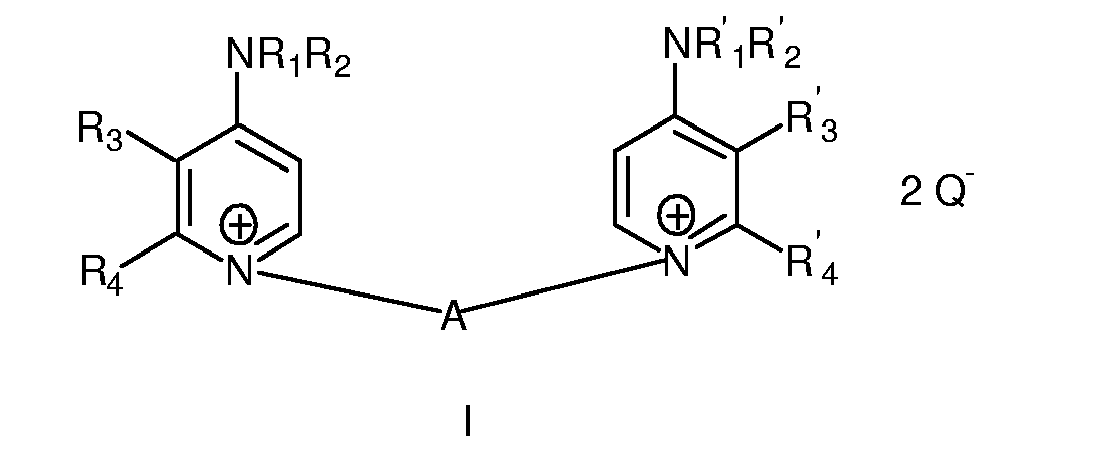
- Q-
- represents the conjugate base of a pharmaceutically suitable organic or inorganic acid;
- R1 and R'1
- represent, independently of each other, a radical selected from the group formed by H and C1-6 alkyl optionally substituted by trifluoromethyl, hydroxyl or alkoxyl;
- R2 and R'2
- represent, independently of each other, an aryl radical optionally substituted by halogen, trifluoromethyl, hydroxyl, C1-6 alkyl, amino or alkoxyl;
- R3 and R'3
- represent, independently of each other, either a radical selected from the group formed by H, halogen, trifluoromethyl, hydroxyl, amino, alkoxyl and C1-6 alkyl optionally substituted by trifluoromethyl, hydroxyl, amino or alkoxyl, or together with R4 and R'4 respectively, and independently of each other, a -CH=CH-CH=CH-radical optionally substituted by halogen, trifluoromethyl, hydroxyl, C1-6 alkyl, amino or alkoxyl;
- R4 and R'4
- represent, independently of each other, either a radical selected from the group formed by H and C1-6 alkyl optionally substituted by halogen, trifluoromethyl, hydroxyl, amino or alkoxyl, or together with R3 and R'3 respectively, and independently of each other, a -CH=CH-CH=CH-radical optionally substituted by halogen, trifluoromethyl, hydroxyl, C1-6 alkyl, amino or alkoxyl; and
- A
- represents a spacer group.
- In addition to acting as blocking agents of phosphorylcholine biosynthesis by means of selectively blocking the choline kinase enzyme in tumor cells or in cells affected by parasitic infection, the compounds belonging to this family are characterized by having levels of toxicity lower than those of compounds of similar structure known in the state of the art. This feature of the compounds of the invention is shown in the examples given below.
- In view of the present invention, spacer group "A" is understood as any divalent organic structure acting as a joining link between the two pyridinium groups present in the structure defined by formula I. In a particular embodiment of the invention, the spacer A has a structure according to one of the formulas II, III, IV, V and VI. These formulas represent radicals; in them, the line -- at the ends represents a bond, and not a methyl group.


- According to the present invention, the radicals R1 and R'1, R2 and R'2, as well as R3 and R4, R'3 and R'4 can represent different radicals or the same radicals, giving rise to asymmetric or symmetric compounds.
- In a particular embodiment of the invention, the radicals R2 and R'2 represent, independently of each other, a phenyl radical optionally substituted by halogen, trifluoromethyl, hydroxyl, C1-6 alkyl, amino and alkoxyl. In another particular embodiment of the invention, the radicals R1 and R'1 represent a methyl radical, whereas the radicals R2 and R'2 represent independently of each other a phenyl radical optionally substituted by one or more halogen substituents. In a third particular embodiment, both the radicals R3 and R4 and the radicals R'3 and R'4 together represent, although independently of each other, a -CH=CH-CH=CH- radical optionally substituted by one or more halogen substituents.
- The preferred compounds of the invention are shown in the following table I:

Table I Nº R 3 , R 4 * NR 1 R 2 A Code 1 H, H 

ACG560B 2 H, H 

ACG416B 3 H, H 

ACG548B 4 H, H 

ACG604A 5 -(CH=CH)2- 

RSM964A 6 -C5H=C6H-
C7Cl=C8H-
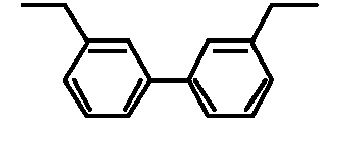
RSM820C 7 -(CH=CH)2- 

RSM932A 8 C5H=C6H-
C7Cl=C8H-

RSM824B 9 -(CH=CH)2- 

RSM936A 10 -C5H=C6H-
C7Cl=C8H-

RSM828B *R3 and R4 can mean either each one is hydrogen or both form a single radical. - Finally, in a preferred embodiment of the invention, the conjugate base of pharmaceutically suitable organic or inorganic acid Q represents Br (bromide) or F6P (hexafluorophosphate).
- The compounds of the invention have a selective effect on signaling pathways necessary for transforming certain oncogenes which do not affect normal cells with the same intensity and therefore, leave a sufficient margin for greater efficacy in antitumor treatment.
- On the other hand, the biological assays carried out by the authors of the invention allow extending this type of activity to antiviral, antiparasitic or antifungal activity because it is known that several parasites like Plasmodium falciparum or Trypanosoma cruzi, several viruses such as adenovirus, bacteria such as Streptococcus pneumoniae and fungi like Candida albicans require the metabolic pathway of phosphatidylcholine synthesis through choline kinase in order to complete their infective cycles in humans and animals. In this sense, the background in literature supports the role of ChoK in the intracellular metabolism in certain nucleosides in Hep-G2 cells [Martin, L. T.; Faraj, A.; Schinazi, R. F.; Gosselin, G.; Mathe, C.; Imbach, J.-L.; Sommadossi, J.-P. Biochemical Pharmacology, 53, 75-87 (1997)], the use of ChoK as an enzymatic marker in parasitic diseases [Wunderlich, F.; Helwig, M.; Schillinger, G.; Vial, H.; Philippot, J.; Speth, V. Molecular and Biochemical Parasitology, 23, 103-115 (1987); Ancelin, M. L.; Vial, H. J. Biochimica et Biophysica Acta (BBA)- Lipids and Lipid Metabolism, 875, 52-58 (1986)], and the participation of ChoK in the biosynthesis of important phospholipids in viruses [Balakivera L., Schoen G., Thouvenin E., Chroboczek J. J. Virol. 77:4858-4866 (2003)], bacteria [Whiting GC, Gillespie SH. FEMS Microbiol Lett. 138:141-145 (1996)] and fungi [Mago N, Khuller GK. J Med Vet Mycol. 28:355-362 (1990)]); Mago N, Khuller GK. J Med Vet Mycol. 28:355-362 (1990)]. All these studies support that ChoK inhibition could have important therapeutic consequences in curing the diseases mentioned hereinbefore.
- Therefore, in a second object, the invention provides the use of the compounds of formula I in medicine. Specifically, the compounds of formula I are claimed for their use in medicine. In a particular embodiment, the invention provides the compounds of formula I for the treatment of cancer, preferably, breast, lung, colorectal and pancreatic cancer. In another particular embodiment, the invention provides the compounds of formula I for the treatment of viral disease, preferably those caused by Adenovirus; as well as for antiparasitic treatment, preferably for those diseases caused by Plasmodium or Trypanosoma; antibacterial treatment, preferably for those diseases caused by Streptococcus; and antifungal treatment, preferably for those diseases caused by Candida.
- On the other hand, the use of a compound of formula I is claimed in the manufacture of a medicament. In a particular embodiment, the compound of formula I is used in the manufacture of a medicament for cancer, preferably breast, lung, colorectal or pancreatic cancer. In another particular embodiment, the compound of formula I is used in the manufacture of a medicament for the treatment of viral diseases, preferably those caused by Adenovirus; as well as in the manufacture of a medicament for antiparasitic treatment, preferably for those diseases caused by Plasmodium or Trypanosoma; in the manufacture of a medicament for the treatment of bacterial disease, preferably those caused by Streptococcus, and in the manufacture of a drug for the treatment of fungal diseases, preferably those caused by Candida.
- In its third object, the invention provides pharmaceutical formulations comprising at least one compound of formula I as an active ingredient. Said pharmaceutical formulations can contain one or more excipients and/or carrier substances. Furthermore, said formulations can contain any other active ingredient inhibiting the function of the choline kinase enzyme.
- The excipients, carrier substances and auxiliary substances must be pharmaceutically and pharmacologically tolerable, such that they can be combined with other components of the formulation or preparation and do not have adverse effects in the organism treated. The pharmaceutical compositions or formulations include those that are suitable for oral or parenteral administration (including subcutaneous, intradermal, intramuscular and intravenous administration), although the best administration route depends on the conditions of the patient. The formulations can be in the form of single doses. the formulations can be prepared according to methods known in the field of pharmacology. The amounts of active substances to be administered can vary according to the particularities of the therapy.
- The invention also provides a method for preparing the compounds of formula I. This object of the invention has two different embodiments according to whether the compound of formula I has the same or different aminopyridinium groups.
- a) Process for obtaining the compounds of formula I in which the aminopyridinium groups are the same: The process comprises reacting the corresponding heterocyclic derivative of formula VII and the dihalogenated derivative AX2 (where X represents the halogen atom: Cl, Br or I) in 2:1 molar amounts in an organic solvent. The reaction preferably takes place in butanone, in a closed tube and at a temperature of 90 to 110°C.
- b) Process for obtaining the compounds of formula I in which the aminopyridinium groups are different: The process comprises reacting the corresponding heterocyclic derivative of formula VII and the dihalogenated derivative AX2 (where X represents the halogen atom: Cl, Br or I) in 1:1 molar amounts in an organic solvent, in order to give a monoquaternized product which is again reacted with another different heterocyclic derivative molecule, in a 1:1 molar ratio, using another organic solvent that is more polar than the first one so that the previously formed monoquaternized salt can be dissolved. The first step of the reaction preferably takes place in butanone, in a closed tube and at a temperature of 90 to 110°C; whereas the second step is preferably carried out in ethanol in a closed tube and at a temperature of 90 to 110°C.
Finally, in its last object, the invention provides the compounds of formula VII participating as starting compounds in the method for preparing the compounds of formula I.
- R1
- represents a radical selected from the group formed by H and C1-6 alkyl optionally substituted by trifluoromethyl, hydroxyl or alkoxyl;
- R2
- represents an aryl radical optionally substituted by halogen, trifluoromethyl, hydroxyl, C1-6 alkyl, amino or alkoxyl;
- R3
- represents either a radical selected from the group formed by H, halogen, trifluoromethyl, hydroxyl, amino, alkoxyl and C1-6 alkyl optionally substituted by trifluoromethyl, hydroxyl, amino or alkoxyl, or together with R4 a -CH=CH-CH=CH- radical optionally substituted by halogen, trifluoromethyl, hydroxyl, C1-6, alkyl, amino or alkoxyl;
- R4
- represents either a radical selected from the group formed by H, and C1-6 alkyl optionally substituted by halogen, trifluoromethyl, hydroxyl, amino or alkoxyl, or together with R3 a -CH=CH-CH=CH-radical optionally substituted by halogen, trifluoromethyl, hydroxyl, C1-6 alkyl, amino or alkoxyl.
- Among the compounds preferred among the compounds of formula VII are the compounds of formula VIII:
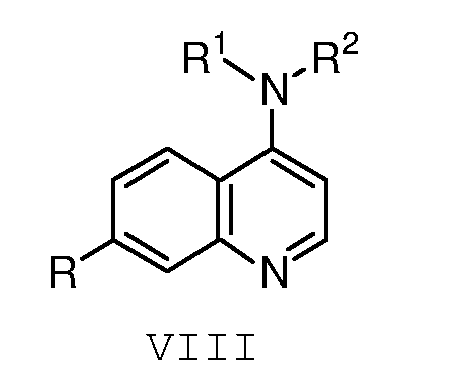
Compound R 1 R 2 R A Me 
H B Me 
Cl - The following examples are set forth as an illustration of the present invention:
- The mixture of 4-(4-chloro-N-methylaniline)pyridine (125 mg, 0.57 mmol) and 1,3-bis(bromomethyl)benzene (75 mg, 0.28 mmol) in dry butanone (40 ml) was heated in a closed tube at 100°C for 144 hours. After filtration and rigorous washing with butanone, EtOAc and Et2O, compound 1 was obtained pure as a white solid (125.2 mg, 62.7%); m.p.: 197-198°C. 1H NMR (400 MHz, DMSO-d 6) δ 8.48 (d, 4H, H-2, 6pyr, J = 6.6); 7.64 (d, 4H, H-3,5anil, J = 8.6); 7.57 (s, 1H, H-2Ph); 7.45 (d, 5H, H-2,6anil and H-5Ph; J = 8.6); 7.37 (d, 2H, H-4,6Ph, J = 7.7); 6.95 (bs, 4H, H-3,5pyr); 5.49 (s, 4H, CH2N+); 3.46 (s, 6H, Me). 13C-NMR (100 MHz, DMSO-d 6) δ 156.20 (C-4pyr); 142.75 (C-2,6pyr); 141.96 (C-1anil); 136.18 (C-1.3Ph); 132.78 (C-4anil); 130.50 (C-3,5anil); 129.73 (C-5Ph); 128.37 (C-2,6anil); 128.18 (C-4,6Ph); 127.89 (C-2Ph); 109.15 (C-3,5pyr); 59.16 (CH2N+); 41.42 (Me). HRMS (m/z): Calculated for C32H30N4Cl2Br (M - Br)+ 619.1031; found: 619.1031. Analysis for C32H30N4Cl2Br2·1H2O. Calculated: C 53.43; H 4.56; N 7.63%. Found: C 53.14; H 4.48; N 7.79%.
- The mixture of 4-(N-methylaniline)pyridine (216 mg, 1.17 mmol) and 3,3'-bis(bromomethyl)biphenyl (200 mg, 0.58 mmol) in dry butanone (40 ml) was heated in a closed tube at a 100°C for 24 hours. After filtration and thorough washing with butanone, the solid product was purified by recrystallization from MeOH and the residue was ground with Et2O. Compound 2 was obtained as a white solid (294 mg, 71.5%); m.p.: 124-125°C. 1H-NMR (300 MHz, CD3OD) δ 8.35 (bs, 4H, H-2,6pyr); 7.84 (s, 2H, H-2Ph); 7.67 (d, 2H, H-6Ph, J = 7.7); 7.56 (t, 4H, H-3,5anil, J = 7.6); 7.50-7.44 (m, 4H, H-5Ph and H-4anil); 7.39 (d, 2H, H-4Ph, J = 7.7); 7.33 (d, 4H, H-2,6anil, J = 7.5); 6.95 (bs, 4H, H-3,5pyr); 5.47 (s, 4H, CH2N+); 3.51 (s, 6H, Me). 13C-NMR (75 MHz, CD3OD) δ 158.48 (C-4pyr); 144.82 (C-1anil); 143.80 (C-2.6pyr); 142.60 (C-1Ph); 136.82 (C-3Ph); 132.01 (C-3,5anil); 131.14 (C-5Ph); 130.12 (C-4anil); 128.99 (C-4Ph); 128.82 (C-6Ph); 128.58 (C-2Ph); 127.52 (C-2,6anil); 110.29 (C-3,5pyr); 61.97 (CH2N+); 41.42 (Me). HRMS (m/z): Calculated for C38H36N4Br (M - Br)+ 627.2123; found: 627.2122. Analysis for C38H36N4Br2·2.5H2O. Calculated: C 60.56; H 5.48; N 7.43%. Found: C 60.70; H 5.83; N 7.20%.
- The mixture of 4-(4-chloro-N-methylaniline)pyridine (235 mg, 1.07 mmol) and 3,3'-bis(bromomethyl)biphenyl (183 mg, 0.53 mmol) in dry butanone (40 ml) was heated in a closed tube at 100°C for 24 hours. After filtration and thorough washing with CHCl3, the solid product was purified by recrystallization from MeOH, after adding Et2O until turbidity. Compound 3 was obtained as a white solid (205 mg, 49.7%); m.p.: 279-280°C. 1H-NMR (300 MHz, DMSO-d 6) δ 8.57 (d, 4H, H-2,6pyr, J = 6.5); 7.88 (s, 2H, H-2Ph); 7.67 (d, 2H, H-6Ph, J = 7.7); 7.61 (d, 4H, H-3, 5anil, J = 8.6); 7.51 (t, 2H, H-5Ph, J = 7.7); 7.42 (d, 6H, H-4Ph and H-2,6anil, J = 8.6); 6. 99 (bs, 4H, H-3,5pyr); 5.51 (s, 4H, CH2N+); 3.43 (s, 6H, Me). 13C-NMR (75 MHz, DMSO-d6) δ 156.20 (C-4pyr); 142.72 (C-2,6pyr); 142.05 (C-1anil); 140.01 (C-1Ph); 136.20 (C-3Ph); 132.79 (C-4anil); 130.53 (C-3,5anil); 129.73 (C-5Ph); 128.47 (C-2,6anil); 127.51 (C-4Ph); 127.14 (C-6Ph); 127.04 (C-2Ph); 109.20 (C-3,5pyr); 59.55 (CH2N+); 40.73 (Me). HRMS (m/z) : Calculated for C38H34N4Cl2Br (M - Br)+ 695.1344; found: 695.1344. Analysis for C38H34N4Cl2Br2·1.2H2O. Calculated: C 57.12; H 4.59; N 7.01%. Found: C 57.55; H 4.99; N 6.97%.
- The mixture of 4-(3,5-dichloro-N-methylaniline)pyridine (200 mg, 0.80 mmol) and 3,3'-bis(bromomethyl)biphenyl (136 mg, 0.40 mmol) in dry butanone (40 ml) was heated in a closed tube at 100°C for 72 hours. After filtration and thorough washing with butanone Et2O, compound 4 was obtained as a pure white solid (270 mg, 79.7%); m.p.: 312-313°C. 1H-NMR (300 MHz, DMSO-d 6) δ 8.63 (d, 4H, H-2, 6pyr, J = 7.1); 7.92 (s, 2H, H-2Ph); 7.75 (s, 2H, H-4anil); 7.70 (d, 2H, H-6Ph, J = 7.6); 7.62 (d, 4H, H-2,6anil, J = 1.8); 7.53 (t, 2H, H-5Ph, J = 7.6); 7.45 (d, 2H, H-4Ph, J = 7.6); 7.04 (d, 4H, H-3,5pyr, J = 7.1); 5.56 (s, 4H, CH2N+); 3.44 (s, 6H, Me). 13C-NMR (75 MHz, DMSO-d 6) δ 156.20 (C-4pyr); 145.27 (C-1anil); 142.86 (C-2,6pyr); 140.08 (C-1Ph); 136.11 (C-3Ph); 135.34 (C-3,5anil); 129.70 (C-5Ph); 128.33 (C-4anil); 127.55 (C-4Ph); 127.14 (C-6Ph); 127.07 (C-2Ph); 125.97 (C-2, 6anil); 109.53 (C-3,5pyr); 59.65 (CH2N+); 40.59 (Me). HRMS (m/z) : Calculated for C38H32N4Cl4Br (M - Br)+ 763.0564; found: 763.0563. Analysis for C38H32N4Cl4Br·0.1H2O. Calculated: C 53.81; H 3.81; N 6.60%. Found: C 53.41; H 4.19; N 6.25%.
- The mixture of 4-(4-chloro-N-methylanilino)quinoline (212 mg, 0.78 mmol) and 3,3'-bis(bromomethyl)benzene (134 mg, 0.39 mmol) in dry butanone (40 ml) was heated in a closed tube at 100°C for 72 hours. After filtration and thorough washing with butanone, EtOAc and Et2O, compound 5 was obtained as a pure yellowish solid (134 mg, 40%); m.p.: 217-218°C. 1H-NMR (300 MHz, DMSO-d 6): d 9.24 (d, J = 7.4, 2H, H-2quin); 8.18 (d, J = 8.9, 2H, H-8quin); 7.84 (s, 2H, H-2Ph); 7.63 (d, J = 7.5, 2H, H-5quin); 7.56-7.43 (m, 18H, H-5,6Ph, H-2,3,5,6anil,H-3,6,7quin); 7.23 (d, J = 7.4, 2H, H-4Ph); 6.08 (s, 4H, N+-CH 2); 3.74 (s, 6H, Me). 13C-NMR (100 MHz, DMSO-d 6): d 157.87 (C-4quin); 147.46 (C-2quin); 146.42 (C-1anil); 140.03 (C-1Ph); 138.83 (C-8aquin); 135.61 (C-3Ph); 133.50 (C-7quin); 131.69 (C-4anil); 130.27 (C-3,5anil); 129.62 (C-5Ph); 127.35 (C-6Ph); 127.18 (C-2,6anil); 126.73 (C-6quin); 126.09 (C-4Ph); 125.87(C-5quin); 125.67 (C-2Ph); 119. 65 (C-4aquin); 119.14 (C-8quin); 107.10 (C-3quin); 57.28 (N+-CH2); 44.94 (Me). HRMS (m/z): Calculated for C46H38N4Cl2Br2 [(M - Br)]+ 795.1657. Found: 795.1656. Analysis for C46H38N4Cl2Br2·3H2O. Calculated: C 59.31; H 4.76; N 6.01%. Found: C 59.24; H 4.70; N 5.65%.
- The mixture of 7-chloro-4-(4-chloro-N-methylanilino)quinoline (300 mg, 0.98 mmol) and 3,3'-bis(bromomethyl)biphenyl (168 mg, 0.49 mmol) in dry butanone (40 ml) was heated in a closed tube at 100°C for 72 hours. After filtration and thorough washing with butanone and CHCl3, the solid product was purified by recrystallization from EtOH or EtOH/MeOH, after adding Et2O until turbidity. Compound 6 was obtained as a yellowish solid (154 mg, 45%); m.p.: 220-221ºC. 1H-NMR (300 MHz, DMSO-d 6): d 9.19 (d, J = 7.5, 2H, H-2quin); 8.29 (d, J = 1.7, 2H, H-8quin); 7.85 (s, 2H, H-2Ph); 7.64 (d, J = 7.2, 2H, H-5quin); 7.57-7.45 (m, 16H, H-5,6Ph, H-2,3,5,6anil, H-3,6quin); 7.25 (d, J = 7.7, 2H, H-4Ph) ; 6.08 (s, 4H, N+-CH 2); 3.73 (s, 6H, Me). 13C-NMR (75 MHz, DMSO-d 6): d 157.68 (C-4quin); 148.01 (C-2quin); 146.14 (C-1anil); 140.14 (C-1Ph); 139.85 (C-8aquin); 138.48 (C-7quin); 135.51 (C-3Ph); 132.11 (C-4anil); 130.50 (C-3,5anil); 129.80 (C-5Ph); 129.45 (C-6Ph); 127.32 (C-2,6anil); 126.89 (C-6quin); 126.12 (C-4Ph); 125.91 (C-5quin); 125.82 (C-2Ph); 118.48 (C-8quin); 118.35 (C-4aquin); 107.38 (C-3quin); 57.14 (N+-CH2); 45.18 (Me). HRMS (m/z): Calculated for C46H36N4Cl4Br2 [(M - HBr - Br)]+ 783.1616. Found: 783.1616. Analysis for C46H36N4Cl4Br2·1.5H2O. Calculated: C 56.76; H 4.04; N 5.76%. Found: C 56.72; H 4.18; N 5.71%.
- The mixture of 4-(4-chloro-N-methylaniline)quinoline (240 mg, 0.89 mmol) and 4,4'-bis(bromomethyl)biphenyl (152 mg, 0.44 mmol) in dry butanone (40 ml) was heated in a closed tube at 100°C for 72 hours. After filtration and thorough washing with butanone, compound 7 was obtained as a pure yellowish solid (121 mg, 30%); m.p.: 255-257°C. 1H-NMR (300 MHz, DMSO-d 6): d 9.19 (d, J = 7.4, 2H, H-2quin); 8.12 (d, J = 8.9, 2H, H-8quin); 7.83 (pst, J = 7.5, 2H, H-7quin); 7.66 (d, J = 8.2, 2H, H-5quin); 7.55 (d, J = 8.8, 4H, H-3,5anil); 7.44 (d, J = 8.9, 4H, H-2,6anil); 7.56-7.39 (m, 12H, H-2,3,5,6Ph, H-3quin, H-6quin); 6.05 (s, 4H, N+-CH 2); 3.73 (s, 6H, Me). 13C-NMR (75 MHz, DMSO-d 6): d 157.86 (C-4quin); 147.41 (C-2quin); 146.40 (C-1anil); 139.11 (C-1Ph); 138.78 (C-8aquin); 134.30 (C-4Ph); 133.47 (C-7quin); 131.69 (C-4anil); 130.26 (C-3,5anil); 127.34 (C-3,5Ph); 127.18 (C-2,6anil), (C-2,6Ph); 127.08 (C-6quin); 126.08 (C-5quin); 119.65 (C-4aquin); 119.12 (C-8quin); 107.06 (C-3quin); 56.94 (N+-CH2); 44.94 (Me). HRMS (m/z) : Calculated for C46H38N4Cl2Br2 [(M - Br)]+ 795.1657. Found: 795.1658. Analysis for C46H38N4Cl2Br2·2H2O. Calculated: C 60.48; H 4.63; N 6.13%. Found: C 60.06; H 4.48; N 5.87%.
- The mixture of 7-chloro-4-(4-chloro-N-methylanilino)quinoline (300 mg, 0.98 mmol) and 4,4'-bis(bromomethyl)biphenyl (168 mg, 0.49 mmol) in dry butanone (100 ml) was heated in a closed tube at 100°C for 72 hours. After filtration and thorough washing with butanone, compound 8 was obtained as a pure yellowish solid (195 mg, 48%); m.p.: 276-277°C. 1H-NMR (400 MHz, DMSO-d 6): d 9.14 (d, J = 7.4, 2H, H-2quin); 8.23 (d, J = 1.6, 2H, H-8quin); 7.73 (d, J = 8.3, 2H, H-5quin); 7.69 (d, J = 8.4, 4H, H-2,6Ph); 7.56 (d, J = 8.8, 4H, H-3,5anil); 7.46 (d, J = 8.9, 4H, H-2,6anil); 7.50-7.46 (m, 6H, H-6quin, H-3quin); 7.41 (d, J = 8.4, 4H, H-3,5Ph); 6.04 (s, 4H, N+-CH 2); 3.73 (s, 6H, Me). 13C-NMR (100 MHz, DMSO-d 6): d 157.69 (C-4quin); 147.98 (C-2quin); 146.13 (C-1anil); 139.82 (C-8aquin); 139.21 (C-1Ph); 138.51 (C-7quin); 134.22 (C-4Ph); 132.14 (C-4anil); 130.50 (C-3,5anil); 129.45 (C-2,6anil); 127.54 (C-3,5Ph); 127.33 (C-6quin); 127.23 (C-2,6Ph); 126.52 (C-5quin); 118.47 (C-8quin); 118.35 (C-4aquin); 107.33 (C-3quin); 56.83 (N+-CH2); 45.19 (Me). HRMS (m/e): Calculated for C46H36N4Cl4Br2 [(M-HBr-Br)]+ 783.1616. Found: 783.1614. Analysis for C46H36N4Cl4Br2. Calculated: C 58.38; H 3.83; N 5.92%. Found: C 58.73; H 3.96; N 5.74%.
- The mixture of 4-(4-chloro-N-methylanilino)quinoline (204 mg, 0.76 mmol) and 4,4'-bis(bromomethyl)bibenzyl (140 mg, 0.37 mmol) in dry butanone (40 ml) was heated in a closed tube at 100°C for 72 hours. After filtration and thorough washing with butanone and CHCl3, compound 9 was obtained as a pure yellowish solid (70 mg, 20%); m.p.: 212-214°C. 1H-NMR (300 MHz, DMSO-d 6) : d 9.19 (d, J = 7.4, 2H, H-2quin); 8.10 (d, J = 8.9, 2H, H-8quin); 7.82 (pst, J = 7,5, 2H, H-7quin); 7.54 (d, J = 8.8, 4H, H-3,5anil); 7.44 (d, J = 8.9, 4H, H-2,6anil); 7.52-7.39 (m, 6H, H-3quin, H-5quin, H-6quin); 7.24 (s, 8H, H-2,3,5,6Ph); 5.98 (s, 4H, N+-CH 2); 3.73 (s, 6H, Me); 2.80 (s, 4H, CH 2-Ph). 13C-NMR (100 MHz, DMSO-d 6): d 157.80 (C-4quin); 147.34 (C-2quin); 146.44 (C-1anil); 141.55 (C-1Ph); 138.74 (C-8aquin); 133.36 (C-7quin); 132.32 (C-4Ph); 131.63 (C-4anil); 130.25 (C-3, 5anil); 128.79 (C-3,5Ph); 127.26 (C-6quin); 127.17 (C-2,6anil); 126.74 (C-2,6Ph); 126.04 (C-5quin); 119.66 (C-4aquin); 119.19 (C-8quin); 107.06 (C-3quin); 57.10 (N+- CH2); 44.93 (Me); 36.22 (CH2-Ph). HRMS (m/z) : Calculated for C48H42N4Cl2Br2 [(M - Br)]+ 823.1970. Found: 823.1970. Analysis for C48H42N4Cl2Br2·1H2O. Calculated: C 62.42; H 4.80; N 6.07%. Found: C 62.29; H 4.59; N 6.09%.
- The mixture of 7-chloro-4-(4-chloro-N-methylanilino)quinoline (300 mg, 0.98 mmol) and 4,4'-bis(bromomethyl)bibenzyl (182 mg, 0.49 mmol) in dry butanone (40 ml) was heated in a closed tube at 100°C for 72 hours. After filtration and thorough washing with butanone, compound 10 was obtained as a pure yellowish solid (229 mg, 48%); m.p.: 256-257°C. 1H-NMR (400 MHz, DMSO-d 6): d 9.11 (d, J = 7.4, 2H, H-2quin); 8.18 (d, J = 1.5, 2H, H-8quin); 7.55 (d, J = 8.8, 4H, H-3,5anil); 7.46 (d, J = 8.8, 4H, H-2,6anil); 7.56-7.44 (m, 6H, H-3quin, H-5quin, H-6quin); 7.24 (s, 8H, H-2,3,5,6Ph); 5.97 (s, 4H, N+-CH 2); 3.72 (s, 6H, Me); 2.82 (s, 4H, CH 2-Ph). 13C-NMR (100 MHz, DMSO-d 6): d 157.63 (C-4quin); 147.91 (C-2quin); 146.16 (C-1anil); 141.74, 139.75 and 138.88 (C-7quin, C-8aquin and C-4ph); 132.20 (C-4anil); 132.08 (C-1Ph); 130.50 (C-3,5anil); 129.39 (C-6quin); 128.99 (C-3,5Ph); 127.32 (C-2,6anil); 126.90 (C-2,6Ph); 126.48 (C-5quin); 118.55 (C-8quin); 118.35 (C-4aquin); 107.32 (C-3quin); 57.02 (N+-CH2); 45.17 (Me); 36.33 (CH2-Ph). HRMS (m/z): Calculated for C48H40N4Cl4Br2 [(M-HBr-Br)]+ 811.1927. Found: 811.1926. Analysis for C48H40N4Cl4Br2·2H2O. Calculated: C 57.05; H 4.39; N 5.54%. Found: C 57.14; H 4.07; N 5.46%.
- The compound α,α'-dibromo-m-xylene is a commercial product supplied by Sigma-Aldrich Quimica S. A. with address at Avenida Valdelaparra No. 51-53, 28100 Alcobendas (Madrid).

The following starting materials were prepared by means of the methods described in the respective references - 1.- 3,3'-bis(bromomethyl)biphenyl
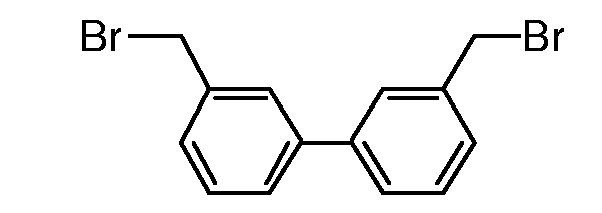
- 2.- 4,4'-bis(bromomethyl)biphenyl

- 3.- Bis-p-(bromomethyl)bibenzyl

- 4.- 4-(N-Methylanilino)pyridine

- 5.- 4-(4-Chloro-N-methylanilino)pyridine

- 6.- 4-(3,5-dichloro-N-methylanilino)pyridine

- 7.- 4,4'-Bis(chloromethyl)-[2,2']bithiazolyl.

- 8.- Diethyl 4,4'-Bis(bromomethyl)-[2,2']bithiazolyl-5,5'-dicarboxylate

- 9.- 6,6'-Bis(bromomethyl)-[2,2']bipyridine

- 10.- 6,6'-Bis(bromomethyl)-4,4'-dimethyl-[2,2']bipyrimidinyl

- The compounds of formula VII:

- Examples of obtaining the compounds of formula VIII

Intermediate No. R1 R2 R A Me 
H B Me 
Cl - A solution of 4-chloroquinoline (5 mmol) and of 4-chloro-N-methylaniline (10 mmol) in glacial acetic acid (15 ml) was heated with reflux for 3 h under a stream of argon. After cooling, the solution was basified with a 10% NaOH solution until pH = 10 and the resulting suspension was concentrated in a rotary evaporator and purified by means of flash chromatography (9:1, CH2Cl2:MeOH) to give the target molecule as a yellowish syrup (97%). 1H-NMR (400 MHz, CDCl3): d 8.10 (d, J = 8.5, 1H, H-2quin); 7.70 (d, J = 8.5, 1H, H-5quin); 7.65 (t, J = 7.9, 1H, H-7quin); 7.38 (t, J = 8.5, 1H, H-6quin); 7.35 (d, J = 7.9, 1H, H-8quin); 7.17 (d, J = 8.9, 2H, H-3,5anil); 7.14 (d, J = 8.5, 1H, H-3quin); 6.76 (d, J = 8.9, 2H, H-2,6anil); 3.45 (s, 6H, Me). 13C-NMR (100 MHz, CDCl3): d 153.37 (C-4quin); 151.16 (C-2quin); 150.01 (C-1anil); 148.17 (C-8aquin); 135.02 (C-4anil); 130.07 (C-7quin); 129.52 (C-6quin); 129.29 (C-3,5anil); 126.26(C-4aquin); 126.07 (C-5quin); 124.40 (C-8quin); 119.79 (C-2,6anil); 115.08 (C-3quin); 41.75 (Me). HRMS (m/z): Calculated for C16H13N2Cl [(M + H)]+ 269.0845. Found: 269.0845. Analysis for C16H13N2Cl. Calculated: C 71.51; H 4.88; N 10.42%.
Found: C 71.60; H 4.71; N 10.33%. - A solution of 4,7-dichloroquinoline (5 mmol) and of 4-chloro-N-methylaniline (10 mmol) in glacial acetic acid (15 ml) was heated with reflux for 3 h under a stream of argon. After cooling, the solution was basified with a 10% NaOH solution until pH = 10 and the resulting suspension was concentrated in a rotary evaporator and purified by means of flash chromatography (9:1, CH2Cl2:MeOH) to give the intermediate II as a yellowish syrup (59%) 1H-NMR (300 MHz, CH3OD): d 8.66 (d, J = 7.1, 1H, H-2quin); 7.94 (d, J = 2.0, 1H, H-8quin); 7.53 (d, J = 8.8, 2H, H-3,5anil); 7.41-7.37 (m, 2H, H-5,6quin); 7.47 (d, J = 8.8, 2H, H-2,6anil); 7.32 (d, J = 7.1, 2H, H-3quin); 3.76 (s, 3H, Me). 13C-NMR (75 MHz, CH3OD): d 159.86 (C-4quin); 147.63 (C-7quin); 143.86 (C-2quin); 141.46 (C-1anil); 140.56 (C-8aquin); 135.02 (C-4anil); 132.01 (C-3,5anil); 129.92 (C-6quin); 128.58 (C-2,6anil); 127.98 (C-5quin); 120.56 (C-8quin); 118.71 (C-4aquin); 107.38 (C-3quin); 45.74 (Me). HRMS (m/z): Calculated for C16H12N2Cl2 [(M + H)]+ 303.0456. Found: 303.0456. Analysis for C16H12N2Cl2. Calculated: C 63.38; H 3.99; N 9.24%. Found: C 63.46; H 3.71; N 9.17%.
- Recombinant choline kinase expressed in E. coli in the buffer assay (100 mM Tris-HCl pH 8.0, 100 mM MgCl2, 10 mM ATP and 200 µM of choline in the presence of methyl[14C]-choline chloride (50-60 µCi/mmol)) was used for the ex vivo assays. The reactions were carried out at 37° C for 30 minutes and were stopped with trichloroacetic acid cooled with ice to a final concentration of 16%. The samples were washed with diethyl ether saturated with water and were lyophilized. The hydrophilic choline derivatives were resolved in thin layer chromatography plates according to a described process [Ramirez, A., Penalva, V., Lucas, L., Lacal, J.C. Oncogene 21, 937-946 (2002)].
- These assays were carried out with compounds 1-10 of the invention as well as with the compounds EC1-EC6, known compounds of the state of the art, specifically in patent
ES 2 117 950 - The HT-29 cells were seeded in 24-well plates (35 x 103 cells/well) and were incubated for 24 hours. Then the cells were treated with different concentrations of ChoK inhibitors in the usual culture medium. Three days later, the wells were aspirated and both fresh medium and more amount of drug were added, and the cells were maintained for three more days. The quantification of the remaining cells in each well was carried out by means of the Crystal Violet method [Gillies, R. J., Didier, N., Denton, M. Anal. Biochem. 159, 109-113 (1986)], with some modifications [Hernández-Alcoceba, R., Saniger, L., Campos, J., Núñez, M. C., Khaless, F., Gallo, M. Á., Espinosa, A., Lacal, J. C. Oncogene, 15, 2289-2301 (1997)]. Briefly, the cells were washed with TD buffer and fixed with 1% glutaraldehyde for 15 minutes. After washing again with TD, the cell nuclei were coloured with 0.1% Crystal Violet for at least 30 minutes and washed three times with distilled water. The adsorbed colouring was resuspended in 10% acetic acid and the absorbance at 595 nm was determined in a spectrometer. The results obtained are summarized in the form of an IC50 value, i.e. the concentration of the compound required to produce 50% inhibition. This value is determined by iterative curve adjustment. Two values are determined for each point of the curve, the experiment was repeated two or three times and the mean values were estimated. In the few cases in which the two values differed more than 50%, a third experiment was carried out to determine the real value. The IC50 value as a potency measurement is used to relate the biological activity of the compounds with their chemical structure.
- These assays were carried out with compounds 1-10 of the invention as well as with compounds EC1-EC6, known compounds of the state of the art, specifically in patent
ES 2 117 950 - Toxicity assays were carried out with 1 month old Balb C mice weighing about 25-30 grams at the start of the experiment. The mice were inoculated with different amounts of each compound in a range of 0.1 mg/kg up to 25 mg/kg, in daily doses for 5 consecutive days. After the five doses, the mice were left to rest for 9 days and both the survival and general condition were analyzed, paying special attention to the effects on their coat, behaviour, feeding habits and weight. The doses entailing a 50% mortality were recorded as the corresponding toxicity IC50. The results obtained with the new compounds show a clear improvement of the activity when their toxicity is reduced, measured by their corresponding IC50.
- These assays were carried out with compounds 1-10 of the invention as well as with compounds EC1-EC6, known compounds of the state of the art, specifically in patent
ES 2 117 950 - The following table II summarizes the results obtained in the assays which have been carried out.
Table II No. Code R3, R4* NR1R2 A ex vivo IC50 (µM) HT-29 IC50 (µM) toxicity IC50 (mg/Kg) 1 ACG560B H, H 

5.7 3.3 17.5 2 ACG416B H, H 

0.42 2.2 13.6 3 ACG548B H, H 
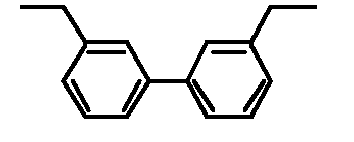
1.9 1.9 20 4 ACG604A H, H 

2.6 1.8 16.7 EC1 ACG516B H, H 

5.8 2.6 12.5 EC2 ACG492A H, H 

1.9 1.6 11.5 5 RSM964A -(CH=CH)2- 

1.3 1.6 >25 6 RSM820C -C5H=C6H-
C7Cl=C8H-
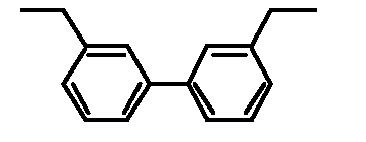
5.70 1.90 >20 EC3 RSM856B -C5H=C6H-
C7Cl=C8H--NMe2 
9.60 0.70 2.9 EC4 RSM1076A -C5H=C6H-
C7Cl=C8H-

1.20 0.40 10 7 RSM932A -(CH=CH)2- 
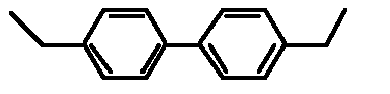
2.0 1.2 12.5 8 RSM824B -C5H=C6H-
C7Cl=C8H-

11.4 1.2 15 9 RSM936A -(CH=CH)2- 

4.8 0.7 16.7 10 RSM828B -C5H=C6H-
C7Cl=C8H-

5.70 0.80 12.5 EC5 RSM1084A -C5H=C6H-
C7Cl=C8H-

1.00 0.20 7.5 EC6 JC/947A H, H -NMe2 
22 2.5 0.3 * R3 and R4 can mean either each one is hydrogen or both form a single radical. - It can be observed from the data of table II that the compounds of the present invention have a considerably lower toxicity than the compounds of patent
ES 2 117 950
Claims (15)
- A compound having general formula I:
 Q- represents the conjugate base of a pharmaceutically suitable organic or inorganic acid;R1 and R'1 represent, independently of each other, a radical selected from the group formed by H and C1-6 alkyl optionally substituted by trifluoromethyl, hydroxyl or alkoxyl;R2 and R'2 represent, independently of each other, an aryl radical optionally substituted by halogen, trifluoromethyl, hydroxyl, C1-6 alkyl, amino or alkoxyl;R3 and R'3 represent, independently of each other, either a radical selected from the group formed by H, halogen, trifluoromethyl, hydroxyl, amino, alkoxyl and C1-6 alkyl optionally substituted by trifluoromethyl, hydroxyl, amino or alkoxyl, or together with R4 and R'4 respectively, and independently of each other, a -CH=CH-CH=CH-radical optionally substituted by halogen, trifluoromethyl, hydroxyl, C1-6 alkyl, amino or alkoxyl;R4 and R'4 represent, independently of each other, either a radical selected from the group formed by H and C1-6 alkyl optionally substituted by halogen, trifluoromethyl, hydroxyl, amino or alkoxyl, or together with R3 and R'3 respectively, and independently of each other, a -CH=CH-CH=CH-radical optionally substituted by halogen, trifluoromethyl, hydroxyl, C1-6 alkyl, amino or alkoxyl; andA represents a spacer group.
 - A compound according to claim 1, characterized in that spacer A has a formula selected from:
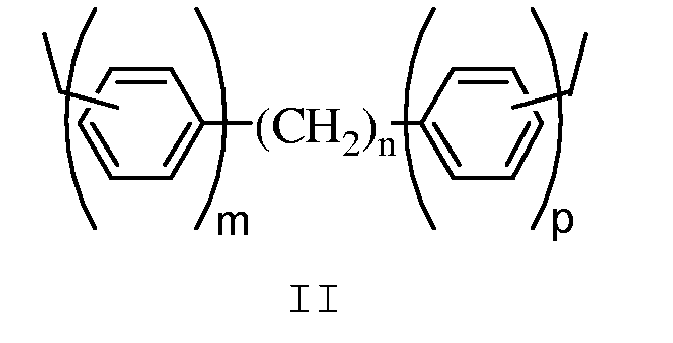


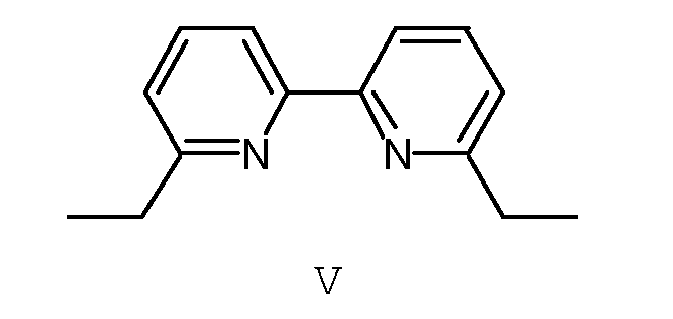

- A compound according to previous claims, characterized in that R2 and R'2 represent, independently of each other, a phenyl radical optionally substituted by halogen, trifluoromethyl, hydroxyl, C1-6 alkyl, amino and alkoxyl.
- A compound according to claim 3, characterized in that R1 and R'1 represent a methyl radical, and in that R2 and R'2 represent, independently of each other, a phenyl radical optionally substituted by one or more halogen substituents.
- A compound according to the previous claims, characterized in that both R3 and R4 and R'3 and R'4 together represent, although independently of each other, a -CH=CH-CH=CH- radical optionally substituted by one or more halogen substituents.
- A compound according to claim 1, characterized in that it has the following substituents:
No. R 3 , R 4 * NR 1 R 2 A Code 1 H, H 

ACG560B 2 H, H 

ACG416B 3 H, H 

ACG548B 4 H, H 

ACG604A 5 -(CH=CH)2- 

RSM964A 6 -C5H=C6H-
C7Cl=C8H-

RSM820C 7 -(CH=CH)2- 

RSM932A 8 -C5H=C6H-
C7Cl=C8H-

RSM824B 9 -(CH=CH)2- 

RSM936A 10 -C5H=C6H-
C7Cl=C8H-

RSM828B * R3 and R4 can mean either each one is hydrogen or both form a single radical. - A compound according to claim 6, characterized in that Q represents Br (bromide) or F6P (hexafluorophosphate).
- A pharmaceutical formulation comprising at least one compound defined in claims 1 to 7 as an active ingredient.
- A compound according to claims 1 to 7 for its use in medicine, particularly for its use in the treatment of cancer, for antiviral, antiparasitic and antifungal treatment.
- A compound according to claims 1 to 7 for the treatment of breast, lung, colorectal and pancreatic cancer.
- The use of a compound according to claims 1 to 7 in the manufacture of a medicament, particularly for the treatment of cancer, for antiviral, antiparasitic and antifungal treatment.
- The use of a compound according to claims 1 to 7 in the manufacture of a medicament for the treatment of breast, lung, colorectal and pancreatic cancer.
- A process for preparing a compound according to claim 1 comprising reacting:a) the corresponding heterocyclic derivative of formula VII and the dihalogenated derivative AX2 (where X represents the halogen atom: Cl, Br or I) in 2:1 molar amounts in an organic solvent or,b) the corresponding heterocyclic derivative of formula VII and the dihalogenated derivative AX2 (where X represents the halogen atom: Cl, Br or I) in a 1:1 molar ratio in an organic solvent, in order to give a monoquaternized product which is again reacted with another different heterocyclic derivative molecule, in a 1:1 molar ratio, using an organic solvent that is more polar than the first one.
- A compound having general formula VII:
 R1 represents a radical selected from the group formed by H and C1-6 alkyl optionally substituted by trifluoromethyl, hydroxyl or alkoxyl;R2 represents an aryl radical optionally substituted by halogen, trifluoromethyl, hydroxyl, C1-6 alkyl, amino or alkoxylR3 represents either a radical selected from the group formed by H, halogen, trifluoromethyl, hydroxyl, amino, alkoxyl and C1-6 alkyl optionally substituted by trifluoromethyl, hydroxyl, amino or alkoxyl, or together with R4 a -CH=CH-CH=CH- radical optionally substituted by halogen, trifluoromethyl, hydroxyl, C1-6, alkyl, amino or alkoxyl;R4 represents either a radical selected from the group formed by H, and C1-6 alkyl optionally substituted by halogen, trifluoromethyl, hydroxyl, amino or alkoxyl, or together with R3 a -CH=CH-CH=CH-radical optionally substituted by halogen, trifluoromethyl, hydroxyl, C1-6 alkyl, amino or alkoxyl.
 - Compounds according to claim 14 having formulas: 4-(4-chloro-N-methylanilino)quinoline


Priority Applications (2)
| Application Number | Priority Date | Filing Date | Title |
|---|---|---|---|
| EP09157208A EP2085386A3 (en) | 2004-01-14 | 2005-01-11 | Pyridinium and quinolinium derivatives as Choline kinase inhibitors |
| PL05708100T PL1710236T3 (en) | 2004-01-14 | 2005-01-11 | Derivatives of pyridine and quinoline |
Applications Claiming Priority (2)
| Application Number | Priority Date | Filing Date | Title |
|---|---|---|---|
| ES200400072A ES2237332B1 (en) | 2004-01-14 | 2004-01-14 | DERIVATIVES OF PIRIDINIO AND QUINOLINIO. |
| PCT/ES2005/070002 WO2005068429A1 (en) | 2004-01-14 | 2005-01-11 | Derivatives of pyridine and quinoline |
Related Child Applications (2)
| Application Number | Title | Priority Date | Filing Date |
|---|---|---|---|
| EP09157208A Division EP2085386A3 (en) | 2004-01-14 | 2005-01-11 | Pyridinium and quinolinium derivatives as Choline kinase inhibitors |
| EP09157208.1 Division-Into | 2009-04-02 |
Publications (2)
| Publication Number | Publication Date |
|---|---|
| EP1710236A1 true EP1710236A1 (en) | 2006-10-11 |
| EP1710236B1 EP1710236B1 (en) | 2010-03-24 |
Family
ID=34778265
Family Applications (2)
| Application Number | Title | Priority Date | Filing Date |
|---|---|---|---|
| EP05708100A Expired - Lifetime EP1710236B1 (en) | 2004-01-14 | 2005-01-11 | Derivatives of pyridine and quinoline |
| EP09157208A Withdrawn EP2085386A3 (en) | 2004-01-14 | 2005-01-11 | Pyridinium and quinolinium derivatives as Choline kinase inhibitors |
Family Applications After (1)
| Application Number | Title | Priority Date | Filing Date |
|---|---|---|---|
| EP09157208A Withdrawn EP2085386A3 (en) | 2004-01-14 | 2005-01-11 | Pyridinium and quinolinium derivatives as Choline kinase inhibitors |
Country Status (15)
| Country | Link |
|---|---|
| US (1) | US7781458B2 (en) |
| EP (2) | EP1710236B1 (en) |
| JP (2) | JP5047627B2 (en) |
| KR (1) | KR101157206B1 (en) |
| CN (1) | CN1910153B (en) |
| AT (1) | ATE461918T1 (en) |
| BR (1) | BRPI0506486A (en) |
| CA (1) | CA2553328C (en) |
| DE (1) | DE602005020112D1 (en) |
| DK (1) | DK1710236T3 (en) |
| ES (2) | ES2237332B1 (en) |
| MX (1) | MXPA06007940A (en) |
| PL (1) | PL1710236T3 (en) |
| PT (1) | PT1710236E (en) |
| WO (1) | WO2005068429A1 (en) |
Cited By (5)
| Publication number | Priority date | Publication date | Assignee | Title |
|---|---|---|---|---|
| WO2010001369A2 (en) | 2008-07-04 | 2010-01-07 | Translational Cancer Drugs Pharma, S.L. | Methods for the treatment and diagnosis of cancer |
| WO2012041493A1 (en) * | 2010-09-28 | 2012-04-05 | Julius-Maximilians-Universität Würzburg | Aminoquinolinium salts, methods of their production and their use as active agents for biotechnological and medical applications against binary toxins |
| EP2468259A1 (en) * | 2010-12-23 | 2012-06-27 | Traslational Cancer Drugs Pharma, S.L. | Pharmaceutical compositions of pyridinium and quinolinium derivatives |
| WO2012175537A1 (en) | 2011-06-20 | 2012-12-27 | Traslational Cancer Drugs Pharma, S.L. | Method for predicting the clinical response to chemotherapy in a subject with cancer |
| WO2025196502A1 (en) | 2024-03-20 | 2025-09-25 | North Carolina Agricultural & Technical State University | Choline kinase inhibitors as a therapeutic treatment for obesity |
Families Citing this family (9)
| Publication number | Priority date | Publication date | Assignee | Title |
|---|---|---|---|---|
| US8586613B2 (en) * | 2004-01-14 | 2013-11-19 | Universidad De Granada | Pyridinium and quinolinium derivatives |
| US20100068302A1 (en) * | 2008-09-17 | 2010-03-18 | Traslational Cancer Drugs Pharma, S.L. | Methods and compositions for the treatment of cancer |
| US20110212994A1 (en) * | 2009-06-26 | 2011-09-01 | Brian Clem | Small Molecule Choline Kinase Inhibitors, Screening Assays, and Methods for Safe and Effective Treatment of Neoplastic Disorders |
| CN103814025A (en) * | 2011-09-22 | 2014-05-21 | 沃泰克斯药物股份有限公司 | Compounds useful as inhibitors of choline kinase |
| ES2472367B1 (en) * | 2012-12-28 | 2015-06-02 | Universidad De Granada | Non-symmetric choline kinase inhibitors with antitumor and antimalarial activity |
| WO2015028662A1 (en) | 2013-08-30 | 2015-03-05 | Consejo Superior De Investigaciones Cientificas (Csic) | Compositions and methods for characterization and amelioration of rheumatoid arthritis |
| ES2482290B1 (en) * | 2014-06-05 | 2015-05-19 | Universidad De Granada | Symmetric polar choline kinase inhibitors with antitumor activity |
| EP3487857B1 (en) | 2016-07-25 | 2021-09-01 | Nerviano Medical Sciences S.r.l. | Purine and 3-deazapurine analogues as choline kinase inhibitors |
| CN110997678B (en) | 2017-07-11 | 2023-02-21 | 内尔维亚诺医疗科学公司 | Pyrazoloquinazoline derivatives as choline kinase inhibitors |
Family Cites Families (5)
| Publication number | Priority date | Publication date | Assignee | Title |
|---|---|---|---|---|
| GB1533952A (en) * | 1976-02-25 | 1978-11-29 | Sterling Drug Inc | Anti-microbial bis-pyridinium compounds |
| US4206215A (en) * | 1976-02-25 | 1980-06-03 | Sterling Drug Inc. | Antimicrobial bis-[4-(substituted-amino)-1-pyridinium]alkanes |
| FR2498187A1 (en) * | 1981-01-16 | 1982-07-23 | Rhone Poulenc Sante | PROCESS FOR THE PREPARATION OF AMINO-4 CHLORO-7 QUINOLINES |
| IL89026A (en) * | 1988-01-29 | 1993-02-21 | Lilly Co Eli | Substituted quinolines and cinnolines, process for their preparation and fungicidal, insecticidal and miticidal compositions containing them |
| ES2117950B1 (en) | 1996-08-02 | 1999-09-16 | Univ Granada | NEW COMPOUNDS THAT BLOCK THE BIOSYNTHESIS OF PHOSPHORYLCHOLINE AND ITS USE AS A SECOND MESSENGER IN CELL PROLIFERATION. |
-
2004
- 2004-01-14 ES ES200400072A patent/ES2237332B1/en not_active Expired - Fee Related
-
2005
- 2005-01-11 PL PL05708100T patent/PL1710236T3/en unknown
- 2005-01-11 AT AT05708100T patent/ATE461918T1/en active
- 2005-01-11 BR BRPI0506486-4A patent/BRPI0506486A/en not_active IP Right Cessation
- 2005-01-11 DE DE602005020112T patent/DE602005020112D1/en not_active Expired - Lifetime
- 2005-01-11 PT PT05708100T patent/PT1710236E/en unknown
- 2005-01-11 WO PCT/ES2005/070002 patent/WO2005068429A1/en not_active Ceased
- 2005-01-11 ES ES05708100T patent/ES2343418T3/en not_active Expired - Lifetime
- 2005-01-11 JP JP2006548321A patent/JP5047627B2/en not_active Expired - Fee Related
- 2005-01-11 CN CN2005800024289A patent/CN1910153B/en not_active Expired - Fee Related
- 2005-01-11 EP EP05708100A patent/EP1710236B1/en not_active Expired - Lifetime
- 2005-01-11 US US10/597,095 patent/US7781458B2/en not_active Expired - Fee Related
- 2005-01-11 MX MXPA06007940A patent/MXPA06007940A/en active IP Right Grant
- 2005-01-11 EP EP09157208A patent/EP2085386A3/en not_active Withdrawn
- 2005-01-11 KR KR1020067016298A patent/KR101157206B1/en not_active Expired - Fee Related
- 2005-01-11 DK DK05708100.2T patent/DK1710236T3/en active
- 2005-01-11 CA CA2553328A patent/CA2553328C/en not_active Expired - Fee Related
-
2012
- 2012-03-19 JP JP2012062569A patent/JP5619805B2/en not_active Expired - Fee Related
Non-Patent Citations (1)
| Title |
|---|
| See references of WO2005068429A1 * |
Cited By (7)
| Publication number | Priority date | Publication date | Assignee | Title |
|---|---|---|---|---|
| WO2010001369A2 (en) | 2008-07-04 | 2010-01-07 | Translational Cancer Drugs Pharma, S.L. | Methods for the treatment and diagnosis of cancer |
| WO2012041493A1 (en) * | 2010-09-28 | 2012-04-05 | Julius-Maximilians-Universität Würzburg | Aminoquinolinium salts, methods of their production and their use as active agents for biotechnological and medical applications against binary toxins |
| EP2468259A1 (en) * | 2010-12-23 | 2012-06-27 | Traslational Cancer Drugs Pharma, S.L. | Pharmaceutical compositions of pyridinium and quinolinium derivatives |
| WO2012085171A3 (en) * | 2010-12-23 | 2012-10-11 | Traslational Cancer Drugs Pharma, S.L. | Pharmaceutical compositions of pyridinium and quinolinium derivatives |
| US20150037397A1 (en) * | 2010-12-23 | 2015-02-05 | Traslational Cancer Drugs Pharma, S.L. | Pharmaceutical compositions of pyridinium and quinolinium derivatives |
| WO2012175537A1 (en) | 2011-06-20 | 2012-12-27 | Traslational Cancer Drugs Pharma, S.L. | Method for predicting the clinical response to chemotherapy in a subject with cancer |
| WO2025196502A1 (en) | 2024-03-20 | 2025-09-25 | North Carolina Agricultural & Technical State University | Choline kinase inhibitors as a therapeutic treatment for obesity |
Also Published As
| Publication number | Publication date |
|---|---|
| EP1710236B1 (en) | 2010-03-24 |
| US7781458B2 (en) | 2010-08-24 |
| CA2553328A1 (en) | 2005-07-28 |
| BRPI0506486A (en) | 2007-02-13 |
| ES2343418T3 (en) | 2010-07-30 |
| US20070185170A1 (en) | 2007-08-09 |
| JP2007517837A (en) | 2007-07-05 |
| DE602005020112D1 (en) | 2010-05-06 |
| DK1710236T3 (en) | 2010-07-12 |
| CA2553328C (en) | 2012-05-15 |
| JP5047627B2 (en) | 2012-10-10 |
| ATE461918T1 (en) | 2010-04-15 |
| JP5619805B2 (en) | 2014-11-05 |
| KR101157206B1 (en) | 2012-07-06 |
| PL1710236T3 (en) | 2010-08-31 |
| EP2085386A2 (en) | 2009-08-05 |
| HK1100441A1 (en) | 2007-09-21 |
| ES2237332B1 (en) | 2006-11-01 |
| EP2085386A3 (en) | 2009-10-28 |
| CN1910153B (en) | 2010-05-26 |
| KR20060110364A (en) | 2006-10-24 |
| MXPA06007940A (en) | 2007-01-23 |
| PT1710236E (en) | 2010-06-18 |
| WO2005068429A1 (en) | 2005-07-28 |
| ES2237332A1 (en) | 2005-07-16 |
| JP2012149077A (en) | 2012-08-09 |
| CN1910153A (en) | 2007-02-07 |
Similar Documents
| Publication | Publication Date | Title |
|---|---|---|
| JP5619805B2 (en) | Pyridinium and quinolinium derivatives | |
| Abuo-Rahma et al. | Design, synthesis, antibacterial activity and physicochemical parameters of novel N-4-piperazinyl derivatives of norfloxacin | |
| Jin et al. | Design, synthesis, and dual evaluation of quinoline and quinolinium iodide salt derivatives as potential anticancer and antibacterial agents | |
| US2500131A (en) | Di-nu-oxides of amino-substituted acridines and quinolines | |
| CN113480543B (en) | 2,6, 8-polysubstituted imidazo [1,2-a ] pyrazine and synthetic method and application thereof | |
| JP2007517837A5 (en) | ||
| CZ286180B6 (en) | 6,9-bis aminosubstituted benzo/g/isoquinoline-5,10-diones, pharmaceutical preparations in which they are comprised and synthesis process thereof | |
| Digafie et al. | Synthesis, Antibacterial, Antioxidant, and Molecular Modeling Studies of Novel [2, 3′‐Biquinoline]‐4‐Carboxylic Acid and Quinoline‐3‐Carbaldehyde Analogs | |
| KR19990082201A (en) | AIDS treatment or prevention | |
| CN106673988B (en) | Benzyl subunit cyclohexenone derivative and preparation method and medical application thereof | |
| US20050171138A1 (en) | Flavone acetic acid analogs and methods of use thereof | |
| Siim et al. | Hypoxia-selective antitumor agents. 15. Modification of rate of nitroreduction and extent of lysosomal uptake by polysubstitution of 4-(alkylamino)-5-nitroquinoline bioreductive drugs | |
| KR101208956B1 (en) | Erlotinib dichloroacetate and anti-cancer agent comprising the same | |
| US8586613B2 (en) | Pyridinium and quinolinium derivatives | |
| Lacal et al. | Derivatives of pyridine and quinoline | |
| US9388209B2 (en) | 2′, 3′-dideoxy-5-fluorouridine derivatives, a process for the manufacture thereof and application thereof | |
| CN111153817B (en) | phenoxy-N-phenylaniline derivatives and application thereof | |
| HK1100441B (en) | Derivatives of pyridine and quinoline | |
| CN102558144A (en) | Aryl urea derivatives | |
| CN112876456A (en) | Cinnoline compound PI3K kinase inhibitor, preparation method thereof and application thereof in pharmacy | |
| Pavan et al. | Potential anti-bacterial agents: montmorillonite clay-catalyzed synthesis of novel 2-(3, 5-substituted-1 H-pyrazol-1-yl)-3-substituted quinolines and their in silico molecular docking studies | |
| CN121108109A (en) | A PROTAC compound targeting ALK protein and its antitumor application | |
| RU2575646C2 (en) | Compounds applicable for treating premature ageing and particularly progeria | |
| NZ199887A (en) | Phenanthroline derivatives and pharmaceutical compositions | |
| CN102503942A (en) | Fluoroquinolone derivative and preparation and medicinal application thereof |
Legal Events
| Date | Code | Title | Description |
|---|---|---|---|
| PUAI | Public reference made under article 153(3) epc to a published international application that has entered the european phase |
Free format text: ORIGINAL CODE: 0009012 |
|
| 17P | Request for examination filed |
Effective date: 20060731 |
|
| AK | Designated contracting states |
Kind code of ref document: A1 Designated state(s): AT BE BG CH CY CZ DE DK EE ES FI FR GB GR HU IE IS IT LI LT LU MC NL PL PT RO SE SI SK TR |
|
| AX | Request for extension of the european patent |
Extension state: HR YU |
|
| RAX | Requested extension states of the european patent have changed |
Extension state: HR Payment date: 20060731 Extension state: YU Payment date: 20060731 |
|
| R17P | Request for examination filed (corrected) |
Effective date: 20060731 |
|
| 17Q | First examination report despatched |
Effective date: 20090722 |
|
| GRAP | Despatch of communication of intention to grant a patent |
Free format text: ORIGINAL CODE: EPIDOSNIGR1 |
|
| GRAS | Grant fee paid |
Free format text: ORIGINAL CODE: EPIDOSNIGR3 |
|
| GRAA | (expected) grant |
Free format text: ORIGINAL CODE: 0009210 |
|
| AK | Designated contracting states |
Kind code of ref document: B1 Designated state(s): AT BE BG CH CY CZ DE DK EE ES FI FR GB GR HU IE IS IT LI LT LU MC NL PL PT RO SE SI SK TR |
|
| AX | Request for extension of the european patent |
Extension state: HR YU |
|
| REG | Reference to a national code |
Ref country code: GB Ref legal event code: FG4D |
|
| REG | Reference to a national code |
Ref country code: CH Ref legal event code: EP |
|
| REG | Reference to a national code |
Ref country code: IE Ref legal event code: FG4D |
|
| REF | Corresponds to: |
Ref document number: 602005020112 Country of ref document: DE Date of ref document: 20100506 Kind code of ref document: P |
|
| REG | Reference to a national code |
Ref country code: PT Ref legal event code: SC4A Free format text: AVAILABILITY OF NATIONAL TRANSLATION Effective date: 20100611 |
|
| REG | Reference to a national code |
Ref country code: NL Ref legal event code: T3 |
|
| REG | Reference to a national code |
Ref country code: RO Ref legal event code: EPE |
|
| REG | Reference to a national code |
Ref country code: CH Ref legal event code: NV Representative=s name: ING. MARCO ZARDI C/O M. ZARDI & CO. S.A. |
|
| REG | Reference to a national code |
Ref country code: DK Ref legal event code: T3 |
|
| REG | Reference to a national code |
Ref country code: SE Ref legal event code: TRGR |
|
| REG | Reference to a national code |
Ref country code: GR Ref legal event code: EP Ref document number: 20100401483 Country of ref document: GR |
|
| PG25 | Lapsed in a contracting state [announced via postgrant information from national office to epo] |
Ref country code: LT Free format text: LAPSE BECAUSE OF FAILURE TO SUBMIT A TRANSLATION OF THE DESCRIPTION OR TO PAY THE FEE WITHIN THE PRESCRIBED TIME-LIMIT Effective date: 20100324 |
|
| REG | Reference to a national code |
Ref country code: ES Ref legal event code: FG2A Ref document number: 2343418 Country of ref document: ES Kind code of ref document: T3 |
|
| LTIE | Lt: invalidation of european patent or patent extension |
Effective date: 20100324 |
|
| PG25 | Lapsed in a contracting state [announced via postgrant information from national office to epo] |
Ref country code: SI Free format text: LAPSE BECAUSE OF FAILURE TO SUBMIT A TRANSLATION OF THE DESCRIPTION OR TO PAY THE FEE WITHIN THE PRESCRIBED TIME-LIMIT Effective date: 20100324 |
|
| REG | Reference to a national code |
Ref country code: PL Ref legal event code: T3 |
|
| PG25 | Lapsed in a contracting state [announced via postgrant information from national office to epo] |
Ref country code: EE Free format text: LAPSE BECAUSE OF FAILURE TO SUBMIT A TRANSLATION OF THE DESCRIPTION OR TO PAY THE FEE WITHIN THE PRESCRIBED TIME-LIMIT Effective date: 20100324 |
|
| PG25 | Lapsed in a contracting state [announced via postgrant information from national office to epo] |
Ref country code: BG Free format text: LAPSE BECAUSE OF FAILURE TO SUBMIT A TRANSLATION OF THE DESCRIPTION OR TO PAY THE FEE WITHIN THE PRESCRIBED TIME-LIMIT Effective date: 20100624 Ref country code: IS Free format text: LAPSE BECAUSE OF FAILURE TO SUBMIT A TRANSLATION OF THE DESCRIPTION OR TO PAY THE FEE WITHIN THE PRESCRIBED TIME-LIMIT Effective date: 20100724 Ref country code: SK Free format text: LAPSE BECAUSE OF FAILURE TO SUBMIT A TRANSLATION OF THE DESCRIPTION OR TO PAY THE FEE WITHIN THE PRESCRIBED TIME-LIMIT Effective date: 20100324 |
|
| REG | Reference to a national code |
Ref country code: HU Ref legal event code: AG4A Ref document number: E008675 Country of ref document: HU |
|
| PLBE | No opposition filed within time limit |
Free format text: ORIGINAL CODE: 0009261 |
|
| STAA | Information on the status of an ep patent application or granted ep patent |
Free format text: STATUS: NO OPPOSITION FILED WITHIN TIME LIMIT |
|
| 26N | No opposition filed |
Effective date: 20101228 |
|
| PG25 | Lapsed in a contracting state [announced via postgrant information from national office to epo] |
Ref country code: MC Free format text: LAPSE BECAUSE OF NON-PAYMENT OF DUE FEES Effective date: 20110131 |
|
| PG25 | Lapsed in a contracting state [announced via postgrant information from national office to epo] |
Ref country code: LU Free format text: LAPSE BECAUSE OF NON-PAYMENT OF DUE FEES Effective date: 20110111 Ref country code: CY Free format text: LAPSE BECAUSE OF FAILURE TO SUBMIT A TRANSLATION OF THE DESCRIPTION OR TO PAY THE FEE WITHIN THE PRESCRIBED TIME-LIMIT Effective date: 20100324 |
|
| REG | Reference to a national code |
Ref country code: FR Ref legal event code: PLFP Year of fee payment: 12 |
|
| PGFP | Annual fee paid to national office [announced via postgrant information from national office to epo] |
Ref country code: NL Payment date: 20160126 Year of fee payment: 12 |
|
| PGFP | Annual fee paid to national office [announced via postgrant information from national office to epo] |
Ref country code: TR Payment date: 20160121 Year of fee payment: 12 Ref country code: IE Payment date: 20160127 Year of fee payment: 12 Ref country code: CH Payment date: 20160127 Year of fee payment: 12 Ref country code: CZ Payment date: 20160120 Year of fee payment: 12 Ref country code: DK Payment date: 20160125 Year of fee payment: 12 Ref country code: IT Payment date: 20160122 Year of fee payment: 12 Ref country code: ES Payment date: 20160126 Year of fee payment: 12 Ref country code: DE Payment date: 20160127 Year of fee payment: 12 |
|
| PGFP | Annual fee paid to national office [announced via postgrant information from national office to epo] |
Ref country code: RO Payment date: 20160125 Year of fee payment: 12 Ref country code: GR Payment date: 20160128 Year of fee payment: 12 Ref country code: HU Payment date: 20160125 Year of fee payment: 12 Ref country code: FR Payment date: 20160126 Year of fee payment: 12 Ref country code: SE Payment date: 20160127 Year of fee payment: 12 Ref country code: BE Payment date: 20160127 Year of fee payment: 12 Ref country code: AT Payment date: 20160120 Year of fee payment: 12 Ref country code: FI Payment date: 20160127 Year of fee payment: 12 Ref country code: GB Payment date: 20160127 Year of fee payment: 12 Ref country code: PT Payment date: 20160121 Year of fee payment: 12 Ref country code: PL Payment date: 20160121 Year of fee payment: 12 |
|
| PG25 | Lapsed in a contracting state [announced via postgrant information from national office to epo] |
Ref country code: BE Free format text: LAPSE BECAUSE OF NON-PAYMENT OF DUE FEES Effective date: 20170131 |
|
| PG25 | Lapsed in a contracting state [announced via postgrant information from national office to epo] |
Ref country code: CZ Free format text: LAPSE BECAUSE OF NON-PAYMENT OF DUE FEES Effective date: 20170111 |
|
| REG | Reference to a national code |
Ref country code: DE Ref legal event code: R119 Ref document number: 602005020112 Country of ref document: DE |
|
| REG | Reference to a national code |
Ref country code: DK Ref legal event code: EBP Effective date: 20170131 |
|
| REG | Reference to a national code |
Ref country code: CH Ref legal event code: PL |
|
| REG | Reference to a national code |
Ref country code: NL Ref legal event code: MM Effective date: 20170201 |
|
| REG | Reference to a national code |
Ref country code: AT Ref legal event code: MM01 Ref document number: 461918 Country of ref document: AT Kind code of ref document: T Effective date: 20170111 |
|
| GBPC | Gb: european patent ceased through non-payment of renewal fee |
Effective date: 20170111 |
|
| REG | Reference to a national code |
Ref country code: FR Ref legal event code: ST Effective date: 20170929 |
|
| PG25 | Lapsed in a contracting state [announced via postgrant information from national office to epo] |
Ref country code: LI Free format text: LAPSE BECAUSE OF NON-PAYMENT OF DUE FEES Effective date: 20170131 Ref country code: CH Free format text: LAPSE BECAUSE OF NON-PAYMENT OF DUE FEES Effective date: 20170131 Ref country code: RO Free format text: LAPSE BECAUSE OF NON-PAYMENT OF DUE FEES Effective date: 20170111 Ref country code: FR Free format text: LAPSE BECAUSE OF NON-PAYMENT OF DUE FEES Effective date: 20170131 Ref country code: AT Free format text: LAPSE BECAUSE OF NON-PAYMENT OF DUE FEES Effective date: 20170111 Ref country code: FI Free format text: LAPSE BECAUSE OF NON-PAYMENT OF DUE FEES Effective date: 20170111 Ref country code: GR Free format text: LAPSE BECAUSE OF NON-PAYMENT OF DUE FEES Effective date: 20170811 |
|
| REG | Reference to a national code |
Ref country code: IE Ref legal event code: MM4A |
|
| PG25 | Lapsed in a contracting state [announced via postgrant information from national office to epo] |
Ref country code: HU Free format text: LAPSE BECAUSE OF NON-PAYMENT OF DUE FEES Effective date: 20170112 Ref country code: SE Free format text: LAPSE BECAUSE OF NON-PAYMENT OF DUE FEES Effective date: 20170112 Ref country code: GB Free format text: LAPSE BECAUSE OF NON-PAYMENT OF DUE FEES Effective date: 20170111 Ref country code: DE Free format text: LAPSE BECAUSE OF NON-PAYMENT OF DUE FEES Effective date: 20170801 Ref country code: NL Free format text: LAPSE BECAUSE OF NON-PAYMENT OF DUE FEES Effective date: 20170201 Ref country code: PT Free format text: LAPSE BECAUSE OF NON-PAYMENT OF DUE FEES Effective date: 20170711 |
|
| PG25 | Lapsed in a contracting state [announced via postgrant information from national office to epo] |
Ref country code: DK Free format text: LAPSE BECAUSE OF NON-PAYMENT OF DUE FEES Effective date: 20170131 |
|
| REG | Reference to a national code |
Ref country code: BE Ref legal event code: MM Effective date: 20170131 |
|
| PG25 | Lapsed in a contracting state [announced via postgrant information from national office to epo] |
Ref country code: IE Free format text: LAPSE BECAUSE OF NON-PAYMENT OF DUE FEES Effective date: 20170111 Ref country code: IT Free format text: LAPSE BECAUSE OF NON-PAYMENT OF DUE FEES Effective date: 20170111 |
|
| PG25 | Lapsed in a contracting state [announced via postgrant information from national office to epo] |
Ref country code: ES Free format text: LAPSE BECAUSE OF NON-PAYMENT OF DUE FEES Effective date: 20170112 |
|
| PG25 | Lapsed in a contracting state [announced via postgrant information from national office to epo] |
Ref country code: PL Free format text: LAPSE BECAUSE OF NON-PAYMENT OF DUE FEES Effective date: 20170111 |
|
| REG | Reference to a national code |
Ref country code: ES Ref legal event code: FD2A Effective date: 20181116 |
|
| PG25 | Lapsed in a contracting state [announced via postgrant information from national office to epo] |
Ref country code: TR Free format text: LAPSE BECAUSE OF NON-PAYMENT OF DUE FEES Effective date: 20170111 |