EP1708586B1 - Body thermoregulation using skin temperature feedback - Google Patents
Body thermoregulation using skin temperature feedback Download PDFInfo
- Publication number
- EP1708586B1 EP1708586B1 EP05705888A EP05705888A EP1708586B1 EP 1708586 B1 EP1708586 B1 EP 1708586B1 EP 05705888 A EP05705888 A EP 05705888A EP 05705888 A EP05705888 A EP 05705888A EP 1708586 B1 EP1708586 B1 EP 1708586B1
- Authority
- EP
- European Patent Office
- Prior art keywords
- human
- skin temperature
- cooling
- temperature
- skin
- Prior art date
- Legal status (The legal status is an assumption and is not a legal conclusion. Google has not performed a legal analysis and makes no representation as to the accuracy of the status listed.)
- Expired - Lifetime
Links
- 230000028016 temperature homeostasis Effects 0.000 title description 2
- 238000001816 cooling Methods 0.000 claims abstract description 92
- 238000010438 heat treatment Methods 0.000 claims abstract description 25
- 238000000034 method Methods 0.000 claims abstract description 19
- XLYOFNOQVPJJNP-UHFFFAOYSA-N water Substances O XLYOFNOQVPJJNP-UHFFFAOYSA-N 0.000 claims description 12
- 239000007788 liquid Substances 0.000 claims description 11
- 230000036760 body temperature Effects 0.000 claims description 6
- 230000001105 regulatory effect Effects 0.000 claims description 6
- 230000001276 controlling effect Effects 0.000 claims description 3
- 230000008859 change Effects 0.000 description 8
- 230000002526 effect on cardiovascular system Effects 0.000 description 5
- 238000013459 approach Methods 0.000 description 4
- 230000008901 benefit Effects 0.000 description 4
- 238000005259 measurement Methods 0.000 description 4
- 230000035807 sensation Effects 0.000 description 4
- 230000001331 thermoregulatory effect Effects 0.000 description 4
- 206010047139 Vasoconstriction Diseases 0.000 description 3
- 230000006835 compression Effects 0.000 description 3
- 238000007906 compression Methods 0.000 description 3
- 239000002826 coolant Substances 0.000 description 3
- 238000009413 insulation Methods 0.000 description 3
- 230000001681 protective effect Effects 0.000 description 3
- 230000025033 vasoconstriction Effects 0.000 description 3
- 241000282412 Homo Species 0.000 description 2
- 230000004907 flux Effects 0.000 description 2
- 230000001965 increasing effect Effects 0.000 description 2
- 238000002360 preparation method Methods 0.000 description 2
- 230000009467 reduction Effects 0.000 description 2
- 230000009897 systematic effect Effects 0.000 description 2
- 210000000689 upper leg Anatomy 0.000 description 2
- 229920000742 Cotton Polymers 0.000 description 1
- 229920000784 Nomex Polymers 0.000 description 1
- 239000004760 aramid Substances 0.000 description 1
- 229920003235 aromatic polyamide Polymers 0.000 description 1
- 230000001174 ascending effect Effects 0.000 description 1
- 210000001217 buttock Anatomy 0.000 description 1
- 244000309466 calf Species 0.000 description 1
- HGAZMNJKRQFZKS-UHFFFAOYSA-N chloroethene;ethenyl acetate Chemical compound ClC=C.CC(=O)OC=C HGAZMNJKRQFZKS-UHFFFAOYSA-N 0.000 description 1
- 230000003931 cognitive performance Effects 0.000 description 1
- 238000002485 combustion reaction Methods 0.000 description 1
- 230000001010 compromised effect Effects 0.000 description 1
- 230000007423 decrease Effects 0.000 description 1
- 230000000694 effects Effects 0.000 description 1
- 230000002708 enhancing effect Effects 0.000 description 1
- 239000002360 explosive Substances 0.000 description 1
- 239000000284 extract Substances 0.000 description 1
- 210000003414 extremity Anatomy 0.000 description 1
- 239000004744 fabric Substances 0.000 description 1
- 239000012530 fluid Substances 0.000 description 1
- 238000005338 heat storage Methods 0.000 description 1
- 230000008642 heat stress Effects 0.000 description 1
- 210000003127 knee Anatomy 0.000 description 1
- 210000002414 leg Anatomy 0.000 description 1
- 239000004763 nomex Substances 0.000 description 1
- 230000010412 perfusion Effects 0.000 description 1
- 230000035699 permeability Effects 0.000 description 1
- 230000036314 physical performance Effects 0.000 description 1
- 239000003507 refrigerant Substances 0.000 description 1
- 210000004003 subcutaneous fat Anatomy 0.000 description 1
- 239000010891 toxic waste Substances 0.000 description 1
- 230000002792 vascular Effects 0.000 description 1
Images




Classifications
-
- A—HUMAN NECESSITIES
- A41—WEARING APPAREL
- A41D—OUTERWEAR; PROTECTIVE GARMENTS; ACCESSORIES
- A41D13/00—Professional, industrial or sporting protective garments, e.g. surgeons' gowns or garments protecting against blows or punches
- A41D13/002—Professional, industrial or sporting protective garments, e.g. surgeons' gowns or garments protecting against blows or punches with controlled internal environment
- A41D13/005—Professional, industrial or sporting protective garments, e.g. surgeons' gowns or garments protecting against blows or punches with controlled internal environment with controlled temperature
-
- A—HUMAN NECESSITIES
- A61—MEDICAL OR VETERINARY SCIENCE; HYGIENE
- A61F—FILTERS IMPLANTABLE INTO BLOOD VESSELS; PROSTHESES; DEVICES PROVIDING PATENCY TO, OR PREVENTING COLLAPSING OF, TUBULAR STRUCTURES OF THE BODY, e.g. STENTS; ORTHOPAEDIC, NURSING OR CONTRACEPTIVE DEVICES; FOMENTATION; TREATMENT OR PROTECTION OF EYES OR EARS; BANDAGES, DRESSINGS OR ABSORBENT PADS; FIRST-AID KITS
- A61F7/00—Heating or cooling appliances for medical or therapeutic treatment of the human body
- A61F7/10—Cooling bags, e.g. ice-bags
-
- G—PHYSICS
- G05—CONTROLLING; REGULATING
- G05D—SYSTEMS FOR CONTROLLING OR REGULATING NON-ELECTRIC VARIABLES
- G05D23/00—Control of temperature
- G05D23/19—Control of temperature characterised by the use of electric means
- G05D23/1906—Control of temperature characterised by the use of electric means using an analogue comparing device
- G05D23/1909—Control of temperature characterised by the use of electric means using an analogue comparing device whose output amplitude can only take two discrete values
-
- A—HUMAN NECESSITIES
- A61—MEDICAL OR VETERINARY SCIENCE; HYGIENE
- A61F—FILTERS IMPLANTABLE INTO BLOOD VESSELS; PROSTHESES; DEVICES PROVIDING PATENCY TO, OR PREVENTING COLLAPSING OF, TUBULAR STRUCTURES OF THE BODY, e.g. STENTS; ORTHOPAEDIC, NURSING OR CONTRACEPTIVE DEVICES; FOMENTATION; TREATMENT OR PROTECTION OF EYES OR EARS; BANDAGES, DRESSINGS OR ABSORBENT PADS; FIRST-AID KITS
- A61F7/00—Heating or cooling appliances for medical or therapeutic treatment of the human body
- A61F2007/0001—Body part
-
- A—HUMAN NECESSITIES
- A61—MEDICAL OR VETERINARY SCIENCE; HYGIENE
- A61F—FILTERS IMPLANTABLE INTO BLOOD VESSELS; PROSTHESES; DEVICES PROVIDING PATENCY TO, OR PREVENTING COLLAPSING OF, TUBULAR STRUCTURES OF THE BODY, e.g. STENTS; ORTHOPAEDIC, NURSING OR CONTRACEPTIVE DEVICES; FOMENTATION; TREATMENT OR PROTECTION OF EYES OR EARS; BANDAGES, DRESSINGS OR ABSORBENT PADS; FIRST-AID KITS
- A61F7/00—Heating or cooling appliances for medical or therapeutic treatment of the human body
- A61F2007/0054—Heating or cooling appliances for medical or therapeutic treatment of the human body with a closed fluid circuit, e.g. hot water
- A61F2007/0056—Heating or cooling appliances for medical or therapeutic treatment of the human body with a closed fluid circuit, e.g. hot water for cooling
-
- A—HUMAN NECESSITIES
- A61—MEDICAL OR VETERINARY SCIENCE; HYGIENE
- A61F—FILTERS IMPLANTABLE INTO BLOOD VESSELS; PROSTHESES; DEVICES PROVIDING PATENCY TO, OR PREVENTING COLLAPSING OF, TUBULAR STRUCTURES OF THE BODY, e.g. STENTS; ORTHOPAEDIC, NURSING OR CONTRACEPTIVE DEVICES; FOMENTATION; TREATMENT OR PROTECTION OF EYES OR EARS; BANDAGES, DRESSINGS OR ABSORBENT PADS; FIRST-AID KITS
- A61F7/00—Heating or cooling appliances for medical or therapeutic treatment of the human body
- A61F2007/0095—Heating or cooling appliances for medical or therapeutic treatment of the human body with a temperature indicator
-
- A—HUMAN NECESSITIES
- A61—MEDICAL OR VETERINARY SCIENCE; HYGIENE
- A61F—FILTERS IMPLANTABLE INTO BLOOD VESSELS; PROSTHESES; DEVICES PROVIDING PATENCY TO, OR PREVENTING COLLAPSING OF, TUBULAR STRUCTURES OF THE BODY, e.g. STENTS; ORTHOPAEDIC, NURSING OR CONTRACEPTIVE DEVICES; FOMENTATION; TREATMENT OR PROTECTION OF EYES OR EARS; BANDAGES, DRESSINGS OR ABSORBENT PADS; FIRST-AID KITS
- A61F7/00—Heating or cooling appliances for medical or therapeutic treatment of the human body
- A61F7/02—Compresses or poultices for effecting heating or cooling
- A61F2007/0225—Compresses or poultices for effecting heating or cooling connected to the body or a part thereof
- A61F2007/0233—Compresses or poultices for effecting heating or cooling connected to the body or a part thereof connected to or incorporated in clothing or garments
Definitions
- the present invention relates in general to methods and devices for regulating body temperature in humans and in particular to methods and devices for regulating body temperature in humans using skin temperature feedback.
- Some closely related literature includes, in ascending chronological order: (1) Shitzer, A., Chato, J.C., and Hertig, B.A. Thermal protective garment using independent regional control of coolant temperature. Aerospace Med. 1:49-59,1973 . (2) Veicsteinas, A, Ferretti, G, and Rennie, DW. Superficial shell insulation in resting and exercising men in cold water. J. Appl. Physiol. 52: 1557-1564, 1982 . (3) Sawka, MN, Gonzalez, RR, Drolet, LL, and Pandolf, KB. Heat exchange during upper and lower body exercise. J. Appl. Physiol. 57: 1050-1054, 1984 .
- GB-A-2 263 872 discloses a cooling arrangement for cooling a limb comprising a skin temperature measuring device.
- PPE personal protective equipment
- clo high insulation
- i m moisture permeability
- MCC microclimate cooling
- the inventors were the first to compare the effects of systematic intermittent cooling (IC) to constant cooling (CC) of the skin for improving MCC effectiveness during work in protective clothing. They discovered that the heat flux benefits from periodically (intermittently) applying cooling to warm-vasodilated skin offset the potential for vasoconstriction that occurs with continuous skin cooling.
- the inventors observed that when skin temperature was maintained between about 33 and 35 degrees Centigrade in IC, thermoregulatory and cardiovascular strain was similar to CC despite less total cooling time with IC. That is to say, this is the temperature range that optimized heat flux by minimizing vasoconstriction, without undue cardiovascular strain, and with an added potential of reducing MCC power (battery) requirements as a consequence of reducing the total required cooling time.
- Figure 1 illustrates that IC reduces thermoregulatory strain (rectal temperature) similarly to CC regardless of the systematic IC paradigm used (IRC1-4).
- NC systematic IC paradigm used
- Figure 2 illustrates that cardiovascular strain is similar when MCC maintains skin temperature between 32 and 35 degrees Centigrade. When skin temperature exceeds 35 degrees Centigrade, a severe penalty results.
- Figures 3A-3C illustrate thermal comfort and thermal sensation for three cooling paradigms.
- Figure 3A shows constant cooling (CC)
- Figure 3B shows intermittent cooling (IC)
- Figure 3C shows intermittent cooling using skin temperature feedback (Icskin).
- Thermal comfort and sensation are similar among trials. From: Vemieuw, C.R., Stephenson, L.A., and Kolka, M.A., Thermal comfort and sensation in exercising soldiers wearing a microclimate cooling system individually controlled by skin temperature. In preparation for publication.
- Figure 4 is a comparison of three cooling paradigms (CC, IC and skin temperature feedback) showing mean and standard deviation values for change in heart rate (delta HR), change in core temperature (delta Tc), difference between core temperature and skin temperature (Tc-Tskin) and electrical power requirements. Thermoregulatory and cardiovascular strain was similar among the three paradigms. Cooling power requirements were reduced by 25% and 46% in IC and skin temperature feedback, respectively, compared with CC. From: Stephenson, L.A., Vernieuw, C.R., Leammukda, W., Teal, W., Laprise, B., Cadarette, B.S., Kolka, M.A., Microclimate cooling activated by skin temperature feedback saves electrical energy. In preparation for publication.
- FIG. 5A is a schematic showing cooling of a human being 100 using skin temperature feedback.
- a cooling source 106 is connected to a garment 102 that is worn by the human being 100.
- the garment 102 extracts heat from the human being 100 by, for example, liquid cooling, air cooling, or phase change.
- a device 104 for measuring skin temperature such as a skin thermistor, is connected to a control 108 for the cooling source.
- One aspect of the invention is a method of cooling the human being 100 that comprises measuring skin temperature of the human being; and, when the measured skin temperature reaches a preset high temperature, cooling the human being until the measured skin temperature reaches a preset low temperature and then ceasing cooling of the human being, otherwise known as "skin temperature feedback for microclimate cooling.”
- the preset high temperature is about 35 degrees Centigrade and the preset low temperature is about 33 degrees Centigrade. Cooling begins when the sensed skin temperature reaches about 35 degrees Centigrade and continues until the sensed skin temperature falls to about 33 degrees Centigrade. The cycle is repeated as necessary.
- Figure 5B is a schematic showing heating of a human being 100 using skin temperature feedback.
- a heat source 110 is connected to a garment 102 that is worn by the human being 100.
- the garment 102 adds heat to the human being 100 by, for example, liquid heating, air heating, or phase change.
- a device 104 for measuring skin temperature such as a skin thermistor, is connected to a control 108 for the heating source.
- Another aspect of the invention is a method of heating a human being 100 that comprises measuring skin temperature of the human being; and, when the measured skin temperature reaches a preset low temperature, heating the human being until the measured skin temperature reaches a preset high temperature and then ceasing heating of the human being, otherwise known as "skin temperature feedback for microclimate heating.”
- the preset low temperature is about 33 degrees Centigrade and the preset high temperature is about 35 degrees Centigrade. Heating begins when the sensed skin temperature falls to about 33 degrees Centigrade and continues until the sensed skin temperature reaches about 35 degrees Centigrade. The cycle is repeated as necessary.
- Body cooling apparatus 20 includes a cooling garment 24 that is fitted on a human being 22, a cooling source 26, cooling connections 30, 32 between the cooling source 26 and the cooling garment 24, at least one device 28 for measuring skin temperature and an electrical connection 34 between the skin temperature measuring device 28 and a control 36 for the cooling source 26.
- Cooling garment 24 may be, for example, a liquid cooling garment, an air cooling garment or a phase change cooling garment.
- Cooling source 26 may be, for example, a chilled water source, a cold air source, or a source of a phase change refrigerant.
- garment 24 is a liquid cooling garment made of, for example, cotton or Nomex® aramid fabric woven or laminated around small diameter Tygon® tubing (2.5mm, I.D.) divided into multiple parallel circuits. It should be noted that apparatus 20 may be readily adapted for body heating by exchanging a heat source for the cooling source 26.
- Garment 24 may be styled to cover any portion of the body.
- a hood section 38 to cover the head
- a vest section 40 to cover the torso
- a pants section 42 to cover the legs.
- the percentage of body surface area covered is about sixty per cent.
- heat transfer tubes may be omitted from the crotch and buttocks areas.
- the garment does not cover sensitive wear points such as elbows and the back of the knees.
- the device 28 for measuring skin temperature may be, for example, a skin thermistor.
- a single thermistor or multiple thermistors placed at different locations on the body may be used.
- the skin temperature used to control the cooling source 26 (or heating source) is measured by the single thermistor.
- the mean weighted skin temperature may be calculated as .30 (upper body skin temperature) + .20 (lower body skin temperature). See, e.g, Ramanathan, N.L., J. Appl. Physiol., 19: 931-933, 1964 .
- the (upper body skin temperature) is the sum of two measurements on the upper body, for example, the chest and arm or the head and arm (or twice a single measurement).
- the (lower body skin temperature) is the sum of two measurements on the lower body, for example, the thigh and calf (or twice a single measurement).
- Fig. 7 shows three thermistors 44, 46 and 48. Assume thermistor 44 on the head reads 33 degrees, thermistor 46 on the chest reads 35 degrees and thermistor 48 on the thigh reads 36 degrees. Using the above described relation, the mean skin temperature equals .30(33 + 35) +.20(36 +36) which equals 34.8. Other methods for calculating mean skin temperature may, of course, be used.
- cooling source 26 is a chilled water source that includes a heat exchanger and a vapor compression refrigerator. Heat generated by the human 22 is captured by the chilled water circulating through liquid cooling garment 24. The chilled water returns to the chilled water source 26 and rejects the body heat through a heat exchanger to the working fluid of a vapor compression refrigerator.
- the heat exchanger and vapor compression refrigerator may be carried in a backpack or a belt pack.
- the refrigerator may be, for example, battery powered or internal combustion engine powered.
- the control 36 receives the mean skin temperature and controls the flow of chilled water to the liquid cooling garment. When the mean skin temperature reaches about 35 degrees Centigrade, the flow of chilled water is turned on. When the mean skin temperature reaches about 33 degrees Centigrade, the flow of chilled water is turned off. This cycle is repeated as long as cooling is desired.
- the control 36 may be, for example, a pump in the chilled water lines, a bypass valve that bypasses the heat exchanger, or other devices for controlling cooling systems.
Landscapes
- Engineering & Computer Science (AREA)
- Health & Medical Sciences (AREA)
- Physics & Mathematics (AREA)
- General Health & Medical Sciences (AREA)
- Animal Behavior & Ethology (AREA)
- Veterinary Medicine (AREA)
- Vascular Medicine (AREA)
- Life Sciences & Earth Sciences (AREA)
- Biomedical Technology (AREA)
- Thermal Sciences (AREA)
- Public Health (AREA)
- Heart & Thoracic Surgery (AREA)
- Environmental & Geological Engineering (AREA)
- Physical Education & Sports Medicine (AREA)
- Textile Engineering (AREA)
- General Physics & Mathematics (AREA)
- Automation & Control Theory (AREA)
- Thermotherapy And Cooling Therapy Devices (AREA)
- Professional, Industrial, Or Sporting Protective Garments (AREA)
Abstract
Description
- The present invention relates in general to methods and devices for regulating body temperature in humans and in particular to methods and devices for regulating body temperature in humans using skin temperature feedback.
- Some closely related literature includes, in ascending chronological order: (1) Shitzer, A., Chato, J.C., and Hertig, B.A. Thermal protective garment using independent regional control of coolant temperature. Aerospace Med. 1:49-59,1973. (2) Veicsteinas, A, Ferretti, G, and Rennie, DW. Superficial shell insulation in resting and exercising men in cold water. J. Appl. Physiol. 52: 1557-1564, 1982. (3) Sawka, MN, Gonzalez, RR, Drolet, LL, and Pandolf, KB. Heat exchange during upper and lower body exercise. J. Appl. Physiol. 57: 1050-1054, 1984. (4) Johnson; JM, Brenglemann, GL, Hales, JRS, Vanhoutte, PM, and Wenger, CB. Regulation of the cutaneous circulation. Federation Proc. 45: 2841-2850,1986. (5) Speckman, KL, Allan, AE, Sawka, MN, Young, AJ, Muza, SR, and Pandolf, KB. Perspectives in microclimate cooling involving protective clothing in hot environments. International Journal ofIndustrial Ergonomics. 3:121-147,1988. (6) Pergola, PE, Kellogg, DL, Johnson, JM, and Kosiba, W. Reflex control of active cutaneous vasodilation by skin temperature in humans. Am. J. Physiol. 266 (Heart Circ. Physiol. 35): H1979-H1984, 1994. (7) Constable, S.H., Bishop, P.A., Nunneley, S.A., and Chen, T. Intermittent microclimate cooling during rest increases work capacity and reduces heat stress. Ergonomics. 37(2): 277-285,1994. (8) Bomalaski, S.H., Chen, Y.T., and Constable, S.H. Continuous and intermittent personal microclimate cooling strategies. Aviat. Space Environ. Med. 66(8): 745-750, 1995. (9) Pergola, PE, Johnson, JM, Kellogg, DL, and Kosiba, W. Control of skin blood flow by whole body and local skin cooling in exercising humans. Am. J. Physiol. 270 (Heart Circ. Physiol. 35): H208-H215, 1996. (10) Xu, X., Hexamer, M., and Werner, J. Multi-loop control of liquid cooling garment systems. Ergonomics. 42(2): 282-298, 1999. (11) Nyberg, K.L., Diller, K.R., and Wissler, E.H. Model of human/liquid cooling garment interaction for space suit automatic thermal control. J. Biomechanical Engineering. 123: 114-120,2001. (12) Cheuvront, S.N., Kolka, M.A., Cadarette, B.S., Montain, S.J., and Sawka, M.N. Efficacy of intermittent, regional microclimate cooling. J. Appl. Physiol. 94: 1841-1848, 2003. (13) Thornley, L.J., Cheung, S.S., and Sleivert, G.G. Responsiveness of thermal sensors to nonuniform thermal environments and exercise. Aviat. Space Environ. Med. 74: 1135-1141, 2003. (14) Xu, X., Berglund, L.G., Cheuvront, S.N., Endrusick, T.L., and Kolka, M.A. Model of human thermoregulation for intermittent regional cooling. Aviat. Space Environ. Med. 75: 1065-1069, 2004.
-
GB-A-2 263 872 - Many occupations (e.g., firefighters, soldiers, astronauts, explosive ordnance, toxic waste clean-up) require workers to wear personal protective equipment (PPE) with characteristic high insulation (clo) and low moisture permeability (im) properties. These conditions impose uncompensable heat stress (required evaporative cooling exceeds evaporative cooling capacity of environment) that results in rapid heat storage and a reduction in work capabilities. Specifically, physical and cognitive performance is severely compromised and heat strain becomes overwhelming in a relatively short period.
- Present-day microclimate cooling (MCC) systems are designed to remove heat from the skin using ice-packet vests, cooled air, or by circulating cooled liquid in tubes. Each of these methods is effective in reducing heat strain and extending work performance. For most military, space, and firefighting applications, liquid-cooled systems have several advantages over other MCC approaches, including reduced logistical requirements and sustainable high cooling capacities.
- Engineering approaches for developing liquid MCC systems have focused on enhancing MCC efficacy by reducing coolant temperatures or increasing coolant flow. However, these engineering approaches increase MCC power (battery) requirements. Ironically they may also reduce heat transfer potential in certain situations. Skin cooling produces cutaneous vascular constriction that decreases convective heat transfer from the body core to the periphery. Superficial shell insulation (skin and subcutaneous fat) approaches near maximal values at skin temperatures of 30°C, with the onset of vasoconstriction occurring at skin temperatures of 32 - 33°C. Thus, the heat loss advantage obtained by widening the core-to-skin temperature gradient with constant cooling is progressively reduced by increased Superficial shell insulation as skin temperature drops below 32°C.
- The present invention is defined in the claims.
- Further objects, features and advantages of the invention will become apparent from the following detailed description taken in conjunction with the accompanying drawings.
-
-
Figure 1 is a graph of body core temperature (rectal temperature, Tre) versus time for six cooling paradigms. -
Figure 2 is a graph of the change in heart rate versus skin temperature. -
Figures 3A-3C are bar graphs of thermal comfort and thermal sensation for three cooling paradigms. -
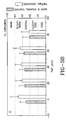
Figure 4 is a comparison of three cooling paradigms showing mean and standard deviation values for four parameters. -
Figure 5A is a schematic showing cooling of a human being using skin temperature feedback. -
Figure 5B is a schematic showing heating of a human being using skin temperature feedback. -
Figure 6 is a schematic drawing of a body cooling apparatus. -
Figure 7 is a schematic drawing of a portion of a body cooling apparatus. - The inventors were the first to compare the effects of systematic intermittent cooling (IC) to constant cooling (CC) of the skin for improving MCC effectiveness during work in protective clothing. They discovered that the heat flux benefits from periodically (intermittently) applying cooling to warm-vasodilated skin offset the potential for vasoconstriction that occurs with continuous skin cooling. The inventors observed that when skin temperature was maintained between about 33 and 35 degrees Centigrade in IC, thermoregulatory and cardiovascular strain was similar to CC despite less total cooling time with IC. That is to say, this is the temperature range that optimized heat flux by minimizing vasoconstriction, without undue cardiovascular strain, and with an added potential of reducing MCC power (battery) requirements as a consequence of reducing the total required cooling time. The inventors hypothesized that the most efficient MCC system would provide automated cooling on demand using an approximate skin temperature range (33 to 35 degrees Centigrade) as feedback control for perfusion (begin cooling when skin temperature reaches 35 degrees Centigrade) and withdrawal (stop cooling when skin temperature reaches 33 degrees Centigrade).
-
Figure 1 illustrates that IC reduces thermoregulatory strain (rectal temperature) similarly to CC regardless of the systematic IC paradigm used (IRC1-4). When no cooling is provided (NC) rectal temperature rises significantly above all cooling paradigms after 50 minutes of work. From: Cheuvront, S.N., Kolka, M.A., Cadarette, B.S., Montain, S.J., and Sawka, M.N. Efficacy of intermittent, regional microclimate cooling. J. Appl. Physiol. 94: 1841-1848, 2003. -
Figure 2 illustrates that cardiovascular strain is similar when MCC maintains skin temperature between 32 and 35 degrees Centigrade. When skin temperature exceeds 35 degrees Centigrade, a severe penalty results. The relationship between heart rate change and mean skin temperature is curvilinear [y = 3668 + -225.8 (Tsk) + 3.499 (Tsk)2]. Shaded area represents temperature band for optimal heat transfer. From: Cheuvront, S.N., Kolka, M.A., Cadarette, B.S., Montain, S.J., and Sawka, M.N. Efficacy of intermittent, regional microclimate cooling. J. Appl. Physiol. 94: 1841-1848, 2003. - An embodiment of a skin temperature feedback MCC system was built and the energy savings hypothesis was tested. CC, IC and skin temperature feedback were compared. All three paradigms resulted in similar thermoregulatory and cardiovascular strain, as well as perceived thermal comfort. Compared with CC, IC and skin temperature feedback reduced power requirements by 25% and 46%, respectively. This reduction in power requirement is a very significant advance in the art of human body thermoregulation.
-
Figures 3A-3C illustrate thermal comfort and thermal sensation for three cooling paradigms.Figure 3A shows constant cooling (CC),Figure 3B shows intermittent cooling (IC) andFigure 3C shows intermittent cooling using skin temperature feedback (Icskin). Thermal comfort and sensation are similar among trials. From: Vemieuw, C.R., Stephenson, L.A., and Kolka, M.A., Thermal comfort and sensation in exercising soldiers wearing a microclimate cooling system individually controlled by skin temperature. In preparation for publication. -
Figure 4 is a comparison of three cooling paradigms (CC, IC and skin temperature feedback) showing mean and standard deviation values for change in heart rate (delta HR), change in core temperature (delta Tc), difference between core temperature and skin temperature (Tc-Tskin) and electrical power requirements. Thermoregulatory and cardiovascular strain was similar among the three paradigms. Cooling power requirements were reduced by 25% and 46% in IC and skin temperature feedback, respectively, compared with CC. From: Stephenson, L.A., Vernieuw, C.R., Leammukda, W., Teal, W., Laprise, B., Cadarette, B.S., Kolka, M.A., Microclimate cooling activated by skin temperature feedback saves electrical energy. In preparation for publication. -
Figure 5A is a schematic showing cooling of ahuman being 100 using skin temperature feedback. Acooling source 106 is connected to agarment 102 that is worn by thehuman being 100. Thegarment 102 extracts heat from the human being 100 by, for example, liquid cooling, air cooling, or phase change. Adevice 104 for measuring skin temperature, such as a skin thermistor, is connected to acontrol 108 for the cooling source. - One aspect of the invention is a method of cooling the human being 100 that comprises measuring skin temperature of the human being; and, when the measured skin temperature reaches a preset high temperature, cooling the human being until the measured skin temperature reaches a preset low temperature and then ceasing cooling of the human being, otherwise known as "skin temperature feedback for microclimate cooling."
- In one embodiment of the cooling method, the preset high temperature is about 35 degrees Centigrade and the preset low temperature is about 33 degrees Centigrade. Cooling begins when the sensed skin temperature reaches about 35 degrees Centigrade and continues until the sensed skin temperature falls to about 33 degrees Centigrade. The cycle is repeated as necessary.
-
Figure 5B is a schematic showing heating of ahuman being 100 using skin temperature feedback. Aheat source 110 is connected to agarment 102 that is worn by thehuman being 100. Thegarment 102 adds heat to the human being 100 by, for example, liquid heating, air heating, or phase change. Adevice 104 for measuring skin temperature, such as a skin thermistor, is connected to acontrol 108 for the heating source. - Another aspect of the invention is a method of heating a human being 100 that comprises measuring skin temperature of the human being; and, when the measured skin temperature reaches a preset low temperature, heating the human being until the measured skin temperature reaches a preset high temperature and then ceasing heating of the human being, otherwise known as "skin temperature feedback for microclimate heating."
- In one embodiment of the heating method, the preset low temperature is about 33 degrees Centigrade and the preset high temperature is about 35 degrees Centigrade. Heating begins when the sensed skin temperature falls to about 33 degrees Centigrade and continues until the sensed skin temperature reaches about 35 degrees Centigrade. The cycle is repeated as necessary.
- Another aspect of the invention is a
body cooling apparatus 20 shown schematically inFig. 6 .Body cooling apparatus 20 includes a coolinggarment 24 that is fitted on a human being 22, a coolingsource 26,cooling connections source 26 and the coolinggarment 24, at least onedevice 28 for measuring skin temperature and anelectrical connection 34 between the skintemperature measuring device 28 and acontrol 36 for the coolingsource 26. - Cooling
garment 24 may be, for example, a liquid cooling garment, an air cooling garment or a phase change cooling garment. Coolingsource 26 may be, for example, a chilled water source, a cold air source, or a source of a phase change refrigerant. In one embodiment,garment 24 is a liquid cooling garment made of, for example, cotton or Nomex® aramid fabric woven or laminated around small diameter Tygon® tubing (2.5mm, I.D.) divided into multiple parallel circuits. It should be noted thatapparatus 20 may be readily adapted for body heating by exchanging a heat source for the coolingsource 26. -
Garment 24 may be styled to cover any portion of the body. For example, as shown inFig. 7 , there may be ahood section 38 to cover the head, avest section 40 to cover the torso and apants section 42 to cover the legs. In an embodiment of thegarment 24 that includes ahood section 38, avest section 40 and apants section 42, the percentage of body surface area covered is about sixty per cent. For improved comfort, heat transfer tubes may be omitted from the crotch and buttocks areas. Preferably, the garment does not cover sensitive wear points such as elbows and the back of the knees. - The
device 28 for measuring skin temperature may be, for example, a skin thermistor. A single thermistor or multiple thermistors placed at different locations on the body may be used. In the case of a single thermistor, the skin temperature used to control the cooling source 26 (or heating source) is measured by the single thermistor. If multiple skin thermistors are used, the mean weighted skin temperature may be calculated as .30 (upper body skin temperature) + .20 (lower body skin temperature). See, e.g, Ramanathan, N.L., J. Appl. Physiol., 19: 931-933, 1964. The (upper body skin temperature) is the sum of two measurements on the upper body, for example, the chest and arm or the head and arm (or twice a single measurement). The (lower body skin temperature) is the sum of two measurements on the lower body, for example, the thigh and calf (or twice a single measurement). - By way of example,
Fig. 7 shows threethermistors thermistor 44 on the head reads 33 degrees,thermistor 46 on the chest reads 35 degrees andthermistor 48 on the thigh reads 36 degrees. Using the above described relation, the mean skin temperature equals .30(33 + 35) +.20(36 +36) which equals 34.8. Other methods for calculating mean skin temperature may, of course, be used. - In one embodiment, cooling
source 26 is a chilled water source that includes a heat exchanger and a vapor compression refrigerator. Heat generated by the human 22 is captured by the chilled water circulating throughliquid cooling garment 24. The chilled water returns to the chilledwater source 26 and rejects the body heat through a heat exchanger to the working fluid of a vapor compression refrigerator. The heat exchanger and vapor compression refrigerator may be carried in a backpack or a belt pack. The refrigerator may be, for example, battery powered or internal combustion engine powered. Thecontrol 36 receives the mean skin temperature and controls the flow of chilled water to the liquid cooling garment. When the mean skin temperature reaches about 35 degrees Centigrade, the flow of chilled water is turned on. When the mean skin temperature reaches about 33 degrees Centigrade, the flow of chilled water is turned off. This cycle is repeated as long as cooling is desired. Thecontrol 36 may be, for example, a pump in the chilled water lines, a bypass valve that bypasses the heat exchanger, or other devices for controlling cooling systems.
Claims (16)
- A method of regulating the temperature of a human being (100), comprising:determining skin temperature of the human being (100); andwhen the determined skin temperature reaches a preset high temperature; cooling the human being (100) until the determined skin temperature reaches a preset low temperature and then ceasing cooling of the human being (100);characterised in that the method regulates the body temperature of the human being; and in that the preset high temperature is about 35°C and the preset low temperature is about 33°C.
- The method of claim 1 wherein cooling of the human being (100) resumes whenever the determined skin temperature reaches about 35°C and pauses whenever the determined skin temperature reaches about 33°C to thereby provide intermittent cooling to the human being (100).
- The method of claim 1 comprising determining skin temperature of the human being (100) from a single temperature measuring device (104).
- The method of claim 1 comprising determining skin temperature of the human being (100) from a plurality of temperature measuring devices (104).
- The method of claim 1 further comprising providing a cooling garment (102) and fitting the cooling garment (102) on the human being (100).
- The method of claim 5 further comprising providing a cooling garment (102) that includes a hood section (38), a vest section (40) and a pants section (42).
- The method of claim 5 further comprising covering about sixty per cent of the body surface area of the human being (100) with the cooling garment (102).
- A method of regulating the temperature of a human being (100), comprising:determining skin temperature of the human being (100); andwhen the determined skin temperature reaches a preset low temperature heating the human being (100) until the determined skin temperature reaches a preset high temperature and then ceasing heating of the human being (100);characterised in that the method regulates the body temperature of the human being, and in that the preset low temperature is about 33°C and the preset high temperature is about 35°C.
- The method of claim 8 wherein heating of the human being (100) resumes whenever the determined skin temperature reaches about 33°C and pauses whenever the determined skin temperature reaches about 35°C to thereby provide intermittent heating to the human being (100).
- A body cooling apparatus (20) for regulating the temperature of a human being (22), comprising:a cooling garment (24) on the human being (22);a cooling source (26) connected to the cooling garment (22);a skin temperature measuring device (28) located on the human being (22); anda control (36) for controlling the cooling source (26), the skin temperature measuring device (28) being connected to the control for the cooling source;characterised in that the apparatus is adapted to regulate the body temperature of the human body, and in that the control (36) performs the following steps:determining skin temperature of the human being (100) by said skin temperature measuring device (28); andwhen the determined skin temperature reaches a preset high temperature; cooling the human being (100) until the determined skin temperature reaches a preset low temperature and then ceasing cooling of the human being (100);and the preset high temperature is about 35°C and the preset low temperature is about 33°C.
- The apparatus of claim 10 wherein the cooling source (26) is a chilled water source and the cooling garment (24) is a liquid cooling garment and further wherein chilled water is supplied to the liquid cooling garment when the skin temperature measuring device (28) determines skin temperature to be about 35°C and chilled water is not supplied to the liquid cooling garment when the skin temperature measuring device (28) determines skin temperature to be about 33°C.
- The apparatus of claim 10 wherein the skin temperature measuring device (28) comprises a skin thermistor.
- The apparatus of claim 10 wherein the skin temperature measuring device (28) comprises a plurality of skin thermistors.
- The apparatus of claim 10 wherein the cooling garment includes a hood section (38), a vest section (40) and a pants section (42).
- A body heating apparatus for regulating the temperature of a human being (22), comprising:a heating garment on the human being (22);a heat source connected to the heating garment;a skin temperature measuring device (28) located on the human being (22); anda control (36) for controlling the heat source, the skin temperature measuring device (28) being connected to the control (36) for the heat source;characterised in that the apparatus is adapted to regulate the body temperature of the human body, and in that the control (36) performs the following steps:determining skin temperature of the human being (100) by said skin temperature measuring device (28); andwhen the determined skin temperature reaches a preset low temperature heating the human being (100) until the determined skin temperature reaches a preset high temperature and then ceasing heating of the human being (100);and the preset low temperature is about 33°C and the preset high temperature is about 35°C.
- The apparatus of claim 15 wherein the heat source supplies heat to the heating garment when the skin temperature measuring device (28) determines skin temperature to be about 33°C and the heat source ceases supplying heat to the heating garment when the skin temperature measuring device 28 determines skin temperature to be about 35°C.
Applications Claiming Priority (2)
| Application Number | Priority Date | Filing Date | Title |
|---|---|---|---|
| US53814004P | 2004-01-22 | 2004-01-22 | |
| PCT/US2005/001650 WO2005072543A1 (en) | 2004-01-22 | 2005-01-19 | Body thermoregulation using skin temperature feedback |
Publications (2)
| Publication Number | Publication Date |
|---|---|
| EP1708586A1 EP1708586A1 (en) | 2006-10-11 |
| EP1708586B1 true EP1708586B1 (en) | 2008-11-19 |
Family
ID=34825963
Family Applications (1)
| Application Number | Title | Priority Date | Filing Date |
|---|---|---|---|
| EP05705888A Expired - Lifetime EP1708586B1 (en) | 2004-01-22 | 2005-01-19 | Body thermoregulation using skin temperature feedback |
Country Status (7)
| Country | Link |
|---|---|
| US (1) | US7837723B2 (en) |
| EP (1) | EP1708586B1 (en) |
| AT (1) | ATE414433T1 (en) |
| AU (1) | AU2005209221B2 (en) |
| CA (1) | CA2547263C (en) |
| DE (1) | DE602005011102D1 (en) |
| WO (1) | WO2005072543A1 (en) |
Cited By (1)
| Publication number | Priority date | Publication date | Assignee | Title |
|---|---|---|---|---|
| CN110196607A (en) * | 2018-02-26 | 2019-09-03 | 南京拓步智能科技有限公司 | Intelligent electric heating clothes system capable of being automatically monitored, controlled and regulated |
Families Citing this family (12)
| Publication number | Priority date | Publication date | Assignee | Title |
|---|---|---|---|---|
| EP2015648A4 (en) * | 2006-05-10 | 2011-01-19 | Canada Minister Defence | HEATING APPARATUS TURNING TO WARM HANDS AND FEET |
| EP2702966B1 (en) * | 2008-04-15 | 2019-07-17 | Hill-Rom Services, Inc. | Microclimate management system |
| US20110307037A1 (en) * | 2008-07-15 | 2011-12-15 | Tofy Mussivand | Thermal therapy for prevention and/or treatment of cardiovascular diseases and other ailments |
| US8052624B2 (en) * | 2008-10-29 | 2011-11-08 | Stryker Corporation | Negative pressure, thermal energy transfer device that also provides positive pressure to the patient |
| JP6134707B2 (en) * | 2011-06-15 | 2017-05-24 | コーニンクレッカ フィリップス エヌ ヴェKoninklijke Philips N.V. | Measurement of peripheral body temperature |
| US9278023B2 (en) * | 2012-12-14 | 2016-03-08 | Zoll Circulation, Inc. | System and method for management of body temperature |
| EP3051968B1 (en) | 2013-10-04 | 2020-11-25 | Under Armour, Inc. | Article of apparel |
| USD769628S1 (en) | 2014-10-07 | 2016-10-25 | Under Armour, Inc. | Textile sheet |
| USD779216S1 (en) | 2015-01-30 | 2017-02-21 | Under Armour, Inc. | Woven, knitted or non-woven textile for apparel |
| US20180318128A1 (en) * | 2015-09-30 | 2018-11-08 | SEIRATHERM GmbH | Temperature adjustment infusion system and method |
| US20170231814A1 (en) * | 2016-02-17 | 2017-08-17 | Pamela J. Collins | Comfort Cooling Pad |
| EP4362780B1 (en) * | 2021-07-01 | 2026-03-04 | The Government of the United States, as represented by the Secretary of the Army | Thermoregulatory stress detection from skin temperature complexity |
Family Cites Families (18)
| Publication number | Priority date | Publication date | Assignee | Title |
|---|---|---|---|---|
| US3744555A (en) * | 1971-11-12 | 1973-07-10 | Gen Electric | Automatic control of liquid cooling garment by cutaneous and external auditory meatus temperatures |
| US3736764A (en) * | 1972-04-25 | 1973-06-05 | Nasa | Temperature controller for a fluid cooled garment |
| US4034740A (en) * | 1974-05-22 | 1977-07-12 | Atherton Harry D | Temperature controlling methods and apparatus |
| DE3308553C2 (en) * | 1983-03-10 | 1986-04-10 | Udo Prof. Dr.med. 4130 Moers Smidt | Means for reducing the human body weight |
| US4738119A (en) | 1987-02-09 | 1988-04-19 | Westinghouse Electric Corp. | Integral cooling garment for protection against heat stress |
| US5092129A (en) | 1989-03-20 | 1992-03-03 | United Technologies Corporation | Space suit cooling apparatus |
| WO1991004722A1 (en) * | 1989-09-29 | 1991-04-18 | Orr, Graeme | Cooling garment |
| US5269369A (en) * | 1991-11-18 | 1993-12-14 | Wright State University | Temperature regulation system for the human body using heat pipes |
| GB9201940D0 (en) * | 1992-01-28 | 1992-03-18 | S I Ind Limited | Cooling or heating arrangement |
| US5871526A (en) * | 1993-10-13 | 1999-02-16 | Gibbs; Roselle | Portable temperature control system |
| IL126783A0 (en) * | 1998-03-05 | 1999-08-17 | M T R E Advanced Technology Lt | System and method for heat control of a living body |
| US6095992A (en) * | 1998-04-06 | 2000-08-01 | Augustine Medical, Inc. | Wound treatment apparatus for normothermic treatment of wounds |
| IL131834A0 (en) * | 1999-09-09 | 2001-03-19 | M T R E Advanced Technology Lt | Method and system for improving cardiac output of a patient |
| US6551348B1 (en) * | 2001-01-26 | 2003-04-22 | Deroyal Industries, Inc. | Temperature controlled fluid therapy system |
| US7089995B2 (en) * | 2001-05-11 | 2006-08-15 | Regents Of The University Of Minnesota | Multi-zone cooling/warming garment |
| US6681589B2 (en) | 2002-02-01 | 2004-01-27 | Honeywell International Inc. | Space suit backpack using solid adsorbents for cryogenic oxygen storage, freezeout of carbon dioxide and moisture, and ice heat sink |
| US7087075B2 (en) * | 2002-09-30 | 2006-08-08 | Medtronic Emergency Response Systems, Inc. | Feedback system for rapid induction of mild hypothermia |
| US7179279B2 (en) * | 2002-09-30 | 2007-02-20 | Medtronic Physio Control Corp. | Rapid induction of mild hypothermia |
-
2005
- 2005-01-19 AT AT05705888T patent/ATE414433T1/en not_active IP Right Cessation
- 2005-01-19 CA CA2547263A patent/CA2547263C/en not_active Expired - Fee Related
- 2005-01-19 US US11/047,339 patent/US7837723B2/en not_active Expired - Fee Related
- 2005-01-19 AU AU2005209221A patent/AU2005209221B2/en not_active Ceased
- 2005-01-19 DE DE602005011102T patent/DE602005011102D1/en not_active Expired - Lifetime
- 2005-01-19 WO PCT/US2005/001650 patent/WO2005072543A1/en not_active Ceased
- 2005-01-19 EP EP05705888A patent/EP1708586B1/en not_active Expired - Lifetime
Cited By (1)
| Publication number | Priority date | Publication date | Assignee | Title |
|---|---|---|---|---|
| CN110196607A (en) * | 2018-02-26 | 2019-09-03 | 南京拓步智能科技有限公司 | Intelligent electric heating clothes system capable of being automatically monitored, controlled and regulated |
Also Published As
| Publication number | Publication date |
|---|---|
| US7837723B2 (en) | 2010-11-23 |
| DE602005011102D1 (en) | 2009-01-02 |
| AU2005209221B2 (en) | 2010-09-02 |
| CA2547263C (en) | 2012-05-22 |
| US20070198072A1 (en) | 2007-08-23 |
| WO2005072543A1 (en) | 2005-08-11 |
| CA2547263A1 (en) | 2005-08-11 |
| EP1708586A1 (en) | 2006-10-11 |
| AU2005209221A1 (en) | 2005-08-11 |
| ATE414433T1 (en) | 2008-12-15 |
Similar Documents
| Publication | Publication Date | Title |
|---|---|---|
| CA2547263C (en) | Body thermoregulation using skin temperature feedback | |
| Cheuvront et al. | Efficacy of intermittent, regional microclimate cooling | |
| US4718429A (en) | Method of reducing fatty deposits in the human body | |
| KR20190089158A (en) | Heat exchange module, system and method | |
| US6120530A (en) | Passive thermal capacitor for cold water diving garments | |
| US3736764A (en) | Temperature controller for a fluid cooled garment | |
| KR101344033B1 (en) | Heating and Cooling System for Personal Clothing Microclimate and the Clothing using the same | |
| US6268595B1 (en) | Circulation warmer | |
| US5269369A (en) | Temperature regulation system for the human body using heat pipes | |
| CA2382928A1 (en) | Thermal control suit | |
| US6009713A (en) | Appendage, hand and foot cooling apparatus | |
| Nag et al. | Efficacy of a water-cooled garment for auxiliary body cooling in heat | |
| US8499367B2 (en) | Cooling garment having phase change material in its extremity portions | |
| US20060064147A1 (en) | Cooling garment having phase change material in its extremity portions | |
| CN112638236A (en) | Temperature regulating system | |
| JP2019196571A (en) | Thermoregulation garment and thermoregulation system | |
| CN115969113B (en) | Healthy temperature control system of air conditioning vest | |
| JP2025005502A (en) | Cooling Clothing | |
| KR102778756B1 (en) | Portable Cooling/Heating Apparatus Using Circulating Water | |
| House | Reducing heat strain with ice-vests or hand immersion | |
| CN113260265B (en) | Temperature regulating system | |
| US20230337754A1 (en) | Wearable temperature regulating garment | |
| EP3197406B1 (en) | Temperature control system | |
| Rugh et al. | Phase II testing of liquid cooling garments using a sweating manikin, controlled by a human physiological model | |
| Pimental et al. | Effectiveness of three portable cooling systems in reducing heat stress |
Legal Events
| Date | Code | Title | Description |
|---|---|---|---|
| PUAI | Public reference made under article 153(3) epc to a published international application that has entered the european phase |
Free format text: ORIGINAL CODE: 0009012 |
|
| 17P | Request for examination filed |
Effective date: 20060816 |
|
| AK | Designated contracting states |
Kind code of ref document: A1 Designated state(s): AT BE BG CH CY CZ DE DK EE ES FI FR GB GR HU IE IS IT LI LT LU MC NL PL PT RO SE SI SK TR |
|
| AX | Request for extension of the european patent |
Extension state: AL BA HR LV MK YU |
|
| 17Q | First examination report despatched |
Effective date: 20061110 |
|
| RIN1 | Information on inventor provided before grant (corrected) |
Inventor name: CHEUVRONT, SAMUEL Inventor name: CARTER, ROBERT Inventor name: STEPHENSON, LOU, ANN Inventor name: KOLKA, MARGARET, A. Inventor name: MONTAIN, SCOTT Inventor name: CADARETTE, BRUCE Inventor name: DOHERTY, TAMMY Inventor name: SAWKA, MICHAEL |
|
| GRAP | Despatch of communication of intention to grant a patent |
Free format text: ORIGINAL CODE: EPIDOSNIGR1 |
|
| GRAS | Grant fee paid |
Free format text: ORIGINAL CODE: EPIDOSNIGR3 |
|
| GRAA | (expected) grant |
Free format text: ORIGINAL CODE: 0009210 |
|
| AK | Designated contracting states |
Kind code of ref document: B1 Designated state(s): AT BE BG CH CY CZ DE DK EE ES FI FR GB GR HU IE IS IT LI LT LU MC NL PL PT RO SE SI SK TR |
|
| AX | Request for extension of the european patent |
Extension state: AL BA HR LV MK YU |
|
| REG | Reference to a national code |
Ref country code: GB Ref legal event code: FG4D |
|
| REG | Reference to a national code |
Ref country code: CH Ref legal event code: EP |
|
| REG | Reference to a national code |
Ref country code: IE Ref legal event code: FG4D |
|
| REF | Corresponds to: |
Ref document number: 602005011102 Country of ref document: DE Date of ref document: 20090102 Kind code of ref document: P |
|
| LTIE | Lt: invalidation of european patent or patent extension |
Effective date: 20081119 |
|
| PG25 | Lapsed in a contracting state [announced via postgrant information from national office to epo] |
Ref country code: LT Free format text: LAPSE BECAUSE OF FAILURE TO SUBMIT A TRANSLATION OF THE DESCRIPTION OR TO PAY THE FEE WITHIN THE PRESCRIBED TIME-LIMIT Effective date: 20081119 Ref country code: AT Free format text: LAPSE BECAUSE OF FAILURE TO SUBMIT A TRANSLATION OF THE DESCRIPTION OR TO PAY THE FEE WITHIN THE PRESCRIBED TIME-LIMIT Effective date: 20081119 Ref country code: ES Free format text: LAPSE BECAUSE OF FAILURE TO SUBMIT A TRANSLATION OF THE DESCRIPTION OR TO PAY THE FEE WITHIN THE PRESCRIBED TIME-LIMIT Effective date: 20090301 |
|
| NLV1 | Nl: lapsed or annulled due to failure to fulfill the requirements of art. 29p and 29m of the patents act | ||
| PG25 | Lapsed in a contracting state [announced via postgrant information from national office to epo] |
Ref country code: IS Free format text: LAPSE BECAUSE OF FAILURE TO SUBMIT A TRANSLATION OF THE DESCRIPTION OR TO PAY THE FEE WITHIN THE PRESCRIBED TIME-LIMIT Effective date: 20090319 Ref country code: NL Free format text: LAPSE BECAUSE OF FAILURE TO SUBMIT A TRANSLATION OF THE DESCRIPTION OR TO PAY THE FEE WITHIN THE PRESCRIBED TIME-LIMIT Effective date: 20081119 Ref country code: PL Free format text: LAPSE BECAUSE OF FAILURE TO SUBMIT A TRANSLATION OF THE DESCRIPTION OR TO PAY THE FEE WITHIN THE PRESCRIBED TIME-LIMIT Effective date: 20081119 Ref country code: FI Free format text: LAPSE BECAUSE OF FAILURE TO SUBMIT A TRANSLATION OF THE DESCRIPTION OR TO PAY THE FEE WITHIN THE PRESCRIBED TIME-LIMIT Effective date: 20081119 Ref country code: SI Free format text: LAPSE BECAUSE OF FAILURE TO SUBMIT A TRANSLATION OF THE DESCRIPTION OR TO PAY THE FEE WITHIN THE PRESCRIBED TIME-LIMIT Effective date: 20081119 |
|
| PG25 | Lapsed in a contracting state [announced via postgrant information from national office to epo] |
Ref country code: EE Free format text: LAPSE BECAUSE OF FAILURE TO SUBMIT A TRANSLATION OF THE DESCRIPTION OR TO PAY THE FEE WITHIN THE PRESCRIBED TIME-LIMIT Effective date: 20081119 Ref country code: BE Free format text: LAPSE BECAUSE OF FAILURE TO SUBMIT A TRANSLATION OF THE DESCRIPTION OR TO PAY THE FEE WITHIN THE PRESCRIBED TIME-LIMIT Effective date: 20081119 Ref country code: DK Free format text: LAPSE BECAUSE OF FAILURE TO SUBMIT A TRANSLATION OF THE DESCRIPTION OR TO PAY THE FEE WITHIN THE PRESCRIBED TIME-LIMIT Effective date: 20081119 Ref country code: BG Free format text: LAPSE BECAUSE OF FAILURE TO SUBMIT A TRANSLATION OF THE DESCRIPTION OR TO PAY THE FEE WITHIN THE PRESCRIBED TIME-LIMIT Effective date: 20090219 Ref country code: RO Free format text: LAPSE BECAUSE OF FAILURE TO SUBMIT A TRANSLATION OF THE DESCRIPTION OR TO PAY THE FEE WITHIN THE PRESCRIBED TIME-LIMIT Effective date: 20081119 |
|
| PG25 | Lapsed in a contracting state [announced via postgrant information from national office to epo] |
Ref country code: PT Free format text: LAPSE BECAUSE OF FAILURE TO SUBMIT A TRANSLATION OF THE DESCRIPTION OR TO PAY THE FEE WITHIN THE PRESCRIBED TIME-LIMIT Effective date: 20090420 Ref country code: MC Free format text: LAPSE BECAUSE OF NON-PAYMENT OF DUE FEES Effective date: 20090131 Ref country code: CZ Free format text: LAPSE BECAUSE OF FAILURE TO SUBMIT A TRANSLATION OF THE DESCRIPTION OR TO PAY THE FEE WITHIN THE PRESCRIBED TIME-LIMIT Effective date: 20081119 Ref country code: SE Free format text: LAPSE BECAUSE OF FAILURE TO SUBMIT A TRANSLATION OF THE DESCRIPTION OR TO PAY THE FEE WITHIN THE PRESCRIBED TIME-LIMIT Effective date: 20090219 |
|
| REG | Reference to a national code |
Ref country code: CH Ref legal event code: PL |
|
| PLBE | No opposition filed within time limit |
Free format text: ORIGINAL CODE: 0009261 |
|
| STAA | Information on the status of an ep patent application or granted ep patent |
Free format text: STATUS: NO OPPOSITION FILED WITHIN TIME LIMIT |
|
| PG25 | Lapsed in a contracting state [announced via postgrant information from national office to epo] |
Ref country code: SK Free format text: LAPSE BECAUSE OF FAILURE TO SUBMIT A TRANSLATION OF THE DESCRIPTION OR TO PAY THE FEE WITHIN THE PRESCRIBED TIME-LIMIT Effective date: 20081119 |
|
| 26N | No opposition filed |
Effective date: 20090820 |
|
| PG25 | Lapsed in a contracting state [announced via postgrant information from national office to epo] |
Ref country code: CH Free format text: LAPSE BECAUSE OF NON-PAYMENT OF DUE FEES Effective date: 20090131 Ref country code: LI Free format text: LAPSE BECAUSE OF NON-PAYMENT OF DUE FEES Effective date: 20090131 |
|
| PG25 | Lapsed in a contracting state [announced via postgrant information from national office to epo] |
Ref country code: IE Free format text: LAPSE BECAUSE OF NON-PAYMENT OF DUE FEES Effective date: 20090119 |
|
| PG25 | Lapsed in a contracting state [announced via postgrant information from national office to epo] |
Ref country code: GR Free format text: LAPSE BECAUSE OF FAILURE TO SUBMIT A TRANSLATION OF THE DESCRIPTION OR TO PAY THE FEE WITHIN THE PRESCRIBED TIME-LIMIT Effective date: 20090220 |
|
| PG25 | Lapsed in a contracting state [announced via postgrant information from national office to epo] |
Ref country code: IT Free format text: LAPSE BECAUSE OF FAILURE TO SUBMIT A TRANSLATION OF THE DESCRIPTION OR TO PAY THE FEE WITHIN THE PRESCRIBED TIME-LIMIT Effective date: 20081119 |
|
| PG25 | Lapsed in a contracting state [announced via postgrant information from national office to epo] |
Ref country code: LU Free format text: LAPSE BECAUSE OF NON-PAYMENT OF DUE FEES Effective date: 20090119 |
|
| PG25 | Lapsed in a contracting state [announced via postgrant information from national office to epo] |
Ref country code: HU Free format text: LAPSE BECAUSE OF FAILURE TO SUBMIT A TRANSLATION OF THE DESCRIPTION OR TO PAY THE FEE WITHIN THE PRESCRIBED TIME-LIMIT Effective date: 20090520 |
|
| PG25 | Lapsed in a contracting state [announced via postgrant information from national office to epo] |
Ref country code: TR Free format text: LAPSE BECAUSE OF FAILURE TO SUBMIT A TRANSLATION OF THE DESCRIPTION OR TO PAY THE FEE WITHIN THE PRESCRIBED TIME-LIMIT Effective date: 20081119 |
|
| PG25 | Lapsed in a contracting state [announced via postgrant information from national office to epo] |
Ref country code: CY Free format text: LAPSE BECAUSE OF FAILURE TO SUBMIT A TRANSLATION OF THE DESCRIPTION OR TO PAY THE FEE WITHIN THE PRESCRIBED TIME-LIMIT Effective date: 20081119 |
|
| PGFP | Annual fee paid to national office [announced via postgrant information from national office to epo] |
Ref country code: GB Payment date: 20130612 Year of fee payment: 9 Ref country code: DE Payment date: 20130612 Year of fee payment: 9 |
|
| PGFP | Annual fee paid to national office [announced via postgrant information from national office to epo] |
Ref country code: FR Payment date: 20130719 Year of fee payment: 9 |
|
| REG | Reference to a national code |
Ref country code: DE Ref legal event code: R119 Ref document number: 602005011102 Country of ref document: DE |
|
| GBPC | Gb: european patent ceased through non-payment of renewal fee |
Effective date: 20140119 |
|
| PG25 | Lapsed in a contracting state [announced via postgrant information from national office to epo] |
Ref country code: DE Free format text: LAPSE BECAUSE OF NON-PAYMENT OF DUE FEES Effective date: 20140801 |
|
| REG | Reference to a national code |
Ref country code: FR Ref legal event code: ST Effective date: 20140930 |
|
| REG | Reference to a national code |
Ref country code: DE Ref legal event code: R119 Ref document number: 602005011102 Country of ref document: DE Effective date: 20140801 |
|
| PG25 | Lapsed in a contracting state [announced via postgrant information from national office to epo] |
Ref country code: GB Free format text: LAPSE BECAUSE OF NON-PAYMENT OF DUE FEES Effective date: 20140119 Ref country code: FR Free format text: LAPSE BECAUSE OF NON-PAYMENT OF DUE FEES Effective date: 20140131 |