EP1706114B1 - Chemical inhibitors of soluble adenylyl cyclase (sac) - Google Patents
Chemical inhibitors of soluble adenylyl cyclase (sac) Download PDFInfo
- Publication number
- EP1706114B1 EP1706114B1 EP05711707A EP05711707A EP1706114B1 EP 1706114 B1 EP1706114 B1 EP 1706114B1 EP 05711707 A EP05711707 A EP 05711707A EP 05711707 A EP05711707 A EP 05711707A EP 1706114 B1 EP1706114 B1 EP 1706114B1
- Authority
- EP
- European Patent Office
- Prior art keywords
- compound
- halogen
- sac
- adenylyl cyclase
- camp
- Prior art date
- Legal status (The legal status is an assumption and is not a legal conclusion. Google has not performed a legal analysis and makes no representation as to the accuracy of the status listed.)
- Expired - Lifetime
Links
- 102100032157 Adenylate cyclase type 10 Human genes 0.000 title claims description 45
- 101000775498 Homo sapiens Adenylate cyclase type 10 Proteins 0.000 title claims description 44
- 239000013000 chemical inhibitor Substances 0.000 title description 2
- 108060000200 adenylate cyclase Proteins 0.000 claims description 100
- 102000030621 adenylate cyclase Human genes 0.000 claims description 97
- BVKZGUZCCUSVTD-UHFFFAOYSA-M Bicarbonate Chemical compound OC([O-])=O BVKZGUZCCUSVTD-UHFFFAOYSA-M 0.000 claims description 96
- 150000001875 compounds Chemical class 0.000 claims description 78
- 229910052736 halogen Inorganic materials 0.000 claims description 52
- 150000002367 halogens Chemical class 0.000 claims description 39
- 208000037265 diseases, disorders, signs and symptoms Diseases 0.000 claims description 27
- 125000003545 alkoxy group Chemical group 0.000 claims description 26
- 125000000217 alkyl group Chemical group 0.000 claims description 26
- 208000035475 disorder Diseases 0.000 claims description 26
- CURLTUGMZLYLDI-UHFFFAOYSA-N Carbon dioxide Chemical compound O=C=O CURLTUGMZLYLDI-UHFFFAOYSA-N 0.000 claims description 23
- 238000000034 method Methods 0.000 claims description 23
- 230000001404 mediated effect Effects 0.000 claims description 19
- 229910002092 carbon dioxide Inorganic materials 0.000 claims description 18
- 244000045947 parasite Species 0.000 claims description 18
- 206010012601 diabetes mellitus Diseases 0.000 claims description 15
- 239000003814 drug Substances 0.000 claims description 14
- 125000005843 halogen group Chemical group 0.000 claims description 13
- 201000004792 malaria Diseases 0.000 claims description 13
- 125000001997 phenyl group Chemical group [H]C1=C([H])C([H])=C(*)C([H])=C1[H] 0.000 claims description 13
- 208000024827 Alzheimer disease Diseases 0.000 claims description 11
- 210000004962 mammalian cell Anatomy 0.000 claims description 11
- 238000002360 preparation method Methods 0.000 claims description 11
- 241000282414 Homo sapiens Species 0.000 claims description 10
- 206010002026 amyotrophic lateral sclerosis Diseases 0.000 claims description 10
- 241000222122 Candida albicans Species 0.000 claims description 8
- 241000124008 Mammalia Species 0.000 claims description 8
- 208000033808 peripheral neuropathy Diseases 0.000 claims description 8
- 241001465754 Metazoa Species 0.000 claims description 7
- 208000010444 Acidosis Diseases 0.000 claims description 6
- 206010017533 Fungal infection Diseases 0.000 claims description 6
- 206010060378 Hyperinsulinaemia Diseases 0.000 claims description 6
- 206010027417 Metabolic acidosis Diseases 0.000 claims description 6
- 206010027423 Metabolic alkalosis Diseases 0.000 claims description 6
- 208000031888 Mycoses Diseases 0.000 claims description 6
- 230000002340 alkalosis Effects 0.000 claims description 6
- 210000003527 eukaryotic cell Anatomy 0.000 claims description 6
- 230000002538 fungal effect Effects 0.000 claims description 6
- 230000003451 hyperinsulinaemic effect Effects 0.000 claims description 6
- 201000008980 hyperinsulinism Diseases 0.000 claims description 6
- 208000021267 infertility disease Diseases 0.000 claims description 6
- 208000030159 metabolic disease Diseases 0.000 claims description 6
- 208000020431 spinal cord injury Diseases 0.000 claims description 6
- 206010022489 Insulin Resistance Diseases 0.000 claims description 5
- 208000030852 Parasitic disease Diseases 0.000 claims description 5
- 208000000509 infertility Diseases 0.000 claims description 5
- 230000036512 infertility Effects 0.000 claims description 5
- 230000029058 respiratory gaseous exchange Effects 0.000 claims description 5
- 208000001072 type 2 diabetes mellitus Diseases 0.000 claims description 5
- 208000010412 Glaucoma Diseases 0.000 claims description 4
- 230000035558 fertility Effects 0.000 claims description 4
- 239000001569 carbon dioxide Substances 0.000 claims description 3
- 238000002560 therapeutic procedure Methods 0.000 claims description 3
- 238000001356 surgical procedure Methods 0.000 claims description 2
- 210000005260 human cell Anatomy 0.000 claims 1
- 210000004027 cell Anatomy 0.000 description 154
- WQZGKKKJIJFFOK-GASJEMHNSA-N Glucose Natural products OC[C@H]1OC(O)[C@H](O)[C@@H](O)[C@@H]1O WQZGKKKJIJFFOK-GASJEMHNSA-N 0.000 description 86
- WQZGKKKJIJFFOK-VFUOTHLCSA-N beta-D-glucose Chemical compound OC[C@H]1O[C@@H](O)[C@H](O)[C@@H](O)[C@@H]1O WQZGKKKJIJFFOK-VFUOTHLCSA-N 0.000 description 85
- 239000008103 glucose Substances 0.000 description 85
- 210000004940 nucleus Anatomy 0.000 description 85
- 230000003914 insulin secretion Effects 0.000 description 70
- OHCQJHSOBUTRHG-KGGHGJDLSA-N FORSKOLIN Chemical compound O=C([C@@]12O)C[C@](C)(C=C)O[C@]1(C)[C@@H](OC(=O)C)[C@@H](O)[C@@H]1[C@]2(C)[C@@H](O)CCC1(C)C OHCQJHSOBUTRHG-KGGHGJDLSA-N 0.000 description 64
- NOESYZHRGYRDHS-UHFFFAOYSA-N insulin Chemical compound N1C(=O)C(NC(=O)C(CCC(N)=O)NC(=O)C(CCC(O)=O)NC(=O)C(C(C)C)NC(=O)C(NC(=O)CN)C(C)CC)CSSCC(C(NC(CO)C(=O)NC(CC(C)C)C(=O)NC(CC=2C=CC(O)=CC=2)C(=O)NC(CCC(N)=O)C(=O)NC(CC(C)C)C(=O)NC(CCC(O)=O)C(=O)NC(CC(N)=O)C(=O)NC(CC=2C=CC(O)=CC=2)C(=O)NC(CSSCC(NC(=O)C(C(C)C)NC(=O)C(CC(C)C)NC(=O)C(CC=2C=CC(O)=CC=2)NC(=O)C(CC(C)C)NC(=O)C(C)NC(=O)C(CCC(O)=O)NC(=O)C(C(C)C)NC(=O)C(CC(C)C)NC(=O)C(CC=2NC=NC=2)NC(=O)C(CO)NC(=O)CNC2=O)C(=O)NCC(=O)NC(CCC(O)=O)C(=O)NC(CCCNC(N)=N)C(=O)NCC(=O)NC(CC=3C=CC=CC=3)C(=O)NC(CC=3C=CC=CC=3)C(=O)NC(CC=3C=CC(O)=CC=3)C(=O)NC(C(C)O)C(=O)N3C(CCC3)C(=O)NC(CCCCN)C(=O)NC(C)C(O)=O)C(=O)NC(CC(N)=O)C(O)=O)=O)NC(=O)C(C(C)CC)NC(=O)C(CO)NC(=O)C(C(C)O)NC(=O)C1CSSCC2NC(=O)C(CC(C)C)NC(=O)C(NC(=O)C(CCC(N)=O)NC(=O)C(CC(N)=O)NC(=O)C(NC(=O)C(N)CC=1C=CC=CC=1)C(C)C)CC1=CN=CN1 NOESYZHRGYRDHS-UHFFFAOYSA-N 0.000 description 61
- 102000008130 Cyclic AMP-Dependent Protein Kinases Human genes 0.000 description 48
- 108010049894 Cyclic AMP-Dependent Protein Kinases Proteins 0.000 description 48
- 230000026731 phosphorylation Effects 0.000 description 40
- 238000006366 phosphorylation reaction Methods 0.000 description 40
- 210000000227 basophil cell of anterior lobe of hypophysis Anatomy 0.000 description 34
- 229940125396 insulin Drugs 0.000 description 33
- SUZLHDUTVMZSEV-UHFFFAOYSA-N Deoxycoleonol Natural products C12C(=O)CC(C)(C=C)OC2(C)C(OC(=O)C)C(O)C2C1(C)C(O)CCC2(C)C SUZLHDUTVMZSEV-UHFFFAOYSA-N 0.000 description 32
- OHCQJHSOBUTRHG-UHFFFAOYSA-N colforsin Natural products OC12C(=O)CC(C)(C=C)OC1(C)C(OC(=O)C)C(O)C1C2(C)C(O)CCC1(C)C OHCQJHSOBUTRHG-UHFFFAOYSA-N 0.000 description 32
- 230000000694 effects Effects 0.000 description 30
- 102000004877 Insulin Human genes 0.000 description 28
- 108090001061 Insulin Proteins 0.000 description 28
- 108090000623 proteins and genes Proteins 0.000 description 27
- 230000011664 signaling Effects 0.000 description 26
- 230000004913 activation Effects 0.000 description 25
- 102000004169 proteins and genes Human genes 0.000 description 22
- 241000699670 Mus sp. Species 0.000 description 20
- 210000004153 islets of langerhan Anatomy 0.000 description 20
- OYPRJOBELJOOCE-UHFFFAOYSA-N Calcium Chemical compound [Ca] OYPRJOBELJOOCE-UHFFFAOYSA-N 0.000 description 19
- 239000011575 calcium Substances 0.000 description 19
- 229910052791 calcium Inorganic materials 0.000 description 19
- 238000001262 western blot Methods 0.000 description 19
- 108010025020 Nerve Growth Factor Proteins 0.000 description 18
- 230000003834 intracellular effect Effects 0.000 description 18
- 230000005764 inhibitory process Effects 0.000 description 17
- 239000003112 inhibitor Substances 0.000 description 16
- 230000001105 regulatory effect Effects 0.000 description 16
- FWBHETKCLVMNFS-UHFFFAOYSA-N 4',6-Diamino-2-phenylindol Chemical compound C1=CC(C(=N)N)=CC=C1C1=CC2=CC=C(C(N)=N)C=C2N1 FWBHETKCLVMNFS-UHFFFAOYSA-N 0.000 description 15
- 230000008878 coupling Effects 0.000 description 15
- 238000010168 coupling process Methods 0.000 description 15
- 238000005859 coupling reaction Methods 0.000 description 15
- 102000015336 Nerve Growth Factor Human genes 0.000 description 14
- UIIMBOGNXHQVGW-UHFFFAOYSA-M Sodium bicarbonate Chemical compound [Na+].OC([O-])=O UIIMBOGNXHQVGW-UHFFFAOYSA-M 0.000 description 14
- 230000001419 dependent effect Effects 0.000 description 14
- 229940053128 nerve growth factor Drugs 0.000 description 14
- 239000003981 vehicle Substances 0.000 description 14
- 210000000170 cell membrane Anatomy 0.000 description 13
- 230000000638 stimulation Effects 0.000 description 13
- 101710095468 Cyclase Proteins 0.000 description 12
- 108091006027 G proteins Proteins 0.000 description 12
- 102000030782 GTP binding Human genes 0.000 description 12
- 108091000058 GTP-Binding Proteins 0.000 description 12
- TWRXJAOTZQYOKJ-UHFFFAOYSA-L Magnesium chloride Chemical compound [Mg+2].[Cl-].[Cl-] TWRXJAOTZQYOKJ-UHFFFAOYSA-L 0.000 description 12
- 241000223960 Plasmodium falciparum Species 0.000 description 12
- 230000011496 cAMP-mediated signaling Effects 0.000 description 12
- 210000004185 liver Anatomy 0.000 description 12
- 238000003556 assay Methods 0.000 description 11
- 230000003197 catalytic effect Effects 0.000 description 11
- 239000000725 suspension Substances 0.000 description 11
- IVOMOUWHDPKRLL-KQYNXXCUSA-N Cyclic adenosine monophosphate Chemical compound C([C@H]1O2)OP(O)(=O)O[C@H]1[C@@H](O)[C@@H]2N1C(N=CN=C2N)=C2N=C1 IVOMOUWHDPKRLL-KQYNXXCUSA-N 0.000 description 10
- 102000001708 Protein Isoforms Human genes 0.000 description 10
- 108010029485 Protein Isoforms Proteins 0.000 description 10
- 230000033228 biological regulation Effects 0.000 description 10
- 125000004122 cyclic group Chemical class 0.000 description 10
- 238000003365 immunocytochemistry Methods 0.000 description 10
- 238000011534 incubation Methods 0.000 description 10
- 206010022498 insulinoma Diseases 0.000 description 10
- 208000021255 pancreatic insulinoma Diseases 0.000 description 10
- 101710203837 Replication-associated protein Proteins 0.000 description 9
- 238000004458 analytical method Methods 0.000 description 9
- 230000001413 cellular effect Effects 0.000 description 9
- 229940079593 drug Drugs 0.000 description 9
- 239000000284 extract Substances 0.000 description 9
- 238000004064 recycling Methods 0.000 description 9
- 230000019491 signal transduction Effects 0.000 description 9
- 238000010186 staining Methods 0.000 description 9
- 241000283707 Capra Species 0.000 description 8
- 108091030071 RNAI Proteins 0.000 description 8
- 238000007792 addition Methods 0.000 description 8
- OIRDTQYFTABQOQ-KQYNXXCUSA-N adenosine Chemical compound C1=NC=2C(N)=NC=NC=2N1[C@@H]1O[C@H](CO)[C@@H](O)[C@H]1O OIRDTQYFTABQOQ-KQYNXXCUSA-N 0.000 description 8
- XEYBRNLFEZDVAW-ARSRFYASSA-N dinoprostone Chemical compound CCCCC[C@H](O)\C=C\[C@H]1[C@H](O)CC(=O)[C@@H]1C\C=C/CCCC(O)=O XEYBRNLFEZDVAW-ARSRFYASSA-N 0.000 description 8
- 238000002474 experimental method Methods 0.000 description 8
- 230000009368 gene silencing by RNA Effects 0.000 description 8
- 230000037361 pathway Effects 0.000 description 8
- 230000004044 response Effects 0.000 description 8
- WVXRAFOPTSTNLL-NKWVEPMBSA-N 2',3'-dideoxyadenosine Chemical compound C1=NC=2C(N)=NC=NC=2N1[C@H]1CC[C@@H](CO)O1 WVXRAFOPTSTNLL-NKWVEPMBSA-N 0.000 description 7
- DILDHNKDVHLEQB-XSSYPUMDSA-N 2-hydroxy-17beta-estradiol Chemical compound OC1=C(O)C=C2[C@H]3CC[C@](C)([C@H](CC4)O)[C@@H]4[C@@H]3CCC2=C1 DILDHNKDVHLEQB-XSSYPUMDSA-N 0.000 description 7
- 102000000634 Cytochrome c oxidase subunit IV Human genes 0.000 description 7
- 108050008072 Cytochrome c oxidase subunit IV Proteins 0.000 description 7
- 101710198884 GATA-type zinc finger protein 1 Proteins 0.000 description 7
- DTHNMHAUYICORS-KTKZVXAJSA-N Glucagon-like peptide 1 Chemical compound C([C@@H](C(=O)N[C@@H]([C@@H](C)CC)C(=O)N[C@@H](C)C(=O)N[C@@H](CC=1C2=CC=CC=C2NC=1)C(=O)N[C@@H](CC(C)C)C(=O)N[C@@H](C(C)C)C(=O)N[C@@H](CCCCN)C(=O)NCC(=O)N[C@@H](CCCNC(N)=N)C(N)=O)NC(=O)[C@H](CCC(O)=O)NC(=O)[C@H](CCCCN)NC(=O)[C@H](C)NC(=O)[C@H](C)NC(=O)[C@H](CCC(N)=O)NC(=O)CNC(=O)[C@H](CCC(O)=O)NC(=O)[C@H](CC(C)C)NC(=O)[C@H](CC=1C=CC(O)=CC=1)NC(=O)[C@H](CO)NC(=O)[C@H](CO)NC(=O)[C@@H](NC(=O)[C@H](CC(O)=O)NC(=O)[C@H](CO)NC(=O)[C@@H](NC(=O)[C@H](CC=1C=CC=CC=1)NC(=O)[C@@H](NC(=O)CNC(=O)[C@H](CCC(O)=O)NC(=O)[C@H](C)NC(=O)[C@@H](N)CC=1N=CNC=1)[C@@H](C)O)[C@@H](C)O)C(C)C)C1=CC=CC=C1 DTHNMHAUYICORS-KTKZVXAJSA-N 0.000 description 7
- 101000600434 Homo sapiens Putative uncharacterized protein encoded by MIR7-3HG Proteins 0.000 description 7
- 102100040918 Pro-glucagon Human genes 0.000 description 7
- 102100037401 Putative uncharacterized protein encoded by MIR7-3HG Human genes 0.000 description 7
- 101100221606 Saccharomyces cerevisiae (strain ATCC 204508 / S288c) COS7 gene Proteins 0.000 description 7
- 239000013504 Triton X-100 Substances 0.000 description 7
- 229920004890 Triton X-100 Polymers 0.000 description 7
- 230000014509 gene expression Effects 0.000 description 7
- 230000003054 hormonal effect Effects 0.000 description 7
- 239000008188 pellet Substances 0.000 description 7
- 229910000030 sodium bicarbonate Inorganic materials 0.000 description 7
- PEDCQBHIVMGVHV-UHFFFAOYSA-N Glycerine Chemical compound OCC(O)CO PEDCQBHIVMGVHV-UHFFFAOYSA-N 0.000 description 6
- 108010025076 Holoenzymes Proteins 0.000 description 6
- DNIAPMSPPWPWGF-UHFFFAOYSA-N Propylene glycol Chemical compound CC(O)CO DNIAPMSPPWPWGF-UHFFFAOYSA-N 0.000 description 6
- FAPWRFPIFSIZLT-UHFFFAOYSA-M Sodium chloride Chemical compound [Na+].[Cl-] FAPWRFPIFSIZLT-UHFFFAOYSA-M 0.000 description 6
- 102000004338 Transferrin Human genes 0.000 description 6
- 108090000901 Transferrin Proteins 0.000 description 6
- 239000012190 activator Substances 0.000 description 6
- 238000000540 analysis of variance Methods 0.000 description 6
- 229940095731 candida albicans Drugs 0.000 description 6
- 210000004413 cardiac myocyte Anatomy 0.000 description 6
- 230000001086 cytosolic effect Effects 0.000 description 6
- 238000000338 in vitro Methods 0.000 description 6
- 229940090044 injection Drugs 0.000 description 6
- 238000002347 injection Methods 0.000 description 6
- 239000007924 injection Substances 0.000 description 6
- 230000004807 localization Effects 0.000 description 6
- 229910001629 magnesium chloride Inorganic materials 0.000 description 6
- 230000007246 mechanism Effects 0.000 description 6
- 239000012528 membrane Substances 0.000 description 6
- 239000000203 mixture Substances 0.000 description 6
- 229940127198 soluble adenylyl cyclase inhibitor Drugs 0.000 description 6
- 239000000243 solution Substances 0.000 description 6
- 239000012581 transferrin Substances 0.000 description 6
- 0 *OC(C(C=NNC(CSc1nc2ccccc2[n]1)=O)=C1)=CCC1Br Chemical compound *OC(C(C=NNC(CSc1nc2ccccc2[n]1)=O)=C1)=CCC1Br 0.000 description 5
- 210000002237 B-cell of pancreatic islet Anatomy 0.000 description 5
- 108010033040 Histones Proteins 0.000 description 5
- 241000699666 Mus <mouse, genus> Species 0.000 description 5
- 108091034117 Oligonucleotide Proteins 0.000 description 5
- 102000004243 Tubulin Human genes 0.000 description 5
- 108090000704 Tubulin Proteins 0.000 description 5
- 210000004369 blood Anatomy 0.000 description 5
- 239000008280 blood Substances 0.000 description 5
- 210000000805 cytoplasm Anatomy 0.000 description 5
- 230000004069 differentiation Effects 0.000 description 5
- 239000012634 fragment Substances 0.000 description 5
- 230000004153 glucose metabolism Effects 0.000 description 5
- 210000003494 hepatocyte Anatomy 0.000 description 5
- 229940088597 hormone Drugs 0.000 description 5
- 239000005556 hormone Substances 0.000 description 5
- 238000012744 immunostaining Methods 0.000 description 5
- 230000006698 induction Effects 0.000 description 5
- NBQNWMBBSKPBAY-UHFFFAOYSA-N iodixanol Chemical compound IC=1C(C(=O)NCC(O)CO)=C(I)C(C(=O)NCC(O)CO)=C(I)C=1N(C(=O)C)CC(O)CN(C(C)=O)C1=C(I)C(C(=O)NCC(O)CO)=C(I)C(C(=O)NCC(O)CO)=C1I NBQNWMBBSKPBAY-UHFFFAOYSA-N 0.000 description 5
- 238000002955 isolation Methods 0.000 description 5
- 239000007788 liquid Substances 0.000 description 5
- 239000003068 molecular probe Substances 0.000 description 5
- 230000002018 overexpression Effects 0.000 description 5
- 210000004739 secretory vesicle Anatomy 0.000 description 5
- 230000035945 sensitivity Effects 0.000 description 5
- 150000003384 small molecules Chemical class 0.000 description 5
- 230000035899 viability Effects 0.000 description 5
- XLYOFNOQVPJJNP-UHFFFAOYSA-N water Substances O XLYOFNOQVPJJNP-UHFFFAOYSA-N 0.000 description 5
- JKMHFZQWWAIEOD-UHFFFAOYSA-N 2-[4-(2-hydroxyethyl)piperazin-1-yl]ethanesulfonic acid Chemical compound OCC[NH+]1CCN(CCS([O-])(=O)=O)CC1 JKMHFZQWWAIEOD-UHFFFAOYSA-N 0.000 description 4
- 108091006112 ATPases Proteins 0.000 description 4
- 102000057290 Adenosine Triphosphatases Human genes 0.000 description 4
- 239000002126 C01EB10 - Adenosine Substances 0.000 description 4
- 108091006146 Channels Proteins 0.000 description 4
- 102000005636 Cyclic AMP Response Element-Binding Protein Human genes 0.000 description 4
- 108010045171 Cyclic AMP Response Element-Binding Protein Proteins 0.000 description 4
- 102000051325 Glucagon Human genes 0.000 description 4
- 108060003199 Glucagon Proteins 0.000 description 4
- 241000699660 Mus musculus Species 0.000 description 4
- 102000007072 Nerve Growth Factors Human genes 0.000 description 4
- 102000004861 Phosphoric Diester Hydrolases Human genes 0.000 description 4
- 108090001050 Phosphoric Diester Hydrolases Proteins 0.000 description 4
- 241000224016 Plasmodium Species 0.000 description 4
- 102000001253 Protein Kinase Human genes 0.000 description 4
- QHNORJFCVHUPNH-UHFFFAOYSA-L To-Pro-3 Chemical compound [I-].[I-].S1C2=CC=CC=C2[N+](C)=C1C=CC=C1C2=CC=CC=C2N(CCC[N+](C)(C)C)C=C1 QHNORJFCVHUPNH-UHFFFAOYSA-L 0.000 description 4
- JLCPHMBAVCMARE-UHFFFAOYSA-N [3-[[3-[[3-[[3-[[3-[[3-[[3-[[3-[[3-[[3-[[3-[[5-(2-amino-6-oxo-1H-purin-9-yl)-3-[[3-[[3-[[3-[[3-[[3-[[5-(2-amino-6-oxo-1H-purin-9-yl)-3-[[5-(2-amino-6-oxo-1H-purin-9-yl)-3-hydroxyoxolan-2-yl]methoxy-hydroxyphosphoryl]oxyoxolan-2-yl]methoxy-hydroxyphosphoryl]oxy-5-(5-methyl-2,4-dioxopyrimidin-1-yl)oxolan-2-yl]methoxy-hydroxyphosphoryl]oxy-5-(6-aminopurin-9-yl)oxolan-2-yl]methoxy-hydroxyphosphoryl]oxy-5-(6-aminopurin-9-yl)oxolan-2-yl]methoxy-hydroxyphosphoryl]oxy-5-(6-aminopurin-9-yl)oxolan-2-yl]methoxy-hydroxyphosphoryl]oxy-5-(6-aminopurin-9-yl)oxolan-2-yl]methoxy-hydroxyphosphoryl]oxyoxolan-2-yl]methoxy-hydroxyphosphoryl]oxy-5-(5-methyl-2,4-dioxopyrimidin-1-yl)oxolan-2-yl]methoxy-hydroxyphosphoryl]oxy-5-(4-amino-2-oxopyrimidin-1-yl)oxolan-2-yl]methoxy-hydroxyphosphoryl]oxy-5-(5-methyl-2,4-dioxopyrimidin-1-yl)oxolan-2-yl]methoxy-hydroxyphosphoryl]oxy-5-(5-methyl-2,4-dioxopyrimidin-1-yl)oxolan-2-yl]methoxy-hydroxyphosphoryl]oxy-5-(6-aminopurin-9-yl)oxolan-2-yl]methoxy-hydroxyphosphoryl]oxy-5-(6-aminopurin-9-yl)oxolan-2-yl]methoxy-hydroxyphosphoryl]oxy-5-(4-amino-2-oxopyrimidin-1-yl)oxolan-2-yl]methoxy-hydroxyphosphoryl]oxy-5-(4-amino-2-oxopyrimidin-1-yl)oxolan-2-yl]methoxy-hydroxyphosphoryl]oxy-5-(4-amino-2-oxopyrimidin-1-yl)oxolan-2-yl]methoxy-hydroxyphosphoryl]oxy-5-(6-aminopurin-9-yl)oxolan-2-yl]methoxy-hydroxyphosphoryl]oxy-5-(4-amino-2-oxopyrimidin-1-yl)oxolan-2-yl]methyl [5-(6-aminopurin-9-yl)-2-(hydroxymethyl)oxolan-3-yl] hydrogen phosphate Polymers Cc1cn(C2CC(OP(O)(=O)OCC3OC(CC3OP(O)(=O)OCC3OC(CC3O)n3cnc4c3nc(N)[nH]c4=O)n3cnc4c3nc(N)[nH]c4=O)C(COP(O)(=O)OC3CC(OC3COP(O)(=O)OC3CC(OC3COP(O)(=O)OC3CC(OC3COP(O)(=O)OC3CC(OC3COP(O)(=O)OC3CC(OC3COP(O)(=O)OC3CC(OC3COP(O)(=O)OC3CC(OC3COP(O)(=O)OC3CC(OC3COP(O)(=O)OC3CC(OC3COP(O)(=O)OC3CC(OC3COP(O)(=O)OC3CC(OC3COP(O)(=O)OC3CC(OC3COP(O)(=O)OC3CC(OC3COP(O)(=O)OC3CC(OC3COP(O)(=O)OC3CC(OC3COP(O)(=O)OC3CC(OC3COP(O)(=O)OC3CC(OC3CO)n3cnc4c(N)ncnc34)n3ccc(N)nc3=O)n3cnc4c(N)ncnc34)n3ccc(N)nc3=O)n3ccc(N)nc3=O)n3ccc(N)nc3=O)n3cnc4c(N)ncnc34)n3cnc4c(N)ncnc34)n3cc(C)c(=O)[nH]c3=O)n3cc(C)c(=O)[nH]c3=O)n3ccc(N)nc3=O)n3cc(C)c(=O)[nH]c3=O)n3cnc4c3nc(N)[nH]c4=O)n3cnc4c(N)ncnc34)n3cnc4c(N)ncnc34)n3cnc4c(N)ncnc34)n3cnc4c(N)ncnc34)O2)c(=O)[nH]c1=O JLCPHMBAVCMARE-UHFFFAOYSA-N 0.000 description 4
- 229960005305 adenosine Drugs 0.000 description 4
- 230000001593 cAMP accumulation Effects 0.000 description 4
- 101710185079 cAMP-dependent protein kinase regulatory subunit Proteins 0.000 description 4
- YCIMNLLNPGFGHC-UHFFFAOYSA-N catechol Chemical compound OC1=CC=CC=C1O YCIMNLLNPGFGHC-UHFFFAOYSA-N 0.000 description 4
- 230000028023 exocytosis Effects 0.000 description 4
- 230000006870 function Effects 0.000 description 4
- MASNOZXLGMXCHN-ZLPAWPGGSA-N glucagon Chemical compound C([C@@H](C(=O)N[C@H](C(=O)N[C@@H](CCC(N)=O)C(=O)N[C@@H](CC=1C2=CC=CC=C2NC=1)C(=O)N[C@@H](CC(C)C)C(=O)N[C@@H](CCSC)C(=O)N[C@@H](CC(N)=O)C(=O)N[C@@H]([C@@H](C)O)C(O)=O)C(C)C)NC(=O)[C@H](CC(O)=O)NC(=O)[C@H](CCC(N)=O)NC(=O)[C@H](C)NC(=O)[C@H](CCCNC(N)=N)NC(=O)[C@H](CCCNC(N)=N)NC(=O)[C@H](CO)NC(=O)[C@H](CC(O)=O)NC(=O)[C@H](CC(C)C)NC(=O)[C@H](CC=1C=CC(O)=CC=1)NC(=O)[C@H](CCCCN)NC(=O)[C@H](CO)NC(=O)[C@H](CC=1C=CC(O)=CC=1)NC(=O)[C@H](CC(O)=O)NC(=O)[C@H](CO)NC(=O)[C@@H](NC(=O)[C@H](CC=1C=CC=CC=1)NC(=O)[C@@H](NC(=O)CNC(=O)[C@H](CCC(N)=O)NC(=O)[C@H](CO)NC(=O)[C@@H](N)CC=1NC=NC=1)[C@@H](C)O)[C@@H](C)O)C1=CC=CC=C1 MASNOZXLGMXCHN-ZLPAWPGGSA-N 0.000 description 4
- 229960004666 glucagon Drugs 0.000 description 4
- 235000003642 hunger Nutrition 0.000 description 4
- 238000001727 in vivo Methods 0.000 description 4
- 208000015181 infectious disease Diseases 0.000 description 4
- 230000002401 inhibitory effect Effects 0.000 description 4
- 230000004068 intracellular signaling Effects 0.000 description 4
- 230000002503 metabolic effect Effects 0.000 description 4
- 210000003470 mitochondria Anatomy 0.000 description 4
- 210000000496 pancreas Anatomy 0.000 description 4
- PHEDXBVPIONUQT-RGYGYFBISA-N phorbol 13-acetate 12-myristate Chemical compound C([C@]1(O)C(=O)C(C)=C[C@H]1[C@@]1(O)[C@H](C)[C@H]2OC(=O)CCCCCCCCCCCCC)C(CO)=C[C@H]1[C@H]1[C@]2(OC(C)=O)C1(C)C PHEDXBVPIONUQT-RGYGYFBISA-N 0.000 description 4
- 210000002706 plastid Anatomy 0.000 description 4
- 230000004911 positive regulation of CREB transcription factor activity Effects 0.000 description 4
- 108060006633 protein kinase Proteins 0.000 description 4
- 230000001568 sexual effect Effects 0.000 description 4
- 239000011780 sodium chloride Substances 0.000 description 4
- 230000037351 starvation Effects 0.000 description 4
- 230000004936 stimulating effect Effects 0.000 description 4
- 230000001225 therapeutic effect Effects 0.000 description 4
- 210000001519 tissue Anatomy 0.000 description 4
- 238000001890 transfection Methods 0.000 description 4
- 238000011830 transgenic mouse model Methods 0.000 description 4
- QKNYBSVHEMOAJP-UHFFFAOYSA-N 2-amino-2-(hydroxymethyl)propane-1,3-diol;hydron;chloride Chemical compound Cl.OCC(N)(CO)CO QKNYBSVHEMOAJP-UHFFFAOYSA-N 0.000 description 3
- 102000014022 A Kinase Anchor Proteins Human genes 0.000 description 3
- 108010011122 A Kinase Anchor Proteins Proteins 0.000 description 3
- 239000012103 Alexa Fluor 488 Substances 0.000 description 3
- 241000222120 Candida <Saccharomycetales> Species 0.000 description 3
- 108020004414 DNA Proteins 0.000 description 3
- LFQSCWFLJHTTHZ-UHFFFAOYSA-N Ethanol Chemical compound CCO LFQSCWFLJHTTHZ-UHFFFAOYSA-N 0.000 description 3
- 102000006947 Histones Human genes 0.000 description 3
- OKKJLVBELUTLKV-UHFFFAOYSA-N Methanol Chemical compound OC OKKJLVBELUTLKV-UHFFFAOYSA-N 0.000 description 3
- 229940124639 Selective inhibitor Drugs 0.000 description 3
- CZMRCDWAGMRECN-UGDNZRGBSA-N Sucrose Chemical compound O[C@H]1[C@H](O)[C@@H](CO)O[C@@]1(CO)O[C@@H]1[C@H](O)[C@@H](O)[C@H](O)[C@@H](CO)O1 CZMRCDWAGMRECN-UGDNZRGBSA-N 0.000 description 3
- 229930006000 Sucrose Natural products 0.000 description 3
- 108091023040 Transcription factor Proteins 0.000 description 3
- 102000040945 Transcription factor Human genes 0.000 description 3
- IVOMOUWHDPKRLL-UHFFFAOYSA-N UNPD107823 Natural products O1C2COP(O)(=O)OC2C(O)C1N1C(N=CN=C2N)=C2N=C1 IVOMOUWHDPKRLL-UHFFFAOYSA-N 0.000 description 3
- 239000000443 aerosol Substances 0.000 description 3
- 150000001413 amino acids Chemical class 0.000 description 3
- 208000036815 beta tubulin Diseases 0.000 description 3
- 230000003115 biocidal effect Effects 0.000 description 3
- 230000015572 biosynthetic process Effects 0.000 description 3
- 239000002775 capsule Substances 0.000 description 3
- 229940095074 cyclic amp Drugs 0.000 description 3
- 230000003111 delayed effect Effects 0.000 description 3
- 230000030609 dephosphorylation Effects 0.000 description 3
- 238000006209 dephosphorylation reaction Methods 0.000 description 3
- 238000009792 diffusion process Methods 0.000 description 3
- 239000006185 dispersion Substances 0.000 description 3
- 239000012636 effector Substances 0.000 description 3
- 230000012010 growth Effects 0.000 description 3
- 230000002458 infectious effect Effects 0.000 description 3
- 230000000977 initiatory effect Effects 0.000 description 3
- 239000000463 material Substances 0.000 description 3
- 239000013642 negative control Substances 0.000 description 3
- IJGRMHOSHXDMSA-UHFFFAOYSA-N nitrogen Substances N#N IJGRMHOSHXDMSA-UHFFFAOYSA-N 0.000 description 3
- 235000016709 nutrition Nutrition 0.000 description 3
- 229920001223 polyethylene glycol Polymers 0.000 description 3
- 230000003389 potentiating effect Effects 0.000 description 3
- 230000002829 reductive effect Effects 0.000 description 3
- 238000011160 research Methods 0.000 description 3
- 230000000580 secretagogue effect Effects 0.000 description 3
- 238000003860 storage Methods 0.000 description 3
- 239000000126 substance Substances 0.000 description 3
- 239000005720 sucrose Substances 0.000 description 3
- 239000006228 supernatant Substances 0.000 description 3
- 238000003786 synthesis reaction Methods 0.000 description 3
- 238000013518 transcription Methods 0.000 description 3
- 230000035897 transcription Effects 0.000 description 3
- 230000022846 transcriptional attenuation Effects 0.000 description 3
- 230000005945 translocation Effects 0.000 description 3
- VUDQSRFCCHQIIU-UHFFFAOYSA-N 1-(3,5-dichloro-2,6-dihydroxy-4-methoxyphenyl)hexan-1-one Chemical compound CCCCCC(=O)C1=C(O)C(Cl)=C(OC)C(Cl)=C1O VUDQSRFCCHQIIU-UHFFFAOYSA-N 0.000 description 2
- 125000001572 5'-adenylyl group Chemical group C=12N=C([H])N=C(N([H])[H])C=1N=C([H])N2[C@@]1([H])[C@@](O[H])([H])[C@@](O[H])([H])[C@](C(OP(=O)(O[H])[*])([H])[H])([H])O1 0.000 description 2
- KDCGOANMDULRCW-UHFFFAOYSA-N 7H-purine Chemical compound N1=CNC2=NC=NC2=C1 KDCGOANMDULRCW-UHFFFAOYSA-N 0.000 description 2
- DVKQVRZMKBDMDH-UUOKFMHZSA-N 8-Br-cAMP Chemical compound C([C@H]1O2)OP(O)(=O)O[C@H]1[C@@H](O)[C@@H]2N1C(N=CN=C2N)=C2N=C1Br DVKQVRZMKBDMDH-UUOKFMHZSA-N 0.000 description 2
- 101150044980 Akap1 gene Proteins 0.000 description 2
- 239000012109 Alexa Fluor 568 Substances 0.000 description 2
- 241000237967 Aplysia Species 0.000 description 2
- 241000894006 Bacteria Species 0.000 description 2
- NKRQMDJPPULWLP-KEBDBYFISA-N CCc1c(/C=N/NC(CSc2nc3ccccc3[nH]2)=O)c(Cl)ccc1 Chemical compound CCc1c(/C=N/NC(CSc2nc3ccccc3[nH]2)=O)c(Cl)ccc1 NKRQMDJPPULWLP-KEBDBYFISA-N 0.000 description 2
- 108090000209 Carbonic anhydrases Proteins 0.000 description 2
- 102000003846 Carbonic anhydrases Human genes 0.000 description 2
- 229920002261 Corn starch Polymers 0.000 description 2
- 102000012605 Cystic Fibrosis Transmembrane Conductance Regulator Human genes 0.000 description 2
- 108010079245 Cystic Fibrosis Transmembrane Conductance Regulator Proteins 0.000 description 2
- 241000224495 Dictyostelium Species 0.000 description 2
- QRLVDLBMBULFAL-UHFFFAOYSA-N Digitonin Natural products CC1CCC2(OC1)OC3C(O)C4C5CCC6CC(OC7OC(CO)C(OC8OC(CO)C(O)C(OC9OCC(O)C(O)C9OC%10OC(CO)C(O)C(OC%11OC(CO)C(O)C(O)C%11O)C%10O)C8O)C(O)C7O)C(O)CC6(C)C5CCC4(C)C3C2C QRLVDLBMBULFAL-UHFFFAOYSA-N 0.000 description 2
- IMROMDMJAWUWLK-UHFFFAOYSA-N Ethenol Chemical compound OC=C IMROMDMJAWUWLK-UHFFFAOYSA-N 0.000 description 2
- 241000206602 Eukaryota Species 0.000 description 2
- 102100023374 Forkhead box protein M1 Human genes 0.000 description 2
- 101000907578 Homo sapiens Forkhead box protein M1 Proteins 0.000 description 2
- 208000013016 Hypoglycemia Diseases 0.000 description 2
- 241000283973 Oryctolagus cuniculus Species 0.000 description 2
- 239000002033 PVDF binder Substances 0.000 description 2
- 239000002202 Polyethylene glycol Substances 0.000 description 2
- ATUOYWHBWRKTHZ-UHFFFAOYSA-N Propane Chemical compound CCC ATUOYWHBWRKTHZ-UHFFFAOYSA-N 0.000 description 2
- 101710204398 Rap guanine nucleotide exchange factor 4 Proteins 0.000 description 2
- 102100034591 Rap guanine nucleotide exchange factor 4 Human genes 0.000 description 2
- 239000012722 SDS sample buffer Substances 0.000 description 2
- 239000007983 Tris buffer Substances 0.000 description 2
- 230000002378 acidificating effect Effects 0.000 description 2
- 239000000427 antigen Substances 0.000 description 2
- 102000036639 antigens Human genes 0.000 description 2
- 108091007433 antigens Proteins 0.000 description 2
- 239000000872 buffer Substances 0.000 description 2
- 108020001778 catalytic domains Proteins 0.000 description 2
- 230000003915 cell function Effects 0.000 description 2
- 239000013592 cell lysate Substances 0.000 description 2
- 210000003855 cell nucleus Anatomy 0.000 description 2
- 230000005754 cellular signaling Effects 0.000 description 2
- 210000004718 centriole Anatomy 0.000 description 2
- 239000003795 chemical substances by application Substances 0.000 description 2
- 239000002299 complementary DNA Substances 0.000 description 2
- 238000004624 confocal microscopy Methods 0.000 description 2
- 238000011109 contamination Methods 0.000 description 2
- 239000008120 corn starch Substances 0.000 description 2
- 238000012303 cytoplasmic staining Methods 0.000 description 2
- 238000013461 design Methods 0.000 description 2
- 239000003599 detergent Substances 0.000 description 2
- 238000011161 development Methods 0.000 description 2
- 230000018109 developmental process Effects 0.000 description 2
- 239000010432 diamond Substances 0.000 description 2
- 239000012973 diazabicyclooctane Substances 0.000 description 2
- UVYVLBIGDKGWPX-KUAJCENISA-N digitonin Chemical compound O([C@@H]1[C@@H]([C@]2(CC[C@@H]3[C@@]4(C)C[C@@H](O)[C@H](O[C@H]5[C@@H]([C@@H](O)[C@@H](O[C@H]6[C@@H]([C@@H](O[C@H]7[C@@H]([C@@H](O)[C@H](O)CO7)O)[C@H](O)[C@@H](CO)O6)O[C@H]6[C@@H]([C@@H](O[C@H]7[C@@H]([C@@H](O)[C@H](O)[C@@H](CO)O7)O)[C@@H](O)[C@@H](CO)O6)O)[C@@H](CO)O5)O)C[C@@H]4CC[C@H]3[C@@H]2[C@@H]1O)C)[C@@H]1C)[C@]11CC[C@@H](C)CO1 UVYVLBIGDKGWPX-KUAJCENISA-N 0.000 description 2
- UVYVLBIGDKGWPX-UHFFFAOYSA-N digitonine Natural products CC1C(C2(CCC3C4(C)CC(O)C(OC5C(C(O)C(OC6C(C(OC7C(C(O)C(O)CO7)O)C(O)C(CO)O6)OC6C(C(OC7C(C(O)C(O)C(CO)O7)O)C(O)C(CO)O6)O)C(CO)O5)O)CC4CCC3C2C2O)C)C2OC11CCC(C)CO1 UVYVLBIGDKGWPX-UHFFFAOYSA-N 0.000 description 2
- 231100000673 dose–response relationship Toxicity 0.000 description 2
- 210000000871 endothelium corneal Anatomy 0.000 description 2
- 238000005516 engineering process Methods 0.000 description 2
- 210000003743 erythrocyte Anatomy 0.000 description 2
- 229940011871 estrogen Drugs 0.000 description 2
- 239000000262 estrogen Substances 0.000 description 2
- 210000002950 fibroblast Anatomy 0.000 description 2
- 235000003599 food sweetener Nutrition 0.000 description 2
- 230000014101 glucose homeostasis Effects 0.000 description 2
- 238000007446 glucose tolerance test Methods 0.000 description 2
- 230000002218 hypoglycaemic effect Effects 0.000 description 2
- 238000012528 insulin ELISA Methods 0.000 description 2
- NNPPMTNAJDCUHE-UHFFFAOYSA-N isobutane Chemical compound CC(C)C NNPPMTNAJDCUHE-UHFFFAOYSA-N 0.000 description 2
- QWTDNUCVQCZILF-UHFFFAOYSA-N isopentane Chemical compound CCC(C)C QWTDNUCVQCZILF-UHFFFAOYSA-N 0.000 description 2
- 230000002147 killing effect Effects 0.000 description 2
- 210000005229 liver cell Anatomy 0.000 description 2
- 210000005228 liver tissue Anatomy 0.000 description 2
- 230000007774 longterm Effects 0.000 description 2
- 239000011777 magnesium Substances 0.000 description 2
- HQKMJHAJHXVSDF-UHFFFAOYSA-L magnesium stearate Chemical compound [Mg+2].CCCCCCCCCCCCCCCCCC([O-])=O.CCCCCCCCCCCCCCCCCC([O-])=O HQKMJHAJHXVSDF-UHFFFAOYSA-L 0.000 description 2
- 230000014759 maintenance of location Effects 0.000 description 2
- 244000005700 microbiome Species 0.000 description 2
- 230000002438 mitochondrial effect Effects 0.000 description 2
- 230000000394 mitotic effect Effects 0.000 description 2
- 230000001537 neural effect Effects 0.000 description 2
- 230000004770 neurodegeneration Effects 0.000 description 2
- 210000002569 neuron Anatomy 0.000 description 2
- 239000002858 neurotransmitter agent Substances 0.000 description 2
- 229910052757 nitrogen Inorganic materials 0.000 description 2
- 239000002777 nucleoside Substances 0.000 description 2
- 230000030648 nucleus localization Effects 0.000 description 2
- 239000003921 oil Substances 0.000 description 2
- 235000019198 oils Nutrition 0.000 description 2
- 208000027232 peripheral nervous system disease Diseases 0.000 description 2
- 239000000546 pharmaceutical excipient Substances 0.000 description 2
- YBYRMVIVWMBXKQ-UHFFFAOYSA-N phenylmethanesulfonyl fluoride Chemical compound FS(=O)(=O)CC1=CC=CC=C1 YBYRMVIVWMBXKQ-UHFFFAOYSA-N 0.000 description 2
- 208000028591 pheochromocytoma Diseases 0.000 description 2
- 229920002451 polyvinyl alcohol Polymers 0.000 description 2
- 229920002981 polyvinylidene fluoride Polymers 0.000 description 2
- 239000003755 preservative agent Substances 0.000 description 2
- 230000008569 process Effects 0.000 description 2
- 239000003380 propellant Substances 0.000 description 2
- 210000001044 sensory neuron Anatomy 0.000 description 2
- 210000002966 serum Anatomy 0.000 description 2
- 235000017557 sodium bicarbonate Nutrition 0.000 description 2
- 238000002415 sodium dodecyl sulfate polyacrylamide gel electrophoresis Methods 0.000 description 2
- DAEPDZWVDSPTHF-UHFFFAOYSA-M sodium pyruvate Chemical compound [Na+].CC(=O)C([O-])=O DAEPDZWVDSPTHF-UHFFFAOYSA-M 0.000 description 2
- 239000008279 sol Substances 0.000 description 2
- 239000000758 substrate Substances 0.000 description 2
- 230000004083 survival effect Effects 0.000 description 2
- 239000003765 sweetening agent Substances 0.000 description 2
- 239000006188 syrup Substances 0.000 description 2
- 235000020357 syrup Nutrition 0.000 description 2
- 230000002463 transducing effect Effects 0.000 description 2
- 230000001052 transient effect Effects 0.000 description 2
- IMNIMPAHZVJRPE-UHFFFAOYSA-N triethylenediamine Chemical compound C1CN2CCN1CC2 IMNIMPAHZVJRPE-UHFFFAOYSA-N 0.000 description 2
- LENZDBCJOHFCAS-UHFFFAOYSA-N tris Chemical compound OCC(N)(CO)CO LENZDBCJOHFCAS-UHFFFAOYSA-N 0.000 description 2
- 210000003462 vein Anatomy 0.000 description 2
- 239000012130 whole-cell lysate Substances 0.000 description 2
- FFHPXOJTVQDVMO-DSYKOEDSSA-N (2r,3s,5r)-5-(6-aminopurin-9-yl)-2-methyloxolan-3-ol Chemical compound C1[C@H](O)[C@@H](C)O[C@H]1N1C2=NC=NC(N)=C2N=C1 FFHPXOJTVQDVMO-DSYKOEDSSA-N 0.000 description 1
- 150000005206 1,2-dihydroxybenzenes Chemical class 0.000 description 1
- KKVYYGGCHJGEFJ-UHFFFAOYSA-N 1-n-(4-chlorophenyl)-6-methyl-5-n-[3-(7h-purin-6-yl)pyridin-2-yl]isoquinoline-1,5-diamine Chemical compound N=1C=CC2=C(NC=3C(=CC=CN=3)C=3C=4N=CNC=4N=CN=3)C(C)=CC=C2C=1NC1=CC=C(Cl)C=C1 KKVYYGGCHJGEFJ-UHFFFAOYSA-N 0.000 description 1
- UIHKXOZJFOTOCE-UHFFFAOYSA-N 2-(1h-benzimidazol-2-ylsulfanyl)acetohydrazide Chemical class C1=CC=C2NC(SCC(=O)NN)=NC2=C1 UIHKXOZJFOTOCE-UHFFFAOYSA-N 0.000 description 1
- 102000007469 Actins Human genes 0.000 description 1
- 108010085238 Actins Proteins 0.000 description 1
- 229930024421 Adenine Natural products 0.000 description 1
- 101710205046 Adenylate cyclase type 10 Proteins 0.000 description 1
- 208000006468 Adrenal Cortex Neoplasms Diseases 0.000 description 1
- 206010001497 Agitation Diseases 0.000 description 1
- 239000012110 Alexa Fluor 594 Substances 0.000 description 1
- 239000012099 Alexa Fluor family Substances 0.000 description 1
- GUBGYTABKSRVRQ-XLOQQCSPSA-N Alpha-Lactose Chemical compound O[C@@H]1[C@@H](O)[C@@H](O)[C@@H](CO)O[C@H]1O[C@@H]1[C@@H](CO)O[C@H](O)[C@H](O)[C@H]1O GUBGYTABKSRVRQ-XLOQQCSPSA-N 0.000 description 1
- 241000224489 Amoeba Species 0.000 description 1
- 241000416162 Astragalus gummifer Species 0.000 description 1
- 102100039705 Beta-2 adrenergic receptor Human genes 0.000 description 1
- 241000283690 Bos taurus Species 0.000 description 1
- 241000167854 Bourreria succulenta Species 0.000 description 1
- 238000011740 C57BL/6 mouse Methods 0.000 description 1
- VYVONJAXHPXYAW-KEBDBYFISA-N CC(C(N/N=C/c1cc(Br)ccc1O)=O)SC(C1)=Nc2c1cccc2 Chemical compound CC(C(N/N=C/c1cc(Br)ccc1O)=O)SC(C1)=Nc2c1cccc2 VYVONJAXHPXYAW-KEBDBYFISA-N 0.000 description 1
- CIXLFFSTDGWCOA-KEBDBYFISA-N CCOc(cc1)c(/C=N/NC(CSc2nc3ccccc3[nH]2)=O)cc1Br Chemical compound CCOc(cc1)c(/C=N/NC(CSc2nc3ccccc3[nH]2)=O)cc1Br CIXLFFSTDGWCOA-KEBDBYFISA-N 0.000 description 1
- SBLCVLHQNOMZQH-SRZZPIQSSA-N CC[n]1c(SCC(N/N=C/c(cc(B=C)cc2)c2O)=O)nc2ccccc12 Chemical compound CC[n]1c(SCC(N/N=C/c(cc(B=C)cc2)c2O)=O)nc2ccccc12 SBLCVLHQNOMZQH-SRZZPIQSSA-N 0.000 description 1
- OUWZRQNAHVGZDQ-VULFUBBASA-N COc(cc1)c(/C=N/NC(CSc2nc3ccccc3[n]2Cc2ccccc2)=O)cc1Br Chemical compound COc(cc1)c(/C=N/NC(CSc2nc3ccccc3[n]2Cc2ccccc2)=O)cc1Br OUWZRQNAHVGZDQ-VULFUBBASA-N 0.000 description 1
- 101100086436 Caenorhabditis elegans rap-1 gene Proteins 0.000 description 1
- UXVMQQNJUSDDNG-UHFFFAOYSA-L Calcium chloride Chemical compound [Cl-].[Cl-].[Ca+2] UXVMQQNJUSDDNG-UHFFFAOYSA-L 0.000 description 1
- 206010007134 Candida infections Diseases 0.000 description 1
- 239000004215 Carbon black (E152) Substances 0.000 description 1
- 108010026463 Carbonic Anhydrase V Proteins 0.000 description 1
- 241000192733 Chloroflexus Species 0.000 description 1
- 102000029816 Collagenase Human genes 0.000 description 1
- 108060005980 Collagenase Proteins 0.000 description 1
- 208000000454 Congenital Hyperinsulinism Diseases 0.000 description 1
- 241000699800 Cricetinae Species 0.000 description 1
- 241000192700 Cyanobacteria Species 0.000 description 1
- 102000011729 Cyclic AMP-Dependent Protein Kinase RIalpha Subunit Human genes 0.000 description 1
- 108010062023 Cyclic AMP-Dependent Protein Kinase RIalpha Subunit Proteins 0.000 description 1
- 102000012003 Cyclic Nucleotide-Gated Cation Channels Human genes 0.000 description 1
- 108010036281 Cyclic Nucleotide-Gated Cation Channels Proteins 0.000 description 1
- 108050002312 Cytochrome c oxidase subunit III Proteins 0.000 description 1
- 238000000116 DAPI staining Methods 0.000 description 1
- 102000007260 Deoxyribonuclease I Human genes 0.000 description 1
- 108010008532 Deoxyribonuclease I Proteins 0.000 description 1
- 235000019739 Dicalciumphosphate Nutrition 0.000 description 1
- 206010061818 Disease progression Diseases 0.000 description 1
- KCXVZYZYPLLWCC-UHFFFAOYSA-N EDTA Chemical compound OC(=O)CN(CC(O)=O)CCN(CC(O)=O)CC(O)=O KCXVZYZYPLLWCC-UHFFFAOYSA-N 0.000 description 1
- 102000004190 Enzymes Human genes 0.000 description 1
- 108090000790 Enzymes Proteins 0.000 description 1
- 102000016359 Fibronectins Human genes 0.000 description 1
- 108010067306 Fibronectins Proteins 0.000 description 1
- 241000233866 Fungi Species 0.000 description 1
- 102000003688 G-Protein-Coupled Receptors Human genes 0.000 description 1
- 108090000045 G-Protein-Coupled Receptors Proteins 0.000 description 1
- 108010004460 Gastric Inhibitory Polypeptide Proteins 0.000 description 1
- 102100039994 Gastric inhibitory polypeptide Human genes 0.000 description 1
- 108010010803 Gelatin Proteins 0.000 description 1
- 108700028146 Genetic Enhancer Elements Proteins 0.000 description 1
- 102000007446 Glucagon-Like Peptide-1 Receptor Human genes 0.000 description 1
- 108010086246 Glucagon-Like Peptide-1 Receptor Proteins 0.000 description 1
- 239000007995 HEPES buffer Substances 0.000 description 1
- 239000012981 Hank's balanced salt solution Substances 0.000 description 1
- 241000282412 Homo Species 0.000 description 1
- 101000867811 Homo sapiens Voltage-dependent L-type calcium channel subunit alpha-1C Proteins 0.000 description 1
- 229920002153 Hydroxypropyl cellulose Polymers 0.000 description 1
- 208000009164 Islet Cell Adenoma Diseases 0.000 description 1
- ZDXPYRJPNDTMRX-VKHMYHEASA-N L-glutamine Chemical compound OC(=O)[C@@H](N)CCC(N)=O ZDXPYRJPNDTMRX-VKHMYHEASA-N 0.000 description 1
- 229930182816 L-glutamine Natural products 0.000 description 1
- GUBGYTABKSRVRQ-QKKXKWKRSA-N Lactose Natural products OC[C@H]1O[C@@H](O[C@H]2[C@H](O)[C@@H](O)C(O)O[C@@H]2CO)[C@H](O)[C@@H](O)[C@H]1O GUBGYTABKSRVRQ-QKKXKWKRSA-N 0.000 description 1
- 235000010643 Leucaena leucocephala Nutrition 0.000 description 1
- 240000007472 Leucaena leucocephala Species 0.000 description 1
- GDBQQVLCIARPGH-UHFFFAOYSA-N Leupeptin Natural products CC(C)CC(NC(C)=O)C(=O)NC(CC(C)C)C(=O)NC(C=O)CCCN=C(N)N GDBQQVLCIARPGH-UHFFFAOYSA-N 0.000 description 1
- 239000012097 Lipofectamine 2000 Substances 0.000 description 1
- 108060001084 Luciferase Proteins 0.000 description 1
- 239000005089 Luciferase Substances 0.000 description 1
- 102000043136 MAP kinase family Human genes 0.000 description 1
- 108091054455 MAP kinase family Proteins 0.000 description 1
- 229910021380 Manganese Chloride Inorganic materials 0.000 description 1
- GLFNIEUTAYBVOC-UHFFFAOYSA-L Manganese chloride Chemical compound Cl[Mn]Cl GLFNIEUTAYBVOC-UHFFFAOYSA-L 0.000 description 1
- 101100381978 Mus musculus Braf gene Proteins 0.000 description 1
- 206010028980 Neoplasm Diseases 0.000 description 1
- 102000007339 Nerve Growth Factor Receptors Human genes 0.000 description 1
- 108010032605 Nerve Growth Factor Receptors Proteins 0.000 description 1
- 208000028389 Nerve injury Diseases 0.000 description 1
- 101100420081 Neurospora crassa (strain ATCC 24698 / 74-OR23-1A / CBS 708.71 / DSM 1257 / FGSC 987) rps-0 gene Proteins 0.000 description 1
- 206010053159 Organ failure Diseases 0.000 description 1
- 229930040373 Paraformaldehyde Natural products 0.000 description 1
- 235000019483 Peanut oil Nutrition 0.000 description 1
- 229940099471 Phosphodiesterase inhibitor Drugs 0.000 description 1
- 102000045595 Phosphoprotein Phosphatases Human genes 0.000 description 1
- 108700019535 Phosphoprotein Phosphatases Proteins 0.000 description 1
- 229920000388 Polyphosphate Polymers 0.000 description 1
- 239000012980 RPMI-1640 medium Substances 0.000 description 1
- 108050008437 Ral guanine nucleotide dissociation stimulator Proteins 0.000 description 1
- 102100023320 Ral guanine nucleotide dissociation stimulator Human genes 0.000 description 1
- 102000002278 Ribosomal Proteins Human genes 0.000 description 1
- 108010000605 Ribosomal Proteins Proteins 0.000 description 1
- 101150081612 Rims2 gene Proteins 0.000 description 1
- 239000006146 Roswell Park Memorial Institute medium Substances 0.000 description 1
- 240000004808 Saccharomyces cerevisiae Species 0.000 description 1
- 235000014680 Saccharomyces cerevisiae Nutrition 0.000 description 1
- 229920001800 Shellac Polymers 0.000 description 1
- UIIMBOGNXHQVGW-DEQYMQKBSA-M Sodium bicarbonate-14C Chemical compound [Na+].O[14C]([O-])=O UIIMBOGNXHQVGW-DEQYMQKBSA-M 0.000 description 1
- 102000007637 Soluble Guanylyl Cyclase Human genes 0.000 description 1
- 108010007205 Soluble Guanylyl Cyclase Proteins 0.000 description 1
- 102000005157 Somatostatin Human genes 0.000 description 1
- 108010056088 Somatostatin Proteins 0.000 description 1
- 229920001615 Tragacanth Polymers 0.000 description 1
- OIPILFWXSMYKGL-UHFFFAOYSA-N acetylcholine Chemical compound CC(=O)OCC[N+](C)(C)C OIPILFWXSMYKGL-UHFFFAOYSA-N 0.000 description 1
- 229960004373 acetylcholine Drugs 0.000 description 1
- 230000009471 action Effects 0.000 description 1
- 239000004480 active ingredient Substances 0.000 description 1
- 229960000643 adenine Drugs 0.000 description 1
- 150000003838 adenosines Chemical class 0.000 description 1
- 239000002671 adjuvant Substances 0.000 description 1
- 239000000783 alginic acid Substances 0.000 description 1
- 235000010443 alginic acid Nutrition 0.000 description 1
- 229920000615 alginic acid Polymers 0.000 description 1
- 229960001126 alginic acid Drugs 0.000 description 1
- 150000004781 alginic acids Chemical class 0.000 description 1
- VREFGVBLTWBCJP-UHFFFAOYSA-N alprazolam Chemical compound C12=CC(Cl)=CC=C2N2C(C)=NN=C2CN=C1C1=CC=CC=C1 VREFGVBLTWBCJP-UHFFFAOYSA-N 0.000 description 1
- 230000004075 alteration Effects 0.000 description 1
- 239000012080 ambient air Substances 0.000 description 1
- 238000010171 animal model Methods 0.000 description 1
- 239000003242 anti bacterial agent Substances 0.000 description 1
- 230000002424 anti-apoptotic effect Effects 0.000 description 1
- 230000000845 anti-microbial effect Effects 0.000 description 1
- 229940088710 antibiotic agent Drugs 0.000 description 1
- 239000007864 aqueous solution Substances 0.000 description 1
- 230000003376 axonal effect Effects 0.000 description 1
- 230000006399 behavior Effects 0.000 description 1
- 108010014499 beta-2 Adrenergic Receptors Proteins 0.000 description 1
- 239000011230 binding agent Substances 0.000 description 1
- 238000012742 biochemical analysis Methods 0.000 description 1
- 230000004071 biological effect Effects 0.000 description 1
- 229930189065 blasticidin Natural products 0.000 description 1
- 230000000903 blocking effect Effects 0.000 description 1
- 210000004556 brain Anatomy 0.000 description 1
- 239000001273 butane Substances 0.000 description 1
- 238000013262 cAMP assay Methods 0.000 description 1
- 230000003491 cAMP production Effects 0.000 description 1
- 239000001110 calcium chloride Substances 0.000 description 1
- 229910001628 calcium chloride Inorganic materials 0.000 description 1
- 239000001506 calcium phosphate Substances 0.000 description 1
- 201000011510 cancer Diseases 0.000 description 1
- 201000003984 candidiasis Diseases 0.000 description 1
- 239000000969 carrier Substances 0.000 description 1
- 210000000845 cartilage Anatomy 0.000 description 1
- 230000015556 catabolic process Effects 0.000 description 1
- 238000004113 cell culture Methods 0.000 description 1
- 230000010261 cell growth Effects 0.000 description 1
- 230000009028 cell transition Effects 0.000 description 1
- 230000004640 cellular pathway Effects 0.000 description 1
- 230000033077 cellular process Effects 0.000 description 1
- 230000007541 cellular toxicity Effects 0.000 description 1
- 210000003169 central nervous system Anatomy 0.000 description 1
- 238000005119 centrifugation Methods 0.000 description 1
- 238000012512 characterization method Methods 0.000 description 1
- 238000006243 chemical reaction Methods 0.000 description 1
- 239000007795 chemical reaction product Substances 0.000 description 1
- 239000003153 chemical reaction reagent Substances 0.000 description 1
- 235000019693 cherries Nutrition 0.000 description 1
- 239000007958 cherry flavor Substances 0.000 description 1
- 238000010367 cloning Methods 0.000 description 1
- 238000000576 coating method Methods 0.000 description 1
- 229960002424 collagenase Drugs 0.000 description 1
- 239000000470 constituent Substances 0.000 description 1
- 230000006552 constitutive activation Effects 0.000 description 1
- 238000010276 construction Methods 0.000 description 1
- 238000012258 culturing Methods 0.000 description 1
- 230000000093 cytochemical effect Effects 0.000 description 1
- 230000009089 cytolysis Effects 0.000 description 1
- 210000000172 cytosol Anatomy 0.000 description 1
- 230000034994 death Effects 0.000 description 1
- 230000003247 decreasing effect Effects 0.000 description 1
- 230000007547 defect Effects 0.000 description 1
- 230000007812 deficiency Effects 0.000 description 1
- 230000002950 deficient Effects 0.000 description 1
- 239000008121 dextrose Substances 0.000 description 1
- NEFBYIFKOOEVPA-UHFFFAOYSA-K dicalcium phosphate Chemical compound [Ca+2].[Ca+2].[O-]P([O-])([O-])=O NEFBYIFKOOEVPA-UHFFFAOYSA-K 0.000 description 1
- 229940038472 dicalcium phosphate Drugs 0.000 description 1
- 229910000390 dicalcium phosphate Inorganic materials 0.000 description 1
- 235000005911 diet Nutrition 0.000 description 1
- 230000037213 diet Effects 0.000 description 1
- 238000001085 differential centrifugation Methods 0.000 description 1
- 238000001152 differential interference contrast microscopy Methods 0.000 description 1
- 230000029087 digestion Effects 0.000 description 1
- AFABGHUZZDYHJO-UHFFFAOYSA-N dimethyl butane Natural products CCCC(C)C AFABGHUZZDYHJO-UHFFFAOYSA-N 0.000 description 1
- 229940042399 direct acting antivirals protease inhibitors Drugs 0.000 description 1
- 201000010099 disease Diseases 0.000 description 1
- 231100000676 disease causative agent Toxicity 0.000 description 1
- 230000005750 disease progression Effects 0.000 description 1
- 239000002612 dispersion medium Substances 0.000 description 1
- 239000000975 dye Substances 0.000 description 1
- 238000001493 electron microscopy Methods 0.000 description 1
- 230000002124 endocrine Effects 0.000 description 1
- 230000007613 environmental effect Effects 0.000 description 1
- 229940088598 enzyme Drugs 0.000 description 1
- 230000008029 eradication Effects 0.000 description 1
- 210000003020 exocrine pancreas Anatomy 0.000 description 1
- 208000033961 familial 2 hyperinsulinemic hypoglycemia Diseases 0.000 description 1
- 239000010685 fatty oil Substances 0.000 description 1
- 239000012530 fluid Substances 0.000 description 1
- 238000002866 fluorescence resonance energy transfer Methods 0.000 description 1
- 235000013305 food Nutrition 0.000 description 1
- -1 for example Substances 0.000 description 1
- 108700025906 fos Genes Proteins 0.000 description 1
- 238000005194 fractionation Methods 0.000 description 1
- 239000000446 fuel Substances 0.000 description 1
- 244000053095 fungal pathogen Species 0.000 description 1
- 229920000159 gelatin Polymers 0.000 description 1
- 239000008273 gelatin Substances 0.000 description 1
- 235000019322 gelatine Nutrition 0.000 description 1
- 235000011852 gelatine desserts Nutrition 0.000 description 1
- 230000002068 genetic effect Effects 0.000 description 1
- 239000011521 glass Substances 0.000 description 1
- 229940093181 glucose injection Drugs 0.000 description 1
- 150000002334 glycols Chemical class 0.000 description 1
- PCHJSUWPFVWCPO-UHFFFAOYSA-N gold Chemical compound [Au] PCHJSUWPFVWCPO-UHFFFAOYSA-N 0.000 description 1
- 239000010931 gold Substances 0.000 description 1
- 229910052737 gold Inorganic materials 0.000 description 1
- 239000008187 granular material Substances 0.000 description 1
- 239000007887 hard shell capsule Substances 0.000 description 1
- 206010073071 hepatocellular carcinoma Diseases 0.000 description 1
- 102000034345 heterotrimeric G proteins Human genes 0.000 description 1
- 108091006093 heterotrimeric G proteins Proteins 0.000 description 1
- 150000007857 hydrazones Chemical class 0.000 description 1
- 229930195733 hydrocarbon Natural products 0.000 description 1
- 150000002430 hydrocarbons Chemical class 0.000 description 1
- 239000001863 hydroxypropyl cellulose Substances 0.000 description 1
- 235000010977 hydroxypropyl cellulose Nutrition 0.000 description 1
- 238000003384 imaging method Methods 0.000 description 1
- 230000001900 immune effect Effects 0.000 description 1
- 238000010166 immunofluorescence Methods 0.000 description 1
- 238000003125 immunofluorescent labeling Methods 0.000 description 1
- 239000000859 incretin Substances 0.000 description 1
- 239000003701 inert diluent Substances 0.000 description 1
- 230000006362 insulin response pathway Effects 0.000 description 1
- 210000002660 insulin-secreting cell Anatomy 0.000 description 1
- 230000003993 interaction Effects 0.000 description 1
- 230000035992 intercellular communication Effects 0.000 description 1
- 230000037041 intracellular level Effects 0.000 description 1
- 238000011835 investigation Methods 0.000 description 1
- 229960004359 iodixanol Drugs 0.000 description 1
- 201000002529 islet cell tumor Diseases 0.000 description 1
- 239000001282 iso-butane Substances 0.000 description 1
- 210000003734 kidney Anatomy 0.000 description 1
- 239000008101 lactose Substances 0.000 description 1
- 150000002611 lead compounds Chemical class 0.000 description 1
- 231100000518 lethal Toxicity 0.000 description 1
- 230000001665 lethal effect Effects 0.000 description 1
- GDBQQVLCIARPGH-ULQDDVLXSA-N leupeptin Chemical compound CC(C)C[C@H](NC(C)=O)C(=O)N[C@@H](CC(C)C)C(=O)N[C@H](C=O)CCCN=C(N)N GDBQQVLCIARPGH-ULQDDVLXSA-N 0.000 description 1
- 108010052968 leupeptin Proteins 0.000 description 1
- XMGQYMWWDOXHJM-UHFFFAOYSA-N limonene Chemical compound CC(=C)C1CCC(C)=CC1 XMGQYMWWDOXHJM-UHFFFAOYSA-N 0.000 description 1
- 238000011068 loading method Methods 0.000 description 1
- 230000033001 locomotion Effects 0.000 description 1
- 230000005923 long-lasting effect Effects 0.000 description 1
- 230000007787 long-term memory Effects 0.000 description 1
- 230000004904 long-term response Effects 0.000 description 1
- 239000000314 lubricant Substances 0.000 description 1
- 238000003670 luciferase enzyme activity assay Methods 0.000 description 1
- 238000004020 luminiscence type Methods 0.000 description 1
- 239000006166 lysate Substances 0.000 description 1
- 235000019359 magnesium stearate Nutrition 0.000 description 1
- 210000003794 male germ cell Anatomy 0.000 description 1
- 239000011565 manganese chloride Substances 0.000 description 1
- 238000004519 manufacturing process Methods 0.000 description 1
- 238000005259 measurement Methods 0.000 description 1
- 239000002609 medium Substances 0.000 description 1
- 210000003584 mesangial cell Anatomy 0.000 description 1
- 108020004999 messenger RNA Proteins 0.000 description 1
- 230000004060 metabolic process Effects 0.000 description 1
- 125000002496 methyl group Chemical group [H]C([H])([H])* 0.000 description 1
- 235000010270 methyl p-hydroxybenzoate Nutrition 0.000 description 1
- 238000000520 microinjection Methods 0.000 description 1
- 235000013336 milk Nutrition 0.000 description 1
- 239000008267 milk Substances 0.000 description 1
- 210000004080 milk Anatomy 0.000 description 1
- 239000002480 mineral oil Substances 0.000 description 1
- 235000010446 mineral oil Nutrition 0.000 description 1
- 230000006677 mitochondrial metabolism Effects 0.000 description 1
- 230000002297 mitogenic effect Effects 0.000 description 1
- 108091006026 monomeric small GTPases Proteins 0.000 description 1
- IJDNQMDRQITEOD-UHFFFAOYSA-N n-butane Chemical compound CCCC IJDNQMDRQITEOD-UHFFFAOYSA-N 0.000 description 1
- OFBQJSOFQDEBGM-UHFFFAOYSA-N n-pentane Natural products CCCCC OFBQJSOFQDEBGM-UHFFFAOYSA-N 0.000 description 1
- 239000006199 nebulizer Substances 0.000 description 1
- 210000001577 neostriatum Anatomy 0.000 description 1
- 210000005036 nerve Anatomy 0.000 description 1
- 230000008764 nerve damage Effects 0.000 description 1
- 208000015122 neurodegenerative disease Diseases 0.000 description 1
- 230000014511 neuron projection development Effects 0.000 description 1
- 230000004031 neuronal differentiation Effects 0.000 description 1
- 239000003900 neurotrophic factor Substances 0.000 description 1
- QUWPZPLTANKXAM-UHFFFAOYSA-N niobium(5+) Chemical class [Nb+5] QUWPZPLTANKXAM-UHFFFAOYSA-N 0.000 description 1
- 230000036963 noncompetitive effect Effects 0.000 description 1
- 210000000633 nuclear envelope Anatomy 0.000 description 1
- 238000012758 nuclear staining Methods 0.000 description 1
- 108020004707 nucleic acids Proteins 0.000 description 1
- 102000039446 nucleic acids Human genes 0.000 description 1
- 150000007523 nucleic acids Chemical class 0.000 description 1
- 150000003833 nucleoside derivatives Chemical class 0.000 description 1
- 235000015097 nutrients Nutrition 0.000 description 1
- 230000003287 optical effect Effects 0.000 description 1
- 239000007968 orange flavor Substances 0.000 description 1
- 208000022102 pancreatic neuroendocrine neoplasm Diseases 0.000 description 1
- 229920002866 paraformaldehyde Polymers 0.000 description 1
- 230000003071 parasitic effect Effects 0.000 description 1
- 230000007170 pathology Effects 0.000 description 1
- 239000000312 peanut oil Substances 0.000 description 1
- 239000000137 peptide hydrolase inhibitor Substances 0.000 description 1
- 210000001428 peripheral nervous system Anatomy 0.000 description 1
- 239000003208 petroleum Substances 0.000 description 1
- 230000000144 pharmacologic effect Effects 0.000 description 1
- 239000012660 pharmacological inhibitor Substances 0.000 description 1
- 239000002644 phorbol ester Substances 0.000 description 1
- 238000003566 phosphorylation assay Methods 0.000 description 1
- 230000000865 phosphorylative effect Effects 0.000 description 1
- 230000035790 physiological processes and functions Effects 0.000 description 1
- 230000004983 pleiotropic effect Effects 0.000 description 1
- 229920005862 polyol Polymers 0.000 description 1
- 150000003077 polyols Chemical class 0.000 description 1
- 239000001205 polyphosphate Substances 0.000 description 1
- 230000025726 positive regulation of exocytosis Effects 0.000 description 1
- 229920001592 potato starch Polymers 0.000 description 1
- 239000000843 powder Substances 0.000 description 1
- 230000002335 preservative effect Effects 0.000 description 1
- 230000001737 promoting effect Effects 0.000 description 1
- 239000001294 propane Substances 0.000 description 1
- 235000010232 propyl p-hydroxybenzoate Nutrition 0.000 description 1
- 229940043437 protein kinase A inhibitor Drugs 0.000 description 1
- 230000026447 protein localization Effects 0.000 description 1
- 230000009822 protein phosphorylation Effects 0.000 description 1
- 238000001243 protein synthesis Methods 0.000 description 1
- 239000002213 purine nucleotide Substances 0.000 description 1
- 239000002719 pyrimidine nucleotide Substances 0.000 description 1
- 150000003230 pyrimidines Chemical class 0.000 description 1
- 239000002464 receptor antagonist Substances 0.000 description 1
- 229940044551 receptor antagonist Drugs 0.000 description 1
- 230000008929 regeneration Effects 0.000 description 1
- 238000011069 regeneration method Methods 0.000 description 1
- 230000022532 regulation of transcription, DNA-dependent Effects 0.000 description 1
- 230000029054 response to nutrient Effects 0.000 description 1
- 230000004043 responsiveness Effects 0.000 description 1
- 230000002441 reversible effect Effects 0.000 description 1
- 238000012552 review Methods 0.000 description 1
- CVHZOJJKTDOEJC-UHFFFAOYSA-N saccharin Chemical compound C1=CC=C2C(=O)NS(=O)(=O)C2=C1 CVHZOJJKTDOEJC-UHFFFAOYSA-N 0.000 description 1
- 229940081974 saccharin Drugs 0.000 description 1
- 235000019204 saccharin Nutrition 0.000 description 1
- 239000000901 saccharin and its Na,K and Ca salt Substances 0.000 description 1
- 238000012216 screening Methods 0.000 description 1
- 230000003248 secreting effect Effects 0.000 description 1
- 239000004208 shellac Substances 0.000 description 1
- ZLGIYFNHBLSMPS-ATJNOEHPSA-N shellac Chemical compound OCCCCCC(O)C(O)CCCCCCCC(O)=O.C1C23[C@H](C(O)=O)CCC2[C@](C)(CO)[C@@H]1C(C(O)=O)=C[C@@H]3O ZLGIYFNHBLSMPS-ATJNOEHPSA-N 0.000 description 1
- 229940113147 shellac Drugs 0.000 description 1
- 235000013874 shellac Nutrition 0.000 description 1
- 102000034285 signal transducing proteins Human genes 0.000 description 1
- 108091006024 signal transducing proteins Proteins 0.000 description 1
- 102000030938 small GTPase Human genes 0.000 description 1
- 229940054269 sodium pyruvate Drugs 0.000 description 1
- 239000007886 soft shell capsule Substances 0.000 description 1
- 239000002904 solvent Substances 0.000 description 1
- NHXLMOGPVYXJNR-ATOGVRKGSA-N somatostatin Chemical compound C([C@H]1C(=O)N[C@H](C(N[C@@H](CO)C(=O)N[C@@H](CSSC[C@@H](C(=O)N[C@@H](CCCCN)C(=O)N[C@@H](CC(N)=O)C(=O)N[C@@H](CC=2C=CC=CC=2)C(=O)N[C@@H](CC=2C=CC=CC=2)C(=O)N[C@@H](CC=2C3=CC=CC=C3NC=2)C(=O)N[C@@H](CCCCN)C(=O)N[C@H](C(=O)N1)[C@@H](C)O)NC(=O)CNC(=O)[C@H](C)N)C(O)=O)=O)[C@H](O)C)C1=CC=CC=C1 NHXLMOGPVYXJNR-ATOGVRKGSA-N 0.000 description 1
- 229960000553 somatostatin Drugs 0.000 description 1
- 235000012424 soybean oil Nutrition 0.000 description 1
- 239000003549 soybean oil Substances 0.000 description 1
- 230000019100 sperm motility Effects 0.000 description 1
- 230000004960 subcellular localization Effects 0.000 description 1
- 239000004094 surface-active agent Substances 0.000 description 1
- 230000002459 sustained effect Effects 0.000 description 1
- 230000002195 synergetic effect Effects 0.000 description 1
- 230000008685 targeting Effects 0.000 description 1
- 230000002123 temporal effect Effects 0.000 description 1
- 238000012360 testing method Methods 0.000 description 1
- 210000001550 testis Anatomy 0.000 description 1
- 125000000341 threoninyl group Chemical group [H]OC([H])(C([H])([H])[H])C([H])(N([H])[H])C(*)=O 0.000 description 1
- 231100000331 toxic Toxicity 0.000 description 1
- 230000002588 toxic effect Effects 0.000 description 1
- 230000001988 toxicity Effects 0.000 description 1
- 231100000419 toxicity Toxicity 0.000 description 1
- 231100000027 toxicology Toxicity 0.000 description 1
- 238000010361 transduction Methods 0.000 description 1
- 230000026683 transduction Effects 0.000 description 1
- 230000009261 transgenic effect Effects 0.000 description 1
- 230000014616 translation Effects 0.000 description 1
- 210000004881 tumor cell Anatomy 0.000 description 1
- 235000015112 vegetable and seed oil Nutrition 0.000 description 1
- 239000008158 vegetable oil Substances 0.000 description 1
- 235000013311 vegetables Nutrition 0.000 description 1
- 230000028973 vesicle-mediated transport Effects 0.000 description 1
- 231100000747 viability assay Toxicity 0.000 description 1
- 238000003026 viability measurement method Methods 0.000 description 1
- 238000011179 visual inspection Methods 0.000 description 1
- 238000005406 washing Methods 0.000 description 1
- DGVVWUTYPXICAM-UHFFFAOYSA-N β‐Mercaptoethanol Chemical compound OCCS DGVVWUTYPXICAM-UHFFFAOYSA-N 0.000 description 1
Images








Classifications
-
- A—HUMAN NECESSITIES
- A61—MEDICAL OR VETERINARY SCIENCE; HYGIENE
- A61K—PREPARATIONS FOR MEDICAL, DENTAL OR TOILETRY PURPOSES
- A61K31/00—Medicinal preparations containing organic active ingredients
- A61K31/33—Heterocyclic compounds
- A61K31/395—Heterocyclic compounds having nitrogen as a ring hetero atom, e.g. guanethidine or rifamycins
- A61K31/41—Heterocyclic compounds having nitrogen as a ring hetero atom, e.g. guanethidine or rifamycins having five-membered rings with two or more ring hetero atoms, at least one of which being nitrogen, e.g. tetrazole
- A61K31/415—1,2-Diazoles
-
- A—HUMAN NECESSITIES
- A61—MEDICAL OR VETERINARY SCIENCE; HYGIENE
- A61K—PREPARATIONS FOR MEDICAL, DENTAL OR TOILETRY PURPOSES
- A61K31/00—Medicinal preparations containing organic active ingredients
- A61K31/33—Heterocyclic compounds
- A61K31/395—Heterocyclic compounds having nitrogen as a ring hetero atom, e.g. guanethidine or rifamycins
- A61K31/41—Heterocyclic compounds having nitrogen as a ring hetero atom, e.g. guanethidine or rifamycins having five-membered rings with two or more ring hetero atoms, at least one of which being nitrogen, e.g. tetrazole
- A61K31/4164—1,3-Diazoles
- A61K31/4184—1,3-Diazoles condensed with carbocyclic rings, e.g. benzimidazoles
-
- A—HUMAN NECESSITIES
- A61—MEDICAL OR VETERINARY SCIENCE; HYGIENE
- A61P—SPECIFIC THERAPEUTIC ACTIVITY OF CHEMICAL COMPOUNDS OR MEDICINAL PREPARATIONS
- A61P11/00—Drugs for disorders of the respiratory system
-
- A—HUMAN NECESSITIES
- A61—MEDICAL OR VETERINARY SCIENCE; HYGIENE
- A61P—SPECIFIC THERAPEUTIC ACTIVITY OF CHEMICAL COMPOUNDS OR MEDICINAL PREPARATIONS
- A61P15/00—Drugs for genital or sexual disorders; Contraceptives
- A61P15/16—Masculine contraceptives
-
- A—HUMAN NECESSITIES
- A61—MEDICAL OR VETERINARY SCIENCE; HYGIENE
- A61P—SPECIFIC THERAPEUTIC ACTIVITY OF CHEMICAL COMPOUNDS OR MEDICINAL PREPARATIONS
- A61P25/00—Drugs for disorders of the nervous system
- A61P25/02—Drugs for disorders of the nervous system for peripheral neuropathies
-
- A—HUMAN NECESSITIES
- A61—MEDICAL OR VETERINARY SCIENCE; HYGIENE
- A61P—SPECIFIC THERAPEUTIC ACTIVITY OF CHEMICAL COMPOUNDS OR MEDICINAL PREPARATIONS
- A61P25/00—Drugs for disorders of the nervous system
- A61P25/28—Drugs for disorders of the nervous system for treating neurodegenerative disorders of the central nervous system, e.g. nootropic agents, cognition enhancers, drugs for treating Alzheimer's disease or other forms of dementia
-
- A—HUMAN NECESSITIES
- A61—MEDICAL OR VETERINARY SCIENCE; HYGIENE
- A61P—SPECIFIC THERAPEUTIC ACTIVITY OF CHEMICAL COMPOUNDS OR MEDICINAL PREPARATIONS
- A61P3/00—Drugs for disorders of the metabolism
-
- A—HUMAN NECESSITIES
- A61—MEDICAL OR VETERINARY SCIENCE; HYGIENE
- A61P—SPECIFIC THERAPEUTIC ACTIVITY OF CHEMICAL COMPOUNDS OR MEDICINAL PREPARATIONS
- A61P3/00—Drugs for disorders of the metabolism
- A61P3/08—Drugs for disorders of the metabolism for glucose homeostasis
- A61P3/10—Drugs for disorders of the metabolism for glucose homeostasis for hyperglycaemia, e.g. antidiabetics
-
- A—HUMAN NECESSITIES
- A61—MEDICAL OR VETERINARY SCIENCE; HYGIENE
- A61P—SPECIFIC THERAPEUTIC ACTIVITY OF CHEMICAL COMPOUNDS OR MEDICINAL PREPARATIONS
- A61P31/00—Antiinfectives, i.e. antibiotics, antiseptics, chemotherapeutics
- A61P31/10—Antimycotics
-
- A—HUMAN NECESSITIES
- A61—MEDICAL OR VETERINARY SCIENCE; HYGIENE
- A61P—SPECIFIC THERAPEUTIC ACTIVITY OF CHEMICAL COMPOUNDS OR MEDICINAL PREPARATIONS
- A61P33/00—Antiparasitic agents
- A61P33/02—Antiprotozoals, e.g. for leishmaniasis, trichomoniasis, toxoplasmosis
- A61P33/06—Antimalarials
-
- A—HUMAN NECESSITIES
- A61—MEDICAL OR VETERINARY SCIENCE; HYGIENE
- A61P—SPECIFIC THERAPEUTIC ACTIVITY OF CHEMICAL COMPOUNDS OR MEDICINAL PREPARATIONS
- A61P5/00—Drugs for disorders of the endocrine system
- A61P5/48—Drugs for disorders of the endocrine system of the pancreatic hormones
- A61P5/50—Drugs for disorders of the endocrine system of the pancreatic hormones for increasing or potentiating the activity of insulin
-
- C—CHEMISTRY; METALLURGY
- C12—BIOCHEMISTRY; BEER; SPIRITS; WINE; VINEGAR; MICROBIOLOGY; ENZYMOLOGY; MUTATION OR GENETIC ENGINEERING
- C12Q—MEASURING OR TESTING PROCESSES INVOLVING ENZYMES, NUCLEIC ACIDS OR MICROORGANISMS; COMPOSITIONS OR TEST PAPERS THEREFOR; PROCESSES OF PREPARING SUCH COMPOSITIONS; CONDITION-RESPONSIVE CONTROL IN MICROBIOLOGICAL OR ENZYMOLOGICAL PROCESSES
- C12Q1/00—Measuring or testing processes involving enzymes, nucleic acids or microorganisms; Compositions therefor; Processes of preparing such compositions
- C12Q1/527—Measuring or testing processes involving enzymes, nucleic acids or microorganisms; Compositions therefor; Processes of preparing such compositions involving lyase
-
- G—PHYSICS
- G01—MEASURING; TESTING
- G01N—INVESTIGATING OR ANALYSING MATERIALS BY DETERMINING THEIR CHEMICAL OR PHYSICAL PROPERTIES
- G01N2333/00—Assays involving biological materials from specific organisms or of a specific nature
- G01N2333/90—Enzymes; Proenzymes
- G01N2333/988—Lyases (4.), e.g. aldolases, heparinase, enolases, fumarase
-
- Y—GENERAL TAGGING OF NEW TECHNOLOGICAL DEVELOPMENTS; GENERAL TAGGING OF CROSS-SECTIONAL TECHNOLOGIES SPANNING OVER SEVERAL SECTIONS OF THE IPC; TECHNICAL SUBJECTS COVERED BY FORMER USPC CROSS-REFERENCE ART COLLECTIONS [XRACs] AND DIGESTS
- Y02—TECHNOLOGIES OR APPLICATIONS FOR MITIGATION OR ADAPTATION AGAINST CLIMATE CHANGE
- Y02A—TECHNOLOGIES FOR ADAPTATION TO CLIMATE CHANGE
- Y02A50/00—TECHNOLOGIES FOR ADAPTATION TO CLIMATE CHANGE in human health protection, e.g. against extreme weather
- Y02A50/30—Against vector-borne diseases, e.g. mosquito-borne, fly-borne, tick-borne or waterborne diseases whose impact is exacerbated by climate change
Definitions
- the present invention relates to a compound for use in treating a disorder mediated by soluble adenylyl cyclase in a subject by modulating soluble adenylyl cyclase in the subject.
- the present invention also relates to methods of modulating soluble adenylyl cyclase by contacting eukaryotic cells with a compound that modulates soluble adenylyl cyclase.
- cAMP is a nearly ubiquitous second messenger molecule that affects a multitude of cellular functions.
- two classes of adenylyl cyclase generate cAMP.
- Transmembrane adenylyl cyclases tmACs
- tmACs Transmembrane adenylyl cyclases
- heterotrimeric G proteins in response to hormonal stimuli (for review, see Hanoune et al., "Regulation and Role of Adenylyl Cyclase Isoforms," Annu. Rev. Pharmacol. Toxicol. 41:145-174 (2001 )).
- a second source of cAMP the more recently described "soluble" adenylyl cyclase (sAC) resides in discrete compartments throughout the cell ( Zippin et al., "Compartmentalization of Bicarbonate-Sensitive Adenylyl Cyclase in Distinct Signaling Microdomains," FASEB J.
- cAMP elicits its cellular effects by activation of three known classes of effector proteins: exchange proteins activated by cAMP (EPAC), cyclic nucleotide gated ion channels, and protein kinase A (PKA).
- G protein coupled receptor e.g., G protein coupled receptor
- PKA protein kinase A
- a subset of these targets resides at the plasma membrane, where they exist in macromolecular signaling complexes that also include a G protein coupled receptor, its transducing G protein, and the source of cAMP, a tmAC isoform ( Davare et al., "A Beta2 Adrenergic Receptor Signaling Complex Assembled With the Ca2+ Channel Cav1.2," Science 293:98-101 (2001 )).
- cAMP generated by tmACs appears to act locally ( Rich et al., "Cyclic Nucleotide-Gated Channels Colocalize With Adenylyl Cyclase in Regions of Restricted cAMP Diffusion," J. Gen. Physiol. 116:147-161 (2000 ); Rich et al., "A Uniform Extracellular Stimulus Triggers Distinct cAMP Signals in Different Compartments of a Simple Cell,” Proc. Natl. Acad. Sci.
- Zaccolo et al. "Discrete Microdomains With High Concentration of cAMP in Stimulated Rat Neonatal Cardiac Myocytes," Science 295:1711-1715 (2002 )), most likely restricted by phosphodiesterase "firewalls" ( Zaccolo et al., "Discrete Microdomains With High Concentration of cAMP in Stimulated Rat Neonatal Cardiac Myocytes," Science 295:1711-1715 (2002 ); Mongillo et al., "Fluorescence resonance Energy Transfer-Based Analysis of cAMP Dynamics in Live Neonatal Rat Cardiac Myocytes Reveals Distinct Functions of Compartmentalized Phosphodiesterases," Cir Res 95(1):65-75 (2004 )), which define the limits of these cAMP signaling microdomains.
- EPAC is localized to the nuclear membrane and mitochondria ( Qiao et al., "Cell Cycle-Dependent Subcellular Localization of Exchange Factor Directly Activated by cAMP,” J. Biol. Chem. 277:26581-26586 (2002 )), and PKA is tethered throughout the cell by a class of proteins called AKAP (A-kinase-anchoring proteins; Michel et al., “AKAP Mediated Signal Transduction,” Ann. Rev. Pharmacol. Toxicol. 42:235-257 (2002 )).
- AKAP A-kinase-anchoring proteins
- Soluble adenylyl cyclase (sAC; Buck et al., "Cytosolic Adenylyl Cyclase Defines a Unique Signaling Molecule in Mammals," Proc. Natl. Acad. Sci. USA 96:79-84 (1999 ); U.S. Patent No. 6,544,768 to Buck et al. ; International Publication No. WO 01/85753 ) is widely expressed in mammalian cells ( Sinclair et al., “Specific Expression of Soluble Adenylyl Cyclase in Male Germ Cells," Mol. Reprod. Dev. 56:6-11 (2000 )).
- sAC is G protein insensitive ( Buck et al., "Cytosolic Adenylyl Cyclase Defines a Unique Signaling Molecule in Mammals," Proc. Natl. Acad. Sci. USA 96:79-84 (1999 )), and among mammalian cyclases, it is uniquely responsive to intracellular levels of bicarbonate ( Chen et al., "Soluble Adenylyl Cyclase as an Evolutionarily conserveed Bicarbonate Sensor," Science 289:625-628 (2000 )).
- sAC is poised to function as a cell's intrinsic sensor of metabolic activity ( Zippin et al., "CO(2)/HCO(3)(-)-Responsive Soluble Adenylyl Cyclase as a Putative Metabolic Sensor," Trends Endocrinol. Metab. 12:366-370 (2001 )).
- sAC possesses no transmembrane spanning domains ( Buck et al., "Cytosolic Adenylyl Cyclase Defines a Unique Signaling Molecule in Mammals," Proc. Natl. Acad. Sci.
- cAMP has been well known as a ubiquitous second messenger molecule affecting many different cellular functions suce as spermcount (see e.g., WO 01 /21829 ), the source of cAMP in certain cellular processes and its connection to those processes have remained undefined.
- the present invention is directed to overcoming these and other deficiencies in the art.
- the present invention relates to a compound having the following formula: wherein:
- the invention also relates to a compound that modulates adenylyl cyclase of a parasite for use in treating a parasitic infection, such as malaria, in a subject, wherein the compound has the following formula: wherein:
- the invention relates to a compound that modulates adenylyl cyclase of a fungal organism, such as C . albicans, for use in treating a fungal infection in a subject, wherein the compound has the following formula: wherein:
- Another aspect of the present invention relates to a method of modulating adenylyl cyclase, the method comprising: contacting eukaryotic cells with a compound that modulates adenylyl cyclase, wherein the compound has the following formula: wherein:
- the generated cAMP activates nearby PKA, and the liberated catalytic subunit then appears to translocate through the cytoplasm to phosphorylate and activate CREB proteins residing inside the nucleus ( Riabowol et al., "Microinjection of the Catalytic Subunit of cAMP-dependent Protein Kinase Induces Expression of the c-fos Gene," Cold Spring Harb. Symp. Quant. Biol. 53:85-90 (1988 ); Hagiwara et al., "Coupling of Hormonal Stimulation and Transcription Via the Cyclic AMP-Responsive Factor CREB is Rate Limited by Nuclear Entry of Protein Kinase A," Mol. Cell. Biol.
- Intracellular signals such as metabolic activity, also modulate CREB phosphorylation in a cAMP-dependent manner ( Daniel et al., "Cyclic AMP Signaling and Gene Regulation," Annu. Rev. Nutr.
- the present invention demonstrates the existence of a nuclear cAMP signaling microdomain that mediates bicarbonate-dependent activation of the transcription factor CREB.
- Bicarbonate activation of CREB represents an example of a mammalian cAMP-dependent pathway solely modulated by intrinsic cellular signals.
- This nuclear cAMP signaling cascade functions independently from the classically defined mechanisms leading to CREB activation, demonstrating that cAMP is a locally acting second messenger that can work autonomously in different compartments within a single cell.
- Insulin secretion is known to be induced by various nutrient secretagogues: prototypically glucose.
- glucose metabolism elicits an increase in cAMP, and substantial evidence implicates the cAMP signaling pathway is essential for glucose-induced insulin release.
- the link between cAMP and glucose metabolism remains unknown.
- the present invention pharmacologically and genetically identifies this link to be the bicarbonate/calcium-responsive sAC.
- the present invention shows that, unlike cAMP synthesized by G protein regulated tmACs, sAC generated cAMP is sufficient to elicit insulin release. Consistently, chemical inhibition of sAC in mice induces a diabetes-like phenotype.
- FIGS 1A-C show that bicarbonate induces CREB phosphorylation via sAC activation in a PKA-dependent manner.
- COS7 cells were starved for bicarbonate for 60 min and were either incubated in the same bicarbonate starvation media for an additional 30 min ( Figure 1A ; No Treatment), incubated in normal, bicarbonate-containing DME in 5% CO 2 for 30 min ( Figure 1A ; NaHCO 3 ), or preincubated with 10 ⁇ M H89 for 10 min followed by incubation in normal, bicarbonate-containing DME in 5% CO 2 for 30 min ( Figure 1A ; NaHCO 3 + H89).
- COS7 cells grown in normal DME in 5% CO 2 were incubated with 10 ⁇ M of forskolin for 30 min ( Figure 1A ; Forskolin). Cells were immunostained with phospho-CREB antisera ( Figure 1A , right). The images on the left in Figure 1A are phase images of cells on the right. Bar, 50 ⁇ m. COS7 cells were transfected with vector control or a 48-kD isoform of sAC, and cells were assayed 36 h after transfection ( Figure 1B ).
- Transfected cells were starved for bicarbonate and were either incubated in the same bicarbonate starvation media for an additional 30 min; incubated in normal, bicarbonate-containing DME in 5% CO 2 for 30 min; or preincubated with 10 ⁇ M H89 for 10 min followed by incubation in normal, bicarbonate-containing DME in 5% CO 2 for 30 min ( Figure 1C ).
- FIGS 1B-C show Western blots using anti-phospho-CREB antisera with phosphorylated CREB (P-CREB) protein indicated; the bottom panels show Western blots using CREB-specific antisera with total CREB protein indicated. Shown below the Western blots in Figures 1B-C are the intensities of phospho-CREB relative to CREB normalized to the vector control with no treatment (first lane).
- Figures 2A-B show the time course of CREB phosphorylation by sAC and tmAC.
- Huh7 cells were starved for 1 h for bicarbonate and CO 2 and incubated in 44 mM of normal, bicarbonate-containing DME in 5% CO 2 for the time indicated ( Figure 2A ) or kept in normal media and treated with 1 ⁇ M PGE 2 for the time indicated ( Figure 2B ).
- Top panels in Figures 2A-B show Western blots using anti-phospho-CREB antisera with phosphorylated CREB (P-CREB) protein indicated; the bottom panels show Western blot using CREB-specific antisera with total CREB (CREB) protein indicated. Shown below the Western blots in Figures 2A-B are graphical representations of the intensities of phospho-CREB relative to CREB normalized to the 0 min time point (first lane).
- Figures 3A-D illustrate that immunocytochemistry detects both sAC and PKA in the mammalian cell nucleus.
- Figure 3A shows confocal immunocytochemistry of Huh7 cells with monoclonal RII ⁇ (top middle) and polyclonal RI ⁇ antibody (top right). Top left, To-Pro 3. Overlay of To-Pro 3 with both RII ⁇ and RI ⁇ ( Figure 3A ; bottom left), RII ⁇ ( Figure 3A ; bottom middle), and RI ⁇ ( Figure 3A ; bottom right). Secondary controls were negative.
- Figures 3B-C show confocal images of suspension HeLa cells immunostained with PKA regulatory subunit RII ⁇ polyclonal antisera ( Figure 3B ) and PKA regulatory subunit RI ⁇ mAb ( Figure 3C ).
- Figures 3B-C arrows labeled A and B indicate suspension HeLa cytoplasm. Secondary controls were negative (insets).
- Figure 3D shows confocal immunocytochemistry of Huh7 cells stained with R41 mAb against sAC.
- Figures 4A-B illustrate that activated CREB, sAC, and PKA are present within the same rat liver nuclei.
- Figure 4A shows rat liver section stained with DAPI (top left, DNA), R52 biotinylated mAb (top middle, sAC), and polyclonal RII ⁇ antisera (top right, RII ⁇ ); overlays of RII ⁇ and sAC (bottom left), sAC and DAPI (bottom middle), and RII ⁇ and DAPI (bottom right).
- Arrows labeled A indicate nuclei enriched for both sAC and PKA
- arrows labeled B indicate nuclei not enriched for either.
- Figure 4B shows rat liver section stained with DAPI (top left, DNA), R21 mAb (top middle, sAC), and polyclonal P-CREB antisera (top right, P-CREB); overlays of P-CREB and sAC (bottom left), sAC and DAPI (bottom middle), and P-CREB and DAPI (bottom right).
- Arrows labeled A indicate nuclei enriched for both sAC and P-CREB, whereas arrows labeled B indicate nuclei enriched for neither.
- Rat liver tissue immunolocalization was confirmed to be inside the nucleus by confocal microscopy.
- Figures 5A-E illustrate that sAC, PKA, and CREB coexist in mammalian cell nuclei.
- Figure 5A shows Western blots of cell equivalents from HeLa whole cells (WC), low speed supernatant (S1), and nuclear-enriched high speed pellet (P2) probed with antibodies against NaK ATPase (NaK), histone H1 (Histone), cytochrome oxidase subunit III (COX), and ⁇ -tubulin (Tubulin).
- Figure 5B shows immunocytochemistry of nuclei isolated from HeLa cells (P2 pellet) using CREB polyclonal antisera ( Figure 5B ; CREB) and sAC R52 biotinylated mAb ( Figure 5B ; sAC).
- Figure 5B CREB polyclonal antisera
- Figure 5B sAC R52 biotinylated mAb
- Figure 5B sAC
- Differential interference contrast microscopy Figure 5B ; DIC
- 4'-6-Diamidino-2-phenylindole Figure 5B ; DAPI
- Figure 5C Nuclei isolated from HeLa cells (P2 pellet) immunostained with polyclonal antisera ( Figure 5C ; Polyclonal) and mAb ( Figure 5C ; Monoclonal) directed against both RI ⁇ and RII ⁇ indicated that both proteins maintained their nucleoplasmic architecture throughout the fractionation procedure.
- Bottom row in Figure 5C represents staining with goat anti-rabbit (middle) or goat anti-mouse controls (right) alone.
- Left column in Figure 5C represents DAPI images ( Figure 5C ; DAPI). Bars, 10 ⁇ m.
- Figure 5D shows a Western blot of nuclear enriched P2 for sAC with R21 mAb.
- Figure 5E shows Western blots of nuclear enriched P2 pellet with monoclonal (mRI ⁇ ) and polyclonal (pRI ⁇ ) antisera against RI ⁇ and with monoclonal (mRII ⁇ ) and polyclonal (pRII ⁇ ) antisera against RII ⁇ . All Westerns blots resolved only single bands of the predicted molecular mass.
- Figures 6A-D illustrate that isolated nuclei contain a bicarbonate-responsive cAMP signaling microdomain dependent on both sAC and PKA.
- Equal aliquots of nuclei-enriched P2 were incubated with 40 mM NaCl (Basal), 10 ⁇ M forskolin (FSK), 1 mM 8-Br cAMP (cAMP), or 40 mM of sodium bicarbonate (NaHCO 3 ) for 10 min, smeared on a chilled glass slide, placed at -20°C, and immunostained for CREB family member phosphorylation using phospho-CREB-specific polyclonal antisera ( Figures 6A-B ).
- Figure 6A Intact nuclei were confirmed by DAPI staining ( Figure 6A ; left).
- Figure 6A (bottom right) highlights representative nuclei considered positive for CREB phosphorylation for quantitation.
- Three microscopic fields per condition were photographed and counted by a blinded scientist ( Figure 6B ).
- Values graphed in Figure 6B represent the percentage of positive nuclei normalized to Basal (control) averaged from five separate experiments. Ratios above each bar in Figure 6B represent the total number of positive nuclei divided by the total number of nuclei counted for all five experiments.
- Figure 6C shows a Western blot using phospho-CREB-specific antisera against equal aliquots of nuclei-enriched P2 treated with Mg 2+ -ATP alone (Basal) or substrate in the presence of 1 mM 8-Br cAMP (cAMP), 40 mM bicarbonate, or 40 mM bicarbonate in the presence of either 10 ⁇ M H-89 or 1 mM 8-Br-RpcAMPs.
- cAMP mM 8-Br cAMP
- Each band was quantitated and normalized to basal; the relative intensities are basal (1 U), cAMP (30 U), bicarbonate alone (- ; 27 U), bicarbonate plus H-89 (13 U), and bicarbonate plus Rp-cAMPs (8 U).
- Figure 6D shows a Western blot using phospho-CREB-specific antisera against equal aliquots of nuclei-enriched P2 treated with 10 ⁇ M forskolin (FSK) or with 40 mM of bicarbonate alone (+HCO 3 ) or in the presence of 50 ⁇ M of a sAC specific inhibitor, KH7 (+HCO 3 +KH7).
- Figures 7A-D demonstrate that sAC is present in the Islets of Langerhans and is localized to insulin secretory granules in beta-cells.
- Figure 7A shows a rat pancreatic islet immunostained with biotinylated anti-sAC monoclonal antibody R52b (left) and anti-insulin (middle) with overlay (right).
- Figure 7B shows a betaTC6 insulinoma cell (DIC image, first image from left) stained with anti-C-term sAC polyclonal (second image from left), anti-insulin (third image from left), and overlay (fourth image from left).
- Figure 7C shows RINm5F insulinoma cells (DIC image, first image from left) stained with anti-C-term sAC polyclonal (second image from left), anti-insulin (third image from left), and overlay (fourth image from left).
- Figure 7D shows an INS-1E insulinoma cell stained with DAPI (first image from left), anti-sAC biotinylated monoclonal antibody R52b (second image from left), anti-insulin (third image from left), and overlay (fourth image from left). Scale bars indicated.
- Figures 8A-C illustrate that the P site inhibitor, 2'5'ddAdo, is a potent inhibitor of tmACs but is inert towards sAC.
- Figure 8A shows bicarbonate/calcium stimulated pure sAC protein in the presence of indicated concentrations of the P site inhibitor, 2'5'ddAdo ( ⁇ M).
- Figure 8B shows 15 minute cAMP accumulation in intact INS-1E cells in the absence of any stimulator (Basal, white bar) or in the presence of 10 ⁇ M Forskolin in the absence (Forskolin, lightly shaded bar) or presence (Forskolin + P site, darkly shaded bar) of 50 ⁇ M 2'5'ddAdo.
- Figure 8C shows adenylyl cyclase activity in INS-1E cell lysate in the absence of any stimulator (Basal, white bar) or in the presence of 10 ⁇ M Forskolin in the absence (Forskolin, lightly shaded bar) or presence (Forskolin + P site, darkly shaded bar) of 50 ⁇ M 2'5'ddAdo.
- FIGs 9A-C illustrate that KH7 differentiates between sAC and tmAC generated cAMP.
- FIGs 10A-F illustrate that sAC generated cAMP is necessary for glucose-stimulated insulin secretion (GSIS).
- Figure 10A shows GSIS (measured over 30 minutes) in the presence of 2.5 mM glucose (light square) or 16 mM glucose (dark squares) with indicated concentrations of KH7 ( ⁇ M). Shown is a representative figure performed at least three times; values represent averages of duplicate determinations ⁇ standard deviation (SD).
- Figure 10E shows insulin secreted over 15 minutes in the presence of 2.5 mM (light bar) or 16 mM glucose (dark bars) in the presence of 50 ⁇ M KH7 (KH7) or KH7 and 1 mM 8-Br-SpcAMP (KH7 + cAMP). Shown is a representative figure repeated multiple times; values are averages from duplicate determinations ⁇ SD.
- Figure 11 illustrates that the catechol estrogen 2-hydroxyestradiol (2OH) inhibited GSIS in INS-1E insulinoma cells.
- the figure shows 15 minute insulin release from INS-1E cells incubated in low glucose (2.5 mM, lightly shaded bar) or high glucose (16 mM) with indicated concentrations of 2-hydroxyestradiol (2OH; first five darkly shaded bars from the left), KH7 (30 ⁇ M; sixth darkly shaded bar from the left) or KH7.15 (30 ⁇ M; seventh darkly shaded bar from the left). Shown is a representative experiment repeated at least twice; values represent averages of duplicate determinations with standard deviations indicated.
- Figures 12A-B show that sAC-specific RNAi blunts glucose-induced cAMP generation and insulin release.
- Figure 12A shows intracellular cAMP generated in low (2.5 mM, light bars) or high glucose (16 mM, dark bars) in INS-1E cells transfected with negative control RNAi oligos (control) or two different RNAi oligonucleotides directed against sAC (sAC #1 and sAC #2). Shown is a representative figure; values represent duplicate transfected wells.
- Inset shows representative Western blots of INS-1E cells transfected with the indicated RNAi oligonucleotides using anti-sAC (monoclonal antibody R21) or anti- ⁇ actin antibody.
- Figures 13A-B demonstrate that KH7 does not affect PMA induced insulin release or transferrin recycling in INS-1 E cells.
- Figure 13B shows transferrin recycling over 30 minutes in the presence of DMSO (squares) or KH7 (30 ⁇ M; diamonds). Shown is a representative experiment repeated at least three times. Data points represent averages of duplicate determinations with error bars indicating standard deviation.
- Figures 14A-C illustrate that sAC-generated cAMP, distinct from tmAC-generated cAMP, is sufficient to elicit insulin secretion.
- Figure 14A shows cAMP accumulation (top) and insulin secretion (bottom) over 15 minutes in INS-1E cells in low glucose (2.5 mM) alone (lightly shaded bars) or after stimulation with 10 nM glucagon (darkly shaded bars). Shown is a representative assay repeated at least five times; values indicate duplicate determinations with standard deviations.
- Figure 14B shows cAMP accumulation (top) and insulin secretion (bottom) in 2.5 mM glucose over 15 minutes in INS-1E cells (open bars), SF2 cells (lightly shaded bars), or SF5 cells (darkly shaded bars).
- Insert is a Western blot indicating the levels of sAC protein in INS-1E, SF2, and SF5 cells.
- Figures 15A-B illustrate that KH7 inhibits glucose tolerance and insulin release in C57BL/6 mice.
- Figures 16A-B illustrate plasmodium viability ( Figure 16A ) and cyclase activity ( Figure 16B ) in the presence of KH7 and KH7.15. Plasmodium cultures were incubated in the indicated concentrations of KH7 or KH7.15 for 24 hours and viability assessed by luciferase assay ( Figure 16A ). Adenylyl cyclase activity in whole cell extract of isolated parasites was assayed in the presence of MnCl 2 and ATP and the indicated concentrations of KH7 or KH7.15 ( Figure 16B ).
- Figures 17A-B illustrate that the catalytic portion of the sAC-like adenylyl cyclase from Candida albicans (fragment JR3) is bicarbonate responsive and KH7 sensitive.
- Figure 17A depicts the bicarbonate activation of JR3, while Figure 17B shows the KH7 inhibition of JR3.
- FIG. 18 illustrates that NGF induced Rap1 activation is blocked by KH7 and rescued by membrane permeable cAMP.
- PC12 cells were stimulated with or without nerve growth factor (NGF) for 15 minutes in the presence or absence of KH7 (50 ⁇ M) and 1 mM 8Br-cAMP.
- NGF nerve growth factor
- Top panel shows activated Rap1 (GTP bound Rap1) isolated from whole cell extracts by "pull-down" with Rap-GTP binding domain of RalGDS; bottom panel shows total Rap1 in extract (both GTP bound and GDP bound) as control.
- the present invention relates to compouds for use in treating a disorder mediated by soluble adenylyl cyclase in a subject or for treating a parasitic or fungal infection in a subjet.
- the use involves administering to a subject an effective amount of a compound that modulates soluble adenylyl cyclase, where the compound has the following formula: where:
- the compound has the following formula:
- the compound has the following formula:
- the compound has the following formula:
- the compound has the following formula:
- the compound has the following formula:
- the compound has the following formula:
- the compound has the following formula:
- the compound has the following formula:
- Suitable examples of disorders that are mediated by soluble adenylyl cyclase include, but are not limited to: male fertility/sterility ( Chen et al., "Soluble Adenylyl Cyclase as an Evolutionarily conserveed Bicarbonate Sensor," Science 289:625-628 (2000 ); Esposito et al., “Mice Deficient for Soluble Adenylyl Cyclase Are Infertile Because of a Severe Sperm-Motility Defect," Proc. Natl. Acad. Sci.
- the compounds of the present invention may be orally administered; for example, with an inert diluent, or with an assimilable edible carrier, or they may be enclosed in hard or soft shell capsules, or they may be compressed into tablets, or they may be incorporated directly with the food of the diet.
- these active compounds may be incorporated with excipients and used in the form of tablets, capsules, elixirs, suspensions, syrups, and the like.
- Such compositions and preparations should contain at least 0.1% of the active compound.
- the percentage of the compound in these compositions may, of course, be varied and may conveniently be between about 2% to about 60% of the weight of the unit.
- the amount of active compound in such therapeutically useful compositions is such that a suitable dosage will be obtained.
- the tablets, capsules, and the like may also contain a binder, such as gum tragacanth, acacia, corn starch, or gelatin; excipients, such as dicalcium phosphate; a disintegrating agent, such as corn starch, potato starch, alginic acid; a lubricant, such as magnesium stearate; and a sweetening agent, such as sucrose, lactose, or saccharin.
- a binder such as gum tragacanth, acacia, corn starch, or gelatin
- excipients such as dicalcium phosphate
- a disintegrating agent such as corn starch, potato starch, alginic acid
- a lubricant such as magnesium stearate
- a sweetening agent such as sucrose, lactose, or saccharin.
- a liquid carrier such as a fatty oil.
- tablets may be coated with shellac, sugar, or both.
- a syrup may contain, in addition to the active ingredient, sucrose as a sweetening agent, methyl and propylparabens as preservatives, a dye, and flavoring, such as a cherry or orange flavor.
- active compounds may also be administered parenterally.
- Solutions or suspensions of these active compounds can be prepared in water suitably mixed with a surfactant, such as hydroxypropylcellulose.
- Dispersions can also be prepared in glycerol, liquid polyethylene glycols, and mixtures thereof in oils.
- Illustrative oils are those of petroleum, animal, vegetable, or synthetic origin, for example, peanut oil, soybean oil, or mineral oil.
- water, saline, aqueous dextrose and related sugar solution, and glycols, such as propylene glycol or polyethylene glycol are preferred liquid carriers, particularly for injectable solutions. Under ordinary conditions of storage and use, these preparations contain a preservative to prevent the growth of microorganisms.
- the pharmaceutical forms suitable for injectable use include sterile aqueous solutions or dispersions and sterile powders for the extemporaneous preparation of sterile injectable solutions or dispersions.
- the form must be sterile and must be fluid to the extent that easy syringability exists. It must be stable under the conditions of manufacture and storage and must be preserved against the contaminating action of microorganisms, such as bacteria and fungi.
- the carrier can be a solvent or dispersion medium containing, for example, water, ethanol, polyol (e.g., glycerol, propylene glycol, and liquid polyethylene glycol), suitable mixtures thereof, and vegetable oils.
- the compounds of the present invention may also be administered directly to the airways in the form of an aerosol.
- the compounds of the present invention in solution or suspension may be packaged in a pressurized aerosol container together with suitable propellants, for example, hydrocarbon propellants like propane, butane, or isobutane with conventional adjuvants.
- suitable propellants for example, hydrocarbon propellants like propane, butane, or isobutane with conventional adjuvants.
- suitable propellants for example, hydrocarbon propellants like propane, butane, or isobutane with conventional adjuvants.
- the materials of the present invention also may be administered in a non-pressurized form, such as in a nebulizer or atomizer.
- the present invention also relates to a compound for use in treating a disorder mediated by soluble adenylyl cyclase, where the disorder is selected from the group consisting of: male fectility/sterility, glancoma, metabolic acidosis/alkalosis, diabetes, metabolic disorders, breathing disorders, insulin resistence, hypersinsulinemia, malaria, fungal infection, spinal cord injury, Alzheimer's disease, amyotrophic lateral sclerosis, and peripheral neuropathy.
- the method involves modulating soluble adenylyl cyclase in the subject.
- Another aspect of the present invention relates to a method of modulating soluble adenylyl cyclase.
- the method involves contacting eukaryotic cells with a compound that modulates soluble adenylyl cyclase, where the compound has the following formula: where:
- anti-PKA regulatory subunit (RI ⁇ and RII ⁇ ) polyclonal antisera (1:100; Chemicon, Temecula, CA, and Cedarlane Laboratories Limited, Hornby, Ontario, Canada) or mAbs (Becton Dickinson, Franklin Lakes, NJ), and anti-CREB or anti-phospho-CREB polyclonal antisera (1:500; Cell Signaling Technologies, Beverly, MA) overnight in 2% BSA, 0.01 % Triton X-100; washed three times for 10 min each in 2% BSA, 0.01 % Triton X-100; stained for 1 h at room temperature with goat anti-rabbit Alexa Fluor 488, goat anti-mouse Alexa Fluor 568, or goat anti-mouse Alexa Fluor 594 (Molecular Probes, Eugene, OR); treated with 4'-6-Diamidino-2-phenylindole (DAPI) for 5 min or To-Pro 3 (1:500; Molecular Probes)
- phospho-CREB immunolocalization cells or nuclei were fixed in 4% PFA for 30 min, permeabilized in 0.1% Triton X-100 for 15 min, blocked for at least 1 h in 3% BSA, and immunostained using phospho-CREB polyclonal antisera (1:500; Cell Signaling Technologies) overnight at 4°C. Staining was visualized by incubation with goat anti-rabbit Alexa Fluor 488 (Molecular Probes) for 1 h at room temperature, treated with DAPI for 5 min, and washed and mounted with gelvatol/DABCO (Sigma-Aldrich).
- Fluorescent images were recorded by a digital camera (Hamamatsu, Bridgewater, NJ) connected to an inverted epifluorescent microscope (Nikon, Melville, NY). Images were taken at the same exposure time and gain, and all photographic manipulations were performed equally. Phospho-CREB-positive nuclei were quantified in multiple fields from each stained slide by a blinded experimenter.
- Confocal images were acquired with a confocal system (model LSM 510; Carl Zeiss MicroImaging, Inc., Chester, VA). Goat anti-rabbit Alexa Fluor 488 was excited with a 488-nM Kr/Ar laser, goat anti-mouse Alexa Fluor 568 was excited with a 568-nm Kr/Ar laser, and To-Pro 3 was excited with a 633-nm Kr/Ar laser.
- HeLa cells grown in suspension were lysed by detergent treatment in TM-2 buffer (0.01 M Tris-HCl, pH 7.4, 1.5 mM MgCl 2 , 150 mM NaCl, 0.5 mM PMSF, 10 ⁇ g/ml apoprotin, and 10 ⁇ g/ml leupeptin) containing 100 ⁇ g/ml of digitonin followed by a 1,000-g spin.
- Supernatant (S1) was removed and the pellet was resuspended in 0.25 M sucrose, 25 mM KCl, 30 mM MgCl 2 , and 20 mM Tris-HCl, pH 7.8.
- the resuspended pellet and 60% OptiPrep iodixanol were mixed (30% OptiPrep final) and centrifuged at 10,000 g for 20 min. The supernatant was removed and the nuclei-enriched pellet (P2) was resuspended in TM-2 buffer without detergent.
- Equal aliquots of nuclei-enriched P2 preparations were incubated in 50 ⁇ l of the final volume of 100 mM Tris, pH 7.2, 10 mM MgCl 2 , and 5 mM ATP for CREB phosphorylation and 100 mM Tris, pH 7.2, 10 mM MgCl 2 , 5 mM ATP, and 0.5 mM IBMX for adenylyl cyclase assay with the indicated additions for 10 min (CREB phosphorylation) or 15 min (adenylyl cyclase) at 37°C. Reactions were stopped by the addition of 20 ⁇ l of SDS sample buffer (CREB phosphorylation) or by being placed into a 100°C heat block for 3 min (adenylyl cyclase).
- CREB whole cell and isolated nuclei CREB phosphorylation assays
- equal cell or nuclear equivalents were separated under reducing conditions using a 10% SDS-PAGE, transferred to a PVDF membrane, and probed for CREB (rabbit polyclonal antiserum; Chemicon, Temecula, CA) and phosphorylated CREB (rabbit polyclonal antiserum; Upstate Biotechnology, Temecula, CA).
- HRP-conjugated secondary antibodies were used, and bands were visualized using ECL.
- Image analysis software (model Fluorchem 8800; Alpha Innotech, San Leandro, CA) was used to quantitate Western results. Intensities of phospho-CREB bands were normalized to total CREB.
- cAMP produced in the cyclase assays was detected using a competition-based assay with [ 3 H]cAMP (Amersham Biosciences, Piscataway, NJ) and compared with a cAMP standard curve for quantitation.
- Inhibitor profiles were determined by adenylyl cyclase assay (Assay Designs, Inc., Ann Arbor, MI) using purified sAC protein ( Litvin et al., "Kinetic Properties of 'Soluble' Adenylyl Cyclase. Synergism Between Calcium and Bicarbonate," J. Biol. Chem.
- Nuclei were treated with Mg 2+ -ATP alone or in combination with bicarbonate, forskolin, or 8-Br-cAMP for 10 min, spread on a chilled slide, stored at -20°C, and immunostained using phospho-CREB-specific antisera. Nuclei were also treated with DAPI to differentiate intact nuclei from membrane ghosts. DAPI-positive nuclei were scored for phosho-CREB immunofluorescence. Nuclei with detectable staining ( Figure 6A , NaHCO 3 ) were considered positive for CREB phosphorylation, whereas nuclei with no detectable staining ( Figure 6A , Basal) were counted as negative. Multiple microscopic fields were photographed for each condition, and data was combined from three to five separate experiments.
- Equal cell equivalents were separated under reducing conditions using a 10% SDS-PAGE, transferred to PVDF membrane, and blocked in 5% milk.
- the blots were probed with antibodies against either NaK ATPase (monoclonal, 1:50; Santa Cruz Biotechnology, Inc., Santa Cruz, CA), histone H1 (monoclonal, 1:100; Santa Cruz Biotechnology, Inc.), cytochrome oxidase subunit III (monoclonal, 2 ⁇ g/ml; Molecular Probes), ⁇ -tubulin (monoclonal, 1:1000; Sigma-Aldrich), sAC (R21 mAb, 1:500), monoclonal RI ⁇ or RII ⁇ antibodies (1:250; Becton Dickinson), or polyclonal RI ⁇ or RII ⁇ antisera (1:5000; Chemicon) overnight.
- HRP-conjugated secondary antibodies were used and bands were visualized using ECL.
- Bicarbonate treatment of cells uniquely activates sAC ( Chen et al., "Soluble Adenylyl Cyclase as an Evolutionarily conserveed Bicarbonate Sensor," Science 289:625-628 (2000 ), which is hereby incorporated by reference in its entirety), whereas activation by G proteins or forskolin only stimulates tmACs; therefore, these agents can be used to differentially stimulate the two classes of mammalian adenylyl cyclase.
- the longer activation kinetics after PGE 2 or forskolin stimulation may reflect the time required for translocation of PKA catalytic subunit into the nucleus from the plasma membrane where it is activated by a hormonally modulated tmAC ( Hagiwara et al., "Coupling of Hormonal Stimulation and Transcription Via the Cyclic AMP-Responsive Factor CREB is Rate Limited by Nuclear Entry of Protein Kinase A," Mol. Cell. Biol. 13:4852-4859 (1993 ) ).
- tmAC Hormonal Stimulation and Transcription Via the Cyclic AMP-Responsive Factor CREB is Rate Limited by Nuclear Entry of Protein Kinase A," Mol. Cell. Biol. 13:4852-4859 (1993 )
- the peak intensity of phosphorylation was higher with bicarbonate treatment.
- the different kinetics and intensity of CREB activation by bicarbonate and PGE 2 revealed that, whereas sAC and
- RII ⁇ nuclear staining of each isoform was distinct. RII ⁇ was present in a diffuse pattern throughout the nucleus with small areas of enrichment ( Figure 3A , mRII ⁇ ,; and Figure 3B ), whereas RI ⁇ was distributed in the nucleoplasm but more enriched in nucleoli ( Figure 3A , pRI ⁇ ; and Figure 3C ). RII ⁇ was also detected in the nuclei of a subset of rat liver primary hepatocytes ( Figure 4A ). Consistent with Zippin et al., "Compartmentalization of Bicarbonate-Sensitive Adenylyl Cyclase in Distinct Signaling Microdomains," FASEB J.
- sAC was also present in the nuclei of Huh7 cells ( Figure 3D ) and a subset of rat liver hepatocytes ( Figure 4 ).
- PKA, sAC, and phosphorylated CREB seem to be coordinately localized; the subset of nuclei in rat liver hepatocytes and Huh7 cells positive for sAC protein ( Figures 4A-B , arrows labeled A) also contained R subunit ( Figure 4A , arrows labeled A) and CREB phosphorylation ( Figure 4B , arrows labeled A), whereas nuclei not enriched for sAC displayed neither R subunit nor CREB phosphorylation ( Figures 4A-B , arrows labeled B).
- Rat liver hepatocytes positive for sAC, PKA, and phospho-CREB represented ⁇ 10% of total hepatocytes, and any consistency with known liver anatomy has not yet been identified. These data demonstrated that nuclei contained all the components of a cAMP signaling cascade and suggested that sAC-generated cAMP is positioned to activate nuclear PKA holoenzymes to phosphorylate CREB proteins.
- Example 10 Isolated Nuclei Contain Components of a cAMP Signaling Microdomain
- Example 11 - sAC Represents the Only Source of cAMP Detectable in Isolated Nuclei
- In vivo IC 50 refers to the concentration required to inhibit 50% of the cAMP forming activity inside cells stably overexpressing sAC [sAC(basal)] or cells stimulated with forskolin [tmAC (FSK)]. (Forskolin exclusively stimulates tmACs.)
- CREB phosphorylation in isolated nuclei was assayed by immunocytochemistry using phospho-CREB-specific antisera ( Figures 6A-B ). Nuclei incubated in the presence of either bicarbonate or cAMP displayed at least a twofold rise in the percentage of phospho-CREB-positive nuclei relative to untreated nuclei (basal; Figure 6B ). As expected, due to the lack of tmACs in isolated nuclei, the number of nuclei positive for CREB phosphorylation was unaffected by forskolin. These data demonstrated that a bicarbonate-responsive signaling cascade leading to CREB phosphorylation was wholly contained within the mammalian cell nucleus. In contrast, the hormone and forskolin-responsive tmAC-defined cascade is only functional in a whole cell context.
- Example 14 Bicarbonate-Responsive sAC Defines a Nuclear cAMP Microdomain
- FRET-based Bacskai et al., "Spatially Resolved Dynamics of Camp and Protein Kinase A Subunits in Aplysia Sensory Neurons," Science 260:222-226 (1993 ); Zaccolo et al., “Discrete Microdomains With High Concentration of cAMP in Stimulated Rat Neonatal Cardiac Myocytes," Science 295:1711-1715 (2002 ) and biochemical ( Rich et al., “Cyclic Nucleotide-Gated Channels Colocalize With Adenylyl Cyclase in Regions of Restricted cAMP Diffusion," J. Gen. Physiol.
- sAC is localized at multiple, subcellular compartments throughout the cell including mitochondria, centrioles, mitotic spindles, mid-bodies, and nuclei ( Zippin et al., "Compartmentalization of Bicarbonate-Sensitive Adenylyl Cyclase in Distinct Signaling Microdomains," FASEB J. 17:82-84 (2003 ) , each of which contains targets of cAMP.
- the cell may contain multiple, independently modulated cAMP signaling microdomains; targets near the plasma membrane would depend on tmACs for second messenger generation, whereas targets inside the cell would be modulated by sAC-generated cAMP ( Wuttke et al., "Bicarbonate-Regulated Soluble Adenylyl Cyclase,” JOP 2:154-158 (2001 ); Zippin et al., "Compartmentalization of Bicarbonate-Sensitive Adenylyl Cyclase in Distinct Signaling Microdomains," FASEB J. 17:82-84 (2003 ) .
- the data disclosed herein support this hypothesis by demonstrating the existence of a sAC-defined nuclear cAMP signaling microdomain, which can lead to CREB activation.
- CREB activation by hormones or neurotransmitters via tmACs apparently requires time for movement of PKA catalytic subunit from the plasma membrane into the nucleus ( Riabowol et al., "The Catalytic Subunit of cAMP-Dependent Protein Kinase Induces Expression of Genes Containing cAMP-Responsive Enhancer Elements," Nature 336:83-86 (1988 ); Hagiwara et al., "Coupling of Hormonal Stimulation and Transcription Via the Cyclic AMP-Responsive Factor CREB is Rate Limited by Nuclear Entry of Protein Kinase A," Mol. Cell. Biol. 13:4852-4859 (1993 ).
- sAC is not present within the nucleus of every cell.
- sAC appeared to be predominantly extranuclear but enriched in a subset of the nuclei ( Figures 4A-B , arrows labeled A).
- PKA holoenzyme appeared to be enriched within the same subset of nuclei ( Figure 4A , arrows labeled A), and interestingly, these are the nuclei that were also positive for CREB phosphorylation ( Figure 4B , arrows labeled A).
- the presence of both positive and negative nuclei for sAC, PKA, and CREB phosphorylation in the same tissue suggests that there may be coordinated regulation of the presence of this newly described nuclear signaling microdomain.
- Example 15 Soluble Adenylyl Cyclase as the Source of Glucose-Induced cAMP Required for Glucose-Stimulated Insulin Secretion
- GSIS glucose-stimulated insulin secretion
- the second messenger is essential for GSIS; membrane permeable cAMP analogs elicit insulin secretion ( Schubart et al., "Cyclic Adenosine 3':5'-Monophosphate-Mediated Insulin Secretion and Ribosomal Protein Phosphorylation in a Hamster Islet Cell Tumor," J. Biol. Chem. 252:92-101 (1977 ) , and two of the three known targets of cAMP, PKA and EPAC, are required for normal insulin release.
- G protein regulated tmACs constituted the only known sources of cAMP in beta-cells, but cAMP generated by tmACs is unable on its own to elicit insulin secretion ( Rutter, "Nutrient-Secretion Coupling in the Pancreatic Islet Beta-Cell: Recent Advances," Mol. Aspects Med. 22:247-284 (2001 ) .
- tmAC modulation by hormones potentiates glucose-induced insulin secretion, yet constitutive activation of tmACs in beta-cells did not stimulate insulin release in low glucose
- hormones such as glucagon and incretins
- tmACs in beta-cells did not stimulate insulin release in low glucose
- Ma et al. ""Constitutively Active Stimulatory G-Protein Alpha S in Beta-Cells of Transgenic Mice Causes Counterregulation of the Increased Adenosine 3',5'-Monophosphate and Insulin Secretion," Endocrinology 134:42-47 (1994 ); Rutter, "Nutrient-Secretion Coupling in the Pancreatic Islet Beta-Cell: Recent Advances," Mol.
- sAC activity is regulated by the intracellular signaling molecules bicarbonate ( Chen et al., "Soluble Adenylyl Cyclase as an Evolutionarily conserveed Bicarbonate Sensor," Science 289:625-628 (2000 ) and calcium ( Jaiswal et al., “Calcium Regulation of the Soluble Adenylyl Cyclase Expressed in Mammalian Spermatozoa,” Proc. Natl. Acad. Sci. USA 100:10676-10681 (2003 ); Litvin et al., “Kinetic Properties of "Soluble” Adenylyl Cyclase. Synergism Between Calcium and Bicarbonate," J. Biol. Chem.
- sAC is localized to intracellular compartments containing cAMP targets ( Zippin et al., "Compartmentalization of Bicarbonate-Sensitive Adenylyl Cyclase in Distinct Signaling Microdomains," FASEB J.
- sAC Proximity to insulin secretory granules and regulation by intracellular signals downstream from glucose metabolism suggested sAC could be a local source of cAMP mediating glucose-elicited insulin secretion.
- small molecule inhibitors which distinguish between sAC and tmACs, sAC was identified as the source of glucose-induced cAMP in beta-cells that is essential for glucose-induced insulin secretion in insulinoma cell lines and isolated islets and for normal glucose homeostasis and insulin secretion in mice.
- INS-1E cells (passage 140-150) were cultured as previously described in Merglen et al., "Glucose Sensitivity and Metabolism-Secretion Coupling Studied During Two-Year Continuous Culture in INS-1E Insulinoma Cells," Endocrinology 145:667-678 (2004 ) . Briefly, cells were passaged every three days and cultured under 5% CO 2 with RPMI containing 10 mM Hepes, 50 ⁇ M ⁇ -mercaptoethanol, and 10% FBS.
- sAC overexpressing stable cell lines were constructed by infecting INS-1E cells with a lentiviral-based vector (Gateway Cloning System, Invitrogen) containing the full length sAC cDNA. Single clones (SF2 and SF5) were selected with blasticidin (1 ⁇ g/ml).
- Sectioned rat pancreas (6 ⁇ m), BetaTC6, RINm5F, or INS-1E cells were fixed for 15 minutes in 4% paraformaldehyde, washed, permeabilized in 0.1% Triton X-100, washed, blocked in 2% BSA, and then probed with biotinylated R52 ( Zippin et al., "Compartmentalization of Bicarbonate-Sensitive Adenylyl Cyclase in Distinct Signaling Microdomains," FASEB J.
- Islets from C57B1/6 adult male mice were isolated by digestion of pancreas with Collagenase P and DNase I (Roche Diagnostics, Basel, Switzerland), as described previously in Lacy et al., "Method for the Isolation of Intact Islets of Langerhans From the Rat Pancreas," Diabetes 16:35-39 (1967 ) . After several washes with Hank's Balanced Salt Solution, islets were hand-picked and 15-20 islets were distributed into each well of a 12 well plate to adhere overnight in RPMI-1640 media supplemented with 10 mM HEPES, 5.6 mM glucose, 10% FBS, 2 mM L-glutamine, 1 mM sodium pyruvate, and antibiotics.
- Insulin release in INS-1B cells was performed as previously described in Antinozzi et al. "Mitochondrial Metabolism Sets the Maximal Limit of Fuel-Stimulated Insulin Secretion in a Model Pancreatic Beta Cell: A Survey of Four Fuel Secretagogues," J. Biol. Chem. 277:11746-11755 (2002 ) . Briefly, cells (passage 140-150) were plated at 2.5 x 10 5 cells/well in a 24 well plate and permitted to recover for two days. Cells were glucose starved by incubation for 1 hour in the presence of 2.5 mM glucose KRB medium supplemented with 2 mM sodium bicarbonate, 10 mM Hepes, and 0.1% BSA.
- transferrin recycling loading of cells with I 125 transferrin was performed during hour incubation in 2.5 mM glucose KRB. Media was then changed to 2.5 mM glucose KRB with DMSO or KH7 and transferrin recycling measured as previously described in Johnson et al., "A Di-Leucine Sequence and a Cluster of Acidic Amino Acids are Required for Dynamic Retention in the Endosomal Recycling Compartment of Fibroblasts," Mol. Biol. Cell 12:367-381 (2001 ).
- Insulin release from isolated islets was performed in 12 well plates. Islets were preincubated in KRB (2.8 mM glucose) for 1 hour followed by incubation for 30 minutes in 2.8 mM glucose KRB in the presence of drug. The same wells were then incubated for an additional 30 minutes in 16.7 mM glucose KRB in the presence of the same drugs. Media was removed, cleared of cells, and insulin was measured.
- KRB 2.8 mM glucose
- mice C57B1/6 adult male mice were maintained on a 12 hour light/dark cycle, with free access to water and standard laboratory chow (Research Animal Resource Center, Weill Medical College of Cornell University). Animals were treated in accordance with our institutions guidelines. After a 14-16 hour overnight fast with free access to water, blood was removed from the tail vein for glucose (Hemocue B-Glucose Microcuvette and Analyzer; Hemocue, Inc., Lake Forest, CA) and insulin (Rat/Mouse Insulin ELISA Kit; Linco Research) measurements. Mice then received an i.p injection of 100 mM KH7 (100 ⁇ moles/kg) or vehicle control. Twenty minutes later, both groups were injected i.p. with 1 g/kg glucose (20% solution). Blood samples were taken from the tail vein at times indicated, and glucose and insulin were quantitated according to manufacturer's instructions.
- glucose Hemocue B-Glucose Microcuvette and Analyzer
- insulin Ros/Mouse Insulin
- the mRNA for sAC was detected in insulinoma cell lines including INS-1E cells.
- pancreatic islets and insulinoma cell lines were immunostained with multiple monoclonal and polyclonal antibodies directed against different sAC epitopes.
- sAC protein was detected throughout the cytoplasm of endocrine and exocrine pancreas and in the nuclei of a subset of islet cells ( Figure 7A ). Expression in a subset of nuclei is consistent with the observations in liver (see Example 9).
- Co-staining with insulin Figure 7A
- glucagon, and somatostatin revealed that sAC was not exclusively localized to any specific cell type but was evenly distributed in all cells of the islet.
- BetaTC6 Figure 7B
- RINm5F Figure 7C
- INS-1E Figure 7D
- KH7 dose dependently inhibited GSIS with an IC 50 ( ⁇ 5 ⁇ M) ( Figure 10A ) similar to its potency on purified sAC protein ( Figure 9A : IC 50 ⁇ 3 ⁇ M).
- KH7 blocked all insulin release induced by high glucose, while the structurally related, inert KH7.15 did not affect insulin secretion ( Figure 10B ). In the presence of KH7, no significant insulin release was observed up to 45 minutes after addition of high glucose.
- a structurally unrelated, noncompetitive inhibitor of sAC, 2-hydroxyestradiol (CE) Braun, "Inhibition of the Soluble Form of Testis Adenylate Cyclase by Catechol Estrogens and Other Catechols," Proc. Soc.
- tmAC-generated cAMP is ineffective at initiating insulin secretion ( Delmeire et al., "Type VIII Adenylyl Cyclase in Rat Beta Cells: Coincidence Signal Detector/Generator for Glucose and GLP-1," Diabetologia 46:1383-1393 (2003 ); Ma et al., "Constitutively Active Stimulatory G-Protein Alpha S in Beta-Cells of Transgenic Mice Causes Counterregulation of the Increased Adenosine 3',5'-Monophosphate and Insulin Secretion," Endocrinology 134:42-47 (1994 ); Rutter, "Nutrient-Secretion Coupling in the Pancreatic Islet Beta-Cell: Recent Advances," Mol. Aspects Med. 22:247-284 (2001 ).
- cAMP levels are determined by their synthesis via adenylyl cyclases and their breakdown via phosphodiesterases (PDE). Therefore, the ability of the global PDE inhibitor IBMX to increase cAMP levels is dependent upon the presence of an active cyclase.
- IBMX enhanced GSIS at least 2 fold in INS-1E cells ( Figure 10D ), but in contrast to exogenously added, membrane permeable cAMP analogs ( Figure 10E ), IBMX treatment did not restore GSIS in the presence of KH7 inhibition ( Figure 10D ).
- IBMX could not rescue GSIS in the absence of a source of second messenger, confirming that the sole source of glucose-induced cAMP capable of initiating insulin release is KH7 sensitive sAC.
- transferrin recycling ( Johnson et al., "A Di-Leucine Sequence and a Cluster of Acidic Amino Acids are Required for Dynamic Retention in the Endosomal Recycling Compartment of Fibroblasts," Mol. Biol. Cell 12:367-381 (2001 ) in INS-1E cells was unaffected by KH7 ( Figure 13B ) or CE; therefore, inhibition of sAC did not have pleiotropic effects on general vesicular trafficking to the cell surface.
- sAC generated cAMP is distinct from tmAC-generated cAMP; tmAC generated cAMP is only capable of modulating GSIS ( Delmeire et al., "Type VIII Adenylyl Cyclase in Rat Beta Cells: Coincidence Signal Detector/Generator for Glucose and GLP-1," Diabetologia 46:1383-1393 (2003 ); Rutter, "Nutrient-Secretion Coupling in the Pancreatic Islet Beta-Cell: Recent Advances," Mol. Aspects Med. 22:247-284 (2001 ) , while sAC generated cAMP is uniquely capable of initiating insulin secretion by itself
- mice injected with KH7 were glucose intolerant as compared to mice injected with vehicle alone ( Figure 15A ); blood glucose reached higher levels after KH7 injection.
- a glucose challenge elicited the expected increase in serum insulin levels in control mice
- no statistically significant glucose-induced insulin release was detected at any time following glucose challenge in mice injected with KH7 ( Figure 15B ).
- KH7 did not appear to be toxic to the mice. Injection of KH7 (as well as vehicle control) did not elicit any behavior or stressful responses inconsistent with a simple saline injection.
- tmACs are responsible for the cAMP-dependent potentiation of GSIS ( Delmeire et al., "Type VIII Adenylyl Cyclase in Rat Beta Cells: Coincidence Signal Detector/Generator for Glucose and GLP-1," Diabetologia 46:1383-1393 (2003 ); Rutter, "Nutrient-Secretion Coupling in the Pancreatic Islet Beta-Cell: Recent Advances," Mol. Aspects Med. 22:247-284 (2001 ) .
- the role of sAC as a glucose sensor in beta-cells raises the possibility that it also senses nutritional availability in other physiological systems.
- sAC is important for normal glucose-stimulated insulin secretion and glucose homeostasis in mice and because overexpression of sAC is sufficient to elicit insulin secretion, sAC activators may represent a new class of diabetes therapeutics.
- Example 16 Inhibition of Plasmodium falciparum sAC-like Adenylyl Cyclase - A New Mechamism for a Malaria Antibiotic
- the causative agent of malaria Plasmodium falciparum, expresses two adenylyl cyclase genes ( Muhia et al., "Multiple Splice Variants Encode a Novel Adenylyl Cyclase of Possible Plastid Origin Expressed in the Sexual Stage of the Malaria Parasite Plasmodium falciparum," J. Biol.
- PfACb One gene, PfACb, conforms to the mammalian sAC structure; it possesses two catalytic domains related to C1 and C2 of mammalian sAC, followed by a consensus P loop sequence ( Muhia et al., "Multiple Splice Variants Encode a Novel Adenylyl Cyclase of Possible Plastid Origin Expressed in the Sexual Stage of the Malaria Parasite Plasmodium falciparum," J. Biol. Chem., 278(24):22014-22022 (2003 ) .
- the other, PfACa is most similar to single domain cyanobacterial adenylyl cyclases. However, both differ significantly from the amino acid sequence of mammalian sAC, suggesting that PfAC selective inhibitors can be developed.
- KH7.15 the compound used as a negative control in mammalian contexts, KH7.15, displayed a 10-fold lower affinity for killing P. falciparum and for inhibiting PfAC activity relative to KH7. Therefore, because KH7.15 does not inhibit mammalian sAC yet does inhibit PfACs and is lethal to parasites, it provides proof-of-principle that PfAC inhibitors can be developed which distinguish between mammalian and plasmodium sAC-like adenylyl cyclases. Since relative high doses of KH7.15 ( ⁇ 100 ⁇ M) are required to inhibit PfAC activity and kill parasites, there is a likelihood for other side effects, unrelated to mammalian sAC.
- KH7 or KH7.15 are suitable lead compounds for development of a new PfAC inhibitor that will kill PfAC selectively and thus provide an avenue to the eradication of the malaria parasite within mammalian systems.
- Example 17 Inhibition of Candida albicans sAC-like Adenylyl Cyclase - A New Mechamisn for a Candida albicans Antibiotic
- Candida albicans is the most common opportunistic fungal pathogen of humans accounting for up to 60% of Candida species isolated from cases of infection.
- the increase in the numbers of patients in the high-risk category, i.e., those requiring long-term in-dwelling catheters, broad-spectrum antibiotic therapy, and treatment for cancer have all contributed to the escalation in the prevalence of serious Candida infections.
- Candida albicans expresses a sAC-like adenylyl cyclase gene and exhibits a strong dependence upon carbon dioxide (and bicarbonate, the activator of sAC-like adenylyl cyclases) for differentiation into the infectious part of its life cycle.
- FIG. 17A illustrates the bicarbonate dependence of the JR3 fragment; bicarbonate stimulated the adenylyl cyclase activity with an EC 50 of approximately 0.2 mM.
- Figure 17B illustrates the KH7 sensitivity of the JR3 fragment; the sAC inhibitor, KH7, inhibited the expressed and purified candida sAC-like adenylyl cyclase with an IC 50 of approximately 23 ⁇ M. KH7 also dose dependently inhibited the CO 2 induced differentiation into the filamentous, infectious stage with similar dose dependency.
- Neurotrophic factors are a family of proteins whose principal functions include promoting differentiation and survival of multiple neuronal subtypes in the central and peripheral nervous systems. Recently, alterations in neurotrophin-mediated signaling have been implicated in the progression of several devastating neurodegenerative diseases.
- NGF nerve growth factor
- AD Alzheimer's disease
- ALS amyotrophic lateral sclerosis
- peripheral neuropathies Dichter et al., "Nerve Growth Factor-Induced Increase in Electrical Excitability and Acetylcholine Sensitivity of a Rat Pheochromocytoma Cell Line," Nature, 268:501-504 (1977 ) .
- cAMP Activates MAP Kinase and Elk-1 Through a B-Raf and Rap1-Dependent Pathway," Cell, 89(1):73-82 (1997 ) .
- cAMP has been found to be essential for axonal regeneration after nerve injury and associated with neurodegenerative processes ( Dubus et al., "Expression of Trk Isoforms in Brain Regions and in the Striatum of Patients With Alzheimer's Disease," Exp. Neurol., 165(2):285-294 (2000 ); Salehi et al., "Alzheimer's Disease and NGF Signaling," J.
Landscapes
- Health & Medical Sciences (AREA)
- Chemical & Material Sciences (AREA)
- Life Sciences & Earth Sciences (AREA)
- General Health & Medical Sciences (AREA)
- Organic Chemistry (AREA)
- Veterinary Medicine (AREA)
- Public Health (AREA)
- Medicinal Chemistry (AREA)
- Animal Behavior & Ethology (AREA)
- Pharmacology & Pharmacy (AREA)
- Engineering & Computer Science (AREA)
- Bioinformatics & Cheminformatics (AREA)
- Chemical Kinetics & Catalysis (AREA)
- Nuclear Medicine, Radiotherapy & Molecular Imaging (AREA)
- General Chemical & Material Sciences (AREA)
- Diabetes (AREA)
- Zoology (AREA)
- Wood Science & Technology (AREA)
- Proteomics, Peptides & Aminoacids (AREA)
- Epidemiology (AREA)
- Neurology (AREA)
- Endocrinology (AREA)
- Neurosurgery (AREA)
- Biomedical Technology (AREA)
- Biophysics (AREA)
- Microbiology (AREA)
- Genetics & Genomics (AREA)
- General Engineering & Computer Science (AREA)
- Biochemistry (AREA)
- Physics & Mathematics (AREA)
- Analytical Chemistry (AREA)
- Molecular Biology (AREA)
- Biotechnology (AREA)
- Immunology (AREA)
- Hematology (AREA)
- Obesity (AREA)
- Tropical Medicine & Parasitology (AREA)
- Pulmonology (AREA)
- Emergency Medicine (AREA)
- Oncology (AREA)
Description
- The present invention relates to a compound for use in treating a disorder mediated by soluble adenylyl cyclase in a subject by modulating soluble adenylyl cyclase in the subject. The present invention also relates to methods of modulating soluble adenylyl cyclase by contacting eukaryotic cells with a compound that modulates soluble adenylyl cyclase.
- cAMP is a nearly ubiquitous second messenger molecule that affects a multitude of cellular functions. In mammalian cells, two classes of adenylyl cyclase generate cAMP. Transmembrane adenylyl cyclases (tmACs) are tethered to the plasma membrane and regulated by heterotrimeric G proteins in response to hormonal stimuli (for review, see Hanoune et al., "Regulation and Role of Adenylyl Cyclase Isoforms," Annu. Rev. Pharmacol. Toxicol. 41:145-174 (2001)). A second source of cAMP, the more recently described "soluble" adenylyl cyclase (sAC), resides in discrete compartments throughout the cell (Zippin et al., "Compartmentalization of Bicarbonate-Sensitive Adenylyl Cyclase in Distinct Signaling Microdomains," FASEB J. 17:82-84 (2003)) and is regulated by the intracellular signaling molecules, bicarbonate (Chen et al., "Soluble Adenylyl Cyclase as an Evolutionarily Conserved Bicarbonate Sensor," Science 289:625-628 (2000)) and calcium (Jaiswal et al., "Calcium Regulation of the Soluble Adenylyl Cyclase Expressed in Mammalian Spermatozoa," Proc. Natl. Acad. Sci. USA 100:10676-10681 (2003); Litvin et al., "Kinetic Properties of 'Soluble' Adenylyl Cyclase. Synergism Between Calcium and Bicarbonate," J. Biol. Chem. 278:15922-15926 (2003)).
- cAMP elicits its cellular effects by activation of three known classes of effector proteins: exchange proteins activated by cAMP (EPAC), cyclic nucleotide gated ion channels, and protein kinase A (PKA). A subset of these targets resides at the plasma membrane, where they exist in macromolecular signaling complexes that also include a G protein coupled receptor, its transducing G protein, and the source of cAMP, a tmAC isoform (Davare et al., "A Beta2 Adrenergic Receptor Signaling Complex Assembled With the Ca2+ Channel Cav1.2," Science 293:98-101 (2001)). The cAMP generated by tmACs appears to act locally (Rich et al., "Cyclic Nucleotide-Gated Channels Colocalize With Adenylyl Cyclase in Regions of Restricted cAMP Diffusion," J. Gen. Physiol. 116:147-161 (2000); Rich et al., "A Uniform Extracellular Stimulus Triggers Distinct cAMP Signals in Different Compartments of a Simple Cell," Proc. Natl. Acad. Sci. USA 98:13049-13054 (2001); Zaccolo et al., "Discrete Microdomains With High Concentration of cAMP in Stimulated Rat Neonatal Cardiac Myocytes," Science 295:1711-1715 (2002)), most likely restricted by phosphodiesterase "firewalls" (Zaccolo et al., "Discrete Microdomains With High Concentration of cAMP in Stimulated Rat Neonatal Cardiac Myocytes," Science 295:1711-1715 (2002); Mongillo et al., "Fluorescence resonance Energy Transfer-Based Analysis of cAMP Dynamics in Live Neonatal Rat Cardiac Myocytes Reveals Distinct Functions of Compartmentalized Phosphodiesterases," Cir Res 95(1):65-75 (2004)), which define the limits of these cAMP signaling microdomains. However, targets of cAMP do not solely reside at the plasma membrane. EPAC is localized to the nuclear membrane and mitochondria (Qiao et al., "Cell Cycle-Dependent Subcellular Localization of Exchange Factor Directly Activated by cAMP," J. Biol. Chem. 277:26581-26586 (2002)), and PKA is tethered throughout the cell by a class of proteins called AKAP (A-kinase-anchoring proteins; Michel et al., "AKAP Mediated Signal Transduction," Ann. Rev. Pharmacol. Toxicol. 42:235-257 (2002)). The observation that cAMP does not diffuse far from tmACs (Bacskai et al., "Spatially Resolved Dynamics of Camp and Protein Kinase A Subunits in Aplysia Sensory Neurons," Science 260:222-226 (1993); Zaccolo et al., "Discrete Microdomains With High Concentration of cAMP in Stimulated Rat Neonatal Cardiac Myocytes," Science 295:1711-1715 (2002)) reveals that there must be another source of cAMP modulating the activity of these distally localized targets.
- Soluble adenylyl cyclase (sAC; Buck et al., "Cytosolic Adenylyl Cyclase Defines a Unique Signaling Molecule in Mammals," Proc. Natl. Acad. Sci. USA 96:79-84 (1999);
U.S. Patent No. 6,544,768 to Buck et al. ; International Publication No.WO 01/85753 - Although cAMP has been well known as a ubiquitous second messenger molecule affecting many different cellular functions suce as spermcount (see e.g.,
WO 01 /21829 - The present invention is directed to overcoming these and other deficiencies in the art.
- Regarding the compounds of the present invention, the prior art discloses related compounds; see Naik & Mallur, "Synthesis and characterisation of niobium(V) complexes with terdentate ONO donor hydrazones", Indian Journal of Chemistry 41A:780-784 (2002); Database CAPlus accession no.: 117:233923, Onkol et al., "Antimicrobial Activities of Some (2-Benzimidazolylthio)acetohydrazide Derivatives", J.Fac. Pharm. Gazi University 9(1):47-57 (1992); STN CA, AN: 1977:502230, Budeanu et al., "Investigations on a series of five-membered nitrogen heterocycles", Rivista Medico-Chirurgica 80(4):605-609 (1976)). However, none of these publications or abstracts relate to soluble adenylyl cyclase or to medical uses based on modulating soluble adenyl cyclase.
- The present invention relates to a compound having the following formula:

- R1 is H, OH, alkyloxy, or halogen;
- R2 and R5 are H or halogen;
- R3 is H or OH;
- R4 is H, alkyloxy, or halogen;
- R6 is H or alkyl; and
- R7 is H or CH2R8, wherein R6 is H, alkyl, or substituted or unsubstituted phenyl,
- with the proviso that at least one of R1, R2, and R4 is a halogen,
- The invention also relates to a compound that modulates adenylyl cyclase of a parasite for use in treating a parasitic infection, such as malaria, in a subject, wherein the compound has the following formula:

- R1 is H, OH, alkyloxy, or halogen;
- R2 and R5 are H or halogen;
- R3 is H or OH;
- R4 is H, alkyloxy, or halogen;
- R6 is H or alkyl; and
- R7 is H or CH2R8, wherein R8 is H, alkyl, or substituted or unsubstituted phenyl, with the proviso that at least one of R1, R2, and R4 is a halogen.
- In addition, the invention relates to a compound that modulates adenylyl cyclase of a fungal organism, such as C. albicans, for use in treating a fungal infection in a subject, wherein the compound has the following formula:

- R1 is H, OH, alkyloxy, or halogen;
- R2 and R5 are H or halogen;
- R3 is H or OH;
- R4 is H, alkyloxy, or halogen;
- R6 is H or alkyl; and
- R7 is H or CH2R8, wherein R8 is H, alkyl, or substituted or unsubstituted phenyl, with the proviso that at least one of R1, R2, and R4 is a halogen.
- Another aspect of the present invention relates to a method of modulating adenylyl cyclase, the method comprising: contacting eukaryotic cells with a compound that modulates adenylyl cyclase, wherein the compound has the following formula:
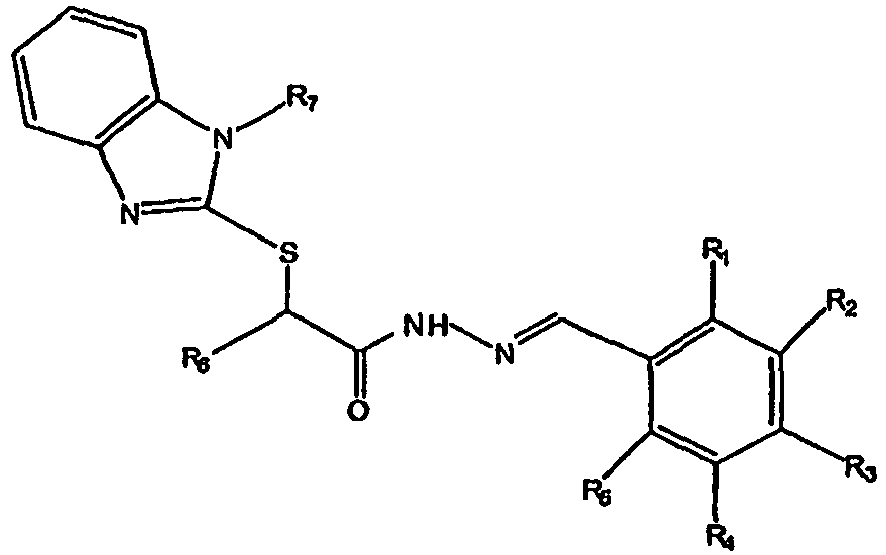
- R1 is H, OH, alkyloxy, or halogen;
- R2 and R5 are H or halogen;
- R3 is H or OH;
- R4 is H, alkyloxy, or halogen;
- R6 is H or alkyl; and
- R7 is H or CH2R8, wherein R8 is H, alkyl, or substituted or unsubstituted phenyl,
- with the proviso that at least one of R1, R2, and R4 is a halogen, wherein
- In order to evaluate how sAC-generated cAMP might differ from the second messenger generated by tmACs, a prototypical cAMP-dependent pathway, PKA-dependent phosphorylation of cAMP response element binding protein (CREB; De Cesare et al., "Transcriptional Regulation by Cyclic AMP-Responsive Factors," Prog. Nucleic Acid Res. Mol. Biol. 64:343-369 (2000)) was investigated. In a widely accepted signal transduction paradigm, extracellular signals (i.e., hormones and neurotransmitters) affect CREB family phosphorylation by stimulation of plasma membrane-bound tmACs. The generated cAMP activates nearby PKA, and the liberated catalytic subunit then appears to translocate through the cytoplasm to phosphorylate and activate CREB proteins residing inside the nucleus (Riabowol et al., "Microinjection of the Catalytic Subunit of cAMP-dependent Protein Kinase Induces Expression of the c-fos Gene," Cold Spring Harb. Symp. Quant. Biol. 53:85-90 (1988); Hagiwara et al., "Coupling of Hormonal Stimulation and Transcription Via the Cyclic AMP-Responsive Factor CREB is Rate Limited by Nuclear Entry of Protein Kinase A," Mol. Cell. Biol. 13:4852-4859 (1993) . Intracellular signals, such as metabolic activity, also modulate CREB phosphorylation in a cAMP-dependent manner (Daniel et al., "Cyclic AMP Signaling and Gene Regulation," Annu. Rev. Nutr. 18:353-383 (1998); Singh et al., "Hexosamine-Induced Fibronectin Protein Synthesis in Mesangial Cells is Associated With Increases in cAMP Responsive Element Binding (CREB) Phosphorylation and Nuclear CREB: The Involvement of Protein Kinases A and C," Diabetes 50:2355-2362 (2001); Trumper et al., "Mechanisms of Mitogenic and Anti-Apoptotic Signaling by Glucose-Dependent Insulinotropic Polypeptide in Beta(INS-1)-Cells," J. Endocrinol. 174:233-246 (2002) , but the mechanism has yet to be established. Localization of sAC inside the nucleus, in close proximity to the CREB family proteins, and its regulation by calcium and bicarbonate suggested that sAC might be responsible for modulating CREB activity in response to intracellular signals.
- The present invention demonstrates the existence of a nuclear cAMP signaling microdomain that mediates bicarbonate-dependent activation of the transcription factor CREB. Bicarbonate activation of CREB represents an example of a mammalian cAMP-dependent pathway solely modulated by intrinsic cellular signals. This nuclear cAMP signaling cascade functions independently from the classically defined mechanisms leading to CREB activation, demonstrating that cAMP is a locally acting second messenger that can work autonomously in different compartments within a single cell.
- Insulin secretion is known to be induced by various nutrient secretagogues: prototypically glucose. In beta-cells of the pancreas, glucose metabolism elicits an increase in cAMP, and substantial evidence implicates the cAMP signaling pathway is essential for glucose-induced insulin release. However, the link between cAMP and glucose metabolism remains unknown. The present invention pharmacologically and genetically identifies this link to be the bicarbonate/calcium-responsive sAC. Furthermore, the present invention shows that, unlike cAMP synthesized by G protein regulated tmACs, sAC generated cAMP is sufficient to elicit insulin release. Consistently, chemical inhibition of sAC in mice induces a diabetes-like phenotype. These results demonstrate that different sources of cAMP act independently and predict that sAC activators would represent a new class of diabetes therapeutic.
-
Figures 1A-C show that bicarbonate induces CREB phosphorylation via sAC activation in a PKA-dependent manner. COS7 cells were starved for bicarbonate for 60 min and were either incubated in the same bicarbonate starvation media for an additional 30 min (Figure 1A ; No Treatment), incubated in normal, bicarbonate-containing DME in 5% CO2 for 30 min (Figure 1A ; NaHCO3), or preincubated with 10 µM H89 for 10 min followed by incubation in normal, bicarbonate-containing DME in 5% CO2 for 30 min (Figure 1A ; NaHCO3 + H89). As a control, COS7 cells grown in normal DME in 5% CO2 were incubated with 10 µM of forskolin for 30 min (Figure 1A ; Forskolin). Cells were immunostained with phospho-CREB antisera (Figure 1A , right). The images on the left inFigure 1A are phase images of cells on the right. Bar, 50 µm. COS7 cells were transfected with vector control or a 48-kD isoform of sAC, and cells were assayed 36 h after transfection (Figure 1B ). Cells were treated with a vehicle control (DMSO) or 10 µM H89 for 10 min and stimulated with 10 µM of forskolin or given vehicle control (DMSO) for an additional 30 min (Figure 1B ). Transfected cells were starved for bicarbonate and were either incubated in the same bicarbonate starvation media for an additional 30 min; incubated in normal, bicarbonate-containing DME in 5% CO2 for 30 min; or preincubated with 10 µM H89 for 10 min followed by incubation in normal,
bicarbonate-containing DME in 5% CO2 for 30 min (Figure 1C ). Top panels inFigures 1B-C show Western blots using anti-phospho-CREB antisera with phosphorylated CREB (P-CREB) protein indicated; the bottom panels show Western blots using CREB-specific antisera with total CREB protein indicated. Shown below the Western blots inFigures 1B-C are the intensities of phospho-CREB relative to CREB normalized to the vector control with no treatment (first lane). -
Figures 2A-B show the time course of CREB phosphorylation by sAC and tmAC. Huh7 cells were starved for 1 h for bicarbonate and CO2 and incubated in 44 mM of normal, bicarbonate-containing DME in 5% CO2 for the time indicated (Figure 2A ) or kept in normal media and treated with 1 µM PGE2 for the time indicated (Figure 2B ). Top panels inFigures 2A-B show Western blots using anti-phospho-CREB antisera with phosphorylated CREB (P-CREB) protein indicated; the bottom panels show Western blot using CREB-specific antisera with total CREB (CREB) protein indicated. Shown below the Western blots inFigures 2A-B are graphical representations of the intensities of phospho-CREB relative to CREB normalized to the 0 min time point (first lane). -
Figures 3A-D illustrate that immunocytochemistry detects both sAC and PKA in the mammalian cell nucleus.Figure 3A shows confocal immunocytochemistry of Huh7 cells with monoclonal RIIα (top middle) and polyclonal RIα antibody (top right). Top left, To-Pro 3. Overlay of To-Pro 3 with both RIIα and RIα (Figure 3A ; bottom left), RIIα (Figure 3A ; bottom middle), and RIα (Figure 3A ; bottom right). Secondary controls were negative.Figures 3B-C show confocal images of suspension HeLa cells immunostained with PKA regulatory subunit RIIα polyclonal antisera (Figure 3B ) and PKA regulatory subunit RIα mAb (Figure 3C ). InFigures 3B-C , arrows labeled A and B indicate suspension HeLa cytoplasm. Secondary controls were negative (insets).Figure 3D shows confocal immunocytochemistry of Huh7 cells stained with R41 mAb against sAC. -
Figures 4A-B illustrate that activated CREB, sAC, and PKA are present within the same rat liver nuclei.Figure 4A shows rat liver section stained with DAPI (top left, DNA), R52 biotinylated mAb (top middle, sAC), and polyclonal RIIα antisera (top right, RIIα); overlays of RIIα and sAC (bottom left), sAC and DAPI (bottom middle), and RIIα and DAPI (bottom right). Arrows labeled A indicate nuclei enriched for both sAC and PKA, whereas arrows labeled B indicate nuclei not enriched for either.Figure 4B shows rat liver section stained with DAPI (top left, DNA), R21 mAb (top middle, sAC), and polyclonal P-CREB antisera (top right, P-CREB); overlays of P-CREB and sAC (bottom left), sAC and DAPI (bottom middle), and P-CREB and DAPI (bottom right). Arrows labeled A indicate nuclei enriched for both sAC and P-CREB, whereas arrows labeled B indicate nuclei enriched for neither. Rat liver tissue immunolocalization was confirmed to be inside the nucleus by confocal microscopy. -
Figures 5A-E illustrate that sAC, PKA, and CREB coexist in mammalian cell nuclei.Figure 5A shows Western blots of cell equivalents from HeLa whole cells (WC), low speed supernatant (S1), and nuclear-enriched high speed pellet (P2) probed with antibodies against NaK ATPase (NaK), histone H1 (Histone), cytochrome oxidase subunit III (COX), and β-tubulin (Tubulin).Figure 5B shows immunocytochemistry of nuclei isolated from HeLa cells (P2 pellet) using CREB polyclonal antisera (Figure 5B ; CREB) and sAC R52 biotinylated mAb (Figure 5B ; sAC). Differential interference contrast microscopy (Figure 5B ; DIC) and 4'-6-Diamidino-2-phenylindole (Figure 5B ; DAPI) images shown. Bar, 10 µm. Nuclei isolated from HeLa cells (P2 pellet) immunostained with polyclonal antisera (Figure 5C ; Polyclonal) and mAb (Figure 5C ; Monoclonal) directed against both RIα and RIIα indicated that both proteins maintained their nucleoplasmic architecture throughout the fractionation procedure. Bottom row inFigure 5C represents staining with goat anti-rabbit (middle) or goat anti-mouse controls (right) alone. Left column inFigure 5C represents DAPI images (Figure 5C ; DAPI). Bars, 10 µm.Figure 5D shows a Western blot of nuclear enriched P2 for sAC with R21 mAb.Figure 5E shows Western blots of nuclear enriched P2 pellet with monoclonal (mRIα) and polyclonal (pRIα) antisera against RIα and with monoclonal (mRIIα) and polyclonal (pRIIα) antisera against RIIα. All Westerns blots resolved only single bands of the predicted molecular mass. -
Figures 6A-D illustrate that isolated nuclei contain a bicarbonate-responsive cAMP signaling microdomain dependent on both sAC and PKA. Equal aliquots of nuclei-enriched P2 were incubated with 40 mM NaCl (Basal), 10 µM forskolin (FSK), 1 mM 8-Br cAMP (cAMP), or 40 mM of sodium bicarbonate (NaHCO3) for 10 min, smeared on a chilled glass slide, placed at -20°C, and immunostained for CREB family member phosphorylation using phospho-CREB-specific polyclonal antisera (Figures 6A-B ). Intact nuclei were confirmed by DAPI staining (Figure 6A ; left).Figure 6A (bottom right) highlights representative nuclei considered positive for CREB phosphorylation for quantitation. Three microscopic fields per condition were photographed and counted by a blinded scientist (Figure 6B ). Values graphed inFigure 6B represent the percentage of positive nuclei normalized to Basal (control) averaged from five separate experiments. Ratios above each bar inFigure 6B represent the total number of positive nuclei divided by the total number of nuclei counted for all five experiments.Figure 6C shows a Western blot using phospho-CREB-specific antisera against equal aliquots of nuclei-enriched P2 treated with Mg2+-ATP alone (Basal) or substrate in the presence of 1 mM 8-Br cAMP (cAMP), 40 mM bicarbonate, or 40 mM bicarbonate in the presence of either 10 µM H-89 or 1 mM 8-Br-RpcAMPs. Each band was quantitated and normalized to basal; the relative intensities are basal (1 U), cAMP (30 U), bicarbonate alone (- ; 27 U), bicarbonate plus H-89 (13 U), and bicarbonate plus Rp-cAMPs (8 U).Figure 6D shows a Western blot using phospho-CREB-specific antisera against equal aliquots of nuclei-enriched P2 treated with 10 µM forskolin (FSK) or with 40 mM of bicarbonate alone (+HCO3) or in the presence of 50 µM of a sAC specific inhibitor, KH7 (+HCO3 +KH7). -
Figures 7A-D demonstrate that sAC is present in the Islets of Langerhans and is localized to insulin secretory granules in beta-cells.Figure 7A shows a rat pancreatic islet immunostained with biotinylated anti-sAC monoclonal antibody R52b (left) and anti-insulin (middle) with overlay (right).Figure 7B shows a betaTC6 insulinoma cell (DIC image, first image from left) stained with anti-C-term sAC polyclonal (second image from left), anti-insulin (third image from left), and overlay (fourth image from left).Figure 7C shows RINm5F insulinoma cells (DIC image, first image from left) stained with anti-C-term sAC polyclonal (second image from left), anti-insulin (third image from left), and overlay (fourth image from left).Figure 7D shows an INS-1E insulinoma cell stained with DAPI (first image from left), anti-sAC biotinylated monoclonal antibody R52b (second image from left), anti-insulin (third image from left), and overlay (fourth image from left). Scale bars indicated. -
Figures 8A-C illustrate that the P site inhibitor, 2'5'ddAdo, is a potent inhibitor of tmACs but is inert towards sAC.Figure 8A shows bicarbonate/calcium stimulated pure sAC protein in the presence of indicated concentrations of the P site inhibitor, 2'5'ddAdo (µM).Figure 8B shows 15 minute cAMP accumulation in intact INS-1E cells in the absence of any stimulator (Basal, white bar) or in the presence of 10 µM Forskolin in the absence (Forskolin, lightly shaded bar) or presence (Forskolin + P site, darkly shaded bar) of 50 µM 2'5'ddAdo.Figure 8C shows adenylyl cyclase activity in INS-1E cell lysate in the absence of any stimulator (Basal, white bar) or in the presence of 10 µM Forskolin in the absence (Forskolin, lightly shaded bar) or presence (Forskolin + P site, darkly shaded bar) of 50 µM 2'5'ddAdo. -
Figures 9A-C illustrate that KH7 differentiates between sAC and tmAC generated cAMP. In vitro cyclase activity of purified recombinant sAC in the presence of bicarbonate (40 mM) and calcium (0.5 mM) (Figures 9A-B ) or INS-1E cell lysate stimulated by forskolin (10 µM) (Figure 9C ) in the presence of the indicated concentrations of KH7 (open squares, µM) (Figures 9A and 9C ) or KH7.15 (closed diamonds, µM) (Figures 9B-C ). -
Figures 10A-F illustrate that sAC generated cAMP is necessary for glucose-stimulated insulin secretion (GSIS).Figure 10A shows GSIS (measured over 30 minutes) in the presence of 2.5 mM glucose (light square) or 16 mM glucose (dark squares) with indicated concentrations of KH7 (µM). Shown is a representative figure performed at least three times; values represent averages of duplicate determinations ± standard deviation (SD). Insulin secreted (Figure 10B ) and intracellular cAMP levels (Figure 10C ) were determined from the same wells (n=6) incubated in low glucose (2.5 mM, light bars) or high glucose (16 mM, dark bars) in the presence of vehicle (-), 30 µM KH7 (7), 30 µM KH7.15 (7.15), 50 µM 2-hydroxyestradiol (2OH), or 50 µM 2'5'ddAdo (Psite). Values represent mean ± standard error of the mean (SEM). ANOVA analysis was performed with asterisks indicating statistical significance as compared to the relevant vehicle control values, except where otherwise noted by a bar above the graph.Figure 10D shows GSIS (i.e., insulin released in the presence of 16 mM glucose) from INS-1E cells over 15 minutes in the presence of vehicle (DMSO), 30 µM KH7 (KH7), or 50 µM 2'5'ddAdo (Psite) with ("+", dark bars) or without ("-", light bars) 0.5 mM IBMX. Values represent mean ± SEM (n=4). ANOVA analysis was performed, with asterisks indicating statistical significance as compared to vehicle control value (- IBMX).Figure 10E shows insulin secreted over 15 minutes in the presence of 2.5 mM (light bar) or 16 mM glucose (dark bars) in the presence of 50 µM KH7 (KH7) or KH7 and 1 mM 8-Br-SpcAMP (KH7 + cAMP). Shown is a representative figure repeated multiple times; values are averages from duplicate determinations ± SD.Figure 10F shows insulin released from mouse islets cultured in low glucose (2.8 mM, light bars) or high glucose (16.7 mM, dark bars) for 30 minutes in the presence of vehicle (DMSO), 30 µM KH7 (KH7), or 30 µM KH7.15 (KH7.15). Values represent mean ± SEM (n=3). ANOVA analysis was performed, with asterisks indicating statistically significant differences. For all graphs, * = p<0.05; ** = p<0.01; *** = p<0.001; and ns = no statistically significant difference. -
Figure 11 illustrates that the catechol estrogen 2-hydroxyestradiol (2OH) inhibited GSIS in INS-1E insulinoma cells. The figure shows 15 minute insulin release from INS-1E cells incubated in low glucose (2.5 mM, lightly shaded bar) or high glucose (16 mM) with indicated concentrations of 2-hydroxyestradiol (2OH; first five darkly shaded bars from the left), KH7 (30 µM; sixth darkly shaded bar from the left) or KH7.15 (30 µM; seventh darkly shaded bar from the left). Shown is a representative experiment repeated at least twice; values represent averages of duplicate determinations with standard deviations indicated. -
Figures 12A-B show that sAC-specific RNAi blunts glucose-induced cAMP generation and insulin release.Figure 12A shows intracellular cAMP generated in low (2.5 mM, light bars) or high glucose (16 mM, dark bars) in INS-1E cells transfected with negative control RNAi oligos (control) or two different RNAi oligonucleotides directed against sAC (sAC # 1 and sAC #2). Shown is a representative figure; values represent duplicate transfected wells. Inset shows representative Western blots of INS-1E cells transfected with the indicated RNAi oligonucleotides using anti-sAC (monoclonal antibody R21) or anti-β actin antibody.Figure 12B shows insulin released (over 30 minutes) in low glucose (2.5 mM, light bars) or high glucose (16 mM, dark bars) from cells transfected with the indicated RNAi oligonucleotides. Shown is the average fold insulin released in high glucose relative to insulin released in low glucose from eight (8) independently transfected wells. To facilitate comparisons between transfections, all data were first normalized to the average insulin released in low glucose from the combined control transfected wells. Values represent mean ± SEM (n=8). ANOVA analysis was performed with asterisks indicating statistically significant differences. ** = p<0.01. -
Figures 13A-B demonstrate that KH7 does not affect PMA induced insulin release or transferrin recycling in INS-1 E cells.Figure 13A shows PMA (300 nM) stimulated insulin release (2.5 mM glucose) for 30 minutes in the presence of DMSO or KH7 (30 µM). Values are mean ± SEM (n=3). Data represents fold insulin released over insulin released in low glucose (basal).Figure 13B shows transferrin recycling over 30 minutes in the presence of DMSO (squares) or KH7 (30 µM; diamonds). Shown is a representative experiment repeated at least three times. Data points represent averages of duplicate determinations with error bars indicating standard deviation. -
Figures 14A-C illustrate that sAC-generated cAMP, distinct from tmAC-generated cAMP, is sufficient to elicit insulin secretion.Figure 14A shows cAMP accumulation (top) and insulin secretion (bottom) over 15 minutes in INS-1E cells in low glucose (2.5 mM) alone (lightly shaded bars) or after stimulation with 10 nM glucagon (darkly shaded bars). Shown is a representative assay repeated at least five times; values indicate duplicate determinations with standard deviations.Figure 14B shows cAMP accumulation (top) and insulin secretion (bottom) in 2.5 mM glucose over 15 minutes in INS-1E cells (open bars), SF2 cells (lightly shaded bars), or SF5 cells (darkly shaded bars). Shown is a representative assay repeated at least five times; values indicate duplicate determinations with standard deviations. Insert is a Western blot indicating the levels of sAC protein in INS-1E, SF2, and SF5 cells.Figure 14C shows insulin secretion from INS-1E or SF2 after incubation for 15 minutes in either 2.5 mM (light bars) or 16 mM glucose (dark bars) in the presence or absence of 30 µM KH7. Values represent mean ± SEM (n=3). ANOVA analysis was performed with asterisks indicating statistically significant differences. *** = p<0.001. -
Figures 15A-B illustrate that KH7 inhibits glucose tolerance and insulin release in C57BL/6 mice.Figures 15A-B show serum glucose (n=8) (Figure 15A ) and insulin levels (n=5) (normalized to basal) (Figure 15B ) in mice at the indicated times, following i.p. glucose injection (1 g/kg) into animals pretreated with 100 µmoles/kg [49 mg/kg] KH7 (open triangles) or DMSO vehicle control (closed squares). Values represent man ± SEM. Repeated measures ANOVA analysis was performed with asterisks indicating statistical significance of KH7 treatment as compared to vehicle at the time point indicated. For all graphs, * = p<0.05; ** = p<0.01; and *** = p<0.001. -
Figures 16A-B illustrate plasmodium viability (Figure 16A ) and cyclase activity (Figure 16B ) in the presence of KH7 and KH7.15. Plasmodium cultures were incubated in the indicated concentrations of KH7 or KH7.15 for 24 hours and viability assessed by luciferase assay (Figure 16A ). Adenylyl cyclase activity in whole cell extract of isolated parasites was assayed in the presence of MnCl2 and ATP and the indicated concentrations of KH7 or KH7.15 (Figure 16B ). -
Figures 17A-B illustrate that the catalytic portion of the sAC-like adenylyl cyclase from Candida albicans (fragment JR3) is bicarbonate responsive and KH7 sensitive.Figure 17A depicts the bicarbonate activation of JR3, whileFigure 17B shows the KH7 inhibition of JR3. -
Figure 18 illustrates that NGF induced Rap1 activation is blocked by KH7 and rescued by membrane permeable cAMP. PC12 cells were stimulated with or without nerve growth factor (NGF) for 15 minutes in the presence or absence of KH7 (50 µM) and 1 mM 8Br-cAMP. Top panel shows activated Rap1 (GTP bound Rap1) isolated from whole cell extracts by "pull-down" with Rap-GTP binding domain of RalGDS; bottom panel shows total Rap1 in extract (both GTP bound and GDP bound) as control. - The present invention relates to compouds for use in treating a disorder mediated by soluble adenylyl cyclase in a subject or for treating a parasitic or fungal infection in a subjet. The use involves administering to a subject an effective amount of a compound that modulates soluble adenylyl cyclase, where the compound has the following formula:

- R1 is H, OH, alkyloxy, or halogen;
- R2 and R5 are H or halogen;
- R3 is H or OH;
- R4 is H, alkyloxy, or halogen;
- R6 is H or alkyl; and
- R7 is H or CH2R8, where R8 is H, alkyl, or substituted or unsubstituted phenyl,
- with the proviso that at least one of R1, R2, R3, and R4 is a halogen,
- under conditions effective to treat the disorder . In one embodiment of the present invention, the compound inhibits soluble adenylyl cyclase. In another embodiment, the compound activates soluble adenylyl cyclase.
- In another embodiment of the present invention, the compound has the following formula:

- In another embodiment, the compound has the following formula:

- In another embodiment, the compound has the following formula:

- In another embodiment, the compound has the following formula:

- In another embodiment, the compound has the following formula:
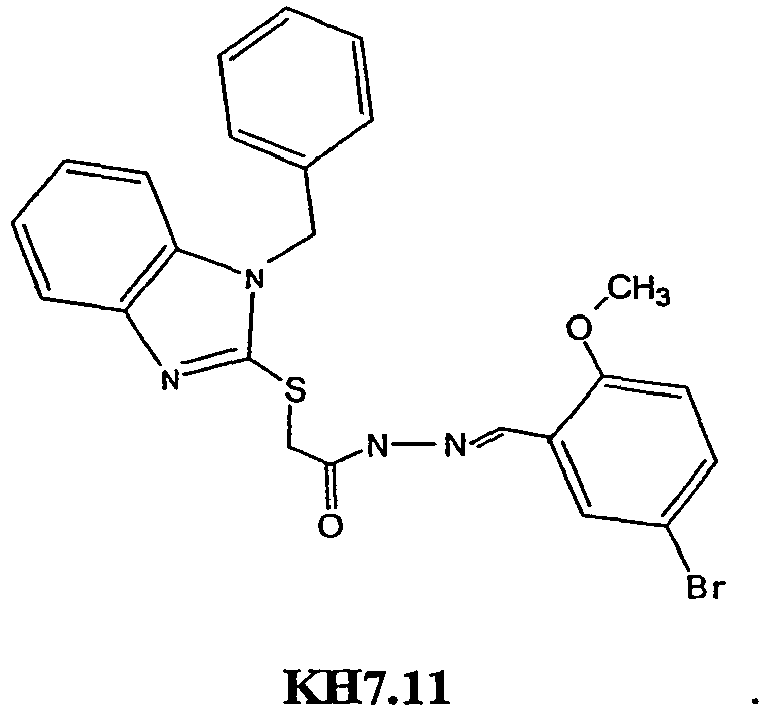
- In another embodiment, the compound has the following formula:

- In another embodiment, the compound has the following formula:

- In yet another embodiment, the compound has the following formula:

- Suitable examples of disorders that are mediated by soluble adenylyl cyclase include, but are not limited to: male fertility/sterility (Chen et al., "Soluble Adenylyl Cyclase as an Evolutionarily Conserved Bicarbonate Sensor," Science 289:625-628 (2000); Esposito et al., "Mice Deficient for Soluble Adenylyl Cyclase Are Infertile Because of a Severe Sperm-Motility Defect," Proc. Natl. Acad. Sci. USA 101:2993-2998 (2004) ), glaucoma (Sun et al., "HCO3--Dependent Soluble Adenylyl Cyclase Activates Cystic Fibrosis Transmembrane Conductance Regulator in Corneal Endothelium," Am J Physiol Cell Physiol 284: C1114-C11122 (2003) , metabolic acidosis/alkalosis, diabetes, metabolic disorders, breathing disorders (Sun et al., "HCO3--Dependent Soluble Adenylyl Cyclase Activates Cystic Fibrosis Transmembrane Conductance Regulator in Corneal Endothelium," Am J Physiol Cell Physiol 284: C1114-C1122 (2003) , insulin resistance, hyperinsulinemia, malaria, fungal infection, spinal cord injury, Alzheimer's disease, amyotrophic lateral sclerosis, and peripheral neuropathy.
- The compounds of the present invention may be orally administered; for example, with an inert diluent, or with an assimilable edible carrier, or they may be enclosed in hard or soft shell capsules, or they may be compressed into tablets, or they may be incorporated directly with the food of the diet. For oral therapeutic administration, these active compounds may be incorporated with excipients and used in the form of tablets, capsules, elixirs, suspensions, syrups, and the like. Such compositions and preparations should contain at least 0.1% of the active compound. The percentage of the compound in these compositions may, of course, be varied and may conveniently be between about 2% to about 60% of the weight of the unit. The amount of active compound in such therapeutically useful compositions is such that a suitable dosage will be obtained.
- The tablets, capsules, and the like may also contain a binder, such as gum tragacanth, acacia, corn starch, or gelatin; excipients, such as dicalcium phosphate; a disintegrating agent, such as corn starch, potato starch, alginic acid; a lubricant, such as magnesium stearate; and a sweetening agent, such as sucrose, lactose, or saccharin. When the dosage unit form is a capsule, it may contain, in addition to materials of the above type, a liquid carrier, such as a fatty oil.
- Various other materials may be present as coatings or to modify the physical form of the dosage unit. For instance, tablets may be coated with shellac, sugar, or both. A syrup may contain, in addition to the active ingredient, sucrose as a sweetening agent, methyl and propylparabens as preservatives, a dye, and flavoring, such as a cherry or orange flavor.
- These active compounds may also be administered parenterally. Solutions or suspensions of these active compounds can be prepared in water suitably mixed with a surfactant, such as hydroxypropylcellulose. Dispersions can also be prepared in glycerol, liquid polyethylene glycols, and mixtures thereof in oils. Illustrative oils are those of petroleum, animal, vegetable, or synthetic origin, for example, peanut oil, soybean oil, or mineral oil. In general, water, saline, aqueous dextrose and related sugar solution, and glycols, such as propylene glycol or polyethylene glycol, are preferred liquid carriers, particularly for injectable solutions. Under ordinary conditions of storage and use, these preparations contain a preservative to prevent the growth of microorganisms.
- The pharmaceutical forms suitable for injectable use include sterile aqueous solutions or dispersions and sterile powders for the extemporaneous preparation of sterile injectable solutions or dispersions. In all cases, the form must be sterile and must be fluid to the extent that easy syringability exists. It must be stable under the conditions of manufacture and storage and must be preserved against the contaminating action of microorganisms, such as bacteria and fungi. The carrier can be a solvent or dispersion medium containing, for example, water, ethanol, polyol (e.g., glycerol, propylene glycol, and liquid polyethylene glycol), suitable mixtures thereof, and vegetable oils.
- The compounds of the present invention may also be administered directly to the airways in the form of an aerosol. For use as aerosols, the compounds of the present invention in solution or suspension may be packaged in a pressurized aerosol container together with suitable propellants, for example, hydrocarbon propellants like propane, butane, or isobutane with conventional adjuvants. The materials of the present invention also may be administered in a non-pressurized form, such as in a nebulizer or atomizer.
- The present invention also relates to a compound for use in treating a disorder mediated by soluble adenylyl cyclase, where the disorder is selected from the group consisting of: male fectility/sterility, glancoma, metabolic acidosis/alkalosis, diabetes, metabolic disorders, breathing disorders, insulin resistence, hypersinsulinemia, malaria, fungal infection, spinal cord injury, Alzheimer's disease, amyotrophic lateral sclerosis, and peripheral neuropathy. The method involves modulating soluble adenylyl cyclase in the subject.
- Another aspect of the present invention relates to a method of modulating soluble adenylyl cyclase. The method involves contacting eukaryotic cells with a compound that modulates soluble adenylyl cyclase, where the compound has the following formula:

- R1 is H, OH, alkyloxy, or halogen;
- R2 and R5 are H or halogen;
- R3 is H or OH;
- R4 is H, alkyloxy, or halogen;
- R6 is H or alkyl; and
- R7 is H or CH2R8, where R8 is H, alkyl, or substituted or unsubstituted phenyl, with the proviso that at least one of R1, R2, R3, and R4 is a halogen,
- under conditions effective to modulate soluble adenylyl cyclase.
- The following examples are provided to illustrate embodiments of the present invention.
- All cell lines were grown in DME (44 mM sodium bicarbonate) supplemented with 10% FBS. Where indicated, cells were transfected using Lipofectamine 2000 (Invitrogen, Carlsbad, CA) as per the manufacturer's instructions. Cells were incubated with DNA for 5 h in OPTI-MEM (Invitrogen), and then switched to normal media. Bicarbonate starvation was conducted by changing media to bicarbonate-free DME (44 mM Hepes) supplemented with 10% FBS for at least 1 h at 37°C under ambient air conditions. Bicarbonate stimulation consisted of returning cells to normal bicarbonate-containing media and placing them in a 5% CO2 incubator. For PGE2 or forskolin stimulation, cells were grown in normal media under 5% CO2. Stimulation was accomplished by replacing media with normal media containing 1 µM PGE2 or 10 µM forskolin. For Western analysis, cells were lysed immediately by direct addition of SDS sample buffer.
- Cells or nuclei were washed in PBS and fixed for either 30 min in 4% PFA and permeabilized in 0.1% Triton X-100 or fixed for 15 min in 2% PFA and permeabilized in 0.05% Triton X-100. Liver from adult rat was rapidly excised, placed between two thinly sliced pieces of bovine liver, and snap frozen in isopentane cooled with liquid nitrogen. 6-µM-thick cryosections were collected on superfrost slides (Fisher Scientific, Hampton, NH) and stained within 1 day of sectioning. Tissue was fixed for 30 min in 4% PFA and permeabilized in 0.1% Triton X-100 for 15 min. All samples were blocked in 2% BSA for at least 1 h. Cells or tissues were stained with anti-sAC R41 or R52 biotinylated mAbs or R21 mAb (1:100) generated against human 48-kD isoform of sAC (sACt) antigen as described previously (Zippin et al., "Compartmentalization of Bicarbonate-Sensitive Adenylyl Cyclase in Distinct Signaling Microdomains," FASEB J. 17:82-84 (2003), anti-PKA regulatory subunit (RIα and RIIα) polyclonal antisera (1:100; Chemicon, Temecula, CA, and Cedarlane Laboratories Limited, Hornby, Ontario, Canada) or mAbs (Becton Dickinson, Franklin Lakes, NJ), and anti-CREB or anti-phospho-CREB polyclonal antisera (1:500; Cell Signaling Technologies, Beverly, MA) overnight in 2% BSA, 0.01 % Triton X-100; washed three times for 10 min each in 2% BSA, 0.01 % Triton X-100; stained for 1 h at room temperature with goat anti-rabbit Alexa Fluor 488, goat anti-mouse Alexa Fluor 568, or goat anti-mouse Alexa Fluor 594 (Molecular Probes, Eugene, OR); treated with 4'-6-Diamidino-2-phenylindole (DAPI) for 5 min or To-Pro 3 (1:500; Molecular Probes) for 15 min; and washed and mounted with gelvatol/DABCO (Sigma-Aldrich, St. Louis, MO).
- For phospho-CREB immunolocalization, cells or nuclei were fixed in 4% PFA for 30 min, permeabilized in 0.1% Triton X-100 for 15 min, blocked for at least 1 h in 3% BSA, and immunostained using phospho-CREB polyclonal antisera (1:500; Cell Signaling Technologies) overnight at 4°C. Staining was visualized by incubation with goat anti-rabbit Alexa Fluor 488 (Molecular Probes) for 1 h at room temperature, treated with DAPI for 5 min, and washed and mounted with gelvatol/DABCO (Sigma-Aldrich). Fluorescent images were recorded by a digital camera (Hamamatsu, Bridgewater, NJ) connected to an inverted epifluorescent microscope (Nikon, Melville, NY). Images were taken at the same exposure time and gain, and all photographic manipulations were performed equally. Phospho-CREB-positive nuclei were quantified in multiple fields from each stained slide by a blinded experimenter.
- Confocal images were acquired with a confocal system (model LSM 510; Carl Zeiss MicroImaging, Inc., Chester, VA). Goat anti-rabbit Alexa Fluor 488 was excited with a 488-nM Kr/Ar laser, goat anti-mouse Alexa Fluor 568 was excited with a 568-nm Kr/Ar laser, and To-
Pro 3 was excited with a 633-nm Kr/Ar laser. - Nuclei were isolated by cellular lysis followed by differential centrifugation (Spector et al. (eds.), "Culture and Biochemical Analysis of Cells," in Cells: A Laboratory Manual, Vol.1 Cold Spring Harbor Laboratory Press, Cold Spring Harbor, NY (1998) through OptiPrep (Axis-Shield, Oslo, Norway). HeLa cells grown in suspension were lysed by detergent treatment in TM-2 buffer (0.01 M Tris-HCl, pH 7.4, 1.5 mM MgCl2, 150 mM NaCl, 0.5 mM PMSF, 10 µg/ml apoprotin, and 10 µg/ml leupeptin) containing 100 µg/ml of digitonin followed by a 1,000-g spin. Supernatant (S1) was removed and the pellet was resuspended in 0.25 M sucrose, 25 mM KCl, 30 mM MgCl2, and 20 mM Tris-HCl, pH 7.8. The resuspended pellet and 60% OptiPrep iodixanol were mixed (30% OptiPrep final) and centrifuged at 10,000 g for 20 min. The supernatant was removed and the nuclei-enriched pellet (P2) was resuspended in TM-2 buffer without detergent.
- Equal aliquots of nuclei-enriched P2 preparations were incubated in 50 µl of the final volume of 100 mM Tris, pH 7.2, 10 mM MgCl2, and 5 mM ATP for CREB phosphorylation and 100 mM Tris, pH 7.2, 10 mM MgCl2, 5 mM ATP, and 0.5 mM IBMX for adenylyl cyclase assay with the indicated additions for 10 min (CREB phosphorylation) or 15 min (adenylyl cyclase) at 37°C. Reactions were stopped by the addition of 20 µl of SDS sample buffer (CREB phosphorylation) or by being placed into a 100°C heat block for 3 min (adenylyl cyclase).
- For whole cell and isolated nuclei CREB phosphorylation assays, equal cell or nuclear equivalents were separated under reducing conditions using a 10% SDS-PAGE, transferred to a PVDF membrane, and probed for CREB (rabbit polyclonal antiserum; Chemicon, Temecula, CA) and phosphorylated CREB (rabbit polyclonal antiserum; Upstate Biotechnology, Temecula, CA). HRP-conjugated secondary antibodies were used, and bands were visualized using ECL. Image analysis software (model Fluorchem 8800; Alpha Innotech, San Leandro, CA) was used to quantitate Western results. Intensities of phospho-CREB bands were normalized to total CREB.
- cAMP produced in the cyclase assays was detected using a competition-based assay with [3H]cAMP (Amersham Biosciences, Piscataway, NJ) and compared with a cAMP standard curve for quantitation.
- Inhibitor profiles were determined by adenylyl cyclase assay (Assay Designs, Inc., Ann Arbor, MI) using purified sAC protein (Litvin et al., "Kinetic Properties of 'Soluble' Adenylyl Cyclase. Synergism Between Calcium and Bicarbonate," J. Biol. Chem. 278:15922-15926 (2003) in the presence of 10 mM NaHCO3, 0.5 mM CaCl2, 10 mM MgCl2, and 10 mM ATP or a mixture of purified catalytic domains, C1 and C2, from Type VII tmAC (Yan et al., "Construction of Soluble Adenylyl Cyclase From Human Membrane-Bound ), which is hereby incorporated by reference in its entirety) in the presence of 5 mM MgCl2 and 1 mM ATP.
- Nuclei were treated with Mg2+-ATP alone or in combination with bicarbonate, forskolin, or 8-Br-cAMP for 10 min, spread on a chilled slide, stored at -20°C, and immunostained using phospho-CREB-specific antisera. Nuclei were also treated with DAPI to differentiate intact nuclei from membrane ghosts. DAPI-positive nuclei were scored for phosho-CREB immunofluorescence. Nuclei with detectable staining (
Figure 6A , NaHCO3) were considered positive for CREB phosphorylation, whereas nuclei with no detectable staining (Figure 6A , Basal) were counted as negative. Multiple microscopic fields were photographed for each condition, and data was combined from three to five separate experiments. - Equal cell equivalents, unless otherwise noted, were separated under reducing conditions using a 10% SDS-PAGE, transferred to PVDF membrane, and blocked in 5% milk. The blots were probed with antibodies against either NaK ATPase (monoclonal, 1:50; Santa Cruz Biotechnology, Inc., Santa Cruz, CA), histone H1 (monoclonal, 1:100; Santa Cruz Biotechnology, Inc.), cytochrome oxidase subunit III (monoclonal, 2 µg/ml; Molecular Probes), β-tubulin (monoclonal, 1:1000; Sigma-Aldrich), sAC (R21 mAb, 1:500), monoclonal RIα or RIIα antibodies (1:250; Becton Dickinson), or polyclonal RIαor RIIα antisera (1:5000; Chemicon) overnight. HRP-conjugated secondary antibodies were used and bands were visualized using ECL.
- Bicarbonate treatment of cells uniquely activates sAC (Chen et al., "Soluble Adenylyl Cyclase as an Evolutionarily Conserved Bicarbonate Sensor," Science 289:625-628 (2000), which is hereby incorporated by reference in its entirety), whereas activation by G proteins or forskolin only stimulates tmACs; therefore, these agents can be used to differentially stimulate the two classes of mammalian adenylyl cyclase. To determine whether sAC activation would elicit PKA activation of CREB, a well-characterized target of tmAC-generated cAMP, cells were treated with bicarbonate, and PKA-dependent phosphorylation of CREB was measured using antisera specific for the PKA (Ser133) phosphorylated form of CREB. Hormonal stimulation of CREB transcription factors, acting through tmACs, reaches its peak in 30 min (Hagiwara et al., "Transcriptional Attenuation Following cAMP Induction Requires PP-1-Mediated Dephosphorylation of CREB," Cell 70:105-113 (1992) . Treatment of COS7 cells with forskolin, which will activate the total cellular pool of tmACs, stimulated nuclear immunofluorescent staining and Western blot immunoreactivity using the phosphospecific antisera (
Figures 1A and 1B ). Treatment of COS7 cells for the same amount of time (30 min) with bicarbonate also resulted in CREB phosphorylation (Figures 1A and 1C ). These increases in phospho-CREB immunostaining were inhibited by pretreatment with H89, confirming the involvement of PKA (Figures 1A-C ). Overexpression of sAC led to an increase in basal CREB phosphorylation (Figures 1B and 1C , fourth lane), suggesting that sAC-generated cAMP was sufficient to activate CREB. Consistent with its bicarbonate responsiveness (Chen et al., "Soluble Adenylyl Cyclase as an Evolutionarily Conserved Bicarbonate Sensor," Science 289:625-628. (2000) , sAC overexpressing COS7 cells displayed enhanced bicarbonate-dependent CREB phosphorylation (Figure 1C , second and fifth lanes), which was also blocked by H89 (Figure 1C ). The ability of either bicarbonate or forskolin to induce CREB phosphorylation revealed that CREB represents a downstream target of both tmAC- and sAC-generated cAMP. - The time course of CREB activation in response to a hormonal activator of tmACs, PGE2, was directly compared to the time course of CREB activation in response to specific sAC activator, bicarbonate, in a liver cell line (Hagiwara et al., "Transcriptional Attenuation Following cAMP Induction Requires PP-1-Mediated Dephosphorylation of CREB," Cell 70:105-113 (1992) . Phosphorylation of CREB in response to bicarbonate occurred rapidly; increases in phospho-CREB were detected within 2 min, the earliest time tested (
Figure 2A ). In contrast, PGE2 (Figure 2B ) or forskolin stimulation of CREB phosphorylation was detectable only after 5 min, consistent with published papers (Hagiwara et al., "Transcriptional Attenuation Following cAMP Induction Requires PP-1-Mediated Dephosphorylation of CREB," Cell 70:105-113 (1992) . The longer activation kinetics after PGE2 or forskolin stimulation may reflect the time required for translocation of PKA catalytic subunit into the nucleus from the plasma membrane where it is activated by a hormonally modulated tmAC (Hagiwara et al., "Coupling of Hormonal Stimulation and Transcription Via the Cyclic AMP-Responsive Factor CREB is Rate Limited by Nuclear Entry of Protein Kinase A," Mol. Cell. Biol. 13:4852-4859 (1993) ). In addition to being more rapid, the peak intensity of phosphorylation was higher with bicarbonate treatment. The different kinetics and intensity of CREB activation by bicarbonate and PGE2 revealed that, whereas sAC and tmACs may affect overlapping substrates, they may participate in distinct signal transduction cascades. - Because CREB family members and sAC (Zippin et al., "Compartmentalization of Bicarbonate-Sensitive Adenylyl Cyclase in Distinct Signaling Microdomains," FASEB J. 17:82-84 (2003) reside inside the nucleus, it was reasoned that the accelerated kinetics and intensity of bicarbonate-induced CREB activation could occur if sAC and CREB coexisted in a signal transducing complex. A complete nuclear cAMP signaling cascade capable of phosphorylating CREB family proteins requires the presence of the cAMP-responsive PKA holoenzyme. Both catalytic and regulatory subunits of PKA have been immunologically (Kuettel et al., "Localization of Nuclear Subunits of Cyclic AMP-Dependent Protein Kinase by the Immunocolloidal Gold Method," J. Cell Biol. 101:965-975 (1985); Jungmann et al., "Using Immunocolloidal Gold Electron Microscopy to Investigate cAMP-Dependent Protein Kinase Cellular Compartmentalization," Methods Enzymol. 159:225-235 (1988); Yang et al., "A-Kinase Anchoring Protein 100 (AKAP100) is localized in Multiple Subcellular Compartments in the Adult Rat Heart," J. Cell Biol. 142:511-522 (1998) and biochemically (Byus et al., "Direct Cytochemical Localization of Catalytic Subunits Dissociated from cAMP-Dependent Protein Kinase in Reuber H-35 Hepatoma Cells. II. Temporal and Spatial Kinetics," J. Cell Biol. 93:727-734 (1982); Murray et al., "Intracellular Kinetics of Free Catalytic Units Dissociated From Adenosine 3',5'-Monophosphate-Dependent Protein Kinase in Adrenocortical Tumor Cells (Y-1)," Endocrinology 116:364-374 (1985); Zhang et al., "Nuclear Localization of Type II cAMP-Dependent Protein Kinase During Limb Cartilage Differentiation is Associated With a Novel Developmentally Regulated A-Kinase Anchoring Protein," Dev. Biol. 176:51-61 (1996); Constantinescu et al., "Ethanol-Induced Translocation of cAMP-Dependent Protein Kinase to the Nucleus. Mechanism and Functional Consequences," J. Biol. Chem. 274:26985-26991 (1999) detected inside the nucleus. Nuclear localization of the PKA holoenzyme has been described in lower eukaryotes (Griffioen et al., "Nutritional Control of Nucleocytoplasmic Localization of cAMP-Dependent Protein Kinase Catalytic and Regulatory Subunits in Saccharomyces cerevisiae," J. Biol. Chem. 275:1449-1456 (2000) , but the nuclear presence of the PKA regulatory subunit, and the cAMP-responsive holoenzyme, has been questioned. The immunological examination of regulatory subunit localization was repeated and extended, and it was confirmed that PKA resided inside the nucleus of the human liver cell line Huh7 (
Figure 3A ), in suspension HeLa cells (Figures 3B-C ), and in a subset of cells within sectioned liver tissue (Figure 4A ). Confocal microscopy of Huh7 and HeLa cells, using polyclonal and monoclonal antibodies that recognize PKA regulatory subunit isoforms (RIα and RIIα), revealed distinctive cytoplasmic staining in accordance with accepted dogma (Alto et al., "Intracellular Targeting of Protein Kinases and Phosphatases," Diabetes 51(3):S385-S388 (2002) ;Figures 3A-C ), but these regulatory subunit isoforms were also detected inside the nucleus (Figures 3A-C andFigure 4A ). In the case of suspension HeLa cells, it should be stressed that these optical slices were selected to illustrate the intranuclear staining of PKA. Slide preparation and imaging constraints caused PKA cytoplasmic staining to appear as a thin layer surrounding the nucleus (Figures 3B-C , arrows labeled A) and within the expanse of cytoplasm stretching out as these suspension cells adhere to the coverslip (Figures 3B-C , arrows labeled B). - Nuclear staining of each isoform was distinct. RIIα was present in a diffuse pattern throughout the nucleus with small areas of enrichment (
Figure 3A , mRIIα,; andFigure 3B ), whereas RIα was distributed in the nucleoplasm but more enriched in nucleoli (Figure 3A , pRIα; andFigure 3C ). RIIα was also detected in the nuclei of a subset of rat liver primary hepatocytes (Figure 4A ). Consistent with Zippin et al., "Compartmentalization of Bicarbonate-Sensitive Adenylyl Cyclase in Distinct Signaling Microdomains," FASEB J. 17:82-84 (2003) , sAC was also present in the nuclei of Huh7 cells (Figure 3D ) and a subset of rat liver hepatocytes (Figure 4 ). PKA, sAC, and phosphorylated CREB seem to be coordinately localized; the subset of nuclei in rat liver hepatocytes and Huh7 cells positive for sAC protein (Figures 4A-B , arrows labeled A) also contained R subunit (Figure 4A , arrows labeled A) and CREB phosphorylation (Figure 4B , arrows labeled A), whereas nuclei not enriched for sAC displayed neither R subunit nor CREB phosphorylation (Figures 4A-B , arrows labeled B). Rat liver hepatocytes positive for sAC, PKA, and phospho-CREB represented ∼10% of total hepatocytes, and any consistency with known liver anatomy has not yet been identified. These data demonstrated that nuclei contained all the components of a cAMP signaling cascade and suggested that sAC-generated cAMP is positioned to activate nuclear PKA holoenzymes to phosphorylate CREB proteins. - Bicarbonate treatment of whole cells led to rapid induction of CREB phosphorylation (
Figures 2A-B ). To test whether the nuclear localized sAC and PKA were responsible for this bicarbonate-induced CREB activation, isolated nuclei was prepared from suspension HeLa cells, a cell line with well-established protocols for the isolation and enrichment of nuclei. Cells were lysed using digitonin, and nuclear preparations were purified by density centrifugation through an OptiPrep gradient. Western analyses of the same cell equivalents from each fraction, using cellular markers for different subcellular compartments (histone H1, NaK ATPase α1 subunit, cytochrome c oxidase subunit III [COX], and β-tubulin) confirmed that the nuclear fractions (P2) were positive for nuclear markers (histone) with undetectable levels of plasma membrane (NaK ATPase), mitochondrial (COX), or cytoplasmic (tubulin) contamination (Figure 5A ). To confirm that the P2 fraction did not contain any detectable mitochondria, a possible source of both sAC and PKA contamination, the P2 fraction was overloaded, but COX antigen was still not detected. Visual inspection and DAPI fluorescence confirmed that the final preparation was enriched for intact nuclei (Figures 5B-C ), and, as expected, isolated nuclei contained both CREB and sAC proteins by immunocytochemistry (Figure 5B ) and Western blotting (Figure 5D ). - Consistent with the aforementioned staining patterns (
Figures 3A-C ), RIIα immunostaining was present throughout the nucleus, whereas RIα appeared enriched within the nucleolus (Figure 5C ). PKA RIα and RIIα were also detected by Western analysis as a single band of the predicted molecular mass in the P2 lysate, using monoclonal and polyclonal antibodies (Figure 5E ), confirming the specificities of these antibodies for immunostaining. Because the staining patterns of isolated HeLa cell nuclei (Figure 5C ) reflected the immunostaining pattern observed in intact HeLa cells (Figure 5B-C ), it was concluded that the isolation and enrichment of nuclei had little effect on nucleoplasm architecture. - Zippin et al., "Compartmentalization of Bicarbonate-Sensitive Adenylyl Cyclase in Distinct Signaling Microdomains," FASEB J. 17:82-84 (2003) previously demonstrated that sAC activity was present in COS7 cell nuclei. The results described in Example 10 showed that bicarbonate-responsive sAC was the only source of cAMP in nuclei isolated from suspension HeLa cells. Whereas forskolin potently stimulated cAMP production in whole cell lysates, there was no significant increase in cAMP elicited by forskolin in isolated nuclei. There was a significant level of basal adenylyl cyclase activity in isolated nuclei, which was stimulated by bicarbonate addition. Both the bicarbonate-stimulated and basal activities were inhibited by sAC-selective inhibitors. Several sAC inhibitors (Table 1), inert toward tmACs, were identified in a screen of a combinatorial chemical library. In the presence of representative inhibitors, the cAMP generated in the presence of bicarbonate in P2 nuclei was reduced to a level below that of basal. These results indicated that, in addition to mediating the bicarbonate-induced increase in cAMP in isolated nuclei, sAC is also responsible for the observed basal adenylyl cyclase activity.
Table 1. Compounds That Modulate sAC Activity in vitro and in vivo Name Structure in vitro IC50 a in vivo IC50 b pure sAC pure sol.AC7 sAC in extracts tmAC in extracts sAC (basaI) tmAC (FSK) KH1 
23 µM > 200 µM > 500 µM > 500 µM KH2 
2 µM > 400 µM >>100 >>100 > 500 µM > 500 µM KH3 
8 µM > 500 µM >>100 >>100 > 500 µM > 500 µM KH4 
6 µM >> 27 µM >>100 >>100 >500 µM > 500 µM KH7 
1 µM >> 55 µM < 10 µM >> 100 µM00 10 µM - 30 µM > 500 µM KH7.05 
∼30 30 µM >200 µM KH7.06 
-30 KH7.07 
30 µM 30 µM >200 µM KH7.10 
80 KH7.11 
65 KH7.12 
30 KH7.13 
75 KH7.15 
∼1mM >200 µM a In vitro IC50 refers to the concentration that inhibits 50% of the in vitro cyclase activity of purified sperm isoform of sAC protein (pure sAC), purified solubilized version of Type VII tmAC (sol.AC7), whole cell extracts from cells overexpressing sperm sAC cDNA (sAC in extracts), or cells overexpressing Type II tmAC (tmAC in extracts).
b In vivo IC50 refers to the concentration required to inhibit 50% of the cAMP forming activity inside cells stably overexpressing sAC [sAC(basal)] or cells stimulated with forskolin [tmAC (FSK)]. (Forskolin exclusively stimulates tmACs.) - CREB phosphorylation in isolated nuclei was assayed by immunocytochemistry using phospho-CREB-specific antisera (
Figures 6A-B ). Nuclei incubated in the presence of either bicarbonate or cAMP displayed at least a twofold rise in the percentage of phospho-CREB-positive nuclei relative to untreated nuclei (basal;Figure 6B ). As expected, due to the lack of tmACs in isolated nuclei, the number of nuclei positive for CREB phosphorylation was unaffected by forskolin. These data demonstrated that a bicarbonate-responsive signaling cascade leading to CREB phosphorylation was wholly contained within the mammalian cell nucleus. In contrast, the hormone and forskolin-responsive tmAC-defined cascade is only functional in a whole cell context. - To facilitate the use of pharmacological reagents to further evaluate bicarbonate-induced CREB phosphorylation, CREB phosphorylation by Western analysis was monitored (
Figures 6C-D ). Similar to the observations using immunocytochemistry (described in Example 12), treatment of isolated nuclei with bicarbonate or 8-Br-cAMP elicited a 27- or 30-fold increase in CREB phosphorylation, respectively (Figure 6C ). Once again, forskolin, which had a potent effect in a whole cell context (Figure 1 ), elicited no significant stimulation of CREB phosphorylation in isolated nuclei (Figure 6D ). - Next, it was confirmed that the effects of bicarbonate on CREB phosphorylation were mediated by nuclear sAC and PKA. CREB phosphorylation induced by bicarbonate was substantially reduced by the PKA inhibitors, H89 (50%) and RpcAMPs (70%;
Figure 6C ), revealing the involvement of cAMP-responsive PKA holoenzyme. A representative chemical inhibitor, KH7, was effective in preventing bicarbonate-induced CREB phosphorylation (Figure 6D ), demonstrating, once again, that sAC is responsible for the bicarbonate-stimulated cAMP-dependent phosphorylation of CREB in the mammalian cell nucleus. - Most cellular pathways in eukaryotic cells are impacted by cAMP. Effectors of cAMP mediate processes at both the plasma membrane and multiple, distinct intracellular sites. It has been widely assumed that cAMP is generated exclusively at the plasma membrane by G protein-regulated tmACs, and the second messenger then diffuses from the cell membrane through the cytosol to its intracellular targets. However, FRET-based (Bacskai et al., "Spatially Resolved Dynamics of Camp and Protein Kinase A Subunits in Aplysia Sensory Neurons," Science 260:222-226 (1993); Zaccolo et al., "Discrete Microdomains With High Concentration of cAMP in Stimulated Rat Neonatal Cardiac Myocytes," Science 295:1711-1715 (2002) and biochemical (Rich et al., "Cyclic Nucleotide-Gated Channels Colocalize With Adenylyl Cyclase in Regions of Restricted cAMP Diffusion," J. Gen. Physiol. 116:147-161 (2000); Rich et al., "A Uniform Extracellular Stimulus Triggers Distinct cAMP Signals in Different Compartments of a Simple Cell." Proc. Natl. Acad. Sci. USA 98:13049-13054 (2001) methods for observing intracellular cAMP concentrations reveal that the second messenger generated by tmACs does not diffuse far from its site of synthesis. It has been recently demonstrated that sAC is localized at multiple, subcellular compartments throughout the cell including mitochondria, centrioles, mitotic spindles, mid-bodies, and nuclei (Zippin et al., "Compartmentalization of Bicarbonate-Sensitive Adenylyl Cyclase in Distinct Signaling Microdomains," FASEB J. 17:82-84 (2003) , each of which contains targets of cAMP. These data suggest that the cell may contain multiple, independently modulated cAMP signaling microdomains; targets near the plasma membrane would depend on tmACs for second messenger generation, whereas targets inside the cell would be modulated by sAC-generated cAMP (Wuttke et al., "Bicarbonate-Regulated Soluble Adenylyl Cyclase," JOP 2:154-158 (2001); Zippin et al., "Compartmentalization of Bicarbonate-Sensitive Adenylyl Cyclase in Distinct Signaling Microdomains," FASEB J. 17:82-84 (2003) . The data disclosed herein support this hypothesis by demonstrating the existence of a sAC-defined nuclear cAMP signaling microdomain, which can lead to CREB activation.
- The nuclear cAMP signaling cascade induced by bicarbonate produced a rapid activation of CREB family members in both whole cells and nuclei, whereas PGE2 and forskolin, tmAC-specific activators, produced a delayed response exclusively in whole cells. Therefore, cAMP-mediated activation of CREB family members by tmACs and sAC proceed via independent pathways. CREB activation by hormones or neurotransmitters via tmACs apparently requires time for movement of PKA catalytic subunit from the plasma membrane into the nucleus (Riabowol et al., "The Catalytic Subunit of cAMP-Dependent Protein Kinase Induces Expression of Genes Containing cAMP-Responsive Enhancer Elements," Nature 336:83-86 (1988); Hagiwara et al., "Coupling of Hormonal Stimulation and Transcription Via the Cyclic AMP-Responsive Factor CREB is Rate Limited by Nuclear Entry of Protein Kinase A," Mol. Cell. Biol. 13:4852-4859 (1993). This delayed activation is consistent with hormonal control of gene expression providing a long-term response to predominantly sustained extracellular signals (Bailey et al., "Toward a Molecular Definition of Long-Term Memory Storage," Proc. Natl. Acad. Sci. USA 93:13445-13452 (1996) . In contrast, the newly described nuclear sAC activation pathway proceeds rapidly without requiring the translocation of any constituent. In this regard, the sAC nuclear microdomain is capable of responding quickly to subtle fluctuations in intrinsic signals, such as local intracellular concentrations of bicarbonate and calcium.
- In tissues, sAC is not present within the nucleus of every cell. In liver, sAC appeared to be predominantly extranuclear but enriched in a subset of the nuclei (
Figures 4A-B , arrows labeled A). PKA holoenzyme appeared to be enriched within the same subset of nuclei (Figure 4A , arrows labeled A), and interestingly, these are the nuclei that were also positive for CREB phosphorylation (Figure 4B , arrows labeled A). The presence of both positive and negative nuclei for sAC, PKA, and CREB phosphorylation in the same tissue suggests that there may be coordinated regulation of the presence of this newly described nuclear signaling microdomain. - The demonstration that bicarbonate treatment of whole cells led to activation of the CREB family of transcription factors revealed that bicarbonate itself induces a signal transduction cascade. Cellular bicarbonate levels reflect intracellular pH as well as CO2 generation (Bevensee et al., "Control of Intracellular pH," in Seldin, eds., The Kidney, Vol. I., Lippincott Williams & Wilkins, Philadelphia, PA. pp. 391-442 (2000) ; therefore, bicarbonate signaling pathways would respond to a wide variety of cellular transitions. Immunostaining revealed that sAC is present at mitochondria, centrioles, mitotic spindles, and mid-bodies (Zippin et al., "Compartmentalization of Bicarbonate-Sensitive Adenylyl Cyclase in Distinct Signaling Microdomains," FASEB J. 17:82-84 (2003) , suggesting the existence of multiple cAMP signaling microdomains within a single cell. A remaining challenge will be to determine whether sAC molecules in these different microdomains are subject to independent and unique modes of regulation, permitting a variety of distinct responses independently mediated by the same second messenger.
- Beta-cells of the islets of Langerhans secrete insulin in response to nutrient secretagogues, such as glucose. Despite knowing for over thirty years that glucose-stimulated insulin secretion (GSIS) is accompanied by a rise in the second messenger cAMP (Charles et al., "Adenosine 3',5'-Monophosphate in Pancreatic Islets: Glucose-Induced Insulin Release," Science 179:569-571 (1973); Charles et al., "Insulin Secretion. Interrelationships of Glucose, Cyclic Adenosine 3:5-Monophosphate, and Calcium," J. Biol. Chem. 250:6134-6140 (1975); Rutter, "Nutrient-Secretion Coupling in the Pancreatic Islet Beta-Cell: Recent Advances," Mol. Aspects Med. 22:247-284 (2001) , the source of cAMP and its connection to glucose metabolism has remained undefined (Rutter, "Nutrient-Secretion Coupling in the Pancreatic Islet Beta-Cell: Recent Advances," Mol. Aspects Med. 22:247-284 (2001). The second messenger is essential for GSIS; membrane permeable cAMP analogs elicit insulin secretion (Schubart et al., "Cyclic Adenosine 3':5'-Monophosphate-Mediated Insulin Secretion and Ribosomal Protein Phosphorylation in a Hamster Islet Cell Tumor," J. Biol. Chem. 252:92-101 (1977) , and two of the three known targets of cAMP, PKA and EPAC, are required for normal insulin release. Until recently, G protein regulated tmACs constituted the only known sources of cAMP in beta-cells, but cAMP generated by tmACs is unable on its own to elicit insulin secretion (Rutter, "Nutrient-Secretion Coupling in the Pancreatic Islet Beta-Cell: Recent Advances," Mol. Aspects Med. 22:247-284 (2001) . tmAC modulation by hormones, such as glucagon and incretins, potentiates glucose-induced insulin secretion, yet constitutive activation of tmACs in beta-cells did not stimulate insulin release in low glucose (Delmeire et al., "Type VIII Adenylyl Cyclase in Rat Beta Cells: Coincidence Signal Detector/Generator for Glucose and GLP-1," Diabetologia 46:1383-1393 (2003); Ma et al., ""Constitutively Active Stimulatory G-Protein Alpha S in Beta-Cells of Transgenic Mice Causes Counterregulation of the Increased Adenosine 3',5'-Monophosphate and Insulin Secretion," Endocrinology 134:42-47 (1994); Rutter, "Nutrient-Secretion Coupling in the Pancreatic Islet Beta-Cell: Recent Advances," Mol. Aspects Med. 22:247-284 (2001) nor did it affect glucose tolerance in mice (Ma et al., "Constitutively Active Stimulatory G-Protein Alpha S in Beta-Cells of Transgenic Mice Causes Counterregulation of the Increased Adenosine 3',5'-Monophosphate and Insulin Secretion," Endocrinology 134:42-47 (1994) .
- An additional source of cAMP in mammalian cells, "soluble" adenylyl cyclase (sAC), has been identified (Buck et al., "Cytosolic Adenylyl Cyclase Defines a Unique Signaling Molecule in Mammals," Proc. Natl. Acad. Sci. USA 96:79-84 (1999) . sAC activity is regulated by the intracellular signaling molecules bicarbonate (Chen et al., "Soluble Adenylyl Cyclase as an Evolutionarily Conserved Bicarbonate Sensor," Science 289:625-628 (2000) and calcium (Jaiswal et al., "Calcium Regulation of the Soluble Adenylyl Cyclase Expressed in Mammalian Spermatozoa," Proc. Natl. Acad. Sci. USA 100:10676-10681 (2003); Litvin et al., "Kinetic Properties of "Soluble" Adenylyl Cyclase. Synergism Between Calcium and Bicarbonate," J. Biol. Chem. 278:15922-15926 (2003) , both of which are essential for normal glucose-induced insulin release (Parkkila et al., "Expression of Carbonic Anhydrase V in Pancreatic Beta Cells Suggests Role for Mitochondrial Carbonic Anhydrase in Insulin Secretion," J. Biol. Chem. 273:24620-24623 (1998); Rutter, "Nutrient-Secretion Coupling in the Pancreatic Islet Beta-Cell: Recent Advances," Mol. Aspects Med. 22:247-284 (2001) . In contrast to plasma membrane bound tmACs, sAC is localized to intracellular compartments containing cAMP targets (Zippin et al., "Compartmentalization of Bicarbonate-Sensitive Adenylyl Cyclase in Distinct Signaling Microdomains," FASEB J. 17:82-84 (2003) where it appears to be the source of locally acting second messenger (Bundey et al., "Discrete Intracellular Signaling Domains of Soluble Adenylyl Cyclase: Camps of cAMP?" Sci STKE 2004 (231):pe19 (2004); Zippin et al., "Bicarbonate-Responsive "Soluble" Adenylyl Cyclase Defines a Nuclear cAMP Microdomain," J. Cell Biol. 164:527-534 (2004) . The data in this example shows that sAC is present in beta-cells and is localized near insulin secretory granules. Proximity to insulin secretory granules and regulation by intracellular signals downstream from glucose metabolism suggested sAC could be a local source of cAMP mediating glucose-elicited insulin secretion. Using small molecule inhibitors which distinguish between sAC and tmACs, sAC was identified as the source of glucose-induced cAMP in beta-cells that is essential for glucose-induced insulin secretion in insulinoma cell lines and isolated islets and for normal glucose homeostasis and insulin secretion in mice.
- INS-1E cells (passage 140-150) were cultured as previously described in Merglen et al., "Glucose Sensitivity and Metabolism-Secretion Coupling Studied During Two-Year Continuous Culture in INS-1E Insulinoma Cells," Endocrinology 145:667-678 (2004) . Briefly, cells were passaged every three days and cultured under 5% CO2 with RPMI containing 10 mM Hepes, 50 µM β-mercaptoethanol, and 10% FBS. sAC overexpressing stable cell lines were constructed by infecting INS-1E cells with a lentiviral-based vector (Gateway Cloning System, Invitrogen) containing the full length sAC cDNA. Single clones (SF2 and SF5) were selected with blasticidin (1 µg/ml).
- Sectioned rat pancreas (6 µm), BetaTC6, RINm5F, or INS-1E cells were fixed for 15 minutes in 4% paraformaldehyde, washed, permeabilized in 0.1% Triton X-100, washed, blocked in 2% BSA, and then probed with biotinylated R52 (Zippin et al., "Compartmentalization of Bicarbonate-Sensitive Adenylyl Cyclase in Distinct Signaling Microdomains," FASEB J. 17:82-84 (2003), anti-C-term polyclonal (Zippin et al., "Compartmentalization of Bicarbonate-Sensitive Adenylyl Cyclase in Distinct Signaling Microdomains," FASEB J. 17:82-84 (2003) , or anti-insulin (polyclonal Santa Cruz, H-89 or monoclonal Sigma) overnight. Sections and coverslips were then washed and probed with appropriate secondary antibodies (1:200, Alexafluor, Molecular Probes). Images were recorded on a Nikon microscope.
- In vitro adenylyl cyclase assays were performed on purified recombinant human sACt protein as previously described in Litvin et al., "Kinetic Properties of "Soluble" Adenylyl Cyclase. Synergism Between Calcium and Bicarbonate," J. Biol. Chem. 278:15922-15926 (2003), , or on whole cell lysates of INS-1E cells lysed in 50 mM Tris-HCl pH7.5, 0.5 mM EDTA with protease inhibitors. Adenylyl cyclase activity was measured as previously described (Buck et al., "Cytosolic Adenylyl Cyclase Defines a Unique Signaling Molecule in Mammals," Proc. Natl. Acad Sci. USA 96:79-84 (1999); Chen et al., "Soluble Adenylyl Cyclase as an Evolutionarily Conserved Bicarbonate Sensor," Science 289:625-628 (2000). In vivo cAMP accumulation was measured in cells pre-incubated in IBMX (0.5 mM) for 10 minutes, followed by the addition of stimuli for 15 minutes. Intracellular cAMP was determined in cells lysed with 0.1 M HCl using Correlate-EIA Direct cAMP Assay (Assay Designs, Inc.).
- Islets from C57B1/6 adult male mice were isolated by digestion of pancreas with Collagenase P and DNase I (Roche Diagnostics, Basel, Switzerland), as described previously in Lacy et al., "Method for the Isolation of Intact Islets of Langerhans From the Rat Pancreas," Diabetes 16:35-39 (1967) . After several washes with Hank's Balanced Salt Solution, islets were hand-picked and 15-20 islets were distributed into each well of a 12 well plate to adhere overnight in RPMI-1640 media supplemented with 10 mM HEPES, 5.6 mM glucose, 10% FBS, 2 mM L-glutamine, 1 mM sodium pyruvate, and antibiotics.
- Insulin release in INS-1B cells was performed as previously described in Antinozzi et al. "Mitochondrial Metabolism Sets the Maximal Limit of Fuel-Stimulated Insulin Secretion in a Model Pancreatic Beta Cell: A Survey of Four Fuel Secretagogues," J. Biol. Chem. 277:11746-11755 (2002) . Briefly, cells (passage 140-150) were plated at 2.5 x 10⁵ cells/well in a 24 well plate and permitted to recover for two days. Cells were glucose starved by incubation for 1 hour in the presence of 2.5 mM glucose KRB medium supplemented with 2 mM sodium bicarbonate, 10 mM Hepes, and 0.1% BSA. After washing, cells were incubated in KRB with either 2.5 mM or 16 mM glucose in the presence of either vehicle control (DMSO or MeOH) or indicated drug. After the indicated time, removed media was cleared of cell debris and secreted insulin was measured by Insulin ELISA kit (Linco Research, St. Charles, MO, or ALPCO, Windham, NH). If cAMP was to be concomitantly measured, cells were pre-treated with IBMX for the final 10 minutes of the glucose starvation and IBMX was included in all subsequent incubations. For the washout experiment, subsequent to initial insulin determination, cells treated with KH7 were placed in fresh KRB (2.5 mM glucose) for an additional hour and insulin release was measured as above in the absence of any added drug. For transferrin recycling, loading of cells with I125 transferrin was performed during hour incubation in 2.5 mM glucose KRB. Media was then changed to 2.5 mM glucose KRB with DMSO or KH7 and transferrin recycling measured as previously described in Johnson et al., "A Di-Leucine Sequence and a Cluster of Acidic Amino Acids are Required for Dynamic Retention in the Endosomal Recycling Compartment of Fibroblasts," Mol. Biol. Cell 12:367-381 (2001).
- Insulin release from isolated islets was performed in 12 well plates. Islets were preincubated in KRB (2.8 mM glucose) for 1 hour followed by incubation for 30 minutes in 2.8 mM glucose KRB in the presence of drug. The same wells were then incubated for an additional 30 minutes in 16.7 mM glucose KRB in the presence of the same drugs. Media was removed, cleared of cells, and insulin was measured.
- C57B1/6 adult male mice were maintained on a 12 hour light/dark cycle, with free access to water and standard laboratory chow (Research Animal Resource Center, Weill Medical College of Cornell University). Animals were treated in accordance with our institutions guidelines. After a 14-16 hour overnight fast with free access to water, blood was removed from the tail vein for glucose (Hemocue B-Glucose Microcuvette and Analyzer; Hemocue, Inc., Lake Forest, CA) and insulin (Rat/Mouse Insulin ELISA Kit; Linco Research) measurements. Mice then received an i.p injection of 100 mM KH7 (100 µmoles/kg) or vehicle control. Twenty minutes later, both groups were injected i.p. with 1 g/kg glucose (20% solution). Blood samples were taken from the tail vein at times indicated, and glucose and insulin were quantitated according to manufacturer's instructions.
- The mRNA for sAC was detected in insulinoma cell lines including INS-1E cells. To examine protein localization, pancreatic islets and insulinoma cell lines were immunostained with multiple monoclonal and polyclonal antibodies directed against different sAC epitopes. sAC protein was detected throughout the cytoplasm of endocrine and exocrine pancreas and in the nuclei of a subset of islet cells (
Figure 7A ). Expression in a subset of nuclei is consistent with the observations in liver (see Example 9). Co-staining with insulin (Figure 7A ), glucagon, and somatostatin revealed that sAC was not exclusively localized to any specific cell type but was evenly distributed in all cells of the islet. To examine the localization of sAC within insulin secreting beta-cells at higher resolution, sAC in beta-cell lines were immunostained. In BetaTC6 (Figure 7B ), RINm5F (Figure 7C ), and INS-1E cells (Figure 7D ), sAC exhibited a punctate staining pattern throughout the cytoplasm which co-localized with insulin secretory granules (Figures 7B-D ). Recent models of cAMP signal transduction depend upon discrete signaling microdomains where the second messenger diffuses only short distances to its targets (Bundey et al., "Discrete Intracellular Signaling Domains of Soluble Adenylyl Cyclase: Camps of cAMP?" Sci STKE 2004, pe19 (2004); Rich et al., "Cyclic Nucleotide-Gated Channels Colocalize With Adenylyl Cyclase in Regions of Restricted cAMP Diffusion," J. Gen. Physiol. 116:147-161 (2000); Rich et al., "A Uniform Extracellular Stimulus Triggers Distinct cAMP Signals in Different Compartments of a Simple Cell," Proc. Natl. Acad. Sci. USA 98:13049-13054 (2001); Zaccolo et al., "Discrete Microdomains With High Concentration of cAMP in Stimulated Rat Neonatal Cardiac Myocytes," Science 295:1711-1715 (2002); Zippin et al., "Bicarbonate-Responsive "Soluble" Adenylyl Cyclase Defines a Nuclear cAMP Microdomain," J. Cell Biol. 164:527-534 (2004) . The observed proximity of sAC to insulin secretory granules, which contain cAMP effector proteins important in insulin release (Ammala et al., "Calcium-Independent Potentiation of Insulin Release by Cyclic AMP in Single Beta-Cells," Nature 363:356-358 (1993); Fujimoto et al., "Piccolo, A Ca2+ Sensor in Pancreatic Beta-Cells. Involvement of cAMP-GEFII.Rim2.Piccolo Complex in cAMP-Dependent Exocytosis," J. Biol. Chem. 277:50497-50502 (2002); Holz, "EPAC: A New cAMP-Binding Protein in Support of Glucagon-Like Peptide-1 Receptor-Mediated Signal Transduction in the Pancreatic Beta-Cell," Diabetes 53:5-13 (2004); Kang et al., "EPAC-Selective cAMP Analog 8-pCPT-2'-O-MecAMP as a Stimulus for Ca2+-Induced Ca2+ Release and Exocytosis in Pancreatic Beta-Cells," J. Biol. Chem. 278:8279-8285 (2003); Ozaki et al., "cAMP-GEFII is a Direct Target of cAMP in Regulated Exocytosis," Nat. Cell. Biol. 2:805-811 (2000); Renstrom et al., "Protein Kinase A-Dependent and -Independent Stimulation of Exocytosis by cAMP in Mouse Pancreatic B-Cells," J. Physiol. 502 (Pt 1):105-118 (1997); Shibasaki et al., "Interaction ofATP Sensor, cAMP Sensor, Ca2+ Sensor, and Voltage-Dependent Ca2+ Channel in Insulin Granule Exocytosis," J. Biol. Chem. 279:7956-7961 (2004) , suggested that sAC generated cAMP could participate in insulin secretion. - To distinguish between sources of cAMP in mammalian cells, a cadre of small molecules capable of differentiating between the two classes of adenylyl cyclases, G protein responsive tmACs and bicarbonate (Chen et al., "Soluble Adenylyl Cyclase as an Evolutionarily Conserved Bicarbonate Sensor," Science 289:625-628. (2000) and calcium responsive sAC (Jaiswal et al., "Calcium Regulation of the Soluble Adenylyl Cyclase Expressed in Mammalian Spermatozoa," Proc. Natl. Acad. Sci. USA 100:10676-10681 (2003); Litvin et al., "Kinetic Properties of "Soluble" Adenylyl Cyclase. Synergism Between Calcium and Bicarbonate," J. Biol. Chem. 278:15922-15926 (2003) were applied. P site inhibitors are a family of small molecules, predominantly adenosine analogs, which potently inhibit tmACs (IC50 = 3-16 µM) (Johnson et al., "Isozyme-Dependent Sensitivity of Adenylyl Cyclases to P-site-Mediated Inhibition by Adenine Nucleosides and Nucleoside 3'-Polyphosphates," J. Biol. Chem. 272:8962-8966 (1997) . P site inhibitors are significantly less potent towards sAC (Gille et al., "Differential Inhibition of Adenylyl Cyclase Isoforms and Soluble Guanylyl Cyclase by Purine and Pyrimidine Nucleotides," J. Biol. Chem. 279:19955-19969 (2004)), and it was determined that 2'5' dideoxyadenosine (2'5'ddAdo) did not significantly affect sAC at concentrations up to 300 µM (
Figures 8A-C ). A dearth of highly selective sAC inhibitors usable in cellular contexts led to the screening of a combinatorial chemical library for small molecules capable of inhibiting sAC (see Example 11 and Table 1). A compound, KH7, which potently inhibited sAC (Figure 9A ) and was inert towards tmACs (Figure 9C ), was identified. A structurally similar compound, KH7.15, was inert towards both sAC (Figure 9B ) and tmACs (Figure 9C ) and is useful as a negative control. - Incubation in low glucose (i.e., 2.5 mM) elicits a basal level of insulin secretion from INS-1E cells (Merglen et al., "Glucose Sensitivity and Metabolism-Secretion Coupling Studied During Two-Year Continuous Culture in INS-1E Insulinoma Cells," Endocrinology 145:667-678 (2004) , whereas incubation in high glucose (i.e., 16 mM) led to an elevated level of insulin release (
Figures 10A-F ). This increased insulin release is termed glucose-stimulated insulin secretion (GSIS). KH7 dose dependently inhibited GSIS with an IC50 (∼ 5 µM) (Figure 10A ) similar to its potency on purified sAC protein (Figure 9A : IC50 ∼3 µM). KH7 blocked all insulin release induced by high glucose, while the structurally related, inert KH7.15 did not affect insulin secretion (Figure 10B ). In the presence of KH7, no significant insulin release was observed up to 45 minutes after addition of high glucose. A structurally unrelated, noncompetitive inhibitor of sAC, 2-hydroxyestradiol (CE) (Braun, "Inhibition of the Soluble Form of Testis Adenylate Cyclase by Catechol Estrogens and Other Catechols," Proc. Soc. Exp. Biol. Med. 194:58-63 (1990); Pastor-Soler et al., "Bicarbonate-Regulated Adenylyl Cyclase (sAC) is a Sensor That Regulates pH-Dependent V-ATPase Recycling," J. Biol. Chem. 278:49523-49529 (2003) , also completely inhibited GSIS (Figure 10B andFigure 11 ). Furthermore, specific inhibition of tmACs by P site inhibitors did not have any significant affect on insulin release (Figure 10B ); therefore, cyclase specific inhibition revealed that sAC is the only adenylyl cyclase required for GSIS. - It was genetically confirmed that sAC is required for GSIS, using RNAi knockdown. Transfection of two distinct sAC-specific RNAi oligonucleotides reduced sAC protein levels (
Figure 12A , insert) and blunted GSIS (Figure 12B ). - Concomitant with its induction of insulin secretion, glucose elicits a rise in intracellular cAMP in beta-cells (Charles et al., "Adenosine 3',5'-Monophosphate in Pancreatic Islets: Glucose-Induced Insulin Release," Science 179:569-571 (1973); Charles et al., "Insulin Secretion. Interrelationships of Glucose, Cyclic Adenosine 3:5-Monophosphate, and Calcium," J. Biol. Chem. 250:6134-6140 (1975); Rutter, "Nutrient-Secretion Coupling in the Pancreatic Islet Beta-Cell: Recent Advances," Mol. Aspects Med. 22:247-284 (2001) . sAC-specific RNAi (
Figure 12A ), KH7 or 2-hydroxyestradiol, but not KH77.15 (Figure 10C ), blocked the cAMP induced by the presence of high glucose. As with insulin secretion (Figure 10A ), KH7's IC50 for blocking glucose-induced cAMP matched its dose response of sAC inhibition (Figure 9A ). Although inert towards GSIS (Figure 10B ), P site inhibitor partially decreased glucose-induced cAMP generation (Figure 10C ). This decrease is consistent with inhibition of tmAC type VIII, known to be present in beta-cells and previously shown to be responsive to glucose-induced elevations of calcium (Delmeire et al., "Type VIII Adenylyl Cyclase in Rat Beta Cells: Coincidence Signal Detector/Generator for Glucose and GLP-1," Diabetologia 46:1383-1393 (2003) . However, as confirmed below, tmAC-generated cAMP is ineffective at initiating insulin secretion (Delmeire et al., "Type VIII Adenylyl Cyclase in Rat Beta Cells: Coincidence Signal Detector/Generator for Glucose and GLP-1," Diabetologia 46:1383-1393 (2003); Ma et al., "Constitutively Active Stimulatory G-Protein Alpha S in Beta-Cells of Transgenic Mice Causes Counterregulation of the Increased Adenosine 3',5'-Monophosphate and Insulin Secretion," Endocrinology 134:42-47 (1994); Rutter, "Nutrient-Secretion Coupling in the Pancreatic Islet Beta-Cell: Recent Advances," Mol. Aspects Med. 22:247-284 (2001). - In cells, cAMP levels are determined by their synthesis via adenylyl cyclases and their breakdown via phosphodiesterases (PDE). Therefore, the ability of the global PDE inhibitor IBMX to increase cAMP levels is dependent upon the presence of an active cyclase. IBMX enhanced GSIS at least 2 fold in INS-1E cells (
Figure 10D ), but in contrast to exogenously added, membrane permeable cAMP analogs (Figure 10E ), IBMX treatment did not restore GSIS in the presence of KH7 inhibition (Figure 10D ). Thus, IBMX could not rescue GSIS in the absence of a source of second messenger, confirming that the sole source of glucose-induced cAMP capable of initiating insulin release is KH7 sensitive sAC. - The ability of KH7 to block both cAMP generation and insulin secretion was not due to cellular toxicity; the cells appeared healthy, and inhibition was specific, selective, and reversible. Insulin release induced by the phorbol ester PMA was unaffected by KH7 (
Figures 13A-B ), and KH7 inhibition of GSIS was rescued by addition of a membrane-permeable cAMP analog (Figure 10E ). These data show that the transduction pathways essential for insulin release were still functional in KH7 treated cells. Sixty minutes following removal of drug (i.e., drug "washout"), normal GSIS was restored, demonstrating that there were no significant, long-lasting changes induced by KH7 treatment. Finally, transferrin recycling (Johnson et al., "A Di-Leucine Sequence and a Cluster of Acidic Amino Acids are Required for Dynamic Retention in the Endosomal Recycling Compartment of Fibroblasts," Mol. Biol. Cell 12:367-381 (2001) in INS-1E cells was unaffected by KH7 (Figure 13B ) or CE; therefore, inhibition of sAC did not have pleiotropic effects on general vesicular trafficking to the cell surface. - To establish the role of sAC inhibitors in a more native beta-cell preparation, experiments were performed to investigate whether these small molecules would affect GSIS in primary mouse islets. KH7 (
Figure 10F ) and CE inhibited insulin release induced by high glucose in mouse primary islets. - The genetic and pharmacological inhibitor studies revealed that sAC-generated cAMP is necessary for GSIS; next, it was demonstrated that, distinct from tmAC-generated cAMP, sAC-generated cAMP was sufficient to elicit insulin secretion. Consistent with published reports (Delmeire et al., "Type VIII Adenylyl Cyclase in Rat Beta Cells: Coincidence Signal Detector/Generator for Glucose and GLP-1," Diabetologia 46:1383-1393 (2003); Ma et al., "Constitutively Active Stimulatory G-Protein Alpha S in Beta-Cells of Transgenic Mice Causes Counterregulation of the Increased Adenosine 3',5'-Monophosphate and Insulin Secretion," Endocrinology 134:42-47 (1994); Rutter, "Nutrient-Secretion Coupling in the Pancreatic Islet Beta-Cell: Recent Advances," Mol. Aspects Med. 22:247-284 (2001) , in low glucose, stimulation of tmACs by hormones, i.e., glucagon (
Figure 14A ) or GLP-1, elicited a three fold increase in cAMP generation, but led to no significant increase in insulin release (Figure 14A ). In contrast, stable overexpression of sAC in INS-1E cells (Figure 14B , inset) elevated both intracellular cAMP and insulin secretion even in low glucose (Figure 14B ). This sAC overexpression-induced increase in insulin release was inhibited by KH7 and sAC overexpression potentiated GSIS in a KH7 dependent manner (Figure 14C ). Therefore, sAC generated cAMP is distinct from tmAC-generated cAMP; tmAC generated cAMP is only capable of modulating GSIS (Delmeire et al., "Type VIII Adenylyl Cyclase in Rat Beta Cells: Coincidence Signal Detector/Generator for Glucose and GLP-1," Diabetologia 46:1383-1393 (2003); Rutter, "Nutrient-Secretion Coupling in the Pancreatic Islet Beta-Cell: Recent Advances," Mol. Aspects Med. 22:247-284 (2001) , while sAC generated cAMP is uniquely capable of initiating insulin secretion by itself - The observed role of sAC in insulin release in an animal was confirmed by performing a glucose tolerance test on mice injected with KH7 or with vehicle control. Mice injected with KH7 were glucose intolerant as compared to mice injected with vehicle alone (
Figure 15A ); blood glucose reached higher levels after KH7 injection. Furthermore, whereas a glucose challenge elicited the expected increase in serum insulin levels in control mice, no statistically significant glucose-induced insulin release was detected at any time following glucose challenge in mice injected with KH7 (Figure 15B ). KH7 did not appear to be toxic to the mice. Injection of KH7 (as well as vehicle control) did not elicit any behavior or stressful responses inconsistent with a simple saline injection. Complete anatomical, histological, and blood post-mortem analysis (performed within 48 hours after drug treatment) revealed no significant toxicology or histological pathology associated with a single injection of KH7. There were no long-term pancreatic effects due to a single KH7 injection. One week after mice were injected with KH7 and displayed delayed glucose tolerance and blunted insulin release, these same mice (n=2) exhibited a normal glucose tolerance and insulin response in a glucose tolerance test in the absence of further drug. Therefore, a sAC specific inhibitor which blocked GSIS in cell lines and primary islets elicited a transient diabetes-like phenotype in mice. - In summary, it is likely that sAC senses intrinsic cellular signals originating from glucose metabolism (Zippin et al., "CO(2)/HCO(3)(-)-Responsive Soluble Adenylyl Cyclase as a Putative Metabolic Sensor," Trends Endocrinol. Metab. 12:366-370 (2001) to initiate cAMP-dependent pathways essential for GSIS. In contrast, tmACs are responsible for the cAMP-dependent potentiation of GSIS (Delmeire et al., "Type VIII Adenylyl Cyclase in Rat Beta Cells: Coincidence Signal Detector/Generator for Glucose and GLP-1," Diabetologia 46:1383-1393 (2003); Rutter, "Nutrient-Secretion Coupling in the Pancreatic Islet Beta-Cell: Recent Advances," Mol. Aspects Med. 22:247-284 (2001) . The role of sAC as a glucose sensor in beta-cells raises the possibility that it also senses nutritional availability in other physiological systems. Consistent with this hypothesis, conservation of bicarbonate-responsive sAC-like cyclases from bacteria (Cann et al., "A Defined Subset of Adenylyl Cyclases is Regulated by Bicarbonate Ion," J. Biol. Chem. 278:35033-35038 (2003); Chen et al., "Soluble Adenylyl Cyclase as an Evolutionarily Conserved Bicarbonate Sensor," Science 289:625-628. (2000) and unicellular eukaryotes (Roelofs et al., "Deducing the Origin of Soluble Adenylyl Cyclase, A Gene Lost in Multiple Lineage," Mol. Biol. Evol. 19:2239-2246 (2002) suggest that this class of cyclase represents an evolutionarily conserved mechanism for sensing environmental cues such as pH and nutritional availability. In contrast, G protein-regulated tmACs are first documented in the social amoeba Dictyostelium (Pitt et al., "Structurally Distinct and Stage-Specific Adenylyl Cyclase Genes Play Different Roles in Dictyostelium Development," Cell 69:305-315 (1992) , and therefore, seem to have arisen concomitant with the need for intercellular communication.
- This study also demonstrates the strategic use of adenylyl cyclase selective inhibitors to identify sAC as the source of cAMP mediating GSIS. Their use constitutes a general paradigm for differentiating between sAC and tmACs as the originator of this ubiquitous second messenger implicated in a wide variety of physiological processes.
- Diseases whose predisposing factor is a pathologically uncontrolled release of insulin (e.g., insulinoma or persistent hyperinsulinemic hypoglycemia) can lead to life threatening episodes of hypoglycemia possibly resulting in stroke, organ failure, or even death. With its transient effects on insulin release and lack of toxicity, KH7 represents a potential therapeutic for the treatment of hyperinsulinemia or hypoglycemia. Finally, because sAC is important for normal glucose-stimulated insulin secretion and glucose homeostasis in mice and because overexpression of sAC is sufficient to elicit insulin secretion, sAC activators may represent a new class of diabetes therapeutics.
- The causative agent of malaria, Plasmodium falciparum, expresses two adenylyl cyclase genes (Muhia et al., "Multiple Splice Variants Encode a Novel Adenylyl Cyclase of Possible Plastid Origin Expressed in the Sexual Stage of the Malaria Parasite Plasmodium falciparum," J. Biol. Chem., 278(24):22014-22022 (2003) , which were both postulated to be bicarbonate responsive based upon the presence of a predictive threonine residue (Muhia et al., "Multiple Splice Variants Encode a Novel Adenylyl Cyclase of Possible Plastid Origin Expressed in the Sexual Stage of the Malaria Parasite Plasmodium falciparum," J. Biol. Chem., 278(24):22014-22022 (2003); Cann et al., "A Defined Subset of Adenylyl Cyclases is Regulated by Bicarbonate Ion," J. Biol. Chem., 278(37):35033-35038 (2003) . One gene, PfACb, conforms to the mammalian sAC structure; it possesses two catalytic domains related to C1 and C2 of mammalian sAC, followed by a consensus P loop sequence (Muhia et al., "Multiple Splice Variants Encode a Novel Adenylyl Cyclase of Possible Plastid Origin Expressed in the Sexual Stage of the Malaria Parasite Plasmodium falciparum," J. Biol. Chem., 278(24):22014-22022 (2003) . The other, PfACa, is most similar to single domain cyanobacterial adenylyl cyclases. However, both differ significantly from the amino acid sequence of mammalian sAC, suggesting that PfAC selective inhibitors can be developed.
- The dependence upon CO2/bicarbonate for culturing Plasmodium falciparum (Trager et al., "Human Malaria Parasites in Continuous Culture, Science, 193(4254):673-675 (1976) and the identification of two sAC-like adenylyl cyclases predicted to be bicarbonate responsive (Muhia et al., "Multiple Splice Variants Encode a Novel Adenylyl Cyclase of Possible Plastid Origin Expressed in the Sexual Stage of the Malaria Parasite Plasmodium falciparum," J. Biol. Chem., 278(24):22014-22022 (2003) suggested that bicarbonate regulation of one (or both) of these cyclases may be essential for viability. It can be reasoned that the sAC inhibitor, KH7, which was found to inhibit sAC-like adenylyl cyclases from evolutionarily distant organisms including, mammals, Chloroflexus, Cyanobacteria, and Candida, should also inhibit the sAC-like PfAC cyclases. Therefore, the effect of sAC inhibitors on P. falciparum viability was tested. Using a viability assay based on the luminescence of a strain of P. falciparum engineered to express luciferase, it was demonstrated that infectious growth (i.e., in red blood cells) was rapidly (in a single generation) and potently affected by KH7 (
Figure 16A ). The most likely molecular target of KH7 in P. falciparum are the sAC-like PfAC cyclases. The ability of KH7 to inhibit adenylyl cyclase activity in whole cell extracts of isolated parasites was confirmed. Following the procedure of Read and Mikkelsen, "Plasmodium falciparum-Infected Erythrocytes Contain an Adenylate Cyclase with Properties Which Differ from the Host Enzyme," Molecular & Biochemical Parasitology, 45:109 (1991) for isolating parasites and specifically assaying parasite adenylyl cyclase activity, it was demonstrated that KH7 displayed equal dose responses at killing parasites and at inhibiting PfAC activity (Figure 16B ). These data strongly support the hypothesis that at least one of the PfAC genes is essential for viability and represents a novel target for malaria therapeutics. In addition, it was found that the compound used as a negative control in mammalian contexts, KH7.15, displayed a 10-fold lower affinity for killing P. falciparum and for inhibiting PfAC activity relative to KH7. Therefore, because KH7.15 does not inhibit mammalian sAC yet does inhibit PfACs and is lethal to parasites, it provides proof-of-principle that PfAC inhibitors can be developed which distinguish between mammalian and plasmodium sAC-like adenylyl cyclases. Since relative high doses of KH7.15 (≥100 µM) are required to inhibit PfAC activity and kill parasites, there is a likelihood for other side effects, unrelated to mammalian sAC. Thus, it would be advantageous to identify a drug that will kill P. falciparum in mammalian blood, while having little, if any, inhibitory effect on mammalian sAC and biological effects on the human host that are mediated by mammalian sACs. KH7 or KH7.15 are suitable lead compounds for development of a new PfAC inhibitor that will kill PfAC selectively and thus provide an avenue to the eradication of the malaria parasite within mammalian systems. - Candida albicans is the most common opportunistic fungal pathogen of humans accounting for up to 60% of Candida species isolated from cases of infection. The increase in the numbers of patients in the high-risk category, i.e., those requiring long-term in-dwelling catheters, broad-spectrum antibiotic therapy, and treatment for cancer have all contributed to the escalation in the prevalence of serious Candida infections. Candida albicans expresses a sAC-like adenylyl cyclase gene and exhibits a strong dependence upon carbon dioxide (and bicarbonate, the activator of sAC-like adenylyl cyclases) for differentiation into the infectious part of its life cycle.
- The catalytic portion of the sAC like adenylyl cyclase from Candida albicans (fragment JR3) was cloned, expressed, and purified, and experiments were performed, showing that the JR3 fragment was bicarbonate responsive and KH7 sensitive.
Figure 17A illustrates the bicarbonate dependence of the JR3 fragment; bicarbonate stimulated the adenylyl cyclase activity with an EC50 of approximately 0.2 mM.Figure 17B illustrates the KH7 sensitivity of the JR3 fragment; the sAC inhibitor, KH7, inhibited the expressed and purified candida sAC-like adenylyl cyclase with an IC50 of approximately 23 µM. KH7 also dose dependently inhibited the CO2 induced differentiation into the filamentous, infectious stage with similar dose dependency. - Neurotrophic factors, or neurotrophins, are a family of proteins whose principal functions include promoting differentiation and survival of multiple neuronal subtypes in the central and peripheral nervous systems. Recently, alterations in neurotrophin-mediated signaling have been implicated in the progression of several devastating neurodegenerative diseases. In particular, studies in cell and animal models have identified nerve growth factor (NGF), the most studied member of the neurotrophin family, as a key player in the pathogeneses of Alzheimer's disease (AD), amyotrophic lateral sclerosis (ALS), and peripheral neuropathies (Dichter et al., "Nerve Growth Factor-Induced Increase in Electrical Excitability and Acetylcholine Sensitivity of a Rat Pheochromocytoma Cell Line," Nature, 268:501-504 (1977) .
- One of the most widely used systems for dissecting the biology of NGF is the pheochromocytoma PC12 cell line; upon treatment with NGF, PC12 cells differentiate into sympathetic-like neurons. Among the early steps known to be in this signaling pathway is the activation of the small
G protein Rap 1. Interestingly, both phenomena, neuronal differentiation and Rap1 activation, can be induced by cell-permeable analogues of cAMP (Heidemann et al., "Synergistic Effects of Cyclic AMP and NGF on Neurite Outgrowth and MT Stability of ); Vossler et al., "cAMP Activates MAP Kinase and Elk-1 Through a B-Raf and Rap1-Dependent Pathway," Cell, 89(1):73-82 (1997) . Also like NGF, cAMP has been found to be essential for axonal regeneration after nerve injury and associated with neurodegenerative processes (Dubus et al., "Expression of Trk Isoforms in Brain Regions and in the Striatum of Patients With Alzheimer's Disease," Exp. Neurol., 165(2):285-294 (2000); Salehi et al., "Alzheimer's Disease and NGF Signaling," J. Neural Trans., 111:323-345 (2004); Turner et al., "Effect of p75 Neurotrophin Receptor Antagonist on Disease Progression in Transgenic Amyotrophic Lateral Sclerosis Mice" J. Neutrosci. Res., 78:193-199 (2004) . These findings suggest a link between NGF and the second messenger; however, the mechanism leading from NGF to cAMP has never been described. - The sAC-specific inhibitor, KH7, was found to block NGF induced Rap1 activation (
Figure 17 ), suggesting that sAC is required for NGF induced Rap1 activation. Rap1 activation can be restored by addition of exogenous cAMP, confirming that KH7 is likely to mediate its effects solely via inhibition of sAC. These data demonstrate that sAC is an integral signaling protein in the differentiation and survival of neurons, and suggest that sAC may prove to be a novel therapeutic target for the treatment of AD, ALS or peripheral neuropathies. - Although the invention has been described in detail, for the purpose of illustration, it is understood that such detail is for that purpose and variations can be made therein by those skilled in the art without departing from the spirit and scope of the invention which is defined by the following claims.
Claims (31)
- Use of a compound having the following formula:
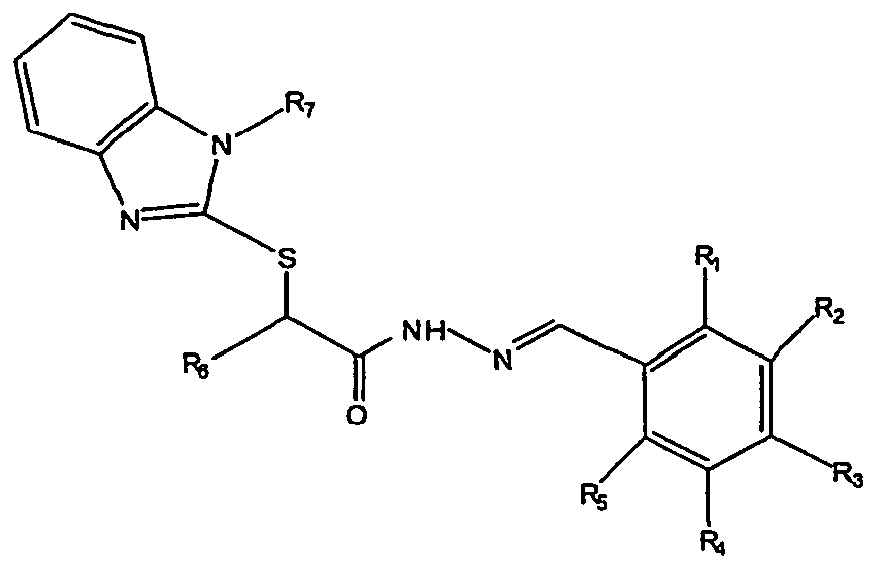 R1 is H, OH, alkyloxy, or halogen;R2 and R5 are H or halogen;R3 is H or OH;R4 is H, alkyloxy, or halogen;R6 is H or alkyl; andR7 is H or CH2R8, wherein R8 is H, alkyl, or substituted or unsubstituted phenyl,with the proviso that at least one of R1, R2, and R4 is a halogen,for the preparation of a medicament for treating a disorder mediated by soluble adenylyl cyclase of a subject, wherein the disorder is selected from the group consisting of: male fertility/sterility, glaucoma, metabolic acidosis/alkalosis, diabetes, metabolic disorders, breathing disorders, insulin resistance, hyperinsulinemia, spinal cord injury, Alzheimer's disease, amyotrophic lateral sclerosis, and peripheral neuropathy.
 - A compound having the following formula:
 R1 is H, OH, alkyloxy, or halogen;R2 and R5 are H or halogen;R3 is H or OH;R4 is H, alkyloxy, or halogen;R6 is H or alkyl; andR7 is H or CH2R8, wherein R8 is H, alkyl, or substituted or unsubstituted phenyl,with the proviso that at least one of R1, R2, and R4 is a halogen,for use in treating a disorder mediated by soluble adenylyl cyclase of a subject, wherein the disorder is selected from the group consisting of: male fertility/sterility, glaucoma, metabolic acidosis/alkalosis, diabetes, metabolic disorders, breathing disorders, insulin resistance, hyperinsulinemia, spinal cord injury, Alzheimer's disease, amyotrophic lateral sclerosis, and peripheral neuropathy.
 - The use of claim 1 or the compound for use as in claim 2, wherein the compound is selected from the group consisting of compounds having the following formulas:


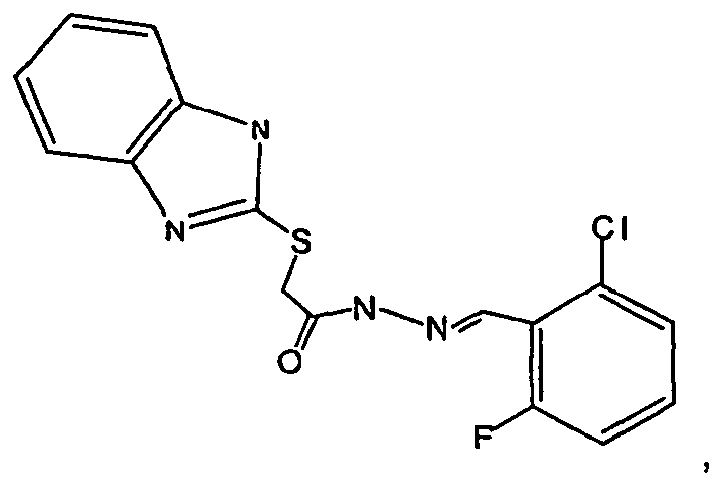


- The compound for use as in claim 2 or 3, wherein the disorder is metabolic acidosis/alkalosis.
- The compound for use as in claim 2 or 3, wherein the disorder is diabetes.
- The compound for use as in claim 2 or 3, wherein the disorder is a metabolic disorder.
- The compound for use as in claim 2 or 3, wherein the disorder is insulin resistance.
- The compound for use as in claim 2 or 3, wherein the disorder is hyperinsulinemia.
- The compound for use as in claim 2 or 3, wherein the disorder is spinal cord injury.
- The compound for use as in claim 2 or 3, wherein the disorder is Alzheimer's disease.
- The compound for use as in claim 2 or 3, wherein the disorder is amyotrophic lateral sclerosis.
- The compound for use as in claim 2 or 3, wherein the disorder is peripheral neuropathy.
- Use of a compound that modulates adenylyl cyclase of a parasite for the preparation of a medicament for treating a parasitic infection in a subject, wherein the compound has the following formula:
 R1 is H, OH, alkyloxy, or halogen;R2 and R5 are H or halogen;R3 is H or OH;R4 is H, alkyloxy, or halogen;R6 is H or alkyl; andR7 is H or CH2R8, wherein R8 is H, alkyl, or substituted or unsubstituted phenyl, with the proviso that at least one of R1, R2, and R4 is a halogen.
 - A compound that modulates adenylyl cyclase of a parasite for use in treating a parasitic infection in a subject, wherein the compound has the following formula:
 R1 is H, OH, alkyloxy, or halogen;R2 and R5 are H or halogen;R3 is H or OH;R4 is H, alkyloxy, or halogen;R6 is H or alkyl, andR7 is H or CH2R8, wherein R8 is H, alkyl, or substituted or unsubstituted phenyl, with the proviso that at least one of R1, R2, and R4 is a halogen.
 - The use of claim 13 or the compound for use as in claim 14, wherein the parasitic infection is malaria.
- The use or the compound for use as in any one of claims 13-15, wherein the compound has the following formula:

- The use or the compound for use as in any one of claims 13-15, wherein the compound has the following formula:

- The use or the compound for use as in any one of claims 13-17, wherein the adenylyl cyclase of the parasite is responsive to bicarbonate.
- The use or the compound for use as in any one of claims 13-18, wherein the adenylyl cyclase of the parasite is responsive to carbon dioxide.
- Use of a compound that modulates adenylyl cyclase of a fungal organism for the preparation of a medicament for treating a fungal infection in a subject, wherein the compound has the following formula:
 R1 is H, OH, alkyloxy, or halogen;R2 and R5 are H or halogen;R3 is H or OH;R4 is H, alkyloxy, or halogen;R6 is H or alkyl; andR7 is H or CH2R8, wherein R8 is H, alkyl, or substituted or unsubstituted phenyl, with the proviso that at least one of R1, R2, and R4 is a halogen.
 - A compound that modulates adenylyl cyclase of a fungal organism for use in treating a fungal infection in a subject, wherein the compound has the following formula:
 R1 is H, OH, alkyloxy, or halogen;R2 and R5 are H or halogen;R3 is H or OH;R4 is H, alkyloxy, or halogen;R6 is H or alkyl; andR7 is H or CH2R8, wherein R8 is H, alkyl, or substituted or unsubstituted phenyl, with the proviso that at least one of R1, R2, and R4 is a halogen.
 - The use of claim 20 or the compound for use as in claim 21, wherein the fungal organism is C. albicans.
- The use or the compound for use as in any one of claims 20-22, wherein the compound has the following formula:

- The use or the compound for use as in any one of claims 20-23, wherein the adenylyl cyclase of the fungal organism is responsive to bicarbonate.
- The use or the compound for use as in any one of claims 20-24, wherein the adenylyl cyclase of the fungal organism is responsive to carbon dioxide.
- A method of modulating adenylyl cyclase, the method comprising: contacting eukaryotic cells with a compound that modulates adenylyl cyclase, wherein the compound has the following formula:
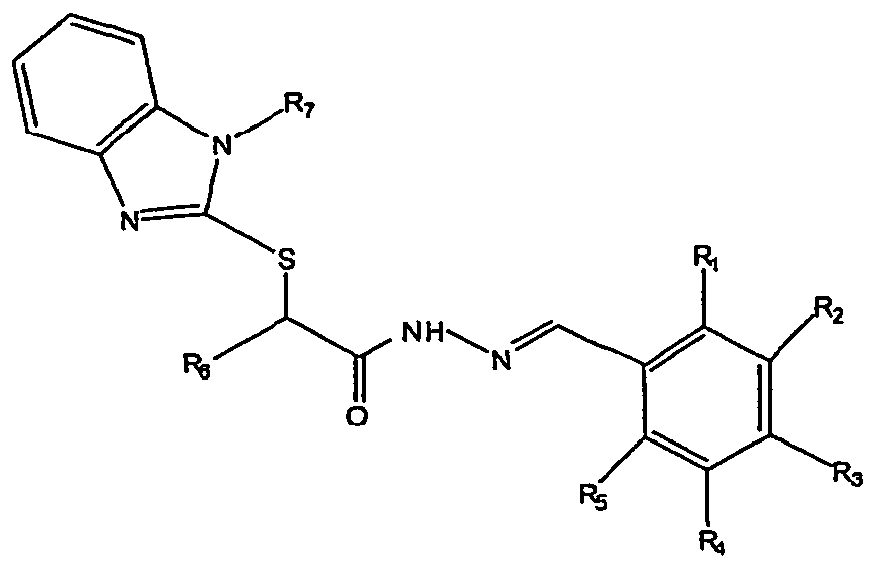 R1 is H, OH, alkyloxy, or halogen;R2 and R5 are H or halogen;R3 is H or OH;R4 is H, alkyloxy, or halogen;R6 is H or alkyl; andR7 is H or CH2R8, wherein R8 is H, alkyl, or substituted or unsubstituted phenyl,with the proviso that at least one of R1, R2, and R4 is a halogen, whereinthe method does not comprise methods for treatment of the human or animal body by surgery or therapy.
 - The method of claim 26, wherein the eukaryotic cell is a mammalian cell.
- The method of claim 27, wherein the mammalian cell is a human cell.
- The use or compound for use as in any one of claims 1-25, wherein the subject is a eukaryotic organism.
- The use or compound for use as in claim 29, wherein the eukaryotic organism is a mammal.
- The use or compound for use as in claim 30, wherein the mammal is human.
Applications Claiming Priority (2)
| Application Number | Priority Date | Filing Date | Title |
|---|---|---|---|
| US53786404P | 2004-01-21 | 2004-01-21 | |
| PCT/US2005/001807 WO2005070419A1 (en) | 2004-01-21 | 2005-01-20 | Chemical inhibitors of soluble adenylyl cyclase (sac) |
Publications (3)
| Publication Number | Publication Date |
|---|---|
| EP1706114A1 EP1706114A1 (en) | 2006-10-04 |
| EP1706114A4 EP1706114A4 (en) | 2009-04-08 |
| EP1706114B1 true EP1706114B1 (en) | 2012-12-26 |
Family
ID=34807140
Family Applications (1)
| Application Number | Title | Priority Date | Filing Date |
|---|---|---|---|
| EP05711707A Expired - Lifetime EP1706114B1 (en) | 2004-01-21 | 2005-01-20 | Chemical inhibitors of soluble adenylyl cyclase (sac) |
Country Status (4)
| Country | Link |
|---|---|
| US (1) | US9649295B2 (en) |
| EP (1) | EP1706114B1 (en) |
| CA (1) | CA2553848A1 (en) |
| WO (1) | WO2005070419A1 (en) |
Families Citing this family (12)
| Publication number | Priority date | Publication date | Assignee | Title |
|---|---|---|---|---|
| US7417066B2 (en) | 2005-06-08 | 2008-08-26 | Schering Ag | Inhibitors of soluble adenylate cyclase |
| DE102005027274A1 (en) * | 2005-06-08 | 2006-12-14 | Schering Ag | Inhibitors of soluble adenylate cyclase |
| DE102006014319B4 (en) * | 2006-03-23 | 2009-01-08 | Bayer Schering Pharma Aktiengesellschaft | Inhibitors of soluble adenylate cyclase |
| US7786139B2 (en) | 2006-11-21 | 2010-08-31 | Omeros Corporation | PDE10 inhibitors and related compositions and methods |
| EP2083819B1 (en) * | 2006-11-21 | 2017-02-22 | Omeros Corporation | Pde10 inhibitors and related compositions and methods |
| WO2008088771A2 (en) | 2007-01-12 | 2008-07-24 | Cornell Research Foundation, Inc. | Adenylyl cyclases as novel targets for the treatment of infection by eukaryotic pathogens |
| CN101636157A (en) * | 2007-01-12 | 2010-01-27 | 康乃尔研究基金会有限公司 | Adenylyl cyclases as novel targets for antibacterial interventions |
| CN102143752B (en) | 2008-08-05 | 2014-12-10 | 奥默罗斯公司 | PDE10 inhibitors and related compositions and methods |
| CN102413875A (en) * | 2009-02-23 | 2012-04-11 | 康奈尔大学 | Treatments for Psoriasis and Other Proliferative Skin Diseases |
| WO2011133327A1 (en) * | 2010-04-20 | 2011-10-27 | Cornell University | Method for diagnosing melanocytic proliferations |
| AU2013359398B2 (en) * | 2012-12-11 | 2019-08-15 | Cornell University | Methods for diagnosing and treating prostate cancer |
| WO2017190050A1 (en) * | 2016-04-28 | 2017-11-02 | Cornell University | Inhibitors of soluble adenylyl cyclase |
Family Cites Families (3)
| Publication number | Priority date | Publication date | Assignee | Title |
|---|---|---|---|---|
| US5795756A (en) * | 1995-12-11 | 1998-08-18 | Johnson; Roger A. | Method and compounds for the inhibition of adenylyl cyclase |
| US6544768B1 (en) | 1999-05-11 | 2003-04-08 | Cornell Research Foundation, Inc. | Mammalian soluble adenylyl cyclase |
| AU4018101A (en) * | 1999-09-21 | 2001-04-24 | Board Of Trustees Of The Leland Stanford Junior University | Polynucleotides encoding human soluble adenylyl cyclase, polypeptides encoded thereby, and methods of use thereof |
-
2005
- 2005-01-20 EP EP05711707A patent/EP1706114B1/en not_active Expired - Lifetime
- 2005-01-20 US US10/586,929 patent/US9649295B2/en active Active
- 2005-01-20 CA CA002553848A patent/CA2553848A1/en not_active Abandoned
- 2005-01-20 WO PCT/US2005/001807 patent/WO2005070419A1/en not_active Ceased
Non-Patent Citations (2)
| Title |
|---|
| DATABASE HCAPLUS, [online] 1 January 2002 (2002-01-01), NAIK V M ET AL: "Synthesis and characterization of niobium(V) complexes with terdentate ONO donor hydrazones", XP002516790, retrieved from HCAPLUS PAN - 2002-331646 * |
| INDIAN JOURNAL OF CHEMISTRY, SECTION A: INORGANIC, BIO-INORGANIC, PHYSICAL, THEORETICAL & ANALYTICAL CHEMISTRY , 41A(4), 780-784 CODEN: ICACEC; ISSN: 0376-4710, 2002 * |
Also Published As
| Publication number | Publication date |
|---|---|
| WO2005070419A1 (en) | 2005-08-04 |
| CA2553848A1 (en) | 2005-08-04 |
| US20070244174A1 (en) | 2007-10-18 |
| US9649295B2 (en) | 2017-05-16 |
| EP1706114A4 (en) | 2009-04-08 |
| EP1706114A1 (en) | 2006-10-04 |
Similar Documents
| Publication | Publication Date | Title |
|---|---|---|
| Hess et al. | The “soluble” adenylyl cyclase in sperm mediates multiple signaling events required for fertilization | |
| Zippin et al. | Bicarbonate-responsive “soluble” adenylyl cyclase defines a nuclear cAMP microdomain | |
| Konig et al. | The calcineurin pathway links hyperpolarization (Kir2. 1)-induced Ca2+ signals to human myoblast differentiation and fusion | |
| Zhang et al. | TRP‐ML1 functions as a lysosomal NAADP‐sensitive Ca2+ release channel in coronary arterial myocytes | |
| Nedvetsky et al. | Reciprocal regulation of aquaporin-2 abundance and degradation by protein kinase A and p38-MAP kinase | |
| Dunkerly-Eyring et al. | Myocardial phosphodiesterases and their role in cGMP regulation | |
| US20120010178A1 (en) | Methods and compounds for treatment of neurodegenerative disorders | |
| US9649295B2 (en) | Chemical inhibitors of soluble adenylyl cyclase (sAC) | |
| CN106459079B (en) | The medical application of artemisinin compounds and pontin protein agonist | |
| Tomes et al. | Requirement of protein tyrosine kinase and phosphatase activities for human sperm exocytosis | |
| WO2001041768A2 (en) | Use of hymenialdisine or derivatives thereof in the manufacture of medicaments | |
| EP3060204B1 (en) | Beta-catenin | |
| Pratt et al. | Regulation of cAMP accumulation and activity by distinct phosphodiesterase subtypes in INS-1 cells and human pancreatic β-cells | |
| US20210032601A1 (en) | Method of increasing proliferation of pancreatic beta cells, treatment method, and composition | |
| Dov et al. | Diminished phosphodiesterase-8B potentiates biphasic insulin response to glucose | |
| Nomura et al. | Azidothymidine-triphosphate impairs mitochondrial dynamics by disrupting the quality control system | |
| Hirase et al. | Hypersensitivity of Ph-positive lymphoid cell lines to rapamycin: Possible clinical application of mTOR inhibitor | |
| Lund et al. | Adenosine 3′, 5′-cyclic monophosphate (cAMP)-dependent phosphoregulation of mitochondrial complex I is inhibited by nucleoside reverse transcriptase inhibitors | |
| Zucchetti et al. | Prevention of estradiol 17β-D-glucuronide–induced canalicular transporter internalization by hormonal modulation of cAMP in rat hepatocytes | |
| Li et al. | Inhibition of cGMP phosphodiesterase 5 suppresses serotonin signalling in pulmonary artery smooth muscles cells | |
| Lee et al. | Novel PDE9 inhibitors, KR39526 and KR39582, attenuate cardiac hypertrophy and fibrosis induced by pressure overload | |
| US11147807B2 (en) | Pharmaceutical composition containing DUSP1 inhibitor | |
| KR20160020552A (en) | Gi protein phosphorylation as marker for scoliosis and scoliosis progression, methods of increasing gipcr signaling in scoliotic subjects | |
| Rossetti | Optimizing Small Molecule Inhibitors of Soluble Adenylyl Cyclase (sAC) for Use as Male Contraceptives | |
| US12630803B2 (en) | Method of increasing proliferation of pancreatic beta cells, treatment method, and composition |
Legal Events
| Date | Code | Title | Description |
|---|---|---|---|
| PUAI | Public reference made under article 153(3) epc to a published international application that has entered the european phase |
Free format text: ORIGINAL CODE: 0009012 |
|
| 17P | Request for examination filed |
Effective date: 20060802 |
|
| AK | Designated contracting states |
Kind code of ref document: A1 Designated state(s): AT BE BG CH CY CZ DE DK EE ES FI FR GB GR HU IE IS IT LI LT LU MC NL PL PT RO SE SI SK TR |
|
| DAX | Request for extension of the european patent (deleted) | ||
| A4 | Supplementary search report drawn up and despatched |
Effective date: 20090311 |
|
| RIC1 | Information provided on ipc code assigned before grant |
Ipc: A61P 11/00 20060101ALI20090303BHEP Ipc: A61P 31/10 20060101ALI20090303BHEP Ipc: A61P 33/06 20060101ALI20090303BHEP Ipc: A61K 31/415 20060101AFI20050811BHEP Ipc: A61P 25/28 20060101ALI20090303BHEP Ipc: A61P 3/00 20060101ALI20090303BHEP Ipc: A61P 5/50 20060101ALI20090303BHEP Ipc: A61P 3/10 20060101ALI20090303BHEP Ipc: A61P 15/16 20060101ALI20090303BHEP Ipc: A61P 25/02 20060101ALI20090303BHEP |
|
| 17Q | First examination report despatched |
Effective date: 20090731 |
|
| RAP1 | Party data changed (applicant data changed or rights of an application transferred) |
Owner name: UNIVERSITY OF KENT Owner name: CORNELL RESEARCH FOUNDATION, INC. |
|
| GRAP | Despatch of communication of intention to grant a patent |
Free format text: ORIGINAL CODE: EPIDOSNIGR1 |
|
| RIC1 | Information provided on ipc code assigned before grant |
Ipc: A61P 11/00 20060101ALI20120705BHEP Ipc: A61P 15/16 20060101ALI20120705BHEP Ipc: A61P 31/10 20060101ALI20120705BHEP Ipc: A61K 31/4184 20060101ALI20120705BHEP Ipc: C12Q 1/527 20060101ALI20120705BHEP Ipc: A61P 3/00 20060101ALI20120705BHEP Ipc: A61P 25/28 20060101ALI20120705BHEP Ipc: A61P 33/06 20060101ALI20120705BHEP Ipc: A61P 5/50 20060101ALI20120705BHEP Ipc: A61P 25/02 20060101ALI20120705BHEP Ipc: A61P 3/10 20060101ALI20120705BHEP Ipc: A61K 31/415 20060101AFI20120705BHEP |
|
| GRAS | Grant fee paid |
Free format text: ORIGINAL CODE: EPIDOSNIGR3 |
|
| GRAA | (expected) grant |
Free format text: ORIGINAL CODE: 0009210 |
|
| AK | Designated contracting states |
Kind code of ref document: B1 Designated state(s): AT BE BG CH CY CZ DE DK EE ES FI FR GB GR HU IE IS IT LI LT LU MC NL PL PT RO SE SI SK TR |
|
| REG | Reference to a national code |
Ref country code: GB Ref legal event code: FG4D |
|
| REG | Reference to a national code |
Ref country code: CH Ref legal event code: EP |
|
| REG | Reference to a national code |
Ref country code: AT Ref legal event code: REF Ref document number: 590067 Country of ref document: AT Kind code of ref document: T Effective date: 20130115 |
|
| REG | Reference to a national code |
Ref country code: DE Ref legal event code: R096 Ref document number: 602005037584 Country of ref document: DE Effective date: 20130307 |
|
| PG25 | Lapsed in a contracting state [announced via postgrant information from national office to epo] |
Ref country code: FI Free format text: LAPSE BECAUSE OF FAILURE TO SUBMIT A TRANSLATION OF THE DESCRIPTION OR TO PAY THE FEE WITHIN THE PRESCRIBED TIME-LIMIT Effective date: 20121226 Ref country code: SE Free format text: LAPSE BECAUSE OF FAILURE TO SUBMIT A TRANSLATION OF THE DESCRIPTION OR TO PAY THE FEE WITHIN THE PRESCRIBED TIME-LIMIT Effective date: 20121226 Ref country code: LT Free format text: LAPSE BECAUSE OF FAILURE TO SUBMIT A TRANSLATION OF THE DESCRIPTION OR TO PAY THE FEE WITHIN THE PRESCRIBED TIME-LIMIT Effective date: 20121226 |
|
| PGFP | Annual fee paid to national office [announced via postgrant information from national office to epo] |
Ref country code: GB Payment date: 20130228 Year of fee payment: 9 |
|
| REG | Reference to a national code |
Ref country code: AT Ref legal event code: MK05 Ref document number: 590067 Country of ref document: AT Kind code of ref document: T Effective date: 20121226 |
|
| REG | Reference to a national code |
Ref country code: LT Ref legal event code: MG4D |
|
| REG | Reference to a national code |
Ref country code: NL Ref legal event code: VDEP Effective date: 20121226 |
|
| PG25 | Lapsed in a contracting state [announced via postgrant information from national office to epo] |
Ref country code: SI Free format text: LAPSE BECAUSE OF FAILURE TO SUBMIT A TRANSLATION OF THE DESCRIPTION OR TO PAY THE FEE WITHIN THE PRESCRIBED TIME-LIMIT Effective date: 20121226 Ref country code: GR Free format text: LAPSE BECAUSE OF FAILURE TO SUBMIT A TRANSLATION OF THE DESCRIPTION OR TO PAY THE FEE WITHIN THE PRESCRIBED TIME-LIMIT Effective date: 20130327 |
|
| PG25 | Lapsed in a contracting state [announced via postgrant information from national office to epo] |
Ref country code: ES Free format text: LAPSE BECAUSE OF FAILURE TO SUBMIT A TRANSLATION OF THE DESCRIPTION OR TO PAY THE FEE WITHIN THE PRESCRIBED TIME-LIMIT Effective date: 20130406 Ref country code: CZ Free format text: LAPSE BECAUSE OF FAILURE TO SUBMIT A TRANSLATION OF THE DESCRIPTION OR TO PAY THE FEE WITHIN THE PRESCRIBED TIME-LIMIT Effective date: 20121226 Ref country code: IS Free format text: LAPSE BECAUSE OF FAILURE TO SUBMIT A TRANSLATION OF THE DESCRIPTION OR TO PAY THE FEE WITHIN THE PRESCRIBED TIME-LIMIT Effective date: 20130426 Ref country code: SK Free format text: LAPSE BECAUSE OF FAILURE TO SUBMIT A TRANSLATION OF THE DESCRIPTION OR TO PAY THE FEE WITHIN THE PRESCRIBED TIME-LIMIT Effective date: 20121226 Ref country code: AT Free format text: LAPSE BECAUSE OF FAILURE TO SUBMIT A TRANSLATION OF THE DESCRIPTION OR TO PAY THE FEE WITHIN THE PRESCRIBED TIME-LIMIT Effective date: 20121226 Ref country code: BE Free format text: LAPSE BECAUSE OF FAILURE TO SUBMIT A TRANSLATION OF THE DESCRIPTION OR TO PAY THE FEE WITHIN THE PRESCRIBED TIME-LIMIT Effective date: 20121226 Ref country code: EE Free format text: LAPSE BECAUSE OF FAILURE TO SUBMIT A TRANSLATION OF THE DESCRIPTION OR TO PAY THE FEE WITHIN THE PRESCRIBED TIME-LIMIT Effective date: 20121226 Ref country code: BG Free format text: LAPSE BECAUSE OF FAILURE TO SUBMIT A TRANSLATION OF THE DESCRIPTION OR TO PAY THE FEE WITHIN THE PRESCRIBED TIME-LIMIT Effective date: 20130326 |
|
| PG25 | Lapsed in a contracting state [announced via postgrant information from national office to epo] |
Ref country code: MC Free format text: LAPSE BECAUSE OF NON-PAYMENT OF DUE FEES Effective date: 20130131 Ref country code: PT Free format text: LAPSE BECAUSE OF FAILURE TO SUBMIT A TRANSLATION OF THE DESCRIPTION OR TO PAY THE FEE WITHIN THE PRESCRIBED TIME-LIMIT Effective date: 20130426 Ref country code: RO Free format text: LAPSE BECAUSE OF FAILURE TO SUBMIT A TRANSLATION OF THE DESCRIPTION OR TO PAY THE FEE WITHIN THE PRESCRIBED TIME-LIMIT Effective date: 20121226 Ref country code: PL Free format text: LAPSE BECAUSE OF FAILURE TO SUBMIT A TRANSLATION OF THE DESCRIPTION OR TO PAY THE FEE WITHIN THE PRESCRIBED TIME-LIMIT Effective date: 20121226 Ref country code: NL Free format text: LAPSE BECAUSE OF FAILURE TO SUBMIT A TRANSLATION OF THE DESCRIPTION OR TO PAY THE FEE WITHIN THE PRESCRIBED TIME-LIMIT Effective date: 20121226 |
|
| REG | Reference to a national code |
Ref country code: CH Ref legal event code: PL |
|
| REG | Reference to a national code |
Ref country code: IE Ref legal event code: MM4A |
|
| PG25 | Lapsed in a contracting state [announced via postgrant information from national office to epo] |
Ref country code: CH Free format text: LAPSE BECAUSE OF NON-PAYMENT OF DUE FEES Effective date: 20130131 Ref country code: DE Free format text: LAPSE BECAUSE OF NON-PAYMENT OF DUE FEES Effective date: 20130801 Ref country code: DK Free format text: LAPSE BECAUSE OF FAILURE TO SUBMIT A TRANSLATION OF THE DESCRIPTION OR TO PAY THE FEE WITHIN THE PRESCRIBED TIME-LIMIT Effective date: 20121226 Ref country code: LI Free format text: LAPSE BECAUSE OF NON-PAYMENT OF DUE FEES Effective date: 20130131 |
|
| PLBE | No opposition filed within time limit |
Free format text: ORIGINAL CODE: 0009261 |
|
| STAA | Information on the status of an ep patent application or granted ep patent |
Free format text: STATUS: NO OPPOSITION FILED WITHIN TIME LIMIT |
|
| REG | Reference to a national code |
Ref country code: DE Ref legal event code: R119 Ref document number: 602005037584 Country of ref document: DE Effective date: 20130801 |
|
| REG | Reference to a national code |
Ref country code: FR Ref legal event code: ST Effective date: 20131023 |
|
| PG25 | Lapsed in a contracting state [announced via postgrant information from national office to epo] |
Ref country code: CY Free format text: LAPSE BECAUSE OF FAILURE TO SUBMIT A TRANSLATION OF THE DESCRIPTION OR TO PAY THE FEE WITHIN THE PRESCRIBED TIME-LIMIT Effective date: 20121226 |
|
| 26N | No opposition filed |
Effective date: 20130927 |
|
| PG25 | Lapsed in a contracting state [announced via postgrant information from national office to epo] |
Ref country code: IT Free format text: LAPSE BECAUSE OF FAILURE TO SUBMIT A TRANSLATION OF THE DESCRIPTION OR TO PAY THE FEE WITHIN THE PRESCRIBED TIME-LIMIT Effective date: 20121226 |
|
| PG25 | Lapsed in a contracting state [announced via postgrant information from national office to epo] |
Ref country code: IE Free format text: LAPSE BECAUSE OF NON-PAYMENT OF DUE FEES Effective date: 20130120 Ref country code: FR Free format text: LAPSE BECAUSE OF NON-PAYMENT OF DUE FEES Effective date: 20130226 |
|
| GBPC | Gb: european patent ceased through non-payment of renewal fee |
Effective date: 20140120 |
|
| PG25 | Lapsed in a contracting state [announced via postgrant information from national office to epo] |
Ref country code: GB Free format text: LAPSE BECAUSE OF NON-PAYMENT OF DUE FEES Effective date: 20140120 |
|
| PG25 | Lapsed in a contracting state [announced via postgrant information from national office to epo] |
Ref country code: TR Free format text: LAPSE BECAUSE OF FAILURE TO SUBMIT A TRANSLATION OF THE DESCRIPTION OR TO PAY THE FEE WITHIN THE PRESCRIBED TIME-LIMIT Effective date: 20121226 |
|
| PG25 | Lapsed in a contracting state [announced via postgrant information from national office to epo] |
Ref country code: HU Free format text: LAPSE BECAUSE OF FAILURE TO SUBMIT A TRANSLATION OF THE DESCRIPTION OR TO PAY THE FEE WITHIN THE PRESCRIBED TIME-LIMIT; INVALID AB INITIO Effective date: 20050120 Ref country code: LU Free format text: LAPSE BECAUSE OF NON-PAYMENT OF DUE FEES Effective date: 20130120 |