EP1705177A1 - N-aryl-sulfoximine-substituted pyrimidines as CDK- and/or VEGF inhibitors, their production and use as pharmaceutical agents - Google Patents
N-aryl-sulfoximine-substituted pyrimidines as CDK- and/or VEGF inhibitors, their production and use as pharmaceutical agents Download PDFInfo
- Publication number
- EP1705177A1 EP1705177A1 EP05090073A EP05090073A EP1705177A1 EP 1705177 A1 EP1705177 A1 EP 1705177A1 EP 05090073 A EP05090073 A EP 05090073A EP 05090073 A EP05090073 A EP 05090073A EP 1705177 A1 EP1705177 A1 EP 1705177A1
- Authority
- EP
- European Patent Office
- Prior art keywords
- stands
- alkyl
- diseases
- hydroxy
- general formula
- Prior art date
- Legal status (The legal status is an assumption and is not a legal conclusion. Google has not performed a legal analysis and makes no representation as to the accuracy of the status listed.)
- Withdrawn
Links
- 238000004519 manufacturing process Methods 0.000 title claims abstract description 22
- 239000008177 pharmaceutical agent Substances 0.000 title claims description 17
- 150000003230 pyrimidines Chemical class 0.000 title abstract description 7
- 239000002525 vasculotropin inhibitor Substances 0.000 title 1
- 108091007914 CDKs Proteins 0.000 claims abstract description 34
- 102000003903 Cyclin-dependent kinases Human genes 0.000 claims abstract description 29
- 108090000266 Cyclin-dependent kinases Proteins 0.000 claims abstract description 29
- 208000037265 diseases, disorders, signs and symptoms Diseases 0.000 claims abstract description 27
- 201000010099 disease Diseases 0.000 claims abstract description 25
- 102000009484 Vascular Endothelial Growth Factor Receptors Human genes 0.000 claims abstract description 17
- 239000003112 inhibitor Substances 0.000 claims abstract description 13
- 150000001875 compounds Chemical class 0.000 claims description 54
- 125000004169 (C1-C6) alkyl group Chemical group 0.000 claims description 43
- 229910052736 halogen Inorganic materials 0.000 claims description 35
- 150000002367 halogens Chemical class 0.000 claims description 35
- 206010028980 Neoplasm Diseases 0.000 claims description 29
- -1 stent-induced restenoses Diseases 0.000 claims description 26
- 150000003839 salts Chemical class 0.000 claims description 20
- 108010024986 Cyclin-Dependent Kinase 2 Proteins 0.000 claims description 18
- 102100036239 Cyclin-dependent kinase 2 Human genes 0.000 claims description 18
- HBAQYPYDRFILMT-UHFFFAOYSA-N 8-[3-(1-cyclopropylpyrazol-4-yl)-1H-pyrazolo[4,3-d]pyrimidin-5-yl]-3-methyl-3,8-diazabicyclo[3.2.1]octan-2-one Chemical class C1(CC1)N1N=CC(=C1)C1=NNC2=C1N=C(N=C2)N1C2C(N(CC1CC2)C)=O HBAQYPYDRFILMT-UHFFFAOYSA-N 0.000 claims description 17
- 125000004191 (C1-C6) alkoxy group Chemical group 0.000 claims description 16
- 125000001997 phenyl group Chemical group [H]C1=C([H])C([H])=C(*)C([H])=C1[H] 0.000 claims description 15
- 125000005913 (C3-C6) cycloalkyl group Chemical group 0.000 claims description 14
- 201000011510 cancer Diseases 0.000 claims description 14
- 229910052739 hydrogen Inorganic materials 0.000 claims description 13
- 239000001257 hydrogen Substances 0.000 claims description 13
- 230000004770 neurodegeneration Effects 0.000 claims description 13
- 208000015122 neurodegenerative disease Diseases 0.000 claims description 13
- 102100032857 Cyclin-dependent kinase 1 Human genes 0.000 claims description 12
- 101710106279 Cyclin-dependent kinase 1 Proteins 0.000 claims description 12
- QVGXLLKOCUKJST-UHFFFAOYSA-N atomic oxygen Chemical compound [O] QVGXLLKOCUKJST-UHFFFAOYSA-N 0.000 claims description 12
- 229910052760 oxygen Inorganic materials 0.000 claims description 12
- 239000001301 oxygen Substances 0.000 claims description 12
- 125000002023 trifluoromethyl group Chemical group FC(F)(F)* 0.000 claims description 12
- IJGRMHOSHXDMSA-UHFFFAOYSA-N Atomic nitrogen Chemical compound N#N IJGRMHOSHXDMSA-UHFFFAOYSA-N 0.000 claims description 9
- 125000000008 (C1-C10) alkyl group Chemical group 0.000 claims description 8
- 125000006274 (C1-C3)alkoxy group Chemical group 0.000 claims description 8
- 201000004384 Alopecia Diseases 0.000 claims description 8
- NINIDFKCEFEMDL-UHFFFAOYSA-N Sulfur Chemical compound [S] NINIDFKCEFEMDL-UHFFFAOYSA-N 0.000 claims description 8
- 231100000360 alopecia Toxicity 0.000 claims description 8
- 150000002431 hydrogen Chemical class 0.000 claims description 8
- 229910052717 sulfur Inorganic materials 0.000 claims description 8
- 239000011593 sulfur Substances 0.000 claims description 8
- 206010003210 Arteriosclerosis Diseases 0.000 claims description 7
- 208000023275 Autoimmune disease Diseases 0.000 claims description 7
- 208000024172 Cardiovascular disease Diseases 0.000 claims description 7
- 208000035473 Communicable disease Diseases 0.000 claims description 7
- 208000036142 Viral infection Diseases 0.000 claims description 7
- 230000001154 acute effect Effects 0.000 claims description 7
- 230000001684 chronic effect Effects 0.000 claims description 7
- 125000001072 heteroaryl group Chemical group 0.000 claims description 7
- 230000002401 inhibitory effect Effects 0.000 claims description 7
- 239000013067 intermediate product Substances 0.000 claims description 7
- 230000009385 viral infection Effects 0.000 claims description 7
- 125000006570 (C5-C6) heteroaryl group Chemical group 0.000 claims description 6
- 206010003246 arthritis Diseases 0.000 claims description 6
- 208000030533 eye disease Diseases 0.000 claims description 6
- 230000003176 fibrotic effect Effects 0.000 claims description 6
- 229910052757 nitrogen Inorganic materials 0.000 claims description 6
- 125000000876 trifluoromethoxy group Chemical group FC(F)(F)O* 0.000 claims description 6
- 108010025464 Cyclin-Dependent Kinase 4 Proteins 0.000 claims description 5
- 102100036252 Cyclin-dependent kinase 4 Human genes 0.000 claims description 5
- JCXJVPUVTGWSNB-UHFFFAOYSA-N Nitrogen dioxide Chemical class O=[N]=O JCXJVPUVTGWSNB-UHFFFAOYSA-N 0.000 claims description 5
- 210000004556 brain Anatomy 0.000 claims description 5
- 230000006378 damage Effects 0.000 claims description 5
- 230000012010 growth Effects 0.000 claims description 5
- 125000004178 (C1-C4) alkyl group Chemical group 0.000 claims description 4
- 125000006727 (C1-C6) alkenyl group Chemical group 0.000 claims description 4
- 208000030507 AIDS Diseases 0.000 claims description 4
- 208000024827 Alzheimer disease Diseases 0.000 claims description 4
- 108010025454 Cyclin-Dependent Kinase 5 Proteins 0.000 claims description 4
- 108010025468 Cyclin-Dependent Kinase 6 Proteins 0.000 claims description 4
- 102100026804 Cyclin-dependent kinase 6 Human genes 0.000 claims description 4
- 102100026805 Cyclin-dependent-like kinase 5 Human genes 0.000 claims description 4
- 206010012289 Dementia Diseases 0.000 claims description 4
- 208000010412 Glaucoma Diseases 0.000 claims description 4
- 206010018364 Glomerulonephritis Diseases 0.000 claims description 4
- 208000031886 HIV Infections Diseases 0.000 claims description 4
- 208000005176 Hepatitis C Diseases 0.000 claims description 4
- 208000023105 Huntington disease Diseases 0.000 claims description 4
- UFHFLCQGNIYNRP-UHFFFAOYSA-N Hydrogen Chemical compound [H][H] UFHFLCQGNIYNRP-UHFFFAOYSA-N 0.000 claims description 4
- XQFRJNBWHJMXHO-RRKCRQDMSA-N IDUR Chemical compound C1[C@H](O)[C@@H](CO)O[C@H]1N1C(=O)NC(=O)C(I)=C1 XQFRJNBWHJMXHO-RRKCRQDMSA-N 0.000 claims description 4
- 206010028116 Mucosal inflammation Diseases 0.000 claims description 4
- 201000010927 Mucositis Diseases 0.000 claims description 4
- 208000018737 Parkinson disease Diseases 0.000 claims description 4
- 208000031481 Pathologic Constriction Diseases 0.000 claims description 4
- 108091000080 Phosphotransferase Proteins 0.000 claims description 4
- 201000004681 Psoriasis Diseases 0.000 claims description 4
- 206010002026 amyotrophic lateral sclerosis Diseases 0.000 claims description 4
- 239000012829 chemotherapy agent Substances 0.000 claims description 4
- 208000002672 hepatitis B Diseases 0.000 claims description 4
- 208000015181 infectious disease Diseases 0.000 claims description 4
- 208000028867 ischemia Diseases 0.000 claims description 4
- 208000032839 leukemia Diseases 0.000 claims description 4
- 201000006417 multiple sclerosis Diseases 0.000 claims description 4
- 244000045947 parasite Species 0.000 claims description 4
- 239000000825 pharmaceutical preparation Substances 0.000 claims description 4
- 102000020233 phosphotransferase Human genes 0.000 claims description 4
- 230000002062 proliferating effect Effects 0.000 claims description 4
- 229910052721 tungsten Inorganic materials 0.000 claims description 4
- 229910052720 vanadium Inorganic materials 0.000 claims description 4
- 239000003981 vehicle Substances 0.000 claims description 4
- 229910052727 yttrium Inorganic materials 0.000 claims description 4
- 208000003120 Angiofibroma Diseases 0.000 claims description 3
- 206010063209 Chronic allograft nephropathy Diseases 0.000 claims description 3
- 208000011231 Crohn disease Diseases 0.000 claims description 3
- 102100036329 Cyclin-dependent kinase 3 Human genes 0.000 claims description 3
- 102100026810 Cyclin-dependent kinase 7 Human genes 0.000 claims description 3
- 102100024456 Cyclin-dependent kinase 8 Human genes 0.000 claims description 3
- 102100024457 Cyclin-dependent kinase 9 Human genes 0.000 claims description 3
- 206010012442 Dermatitis contact Diseases 0.000 claims description 3
- 208000007342 Diabetic Nephropathies Diseases 0.000 claims description 3
- 206010012689 Diabetic retinopathy Diseases 0.000 claims description 3
- 201000009273 Endometriosis Diseases 0.000 claims description 3
- 206010016654 Fibrosis Diseases 0.000 claims description 3
- 108091007911 GSKs Proteins 0.000 claims description 3
- 102000019058 Glycogen Synthase Kinase 3 beta Human genes 0.000 claims description 3
- 108010051975 Glycogen Synthase Kinase 3 beta Proteins 0.000 claims description 3
- 102000004103 Glycogen Synthase Kinases Human genes 0.000 claims description 3
- 208000017604 Hodgkin disease Diseases 0.000 claims description 3
- 208000010747 Hodgkins lymphoma Diseases 0.000 claims description 3
- 101000715946 Homo sapiens Cyclin-dependent kinase 3 Proteins 0.000 claims description 3
- 101000911952 Homo sapiens Cyclin-dependent kinase 7 Proteins 0.000 claims description 3
- 101000980937 Homo sapiens Cyclin-dependent kinase 8 Proteins 0.000 claims description 3
- 101000980930 Homo sapiens Cyclin-dependent kinase 9 Proteins 0.000 claims description 3
- 206010020649 Hyperkeratosis Diseases 0.000 claims description 3
- 208000007766 Kaposi sarcoma Diseases 0.000 claims description 3
- 208000001126 Keratosis Diseases 0.000 claims description 3
- 206010038563 Reocclusion Diseases 0.000 claims description 3
- 206010052779 Transplant rejections Diseases 0.000 claims description 3
- 208000011775 arteriosclerosis disease Diseases 0.000 claims description 3
- 125000003118 aryl group Chemical group 0.000 claims description 3
- 239000000969 carrier Substances 0.000 claims description 3
- 230000007882 cirrhosis Effects 0.000 claims description 3
- 208000019425 cirrhosis of liver Diseases 0.000 claims description 3
- 208000010247 contact dermatitis Diseases 0.000 claims description 3
- 208000033679 diabetic kidney disease Diseases 0.000 claims description 3
- 239000003085 diluting agent Substances 0.000 claims description 3
- 230000035876 healing Effects 0.000 claims description 3
- 201000011066 hemangioma Diseases 0.000 claims description 3
- 125000005842 heteroatom Chemical group 0.000 claims description 3
- 229940125721 immunosuppressive agent Drugs 0.000 claims description 3
- 239000003018 immunosuppressive agent Substances 0.000 claims description 3
- 210000004185 liver Anatomy 0.000 claims description 3
- 230000003211 malignant effect Effects 0.000 claims description 3
- 210000003584 mesangial cell Anatomy 0.000 claims description 3
- 230000001394 metastastic effect Effects 0.000 claims description 3
- 201000003142 neovascular glaucoma Diseases 0.000 claims description 3
- 201000009925 nephrosclerosis Diseases 0.000 claims description 3
- 210000000944 nerve tissue Anatomy 0.000 claims description 3
- 206010039073 rheumatoid arthritis Diseases 0.000 claims description 3
- 208000011580 syndromic disease Diseases 0.000 claims description 3
- 230000002792 vascular Effects 0.000 claims description 3
- 125000006273 (C1-C3) alkyl group Chemical group 0.000 claims description 2
- 125000004455 (C1-C3) alkylthio group Chemical group 0.000 claims description 2
- 125000000229 (C1-C4)alkoxy group Chemical group 0.000 claims description 2
- 125000006656 (C2-C4) alkenyl group Chemical group 0.000 claims description 2
- 125000006577 C1-C6 hydroxyalkyl group Chemical group 0.000 claims description 2
- 125000006374 C2-C10 alkenyl group Chemical group 0.000 claims description 2
- 125000000882 C2-C6 alkenyl group Chemical group 0.000 claims description 2
- 125000004093 cyano group Chemical group *C#N 0.000 claims description 2
- 238000002360 preparation method Methods 0.000 claims description 2
- 125000004434 sulfur atom Chemical group 0.000 claims description 2
- 125000002887 hydroxy group Chemical group [H]O* 0.000 claims 15
- 229940083082 pyrimidine derivative acting on arteriolar smooth muscle Drugs 0.000 abstract description 5
- 239000003814 drug Substances 0.000 abstract description 3
- 229940079593 drug Drugs 0.000 abstract description 2
- 238000002483 medication Methods 0.000 abstract 1
- 210000004027 cell Anatomy 0.000 description 34
- IAZDPXIOMUYVGZ-UHFFFAOYSA-N Dimethylsulphoxide Chemical compound CS(C)=O IAZDPXIOMUYVGZ-UHFFFAOYSA-N 0.000 description 32
- 239000000243 solution Substances 0.000 description 31
- XEKOWRVHYACXOJ-UHFFFAOYSA-N Ethyl acetate Chemical compound CCOC(C)=O XEKOWRVHYACXOJ-UHFFFAOYSA-N 0.000 description 30
- VLKZOEOYAKHREP-UHFFFAOYSA-N n-Hexane Chemical compound CCCCCC VLKZOEOYAKHREP-UHFFFAOYSA-N 0.000 description 18
- 230000022131 cell cycle Effects 0.000 description 17
- RTZKZFJDLAIYFH-UHFFFAOYSA-N Diethyl ether Chemical compound CCOCC RTZKZFJDLAIYFH-UHFFFAOYSA-N 0.000 description 15
- 238000006243 chemical reaction Methods 0.000 description 15
- 125000004356 hydroxy functional group Chemical group O* 0.000 description 15
- 238000006366 phosphorylation reaction Methods 0.000 description 14
- 230000026731 phosphorylation Effects 0.000 description 13
- WEVYAHXRMPXWCK-UHFFFAOYSA-N Acetonitrile Chemical compound CC#N WEVYAHXRMPXWCK-UHFFFAOYSA-N 0.000 description 12
- LFQSCWFLJHTTHZ-UHFFFAOYSA-N Ethanol Chemical compound CCO LFQSCWFLJHTTHZ-UHFFFAOYSA-N 0.000 description 12
- 230000000694 effects Effects 0.000 description 12
- 239000000047 product Substances 0.000 description 12
- 108090000623 proteins and genes Proteins 0.000 description 12
- 238000005160 1H NMR spectroscopy Methods 0.000 description 11
- 238000000034 method Methods 0.000 description 11
- 239000000758 substrate Substances 0.000 description 11
- VEXZGXHMUGYJMC-UHFFFAOYSA-N Hydrochloric acid Chemical compound Cl VEXZGXHMUGYJMC-UHFFFAOYSA-N 0.000 description 10
- 125000005555 sulfoximide group Chemical group 0.000 description 10
- 238000004587 chromatography analysis Methods 0.000 description 9
- ZKHQWZAMYRWXGA-UHFFFAOYSA-N Adenosine triphosphate Natural products C1=NC=2C(N)=NC=NC=2N1C1OC(COP(O)(=O)OP(O)(=O)OP(O)(O)=O)C(O)C1O ZKHQWZAMYRWXGA-UHFFFAOYSA-N 0.000 description 8
- NBIIXXVUZAFLBC-UHFFFAOYSA-N Phosphoric acid Chemical compound OP(O)(O)=O NBIIXXVUZAFLBC-UHFFFAOYSA-N 0.000 description 8
- HEDRZPFGACZZDS-MICDWDOJSA-N Trichloro(2H)methane Chemical compound [2H]C(Cl)(Cl)Cl HEDRZPFGACZZDS-MICDWDOJSA-N 0.000 description 8
- 229940043378 cyclin-dependent kinase inhibitor Drugs 0.000 description 8
- 230000006870 function Effects 0.000 description 8
- 230000014509 gene expression Effects 0.000 description 8
- 230000005764 inhibitory process Effects 0.000 description 8
- 239000000126 substance Substances 0.000 description 8
- 238000012360 testing method Methods 0.000 description 8
- 210000004881 tumor cell Anatomy 0.000 description 8
- 102000016736 Cyclin Human genes 0.000 description 7
- 108050006400 Cyclin Proteins 0.000 description 7
- 101100327242 Drosophila melanogaster CycE gene Proteins 0.000 description 7
- 102000004190 Enzymes Human genes 0.000 description 7
- 108090000790 Enzymes Proteins 0.000 description 7
- 101100273648 Mus musculus Ccna2 gene Proteins 0.000 description 7
- 108091008605 VEGF receptors Proteins 0.000 description 7
- 108010073929 Vascular Endothelial Growth Factor A Proteins 0.000 description 7
- 102000005789 Vascular Endothelial Growth Factors Human genes 0.000 description 7
- 108010019530 Vascular Endothelial Growth Factors Proteins 0.000 description 7
- 230000035772 mutation Effects 0.000 description 7
- XLYOFNOQVPJJNP-UHFFFAOYSA-N water Substances O XLYOFNOQVPJJNP-UHFFFAOYSA-N 0.000 description 7
- ZKHQWZAMYRWXGA-KQYNXXCUSA-J ATP(4-) Chemical compound C1=NC=2C(N)=NC=NC=2N1[C@@H]1O[C@H](COP([O-])(=O)OP([O-])(=O)OP([O-])([O-])=O)[C@@H](O)[C@H]1O ZKHQWZAMYRWXGA-KQYNXXCUSA-J 0.000 description 6
- QTBSBXVTEAMEQO-UHFFFAOYSA-N Acetic acid Chemical compound CC(O)=O QTBSBXVTEAMEQO-UHFFFAOYSA-N 0.000 description 6
- 108020004414 DNA Proteins 0.000 description 6
- TWRXJAOTZQYOKJ-UHFFFAOYSA-L Magnesium chloride Chemical compound [Mg+2].[Cl-].[Cl-] TWRXJAOTZQYOKJ-UHFFFAOYSA-L 0.000 description 6
- 230000008033 biological extinction Effects 0.000 description 6
- 238000001704 evaporation Methods 0.000 description 6
- 230000008020 evaporation Effects 0.000 description 6
- 239000012074 organic phase Substances 0.000 description 6
- 102000004169 proteins and genes Human genes 0.000 description 6
- 230000001105 regulatory effect Effects 0.000 description 6
- 101100059444 Mus musculus Ccnb1 gene Proteins 0.000 description 5
- 230000018199 S phase Effects 0.000 description 5
- UIIMBOGNXHQVGW-UHFFFAOYSA-M Sodium bicarbonate Chemical compound [Na+].OC([O-])=O UIIMBOGNXHQVGW-UHFFFAOYSA-M 0.000 description 5
- 230000033228 biological regulation Effects 0.000 description 5
- 230000015572 biosynthetic process Effects 0.000 description 5
- 230000000415 inactivating effect Effects 0.000 description 5
- 239000012071 phase Substances 0.000 description 5
- 239000002904 solvent Substances 0.000 description 5
- 238000005406 washing Methods 0.000 description 5
- NUJRYDOEXOBYJG-UHFFFAOYSA-N 4-[[dimethyl(oxo)-$l^{6}-sulfanylidene]amino]aniline Chemical compound CS(C)(=O)=NC1=CC=C(N)C=C1 NUJRYDOEXOBYJG-UHFFFAOYSA-N 0.000 description 4
- 102100024458 Cyclin-dependent kinase inhibitor 2A Human genes 0.000 description 4
- 108010033040 Histones Proteins 0.000 description 4
- 101000891649 Homo sapiens Transcription elongation factor A protein-like 1 Proteins 0.000 description 4
- 101100112680 Ostreococcus tauri CycD gene Proteins 0.000 description 4
- FAPWRFPIFSIZLT-UHFFFAOYSA-M Sodium chloride Chemical class [Na+].[Cl-] FAPWRFPIFSIZLT-UHFFFAOYSA-M 0.000 description 4
- 239000007983 Tris buffer Substances 0.000 description 4
- 241000700605 Viruses Species 0.000 description 4
- 239000004480 active ingredient Substances 0.000 description 4
- 229910000147 aluminium phosphate Inorganic materials 0.000 description 4
- 239000012131 assay buffer Substances 0.000 description 4
- 230000006369 cell cycle progression Effects 0.000 description 4
- 239000002875 cyclin dependent kinase inhibitor Substances 0.000 description 4
- 210000002889 endothelial cell Anatomy 0.000 description 4
- 230000007246 mechanism Effects 0.000 description 4
- 230000017854 proteolysis Effects 0.000 description 4
- 238000003786 synthesis reaction Methods 0.000 description 4
- RYHBNJHYFVUHQT-UHFFFAOYSA-N 1,4-Dioxane Chemical compound C1COCCO1 RYHBNJHYFVUHQT-UHFFFAOYSA-N 0.000 description 3
- ZKHQWZAMYRWXGA-KQYNXXCUSA-N Adenosine triphosphate Chemical compound C1=NC=2C(N)=NC=NC=2N1[C@@H]1O[C@H](COP(O)(=O)OP(O)(=O)OP(O)(O)=O)[C@@H](O)[C@H]1O ZKHQWZAMYRWXGA-KQYNXXCUSA-N 0.000 description 3
- NLXLAEXVIDQMFP-UHFFFAOYSA-N Ammonia chloride Chemical class [NH4+].[Cl-] NLXLAEXVIDQMFP-UHFFFAOYSA-N 0.000 description 3
- KCXVZYZYPLLWCC-UHFFFAOYSA-N EDTA Chemical compound OC(=O)CN(CC(O)=O)CCN(CC(O)=O)CC(O)=O KCXVZYZYPLLWCC-UHFFFAOYSA-N 0.000 description 3
- 230000010190 G1 phase Effects 0.000 description 3
- 241000238631 Hexapoda Species 0.000 description 3
- OKKJLVBELUTLKV-UHFFFAOYSA-N Methanol Chemical compound OC OKKJLVBELUTLKV-UHFFFAOYSA-N 0.000 description 3
- QAOWNCQODCNURD-UHFFFAOYSA-N Sulfuric acid Chemical compound OS(O)(=O)=O QAOWNCQODCNURD-UHFFFAOYSA-N 0.000 description 3
- YXFVVABEGXRONW-UHFFFAOYSA-N Toluene Chemical compound CC1=CC=CC=C1 YXFVVABEGXRONW-UHFFFAOYSA-N 0.000 description 3
- 108091023040 Transcription factor Proteins 0.000 description 3
- 102000040945 Transcription factor Human genes 0.000 description 3
- ZMANZCXQSJIPKH-UHFFFAOYSA-N Triethylamine Chemical compound CCN(CC)CC ZMANZCXQSJIPKH-UHFFFAOYSA-N 0.000 description 3
- BZKPWHYZMXOIDC-UHFFFAOYSA-N acetazolamide Chemical compound CC(=O)NC1=NN=C(S(N)(=O)=O)S1 BZKPWHYZMXOIDC-UHFFFAOYSA-N 0.000 description 3
- 229960000571 acetazolamide Drugs 0.000 description 3
- 239000002253 acid Substances 0.000 description 3
- 229960001456 adenosine triphosphate Drugs 0.000 description 3
- 230000033115 angiogenesis Effects 0.000 description 3
- 125000004429 atom Chemical group 0.000 description 3
- 229910052799 carbon Inorganic materials 0.000 description 3
- 102000007588 cdc25 Phosphatases Human genes 0.000 description 3
- 108010046616 cdc25 Phosphatases Proteins 0.000 description 3
- KRKNYBCHXYNGOX-UHFFFAOYSA-N citric acid Chemical compound OC(=O)CC(O)(C(O)=O)CC(O)=O KRKNYBCHXYNGOX-UHFFFAOYSA-N 0.000 description 3
- 239000013078 crystal Substances 0.000 description 3
- VHJLVAABSRFDPM-QWWZWVQMSA-N dithiothreitol Chemical compound SC[C@@H](O)[C@H](O)CS VHJLVAABSRFDPM-QWWZWVQMSA-N 0.000 description 3
- 239000003102 growth factor Substances 0.000 description 3
- 239000005556 hormone Substances 0.000 description 3
- 229940088597 hormone Drugs 0.000 description 3
- RAXXELZNTBOGNW-UHFFFAOYSA-N imidazole Natural products C1=CNC=N1 RAXXELZNTBOGNW-UHFFFAOYSA-N 0.000 description 3
- 238000000021 kinase assay Methods 0.000 description 3
- 239000003446 ligand Substances 0.000 description 3
- 229910001629 magnesium chloride Inorganic materials 0.000 description 3
- 238000005259 measurement Methods 0.000 description 3
- ZPKCPDTUVWLBIQ-SCSAIBSYSA-N methyl (2r)-2-[(5-bromo-2-chloropyrimidin-4-yl)amino]propanoate Chemical compound COC(=O)[C@@H](C)NC1=NC(Cl)=NC=C1Br ZPKCPDTUVWLBIQ-SCSAIBSYSA-N 0.000 description 3
- 230000008569 process Effects 0.000 description 3
- 230000035755 proliferation Effects 0.000 description 3
- 108091008598 receptor tyrosine kinases Proteins 0.000 description 3
- 102000027426 receptor tyrosine kinases Human genes 0.000 description 3
- 102000005962 receptors Human genes 0.000 description 3
- 108020003175 receptors Proteins 0.000 description 3
- 230000002829 reductive effect Effects 0.000 description 3
- 230000022983 regulation of cell cycle Effects 0.000 description 3
- 239000011734 sodium Substances 0.000 description 3
- 150000003462 sulfoxides Chemical class 0.000 description 3
- LENZDBCJOHFCAS-UHFFFAOYSA-N tris Chemical compound OCC(N)(CO)CO LENZDBCJOHFCAS-UHFFFAOYSA-N 0.000 description 3
- LSGOVYNHVSXFFJ-UHFFFAOYSA-N vanadate(3-) Chemical compound [O-][V]([O-])([O-])=O LSGOVYNHVSXFFJ-UHFFFAOYSA-N 0.000 description 3
- FFZLBJYCQYLBOQ-SCSAIBSYSA-N (2r)-2-[(5-bromo-2-chloropyrimidin-4-yl)amino]propanal Chemical compound O=C[C@@H](C)NC1=NC(Cl)=NC=C1Br FFZLBJYCQYLBOQ-SCSAIBSYSA-N 0.000 description 2
- KTONHQWVGGOXAH-RFZPGFLSSA-N (2r,3r)-3-(5-bromo-2-chloropyrimidin-4-yl)oxybutan-2-ol Chemical compound C[C@@H](O)[C@@H](C)OC1=NC(Cl)=NC=C1Br KTONHQWVGGOXAH-RFZPGFLSSA-N 0.000 description 2
- FOHROGZSIFOWPK-RFZPGFLSSA-N (2r,3r)-3-[(5-bromo-2-chloropyrimidin-4-yl)amino]butan-2-ol Chemical compound C[C@@H](O)[C@@H](C)NC1=NC(Cl)=NC=C1Br FOHROGZSIFOWPK-RFZPGFLSSA-N 0.000 description 2
- DAMXCAOOTGBODX-RXMQYKEDSA-N (3r)-3-[(5-bromo-2-chloropyrimidin-4-yl)amino]-2-methylbutan-2-ol Chemical compound CC(O)(C)[C@@H](C)NC1=NC(Cl)=NC=C1Br DAMXCAOOTGBODX-RXMQYKEDSA-N 0.000 description 2
- YBADLXQNJCMBKR-UHFFFAOYSA-N (4-nitrophenyl)acetic acid Chemical compound OC(=O)CC1=CC=C([N+]([O-])=O)C=C1 YBADLXQNJCMBKR-UHFFFAOYSA-N 0.000 description 2
- HZAXFHJVJLSVMW-UHFFFAOYSA-N 2-Aminoethan-1-ol Chemical compound NCCO HZAXFHJVJLSVMW-UHFFFAOYSA-N 0.000 description 2
- SIKXIUWKPGWBBF-UHFFFAOYSA-N 5-bromo-2,4-dichloropyrimidine Chemical compound ClC1=NC=C(Br)C(Cl)=N1 SIKXIUWKPGWBBF-UHFFFAOYSA-N 0.000 description 2
- KHBQMWCZKVMBLN-UHFFFAOYSA-N Benzenesulfonamide Chemical group NS(=O)(=O)C1=CC=CC=C1 KHBQMWCZKVMBLN-UHFFFAOYSA-N 0.000 description 2
- 206010006187 Breast cancer Diseases 0.000 description 2
- 208000026310 Breast neoplasm Diseases 0.000 description 2
- HEDRZPFGACZZDS-UHFFFAOYSA-N Chloroform Chemical compound ClC(Cl)Cl HEDRZPFGACZZDS-UHFFFAOYSA-N 0.000 description 2
- 230000005778 DNA damage Effects 0.000 description 2
- 231100000277 DNA damage Toxicity 0.000 description 2
- 230000004543 DNA replication Effects 0.000 description 2
- 230000006820 DNA synthesis Effects 0.000 description 2
- YLQBMQCUIZJEEH-UHFFFAOYSA-N Furan Chemical compound C=1C=COC=1 YLQBMQCUIZJEEH-UHFFFAOYSA-N 0.000 description 2
- 102000003964 Histone deacetylase Human genes 0.000 description 2
- 108090000353 Histone deacetylase Proteins 0.000 description 2
- AYFVYJQAPQTCCC-GBXIJSLDSA-N L-threonine Chemical compound C[C@@H](O)[C@H](N)C(O)=O AYFVYJQAPQTCCC-GBXIJSLDSA-N 0.000 description 2
- GUBGYTABKSRVRQ-QKKXKWKRSA-N Lactose Natural products OC[C@H]1O[C@@H](O[C@H]2[C@H](O)[C@@H](O)C(O)O[C@@H]2CO)[C@H](O)[C@@H](O)[C@H]1O GUBGYTABKSRVRQ-QKKXKWKRSA-N 0.000 description 2
- CSNNHWWHGAXBCP-UHFFFAOYSA-L Magnesium sulfate Chemical compound [Mg+2].[O-][S+2]([O-])([O-])[O-] CSNNHWWHGAXBCP-UHFFFAOYSA-L 0.000 description 2
- 206010029113 Neovascularisation Diseases 0.000 description 2
- KDLHZDBZIXYQEI-UHFFFAOYSA-N Palladium Chemical compound [Pd] KDLHZDBZIXYQEI-UHFFFAOYSA-N 0.000 description 2
- JUJWROOIHBZHMG-UHFFFAOYSA-N Pyridine Chemical compound C1=CC=NC=C1 JUJWROOIHBZHMG-UHFFFAOYSA-N 0.000 description 2
- SMWDFEZZVXVKRB-UHFFFAOYSA-N Quinoline Chemical compound N1=CC=CC2=CC=CC=C21 SMWDFEZZVXVKRB-UHFFFAOYSA-N 0.000 description 2
- PXIPVTKHYLBLMZ-UHFFFAOYSA-N Sodium azide Chemical compound [Na+].[N-]=[N+]=[N-] PXIPVTKHYLBLMZ-UHFFFAOYSA-N 0.000 description 2
- YTPLMLYBLZKORZ-UHFFFAOYSA-N Thiophene Chemical compound C=1C=CSC=1 YTPLMLYBLZKORZ-UHFFFAOYSA-N 0.000 description 2
- 230000009471 action Effects 0.000 description 2
- 230000004913 activation Effects 0.000 description 2
- 239000002671 adjuvant Substances 0.000 description 2
- 125000000217 alkyl group Chemical group 0.000 description 2
- 230000002491 angiogenic effect Effects 0.000 description 2
- 230000006907 apoptotic process Effects 0.000 description 2
- 238000003556 assay Methods 0.000 description 2
- 239000002585 base Substances 0.000 description 2
- 239000002775 capsule Substances 0.000 description 2
- 125000004432 carbon atom Chemical group C* 0.000 description 2
- 230000032823 cell division Effects 0.000 description 2
- 230000004663 cell proliferation Effects 0.000 description 2
- 238000001816 cooling Methods 0.000 description 2
- 108010072268 cyclin-dependent kinase-activating kinase Proteins 0.000 description 2
- 238000011161 development Methods 0.000 description 2
- ZUOUZKKEUPVFJK-UHFFFAOYSA-N diphenyl Chemical compound C1=CC=CC=C1C1=CC=CC=C1 ZUOUZKKEUPVFJK-UHFFFAOYSA-N 0.000 description 2
- 208000035475 disorder Diseases 0.000 description 2
- 239000000417 fungicide Substances 0.000 description 2
- 239000001963 growth medium Substances 0.000 description 2
- 125000000592 heterocycloalkyl group Chemical group 0.000 description 2
- 230000002779 inactivation Effects 0.000 description 2
- 238000010348 incorporation Methods 0.000 description 2
- 108091006086 inhibitor proteins Proteins 0.000 description 2
- AWJUIBRHMBBTKR-UHFFFAOYSA-N isoquinoline Chemical compound C1=NC=CC2=CC=CC=C21 AWJUIBRHMBBTKR-UHFFFAOYSA-N 0.000 description 2
- 239000008101 lactose Substances 0.000 description 2
- 239000007788 liquid Substances 0.000 description 2
- HQKMJHAJHXVSDF-UHFFFAOYSA-L magnesium stearate Chemical compound [Mg+2].CCCCCCCCCCCCCCCCCC([O-])=O.CCCCCCCCCCCCCCCCCC([O-])=O HQKMJHAJHXVSDF-UHFFFAOYSA-L 0.000 description 2
- 230000011278 mitosis Effects 0.000 description 2
- 239000000203 mixture Substances 0.000 description 2
- 230000002018 overexpression Effects 0.000 description 2
- 238000007911 parenteral administration Methods 0.000 description 2
- 230000001717 pathogenic effect Effects 0.000 description 2
- 230000001575 pathological effect Effects 0.000 description 2
- 238000005375 photometry Methods 0.000 description 2
- 230000029279 positive regulation of transcription, DNA-dependent Effects 0.000 description 2
- 230000010076 replication Effects 0.000 description 2
- FSYKKLYZXJSNPZ-UHFFFAOYSA-N sarcosine Chemical compound C[NH2+]CC([O-])=O FSYKKLYZXJSNPZ-UHFFFAOYSA-N 0.000 description 2
- 229910000030 sodium bicarbonate Inorganic materials 0.000 description 2
- 125000001424 substituent group Chemical group 0.000 description 2
- 239000000725 suspension Substances 0.000 description 2
- 239000000454 talc Substances 0.000 description 2
- 229910052623 talc Inorganic materials 0.000 description 2
- 230000001131 transforming effect Effects 0.000 description 2
- 150000003852 triazoles Chemical class 0.000 description 2
- 230000005747 tumor angiogenesis Effects 0.000 description 2
- 230000004614 tumor growth Effects 0.000 description 2
- OWBTYPJTUOEWEK-UHFFFAOYSA-N (-)-(2R,3R)--2,3-butanediol Natural products CC(O)C(C)O OWBTYPJTUOEWEK-UHFFFAOYSA-N 0.000 description 1
- BRFOEQXQQFEOFI-GHMZBOCLSA-N (2r,3r)-3-[5-bromo-2-[4-[[dimethyl(oxo)-$l^{6}-sulfanylidene]amino]anilino]pyrimidin-4-yl]oxybutan-2-ol Chemical compound C1=C(Br)C(O[C@H](C)[C@H](O)C)=NC(NC=2C=CC(=CC=2)N=S(C)(C)=O)=N1 BRFOEQXQQFEOFI-GHMZBOCLSA-N 0.000 description 1
- UGHXUUVXMSWJRH-GHMZBOCLSA-N (2r,3r)-3-[[5-bromo-2-[4-[[dimethyl(oxo)-$l^{6}-sulfanylidene]amino]anilino]pyrimidin-4-yl]amino]butan-2-ol Chemical compound C1=C(Br)C(N[C@H](C)[C@H](O)C)=NC(NC=2C=CC(=CC=2)N=S(C)(C)=O)=N1 UGHXUUVXMSWJRH-GHMZBOCLSA-N 0.000 description 1
- CUGDYSSBTWBKII-LXGUWJNJSA-N (2r,3r,4r,5s)-6-(dimethylamino)hexane-1,2,3,4,5-pentol Chemical compound CN(C)C[C@H](O)[C@@H](O)[C@H](O)[C@H](O)CO CUGDYSSBTWBKII-LXGUWJNJSA-N 0.000 description 1
- IKXCHOUDIPZROZ-LXGUWJNJSA-N (2r,3r,4r,5s)-6-(ethylamino)hexane-1,2,3,4,5-pentol Chemical compound CCNC[C@H](O)[C@@H](O)[C@H](O)[C@H](O)CO IKXCHOUDIPZROZ-LXGUWJNJSA-N 0.000 description 1
- BKWRRYLWWGLUMX-LLVKDONJSA-N (3r)-3-[[5-bromo-2-[4-[[dimethyl(oxo)-$l^{6}-sulfanylidene]amino]anilino]pyrimidin-4-yl]amino]-2-methylbutan-2-ol Chemical compound C1=C(Br)C(N[C@H](C)C(C)(C)O)=NC(NC=2C=CC(=CC=2)N=S(C)(C)=O)=N1 BKWRRYLWWGLUMX-LLVKDONJSA-N 0.000 description 1
- OWBTYPJTUOEWEK-QWWZWVQMSA-N (R,R)-butane-2,3-diol Chemical compound C[C@@H](O)[C@@H](C)O OWBTYPJTUOEWEK-QWWZWVQMSA-N 0.000 description 1
- MIOPJNTWMNEORI-GMSGAONNSA-N (S)-camphorsulfonic acid Chemical compound C1C[C@@]2(CS(O)(=O)=O)C(=O)C[C@@H]1C2(C)C MIOPJNTWMNEORI-GMSGAONNSA-N 0.000 description 1
- CRPTXKKKIGGDBX-UHFFFAOYSA-N (z)-but-2-ene Chemical group [CH2]C=CC CRPTXKKKIGGDBX-UHFFFAOYSA-N 0.000 description 1
- JYEUMXHLPRZUAT-UHFFFAOYSA-N 1,2,3-triazine Chemical compound C1=CN=NN=C1 JYEUMXHLPRZUAT-UHFFFAOYSA-N 0.000 description 1
- SPIWTTJEIQYNPK-UHFFFAOYSA-N 1-[[1,3-bis(methylamino)-2,4-dihydropyrimidin-2-yl]oxy]propan-2-ol Chemical class CNN1CC=CN(NC)C1OCC(C)O SPIWTTJEIQYNPK-UHFFFAOYSA-N 0.000 description 1
- ZGCHLAJIRWDGFE-UHFFFAOYSA-N 1-aminopropane-1,1-diol Chemical compound CCC(N)(O)O ZGCHLAJIRWDGFE-UHFFFAOYSA-N 0.000 description 1
- 125000004973 1-butenyl group Chemical group C(=CCC)* 0.000 description 1
- NRKYWOKHZRQRJR-UHFFFAOYSA-N 2,2,2-trifluoroacetamide Chemical compound NC(=O)C(F)(F)F NRKYWOKHZRQRJR-UHFFFAOYSA-N 0.000 description 1
- MSWZFWKMSRAUBD-IVMDWMLBSA-N 2-amino-2-deoxy-D-glucopyranose Chemical compound N[C@H]1C(O)O[C@H](CO)[C@@H](O)[C@@H]1O MSWZFWKMSRAUBD-IVMDWMLBSA-N 0.000 description 1
- KJJPLEZQSCZCKE-UHFFFAOYSA-N 2-aminopropane-1,3-diol Chemical compound OCC(N)CO KJJPLEZQSCZCKE-UHFFFAOYSA-N 0.000 description 1
- 125000004974 2-butenyl group Chemical group C(C=CC)* 0.000 description 1
- 125000003903 2-propenyl group Chemical group [H]C([*])([H])C([H])=C([H])[H] 0.000 description 1
- WIFPJDJJFUSIFP-UHFFFAOYSA-N 4-aminobutane-1,2,3-triol Chemical compound NCC(O)C(O)CO WIFPJDJJFUSIFP-UHFFFAOYSA-N 0.000 description 1
- FGDGJJNJEUYMFK-UHFFFAOYSA-N 4-n,6-n-diphenylpyrimidine-4,6-diamine Chemical class C=1C(NC=2C=CC=CC=2)=NC=NC=1NC1=CC=CC=C1 FGDGJJNJEUYMFK-UHFFFAOYSA-N 0.000 description 1
- BTJIUGUIPKRLHP-UHFFFAOYSA-M 4-nitrophenolate Chemical compound [O-]C1=CC=C([N+]([O-])=O)C=C1 BTJIUGUIPKRLHP-UHFFFAOYSA-M 0.000 description 1
- ZCYVEMRRCGMTRW-UHFFFAOYSA-N 7553-56-2 Chemical compound [I] ZCYVEMRRCGMTRW-UHFFFAOYSA-N 0.000 description 1
- 244000215068 Acacia senegal Species 0.000 description 1
- 102100036464 Activated RNA polymerase II transcriptional coactivator p15 Human genes 0.000 description 1
- 108020000948 Antisense Oligonucleotides Proteins 0.000 description 1
- WKBOTKDWSSQWDR-UHFFFAOYSA-N Bromine atom Chemical compound [Br] WKBOTKDWSSQWDR-UHFFFAOYSA-N 0.000 description 1
- OKTJSMMVPCPJKN-UHFFFAOYSA-N Carbon Chemical compound [C] OKTJSMMVPCPJKN-UHFFFAOYSA-N 0.000 description 1
- 239000004215 Carbon black (E152) Substances 0.000 description 1
- CURLTUGMZLYLDI-UHFFFAOYSA-N Carbon dioxide Chemical compound O=C=O CURLTUGMZLYLDI-UHFFFAOYSA-N 0.000 description 1
- 102000006459 Checkpoint Kinase 1 Human genes 0.000 description 1
- 108010019244 Checkpoint Kinase 1 Proteins 0.000 description 1
- ZAMOUSCENKQFHK-UHFFFAOYSA-N Chlorine atom Chemical compound [Cl] ZAMOUSCENKQFHK-UHFFFAOYSA-N 0.000 description 1
- 102000008169 Co-Repressor Proteins Human genes 0.000 description 1
- 108010060434 Co-Repressor Proteins Proteins 0.000 description 1
- 229920002261 Corn starch Polymers 0.000 description 1
- VMQMZMRVKUZKQL-UHFFFAOYSA-N Cu+ Chemical compound [Cu+] VMQMZMRVKUZKQL-UHFFFAOYSA-N 0.000 description 1
- 230000004544 DNA amplification Effects 0.000 description 1
- FEWJPZIEWOKRBE-JCYAYHJZSA-N Dextrotartaric acid Chemical compound OC(=O)[C@H](O)[C@@H](O)C(O)=O FEWJPZIEWOKRBE-JCYAYHJZSA-N 0.000 description 1
- 108010093502 E2F Transcription Factors Proteins 0.000 description 1
- 102000001388 E2F Transcription Factors Human genes 0.000 description 1
- 241000196324 Embryophyta Species 0.000 description 1
- PXGOKWXKJXAPGV-UHFFFAOYSA-N Fluorine Chemical compound FF PXGOKWXKJXAPGV-UHFFFAOYSA-N 0.000 description 1
- 241000233866 Fungi Species 0.000 description 1
- 230000010337 G2 phase Effects 0.000 description 1
- 108010010803 Gelatin Proteins 0.000 description 1
- 208000034951 Genetic Translocation Diseases 0.000 description 1
- SXRSQZLOMIGNAQ-UHFFFAOYSA-N Glutaraldehyde Chemical compound O=CCCCC=O SXRSQZLOMIGNAQ-UHFFFAOYSA-N 0.000 description 1
- 229920000084 Gum arabic Polymers 0.000 description 1
- 101001059454 Homo sapiens Serine/threonine-protein kinase MARK2 Proteins 0.000 description 1
- 229910021577 Iron(II) chloride Inorganic materials 0.000 description 1
- KDXKERNSBIXSRK-YFKPBYRVSA-N L-lysine Chemical compound NCCCC[C@H](N)C(O)=O KDXKERNSBIXSRK-YFKPBYRVSA-N 0.000 description 1
- 239000004472 Lysine Substances 0.000 description 1
- KDXKERNSBIXSRK-UHFFFAOYSA-N Lysine Natural products NCCCCC(N)C(O)=O KDXKERNSBIXSRK-UHFFFAOYSA-N 0.000 description 1
- 229910021380 Manganese Chloride Inorganic materials 0.000 description 1
- GLFNIEUTAYBVOC-UHFFFAOYSA-L Manganese chloride Chemical compound Cl[Mn]Cl GLFNIEUTAYBVOC-UHFFFAOYSA-L 0.000 description 1
- 102100025169 Max-binding protein MNT Human genes 0.000 description 1
- 241001465754 Metazoa Species 0.000 description 1
- BZLVMXJERCGZMT-UHFFFAOYSA-N Methyl tert-butyl ether Chemical compound COC(C)(C)C BZLVMXJERCGZMT-UHFFFAOYSA-N 0.000 description 1
- 241000699670 Mus sp. Species 0.000 description 1
- 101150092630 Myt1 gene Proteins 0.000 description 1
- MBBZMMPHUWSWHV-BDVNFPICSA-N N-methylglucamine Chemical compound CNC[C@H](O)[C@@H](O)[C@H](O)[C@H](O)CO MBBZMMPHUWSWHV-BDVNFPICSA-N 0.000 description 1
- 208000012902 Nervous system disease Diseases 0.000 description 1
- 208000025966 Neurological disease Diseases 0.000 description 1
- ZCQWOFVYLHDMMC-UHFFFAOYSA-N Oxazole Chemical compound C1=COC=N1 ZCQWOFVYLHDMMC-UHFFFAOYSA-N 0.000 description 1
- 229910019142 PO4 Inorganic materials 0.000 description 1
- 241000224016 Plasmodium Species 0.000 description 1
- 206010060862 Prostate cancer Diseases 0.000 description 1
- 208000000236 Prostatic Neoplasms Diseases 0.000 description 1
- WTKZEGDFNFYCGP-UHFFFAOYSA-N Pyrazole Chemical compound C=1C=NNC=1 WTKZEGDFNFYCGP-UHFFFAOYSA-N 0.000 description 1
- CZPWVGJYEJSRLH-UHFFFAOYSA-N Pyrimidine Chemical compound C1=CN=CN=C1 CZPWVGJYEJSRLH-UHFFFAOYSA-N 0.000 description 1
- 102100022151 Ragulator complex protein LAMTOR1 Human genes 0.000 description 1
- 201000000582 Retinoblastoma Diseases 0.000 description 1
- 108050002653 Retinoblastoma protein Proteins 0.000 description 1
- 108010077895 Sarcosine Proteins 0.000 description 1
- 229940124639 Selective inhibitor Drugs 0.000 description 1
- 102100028904 Serine/threonine-protein kinase MARK2 Human genes 0.000 description 1
- KEAYESYHFKHZAL-UHFFFAOYSA-N Sodium Chemical compound [Na] KEAYESYHFKHZAL-UHFFFAOYSA-N 0.000 description 1
- 229920002472 Starch Polymers 0.000 description 1
- 102000015774 TYK2 Kinase Human genes 0.000 description 1
- 108010010057 TYK2 Kinase Proteins 0.000 description 1
- FEWJPZIEWOKRBE-UHFFFAOYSA-N Tartaric acid Natural products [H+].[H+].[O-]C(=O)C(O)C(O)C([O-])=O FEWJPZIEWOKRBE-UHFFFAOYSA-N 0.000 description 1
- FZWLAAWBMGSTSO-UHFFFAOYSA-N Thiazole Chemical compound C1=CSC=N1 FZWLAAWBMGSTSO-UHFFFAOYSA-N 0.000 description 1
- AYFVYJQAPQTCCC-UHFFFAOYSA-N Threonine Natural products CC(O)C(N)C(O)=O AYFVYJQAPQTCCC-UHFFFAOYSA-N 0.000 description 1
- 239000004473 Threonine Substances 0.000 description 1
- 241000223996 Toxoplasma Species 0.000 description 1
- 241000223104 Trypanosoma Species 0.000 description 1
- 108700025716 Tumor Suppressor Genes Proteins 0.000 description 1
- 102000044209 Tumor Suppressor Genes Human genes 0.000 description 1
- 108010078814 Tumor Suppressor Protein p53 Proteins 0.000 description 1
- 108090000848 Ubiquitin Proteins 0.000 description 1
- 102000044159 Ubiquitin Human genes 0.000 description 1
- 101150040313 Wee1 gene Proteins 0.000 description 1
- 240000008042 Zea mays Species 0.000 description 1
- 235000005824 Zea mays ssp. parviglumis Nutrition 0.000 description 1
- 235000002017 Zea mays subsp mays Nutrition 0.000 description 1
- ZBIKORITPGTTGI-UHFFFAOYSA-N [acetyloxy(phenyl)-$l^{3}-iodanyl] acetate Chemical compound CC(=O)OI(OC(C)=O)C1=CC=CC=C1 ZBIKORITPGTTGI-UHFFFAOYSA-N 0.000 description 1
- 238000010521 absorption reaction Methods 0.000 description 1
- 239000000205 acacia gum Substances 0.000 description 1
- 235000010489 acacia gum Nutrition 0.000 description 1
- 230000003213 activating effect Effects 0.000 description 1
- 150000001447 alkali salts Chemical class 0.000 description 1
- 125000003545 alkoxy group Chemical group 0.000 description 1
- XAGFODPZIPBFFR-UHFFFAOYSA-N aluminium Chemical compound [Al] XAGFODPZIPBFFR-UHFFFAOYSA-N 0.000 description 1
- 229910052782 aluminium Inorganic materials 0.000 description 1
- CHKQALUEEULCPZ-UHFFFAOYSA-N amino 2,4,6-trimethylbenzenesulfonate Chemical compound CC1=CC(C)=C(S(=O)(=O)ON)C(C)=C1 CHKQALUEEULCPZ-UHFFFAOYSA-N 0.000 description 1
- 150000001413 amino acids Chemical class 0.000 description 1
- 150000008059 anilinopyrimidines Chemical class 0.000 description 1
- 239000005557 antagonist Substances 0.000 description 1
- 239000000074 antisense oligonucleotide Substances 0.000 description 1
- 238000012230 antisense oligonucleotides Methods 0.000 description 1
- 238000013459 approach Methods 0.000 description 1
- 239000008346 aqueous phase Substances 0.000 description 1
- 239000007864 aqueous solution Substances 0.000 description 1
- 150000005840 aryl radicals Chemical class 0.000 description 1
- 239000012298 atmosphere Substances 0.000 description 1
- 125000002393 azetidinyl group Chemical group 0.000 description 1
- 125000004069 aziridinyl group Chemical group 0.000 description 1
- MSWZFWKMSRAUBD-UHFFFAOYSA-N beta-D-galactosamine Natural products NC1C(O)OC(CO)C(O)C1O MSWZFWKMSRAUBD-UHFFFAOYSA-N 0.000 description 1
- 239000003613 bile acid Substances 0.000 description 1
- 239000011230 binding agent Substances 0.000 description 1
- 230000031018 biological processes and functions Effects 0.000 description 1
- 239000004305 biphenyl Substances 0.000 description 1
- 235000010290 biphenyl Nutrition 0.000 description 1
- SIPUZPBQZHNSDW-UHFFFAOYSA-N bis(2-methylpropyl)aluminum Chemical compound CC(C)C[Al]CC(C)C SIPUZPBQZHNSDW-UHFFFAOYSA-N 0.000 description 1
- 210000004204 blood vessel Anatomy 0.000 description 1
- GDTBXPJZTBHREO-UHFFFAOYSA-N bromine Substances BrBr GDTBXPJZTBHREO-UHFFFAOYSA-N 0.000 description 1
- 229910052794 bromium Inorganic materials 0.000 description 1
- 239000000872 buffer Substances 0.000 description 1
- 125000005510 but-1-en-2-yl group Chemical group 0.000 description 1
- 125000000484 butyl group Chemical group [H]C([*])([H])C([H])([H])C([H])([H])C([H])([H])[H] 0.000 description 1
- 235000011089 carbon dioxide Nutrition 0.000 description 1
- 239000004359 castor oil Substances 0.000 description 1
- 235000019438 castor oil Nutrition 0.000 description 1
- 230000015556 catabolic process Effects 0.000 description 1
- 230000023359 cell cycle switching, meiotic to mitotic cell cycle Effects 0.000 description 1
- 230000010261 cell growth Effects 0.000 description 1
- 238000001516 cell proliferation assay Methods 0.000 description 1
- 230000008859 change Effects 0.000 description 1
- 239000013000 chemical inhibitor Substances 0.000 description 1
- 239000000460 chlorine Substances 0.000 description 1
- 229910052801 chlorine Inorganic materials 0.000 description 1
- 238000003776 cleavage reaction Methods 0.000 description 1
- 238000004040 coloring Methods 0.000 description 1
- 230000000536 complexating effect Effects 0.000 description 1
- PMHQVHHXPFUNSP-UHFFFAOYSA-M copper(1+);methylsulfanylmethane;bromide Chemical compound Br[Cu].CSC PMHQVHHXPFUNSP-UHFFFAOYSA-M 0.000 description 1
- 235000005822 corn Nutrition 0.000 description 1
- 238000012937 correction Methods 0.000 description 1
- 238000002425 crystallisation Methods 0.000 description 1
- 230000008025 crystallization Effects 0.000 description 1
- 125000004122 cyclic group Chemical group 0.000 description 1
- 230000026374 cyclin catabolic process Effects 0.000 description 1
- 125000000392 cycloalkenyl group Chemical group 0.000 description 1
- 125000000753 cycloalkyl group Chemical group 0.000 description 1
- 125000001047 cyclobutenyl group Chemical group C1(=CCC1)* 0.000 description 1
- 125000001995 cyclobutyl group Chemical group [H]C1([H])C([H])([H])C([H])(*)C1([H])[H] 0.000 description 1
- 125000001162 cycloheptenyl group Chemical group C1(=CCCCCC1)* 0.000 description 1
- 125000000582 cycloheptyl group Chemical group [H]C1([H])C([H])([H])C([H])([H])C([H])([H])C([H])(*)C([H])([H])C1([H])[H] 0.000 description 1
- 125000000596 cyclohexenyl group Chemical group C1(=CCCCC1)* 0.000 description 1
- 125000000113 cyclohexyl group Chemical group [H]C1([H])C([H])([H])C([H])([H])C([H])(*)C([H])([H])C1([H])[H] 0.000 description 1
- 125000002433 cyclopentenyl group Chemical group C1(=CCCC1)* 0.000 description 1
- 125000001511 cyclopentyl group Chemical group [H]C1([H])C([H])([H])C([H])([H])C([H])(*)C1([H])[H] 0.000 description 1
- 125000000298 cyclopropenyl group Chemical group [H]C1=C([H])C1([H])* 0.000 description 1
- 125000001559 cyclopropyl group Chemical group [H]C1([H])C([H])([H])C1([H])* 0.000 description 1
- 125000002704 decyl group Chemical group [H]C([H])([H])C([H])([H])C([H])([H])C([H])([H])C([H])([H])C([H])([H])C([H])([H])C([H])([H])C([H])([H])C([H])([H])* 0.000 description 1
- 238000012217 deletion Methods 0.000 description 1
- 230000037430 deletion Effects 0.000 description 1
- 230000030609 dephosphorylation Effects 0.000 description 1
- 238000006209 dephosphorylation reaction Methods 0.000 description 1
- 238000001212 derivatisation Methods 0.000 description 1
- 238000001514 detection method Methods 0.000 description 1
- 125000000532 dioxanyl group Chemical group 0.000 description 1
- 125000005879 dioxolanyl group Chemical group 0.000 description 1
- 239000006185 dispersion Substances 0.000 description 1
- 238000009826 distribution Methods 0.000 description 1
- 125000005883 dithianyl group Chemical group 0.000 description 1
- 239000002934 diuretic Substances 0.000 description 1
- 229940030606 diuretics Drugs 0.000 description 1
- 239000003995 emulsifying agent Substances 0.000 description 1
- 239000000839 emulsion Substances 0.000 description 1
- 230000009088 enzymatic function Effects 0.000 description 1
- 230000007071 enzymatic hydrolysis Effects 0.000 description 1
- 238000006047 enzymatic hydrolysis reaction Methods 0.000 description 1
- 238000006911 enzymatic reaction Methods 0.000 description 1
- 229940031098 ethanolamine Drugs 0.000 description 1
- 125000001495 ethyl group Chemical group [H]C([H])([H])C([H])([H])* 0.000 description 1
- 125000002534 ethynyl group Chemical group [H]C#C* 0.000 description 1
- 210000003527 eukaryotic cell Anatomy 0.000 description 1
- 229910052731 fluorine Inorganic materials 0.000 description 1
- 239000011737 fluorine Substances 0.000 description 1
- 239000011888 foil Substances 0.000 description 1
- 235000003599 food sweetener Nutrition 0.000 description 1
- 235000011389 fruit/vegetable juice Nutrition 0.000 description 1
- 125000000524 functional group Chemical group 0.000 description 1
- 108020001507 fusion proteins Proteins 0.000 description 1
- 102000037865 fusion proteins Human genes 0.000 description 1
- 239000008273 gelatin Substances 0.000 description 1
- 229920000159 gelatin Polymers 0.000 description 1
- 235000019322 gelatine Nutrition 0.000 description 1
- 235000011852 gelatine desserts Nutrition 0.000 description 1
- 229960002442 glucosamine Drugs 0.000 description 1
- ZEMPKEQAKRGZGQ-XOQCFJPHSA-N glycerol triricinoleate Natural products CCCCCC[C@@H](O)CC=CCCCCCCCC(=O)OC[C@@H](COC(=O)CCCCCCCC=CC[C@@H](O)CCCCCC)OC(=O)CCCCCCCC=CC[C@H](O)CCCCCC ZEMPKEQAKRGZGQ-XOQCFJPHSA-N 0.000 description 1
- 125000003187 heptyl group Chemical group [H]C([*])([H])C([H])([H])C([H])([H])C([H])([H])C([H])([H])C([H])([H])C([H])([H])[H] 0.000 description 1
- 239000004009 herbicide Substances 0.000 description 1
- 125000000623 heterocyclic group Chemical group 0.000 description 1
- 125000004051 hexyl group Chemical group [H]C([H])([H])C([H])([H])C([H])([H])C([H])([H])C([H])([H])C([H])([H])* 0.000 description 1
- 238000004128 high performance liquid chromatography Methods 0.000 description 1
- 229930195733 hydrocarbon Natural products 0.000 description 1
- 150000002430 hydrocarbons Chemical class 0.000 description 1
- JUINSXZKUKVTMD-UHFFFAOYSA-N hydrogen azide Chemical compound N=[N+]=[N-] JUINSXZKUKVTMD-UHFFFAOYSA-N 0.000 description 1
- 230000007062 hydrolysis Effects 0.000 description 1
- 238000006460 hydrolysis reaction Methods 0.000 description 1
- 230000003463 hyperproliferative effect Effects 0.000 description 1
- 125000002632 imidazolidinyl group Chemical group 0.000 description 1
- 238000007866 imination reaction Methods 0.000 description 1
- 238000011065 in-situ storage Methods 0.000 description 1
- 238000002347 injection Methods 0.000 description 1
- 239000007924 injection Substances 0.000 description 1
- 150000007529 inorganic bases Chemical class 0.000 description 1
- 239000011630 iodine Substances 0.000 description 1
- 229910052740 iodine Inorganic materials 0.000 description 1
- 230000005865 ionizing radiation Effects 0.000 description 1
- NMCUIPGRVMDVDB-UHFFFAOYSA-L iron dichloride Chemical compound Cl[Fe]Cl NMCUIPGRVMDVDB-UHFFFAOYSA-L 0.000 description 1
- 125000000959 isobutyl group Chemical group [H]C([H])([H])C([H])(C([H])([H])[H])C([H])([H])* 0.000 description 1
- 125000001972 isopentyl group Chemical group [H]C([H])([H])C([H])(C([H])([H])[H])C([H])([H])C([H])([H])* 0.000 description 1
- 125000001449 isopropyl group Chemical group [H]C([H])([H])C([H])(*)C([H])([H])[H] 0.000 description 1
- 230000002147 killing effect Effects 0.000 description 1
- 231100000518 lethal Toxicity 0.000 description 1
- 230000001665 lethal effect Effects 0.000 description 1
- 230000000670 limiting effect Effects 0.000 description 1
- 239000002502 liposome Substances 0.000 description 1
- IHLVCKWPAMTVTG-UHFFFAOYSA-N lithium;carbanide Chemical compound [Li+].[CH3-] IHLVCKWPAMTVTG-UHFFFAOYSA-N 0.000 description 1
- 239000000395 magnesium oxide Substances 0.000 description 1
- CPLXHLVBOLITMK-UHFFFAOYSA-N magnesium oxide Inorganic materials [Mg]=O CPLXHLVBOLITMK-UHFFFAOYSA-N 0.000 description 1
- 235000019359 magnesium stearate Nutrition 0.000 description 1
- 229910052943 magnesium sulfate Inorganic materials 0.000 description 1
- NXPHGHWWQRMDIA-UHFFFAOYSA-M magnesium;carbanide;bromide Chemical compound [CH3-].[Mg+2].[Br-] NXPHGHWWQRMDIA-UHFFFAOYSA-M 0.000 description 1
- AXZKOIWUVFPNLO-UHFFFAOYSA-N magnesium;oxygen(2-) Chemical compound [O-2].[Mg+2] AXZKOIWUVFPNLO-UHFFFAOYSA-N 0.000 description 1
- 239000011565 manganese chloride Substances 0.000 description 1
- 235000002867 manganese chloride Nutrition 0.000 description 1
- 230000001404 mediated effect Effects 0.000 description 1
- 239000002609 medium Substances 0.000 description 1
- 230000004060 metabolic process Effects 0.000 description 1
- 125000002496 methyl group Chemical group [H]C([H])([H])* 0.000 description 1
- 150000007522 mineralic acids Chemical class 0.000 description 1
- 230000000394 mitotic effect Effects 0.000 description 1
- 125000002757 morpholinyl group Chemical group 0.000 description 1
- OZRWUMXZQDOTIE-UHFFFAOYSA-N n-(1-phenyl-1$l^{3}-iodinan-2-ylidene)-2-trimethylsilylethanesulfonamide Chemical compound C[Si](C)(C)CCS(=O)(=O)N=C1CCCCI1C1=CC=CC=C1 OZRWUMXZQDOTIE-UHFFFAOYSA-N 0.000 description 1
- XGXNTJHZPBRBHJ-UHFFFAOYSA-N n-phenylpyrimidin-2-amine Chemical class N=1C=CC=NC=1NC1=CC=CC=C1 XGXNTJHZPBRBHJ-UHFFFAOYSA-N 0.000 description 1
- 125000001624 naphthyl group Chemical group 0.000 description 1
- 230000000926 neurological effect Effects 0.000 description 1
- 239000012299 nitrogen atmosphere Substances 0.000 description 1
- 125000004433 nitrogen atom Chemical group N* 0.000 description 1
- 208000002154 non-small cell lung carcinoma Diseases 0.000 description 1
- 125000001400 nonyl group Chemical group [H]C([*])([H])C([H])([H])C([H])([H])C([H])([H])C([H])([H])C([H])([H])C([H])([H])C([H])([H])C([H])([H])[H] 0.000 description 1
- 238000010606 normalization Methods 0.000 description 1
- 235000015097 nutrients Nutrition 0.000 description 1
- 235000016709 nutrition Nutrition 0.000 description 1
- 230000035764 nutrition Effects 0.000 description 1
- 125000002347 octyl group Chemical group [H]C([*])([H])C([H])([H])C([H])([H])C([H])([H])C([H])([H])C([H])([H])C([H])([H])C([H])([H])[H] 0.000 description 1
- 238000011017 operating method Methods 0.000 description 1
- 150000007524 organic acids Chemical class 0.000 description 1
- 150000007530 organic bases Chemical class 0.000 description 1
- 239000003960 organic solvent Substances 0.000 description 1
- 230000003204 osmotic effect Effects 0.000 description 1
- 230000003647 oxidation Effects 0.000 description 1
- 238000007254 oxidation reaction Methods 0.000 description 1
- 125000000466 oxiranyl group Chemical group 0.000 description 1
- 125000004430 oxygen atom Chemical group O* 0.000 description 1
- 108700042657 p16 Genes Proteins 0.000 description 1
- 238000010651 palladium-catalyzed cross coupling reaction Methods 0.000 description 1
- 125000001147 pentyl group Chemical group C(CCCC)* 0.000 description 1
- 239000000575 pesticide Substances 0.000 description 1
- NBIIXXVUZAFLBC-UHFFFAOYSA-K phosphate Chemical compound [O-]P([O-])([O-])=O NBIIXXVUZAFLBC-UHFFFAOYSA-K 0.000 description 1
- 239000010452 phosphate Substances 0.000 description 1
- 150000003904 phospholipids Chemical class 0.000 description 1
- 125000004193 piperazinyl group Chemical group 0.000 description 1
- 125000003386 piperidinyl group Chemical group 0.000 description 1
- 229920001515 polyalkylene glycol Polymers 0.000 description 1
- 229920001592 potato starch Polymers 0.000 description 1
- 239000002244 precipitate Substances 0.000 description 1
- 239000003755 preservative agent Substances 0.000 description 1
- 102000004196 processed proteins & peptides Human genes 0.000 description 1
- 108090000765 processed proteins & peptides Proteins 0.000 description 1
- 125000001436 propyl group Chemical group [H]C([*])([H])C([H])([H])C([H])([H])[H] 0.000 description 1
- 150000003212 purines Chemical class 0.000 description 1
- 125000003072 pyrazolidinyl group Chemical group 0.000 description 1
- UMJSCPRVCHMLSP-UHFFFAOYSA-N pyridine Natural products COC1=CC=CN=C1 UMJSCPRVCHMLSP-UHFFFAOYSA-N 0.000 description 1
- XVIAPHVAGFEFFN-UHFFFAOYSA-N pyrimidine-5-carbonitrile Chemical class N#CC1=CN=CN=C1 XVIAPHVAGFEFFN-UHFFFAOYSA-N 0.000 description 1
- 125000000719 pyrrolidinyl group Chemical group 0.000 description 1
- 125000004621 quinuclidinyl group Chemical group N12C(CC(CC1)CC2)* 0.000 description 1
- 150000003254 radicals Chemical class 0.000 description 1
- 230000009467 reduction Effects 0.000 description 1
- 230000009711 regulatory function Effects 0.000 description 1
- 238000011160 research Methods 0.000 description 1
- 230000028617 response to DNA damage stimulus Effects 0.000 description 1
- 230000001177 retroviral effect Effects 0.000 description 1
- SYBXSZMNKDOUCA-UHFFFAOYSA-J rhodium(2+);tetraacetate Chemical compound [Rh+2].[Rh+2].CC([O-])=O.CC([O-])=O.CC([O-])=O.CC([O-])=O SYBXSZMNKDOUCA-UHFFFAOYSA-J 0.000 description 1
- 229940043230 sarcosine Drugs 0.000 description 1
- 230000007017 scission Effects 0.000 description 1
- 125000002914 sec-butyl group Chemical group [H]C([H])([H])C([H])([H])C([H])(*)C([H])([H])[H] 0.000 description 1
- 239000011780 sodium chloride Substances 0.000 description 1
- 239000012312 sodium hydride Substances 0.000 description 1
- 229910000104 sodium hydride Inorganic materials 0.000 description 1
- 239000007787 solid Substances 0.000 description 1
- 230000003595 spectral effect Effects 0.000 description 1
- 238000001228 spectrum Methods 0.000 description 1
- 239000003381 stabilizer Substances 0.000 description 1
- 239000008107 starch Substances 0.000 description 1
- 235000019698 starch Nutrition 0.000 description 1
- 239000007858 starting material Substances 0.000 description 1
- 230000000707 stereoselective effect Effects 0.000 description 1
- 239000004575 stone Substances 0.000 description 1
- 229940124530 sulfonamide Drugs 0.000 description 1
- 150000003456 sulfonamides Chemical class 0.000 description 1
- 239000000829 suppository Substances 0.000 description 1
- 239000003765 sweetening agent Substances 0.000 description 1
- 239000003826 tablet Substances 0.000 description 1
- 235000012222 talc Nutrition 0.000 description 1
- 230000008685 targeting Effects 0.000 description 1
- 239000011975 tartaric acid Substances 0.000 description 1
- 235000002906 tartaric acid Nutrition 0.000 description 1
- 125000000999 tert-butyl group Chemical group [H]C([H])([H])C(*)(C([H])([H])[H])C([H])([H])[H] 0.000 description 1
- ISHLCKAQWKBMAU-UHFFFAOYSA-N tert-butyl n-diazocarbamate Chemical compound CC(C)(C)OC(=O)N=[N+]=[N-] ISHLCKAQWKBMAU-UHFFFAOYSA-N 0.000 description 1
- 125000003718 tetrahydrofuranyl group Chemical group 0.000 description 1
- 229940124597 therapeutic agent Drugs 0.000 description 1
- 125000004568 thiomorpholinyl group Chemical group 0.000 description 1
- 229930192474 thiophene Natural products 0.000 description 1
- 230000002103 transcriptional effect Effects 0.000 description 1
- 230000037426 transcriptional repression Effects 0.000 description 1
- 108091006107 transcriptional repressors Proteins 0.000 description 1
- 230000007704 transition Effects 0.000 description 1
- ITMCEJHCFYSIIV-UHFFFAOYSA-M triflate Chemical compound [O-]S(=O)(=O)C(F)(F)F ITMCEJHCFYSIIV-UHFFFAOYSA-M 0.000 description 1
- 125000005455 trithianyl group Chemical group 0.000 description 1
- 208000029729 tumor suppressor gene on chromosome 11 Diseases 0.000 description 1
- OUYCCCASQSFEME-UHFFFAOYSA-N tyrosine Natural products OC(=O)C(N)CC1=CC=C(O)C=C1 OUYCCCASQSFEME-UHFFFAOYSA-N 0.000 description 1
- 235000015112 vegetable and seed oil Nutrition 0.000 description 1
- 239000008158 vegetable oil Substances 0.000 description 1
- 125000000391 vinyl group Chemical group [H]C([*])=C([H])[H] 0.000 description 1
- 229920002554 vinyl polymer Polymers 0.000 description 1
- 239000000080 wetting agent Substances 0.000 description 1
Images

Classifications
-
- C—CHEMISTRY; METALLURGY
- C07—ORGANIC CHEMISTRY
- C07D—HETEROCYCLIC COMPOUNDS
- C07D239/00—Heterocyclic compounds containing 1,3-diazine or hydrogenated 1,3-diazine rings
- C07D239/02—Heterocyclic compounds containing 1,3-diazine or hydrogenated 1,3-diazine rings not condensed with other rings
- C07D239/24—Heterocyclic compounds containing 1,3-diazine or hydrogenated 1,3-diazine rings not condensed with other rings having three or more double bonds between ring members or between ring members and non-ring members
- C07D239/28—Heterocyclic compounds containing 1,3-diazine or hydrogenated 1,3-diazine rings not condensed with other rings having three or more double bonds between ring members or between ring members and non-ring members with hetero atoms or with carbon atoms having three bonds to hetero atoms with at the most one bond to halogen, directly attached to ring carbon atoms
- C07D239/46—Two or more oxygen, sulphur or nitrogen atoms
- C07D239/48—Two nitrogen atoms
-
- A—HUMAN NECESSITIES
- A61—MEDICAL OR VETERINARY SCIENCE; HYGIENE
- A61P—SPECIFIC THERAPEUTIC ACTIVITY OF CHEMICAL COMPOUNDS OR MEDICINAL PREPARATIONS
- A61P1/00—Drugs for disorders of the alimentary tract or the digestive system
- A61P1/04—Drugs for disorders of the alimentary tract or the digestive system for ulcers, gastritis or reflux esophagitis, e.g. antacids, inhibitors of acid secretion, mucosal protectants
-
- A—HUMAN NECESSITIES
- A61—MEDICAL OR VETERINARY SCIENCE; HYGIENE
- A61P—SPECIFIC THERAPEUTIC ACTIVITY OF CHEMICAL COMPOUNDS OR MEDICINAL PREPARATIONS
- A61P1/00—Drugs for disorders of the alimentary tract or the digestive system
- A61P1/16—Drugs for disorders of the alimentary tract or the digestive system for liver or gallbladder disorders, e.g. hepatoprotective agents, cholagogues, litholytics
-
- A—HUMAN NECESSITIES
- A61—MEDICAL OR VETERINARY SCIENCE; HYGIENE
- A61P—SPECIFIC THERAPEUTIC ACTIVITY OF CHEMICAL COMPOUNDS OR MEDICINAL PREPARATIONS
- A61P13/00—Drugs for disorders of the urinary system
- A61P13/12—Drugs for disorders of the urinary system of the kidneys
-
- A—HUMAN NECESSITIES
- A61—MEDICAL OR VETERINARY SCIENCE; HYGIENE
- A61P—SPECIFIC THERAPEUTIC ACTIVITY OF CHEMICAL COMPOUNDS OR MEDICINAL PREPARATIONS
- A61P15/00—Drugs for genital or sexual disorders; Contraceptives
-
- A—HUMAN NECESSITIES
- A61—MEDICAL OR VETERINARY SCIENCE; HYGIENE
- A61P—SPECIFIC THERAPEUTIC ACTIVITY OF CHEMICAL COMPOUNDS OR MEDICINAL PREPARATIONS
- A61P17/00—Drugs for dermatological disorders
-
- A—HUMAN NECESSITIES
- A61—MEDICAL OR VETERINARY SCIENCE; HYGIENE
- A61P—SPECIFIC THERAPEUTIC ACTIVITY OF CHEMICAL COMPOUNDS OR MEDICINAL PREPARATIONS
- A61P17/00—Drugs for dermatological disorders
- A61P17/02—Drugs for dermatological disorders for treating wounds, ulcers, burns, scars, keloids, or the like
-
- A—HUMAN NECESSITIES
- A61—MEDICAL OR VETERINARY SCIENCE; HYGIENE
- A61P—SPECIFIC THERAPEUTIC ACTIVITY OF CHEMICAL COMPOUNDS OR MEDICINAL PREPARATIONS
- A61P17/00—Drugs for dermatological disorders
- A61P17/06—Antipsoriatics
-
- A—HUMAN NECESSITIES
- A61—MEDICAL OR VETERINARY SCIENCE; HYGIENE
- A61P—SPECIFIC THERAPEUTIC ACTIVITY OF CHEMICAL COMPOUNDS OR MEDICINAL PREPARATIONS
- A61P17/00—Drugs for dermatological disorders
- A61P17/14—Drugs for dermatological disorders for baldness or alopecia
-
- A—HUMAN NECESSITIES
- A61—MEDICAL OR VETERINARY SCIENCE; HYGIENE
- A61P—SPECIFIC THERAPEUTIC ACTIVITY OF CHEMICAL COMPOUNDS OR MEDICINAL PREPARATIONS
- A61P19/00—Drugs for skeletal disorders
- A61P19/02—Drugs for skeletal disorders for joint disorders, e.g. arthritis, arthrosis
-
- A—HUMAN NECESSITIES
- A61—MEDICAL OR VETERINARY SCIENCE; HYGIENE
- A61P—SPECIFIC THERAPEUTIC ACTIVITY OF CHEMICAL COMPOUNDS OR MEDICINAL PREPARATIONS
- A61P21/00—Drugs for disorders of the muscular or neuromuscular system
- A61P21/04—Drugs for disorders of the muscular or neuromuscular system for myasthenia gravis
-
- A—HUMAN NECESSITIES
- A61—MEDICAL OR VETERINARY SCIENCE; HYGIENE
- A61P—SPECIFIC THERAPEUTIC ACTIVITY OF CHEMICAL COMPOUNDS OR MEDICINAL PREPARATIONS
- A61P25/00—Drugs for disorders of the nervous system
-
- A—HUMAN NECESSITIES
- A61—MEDICAL OR VETERINARY SCIENCE; HYGIENE
- A61P—SPECIFIC THERAPEUTIC ACTIVITY OF CHEMICAL COMPOUNDS OR MEDICINAL PREPARATIONS
- A61P25/00—Drugs for disorders of the nervous system
- A61P25/14—Drugs for disorders of the nervous system for treating abnormal movements, e.g. chorea, dyskinesia
-
- A—HUMAN NECESSITIES
- A61—MEDICAL OR VETERINARY SCIENCE; HYGIENE
- A61P—SPECIFIC THERAPEUTIC ACTIVITY OF CHEMICAL COMPOUNDS OR MEDICINAL PREPARATIONS
- A61P25/00—Drugs for disorders of the nervous system
- A61P25/14—Drugs for disorders of the nervous system for treating abnormal movements, e.g. chorea, dyskinesia
- A61P25/16—Anti-Parkinson drugs
-
- A—HUMAN NECESSITIES
- A61—MEDICAL OR VETERINARY SCIENCE; HYGIENE
- A61P—SPECIFIC THERAPEUTIC ACTIVITY OF CHEMICAL COMPOUNDS OR MEDICINAL PREPARATIONS
- A61P25/00—Drugs for disorders of the nervous system
- A61P25/28—Drugs for disorders of the nervous system for treating neurodegenerative disorders of the central nervous system, e.g. nootropic agents, cognition enhancers, drugs for treating Alzheimer's disease or other forms of dementia
-
- A—HUMAN NECESSITIES
- A61—MEDICAL OR VETERINARY SCIENCE; HYGIENE
- A61P—SPECIFIC THERAPEUTIC ACTIVITY OF CHEMICAL COMPOUNDS OR MEDICINAL PREPARATIONS
- A61P27/00—Drugs for disorders of the senses
- A61P27/02—Ophthalmic agents
-
- A—HUMAN NECESSITIES
- A61—MEDICAL OR VETERINARY SCIENCE; HYGIENE
- A61P—SPECIFIC THERAPEUTIC ACTIVITY OF CHEMICAL COMPOUNDS OR MEDICINAL PREPARATIONS
- A61P27/00—Drugs for disorders of the senses
- A61P27/02—Ophthalmic agents
- A61P27/06—Antiglaucoma agents or miotics
-
- A—HUMAN NECESSITIES
- A61—MEDICAL OR VETERINARY SCIENCE; HYGIENE
- A61P—SPECIFIC THERAPEUTIC ACTIVITY OF CHEMICAL COMPOUNDS OR MEDICINAL PREPARATIONS
- A61P29/00—Non-central analgesic, antipyretic or antiinflammatory agents, e.g. antirheumatic agents; Non-steroidal antiinflammatory drugs [NSAID]
-
- A—HUMAN NECESSITIES
- A61—MEDICAL OR VETERINARY SCIENCE; HYGIENE
- A61P—SPECIFIC THERAPEUTIC ACTIVITY OF CHEMICAL COMPOUNDS OR MEDICINAL PREPARATIONS
- A61P31/00—Antiinfectives, i.e. antibiotics, antiseptics, chemotherapeutics
-
- A—HUMAN NECESSITIES
- A61—MEDICAL OR VETERINARY SCIENCE; HYGIENE
- A61P—SPECIFIC THERAPEUTIC ACTIVITY OF CHEMICAL COMPOUNDS OR MEDICINAL PREPARATIONS
- A61P31/00—Antiinfectives, i.e. antibiotics, antiseptics, chemotherapeutics
- A61P31/04—Antibacterial agents
-
- A—HUMAN NECESSITIES
- A61—MEDICAL OR VETERINARY SCIENCE; HYGIENE
- A61P—SPECIFIC THERAPEUTIC ACTIVITY OF CHEMICAL COMPOUNDS OR MEDICINAL PREPARATIONS
- A61P31/00—Antiinfectives, i.e. antibiotics, antiseptics, chemotherapeutics
- A61P31/12—Antivirals
-
- A—HUMAN NECESSITIES
- A61—MEDICAL OR VETERINARY SCIENCE; HYGIENE
- A61P—SPECIFIC THERAPEUTIC ACTIVITY OF CHEMICAL COMPOUNDS OR MEDICINAL PREPARATIONS
- A61P31/00—Antiinfectives, i.e. antibiotics, antiseptics, chemotherapeutics
- A61P31/12—Antivirals
- A61P31/14—Antivirals for RNA viruses
- A61P31/18—Antivirals for RNA viruses for HIV
-
- A—HUMAN NECESSITIES
- A61—MEDICAL OR VETERINARY SCIENCE; HYGIENE
- A61P—SPECIFIC THERAPEUTIC ACTIVITY OF CHEMICAL COMPOUNDS OR MEDICINAL PREPARATIONS
- A61P31/00—Antiinfectives, i.e. antibiotics, antiseptics, chemotherapeutics
- A61P31/12—Antivirals
- A61P31/20—Antivirals for DNA viruses
- A61P31/22—Antivirals for DNA viruses for herpes viruses
-
- A—HUMAN NECESSITIES
- A61—MEDICAL OR VETERINARY SCIENCE; HYGIENE
- A61P—SPECIFIC THERAPEUTIC ACTIVITY OF CHEMICAL COMPOUNDS OR MEDICINAL PREPARATIONS
- A61P33/00—Antiparasitic agents
- A61P33/02—Antiprotozoals, e.g. for leishmaniasis, trichomoniasis, toxoplasmosis
-
- A—HUMAN NECESSITIES
- A61—MEDICAL OR VETERINARY SCIENCE; HYGIENE
- A61P—SPECIFIC THERAPEUTIC ACTIVITY OF CHEMICAL COMPOUNDS OR MEDICINAL PREPARATIONS
- A61P35/00—Antineoplastic agents
-
- A—HUMAN NECESSITIES
- A61—MEDICAL OR VETERINARY SCIENCE; HYGIENE
- A61P—SPECIFIC THERAPEUTIC ACTIVITY OF CHEMICAL COMPOUNDS OR MEDICINAL PREPARATIONS
- A61P35/00—Antineoplastic agents
- A61P35/02—Antineoplastic agents specific for leukemia
-
- A—HUMAN NECESSITIES
- A61—MEDICAL OR VETERINARY SCIENCE; HYGIENE
- A61P—SPECIFIC THERAPEUTIC ACTIVITY OF CHEMICAL COMPOUNDS OR MEDICINAL PREPARATIONS
- A61P35/00—Antineoplastic agents
- A61P35/04—Antineoplastic agents specific for metastasis
-
- A—HUMAN NECESSITIES
- A61—MEDICAL OR VETERINARY SCIENCE; HYGIENE
- A61P—SPECIFIC THERAPEUTIC ACTIVITY OF CHEMICAL COMPOUNDS OR MEDICINAL PREPARATIONS
- A61P37/00—Drugs for immunological or allergic disorders
- A61P37/02—Immunomodulators
- A61P37/04—Immunostimulants
-
- A—HUMAN NECESSITIES
- A61—MEDICAL OR VETERINARY SCIENCE; HYGIENE
- A61P—SPECIFIC THERAPEUTIC ACTIVITY OF CHEMICAL COMPOUNDS OR MEDICINAL PREPARATIONS
- A61P37/00—Drugs for immunological or allergic disorders
- A61P37/02—Immunomodulators
- A61P37/06—Immunosuppressants, e.g. drugs for graft rejection
-
- A—HUMAN NECESSITIES
- A61—MEDICAL OR VETERINARY SCIENCE; HYGIENE
- A61P—SPECIFIC THERAPEUTIC ACTIVITY OF CHEMICAL COMPOUNDS OR MEDICINAL PREPARATIONS
- A61P37/00—Drugs for immunological or allergic disorders
- A61P37/08—Antiallergic agents
-
- A—HUMAN NECESSITIES
- A61—MEDICAL OR VETERINARY SCIENCE; HYGIENE
- A61P—SPECIFIC THERAPEUTIC ACTIVITY OF CHEMICAL COMPOUNDS OR MEDICINAL PREPARATIONS
- A61P43/00—Drugs for specific purposes, not provided for in groups A61P1/00-A61P41/00
-
- A—HUMAN NECESSITIES
- A61—MEDICAL OR VETERINARY SCIENCE; HYGIENE
- A61P—SPECIFIC THERAPEUTIC ACTIVITY OF CHEMICAL COMPOUNDS OR MEDICINAL PREPARATIONS
- A61P9/00—Drugs for disorders of the cardiovascular system
-
- A—HUMAN NECESSITIES
- A61—MEDICAL OR VETERINARY SCIENCE; HYGIENE
- A61P—SPECIFIC THERAPEUTIC ACTIVITY OF CHEMICAL COMPOUNDS OR MEDICINAL PREPARATIONS
- A61P9/00—Drugs for disorders of the cardiovascular system
- A61P9/08—Vasodilators for multiple indications
-
- A—HUMAN NECESSITIES
- A61—MEDICAL OR VETERINARY SCIENCE; HYGIENE
- A61P—SPECIFIC THERAPEUTIC ACTIVITY OF CHEMICAL COMPOUNDS OR MEDICINAL PREPARATIONS
- A61P9/00—Drugs for disorders of the cardiovascular system
- A61P9/10—Drugs for disorders of the cardiovascular system for treating ischaemic or atherosclerotic diseases, e.g. antianginal drugs, coronary vasodilators, drugs for myocardial infarction, retinopathy, cerebrovascula insufficiency, renal arteriosclerosis
-
- C—CHEMISTRY; METALLURGY
- C07—ORGANIC CHEMISTRY
- C07D—HETEROCYCLIC COMPOUNDS
- C07D239/00—Heterocyclic compounds containing 1,3-diazine or hydrogenated 1,3-diazine rings
- C07D239/02—Heterocyclic compounds containing 1,3-diazine or hydrogenated 1,3-diazine rings not condensed with other rings
- C07D239/24—Heterocyclic compounds containing 1,3-diazine or hydrogenated 1,3-diazine rings not condensed with other rings having three or more double bonds between ring members or between ring members and non-ring members
- C07D239/28—Heterocyclic compounds containing 1,3-diazine or hydrogenated 1,3-diazine rings not condensed with other rings having three or more double bonds between ring members or between ring members and non-ring members with hetero atoms or with carbon atoms having three bonds to hetero atoms with at the most one bond to halogen, directly attached to ring carbon atoms
- C07D239/46—Two or more oxygen, sulphur or nitrogen atoms
- C07D239/47—One nitrogen atom and one oxygen or sulfur atom, e.g. cytosine
-
- C—CHEMISTRY; METALLURGY
- C07—ORGANIC CHEMISTRY
- C07D—HETEROCYCLIC COMPOUNDS
- C07D239/00—Heterocyclic compounds containing 1,3-diazine or hydrogenated 1,3-diazine rings
- C07D239/02—Heterocyclic compounds containing 1,3-diazine or hydrogenated 1,3-diazine rings not condensed with other rings
- C07D239/24—Heterocyclic compounds containing 1,3-diazine or hydrogenated 1,3-diazine rings not condensed with other rings having three or more double bonds between ring members or between ring members and non-ring members
- C07D239/28—Heterocyclic compounds containing 1,3-diazine or hydrogenated 1,3-diazine rings not condensed with other rings having three or more double bonds between ring members or between ring members and non-ring members with hetero atoms or with carbon atoms having three bonds to hetero atoms with at the most one bond to halogen, directly attached to ring carbon atoms
- C07D239/46—Two or more oxygen, sulphur or nitrogen atoms
- C07D239/50—Three nitrogen atoms
-
- C—CHEMISTRY; METALLURGY
- C07—ORGANIC CHEMISTRY
- C07D—HETEROCYCLIC COMPOUNDS
- C07D333/00—Heterocyclic compounds containing five-membered rings having one sulfur atom as the only ring hetero atom
- C07D333/02—Heterocyclic compounds containing five-membered rings having one sulfur atom as the only ring hetero atom not condensed with other rings
- C07D333/46—Heterocyclic compounds containing five-membered rings having one sulfur atom as the only ring hetero atom not condensed with other rings substituted on the ring sulfur atom
- C07D333/48—Heterocyclic compounds containing five-membered rings having one sulfur atom as the only ring hetero atom not condensed with other rings substituted on the ring sulfur atom by oxygen atoms
-
- C—CHEMISTRY; METALLURGY
- C07—ORGANIC CHEMISTRY
- C07D—HETEROCYCLIC COMPOUNDS
- C07D401/00—Heterocyclic compounds containing two or more hetero rings, having nitrogen atoms as the only ring hetero atoms, at least one ring being a six-membered ring with only one nitrogen atom
- C07D401/02—Heterocyclic compounds containing two or more hetero rings, having nitrogen atoms as the only ring hetero atoms, at least one ring being a six-membered ring with only one nitrogen atom containing two hetero rings
- C07D401/12—Heterocyclic compounds containing two or more hetero rings, having nitrogen atoms as the only ring hetero atoms, at least one ring being a six-membered ring with only one nitrogen atom containing two hetero rings linked by a chain containing hetero atoms as chain links
-
- C—CHEMISTRY; METALLURGY
- C07—ORGANIC CHEMISTRY
- C07D—HETEROCYCLIC COMPOUNDS
- C07D405/00—Heterocyclic compounds containing both one or more hetero rings having oxygen atoms as the only ring hetero atoms, and one or more rings having nitrogen as the only ring hetero atom
- C07D405/02—Heterocyclic compounds containing both one or more hetero rings having oxygen atoms as the only ring hetero atoms, and one or more rings having nitrogen as the only ring hetero atom containing two hetero rings
- C07D405/12—Heterocyclic compounds containing both one or more hetero rings having oxygen atoms as the only ring hetero atoms, and one or more rings having nitrogen as the only ring hetero atom containing two hetero rings linked by a chain containing hetero atoms as chain links
-
- C—CHEMISTRY; METALLURGY
- C07—ORGANIC CHEMISTRY
- C07D—HETEROCYCLIC COMPOUNDS
- C07D409/00—Heterocyclic compounds containing two or more hetero rings, at least one ring having sulfur atoms as the only ring hetero atoms
- C07D409/02—Heterocyclic compounds containing two or more hetero rings, at least one ring having sulfur atoms as the only ring hetero atoms containing two hetero rings
- C07D409/12—Heterocyclic compounds containing two or more hetero rings, at least one ring having sulfur atoms as the only ring hetero atoms containing two hetero rings linked by a chain containing hetero atoms as chain links
Definitions
- This invention relates to N-Aryl-sulfoximine-substituted pyrimidine derivatives, their process for production as well as their use as pharmaceutical agents for treating various diseases.
- cyclin-dependent kinases cyclin-dependent kinase, CDK
- CDK cyclin-dependent kinase
- VEGF Vascular Endothelial Growth Factor
- VEGF-receptor system is of special importance here.
- Inhibitors of the VEGF/VEGF receptor system can inhibit the build-up of a blood vessel system in the tumor, thus separate the tumor from the oxygen and nutrient supply and thus inhibit tumor growth.
- Pyrimidines and analogs are already described as active ingredients, such as, for example, the 2-anilino-pyrimidines as fungicides ( DE 4029650 ) or substituted pyrimidine derivatives for treatment of neurological or neurodegenerative diseases ( WO 99/19305 ).
- pyrimidine derivatives are described, for example, bis(anilino)-pyrimidine derivatives ( WO 00/12486 ), 2-amino-4-substituted pyrimidines ( WO 01/14375 ), purines ( WO 99/02162 ), 5-cyano-pyrimidines ( WO 02/04429 ), anilinopyrimidines ( WO 00/12486 ) and 2-hydroxy-3-N,N-dimethylaminopropoxy-pyrimidines ( WO 00/39101 ).
- pyrimidine derivatives that exhibit inhibitory actions relative to CDKs were disclosed in WO 02/096888 and WO 03/7076437 .
- Compounds that contain a phenylsulfonamide group are known as inhibitors of the human carboanhydrases (especially carboanhydrase-2) and are used as diuretics, i.a., for treating glaucoma.
- the nitrogen atom and the oxygen atoms of the sulfonamide bind via hydrogen bridges to the zinc 2+ ion and the amino acid Thr 199 in the active center of carboanhydrase-2 and thus block their enzymatic function ( A. Casini, F. Abbate, A. Scozzafava, C. T.
- CDK inhibitors which contain a phenylsulfonamide group, could be limited by the possibility of the inhibition of carboanhydrases and a side-effect spectrum that results therefrom.
- Sulfoximines such as, for example, sulfonimidoyl-modified triazoles as fungicides ( H. Kawanishi, H. Morimoto, T. Nakano, T. Watanabe, K. Oda, K. Tsujihara, Heterocycles 1998, 49, 181 ) or arylalkylsulfoximines as herbicides and pesticides (Shell International Research, Ger. P. 2 129 678) are described as active ingredients.
- the object of this invention is to provide compounds that exhibit better pharmaceutical properties, especially a reduction of carboanhydrase-2 inhibition, than the already known CDK inhibitors. It was now found that compounds of general formula (I) in which
- Alkyl is defined in each case as a straight-chain or branched alkyl radical, such as, for example, methyl, ethyl, propyl, isopropyl, butyl, isobutyl, sec-butyl, tert-butyl, pentyl, isopentyl, hexyl, heptyl, octyl, nonyl and decyl.
- alkyl radical such as, for example, methyl, ethyl, propyl, isopropyl, butyl, isobutyl, sec-butyl, tert-butyl, pentyl, isopentyl, hexyl, heptyl, octyl, nonyl and decyl.
- Alkoxy is defined in each case as a straight-chain or branched alkoxy radical, such as, for example, methyloxy, ethyloxy, propyloxy, isopropyloxy, butyloxy, isobutyloxy, sec-butyloxy, pentyloxy, isopentyloxy, hexyloxy, heptyloxy, octyloxy, nonyloxy, decyloxy, undecyloxy or dodecyloxy.
- alkoxy radical such as, for example, methyloxy, ethyloxy, propyloxy, isopropyloxy, butyloxy, isobutyloxy, sec-butyloxy, pentyloxy, isopentyloxy, hexyloxy, heptyloxy, octyloxy, nonyloxy, decyloxy, undecyloxy or dodecyloxy.
- Cycloalkyl is defined in each case as cyclopropyl, cyclobutyl, cyclopentyl, cyclohexyl and cycloheptyl.
- Heterocycloalkyl stands for an alkyl ring that comprises 3-12 carbon atoms, which instead of carbon contains one or more of the same or different heteroatoms, such as, e.g., oxygen, sulfur or nitrogen.
- heterocycloalkyls there can be mentioned, e.g.: oxiranyl, oxethanyl, aziridinyl, azetidinyl, tetrahydrofuranyl, pyrrolidinyl, dioxolanyl, imidazolidinyl, pyrazolidinyl, dioxanyl, piperidinyl, morpholinyl, dithianyl, thiomorpholinyl, piperazinyl, trithianyl, quinuclidinyl, etc.
- ring systems in which optionally one or more possible double bonds can be contained in the ring, are defined as, for example, cycloalkenyls, such as cyclopropenyl, cyclobutenyl, cyclopentenyl, cyclohexenyl, or cycloheptenyl, whereby the linkage can be carried out both to the double bond and to the single bonds.
- cycloalkenyls such as cyclopropenyl, cyclobutenyl, cyclopentenyl, cyclohexenyl, or cycloheptenyl
- Halogen is defined in each case as fluorine, chlorine, bromine or iodine.
- alkenyl substituents are in each case straight-chain or branched, whereby, for example, the following radicals are disclosed as examples: vinyl, propen-1-yl, propen-2-yl, but-1-en-1-yl, but-1-en-2-yl, but-2-en-1-yl, but-2-en-2-yl, 2-methyl-prop-2-en-1-yl, 2-methyl-prop-1-en-1-yl, but-1-en-3-yl, ethinyl, prop-1-in-1-yl, but-1-in-1-yl, but-2-in-1-yl, but-3-en-1-yl, and allyl.
- the aryl radical in each case has 6-12 carbon atoms, such as, for example, naphthyl, biphenyl, and especially phenyl.
- Heteroaryl is defined as a 5 or 6 membered heteroaromatic radical, whereby mentioned as a 5-ring heteroaromatic radical can be for example, thiophene, furan, oxazole, thiazole, imidazole, pyrazole, triazole, thia-4H-pyrazole, and as 6-ring heteroaromatic radical can be mentioned pyridine, pyrimidine, triazine, quinoline, isoquinoline.
- Isomers are defined as chemical compounds of the same summation formula but different chemical structure. In general, constitutional isomers and stereoisomers are distinguished.
- Constitutional isomers have the same summation formula but are distinguished by the way in which their atoms or groups of atoms are linked. These include functional isomers, positional isomers, tautomers or valence isomers.
- stereoisomers have the same structure (constitution) - and thus also the same summation formula - but are distinguished by the spatial arrangement of the atoms.
- Configurational isomers are stereoisomers that can be converted into one another only by bond breaking. These include enantiomers, diastereomers and E/Z (cis/trans) isomers.
- Enantiomers are stereoisomers that behave toward one another like image and mirror image and do not have any symmetry plane. All stereoisomers that are not enantiomers are referred to as diastereomers. E/Z (cis/trans) isomers of double bonds are a special case.
- Conformational isomers are stereoisomers that can be converted into one another by the turning of single bonds.
- the physiologically compatible salts of organic and inorganic bases such as, for example, the readily soluble alkali salts and earth-alkaline salts, as well as N-methyl-glucamine, dimethylglucamine, ethyl-glucamine, lysine, 1,6-hexadiamine, ethanolamine, glucosamine, sarcosine, serinol, tris-hydroxy-methyl-amino-methane, aminopropanediol, Sovak base, and 1-amino-2,3,4-butanetriol, are suitable as salts.
- the readily soluble alkali salts and earth-alkaline salts as well as N-methyl-glucamine, dimethylglucamine, ethyl-glucamine, lysine, 1,6-hexadiamine, ethanolamine, glucosamine, sarcosine, serinol, tris-hydroxy-methyl-amino-methane, aminopropanedio
- physiologically compatible salts of organic and inorganic acids such as hydrochloric acid, sulfuric acid, phosphoric acid, citric acid, or tartaric acid, i.a., are suitable.
- the compounds according to the invention essentially inhibit cyclin-dependent kinases, upon which their action is based, for example, against cancer, such as solid tumors and leukemia; auto-immune diseases, such as psoriasis, alopecia and multiple sclerosis; chemotherapy agent-induced alopecia and mucositis; cardiovascular diseases, such as stenoses, arterioscleroses and restenoses; infectious diseases, such as, e.g., those caused by unicellular parasites, such as trypanosoma, toxoplasma or plasmodium, or those caused by fungi; nephrological diseases, such as, e.g., glomerulonephritis; chronic neurodegenerative diseases, such as Huntington's disease, amyotrophic lateral sclerosis, Parkinson's disease, AIDS, dementia and Alzheimer's disease; acute neurodegenerative diseases, such as ischemias of the brain and neurotraumas; and viral infections, such as, e.g.
- the eukaryotic cell division cycle ensures the duplication of the genome and its distribution to the daughter cells by passing through a coordinated and regulated sequence of events.
- the cell cycle is divided into four successive phases: the G1 phase represents the time before the DNA replication, in which the cell grows and is sensitive to external stimuli.
- the S phase the cell replicates its DNA
- the G2 phase preparations are made for entry into mitosis.
- mitosis (M phase) the replicated DNA separates, and cell division is complete.
- CDKs The cyclin-dependent kinases
- CDKs a family of serine/threonine kinases, whose members require the binding of a cyclin (Cyc) as a regulatory subunit in order for them to activate, drive the cell through the cell cycle.
- CDK/Cyc pairs are active in the various phases of the cell cycle.
- CDK/Cyc pairs that are important to the basic function of the cell cycle are, for example, CDK4(6)/CycD, CDK2/CycE, CDK2/CycA, CDK1/CycA and CDK1/CycB.
- CDK5 Some members of the CDK enzyme family have a regulatory function by influencing the activity of the above-mentioned cell cycle CDKs, while no specific function could be associated with other members of the CDK enzyme family.
- CDK5 One of the latter, CDK5, is distinguished in that it has an atypical regulatory subunit (p35) that deviates from the cyclins, and its activity is highest in the brain.
- the essential substrate of these CDK complexes is the retinoblastoma protein (Rb), the product of the retinoblastoma tumor suppressor gene.
- Rb is a transcriptional co-repressor protein.
- Rb binds and inactivates transcription factors of the E2F type and forms transcriptional repressor complexes with histone-deacetylases (HDAC) ( Zhang, H. S. et al.
- the phosphorylation of Rb by CDKs is to be treated as equivalent to exceeding the "restriction points.”
- the activity of the CDK2/CycE and CDK2/CycA complexes is necessary, e.g., the activity of the transcription factors of the E2F type is turned off by means of phosphorylation by CDK2/CycA as soon as the cells are entered into the S-phase.
- the CDK1 in the complex with CycA or CycB controls the entry into and the passage through phases G2 and M (Fig. 1).
- the passage through the cycle is strictly regulated and controlled.
- the enzymes that are necessary for the progression through the cycle must be activated at the correct time and are also turned off again as soon as the corresponding phase is passed.
- Corresponding control points stop the progression through the cell cycle if DNA damage is detected, or the DNA replication or the creation of the spindle device is not yet completed.
- the activity of the CDKs is controlled directly by various mechanisms, such as synthesis and degradation of cyclins, complexing of the CDKs with the corresponding cyclins, phosphorylation and dephosphorylation of regulatory threonine and tyrosine radicals, and the binding of natural inhibitory proteins. While the amount of protein of the CDKs in a proliferating cell is relatively constant, the amount of the individual cyclins oscillates with the passage through the cycle. Thus, for example, the expression of CycD during the early G1 phase is stimulated by growth factors, and the expression of CycE is induced after the "restriction points" are exceeded by the activation of the transcription factors of the E2F type.
- Activating and inactivating phosphorylations regulate the activities of the CDKs, for example phosphorylate CDK-activating kinases (CAKs) Thr160/161 of the CDK1, while, by contrast, the families of Wee1/Myt1 inactivate kinases CDK1 by phosphorylation of Thr14 and Tyr15. These inactivating phosphorylations can be destroyed in turn by cdc25 phosphatases.
- CAKs CDK-activating kinases
- CDK inhibitor proteins CKIs
- the protein products of the p21 gene family p21, p27, p57
- the p16 gene family p15, p16, p18, p19
- Members of the p21 family bind to cyclin complexes of CDKs 1,2,4,6, but inhibit only the complexes that contain CDK1 or CDK2.
- Members of the p16 family are specific inhibitors of the CDK4- and CDK6 complexes.
- control points allow the cell to track the orderly sequence of the individual phases during the cell cycle.
- the most important control points lie at the transition from G1 to S and from G2 to M.
- the G1 control point ensures that the cell does not initiate any DNA synthesis unless it has proper nutrition, interacts correctly with other cells or the substrate, and its DNA is intact.
- the G2/M control point ensures the complete replication of DNA and the creation of the mitotic spindle before the cell enters into mitosis.
- the G1 control point is activated by the gene product of the p53 tumor suppressor gene.
- a second branch of the G1 control point comprises the activation of the ATM and Chk1 kinases after DNA damage by UV light or ionizing radiation and finally the phosphorylation and the subsequent proteolytic degradation of the cdc25A phosphatase ( Mailand, N. et al. (2000). Rapid Destruction of Human cdc25A in Response to DNA Damage. Science 288, 1425-1429 ).
- a shutdown of the cell cycle results from this, since the inhibitory phosphorylation of the CDKs is not removed.
- the G2/M control point is activated by damage of the DNA, both mechanisms are involved in a similar way in stopping the progression through the cell cycle.
- the loss of the regulation of the cell cycle and the loss of function of the control points are characteristics of tumor cells.
- the CDK-Rb signal path is affected by mutations in over 90% of human tumor cells. These mutations, which finally result in inactivating phosphorylation of the RB, include the over-expression of D- and E-cyclins by gene amplification or chromosomal translocations, inactivating mutations or deletions of CDK inhibitors of the p16 type, as well as increased (p27) or reduced (CycD) protein degradation.
- the second group of genes, which are affected by mutations in tumor cells codes for components of the control points.
- p53 which is essential for the G1 and G2/M control points, is the most frequently mutated gene in human tumors (about 50%).
- CDK2/Cyc complexes occupy a decisive position during the cell cycle progression: (1) Both dominant-negative forms of CDK2, such as the transcriptional repression of the CDK2 expression by anti-sense oligonucleotides, produce a stopping of the cell cycle progression. (2) The inactivation of the CycA gene in mice is lethal. (3) The disruption of the function of the CDK2/CycA complex in cells by means of cell-permeable peptides resulted in tumor cell-selective apoptosis ( Chen, Y. N. P. et al. (1999). Selective Killing of Transformed Cells by Cyclin/Cyclin-Dependent Kinase 2 Antagonists. Proc. Natl. Acad. Sci. USA 96, 4325-4329 ).
- the cell cycle is activated by a number of viruses, both by transforming viruses as well as by non-transforming viruses, to make possible the reproduction of viruses in the host cell.
- the false entry into the cell cycle of normally post-mitotic cells is associated with various neurodegenerative diseases.
- a pharmaceutical preparation which in addition to the active ingredient for enteral or parenteral administration contains suitable pharmaceutical, organic or inorganic inert support media, such as, for example, water, gelatin, gum arabic, lactose, starch, magnesium stearate, talc, vegetable oils, polyalkylene glycols, etc.
- suitable pharmaceutical, organic or inorganic inert support media such as, for example, water, gelatin, gum arabic, lactose, starch, magnesium stearate, talc, vegetable oils, polyalkylene glycols, etc.
- the pharmaceutical preparations can be present in solid form, for example as tablets, coated tablets, suppositories, or capsules, or in liquid form, for example as solutions, suspensions, or emulsions.
- adjuvants such as preservatives, stabilizers, wetting agents or emulsifiers; salts for changing the osmotic pressure, or buffers.
- injection solutions or suspensions especially aqueous solutions of active compounds in polyhydroxyethoxylated castor oil, are suitable.
- surface-active adjuvants such as salts of bile acids or animal or plant phospholipids, but also mixtures thereof as well as liposomes or their components, can also be used.
- tablets, coated tablets or capsules with talc and/or hydrocarbon vehicles or binders such as, for example, lactose, corn or potato starch
- talc and/or hydrocarbon vehicles or binders such as, for example, lactose, corn or potato starch
- the administration can also be carried out in liquid form, such as, for example, as a juice, to which optionally a sweetener is added.
- the dosage of the active ingredients can vary depending on the method of administration, age and weight of the patient, type and severity of the disease to be treated and similar factors.
- the daily dose is 0.5-1000 mg, preferably 50-200 mg, whereby the dose can be given as a single dose to be administered once or divided into two or more daily doses.
- compounds of general formula I according to the invention can also inhibit receptor tyrosine kinases and their ligands that specifically regulate the function of endothelial cells.
- Receptor tyrosine kinases and their ligands that specifically regulate the function of endothelial cells are involved decisively in physiological as well as pathogenic angiogenesis.
- the VEGF/VEGF-receptor system is of special importance here. In pathological situations, which are accompanied by increased neovascularization, an increased expression of angiogenic growth factors and their receptors was found.
- VEGF receptors Most solid tumors thus express large amounts of VEGF, and the expression of the VEGF receptors is preferably considerably increased in the endothelial cells that lie near the tumors or run through the latter ( Plate et al., Cancer Res. 53, 5822-5827, 1993 ).
- VEGF-neutralizing antibodies Kim et al., Nature 362, 841-844, 1993
- retroviral expression of dominant-negative VEGF-receptor variants Millauer et al., Nature 367, 576-579, 1994
- recombinant VEGF-neutralizing receptor variants Goldman et al., Proc. Natl. Acad. Sci.
- VEGF-receptor tyrosine kinase Fong et al., Cancer Res. 59, 99-106, 1999 ; Wedge et al., Cancer Res. 60, 970-975, 2000 ; Wood et al., Cancer Res. 60, 2178-2189, 2000 ) resulted in a reduced tumor growth and a reduced tumor vascularization.
- the inhibition of the angiogenesis is a possible treatment method for tumor diseases.
- Compounds according to the invention can consequently inhibit either cyclin-dependent kinases, such as CDK1, CDK2, CDK3, CDK4, CDK5, CDK6, CDK7, CDK8 and CDK9, as well as the glycogen-synthase-kinase (GSK-3 ⁇ ) and VEGF-receptor tyrosine kinases or cyclin-dependent kinases or VEGF-receptor tyrosine kinases.
- cyclin-dependent kinases such as CDK1, CDK2, CDK3, CDK4, CDK5, CDK6, CDK7, CDK8 and CDK9
- GSK-3 ⁇ glycogen-synthase-kinase
- VEGF-receptor tyrosine kinases or cyclin-dependent kinases or VEGF-receptor tyrosine kinases.
- the compounds according to the invention can be used in the treatment of cancer, angiofibroma, arthritis, eye diseases, auto-immune diseases, chemotherapy agent-induced alopecia and mucositis, Crohn's disease, endometriosis, fibrotic diseases, hemangioma, cardiovascular diseases, infectious diseases, nephrological diseases, chronic and acute neurodegenerative diseases, as well as injuries to the nerve tissue, viral infections, for inhibiting the reocclusion of vessels after balloon catheter treatment, in vascular prosthetics or after mechanical devices are used to keep vessels open, such as, e.g., stents, as immunosuppressive agents, for supporting scar-free healing, in senile keratosis and in contact dermatitis, whereby cancer is defined as solid tumors, tumor or metastastic growth, Kaposi's sarcoma, Hodgkin's disease, and leukemia; arthritis is defined as rheumatoid arthritis; eye diseases are defined as diabetic
- Subjects of this invention are also pharmaceutical agents for treating the above-cited diseases, which contain at least one compound according to general formula (I), as well as pharmaceutical agents with suitable diluents, carriers and/or vehicles.
- the compounds of general formula I according to the invention are, i.a., excellent inhibitors of the cyclin-dependent kinases, such as CDK1, CDK2, CDK3, CDK4, CDK5, CDK6, CDK7, CDK8 and CDK9, as well as the glycogen-synthase-kinase (GSK-3 ⁇ ). Further to this compounds of the present invention inhibit VEGF-receptor tyrosine kinases.
- Z stands for -NH 2 .
- the isomer mixtures can be separated into enantiomers or E/Z isomers according to commonly used methods, such as, for example, crystallization, chromatography or salt formation.
- salts are carried out in the usual way by a solution of the compound of formula I being mixed with the equivalent amount of or an excess of a base or acid, which optionally is in solution, and the precipitate being separated or the solution being worked up in the usual way.
- sulfoximines One important method for the production of sulfoximines is the reaction of a sulfoxide with hydrazoic acid, which is produced in situ, e.g., from the reaction of sodium azide and concentrated sulfuric acid (M. Reggelin, C. Zur, Synthesis 2000, 1, 1). The reaction can be performed in an organic solvent, such as chloroform.
- Other methods for the synthesis of sulfoximines are, e.g., the reactions of sulfoxides with
- N-Aryl-sulfoximines S.-L. Huang, D. Swern, J. Org. Chem. 1979, 44, 2510 ).
- sulfoximines In terms of structure and configuration, sulfoximines generally have a high stability ( C. Bolm, J. P. Hildebrand, J. Org. Chem. 2000, 65, 169 ). These properties of the functional group often also allow drastic reaction conditions and make possible the simple derivatization of the sulfoximines in the imine-nitrogen and ⁇ -carbon. Enantiomer-pure sulfoximines are also used as auxiliaries in the diastereoselective synthesis ((a) S. G. Pyne, Sulfur Reports 1992, 12, 57 ; (b) C. R. Johnson, Aldrichchimica Acta 1985, 18, 3 ).
- the compound is prepared according to the published procedure of D. Swern et al in J. Org. Chem. 1979, 44, 2510-2513 .
- the compound is prepared according to the published procedure of D. Swern et al in J. Org. Chem. 1977, 42, 592-597 .
- a solution of 40.0 g (135.8 mmol) of methyl-N-(5-bromo-2-chloropyrimidin-4-yl)-D-alaninate in 800 ml of toluene is mixed at -78°C with 310 ml of a 1.2 molar solution of diisobutyl aluminum hydride. After 30 minutes, it is carefully quenched with methanol. The batch is heated to room temperature and diluted with 1000 ml of tert-butyl methyl ether. It is washed successively with 1 N HCl (3 x 100 ml), saturated sodium bicarbonate solution (3x) and saturated NaCl solution (3x).
- CDK1- and CycB-GST-fusion proteins purified from baculovirus-infected insect cells (Sf9), were purchased from ProQinase GmbH, Freiburg. Histone IIIS, used as a kinase substrate, is available commercially from the Sigma Company.
- CDK1/CycB 200 ng/measuring point was incubated for 15 minutes at 22°C in the presence of various concentrations of test substances (0 ⁇ m, as well as within the range of 0.01-100 ⁇ m) in assay buffer [50 mmol of tris/HCl, pH 8.0, 10 mmol of MgCl 2 , 0.1 mmol of Na ortho-vanadate, 1.0 mmol of dithiothreitol, 0.5 ⁇ m of adenosine triphosphate (ATP), 10 ⁇ g/measuring point of histone IIIS, 0.2 ⁇ Ci/measuring point of 33 P-gamma ATP, 0.05% NP40, 12.5% dimethyl sulfoxide]. The reaction was stopped by adding EDTA solution (250 mmol, pH 8.0, 14 ⁇ l/measuring point).
- CDK2- and CycE-GST-fusion proteins purified from baculovirus-infected insect cells (Sf9), were purchased by ProQinase GmbH, Freiburg. Histone Ills, which was used as a kinase substrate, was purchased by the Sigma Company.
- CDK2/CycE 50 ng/measuring point was incubated for 15 minutes at 22°C in the presence of various concentrations of test substances (0 ⁇ m, as well as within the range of 0.01-100 ⁇ m) in assay buffer [50 mmol of tris/HCl, pH 8.0, 10 mmol of MgCl 2 , 0.1 mmol of Na ortho-vanadate, 1.0 mmol of dithiothreitol, 0.5 ⁇ m of adenosine triphosphate (ATP), 10 ⁇ g/measuring point of histone IIIS, 0.2 ⁇ Ci/measuring point of 33 P-gamma ATP, 0.05% NP40, 12.5% dimethyl sulfoxide]. The reaction was stopped by adding EDTA solution (250 mmol, pH 8.0, 14 ⁇ l/measuring point).
- Recombinant VEGF receptor tyrosine kinase-2 was purified as a GST fusion protein from baculovirus-infected insect cells (Sf9).
- Poly-(Glu4Tyr) which was used as a kinase substrate, was purchased by the Sigma Company.
- VEGF receptor tyrosine kinase (90 ng/measuring point) was incubated for 10 minutes at 22°C in the presence of various concentrations of test substances (0 ⁇ m, as well as within the range of 0.001 - 30 ⁇ m) in 30 ⁇ l of assay buffer [40 mmol of Tris/HCl, pH 5.5, 10 mmol of MgCl2, 1 mmol of MnCl2, 3 ⁇ mol of Na ortho-vanadate, 1.0 mmol of dithiothreitol, 8 ⁇ mol of adenosine trisphosphate (ATP), 27 ⁇ g/measuring point of poly-(Glu4Tyr), 0.2 ⁇ Ci/measuring point of 33P-gamma ATP, 1% dimethyl sulfoxide]. The reaction was stopped by adding EDTA solution (250 mmol, pH 7.0, 10 ⁇ l/measuring point).
- Cultivated human tumor cells (MCF7, hormone-independent human breast cancer cells, related to ATCC HTB22; NCl-H460, human non-small-cell lung cancer cells, ATCC HTB-177; DU 145, hormone-independent human prostate cancer cells, ATCC HTB-81; MaTu-MDR, hormone-independent, multiple pharmaceutical agent-resistant human breast cancer cells, EPO-GmbH, Berlin) were flattened out at a density of about 5000 cells/measuring point, depending on the growth rate of the respective cells, in a 96-well multititer plate in 200 ⁇ l of the corresponding growth medium.
- the cells of one plate were colored with crystal violet (see below), while the medium of the other plates was replaced by fresh culture medium (200 ⁇ l), to which the test substances were added in various concentrations (0 ⁇ m, as well as in the range of 0.01-30 ⁇ m; the final concentration of the solvent dimethyl sulfoxide was 0.5%).
- the cells were incubated for 4 days in the presence of test substances.
- the cell proliferation was determined by coloring the cells with crystal violet: the cells were fixed by adding 20 ⁇ l/measuring point of an 11 % glutaric aldehyde solution for 15 minutes at room temperature. After three washing cycles of the fixed cells with water, the plates were dried at room temperature.
- the principle of the assay is based on the hydrolysis of 4-nitrophenyl acetate by carboanhydrases ( Pocker & Stone, Biochemistry, 1967, 6, 668 ), with subsequent photometric determination of the dye 4-nitrophenolate that is produced at 400 nm by means of a 96-channel spectral photometer.
- Tables 1 and 2 show that the compounds according to the present invention inhibit cyclin-dependent kinases and VEGF receptor tyrosine kinases in the nanomolar range and thus may inhibit the proliferation of tumor cells and/or the tumor angiogenesis.
- Table 3 shows that substances according to the invention, in contrast to compounds from the prior art, such as, e.g., acetazolamide or Example 10 from WO02/096888 , which represents the closest prior art, do not have any measurable carboanhydrase inhibiton and thus no longer exhibit a possible side effect that could be attributed to the carboanhydrase inhibition.
Landscapes
- Health & Medical Sciences (AREA)
- Chemical & Material Sciences (AREA)
- Organic Chemistry (AREA)
- Life Sciences & Earth Sciences (AREA)
- Veterinary Medicine (AREA)
- Medicinal Chemistry (AREA)
- General Chemical & Material Sciences (AREA)
- Chemical Kinetics & Catalysis (AREA)
- Nuclear Medicine, Radiotherapy & Molecular Imaging (AREA)
- Pharmacology & Pharmacy (AREA)
- Animal Behavior & Ethology (AREA)
- General Health & Medical Sciences (AREA)
- Public Health (AREA)
- Engineering & Computer Science (AREA)
- Bioinformatics & Cheminformatics (AREA)
- Immunology (AREA)
- Neurology (AREA)
- Oncology (AREA)
- Biomedical Technology (AREA)
- Virology (AREA)
- Neurosurgery (AREA)
- Communicable Diseases (AREA)
- Dermatology (AREA)
- Heart & Thoracic Surgery (AREA)
- Cardiology (AREA)
- Ophthalmology & Optometry (AREA)
- Physical Education & Sports Medicine (AREA)
- Tropical Medicine & Parasitology (AREA)
- Orthopedic Medicine & Surgery (AREA)
- Molecular Biology (AREA)
- Urology & Nephrology (AREA)
- Psychology (AREA)
- Rheumatology (AREA)
- Pulmonology (AREA)
- AIDS & HIV (AREA)
- Hospice & Palliative Care (AREA)
- Psychiatry (AREA)
- Pain & Pain Management (AREA)
- Hematology (AREA)
- Biotechnology (AREA)
Abstract
Description
- This invention relates to N-Aryl-sulfoximine-substituted pyrimidine derivatives, their process for production as well as their use as pharmaceutical agents for treating various diseases.
- The cyclin-dependent kinases (cyclin-dependent kinase, CDK) are an enzyme family that plays an important role in the regulation of the cell cycle and thus represents an especially advantageous target for the development of small inhibitory molecules. Selective inhibitors of the CDKs can be used for the treatment of cancer or other diseases that are caused by disorders of cell proliferation.
- Receptor tyrosine kinases and their ligands, which specifically regulate the function of endothelial cells, are involved decisively in physiological as well as pathogenic angiogenesis. The Vascular Endothelial Growth Factor (VEGF)/VEGF-receptor system is of special importance here. In pathological situations, which are accompanied by increased neovascularization, such as, e.g., tumor diseases, an increased expression of angiogenic growth factors and their receptors was found. Inhibitors of the VEGF/VEGF receptor system can inhibit the build-up of a blood vessel system in the tumor, thus separate the tumor from the oxygen and nutrient supply and thus inhibit tumor growth.
- Pyrimidines and analogs are already described as active ingredients, such as, for example, the 2-anilino-pyrimidines as fungicides (
DE 4029650 ) or substituted pyrimidine derivatives for treatment of neurological or neurodegenerative diseases (WO 99/19305 WO 00/12486 WO 01/14375 WO 99/02162 WO 02/04429 WO 00/12486 WO 00/39101 - In particular, pyrimidine derivatives that exhibit inhibitory actions relative to CDKs were disclosed in
WO 02/096888 WO 03/7076437 - Sulfoximines, such as, for example, sulfonimidoyl-modified triazoles as fungicides (H. Kawanishi, H. Morimoto, T. Nakano, T. Watanabe, K. Oda, K. Tsujihara, Heterocycles 1998, 49, 181) or arylalkylsulfoximines as herbicides and pesticides (Shell International Research, Ger. P. 2 129 678) are described as active ingredients.
- The object of this invention is to provide compounds that exhibit better pharmaceutical properties, especially a reduction of carboanhydrase-2 inhibition, than the already known CDK inhibitors. It was now found that compounds of general formula (I)

- Q
- stands for phenyl or 5 to 6 membered heteroaryl,
- R1
- stands for halogen, -CF3, C1-C4-Alkyl or Nitro,
- R2
- stands for C1-C10-alkyl, C2-C10-alkenyl, C2-C10-alkinyl, C3-C10-cycloalkyl, aryl or heteroaryl, each of which can optionally be substituted in one or more places, in the same way or differently, with hydroxy, halogen, C1-C4-alkyl, C2-C4-alkenyl, C1-C4-alkoxy, C2-C4-alkinyl, -NR7R8 or with the group -COR6,
- X
- stands for oxygen, sulfur, or for the group -NH- or -N(C1-C3-Alkyl)-,
or - R2 and X
- together form a C3-C7-cycloalkyl ring, which optionally can contain one or more heteroatoms and optinally can be substituted in one or more places, in the same way or differently, with hydroxy, C1-C3-alkyl, C1-C3-alkoxy, -NR7R8 or halogen,
- R3
- stands for hydroxy, halogen, -CF3, -OCF3 or for the group -NR7R8,
or for C1-C6-alkyl, C3-C6-cycloalkyl or C1-C6-alkoxy, each of which can optionally be substituted in one or more places, in the same way or differently with halogen, hydroxy or the group -NR7R8, - m
- stands for 0-4,
- R4 and R5
- in each case independently of one another, stand for C1-C6-alkyl, C1-C6-alkenyl or C3-C6-cycloalkyl, each of which can optionally be substituted in one or more places, in the same way or differently, with hydroxy, halogen, C1-C3-alkoxy, C1-C3-alkylthio, cyano, C3-C6-cycloalkyl, C1-C6-hydroxyalkyl, C2-C6-alkenyl, C2-C6-alkinyl or with the group -CF3, -OCF3 or -NR7R8,
or - R4 and R5
- together form a ring of the group

- V, W and Y
- in each case independently of one another, stand for -CH2- that is optionally substituted in one or more places, in the same way or differently, with halogen, hydroxy, C1-C6-alkyl, C1-C6-alkoxy or -NR7R8,
- n
- stands for 1-4,
- R6
- stands for hydrogen or C1-C6-alkyl, C1-C6-alkoxy or C3-C6 -cycloalkyl, each of which may optionally be substituted in one or more places, in the same way or differently, with C1-C6-alkyl,
- R7 and R8
- in each case independently of one another, stand for hydrogen, C1-C6-alkyl, C1-C6-alkoxy, hydroxy-C1-C6-alkyl, dihydroxy-C1-C6-alkyl, phenyl, heteroaryl or for the group -(CH2)pNR9R10
or - R7 and R8
- together form a C3-C10-cycloalkyl ring that optionally can be interrupted by one or more nitrogen, oxygen and/or sulfur atoms and/or can be interrupted by one or more -C(O)- groups in the ring and/or optionally one or more possible double bonds can be contained in the ring,
- R9 and R10
- in each case independently of one another, stand for hydrogen, C1-C6-alkyl, hydroxy-C1-C6-alkyl, dihydroxy-C1-C6-alkyl and
- p
- stands for 0-4
- Alkyl is defined in each case as a straight-chain or branched alkyl radical, such as, for example, methyl, ethyl, propyl, isopropyl, butyl, isobutyl, sec-butyl, tert-butyl, pentyl, isopentyl, hexyl, heptyl, octyl, nonyl and decyl.
- Alkoxy is defined in each case as a straight-chain or branched alkoxy radical, such as, for example, methyloxy, ethyloxy, propyloxy, isopropyloxy, butyloxy, isobutyloxy, sec-butyloxy, pentyloxy, isopentyloxy, hexyloxy, heptyloxy, octyloxy, nonyloxy, decyloxy, undecyloxy or dodecyloxy.
- Cycloalkyl is defined in each case as cyclopropyl, cyclobutyl, cyclopentyl, cyclohexyl and cycloheptyl.
- Heterocycloalkyl stands for an alkyl ring that comprises 3-12 carbon atoms, which instead of carbon contains one or more of the same or different heteroatoms, such as, e.g., oxygen, sulfur or nitrogen.
- As heterocycloalkyls, there can be mentioned, e.g.: oxiranyl, oxethanyl, aziridinyl, azetidinyl, tetrahydrofuranyl, pyrrolidinyl, dioxolanyl, imidazolidinyl, pyrazolidinyl, dioxanyl, piperidinyl, morpholinyl, dithianyl, thiomorpholinyl, piperazinyl, trithianyl, quinuclidinyl, etc.
- The ring systems, in which optionally one or more possible double bonds can be contained in the ring, are defined as, for example, cycloalkenyls, such as cyclopropenyl, cyclobutenyl, cyclopentenyl, cyclohexenyl, or cycloheptenyl, whereby the linkage can be carried out both to the double bond and to the single bonds.
- Halogen is defined in each case as fluorine, chlorine, bromine or iodine.
- The alkenyl substituents are in each case straight-chain or branched, whereby, for example, the following radicals are disclosed as examples: vinyl, propen-1-yl, propen-2-yl, but-1-en-1-yl, but-1-en-2-yl, but-2-en-1-yl, but-2-en-2-yl, 2-methyl-prop-2-en-1-yl, 2-methyl-prop-1-en-1-yl, but-1-en-3-yl, ethinyl, prop-1-in-1-yl, but-1-in-1-yl, but-2-in-1-yl, but-3-en-1-yl, and allyl.
- The aryl radical in each case has 6-12 carbon atoms, such as, for example, naphthyl, biphenyl, and especially phenyl.
- Heteroaryl is defined as a 5 or 6 membered heteroaromatic radical, whereby mentioned as a 5-ring heteroaromatic radical can be for example, thiophene, furan, oxazole, thiazole, imidazole, pyrazole, triazole, thia-4H-pyrazole, and as 6-ring heteroaromatic radical can be mentioned pyridine, pyrimidine, triazine, quinoline, isoquinoline.
- Isomers are defined as chemical compounds of the same summation formula but different chemical structure. In general, constitutional isomers and stereoisomers are distinguished.
- Constitutional isomers have the same summation formula but are distinguished by the way in which their atoms or groups of atoms are linked. These include functional isomers, positional isomers, tautomers or valence isomers.
- In principle, stereoisomers have the same structure (constitution) - and thus also the same summation formula - but are distinguished by the spatial arrangement of the atoms.
- In general, configurational isomers and conformational isomers are distinguished. Configurational isomers are stereoisomers that can be converted into one another only by bond breaking. These include enantiomers, diastereomers and E/Z (cis/trans) isomers.
- Enantiomers are stereoisomers that behave toward one another like image and mirror image and do not have any symmetry plane. All stereoisomers that are not enantiomers are referred to as diastereomers. E/Z (cis/trans) isomers of double bonds are a special case.
- Conformational isomers are stereoisomers that can be converted into one another by the turning of single bonds.
- To differentiate the types of isomerism from one another, see also the IUPAC rules, Section E (Pure Appl. Chem. 45, 11-30, 1976).
- If an acid group is included, the physiologically compatible salts of organic and inorganic bases, such as, for example, the readily soluble alkali salts and earth-alkaline salts, as well as N-methyl-glucamine, dimethylglucamine, ethyl-glucamine, lysine, 1,6-hexadiamine, ethanolamine, glucosamine, sarcosine, serinol, tris-hydroxy-methyl-amino-methane, aminopropanediol, Sovak base, and 1-amino-2,3,4-butanetriol, are suitable as salts.
- If a basic group is included, the physiologically compatible salts of organic and inorganic acids, such as hydrochloric acid, sulfuric acid, phosphoric acid, citric acid, or tartaric acid, i.a., are suitable.
- Preferable compounds of general formula (I) as defined above are those wherein
- Q
- stands for phenyl or 5 to 6 membered heteroaryl,
- R1
- stands for halogen or -CF3,
- R2
- stands for C1-C10-alkyl optionally substituted in one or more places, with hydroxy,
- X
- stands for oxygen, sulfur or for the group -NH-
- R3
- stands for hydroxy, halogen, -CF3, -OCF3 or for the group -NR7R8,
or for C1-C6-alkyl, C3-C6-cycloalkyl or C1-C6-alkoxy, each of which can optionally be substituted in one or more places, in the same way or differently with halogen, hydroxy or the group -NR7R8, - m
- stands for 0-4,
- R4 and R5
- in each case independently of one another, stand for C1-C6-alkyl, C1-C6-alkenyl or C3-C6-cycloalkyl, each of which can optionally be substituted in one or more places, in the same way or differently, with hydroxy, halogen, C1-C3-alkoxy or with the group -NR7R8,
or - R4 and R5
- together form a ring of the group
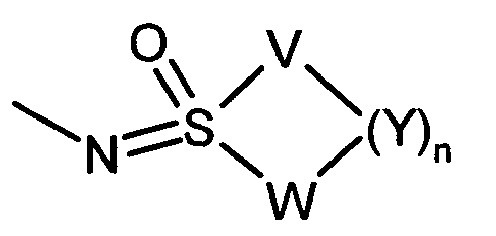
- V, W and Y
- in each case independently of one another, stand for -CH2- that is optionally substituted in one or more places, in the same way or differently, with halogen, hydroxy, C1-C6-alkyl, C1-C6-alkoxy or -NR7R8,
- n
- stands for 1-4 and
- R7 and R8
- in each case independently of one another, stand for hydrogen, C1-C6-alkyl, C1-C6-alkoxy, hydroxy-C1-C6-alkyl, dihydroxy-C1-C6-alkyl, phenyl, heteroaryl
- More preferred are compounds of general formula (I),
wherein - Q
- stands for phenyl or 5 to 6 membered heteroaryl,
- R1
- stands for halogen or -CF3,
- R2
- stands for C1-C10-alkyl optionally substituted in one or more places with hydroxy,
- X
- stands for oxygen, sulfur or for the group -NH-,
- m
- stands for 0,
- R4 and R5
- in each case independently of one another, stand for C1-C6-alkyl or C3-C6-cycloalkyl, each of which can optionally be substituted in one or more places, in the same way or differently, with hydroxy, halogen, C1-C3-alkoxy or with the group -NR7R8 and
- R7 and R8
- in each case independently of one another, stand for hydrogen, C1-C6-alkyl, C1-C6-alkoxy, hydroxy-C1-C6-alkyl, dihydroxy-C1-C6-alkyl or phenyl
- Even more preferred are compounds of general formula (I),
wherein - Q
- stands for phenyl,
- R1
- stands for halogen,
- R2
- stands for C1-C10-alkyl optionally substituted in one or more places with hydroxy,
- X
- stands for oxygen or for the group -NH-,
- m
- stands for 0 and
- R4 and R5
- in each case independently of one another, stand for C1-C6-alkyl
- The compounds according to the invention essentially inhibit cyclin-dependent kinases, upon which their action is based, for example, against cancer, such as solid tumors and leukemia; auto-immune diseases, such as psoriasis, alopecia and multiple sclerosis; chemotherapy agent-induced alopecia and mucositis; cardiovascular diseases, such as stenoses, arterioscleroses and restenoses; infectious diseases, such as, e.g., those caused by unicellular parasites, such as trypanosoma, toxoplasma or plasmodium, or those caused by fungi; nephrological diseases, such as, e.g., glomerulonephritis; chronic neurodegenerative diseases, such as Huntington's disease, amyotrophic lateral sclerosis, Parkinson's disease, AIDS, dementia and Alzheimer's disease; acute neurodegenerative diseases, such as ischemias of the brain and neurotraumas; and viral infections, such as, e.g., cytomegalic infections, herpes, hepatitis B and C, and HIV diseases.
- The eukaryotic cell division cycle ensures the duplication of the genome and its distribution to the daughter cells by passing through a coordinated and regulated sequence of events. The cell cycle is divided into four successive phases: the G1 phase represents the time before the DNA replication, in which the cell grows and is sensitive to external stimuli. In the S phase, the cell replicates its DNA, and in the G2 phase, preparations are made for entry into mitosis. In mitosis (M phase), the replicated DNA separates, and cell division is complete.
- The cyclin-dependent kinases (CDKs), a family of serine/threonine kinases, whose members require the binding of a cyclin (Cyc) as a regulatory subunit in order for them to activate, drive the cell through the cell cycle. Different CDK/Cyc pairs are active in the various phases of the cell cycle. CDK/Cyc pairs that are important to the basic function of the cell cycle are, for example, CDK4(6)/CycD, CDK2/CycE, CDK2/CycA, CDK1/CycA and CDK1/CycB. Some members of the CDK enzyme family have a regulatory function by influencing the activity of the above-mentioned cell cycle CDKs, while no specific function could be associated with other members of the CDK enzyme family. One of the latter, CDK5, is distinguished in that it has an atypical regulatory subunit (p35) that deviates from the cyclins, and its activity is highest in the brain.
- The entry into the cell cycle and the passage through the "restriction points," which marks the independence of a cell from further growth signals for the completion of the cell division that has begun, are controlled by the activity of the CDK4(6)/CycD and CDK2/CycE complexes. The essential substrate of these CDK complexes is the retinoblastoma protein (Rb), the product of the retinoblastoma tumor suppressor gene. Rb is a transcriptional co-repressor protein. In addition to other, still largely little understood mechanisms, Rb binds and inactivates transcription factors of the E2F type and forms transcriptional repressor complexes with histone-deacetylases (HDAC) (Zhang, H. S. et al. (2000). Exit from G1 and S Phase of the Cell Cycle is Regulated by Repressor Complexes Containing HDAC-Rb-hSWI/SNF and Rb-hSWI/SNF. Cell 101, 79-89). By the phosphorylation of Rb by CDKs, bonded E2F transcription factors are released and result in transcriptional activation of genes, whose products are required for the DNA synthesis and the progression through the S-phase. In addition, the Rb-phosphorylation brings about the breakdown of the Rb-HDAC complexes, by which additional genes are activated. The phosphorylation of Rb by CDKs is to be treated as equivalent to exceeding the "restriction points." For the progression through the S-phase and its completion, the activity of the CDK2/CycE and CDK2/CycA complexes is necessary, e.g., the activity of the transcription factors of the E2F type is turned off by means of phosphorylation by CDK2/CycA as soon as the cells are entered into the S-phase. After replication of DNA is complete, the CDK1 in the complex with CycA or CycB controls the entry into and the passage through phases G2 and M (Fig. 1).
- According to the extraordinary importance of the cell-division cycle, the passage through the cycle is strictly regulated and controlled. The enzymes that are necessary for the progression through the cycle must be activated at the correct time and are also turned off again as soon as the corresponding phase is passed. Corresponding control points ("checkpoints") stop the progression through the cell cycle if DNA damage is detected, or the DNA replication or the creation of the spindle device is not yet completed.
- The activity of the CDKs is controlled directly by various mechanisms, such as synthesis and degradation of cyclins, complexing of the CDKs with the corresponding cyclins, phosphorylation and dephosphorylation of regulatory threonine and tyrosine radicals, and the binding of natural inhibitory proteins. While the amount of protein of the CDKs in a proliferating cell is relatively constant, the amount of the individual cyclins oscillates with the passage through the cycle. Thus, for example, the expression of CycD during the early G1 phase is stimulated by growth factors, and the expression of CycE is induced after the "restriction points" are exceeded by the activation of the transcription factors of the E2F type. The cyclins themselves are degraded by the ubiquitin-mediated proteolysis. Activating and inactivating phosphorylations regulate the activities of the CDKs, for example phosphorylate CDK-activating kinases (CAKs) Thr160/161 of the CDK1, while, by contrast, the families of Wee1/Myt1 inactivate kinases CDK1 by phosphorylation of Thr14 and Tyr15. These inactivating phosphorylations can be destroyed in turn by cdc25 phosphatases. The regulation of the activity of the CDK/Cyc complexes by two families of natural CDK inhibitor proteins (CKIs), the protein products of the p21 gene family (p21, p27, p57) and the p16 gene family (p15, p16, p18, p19) is very significant. Members of the p21 family bind to cyclin complexes of
CDKs 1,2,4,6, but inhibit only the complexes that contain CDK1 or CDK2. Members of the p16 family are specific inhibitors of the CDK4- and CDK6 complexes. - The plane of control point regulation lies above this complex direct regulation of the activity of the CDKs. Control points allow the cell to track the orderly sequence of the individual phases during the cell cycle. The most important control points lie at the transition from G1 to S and from G2 to M. The G1 control point ensures that the cell does not initiate any DNA synthesis unless it has proper nutrition, interacts correctly with other cells or the substrate, and its DNA is intact. The G2/M control point ensures the complete replication of DNA and the creation of the mitotic spindle before the cell enters into mitosis. The G1 control point is activated by the gene product of the p53 tumor suppressor gene. p53 is activated after detection of changes in metabolism or the genomic integrity of the cell and can trigger either a stopping of the cell cycle progression or apoptosis. In this case, the transcriptional activation of the expression of the CDK inhibitor protein p21 by p53 plays a decisive role. A second branch of the G1 control point comprises the activation of the ATM and Chk1 kinases after DNA damage by UV light or ionizing radiation and finally the phosphorylation and the subsequent proteolytic degradation of the cdc25A phosphatase (Mailand, N. et al. (2000). Rapid Destruction of Human cdc25A in Response to DNA Damage. Science 288, 1425-1429). A shutdown of the cell cycle results from this, since the inhibitory phosphorylation of the CDKs is not removed. After the G2/M control point is activated by damage of the DNA, both mechanisms are involved in a similar way in stopping the progression through the cell cycle.
- The loss of the regulation of the cell cycle and the loss of function of the control points are characteristics of tumor cells. The CDK-Rb signal path is affected by mutations in over 90% of human tumor cells. These mutations, which finally result in inactivating phosphorylation of the RB, include the over-expression of D- and E-cyclins by gene amplification or chromosomal translocations, inactivating mutations or deletions of CDK inhibitors of the p16 type, as well as increased (p27) or reduced (CycD) protein degradation. The second group of genes, which are affected by mutations in tumor cells, codes for components of the control points. Thus p53, which is essential for the G1 and G2/M control points, is the most frequently mutated gene in human tumors (about 50%). In tumor cells that express p53 without mutation, it is often inactivated because of a greatly increased protein degradation. In a similar way, the genes of other proteins that are necessary for the function of the control points are affected by mutations, for example ATM (inactivating mutations) or cdc25 phosphatases (over-expression).
- Convincing experimental data indicate that CDK2/Cyc complexes occupy a decisive position during the cell cycle progression: (1) Both dominant-negative forms of CDK2, such as the transcriptional repression of the CDK2 expression by anti-sense oligonucleotides, produce a stopping of the cell cycle progression. (2) The inactivation of the CycA gene in mice is lethal. (3) The disruption of the function of the CDK2/CycA complex in cells by means of cell-permeable peptides resulted in tumor cell-selective apoptosis (Chen, Y. N. P. et al. (1999). Selective Killing of Transformed Cells by Cyclin/Cyclin-Dependent Kinase 2 Antagonists. Proc. Natl. Acad. Sci. USA 96, 4325-4329).
- Changes of the cell cycle control play a role not only in carcinoses. The cell cycle is activated by a number of viruses, both by transforming viruses as well as by non-transforming viruses, to make possible the reproduction of viruses in the host cell. The false entry into the cell cycle of normally post-mitotic cells is associated with various neurodegenerative diseases.
- The mechanisms of the cell cycle regulation, their changes in diseases and a number of approaches to develop inhibitors of the cell cycle progression and especially the CDKs were already described in a detailed summary in several publications (Sielecki, T. M. et al. (2000). Cyclin-Dependent Kinase Inhibitors: Useful Targets in Cell Cycle Regulation. J. Med. Chem. 43, 1-18; Fry, D. W. & Garrett, M. D. (2000). Inhibitors of Cyclin-Dependent Kinases as Therapeutic Agents for the Treatment of Cancer. Curr. Opin. Oncol. Endo. Metab. Invest. Drugs 2, 40-59; Rosiania, G. R. & Chang, Y. T. (2000). Targeting Hyperproliferative Disorders with Cyclin-Dependent Kinase Inhibitors. Exp. Opin. Ther. ; Meijer, L. et al. (1999). Properties and Potential Applications of Chemical Inhibitors of Cyclin-Dependent Kinases. Pharmacol. Ther. 82, 279-284; Senderowicz, A. M. & Sausville, E. A. (2000). Preclinical and Clinical Development of Cyclin-Dependent Kinase Modulators. J. Natl. Cancer Inst. 92, 376-387).
- To use the compounds according to the invention as pharmaceutical agents, the latter are brought into the form of a pharmaceutical preparation, which in addition to the active ingredient for enteral or parenteral administration contains suitable pharmaceutical, organic or inorganic inert support media, such as, for example, water, gelatin, gum arabic, lactose, starch, magnesium stearate, talc, vegetable oils, polyalkylene glycols, etc. The pharmaceutical preparations can be present in solid form, for example as tablets, coated tablets, suppositories, or capsules, or in liquid form, for example as solutions, suspensions, or emulsions. Moreover, they optionally contain adjuvants, such as preservatives, stabilizers, wetting agents or emulsifiers; salts for changing the osmotic pressure, or buffers. These pharmaceutical preparations are also subjects of this invention.
- For parenteral administration, especially injection solutions or suspensions, especially aqueous solutions of active compounds in polyhydroxyethoxylated castor oil, are suitable.
- As carrier systems, surface-active adjuvants such as salts of bile acids or animal or plant phospholipids, but also mixtures thereof as well as liposomes or their components, can also be used.
- For oral administration, especially tablets, coated tablets or capsules with talc and/or hydrocarbon vehicles or binders, such as, for example, lactose, corn or potato starch, are suitable. The administration can also be carried out in liquid form, such as, for example, as a juice, to which optionally a sweetener is added.
- Enteral, parenteral and oral administrations are also subjects of this invention.
- The dosage of the active ingredients can vary depending on the method of administration, age and weight of the patient, type and severity of the disease to be treated and similar factors. The daily dose is 0.5-1000 mg, preferably 50-200 mg, whereby the dose can be given as a single dose to be administered once or divided into two or more daily doses.
- In contrast, compounds of general formula I according to the invention can also inhibit receptor tyrosine kinases and their ligands that specifically regulate the function of endothelial cells. Receptor tyrosine kinases and their ligands that specifically regulate the function of endothelial cells are involved decisively in physiological as well as pathogenic angiogenesis. The VEGF/VEGF-receptor system is of special importance here. In pathological situations, which are accompanied by increased neovascularization, an increased expression of angiogenic growth factors and their receptors was found. Most solid tumors thus express large amounts of VEGF, and the expression of the VEGF receptors is preferably considerably increased in the endothelial cells that lie near the tumors or run through the latter (Plate et al., Cancer Res. 53, 5822-5827, 1993). The inactivation of the VEGF/VEGF receptor system by VEGF-neutralizing antibodies (Kim et al., Nature 362, 841-844, 1993), retroviral expression of dominant-negative VEGF-receptor variants (Millauer et al., Nature 367, 576-579, 1994), recombinant VEGF-neutralizing receptor variants (Goldman et al., Proc. Natl. Acad. Sci. USA 95, 8795-8800, 1998), or low-molecular inhibitors of the VEGF-receptor tyrosine kinase (Fong et al., Cancer Res. 59, 99-106, 1999; Wedge et al., Cancer Res. 60, 970-975, 2000; Wood et al., Cancer Res. 60, 2178-2189, 2000) resulted in a reduced tumor growth and a reduced tumor vascularization. Thus, the inhibition of the angiogenesis is a possible treatment method for tumor diseases.
- Compounds according to the invention can consequently inhibit either cyclin-dependent kinases, such as CDK1, CDK2, CDK3, CDK4, CDK5, CDK6, CDK7, CDK8 and CDK9, as well as the glycogen-synthase-kinase (GSK-3β) and VEGF-receptor tyrosine kinases or cyclin-dependent kinases or VEGF-receptor tyrosine kinases. These actions contribute to the fact that the compounds according to the invention can be used in the treatment of cancer, angiofibroma, arthritis, eye diseases, auto-immune diseases, chemotherapy agent-induced alopecia and mucositis, Crohn's disease, endometriosis, fibrotic diseases, hemangioma, cardiovascular diseases, infectious diseases, nephrological diseases, chronic and acute neurodegenerative diseases, as well as injuries to the nerve tissue, viral infections, for inhibiting the reocclusion of vessels after balloon catheter treatment, in vascular prosthetics or after mechanical devices are used to keep vessels open, such as, e.g., stents, as immunosuppressive agents, for supporting scar-free healing, in senile keratosis and in contact dermatitis, whereby
cancer is defined as solid tumors, tumor or metastastic growth, Kaposi's sarcoma, Hodgkin's disease, and leukemia;
arthritis is defined as rheumatoid arthritis;
eye diseases are defined as diabetic retinopathy, and neovascular glaucoma;
auto-immune diseases are defined as psoriasis, alopecia and multiple sclerosis;
fibrotic diseases are defined as cirrhosis of the liver, mesangial cell proliferative diseases, and arteriosclerosis;
infectious diseases are defined as diseases that are caused by unicellular parasites;
cardiovascular diseases are defined as stenoses, such as, e.g., stent-induced restenoses, arterioscleroses and restenoses;
nephrological diseases are defined as glomerulonephritis, diabetic nephropathy, malignant nephrosclerosis, thrombic microangiopathic syndrome, transplant rejections and glomerulopathy;
chronic neurodegenerative diseases are defined as Huntington's disease, amyotrophic lateral sclerosis, Parkinson's disease, AIDS dementia and Alzheimer's disease;
acute neurodegenerative diseases are defined as ischemias of the brain and neurotraumas;
and viral infections are defined as cytomegalic infections, herpes, hepatitis B or C, and HIV diseases. - Subjects of this invention are also pharmaceutical agents for treating the above-cited diseases, which contain at least one compound according to general formula (I), as well as pharmaceutical agents with suitable diluents, carriers and/or vehicles.
- The compounds of general formula I according to the invention are, i.a., excellent inhibitors of the cyclin-dependent kinases, such as CDK1, CDK2, CDK3, CDK4, CDK5, CDK6, CDK7, CDK8 and CDK9, as well as the glycogen-synthase-kinase (GSK-3β). Further to this compounds of the present invention inhibit VEGF-receptor tyrosine kinases.
- The intermediate products of general formula (II), preferably used for the production of the compounds of general formula I according to the invention,

Preferably Z stands for -NH2. - Intermediate products of general formula (III), preferably used for the production of the compounds of general formula (I) according to the invention,

Hal stands for halogen, W stands for halogen, hydroxy, or X-R2, and R1, R2, and X have the meanings that are indicated in general formula (I), as well as their isomers, diastereomers, enantiomers and salts, are also subjects of this invention.
If the production of the starting compounds is not described, the latter are known or can be produced in a way that is similar to known compounds or to processes that are described here. It is also possible to perform all reactions that are described here in parallel reactors or by means of combinatory operating procedures. - The isomer mixtures can be separated into enantiomers or E/Z isomers according to commonly used methods, such as, for example, crystallization, chromatography or salt formation.
- The production of salts is carried out in the usual way by a solution of the compound of formula I being mixed with the equivalent amount of or an excess of a base or acid, which optionally is in solution, and the precipitate being separated or the solution being worked up in the usual way.
- One important method for the production of sulfoximines is the reaction of a sulfoxide with hydrazoic acid, which is produced in situ, e.g., from the reaction of sodium azide and concentrated sulfuric acid (M. Reggelin, C. Zur, Synthesis 2000, 1, 1). The reaction can be performed in an organic solvent, such as chloroform. Other methods for the synthesis of sulfoximines are, e.g., the reactions of sulfoxides with
- a) TsN3 ((a) R. Tanaka, K. Yamabe, J. Chem. Soc. Chem. Commun. 1983, 329;
(b) H. Kwart, A. A. Kahn, J. Am. Chem. Soc. 1967, 89, 1959)). - b) N-Tosylimino Phenyl lodinane and cat. Amounts of Cu(I)triflate (J. F. K. Müller, P. Vogt, Tetrahedron Lett. 1998, 39, 4805)
- c) Boc-azide and cat. Amounts of Iron(II) Chloride (T. Bach, C. Korber, Tetrahedron Lett. 1998, 39, 5015) or
- d) o-Mesitylenesulfonylhydroxylamine (MSH) (C. R. Johnson, R. A. Kirchhoff, H. G. Corkins, J. Org. Chem. 1974, 39, 2458).
- e) [N-(2-(Trimethylsilyl)ethanesulfonyl)imino]phenyliodinane (Phl=NSes) (S. 30Cren, T. C. Kinahan, C. L. Skinner and H. Tye, Tetrahedron Lett. 2002, 43, 2749).
- f) Trifluoroacetamide, iodobenzene diacetate, magnesium oxide and [Rh2(OAc)4] (H. Okamura and C. Bolm, Org. Letf. 2004, 6, 1305).
- The introduction of aromatic rings on to the nitrogen of sulfoximines can be achieved by palladium-catalyzed cross-coupling reactions (C. Bolm, J.P. Hildebrandt, J. Org. Chem. 2000, 65, 169).
Another method for the production of N-Aryl-sulfoximines is the oxidation of N-arylsulfilimines (S.-L. Huang, D. Swern, J. Org. Chem. 1979, 44, 2510). - In terms of structure and configuration, sulfoximines generally have a high stability (C. Bolm, J. P. Hildebrand, J. Org. Chem. 2000, 65, 169). These properties of the functional group often also allow drastic reaction conditions and make possible the simple derivatization of the sulfoximines in the imine-nitrogen and α-carbon. Enantiomer-pure sulfoximines are also used as auxiliaries in the diastereoselective synthesis ((a) S. G. Pyne, Sulfur Reports 1992, 12, 57; (b) C. R. Johnson, Aldrichchimica Acta 1985, 18, 3). The production of enantiomer-pure sulfoximines is described, e.g., via the racemate cleavage with enantiomer-pure camphor-10-sulfonic acid ((a) C. R. Johnson, C. W. Schroeck, J. Am. Chem. Soc. 1973, 95, 7418; (b) C. S. Shiner, A. H. Berks, J. Org. Chem. 1988, 53, 5543). Another method for producing optically active sulfoximines consists in the stereoselective imination of optically active sulfoxides with use of MSH ((a) C. Bolm, P. Müller, K. Harms, Acta Chem. Scand. 1996, 50, 305; (b) Y. Tamura, J. Minamikawa, K. Sumoto, S. Fujii, M. Ikeda, J. Org. Chem. 1973, 38, 1239).
- The following examples explain the production of the compounds according to the invention without limiting the scope of the claimed compounds to these examples.
-

- The substituents Q, R1, R2, R3, R4, R5 and m have the meaning that is indicated in general formula (I).
-

- 155 mg (0.84 mmol) of N-(4-Aminophenyl)-S,S-dimethylsulfoximide and 269 mg (0.91 mmol) of (R)-3-(5-Bromo-2-chloro-pyrimidin-4-ylamino)-2-methyl-butan-2-ol in 5.00 ml of acetonitrile and 0.50 ml of water are mixed with 0.25 ml of a 4N solution of HCl in dioxane. The batch is stirred for 16 hours at 60°C and then is diluted with ethyl acetate. After the addition of NaHCO3 solution the batch is extracted with ethyl acetate (3x). The combined organic phases are dried (Na2SO4), filtered and concentrated by evaporation. The remaining residue is purified by chromatography (DCM/EtOH 9:1). 115 mg (0.27 mmol, corresponding to 32% of theory) of the product is obtained.
- 1H-NMR (DMSO): 8.98 (s, 1 H), 7.99 (s, 1 H), 7.48 (m, 2H), 6.82 (m, 2H), 5.93 (d, 1 H), 4.79 (s, 1 H), 4.05 (m, 1H), 3.14 (s, 6H), 1.15 (m, 9H).
MS: 442 (ES). -

- 83 mg (0.45 mmol) of N-(4-Aminophenyl)-S,S-dimethylsulfoximide and 140 mg (0.54 mmol) of (2R,3R)-3-(5-Bromo-2-chloro-pyrimidin-4-ylamino)-butan-2-ol in 3.00 ml of acetonitrile and 0.20 ml of water are mixed with 0.14 ml of a 4N solution of HCl in dioxane. The batch is stirred for 22 hours at 60°C. The solvent is drawn off, and the remaining residue is purified by chromatography (DCM/EtOH 9 : 1). 43 mg (0.10 mmol, corresponding to 22% of theory) of the product is obtained.
- 1H-NMR (DMSO): 8.97 (s, 1 H), 7.94 (s, 1 H), 7.44 (d, 2H), 6.77 (d, 2H), 5.88 (d, 1 H), 4.96 (d, 1 H), 4.00 (m, 1 H), 3.69 (m, 1 H), 3.11 (s, 6H), 1.15 (d, 3H), 1.04 (d, 3H).
MS: 428 (ES). -

- 83 mg (0.45 mmol) of N-(4-Aminophenyl)-S,S-dimethylsulfoximide and 140 mg (0.91 mmol) of (2R,3R)-3-(5-Bromo-2-chloro-pyrimidin-4-yloxy)-butan-2-ol in 3.00 ml of acetonitrile and 0.20 ml of water are mixed with 0.14 ml of a 4N solution of HCl in dioxane. The batch is stirred for 25 hours at 60°C and then is diluted with ethyl acetate. After the addition of NaHCO3 solution the batch is extracted with ethyl acetate (3x). The combined organic phases are dried (Na2SO4), filtered and concentrated by evaporation. The remaining residue is purified by chromatography (DCM/EtOH 9:1). 21 mg (0.05 mmol, corresponding to 11 % of theory) of the product is obtained.
- 1H-NMR (DMSO): 9.39 (s, 1 H), 8.22 (s, 1 H), 7.42 (d, 2H), 6.79 (d, 2H), 5.13 (m, 1H), 4.81 (d, 1 H), 3.76 (m, 1 H), 3.12 (s, 6H), 1.22 (d, 3H), 1.07 (d, 3H).
MS: 429 (ES). -

- A solution of 214 mg (1.00 mmol) of S,S-Dimethyl-N-(4-nitrophenyl)sulfoximide in 20 ml of ethanol is hydrogenated at room temperature with use of 40 mg of Pd/C (10% x 50% H2O) under a hydrogen atmosphere at normal pressure over 45 minutes. The hydrogen absorption is 74 ml. The batch is filtered and concentrated by evaporation. 160 mg (0.87 mmol, corresponding to 87% of theory) is obtained.
1H-NMR (DMSO): 6.64 (d, 2H), 6.42 (d, 2H), 4.60 (br, 2H), 3.06 (s, 6H).
MS: 185 (ES). -

- The compound is prepared according to the published procedure of D. Swern et al in J. Org. Chem. 1979, 44, 2510-2513.
- 1H-NMR (DMSO): 8.06 (d, 2H), 7.05 (d, 2H), 3.38 (s, 6H).
MS: 215 (ES). -
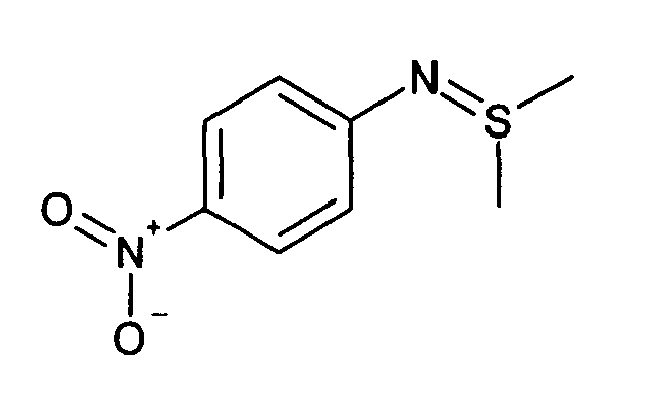
- The compound is prepared according to the published procedure of D. Swern et al in J. Org. Chem. 1977, 42, 592-597.
- 1H-NMR (DMSO): 7.88 (d, 2H), 6.64 (d, 2H), 2.79 (s, 6H).
-

- Substituents R1 and R2 have the meaning that is indicated in general formula (I).
-

- A solution of 1.35 g (15.0 mmol) of (R,R)-(-)-2,3-butanediol in 50 ml of THF is mixed at 0°C in portions with 480 mg (11.0 mmol) of sodium hydride (55% dispersion) and then stirred for 10 minutes at room temperature. The solution that is produced is added at 0°C to 2.27 g (10.0 mmol) of 5-bromo-2,4-dichloropyrimidine in 25 ml of THF. The batch is slowly heated to room temperature and stirred for 12 hours. The solvent is drawn off, and the residue that is obtained is purified by chromatography (hexane/ethyl acetate 1:1). 2.29 g (8.1 mmol, corresponding to 81% of theory) of the product is obtained.
- 1H-NMR (DMSO): 8.44 (s, 1 H), 5.18 (q, 1 H), 3.96 (q, 1 H), 2.02 (d, 1 H), 1.4 (d, 3H), 1.28 (d, 3H).
- MS: 281 (ES).
-

- An ice-cooled solution of 2.95 g (10.0 mmol) of methyl-N-(5-bromo-2-chloropyrimidin-4-yl)-D-alaninate in 150 ml of THF is mixed drop by drop with 30 ml (90 mmol) of a 3 molar solution of methylmagnesium bromide in diethyl ether. After 2.5 hours at room temperature, the batch is mixed with 30 ml of saturated ammonium chloride solution. It is diluted with water and extracted from ethyl acetate (3x). The combined organic phases are dried (Na2SO4), filtered and concentrated by evaporation. The remaining residue is purified by chromatography (hexane/ethyl acetate: 4:1 - 1:1). 2.81 g (9.5 mmol, corresponding to 95% of theory) of the product is obtained.
- 1H-NMR (CDCl3): 8.1 (s, 1 H), 5.9 (d, 1 H), 4.2 (m, 1 H), 1.8 (br, 1 H), 1.2 (m, 9H).
-

- 22.8 g (100 mmol) of 5-bromo-2,4-dichloropyrimidine and 14.0 g (100 mmol) of D-alanic acid methyl ester hydrochloride are dissolved in 300 ml of THF and 75 ml of DMF. The ice-cooled batch is mixed with 33.5 ml (240 mmol) of triethylamine and then slowly heated to room temperature. After 48 hours, the solvent is drawn off in a rotary evaporator, and the remaining residue is purified by chromatography (hexane/ethyl acetate : 4:1 - 2:1). 25.5 g (86.1 - mmol, corresponding to 86% of theory) of the product is obtained.
- 1H-NMR (CDCl3): 8.2 (s, 1 H), 6.1 (d, 1 H), 4.8 (m, 1 H), 3.8 (s, 3H), 1.6 (d, 3H).
-

- 32.7 g (159 mmol) of copper(I)bromide dimethyl sulfide complex is introduced under nitrogen atmosphere into 1000 ml of diethyl ether and cooled to -78°C. Over a period of about 25 minutes, 200 ml of a 1.6 molar solution of methyllithium in diethyl ether is added in drops, and then the cooling bath is removed. The batch is stirred for 40 minutes, and the temperature increases to -35°C. It is cooled to -55°C, and 18.9 g (71.5 mmol) of (R)-2-[(5-bromo-2-chloropyrimidin-4-yl)amino]propanal is added over a period of 20 minutes. It is stirred for 6 hours at -55°C, then the cooling bath is filled with dry ice again, covered with aluminum foil, and the batch is stirred overnight. 200 ml of a saturated ammonium chloride solution is added in drops, and the batch is heated to room temperature. It is diluted with 500 ml of diethyl ether, the organic phase is separated, and the aqueous phase is extracted with diethyl ether. The combined organic phases are washed with saturated ammonium chloride solution and saturated NaCl solution, dried (Na2SO4), filtered and concentrated by evaporation. The remaining residue is purified by chromatography (hexane/ethyl acetate : 4:1 - 1:1). 8.4 g (30.0 mmol, corresponding to 42% of theory) of the product is obtained.
- 1H-NMR (CDCl3): 8.1 (s, 1 H), 5.8 (d, 1 H), 4.2 (m, 1 H), 3.9 (m, 1 H), 2.0 (d, 1 H), 1.3 (d, 3H), 1.2 (d, 3H).
-
Column: Chiralpak AD-H 5µ Length x ID: 150 x 4.6 mm Eluants: A= Hexane, C = Ethanol Flow: 1.0 ml/min Gradient: Isocratic 5% C Detector: UV 254 nm Temperature: 25°C RT in min: 6.04 -

- A solution of 40.0 g (135.8 mmol) of methyl-N-(5-bromo-2-chloropyrimidin-4-yl)-D-alaninate in 800 ml of toluene is mixed at -78°C with 310 ml of a 1.2 molar solution of diisobutyl aluminum hydride. After 30 minutes, it is carefully quenched with methanol. The batch is heated to room temperature and diluted with 1000 ml of tert-butyl methyl ether. It is washed successively with 1 N HCl (3 x 100 ml), saturated sodium bicarbonate solution (3x) and saturated NaCl solution (3x). The organic phase is dried (MgSO4), filtered and concentrated by evaporation. The remaining residue is purified by chromatography (hexane/ethyl acetate: 4:1 - 1:1). 22.5 g (83.9 mmol, corresponding to 62% of theory) of the product is obtained.
- 1H-NMR (CDCl3): 9.6 (s, 1H), 8.2 (s, 1H), 6.3 (d, 1H), 4.8 (m, 1 H), 1.5 (d, 3H).
The examples below describe the biological action of the compounds according to the invention without the invention being limited to these examples. - Recombinant CDK1- and CycB-GST-fusion proteins, purified from baculovirus-infected insect cells (Sf9), were purchased from ProQinase GmbH, Freiburg. Histone IIIS, used as a kinase substrate, is available commercially from the Sigma Company.
- CDK1/CycB (200 ng/measuring point) was incubated for 15 minutes at 22°C in the presence of various concentrations of test substances (0 µm, as well as within the range of 0.01-100 µm) in assay buffer [50 mmol of tris/HCl, pH 8.0, 10 mmol of MgCl2, 0.1 mmol of Na ortho-vanadate, 1.0 mmol of dithiothreitol, 0.5 µm of adenosine triphosphate (ATP), 10 µg/measuring point of histone IIIS, 0.2 µCi/measuring point of 33P-gamma ATP, 0.05% NP40, 12.5% dimethyl sulfoxide]. The reaction was stopped by adding EDTA solution (250 mmol, pH 8.0, 14 µl/measuring point).
- From each reaction batch, 10 µl was applied to P30 filter strips (Wallac Company), and non-incorporated 33P-ATP was removed by subjecting the filter strips to three washing cycles for 10 minutes each in 0.5% phosphoric acid. After the filter strips were dried for one hour at 70°C, the filter strips were covered with scintillator strips (MeltiLexTM A, Wallac Company) and baked for one hour at 90°C. The amount of incorporated 33P (substrate phosphorylation) was determined by scintillation measurement in a gamma-radiation measuring device (Wallac).
- Recombinant CDK2- and CycE-GST-fusion proteins, purified from baculovirus-infected insect cells (Sf9), were purchased by ProQinase GmbH, Freiburg. Histone Ills, which was used as a kinase substrate, was purchased by the Sigma Company.
- CDK2/CycE (50 ng/measuring point) was incubated for 15 minutes at 22°C in the presence of various concentrations of test substances (0 µm, as well as within the range of 0.01-100 µm) in assay buffer [50 mmol of tris/HCl, pH 8.0, 10 mmol of MgCl2, 0.1 mmol of Na ortho-vanadate, 1.0 mmol of dithiothreitol, 0.5 µm of adenosine triphosphate (ATP), 10 µg/measuring point of histone IIIS, 0.2 µCi/measuring point of 33P-gamma ATP, 0.05% NP40, 12.5% dimethyl sulfoxide]. The reaction was stopped by adding EDTA solution (250 mmol, pH 8.0, 14 µl/measuring point).
- From each reaction batch, 10 µl was applied to P30 filter strips (Wallac Company), and non-incorporated 33P-ATP was removed by subjecting the filter strips to three washing cycles for 10 minutes each in 0.5% phosphoric acid. After the filter strips were dried for one hour at 70°C, the filter strips were covered with scintillator strips (MeltiLex™ A, Wallac Company) and baked for one hour at 90°C. The amount of incorporated 33P (substrate phosphorylation) was determined by scintillation measurement in a gamma-radiation measuring device (Wallac).
- Recombinant VEGF receptor tyrosine kinase-2 was purified as a GST fusion protein from baculovirus-infected insect cells (Sf9). Poly-(Glu4Tyr), which was used as a kinase substrate, was purchased by the Sigma Company.
- VEGF receptor tyrosine kinase (90 ng/measuring point) was incubated for 10 minutes at 22°C in the presence of various concentrations of test substances (0 µm, as well as within the range of 0.001 - 30 µm) in 30 µl of assay buffer [40 mmol of Tris/HCl, pH 5.5, 10 mmol of MgCl2, 1 mmol of MnCl2, 3 µmol of Na ortho-vanadate, 1.0 mmol of dithiothreitol, 8 µmol of adenosine trisphosphate (ATP), 27 µg/measuring point of poly-(Glu4Tyr), 0.2 µCi/measuring point of 33P-gamma ATP, 1% dimethyl sulfoxide]. The reaction was stopped by adding EDTA solution (250 mmol, pH 7.0, 10 µl/measuring point).
- From each reaction batch, 10 µl was applied to P30 filter strips (Wallac Company), and non-incorporated 33P-ATP was removed by subjecting the filter strips to three washing cycles for 10 minutes each in 0.5% phosphoric acid. After the filter strips were dried for one hour at 70°C, the filter strips were covered with scintillator strips (MeltiLexTM A, Wallac Company) and baked for one hour at 90°C. The amount of incorporated 33P (substrate phosphorylation) was determined by scintillation measurement in a gamma-radiation measuring device (Wallac). The IC50 values are determined from the inhibitor concentration, which is necessary to inhibit the phosphate incorporation to 50% of the uninhibited incorporation after removal of the blank reading (EDTA-stopped reaction).
- Cultivated human tumor cells (MCF7, hormone-independent human breast cancer cells, related to ATCC HTB22; NCl-H460, human non-small-cell lung cancer cells, ATCC HTB-177; DU 145, hormone-independent human prostate cancer cells, ATCC HTB-81; MaTu-MDR, hormone-independent, multiple pharmaceutical agent-resistant human breast cancer cells, EPO-GmbH, Berlin) were flattened out at a density of about 5000 cells/measuring point, depending on the growth rate of the respective cells, in a 96-well multititer plate in 200 µl of the corresponding growth medium. After 24 hours, the cells of one plate (zero-point plate) were colored with crystal violet (see below), while the medium of the other plates was replaced by fresh culture medium (200 µl), to which the test substances were added in various concentrations (0 µm, as well as in the range of 0.01-30 µm; the final concentration of the solvent dimethyl sulfoxide was 0.5%). The cells were incubated for 4 days in the presence of test substances. The cell proliferation was determined by coloring the cells with crystal violet: the cells were fixed by adding 20 µl/measuring point of an 11 % glutaric aldehyde solution for 15 minutes at room temperature. After three washing cycles of the fixed cells with water, the plates were dried at room temperature. The cells were colored by adding 100 µl/measuring point of a 0.1 % crystal violet solution (the pH was set at 3 by adding acetic acid). After three washing cycles of the colored cells with water, the plates were dried at room temperature. The dye was dissolved by adding 100 µl/measuring point of a 10% acetic acid solution. The extinction was determined by photometry at a wavelength of 595 nm. The change of cell growth, in percent, was calculated by normalization of the measured values to the extinction values of the zero-point plate (=0%) and the extinction of the untreated (0 µm) cells (=100%).
- The principle of the assay is based on the hydrolysis of 4-nitrophenyl acetate by carboanhydrases (Pocker & Stone, Biochemistry, 1967, 6, 668), with subsequent photometric determination of the dye 4-nitrophenolate that is produced at 400 nm by means of a 96-channel spectral photometer.
- 2 µl of the test compounds, dissolved in DMSO (100 x the final concentration), in a concentration range of 0.03-10 µm (final), was pipetted as 4x determinations into the holes of a 96-hole microtiter plate. Holes that contained the solvent without test compounds were used as reference values (1. Holes without carboanhydrase for correction of the non-enzymatic hydrolysis of the substrate, and 2. Holes with carboanhydrase for determining the activity of the non-inhibited enzyme).
- 188 µl of assay buffer (10 mmol of Tris/HCl, pH 7.4, 80 mmol of NaCl), with or without 3 units/hole on carboanhydrase I or II, was pipetted into the holes of the microtiter plate. The enzymatic reaction was started by the addition of 10 µl of the substrate solution (1 mmol of 4-nitrophenyl acetate (Fluka #4602), dissolved in anhydrous acetonitrile (final substrate concentration: 50 µm). The plate was incubated at room temperature for 15 minutes. The extinctions were measured by photometry at a wavelength of 400 nm. The enzyme inhibition was calculated after the measured values were normalized to the extinction of the reactions in the holes without enzyme (=100% inhibition) and to the extinction of reactions in the holes with non-inhibited enzyme (=0% inhibition).
- The results from the examples and the comparison data are indicated in Tables 1 to 3 below. To demonstrate the superiority of the compounds according to the invention compared to the known compounds, the compounds according to the invention were compared to known reference compounds and a structurally similar known compound of Example 10 from
WO 00/096888 WO 00/12486 Table 1 Example No. Proliferation IC 50 [µM] MCF7 H460 DU145 MaTu-ADR 1.0 0.4 0.5 0.6 0.8 1.1 0.6 1.2 0.3 Expl. 10 /WO 02/096888 0.4 0.6 0.7 0.8 Table 2 Example No. CDK2/CycE IC 50 [nM] CDK1/CycB IC 50 [nM] VEGF-R2 IC 50 [nM] 1.0 27 130 74 1.1 11 32 27 1.2 12 28 44 Expl. 10 / WO 02/096888 <10 90 200 Table 3 Example No. Inhibition of Human Carboanhydrase-2 IC 50 [nM] 1.0 > 10000 1.1 >10000 1.2 > 10000 Acetazolamide 51 Expl. 10 / WO 02/096888 190 - Tables 1 and 2 show that the compounds according to the present invention inhibit cyclin-dependent kinases and VEGF receptor tyrosine kinases in the nanomolar range and thus may inhibit the proliferation of tumor cells and/or the tumor angiogenesis.
- Table 3 shows that substances according to the invention, in contrast to compounds from the prior art, such as, e.g., acetazolamide or Example 10 from
WO02/096888 - In this respect, the above-mentioned tables confirm that the substances according to the invention are superior in comparison to the prior art.
Claims (21)
- Compounds of general formula (I)
 Q stands for phenyl or 5 to 6 membered heteroaryl,R1 stands for halogen, -CF3, C1-C4-Alkyl or Nitro,R2 stands for C1-C10-alkyl, C2-C10-alkenyl, C2-C10-alkinyl, C3-C10-cycloalkyl, aryl or heteroaryl, each of which can optionally be substituted in one or more places, in the same way or differently, with hydroxy, halogen, C1-C4-alkyl, C2-C4-alkenyl, C1-C4-alkoxy, C2-C4-alkinyl, -NR7R8 or with the group -COR6,X stands for oxygen, sulfur, or for the group -NH- or -N(C1-C3-Alkyl)-,
orR2 and X together form a C3-C7-cycloalkyl ring, which optionally can contain one or more heteroatoms and optinally can be substituted in one or more places, in the same way or differently, with hydroxy, C1-C3-alkyl, C1-C3-alkoxy, -NR7R8 or halogen,R3 stands for hydroxy, halogen, -CF3, -OCF3 or for the group -NR7R8,
or for C1-C6-alkyl, C3-C6-cycloalkyl or C1-C6-alkoxy, each of which can optionally be substituted in one or more places, in the same way or differently with halogen, hydroxy or the group -NR7R8,m stands for 0-4,R4 and R5 in each case independently of one another, stand for C1-C6-alkyl, C1-C6-alkenyl or C3-C6-cycloalkyl, each of which can optionally be substituted in one or more places, in the same way or differently, with hydroxy, halogen, C1-C3-alkoxy, C1-C3-alkylthio, cyano, C3-C6-cycloalkyl, C1-C6-hydroxyalkyl, C2-C6-alkenyl, C2-C6-alkinyl or with the group -CF3, -OCF3 or -NR7R8,
orR4 and R5 together form a ring of the group V, W and Y in each case independently of one another, stand for -CH2- that is optionally substituted in one or more places, in the same way or differently, with halogen, hydroxy, C1-C6-alkyl, C1-C6-alkoxy or -NR7R8,n stands for 1-4,R6 stands for hydrogen or C1-C6-alky), C1-C6-alkoxy or C3-C6 -cycloalkyl, each of which may optionally be substituted in one or more places, in the same way or differently, with C1-C6-alkyl,R7 and R8 in each case independently of one another, stand for hydrogen, C1-C6-alkyl, C1-C6-alkoxy, hydroxy-C1-C6-alkyl, dihydroxy-C1-C6-alkyl, phenyl, heteroaryl or for the group -(CH2)pNR9R10
orR7 and R8 together form a C3-C10-cycloalkyl ring that optionally can be interrupted by one or more nitrogen, oxygen and/or sulfur atoms and/or can be interrupted by one or more -C(O)- groups in the ring and/or optionally one or more possible double bonds can be contained in the ring,R9 and R10 in each case independently of one another, stand for hydrogen, C1-C6-alkyl, hydroxy-C1-C6-alkyl, dihydroxy-C1-C6-alkyl andp stands for 0-4as well as their isomers, diastereomers, enantiomers and/or salts. - Compounds of general formula (I) according to claim 1,
whereinQ stands for phenyl or 5 to 6 membered heteroaryl,R1 stands for halogen or -CF3,R2 stands for C1-C10-alkyl optionally substituted in one or more places, with hydroxy,X stands for oxygen, sulfur or for the group -NH-R3 stands for hydroxy, halogen, -CF3, -OCF3 or for the group -NR7R8,
or for C1-C6-alkyl, C3-C6-cycloalkyl or C1-C6-alkoxy, each of which can optionally be substituted in one or more places, in the same way or differently with halogen, hydroxy or the group -NR7R8,m stands for 0-4,R4 and R5 in each case independently of one another, stand for C1-C6-alkyl, C1-C6-alkenyl or C3-C6-cycloalkyl, each of which can optionally be substituted in one or more places, in the same way or differently, with hydroxy, halogen, C1-C3-alkoxy or with the group -NR7R8,
orR4 and R5 together form a ring of the group V, W and Y in each case independently of one another, stand for -CH2- that is optionally substituted in one or more places, in the same way or differently, with halogen, hydroxy, C1-C6-alkyl, C1-C6-alkoxy or -NR7R8,n stands for 1-4 andR7 and R8 in each case independently of one another, stand for hydrogen, C1-C6-alkyl, C1-C6-alkoxy, hydroxy-C1-C6-alkyl, dihydroxy-C1-C6-alkyl, phenyl, heteroarylas well as their isomers, diastereomers, enantiomers and/or salts.
 - Compounds of general formula (I) according to claim 1 or 2,
whereinQ stands for phenyl or 5 to 6 membered heteroaryl,R1 stands for halogen or -CF3,R2 stands for C1-C10-alkyl optionally substituted in one or more places with hydroxy,X stands for oxygen, sulfur or for the group -NH-,m stands for 0,R4 and R5 in each case independently of one another, stand for C1-C6-alkyl or C3-C6-cycloalkyl, each of which can optionally be substituted in one or more places, in the same way or differently, with hydroxy, halogen, C1-C3-alkoxy or with the group -NR7R8 andR7 and R8 in each case independently of one another, stand for hydrogen, C1-C6-alkyl, C1-C6-alkoxy, hydroxy-C1-C6-alkyl, dihydroxy-C1-C6-alkyl or phenylas well as their isomers, diastereomers, enantiomers and/or salts. - Compounds of general formula (I) according to any one of claims1 to 3,
whereinQ stands for phenyl,R1 stands for halogen,R2 stands for C1-C10-alkyl optionally substituted in one or more places with hydroxy,X stands for oxygen or for the group -NH-,m stands for 0 andR4 and R5 in each case independently of one another, stand for C1-C6-alkylas well as their isomers, diastereomers, enantiomers and/or salts. - Compounds of general formula (II)

- Use of the compound of general formula (II)

- Use of the compound of general formula (III),
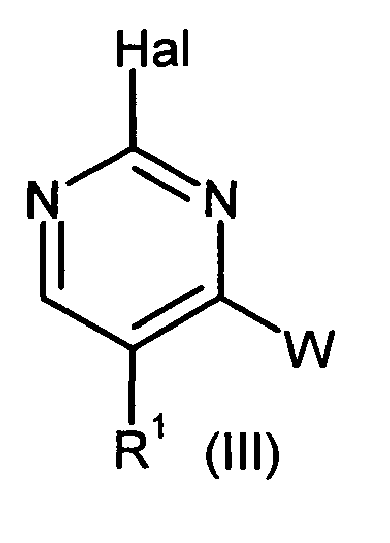
Hal stands for halogen,
W stands for halogen, hydroxy or X-R2, and
R1, R2, R3, R5, m and X have the meanings that are indicated in general formula (I), as well as their isomers, diastereomers, enantiomers, and/or salts as intermediate products for the production of the compound of general formula (I). - Use of the compounds of general formula (I), according to anyone of claims 1 to 4, for the production of a pharmaceutical agent for treating cancer, angiofibroma, arthritis, eye diseases, auto-immune diseases, chemotherapy agent-induced alopecia and mucositis, Crohn's disease, endometriosis, fibrotic diseases, hemangioma, cardiovascular diseases, infectious diseases, nephrological diseases, chronic and acute neurodegenerative diseases, as well as injuries to the nerve tissue, and viral infections, for inhibiting the reocclusion of vessels after balloon catheter treatment, in vascular prosthetics or after mechanical devices are used to keep vessels open, such as, e.g., stents, and as immunosuppressive agents, and for supporting scar-free healing, in senile keratosis and in contact dermatitis.
- Use according to claim 8, wherein
cancer is defined as solid tumors, tumor or metastastic growth, Kaposi's sarcoma, Hodgkin's disease, and leukemia;
arthritis is defined as rheumatoid arthritis;
eye diseases are defined as diabetic retinopathy, and neovascular glaucoma;
auto-immune diseases are defined as psoriasis, alopecia and multiple sclerosis;
fibrotic diseases are defined as cirrhosis of the liver, mesangial cell proliferative diseases, and arteriosclerosis;
infectious diseases are defined as diseases that are caused by unicellular parasites;
cardiovascular diseases are defined as stenoses, such as, e.g., stent-induced restenoses, arterioscleroses and restenoses;
nephrological diseases are defined as glomerulonephritis, diabetic nephropathy, malignant nephrosclerosis, thrombic microangiopathic syndrome, transplant rejections and glomerulopathy;
chronic neurodegenerative diseases are defined as Huntington's disease, amyotrophic lateral sclerosis, Parkinson's disease, AIDS dementia and Alzheimer's disease;
acute neurodegenerative diseases are defined as ischemias of the brain and neurotraumas; and viral infections are defined as cytomegalic infections, herpes, hepatitis B or C, and HIV diseases. - Pharmaceutical agents that contain at least one compound according anyone of claims 1 to 4.
- Pharmaceutical agents according to claim 10 that contain additional suitable diluents, carriers and/or vehicles.
- Pharmaceutical agents according to claim 10 or 11 for treating cancer, angiofibroma, arthritis, eye diseases, auto-immune diseases, chemotherapy agent-induced alopecia and mucositis, Crohn's disease, endometriosis, fibrotic diseases, hemangioma, cardiovascular diseases, infectious diseases, nephrological diseases, chronic and acute neurodegenerative diseases, as well as injuries to the nerve tissue, and viral infections, and for inhibiting the reocclusion of vessels after balloon catheter treatment, in vascular prosthetics or after mechanical devices are used to keep vessels open, such as, e.g., stents, and as immunosuppressive agents, and for supporting scar-free healing, and in senile keratosis and in contact dermatitis.
- Pharmaceutical agent for use according to claim 12,
whereby
cancer is defined as solid tumors, tumor or metastastic growth, Kaposi's sarcoma, Hodgkin's disease, and leukemia;
arthritis is defined as rheumatoid arthritis;
eye diseases are defined as diabetic retinopathy, and neovascular glaucoma;
auto-immune diseases are defined as psoriasis, alopecia and multiple sclerosis;
fibrotic diseases are defined as cirrhosis of the liver, mesangial cell proliferative diseases, and arteriosclerosis;
infectious diseases are defined as diseases that are caused by unicellular parasites;
cardiovascular diseases are defined as stenoses, such as, e.g., stent-induced restenoses, arterioscleroses and restenoses;
nephrological diseases are defined as glomerulonephritis, diabetic nephropathy, malignant nephrosclerosis, thrombic microangiopathic syndrome, transplant rejections and glomerulopathy;
chronic neurodegenerative diseases are defined as Huntington's disease, amyotrophic lateral sclerosis, Parkinson's disease, AIDS dementia and Alzheimer's disease;
acute neurodegenerative diseases are defined as ischemias of the brain and neurotraumas;
and viral infections are defined as cytomegalic infections, herpes, hepatitis B or C, and HIV diseases. - Use of the compounds of general formula (I) according to anyone of claims 1 to 4 and/or the pharmaceutical agents according to anyone of claims 10 to 13 as inhibitors of cyclin-dependent kinases.
- Use according to claim 14, wherein the kinase is CDK1, CDK2, CDK3, CDK4, CDK5, CDK6, CDK7, CDK8 or CDK9.
- Use of the compounds of general formula (I) according to at least one of anyone of claims 1 to 4 and/or the pharmaceutical agents according to anyone of claims 10 to 13 as inhibitors of glycogen-synthase-kinase (GSK-3ß).
- Use of the compounds of general formula (I) according to anyone of claims 1 to 4 and/or the pharmaceutical agents according to anyone of claims 10 to 13 as inhibitors of VEGF-receptor tyrosine kinases.
- Use of the compounds of general formula (I) according to any one of claims 1 to 4 and/or the pharmaceutical agents according to anyone of claims 10 to 13 as inhibitors of cyclin-dependent kinases and the VEGF-receptor tyrosine kinases.
- Use of the compounds of general formula (I), according to any one of claims 1 to 4, in the form of a pharmaceutical preparation for enteral, parenteral or oral administration.
- Use of the pharmaceutical agent according to anyone of claims 10 to 13 in the form of a preparation for enteral, parenteral and oral administration.
- Compounds of general formula (I), according to any one of claims 1 to 4, and pharmaceutical agents according to any one of claims 10 to 13 with suitable diluents, carriers and/or vehicles.
Priority Applications (5)
| Application Number | Priority Date | Filing Date | Title |
|---|---|---|---|
| EP05090073A EP1705177A1 (en) | 2005-03-23 | 2005-03-23 | N-aryl-sulfoximine-substituted pyrimidines as CDK- and/or VEGF inhibitors, their production and use as pharmaceutical agents |
| JP2008502285A JP2008535807A (en) | 2005-03-23 | 2006-03-08 | N-aryl-sulfoximine-substituted pyrimidines as CDK- and / or VEGF inhibitors, their production and use as pharmaceutical agents |
| EP06723419A EP1861378A1 (en) | 2005-03-23 | 2006-03-08 | N-aryl-sulfoximine-substituted pyrimidines as cdk- and/or vegf inhibitors, their production and use as pharmaceutical agents |
| PCT/EP2006/002342 WO2006099974A1 (en) | 2005-03-23 | 2006-03-08 | N-aryl-sulfoximine-substituted pyrimidines as cdk- and/or vegf inhibitors, their production and use as pharmaceutical agents |
| US11/386,111 US7456191B2 (en) | 2005-03-23 | 2006-03-22 | N-Aryl-sulfoximine-substituted pyrimidines as CDK-and/or VEGF inhibitors, their production and use as pharmaceutical agents |
Applications Claiming Priority (1)
| Application Number | Priority Date | Filing Date | Title |
|---|---|---|---|
| EP05090073A EP1705177A1 (en) | 2005-03-23 | 2005-03-23 | N-aryl-sulfoximine-substituted pyrimidines as CDK- and/or VEGF inhibitors, their production and use as pharmaceutical agents |
Publications (1)
| Publication Number | Publication Date |
|---|---|
| EP1705177A1 true EP1705177A1 (en) | 2006-09-27 |
Family
ID=34938416
Family Applications (2)
| Application Number | Title | Priority Date | Filing Date |
|---|---|---|---|
| EP05090073A Withdrawn EP1705177A1 (en) | 2005-03-23 | 2005-03-23 | N-aryl-sulfoximine-substituted pyrimidines as CDK- and/or VEGF inhibitors, their production and use as pharmaceutical agents |
| EP06723419A Withdrawn EP1861378A1 (en) | 2005-03-23 | 2006-03-08 | N-aryl-sulfoximine-substituted pyrimidines as cdk- and/or vegf inhibitors, their production and use as pharmaceutical agents |
Family Applications After (1)
| Application Number | Title | Priority Date | Filing Date |
|---|---|---|---|
| EP06723419A Withdrawn EP1861378A1 (en) | 2005-03-23 | 2006-03-08 | N-aryl-sulfoximine-substituted pyrimidines as cdk- and/or vegf inhibitors, their production and use as pharmaceutical agents |
Country Status (4)
| Country | Link |
|---|---|
| US (1) | US7456191B2 (en) |
| EP (2) | EP1705177A1 (en) |
| JP (1) | JP2008535807A (en) |
| WO (1) | WO2006099974A1 (en) |
Cited By (1)
| Publication number | Priority date | Publication date | Assignee | Title |
|---|---|---|---|---|
| CN103998431A (en) * | 2011-10-20 | 2014-08-20 | 阿勒根公司 | Pyridine-sulfoximines as tyrosine kinase inhibitors |
Families Citing this family (13)
| Publication number | Priority date | Publication date | Assignee | Title |
|---|---|---|---|---|
| DE102005062742A1 (en) * | 2005-12-22 | 2007-06-28 | Bayer Schering Pharma Ag | New sulfoximine-substituted pyrimidines useful for treating e.g. diseases caused by inflammatory, allergic or proliferative processes, oncological diseases, cancer, eye, autoimmune and neurodegerative diseases |
| BRPI0718895A2 (en) * | 2006-11-16 | 2013-12-10 | Allergan Inc | SULFOXIMIN COMPOUND AND USE OF SUCH COMPOUND |
| US8143410B2 (en) | 2006-11-16 | 2012-03-27 | Allergan, Inc. | Kinase inhibitors |
| US7863283B2 (en) | 2008-01-17 | 2011-01-04 | Bayer Schering Pharma Ag | Sulphoximine-substituted quinazoline derivatives as immuno-modulators, their preparation and use as medicaments |
| US8933227B2 (en) | 2009-08-14 | 2015-01-13 | Boehringer Ingelheim International Gmbh | Selective synthesis of functionalized pyrimidines |
| JP5539518B2 (en) * | 2009-08-14 | 2014-07-02 | ベーリンガー インゲルハイム インターナショナル ゲゼルシャフト ミット ベシュレンクテル ハフツング | Regioselective preparation of 2-amino-5-trifluoromethylpyrimidine derivatives |
| US8354420B2 (en) | 2010-06-04 | 2013-01-15 | Genentech, Inc. | Aminopyrimidine derivatives as LRRK2 inhibitors |
| SI2638031T1 (en) | 2010-11-10 | 2018-02-28 | Genentech, Inc. | Pyrazole aminopyrimidine derivatives as lrrk2 modulators |
| EP2917185B1 (en) * | 2012-11-09 | 2017-05-10 | Evotec International GmbH | Sulfoximine substituted quinazolines for pharmaceutical compositions |
| US11612599B2 (en) * | 2016-02-25 | 2023-03-28 | Asceneuron Sa | Glycosidase inhibitors |
| WO2021138391A1 (en) | 2019-12-30 | 2021-07-08 | Tyra Biosciences, Inc. | Indazole compounds |
| US20240158369A1 (en) * | 2021-02-19 | 2024-05-16 | Wigen Biomedicine Technology (shanghai) Co., Ltd. | Pyrimidine compound as wee-1 inhibitor |
| WO2026024674A1 (en) | 2024-07-22 | 2026-01-29 | Genesis Therapeutics, Inc. | Methods of treating skp2-associated cancers |
Citations (1)
| Publication number | Priority date | Publication date | Assignee | Title |
|---|---|---|---|---|
| WO2002096888A1 (en) * | 2001-05-29 | 2002-12-05 | Schering Aktiengesellschaft | Cdk inhibiting pyrimidines, production thereof and their use as medicaments |
Family Cites Families (1)
| Publication number | Priority date | Publication date | Assignee | Title |
|---|---|---|---|---|
| DE10349423A1 (en) * | 2003-10-16 | 2005-06-16 | Schering Ag | Sulfoximine-substituted parimidines as CDK and / or VEGF inhibitors, their preparation and use as medicaments |
-
2005
- 2005-03-23 EP EP05090073A patent/EP1705177A1/en not_active Withdrawn
-
2006
- 2006-03-08 EP EP06723419A patent/EP1861378A1/en not_active Withdrawn
- 2006-03-08 WO PCT/EP2006/002342 patent/WO2006099974A1/en not_active Ceased
- 2006-03-08 JP JP2008502285A patent/JP2008535807A/en active Pending
- 2006-03-22 US US11/386,111 patent/US7456191B2/en not_active Expired - Fee Related
Patent Citations (1)
| Publication number | Priority date | Publication date | Assignee | Title |
|---|---|---|---|---|
| WO2002096888A1 (en) * | 2001-05-29 | 2002-12-05 | Schering Aktiengesellschaft | Cdk inhibiting pyrimidines, production thereof and their use as medicaments |
Non-Patent Citations (3)
| Title |
|---|
| CLAUS P K ET AL: "N-Aryl sulfinimides", TETRAHEDRON, vol. 31, no. 6, 1975, pages 505 - 510, XP002340373 * |
| COBURN M D ET AL: "Oxidation of 3,6-diamino-1,2,4,5-tetrazine and 3,6-bis(S,S-dimethylsulfilimino)-1,2,4,5- tetrazine", JOURNAL OF HETEROCYCLIC CHEMISTRY, vol. 30, no. 6, December 1993 (1993-12-01), pages 1593 - 1595, XP002340372 * |
| POLLAK A ET AL: "Über Ringöffnungen einiger Azolo- und Azinoazine", MONATSHEFTE FÜR CHEMIE, vol. 103, no. 5, 1972, pages 1591 - 1603, XP002340374 * |
Cited By (1)
| Publication number | Priority date | Publication date | Assignee | Title |
|---|---|---|---|---|
| CN103998431A (en) * | 2011-10-20 | 2014-08-20 | 阿勒根公司 | Pyridine-sulfoximines as tyrosine kinase inhibitors |
Also Published As
| Publication number | Publication date |
|---|---|
| EP1861378A1 (en) | 2007-12-05 |
| US20060229325A1 (en) | 2006-10-12 |
| US7456191B2 (en) | 2008-11-25 |
| JP2008535807A (en) | 2008-09-04 |
| WO2006099974A1 (en) | 2006-09-28 |
Similar Documents
| Publication | Publication Date | Title |
|---|---|---|
| US7338958B2 (en) | Sulfoximine-substituted pyrimidines as CDK-and/or VEGF inhibitors, their production and use as pharmaceutical agents | |
| US7312225B2 (en) | Macrocyclic pyrimidines, their production and use as pharmaceutical agents | |
| US20060111378A1 (en) | Substituted 2-anilinopyrimidines as cell-cycle-kinase or receptor-tyrosine-kinase inhibitors, their production and use as pharmaceutical agents | |
| JP4291135B2 (en) | CDK-inhibiting pyrimidines, their manufacture and use as pharmaceuticals | |
| JP2005526765A (en) | CDK-inhibiting 2-heteroaryl-pyrimidines, their production and use as pharmaceuticals | |
| US20040063737A1 (en) | CDK-inhibitory 2-heteroaryl-pyrimidines, their production and use as pharmaceutical agents | |
| US7456191B2 (en) | N-Aryl-sulfoximine-substituted pyrimidines as CDK-and/or VEGF inhibitors, their production and use as pharmaceutical agents | |
| HK1093731B (en) | Sulfoximine-substituted pyrimidines for use as cdk and/or vegf inhibitors, the production thereof and their use as drugs | |
| DE102004049622A1 (en) | Novel para-sulfonamido-substituted 2-anilinopyrimidines are useful in a wide range of medicaments and as cell cycle kinase inhibitors or receptor tyrosine kinase inhibitors |
Legal Events
| Date | Code | Title | Description |
|---|---|---|---|
| PUAI | Public reference made under article 153(3) epc to a published international application that has entered the european phase |
Free format text: ORIGINAL CODE: 0009012 |
|
| AK | Designated contracting states |
Kind code of ref document: A1 Designated state(s): AT BE BG CH CY CZ DE DK EE ES FI FR GB GR HU IE IS IT LI LT LU MC NL PL PT RO SE SI SK TR |
|
| AX | Request for extension of the european patent |
Extension state: AL BA HR LV MK YU |
|
| 17P | Request for examination filed |
Effective date: 20061023 |
|
| RAP1 | Party data changed (applicant data changed or rights of an application transferred) |
Owner name: BAYER SCHERING PHARMA AG |
|
| RAP1 | Party data changed (applicant data changed or rights of an application transferred) |
Owner name: BAYER SCHERING PHARMA AKTIENGESELLSCHAFT |
|
| AKX | Designation fees paid |
Designated state(s): AT BE BG CH CY CZ DE DK EE ES FI FR GB GR HU IE IS IT LI LT LU MC NL PL PT RO SE SI SK TR |
|
| 17Q | First examination report despatched |
Effective date: 20070820 |
|
| STAA | Information on the status of an ep patent application or granted ep patent |
Free format text: STATUS: THE APPLICATION IS DEEMED TO BE WITHDRAWN |
|
| 18D | Application deemed to be withdrawn |
Effective date: 20101001 |