EP1700858A1 - Salts of a quinuclidine derivative as muscarinic M3 receptor antagonists - Google Patents
Salts of a quinuclidine derivative as muscarinic M3 receptor antagonists Download PDFInfo
- Publication number
- EP1700858A1 EP1700858A1 EP05252102A EP05252102A EP1700858A1 EP 1700858 A1 EP1700858 A1 EP 1700858A1 EP 05252102 A EP05252102 A EP 05252102A EP 05252102 A EP05252102 A EP 05252102A EP 1700858 A1 EP1700858 A1 EP 1700858A1
- Authority
- EP
- European Patent Office
- Prior art keywords
- acid
- compound
- quinuclidin
- tetrahydroisoquinoline
- carboxylate
- Prior art date
- Legal status (The legal status is an assumption and is not a legal conclusion. Google has not performed a legal analysis and makes no representation as to the accuracy of the status listed.)
- Granted
Links
Images













Classifications
-
- C—CHEMISTRY; METALLURGY
- C07—ORGANIC CHEMISTRY
- C07D—HETEROCYCLIC COMPOUNDS
- C07D453/00—Heterocyclic compounds containing quinuclidine or iso-quinuclidine ring systems, e.g. quinine alkaloids
- C07D453/02—Heterocyclic compounds containing quinuclidine or iso-quinuclidine ring systems, e.g. quinine alkaloids containing not further condensed quinuclidine ring systems
-
- A—HUMAN NECESSITIES
- A61—MEDICAL OR VETERINARY SCIENCE; HYGIENE
- A61K—PREPARATIONS FOR MEDICAL, DENTAL OR TOILETRY PURPOSES
- A61K31/00—Medicinal preparations containing organic active ingredients
- A61K31/33—Heterocyclic compounds
- A61K31/395—Heterocyclic compounds having nitrogen as a ring hetero atom, e.g. guanethidine or rifamycins
- A61K31/435—Heterocyclic compounds having nitrogen as a ring hetero atom, e.g. guanethidine or rifamycins having six-membered rings with one nitrogen as the only ring hetero atom
- A61K31/47—Quinolines; Isoquinolines
- A61K31/472—Non-condensed isoquinolines, e.g. papaverine
- A61K31/4725—Non-condensed isoquinolines, e.g. papaverine containing further heterocyclic rings
-
- A—HUMAN NECESSITIES
- A61—MEDICAL OR VETERINARY SCIENCE; HYGIENE
- A61P—SPECIFIC THERAPEUTIC ACTIVITY OF CHEMICAL COMPOUNDS OR MEDICINAL PREPARATIONS
- A61P1/00—Drugs for disorders of the alimentary tract or the digestive system
-
- A—HUMAN NECESSITIES
- A61—MEDICAL OR VETERINARY SCIENCE; HYGIENE
- A61P—SPECIFIC THERAPEUTIC ACTIVITY OF CHEMICAL COMPOUNDS OR MEDICINAL PREPARATIONS
- A61P1/00—Drugs for disorders of the alimentary tract or the digestive system
- A61P1/04—Drugs for disorders of the alimentary tract or the digestive system for ulcers, gastritis or reflux esophagitis, e.g. antacids, inhibitors of acid secretion, mucosal protectants
-
- A—HUMAN NECESSITIES
- A61—MEDICAL OR VETERINARY SCIENCE; HYGIENE
- A61P—SPECIFIC THERAPEUTIC ACTIVITY OF CHEMICAL COMPOUNDS OR MEDICINAL PREPARATIONS
- A61P1/00—Drugs for disorders of the alimentary tract or the digestive system
- A61P1/06—Anti-spasmodics, e.g. drugs for colics, esophagic dyskinesia
-
- A—HUMAN NECESSITIES
- A61—MEDICAL OR VETERINARY SCIENCE; HYGIENE
- A61P—SPECIFIC THERAPEUTIC ACTIVITY OF CHEMICAL COMPOUNDS OR MEDICINAL PREPARATIONS
- A61P11/00—Drugs for disorders of the respiratory system
-
- A—HUMAN NECESSITIES
- A61—MEDICAL OR VETERINARY SCIENCE; HYGIENE
- A61P—SPECIFIC THERAPEUTIC ACTIVITY OF CHEMICAL COMPOUNDS OR MEDICINAL PREPARATIONS
- A61P11/00—Drugs for disorders of the respiratory system
- A61P11/02—Nasal agents, e.g. decongestants
-
- A—HUMAN NECESSITIES
- A61—MEDICAL OR VETERINARY SCIENCE; HYGIENE
- A61P—SPECIFIC THERAPEUTIC ACTIVITY OF CHEMICAL COMPOUNDS OR MEDICINAL PREPARATIONS
- A61P11/00—Drugs for disorders of the respiratory system
- A61P11/06—Antiasthmatics
-
- A—HUMAN NECESSITIES
- A61—MEDICAL OR VETERINARY SCIENCE; HYGIENE
- A61P—SPECIFIC THERAPEUTIC ACTIVITY OF CHEMICAL COMPOUNDS OR MEDICINAL PREPARATIONS
- A61P11/00—Drugs for disorders of the respiratory system
- A61P11/08—Bronchodilators
-
- A—HUMAN NECESSITIES
- A61—MEDICAL OR VETERINARY SCIENCE; HYGIENE
- A61P—SPECIFIC THERAPEUTIC ACTIVITY OF CHEMICAL COMPOUNDS OR MEDICINAL PREPARATIONS
- A61P13/00—Drugs for disorders of the urinary system
-
- A—HUMAN NECESSITIES
- A61—MEDICAL OR VETERINARY SCIENCE; HYGIENE
- A61P—SPECIFIC THERAPEUTIC ACTIVITY OF CHEMICAL COMPOUNDS OR MEDICINAL PREPARATIONS
- A61P13/00—Drugs for disorders of the urinary system
- A61P13/02—Drugs for disorders of the urinary system of urine or of the urinary tract, e.g. urine acidifiers
-
- A—HUMAN NECESSITIES
- A61—MEDICAL OR VETERINARY SCIENCE; HYGIENE
- A61P—SPECIFIC THERAPEUTIC ACTIVITY OF CHEMICAL COMPOUNDS OR MEDICINAL PREPARATIONS
- A61P13/00—Drugs for disorders of the urinary system
- A61P13/10—Drugs for disorders of the urinary system of the bladder
-
- A—HUMAN NECESSITIES
- A61—MEDICAL OR VETERINARY SCIENCE; HYGIENE
- A61P—SPECIFIC THERAPEUTIC ACTIVITY OF CHEMICAL COMPOUNDS OR MEDICINAL PREPARATIONS
- A61P25/00—Drugs for disorders of the nervous system
-
- A—HUMAN NECESSITIES
- A61—MEDICAL OR VETERINARY SCIENCE; HYGIENE
- A61P—SPECIFIC THERAPEUTIC ACTIVITY OF CHEMICAL COMPOUNDS OR MEDICINAL PREPARATIONS
- A61P27/00—Drugs for disorders of the senses
- A61P27/02—Ophthalmic agents
- A61P27/08—Mydriatics or cycloplegics
-
- A—HUMAN NECESSITIES
- A61—MEDICAL OR VETERINARY SCIENCE; HYGIENE
- A61P—SPECIFIC THERAPEUTIC ACTIVITY OF CHEMICAL COMPOUNDS OR MEDICINAL PREPARATIONS
- A61P27/00—Drugs for disorders of the senses
- A61P27/02—Ophthalmic agents
- A61P27/10—Ophthalmic agents for accommodation disorders, e.g. myopia
-
- A—HUMAN NECESSITIES
- A61—MEDICAL OR VETERINARY SCIENCE; HYGIENE
- A61P—SPECIFIC THERAPEUTIC ACTIVITY OF CHEMICAL COMPOUNDS OR MEDICINAL PREPARATIONS
- A61P27/00—Drugs for disorders of the senses
- A61P27/16—Otologicals
-
- A—HUMAN NECESSITIES
- A61—MEDICAL OR VETERINARY SCIENCE; HYGIENE
- A61P—SPECIFIC THERAPEUTIC ACTIVITY OF CHEMICAL COMPOUNDS OR MEDICINAL PREPARATIONS
- A61P43/00—Drugs for specific purposes, not provided for in groups A61P1/00-A61P41/00
-
- A—HUMAN NECESSITIES
- A61—MEDICAL OR VETERINARY SCIENCE; HYGIENE
- A61P—SPECIFIC THERAPEUTIC ACTIVITY OF CHEMICAL COMPOUNDS OR MEDICINAL PREPARATIONS
- A61P7/00—Drugs for disorders of the blood or the extracellular fluid
- A61P7/12—Antidiuretics, e.g. drugs for diabetes insipidus
Definitions
- the present invention relates to novel acid addition salts of (-)-(3R)-quinuclidin-3-yl (1R)-1-phenyl-1,2,3,4-tetrahydroisoquinoline-2-carboxylate (hereinafter referred to as Compound A) which are useful as drugs, particularly as muscarine M 3 receptor antagonists.
- Compound A having the chemical formula shown as below since it displays an affinity and selectivity for muscarinic M 3 receptors, is useful as an M 3 receptor antagonist in prophylaxis or treatment of various M 3 receptor-mediated diseases, particularly, urologic diseases such as urinary incontinence or pollakisuria in neurotic pollakisuria, neurogenic bladder, nocturnal enuresis, unstable bladder, bladder spasm, chronic cystitis, etc., respiratory diseases such as chronic obstructive pulmonary disease, chronic bronchitis, asthma and rhinitis, or digestive tract diseases such as irritable bowel syndrome also referred to as spastic colitis or diverticulitis (Patent document 1).
- urologic diseases such as urinary incontinence or pollakisuria in neurotic pollakisuria, neurogenic bladder, nocturnal enuresis, unstable bladder, bladder spasm, chronic cystitis, etc.
- respiratory diseases such as chronic obstructive pulmonary disease, chronic bronchitis
- the Compound A hydrochloride only one known acid addition salt of Compound A, can be obtained as a crystalline anhydride, but it has been found that the hydrochloride is so hygroscopic as to deliquesce in a conventional environment kept at a relative humidity of 70% (room temperature) and accompanied by increase of impurities during long-term storage.
- acid addition salt of Compound A with an acid selected from the group S consisting of (-)-(2S,3S)-tartaric acid, (+)-(2S,3S)-di-O-benzoyltartaric acid, (+)-(2S,3S)-di-O-(4-methylbenzoyl)tartaric acid, (-)-L-phenylalanine, benzenesulfonic acid, cyclohexanesulfamic acid, hydrobromic acid, naphthalene-2-sulfonic acid, sebacic acid, (+)-camphor-10-sulfonic acid, p-toluenesulfonic acid, ethanesulfonic acid, me
- the invention provides an acid addition salt of (-)-(3R)-quinuclidin-3-yl (1R)-1-pheny)-1,2,3,4-tetrahydroisoquinoline-2-carboxylate i.e., Compound A, selected from (-)-(3R)-quinuclidin-3-yl (1R)-1-phenyl-1,2,3,4-tetrahydroisoquinoline-2-carboxylate (-)-(2S,3S)-tartrate, (-)-(3R)-quinuclidin-3-yl (1R)-1-phenyl-1,2,3,4-tetrahydroisoquinoline-2-carboxylate (+)-(2S,3S)-di-O-benzoyltartrate, (-)-(3R)-quinuclidin-3-yl (1R)-1-phenyl-1,2,3,4-tetrahydroisoquinoline-2-carboxylate (+)-(2S
- the preferred one is (-)-(3R)-quinuclidin-3-yl (1R)-1-pheny)-1,2,3,4-tetrahydroisoquinoline-2-carboxylate (-)-(2S,3S)-tartrate; in another aspect, the preferred one is (-)-(3R)-quinuclidin-3-yl (1 R)-1-phenyl-1,2,3,4-tetrahydroisoquinoline-2-carboxylate (+)-(2S,3S)-di-O-benzoyltartrate; in another aspect, the preferred one is (-)-(3R)-quinuclidin-3-yl (1R)-1-phenyl-1,2,3,4-tetrahydroisoquinoline-2-carboxylate (+)-(2S,3S)-di-O-(4-methylbenzoyl)tartrate; in another aspect, the preferred one is (-)-(3R)-quin
- cyclohexanesulfamic acid is also called cyclohexylsulfamic acid
- sebacic acid is also called decandicarboxylic acid
- (+)-camphor-10-sulfonic acid is also called (+)-[(1S,4R)-7,7-dimethyl-2-oxobicyclo[2.2.1]heptan-1-yl]methansulfonic acid
- p-toluenesulfonic acid is also called 4-methylbenzenesulfonic acid.
- a pharmaceutical composition comprising as an active ingredient one or more acid addition salts of Compound A, i.e., (-)-(3R)-quinuclidin-3-yl (1 R)-1-phenyl-1,2,3,4-tetrahydroisoquinoline-2-carboxylate, particularly being a muscarine M 3 receptor antagonist, is provided.
- Compound A i.e., (-)-(3R)-quinuclidin-3-yl (1 R)-1-phenyl-1,2,3,4-tetrahydroisoquinoline-2-carboxylate, particularly being a muscarine M 3 receptor antagonist
- the salts of the invention are very useful as drugs or their drug substances.
- the acid addition salts of Compound A of the invention show a stability to a sufficient degree for use in pharmaceutical preparations or their drug substaces, have no hygroscopicity that affects the use as drugs or their drug substances, and are expected to be chemically stable or stable during storage. Therefore, all of the acid addition salts of the invention are preferred as drugs or their drug substances, particularly as drug substances for solid preparations.
- the acid addition salts of Compound A of the invention can be produced according to the following manufacturing method.
- a solvent is added to a free base of Compound A at a ratio of 1 mL/g - 100 mL/g to Compound A, and then an acid used in formation of the salt or a solution containing the acid is added thereto in the range of 0.5 to 2.0 equivalents to Compound A at room temperature.
- an insoluble material exists, the same solvent or a different solvent is added, or the mixture is heated for dissolving the insoluble material to give a solution, which is left with stirring or on standing at room temperature or under cooling.
- the mixture may be filtered to remove it before crystallization of the salt.
- the resulting crystals are collected by filtration and washed with a suitable solvent to give the objective acid addition salt of Compound A.
- it is sometimes effective to cool the mixture more gradually or rapidly rather than merely standing for cooling, in order to obtain better crystals.
- the solvent/solvents which can be used in the above-mentioned salt formation include water, acetic acid, acetone, anisole, 1-butanol, 2-butanol, n-butyl acetate, t-butyl methyl ether, cumene, dimethylsulfoxide, ethanol (EtOH), ethyl acetate (EtOAc), diethyl ether, ethyl formate, formic acid, heptane, isobutyl acetate, isopropyl acetate (iPrOAc), methyl acetate, 3-methyl-1-butanol, methyl ethyl ketone (2-butanone), methyl isobutyl ketone, 2-methyl-1-propanol, pentane, 1-pentanol, 1-propanol, 2-propanol (2-PrOH), propyl acetate, acetonitrile, chlorobenzene, chloroform,
- resulting crystals may be recrystallized in a conventional manner as employed by a person skilled in the art to give much more pure crystals.
- a free base of Compound A which is a starting material in the above-mentioned manufacturing method may be produced according to the method as described in the above Patent document 1, i.e., European Patent No. 0 801 067 , or its corresponding or similar method, or a method obviously employed by a person skilled in the art.
- the acid addition salts of Compound A of the invention can be used as drug substances in production of pharmaceutical preparations by combining one or more of the acid addition salts of Compound A of the invention with conventional pharmaceutical carriers or diluents employed in this field.
- the pharmaceutical preparations may be produced by a method usually employed in this field.
- the pharmaceutical preparations containing the acid addition salts of Compound A of the invention include orally administrable preparations such as tablets, pills, capsules, granules, powders, liquids and solutions, and the like; or parenteral preparations such as intraarticular, intravenous, or intramuscular injections, suppositories, percutaneous liquid preparations, ointments, transdermal stickers, transmucosal liquid preparations, transmucosal stickers, inhalations, and the like.
- the oral preparations containing as a drug substance an acid addition salt of Compound A such as tablets, pills, capsules, granules and powders, are advantageous as stable solid preparations.
- one or more of the active ingredients may be mixed with at least one inert diluent, for example, lactose, mannitol, glucose, hydroxypropylcellulose, fine crystal cellulose, starch, polyvinylpyrrolidone, magnesium metasilicate aluminate, and the like.
- the compositions may contain additives other than diluents in a conventional manner, for example, lubricants such as magnesium stearate, disintegrating agents such as fibrous calcium glycolate, stabilizers, or solubilizing agents.
- the tablets or pills if required may be coated with sugar-coating or a gastric or enteric coating film, such as sucrose, gelatin, hydroxypropylcellulose, hydroxypropylmethylcellulose, and the like.
- compositions for oral administration include pharmaceutically acceptable emulsions, solutions, suspensions, syrups, elixirs, and the like, which contain conventionally used diluents, for example, purified water or ethanol.
- diluents for example, purified water or ethanol.
- the compositions may further contain auxiliary agents such as wetting agent or suspending agent, sweetener, flavor, perfume, or preservative.
- the injections for parenteral administration include sterile aqueous or non-aqueous solutions, suspensions and emulsions.
- the aqueous solutions and suspensions include, for example, distilled water for injection and physiological saline.
- the non-aqueous solutions and suspensions include, for example, propylene glycol, polyethylene glycol, vegetable oils such as olive oil, alcohols such as EtOH, polysorbate 80, and the like.
- Such a composition may further contain a preservative, wetting agent, emulsifying agent, dispersant, stabilizer, solubilizing agent, and the like. These may be sterilized for example by filtration through a bacterium-impermeable filter, blending with a bactericide, or irradiation. Alternatively, these may be made into a sterile solid composition, which is dissolved in sterile water or sterile solvent for injection just before use.
- compositions of the present invention comprise one or more of the acid addition salts of Compound A of the invention, which are muscarinic M 3 receptor antagonists, as the active ingredient, the pharmaceutical compositions may be used for the therapy or prophylaxis of a variety of diseases to which muscarinic M 3 receptors contribute or may be 3mployed in diagnostic procedures.
- compositions of the invention are useful as regimen in the treatment of, for example, urinary urgency, frequency/pollakisuria, urinary incontinence, nocturnal enuresis or hyperreflexic bladder caused by urinary diseases, such as overactive bladder, unstable bladder, neurogenic bladder, cystitis, etc.; in the therapy or prophylaxis of bladder spasm caused by surgery or catheters; in the treatment of respiratory diseases such as chronic obstructive pulmonary disease, chronic bronchitis, asthma and rhinitis; in the treatment of digestive diseases, such as irritable bowel syndrome; as the relaxant used for examination of the digestive tract; as an agent to ameliorate myopia or to promote mydriasis; or as an agent to treat or prevent hyperhidrosis.
- urinary diseases such as overactive bladder, unstable bladder, neurogenic bladder, cystitis, etc.
- respiratory diseases such as chronic obstructive pulmonary disease, chronic bronchitis, asthma and rhinitis
- digestive diseases such as irritable
- the thermal analysis and powder X-ray diffractometry were performed according to the following methods.
- a sample (about 3 mg) was placed in a purpose-made aluminum pan.
- the change of heat generated between the sample and a reference (empty aluminum pan) was continuously measured and recorded under a nitrogen atmosphere (50 ml/min) in the temperature range of room temperature to 300°C at a rate of 10°C/min of ascending programmed temperature.
- the apparatus including data processing was operated according to the method and procedure directed in each device. (Apparatus: Hi-Res DSC 2910, made by TA Instrument)
- a sample (about 3 mg) was placed in a purpose-made platinum pan, and the sample weight was continuously measured and recorded under a nitrogen atmosphere (100 ml/min) in the temperature range of room temperature to 300°C at a rate of 10°C/min of ascending programmed temperature.
- the apparatus including data processing was operated according to the method and procedure directed in each device. (Apparatus: Hi-Res TGA 2950, made by TA Instrument)
- a sample (about 10 mg) was placed in a purpose-made sample holder (5 mm wide, 18 mm long, 0.2 mm height), and the X-ray diffraction pattern was carried out and the data recorded according to the following condition.
- the apparatus including data processing was operated according to the method and procedure directed in each device.
- X-ray radiation source Cu; wavelength: 1.54056 angstrom; range of measurement: 3.00 - 40.00°; sampling interval: 0.02°; scanning rate: 3.00°/min; tube voltage: 40 kV; tube current: 200 mA; divergence slit: 1.00°; scattering slit: 1.00°; receiving slit: 0.15 mm
- the title compound was prepared according to the method as described in European Patent No. 0 801 067 .
- the title compound was prepared according to the method as described in European Patent No. 0 801 067 .
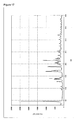
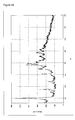
- Fig. 17 shows a powder X-ray diffraction pattern of the compound in Example 1.
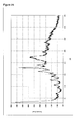
- Fig. 18 shows a powder X-ray diffraction pattern of the compound in Example 2.
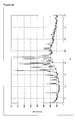
- Fig. 19 shows a powder X-ray diffraction pattern of the compound in Example 3.
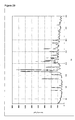
- Fig. 20 shows a powder X-ray diffraction pattern of the compound in Example 4.
- Fig. 21 shows a powder X-ray diffraction pattern of the compound in Example 5.
- Fig. 22 shows a powder X-ray diffraction pattern of the compound in Example 5-1.
- Fig. 23 shows a powder X-ray diffraction pattern of the compound in Example 6.
- Fig. 24 shows a powder X-ray diffraction pattern of the compound in Example 7.
- Fig. 25 shows a powder X-ray diffraction pattern of the compound in Example 8.
- Fig. 26 shows a powder X-ray diffraction pattern of the compound in Example 9.
- Fig. 27 shows a powder X-ray diffraction pattern of the compound in Example 10.
- Fig. 28 shows a powder X-ray diffraction pattern of the compound in Example 11.
- Fig. 29 shows a powder X-ray diffraction pattern of the compound in Example 12.
- Fig. 30 shows a powder X-ray diffraction pattern of the compound in Example 13.
- Fig. 31 shows a powder X-ray diffraction pattern of the compound in Example 14.
- Test Example 1 Evaluation of hygroscopicity
- a sample (about 5 mg) was placed in a purpose-made quartz holder, and the sample weight at the respective humidity was continuously measured and recorded in the following conditions.
- the apparatus including data processing was operated according to the method and procedure directed in each device.
- Apparatus: dynamic steam adsorption measuring apparatus DVS Advantage, made by SMS (Condition) Measuring temperature: 25°C; drying before measurement: not done; humidity at the beginning: 5% RH; maximum humidity: 95% RH; humidity at the end: 5% RH; step: 5% RH; equilibrium standard: 0.03 wt% in 5 min; maximum equilibrated time: 180 min; sampling interval: 20 sec; data recording interval: 1 min
- Compound A hydrochloride which is a known compound began to rapidly take up moisture at about 65% relative humidity and the absorption of moisture was recognized as a weight gain of 15% or more at 75% or more relative humidity. The weight change exceeded 35% within the range of measuring condition, i.e., 5 - 95% relative humidity, and this change was accompanied by deliquescence.
- the acid addition salts of Compound A of the invention was confirmed to have improved hydgroscopicity in comparison with the known Compound A hydrochloride and have much better properties as drugs or their drug substances.
- a sample (about 0.5 mg) was weighed in a glass vial and applied to a forced degradation test in the following storage conditions.
- a sample after storage was dissolved in 1 mL of MeOH and used as a sample solution.
- the sample solution was diluted 100 times with MeOH and used as a standard solution. Impurities contained in the sample solution was quantitatively analyzed using the standard solution.
- the apparatus including data processing was operated according to the method and procedure directed in each device. (Apparatus: LC-MSD 1100 series, made by Agilent)
- Example 2 Impurities before Storage (%) Change from Impurity Amt. before Storage (%) Condition 1 Condition 2 Condition 3
- Example 4 1.9 50.8 -0.3 -0.3 Example 5 1.6 0.3 0.1 -0.1 Example 5-1 1.8 -0.1 0.0 -0.2
- Example 6 1.4 8.1 0.0 0.1
- Example 7 0.5 -0.2 0.2 0.3
- Example 8 2.0 1.3 0.2 2.6
- Example 9 3.7 -0.3 0.2 -0.8
- Example 10 0.9 0.0 0.0 0.0
- Example 11 0.5 -0.1 0.1 0.0
- Example 12 1.4 -0.2 -0.1 -0.1 Reference Example 2 0.1 0.2 3.8 2.0
- a sample (about 5 mg) was weighed in a glass mess-flask of 10 mL and applied to a stress testing in the following storage conditions.
- Table 3 Test Condition Term Impurities (%) Example 1 Reference Example 2 Condition 1 2 weeks 0.00 0.25 1 month 0.00 0.21 2 months 0.00 0.18 Condition 2 2 weeks 0.00 8.72 1 month 0.00 8.19 2 months 0.00 9.20 Condition 3 2 weeks 0.00 0.34 1 month 0.00 0.22 2 months 0.00 0.24 Condition 4 2 weeks 0.00 0.43 1 month 0.00 0.39 2 months 0.00 0.47 Condition 5 2 weeks 0.00 1.73 1 month 0.00 2.38 2 months 0.00 3.68
- Test Example 4 Functional affinity estimate for muscarinic M 3 receptors in bladders
- Smooth muscle cells were isolated from guinea pig bladders from which the epidermis had been removed, loaded with a calcium-sensitive fluorescent dye Fura2 and suspended in phenol red-free Hanks' buffer solution supplemented with 20mM HEPES (pH 7.4) and 0.1% bovine serum albumin. An aliquot of cell suspension (490 ⁇ L) was continuously stirred, kept at 28°C and monitored for the ratio of fluorescence (500 nm) at 340 nm excitation to that at 380 nm excitation. To each aliquot, 5 ⁇ L of test compound and carbachol solutions were serially added with a 2 minute interval, and the peak increase in the ratio over the level just before stimulation was used in data analysis.
- the concentration required for 50% stimulation or 50% inhibition was obtained by sigmoidal curve fitting, then IC 50 values of test compound were converted into Ki values based on the EC 50 value of carbachol using the Cheng-Prusoff equation.
- Table 4 shows the results. Table 4 Compound Tested IC 50 (ng/mL) Ki (nM) Example 1 2.4 ⁇ 0.75 0.68 ⁇ 0.21 Example 2 3.2 ⁇ 0.97 0.62 ⁇ 0.16 Example 3 3.8 ⁇ 1.2 0.69 ⁇ 0.19 Example 4 2.5 ⁇ 0.044 0.66 ⁇ 0.046 Example 5 1.8 ⁇ 0.79 0.47 ⁇ 0.12 Example 6 4.3 ⁇ 1.2 0.84 ⁇ 0.10 Example 7 1.8 ⁇ 0.49 0.66 ⁇ 0.28 Example 8 2.3 ⁇ 0.87 0.55 ⁇ 0.12 Example 9 2.2 ⁇ 0.33 0.56 ⁇ 0.048 Example 10 2.6 ⁇ 0.42 0.65 ⁇ 0.12 Example 11 2.2 ⁇ 0.87 0.52 ⁇ 0.13 Example 12 1.9 ⁇ 0.30 0.54 ⁇ 0.055
- the acid addition salts of Compound A of the present invention proved to have the affinity for muscarinic M 3 receptors that is sufficient for their use as a medicine.
- mice Female mice, weighing 30 to 35 g, were anesthetized with a sub-lethal dose (75 mg/kg, i.v.) of sodium pentobarbital and placed supine on a heating pad to maintain the body temperature.
- a polyethylene catheter (PE10) was cannulated to the bladder via the urethra and secured by purse-string suture at the external urethral opening.
- Another catheter was inserted into the femoral vein for injections of drug solutions at a 3 mL volume.
- the bladder catheter was connected to a pressure transducer through a three-way stopcock valve. The bladder was emptied by drainage of urine through the catheter, and then distended with about 100 ⁇ L of physiological saline, and the intravesical pressure was measured.
Landscapes
- Health & Medical Sciences (AREA)
- Chemical & Material Sciences (AREA)
- Organic Chemistry (AREA)
- General Health & Medical Sciences (AREA)
- Veterinary Medicine (AREA)
- Public Health (AREA)
- Medicinal Chemistry (AREA)
- Animal Behavior & Ethology (AREA)
- Life Sciences & Earth Sciences (AREA)
- Pharmacology & Pharmacy (AREA)
- Bioinformatics & Cheminformatics (AREA)
- Nuclear Medicine, Radiotherapy & Molecular Imaging (AREA)
- Engineering & Computer Science (AREA)
- General Chemical & Material Sciences (AREA)
- Chemical Kinetics & Catalysis (AREA)
- Pulmonology (AREA)
- Urology & Nephrology (AREA)
- Ophthalmology & Optometry (AREA)
- Diabetes (AREA)
- Hematology (AREA)
- Biomedical Technology (AREA)
- Neurology (AREA)
- Neurosurgery (AREA)
- Otolaryngology (AREA)
- Epidemiology (AREA)
- Pharmaceuticals Containing Other Organic And Inorganic Compounds (AREA)
- Nitrogen Condensed Heterocyclic Rings (AREA)
Abstract
Description
- The present invention relates to novel acid addition salts of (-)-(3R)-quinuclidin-3-yl (1R)-1-phenyl-1,2,3,4-tetrahydroisoquinoline-2-carboxylate (hereinafter referred to as Compound A) which are useful as drugs, particularly as muscarine M3 receptor antagonists.
- It was made public that Compound A having the chemical formula shown as below, since it displays an affinity and selectivity for muscarinic M3 receptors, is useful as an M3 receptor antagonist in prophylaxis or treatment of various M3 receptor-mediated diseases, particularly, urologic diseases such as urinary incontinence or pollakisuria in neurotic pollakisuria, neurogenic bladder, nocturnal enuresis, unstable bladder, bladder spasm, chronic cystitis, etc., respiratory diseases such as chronic obstructive pulmonary disease, chronic bronchitis, asthma and rhinitis, or digestive tract diseases such as irritable bowel syndrome also referred to as spastic colitis or diverticulitis (Patent document 1).

- For the acid addition salt of Compound A, the
above patent document 1 discloses only one salt, the hydrochloride salt of Compound A in Example 10, and no particular example is known regarding other acid addition salts except the hydrochloride salt described in theabove patent document 1.
[Patent document 1]EP 0 801 067 - The Compound A hydrochloride, only one known acid addition salt of Compound A, can be obtained as a crystalline anhydride, but it has been found that the hydrochloride is so hygroscopic as to deliquesce in a conventional environment kept at a relative humidity of 70% (room temperature) and accompanied by increase of impurities during long-term storage.
- In order to supply a safer pharmaceutical preparation or its drug substance, accordingly, it has been desired that a lesser hygroscopic salt of Compound A, particularly the salt highly stable to humidity, other than the hydrochloride could be discovered.
- The present inventors have investigated a variety of acid addition salts of Compound A and found that particular acid addition salts of Compound A are less hygroscopic and have higher stability to humidity than the conventional hydrochloride salt. Thus, the invention was completed. According to the invention, there is provided acid addition salt of Compound A with an acid selected from the group S consisting of (-)-(2S,3S)-tartaric acid,
(+)-(2S,3S)-di-O-benzoyltartaric acid,
(+)-(2S,3S)-di-O-(4-methylbenzoyl)tartaric acid, (-)-L-phenylalanine, benzenesulfonic acid, cyclohexanesulfamic acid, hydrobromic acid, naphthalene-2-sulfonic acid, sebacic acid, (+)-camphor-10-sulfonic acid, p-toluenesulfonic acid, ethanesulfonic acid, methanesulfonic acid and methyl phosphate. - Concretely, the invention provides an acid addition salt of
(-)-(3R)-quinuclidin-3-yl
(1R)-1-pheny)-1,2,3,4-tetrahydroisoquinoline-2-carboxylate i.e., Compound A, selected from (-)-(3R)-quinuclidin-3-yl
(1R)-1-phenyl-1,2,3,4-tetrahydroisoquinoline-2-carboxylate (-)-(2S,3S)-tartrate, (-)-(3R)-quinuclidin-3-yl
(1R)-1-phenyl-1,2,3,4-tetrahydroisoquinoline-2-carboxylate
(+)-(2S,3S)-di-O-benzoyltartrate, (-)-(3R)-quinuclidin-3-yl
(1R)-1-phenyl-1,2,3,4-tetrahydroisoquinoline-2-carboxylate
(+)-(2S,3S)-di-O-(4-methylbenzoyl)tartrate, (-)-(3R)-quinuclidin-3-yl
(1R)-1-phenyl-1,2,3,4-tetrahydroisoquinoline-2-carboxylate
(-)-L-phenylalaninate, (-)-(3R)-quinuclidin-3-yl
(1R)-1-phenyl-1,2,3,4-tetrahydroisoquinoline-2-carboxylate benzenesulfonate, (-)-(3R)-quinuclidin-3-yl
(1R)-1-pheny)-1,2,3,4-tetrahydroisoquinoline-2-carboxytate cyclohexanesulfamate, (-)-(3R)-quinuclidin-3-yl
(1R)-1-phenyl-1,2,3,4-tetrahydroisoquinoline-2-carboxylate hydrobromide, (-)-(3R)-quinuclidin-3-yl
(1R)-1-phenyl-1,2,3,4-tetrahydroisoquinoline-2-carboxylate naphthalene-2-sulfonate, (-)-(3R)-quinuclidin-3-yl
(1R)-1-phenyl-1,2,3,4-tetrahydroisoquinoline-2-carboxylate sebacate, (-)-(3R)-quinuclidin-3-yl
(1 R)-1-phenyl-1,2,3,4-tetrahydroisoquinoline-2-carboxylate
(+)-camphor-10-sulfonate, (-)-(3R)-quinuclidin-3-yl
(1 R)-1-phenyl-1,2,3,4-tetrahydroisoquinoline-2-carboxylate
p-toluenesulfonate, , (-)-(3R)-quinuclidin-3-yl
(1R)-1-pheny)-1,2,3,4-tetrahydroisoquinoline-2-carboxytate ethanesulfonate, (-)-(3R)-quinuclidin-3-yl
(1 R)-1-phenyl-1,2,3,4-tetrahydroisoquinoline-2-carboxylate methanesulfonate, and (-)-(3R)-quinuclidin-3-yl
(1 R)-1-phenyl-1,2,3,4-tetrahydroisoquinoline-2-carboxylate methyl phosphate. - Among these salts, the preferred one is (-)-(3R)-quinuclidin-3-yl
(1R)-1-pheny)-1,2,3,4-tetrahydroisoquinoline-2-carboxylate (-)-(2S,3S)-tartrate; in another aspect, the preferred one is (-)-(3R)-quinuclidin-3-yl
(1 R)-1-phenyl-1,2,3,4-tetrahydroisoquinoline-2-carboxylate
(+)-(2S,3S)-di-O-benzoyltartrate; in another aspect, the preferred one is (-)-(3R)-quinuclidin-3-yl
(1R)-1-phenyl-1,2,3,4-tetrahydroisoquinoline-2-carboxylate
(+)-(2S,3S)-di-O-(4-methylbenzoyl)tartrate; in another aspect, the preferred one is (-)-(3R)-quinuclidin-3-yl
(1R)-1-phenyl-1,2,3,4-tetrahydroisoquinoline-2-carboxylate
(-)-L-phenylalaninate; in another aspect, the preferred one is (-)-(3R)-quinuclidin-3-yl
(1R)-1-phenyl-1,2,3,4-tetrahydroisoquinoline-2-carboxylate benzenesulfonate;
in another aspect, the preferred one is (-)-(3R)-quinuclidin-3-yl
(1R)-1-phenyl-1,2,3,4-tetrahydroisoquinoline-2-carboxylate cyclohexanesulfamate; in another aspect, the preferred one is (-)-(3R)-quinuclidin-3-yl
(1 R)-1-phenyl-1,2,3,4-tetrahydroisoquinoline-2-carboxylate hydrobromide; in another aspect, the preferred one is (-)-(3R)-quinuclidin-3-yl
(1 R)-1-phenyl-1,2,3,4-tetrahydroisoquinoline-2-carboxylate naphthalene-2-sulfonate; in another aspect, the preferred one is (-)-(3R)-quinuclidin-3-yl
(1R)-1-phenyl-1,2,3,4-tetrahydroisoquinoline-2-carboxylate sebacate; in another aspect, the preferred one is (-)-(3R)-quinuclidin-3-yl
(1R)-1-phenyl-1,2,3,4-tetrahydroisoquinoline-2-carboxylate
(+)-camphor-10-sulfonate; in another aspect, the preferred one is (-)-(3R)-quinuclidin-3-yl
(1 R)-1-phenyl-1,2,3,4-tetrahydroisoquinoline-2-carboxylate p-toluenesulfonate; in another aspect, the preferred one is (-)-(3R)-quinuclidin-3-yl
(1 R)-1-phenyl-1,2,3,4-tetrahydroisoquinoline-2-carboxylate ethanesulfonate; in another aspect, the preferred one is (-)-(3R)-quinuclidin-3-yl
(1R)-1-phenyl-1,2,3,4-tetrahydroisoquinoline-2-carboxylate methanesulfonate; and in another aspect, the preferred one is (-)-(3R)-quinuclidin-3-yl
(1R)-1-phenyl-1,2,3,4-tetrahydroisoquinoline-2-carboxylate methyl phosphate. - Indeed, cyclohexanesulfamic acid is also called cyclohexylsulfamic acid, sebacic acid is also called decandicarboxylic acid, (+)-camphor-10-sulfonic acid is also called
(+)-[(1S,4R)-7,7-dimethyl-2-oxobicyclo[2.2.1]heptan-1-yl]methansulfonic acid, and p-toluenesulfonic acid is also called 4-methylbenzenesulfonic acid. - In addition, according to the invention, a pharmaceutical composition comprising as an active ingredient one or more acid addition salts of Compound A, i.e., (-)-(3R)-quinuclidin-3-yl
(1 R)-1-phenyl-1,2,3,4-tetrahydroisoquinoline-2-carboxylate, particularly being a muscarine M3 receptor antagonist, is provided. - In the acid addition salts of the invention of Compound A with an acid selected from the above-mentioned group S, the hygroscopicity is improved and the stability to humidity is greatly enhanced in comparison with the known Compound A hydrochloride. Thus, the salts of the invention are very useful as drugs or their drug substances.
- In particular, as commonly known, it is known that in hygroscopically improved drugs or their drug substances, the problems on storage at a humidity in storage conditions and on quality control are reduced, and additionally the problem on weight variations of the active ingredient in the pharmaceutical preparations during production of solid preparations such as tablets or capsules is also reduced. That is, the acid addition salts of Compound A of the invention are expected to show stable shelf life and easiness of quality control since they have improved hygroscopicity; thus, the salts may be considered to be easily handling compounds in pharmaceutical preparation and contribute to provide much better pharmaceutical preparations with high quality.
-
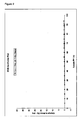
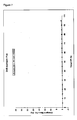
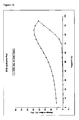
- Fig. 1 shows an isothermal curve of water absorption and desorption in the known Compound A hydrochloride.
- Fig. 2 shows an isothermal curve of water absorption and desorption in the compound of Example 1.
- Fig. 3 shows an isothermal curve of water absorption and desorption in the compound of Example 2.
- Fig. 4 shows an isothermal curve of water absorption and desorption in the compound of Example 3.
- Fig. 5 shows an isothermal curve of water absorption and desorption in the compound of Example 4.
- Fig. 6 shows an isothermal curve of water absorption and desorption in the compound of Example 5.
- Fig. 7 shows an isothermal curve of water absorption and desorption in the compound of Example 5-1.
- Fig. 8 shows an isothermal curve of water absorption and desorption in the compound of Example 6.
- Fig. 9 shows an isothermal curve of water absorption and desorption in the compound of Example 7.
- Fig. 10 shows an isothermal curve of water absorption and desorption in the compound of Example 8.
- Fig. 11 shows an isothermal curve of water absorption and desorption in the compound of Example 9.
- Fig. 12 shows an isothermal curve of water absorption and desorption in the compound of Example 10.
- Fig. 13 shows an isothermal curve of water absorption and desorption in the compound of Example 11.
- Fig. 14 shows an isothermal curve of water absorption and desorption in the compound of Example 12.
- Fig. 15 shows an isothermal curve of water absorption and desorption in the compound of Example 13.
- Fig. 16 shows an isothermal curve of water absorption and desorption in the compound of Example 14.
- Fig. 17 shows a powder X-ray diffraction pattern of the compound of Example 1.
- Fig. 18 shows a powder X-ray diffraction pattern of the compound of Example 2.
- Fig. 19 shows a powder X-ray diffraction pattern of the compound of Example 3.
- Fig. 20 shows a powder X-ray diffraction pattern of the compound of Example 4.
- Fig. 21 shows a powder X-ray diffraction pattern of the compound of Example 5.
- Fig. 22 shows a powder X-ray diffraction pattern of the compound of Example 5-1.
- Fig. 23 shows a powder X-ray diffraction pattern of the compound of Example 6.
- Fig. 24 shows a powder X-ray diffraction pattern of the compound of Example 7.
- Fig. 25 shows a powder X-ray diffraction pattern of the compound of Example 8.
- Fig. 26 shows a powder X-ray diffraction pattern of the compound of Example 9.
- Fig. 27 shows a powder X-ray diffraction pattern of the compound of Example 10.
- Fig. 28 shows a powder X-ray diffraction pattern of the compound of Example 11.
- Fig. 29 shows a powder X-ray diffraction pattern of the compound of Example 12.
- Fig. 30 shows a powder X-ray diffraction pattern of the compound of Example 13.
- Fig. 31 shows a powder X-ray diffraction pattern of the compound of Example 14.
- The acid addition salts of Compound A of the invention show a stability to a sufficient degree for use in pharmaceutical preparations or their drug substaces, have no hygroscopicity that affects the use as drugs or their drug substances, and are expected to be chemically stable or stable during storage. Therefore, all of the acid addition salts of the invention are preferred as drugs or their drug substances, particularly as drug substances for solid preparations.
- The acid addition salts of Compound A of the invention can be produced according to the following manufacturing method.
- That is, a solvent is added to a free base of Compound A at a ratio of 1 mL/g - 100 mL/g to Compound A, and then an acid used in formation of the salt or a solution containing the acid is added thereto in the range of 0.5 to 2.0 equivalents to Compound A at room temperature. When an insoluble material exists, the same solvent or a different solvent is added, or the mixture is heated for dissolving the insoluble material to give a solution, which is left with stirring or on standing at room temperature or under cooling. When an insoluble material is still remaining in spite of addition of solvent or heating, the mixture may be filtered to remove it before crystallization of the salt. Thus, the resulting crystals are collected by filtration and washed with a suitable solvent to give the objective acid addition salt of Compound A. In this operation for cooling to room temperature, it is sometimes effective to cool the mixture more gradually or rapidly rather than merely standing for cooling, in order to obtain better crystals.
- The solvent/solvents which can be used in the above-mentioned salt formation include water, acetic acid, acetone, anisole, 1-butanol, 2-butanol, n-butyl acetate, t-butyl methyl ether, cumene, dimethylsulfoxide, ethanol (EtOH), ethyl acetate (EtOAc), diethyl ether, ethyl formate, formic acid, heptane, isobutyl acetate, isopropyl acetate (iPrOAc), methyl acetate, 3-methyl-1-butanol, methyl ethyl ketone (2-butanone), methyl isobutyl ketone, 2-methyl-1-propanol, pentane, 1-pentanol, 1-propanol, 2-propanol (2-PrOH), propyl acetate, acetonitrile, chlorobenzene, chloroform, cyclohexane, 1,2-dichloroethene, dichloromethane, 1,2-dimethoxyethane, DMF, DMA, 1,4-dioxane, 2-ethoxyethanol, ethylene glycol, formamide, hexane, methanol, 2-methoxyethanol, methyl butyl ketone, methylcyclohexane, N-methylpyrrolidone, nitromethane, pyridine, sulfolane, THF, tetraline, toluene, 1,1,2-trichloroethene, xylene, benzene, carbon tetrachloride, 1,2-dichloroethane, 1,1-dichloroethene, 1,1,1-trichloroethane, diisopropyl ether, and the like.
- Thus resulting crystals may be recrystallized in a conventional manner as employed by a person skilled in the art to give much more pure crystals.
- A free base of Compound A which is a starting material in the above-mentioned manufacturing method may be produced according to the method as described in the
above Patent document 1, i.e.,European Patent No. 0 801 067 , or its corresponding or similar method, or a method obviously employed by a person skilled in the art. - The acid addition salts of Compound A of the invention can be used as drug substances in production of pharmaceutical preparations by combining one or more of the acid addition salts of Compound A of the invention with conventional pharmaceutical carriers or diluents employed in this field. The pharmaceutical preparations may be produced by a method usually employed in this field.
- The pharmaceutical preparations containing the acid addition salts of Compound A of the invention include orally administrable preparations such as tablets, pills, capsules, granules, powders, liquids and solutions, and the like; or parenteral preparations such as intraarticular, intravenous, or intramuscular injections, suppositories, percutaneous liquid preparations, ointments, transdermal stickers, transmucosal liquid preparations, transmucosal stickers, inhalations, and the like. Particularly, the oral preparations containing as a drug substance an acid addition salt of Compound A, such as tablets, pills, capsules, granules and powders, are advantageous as stable solid preparations.
- In the solid compositions for use in oral administration, one or more of the active ingredients may be mixed with at least one inert diluent, for example, lactose, mannitol, glucose, hydroxypropylcellulose, fine crystal cellulose, starch, polyvinylpyrrolidone, magnesium metasilicate aluminate, and the like. The compositions may contain additives other than diluents in a conventional manner, for example, lubricants such as magnesium stearate, disintegrating agents such as fibrous calcium glycolate, stabilizers, or solubilizing agents. The tablets or pills if required may be coated with sugar-coating or a gastric or enteric coating film, such as sucrose, gelatin, hydroxypropylcellulose, hydroxypropylmethylcellulose, and the like.
- The liquid compositions for oral administration include pharmaceutically acceptable emulsions, solutions, suspensions, syrups, elixirs, and the like, which contain conventionally used diluents, for example, purified water or ethanol. In addition to inert diluents, the compositions may further contain auxiliary agents such as wetting agent or suspending agent, sweetener, flavor, perfume, or preservative.
- The injections for parenteral administration include sterile aqueous or non-aqueous solutions, suspensions and emulsions. The aqueous solutions and suspensions include, for example, distilled water for injection and physiological saline. The non-aqueous solutions and suspensions include, for example, propylene glycol, polyethylene glycol, vegetable oils such as olive oil, alcohols such as EtOH,
polysorbate 80, and the like. Such a composition may further contain a preservative, wetting agent, emulsifying agent, dispersant, stabilizer, solubilizing agent, and the like. These may be sterilized for example by filtration through a bacterium-impermeable filter, blending with a bactericide, or irradiation. Alternatively, these may be made into a sterile solid composition, which is dissolved in sterile water or sterile solvent for injection just before use. - Since the pharmaceutical compositions of the present invention comprise one or more of the acid addition salts of Compound A of the invention, which are muscarinic M3 receptor antagonists, as the active ingredient, the pharmaceutical compositions may be used for the therapy or prophylaxis of a variety of diseases to which muscarinic M3 receptors contribute or may be 3mployed in diagnostic procedures. That is, the pharmaceutical compositions of the invention, specifically, are useful as regimen in the treatment of, for example, urinary urgency, frequency/pollakisuria, urinary incontinence, nocturnal enuresis or hyperreflexic bladder caused by urinary diseases, such as overactive bladder, unstable bladder, neurogenic bladder, cystitis, etc.; in the therapy or prophylaxis of bladder spasm caused by surgery or catheters; in the treatment of respiratory diseases such as chronic obstructive pulmonary disease, chronic bronchitis, asthma and rhinitis; in the treatment of digestive diseases, such as irritable bowel syndrome; as the relaxant used for examination of the digestive tract; as an agent to ameliorate myopia or to promote mydriasis; or as an agent to treat or prevent hyperhidrosis.
- The invention will be explained specifically by the following examples which are not intended as a limitation thereof and are not intended to restrict the scope of the invention.
- The thermal analysis and powder X-ray diffractometry were performed according to the following methods.
- A sample (about 3 mg) was placed in a purpose-made aluminum pan. The change of heat generated between the sample and a reference (empty aluminum pan) was continuously measured and recorded under a nitrogen atmosphere (50 ml/min) in the temperature range of room temperature to 300°C at a rate of 10°C/min of ascending programmed temperature. The apparatus including data processing was operated according to the method and procedure directed in each device. (Apparatus: Hi-Res DSC 2910, made by TA Instrument)
- A sample (about 3 mg) was placed in a purpose-made platinum pan, and the sample weight was continuously measured and recorded under a nitrogen atmosphere (100 ml/min) in the temperature range of room temperature to 300°C at a rate of 10°C/min of ascending programmed temperature. The apparatus including data processing was operated according to the method and procedure directed in each device. (Apparatus: Hi-Res TGA 2950, made by TA Instrument)
- A sample (about 10 mg) was placed in a purpose-made sample holder (5 mm wide, 18 mm long, 0.2 mm height), and the X-ray diffraction pattern was carried out and the data recorded according to the following condition. The apparatus including data processing was operated according to the method and procedure directed in each device. (Apparatus: MXP18TAHF22, made by MAC Science (Bruker at present))
(Condition)
X-ray radiation source: Cu; wavelength: 1.54056 angstrom; range of measurement: 3.00 - 40.00°; sampling interval: 0.02°; scanning rate: 3.00°/min; tube voltage: 40 kV; tube current: 200 mA; divergence slit: 1.00°; scattering slit: 1.00°; receiving slit: 0.15 mm - The values obtained from each spectrum sometimes in some degree depend on the direction of crystal growth, particle size, and the condition of measurement. These values should not be assessed strictly, accordingly.
- The title compound was prepared according to the method as described in
European Patent No. 0 801 067 . - The title compound was prepared according to the method as described in
European Patent No. 0 801 067 . - To a solution of Compound A free base (26.0 g) in 260 mL of EtOH was added 10.8 g of (-)-(2S,3S)-tartaric acid, and the mixture was heated to be dissolved. After cooling to room temperature, the mixture was stirred for 20 hours. The resulting crystals were collected by filtration to give 30.6 g of white crystals. To a suspension of 1.00 g of the crystals in 10 mL of EtOH was added 0.4 mL of water, and the mixture was heated to give a solution. After cooling to room temperature, the mixture was stirred for 6 hours. The resulting crystals were collected by filtration to give 871 mg of the title compound as white crystals.
1H-NMR(DMSO-d6, 25.9°C) :
1.40-1.98(4H,m),2.00-2.25(1 H,m),2.70-3.20(7H,m),3.33-3.53(2H,m),3.83-3.94( 1 H,m),3.99(2H,s),4.85(1 H,brs),6.25(1 H,brs),7.08-7.37(9H,m).
Peak top temperature of endothermia in DSC: 194°C - Fig. 17 shows a powder X-ray diffraction pattern of the compound in Example 1.
- To a solution of Compound A free base (180 mg) in 1.8 mL of EtOH was added 180 mg of (+)-(2S,3S)-di-O-benzoyltartaric acid, and the mixture was stirred at room temperature for 12 hours. The resulting crystals were collected by filtration, washed with EtOH and dried under reduced pressure to give 284 mg of the title compound as white crystals.
1H-NMR(DMSO-d6: 70°C) :
1.52-1.90(4H,m),2.16(1 H,brs),2.76-3.16(7H,m),3.37-3.56(2H,m),3.89(1 H,dt,J= 13.2,5.4Hz),4.85-4.92(1 H,m),5.68(2H,s),6.23(1 H,s),7.11-7.33(9H,m),7.43-7.55( 4H,m),7.57-7.63(2H,m),7.90-7.96(4H,m).
Peak top temperature of endothermia in DSC: 159°C - Fig. 18 shows a powder X-ray diffraction pattern of the compound in Example 2.
- To a solution of Compound A free base (1.00 g) in 20 mL of EtOH was added 1.12 g of (+)-(2S,3S)-di-O-(4-methylbenzoyl)tartaric acid, and the mixture was stirred at room temperature for 22 hours. The resulting precipitates were collected by filtration to give 1.60 g of the title compound as white crystals.
1H-NMR(DMSO-d6:70°C):
1.53-1.88(4H,m),2.15(1 H,brs),2.32-2.38(6H,m),2.76-3.16(7H,m),3.42(1 H,ddd,J =13.6,8.8,5.2Hz),3.50(1 H,dd,J=14.4,8.8Hz),3.90(1H,dt,J=13.2,5.2Hz),4.88(1 H, dt,J=8.8,4.4Hz),5.64(2H,s),6.23(1H,s),7.11-7.34(13H,m),7.77-7.84(4H,m).
Peak top temperature of endothermia in DSC: 160°C - Fig. 19 shows a powder X-ray diffraction pattern of the compound in Example 3.
- To a solution of Compound A free base (1.13 g) in 11.25 mL of EtOH were added 515 mg of (-)-L-phenylalanine and 4.5 mL of water, and the mixture was heated to be dissolved. The mixture was then stirred at room temperature for 10 hours. The resulting crystals were collected by filtration, washed with a mixture of water-EtOH and dried under reduced pressure to give 1.12 g of the title compound as white crystals.
1H-NMR(DMSO-d6: 70.0°C) :
1.20-1.36(1 H,m), 1.41-1.70(3H,m), 1.86-1.95(1H,m),2.50-2.95(8H,m),3.03-3.17( 2H,m),3.33-3.47(2H,m),3.84-3.95(1 H,m),4.60-4.71 (1 H,m),6.23(1H,s),7.11-7.33 (14H,m).
Peak top temperature of endothermia in DSC: 118°C and 235°C - Fig. 20 shows a powder X-ray diffraction pattern of the compound in Example 4.
- To a solution of Compound A free base (2.69 g) in 40 mL of EtOAc was added 1.31 g of benzenesulfonic acid monohydrate was added, and the mixture was stirred at room temperature for 1 hour. The resulting precipitates were collected by filtration. To a suspension of the precipitates in 30 mL of 2-butanone was added 0.35 mL of water. The resulting mixture was heated to be dissolved. After cooling to room temperature, the mixture was stirred for 60 hours. The resulting crystals were collected by filtration to give 2.49 g of the title compound as white crystals.
1H-NMR(DMSO-d6: 70°C):
1.65-1.99(4H,m),2.23(1 H,brs),2.77-2.96(2H,m),3.06-3.32(5H,m),3.44(1H,ddd,J =13.6,8.4,5.2Hz),3.66(1 H,dd,J=13.6,8.4Hz),3.91 (1 H,dt,J=12.8,5.6Hz),4.97(1 H, dt,J=8.4,4.4Hz),6.25(1 H,s),7.11-7.35(12H,m),7.59-7.64(2H,m),9.39(1H,brs).
Peak top temperature of endothermia in DSC: 178°C - Fig. 21 shows a powder X-ray diffraction pattern of the compound in Example 5.
- To a solution of Compound A free base (7.00 g) in 70 mL of acetone were added 3.40 g of benzenesulfonic acid monohydrate and 70 mL of tert-butyl methyl ether, and the mixture was stirred using a mechanical stirrer at room temperature for 9 hours. The resulting precipitates were collected by filtration to give 8.10 g of the title compound as white crystals.
- The 1H-NMR spectrum of the product was identical with that of Example 5, but the DSC and the powder X-ray diffraction pattern suggested that the products of Example 5 and Example 5-1 showed crystal polymorphism.
Peak top temperature of endothermia in DSC: 170°C - Fig. 22 shows a powder X-ray diffraction pattern of the compound in Example 5-1.
- To a solution of Compound A free base (500 mg) in 5 mL of 2-PrOH was added 494 mg of cyclohexanesulfamic acid, and the mixture was stirred at room temperature for 13 hours. The resulting precipitates were collected by filtration to give 550 mg of the title compound as white crystals.
1H-NMR(DMSO-d6: 70°C):
1.00-1.35(1 0H,m),1.46-2.08(14H,m),2.23(1H,brs),2.77-3.30(11H,m),3.44(1H,d dd,J=13.6,8.8,5.2Hz),3.64(1H,dd,J=13.8,8.8Hz),3.91 (1 H,dt,J=12.8,5.6Hz),4.96 (1 H,dt,J=8.4,4.4Hz),6.25(1 H,s),7.10-7.36(9H,m).
Peak top temperature of endothermia in DSC: 127°C and 170°C - Fig. 23 shows a powder X-ray diffraction pattern of the compound in Example 6.
- To a solution of Compound A free base (200 mg) in 1.0 mL of EtOH was added 95 mg of 47% hydrobromic acid. To the reaction mixture, 1.1 mL of diisopropyl ether was added with stirring, and the resulting mixture was stirred at 5°C for 18 hours. The obtaining precipitates were collected by filtration to give 165 mg of the title compound as white crystals.
1H-NMR(DMSO-d6: 70°C):
1.65-1.98(4H,m),2.24(1H,brs),2.77-2.97(2H,m),3.05-3.35(5H,m),3.45(1H,ddd,J =13.6,8.8,5.2Hz),3.65(1H,dd,J=13.2,8.4Hz),3.91 (1 H,dt,J=12.8,5.6Hz),4.97(1H, dt,J=8.8,4.4Hz),6.26(1 H,s),7.11-7.35(9H,m),9.68(1H,brs).
Elemental Analysis: (calculated for C23H26N2O2.HBr) C, 62.31, H, 6.14, N, 6.32, Br, 18.02. (found) C, 62.04, H, 6.10, N, 6.09, Br, 17.73.
Peak top temperature of endothermia in DSC: 199°C - Fig. 24 shows a powder X-ray diffraction pattern of the compound in Example 7.
- To a solution of Compound A free base (100 mg) in 1.0 mL of EtOH was added 65 mg of naphthalene-2-sulfonic acid hydrate, and the mixture was stirred for 26 hours. The resulting crystals were collected by filtration to give 79 mg of the title compound as slightly grey crystals.
1H-NMR(DMSO-d6: 70°C):
1.65-2.00(4H,m),2.24(1H,brs),2.77-2.97(2H,m),3.05-3.32(5H,m),3.45(1H,ddd,J =14.0, 9.2, 5.2Hz), 3.65(1H,dd,J=14.0, 8.8Hz), 3.90(1H,dt,J=12.8, 5.6Hz), 4.97(1 H, dt,J=8.0,4.4Hz),6.25(1 H,s),7.12-7.34(9H,m),7.49(2H,dt,J=10.4,4.0Hz),7.74(1H, dd,J=8.4,1.6Hz),7.82(1 H,d,J=8.0Hz),7.85-7.95(2H,m),8.14(1H,s),9.35(1 H,brs).
Peak top temperature of endothermia in DSC: 178°C - Fig. 25 shows a powder X-ray diffraction pattern of the compound in Example 8.
- To a solution of Compound A free base (300 mg) in 1.0 mL of EtOH was added 171 mg of sebacic acid, and the mixture was stirred for 3 hours. The resulting crystals were collected by filtration and washed with ethanol to give 165 mg of the title compound as white crystals.
1H-NMR(DMSO-ds: 26.1 °C) :
1.16-2.00(17H,m),2.17(4H,t,J=7.2),2.50-2.97(7H,m),3.02-3.08(1 H,m),3.28-3.50 (1 H,m),3.78-3.98 (1H,m), 4.65(1H,brs), 6.24(1H,brs),7.12-7.26(10H,m).
Peak top temperature of endothermia in DSC: 127°C - Fig. 26 shows a powder X-ray diffraction pattern of the compound in Example 9.
- To a solution of Compound A free base (200 mg) in 2 mL of acetone was added 138 mg of (+)-camphor-10-sulfonic acid, and the mixture was stirred at room temperature for 5 hours. The resulting precipitates were collected by filtration to give 191 mg of the title compound as white crystals.
1H-NMR(DMSO-d6; 70°C):
0.76(3H,s),1.08(3H,s),1.20-1.33(2H,m),1.65-1.98(7H,m),2.18-2.28(2H,m),2.37-2.42(1 H,m),2.65-2.97(4H,m),3.05-3.31 (5H,m),3.44(1H,ddd,J=13.6,8.8,4.8Hz),3 .65(1H,dd,J=13.6,8.4Hz),3.91 (1H,dt,J=13.2,5.6Hz),4.97(1H,dt,J=8.8,4.4Hz),6. 25(1H,s),7.11-7.35(9H,m),9.44(1H,brs).
Peak top temperature of endothermia in DSC: 198°C - Fig. 27 shows a powder X-ray diffraction pattern of the compound in Example 10.
- To a solution of Compound A free base (200 mg) in a mixture of 1.5 mL of acetone and 0.5 mL of tert-butyl methyl ether was added 105 mg of p-toluenesulfonic acid monohydrate, and the mixture was stirred at room temperature for 17 hours. The resulting precipitates were collected by filtration to give 83 mg of the title compound as white crystals.
1H-NMR(DMSO-d6:70°C):
1.65-2.00(4H,m),2.24(1 H,brs),2.28(3H,s),2.76-2.96(2H,m),3.05-3.30(5H,m),3.4 4(1 H,ddd,J=13.6,8.0,5.0Hz),3.65(1H,dd,J=13.6,8.0Hz),3.91(1 H,dt,J=12.8,5.6H z),4.97(1H,dt,J=8.4,4.4Hz),6.25(1 H,s),7.09(2H,d,J=7.6Hz),7.11-7.35(9H,m),7.4 7-7.52(2H,m),9.38(1 H,brs).
Peak top temperature of endothermia in DSC: 150°C - Fig. 28 shows a powder X-ray diffraction pattern of the compound in Example 11.
- To a solution of Compound A free base (100 mg) in 1.0 mL of 2-butanone was added 31 mg of ethanesulfonic acid, and the mixture was stirred at room temperature for 6.5 hours. The resulting precipitates were collected by filtration to give 95 mg of the title compound as white crystals.
1H-NMR(DMSO-d6:70°C) :
1.07(3H,t,J=7.6Hz),1.62-2.10(4H,m),2.24(1 H,brs),2.39(2H,q,J=7.6Hz),2.76-2.9 6(2H,m),3.08-3.32(5H,m),3.44(1H,ddd,J=13.6,8.8,4.8Hz),3.65(1H,dd,J=13.6,8. 8Hz),3.91 (1 H,dt,J=12.4,5.2Hz),4.92-5.02(1 H,m),6.25(1H,s),7.10-7.35(9H,m),9. 51 (1 H, brs).
Peak top temperature of endothermia in DSC: 233°C - Fig. 29 shows a powder X-ray diffraction pattern of the compound in Example 12.
- To a solution of Compound A free base (200 mg) in 1.0 mL of 2-butanone was added a solution of 53 mg of methanesulfonic acid in 1.0 mL of iPrOAc, and the mixture was stirred at room temperature for 0.5 hours. The resulting precipitates were collected by filtration to give 187 mg of the title compound as white crystals.
1H-NHR(DMSO-d6: 70°C):
1.62-2.02(4H,m),2.24(1 H,brs),2.30(3H,s),2.76-2.96(2H,m),3.00-3.34(5H,m),3.4 4(1 H,ddd,J=13.6,8.8,4.8Hz),3.65(1H,dd,J=13.6,8.6Hz),3.91 (1 H,dt,J=13.2,5.2H z),4.90-5.40(1 H,m),6.25(1 H,s),7.08-7.36(9H,m),9.37(1 H,brs).
Peak top temperature of endothermia in DSC: 178 °C - Fig. 30 shows a powder X-ray diffraction pattern of the compound in Example 13.
- To a solution of Compound A free base (200 mg) in 2.0 mL of EtOAc and 0.5 mL of 2-butanone was added 98 mg of methyl phosphate, and the mixture was stirred at room temperature for 22 hours. The resulting precipitates were collected by filtration to give 124 mg of the title compound as white crystals.
1H-NHR(DMSO-d6: 70°C):
1.43-1.54(1 H,m),1.57-1.81(3H,m),2.01-2.10(1H,m),2.77-2.99(7H,m),3.29-3.46( 2H,m),3.42(3H,d,J=10.8Hz),3.90(1 H,dt,J=13.2,5.6Hz),4.76-4.84(1 H,m),6.24(1 H,s),7.12-7.33(9H,m).
Peak top temperature of endothermia in DSC: 195 °C - Fig. 31 shows a powder X-ray diffraction pattern of the compound in Example 14.
- The effect of the acid addition salt of Compound A of the invention was confirmed by the following Test Examples.
- A sample (about 5 mg) was placed in a purpose-made quartz holder, and the sample weight at the respective humidity was continuously measured and recorded in the following conditions. The apparatus including data processing was operated according to the method and procedure directed in each device. (Apparatus: dynamic steam adsorption measuring apparatus DVS Advantage, made by SMS)
(Condition)
Measuring temperature: 25°C; drying before measurement: not done; humidity at the beginning: 5% RH; maximum humidity: 95% RH; humidity at the end: 5% RH; step: 5% RH; equilibrium standard: 0.03 wt% in 5 min; maximum equilibrated time: 180 min; sampling interval: 20 sec; data recording interval: 1 min - The charts obtained in these tests are shown in Fig. 1 to Fig. 14. The weight change within the range of measuring condition is shown in Table 1.
Table 1 Compound tested Weight Change (%) Compound tested Weight Change (%) Example 1 <1 Example 8 <4 Example 2 <1 Example 9 <1 Example 3 <1 Example 10 <2 Example 4 <2 Example 11 <6 Example 5 <1 Example 12 <5 Example 5-1 <1 Example 13 <25 Example 6 <3 Example 14 <11 Example 7 <4 Reference Example 2 >35 (deliquescent) - As shown in Fig. 1 and Table 1, Compound A hydrochloride which is a known compound began to rapidly take up moisture at about 65% relative humidity and the absorption of moisture was recognized as a weight gain of 15% or more at 75% or more relative humidity. The weight change exceeded 35% within the range of measuring condition, i.e., 5 - 95% relative humidity, and this change was accompanied by deliquescence. On the other hand, as shown in Fig. 2 to Fig. 16 and Table 1, the acid addition salts of Compound A of the invention was confirmed to have improved hydgroscopicity in comparison with the known Compound A hydrochloride and have much better properties as drugs or their drug substances.
- A sample (about 0.5 mg) was weighed in a glass vial and applied to a forced degradation test in the following storage conditions.
- Condition 1: 120°C - tightly closed - 24 hours
- Condition 2: 25°C - relative humidity 93% - open - 5 days
- Condition 3: 25°C - NUV (near ultraviolet ray) irradiated - tightly closed - 5 days
- A sample after storage was dissolved in 1 mL of MeOH and used as a sample solution. The sample solution was diluted 100 times with MeOH and used as a standard solution. Impurities contained in the sample solution was quantitatively analyzed using the standard solution. In this determination, the apparatus including data processing was operated according to the method and procedure directed in each device. (Apparatus: LC-MSD 1100 series, made by Agilent)
- The test results are shown in Table 2.
Table 2 Impurities before Storage (%) Change from Impurity Amt. before Storage (%) Condition 1Condition 2 Condition 3 Example 1 1.5 0.2 -0.1 -0.3 Example 2 0.0 0.2 0.1 0.0 Example 3 0.0 2.3 0.1 0.0 Example 4 1.9 50.8 -0.3 -0.3 Example 5 1.6 0.3 0.1 -0.1 Example 5-1 1.8 -0.1 0.0 -0.2 Example 6 1.4 8.1 0.0 0.1 Example 7 0.5 -0.2 0.2 0.3 Example 8 2.0 1.3 0.2 2.6 Example 9 3.7 -0.3 0.2 -0.8 Example 10 0.9 0.0 0.0 0.0 Example 11 0.5 -0.1 0.1 0.0 Example 12 1.4 -0.2 -0.1 -0.1 Reference Example 2 0.1 0.2 3.8 2.0 - A sample (about 5 mg) was weighed in a glass mess-flask of 10 mL and applied to a stress testing in the following storage conditions.
- Condition 1: 5°C - shading - tightly closed
- Condition 2: 40°C - relative humidity 75% - open
- Condition 3: 60°C - shading - tightly closed
- Condition 4: 80°C - shading - tightly closed
- Condition 5: 25°C - D65 (1000 lux) - tightly closed
- Chemical stability: After storage, MeOH was placed in the mess-flask containing the sample up to the level of the marked line, and the resulting solution was used as a sample solution. The sample solution was diluted 100 times with MeOH to prepare a standard solution, which was used in determination of impurities contained in the sample solution. Detection of the impurities was performed by means of UV at 210 nm. The apparatus including data processing was operated according to the method and procedure directed in each device. (Apparatus: LC-MSD 1100 series, made by Agilent)
- The test results are shown in Table 3.
Table 3 Test Condition Term Impurities (%) Example 1 Reference Example 2 Condition 12 weeks 0.00 0.25 1 month 0.00 0.21 2 months 0.00 0.18 Condition 2 2 weeks 0.00 8.72 1 month 0.00 8.19 2 months 0.00 9.20 Condition 3 2 weeks 0.00 0.34 1 month 0.00 0.22 2 months 0.00 0.24 Condition 4 2 weeks 0.00 0.43 1 month 0.00 0.39 2 months 0.00 0.47 Condition 52 weeks 0.00 1.73 1 month 0.00 2.38 2 months 0.00 3.68 - As shown in Table 2 and Table 3, it was found that impurities increased during storage in Compound A hydrochloride which was a known compound. In particular, it became clear that Compound A hydrochloride is not so stable to humidity (Condition 2 in Test Example 2 and Condition 2 in Test Example 3) and light (Condition 3 in Test Example 2 and
Condition 5 in Test Example 3). On the other hand, as shown in Table 2 and Table 3, it was confirmed that the acid addition salts of the invention showed almost no increase of impurities, indicating it being chemically and physically highly stable in comparison with the known Compound A hydrochloride and have much better properties as drugs or their drug substances. In this connection, the reason of the increase of impurities recognized in the compounds of Example 4 and Example 6 was considered that they have somewhat low melting points that they melted underCondition 1 of Test Example 2 (stability test to heat) or the preserved condition was near the melting point. - According to a method as described by Ikeda et al., (2002, Naunyn-Schmiedeberg's Archives of Pharmacology, Vol.366, p.97-103), functional affinity estimates of test compound for muscarinic M3 receptors were determined using changes in intracellular Ca2+. Below, the method is described in brief.
- Smooth muscle cells were isolated from guinea pig bladders from which the epidermis had been removed, loaded with a calcium-sensitive fluorescent dye Fura2 and suspended in phenol red-free Hanks' buffer solution supplemented with 20mM HEPES (pH 7.4) and 0.1% bovine serum albumin. An aliquot of cell suspension (490 µL) was continuously stirred, kept at 28°C and monitored for the ratio of fluorescence (500 nm) at 340 nm excitation to that at 380 nm excitation. To each aliquot, 5 µL of test compound and carbachol solutions were serially added with a 2 minute interval, and the peak increase in the ratio over the level just before stimulation was used in data analysis. The concentration required for 50% stimulation or 50% inhibition, that is, EC50 or IC50, was obtained by sigmoidal curve fitting, then IC50 values of test compound were converted into Ki values based on the EC50 value of carbachol using the Cheng-Prusoff equation.
- Table 4 shows the results.
Table 4 Compound Tested IC50 (ng/mL) Ki (nM) Example 1 2.4 ± 0.75 0.68 ± 0.21 Example 2 3.2 ± 0.97 0.62 ± 0.16 Example 3 3.8 ± 1.2 0.69 ± 0.19 Example 4 2.5 ± 0.044 0.66 ± 0.046 Example 5 1.8 ± 0.79 0.47 ± 0.12 Example 6 4.3 ± 1.2 0.84 ± 0.10 Example 7 1.8 ± 0.49 0.66 ± 0.28 Example 8 2.3 ± 0.87 0.55 ± 0.12 Example 9 2.2 ± 0.33 0.56 ± 0.048 Example 10 2.6 ± 0.42 0.65 ± 0.12 Example 11 2.2 ± 0.87 0.52 ± 0.13 Example 12 1.9 ± 0.30 0.54 ± 0.055 - As shown above, the acid addition salts of Compound A of the present invention proved to have the affinity for muscarinic M3 receptors that is sufficient for their use as a medicine.
- The method for determination of inhibitory effects of test compounds on bladder contraction is described as follows.
- Female mice, weighing 30 to 35 g, were anesthetized with a sub-lethal dose (75 mg/kg, i.v.) of sodium pentobarbital and placed supine on a heating pad to maintain the body temperature. A polyethylene catheter (PE10) was cannulated to the bladder via the urethra and secured by purse-string suture at the external urethral opening. Another catheter was inserted into the femoral vein for injections of drug solutions at a 3 mL volume. The bladder catheter was connected to a pressure transducer through a three-way stopcock valve. The bladder was emptied by drainage of urine through the catheter, and then distended with about 100 µL of physiological saline, and the intravesical pressure was measured.
- After intravesical pressure stabilization, the muscarinic agonist carbachol (10 µg/kg) was administered repeatedly with an interval of 15 minutes or longer. By this means, bladder contractions occurred in a reproducible manner over 2 hours without deterioration of physical conditions. After three responses to carbachol were obtained, a test compound injection was followed by
carbachol administration 10 minutes later and this procedure was repeated with increasing doses of the test compound. In four or five mice per test compound, the percent inhibition of means of prior drug responses was obtained and the dose of test compound required for 50% inhibition (ID50) was estimated by the linear regression analysis. Mice showing rhythmic bladder constriction were not used for the data analysis. - Following ID50 values were obtained: 0.079 mg/kg for Example 1, 0.090 mg/kg for Example 4, 0.059 mg/kg for Example 5, 0.050 mg/kg for Example 7, and 0.057 mg/kg for Example 8.
- The result clearly suggest that the acid addition salts of Compound A of the present invention have inhibitory effects on contraction of the bladder induced by the muscarinic agonist carbachol.
Claims (17)
- An acid addition salt of (-)-(3R)-quinuclidin-3-yl
(1R)-1-phenyl-1,2,3,4-tetrahydroisoquinoline-2-carboxylate with an acid selected from the group S consisting of (-)-(2S,3S)-tartaric acid,
(+)-(2S,3S)-di-O-benzoyltartaric acid,
(+)-(2S,3S)-di-O-(4-methylbenzoyl)tartaric acid, (-)-L-phenylalanine, benzenesulfonic acid, cyclohexanesulfamic acid, hydrobromic acid, naphthalene-2-sulfonic acid, sebacic acid, (+)-camphor-10-sulfonic acid, p-toluenesulfonic acid, ethanesulfonic acid, methanesulfonic acid and methyl phosphate. - The acid addition salt according to Claim 1, wherein the salt is (-)-(3R)-quinuclidin-3-yl
(1 R)-1-phenyl-1,2,3,4-tetrahydroisoquinoline-2-carboxylate (-)-(2S,3S)-tartrate. - The acid addition salt according to Claim 1, wherein the salt is (-)-(3R)-quinuclidin-3-yl
(1 R)-1-phenyl-1,2,3,4-tetrahydroisoquinoline-2-carboxylate (+)-(2S,3S)-di-O-benzoyltartrate. - The acid addition salt according to Claim 1, wherein the salt is (-)-(3R)-quinuclidin-3-yl
(1 R)-1-phenyl-1,2,3,4-tetrahydroisoquinoline-2-carboxylate (+)-(2S,3S)-di-O-(4-methylbenzoyl)tartrate. - The acid addition salt according to Claim 1, wherein the salt is (-)-(3R)-quinuclidin-3-yl
(1R)-1-phenyl-1,2,3,4-tetrahydroisoquinoline-2-carboxylate (-)-L-phenylalaninate. - The acid addition salt according to Claim 1, wherein the salt is (-)-(3R)-quinuclidin-3-yl
(1R)-1-phenyl-1,2,3,4-tetrahydroisoquinoline-2-carboxylate benzenesulfonate. - The acid addition salt according to Claim 1, wherein the salt is (-)-(3R)-quinuclidin-3-yl
(1R)-1-pheny)-1,2,3,4-tetrahydroisoquinoline-2-carboxylate cyclohexanesulfamate. - The acid addition salt according to Claim 1, wherein the salt is (-)-(3R)-quinuclidin-3-yl
(1R)-1-phenyl-1,2,3,4-tetrahydroisoquinoline-2-carboxylate hydrobromide. - The acid addition salt according to Claim 1, wherein the salt is (-)-(3R)-quinuclidin-3-yl
(1R)-1-phenyl-1,2,3,4-tetrahydroisoquinoline-2-carboxylate naphthalene-2-sulfonate. - The acid addition salt according to Claim 1, wherein the salt is (-)-(3R)-quinuclidin-3-yl
(1 R)-1-phenyl-1,2,3,4-tetrahydroisoquinoline-2-carboxylate sebacate. - The acid addition salt according to Claim 1, wherein the salt is (-)-(3R)-quinuclidin-3-yl
(1 R)-1-phenyl-1,2,3,4-tetrahydroisoquinoline-2-carboxylate (+)-camphor-10-sulfonate. - The acid addition salt according to Claim 1, wherein the salt is (-)-(3R)-quinuclidin-3-yl
(1 R)-1-phenyl-1,2,3,4-tetrahydroisoquinoline-2-carboxylate p-toluenesulfonate. - The acid addition salt according to Claim 1, wherein the salt is (-)-(3R)-quinuclidin-3-yl
(1R)-1-phenyl-1,2,3,4-tetrahydroisoquinoline-2-carboxylate ethanesulfonate. - The acid addition salt according to Claim 1, wherein the salt is (-)-(3R)-quinuclidin-3-yl
(1R)-1-phenyl-1,2,3,4-tetrahydroisoquinoline-2-carboxylate methanesulfonate. - The acid addition salt according to Claim 1, wherein the salt is (-)-(3R)-quinuclidin-3-yl
(1R)-1-phenyl-1,2,3,4-tetrahydroisoquinoline-2-carboxylate methyl phosphate. - A pharmaceutical composition comprising one or more compounds mentioned in Claim 1 as an active ingredient.
- The pharmaceutical composition according to Claim 16, which is muscarinic M3 receptor antagonist.
Priority Applications (1)
| Application Number | Priority Date | Filing Date | Title |
|---|---|---|---|
| PL05252102T PL1700858T3 (en) | 2005-03-08 | 2005-04-04 | Salts of a quinuclidine derivative as muscarinic M3 receptor antagonists |
Applications Claiming Priority (2)
| Application Number | Priority Date | Filing Date | Title |
|---|---|---|---|
| JP2005063405 | 2005-03-08 | ||
| JP2005088872A JP3701964B1 (en) | 2005-03-08 | 2005-03-25 | Novel salts of quinuclidine derivatives |
Publications (2)
| Publication Number | Publication Date |
|---|---|
| EP1700858A1 true EP1700858A1 (en) | 2006-09-13 |
| EP1700858B1 EP1700858B1 (en) | 2008-05-28 |
Family
ID=34940702
Family Applications (1)
| Application Number | Title | Priority Date | Filing Date |
|---|---|---|---|
| EP05252102A Expired - Lifetime EP1700858B1 (en) | 2005-03-08 | 2005-04-04 | Salts of a quinuclidine derivative as muscarinic M3 receptor antagonists |
Country Status (18)
| Country | Link |
|---|---|
| US (1) | US7176219B2 (en) |
| EP (1) | EP1700858B1 (en) |
| JP (2) | JP3701964B1 (en) |
| KR (1) | KR20070110128A (en) |
| AR (1) | AR055741A1 (en) |
| AT (1) | ATE396992T1 (en) |
| AU (1) | AU2006221451A1 (en) |
| BR (1) | BRPI0608843A2 (en) |
| CA (1) | CA2599872A1 (en) |
| DE (1) | DE602005007176D1 (en) |
| ES (1) | ES2306030T3 (en) |
| IL (1) | IL185470A0 (en) |
| NO (1) | NO20075044L (en) |
| PL (1) | PL1700858T3 (en) |
| PT (1) | PT1700858E (en) |
| RU (1) | RU2007137064A (en) |
| TW (1) | TW200714599A (en) |
| WO (1) | WO2006095671A1 (en) |
Cited By (1)
| Publication number | Priority date | Publication date | Assignee | Title |
|---|---|---|---|---|
| EP3067353A1 (en) | 2008-07-29 | 2016-09-14 | KRKA, D.D., Novo Mesto | A process for the preparation of solifenacin salts and their inclusion into pharmaceutical dosage forms |
Families Citing this family (10)
| Publication number | Priority date | Publication date | Assignee | Title |
|---|---|---|---|---|
| US20100137358A1 (en) * | 1996-11-05 | 2010-06-03 | Dr. Reddy's Laboratories Ltd. | Solifenacin compositions |
| EP1852117A4 (en) * | 2005-02-25 | 2010-10-27 | Astellas Pharma Inc | PHARMACEUTICAL AGENT COMPRISING SOLIFENACIN |
| JP3701964B1 (en) * | 2005-03-08 | 2005-10-05 | アステラス製薬株式会社 | Novel salts of quinuclidine derivatives |
| CZ300692B6 (en) * | 2006-12-22 | 2009-07-15 | Zentiva, A. S. | Method for preparing solifenacin |
| EP2240466B1 (en) * | 2008-01-08 | 2015-07-29 | Merck Sharp & Dohme Limited | Pharmaceutically acceptable salts of 2-{4-[(3s)-piperidin-3- yl]phenyl} -2h-indazole-7-carboxamide |
| US8278302B2 (en) | 2009-04-08 | 2012-10-02 | Boehringer Ingelheim International Gmbh | Substituted piperidines as CCR3 antagonists |
| UA109290C2 (en) | 2010-10-07 | 2015-08-10 | Common Crystals and Salts of CCR3 Inhibitors | |
| US10213421B2 (en) | 2012-04-04 | 2019-02-26 | Alkahest, Inc. | Pharmaceutical formulations comprising CCR3 antagonists |
| WO2014022139A1 (en) * | 2012-07-31 | 2014-02-06 | University Of Massachusetts Medical School | Methods for identifying agents for treating smooth muscle disorders and compositions thereof |
| US12297184B2 (en) | 2018-10-03 | 2025-05-13 | Tesaro, Inc. | Niraparib salts |
Citations (2)
| Publication number | Priority date | Publication date | Assignee | Title |
|---|---|---|---|---|
| EP0801067A1 (en) | 1994-12-28 | 1997-10-15 | Yamanouchi Pharmaceutical Co. Ltd. | Novel quinuclidine derivatives and medicinal composition thereof |
| EP1405638A1 (en) * | 2001-07-10 | 2004-04-07 | Yamanouchi Pharmaceutical Co. Ltd. | Medicinal composition for treatment of interstitial cystitis |
Family Cites Families (4)
| Publication number | Priority date | Publication date | Assignee | Title |
|---|---|---|---|---|
| GB9600063D0 (en) | 1996-01-03 | 1996-03-06 | Fujisawa Pharmaceutical Co | Guaridine derivatives |
| JPH107675A (en) | 1996-06-21 | 1998-01-13 | Yamanouchi Pharmaceut Co Ltd | Novel isoquinoline derivative or salt thereof |
| JP2002104968A (en) | 2000-09-28 | 2002-04-10 | Senju Pharmaceut Co Ltd | Ciliary muscle tone relaxant |
| JP3701964B1 (en) | 2005-03-08 | 2005-10-05 | アステラス製薬株式会社 | Novel salts of quinuclidine derivatives |
-
2005
- 2005-03-25 JP JP2005088872A patent/JP3701964B1/en not_active Expired - Lifetime
- 2005-04-04 PL PL05252102T patent/PL1700858T3/en unknown
- 2005-04-04 ES ES05252102T patent/ES2306030T3/en not_active Expired - Lifetime
- 2005-04-04 EP EP05252102A patent/EP1700858B1/en not_active Expired - Lifetime
- 2005-04-04 DE DE602005007176T patent/DE602005007176D1/en not_active Expired - Fee Related
- 2005-04-04 PT PT05252102T patent/PT1700858E/en unknown
- 2005-04-04 AT AT05252102T patent/ATE396992T1/en not_active IP Right Cessation
- 2005-05-13 US US11/128,238 patent/US7176219B2/en not_active Expired - Fee Related
-
2006
- 2006-02-22 TW TW095105953A patent/TW200714599A/en unknown
- 2006-03-03 AR ARP060100801A patent/AR055741A1/en unknown
- 2006-03-06 WO PCT/JP2006/304241 patent/WO2006095671A1/en not_active Ceased
- 2006-03-06 AU AU2006221451A patent/AU2006221451A1/en not_active Abandoned
- 2006-03-06 RU RU2007137064/04A patent/RU2007137064A/en not_active Application Discontinuation
- 2006-03-06 JP JP2007507092A patent/JP4605218B2/en not_active Expired - Fee Related
- 2006-03-06 CA CA002599872A patent/CA2599872A1/en not_active Abandoned
- 2006-03-06 BR BRPI0608843-0A patent/BRPI0608843A2/en not_active Application Discontinuation
- 2006-03-06 KR KR1020077022738A patent/KR20070110128A/en not_active Withdrawn
-
2007
- 2007-08-23 IL IL185470A patent/IL185470A0/en unknown
- 2007-10-05 NO NO20075044A patent/NO20075044L/en not_active Application Discontinuation
Patent Citations (2)
| Publication number | Priority date | Publication date | Assignee | Title |
|---|---|---|---|---|
| EP0801067A1 (en) | 1994-12-28 | 1997-10-15 | Yamanouchi Pharmaceutical Co. Ltd. | Novel quinuclidine derivatives and medicinal composition thereof |
| EP1405638A1 (en) * | 2001-07-10 | 2004-04-07 | Yamanouchi Pharmaceutical Co. Ltd. | Medicinal composition for treatment of interstitial cystitis |
Non-Patent Citations (1)
| Title |
|---|
| IKEDA, NAUNYN-SCHMIEDEBERG'S ARCHIVES OF PHARMACOLOGY, vol. 366, 2002, pages 97 - 103 |
Cited By (1)
| Publication number | Priority date | Publication date | Assignee | Title |
|---|---|---|---|---|
| EP3067353A1 (en) | 2008-07-29 | 2016-09-14 | KRKA, D.D., Novo Mesto | A process for the preparation of solifenacin salts and their inclusion into pharmaceutical dosage forms |
Also Published As
| Publication number | Publication date |
|---|---|
| JPWO2006095671A1 (en) | 2008-08-14 |
| EP1700858B1 (en) | 2008-05-28 |
| JP3701964B1 (en) | 2005-10-05 |
| ES2306030T3 (en) | 2008-11-01 |
| RU2007137064A (en) | 2009-04-20 |
| NO20075044L (en) | 2007-12-05 |
| JP2008308406A (en) | 2008-12-25 |
| DE602005007176D1 (en) | 2008-07-10 |
| US7176219B2 (en) | 2007-02-13 |
| PL1700858T3 (en) | 2008-10-31 |
| KR20070110128A (en) | 2007-11-15 |
| IL185470A0 (en) | 2008-01-06 |
| BRPI0608843A2 (en) | 2010-02-02 |
| WO2006095671A1 (en) | 2006-09-14 |
| CA2599872A1 (en) | 2006-09-14 |
| ATE396992T1 (en) | 2008-06-15 |
| AR055741A1 (en) | 2007-09-05 |
| PT1700858E (en) | 2008-07-17 |
| TW200714599A (en) | 2007-04-16 |
| AU2006221451A1 (en) | 2006-09-14 |
| JP4605218B2 (en) | 2011-01-05 |
| US20060205770A1 (en) | 2006-09-14 |
Similar Documents
| Publication | Publication Date | Title |
|---|---|---|
| EP1700858B1 (en) | Salts of a quinuclidine derivative as muscarinic M3 receptor antagonists | |
| EP4455141B1 (en) | Pharmaceutically acceptable salt and crystalline form of a glp-1 receptor agonist for the treatment of diabetes | |
| CN121285544A (en) | Lipoprotein compound crystal form and preparation method thereof | |
| WO2007110559A1 (en) | Pharmaceutically acceptable salts and polymorphic forms of sildenafil | |
| US6573279B1 (en) | Isoquinoline derivatives or salts thereof | |
| TW202438065A (en) | Pharmaceutically acceptable salt, crystal form and preparation method thereof of 1,4-dihydro-1,6-naphthyridinamide compound | |
| EP4387730B1 (en) | Solid forms of a rock inhibitor | |
| US20250051322A1 (en) | Crystal of substituted piperidine compound, salts of substituted piperidine compound, and crystals thereof | |
| HUT61301A (en) | Process for producing condensed diazepinone derivatives and pharmaceutical compositions comprising same as active ingredient | |
| JP4614084B2 (en) | Pharmaceutical composition containing quinuclidine derivative | |
| JP7848209B2 (en) | Salt forms, crystals, and methods for producing the same of tetrasubstituted olefin compounds | |
| CN112830919B (en) | Benzopiperidine derivatives as pharmaceutical agents and process for preparing them | |
| EP4501927A1 (en) | Crystal of fused tricyclic derivative or pharmaceutically acceptable salt thereof | |
| EP3098220A1 (en) | Process for the preparation of a nadph oxidase inhibitor and its polymorphs and uses thereof | |
| CN101137654A (en) | Novel salts of quinucidine derivatives | |
| US6265419B1 (en) | Method of treating gastrointestinal motility disorders | |
| US6281233B1 (en) | Method of treating gastrointestinal motility disorders | |
| US20220177463A1 (en) | Pharmaceutical salts of benzothiazol compounds, polymorphs and methods for preparation thereof | |
| WO2025185704A1 (en) | Crystal form of kif18a inhibitor, and preparation method therefor and use thereof |
Legal Events
| Date | Code | Title | Description |
|---|---|---|---|
| PUAI | Public reference made under article 153(3) epc to a published international application that has entered the european phase |
Free format text: ORIGINAL CODE: 0009012 |
|
| 17P | Request for examination filed |
Effective date: 20050504 |
|
| AK | Designated contracting states |
Kind code of ref document: A1 Designated state(s): AT BE BG CH CY CZ DE DK EE ES FI FR GB GR HU IE IS IT LI LT LU MC NL PL PT RO SE SI SK TR |
|
| AX | Request for extension of the european patent |
Extension state: AL BA HR LV MK YU |
|
| 17Q | First examination report despatched |
Effective date: 20060912 |
|
| 17Q | First examination report despatched |
Effective date: 20060912 |
|
| AKX | Designation fees paid |
Designated state(s): AT BE BG CH CY CZ DE DK EE ES FI FR GB GR HU IE IS IT LI LT LU MC NL PL PT RO SE SI SK TR |
|
| GRAP | Despatch of communication of intention to grant a patent |
Free format text: ORIGINAL CODE: EPIDOSNIGR1 |
|
| GRAS | Grant fee paid |
Free format text: ORIGINAL CODE: EPIDOSNIGR3 |
|
| GRAA | (expected) grant |
Free format text: ORIGINAL CODE: 0009210 |
|
| AK | Designated contracting states |
Kind code of ref document: B1 Designated state(s): AT BE BG CH CY CZ DE DK EE ES FI FR GB GR HU IE IS IT LI LT LU MC NL PL PT RO SE SI SK TR |
|
| REG | Reference to a national code |
Ref country code: GB Ref legal event code: FG4D |
|
| REG | Reference to a national code |
Ref country code: CH Ref legal event code: EP Ref country code: CH Ref legal event code: NV Representative=s name: TROESCH SCHEIDEGGER WERNER AG |
|
| REF | Corresponds to: |
Ref document number: 602005007176 Country of ref document: DE Date of ref document: 20080710 Kind code of ref document: P |
|
| REG | Reference to a national code |
Ref country code: PT Ref legal event code: SC4A Free format text: AVAILABILITY OF NATIONAL TRANSLATION Effective date: 20080704 |
|
| REG | Reference to a national code |
Ref country code: IE Ref legal event code: FG4D |
|
| REG | Reference to a national code |
Ref country code: GR Ref legal event code: EP Ref document number: 20080401988 Country of ref document: GR |
|
| REG | Reference to a national code |
Ref country code: SE Ref legal event code: TRGR |
|
| PG25 | Lapsed in a contracting state [announced via postgrant information from national office to epo] |
Ref country code: SI Free format text: LAPSE BECAUSE OF FAILURE TO SUBMIT A TRANSLATION OF THE DESCRIPTION OR TO PAY THE FEE WITHIN THE PRESCRIBED TIME-LIMIT Effective date: 20080528 |
|
| PG25 | Lapsed in a contracting state [announced via postgrant information from national office to epo] |
Ref country code: FI Free format text: LAPSE BECAUSE OF FAILURE TO SUBMIT A TRANSLATION OF THE DESCRIPTION OR TO PAY THE FEE WITHIN THE PRESCRIBED TIME-LIMIT Effective date: 20080528 |
|
| REG | Reference to a national code |
Ref country code: PL Ref legal event code: T3 |
|
| REG | Reference to a national code |
Ref country code: ES Ref legal event code: FG2A Ref document number: 2306030 Country of ref document: ES Kind code of ref document: T3 |
|
| PG25 | Lapsed in a contracting state [announced via postgrant information from national office to epo] |
Ref country code: IS Free format text: LAPSE BECAUSE OF FAILURE TO SUBMIT A TRANSLATION OF THE DESCRIPTION OR TO PAY THE FEE WITHIN THE PRESCRIBED TIME-LIMIT Effective date: 20080928 |
|
| PG25 | Lapsed in a contracting state [announced via postgrant information from national office to epo] |
Ref country code: LT Free format text: LAPSE BECAUSE OF FAILURE TO SUBMIT A TRANSLATION OF THE DESCRIPTION OR TO PAY THE FEE WITHIN THE PRESCRIBED TIME-LIMIT Effective date: 20080528 Ref country code: CZ Free format text: LAPSE BECAUSE OF FAILURE TO SUBMIT A TRANSLATION OF THE DESCRIPTION OR TO PAY THE FEE WITHIN THE PRESCRIBED TIME-LIMIT Effective date: 20080528 Ref country code: DK Free format text: LAPSE BECAUSE OF FAILURE TO SUBMIT A TRANSLATION OF THE DESCRIPTION OR TO PAY THE FEE WITHIN THE PRESCRIBED TIME-LIMIT Effective date: 20080528 |
|
| PG25 | Lapsed in a contracting state [announced via postgrant information from national office to epo] |
Ref country code: SK Free format text: LAPSE BECAUSE OF FAILURE TO SUBMIT A TRANSLATION OF THE DESCRIPTION OR TO PAY THE FEE WITHIN THE PRESCRIBED TIME-LIMIT Effective date: 20080528 Ref country code: RO Free format text: LAPSE BECAUSE OF FAILURE TO SUBMIT A TRANSLATION OF THE DESCRIPTION OR TO PAY THE FEE WITHIN THE PRESCRIBED TIME-LIMIT Effective date: 20080528 |
|
| PLBE | No opposition filed within time limit |
Free format text: ORIGINAL CODE: 0009261 |
|
| STAA | Information on the status of an ep patent application or granted ep patent |
Free format text: STATUS: NO OPPOSITION FILED WITHIN TIME LIMIT |
|
| PG25 | Lapsed in a contracting state [announced via postgrant information from national office to epo] |
Ref country code: EE Free format text: LAPSE BECAUSE OF FAILURE TO SUBMIT A TRANSLATION OF THE DESCRIPTION OR TO PAY THE FEE WITHIN THE PRESCRIBED TIME-LIMIT Effective date: 20080528 Ref country code: BG Free format text: LAPSE BECAUSE OF FAILURE TO SUBMIT A TRANSLATION OF THE DESCRIPTION OR TO PAY THE FEE WITHIN THE PRESCRIBED TIME-LIMIT Effective date: 20080828 |
|
| 26N | No opposition filed |
Effective date: 20090303 |
|
| PGFP | Annual fee paid to national office [announced via postgrant information from national office to epo] |
Ref country code: PL Payment date: 20090304 Year of fee payment: 5 Ref country code: PT Payment date: 20090331 Year of fee payment: 5 |
|
| PGFP | Annual fee paid to national office [announced via postgrant information from national office to epo] |
Ref country code: GR Payment date: 20090316 Year of fee payment: 5 |
|
| PGFP | Annual fee paid to national office [announced via postgrant information from national office to epo] |
Ref country code: ES Payment date: 20090508 Year of fee payment: 5 Ref country code: IE Payment date: 20090420 Year of fee payment: 5 |
|
| PGFP | Annual fee paid to national office [announced via postgrant information from national office to epo] |
Ref country code: AT Payment date: 20090415 Year of fee payment: 5 Ref country code: DE Payment date: 20090402 Year of fee payment: 5 Ref country code: FR Payment date: 20090417 Year of fee payment: 5 Ref country code: IT Payment date: 20090421 Year of fee payment: 5 Ref country code: NL Payment date: 20090405 Year of fee payment: 5 Ref country code: SE Payment date: 20090407 Year of fee payment: 5 Ref country code: TR Payment date: 20090312 Year of fee payment: 5 |
|
| PGFP | Annual fee paid to national office [announced via postgrant information from national office to epo] |
Ref country code: BE Payment date: 20090422 Year of fee payment: 5 |
|
| PGFP | Annual fee paid to national office [announced via postgrant information from national office to epo] |
Ref country code: CH Payment date: 20090416 Year of fee payment: 5 |
|
| PGFP | Annual fee paid to national office [announced via postgrant information from national office to epo] |
Ref country code: GB Payment date: 20090401 Year of fee payment: 5 |
|
| PG25 | Lapsed in a contracting state [announced via postgrant information from national office to epo] |
Ref country code: MC Free format text: LAPSE BECAUSE OF NON-PAYMENT OF DUE FEES Effective date: 20090430 |
|
| BERE | Be: lapsed |
Owner name: ASTELLAS PHARMA INC. Effective date: 20100430 |
|
| REG | Reference to a national code |
Ref country code: NL Ref legal event code: V1 Effective date: 20101101 |
|
| EUG | Se: european patent has lapsed | ||
| REG | Reference to a national code |
Ref country code: CH Ref legal event code: PL |
|
| GBPC | Gb: european patent ceased through non-payment of renewal fee |
Effective date: 20100404 |
|
| REG | Reference to a national code |
Ref country code: IE Ref legal event code: MM4A |
|
| REG | Reference to a national code |
Ref country code: FR Ref legal event code: ST Effective date: 20101230 |
|
| PG25 | Lapsed in a contracting state [announced via postgrant information from national office to epo] |
Ref country code: IE Free format text: LAPSE BECAUSE OF NON-PAYMENT OF DUE FEES Effective date: 20100405 Ref country code: AT Free format text: LAPSE BECAUSE OF NON-PAYMENT OF DUE FEES Effective date: 20100404 Ref country code: NL Free format text: LAPSE BECAUSE OF NON-PAYMENT OF DUE FEES Effective date: 20101101 |
|
| PG25 | Lapsed in a contracting state [announced via postgrant information from national office to epo] |
Ref country code: LI Free format text: LAPSE BECAUSE OF NON-PAYMENT OF DUE FEES Effective date: 20100430 Ref country code: DE Free format text: LAPSE BECAUSE OF NON-PAYMENT OF DUE FEES Effective date: 20101103 Ref country code: PT Free format text: LAPSE BECAUSE OF NON-PAYMENT OF DUE FEES Effective date: 20101004 Ref country code: CH Free format text: LAPSE BECAUSE OF NON-PAYMENT OF DUE FEES Effective date: 20100430 |
|
| PG25 | Lapsed in a contracting state [announced via postgrant information from national office to epo] |
Ref country code: GR Free format text: LAPSE BECAUSE OF NON-PAYMENT OF DUE FEES Effective date: 20101103 Ref country code: GB Free format text: LAPSE BECAUSE OF NON-PAYMENT OF DUE FEES Effective date: 20100404 Ref country code: BE Free format text: LAPSE BECAUSE OF NON-PAYMENT OF DUE FEES Effective date: 20100430 Ref country code: IT Free format text: LAPSE BECAUSE OF NON-PAYMENT OF DUE FEES Effective date: 20100404 |
|
| PG25 | Lapsed in a contracting state [announced via postgrant information from national office to epo] |
Ref country code: LU Free format text: LAPSE BECAUSE OF NON-PAYMENT OF DUE FEES Effective date: 20090404 |
|
| PG25 | Lapsed in a contracting state [announced via postgrant information from national office to epo] |
Ref country code: HU Free format text: LAPSE BECAUSE OF FAILURE TO SUBMIT A TRANSLATION OF THE DESCRIPTION OR TO PAY THE FEE WITHIN THE PRESCRIBED TIME-LIMIT Effective date: 20081129 |
|
| REG | Reference to a national code |
Ref country code: ES Ref legal event code: FD2A Effective date: 20110708 |
|
| PG25 | Lapsed in a contracting state [announced via postgrant information from national office to epo] |
Ref country code: ES Free format text: LAPSE BECAUSE OF NON-PAYMENT OF DUE FEES Effective date: 20110628 |
|
| PG25 | Lapsed in a contracting state [announced via postgrant information from national office to epo] |
Ref country code: ES Free format text: LAPSE BECAUSE OF NON-PAYMENT OF DUE FEES Effective date: 20100405 Ref country code: CY Free format text: LAPSE BECAUSE OF FAILURE TO SUBMIT A TRANSLATION OF THE DESCRIPTION OR TO PAY THE FEE WITHIN THE PRESCRIBED TIME-LIMIT Effective date: 20080528 |
|
| PG25 | Lapsed in a contracting state [announced via postgrant information from national office to epo] |
Ref country code: PL Free format text: LAPSE BECAUSE OF NON-PAYMENT OF DUE FEES Effective date: 20100404 |
|
| REG | Reference to a national code |
Ref country code: PL Ref legal event code: LAPE |
|
| PG25 | Lapsed in a contracting state [announced via postgrant information from national office to epo] |
Ref country code: FR Free format text: LAPSE BECAUSE OF NON-PAYMENT OF DUE FEES Effective date: 20100430 |
|
| PG25 | Lapsed in a contracting state [announced via postgrant information from national office to epo] |
Ref country code: SE Free format text: LAPSE BECAUSE OF NON-PAYMENT OF DUE FEES Effective date: 20100405 |
|
| PG25 | Lapsed in a contracting state [announced via postgrant information from national office to epo] |
Ref country code: TR Free format text: LAPSE BECAUSE OF NON-PAYMENT OF DUE FEES Effective date: 20100404 |