EP1698340A1 - T-type calcium channel inhibitor - Google Patents
T-type calcium channel inhibitor Download PDFInfo
- Publication number
- EP1698340A1 EP1698340A1 EP04819406A EP04819406A EP1698340A1 EP 1698340 A1 EP1698340 A1 EP 1698340A1 EP 04819406 A EP04819406 A EP 04819406A EP 04819406 A EP04819406 A EP 04819406A EP 1698340 A1 EP1698340 A1 EP 1698340A1
- Authority
- EP
- European Patent Office
- Prior art keywords
- group
- calcium channel
- type calcium
- channel blocker
- pyridyl
- Prior art date
- Legal status (The legal status is an assumption and is not a legal conclusion. Google has not performed a legal analysis and makes no representation as to the accuracy of the status listed.)
- Withdrawn
Links
- 0 *C(C1C(O*)=O)N(*)C(*)=C(*)C1[Al]I Chemical compound *C(C1C(O*)=O)N(*)C(*)=C(*)C1[Al]I 0.000 description 8
- KMJKJEJQQWYSCX-UHFFFAOYSA-N CC(C)(CO1)COP1(c1c(C)nc(C)c(C(OCCN(CC2)CCN2C(c2ccccc2)c2ccccc2)=O)c1-c1cccc([N+]([O-])=O)c1)=O Chemical compound CC(C)(CO1)COP1(c1c(C)nc(C)c(C(OCCN(CC2)CCN2C(c2ccccc2)c2ccccc2)=O)c1-c1cccc([N+]([O-])=O)c1)=O KMJKJEJQQWYSCX-UHFFFAOYSA-N 0.000 description 1
Classifications
-
- A—HUMAN NECESSITIES
- A61—MEDICAL OR VETERINARY SCIENCE; HYGIENE
- A61K—PREPARATIONS FOR MEDICAL, DENTAL OR TOILETRY PURPOSES
- A61K31/00—Medicinal preparations containing organic active ingredients
- A61K31/66—Phosphorus compounds
- A61K31/675—Phosphorus compounds having nitrogen as a ring hetero atom, e.g. pyridoxal phosphate
-
- A—HUMAN NECESSITIES
- A61—MEDICAL OR VETERINARY SCIENCE; HYGIENE
- A61P—SPECIFIC THERAPEUTIC ACTIVITY OF CHEMICAL COMPOUNDS OR MEDICINAL PREPARATIONS
- A61P13/00—Drugs for disorders of the urinary system
- A61P13/12—Drugs for disorders of the urinary system of the kidneys
-
- A—HUMAN NECESSITIES
- A61—MEDICAL OR VETERINARY SCIENCE; HYGIENE
- A61P—SPECIFIC THERAPEUTIC ACTIVITY OF CHEMICAL COMPOUNDS OR MEDICINAL PREPARATIONS
- A61P25/00—Drugs for disorders of the nervous system
- A61P25/04—Centrally acting analgesics, e.g. opioids
-
- A—HUMAN NECESSITIES
- A61—MEDICAL OR VETERINARY SCIENCE; HYGIENE
- A61P—SPECIFIC THERAPEUTIC ACTIVITY OF CHEMICAL COMPOUNDS OR MEDICINAL PREPARATIONS
- A61P25/00—Drugs for disorders of the nervous system
- A61P25/08—Antiepileptics; Anticonvulsants
-
- A—HUMAN NECESSITIES
- A61—MEDICAL OR VETERINARY SCIENCE; HYGIENE
- A61P—SPECIFIC THERAPEUTIC ACTIVITY OF CHEMICAL COMPOUNDS OR MEDICINAL PREPARATIONS
- A61P29/00—Non-central analgesic, antipyretic or antiinflammatory agents, e.g. antirheumatic agents; Non-steroidal antiinflammatory drugs [NSAID]
-
- A—HUMAN NECESSITIES
- A61—MEDICAL OR VETERINARY SCIENCE; HYGIENE
- A61P—SPECIFIC THERAPEUTIC ACTIVITY OF CHEMICAL COMPOUNDS OR MEDICINAL PREPARATIONS
- A61P35/00—Antineoplastic agents
-
- A—HUMAN NECESSITIES
- A61—MEDICAL OR VETERINARY SCIENCE; HYGIENE
- A61P—SPECIFIC THERAPEUTIC ACTIVITY OF CHEMICAL COMPOUNDS OR MEDICINAL PREPARATIONS
- A61P43/00—Drugs for specific purposes, not provided for in groups A61P1/00-A61P41/00
-
- A—HUMAN NECESSITIES
- A61—MEDICAL OR VETERINARY SCIENCE; HYGIENE
- A61P—SPECIFIC THERAPEUTIC ACTIVITY OF CHEMICAL COMPOUNDS OR MEDICINAL PREPARATIONS
- A61P7/00—Drugs for disorders of the blood or the extracellular fluid
- A61P7/10—Antioedematous agents; Diuretics
-
- A—HUMAN NECESSITIES
- A61—MEDICAL OR VETERINARY SCIENCE; HYGIENE
- A61P—SPECIFIC THERAPEUTIC ACTIVITY OF CHEMICAL COMPOUNDS OR MEDICINAL PREPARATIONS
- A61P9/00—Drugs for disorders of the cardiovascular system
-
- A—HUMAN NECESSITIES
- A61—MEDICAL OR VETERINARY SCIENCE; HYGIENE
- A61P—SPECIFIC THERAPEUTIC ACTIVITY OF CHEMICAL COMPOUNDS OR MEDICINAL PREPARATIONS
- A61P9/00—Drugs for disorders of the cardiovascular system
- A61P9/04—Inotropic agents, i.e. stimulants of cardiac contraction; Drugs for heart failure
-
- A—HUMAN NECESSITIES
- A61—MEDICAL OR VETERINARY SCIENCE; HYGIENE
- A61P—SPECIFIC THERAPEUTIC ACTIVITY OF CHEMICAL COMPOUNDS OR MEDICINAL PREPARATIONS
- A61P9/00—Drugs for disorders of the cardiovascular system
- A61P9/06—Antiarrhythmics
-
- A—HUMAN NECESSITIES
- A61—MEDICAL OR VETERINARY SCIENCE; HYGIENE
- A61P—SPECIFIC THERAPEUTIC ACTIVITY OF CHEMICAL COMPOUNDS OR MEDICINAL PREPARATIONS
- A61P9/00—Drugs for disorders of the cardiovascular system
- A61P9/10—Drugs for disorders of the cardiovascular system for treating ischaemic or atherosclerotic diseases, e.g. antianginal drugs, coronary vasodilators, drugs for myocardial infarction, retinopathy, cerebrovascula insufficiency, renal arteriosclerosis
Definitions
- the present invention relates to a pyridine compound and 1,4-dihydropyridine compound having a substituent at 1-position that show a selective T-type calcium chanel blocking action, and to therapeutic or preventive agents against diseases for which T-type calcium channel blocking action is effective.
- 1,4-dihydropyridine compounds show oral antihypertensive action and are effective for improvement of cardiovascular diseases such as angia pectoris, cerebrovascular disease, hypertension or the like (see, for example Patent Documents 1-12).
- cardiovascular diseases such as angia pectoris, cerebrovascular disease, hypertension or the like.
- Patent Documents 1-12 The above-mentioned effect that these compounds show is owing to vasodilation mainly based on L-type calcium channel blocking action.
- T-type calcium channel participates in occurrence of hypercardia (see, for example Non-patent Document 3), heart failure (see, for example Non-patent Document 3), cardiomyopathy (see, for example Non-patent Document 4), tachyarrhythmia represented by atrial fibrillation (see, for example Non-patent Document 5), arterial sclerosis (see, for example Non-patent Document 6), renal disorder represented by nephritis/nephropathy (see, for example Non-patent Document 7), renal insufficiency (see, for example Non-patent Document 7), inflammation and edema (see, for example Non-patent Document 8), hyper-aldosteronism (see, for example Non-patent Document 9), neurogenic pain (see, for example Non-patent Document 10), epilepsy (see, for example Non-patent Document 11) and cancer (see, for example Non-patent Document 12). Therefore, it is thought that T-type calcium channel blockers are effective for therapy or prevention of these
- Patent Document 1 JP 61-30591 A (1986) Patent Document 2: JP 60-69089 A (1985) Patent Document 3: JP 1-275591 A (1989) Patent Document 4: JP 61-63688 A (1986) Patent Document 5: JP 63-233992 A (1988) Patent Document 6: JP 62-169795 A (1987) Patent Document 7: JP 62-169796 A (1987) Patent Document 8: JP 58-167569 A (1983) Patent Document 9: JP 55-301 A (1980) Patent Document 10: JP 62-174017 A (1987) Patent Document 11: JP 60-97956 A (1985) Patent Document 12: JP 49-108082 A (1974) Patent Document 13: JP 2-138221 A (1990) Patent Document 14: JP 2002-226376 A (2002) Non-patent Document 1: Mol.
- Non-patent Document 2 Masumiya H. et al.: Eur. J. Pharmacol. 335, p.15-21 (1997)
- Non-patent Document 3 Mulder P. et al.: J. Am. Coll. Cardiol. 29, p.416-421 (1997)
- Non-patent Document 4 Villame J. et al.: Cardiovasc Drugs Ther. 15, p.41-48 (2001)
- Non-patent Document 5 Fareh S. et al.: Circulation 100, p.2191-2197 (1999)
- Non-patent Document 6 Noll G. and Luscher T.
- Non-patent Document 7 Baylis C. et al.: Am. J. Kidney Dis. 38, p.1292-1297 (2001)
- Non-patent Document 8 Bilici D. et al.: Pharmacol. Res. 44, p.527-531 (2001)
- Non-patent Document 9 Lenglet S. et al.: Endocrinology 143, p.1748-60 (2002)
- Non-patent Document 10 McCallum J. B. et al.: Anesthesiology 98, p.209-216 (2003)
- Non-patent Document 11 Porcello D. M. et al.: J. Neurophysiol. 89, p.177-185 (2003)
- Non-patent Document 12 Mc Calmont W. F. et al.: Bioorg. Med. Chem. Lett. 14(14), p.3691-3695 (2004)
- 1,4-dihydropyridine compounds have a possibility that the influence thereby on a strong vasodilation and cardiac function based on L-type calcium channel blocking action simultaneously caused becomes inhibition factors in the therapy; and these compounds have a possibility to cause lowering in Quality of Life, such as occurrence of headache, flash, dizziness, edema or the like based on vasodilation. Therefore, it is considered very useful to find T-type calcium channel blockers having a weak or little L-type calcium channel blocking action, as therapeutic agents of the above-mentioned diseases.
- the present inventors eagerly investigated in order to solve the above-mentioned problems. As a result of it, they found that the oxidation of 1,4-dihydropyridine compounds to pyridine or the introduction of substituent at 1-position of 1,4-dihydropyridine compounds leads to the production of compounds in which L-type calcium channel blocking action is weakened and T-type calcium channel blocking action is maintained to some extent, and consequently a selective blocking action against T-type calcium channel is maintained at the approximately same level. Consequently, they completed the present invention.
- the present invention provides the followings:
- n means normal
- i means iso
- s means secondary
- t means tertiary
- c means cyclo
- Ph means phenyl group in this specification.
- Halogen atom includes fluorine atom, chlorine atom, bromine atom and iodine atom.
- C 1-3 alkyl group includes straight-chain, branched or cyclic ones, for example methyl group, ethyl group, n-propyl group, i-propyl group and c-propyl group, etc.
- C 1-6 alkyl group includes straight-chain, branched or cyclic ones, for example in addition to the above-mentioned groups for C 1-3 alkyl group, n-butyl group, i-butyl group, s-butyl group, t-butyl group, c-butyl group, n-pentyl group, 1-methyl-n-butyl group, 2-methyl-n-butyl group, 3-methyl-n-butyl group, 1,1-dimethyl-n-propyl group, c-pentyl group, 2-methyl-c-butyl group, n-hexyl group, 1-methyl-n-pentyl group, 2-methyl-n-pentyl group, 1,1-dimethyl-n-butyl group, 1-ethyl-n-butyl group, 1,1,2-trimethyl-n-propyl group, c-hexyl group, 1-methyl-c-pentyl group, 1-ethyl-pent
- C 1-20 alkyl group includes straight-chain, branched or cyclic ones, for example in addition to the above-mentioned groups for C 1-6 alkyl group, n-heptyl group, 2-c-pentylethyl group, n-octyl group, 2-c-hexylethyl group, 3-c-pentyl-n-propyl group, n-nonyl group, 3-c-hexyl-n-propyl group, 4-c-pentyl-n-butyl group, n-decyl group, 4-c-hexyl-n-butyl group, 5-c-pentyl-n-pentyl group, n-undecyl group, 5-c-hexyl-n-pentyl group, 6-c-pentyl-n-hexyl group, n-dodecyl group, n-tridecyl group, n-tetradecyl group,
- C 2-6 alkenyl group includes straight-chain or branched ones, for example ethenyl group, 1-propenyl group, 2-propenyl group, 1-methyl-1-ethenyl group, 1-butenyl group, 2-butenyl group, 3-butenyl group, 2-methyl-1-propenyl group, 2-methyl-2-propenyl group, 1-ethylethenyl group, 1-methyl-1-propenyl group, 1-methyl-2-propenyl group, 1-pentenyl group, 2-pentenyl group, 3-pentenyl group, 4-pentenyl group, 1-n-propylethenyl group, 1-methyl-1-butenyl group, 1-methyl-2-butenyl group, 1-methyl-3-butenyl group, 2-ethyl-2-propenyl group, 2-methyl-1-butenyl group, 2-methyl-2-butenyl group, 2-methyl-3-butenyl group, 3-methyl-1-butenyl group, 3-methyl-2-butenyl
- C 2-6 alkynyl group includes straight-chain or branched ones, for example ethynyl group, 1-propynyl group, 2-propynyl group, 1-butynyl group, 2-butynyl group, 3-butynyl group, 1-methyl-2-propynyl group, 1-pentynyl group, 2-pentynyl group, 3-pentynyl group, 4-pentynyl group, 1-methyl-2-butynyl group, 1-methyl-3-butynyl group, 2-methyl-3-butynyl group, 3-methyl-1-butynyl group, 1,1-dimethyl-2-propynyl group, 2-ethyl-2-propynyl group, 1-hexynyl group, 2-hexynyl group, 3-hexynyl group, 4-hexynyl group, 5-hexynyl group, 1-methyl-2-pentynyl group, 1-methyl-3-penty
- C 1-3 alkoxy group includes straight-chain, branched or cyclic ones, for example methoxy group, ethoxy group, n-propoxy group, i-propoxy group and c-propoxy group, etc.
- C 1-6 alkoxy group includes straight-chain, branched or cyclic ones, for example, in addition to the above-mentioned groups for C 1-3 alkoxy group, n-butoxy group, i-butoxy group, s-butoxy group, t-butoxy group, c-butoxy group, n-pentyloxy group, 1-methyl-n-butoxy group, 2-methyl-n-butoxy group, 3-methyl-n-butoxy group, 1,1-dimethyl-n-propoxy group, c-pentyloxy group, 2-methyl-c-butoxy group, n-hexyloxy group, 1-methyl-n-pentyloxy group, 2-methyl-n-pentyloxy group, 1,1-dimethyl-n-butoxy group, 1-ethyl-n-butoxy group, 1, 1, 2-trimethyl-n-propoxy group, c-hexyloxy group, 1-methyl-c-pentyloxy group, 1-ethyl-c-butoxy group and 1,
- C 3-6 alkenyloxy group includes straight-chain or branched ones, for example 2-propenyloxy group, 2-butenyloxy group, 3-butenyloxy group, 2-methyl-2-propenyloxy group, 1-methyl-2-propenyloxy group, 2-pentenyloxy group, 3-pentenyloxy group, 4-pentenyloxy group, 1-methyl-2-butenyloxy group, 1-methyl-3-butenyloxy group, 2-ethyl-2-propenyloxy group, 2-methyl-2-butenylooxy group, 2-methyl-3-butenyloxy goup, 3-methyl-2-butenyloxy group, 3-methyl-3-butenyloxy group, 1,1-dimethyl-2-propenyloxy group, 1,2-dimethyl-2-propenyloxy group, 2-hexenyloxy group, 3-hexenyloxy group, 4-hexenyloxy group, 5-hexenyloxy group, 1-methyl-2-pentenyloxy group, 1-methyl-3-pen
- C 3-6 alkynyloxy group includes straight-chain or branched ones, for example 2-propynyloxy group, 2-butynyloxy group, 3-butynyloxy group, 1-methyl-2-propynyloxy group, 2-pentynyloxy group, 3-pentynyloxy group, 4-pentynyloxy group, 1-methyl-2-butynyloxy group, 1-methyl-3-butynyloxy group, 2-methyl-3-butynyloxy group, 1,1-dimethyl-2-propynyloxy group, 2-ethyl-2-propynyloxy group, 2-hexynyloxy group, 3-hexynyloxy group, 4-hexynyloxy group, 5-hexynyloxy group, 1-methyl-2-pentynyloxy group, 1-methyl-3-pentynyloxy group, 1-methyl-4-pentynyloxy group, 2-methyl-3-pentynyloxy group, 2-methyl-4-
- C 1-6 alkoxycarbonyl group includes straight-chain, branched or cyclic ones, for example methoxycarbony group, ethoxycarbony group, n-propoxycarbony group, i-propoxycarbony group, c-propoxycarbonyl group, n-butoxycarbonyl group, i-butoxycarbonyl group, s-butoxycarbonyl group, t-butoxycarbonyl group, c-butoxycarbonyl group, n-pentyloxycarbonyl group, 1-methyl-n-butoxycarbonyl group, 2-methyl-n-butoxycarbonyl group, 3-methyl-n-butoxycarbonyl group, 1,1-dimethyl-n-propoxycarbonyl group, c-pentyloxycarbonyl group, 2-methyl-c-butoxycarbonyl group, n-hexyloxycarbonyl group, 1-methyl-n-pentyloxycarbonyl group, 2-methyl-n-pentyloxycarbonyl group, 1,1
- C 2-4 alkylene group includes ethylene group, propylene group, butylene group, etc.
- C 2-6 alkylene group includes for example in addition to the above-mentioned groups for C 2-4 alkylene group, pentylene group, hexylene group, etc.
- R 2 include the following groups:
- Preferable groups of formula (2) include the following groups:
- Preferable Ar 1 includes the following groups:
- R a includes the following groups:
- R b includes the following groups:
- R 3 includes the following groups:
- R 1 includes the following groups:
- the pharmaceutically acceptable salt thereof can be also used as T-type calcium channel blocker.
- the solvate thereof can be also used as T-type calcium channel blocker.
- the pharmaceutically acceptable salt includes hydrochlorides, hydrobromides, sulfates, methanesulfonates, acetates, benzoates, tartrates, phosphates, lactates, maleates, fumarates, malates, gluconates, salicylates and the like.
- hydrochlorides and methanesulfonates may be mentioned.
- solvates are not specifically limited so long as they are pharmaceutically acceptable, and concretely include hydrates and a solvate with ethanol, and the like.
- T-type calcium channel blockers that are the compound of formula (1), a pharmaceutically acceptable salt thereof or a solvate thereof according to the present invention, pharmaceuticals containing the T-type calcium channel blockers, or therapeutic agents or preventive agents against diseases for which T-type calcium channel blocking action is effective, can be generally administered in oral administration forms such as tablets, capsules, powders, granules, pills, syrups and the like, permucosal absorption preparations such as intrarectal administration preparations, transnasal absorption preparations, transvaginal absorption preparations and the like, transpulmonary absorption preparations, inhalants, ophthalmic solutions, percutaneous absorption preparations or injections.
- the present preparations can be administered as a simple therapeutic agent or as a mixture with other therapeutic agent.
- the compound of formula (1) according to the present invention may be administered as a single item but are generally administered in a form of pharmaceutical composition.
- These preparations can be produced according to any conventional method by adding pharmacologically and pharmaceutically acceptable additives. That is, for oral preparations, additives such as excipients, lubricants, binders, disintegrators, humectants, plasticizers, coating agents and the like can be used.
- Oral liquids may be in a form of aqueous or oily suspension, solution, emulsion, syrup, elixir and the like, or be provided as a dry syrup that is prepared with water or other appropriate solvent prior to use.
- the above-mentioned liquids may contain conventional additives such as suspending agents, perfumes, diluents or emusifiers.
- suspending agents perfumes, diluents or emusifiers.
- suppository may contain suitable base ingredients such as cocoa fats, lauric fats, macrogol, glycerogelatin, witepsol, sodium stearate or a mixture thereof, and optionally emulsifiers, suspending agents, preservatives and the like.
- resolvents or solubilizing agents such as distilled water for injections that can constitute aqueous dosage form or on use-dissolved type dosage form, saline, 5% glucose solution, propylene glycol and the like, pharmaceutical ingredients such as pH adjusters, isotonizing agents, stabilizers and the like.
- the dosage is determined depending on age or state of the patient. In case where the patient is adult, oral preparations or intrarectal administration is carried out in an amount of about 0.1 mg to 1000 mg per day per body, and an injection is administered in an amount of about 0.05 mg to 500 mg per day per body. These values are merely examples, and the dosage is determined according to the condition of a patient.
- the scene which the present invention is applied includes the scene which the use of the compounds having T-type calcium channel blocking activity is expected to improve the condition of the disease.
- the compounds of the present invention are effective for therapy or prevention of hypercardia, heart failure, cardiomyopathy, tachyarrhythmia represented by atrial fibrillation, arterial sclerosis, renal disorder represented by nephritis/nephropathy, renal insufficiency, inflammation and edema, hyper-aldosteronism, neurogenic pain, epilepsy, cancer and the like.
- the compounds of formula (1) according to the present invention can be produced by oxidizing 1,4-dihydropyridine compounds or introducing a substituent at 1-position of 1,4-dihydropyridine compounds.
- the compound of formula (1-a) in which nitrogen-containing hetero ring moiety is a pyridine ring among the compounds of formula (1) according to the present invention can be produced by oxidizing 1,4-dihydropyridine compound (3) with an oxidizing agent such as nitric acid, nitrous acid, chromic acid, iodine or the like.
- the compound of formula (1-b) in which nitrogen-containing hetero ring moiety is a 1,4-dihydropyridine ring among the compounds of formula (1) according to the present invention can be produced by treating in the presence of a base such as sodium hydroxide or the like 1,4-dihydropyridine compound (3) with R 1- X wherein R 1 is as defined above, and X is a leaving group such as chlorine atom, bromine atom, iodine atom, methanesulfonyloxy group, paratoluenesulfonyloxy group, trifluoromethanesulfonyloxy group or the like.
- a base such as sodium hydroxide or the like 1,4-dihydropyridine compound (3)
- R 1- X wherein R 1 is as defined above, and X is a leaving group such as chlorine atom, bromine atom, iodine atom, methanesulfonyloxy group, paratoluenesulfonyloxy group
- 1,4-dihydropyridine compounds (3) in which Z is a group of formula (2) can be produced according to the methods described in JP 59-161392 A (1984), JP 60-69089 A (1985), JP 60-248693 A (1985), JP 60-258194 A (1985), JP 61-30591 A (1986), JP 61-37793 A (1986), JP 61-63688 A (1986), JP 61-210092 A (1986), JP 61-254596 A (1986), JP 62-169795 A (1987), JP 62-169796 A (1987), JP 62-195392 A (1987), JP 63-68591 A (1988), JP 63-233992 (1988), JP 1-113398 A (1989) and JP 1-275591 A (1989).
- 1,4-dihydropyridine compounds (3) in which Z is CO 2 R 2 can be produced according to the methods described in JP 58-167569 A (1983), JP 55-301 A (1980), JP 57-171968 A (1982), JP 60-97956 A (1985), JP 49-108082 A (1974), JP 52-5777 A (1977), JP 47-34368 A (1972), JP 47-34369 A (1972), JP 52-59161 A (1977), JP 55-9083 A (1980), JP 60-233058 A (1985) and JP 58-67668 A (1983).
- Compound (5) described in the examples was produced according to Oxidation Example 2 indicated in JP 2-138221 (1990), and Compound (6) was produced according to Oxidation Example 1 indicated in JP 2-138221 (1990).
- Compound (4) described in the examples was produced by benzylating Compound (5) with a benzyl halide and then converting to a hydrochloride.
- Compound (7) described in the examples was produced by oxidizing 1,4-dihydropyridine compound (3a) produced by making reference to a production process indicated in JP 57-171968 (1982), and then converting to a hydrochloride as follows. 1.0097 g of Compound (3a) was added in 32.5% nitric acid, and the resulting mixture was stirred at 50°C for 15 minutes. After cooling on standing, 300 mL of chloroform and 300 mL of saturated sodium hydrogen carbonate aqueous solution were added in the reaction solution, and then separated into phases.
- Compound (8) described in the examples was produced by introducing methyl group at 1-position of a hydrochloride of 1,4-dihydropyridine compound (3a) produced by making reference to a production process indicated in JP 57-171968 (1982), and then converting to a hydrochloride.
- 1.01 g (1.86 mmol) of hydrochloride of Compound (3a) was added in 10 mL of tetrahydrofuran containing 529 mg (3.73 mmol) of methyl iodide, and cooled to 3°C. Then, 244 mg (5.59 mmol) of sodium hydride (55%) was added and stirred at 3-6°C for 4 hours.
- Granules containing the following components were prepared.
- Components Compound of formula (1) 10 mg Lactose 700 mg Cornstarch 274 mg HPC-L 16 mg 1000 mg
- the compound of formula (1) and lactose were passed through 60-mesh sieve.
- Cornstarch was passed through 120-mesh sieve.
- Aqueous solution of hydroxypropylcellulose having a low viscosity (HPC-L) was added to the mixed powders, the resulting mixture was kneaded, granulated (extrusion granulation, bore 0.5 to 1 mm), and then dried.
- the obtained dried granules were passed through a vibrating screen (12/60 mesh) to obtain an intended granules.
- Powders for filling into capsules containing the following components were prepared.
- Components Compound of formula (1) 10 mg Lactose 79 mg Cornstarch 10 mg Magnesium stearate 1 mg 100 mg The compound of formula (1) and lactose were passed through 60-mesh sieve. Cornstarch was passed through 120-mesh sieve. These components were mixed with magnesium stearate in a twin-cylinder mixer. 100 mg of 10 times powders were filled into No. 5 hard gelatin capsule.
- Granules for filling into capsules containing the following components were prepared.
- Components Compound of formula (1) 15 mg Lactose 90 mg Cornstarch 42 mg HPC-L 3 mg 150 mg
- the compound of formula (1) and lactose were passed through 60-mesh sieve.
- Cornstarch was passed through 120-mesh sieve.
- Aqueous solution of hydroxypropylcellulose having a low viscosity (HPC-L) was added to the mixed powders, the resulting mixture was kneaded, granulated, and then dried.
- the obtained dried granules were passed through a vibrating screen (12/60 mesh) to obtain an intended granules.
- 150 mg of the granules were filled into No. 4 hard gelatin capsule.
- Tablets containing the following components were prepared.
- Components Compound of formula (1) 10 mg Lactose 90 mg Fine crystalline cellulose 30 mg Magnesium stearate 5 mg CMC-Na 15 mg 150 mg
- the compound of formula (1), lactose, fine crystalline cellulose and CMC-Na (carboxymethylcellulose sodium salt) were passed through 60-mesh sieve and mixed one another. Magnesium stearate was added to the mixed powders to obtain mixed powders for preparation. The powders were subjected to direct compression to obtain 150 mg of tablets.
- Intravenous preparations were prepared as follows. Compound of formula (1) 100 mg Saturated fatty acid glyceride 1000 ml The compound of formula (1) was dissolved in saturated fatty acid glyceride to obtain an intravenous preparation. Generally, the solution containing the above-mentioned components was intravenously administered to a patient in a rate of 1 ml per minute.
- the compounds of the present invention have selective T-type calcium channel blocking effect, it is assumed that these compounds can be used for therapy of hypercardia, heart failure, cardiomyopathy, tachycardia-arrhythmia represented by atrial fibrillation, arterial sclerosis, renal disorder represented by nephritis/nephropathy, renal insufficiency, edema, inflammation, hyper-aldosteronism, neurogenic pain, epilepsy, cancer or the like, without adverse effect on blood pressure, cardiac function and Quality of Life. Therefore, the present invention can provide therapeutic agents for the above-mentioned diseases with effectiveness, safety and Quality of Life.
Landscapes
- Health & Medical Sciences (AREA)
- Pharmacology & Pharmacy (AREA)
- Veterinary Medicine (AREA)
- Public Health (AREA)
- General Health & Medical Sciences (AREA)
- Animal Behavior & Ethology (AREA)
- Chemical & Material Sciences (AREA)
- Life Sciences & Earth Sciences (AREA)
- Medicinal Chemistry (AREA)
- General Chemical & Material Sciences (AREA)
- Nuclear Medicine, Radiotherapy & Molecular Imaging (AREA)
- Chemical Kinetics & Catalysis (AREA)
- Bioinformatics & Cheminformatics (AREA)
- Engineering & Computer Science (AREA)
- Organic Chemistry (AREA)
- Cardiology (AREA)
- Heart & Thoracic Surgery (AREA)
- Pain & Pain Management (AREA)
- Epidemiology (AREA)
- Neurosurgery (AREA)
- Biomedical Technology (AREA)
- Neurology (AREA)
- Urology & Nephrology (AREA)
- Diabetes (AREA)
- Hematology (AREA)
- Vascular Medicine (AREA)
- Rheumatology (AREA)
- Hospice & Palliative Care (AREA)
- Pharmaceuticals Containing Other Organic And Inorganic Compounds (AREA)
- Pyridine Compounds (AREA)
Abstract
There is provided a T-type calcium channel blocker that is a compound of formula (1), a pharmaceutically acceptable salt thereof or a solvate thereof:

wherein
Ar1 is phenyl group, pyridyl group, furyl group or 2,1,3-benzoxadiazol-4-yl group;
nitrogen-containing hetero ring moiety is 1,4-dihydropyridine ring or pyridine ring;
Z is a group of formula (2) 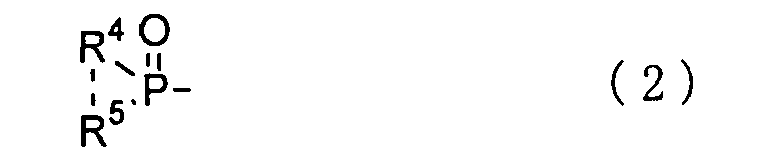
or CO2R2;
Ra and Rb are independently of each other C1-6alkyl group, ANR8R9, CH2OANR8R9, or the like;
in case where the nitrogen-containing hetero ring moiety is 1,4-dihydropyridine ring,
R1 is C1-6alkyl group, ANR8R9, AN(CH2CH2)2NR8, AN(CH2CH2)2O, AOR8 or benzyl group;
R3 is hydrogen atom, C1-20alkyl group, ANR8R9, a group of formula 
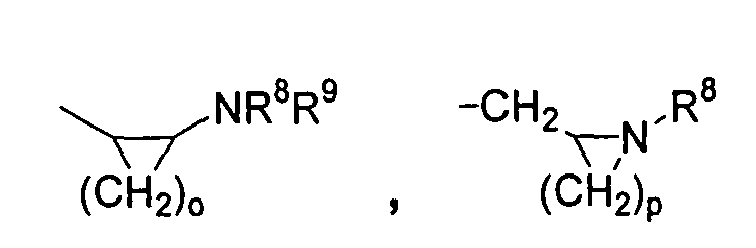
or
or the like.
Ar1 is phenyl group, pyridyl group, furyl group or 2,1,3-benzoxadiazol-4-yl group;
nitrogen-containing hetero ring moiety is 1,4-dihydropyridine ring or pyridine ring;
Z is a group of formula (2)
Ra and Rb are independently of each other C1-6alkyl group, ANR8R9, CH2OANR8R9, or the like;
in case where the nitrogen-containing hetero ring moiety is 1,4-dihydropyridine ring,
R1 is C1-6alkyl group, ANR8R9, AN(CH2CH2)2NR8, AN(CH2CH2)2O, AOR8 or benzyl group;
R3 is hydrogen atom, C1-20alkyl group, ANR8R9, a group of formula
Description
- The present invention relates to a pyridine compound and 1,4-dihydropyridine compound having a substituent at 1-position that show a selective T-type calcium chanel blocking action, and to therapeutic or preventive agents against diseases for which T-type calcium channel blocking action is effective.
- It is known that a number of 1,4-dihydropyridine compounds show oral antihypertensive action and are effective for improvement of cardiovascular diseases such as angia pectoris, cerebrovascular disease, hypertension or the like (see, for example Patent Documents 1-12). The above-mentioned effect that these compounds show is owing to vasodilation mainly based on L-type calcium channel blocking action.
- Recently, compounds having T-type calcium channel blocking action in addition to L-type calcium channel blocking action were found from among 1,4-dihydropyridine compounds (see, for example, Non-patent Documents 1 and 2).
- It is reported that the activation of T-type calcium channel participates in occurrence of hypercardia (see, for example Non-patent Document 3), heart failure (see, for example Non-patent Document 3), cardiomyopathy (see, for example Non-patent Document 4), tachyarrhythmia represented by atrial fibrillation (see, for example Non-patent Document 5), arterial sclerosis (see, for example Non-patent Document 6), renal disorder represented by nephritis/nephropathy (see, for example Non-patent Document 7), renal insufficiency (see, for example Non-patent Document 7), inflammation and edema (see, for example Non-patent Document 8), hyper-aldosteronism (see, for example Non-patent Document 9), neurogenic pain (see, for example Non-patent Document 10), epilepsy (see, for example Non-patent Document 11) and cancer (see, for example Non-patent Document 12). Therefore, it is thought that T-type calcium channel blockers are effective for therapy or prevention of these diseases.
- On the other hand, it is reported that 1,4-dihydropyridine-5-phosphonate derivatives and pyridine-5-phosphonate derivatives have an augmentation action of cardioprotective effectve against ischemia-reperfusion (see, for example Patent Document 14). However, the possibility of these compounds as T-type calcium channel blockers is not mentioned therein.
Patent Document 1: JP 61-30591 A (1986)
Patent Document 2: JP 60-69089 A (1985)
Patent Document 3: JP 1-275591 A (1989)
Patent Document 4: JP 61-63688 A (1986)
Patent Document 5: JP 63-233992 A (1988)
Patent Document 6: JP 62-169795 A (1987)
Patent Document 7: JP 62-169796 A (1987)
Patent Document 8: JP 58-167569 A (1983)
Patent Document 9: JP 55-301 A (1980)
Patent Document 10: JP 62-174017 A (1987)
Patent Document 11: JP 60-97956 A (1985)
Patent Document 12: JP 49-108082 A (1974)
Patent Document 13: JP 2-138221 A (1990)
Patent Document 14: JP 2002-226376 A (2002)
Non-patent Document 1: Mol. Pharmacol., 61, p.649-658, (2002)
Non-patent Document 2: Masumiya H. et al.: Eur. J. Pharmacol. 335, p.15-21 (1997)
Non-patent Document 3: Mulder P. et al.: J. Am. Coll. Cardiol. 29, p.416-421 (1997)
Non-patent Document 4: Villame J. et al.: Cardiovasc Drugs Ther. 15, p.41-48 (2001)
Non-patent Document 5: Fareh S. et al.: Circulation 100, p.2191-2197 (1999)
Non-patent Document 6: Noll G. and Luscher T. F.: Cardiology 89, p.10-15 (1998)
Non-patent Document 7: Baylis C. et al.: Am. J. Kidney Dis. 38, p.1292-1297 (2001)
Non-patent Document 8: Bilici D. et al.: Pharmacol. Res. 44, p.527-531 (2001)
Non-patent Document 9: Lenglet S. et al.: Endocrinology 143, p.1748-60 (2002)
Non-patent Document 10: McCallum J. B. et al.: Anesthesiology 98, p.209-216 (2003)
Non-patent Document 11: Porcello D. M. et al.: J. Neurophysiol. 89, p.177-185 (2003)
Non-patent Document 12: Mc Calmont W. F. et al.: Bioorg. Med. Chem. Lett. 14(14), p.3691-3695 (2004) - In the therapy of the above-mentioned diseases based on T-type calcium blocking action, the followings are feared: 1,4-dihydropyridine compounds have a possibility that the influence thereby on a strong vasodilation and cardiac function based on L-type calcium channel blocking action simultaneously caused becomes inhibition factors in the therapy; and these compounds have a possibility to cause lowering in Quality of Life, such as occurrence of headache, flash, dizziness, edema or the like based on vasodilation. Therefore, it is considered very useful to find T-type calcium channel blockers having a weak or little L-type calcium channel blocking action, as therapeutic agents of the above-mentioned diseases.
Means for solving the Problem - The present inventors eagerly investigated in order to solve the above-mentioned problems. As a result of it, they found that the oxidation of 1,4-dihydropyridine compounds to pyridine or the introduction of substituent at 1-position of 1,4-dihydropyridine compounds leads to the production of compounds in which L-type calcium channel blocking action is weakened and T-type calcium channel blocking action is maintained to some extent, and consequently a selective blocking action against T-type calcium channel is maintained at the approximately same level. Consequently, they completed the present invention.
- That is, the present invention provides the followings:
- 1. A T-type calcium channel blocker that is a compound of formula (1), a pharmaceutically acceptable salt thereof or a solvate thereof:

Ar1 is phenyl group, pyridyl group, furyl group or 2,1,3-benzoxadiazol-4-yl group (the phenyl group, pyridyl group, furyl group and 2,1,3-benzoxadiazol-4-yl group may be arbitrarily substituted with one or two substituents selected from NO2, CF3, Br, Cl, F, C1-20alkyl group, OH, OR6, OCHF2, COOR6, NH2, NHR6, NR6R7, CONH2, CONHR6, CONR6R7, COSR6, SR6, S(O)R6, S(O)2R6, SO3H, SO3R6, SO2NH2, SO2NHR6, SO2NR6R7, CN and phenyloxy group, wherein R6 and R7 are independently of each other C1-6alkyl group;
nitrogen-containing hetero ring moiety is 1,4-dihydropyridine ring or pyridine ring;
Z is a group of formula (2)
C3-6alkenyloxy group, C3-6alkynyloxy group, OAr2, OANR6R7, OAN(CH2Ar2)R6, OAOR6, OACN, NH2, NHR6, NR6R7, 1-pyperidinyl group or 1-pyrrolidinyl group, or
R4 and R5 together are OYO, NHYO, R6NYO, NHYNH, R6NYNH or R6NYNR7 wherein R6 and R7 are as defined above,
Ar2 is phenyl group (the phenyl group may be arbitrarily substituted with halogen atom, C1-3alkyl group or C1-3alkoxy group),
A is C2-6alkylene group (the C2-6alkylene group may be arbitrarily substituted with
C1-3alkyl group or Ar2), and
Y is straight-chain C2-4alkylene group (the C2-4alkylene group may be arbitrarily substituted with C1-6alkyl group, C1-6alkoxy group, C1-6alkoxycarbonyl group or Ar2), or Z is CO2R2, wherein R2 is C1-6alkyl group (the C1-6alkyl group may be arbitrarily substituted with C1-3alkoxy group);
Ra and Rb are independently of each other C1-6alkyl group, ANR8R9, CH2OANR8R9, Ar2, CH=CHAr2, CH2CH(OH)Ar2, CHO, CN, CH2OH, CH2OR8, AN(CH2CH2)2NR8 or NR8R9, wherein R8 and R9 are independently of each other hydrogen atom, C1-6alkyl group (the C1-6alkyl group may be arbitrarily substituted with phenyl group, wherein the phenyl group may be arbitrarily substituted with C1-6alkoxy group or halogen atom) or phenyl group (the phenyl group may be arbitrarily substituted with C1-6alkoxy group or halogen atom),
Ar2 and A are as defined above;
in case where the nitrogen-containing hetero ring moiety is 1,4-dihydropyridine ring, R1 is C1-6alkyl group, ANR8R9, AN(CH2CH2)2NR8, AN(CH2CH2)2O, AOR8 or benzyl group, wherein R8, R9 and A are as defined above; and
R3 is hydrogen atom, C1-20alkyl group, C2-6alkenyl group or C2-6alkynyl group (C1-20alkyl group, C2-6alkenyl group and C2-6alkynyl group may be arbitrarily substituted with phenyl group, wherein the phenyl group may be arbitrarily substituted with C1-6alkoxy group or halogen atom), ANR8R9 or a group of formula


o and p are independently of each other 3 or 4, and
q is 1,2 or 3; - 2. The T-type calcium channel blocker as set forth in 1., wherein R3 is ANR8R9 or a group of formula


R5 is C1-6alkyl group; - 3. The T-type calcium channel blocker as set forth in 2., wherein Rb is C1-6alkyl group, CN or NH2;
- 4. The T-type calcium channel blocker as set forth in 1., wherein Rb is ANR8R9, CH2OANR8R9 or CH2CH2N(CH2CH2)2NR8, wherein
A, R8 and R9 are as defined above;
R3 is C1-20alkyl group, C2-6alkenyl group or C2-6alkynyl group (C1-20alkyl group,
C2-6alkenyl group and C2-6alkynyl group may be arbitrarily substituted with phenyl group, wherein the phenyl group may be arbitrarily substituted with C1-6alkoxy group or halogen atom); and
R5 is C1-6alkyl group; - 5. The T-type calcium channel blocker as set forth in any one of 1. to 4., wherein the nitrogen-containing hetero ring moiety is 1,4-dihydropyridine ring; and
Z is a group of formula (2); - 6. The T-type calcium channel blocker as set forth in 5., wherein R4 and R5 together are OYO, NHYO, R6NYO, NHYNH, R6NYNH or R6NYNR7, wherein
Y is straight-chain C2-4alkylene group (the C2-4alkylene group may be substituted with C1-6alkyl group, C1-6alkoxy group, C1-6alkoxycarbonyl group or Ar2); - 7. The T-type calcium channel blocker as set forth in 6., wherein Ar1 is phenyl group, 3-nitrophenyl group, 2-nitrophenyl group, 3-chlorophenyl group, 2-chlorophenyl group, 3-methoxyphenyl group, 2-methoxyphenyl group, 2-trifluoromethylphenyl group, 3-trifluoromethylphenyl group, 4-pyridyl group, 3-pyridyl group, 2-pyridyl group or 2,3-dichlorophenyl group;
- 8. The T-type calcium channel blocker as set forth in any one of 1. to 4., wherein the nitrogen-containing hetero ring moiety is pyridine ring; and
Z is a group of formula (2); - 9. The T-type calcium channel blocker as set forth in 8., wherein R4 and R5 together are OYO, NHYO, R6NYO, NHYNH, R6NYNH or R6NYNR7, wherein
Y is straight-chain C2-4alkylene group (the C2-4alkylene group may be arbitrarily substituted with C1-6alkyl group, C1-6alkoxy group, C1-6alkoxycarbonyl group or Ar2); - 10. The T-type calcium channel blocker as set forth in 9., wherein Ar1 is phenyl group, 3-nitrophenyl group, 2-nitrophenyl group, 3-chlorophenyl group, 2-chlorophenyl group, 3-methoxyphenyl group, 2-methoxyphenyl group, 2-trifluoromethylphenyl group, 3-trifluoromethylphenyl group, 4-pyridyl group, 3-pyridyl group, 2-pyridyl group or 2,3-dichlorophenyl group;
- 11. The T-type calcium channel blocker as set forth in any one of 1. to 4., wherein the nitrogen-containing hetero ring moiety is 1,4-dihydropyridine ring; and
Z is CO2R2; - 12. The T-type calcium channel blocker as set forth in 11., wherein Ar1 is phenyl group, 3-nitrophenyl group, 2-nitrophenyl group, 3-chlorophenyl group, 2-chlorophenyl group, 3-methoxyphenyl group, 2-methoxyphenyl group, 2-trifluoromethylphenyl group, 3-trifluoromethylphenyl group, 4-pyridyl group, 3-pyridyl group, 2-pyridyl group or 2,3-dichlorophenyl group;
- 13. The T-type calcium channel blocker as set forth in any one of 1. to 4., wherein the nitrogen-containing hetero ring moiety is pyridine ring; and
Z is CO2R2; - 14. The T-type calcium channel blocker as set forth in 13., wherein Ar1 is phenyl group, 3-nitrophenyl group, 2-nitrophenyl group, 3-chlorophenyl group, 2-chlorophenyl group, 3-methoxyphenyl group, 2-methoxyphenyl group, 2-trifluoromethylphenyl group, 3-trifluoromethylphenyl group, 4-pyridyl group, 3-pyridyl group, 2-pyridyl group or 2,3-dichlorophenyl group;
- 15. A pharmaceutical containing the T-type calcium channel blocker as set forth in 1.;
- 16. The pharmaceutical as set forth in 15., wherein the pharmaceutical is a therapeutic or preventive agent against a disease for which T-type calcium channel blocking action is effective;
- 17. The pharmaceutical as set forth in 16., wherein the disease is hypercardia, heart failure, cardiomyopathy, atrial fibrillation, tachyarrhythmia, arterial sclerosis, nephritis, nephropathy, renal disorder, renal insufficiency, inflammation, edema, hyper-aldosteronism, neurogenic pain, epilepsy or cancer;
- 18. A method for preventing or treating hypercardia, heart failure, cardiomyopathy, atrial fibrillation, tachyarrhythmia, arterial sclerosis, nephritis, nephropathy, renal disorder, renal insufficiency, inflammation, edema, hyper-aldosteronism, neurogenic pain, epilepsy or cancer, comprising administering an effective amount of the compound of formula (1), a pharmaceutically acceptable salt thereof or a solvate thereof as set forth in 1.; and
- 19. Use of the compound of formula (1), a pharmaceutically acceptable salt thereof or a solvate thereof as set forth in 1. for the manufacture of a preventive agent or a therapeutic agent for hypercardia, heart failure, cardiomyopathy, atrial fibrillation, tachyarrhythmia, arterial sclerosis, nephritis, nephropathy, renal disorder, renal insufficiency, inflammation, edema, hyper-aldosteronism, neurogenic pain, epilepsy or cancer.
- Hereinafter, the present invention is described in further detail.
In the meantime, "n" means normal, "i" means iso, "s" means secondary, "t" means tertiary, "c" means cyclo and "Ph" means phenyl group in this specification. - Each substituent stated in this specification is described.
- Halogen atom includes fluorine atom, chlorine atom, bromine atom and iodine atom.
- C1-3 alkyl group includes straight-chain, branched or cyclic ones, for example methyl group, ethyl group, n-propyl group, i-propyl group and c-propyl group, etc.
- C1-6alkyl group includes straight-chain, branched or cyclic ones, for example in addition to the above-mentioned groups for C1-3 alkyl group, n-butyl group, i-butyl group, s-butyl group, t-butyl group, c-butyl group, n-pentyl group, 1-methyl-n-butyl group, 2-methyl-n-butyl group, 3-methyl-n-butyl group, 1,1-dimethyl-n-propyl group, c-pentyl group, 2-methyl-c-butyl group, n-hexyl group, 1-methyl-n-pentyl group, 2-methyl-n-pentyl group, 1,1-dimethyl-n-butyl group, 1-ethyl-n-butyl group, 1,1,2-trimethyl-n-propyl group, c-hexyl group, 1-methyl-c-pentyl group, 1-ethyl-c-butyl group and 1,2-dimethyl-c-butyl group, etc.
- C1-20 alkyl group includes straight-chain, branched or cyclic ones, for example in addition to the above-mentioned groups for C1-6alkyl group, n-heptyl group, 2-c-pentylethyl group, n-octyl group, 2-c-hexylethyl group, 3-c-pentyl-n-propyl group, n-nonyl group, 3-c-hexyl-n-propyl group, 4-c-pentyl-n-butyl group, n-decyl group, 4-c-hexyl-n-butyl group, 5-c-pentyl-n-pentyl group, n-undecyl group, 5-c-hexyl-n-pentyl group, 6-c-pentyl-n-hexyl group, n-dodecyl group, n-tridecyl group, n-tetradecyl group, n-pentadecyl group, n-hexadecyl group, n-heptadecyl group, n-octadecyl group, n-nonadecyl group and n-eicosyl, etc.
- C2-6alkenyl group includes straight-chain or branched ones, for example ethenyl group, 1-propenyl group, 2-propenyl group, 1-methyl-1-ethenyl group, 1-butenyl group, 2-butenyl group, 3-butenyl group, 2-methyl-1-propenyl group, 2-methyl-2-propenyl group, 1-ethylethenyl group, 1-methyl-1-propenyl group, 1-methyl-2-propenyl group, 1-pentenyl group, 2-pentenyl group, 3-pentenyl group, 4-pentenyl group, 1-n-propylethenyl group, 1-methyl-1-butenyl group, 1-methyl-2-butenyl group, 1-methyl-3-butenyl group, 2-ethyl-2-propenyl group, 2-methyl-1-butenyl group, 2-methyl-2-butenyl group, 2-methyl-3-butenyl group, 3-methyl-1-butenyl group, 3-methyl-2-butenyl group, 3-methyl-3-butenyl group, 1,1-dimethyl-2-propenyl group, 1-i-propylethenyl group, 1,2-dimethyl-1-propenyl group, 1,2-dimethyl-2-propenyl group, 1-hexenyl group, 2-hexenyl group, 3-hexenyl group, 4-hexenyl group, 5-hexenyl group, 1-methyl-1-pentenyl group, 1-methyl-2-pentenyl group, 1-methyl-3-pentenyl group, 1-methyl-4-pentenyl group, 1-n-butylethenyl group, 2-methyl-1-pentenyl group, 2-methyl-2-pentenyl group, 2-methyl-3-pentenyl group, 2-methyl-4-pentenyl group, 2-n-propyl-2-propenyl group, 3-methyl-1-pentenyl group, 3-methyl-2-pentenyl group, 3-methyl-3-pentenyl group, 3-methyl-4-pentenyl group, 3-ethyl-3-butenyl group, 4-methyl-1-pentenyl group, 4-methyl-2-pentenyl group, 4-methyl-3-pentenyl group, 4-methyl-4-pentenyl group, 1,1-dimethyl-2-butenyl group, 1,1-dimethyl-3-butenyl group, 1,2-dimethyl-1-butenyl group, 1,2-dimethyl-2-butenyl group, 1,2-dimethyl-3-butenyl group, 1-methyl-2-ethyl-2-propenyl group, 1-s-butylethenyl group, 1,3-dimethyl-1-butenyl group, 1,3-dimethyl-2-butenyl group, 1,3-dimethyl-3-butenyl group, 1-i-butylethenyl group, 2,2-dimethyl-3-butenyl group, 2,3-dimethyl-1-butenyl group, 2,3-dimethyl-2-butenyl group, 2,3-dimethyl-3-butenyl group, 2-i-propyl-2-propenyl group, 3,3-dimethyl-1-butenyl group, 1-ethyl-1-butenyl group, 1-ethyl-2-butenyl group, 1-ethyl-3-butenyl group, 1-n-propyl-1-propenyl group, 1-n-propyl-2-propenyl group, 2-ethyl-1-butenyl group, 2-ethyl-2-butenyl group, 2-ethyl-3-butenyl group, 1,1,2-trimethyl-2-propenyl group, 1-t-butylethenyl group, 1-methyl-1-ethyl-2-propenyl group, 1-ethyl-2-methyl-1-propenyl group, 1-ethyl-2-methyl-2-propenyl group, 1-i-propyl-1-propenyl group and 1-i-propyl-2-propenyl group, etc.
- C2-6 alkynyl group includes straight-chain or branched ones, for example ethynyl group, 1-propynyl group, 2-propynyl group, 1-butynyl group, 2-butynyl group, 3-butynyl group, 1-methyl-2-propynyl group, 1-pentynyl group, 2-pentynyl group, 3-pentynyl group, 4-pentynyl group, 1-methyl-2-butynyl group, 1-methyl-3-butynyl group, 2-methyl-3-butynyl group, 3-methyl-1-butynyl group, 1,1-dimethyl-2-propynyl group, 2-ethyl-2-propynyl group, 1-hexynyl group, 2-hexynyl group, 3-hexynyl group, 4-hexynyl group, 5-hexynyl group, 1-methyl-2-pentynyl group, 1-methyl-3-pentynyl group, 1-methyl-4-pentynyl group, 2-methyl-3-pentynyl group, 2-methyl-4-pentynyl group, 3-methyl-1-pentynyl group, 3-methyl-4-pentynyl group, 4-methyl-1-pentynyl group, 4-methyl-2-pentynyl group, 1,1-dimethyl-2-butynyl group, 1,1-dimethyl-3-butynyl group, 1,2-dimethyl-3-butynyl group, 2,2-dimethyl-3-butynyl group, 3,3-dimethyl-1-butynyl group, 1-ethyl-2-butynyl group, 1-ethyl-3-butynyl group, 1-n-propyl-2-propynyl group, 2-ethyl-3-butynyl group, 1-methyl-1-ethyl-2-propynyl group and 1-i-propyl-2-propynyl group, etc.
- C1-3alkoxy group includes straight-chain, branched or cyclic ones, for example methoxy group, ethoxy group, n-propoxy group, i-propoxy group and c-propoxy group, etc.
- C1-6alkoxy group includes straight-chain, branched or cyclic ones, for example, in addition to the above-mentioned groups for C1-3 alkoxy group, n-butoxy group, i-butoxy group, s-butoxy group, t-butoxy group, c-butoxy group, n-pentyloxy group, 1-methyl-n-butoxy group, 2-methyl-n-butoxy group, 3-methyl-n-butoxy group, 1,1-dimethyl-n-propoxy group, c-pentyloxy group, 2-methyl-c-butoxy group, n-hexyloxy group, 1-methyl-n-pentyloxy group, 2-methyl-n-pentyloxy group, 1,1-dimethyl-n-butoxy group, 1-ethyl-n-butoxy group, 1, 1, 2-trimethyl-n-propoxy group, c-hexyloxy group, 1-methyl-c-pentyloxy group, 1-ethyl-c-butoxy group and 1,2-dimethyl-c-butoxy group, etc.
- C3-6 alkenyloxy group includes straight-chain or branched ones, for example 2-propenyloxy group, 2-butenyloxy group, 3-butenyloxy group, 2-methyl-2-propenyloxy group, 1-methyl-2-propenyloxy group, 2-pentenyloxy group, 3-pentenyloxy group, 4-pentenyloxy group, 1-methyl-2-butenyloxy group, 1-methyl-3-butenyloxy group, 2-ethyl-2-propenyloxy group, 2-methyl-2-butenylooxy group, 2-methyl-3-butenyloxy goup, 3-methyl-2-butenyloxy group, 3-methyl-3-butenyloxy group, 1,1-dimethyl-2-propenyloxy group, 1,2-dimethyl-2-propenyloxy group, 2-hexenyloxy group, 3-hexenyloxy group, 4-hexenyloxy group, 5-hexenyloxy group, 1-methyl-2-pentenyloxy group, 1-methyl-3-pentenyloxy group, 1-methyl-4-pentenyloxy group, 2-methyl-2-pentenyloxy group, 2-methyl-3-pentenyloxy group, 2-methyl-4-pentenyloxy group, 2-n-propyl-2-propenyloxy group, 3-methyl-2-pentenyloxy group, 3-methyl-3-pentenyloxy group, 3-methyl-4-pentenyloxy group, 3-ethyl-3-butenyloxy group, 4-methyl-2-pentenyloxy group, 4-methyl-3-pentenyloxy group, 4-methyl-4-pentenyloxy group, 1,1-dimethyl-2-butenyloxy group, 1,1-dimethyl-3-butenyloxy group, 1,2-dimethyl-2-butenyloxy group, 1,2-dimethyl-3-butenyloxy group, 1-methyl-2-ethyl-2-propenyloxy group, 1,3-dimethyl-2-butenyloxy group, 1,3-dimethyl-3-butenyloxy group, 2,2-dimethyl-3-butenyloxy group, 2,3-dimethyl-2-butenyloxy group, 2,3-dimethyl-3-butenyloxy group, 2-1-propyl-2-propenyloxy group, 1-ethyl-2-butenyloxy group, 1-ethyl-3-butenyloxy group, 1-n-propyl-2-propenyloxy group, 2-ethyl-2-butenyloxy group, 2-ethyl-3-butenyloxy group, 1,1,2-trimethyl-2-propenyloxy group, 1-methyl-1-ethyl-2-propenyloxy group, 1-ethyl-2-methyl-2-propenyloxy group, 1-i-propyl-2-propenyloxy group, etc.
- C3-6 alkynyloxy group includes straight-chain or branched ones, for example 2-propynyloxy group, 2-butynyloxy group, 3-butynyloxy group, 1-methyl-2-propynyloxy group, 2-pentynyloxy group, 3-pentynyloxy group, 4-pentynyloxy group, 1-methyl-2-butynyloxy group, 1-methyl-3-butynyloxy group, 2-methyl-3-butynyloxy group, 1,1-dimethyl-2-propynyloxy group, 2-ethyl-2-propynyloxy group, 2-hexynyloxy group, 3-hexynyloxy group, 4-hexynyloxy group, 5-hexynyloxy group, 1-methyl-2-pentynyloxy group, 1-methyl-3-pentynyloxy group, 1-methyl-4-pentynyloxy group, 2-methyl-3-pentynyloxy group, 2-methyl-4-pentynyloxy group, 3-methyl-4-pentynyloxy group, 4-methyl-2-pentynyloxy group, 1,1-dimethyl-2-butynyloxy group, 1,1-dimethyl-3-butynyloxy group, 1,2-dimethyl-3-butynyloxy group, 2,2-dimethyl-3-butynyloxy group, 1-ethyl-2-butynyloxy group, 1-ethyl-3-butynyloxy group, 1-n-propyl-2-propynyloxy group, 2-ethyl-3-butynyloxy group, 1-methyl-1-ethyl-2-propynyloxy group, 1-i-propyl-2-propynyloxy group, etc.
- C1-6 alkoxycarbonyl group includes straight-chain, branched or cyclic ones, for example methoxycarbony group, ethoxycarbony group, n-propoxycarbony group, i-propoxycarbony group, c-propoxycarbonyl group, n-butoxycarbonyl group, i-butoxycarbonyl group, s-butoxycarbonyl group, t-butoxycarbonyl group, c-butoxycarbonyl group, n-pentyloxycarbonyl group, 1-methyl-n-butoxycarbonyl group, 2-methyl-n-butoxycarbonyl group, 3-methyl-n-butoxycarbonyl group, 1,1-dimethyl-n-propoxycarbonyl group, c-pentyloxycarbonyl group, 2-methyl-c-butoxycarbonyl group, n-hexyloxycarbonyl group, 1-methyl-n-pentyloxycarbonyl group, 2-methyl-n-pentyloxycarbonyl group, 1,1-dimethyl-n-butoxycarbonyl group, 1-ethyl-n-butoxycarbonyl group, 1,1,2-trimethyl-n-propoxycarbonyl group, c-hexyloxycarbonyl group, 1-methyl-c-pentyloxycarbonyl group, 1-ethyl-c-butoxycarbonyl group, 1,2-dimethyl-c-butoxycarbonyl group, etc.
- C2-4alkylene group includes ethylene group, propylene group, butylene group, etc. C2-6alkylene group includes for example in addition to the above-mentioned groups for C2-4alkylene group, pentylene group, hexylene group, etc.
- Preferable R2 include the following groups:
- 1. Methyl group, ethyl group, i-propyl group, i-butyl group and methoxyethyl group; and
- 2. Methyl group and ethyl group.
- Preferable groups of formula (2) include the following groups:
- 1. Dimethylphosphonyl group, diethylphosphonyl group, 2-oxo-1,3,2-dioxaphosphorinan-2-yl group, 5,5-dimethyl-2-oxo-1,3,2-dioxaphosphorinan-2-yl group and 4,6-dimethyl-2-oxo-1,3,2-dioxaphosphorinan-2-yl group; and
- 2. Diethylphosphonyl group, 5,5-dimethyl-2-oxo-1,3,2-dioxaphosphorinan-2-yl group and 4,6-dimethyl-2-oxo-1,3,2-dioxaphosphorinan-2-yl group.
- Preferable Ar1 includes the following groups:
- 1. Phenyl group, 4-nitrophenyl group, 3-nitrophenyl group, 2-nitrophenyl group, 4-chlorophenyl group, 3-chlorophenyl group, 2-chlorophenyl group, 4-methoxyphenyl group, 3-methoxyphenyl group, 2-methoxyphenyl group, 4-trifluoromethylphenyl group, 3-trifluoromethylphenyl group, 2-trifluoromethylphenyl group, 4-pyridyl group, 3-pyridyl group, 2-pyridyl group and 2,3-dichlorophenyl group;
- 2. Phenyl group, 3-nitrophenyl group, 2-nitrophenyl group, 3-chlorophenyl group, 2-chlorophenyl group, 3-methoxyphenyl group, 2-methoxyphenyl group, 3-trifluoromethylphenyl group, 2-trifluoromethylphenyl group, 4-pyridyl group, 3-pyridyl group, 2-pyridyl group and 2,3-dichlorophenyl group;
- 3. Phenyl group, 3-nitrophenyl group, 2-nitrophenyl group, 3-chlorophenyl group, 2-chlorophenyl group, 3-methoxyphenyl group, 2-methoxyphenyl group, 3-trifluoromethylphenyl group, 2-trifluoromethylphenyl group, 4-pyridyl group, 3-pyridyl group and 2-pyridyl group; and
- 4. Phenyl group, 3-nitrophenyl group, 2-nitrophenyl group, 3-methoxyphenyl group, 2-methoxyphenyl group, 3-trifluoromethylphenyl group, 2-trifluoromethylphenyl group, 4-pyridyl group, 3-pyridyl group and 2-pyridyl group.
- Preferable Ra includes the following groups:
- 1. C1-6 alkyl group; and
- 2. Methyl group.
- Preferable Rb includes the following groups:
- 1. C1-6alkyl group, CN and NH2;
- 2. Methyl group, CN and NH2;
- 3. ANR8R9, CH2OANR8R9 and CH2CH2N(CH2CH2)2NR8;
- 4. CH2OANR8R9; and
- 5. CH2OCH2CH2NH2.
- Preferable R3 includes the following groups:
- 1. C1-20alkyl group, C2-6alkenyl group and C2-6alkynyl group (the C1-20alkyl group, C2-6 alkenyl group and C2-6 alkynyl group may be arbitrarily substituted with phenyl group, wherein the phenyl group may be arbitrary substituted with C1-6alkoxy group or halogen atom);
- 2. Methyl group, ethyl group, i-propyl group, i-butyl group and methoxyethyl group;
- 3. ANR8R9 and groups of formulae


- 4. Groups of formulae


- Preferable R1 includes the following groups:
- 1. AN(CH2CH2)2O; and
- 2. CH2CH2N(CH2CH2)2O.
- In case where the compound of formula (1) of the present invention is a compound that can form a salt, the pharmaceutically acceptable salt thereof can be also used as T-type calcium channel blocker. In case where the compound of formula (1) is a compound that can form a solvate, the solvate thereof can be also used as T-type calcium channel blocker.
- The pharmaceutically acceptable salt includes hydrochlorides, hydrobromides, sulfates, methanesulfonates, acetates, benzoates, tartrates, phosphates, lactates, maleates, fumarates, malates, gluconates, salicylates and the like.
- Preferably, hydrochlorides and methanesulfonates may be mentioned.
- The solvates are not specifically limited so long as they are pharmaceutically acceptable, and concretely include hydrates and a solvate with ethanol, and the like.
- T-type calcium channel blockers that are the compound of formula (1), a pharmaceutically acceptable salt thereof or a solvate thereof according to the present invention, pharmaceuticals containing the T-type calcium channel blockers, or therapeutic agents or preventive agents against diseases for which T-type calcium channel blocking action is effective, can be generally administered in oral administration forms such as tablets, capsules, powders, granules, pills, syrups and the like, permucosal absorption preparations such as intrarectal administration preparations, transnasal absorption preparations, transvaginal absorption preparations and the like, transpulmonary absorption preparations, inhalants, ophthalmic solutions, percutaneous absorption preparations or injections. The present preparations can be administered as a simple therapeutic agent or as a mixture with other therapeutic agent. The compound of formula (1) according to the present invention may be administered as a single item but are generally administered in a form of pharmaceutical composition. These preparations can be produced according to any conventional method by adding pharmacologically and pharmaceutically acceptable additives. That is, for oral preparations, additives such as excipients, lubricants, binders, disintegrators, humectants, plasticizers, coating agents and the like can be used. Oral liquids may be in a form of aqueous or oily suspension, solution, emulsion, syrup, elixir and the like, or be provided as a dry syrup that is prepared with water or other appropriate solvent prior to use. The above-mentioned liquids may contain conventional additives such as suspending agents, perfumes, diluents or emusifiers. When it is administered intrarectally, it can be administered as a suppository. The suppository may contain suitable base ingredients such as cocoa fats, lauric fats, macrogol, glycerogelatin, witepsol, sodium stearate or a mixture thereof, and optionally emulsifiers, suspending agents, preservatives and the like. For the injections, the followings are used: resolvents or solubilizing agents, such as distilled water for injections that can constitute aqueous dosage form or on use-dissolved type dosage form, saline, 5% glucose solution, propylene glycol and the like, pharmaceutical ingredients such as pH adjusters, isotonizing agents, stabilizers and the like.
- When the pharmaceuticals of the present invention are administered to human, the dosage is determined depending on age or state of the patient. In case where the patient is adult, oral preparations or intrarectal administration is carried out in an amount of about 0.1 mg to 1000 mg per day per body, and an injection is administered in an amount of about 0.05 mg to 500 mg per day per body. These values are merely examples, and the dosage is determined according to the condition of a patient.
- The scene which the present invention is applied includes the scene which the use of the compounds having T-type calcium channel blocking activity is expected to improve the condition of the disease. Concretely, the compounds of the present invention are effective for therapy or prevention of hypercardia, heart failure, cardiomyopathy, tachyarrhythmia represented by atrial fibrillation, arterial sclerosis, renal disorder represented by nephritis/nephropathy, renal insufficiency, inflammation and edema, hyper-aldosteronism, neurogenic pain, epilepsy, cancer and the like.
- The compounds of formula (1) according to the present invention can be produced by oxidizing 1,4-dihydropyridine compounds or introducing a substituent at 1-position of 1,4-dihydropyridine compounds.
- The production process thereof is shown in Scheme 1.


- That is, the compound of formula (1-a) in which nitrogen-containing hetero ring moiety is a pyridine ring among the compounds of formula (1) according to the present invention can be produced by oxidizing 1,4-dihydropyridine compound (3) with an oxidizing agent such as nitric acid, nitrous acid, chromic acid, iodine or the like.
- In addition, the compound of formula (1-b) in which nitrogen-containing hetero ring moiety is a 1,4-dihydropyridine ring among the compounds of formula (1) according to the present invention can be produced by treating in the presence of a base such as sodium hydroxide or the like 1,4-dihydropyridine compound (3) with R1-X wherein R1 is as defined above, and X is a leaving group such as chlorine atom, bromine atom, iodine atom, methanesulfonyloxy group, paratoluenesulfonyloxy group, trifluoromethanesulfonyloxy group or the like.
- In addition, 1,4-dihydropyridine compounds (3) in which Z is a group of formula (2) can be produced according to the methods described in JP 59-161392 A (1984), JP 60-69089 A (1985), JP 60-248693 A (1985), JP 60-258194 A (1985), JP 61-30591 A (1986), JP 61-37793 A (1986), JP 61-63688 A (1986), JP 61-210092 A (1986), JP 61-254596 A (1986), JP 62-169795 A (1987), JP 62-169796 A (1987), JP 62-195392 A (1987), JP 63-68591 A (1988), JP 63-233992 (1988), JP 1-113398 A (1989) and JP 1-275591 A (1989).
- Further, 1,4-dihydropyridine compounds (3) in which Z is CO2R2 can be produced according to the methods described in JP 58-167569 A (1983), JP 55-301 A (1980), JP 57-171968 A (1982), JP 60-97956 A (1985), JP 49-108082 A (1974), JP 52-5777 A (1977), JP 47-34368 A (1972), JP 47-34369 A (1972), JP 52-59161 A (1977), JP 55-9083 A (1980), JP 60-233058 A (1985) and JP 58-67668 A (1983).
- Hereinafter, the present invention is described based on examples to which the present invention is not limited at all.
The structural formulae of the compounds used in the examples are as follows:


- Compound (5) described in the examples was produced according to Oxidation Example 2 indicated in JP 2-138221 (1990), and Compound (6) was produced according to Oxidation Example 1 indicated in JP 2-138221 (1990). Compound (4) described in the examples was produced by benzylating Compound (5) with a benzyl halide and then converting to a hydrochloride.
- Compound (7) described in the examples was produced by oxidizing 1,4-dihydropyridine compound (3a) produced by making reference to a production process indicated in JP 57-171968 (1982), and then converting to a hydrochloride as follows.

NMR spectra (300 MHz, CDCl3, δ): 1.00-1.20 (1 H, m), 1.40-1.80 (3H, m), 1.80-2.20 (2H, m), 2.30-2.55 (2H, m), 2.61 (3H, s), 2.60 (3H, s), 3.35-3.50 (2H, m), 3.57 (3H, s), 4.75-4.87 (1 H, m), 7.20-7.60 (7H, m), 8.08-8.18 (2H, m). - 0.7070 g of the obtained compound was added in 200 mL of chloroform and 100 mL of 1 mol/L hydrochloric acid and separated into phases. The organic phase was dried over anhydrous sodium sulfate, and then concentrated again to obtain 0.7270 g (89.8%) of Compound (7) in a state of colorless solid.
- Compound (8) described in the examples was produced by introducing methyl group at 1-position of a hydrochloride of 1,4-dihydropyridine compound (3a) produced by making reference to a production process indicated in JP 57-171968 (1982), and then converting to a hydrochloride.

The compound was diastereomer mixture, and the HPLC analysis described below showed mainly two divided peaks of a retention time of 37.88 min. and 39.82 min.
[HPLC Condition]
Column: L-column ODS
Eluent: CH3CN-0.01 M aq. AcONH4=3/2(v/v)
Flow rate: 1.0 mL/min.
Temperature: 40°C
Wavelength: 254 nm - Compound (9) described in the examples was produced by introducing a substituent at 1-position of Compound (3b) indicated in Example 25 of JP 63-233992 (1988), and then converting to a hydrochloride (dihydrochloride) as follows.

- An electrophysiological evaluation was carried out by use of BHK (baby hamster kidney) cells in which T-type Ca channel (α1G) was expressed according to the method of Wakamori M et al. (Wakamori M et al.: J Biol Chem 273, 34857-34867, 1998) based on the whole cell patch clamp method. Each Ca-ion current was measured through a patch clamp amplifier as an inward current when depolarization pulse (-20 mV) was applied to cells maintained at a membrane potential of -80 mV. Each compound was dissolved in extracellular solution and applied with perfusion. At 5 minutes after the application, any variation in Ca-ion current was measured. The results are shown in Table 1 as Ca current inhibition (%, average value) of the compound of the present invention to Ca current (100%) in vehicle control.
Table 1 Compound Concentration (µM) Inhibition (%) Number of experiments (4) 10 23.9 2 (5) 10 53.9 2 (6) 10 43.6 2 (7) 10 45.8 3 (8) 10 30.0 2 - An electrophysiological evaluation was carried out by use of BHK (baby hamster kidney) cells in which L-type Ca channel or T-type Ca channel (α1G) was expressed according to the method of Wakamori M et al. (Wakamori M et al.: J Biol Chem 273, 34857-34867, 1998) based on the whole cell patch clamp method. Each Ca-ion current was measured through a patch clamp amplifier as an inward current when depolarization pulse (10 mV in L-type Ca channel, -20 mV in T-type Ca channel) was applied to cells maintained at a membrane potential of -80 mV. Compound (9) was dissolved in extracellular solution and applied with perfusion. At 5 minutes after the application, any variation in Ca-ion current was measured. The results are shown in Table 2 as Ca current inhibition (%, average value) of the compound of the present invention to Ca current (100%) in vehicle control.
Table 2 Ca channel type Concentration (µM) Inhibition (%) Number of experiments T-type 10 48.9 5 L-type 10 9.9 2 - Granules containing the following components were prepared.
Components Compound of formula (1) 10 mg Lactose 700 mg Cornstarch 274 mg HPC-L 16 mg 1000 mg - Powders for filling into capsules containing the following components were prepared.
Components Compound of formula (1) 10 mg Lactose 79 mg Cornstarch 10 mg Magnesium stearate 1 mg 100 mg - Granules for filling into capsules containing the following components were prepared.
Components Compound of formula (1) 15 mg Lactose 90 mg Cornstarch 42 mg HPC-L 3 mg 150 mg - Tablets containing the following components were prepared.
Components Compound of formula (1) 10 mg Lactose 90 mg Fine crystalline cellulose 30 mg Magnesium stearate 5 mg CMC-Na 15 mg 150 mg - Intravenous preparations were prepared as follows.
Compound of formula (1) 100 mg Saturated fatty acid glyceride 1000 ml - As the compounds of the present invention have selective T-type calcium channel blocking effect, it is assumed that these compounds can be used for therapy of hypercardia, heart failure, cardiomyopathy, tachycardia-arrhythmia represented by atrial fibrillation, arterial sclerosis, renal disorder represented by nephritis/nephropathy, renal insufficiency, edema, inflammation, hyper-aldosteronism, neurogenic pain, epilepsy, cancer or the like, without adverse effect on blood pressure, cardiac function and Quality of Life. Therefore, the present invention can provide therapeutic agents for the above-mentioned diseases with effectiveness, safety and Quality of Life.
Claims (19)
- A T-type calcium channel blocker that is a compound of formula (1), a pharmaceutically acceptable salt thereof or a solvate thereof:

Ar1 is phenyl group, pyridyl group, furyl group or 2,1,3-benzoxadiazol-4-yl group (the phenyl group, pyridyl group, furyl group and 2,1,3-benzoxadiazol-4-yl group may be arbitrarily substituted with one or two substituents selected from NO2 CF3, Br, Cl, F, C1-20alkyl group, OH, OR6, OCHF2, COOR6, NH2, NHR6, NR6R7, CONH2, CONHR6, CONR6R7, COSR6, SR6, S(O)R6, S(O)2R6, SO3H, SO3R6, SO2NH2, SO2NHR6, SO2NR6R7, CN and phenyloxy group, wherein R6 and R7 are independently of each other C1-6alkyl group;
nitrogen-containing hetero ring moiety is 1,4-dihydropyridine ring or pyridine ring; Z is a group of formula (2)
R4 and R5 together are OYO, NHYO, R6NYO, NHYNH, R6NYNH or R6NYNR7 wherein R6 and R7 are as defined above,
Ar2 is phenyl group (the phenyl group may be arbitrarily substituted with halogen atom, C1-3alkyl group or C1-3alkoxy group),
A is C2-6alkylene group (the C2-6alkylene group may be arbitrarily substituted with C1-3alkyl group or Ar2), and
Y is straight-chain C2-4alkylene group (the C2-4alkylene group may be arbitrarily substituted with C1-6alkyl group, C1-6alkoxy group, C1-6alkoxycarbonyl group or Ar2), or
Z is CO2R2, wherein R2 is C1-6alkyl group (the C1-6alkyl group may be arbitrarily substituted with C1-3alkoxy group);
Ra and Rb are independently of each other C1-6alkyl group, ANR8R9, CH2OANR8R9, Ar2, CH=CHAr2, CH2CH(OH)Ar2, CHO, CN, CH2OH, CH2OR8, AN(CH2CH2)2NR8 or NR8R9, wherein R8 and R9 are independently of each other hydrogen atom, C1-6alkyl group (the C1-6alkyl group may be arbitrarily substituted with phenyl group, wherein the phenyl group may be arbitrarily substituted with C1-6alkoxy group or halogen atom) or phenyl group (the phenyl group may be arbitrarily substituted with C1-6alkoxy group or halogen atom),
Ar2 and A are as defined above;
in case where the nitrogen-containing hetero ring moiety is 1,4-dihydropyridine ring, R1 is C1-6alkyl group, ANR8R9, AN(CH2CH2)2NR8, AN(CH2CH2)2O, AOR8 or benzyl group, wherein R8, R9 and A are as defined above; and
R3 is hydrogen atom, C1-20alkyl group, C2-6alkenyl group or C2-6alkynyl group (C1-20alkyl group, C2-6alkenyl group and C2-6alkynyl group may be arbitrarily substituted with phenyl group, wherein the phenyl group may be arbitrarily substituted with C1-6alkoxy group or halogen atom), ANR8R9 or a group of formula


o and p are independently of each other 3 or 4, and
q is 1,2 or 3. - The T-type calcium channel blocker according to claim 1, wherein R3 is ANR8R9 or a group of formula


R5 is C1-6alkyl group. - The T-type calcium channel blocker according to claim 2, wherein Rb is C1-6alkyl group, CN or NH2.
- The T-type calcium channel blocker according to claim 1, wherein Rb is ANR8R9, CH2OANR8R9 or CH2CH2N(CH2CH2)2NR8, wherein
A, R8 and R9 are as defined above;
R3 is C1-20alkyl group, C2-6alkenyl group or C2-6alkynyl group (C1-20alkyl group,
C2-6alkenyl group and C2-6alkynyl group may be arbitrarily substituted with phenyl group, wherein the phenyl group may be arbitrarily substituted with C1-6alkoxy group or halogen atom); and
R5 is C1-6alkyl group. - The T-type calcium channel blocker according to any one of claims 1 to 4, wherein the nitrogen-containing hetero ring moiety is 1,4-dihydropyridine ring; and
Z is a group of formula (2). - The T-type calcium channel blocker according to claim 5, wherein R4 and R5 together are OYO, NHYO, R6NYO, NHYNH, R6NYNH or R6NYNR7, wherein
Y is straight-chain C2-4alkylene group (the C2-4alkylene group may be substituted with C1-6alkyl group, C1-6alkoxy group, C1-6alkoxycarbonyl group or Ar2). - The T-type calcium channel blocker according to claim 6, wherein Ar1 is phenyl group, 3-nitrophenyl group, 2-nitrophenyl group, 3-chlorophenyl group, 2-chlorophenyl group, 3-methoxyphenyl group, 2-methoxyphenyl group, 2-trifluoromethylphenyl group, 3-trifluoromethylphenyl group, 4-pyridyl group, 3-pyridyl group, 2-pyridyl group or 2,3-dichlorophenyl group.
- The T-type calcium channel blocker according to any one of claims 1 to 4, wherein the nitrogen-containing hetero ring moiety is pyridine ring; and
Z is a group of formula (2). - The T-type calcium channel blocker according to claim 8, wherein R4 and R5 together are OYO, NHYO, R6NYO, NHYNH, R6NYNH or R6NYNR7, wherein
Y is straight-chain C2-4alkylene group (the C2-4alkylene group may be arbitrarily substituted with C1-6alkyl group, C1-6alkoxy group, C1-6alkoxycarbonyl group or Ar2). - The T-type calcium channel blocker according to claim 9, wherein Ar1 is phenyl group, 3-nitrophenyl group, 2-nitrophenyl group, 3-chlorophenyl group, 2-chlorophenyl group, 3-methoxyphenyl group, 2-methoxyphenyl group, 2-trifluoromethylphenyl group, 3-trifluoromethylphenyl group, 4-pyridyl group, 3-pyridyl group, 2-pyridyl group or 2,3-dichlorophenyl group.
- The T-type calcium channel blocker according to any one of claims 1 to 4, wherein the nitrogen-containing hetero ring moiety is 1,4-dihydropyridine ring; and
Z is CO2R2. - The T-type calcium channel blocker according to claim 11, wherein Ar1 is phenyl group, 3-nitrophenyl group, 2-nitrophenyl group, 3-chlotophenyl group, 2-chlorophenyl group, 3-methoxyphenyl group, 2-methoxyphenyl group, 2-trifluoromethylphenyl group, 3-trifluoromethylphenyl group, 4-pyridyl group, 3-pyridyl group, 2-pyridyl group or 2,3-dichlorophenyl group.
- The T-type calcium channel blocker according to any one of claims 1 to 4, wherein the nitrogen-containing hetero ring moiety is pyridine ring; and
Z is CO2R2. - The T-type calcium channel blocker according to claim 13, wherein Ar1 is phenyl group, 3-nitrophenyl group, 2-nitrophenyl group, 3-chlorophenyl group, 2-chlorophenyl group, 3-methoxyphenyl group, 2-methoxyphenyl group, 2-trifluoromethylphenyl group, 3-trifluoromethylphenyl group, 4-pyridyl group, 3-pyridyl group, 2-pyridyl group or 2,3-dichlorophenyl group.
- A pharmaceutical containing the T-type calcium channel blocker according to claim 1.
- The pharmaceutical according to claim 15, wherein the pharmaceutical is a therapeutic or preventive agent against a disease for which T-type calcium channel blocking action is effective.
- The pharmaceutical according to claim 16, wherein the disease is hypercardia, heart failure, cardiomyopathy, atrial fibrillation, tachyarrhythmia, arterial sclerosis, nephritis, nephropathy, renal disorder, renal insufficiency, inflammation, edema, hyper-aldosteronism, neurogenic pain, epilepsy or cancer.
- A method for preventing or treating hypercardia, heart failure, cardiomyopathy, atrial fibrillation, tachyarrhythmia, arterial sclerosis, nephritis, nephropathy, renal disorder, renal insufficiency, inflammation, edema, hyper-aldosteronism, neurogenic pain, epilepsy or cancer, comprising administering an effective amount of the compound of formula (1), a pharmaceutically acceptable salt thereof or a solvate thereof according to claim 1.
- Use of the compound of formula (1), a pharmaceutically acceptable salt thereof or a solvate thereof according to claim 1 for the manufacture of a preventive agent or a therapeutic agent for hypercardia, heart failure, cardiomyopathy, atrial fibrillation, tachyarrhythmia, arterial sclerosis, nephritis, nephropathy, renal disorder, renal insufficiency, inflammation, edema, hyper-aldosteronism, neurogenic pain, epilepsy or cancer.
Applications Claiming Priority (4)
| Application Number | Priority Date | Filing Date | Title |
|---|---|---|---|
| JP2003393884 | 2003-11-25 | ||
| JP2003393886 | 2003-11-25 | ||
| JP2003393880 | 2003-11-25 | ||
| PCT/JP2004/017490 WO2005051402A1 (en) | 2003-11-25 | 2004-11-25 | T-type calcium channel inhibitor |
Publications (2)
| Publication Number | Publication Date |
|---|---|
| EP1698340A1 true EP1698340A1 (en) | 2006-09-06 |
| EP1698340A4 EP1698340A4 (en) | 2010-08-18 |
Family
ID=34636958
Family Applications (1)
| Application Number | Title | Priority Date | Filing Date |
|---|---|---|---|
| EP04819406A Withdrawn EP1698340A4 (en) | 2003-11-25 | 2004-11-25 | T-type calcium channel inhibitor |
Country Status (8)
| Country | Link |
|---|---|
| US (2) | US20070129335A1 (en) |
| EP (1) | EP1698340A4 (en) |
| JP (1) | JPWO2005051402A1 (en) |
| KR (1) | KR20060096458A (en) |
| CN (1) | CN1886141B (en) |
| CA (1) | CA2547235A1 (en) |
| TW (1) | TW200528107A (en) |
| WO (1) | WO2005051402A1 (en) |
Cited By (4)
| Publication number | Priority date | Publication date | Assignee | Title |
|---|---|---|---|---|
| EP2146726A4 (en) * | 2007-05-02 | 2011-11-02 | Tau Therapeutics Llc | Dihydropyridine derivative for treating cancer or a pre-cancerous condition and other conditions |
| US9199024B2 (en) | 2010-07-14 | 2015-12-01 | Asahi Kasei Medical Co., Ltd. | Hemodialysis system |
| US9427429B2 (en) | 2010-03-01 | 2016-08-30 | Tau Therapeutics Llc | Cancer diagnosis and imaging |
| US10258498B2 (en) | 2011-11-24 | 2019-04-16 | Richter Gedeon Nyrt. | 1,4-dihydropyridine derivatives with Hsp modulating activity |
Families Citing this family (3)
| Publication number | Priority date | Publication date | Assignee | Title |
|---|---|---|---|---|
| CN102812003B (en) | 2009-12-18 | 2015-01-21 | 欧洲筛选有限公司 | Pyrrolidine Or Thiazolidine Carboxylic Acid Derivatives, Pharmaceutical Composition And Methods For Use In Treating Metabolic Disordersas As Agonists Of G- Protein Coupled Receptor 43 (GPR43) |
| CN102809596B (en) * | 2012-08-21 | 2014-07-09 | 辉源生物科技(上海)有限公司 | Method for recording T type calcium channel current by separating and cultivating newborn rat cortical neural cells |
| CN105916500A (en) | 2013-11-27 | 2016-08-31 | 欧洲筛选有限公司 | Compounds, pharmaceutical compositions and methods for treating inflammatory diseases |
Family Cites Families (8)
| Publication number | Priority date | Publication date | Assignee | Title |
|---|---|---|---|---|
| CA1339372C (en) * | 1983-09-26 | 1997-08-26 | Nissan Chemical Industries Ltd. | Dihydropyridine-5-phosphonic acid cyclic ester |
| JPS6069089A (en) * | 1983-09-26 | 1985-04-19 | Nissan Chem Ind Ltd | Dihydropyridine-5-phosphonate derivative and production thereof |
| UA5590A1 (en) * | 1986-01-23 | 1994-12-28 | Ніссан Кемікал Індастріз Лтд | Process for preparation of propileneglycol ester of substituted 1,4-dihydropyridyl-5-phosphonic acid, or pharmaceutically acceptable salt or solvate thereof |
| JPH01275591A (en) * | 1988-04-27 | 1989-11-06 | Nissan Chem Ind Ltd | Dihydropyridine-5-phosphonic acid derivative |
| CA1334752C (en) * | 1988-08-02 | 1995-03-14 | Ryozo Sakoda | Drug effect-enhancing agent for antitumor drug |
| US5304550A (en) * | 1988-08-02 | 1994-04-19 | Nissan Chemical Industries Ltd. | Drug effect-enhancing agent for antitumor drug |
| EP1470108B1 (en) * | 2002-01-18 | 2016-08-24 | Vittal Mallya Scientific Research Foundation | 1,4-dihydropyridine and pyridine compounds as calcium channel blockers |
| JP4897217B2 (en) * | 2002-09-12 | 2012-03-14 | ダイアクロン ファーマシューティカルズ インコーポレイテッド | Calcium channel blockers |
-
2004
- 2004-11-24 TW TW093136183A patent/TW200528107A/en unknown
- 2004-11-25 KR KR1020067012135A patent/KR20060096458A/en not_active Ceased
- 2004-11-25 EP EP04819406A patent/EP1698340A4/en not_active Withdrawn
- 2004-11-25 US US10/580,532 patent/US20070129335A1/en not_active Abandoned
- 2004-11-25 JP JP2005515791A patent/JPWO2005051402A1/en not_active Ceased
- 2004-11-25 CN CN2004800345849A patent/CN1886141B/en not_active Expired - Fee Related
- 2004-11-25 WO PCT/JP2004/017490 patent/WO2005051402A1/en not_active Ceased
- 2004-11-25 CA CA002547235A patent/CA2547235A1/en not_active Abandoned
-
2010
- 2010-01-04 US US12/651,849 patent/US20100105636A1/en not_active Abandoned
Cited By (5)
| Publication number | Priority date | Publication date | Assignee | Title |
|---|---|---|---|---|
| EP2146726A4 (en) * | 2007-05-02 | 2011-11-02 | Tau Therapeutics Llc | Dihydropyridine derivative for treating cancer or a pre-cancerous condition and other conditions |
| US9427429B2 (en) | 2010-03-01 | 2016-08-30 | Tau Therapeutics Llc | Cancer diagnosis and imaging |
| US9199024B2 (en) | 2010-07-14 | 2015-12-01 | Asahi Kasei Medical Co., Ltd. | Hemodialysis system |
| US10258498B2 (en) | 2011-11-24 | 2019-04-16 | Richter Gedeon Nyrt. | 1,4-dihydropyridine derivatives with Hsp modulating activity |
| US10660789B2 (en) | 2011-11-24 | 2020-05-26 | Richter Gedeon Nyrt. | 1,4-dihydropyridine derivatives with HSP modulating activity |
Also Published As
| Publication number | Publication date |
|---|---|
| KR20060096458A (en) | 2006-09-11 |
| EP1698340A4 (en) | 2010-08-18 |
| US20100105636A1 (en) | 2010-04-29 |
| US20070129335A1 (en) | 2007-06-07 |
| WO2005051402A1 (en) | 2005-06-09 |
| CN1886141B (en) | 2010-06-16 |
| CN1886141A (en) | 2006-12-27 |
| TW200528107A (en) | 2005-09-01 |
| JPWO2005051402A1 (en) | 2007-06-14 |
| CA2547235A1 (en) | 2005-06-09 |
Similar Documents
| Publication | Publication Date | Title |
|---|---|---|
| US20100105636A1 (en) | T-type calcium channel blocker | |
| JP7187308B2 (en) | Methods for treating cancer using combinations of DNA damaging agents and ATR inhibitors | |
| EP3386979B1 (en) | 2-phenyl-3-(piperazinomethyl)imidazo[1,2-a]pyridine derivatives as blockers of the task-1 and task-2 channels for treating sleep-related breathing disorders | |
| CN102933557B (en) | Radiation protection immunomodulator compounds and method | |
| CA3072439A1 (en) | Selective inhibitors of protein arginine methyltransferase 5 (prmt5) | |
| JP6088542B2 (en) | Substituted imidazopyrazines as Akt kinase inhibitors | |
| JP2023522045A (en) | Pyridopyrimidinone derivatives and their use as aryl hydrocarbon receptor modulators | |
| CN117157281B (en) | Targeted delivery and applications of 1,2,4,5-tetraoxane compounds | |
| RU2154482C2 (en) | Use of pyridylbiphosphonates as therapeutic agent | |
| US7563782B2 (en) | T-type calcium channel blocker | |
| CN117545479A (en) | PI3K inhibitor, nano preparation and application thereof | |
| CN104066736A (en) | Substituted pyrazolopyrimidines as AKT kinase inhibitors | |
| CN1764462B (en) | T-type calcium channel blockers | |
| BR112017008898B1 (en) | IMINOSUGAR COMPOUNDS, THEIR PHARMACEUTICAL COMPOSITIONS AND THEIR USES TO TREAT VIRAL DISEASES | |
| WO2025194405A1 (en) | Polymorphic smarca inhibitors and uses thereof | |
| WO2025063888A1 (en) | Survivin-targeted compounds | |
| AU2024344247A1 (en) | Survivin-targeted compounds | |
| JP2002226376A (en) | Heart protecting agent | |
| KR101154532B1 (en) | Antiviral phosphonate analogs | |
| WO2026068583A1 (en) | Use of phosphodiesterase 10 inhibitor gemlapodect for weight loss | |
| JPH06172220A (en) | Medicinal composition for therapy of ischemic disease | |
| HK40099296A (en) | Therapeutic agent for pulmonary fibrosis |
Legal Events
| Date | Code | Title | Description |
|---|---|---|---|
| PUAI | Public reference made under article 153(3) epc to a published international application that has entered the european phase |
Free format text: ORIGINAL CODE: 0009012 |
|
| 17P | Request for examination filed |
Effective date: 20060623 |
|
| AK | Designated contracting states |
Kind code of ref document: A1 Designated state(s): AT BE BG CH CY CZ DE DK EE ES FI FR GB GR HU IE IS IT LI LU MC NL PL PT RO SE SI SK TR |
|
| DAX | Request for extension of the european patent (deleted) | ||
| A4 | Supplementary search report drawn up and despatched |
Effective date: 20100721 |
|
| 17Q | First examination report despatched |
Effective date: 20110302 |
|
| STAA | Information on the status of an ep patent application or granted ep patent |
Free format text: STATUS: THE APPLICATION IS DEEMED TO BE WITHDRAWN |
|
| 18D | Application deemed to be withdrawn |
Effective date: 20110820 |