EP1694298B1 - Method for selecting cationic or anionic liposomes for treatment of a mucosa membrane, and kit comprising the same - Google Patents
Method for selecting cationic or anionic liposomes for treatment of a mucosa membrane, and kit comprising the same Download PDFInfo
- Publication number
- EP1694298B1 EP1694298B1 EP04799314A EP04799314A EP1694298B1 EP 1694298 B1 EP1694298 B1 EP 1694298B1 EP 04799314 A EP04799314 A EP 04799314A EP 04799314 A EP04799314 A EP 04799314A EP 1694298 B1 EP1694298 B1 EP 1694298B1
- Authority
- EP
- European Patent Office
- Prior art keywords
- liposomes
- mucosa
- sod
- cationic
- active ingredient
- Prior art date
- Legal status (The legal status is an assumption and is not a legal conclusion. Google has not performed a legal analysis and makes no representation as to the accuracy of the status listed.)
- Expired - Lifetime
Links
- 239000002502 liposome Substances 0.000 title claims abstract description 179
- 210000004877 mucosa Anatomy 0.000 title claims abstract description 68
- 238000011282 treatment Methods 0.000 title claims abstract description 34
- 125000000129 anionic group Chemical group 0.000 title claims description 25
- 238000000034 method Methods 0.000 title abstract description 34
- 125000002091 cationic group Chemical group 0.000 title description 61
- 239000012528 membrane Substances 0.000 title description 8
- 239000003814 drug Substances 0.000 claims abstract description 38
- 208000037265 diseases, disorders, signs and symptoms Diseases 0.000 claims abstract description 33
- 208000035475 disorder Diseases 0.000 claims abstract description 17
- 201000010099 disease Diseases 0.000 claims abstract description 16
- 230000002496 gastric effect Effects 0.000 claims abstract description 15
- 239000004480 active ingredient Substances 0.000 claims description 37
- -1 immunosupressors Substances 0.000 claims description 24
- 229940079593 drug Drugs 0.000 claims description 23
- 210000001035 gastrointestinal tract Anatomy 0.000 claims description 19
- 230000004054 inflammatory process Effects 0.000 claims description 18
- 206010061218 Inflammation Diseases 0.000 claims description 17
- 239000003963 antioxidant agent Substances 0.000 claims description 17
- 235000006708 antioxidants Nutrition 0.000 claims description 15
- 230000001225 therapeutic effect Effects 0.000 claims description 15
- 101001000212 Rattus norvegicus Decorin Proteins 0.000 claims description 14
- FVJZSBGHRPJMMA-UHFFFAOYSA-N distearoyl phosphatidylglycerol Chemical compound CCCCCCCCCCCCCCCCCC(=O)OCC(COP(O)(=O)OCC(O)CO)OC(=O)CCCCCCCCCCCCCCCCC FVJZSBGHRPJMMA-UHFFFAOYSA-N 0.000 claims description 14
- 108010053835 Catalase Proteins 0.000 claims description 12
- 208000011231 Crohn disease Diseases 0.000 claims description 10
- 210000004347 intestinal mucosa Anatomy 0.000 claims description 8
- KBOPZPXVLCULAV-UHFFFAOYSA-N mesalamine Chemical class NC1=CC=C(O)C(C(O)=O)=C1 KBOPZPXVLCULAV-UHFFFAOYSA-N 0.000 claims description 8
- 238000005538 encapsulation Methods 0.000 claims description 7
- 206010009900 Colitis ulcerative Diseases 0.000 claims description 6
- 201000006704 Ulcerative Colitis Diseases 0.000 claims description 6
- 238000004519 manufacturing process Methods 0.000 claims description 6
- 229960004963 mesalazine Drugs 0.000 claims description 6
- FQISKWAFAHGMGT-SGJOWKDISA-M Methylprednisolone sodium succinate Chemical compound [Na+].C([C@@]12C)=CC(=O)C=C1[C@@H](C)C[C@@H]1[C@@H]2[C@@H](O)C[C@]2(C)[C@@](O)(C(=O)COC(=O)CCC([O-])=O)CC[C@H]21 FQISKWAFAHGMGT-SGJOWKDISA-M 0.000 claims description 4
- 239000013543 active substance Substances 0.000 claims description 4
- 239000003795 chemical substances by application Substances 0.000 claims description 4
- 238000011068 loading method Methods 0.000 claims description 4
- GLVAUDGFNGKCSF-UHFFFAOYSA-N mercaptopurine Chemical compound S=C1NC=NC2=C1NC=N2 GLVAUDGFNGKCSF-UHFFFAOYSA-N 0.000 claims description 4
- 150000003254 radicals Chemical class 0.000 claims description 4
- 150000003873 salicylate salts Chemical class 0.000 claims description 4
- 238000001179 sorption measurement Methods 0.000 claims description 4
- 150000003431 steroids Chemical class 0.000 claims description 4
- VOVIALXJUBGFJZ-KWVAZRHASA-N Budesonide Chemical compound C1CC2=CC(=O)C=C[C@]2(C)[C@@H]2[C@@H]1[C@@H]1C[C@H]3OC(CCC)O[C@@]3(C(=O)CO)[C@@]1(C)C[C@@H]2O VOVIALXJUBGFJZ-KWVAZRHASA-N 0.000 claims description 3
- 208000014997 Crohn colitis Diseases 0.000 claims description 3
- FVJZSBGHRPJMMA-DHPKCYQYSA-N [(2r)-3-[2,3-dihydroxypropoxy(hydroxy)phosphoryl]oxy-2-octadecanoyloxypropyl] octadecanoate Chemical compound CCCCCCCCCCCCCCCCCC(=O)OC[C@H](COP(O)(=O)OCC(O)CO)OC(=O)CCCCCCCCCCCCCCCCC FVJZSBGHRPJMMA-DHPKCYQYSA-N 0.000 claims description 3
- 229960004436 budesonide Drugs 0.000 claims description 3
- 229930105110 Cyclosporin A Natural products 0.000 claims description 2
- PMATZTZNYRCHOR-CGLBZJNRSA-N Cyclosporin A Chemical compound CC[C@@H]1NC(=O)[C@H]([C@H](O)[C@H](C)C\C=C\C)N(C)C(=O)[C@H](C(C)C)N(C)C(=O)[C@H](CC(C)C)N(C)C(=O)[C@H](CC(C)C)N(C)C(=O)[C@@H](C)NC(=O)[C@H](C)NC(=O)[C@H](CC(C)C)N(C)C(=O)[C@H](C(C)C)NC(=O)[C@H](CC(C)C)N(C)C(=O)CN(C)C1=O PMATZTZNYRCHOR-CGLBZJNRSA-N 0.000 claims description 2
- 108010036949 Cyclosporine Proteins 0.000 claims description 2
- FBOZXECLQNJBKD-ZDUSSCGKSA-N L-methotrexate Chemical compound C=1N=C2N=C(N)N=C(N)C2=NC=1CN(C)C1=CC=C(C(=O)N[C@@H](CCC(O)=O)C(O)=O)C=C1 FBOZXECLQNJBKD-ZDUSSCGKSA-N 0.000 claims description 2
- AWUCVROLDVIAJX-UHFFFAOYSA-N alpha-glycerophosphate Natural products OCC(O)COP(O)(O)=O AWUCVROLDVIAJX-UHFFFAOYSA-N 0.000 claims description 2
- 239000003242 anti bacterial agent Substances 0.000 claims description 2
- 229940088710 antibiotic agent Drugs 0.000 claims description 2
- LMEKQMALGUDUQG-UHFFFAOYSA-N azathioprine Chemical compound CN1C=NC([N+]([O-])=O)=C1SC1=NC=NC2=C1NC=N2 LMEKQMALGUDUQG-UHFFFAOYSA-N 0.000 claims description 2
- 229960002170 azathioprine Drugs 0.000 claims description 2
- 229960004168 balsalazide Drugs 0.000 claims description 2
- IPOKCKJONYRRHP-FMQUCBEESA-N balsalazide Chemical compound C1=CC(C(=O)NCCC(=O)O)=CC=C1\N=N\C1=CC=C(O)C(C(O)=O)=C1 IPOKCKJONYRRHP-FMQUCBEESA-N 0.000 claims description 2
- 239000003638 chemical reducing agent Substances 0.000 claims description 2
- 229960001265 ciclosporin Drugs 0.000 claims description 2
- 229940111134 coxibs Drugs 0.000 claims description 2
- 239000003255 cyclooxygenase 2 inhibitor Substances 0.000 claims description 2
- GVJHHUAWPYXKBD-UHFFFAOYSA-N d-alpha-tocopherol Natural products OC1=C(C)C(C)=C2OC(CCCC(C)CCCC(C)CCCC(C)C)(C)CCC2=C1C GVJHHUAWPYXKBD-UHFFFAOYSA-N 0.000 claims description 2
- 239000002955 immunomodulating agent Substances 0.000 claims description 2
- 229940121354 immunomodulator Drugs 0.000 claims description 2
- 229960001428 mercaptopurine Drugs 0.000 claims description 2
- 229960000485 methotrexate Drugs 0.000 claims description 2
- 229960004584 methylprednisolone Drugs 0.000 claims description 2
- 229950009831 methylprednisolone succinate Drugs 0.000 claims description 2
- 229960000282 metronidazole Drugs 0.000 claims description 2
- VAOCPAMSLUNLGC-UHFFFAOYSA-N metronidazole Chemical compound CC1=NC=C([N+]([O-])=O)N1CCO VAOCPAMSLUNLGC-UHFFFAOYSA-N 0.000 claims description 2
- 229960004110 olsalazine Drugs 0.000 claims description 2
- QQBDLJCYGRGAKP-FOCLMDBBSA-N olsalazine Chemical compound C1=C(O)C(C(=O)O)=CC(\N=N\C=2C=C(C(O)=CC=2)C(O)=O)=C1 QQBDLJCYGRGAKP-FOCLMDBBSA-N 0.000 claims description 2
- 229960005205 prednisolone Drugs 0.000 claims description 2
- OIGNJSKKLXVSLS-VWUMJDOOSA-N prednisolone Chemical compound O=C1C=C[C@]2(C)[C@H]3[C@@H](O)C[C@](C)([C@@](CC4)(O)C(=O)CO)[C@@H]4[C@@H]3CCC2=C1 OIGNJSKKLXVSLS-VWUMJDOOSA-N 0.000 claims description 2
- XOFYZVNMUHMLCC-ZPOLXVRWSA-N prednisone Chemical compound O=C1C=C[C@]2(C)[C@H]3C(=O)C[C@](C)([C@@](CC4)(O)C(=O)CO)[C@@H]4[C@@H]3CCC2=C1 XOFYZVNMUHMLCC-ZPOLXVRWSA-N 0.000 claims description 2
- 229960004618 prednisone Drugs 0.000 claims description 2
- 239000006041 probiotic Substances 0.000 claims description 2
- 235000018291 probiotics Nutrition 0.000 claims description 2
- 210000000664 rectum Anatomy 0.000 claims description 2
- 229960001295 tocopherol Drugs 0.000 claims description 2
- 229930003799 tocopherol Natural products 0.000 claims description 2
- 235000010384 tocopherol Nutrition 0.000 claims description 2
- 239000011732 tocopherol Substances 0.000 claims description 2
- 102100035882 Catalase Human genes 0.000 claims 1
- ATBOMIWRCZXYSZ-XZBBILGWSA-N [1-[2,3-dihydroxypropoxy(hydroxy)phosphoryl]oxy-3-hexadecanoyloxypropan-2-yl] (9e,12e)-octadeca-9,12-dienoate Chemical compound CCCCCCCCCCCCCCCC(=O)OCC(COP(O)(=O)OCC(O)CO)OC(=O)CCCCCCC\C=C\C\C=C\CCCCC ATBOMIWRCZXYSZ-XZBBILGWSA-N 0.000 claims 1
- 230000028709 inflammatory response Effects 0.000 claims 1
- 230000002401 inhibitory effect Effects 0.000 claims 1
- 125000002640 tocopherol group Chemical group 0.000 claims 1
- 150000002632 lipids Chemical class 0.000 abstract description 104
- 238000000429 assembly Methods 0.000 abstract description 44
- 230000000712 assembly Effects 0.000 abstract description 44
- 210000000981 epithelium Anatomy 0.000 abstract description 38
- 210000004400 mucous membrane Anatomy 0.000 abstract description 9
- 230000002265 prevention Effects 0.000 abstract description 9
- 230000035876 healing Effects 0.000 abstract description 2
- 238000003032 molecular docking Methods 0.000 abstract description 2
- 238000011321 prophylaxis Methods 0.000 abstract 1
- 210000001519 tissue Anatomy 0.000 description 75
- 230000000694 effects Effects 0.000 description 50
- 102000019197 Superoxide Dismutase Human genes 0.000 description 46
- 108010012715 Superoxide dismutase Proteins 0.000 description 46
- 241000700159 Rattus Species 0.000 description 39
- 210000004027 cell Anatomy 0.000 description 27
- 210000001072 colon Anatomy 0.000 description 27
- 239000000203 mixture Substances 0.000 description 23
- HVYWMOMLDIMFJA-DPAQBDIFSA-N cholesterol Chemical compound C1C=C2C[C@@H](O)CC[C@]2(C)[C@@H]2[C@@H]1[C@@H]1CC[C@H]([C@H](C)CCCC(C)C)[C@@]1(C)CC2 HVYWMOMLDIMFJA-DPAQBDIFSA-N 0.000 description 22
- 238000011534 incubation Methods 0.000 description 21
- FAPWRFPIFSIZLT-UHFFFAOYSA-M Sodium chloride Chemical compound [Na+].[Cl-] FAPWRFPIFSIZLT-UHFFFAOYSA-M 0.000 description 20
- 230000000112 colonic effect Effects 0.000 description 19
- 230000007935 neutral effect Effects 0.000 description 15
- WZUVPPKBWHMQCE-UHFFFAOYSA-N Haematoxylin Chemical compound C12=CC(O)=C(O)C=C2CC2(O)C1C1=CC=C(O)C(O)=C1OC2 WZUVPPKBWHMQCE-UHFFFAOYSA-N 0.000 description 14
- 102000003896 Myeloperoxidases Human genes 0.000 description 13
- 108090000235 Myeloperoxidases Proteins 0.000 description 13
- 206010009887 colitis Diseases 0.000 description 13
- 230000006378 damage Effects 0.000 description 13
- 230000010412 perfusion Effects 0.000 description 13
- 239000011780 sodium chloride Substances 0.000 description 13
- 102000016938 Catalase Human genes 0.000 description 11
- 102000003855 L-lactate dehydrogenase Human genes 0.000 description 11
- 108700023483 L-lactate dehydrogenases Proteins 0.000 description 11
- 108010093894 Xanthine oxidase Proteins 0.000 description 11
- 235000012000 cholesterol Nutrition 0.000 description 11
- 239000000243 solution Substances 0.000 description 11
- KSXTUUUQYQYKCR-LQDDAWAPSA-M 2,3-bis[[(z)-octadec-9-enoyl]oxy]propyl-trimethylazanium;chloride Chemical compound [Cl-].CCCCCCCC\C=C/CCCCCCCC(=O)OCC(C[N+](C)(C)C)OC(=O)CCCCCCC\C=C/CCCCCCCC KSXTUUUQYQYKCR-LQDDAWAPSA-M 0.000 description 10
- TWRXJAOTZQYOKJ-UHFFFAOYSA-L Magnesium chloride Chemical compound [Mg+2].[Cl-].[Cl-] TWRXJAOTZQYOKJ-UHFFFAOYSA-L 0.000 description 10
- ZLMJMSJWJFRBEC-UHFFFAOYSA-N Potassium Chemical compound [K] ZLMJMSJWJFRBEC-UHFFFAOYSA-N 0.000 description 10
- 239000000975 dye Substances 0.000 description 10
- FDGQSTZJBFJUBT-UHFFFAOYSA-N hypoxanthine Chemical compound O=C1NC=NC2=C1NC=N2 FDGQSTZJBFJUBT-UHFFFAOYSA-N 0.000 description 10
- 239000011591 potassium Substances 0.000 description 10
- 229910052700 potassium Inorganic materials 0.000 description 10
- 238000002360 preparation method Methods 0.000 description 10
- 102100033220 Xanthine oxidase Human genes 0.000 description 9
- 230000004792 oxidative damage Effects 0.000 description 9
- LRFVTYWOQMYALW-UHFFFAOYSA-N 9H-xanthine Chemical compound O=C1NC(=O)NC2=C1NC=N2 LRFVTYWOQMYALW-UHFFFAOYSA-N 0.000 description 8
- 239000000872 buffer Substances 0.000 description 8
- 239000003937 drug carrier Substances 0.000 description 8
- 238000009472 formulation Methods 0.000 description 8
- 230000006698 induction Effects 0.000 description 8
- 239000006228 supernatant Substances 0.000 description 8
- XLYOFNOQVPJJNP-UHFFFAOYSA-N water Chemical compound O XLYOFNOQVPJJNP-UHFFFAOYSA-N 0.000 description 8
- 208000027418 Wounds and injury Diseases 0.000 description 7
- ZBQZBWKNGDEDOA-UHFFFAOYSA-N eosin B Chemical compound O1C(=O)C2=CC=CC=C2C21C1=CC([N+]([O-])=O)=C(O)C(Br)=C1OC1=C2C=C([N+]([O-])=O)C(O)=C1Br ZBQZBWKNGDEDOA-UHFFFAOYSA-N 0.000 description 7
- 210000004379 membrane Anatomy 0.000 description 7
- 230000036542 oxidative stress Effects 0.000 description 7
- 239000000126 substance Substances 0.000 description 7
- IAZDPXIOMUYVGZ-UHFFFAOYSA-N Dimethylsulphoxide Chemical compound CS(C)=O IAZDPXIOMUYVGZ-UHFFFAOYSA-N 0.000 description 6
- 102000004190 Enzymes Human genes 0.000 description 6
- 108090000790 Enzymes Proteins 0.000 description 6
- 208000018522 Gastrointestinal disease Diseases 0.000 description 6
- HNDVDQJCIGZPNO-YFKPBYRVSA-N L-histidine Chemical compound OC(=O)[C@@H](N)CC1=CN=CN1 HNDVDQJCIGZPNO-YFKPBYRVSA-N 0.000 description 6
- 241001465754 Metazoa Species 0.000 description 6
- 229910000359 iron(II) sulfate Inorganic materials 0.000 description 6
- 210000001630 jejunum Anatomy 0.000 description 6
- 238000005259 measurement Methods 0.000 description 6
- 210000000440 neutrophil Anatomy 0.000 description 6
- 239000003642 reactive oxygen metabolite Substances 0.000 description 6
- MHAJPDPJQMAIIY-UHFFFAOYSA-N Hydrogen peroxide Chemical compound OO MHAJPDPJQMAIIY-UHFFFAOYSA-N 0.000 description 5
- UGQMRVRMYYASKQ-UHFFFAOYSA-N Hypoxanthine nucleoside Natural products OC1C(O)C(CO)OC1N1C(NC=NC2=O)=C2N=C1 UGQMRVRMYYASKQ-UHFFFAOYSA-N 0.000 description 5
- 208000022559 Inflammatory bowel disease Diseases 0.000 description 5
- 230000009471 action Effects 0.000 description 5
- 230000003110 anti-inflammatory effect Effects 0.000 description 5
- 230000001413 cellular effect Effects 0.000 description 5
- 230000008859 change Effects 0.000 description 5
- 238000009826 distribution Methods 0.000 description 5
- 238000002474 experimental method Methods 0.000 description 5
- 208000014674 injury Diseases 0.000 description 5
- 208000002551 irritable bowel syndrome Diseases 0.000 description 5
- 239000007788 liquid Substances 0.000 description 5
- 229910001629 magnesium chloride Inorganic materials 0.000 description 5
- 239000008363 phosphate buffer Substances 0.000 description 5
- 230000008569 process Effects 0.000 description 5
- 102000004169 proteins and genes Human genes 0.000 description 5
- 108090000623 proteins and genes Proteins 0.000 description 5
- 238000003860 storage Methods 0.000 description 5
- 230000008685 targeting Effects 0.000 description 5
- OVOJUAKDTOOXRF-UHFFFAOYSA-N 2,4-dinitrobenzenesulfonic acid Chemical compound OS(=O)(=O)C1=CC=C([N+]([O-])=O)C=C1[N+]([O-])=O OVOJUAKDTOOXRF-UHFFFAOYSA-N 0.000 description 4
- LZZYPRNAOMGNLH-UHFFFAOYSA-M Cetrimonium bromide Chemical compound [Br-].CCCCCCCCCCCCCCCC[N+](C)(C)C LZZYPRNAOMGNLH-UHFFFAOYSA-M 0.000 description 4
- 206010010774 Constipation Diseases 0.000 description 4
- KFZMGEQAYNKOFK-UHFFFAOYSA-N Isopropanol Chemical compound CC(C)O KFZMGEQAYNKOFK-UHFFFAOYSA-N 0.000 description 4
- YQEZLKZALYSWHR-UHFFFAOYSA-N Ketamine Chemical compound C=1C=CC=C(Cl)C=1C1(NC)CCCCC1=O YQEZLKZALYSWHR-UHFFFAOYSA-N 0.000 description 4
- 241000714177 Murine leukemia virus Species 0.000 description 4
- 206010028980 Neoplasm Diseases 0.000 description 4
- 208000025865 Ulcer Diseases 0.000 description 4
- 238000002835 absorbance Methods 0.000 description 4
- BFNBIHQBYMNNAN-UHFFFAOYSA-N ammonium sulfate Chemical compound N.N.OS(O)(=O)=O BFNBIHQBYMNNAN-UHFFFAOYSA-N 0.000 description 4
- 229910052921 ammonium sulfate Inorganic materials 0.000 description 4
- 235000011130 ammonium sulphate Nutrition 0.000 description 4
- 238000010171 animal model Methods 0.000 description 4
- 230000003078 antioxidant effect Effects 0.000 description 4
- 238000003556 assay Methods 0.000 description 4
- 229920001477 hydrophilic polymer Polymers 0.000 description 4
- 210000000936 intestine Anatomy 0.000 description 4
- 239000002245 particle Substances 0.000 description 4
- 150000003904 phospholipids Chemical class 0.000 description 4
- 239000000725 suspension Substances 0.000 description 4
- 208000024891 symptom Diseases 0.000 description 4
- 238000012360 testing method Methods 0.000 description 4
- 229940075420 xanthine Drugs 0.000 description 4
- LDGWQMRUWMSZIU-LQDDAWAPSA-M 2,3-bis[(z)-octadec-9-enoxy]propyl-trimethylazanium;chloride Chemical compound [Cl-].CCCCCCCC\C=C/CCCCCCCCOCC(C[N+](C)(C)C)OCCCCCCCC\C=C/CCCCCCCC LDGWQMRUWMSZIU-LQDDAWAPSA-M 0.000 description 3
- FWBHETKCLVMNFS-UHFFFAOYSA-N 4',6-Diamino-2-phenylindol Chemical compound C1=CC(C(=N)N)=CC=C1C1=CC2=CC=C(C(N)=N)C=C2N1 FWBHETKCLVMNFS-UHFFFAOYSA-N 0.000 description 3
- 206010002091 Anaesthesia Diseases 0.000 description 3
- BTBUEUYNUDRHOZ-UHFFFAOYSA-N Borate Chemical compound [O-]B([O-])[O-] BTBUEUYNUDRHOZ-UHFFFAOYSA-N 0.000 description 3
- 238000004435 EPR spectroscopy Methods 0.000 description 3
- 201000006107 Familial adenomatous polyposis Diseases 0.000 description 3
- WQZGKKKJIJFFOK-GASJEMHNSA-N Glucose Natural products OC[C@H]1OC(O)[C@H](O)[C@@H](O)[C@@H]1O WQZGKKKJIJFFOK-GASJEMHNSA-N 0.000 description 3
- OKKJLVBELUTLKV-UHFFFAOYSA-N Methanol Chemical compound OC OKKJLVBELUTLKV-UHFFFAOYSA-N 0.000 description 3
- 241000452413 Sabra Species 0.000 description 3
- DKGAVHZHDRPRBM-UHFFFAOYSA-N Tert-Butanol Chemical compound CC(C)(C)O DKGAVHZHDRPRBM-UHFFFAOYSA-N 0.000 description 3
- ISXSJGHXHUZXNF-LXZPIJOJSA-N [(3s,8s,9s,10r,13r,14s,17r)-10,13-dimethyl-17-[(2r)-6-methylheptan-2-yl]-2,3,4,7,8,9,11,12,14,15,16,17-dodecahydro-1h-cyclopenta[a]phenanthren-3-yl] n-[2-(dimethylamino)ethyl]carbamate;hydrochloride Chemical compound Cl.C1C=C2C[C@@H](OC(=O)NCCN(C)C)CC[C@]2(C)[C@@H]2[C@@H]1[C@@H]1CC[C@H]([C@H](C)CCCC(C)C)[C@@]1(C)CC2 ISXSJGHXHUZXNF-LXZPIJOJSA-N 0.000 description 3
- 125000002252 acyl group Chemical group 0.000 description 3
- 230000037005 anaesthesia Effects 0.000 description 3
- 239000007853 buffer solution Substances 0.000 description 3
- 239000000969 carrier Substances 0.000 description 3
- 210000000170 cell membrane Anatomy 0.000 description 3
- 238000006243 chemical reaction Methods 0.000 description 3
- 208000029664 classic familial adenomatous polyposis Diseases 0.000 description 3
- 210000000805 cytoplasm Anatomy 0.000 description 3
- 210000000172 cytosol Anatomy 0.000 description 3
- 230000003247 decreasing effect Effects 0.000 description 3
- 230000001419 dependent effect Effects 0.000 description 3
- 238000001514 detection method Methods 0.000 description 3
- 238000000502 dialysis Methods 0.000 description 3
- 239000006185 dispersion Substances 0.000 description 3
- 230000009881 electrostatic interaction Effects 0.000 description 3
- 210000001842 enterocyte Anatomy 0.000 description 3
- 230000005284 excitation Effects 0.000 description 3
- 239000011521 glass Substances 0.000 description 3
- 239000008103 glucose Substances 0.000 description 3
- 229960002885 histidine Drugs 0.000 description 3
- 230000002757 inflammatory effect Effects 0.000 description 3
- 230000000968 intestinal effect Effects 0.000 description 3
- 230000000670 limiting effect Effects 0.000 description 3
- 230000005741 malignant process Effects 0.000 description 3
- 239000000463 material Substances 0.000 description 3
- 239000000693 micelle Substances 0.000 description 3
- 230000004899 motility Effects 0.000 description 3
- 210000003097 mucus Anatomy 0.000 description 3
- 230000001590 oxidative effect Effects 0.000 description 3
- 229920000515 polycarbonate Polymers 0.000 description 3
- 239000004417 polycarbonate Substances 0.000 description 3
- 230000009467 reduction Effects 0.000 description 3
- PYWVYCXTNDRMGF-UHFFFAOYSA-N rhodamine B Chemical compound [Cl-].C=12C=CC(=[N+](CC)CC)C=C2OC2=CC(N(CC)CC)=CC=C2C=1C1=CC=CC=C1C(O)=O PYWVYCXTNDRMGF-UHFFFAOYSA-N 0.000 description 3
- 230000000699 topical effect Effects 0.000 description 3
- NBWRJAOOMGASJP-UHFFFAOYSA-N 2-(3,5-diphenyl-1h-tetrazol-1-ium-2-yl)-4,5-dimethyl-1,3-thiazole;bromide Chemical compound [Br-].S1C(C)=C(C)N=C1N1N(C=2C=CC=CC=2)N=C(C=2C=CC=CC=2)[NH2+]1 NBWRJAOOMGASJP-UHFFFAOYSA-N 0.000 description 2
- RVBUGGBMJDPOST-UHFFFAOYSA-N 2-thiobarbituric acid Chemical compound O=C1CC(=O)NC(=S)N1 RVBUGGBMJDPOST-UHFFFAOYSA-N 0.000 description 2
- QHRTZMDBPOUHPU-UHFFFAOYSA-N 4-(4-amino-3-methoxyphenyl)-2-methoxyaniline;hydrochloride Chemical compound Cl.C1=C(N)C(OC)=CC(C=2C=C(OC)C(N)=CC=2)=C1 QHRTZMDBPOUHPU-UHFFFAOYSA-N 0.000 description 2
- XUXUHDYTLNCYQQ-UHFFFAOYSA-N 4-amino-TEMPO Chemical compound CC1(C)CC(N)CC(C)(C)N1[O] XUXUHDYTLNCYQQ-UHFFFAOYSA-N 0.000 description 2
- IJGRMHOSHXDMSA-UHFFFAOYSA-N Atomic nitrogen Chemical compound N#N IJGRMHOSHXDMSA-UHFFFAOYSA-N 0.000 description 2
- 206010009944 Colon cancer Diseases 0.000 description 2
- 206010052360 Colorectal adenocarcinoma Diseases 0.000 description 2
- 238000000116 DAPI staining Methods 0.000 description 2
- 206010012735 Diarrhoea Diseases 0.000 description 2
- RTZKZFJDLAIYFH-UHFFFAOYSA-N Diethyl ether Chemical compound CCOCC RTZKZFJDLAIYFH-UHFFFAOYSA-N 0.000 description 2
- 206010015548 Euthanasia Diseases 0.000 description 2
- 235000010469 Glycine max Nutrition 0.000 description 2
- 241000282414 Homo sapiens Species 0.000 description 2
- 102000015728 Mucins Human genes 0.000 description 2
- 108010063954 Mucins Proteins 0.000 description 2
- 239000002202 Polyethylene glycol Substances 0.000 description 2
- ATUOYWHBWRKTHZ-UHFFFAOYSA-N Propane Chemical compound CCC ATUOYWHBWRKTHZ-UHFFFAOYSA-N 0.000 description 2
- LCTONWCANYUPML-UHFFFAOYSA-N Pyruvic acid Chemical compound CC(=O)C(O)=O LCTONWCANYUPML-UHFFFAOYSA-N 0.000 description 2
- UIIMBOGNXHQVGW-UHFFFAOYSA-M Sodium bicarbonate Chemical compound [Na+].OC([O-])=O UIIMBOGNXHQVGW-UHFFFAOYSA-M 0.000 description 2
- 229930182558 Sterol Natural products 0.000 description 2
- OUUQCZGPVNCOIJ-UHFFFAOYSA-M Superoxide Chemical compound [O-][O] OUUQCZGPVNCOIJ-UHFFFAOYSA-M 0.000 description 2
- 206010052428 Wound Diseases 0.000 description 2
- 210000001015 abdomen Anatomy 0.000 description 2
- 238000010521 absorption reaction Methods 0.000 description 2
- 230000001154 acute effect Effects 0.000 description 2
- 238000004458 analytical method Methods 0.000 description 2
- 230000000845 anti-microbial effect Effects 0.000 description 2
- QVGXLLKOCUKJST-UHFFFAOYSA-N atomic oxygen Chemical compound [O] QVGXLLKOCUKJST-UHFFFAOYSA-N 0.000 description 2
- 230000037396 body weight Effects 0.000 description 2
- 239000002775 capsule Substances 0.000 description 2
- 229910052799 carbon Inorganic materials 0.000 description 2
- 230000015556 catabolic process Effects 0.000 description 2
- OSASVXMJTNOKOY-UHFFFAOYSA-N chlorobutanol Chemical compound CC(C)(O)C(Cl)(Cl)Cl OSASVXMJTNOKOY-UHFFFAOYSA-N 0.000 description 2
- 208000029742 colonic neoplasm Diseases 0.000 description 2
- 231100000135 cytotoxicity Toxicity 0.000 description 2
- 230000003013 cytotoxicity Effects 0.000 description 2
- 238000006731 degradation reaction Methods 0.000 description 2
- 238000010790 dilution Methods 0.000 description 2
- 239000012895 dilution Substances 0.000 description 2
- 210000004921 distal colon Anatomy 0.000 description 2
- 239000012153 distilled water Substances 0.000 description 2
- VHJLVAABSRFDPM-QWWZWVQMSA-N dithiothreitol Chemical compound SC[C@@H](O)[C@H](O)CS VHJLVAABSRFDPM-QWWZWVQMSA-N 0.000 description 2
- 239000007920 enema Substances 0.000 description 2
- 229940079360 enema for constipation Drugs 0.000 description 2
- 238000011049 filling Methods 0.000 description 2
- 208000021302 gastroesophageal reflux disease Diseases 0.000 description 2
- 150000002430 hydrocarbons Chemical group 0.000 description 2
- 238000007654 immersion Methods 0.000 description 2
- 208000015181 infectious disease Diseases 0.000 description 2
- 208000037817 intestinal injury Diseases 0.000 description 2
- 230000003834 intracellular effect Effects 0.000 description 2
- 239000007928 intraperitoneal injection Substances 0.000 description 2
- BAUYGSIQEAFULO-UHFFFAOYSA-L iron(2+) sulfate (anhydrous) Chemical compound [Fe+2].[O-]S([O-])(=O)=O BAUYGSIQEAFULO-UHFFFAOYSA-L 0.000 description 2
- 229960003299 ketamine Drugs 0.000 description 2
- 229940015418 ketaset Drugs 0.000 description 2
- 230000004807 localization Effects 0.000 description 2
- 230000007774 longterm Effects 0.000 description 2
- KBOPZPXVLCULAV-UHFFFAOYSA-M mesalaminate(1-) Chemical compound NC1=CC=C(O)C(C([O-])=O)=C1 KBOPZPXVLCULAV-UHFFFAOYSA-M 0.000 description 2
- 230000004060 metabolic process Effects 0.000 description 2
- 230000003278 mimic effect Effects 0.000 description 2
- 238000012986 modification Methods 0.000 description 2
- 238000012544 monitoring process Methods 0.000 description 2
- 210000004940 nucleus Anatomy 0.000 description 2
- 230000003647 oxidation Effects 0.000 description 2
- 238000007254 oxidation reaction Methods 0.000 description 2
- 239000001301 oxygen Substances 0.000 description 2
- 229910052760 oxygen Inorganic materials 0.000 description 2
- 230000036407 pain Effects 0.000 description 2
- 239000008188 pellet Substances 0.000 description 2
- 229920000768 polyamine Chemical group 0.000 description 2
- 229920001223 polyethylene glycol Polymers 0.000 description 2
- 230000002028 premature Effects 0.000 description 2
- 230000000750 progressive effect Effects 0.000 description 2
- 239000001294 propane Substances 0.000 description 2
- 125000001436 propyl group Chemical group [H]C([*])([H])C([H])([H])C([H])([H])[H] 0.000 description 2
- 238000011002 quantification Methods 0.000 description 2
- 230000002829 reductive effect Effects 0.000 description 2
- 239000000523 sample Substances 0.000 description 2
- 230000002000 scavenging effect Effects 0.000 description 2
- IPQVTOJGNYVQEO-CXZNLNCXSA-N sennoside A Natural products O=C(O)c1cc(O)c2C(=O)c3c(O[C@H]4[C@H](O)[C@@H](O)[C@@H](O)[C@@H](CO)O4)cccc3[C@@H]([C@H]3c4c(c(O)cc(C(=O)O)c4)C(=O)c4c(O[C@H]5[C@H](O)[C@@H](O)[C@@H](O)[C@@H](CO)O5)cccc34)c2c1 IPQVTOJGNYVQEO-CXZNLNCXSA-N 0.000 description 2
- QZAYGJVTTNCVMB-UHFFFAOYSA-N serotonin Chemical compound C1=C(O)C=C2C(CCN)=CNC2=C1 QZAYGJVTTNCVMB-UHFFFAOYSA-N 0.000 description 2
- 210000000813 small intestine Anatomy 0.000 description 2
- 210000002460 smooth muscle Anatomy 0.000 description 2
- 239000003381 stabilizer Substances 0.000 description 2
- 150000003432 sterols Chemical class 0.000 description 2
- 235000003702 sterols Nutrition 0.000 description 2
- 230000004083 survival effect Effects 0.000 description 2
- 210000004876 tela submucosa Anatomy 0.000 description 2
- 238000002560 therapeutic procedure Methods 0.000 description 2
- 230000007704 transition Effects 0.000 description 2
- 231100000397 ulcer Toxicity 0.000 description 2
- 230000036269 ulceration Effects 0.000 description 2
- 238000005199 ultracentrifugation Methods 0.000 description 2
- 239000002691 unilamellar liposome Substances 0.000 description 2
- 238000012800 visualization Methods 0.000 description 2
- DJHHDLMTUOLVHY-UHFFFAOYSA-N 1,2,3,4-tetrachlorodibenzodioxine Chemical compound C1=CC=C2OC3=C(Cl)C(Cl)=C(Cl)C(Cl)=C3OC2=C1 DJHHDLMTUOLVHY-UHFFFAOYSA-N 0.000 description 1
- UZLHBUQJHDTDRD-UHFFFAOYSA-N 2,3-di(tetradecoxy)propyl-(2-hydroxyethyl)-dimethylazanium Chemical compound CCCCCCCCCCCCCCOCC(C[N+](C)(C)CCO)OCCCCCCCCCCCCCC UZLHBUQJHDTDRD-UHFFFAOYSA-N 0.000 description 1
- WALUVDCNGPQPOD-UHFFFAOYSA-M 2,3-di(tetradecoxy)propyl-(2-hydroxyethyl)-dimethylazanium;bromide Chemical compound [Br-].CCCCCCCCCCCCCCOCC(C[N+](C)(C)CCO)OCCCCCCCCCCCCCC WALUVDCNGPQPOD-UHFFFAOYSA-M 0.000 description 1
- IORISFYTXJVNFE-UHFFFAOYSA-N 2,3-dinitrobenzenesulfonic acid Chemical compound OS(=O)(=O)C1=CC=CC([N+]([O-])=O)=C1[N+]([O-])=O IORISFYTXJVNFE-UHFFFAOYSA-N 0.000 description 1
- SDUUFYGDEZFXCY-UHFFFAOYSA-O 2-[2,5-bis(3-aminopropylamino)pentanoylamino]ethyl-[2,3-di(octadec-9-enoyloxy)propyl]-dimethylazanium Chemical compound CCCCCCCCC=CCCCCCCCC(=O)OCC(C[N+](C)(C)CCNC(=O)C(CCCNCCCN)NCCCN)OC(=O)CCCCCCCC=CCCCCCCCC SDUUFYGDEZFXCY-UHFFFAOYSA-O 0.000 description 1
- LRYZPFWEZHSTHD-HEFFAWAOSA-O 2-[[(e,2s,3r)-2-formamido-3-hydroxyoctadec-4-enoxy]-hydroxyphosphoryl]oxyethyl-trimethylazanium Chemical class CCCCCCCCCCCCC\C=C\[C@@H](O)[C@@H](NC=O)COP(O)(=O)OCC[N+](C)(C)C LRYZPFWEZHSTHD-HEFFAWAOSA-O 0.000 description 1
- 229940113081 5 Hydroxytryptamine 3 receptor antagonist Drugs 0.000 description 1
- 108091005482 5-HT4 receptors Proteins 0.000 description 1
- ZCYVEMRRCGMTRW-UHFFFAOYSA-N 7553-56-2 Chemical compound [I] ZCYVEMRRCGMTRW-UHFFFAOYSA-N 0.000 description 1
- 206010002660 Anoxia Diseases 0.000 description 1
- 241000976983 Anoxia Species 0.000 description 1
- 102000008186 Collagen Human genes 0.000 description 1
- 108010035532 Collagen Proteins 0.000 description 1
- 206010055114 Colon cancer metastatic Diseases 0.000 description 1
- 201000005078 Colonic Pseudo-Obstruction Diseases 0.000 description 1
- 208000019399 Colonic disease Diseases 0.000 description 1
- XULFJDKZVHTRLG-JDVCJPALSA-N DOSPA trifluoroacetate Chemical compound [O-]C(=O)C(F)(F)F.CCCCCCCC\C=C/CCCCCCCCOCC(C[N+](C)(C)CCNC(=O)C(CCCNCCCN)NCCCN)OCCCCCCCC\C=C/CCCCCCCC XULFJDKZVHTRLG-JDVCJPALSA-N 0.000 description 1
- 206010013554 Diverticulum Diseases 0.000 description 1
- 239000006144 Dulbecco’s modified Eagle's medium Substances 0.000 description 1
- KCXVZYZYPLLWCC-UHFFFAOYSA-N EDTA Chemical compound OC(=O)CN(CC(O)=O)CCN(CC(O)=O)CC(O)=O KCXVZYZYPLLWCC-UHFFFAOYSA-N 0.000 description 1
- 241000792859 Enema Species 0.000 description 1
- LFQSCWFLJHTTHZ-UHFFFAOYSA-N Ethanol Chemical compound CCO LFQSCWFLJHTTHZ-UHFFFAOYSA-N 0.000 description 1
- 208000035874 Excoriation Diseases 0.000 description 1
- 208000007882 Gastritis Diseases 0.000 description 1
- 208000017228 Gastrointestinal motility disease Diseases 0.000 description 1
- JZNWSCPGTDBMEW-UHFFFAOYSA-N Glycerophosphorylethanolamin Natural products NCCOP(O)(=O)OCC(O)CO JZNWSCPGTDBMEW-UHFFFAOYSA-N 0.000 description 1
- 229930186217 Glycolipid Natural products 0.000 description 1
- 208000034991 Hiatal Hernia Diseases 0.000 description 1
- 206010020028 Hiatus hernia Diseases 0.000 description 1
- 206010021143 Hypoxia Diseases 0.000 description 1
- UETNIIAIRMUTSM-UHFFFAOYSA-N Jacareubin Natural products CC1(C)OC2=CC3Oc4c(O)c(O)ccc4C(=O)C3C(=C2C=C1)O UETNIIAIRMUTSM-UHFFFAOYSA-N 0.000 description 1
- 238000012313 Kruskal-Wallis test Methods 0.000 description 1
- 102000004856 Lectins Human genes 0.000 description 1
- 108090001090 Lectins Proteins 0.000 description 1
- 239000000232 Lipid Bilayer Substances 0.000 description 1
- 231100000002 MTT assay Toxicity 0.000 description 1
- 238000000134 MTT assay Methods 0.000 description 1
- 206010028116 Mucosal inflammation Diseases 0.000 description 1
- 208000007101 Muscle Cramp Diseases 0.000 description 1
- QECVIPBZOPUTRD-UHFFFAOYSA-N N=S(=O)=O Chemical class N=S(=O)=O QECVIPBZOPUTRD-UHFFFAOYSA-N 0.000 description 1
- 206010028813 Nausea Diseases 0.000 description 1
- 241000283973 Oryctolagus cuniculus Species 0.000 description 1
- 229930040373 Paraformaldehyde Natural products 0.000 description 1
- 208000008469 Peptic Ulcer Diseases 0.000 description 1
- ISWSIDIOOBJBQZ-UHFFFAOYSA-N Phenol Chemical compound OC1=CC=CC=C1 ISWSIDIOOBJBQZ-UHFFFAOYSA-N 0.000 description 1
- 108010039918 Polylysine Proteins 0.000 description 1
- 241000992182 Polyommatus mediator Species 0.000 description 1
- 208000037062 Polyps Diseases 0.000 description 1
- 206010036774 Proctitis Diseases 0.000 description 1
- 206010036783 Proctitis ulcerative Diseases 0.000 description 1
- 208000005392 Spasm Diseases 0.000 description 1
- PFNFFQXMRSDOHW-UHFFFAOYSA-N Spermine Natural products NCCCNCCCCNCCCN PFNFFQXMRSDOHW-UHFFFAOYSA-N 0.000 description 1
- 229930006000 Sucrose Natural products 0.000 description 1
- CZMRCDWAGMRECN-UGDNZRGBSA-N Sucrose Chemical compound O[C@H]1[C@H](O)[C@@H](CO)O[C@@]1(CO)O[C@@H]1[C@H](O)[C@@H](O)[C@H](O)[C@@H](CO)O1 CZMRCDWAGMRECN-UGDNZRGBSA-N 0.000 description 1
- 229920004890 Triton X-100 Polymers 0.000 description 1
- 239000013504 Triton X-100 Substances 0.000 description 1
- LEHOTFFKMJEONL-UHFFFAOYSA-N Uric Acid Chemical compound N1C(=O)NC(=O)C2=C1NC(=O)N2 LEHOTFFKMJEONL-UHFFFAOYSA-N 0.000 description 1
- TVWHNULVHGKJHS-UHFFFAOYSA-N Uric acid Natural products N1C(=O)NC(=O)C2NC(=O)NC21 TVWHNULVHGKJHS-UHFFFAOYSA-N 0.000 description 1
- 102000005773 Xanthine dehydrogenase Human genes 0.000 description 1
- 108010091383 Xanthine dehydrogenase Proteins 0.000 description 1
- 241001441550 Zeiformes Species 0.000 description 1
- JLPULHDHAOZNQI-JLOPVYAASA-N [(2r)-3-hexadecanoyloxy-2-[(9e,12e)-octadeca-9,12-dienoyl]oxypropyl] 2-(trimethylazaniumyl)ethyl phosphate Chemical class CCCCCCCCCCCCCCCC(=O)OC[C@H](COP([O-])(=O)OCC[N+](C)(C)C)OC(=O)CCCCCCC\C=C\C\C=C\CCCCC JLPULHDHAOZNQI-JLOPVYAASA-N 0.000 description 1
- HIHOWBSBBDRPDW-PTHRTHQKSA-N [(3s,8s,9s,10r,13r,14s,17r)-10,13-dimethyl-17-[(2r)-6-methylheptan-2-yl]-2,3,4,7,8,9,11,12,14,15,16,17-dodecahydro-1h-cyclopenta[a]phenanthren-3-yl] n-[2-(dimethylamino)ethyl]carbamate Chemical compound C1C=C2C[C@@H](OC(=O)NCCN(C)C)CC[C@]2(C)[C@@H]2[C@@H]1[C@@H]1CC[C@H]([C@H](C)CCCC(C)C)[C@@]1(C)CC2 HIHOWBSBBDRPDW-PTHRTHQKSA-N 0.000 description 1
- 230000003187 abdominal effect Effects 0.000 description 1
- 238000005299 abrasion Methods 0.000 description 1
- 206010000269 abscess Diseases 0.000 description 1
- 238000009825 accumulation Methods 0.000 description 1
- 239000008351 acetate buffer Substances 0.000 description 1
- DPKHZNPWBDQZCN-UHFFFAOYSA-N acridine orange free base Chemical compound C1=CC(N(C)C)=CC2=NC3=CC(N(C)C)=CC=C3C=C21 DPKHZNPWBDQZCN-UHFFFAOYSA-N 0.000 description 1
- 208000009956 adenocarcinoma Diseases 0.000 description 1
- 230000002776 aggregation Effects 0.000 description 1
- 238000004220 aggregation Methods 0.000 description 1
- 229960005129 alosetron hydrochloride Drugs 0.000 description 1
- 125000000909 amidinium group Chemical group 0.000 description 1
- 150000001412 amines Chemical group 0.000 description 1
- 238000004873 anchoring Methods 0.000 description 1
- 230000007953 anoxia Effects 0.000 description 1
- 239000002260 anti-inflammatory agent Substances 0.000 description 1
- 229940124599 anti-inflammatory drug Drugs 0.000 description 1
- 230000002921 anti-spasmodic effect Effects 0.000 description 1
- 229940121375 antifungal agent Drugs 0.000 description 1
- 239000003429 antifungal agent Substances 0.000 description 1
- 239000004599 antimicrobial Substances 0.000 description 1
- 229940124575 antispasmodic agent Drugs 0.000 description 1
- 210000000436 anus Anatomy 0.000 description 1
- 239000007864 aqueous solution Substances 0.000 description 1
- VUEDNLCYHKSELL-UHFFFAOYSA-N arsonium Chemical compound [AsH4+] VUEDNLCYHKSELL-UHFFFAOYSA-N 0.000 description 1
- 238000003287 bathing Methods 0.000 description 1
- 230000009286 beneficial effect Effects 0.000 description 1
- 230000008901 benefit Effects 0.000 description 1
- DZBUGLKDJFMEHC-UHFFFAOYSA-N benzoquinolinylidene Natural products C1=CC=CC2=CC3=CC=CC=C3N=C21 DZBUGLKDJFMEHC-UHFFFAOYSA-N 0.000 description 1
- 238000012742 biochemical analysis Methods 0.000 description 1
- 239000013060 biological fluid Substances 0.000 description 1
- 210000004204 blood vessel Anatomy 0.000 description 1
- 244000309464 bull Species 0.000 description 1
- 238000011088 calibration curve Methods 0.000 description 1
- 201000011510 cancer Diseases 0.000 description 1
- 150000001720 carbohydrates Chemical class 0.000 description 1
- 235000014633 carbohydrates Nutrition 0.000 description 1
- 125000004432 carbon atom Chemical group C* 0.000 description 1
- 230000003197 catalytic effect Effects 0.000 description 1
- 210000003855 cell nucleus Anatomy 0.000 description 1
- 210000003850 cellular structure Anatomy 0.000 description 1
- 229930183167 cerebroside Natural products 0.000 description 1
- 150000001784 cerebrosides Chemical class 0.000 description 1
- 238000012512 characterization method Methods 0.000 description 1
- 239000002738 chelating agent Substances 0.000 description 1
- 229960004926 chlorobutanol Drugs 0.000 description 1
- 230000001684 chronic effect Effects 0.000 description 1
- 208000014797 chronic intestinal pseudoobstruction Diseases 0.000 description 1
- 239000007979 citrate buffer Substances 0.000 description 1
- 239000011248 coating agent Substances 0.000 description 1
- 238000000576 coating method Methods 0.000 description 1
- 229920001436 collagen Polymers 0.000 description 1
- 201000010897 colon adenocarcinoma Diseases 0.000 description 1
- 210000004922 colonic epithelial cell Anatomy 0.000 description 1
- 210000004953 colonic tissue Anatomy 0.000 description 1
- 238000012790 confirmation Methods 0.000 description 1
- 238000004624 confocal microscopy Methods 0.000 description 1
- 239000000039 congener Substances 0.000 description 1
- 230000002596 correlated effect Effects 0.000 description 1
- 230000000875 corresponding effect Effects 0.000 description 1
- 239000003246 corticosteroid Substances 0.000 description 1
- 229960001334 corticosteroids Drugs 0.000 description 1
- 239000013078 crystal Substances 0.000 description 1
- 239000000824 cytostatic agent Substances 0.000 description 1
- 231100000433 cytotoxic Toxicity 0.000 description 1
- 239000002254 cytotoxic agent Substances 0.000 description 1
- 230000001472 cytotoxic effect Effects 0.000 description 1
- 238000010908 decantation Methods 0.000 description 1
- 238000003795 desorption Methods 0.000 description 1
- 230000006866 deterioration Effects 0.000 description 1
- 239000012973 diazabicyclooctane Substances 0.000 description 1
- UMGXUWVIJIQANV-UHFFFAOYSA-M didecyl(dimethyl)azanium;bromide Chemical compound [Br-].CCCCCCCCCC[N+](C)(C)CCCCCCCCCC UMGXUWVIJIQANV-UHFFFAOYSA-M 0.000 description 1
- 229940116901 diethyldithiocarbamate Drugs 0.000 description 1
- LMBWSYZSUOEYSN-UHFFFAOYSA-N diethyldithiocarbamic acid Chemical compound CCN(CC)C(S)=S LMBWSYZSUOEYSN-UHFFFAOYSA-N 0.000 description 1
- 238000009792 diffusion process Methods 0.000 description 1
- 239000003085 diluting agent Substances 0.000 description 1
- OGQYPPBGSLZBEG-UHFFFAOYSA-N dimethyl(dioctadecyl)azanium Chemical compound CCCCCCCCCCCCCCCCCC[N+](C)(C)CCCCCCCCCCCCCCCCCC OGQYPPBGSLZBEG-UHFFFAOYSA-N 0.000 description 1
- PSLWZOIUBRXAQW-UHFFFAOYSA-M dimethyl(dioctadecyl)azanium;bromide Chemical compound [Br-].CCCCCCCCCCCCCCCCCC[N+](C)(C)CCCCCCCCCCCCCCCCCC PSLWZOIUBRXAQW-UHFFFAOYSA-M 0.000 description 1
- 230000003292 diminished effect Effects 0.000 description 1
- 230000003467 diminishing effect Effects 0.000 description 1
- 230000009266 disease activity Effects 0.000 description 1
- 208000037765 diseases and disorders Diseases 0.000 description 1
- 208000007784 diverticulitis Diseases 0.000 description 1
- 230000002183 duodenal effect Effects 0.000 description 1
- 201000006549 dyspepsia Diseases 0.000 description 1
- 208000010227 enterocolitis Diseases 0.000 description 1
- 230000007613 environmental effect Effects 0.000 description 1
- 210000005081 epithelial layer Anatomy 0.000 description 1
- BEFDCLMNVWHSGT-UHFFFAOYSA-N ethenylcyclopentane Chemical compound C=CC1CCCC1 BEFDCLMNVWHSGT-UHFFFAOYSA-N 0.000 description 1
- 238000011156 evaluation Methods 0.000 description 1
- 238000001125 extrusion Methods 0.000 description 1
- 235000003891 ferrous sulphate Nutrition 0.000 description 1
- 239000011790 ferrous sulphate Substances 0.000 description 1
- 239000000796 flavoring agent Substances 0.000 description 1
- 235000019634 flavors Nutrition 0.000 description 1
- 238000002073 fluorescence micrograph Methods 0.000 description 1
- 238000002189 fluorescence spectrum Methods 0.000 description 1
- 230000004907 flux Effects 0.000 description 1
- 235000013305 food Nutrition 0.000 description 1
- 239000012737 fresh medium Substances 0.000 description 1
- 230000004927 fusion Effects 0.000 description 1
- 150000002270 gangliosides Chemical class 0.000 description 1
- 230000002068 genetic effect Effects 0.000 description 1
- 150000002321 glycerophosphoglycerophosphoglycerols Chemical class 0.000 description 1
- 150000002339 glycosphingolipids Chemical class 0.000 description 1
- ZRALSGWEFCBTJO-UHFFFAOYSA-O guanidinium Chemical compound NC(N)=[NH2+] ZRALSGWEFCBTJO-UHFFFAOYSA-O 0.000 description 1
- 230000036541 health Effects 0.000 description 1
- 125000000623 heterocyclic group Chemical group 0.000 description 1
- QWPPOHNGKGFGJK-UHFFFAOYSA-N hypochlorous acid Chemical compound ClO QWPPOHNGKGFGJK-UHFFFAOYSA-N 0.000 description 1
- 208000009326 ileitis Diseases 0.000 description 1
- 201000008254 ileocolitis Diseases 0.000 description 1
- 208000008384 ileus Diseases 0.000 description 1
- 238000002649 immunization Methods 0.000 description 1
- 230000003053 immunization Effects 0.000 description 1
- 230000005847 immunogenicity Effects 0.000 description 1
- 230000001506 immunosuppresive effect Effects 0.000 description 1
- 238000001727 in vivo Methods 0.000 description 1
- 230000002458 infectious effect Effects 0.000 description 1
- 230000036512 infertility Effects 0.000 description 1
- 230000008595 infiltration Effects 0.000 description 1
- 238000001764 infiltration Methods 0.000 description 1
- 239000005550 inflammation mediator Substances 0.000 description 1
- 230000004968 inflammatory condition Effects 0.000 description 1
- 208000027866 inflammatory disease Diseases 0.000 description 1
- 239000007924 injection Substances 0.000 description 1
- 238000002347 injection Methods 0.000 description 1
- 238000003780 insertion Methods 0.000 description 1
- 230000037431 insertion Effects 0.000 description 1
- 230000003993 interaction Effects 0.000 description 1
- 230000031891 intestinal absorption Effects 0.000 description 1
- 208000028774 intestinal disease Diseases 0.000 description 1
- 229910052740 iodine Inorganic materials 0.000 description 1
- 239000011630 iodine Substances 0.000 description 1
- 150000002500 ions Chemical class 0.000 description 1
- 230000002427 irreversible effect Effects 0.000 description 1
- 230000000622 irritating effect Effects 0.000 description 1
- 230000000302 ischemic effect Effects 0.000 description 1
- 210000002429 large intestine Anatomy 0.000 description 1
- 239000008141 laxative Substances 0.000 description 1
- 229940125722 laxative agent Drugs 0.000 description 1
- 239000002523 lectin Substances 0.000 description 1
- 210000004072 lung Anatomy 0.000 description 1
- 238000007433 macroscopic evaluation Methods 0.000 description 1
- 230000005291 magnetic effect Effects 0.000 description 1
- 238000012423 maintenance Methods 0.000 description 1
- 230000014759 maintenance of location Effects 0.000 description 1
- 230000002503 metabolic effect Effects 0.000 description 1
- QUGJCUCHMFJZMD-UHFFFAOYSA-N methyl(dioctadecyl)azanium;bromide Chemical compound [Br-].CCCCCCCCCCCCCCCCCC[NH+](C)CCCCCCCCCCCCCCCCCC QUGJCUCHMFJZMD-UHFFFAOYSA-N 0.000 description 1
- 239000004530 micro-emulsion Substances 0.000 description 1
- 244000005700 microbiome Species 0.000 description 1
- 230000004048 modification Effects 0.000 description 1
- 239000012120 mounting media Substances 0.000 description 1
- 229940051875 mucins Drugs 0.000 description 1
- 210000003205 muscle Anatomy 0.000 description 1
- VMGAPWLDMVPYIA-HIDZBRGKSA-N n'-amino-n-iminomethanimidamide Chemical compound N\N=C\N=N VMGAPWLDMVPYIA-HIDZBRGKSA-N 0.000 description 1
- 239000007922 nasal spray Substances 0.000 description 1
- 229940097496 nasal spray Drugs 0.000 description 1
- 230000008693 nausea Effects 0.000 description 1
- 210000005036 nerve Anatomy 0.000 description 1
- 230000002981 neuropathic effect Effects 0.000 description 1
- BOPGDPNILDQYTO-NNYOXOHSSA-N nicotinamide-adenine dinucleotide Chemical compound C1=CCC(C(=O)N)=CN1[C@H]1[C@H](O)[C@H](O)[C@@H](COP(O)(=O)OP(O)(=O)OC[C@@H]2[C@H]([C@@H](O)[C@@H](O2)N2C3=NC=NC(N)=C3N=C2)O)O1 BOPGDPNILDQYTO-NNYOXOHSSA-N 0.000 description 1
- 229930027945 nicotinamide-adenine dinucleotide Natural products 0.000 description 1
- 229910052757 nitrogen Inorganic materials 0.000 description 1
- 229940021182 non-steroidal anti-inflammatory drug Drugs 0.000 description 1
- 231100000252 nontoxic Toxicity 0.000 description 1
- 230000003000 nontoxic effect Effects 0.000 description 1
- 210000001331 nose Anatomy 0.000 description 1
- 230000001473 noxious effect Effects 0.000 description 1
- 150000007523 nucleic acids Chemical class 0.000 description 1
- 108020004707 nucleic acids Proteins 0.000 description 1
- 102000039446 nucleic acids Human genes 0.000 description 1
- 229940127240 opiate Drugs 0.000 description 1
- 210000000056 organ Anatomy 0.000 description 1
- 239000007800 oxidant agent Substances 0.000 description 1
- 229920002866 paraformaldehyde Polymers 0.000 description 1
- 230000036961 partial effect Effects 0.000 description 1
- 230000001575 pathological effect Effects 0.000 description 1
- 230000035515 penetration Effects 0.000 description 1
- 208000011906 peptic ulcer disease Diseases 0.000 description 1
- 229960003742 phenol Drugs 0.000 description 1
- 150000008103 phosphatidic acids Chemical class 0.000 description 1
- WTJKGGKOPKCXLL-RRHRGVEJSA-N phosphatidylcholine Chemical compound CCCCCCCCCCCCCCCC(=O)OC[C@H](COP([O-])(=O)OCC[N+](C)(C)C)OC(=O)CCCCCCCC=CCCCCCCCC WTJKGGKOPKCXLL-RRHRGVEJSA-N 0.000 description 1
- 150000008105 phosphatidylcholines Chemical class 0.000 description 1
- 229940067626 phosphatidylinositols Drugs 0.000 description 1
- 150000003905 phosphatidylinositols Chemical class 0.000 description 1
- XYFCBTPGUUZFHI-UHFFFAOYSA-O phosphonium Chemical compound [PH4+] XYFCBTPGUUZFHI-UHFFFAOYSA-O 0.000 description 1
- 230000006461 physiological response Effects 0.000 description 1
- 238000007747 plating Methods 0.000 description 1
- 229920000656 polylysine Polymers 0.000 description 1
- 229920000642 polymer Polymers 0.000 description 1
- 238000006116 polymerization reaction Methods 0.000 description 1
- 239000003755 preservative agent Substances 0.000 description 1
- 125000002924 primary amino group Chemical group [H]N([H])* 0.000 description 1
- 108090000765 processed proteins & peptides Proteins 0.000 description 1
- 229940002612 prodrug Drugs 0.000 description 1
- 239000000651 prodrug Substances 0.000 description 1
- 235000019624 protein content Nutrition 0.000 description 1
- 230000017854 proteolysis Effects 0.000 description 1
- 229940107700 pyruvic acid Drugs 0.000 description 1
- 125000001453 quaternary ammonium group Chemical group 0.000 description 1
- 239000002516 radical scavenger Substances 0.000 description 1
- 239000000018 receptor agonist Substances 0.000 description 1
- 229940044601 receptor agonist Drugs 0.000 description 1
- 238000011084 recovery Methods 0.000 description 1
- 238000010992 reflux Methods 0.000 description 1
- BOLDJAUMGUJJKM-LSDHHAIUSA-N renifolin D Natural products CC(=C)[C@@H]1Cc2c(O)c(O)ccc2[C@H]1CC(=O)c3ccc(O)cc3O BOLDJAUMGUJJKM-LSDHHAIUSA-N 0.000 description 1
- 230000010410 reperfusion Effects 0.000 description 1
- 230000000241 respiratory effect Effects 0.000 description 1
- 230000002441 reversible effect Effects 0.000 description 1
- 150000003839 salts Chemical class 0.000 description 1
- 229920006395 saturated elastomer Polymers 0.000 description 1
- IPQVTOJGNYVQEO-KGFNBKMBSA-N sennoside A Chemical compound O[C@@H]1[C@@H](O)[C@H](O)[C@@H](CO)O[C@H]1OC1=CC=CC2=C1C(=O)C1=C(O)C=C(C(O)=O)C=C1[C@@H]2[C@H]1C2=CC(C(O)=O)=CC(O)=C2C(=O)C2=C(O[C@H]3[C@@H]([C@@H](O)[C@H](O)[C@@H](CO)O3)O)C=CC=C21 IPQVTOJGNYVQEO-KGFNBKMBSA-N 0.000 description 1
- IPQVTOJGNYVQEO-AIFLABODSA-N sennoside B Chemical compound O[C@@H]1[C@@H](O)[C@H](O)[C@@H](CO)O[C@H]1OC1=CC=CC2=C1C(=O)C1=C(O)C=C(C(O)=O)C=C1[C@H]2[C@H]1C2=CC(C(O)=O)=CC(O)=C2C(=O)C2=C(O[C@H]3[C@@H]([C@@H](O)[C@H](O)[C@@H](CO)O3)O)C=CC=C21 IPQVTOJGNYVQEO-AIFLABODSA-N 0.000 description 1
- 229940004991 sennoside b Drugs 0.000 description 1
- 229940076279 serotonin Drugs 0.000 description 1
- 239000003369 serotonin 5-HT3 receptor antagonist Substances 0.000 description 1
- 150000003384 small molecules Chemical group 0.000 description 1
- 238000002791 soaking Methods 0.000 description 1
- 235000017557 sodium bicarbonate Nutrition 0.000 description 1
- 229910000030 sodium bicarbonate Inorganic materials 0.000 description 1
- 159000000000 sodium salts Chemical class 0.000 description 1
- 230000003381 solubilizing effect Effects 0.000 description 1
- 229940075582 sorbic acid Drugs 0.000 description 1
- 235000010199 sorbic acid Nutrition 0.000 description 1
- 239000004334 sorbic acid Substances 0.000 description 1
- 229940063675 spermine Drugs 0.000 description 1
- 238000012453 sprague-dawley rat model Methods 0.000 description 1
- 238000010186 staining Methods 0.000 description 1
- 238000007619 statistical method Methods 0.000 description 1
- 230000003637 steroidlike Effects 0.000 description 1
- 210000002784 stomach Anatomy 0.000 description 1
- 230000035882 stress Effects 0.000 description 1
- 239000000758 substrate Substances 0.000 description 1
- 239000005720 sucrose Substances 0.000 description 1
- 229960001940 sulfasalazine Drugs 0.000 description 1
- NCEXYHBECQHGNR-QZQOTICOSA-N sulfasalazine Chemical compound C1=C(O)C(C(=O)O)=CC(\N=N\C=2C=CC(=CC=2)S(=O)(=O)NC=2N=CC=CC=2)=C1 NCEXYHBECQHGNR-QZQOTICOSA-N 0.000 description 1
- NCEXYHBECQHGNR-UHFFFAOYSA-N sulfasalazine Natural products C1=C(O)C(C(=O)O)=CC(N=NC=2C=CC(=CC=2)S(=O)(=O)NC=2N=CC=CC=2)=C1 NCEXYHBECQHGNR-UHFFFAOYSA-N 0.000 description 1
- 230000009885 systemic effect Effects 0.000 description 1
- 239000008399 tap water Substances 0.000 description 1
- 235000020679 tap water Nutrition 0.000 description 1
- 229960004354 tegaserod maleate Drugs 0.000 description 1
- FBWNMEQMRUMQSO-UHFFFAOYSA-N tergitol NP-9 Chemical compound CCCCCCCCCC1=CC=C(OCCOCCOCCOCCOCCOCCOCCOCCOCCO)C=C1 FBWNMEQMRUMQSO-UHFFFAOYSA-N 0.000 description 1
- 150000003512 tertiary amines Chemical class 0.000 description 1
- 210000000779 thoracic wall Anatomy 0.000 description 1
- 231100000419 toxicity Toxicity 0.000 description 1
- 230000001988 toxicity Effects 0.000 description 1
- 239000012096 transfection reagent Substances 0.000 description 1
- YNJBWRMUSHSURL-UHFFFAOYSA-N trichloroacetic acid Chemical compound OC(=O)C(Cl)(Cl)Cl YNJBWRMUSHSURL-UHFFFAOYSA-N 0.000 description 1
- 230000005748 tumor development Effects 0.000 description 1
- 229940116269 uric acid Drugs 0.000 description 1
- 210000001215 vagina Anatomy 0.000 description 1
- 230000029663 wound healing Effects 0.000 description 1
- 238000000733 zeta-potential measurement Methods 0.000 description 1
- GVJHHUAWPYXKBD-IEOSBIPESA-N α-tocopherol Chemical compound OC1=C(C)C(C)=C2O[C@@](CCC[C@H](C)CCC[C@H](C)CCCC(C)C)(C)CCC2=C1C GVJHHUAWPYXKBD-IEOSBIPESA-N 0.000 description 1
Images




Classifications
-
- A—HUMAN NECESSITIES
- A61—MEDICAL OR VETERINARY SCIENCE; HYGIENE
- A61K—PREPARATIONS FOR MEDICAL, DENTAL OR TOILETRY PURPOSES
- A61K9/00—Medicinal preparations characterised by special physical form
- A61K9/10—Dispersions; Emulsions
- A61K9/127—Synthetic bilayered vehicles, e.g. liposomes or liposomes with cholesterol as the only non-phosphatidyl surfactant
- A61K9/1271—Non-conventional liposomes, e.g. PEGylated liposomes or liposomes coated or grafted with polymers
- A61K9/1272—Non-conventional liposomes, e.g. PEGylated liposomes or liposomes coated or grafted with polymers comprising non-phosphatidyl surfactants as bilayer-forming substances, e.g. cationic lipids or non-phosphatidyl liposomes coated or grafted with polymers
-
- A—HUMAN NECESSITIES
- A61—MEDICAL OR VETERINARY SCIENCE; HYGIENE
- A61K—PREPARATIONS FOR MEDICAL, DENTAL OR TOILETRY PURPOSES
- A61K9/00—Medicinal preparations characterised by special physical form
- A61K9/10—Dispersions; Emulsions
- A61K9/127—Synthetic bilayered vehicles, e.g. liposomes or liposomes with cholesterol as the only non-phosphatidyl surfactant
Definitions
- This invention relates to use of negatively charged liposomes relying on differential adhesion of normal, i.e. healthy and diseased mucosa, particularly mucosa of the gastrointestinal tract.
- GI diseases are confined to the intestinal mucosa, many are associated with reactive oxygen species and oxidative stress [ Grisham, M., Lancet 1994, 344:859-861 ; Pavlick, K. P. et al. Free Rad. Biol. Med. 2002, 33(3):311-322 ; Van der Vliet, A. et al. Free Rad. Biol. Med. 1992, 12:499-513 .
- IBD inflammatory bowel diseases
- the neutrophils adhere transiently, allowing the production of oxidants (superoxide and H 2 O 2 mainly) only at the site of their adherence [ Saveryumuttu, S.
- SOD superoxide dismutase
- catalase Natural antioxidant enzymes such as superoxide dismutase (SOD) or catalase are also candidates for the treatment of intestinal injuries. SOD has been tested, clinically, for the treatment of Crohn's disease [ Emerit, J. et al. Free Radic Res Commun 1991, 12-13(Pt 2):563-569 ].
- TBN Tempamin
- ROS reactive oxygen species
- Oral administration offers a potential portal to the superficial layers, inter alia, of the gastrointestinal (GI) tract. Due to the disputed extent of particle uptake from the intestinal lumen into the bloodstream, the most attractive use of particulate drug carriers is topical (local) drug treatment of intestinal diseases. A typical therapeutic opportunity is ulcerative colitis, an inflammatory disease confined to the epithelium of the large intestine.
- drugs such as salicylates (5-aminosalicylic acid) [ Christensen L.A. Dan. Med. Bull., 2000 46:20-42 ] and steroids (budesonide) [ Rutgeerts P. Mediators, Inflamm., 1998 7:137-140 ] have justified local therapy in the colon.
- ROS production has also been associated with tumor recurrence.
- SOD and catalase have been demonstrated in an animal model to dramatically reduce tumor development in a peritoneal wound site context. SOD was demonstrated to reduce tumor recurrence by 50%, while catalase by 40%. Therefore, local release of the antioxidants onto the wound site will reduce ROS production, promote wound healing and consequently inhibit tumor recurrence after cancerous polyps removal ( M. E. van Rossen, et al. Cancer Res 2000, 60:5625-5629 ).
- Lipid assemblies such as microemulsions [ Dunn, C.J. et al. Drugs, 2001 61:1957-2016 ] and oral liposomes [ Rogers J.A. and Anderson K.E Crit. Rev. Ther. Drug Carrier Syst., 1998 15:421-480 ; Lian T. and Ho R.J. J. Pharm. Sci., 2001 90:667-680 ] have been examined as potential drug carriers, primarily in the context of increasing intestinal absorption of lipophilic drugs [ Gershanik T. and Benita S Eur. J. Pharm. Biopharm., 2000 50:179-188 ].
- Mucosal targeting by liposomes can be achieved by manipulating their surface properties.
- Surface polymerization and polymer-coated liposomes have been mentioned in the context of increased stability of orally administered liposomes [ Venkatesan N. and Vyas S.P. Int. J. Pharm., 2000 203:169-177 ; Iwanaga K. et al. J. Pharm. Sci.1999, 88:248-252 ].
- Liposomal targeting has been tested using covalently anchored collagen [ Yerushalmi N. and Margalit R. Biochim. Biophys. Acta, 1994, 1189:13-20 ], lectins [ Lehr M J. Control. Rel.
- the invention is based on the surprising finding that there is a differential attachment of charged liposomes to either normal or inflamed intestinal mucosa. Specifically, it has been established that cationic liposomes adhere to a healthy mucosa better than neutral or anionic liposome, while, anionic liposome adherence to an inflamed mucosa was better than that of either neutral or cationic liposomes. Further, it was established that adherence directly correlated with charge density.
- the present invention provides the use of negatively charged liposomes loaded with an active ingredient that is not covalently bound to said liposomes in the manufacture of a medicament for treatment of a disease or disorder associated with inflammation of the mucosa of the gastrointestinal (GI) tract selected from ulcerative colitis, Crohn's disease and colitis.
- GI gastrointestinal
- the term " medical procedure" denotes treatment, i.e. for the purpose of curing, of a condition or prevention of a condition from developing in the tissues forming the mucosa.
- treatment includes, without being limited thereto, administering of an amount of a medicament comprising an active ingredient and positively charged (cationic) lipid assemblies, the amount being effective to ameliorate undesired symptoms associated with the condition, to slow down progression of the condition or delay the onset of the progressive stage, to slow down deterioration of such symptoms, to enhance onset of a remission period of the condition, if existing, to delay onset of a progressive stage, to improve survival rate or more rapid recovery from the condition, to lessen the severity or to cure the condition etc.
- prevention includes, without being limited thereto, administering of an amount of a medicament comprising an active ingredient and negatively charged (anionic) lipid assemblies to prevent the condition from occurring in the layers confined in the mucosa, to prevent irreversible damage caused by the condition, to prevent the manifestation of symptoms associated with the condition before they occur, to inhibit the progression of the condition etc.
- the medical procedure according to the invention may also include a combination of treatment and prevention as defmed herein.
- the medical procedure involves providing the subject in need of the medical procedure a combined treatment, i.e. a combination of positively charged lipid assemblies and negatively charged lipid assemblies (administered either together or separately) loaded with either the same or different active ingredients.
- the medicaments i.e. that comprising the positively charged lipids (for prevention) and that comprising the negatively charged lipids (for curing) may be administered to the subject in need simultaneously or within a predefined time interval, as prescribed by the physician, based on medical considerations known to those versed in the art.
- mucosa denotes the moist tissue lining body cavities (such as alimentary canal, nose, lungs, vagina), secretes mucous and covered with epithelium. Histologically, the intestinal mucosa is divided into three layers: epithelial lining, lamina basement (support), muscularis mucosa (smooth muscle layer). It is supported by the submucosa (a loose collagenous tissue contains blood vessels, lymphatics, & nerves) and the muscularis intestinal (smooth muscle inner circular layer, outer longitudinal layer).
- mucosa membrane preferably refers to the mucosa lining the alimentary passages and cavities, i.e. the mucosa within the gastrointestinal tract.
- disease or disorder denotes any condition that impairs the normal function the mucosa, preferably the gastrointestinal mucosa.
- the disease may be characterized by periods of varying disease activity, i.e. quiescent, intermediate, and acute (active) phases. Depending on the phase symptoms can range from none to mild and somewhat tolerable, to severe and requiring hospitalization for treatment.
- Non-limiting examples include conditions resulting from inflammation, exposure of the mucosa to short-term or long-term oxidative stress, motility disorders (for example in irritable bowel syndrome) and malignant processes such as colon cancer or familial adenomatous polyposis (FAP).
- FAP familial adenomatous polyposis
- lipid assemblies denotes an organized collection of lipids forming inter alia, micelles and liposomes. It is essential that the lipid assemblies of the invention be stable lipid assemblies.
- stable lipid assemblies refer to the stability during storage, as well as the stability after administration to the subject in need thereof. In terms of storage, stability includes chemical as well as physical stability under storage conditions (2-8°C), and in biological fluids (37°C) for at least six months. Further, it denotes that during storage the integrity and composition of the lipid assembly is substantially unaltered and if already loaded with the active ingredient, the later has a low leakage or desorption rate from the lipid assembly. To this end, the lipid assembly may be combined with stabilizers.
- stabilizers include cholesterol and similar membrane active sterols, lipopolymers such as PEGylated lipids.
- charged lipid assemblies denotes assemblies having a net positive or negative charge. Accordingly, while the assembly may be composed of a combination of positively charged (cationic) and negatively charged (anionic) components, a positively charged lipid assembly is such that its net charge is positive, and a negatively charged lipid assembly is such that its net charge is negative.
- the term " loaded with an active ingredient” denotes any type of association between the active ingredient and the assembly, including electrostatic interaction, or when the assembly forms micelles and/or vesiculate (e.g. liposomes), the loading encompass encapsulation of the active ingredient within the vesicle, entrapment of the active ingredient (in whole or in part) within the lipid layer of the vesicle (insertion), electrostatic adsorption to the surface of the micelles or the vesicles or any combination of the above. Notwithstanding the above, the term “loaded with an active ingredient " does not include covalent binding between the lipid carrier and the active ingredient.
- Loading of the active ingredient within the vesicle or liposome may be achieved by any known method of encapsulation available, including, passive as well as active (remote) loading [Haran et al. 1993 ibid.; Barenholz Y. J liposome Res. 13:1-8, 2003 , U.S. patent Nos. 5,136,771 and 5,939,096 ].
- topical treatment denotes focused treatment at a limited region (preferentially where a disease exists) from the lumen aspect of the intestine (non-systemically) via the epitheliun. Accordingly, a therapeutic effect may be achieved at the various layers of the mucosal tissues, including the submucosa, muscularis mucosa and the muscle layers of the mucosa. It should be noted that by the use of charged lipid assemblies as the drug carrier, a reversible docketing is achieved, i.e. after a while the charged lipid assembly is detached from the epithelium tissue. Thus, by the use of charges lipid assemblies according to the invention, the risk of undesired side effects is reduced.
- the present invention is based on the use of electrical surface charge as a docking tool to bring lipid assemblies in the vicinity of a diseased, e.g. inflamed epithelium of the mucosa, for executing a desired medical procedure.
- a diseased e.g. inflamed epithelium of the mucosa
- the invention concerns the use of negatively charged liposomes loaded with an active ingredient that is not covalently bound to said liposomes in the manufacture of a medicament for treatment of a disease or disorder associated with inflammation of the mucosa of the gastrointestinal (GI) tract selected from ulcerative colitis, Crohn's disease and colitis.
- GI gastrointestinal
- charged lipid assemblies are used as carriers for targeting the mucosa (epithelium).
- the targeting is achieved by the differential adhesion of normal (healthy) and diseased (e.g. inflamed) mucosa by, respectively, cationic and anionic lipid assemblies.
- the successful targeting is preferably used for the local (topical) treatment of disorders confined to the mucosa, in both tissue and enterocyte levels.
- the target mucosa concerns all that lines body passages and cavities which communicate directly or indirectly with the exterior, including the alimentary, respiratory, and genitourinary tracts.
- the target mucosa is that lining the gastrointestinal tract (GIT), including intestinal mucosa, small bowel mucosa, large bowel mucosa or the mucosa in the rectum. More preferably, the invention concerns the intestinal mucosa.
- one embodiment concerns diseases, disorders and conditions of the GIT resulting from inflammation.
- Inflammation can be chronic or acute, or can alternate between the two stages.
- GIT Inflammation refers to the condition of inflammation occurring or threatening to occur in any portion of the GIT, from mouth to anus.
- Inflammation of the GIT may be due to etiologies as diverse as infection, reaction to drugs or other foreign (irritating) substances, or to diseases such is Inflammatory Bowel Disease (Crohn's disease; ulcerative colitis).
- lipid assemblies loaded with active ingredients having an a therapeutic effect, are able to release their drug load in close proximity to the site of injury (e.g. inflammation), thereby increasing drug treatment efficacy. It was shown that the lipid assemblies were also able to enter the enterocytes (epithelium cells) and react immediately with inflammation mediators.
- Other diseased states in the GIT include, without being limited thereto, motility disorders, primarily in irritable bowel syndrome (IBS) and malignant processes, such as pre-metastatic colon cancer as well as colon carcinoma, familial adenomatous polyposis.
- IBS irritable bowel syndrome
- the lipid assemblies may be loaded with antispasmodics drugs that control colon muscle spasms and help with diarrhea and pain.
- Typical examples include 5-HT3 receptor antagonist alosetron hydrochloride and the 5-HT4-receptor agonist (serotonin mimic) tegaserod maleate.
- the GI state may result from inflammation.
- the active ingredient loaded onto the lipid assemblies is one of a variety of agents known in the art to have a therapeutic effect on inflammation processes. Typical, non-limiting examples include steroids, salicylates, COX-2 inhibitors, anti-TNF ⁇ drugs and antioxidants.
- the GI state may result from long term or short term oxidative stress.
- the active ingredient loaded onto the lipid assemblies is one of a variety of agents known in the art to have a therapeutic effect on oxidation processes. Typical, non-limiting examples, include antioxidants such as tocopherol, free radicals scavengers, SOD and SOD mimics, catalase or therapeutic reducing agents.
- the GI state may result from motility disorder.
- the GI state may result from malignant processes.
- the active ingredient loaded onto the lipid assemblies is one of a variety of cytotoxic or cytostatic agents known in the art to have a therapeutic effect on hyperproliferation conditions within the GI.
- the cationic lipids may be monocationic or polycationic (or combination of same), synthetic, semi-synthetic or naturally occurring lipids.
- Cationic lipids typically have a lipophilic moiety, such as a sterol, an acyl or diacyl chain, and where the lipid has an overall net positive charge.
- the head group of the lipid carries the positive charge.
- the cationic lipids can be divided into four classes: (i) quaternary ammonium salt lipids (e.g.
- DOTMA Lipofectin TM and DOTAP
- phosphonium/arsonium congeners phosphonium/arsonium congeners
- lipopolyamines iii
- cationic lipids bearing both quaternary ammonium and polyamine moieties iv) amidinium, guanidinium and heterocyclic salt lipids.
- Exemplary of mono cationic lipids include 1,2-dioleyloxy-3-(trimethylamino) propane (DOTAP); cholesterol, dioctadecylmethylammonium bromide (DODAB), N-[1-(2,3,-ditetradecyloxy)propyl]-N,N-dimethyl-N-hydroxyethylammonium bromide (DMRIE); N-[1-(2,3,-dioleyloxy)propyl]-N,N-dimethyl-N-hydroxy ethylammonium bromide (DORIE); N-[1-(2,3-dioleyloxy) propyl]-N,N,N-trimethylammonium chloride (DOTMA); 3 ⁇ [N-(N',N'-dimethylaminoethane) carbamoly] cholesterol (DC-Chol); and dimethyldioctadecylammonium (DDAB). Additional cationic lipids may be found in http://
- Non-limiting examples of polycationic lipids include a lipophilic derivatized with a cationic peptide, such as polylysine or other polyamine lipids.
- other polycationic lipid include, for example N-[2-[[2,5-bis[(3-aminopropyl)amino]-1-oxopentyl]amino]ethyl]- N,N-dimethyl- 2,3-bis[(1-oxo-9-octadecenyl)oxy]-1-propanaminium, (DOSPA), N-(2-hydroxyethyl)-N,N-dimethyl-2,3-bis(tetradecyloxy)-1-propanaminium), and N-palmitoyl D-erythro sphingosyl-1-carbamoyl spermine (CCS).
- CCS N-palmitoyl D-erythro sphingosyl-1-carbamoyl spermine
- anionic lipids include 1,2-distearoyl- sn -glycero-3-[phospho-rac-(1-glycerol)] (DSPG), hydrogenated soy phosphoglycerol (HSPG) and other as detailed in http://www.avantilipids.com.
- the lipid assemblies according to the invention may further comprise a lipid carrier.
- the lipid assemblies form vesicles.
- the lipids carriers are preferably vesicle forming lipids.
- vesicles are the liposomes.
- the vesicle forming lipids are preferably ones having two hydrocarbon chains, typically acyl chains, and a head group, either polar or nonpolar.
- vesicle-forming lipids and naturally-occurring vesicle-forming lipids including the zwitterionic phospholipids, such as phosphatidylcholines, and sphingomyelins, the negatively charges phospholipids such as phosphatidic acids, phosphatidylinositols, cardiolipins, etc., all of which have preferably two hydrocarbon chains which are typically between about 14-24 carbon atoms in length, and have varying degrees of unsaturation, including fully saturated.
- Phospholipids whose acyl chains have varying degrees of saturation can be obtained commercially or prepared according to published methods as described, for example in http ://www.avantilipids.com.
- the vesicle forming lipids may also include lipids derivatized with a hydrophilic polymer.
- a hydrophilic polymer provides a surface coating of hydrophilic polymer chains on both the inner and outer surfaces of the liposome lipid bilayer membranes.
- An example for a hydrophilic polymer chain is polyethyleneglycol (PEG), being available in various molecular weights.
- the ratio between the lipid carrier and the charged lipid will be in the range 0.1 mol% -100mol%. According to one embodiment the range is between 3 mol% -50mol%.
- the lipid assemblies may include other lipids, e.g. glycolipids, such as and glycosphingolipids such as cerebrosides and gangliosides.
- glycolipids such as and glycosphingolipids such as cerebrosides and gangliosides.
- the amount of the active ingredient loaded onto the lipid assemblies includes an amount effective to provide protection from damage to the GI mucosa caused by any of the conditions described herein.
- the protection includes prevention from damage to develop as well as for curing a condition.
- An amount being effective to provide the desired protection can be readily determined, in accordance with the invention, by administering to a plurality of tested subjects various amounts of the active ingredient loaded onto charged lipid assemblies and then plotting the physiological response (for example an integrated "SS index" combining several of the therapeutically beneficial effects) as a function of the amount of loaded active ingredient.
- the effective amount may also be determined, at times, through experiments performed in appropriate animal models and then extrapolating to human beings using one of a plurality of conversion methods.
- the effective amount may depend on a variety of factors such as mode of administration, the age, weight, body surface area, gender, health condition and genetic factors of the subject; other administered drugs; etc.
- the medicament according to the invention may also contain a pharmaceutically acceptable carrier.
- pharmaceutically acceptable carrier in the context of the present invention denotes any one of inert, non-toxic materials, which do not react with the lipid assembly or with the active ingredient and which can be added to formulations as diluents, carriers or to give form or consistency to the formulation.
- the carrier also includes substances for providing the formulation with stability, sterility and isotonicity (e.g. antimicrobial preservatives, antioxidants, chelating agents and buffers), for preventing the action of microorganisms (e.g. antimicrobial and antifungal agents, such as parabens, chlorobutanol, phenol, sorbic acid and the like), for providing the formulation with an edible flavor or with a color etc.
- substances for providing the formulation with stability, sterility and isotonicity e.g. antimicrobial preservatives, antioxidants, chelating agents and buffers
- microorganisms e.g. antimicrobial and antifungal agents, such as parabens, chlorobutanol, phenol, sorbic acid and the like
- the medicament is in a form suitable for oral or nasal administration.
- Preferred formulations include liquid, aqueous dispersions, packed in capsules resistant to degradation in the stomach or in proximal parts of the small intestine (e.g. enteric coated capsules lined with various thicknesses, in accord with the desired location of degradation), or enemas or foam-enemas, liquid drops for nasal use and nasal spray. It should be noted that in the context of the present invention, injection of the lipid assemblies and the active ingredient loaded thereon, is preferably excluded.
- the invention concerns the use of charged lipid assemblies for the preparation of a medicament for a medical procedure for treatment or prevention of a disease or disorder of the GI mucosa, wherein for preventing a disease or disorder of the mucosa, positively charged lipid assemblies are used and for treating a disease or disorder of a mucosa negatively charged lipid assemblies are used.
- DOTAP zwitterionic lipid hydrogenated soy phosphatidylcholine
- DC-cholesterol having a single tertiary amine as the cationic group
- DOTAP and DODAB were found to poses a similar zeta potential at the entire pH range while DC-Cholesterol had a similar Zeta potential values as DOTAP and DODAB at pH below 7 ( Table 1 ).
- a straightforward explanation for these adhesion property differences is the improved distribution, accessibility, and diffusion of the smaller liposomes in the crypt area within a short period of time. Therefore, large liposomes may be favored, unless the site of action is in the colonocyte cytoplasm.
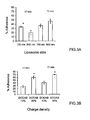
- Figure 3B shows that diminishing the difference in mucoadhesion with time occurred when the cationic liposomes contained relatively high mol% of cationic lipid (36 mol% DODAB). At lower DODAB concentrations (13 mol%) longer incubation times are required to improve the extent of liposome attachment.
- the lipid assemblies according to the invention are preferably inert substances, i.e. which do not a priori provide a statistically significant therapeutic effect on the healthy or diseased mucosa when provided to the mucosa alone.
- the combination of the a priori inert lipid carrier and the active ingredient provide an elevated therapeutic effect, i.e. an effect which is greater than that provided by the active ingredient alone or in combination with another type of carrier.
- the medical procedure may be a preventative medical procedure, i.e. a treatment of a healthy mucosa, for the purpose of preventing a condition from developing.
- the active ingredient is loaded onto positively charged lipid assemblies.
- the medical procedure may be a therapeutic treatment, for the purpose of healing a condition which has already developed.
- the subject is treated with negatively charged lipid assemblies loaded with the active ingredient.
- the active ingredient may be the same.
- the medical procedure may be comprised of a combination of treatment and prevention, i.e. the subject is administered with negatively charged as well as positively charged lipid assemblies loaded with an active agent, the administration being according to a specific schedule of treatment as determined by considerations available to the physician.
- the medical procedure of the invention is designed for managing gastrointestinal diseases and disorders.
- Gastrointestinal diseases and disorders include, without being limited thereto, inflammatory, infectious, gastrointestinal motility disorders, gastroesophageal reflux disease (GERD), chronic intestinal pseudo-obstruction (or colonic pseudo-obstruction, disorders and conditions associated with constipation as well as other conditions known to gastroenterologs.
- GFD gastroesophageal reflux disease
- chronic intestinal pseudo-obstruction or colonic pseudo-obstruction, disorders and conditions associated with constipation as well as other conditions known to gastroenterologs.
- the gastrointestinal diseases and disorders include, without being limited thereto, inflammatory bowel disease (IBD) including ulcerative colitis, Crohn's disease, peptic ulcer disease including gastric ulceration and duodenal ulceration, ileitis, colitis, ileocolitis, ulcerative proctitis, irritable bowel syndrome, gastroenten'tis, diverticulitis, diverticulosis, reflux, ulcer, gastritis, dyspepsia, nausea, abrasion to gastrointestinal tract, heart bum, hiatal hernia, gastrointestinal abscess, aralytic ileus and diarrhea, constipation associated with use of opiate pain killers, post-surgical constipation, and constipation associated with neuropathic disorders and combinations thereof.
- IBD inflammatory bowel disease
- IBD inflammatory bowel disease
- peptic ulcer disease including gastric ulceration and duodenal ulceration
- ileitis colitis
- ileocolitis ulcerative proctitis
- the active ingredient may be selected from agents known and commercially available and will depend on the desired therapeutic procedure.
- steroidal and non-steroidal anti-inflammatory drugs may be loaded onto the lipid assemblies according to the invention.
- Non-limiting examples include corticosteroids such as Prednisone, Prednisolone, methylprednisolone, methylprednisolone succinate (sodium salt) and Budesonide as well as derivatives of 5-aminosalicylic acid, e.g. Sulfsalazine.
- antioxidants may be used as the active ingredient.
- anti-oxidants include tempamine (TMN) (which may also be used for treatment of mucosal inflammation), salicylates such as 5-aminosalicylate (5-AS) or 5-aminosalicylic acid (5-ASA) prodrugs (e.g. sulfasalazine) or steroids.
- the lipid assemblies loaded with the active ingredient were provided to an animal model for in vivo studies.
- oxidative insult in the jejunal mucosa of rats was induced by perfusing the small intestine with a mixture of chelated ferrous sulfate, hypoxanthine and xanthine oxidase.
- This combination produced hydroxyl radicals in a site-specific manner, similar to the way neutrophils cause damage in inflammation processes, or as in pathological conditions (e.g. anoxia caused by ischemic reperfusion), when xanthine dehydrogenase (which, under normal conditions converts hypoxanthine to uric acid) is converted to xanthine oxidase.
- the metabolism of hypoxanthine by xanthine oxidase results in the release of superoxide anions.
- the preventative effect of lipid assemblies according to the invention loaded with anti-oxidants was determined. Localization of an antioxidant enzyme in the preventative assay was accomplished by entrapping it in cationic lipid assemblies. Specifically, liposomes cationization with DODAB were employed, which were inter alia, found to be well tolerated by the HT-29 adenocarcinoma cell line, for 80 hours ( Figure 8 ). For the preparation of the lipid assembly, cholesterol was added to the lipid combination, which further stabilized the membrane and reduced premature release from the assembly. The use of charged lipids, such as DODAB, further increases the stability of the liposomes by decreasing potential aggregation and eventual fusion of the vesicles. Entrapment of the active ingredient, superoxide dismutase (SOD) inside the liposomes was verified ( Figure 7 ) and the possibility that it was adsorbed to the liposomes surface was excluded.
- SOD superoxide dismutase
- TMN an SOD-mimic, which was shown to neutralize both intracellular and extracellular superoxide, with no preference to the time of administration (prior or after oxidative insult), delivery tools (e.g. liposomes) are highly important, especially because it is a small molecule with the capability of diffusing easily among cellular and tissue components.
- Anchoring to the site of injury is important due to its mode of action which, unlike other antioxidants that act in a sacrificial mode, provides protection in a (constant) catalytic way.
- Figure 9 shows that free TMN tissue uptake was 3-fold higher than free SOD uptake, most probably because of its molecular dimensions (mw 171 compared to 33,000) and hence better penetration through the mucus layer, while for TMN amphiphacy and primary amino group enable its superior uptake into the cells.
- Hydrogenated soybean phosphatidylcholine (iodine value 3) was obtained from Lipoid (Ludwigshafen, Germany).
- 1,2-dioleoyltrimethylammonium-propane (DOTAP), 1,2-dioleolyl- sn -glycero-3-phosphoethanolamine-N-(lissamine Rhodamine B) sulfonyl ammonium salt (PEA-Rhod) and 1,2-diolcoyl- sn -glycero-3-phosphoethanolamine- N- carboxyfluorescein (CF-PE), 3- ⁇ -[ N -( N ', N' - dimethylaminoethane)carbamoyl]-cholesterol (DC-Chol), and 1,2-distearoyl- sn -glycero-3-[phospho- rac -(1-glycerol)] (DSPG) were obtained from Avanti Polar Lipids (Alab
- DODAB dioctadecyldimethylammonium bromide
- DNBS dinitrobenzenesulfonic acid
- hematoxylin eo
- Neutral fluorescent liposomes Appropriate amounts of lipids (containing 16 mM HSPC and 12 mM cholesterol) and 0.5mol% headgroup labeled 1,2-dioleoyl- sn -glycero-3-phosphoethanolamine- N- carboxyfluorescein (CF-PE) were weighed, dissolved in tert-butanol, and lyophilized overnight. The lyophilized bed of lipids was hydrated using distilled water at 60°C, a temperature above the HSPC gel-to-liquid crystalline phase transition temperature (52°C), and sonicated by a probe sonicator (MicrosonTM, UL Laboratory Equipment, USA) till a translucent dispersion was achieved.
- CF-PE 1,2-dioleoyl- sn -glycero-3-phosphoethanolamine- N- carboxyfluorescein
- the obtained liposomes were then freeze-thawed three times, and lyophilized overnight.
- the lyophilized bed was then hydrated by L-histidine buffer (5 mM in normal saline) pH 6.5, to the appropriate volume.
- L-histidine buffer 5 mM in normal saline pH 6.5
- HSPC served as the main liposome-forming lipid and was selected due to its high solid-ordered to liquid-disordered (SO ⁇ LD) phase transition temperature (52°C).
- Cholesterol was included in the liposomal lipid so as to obtain a lipid membrane in a liquid-ordered (LO) form. This led to the improved physical stability of the liposomes during storage, and in the body [ Barenholz Y Prog. Lipid Res. 2002 41, 1-5 ].
- Liposomes composed of HSPC and cholesterol have a record of good performance in various applications [ Lasic D.D. Trends Biotechnol. 1998 16, 307-321 ] because of their high chemical and physical stability, contributing to good drug retention with minimal leakage [ Haran, G. et al. 1993 Biochim. Biophys. Acta 1151, 201-215 ].
- Cationic liposomes were prepared as described for the neutral liposomes, except for the addition of the cationic lipid DODAB at the desired level (13, 22, or 36 mol% of total lipids). In separate studies, cationic liposomes containing 22 mol% of DOTAP or 22 mol% of DC-cholesterol were also prepared.
- Anionic liposomes were prepared as described for the neutral liposomes, except for the addition of the anionic lipid DSPG or HSPG at the desired level (13, 22, or 36 mol% of total lipids).
- liposomes were extruded above their Tm (at 65°C), 11 times through 800-nm-pore-size polycarbonate filters using the LiposoFast syringe extruder (Avestin, Ottawa, ON, Canada) to prepare sized multilamellar liposomes (MLVs). In some cases this was followed by extrusion through a 100-nm-pore-size polycarbonate filter, to prepare 100 nm unilamellar vesicles. The dimensions of the liposomes were analyzed by submicron particle sizer (Coulter, Luton, UK). For each batch, a size-distribution curve was plotted (not shown). Thus, the average size of the large liposomes was 800 ⁇ 50 nm and that of the small liposomes was 100 ⁇ 27 nm (mean value ⁇ S.D.). The liposomes maintained these measured dimensions throughout the course of the study.
- Zeta potential of the liposomes was measured, after dilution (1/100) in a 0.01 M unbuffered NaCl solution, by a Zetasizer 3000 HS system (Malvern, England).
- Liposomal charge was assessed by zeta potential analysis after dilution (1/100) in a 0.01 MNaCl (Zetasizer 3000 HS, Malvern, England).
- Male Sprague-Dawley or Male Sabra rats (220-250 g) were obtained from the Animal Farm of Hadassah Medical Center at The Hebrew University of Jerusalem. They were kept under constant environmental conditions (22°C, 12-h light/dark cycles) and fed with standard laboratory chow and tap water. All animal studies were conducted in accord with the Principles of Laboratory Animal Care (NIH publication #85-23, revised 1985). The Mutual Committee of Hadassah University Hospital and the Faculty of Medicine for Animal Welfare approved the study protocol. Anesthesia was performed by an intraperitoneal injection of 100 mg/kg body weight of Ketamine (Ketaset, Fort Dodge, USA). Euthanasia of the anesthetized rats was carried out by chest wall puncturing.
- rats were dosed intra-colonically with 1 ml of free or liposome encapsulated catalase (activity: 9,600U), or 1 ml of free or liposome encapsulated TMN (5 mM). The administration was carried out 1 hour following colitis induction and repeated every 12 hr over three days. The rats were sacrificed 4 days after colitis induction.
- MPO myeloperoxidase
- the suspension was frozen-thawed twice, sonicated for 15 s, and centrifuged at 5000g for 5 min. Then 0.1 ml of supernatant was added to 2.9 ml of phosphate buffer, pH 6, containing 0.167 mg/ml o-dianisidine hydrochloride and 5x 10 -4 % v/v of hydrogen peroxide. The rate of change in absorbance was determined at 460 nm over 30 s. Results were expressed as units of myloperoxidase (MPO) activity per gram tissue weight.
- MPO myloperoxidase
- Macroscopic evaluation was performed by scoring the damage observed on a 0-5 scale ( Table 1 ), as previously described [ Blau S. et al. Pharm. Res. 2000, 17:1077-1084 ].
- Table 1 the whole length of the colon was inflamed, with intermittent ulcers.
- Inflamed tissues with a damage score of 3 - 5 were selected for the attachment studies in which the liposomes' adherence was compared in healthy and inflamed tissues.
- the average value of MPO activity in healthy tissues was 0.02 ⁇ 0.005U/g tissue, while that of the inflamed tissues averaged 5 times higher (at 0.097 ⁇ 0.01U/g tissue).
- the abdomen of either healthy (control) or colitis-induced rats was cut open and a 10 cm length of from the distal colon was excised and rinsed with PBS, after which 5-cm long sacs were prepared by tying one end with 3/0 silk suture, filling with 0.4 ml of liposomal suspension (diluted x10 in PBS), and tying the other end.
- the rest of the colon was excised and kept for macroscopic scoring and MPO analysis.
- the sacs were incubated in 15 ml of PBS, containing 10 mM glucose, at 37°C, in a glass vial on a shaking bath for either 15 or 75 min. At the end of the incubation, the sacs were cut open, rinsed three times by immersion in PBS and weighed.
- Colonic sacs of either healthy or inflamed rat colonic tissues, were prepared as described above and filled, in separate studies, with 0.5 ml of aqueous solutions (containing 2% v/v DMSO) of either of the cationic dye, hematoxylin (1 mg/ml), or the anionic dye, eosin B (0.5 mg/ml).
- the sacs were incubated in 15 ml of PBS containing glucose (10 mM), at 37°C (glass vial) for 15 min in a shaking bath, after which the sacs were cut open, measured for their surface area (ruler) and rinsed (PBS) three times.
- tissue homogenates were measured spectrophotometrically (Uvikon 933, Kontron Switzerland), at 292 nm (hematoxylin) or 523nm (eosin B).
- TMN was loaded into the liposomes by the ammonium sulfate gradient [Haran et al. 1993 ibid.]. Briefly, lipids where lyophilized from tertiary butanol as above and water (70°C) was added to the lipid film. The resulting liposomes were sonicated to form SUV's. Ammonium sulfate solution (0.25M) was added, and the dispersion was freeze-thawed ten times, after which it was lyophilized overnight.
- L-histidine buffer was then added to a final concentration of 10mM and 70°C, and the liposomes were extruded at 65°C, 11 times through 400-nm pore-size polycarbonate filters using the LiposoFast syringe extruder (Avestin, Ottawa, ON, Canada) to prepare sized multilamellar liposomes (MLVs).
- the size distribution of the liposomes was analyzed by a Submicrometer Particle Sizer (Coulter, Luton, UK). For each batch, a size-distribution curve was plotted and the average size of the liposomes was 400 ⁇ 50 nm (mean value ⁇ SD).
- TMN Free ammonium sulfate was removed by dialysis against normal saline. Existence of the ammonium sulfate gradient was verified by the acridine orange test [Haran et al. 1993 . ibid.].
- TMN (10 mM) was added at 70°C and the system incubated for 15 min. Non-encapsulated TMN was removed by dialysis against normal saline, the final extra-liposome pH was brought to pH 6.5 by the addition of L-histidine buffer to a final concentration of 10mM. The encapsulated TMN concentration was measured by electron paramagnetic resonance analysis (EPR) using an 8 point calibration curve of TMN [ Krishna M.C. et al. J. Biol. Chem. 1996, 271(42):26026-26031 ]. The encapsulation yield averaged at 80%.
- EPR electron paramagnetic resonance analysis
- TMN was encapsulated into liposomes prepared from HSPC:HSPG:cholesterol in a mole ratio of 16:8:12.
- Catalase solution in PBS, between 500 and 5000 units was added to the lipid cake (lyophilizate) as above, followed by freeze-thawed three times. Liposomes were down-sized to 400nm as above and the free catalase was removed from the liposomes by ultracentrifugation.
- FITC was tagged with FITC to enable the detection of its uptake into the cells.
- FITC was dissolved in DMSO and SOD was dissolved in sodium bicarbonate buffer pH 9, 0.1M. The two solutions were mixed (magnetic stirrer, I h, room temperature) to form a mole ratio of 1:3 SOD:FITC. Unreacted FITC was separated from the FITC-SOD by dialysis against saline. The FITC-SOD was characterized for its fluorescence spectrum and its number of FITC moiety per molecule of protein. This FITC-SOD was then immediately loaded into the liposomes.
- FITC-SOD-content in the liposomes was determined by ( a ) activity measurements by the cytochrome-C method [ McCord J.M. and Fridovich S.E. J. Biol. Chem.
- FITC-SOD-loaded liposomes or free FITC-SOD were diluted in buffer solutions of the following pH values: 4.5 (citrate buffer, 0.1M), 5.5, 6.5, 7.5 (bicarbonate buffer, 0.1M) and 8.5 (borate buffer, 0.1M).
- pH values 4.5 (citrate buffer, 0.1M), 5.5, 6.5, 7.5 (bicarbonate buffer, 0.1M) and 8.5 (borate buffer, 0.1M).
- the cytotoxicity of the cationic liposomes was assessed in the human colon adenocarcinoma cell line HT-29 using a modified 3-(4,5-dimethylthiazol-2-yl)-2,5-diphenyltetrazolinium bromide) (MTT) assay [ Hansen, M. B. et al .J. Immunol. Met., 119:203-210, 1989 ].
- MTT 3-(4,5-dimethylthiazol-2-yl)-2,5-diphenyltetrazolinium bromide)
- HT29 cells The ability of HT29 cells to internalize SOD-loaded liposomes in culture was examined.
- HT29 cells (2x10 4 / 200 ⁇ l) were seeded onto cover slips contained in 24 well trays. After 24h the cells were exposed to SOD-loaded liposomes for 1, 2 and 4h at 37°C.
- FITC-SOD was introduced into non-labeled liposomes.
- FITC-SOD was loaded in headgroup labeled Rhodamine phosphatidylethanol amine liposomes. At the end of incubation the cells were rinsed three times with cold PBS and fixed in 3% paraformaldehyde.
- Nuclear morphology visualization was enabled by soaking the fixed cells in 4',6-diamidine-2'-phenylindole dihydrochloride (DAPI), 50 ⁇ g/ml in PBS, for 20-30 min, at RT. After PBS rinsing (three times) the cells were mounted in Mowiol-DABCO mounting media. Cell internalization and cytosol locality (in relation to the nucleus) was examined by confocal microscopy (Zeiss, Gottingen, Germany).
- DAPI 4',6-diamidine-2'-phenylindole dihydrochloride
- Colon sacs (5 cm each) were prepared by tying one end with 3/0 silk suture, filling with 0.4 ml of free or liposomal suspension of either TMN or FITC-SOD (diluted x10 in PBS), and tying at the other end.
- the sacs were incubated in 15 ml of PBS, containing 10 mM glucose, at 37°C, in a glass vial in a shaking bath for 60 min. At the end of the incubation, the sacs were cut open, rinsed three times by PBS immersion and weighed.
- uptake FITC-SOD attachment and uptake
- the colon sac preparations were homogenized (Polytron, Kinematicas, Berlin, Germany) in a solution containing isopropanol: pH 9.0 borate buffer 9:1. One milliliter of the homogenate was centrifuged at 14,000 rpm for 15 min.
- TMN uptake tissues were homogenized in water containing 1% v/v TritonX-100. One ml of the homogenate was centrifuged (5000 rpm, 15 min), and TMN concentration was measured by EPR.
- Hydroxyl radicals were induced in the jejunum (15 cm long segment) of each of four group of anaesthetized Sabra rats, by the perfusion of a mixture of 6mM hypoxanthine, 3U/ml of xanthine oxidase, 10 mM FeSO 4 and 1 mM EDTA in saline over 30 min, using a closed rat jejunal loop system at a rate of 1ml/min, as described elsewhere [ Kohen R. et al. J. Biol. Chem. 1992, 267:21349-21354 ].
- LDH lactate dehydrogenase
- the rats were anesthetized by an IP injection of 100 mg/kg body weight of ketamine (Ketaset, Fort Dodge, USA)] and their colons were exposed through a longitudinal abdominal incision.
- the distal 10-cm of the colon was removed, cut open, and rinsed with ice-cold PBS, pH 7.4. Ulcerated regions were located, and full thickness of ulcerated tissues was separated with a scalpel from the surrounding inflamed tissues.
- the tissue specimens were immediately frozen in liquid nitrogen. At a later stage the specimens were homogenized (Polytron, Kinematica GmbH, Germany) in 10 volumes of 0.02M phosphate-buffer, pH 7.4, and stored again at -74°C for further biochemical analysis and inflammatory markers' evaluation.
- MPO Tissue myeloperoxidase
- the activity of the enzyme MPO is a reliable index of inflammation caused by infiltration of activated neutrophils into the colonic epithelium. Its activity was evaluated according to Grisham et al. (2). Briefly, 0.5 ml taken from the frozen, homogenized colonic mucosa was centrifuged at 25,000 g for 5 min. The pellet was dispersed in 0.5 ml of ice-cold 50 mM phosphate buffer, pH 6, containing 0.5 ml hexadecyltrimethyl ammonium bromide (HTAB). The suspension was freeze-thawed twice, sonicated for 15 seconds and centrifuged at 5000 g for 5 min.
- HTAB 0.5 ml hexadecyltrimethyl ammonium bromide
- TARS Thiobarbituric acid reactive species
- tissue homogenate 1 ml was centrifuged (5000 rpm, 15 min) and the supernatant was mixed with 2 ml of a mixture of 15% trichloroacetic acid, 0.37% thiobarbituric acid and 0.25 N HCl. The mixture was heated (100°C) for 15 min and then centrifuged. The absorbance of the supernatant was measured at 535 nm.
- Table 1 Liposome composition and Zeta potential (measured in unbuffered NaCl) Liposome type Lipid composition (mol%) Zeta potential (mV) Neutral HSPC:Chol -12 57:43 Cationic HSPC:Chol:DOTAP 70 45:33:22 Cationic HSPC:Chol:DC-Chol 68 45 :3 3 :22 Cationic HSPC:Chol:DODAB 49 50:37:13 Cationic HSPC:Chol:DODAB 64 45:33:22 Cationic HSPC:Chol:DODAB 76 36:28:36 Anionic HSPC:Chol:DSPG -28 50:37:13 Anionic HSPC:Chol:DSPG -66 45:33:22
- the adherence of the cationic liposomes was charge density dependent (expressed as mol% of charged lipids) ( Figure 2 ). That is, the higher the amount of cationic lipid in the lipid mixture, the higher the adherence measured as observed in the case of DODAB (11 ⁇ 1.41, 39.08 ⁇ 1.78, 47.0 ⁇ 5.0, 70.0 ⁇ 2.47% fluorescence of initial amount per g tissue wet weight ⁇ SEM. for 0,13, 22, and 36% DODAB- containing liposomes, respectively).
- Figure 6A shows that the anionic dye eosin B adhered significantly better to the inflamed colonic epithelium than to the healthy tissue (0.12 ⁇ 0.011 and 0.19 ⁇ 0.012 ⁇ g/cm 2 for healthy and inflamed tissues, respectively).
- the cationic dye hematoxylin adhered significantly better to healthy tissues than to inflamed ones ( Figure 6B ) (26.2 ⁇ 2.8 and 19.6 ⁇ 1.36 ⁇ g/cm 2 for healthy and inflamed tissues, respectively).
- the cationic liposomes were well tolerated by the colorectal adenocarcinoma cell line HT-29, for up to 96 hours, as measured by the MTT assay, summarized in Figure 8 .
- the same cell-line was used to characterize cellular internalization of the liposomes.
- the liposomes were labeled with Rhodamine and loaded with FITC-SOD.
- Typical examples of visualization, which was performed at 1, 2, and 4 hours are presented in Figures 9A-9C . It was observed that FITC-SOD (white) was localized at discrete points within the cell cytoplasm.
- Rhodamine-labeled phospholipids were also identified within the cytoplasm, indicating that the HT-29 cells engulfed the entire liposomes.
- DAPI staining showed that the location of the liposomal SOD was confined to the cytosol, excluding the nucleus (white).
- LDH activity was 22.4 ⁇ 0.2, 8.7:1: 1.8, 11.8 ⁇ 0.3, 10.4 ⁇ 0.3 and 17.8 ⁇ 1.9 U/mg tissue ⁇ SEM for the untreated group, the oxidative damage treated group, the native SOD pretreated group, the empty liposomes pretreated group and the liposomal SOD pretreated group respectively ( Figure 11A ).
- Potassium levels were: 0.7 ⁇ 0.06, 0.33 ⁇ 0.07, 0.37 ⁇ 0.03, 0.56 ⁇ 0.06 and 0.27 ⁇ 0.05 ⁇ mol potassium/mg tissue for the untreated group, the oxidative damage treated group, the native SOD pretreated group, the liposomal SOD and the empty liposomes pretreated group respectively ( Figure 11B ).
- Figure 12A summarizes the advantages of liposomal TMN compared with free TMN in the local treatment of oxidative injury caused by hydroxyl radicals. While free TMN was not able to protect the epithelium against oxidative damage was low, liposomal TMN doubled the protection effect as expressed by tissue activity of LDH and potassium levels. Mucosal LDH activity was 22.4 ⁇ 0.2, 8.7 ⁇ 1.8, 9.0 ⁇ 1.3, 10.4 ⁇ 0.3, 17.9 ⁇ 1.1 U/mg tissue ⁇ SEM for the untreated group, the oxidative damage induced group, the free TMN pretreated group, the empty liposomes pretreated group and the liposomal TMN pretreated group respectively.
- the corresponding mucosal potassium levels were found to be 0.6 ⁇ 0.04, 0.35 ⁇ 0.07, 0.33 ⁇ 0.08, 0.55 ⁇ 0.05 and 0.27 ⁇ 0.05 ⁇ mol/mg tissue for the untreated group, the oxidative damage induced group, the free TMN pretreated group, the liposomal TMN and the empty liposomes pretreated group respectively ( Figure 12B ).
- TMN was loaded onto negatively charged liposomes (composed of HSPC, HPG and cholesterol as described in the materials and methods) and the anti-inflammatory effect of the loaded liposomes was examined.
- the effect of the negatively charged loaded liposomes on the colonic epithelium was examined.
- Figures 13A-13B show the effect of the loaded liposomes as expressed by tissue TBARS concentration ( Figure 13A ) and MPO activity ( Figure 13B ).
- the therapeutic activity of the negatively charged liposomes loaded with TMN is significant when compared to the free drug or the results with saline treated rats.
Landscapes
- Health & Medical Sciences (AREA)
- Chemical & Material Sciences (AREA)
- Life Sciences & Earth Sciences (AREA)
- General Health & Medical Sciences (AREA)
- Veterinary Medicine (AREA)
- Epidemiology (AREA)
- Medicinal Chemistry (AREA)
- Animal Behavior & Ethology (AREA)
- Dispersion Chemistry (AREA)
- Public Health (AREA)
- Pharmacology & Pharmacy (AREA)
- Biophysics (AREA)
- Molecular Biology (AREA)
- Medicinal Preparation (AREA)
- Pharmaceuticals Containing Other Organic And Inorganic Compounds (AREA)
- Medicines That Contain Protein Lipid Enzymes And Other Medicines (AREA)
- Manufacturing Of Micro-Capsules (AREA)
Abstract
Description
- This invention relates to use of negatively charged liposomes relying on differential adhesion of normal, i.e. healthy and diseased mucosa, particularly mucosa of the gastrointestinal tract.
-
- (1) Miller C.R. Biochemistry, 1998, 37:12875-12883;
- (2)
WO02/064109 - (3) Sigal Blau et al. Critical Reviewed in Therapeutic Drug Carrier Systems 2000 17(5):425-466;
- (4) Venkatesan, N. and Vyas, S. P. International journal of pharmaceutics. 2000, 203:169-77;
- (5) Iwanaga, K. et al. J. Pharm. Sci.1999, 88:248-252;
- (6) Yerushalmi, N. et al. Biochim. Biophys. Acta. 1994, 1189:13-20;
- (7) Rogers, J. A. and Anderson, K. E. Crit. Rev. Ther. Drug Carrier. Syst. 1998, 15:421-480;
- (8) Blau, S. et al. Crit. Rev. Ther. Drug Carr. Sys. 2000, 17:425-466;
- (9) Takeuchi, H. et al. J Control Release. 2003, 86:235-42;]
- A variety of GI diseases are confined to the intestinal mucosa, many are associated with reactive oxygen species and oxidative stress [Grisham, M., Lancet 1994, 344:859-861; Pavlick, K. P. et al. Free Rad. Biol. Med. 2002, 33(3):311-322; Van der Vliet, A. et al. Free Rad. Biol. Med. 1992, 12:499-513. For example inflammatory bowel diseases (IBD) result in an intense flux of activated neutrophils into the inflamed mucosa. The neutrophils adhere transiently, allowing the production of oxidants (superoxide and H2O2 mainly) only at the site of their adherence [Saveryumuttu, S. H. et al. Gut 1985, 26:378-383]. Although the mucus lining of the gastrointestinal tract possesses antioxidant properties [Grisham, M. B. et al. Am. J. Physiol. 1987, 253:G93-G96], it is exposed to a continuous oxidative damage by the efflux of oxygen reactive species. One way to reduce this stress is to introduce antioxidants capable of scavenging OH radicals that are produced by the Habber-Wiess reaction. The antiinflammatory drug 5-aminosalicylic acid was suggested to act as a scavenger of OH• radicals, and of the neutrophil-derived hypochlorous acid [Dallegri, F. et al. Gut 1990, 31(2):184-186].
- Natural antioxidant enzymes such as superoxide dismutase (SOD) or catalase are also candidates for the treatment of intestinal injuries. SOD has been tested, clinically, for the treatment of Crohn's disease [Emerit, J. et al. Free Radic Res Commun 1991, 12-13(Pt 2):563-569].
- Another antioxidant, Tempamin (TMN), is a stable SOD mimic, which was found to be effective in both cellular and tissue levels, against a variety of reactive oxygen species (ROS) and the insult they cause. [Samuni, A. et al. Free Radic. Res. Commun. 1991, 12-13(Pt 1):187-194], including intestinal injuries [Udassin, R. et al. Gut 1998, 42(5):623-627].
- Oral administration offers a potential portal to the superficial layers, inter alia, of the gastrointestinal (GI) tract. Due to the disputed extent of particle uptake from the intestinal lumen into the bloodstream, the most attractive use of particulate drug carriers is topical (local) drug treatment of intestinal diseases. A typical therapeutic opportunity is ulcerative colitis, an inflammatory disease confined to the epithelium of the large intestine. Experience with drugs such as salicylates (5-aminosalicylic acid) [Christensen L.A. Dan. Med. Bull., 2000 46:20-42] and steroids (budesonide) [Rutgeerts P. Mediators, Inflamm., 1998 7:137-140] have justified local therapy in the colon.
- ROS production has also been associated with tumor recurrence. SOD and catalase have been demonstrated in an animal model to dramatically reduce tumor development in a peritoneal wound site context. SOD was demonstrated to reduce tumor recurrence by 50%, while catalase by 40%. Therefore, local release of the antioxidants onto the wound site will reduce ROS production, promote wound healing and consequently inhibit tumor recurrence after cancerous polyps removal (M. E. van Rossen, et al. Cancer Res 2000, 60:5625-5629).
- Attachment of cationized enzymes to the colonic mucosa has already been experiences successfully [Blau, B. et al. Pharm. Res., 2000, 9:1077-1084], however, a possible drawback of this method (which differs essentially from liposomal entrapment) is a partial loss of activity of the enzymes resulting from the chemical charge-modification and potential immunogenicity.
- Lipid assemblies, such as microemulsions [Dunn, C.J. et al. Drugs, 2001 61:1957-2016] and oral liposomes [Rogers J.A. and Anderson K.E Crit. Rev. Ther. Drug Carrier Syst., 1998 15:421-480; Lian T. and Ho R.J. J. Pharm. Sci., 2001 90:667-680] have been examined as potential drug carriers, primarily in the context of increasing intestinal absorption of lipophilic drugs [Gershanik T. and Benita S Eur. J. Pharm. Biopharm., 2000 50:179-188].
- Mucosal targeting by liposomes can be achieved by manipulating their surface properties. Surface polymerization and polymer-coated liposomes have been mentioned in the context of increased stability of orally administered liposomes [Venkatesan N. and Vyas S.P. Int. J. Pharm., 2000 203:169-177; Iwanaga K. et al. J. Pharm. Sci.1999, 88:248-252]. Liposomal targeting has been tested using covalently anchored collagen [Yerushalmi N. and Margalit R. Biochim. Biophys. Acta, 1994, 1189:13-20], lectins [Lehr M J. Control. Rel. 2000, 65:19-29], or carbohydrates [Rogers J.A. and Anderson K.E. 1998, ibid.]. Surface charge modification has been suggested as a common means of liposome localization to cells and a variety of body organs [Miller C.R. Biochemistry, 1998, 37:12875-12883; Cristiano R.J. Frontiers Biosci., 1998 3:D1161-D1170]. Both cationic and anionic liposomes have been tested as targetable delivery systems, where the electrostatic interaction with the surface of cells was the leading cause for liposome attachment to the cell membrane, thus leading to their internalization [Miller C.R. et al. 1998 ibid.; Blau S. et al. Crit. Rev. Ther. Drug. Sys., 2000, 17:425-466 ].
- The invention is based on the surprising finding that there is a differential attachment of charged liposomes to either normal or inflamed intestinal mucosa. Specifically, it has been established that cationic liposomes adhere to a healthy mucosa better than neutral or anionic liposome, while, anionic liposome adherence to an inflamed mucosa was better than that of either neutral or cationic liposomes. Further, it was established that adherence directly correlated with charge density.
- Thus the present invention provides the use of negatively charged liposomes loaded with an active ingredient that is not covalently bound to said liposomes in the manufacture of a medicament for treatment of a disease or disorder associated with inflammation of the mucosa of the gastrointestinal (GI) tract selected from ulcerative colitis, Crohn's disease and colitis.
- As used herein the term "medical procedure" denotes treatment, i.e. for the purpose of curing, of a condition or prevention of a condition from developing in the tissues forming the mucosa. For the purpose of curing, the term "treatment" includes, without being limited thereto, administering of an amount of a medicament comprising an active ingredient and positively charged (cationic) lipid assemblies, the amount being effective to ameliorate undesired symptoms associated with the condition, to slow down progression of the condition or delay the onset of the progressive stage, to slow down deterioration of such symptoms, to enhance onset of a remission period of the condition, if existing, to delay onset of a progressive stage, to improve survival rate or more rapid recovery from the condition, to lessen the severity or to cure the condition etc.
- The term "prevention" includes, without being limited thereto, administering of an amount of a medicament comprising an active ingredient and negatively charged (anionic) lipid assemblies to prevent the condition from occurring in the layers confined in the mucosa, to prevent irreversible damage caused by the condition, to prevent the manifestation of symptoms associated with the condition before they occur, to inhibit the progression of the condition etc.
- The medical procedure according to the invention may also include a combination of treatment and prevention as defmed herein. To this end, the medical procedure involves providing the subject in need of the medical procedure a combined treatment, i.e. a combination of positively charged lipid assemblies and negatively charged lipid assemblies (administered either together or separately) loaded with either the same or different active ingredients. The medicaments, i.e. that comprising the positively charged lipids (for prevention) and that comprising the negatively charged lipids (for curing) may be administered to the subject in need simultaneously or within a predefined time interval, as prescribed by the physician, based on medical considerations known to those versed in the art.
- The term "mucosa" as used herein denotes the moist tissue lining body cavities (such as alimentary canal, nose, lungs, vagina), secretes mucous and covered with epithelium. Histologically, the intestinal mucosa is divided into three layers: epithelial lining, lamina propria (support), muscularis mucosa (smooth muscle layer). It is supported by the submucosa (a loose collagenous tissue contains blood vessels, lymphatics, & nerves) and the muscularis propria (smooth muscle inner circular layer, outer longitudinal layer).
- In the context of the present invention mucosa membrane preferably refers to the mucosa lining the alimentary passages and cavities, i.e. the mucosa within the gastrointestinal tract.
- The term "disease or disorder" as used herein denotes any condition that impairs the normal function the mucosa, preferably the gastrointestinal mucosa. The disease may be characterized by periods of varying disease activity, i.e. quiescent, intermediate, and acute (active) phases. Depending on the phase symptoms can range from none to mild and somewhat tolerable, to severe and requiring hospitalization for treatment. Non-limiting examples include conditions resulting from inflammation, exposure of the mucosa to short-term or long-term oxidative stress, motility disorders (for example in irritable bowel syndrome) and malignant processes such as colon cancer or familial adenomatous polyposis (FAP).
- As used herein, the term "lipid assemblies," denotes an organized collection of lipids forming inter alia, micelles and liposomes. It is essential that the lipid assemblies of the invention be stable lipid assemblies. The term "stable lipid assemblies," refer to the stability during storage, as well as the stability after administration to the subject in need thereof. In terms of storage, stability includes chemical as well as physical stability under storage conditions (2-8°C), and in biological fluids (37°C) for at least six months. Further, it denotes that during storage the integrity and composition of the lipid assembly is substantially unaltered and if already loaded with the active ingredient, the later has a low leakage or desorption rate from the lipid assembly. To this end, the lipid assembly may be combined with stabilizers. Non-limiting examples of stabilizers include cholesterol and similar membrane active sterols, lipopolymers such as PEGylated lipids.
- As used herein, the term "charged lipid assemblies" denotes assemblies having a net positive or negative charge. Accordingly, while the assembly may be composed of a combination of positively charged (cationic) and negatively charged (anionic) components, a positively charged lipid assembly is such that its net charge is positive, and a negatively charged lipid assembly is such that its net charge is negative.
- As used herein, the term "loaded with an active ingredient" denotes any type of association between the active ingredient and the assembly, including electrostatic interaction, or when the assembly forms micelles and/or vesiculate (e.g. liposomes), the loading encompass encapsulation of the active ingredient within the vesicle, entrapment of the active ingredient (in whole or in part) within the lipid layer of the vesicle (insertion), electrostatic adsorption to the surface of the micelles or the vesicles or any combination of the above. Notwithstanding the above, the term "loaded with an active ingredient" does not include covalent binding between the lipid carrier and the active ingredient.
- Loading of the active ingredient within the vesicle or liposome may be achieved by any known method of encapsulation available, including, passive as well as active (remote) loading [Haran et al. 1993 ibid.; Barenholz Y. J liposome Res. 13:1-8, 2003,
U.S. patent Nos. 5,136,771 and5,939,096 ]. - As used herein, the term "topical treatment" denotes focused treatment at a limited region (preferentially where a disease exists) from the lumen aspect of the intestine (non-systemically) via the epitheliun. Accordingly, a therapeutic effect may be achieved at the various layers of the mucosal tissues, including the submucosa, muscularis mucosa and the muscle layers of the mucosa. It should be noted that by the use of charged lipid assemblies as the drug carrier, a reversible docketing is achieved, i.e. after a while the charged lipid assembly is detached from the epithelium tissue. Thus, by the use of charges lipid assemblies according to the invention, the risk of undesired side effects is reduced.
- In order to understand the invention and to see how it may be carried out in practice, a preferred embodiment will now be described, by way of non-limiting example only, with reference to the accompanying drawings, in which:
-
Fig. 1 is a bar graph showing the % adherence (% adsorption out of initial amount) of three types of cationic (DODAB, DOTAP, and DC-Chol); neutral (HSPC); and anionic (DSPG) liposomes (800±50 nm) to the healthy epithelium of the rat colon after 75 min of incubation in colon sacs (* denotes p < 0.001 when compared to HSPC-containing liposomes). Ratio of all charged lipids was 22 mol% and the averages of six different studies ± SEM are shown. -
Fig. 2 is a graph showing the effect of increasing amounts of DODAB (expressed in mol% of total lipids in the cationic liposomes) on the percent of tissue adherence (% of initial amounts) of cationic liposomes (800±50 nm) to the healthy epithelium of the rat colon as measured after 75 min of incubation in colon sacs. The averages of six different studies ± SEM are shown. -
Figs. 3A-3B are bar graphs showing the effect of incubation time (15 or 75 minutes) and liposome size or charge density on the adherence of cationic liposomes.Fig. 3A shows the effect of incubation time and liposome's size on the adherence of cationic liposomes (DODAB, 22 mol% of total lipids) to the healthy epithelium of the rat colon as measured in colon sacs;Fig. 3B shows the effect of incubation time and charge density on the adherence of cationic liposomes (DODAB, 13 or 36 mol% of total lipids, 800±50 nm) to the healthy epithelium of the rat colon as measured in colon sacs. Shown are the averages of six different studies ± SEM. * denotes p < 0.005 when compared to liposomes containing 13 mol% DODAB. -
Fig. 4 is a graph showing the effect of increasing concentrations of MgCl2 on the % attachment of cationic liposomes (DODAB, 22 mol% of total lipids) to the epithelium of the healthy rat colon after 15 min of incubation in colon sacs. Shown are the averages of four different studies ± SEM. -
Figs. 5A-5B are graphs showing the % adherence of neutral (HSPC), cationic (DODAB, 22 mol% of total lipids) and anionic (DSPG, 22 mol% of total lipids) liposomes (800±50 nm) to healthy (white columns) and inflamed (gray columns) epithelium of the rat colon, as measured 75 min after incubation in colon sacs (Fig. 5A ) and the effect of charge density (as expressed by the mol% of DSPG of total lipids) on the % adherence of the anionic liposome to the epithelium of the inflamed colon of the rat (Fig. 5B ). * denotes p<0.001 when compared to healthy group and ** denotes p<0.001 when compared to HSPC group. Shown are the averages of six different studies ± SEM. -
Figs. 6A-6B are bar graphs showing the % attachment of Eosin B (mcg/cm2) (Fig. 6A ) and Hematoxylin (mcg/cm2) (Fig. 6B ) to healthy and inflamed colonic epithelium of the rat. Shown are the averages of three different studies ± SEM. * denotes p < 0.05 when compared to healthy group. -
Fig. 7 is a graph showing the change (increase) in fluorescence (expressed as % of initial fluorescence at pH 4.5) of encapsulated (-◆-) or free (-O-) FITC-SOD with pH. -
Fig. 8 is a graph showing the toxicity (relative metabolism) of the cationic liposomes, containing no DODAB (-◆-, control), 19 (-■-), 56 (-▲-), 168 (-x-) and 503 (-∗-) microMolar of DODAB as analyzed by MTT test in HT-29 colorectal adenocarcinoma cells, as a function of time. Shown are the means of triplicate data ± SD. -
Figs. 9A-9D are confocal fluorescence images of HT-29 cells after incubation with Rhodamine-labeled liposomes containing FITC-SOD for 1 (Fig. 9A ), 2 (Fig. 9B ) and4 (Fig. 9C ) hours. DAPI stain of HT-29 cells containing FITC-SOD cationic liposomes is also shown (Fig. 9D ). -
Figs. 10A-10B are bar graphs showing tissue uptake (% of initial amount/mg tissue protein) of free and liposomal FITC-labeled SOD (FITC-SOD) (Fig. 10A ) and TMN (Fig. 10B ) by the epithelium of intestinal sacs from the rat jejunum as expressed by % of initial amount in the bathing solution. Shown are the results of four different experiments ± SEM. * denotes p < 0.05 compared with the un-encapsulated group. -
Figs. 11A-11B are bar graphs showing tissue LDH activity (Fig. 11A ) and tissue content of potassium (Fig. 11B ) of treated and untreated healthy jejunal mucosa. Specifically,Fig. 11A shows tissue LDH activity (expressed in U/mg tissue) of healthy jejunal mucosa ("Untreated") or mucosal tissues treated with xanthine/xanthine oxidase -FeSO4 mixture followed by saline perfusion ("X/XO"), native SOD perfusion ("X/XO-SOD"), empty liposomes perfusion ("X/XO-empty lipo") and SOD loaded cationic liposomes ("X/XO-Lipo-SOD").Fig. 11B shows tissue content of potassium (expressed in µmol/mg tissue) of healthy jejunal mucosa ("Untreated") or mucosal tissues treated with xanthine/xanthine oxidase -FeSO4 mixture followed by saline perfusion ("X/XO"), native SOD perfusion ("X/XO-SOD"), empty liposomes perfusion ("X/XO-empty lipo") and SOD loaded cationic liposomes ("X/XO-Lipo-SOD"). Shown are the results of four experiments ± SEM. * denotes p < 0.05 compared with the X/XO group. -
Figs. 12A-12B are bar graphs showing tissue LDH activity (Fig. 12A ) and tissue content of potassium (Fig. 12B ) of untreated and treated healthy jejunal mucosa. Specifically,Fig. 12A shows tissue LDH activity (expressed in U/mg tissue) of healthy jejunal mucosa ("Untreated") or mucosal tissues treated with xanthine/xanthine oxidase -FeSO4 mixture followed by saline perfusion ("X/XO"), TMN perfusion ("X/XO-TMN"), empty liposomes perfusion ("X/XO-empty lipo") and TMN loaded cationic liposomes ("X/XO-Lipo-TMN").Fig. 12B shows tissue content of potassium (expressed in µmol/mg tissue) of healthy jejunal mucosa ("Untreated") or mucosal tissues treated with xanthine/xanthine oxidase -FeSO4 mixture followed by saline perfusion ("X/XO"), TMN perfusion ("X/XO-TMN"), empty liposomes perfusion ("X/XO-empty lipo") and TMN loaded cationic liposomes ("X/XO-Lipo-TMN"). Shown are the results of four experiments ± SEM. * denotes p < 0.05 compared with the X/XO group. -
Figs. 13A-13B are bar graphs showing the improved anti-inflammatory effect of liposomal TMN (Lip-TMN), compared with the non-liposomal (Free TMN) drug on the colonic epithelium of colitis-induced rats after 3-days treatment, as expressed by tissue TBARS concentration (% of original) (Fig. 13A ) and MPO (U/mg protein) activity (Fig. 13B ). Shown are the mean results ± S.E. (n=3), compared with non-treated (Diseased) group and saline treated control. -
Fig. 14A-14B are bare graphs showing the improved anti-inflammatory effect of liposomal catalase (Lip-catalase), compared with the non-liposomal (Catalase) drug on the colonic epithelium of colitis-induced rats after 3-days treatment, as expressed by tissue TBARS concentration (% of original) (Fig. 14A ) and MPO (U/mg protein) activity (Fig. 14B ). Shown are the mean results ± S.E. (n=3), compared with non-treated (Diseased) group and saline treated control. - The most important potential of oral particulate drug carriers has been shown to be at the level of the intestinal mucosa since the extent of particulate uptake is still questionable and involves mostly adsorption and some absorption processes [E. Mathiowitz, et al. Nature 1997, 386(6623):410-414]. Thus, much activity has been focused in the area of oral, mucosal immunization, using biodegradable particles [van der Lubben, I. M. et al. Adv. Drug Deliv. Rev. 2001, 52:139-144].
- The present invention is based on the use of electrical surface charge as a docking tool to bring lipid assemblies in the vicinity of a diseased, e.g. inflamed epithelium of the mucosa, for executing a desired medical procedure.
- Surprisingly, differences in the attachment properties of charged lipid assemblies, such as liposomes, were found, when examined in healthy or inflamed mucosal tissues of rat colon. Specifically, positively-charged liposomes adhered to a healthy mucosa significantly better than anionic or neutral liposomes.
- The invention concerns the use of negatively charged liposomes loaded with an active ingredient that is not covalently bound to said liposomes in the manufacture of a medicament for treatment of a disease or disorder associated with inflammation of the mucosa of the gastrointestinal (GI) tract selected from ulcerative colitis, Crohn's disease and colitis.
- According to the invention, charged lipid assemblies are used as carriers for targeting the mucosa (epithelium). The targeting is achieved by the differential adhesion of normal (healthy) and diseased (e.g. inflamed) mucosa by, respectively, cationic and anionic lipid assemblies. The successful targeting is preferably used for the local (topical) treatment of disorders confined to the mucosa, in both tissue and enterocyte levels.
- The target mucosa according to the invention concerns all that lines body passages and cavities which communicate directly or indirectly with the exterior, including the alimentary, respiratory, and genitourinary tracts. However, according to one embodiment, the target mucosa is that lining the gastrointestinal tract (GIT), including intestinal mucosa, small bowel mucosa, large bowel mucosa or the mucosa in the rectum. More preferably, the invention concerns the intestinal mucosa.
- With respect to treatment of GI mucosa, one embodiment concerns diseases, disorders and conditions of the GIT resulting from inflammation. Inflammation can be chronic or acute, or can alternate between the two stages. GIT Inflammation refers to the condition of inflammation occurring or threatening to occur in any portion of the GIT, from mouth to anus. Inflammation of the GIT may be due to etiologies as diverse as infection, reaction to drugs or other foreign (irritating) substances, or to diseases such is Inflammatory Bowel Disease (Crohn's disease; ulcerative colitis). Thus, according to this embodiment, by virtue of their mucosal attachment properties charged lipid assemblies, loaded with active ingredients having an a therapeutic effect, are able to release their drug load in close proximity to the site of injury (e.g. inflammation), thereby increasing drug treatment efficacy. It was shown that the lipid assemblies were also able to enter the enterocytes (epithelium cells) and react immediately with inflammation mediators.
- Other diseased states in the GIT include, without being limited thereto, motility disorders, primarily in irritable bowel syndrome (IBS) and malignant processes, such as pre-metastatic colon cancer as well as colon carcinoma, familial adenomatous polyposis. For the treatment of, e.g. IBS the lipid assemblies may be loaded with antispasmodics drugs that control colon muscle spasms and help with diarrhea and pain. Typical examples include 5-HT3 receptor antagonist alosetron hydrochloride and the 5-HT4-receptor agonist (serotonin mimic) tegaserod maleate.
- The cause of the different diseases and disorders of the GI may vary. According to one embodiment, the GI state may result from inflammation. To this end, the active ingredient loaded onto the lipid assemblies is one of a variety of agents known in the art to have a therapeutic effect on inflammation processes. Typical, non-limiting examples include steroids, salicylates, COX-2 inhibitors, anti-TNFα drugs and antioxidants.
- According to another embodiment, the GI state may result from long term or short term oxidative stress. To this end, the active ingredient loaded onto the lipid assemblies is one of a variety of agents known in the art to have a therapeutic effect on oxidation processes. Typical, non-limiting examples, include antioxidants such as tocopherol, free radicals scavengers, SOD and SOD mimics, catalase or therapeutic reducing agents.
- According to yet another embodiment, the GI state may result from motility disorder. According to yet a further embodiment, the GI state may result from malignant processes. To this end, the active ingredient loaded onto the lipid assemblies is one of a variety of cytotoxic or cytostatic agents known in the art to have a therapeutic effect on hyperproliferation conditions within the GI.
- The cationic lipids may be monocationic or polycationic (or combination of same), synthetic, semi-synthetic or naturally occurring lipids. Cationic lipids (mono and polycationic) typically have a lipophilic moiety, such as a sterol, an acyl or diacyl chain, and where the lipid has an overall net positive charge. Preferably, the head group of the lipid carries the positive charge. The cationic lipids can be divided into four classes: (i) quaternary ammonium salt lipids (e.g. DOTMA (Lipofectin™) and DOTAP) and phosphonium/arsonium congeners; (ii) lipopolyamines; (iii) cationic lipids bearing both quaternary ammonium and polyamine moieties and (iv) amidinium, guanidinium and heterocyclic salt lipids.
- Exemplary of mono cationic lipids include 1,2-dioleyloxy-3-(trimethylamino) propane (DOTAP); cholesterol, dioctadecylmethylammonium bromide (DODAB), N-[1-(2,3,-ditetradecyloxy)propyl]-N,N-dimethyl-N-hydroxyethylammonium bromide (DMRIE); N-[1-(2,3,-dioleyloxy)propyl]-N,N-dimethyl-N-hydroxy ethylammonium bromide (DORIE); N-[1-(2,3-dioleyloxy) propyl]-N,N,N-trimethylammonium chloride (DOTMA); 3β[N-(N',N'-dimethylaminoethane) carbamoly] cholesterol (DC-Chol); and dimethyldioctadecylammonium (DDAB). Additional cationic lipids may be found in http://www.avantilipids.com (transfection reagents therein) incorporated herein by reference.
- Non-limiting examples of polycationic lipids include a lipophilic derivatized with a cationic peptide, such as polylysine or other polyamine lipids. other polycationic lipid include, for example N-[2-[[2,5-bis[(3-aminopropyl)amino]-1-oxopentyl]amino]ethyl]- N,N-dimethyl- 2,3-bis[(1-oxo-9-octadecenyl)oxy]-1-propanaminium, (DOSPA), N-(2-hydroxyethyl)-N,N-dimethyl-2,3-bis(tetradecyloxy)-1-propanaminium), and N-palmitoyl D-erythro sphingosyl-1-carbamoyl spermine (CCS).
- Non-limiting examples for anionic lipids include 1,2-distearoyl-sn-glycero-3-[phospho-rac-(1-glycerol)] (DSPG), hydrogenated soy phosphoglycerol (HSPG) and other as detailed in http://www.avantilipids.com.
- The lipid assemblies according to the invention may further comprise a lipid carrier. According to one preferred embodiment the lipid assemblies form vesicles. To this end, the lipids carriers are preferably vesicle forming lipids. One preferred example for vesicles are the liposomes. The vesicle forming lipids are preferably ones having two hydrocarbon chains, typically acyl chains, and a head group, either polar or nonpolar. There are a variety of synthetic as well as semi-synthetic vesicle-forming lipids and naturally-occurring vesicle-forming lipids, including the zwitterionic phospholipids, such as phosphatidylcholines, and sphingomyelins, the negatively charges phospholipids such as phosphatidic acids, phosphatidylinositols, cardiolipins, etc., all of which have preferably two hydrocarbon chains which are typically between about 14-24 carbon atoms in length, and have varying degrees of unsaturation, including fully saturated. Phospholipids whose acyl chains have varying degrees of saturation can be obtained commercially or prepared according to published methods as described, for example in http ://www.avantilipids.com.
- The vesicle forming lipids may also include lipids derivatized with a hydrophilic polymer. Such a hydrophilic polymer provides a surface coating of hydrophilic polymer chains on both the inner and outer surfaces of the liposome lipid bilayer membranes. An example for a hydrophilic polymer chain is polyethyleneglycol (PEG), being available in various molecular weights.
- Typically, the ratio between the lipid carrier and the charged lipid will be in the range 0.1 mol% -100mol%. According to one embodiment the range is between 3 mol% -50mol%.
- The lipid assemblies may include other lipids, e.g. glycolipids, such as and glycosphingolipids such as cerebrosides and gangliosides.
- The amount of the active ingredient loaded onto the lipid assemblies (herein also termed the " effective amount ") includes an amount effective to provide protection from damage to the GI mucosa caused by any of the conditions described herein. The protection includes prevention from damage to develop as well as for curing a condition. An amount being effective to provide the desired protection can be readily determined, in accordance with the invention, by administering to a plurality of tested subjects various amounts of the active ingredient loaded onto charged lipid assemblies and then plotting the physiological response (for example an integrated "SS index" combining several of the therapeutically beneficial effects) as a function of the amount of loaded active ingredient. Alternatively, the effective amount may also be determined, at times, through experiments performed in appropriate animal models and then extrapolating to human beings using one of a plurality of conversion methods. As known, the effective amount may depend on a variety of factors such as mode of administration, the age, weight, body surface area, gender, health condition and genetic factors of the subject; other administered drugs; etc.
- The medicament according to the invention may also contain a pharmaceutically acceptable carrier. The term "pharmaceutically acceptable carrier" in the context of the present invention denotes any one of inert, non-toxic materials, which do not react with the lipid assembly or with the active ingredient and which can be added to formulations as diluents, carriers or to give form or consistency to the formulation.
- The carrier also includes substances for providing the formulation with stability, sterility and isotonicity (e.g. antimicrobial preservatives, antioxidants, chelating agents and buffers), for preventing the action of microorganisms (e.g. antimicrobial and antifungal agents, such as parabens, chlorobutanol, phenol, sorbic acid and the like), for providing the formulation with an edible flavor or with a color etc.
- According to a preferred embodiment, the medicament is in a form suitable for oral or nasal administration. Preferred formulations include liquid, aqueous dispersions, packed in capsules resistant to degradation in the stomach or in proximal parts of the small intestine (e.g. enteric coated capsules lined with various thicknesses, in accord with the desired location of degradation), or enemas or foam-enemas, liquid drops for nasal use and nasal spray. It should be noted that in the context of the present invention, injection of the lipid assemblies and the active ingredient loaded thereon, is preferably excluded.
- Finally, the invention concerns the use of charged lipid assemblies for the preparation of a medicament for a medical procedure for treatment or prevention of a disease or disorder of the GI mucosa, wherein for preventing a disease or disorder of the mucosa, positively charged lipid assemblies are used and for treating a disease or disorder of a mucosa negatively charged lipid assemblies are used.
- In the following specific examples, three different positively charged lipids were mixed with the zwitterionic lipid hydrogenated soy phosphatidylcholine (HSPC) and the neutral cholesterol to form cationic liposomes: DOTAP, DODAB (both having a single quaternary amine as the cationic group) and DC-cholesterol (having a single tertiary amine as the cationic group). DOTAP and DODAB were found to poses a similar zeta potential at the entire pH range while DC-Cholesterol had a similar Zeta potential values as DOTAP and DODAB at pH below 7 (Table 1). Consequently, the mucosal attachment properties of the three types of cationic liposomes to healthy epithelium were approximately similar (
Figure 1 ), with DODAB being superior, and increased with increasing level of cationization (Figure 2 ). This finding indicates that the attachment depended primarily on the charge density of the cationic liposomes. - The type of charge, its density, and the liposome size/lamellarity affect their adhesion to either healthy or inflamed epithelium of the rat colon. 100-nm unilamellar vesicles adhered faster and to a larger extent than 800-nm vesicles. However, the difference in adhesion intensity diminished with contact time (slightly better adhesion results for 800-nm vesicles was reached within 75 min,
Figure 3 ). A straightforward explanation for these adhesion property differences is the improved distribution, accessibility, and diffusion of the smaller liposomes in the crypt area within a short period of time. Therefore, large liposomes may be favored, unless the site of action is in the colonocyte cytoplasm.Figure 3B shows that diminishing the difference in mucoadhesion with time occurred when the cationic liposomes contained relatively high mol% of cationic lipid (36 mol% DODAB). At lower DODAB concentrations (13 mol%) longer incubation times are required to improve the extent of liposome attachment. - The observation that increase in the charge density increased the attachment of the cationized liposomes could be explained by
Figure 4 , which summarizes the effect of increasing concentrations of MgCl2 on the attachment of cationic liposomes to the colonic epithelium. - The most interesting finding was the one observed with liposomal attachment to injured tissues. When the healthy epithelium was replaced with inflamed epithelium in the colonic sac preparations, anionic liposomes adhered better to the surface of the mucosa (
Figure 5A ). Anionic liposomes adhered better to DNBS-induced epithelium than both cationic and neutral liposomes in a charge (relative amount of DSPG (Figure 5B ))-dependent manner. A confirmation study was performed with two charged dyes having opposite charges, the anionic dye eosin B and the cationic dye hematoxylin. Its results verified the fmdings of the experiments with the liposomal attachment (Figure 6 ). It should be realized that these differences might be changed if the drug is membrane bound (or part of the membrane) and highly ionized. - The lipid assemblies according to the invention are preferably inert substances, i.e. which do not a priori provide a statistically significant therapeutic effect on the healthy or diseased mucosa when provided to the mucosa alone. The combination of the a priori inert lipid carrier and the active ingredient provide an elevated therapeutic effect, i.e. an effect which is greater than that provided by the active ingredient alone or in combination with another type of carrier.
- The active ingredient varies depending on the selected medical procedure to be executed. As indicated above, the medical procedure may be a preventative medical procedure, i.e. a treatment of a healthy mucosa, for the purpose of preventing a condition from developing. To this end, the active ingredient is loaded onto positively charged lipid assemblies. Alternatively, the medical procedure may be a therapeutic treatment, for the purpose of healing a condition which has already developed. To this end, the subject is treated with negatively charged lipid assemblies loaded with the active ingredient. In both aspects, the active ingredient may be the same. Furthermore, according to the invention, the medical procedure may be comprised of a combination of treatment and prevention, i.e. the subject is administered with negatively charged as well as positively charged lipid assemblies loaded with an active agent, the administration being according to a specific schedule of treatment as determined by considerations available to the physician.
- According to one specific embodiment, the medical procedure of the invention is designed for managing gastrointestinal diseases and disorders. Gastrointestinal diseases and disorders include, without being limited thereto, inflammatory, infectious, gastrointestinal motility disorders, gastroesophageal reflux disease (GERD), chronic intestinal pseudo-obstruction (or colonic pseudo-obstruction, disorders and conditions associated with constipation as well as other conditions known to gastroenterologs. More specifically, the gastrointestinal diseases and disorders include, without being limited thereto, inflammatory bowel disease (IBD) including ulcerative colitis, Crohn's disease, peptic ulcer disease including gastric ulceration and duodenal ulceration, ileitis, colitis, ileocolitis, ulcerative proctitis, irritable bowel syndrome, gastroenten'tis, diverticulitis, diverticulosis, reflux, ulcer, gastritis, dyspepsia, nausea, abrasion to gastrointestinal tract, heart bum, hiatal hernia, gastrointestinal abscess, aralytic ileus and diarrhea, constipation associated with use of opiate pain killers, post-surgical constipation, and constipation associated with neuropathic disorders and combinations thereof.
- The active ingredient may be selected from agents known and commercially available and will depend on the desired therapeutic procedure. For example, for the treatment of inflammatory conditions, such as inflammatory bowl, steroidal and non-steroidal anti-inflammatory drugs may be loaded onto the lipid assemblies according to the invention. Non-limiting examples include corticosteroids such as Prednisone, Prednisolone, methylprednisolone, methylprednisolone succinate (sodium salt) and Budesonide as well as derivatives of 5-aminosalicylic acid, e.g. Sulfsalazine. Mesalamine (5ASA), Olsalazine and Balsalazide, antibiotics such as Metronidazole Ciprofloxin, Probiotics and other drugs known collectively as "immunosuppresives" or "immunomodulators" e.g. Cyclosporin A, Azathioprine, Methotrexate and 6-Mercaptopurine.
- Alternatively, for the treatment or prevention of conditions resulting from oxidative stress, antioxidants may be used as the active ingredient. Non-limiting examples of anti-oxidants include tempamine (TMN) (which may also be used for treatment of mucosal inflammation), salicylates such as 5-aminosalicylate (5-AS) or 5-aminosalicylic acid (5-ASA) prodrugs (e.g. sulfasalazine) or steroids.
- The lipid assemblies loaded with the active ingredient were provided to an animal model for in vivo studies. To this end, oxidative insult in the jejunal mucosa of rats was induced by perfusing the small intestine with a mixture of chelated ferrous sulfate, hypoxanthine and xanthine oxidase. This combination produced hydroxyl radicals in a site-specific manner, similar to the way neutrophils cause damage in inflammation processes, or as in pathological conditions (e.g. anoxia caused by ischemic reperfusion), when xanthine dehydrogenase (which, under normal conditions converts hypoxanthine to uric acid) is converted to xanthine oxidase. The metabolism of hypoxanthine by xanthine oxidase results in the release of superoxide anions.
- In a first series of assays, the preventative effect of lipid assemblies according to the invention, loaded with anti-oxidants was determined. Localization of an antioxidant enzyme in the preventative assay was accomplished by entrapping it in cationic lipid assemblies. Specifically, liposomes cationization with DODAB were employed, which were inter alia, found to be well tolerated by the HT-29 adenocarcinoma cell line, for 80 hours (
Figure 8 ). For the preparation of the lipid assembly, cholesterol was added to the lipid combination, which further stabilized the membrane and reduced premature release from the assembly. The use of charged lipids, such as DODAB, further increases the stability of the liposomes by decreasing potential aggregation and eventual fusion of the vesicles. Entrapment of the active ingredient, superoxide dismutase (SOD) inside the liposomes was verified (Figure 7 ) and the possibility that it was adsorbed to the liposomes surface was excluded. - In addition to SOD, the entrapment and preventative effect of loaded Tempamin (TMN) was examined. The use of liposomal TMN and SOD significantly increased the ability of the two antioxidants to protect the rat jejunum against the induced oxidative stress. As control, empty liposomes were perfused in the same experimental protocol and showed no effect (
Figures 11A -11B,Figures 12A-12B ). In this case, the adhesion of the liposomes to the jejunal mucosa leads to an increase of tissue SOD activity and its enrichment with TMN (Figures 9 ). This increase in residence time is important because even with local administration, the antioxidants are still exposed to rapid removal processes. In addition, the liposomes potentially provide protection for the SOD against proteolysis, for TMN against oxidation or reduction and for both molecules - against premature scavenging by mucin components. - As for TMN, an SOD-mimic, which was shown to neutralize both intracellular and extracellular superoxide, with no preference to the time of administration (prior or after oxidative insult), delivery tools (e.g. liposomes) are highly important, especially because it is a small molecule with the capability of diffusing easily among cellular and tissue components. Anchoring to the site of injury is important due to its mode of action which, unlike other antioxidants that act in a sacrificial mode, provides protection in a (constant) catalytic way. Indeed,
Figure 9 shows that free TMN tissue uptake was 3-fold higher than free SOD uptake, most probably because of its molecular dimensions (mw 171 compared to 33,000) and hence better penetration through the mucus layer, while for TMN amphiphacy and primary amino group enable its superior uptake into the cells. - Internalization studies of liposomal FITC-SOD (
Figures 10A-10C ) clearly show that the cationized liposomes entered the HT-29 cells within the first hour of incubation. Accumulation increased over 4 hours. DAPI staining (Figure 4D ) showed that the liposomes voyage ended at the cytosol. They could not be found in the cell nucleus within 4 hours. - An interesting question is whether positioning SOD inside the cell is imperative for the antiinflammatory action. The paradigm is that, in inflammatory processes, ROS are generated in interstitial spaces by circulating neutrophils that consume higher amounts of oxygen when activated. Due to their short biological half-life and the non-specific manner of their action, it is expected that they are active at neighboring cellular structures (cell membrane). Previous work of others reported that after exposure to oxidative stress, the survival rate of colonic epithelial cells from the rabbit decreased significantly when intracellular SOD was deactivated by diethyldithiocarbamate. However, internalization is not enough. It should be accompanied by a constant input into the site of injury. It has now been accomplished that by using "sticky" (cationic) liposomes. The ability of the liposomes to stay in the vicinity of the insulted mucosa clearly made them effective therapeutic tools. This is demonstrated by the TMN case. Nitroxide radicals readily cross cell membranes. However, TMN solution was unable to prevent oxidative insult even after intimate contact with the injured jejunal mucosa (
Figures 12A-12B ). It was only after being incorporated into cationized liposomes, that the TMN expressed therapeutic effect because of the much larger residence time at the site of action (Figure 9 ). Yet, it should be recognized that when cationic liposomes adhere to the mucosa of the intestine, they do so, most probably, by sticking to the mucus lining which covers the epithelium first. Indeed, reduction of whole mucins in the gut sacs preparation with dithiothreitol (DTT), prior to incubation with the liposomes, decreased the amount of liposomes adhering to the intestine (data not shown). - Both antioxidants, although acting in different manners, merit from the close proximity to the mucosal tissues, where the entire amount (dose) is directed for the therapeutic action needed with minimal loss in systemic compartments of the body
- Hydrogenated soybean phosphatidylcholine (HSPC) (iodine value 3) was obtained from Lipoid (Ludwigshafen, Germany). 1,2-dioleoyltrimethylammonium-propane (DOTAP), 1,2-dioleolyl-sn-glycero-3-phosphoethanolamine-N-(lissamine Rhodamine B) sulfonyl ammonium salt (PEA-Rhod) and 1,2-diolcoyl-sn-glycero-3-phosphoethanolamine-N-carboxyfluorescein (CF-PE), 3-β-[N-(N',N'- dimethylaminoethane)carbamoyl]-cholesterol (DC-Chol), and 1,2-distearoyl-sn-glycero-3-[phospho-rac-(1-glycerol)] (DSPG) were obtained from Avanti Polar Lipids (Alabaster, AL, USA). Cholesterol, dioctadecyldimethylammonium bromide (DODAB), dinitrobenzenesulfonic acid (DNBS), hematoxylin, eosin B xanthine oxidase, hypoxanthine, 4-amino tempol (tempamine, denoted as TMN), Triton X-100, fluoresceine isothiocyanate (FITC), 3-(4,5-dimethylthiazol-2-yl)-2,5-diphenyltetrazolinium bromide) (MTT); 4',6-diamidine-2'-phenylindole diHCl (DAPI) and superoxide dismutase (SOD) were obtained from Sigma (Sigma Chemical Co., St. Louis, MO, USA).
- All other chemicals were of analytical grade unless otherwise stated in the text.
- Neutral fluorescent liposomes: Appropriate amounts of lipids (containing 16 mM HSPC and 12 mM cholesterol) and 0.5mol% headgroup labeled 1,2-dioleoyl-sn-glycero-3-phosphoethanolamine-N-carboxyfluorescein (CF-PE) were weighed, dissolved in tert-butanol, and lyophilized overnight. The lyophilized bed of lipids was hydrated using distilled water at 60°C, a temperature above the HSPC gel-to-liquid crystalline phase transition temperature (52°C), and sonicated by a probe sonicator (Microson™, UL Laboratory Equipment, USA) till a translucent dispersion was achieved. The obtained liposomes were then freeze-thawed three times, and lyophilized overnight. The lyophilized bed was then hydrated by L-histidine buffer (5 mM in normal saline) pH 6.5, to the appropriate volume. In this formulation, HSPC served as the main liposome-forming lipid and was selected due to its high solid-ordered to liquid-disordered (SO↔LD) phase transition temperature (52°C). Cholesterol was included in the liposomal lipid so as to obtain a lipid membrane in a liquid-ordered (LO) form. This led to the improved physical stability of the liposomes during storage, and in the body [Barenholz Y Prog. Lipid Res. 2002 41, 1-5]. Liposomes composed of HSPC and cholesterol have a record of good performance in various applications [Lasic D.D. Trends Biotechnol. 1998 16, 307-321] because of their high chemical and physical stability, contributing to good drug retention with minimal leakage [Haran, G. et al. 1993 Biochim. Biophys. Acta 1151, 201-215].
- Cationic liposomes: were prepared as described for the neutral liposomes, except for the addition of the cationic lipid DODAB at the desired level (13, 22, or 36 mol% of total lipids). In separate studies, cationic liposomes containing 22 mol% of DOTAP or 22 mol% of DC-cholesterol were also prepared.
- Anionic liposomes: were prepared as described for the neutral liposomes, except for the addition of the anionic lipid DSPG or HSPG at the desired level (13, 22, or 36 mol% of total lipids).
- Throughout the study, all liposomes were extruded above their Tm (at 65°C), 11 times through 800-nm-pore-size polycarbonate filters using the LiposoFast syringe extruder (Avestin, Ottawa, ON, Canada) to prepare sized multilamellar liposomes (MLVs). In some cases this was followed by extrusion through a 100-nm-pore-size polycarbonate filter, to prepare 100 nm unilamellar vesicles. The dimensions of the liposomes were analyzed by submicron particle sizer (Coulter, Luton, UK). For each batch, a size-distribution curve was plotted (not shown). Thus, the average size of the large liposomes was 800±50 nm and that of the small liposomes was 100±27 nm (mean value ± S.D.). The liposomes maintained these measured dimensions throughout the course of the study.
- Zeta potential: of the liposomes was measured, after dilution (1/100) in a 0.01 M unbuffered NaCl solution, by a Zetasizer 3000 HS system (Malvern, England).
- Liposomal charge: was assessed by zeta potential analysis after dilution (1/100) in a 0.01 MNaCl (Zetasizer 3000 HS, Malvern, England).
- Male Sprague-Dawley or Male Sabra rats (220-250 g) were obtained from the Animal Farm of Hadassah Medical Center at The Hebrew University of Jerusalem. They were kept under constant environmental conditions (22°C, 12-h light/dark cycles) and fed with standard laboratory chow and tap water. All animal studies were conducted in accord with the Principles of Laboratory Animal Care (NIH publication #85-23, revised 1985). The Mutual Committee of Hadassah University Hospital and the Faculty of Medicine for Animal Welfare approved the study protocol. Anesthesia was performed by an intraperitoneal injection of 100 mg/kg body weight of Ketamine (Ketaset, Fort Dodge, USA). Euthanasia of the anesthetized rats was carried out by chest wall puncturing.
- Twenty-four hours prior to colitis induction the rats were deprived of food, but allowed free access to water. The water contained 10 mg/l of the laxatives sennoside-A and sennoside-B (X-Prep Liquid®, Rafa Pharmaceuticals, Israel) and sucrose (200 g/l) With the rats under light ether inhalation anesthesia, colitis was induced by intracolonic administration of 30 mg of dinitrobenzensulfonic acid (DNBS) dissolved in 1 ml of an
ethanolic solution 25% (v/v). The solution was instilled slowly over 20 s via a flexible, perforated foley catheter, which was then immediately removed, leaving the rats in an upside down position for another 40s. - In separate studies, rats were dosed intra-colonically with 1 ml of free or liposome encapsulated catalase (activity: 9,600U), or 1 ml of free or liposome encapsulated TMN (5 mM). The administration was carried out 1 hour following colitis induction and repeated every 12 hr over three days. The rats were sacrificed 4 days after colitis induction.
- Inflammation was quantified macroscopically and by monitoring myeloperoxidase (MPO) activity, as described elsewhere [Krawisz J.E. et al. Gastroenterology 1984, 87:1344-1350; Grisham M.B., Methods Enzymol 1990, 186:729-742]. Briefly, a specimen from the colonic mucosa was taken and homogenized on ice. 0.5 ml of the homogenized tissue was centrifuged at 25,000g for 5 min. The pellet was dispersed in 0.5 ml of ice-cold 50 mM phosphate buffer,
pH 6, containing 0.5 ml of hexadecyltrimethyl ammonium bromide (HTAB). The suspension was frozen-thawed twice, sonicated for 15 s, and centrifuged at 5000g for 5 min. Then 0.1 ml of supernatant was added to 2.9 ml of phosphate buffer,pH 6, containing 0.167 mg/ml o-dianisidine hydrochloride and5x 10-4 % v/v of hydrogen peroxide. The rate of change in absorbance was determined at 460 nm over 30 s. Results were expressed as units of myloperoxidase (MPO) activity per gram tissue weight. - Macroscopic evaluation was performed by scoring the damage observed on a 0-5 scale (Table 1), as previously described [Blau S. et al. Pharm. Res. 2000, 17:1077-1084]. In the experimental setup described herein the whole length of the colon was inflamed, with intermittent ulcers. Inflamed tissues with a damage score of 3 - 5 were selected for the attachment studies in which the liposomes' adherence was compared in healthy and inflamed tissues. The average value of MPO activity in healthy tissues was 0.02±0.005U/g tissue, while that of the inflamed tissues averaged 5 times higher (at 0.097±0.01U/g tissue).
- The abdomen of either healthy (control) or colitis-induced rats was cut open and a 10 cm length of from the distal colon was excised and rinsed with PBS, after which 5-cm long sacs were prepared by tying one end with 3/0 silk suture, filling with 0.4 ml of liposomal suspension (diluted x10 in PBS), and tying the other end. The rest of the colon was excised and kept for macroscopic scoring and MPO analysis. The sacs were incubated in 15 ml of PBS, containing 10 mM glucose, at 37°C, in a glass vial on a shaking bath for either 15 or 75 min. At the end of the incubation, the sacs were cut open, rinsed three times by immersion in PBS and weighed. The tissues were homogenized with a Polytron (Kinematica GmbH, Germany) in a solution containing isopropanol: borate buffer pH 9.0 (9:1). One milliliter of the homogenate was centrifuged at 14,000 rpm for 15 min. The level of fluorescence in the supernatant was then measured by a spectrofluorimeter (Perkin-Elmer LS-SB, England); λ excitation = 495, λ emission = 525
- Colonic sacs, of either healthy or inflamed rat colonic tissues, were prepared as described above and filled, in separate studies, with 0.5 ml of aqueous solutions (containing 2% v/v DMSO) of either of the cationic dye, hematoxylin (1 mg/ml), or the anionic dye, eosin B (0.5 mg/ml). The sacs were incubated in 15 ml of PBS containing glucose (10 mM), at 37°C (glass vial) for 15 min in a shaking bath, after which the sacs were cut open, measured for their surface area (ruler) and rinsed (PBS) three times. The tissues incubated with eosin B were then homogenized in 3 ml of absolute methanol, while the tissues incubated with hematoxylin were homogenized in 3 ml of absolute ethanol. The concentration of dyes in the tissue homogenates was measured spectrophotometrically (Uvikon 933, Kontron Switzerland), at 292 nm (hematoxylin) or 523nm (eosin B).
- TMN was loaded into the liposomes by the ammonium sulfate gradient [Haran et al. 1993 ibid.]. Briefly, lipids where lyophilized from tertiary butanol as above and water (70°C) was added to the lipid film. The resulting liposomes were sonicated to form SUV's. Ammonium sulfate solution (0.25M) was added, and the dispersion was freeze-thawed ten times, after which it was lyophilized overnight. L-histidine buffer was then added to a final concentration of 10mM and 70°C, and the liposomes were extruded at 65°C, 11 times through 400-nm pore-size polycarbonate filters using the LiposoFast syringe extruder (Avestin, Ottawa, ON, Canada) to prepare sized multilamellar liposomes (MLVs). The size distribution of the liposomes was analyzed by a Submicrometer Particle Sizer (Coulter, Luton, UK). For each batch, a size-distribution curve was plotted and the average size of the liposomes was 400 ± 50 nm (mean value ± SD). Free ammonium sulfate was removed by dialysis against normal saline. Existence of the ammonium sulfate gradient was verified by the acridine orange test [Haran et al. 1993. ibid.]. TMN (10 mM) was added at 70°C and the system incubated for 15 min. Non-encapsulated TMN was removed by dialysis against normal saline, the final extra-liposome pH was brought to pH 6.5 by the addition of L-histidine buffer to a final concentration of 10mM. The encapsulated TMN concentration was measured by electron paramagnetic resonance analysis (EPR) using an 8 point calibration curve of TMN [Krishna M.C. et al. J. Biol. Chem. 1996, 271(42):26026-26031]. The encapsulation yield averaged at 80%.
- In the specific example below, TMN was encapsulated into liposomes prepared from HSPC:HSPG:cholesterol in a mole ratio of 16:8:12.
- Catalase solution (in PBS, between 500 and 5000 units) was added to the lipid cake (lyophilizate) as above, followed by freeze-thawed three times. Liposomes were down-sized to 400nm as above and the free catalase was removed from the liposomes by ultracentrifugation.
- SOD was tagged with FITC to enable the detection of its uptake into the cells. FITC was dissolved in DMSO and SOD was dissolved in sodium bicarbonate buffer pH 9, 0.1M. The two solutions were mixed (magnetic stirrer, I h, room temperature) to form a mole ratio of 1:3 SOD:FITC. Unreacted FITC was separated from the FITC-SOD by dialysis against saline. The FITC-SOD was characterized for its fluorescence spectrum and its number of FITC moiety per molecule of protein. This FITC-SOD was then immediately loaded into the liposomes.
- The lyophilized bed of lipids (see above) was hydrated in acetate buffer, pH=5.5 and the tagged FITC-SOD solution (0.75 mg/ml) added. The mixture was freeze-thawed three times (60°C). The MLVs obtained were extruded as mentioned above to an average size distribution of 400 nm. Excess of unloaded SOD was removed by ultra-centrifugation and decantation (3 times). FITC-SOD-content in the liposomes was determined by ( a ) activity measurements by the cytochrome-C method [McCord J.M. and Fridovich S.E. J. Biol. Chem. 1969, 22:6049-6055], ( b ) fluorescence measurements and ( c ) protein contents [Bradford M.M. Anal. Biochem. 1976, 72:248-254]. Supernatant FITC-SOD activity measurement verified the results of the liposomal FITC-SOD activity measurements.
- To verify whether the liposomal FITC-SOD was inside the liposomes or adsorbed onto the surface of the lipid layers outside the liposome, FITC-SOD-loaded liposomes or free FITC-SOD were diluted in buffer solutions of the following pH values: 4.5 (citrate buffer, 0.1M), 5.5, 6.5, 7.5 (bicarbonate buffer, 0.1M) and 8.5 (borate buffer, 0.1M). The change in fluorescence intensity was recorded spectrofluorimetrically (Perkin-Elmer LS-SB, Bucks, England). λ emission=525 nm, λ, excitation=495 nm. It was expected that the increase in pH would lead to a concomitant increase in the fluorescence, only when FITC-SOD was subjected to direct contact with the altered pH, namely non-encapsulated, or it was adsorbed on the surface of the liposomes.
- The cytotoxicity of the cationic liposomes was assessed in the human colon adenocarcinoma cell line HT-29 using a modified 3-(4,5-dimethylthiazol-2-yl)-2,5-diphenyltetrazolinium bromide) (MTT) assay [Hansen, M. B. et al .J. Immunol. Met., 119:203-210, 1989]. Cells were maintained in DMEM containing 10% FCS and grown at 37°C in 5% CO2 (v/v) in air. Cells were seeded in 96-well microtitre plates at a density of 10,000 cells per well. Twenty-four hours after plating, increasing concentrations of the cationic liposomes in fresh media were added. The cells were then incubated for additional 24, 48 or 72h. Cellular metabolic activity was assayed by incubating with MTT (0.5mg/ml per well) for the final four hours of the designated exposure period, solubilizing the formed formazan crystals with 10% SDS in 0.01N HCl and monitoring the sample absorbance at 570nm, with a background reference wavelength of 630 nm.
- The ability of HT29 cells to internalize SOD-loaded liposomes in culture was examined. HT29 cells (2x10⁴/ 200µl) were seeded onto cover slips contained in 24 well trays. After 24h the cells were exposed to SOD-loaded liposomes for 1, 2 and 4h at 37°C. To determine SOD internalization, FITC-SOD was introduced into non-labeled liposomes. To verify cellular internalization of both SOD and liposomes, FITC-SOD was loaded in headgroup labeled Rhodamine phosphatidylethanol amine liposomes. At the end of incubation the cells were rinsed three times with cold PBS and fixed in 3% paraformaldehyde. Nuclear morphology visualization was enabled by soaking the fixed cells in 4',6-diamidine-2'-phenylindole dihydrochloride (DAPI), 50µg/ml in PBS, for 20-30 min, at RT. After PBS rinsing (three times) the cells were mounted in Mowiol-DABCO mounting media. Cell internalization and cytosol locality (in relation to the nucleus) was examined by confocal microscopy (Zeiss, Gottingen, Germany).
- The abdomens of anesthetized healthy Sabra rats were cut open and 10 cm long segments of the distal colon were excised, separated and rinsed with PBS. Colon sacs (5 cm each) were prepared by tying one end with 3/0 silk suture, filling with 0.4 ml of free or liposomal suspension of either TMN or FITC-SOD (diluted x10 in PBS), and tying at the other end.
- The sacs were incubated in 15 ml of PBS, containing 10 mM glucose, at 37°C, in a glass vial in a shaking bath for 60 min. At the end of the incubation, the sacs were cut open, rinsed three times by PBS immersion and weighed. For detection of FITC-SOD attachment and uptake (subsequently referred to generally as uptake, as internalization and attachment cannot be discriminated using these methods), the colon sac preparations were homogenized (Polytron, Kinematicas, Berlin, Germany) in a solution containing isopropanol: pH 9.0 borate buffer 9:1. One milliliter of the homogenate was centrifuged at 14,000 rpm for 15 min. The level of fluorescence in the supernatant was then measured by a spectrofluorimeter (Perkin-Elmer LS-SB, Bucks, England) at λ excitation=495, λ emission = 525. For the detection of TMN uptake, tissues were homogenized in water containing 1% v/v TritonX-100. One ml of the homogenate was centrifuged (5000 rpm, 15 min), and TMN concentration was measured by EPR.
- Hydroxyl radicals were induced in the jejunum (15 cm long segment) of each of four group of anaesthetized Sabra rats, by the perfusion of a mixture of 6mM hypoxanthine, 3U/ml of xanthine oxidase, 10 mM FeSO4 and 1 mM EDTA in saline over 30 min, using a closed rat jejunal loop system at a rate of 1ml/min, as described elsewhere [Kohen R. et al. J. Biol. Chem. 1992, 267:21349-21354].
- In separate studies two groups of rats (4 rats in each group) were perfused with either 35U/ml SOD or liposomal SOD over 20 min. A 10 min saline rinse was then performed, followed by the hydroxyl radicals induction as described above. Similarly, the other two groups (4 rats each) were perfused with 5mM free TMN or liposomal TMN over 20 min. A 10 min saline rinse was then performed, followed by hydroxyl radicals induction as described above. Control studies included ( a ) a group of rats, perfused with normal saline over 30 minutes prior to the oxidative damage induction, ( b ) a group of rats, perfused with normal saline for 20 min (naive control). At the end of each study, the perfused jejunal segment was separated from the anaesthetized animal, the mucosal epithelial layer delicately scraped and homogenized in 5 ml of distilled water on ice.
- Assuming that tissue insult would cause leakage of enterocyte contents, the induced damage was characterized by measuring tissue ( a ) activity of lactate dehydrogenase (LDH) at 340 nm with pyruvic acid as the substrate and NADH as the electron donor. For this purpose, 1 ml of the tissue homogenate was centrifuged at 5000g for 15 min. LDH activity was measured in the supernatant; ( b ) potassium levels by atomic absorption. All measurements were repeated four times, and the results were normalized to tissue dry weight.
- The rats were anesthetized by an IP injection of 100 mg/kg body weight of ketamine (Ketaset, Fort Dodge, USA)] and their colons were exposed through a longitudinal abdominal incision. The distal 10-cm of the colon was removed, cut open, and rinsed with ice-cold PBS, pH 7.4. Ulcerated regions were located, and full thickness of ulcerated tissues was separated with a scalpel from the surrounding inflamed tissues. The tissue specimens were immediately frozen in liquid nitrogen. At a later stage the specimens were homogenized (Polytron, Kinematica GmbH, Germany) in 10 volumes of 0.02M phosphate-buffer, pH 7.4, and stored again at -74°C for further biochemical analysis and inflammatory markers' evaluation.
- The activity of the enzyme MPO is a reliable index of inflammation caused by infiltration of activated neutrophils into the colonic epithelium. Its activity was evaluated according to Grisham et al. (2). Briefly, 0.5 ml taken from the frozen, homogenized colonic mucosa was centrifuged at 25,000 g for 5 min. The pellet was dispersed in 0.5 ml of ice-cold 50 mM phosphate buffer,
pH 6, containing 0.5 ml hexadecyltrimethyl ammonium bromide (HTAB). The suspension was freeze-thawed twice, sonicated for 15 seconds and centrifuged at 5000 g for 5 min. 0.1 ml of supernatant was added to 2.9 ml of phosphate buffer,pH 6, containing 0.167 mg/ml o-dianisidine hydrochloride and 0.0005 %v/v of hydrogen peroxide. The rate of change in absorbance was determined at 460 nm over 30 seconds. Results were expressed as units of MPO activity per mg of protein (3). - 1 ml of the tissue homogenate was centrifuged (5000 rpm, 15 min) and the supernatant was mixed with 2 ml of a mixture of 15% trichloroacetic acid, 0.37% thiobarbituric acid and 0.25 N HCl. The mixture was heated (100°C) for 15 min and then centrifuged. The absorbance of the supernatant was measured at 535 nm.
- Data were analyzed by the Kruskal-Wallis test. The results were expressed as mean values ± SEM. The Mann-Whitney test was then used to identify differences between the groups. A difference was considered to be statistically significant when the p value was <0.05. When a difference between the groups was obtained, a Mann-Witney test was used to analyze the significance of the difference between the individual group means (p<0.05).
- The effect of liposome composition on liposome Zeta potential is shown in Table 1.
Table 1: Liposome composition and Zeta potential (measured in unbuffered NaCl) Liposome type Lipid composition (mol%) Zeta potential (mV) Neutral HSPC:Chol -12 57:43 Cationic HSPC:Chol: DOTAP 70 45:33:22 Cationic HSPC:Chol:DC-Chol 68 45 :3 3 :22 Cationic HSPC:Chol:DODAB 49 50:37:13 Cationic HSPC:Chol:DODAB 64 45:33:22 Cationic HSPC:Chol:DODAB 76 36:28:36 Anionic HSPC:Chol:DSPG -28 50:37:13 Anionic HSPC:Chol:DSPG -66 45:33:22 - The adherence of cationic, anionic, and neutral liposomes (22 mol% of cationic or anionic lipids in the formulations; liposome sizes were 800-1000 nm) to the epithelium of the healthy colon of the rat is shown in
Figure 1 . The amount of liposomes attached to the colonic epithelium was calculated as the relative fluorescence detected in the tissue homogenates. In all cases (three different types of cationic lipids) the adherence of the cationic liposomes was better than the anionic or neutral ones (47.0± 5.0, 36.96±3.98, 33.76±4.21% fluorescence of initial amount per g tissue wet weight ± SEM for liposomes containing DODAB, DOTAP, DC-Chol, respectively, compared with 10.53±0.78 and 11.99±1.98% fluorescence of initial amount per g tissue wet weight ± SEM for liposomes containing DSPG and neutral liposomes, respectively). - The adherence of the cationic liposomes was charge density dependent (expressed as mol% of charged lipids) (
Figure 2 ). That is, the higher the amount of cationic lipid in the lipid mixture, the higher the adherence measured as observed in the case of DODAB (11±1.41, 39.08±1.78, 47.0±5.0, 70.0±2.47% fluorescence of initial amount per g tissue wet weight ± SEM. for 0,13, 22, and 36% DODAB- containing liposomes, respectively). - The effect of liposome size on liposome adhesion to the colonic mucosa was also evaluated. A significantly larger fraction of the 100-nm liposomes adhered to the colonic mucosa than the 800-nm MLVs at 15 min incubation time, as shown in
Figure 3A . However, after 75 minutes, the adhesion of the 800-nm liposomes was better (33.6±1.7 and 36.9±3.7% fluorescence of initial amount per gram tissue wet weight ± SEM for 100-nm liposomes at 15 and 75 min incubation respectively; 20±4.6 and 47±5.0% fluorescence of initial amount per gram tissue wet weight ± SEM for 800-nm liposomes at 15 and 75 min incubation, respectively). - The relationship between the charge density, expressed as mol% of cationic lipid in the liposomal formulation, and the incubation time in the colonic sacs was also tested.
Figure 3B demonstrates that charge density has a greater effect on liposomal attachment to the tissue than does incubation duration.Figures 3A and 3B show that the effect of incubation time on adhesion was more pronounced in the case of larger liposomes and in those liposomes that contained lesser amounts of DODAB (low cationic charge density). - The nature of the electrostatic interaction between the colonic mucosa and the cationic liposomes (
DODAB 22 mol%) was further examined by co-incubation (competition) with elevated concentrations of magnesium chloride. The results, which are summarized inFigure 4 , show that an increase in the concentration of MgCl2 (in the range of 0.25-1.0 M) had only a limited effect on the cationic liposome adherence to the colonic mucosa (ratio between DODAB and MgCl2 concentrations ranging from 1/3000 to 1/12500), indicating that the polyvalency of the cationic liposomes is by far advantageous on bivalent ions, similar to what has been observed with respect to the effect of salts on the interaction between nucleic acids and cationic liposomes, [Hirch-Lerner et al. Biochm.Biophys. ACTA, submitted]. - When the attachment of the various types of liposomes was measured in inflamed and healthy tissues, it was found that anionic liposomes adhered better to the inflamed colon than did cationic liposomes (17.8±0.95, 8.5±1.35, 7.05±0.25% fluorescence of initial amount per g tissue wet weight ± SEM for liposomes containing DSPG, DODAB and HSPC, respectively) (
Figure 5A ). Moreover, this attachment to the colitis-induced epithelium was charge-density dependent. Better attachments were observed (6.5±2.11, 7.5±1.89, 11.3±1.91, and 14.5±1.46% fluorescence of initial amount per g tissue wet weight ± SEM for 0, 13, 22, and 36% DSPG-containing liposomes, respectively) (insert ofFigure 5B ) with higher amounts of DSPG in the liposomal lipid mixture. The attachment of the neutral liposomes was found to be similar in both healthy and colitis-induced epithelium. The attraction between the inflamed epithelium and negatively charged groups was verified by the studies involving charged dyes.Figure 6A shows that the anionic dye eosin B adhered significantly better to the inflamed colonic epithelium than to the healthy tissue (0.12±0.011 and 0.19±0.012 µg/cm2 for healthy and inflamed tissues, respectively). The cationic dye hematoxylin, on the other hand, adhered significantly better to healthy tissues than to inflamed ones (Figure 6B ) (26.2±2.8 and 19.6±1.36 µg/cm2 for healthy and inflamed tissues, respectively). - To identify internalization of the FITC-SOD into the liposomal preparations the loaded liposomes were incubated in buffer solutions of increasing pH values.
Figure 7 shows that while the fluorescence of free FITC-SOD intensified with pH-increase, the fluorescence of the liposomal FITC-SOD almost did not change with pH, indicating that the tagged liposomal enzyme was entrapped in the liposome construct (where the pH was 5.5, resulting a typical fluorescence at that pH) and was not adsorbed to the liposomes surface. - The cationic liposomes were well tolerated by the colorectal adenocarcinoma cell line HT-29, for up to 96 hours, as measured by the MTT assay, summarized in
Figure 8 . The same cell-line was used to characterize cellular internalization of the liposomes. The liposomes were labeled with Rhodamine and loaded with FITC-SOD. Typical examples of visualization, which was performed at 1, 2, and 4 hours are presented inFigures 9A-9C . It was observed that FITC-SOD (white) was localized at discrete points within the cell cytoplasm. Rhodamine-labeled phospholipids (gray) were also identified within the cytoplasm, indicating that the HT-29 cells engulfed the entire liposomes. DAPI staining showed that the location of the liposomal SOD was confined to the cytosol, excluding the nucleus (white). - Tissue uptake studies were consistent with the cell line observations. As shown in
Figure 10A and 10B , the liposomal preparations of both SOD and TMN, respectively, were efficiently taken by the epithelium of the rat intestine compared with the native enzyme and free TMN (13.5±3.9 and 15.4±1.2 compared with 2.5±1.6 and 6.8±1.1% uptake of initial amount ± SEM, respectively). - The oxidative damage induced by hydroxyl radicals caused a 3-fold decrease in the activity of tissue LDH and almost 2-fold reduction in the tissue potassium levels in epithelium of the rat jejunum. Pretreatment at the location of injury with native SOD or empty liposomes was unable to prevent this damage. However, perfusing the jejunum with liposomal SOD significantly protected the intestinal tissues against the noxious effects of the hydroxyl radicals. LDH activity was 22.4± 0.2, 8.7:1: 1.8, 11.8±0.3, 10.4±0.3 and 17.8±1.9 U/mg tissue ± SEM for the untreated group, the oxidative damage treated group, the native SOD pretreated group, the empty liposomes pretreated group and the liposomal SOD pretreated group respectively (
Figure 11A ). Potassium levels were: 0.7±0.06, 0.33±0.07, 0.37±0.03, 0.56±0.06 and 0.27±0.05 µmol potassium/mg tissue for the untreated group, the oxidative damage treated group, the native SOD pretreated group, the liposomal SOD and the empty liposomes pretreated group respectively (Figure 11B ). - Similarly,
Figure 12A summarizes the advantages of liposomal TMN compared with free TMN in the local treatment of oxidative injury caused by hydroxyl radicals. While free TMN was not able to protect the epithelium against oxidative damage was low, liposomal TMN doubled the protection effect as expressed by tissue activity of LDH and potassium levels. Mucosal LDH activity was 22.4± 0.2, 8.7± 1.8, 9.0±1.3, 10.4±0.3, 17.9±1.1 U/mg tissue ± SEM for the untreated group, the oxidative damage induced group, the free TMN pretreated group, the empty liposomes pretreated group and the liposomal TMN pretreated group respectively. The corresponding mucosal potassium levels were found to be 0.6±0.04, 0.35±0.07, 0.33±0.08, 0.55±0.05 and 0.27±0.05 µmol/mg tissue for the untreated group, the oxidative damage induced group, the free TMN pretreated group, the liposomal TMN and the empty liposomes pretreated group respectively (Figure 12B ). - In a further assay, TMN was loaded onto negatively charged liposomes (composed of HSPC, HPG and cholesterol as described in the materials and methods) and the anti-inflammatory effect of the loaded liposomes was examined. In particular, after three days of treatment of colitis induced rates the effect of the negatively charged loaded liposomes on the colonic epithelium was examined.
Figures 13A-13B show the effect of the loaded liposomes as expressed by tissue TBARS concentration (Figure 13A ) and MPO activity (Figure 13B ). The therapeutic activity of the negatively charged liposomes loaded with TMN is significant when compared to the free drug or the results with saline treated rats. - The improved anti-inflammatory effect of liposomal catalase, compared with the free (non-liposomal) drug on the colonic epithelium of colitis-induced rats after 3-days treatment was also examined.
Figures 14A-14B show this effect, as expressed by tissue TBARS concentration (Figure 14A ) and MPO activity (Figure 14B ). Also in this case, the superiority of the liposomal drug is evident.
Claims (11)
- Use of negatively charged liposomes loaded with an active ingredient that is not covalently bound to said liposomes in the manufacture of a medicament for treatment of a disease or disorder associated with inflammation of the mucosa of the gastrointestinal (GI) tract selected from ulcerative colitis, Crohn's disease and colitis.
- Use as claimed in Claim 1, wherein the loading of the liposomes with the active ingredient comprises encapsulation, entrapment or electrostatic adsorption of the active ingredient to the liposome, or any combination thereof.
- Use as claimed in Claim 1 or 2, wherein the medicament is for local treatment of the disease or disorder specified in Claim 1.
- Use as claimed in any one of Claims 1 to 3, wherein said GI mucosa is selected from intestinal mucosa, small bowel mucosa, large bowel mucosa, the mucosa in the rectum.
- Use as claimed in Claim 4, wherein said mucosa is the intestinal mucosa.
- Use as claimed in Claim 4 or 5, wherein said liposomes comprise one or more anionic lipids selected from 1,2-distearoyl-sn-glycero-3-[phospho-rac-(1-glycerol)] (DSPG), hydrogenated soy phosphatidylglycerol.
- Use as claimed in any one of Claims 1 to 6, wherein said medicament comprises as an active ingredient an agent effective in inhibiting inflammatory responses.
- Use according to Claim 7, wherein the active agent is selected from: steroids, salicylates, COX-2 inhibitors, anti-TNFα drugs, antibiotics, immunosupressors, immunomodulators and antioxidants.
- Use according to Claim 8, wherein the active agent is selected from Prednisone, Prednisolone, methylprednisolone, methylprednisolone succinate, Budesonide, derivatives of 5-aminosalicylic acid, Sulfsalazine, Mesalamine (5ASA), Olsalazine Balsalazide, Metronidazole, Ciprofloxin, Probiotics g. Cyclosporin A, Azathioprine, Methotrexate and 6-Mercaptopurine.
- Use as claimed in any one of Claims 1 to 6, wherein said medicament comprises as an active ingredient one or more anti-oxidants.
- Use as claimed in Claim 10, wherein the active agent is selected from tocopherol, free radicals scavengers, SOD and SOD mimics, catalase or therapeutic reducing agents.
Applications Claiming Priority (2)
| Application Number | Priority Date | Filing Date | Title |
|---|---|---|---|
| US51631603P | 2003-11-03 | 2003-11-03 | |
| PCT/IL2004/001005 WO2005041932A2 (en) | 2003-11-03 | 2004-11-03 | Method for selecting cationic or anionic liposomes for treatment of a mucosa membrane, and kit comprising the same |
Publications (2)
| Publication Number | Publication Date |
|---|---|
| EP1694298A2 EP1694298A2 (en) | 2006-08-30 |
| EP1694298B1 true EP1694298B1 (en) | 2010-06-09 |
Family
ID=34549524
Family Applications (1)
| Application Number | Title | Priority Date | Filing Date |
|---|---|---|---|
| EP04799314A Expired - Lifetime EP1694298B1 (en) | 2003-11-03 | 2004-11-03 | Method for selecting cationic or anionic liposomes for treatment of a mucosa membrane, and kit comprising the same |
Country Status (5)
| Country | Link |
|---|---|
| US (1) | US20070212403A1 (en) |
| EP (1) | EP1694298B1 (en) |
| AT (1) | ATE470435T1 (en) |
| DE (1) | DE602004027655D1 (en) |
| WO (1) | WO2005041932A2 (en) |
Families Citing this family (7)
| Publication number | Priority date | Publication date | Assignee | Title |
|---|---|---|---|---|
| JP5107573B2 (en) | 2003-04-25 | 2012-12-26 | ザ ペン ステイト リサーチ ファウンデーション | Systemic delivery methods and systems for growth-inhibiting lipid-derived bioactive compounds |
| US20070087045A1 (en) * | 2005-10-14 | 2007-04-19 | Industrial Technology Research Institute | Lipid carrier and method of preparing the same |
| JPWO2008087803A1 (en) * | 2007-01-16 | 2010-05-06 | 国立大学法人北海道大学 | Liposome preparation for iontophoresis encapsulating antioxidant components |
| WO2010074172A1 (en) * | 2008-12-24 | 2010-07-01 | 株式会社バイオメッドコア | Method for producing liposome and method for dissolving cholesterol |
| WO2012112730A2 (en) | 2011-02-15 | 2012-08-23 | Merrimack Pharmaceuticals, Inc. | Compositions and methods for delivering nucleic acid to a cell |
| CN102192978B (en) * | 2011-03-15 | 2013-09-04 | 中国科学院武汉病毒研究所 | Method and application for safety evaluation of drugs and xenobiotics both effecting on internal mucous membranes |
| TW202302072A (en) * | 2021-03-18 | 2023-01-16 | 國立臺灣大學 | Lipid-based nanoparticle delivery system for hydrophilic charged compound |
Family Cites Families (9)
| Publication number | Priority date | Publication date | Assignee | Title |
|---|---|---|---|---|
| JPH0714865B2 (en) * | 1986-10-28 | 1995-02-22 | 武田薬品工業株式会社 | Liposome preparation and method for producing the same |
| US4918063A (en) * | 1987-02-17 | 1990-04-17 | Board Of Regents, The University Of Texas System | Methods and compositions employing unique mixtures of polar and neutral lipids for protecting the gastrointestinal tract |
| WO1993014744A1 (en) * | 1992-02-04 | 1993-08-05 | Chiron Corporation | Non-toxic lipid vaccine formulations |
| US20020039556A1 (en) * | 1995-09-27 | 2002-04-04 | Kari Dyvik | Stabilised phospholipid compositions |
| WO1999039738A1 (en) * | 1998-02-09 | 1999-08-12 | Bracco Research S.A. | Targeted delivery of biologically active media |
| US6872406B2 (en) * | 2000-02-11 | 2005-03-29 | Children's Hospital Research Foundation | Fusogenic properties of saposin C and related proteins and polypeptides for application to transmembrane drug delivery systems |
| US6616944B2 (en) * | 2000-03-08 | 2003-09-09 | Medinnova Gesellschaft Fur Medizinsche Innovationen Aus Adkademischer Forschung Mbh | Self-assembling colloidal carriers for protein delivery |
| GB0111279D0 (en) * | 2001-05-10 | 2001-06-27 | Nycomed Imaging As | Radiolabelled liposomes |
| DE60238958D1 (en) * | 2001-06-29 | 2011-02-24 | Chugai Pharmaceutical Co Ltd | A cancer vaccine with a cancer antigen based on the product of the tumor suppressing gene WT1 and a cationic liposome |
-
2004
- 2004-11-03 WO PCT/IL2004/001005 patent/WO2005041932A2/en not_active Ceased
- 2004-11-03 US US10/578,090 patent/US20070212403A1/en not_active Abandoned
- 2004-11-03 DE DE602004027655T patent/DE602004027655D1/en not_active Expired - Lifetime
- 2004-11-03 EP EP04799314A patent/EP1694298B1/en not_active Expired - Lifetime
- 2004-11-03 AT AT04799314T patent/ATE470435T1/en not_active IP Right Cessation
Non-Patent Citations (1)
| Title |
|---|
| None * |
Also Published As
| Publication number | Publication date |
|---|---|
| WO2005041932A2 (en) | 2005-05-12 |
| ATE470435T1 (en) | 2010-06-15 |
| EP1694298A2 (en) | 2006-08-30 |
| WO2005041932A3 (en) | 2005-06-02 |
| DE602004027655D1 (en) | 2010-07-22 |
| US20070212403A1 (en) | 2007-09-13 |
Similar Documents
| Publication | Publication Date | Title |
|---|---|---|
| Jubeh et al. | Differential adhesion of normal and inflamed rat colonic mucosa by charged liposomes | |
| JP4672817B2 (en) | Ion carrier carrying weakly basic drugs-Medium liposome | |
| Shalaby et al. | Bioadhesive chitosan-coated cationic nanoliposomes with improved insulin encapsulation and prolonged oral hypoglycemic effect in diabetic mice | |
| Bajelan et al. | Co-delivery of doxorubicin and PSC 833 (Valspodar) by stealth nanoliposomes for efficient overcoming of multidrug resistance | |
| Tagami et al. | Fabrication of liposomal doxorubicin exhibiting ultrasensitivity against phospholipase A2 for efficient pulmonary drug delivery to lung cancers | |
| CN1960729B (en) | Irinotecan preparations | |
| CN102630175B (en) | The medical application of SPLA2 hydrolyzable liposome | |
| CN108366965A (en) | Stable camptothecin pharmaceutical composition | |
| WO2003086351A1 (en) | Compositions and methods for dosing liposomes of certain sizes to treat or prevent disease | |
| CN116635009A (en) | Compositions and methods for delivering anticancer agents with improved therapeutic index | |
| US20080058274A1 (en) | Combination Therapy | |
| EP3610859B1 (en) | Cerasome delivery system for use in targeted activation of cd44 molecule, preparation method therefor and use | |
| Shi et al. | Subcellular delivery of lipid nanoparticles to endoplasmic reticulum and mitochondria | |
| KR20150034517A (en) | Liposome comprising a complex of a hydrophobic active ingredient and a polypeptide, and use thereof | |
| US20070212403A1 (en) | Method for Selecting Cationic or Anionic Liposomes for Treatment of a Mucosa Membrane, and Kit Comprising the Same | |
| Jubeh et al. | Local prevention of oxidative stress in the intestinal epithelium of the rat by adhesive liposomes of superoxide dismutase and tempamine | |
| US20170368080A1 (en) | Methods for treating tauopathy | |
| KR101245990B1 (en) | Liposome preparation | |
| US6562371B1 (en) | Liposomes | |
| JPWO2013176223A1 (en) | Pharmaceutical composition for the treatment of inflammatory diseases | |
| EP1581187A2 (en) | Compositions and methods related to lipid:emodin formulations | |
| EP2231190B1 (en) | Particulate drug carriers as desensitizing agents | |
| Momtazi-Borojeni et al. | Preclinical toxicity assessment of anionic nanoliposomes | |
| Nishizawa et al. | Preparation and characterization of cellulose ether liposomes for the inhibition of prion formation in prion-infected cells | |
| JP2005513104A (en) | Tempamine compositions and methods of use |
Legal Events
| Date | Code | Title | Description |
|---|---|---|---|
| PUAI | Public reference made under article 153(3) epc to a published international application that has entered the european phase |
Free format text: ORIGINAL CODE: 0009012 |
|
| 17P | Request for examination filed |
Effective date: 20060606 |
|
| AK | Designated contracting states |
Kind code of ref document: A2 Designated state(s): AT BE BG CH CY CZ DE DK EE ES FI FR GB GR HU IE IS IT LI LU MC NL PL PT RO SE SI SK TR |
|
| 17Q | First examination report despatched |
Effective date: 20060908 |
|
| DAX | Request for extension of the european patent (deleted) | ||
| R17C | First examination report despatched (corrected) |
Effective date: 20070813 |
|
| GRAP | Despatch of communication of intention to grant a patent |
Free format text: ORIGINAL CODE: EPIDOSNIGR1 |
|
| GRAS | Grant fee paid |
Free format text: ORIGINAL CODE: EPIDOSNIGR3 |
|
| GRAA | (expected) grant |
Free format text: ORIGINAL CODE: 0009210 |
|
| AK | Designated contracting states |
Kind code of ref document: B1 Designated state(s): AT BE BG CH CY CZ DE DK EE ES FI FR GB GR HU IE IS IT LI LU MC NL PL PT RO SE SI SK TR |
|
| REG | Reference to a national code |
Ref country code: CH Ref legal event code: EP |
|
| REG | Reference to a national code |
Ref country code: IE Ref legal event code: FG4D |
|
| REF | Corresponds to: |
Ref document number: 602004027655 Country of ref document: DE Date of ref document: 20100722 Kind code of ref document: P |
|
| REG | Reference to a national code |
Ref country code: NL Ref legal event code: VDEP Effective date: 20100609 |
|
| PG25 | Lapsed in a contracting state [announced via postgrant information from national office to epo] |
Ref country code: SE Free format text: LAPSE BECAUSE OF FAILURE TO SUBMIT A TRANSLATION OF THE DESCRIPTION OR TO PAY THE FEE WITHIN THE PRESCRIBED TIME-LIMIT Effective date: 20100609 |
|
| PG25 | Lapsed in a contracting state [announced via postgrant information from national office to epo] |
Ref country code: SI Free format text: LAPSE BECAUSE OF FAILURE TO SUBMIT A TRANSLATION OF THE DESCRIPTION OR TO PAY THE FEE WITHIN THE PRESCRIBED TIME-LIMIT Effective date: 20100609 Ref country code: FI Free format text: LAPSE BECAUSE OF FAILURE TO SUBMIT A TRANSLATION OF THE DESCRIPTION OR TO PAY THE FEE WITHIN THE PRESCRIBED TIME-LIMIT Effective date: 20100609 Ref country code: AT Free format text: LAPSE BECAUSE OF FAILURE TO SUBMIT A TRANSLATION OF THE DESCRIPTION OR TO PAY THE FEE WITHIN THE PRESCRIBED TIME-LIMIT Effective date: 20100609 |
|
| PG25 | Lapsed in a contracting state [announced via postgrant information from national office to epo] |
Ref country code: PL Free format text: LAPSE BECAUSE OF FAILURE TO SUBMIT A TRANSLATION OF THE DESCRIPTION OR TO PAY THE FEE WITHIN THE PRESCRIBED TIME-LIMIT Effective date: 20100609 Ref country code: CY Free format text: LAPSE BECAUSE OF FAILURE TO SUBMIT A TRANSLATION OF THE DESCRIPTION OR TO PAY THE FEE WITHIN THE PRESCRIBED TIME-LIMIT Effective date: 20100609 Ref country code: GR Free format text: LAPSE BECAUSE OF FAILURE TO SUBMIT A TRANSLATION OF THE DESCRIPTION OR TO PAY THE FEE WITHIN THE PRESCRIBED TIME-LIMIT Effective date: 20100910 |
|
| PG25 | Lapsed in a contracting state [announced via postgrant information from national office to epo] |
Ref country code: NL Free format text: LAPSE BECAUSE OF FAILURE TO SUBMIT A TRANSLATION OF THE DESCRIPTION OR TO PAY THE FEE WITHIN THE PRESCRIBED TIME-LIMIT Effective date: 20100609 Ref country code: EE Free format text: LAPSE BECAUSE OF FAILURE TO SUBMIT A TRANSLATION OF THE DESCRIPTION OR TO PAY THE FEE WITHIN THE PRESCRIBED TIME-LIMIT Effective date: 20100609 |
|
| PG25 | Lapsed in a contracting state [announced via postgrant information from national office to epo] |
Ref country code: RO Free format text: LAPSE BECAUSE OF FAILURE TO SUBMIT A TRANSLATION OF THE DESCRIPTION OR TO PAY THE FEE WITHIN THE PRESCRIBED TIME-LIMIT Effective date: 20100609 Ref country code: PT Free format text: LAPSE BECAUSE OF FAILURE TO SUBMIT A TRANSLATION OF THE DESCRIPTION OR TO PAY THE FEE WITHIN THE PRESCRIBED TIME-LIMIT Effective date: 20101011 Ref country code: IS Free format text: LAPSE BECAUSE OF FAILURE TO SUBMIT A TRANSLATION OF THE DESCRIPTION OR TO PAY THE FEE WITHIN THE PRESCRIBED TIME-LIMIT Effective date: 20101009 Ref country code: CZ Free format text: LAPSE BECAUSE OF FAILURE TO SUBMIT A TRANSLATION OF THE DESCRIPTION OR TO PAY THE FEE WITHIN THE PRESCRIBED TIME-LIMIT Effective date: 20100609 Ref country code: BE Free format text: LAPSE BECAUSE OF FAILURE TO SUBMIT A TRANSLATION OF THE DESCRIPTION OR TO PAY THE FEE WITHIN THE PRESCRIBED TIME-LIMIT Effective date: 20100609 Ref country code: SK Free format text: LAPSE BECAUSE OF FAILURE TO SUBMIT A TRANSLATION OF THE DESCRIPTION OR TO PAY THE FEE WITHIN THE PRESCRIBED TIME-LIMIT Effective date: 20100609 |
|
| PG25 | Lapsed in a contracting state [announced via postgrant information from national office to epo] |
Ref country code: IT Free format text: LAPSE BECAUSE OF FAILURE TO SUBMIT A TRANSLATION OF THE DESCRIPTION OR TO PAY THE FEE WITHIN THE PRESCRIBED TIME-LIMIT Effective date: 20100609 |
|
| PLBE | No opposition filed within time limit |
Free format text: ORIGINAL CODE: 0009261 |
|
| STAA | Information on the status of an ep patent application or granted ep patent |
Free format text: STATUS: NO OPPOSITION FILED WITHIN TIME LIMIT |
|
| PG25 | Lapsed in a contracting state [announced via postgrant information from national office to epo] |
Ref country code: DK Free format text: LAPSE BECAUSE OF FAILURE TO SUBMIT A TRANSLATION OF THE DESCRIPTION OR TO PAY THE FEE WITHIN THE PRESCRIBED TIME-LIMIT Effective date: 20100609 |
|
| 26N | No opposition filed |
Effective date: 20110310 |
|
| PG25 | Lapsed in a contracting state [announced via postgrant information from national office to epo] |
Ref country code: MC Free format text: LAPSE BECAUSE OF NON-PAYMENT OF DUE FEES Effective date: 20101130 |
|
| REG | Reference to a national code |
Ref country code: DE Ref legal event code: R097 Ref document number: 602004027655 Country of ref document: DE Effective date: 20110309 Ref country code: CH Ref legal event code: PL |
|
| PG25 | Lapsed in a contracting state [announced via postgrant information from national office to epo] |
Ref country code: CH Free format text: LAPSE BECAUSE OF NON-PAYMENT OF DUE FEES Effective date: 20101130 Ref country code: LI Free format text: LAPSE BECAUSE OF NON-PAYMENT OF DUE FEES Effective date: 20101130 |
|
| PG25 | Lapsed in a contracting state [announced via postgrant information from national office to epo] |
Ref country code: IE Free format text: LAPSE BECAUSE OF NON-PAYMENT OF DUE FEES Effective date: 20101103 |
|
| PG25 | Lapsed in a contracting state [announced via postgrant information from national office to epo] |
Ref country code: HU Free format text: LAPSE BECAUSE OF FAILURE TO SUBMIT A TRANSLATION OF THE DESCRIPTION OR TO PAY THE FEE WITHIN THE PRESCRIBED TIME-LIMIT Effective date: 20101210 Ref country code: BG Free format text: LAPSE BECAUSE OF FAILURE TO SUBMIT A TRANSLATION OF THE DESCRIPTION OR TO PAY THE FEE WITHIN THE PRESCRIBED TIME-LIMIT Effective date: 20100609 Ref country code: LU Free format text: LAPSE BECAUSE OF NON-PAYMENT OF DUE FEES Effective date: 20101103 |
|
| PG25 | Lapsed in a contracting state [announced via postgrant information from national office to epo] |
Ref country code: TR Free format text: LAPSE BECAUSE OF FAILURE TO SUBMIT A TRANSLATION OF THE DESCRIPTION OR TO PAY THE FEE WITHIN THE PRESCRIBED TIME-LIMIT Effective date: 20100609 |
|
| PGFP | Annual fee paid to national office [announced via postgrant information from national office to epo] |
Ref country code: DE Payment date: 20121121 Year of fee payment: 9 Ref country code: FR Payment date: 20121130 Year of fee payment: 9 |
|
| PGFP | Annual fee paid to national office [announced via postgrant information from national office to epo] |
Ref country code: GB Payment date: 20121120 Year of fee payment: 9 |
|
| PG25 | Lapsed in a contracting state [announced via postgrant information from national office to epo] |
Ref country code: BG Free format text: LAPSE BECAUSE OF FAILURE TO SUBMIT A TRANSLATION OF THE DESCRIPTION OR TO PAY THE FEE WITHIN THE PRESCRIBED TIME-LIMIT Effective date: 20100909 |
|
| PG25 | Lapsed in a contracting state [announced via postgrant information from national office to epo] |
Ref country code: ES Free format text: LAPSE BECAUSE OF FAILURE TO SUBMIT A TRANSLATION OF THE DESCRIPTION OR TO PAY THE FEE WITHIN THE PRESCRIBED TIME-LIMIT Effective date: 20100920 |
|
| GBPC | Gb: european patent ceased through non-payment of renewal fee |
Effective date: 20131103 |
|
| REG | Reference to a national code |
Ref country code: FR Ref legal event code: ST Effective date: 20140731 |
|
| REG | Reference to a national code |
Ref country code: DE Ref legal event code: R119 Ref document number: 602004027655 Country of ref document: DE Effective date: 20140603 |
|
| PG25 | Lapsed in a contracting state [announced via postgrant information from national office to epo] |
Ref country code: DE Free format text: LAPSE BECAUSE OF NON-PAYMENT OF DUE FEES Effective date: 20140603 |
|
| PG25 | Lapsed in a contracting state [announced via postgrant information from national office to epo] |
Ref country code: FR Free format text: LAPSE BECAUSE OF NON-PAYMENT OF DUE FEES Effective date: 20131202 Ref country code: GB Free format text: LAPSE BECAUSE OF NON-PAYMENT OF DUE FEES Effective date: 20131103 |