EP1688429A1 - Riproximin, a novel type II ribosome-inactivating protein and uses thereof - Google Patents

Riproximin, a novel type II ribosome-inactivating protein and uses thereof Download PDF

Info

Publication number
EP1688429A1
EP1688429A1 EP05002356A EP05002356A EP1688429A1 EP 1688429 A1 EP1688429 A1 EP 1688429A1 EP 05002356 A EP05002356 A EP 05002356A EP 05002356 A EP05002356 A EP 05002356A EP 1688429 A1 EP1688429 A1 EP 1688429A1
Authority
EP
European Patent Office
Prior art keywords
nucleic acid
polypeptide
acid molecule
riproximin
cell
Prior art date
Legal status (The legal status is an assumption and is not a legal conclusion. Google has not performed a legal analysis and makes no representation as to the accuracy of the status listed.)
Withdrawn
Application number
EP05002356A
Other languages
German (de)
French (fr)
Inventor
Cristina Voss
Martin Berger
Carlos Schumacher
Current Assignee (The listed assignees may be inaccurate. Google has not performed a legal analysis and makes no representation or warranty as to the accuracy of the list.)
Deutsches Krebsforschungszentrum DKFZ
Original Assignee
Deutsches Krebsforschungszentrum DKFZ
Priority date (The priority date is an assumption and is not a legal conclusion. Google has not performed a legal analysis and makes no representation as to the accuracy of the date listed.)
Filing date
Publication date
Application filed by Deutsches Krebsforschungszentrum DKFZ filed Critical Deutsches Krebsforschungszentrum DKFZ
Priority to EP05002356A priority Critical patent/EP1688429A1/en
Priority to PCT/EP2006/001026 priority patent/WO2006082098A1/en
Priority to DE602006001579T priority patent/DE602006001579D1/en
Priority to JP2007553556A priority patent/JP2008528045A/en
Priority to ES06706681T priority patent/ES2309945T3/en
Priority to EP06706681A priority patent/EP1846441B1/en
Priority to AT06706681T priority patent/ATE399178T1/en
Priority to MX2007008772A priority patent/MX2007008772A/en
Priority to US11/883,222 priority patent/US20090137502A1/en
Priority to CA002596514A priority patent/CA2596514A1/en
Publication of EP1688429A1 publication Critical patent/EP1688429A1/en
Withdrawn legal-status Critical Current

Links

Images

Classifications

    • CCHEMISTRY; METALLURGY
    • C07ORGANIC CHEMISTRY
    • C07KPEPTIDES
    • C07K14/00Peptides having more than 20 amino acids; Gastrins; Somatostatins; Melanotropins; Derivatives thereof
    • C07K14/415Peptides having more than 20 amino acids; Gastrins; Somatostatins; Melanotropins; Derivatives thereof from plants
    • AHUMAN NECESSITIES
    • A61MEDICAL OR VETERINARY SCIENCE; HYGIENE
    • A61PSPECIFIC THERAPEUTIC ACTIVITY OF CHEMICAL COMPOUNDS OR MEDICINAL PREPARATIONS
    • A61P35/00Antineoplastic agents
    • AHUMAN NECESSITIES
    • A61MEDICAL OR VETERINARY SCIENCE; HYGIENE
    • A61PSPECIFIC THERAPEUTIC ACTIVITY OF CHEMICAL COMPOUNDS OR MEDICINAL PREPARATIONS
    • A61P37/00Drugs for immunological or allergic disorders
    • A61P37/02Immunomodulators

Definitions

  • the present invention relates to a novel type II ribosome-inactivating protein, riproximin, as well as nucleic acid molecules encoding said protein. Furthermore, the present invention relates to therapeutic uses of riproximin.
  • RIPs Plant ribosome-inactivating proteins
  • Plant ribosome-inactivating proteins are a group of plant proteins with RNA-glycosidase activity which act on eukaryotic and prokariotic ribosomes. While some RIPs (e.g. the type II RIPs ricin, abrin, volkesin, viscumin) are highly toxic to humans and higher animals, other members of this class show only a low or no toxicity (e.g. the type II RIPs ebulin, nigrin, cinnamomin as well as all known type I and type III RIPs).
  • RNA N-glycosidase The molecular mechanism of action of RNA N-glycosidase is to remove a specific adenine from a highly conserved loop ("sarcin/ricin domain") in the largest ribosomal RNA that is responsible for the interaction of both eukaryotic and prokaryotic elongation factors with the ribosome, thereby inhibiting protein synthesis.
  • RIPs are classified into three types based on their primary structure. Type I RIP consists of a single, intact polypeptide of about 30kDa which, in some cases, is processed proteolytically into two shorter polypeptides held together by non-covalent interactions.
  • Type II RIP is composed of an N-terminal domain comparable with type I RIP linked by a disulphide bridge to a C-terminal domain that has carbohydrate-binding activity.
  • Type III RIP consists of a type I RIP-like N-terminal domain and a C-terminal domain of unknown function.
  • RIPs have also been used as a powerful probe to study the structure of ribosomes.
  • the physiological function that RIPs play in the plant cell is unclear.
  • RIPs occur in various plant tissues but are most prominent in storage organs like cotyledon, endosperm, bark, tubers, storage roots, bulbs and rhizomes. Apart from a few exceptions, RIPs occur as mixtures of more or less closely related isoforms; see van Damme et al., Crit.Rev.Plant Sci. 20 (2001), 395-465.
  • viscumin a toxic lectin from mistletoe. It was demonstrated that viscumin is remarkably similar in structure and mechanism of action to the plant toxins abrin, ricin, and modeccin and that one of the constituent peptide chains of viscumin, the A chain, inhibits cell-free protein synthesis by inactivating catalytically the large ribosomal subunit. Moreover, viscumin seems to be a promising drug candidate for cancer therapy and phase I/II clinical trials are currently carried out. Thus, there is a need for the isolation and characterization of further members of the type II RIP family which might be useful for cancer therapy.
  • the technical problem underlying the present invention is to provide alternative type II RIPs which might be useful for therapy of tumors, modulation of the immune system, antiviral treatment, protection against insects and plant fungal pathogens.
  • Figure 1 In vitro comparison of the anti-neoplastic activity of an aqueous extract from Ximenia Americana containing riproximin in 16 human and one rodent cell lines
  • Extract concentrations describing IC 50 values are given in ⁇ g crude extract/ml, i.e. the amount ( ⁇ g) of dry Ximenia americana powder used for the preparation of the respective dilution.
  • the average IC 50 value of all cell lines was 49 ⁇ g crude extract/ml medium.
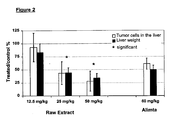
  • Figure 2 In vivo antitumor activity of an aqueous extract containing riproximin, following tannin pre-extraction from Ximenia Americana
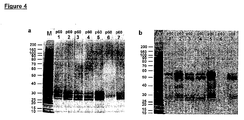
  • Lanes 1-7 7 different batches of riproximin were analyzed by reducing SDS-PAGE (a) or non-reducing SDS-PAGE (b).
  • M molecular weight markers (weight in kDa).
  • Protein concentrations and IC 50 values are given in ng dry protein/ml. The amount (ng) of dry protein in the affinity purified fraction was determined by lyophilisation.
  • the viable cell count was determined by the MTT-assay (Konstantinov et al., Int.J.Cancer 77 (1998), 778-86). The effect of increasing concentrations (ng/ml medium) is given in percent of untreated control.
  • the US- and African riproximin DNA sequences share 95 - 97% identity, depending on the respective allelic state.
  • the present invention relates to a nucleic acid molecule encoding the plant type II ribosome-inactivating protein (RIP) riproximin exhibiting anti-neoplastic activity or a polypeptide exhibiting a biological property of riproximin, which is:
  • a polypeptide exhibiting a biological property of riproximin is understood to be a polypeptide having at least one of the biological activities of a type II RIP. These activities include cytotoxic activity in vitro and in vivo, immunomodulatory activity in vivo, inhibition of protein synthesis, specific hydrolysis of the A 4324 in the ricin-sarcin loop of eukaryotic 28S rRNA, polynucleotide N-glycosylase activity on DNA or RNA, antiviral, antifungal and insecticide activity.
  • the invention provides a nucleic acid molecule encoding an riproximin polypeptide that comprises the amino acid sequence as depicted in Figure 7 (SEQ ID NOs:3 or 4) .
  • the present invention also provides a nucleic acid molecule encoding an riproximin polypeptide comprising the nucleotide sequence as depicted for DNA in Figure 6(a) (SEQ ID NO:1) or (b) (SEQ ID NO:2).
  • the nucleic acid molecules of the invention can be both DNA and RNA molecules. Suitable DNA molecules are, for example, genomic or cDNA molecules. It is understood that all nucleic acid molecules encoding all or a portion of riproximin are also included, as long as they encode a polypeptide with biological activity.
  • the nucleic acid molecules of the invention can be isolated from natural sources or can be synthesized according to known methods.
  • the present invention also provides nucleic acid molecules encoding a polypeptide the amino acid sequence of which shows at least 70%, preferably at least 80%, 85%, 90%, 95% or 98%, in the most preferred embodiment, 98% identity to the amino acid sequence of the polypeptide of Figure 7 (SEQ ID NOs:3 or 4).
  • Such amino acid sequences are characterized by deletion, substitution and/or insertion of amino acid residue(s) compared to the amino acid sequences shown in Figure 7 (SEQ ID NOs:3 or 4) or are the result of recombination. They can be naturally occurring variations, for example sequences from other organisms, or mutations that can either occur naturally or that have been introduced by specific mutagenesis.
  • nucleic acid molecules can be used, for example, that have exactly or basically the nucleotide sequence as depicted in Figure 6 (SEQ ID NOs:1 or 2), respectively, or parts of these sequences.
  • the fragments used as hybridization probe can be synthetic fragments that were produced by means of conventional synthetic methods and the sequence of which basically corresponds to the sequence of a nucleic acid molecule of the invention.
  • the nucleic acid molecules of the present invention also include molecules which differ from the nucleic acid molecules with sequences shown in Figure 6(a) (SEQ ID NO:1) or (b) (SEQ ID NO:2) due to the degeneracy of the genetic code.
  • the present invention provides nucleic acid molecules which comprise fragments or variants of the nucleic acid molecules described above encoding a polypeptide of the invention which still show a biological activity.
  • “Fragments” are understood to be stretches of DNA and are parts of the nucleic acid molecules that are long enough to encode one of the described polypeptides. These fragments also comprise nucleic acid molecules specifically hybridizing to (transcripts of) the nucleic acid molecules of the invention.
  • nucleic acid molecules can be used, for example, as (gene) probes or primers, e.g., for isolating homologous genes from related plants and, preferably, are oligonucleotides having a length of at least 10, in particular of at least 15 and particularly preferred of at least 50 nucleotides.
  • the nucleic acid molecules and oligonucleotides of the invention can also be used, for example, as primers for a PCR reaction.
  • the variants can be either naturally occurring variants or synthetically produced variants or variants produced by recombinant DNA processes.
  • Naturally occurring variants include variants between subspecies of Ximenia Americana (e.g., X.a. of African or American origin), as well as isoenzymes occurring in the same species, with amino acid sequences showing more than 70% identity to the amino acid sequence depicted in Figure 7 (SEQ ID NOs:3 or 4).
  • riproximin polypeptides or riproximin related polypeptides with possibly modified biological properties are synthesized.
  • One possibility is the production of deletion mutants in which nucleic acid molecules are produced by continuous deletions from the 5'- or 3'-terminus of the coding DNA sequence and that lead to the synthesis of polypeptides that are shortened accordingly.
  • Another possibility is the introduction of single-point mutation at positions where a modification of the amino acid sequence influences, e.g., the proteolytic properties.
  • muteins can be produced, for example, that possess a modified K m -value or that are no longer subject to the regulation mechanisms that normally exist in the cell, e.g. with regard to allosteric regulation or covalent modification.
  • nucleic acid molecules of the invention or parts of these molecules can be introduced into plasmids allowing a mutagenesis or a modification of a sequence by recombination of DNA sequences.
  • bases can be exchanged and natural or synthetic sequences can be added.
  • manipulations can be performed that provide suitable cleavage sites or that remove superfluous DNA or cleavage sites. If insertions, deletions or substitutions are possible, in vitro mutagenesis, primer repair, restriction or ligation can be performed.
  • analysis method usually sequence analysis, restriction analysis and other biochemical or molecular biological methods are used.
  • polypeptides encoded by the various variants of the nucleic acid molecules of the invention show some of the common characteristics, such as anti-neoplastic activity, cytotoxic activity in vitro and in vivo, immunomodulatory activity in vivo, inhibition of protein synthesis, specific hydrolysis of the A 4324 in the ricin-sarcin loop of eukaryotic 28S rRNA, polynucleotide N-glycosylase activity on DNA or RNA, antiviral, antifungal and insecticide activity, immunological reactivity or conformation, lectin activity or physical properties like the solubility.
  • the invention furthermore relates to vectors containing the nucleic acid molecules of the invention.
  • they are plasmids, cosmids, viruses, bacteriophages and other vectors usually used in the field of genetic engineering.
  • Vectors suitable for use in the present invention include, but are not limited to the T7-based expression vector for expression in mammalian cells and baculovirus-derived vectors for expression in insect cells.
  • the nucleic acid molecule of the invention is operatively linked to the regulatory elements in the recombinant vector of the invention that guarantee the transcription and synthesis of an mRNA in prokryotic and/or eukaryotic cells that can be translated.
  • the nucleotide sequence to be transcribed can be operably linked to a promoter like a T7, metallothionein I or polyhedrin promoter.
  • the present invention relates to recombinant host cells transiently or stably containing the nucleic acid molecules or vectors or the invention.
  • a host cell is understood to be an organism that is capable to take up in vitro recombinant DNA and, if the case may be, to synthesize the polypeptides encoded by the nucleic acid molecules of the invention.
  • these cells are prokaryotic or eukaryotic cells, for example mammalian cells, bacterial cells, insect cells, plant cells or yeast cells.
  • the host cells of the invention are preferably characterized by the fact that the introduced nucleic acid molecule of the invention either is heterologous with regard to the transformed cell, i.e. that it does not naturally occur in these cells, or is localized at a place in the genome different from that of the corresponding naturally occurring sequence.
  • a further embodiment of the invention relates to a polypeptide exhibiting a biological property of riproximin and being encoded by the nucleic acid molecules of the invention, as well as to methods for their production, whereby, e.g., a host cell of the invention is cultivated under conditions allowing the synthesis of the polypeptide and the polypeptide is subsequently isolated from the cultivated cells and/or the culture medium.
  • Isolation and purification of the recombinantly produced polypeptide may be carried out by conventional means including preparative chromatography and affinity and immunological separations using, e.g., an anti-riproximin antibody, or, e.g., can be substantially purified by the one-step method described in Smith and Johnson, Gene 67; 31-40 (1988).
  • polypeptides however, not only comprise recombinantly produced polypeptides but include isolated naturally occurring polypeptides, synthetically produced polypeptides, or polypeptides produced by a combination of these methods. Means for preparing such polypeptides or related polypeptides are well understood in the art.
  • the polypeptides are preferably in a substantially purified form.
  • the polypeptides may be further processed, e.g by glycosylation. This glycosylation which may occur within or outside of the production cell may have an influence on the activity and behavior of the polypeptide.
  • the present invention provides conjugates comprising a protein of the present invention as partner.
  • conjugates preferably immunoconjugates
  • Immunoconjugates are, e.g. suitable for reducing proliferation of neoplastic cells.
  • the binding partner of riproximin, i.e. antibody or part thereof as described below is chosen so as to be specificially reactive with one or more neoplastic cell specific internalizing antigens present on the surface of the neoplastic cell.
  • conjugate is then placed in contact with the neoplastic cells and allowed to bind the neoplastic cell specific internalizing antigen. Once bound, the riproximin or related protein will be internalized through the endocytic pathway.
  • a further example of a conjugate of the present invention is a riproximin-ferritin conjugate.
  • the generation of ferritin conjugates is, e.g. described by Schultz et al., Biochemistry 20(12) (1981), 3412-8.
  • the present invention also relates to an antibody that binds specifically to a riproximin or a related polypeptide as defined above.
  • antibody preferably, relates to antibodies which consist essentially of pooled monoclonal antibodies with different epitopic specifities, as well as distinct monoclonal antibody preparations. Monoclonal antibodies are made from an antigen containing fragments of the polypeptides of the invention by methods well known to those skilled in the art (see, e.g., Köhler et al., Nature 256 (1975), 495).
  • antibody As used herein, the term "antibody” (Ab) or “monoclonal antibody” (Mab) is meant to include intact molecules as well as antibody fragments (such as, for example, Fab and F(ab') 2 fragments) which are capable of specifically binding to protein. Fab and f(ab')2 fragments lack the Fc fragment of intact antibody, clear more rapidly from the circulation, and may have less non-specific tissue binding than an intact antibody. (Wahl et al., J. Nucl. Med. 24: 316-325 (1983)). Thus, these fragments are preferred, as well as the products of a FAB or other immunoglobulin expression library. Moreover, antibodies of the present invention include chimerical, single chain, and humanized antibodies.
  • the antibody of the present invention can be detectably labeled, for example, with a radioisotope, a bioluminescent compound, a chemiluminescent compound, a fluorescent compound, a metal chelate, or an enzyme.
  • the present invention also relates to a pharmaceutical composition
  • a pharmaceutical composition comprising a nucleic acid molecule, polypeptide, conjugate or recombinant vector according to the present invention and a pharmaceutically acceptable excipient, diluent or carrier.
  • Suitable pharmaceutical carriers etc. are well known in the art and include phosphate buffered saline solutions, water, emulsions, such as oil/water emulsions, various types of wetting agents, sterile solutions etc. Such carriers can be formulated by conventional methods and can be administered to the subject at a suitable dose. Administration of the suitable compositions may be effected by different ways, e.g. by oral, intravenous, intraperitoneal, subcutaneous, intramuscular, topical, intradermal, intrarterial, intratumoral or extracorporal administration. The route of administration, of course, depends on the nature of the disease, e.g., tumor, its localisation and the kind of compound contained in the pharmaceutical composition.
  • dosage regimen will be determined by the attending physician and other clinical factors. As is well known in the medical arts, dosages for any one patient depends on many factors, including the patient's size, body surface area, age, sex, the particular compound to be administered, time and route of administration, the kind and stage of the disease (e.g. tumor), general health and other drugs being administered concurrently.
  • the delivery of the nucleic acid molecules of the invention can be achieved by direct application or, preferably, by using a recombinant expression vector such as a chimeric virus containing these compounds or a colloidal dispersion system.
  • Direct application to the target site can be performed, e.g., by ballistic delivery, as a colloidal dispersion system or by catheter to a site in artery.
  • the colloidal dispersion systems which can be used for delivery of the above nucleic acid molecules include macromolecule complexes, nanocapsules, microspheres, beads and lipid-based systems including oil-in-water emulsions (mixed), micelles, liposomes and lipoplexes, The preferred colloidal system is a liposome.
  • the composition of the liposome is usually a combination of phospholipids and steroids, especially cholesterol.
  • the skilled person is in a position to select such liposomes which are suitable for the delivery of the desired nucleic acid molecule.
  • Organ-specific or cell-specific liposomes can be used in order to achieve delivery only to the desired tissue.
  • the targeting of liposomes can be carried out by the person skilled in the art by applying commonly known methods. This targeting includes passive targeting (utilizing the natural tendency of the liposomes to distribute to cells of the RES in organs which contain sinusoidal capillaries) or active targeting (for example by coupling the liposome to a specific ligand, e.g., an antibody, a receptor, sugar, glycolipid, protein etc., by well known methods).
  • monoclonal antibodies are preferably used to target liposomes to specific tumors via specific cell-surface ligands.
  • Preferred recombinant vectors useful for gene therapy are viral vectors, e.g. adenovirus, herpes virus, vaccinia, or, more preferably, an RNA virus such as a retrovirus.
  • the retroviral vector is a derivative of a murine or avian retrovirus. Examples of such retroviral vectors which can be used in the present invention are: Moloney murine leukemia virus (MoMuLV), Harvey murine sarcoma virus (HaMuSV), murine mammary tumor virus (MuMTV) and Rous sarcoma virus (RSV).
  • a non-human primate retroviral vector is employed, such as the gibbon ape leukemia virus (GaLV), providing a broader host range compared to murine vectors.
  • GaLV gibbon ape leukemia virus
  • recombinant retroviruses are defective, assistance is required in order to produce infectious particles.
  • assistance can be provided, e.g., by using helper cell lines that contain plasmids encoding all of the structural genes of the retrovirus under the control of regulatory sequences within the LTR. Suitable helper cell lines are well known to those skilled in the art.
  • Said vectors can additionally contain a gene encoding a selectable marker so that the transduced cells can be identified.
  • the retroviral vectors can be modified in such a way that they become target specific.
  • a polynucleotide encoding a sugar, a glycolipid, or a protein, preferably an antibody.
  • Those skilled in the art know additional methods for generating target specific vectors. Further suitable vectors and methods for in vitro- or in vivo-gene therapy are described in the literature and are known to the persons skilled in the art; see, e.g., WO 94/29469 or WO 97/00957.
  • the nucleic acid molecules of the present invention can be linked to a tissue specific promoter and used for gene therapy.
  • tissue specific promoters are well known to those skilled in the art (see e.g. Zimmermann et al., (1994) Neuron 12, 11-24; Vidal et al.; (1990) EMBO J. 9, 833-840; Mayford et al., (1995), Cell 81, 891-904; Pinkert et al., (1987) Genes & Dev. 1, 268-76).
  • the present invention also relates to the use of the above compounds of the invention (nucleic acid molecules, proteins, conjugates, antibodies, vectors etc.) for the preparation of a pharmaceutical composition for treatment of a tumor or for immunomodulation.
  • plant extracts containing a protein or nucleic acid of the present invention are also suitable.
  • Such extracts can be prepared according to the methods described in the examples.
  • the crude plant extract is at least partially purified, e.g., by aqueous extraction from Ximenia americana plant material.
  • the plant extract can be further purified, e.g., by pre-extraction of the plant material, preferably with 70% acetone in water. Additional preferred purification methods suitable for removing protein contaminants include ion exchange and/or affinity chromatography.
  • Dry plant material from Ximenia Americana was powdered and an aqueous extract was prepared by suspending the powder in water. After a brief centrifugation, the supernatant was collected. For in vitro experiments the crude extract was diluted in culture medium and sterilized by filtration.
  • the effect of the aqueous extract in vivo was determined by use of the liver metastasis model of the isogenic colon carcinoma cell line CC531.
  • Various doses of the aqueous extract after tannin pre-extraction were applied i.v. for five consecutive days (with day 1 being the day of implantation of tumor cells).
  • the results are shown in Figure 2.
  • the maximum effect of the cytostatic compound Alimta in the same animal model is shown (* indicates a significant effect.
  • the multiple nonparametric Kruskal-Wallis test (ADAM, DKFZ Heidelberg) was used to compare tumor cell numbers and liver weights of treated animals with controls; p-values ⁇ 0,05 were considered significant.).
  • the pellet can be completely resolved (water or buffer) without any loss of biological activity.
  • the active compound completely passes a ultrafiltration membrane having a cut-off value of 100 kDa, partially passes a membrane having a cut-off value of 50 kDa and does not pass a membrane having a cut-off value of 10 kDa.
  • the methanol extract contains high concentrations of polyphenoles.
  • various catechines, gallocatechines and gallic acid were identified as components of the extract.
  • a method for extracting tannins from the crude material was established.
  • the tannin containing fraction did not show any effect in vitro.
  • polyphenoles could not be identified by HPLC.
  • the effect of this extract was stronger compared to the effect of the extract which had been prepared from the tannin containing initial sample.
  • lyophilized material After lyophilization no loss of activity was observed. 97% of the lyophilized material can be re-disolved in water or PBS. The lyophylized material is stable over a period of one year if stored in the dry at 4°C or in solution at -20°C.
  • FIG. 3 The flow chart of the purification of the active compound is given in Figure 3a.
  • the achieved purification grade was monitored by SDS-gel electrophoresis ( Figure 3b).
  • Two proteins could be identified which could be partially separated from each other (Figure 3c). Both proteins have a MW of about 60 kDa and each are composed of two subunits with a MW of 26 - 32. By comparing the biological effects of various fractions having different protein compositions it was found that both proteins exhibit an anti-neoplastic effect. One of the proteins was further characterized and the corresponding gene was sequenced.
  • One of the purified proteins was subjected to analysis by MS-MS mass spectroscopy.
  • the amino acid sequence of some of the MS-identified peptides was determined. It was found that three of these peptides showed homologies to a class of already known proteins, the so-called type II ribosomal inhibiting proteins (RIPs).
  • RIPs type II ribosomal inhibiting proteins
  • the translated amino acid sequence identifies the new protein, which was named riproximin, as a member of the type II RIP family.
  • Table 2 gives a comparison of the amino acid sequence of riproximin with that of known type II RIPs. The percent similarity and identity between the amino acid sequences of riproximin and the other type II RIPs did not exceed 58% and 50%, respectively.
  • the proteins in the affinity-purified active fraction showed very high levels of cytotoxicity in MCF7 breast cancer cells in vitro, with an IC50 of 0.2 ng/ml ( Figure 5). Protein concentrations and IC 50 values are given in ng dry protein/ml.

Landscapes

  • Health & Medical Sciences (AREA)
  • Chemical & Material Sciences (AREA)
  • Life Sciences & Earth Sciences (AREA)
  • Organic Chemistry (AREA)
  • Medicinal Chemistry (AREA)
  • General Health & Medical Sciences (AREA)
  • Public Health (AREA)
  • General Chemical & Material Sciences (AREA)
  • Nuclear Medicine, Radiotherapy & Molecular Imaging (AREA)
  • Chemical Kinetics & Catalysis (AREA)
  • Pharmacology & Pharmacy (AREA)
  • Proteomics, Peptides & Aminoacids (AREA)
  • Animal Behavior & Ethology (AREA)
  • Molecular Biology (AREA)
  • Immunology (AREA)
  • Veterinary Medicine (AREA)
  • Botany (AREA)
  • Gastroenterology & Hepatology (AREA)
  • Biochemistry (AREA)
  • Biophysics (AREA)
  • Genetics & Genomics (AREA)
  • Engineering & Computer Science (AREA)
  • Bioinformatics & Cheminformatics (AREA)
  • Peptides Or Proteins (AREA)
  • Medicines That Contain Protein Lipid Enzymes And Other Medicines (AREA)
  • Pharmaceuticals Containing Other Organic And Inorganic Compounds (AREA)
  • Preparation Of Compounds By Using Micro-Organisms (AREA)
  • Micro-Organisms Or Cultivation Processes Thereof (AREA)
  • Medicines Containing Antibodies Or Antigens For Use As Internal Diagnostic Agents (AREA)
  • Medicines Containing Plant Substances (AREA)
  • Enzymes And Modification Thereof (AREA)

Abstract

Described is a novel type II ribosome-inactivating protein, riproximin, as well as nucleic acid molecules encoding said protein. Furthermore, therapeutic uses of riproximin are described.

Description

  • The present invention relates to a novel type II ribosome-inactivating protein, riproximin, as well as nucleic acid molecules encoding said protein. Furthermore, the present invention relates to therapeutic uses of riproximin.
  • Plant ribosome-inactivating proteins (RIPs) are a group of plant proteins with RNA-glycosidase activity which act on eukaryotic and prokariotic ribosomes. While some RIPs (e.g. the type II RIPs ricin, abrin, volkesin, viscumin) are highly toxic to humans and higher animals, other members of this class show only a low or no toxicity (e.g. the type II RIPs ebulin, nigrin, cinnamomin as well as all known type I and type III RIPs). The molecular mechanism of action of RNA N-glycosidase is to remove a specific adenine from a highly conserved loop ("sarcin/ricin domain") in the largest ribosomal RNA that is responsible for the interaction of both eukaryotic and prokaryotic elongation factors with the ribosome, thereby inhibiting protein synthesis. RIPs are classified into three types based on their primary structure. Type I RIP consists of a single, intact polypeptide of about 30kDa which, in some cases, is processed proteolytically into two shorter polypeptides held together by non-covalent interactions. Type II RIP is composed of an N-terminal domain comparable with type I RIP linked by a disulphide bridge to a C-terminal domain that has carbohydrate-binding activity. Type III RIP consists of a type I RIP-like N-terminal domain and a C-terminal domain of unknown function.
  • Many studies have been performed on the applications of RIPs in drug development, immuno-modulation and crop-plant biotechnology due to their toxicity to viruses, tumour cells, insects and plant fungal pathogens. RIPs have also been used as a powerful probe to study the structure of ribosomes. However, the physiological function that RIPs play in the plant cell is unclear. Previous studies revealed that many RIPs are involved in defence mechanisms in plant cells and terminate protein synthesis under appropriate physiological conditions and thus are involved in metabolic regulation. RIPs occur in various plant tissues but are most prominent in storage organs like cotyledon, endosperm, bark, tubers, storage roots, bulbs and rhizomes. Apart from a few exceptions, RIPs occur as mixtures of more or less closely related isoforms; see van Damme et al., Crit.Rev.Plant Sci. 20 (2001), 395-465.
  • One member of the type II RIP family is viscumin, a toxic lectin from mistletoe. It was demonstrated that viscumin is remarkably similar in structure and mechanism of action to the plant toxins abrin, ricin, and modeccin and that one of the constituent peptide chains of viscumin, the A chain, inhibits cell-free protein synthesis by inactivating catalytically the large ribosomal subunit. Moreover, viscumin seems to be a promising drug candidate for cancer therapy and phase I/II clinical trials are currently carried out. Thus, there is a need for the isolation and characterization of further members of the type II RIP family which might be useful for cancer therapy.
  • Thus, the technical problem underlying the present invention is to provide alternative type II RIPs which might be useful for therapy of tumors, modulation of the immune system, antiviral treatment, protection against insects and plant fungal pathogens.
  • The solution to said technical problem is achieved by providing the embodiments characterized in the claims. During the experiments resulting in the present invention a protein from Ximenia americana could be isolated and characterized. This protein, which was named riproximin, is a member of the type II RIPs and shows antineoplastic activities, thus is useful, for example, for therapy of tumours, modulation of the immune system, antiviral treatment, protection against insects and plant fungal pathogens.
  • BRIEF DESCRIPTION OF THE DRAWINGS Figure 1: In vitro comparison of the anti-neoplastic activity of an aqueous extract from Ximenia Americana containing riproximin in 16 human and one rodent cell lines
  • Extract concentrations describing IC50 values are given in µg crude extract/ml, i.e. the amount (µg) of dry Ximenia americana powder used for the preparation of the respective dilution. The average IC50 value of all cell lines was 49 µg crude extract/ml medium.
  • Figure 2: In vivo antitumor activity of an aqueous extract containing riproximin, following tannin pre-extraction from Ximenia Americana
  • The effect of the aqueous extract containing riproximin, following tannin pre-extraction, was analyzed by the CC531 colon carcinoma liver metastasis model (Wittmer et al., Clin.Exp.Met. 17 (1999), 369-376). The maximum effect of the antimetabolite Alimta is given for comparison. Extract concentrations are given in mg crude extract/kg body weight, i.e. the amount (mg) of dry Ximenia americana powder used for the preparation of the respective dilution.
  • Figure 3: Purification of the anti-neoplastic protein, riproximin
    • (a) Purification flow chart;
    • (b) SDS-PAGE (under reducing conditions) of crude extract after tannin extraction (1), total protein fraction after ion-exchange chromatography (2), and affinity-chromatography purified proteins (3); M, molecular weight markers (MW in kDa).
    • (c) SDS-PAGE (under non-reducing conditions) of affinity chromatography purified proteins (3); M, molecular weight markers (MW in kDa).
    Figure 4: Various affinity-purified protein preparations
  • Lanes 1-7: 7 different batches of riproximin were analyzed by reducing SDS-PAGE (a) or non-reducing SDS-PAGE (b). M = molecular weight markers (weight in kDa). Protein concentrations and IC50 values are given in ng dry protein/ml. The amount (ng) of dry protein in the affinity purified fraction was determined by lyophilisation.
  • Figure 5: Cytotoxic activity of an affinity-purified riproximin preparation in MCF7 breast cancer cells
  • The viable cell count was determined by the MTT-assay (Konstantinov et al., Int.J.Cancer 77 (1998), 778-86). The effect of increasing concentrations (ng/ml medium) is given in percent of untreated control.
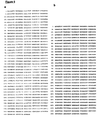
  • Figure 6: Nucleotide sequence of the riproximin encoding gene
    • (a) complete cDNA sequence derived from Ximenia Americana of US-origin (SEQ ID NO:1).
    • (b) incomplete coding genomic DNA sequence derived from Ximenia Americana of Tanzanian origin (SEQ ID NO:2). About 250 bp are missing at the 5'end.
  • The US- and Tanzanian riproximin DNA sequences share 95 - 97% identity, depending on the respective allelic state.
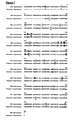
  • Figure 7: Derived amino acid sequence of riproximin
  • The complete amino acid sequences of US-riproximin (SEQ ID NO:3) as well as an incomplete C-terminal sequence of the Tanzanian riproximin (SEQ ID NO:4) were aligned. Allelic amino acid variations are indicated by giving the respective abbreviations in super- and subscript, and light grey highlighted. Amino acids differing between the US and Tanzanian proteins are given in white and highlighted in black.
  • Allelic riproximin amino acid sequences show 97.9% similarity and 97.8% identity. Riproximin amino acid sequences of US- and Tanzanian origin share 94.9 - 96.2% similarity and 94.3-95.8% identity, depending on the respective allelic state (percent identity=percent of identical aminoacids within the two sequences; percent similarity=percent identical and similar aminoacids (aminoacids with the same function) between the two sequences).
  • Thus, the present invention relates to a nucleic acid molecule encoding the plant type II ribosome-inactivating protein (RIP) riproximin exhibiting anti-neoplastic activity or a polypeptide exhibiting a biological property of riproximin, which is:
    • (a) a nucleic acid molecule encoding a polypeptide that comprises the amino acid sequence as depicted in Figure 7 (SEQ ID NOs:3 and 4);
    • (b) a nucleic acid molecule comprising the nucleotide sequence as depicted in Figure 6(a) (SEQ ID NO:1) or (b)(SEQ ID NO:2);
    • (c) a nucleic acid molecule encoding a polypeptide the sequence of which shows at least 70%, preferably at least 80%, 85%, 90%, 95% or 98%, in the most preferred embodiment, 98% identity to the amino acid sequence of the polypeptide encoded by a nucleic acid molecule specified in (a) or (b);
    • (d) a nucleic acid molecule the sequence of which differs from the sequence of a nucleic acid molecule of (a) to (c) due to the degeneracy of the genetic code; or
    • (e) a nucleic acid molecule, which represents a fragment or a variant of a nucleic acid molecule of (a) to (d).
  • As used herein, a polypeptide exhibiting a biological property of riproximin is understood to be a polypeptide having at least one of the biological activities of a type II RIP. These activities include cytotoxic activity in vitro and in vivo, immunomodulatory activity in vivo, inhibition of protein synthesis, specific hydrolysis of the A4324 in the ricin-sarcin loop of eukaryotic 28S rRNA, polynucleotide N-glycosylase activity on DNA or RNA, antiviral, antifungal and insecticide activity.
  • In a first embodiment, the invention provides a nucleic acid molecule encoding an riproximin polypeptide that comprises the amino acid sequence as depicted in Figure 7 (SEQ ID NOs:3 or 4) .
  • The present invention also provides a nucleic acid molecule encoding an riproximin polypeptide comprising the nucleotide sequence as depicted for DNA in Figure 6(a) (SEQ ID NO:1) or (b) (SEQ ID NO:2).
  • The nucleic acid molecules of the invention can be both DNA and RNA molecules. Suitable DNA molecules are, for example, genomic or cDNA molecules. It is understood that all nucleic acid molecules encoding all or a portion of riproximin are also included, as long as they encode a polypeptide with biological activity. The nucleic acid molecules of the invention can be isolated from natural sources or can be synthesized according to known methods.
  • The present invention also provides nucleic acid molecules encoding a polypeptide the amino acid sequence of which shows at least 70%, preferably at least 80%, 85%, 90%, 95% or 98%, in the most preferred embodiment, 98% identity to the amino acid sequence of the polypeptide of Figure 7 (SEQ ID NOs:3 or 4). Such amino acid sequences are characterized by deletion, substitution and/or insertion of amino acid residue(s) compared to the amino acid sequences shown in Figure 7 (SEQ ID NOs:3 or 4) or are the result of recombination. They can be naturally occurring variations, for example sequences from other organisms, or mutations that can either occur naturally or that have been introduced by specific mutagenesis. They can also be isolated, e.g., from genomic or cDNA libraries that were produced from plant cells or tissues. In order to identify and isolate such nucleic acid molecules the molecules of the invention or parts of these molecules or the reverse complements of these molecules can be used, for example by means of hybridization. As a hybridization probe nucleic acid molecules can be used, for example, that have exactly or basically the nucleotide sequence as depicted in Figure 6 (SEQ ID NOs:1 or 2), respectively, or parts of these sequences. The fragments used as hybridization probe can be synthetic fragments that were produced by means of conventional synthetic methods and the sequence of which basically corresponds to the sequence of a nucleic acid molecule of the invention.
  • The nucleic acid molecules of the present invention also include molecules which differ from the nucleic acid molecules with sequences shown in Figure 6(a) (SEQ ID NO:1) or (b) (SEQ ID NO:2) due to the degeneracy of the genetic code.
  • In a further embodiment, the present invention provides nucleic acid molecules which comprise fragments or variants of the nucleic acid molecules described above encoding a polypeptide of the invention which still show a biological activity. "Fragments" are understood to be stretches of DNA and are parts of the nucleic acid molecules that are long enough to encode one of the described polypeptides. These fragments also comprise nucleic acid molecules specifically hybridizing to (transcripts of) the nucleic acid molecules of the invention. These nucleic acid molecules can be used, for example, as (gene) probes or primers, e.g., for isolating homologous genes from related plants and, preferably, are oligonucleotides having a length of at least 10, in particular of at least 15 and particularly preferred of at least 50 nucleotides. The nucleic acid molecules and oligonucleotides of the invention can also be used, for example, as primers for a PCR reaction.
  • The variants can be either naturally occurring variants or synthetically produced variants or variants produced by recombinant DNA processes. Naturally occurring variants include variants between subspecies of Ximenia Americana (e.g., X.a. of African or American origin), as well as isoenzymes occurring in the same species, with amino acid sequences showing more than 70% identity to the amino acid sequence depicted in Figure 7 (SEQ ID NOs:3 or 4).
  • Generally, by means of conventional molecular biological processes it is possible (see, e.g., Sambrook et al., supra) to introduce different mutations into the nucleic acid molecules of the invention. As a result, riproximin polypeptides or riproximin related polypeptides with possibly modified biological properties are synthesized. One possibility is the production of deletion mutants in which nucleic acid molecules are produced by continuous deletions from the 5'- or 3'-terminus of the coding DNA sequence and that lead to the synthesis of polypeptides that are shortened accordingly. Another possibility is the introduction of single-point mutation at positions where a modification of the amino acid sequence influences, e.g., the proteolytic properties. By this method muteins can be produced, for example, that possess a modified Km-value or that are no longer subject to the regulation mechanisms that normally exist in the cell, e.g. with regard to allosteric regulation or covalent modification.
  • For the manipulation in prokaryotic cells by means of genetic engineering the nucleic acid molecules of the invention or parts of these molecules can be introduced into plasmids allowing a mutagenesis or a modification of a sequence by recombination of DNA sequences. By means of conventional methods (cf. Sambrook et al., supra) bases can be exchanged and natural or synthetic sequences can be added. In order to link the DNA fragments with each other adapters or linkers can be added to the fragments. Furthermore, manipulations can be performed that provide suitable cleavage sites or that remove superfluous DNA or cleavage sites. If insertions, deletions or substitutions are possible, in vitro mutagenesis, primer repair, restriction or ligation can be performed. As analysis method usually sequence analysis, restriction analysis and other biochemical or molecular biological methods are used.
  • The polypeptides encoded by the various variants of the nucleic acid molecules of the invention show some of the common characteristics, such as anti-neoplastic activity, cytotoxic activity in vitro and in vivo, immunomodulatory activity in vivo, inhibition of protein synthesis, specific hydrolysis of the A4324 in the ricin-sarcin loop of eukaryotic 28S rRNA, polynucleotide N-glycosylase activity on DNA or RNA, antiviral, antifungal and insecticide activity, immunological reactivity or conformation, lectin activity or physical properties like the solubility.
  • The invention furthermore relates to vectors containing the nucleic acid molecules of the invention. Preferably, they are plasmids, cosmids, viruses, bacteriophages and other vectors usually used in the field of genetic engineering. Vectors suitable for use in the present invention include, but are not limited to the T7-based expression vector for expression in mammalian cells and baculovirus-derived vectors for expression in insect cells. Preferably, the nucleic acid molecule of the invention is operatively linked to the regulatory elements in the recombinant vector of the invention that guarantee the transcription and synthesis of an mRNA in prokryotic and/or eukaryotic cells that can be translated. The nucleotide sequence to be transcribed can be operably linked to a promoter like a T7, metallothionein I or polyhedrin promoter.
  • In a further embodiment, the present invention relates to recombinant host cells transiently or stably containing the nucleic acid molecules or vectors or the invention. A host cell is understood to be an organism that is capable to take up in vitro recombinant DNA and, if the case may be, to synthesize the polypeptides encoded by the nucleic acid molecules of the invention. Preferably, these cells are prokaryotic or eukaryotic cells, for example mammalian cells, bacterial cells, insect cells, plant cells or yeast cells. The host cells of the invention are preferably characterized by the fact that the introduced nucleic acid molecule of the invention either is heterologous with regard to the transformed cell, i.e. that it does not naturally occur in these cells, or is localized at a place in the genome different from that of the corresponding naturally occurring sequence.
  • A further embodiment of the invention relates to a polypeptide exhibiting a biological property of riproximin and being encoded by the nucleic acid molecules of the invention, as well as to methods for their production, whereby, e.g., a host cell of the invention is cultivated under conditions allowing the synthesis of the polypeptide and the polypeptide is subsequently isolated from the cultivated cells and/or the culture medium. Isolation and purification of the recombinantly produced polypeptide may be carried out by conventional means including preparative chromatography and affinity and immunological separations using, e.g., an anti-riproximin antibody, or, e.g., can be substantially purified by the one-step method described in Smith and Johnson, Gene 67; 31-40 (1988). These polypeptides, however, not only comprise recombinantly produced polypeptides but include isolated naturally occurring polypeptides, synthetically produced polypeptides, or polypeptides produced by a combination of these methods. Means for preparing such polypeptides or related polypeptides are well understood in the art. The polypeptides are preferably in a substantially purified form. Furthermore, the polypeptides may be further processed, e.g by glycosylation. This glycosylation which may occur within or outside of the production cell may have an influence on the activity and behavior of the polypeptide.
  • Furthermore, the present invention provides conjugates comprising a protein of the present invention as partner. Such conjugates, preferably immunoconjugates, can be prepared according to methods well known to the person skilled in the art, e.g., by recombinant DNA technology and/or conventional chemical synthesis. Immunoconjugates are, e.g. suitable for reducing proliferation of neoplastic cells. For example, the binding partner of riproximin, i.e. antibody or part thereof as described below is chosen so as to be specificially reactive with one or more neoplastic cell specific internalizing antigens present on the surface of the neoplastic cell. The conjugate is then placed in contact with the neoplastic cells and allowed to bind the neoplastic cell specific internalizing antigen. Once bound, the riproximin or related protein will be internalized through the endocytic pathway. Thus, such conjugates are useful for a variety of therapies, e.g., for treatment of tumours or immunomodulation. A further example of a conjugate of the present invention is a riproximin-ferritin conjugate. The generation of ferritin conjugates is, e.g. described by Schultz et al., Biochemistry 20(12) (1981), 3412-8.
  • The present invention also relates to an antibody that binds specifically to a riproximin or a related polypeptide as defined above. The term "antibody", preferably, relates to antibodies which consist essentially of pooled monoclonal antibodies with different epitopic specifities, as well as distinct monoclonal antibody preparations. Monoclonal antibodies are made from an antigen containing fragments of the polypeptides of the invention by methods well known to those skilled in the art (see, e.g., Köhler et al., Nature 256 (1975), 495). As used herein, the term "antibody" (Ab) or "monoclonal antibody" (Mab) is meant to include intact molecules as well as antibody fragments (such as, for example, Fab and F(ab') 2 fragments) which are capable of specifically binding to protein. Fab and f(ab')2 fragments lack the Fc fragment of intact antibody, clear more rapidly from the circulation, and may have less non-specific tissue binding than an intact antibody. (Wahl et al., J. Nucl. Med. 24: 316-325 (1983)). Thus, these fragments are preferred, as well as the products of a FAB or other immunoglobulin expression library. Moreover, antibodies of the present invention include chimerical, single chain, and humanized antibodies.
  • For certain purposes, the antibody of the present invention can be detectably labeled, for example, with a radioisotope, a bioluminescent compound, a chemiluminescent compound, a fluorescent compound, a metal chelate, or an enzyme.
  • The present invention also relates to a pharmaceutical composition comprising a nucleic acid molecule, polypeptide, conjugate or recombinant vector according to the present invention and a pharmaceutically acceptable excipient, diluent or carrier.
  • Examples of suitable pharmaceutical carriers etc. are well known in the art and include phosphate buffered saline solutions, water, emulsions, such as oil/water emulsions, various types of wetting agents, sterile solutions etc. Such carriers can be formulated by conventional methods and can be administered to the subject at a suitable dose. Administration of the suitable compositions may be effected by different ways, e.g. by oral, intravenous, intraperitoneal, subcutaneous, intramuscular, topical, intradermal, intrarterial, intratumoral or extracorporal administration. The route of administration, of course, depends on the nature of the disease, e.g., tumor, its localisation and the kind of compound contained in the pharmaceutical composition. The dosage regimen will be determined by the attending physician and other clinical factors. As is well known in the medical arts, dosages for any one patient depends on many factors, including the patient's size, body surface area, age, sex, the particular compound to be administered, time and route of administration, the kind and stage of the disease (e.g. tumor), general health and other drugs being administered concurrently.
  • The delivery of the nucleic acid molecules of the invention can be achieved by direct application or, preferably, by using a recombinant expression vector such as a chimeric virus containing these compounds or a colloidal dispersion system. Direct application to the target site can be performed, e.g., by ballistic delivery, as a colloidal dispersion system or by catheter to a site in artery. The colloidal dispersion systems which can be used for delivery of the above nucleic acid molecules include macromolecule complexes, nanocapsules, microspheres, beads and lipid-based systems including oil-in-water emulsions (mixed), micelles, liposomes and lipoplexes, The preferred colloidal system is a liposome. The composition of the liposome is usually a combination of phospholipids and steroids, especially cholesterol. The skilled person is in a position to select such liposomes which are suitable for the delivery of the desired nucleic acid molecule. Organ-specific or cell-specific liposomes can be used in order to achieve delivery only to the desired tissue. The targeting of liposomes can be carried out by the person skilled in the art by applying commonly known methods. This targeting includes passive targeting (utilizing the natural tendency of the liposomes to distribute to cells of the RES in organs which contain sinusoidal capillaries) or active targeting (for example by coupling the liposome to a specific ligand, e.g., an antibody, a receptor, sugar, glycolipid, protein etc., by well known methods). In the present invention monoclonal antibodies are preferably used to target liposomes to specific tumors via specific cell-surface ligands.
  • Preferred recombinant vectors useful for gene therapy are viral vectors, e.g. adenovirus, herpes virus, vaccinia, or, more preferably, an RNA virus such as a retrovirus. Even more preferably, the retroviral vector is a derivative of a murine or avian retrovirus. Examples of such retroviral vectors which can be used in the present invention are: Moloney murine leukemia virus (MoMuLV), Harvey murine sarcoma virus (HaMuSV), murine mammary tumor virus (MuMTV) and Rous sarcoma virus (RSV). Most preferably, a non-human primate retroviral vector is employed, such as the gibbon ape leukemia virus (GaLV), providing a broader host range compared to murine vectors. Since recombinant retroviruses are defective, assistance is required in order to produce infectious particles. Such assistance can be provided, e.g., by using helper cell lines that contain plasmids encoding all of the structural genes of the retrovirus under the control of regulatory sequences within the LTR. Suitable helper cell lines are well known to those skilled in the art. Said vectors can additionally contain a gene encoding a selectable marker so that the transduced cells can be identified. Moreover, the retroviral vectors can be modified in such a way that they become target specific. This can be achieved, e.g., by inserting a polynucleotide encoding a sugar, a glycolipid, or a protein, preferably an antibody. Those skilled in the art know additional methods for generating target specific vectors. Further suitable vectors and methods for in vitro- or in vivo-gene therapy are described in the literature and are known to the persons skilled in the art; see, e.g., WO 94/29469 or WO 97/00957.
  • In order to achieve expression only in the target organ, e.g., a tumor to be treated, the nucleic acid molecules of the present invention can be linked to a tissue specific promoter and used for gene therapy. Such promoters are well known to those skilled in the art (see e.g. Zimmermann et al., (1994) Neuron 12, 11-24; Vidal et al.; (1990) EMBO J. 9, 833-840; Mayford et al., (1995), Cell 81, 891-904; Pinkert et al., (1987) Genes & Dev. 1, 268-76).
  • The present invention also relates to the use of the above compounds of the invention (nucleic acid molecules, proteins, conjugates, antibodies, vectors etc.) for the preparation of a pharmaceutical composition for treatment of a tumor or for immunomodulation. For such uses, plant extracts containing a protein or nucleic acid of the present invention are also suitable. Such extracts can be prepared according to the methods described in the examples. Preferably, the crude plant extract is at least partially purified, e.g., by aqueous extraction from Ximenia americana plant material. The plant extract can be further purified, e.g., by pre-extraction of the plant material, preferably with 70% acetone in water. Additional preferred purification methods suitable for removing protein contaminants include ion exchange and/or affinity chromatography.
  • The following example illustrates the invention.
  • Example Characterization of the crude extract obtained from Ximenia americana (A) Preparation of crude extract from Ximenia americana
  • Dry plant material from Ximenia Americana was powdered and an aqueous extract was prepared by suspending the powder in water. After a brief centrifugation, the supernatant was collected. For in vitro experiments the crude extract was diluted in culture medium and sterilized by filtration.
  • (B) Biological effects (1) Cell cultures
  • The effects of the aqueous extract on various tumor cell lines (16 human and 1 rodent cell lines) were investigated. The strongest growth inhibition was found for MCF7 breast cancer cells, BV173 chronic myeloid (CM) leukemia, astrocytoma-glioblastoma U87-Mg cells as well as the rat colon carcinoma cell line CC531. The results are summarized in Table 1 and Figure 1. Extract concentrations and IC50 values are given in µg crude extract/ml, i.e. the amount (µg) of dry Ximenia americana powder used for the preparation of the respective dilution.
  • (2) Animals
  • The effect of the aqueous extract in vivo was determined by use of the liver metastasis model of the isogenic colon carcinoma cell line CC531. Various doses of the aqueous extract after tannin pre-extraction were applied i.v. for five consecutive days (with day 1 being the day of implantation of tumor cells). The results are shown in Figure 2. For comparison, the maximum effect of the cytostatic compound Alimta in the same animal model is shown (* indicates a significant effect. The multiple nonparametric Kruskal-Wallis test (ADAM, DKFZ Heidelberg) was used to compare tumor cell numbers and liver weights of treated animals with controls; p-values<0,05 were considered significant.).
  • (C) Physicochemical characterization of the extract/active agent (1) Solubility
  • Water soluble; PBS: strong growth inhibiting effect in vitro (IC50 = 1.8 µg crude extract/ml on MCF7 mamma carcinoma cells); only partially soluble in methanol: the growth inhibiting effect in vitro is lower (by a factor of 300; IC50 = 600 µg crude extract/ml on MCF7 mamma carcinoma cells); insoluble in ethanol, acetone, chloroform; can be well extracted with water/methanol mixtures (methanol < 30%; IC50 < 2µg crude extract/ml); can be poorly extracted with water/methanol mixtures (methanol > 70%; IC50 > 333 µg crude extract/ml on MCF7 mamma carcinoma cells); the active compound can be completely extracted after pre-extraction of the powder with ethanol (IC50 = 2 µg crude extract/ml on MCF7 mamma carcinoma cells); pre-extraction with methanol renders a second extraction with water less efficient (IC50 = 14 µg crude extract/ml on MCF7 mamma carcinoma cells). A pre-extraction with 70% acetone in water renders the second extraction with water more efficient (IC50 = 0,7 µg crude extract/ml on MCF7 cells).
  • (2) Influence of pH on solubility/biological activity
  • Extraction with 10 mM buffer/acid/base-solution (pH 2 to 13; short-term exposure of one hour or less) did not show any negative effect. Diluted acids (10 mM HC1, 2 hours at RT) partially destroy the biological activity. Concentrated acids completely destroy the biological activity. Diluted bases (10 mM NaOH, 2 hours at RT) do not show any effect on biological activity, concentrated bases completely destroy the biological activity. Extract concentrations and IC50 values are given in µg crude extract/ml, i.e. the amount (µg) of dry Ximenia americana powder used for the preparation of the respective dilution.
  • (3) Precipitation with organic solvents
  • By addition of ethanol, methanol, acetone or acetonitril complete precipitation of the active compound from a aqeous extract can be achieved. The pellet can be completely resolved (water or buffer) without any loss of biological activity.
  • (4) Estimation of molecular weight by ultracentrifugation
  • The active compound completely passes a ultrafiltration membrane having a cut-off value of 100 kDa, partially passes a membrane having a cut-off value of 50 kDa and does not pass a membrane having a cut-off value of 10 kDa.
  • (5) Test on tannins (polyphenoles)
  • The methanol extract contains high concentrations of polyphenoles. By use of C18 reverse phase HPLC/MS various catechines, gallocatechines and gallic acid were identified as components of the extract. A method for extracting tannins from the crude material was established. However, the tannin containing fraction did not show any effect in vitro. In the aqueous extract which had been prepared from the pre-extracted tannin-free crude material polyphenoles could not be identified by HPLC. In vitro, the effect of this extract was stronger compared to the effect of the extract which had been prepared from the tannin containing initial sample.
  • (6) Results of digestion with trypsin, proteinase K, DNase and RNase
  • There was no loss of activity after treatment of the aqueous extract prepared from the initial sample for 24h at 37° with trypsin, proteinase K, RNase or DNase. However, the effect of the tannin-free extract was completely abolished after proteinase K treatment (but not after treatment with trypsin).
  • (D) Stability of the biological activity (1) Stability of the Ximenia Americana dry powder and reproducibility
  • After dry storage of the powder at 4°C the biological activity was stable for more than three years. Samples of the powder that were assayed after 1, 2 or 3 years showed a practically constant effect in vitro.
  • (2) Stability of the aqueous extract
  • Loss of activity up to 20% (after one day), 50% (after one weak) and 80% (after one month) when stored at 4°C was observed. If stored at -20°C for 1 year there was no loss of activity.
  • (3) Temperature sensitivity of the aqueous extract
  • After storage at RT for 2 to 3 h no loss of activity was observed. Slight loss of activity was observed after 10 to 30 min at 50°. After incubation at 90°C for 10 min, the activity was completely destroyed.
  • (4) Lyophilization
  • After lyophilization no loss of activity was observed. 97% of the lyophilized material can be re-disolved in water or PBS. The lyophylized material is stable over a period of one year if stored in the dry at 4°C or in solution at -20°C.
  • Conclusion: The stability properties of the extract show that the active compound is a protein.
  • (5) Binding- and purification characteristics
    • C18 resins: aqueous extract, pH 7.0: no binding of the active compound. The methanol eluate of the column contains polyphenoles and catechines.
    • Cation exchange resins: No binding of the active compound at pH 7.0 in 20 mM Tris-HCl. No measurable purification of the extract.
    • Anion exchange resins: At pH 7.0 in 20 mM Tris-HCl there is binding of the active compound to weak and strong anion exchange media. Active fractions can be eluted with 20 mM Tris-HCl, pH 7.0, with addition of 200 - 400 mM NaCl. Two different fractions can be partially separated. Components of the extract which strongly bind to the resin can only be eluted by NaOH.
    • Affinity binding: The active compound binds to partially hydrolyzed Sepharose, i.e., shows an affinity to galactose residues. After washing, an active fraction can be eluted from the material by use of a buffer containing 0.1 M galactose.
    (E) Purification of the active compound
  • The results are shown in Figure 3. The flow chart of the purification of the active compound is given in Figure 3a. The achieved purification grade was monitored by SDS-gel electrophoresis (Figure 3b). After a pre-extraction with an admixture of 70% acetone in water, the plant powder was pelleted by centrifugation and air-dried. A second extraction was performed by suspending the dried pre-extracted powder in water. The undissolved material was again spun down and discarded. The supernatant was adjusted to pH=7.0 by addition of 1M Tris-HCl buffer and applied on a DEAE ion-exchange column. After elution of the unbound components, the active fraction was eluted with 20 mM Tris-HCl buffer (pH=7.0) containing 500 mM NaCl. The support for the affinity chromatography was prepared by hydrolysing Sepharose 2B in 1 M HCl for 3h at 50°C. The ion-exchange-purified fraction was applied to a chromatography column containing the hydrolysed Sepharose. Unbound components were washed out with 20 mM Tris-HCl buffer (pH=7.0) containing 500 mM NaCl and the active fraction was eluted with 20 mM Tris-HCl buffer (pH=7.0) containing 500 mM NaCl and 100 mM galactose. Two proteins could be identified which could be partially separated from each other (Figure 3c). Both proteins have a MW of about 60 kDa and each are composed of two subunits with a MW of 26 - 32. By comparing the biological effects of various fractions having different protein compositions it was found that both proteins exhibit an anti-neoplastic effect. One of the proteins was further characterized and the corresponding gene was sequenced.
  • (F) Characterization of the active compound (1) Analysis by mass spectroscopy
  • One of the purified proteins was subjected to analysis by MS-MS mass spectroscopy. The amino acid sequence of some of the MS-identified peptides was determined. It was found that three of these peptides showed homologies to a class of already known proteins, the so-called type II ribosomal inhibiting proteins (RIPs).
  • (2) Sequencing
  • On the basis of the amino acid sequences of the peptides, degenerated primers were developed which allowed to clone a 410 bp fragment. From this sequence information, the complete cDNA was sequenced, using RNA from Ximenia Americana of US-origin. The sequence revealed the existence of two alleles, which share more than 95% sequence identity (Figure 7) (SEQ ID NOs:3 and 4). Similarly, the incomplete coding genomic DNA sequence for riproximin was obtained from Ximenia Americana from Tanzanian origin and showed over 94% identity to the DNA and amino acid sequence of US-origin, respectively (Figure 6(a)(SEQ ID NO:1)+(b)(SEQ ID NO:2). The translated amino acid sequence identifies the new protein, which was named riproximin, as a member of the type II RIP family. Table 2 gives a comparison of the amino acid sequence of riproximin with that of known type II RIPs. The percent similarity and identity between the amino acid sequences of riproximin and the other type II RIPs did not exceed 58% and 50%, respectively.
  • (3) Biological activity
  • The proteins in the affinity-purified active fraction showed very high levels of cytotoxicity in MCF7 breast cancer cells in vitro, with an IC50 of 0.2 ng/ml (Figure 5). Protein concentrations and IC50 values are given in ng dry protein/ml.
  • The amount (ng) of dry protein in the affinity purified fraction was determined by lyophilisation. Table 1: Antiproliferative activity of an aqueous extract from Ximenia americana containing riproximin in 16 human and one rodent cell lines.
    Cell line IC 10 1 (µg/ml medium) IC 50 2 (µg/ml medium) IC 90 3 (µg/ml medium) IC 90 lIC 10 4
    MCF7 0.6 1.7 10 16.7
    BV173 0.4 1.8 7 17.5
    CC531 0.8 3.3 12 15.0
    U87-MG 1.0 9 100 100
    K562 5 11 180 36
    SKW-3 3.1 20 700 226
    HEp2 5 21 100 20
    NCI-H460 4 21 150 38
    PC3 3.5 26 >1000 >300
    MDA-MB231 5 33 100 20
    HT29 8 40 350 44
    U333 7 65 300 43
    SAOS2 20 66 1000 50
    LAMA84 10 90 600 60
    HL60 30 90 1000 33
    CML-T1 2.5 160 1000 400
    AR230 17 170 700 41
    1inhibitory concentration 10 (concentration inhibiting the cell growth by 10%), as assessed by MTT-assay (Konstantinov et al., Int.J.Cancer 77 (1998), pp. 778-786).
    2inhibitory concentration 50 (Concentration inhibiting the cell growth by 50%), as assessed by MTT-assay
    3inhibitory concentration 90 (Concentration inhibiting the cell growth by 90%), as assessed by MTT-assay
    4ratio of IC90 and IC10 values
    Table 2: Comparison of the derived amino acid sequence of riproximin of US-origin with the published sequence of 7 other type II RIP proteins.
    Type II RIP Riproximin
    % similarity 1 % identity 1
    Ricin 57.4 - 57.7 49.3 - 49.8
    RCA 54.3 47.0 - 47.2
    Abrin 49.1 - 49.7 42.9 - 43.5
    Viscumin 52.9 - 53.2 45.2 - 45.3
    Ebulin 48.7 - 48.9 40.9 - 41.1
    Nigrin1 46.2 - 46.4 38.2 - 38.9
    Cinnamomin 54.3 - 54.7 46.3 - 46.6
    1The percent similarity and identity depend on the allelic status of riproximin and are both given as range.
  • SEQUENCE LISTING
    • <110> Deutsches Krebsforschungszentrum stiftung des öffentlichen Rechts
    • <120> Riproximin, a novel type II ribosome-inactivating protein and uses thereof
    • <130> K 3205EP
    • <160> 4
    • <170> PatentIn version 3.2
    • <210> 1
      <211> 1878
      <212> DNA
      <213> ximenia americana
    • <400> 1
      Figure imgb0001
      Figure imgb0002
    • <210> 2
      <211> 1590
      <212> DNA
      <213> ximenia americana
    • <400> 2
      Figure imgb0003
      Figure imgb0004
    • <210> 3
      <211> 601
      <212> PRT
      <213> ximenia americana
    • <220>
      <221> VARIANT
      <222> (25)..(25)
      <223> Ala or Thr
    • <220>
      <221> VARIANT
      <222> (43)..(43)
      <223> Glu or Asp
    • <220>
      <221> VARIANT
      <222> (102)..(102)
      <223> Ala or Thr
    • <220>
      <221> VARIANT
      <222> (121)..(121)
      <223> Arg or Gln
    • <220>
      <221> VARIANT
      <222> (141)..(141)
      <223> Asp or Asn
    • <220>
      <221> VARIANT
      <222> (159)..(159)
      <223> Asn or Thr
    • <220>
      <221> VARIANT
      <222> (208)..(208)
      <223> Ile or Thr
    • <220>
      <221> VARIANT
      <222> (314)..(314)
      <223> Ile or Leu
    • <220>
      <221> VARIANT
      <222> (324)..(324)
      <223> Gln or Leu
    • <220>
      <221> VARIANT
      <222> (336)..(336)
      <223> Ser or Asn
    • <220>
      <221> VARIANT
      <222> (444)..(444)
      <223> Ala or ser
    • <400> 3
      Figure imgb0005
      Figure imgb0006
      Figure imgb0007
    • <210> 4
      <211> 526
      <212> PRT
      <213> ximenia americana
    • <220>
      <221> VARIANT
      <222> (6)..(6)
      <223> Leu or Phe
    • <220>
      <221> VARIANT
      <222> (57)..(57)
      <223> Asn or Asp
    • <220>
      <221> VARIANT
      <222> (182)..(182)
      <223> Asn or Asp
    • <220>
      <221> VARIANT
      <222> (194)..(194)
      <223> Asp or Gly
    • <220>
      <221> VARIANT
      <222> (439)..(439)
      <223> Asp or Gly
    • <400> 4
      Figure imgb0008
      Figure imgb0009
      Figure imgb0010

Claims (17)

  1. A nucleic acid molecule encoding the plant type II ribosome-inactivating protein (RIP) riproximin exhibiting anti-neoplastic activity or a polypeptide exhibiting a biological property of riproximin, which is:
    (a) a nucleic acid molecule encoding a polypeptide that comprises the amino acid sequence as depicted in Figure 7 (SEQ ID NOs:3 or 4);
    (b) a nucleic acid molecule comprising the nucleotide sequence as depicted in Figure 6(a)(SEQ ID NO:1) or (b)(SEQ ID NO:2);
    (c) a nucleic acid molecule encoding a polypeptide the sequence of which shows at least 70% identity to the amino acid sequence of the polypeptide encoded by a nucleic acid molecule specified in (a) or (b);
    (d) a nucleic acid molecule the sequence of which differs from the sequence of a nucleic acid molecule of (a) to (c) due to the degeneracy of the genetic code; or
    (e) a nucleic acid molecule, which represents a fragment or a variant of a nucleic acid molecule of (a) to (d).
  2. A recombinant vector containing the nucleic acid molecule of claim 1
  3. The recombinant vector of claim 2 wherein the nucleic acid molecule is operatively linked to regulatory elements allowing transcription and synthesis of a translatable RNA in prokaryotic and/or eukaryotic host cells.
  4. A recombinant host cell which contains the recombinant vector of claim 2 or 3.
  5. The recombinant host cell of claim 4, which is a bacterial cell or an eukaryotic cell, wherein the eukaryotic cell is, for example, a mammalian cell, an insect cell, a yeast cell or a plant cell.
  6. A polypeptide exhibiting a biological property of riproximin which comprises an amino acid sequence which shows at least 70% identity to one of the amino acid sequences as depicted in Fig. 7 (SEQ ID NOs:3 or 4).
  7. The polypeptide according to claim 6 which is encoded by a nucleic acid molecule of claim 1.
  8. A method of producing a polypeptide exhibiting a biological property of riproximin comprising:
    (a) culturing the recombinant host cell of claim 4 or 5 under conditions such that said polypeptide is expressed; and
    (b) recovering said polypeptide.
  9. A polypeptide produced by the method of claim 8.
  10. A conjugate comprising the polypeptide of anyone of the claims 6, 7 or 9.
  11. The conjugate of claim 10 which is an immunoconjugate.
  12. An antibody that binds specifically to the polypeptide of any one of the claims 6, 7 or 9.
  13. The nucleic acid molecule of claim 1, the polypeptide of claim 6, 7 or 9, the conjugate of claim 10 or 11, or the antibody of claim 12 which is detectably labeled.
  14. The nucleic acid molecule, the polypeptide, the conjugate, or the antibody of claim 13, wherein the label is a radioisotope, a bioluminescent compound, a chemiluminescent compound, a fluorescent compound, a metal chelate, or an enzyme.
  15. A pharmaceutical composition comprising a nucleic acid molecule of claim 1, a polypeptide of claim 6, 7 or 9, a conjugate of claim 10 or 11, or a recombinant vector of any one of claims 2 to 4 and a pharmaceutically acceptable excipient, diluent or carrier.
  16. Use of a nucleic acid molecule of claim 1, a polypeptide of claim 6, 7 or 9 or a plant extract containing the polypeptide of claim 6, 7 or 9, a conjugate of claim 10 or 11, or a recombinant vector of any one of claims 2 to 4 for the preparation of a pharmaceutical composition for treatment of a tumor or for immunomodulation.
  17. A plant extract comprising a polypeptide exhibiting a biological property of riproximin, wherein said polypeptide comprises an amino acid sequence which shows at least 70% identity to one of the amino acid sequences as depicted in Fig. 7 (SEQ ID NOs:3 or 4).
EP05002356A 2005-02-04 2005-02-04 Riproximin, a novel type II ribosome-inactivating protein and uses thereof Withdrawn EP1688429A1 (en)

Priority Applications (10)

Application Number Priority Date Filing Date Title
EP05002356A EP1688429A1 (en) 2005-02-04 2005-02-04 Riproximin, a novel type II ribosome-inactivating protein and uses thereof
PCT/EP2006/001026 WO2006082098A1 (en) 2005-02-04 2006-02-06 Riproximin , a novel type ii ribosome-inactivating protein and uses thereof
DE602006001579T DE602006001579D1 (en) 2005-02-04 2006-02-06 RIPROXIMINE, A NEW TYPE II RIBOSOME-INACTIVATING PROTEIN AND ITS USE
JP2007553556A JP2008528045A (en) 2005-02-04 2006-02-06 Riproximin, novel type II ribosome inactivating protein and use thereof
ES06706681T ES2309945T3 (en) 2005-02-04 2006-02-06 RIPROXIMINE, AN INACTIVATING PROTEIN OF NOVEDOSE TYPE II RIBOSOMES AND USES OF THE MSIMA.
EP06706681A EP1846441B1 (en) 2005-02-04 2006-02-06 Riproximin , a novel type ii ribosome-inactivating protein and uses thereof
AT06706681T ATE399178T1 (en) 2005-02-04 2006-02-06 RIPROXIMIN, A NEW TYPE II RIBOSOME INACTIVATION PROTEIN AND ITS USE
MX2007008772A MX2007008772A (en) 2005-02-04 2006-02-06 Riproximin , a novel type ii ribosome-inactivating protein and uses thereof.
US11/883,222 US20090137502A1 (en) 2005-02-04 2006-02-06 Riproximin, a Novel Type II Ribosome-Inactivating Protein and Uses Thereof
CA002596514A CA2596514A1 (en) 2005-02-04 2006-02-06 Riproximin , a novel type ii ribosome-inactivating protein and uses thereof

Applications Claiming Priority (1)

Application Number Priority Date Filing Date Title
EP05002356A EP1688429A1 (en) 2005-02-04 2005-02-04 Riproximin, a novel type II ribosome-inactivating protein and uses thereof

Publications (1)

Publication Number Publication Date
EP1688429A1 true EP1688429A1 (en) 2006-08-09

Family

ID=34933591

Family Applications (2)

Application Number Title Priority Date Filing Date
EP05002356A Withdrawn EP1688429A1 (en) 2005-02-04 2005-02-04 Riproximin, a novel type II ribosome-inactivating protein and uses thereof
EP06706681A Expired - Lifetime EP1846441B1 (en) 2005-02-04 2006-02-06 Riproximin , a novel type ii ribosome-inactivating protein and uses thereof

Family Applications After (1)

Application Number Title Priority Date Filing Date
EP06706681A Expired - Lifetime EP1846441B1 (en) 2005-02-04 2006-02-06 Riproximin , a novel type ii ribosome-inactivating protein and uses thereof

Country Status (9)

Country Link
US (1) US20090137502A1 (en)
EP (2) EP1688429A1 (en)
JP (1) JP2008528045A (en)
AT (1) ATE399178T1 (en)
CA (1) CA2596514A1 (en)
DE (1) DE602006001579D1 (en)
ES (1) ES2309945T3 (en)
MX (1) MX2007008772A (en)
WO (1) WO2006082098A1 (en)

Citations (4)

* Cited by examiner, † Cited by third party
Publication number Priority date Publication date Assignee Title
EP0196762A1 (en) * 1985-03-29 1986-10-08 Cetus Corporation Recombinant ricin fragments, vectors and transformed hosts expressing the same, the modification of DNA sequences, and isolation of mRNA
EP0335476A2 (en) * 1984-02-08 1989-10-04 Cetus Corporation Recombinant methods for the production of ricin a, ricin b, ricin or diphtheria toxin (dt)a or ab' fragment, suitable hosts and vectors therefor, and conjugates comprising ricin toxin a chain or diphtheria toxin
WO2000066755A2 (en) * 1999-04-28 2000-11-09 Plant Bioscience Limited Pesticidal fusions
US6803358B1 (en) * 2000-04-14 2004-10-12 Twinstrand Therapeutics Inc. Ricin-like toxin variants for treatment of cancer, viral or parasitic infections

Family Cites Families (1)

* Cited by examiner, † Cited by third party
Publication number Priority date Publication date Assignee Title
DE19526206A1 (en) * 1995-07-18 1997-01-23 Asche Ag Agent for treating infections

Patent Citations (4)

* Cited by examiner, † Cited by third party
Publication number Priority date Publication date Assignee Title
EP0335476A2 (en) * 1984-02-08 1989-10-04 Cetus Corporation Recombinant methods for the production of ricin a, ricin b, ricin or diphtheria toxin (dt)a or ab' fragment, suitable hosts and vectors therefor, and conjugates comprising ricin toxin a chain or diphtheria toxin
EP0196762A1 (en) * 1985-03-29 1986-10-08 Cetus Corporation Recombinant ricin fragments, vectors and transformed hosts expressing the same, the modification of DNA sequences, and isolation of mRNA
WO2000066755A2 (en) * 1999-04-28 2000-11-09 Plant Bioscience Limited Pesticidal fusions
US6803358B1 (en) * 2000-04-14 2004-10-12 Twinstrand Therapeutics Inc. Ricin-like toxin variants for treatment of cancer, viral or parasitic infections

Non-Patent Citations (1)

* Cited by examiner, † Cited by third party
Title
XU H. AND LIU W-Y: "Cinnamomin-a versatile Type II Ribosome-inativating Protein", ACTA BICHIMICA ET BIOPHYSICA SINICA, vol. 36, no. 3, 2004, 2004, pages 169 - 176, XP002338859 *

Also Published As

Publication number Publication date
US20090137502A1 (en) 2009-05-28
DE602006001579D1 (en) 2008-08-07
EP1846441B1 (en) 2008-06-25
ES2309945T3 (en) 2008-12-16
CA2596514A1 (en) 2006-08-10
WO2006082098A1 (en) 2006-08-10
WO2006082098A8 (en) 2007-09-20
ATE399178T1 (en) 2008-07-15
MX2007008772A (en) 2008-03-10
JP2008528045A (en) 2008-07-31
EP1846441A1 (en) 2007-10-24

Similar Documents

Publication Publication Date Title
US9757473B2 (en) Cell-penetrating peptide and conjugate comprising same
KR102050621B1 (en) Rtrail mutant and monomethyl auristatin e conjugate thereof
HUE033298T2 (en) Fusion polypeptide EB virus-induced tumor and colic and mutant
JPH09503751A (en) Monogenic formulations of cytotoxic conjugates
JP2008521759A (en) Fusion protein containing BH3-domain sequence of BH3-only protein
JP2002300890A (en) RECOMBINANT MISTLETOE LECTIN(rML)
IL125771A (en) Recombinant ribonuclease proteins
CN103805621B (en) The novel preparation process of targeting antineoplastic amalgamation protein matter LPO
CN111378049B (en) Antitumor targeting fusion protein, its conjugate and use
KR102166549B1 (en) A Blood-Brain Barrier Penetrating Peptide, and the Conjugate Comprising The Same
KR100935030B1 (en) New Cell Permeable Peptides and Methods of Delivery of Biologically Active Materials Using the Same
CN115433270A (en) Tumor inhibiting peptide
EP1688429A1 (en) Riproximin, a novel type II ribosome-inactivating protein and uses thereof
CN101125891A (en) A TAT-PEⅢ fusion protein for local tumor interventional therapy and its preparation method
CN106928335A (en) Her-2 polypeptides, composition and preparation method and application for tumour
CN100519577C (en) Recombined diphtheria toxin, preparation method, and application
CN109503701A (en) A kind of cyclic peptide and its application in preparation of anti-tumor drugs
CN101139399A (en) Recombinant fusion protein targeting and killing leukemia cells and its preparation method and use
US6869604B1 (en) Recombinant anti-tumor RNAse
CN114931651B (en) A targeted drug based on antibody IgG1-Fc domain and its preparation method and application
CN115590976B (en) APC conjugate for treating and/or preventing HIV-related diseases and its preparation method and application
CN114716563B (en) Fusion protein and preparation and application thereof
CN100443503C (en) Recombinant immunotoxin of humanized CTLA-4 single-chain antibody and human perforin channel forming peptide P34
CN100480264C (en) Earthworm protein suppressing cancer cell accretion by road spectrum and coding sequence thereof
CN112480262B (en) Fusion protein and preparation and application thereof

Legal Events

Date Code Title Description
PUAI Public reference made under article 153(3) epc to a published international application that has entered the european phase

Free format text: ORIGINAL CODE: 0009012

AK Designated contracting states

Kind code of ref document: A1

Designated state(s): AT BE BG CH CY CZ DE DK EE ES FI FR GB GR HU IE IS IT LI LT LU MC NL PL PT RO SE SI SK TR

AX Request for extension of the european patent

Extension state: AL BA HR LV MK YU

AKX Designation fees paid
STAA Information on the status of an ep patent application or granted ep patent

Free format text: STATUS: THE APPLICATION IS DEEMED TO BE WITHDRAWN

18D Application deemed to be withdrawn

Effective date: 20070210

REG Reference to a national code

Ref country code: DE

Ref legal event code: 8566