EP1681095B1 - Dispersion and stabilization of halogen reactive atoms on the surface of metal oxides - Google Patents
Dispersion and stabilization of halogen reactive atoms on the surface of metal oxides Download PDFInfo
- Publication number
- EP1681095B1 EP1681095B1 EP06112496A EP06112496A EP1681095B1 EP 1681095 B1 EP1681095 B1 EP 1681095B1 EP 06112496 A EP06112496 A EP 06112496A EP 06112496 A EP06112496 A EP 06112496A EP 1681095 B1 EP1681095 B1 EP 1681095B1
- Authority
- EP
- European Patent Office
- Prior art keywords
- metal oxide
- atoms
- composition
- particles
- particle
- Prior art date
- Legal status (The legal status is an assumption and is not a legal conclusion. Google has not performed a legal analysis and makes no representation as to the accuracy of the status listed.)
- Expired - Lifetime
Links
Images

Classifications
-
- B—PERFORMING OPERATIONS; TRANSPORTING
- B01—PHYSICAL OR CHEMICAL PROCESSES OR APPARATUS IN GENERAL
- B01J—CHEMICAL OR PHYSICAL PROCESSES, e.g. CATALYSIS OR COLLOID CHEMISTRY; THEIR RELEVANT APPARATUS
- B01J27/00—Catalysts comprising the elements or compounds of halogens, sulfur, selenium, tellurium, phosphorus or nitrogen; Catalysts comprising carbon compounds
- B01J27/06—Halogens; Compounds thereof
- B01J27/138—Halogens; Compounds thereof with alkaline earth metals, magnesium, beryllium, zinc, cadmium or mercury
-
- B—PERFORMING OPERATIONS; TRANSPORTING
- B01—PHYSICAL OR CHEMICAL PROCESSES OR APPARATUS IN GENERAL
- B01J—CHEMICAL OR PHYSICAL PROCESSES, e.g. CATALYSIS OR COLLOID CHEMISTRY; THEIR RELEVANT APPARATUS
- B01J21/00—Catalysts comprising the elements, oxides, or hydroxides of magnesium, boron, aluminium, carbon, silicon, titanium, zirconium, or hafnium
- B01J21/10—Magnesium; Oxides or hydroxides thereof
-
- B—PERFORMING OPERATIONS; TRANSPORTING
- B01—PHYSICAL OR CHEMICAL PROCESSES OR APPARATUS IN GENERAL
- B01J—CHEMICAL OR PHYSICAL PROCESSES, e.g. CATALYSIS OR COLLOID CHEMISTRY; THEIR RELEVANT APPARATUS
- B01J23/00—Catalysts comprising metals or metal oxides or hydroxides, not provided for in group B01J21/00
- B01J23/02—Catalysts comprising metals or metal oxides or hydroxides, not provided for in group B01J21/00 of the alkali- or alkaline earth metals or beryllium
-
- B—PERFORMING OPERATIONS; TRANSPORTING
- B01—PHYSICAL OR CHEMICAL PROCESSES OR APPARATUS IN GENERAL
- B01J—CHEMICAL OR PHYSICAL PROCESSES, e.g. CATALYSIS OR COLLOID CHEMISTRY; THEIR RELEVANT APPARATUS
- B01J23/00—Catalysts comprising metals or metal oxides or hydroxides, not provided for in group B01J21/00
- B01J23/02—Catalysts comprising metals or metal oxides or hydroxides, not provided for in group B01J21/00 of the alkali- or alkaline earth metals or beryllium
- B01J23/04—Alkali metals
-
- B—PERFORMING OPERATIONS; TRANSPORTING
- B01—PHYSICAL OR CHEMICAL PROCESSES OR APPARATUS IN GENERAL
- B01J—CHEMICAL OR PHYSICAL PROCESSES, e.g. CATALYSIS OR COLLOID CHEMISTRY; THEIR RELEVANT APPARATUS
- B01J27/00—Catalysts comprising the elements or compounds of halogens, sulfur, selenium, tellurium, phosphorus or nitrogen; Catalysts comprising carbon compounds
- B01J27/06—Halogens; Compounds thereof
-
- B—PERFORMING OPERATIONS; TRANSPORTING
- B01—PHYSICAL OR CHEMICAL PROCESSES OR APPARATUS IN GENERAL
- B01J—CHEMICAL OR PHYSICAL PROCESSES, e.g. CATALYSIS OR COLLOID CHEMISTRY; THEIR RELEVANT APPARATUS
- B01J35/00—Catalysts, in general, characterised by their form or physical properties
- B01J35/40—Catalysts, in general, characterised by their form or physical properties characterised by dimensions, e.g. grain size
- B01J35/45—Nanoparticles
-
- B—PERFORMING OPERATIONS; TRANSPORTING
- B01—PHYSICAL OR CHEMICAL PROCESSES OR APPARATUS IN GENERAL
- B01J—CHEMICAL OR PHYSICAL PROCESSES, e.g. CATALYSIS OR COLLOID CHEMISTRY; THEIR RELEVANT APPARATUS
- B01J35/00—Catalysts, in general, characterised by their form or physical properties
- B01J35/60—Catalysts, in general, characterised by their form or physical properties characterised by their surface properties or porosity
-
- B—PERFORMING OPERATIONS; TRANSPORTING
- B01—PHYSICAL OR CHEMICAL PROCESSES OR APPARATUS IN GENERAL
- B01J—CHEMICAL OR PHYSICAL PROCESSES, e.g. CATALYSIS OR COLLOID CHEMISTRY; THEIR RELEVANT APPARATUS
- B01J35/00—Catalysts, in general, characterised by their form or physical properties
- B01J35/70—Catalysts, in general, characterised by their form or physical properties characterised by their crystalline properties, e.g. semi-crystalline
-
- B—PERFORMING OPERATIONS; TRANSPORTING
- B01—PHYSICAL OR CHEMICAL PROCESSES OR APPARATUS IN GENERAL
- B01J—CHEMICAL OR PHYSICAL PROCESSES, e.g. CATALYSIS OR COLLOID CHEMISTRY; THEIR RELEVANT APPARATUS
- B01J35/00—Catalysts, in general, characterised by their form or physical properties
- B01J35/70—Catalysts, in general, characterised by their form or physical properties characterised by their crystalline properties, e.g. semi-crystalline
- B01J35/77—Compounds characterised by their crystallite size
-
- B—PERFORMING OPERATIONS; TRANSPORTING
- B01—PHYSICAL OR CHEMICAL PROCESSES OR APPARATUS IN GENERAL
- B01J—CHEMICAL OR PHYSICAL PROCESSES, e.g. CATALYSIS OR COLLOID CHEMISTRY; THEIR RELEVANT APPARATUS
- B01J37/00—Processes, in general, for preparing catalysts; Processes, in general, for activation of catalysts
- B01J37/02—Impregnation, coating or precipitation
- B01J37/0238—Impregnation, coating or precipitation via the gaseous phase-sublimation
-
- B—PERFORMING OPERATIONS; TRANSPORTING
- B01—PHYSICAL OR CHEMICAL PROCESSES OR APPARATUS IN GENERAL
- B01J—CHEMICAL OR PHYSICAL PROCESSES, e.g. CATALYSIS OR COLLOID CHEMISTRY; THEIR RELEVANT APPARATUS
- B01J37/00—Processes, in general, for preparing catalysts; Processes, in general, for activation of catalysts
- B01J37/02—Impregnation, coating or precipitation
- B01J37/03—Precipitation; Co-precipitation
- B01J37/031—Precipitation
- B01J37/033—Using Hydrolysis
-
- B—PERFORMING OPERATIONS; TRANSPORTING
- B01—PHYSICAL OR CHEMICAL PROCESSES OR APPARATUS IN GENERAL
- B01J—CHEMICAL OR PHYSICAL PROCESSES, e.g. CATALYSIS OR COLLOID CHEMISTRY; THEIR RELEVANT APPARATUS
- B01J37/00—Processes, in general, for preparing catalysts; Processes, in general, for activation of catalysts
- B01J37/08—Heat treatment
- B01J37/10—Heat treatment in the presence of water, e.g. steam
-
- B—PERFORMING OPERATIONS; TRANSPORTING
- B01—PHYSICAL OR CHEMICAL PROCESSES OR APPARATUS IN GENERAL
- B01J—CHEMICAL OR PHYSICAL PROCESSES, e.g. CATALYSIS OR COLLOID CHEMISTRY; THEIR RELEVANT APPARATUS
- B01J37/00—Processes, in general, for preparing catalysts; Processes, in general, for activation of catalysts
- B01J37/22—Halogenating
-
- B—PERFORMING OPERATIONS; TRANSPORTING
- B01—PHYSICAL OR CHEMICAL PROCESSES OR APPARATUS IN GENERAL
- B01J—CHEMICAL OR PHYSICAL PROCESSES, e.g. CATALYSIS OR COLLOID CHEMISTRY; THEIR RELEVANT APPARATUS
- B01J37/00—Processes, in general, for preparing catalysts; Processes, in general, for activation of catalysts
- B01J37/22—Halogenating
- B01J37/24—Chlorinating
-
- B—PERFORMING OPERATIONS; TRANSPORTING
- B82—NANOTECHNOLOGY
- B82Y—SPECIFIC USES OR APPLICATIONS OF NANOSTRUCTURES; MEASUREMENT OR ANALYSIS OF NANOSTRUCTURES; MANUFACTURE OR TREATMENT OF NANOSTRUCTURES
- B82Y30/00—Nanotechnology for materials or surface science, e.g. nanocomposites
-
- C—CHEMISTRY; METALLURGY
- C01—INORGANIC CHEMISTRY
- C01B—NON-METALLIC ELEMENTS; COMPOUNDS THEREOF; METALLOIDS OR COMPOUNDS THEREOF NOT COVERED BY SUBCLASS C01C
- C01B13/00—Oxygen; Ozone; Oxides or hydroxides in general
- C01B13/14—Methods for preparing oxides or hydroxides in general
-
- C—CHEMISTRY; METALLURGY
- C01—INORGANIC CHEMISTRY
- C01B—NON-METALLIC ELEMENTS; COMPOUNDS THEREOF; METALLOIDS OR COMPOUNDS THEREOF NOT COVERED BY SUBCLASS C01C
- C01B13/00—Oxygen; Ozone; Oxides or hydroxides in general
- C01B13/14—Methods for preparing oxides or hydroxides in general
- C01B13/145—After-treatment of oxides or hydroxides, e.g. pulverising, drying, decreasing the acidity
-
- C—CHEMISTRY; METALLURGY
- C01—INORGANIC CHEMISTRY
- C01F—COMPOUNDS OF THE METALS BERYLLIUM, MAGNESIUM, ALUMINIUM, CALCIUM, STRONTIUM, BARIUM, RADIUM, THORIUM, OR OF THE RARE-EARTH METALS
- C01F11/00—Compounds of calcium, strontium, or barium
- C01F11/02—Oxides or hydroxides
-
- C—CHEMISTRY; METALLURGY
- C01—INORGANIC CHEMISTRY
- C01F—COMPOUNDS OF THE METALS BERYLLIUM, MAGNESIUM, ALUMINIUM, CALCIUM, STRONTIUM, BARIUM, RADIUM, THORIUM, OR OF THE RARE-EARTH METALS
- C01F5/00—Compounds of magnesium
- C01F5/02—Magnesia
-
- C—CHEMISTRY; METALLURGY
- C07—ORGANIC CHEMISTRY
- C07C—ACYCLIC OR CARBOCYCLIC COMPOUNDS
- C07C17/00—Preparation of halogenated hydrocarbons
- C07C17/093—Preparation of halogenated hydrocarbons by replacement by halogens
- C07C17/10—Preparation of halogenated hydrocarbons by replacement by halogens of hydrogen atoms
-
- C—CHEMISTRY; METALLURGY
- C07—ORGANIC CHEMISTRY
- C07C—ACYCLIC OR CARBOCYCLIC COMPOUNDS
- C07C2/00—Preparation of hydrocarbons from hydrocarbons containing a smaller number of carbon atoms
- C07C2/02—Preparation of hydrocarbons from hydrocarbons containing a smaller number of carbon atoms by addition between unsaturated hydrocarbons
- C07C2/04—Preparation of hydrocarbons from hydrocarbons containing a smaller number of carbon atoms by addition between unsaturated hydrocarbons by oligomerisation of well-defined unsaturated hydrocarbons without ring formation
- C07C2/06—Preparation of hydrocarbons from hydrocarbons containing a smaller number of carbon atoms by addition between unsaturated hydrocarbons by oligomerisation of well-defined unsaturated hydrocarbons without ring formation of alkenes, i.e. acyclic hydrocarbons having only one carbon-to-carbon double bond
- C07C2/08—Catalytic processes
- C07C2/10—Catalytic processes with metal oxides
-
- C—CHEMISTRY; METALLURGY
- C07—ORGANIC CHEMISTRY
- C07C—ACYCLIC OR CARBOCYCLIC COMPOUNDS
- C07C2/00—Preparation of hydrocarbons from hydrocarbons containing a smaller number of carbon atoms
- C07C2/54—Preparation of hydrocarbons from hydrocarbons containing a smaller number of carbon atoms by addition of unsaturated hydrocarbons to saturated hydrocarbons or to hydrocarbons containing a six-membered aromatic ring with no unsaturation outside the aromatic ring
- C07C2/72—Addition to a non-aromatic carbon atom of hydrocarbons containing a six-membered aromatic ring
-
- C—CHEMISTRY; METALLURGY
- C07—ORGANIC CHEMISTRY
- C07C—ACYCLIC OR CARBOCYCLIC COMPOUNDS
- C07C5/00—Preparation of hydrocarbons from hydrocarbons containing the same number of carbon atoms
- C07C5/22—Preparation of hydrocarbons from hydrocarbons containing the same number of carbon atoms by isomerisation
- C07C5/23—Rearrangement of carbon-to-carbon unsaturated bonds
- C07C5/25—Migration of carbon-to-carbon double bonds
- C07C5/2506—Catalytic processes
- C07C5/2512—Catalytic processes with metal oxides
-
- B—PERFORMING OPERATIONS; TRANSPORTING
- B01—PHYSICAL OR CHEMICAL PROCESSES OR APPARATUS IN GENERAL
- B01J—CHEMICAL OR PHYSICAL PROCESSES, e.g. CATALYSIS OR COLLOID CHEMISTRY; THEIR RELEVANT APPARATUS
- B01J2235/00—Indexing scheme associated with group B01J35/00, related to the analysis techniques used to determine the catalysts form or properties
-
- B—PERFORMING OPERATIONS; TRANSPORTING
- B01—PHYSICAL OR CHEMICAL PROCESSES OR APPARATUS IN GENERAL
- B01J—CHEMICAL OR PHYSICAL PROCESSES, e.g. CATALYSIS OR COLLOID CHEMISTRY; THEIR RELEVANT APPARATUS
- B01J35/00—Catalysts, in general, characterised by their form or physical properties
- B01J35/60—Catalysts, in general, characterised by their form or physical properties characterised by their surface properties or porosity
- B01J35/61—Surface area
- B01J35/615—100-500 m2/g
-
- B—PERFORMING OPERATIONS; TRANSPORTING
- B01—PHYSICAL OR CHEMICAL PROCESSES OR APPARATUS IN GENERAL
- B01J—CHEMICAL OR PHYSICAL PROCESSES, e.g. CATALYSIS OR COLLOID CHEMISTRY; THEIR RELEVANT APPARATUS
- B01J35/00—Catalysts, in general, characterised by their form or physical properties
- B01J35/60—Catalysts, in general, characterised by their form or physical properties characterised by their surface properties or porosity
- B01J35/61—Surface area
- B01J35/617—500-1000 m2/g
-
- C—CHEMISTRY; METALLURGY
- C01—INORGANIC CHEMISTRY
- C01P—INDEXING SCHEME RELATING TO STRUCTURAL AND PHYSICAL ASPECTS OF SOLID INORGANIC COMPOUNDS
- C01P2002/00—Crystal-structural characteristics
- C01P2002/60—Compounds characterised by their crystallite size
-
- C—CHEMISTRY; METALLURGY
- C01—INORGANIC CHEMISTRY
- C01P—INDEXING SCHEME RELATING TO STRUCTURAL AND PHYSICAL ASPECTS OF SOLID INORGANIC COMPOUNDS
- C01P2002/00—Crystal-structural characteristics
- C01P2002/80—Crystal-structural characteristics defined by measured data other than those specified in group C01P2002/70
- C01P2002/88—Crystal-structural characteristics defined by measured data other than those specified in group C01P2002/70 by thermal analysis data, e.g. TGA, DTA, DSC
-
- C—CHEMISTRY; METALLURGY
- C01—INORGANIC CHEMISTRY
- C01P—INDEXING SCHEME RELATING TO STRUCTURAL AND PHYSICAL ASPECTS OF SOLID INORGANIC COMPOUNDS
- C01P2004/00—Particle morphology
- C01P2004/60—Particles characterised by their size
- C01P2004/64—Nanometer sized, i.e. from 1-100 nanometer
-
- C—CHEMISTRY; METALLURGY
- C01—INORGANIC CHEMISTRY
- C01P—INDEXING SCHEME RELATING TO STRUCTURAL AND PHYSICAL ASPECTS OF SOLID INORGANIC COMPOUNDS
- C01P2006/00—Physical properties of inorganic compounds
- C01P2006/12—Surface area
-
- C—CHEMISTRY; METALLURGY
- C01—INORGANIC CHEMISTRY
- C01P—INDEXING SCHEME RELATING TO STRUCTURAL AND PHYSICAL ASPECTS OF SOLID INORGANIC COMPOUNDS
- C01P2006/00—Physical properties of inorganic compounds
- C01P2006/22—Rheological behaviour as dispersion, e.g. viscosity, sedimentation stability
-
- C—CHEMISTRY; METALLURGY
- C07—ORGANIC CHEMISTRY
- C07C—ACYCLIC OR CARBOCYCLIC COMPOUNDS
- C07C2521/00—Catalysts comprising the elements, oxides or hydroxides of magnesium, boron, aluminium, carbon, silicon, titanium, zirconium or hafnium
- C07C2521/10—Magnesium; Oxides or hydroxides thereof
-
- C—CHEMISTRY; METALLURGY
- C07—ORGANIC CHEMISTRY
- C07C—ACYCLIC OR CARBOCYCLIC COMPOUNDS
- C07C2523/00—Catalysts comprising metals or metal oxides or hydroxides, not provided for in group C07C2521/00
- C07C2523/02—Catalysts comprising metals or metal oxides or hydroxides, not provided for in group C07C2521/00 of the alkali- or alkaline earth metals or beryllium
- C07C2523/04—Alkali metals
Definitions
- the present invention is broadly concerned with particulate metal oxide compositions having stabilized on the particulate surface reactive atoms selected from the group consisting of atoms of the halogens.
- Preferred particulate metal oxides include nanocrystalline MgO and CaO, with average crystallite sizes of up to about 20 nm.
- chlorine atoms are stabilized on the surface of nanocrystalline MgO thus forming a composition which is capable of halogenating compounds in the absence of UV light and elevated temperatures, as well as providing a non-water utilizing source of chlorine for bleaching purposes.
- Nanocrystalline metal oxides having an average crystallite size of up to about 20 nm are known to possess surface reactivities and adsorptive powers which are considerably higher than typically available metal oxide samples. It is believed that the enhanced surface reactivities of these nanocrystalline metal oxides are due to morphological features ofthe small crystallites, such as the higher population of reactive surface sites at edges and corners, and at sites with ion vacancies.
- the small sizes and unusual shapes of the crystallites provide high ratios of edge/corner ions to total surface ions. The presence of these edge/corner sites and other reactive defect sites (such as vacancies) allow these materials to possess surprisingly high surface concentrations of reactive surface ions.
- an edge or corner O 2- anion is coordinatively unsaturated and is "seeking" Lewis acids to help stabilize and delocalize its negative charge.
- an Mg 2+ ion on an edge or corner site is "seeking" Lewis bases to stabilize and delocalize its positive charge. Therefore, these coordinatively unsaturated O 2- and Mg 2+ readily accept incoming reagents with Lewis base or Lewis acid characteristics.
- Halogens exist as stable diatomic molecules unless contacted with an oxidizable compound. To halogenate a molecule, it is first necessary to dissociate the diatomic molecule into halogen atoms which are reactive. For example, if Cl 2 is added to methane, no reaction will occur because the diatomic chlorine is very stable and non-reactive. However, if UV light is added, or if the reaction is carried out at a temperature of about 300°C, the Cl 2 will dissociate into highly reactive chlorine atoms, thus chlorinating the methane or re-forming Cl 2 if there is inadequate methane available for reaction. There are no methods in the prior art by which halogens can be stabilized in the form of reactive atoms, absent use of UV light or high reaction temperatures.
- compositions comprising particulate metal oxides having stabilized reactive atoms on the surfaces thereof according to claim 1, as well as methods for its preparation according to claim 11 halogenating and a species (e.g. alkenes) according to claim 12.
- compositions ofthe invention comprise metal oxide particles having oxygen ion moieties on their surfaces with reactive atoms interacted or chemisorbed with those surface oxygen ions.
- the metal oxide particles are taken from the group consisting of oxides of Mg, Ca, Ti, Zr, Fe, V, Mn, Fe, Ni, Cu, Al, Zn, or mixtures thereof, with MgO and CaO being particularly preferred. While conventionally prepared metal oxide particles can be used to form the compositions, the preferred particles are nanoparticles prepared by aerogel techniques from Utamapanya et al., Chem. Mater., 3:175-181 (1991) .
- the metal oxide particles should advantageously have an average crystallite size of up to about 20 nm, more preferably from about 3 to 9 nm, and most preferably about 4 nm. Furthermore, the particles have a BET multi-point surface area of at least about 200 m 2 /g, and more preferably at least about 500 m 2 /g.
- the reactive atoms of the compositions are selected from the group consisting of atoms of chlorine, bromine and iodine.
- the atom loading on the metal oxide can be expressed as a concentration of atoms per unit of surface area of the metal oxide, i.e., at least about 2 atoms per nm 2 of metal oxide surface area, preferably about 3 - 8 atoms per nm 2 of metal oxide surface area, and more preferably about 4 - 5 atoms per nm 2 .
- the metal oxide-atom adducts of the invention exhibit certain characteristics of classical oxygen-atom bonding, but probably cannot properly be characterized in that way. Rather, the adducts exhibit a type of hybrid weak bonding or chemisorption between the metal oxide O 2- reactive sites and the stabilized atoms. Depending upon ambient pressure conditions, the adducts in a closed system reach an equilibrium condition where some of the surface-bound atoms migrate from the oxide and atoms in the gaseous phase reattach to the oxide surface sites.
- compositions are formed according to claim 11 by heating a quantity of particulate metal oxide particles to a temperature of at least about 200°C, preferably at least about 300°C, and more preferably to a level of from about 450 to about 500°C. Heating the metal oxide particles to these temperatures removes water from the particles so that the final compositions of the invention have a surface hydroxyl concentration of less than about 5 hydroxyl groups per square nanometer of metal oxide surface area, and preferably less than about 4 hydroxyl groups per square nanometer of metal oxide surface area. The particles are then cooled to a temperature of from -20 to 25°C. The particles are preferably allowed to cool to room temperature.
- the particles are then contacted with a source of reactive atoms, selected from the group consisting of chlorine, bromine and iodine gas which dissociates into reactive atoms under the proper reaction conditions.
- the reactive atoms interact with the metal oxide surface oxygen ions, thus stabilizing the atoms on the oxide surface.
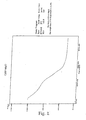
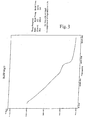
- stabilized and stable mean that, when the metal oxide-atom adducts are heated to a temperature of about 100 °C, less than about 10% of the total weight loss of the adduct is attributable to the reactive atoms desorbing.
- the metal oxide-atom adducts of the invention can also be formed into pellets for situations where nanoscale size particles are impractical. These pellets are formed by agglomerating the finely divided metal oxide-atom adducts by any suitable process, e.g., pressing at a pressure of from about 345 kPa to 41369 kPa (50 psi to about 6,000 psi), more preferably from about 3447 kaPa to 34474 kPa (500 psi to about 5000 psi) and most preferably to about 13790 kPa (2000 psi).
- any suitable process e.g., pressing at a pressure of from about 345 kPa to 41369 kPa (50 psi to about 6,000 psi), more preferably from about 3447 kaPa to 34474 kPa (500 psi to about 5000 psi) and most preferably to about 13790 kPa (
- the pellets can be formed by any pressure-applying means.
- a binder or filler can be mixed with the metal oxide-atom adducts, and/or the pellets can be formed by pressing the mixture by hand. Agglomerating or agglomerated as used hereinafter thus includes all of the known processes for this purpose such as centrifugation techniques or pressing together of the metal oxide-atom adduct particles.
- the halogenated metal oxide compositions of this invention can be utilized to halogenate unsaturated species (such as alkenes) as well as saturated species (such as alkanes). This is accomplished by contacting the composition with a target compound at a very broad temperature range of from about -80 to about 240°C, but preferably the contacting temperature is less than about 25°C, more preferably less than about 0°C, and most preferably less than about -23 °C. If the metal oxide-stabilized atom composition used is Cl/CP-CaO or Cl/AP-MgO, the contacting step is carried out at a temperature of less than about-42°C and preferably less than about -78°C.
- this invention provides compositions and methods to halogenate (and particularly chlorinate) saturated compounds in the absence of UV light and without high reaction temperatures characteristic of the prior art. Furthermore, the chlorinated metal oxide compositions of the invention can be utilized as a source of chlorine for bleaching purposes without requiring the use of water.
- BET Brunauer-Emmett-Teller
- the gel solution was placed within the reactor and flushed for 10 minutes with nitrogen gas, whereupon the reactor was closed and pressurized to 100 psi using the nitrogen gas.
- the reactor was then heated up to 265°C over a 4 hour period at a heating rate of 1 °C/min.
- the temperature was then allowed to equilibrate at 265 °C for 10 minutes (final reactor pressure was about 700 psi).
- the reactor was vented to release the pressure and vent the solvent.
- the reactor was flushed with nitrogen gas for 10 minutes.
- the Mg(OH) 2 particles were then thermally converted to MgO.
- CP-MgO samples were prepared by boiling commercially available MgO (Aldrich Chemical Company) for five hours, followed by drying of the sample at 120°C for five hours. The sample was then dehydrated under vacuum at 500°C resulting in CP-MgO with a BET surface area of 130-200 m 2 /g and an average crystallite size of 8.8 nm.
- Br/MgO and Br/CaO were prepared in a manner similar to that described under Part 1.
- An excess of bromine gas was allowed to enter a Schlenk tube which contained from 0.30 to 1.0 g of the particular metal oxide sample at the vapor pressure of bromine at room temperature.
- the amount of bromine gas was determined to be an excess amount when the inlet gas remained dark red.
- the reaction was complete within several minutes, but each sample was allowed to stand for approximately 30 minutes before removal from the tube.
- 1/MgO and 1/CaO were prepared by placing 1.0 g of the metal oxide in a Schlenk tube along with 1.0 g of iodine. The air was evacuated from the tube, the stopcock was closed, and the mixture was heated to 90-100 °C. The iodine vaporized and deposited onto the oxide particles. The sample was allowed to stand for about 30 minutes before removal from the sample tube.
- Example 2 A series of experiments with CP-CaO, AP-CaO, and AP-MgO was carried out following the procedures described in Example 2.
- the DMBA was added to the chlorinated metal oxide samples at sample temperatures of -42°C and -78°C, and the mixture was held at the low temperature (i.e., at either -42°C or -78°C for several hours).
- the volatile materials were removed under vacuum as the sample warmed to room temperature.
- Iodination of DMBA was attempted in a series of experiments. The following mixtures were tested: I 2 + DMBA + UV light; I 2 + DMBA + AP-CaO (both with and without UV light); I 2 + DMBA + CP-CaO (both with and without UV light); and, I 2 + DMBA + AP-MgO (both with and without UV light). No iodination reactions took place in any of the experiments.
Landscapes
- Chemical & Material Sciences (AREA)
- Organic Chemistry (AREA)
- Engineering & Computer Science (AREA)
- Chemical Kinetics & Catalysis (AREA)
- Materials Engineering (AREA)
- Inorganic Chemistry (AREA)
- Physics & Mathematics (AREA)
- Nanotechnology (AREA)
- Life Sciences & Earth Sciences (AREA)
- Geology (AREA)
- Composite Materials (AREA)
- Condensed Matter Physics & Semiconductors (AREA)
- General Physics & Mathematics (AREA)
- Crystallography & Structural Chemistry (AREA)
- Thermal Sciences (AREA)
- Oxygen, Ozone, And Oxides In General (AREA)
- Catalysts (AREA)
- Compounds Of Alkaline-Earth Elements, Aluminum Or Rare-Earth Metals (AREA)
- Organic Low-Molecular-Weight Compounds And Preparation Thereof (AREA)
- Low-Molecular Organic Synthesis Reactions Using Catalysts (AREA)
Applications Claiming Priority (2)
| Application Number | Priority Date | Filing Date | Title |
|---|---|---|---|
| US09/133,301 US6087294A (en) | 1998-08-12 | 1998-08-12 | Dispersion and stabilization of reactive atoms on the surface of metal oxides |
| EP99942045A EP1113875A4 (en) | 1998-08-12 | 1999-08-12 | DISPERSION AND STABILIZATION OF REACTIVE ATOMS ON THE SURFACE OF METAL OXIDES |
Related Parent Applications (1)
| Application Number | Title | Priority Date | Filing Date |
|---|---|---|---|
| EP99942045A Division EP1113875A4 (en) | 1998-08-12 | 1999-08-12 | DISPERSION AND STABILIZATION OF REACTIVE ATOMS ON THE SURFACE OF METAL OXIDES |
Publications (3)
| Publication Number | Publication Date |
|---|---|
| EP1681095A2 EP1681095A2 (en) | 2006-07-19 |
| EP1681095A3 EP1681095A3 (en) | 2006-07-26 |
| EP1681095B1 true EP1681095B1 (en) | 2009-12-23 |
Family
ID=22457933
Family Applications (2)
| Application Number | Title | Priority Date | Filing Date |
|---|---|---|---|
| EP99942045A Withdrawn EP1113875A4 (en) | 1998-08-12 | 1999-08-12 | DISPERSION AND STABILIZATION OF REACTIVE ATOMS ON THE SURFACE OF METAL OXIDES |
| EP06112496A Expired - Lifetime EP1681095B1 (en) | 1998-08-12 | 1999-08-12 | Dispersion and stabilization of halogen reactive atoms on the surface of metal oxides |
Family Applications Before (1)
| Application Number | Title | Priority Date | Filing Date |
|---|---|---|---|
| EP99942045A Withdrawn EP1113875A4 (en) | 1998-08-12 | 1999-08-12 | DISPERSION AND STABILIZATION OF REACTIVE ATOMS ON THE SURFACE OF METAL OXIDES |
Country Status (9)
| Country | Link |
|---|---|
| US (1) | US6087294A (enExample) |
| EP (2) | EP1113875A4 (enExample) |
| JP (1) | JP2002522339A (enExample) |
| AT (1) | ATE452702T1 (enExample) |
| AU (1) | AU5550899A (enExample) |
| CA (1) | CA2339856C (enExample) |
| DE (1) | DE69941862D1 (enExample) |
| IL (2) | IL141017A0 (enExample) |
| WO (1) | WO2000009261A1 (enExample) |
Families Citing this family (56)
| Publication number | Priority date | Publication date | Assignee | Title |
|---|---|---|---|---|
| NL1002524C2 (nl) * | 1996-03-04 | 1997-09-05 | Gastec Nv | Katalysator voor de selectieve oxidatie van zwavelverbindingen tot elementaire zwavel, werkwijze voor de bereiding van een dergelijke kata- lysator en werkwijze voor de selectieve oxidatie van zwavelverbindingen elementaire zwavel. |
| US6653519B2 (en) * | 1998-09-15 | 2003-11-25 | Nanoscale Materials, Inc. | Reactive nanoparticles as destructive adsorbents for biological and chemical contamination |
| US6447577B1 (en) * | 2001-02-23 | 2002-09-10 | Intevep, S. A. | Method for removing H2S and CO2 from crude and gas streams |
| US7166209B2 (en) * | 2001-03-01 | 2007-01-23 | Intevep, S.A. | Hydroprocessing process |
| US6649042B2 (en) | 2001-03-01 | 2003-11-18 | Intevep, S.A. | Hydroprocessing process |
| US6656348B2 (en) | 2001-03-01 | 2003-12-02 | Intevep, S.A. | Hydroprocessing process |
| US6525230B2 (en) | 2001-04-18 | 2003-02-25 | Grt, Inc. | Zone reactor |
| US7019182B2 (en) | 2001-04-18 | 2006-03-28 | Grt, Inc. | Method of hydrocarbon preservation and environmental protection |
| US7230150B2 (en) | 2001-04-18 | 2007-06-12 | Grt, Inc. | Zone reactor |
| US6875901B2 (en) * | 2001-05-23 | 2005-04-05 | Abb Lummus Global Inc. | Olefin isomerization process |
| US7838708B2 (en) | 2001-06-20 | 2010-11-23 | Grt, Inc. | Hydrocarbon conversion process improvements |
| US7161050B2 (en) | 2001-06-20 | 2007-01-09 | Grt, Inc. | Method and apparatus for synthesizing olefins, alcohols, ethers, and aldehydes |
| US20030078456A1 (en) | 2001-06-20 | 2003-04-24 | Aysen Yilmaz | Integrated process for synthesizing alcohols, ethers, aldehydes, and olefins from alkanes |
| US20030180213A1 (en) * | 2002-02-11 | 2003-09-25 | Carnes Corrie L. | High surface area mixed metal oxides and hydroxides |
| KR20040107470A (ko) * | 2002-02-25 | 2004-12-20 | 젠텍스 코오포레이숀 | 다기능 보호 섬유 및 그 이용 방법 |
| US7279129B2 (en) | 2002-05-14 | 2007-10-09 | Nanoscale Corporation | Method and apparatus for control of chemical or biological warfare agents |
| US6860924B2 (en) * | 2002-06-07 | 2005-03-01 | Nanoscale Materials, Inc. | Air-stable metal oxide nanoparticles |
| US6863825B2 (en) | 2003-01-29 | 2005-03-08 | Union Oil Company Of California | Process for removing arsenic from aqueous streams |
| US7341977B2 (en) * | 2003-06-20 | 2008-03-11 | Nanoscale Corporation | Method of sorbing sulfur compounds using nanocrystalline mesoporous metal oxides |
| US20050171393A1 (en) | 2003-07-15 | 2005-08-04 | Lorkovic Ivan M. | Hydrocarbon synthesis |
| US20050038310A1 (en) | 2003-07-15 | 2005-02-17 | Lorkovic Ivan M. | Hydrocarbon synthesis |
| CA2547864A1 (en) * | 2003-11-21 | 2005-06-02 | Patrick Desmond Cunningham | Soluble metal oxides and metal oxide solutions |
| US8173851B2 (en) | 2004-04-16 | 2012-05-08 | Marathon Gtf Technology, Ltd. | Processes for converting gaseous alkanes to liquid hydrocarbons |
| US8642822B2 (en) | 2004-04-16 | 2014-02-04 | Marathon Gtf Technology, Ltd. | Processes for converting gaseous alkanes to liquid hydrocarbons using microchannel reactor |
| US7244867B2 (en) | 2004-04-16 | 2007-07-17 | Marathon Oil Company | Process for converting gaseous alkanes to liquid hydrocarbons |
| US7674941B2 (en) | 2004-04-16 | 2010-03-09 | Marathon Gtf Technology, Ltd. | Processes for converting gaseous alkanes to liquid hydrocarbons |
| US20080275284A1 (en) | 2004-04-16 | 2008-11-06 | Marathon Oil Company | Process for converting gaseous alkanes to liquid hydrocarbons |
| US20060100469A1 (en) | 2004-04-16 | 2006-05-11 | Waycuilis John J | Process for converting gaseous alkanes to olefins and liquid hydrocarbons |
| CA2627391C (en) * | 2005-10-26 | 2014-09-16 | Nanoscale Corporation | Treatment of odors using nanocrystalline metal oxides |
| EA015515B1 (ru) | 2006-02-03 | 2011-08-30 | ДжиАрТи, ИНК. | Непрерывный способ превращения природного газа в жидкие углеводороды |
| ZA200807230B (en) | 2006-02-03 | 2009-11-25 | Grt Inc | Separation of light gases from halogens |
| US9033908B2 (en) | 2006-12-21 | 2015-05-19 | Nederlandse Organisatie Voor Toegepast—Natuurwetenschappelijk Onderzoek Tno | Device for the removal of toxic substances from blood |
| US8066874B2 (en) | 2006-12-28 | 2011-11-29 | Molycorp Minerals, Llc | Apparatus for treating a flow of an aqueous solution containing arsenic |
| CN101680120A (zh) * | 2007-04-11 | 2010-03-24 | 新加坡国立大学 | 用于净化化学试剂和生物试剂的纤维 |
| WO2008148113A1 (en) | 2007-05-24 | 2008-12-04 | Grt, Inc. | Zone reactor incorporating reversible hydrogen halide capture and release |
| US8349764B2 (en) | 2007-10-31 | 2013-01-08 | Molycorp Minerals, Llc | Composition for treating a fluid |
| US8252087B2 (en) | 2007-10-31 | 2012-08-28 | Molycorp Minerals, Llc | Process and apparatus for treating a gas containing a contaminant |
| EP2072117A1 (en) | 2007-12-19 | 2009-06-24 | Nederlandse Organisatie voor toegepast- natuurwetenschappelijk onderzoek TNO | Sorbent material |
| EP2276359A2 (en) * | 2008-04-14 | 2011-01-26 | NanoScale Corporation | Method for neutralization, adsorption, and absorption of hazardous or otherwise undesired compounds in a tobacco product |
| US8282810B2 (en) | 2008-06-13 | 2012-10-09 | Marathon Gtf Technology, Ltd. | Bromine-based method and system for converting gaseous alkanes to liquid hydrocarbons using electrolysis for bromine recovery |
| SG192538A1 (en) | 2008-07-18 | 2013-08-30 | Grt Inc | Continuous process for converting natural gas to liquid hydrocarbons |
| US20100101413A1 (en) * | 2008-08-26 | 2010-04-29 | Nanoscale Corporation | Method and apparatus for control and elimination of undesirable substances |
| US8198495B2 (en) | 2010-03-02 | 2012-06-12 | Marathon Gtf Technology, Ltd. | Processes and systems for the staged synthesis of alkyl bromides |
| US8367884B2 (en) | 2010-03-02 | 2013-02-05 | Marathon Gtf Technology, Ltd. | Processes and systems for the staged synthesis of alkyl bromides |
| US8815050B2 (en) | 2011-03-22 | 2014-08-26 | Marathon Gtf Technology, Ltd. | Processes and systems for drying liquid bromine |
| US9233863B2 (en) | 2011-04-13 | 2016-01-12 | Molycorp Minerals, Llc | Rare earth removal of hydrated and hydroxyl species |
| US8436220B2 (en) | 2011-06-10 | 2013-05-07 | Marathon Gtf Technology, Ltd. | Processes and systems for demethanization of brominated hydrocarbons |
| US8829256B2 (en) | 2011-06-30 | 2014-09-09 | Gtc Technology Us, Llc | Processes and systems for fractionation of brominated hydrocarbons in the conversion of natural gas to liquid hydrocarbons |
| US8802908B2 (en) | 2011-10-21 | 2014-08-12 | Marathon Gtf Technology, Ltd. | Processes and systems for separate, parallel methane and higher alkanes' bromination |
| US9193641B2 (en) | 2011-12-16 | 2015-11-24 | Gtc Technology Us, Llc | Processes and systems for conversion of alkyl bromides to higher molecular weight hydrocarbons in circulating catalyst reactor-regenerator systems |
| US9028807B2 (en) | 2012-04-05 | 2015-05-12 | Ues, Inc. | Synthesis models for antimicrobial agents via the halogenation of organic/inorganic composites |
| CN106457073A (zh) | 2014-03-07 | 2017-02-22 | 安全自然资源有限公司 | 具有杰出的砷去除性质的氧化铈(iv) |
| SG11201811351WA (en) | 2016-07-05 | 2019-01-30 | Timilon Tech Acquisitions Llc | Compositions and methods for forming stable, liquid metal oxide/hydroxide formulations |
| CN109225222B (zh) * | 2017-07-11 | 2021-03-16 | 中国科学院上海硅酸盐研究所 | 一种复合光催化剂及其应用 |
| US11376560B2 (en) | 2018-05-23 | 2022-07-05 | Uti Limited Partnership | Highly active sorbents and oxygen carriers supported by calcined alumina aerogel for low-temperature carbon capture and chemical-looping combustion of methane |
| US12104465B2 (en) * | 2021-08-05 | 2024-10-01 | Cenovus Energy Inc. | Method for carbon dioxide or hydrogen sulfide sequestration in a subterranean reservoir via pumping using sorbent particles in a carrier gas |
Family Cites Families (12)
| Publication number | Priority date | Publication date | Assignee | Title |
|---|---|---|---|---|
| US4517398A (en) * | 1984-04-16 | 1985-05-14 | Atlantic Richfield Company | Hydroxylated magnesia support |
| US4568785A (en) * | 1984-04-16 | 1986-02-04 | Atlantic Richfield Company | Preparative process for methane conversion agents |
| US4672145A (en) * | 1985-03-19 | 1987-06-09 | Phillips Petroleum Company | Composition of matter and method of oxidative conversion of organic compounds therewith |
| US4895823A (en) * | 1985-03-19 | 1990-01-23 | Phillips Petroleum Company | Composition of matter for oxidative conversion of organic compounds |
| US4689316A (en) * | 1986-02-04 | 1987-08-25 | The Dow Chemical Company | Method of preparing supported catalysts |
| JPH0674215B2 (ja) * | 1987-12-11 | 1994-09-21 | 宇部興産株式会社 | 炭化水素の製造方法 |
| US4992409A (en) * | 1989-01-11 | 1991-02-12 | Amoco Corporation | Catalyst and method of preparing the catalyst for lower alkane conversion |
| US5071815A (en) * | 1989-09-01 | 1991-12-10 | British Columbia Research Corporation | Method for producing catalysts |
| ES2101101T3 (es) * | 1991-05-14 | 1997-07-01 | Exxon Chemical Patents Inc | Catalizador y su uso para la isomerizacion de olefinas. |
| US5712219A (en) * | 1994-04-08 | 1998-01-27 | Kansas State University Research Foundation | Iron oxide magnesium oxide composites and method for destruction of cholrinated hydrocarbon using such composites |
| US6417423B1 (en) * | 1998-09-15 | 2002-07-09 | Nanoscale Materials, Inc. | Reactive nanoparticles as destructive adsorbents for biological and chemical contamination |
| US6057488A (en) * | 1998-09-15 | 2000-05-02 | Nantek, Inc. | Nanoparticles for the destructive sorption of biological and chemical contaminants |
-
1998
- 1998-08-12 US US09/133,301 patent/US6087294A/en not_active Expired - Lifetime
-
1999
- 1999-08-12 IL IL14101799A patent/IL141017A0/xx active IP Right Grant
- 1999-08-12 EP EP99942045A patent/EP1113875A4/en not_active Withdrawn
- 1999-08-12 CA CA002339856A patent/CA2339856C/en not_active Expired - Fee Related
- 1999-08-12 EP EP06112496A patent/EP1681095B1/en not_active Expired - Lifetime
- 1999-08-12 WO PCT/US1999/017980 patent/WO2000009261A1/en not_active Ceased
- 1999-08-12 AU AU55508/99A patent/AU5550899A/en not_active Abandoned
- 1999-08-12 DE DE69941862T patent/DE69941862D1/de not_active Expired - Lifetime
- 1999-08-12 JP JP2000564749A patent/JP2002522339A/ja active Pending
- 1999-08-12 AT AT06112496T patent/ATE452702T1/de not_active IP Right Cessation
-
2001
- 2001-01-22 IL IL141017A patent/IL141017A/en not_active IP Right Cessation
Also Published As
| Publication number | Publication date |
|---|---|
| CA2339856C (en) | 2008-01-29 |
| EP1113875A1 (en) | 2001-07-11 |
| IL141017A (en) | 2007-10-31 |
| US6087294A (en) | 2000-07-11 |
| DE69941862D1 (de) | 2010-02-04 |
| ATE452702T1 (de) | 2010-01-15 |
| EP1113875A4 (en) | 2004-07-28 |
| CA2339856A1 (en) | 2000-02-24 |
| EP1681095A2 (en) | 2006-07-19 |
| WO2000009261A1 (en) | 2000-02-24 |
| JP2002522339A (ja) | 2002-07-23 |
| AU5550899A (en) | 2000-03-06 |
| IL141017A0 (en) | 2002-02-10 |
| EP1681095A3 (en) | 2006-07-26 |
Similar Documents
| Publication | Publication Date | Title |
|---|---|---|
| EP1681095B1 (en) | Dispersion and stabilization of halogen reactive atoms on the surface of metal oxides | |
| US5990373A (en) | Nanometer sized metal oxide particles for ambient temperature adsorption of toxic chemicals | |
| Mishakov et al. | Nanocrystalline MgO as a dehydrohalogenation catalyst | |
| Koper et al. | Destructive adsorption of chlorinated hydrocarbons on ultrafine (nanoscale) particles of calcium oxide | |
| Khaleel et al. | Nanocrystalline metal oxides as new adsorbents for air purification | |
| US5712219A (en) | Iron oxide magnesium oxide composites and method for destruction of cholrinated hydrocarbon using such composites | |
| Li et al. | Hydrogen storage in metal‐organic and covalent‐organic frameworks by spillover | |
| US5759939A (en) | Composite metal oxide adsorbents | |
| Mattson et al. | Surface oxides of activated carbon: Internal reflectance spectroscopic examination of activated sugar carbons | |
| EP1867620A1 (en) | Granular material comprising porous particles containing calcium and/or magnesium | |
| US5645810A (en) | High surface area meixnerite from hydrotalcites | |
| Oh et al. | Boosted ability of ZIF-8 for early-stage adsorption and degradation of chemical warfare agent simulants | |
| US5882622A (en) | Carbon dixide adsorption of synthetic meixnerite | |
| Pease et al. | Surface reduction in low-temperature formation of nickel oxide from different nickel salts. Thermal analysis, surface area, electron microscopy and infrared studies | |
| El-Shobaky et al. | Effects of thermal treatment on the physicochemical and catalytic properties of microporous NiO catalyst | |
| Štengl et al. | Aerogel nanoscale magnesium oxides as a destructive sorbent for toxic chemical agents | |
| MXPA01001236A (en) | Dispersion and stabilization of reactive atoms on the surface of metal oxides | |
| Del Cul et al. | Some investigations of the reaction of activated charcoal with fluorine and uranium hexafluoride | |
| Klabunde et al. | Nanoscale Metal Oxides as Destructive Adsorbents. New Surface Chemistry and Environmental Applications | |
| Watanabe et al. | Some properties of fluorine-adsorbed active carbon. | |
| Brown et al. | Physical adsorption of nitric oxide on metal oxides | |
| MXPA99001703A (en) | Nanometer sized metal oxide particles for ambient temperature adsorption of toxic chemicals | |
| Štengl et al. | Aerogel nanoscale aluminium oxides as a destructive sorbent for mustard gas | |
| JP2024162463A (ja) | フッ化物イオン電池用の固体電解質材料及びその製造方法 | |
| Bedilo et al. | Effect of the modification of nanocrystalline MgO aerogels with vanadium and carbon on the destructive sorption of CF2Cl2 and CFCl3 |
Legal Events
| Date | Code | Title | Description |
|---|---|---|---|
| PUAI | Public reference made under article 153(3) epc to a published international application that has entered the european phase |
Free format text: ORIGINAL CODE: 0009012 |
|
| PUAL | Search report despatched |
Free format text: ORIGINAL CODE: 0009013 |
|
| AC | Divisional application: reference to earlier application |
Ref document number: 1113875 Country of ref document: EP Kind code of ref document: P |
|
| AK | Designated contracting states |
Kind code of ref document: A2 Designated state(s): AT BE CH CY DE DK ES FI FR GB GR IE IT LI LU MC NL PT SE |
|
| AK | Designated contracting states |
Kind code of ref document: A3 Designated state(s): AT BE CH CY DE DK ES FI FR GB GR IE IT LI LU MC NL PT SE |
|
| AKX | Designation fees paid | ||
| 17P | Request for examination filed |
Effective date: 20070416 |
|
| RBV | Designated contracting states (corrected) |
Designated state(s): AT BE CH CY DE DK ES FI FR GB GR IE IT LI LU MC NL PT SE |
|
| 17Q | First examination report despatched |
Effective date: 20070522 |
|
| GRAP | Despatch of communication of intention to grant a patent |
Free format text: ORIGINAL CODE: EPIDOSNIGR1 |
|
| RTI1 | Title (correction) |
Free format text: DISPERSION AND STABILIZATION OF HALOGEN REACTIVE ATOMS ON THE SURFACE OF METAL OXIDES |
|
| GRAS | Grant fee paid |
Free format text: ORIGINAL CODE: EPIDOSNIGR3 |
|
| GRAA | (expected) grant |
Free format text: ORIGINAL CODE: 0009210 |
|
| AC | Divisional application: reference to earlier application |
Ref document number: 1113875 Country of ref document: EP Kind code of ref document: P |
|
| AK | Designated contracting states |
Kind code of ref document: B1 Designated state(s): AT BE CH CY DE DK ES FI FR GB GR IE IT LI LU MC NL PT SE |
|
| REG | Reference to a national code |
Ref country code: GB Ref legal event code: FG4D |
|
| REG | Reference to a national code |
Ref country code: CH Ref legal event code: EP |
|
| REG | Reference to a national code |
Ref country code: IE Ref legal event code: FG4D |
|
| REF | Corresponds to: |
Ref document number: 69941862 Country of ref document: DE Date of ref document: 20100204 Kind code of ref document: P |
|
| REG | Reference to a national code |
Ref country code: NL Ref legal event code: VDEP Effective date: 20091223 |
|
| PG25 | Lapsed in a contracting state [announced via postgrant information from national office to epo] |
Ref country code: SE Free format text: LAPSE BECAUSE OF FAILURE TO SUBMIT A TRANSLATION OF THE DESCRIPTION OR TO PAY THE FEE WITHIN THE PRESCRIBED TIME-LIMIT Effective date: 20091223 Ref country code: FI Free format text: LAPSE BECAUSE OF FAILURE TO SUBMIT A TRANSLATION OF THE DESCRIPTION OR TO PAY THE FEE WITHIN THE PRESCRIBED TIME-LIMIT Effective date: 20091223 |
|
| PG25 | Lapsed in a contracting state [announced via postgrant information from national office to epo] |
Ref country code: AT Free format text: LAPSE BECAUSE OF FAILURE TO SUBMIT A TRANSLATION OF THE DESCRIPTION OR TO PAY THE FEE WITHIN THE PRESCRIBED TIME-LIMIT Effective date: 20091223 |
|
| PG25 | Lapsed in a contracting state [announced via postgrant information from national office to epo] |
Ref country code: PT Free format text: LAPSE BECAUSE OF FAILURE TO SUBMIT A TRANSLATION OF THE DESCRIPTION OR TO PAY THE FEE WITHIN THE PRESCRIBED TIME-LIMIT Effective date: 20100423 Ref country code: ES Free format text: LAPSE BECAUSE OF FAILURE TO SUBMIT A TRANSLATION OF THE DESCRIPTION OR TO PAY THE FEE WITHIN THE PRESCRIBED TIME-LIMIT Effective date: 20100403 Ref country code: NL Free format text: LAPSE BECAUSE OF FAILURE TO SUBMIT A TRANSLATION OF THE DESCRIPTION OR TO PAY THE FEE WITHIN THE PRESCRIBED TIME-LIMIT Effective date: 20091223 |
|
| PG25 | Lapsed in a contracting state [announced via postgrant information from national office to epo] |
Ref country code: BE Free format text: LAPSE BECAUSE OF FAILURE TO SUBMIT A TRANSLATION OF THE DESCRIPTION OR TO PAY THE FEE WITHIN THE PRESCRIBED TIME-LIMIT Effective date: 20091223 |
|
| PG25 | Lapsed in a contracting state [announced via postgrant information from national office to epo] |
Ref country code: GR Free format text: LAPSE BECAUSE OF FAILURE TO SUBMIT A TRANSLATION OF THE DESCRIPTION OR TO PAY THE FEE WITHIN THE PRESCRIBED TIME-LIMIT Effective date: 20100324 Ref country code: CY Free format text: LAPSE BECAUSE OF FAILURE TO SUBMIT A TRANSLATION OF THE DESCRIPTION OR TO PAY THE FEE WITHIN THE PRESCRIBED TIME-LIMIT Effective date: 20091223 |
|
| PLBE | No opposition filed within time limit |
Free format text: ORIGINAL CODE: 0009261 |
|
| STAA | Information on the status of an ep patent application or granted ep patent |
Free format text: STATUS: NO OPPOSITION FILED WITHIN TIME LIMIT |
|
| 26N | No opposition filed |
Effective date: 20100924 |
|
| PG25 | Lapsed in a contracting state [announced via postgrant information from national office to epo] |
Ref country code: DK Free format text: LAPSE BECAUSE OF FAILURE TO SUBMIT A TRANSLATION OF THE DESCRIPTION OR TO PAY THE FEE WITHIN THE PRESCRIBED TIME-LIMIT Effective date: 20091223 |
|
| PG25 | Lapsed in a contracting state [announced via postgrant information from national office to epo] |
Ref country code: MC Free format text: LAPSE BECAUSE OF NON-PAYMENT OF DUE FEES Effective date: 20100831 Ref country code: IT Free format text: LAPSE BECAUSE OF FAILURE TO SUBMIT A TRANSLATION OF THE DESCRIPTION OR TO PAY THE FEE WITHIN THE PRESCRIBED TIME-LIMIT Effective date: 20091223 |
|
| REG | Reference to a national code |
Ref country code: CH Ref legal event code: PL |
|
| PG25 | Lapsed in a contracting state [announced via postgrant information from national office to epo] |
Ref country code: CH Free format text: LAPSE BECAUSE OF NON-PAYMENT OF DUE FEES Effective date: 20100831 Ref country code: LI Free format text: LAPSE BECAUSE OF NON-PAYMENT OF DUE FEES Effective date: 20100831 |
|
| REG | Reference to a national code |
Ref country code: FR Ref legal event code: ST Effective date: 20110502 |
|
| PG25 | Lapsed in a contracting state [announced via postgrant information from national office to epo] |
Ref country code: FR Free format text: LAPSE BECAUSE OF NON-PAYMENT OF DUE FEES Effective date: 20100831 Ref country code: IE Free format text: LAPSE BECAUSE OF NON-PAYMENT OF DUE FEES Effective date: 20100812 |
|
| PGFP | Annual fee paid to national office [announced via postgrant information from national office to epo] |
Ref country code: DE Payment date: 20110830 Year of fee payment: 13 Ref country code: GB Payment date: 20110825 Year of fee payment: 13 |
|
| PG25 | Lapsed in a contracting state [announced via postgrant information from national office to epo] |
Ref country code: LU Free format text: LAPSE BECAUSE OF NON-PAYMENT OF DUE FEES Effective date: 20100812 |
|
| GBPC | Gb: european patent ceased through non-payment of renewal fee |
Effective date: 20120812 |
|
| PG25 | Lapsed in a contracting state [announced via postgrant information from national office to epo] |
Ref country code: DE Free format text: LAPSE BECAUSE OF NON-PAYMENT OF DUE FEES Effective date: 20130301 Ref country code: GB Free format text: LAPSE BECAUSE OF NON-PAYMENT OF DUE FEES Effective date: 20120812 |
|
| REG | Reference to a national code |
Ref country code: DE Ref legal event code: R119 Ref document number: 69941862 Country of ref document: DE Effective date: 20130301 |