EP1676579B1 - Use of sub-antimicrobial tetracyclines for treating ocular rosacea - Google Patents
Use of sub-antimicrobial tetracyclines for treating ocular rosacea Download PDFInfo
- Publication number
- EP1676579B1 EP1676579B1 EP06004523A EP06004523A EP1676579B1 EP 1676579 B1 EP1676579 B1 EP 1676579B1 EP 06004523 A EP06004523 A EP 06004523A EP 06004523 A EP06004523 A EP 06004523A EP 1676579 B1 EP1676579 B1 EP 1676579B1
- Authority
- EP
- European Patent Office
- Prior art keywords
- tetracycline
- patients
- tear
- antimicrobial
- tetracyclines
- Prior art date
- Legal status (The legal status is an assumption and is not a legal conclusion. Google has not performed a legal analysis and makes no representation as to the accuracy of the status listed.)
- Expired - Lifetime
Links
- 239000004098 Tetracycline Substances 0.000 title claims abstract description 78
- 235000019364 tetracycline Nutrition 0.000 title claims abstract description 78
- 150000003522 tetracyclines Chemical class 0.000 title claims abstract description 77
- 201000004700 rosacea Diseases 0.000 title claims description 28
- 206010072139 Ocular rosacea Diseases 0.000 title claims description 16
- 229940040944 tetracyclines Drugs 0.000 title description 30
- 229960002180 tetracycline Drugs 0.000 claims abstract description 49
- 229930101283 tetracycline Natural products 0.000 claims abstract description 49
- 208000037265 diseases, disorders, signs and symptoms Diseases 0.000 claims abstract description 38
- 201000010099 disease Diseases 0.000 claims abstract description 37
- 210000004175 meibomian gland Anatomy 0.000 claims abstract description 37
- SGKRLCUYIXIAHR-AKNGSSGZSA-N (4s,4ar,5s,5ar,6r,12ar)-4-(dimethylamino)-1,5,10,11,12a-pentahydroxy-6-methyl-3,12-dioxo-4a,5,5a,6-tetrahydro-4h-tetracene-2-carboxamide Chemical compound C1=CC=C2[C@H](C)[C@@H]([C@H](O)[C@@H]3[C@](C(O)=C(C(N)=O)C(=O)[C@H]3N(C)C)(O)C3=O)C3=C(O)C2=C1O SGKRLCUYIXIAHR-AKNGSSGZSA-N 0.000 claims description 30
- 229960003722 doxycycline Drugs 0.000 claims description 30
- 230000000845 anti-microbial effect Effects 0.000 claims description 26
- 239000004100 Oxytetracycline Substances 0.000 claims description 11
- 229960000625 oxytetracycline Drugs 0.000 claims description 11
- 235000019366 oxytetracycline Nutrition 0.000 claims description 9
- IWVCMVBTMGNXQD-UHFFFAOYSA-N terramycin dehydrate Natural products C1=CC=C2C(O)(C)C3C(O)C4C(N(C)C)C(O)=C(C(N)=O)C(=O)C4(O)C(O)=C3C(=O)C2=C1O IWVCMVBTMGNXQD-UHFFFAOYSA-N 0.000 claims description 9
- 239000003814 drug Substances 0.000 claims description 8
- 238000004519 manufacturing process Methods 0.000 claims description 8
- 229960004475 chlortetracycline Drugs 0.000 claims description 4
- XCCHQGIGHCRZOS-KBKZQPOHSA-N (4as,5as,6s,12ar)-1,6,10,11,12a-pentahydroxy-6-methyl-3,12-dioxo-4,4a,5,5a-tetrahydrotetracene-2-carboxamide Chemical compound C1=CC=C2[C@@](C)(O)[C@@H](C[C@@H]3[C@](C(O)=C(C(N)=O)C(=O)C3)(O)C3=O)C3=C(O)C2=C1O XCCHQGIGHCRZOS-KBKZQPOHSA-N 0.000 claims description 3
- 239000004099 Chlortetracycline Substances 0.000 claims description 3
- 239000004599 antimicrobial Substances 0.000 claims description 3
- 125000002147 dimethylamino group Chemical group [H]C([H])([H])N(*)C([H])([H])[H] 0.000 claims description 3
- 238000000338 in vitro Methods 0.000 claims description 3
- 238000001727 in vivo Methods 0.000 claims description 3
- FFTVPQUHLQBXQZ-KVUCHLLUSA-N (4s,4as,5ar,12ar)-4,7-bis(dimethylamino)-1,10,11,12a-tetrahydroxy-3,12-dioxo-4a,5,5a,6-tetrahydro-4h-tetracene-2-carboxamide Chemical compound C1C2=C(N(C)C)C=CC(O)=C2C(O)=C2[C@@H]1C[C@H]1[C@H](N(C)C)C(=O)C(C(N)=O)=C(O)[C@@]1(O)C2=O FFTVPQUHLQBXQZ-KVUCHLLUSA-N 0.000 claims description 2
- 229960004023 minocycline Drugs 0.000 claims description 2
- IWVCMVBTMGNXQD-PXOLEDIWSA-N oxytetracycline Chemical group C1=CC=C2[C@](O)(C)[C@H]3[C@H](O)[C@H]4[C@H](N(C)C)C(O)=C(C(N)=O)C(=O)[C@@]4(O)C(O)=C3C(=O)C2=C1O IWVCMVBTMGNXQD-PXOLEDIWSA-N 0.000 claims 1
- 230000007794 irritation Effects 0.000 abstract description 20
- 238000011282 treatment Methods 0.000 abstract description 14
- 238000000034 method Methods 0.000 abstract description 9
- 230000003111 delayed effect Effects 0.000 abstract description 8
- 230000003628 erosive effect Effects 0.000 abstract description 6
- 230000000306 recurrent effect Effects 0.000 abstract description 6
- 230000000699 topical effect Effects 0.000 abstract description 4
- 239000002158 endotoxin Substances 0.000 description 22
- 229920006008 lipopolysaccharide Polymers 0.000 description 22
- 230000000694 effects Effects 0.000 description 21
- 208000024891 symptom Diseases 0.000 description 21
- GNBHRKFJIUUOQI-UHFFFAOYSA-N fluorescein Chemical compound O1C(=O)C2=CC=CC=C2C21C1=CC=C(O)C=C1OC1=CC(O)=CC=C21 GNBHRKFJIUUOQI-UHFFFAOYSA-N 0.000 description 16
- OWFJMIVZYSDULZ-PXOLEDIWSA-N (4s,4ar,5s,5ar,6s,12ar)-4-(dimethylamino)-1,5,6,10,11,12a-hexahydroxy-6-methyl-3,12-dioxo-4,4a,5,5a-tetrahydrotetracene-2-carboxamide Chemical compound C1=CC=C2[C@](O)(C)[C@H]3[C@H](O)[C@H]4[C@H](N(C)C)C(=O)C(C(N)=O)=C(O)[C@@]4(O)C(=O)C3=C(O)C2=C1O OWFJMIVZYSDULZ-PXOLEDIWSA-N 0.000 description 14
- 239000006228 supernatant Substances 0.000 description 10
- IKQRPFTXKQQLJF-IAHYZSEUSA-N (4s,4as,5as,6s,12ar)-4-(dimethylamino)-1,6,10,11,12a-pentahydroxy-6-methyl-3,12-dioxo-n-(pyrrolidin-1-ylmethyl)-4,4a,5,5a-tetrahydrotetracene-2-carboxamide Chemical compound OC([C@@]1(O)C(=O)C=2[C@@H]([C@](C3=CC=CC(O)=C3C=2O)(C)O)C[C@H]1[C@@H](C1=O)N(C)C)=C1C(=O)NCN1CCCC1 IKQRPFTXKQQLJF-IAHYZSEUSA-N 0.000 description 9
- 102000013382 Gelatinases Human genes 0.000 description 9
- 108010026132 Gelatinases Proteins 0.000 description 9
- 108060008682 Tumor Necrosis Factor Proteins 0.000 description 9
- -1 Meciclin Chemical compound 0.000 description 8
- 210000002919 epithelial cell Anatomy 0.000 description 8
- 210000000744 eyelid Anatomy 0.000 description 8
- 239000012530 fluid Substances 0.000 description 8
- 238000012360 testing method Methods 0.000 description 8
- DHPRQBPJLMKORJ-XRNKAMNCSA-N (4s,4as,5as,6s,12ar)-7-chloro-4-(dimethylamino)-1,6,10,11,12a-pentahydroxy-6-methyl-3,12-dioxo-4,4a,5,5a-tetrahydrotetracene-2-carboxamide Chemical compound C1=CC(Cl)=C2[C@](O)(C)[C@H]3C[C@H]4[C@H](N(C)C)C(=O)C(C(N)=O)=C(O)[C@@]4(O)C(=O)C3=C(O)C2=C1O DHPRQBPJLMKORJ-XRNKAMNCSA-N 0.000 description 7
- 102000004127 Cytokines Human genes 0.000 description 7
- 108090000695 Cytokines Proteins 0.000 description 7
- 102000002274 Matrix Metalloproteinases Human genes 0.000 description 7
- 108010000684 Matrix Metalloproteinases Proteins 0.000 description 7
- 241001303601 Rosacea Species 0.000 description 7
- 102000000852 Tumor Necrosis Factor-alpha Human genes 0.000 description 7
- 238000004113 cell culture Methods 0.000 description 7
- 230000002596 correlated effect Effects 0.000 description 7
- 230000001965 increasing effect Effects 0.000 description 7
- 239000000243 solution Substances 0.000 description 7
- 238000011200 topical administration Methods 0.000 description 7
- NBRQRXRBIHVLGI-OWXODZSWSA-N (4as,5ar,12ar)-1,10,11,12a-tetrahydroxy-3,12-dioxo-4a,5,5a,6-tetrahydro-4h-tetracene-2-carboxamide Chemical compound C1C2=CC=CC(O)=C2C(O)=C(C2=O)[C@@H]1C[C@@H]1[C@@]2(O)C(O)=C(C(=O)N)C(=O)C1 NBRQRXRBIHVLGI-OWXODZSWSA-N 0.000 description 6
- VXPSARQTYDZXAO-CCHMMTNSSA-N (4s,4ar,5s,5ar,12ar)-4-(dimethylamino)-1,5,10,11,12a-pentahydroxy-6-methylidene-3,12-dioxo-4,4a,5,5a-tetrahydrotetracene-2-carboxamide;hydron;chloride Chemical compound Cl.C=C1C2=CC=CC(O)=C2C(O)=C2[C@@H]1[C@H](O)[C@H]1[C@H](N(C)C)C(=O)C(C(N)=O)=C(O)[C@@]1(O)C2=O VXPSARQTYDZXAO-CCHMMTNSSA-N 0.000 description 6
- 108010015302 Matrix metalloproteinase-9 Proteins 0.000 description 6
- HALQELOKLVRWRI-VDBOFHIQSA-N doxycycline hyclate Chemical group O.[Cl-].[Cl-].CCO.O=C1C2=C(O)C=CC=C2[C@H](C)[C@@H]2C1=C(O)[C@]1(O)C(=O)C(C(N)=O)=C(O)[C@@H]([NH+](C)C)[C@@H]1[C@H]2O.O=C1C2=C(O)C=CC=C2[C@H](C)[C@@H]2C1=C(O)[C@]1(O)C(=O)C(C(N)=O)=C(O)[C@@H]([NH+](C)C)[C@@H]1[C@H]2O HALQELOKLVRWRI-VDBOFHIQSA-N 0.000 description 6
- 230000002757 inflammatory effect Effects 0.000 description 6
- 239000002674 ointment Substances 0.000 description 6
- MZOFCQQQCNRIBI-VMXHOPILSA-N (3s)-4-[[(2s)-1-[[(2s)-1-[[(1s)-1-carboxy-2-hydroxyethyl]amino]-4-methyl-1-oxopentan-2-yl]amino]-5-(diaminomethylideneamino)-1-oxopentan-2-yl]amino]-3-[[2-[[(2s)-2,6-diaminohexanoyl]amino]acetyl]amino]-4-oxobutanoic acid Chemical compound OC[C@@H](C(O)=O)NC(=O)[C@H](CC(C)C)NC(=O)[C@H](CCCN=C(N)N)NC(=O)[C@H](CC(O)=O)NC(=O)CNC(=O)[C@@H](N)CCCCN MZOFCQQQCNRIBI-VMXHOPILSA-N 0.000 description 5
- NWXMGUDVXFXRIG-WESIUVDSSA-N (4s,4as,5as,6s,12ar)-4-(dimethylamino)-1,6,10,11,12a-pentahydroxy-6-methyl-3,12-dioxo-4,4a,5,5a-tetrahydrotetracene-2-carboxamide Chemical compound C1=CC=C2[C@](O)(C)[C@H]3C[C@H]4[C@H](N(C)C)C(=O)C(C(N)=O)=C(O)[C@@]4(O)C(=O)C3=C(O)C2=C1O NWXMGUDVXFXRIG-WESIUVDSSA-N 0.000 description 5
- VKUYLANQOAKALN-UHFFFAOYSA-N 2-[benzyl-(4-methoxyphenyl)sulfonylamino]-n-hydroxy-4-methylpentanamide Chemical compound C1=CC(OC)=CC=C1S(=O)(=O)N(C(CC(C)C)C(=O)NO)CC1=CC=CC=C1 VKUYLANQOAKALN-UHFFFAOYSA-N 0.000 description 5
- 102000003777 Interleukin-1 beta Human genes 0.000 description 5
- 108090000193 Interleukin-1 beta Proteins 0.000 description 5
- 102100030412 Matrix metalloproteinase-9 Human genes 0.000 description 5
- 239000007864 aqueous solution Substances 0.000 description 5
- 210000001508 eye Anatomy 0.000 description 5
- 230000006872 improvement Effects 0.000 description 5
- 239000002243 precursor Substances 0.000 description 5
- VBEQCZHXXJYVRD-GACYYNSASA-N uroanthelone Chemical compound C([C@@H](C(=O)N[C@H](C(=O)N[C@@H](CS)C(=O)N[C@@H](CC(N)=O)C(=O)N[C@@H](CS)C(=O)N[C@H](C(=O)N[C@@H]([C@@H](C)CC)C(=O)NCC(=O)N[C@@H](CC=1C=CC(O)=CC=1)C(=O)N[C@@H](CO)C(=O)NCC(=O)N[C@@H](CC(O)=O)C(=O)N[C@@H](CCCNC(N)=N)C(=O)N[C@@H](CS)C(=O)N[C@@H](CCC(N)=O)C(=O)N[C@@H]([C@@H](C)O)C(=O)N[C@@H](CCCNC(N)=N)C(=O)N[C@@H](CC(O)=O)C(=O)N[C@@H](CC(C)C)C(=O)N[C@@H](CCCNC(N)=N)C(=O)N[C@@H](CC=1C2=CC=CC=C2NC=1)C(=O)N[C@@H](CC=1C2=CC=CC=C2NC=1)C(=O)N[C@@H](CCC(O)=O)C(=O)N[C@@H](CC(C)C)C(=O)N[C@@H](CCCNC(N)=N)C(O)=O)C(C)C)[C@@H](C)O)NC(=O)[C@H](CO)NC(=O)[C@H](CC(O)=O)NC(=O)[C@H](CC(C)C)NC(=O)[C@H](CO)NC(=O)[C@H](CCC(O)=O)NC(=O)[C@@H](NC(=O)[C@H](CC=1NC=NC=1)NC(=O)[C@H](CCSC)NC(=O)[C@H](CS)NC(=O)[C@@H](NC(=O)CNC(=O)CNC(=O)[C@H](CC(N)=O)NC(=O)[C@H](CC(C)C)NC(=O)[C@H](CS)NC(=O)[C@H](CC=1C=CC(O)=CC=1)NC(=O)CNC(=O)[C@H](CC(O)=O)NC(=O)[C@H](CC=1C=CC(O)=CC=1)NC(=O)[C@H](CO)NC(=O)[C@H](CO)NC(=O)[C@H]1N(CCC1)C(=O)[C@H](CS)NC(=O)CNC(=O)[C@H]1N(CCC1)C(=O)[C@H](CC=1C=CC(O)=CC=1)NC(=O)[C@H](CO)NC(=O)[C@@H](N)CC(N)=O)C(C)C)[C@@H](C)CC)C1=CC=C(O)C=C1 VBEQCZHXXJYVRD-GACYYNSASA-N 0.000 description 5
- 101800003838 Epidermal growth factor Proteins 0.000 description 4
- 102400001368 Epidermal growth factor Human genes 0.000 description 4
- MWUXSHHQAYIFBG-UHFFFAOYSA-N Nitric oxide Chemical compound O=[N] MWUXSHHQAYIFBG-UHFFFAOYSA-N 0.000 description 4
- 230000003110 anti-inflammatory effect Effects 0.000 description 4
- 238000003556 assay Methods 0.000 description 4
- 230000003247 decreasing effect Effects 0.000 description 4
- 229940069417 doxy Drugs 0.000 description 4
- 229940116977 epidermal growth factor Drugs 0.000 description 4
- 210000000981 epithelium Anatomy 0.000 description 4
- 230000004048 modification Effects 0.000 description 4
- 238000012986 modification Methods 0.000 description 4
- 230000004044 response Effects 0.000 description 4
- 238000010186 staining Methods 0.000 description 4
- PTNZGHXUZDHMIQ-CVHRZJFOSA-N (4s,4ar,5s,5ar,6r,12ar)-4-(dimethylamino)-1,5,10,11,12a-pentahydroxy-6-methyl-3,12-dioxo-4a,5,5a,6-tetrahydro-4h-tetracene-2-carboxamide;hydrochloride Chemical compound Cl.C1=CC=C2[C@H](C)[C@@H]([C@H](O)[C@@H]3[C@](C(O)=C(C(N)=O)C(=O)[C@H]3N(C)C)(O)C3=O)C3=C(O)C2=C1O PTNZGHXUZDHMIQ-CVHRZJFOSA-N 0.000 description 3
- 238000002965 ELISA Methods 0.000 description 3
- 102100030416 Stromelysin-1 Human genes 0.000 description 3
- 101710108790 Stromelysin-1 Proteins 0.000 description 3
- 230000004913 activation Effects 0.000 description 3
- 230000003115 biocidal effect Effects 0.000 description 3
- AHEVKYYGXVEWNO-UEPZRUIBSA-N lymecycline Chemical compound C1=CC=C2[C@](O)(C)[C@H]3C[C@H]4[C@H](N(C)C)C(O)=C(C(=O)NCNCCCC[C@H](N)C(O)=O)C(=O)[C@@]4(O)C(O)=C3C(=O)C2=C1O AHEVKYYGXVEWNO-UEPZRUIBSA-N 0.000 description 3
- 239000013642 negative control Substances 0.000 description 3
- 229920000642 polymer Polymers 0.000 description 3
- 230000009467 reduction Effects 0.000 description 3
- 150000003839 salts Chemical class 0.000 description 3
- 230000004936 stimulating effect Effects 0.000 description 3
- 230000004489 tear production Effects 0.000 description 3
- 238000002560 therapeutic procedure Methods 0.000 description 3
- WTJXVDPDEQKTCV-VQAITOIOSA-N (4s,4as,5ar,12ar)-4,7-bis(dimethylamino)-1,10,11,12a-tetrahydroxy-3,12-dioxo-4a,5,5a,6-tetrahydro-4h-tetracene-2-carboxamide;hydrochloride Chemical compound Cl.C1C2=C(N(C)C)C=CC(O)=C2C(O)=C2[C@@H]1C[C@H]1[C@H](N(C)C)C(=O)C(C(N)=O)=C(O)[C@@]1(O)C2=O WTJXVDPDEQKTCV-VQAITOIOSA-N 0.000 description 2
- GUXHBMASAHGULD-SEYHBJAFSA-N (4s,4as,5as,6s,12ar)-7-chloro-4-(dimethylamino)-1,6,10,11,12a-pentahydroxy-3,12-dioxo-4a,5,5a,6-tetrahydro-4h-tetracene-2-carboxamide Chemical compound C1([C@H]2O)=C(Cl)C=CC(O)=C1C(O)=C1[C@@H]2C[C@H]2[C@H](N(C)C)C(=O)C(C(N)=O)=C(O)[C@@]2(O)C1=O GUXHBMASAHGULD-SEYHBJAFSA-N 0.000 description 2
- 102000004125 Interleukin-1alpha Human genes 0.000 description 2
- 108010082786 Interleukin-1alpha Proteins 0.000 description 2
- 241000124008 Mammalia Species 0.000 description 2
- 102000001776 Matrix metalloproteinase-9 Human genes 0.000 description 2
- 206010054949 Metaplasia Diseases 0.000 description 2
- 102100040247 Tumor necrosis factor Human genes 0.000 description 2
- 206010047513 Vision blurred Diseases 0.000 description 2
- 230000004071 biological effect Effects 0.000 description 2
- 230000015572 biosynthetic process Effects 0.000 description 2
- CYDMQBQPVICBEU-UHFFFAOYSA-N chlorotetracycline Natural products C1=CC(Cl)=C2C(O)(C)C3CC4C(N(C)C)C(O)=C(C(N)=O)C(=O)C4(O)C(O)=C3C(=O)C2=C1O CYDMQBQPVICBEU-UHFFFAOYSA-N 0.000 description 2
- 235000019365 chlortetracycline Nutrition 0.000 description 2
- 150000001875 compounds Chemical class 0.000 description 2
- 230000007423 decrease Effects 0.000 description 2
- 230000000593 degrading effect Effects 0.000 description 2
- 229940079593 drug Drugs 0.000 description 2
- 239000003937 drug carrier Substances 0.000 description 2
- 239000003792 electrolyte Substances 0.000 description 2
- 239000003889 eye drop Substances 0.000 description 2
- 239000000499 gel Substances 0.000 description 2
- 208000015181 infectious disease Diseases 0.000 description 2
- 210000004969 inflammatory cell Anatomy 0.000 description 2
- 230000007774 longterm Effects 0.000 description 2
- 229960004196 lymecycline Drugs 0.000 description 2
- 230000007246 mechanism Effects 0.000 description 2
- 230000005499 meniscus Effects 0.000 description 2
- 230000015689 metaplastic ossification Effects 0.000 description 2
- 229940042016 methacycline Drugs 0.000 description 2
- 239000000203 mixture Substances 0.000 description 2
- 230000036407 pain Effects 0.000 description 2
- 230000000770 proinflammatory effect Effects 0.000 description 2
- 230000035807 sensation Effects 0.000 description 2
- 150000003431 steroids Chemical class 0.000 description 2
- 238000003786 synthesis reaction Methods 0.000 description 2
- 238000011287 therapeutic dose Methods 0.000 description 2
- 230000001225 therapeutic effect Effects 0.000 description 2
- 229940063678 vibramycin Drugs 0.000 description 2
- XLYOFNOQVPJJNP-UHFFFAOYSA-N water Substances O XLYOFNOQVPJJNP-UHFFFAOYSA-N 0.000 description 2
- SGKRLCUYIXIAHR-NLJUDYQYSA-N (4r,4ar,5s,5ar,6r,12ar)-4-(dimethylamino)-1,5,10,11,12a-pentahydroxy-6-methyl-3,12-dioxo-4a,5,5a,6-tetrahydro-4h-tetracene-2-carboxamide Chemical compound C1=CC=C2[C@H](C)[C@@H]([C@H](O)[C@@H]3[C@](C(O)=C(C(N)=O)C(=O)[C@@H]3N(C)C)(O)C3=O)C3=C(O)C2=C1O SGKRLCUYIXIAHR-NLJUDYQYSA-N 0.000 description 1
- XIYOPDCBBDCGOE-IWVLMIASSA-N (4s,4ar,5s,5ar,12ar)-4-(dimethylamino)-1,5,10,11,12a-pentahydroxy-6-methylidene-3,12-dioxo-4,4a,5,5a-tetrahydrotetracene-2-carboxamide Chemical compound C=C1C2=CC=CC(O)=C2C(O)=C2[C@@H]1[C@H](O)[C@H]1[C@H](N(C)C)C(=O)C(C(N)=O)=C(O)[C@@]1(O)C2=O XIYOPDCBBDCGOE-IWVLMIASSA-N 0.000 description 1
- RWPPEDAJWOOTPC-DPLGGHQZSA-N (4s,4as,5as,6s,12ar)-4-(dimethylamino)-1,6,10,11,12a-pentahydroxy-6-methyl-3,12-dioxo-n-(pyrrolidin-1-ylmethyl)-4,4a,5,5a-tetrahydrotetracene-2-carboxamide;nitric acid;trihydrate Chemical compound O.O.O.O[N+]([O-])=O.O[N+]([O-])=O.OC([C@@]1(O)C(=O)C=2[C@@H]([C@](C3=CC=CC(O)=C3C=2O)(C)O)C[C@H]1[C@@H](C1=O)N(C)C)=C1C(=O)NCN1CCCC1.OC([C@@]1(O)C(=O)C=2[C@@H]([C@](C3=CC=CC(O)=C3C=2O)(C)O)C[C@H]1[C@@H](C1=O)N(C)C)=C1C(=O)NCN1CCCC1 RWPPEDAJWOOTPC-DPLGGHQZSA-N 0.000 description 1
- OAPVUSSHCBRCOL-KBHRXELFSA-N (4s,4as,5as,6s,12ar)-7-chloro-4-(dimethylamino)-1,6,10,11,12a-pentahydroxy-3,12-dioxo-4a,5,5a,6-tetrahydro-4h-tetracene-2-carboxamide;hydrochloride Chemical compound Cl.C1([C@H]2O)=C(Cl)C=CC(O)=C1C(O)=C1[C@@H]2C[C@H]2[C@H](N(C)C)C(=O)C(C(N)=O)=C(O)[C@@]2(O)C1=O OAPVUSSHCBRCOL-KBHRXELFSA-N 0.000 description 1
- IKQRPFTXKQQLJF-VQCPGFMQSA-N (4s,4as,6s,12ar)-4-(dimethylamino)-1,6,10,11,12a-pentahydroxy-6-methyl-3,12-dioxo-n-(pyrrolidin-1-ylmethyl)-4,4a,5,5a-tetrahydrotetracene-2-carboxamide Chemical compound OC([C@@]1(O)C(=O)C=2C([C@](C3=CC=CC(O)=C3C=2O)(C)O)C[C@H]1[C@@H](C1=O)N(C)C)=C1C(=O)NCN1CCCC1 IKQRPFTXKQQLJF-VQCPGFMQSA-N 0.000 description 1
- WZNWUDKIQDIRSR-UHFFFAOYSA-N 2-[1,2-dihydroxy-1-(oxiran-2-yl)ethyl]-11-hydroxy-5-methylnaphtho[2,3-h]chromene-4,7,12-trione Chemical compound C=1C(=O)C=2C(C)=CC=3C(=O)C4=CC=CC(O)=C4C(=O)C=3C=2OC=1C(O)(CO)C1CO1 WZNWUDKIQDIRSR-UHFFFAOYSA-N 0.000 description 1
- OWFJMIVZYSDULZ-UHFFFAOYSA-N 2-carbamoyl-4-(dimethylazaniumyl)-5,6,10,11,12a-pentahydroxy-6-methyl-3,12-dioxo-4,4a,5,5a-tetrahydrotetracen-1-olate Chemical compound C1=CC=C2C(O)(C)C3C(O)C4C(N(C)C)C(=O)C(C(N)=O)=C(O)C4(O)C(=O)C3=C(O)C2=C1O OWFJMIVZYSDULZ-UHFFFAOYSA-N 0.000 description 1
- PTNZGHXUZDHMIQ-UHFFFAOYSA-N 4-(dimethylamino)-1,5,10,11,12a-pentahydroxy-6-methyl-3,12-dioxo-4a,5,5a,6-tetrahydro-4h-tetracene-2-carboxamide;hydrochloride Chemical compound Cl.C1=CC=C2C(C)C(C(O)C3C(C(O)=C(C(N)=O)C(=O)C3N(C)C)(O)C3=O)C3=C(O)C2=C1O PTNZGHXUZDHMIQ-UHFFFAOYSA-N 0.000 description 1
- 206010000087 Abdominal pain upper Diseases 0.000 description 1
- 206010003694 Atrophy Diseases 0.000 description 1
- 208000035143 Bacterial infection Diseases 0.000 description 1
- 241000222122 Candida albicans Species 0.000 description 1
- 206010007134 Candida infections Diseases 0.000 description 1
- 208000002177 Cataract Diseases 0.000 description 1
- 102000019034 Chemokines Human genes 0.000 description 1
- 108010012236 Chemokines Proteins 0.000 description 1
- 208000017667 Chronic Disease Diseases 0.000 description 1
- 102000029816 Collagenase Human genes 0.000 description 1
- 108060005980 Collagenase Proteins 0.000 description 1
- 206010051625 Conjunctival hyperaemia Diseases 0.000 description 1
- 206010011022 Corneal infiltrates Diseases 0.000 description 1
- 206010012735 Diarrhoea Diseases 0.000 description 1
- 201000004173 Epithelial basement membrane dystrophy Diseases 0.000 description 1
- 206010015946 Eye irritation Diseases 0.000 description 1
- 108010010803 Gelatin Proteins 0.000 description 1
- 208000010412 Glaucoma Diseases 0.000 description 1
- 101000990902 Homo sapiens Matrix metalloproteinase-9 Proteins 0.000 description 1
- NPPHVVALVZAFOV-UHFFFAOYSA-N Hydramycin Natural products Cc1cc2C(=O)c3cccc(O)c3C(=O)c2c4OC(=CCc14)C(O)(CO)C5CO5 NPPHVVALVZAFOV-UHFFFAOYSA-N 0.000 description 1
- DGAQECJNVWCQMB-PUAWFVPOSA-M Ilexoside XXIX Chemical compound C[C@@H]1CC[C@@]2(CC[C@@]3(C(=CC[C@H]4[C@]3(CC[C@@H]5[C@@]4(CC[C@@H](C5(C)C)OS(=O)(=O)[O-])C)C)[C@@H]2[C@]1(C)O)C)C(=O)O[C@H]6[C@@H]([C@H]([C@@H]([C@H](O6)CO)O)O)O.[Na+] DGAQECJNVWCQMB-PUAWFVPOSA-M 0.000 description 1
- 206010061218 Inflammation Diseases 0.000 description 1
- 102000000589 Interleukin-1 Human genes 0.000 description 1
- 108010002352 Interleukin-1 Proteins 0.000 description 1
- 102000019223 Interleukin-1 receptor Human genes 0.000 description 1
- 108050006617 Interleukin-1 receptor Proteins 0.000 description 1
- 102000004890 Interleukin-8 Human genes 0.000 description 1
- 108090001007 Interleukin-8 Proteins 0.000 description 1
- 206010065062 Meibomian gland dysfunction Diseases 0.000 description 1
- 102000005741 Metalloproteases Human genes 0.000 description 1
- 108010006035 Metalloproteases Proteins 0.000 description 1
- 206010028813 Nausea Diseases 0.000 description 1
- 208000023715 Ocular surface disease Diseases 0.000 description 1
- 239000004264 Petrolatum Substances 0.000 description 1
- 206010034960 Photophobia Diseases 0.000 description 1
- KWYUFKZDYYNOTN-UHFFFAOYSA-M Potassium hydroxide Chemical class [OH-].[K+] KWYUFKZDYYNOTN-UHFFFAOYSA-M 0.000 description 1
- 241001117804 Tetrameles Species 0.000 description 1
- 208000025865 Ulcer Diseases 0.000 description 1
- 206010064996 Ulcerative keratitis Diseases 0.000 description 1
- 206010047700 Vomiting Diseases 0.000 description 1
- KIPLYOUQVMMOHB-MXWBXKMOSA-L [Ca++].CN(C)[C@H]1[C@@H]2[C@@H](O)[C@H]3C(=C([O-])[C@]2(O)C(=O)C(C(N)=O)=C1O)C(=O)c1c(O)cccc1[C@@]3(C)O.CN(C)[C@H]1[C@@H]2[C@@H](O)[C@H]3C(=C([O-])[C@]2(O)C(=O)C(C(N)=O)=C1O)C(=O)c1c(O)cccc1[C@@]3(C)O Chemical compound [Ca++].CN(C)[C@H]1[C@@H]2[C@@H](O)[C@H]3C(=C([O-])[C@]2(O)C(=O)C(C(N)=O)=C1O)C(=O)c1c(O)cccc1[C@@]3(C)O.CN(C)[C@H]1[C@@H]2[C@@H](O)[C@H]3C(=C([O-])[C@]2(O)C(=O)C(C(N)=O)=C1O)C(=O)c1c(O)cccc1[C@@]3(C)O KIPLYOUQVMMOHB-MXWBXKMOSA-L 0.000 description 1
- 230000002159 abnormal effect Effects 0.000 description 1
- 230000005856 abnormality Effects 0.000 description 1
- 239000002253 acid Substances 0.000 description 1
- 239000004480 active ingredient Substances 0.000 description 1
- 238000004458 analytical method Methods 0.000 description 1
- 239000003242 anti bacterial agent Substances 0.000 description 1
- 230000000791 anti-collagenolytic effect Effects 0.000 description 1
- 229940088710 antibiotic agent Drugs 0.000 description 1
- 239000000607 artificial tear Substances 0.000 description 1
- 230000037444 atrophy Effects 0.000 description 1
- 208000022362 bacterial infectious disease Diseases 0.000 description 1
- 239000003855 balanced salt solution Substances 0.000 description 1
- 239000002585 base Substances 0.000 description 1
- 229940053013 bio-mycin Drugs 0.000 description 1
- 201000003984 candidiasis Diseases 0.000 description 1
- 239000002775 capsule Substances 0.000 description 1
- 229910052799 carbon Inorganic materials 0.000 description 1
- 125000004432 carbon atom Chemical group C* 0.000 description 1
- 210000004027 cell Anatomy 0.000 description 1
- 238000006243 chemical reaction Methods 0.000 description 1
- 239000003795 chemical substances by application Substances 0.000 description 1
- 208000037976 chronic inflammation Diseases 0.000 description 1
- 230000006020 chronic inflammation Effects 0.000 description 1
- 229960002424 collagenase Drugs 0.000 description 1
- 230000000052 comparative effect Effects 0.000 description 1
- 210000004087 cornea Anatomy 0.000 description 1
- 239000003246 corticosteroid Substances 0.000 description 1
- 230000006378 damage Effects 0.000 description 1
- 230000007812 deficiency Effects 0.000 description 1
- 230000001419 dependent effect Effects 0.000 description 1
- 238000011161 development Methods 0.000 description 1
- 238000003745 diagnosis Methods 0.000 description 1
- NJDNXYGOVLYJHP-UHFFFAOYSA-L disodium;2-(3-oxido-6-oxoxanthen-9-yl)benzoate Chemical compound [Na+].[Na+].[O-]C(=O)C1=CC=CC=C1C1=C2C=CC(=O)C=C2OC2=CC([O-])=CC=C21 NJDNXYGOVLYJHP-UHFFFAOYSA-L 0.000 description 1
- 208000035475 disorder Diseases 0.000 description 1
- 238000009826 distribution Methods 0.000 description 1
- 229960004082 doxycycline hydrochloride Drugs 0.000 description 1
- 238000011156 evaluation Methods 0.000 description 1
- 102000036444 extracellular matrix enzymes Human genes 0.000 description 1
- 108091007167 extracellular matrix enzymes Proteins 0.000 description 1
- 229940012356 eye drops Drugs 0.000 description 1
- 231100000013 eye irritation Toxicity 0.000 description 1
- 230000001815 facial effect Effects 0.000 description 1
- 230000002496 gastric effect Effects 0.000 description 1
- 239000008273 gelatin Substances 0.000 description 1
- 229920000159 gelatin Polymers 0.000 description 1
- 238000007804 gelatin zymography Methods 0.000 description 1
- 235000019322 gelatine Nutrition 0.000 description 1
- 235000011852 gelatine desserts Nutrition 0.000 description 1
- 210000004907 gland Anatomy 0.000 description 1
- 150000003840 hydrochlorides Chemical class 0.000 description 1
- 230000001939 inductive effect Effects 0.000 description 1
- 230000004054 inflammatory process Effects 0.000 description 1
- 230000000977 initiatory effect Effects 0.000 description 1
- 239000007924 injection Substances 0.000 description 1
- 238000002347 injection Methods 0.000 description 1
- XKTZWUACRZHVAN-VADRZIEHSA-N interleukin-8 Chemical compound C([C@H](NC(=O)[C@H](CC(O)=O)NC(=O)[C@H](CC=1C2=CC=CC=C2NC=1)NC(=O)[C@@H](NC(C)=O)CCSC)C(=O)N[C@@H](CC(O)=O)C(=O)N[C@@H](CC(O)=O)C(=O)N[C@@H](CC(C)C)C(=O)N[C@@H](CC(N)=O)C(=O)N[C@@H](CC=1C=CC=CC=1)C(=O)N[C@@H]([C@@H](C)O)C(=O)NCC(=O)N[C@@H](CCSC)C(=O)N1[C@H](CCC1)C(=O)N1[C@H](CCC1)C(=O)N[C@@H](C)C(=O)N[C@H](CC(O)=O)C(=O)N[C@H](CCC(O)=O)C(=O)N[C@H](CC(O)=O)C(=O)N[C@H](CC=1C=CC(O)=CC=1)C(=O)N[C@H](CO)C(=O)N1[C@H](CCC1)C(N)=O)C1=CC=CC=C1 XKTZWUACRZHVAN-VADRZIEHSA-N 0.000 description 1
- 229940096397 interleukin-8 Drugs 0.000 description 1
- 210000004561 lacrimal apparatus Anatomy 0.000 description 1
- 239000002502 liposome Substances 0.000 description 1
- 238000011866 long-term treatment Methods 0.000 description 1
- 230000001050 lubricating effect Effects 0.000 description 1
- 239000000463 material Substances 0.000 description 1
- 239000011159 matrix material Substances 0.000 description 1
- 108020004999 messenger RNA Proteins 0.000 description 1
- 229910052751 metal Inorganic materials 0.000 description 1
- 239000002184 metal Substances 0.000 description 1
- 150000002739 metals Chemical class 0.000 description 1
- 230000000813 microbial effect Effects 0.000 description 1
- 239000002480 mineral oil Substances 0.000 description 1
- 235000010446 mineral oil Nutrition 0.000 description 1
- 229940110254 minocin Drugs 0.000 description 1
- 230000008693 nausea Effects 0.000 description 1
- 230000003472 neutralizing effect Effects 0.000 description 1
- 239000003921 oil Substances 0.000 description 1
- 229940127249 oral antibiotic Drugs 0.000 description 1
- 229940094443 oxytocics prostaglandins Drugs 0.000 description 1
- 201000001245 periodontitis Diseases 0.000 description 1
- 230000002093 peripheral effect Effects 0.000 description 1
- 229940066842 petrolatum Drugs 0.000 description 1
- 235000019271 petrolatum Nutrition 0.000 description 1
- 235000011118 potassium hydroxide Nutrition 0.000 description 1
- 239000000843 powder Substances 0.000 description 1
- 238000002360 preparation method Methods 0.000 description 1
- 230000000069 prophylactic effect Effects 0.000 description 1
- 150000003180 prostaglandins Chemical class 0.000 description 1
- 230000005588 protonation Effects 0.000 description 1
- 239000002464 receptor antagonist Substances 0.000 description 1
- 229940044551 receptor antagonist Drugs 0.000 description 1
- 102000005962 receptors Human genes 0.000 description 1
- 108020003175 receptors Proteins 0.000 description 1
- 230000002441 reversible effect Effects 0.000 description 1
- 206010039073 rheumatoid arthritis Diseases 0.000 description 1
- 229960005009 rolitetracycline Drugs 0.000 description 1
- 238000003118 sandwich ELISA Methods 0.000 description 1
- 229920006395 saturated elastomer Polymers 0.000 description 1
- 230000035945 sensitivity Effects 0.000 description 1
- 230000019491 signal transduction Effects 0.000 description 1
- 208000017520 skin disease Diseases 0.000 description 1
- 229910052708 sodium Inorganic materials 0.000 description 1
- 239000011734 sodium Substances 0.000 description 1
- 235000011121 sodium hydroxide Nutrition 0.000 description 1
- 230000000638 stimulation Effects 0.000 description 1
- 239000000126 substance Substances 0.000 description 1
- 239000000725 suspension Substances 0.000 description 1
- 238000013268 sustained release Methods 0.000 description 1
- 239000012730 sustained-release form Substances 0.000 description 1
- 230000009885 systemic effect Effects 0.000 description 1
- 231100000057 systemic toxicity Toxicity 0.000 description 1
- 229940063650 terramycin Drugs 0.000 description 1
- 229940049568 tetralysal Drugs 0.000 description 1
- 229940124597 therapeutic agent Drugs 0.000 description 1
- 210000001519 tissue Anatomy 0.000 description 1
- 238000011277 treatment modality Methods 0.000 description 1
- 230000036269 ulceration Effects 0.000 description 1
- 210000003556 vascular endothelial cell Anatomy 0.000 description 1
- 230000008728 vascular permeability Effects 0.000 description 1
- 230000024883 vasodilation Effects 0.000 description 1
- 230000008673 vomiting Effects 0.000 description 1
Images


Classifications
-
- A—HUMAN NECESSITIES
- A61—MEDICAL OR VETERINARY SCIENCE; HYGIENE
- A61K—PREPARATIONS FOR MEDICAL, DENTAL OR TOILETRY PURPOSES
- A61K31/00—Medicinal preparations containing organic active ingredients
- A61K31/65—Tetracyclines
-
- A—HUMAN NECESSITIES
- A61—MEDICAL OR VETERINARY SCIENCE; HYGIENE
- A61P—SPECIFIC THERAPEUTIC ACTIVITY OF CHEMICAL COMPOUNDS OR MEDICINAL PREPARATIONS
- A61P27/00—Drugs for disorders of the senses
-
- A—HUMAN NECESSITIES
- A61—MEDICAL OR VETERINARY SCIENCE; HYGIENE
- A61P—SPECIFIC THERAPEUTIC ACTIVITY OF CHEMICAL COMPOUNDS OR MEDICINAL PREPARATIONS
- A61P27/00—Drugs for disorders of the senses
- A61P27/02—Ophthalmic agents
-
- A—HUMAN NECESSITIES
- A61—MEDICAL OR VETERINARY SCIENCE; HYGIENE
- A61P—SPECIFIC THERAPEUTIC ACTIVITY OF CHEMICAL COMPOUNDS OR MEDICINAL PREPARATIONS
- A61P31/00—Antiinfectives, i.e. antibiotics, antiseptics, chemotherapeutics
-
- A—HUMAN NECESSITIES
- A61—MEDICAL OR VETERINARY SCIENCE; HYGIENE
- A61P—SPECIFIC THERAPEUTIC ACTIVITY OF CHEMICAL COMPOUNDS OR MEDICINAL PREPARATIONS
- A61P33/00—Antiparasitic agents
-
- A—HUMAN NECESSITIES
- A61—MEDICAL OR VETERINARY SCIENCE; HYGIENE
- A61P—SPECIFIC THERAPEUTIC ACTIVITY OF CHEMICAL COMPOUNDS OR MEDICINAL PREPARATIONS
- A61P7/00—Drugs for disorders of the blood or the extracellular fluid
- A61P7/02—Antithrombotic agents; Anticoagulants; Platelet aggregation inhibitors
Definitions
- Meibomian gland disease is the most common tear film and ocular surface disorder causing eye irritation.
- the incidence of the disease increases with age, and occurs in approximately 50% of patients with the skin disease, rosacea.
- a conservative estimate of the number of patients affected with this condition is 10 million in the United States alone. It has been reported that 15% of patients with ocular rosacea develop recurrent corneal epithelial erosions, a potentially sight-threatening problem.
- tetracyclines and tetracycline analogues having antibiotic activity are commonly and effectively used for prophylactic or therapeutic treatment of meibomian gland disease.
- tetracyclines e.g., doxycycline and minocycline
- the mechanism by which tetracyclines work in treating meibomian gland disease is not known, but some relief of symptoms has been reported.
- one disadvantage for using antimicrobiaffy active tetracyclines or tetracycline analogues orally in the treatment of meibomian gland disease is that a high percentage of patients are unable to tolerate oral tetracyclines for extended periods of time.
- the intolerance to tetracyclines can manifest itself in gastrointestinal problems, e.g., epigastric pain, nausea, vomiting, and diarrhea, or other problems related to taking long-term oral antibiotics, such as mucosal candidiasis. At the present time there are no available long-term treatments of meibomian gland disease.
- Tetracyclines have been reported to have antimicrobial-inflammatory effects (e.g. reduction of IL-1 and nitric oxide production) and to inhibit synthesis and activation of MMPs. Tetracyclines have been reported to be effective in treating diseases where chronic inflammation and tissue destruction due to increased collagenase activity have been implicated. These diseases include rheumatoid arthritis, sterile corneal ulceration, and periodontitis.
- tetracycline Certain modifications of the chemical structure of tetracycline result in a tetracycline analogue which lacks antimicrobial activity.
- CMTs chemically modified tetracyclines
- Topical administration of anti-microbial tetracycline or non-antimicrobial CMTs and oral administration of non-antimicrobial CMTs represent a major advance in the therapy of patients having meibomian gland disease because both treatment modalities eliminate systemic toxicity and would allow lifetime administration of these therapeutic agents for this chronic disease.
- pp 145-158 discloses the use of 500 to 1000 mg/day of tetracycline;
- Tetracyclines in Ophthalmology (Salamon; Survey of Ophthalmology, 1985, vol. 29, No. 4, pp 265-275 ) discloses the use of 1000 mg/day of tetracycline;
- Meibomian gland dysfunction and tear film abnormalities in rosacea (Zengin et al, Cornea, 1995,14(2), pp 144-146 ) discloses the use of 100 mg/day of tetracycline.
- a tetracycline in the manufacture of a medicament for treating a patient suffering from ocular rosacea by administering orally or topically to an eye of a patient an effective amount of said medicament, wherein said amount has no significant antimicrobial effect in vitro or in vivo.
- the subject invention concerns use of an effective amount of a topically administered antimicrobial tetracycline or tetracycline analogue, or a non-antimicrobial analogue of tetracycline:
- Non-antimicrobial tetracycline analogues are commonly referred to and accepted in the scientific literature as "chemically modified tetracyclines" (CMTs").
- This invention concerns, in a preferred embodiment, the use of topically applied antimicrobial tetracyclines, including tetracycline or a tetracyclirte analogue, or topically or orally administered chemically.modified tetracyclines (CMT S ) for treatment of a patient having meibomian gland disease.
- Treatment of a patient having meibomian gland disease includes reducing or reversing irritation symptoms, delayed tear clearance, recurrent corneal epithelial erosion or aqueous tear deficiency.
- the CMTs lack antimicrobial activity.
- tetracycline and its analogues having antimicrobial activity are termed "antimicrobial tetracyclines" and the tetracycline analogues lacking antimicrobial activity are termed "CMTs”.
- meibomian gland disease patients have significantly delayed tear clearance, rapid tear break-up time (often instantaneous), and tear film instability.
- meibomian gland disease patients have significantly greater concentrations of the pro-inflammatory cytokine, interleukin I alpha (IL-I ⁇ ) in their tear fluid.
- IL-I ⁇ interleukin I alpha
- IL-1 ⁇ has been reported to have multiple biological effects, including increasing expression of adhesion molecules by vascular endothelial and epithelial cells that facilitate binding of inflammatory cells, inducing expression of chemotactic cytokines such as interleukin 8, stimulating production of prostaglandins that increase vascular permeability and pain, stimulating production of nitric oxide that causes vasodilation and redness, and stimulation of production of matrix-degrading enzymes, termed matrix metalloproteinases (MMPs), by several different cell types, including mucosal epithelium.
- MMPs matrix metalloproteinases
- MMP-9 also termed gelatinase B
- meibomian gland disease associated with rosacea as compared to normal asymptomatic patients.
- activity of gelatinase B appears to be inversely correlated with tear clearance.
- topically applied tetracyclines or CMTs can have greater efficacy because of the higher concentrations that can be achieved at the disease site. Because of their lack of antimicrobial-bacterial effect and greater therapeutic activity, CMTs can have fewer systemic or other side effects than tetracyclines, whether administered orally or topically.
- Topical administration of a tetracycline analogue in an ointment e.g., oxytetracycline
- ointment e.g., oxytetracycline
- solution e.g., doxycycline eye drops
- meibomian gland disease associated with rosacea resulted in complete resolution of symptoms in 73% (8 of 11) of the patients treated with the tetracycline analogue ointment and more than 90% (10 of 11) of the patients treated with the tetracycline analogue solution.
- the tetracycline utilized in the present invention may be any of the readily available, pharmaceutically acceptable tetracyclines known in the medical art. Included in this group of tetracyclines are those such as chlortetracycline, which is marketed under the tradename Acronize, Aureocina, Aureomycin, Biomitsin, Biomycin, and Chrysomykine; Demeclyeycline marketed as Ledermycin, Detravis, Meciclin, and Mexocine; Doxycyline marketed as Vibramycin, Vibramycin Hyclace, Liomycin Vibradox, Panamycin, Titradox, Hydramycin, Tecacin; Lymecycline which is marketed as Arrnyt, Mucomycin, Tetramyl, Tetralysal; Methacycline which is marketed as Adriamicina, Cyclobiotic, Germicilclin, Globociclina, Megamycine, Pindex, Londomycin, Optimycin, Rondomycin; Minacycline which is marketed as Mi
- Oxacycline Oxatets, Oxydon, Oxymycin, Oxytan, Oxytetracid, Ryomycin, Stezazin, Tetraject, Terramycin, Tetramel, Tetran, Dendarcin, Dendarcin;.Rolitetracycline marketed as Bristacin, Reverin, Superciclin, Syntetrex, Syntetrin, Synotodecin, Tetraverin, Transcycline, Velacicline, Velacycline; and Tetracycline marketed as Achromycin, Ambramycin, Cyclomycin, Polycycline, Tetrabon, and Tetracyn.
- the active salts which are formed through protonation of the dimethylamino group on carbon atom 4 exist as crystalline compounds and are very stable in water. However, these amphoteric antibiotics will crystallize out of aqueous solutions of their salts unless stabilized by an excess of acid.
- the hydrochloride salts are used most commonly for oral administration. Water soluble salts may be obtained also from bases such as sodium or potassium hydroxides but are not stable in aqueous solution, they are also formed with divalent and polyvalent metals.
- the tetracyclines or CMTs used according to the present invention are preferably orally administered
- normal antibiotic therapeutic dose is meant the dosage of the particular tetracycline compound which is commonly used and recommended for the treatment of bacterial infection.
- a sub-antimicrobial dose means a dose having no significant antimicrobial effect in vitro or in vivo.
- the normal antibiotic therapeutic dose of the tetracycline is, for the most part, well studied and well documented.
- Tetracyclines and chemically modified tetracyclines for topical administration can be added to buffered and electrolyte balanced aqueous solutions, buffered and electrolyte balanced aqueous solutions with a lubricating polymer, mineral oil or petrolatum-based ointment, other oils, liposomes, cylcodextrins, sustained release polymers or gels. These preparations can be administered to the preocular tear film or onto the eyelid skin or lid margin 1 to 6 times per day for a period up to the lifetime of the patient.
- an eye drop solution comprising doxycycline as an active ingredient was prepared by dissolving pharmaceutical grade doxycycline hydrochloride powder in an electrolyte-balanced salt solution (BSS", Alcon, Ft. Worth, TX) to a final concentration of 0.025%.
- BSS electrolyte-balanced salt solution
- the compounds useful according to the subject invention are tetracyclines which have been chemically modified so as to substantially reduce or eliminate antimicrobial properties and increase their antimicrobial-inflammatory activity.
- Methods for reducing antimicrobial properties of a tetracycline are disclosed in The Chemistry of the Tetracyclines, Ch. 6, Mitscher, Ed., at p. 211. As pointed out by Mitscher, modification at positions 1, 2, 3, 4, 10, and 12a can lead to loss of antimicrobial activity.
- CMTs chemically modified tetracyclines
- Preferable CMTs used according to the subject invention include those lacking a dimethylamino side chain at position 4.
- the dosage of tetracyclines administered in the present invention is also additionally dependent upon the age and weight of the person being treated, the mode of administration, and the type and severity of the inflammatory or matrix- , degrading disease being treated.
- the dose for 4-dedimethylaminotetracycline can be 0.1-30 mg/kg/day.
- the preferred method of treatment includes tetracycline or CMT compositions administered topically to the eye in suitable pharmaceutical carriers.
- the pharmaceutical carrier may be in the form of a solution, suspension, ointment, gel, or other form suitable for topical administration of the tetracycline or topical or oral administration of CMT to the affected mammal.
- the CMTs utilized according to the subject invention can be formulated in the form of tablets, capsules, elixirs, or the like. Additionally, the tetracyclines or CMTs of the present invention can be reasonably incorporated into a polymer carrier delivery system for use topically, subconjunctivally, or orally. In addition, other means of administration are contemplated, such as by injection, either intramuscularly or intravenously.
- Example 1 Identification of Increased IL-1 ⁇ Concentrations in Meibomian Gland Disease Patient s.
- IL-1 ⁇ Interleukin-1-alpha
- TNF- ⁇ Tumor Necrosis Factor- ⁇
- EGF Epidermal Growth Factor
- Minimally stimulated tear samples (20 ⁇ l) were drawn from each subject and analyzed using a sandwich EUSA to detect IL-1 ⁇ , TNF-a, and EGF.
- Sandwich ELISA assays for EGF, IL-1 ⁇ and TNF-a were performed using commercial kits (R&D Systems, Minneapolis, MN). Prior to each analysis tears were extracted in a masked fashion by the laboratory technician from the saturated rods by centrifuging at 3,500g for 5 minutes within the pipette tip.
- TNF- ⁇ was not detected in patients or controls, indicating levels of less than 10pg/ml.
- EGF was not significantly higher in rosacea patients than in age-matched controls.
- Tear fluorescein clearance was correlated with IL-1 ⁇ concentration and 92 kD gelatinase (MMP 9) activity in the tears of patients.
- MMP 9 92 kD gelatinase
- Thirteen patients with ocular rosacea including 1 patient with recurrent epithelial erosion, 2 with recurrent peripheral corneal infiltrates and vascularization and 2 patients with epithelial basement membrane dystrophy
- 13 normal subjects with normai aqueous tear production and no irritation symptoms were evaluated.
- Tear fluorescein clearance was evaluated by measuring fluorescence in tear fluid collected from the inferior meniscus 15 minutes after instillation of 5ml of 2% Na-fluorescein with a Cytofluor II.
- IL-1 ⁇ was measured by ELISA using an R&D Systems kit.
- Gelatinase activity was evaluated by gelatin zymography, comparing tear activity to purified 92kD gelatinase (MMP 9).
- FCT fluorescein clearance test
- Schirmer 1 test biomicroscopic meibomian gland evaluation, corneal fluorescein staining score and corneal and conjunctival sensation scores with the Cachet-Bonnet anesthesiometer were assessed in all subjects.
- Comparative Example 4 Doxycycline Therapy improves Tear Clearance and Reduces IL-1 Concentration in the Tear Fluid.
- Example 5 Resolution of Symptoms of Meibomian Gland Disease by Topical Administration of Oxytetracycline.
- Example 6 Resolution of Ocular Irritation by Administration of Topical Doxycycline Solution.
- Example 7 Doxycycline inhibits the conversion of precursor IL-1 ⁇ to its mature form in cultured human comeal epithelium.
- Doxycycline significantly decreased the level of the mature biologically active form of IL-1 ⁇ compared to LPS-stimulated cultures that were not stimulated with doxycycline ( Figure 5). Furthermore, doxycycline markedly decreased the ratio of mature to precursor IL-1 ⁇ ( Figure 6). A decrease in the level of IL-1 ⁇ mRNA in doxycycline-treated cultures was also observed.
- Example 8 Doxycycline increases release of the anti-inflammatory form of IL-1. IL.1 RA.
- e-1 receptor antagonist is a molecule produced by epithelial and inflammatory cells that binds to the type 1 IL-1 receptor but does not initiate signal transduction.
- IL-1 RA has an anti-inflammatory effect by competing with the pro-inflammatory forms of IL-1 (IL-1 a and IL-1 ⁇ ) for the type 1 receptor.
- IL-1 a and IL-1 ⁇ pro-inflammatory forms of IL-1
- the addition of doxycycline or the chemically modified tetracycline CMT-3 to human comeal epithelial cell cultures significantly increased the release of IL-1RA in to the media compared to untreated cultures.
- concentration of IL- IRA in comeal epithelial cultures stimulated with LPS and treated with either doxycycline or CMT-3 was greater than cultures exposed to LPS alone ( Figure 7).
- Example 9 Doxycycline decreases MMP-9 activity in human corneal epithelial cultures.
- MMP-9 is the metalloproteinase responsible for initiating sterile comeal ulceration and it is also capable of cleaving precursor IL-1 ⁇ into its mature form.
Landscapes
- Health & Medical Sciences (AREA)
- Veterinary Medicine (AREA)
- Pharmacology & Pharmacy (AREA)
- Public Health (AREA)
- General Health & Medical Sciences (AREA)
- Animal Behavior & Ethology (AREA)
- Chemical & Material Sciences (AREA)
- Life Sciences & Earth Sciences (AREA)
- Medicinal Chemistry (AREA)
- Chemical Kinetics & Catalysis (AREA)
- Nuclear Medicine, Radiotherapy & Molecular Imaging (AREA)
- General Chemical & Material Sciences (AREA)
- Organic Chemistry (AREA)
- Engineering & Computer Science (AREA)
- Bioinformatics & Cheminformatics (AREA)
- Epidemiology (AREA)
- Hematology (AREA)
- Communicable Diseases (AREA)
- Oncology (AREA)
- Ophthalmology & Optometry (AREA)
- Tropical Medicine & Parasitology (AREA)
- Diabetes (AREA)
- Pharmaceuticals Containing Other Organic And Inorganic Compounds (AREA)
- Medicinal Preparation (AREA)
- Acyclic And Carbocyclic Compounds In Medicinal Compositions (AREA)
Abstract
Description
- Meibomian gland disease is the most common tear film and ocular surface disorder causing eye irritation. The incidence of the disease increases with age, and occurs in approximately 50% of patients with the skin disease, rosacea. A conservative estimate of the number of patients affected with this condition is 10 million in the United States alone. It has been reported that 15% of patients with ocular rosacea develop recurrent corneal epithelial erosions, a potentially sight-threatening problem.
- Common complaints of patients suffering from meibomian gland disease include blurred or filmy vision, burning or foreign body sensations in the eye, photophobia, and pain severe enough to awaken the person from sleep. Although patients with this condition usually have normal production of aqueous tears by their lacrimal glands, their meibomian glands can atrophy and this is frequently accompanied by metaplasia of the ductal epithelium of these glands. Anterior erosion of the mucocutaneous junction of the eyelid is often noted, as well as eyelid and conjunctival infection, eyelid margin irregularity, corneal epithelial changes, and corneal vascularization.
- The mechanisms responsible for the eyelid and ocular surface changes and irritation symptoms experienced by patients with meibomian gland disease were heretofore unknown. Therefore, previous treatments of meibomian gland disease were directed only to treatment of presumed infection of the eyelids or meibomian glands, or had particular disadvantages that made such treatments of little use for long periods of time. For example, patients with meibomian gland disease have been symptomatically treated with artificial tears, but these agents provide limited, if any, improvement. Topically applied steroids to the eyelids or ocular surface are effective as short-term pulse therapies. However, steroids are not good long-term solutions because of the potential side-effects e.g., cataract and glaucoma. Meibomian gland disease is currently not curable or reversible; therefore, patients with this condition must be treated for life.
- Orally administered tetracyclines and tetracycline analogues (e.g., doxycycline and minocycline) having antibiotic activity are commonly and effectively used for prophylactic or therapeutic treatment of meibomian gland disease. The mechanism by which tetracyclines work in treating meibomian gland disease is not known, but some relief of symptoms has been reported. However, one disadvantage for using antimicrobiaffy active tetracyclines or tetracycline analogues orally in the treatment of meibomian gland disease is that a high percentage of patients are unable to tolerate oral tetracyclines for extended periods of time. The intolerance to tetracyclines can manifest itself in gastrointestinal problems, e.g., epigastric pain, nausea, vomiting, and diarrhea, or other problems related to taking long-term oral antibiotics, such as mucosal candidiasis. At the present time there are no available long-term treatments of meibomian gland disease.
- Recently, tetracycline and tetracycline analogues have been reported to have antimicrobial-inflammatory effects (e.g. reduction of IL-1 and nitric oxide production) and to inhibit synthesis and activation of MMPs. Tetracyclines have been reported to be effective in treating diseases where chronic inflammation and tissue destruction due to increased collagenase activity have been implicated. These diseases include rheumatoid arthritis, sterile corneal ulceration, and periodontitis.
- Certain modifications of the chemical structure of tetracycline result in a tetracycline analogue which lacks antimicrobial activity. These non-antimicrobial, chemically modified tetracyclines (CMTs) retain their anti-inflammatory and anti-collagenolytic activities. Topical administration of anti-microbial tetracycline or non-antimicrobial CMTs and oral administration of non-antimicrobial CMTs represent a major advance in the therapy of patients having meibomian gland disease because both treatment modalities eliminate systemic toxicity and would allow lifetime administration of these therapeutic agents for this chronic disease.
- The use of tetracyclines in anti-microbial amounts to treat ocular rosacea is known in the art. For example, "Ocular Rosacea" (Quaterman et al, Arch. Dermatol., 1997, vol. 133, pp 49-54) discloses the use of 100 mg/day of doxycycline; "Oxytetracycline in the treatment of ocular rosacea: a double blind trial" (Bartholomew et al; Br. J. Ophthalmology, 1982, vol. 66, pp 386-388) discloses the use of 500 mg/day of oxytetracycline; "Ocular Rosacea" (Browning et al, Survey of Ophthalmology, 1986, vol. 31, No. 3, pp 145-158) discloses the use of 500 to 1000 mg/day of tetracycline; "Tetracyclines in Ophthalmology" (Salamon; Survey of Ophthalmology, 1985, vol. 29, No. 4, pp 265-275) discloses the use of 1000 mg/day of tetracycline; and "Meibomian gland dysfunction and tear film abnormalities in rosacea" (Zengin et al, Cornea, 1995,14(2), pp 144-146) discloses the use of 100 mg/day of tetracycline.
- According to a first aspect of the present invention, there is provided the use of a tetracycline in the manufacture of a medicament for treating a patient suffering from ocular rosacea by administering orally or topically to an eye of a patient an effective amount of said medicament, wherein said amount has no significant antimicrobial effect in vitro or in vivo.
- In a preferred embodiment, the subject invention concerns use of an effective amount of a topically administered antimicrobial tetracycline or tetracycline analogue, or a non-antimicrobial analogue of tetracycline: Non-antimicrobial tetracycline analogues are commonly referred to and accepted in the scientific literature as "chemically modified tetracyclines" (CMTs").
-
-
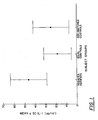
Fig. 1 shows IL-1α concentrations in tear fluid for rosacea patients, ideal controls, and age-matched control subject groups. -
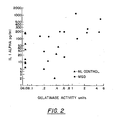
Fig. 2 shows gelatinase activity plotted against IL-1α concentrations for normal control (NL) patients and meibomian gland disease (MGD) patients. -
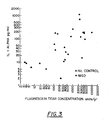
Fig.3 shows fluorescein tear concentration plotted against IL-α concentration for normal control (NL) patients and meibomian gland disease (MGD) patients. -
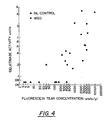
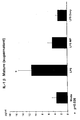
Fig. 4 shows fluorescein tear concentration plotted against gelatinase activity normal control (NL) patients and meibomian gland disease (MGD) patients. - Fig. 5 shows the concentration (pg/ml) of mature IL-1 a in supernatants of human corneal epithelial cell cultures. Media = negative control; LPS = cultures treated with lipopolysaccharide for 24h; LPS MP = cultures treated with LPS and the corticosteroid mothylprodnisolons for 24h; LPS Doxy = cultures treated with LPS and doxycycline (5µg/ml) for 24h.
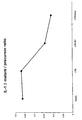
- Fig. 6 shows the ratio of the mature to precursor forms of IL-1α in supematants of human comeal epithelial cell cultures. Media = negative control; LPS = cultures treated with lipopofysaccharide for 24h; LPS MP = cultures treated with LPS and the carticasteroid mothytprednisotone for 24h; LPS Doxy = cultures treated with LPS and doxycycune (5µg/ml) for 24h.
- Fig. 7 shows the concentration (pg/ml) of IL-1 RA in supernatants of human corneal epithelial cell cultures. Media = negative control; LPS = cultures treated with lipopolysaccharide for 24h; Doxy = cultures treated with doxycycline (5µg/ml) for 24h;
CMT 3 = cultures treated with chemically modified tetracycline CMT 3 (1µg/ml) for 24 hr, Doxy+ LPS = cultures treated with LPS and doxycycline (5µg/ml) for 24h;CMT 3 + LPS = cultures treated with LPS and chemically modified tetracycline CMT 3 (1µg/ml) for 24 hr. - Fig. 8 is a gelatin zymogram of human corneal epithelial cell supernatant: doxycycline treatment and MMP-3 activation. Lane Legend: (1) 92 kDa purified pro-MMP-9 standard (0.1 ng); (2) Corneal epithelial supernatant + 50 µg/mL doxycycline; (3)Supernatant + 50 µg/mL doxycycline + 1.5 ng/µL MMP-3; (4) Supernatant +100 µg/mL doxycycline + 1.5 ng/µL MMP-3; (5) Supernatant from cell culture pre-treated with doxycydine; (6) Supernatant from cell culture pre-treated with doxycycline + 1.5 ng/µL MMP.3.
- This invention concerns, in a preferred embodiment, the use of topically applied antimicrobial tetracyclines, including tetracycline or a tetracyclirte analogue, or topically or orally administered chemically.modified tetracyclines (CMTS) for treatment of a patient having meibomian gland disease. Treatment of a patient having meibomian gland disease includes reducing or reversing irritation symptoms, delayed tear clearance, recurrent corneal epithelial erosion or aqueous tear deficiency. The CMTs lack antimicrobial activity. For purposes of this invention, tetracycline and its analogues having antimicrobial activity are termed "antimicrobial tetracyclines" and the tetracycline analogues lacking antimicrobial activity are termed "CMTs".
- We recently discovered that patients with meibomian gland disease have significantly delayed tear clearance, rapid tear break-up time (often instantaneous), and tear film instability. In addition, it was found that meibomian gland disease patients have significantly greater concentrations of the pro-inflammatory cytokine, interleukin I alpha (IL-Iα) in their tear fluid.
- IL-1α has been reported to have multiple biological effects, including increasing expression of adhesion molecules by vascular endothelial and epithelial cells that facilitate binding of inflammatory cells, inducing expression of chemotactic cytokines such as
interleukin 8, stimulating production of prostaglandins that increase vascular permeability and pain, stimulating production of nitric oxide that causes vasodilation and redness, and stimulation of production of matrix-degrading enzymes, termed matrix metalloproteinases (MMPs), by several different cell types, including mucosal epithelium. - We found that the activity of one member of the MMP family, MMP-9 (also termed gelatinase B), is markedly increased in the tear fluid of patients; with meibomian gland disease associated with rosacea, as compared to normal asymptomatic patients. In addition, activity of gelatinase B appears to be inversely correlated with tear clearance.
- These data indicate that antimicrobial tetracyclines and tetracycline analogues and CMTs possess biological activities capable of neutralizing the inflammatory and matrix degrading factors that have been found to be strongly correlated with the development of ocular rosacea in our studies.
- Advantageously, topically applied tetracyclines or CMTs can have greater efficacy because of the higher concentrations that can be achieved at the disease site. Because of their lack of antimicrobial-bacterial effect and greater therapeutic activity, CMTs can have fewer systemic or other side effects than tetracyclines, whether administered orally or topically.
- Topical administration of a tetracycline analogue in an ointment (e.g., oxytetracycline) or in solution (e.g., doxycycline eye drops), to patients having meibomian gland disease associated with rosacea resulted in complete resolution of symptoms in 73% (8 of 11) of the patients treated with the tetracycline analogue ointment and more than 90% (10 of 11) of the patients treated with the tetracycline analogue solution.
- Several patients who had previously used oral tetracycline stated that improvement in their symptoms was better with topically applied oxytetracycline than orally administered tetracycline. Three patients had moderate but not complete relief of symptoms. Three other patients experienced burning from the medication, one of which ceased treatment.
- The tetracycline utilized in the present invention may be any of the readily available, pharmaceutically acceptable tetracyclines known in the medical art. Included in this group of tetracyclines are those such as chlortetracycline, which is marketed under the tradename Acronize, Aureocina, Aureomycin, Biomitsin, Biomycin, and Chrysomykine; Demeclyeycline marketed as Ledermycin, Detravis, Meciclin, and Mexocine; Doxycyline marketed as Vibramycin, Vibramycin Hyclace, Liomycin Vibradox, Panamycin, Titradox, Hydramycin, Tecacin; Lymecycline which is marketed as Arrnyt, Mucomycin, Tetramyl, Tetralysal; Methacycline which is marketed as Adriamicina, Cyclobiotic, Germicilclin, Globociclina, Megamycine, Pindex, Londomycin, Optimycin, Rondomycin; Minacycline which is marketed as Minocin, Klinomycin, Vectrin; Oxytetracycline which is marketed as Biostat. Oxacycline, Oxatets, Oxydon, Oxymycin, Oxytan, Oxytetracid, Ryomycin, Stezazin, Tetraject, Terramycin, Tetramel, Tetran, Dendarcin, Dendarcin;.Rolitetracycline marketed as Bristacin, Reverin, Superciclin, Syntetrex, Syntetrin, Synotodecin, Tetraverin, Transcycline, Velacicline, Velacycline; and Tetracycline marketed as Achromycin, Ambramycin, Cyclomycin, Polycycline, Tetrabon, and Tetracyn.
- The active salts which are formed through protonation of the dimethylamino group on
carbon atom 4, exist as crystalline compounds and are very stable in water. However, these amphoteric antibiotics will crystallize out of aqueous solutions of their salts unless stabilized by an excess of acid. The hydrochloride salts are used most commonly for oral administration. Water soluble salts may be obtained also from bases such as sodium or potassium hydroxides but are not stable in aqueous solution, they are also formed with divalent and polyvalent metals. - The tetracyclines or CMTs used according to the present invention are preferably orally administered By normal antibiotic therapeutic dose is meant the dosage of the particular tetracycline compound which is commonly used and recommended for the treatment of bacterial infection. A sub-antimicrobial dose means a dose having no significant antimicrobial effect in vitro or in vivo. The normal antibiotic therapeutic dose of the tetracycline is, for the most part, well studied and well documented.
- Tetracyclines and chemically modified tetracyclines for topical administration can be added to buffered and electrolyte balanced aqueous solutions, buffered and electrolyte balanced aqueous solutions with a lubricating polymer, mineral oil or petrolatum-based ointment, other oils, liposomes, cylcodextrins, sustained release polymers or gels. These preparations can be administered to the preocular tear film or onto the eyelid skin or
lid margin 1 to 6 times per day for a period up to the lifetime of the patient. For example, an eye drop solution comprising doxycycline as an active ingredient was prepared by dissolving pharmaceutical grade doxycycline hydrochloride powder in an electrolyte-balanced salt solution (BSS", Alcon, Ft. Worth, TX) to a final concentration of 0.025%. - In a preferred embodiment, the compounds useful according to the subject invention are tetracyclines which have been chemically modified so as to substantially reduce or eliminate antimicrobial properties and increase their antimicrobial-inflammatory activity. Methods for reducing antimicrobial properties of a tetracycline are disclosed in The Chemistry of the Tetracyclines, Ch. 6, Mitscher, Ed., at p. 211. As pointed out by Mitscher, modification at
positions - Preferable CMTs used according to the subject invention include those lacking a dimethylamino side chain at
position 4. For example, 4-dedimethylaminotetracycline, 4-dedimethylamino-5-oxytetracycline, 4-dedimethylamino-7-chlortetracyciine, 4-hydroxy-4-dedimethylaminotetracycline, 4-dedimethylamino-12a-deoxytetracycline, 4-dedimethylamino-11-hydroxy-12a-deoxytetracyCline, 4-dedimethylamino-7-dimethylaminotatracycline, 6-dimethyl-6-deoxy-4-dedimethylaminotetracycline, 6-o-deoxy-5-hydroxy-4-dedimethylaminotetracycline,-11 a-chlortetracycline, 12a-deoxytetracycline, and the 2-nitrilo analogs of tetracycline. - The dosage of tetracyclines administered in the present invention is also additionally dependent upon the age and weight of the person being treated, the mode of administration, and the type and severity of the inflammatory or matrix- , degrading disease being treated. In the case of a non-antimicrobial tetracycline, for example, the dose for 4-dedimethylaminotetracycline can be 0.1-30 mg/kg/day. However, in either case, the preferred method of treatment includes tetracycline or CMT compositions administered topically to the eye in suitable pharmaceutical carriers. The pharmaceutical carrier may be in the form of a solution, suspension, ointment, gel, or other form suitable for topical administration of the tetracycline or topical or oral administration of CMT to the affected mammal. For oral administration, the CMTs utilized according to the subject invention can be formulated in the form of tablets, capsules, elixirs, or the like. Additionally, the tetracyclines or CMTs of the present invention can be reasonably incorporated into a polymer carrier delivery system for use topically, subconjunctivally, or orally. In addition, other means of administration are contemplated, such as by injection, either intramuscularly or intravenously.
- The following Examples describe in detail compositions and methods illustrative of the present invention. It will be apparent to those skilled in the art that many modifications, both of materials and methods, may be practiced without departing from the purpose and intent of this disclosure.
- In one study, tear fluid concentrations of Interleukin-1-alpha (IL-1α), Tumor Necrosis Factor-α (TNF-α), and Epidermal Growth Factor (EGF) in patients having ocular rosacea were compared with those concentrations in normal patients (controls).
- Fourteen (14) patients with severe meibomian gland disease, facial rosacea, and symptoms of ocular irritation were examined for ocular surface disease, tear production and tear clearance rate (TCR). For meibomian gland disease assessment, meibomian glands were examined by slit lamp biomicroscopy and graded for the presence of orifice metaplasia, expressibility of meibum, and meibomian gland acinar dropout, as previously described and known from the scientific literature. Twelve (12) controls, frequency-matched for age, and fifteen (15) ideal normals were assessed using the same parameters.
- Minimally stimulated tear samples (20µl) were drawn from each subject and analyzed using a sandwich EUSA to detect IL-1α, TNF-a, and EGF. Sandwich ELISA assays for EGF, IL-1α and TNF-a were performed using commercial kits (R&D Systems, Minneapolis, MN). Prior to each analysis tears were extracted in a masked fashion by the laboratory technician from the saturated rods by centrifuging at 3,500g for 5 minutes within the pipette tip.
- The samples from both eyes of each patient were pooled. The rods and pipette tips were carefully removed and the tears aspirated (2µl for EGF assay and 4µl for IL-1α and TNF-α assays) and diluted in ELISA buffer (supplied by manufacturer) to a final volume of 200µl. The tear samples were transferred to wells of microliter plate and the ELISA performed according to the instructions provided by the manufacturer. Cytokine concentrations were determined from the standard curve as described previously in the literature. The results of the cytokine concentration assays for each subject group are shown in Table below.
TABLE 1: Inflammatory Cytokines in Tears Subject Group Tumor Necrosis Factor-α (pg/ml) Interleukin-1α (pg/ml) Rosacaa patients <10 pg/ml 45.4 ±4.6 Age-matched controls <10 pg/ml 22.6 ± 5.0 (ρ=0.003) Ideal controls < 10 pg/ml 17.1 ± 3.4 (ρ<:0.001) P values listed for each control group are derived from comparison of the mean value of that group with the mean value of the same variable in the rosacea group. - Tear IL-1α concentration was significantly higher in rosacea patients than in age-matched (p= 0.003) and ideal normal controls (p < 0.00 1)(
Fig. 1 ). TNF-α was not detected in patients or controls, indicating levels of less than 10pg/ml. EGF was not significantly higher in rosacea patients than in age-matched controls. Tear Clearance LN(TCR) was significantly lower in rosacea patients than in both age-matched (p = 0.048) and ideal controls (p = 0.002). Schirmer I scores were statistically lower in rosacea patients than ideal controls (p = 0.0 13), but not age-matched controls. IL-1α was correlated inversely with tear clearance LN(TCR) (r =0.58 p < 0.0001) and Schirmer I (r = -0.39, p = 0.012). - It was concluded that concentrations of IL-1α are present in normal tears but are elevated in ocular rosacea, whereas TNF-α is not. The reduced tear clearance LN(TCR), its inverse correlation with IL- 1α, and the absence of TNF-α the tears of these patients, suggests that the increased concentration of IL- 1α observed, may be largely due to failure of clearance of cytokine normally produced at the ocular surface. In summary, there is a differential increase in the level of the inflammatory cytokine IL-1α in the tear fluid in patients having ocular rosacea. Much of this elevation can be caused by reduced tear clearance, which can encourage tear stagnation and perpetuate ocular surface inflammation by stimulating production of inflammatory molecules.
- Tear fluorescein clearance was correlated with IL-1α concentration and 92 kD gelatinase (MMP 9) activity in the tears of patients. Thirteen patients with ocular rosacea (including 1 patient with recurrent epithelial erosion, 2 with recurrent peripheral corneal infiltrates and vascularization and 2 patients with epithelial basement membrane dystrophy) and 13 normal subjects with normai aqueous tear production and no irritation symptoms were evaluated. Tear fluorescein clearance was evaluated by measuring fluorescence in tear fluid collected from the inferior meniscus 15 minutes after instillation of 5ml of 2% Na-fluorescein with a Cytofluor II. IL-1α was measured by ELISA using an R&D Systems kit. Gelatinase activity was evaluated by gelatin zymography, comparing tear activity to purified 92kD gelatinase (MMP 9).
- Compared to normal controls, patients with ocular rosacea had greater delay of fluorescein clearance (p<0.001), higher tear IL-1α concentration (p<0.001), and greater 92kD gelatinase activity (p<0.001). Tear IL-1α concentration was correlated with gelatinase activity (rho = 0.58, p < 0.002)(
Fig. 2 ); delayed tear clearance was correlated with elevated tear IL-1α concentration (rho= 0.8.4. p<0.001} (Fig. 3 ) and increased gelatinase activity (rho=0.84, p < 0.001)(Fig. 4 ). - Reduced tear clearance is commonly found in most patients with ocular irritation irrespective of the patient's tear production. Forty (40) abnormal patients presenting with a chief complaint of ocular irritation and forty (40) asymptomatic controls of similar age distribution were used to correlate and compare a new method of measuring tear fluorescein clearance and the
Schirmer 1 test with the severity of ocular irritation symptoms, presence of meibomian gland disease, corneal fluorescein staining scores, and corneal and conjunctival sensitivity. All subjects completed a symptom questionnaire, a baseline ocular examination, fluorescein clearance test (FCT) and Schirmer test. - Methods. The fluorescein clearance test (FCT) was performed by measuring the fluorescein concentration in minimally-stimulated tear samples collected from the inferior tear meniscus 15 minutes after instillation of 5µl of 2% sodium fluorescein with a Cytofluor 11 fluorophotometer. Severity of ocular irritation was assessed with a symptom questionnaire.
-
Schirmer 1 test, biomicroscopic meibomian gland evaluation, corneal fluorescein staining score and corneal and conjunctival sensation scores with the Cachet-Bonnet anesthesiometer were assessed in all subjects. - Results. Irritation symptoms correlated with higher log tear fluorescein concentration (symptomatic 3.08 +/- 0.62 units/µl, normal control 1.89 +/- 0.7 units/µl, p < O.005j and
lower Schirmer 1 test scores (symptomatic 12.6 mm normal control 22.3 mm, p < 0.005). The fluorescein clearance test showed greater predictive value for identifying ocular irritation than theSchirmer 1 test. - Six patients were treated with
oral doxycycline 50 mg orally twice a day for 3 weeks. An improvement in irritation symptoms was observed in.5 of 6 patients. Additionally, decreased conjunctival hyperemia and corneal fluorescein staining was observed in all patients. An improvement in fluorescein clearance was noted in 5 of 6 patients and reduction of tear fluid IL-1 concentration was also observed in 5 of 6 patients. These findings indicate that tetracyclines reduce two of the significant risk factors for ocular irritation in patients with meibomian gland disease. - Eleven (11) patients with ocular irritation symptoms due to meibomian gland disease associated with rosacea and delayed tear clearance were treated with a commercially available oxytetracycline ointment (Terak, Akorn Pharmaceuticals) as a topical administration to the ocular surface or the eyelids. Seventy-three percent (73%) of these patients had complete resolution of irritation symptoms. See Table 2 below.
TABLE 2 : Patients with Ocular Rosacea Treated with 0xytetracydine Ointment Number Patient's Initials BPEI # Date Treated Clinical Response Comments 1 LP 410606 112197 E 2 HB 393796 1/13/97 E 3 HP 214814 12/23/96 E 4 BP 358105 12/2/96 G mild burning 5 JS 547453 1/10/97 G burned and stopped 6 FC 225688 1/7/97 E 7 Jl 422804 1113197 E 8 RR 401297 1/13/97 E 9 CA 88261 1/27/97 E 10 DL 531404 1/21/97 G mild burning 11 ES 554804 12/16/96 E E = Excellent response, complete or almost complete relief of symptoms. G = Good response, symptoms moderately, but not completed relieved - Several patients who had previously used oral tetracycline stated that improvement in their symptoms was better with topically applied oxytetracycline than orally administered tetracycline. Three patients had moderate but not complete relief of symptoms. Three other patients experienced burning from the medication, one of which ceased treatment.
- Moderate to complete relief of ocular irritation symptoms was also observed in 10 of 11 patients experiencing ocular irritation due to meibomian gland disease and delayed tear clearance that were treated with topical administration of a 0,025% aqueous solution of doxycycline to their
eyes 3 to 4 times per day for 2 weeks. See Table 3. The solution was prepared as described herein. A reduction of corneal fluorescein staining was observed in several of these patients.TABLE 3: Patients Treated With Topical Doxycycline No. BPEI # DIAGNOSIS RESPONSE 1 585447 MGD, DTC complete 2 480606 MGD, DTC moderate, better than oral 3 537137 MGD, DTC compete, better than oral 4 606807 MGD, DTC complete 5 590395 MGD, DTC complete 6 593046 MGD, DTC moderate 7 503909 MGD, DTC complete, better than oral 8 558105 MGD, DTC moderate, not as good as oral 9 405797 MGD, DTC no effect 10 576264 MGD, DTC moderate 11 562422 MGD, DTC complete MGD - = Meibomian gland disease DTC = delayed tear clearance - It should be understood that the examples and embodiments described herein are for illustrative purposes only and that various modifications or changes in light thereof will be suggested to persons skilled in the art and are to be included within the spirit and purview of this application and the scope of the appended claims- ,
- The effect of Doxycycline was evaluated on the concentrations of precursor and mature IL-1 β in the supernatants of human corneal epithelial cell cultures that were stimulated with lipopolysaccharide (LPS). Doxycycline significantly decreased the level of the mature biologically active form of IL-1β compared to LPS-stimulated cultures that were not stimulated with doxycycline (Figure 5). Furthermore, doxycycline markedly decreased the ratio of mature to precursor IL-1 β (Figure 6). A decrease in the level of IL-1β mRNA in doxycycline-treated cultures was also observed. These findings demonstrate that doxycycline inhibits that synthesis and activation of the inflammatory cytokine IL.1β.
- e-1 receptor antagonist (IL-1 RA) is a molecule produced by epithelial and inflammatory cells that binds to the
type 1 IL-1 receptor but does not initiate signal transduction. - IL-1 RA has an anti-inflammatory effect by competing with the pro-inflammatory forms of IL-1 (IL-1 a and IL-1 β) for the
type 1 receptor. The addition of doxycycline or the chemically modified tetracycline CMT-3 to human comeal epithelial cell cultures significantly increased the release of IL-1RA in to the media compared to untreated cultures. Furthermore, the , concentration of IL- IRA in comeal epithelial cultures stimulated with LPS and treated with either doxycycline or CMT-3 was greater than cultures exposed to LPS alone (Figure 7). These findings indicate tetracyclines are anti-inflammatory due to their ability to stimulate IL-1 RA release by the human comeal epithelium. - Exposure of human comeal epithelial cultures to doxycycline (5- g/ml) for 24 hours decreased the level of pro-MMP9 activity in the supernatant by 70% compared to untreated cultures (Figure 8). MMP-9 is the metalloproteinase responsible for initiating sterile comeal ulceration and it is also capable of cleaving precursor IL-1 β into its mature form.
- All cited references are hereby incorporated herein by reference.
-
- 1. Mathers WD, Lane JA, Sutphin JE, Zimmerman MB. Model for ocular tear film function. Cornea. 1996;15:110-9.
- 2. Browning DJ, Proia A. Ocular rosacea. Surv Ophthalmol. 1986;31:145-58.
- 3. Jenkins MS, Brown SI, Lempert SL, Weinberg RJ. Ocular rosacea. Am.J.Ophthalmol. 1979;88:618-
- 4. Pflugfelder SC, Tseng SCG, Sanabria O, et al. Evaluation of subjective assessments and objective diagnostic tests for diagnosing tear-film disorders known to cause ocular irritation. Comea. 1998;17:38-
- 5. Driver PJ, Lemp MA. Meibomian gland dysfunction. Surv Ophthalmol. 1996;40:343-67.
- 6. Bartholomew RS, Reid BJ, Cheesebrough MJ, Macdonald M, Galloway NR. Oxytetracycline in the treatment of ocular rosacea. Br.J.Ophthalmol, 1982;66;386-8.
- 7. Akpek EK, Merchard A, Pinar V, Foster CS. Ocular rosacea. Patient characteristics and follow-up. Ophthalmology. 1997;104:1863-7.
- 8. Frucht-Pery J. Sagi E, Hemo I, Ever-Hadani P. Efficacy of doxycycline and tetracycline in ocular rosacea. Am.J.Ophthalmol. 1993;116:8-92.
- 9. Milano S, Arcoleo F, D'Agostino P, Cillari E. Intraperitoneal injection of tetracyclines protects mice from lethal endotoxemia downregulating inducible nitric oxide synthase in various organs and cytokine and nitrate secretion in blood. Antimicrob.Agents Chemother. 1997;41:117-21.
- 10. Amin AR, Attur MG, Thakker GD, et al. A novel mechanism of action of tetracyclines: Effects on nitric oxide synthases. Proc. Natl.Acad.Sci. U.S.A. 1996;93:14014-9.
- 11. Golub LM, Ramamurthy NS, McNamara TD. Tetracyclines inhibit connective tissue breakdown, new thereapeutic indications for an old family of drugs. Crit Rev Oral Biol Med. 1991 ;2:297-322
- 12. Tilley BC, Alarcon GS, Heyse SP, et al. Minocycline in rheumatoid arthritis. A 48 week double-blind placebo-contralled trial. Ann.lnt-Med. 1995;122:81-9.
- 13. Seedor JA, Perty HD, McNamara TD, Golub LM, Buxton DF, Guthrie DS. Systemic tetracycline treatment of alkali-induced comeal ulceration in rabbits. Arch.Ophthalmol. 1987;145:2fi$-7i
- 14. Lindhe J, Liljenberg B, Adielsson B. Effect of fong·term tetracycline therapy on human periodontal disease. J Clin Periodontol. 1983; 10:590-7.
- 15. Afonso A. Monroy D, Tseng SCG, Stem M, Pflugfelder SC. Diagnostic sensitivity and specificity of Schirmer test and fluorescein clearance test for ocular irritation. Ophthalmology. 1999; 106:803-810.
- 16. Barton K, Monroy D, Nava A, Pflugfelder SC. Inflammatory cytokines in tears of patients with ocular rosacea. Ophthalmology. 1997;104:1868-74.
- 17. Dinarello CA, Wolff SM. The role of interleukin-1 in disease. N Engl J Med 1993; 328:106-113.
- 18. Chouros GP. The hypothalamic-pituitary-adrenal axis and immunemediated inflammation. N Engl J Mod 1995; 332:1351-1362.
- 19. Yucel-Lindberg T, Nilsson S, ModeerT. Signal transduction pathways involved in the synergistic stimulation of prostaglandin production by interleukin-1 beta and tumor necrosis factor alfa in human gingival fibroblasts. J Dent Res 1999; 78:61-68,
- 20. Woessner JJ. Matrix metalloproteinases and their inhibitors in connective tissue remodeling. FASEB J 1991; 5:2145-2155.
- 21. Afonso A, Sabrin L, Monroy D, Selzer M, Lokeshwar B, Pflugfelddr SC. Tear fluid pro gelatinase B activity correlates with IL.-1 a concentration and tear clearance in patients with ocular rosacea. Invest Ophthalmol Vis.Sci; 1999; (in press)
Claims (7)
- The use of a tetracycline in the manufacture of a medicament for treating a patient suffering from ocular rosacea by administering orally or topically to an eye of a patient an effective amount of said medicament, wherein said amount has no significant antimicrobial effect in vitro or in vivo.
- The use of claim 1, wherein said tetracycline is an antimicrobial tetracycline.
- The use of claim 1, wherein said tetracycline is oxytetracycline, doxycycline or minocycline.
- The use of claim 1, wherein said ocular rosacea is associated with meibomian gland disease.
- The use of claims 1 or 4, wherein the tetracycline is a non-antimicrobial tetracycline.
- The use of claim 5, wherein said non-antimicrobial tetracycline is a tetracycline that lacks a dimethylamino side chain at position 4.
- The use of claim 5, wherein said non-antimicrobial tetracycline is a member selected from the group consisting of: 4-dedimethylaminotetracycline, 4-dedimethylamino-5-oxytetracycline, 4-dedimethylamino-7-chlorotetracycline, 4-hydroxy-4-dedimethylaminotetracycline, 4-dedimethylamino-12a-deoxytetracycline, 4-dedimethylamino-11-hydroxy-12a-deoxytetracycline, 4-dedimethylamino-7-dimethylaminotetracycline, 6-dimethyl-6-deoxy-4-dedimethylaminotetracycline, 6-o-deoxy-5-hydroxy-4-dedimethylaminotetracycline, 11a-chlortetracycline, 12a-deoxytetracycline and 2-nitrilo analogs of tetracycline.
Applications Claiming Priority (2)
| Application Number | Priority Date | Filing Date | Title |
|---|---|---|---|
| US8487398P | 1998-05-08 | 1998-05-08 | |
| EP99921754A EP1075265B1 (en) | 1998-05-08 | 1999-05-07 | Use of tetracyclines for treating meibomian gland disease |
Related Parent Applications (1)
| Application Number | Title | Priority Date | Filing Date |
|---|---|---|---|
| EP99921754A Division EP1075265B1 (en) | 1998-05-08 | 1999-05-07 | Use of tetracyclines for treating meibomian gland disease |
Publications (3)
| Publication Number | Publication Date |
|---|---|
| EP1676579A2 EP1676579A2 (en) | 2006-07-05 |
| EP1676579A3 EP1676579A3 (en) | 2006-07-12 |
| EP1676579B1 true EP1676579B1 (en) | 2008-12-31 |
Family
ID=22187748
Family Applications (2)
| Application Number | Title | Priority Date | Filing Date |
|---|---|---|---|
| EP06004523A Expired - Lifetime EP1676579B1 (en) | 1998-05-08 | 1999-05-07 | Use of sub-antimicrobial tetracyclines for treating ocular rosacea |
| EP99921754A Expired - Lifetime EP1075265B1 (en) | 1998-05-08 | 1999-05-07 | Use of tetracyclines for treating meibomian gland disease |
Family Applications After (1)
| Application Number | Title | Priority Date | Filing Date |
|---|---|---|---|
| EP99921754A Expired - Lifetime EP1075265B1 (en) | 1998-05-08 | 1999-05-07 | Use of tetracyclines for treating meibomian gland disease |
Country Status (12)
| Country | Link |
|---|---|
| US (6) | US6455583B1 (en) |
| EP (2) | EP1676579B1 (en) |
| JP (1) | JP4860038B2 (en) |
| AT (2) | ATE418989T1 (en) |
| AU (1) | AU763164B2 (en) |
| CA (1) | CA2331257C (en) |
| DE (2) | DE69940227D1 (en) |
| DK (2) | DK1075265T3 (en) |
| ES (2) | ES2260912T3 (en) |
| PT (2) | PT1676579E (en) |
| TW (2) | TWI255713B (en) |
| WO (1) | WO1999058131A1 (en) |
Families Citing this family (84)
| Publication number | Priority date | Publication date | Assignee | Title |
|---|---|---|---|---|
| PT1676579E (en) * | 1998-05-08 | 2009-03-24 | Univ Miami | Use of sub-antimicrobial tetracyclines for treating ocular rosacea |
| US6432934B1 (en) * | 1998-08-06 | 2002-08-13 | Advanced Vision Research | Methods and compositions for topical treatment of eye surface inflammation and related dry eye disease |
| US6506740B1 (en) * | 1998-11-18 | 2003-01-14 | Robert A. Ashley | 4-dedimethylaminotetracycline derivatives |
| AU4684000A (en) * | 1999-04-27 | 2000-11-10 | Antibody Systems, Inc. | Compositions containing tetracyclines for treating hemorrhagic virus infections and other disorders |
| AU2002256092C1 (en) * | 2001-04-05 | 2009-10-15 | Collagenex Pharmaceuticals, Inc. | Controlled delivery of tetracycline compounds and tetracycline derivatives |
| US7211267B2 (en) | 2001-04-05 | 2007-05-01 | Collagenex Pharmaceuticals, Inc. | Methods of treating acne |
| JP2004537544A (en) * | 2001-07-13 | 2004-12-16 | パラテック ファーマシューティカルズ インコーポレイテッド | Tetracycline compounds with targeted therapeutic activity |
| US20030073068A1 (en) * | 2001-10-15 | 2003-04-17 | Campbell Robert Edward | Methods for application of tear-based biomarkers to ophthalmic product evaluation and clinical study management |
| CA2476792A1 (en) * | 2002-04-16 | 2003-10-30 | Collagenex Pharmaceuticals, Inc. | Methods of simultaneously treating ocular rosacea and acne rosacea |
| US8192749B2 (en) | 2003-04-16 | 2012-06-05 | Galderma Laboratories Inc. | Methods of simultaneously treating ocular rosacea and acne rosacea |
| KR20050005466A (en) * | 2002-05-06 | 2005-01-13 | 콜라제넥스 파마슈티칼스, 인크 | Methods of simultaneously treating mucositis and fungal infecion |
| KR20050092429A (en) * | 2003-01-22 | 2005-09-21 | 니찌방 가부시기가이샤 | Percutaneous absorption preparation for treating ophthalmic disease, use thereof and method for migration of ophthalmic remedy into topical tissue in eye |
| CA2894736C (en) | 2003-04-07 | 2019-07-16 | Supernus Pharmaceuticals, Inc. | Once daily formulations of tetracyclines |
| US6984628B2 (en) * | 2003-07-15 | 2006-01-10 | Allergan, Inc. | Ophthalmic compositions comprising trefoil factor family peptides |
| NZ544826A (en) * | 2003-07-25 | 2008-07-31 | Warner Chilcott Co Inc | A doxycycline metal complex in a solid dosage form |
| WO2007024972A2 (en) * | 2005-08-22 | 2007-03-01 | Quick-Med Technologies, Inc. | Non-leaching absorbent wound dressing |
| CN100340241C (en) * | 2004-06-28 | 2007-10-03 | 中山大学中山眼科中心 | Eye drop and its preparing method and use |
| CN101128206A (en) * | 2005-01-21 | 2008-02-20 | 沃纳奇尔科特公司 | Tetracycline metal complexes in solid dosage form |
| US7541347B2 (en) | 2007-04-02 | 2009-06-02 | Medicis Pharmaceutical Coropration | Minocycline oral dosage forms for the treatment of acne |
| US7544373B2 (en) | 2007-04-02 | 2009-06-09 | Medicis Pharmaceutical Corporation | Minocycline oral dosage forms for the treatment of acne |
| US8722650B1 (en) | 2005-06-24 | 2014-05-13 | Medicis Pharmaceutical Corporation | Extended-release minocycline dosage forms |
| US8252776B2 (en) | 2007-04-02 | 2012-08-28 | Medicis Pharmaceutical Corporation | Minocycline oral dosage forms for the treatment of acne |
| US20080241235A1 (en) * | 2007-04-02 | 2008-10-02 | Medicis Pharmaceutical Corporation | Minocycline oral dosage forms for the treatment of acne |
| US20080242642A1 (en) * | 2007-04-02 | 2008-10-02 | Medicis Pharmaceutical Corporation | Minocycline oral dosage forms for the treatment of acne |
| US9192615B2 (en) | 2008-08-06 | 2015-11-24 | Medicis Pharmaceutical Corporation | Method for the treatment of acne and certain dosage forms thereof |
| US7919483B2 (en) * | 2005-06-24 | 2011-04-05 | Medicis Pharmaceutical Corporation | Method for the treatment of acne |
| WO2008024100A2 (en) | 2006-08-21 | 2008-02-28 | Tearscience, Inc. | Method and apparatus for treating gland dysfunction |
| US7981146B2 (en) | 2006-05-15 | 2011-07-19 | Tearscience Inc. | Inner eyelid treatment for treating meibomian gland dysfunction |
| US20070060988A1 (en) | 2005-07-18 | 2007-03-15 | Grenon Stephen M | Melting meibomian gland obstructions |
| US8950405B2 (en) | 2006-05-15 | 2015-02-10 | Tearscience, Inc. | Treatment of obstructive disorders of the eye or eyelid |
| WO2013003594A2 (en) | 2011-06-28 | 2013-01-03 | Tearscience, Inc. | Methods and systems for treating meibomian gland dysfunction using radio-frequency energy |
| US7981095B2 (en) * | 2005-07-18 | 2011-07-19 | Tearscience, Inc. | Methods for treating meibomian gland dysfunction employing fluid jet |
| US20090043365A1 (en) | 2005-07-18 | 2009-02-12 | Kolis Scientific, Inc. | Methods, apparatuses, and systems for reducing intraocular pressure as a means of preventing or treating open-angle glaucoma |
| US7981145B2 (en) | 2005-07-18 | 2011-07-19 | Tearscience Inc. | Treatment of meibomian glands |
| US20080114423A1 (en) | 2006-05-15 | 2008-05-15 | Grenon Stephen M | Apparatus for inner eyelid treatment of meibomian gland dysfunction |
| US8255039B2 (en) | 2006-09-29 | 2012-08-28 | Tearscience, Inc. | Meibomian gland illuminating and imaging |
| US8915253B2 (en) | 2005-07-18 | 2014-12-23 | Tearscience, Inc. | Method and apparatus for treating gland dysfunction employing heated medium |
| US8128673B2 (en) * | 2006-05-15 | 2012-03-06 | Tearscience, Inc. | System for inner eyelid heat and pressure treatment for treating meibomian gland dysfunction |
| US8007524B2 (en) | 2006-05-15 | 2011-08-30 | Tearscience, Inc. | Heat treatment and heat loss reduction for treating meibomian gland dysfunction |
| US8137390B2 (en) | 2006-05-15 | 2012-03-20 | Tearscience, Inc. | System for providing heat treatment and heat loss reduction for treating meibomian gland dysfunction |
| US7981147B2 (en) | 2006-05-15 | 2011-07-19 | Tearscience, Inc. | Outer eyelid heat and pressure treatment for treating meibomian gland dysfunction |
| US7976573B2 (en) | 2006-05-15 | 2011-07-12 | Tearscience, Inc. | Inner eyelid heat and pressure treatment for treating meibomian gland dysfunction |
| US9314369B2 (en) * | 2006-05-15 | 2016-04-19 | Tearscience, Inc. | System for inner eyelid treatment of meibomian gland dysfunction |
| US8128674B2 (en) | 2006-05-15 | 2012-03-06 | Tearscience, Inc. | System for outer eyelid heat and pressure treatment for treating meibomian gland dysfunction |
| WO2008027069A1 (en) * | 2006-08-21 | 2008-03-06 | Tearscience, Inc. | Method and apparatus for treating meibomian gland dysfunction employing fluid |
| US8249695B2 (en) | 2006-09-29 | 2012-08-21 | Tearscience, Inc. | Meibomian gland imaging |
| WO2008089327A1 (en) | 2007-01-17 | 2008-07-24 | Tearscience, Inc. | Methods, systems, and apparatuses for heat treatment for treating meibomian gland dysfunction |
| WO2008097851A1 (en) * | 2007-02-02 | 2008-08-14 | Warner Chilcott Company, Inc. | Tetracycline compositions for topical administration |
| US20080188445A1 (en) * | 2007-02-02 | 2008-08-07 | Warner Chilcott Company Inc. | Tetracycline compositions for topical administration |
| AU2008219600A1 (en) * | 2007-02-28 | 2008-09-04 | Aciex Therapeutics, Inc. | Methods and compositions for normalizing meibomian gland secretions |
| US20080241197A1 (en) * | 2007-04-02 | 2008-10-02 | Medicis Pharmaceutical Corporation | Minocycline dosage forms for the treatment of acne |
| AU2008289552B2 (en) * | 2007-08-16 | 2014-10-09 | The Schepens Eye Research Institute, Inc. | Therapeutic compositions for treatment of inflammation of ocular and adnexal tissues |
| US20090131303A1 (en) * | 2007-11-16 | 2009-05-21 | Bor-Shyue Hong | Methods and compositions for treating dry eye |
| USD614303S1 (en) | 2008-02-06 | 2010-04-20 | Tearscience, Inc. | Eye treatment apparatus |
| USD613408S1 (en) | 2008-02-06 | 2010-04-06 | Tearscience, Inc. | Eye treatment head gear |
| USD617443S1 (en) | 2008-02-06 | 2010-06-08 | Tearscience, Inc. | Eye treatment goggles |
| AU2009228205A1 (en) * | 2008-03-26 | 2009-10-01 | Eric Donnenfeld | Methods for improving lid margin and tear film function and treatment of lid margin disease using tetracycline family antibiotics |
| WO2010006306A1 (en) * | 2008-07-10 | 2010-01-14 | Inspire Pharmaceuticals, Inc. | Method of treating blepharitis |
| WO2010085572A1 (en) * | 2009-01-23 | 2010-07-29 | Inspire Pharmaceuticals, Inc. | Method of treating dry eye disease with azithromycin |
| BRPI1014853A2 (en) | 2009-04-01 | 2015-08-25 | Tearscience Inc | Ocular surface interferometry (osi) devices, systems and methods for imaging, processing and / or visualization of an ocular tear film and / or ocular tear film thickness measurement (s) |
| USD638128S1 (en) | 2009-10-06 | 2011-05-17 | Tearscience, Inc. | Ocular device design |
| US8721572B1 (en) | 2010-06-10 | 2014-05-13 | Eyedetec Medical, Inc. | Systems, devices, kits and methods for therapy of the eye |
| US20120190653A1 (en) * | 2011-01-20 | 2012-07-26 | Dow Pharmaceutical Sciences, Inc. | Therapeutic eye drop comprising doxycycline and a stabilizer |
| US9561241B1 (en) | 2011-06-28 | 2017-02-07 | Medicis Pharmaceutical Corporation | Gastroretentive dosage forms for minocycline |
| US9636355B2 (en) | 2011-09-22 | 2017-05-02 | Theo Holdings, Llc | Hypertonic dextran solution and methods of treating and preventing recurrent corneal erosion |
| UA109359C2 (en) * | 2011-11-10 | 2015-08-10 | TREATMENT OF SKIN DISEASES AND STATES | |
| US9931031B2 (en) | 2012-02-21 | 2018-04-03 | Massachusetts Eye & Ear Infirmary | Meibomian gland dysfunction |
| US9110030B2 (en) | 2012-06-29 | 2015-08-18 | Daniel A. Kerschensteiner | Colorimetric gelatinase assay |
| US10842670B2 (en) | 2012-08-22 | 2020-11-24 | Johnson & Johnson Vision Care, Inc. | Apparatuses and methods for diagnosing and/or treating lipid transport deficiency in ocular tear films, and related components and devices |
| PT106679B (en) * | 2012-11-27 | 2015-03-25 | Hovione Farmaciencia Sa | TOPICAL FORMULATIONS OF TETRACYCLINES, THEIR PREPARATION AND USES |
| US10092449B2 (en) | 2013-04-30 | 2018-10-09 | Tear Film Innovations, Inc. | Systems and methods for the treatment of eye conditions |
| US9763827B2 (en) | 2013-04-30 | 2017-09-19 | Tear Film Innovations, Inc. | Systems and methods for the treatment of eye conditions |
| WO2014179795A2 (en) | 2013-05-03 | 2014-11-06 | Tearscience, Inc. | Eyelid illumination systems and methods for imaging meibomian glands for meibomian gland analysis |
| US10130507B2 (en) | 2013-08-03 | 2018-11-20 | Michael C. Whitehurst | Dry eye treatment device |
| US20170232024A1 (en) | 2014-08-04 | 2017-08-17 | Jerry Tan Eye Surgery Pte Ltd | Pharmaceutical compositions for demodex related blepharitis and eyelid crusting |
| US9532996B2 (en) | 2014-11-19 | 2017-01-03 | Dr. Reddy's Laboratories Ltd. | Modified release doxycycline composition |
| AU2016235237B2 (en) | 2015-03-23 | 2021-03-11 | BioPharmX, Inc. | Pharmaceutical tetracycline composition for dermatological use |
| EP3178462A1 (en) | 2015-12-07 | 2017-06-14 | WDT-Wolz-Dental-Technik GmbH | Method for producing a polychromatic and/or spatially polychromatic or a monochrome colored ceramic body and device for same |
| US10974063B2 (en) | 2016-06-30 | 2021-04-13 | Alcon Inc. | Light therapy for eyelash growth |
| KR102433437B1 (en) | 2016-08-29 | 2022-08-17 | 니콜 경난 리노드 | eye patch |
| FR3064482B1 (en) * | 2017-04-03 | 2020-11-13 | Horus Pharma | TOPICAL COMPOSITION OF DOXYCYCLINE |
| CN119157876A (en) | 2017-12-15 | 2024-12-20 | 塔苏斯制药有限公司 | Isoxazoline anthelmintic formulations and methods for treating blepharitis |
| US12502377B2 (en) | 2019-04-04 | 2025-12-23 | Tarsus Pharmaceuticals, Inc. | Method of eradicating ticks that attach to humans using lotilaner formulations |
| JP2025523655A (en) * | 2022-07-08 | 2025-07-23 | アイシーエム(インスティテュート ドゥ セルヴォ エ デ ラ ムワル エピイエレ) | Tetracycline derivatives |
Family Cites Families (13)
| Publication number | Priority date | Publication date | Assignee | Title |
|---|---|---|---|---|
| BE788479A (en) * | 1971-09-06 | 1973-01-02 | Medimpex Gyogyszerkulkereskede | TRIS (HYDROXYMETHYL) AMINOMETHANE COMPLEXES WITH TETRACYCLINES FORMING NEUTRAL, STABLE, VERY ACTIVE AND NON-TOXIC SOLUTIONS |
| CA1263606A (en) * | 1985-05-29 | 1989-12-05 | Jeffrey P. Gilbard | Non-toxic opthalmic preparations |
| IE74244B1 (en) * | 1985-10-01 | 1997-07-16 | Bimeda Res Dev Ltd | A process for preparing an antibiotic composition |
| US4866049A (en) * | 1987-08-10 | 1989-09-12 | Spectra Pharmaceutical Services, Inc. | Ophthalmic compositionn and method of using same |
| US5360611A (en) * | 1988-10-03 | 1994-11-01 | Alcon Laboratories, Inc. | Pharmaceutical compositions and methods of treatment of the cornea following ultraviolet laser irradiation |
| FR2660193B1 (en) * | 1990-04-03 | 1994-11-04 | Philippe Maincent | OPTHALMIC PRODUCT COMPRISING NANOCAPSULES, PROCESS FOR THE PREPARATION AND USE OF NANOCAPSULES. |
| US5340572A (en) * | 1993-02-08 | 1994-08-23 | Insite Vision Incorporated | Alkaline ophthalmic suspensions |
| US5523297A (en) * | 1993-03-02 | 1996-06-04 | The Research Foundation Of State University Of New York | Inhibition of excessive phospholipase A2 activity and/or production by non-antimicrobial tetracyclines |
| US5422116A (en) * | 1994-02-18 | 1995-06-06 | Ciba-Geigy Corporation | Liquid ophthalmic sustained release delivery system |
| US5789395A (en) * | 1996-08-30 | 1998-08-04 | The Research Foundation Of State University Of New York | Method of using tetracycline compounds for inhibition of endogenous nitric oxide production |
| US6015803A (en) * | 1998-05-04 | 2000-01-18 | Wirostko; Emil | Antibiotic treatment of age-related macular degeneration |
| PT1676579E (en) * | 1998-05-08 | 2009-03-24 | Univ Miami | Use of sub-antimicrobial tetracyclines for treating ocular rosacea |
| US6432934B1 (en) * | 1998-08-06 | 2002-08-13 | Advanced Vision Research | Methods and compositions for topical treatment of eye surface inflammation and related dry eye disease |
-
1999
- 1999-05-07 PT PT06004523T patent/PT1676579E/en unknown
- 1999-05-07 ES ES99921754T patent/ES2260912T3/en not_active Expired - Lifetime
- 1999-05-07 US US09/307,182 patent/US6455583B1/en not_active Expired - Fee Related
- 1999-05-07 EP EP06004523A patent/EP1676579B1/en not_active Expired - Lifetime
- 1999-05-07 ES ES06004523T patent/ES2320579T3/en not_active Expired - Lifetime
- 1999-05-07 DE DE69940227T patent/DE69940227D1/en not_active Expired - Lifetime
- 1999-05-07 AU AU38879/99A patent/AU763164B2/en not_active Ceased
- 1999-05-07 DK DK99921754T patent/DK1075265T3/en active
- 1999-05-07 PT PT99921754T patent/PT1075265E/en unknown
- 1999-05-07 DK DK06004523T patent/DK1676579T3/en active
- 1999-05-07 EP EP99921754A patent/EP1075265B1/en not_active Expired - Lifetime
- 1999-05-07 WO PCT/US1999/009965 patent/WO1999058131A1/en not_active Ceased
- 1999-05-07 DE DE69930252T patent/DE69930252T2/en not_active Expired - Lifetime
- 1999-05-07 AT AT06004523T patent/ATE418989T1/en active
- 1999-05-07 AT AT99921754T patent/ATE319456T1/en active
- 1999-05-07 CA CA2331257A patent/CA2331257C/en not_active Expired - Fee Related
- 1999-05-07 JP JP2000547982A patent/JP4860038B2/en not_active Expired - Fee Related
- 1999-05-25 TW TW088107469A patent/TWI255713B/en not_active IP Right Cessation
- 1999-05-25 TW TW094111310A patent/TWI255714B/en not_active IP Right Cessation
-
2002
- 2002-08-22 US US10/225,341 patent/US20030114426A1/en not_active Abandoned
-
2005
- 2005-12-07 US US11/297,780 patent/US20060154901A1/en not_active Abandoned
-
2007
- 2007-10-11 US US11/974,435 patent/US20080214510A1/en not_active Abandoned
-
2010
- 2010-07-21 US US12/841,058 patent/US20110039805A1/en not_active Abandoned
-
2011
- 2011-12-01 US US13/309,145 patent/US20120088739A1/en not_active Abandoned
Also Published As
| Publication number | Publication date |
|---|---|
| EP1075265A1 (en) | 2001-02-14 |
| CA2331257A1 (en) | 1999-11-18 |
| US20120088739A1 (en) | 2012-04-12 |
| HK1089696A1 (en) | 2006-12-08 |
| DK1676579T3 (en) | 2009-03-16 |
| ATE418989T1 (en) | 2009-01-15 |
| HK1034899A1 (en) | 2001-11-09 |
| US20110039805A1 (en) | 2011-02-17 |
| JP4860038B2 (en) | 2012-01-25 |
| ES2320579T3 (en) | 2009-05-25 |
| AU3887999A (en) | 1999-11-29 |
| CA2331257C (en) | 2012-01-03 |
| US20080214510A1 (en) | 2008-09-04 |
| DE69930252D1 (en) | 2006-05-04 |
| US20060154901A1 (en) | 2006-07-13 |
| US6455583B1 (en) | 2002-09-24 |
| DK1075265T3 (en) | 2006-06-26 |
| PT1075265E (en) | 2006-07-31 |
| JP2002514602A (en) | 2002-05-21 |
| EP1676579A2 (en) | 2006-07-05 |
| US20030114426A1 (en) | 2003-06-19 |
| ES2260912T3 (en) | 2006-11-01 |
| DE69930252T2 (en) | 2006-12-14 |
| TWI255714B (en) | 2006-06-01 |
| EP1676579A3 (en) | 2006-07-12 |
| ATE319456T1 (en) | 2006-03-15 |
| TW200526232A (en) | 2005-08-16 |
| TWI255713B (en) | 2006-06-01 |
| AU763164B2 (en) | 2003-07-17 |
| DE69940227D1 (en) | 2009-02-12 |
| EP1075265B1 (en) | 2006-03-08 |
| PT1676579E (en) | 2009-03-24 |
| WO1999058131A1 (en) | 1999-11-18 |
Similar Documents
| Publication | Publication Date | Title |
|---|---|---|
| EP1075265B1 (en) | Use of tetracyclines for treating meibomian gland disease | |
| US6384081B2 (en) | Treatment of diseases of the eye characterized by the formation of metalloproteinase | |
| EP1541151B1 (en) | REMEDY FOR GLAUCOMA COMPRISING Rho KINASE INHIBITOR AND PROSTAGLANDINS | |
| Akpek et al. | Ocular rosacea: patient characteristics and follow-up | |
| US6107343A (en) | Ophthalmic and aural compositions containing diclofenac potassium | |
| US4976969A (en) | Ophthalmic solution comprising iodine-polyvinylpyrrolidone complex | |
| Silver et al. | Dose-response evaluation of the ocular hypotensive effect of brinzolamide ophthalmic suspension (Azopt®) | |
| US20110059925A1 (en) | Methods for improving lid margin and tear film function and treatment of lid margin disease using tetracycline family antibiotics | |
| US20060094697A1 (en) | Methods of simultaneously treating ocular rosacea and acne rosacea | |
| CN1473046A (en) | improved treatment | |
| EP0380560B1 (en) | Use of tetracycline for the manufacture of a medicament for lowering the intraocular pressure | |
| Weinreb et al. | A double-masked three-month comparison between 0.25% betaxolol suspension and 0.5% betaxolol ophthalmic solution | |
| EP0979652B1 (en) | Remedial composition for intraocular hypertension or glaucoma | |
| HK1089696B (en) | Use of sub-antimicrobial tetracyclines for treating ocular rosacea | |
| Pflugfelder et al. | Method for treating meibomian gland disease | |
| HK1034899B (en) | Use of tetracyclines for treating meibomian gland disease | |
| KR20050013238A (en) | Remedy or preventive for keratoconjunctival epithelial cell injury | |
| EP4591860A1 (en) | Ophthalmic pharmaceutical composition for the prevention and treatment of dry eye syndrome | |
| EP1393277B1 (en) | USE OF NF-Kappa-B INHIBITORS TO TREAT DRY EYE DISORDERS | |
| Cantor et al. | Effect of topical flurbiprofen on trabeculectomy | |
| Singh et al. | 5-Day Oral Azithromycin Versus1-Monthcontinuous Topical Azithromycin Ointment in Meibomian Gland Dysfunction: A Randomised Double-Masked Open-Label Clinical Trial | |
| Lewis et al. | Aminozolamide suspension: the role of the vehicle in a topical carbonic anhydrase inhibitor |
Legal Events
| Date | Code | Title | Description |
|---|---|---|---|
| PUAI | Public reference made under article 153(3) epc to a published international application that has entered the european phase |
Free format text: ORIGINAL CODE: 0009012 |
|
| PUAL | Search report despatched |
Free format text: ORIGINAL CODE: 0009013 |
|
| 17P | Request for examination filed |
Effective date: 20060306 |
|
| AC | Divisional application: reference to earlier application |
Ref document number: 1075265 Country of ref document: EP Kind code of ref document: P |
|
| AK | Designated contracting states |
Kind code of ref document: A2 Designated state(s): AT BE CH CY DE DK ES FI FR GB GR IE IT LI LU MC NL PT SE |
|
| AK | Designated contracting states |
Kind code of ref document: A3 Designated state(s): AT BE CH CY DE DK ES FI FR GB GR IE IT LI LU MC NL PT SE |
|
| REG | Reference to a national code |
Ref country code: HK Ref legal event code: DE Ref document number: 1089696 Country of ref document: HK |
|
| 17Q | First examination report despatched |
Effective date: 20061123 |
|
| AKX | Designation fees paid |
Designated state(s): AT BE CH CY DE DK ES FI FR GB GR IE IT LI LU MC NL PT SE |
|
| REG | Reference to a national code |
Ref country code: SE Ref legal event code: TRGR |
|
| GRAP | Despatch of communication of intention to grant a patent |
Free format text: ORIGINAL CODE: EPIDOSNIGR1 |
|
| GRAS | Grant fee paid |
Free format text: ORIGINAL CODE: EPIDOSNIGR3 |
|
| GRAA | (expected) grant |
Free format text: ORIGINAL CODE: 0009210 |
|
| AC | Divisional application: reference to earlier application |
Ref document number: 1075265 Country of ref document: EP Kind code of ref document: P |
|
| AK | Designated contracting states |
Kind code of ref document: B1 Designated state(s): AT BE CH CY DE DK ES FI FR GB GR IE IT LI LU MC NL PT SE |
|
| REG | Reference to a national code |
Ref country code: GB Ref legal event code: FG4D Ref country code: CH Ref legal event code: EP |
|
| REF | Corresponds to: |
Ref document number: 69940227 Country of ref document: DE Date of ref document: 20090212 Kind code of ref document: P |
|
| REG | Reference to a national code |
Ref country code: IE Ref legal event code: FG4D |
|
| REG | Reference to a national code |
Ref country code: DK Ref legal event code: T3 |
|
| REG | Reference to a national code |
Ref country code: PT Ref legal event code: SC4A Free format text: AVAILABILITY OF NATIONAL TRANSLATION Effective date: 20090316 |
|
| REG | Reference to a national code |
Ref country code: CH Ref legal event code: NV Representative=s name: KATZAROV S.A. |
|
| REG | Reference to a national code |
Ref country code: GR Ref legal event code: EP Ref document number: 20090400922 Country of ref document: GR |
|
| REG | Reference to a national code |
Ref country code: ES Ref legal event code: FG2A Ref document number: 2320579 Country of ref document: ES Kind code of ref document: T3 |
|
| PGFP | Annual fee paid to national office [announced via postgrant information from national office to epo] |
Ref country code: MC Payment date: 20090420 Year of fee payment: 11 |
|
| REG | Reference to a national code |
Ref country code: HK Ref legal event code: GR Ref document number: 1089696 Country of ref document: HK |
|
| PGFP | Annual fee paid to national office [announced via postgrant information from national office to epo] |
Ref country code: LU Payment date: 20090602 Year of fee payment: 11 |
|
| PGFP | Annual fee paid to national office [announced via postgrant information from national office to epo] |
Ref country code: CY Payment date: 20090430 Year of fee payment: 11 |
|
| PLBE | No opposition filed within time limit |
Free format text: ORIGINAL CODE: 0009261 |
|
| STAA | Information on the status of an ep patent application or granted ep patent |
Free format text: STATUS: NO OPPOSITION FILED WITHIN TIME LIMIT |
|
| 26N | No opposition filed |
Effective date: 20091001 |
|
| PG25 | Lapsed in a contracting state [announced via postgrant information from national office to epo] |
Ref country code: MC Free format text: LAPSE BECAUSE OF NON-PAYMENT OF DUE FEES Effective date: 20100531 |
|
| PG25 | Lapsed in a contracting state [announced via postgrant information from national office to epo] |
Ref country code: CY Free format text: LAPSE BECAUSE OF NON-PAYMENT OF DUE FEES Effective date: 20100507 |
|
| PGFP | Annual fee paid to national office [announced via postgrant information from national office to epo] |
Ref country code: SE Payment date: 20110527 Year of fee payment: 13 Ref country code: GR Payment date: 20110527 Year of fee payment: 13 Ref country code: PT Payment date: 20110518 Year of fee payment: 13 Ref country code: ES Payment date: 20110526 Year of fee payment: 13 Ref country code: FR Payment date: 20110607 Year of fee payment: 13 Ref country code: CH Payment date: 20110525 Year of fee payment: 13 Ref country code: IE Payment date: 20110525 Year of fee payment: 13 |
|
| PGFP | Annual fee paid to national office [announced via postgrant information from national office to epo] |
Ref country code: DK Payment date: 20110525 Year of fee payment: 13 Ref country code: FI Payment date: 20110527 Year of fee payment: 13 Ref country code: BE Payment date: 20110530 Year of fee payment: 13 Ref country code: NL Payment date: 20110531 Year of fee payment: 13 Ref country code: AT Payment date: 20110519 Year of fee payment: 13 Ref country code: GB Payment date: 20110525 Year of fee payment: 13 |
|
| PGFP | Annual fee paid to national office [announced via postgrant information from national office to epo] |
Ref country code: IT Payment date: 20110525 Year of fee payment: 13 Ref country code: DE Payment date: 20110527 Year of fee payment: 13 |
|
| PG25 | Lapsed in a contracting state [announced via postgrant information from national office to epo] |
Ref country code: LU Free format text: LAPSE BECAUSE OF NON-PAYMENT OF DUE FEES Effective date: 20100507 |
|
| REG | Reference to a national code |
Ref country code: PT Ref legal event code: MM4A Free format text: LAPSE DUE TO NON-PAYMENT OF FEES Effective date: 20121107 |
|
| BERE | Be: lapsed |
Owner name: THE UNIVERSITY OF MIAMI Effective date: 20120531 |
|
| REG | Reference to a national code |
Ref country code: NL Ref legal event code: V1 Effective date: 20121201 |
|
| REG | Reference to a national code |
Ref country code: CH Ref legal event code: PL |
|
| REG | Reference to a national code |
Ref country code: SE Ref legal event code: EUG |
|
| REG | Reference to a national code |
Ref country code: AT Ref legal event code: MM01 Ref document number: 418989 Country of ref document: AT Kind code of ref document: T Effective date: 20120507 |
|
| REG | Reference to a national code |
Ref country code: DK Ref legal event code: EBP |
|
| GBPC | Gb: european patent ceased through non-payment of renewal fee |
Effective date: 20120507 |
|
| PG25 | Lapsed in a contracting state [announced via postgrant information from national office to epo] |
Ref country code: FI Free format text: LAPSE BECAUSE OF NON-PAYMENT OF DUE FEES Effective date: 20120507 Ref country code: CH Free format text: LAPSE BECAUSE OF NON-PAYMENT OF DUE FEES Effective date: 20120531 Ref country code: LI Free format text: LAPSE BECAUSE OF NON-PAYMENT OF DUE FEES Effective date: 20120531 Ref country code: AT Free format text: LAPSE BECAUSE OF NON-PAYMENT OF DUE FEES Effective date: 20120507 |
|
| REG | Reference to a national code |
Ref country code: GR Ref legal event code: ML Ref document number: 20090400922 Country of ref document: GR Effective date: 20121204 |
|
| REG | Reference to a national code |
Ref country code: IE Ref legal event code: MM4A |
|
| PG25 | Lapsed in a contracting state [announced via postgrant information from national office to epo] |
Ref country code: PT Free format text: LAPSE BECAUSE OF NON-PAYMENT OF DUE FEES Effective date: 20121107 Ref country code: SE Free format text: LAPSE BECAUSE OF NON-PAYMENT OF DUE FEES Effective date: 20120508 Ref country code: IT Free format text: LAPSE BECAUSE OF NON-PAYMENT OF DUE FEES Effective date: 20120507 Ref country code: BE Free format text: LAPSE BECAUSE OF NON-PAYMENT OF DUE FEES Effective date: 20120531 Ref country code: GR Free format text: LAPSE BECAUSE OF NON-PAYMENT OF DUE FEES Effective date: 20121204 |
|
| REG | Reference to a national code |
Ref country code: FR Ref legal event code: ST Effective date: 20130131 |
|
| REG | Reference to a national code |
Ref country code: DE Ref legal event code: R119 Ref document number: 69940227 Country of ref document: DE Effective date: 20121201 |
|
| PG25 | Lapsed in a contracting state [announced via postgrant information from national office to epo] |
Ref country code: NL Free format text: LAPSE BECAUSE OF NON-PAYMENT OF DUE FEES Effective date: 20121201 |
|
| PG25 | Lapsed in a contracting state [announced via postgrant information from national office to epo] |
Ref country code: GB Free format text: LAPSE BECAUSE OF NON-PAYMENT OF DUE FEES Effective date: 20120507 Ref country code: IE Free format text: LAPSE BECAUSE OF NON-PAYMENT OF DUE FEES Effective date: 20120507 Ref country code: FR Free format text: LAPSE BECAUSE OF NON-PAYMENT OF DUE FEES Effective date: 20120531 Ref country code: DK Free format text: LAPSE BECAUSE OF NON-PAYMENT OF DUE FEES Effective date: 20120531 |
|
| PG25 | Lapsed in a contracting state [announced via postgrant information from national office to epo] |
Ref country code: DE Free format text: LAPSE BECAUSE OF NON-PAYMENT OF DUE FEES Effective date: 20121201 |
|
| REG | Reference to a national code |
Ref country code: ES Ref legal event code: FD2A Effective date: 20130821 |
|
| PG25 | Lapsed in a contracting state [announced via postgrant information from national office to epo] |
Ref country code: ES Free format text: LAPSE BECAUSE OF NON-PAYMENT OF DUE FEES Effective date: 20120508 |