EP1650631A1 - Biometric authentication device and terminal - Google Patents
Biometric authentication device and terminal Download PDFInfo
- Publication number
- EP1650631A1 EP1650631A1 EP05252312A EP05252312A EP1650631A1 EP 1650631 A1 EP1650631 A1 EP 1650631A1 EP 05252312 A EP05252312 A EP 05252312A EP 05252312 A EP05252312 A EP 05252312A EP 1650631 A1 EP1650631 A1 EP 1650631A1
- Authority
- EP
- European Patent Office
- Prior art keywords
- authentication
- biometric information
- terminal
- biometric
- card
- Prior art date
- Legal status (The legal status is an assumption and is not a legal conclusion. Google has not performed a legal analysis and makes no representation as to the accuracy of the status listed.)
- Withdrawn
Links
Images


Classifications
-
- G—PHYSICS
- G06—COMPUTING OR CALCULATING; COUNTING
- G06F—ELECTRIC DIGITAL DATA PROCESSING
- G06F21/00—Security arrangements for protecting computers, components thereof, programs or data against unauthorised activity
- G06F21/30—Authentication, i.e. establishing the identity or authorisation of security principals
- G06F21/31—User authentication
- G06F21/32—User authentication using biometric data, e.g. fingerprints, iris scans or voiceprints
-
- G—PHYSICS
- G06—COMPUTING OR CALCULATING; COUNTING
- G06F—ELECTRIC DIGITAL DATA PROCESSING
- G06F21/00—Security arrangements for protecting computers, components thereof, programs or data against unauthorised activity
- G06F21/30—Authentication, i.e. establishing the identity or authorisation of security principals
- G06F21/31—User authentication
- G06F21/33—User authentication using certificates
-
- G—PHYSICS
- G06—COMPUTING OR CALCULATING; COUNTING
- G06F—ELECTRIC DIGITAL DATA PROCESSING
- G06F21/00—Security arrangements for protecting computers, components thereof, programs or data against unauthorised activity
- G06F21/30—Authentication, i.e. establishing the identity or authorisation of security principals
- G06F21/31—User authentication
- G06F21/34—User authentication involving the use of external additional devices, e.g. dongles or smart cards
-
- G—PHYSICS
- G06—COMPUTING OR CALCULATING; COUNTING
- G06F—ELECTRIC DIGITAL DATA PROCESSING
- G06F21/00—Security arrangements for protecting computers, components thereof, programs or data against unauthorised activity
- G06F21/30—Authentication, i.e. establishing the identity or authorisation of security principals
- G06F21/44—Program or device authentication
- G06F21/445—Program or device authentication by mutual authentication, e.g. between devices or programs
-
- G—PHYSICS
- G06—COMPUTING OR CALCULATING; COUNTING
- G06K—GRAPHICAL DATA READING; PRESENTATION OF DATA; RECORD CARRIERS; HANDLING RECORD CARRIERS
- G06K19/00—Record carriers for use with machines and with at least a part designed to carry digital markings
- G06K19/06—Record carriers for use with machines and with at least a part designed to carry digital markings characterised by the kind of the digital marking, e.g. shape, nature, code
- G06K19/08—Record carriers for use with machines and with at least a part designed to carry digital markings characterised by the kind of the digital marking, e.g. shape, nature, code using markings of different kinds or more than one marking of the same kind in the same record carrier, e.g. one marking being sensed by optical and the other by magnetic means
- G06K19/10—Record carriers for use with machines and with at least a part designed to carry digital markings characterised by the kind of the digital marking, e.g. shape, nature, code using markings of different kinds or more than one marking of the same kind in the same record carrier, e.g. one marking being sensed by optical and the other by magnetic means at least one kind of marking being used for authentication, e.g. of credit or identity cards
-
- G—PHYSICS
- G06—COMPUTING OR CALCULATING; COUNTING
- G06F—ELECTRIC DIGITAL DATA PROCESSING
- G06F2221/00—Indexing scheme relating to security arrangements for protecting computers, components thereof, programs or data against unauthorised activity
- G06F2221/21—Indexing scheme relating to G06F21/00 and subgroups addressing additional information or applications relating to security arrangements for protecting computers, components thereof, programs or data against unauthorised activity
- G06F2221/2129—Authenticate client device independently of the user
Definitions
- the present invention relates to a biometric authentication device and a terminal that serve to authenticate an individual by utilizing biometric information of the individual.
- a method of employing a code number PIN (Personal Identification Number) stored in a magnetic card, an IC card, etc. exists as a method of authenticating a specified individual for purposes such as accessing a bank account, purchasing a commercial article and entering/exiting a facility.
- PIN Personal Identification Number
- a third party can easily misrepresent themselves as the individual, for example to gain access to the individual's bank account.
- an access to data in the IC card involves utilizing a terminal to read data from the IC card; however, an authentication program on this terminal can be comparatively easily altered, and hence the individual registration data registered in the IC card might be falsified and stolen by using such a malicious program.
- a method of ensuring the security of the data by utilizing a common key encryption method is proposed as a method of preventing information within the IC card from being falsified and stolen (refer to Patent document "JP 2001-134738 A").
- the method may be unsuitable in terms of the nature of a service to be provided, depending on a mode of use of the IC card. This is especially true when the IC card must be usable on a terminal at another company. For example, in the case of utilizing a cash card issued by a bank as the IC card, it is required that services such as depositing and paying money can be accessed by using the IC card even at other banks. Further, in the case given above, it is demanded by users that the IC card can be used on terminals installed at a convenience store, etc. other than the bank. Moreover, this is also the case when utilizing the IC card as electronic money (i.e. as a debit or credit card).
- a first aspect of the present invention provides a biometric authentication device comprising mutual authentication means for performing mutual authentication (verification of validity) with an electronic device by use of a common key shared with the electronic device; biometric information storage means for acquiring, when the mutual authentication means authenticates validity mutually, biometric information from the electronic device, and for storing the biometric information in a biometric information storage module; public key authentication means for performing authentication with the electronic device by use of a public key enabling mutual encryption and mutual decryption, and biometric information authentication means for authenticating, when validity is authenticated by the public key authentication means, the biometric information stored in the biometric information storage module and present biometric information acquired from the electronic device.
- a second aspect of the present invention provides a terminal comprising mutual authentication means for performing mutual authentication with a biometric authentication device by use of a common key shared with the biometric authentication device; registering means for generating, when the mutual authentication means authenticates validity mutually, biometric information to be registered, and for instructing the biometric authentication device to register the biometric information; device authentication means for performing the authentication with the biometric authentication device by use of a public key enabling mutual encryption and mutual decryption; and individual authentication means for generating, when the validity is authenticated by the device authentication means, present biometric information for authenticating an individual, and authenticating the biometric information stored in the biometric authentication device and the present biometric information.
- biometric information authentication when registering the biometric information, mutual authentication based on the common key encryption method is conducted between the biometric authentication device and the terminal, and, if validity of the terminal and the device is successfully authenticated, the biometric information is registered in the biometric authentication device.
- the authentication based on the public key encryption method is executed between the biometric authentication device and the terminal, and, if the validity of each is successfully authenticated, further, the biometric information authentication is performed.
- biometric authentication device it is feasible to conduct the high-security biometric authentication whilst preventing information within the biometric authentication device from being falsified and leaked.
- the present invention also provides a program for actualizing any one of the functions given above. Moreover, such a program may be stored on a storage medium readable by a computer.
- IC card and a biometric authentication system.
- a biometric authentication system according to an embodiment for carrying out the present invention will hereinafter be described with reference to the drawings.
- a configuration in the embodiment is an exemplification, and the present invention is not limited to the configuration in the embodiment.
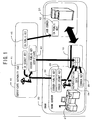
- FIG. 1 shows an architecture of the biometric authentication system in the embodiment of the present invention.
- the embodiment exemplifies a case in which the biometric authentication system according to the present invention is utilized for banking operations.
- the system architecture will be explained along with a mode of utilizing the biometric authentication system in the banking operations. Note that the biometric authentication system according to the invention is not, however, limited to banking operations.
- the biometric authentication system in the embodiment comprises a bank window terminal 21 (which will hereinafter be called a terminal 21), an ATM (Automatic Teller Machine) terminal 31 (which will hereinafter be termed a terminal 31), and an IC card 10 serving as a cash card, and provides a variety of services to users. Further, the biometric authentication system in the embodiment, on the occasion of providing the variety of services, ensures security by executing authentication between the IC card 10 and the respective terminals 21 and 31, and a certificate authority (CA) 40 is provided as an institution for managing the authentication information thereof.
- CA certificate authority
- secret keys and public keys are authentication keys utilized for the authentication between the IC card 10 and the terminal 31 and are generated by a public key encryption method.
- a common key 25 described in the following discussion is an authentication key utilized for the authentication between the IC card 10 and the terminal 21, and is realised by a common key encryption method.
- the public key encryption method is an encryption method for encrypting and decrypting data by use of two sets of keys that are paired by a public key for encryption and a secret key for decryption. Normally, the public key is open to the outside (available externally), while the secret key is strictly managed by a user (e.g. card issuer) himself.
- a typical public key encryption method is RSA encryption.
- RSA encryption has a mechanism capable of encrypting with either the public key or the secret key and decrypting with either the secret key or the public key, and is utilized as an encryption method with a merit of difficulty of prime factorization of a large number.
- the common key encryption method is a method realised in such a way that the encryption key and the decryption key are common (the same), and both sides share this common key with each other.
- a typical common key encryption method is DES. In DES, data is segmented into blocks each having a 64-bit length, and each block is encrypted with a 56-bit length key.
- the IC card 10 is used as a cash card, however, a portable information terminal such as a PDA (Personal Digital Assistant), etc, and a cellular phone, etc. may be used in place of the IC card.
- a portable information terminal such as a PDA (Personal Digital Assistant), etc, and a cellular phone, etc. may be used in place of the IC card.
- Each of the terminals 21 and 31 includes a CPU (Central Processing Unit), a memory, an input/output interface, etc., and the CPU executes programs stored on the memory, thereby controlling respective functions.
- Each of the terminals 21 and 31 performs communications with the IC card 10, and transfers and receives various pieces of information stored on the IC card 10.
- the communications between the IC card 10 and the respective terminals 21 and 31 utilize a contact communication specified in, e.g., ISO/IEC 7816, etc. and a non-contact communication utilizing radio waves, etc..
- the terminals 21 and 31 each have an imaging unit (un-illustrated) for acquiring biometric information.
- the imaging unit when a user places his hand over it, captures images of blood vessels, and creates biometric information from the image information thereof.
- each of the terminals 21 and 31 is connected via a network to a bank on-line system (un-illustrated) for processing a variety of banking operations.
- functions of the terminals 21 and 31 may be performed by the bank on-line system connected to the respective terminals.
- the terminal 31 serving as the ATM is described as different from the terminal 21 used for bank window operations, however, the respective processes may also be conducted on one single terminal.
- the terminal 21 processes the window operations at a bank 20, and executes a process (which will hereinafter be called an IC card issuance process) of issuing the IC card 10 as the cash card to the user and a process (which will hereinafter be termed a biometric information registering process) of registering the biometric information of the user (which will hereafter be referred to as user biometric information) in the IC card 10.
- the terminal 21 stores the common key 25, the issuer public key 22 and the issuer secret key 23.
- the common key 25 is generated by the DES encryption method and is utilized for authentication when in the biometric information registering process.
- the issuer public key 22 and the issuer secret key 23 are generated by RSA encryption, and are utilized for the authentication between the IC card 10 and the terminal 31.
- the issuer secret key 23 is strictly managed by the bank 20 so that the secret key is kept secret (not leaked outside).
- the terminal 21 generates authentication data 24 by use of arbitrary pieces of data on a user-by-user basis, and stores the authentication data 24 in the IC card 10 when issuing the IC card 10.
- the terminal 21, in the biometric information registering process prompts the user to insert the IC card 10 and to put a his hand over the imaging unit (not shown) provided on the terminal 21, thereby registering the biometric information of the user's hand in the IC card 10.
- the venous information based on images of blood vessels of the hand is adopted as the biometric information, however, a fingerprint, an iris, face information, etc. may also be utilized.
- the terminal 31, which is installed at, e.g., an ATM corner of the bank 20, verifies user identity from the user biometric information registered in the IC card 10 (which will hereinafter be referred to as a biometric information authentication process) and, when validity is authenticated, provides the user with banking services such as depositing and withdrawing money (to and from a bank account), etc..
- the terminal 31, in the biometric information authentication process prompts the user to insert the IC card 10 and to put the user's hand over the imaging unit (not shown) provided on the terminal 31, thereby authenticating the IC card 10 and the user.
- the user when the validity (his identity) is authenticated in this authentication, can receive the variety of services.
- the certificate authority 40 is an authority for control-management of the authentication information of the respective banks.
- the certificate authority 40 for authenticating the validity of the IC card through the authentication using the public key encryption method, generates and manages a certificate authority secret key (which will hereinafter be simply called a CA secret key) 41 serving as a secret key, and a certificate authority public key (which will hereinafter be simply called a CA public key) 42 serving as a public key.
- the CA secret key 41 and the CA public key 42 are generated by using RSA encryption.
- the CA secret key 41 is strictly managed by the certificate authority 40 so that the key is not leaked outside and is, as a matter of course, unknown to the bank 20.
- the CA public key 42 is open to the outside or assigned by application, then acquired by the bank 20 and is stored on the terminal 31. Further, the certificate authority 40 issues the issuer public key certificate 43 to each bank.
- the issuer public key certificate 43 is data acquired by encrypting the issuer public key 22 generated and managed by the bank 20 with the CA secret key 41. Namely, the certificate authority 40 generates the issuer public key certificate 43 by obtaining the issuer public key 22 from the bank and encrypting this key 22 with the CA secret key 41, and issues the issuer public key certificate 43 to the bank 20.
- issuer public key certificate 43, the issuer public key 22 and the CA public key 42 may be transferred and received between the certificate authority 40 and the bank 20 by use of a removable medium such as a floppy disc (FD).
- the certificate and these keys may also be transferred and received as by data transmission via a network in a way that connects the certificate authority 40 to the respective terminals 21 and 31 via the network.
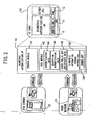
- FIG. 2 is a view showing the internal configuration of the IC card 10. Note that the data stored on the terminals 21 and 31 will be explained with reference to FIG. 1.
- the IC card 10 includes a CPU 11, a RAM 12, a ROM 13, an interface (not shown), etc. Then, the CPU 11 reads and operates a variety of programs stored on the ROM 13, thereby executing a variety of processes.
- Applications stored on the IC card 10 include a variety of applications such as a biometric authentication application (which will hereinafter be simply termed a biometric authentication AP) 14 based on services supported by the IC card 10.
- a biometric authentication application which will hereinafter be simply termed a biometric authentication AP
- the biometric authentication AP 14 executes a biometric information registering process and a biometric information authenticating process.
- the biometric authentication AP 14 includes a program module 141 and a data module 142 in order to execute the processes given above.
- the program module 141 stores a program for executing the variety of processes of the biometric authentication AP 14.
- the program executes the biometric information registering process between the terminal 21 and the IC card 10 (which acts as an example of biometric information storage means and mutual authentication means according to the claims), and the biometric information authenticating process (as an example of biometric information authentication means according to the claims) between the terminal 31 and the IC card 10.
- the data module 142 includes an authentication data storage area 144, an encryption authentication data storage area 145, an issuer public key certificate data storage area 146, a biometric information storage area 147 for storing user biometric information, and a common key storage area 148.
- the authentication data storage area 144 stores the authentication data 24 shown in FIG. 1.
- the authentication data 24 is data utilized for the authentication in the biometric information authentication process, and is generated per user by the terminal 21. Then, the authentication data 24 is stored in the IC card 10 when issuing the IC card 10.
- the encryption authentication data storage area 145 is provided with (stores) authentication data acquired by encrypting the authentication data 24 with the issuer secret key 23 shown in FIG. 1.
- the encryption authentication data is data generated by the terminal 21, and the encryption thereof involves using RSA encryption. Further, the encryption authentication data is stored in the IC card 10 when issuing the IC card 10.
- the issuer public key certificate data storage area 146 stores the issuer public key certificate 43 shown in FIG. 1.
- the issuer public key certificate 43 is data obtained by encrypting the issuer public key of the bank 20 with the CA secret key 41 of the certificate authority 40, then generated by the certificate authority 40 and issued to the bank 20.
- the issuer public key certificate 43 is data for certifying the validity of the issuer public key 22 that should be held on the IC card 10.
- This issuer public key certificate 43 is stored in the IC card 10 when issuing the IC card.
- the biometric information storage module 147 stores the biometric information generated by the biometric information registering process.
- the common key storage area 148 stores the common key 25 shown in FIG. 1.
- the common key 25 is data generated by the DES encryption method and is used for the authentication in the biometric information registering process. Further, the common key 25 is stored in the IC card 10 when issuing the IC card 10.
- a premise of the following operations is that the IC card 10 is in a state of being already issued to the bank 20, and the IC card 10 is already provided with the authentication data 144, the encryption authentication data 145, the issuer public key certificate data 146 and the common key 148.
- the common key 148 stored in the IC card 10 is the same data as that of the common key 25 stored on the terminal 21.
- FIG. 3 is a sequence chart showing how the data are transferred and received in the registration of the biometric information between the terminal 21 and the IC card 10 that configure the biometric authentication system shown in FIG. 1.
- the terminal 21 and the IC card 10 upon establishing communication with each other, perform mutual authentication with each other.
- the terminal 21 verifies the validity of the IC card 10
- the IC card 10 verifies the validity of the terminal 21.
- the terminal 21 and the IC card 10 respectively hold the common keys (the common key 25 shown in FIG. 1 and the common key 148 shown in FIG. 2) and authenticate each other's validity by confirming that they share these common keys.
- the terminal 21 sends a terminal authentication code and first authentication data (303) to the IC card 10.
- This terminal authentication code is a hash code generated by the terminal 21 and is generated by encrypting the first authentication data with the common key 25 held by the terminal 21.
- the first authentication data is, for instance, a random number generated by the terminal 21.
- the IC card 10 receives these pieces of data, from the terminal 21, and generates a terminal authentication code by use of the common key 148 held by the IC card 10. Then, the IC card 10 collates the terminal authentication code received from the terminal 21 with the self-generated terminal authentication code, thereby authenticating the validity of the terminal 21 (S310: terminal authentication). The IC card 10 sends a result (304) of the terminal authentication (S310) to the terminal 21.
- the terminal 21 receives the result (304) of the terminal authentication (S310) and generates second authentication data (305), and sends this to the IC card 10.
- the second authentication data (305) is, for example, a random number generated by the terminal 21. Further, the second authentication data (305) is generated herein by the terminal 21, but may also be generated by the IC card 10.
- the IC card 10 generates a hash code by encrypting the received second authentication data (305) with the common key 148 held by the IC card 10, and sends this hash code as an IC card authentication code (306) to the terminal 21.
- the terminal 21, receiving the IC card authentication code generates an IC card authentication code by use of the self-generated second authentication data (305) and the self-held common key 25, and collates this code with the received IC card authentication code (306). Through this collation, the terminal 21 authenticates the validity of the received IC card authentication code (S320: IC card authentication). The terminal 21 transmits a result (307) of the IC card authentication (S320) to the IC card 10.
- the terminal 21 Upon establishing mutual validity through the mutual authentication, the terminal 21 acquires the user biometric information from the imaging unit and generates the biometric information (S321). Then, the terminal 21, for registering this biometric information in the IC card 10, sends the biometric information (308) together with a biometric information registering instruction to the IC card 10. Finally, the IC card 10 occupies the biometric information storage area 147 with the biometric information received from the terminal 21 (S311).
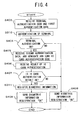
- FIG. 4 is a processing flowchart of the registration of the biometric information in the IC card 10, and shows the operation of the IC card 10 in the processing sequence described above. Note that the same processes as the processes of the IC card 10 shown in FIG. 3 are given the same symbols and numerals also in FIG. 4 (S310, S311).
- the IC card 10 receives the terminal authentication code and the first authentication data sent from the terminal 21 (S403). Then, the IC card 10 authenticates the validity of this terminal authentication code by using the common key 148 and the first authentication data (S310). When the validity of the received terminal authentication code is established as a result of the terminal authentication (S310) (S404; YES), the IC card 10 generates the IC card authentication code by use of the second authentication data received from the terminal 21 and the common key 148, and sends this code to the terminal 21 (S405). Thereafter, the IC card 10 receives a result of the IC card authentication (S320) by the terminal 21 (S406).
- the IC card 10 registers the biometric information sent from the terminal 21 (S311). Finally, the IC card 10 notifies the terminal 21 that the biometric information is normally registered (S408).
- the terminal 21 is notified by the IC card that the biometric information can not be registered (S409).
- FIG. 5 is a processing flowchart of the biometric information registration in the terminal 21, and shows the operation of the terminal 21 in the processing sequence described above. Note that the same processes as the processes of the terminal 21 shown in FIG. 3 are given the same symbols and numerals also in FIG. 5 (S320, and S321).
- the terminal 21 first generates the terminal authentication code by use of the first authentication data and the common key 25 (S503). Then, the terminal 21 sends the first authentication data and the generated terminal authentication code to the IC card 10 (S504).
- the terminal 21 receives a result of the terminal authentication (S310) of the IC card 10, and, as a result, when the terminal authentication code is successfully validated (S505; YES), transmits the second authentication data to the IC card 10. Thereafter, the terminal 21 receives the IC card authentication code from the IC card 10 (S506). Then, the terminal 21 generates an IC card authentication code by using the second authentication data and the common key 25, and collates the IC card authentication code received from the IC card 10 with the self-generated IC card authentication code (S320).
- the terminal 21 when the validity of the IC card authentication code is authenticated (upheld) as a result of the IC card authentication (S320) (S507; YES), the terminal 21 generates the user biometric information from a captured image (S321). Finally, the terminal 21 instructs the IC card 10 to register this biometric information (S508) and, as a result, upon receiving from the IC card 10 a notification stating that the biometric information is normally registered, notifies the user of this result, thus finishing the process.
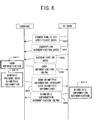
- FIG. 6 is a sequence chart showing how data is transferred and received when authenticating the biometric information between the terminal 31 and the IC card 10 that configure the biometric authentication system shown in FIG. 1.
- the IC card 10 When the terminal 31 and the IC card 10 establish communication with each other, the IC card 10 sends the issuer public key certificate data 146 to the terminal 31 (603). Subsequently, the IC card 10 sequentially transmits the encryption authentication data 145 and the authentication data 144 to the terminal 31 (604, 605).
- the terminal 31 Upon receipt of the data, the terminal 31 performs card authentication (S611).
- the card authentication (S611) involves utilizing the RSA encryption, and the terminal 31 executes the following processes.
- the terminal 31 decrypts the issuer public key certificate data 146 with its own (self-stored) CA public key 42, thereby acquiring the issuer public key 22.
- the issuer public key certificate data 146 is data into which the issuer public key 22 is encrypted with the CA secret key 41, and can be therefore decrypted only with the CA public key 42. With this scheme, the validity of the issuer public key 22 acquired from the IC card 10 is assured.
- the terminal 31 decrypts the encryption authentication data 145 with the issuer public key 22 acquired earlier, thereby obtaining authentication data 144.
- the encryption authentication data 145 is data in which the authentication data 144 is encrypted with the issuer secret key 23, and can be therefore decrypted only with the issuer public key 22.
- the terminal 31 collates the authentication data 144 received from the IC card 10 with the authentication data 144 (decrypted from the data 145) acquired earlier. Through this collation, it follows that the validity of the IC card 10 is authenticated if these two pieces of data 144 are coincident with each other.
- the terminal 31 sends a result thereof to the IC card 10 (606).
- the terminal 31 obtains an image of biometric information of the user from the imaging unit and generates present user biometric information (S612). Then, the terminal 31 sends the thus generated present user biometric information to the IC card 10 (607).
- the IC card 10 authenticates the received present user biometric information and the biometric information stored in the biometric information storage area 147 (S613: biometric information authentication). Then, the IC card 10 notifies the terminal 31 of a result (608) of the biometric information authentication (S613).
- the user hereafter can receive the variety of services.
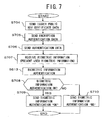
- FIG. 7 is a processing flowchart of the biometric information authentication in the IC card 10, and shows the operation of the IC card 10 in the processing sequence described above. Note that the same process as the process of the IC card 10 shown in FIG. 6 is given the same symbol and numeral also in FIG. 7 (S613).
- the IC card 10 at first, sequentially transmits the issuer public key certificate data 146, the encryption authentication data 145 and the authentication data 144 to the terminal 31 (S704, S705, S706).
- the card authentication (S611) is conducted by the terminal 31, and as a result, when the validity of the IC card 10 is authenticated, the IC card 10 receives the present user biometric information sent from the terminal 31 (S707). Then, the IC card 10 authenticates the received present user biometric information and the biometric information stored in the biometric information storage area 147 (S613: biometric information authentication). When the validity of the present user and stored biometric information is authenticated as a result of this biometric information authentication (S613) (S708; YES), the IC card 10 notifies the terminal 31 that the validity of the biometric information is authenticated (S709).
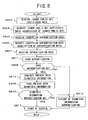
- FIG. 8 is a processing flowchart of the biometric information authentication in the terminal 31, and shows the operation of the terminal 31 in the processing sequence described above. Note that the same processes as the processes of the terminal 31 shown in FIG. 6 are given the same symbols and numerals also in FIG. 8 (S611, S612).
- the terminal 31 receives the issuer public key certificate data 146 from the IC card 10 (S803). Then, the terminal 31 decrypts this issuer public key certificate data 146 with the self-stored CA public key, thereby acquiring the issuer public key 22 (S809).
- the terminal 31 receives the encryption authentication data 145 from the IC card 10 (S805). Then, the terminal 31 decrypts this encryption authentication data 145 with the issuer public key 22 obtained earlier, thereby acquiring the authentication data 144 (S806).
- the terminal 31 receives the authentication data 144 from the IC card 10 (S807). Then, the terminal 31 collates the authentication data 144 obtained earlier with the authentication data 144 received from the IC card 10, thus effecting the card authentication (S611).
- the terminal 31 obtains an image of biometric information from the imaging unit and generates the present user biometric information (S612). Then, the terminal 31 transmits the present user biometric information to the IC card 10 (S809).
- the terminal 31 provides the user with the variety of bank services (S811).
- biometric information authentication system when registering the biometric information in the IC card 10, mutual authentication based on the common key encryption method is conducted between the IC card 10 and the terminal 21, and the biometric information is registered in the IC card 10 only if the validity of both is verified.
- card authentication based on the public key encryption method and biometric information authentication are executed between the IC card 10 and the terminal 31, and the variety of services can be provided on the terminal 31 if validity is respectively authenticated.
- authentication based on the common key encryption method is carried out when registering the biometric information in the IC card 10, and authentication based on the public key encryption method is performed when determining access to services.
- the biometric information authentication system can realise a system exhibiting a high degree of general purpose while also ensuring high security, by executing authentication based on the public key encryption method enabling the authentication key to be open to the public with respect to the process requiring the security, and by having the high degree of general purpose (versatility) that is desired to be utilized from the ATMs of other banks as in the case of providing the services.
- the biometric information authentication system is capable of ensuring higher security, than when performing the biometric information authentication, by performing authentication based on the common key encryption method for processes within the bank itself, such as registering the biometric information in the IC card 10. Further, because this biometric information registering process can be dealt with as a process within the bank itself by registering the information through the window terminal 21 of the bank itself, key confidentiality can be firmly ensured.
- the biometric information is authenticated through the IC card 10 (S613 in FIG. 6) when performing the biometric information authentication.
- the IC card 10 transmits the biometric information stored in the biometric information storage area 147 to the terminal 31, and the terminal collates the present user biometric information generated from the images acquired by the imaging with the biometric information transmitted from the biometric information storage area of the IC card 10, so as to authenticate the information (and hence the identity of the user).
Landscapes
- Engineering & Computer Science (AREA)
- Theoretical Computer Science (AREA)
- Computer Security & Cryptography (AREA)
- Software Systems (AREA)
- Physics & Mathematics (AREA)
- General Physics & Mathematics (AREA)
- Computer Hardware Design (AREA)
- General Engineering & Computer Science (AREA)
- Credit Cards Or The Like (AREA)
- Storage Device Security (AREA)
- Financial Or Insurance-Related Operations Such As Payment And Settlement (AREA)
Abstract
Description
- The present invention relates to a biometric authentication device and a terminal that serve to authenticate an individual by utilizing biometric information of the individual.
- At present, a method of employing a code number PIN (Personal Identification Number) stored in a magnetic card, an IC card, etc. exists as a method of authenticating a specified individual for purposes such as accessing a bank account, purchasing a commercial article and entering/exiting a facility. In this type of individual authentication method, however, if a card and a code number are stolen, a third party can easily misrepresent themselves as the individual, for example to gain access to the individual's bank account.
- Such being the case, with an increase in internal storage capacity of the IC card, there has been proposed a method of authenticating (verifying the identify of) the individual by use of individual biometric information such as a fingerprint, an iris, a retina, a blood vessel image and a voiceprint.
- Further, in the IC card utilized for the methods described above, an access to data in the IC card involves utilizing a terminal to read data from the IC card; however, an authentication program on this terminal can be comparatively easily altered, and hence the individual registration data registered in the IC card might be falsified and stolen by using such a malicious program.
- A method of ensuring the security of the data by utilizing a common key encryption method is proposed as a method of preventing information within the IC card from being falsified and stolen (refer to Patent document "JP 2001-134738 A").
- In the method utilizing the common key encryption method, however, the method may be unsuitable in terms of the nature of a service to be provided, depending on a mode of use of the IC card. This is especially true when the IC card must be usable on a terminal at another company. For example, in the case of utilizing a cash card issued by a bank as the IC card, it is required that services such as depositing and paying money can be accessed by using the IC card even at other banks. Further, in the case given above, it is demanded by users that the IC card can be used on terminals installed at a convenience store, etc. other than the bank. Moreover, this is also the case when utilizing the IC card as electronic money (i.e. as a debit or credit card).
- Namely, there is a necessity of enabling the use of an IC card in different systems whilst ensuring the same level of security, e.g. even in systems of companies other than the card issuer, depending on the mode of utilizing the IC card.
- It is therefore desirable to provide a biometric authentication device and a terminal that provide high security, depending on a utilizing mode.
- A first aspect of the present invention provides a biometric authentication device comprising mutual authentication means for performing mutual authentication (verification of validity) with an electronic device by use of a common key shared with the electronic device; biometric information storage means for acquiring, when the mutual authentication means authenticates validity mutually, biometric information from the electronic device, and for storing the biometric information in a biometric information storage module; public key authentication means for performing authentication with the electronic device by use of a public key enabling mutual encryption and mutual decryption, and biometric information authentication means for authenticating, when validity is authenticated by the public key authentication means, the biometric information stored in the biometric information storage module and present biometric information acquired from the electronic device.
- A second aspect of the present invention provides a terminal comprising mutual authentication means for performing mutual authentication with a biometric authentication device by use of a common key shared with the biometric authentication device; registering means for generating, when the mutual authentication means authenticates validity mutually, biometric information to be registered, and for instructing the biometric authentication device to register the biometric information; device authentication means for performing the authentication with the biometric authentication device by use of a public key enabling mutual encryption and mutual decryption; and individual authentication means for generating, when the validity is authenticated by the device authentication means, present biometric information for authenticating an individual, and authenticating the biometric information stored in the biometric authentication device and the present biometric information.
- According to the above aspects, when registering the biometric information, mutual authentication based on the common key encryption method is conducted between the biometric authentication device and the terminal, and, if validity of the terminal and the device is successfully authenticated, the biometric information is registered in the biometric authentication device. On the other hand, when authenticating the biometric information, the authentication based on the public key encryption method is executed between the biometric authentication device and the terminal, and, if the validity of each is successfully authenticated, further, the biometric information authentication is performed.
- Hence, according to the above aspects, it is possible to execute device authentication exhibiting a high level of general purpose and enabling high security to be ensured when authenticating the biometric information, and to perform device authentication capable of ensuring higher security when registering the biometric information than when authenticating the biometric information.
- Also, it is feasible to conduct the high-security biometric authentication whilst preventing information within the biometric authentication device from being falsified and leaked.
- Note that the present invention also provides a program for actualizing any one of the functions given above. Moreover, such a program may be stored on a storage medium readable by a computer.
- Other aspects of the present invention include an IC card and a biometric authentication system.
- According to the present.invention, it is possible to provide the biometric authentication system exhibiting high security, depending on the mode of use.
- Reference will now be made, by way of example only, to the accompanying drawings, in which:
- FIG.1 shows an architecture of a biometric authentication system according to an embodiment of the present invention;
- FIG.2 shows an internal configuration of an
IC card 10; - FIG.3 shows how data is transferred and received between a
terminal 21 and theIC card 10 when registering biometric information; - FIG.4 is a diagram showing a processing flow for biometric information registration in the
IC card 10; - FIG.5 is a diagram showing a processing flow for the biometric information registration in the
terminal 21; - FIG.6 shows how data is transferred and received between a
terminal 31 and theIC card 10 when authenticating the biometric information; - FIG.7 is a diagram showing a processing flow for biometric information authentication in the
IC card 10; and - FIG.8 is a diagram showing a processing flow for the biometric information authentication in the
terminal 31. - A biometric authentication system according to an embodiment for carrying out the present invention will hereinafter be described with reference to the drawings. A configuration in the embodiment is an exemplification, and the present invention is not limited to the configuration in the embodiment.
- FIG. 1 shows an architecture of the biometric authentication system in the embodiment of the present invention. The embodiment exemplifies a case in which the biometric authentication system according to the present invention is utilized for banking operations. The system architecture will be explained along with a mode of utilizing the biometric authentication system in the banking operations. Note that the biometric authentication system according to the invention is not, however, limited to banking operations.
- The biometric authentication system in the embodiment comprises a bank window terminal 21 (which will hereinafter be called a terminal 21), an ATM (Automatic Teller Machine) terminal 31 (which will hereinafter be termed a terminal 31), and an
IC card 10 serving as a cash card, and provides a variety of services to users. Further, the biometric authentication system in the embodiment, on the occasion of providing the variety of services, ensures security by executing authentication between theIC card 10 and therespective terminals - Note that secret keys and public keys (a CA
secret key 41, a CApublic key 42, an issuerpublic key 22, an issuersecret key 23, an issuer public key certificate 43), which will be explained in the following discussion, are authentication keys utilized for the authentication between theIC card 10 and theterminal 31 and are generated by a public key encryption method. - Moreover, a
common key 25 described in the following discussion is an authentication key utilized for the authentication between theIC card 10 and theterminal 21, and is realised by a common key encryption method. - The public key encryption method is an encryption method for encrypting and decrypting data by use of two sets of keys that are paired by a public key for encryption and a secret key for decryption. Normally, the public key is open to the outside (available externally), while the secret key is strictly managed by a user (e.g. card issuer) himself. A typical public key encryption method is RSA encryption. RSA encryption has a mechanism capable of encrypting with either the public key or the secret key and decrypting with either the secret key or the public key, and is utilized as an encryption method with a merit of difficulty of prime factorization of a large number.
- The common key encryption method is a method realised in such a way that the encryption key and the decryption key are common (the same), and both sides share this common key with each other. A typical common key encryption method is DES. In DES, data is segmented into blocks each having a 64-bit length, and each block is encrypted with a 56-bit length key.
- Further, in the embodiment, the
IC card 10 is used as a cash card, however, a portable information terminal such as a PDA (Personal Digital Assistant), etc, and a cellular phone, etc. may be used in place of the IC card. - Each of the
terminals terminals IC card 10, and transfers and receives various pieces of information stored on theIC card 10. The communications between theIC card 10 and therespective terminals terminals - Further, each of the
terminals terminals terminal 31 serving as the ATM is described as different from theterminal 21 used for bank window operations, however, the respective processes may also be conducted on one single terminal. - The
terminal 21 processes the window operations at abank 20, and executes a process (which will hereinafter be called an IC card issuance process) of issuing theIC card 10 as the cash card to the user and a process (which will hereinafter be termed a biometric information registering process) of registering the biometric information of the user (which will hereafter be referred to as user biometric information) in theIC card 10. Theterminal 21 stores thecommon key 25, the issuerpublic key 22 and the issuersecret key 23. - The
common key 25 is generated by the DES encryption method and is utilized for authentication when in the biometric information registering process. The issuerpublic key 22 and the issuersecret key 23 are generated by RSA encryption, and are utilized for the authentication between theIC card 10 and theterminal 31. The issuersecret key 23 is strictly managed by thebank 20 so that the secret key is kept secret (not leaked outside). Further, the terminal 21 generatesauthentication data 24 by use of arbitrary pieces of data on a user-by-user basis, and stores theauthentication data 24 in theIC card 10 when issuing theIC card 10. - Moreover, the terminal 21, in the biometric information registering process, prompts the user to insert the
IC card 10 and to put a his hand over the imaging unit (not shown) provided on the terminal 21, thereby registering the biometric information of the user's hand in theIC card 10. In the embodiment, the venous information based on images of blood vessels of the hand is adopted as the biometric information, however, a fingerprint, an iris, face information, etc. may also be utilized. - The terminal 31, which is installed at, e.g., an ATM corner of the
bank 20, verifies user identity from the user biometric information registered in the IC card 10 (which will hereinafter be referred to as a biometric information authentication process) and, when validity is authenticated, provides the user with banking services such as depositing and withdrawing money (to and from a bank account), etc.. The terminal 31, in the biometric information authentication process, prompts the user to insert theIC card 10 and to put the user's hand over the imaging unit (not shown) provided on the terminal 31, thereby authenticating theIC card 10 and the user. The user, when the validity (his identity) is authenticated in this authentication, can receive the variety of services. - The
certificate authority 40 is an authority for control-management of the authentication information of the respective banks. Thecertificate authority 40, for authenticating the validity of the IC card through the authentication using the public key encryption method, generates and manages a certificate authority secret key (which will hereinafter be simply called a CA secret key) 41 serving as a secret key, and a certificate authority public key (which will hereinafter be simply called a CA public key) 42 serving as a public key. The CAsecret key 41 and the CApublic key 42 are generated by using RSA encryption. - The CA
secret key 41 is strictly managed by thecertificate authority 40 so that the key is not leaked outside and is, as a matter of course, unknown to thebank 20. The CApublic key 42 is open to the outside or assigned by application, then acquired by thebank 20 and is stored on the terminal 31. Further, thecertificate authority 40 issues the issuer publickey certificate 43 to each bank. The issuer publickey certificate 43 is data acquired by encrypting the issuerpublic key 22 generated and managed by thebank 20 with the CAsecret key 41. Namely, thecertificate authority 40 generates the issuer publickey certificate 43 by obtaining the issuer public key 22 from the bank and encrypting this key 22 with the CA secret key 41, and issues the issuer publickey certificate 43 to thebank 20. Note that the issuer publickey certificate 43, the issuerpublic key 22 and the CApublic key 42 may be transferred and received between thecertificate authority 40 and thebank 20 by use of a removable medium such as a floppy disc (FD). Moreover, the certificate and these keys may also be transferred and received as by data transmission via a network in a way that connects thecertificate authority 40 to therespective terminals - Next, an internal configuration of the
IC card 10 will be explained with reference to FIG. 2. FIG. 2 is a view showing the internal configuration of theIC card 10. Note that the data stored on theterminals - The
IC card 10 includes a CPU 11, aRAM 12, aROM 13, an interface (not shown), etc.. Then, the CPU 11 reads and operates a variety of programs stored on theROM 13, thereby executing a variety of processes. - Applications stored on the
IC card 10 include a variety of applications such as a biometric authentication application (which will hereinafter be simply termed a biometric authentication AP) 14 based on services supported by theIC card 10. - The
biometric authentication AP 14 executes a biometric information registering process and a biometric information authenticating process. Thebiometric authentication AP 14 includes aprogram module 141 and adata module 142 in order to execute the processes given above. Theprogram module 141 stores a program for executing the variety of processes of thebiometric authentication AP 14. The program executes the biometric information registering process between the terminal 21 and the IC card 10 (which acts as an example of biometric information storage means and mutual authentication means according to the claims), and the biometric information authenticating process (as an example of biometric information authentication means according to the claims) between the terminal 31 and theIC card 10. - The
data module 142 includes an authenticationdata storage area 144, an encryption authenticationdata storage area 145, an issuer public key certificatedata storage area 146, a biometric information storage area 147 for storing user biometric information, and a commonkey storage area 148. - The authentication
data storage area 144 stores theauthentication data 24 shown in FIG. 1. Theauthentication data 24 is data utilized for the authentication in the biometric information authentication process, and is generated per user by the terminal 21. Then, theauthentication data 24 is stored in theIC card 10 when issuing theIC card 10. - The encryption authentication
data storage area 145 is provided with (stores) authentication data acquired by encrypting theauthentication data 24 with the issuer secret key 23 shown in FIG. 1. The encryption authentication data is data generated by the terminal 21, and the encryption thereof involves using RSA encryption. Further, the encryption authentication data is stored in theIC card 10 when issuing theIC card 10. - The issuer public key certificate
data storage area 146 stores the issuer publickey certificate 43 shown in FIG. 1. The issuer publickey certificate 43 is data obtained by encrypting the issuer public key of thebank 20 with the CAsecret key 41 of thecertificate authority 40, then generated by thecertificate authority 40 and issued to thebank 20. Namely, the issuer publickey certificate 43 is data for certifying the validity of the issuerpublic key 22 that should be held on theIC card 10. This issuer publickey certificate 43 is stored in theIC card 10 when issuing the IC card. - The biometric information storage module 147 stores the biometric information generated by the biometric information registering process.
- The common
key storage area 148 stores thecommon key 25 shown in FIG. 1. Thecommon key 25 is data generated by the DES encryption method and is used for the authentication in the biometric information registering process. Further, thecommon key 25 is stored in theIC card 10 when issuing theIC card 10. - Next, the operations of the
terminals IC card 10 based on the processing of thebiometric authentication AP 14, will be explained with reference to FIGS. 3 to 8. The operations of theIC card 10 and of theterminals authentication data 144, etc.). - A premise of the following operations is that the
IC card 10 is in a state of being already issued to thebank 20, and theIC card 10 is already provided with theauthentication data 144, theencryption authentication data 145, the issuer publickey certificate data 146 and thecommon key 148. Note that thecommon key 148 stored in theIC card 10 is the same data as that of thecommon key 25 stored on the terminal 21. - To begin with, the operations of the
IC card 10 and of the terminal 21 in the registration of the biometric information will be explained with reference to FIGS. 3 to 5. FIG. 3 is a sequence chart showing how the data are transferred and received in the registration of the biometric information between the terminal 21 and theIC card 10 that configure the biometric authentication system shown in FIG. 1. - The terminal 21 and the
IC card 10, upon establishing communication with each other, perform mutual authentication with each other. To be specific, the terminal 21 verifies the validity of theIC card 10, while theIC card 10 verifies the validity of the terminal 21. Namely, the terminal 21 and theIC card 10 respectively hold the common keys (thecommon key 25 shown in FIG. 1 and thecommon key 148 shown in FIG. 2) and authenticate each other's validity by confirming that they share these common keys. - The terminal 21 sends a terminal authentication code and first authentication data (303) to the
IC card 10. This terminal authentication code is a hash code generated by the terminal 21 and is generated by encrypting the first authentication data with thecommon key 25 held by the terminal 21. The first authentication data is, for instance, a random number generated by the terminal 21. - The
IC card 10 receives these pieces of data, from the terminal 21, and generates a terminal authentication code by use of thecommon key 148 held by theIC card 10. Then, theIC card 10 collates the terminal authentication code received from the terminal 21 with the self-generated terminal authentication code, thereby authenticating the validity of the terminal 21 (S310: terminal authentication). TheIC card 10 sends a result (304) of the terminal authentication (S310) to the terminal 21. - The terminal 21 receives the result (304) of the terminal authentication (S310) and generates second authentication data (305), and sends this to the
IC card 10. The second authentication data (305) is, for example, a random number generated by the terminal 21. Further, the second authentication data (305) is generated herein by the terminal 21, but may also be generated by theIC card 10. TheIC card 10 generates a hash code by encrypting the received second authentication data (305) with thecommon key 148 held by theIC card 10, and sends this hash code as an IC card authentication code (306) to the terminal 21. - The terminal 21, receiving the IC card authentication code, generates an IC card authentication code by use of the self-generated second authentication data (305) and the self-held
common key 25, and collates this code with the received IC card authentication code (306). Through this collation, the terminal 21 authenticates the validity of the received IC card authentication code (S320: IC card authentication). The terminal 21 transmits a result (307) of the IC card authentication (S320) to theIC card 10. - Upon establishing mutual validity through the mutual authentication, the terminal 21 acquires the user biometric information from the imaging unit and generates the biometric information (S321). Then, the terminal 21, for registering this biometric information in the
IC card 10, sends the biometric information (308) together with a biometric information registering instruction to theIC card 10. Finally, theIC card 10 occupies the biometric information storage area 147 with the biometric information received from the terminal 21 (S311). - FIG. 4 is a processing flowchart of the registration of the biometric information in the
IC card 10, and shows the operation of theIC card 10 in the processing sequence described above. Note that the same processes as the processes of theIC card 10 shown in FIG. 3 are given the same symbols and numerals also in FIG. 4 (S310, S311). - The
IC card 10 receives the terminal authentication code and the first authentication data sent from the terminal 21 (S403). Then, theIC card 10 authenticates the validity of this terminal authentication code by using thecommon key 148 and the first authentication data (S310). When the validity of the received terminal authentication code is established as a result of the terminal authentication (S310) (S404; YES), theIC card 10 generates the IC card authentication code by use of the second authentication data received from the terminal 21 and thecommon key 148, and sends this code to the terminal 21 (S405). Thereafter, theIC card 10 receives a result of the IC card authentication (S320) by the terminal 21 (S406). Then, when the validity of the IC card authentication code is verified as a result of the IC card authentication (S320) (S407; YES), theIC card 10 registers the biometric information sent from the terminal 21 (S311). Finally, theIC card 10 notifies the terminal 21 that the biometric information is normally registered (S408). - On the other hand, when the validity of the received terminal authentication code is not verified as a result of the terminal authentication (S310) (S404; NO), or when the validity of the IC card authentication code (S320) is not verified by the terminal 21 (S407; NO), the terminal 21 is notified by the IC card that the biometric information can not be registered (S409).
- FIG. 5 is a processing flowchart of the biometric information registration in the terminal 21, and shows the operation of the terminal 21 in the processing sequence described above. Note that the same processes as the processes of the terminal 21 shown in FIG. 3 are given the same symbols and numerals also in FIG. 5 (S320, and S321).
- The terminal 21 first generates the terminal authentication code by use of the first authentication data and the common key 25 (S503). Then, the terminal 21 sends the first authentication data and the generated terminal authentication code to the IC card 10 (S504).
- The terminal 21 receives a result of the terminal authentication (S310) of the
IC card 10, and, as a result, when the terminal authentication code is successfully validated (S505; YES), transmits the second authentication data to theIC card 10. Thereafter, the terminal 21 receives the IC card authentication code from the IC card 10 (S506). Then, the terminal 21 generates an IC card authentication code by using the second authentication data and thecommon key 25, and collates the IC card authentication code received from theIC card 10 with the self-generated IC card authentication code (S320). - Then, when the validity of the IC card authentication code is authenticated (upheld) as a result of the IC card authentication (S320) (S507; YES), the terminal 21 generates the user biometric information from a captured image (S321). Finally, the terminal 21 instructs the
IC card 10 to register this biometric information (S508) and, as a result, upon receiving from the IC card 10 a notification stating that the biometric information is normally registered, notifies the user of this result, thus finishing the process. - While on the other hand, when the validity of the terminal authentication code is not established as a result of the terminal authentication (S310) of the IC card (S505; NO) or when the validity of the IC card authentication code is not established as a result of the IC card authentication (S320) (S507; NO), the user is notified that the biometric information can not be registered.
- Next, the operations of the
IC card 10 and the terminal 31 when authenticating the biometric information will be explained with reference to FIGS. 6 to 8. FIG. 6 is a sequence chart showing how data is transferred and received when authenticating the biometric information between the terminal 31 and theIC card 10 that configure the biometric authentication system shown in FIG. 1. - When the terminal 31 and the
IC card 10 establish communication with each other, theIC card 10 sends the issuer publickey certificate data 146 to the terminal 31 (603). Subsequently, theIC card 10 sequentially transmits theencryption authentication data 145 and theauthentication data 144 to the terminal 31 (604, 605). - Upon receipt of the data, the terminal 31 performs card authentication (S611). The card authentication (S611) involves utilizing the RSA encryption, and the terminal 31 executes the following processes. To start with, the terminal 31 decrypts the issuer public
key certificate data 146 with its own (self-stored) CApublic key 42, thereby acquiring the issuerpublic key 22. The issuer publickey certificate data 146 is data into which the issuerpublic key 22 is encrypted with the CA secret key 41, and can be therefore decrypted only with the CApublic key 42. With this scheme, the validity of the issuerpublic key 22 acquired from theIC card 10 is assured. - Next, the terminal 31 decrypts the
encryption authentication data 145 with the issuerpublic key 22 acquired earlier, thereby obtainingauthentication data 144. Theencryption authentication data 145 is data in which theauthentication data 144 is encrypted with the issuer secret key 23, and can be therefore decrypted only with the issuerpublic key 22. Finally, the terminal 31 collates theauthentication data 144 received from theIC card 10 with the authentication data 144 (decrypted from the data 145) acquired earlier. Through this collation, it follows that the validity of theIC card 10 is authenticated if these two pieces ofdata 144 are coincident with each other. When the card authentication (S611) is completed, the terminal 31 sends a result thereof to the IC card 10 (606). - Moreover, when the validity of the
IC card 10 is authenticated (upheld) through the card authentication (S611), the terminal 31 obtains an image of biometric information of the user from the imaging unit and generates present user biometric information (S612). Then, the terminal 31 sends the thus generated present user biometric information to the IC card 10 (607). TheIC card 10 authenticates the received present user biometric information and the biometric information stored in the biometric information storage area 147 (S613: biometric information authentication). Then, theIC card 10 notifies the terminal 31 of a result (608) of the biometric information authentication (S613). When the validity of the biometric information on both sides is authenticated (i.e. they match) by this biometric information authentication, the user hereafter can receive the variety of services. - FIG. 7 is a processing flowchart of the biometric information authentication in the
IC card 10, and shows the operation of theIC card 10 in the processing sequence described above. Note that the same process as the process of theIC card 10 shown in FIG. 6 is given the same symbol and numeral also in FIG. 7 (S613). - The
IC card 10, at first, sequentially transmits the issuer publickey certificate data 146, theencryption authentication data 145 and theauthentication data 144 to the terminal 31 (S704, S705, S706). - Thereafter, the card authentication (S611) is conducted by the terminal 31, and as a result, when the validity of the
IC card 10 is authenticated, theIC card 10 receives the present user biometric information sent from the terminal 31 (S707). Then, theIC card 10 authenticates the received present user biometric information and the biometric information stored in the biometric information storage area 147 (S613: biometric information authentication). When the validity of the present user and stored biometric information is authenticated as a result of this biometric information authentication (S613) (S708; YES), theIC card 10 notifies the terminal 31 that the validity of the biometric information is authenticated (S709). - On the other hand, when the present user biometric information is not verified against the stored biometric information as a result of the biometric information authentication (S613) (S708; NO), the terminal 31 is notified that the biometric information can not be authenticated (S710).
- FIG. 8 is a processing flowchart of the biometric information authentication in the terminal 31, and shows the operation of the terminal 31 in the processing sequence described above. Note that the same processes as the processes of the terminal 31 shown in FIG. 6 are given the same symbols and numerals also in FIG. 8 (S611, S612).
- The terminal 31 receives the issuer public
key certificate data 146 from the IC card 10 (S803). Then, the terminal 31 decrypts this issuer publickey certificate data 146 with the self-stored CA public key, thereby acquiring the issuer public key 22 (S809). - Next, the terminal 31 receives the
encryption authentication data 145 from the IC card 10 (S805). Then, the terminal 31 decrypts thisencryption authentication data 145 with the issuerpublic key 22 obtained earlier, thereby acquiring the authentication data 144 (S806). - Moreover, the terminal 31 receives the
authentication data 144 from the IC card 10 (S807). Then, the terminal 31 collates theauthentication data 144 obtained earlier with theauthentication data 144 received from theIC card 10, thus effecting the card authentication (S611). When the validity of theIC card 10 is authenticated as a result of the card authentication (S611) (S808; YES), the terminal 31 obtains an image of biometric information from the imaging unit and generates the present user biometric information (S612). Then, the terminal 31 transmits the present user biometric information to the IC card 10 (S809). - Thereafter, when the validity of the present user biometric information is authenticated as a result of the biometric information authentication (S613) of the IC card 10 (S810; YES), the terminal 31 provides the user with the variety of bank services (S811).
- On the other hand, when the validity of the
IC card 10 is not authenticated as a result of the card authentication (S611) (S808; NO), or when the validity of the biometric information on both sides is not authenticated as a result of the biometric information authentication (S613) of the IC card 10 (S810; NO), the user is notified that the biometric information can not be authenticated (S812). - As discussed above, in the biometric information authentication system according to the described embodiment, when registering the biometric information in the
IC card 10, mutual authentication based on the common key encryption method is conducted between theIC card 10 and the terminal 21, and the biometric information is registered in theIC card 10 only if the validity of both is verified. On the other hand, when receiving the bank services on the terminal 31, card authentication based on the public key encryption method and biometric information authentication are executed between theIC card 10 and the terminal 31, and the variety of services can be provided on the terminal 31 if validity is respectively authenticated. - Thus, in the biometric information authentication system according to the embodiment, authentication based on the common key encryption method is carried out when registering the biometric information in the
IC card 10, and authentication based on the public key encryption method is performed when determining access to services. - Accordingly, the biometric information authentication system according to the embodiment can realise a system exhibiting a high degree of general purpose while also ensuring high security, by executing authentication based on the public key encryption method enabling the authentication key to be open to the public with respect to the process requiring the security, and by having the high degree of general purpose (versatility) that is desired to be utilized from the ATMs of other banks as in the case of providing the services.
- Moreover, the biometric information authentication system according to the embodiment is capable of ensuring higher security, than when performing the biometric information authentication, by performing authentication based on the common key encryption method for processes within the bank itself, such as registering the biometric information in the
IC card 10. Further, because this biometric information registering process can be dealt with as a process within the bank itself by registering the information through thewindow terminal 21 of the bank itself, key confidentiality can be firmly ensured. - In the above described embodiment of the present invention, the biometric information is authenticated through the IC card 10 (S613 in FIG. 6) when performing the biometric information authentication. However, it may alternatively be authenticated using the
terminal 31. In this case, theIC card 10 transmits the biometric information stored in the biometric information storage area 147 to the terminal 31, and the terminal collates the present user biometric information generated from the images acquired by the imaging with the biometric information transmitted from the biometric information storage area of theIC card 10, so as to authenticate the information (and hence the identity of the user).
Claims (5)
- A biometric authentication device comprising:mutual authentication means for performing mutual authentication with an electronic device by use of a common key shared by the biometric authentication device and the electronic device;biometric information storage means for acquiring, when the mutual authentication means successfully authenticates validity with the electronic device, biometric information from the electronic device, and storing the biometric information in a biometric information storage module;public key authentication means for performing authentication with the said or another electronic device by use of a public key enabling mutual encryption and mutual decryption of data between the biometric authentication device and the said or the another electronic device; andbiometric information authentication means for authenticating, when the validity of the biometric authentication device and the said or the another electronic device is authenticated by the public key authentication means, the biometric information stored in the biometric information storage module and present biometric information acquired from the said or the another electronic device.
- A terminal comprising:mutual authentication means for performing mutual authentication with a biometric information authentication device by use of a common key shared by the terminal and the biometric information authentication device;registering means for generating, when the mutual authentication means successfully authenticates validity with the biometric authentication device, biometric information to be registered, and for instructing the biometric authentication device to register the biometric information;device authentication means for performing authentication with the biometric authentication device by use of a public key enabling mutual encryption and mutual decryption of data between the terminal and the biometric authentication device; andindividual authentication means for generating, when the validity of the terminal and the biometric authentication device is authenticated by the device authentication means, present biometric information for authenticating an individual, and for authenticating the biometric information stored in said biometric authentication device and the present biometric information.
- A biometric authentication program containing program code which, when executed by an information processing device, causes the information processing device to perform:a mutual authentication step of performing mutual authentication with an electronic device by use of a common key shared with the electronic device;a biometric information storage step of acquiring, when the mutual authentication with the electronic device is successful, biometric information from the electronic device, and storing the biometric information in a biometric information storage module;a public key authentication step of performing authentication with the electronic device by use of a public key enabling mutual encryption and mutual decryption of data between the information processing device and the electronic device; anda biometric information authentication step of authenticating, when the validity of the information processing device and the electronic device is authenticated in the public key authentication step, the biometric information stored in the biometric information storage module and present biometric information acquired from the electronic device.
- An IC card comprising:mutual authentication means for performing mutual authentication with an electronic device by use of a common key shared with the electronic device;biometric information storage means for acquiring, when the mutual authentication means successfully authenticates validity with the electronic device, biometric information from the electronic device, and for storing the biometric information in a biometric information storage module;public key authentication means for performing authentication with the electronic device by use of a public key enabling mutual encryption and mutual decryption of data by the IC card and the electronic device; andbiometric information authentication means for authenticating, when the validity of the IC card and the electronic device is authenticated, the biometric information stored in the biometric information storage module and present biometric information acquired from the electronic device.
- A biometric authentication system comprising a biometric authentication device and a terminal, the system further comprising:mutual authentication means, provided in the biometric authentication device and the terminal, for performing mutual authentication between the biometric authentication device and the terminal by use of a common key shared by the biometric authentication device and the terminal, to verify the validity of each of the biometric authentication device and the terminal;registering means, provided in the terminal, for generating, when the validity of each of the biometric authentication device and the terminal is verified, biometric information to be registered, and for instructing the biometric authentication device to register the biometric information;biometric information storage means, provided in the biometric authentication device, for acquiring the biometric information from the terminal and for registering the biometric information in a biometric information storage module, when instructed by the registering means;public key authentication means, provided in the terminal and the biometric authentication device, for performing authentication of the terminal and the biometric authentication device by use of a public key; andbiometric information authentication means, provided in the terminal or the biometric authentication device, for authenticating, when the validity of the terminal and the biometric authentication device is authenticated, the biometric information stored in the biometric information storage module and present biometric information acquired by the terminal.
Applications Claiming Priority (1)
| Application Number | Priority Date | Filing Date | Title |
|---|---|---|---|
| JP2004296998A JP4664644B2 (en) | 2004-10-08 | 2004-10-08 | Biometric authentication device and terminal |
Publications (1)
| Publication Number | Publication Date |
|---|---|
| EP1650631A1 true EP1650631A1 (en) | 2006-04-26 |
Family
ID=35837382
Family Applications (1)
| Application Number | Title | Priority Date | Filing Date |
|---|---|---|---|
| EP05252312A Withdrawn EP1650631A1 (en) | 2004-10-08 | 2005-04-14 | Biometric authentication device and terminal |
Country Status (5)
| Country | Link |
|---|---|
| US (1) | US7788500B2 (en) |
| EP (1) | EP1650631A1 (en) |
| JP (1) | JP4664644B2 (en) |
| KR (1) | KR100720328B1 (en) |
| CN (1) | CN1758594B (en) |
Cited By (2)
| Publication number | Priority date | Publication date | Assignee | Title |
|---|---|---|---|---|
| EP2192513A1 (en) * | 2008-12-01 | 2010-06-02 | Research In Motion Limited | Authentication using stored biometric data |
| EP2506226A4 (en) * | 2009-11-27 | 2014-07-02 | China Unionpay Co Ltd | Ic card payment system and method and multi-application ic card and payment terminal |
Families Citing this family (27)
| Publication number | Priority date | Publication date | Assignee | Title |
|---|---|---|---|---|
| JP3758554B2 (en) * | 2001-10-31 | 2006-03-22 | ソニー株式会社 | Information providing system, information providing method, storage medium, and computer program |
| JP4341607B2 (en) * | 2005-10-26 | 2009-10-07 | 株式会社日立製作所 | Storage medium issuing method |
| US8433919B2 (en) | 2005-11-30 | 2013-04-30 | Proxense, Llc | Two-level authentication for secure transactions |
| US20070124589A1 (en) * | 2005-11-30 | 2007-05-31 | Sutton Ronald D | Systems and methods for the protection of non-encrypted biometric data |
| FR2905187B1 (en) * | 2006-08-22 | 2012-11-16 | Ingenico Sa | BIOMETRIC ELECTRONIC PAYMENT TERMINAL AND TRANSACTION METHOD |
| JP4919744B2 (en) * | 2006-09-12 | 2012-04-18 | 富士通株式会社 | Biometric authentication device and biometric authentication method |
| JP2008097434A (en) * | 2006-10-13 | 2008-04-24 | Toppan Printing Co Ltd | Authentication system and authentication method |
| US7818571B2 (en) * | 2007-02-09 | 2010-10-19 | Microsoft Corporation | Securing wireless communications between devices |
| US8380246B2 (en) | 2007-03-01 | 2013-02-19 | Microsoft Corporation | Connecting mobile devices via interactive input medium |
| US9467850B2 (en) * | 2007-12-31 | 2016-10-11 | Intel Corporation | Handheld device association via shared vibration |
| US9378346B2 (en) | 2008-01-24 | 2016-06-28 | Blackberry Limited | Optimized biometric authentication method and system |
| US20090307140A1 (en) * | 2008-06-06 | 2009-12-10 | Upendra Mardikar | Mobile device over-the-air (ota) registration and point-of-sale (pos) payment |
| JP2010140467A (en) * | 2008-11-13 | 2010-06-24 | Hitachi Ltd | Biometric authentication method, biometric authentication system, ic card and terminal |
| US8301902B2 (en) * | 2009-02-12 | 2012-10-30 | International Business Machines Corporation | System, method and program product for communicating a privacy policy associated with a biometric reference template |
| US8289135B2 (en) | 2009-02-12 | 2012-10-16 | International Business Machines Corporation | System, method and program product for associating a biometric reference template with a radio frequency identification tag |
| US8242892B2 (en) * | 2009-02-12 | 2012-08-14 | International Business Machines Corporation | System, method and program product for communicating a privacy policy associated with a radio frequency identification tag and associated object |
| US8359475B2 (en) * | 2009-02-12 | 2013-01-22 | International Business Machines Corporation | System, method and program product for generating a cancelable biometric reference template on demand |
| US9298902B2 (en) * | 2009-02-12 | 2016-03-29 | International Business Machines Corporation | System, method and program product for recording creation of a cancelable biometric reference template in a biometric event journal record |
| US8327134B2 (en) * | 2009-02-12 | 2012-12-04 | International Business Machines Corporation | System, method and program product for checking revocation status of a biometric reference template |
| US8432252B2 (en) * | 2009-06-19 | 2013-04-30 | Authentec, Inc. | Finger sensor having remote web based notifications |
| JP5489913B2 (en) * | 2010-08-19 | 2014-05-14 | 三菱電機株式会社 | Portable information device and encrypted communication program |
| US8862767B2 (en) | 2011-09-02 | 2014-10-14 | Ebay Inc. | Secure elements broker (SEB) for application communication channel selector optimization |
| RS54229B1 (en) * | 2012-06-14 | 2015-12-31 | Vlatacom D.O.O. | BIOMETRIC ACCESS CONTROL SYSTEM AND PROCEDURE |
| US9836103B2 (en) | 2012-10-26 | 2017-12-05 | Mark Kramer | Wireless personal tracking device |
| KR102469979B1 (en) * | 2017-06-14 | 2022-11-25 | 탈레스 Dis 프랑스 Sa | Method for mutually symmetric authentication between a first application and a second application |
| US11431514B1 (en) * | 2019-05-06 | 2022-08-30 | Amazon Technologies, Inc. | Systems for determining authenticated transmissions of encrypted payloads |
| CN114626860B (en) * | 2022-05-12 | 2022-08-05 | 武汉和悦数字科技有限公司 | Identity dynamic identification method and device for online commodity payment |
Citations (5)
| Publication number | Priority date | Publication date | Assignee | Title |
|---|---|---|---|---|
| JP2000242750A (en) * | 1999-02-19 | 2000-09-08 | Toshiba Corp | Personal authentication system, portable device and storage medium used therein |
| WO2001027723A1 (en) * | 1999-10-08 | 2001-04-19 | Hewlett-Packard Company | Trusted computing platform with biometric authentication |
| EP1231531A1 (en) * | 2001-02-09 | 2002-08-14 | Human Bios GmbH | Method, system and security device for authenticating a user accessing secret data |
| EP1396779A2 (en) * | 2002-08-15 | 2004-03-10 | Activcard Ireland Limited | System and method to facilitate separate cardholder and system access to resources controlled by a smart card |
| EP1441485A2 (en) * | 2003-01-24 | 2004-07-28 | Matsushita Electric Industrial Co., Ltd. | Common key exchanging method and communication device |
Family Cites Families (16)
| Publication number | Priority date | Publication date | Assignee | Title |
|---|---|---|---|---|
| KR0137535B1 (en) * | 1995-01-25 | 1998-07-01 | 조백제 | Identifying method using smart card |
| JP2000132658A (en) * | 1998-10-21 | 2000-05-12 | Yutaka Hokura | Authentication ic card |
| JP3112076B2 (en) | 1998-05-21 | 2000-11-27 | 豊 保倉 | User authentication system |
| JP2000113587A (en) * | 1998-10-05 | 2000-04-21 | Sony Corp | Recording device and method, decoding device and method, providing medium, and information recording medium |
| JP3819172B2 (en) | 1999-04-06 | 2006-09-06 | 株式会社エヌ・ティ・ティ・データ | IC card, IC card verification system, and IC card verification method |
| JP2001067477A (en) * | 1999-08-27 | 2001-03-16 | Matsushita Electric Ind Co Ltd | Personal identification system |
| JP3588021B2 (en) | 1999-11-05 | 2004-11-10 | 株式会社エヌ・ティ・ティ・データ | IC card and IC card reader |
| EP1237091A4 (en) | 1999-12-10 | 2006-08-23 | Fujitsu Ltd | PERSONAL AUTHENTICATION SYSTEM AND PORTABLE ELECTRONIC DEVICE HAVING PERSONAL AUTHENTICATION FUNCTION USING PHYSICAL INFORMATION |
| US6970853B2 (en) | 2000-06-06 | 2005-11-29 | Citibank, N.A. | Method and system for strong, convenient authentication of a web user |
| JP2002032550A (en) * | 2000-07-17 | 2002-01-31 | Kyodo Printing Co Ltd | Customer information management system |
| JP2002063141A (en) * | 2000-08-23 | 2002-02-28 | Hitachi Ltd | Maintenance method of personal authentication device using biometric information |
| JP2002149611A (en) * | 2000-08-30 | 2002-05-24 | Matsushita Electric Ind Co Ltd | Authentication system, authentication request device, verification device and service medium |
| JP4090680B2 (en) * | 2000-10-18 | 2008-05-28 | 株式会社エヌ・ティ・ティ・データ | IC card, registration device, and service providing system |
| JP3747008B2 (en) * | 2002-04-09 | 2006-02-22 | 株式会社エヌ・ティ・ティ・データ | Pre-registration type electronic payment system and pre-registration type electronic payment program |
| JP2003323116A (en) * | 2002-04-26 | 2003-11-14 | Nippon Telegr & Teleph Corp <Ntt> | Key generation method and device, identity verification method and device, and key registration method |
| JP2004015665A (en) * | 2002-06-10 | 2004-01-15 | Takeshi Sakamura | Authentication method and IC card in electronic ticket distribution system |
-
2004
- 2004-10-08 JP JP2004296998A patent/JP4664644B2/en not_active Expired - Lifetime
-
2005
- 2005-04-14 EP EP05252312A patent/EP1650631A1/en not_active Withdrawn
- 2005-04-21 KR KR1020050033090A patent/KR100720328B1/en not_active Expired - Fee Related
- 2005-04-22 CN CN2005100670061A patent/CN1758594B/en not_active Expired - Fee Related
- 2005-05-02 US US11/118,492 patent/US7788500B2/en not_active Expired - Fee Related
Patent Citations (6)
| Publication number | Priority date | Publication date | Assignee | Title |
|---|---|---|---|---|
| JP2000242750A (en) * | 1999-02-19 | 2000-09-08 | Toshiba Corp | Personal authentication system, portable device and storage medium used therein |
| US6910131B1 (en) * | 1999-02-19 | 2005-06-21 | Kabushiki Kaisha Toshiba | Personal authentication system and portable unit and storage medium used therefor |
| WO2001027723A1 (en) * | 1999-10-08 | 2001-04-19 | Hewlett-Packard Company | Trusted computing platform with biometric authentication |
| EP1231531A1 (en) * | 2001-02-09 | 2002-08-14 | Human Bios GmbH | Method, system and security device for authenticating a user accessing secret data |
| EP1396779A2 (en) * | 2002-08-15 | 2004-03-10 | Activcard Ireland Limited | System and method to facilitate separate cardholder and system access to resources controlled by a smart card |
| EP1441485A2 (en) * | 2003-01-24 | 2004-07-28 | Matsushita Electric Industrial Co., Ltd. | Common key exchanging method and communication device |
Non-Patent Citations (3)
| Title |
|---|
| FERREIRA R C: "THE SMART CARD: A HIGH SECURITY TOOL IN EDP", PHILIPS TELECOMMUNICATION REVIEW, PHILIPS TELECOMMUNICATIE INDUSTRIE N.V. HILVERSUM, NL, vol. 47, no. 3, 1 September 1989 (1989-09-01), pages 1 - 19, XP000072642 * |
| NO AUTHOR NAME SUPPLIED IN SOURCE DATA: "Method of verifying the device authenticity", IP.COM JOURNAL, IP.COM INC., WEST HENRIETTA, NY, US, 26 November 2002 (2002-11-26), XP013005172, ISSN: 1533-0001 * |
| PATENT ABSTRACTS OF JAPAN vol. 2000, no. 12 3 January 2001 (2001-01-03) * |
Cited By (2)
| Publication number | Priority date | Publication date | Assignee | Title |
|---|---|---|---|---|
| EP2192513A1 (en) * | 2008-12-01 | 2010-06-02 | Research In Motion Limited | Authentication using stored biometric data |
| EP2506226A4 (en) * | 2009-11-27 | 2014-07-02 | China Unionpay Co Ltd | Ic card payment system and method and multi-application ic card and payment terminal |
Also Published As
| Publication number | Publication date |
|---|---|
| US20060080549A1 (en) | 2006-04-13 |
| KR20060047330A (en) | 2006-05-18 |
| JP2006107406A (en) | 2006-04-20 |
| KR100720328B1 (en) | 2007-05-22 |
| US7788500B2 (en) | 2010-08-31 |
| JP4664644B2 (en) | 2011-04-06 |
| CN1758594A (en) | 2006-04-12 |
| CN1758594B (en) | 2011-11-02 |
Similar Documents
| Publication | Publication Date | Title |
|---|---|---|
| EP1650631A1 (en) | Biometric authentication device and terminal | |
| CN104321777B (en) | Method for generating public identification to authenticate individuals carrying identification objects | |
| US12432065B2 (en) | Biometric sensor on portable device | |
| US20250168639A1 (en) | User authentication at access control server using mobile device | |
| WO2019032113A1 (en) | Biometric verification process using certification token | |
| EP3186739B1 (en) | Secure on device cardholder authentication using biometric data | |
| US20240380597A1 (en) | Remote identity interaction | |
| Hosseini et al. | Enhancement of security with the help of real time authentication and one time password in e-commerce transactions | |
| US10503936B2 (en) | Systems and methods for utilizing magnetic fingerprints obtained using magnetic stripe card readers to derive transaction tokens | |
| CN116830532A (en) | Mobile device secret protection system and method | |
| Alhothaily et al. | A novel verification method for payment card systems | |
| KR102122555B1 (en) | System and Method for Identification Based on Finanace Card Possessed by User | |
| KR102348823B1 (en) | System and Method for Identification Based on Finanace Card Possessed by User | |
| KR20200103615A (en) | System and Method for Identification Based on Finanace Card Possessed by User | |
| RU2736507C1 (en) | Method and system for creating and using trusted digital image of document and digital image of document created by this method | |
| EP1172776A2 (en) | Interactive authentication process | |
| WO2024182284A1 (en) | Reader and encryption device binding with computer | |
| TWM663968U (en) | Multi-functional identity authentication apparatus | |
| Mohammadi et al. | Enhancement of security via real time authentication with biometric methods in e-commerce transactions | |
| WO2002021469A2 (en) | Interactive authentication process |
Legal Events
| Date | Code | Title | Description |
|---|---|---|---|
| PUAI | Public reference made under article 153(3) epc to a published international application that has entered the european phase |
Free format text: ORIGINAL CODE: 0009012 |
|
| AK | Designated contracting states |
Kind code of ref document: A1 Designated state(s): AT BE BG CH CY CZ DE DK EE ES FI FR GB GR HU IE IS IT LI LT LU MC NL PL PT RO SE SI SK TR |
|
| AX | Request for extension of the european patent |
Extension state: AL BA HR LV MK YU |
|
| 17P | Request for examination filed |
Effective date: 20061023 |
|
| 17Q | First examination report despatched |
Effective date: 20061121 |
|
| AKX | Designation fees paid |
Designated state(s): ES GB |
|
| REG | Reference to a national code |
Ref country code: DE Ref legal event code: 8566 |
|
| STAA | Information on the status of an ep patent application or granted ep patent |
Free format text: STATUS: THE APPLICATION IS DEEMED TO BE WITHDRAWN |
|
| 18D | Application deemed to be withdrawn |
Effective date: 20090903 |