EP1647599A2 - Quantitative method for detecting yessotoxins in fish products based on the activation caused by the toxin in cellular phosphodiesterase and therapeutic usefulness of said activation - Google Patents
Quantitative method for detecting yessotoxins in fish products based on the activation caused by the toxin in cellular phosphodiesterase and therapeutic usefulness of said activation Download PDFInfo
- Publication number
- EP1647599A2 EP1647599A2 EP04742071A EP04742071A EP1647599A2 EP 1647599 A2 EP1647599 A2 EP 1647599A2 EP 04742071 A EP04742071 A EP 04742071A EP 04742071 A EP04742071 A EP 04742071A EP 1647599 A2 EP1647599 A2 EP 1647599A2
- Authority
- EP
- European Patent Office
- Prior art keywords
- ytx
- activation
- ytxs
- pdes
- detecting
- Prior art date
- Legal status (The legal status is an assumption and is not a legal conclusion. Google has not performed a legal analysis and makes no representation as to the accuracy of the status listed.)
- Granted
Links
- 231100000765 toxin Toxicity 0.000 title claims abstract description 42
- 239000003053 toxin Substances 0.000 title claims abstract description 40
- 239000002463 yessotoxin Substances 0.000 title claims abstract description 37
- 102000004861 Phosphoric Diester Hydrolases Human genes 0.000 title claims abstract description 26
- 108090001050 Phosphoric Diester Hydrolases Proteins 0.000 title claims abstract description 26
- 230000004913 activation Effects 0.000 title claims abstract description 20
- 230000001413 cellular effect Effects 0.000 title claims abstract description 12
- 230000001225 therapeutic effect Effects 0.000 title claims abstract description 9
- 238000004445 quantitative analysis Methods 0.000 title claims abstract 4
- 235000013332 fish product Nutrition 0.000 title 1
- 210000004027 cell Anatomy 0.000 claims abstract description 14
- 210000003630 histaminocyte Anatomy 0.000 claims abstract description 9
- 150000001875 compounds Chemical class 0.000 claims abstract description 6
- 230000003266 anti-allergic effect Effects 0.000 claims abstract description 4
- 230000000259 anti-tumor effect Effects 0.000 claims abstract description 3
- 238000000034 method Methods 0.000 claims description 28
- 230000000694 effects Effects 0.000 claims description 13
- 230000006378 damage Effects 0.000 claims description 12
- 239000000284 extract Substances 0.000 claims description 9
- 238000012360 testing method Methods 0.000 claims description 7
- 238000001514 detection method Methods 0.000 claims description 5
- 239000003446 ligand Substances 0.000 claims description 5
- 238000013537 high throughput screening Methods 0.000 claims description 4
- 239000000126 substance Chemical class 0.000 claims description 4
- 230000002914 neoplasic effect Effects 0.000 claims description 3
- 230000003213 activating effect Effects 0.000 claims description 2
- 230000001088 anti-asthma Effects 0.000 claims description 2
- 239000000924 antiasthmatic agent Substances 0.000 claims description 2
- 239000011159 matrix material Substances 0.000 claims description 2
- 230000004001 molecular interaction Effects 0.000 claims description 2
- 239000000758 substrate Substances 0.000 claims 3
- 241000700159 Rattus Species 0.000 abstract description 9
- 230000001900 immune effect Effects 0.000 abstract description 5
- 230000015556 catabolic process Effects 0.000 abstract description 3
- 231100000433 cytotoxic Toxicity 0.000 abstract description 3
- 230000001472 cytotoxic effect Effects 0.000 abstract description 3
- 238000006731 degradation reaction Methods 0.000 abstract description 3
- 230000003993 interaction Effects 0.000 abstract description 3
- HCYDZFJGUKMTQB-AVHIVUAZSA-N yessotoxin Chemical compound C[C@H]([C@H]1O[C@H]2[C@@H](O)[C@@]3(C)O[C@H]4CC(=C)[C@H](O[C@@H]4C[C@@H]3O[C@@H]2C[C@@H]1O[C@@H]1C2)[C@](C)(O)\C=C\C(=C)CC=C)CC[C@]1(C)O[C@@]1(C)[C@H]2O[C@@H]2C[C@@H]3O[C@@H]4C[C@@H]5O[C@](C)(CCOS(O)(=O)=O)[C@@H](OS(O)(=O)=O)C[C@H]5O[C@H]4C[C@H]3O[C@H]2CC1 HCYDZFJGUKMTQB-AVHIVUAZSA-N 0.000 abstract 5
- QFTUOYVQWREZMQ-UHFFFAOYSA-N yessotoxin Natural products CC1CC2(C)OC3(C)CCC4OC5CC6OC7CC(OS(=O)(=O)O)C(C)(CCOS(=O)(=O)O)OC7CC6OC5CC4OC3CC2OC8CC9(C)OC%10CC%11OC(C(=C)CC%11OC%10(C)C(O)C9OC18)C(C)(O)C=CC(=C)CC=C QFTUOYVQWREZMQ-UHFFFAOYSA-N 0.000 abstract 5
- 108700012359 toxins Proteins 0.000 description 37
- NTYJJOPFIAHURM-UHFFFAOYSA-N Histamine Chemical compound NCCC1=CN=CN1 NTYJJOPFIAHURM-UHFFFAOYSA-N 0.000 description 16
- IVOMOUWHDPKRLL-KQYNXXCUSA-N Cyclic adenosine monophosphate Chemical compound C([C@H]1O2)OP(O)(=O)O[C@H]1[C@@H](O)[C@@H]2N1C(N=CN=C2N)=C2N=C1 IVOMOUWHDPKRLL-KQYNXXCUSA-N 0.000 description 11
- 239000000047 product Substances 0.000 description 11
- 238000003556 assay Methods 0.000 description 10
- 238000000605 extraction Methods 0.000 description 8
- 229960001340 histamine Drugs 0.000 description 8
- 241000237852 Mollusca Species 0.000 description 7
- 235000019800 disodium phosphate Nutrition 0.000 description 7
- 230000005764 inhibitory process Effects 0.000 description 7
- 102000004190 Enzymes Human genes 0.000 description 6
- 108090000790 Enzymes Proteins 0.000 description 6
- 238000004458 analytical method Methods 0.000 description 5
- 238000006243 chemical reaction Methods 0.000 description 5
- 230000004044 response Effects 0.000 description 5
- 239000000243 solution Substances 0.000 description 5
- VEXZGXHMUGYJMC-UHFFFAOYSA-N Hydrochloric acid Chemical compound Cl VEXZGXHMUGYJMC-UHFFFAOYSA-N 0.000 description 4
- 231100000769 Phycotoxin Toxicity 0.000 description 4
- 238000011002 quantification Methods 0.000 description 4
- 102000005962 receptors Human genes 0.000 description 4
- 108020003175 receptors Proteins 0.000 description 4
- QTBSBXVTEAMEQO-UHFFFAOYSA-N Acetic acid Chemical compound CC(O)=O QTBSBXVTEAMEQO-UHFFFAOYSA-N 0.000 description 3
- 241000699670 Mus sp. Species 0.000 description 3
- 108010058846 Ovalbumin Proteins 0.000 description 3
- 238000007792 addition Methods 0.000 description 3
- 238000004166 bioassay Methods 0.000 description 3
- 230000010261 cell growth Effects 0.000 description 3
- 230000036755 cellular response Effects 0.000 description 3
- 230000007423 decrease Effects 0.000 description 3
- 230000005284 excitation Effects 0.000 description 3
- 238000000338 in vitro Methods 0.000 description 3
- 230000010534 mechanism of action Effects 0.000 description 3
- 239000002609 medium Substances 0.000 description 3
- 238000005497 microtitration Methods 0.000 description 3
- 238000012544 monitoring process Methods 0.000 description 3
- 229940092253 ovalbumin Drugs 0.000 description 3
- 231100000331 toxic Toxicity 0.000 description 3
- 230000002588 toxic effect Effects 0.000 description 3
- OYPRJOBELJOOCE-UHFFFAOYSA-N Calcium Chemical compound [Ca] OYPRJOBELJOOCE-UHFFFAOYSA-N 0.000 description 2
- 241000321093 Lingulodinium polyedrum Species 0.000 description 2
- 241001465754 Metazoa Species 0.000 description 2
- 239000002246 antineoplastic agent Substances 0.000 description 2
- 229940041181 antineoplastic drug Drugs 0.000 description 2
- 230000006907 apoptotic process Effects 0.000 description 2
- 210000003651 basophil Anatomy 0.000 description 2
- 229910052791 calcium Inorganic materials 0.000 description 2
- 239000011575 calcium Substances 0.000 description 2
- 230000020411 cell activation Effects 0.000 description 2
- 239000006285 cell suspension Substances 0.000 description 2
- ZOOGRGPOEVQQDX-KHLHZJAASA-N cyclic guanosine monophosphate Chemical compound C([C@H]1O2)O[P@](O)(=O)O[C@@H]1[C@H](O)[C@H]2N1C(N=C(NC2=O)N)=C2N=C1 ZOOGRGPOEVQQDX-KHLHZJAASA-N 0.000 description 2
- 235000014113 dietary fatty acids Nutrition 0.000 description 2
- 201000010099 disease Diseases 0.000 description 2
- 208000037265 diseases, disorders, signs and symptoms Diseases 0.000 description 2
- 239000012153 distilled water Substances 0.000 description 2
- 229930195729 fatty acid Natural products 0.000 description 2
- 239000000194 fatty acid Substances 0.000 description 2
- 150000004665 fatty acids Chemical class 0.000 description 2
- 238000001506 fluorescence spectroscopy Methods 0.000 description 2
- 238000002825 functional assay Methods 0.000 description 2
- 206010073071 hepatocellular carcinoma Diseases 0.000 description 2
- 231100000844 hepatocellular carcinoma Toxicity 0.000 description 2
- 238000004128 high performance liquid chromatography Methods 0.000 description 2
- 238000000099 in vitro assay Methods 0.000 description 2
- 239000003112 inhibitor Substances 0.000 description 2
- 230000002401 inhibitory effect Effects 0.000 description 2
- 238000007912 intraperitoneal administration Methods 0.000 description 2
- 239000003578 marine toxin Substances 0.000 description 2
- 230000004048 modification Effects 0.000 description 2
- 238000012986 modification Methods 0.000 description 2
- QNDVLZJODHBUFM-WFXQOWMNSA-N okadaic acid Chemical compound C([C@H](O1)[C@H](C)/C=C/[C@H]2CC[C@@]3(CC[C@H]4O[C@@H](C([C@@H](O)[C@@H]4O3)=C)[C@@H](O)C[C@H](C)[C@@H]3[C@@H](CC[C@@]4(OCCCC4)O3)C)O2)C(C)=C[C@]21O[C@H](C[C@@](C)(O)C(O)=O)CC[C@H]2O QNDVLZJODHBUFM-WFXQOWMNSA-N 0.000 description 2
- VEFJHAYOIAAXEU-UHFFFAOYSA-N okadaic acid Natural products CC(CC(O)C1OC2CCC3(CCC(O3)C=CC(C)C4CC(=CC5(OC(CC(C)(O)C(=O)O)CCC5O)O4)C)OC2C(O)C1C)C6OC7(CCCCO7)CCC6C VEFJHAYOIAAXEU-UHFFFAOYSA-N 0.000 description 2
- 231100000419 toxicity Toxicity 0.000 description 2
- 230000001988 toxicity Effects 0.000 description 2
- 238000005406 washing Methods 0.000 description 2
- XLYOFNOQVPJJNP-UHFFFAOYSA-N water Chemical compound O XLYOFNOQVPJJNP-UHFFFAOYSA-N 0.000 description 2
- QKNYBSVHEMOAJP-UHFFFAOYSA-N 2-amino-2-(hydroxymethyl)propane-1,3-diol;hydron;chloride Chemical compound Cl.OCC(N)(CO)CO QKNYBSVHEMOAJP-UHFFFAOYSA-N 0.000 description 1
- NWQUHAJRFNRIIU-DVGFTKJRSA-L 9p59ges78d Chemical compound [Na+].[Na+].C(/[C@@H]1O[C@]2(C)C[C@]3(C)O[C@]4(C)CC[C@H](O[C@H]4C[C@H]3O[C@H]2C[C@H]1O[C@H]1C2)[C@@H](O)[C@H](O)C[C@@H](C)[C@H](CC=C)C)=C/C[C@H]1O[C@@H]1[C@]2(C)O[C@@]2(C)CC[C@@]3(C)O[C@H]4C[C@@H](O)[C@](C)([C@H]5O[C@H]6C[C@H]7O[C@@]8(C)CC[C@H]9O[C@@]%10(C)[C@@H](O)[C@H]%11O[C@H]([C@H](O)C[C@]%11(C)O[C@@H]%10C[C@]9(C)O[C@@H]8C[C@]7(C)O[C@@H]6CC5)[C@H]5[C@@H](C[C@@H]6O[C@@H](C[C@H](O)C[C@@H](O)[C@H]7[C@@H](C[C@@H]8O[C@H]([C@H](O)[C@@H](O)[C@@H]8O7)[C@H]7[C@@H]([C@@H](O)[C@@H]8O[C@H]9C[C@H]%10O[C@H]%11[C@@H](O)[C@@H](OS([O-])(=O)=O)[C@H](C[C@H](O)[C@@H](O)[C@@H]%12[C@@H](C[C@H]%13O[C@@]%14(C)C[C@H]%15O[C@@]%16(C)C[C@@H](O)[C@H]%17O[C@H]([C@H](O)[C@H](O)[C@@H]%17O[C@@H]%16C[C@@H]%15O[C@@H]%14[C@@H](O)[C@@H]%13O%12)[C@H](C)[C@H](O)[C@H](C)CC[C@H](OS([O-])(=O)=O)[C@H](O)[C@H](C)C[C@@H](O)C(=C)C(\C)=C\CO)O)O[C@@H]%11C[C@@H]%10O[C@@H]9[C@@H](O)[C@H]8O7)O)O)[C@H](O)[C@@H](O)[C@@H]6O5)O)O[C@]4(C)C[C@@H]3O[C@@H]2C1 NWQUHAJRFNRIIU-DVGFTKJRSA-L 0.000 description 1
- 241000251468 Actinopterygii Species 0.000 description 1
- 241000588832 Bordetella pertussis Species 0.000 description 1
- 102000000905 Cadherin Human genes 0.000 description 1
- 108050007957 Cadherin Proteins 0.000 description 1
- 201000009030 Carcinoma Diseases 0.000 description 1
- 102000011727 Caspases Human genes 0.000 description 1
- 108010076667 Caspases Proteins 0.000 description 1
- 208000008853 Ciguatera Poisoning Diseases 0.000 description 1
- 241000195493 Cryptophyta Species 0.000 description 1
- 206010012735 Diarrhoea Diseases 0.000 description 1
- 241000199914 Dinophyceae Species 0.000 description 1
- 206010016952 Food poisoning Diseases 0.000 description 1
- 208000019331 Foodborne disease Diseases 0.000 description 1
- SXRSQZLOMIGNAQ-UHFFFAOYSA-N Glutaraldehyde Chemical compound O=CCCCC=O SXRSQZLOMIGNAQ-UHFFFAOYSA-N 0.000 description 1
- 229940119155 Histamine release inhibitor Drugs 0.000 description 1
- 241000699666 Mus <mouse, genus> Species 0.000 description 1
- 206010028980 Neoplasm Diseases 0.000 description 1
- 206010029260 Neuroblastoma Diseases 0.000 description 1
- 206010058667 Oral toxicity Diseases 0.000 description 1
- 102000004160 Phosphoric Monoester Hydrolases Human genes 0.000 description 1
- 108090000608 Phosphoric Monoester Hydrolases Proteins 0.000 description 1
- 108010029485 Protein Isoforms Proteins 0.000 description 1
- 102000001708 Protein Isoforms Human genes 0.000 description 1
- 241000920705 Protoceratium reticulatum Species 0.000 description 1
- 210000001015 abdomen Anatomy 0.000 description 1
- 238000002835 absorbance Methods 0.000 description 1
- 238000010521 absorption reaction Methods 0.000 description 1
- 230000021736 acetylation Effects 0.000 description 1
- 238000006640 acetylation reaction Methods 0.000 description 1
- 239000002253 acid Substances 0.000 description 1
- 230000009471 action Effects 0.000 description 1
- 239000012190 activator Substances 0.000 description 1
- 230000003109 amnesic effect Effects 0.000 description 1
- 230000000118 anti-neoplastic effect Effects 0.000 description 1
- 238000003782 apoptosis assay Methods 0.000 description 1
- 208000006673 asthma Diseases 0.000 description 1
- AHFHSIVCLPAESC-SJVADWSCSA-N azaspiracid Chemical compound C[C@@H]1C[C@H](C)CN[C@]11O[C@H]2[C@@H](O3)C[C@@H](C)C[C@]3(CC(=C)[C@@H]3[C@H](C[C@@H](C)[C@](O)([C@@H](O)[C@@H]4O[C@H]5C[C@H](C)[C@@]6(O[C@]7(CC6)C=CC[C@H](O7)\C=C\CCC(O)=O)O[C@H]5C4)O3)C)O[C@H]2C1 AHFHSIVCLPAESC-SJVADWSCSA-N 0.000 description 1
- AHFHSIVCLPAESC-UHFFFAOYSA-N azaspiracid Natural products CC1CC(C)CNC11OC2C(O3)CC(C)CC3(CC(=C)C3C(CC(C)C(O)(C(O)C4OC5CC(C)C6(OC7(CC6)C=CCC(O7)C=CCCC(O)=O)OC5C4)O3)C)OC2C1 AHFHSIVCLPAESC-UHFFFAOYSA-N 0.000 description 1
- 238000010170 biological method Methods 0.000 description 1
- 230000000903 blocking effect Effects 0.000 description 1
- 239000007853 buffer solution Substances 0.000 description 1
- 201000011510 cancer Diseases 0.000 description 1
- 238000005251 capillar electrophoresis Methods 0.000 description 1
- 230000001451 cardiotoxic effect Effects 0.000 description 1
- 230000004663 cell proliferation Effects 0.000 description 1
- 238000005119 centrifugation Methods 0.000 description 1
- 238000011109 contamination Methods 0.000 description 1
- 238000010411 cooking Methods 0.000 description 1
- 239000013078 crystal Substances 0.000 description 1
- 238000003235 crystal violet staining Methods 0.000 description 1
- 230000001086 cytosolic effect Effects 0.000 description 1
- 239000002254 cytotoxic agent Substances 0.000 description 1
- 229940127089 cytotoxic agent Drugs 0.000 description 1
- 230000034994 death Effects 0.000 description 1
- 230000000741 diarrhetic effect Effects 0.000 description 1
- 230000001079 digestive effect Effects 0.000 description 1
- 238000010494 dissociation reaction Methods 0.000 description 1
- 230000005593 dissociations Effects 0.000 description 1
- 231100000673 dose–response relationship Toxicity 0.000 description 1
- 239000003814 drug Substances 0.000 description 1
- 229940079593 drug Drugs 0.000 description 1
- 230000005672 electromagnetic field Effects 0.000 description 1
- 230000002255 enzymatic effect Effects 0.000 description 1
- 125000001033 ether group Chemical group 0.000 description 1
- 238000002474 experimental method Methods 0.000 description 1
- 238000002795 fluorescence method Methods 0.000 description 1
- 239000003269 fluorescent indicator Substances 0.000 description 1
- 230000012010 growth Effects 0.000 description 1
- 239000001963 growth medium Substances 0.000 description 1
- 230000036541 health Effects 0.000 description 1
- 230000002440 hepatic effect Effects 0.000 description 1
- 210000000514 hepatopancreas Anatomy 0.000 description 1
- 238000000589 high-performance liquid chromatography-mass spectrometry Methods 0.000 description 1
- 239000003301 histamine release inhibitor Substances 0.000 description 1
- 238000005462 in vivo assay Methods 0.000 description 1
- 238000007689 inspection Methods 0.000 description 1
- 230000035987 intoxication Effects 0.000 description 1
- 231100000566 intoxication Toxicity 0.000 description 1
- 230000037041 intracellular level Effects 0.000 description 1
- 239000007928 intraperitoneal injection Substances 0.000 description 1
- 231100000518 lethal Toxicity 0.000 description 1
- 230000001665 lethal effect Effects 0.000 description 1
- 150000002634 lipophilic molecules Chemical class 0.000 description 1
- 238000004895 liquid chromatography mass spectrometry Methods 0.000 description 1
- 210000004185 liver Anatomy 0.000 description 1
- 238000004020 luminiscence type Methods 0.000 description 1
- 210000004698 lymphocyte Anatomy 0.000 description 1
- 210000004962 mammalian cell Anatomy 0.000 description 1
- 238000005259 measurement Methods 0.000 description 1
- 235000013372 meat Nutrition 0.000 description 1
- 231100000189 neurotoxic Toxicity 0.000 description 1
- 230000002887 neurotoxic effect Effects 0.000 description 1
- 239000002547 new drug Substances 0.000 description 1
- 231100000418 oral toxicity Toxicity 0.000 description 1
- 239000003960 organic solvent Substances 0.000 description 1
- 210000000496 pancreas Anatomy 0.000 description 1
- 230000007170 pathology Effects 0.000 description 1
- 230000000144 pharmacologic effect Effects 0.000 description 1
- 230000008569 process Effects 0.000 description 1
- 230000005522 programmed cell death Effects 0.000 description 1
- 230000005180 public health Effects 0.000 description 1
- 238000011160 research Methods 0.000 description 1
- 206010039073 rheumatoid arthritis Diseases 0.000 description 1
- 238000000926 separation method Methods 0.000 description 1
- 210000002966 serum Anatomy 0.000 description 1
- 238000004904 shortening Methods 0.000 description 1
- 239000002904 solvent Substances 0.000 description 1
- 238000012289 standard assay Methods 0.000 description 1
- 125000001424 substituent group Chemical group 0.000 description 1
- 150000003459 sulfonic acid esters Chemical class 0.000 description 1
- 239000006228 supernatant Substances 0.000 description 1
- 208000024891 symptom Diseases 0.000 description 1
- 238000011282 treatment Methods 0.000 description 1
- YNJBWRMUSHSURL-UHFFFAOYSA-N trichloroacetic acid Chemical compound OC(=O)C(Cl)(Cl)Cl YNJBWRMUSHSURL-UHFFFAOYSA-N 0.000 description 1
- 210000004881 tumor cell Anatomy 0.000 description 1
- 230000004565 tumor cell growth Effects 0.000 description 1
- 238000002604 ultrasonography Methods 0.000 description 1
Images



Classifications
-
- C—CHEMISTRY; METALLURGY
- C12—BIOCHEMISTRY; BEER; SPIRITS; WINE; VINEGAR; MICROBIOLOGY; ENZYMOLOGY; MUTATION OR GENETIC ENGINEERING
- C12Q—MEASURING OR TESTING PROCESSES INVOLVING ENZYMES, NUCLEIC ACIDS OR MICROORGANISMS; COMPOSITIONS OR TEST PAPERS THEREFOR; PROCESSES OF PREPARING SUCH COMPOSITIONS; CONDITION-RESPONSIVE CONTROL IN MICROBIOLOGICAL OR ENZYMOLOGICAL PROCESSES
- C12Q1/00—Measuring or testing processes involving enzymes, nucleic acids or microorganisms; Compositions therefor; Processes of preparing such compositions
- C12Q1/34—Measuring or testing processes involving enzymes, nucleic acids or microorganisms; Compositions therefor; Processes of preparing such compositions involving hydrolase
- C12Q1/44—Measuring or testing processes involving enzymes, nucleic acids or microorganisms; Compositions therefor; Processes of preparing such compositions involving hydrolase involving esterase
-
- A—HUMAN NECESSITIES
- A61—MEDICAL OR VETERINARY SCIENCE; HYGIENE
- A61K—PREPARATIONS FOR MEDICAL, DENTAL OR TOILETRY PURPOSES
- A61K31/00—Medicinal preparations containing organic active ingredients
- A61K31/33—Heterocyclic compounds
- A61K31/335—Heterocyclic compounds having oxygen as the only ring hetero atom, e.g. fungichromin
- A61K31/35—Heterocyclic compounds having oxygen as the only ring hetero atom, e.g. fungichromin having six-membered rings with one oxygen as the only ring hetero atom
-
- A—HUMAN NECESSITIES
- A61—MEDICAL OR VETERINARY SCIENCE; HYGIENE
- A61P—SPECIFIC THERAPEUTIC ACTIVITY OF CHEMICAL COMPOUNDS OR MEDICINAL PREPARATIONS
- A61P11/00—Drugs for disorders of the respiratory system
- A61P11/06—Antiasthmatics
-
- A—HUMAN NECESSITIES
- A61—MEDICAL OR VETERINARY SCIENCE; HYGIENE
- A61P—SPECIFIC THERAPEUTIC ACTIVITY OF CHEMICAL COMPOUNDS OR MEDICINAL PREPARATIONS
- A61P35/00—Antineoplastic agents
-
- A—HUMAN NECESSITIES
- A61—MEDICAL OR VETERINARY SCIENCE; HYGIENE
- A61P—SPECIFIC THERAPEUTIC ACTIVITY OF CHEMICAL COMPOUNDS OR MEDICINAL PREPARATIONS
- A61P37/00—Drugs for immunological or allergic disorders
- A61P37/02—Immunomodulators
- A61P37/06—Immunosuppressants, e.g. drugs for graft rejection
-
- A—HUMAN NECESSITIES
- A61—MEDICAL OR VETERINARY SCIENCE; HYGIENE
- A61P—SPECIFIC THERAPEUTIC ACTIVITY OF CHEMICAL COMPOUNDS OR MEDICINAL PREPARATIONS
- A61P37/00—Drugs for immunological or allergic disorders
- A61P37/08—Antiallergic agents
-
- A—HUMAN NECESSITIES
- A61—MEDICAL OR VETERINARY SCIENCE; HYGIENE
- A61P—SPECIFIC THERAPEUTIC ACTIVITY OF CHEMICAL COMPOUNDS OR MEDICINAL PREPARATIONS
- A61P39/00—General protective or antinoxious agents
- A61P39/02—Antidotes
-
- A—HUMAN NECESSITIES
- A61—MEDICAL OR VETERINARY SCIENCE; HYGIENE
- A61P—SPECIFIC THERAPEUTIC ACTIVITY OF CHEMICAL COMPOUNDS OR MEDICINAL PREPARATIONS
- A61P43/00—Drugs for specific purposes, not provided for in groups A61P1/00-A61P41/00
Definitions
- the present invention describes the detection and quantification of yessotoxins in vitro with respect to their ability for activating phosphodiesterase enzymes, one of the cellular targets of these toxins. It also describes therapeutic applications derived from the yessotoxin-phosphodiesterase bond.
- Marine phycotoxins are substances produced by algae which represent a serious public health problem. These toxins accumulate in mollusks and fish in such a manner that when they are ingested by man they produce food poisoning. Phycotoxin classification is carried out in five large groups with respect to the type of intoxication they produce: paralyzing toxins (PSP), diarrhetic toxins (DSP), neurotoxic toxins (NSP), ciguatera toxins (CFP) and amnesic toxins (ASP) (Van Dolah, 2000).
- PSP paralyzing toxins
- DSP diarrhetic toxins
- NSP neurotoxic toxins
- CFP ciguatera toxins
- ASP amnesic toxins
- YTXs have been detected in Japan, Europe, New Zealand and Chile, and they are produced by the Protoceratium reticulatum and Lingulodinium polyedrum (Gonyaulax polyedra ) dinoflagellates. These toxins accumulate in marine mollusks and are heat stable, and therefore they are not destroyed during the cooking of marine products. Their absorption, from the digestive tube, is low and therefore they are not toxic when ingested orally, although histopathological modifications have been detected in the liver and pancreas after an oral administration of YTXs in rats (Terao, Ito et al., 1990).
- the detection methods for phycotoxins in samples coming from marine product extracts are classified in assay methods and analytical methods.
- Assay methods are those which provide a value for the total toxin content by measuring a single biological or biochemical response which encompasses the activity of all the toxins present in the sample.
- Analytical methods are those in which separation, identification and individual quantification of the toxins in the sample with respect to an instrumental response is performed. The first include in vivo assays in rats or mice, and in vitro assays, amongst which must be stressed the enzymatic inhibition assays, cell assays, receptor assays, etc. In these cases, toxicity determination is performed with respect to a dose-response curve obtained with one of the representative toxins of each group.
- Quantification of the response is performed, amongst others, by means of colorimetric, fluorimetric, luminescence, polarized fluorescence methods, or by determining ligand-receptor interactions in real time with biosensors.
- the second are in vitro assays requiring a prior calibration of the instrumental equipment with standards of known concentrations of each toxin.
- These assays include chemical methods such as high performance liquid chromatography (HPLC), mass spectrometry or capillary electrophoresis.
- HPLC high performance liquid chromatography
- mass spectrometry mass spectrometry
- capillary electrophoresis capillary electrophoresis.
- the instrumental chemical methods are used when it is necessary to identify and quantify each one of the toxins present in a sample.
- assay methods also called functional methods, are used (Fernández, M ⁇ guez et al., 2002).
- the mouse bioassay according to Commission Decision 2002/225/EEC of 15 March, 2002. This decision provides that the maximum level of YTXs in a mollusk sample is 1 mg of YTXs per Kg of mollusk flesh.
- the bioassay consists in observing, for 24 hours, three mice that have been intraperitoneally inoculated with an extract equivalent to 5 grams of mollusk digestive gland, where YTXs usually accumulate, or to 25 grams of whole mollusk. Since the maximum amount of YTX allowed could induce death by intraperitoneal administration within 6 hours, this assay has been modified by shortening the observation time and introducing additional extractions in the method.
- YTX has a lipophilic molecule consisting of eleven rings with ether groups bound to an unsaturated side chain and to two sulfonic esters.
- Figure 1 shows some of the natural analogs of YTX which are differentiated in the side chain substituents, although recently more than 50 natural derivatives have been described the structure of which has not yet been identified.
- YTX has been observed in in vitro studies with YTX that it can produce apoptosis, although its potency is less than that of okadaic acid, a DSP toxin that usually occurs associated to YTX (Leira, Alvarez et al., 2001); and, in contrast to what occurs with okadaic acid, YTX does not inhibit cellular phosphatases (Draisci, Lucentini et al., 2000). YTX has a cytotoxic effect because it inhibits growth in human hepatocellular carcinoma cells (HEP-G2), and it may thus be used as an antitumor drug.
- HEP-G2 human hepatocellular carcinoma cells
- YTX modifies cytosolic calcium levels in lymphocytes (De la Rosa, L.A., Alfonso, A. et al., 2001), and increases the calcium flow induced by maitotoxin in these cells (De la Rosa, L.A., Alfonso, A. et al., 2001). It has recently been observed that YTX decreases intracellular levels of cyclic adenosine monophosphate (cAMP) second messenger through the activation of cellular phosphodiesterases (PDEs), which are the enzymes which destroy cAMP, suggesting that these enzymes may be one of the cellular targets of YTXs (Alfonso, de la Rosa et al., 2003). On the other hand, it has been observed that YTX is a histamine release inhibitor, activated by immunological stimulus, in rat mastocytes, and it may thus be used as an antiallergic or antiasthmathic drug.
- cAMP cyclic aden
- the present invention develops methods for detecting these toxins in extracts from fishery products, based on their specific affinity for cellular PDEs.
- These are functional assays in which the presence of other toxins the mechanism of action of which is different does not interfere, i.e., they do not act on PDEs, but they coexist with YTX in toxic episodes.
- false positives and animal sacrifices are prevented and the contamination monitoring process in said products is expedited, since results on the exact concentration of the toxin can be obtained in 1-2 hours.
- the invention set forth describes three uses based on the discovery that YTX is a PDE activator and involves the conversion of this activation into a measurable signal.
- USE 1 Method for determining PDE-YTX biomolecular bonds using an affinity sensor.
- a biosensor is used which is an equipment detecting molecular reactions between a biologically active molecule, called a ligand, and another molecule it binds to, called a receptor.
- the ligand is bound to the support surface of the equipment, generally a cuvette or a plate. Created on the support surface where the bonds occur is an electromagnetic field, called an evanescent field, which is extremely sensitive to changes in mass.
- the biosensor transforms the changes in mass occurring on the support surface due to the ligand-receptor bond into an electrical signal.
- Commercial biosensor models which can be used for this method are those marketed by the Biacore or Thermo Labsystems companies.
- the PDEs function as the ligand and samples with YTX, which acts as a receptor, are added thereto.
- the signal in the biosensor will be larger or smaller depending on the amount of toxin adhered to the PDEs and, therefore, depending on the YTX present in the sample.
- the method is carried out at a temperature between 22 and 37°C.
- USE 2 Method for determining PDE activation by YTX using a fluorescent molecule.
- a usual way of detecting cellular PDE activity is to observe their ability to destroy cAMP.
- cAMP fluorescent derivative of cAMP, anthraniloyl-cAMP (excitation wavelength: 350 nm, emission wavelength: 445 nm), the fluorescence of which decreases as it degrades. The decrease of fluorescence over time can be expressed as the destruction rate of cAMP.
- the destruction rate increases, and if these enzymes are activated, the degradation rate will be even greater.
- the degradation rate of the fluorescent indicator anthraniloyl-cAMP in the presence of PDEs is determined and its variation when samples with YTX are added is studied.
- Fluorescence is read with a fluorimeter that is prepared for reading microtitration plates.
- the destruction rate is determined in the presence of several known concentrations of YTX.
- the representation of the destruction rate against toxin concentration follows a linear fit with a regression coefficient greater than 0.9. A regression line is thus obtained in which the destruction rate value obtained with a sample from fishery products (test sample) can be transformed into YTX concentration.
- the method is carried out in a microtitration plate in a temperature range between 22 and 37°C and the fluorescence is measured at an excitation wavelength of 360 nanometers and an emission wavelength of 460 nanometers.
- Figure 4 represents the fluorescence units calibration line against a concentration of anthraniloyl-cAMP.
- Figure 5 represents the standard line for destruction rates of cAMP against YTX concentration for a standard assay.
- YTX a.1- Use of YTX as an inhibitor of the immunological activation of mastocytes and basophils.
- Immunological activation of mastocytes and basophils requires a temporary increase of cAMP. This increase is indispensable for cell response activation (Botana and MacGlashan, 1994). PDE activation cancels this initial cAMP peak, and therefore prevents cell activation. In the presence of YTX, i.e. with activated PDEs, cell response will be inhibited.
- the inhibiting effect can be used in antiallergic or antiasthmatic therapeutic strategies, these being two pathologies in which mastocytes play a predominant role (Metcalfe, Baram, D. et al ., 1997).
- the present use describes the quantification of the inhibition that YTX produces on cell activation induced by immunological stimulus in mastocytes in rats.
- Cell response inhibition can be determined according to different protocols described in the literature.
- One in which the response is quantified according to the histamine released by mastocytes in rats into the extracellular medium is set forth below (Alfonso, Cabado, A.G. et al ., 2000; Estévez, Vieytes, et al ., 1994).
- Figure 6 shows the percentage of inhibition of histamine release induced by ovalbumin in the presence of several concentrations of YTX.
- Neoplasic cell growth inhibition is an indicator of antitumor activity widely used to describe antineoplasic properties of new drugs. It has been found that YTX is cytotoxic for human hepatocellular carcinoma cells, and it has further been described that this toxin induces apoptosis (programmed cell death) in neuroblastoma cells (Leira, Alvarez et al., 2001), which all indicates that YTX is susceptible to being used as an antitumor drug. The ability of YTX as a cytotoxic drug for hepatic carcinoma tumor cells is quantified in the present use. Cell growth inhibition can be determined according to different protocols described in the literature. One of these protocols is set forth below in which the response is quantified in the HEP-G2 cell line by means of crystal violet staining and subsequent acetylation.
- PDE4 cAMP phosphodiesterases modular enzymes that orchestrate signalling cross-talk, desentization and associationalization.” Biochem J. 370 : 1-18.
Landscapes
- Health & Medical Sciences (AREA)
- Chemical & Material Sciences (AREA)
- Life Sciences & Earth Sciences (AREA)
- Organic Chemistry (AREA)
- General Health & Medical Sciences (AREA)
- Animal Behavior & Ethology (AREA)
- Public Health (AREA)
- Medicinal Chemistry (AREA)
- Pharmacology & Pharmacy (AREA)
- Veterinary Medicine (AREA)
- Engineering & Computer Science (AREA)
- Bioinformatics & Cheminformatics (AREA)
- Chemical Kinetics & Catalysis (AREA)
- General Chemical & Material Sciences (AREA)
- Nuclear Medicine, Radiotherapy & Molecular Imaging (AREA)
- Immunology (AREA)
- Proteomics, Peptides & Aminoacids (AREA)
- Wood Science & Technology (AREA)
- Zoology (AREA)
- Epidemiology (AREA)
- Pulmonology (AREA)
- Physics & Mathematics (AREA)
- Analytical Chemistry (AREA)
- Biotechnology (AREA)
- Microbiology (AREA)
- Molecular Biology (AREA)
- Biochemistry (AREA)
- General Engineering & Computer Science (AREA)
- Genetics & Genomics (AREA)
- Biophysics (AREA)
- Transplantation (AREA)
- Toxicology (AREA)
- Pharmaceuticals Containing Other Organic And Inorganic Compounds (AREA)
- Measuring Or Testing Involving Enzymes Or Micro-Organisms (AREA)
- Investigating Or Analysing Biological Materials (AREA)
- Medicines Containing Material From Animals Or Micro-Organisms (AREA)
- Medicines That Contain Protein Lipid Enzymes And Other Medicines (AREA)
- Heterocyclic Carbon Compounds Containing A Hetero Ring Having Oxygen Or Sulfur (AREA)
- Investigating Or Analysing Materials By The Use Of Chemical Reactions (AREA)
- Acyclic And Carbocyclic Compounds In Medicinal Compositions (AREA)
Abstract
Description
- The present invention describes the detection and quantification of yessotoxins in vitro with respect to their ability for activating phosphodiesterase enzymes, one of the cellular targets of these toxins. It also describes therapeutic applications derived from the yessotoxin-phosphodiesterase bond.
- Marine phycotoxins are substances produced by algae which represent a serious public health problem. These toxins accumulate in mollusks and fish in such a manner that when they are ingested by man they produce food poisoning. Phycotoxin classification is carried out in five large groups with respect to the type of intoxication they produce: paralyzing toxins (PSP), diarrhetic toxins (DSP), neurotoxic toxins (NSP), ciguatera toxins (CFP) and amnesic toxins (ASP) (Van Dolah, 2000). There are other groups of phycotoxins which produce different symptoms and which are not included in the former groups, which are: pectenotoxins (PTXs), azaspiracids and yessotoxins (YTXs) (Van Dolah, 2000). Initially, PTXs and YTXs were grouped with the DSPs, since they are lipophilic toxins which usually coexist in toxic episodes. However, in the last decade, they have been considered as a different group since they do not induce diarrhea, their oral toxicity is low and their molecules are different (Draisci, Lucentini et al., 2000). Within these last groups, yessotoxins (hereinafter, YTXs) represent a serious economic problem due to their recent and ubiquitous presence, and due to the absence of a sensitive and specific method for detecting them.
- YTXs have been detected in Japan, Europe, New Zealand and Chile, and they are produced by the Protoceratium reticulatum and Lingulodinium polyedrum (Gonyaulax polyedra) dinoflagellates. These toxins accumulate in marine mollusks and are heat stable, and therefore they are not destroyed during the cooking of marine products. Their absorption, from the digestive tube, is low and therefore they are not toxic when ingested orally, although histopathological modifications have been detected in the liver and pancreas after an oral administration of YTXs in rats (Terao, Ito et al., 1990). However, after an intraperitoneal injection these toxins give rise to important cardiotoxic effects and show a high lethal potency (Draisci, Lucentini et al., 2000). These intraperitoneal effects must be taken into account because, as has been mentioned, YTXs coexist with DSP toxins, and when detecting the latter in bioassays they may produce interferences which lead to detecting false positives. For this reason, when preparing fishery product extract for monitoring the presence of these toxins, it is necessary to perform additional extractions with organic solvents which separate YTXs and DSP toxins. Although these modifications imply the extraction of a large amount of fatty acids, which may also give rise to false positives (Yasumoto, Murata et al., 1984).
- The detection methods for phycotoxins in samples coming from marine product extracts are classified in assay methods and analytical methods. Assay methods are those which provide a value for the total toxin content by measuring a single biological or biochemical response which encompasses the activity of all the toxins present in the sample. Analytical methods are those in which separation, identification and individual quantification of the toxins in the sample with respect to an instrumental response is performed. The first include in vivo assays in rats or mice, and in vitro assays, amongst which must be stressed the enzymatic inhibition assays, cell assays, receptor assays, etc. In these cases, toxicity determination is performed with respect to a dose-response curve obtained with one of the representative toxins of each group. Quantification of the response is performed, amongst others, by means of colorimetric, fluorimetric, luminescence, polarized fluorescence methods, or by determining ligand-receptor interactions in real time with biosensors. The second are in vitro assays requiring a prior calibration of the instrumental equipment with standards of known concentrations of each toxin. These assays include chemical methods such as high performance liquid chromatography (HPLC), mass spectrometry or capillary electrophoresis. In general, the instrumental chemical methods are used when it is necessary to identify and quantify each one of the toxins present in a sample. However, in monitoring or health inspection programs a greater relevance is given to knowledge of the potential overall toxicity and therefore assay methods, also called functional methods, are used (Fernández, Míguez et al., 2002).
- There are several liquid chromatography-mass spectrometry (Draisci, Palleschi et al., 1999; Goto, lgarashi et al., 2001) and fluorescence HPLC (Ramstad, Larsen et al., 2001; Yasumoto and Takizawa, 1997) analytical methods for detecting YTXs in contaminated mollusks. Within the in vitro functional assays for detecting these toxins there are two recent ones: the E-cadherin detection assay (Pierotti, Malaguti et al., 2003; Rossini, 2002) and the caspase activation assay (Malaguti, Ciminello et al., 2002). However, the only officially accepted method is the mouse bioassay, according to Commission Decision 2002/225/EEC of 15 March, 2002. This decision provides that the maximum level of YTXs in a mollusk sample is 1 mg of YTXs per Kg of mollusk flesh. The bioassay consists in observing, for 24 hours, three mice that have been intraperitoneally inoculated with an extract equivalent to 5 grams of mollusk digestive gland, where YTXs usually accumulate, or to 25 grams of whole mollusk. Since the maximum amount of YTX allowed could induce death by intraperitoneal administration within 6 hours, this assay has been modified by shortening the observation time and introducing additional extractions in the method. (Yasumoto, Murata et al., 1984). These extractions allow separating DSP, PTX and azaspiracid toxins from YTXs, although they imply extracting a large amount of fatty acids. If two of the three inoculated mice die, it is considered that there is YTX in the extract. This technique implies sacrificing animals, does not provide an exact value of toxin concentration, is hardly reproducible, gives rise to false positives and needs an additional extraction process in order to be able to discriminate the presence of other toxins. Other biological methods mentioned for detecting YTXs are slow methods with which results are not obtained in less than 24-48 hours and they require a careful process of toxin extraction. Furthermore, they are not based on a specific and unique characteristic of YTXs, since other DSPs are detected along with these toxins.
- Several studies have been performed in order to determine the cellular target and, therefore, the mechanism of action of YTXs. YTX has a lipophilic molecule consisting of eleven rings with ether groups bound to an unsaturated side chain and to two sulfonic esters. Figure 1 shows some of the natural analogs of YTX which are differentiated in the side chain substituents, although recently more than 50 natural derivatives have been described the structure of which has not yet been identified. It has been observed in in vitro studies with YTX that it can produce apoptosis, although its potency is less than that of okadaic acid, a DSP toxin that usually occurs associated to YTX (Leira, Alvarez et al., 2001); and, in contrast to what occurs with okadaic acid, YTX does not inhibit cellular phosphatases (Draisci, Lucentini et al., 2000). YTX has a cytotoxic effect because it inhibits growth in human hepatocellular carcinoma cells (HEP-G2), and it may thus be used as an antitumor drug. It has also been described that YTX modifies cytosolic calcium levels in lymphocytes (De la Rosa, L.A., Alfonso, A. et al., 2001), and increases the calcium flow induced by maitotoxin in these cells (De la Rosa, L.A., Alfonso, A. et al., 2001). It has recently been observed that YTX decreases intracellular levels of cyclic adenosine monophosphate (cAMP) second messenger through the activation of cellular phosphodiesterases (PDEs), which are the enzymes which destroy cAMP, suggesting that these enzymes may be one of the cellular targets of YTXs (Alfonso, de la Rosa et al., 2003). On the other hand, it has been observed that YTX is a histamine release inhibitor, activated by immunological stimulus, in rat mastocytes, and it may thus be used as an antiallergic or antiasthmathic drug.
- In mammalian cells there are about 11 families of PDE with different isoforms (Houslay and Adams, 2003). These enzymes regulate and maintain cAMP and cyclic guanosine monophosphate (cGMP) levels constant, the latter being second messengers necessary for cell functioning involved in numerous vital functions (Soderling and Beavo, 2000). From the pharmaceutical point of view, these enzyme families are very important since their modulation is involved in treating diseases such as asthma, rheumatoid arthritis and cancer (Houslay and Adams, 2003). For this reason, describing the natural or synthetic molecules which affect PDEs and methods for studying the activity of these molecules, which may be applied in HTS (high throughput screening) protocols, are very important tools for discovering new treatments against these diseases. In this sense, describing the inhibitory effect of YTXs on tumor cell growth and the modulation they produce on histamine release are two signs of the pharmacological importance of these molecules for their possible therapeutic application.
- Making use of the recent description of the YTX mechanism of action, the present invention develops methods for detecting these toxins in extracts from fishery products, based on their specific affinity for cellular PDEs. These are functional assays in which the presence of other toxins the mechanism of action of which is different does not interfere, i.e., they do not act on PDEs, but they coexist with YTX in toxic episodes. Furthermore, false positives and animal sacrifices are prevented and the contamination monitoring process in said products is expedited, since results on the exact concentration of the toxin can be obtained in 1-2 hours.
- The invention set forth describes three uses based on the discovery that YTX is a PDE activator and involves the conversion of this activation into a measurable signal.
- Determining molecular interactions in real time using a biosensor is a new technique the application of which is extending into different research fields (Hide, Tsutsui et al., 2002; Lee, Mozsolits et al., 2001; Mariotti, Minunni et al., 2002; Tsoi and Yang, 2002). A biosensor is used which is an equipment detecting molecular reactions between a biologically active molecule, called a ligand, and another molecule it binds to, called a receptor. The ligand is bound to the support surface of the equipment, generally a cuvette or a plate. Created on the support surface where the bonds occur is an electromagnetic field, called an evanescent field, which is extremely sensitive to changes in mass. The biosensor transforms the changes in mass occurring on the support surface due to the ligand-receptor bond into an electrical signal. Commercial biosensor models which can be used for this method are those marketed by the Biacore or Thermo Labsystems companies. In the present invention, the PDEs function as the ligand and samples with YTX, which acts as a receptor, are added thereto. The signal in the biosensor will be larger or smaller depending on the amount of toxin adhered to the PDEs and, therefore, depending on the YTX present in the sample.
- Cellular PDEs which function as ligands bond to the support surface. Known concentrations of YTX, which acts as a receptor, are subsequently added on this surface. The technique works well using planar surfaces or surfaces formed by a matrix. The PDE-YTX bond follows kinetics which adjust to an equation of pseudo-first order from which a constant is obtained which is called the apparent binding rate (Rap), and which is different for each concentration of toxin. A calibration line is drawn with the Rap and toxin concentration data. A test sample (an extract of fishery products) is added on the surface,, its Rap is calculated and the YTX concentration in the test sample can be obtained by placing this value on the calibration line.
- The method is carried out at a temperature between 22 and 37°C.
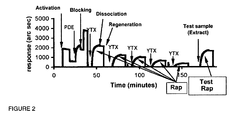
- a.-A solution of PDEs at a concentration between 0.1-0.24 mg/mL at pH 7.7 is added onto an activated double compartment surface. These enzymes bind to the support surface by means of non-dissociable covalent bonds. The active groups the PDEs did not bind to were then blocked with different blocking solutions (BSA, Etanolamine, Tris-HCl...).
- b.-A solution with YTX at a known concentration is added to one compartment. The other compartment is used as a blank and the toxin solvent is added into it. The association kinetics between the PDEs and YTX are recorded for 15 minutes.
- c.-The ligand-receptor dissociation is then carried out by washing both compartments with buffer solution at pH 7.7, thus dissociating YTX from the PDEs.
- d.-The compartments are regenerated with an acid or base solution in order to completely remove YTX. Thus the PDEs will be accessible for a new addition of YTX.
- e.-Steps b, c and d are repeated with 5 different concentrations of YTX.
- f.-The apparent binding rates (Rap) are obtained from the association kinetics for each concentration of toxin. The plotting of Rap values against YTX concentrations follows a linear fit with a regression coefficient greater than 0.9. A line is thus obtained with which the concentration of YTX in a sample can be obtained if its Rap is known.
- g.-An extraction of the meat of the fishery product to be studied is performed. This extraction is performed following Decision 2002/225/EEC of 15 March, 2002 or any other official method (D.O.G.A., 1986) for determining maximum levels and analysis methods for certain marine toxins present in different fishery products. An aliquot of the extract (test sample) is taken and is added on the PDE bound to the surface. Association kinetics are obtained from which its Rap is calculated. By placing this test Rap value on the regression line obtained, the YTX concentration present in the sample can be determined.
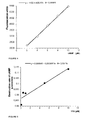
Figure 2 shows the graphic profile of the steps to be taken in this method, from surface activation to adding the test sample. The regression line is shown in Figure 3 with the Rap values against known concentrations of YTX. - A usual way of detecting cellular PDE activity is to observe their ability to destroy cAMP. There is a fluorescent derivative of cAMP, anthraniloyl-cAMP (excitation wavelength: 350 nm, emission wavelength: 445 nm), the fluorescence of which decreases as it degrades. The decrease of fluorescence over time can be expressed as the destruction rate of cAMP. In the presence of PDEs, the destruction rate increases, and if these enzymes are activated, the degradation rate will be even greater. In the present invention the degradation rate of the fluorescent indicator anthraniloyl-cAMP in the presence of PDEs is determined and its variation when samples with YTX are added is studied. Fluorescence is read with a fluorimeter that is prepared for reading microtitration plates. The destruction rate is determined in the presence of several known concentrations of YTX. The representation of the destruction rate against toxin concentration follows a linear fit with a regression coefficient greater than 0.9. A regression line is thus obtained in which the destruction rate value obtained with a sample from fishery products (test sample) can be transformed into YTX concentration.
- The method is carried out in a microtitration plate in a temperature range between 22 and 37°C and the fluorescence is measured at an excitation wavelength of 360 nanometers and an emission wavelength of 460 nanometers.
- There are four types of wells and each one of them is carried out in duplicate.
- WELLS A: Wells for calculating the cAMP concentration. Anthraniloyl-cAMP (fluorescent indicator) is added thereto at 5 concentrations between 2 and 10 µM.
- WELLS B: Control wells with 8 µM of fluorescent indicator and enzymes.
- WELLS C: Calibration wells with 8 µM of fluorescent indicator, enzymes and known concentrations of YTX.
- WELLS D: Test sample wells with 8 µM of fluorescent indicator, enzymes and samples from an extract of any fishery product.
- a.-Test buffer (10 mM Tris HCl + 1 mM CaCl2 pH 7.4) is added in all the wells for a final incubation volume of 100µL, and the corresponding amount, depending on the type of well, of anthraniloyl-cAMP. A first reading is performed for 2 minutes.
- b.-Between 2 and 5 µg of PDEs are added in wells B, C and D and a new reading is performed for 2 minutes.
- c.-YTX at a known concentration or a sample from a fishery product is added to wells C and D. YTX at concentrations between 0.1 and 10 µM is added. The samples from an extract are obtained following Decision 2002/225/EEC of 15 March, 2002 or any other official method (D.O.G.A., 1986) for determining maximum levels and analysis methods for certain marine toxins present in different fishery products.
- d.-After these additions the plate is shaken and successive fluorescence measurements are performed for 15 minutes, acquiring data every minute.
- e.- A line is obtained with a regression coefficient greater than 0.999, by plotting the fluorescence data obtained with wells A against the concentration of indicator for each well.
- f.-The fluorescence data for the rest of the wells in an anthraniloyl-cAMP concentration is transformed using the previous line in an anthraniloyl-cAMP concentration. The amount of indicator destroyed per unit of time, i.e. the destruction rate of AMPc, is obtained from the cAMP concentration at toxin addition time zero and from the concentration after 10 minutes.
- g.-The destruction rate data obtained with wells B is considered as a control destruction rate.
- h.-A YTX concentration standard line is obtained by plotting the destruction rate data of wells C against the YTX concentration. The YTX in that sample is determined by substituting on this line the destruction rate obtained in wells D.
- Figure 4 represents the fluorescence units calibration line against a concentration of anthraniloyl-cAMP. Figure 5 represents the standard line for destruction rates of cAMP against YTX concentration for a standard assay.
- Immunological activation of mastocytes and basophils requires a temporary increase of cAMP. This increase is indispensable for cell response activation (Botana and MacGlashan, 1994). PDE activation cancels this initial cAMP peak, and therefore prevents cell activation. In the presence of YTX, i.e. with activated PDEs, cell response will be inhibited. The inhibiting effect can be used in antiallergic or antiasthmatic therapeutic strategies, these being two pathologies in which mastocytes play a predominant role (Metcalfe, Baram, D. et al., 1997). The present use describes the quantification of the inhibition that YTX produces on cell activation induced by immunological stimulus in mastocytes in rats. Cell response inhibition can be determined according to different protocols described in the literature. One in which the response is quantified according to the histamine released by mastocytes in rats into the extracellular medium is set forth below (Alfonso, Cabado, A.G. et al., 2000; Estévez, Vieytes, et al., 1994).
-
- a.- The rats are sensitized 15 days before conducting the experiment. Each rat is subcutaneously injected with 1 mL of physiological serum with 150 mg of ovalbumin and 109 Bordetella pertussis bacteria.
- b.- Mastocytes are extracted from the chest and abdomen of a sensitized rat. The two populations are mixed and a cell suspension is obtained.
- c.- The cell suspension is preincubated for 10 minutes with various concentrations of YTX and subsequently incubated 10 minutes in the presence of 5 mg/mL of ovalbumin.
- d.- The reaction is stopped in cold conditions and the released histamine is separated from the histamine remaining in the cells by means of centrifugation.
- e.- The supernatant is removed with the histamine released into the medium and the cells are cleaved with hydrochloric acid and ultrasound in order to release the histamine not sensitive to the action of the stimulus.
- f.- Both mediums are deproteinized with trichloroacetic acid.
- g.- The histamine is finally quantified, converting it into a fluorescent molecule by reaction in a base medium with o-phthalic dialdehyde. The reaction is stopped with hydrochloric acid and the fluorescence is read at 360 nm excitation and 460 nm emission.
- Figure 6 shows the percentage of inhibition of histamine release induced by ovalbumin in the presence of several concentrations of YTX.
- Neoplasic cell growth inhibition is an indicator of antitumor activity widely used to describe antineoplasic properties of new drugs. It has been found that YTX is cytotoxic for human hepatocellular carcinoma cells, and it has further been described that this toxin induces apoptosis (programmed cell death) in neuroblastoma cells (Leira, Alvarez et al., 2001), which all indicates that YTX is susceptible to being used as an antitumor drug. The ability of YTX as a cytotoxic drug for hepatic carcinoma tumor cells is quantified in the present use. Cell growth inhibition can be determined according to different protocols described in the literature. One of these protocols is set forth below in which the response is quantified in the HEP-G2 cell line by means of crystal violet staining and subsequent acetylation.
-
- a.- HEP-G2 cells are seeded on a microtitration plate with a density of 10000 cells per well. They are incubated for 24 hours with growth medium at 37°C and 5% CO2.
- b.- Different concentrations of YTX are added and it is incubated for 48 hours at 37°C and 5% CO2.
- c.- 10 µL of 11 % glutaraldehyde are added to fix the cells and it is incubated for 15 minutes. It is washed 3-4 times with distilled water.
- d.- A 0.1% solution of crystal violet is added and the plate is shaken for 15 minutes.
- e.- The dye is removed by washing with distilled water and it is subsequently dried.
- f.- 10% acetic acid is added and shaking is maintained for 15 minutes.
- g.- Absorbance is read in a spectrophotometer at 595 nanometers.
- h.- It was found with this protocol that 10 µM of YTX induce cell growth inhibition of about 82+/-1 %.
- Alfonso, A., Cabado, A. G., Vieytes, M. R. and Botana, L. M. (2000). "Calcium-pH crosstalks in rat mast cells: cytosolic alkalinization, but not intracellular calcium release, is a sufficient signal for degranulation." Br J Pharmacol 130(8): 1809-1816.
- Alfonso, A., de la Rosa, L. A., Vieytes, M. R., Yasumoto, T. and Botana, L. M. (2003). "Yessotoxin a novel phycotoxin, activates phosphodiesterase activity. Effect of yessotoxin on cAMP levels in human lymphocytes." Biochem Pharmacol 65: 193-208.
- Botana, L. M. and MacGlashan, D. W. (1994). "Differential effects of cAMP-elevating drugs on stimulus-induced cytosolic calcium changes in human basophils." J Leukocyte Biol 55(6): 798-804.
- D.O.G.A. (1986). "Diario oficial de Galicia".
- De la Rosa, L. A., Alfonso, A., Vilariño, N., Vieytes, M. R. and Botana, L. M. (2001). "Modulation of cytosolic calcium levels of human lymphocytes by yessotoxin, a novel marine phycotoxin." Biochem. Pharmacol. 61 (7): 827-833.
- De la Rosa, L. A., Alfonso, A., Vilariño, N., Vieytes, M. R., Yasumoto, T. and Botana, L. M. (2001). "Maitotoxin-induced calcium entry in human lymphocytes - Modulation by yessotoxin, Ca2+ channel blockers and kinases." Cell Signal 13(10): 711-716.
- Draisci, R., Lucentini, L. and Mascioni, A. (2000). Enteric toxic episodes. Pectenotoxins and yessotoxins: chemistry, toxicology, pharmacology and analysis. Seafood and freshwater toxins: pharmacology, physiology and detection. Botana, L. M. New York, Marcel Dekker: 289-324.
- Draisci, R., Palleschi, L., Giannetti, L., Lucentini, L., James, K. J., Bishop, A. G., Satake, M. and Yasumoto, T. (1999). "New approach to the direct detection of known and new diarrhoeic shellfish toxins in mussels and phytoplankton by liquid chromatography-mass spectrometry." J Chromatogr A 847(1-2): 213-221.
- Estévez, M. D., Vieytes, M. R., Louzao, M. C. and Botana, L. M. (1994). "Effect of okadaic acid on immunologic and non-immunologic histamine release in rat mast cells." Biochem Pharmacol 47(3): 591-593.
- Fernández, M. L., Míguez, A., Cacho, E., Martínez, A., Diogéne, J. and Yasumoto, T. (2002). Bioensayos con mamíferos y ensayos bioquímicos y celulares para la detección de phycotoxins. Floraciones algales nocivas en el cono sur americano. Sar, E. A., Ferrario, M. E. and Reguera, M. Madrid, UNESCO y Ministerio de Ciencia y Tecnología.
- Goto, H., Igarashi, T., Yamamoto, M., Yasuda, M., Sekiguchi, R., Watai, M., Tanno, K. and Yasumoto, T. (2001). "Quantitative determination of marine toxins associated with diarrhetic shellfish poisoning by liquid chromatography coupled with mass spectrometry." J Chromatogr A 907(1-2): 181-189.
- Hide, M., Tsutsui, T., Sato, H., Nishimura, T., Morimoto, K., Yamamoto, S. and Yoshizato, K. (2002). "Real-time analysis of ligand-induced cell surface and intracellular reactions of living mast cells using a surface plasmon resonance-based biosensor." Anal Biochem 302(1): 28-37.
- Houslay, M. D. and Adams, D. R. (2003). "PDE4 cAMP phosphodiesterases: modular enzymes that orchestrate signalling cross-talk, desentization and compartimentalization." Biochem J. 370: 1-18.
- Lee, T. H., Mozsolits, H. and Aguilar, M. I. (2001). "Measurement of the affinity of melittin for zwitterionic and anionic membranes using immobilized lipid biosensors." J Pept Res 58(6): 464-476.
- Leira, F., Alvarez, C., Vieites, J. M., Vieytes, M. R. and Botana, L. M. (2001). "Okadaic acid and yessotoxin induce caspase-3 mediated apoptosis in neuroblastoma cells. Characterization of distinct apoptotic changes induced by these phycotoxins in the BE(2)-M17 cell line by means of new fluorimetric microplate assays." Toxicology in vitro 15: 277-283.
- Malaguti, C., Ciminello, P., Fattorusso, E. and Rossini, G. P. (2002). "Caspase activation and death induced by yessotoxin in HeLa cells." Toxicol in Vitro 16(4): 357-363.
- Mariotti, E., Minunni, M. and Mascini, M. (2002). "Surface plasmon resonance biosensor for genetically modified organisms detection." Anal Chim Acta 453(2): 165-172.
- Metcalfe, D. D., Baram, D. and Mekori, Y. A. (1997). "Mast cells." Physiol Rev 77(4): 1033-1079.
- Pierotti, S., Malaguti, C., Milandri, A., Poletti, R. and Rossini, P. (2003). "Functional assay to measure yessotoxins in contaminated mussel samples." Anal Biochem 312(2): 208-216.
- Ramstad, H., Larsen, S. and Aune, T. (2001). "Repeatability and validity of a fluorimetric HPLC method in the quantification of yessotoxin in blue mussels (Mytilus edulis) related to the mouse bioassay." Toxicon 39(9): 1393-1397.
- Rossini, G. P. (2002). Process for measurement of dinophysistoxin and of yessotoxin. WO 02/03060 A2. International Application published under the patent cooperation treaty.
- Soderling, S. H. and Beavo, J. A. (2000). "Regulation of cAMP and cGMP signaling: new phosphodiesterases and new functions." Curr. Opin. Cell. Biol. 12(174-179).
- Terao, K., Ito, E., Oarada, M., Murata, M. and Yasumoto, T. (1990). "Histopathological studies on experimental marine toxin poisoning--5. The effects in mice of yessotoxin isolated from Patinopecten yessoensis and of a desulfated derivative." Toxicon 28: 1095-1104.
- Tsoi, P. Y. and Yang, M. S. (2002). "Kinetic study of various binding modes between human DNA polymerase beta and different DNA substrates by surface-plasmon-resonance biosensor." Biochem J 361(2): 317-325.
- Van Dolah, F. M. (2000). Diversity of marine and freshwater algal toxins. Seafood and freshwater toxins: pharmacology, physiology and detection. Botana, L. M. New York, Marcel Dekker: 19-44.
- Yasumoto, T., Murata, M., Oshima, Y., Matsumoto, G. K. and Glardy, J. (1984). Diarrhetic shellfish poisoning. ACS Symp. Series. No 262. Seafood toxins. Ragelis, E. P. Washington, D.C., American Chemical Society: 207-214.
- Yasumoto, T. and Takizawa, A. (1997). "Fluorometric measurement of yessotoxins in shellfish by high-pressure liquid chromatography." Biosci Biotechnol Biochem 61 (10): 1775-1777.
Claims (10)
- A quantitative method for detecting yessotoxins (YTXs) in fishery products based on the activation the toxin produce in cellular phosphodiesterases and therapeutic use of this activation; also the use of the activating action of YTX and chemical analogs (YTXs) on phosphodiesterase activity in quantitative methods for detecting YTXs (or compounds with similar activity), or as a strategy using PDEs as a therapeutic target.
- A method for detecting YTXs in fishery products according to claim 1, based on YTX activation on PDEs, characterized by the use of affinity biosensors using PDEs as ligands which bond to a planar or matrix support surface which are capable of generating quantifiable molecular interactions by means of the evanescence effect in a temperature range of 20-37°C, on which YTXs are added which function as receptors, adjusting this binding to pseudo-first order kinetics from which an apparent YTX-PDE binding rate (Rap) is obtained.
- A method according to claim 2, characterized in the determination of apparent binding rates for known concentrations of YTXs and the preparation of a calibration line with which the YTX concentration is calculated in a test sample of a fishery product extract the apparent binding rate of which is known.
- A method for detecting YTXs in fishery products according to claim 1, characterized by detection by means of PDE activity fluorescence using an analogous cAMP fluorescent substrate and calculating the YTX concentration of a fishery product sample from a calibration line prepared with destruction rates of the fluorescent substrate obtained for known concentrations of YTX.
- A method according to claim 4, characterized by the detection by means of PDE activity fluorescence using anthraniloyl-cAMP as a substrate.
- A method according to claim 4, characterized by determining the change in intensity of polarized fluorescence taking place when YTX binds to PDEs.
- A method according to claims 2, 3 or 6 for detecting activities equivalent to YTX (PDE activation) in natural or synthetic chemical compounds.
- A method according to claim 7 for using PDE activity in HTS (high throughput screening) protocols.
- Use according to claim 1 of the effect of YTXs on mastocytes as antiallergic or antiasthmatic compounds.
- Use according to claim 1 of the effect of YTXs on neoplasic cells as an antitumor compound.
Priority Applications (2)
| Application Number | Priority Date | Filing Date | Title |
|---|---|---|---|
| EP07017631A EP1875907B1 (en) | 2003-07-25 | 2004-07-21 | Use of yessotoxin in the treatment of allergic and asthmatic processes |
| EP07017630A EP1875906B1 (en) | 2003-07-25 | 2004-07-21 | Therapeutic use of yessotoxin as human tumor cell growth inhibitor |
Applications Claiming Priority (2)
| Application Number | Priority Date | Filing Date | Title |
|---|---|---|---|
| ES200301773A ES2235611B2 (en) | 2003-07-25 | 2003-07-25 | QUANTITATIVE METHOD FOR THE DETECTION OF YESOTOXINS IN FISHERY PRODUCTS BASED ON THE ACTIVATION THAT THEY PRODUCE IN THE PHOSPHODIESTERASES. |
| PCT/ES2004/000343 WO2005012543A2 (en) | 2003-07-25 | 2004-07-21 | Quantitative method for detecting yessotoxins in fish products based on the activation caused by the toxin in cellular phosphodiesterase and therapeutic usefulness of said activation |
Related Child Applications (2)
| Application Number | Title | Priority Date | Filing Date |
|---|---|---|---|
| EP07017631A Division EP1875907B1 (en) | 2003-07-25 | 2004-07-21 | Use of yessotoxin in the treatment of allergic and asthmatic processes |
| EP07017630A Division EP1875906B1 (en) | 2003-07-25 | 2004-07-21 | Therapeutic use of yessotoxin as human tumor cell growth inhibitor |
Publications (2)
| Publication Number | Publication Date |
|---|---|
| EP1647599A2 true EP1647599A2 (en) | 2006-04-19 |
| EP1647599B1 EP1647599B1 (en) | 2008-04-30 |
Family
ID=34112518
Family Applications (3)
| Application Number | Title | Priority Date | Filing Date |
|---|---|---|---|
| EP07017630A Expired - Lifetime EP1875906B1 (en) | 2003-07-25 | 2004-07-21 | Therapeutic use of yessotoxin as human tumor cell growth inhibitor |
| EP04742071A Expired - Lifetime EP1647599B1 (en) | 2003-07-25 | 2004-07-21 | Quantitative method for detecting yessotoxins in fishery products based on the activation caused by the toxin in cellular phosphodiesterase |
| EP07017631A Expired - Lifetime EP1875907B1 (en) | 2003-07-25 | 2004-07-21 | Use of yessotoxin in the treatment of allergic and asthmatic processes |
Family Applications Before (1)
| Application Number | Title | Priority Date | Filing Date |
|---|---|---|---|
| EP07017630A Expired - Lifetime EP1875906B1 (en) | 2003-07-25 | 2004-07-21 | Therapeutic use of yessotoxin as human tumor cell growth inhibitor |
Family Applications After (1)
| Application Number | Title | Priority Date | Filing Date |
|---|---|---|---|
| EP07017631A Expired - Lifetime EP1875907B1 (en) | 2003-07-25 | 2004-07-21 | Use of yessotoxin in the treatment of allergic and asthmatic processes |
Country Status (12)
| Country | Link |
|---|---|
| US (1) | US20110065138A1 (en) |
| EP (3) | EP1875906B1 (en) |
| JP (2) | JP2006528483A (en) |
| CN (1) | CN1852988A (en) |
| AT (3) | ATE514423T1 (en) |
| AU (3) | AU2004260895A1 (en) |
| BR (1) | BRPI0412832A (en) |
| CA (1) | CA2533600A1 (en) |
| DE (1) | DE602004013446D1 (en) |
| ES (4) | ES2235611B2 (en) |
| RU (1) | RU2389488C2 (en) |
| WO (1) | WO2005012543A2 (en) |
Families Citing this family (5)
| Publication number | Priority date | Publication date | Assignee | Title |
|---|---|---|---|---|
| CN101382531B (en) * | 2008-10-08 | 2011-12-28 | 天津商业大学 | Method for detecting fresh degree of shrimp by electronic nose |
| ES2393696B2 (en) * | 2012-09-07 | 2013-06-04 | Universidade De Santiago De Compostela | Use of Yessotoxin and its derivatives for the treatment of gliomas |
| CN105198900A (en) * | 2015-09-22 | 2015-12-30 | 国家海洋环境检测中心 | Pure yessotoxin (YTX) extracting and preparing method |
| US10890573B2 (en) | 2017-12-19 | 2021-01-12 | International Business Machines Corporation | Facile methods to detect toxin in seafood |
| RU2716233C1 (en) * | 2018-11-13 | 2020-03-10 | Федеральное государственное бюджетное учреждение науки "Федеральный исследовательский центр питания, биотехнологии и безопасности пищи" | Method for quantitative determination of yessotoxins in molluscs |
Family Cites Families (9)
| Publication number | Priority date | Publication date | Assignee | Title |
|---|---|---|---|---|
| US5672509A (en) * | 1993-08-25 | 1997-09-30 | Pfizer Inc. | hPDE IV-C: a human phosphodiesterase IV isozyme |
| US5858694A (en) * | 1997-05-30 | 1999-01-12 | Cell Pathways, Inc. | Method for identifying compounds for inhibition of cancerous lesions |
| AU3635099A (en) * | 1997-12-15 | 1999-07-26 | Beth Israel Deaconess Medical Center | Methods and reagents for modulating cell motility |
| RU2136278C1 (en) * | 1998-04-07 | 1999-09-10 | Государственный научный центр вирусологии и биотехнологии "Вектор" | Antitumor agent |
| JP2003528850A (en) * | 2000-03-27 | 2003-09-30 | ザ・スクリプス・リサーチ・インステイチユート | Inhibition of angiogenesis and tumor growth |
| IT1318605B1 (en) | 2000-06-30 | 2003-08-27 | Uni Degli Studi Di Modena E Re | PROCESS FOR THE DOSAGE OF TOXINS DSP OF THE DYNOPHYSITOSSINE GROUP AND YESSOTTOSSINS. |
| US6977155B2 (en) * | 2000-08-10 | 2005-12-20 | Corning Incorporated | Arrays of biological membranes and methods and use thereof |
| AR033680A1 (en) * | 2000-08-30 | 2004-01-07 | Schering Corp | USEFUL TRICICLIC COMPOUNDS AS INHIBITORS OF FARNESIL PROTEINO TRANSFERASA AND ITS USE FOR THE MANUFACTURE OF MEDICINES AS ANTITUMOR AGENTS |
| EP1251181A1 (en) * | 2001-04-20 | 2002-10-23 | Warner-Lambert Company | Non-recombinant cell lines capable of expressing predominantly cyclic nucleotide phosphodiesterase 4 (PDE4) subtype B and their use for the screening of PDE4 subtype-specific modulators |
-
2003
- 2003-07-25 ES ES200301773A patent/ES2235611B2/en not_active Expired - Fee Related
-
2004
- 2004-07-21 AT AT07017630T patent/ATE514423T1/en not_active IP Right Cessation
- 2004-07-21 ES ES07017630T patent/ES2368872T3/en not_active Expired - Lifetime
- 2004-07-21 WO PCT/ES2004/000343 patent/WO2005012543A2/en not_active Ceased
- 2004-07-21 JP JP2006520848A patent/JP2006528483A/en active Pending
- 2004-07-21 EP EP07017630A patent/EP1875906B1/en not_active Expired - Lifetime
- 2004-07-21 AU AU2004260895A patent/AU2004260895A1/en not_active Abandoned
- 2004-07-21 RU RU2006101631/15A patent/RU2389488C2/en not_active IP Right Cessation
- 2004-07-21 AT AT04742071T patent/ATE393833T1/en not_active IP Right Cessation
- 2004-07-21 CN CNA200480021338XA patent/CN1852988A/en active Pending
- 2004-07-21 EP EP04742071A patent/EP1647599B1/en not_active Expired - Lifetime
- 2004-07-21 AT AT07017631T patent/ATE524174T1/en not_active IP Right Cessation
- 2004-07-21 DE DE602004013446T patent/DE602004013446D1/en not_active Expired - Lifetime
- 2004-07-21 CA CA002533600A patent/CA2533600A1/en not_active Abandoned
- 2004-07-21 BR BRPI0412832-0A patent/BRPI0412832A/en not_active Application Discontinuation
- 2004-07-21 EP EP07017631A patent/EP1875907B1/en not_active Expired - Lifetime
- 2004-07-21 US US10/566,050 patent/US20110065138A1/en not_active Abandoned
- 2004-12-10 ES ES200402943A patent/ES2259266B2/en not_active Expired - Fee Related
- 2004-12-10 ES ES200402944A patent/ES2259894B2/en not_active Expired - Fee Related
-
2006
- 2006-03-27 JP JP2006084989A patent/JP2006325580A/en active Pending
-
2010
- 2010-05-31 AU AU2010202232A patent/AU2010202232A1/en not_active Abandoned
- 2010-05-31 AU AU2010202237A patent/AU2010202237A1/en not_active Abandoned
Non-Patent Citations (1)
| Title |
|---|
| See references of WO2005012543A3 * |
Also Published As
| Publication number | Publication date |
|---|---|
| RU2389488C2 (en) | 2010-05-20 |
| CN1852988A (en) | 2006-10-25 |
| ES2259266B2 (en) | 2008-06-01 |
| BRPI0412832A (en) | 2006-11-21 |
| ES2235611A1 (en) | 2005-07-01 |
| RU2006101631A (en) | 2006-08-27 |
| JP2006528483A (en) | 2006-12-21 |
| ATE393833T1 (en) | 2008-05-15 |
| AU2010202237A1 (en) | 2010-06-24 |
| AU2004260895A1 (en) | 2005-02-10 |
| AU2010202232A1 (en) | 2010-07-08 |
| US20110065138A1 (en) | 2011-03-17 |
| ES2259894B2 (en) | 2008-11-16 |
| DE602004013446D1 (en) | 2008-06-12 |
| WO2005012543A2 (en) | 2005-02-10 |
| EP1647599B1 (en) | 2008-04-30 |
| EP1875906A3 (en) | 2008-02-27 |
| ATE524174T1 (en) | 2011-09-15 |
| EP1875906A2 (en) | 2008-01-09 |
| WO2005012543A3 (en) | 2005-03-17 |
| EP1875906B1 (en) | 2011-06-29 |
| CA2533600A1 (en) | 2005-02-10 |
| JP2006325580A (en) | 2006-12-07 |
| ES2259894A1 (en) | 2006-10-16 |
| EP1875907A3 (en) | 2008-02-27 |
| EP1875907B1 (en) | 2011-09-14 |
| EP1875907A2 (en) | 2008-01-09 |
| ES2259266A1 (en) | 2006-09-16 |
| ATE514423T1 (en) | 2011-07-15 |
| ES2235611B2 (en) | 2006-07-16 |
| ES2368872T3 (en) | 2011-11-23 |
Similar Documents
| Publication | Publication Date | Title |
|---|---|---|
| Jose et al. | Application of primary haemocyte culture of Penaeus monodon in the assessment of cytotoxicity and genotoxicity of heavy metals and pesticides | |
| Carmichael et al. | Cyanobacteria toxins in the Salton Sea | |
| Canty et al. | Sublethal impact of short term exposure to the organophosphate pesticide azamethiphos in the marine mollusc Mytilus edulis | |
| Prassopoulou et al. | Detection of okadaic acid and related esters in mussels during diarrhetic shellfish poisoning (DSP) episodes in Greece using the mouse bioassay, the PP2A inhibition assay and HPLC with fluorimetric detection | |
| Chuiko et al. | Acetylcholinesterase and butyrylcholinesterase activities in brain and plasma of freshwater teleosts: cross-species and cross-family differences | |
| Ramstad et al. | Monthly variations in diarrhetic toxins and yessotoxin in shellfish from coast to the inner part of the Sognefjord, Norway | |
| Pazos et al. | Resonant mirror biosensor detection method based on yessotoxin–phosphodiesterase interactions | |
| Hanssen et al. | Antitumoral and mechanistic studies of ianthelline isolated from the Arctic sponge Stryphnus fortis | |
| EP1647599B1 (en) | Quantitative method for detecting yessotoxins in fishery products based on the activation caused by the toxin in cellular phosphodiesterase | |
| Grzesiuk et al. | Anticancer agents found in environment affect Daphnia at population, individual and molecular levels | |
| Alfonso et al. | A rapid microplate fluorescence method to detect yessotoxins based on their capacity to activate phosphodiesterases | |
| Cervantes et al. | High content live cell imaging for the discovery of new antimalarial marine natural products | |
| Ondeyka et al. | Isolation, structure elucidation, and biological activity of altersolanol P using Staphylococcus aureus fitness test based genome-wide screening | |
| DE60015319T2 (en) | Test for the simultaneous measurement of different enzymatic activities | |
| Bui et al. | Zebrafish embryos sequester and retain petrochemical combustion products: developmental and transcriptome consequences | |
| Akor et al. | Biological elements as important tools in the detection/monitoring of drug compounds in organic and environmental samples | |
| Götze et al. | NanoDrop fluorometry adopted for microassays of proteasomal enzyme activities | |
| Utami et al. | Identification of Secondary Metabolites Derived from Aaptos spp. and Their Antibacterial Activity. | |
| Harper | Improved methods of detection for the difficult to identify marine toxin, Okadaic acid | |
| Vieytes et al. | Mechanism of action and toxicology | |
| Celik et al. | Neurotoxic and immunotoxic effects of fenthion and omethoate on frogs at acute exposure | |
| Feng et al. | Toxicity screening of eight Prorocentrum lima (Dinophyceae) strains of coastal China | |
| Sharlaimova et al. | Cytotoxic Effect of a Crude Extract of Halichondria panicea (Porifera: Demospongiae) from the White Sea on Mouse 3T3 Balb Cells | |
| Jeyaraj et al. | Tackling MDR bacterial pathogens through marine microbial prospecting | |
| Sweeney-Jones | Discovery and Evaluation of Antimalarial, Anthelmintic, and Antimicrobial Marine Natural Products |
Legal Events
| Date | Code | Title | Description |
|---|---|---|---|
| PUAI | Public reference made under article 153(3) epc to a published international application that has entered the european phase |
Free format text: ORIGINAL CODE: 0009012 |
|
| 17P | Request for examination filed |
Effective date: 20060112 |
|
| AK | Designated contracting states |
Kind code of ref document: A2 Designated state(s): AT BE BG CH CY CZ DE DK EE ES FI FR GB GR HU IE IT LI LU MC NL PL PT RO SE SI SK TR |
|
| DAX | Request for extension of the european patent (deleted) | ||
| 17Q | First examination report despatched |
Effective date: 20061117 |
|
| GRAP | Despatch of communication of intention to grant a patent |
Free format text: ORIGINAL CODE: EPIDOSNIGR1 |
|
| RTI1 | Title (correction) |
Free format text: QUANTITATIVE METHOD FOR DETECTING YESSOTOXINS IN FISHERY PRODUCTS BASED ON THE ACTIVATION CAUSED BY THE TOXIN IN CELLULAR PHOSPHODIESTERASE |
|
| GRAS | Grant fee paid |
Free format text: ORIGINAL CODE: EPIDOSNIGR3 |
|
| GRAA | (expected) grant |
Free format text: ORIGINAL CODE: 0009210 |
|
| AK | Designated contracting states |
Kind code of ref document: B1 Designated state(s): AT BE BG CH CY CZ DE DK EE ES FI FR GB GR HU IE IT LI LU MC NL PL PT RO SE SI SK TR |
|
| REG | Reference to a national code |
Ref country code: GB Ref legal event code: FG4D |
|
| REG | Reference to a national code |
Ref country code: CH Ref legal event code: EP |
|
| REG | Reference to a national code |
Ref country code: IE Ref legal event code: FG4D Free format text: LANGUAGE OF EP DOCUMENT: FRENCH |
|
| REF | Corresponds to: |
Ref document number: 602004013446 Country of ref document: DE Date of ref document: 20080612 Kind code of ref document: P |
|
| PG25 | Lapsed in a contracting state [announced via postgrant information from national office to epo] |
Ref country code: SI Free format text: LAPSE BECAUSE OF FAILURE TO SUBMIT A TRANSLATION OF THE DESCRIPTION OR TO PAY THE FEE WITHIN THE PRESCRIBED TIME-LIMIT Effective date: 20080430 |
|
| NLV1 | Nl: lapsed or annulled due to failure to fulfill the requirements of art. 29p and 29m of the patents act | ||
| PG25 | Lapsed in a contracting state [announced via postgrant information from national office to epo] |
Ref country code: NL Free format text: LAPSE BECAUSE OF FAILURE TO SUBMIT A TRANSLATION OF THE DESCRIPTION OR TO PAY THE FEE WITHIN THE PRESCRIBED TIME-LIMIT Effective date: 20080430 Ref country code: FI Free format text: LAPSE BECAUSE OF FAILURE TO SUBMIT A TRANSLATION OF THE DESCRIPTION OR TO PAY THE FEE WITHIN THE PRESCRIBED TIME-LIMIT Effective date: 20080430 Ref country code: PT Free format text: LAPSE BECAUSE OF FAILURE TO SUBMIT A TRANSLATION OF THE DESCRIPTION OR TO PAY THE FEE WITHIN THE PRESCRIBED TIME-LIMIT Effective date: 20080930 Ref country code: BG Free format text: LAPSE BECAUSE OF FAILURE TO SUBMIT A TRANSLATION OF THE DESCRIPTION OR TO PAY THE FEE WITHIN THE PRESCRIBED TIME-LIMIT Effective date: 20080730 Ref country code: ES Free format text: LAPSE BECAUSE OF FAILURE TO SUBMIT A TRANSLATION OF THE DESCRIPTION OR TO PAY THE FEE WITHIN THE PRESCRIBED TIME-LIMIT Effective date: 20080810 |
|
| PG25 | Lapsed in a contracting state [announced via postgrant information from national office to epo] |
Ref country code: AT Free format text: LAPSE BECAUSE OF FAILURE TO SUBMIT A TRANSLATION OF THE DESCRIPTION OR TO PAY THE FEE WITHIN THE PRESCRIBED TIME-LIMIT Effective date: 20080430 Ref country code: PL Free format text: LAPSE BECAUSE OF FAILURE TO SUBMIT A TRANSLATION OF THE DESCRIPTION OR TO PAY THE FEE WITHIN THE PRESCRIBED TIME-LIMIT Effective date: 20080430 |
|
| PGFP | Annual fee paid to national office [announced via postgrant information from national office to epo] |
Ref country code: FR Payment date: 20080731 Year of fee payment: 5 |
|
| PGFP | Annual fee paid to national office [announced via postgrant information from national office to epo] |
Ref country code: GB Payment date: 20080729 Year of fee payment: 5 |
|
| PG25 | Lapsed in a contracting state [announced via postgrant information from national office to epo] |
Ref country code: SE Free format text: LAPSE BECAUSE OF FAILURE TO SUBMIT A TRANSLATION OF THE DESCRIPTION OR TO PAY THE FEE WITHIN THE PRESCRIBED TIME-LIMIT Effective date: 20080731 Ref country code: CZ Free format text: LAPSE BECAUSE OF FAILURE TO SUBMIT A TRANSLATION OF THE DESCRIPTION OR TO PAY THE FEE WITHIN THE PRESCRIBED TIME-LIMIT Effective date: 20080430 Ref country code: DK Free format text: LAPSE BECAUSE OF FAILURE TO SUBMIT A TRANSLATION OF THE DESCRIPTION OR TO PAY THE FEE WITHIN THE PRESCRIBED TIME-LIMIT Effective date: 20080430 |
|
| ET | Fr: translation filed | ||
| PG25 | Lapsed in a contracting state [announced via postgrant information from national office to epo] |
Ref country code: SK Free format text: LAPSE BECAUSE OF FAILURE TO SUBMIT A TRANSLATION OF THE DESCRIPTION OR TO PAY THE FEE WITHIN THE PRESCRIBED TIME-LIMIT Effective date: 20080430 Ref country code: BE Free format text: LAPSE BECAUSE OF FAILURE TO SUBMIT A TRANSLATION OF THE DESCRIPTION OR TO PAY THE FEE WITHIN THE PRESCRIBED TIME-LIMIT Effective date: 20080430 Ref country code: RO Free format text: LAPSE BECAUSE OF FAILURE TO SUBMIT A TRANSLATION OF THE DESCRIPTION OR TO PAY THE FEE WITHIN THE PRESCRIBED TIME-LIMIT Effective date: 20080430 |
|
| REG | Reference to a national code |
Ref country code: CH Ref legal event code: PL |
|
| PLBE | No opposition filed within time limit |
Free format text: ORIGINAL CODE: 0009261 |
|
| STAA | Information on the status of an ep patent application or granted ep patent |
Free format text: STATUS: NO OPPOSITION FILED WITHIN TIME LIMIT |
|
| PG25 | Lapsed in a contracting state [announced via postgrant information from national office to epo] |
Ref country code: MC Free format text: LAPSE BECAUSE OF NON-PAYMENT OF DUE FEES Effective date: 20080731 |
|
| 26N | No opposition filed |
Effective date: 20090202 |
|
| REG | Reference to a national code |
Ref country code: IE Ref legal event code: MM4A |
|
| PG25 | Lapsed in a contracting state [announced via postgrant information from national office to epo] |
Ref country code: DE Free format text: LAPSE BECAUSE OF FAILURE TO SUBMIT A TRANSLATION OF THE DESCRIPTION OR TO PAY THE FEE WITHIN THE PRESCRIBED TIME-LIMIT Effective date: 20080801 Ref country code: EE Free format text: LAPSE BECAUSE OF FAILURE TO SUBMIT A TRANSLATION OF THE DESCRIPTION OR TO PAY THE FEE WITHIN THE PRESCRIBED TIME-LIMIT Effective date: 20080430 |
|
| PG25 | Lapsed in a contracting state [announced via postgrant information from national office to epo] |
Ref country code: LI Free format text: LAPSE BECAUSE OF NON-PAYMENT OF DUE FEES Effective date: 20080731 Ref country code: CH Free format text: LAPSE BECAUSE OF NON-PAYMENT OF DUE FEES Effective date: 20080731 |
|
| PG25 | Lapsed in a contracting state [announced via postgrant information from national office to epo] |
Ref country code: IE Free format text: LAPSE BECAUSE OF NON-PAYMENT OF DUE FEES Effective date: 20080721 |
|
| PG25 | Lapsed in a contracting state [announced via postgrant information from national office to epo] |
Ref country code: IT Free format text: LAPSE BECAUSE OF NON-PAYMENT OF DUE FEES Effective date: 20080721 |
|
| GBPC | Gb: european patent ceased through non-payment of renewal fee |
Effective date: 20090721 |
|
| REG | Reference to a national code |
Ref country code: FR Ref legal event code: ST Effective date: 20100331 |
|
| PG25 | Lapsed in a contracting state [announced via postgrant information from national office to epo] |
Ref country code: FR Free format text: LAPSE BECAUSE OF NON-PAYMENT OF DUE FEES Effective date: 20090731 |
|
| PG25 | Lapsed in a contracting state [announced via postgrant information from national office to epo] |
Ref country code: GB Free format text: LAPSE BECAUSE OF NON-PAYMENT OF DUE FEES Effective date: 20090721 |
|
| PG25 | Lapsed in a contracting state [announced via postgrant information from national office to epo] |
Ref country code: HU Free format text: LAPSE BECAUSE OF FAILURE TO SUBMIT A TRANSLATION OF THE DESCRIPTION OR TO PAY THE FEE WITHIN THE PRESCRIBED TIME-LIMIT Effective date: 20081101 Ref country code: LU Free format text: LAPSE BECAUSE OF NON-PAYMENT OF DUE FEES Effective date: 20080721 Ref country code: CY Free format text: LAPSE BECAUSE OF FAILURE TO SUBMIT A TRANSLATION OF THE DESCRIPTION OR TO PAY THE FEE WITHIN THE PRESCRIBED TIME-LIMIT Effective date: 20080430 |
|
| PG25 | Lapsed in a contracting state [announced via postgrant information from national office to epo] |
Ref country code: TR Free format text: LAPSE BECAUSE OF FAILURE TO SUBMIT A TRANSLATION OF THE DESCRIPTION OR TO PAY THE FEE WITHIN THE PRESCRIBED TIME-LIMIT Effective date: 20080430 |
|
| PG25 | Lapsed in a contracting state [announced via postgrant information from national office to epo] |
Ref country code: GR Free format text: LAPSE BECAUSE OF FAILURE TO SUBMIT A TRANSLATION OF THE DESCRIPTION OR TO PAY THE FEE WITHIN THE PRESCRIBED TIME-LIMIT Effective date: 20080731 |
|
| PGFP | Annual fee paid to national office [announced via postgrant information from national office to epo] |
Ref country code: IT Payment date: 20080818 Year of fee payment: 5 |
|
| PGRI | Patent reinstated in contracting state [announced from national office to epo] |
Ref country code: IT Effective date: 20110616 |
|
| PGRI | Patent reinstated in contracting state [announced from national office to epo] |
Ref country code: IT Effective date: 20110616 |