EP1646865B1 - Method for testing ghrelin release - Google Patents
Method for testing ghrelin release Download PDFInfo
- Publication number
- EP1646865B1 EP1646865B1 EP04740635A EP04740635A EP1646865B1 EP 1646865 B1 EP1646865 B1 EP 1646865B1 EP 04740635 A EP04740635 A EP 04740635A EP 04740635 A EP04740635 A EP 04740635A EP 1646865 B1 EP1646865 B1 EP 1646865B1
- Authority
- EP
- European Patent Office
- Prior art keywords
- ghrelin
- cell line
- grown
- medium
- expression
- Prior art date
- Legal status (The legal status is an assumption and is not a legal conclusion. Google has not performed a legal analysis and makes no representation as to the accuracy of the status listed.)
- Expired - Lifetime
Links
- 101800001586 Ghrelin Proteins 0.000 title claims abstract description 78
- GNKDKYIHGQKHHM-RJKLHVOGSA-N ghrelin Chemical compound C([C@H](NC(=O)[C@@H](NC(=O)[C@H](CO)NC(=O)CN)COC(=O)CCCCCCC)C(=O)N[C@@H](CC(C)C)C(=O)N[C@@H](CO)C(=O)N1[C@@H](CCC1)C(=O)N[C@@H](CCC(O)=O)C(=O)N[C@@H](CC=1N=CNC=1)C(=O)N[C@@H](CCC(N)=O)C(=O)N[C@@H](CCCNC(N)=N)C(=O)N[C@@H](C(C)C)C(=O)N[C@@H](CCC(N)=O)C(=O)N[C@@H](CCC(N)=O)C(=O)N[C@@H](CCCNC(N)=N)C(=O)N[C@@H](CCCCN)C(=O)N[C@@H](CCC(O)=O)C(=O)N[C@@H](CO)C(=O)N[C@@H](CCCCN)C(=O)N[C@@H](CCCCN)C(=O)N1[C@@H](CCC1)C(=O)N1[C@@H](CCC1)C(=O)N[C@@H](C)C(=O)N[C@@H](CCCCN)C(=O)N[C@@H](CC(C)C)C(=O)N[C@@H](CCC(N)=O)C(=O)N1[C@@H](CCC1)C(=O)N[C@@H](CCCNC(N)=N)C(O)=O)C1=CC=CC=C1 GNKDKYIHGQKHHM-RJKLHVOGSA-N 0.000 title claims abstract description 76
- 238000012360 testing method Methods 0.000 title claims abstract description 32
- 238000000034 method Methods 0.000 title claims abstract description 29
- 102000012004 Ghrelin Human genes 0.000 title claims abstract 14
- 150000001875 compounds Chemical class 0.000 claims abstract description 33
- 230000014509 gene expression Effects 0.000 claims abstract description 19
- 230000000694 effects Effects 0.000 claims abstract description 17
- 230000028327 secretion Effects 0.000 claims abstract description 13
- 230000036528 appetite Effects 0.000 claims abstract description 11
- 235000019789 appetite Nutrition 0.000 claims abstract description 11
- 230000015572 biosynthetic process Effects 0.000 claims abstract description 10
- 201000006585 gastric adenocarcinoma Diseases 0.000 claims abstract description 10
- 238000003786 synthesis reaction Methods 0.000 claims abstract description 10
- 230000033228 biological regulation Effects 0.000 claims abstract description 9
- 238000004519 manufacturing process Methods 0.000 claims abstract description 8
- 239000003814 drug Substances 0.000 claims abstract description 5
- 229940079593 drug Drugs 0.000 claims abstract description 4
- 238000003018 immunoassay Methods 0.000 claims description 7
- 238000011534 incubation Methods 0.000 claims description 6
- 239000012909 foetal bovine serum Substances 0.000 claims description 5
- 241001465754 Metazoa Species 0.000 claims description 4
- 238000000338 in vitro Methods 0.000 claims description 4
- ZDXPYRJPNDTMRX-VKHMYHEASA-N L-glutamine Chemical compound OC(=O)[C@@H](N)CCC(N)=O ZDXPYRJPNDTMRX-VKHMYHEASA-N 0.000 claims description 3
- 229930182816 L-glutamine Natural products 0.000 claims description 3
- 235000013305 food Nutrition 0.000 claims description 3
- 239000004615 ingredient Substances 0.000 claims description 3
- 238000003757 reverse transcription PCR Methods 0.000 claims description 3
- 230000036186 satiety Effects 0.000 claims description 2
- 235000019627 satiety Nutrition 0.000 claims description 2
- 230000037406 food intake Effects 0.000 abstract description 11
- 235000012631 food intake Nutrition 0.000 abstract description 11
- 238000012216 screening Methods 0.000 abstract description 11
- 241000282412 Homo Species 0.000 abstract description 4
- 239000005556 hormone Substances 0.000 abstract description 4
- 229940088597 hormone Drugs 0.000 abstract description 4
- 235000012041 food component Nutrition 0.000 abstract 1
- 239000005417 food ingredient Substances 0.000 abstract 1
- 230000001105 regulatory effect Effects 0.000 abstract 1
- 102100033367 Appetite-regulating hormone Human genes 0.000 description 64
- 210000004027 cell Anatomy 0.000 description 46
- 239000000523 sample Substances 0.000 description 9
- LFQSCWFLJHTTHZ-UHFFFAOYSA-N Ethanol Chemical compound CCO LFQSCWFLJHTTHZ-UHFFFAOYSA-N 0.000 description 6
- 230000003247 decreasing effect Effects 0.000 description 3
- 238000002474 experimental method Methods 0.000 description 3
- -1 n-octanoyl ghrelin Chemical compound 0.000 description 3
- 208000001976 Endocrine Gland Neoplasms Diseases 0.000 description 2
- 102000004190 Enzymes Human genes 0.000 description 2
- 108090000790 Enzymes Proteins 0.000 description 2
- 102100021022 Gastrin Human genes 0.000 description 2
- 108010052343 Gastrins Proteins 0.000 description 2
- 241000233805 Phoenix Species 0.000 description 2
- 238000004458 analytical method Methods 0.000 description 2
- 230000037396 body weight Effects 0.000 description 2
- AOXOCDRNSPFDPE-UKEONUMOSA-N chembl413654 Chemical compound C([C@H](C(=O)NCC(=O)N[C@H](CC=1C2=CC=CC=C2NC=1)C(=O)N[C@H](CCSC)C(=O)N[C@H](CC(O)=O)C(=O)N[C@H](CC=1C=CC=CC=1)C(N)=O)NC(=O)[C@@H](C)NC(=O)[C@@H](CCC(O)=O)NC(=O)[C@@H](CCC(O)=O)NC(=O)[C@@H](CCC(O)=O)NC(=O)[C@H](CCC(O)=O)NC(=O)[C@H](CCC(O)=O)NC(=O)[C@H](CC(C)C)NC(=O)[C@H](CC=1C2=CC=CC=C2NC=1)NC(=O)[C@H]1N(CCC1)C(=O)CNC(=O)[C@@H](N)CCC(O)=O)C1=CC=C(O)C=C1 AOXOCDRNSPFDPE-UKEONUMOSA-N 0.000 description 2
- 206010061428 decreased appetite Diseases 0.000 description 2
- 201000011523 endocrine gland cancer Diseases 0.000 description 2
- 230000012010 growth Effects 0.000 description 2
- 235000003642 hunger Nutrition 0.000 description 2
- 239000003446 ligand Substances 0.000 description 2
- 230000004060 metabolic process Effects 0.000 description 2
- 230000004936 stimulating effect Effects 0.000 description 2
- 210000002784 stomach Anatomy 0.000 description 2
- 239000006228 supernatant Substances 0.000 description 2
- 239000013595 supernatant sample Substances 0.000 description 2
- 208000003950 B-cell lymphoma Diseases 0.000 description 1
- 208000031648 Body Weight Changes Diseases 0.000 description 1
- 241000252983 Caecum Species 0.000 description 1
- 102000000393 Ghrelin Receptors Human genes 0.000 description 1
- 108010016122 Ghrelin Receptors Proteins 0.000 description 1
- 102100020948 Growth hormone receptor Human genes 0.000 description 1
- 206010028980 Neoplasm Diseases 0.000 description 1
- 108010068542 Somatotropin Receptors Proteins 0.000 description 1
- 208000005718 Stomach Neoplasms Diseases 0.000 description 1
- 230000002159 abnormal effect Effects 0.000 description 1
- 150000001408 amides Chemical class 0.000 description 1
- 150000001413 amino acids Chemical class 0.000 description 1
- 208000022531 anorexia Diseases 0.000 description 1
- 230000000903 blocking effect Effects 0.000 description 1
- 230000004579 body weight change Effects 0.000 description 1
- 210000004556 brain Anatomy 0.000 description 1
- 235000019577 caloric intake Nutrition 0.000 description 1
- 201000011510 cancer Diseases 0.000 description 1
- 210000004534 cecum Anatomy 0.000 description 1
- 230000001413 cellular effect Effects 0.000 description 1
- 239000013068 control sample Substances 0.000 description 1
- 108010051768 des-n-octanoyl ghrelin Proteins 0.000 description 1
- 230000002124 endocrine Effects 0.000 description 1
- 238000009472 formulation Methods 0.000 description 1
- 206010017758 gastric cancer Diseases 0.000 description 1
- 230000002496 gastric effect Effects 0.000 description 1
- GKDWRERMBNGKCZ-RNXBIMIWSA-N gastrin-17 Chemical compound C([C@@H](C(=O)NCC(=O)N[C@@H](CC=1C2=CC=CC=C2NC=1)C(=O)N[C@@H](CCSC)C(=O)N[C@@H](CC(O)=O)C(=O)N[C@@H](CC=1C=CC=CC=1)C(N)=O)NC(=O)[C@H](C)NC(=O)[C@H](CCC(O)=O)NC(=O)[C@H](CCC(O)=O)NC(=O)[C@H](CCC(O)=O)NC(=O)[C@H](CCC(O)=O)NC(=O)[C@H](CCC(O)=O)NC(=O)[C@H](CC(C)C)NC(=O)[C@H](CC=1C2=CC=CC=C2NC=1)NC(=O)[C@H]1N(CCC1)C(=O)CNC(=O)[C@H]1NC(=O)CC1)C1=CC=C(O)C=C1 GKDWRERMBNGKCZ-RNXBIMIWSA-N 0.000 description 1
- 210000001035 gastrointestinal tract Anatomy 0.000 description 1
- 230000036541 health Effects 0.000 description 1
- 238000010874 in vitro model Methods 0.000 description 1
- 238000001727 in vivo Methods 0.000 description 1
- 210000000936 intestine Anatomy 0.000 description 1
- 210000004072 lung Anatomy 0.000 description 1
- 239000000203 mixture Substances 0.000 description 1
- 201000011519 neuroendocrine tumor Diseases 0.000 description 1
- 210000000496 pancreas Anatomy 0.000 description 1
- 230000037361 pathway Effects 0.000 description 1
- 239000000813 peptide hormone Substances 0.000 description 1
- 230000002093 peripheral effect Effects 0.000 description 1
- 230000035790 physiological processes and functions Effects 0.000 description 1
- 230000001817 pituitary effect Effects 0.000 description 1
- 108090000765 processed proteins & peptides Proteins 0.000 description 1
- 230000002285 radioactive effect Effects 0.000 description 1
- 108020003175 receptors Proteins 0.000 description 1
- 102000005962 receptors Human genes 0.000 description 1
- 238000011160 research Methods 0.000 description 1
- 230000000580 secretagogue effect Effects 0.000 description 1
- 125000003607 serino group Chemical group [H]N([H])[C@]([H])(C(=O)[*])C(O[H])([H])[H] 0.000 description 1
- 230000011664 signaling Effects 0.000 description 1
- 239000011550 stock solution Substances 0.000 description 1
- 201000011549 stomach cancer Diseases 0.000 description 1
- 239000000126 substance Substances 0.000 description 1
- 230000036642 wellbeing Effects 0.000 description 1
Images
Classifications
-
- G—PHYSICS
- G01—MEASURING; TESTING
- G01N—INVESTIGATING OR ANALYSING MATERIALS BY DETERMINING THEIR CHEMICAL OR PHYSICAL PROPERTIES
- G01N33/00—Investigating or analysing materials by specific methods not covered by groups G01N1/00 - G01N31/00
- G01N33/48—Biological material, e.g. blood, urine; Haemocytometers
- G01N33/50—Chemical analysis of biological material, e.g. blood, urine; Testing involving biospecific ligand binding methods; Immunological testing
- G01N33/74—Chemical analysis of biological material, e.g. blood, urine; Testing involving biospecific ligand binding methods; Immunological testing involving hormones or other non-cytokine intercellular protein regulatory factors such as growth factors, including receptors to hormones and growth factors
-
- G—PHYSICS
- G01—MEASURING; TESTING
- G01N—INVESTIGATING OR ANALYSING MATERIALS BY DETERMINING THEIR CHEMICAL OR PHYSICAL PROPERTIES
- G01N2500/00—Screening for compounds of potential therapeutic value
- G01N2500/10—Screening for compounds of potential therapeutic value involving cells
Definitions
- the present invention relates to the use of a cell line, preferably RF-1 or RF-48, derived from a human gastric adenocarcinoma of human caecum, to measure regulation of expression and/or secretion of a peptide called ghrelin.
- Ghrelin the length of which is 28 amino acids, is the ligand for the growth hormone receptor. Ghrelin is known to exist in at least two forms:
- Ghrelin is the first identified peripheral hormone signaling appetite. People who were given ghrelin increased their appetite resulting in up to one third more food intake than control subjects. This earned ghrelin the name, the "hunger hormone”.
- ghrelin levels drop once an individual starts eating. Consequently, it is believed that ghrelin acts as a trigger to start food intake. Furthermore, data have been reported showing that ghrelin levels do not fall after eating in obese individuals which suggests that this trigger is not reset in such individuals.
- ghrelin could pave the way to the formulation of a drug that either blocks or increases the level and/or activity of this hormone.
- Modulation of ghrelin levels and/or activity could also be used as a basis for developing functional ingredients for food products that modulate feelings of satiety or appetite in humans or animals.
- Ghrelin is mainly produced in the stomach, but it also exists in parts of the brain that controls the appetite.
- Ghrelin has furthermore been shown to occur in endocrine tumors of the human stomach, pancreas, intestine and lungs ( G. Rindi et al (Histochem Cell Biol. 2002 June, 117(6), 521-5 ). Regulation of the expression, synthesis, and secretion of ghrelin is however still largely unknown.
- this screening method can be used for estimating the effect on food intake of a variety of test compounds, which were found to suppress or stimulate the release of ghrelin in vitro.
- This model comprises a cell line derived from a human gastric adenocarcinoma, which can release ghrelin upon growth in a suitable medium.
- the present invention provides a model to study the (regulation of) expression, synthesis and/or secretion of ghrelin, comprising in vitro culture of a cell line derived from a gastric adenocarcinoma, said cell line being capable of producing ghrelin, and said model also comprising a medium for growing said cell line.
- the model of the invention is particularly useful for finding compounds which can modulate appetite in humans.
- the model can also be used for screening compounds that can modulate appetite in animals, and that could be added to functional pet food or feed.
- the present invention provides a method for assessing the (regulation of) expression, synthesis and/or secretion of ghrelin, wherein a cell line derived from a gastric adenocarcinoma and capable of producing ghrelin when grown in a suitable medium, is grown in such medium.
- the cell line is preferably incubated with a test compound, and the effect of the test compound on the production of ghrelin is preferably measured.
- the present invention provides the use of a cell line derived from a gastric adenocarcinoma that is capable of producing ghrelin when grown in a suitable medium, for assessing the (regulation of) ghrelin expression, synthesis and/or release in vitro.
- the cell lines used in the present invention are suitable for measuring expression, synthesis and/or secretion of ghrelin. Furthermore, the model and method of the invention appeared to be suitable for screening a large number of test compounds with regard to their effect on ghrelin expression and/or secretion. This effect can either be a stimulating effect or a blocking effect.
- the method of the invention is suitable for screening simultaneously a number of test compounds that are expected to modulate (i.e. stimulate or block) ghrelin expression and/or secretion, at various concentrations. Furthermore, application of the method of the invention can provide an estimation of the effect of various test compounds on food intake in humans or animals thereby decreasing the complexity of in vivo feeding trials.
- the method and model of the invention were found to be particularly suitable for use with a cell line derived from a human gastric adenocarcinoma.
- the cell line is selected from RF-1 having ATCC number CRL-1864 and RF-48 having ATCC number CRL-1863.
- the medium for growing the cell line used in the present invention is Leibovitz's L15 containing 10% (vol/vol) foetal bovine serum and 2 mM L-glutamine, and the cell line is desirably grown in said medium at a temperature of 37° C and in the absence of CO 2 .
- the medium for growing the cell line is effectively changed at least every 4 days, preferably every 3-4 days, until cell confluence is achieved.
- the cells are suitably grown and plated in 24-well cultures plates whereby each well may contain 1x 10 4 to 5x 10 6 cells.
- the cells could also be grown in cultures plates containing different numbers of wells, such as 48 wells or 96 wells.
- these plates are stored under the same incubation conditions as those used for growing the cell line.
- the cells are subsequently exposed to a variety of test compounds, whereby ghrelin release may effectively be measured using an immunoassay kit.
- ghrelin release may effectively be measured using an immunoassay kit.
- three samples were prepared.
- the effect on ghrelin release by each type of test compound is desirably measured in triplicate.
- a method wherein the cell line is plated and grown in a culture plate after achieving cell confluence, the plate is stored under the same incubation conditions as those used for growing the cell line, and ghrelin production is measured using an immunoassay kit.
- the effect of the test compounds on ghrelin release may effectively be measured as follows.
- the cultures plates are stored as described above and, after 0.5 -3 hours incubation, a sample is taken from each well to measure ghrelin release.
- Each sample is centrifuged at 1000-5000 rpm during 1-10 minutes to remove the cells from the sample.
- the supernatant containing the medium, the test compound and, additionally, any ghrelin secreted is then transferred to a separate tube.
- the thus-formed supernatant samples are suitably frozen, e.g. at -80 °C, for subsequent analysis of ghrelin secretion.
- the supernatant samples may also not be frozen and directly used in the measuring device.
- Ghrelin release can be suitably measured using an immunoassay kit.
- This kit may be a commercial enzyme immunoassay -EIA- kit (from Phoenix Pharmaceutical, Belmont, California, USA).
- RIA radioactive immunoassay kits
- the cells according to the present invention can additionally be used in a screening method for assessing the effect of test compounds on ghrelin gene expression, preferably by means of quantitative RT-PCR (Reverse Transcription -Polymerase Chain Reaction).
- the cells can furthermore be used to assess endogenous molecules that regulate ghrelin expression, synthesis or secretion.
- the cells of the present invention can be used in a method to test the effect of compounds that may modulate ghrelin activity.
- test compounds were made as 100X stock solutions by dissolving them in pure ethanol, as a vehicle. The test compounds were then diluted 1/100 in the Leibovitz L-15 medium containing 0.5% foetal bovine serum (FBS).
- FBS foetal bovine serum
- RF-48 cells were grown during incubation at 37° C in Leibovitz's L15 medium with 2 mM L-glutamine and containing 10% (vol/vol) FBS in the absence of CO 2 .
- test compounds were plated in 24-well cultures plates (1x 10 5 cells/well). Several wells were subsequently exposed to one of the test compounds as prepared above. For each type and concentration of test compound tested, a series of three tests was carried out.
- ghrelin release was measured using a commercial enzyme immunoassay kit (from Phoenix Pharmaceuticals, Belmont, California, USA).
- the concentration of the test compound is shown in micromols per litre (10 -6 M) and the concentration of the ghrelin formed in the tested samples is shown in nanograms/ml.
- Figure 1 also provides the results of a control experiment, showing the ghrelin release when no test compound is present in the sample containing the RF-48 cells.
- the results of a second control experiment are provided -indicated as "Control +veh" -, also showing ghrelin release when no test compound is present in the sample containing the RF-48 cells but whereby 1% of pure ethanol has been added to said sample.
Landscapes
- Life Sciences & Earth Sciences (AREA)
- Health & Medical Sciences (AREA)
- Molecular Biology (AREA)
- Engineering & Computer Science (AREA)
- Immunology (AREA)
- Chemical & Material Sciences (AREA)
- Biomedical Technology (AREA)
- Urology & Nephrology (AREA)
- Hematology (AREA)
- Biotechnology (AREA)
- General Health & Medical Sciences (AREA)
- Cell Biology (AREA)
- Endocrinology (AREA)
- Food Science & Technology (AREA)
- Medicinal Chemistry (AREA)
- Physics & Mathematics (AREA)
- Analytical Chemistry (AREA)
- Biochemistry (AREA)
- Microbiology (AREA)
- General Physics & Mathematics (AREA)
- Pathology (AREA)
- Investigating Or Analysing Biological Materials (AREA)
- Measuring Or Testing Involving Enzymes Or Micro-Organisms (AREA)
- Peptides Or Proteins (AREA)
- Steroid Compounds (AREA)
- Automatic Focus Adjustment (AREA)
Abstract
Description
- The present invention relates to the use of a cell line, preferably RF-1 or RF-48, derived from a human gastric adenocarcinoma of human caecum, to measure regulation of expression and/or secretion of a peptide called ghrelin. Ghrelin, the length of which is 28 amino acids, is the ligand for the growth hormone receptor. Ghrelin is known to exist in at least two forms:
- 1) n-octanoyl ghrelin in which the third serine residue is n-octanoylated and 2) des-n-octanoyl ghrelin in which the n-octanoyl group is removed. These two forms of ghrelin have different physiological functions.
- Although ghrelin has only been identified in 1999, more than 200 papers and articles on the substance have already been published, indicating the importance of this peptide hormone. See for example
WO02/090387 US6432652 ; Rindi et al., 2002, "Ghrelin expression in gut endocrine growth", Histochem Cell Biol, 117: 521-525; Volante et al., 2002, "Expression of Grehlin and of the GH Secretagogue Receptor by Pancreatic inlet cells and related endocrine Tumors", Journal of Clinical Endocrinology & Metabolism 87(3): 1300-1313; Korbonits et al., 2001, "The Expression of the Growth Hormone Secretagogue Receptor Ligand Ghrelin in Normal and Abnormal Human Pituitary and other Neuroendocrine Tumors", Journal of Clinical Endocrinology & Metabolism, Vol. 86, No. 2, 881-887. - Ji et al., 2002, "Comprehensive analysis of the gene expression profiles in human gastric cancer cell lines" discloses that cell lines RF1 and RF48 are found in gastric ardenocarcinova cells. The histiogenetic origin of these cell lines are redefined by the authors as B-cell lymphomas. No disclosure is given of the ability or use of these cells to express Grehlin.
- Ghrelin is the first identified peripheral hormone signaling appetite. People who were given ghrelin increased their appetite resulting in up to one third more food intake than control subjects. This earned ghrelin the name, the "hunger hormone".
- In addition to stimulating food intake, ghrelin levels drop once an individual starts eating. Consequently, it is believed that ghrelin acts as a trigger to start food intake. Furthermore, data have been reported showing that ghrelin levels do not fall after eating in obese individuals which suggests that this trigger is not reset in such individuals.
- It has also been suggested in the past that ghrelin could affect our body's internal clock, thus making us feel hungry at certain times during the day.
- Many people all over the world suffer from disturbances in their appetite and, as a consequence, their food intake. When energy intake and energy expenditure are in imbalance, body weight changes which can have severe physiological consequences. On one hand there is a large and rapidly growing group of overweight or obese people. In most cases, their excessive body weight is a consequence of increased food intake in combination with decreased energy expenditure. On the other hand there is a group of people suffering from decreased appetite and low body weight. This can be due to illness such as cancer or anorexia, but is also observed in many elderly people.
- Decreasing the level of ghrelin in an individual could inhibit hunger feelings and thereby help people, particularly overweight or obese people, to decrease their food intake and lose weight. In contrast, increasing the level of ghrelin could boost appetite and stimulate food intake in ill or old people, generally improving their health and wellbeing.
- The properties and characteristics of ghrelin could pave the way to the formulation of a drug that either blocks or increases the level and/or activity of this hormone.
- Modulation of ghrelin levels and/or activity could also be used as a basis for developing functional ingredients for food products that modulate feelings of satiety or appetite in humans or animals.
- Discovery of such drugs or ingredients would be facilitated by an in vitro model system that mimics the production pathway of ghrelin.
- Ghrelin is mainly produced in the stomach, but it also exists in parts of the brain that controls the appetite.
- Ghrelin has furthermore been shown to occur in endocrine tumors of the human stomach, pancreas, intestine and lungs (G. Rindi et al (Histochem Cell Biol. 2002 June, 117(6), 521-5). Regulation of the expression, synthesis, and secretion of ghrelin is however still largely unknown.
- It is an object of the present invention to find a screening method for assessing the effect of test compounds on the level and activity of ghrelin.
- It is another object of the invention that this screening method is simple and reproducible.
- It is a further object of the invention to provide a method for analysing the secretion of both forms of ghrelin, in particular for examining the endogenous molecules that regulate their synthesis and secretion.
- It is a still further object of the invention to provide a method for analysing regulation of ghrelin gene expression.
- It is also an object of the invention that this screening method can be used for estimating the effect on food intake of a variety of test compounds, which were found to suppress or stimulate the release of ghrelin in vitro.
- We have now surprisingly found that these objects can be achieved by a cellular model for studying the level of ghrelin production. This model comprises a cell line derived from a human gastric adenocarcinoma, which can release ghrelin upon growth in a suitable medium.
- Accordingly, in a first aspect, the present invention provides a model to study the (regulation of) expression, synthesis and/or secretion of ghrelin, comprising in vitro culture of a cell line derived from a gastric adenocarcinoma, said cell line being capable of producing ghrelin, and said model also comprising a medium for growing said cell line. The model of the invention is particularly useful for finding compounds which can modulate appetite in humans. However, the model can also be used for screening compounds that can modulate appetite in animals, and that could be added to functional pet food or feed.
- In a second aspect, the present invention provides a method for assessing the (regulation of) expression, synthesis and/or secretion of ghrelin, wherein a cell line derived from a gastric adenocarcinoma and capable of producing ghrelin when grown in a suitable medium, is grown in such medium. In the method of the invention, the cell line is preferably incubated with a test compound, and the effect of the test compound on the production of ghrelin is preferably measured.
- In a third aspect, the present invention provides the use of a cell line derived from a gastric adenocarcinoma that is capable of producing ghrelin when grown in a suitable medium, for assessing the (regulation of) ghrelin expression, synthesis and/or release in vitro.
- We have found that the cell lines used in the present invention are suitable for measuring expression, synthesis and/or secretion of ghrelin. Furthermore, the model and method of the invention appeared to be suitable for screening a large number of test compounds with regard to their effect on ghrelin expression and/or secretion. This effect can either be a stimulating effect or a blocking effect.
- It has also been found that the method of the invention is suitable for screening simultaneously a number of test compounds that are expected to modulate (i.e. stimulate or block) ghrelin expression and/or secretion, at various concentrations. Furthermore, application of the method of the invention can provide an estimation of the effect of various test compounds on food intake in humans or animals thereby decreasing the complexity of in vivo feeding trials.
- The method and model of the invention were found to be particularly suitable for use with a cell line derived from a human gastric adenocarcinoma. Preferably, the cell line is selected from RF-1 having ATCC number CRL-1864 and RF-48 having ATCC number CRL-1863.
- Preferably, the medium for growing the cell line used in the present invention is Leibovitz's L15 containing 10% (vol/vol) foetal bovine serum and 2 mM L-glutamine, and the cell line is desirably grown in said medium at a temperature of 37° C and in the absence of CO2.
- The medium for growing the cell line is effectively changed at least every 4 days, preferably every 3-4 days, until cell confluence is achieved. Subsequently, the cells are suitably grown and plated in 24-well cultures plates whereby each well may contain 1x 10⁴ to 5x 10⁶ cells. The cells could also be grown in cultures plates containing different numbers of wells, such as 48 wells or 96 wells.
- Preferably, these plates are stored under the same incubation conditions as those used for growing the cell line.
- In the screening method of the invention, the cells are subsequently exposed to a variety of test compounds, whereby ghrelin release may effectively be measured using an immunoassay kit. Preferably, for each treatment with a test compound three samples were prepared. In other words, the effect on ghrelin release by each type of test compound is desirably measured in triplicate. In order to be able to make reliable comparisons it is also desirable to prepare a control sample that does not contain any test compound, in triplicate.
- In a particular aspect of the invention a method is provided wherein the cell line is plated and grown in a culture plate after achieving cell confluence, the plate is stored under the same incubation conditions as those used for growing the cell line, and ghrelin production is measured using an immunoassay kit.
- In the screening method of the invention the effect of the test compounds on ghrelin release may effectively be measured as follows. The cultures plates are stored as described above and, after 0.5 -3 hours incubation, a sample is taken from each well to measure ghrelin release. Each sample is centrifuged at 1000-5000 rpm during 1-10 minutes to remove the cells from the sample. The supernatant containing the medium, the test compound and, additionally, any ghrelin secreted is then transferred to a separate tube. The thus-formed supernatant samples are suitably frozen, e.g. at -80 °C, for subsequent analysis of ghrelin secretion. The supernatant samples may also not be frozen and directly used in the measuring device.
- Ghrelin release can be suitably measured using an immunoassay kit. This kit may be a commercial enzyme immunoassay -EIA- kit (from Phoenix Pharmaceutical, Belmont, California, USA). Alternatively, two types of radioactive immunoassay (RIA) kits (from Linco Research Inc., Missouri, USA) are available with which either the level of n-octanoyl ghrelin or the total level of ghrelin released (i.e. both forms, see above) can be measured.
- The cells according to the present invention can additionally be used in a screening method for assessing the effect of test compounds on ghrelin gene expression, preferably by means of quantitative RT-PCR (Reverse Transcription -Polymerase Chain Reaction). The cells can furthermore be used to assess endogenous molecules that regulate ghrelin expression, synthesis or secretion. Finally, the cells of the present invention can be used in a method to test the effect of compounds that may modulate ghrelin activity.
- The following examples are intend to illustrate the invention. Further examples with the scope of the invention will be apparent to the person skilled in the art.
- The following compounds were tested with regard to their ability to stimulate ghrelin release:
- Tyr(SO3H]27)Cholecystokinin fragment 26-33 Amide (referred to as CCK); and
- Gastrin I human (referred to as Gastrin).
- These test compounds were made as 100X stock solutions by dissolving them in pure ethanol, as a vehicle. The test compounds were then diluted 1/100 in the Leibovitz L-15 medium containing 0.5% foetal bovine serum (FBS).
- Since the effect caused by these test compounds on ghrelin release by a RF-48 cell line was tested, RF-48 cells were grown during incubation at 37° C in Leibovitz's L15 medium with 2 mM L-glutamine and containing 10% (vol/vol) FBS in the absence of CO2.
- After cell confluence was obtained, the cells were plated in 24-well cultures plates (1x 10⁵ cells/well). Several wells were subsequently exposed to one of the test compounds as prepared above. For each type and concentration of test compound tested, a series of three tests was carried out.
- After 1 hour of incubation of the thus-filled wells containing both the cells and the test compound at the same conditions as those applied during growing of the RF-48 cells, a sample was taken from each well to measure ghrelin release.
- Each sample was centrifuged at 3000 rpm to remove the cells from the sample and the supernatant (containing the ghrelin formed as well as the medium and the test compound) was transferred to a separate tube. The ghrelin release was measured using a commercial enzyme immunoassay kit (from Phoenix Pharmaceuticals, Belmont, California, USA).
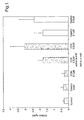
- The results are shown in Figure 1, showing the amount of ghrelin released from RF-48 cells as a function of the type and concentration of the test compound tested.
- In Figure 1, the concentration of the test compound is shown in micromols per litre (10-6 M) and the concentration of the ghrelin formed in the tested samples is shown in nanograms/ml.
- Figure 1 also provides the results of a control experiment, showing the ghrelin release when no test compound is present in the sample containing the RF-48 cells. In addition, the results of a second control experiment are provided -indicated as "Control +veh" -, also showing ghrelin release when no test compound is present in the sample containing the RF-48 cells but whereby 1% of pure ethanol has been added to said sample.
- It can be clearly noticed that both CCK and Gastrin stimulate the release of ghrelin. It can also be seen that both control experiments show similar levels of ghrelin release, which clearly indicates that the ethanol vehicle does not stimulate ghrelin release.
Claims (10)
- A method for assessing the (regulation of) expression, synthesis and/or secretion of ghrelin, wherein a cell line derived from a gastric adenocarcinoma and capable of producing ghrelin when grown in a suitable medium, is grown in such medium and wherein the effect of a test compound on ghrelin production is measured.
- A method according to claim 1, wherein the cell line is selected from RF-1 having ATCC number CRL-1864 and RF-48 having ATCC number CRL-1863.
- A method according to either one of claims 1 or 2, wherein the medium is Leibovitz's L15 containing 10% (vol/vol) foetal bovine serum and 2 mM L-glutamine, and wherein the cell line is grown at a temperature of 37° C in the absence of CO2.
- A method according to any one of claims 1 to 3, wherein the medium is changed at least every 4 days.
- A method according to any one of claims 1 to 4, wherein the cell line is plated and grown in a culture plate after achieving cell confluence, wherein the plate is stored under the same incubation conditions as those used for growing the cell line, and wherein ghrelin production is measured using an immunoassay kit.
- Method according to any one of claims 1 to 5, wherein the cell line is used to study ghrelin gene expression, preferably by means of quantitative RT-PCR.
- A method according to any one of claims 1 to 6, wherein the cell line is exposed to a variety of test compounds.
- A method according to any one of claims 1 to 7, wherein the method is a method for developing drugs or functional ingredients for food products that modulate feelings of satiety or appetite in humans or animals.
- The use of a cell line derived from a gastric adenocarcinoma that is capable of producing ghrelin when grown in a suitable medium, for assessing the (regulation of) ghrelin expression, synthesis and/or release in vitro.
- The use according to claim 9, wherein the cell line is selected from RF-1 having ATCC number CRL-1864 and RF-48 having ATCC number CRL-1863.
Priority Applications (1)
| Application Number | Priority Date | Filing Date | Title |
|---|---|---|---|
| EP04740635A EP1646865B1 (en) | 2003-07-17 | 2004-07-05 | Method for testing ghrelin release |
Applications Claiming Priority (3)
| Application Number | Priority Date | Filing Date | Title |
|---|---|---|---|
| EP03254472 | 2003-07-17 | ||
| EP04740635A EP1646865B1 (en) | 2003-07-17 | 2004-07-05 | Method for testing ghrelin release |
| PCT/EP2004/007297 WO2005015208A1 (en) | 2003-07-17 | 2004-07-05 | Method for testing ghrelin release |
Publications (2)
| Publication Number | Publication Date |
|---|---|
| EP1646865A1 EP1646865A1 (en) | 2006-04-19 |
| EP1646865B1 true EP1646865B1 (en) | 2007-09-12 |
Family
ID=34130330
Family Applications (1)
| Application Number | Title | Priority Date | Filing Date |
|---|---|---|---|
| EP04740635A Expired - Lifetime EP1646865B1 (en) | 2003-07-17 | 2004-07-05 | Method for testing ghrelin release |
Country Status (8)
| Country | Link |
|---|---|
| US (1) | US20060252048A1 (en) |
| EP (1) | EP1646865B1 (en) |
| AT (1) | ATE373233T1 (en) |
| AU (1) | AU2004263920B2 (en) |
| CA (1) | CA2525531A1 (en) |
| DE (1) | DE602004008925T2 (en) |
| ES (1) | ES2293282T3 (en) |
| WO (1) | WO2005015208A1 (en) |
Family Cites Families (2)
| Publication number | Priority date | Publication date | Assignee | Title |
|---|---|---|---|---|
| US5780258A (en) * | 1996-09-04 | 1998-07-14 | Tularik, Inc | Drug screens for regulators of the expression of the obese gene |
| US20040157227A1 (en) * | 2001-05-10 | 2004-08-12 | Chopin Lisa Kerstin | Reproductive cancer diagnosis and therapy |
-
2004
- 2004-07-05 ES ES04740635T patent/ES2293282T3/en not_active Expired - Lifetime
- 2004-07-05 US US10/565,119 patent/US20060252048A1/en not_active Abandoned
- 2004-07-05 WO PCT/EP2004/007297 patent/WO2005015208A1/en not_active Ceased
- 2004-07-05 AT AT04740635T patent/ATE373233T1/en not_active IP Right Cessation
- 2004-07-05 DE DE602004008925T patent/DE602004008925T2/en not_active Expired - Fee Related
- 2004-07-05 CA CA002525531A patent/CA2525531A1/en not_active Abandoned
- 2004-07-05 AU AU2004263920A patent/AU2004263920B2/en not_active Ceased
- 2004-07-05 EP EP04740635A patent/EP1646865B1/en not_active Expired - Lifetime
Also Published As
| Publication number | Publication date |
|---|---|
| ES2293282T3 (en) | 2008-03-16 |
| DE602004008925T2 (en) | 2008-01-17 |
| AU2004263920B2 (en) | 2008-01-03 |
| ATE373233T1 (en) | 2007-09-15 |
| US20060252048A1 (en) | 2006-11-09 |
| DE602004008925D1 (en) | 2007-10-25 |
| WO2005015208A1 (en) | 2005-02-17 |
| CA2525531A1 (en) | 2005-02-17 |
| EP1646865A1 (en) | 2006-04-19 |
| AU2004263920A1 (en) | 2005-02-17 |
Similar Documents
| Publication | Publication Date | Title |
|---|---|---|
| Johnson et al. | Elevated plasma oxytocin levels in children with Prader–Willi syndrome compared with healthy unrelated siblings | |
| Laurens et al. | Growth and differentiation factor 15 is secreted by skeletal muscle during exercise and promotes lipolysis in humans | |
| De Cabo et al. | An in vitro model of caloric restriction | |
| Gaskin et al. | Ghrelin-induced feeding is dependent on nitric oxide | |
| Kemp et al. | Identification and functional characterization of melatonin Mel 1a receptors in pancreatic β cells: potential role in incretin-mediated cell function by sensitization of cAMP signaling | |
| Laughlin et al. | Nutritional and endocrine-metabolic aberrations in women with functional hypothalamic amenorrhea | |
| Glazebrook et al. | Potassium channels Kv1. 1, Kv1. 2 and Kv1. 6 influence excitability of rat visceral sensory neurons | |
| Hiden et al. | Insulin control of placental gene expression shifts from mother to foetus over the course of pregnancy | |
| Pollak et al. | Effect of tamoxifen on serum insulinlike growth factor I levels in stage I breast cancer patients | |
| Monti et al. | Relationship of ghrelin and leptin hormones with body mass index and waist circumference in a random sample of adults | |
| Hunt et al. | Hepatic cytochrome P-4503A (CYP3A) activity in the elderly | |
| Ghiani et al. | Neurotransmitter receptor activation triggers p27Kip1 and p21CIP1 accumulation and G1 cell cycle arrest in oligodendrocyte progenitors | |
| Gibbs | Expression of estrogen receptor-like immunoreactivity by different subgroups of basal forebrain cholinergic neurons in gonadectomized male and female rats | |
| Romanenko et al. | Regulation of membrane potential and fluid secretion by Ca2+‐activated K+ channels in mouse submandibular glands | |
| Gatford et al. | Simulated shift work disrupts maternal circadian rhythms and metabolism, and increases gestation length in sheep | |
| Murphy et al. | Intense exercise up‐regulates Na+, K+‐ATPase isoform mRNA, but not protein expression in human skeletal muscle | |
| Barr | Vegetarianism and menstrual cycle disturbances: is there an association? | |
| US6472165B1 (en) | Modulatory binding site in potassium channels for screening and finding new active ingredients | |
| Stremming et al. | Reduced Na+ K+‐ATPase activity may reduce amino acid uptake in intrauterine growth restricted fetal sheep muscle despite unchanged ex vivo amino acid transporter activity | |
| Booth et al. | Influence of muscle use on protein synthesis and degradation | |
| Horner et al. | Biomarkers of appetite: is there a potential role for metabolomics? | |
| Luck et al. | Dopamine pathway imbalance in mice lacking Magel2, a Prader-Willi syndrome candidate gene. | |
| Magne et al. | Lack of muscle recovery after immobilization in old rats does not result from a defect in normalization of the ubiquitin–proteasome and the caspase‐dependent apoptotic pathways | |
| Christie et al. | High fat diet induced obesity alters endocannabinoid and ghrelin mediated regulation of components of the endocannabinoid system in nodose ganglia | |
| Greenhill | Gut microbiome influences exercise response |
Legal Events
| Date | Code | Title | Description |
|---|---|---|---|
| PUAI | Public reference made under article 153(3) epc to a published international application that has entered the european phase |
Free format text: ORIGINAL CODE: 0009012 |
|
| 17P | Request for examination filed |
Effective date: 20051108 |
|
| AK | Designated contracting states |
Kind code of ref document: A1 Designated state(s): AT BE BG CH CY CZ DE DK EE ES FI FR GB GR HU IE IT LI LU MC NL PL PT RO SE SI SK TR |
|
| DAX | Request for extension of the european patent (deleted) | ||
| RAP1 | Party data changed (applicant data changed or rights of an application transferred) |
Owner name: UNILEVER N.V. Owner name: UNILEVER PLC |
|
| 17Q | First examination report despatched |
Effective date: 20061122 |
|
| GRAP | Despatch of communication of intention to grant a patent |
Free format text: ORIGINAL CODE: EPIDOSNIGR1 |
|
| GRAS | Grant fee paid |
Free format text: ORIGINAL CODE: EPIDOSNIGR3 |
|
| GRAA | (expected) grant |
Free format text: ORIGINAL CODE: 0009210 |
|
| AK | Designated contracting states |
Kind code of ref document: B1 Designated state(s): AT BE BG CH CY CZ DE DK EE ES FI FR GB GR HU IE IT LI LU MC NL PL PT RO SE SI SK TR |
|
| REG | Reference to a national code |
Ref country code: GB Ref legal event code: FG4D |
|
| RIN1 | Information on inventor provided before grant (corrected) |
Inventor name: GERHARDT, CINDERELLA CHRISTINA,UNILEVER R&D VLAARD Inventor name: TASKER, MARIA CATHERINE,UNILEVER R&D VLAARDINGEN |
|
| REG | Reference to a national code |
Ref country code: CH Ref legal event code: EP |
|
| REF | Corresponds to: |
Ref document number: 602004008925 Country of ref document: DE Date of ref document: 20071025 Kind code of ref document: P |
|
| REG | Reference to a national code |
Ref country code: IE Ref legal event code: FG4D |
|
| REG | Reference to a national code |
Ref country code: GR Ref legal event code: EP Ref document number: 20070403505 Country of ref document: GR |
|
| PG25 | Lapsed in a contracting state [announced via postgrant information from national office to epo] |
Ref country code: FI Free format text: LAPSE BECAUSE OF FAILURE TO SUBMIT A TRANSLATION OF THE DESCRIPTION OR TO PAY THE FEE WITHIN THE PRESCRIBED TIME-LIMIT Effective date: 20070912 |
|
| PG25 | Lapsed in a contracting state [announced via postgrant information from national office to epo] |
Ref country code: AT Free format text: LAPSE BECAUSE OF FAILURE TO SUBMIT A TRANSLATION OF THE DESCRIPTION OR TO PAY THE FEE WITHIN THE PRESCRIBED TIME-LIMIT Effective date: 20070912 Ref country code: PL Free format text: LAPSE BECAUSE OF FAILURE TO SUBMIT A TRANSLATION OF THE DESCRIPTION OR TO PAY THE FEE WITHIN THE PRESCRIBED TIME-LIMIT Effective date: 20070912 Ref country code: LI Free format text: LAPSE BECAUSE OF FAILURE TO SUBMIT A TRANSLATION OF THE DESCRIPTION OR TO PAY THE FEE WITHIN THE PRESCRIBED TIME-LIMIT Effective date: 20070912 Ref country code: CH Free format text: LAPSE BECAUSE OF FAILURE TO SUBMIT A TRANSLATION OF THE DESCRIPTION OR TO PAY THE FEE WITHIN THE PRESCRIBED TIME-LIMIT Effective date: 20070912 |
|
| REG | Reference to a national code |
Ref country code: ES Ref legal event code: FG2A Ref document number: 2293282 Country of ref document: ES Kind code of ref document: T3 |
|
| ET | Fr: translation filed | ||
| PG25 | Lapsed in a contracting state [announced via postgrant information from national office to epo] |
Ref country code: BE Free format text: LAPSE BECAUSE OF FAILURE TO SUBMIT A TRANSLATION OF THE DESCRIPTION OR TO PAY THE FEE WITHIN THE PRESCRIBED TIME-LIMIT Effective date: 20070912 |
|
| REG | Reference to a national code |
Ref country code: CH Ref legal event code: PL |
|
| PG25 | Lapsed in a contracting state [announced via postgrant information from national office to epo] |
Ref country code: PT Free format text: LAPSE BECAUSE OF FAILURE TO SUBMIT A TRANSLATION OF THE DESCRIPTION OR TO PAY THE FEE WITHIN THE PRESCRIBED TIME-LIMIT Effective date: 20080212 Ref country code: SK Free format text: LAPSE BECAUSE OF FAILURE TO SUBMIT A TRANSLATION OF THE DESCRIPTION OR TO PAY THE FEE WITHIN THE PRESCRIBED TIME-LIMIT Effective date: 20070912 Ref country code: CZ Free format text: LAPSE BECAUSE OF FAILURE TO SUBMIT A TRANSLATION OF THE DESCRIPTION OR TO PAY THE FEE WITHIN THE PRESCRIBED TIME-LIMIT Effective date: 20070912 |
|
| PG25 | Lapsed in a contracting state [announced via postgrant information from national office to epo] |
Ref country code: SE Free format text: LAPSE BECAUSE OF FAILURE TO SUBMIT A TRANSLATION OF THE DESCRIPTION OR TO PAY THE FEE WITHIN THE PRESCRIBED TIME-LIMIT Effective date: 20071212 Ref country code: RO Free format text: LAPSE BECAUSE OF FAILURE TO SUBMIT A TRANSLATION OF THE DESCRIPTION OR TO PAY THE FEE WITHIN THE PRESCRIBED TIME-LIMIT Effective date: 20070912 |
|
| PLBE | No opposition filed within time limit |
Free format text: ORIGINAL CODE: 0009261 |
|
| STAA | Information on the status of an ep patent application or granted ep patent |
Free format text: STATUS: NO OPPOSITION FILED WITHIN TIME LIMIT |
|
| PG25 | Lapsed in a contracting state [announced via postgrant information from national office to epo] |
Ref country code: DK Free format text: LAPSE BECAUSE OF FAILURE TO SUBMIT A TRANSLATION OF THE DESCRIPTION OR TO PAY THE FEE WITHIN THE PRESCRIBED TIME-LIMIT Effective date: 20070912 |
|
| 26N | No opposition filed |
Effective date: 20080613 |
|
| GBPC | Gb: european patent ceased through non-payment of renewal fee |
Effective date: 20080705 |
|
| PG25 | Lapsed in a contracting state [announced via postgrant information from national office to epo] |
Ref country code: MC Free format text: LAPSE BECAUSE OF NON-PAYMENT OF DUE FEES Effective date: 20080731 |
|
| NLV4 | Nl: lapsed or anulled due to non-payment of the annual fee |
Effective date: 20090201 |
|
| PG25 | Lapsed in a contracting state [announced via postgrant information from national office to epo] |
Ref country code: DE Free format text: LAPSE BECAUSE OF NON-PAYMENT OF DUE FEES Effective date: 20090203 Ref country code: EE Free format text: LAPSE BECAUSE OF FAILURE TO SUBMIT A TRANSLATION OF THE DESCRIPTION OR TO PAY THE FEE WITHIN THE PRESCRIBED TIME-LIMIT Effective date: 20070912 |
|
| REG | Reference to a national code |
Ref country code: FR Ref legal event code: ST Effective date: 20090331 |
|
| PG25 | Lapsed in a contracting state [announced via postgrant information from national office to epo] |
Ref country code: NL Free format text: LAPSE BECAUSE OF NON-PAYMENT OF DUE FEES Effective date: 20090201 |
|
| PG25 | Lapsed in a contracting state [announced via postgrant information from national office to epo] |
Ref country code: GR Free format text: LAPSE BECAUSE OF NON-PAYMENT OF DUE FEES Effective date: 20090204 Ref country code: GB Free format text: LAPSE BECAUSE OF NON-PAYMENT OF DUE FEES Effective date: 20080705 Ref country code: SI Free format text: LAPSE BECAUSE OF FAILURE TO SUBMIT A TRANSLATION OF THE DESCRIPTION OR TO PAY THE FEE WITHIN THE PRESCRIBED TIME-LIMIT Effective date: 20070912 |
|
| PG25 | Lapsed in a contracting state [announced via postgrant information from national office to epo] |
Ref country code: CY Free format text: LAPSE BECAUSE OF FAILURE TO SUBMIT A TRANSLATION OF THE DESCRIPTION OR TO PAY THE FEE WITHIN THE PRESCRIBED TIME-LIMIT Effective date: 20070912 Ref country code: IE Free format text: LAPSE BECAUSE OF NON-PAYMENT OF DUE FEES Effective date: 20080707 |
|
| PG25 | Lapsed in a contracting state [announced via postgrant information from national office to epo] |
Ref country code: IT Free format text: LAPSE BECAUSE OF NON-PAYMENT OF DUE FEES Effective date: 20080705 Ref country code: BG Free format text: LAPSE BECAUSE OF FAILURE TO SUBMIT A TRANSLATION OF THE DESCRIPTION OR TO PAY THE FEE WITHIN THE PRESCRIBED TIME-LIMIT Effective date: 20071212 Ref country code: FR Free format text: LAPSE BECAUSE OF NON-PAYMENT OF DUE FEES Effective date: 20080731 |
|
| REG | Reference to a national code |
Ref country code: ES Ref legal event code: FD2A Effective date: 20080707 |
|
| PG25 | Lapsed in a contracting state [announced via postgrant information from national office to epo] |
Ref country code: ES Free format text: LAPSE BECAUSE OF NON-PAYMENT OF DUE FEES Effective date: 20080707 |
|
| PG25 | Lapsed in a contracting state [announced via postgrant information from national office to epo] |
Ref country code: HU Free format text: LAPSE BECAUSE OF FAILURE TO SUBMIT A TRANSLATION OF THE DESCRIPTION OR TO PAY THE FEE WITHIN THE PRESCRIBED TIME-LIMIT Effective date: 20080313 Ref country code: LU Free format text: LAPSE BECAUSE OF NON-PAYMENT OF DUE FEES Effective date: 20080705 |
|
| PG25 | Lapsed in a contracting state [announced via postgrant information from national office to epo] |
Ref country code: TR Free format text: LAPSE BECAUSE OF NON-PAYMENT OF DUE FEES Effective date: 20100920 |
|
| PG25 | Lapsed in a contracting state [announced via postgrant information from national office to epo] |
Ref country code: TR Free format text: LAPSE BECAUSE OF NON-PAYMENT OF DUE FEES Effective date: 20080705 |