EP1645877A1 - Method for providing a insulin resistance biomarker profile of one or more lipids - Google Patents
Method for providing a insulin resistance biomarker profile of one or more lipids Download PDFInfo
- Publication number
- EP1645877A1 EP1645877A1 EP04077787A EP04077787A EP1645877A1 EP 1645877 A1 EP1645877 A1 EP 1645877A1 EP 04077787 A EP04077787 A EP 04077787A EP 04077787 A EP04077787 A EP 04077787A EP 1645877 A1 EP1645877 A1 EP 1645877A1
- Authority
- EP
- European Patent Office
- Prior art keywords
- lipids
- insulin resistance
- profile
- determining
- sample
- Prior art date
- Legal status (The legal status is an assumption and is not a legal conclusion. Google has not performed a legal analysis and makes no representation as to the accuracy of the status listed.)
- Withdrawn
Links
- 208000001072 type 2 diabetes mellitus Diseases 0.000 title claims abstract description 87
- 206010022489 Insulin Resistance Diseases 0.000 title claims abstract description 85
- 150000002632 lipids Chemical class 0.000 title claims abstract description 85
- 238000000034 method Methods 0.000 title claims abstract description 65
- 239000000090 biomarker Substances 0.000 title claims description 5
- 238000000491 multivariate analysis Methods 0.000 claims abstract description 8
- 210000001519 tissue Anatomy 0.000 claims description 10
- 230000001610 euglycemic effect Effects 0.000 claims description 8
- 241000411851 herbal medicine Species 0.000 claims description 6
- 108090000623 proteins and genes Proteins 0.000 claims description 6
- -1 transcripts Proteins 0.000 claims description 6
- 241000124008 Mammalia Species 0.000 claims description 5
- 210000001124 body fluid Anatomy 0.000 claims description 5
- 239000010839 body fluid Substances 0.000 claims description 5
- 238000001514 detection method Methods 0.000 claims description 4
- 239000000203 mixture Substances 0.000 claims description 4
- 239000002417 nutraceutical Substances 0.000 claims description 4
- 235000021436 nutraceutical agent Nutrition 0.000 claims description 4
- 239000008280 blood Substances 0.000 claims description 3
- 210000004369 blood Anatomy 0.000 claims description 3
- 210000001175 cerebrospinal fluid Anatomy 0.000 claims description 3
- 238000004587 chromatography analysis Methods 0.000 claims description 3
- 235000013376 functional food Nutrition 0.000 claims description 3
- 239000002207 metabolite Substances 0.000 claims description 3
- 235000016709 nutrition Nutrition 0.000 claims description 3
- 230000035764 nutrition Effects 0.000 claims description 3
- 102000004169 proteins and genes Human genes 0.000 claims description 3
- 210000003296 saliva Anatomy 0.000 claims description 2
- 210000002700 urine Anatomy 0.000 claims description 2
- 238000004458 analytical method Methods 0.000 description 13
- 208000001145 Metabolic Syndrome Diseases 0.000 description 9
- 201000000690 abdominal obesity-metabolic syndrome Diseases 0.000 description 9
- WQZGKKKJIJFFOK-GASJEMHNSA-N Glucose Natural products OC[C@H]1OC(O)[C@H](O)[C@@H](O)[C@@H]1O WQZGKKKJIJFFOK-GASJEMHNSA-N 0.000 description 8
- HVYWMOMLDIMFJA-DPAQBDIFSA-N cholesterol Chemical compound C1C=C2C[C@@H](O)CC[C@]2(C)[C@@H]2[C@@H]1[C@@H]1CC[C@H]([C@H](C)CCCC(C)C)[C@@]1(C)CC2 HVYWMOMLDIMFJA-DPAQBDIFSA-N 0.000 description 8
- 239000008103 glucose Substances 0.000 description 8
- 241000699670 Mus sp. Species 0.000 description 7
- 230000000694 effects Effects 0.000 description 7
- NOESYZHRGYRDHS-UHFFFAOYSA-N insulin Chemical compound N1C(=O)C(NC(=O)C(CCC(N)=O)NC(=O)C(CCC(O)=O)NC(=O)C(C(C)C)NC(=O)C(NC(=O)CN)C(C)CC)CSSCC(C(NC(CO)C(=O)NC(CC(C)C)C(=O)NC(CC=2C=CC(O)=CC=2)C(=O)NC(CCC(N)=O)C(=O)NC(CC(C)C)C(=O)NC(CCC(O)=O)C(=O)NC(CC(N)=O)C(=O)NC(CC=2C=CC(O)=CC=2)C(=O)NC(CSSCC(NC(=O)C(C(C)C)NC(=O)C(CC(C)C)NC(=O)C(CC=2C=CC(O)=CC=2)NC(=O)C(CC(C)C)NC(=O)C(C)NC(=O)C(CCC(O)=O)NC(=O)C(C(C)C)NC(=O)C(CC(C)C)NC(=O)C(CC=2NC=NC=2)NC(=O)C(CO)NC(=O)CNC2=O)C(=O)NCC(=O)NC(CCC(O)=O)C(=O)NC(CCCNC(N)=N)C(=O)NCC(=O)NC(CC=3C=CC=CC=3)C(=O)NC(CC=3C=CC=CC=3)C(=O)NC(CC=3C=CC(O)=CC=3)C(=O)NC(C(C)O)C(=O)N3C(CCC3)C(=O)NC(CCCCN)C(=O)NC(C)C(O)=O)C(=O)NC(CC(N)=O)C(O)=O)=O)NC(=O)C(C(C)CC)NC(=O)C(CO)NC(=O)C(C(C)O)NC(=O)C1CSSCC2NC(=O)C(CC(C)C)NC(=O)C(NC(=O)C(CCC(N)=O)NC(=O)C(CC(N)=O)NC(=O)C(NC(=O)C(N)CC=1C=CC=CC=1)C(C)C)CC1=CN=CN1 NOESYZHRGYRDHS-UHFFFAOYSA-N 0.000 description 6
- 201000010099 disease Diseases 0.000 description 5
- 208000037265 diseases, disorders, signs and symptoms Diseases 0.000 description 5
- 238000004949 mass spectrometry Methods 0.000 description 5
- 108010010234 HDL Lipoproteins Proteins 0.000 description 4
- 102000015779 HDL Lipoproteins Human genes 0.000 description 4
- 108010062497 VLDL Lipoproteins Proteins 0.000 description 4
- 238000001802 infusion Methods 0.000 description 4
- 238000005259 measurement Methods 0.000 description 4
- 238000012706 support-vector machine Methods 0.000 description 4
- 101150037123 APOE gene Proteins 0.000 description 3
- 102100029470 Apolipoprotein E Human genes 0.000 description 3
- 208000024172 Cardiovascular disease Diseases 0.000 description 3
- 208000032928 Dyslipidaemia Diseases 0.000 description 3
- 206010018429 Glucose tolerance impaired Diseases 0.000 description 3
- 241000282414 Homo sapiens Species 0.000 description 3
- 102000004877 Insulin Human genes 0.000 description 3
- 108090001061 Insulin Proteins 0.000 description 3
- 108010007622 LDL Lipoproteins Proteins 0.000 description 3
- 102000007330 LDL Lipoproteins Human genes 0.000 description 3
- 208000017170 Lipid metabolism disease Diseases 0.000 description 3
- 208000008589 Obesity Diseases 0.000 description 3
- 230000008859 change Effects 0.000 description 3
- 235000012000 cholesterol Nutrition 0.000 description 3
- 230000037213 diet Effects 0.000 description 3
- 235000005911 diet Nutrition 0.000 description 3
- 230000008482 dysregulation Effects 0.000 description 3
- 238000002474 experimental method Methods 0.000 description 3
- 230000036541 health Effects 0.000 description 3
- 238000003384 imaging method Methods 0.000 description 3
- 229940125396 insulin Drugs 0.000 description 3
- 238000004811 liquid chromatography Methods 0.000 description 3
- 210000004185 liver Anatomy 0.000 description 3
- 235000020824 obesity Nutrition 0.000 description 3
- 201000009104 prediabetes syndrome Diseases 0.000 description 3
- 238000011160 research Methods 0.000 description 3
- 208000024891 symptom Diseases 0.000 description 3
- 238000011830 transgenic mouse model Methods 0.000 description 3
- 238000011282 treatment Methods 0.000 description 3
- 150000003626 triacylglycerols Chemical class 0.000 description 3
- RYCNUMLMNKHWPZ-SNVBAGLBSA-N 1-acetyl-sn-glycero-3-phosphocholine Chemical class CC(=O)OC[C@@H](O)COP([O-])(=O)OCC[N+](C)(C)C RYCNUMLMNKHWPZ-SNVBAGLBSA-N 0.000 description 2
- LRYZPFWEZHSTHD-HEFFAWAOSA-O 2-[[(e,2s,3r)-2-formamido-3-hydroxyoctadec-4-enoxy]-hydroxyphosphoryl]oxyethyl-trimethylazanium Chemical class CCCCCCCCCCCCC\C=C\[C@@H](O)[C@@H](NC=O)COP(O)(=O)OCC[N+](C)(C)C LRYZPFWEZHSTHD-HEFFAWAOSA-O 0.000 description 2
- 208000002705 Glucose Intolerance Diseases 0.000 description 2
- 206010020772 Hypertension Diseases 0.000 description 2
- 102000004895 Lipoproteins Human genes 0.000 description 2
- 108090001030 Lipoproteins Proteins 0.000 description 2
- 241001465754 Metazoa Species 0.000 description 2
- 241000699666 Mus <mouse, genus> Species 0.000 description 2
- 208000001280 Prediabetic State Diseases 0.000 description 2
- 238000010171 animal model Methods 0.000 description 2
- 238000013528 artificial neural network Methods 0.000 description 2
- 230000008901 benefit Effects 0.000 description 2
- 238000011161 development Methods 0.000 description 2
- 206010012601 diabetes mellitus Diseases 0.000 description 2
- 238000003745 diagnosis Methods 0.000 description 2
- 231100000673 dose–response relationship Toxicity 0.000 description 2
- 239000003814 drug Substances 0.000 description 2
- 238000002124 flame ionisation detection Methods 0.000 description 2
- 235000013305 food Nutrition 0.000 description 2
- 238000004817 gas chromatography Methods 0.000 description 2
- 238000007446 glucose tolerance test Methods 0.000 description 2
- 230000013632 homeostatic process Effects 0.000 description 2
- 230000006698 induction Effects 0.000 description 2
- 230000002427 irreversible effect Effects 0.000 description 2
- 238000004895 liquid chromatography mass spectrometry Methods 0.000 description 2
- 150000008105 phosphatidylcholines Chemical class 0.000 description 2
- 238000000513 principal component analysis Methods 0.000 description 2
- 238000012545 processing Methods 0.000 description 2
- 230000004044 response Effects 0.000 description 2
- 238000005070 sampling Methods 0.000 description 2
- 238000001228 spectrum Methods 0.000 description 2
- 239000000126 substance Substances 0.000 description 2
- 208000011580 syndromic disease Diseases 0.000 description 2
- 238000012360 testing method Methods 0.000 description 2
- 208000004611 Abdominal Obesity Diseases 0.000 description 1
- SGNBVLSWZMBQTH-FGAXOLDCSA-N Campesterol Natural products O[C@@H]1CC=2[C@@](C)([C@@H]3[C@H]([C@H]4[C@@](C)([C@H]([C@H](CC[C@H](C(C)C)C)C)CC4)CC3)CC=2)CC1 SGNBVLSWZMBQTH-FGAXOLDCSA-N 0.000 description 1
- 206010065941 Central obesity Diseases 0.000 description 1
- 108010004103 Chylomicrons Proteins 0.000 description 1
- 229930186217 Glycolipid Natural products 0.000 description 1
- BTEISVKTSQLKST-UHFFFAOYSA-N Haliclonasterol Natural products CC(C=CC(C)C(C)(C)C)C1CCC2C3=CC=C4CC(O)CCC4(C)C3CCC12C BTEISVKTSQLKST-UHFFFAOYSA-N 0.000 description 1
- 208000031773 Insulin resistance syndrome Diseases 0.000 description 1
- 241000699660 Mus musculus Species 0.000 description 1
- 238000001069 Raman spectroscopy Methods 0.000 description 1
- 229930182558 Sterol Natural products 0.000 description 1
- 208000006011 Stroke Diseases 0.000 description 1
- 229930006000 Sucrose Natural products 0.000 description 1
- CZMRCDWAGMRECN-UGDNZRGBSA-N Sucrose Chemical compound O[C@H]1[C@H](O)[C@@H](CO)O[C@@]1(CO)O[C@@H]1[C@H](O)[C@@H](O)[C@H](O)[C@@H](CO)O1 CZMRCDWAGMRECN-UGDNZRGBSA-N 0.000 description 1
- 239000002253 acid Substances 0.000 description 1
- 150000007513 acids Chemical class 0.000 description 1
- 230000009471 action Effects 0.000 description 1
- 230000006978 adaptation Effects 0.000 description 1
- 210000000577 adipose tissue Anatomy 0.000 description 1
- 239000003613 bile acid Substances 0.000 description 1
- 230000031018 biological processes and functions Effects 0.000 description 1
- 230000036772 blood pressure Effects 0.000 description 1
- 238000009395 breeding Methods 0.000 description 1
- 230000001488 breeding effect Effects 0.000 description 1
- SGNBVLSWZMBQTH-PODYLUTMSA-N campesterol Chemical compound C1C=C2C[C@@H](O)CC[C@]2(C)[C@@H]2[C@@H]1[C@@H]1CC[C@H]([C@H](C)CC[C@@H](C)C(C)C)[C@@]1(C)CC2 SGNBVLSWZMBQTH-PODYLUTMSA-N 0.000 description 1
- 235000000431 campesterol Nutrition 0.000 description 1
- 210000004027 cell Anatomy 0.000 description 1
- 229940106189 ceramide Drugs 0.000 description 1
- 150000001783 ceramides Chemical class 0.000 description 1
- 150000001840 cholesterol esters Chemical class 0.000 description 1
- 238000012937 correction Methods 0.000 description 1
- 230000002596 correlated effect Effects 0.000 description 1
- 238000013461 design Methods 0.000 description 1
- 235000014113 dietary fatty acids Nutrition 0.000 description 1
- 230000035622 drinking Effects 0.000 description 1
- 229940079593 drug Drugs 0.000 description 1
- 150000002066 eicosanoids Chemical class 0.000 description 1
- 238000011156 evaluation Methods 0.000 description 1
- 239000000284 extract Substances 0.000 description 1
- 238000000556 factor analysis Methods 0.000 description 1
- 229930195729 fatty acid Natural products 0.000 description 1
- 239000000194 fatty acid Substances 0.000 description 1
- 235000021588 free fatty acids Nutrition 0.000 description 1
- 230000004153 glucose metabolism Effects 0.000 description 1
- 235000011187 glycerol Nutrition 0.000 description 1
- 150000002339 glycosphingolipids Chemical class 0.000 description 1
- 208000019622 heart disease Diseases 0.000 description 1
- 150000002423 hopanoids Chemical class 0.000 description 1
- 230000037356 lipid metabolism Effects 0.000 description 1
- 238000002595 magnetic resonance imaging Methods 0.000 description 1
- 230000004060 metabolic process Effects 0.000 description 1
- 208000001022 morbid obesity Diseases 0.000 description 1
- 210000003205 muscle Anatomy 0.000 description 1
- 210000004165 myocardium Anatomy 0.000 description 1
- 229930014626 natural product Natural products 0.000 description 1
- 238000009206 nuclear medicine Methods 0.000 description 1
- 238000007410 oral glucose tolerance test Methods 0.000 description 1
- 210000000056 organ Anatomy 0.000 description 1
- 230000008520 organization Effects 0.000 description 1
- 229940094443 oxytocics prostaglandins Drugs 0.000 description 1
- 230000037361 pathway Effects 0.000 description 1
- 238000003909 pattern recognition Methods 0.000 description 1
- 230000003094 perturbing effect Effects 0.000 description 1
- 239000008194 pharmaceutical composition Substances 0.000 description 1
- 229940067626 phosphatidylinositols Drugs 0.000 description 1
- 150000003905 phosphatidylinositols Chemical class 0.000 description 1
- 150000008106 phosphatidylserines Chemical class 0.000 description 1
- 150000003904 phospholipids Chemical class 0.000 description 1
- 238000002600 positron emission tomography Methods 0.000 description 1
- 238000012628 principal component regression Methods 0.000 description 1
- 230000008569 process Effects 0.000 description 1
- 150000003180 prostaglandins Chemical class 0.000 description 1
- 238000011002 quantification Methods 0.000 description 1
- 238000012216 screening Methods 0.000 description 1
- 230000000276 sedentary effect Effects 0.000 description 1
- 230000035945 sensitivity Effects 0.000 description 1
- 229940083492 sitosterols Drugs 0.000 description 1
- 210000002027 skeletal muscle Anatomy 0.000 description 1
- 238000004611 spectroscopical analysis Methods 0.000 description 1
- 230000000087 stabilizing effect Effects 0.000 description 1
- 150000003431 steroids Chemical class 0.000 description 1
- 150000003432 sterols Chemical class 0.000 description 1
- 235000003702 sterols Nutrition 0.000 description 1
- 239000005720 sucrose Substances 0.000 description 1
- 239000008399 tap water Substances 0.000 description 1
- 235000020679 tap water Nutrition 0.000 description 1
- 230000002123 temporal effect Effects 0.000 description 1
- 150000003505 terpenes Chemical class 0.000 description 1
- 230000001550 time effect Effects 0.000 description 1
- 230000001988 toxicity Effects 0.000 description 1
- 231100000419 toxicity Toxicity 0.000 description 1
- UFTFJSFQGQCHQW-UHFFFAOYSA-N triformin Chemical compound O=COCC(OC=O)COC=O UFTFJSFQGQCHQW-UHFFFAOYSA-N 0.000 description 1
Images

Classifications
-
- G—PHYSICS
- G01—MEASURING; TESTING
- G01N—INVESTIGATING OR ANALYSING MATERIALS BY DETERMINING THEIR CHEMICAL OR PHYSICAL PROPERTIES
- G01N33/00—Investigating or analysing materials by specific methods not covered by groups G01N1/00 - G01N31/00
- G01N33/48—Biological material, e.g. blood, urine; Haemocytometers
- G01N33/50—Chemical analysis of biological material, e.g. blood, urine; Testing involving biospecific ligand binding methods; Immunological testing
- G01N33/92—Chemical analysis of biological material, e.g. blood, urine; Testing involving biospecific ligand binding methods; Immunological testing involving lipids, e.g. cholesterol, lipoproteins, or their receptors
-
- G—PHYSICS
- G01—MEASURING; TESTING
- G01N—INVESTIGATING OR ANALYSING MATERIALS BY DETERMINING THEIR CHEMICAL OR PHYSICAL PROPERTIES
- G01N2800/00—Detection or diagnosis of diseases
- G01N2800/04—Endocrine or metabolic disorders
- G01N2800/044—Hyperlipemia or hypolipemia, e.g. dyslipidaemia, obesity
-
- G—PHYSICS
- G01—MEASURING; TESTING
- G01N—INVESTIGATING OR ANALYSING MATERIALS BY DETERMINING THEIR CHEMICAL OR PHYSICAL PROPERTIES
- G01N2800/00—Detection or diagnosis of diseases
- G01N2800/52—Predicting or monitoring the response to treatment, e.g. for selection of therapy based on assay results in personalised medicine; Prognosis
Definitions
- the present invention relates to a method for providing a profile of one or more lipids which is related to insulin resistance, a method for providing a correlation between a profile of one or more lipids and insulin resistance, a method for determining the insulin resistance of a biological system, and a device for determining the insulin resistance of a biological system.
- MSX Metabolic Syndrome
- Metabolic Syndrome has been described as "epidemic” in the US by a panel of experts from the American College of Endocrinology (ACE) in 2003 and for pre-diabetes alone the numbers are already massive and growing (20 million in US, 30 million in China). The prevalence has risend by 61% over the last decade and there is a more than 1 in 3 chance of having it after 50 years of age. For the US the estimate for Metabolic Syndrome in 2002 were 47 million Americans suffering from it (CDC, published in JAMA, 2002).
- MSX is defined as the presence of three or more of the following conditions:
- Insulin resistance refers to a reduced sensitivity to the actions of insulin in the whole body or individual tissues such as skeletal muscle, myocardium, fat and liver.
- euglycemic clamp methodology For the measurement of insulin resistance an accurate method has been developed for man and animal models, the so-called euglycemic clamp methodology. This methodology measures after infusion of insulin into the body the glucose infusion rate (GIR) to bring the glucose level back to its starting level prior to the insulin infusion. The measured glucose infusion rate is a measure of the insulin resistance of the system.
- GIR glucose infusion rate
- this method wherein use is made of a euglycemic clamp is expensive, complex and invasive which makes it unsuitable for any routine activity, and it is therefore limited to research purposes.
- less accurate estimation methods or indices have been developed for clinical practice such as the homeostasis model assessment or HOMA-index and the Quantitative Insulin Sensitivity Check Index or QUICKI-index.
- the euglycemic clamp method can in special embodiments also be used to specifically measure insulin resistance of specific target tissues or cell types, which is a major advantage for understanding the underlying biological processes and consequently for
- the need to have a simple diagnostic tool or a method to design diagnostic tools for MSX in the form of measuring and predicting the insulin resistance of the body or predicting insulin resistance related to a specific target tissue is of enormous value.
- Object of the present invention is to provide such a method and tool.
- biomarker pattern or profile it is important to note that when a healthy state is changing towards a disease state, multiple components involved in multiple pathways will change in the biological system concerned. These changes are reflected in a so-called biomarker pattern or profile. It is further noted that in the development of a disease as in MSX, biomarker patterns change via different paths to different endpoints such as type 2 diabetes, obesity and cardiovascular disease, and for that reason the diagnostic pattern needs to be fine-tuned towards the focus of the diagnostic tool within the range of MSX and insulin resistance. Moreover the lipid profiles can be fine-tuned towards insulin resistance of a specific target tissue.
- the present invention relates to a method for providing a profile of one or more lipids which is related to insulin resistance, which method comprises the steps of:
- the profile of one or more lipids provided by the present invention enables the quick and effective determination of insulin resistance for a biological system.
- the profile is key to the development of new intervention methods and it can be used for measuring efficacy of new interventions as well as safety/toxicity related effects of the biological system or of specific parts of the biological system such as organs (e.g. liver, heart, and the like) or tissues (e.g. fat, and the like).
- the invention is particularly attractive for determining insulin resistance at an early stage. In that way, proper treatments can be developed before diseases have reached an irreversible stage.
- the profile of one or more lipids provides quantitative information about a particular lipid of group of lipids.
- the extent to which said lipid or group of lipids is present is strongly correlated to the insulin resistance within the biological system.
- the biological systems can be a number of different biological systems or a number of different conditions of one particular biological system.
- the insulin resistance and the profiles of one or more lipids are determined from samples obtained from a series of biological systems.
- Suitable biological systems include mammals such as a human beings and animals.
- the sample will be obtained from a human being for diagnostic and intervention purposes, while an animal model will be more suited for testing and designing new interventions or by studying different phenotypes or other biological relevant parameters related to MSX.
- the sample preferably comprises tissue or a body fluid.
- the sample comprises a body fluid.
- Suitable body samples include blood, urine, saliva or in special cases cerebrospinal fluid (CSF).
- the profile of one or more lipids as provided in accordance with the present invention is especially useful for screening people for general health perspectives, for people with one or more symptoms of MSX, for people with a high familiar incidence of MSX or any of the related diseases, for people that have borderline values in other tests such as the impaired glucose tolerance test, fasting glucose levels, and the like.
- the invention is of major importance to monitor the effect of any intervention such as life style adaptations, psychological changes, food-nutritional influences, nutraceutical, herbal medicine and medicine interventions, and the like.
- the lipids of which the profile is provided may suitably comprise all polar and non-polar lipids such as free fatty acids, di-and tri-glycerides, free sterols such as campesterol and ⁇ -sitosterols, cholesterol and cholesterol esters, eicosanoids, prostaglandins, steroids, isoprenoids, hopanoids, lipoperoxides, mycolic acids, ether-type lipids, phospholipids, lysophosphatidylcholines and phosphatidylcholines, sphingomyelins, phosphatidyl glycerols, phosphatidyl-inositols and phosphatidyl-serines, bile acids, ceramides and glycolipids such as glycosphingolipids and glycoglycerollipids
- the one or more lipids are chosen from the group consisting of sphingomyelins. phosphatidylcholines, lyso-phosphatidyl cholines, cholesterolesters fatty acids, di- and tri-glycerides including all homologues and isomeric forms.
- the profile of one or more lipids may also include one or more other biochemicals such as genes, transcripts, proteins, metabolites and (trace) elements.
- step (a) use is made of known methods to determine the insulin resistance of biological systems.
- an euglycemic clamp analysis is used to determine the insulin resistance.
- step (b) of the method according to the present invention suitably use is made of at least one spectrometric technique, at least one electromigration-based technique or at least one chromatographic technique to determine the profiles of one or more lipids.
- step (b) use is made of the combination of liquid chromatography with mass spectrometry or gas chromatography combined with mass spectrometry or flame ionisation detection. More preferably, use is made of liquid chromatography with mass spectrometry (LCMS).
- LCMS liquid chromatography with mass spectrometry
- the series of biological systems will comprise at least two biological systems or at least two different conditions of a single biological system.
- the number of biological systems will be in the range of from 5 to 100.
- Suitable forms of multivariate analysis to be used in accordance with the present invention include, for example, principal component analysis (“PCA”), discriminant analysis (“DA”), PCA-DA, factor analysis, canonical correlation (“CC”), partial least squares (“PLS”), predictive linear discriminant analysis (“PLDA”), neural networks, multilevel/multiway/multiblock analysis, iterative target analysis, general procrustus analysis, support vector machines (“SVM”), parafac and pattern recognition techniques.
- PCA principal component analysis
- DA discriminant analysis
- CC canonical correlation
- PLS partial least squares
- PLDA predictive linear discriminant analysis
- neural networks multilevel/multiway/multiblock analysis
- SVM support vector machines
- SVM support vector machines
- multivariate analysis tools as outlined above may be used in concert with additional statistical and informatics strategies.
- the profiles of one or more lipids can be determined in step (b) in manners known in the art.
- the profiles of one or more lipids can be determined using methods and systems as described in WO 03/017177 A2, which methods and systems are hereby incorporated by reference.
- the profile of one or more lipids can be obtained by including or excluding the lipoprotein fraction or the profile, for instance lipid profiles can be obtained for different fractions of the lipoproteins such as high density lipoproteins (HDL), very low density lipoproteins (VLDL) and low density lipoproteins (LDL).
- HDL high density lipoproteins
- VLDL very low density lipoproteins
- LDL low density lipoproteins
- the present invention also relates to a method for providing a correlation between the insulin resistance of a biological system and a profile of one or more lipids of a sample of the biological system, which method comprises the steps of:
- the present invention also relates to a method for determining the insulin resistance of a biological system using the profile of one or more lipids provided in accordance with the present invention, which method comprises the steps of:
- step (a) is repeated at multiple time points. This embodiment allows one to obtain an improved understanding of the dynamic component related to insulin resistance and the dynamic response of a biological system to an intervention
- step (a) information is added of other biological molecules such as genes, transcripts, proteins, non-lipid metabolites and (trace) elements or the profile of one or more lipids is combined with output from other non-invasive biomarker profiling methods such as bio-imaging techniques.
- Suitable techniques to obtain such insulin resistance related information include non-invasive techniques such as magnetic resonance imaging, magnetic resonance spectroscopy, raman-based imaging, methods used in nuclear medicine such as Positron Emission Tomography (PET) scanning in its various forms, energetic measurements of systems such as biophoton emission, and the like.
- PET Positron Emission Tomography
- the advantage of such combined methodology enables to related the lipid profiles measured also to specific tissues and allows specific interventions to be measured and monitored.
- Good examples for MSX are related to imaging of the liver, muscle, fat or heart in metabolic syndrome while measuring the body fluid lipid profile or in special cases also the tissue profile.
- the present invention also relates to the use of the profile of one or more lipids as provided in accordance with the present invention to determine from a sample the level of insulin resistance in a mammal.
- the sample comprises a body fluid or tissue.
- the profile of lipids enables one to determine the insulin resistance in a mammal, the profile allows one to select a proper treatment to reduce insulin resistance and/or to prevent an increase in insulin resistance.
- the present invention further relates to the use of the profile of lipids as provided in accordance with the present invention for treating and/or preventing insulin resistance in a mammal.
- the profile of one or more lipids as provided in accordance with the present invention can also suitably be used for designing intervention strategies in pharmaceutical, nutraceutical, functional food, herbal medicine ,nutrition applications, and the like.
- the present invention also provides a device for determining insulin resistance comprising one or more detection means to determine the profile of one or more lipids as provided in accordance with the present invention of a sample of a biological system, and one or more means to determine the insulin resistance on the basis of a pre-established correlation between insulin resistance and said profile.
- compositions capable of treating and/or preventing insulin resistance.
- suitable compositions include pharmaceutical compositions, food, functional food, nutraceutical or herbal products, chemical mixtures, natural products or extracts thereof, and the like.
- E3L transgenic mice exhibit elevated plasma cholesterol and triglyceride levels, mainly confined to the VLDL/LDL lipoprotein fraction.
- E3L mice are highly responsive to sucrose, fat and cholesterol feeding as far as the effects on plasma VLDL and chylomicron levels are concerned.
- E3L mice are also sensitive to high fat-induced insulin resistance (e.g. Muurling et al., 2002, metabolism 51:695-701). The male mice are used for metabolic syndrome and as an early onset diabetes type II model based on the insulin resistance developed.
- mice Male heterozygous E3L mice are from a SPF breeding stock, and housed during the experiment in clean-conventional animal rooms (relative humidity 50-60%, temperature ⁇ 21°C, light cycle 6 am to 6 pm). Mice are supplied with food and acidified tap water ad lib. The effects on insulin sensitivity in high fat and high calorie (HFHC) diet-induced insulin resistance APOE*3 Leiden mouse are measured using euglycemic clamp analysis at the last time point.
- HFHC high fat and high calorie
- step (a) plasma was selected from APOE*3 Leiden mice after induction of insulin resistance using a high fat and high calorie (HFHC) diet, the insulin resistance was measured by euglycemic clamp analysis for each individual mouse.
- step (b) a lipid profiling method was used to profile the class of lipids in the most extensive way with high coverage of this biological class of components. This profiling can be done with various analytical techniques but preferably with gas chromatography using mass spectrometry or flame ionisation detection or by liquid chromatography coupled to mass spectrometry (LC/MS) or by any combination of the mentioned methods or by any other method capable of profiling and quantification of lipids. In this example LC/MS profiling was chosen.
- step (c) a multivariate regression method was selected, partial-least-squares (PLS) after orthogonal signal correction (OSC) to determine which components can best be selected to predict the insulin resistance.
- PLS partial-least-squares
- OSC orthogonal signal correction
- a further embodiment of the present invention includes the use of longitudinal and multi-level information based on lipids or on lipids combined with other biochemical components for measuring insulin resistance.
- the underlying invention is based on the fact that dysregulation of systems in an early state is reflected in the dynamics of that system, a good example being the glucose tolerance test which in fact measures the dynamic response of the system to a challenge with glucose.
- the oral glucose tolerance test is typically conducted by measuring blood glucose levels five times over a period of 3 hours. It is basically the measurement of the body's ability to appropriately handle the excess sugar presented after drinking a high glucose drink.
- Such longitudinal, time-resolved or temporal data reflecting a dysregulation or change in homeostasis of a system can be obtained by measurement of the lipid profile at various time points with or without perturbation of the system.
- the frequency of the sampling can depend on the application, for instance could be in the seconds to minutes-hours time frame with or without perturbing the systems with chemicals, nutrition or special variants thereof, herbal medicine, drugs etc. Longer sampling times can be of importance for slower interventions and can extend from hours to days and months or even longer.
- the detection of specific longitudinal lipid profiles for prediction of insulin resistance can be detected but not limited to regression methods such as ridge regression, principal component regression, PLS-batch processing for more continuous data or for example for discontinuous data by linear discriminant analysis (LDA), principle component analysis combined with discriminant analysis (PCDA), PLS-DA, support vector machines (SVM), neural networks etc.
- LDA linear discriminant analysis
- PCDA principle component analysis combined with discriminant analysis
- SVM support vector machines
- Such longitudinal profiles can be excellent for evaluation of the efficacy and dose-response effect of interventions.
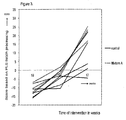
- An example is given in Figure 3 for a herbal medicine intervention, which is one of the most complicated examples, in an experiment using the APOE3 Leiden transgenic mouse model as described above using a herbal medicine intervention to reveal the dose-response profile based on the lipid profile indicative for insulin resistance.
Landscapes
- Life Sciences & Earth Sciences (AREA)
- Health & Medical Sciences (AREA)
- Molecular Biology (AREA)
- Engineering & Computer Science (AREA)
- Immunology (AREA)
- Chemical & Material Sciences (AREA)
- Biomedical Technology (AREA)
- Urology & Nephrology (AREA)
- Hematology (AREA)
- Medicinal Chemistry (AREA)
- Pathology (AREA)
- Microbiology (AREA)
- Biotechnology (AREA)
- Endocrinology (AREA)
- Food Science & Technology (AREA)
- Analytical Chemistry (AREA)
- Cell Biology (AREA)
- Biophysics (AREA)
- Biochemistry (AREA)
- General Health & Medical Sciences (AREA)
- General Physics & Mathematics (AREA)
- Physics & Mathematics (AREA)
- Investigating Or Analysing Biological Materials (AREA)
Abstract
The invention relates to a method for providing a profile of one or more lipids which is related to insulin resistance, which method comprises the steps of:
- (a) determining the insulin resistance for a series of biological systems;
- (b) determining the profiles of one or more lipids for a series of samples of the biological systems;
- (c) determining correlations between the insulin resistance and the profiles of one or more lipids, using multivariate analysis; and
- (d) developing a profile of one or more lipids based on the correlations determined in step (c).
The invention further relates to methods for providing a correlation between the insulin resistance of a biological system and a profile of one or more lipids of a sample of the biological system, and a method and device for determining insulin resistance of a biological system.
Description
- The present invention relates to a method for providing a profile of one or more lipids which is related to insulin resistance, a method for providing a correlation between a profile of one or more lipids and insulin resistance, a method for determining the insulin resistance of a biological system, and a device for determining the insulin resistance of a biological system.
- Metabolic Syndrome (MSX) is characterized by insulin resistance and is closely linked to excess body fat and a sedentary lifestyle. It closely mirrors the rise in obesity in the West, and can truly be described as the disease spectrum of our times. Also known as Syndrome X or insulin resistance syndrome, the condition can lead to serious medical problems, including severe obesity,
type 2 diabetes, dyslipidemia, high blood pressure, heart disease and stroke. Because the condition itself typically causes no clear symptoms in the beginning, most people are unaware they have it until it starts to attack its host from within, with devastating results. - Metabolic Syndrome has been described as "epidemic" in the US by a panel of experts from the American College of Endocrinology (ACE) in 2003 and for pre-diabetes alone the numbers are already massive and growing (20 million in US, 30 million in China). The prevalence has soared by 61% over the last decade and there is a more than 1 in 3 chance of having it after 50 years of age. For the US the estimate for Metabolic Syndrome in 2002 were 47 million Americans suffering from it (CDC, published in JAMA, 2002).
- Growing attention is paid towards metabolic syndrome interventions since today most people will only be identified as having this syndrome at a stage that makes the condition almost irreversible or controllable for a longer period. For instance in the area of
type 2 diabetes in 2025 the World Health Organization (WHO) estimates 300 million patients worldwide and when a person is diagnosed astype 2 diabetes typically 10-15 years have past after the start. The diagnosis is typically based on disturbances of the glucose metabolism and when elevated levels are observed several intervention strategies have been developed to slow down the process but curing or stabilizing is seldom reached. - Current Health Care systems feel the enormous pressure in the future of the fast growing population of people in a pre-diabetes state, and ideally both a more quantitative diagnostic tool and an intervention option is needed for changing the current exponential growth of the problem. Many research groups are active in this important area and criteria have been developed for a global diagnosis of MSX.
MSX is defined as the presence of three or more of the following conditions: - Glucose intolerance ― a fasting glucose of 110 mg/dL or greater
- Blood pressure of 130/80 mm Hg or greater
- High triglycerides ― 150 mg/dL or greater
- Low levels of high-density lipoprotein (HDL) cholesterol ― less than 40 mg/dL in men and 50 mg/dL in women
- Abdominal obesity ― a waist circumference of 40 inches or more in men and 35 inches or more in women
- However, the determination of insulin resistance would be a far better diagnostic tool because the used symptoms as outlined above include conditions of the later spectrum of MSX almost when clear indications such as Diabetes II, dyslipidemia, obesity, hypertension, cardiovascular disease are surfacing. Insulin resistance refers to a reduced sensitivity to the actions of insulin in the whole body or individual tissues such as skeletal muscle, myocardium, fat and liver.
- For the measurement of insulin resistance an accurate method has been developed for man and animal models, the so-called euglycemic clamp methodology. This methodology measures after infusion of insulin into the body the glucose infusion rate (GIR) to bring the glucose level back to its starting level prior to the insulin infusion. The measured glucose infusion rate is a measure of the insulin resistance of the system. However, this method wherein use is made of a euglycemic clamp is expensive, complex and invasive which makes it unsuitable for any routine activity, and it is therefore limited to research purposes. In daily practise less accurate estimation methods or indices have been developed for clinical practice such as the homeostasis model assessment or HOMA-index and the Quantitative Insulin Sensitivity Check Index or QUICKI-index. The euglycemic clamp method can in special embodiments also be used to specifically measure insulin resistance of specific target tissues or cell types, which is a major advantage for understanding the underlying biological processes and consequently for developing specific intervention methods based on this knowledge.
- The need to have a simple diagnostic tool or a method to design diagnostic tools for MSX in the form of measuring and predicting the insulin resistance of the body or predicting insulin resistance related to a specific target tissue is of enormous value.
- Object of the present invention is to provide such a method and tool.
- Surprisingly, it has now been found that the detection of lipids can be used, either alone or in combination with other biochemicals, to measure insulin resistance. Although in a late stage dysregulation of lipid metabolism is known such as for cardiovascular diseases and dyslipidemia, the relation with the early onset within metabolic syndrome has not been made. This new method and tool is possible because the lipids appear to be strongly related to the insulin resistance in an early stage of MSX. Hence, information about the lipids can directly be used to construct a diagnostic tool for metabolic syndrome.
- In this respect it is important to note that it is appreciated that when a healthy state is changing towards a disease state, multiple components involved in multiple pathways will change in the biological system concerned. These changes are reflected in a so-called biomarker pattern or profile. It is further noted that in the development of a disease as in MSX, biomarker patterns change via different paths to different endpoints such as
type 2 diabetes, obesity and cardiovascular disease, and for that reason the diagnostic pattern needs to be fine-tuned towards the focus of the diagnostic tool within the range of MSX and insulin resistance. Moreover the lipid profiles can be fine-tuned towards insulin resistance of a specific target tissue. - Accordingly, the present invention relates to a method for providing a profile of one or more lipids which is related to insulin resistance, which method comprises the steps of:
- (a) determining the insulin resistance for a series of biological systems;
- (b) determining the profiles of one or more lipids for a series of samples of the biological systems;
- (c) determining the correlation between the insulin resistance and the profiles of one or more lipids, using multivariate analysis; and
- (d) developing a profile of one or more lipids based on the correlation determined in step (c).
- The profile of one or more lipids provided by the present invention enables the quick and effective determination of insulin resistance for a biological system. The profile is key to the development of new intervention methods and it can be used for measuring efficacy of new interventions as well as safety/toxicity related effects of the biological system or of specific parts of the biological system such as organs (e.g. liver, heart, and the like) or tissues (e.g. fat, and the like).
- The invention is particularly attractive for determining insulin resistance at an early stage. In that way, proper treatments can be developed before diseases have reached an irreversible stage.
- The profile of one or more lipids provides quantitative information about a particular lipid of group of lipids. The extent to which said lipid or group of lipids is present is strongly correlated to the insulin resistance within the biological system.
- The biological systems can be a number of different biological systems or a number of different conditions of one particular biological system.
The insulin resistance and the profiles of one or more lipids are determined from samples obtained from a series of biological systems. - Suitable biological systems include mammals such as a human beings and animals. Preferably, the sample will be obtained from a human being for diagnostic and intervention purposes, while an animal model will be more suited for testing and designing new interventions or by studying different phenotypes or other biological relevant parameters related to MSX.
- The sample preferably comprises tissue or a body fluid. Preferably, the sample comprises a body fluid. Suitable body samples include blood, urine, saliva or in special cases cerebrospinal fluid (CSF).
- The profile of one or more lipids as provided in accordance with the present invention is especially useful for screening people for general health perspectives, for people with one or more symptoms of MSX, for people with a high familiar incidence of MSX or any of the related diseases, for people that have borderline values in other tests such as the impaired glucose tolerance test, fasting glucose levels, and the like.
- In addition, the invention is of major importance to monitor the effect of any intervention such as life style adaptations, psychological changes, food-nutritional influences, nutraceutical, herbal medicine and medicine interventions, and the like.
- It will be appreciated that for different categories of biological systems separate profiles of one or more lipids can be provided. For instance, separate profiles of one or more lipids can be provided for different sexes, age categories or different metabolic syndrome sub-types.
- The lipids of which the profile is provided may suitably comprise all polar and non-polar lipids such as free fatty acids, di-and tri-glycerides, free sterols such as campesterol and β-sitosterols, cholesterol and cholesterol esters, eicosanoids, prostaglandins, steroids, isoprenoids, hopanoids, lipoperoxides, mycolic acids, ether-type lipids, phospholipids, lysophosphatidylcholines and phosphatidylcholines, sphingomyelins, phosphatidyl glycerols, phosphatidyl-inositols and phosphatidyl-serines, bile acids, ceramides and glycolipids such as glycosphingolipids and glycoglycerollipids
- Preferably, the one or more lipids are chosen from the group consisting of sphingomyelins. phosphatidylcholines, lyso-phosphatidyl cholines, cholesterolesters fatty acids, di- and tri-glycerides including all homologues and isomeric forms.
- The profile of one or more lipids may also include one or more other biochemicals such as genes, transcripts, proteins, metabolites and (trace) elements.
- In step (a) use is made of known methods to determine the insulin resistance of biological systems. Preferably, an euglycemic clamp analysis is used to determine the insulin resistance.
- In step (b) of the method according to the present invention suitably use is made of at least one spectrometric technique, at least one electromigration-based technique or at least one chromatographic technique to determine the profiles of one or more lipids.
- Preferably, in step (b) use is made of the combination of liquid chromatography with mass spectrometry or gas chromatography combined with mass spectrometry or flame ionisation detection. More preferably, use is made of liquid chromatography with mass spectrometry (LCMS).
- It will be appreciated that the series of biological systems will comprise at least two biological systems or at least two different conditions of a single biological system. Preferably, the number of biological systems will be in the range of from 5 to 100.
- Suitable forms of multivariate analysis to be used in accordance with the present invention include, for example, principal component analysis ("PCA"), discriminant analysis ("DA"), PCA-DA, factor analysis, canonical correlation ("CC"), partial least squares ("PLS"), predictive linear discriminant analysis ("PLDA"), neural networks, multilevel/multiway/multiblock analysis, iterative target analysis, general procrustus analysis, support vector machines ("SVM"), parafac and pattern recognition techniques.
- The use of the above-described multivariate analysis techniques for profiling only is well-known in the art. For a more detailed description reference can, for instance, be made to WO 03/017177 (Method and System for Profiling Biological Systems) of which the entire contents are hereby incorporated by reference.
- To extract the maximum value from the data, multivariate analysis tools as outlined above may be used in concert with additional statistical and informatics strategies.
- The profiles of one or more lipids can be determined in step (b) in manners known in the art. Suitably, the profiles of one or more lipids can be determined using methods and systems as described in WO 03/017177 A2, which methods and systems are hereby incorporated by reference.
- The profile of one or more lipids can be obtained by including or excluding the lipoprotein fraction or the profile, for instance lipid profiles can be obtained for different fractions of the lipoproteins such as high density lipoproteins (HDL), very low density lipoproteins (VLDL) and low density lipoproteins (LDL).
- The present invention also relates to a method for providing a correlation between the insulin resistance of a biological system and a profile of one or more lipids of a sample of the biological system, which method comprises the steps of:
- (a) determining the insulin resistance for a series of biological systems;
- (b) determining the profiles of one or more lipids for a series of samples of the biological systems;
- (c) determining correlations between the insulin resistance and the profiles of one or more lipids, using multivariate analysis; and
- (d) selecting a correlation between the insulin resistance and a profile of one or more lipids.
- The present invention also relates to a method for determining the insulin resistance of a biological system using the profile of one or more lipids provided in accordance with the present invention, which method comprises the steps of:
- (a) determining the profile of one or more lipids which is related to insulin resistance of a sample of the biological system; and
- (b) determining the insulin resistance of the biological system on the basis of a correlation between the profile of the one or more lipids and the insulin resistance, which correlation is determined as described hereinbefore.
- In a preferred embodiment of the method for determining the insulin resistance of a biological system, step (a) is repeated at multiple time points. This embodiment allows one to obtain an improved understanding of the dynamic component related to insulin resistance and the dynamic response of a biological system to an intervention
- In another preferred embodiment of the present invention, to the profile of one or more lipids to be obtained in step (a) information is added of other biological molecules such as genes, transcripts, proteins, non-lipid metabolites and (trace) elements or the profile of one or more lipids is combined with output from other non-invasive biomarker profiling methods such as bio-imaging techniques. Suitable techniques to obtain such insulin resistance related information include non-invasive techniques such as magnetic resonance imaging, magnetic resonance spectroscopy, raman-based imaging, methods used in nuclear medicine such as Positron Emission Tomography (PET) scanning in its various forms, energetic measurements of systems such as biophoton emission, and the like. The advantage of such combined methodology enables to related the lipid profiles measured also to specific tissues and allows specific interventions to be measured and monitored. Good examples for MSX are related to imaging of the liver, muscle, fat or heart in metabolic syndrome while measuring the body fluid lipid profile or in special cases also the tissue profile.
- The present invention also relates to the use of the profile of one or more lipids as provided in accordance with the present invention to determine from a sample the level of insulin resistance in a mammal. Preferably, the sample comprises a body fluid or tissue.
- Since the profile of lipids enables one to determine the insulin resistance in a mammal, the profile allows one to select a proper treatment to reduce insulin resistance and/or to prevent an increase in insulin resistance.
- Hence, the present invention further relates to the use of the profile of lipids as provided in accordance with the present invention for treating and/or preventing insulin resistance in a mammal.
- In addition, the profile of one or more lipids as provided in accordance with the present invention can also suitably be used for designing intervention strategies in pharmaceutical, nutraceutical, functional food, herbal medicine ,nutrition applications, and the like.
- The present invention also provides a device for determining insulin resistance comprising one or more detection means to determine the profile of one or more lipids as provided in accordance with the present invention of a sample of a biological system, and one or more means to determine the insulin resistance on the basis of a pre-established correlation between insulin resistance and said profile.
- The device in accordance with the present invention can attractively be used to select a composition capable of treating and/or preventing insulin resistance. Suitable compositions include pharmaceutical compositions, food, functional food, nutraceutical or herbal products, chemical mixtures, natural products or extracts thereof, and the like.
- The attractiveness to use lipids for measuring the insulin resistance is illustrated by means of steps (a)-(c) in an experiment using the APOE3 Leiden transgenic mouse model which has been used for the induction of insulin resistance using a special diet regime.
- APOE*3Leiden (E3L) transgenic mice exhibit elevated plasma cholesterol and triglyceride levels, mainly confined to the VLDL/LDL lipoprotein fraction. Extensive previous research showed that, in contrast to wild-type mice, E3L mice are highly responsive to sucrose, fat and cholesterol feeding as far as the effects on plasma VLDL and chylomicron levels are concerned. In addition, E3L mice are also sensitive to high fat-induced insulin resistance (e.g. Muurling et al., 2002, metabolism 51:695-701). The male mice are used for metabolic syndrome and as an early onset diabetes type II model based on the insulin resistance developed. Male heterozygous E3L mice are from a SPF breeding stock, and housed during the experiment in clean-conventional animal rooms (relative humidity 50-60%, temperature ~21°C, light cycle 6 am to 6 pm). Mice are supplied with food and acidified tap water ad lib. The effects on insulin sensitivity in high fat and high calorie (HFHC) diet-induced insulin resistance APOE*3 Leiden mouse are measured using euglycemic clamp analysis at the last time point.
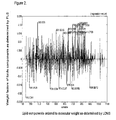
- In step (a) plasma was selected from APOE*3 Leiden mice after induction of insulin resistance using a high fat and high calorie (HFHC) diet, the insulin resistance was measured by euglycemic clamp analysis for each individual mouse. In step (b) a lipid profiling method was used to profile the class of lipids in the most extensive way with high coverage of this biological class of components. This profiling can be done with various analytical techniques but preferably with gas chromatography using mass spectrometry or flame ionisation detection or by liquid chromatography coupled to mass spectrometry (LC/MS) or by any combination of the mentioned methods or by any other method capable of profiling and quantification of lipids. In this example LC/MS profiling was chosen. In step (c) a multivariate regression method was selected, partial-least-squares (PLS) after orthogonal signal correction (OSC) to determine which components can best be selected to predict the insulin resistance. The outcome is given in Figure 1 showing the correlation between predicted insulin resistance values by the lipid method and the observed insulin resistance as measured via the euglycemic clamp analysis. The correlation is very high demonstrating the high information content of the lipid molecules in respect to insulin resistance. A more in depth interpretation of the individual components can be obtained by examining the components with the highest weight factor in PLS, see Figure 2.
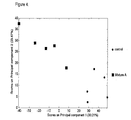
- A further embodiment of the present invention includes the use of longitudinal and multi-level information based on lipids or on lipids combined with other biochemical components for measuring insulin resistance. The underlying invention is based on the fact that dysregulation of systems in an early state is reflected in the dynamics of that system, a good example being the glucose tolerance test which in fact measures the dynamic response of the system to a challenge with glucose. The oral glucose tolerance test is typically conducted by measuring blood glucose levels five times over a period of 3 hours. It is basically the measurement of the body's ability to appropriately handle the excess sugar presented after drinking a high glucose drink. Such longitudinal, time-resolved or temporal data reflecting a dysregulation or change in homeostasis of a system can be obtained by measurement of the lipid profile at various time points with or without perturbation of the system. The frequency of the sampling can depend on the application, for instance could be in the seconds to minutes-hours time frame with or without perturbing the systems with chemicals, nutrition or special variants thereof, herbal medicine, drugs etc. Longer sampling times can be of importance for slower interventions and can extend from hours to days and months or even longer. The detection of specific longitudinal lipid profiles for prediction of insulin resistance can be detected but not limited to regression methods such as ridge regression, principal component regression, PLS-batch processing for more continuous data or for example for discontinuous data by linear discriminant analysis (LDA), principle component analysis combined with discriminant analysis (PCDA), PLS-DA, support vector machines (SVM), neural networks etc. Such longitudinal profiles can be excellent for evaluation of the efficacy and dose-response effect of interventions. An example is given in Figure 3 for a herbal medicine intervention, which is one of the most complicated examples, in an experiment using the APOE3 Leiden transgenic mouse model as described above using a herbal medicine intervention to reveal the dose-response profile based on the lipid profile indicative for insulin resistance. In this particular case PLS-batch processing was used to reveal the time effects of the intervention, which can be related to insulin resistance. Moreover when principal component analysis is performed on the PLS-scores, see Figure 4, the treatment effect is clearly visible and interpretable at the lipid level.
Claims (16)
- A method for providing a profile of one or more lipids which is related to insulin resistance, which method comprises the steps of:(a) determining the insulin resistance for a series of biological systems;(b) determining the profiles of one or more lipids for a series of samples of the biological systems;(c) determining correlations between the insulin resistance and the profiles of one or more lipids, using multivariate analysis; and(d) developing a profile of one or more lipids based on the correlations determined in step (c).
- A method according to claim 1, wherein the sample is obtained from a mammal.
- A method according to claim 1 or 2, wherein the sample comprises tissue or a body fluid.
- A method according to claim 3, wherein the sample comprises a blood sample, a urine sample, a saliva sample or a cerebrospinal fluid sample.
- A method according to any one of claims 1-4, wherein in step (a) the insulin resistance is determined using an euglycemic clamp.
- A method according to any one of claims 1-5, wherein in step (b) use is made of at least one spectrometric technique, at least one electromigration-based technique or at least one chromatographic technique to determine the profiles of lipids.
- A method for providing a correlation between the insulin resistance of a biological system and a profile of one or more lipids of a sample of the biological system, which method comprises the steps of:(a) determining the insulin resistance for a series of biological systems;(b) determining the profiles of one or more lipids for a series of samples of the biological systems;(c) determining correlations between the insulin resistance and the profiles of one or more lipids, using multivariate analysis; and(d) selecting a correlation between the insulin resistance and a profile of one or more lipids.
- A method for determining the insulin resistance of a biological system using a profile as defined in any one of claims 1-7, which method comprises the steps of:(a) determining the profile of one or more lipids of a sample of the biological system; and(b) determining the insulin resistance of the biological system on the basis of a correlation between the profile of one or more lipids and insulin resistance, which correlation is determined as described in any one of claims 1-7.
- A method according to claim 8, wherein in step (a) use is made of at least one spectrometric technique, at least one electromigration-based technique or at least one chromatographic technique to determine the profile of lipids.
- A method according to claim 8 or 9, wherein to the profile of the one or more lipids information is added of other biological molecules such as genes, transcripts, proteins, non-lipid metabolites and (trace) elements or the profile of one or more lipids is combined with other non-invasive biomarker profiles or patterns.
- A method according to any one of claims 8-10, wherein step (a) is repeated at multiple time points.
- Use of the profile of one or more lipids as defined in any one of claims 1-7 to determine the level of insulin resistance in a biological system.
- Use of the profile of one or more lipids as defined in any one of claims 1-7 for treating and/or preventing insulin resistance in a biological system.
- Use of the profile of the one or more lipids as defined in any one of claims 1-7 for designing intervention strategies in pharmaceutical, nutraceutical, functional food, herbal medicine and nutrition applications.
- A device for determining the insulin resistance of a biological system comprising one or more detection means to determine the profile of one or more lipids as defined in any one of claims 1-7 of a sample of the biological system, and one or more means to determine the insulin resistance on the basis of a correlation between insulin resistance and the profile of one or more lipids.
- Use of a device according to claim 15 for selecting a composition capable of treating and/or preventing insulin resistance.
Priority Applications (2)
| Application Number | Priority Date | Filing Date | Title |
|---|---|---|---|
| EP04077787A EP1645877A1 (en) | 2004-10-08 | 2004-10-08 | Method for providing a insulin resistance biomarker profile of one or more lipids |
| PCT/NL2005/000724 WO2006038800A1 (en) | 2004-10-08 | 2005-10-07 | Method for providing a insulin resistance biomarker profile of one or more lipids |
Applications Claiming Priority (1)
| Application Number | Priority Date | Filing Date | Title |
|---|---|---|---|
| EP04077787A EP1645877A1 (en) | 2004-10-08 | 2004-10-08 | Method for providing a insulin resistance biomarker profile of one or more lipids |
Publications (1)
| Publication Number | Publication Date |
|---|---|
| EP1645877A1 true EP1645877A1 (en) | 2006-04-12 |
Family
ID=34928558
Family Applications (1)
| Application Number | Title | Priority Date | Filing Date |
|---|---|---|---|
| EP04077787A Withdrawn EP1645877A1 (en) | 2004-10-08 | 2004-10-08 | Method for providing a insulin resistance biomarker profile of one or more lipids |
Country Status (2)
| Country | Link |
|---|---|
| EP (1) | EP1645877A1 (en) |
| WO (1) | WO2006038800A1 (en) |
Cited By (3)
| Publication number | Priority date | Publication date | Assignee | Title |
|---|---|---|---|---|
| US20100100334A1 (en) * | 2008-10-20 | 2010-04-22 | Otvos James D | Lipoprotein insulin resistance indexes and related methods, systems and computer programs for generating same |
| EP2247775A4 (en) * | 2008-01-28 | 2011-03-16 | Univ Singapore | LIPID PROFILE OF TUMORS |
| RU2493566C1 (en) * | 2012-05-25 | 2013-09-20 | Открытое акционерное общество "Медицина" (ОАО "Медицина") | Method for screening diagnosis of insulin resistance |
Families Citing this family (1)
| Publication number | Priority date | Publication date | Assignee | Title |
|---|---|---|---|---|
| CN111060640A (en) * | 2019-12-27 | 2020-04-24 | 深圳市开物成务中医药科技有限公司 | Methods, applications and devices for measuring lipid profiles associated with insulin resistance |
Family Cites Families (1)
| Publication number | Priority date | Publication date | Assignee | Title |
|---|---|---|---|---|
| AU2002230843B8 (en) * | 2000-12-14 | 2007-05-17 | Amylin Pharmaceuticals, Llc | Peptide YY and peptide YY agonists for treatment of metabolic disorders |
-
2004
- 2004-10-08 EP EP04077787A patent/EP1645877A1/en not_active Withdrawn
-
2005
- 2005-10-07 WO PCT/NL2005/000724 patent/WO2006038800A1/en not_active Ceased
Non-Patent Citations (6)
| Title |
|---|
| CHRIST-ROBERTS C Y ET AL: "Exercise training increases glycogen synthase activity and GLUT4 expression but not insulin signaling in overweight nondiabetic and type 2 diabetic subjects", METABOLISM, CLINICAL AND EXPERIMENTAL, W.B. SAUNDERS CO., PHILADELPHIA, PA, US, vol. 53, no. 9, September 2004 (2004-09-01), pages 1233 - 1242, XP004528176, ISSN: 0026-0495 * |
| DENGEL D R ET AL: "Improvements in blood pressure, glucose metabolism, and lipoprotein lipids after aerobic exercise plus weight loss in obese, hypertensive middle-aged men", METABOLISM, CLINICAL AND EXPERIMENTAL, W.B. SAUNDERS CO., PHILADELPHIA, PA, US, vol. 47, no. 9, September 1998 (1998-09-01), pages 1075 - 1082, XP004538660, ISSN: 0026-0495 * |
| FALKNER BONITA ET AL: "Insulin sensitivity, lipids, and blood pressure in young American blacks", ARTERIOSCLEROSIS THROMBOSIS AND VASCULAR BIOLOGY, vol. 15, no. 11, 1995, pages 1798 - 1804, XP009040736, ISSN: 1079-5642 * |
| O'ROURKE C M ET AL: "Metabolic effects of troglitazone in the Goto-Kakizaki rat, a non-obese and normolipidemic rodent model of non-insulin-dependent diabetes mellitus", METABOLISM, CLINICAL AND EXPERIMENTAL, W.B. SAUNDERS CO., PHILADELPHIA, PA, US, vol. 46, no. 2, February 1997 (1997-02-01), pages 192 - 198, XP004538976, ISSN: 0026-0495 * |
| SHERIF K ET AL: "Sex hormone-binding globulin and insulin resistance in African-American women", METABOLISM, CLINICAL AND EXPERIMENTAL, W.B. SAUNDERS CO., PHILADELPHIA, PA, US, vol. 47, no. 1, January 1998 (1998-01-01), pages 70 - 74, XP004540557, ISSN: 0026-0495 * |
| TIBBLIN GOSTA ET AL: "The putuitary-gonadal axis and health in elderly men: A study of men born in 1913", DIABETES, vol. 45, no. 11, 1996, pages 1605 - 1609, XP009040746, ISSN: 0012-1797 * |
Cited By (5)
| Publication number | Priority date | Publication date | Assignee | Title |
|---|---|---|---|---|
| EP2247775A4 (en) * | 2008-01-28 | 2011-03-16 | Univ Singapore | LIPID PROFILE OF TUMORS |
| US9213030B2 (en) | 2008-01-28 | 2015-12-15 | National University Of Singapore | Lipid tumour profile |
| US20100100334A1 (en) * | 2008-10-20 | 2010-04-22 | Otvos James D | Lipoprotein insulin resistance indexes and related methods, systems and computer programs for generating same |
| US8386187B2 (en) * | 2008-10-20 | 2013-02-26 | Liposcience, Inc. | Lipoprotein insulin resistance indexes and related methods, systems and computer programs for generating same |
| RU2493566C1 (en) * | 2012-05-25 | 2013-09-20 | Открытое акционерное общество "Медицина" (ОАО "Медицина") | Method for screening diagnosis of insulin resistance |
Also Published As
| Publication number | Publication date |
|---|---|
| WO2006038800A1 (en) | 2006-04-13 |
Similar Documents
| Publication | Publication Date | Title |
|---|---|---|
| Lingvay et al. | Noninvasive quantification of pancreatic fat in humans | |
| CN104956228B (en) | Hexanoylglycine as biomarker for the predisposition for weight gain and obesity | |
| Zhang et al. | Metabolomics in noninvasive breast cancer | |
| JP4585693B2 (en) | Method for determining the risk of developing type II diabetes by NMR | |
| Li et al. | Influence of metabolic syndrome on arterial stiffness and its age-related change in young adults: the Bogalusa Heart Study | |
| ES2669620T3 (en) | Biomarkers related to the progress of insulin resistance and methods that use it | |
| Guerrero-Romero et al. | Prediabetes and its relationship with obesity in Mexican adults: the Mexican Diabetes Prevention (MexDiab) Study | |
| KR20110086074A (en) | Lipoprotein Insulin Resistance Indicators and Related Methods, Systems, and Computer Programs for Producing the Same | |
| Garbow et al. | In vivo MRS measurement of liver lipid levels in mice | |
| EP2810079A1 (en) | Method for determining liver fat amount and method for diagnosing nafld | |
| Hsu et al. | The association between low protein diet and body composition, muscle function, inflammation, and amino acid-based metabolic profile in chronic kidney disease stage 3–5 patients | |
| CN105026935B (en) | Isovalerylglycine as a biomarker of weight gain and obesity propensity | |
| CN104956223B (en) | Trimethylamine-n-oxide as biomarker for the predisposition for weight gain and obesity | |
| KR101598597B1 (en) | An Apparatus diagnosing high-LDL-cholesterol disease using plasma metabolites and a method for diagnosing high-LDL-cholesterol disease thereby | |
| US9261520B2 (en) | PC-O 44:4—a biomarker for visceral adiposity | |
| Tokarz et al. | Confounders in metabolomics | |
| Otokozawa et al. | Direct assessment of plasma low density lipoprotein and high density lipoprotein cholesterol levels and coronary heart disease: results from the Framingham Offspring Study | |
| WO2006038800A1 (en) | Method for providing a insulin resistance biomarker profile of one or more lipids | |
| JP6243413B2 (en) | PC-O42: 4-Biomarker of visceral fat excess | |
| JP6243411B2 (en) | PC-O44: 6-Biomarker of visceral fat excess | |
| El Shikieri et al. | Visceral adipose index, lipid accumulation product, and selected cardiometabolic risk markers among postmenopausal Sudanese women: A cross-sectional study | |
| Stefanska et al. | Comparison between C-reactive protein and adipocyte fatty acid-binding protein as a component of metabolic syndrome in middle-aged women | |
| US20240044826A1 (en) | Metabolic vulnerability analyzed by nmr | |
| Humayun et al. | Serum Adiponectin Levels and Their Association with Age, Gender and Waist Circumference: Insights from a Cross-Sectional Study: Serum Adiponectin Levels and Age, Gender, Waist Circumference | |
| CN111060640A (en) | Methods, applications and devices for measuring lipid profiles associated with insulin resistance |
Legal Events
| Date | Code | Title | Description |
|---|---|---|---|
| PUAI | Public reference made under article 153(3) epc to a published international application that has entered the european phase |
Free format text: ORIGINAL CODE: 0009012 |
|
| AK | Designated contracting states |
Kind code of ref document: A1 Designated state(s): AT BE BG CH CY CZ DE DK EE ES FI FR GB GR HU IE IT LI LU MC NL PL PT RO SE SI SK TR |
|
| AX | Request for extension of the european patent |
Extension state: AL HR LT LV MK |
|
| AKX | Designation fees paid | ||
| REG | Reference to a national code |
Ref country code: DE Ref legal event code: 8566 |
|
| STAA | Information on the status of an ep patent application or granted ep patent |
Free format text: STATUS: THE APPLICATION IS DEEMED TO BE WITHDRAWN |
|
| 18D | Application deemed to be withdrawn |
Effective date: 20061013 |