EP1634598A1 - Use of piperazine derivatives and analogues for the manufacture of a medicament for the prophylaxis and/or treatment of disorders of food ingestion - Google Patents
Use of piperazine derivatives and analogues for the manufacture of a medicament for the prophylaxis and/or treatment of disorders of food ingestion Download PDFInfo
- Publication number
- EP1634598A1 EP1634598A1 EP04021203A EP04021203A EP1634598A1 EP 1634598 A1 EP1634598 A1 EP 1634598A1 EP 04021203 A EP04021203 A EP 04021203A EP 04021203 A EP04021203 A EP 04021203A EP 1634598 A1 EP1634598 A1 EP 1634598A1
- Authority
- EP
- European Patent Office
- Prior art keywords
- branched
- substituted
- alkyl
- saturated
- unsaturated
- Prior art date
- Legal status (The legal status is an assumption and is not a legal conclusion. Google has not performed a legal analysis and makes no representation as to the accuracy of the status listed.)
- Withdrawn
Links
Images
Classifications
-
- A—HUMAN NECESSITIES
- A61—MEDICAL OR VETERINARY SCIENCE; HYGIENE
- A61K—PREPARATIONS FOR MEDICAL, DENTAL OR TOILETRY PURPOSES
- A61K31/00—Medicinal preparations containing organic active ingredients
- A61K31/33—Heterocyclic compounds
- A61K31/395—Heterocyclic compounds having nitrogen as a ring hetero atom, e.g. guanethidine or rifamycins
- A61K31/495—Heterocyclic compounds having nitrogen as a ring hetero atom, e.g. guanethidine or rifamycins having six-membered rings with two or more nitrogen atoms as the only ring heteroatoms, e.g. piperazine or tetrazines
-
- A—HUMAN NECESSITIES
- A61—MEDICAL OR VETERINARY SCIENCE; HYGIENE
- A61P—SPECIFIC THERAPEUTIC ACTIVITY OF CHEMICAL COMPOUNDS OR MEDICINAL PREPARATIONS
- A61P3/00—Drugs for disorders of the metabolism
- A61P3/04—Anorexiants; Antiobesity agents
-
- A—HUMAN NECESSITIES
- A61—MEDICAL OR VETERINARY SCIENCE; HYGIENE
- A61P—SPECIFIC THERAPEUTIC ACTIVITY OF CHEMICAL COMPOUNDS OR MEDICINAL PREPARATIONS
- A61P3/00—Drugs for disorders of the metabolism
- A61P3/08—Drugs for disorders of the metabolism for glucose homeostasis
- A61P3/10—Drugs for disorders of the metabolism for glucose homeostasis for hyperglycaemia, e.g. antidiabetics
Definitions
- the present invention refers to the use of piperazine derivatives and analogues for the manufacture of a medicament for the prophylaxis and/or treatment of disorders of food ingestion.
- Food ingestion disorders are a serious, fast growing threat to the health of humans of all age groups, since they increase the risk of developing other serious, even life-threatening diseases such as diabetes or coronary diseases.
- the object of the present invention was to provide medicaments that comprise compounds which are suitable for the prophylaxis and/or treatment of food-ingestion related disorders.
- the main object of this invention is the use of a compound according to general formula IA wherein R 1 is selected from C 1-6 -Alkyl, saturated or unsaturated, substituted or not substituted, branched or not branched; R 2 , R 3 and R 8 are independently of each other selected from H; OH, SH, NH 2 , C 1-6- Alkyl, saturated or unsaturated, substituted or not substituted, branched or not branched; Halogen; O-C 1-6 -Alkyl, saturated or unsaturated, substituted or not substituted, branched or not branched; O ⁇ C(O)-C 1-6 -Alkyl, saturated or unsaturated, substituted or not substituted, branched or not branched; C(O)-O-C 1-6 -Alkyl, saturated or unsaturated, substituted or not substituted, branched or not branched; or NH-C(O)-C 1-6 -Alkyl, saturated or unsatur
- piperazine derivatives and analogues compounds according to formula IA were surprisingly active for the prophylaxis and/or treatment of disorders of food ingestion.
- Compounds according to formula IA are known in the art and their action on cocaine addiction described in US2003/0171347A1 and WO 99-59409 A1 included here by reference.
- BD-1063 (1-(3,4-dichlorophenethyl)-4-methylpiperazine/1-[2-(3,4-dichlorophenyl)ethyl]-4-methylpiperazine
- BD-1047 N1-(3,4-dichlorophenethyl)-N1,N2,N2-trimethylethane-1,2-diamine/ N-[2-(3,4-dichlorophenyl)ethyl]-N-methyl-2-(dimethylamino)-ethylamine
- BD-1063 and compounds structurally related are described in detail in de Costa et al. (1993), J. Med. Chem. 36(16): 2311-2320 (referred to as compound 4 in Scheme I; p. 2312) included here by reference.
- the synthesis of BD-1047 is described in detail in de Costa et al. (1992), J. Med Chem. 35, 38-47, as well as WO92/22279 A1 showing compounds related to CNS disorders, where BD-1047 is described as a truncated version (compound 10 in Scheme 2, p.17), both included here by reference. Accordingly the synthesis of the compounds whose use is claimed in this invention is known and the compounds thus available to those skilled in the art, starting from the given information working analogously if necessary.
- Treating” or “treatment” as used in this application are defined as including the treatment of the symptoms - of disorders of food ingestion - as well as treatment of the disease or disease consequences causing the symptoms.
- Prophylaxis as used in this application is defined as including the prevention or the prophylaxis of the symptoms - of disorders of food ingestion - as well as the prevention or the prophylaxis of the disease or disease consequences causing the symptoms.
- the sigma receptor/s as used in this application is/are well known and defined using the following citation: This binding site represents a typical protein different from opioid, NMDA, dopaminergic, and other known neurotransmitter or hormone receptor families (G. Ronsisvalle et al. Pure Appl. Chem. 73, 1499-1509 (2001)).
- Another selective ligand is a compound known as NE-100 (Chaki, S. et al., Eur. J. Pharmacol. 251, R1-R2 (1994)).
- alkyl and cycloalkyl radicals are understood as meaning saturated and unsaturated (but not aromatic), branched, unbranched and cyclic hydrocarbons, which can be unsubstituted or mono- or polysubstituted.
- C 1-2 -alkyl represents C1- or C2-alkyl
- C 1-3 -alkyl represents C1-, C2- or C3-alkyl
- C 1-4 -alkyl represents C1-, C2-, C3- or C4-alkyl
- C 1-5 -alkyl represents C1-, C2-, C3-, C4-, or C5-alkyl
- C 1-6 -alkyl represents C1-, C2-, C3-, C4-, C5- or C6-alkyl
- C 1-7 -alkyl represents C1-, C2-, C3-, C4-, C5-, C6- or C7-alkyl
- C 1-8 -alkyl represents C1-, C2-, C3-, C4-, C5-, C6-, C7- or C8-alkyl
- C 1-10 -alkyl represents C1-, C2-, C3-, C4-, C5-, C
- C 3-4 -cycloalkyl represents C3- or C4-cycloalkyl
- C 3-5 - cycloalkyl represents C3-, C4- or C5-cycloalkyl
- C 3-6 -cycloalkyl represents C3-, C4-, C5- or C6-cycloalkyl
- C 3-7 -cycloalkyl represents C3-, C4-, C5-, C6- or C7-cycloalkyl
- C 3-8 -cycloalkyl represents C3-, C4-, C5-, C6-, C7- or C8-cycloalkyl
- C 4-5 -cycloalkyl represents C4- or C5-cycloalkyl
- C 4-6 -cycloalkyl represents C4-, C5- or C6-cycloalkyl
- C 4-7 -cycloalkyl represents C4-, C5-, C6- or C7-cycloalkyl, C 5
- cycloalkyl in respect of cycloalkyl, the term also includes saturated cycloalkyls in which one or 2 carbon atoms are replaced by a heteroatom, S, N or O.
- mono- or polyunsaturated, preferably monounsaturated, cycloalkyls without a heteroatom in the ring also in particular fall under the term cycloalkyl as long as the cycloalkyl is not an aromatic system.
- alkyl and cycloalkyl radicals are preferably methyl, ethyl, vinyl (ethenyl), propyl, allyl (2-propenyl), 1-propinyl, methylethyl, butyl, 1-methylpropyl, 2-methylpropyl, 1,1-dimethylethyl, pentyl, 1,1-dimethylpropyl, 1,2-dimethylpropyl, 2,2-dimethylpropyl, hexyl, 1-methylpentyl, cyclopropyl, 2-methylcyclopropyl, cyclopropylmethyl, cyclobutyl, cyclopentyl, cyclopentylmethyl, cyclohexyl, cycloheptyl, cyclooctyl, and also adamantyl, (if substituted also CHF 2 , CF 3 or CH 2 OH) as well as pyrazolinone, oxopyrazolinone, [1,4]
- substituted in the context of this invention is understood as meaning replacement of at least one hydrogen radical by F, Cl, Br, I, NH 2 , SH or OH
- Particularly preferred substituents here are F, Cl and OH.
- the hydrogen radical can also be replaced by OC 1-3 -alkyl or C 1-3 -alkyl (in each case mono- or polysubstituted or unsubstituted), in particular methyl, ethyl, n-propyl, i-propyl, CF 3 , methoxy or ethoxy.
- (CH 2 ) 3-6 is to be understood as meaning -CH 2 -CH 2 -CH 2 -, -CH 2 -CH 2 -CH 2- CH 2 -, -CH 2 -CH 2 -CH 2 -CH 2 - and -CH 2 -CH 2 -CH 2 -CH 2 -CH 2 -, (CH 2 ) 1-4 is to be understood as meaning -CH 2 -, -CH 2 -CH 2 -, -CH 2 -CH 2 -CH 2 - and -CH 2 -CH 2 -CH 2 -CH 2 -CH 2 -, (CH 2 ) 4-5 is to be understood as meaning -CH 2 -CH 2 -CH 2 -CH 2 - and -CH 2 -CH 2 -CH 2- CH 2 -CH 2 -, etc.
- aryl radical is understood as meaning ring systems with at least one aromatic ring but without heteroatoms even in only one of the rings. Examples are phenyl, naphthyl, fluoranthenyl, fluorenyl, tetralinyl or indanyl, in particular 9H-fluorenyl or anthracenyl radicals, which can be unsubstituted or monosubstituted or polysubstituted.
- a heteroaryl radical is understood as meaning heterocyclic ring systems which have at least one unsaturated ring and can contain one or more heteroatoms from the group consisting of nitrogen, oxygen and/or sulfur and can also be mono- or polysubstituted.
- heteroaryls are furan, benzofuran, thiophene, benzothiophene, pyrrole, pyridine, pyrimidine, pyrazine, quinoline, isoquinoline, phthalazine, benzo-1,2,5-thiadiazole, benzothiazole, indole, benzotriazole, benzodioxolane, benzodioxane, carbazole and quinazoline.
- substituted is understood as meaning substitution of the aryl or heteroaryl by R, OR, a halogen, preferably F and/or Cl, a CF 3 , a CN, an NO 2 , an NRR, a C 1-6 -alkyl (saturated), a C 1-6- alkoxy, a C 3-8- cycloalkoxy, a C 3-8 -cycloalkyl or a C 2-6 -alkylene.
- salt is to be understood as meaning any form of the active compound used according to the invention in which it assumes an ionic form or is charged and is coupled with a counter-ion (a cation or anion) or is in solution.
- a counter-ion a cation or anion
- complexes of the active compound with other molecules and ions in particular complexes which are complexed via ionic interactions.
- physiologically acceptable salt means in the context of this invention any salt that is physiologically tolerated (most of the time meaning not being toxic-especially not caused by the counter-ion) if used appropriately for a treatment especially if used on or applied to humans and/or mammals.
- physiologically acceptable salts can be formed with cations or bases and in the context of this invention is understood as meaning salts of at least one of the compounds used according to the invention - usually a (deprotonated) acid - as an anion with at least one, preferably inorganic, cation which is physiologically tolerated - especially if used on humans and/or mammals.
- the salts of the alkali metals and alkaline earth metals are particularly preferred, and also those with NH4, but in particular (mono)- or (di)sodium, (mono)- or (di)potassium, magnesium or calcium salts.
- physiologically acceptable salts can also be formed with anions or acids in the context of this invention is understood as meaning salts of at least one of the compounds used according to the invention - usually protonated, for example on the nitrogen - as the cation with at least one anion which are physiologically tolerated - especially if used on humans and/or mammals.
- the salt formed with a physiologically tolerated acid that is to say salts of the particular active compound with inorganic or organic acids which are physiologically tolerated - especially if used on humans and/or mammals.
- physiologically tolerated salts of particular acids are salts of: hydrochloric acid, hydrobromic acid, sulfuric acid, methanesulfonic acid, formic acid, acetic acid, oxalic acid, succinic acid, malic acid, tartaric acid, mandelic acid, fumaric acid, lactic acid or citric acid.
- solvate is to be understood as meaning any form of the active compound according to the invention in which this compound has attached to it via non-covalent binding another molecule (most likely a polar solvent) especially including hydrates and alcoholates, e.g. methanolate.
- a polar solvent especially including hydrates and alcoholates, e.g. methanolate.
- the compound used is a compound according to general formula IA, wherein R 2 , R 3 and R 8 are independently of each other selected from H; OH, SH, NH 2 , C 1-6- Alkyl, saturated or unsaturated, substituted or not substituted, branched or not branched; Halogen; O-C 1-6 -Alkyl, saturated or unsaturated, substituted or not substituted, branched or not branched.
- the compound used is a compound according to general formula IA, wherein R 4 and R 5 are independently of each other selected from H; OH, NH 2 , C 1-4- Alkyl, saturated, not substituted and branched or not branched; Cl, F, Br, I; O-C 1-4 -Alkyl, saturated, not substituted and branched or not branched; preferably R 4 and R 5 are independently of each other selected from H, CH 3 , C 2 H 5 , C 3 H 7 , C 4 H 9 , CF 3 , Cl, F, O-CH 3 , O-C 2 H 5 ; most preferably R 4 and R 5 are independently of each other selected from H, or CH 3 .
- the compound used is a compound according to general formula IA, wherein R 4 and R 5 taken together are -(CHR 9 ) n - forming a ring.
- n is selected from 1 or 2; preferably n is 2; and/or each R 9 is independently selected from H; OH, NH 2 , C 1-4 -Alkyl, saturated, not substituted, branched or not branched; F, Cl, Br, I; O-C 1-4 -Alkyl, saturated, not substituted, branched or not branched; preferably each R 9 is independently selected from H, CH 3 , C 2 H 5 , C 3 H 7 , C 4 H 9 , CF 3 , Cl, F, O-CH 3 , O-C 2 H 5 ; most preferably R 9 is H.
- the compound used is a compound according to general formula IA, wherein R 6 and R 7 are independently of each other selected from H; OH, NH 2 , C 1-4- Alkyl, saturated, not substituted and branched or not branched; Cl, F, Br, I; O-C 1-4 -Alkyl, saturated, not substituted and branched or not branched; preferably R 6 and R 7 are independently of each other selected from H, CH 3 , C 2 H 5 , C 3 H 7 , C 4 H 9 , CF 3 , Cl, F, O-CH 3 , O-C 2 H 5 ; most preferably R 6 and R 7 are both H.
- the compound used is a compound according to general formula IA, wherein X is -(CHR 10 ) m - with m selected from 1, 2 or 3, preferably m is 2; and/or each R 10 is independently selected from H; OH, NH 2 , C 1-4 -Alkyl, saturated, not substituted, branched or not branched; F, Cl, Br, I; O-C 1-4 -Alkyl, saturated, not substituted, branched or not branched; preferably each R 10 is independently selected from H, CH 3 , C 2 H 5 , C 3 H 7 , C 4 H 9 , CF 3 , Cl, F, O-CH 3 , O-C 2 H 5 ; most preferably R 10 is H.
- the compound used is a compound according to general formula IA, wherein R 1 is selected from C 1-6 -Alkyl, saturated or unsaturated, substituted or not substituted, branched or not branched; R 2 , R 3 and R 8 are independently of each other selected from H; OH, SH, NH 2 , C 1-6- Alkyl, saturated or unsaturated, substituted or not substituted, branched or not branched; Halogen; O-C 1-6 -Alkyl, saturated or unsaturated, substituted or not substituted, branched or not branched; R 4 and R 5 are independently of each other selected from H, CH 3 , C 2 H 5 , C 3 H 7 , C 4 H 9 , CF 3 , Cl, F, O-CH 3 , O-C 2 H 5 ; preferably H, or CH 3 .
- R 4 and R 5 taken together are -(CHR 9 ) n - forming a ring, with n being selected from 1 or 2; preferably 2; and each R 9 is independently selected from H, CH 3 , C 2 H 5 , C 3 H 7 , C 4 H 9 , CF 3 , Cl, F, O-CH 3 , O-C 2 H 5 ; preferably H; R 6 and R 7 are independently of each other selected from H, CH 3 , C 2 H 5 , C 3 H 7 , C 4 H 9 , CF 3 , Cl, F, O-CH 3 , O-C 2 H 5 ; preferably H; X is -(CHR 10 ) m - with m being selected from 1, 2 or 3, preferably 2; and each R 10 being independently selected from H, CH 3 , C 2 H 5 , C 3 H 7 , C 4 H 9 , CF 3 , Cl, F, O-CH 3 , O-C 2 H 5 ; preferably H.
- the compound used is a compound according to general formula IA, wherein R 1 is selected from C 1-4 -Alkyl, saturated or unsaturated, substituted or not substituted, and branched or not branched; preferably R 1 is selected from C 1-4 -Alkyl, saturated, substituted or not substituted, and branched or not branched; more preferably R 1 is selected from C 1-4 -Alkyl, saturated, not substituted, and branched or not branched; namely CH 3 , C 2 H 5 , C 3 H 7 , C 4 H 9 .
- the compound used is a compound according to general formula IA, wherein R 2 , R 3 and R 8 are independently of each other selected from H; OH, SH, NH 2 , C 1-4- Alkyl, saturated or unsaturated, substituted or not substituted, branched or not branched; F, Cl, Br, I; O-C 1-4 -Alkyl, saturated or unsaturated, substituted or not substituted, branched or not branched; preferably R 2 , R 3 and R 8 are independently of each other selected from H; OH, NH 2 , C 1-4- Alkyl, saturated, substituted or not substituted, and branched or not branched; F, Cl, Br, I; O-C 1-4 -Alkyl, saturated, not substituted, and branched or not branched; more preferably R 2 , R 3 and R 8 are independently of each other selected from H, OH, NH 2 , CH 3 , C 2 H 5
- R 8 is H and R 2 and R 3 are in 3' and 4' position on the phenyl ring.
- R1 is selected from C 1-6 -Alkyl, saturated or unsaturated, substituted or not substituted, branched or not branched
- R2 and R3 are independently of each other selected from H; C 1-6- Alkyl, saturated or unsaturated, substituted or not substituted, branched or not branched; Halogen, O-C 1-6 -Alkyl, saturated or unsaturated, substituted or not substituted, branched or not branched; in the manufacture of a medicament for the prophylaxis and/or treatment of disorders of food ingestion.
- the compound used is a compound according to general formula IB, wherein R 1 is selected from C 1-4 -Alkyl, saturated or unsaturated, substituted or not substituted, and branched or not branched; preferably R 1 is selected from C 1-4 -Alkyl, saturated, substituted or not substituted, and branched or not branched; more preferably R 1 is selected from C 1-4 -Alkyl, saturated, not substituted, and branched or not branched; namely CH 3 , C 2 H 5 , C 3 H 7 , C 4 H 9 .
- the compound used is a compound according to general formula IB, wherein R 2 and R 3 are independently of each other selected from H; OH, SH, NH 2 , C 1-4- Alkyl, saturated or unsaturated, substituted or not substituted, branched or not branched; F, Cl, Br, I; O-C 1-4 -Alkyl, saturated or unsaturated, substituted or not substituted, branched or not branched; preferably R 2 and R 3 are independently of each other selected from H; OH, NH 2 , C 1-4- Alkyl, saturated, substituted or not substituted, and branched or not branched; F, Cl, Br, I; O-C 1-4 -Alkyl, saturated, not substituted, and branched or not branched.
- R 2 and R 3 are independently of each other selected from H; OH, SH, NH 2 , C 1-4- Alkyl, saturated or unsaturated, substituted or not substituted, branched or not branched
- the compound used is a compound according to general formula IB, wherein R 2 and R 3 are independently of each other selected from H, OH, NH 2 , CH 3 , C 2 H 5 , C 3 H 7 , C 4 H 9 , CF 3 , CHF 2 , Cl, F, Br, I, O-CH 3 , O-C 2 H 5 , O-C 3 H 7 , O-C 4 H 9 ; preferably R 2 and R 3 are independently of each other selected from H, F, Cl and CF 3 .
- R 2 and R 3 are in 3' and 4' position on the phenyl ring.
- the compound according to general formula IB used is 1-(3,4-dichlorophenethyl)-4-methylpiperazine, optionally in the form of its racemate, pure stereoisomers, especially enantiomers or diastereomers or in the form of mixtures of stereoisomers, especially enantiomers or diastereomers, in any suitable ratio; in the form described or in form of an acid or base or in form of a salt, especially a physiologically acceptable salt, or in form of a solvate, especially a hydrate.
- the compound of the invention are also meant to include compounds which differ only in the presence of one or more isotopically enriched atoms.
- compounds having the present structures except for the replacement of a hydrogen by a deuterium or tritium, or the replacement of a carbon by 13 C- or 14 C-enriched carbon or 15 N-enriched nitrogen are within the scope of this invention.
- disorders of food ingestion are defined according to the invention as including un-or bad regulated appetite, an (from a health aspect or physiologically) undesired body weight (like overweight), obesity, bulimia, anorexia, cachexia or type II diabetes, as well as type II diabetes caused by obesity.
- the medicament manufactured according to the invention is intended for the regulation of appetite, for the reduction, increase or maintenance of body weight, for the prophylaxis and/or treatment of obesity, bulimia, anorexia, cachexia or type II diabetes, preferably type II diabetes caused by obesity.
- the medicament manufactured according to the invention is intended for the prophylaxis and/or treatment of obesity.
- Body fat is in the sense of this application is defined according to the web-page of the National Center for Chronic Disease Prevention and Health Promotion of the USA as "an excessively high amount of body fat or adipose tissue in relation to lean body mass. (NRC p114; Stunkard p14)
- the amount of body fat (or adiposity) includes concern for both the distribution of fat throughout the body and the size of the adipose tissue deposits.
- Body fat distribution can be estimated by skinfold measures, waist-to-hip circumference ratios, or techniques such as ultrasound, computed tomography, or magnetic resonance imaging.”
- Overweight refers in the sense of this application according to the web-page of the National Center for Chronic Disease Prevention and Health Promotion of the USA "to increased body weight in relation to height, when compared to some standard of acceptable or desirable weight (NRC p.114; Stunkard p.14)."
- Any formulation or pharmaceutical composition according to the invention contains the active ingredient (piperazine derivatives and analogues) as well as optionally at least one auxiliary material and/or additive and/or optionally another active ingredient.
- the auxiliary material and/or additive can be specifically selected from conserving agents, emulsifiers and/or carriers for parenteral application.
- the selection of these auxiliary materials and/or additives and of the amounts to be used depends upon how the pharmaceutical composition is to be applied. Examples include here especially parenteral like intravenous subcutaneous or intramuscular application formulations but which could also be used for other administration routes.
- Routes of administration can include inter alia intramuscular injection, intraveneous injection, subcutaneous injection, sublingual, bucal, patch through skin, oral ingestion, implantable osmotic pump, collagen implants, aerosols or suppository.
- Solid oral compositions (which are preferred as are liquid ones) may be prepared by conventional methods of blending, filling or tabletting. Repeated blending operations may be used to distribute the active agent throughout those compositions employing large quantities of fillers. Such operations are conventional in the art.
- the tablets may for example be prepared by wet or dry granulation and optionally coated according to the methods well known in normal pharmaceutical practice., in particular with an enteric coating.
- an effective administered amount of a compound used according to the invention will depend on the relative efficacy of the compound chosen, the severity of the disorder being treated and the weight of the sufferer.
- active compounds will typically be administered once or more times a day for example 1, 2, 3 or 4 times daily, with typical total daily doses in the range of from 0.1 to 1000/mg/kg/day.
- Included in this invention are especially also methods of treatments of a patient or a mammal, including men, suffering from disorders of food ingestion using the compounds described as being used according to this invention.
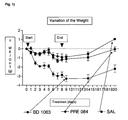
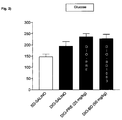
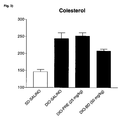
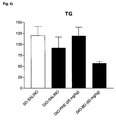
- Obese Rats were treated for 9 days intraperitoneally (i.p.) one injection per day with Saline, with BD-1063 at 50 mg/Kg and PRE-084 at 25 mg /Kg, a well known Sigma Inhibitor. During that time each day and at some points during the following 10 days the weight giving the difference in weight (referring to the day of starting the treatment) was determined, as were the blood glucose levels, blood level of cholesterol, blood level of Triglycerides (TG).
- TG Triglycerides
Landscapes
- Health & Medical Sciences (AREA)
- Diabetes (AREA)
- Medicinal Chemistry (AREA)
- Veterinary Medicine (AREA)
- Public Health (AREA)
- General Health & Medical Sciences (AREA)
- Animal Behavior & Ethology (AREA)
- Life Sciences & Earth Sciences (AREA)
- Chemical & Material Sciences (AREA)
- Pharmacology & Pharmacy (AREA)
- Bioinformatics & Cheminformatics (AREA)
- General Chemical & Material Sciences (AREA)
- Nuclear Medicine, Radiotherapy & Molecular Imaging (AREA)
- Organic Chemistry (AREA)
- Chemical Kinetics & Catalysis (AREA)
- Obesity (AREA)
- Hematology (AREA)
- Engineering & Computer Science (AREA)
- Endocrinology (AREA)
- Emergency Medicine (AREA)
- Epidemiology (AREA)
- Child & Adolescent Psychology (AREA)
- Pharmaceuticals Containing Other Organic And Inorganic Compounds (AREA)
Abstract
Description
- The present invention refers to the use of piperazine derivatives and analogues for the manufacture of a medicament for the prophylaxis and/or treatment of disorders of food ingestion.
- Food ingestion disorders, particularly obesity, are a serious, fast growing threat to the health of humans of all age groups, since they increase the risk of developing other serious, even life-threatening diseases such as diabetes or coronary diseases.
- Thus, the object of the present invention was to provide medicaments that comprise compounds which are suitable for the prophylaxis and/or treatment of food-ingestion related disorders.
- So, the main object of this invention is the use of a compound according to general formula IA
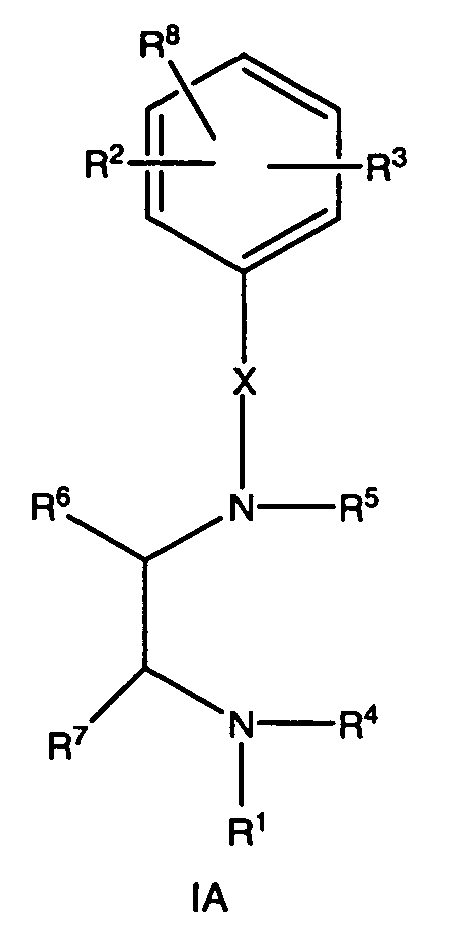
R1 is selected from C1-6-Alkyl, saturated or unsaturated, substituted or not substituted, branched or not branched;
R2, R3 and R8 are independently of each other selected from H; OH, SH, NH2, C1-6-Alkyl, saturated or unsaturated, substituted or not substituted, branched or not branched; Halogen; O-C1-6-Alkyl, saturated or unsaturated, substituted or not substituted, branched or not branched; O―C(O)-C1-6-Alkyl, saturated or unsaturated, substituted or not substituted, branched or not branched; C(O)-O-C1-6-Alkyl, saturated or unsaturated, substituted or not substituted, branched or not branched; or NH-C(O)-C1-6-Alkyl, saturated or unsaturated, substituted or not substituted, branched or not branched;
R4 and R5 are independently of each other selected from H; OH, SH, NH2, C1-6-Alkyl, saturated or unsaturated, substituted or not substituted, branched or not branched; Halogen; O-C1-6-Alkyl, saturated or unsaturated, substituted or not substituted, branched or not branched;
or
R4 and R5 taken together are -(CHR9)n- forming a ring
with n is selected from 1, 2 or 3 and
each R9 independently selected from H; OH, SH, NH2, C1-6-Alkyl, saturated or unsaturated, substituted or not substituted, branched or not branched; Halogen; O-C1-6-Alkyl, saturated or unsaturated, substituted
or not substituted, branched or not branched;
R6 and R7 are independently of each other selected from H; OH, SH, NH2, C1-6- Alkyl, saturated or unsaturated, substituted or not substituted, branched or not branched; Halogen; or O-C1-6-Alkyl, saturated or unsaturated, substituted or not substituted, branched or not branched;
X is -(CHR10)m-
with m selected from 0, 1, 2, 3 or 4 and
(if applicable) each R10 independently selected from H; OH, SH, NH2, C1-6-Alkyl, saturated or unsaturated, substituted or not substituted, branched or not branched; Halogen; O-C1-6-Alkyl, saturated or unsaturated, substituted or not substituted, branched or not branched;
optionally in the form of its racemate, pure stereoisomers, especially enantiomers or diastereomers or in the form of mixtures of stereoisomers, especially enantiomers or diastereomers, in any suitable ratio; in the form shown or in form of the acid or base or in form of a salt, especially a physiologically acceptable salt, or in form of a solvate, especially a hydrate;
in the manufacture of a medicament for the prophylaxis and/or treatment of disorders of food ingestion. - The piperazine derivatives and analogues compounds according to formula IA were surprisingly active for the prophylaxis and/or treatment of disorders of food ingestion. Compounds according to formula IA are known in the art and their action on cocaine addiction described in US2003/0171347A1 and WO 99-59409 A1 included here by reference. Especially well known are BD-1063 (1-(3,4-dichlorophenethyl)-4-methylpiperazine/1-[2-(3,4-dichlorophenyl)ethyl]-4-methylpiperazine) and BD-1047 (N1-(3,4-dichlorophenethyl)-N1,N2,N2-trimethylethane-1,2-diamine/ N-[2-(3,4-dichlorophenyl)ethyl]-N-methyl-2-(dimethylamino)-ethylamine) which are both commercially available and popular tool compounds as sigma receptor ligands. As according to US2003/0171347A1 BD-1063 and BD-1047 show no or only slight binding to a selection of other relevant receptors (
page 7, table2 andpage 8, table 3) it is highly likely that their action as shown in the experimental part is due to their binding to a sigma receptor. Further data can be found in Vilner et al., J. Neurosci. 15, 117-134 (1995). - The synthesis of BD-1063 and compounds structurally related (mostly those covered under formula IB) is described in detail in de Costa et al. (1993), J. Med. Chem. 36(16): 2311-2320 (referred to as
compound 4 in Scheme I; p. 2312) included here by reference. The synthesis of BD-1047 is described in detail in de Costa et al. (1992), J. Med Chem. 35, 38-47, as well as WO92/22279 A1 showing compounds related to CNS disorders, where BD-1047 is described as a truncated version (compound 10 inScheme 2, p.17), both included here by reference. Accordingly the synthesis of the compounds whose use is claimed in this invention is known and the compounds thus available to those skilled in the art, starting from the given information working analogously if necessary. - "Treating" or "treatment" as used in this application are defined as including the treatment of the symptoms - of disorders of food ingestion - as well as treatment of the disease or disease consequences causing the symptoms.
- "Prophylaxis" as used in this application is defined as including the prevention or the prophylaxis of the symptoms - of disorders of food ingestion - as well as the prevention or the prophylaxis of the disease or disease consequences causing the symptoms.
- "The sigma receptor/s" as used in this application is/are well known and defined using the following citation: This binding site represents a typical protein different from opioid, NMDA, dopaminergic, and other known neurotransmitter or hormone receptor families (G. Ronsisvalle et al. Pure Appl. Chem. 73, 1499-1509 (2001)).
- Pharmacological data based on ligand binding studies, anatomical distribution and biochemical features distinguish at least two subtypes of σ receptors ( R. Quiron et al., Trends Pharmacol. Sci. 13, 85-86 (1992); M.L.Leitner, Eur. J. Pharmacol. 259, 65-69 (1994); S.B. Hellewell and W.D. Bowen; Brain Res. 527, 244-253 (1990)) (G. Ronsisvalle et al. Pure Appl. Chem. 73, 1499-1509 (2001)). The protein sequence of sigma receptors (Sigma 1 (σ1) and Sigma 2 (σ2)) is known (e.g. Prasad, P.D. et al., J. Neurochem. 70 (2), 443-451 (1998)) and they show a very high affinity for e.g. pentazocine. Another selective ligand is a compound known as NE-100 (Chaki, S. et al., Eur. J. Pharmacol. 251, R1-R2 (1994)).
- In the context of this invention, alkyl and cycloalkyl radicals are understood as meaning saturated and unsaturated (but not aromatic), branched, unbranched and cyclic hydrocarbons, which can be unsubstituted or mono- or polysubstituted. In these radicals, C1-2-alkyl represents C1- or C2-alkyl, C1-3-alkyl represents C1-, C2- or C3-alkyl, C1-4-alkyl represents C1-, C2-, C3- or C4-alkyl, C1-5-alkyl represents C1-, C2-, C3-, C4-, or C5-alkyl, C1-6-alkyl represents C1-, C2-, C3-, C4-, C5- or C6-alkyl, C1-7-alkyl represents C1-, C2-, C3-, C4-, C5-, C6- or C7-alkyl, C1-8-alkyl represents C1-, C2-, C3-, C4-, C5-, C6-, C7- or C8-alkyl, C1-10-alkyl represents C1-, C2-, C3-, C4-, C5-, C6-, C7-, C8-, C9- or C10-alkyl and C1-18-alkyl represents C1-, C2-, C3-, C4-, C5-, C6-, C7-, C8-, C9-, C10-, C11-, C12-, C13-, C14-, C15-, C16-, C17- or C18-alkyl. Furthermore, C3-4-cycloalkyl represents C3- or C4-cycloalkyl, C3-5- cycloalkyl represents C3-, C4- or C5-cycloalkyl, C3-6-cycloalkyl represents C3-, C4-, C5- or C6-cycloalkyl, C3-7-cycloalkyl represents C3-, C4-, C5-, C6- or C7-cycloalkyl, C3-8-cycloalkyl represents C3-, C4-, C5-, C6-, C7- or C8-cycloalkyl, C4-5-cycloalkyl represents C4- or C5-cycloalkyl, C4-6-cycloalkyl represents C4-, C5- or C6-cycloalkyl, C4-7-cycloalkyl represents C4-, C5-, C6- or C7-cycloalkyl, C5-6-cycloalkyl represents C5- or C6-cycloalkyl and C5-7-cycloalkyl represents C5-, C6- or C7-cycloalkyl. In respect of cycloalkyl, the term also includes saturated cycloalkyls in which one or 2 carbon atoms are replaced by a heteroatom, S, N or O. However, mono- or polyunsaturated, preferably monounsaturated, cycloalkyls without a heteroatom in the ring also in particular fall under the term cycloalkyl as long as the cycloalkyl is not an aromatic system. The alkyl and cycloalkyl radicals are preferably methyl, ethyl, vinyl (ethenyl), propyl, allyl (2-propenyl), 1-propinyl, methylethyl, butyl, 1-methylpropyl, 2-methylpropyl, 1,1-dimethylethyl, pentyl, 1,1-dimethylpropyl, 1,2-dimethylpropyl, 2,2-dimethylpropyl, hexyl, 1-methylpentyl, cyclopropyl, 2-methylcyclopropyl, cyclopropylmethyl, cyclobutyl, cyclopentyl, cyclopentylmethyl, cyclohexyl, cycloheptyl, cyclooctyl, and also adamantyl, (if substituted also CHF2, CF3 or CH2OH) as well as pyrazolinone, oxopyrazolinone, [1,4]-dioxane or dioxolane.
- Here, in connection with alkyl and cycloalkyl - unless expressly defined otherwise - the term substituted in the context of this invention is understood as meaning replacement of at least one hydrogen radical by F, Cl, Br, I, NH2, SH or OH, "polysubstituted" radicals being understood as meaning that the replacement takes effect both on different and on the same atoms several times with the same or different substituents, for example three times on the same C atom, as in the case of CF3, or at different places, as in the case of -CH(OH)-CH=CH-CHCl2. Particularly preferred substituents here are F, Cl and OH. In respect of cycloalkyl, the hydrogen radical can also be replaced by OC1-3-alkyl or C1-3-alkyl (in each case mono- or polysubstituted or unsubstituted), in particular methyl, ethyl, n-propyl, i-propyl, CF3, methoxy or ethoxy.
- The term (CH2)3-6 is to be understood as meaning -CH2-CH2-CH2-, -CH2-CH2-CH2-CH2-, -CH2-CH2-CH2-CH2-CH2- and -CH2-CH2-CH2-CH2-CH2-CH2-, (CH2)1-4 is to be understood as meaning -CH2-, -CH2-CH2-, -CH2-CH2-CH2- and -CH2-CH2-CH2-CH2-, (CH2)4-5 is to be understood as meaning -CH2-CH2-CH2-CH2- and -CH2-CH2-CH2-CH2-CH2-, etc.
- An aryl radical is understood as meaning ring systems with at least one aromatic ring but without heteroatoms even in only one of the rings. Examples are phenyl, naphthyl, fluoranthenyl, fluorenyl, tetralinyl or indanyl, in particular 9H-fluorenyl or anthracenyl radicals, which can be unsubstituted or monosubstituted or polysubstituted.
- A heteroaryl radical is understood as meaning heterocyclic ring systems which have at least one unsaturated ring and can contain one or more heteroatoms from the group consisting of nitrogen, oxygen and/or sulfur and can also be mono- or polysubstituted. Examples which may be mentioned from the group of heteroaryls are furan, benzofuran, thiophene, benzothiophene, pyrrole, pyridine, pyrimidine, pyrazine, quinoline, isoquinoline, phthalazine, benzo-1,2,5-thiadiazole, benzothiazole, indole, benzotriazole, benzodioxolane, benzodioxane, carbazole and quinazoline.
- Here, in connection with aryl and heteroaryl, substituted is understood as meaning substitution of the aryl or heteroaryl by R, OR, a halogen, preferably F and/or Cl, a CF3, a CN, an NO2, an NRR, a C1-6-alkyl (saturated), a C1-6-alkoxy, a C3-8-cycloalkoxy, a C3-8-cycloalkyl or a C2-6-alkylene.
- The term "salt" is to be understood as meaning any form of the active compound used according to the invention in which it assumes an ionic form or is charged and is coupled with a counter-ion (a cation or anion) or is in solution. By this are also to be understood complexes of the active compound with other molecules and ions, in particular complexes which are complexed via ionic interactions.
- The term "physiologically acceptable salt" means in the context of this invention any salt that is physiologically tolerated (most of the time meaning not being toxic-especially not caused by the counter-ion) if used appropriately for a treatment especially if used on or applied to humans and/or mammals.
- These physiologically acceptable salts can be formed with cations or bases and in the context of this invention is understood as meaning salts of at least one of the compounds used according to the invention - usually a (deprotonated) acid - as an anion with at least one, preferably inorganic, cation which is physiologically tolerated - especially if used on humans and/or mammals. The salts of the alkali metals and alkaline earth metals are particularly preferred, and also those with NH4, but in particular (mono)- or (di)sodium, (mono)- or (di)potassium, magnesium or calcium salts.
- These physiologically acceptable salts can also be formed with anions or acids in the context of this invention is understood as meaning salts of at least one of the compounds used according to the invention - usually protonated, for example on the nitrogen - as the cation with at least one anion which are physiologically tolerated - especially if used on humans and/or mammals. By this is understood in particular, in the context of this invention, the salt formed with a physiologically tolerated acid, that is to say salts of the particular active compound with inorganic or organic acids which are physiologically tolerated - especially if used on humans and/or mammals. Examples of physiologically tolerated salts of particular acids are salts of: hydrochloric acid, hydrobromic acid, sulfuric acid, methanesulfonic acid, formic acid, acetic acid, oxalic acid, succinic acid, malic acid, tartaric acid, mandelic acid, fumaric acid, lactic acid or citric acid.
- The term "solvate" according to this invention is to be understood as meaning any form of the active compound according to the invention in which this compound has attached to it via non-covalent binding another molecule (most likely a polar solvent) especially including hydrates and alcoholates, e.g. methanolate.
- In an embodiment of the invention the compound used is a compound according to general formula IA, wherein
R2, R3 and R8 are independently of each other selected from H; OH, SH, NH2, C1-6-Alkyl, saturated or unsaturated, substituted or not substituted, branched or not branched; Halogen; O-C1-6-Alkyl, saturated or unsaturated, substituted or not substituted, branched or not branched. - In another embodiment of the invention the compound used is a compound according to general formula IA, wherein
R4 and R5 are independently of each other selected from H; OH, NH2, C1-4-Alkyl, saturated, not substituted and branched or not branched; Cl, F, Br, I; O-C1-4-Alkyl, saturated, not substituted and branched or not branched;
preferably R4 and R5 are independently of each other selected from H, CH3, C2H5, C3H7, C4H9, CF3, Cl, F, O-CH3, O-C2H5;
most preferably R4 and R5 are independently of each other selected from H, or CH3. - In another embodiment of the invention the compound used is a compound according to general formula IA, wherein
R4 and R5 taken together are -(CHR9)n- forming a ring. There it is even preferred if
n is selected from 1 or 2;
preferably n is 2; and/or
each R9 is independently selected from H; OH, NH2, C1-4-Alkyl, saturated, not substituted, branched or not branched; F, Cl, Br, I; O-C1-4-Alkyl, saturated, not substituted, branched or not branched;
preferably each R9 is independently selected from H, CH3, C2H5, C3H7, C4H9, CF3, Cl, F, O-CH3, O-C2H5;
most preferably R9 is H. - In another embodiment of the invention the compound used is a compound according to general formula IA, wherein
R6 and R7 are independently of each other selected from H; OH, NH2, C1-4-Alkyl, saturated, not substituted and branched or not branched; Cl, F, Br, I; O-C1-4-Alkyl, saturated, not substituted and branched or not branched;
preferably R6 and R7 are independently of each other selected from H, CH3, C2H5, C3H7, C4H9, CF3, Cl, F, O-CH3, O-C2H5;
most preferably R6 and R7 are both H. - In another embodiment of the invention the compound used is a compound according to general formula IA, wherein
X is -(CHR10)m-
with m selected from 1, 2 or 3,
preferably m is 2;
and/or
each R10 is independently selected from H; OH, NH2, C1-4-Alkyl, saturated, not substituted, branched or not branched; F, Cl, Br, I; O-C1-4-Alkyl, saturated, not substituted, branched or not branched;
preferably each R10 is independently selected from H, CH3, C2H5, C3H7, C4H9, CF3, Cl, F, O-CH3, O-C2H5;
most preferably R10 is H. - In a preferred embodiment of the invention the compound used is a compound according to general formula IA, wherein
R1 is selected from C1-6-Alkyl, saturated or unsaturated, substituted or not substituted, branched or not branched;
R2, R3 and R8 are independently of each other selected from H; OH, SH, NH2, C1-6-Alkyl, saturated or unsaturated, substituted or not substituted, branched or not branched; Halogen; O-C1-6-Alkyl, saturated or unsaturated, substituted or not substituted, branched or not branched;
R4 and R5 are independently of each other selected from H, CH3, C2H5, C3H7, C4H9, CF3, Cl, F, O-CH3, O-C2H5; preferably H, or CH3.
or
R4 and R5 taken together are -(CHR9)n- forming a ring,
with n being selected from 1 or 2; preferably 2; and
each R9 is independently selected from H, CH3, C2H5, C3H7, C4H9, CF3, Cl, F, O-CH3, O-C2H5; preferably H;
R6 and R7 are independently of each other selected from H, CH3, C2H5, C3H7, C4H9, CF3, Cl, F, O-CH3, O-C2H5; preferably H;
X is -(CHR10)m-
with m being selected from 1, 2 or 3, preferably 2;
and
each R10 being independently selected from H, CH3, C2H5, C3H7, C4H9, CF3, Cl, F, O-CH3, O-C2H5; preferably H. - For this embodiment it is even more preferred if the compound used is a compound according to general formula IA, wherein
R1 is selected from C1-4-Alkyl, saturated or unsaturated, substituted or not substituted, and branched or not branched;
preferably R1 is selected from C1-4-Alkyl, saturated, substituted or not substituted, and branched or not branched;
more preferably R1 is selected from C1-4-Alkyl, saturated, not substituted, and branched or not branched; namely CH3, C2H5, C3H7, C4H9. - For this embodiment it is also even more preferred if the compound used is a compound according to general formula IA, wherein
R2, R3 and R8 are independently of each other selected from H; OH, SH, NH2, C1-4-Alkyl, saturated or unsaturated, substituted or not substituted, branched or not branched; F, Cl, Br, I; O-C1-4-Alkyl, saturated or unsaturated, substituted or not substituted, branched or not branched;
preferably R2, R3 and R8 are independently of each other selected from H; OH, NH2, C1-4-Alkyl, saturated, substituted or not substituted, and branched or not branched; F, Cl, Br, I; O-C1-4-Alkyl, saturated, not substituted, and branched or not branched;
more preferably R2, R3 and R8 are independently of each other selected from H, OH, NH2, CH3, C2H5, C3H7, C4H9, CF3, CHF2, Cl, F, Br, I, O-CH3, O-C2H5, O-C3H7, O-C4H9;
most preferably R2, R3 and R8 are independently of each other selected from H, F, Cl and CF3. - Here it is also preferred if R8 is H and R2 and R3 are in 3' and 4' position on the phenyl ring.
- In another embodiment of the invention the compound used is a compound according to general formula IA selected from
- 1-(3,4-dichlorophenethyl)-4-methylpiperazine or
- N1-(3,4-dichlorophenethyl)-N1,N2,N2-trimethylethane-1,2-diamine
- Another very important and preferred aspect of the current invention is the use of a compound according to general formula IB

R1 is selected from C1-6-Alkyl, saturated or unsaturated, substituted or not substituted, branched or not branched;
R2 and R3 are independently of each other selected from H; C1-6-Alkyl, saturated or unsaturated, substituted or not substituted, branched or not branched; Halogen, O-C1-6-Alkyl, saturated or unsaturated, substituted or not substituted, branched or not branched;
in the manufacture of a medicament for the prophylaxis and/or treatment of disorders of food ingestion. - In a preferred embodiment of the invention the compound used is a compound according to general formula IB, wherein
R1 is selected from C1-4-Alkyl, saturated or unsaturated, substituted or not substituted, and branched or not branched;
preferably R1 is selected from C1-4-Alkyl, saturated, substituted or not substituted, and branched or not branched;
more preferably R1 is selected from C1-4-Alkyl, saturated, not substituted, and branched or not branched; namely CH3, C2H5, C3H7, C4H9. - In a preferred embodiment of the invention the compound used is a compound according to general formula IB, wherein
R2 and R3 are independently of each other selected from H; OH, SH, NH2, C1-4-Alkyl, saturated or unsaturated, substituted or not substituted, branched or not branched; F, Cl, Br, I; O-C1-4-Alkyl, saturated or unsaturated, substituted or not substituted, branched or not branched;
preferably R2 and R3 are independently of each other selected from H; OH, NH2, C1-4-Alkyl, saturated, substituted or not substituted, and branched or not branched; F, Cl, Br, I; O-C1-4-Alkyl, saturated, not substituted, and branched or not branched. - In a preferred embodiment of the invention the compound used is a compound according to general formula IB, wherein
R2 and R3 are independently of each other selected from H, OH, NH2, CH3, C2H5, C3H7, C4H9, CF3, CHF2, Cl, F, Br, I, O-CH3, O-C2H5, O-C3H7, O-C4H9;
preferably R2 and R3 are independently of each other selected from H, F, Cl and CF3. - Here it is also preferred if R2 and R3 are in 3' and 4' position on the phenyl ring.
- In a highly preferred embodiment of the invention the compound according to general formula IB used is 1-(3,4-dichlorophenethyl)-4-methylpiperazine, optionally in the form of its racemate, pure stereoisomers, especially enantiomers or diastereomers or in the form of mixtures of stereoisomers, especially enantiomers or diastereomers, in any suitable ratio; in the form described or in form of an acid or base or in form of a salt, especially a physiologically acceptable salt, or in form of a solvate, especially a hydrate.
- Unless otherwise stated, the compound of the invention are also meant to include compounds which differ only in the presence of one or more isotopically enriched atoms. For example, compounds having the present structures except for the replacement of a hydrogen by a deuterium or tritium, or the replacement of a carbon by 13C- or 14C-enriched carbon or 15N-enriched nitrogen are within the scope of this invention.
- "Disorders of food ingestion" are defined according to the invention as including un-or bad regulated appetite, an (from a health aspect or physiologically) undesired body weight (like overweight), obesity, bulimia, anorexia, cachexia or type II diabetes, as well as type II diabetes caused by obesity.
- Therefore, in a preferred embodiment of the invention the medicament manufactured according to the invention is intended for the regulation of appetite, for the reduction, increase or maintenance of body weight, for the prophylaxis and/or treatment of obesity, bulimia, anorexia, cachexia or type II diabetes, preferably type II diabetes caused by obesity.
- In a highly preferred embodiment of the invention the medicament manufactured according to the invention is intended for the prophylaxis and/or treatment of obesity.
- "Obesity" is in the sense of this application is defined according to the web-page of the National Center for Chronic Disease Prevention and Health Promotion of the USA as "an excessively high amount of body fat or adipose tissue in relation to lean body mass. (NRC p114; Stunkard p14) The amount of body fat (or adiposity) includes concern for both the distribution of fat throughout the body and the size of the adipose tissue deposits. Body fat distribution can be estimated by skinfold measures, waist-to-hip circumference ratios, or techniques such as ultrasound, computed tomography, or magnetic resonance imaging."
- Overweight refers in the sense of this application according to the web-page of the National Center for Chronic Disease Prevention and Health Promotion of the USA "to increased body weight in relation to height, when compared to some standard of acceptable or desirable weight (NRC p.114; Stunkard p.14)."
- Any formulation or pharmaceutical composition according to the invention contains the active ingredient (piperazine derivatives and analogues) as well as optionally at least one auxiliary material and/or additive and/or optionally another active ingredient.
- The auxiliary material and/or additive can be specifically selected from conserving agents, emulsifiers and/or carriers for parenteral application. The selection of these auxiliary materials and/or additives and of the amounts to be used depends upon how the pharmaceutical composition is to be applied. Examples include here especially parenteral like intravenous subcutaneous or intramuscular application formulations but which could also be used for other administration routes.
- Routes of administration can include inter alia intramuscular injection, intraveneous injection, subcutaneous injection, sublingual, bucal, patch through skin, oral ingestion, implantable osmotic pump, collagen implants, aerosols or suppository.
- Solid oral compositions (which are preferred as are liquid ones) may be prepared by conventional methods of blending, filling or tabletting. Repeated blending operations may be used to distribute the active agent throughout those compositions employing large quantities of fillers. Such operations are conventional in the art. The tablets may for example be prepared by wet or dry granulation and optionally coated according to the methods well known in normal pharmaceutical practice., in particular with an enteric coating.
- The mentioned formulations will be prepared using standard methods such as those described or referred to in the Spanish and US Pharmacopeias and similar reference texts.
- Generally an effective administered amount of a compound used according to the invention will depend on the relative efficacy of the compound chosen, the severity of the disorder being treated and the weight of the sufferer. However, active compounds will typically be administered once or more times a day for example 1, 2, 3 or 4 times daily, with typical total daily doses in the range of from 0.1 to 1000/mg/kg/day.
- Included in this invention are especially also methods of treatments of a patient or a mammal, including men, suffering from disorders of food ingestion using the compounds described as being used according to this invention.
- The examples and figures in the following section describing pharmacological trials are merely illustrative and the invention cannot be considered in any way as being restricted to these applications.
-
- Figure 1) refers to example 2 and shows the effect of
PRE 084 andBD 1063 on the weight (in weight difference) of chronically treated Obese Rats (DIO) compared to DIO rats treated with Saline (SAL). - Figure 2) refers to example 2 and shows the effect of PRE 084 (DIO-PRE) and BD 1063 (DIO-BD1063) on the blood glucose levels of chronically treated obese rats (DIO) compared to obese rats (DIO) treated with saline (DIO-SALINO) and normal rats treated with saline (SD-SALINO).
- Figure 3) refers to example 2 and shows the effect of PRE 084 (DIO-PRE) and BD 1063 (DIO-BD1063) on the blood level of cholesterol of chronically treated obese rats (DIO) compared to obese rats (DIO) treated with saline (DIO-SALINO) and normal rats treated with saline (SD-SALINO).
- Figure 4) refers to example 2 and shows the effect of PRE 084 (DIO-PRE) and BD 1063 (DIO-BD1063) on the blood level of Triglycerides (TG) of chronically treated obese rats (DIO) compared to obese rats (DIO) treated with saline (DIO-SALINO) and normal rats treated with saline (SD-SALINO).
- 38.5 g of 3,4-dichlorophenethyl)-4-methylpiperazine were dissolved in 1 I water for injection purposes at ambient temperature and subsequently adjusted to isotonic conditions by addition of anhydrous glucose for injection purposes.
- Obese Rats (DIO) were treated for 9 days intraperitoneally (i.p.) one injection per day with Saline, with BD-1063 at 50 mg/Kg and PRE-084 at 25 mg /Kg, a well known Sigma Inhibitor. During that time each day and at some points during the following 10 days the weight giving the difference in weight (referring to the day of starting the treatment) was determined, as were the blood glucose levels, blood level of cholesterol, blood level of Triglycerides (TG).
- As is clear from these measurements shown in Figures 1 to 4
BD 1063 was highly effective. - Figure 1) shows the effect of
PRE 084 andBD 1063 on the weight (in weight difference) of chronically treated Obese Rats (DIO) compared to DIO rats treated with Saline (SAL). - Figure 2) shows the effect of PRE 084 (DIO-PRE) and BD 1063 (DIO-BD1063) on the blood glucose levels of chronically treated obese rats (DIO) compared to obese rats (DIO) treated with saline (DIO-SALINO) and normal rats treated with saline (SD-SALINO).
- Figure 3) shows the effect of PRE 084 (DIO-PRE) and BD 1063 (DIO-BD1063) on the blood level of cholesterol of chronically treated obese rats (DIO) compared to obese rats (DIO) treated with saline (DIO-SALINO) and normal rats treated with saline (SD-SALINO).
- Figure 4) shows the effect of PRE 084 (DIO-PRE) and BD 1063 (DIO-BD1063) on the blood level of Triglycerides (TG) of chronically treated obese rats (DIO) compared to obese rats (DIO) treated with saline (DIO-SALINO) and normal rats treated with saline (SD-SALINO).
Claims (19)
- Use of a compound according to general formula IA

wherein
R1 is selected from C1-6-Alkyl, saturated or unsaturated, substituted or not substituted, branched or not branched;
R2, R3 and R8 are independently of each other selected from H; OH, SH, NH2, C1-6-Alkyl, saturated or unsaturated, substituted or not substituted, branched or not branched; Halogen; O-C1-6-Alkyl, saturated or unsaturated, substituted or not substituted, branched or not branched; O―C(O)-C1-6-Alkyl, saturated or unsaturated, substituted or not substituted, branched or not branched; C(O)-O-C1-6-Alkyl, saturated or unsaturated, substituted or not substituted, branched or not branched; or NH-C(O)-C1-6-Alkyl, saturated or unsaturated, substituted or not substituted, branched or not branched;
R4 and R5 are independently of each other selected from H; OH, SH, NH2, C1-6-Alkyl, saturated or unsaturated, substituted or not substituted, branched or not branched; Halogen; O-C1-6-Alkyl, saturated or unsaturated, substituted or not substituted, branched or not branched;
or
R4 and R5 taken together are -(CHR9)n- forming a ring
with n is selected from 1, 2 or 3 and
each R9 independently selected from H; OH, SH, NH2, C1-6-Alkyl, saturated or unsaturated, substituted or not substituted, branched or not branched; Halogen; O-C1-6-Alkyl, saturated or unsaturated, substituted or not substituted, branched or not branched;
R6 and R7 are independently of each other selected from H; OH, SH, NH2, C1-6-Alkyl, saturated or unsaturated, substituted or not substituted, branched or not branched; Halogen; or O-C1-6-Alkyl, saturated or unsaturated, substituted or not substituted, branched or not branched;
X is -(CHR10)m-
with m selected from 0, 1, 2, 3 or 4 and
(if applicable) each R10 independently selected from H; OH, SH, NH2, C1-6-Alkyl, saturated or unsaturated, substituted or not substituted, branched or not branched; Halogen; O-C1-6-Alkyl, saturated or unsaturated, substituted or not substituted, branched or not branched;
optionally in the form of its racemate, pure stereoisomers, especially enantiomers or diastereomers or in the form of mixtures of stereoisomers, especially enantiomers or diastereomers, in any suitable ratio; in the form shown or in form of the acid or base or in form of a salt, especially a physiologically acceptable salt, or in form of a solvate, especially a hydrate;
in the manufacture of a medicament for the prophylaxis and/or treatment of disorders of food ingestion. - Use according to claim 1, in which for the compound according to general formula IA
R2, R3 and R8 are independently of each other selected from H; OH, SH, NH2, C1-6-Alkyl, saturated or unsaturated, substituted or not substituted, branched or not branched; Halogen; O-C1-6-Alkyl, saturated or unsaturated, substituted or not substituted, branched or not branched. - Use according to claim 1, in which for the compound according to general formula IA
R4 and R5 are independently of each other selected from H; OH, NH2, C1-4-Alkyl, saturated, not substituted and branched or not branched; Cl, F, Br, I; O-C1-4-Alkyl, saturated, not substituted and branched or not branched;
preferably R4 and R5 are independently of each other selected from H, CH3, C2H5, C3H7, C4H9, CF3, Cl, F, O-CH3, O-C2H5;
most preferably R4 and R5 are independently of each other selected from H, or CH3. - Use according to claim 1, in which for the compound according to general formula IA
R4 and R5 taken together are -(CHR9)n- forming a ring. - Use according to claim 5, in which
n is selected from 1 or 2;
preferably n is 2; and/or
each R9 is independently selected from H; OH, NH2, C1-4-Alkyl, saturated, not substituted, branched or not branched; F, Cl, Br, I; O-C1-4-Alkyl, saturated, not substituted, branched or not branched;
preferably each R9 is independently selected from H, CH3, C2H5, C3H7, C4H9, CF3, Cl, F, O-CH3, O-C2H5;
most preferably R9 is H. - Use according to claim 1, in which for the compound according to general formula IA
R6 and R7 are independently of each other selected from H; OH, NH2, C1-4-Alkyl, saturated, not substituted and branched or not branched; CI, F, Br, I; O-C1-4-Alkyl, saturated, not substituted and branched or not branched;
preferably R6 and R7 are independently of each other selected from H, CH3, C2H5, C3H7, C4H9, CF3, Cl, F, O-CH3, O-C2H5;
most preferably R6 and R7 are both H. - Use according to claim 1, in which for the compound according to general formula IA
X is -(CHR10)m-
with m selected from 1, 2 or 3,
preferably n is 2;
and/or
each R10 is independently selected from H; OH, NH2, C1-4-Alkyl, saturated, not substituted, branched or not branched; F, Cl, Br, I; O-C1-4-Alkyl, saturated, not substituted, branched or not branched;
preferably each R10 is independently selected from H, CH3, C2H5, C3H7, C4H9, CF3, Cl, F, O-CH3, O-C2H5;
most preferably R10 is H. - Use according to claim 1, in which for the compound according to general formula IA
R1 is selected from C1-6-Alkyl, saturated or unsaturated, substituted or not substituted, branched or not branched;
R2, R3 and R8 are independently of each other selected from H; OH, SH, NH2, C1-6-Alkyl, saturated or unsaturated, substituted or not substituted, branched or not branched; Halogen; O-C1-6-Alkyl, saturated or unsaturated, substituted or not substituted, branched or not branched;
R4 and R5 are independently of each other selected from H, CH3, C2H5, C3H7, C4H9, CF3, Cl, F, O-CH3, O-C2H5; preferably H, or CH3.
or
R4 and R5 taken together are -(CHR9)n- forming a ring,
with n being selected from 1 or 2; preferably 2; and
each R9 is independently selected from H, CH3, C2H5, C3H7, C4H9, CF3, Cl, F, O-CH3, O-C2H5; preferably H;
R6 and R7 are independently of each other selected from H, CH3, C2H5, C3H7, C4H9, CF3, Cl, F, O-CH3, O-C2H5; preferably H;
X is -(CHR10)m-
with m being selected from 1, 2 or 3, preferably 2;
and
each R10 being independently selected from H, CH3, C2H5, C3H7, C4H9, CF3, Cl, F, O-CH3, O-C2H5; preferably H. - Use according to claim 8, in which for the compound according to general formula IA
R1 is selected from C1-4-Alkyl, saturated or unsaturated, substituted or not substituted, and branched or not branched;
preferably R1 is selected from C1-4-Alkyl, saturated, substituted or not substituted, and branched or not branched;
more preferably R1 is selected from C1-4-Alkyl, saturated, not substituted, and branched or not branched; namely CH3, C2H5, C3H7, C4H9. - Use according to claims 8 or 9, in which for the compound according to general formula IA
R2, R3 and R8 are independently of each other selected from H; OH, SH, NH2, C1-4-Alkyl, saturated or unsaturated, substituted or not substituted, branched or not branched; F, Cl, Br, I; O-C1-4-Alkyl, saturated or unsaturated, substituted or not substituted, branched or not branched;
preferably R2, R3 and R8 are independently of each other selected from H; OH, NH2, C1-4-Alkyl, saturated, substituted or not substituted, and branched or not branched; F, Cl, Br, I; O-C1-4-Alkyl, saturated, not substituted, and branched or not branched;
more preferably R2, R3 and R8 are independently of each other selected from H, OH, NH2, CH3, C2H5, C3H7, C4H9, CF3, CHF2, Cl, F, Br, I, O-CH3, O-C2H5, O-C3H7, O-C4H9;
most preferably R2, R3 and R8 are independently of each other selected from H, F, Cl and CF3. - Use according to claim 10, in which for the compound according to general formula IA
R8 is H and R2 and R3 are in 3' and 4' position. - Use according to any of claims 1, 8 or 9, in which for the compound according to general formula IA is selected from• 1-(3,4-dichlorophenethyl)-4-methylpiperazine or• N1-(3,4-dichlorophenethyl)-N1,N2,N2-trimethylethane-1,2-diamine.
- Use of a compound according to general formula IB

wherein
R1 is selected from C1-6-Alkyl, saturated or unsaturated, substituted or not substituted, branched or not branched;
R2 and R3 are independently of each other selected from H; C1-6-Alkyl, saturated or unsaturated, substituted or not substituted, branched or not branched; Halogen, O-C1-6-Alkyl, saturated or unsaturated, substituted or not substituted, branched or not branched;
in the manufacture of a medicament for the prophylaxis and/or treatment of disorders of food ingestion. - Use according to claim 13, in which for the compound according to general formula IB
R1 is selected from C1-4-Alkyl, saturated or unsaturated, substituted or not substituted, and branched or not branched;
preferably R1 is selected from C1-4-Alkyl, saturated, substituted or not substituted, and branched or not branched;
more preferably R1 is selected from C1-4-Alkyl, saturated, not substituted, and branched or not branched; namely CH3, C2H5, C3H7, C4H9. - Use according to claims 13 or 14, in which for the compound according to general formula IB
R2 and R3 are independently of each other selected from H; OH, SH, NH2, C1-4-Alkyl, saturated or unsaturated, substituted or not substituted, branched or not branched; F, Cl, Br, I; O-C1-4-Alkyl, saturated or unsaturated, substituted or not substituted, branched or not branched;
preferably R2 and R3 are independently of each other selected from H; OH, NH2, C1-4-Alkyl, saturated, substituted or not substituted, and branched or not branched; F, Cl, Br, I; O-C1-4-Alkyl, saturated, not substituted, and branched or not branched. - Use according to claim 15, in which for the compound according to general formula IB
R2 and R3 are independently of each other selected from H, OH, NH2, CH3, C2H5, C3H7, C4H9, CF3, CHF2, Cl, F, Br, I, O-CH3, O-C2H5, O-C3H7, O-C4H9;
preferably R2 and R3 are independently of each other selected from H, F, Cl and CF3
and/or are in 3' and 4' position respectively. - Use according to any of claims 12 to 16, in which for the compound according to general formula IB is 1-(3,4-dichlorophenethyl)-4-methylpiperazine.
- Use according to any of claims 1 to 17 for the manufacture of a medicament for the regulation of appetite, for the reduction, increase or maintenance of body weight, for the prophylaxis and/or treatment of obesity, bulimia, anorexia, cachexia or type II diabetes, preferably type II diabetes caused by obesity.
- Use according to claim 18 for the manufacture of a medicament for the prophylaxis and/or treatment of obesity.
Priority Applications (2)
| Application Number | Priority Date | Filing Date | Title |
|---|---|---|---|
| EP04021203A EP1634598A1 (en) | 2004-09-07 | 2004-09-07 | Use of piperazine derivatives and analogues for the manufacture of a medicament for the prophylaxis and/or treatment of disorders of food ingestion |
| PCT/EP2005/009598 WO2006027223A1 (en) | 2004-09-07 | 2005-09-07 | Use of piperazine derivatives and analogues for the manufacture of a medicament for the prophylaxis and/or treatment of disorders of food ingestion |
Applications Claiming Priority (1)
| Application Number | Priority Date | Filing Date | Title |
|---|---|---|---|
| EP04021203A EP1634598A1 (en) | 2004-09-07 | 2004-09-07 | Use of piperazine derivatives and analogues for the manufacture of a medicament for the prophylaxis and/or treatment of disorders of food ingestion |
Publications (1)
| Publication Number | Publication Date |
|---|---|
| EP1634598A1 true EP1634598A1 (en) | 2006-03-15 |
Family
ID=34926443
Family Applications (1)
| Application Number | Title | Priority Date | Filing Date |
|---|---|---|---|
| EP04021203A Withdrawn EP1634598A1 (en) | 2004-09-07 | 2004-09-07 | Use of piperazine derivatives and analogues for the manufacture of a medicament for the prophylaxis and/or treatment of disorders of food ingestion |
Country Status (2)
| Country | Link |
|---|---|
| EP (1) | EP1634598A1 (en) |
| WO (1) | WO2006027223A1 (en) |
Cited By (6)
| Publication number | Priority date | Publication date | Assignee | Title |
|---|---|---|---|---|
| US10556013B2 (en) | 2017-06-20 | 2020-02-11 | Imbria Pharmaceuticals, Inc. | Compositions and methods for increasing efficiency of cardiac metabolism |
| US11530184B2 (en) | 2020-06-30 | 2022-12-20 | Imbria Pharmaceuticals, Inc. | Crystal forms of 2-[4-[(2,3,4-trimethoxyphenyl)methyl]piperazin-1-yl]ethyl pyridine-3-carboxylate |
| US11780811B2 (en) | 2020-06-30 | 2023-10-10 | Imbria Pharmaceuticals, Inc. | Methods of synthesizing 2-[4-[(2,3,4-trimethoxyphenyl)methyl]piperazin-1-yl]ethyl pyridine-3-carboxylate |
| US11883396B2 (en) | 2021-05-03 | 2024-01-30 | Imbria Pharmaceuticals, Inc. | Methods of treating kidney conditions using modified forms of trimetazidine |
| US12318382B2 (en) | 2018-10-17 | 2025-06-03 | Imbria Pharmaceuticals, Inc. | Methods of treating rheumatic diseases using trimetazidine-based compounds |
| US12569480B2 (en) | 2019-05-31 | 2026-03-10 | Imbria Pharmaceuticals, Inc. | Methods of treating fibrosis using compounds that promote glucose oxidation |
Citations (10)
| Publication number | Priority date | Publication date | Assignee | Title |
|---|---|---|---|---|
| WO1996004250A1 (en) * | 1994-08-05 | 1996-02-15 | Pfizer Inc. | Benzimidazole derivatives having dopaminergic activity |
| US5550292A (en) * | 1993-08-30 | 1996-08-27 | Otsuka Pharmaceutical Co., Ltd. | Benzylamine derivatives |
| WO1999059409A1 (en) * | 1998-05-21 | 1999-11-25 | Matsumoto Rae R | Compounds and uses thereof |
| WO2000071107A2 (en) * | 1999-05-21 | 2000-11-30 | Pfizer Products Inc. | New pharmaceutical combinations for nos inhibitors |
| JP2001261679A (en) * | 2000-03-21 | 2001-09-26 | Mitsui Chemicals Inc | Pyrrolidinone derivative, method for producing the same and medicament containing the same compound |
| WO2001074815A2 (en) * | 2000-03-31 | 2001-10-11 | Ortho Mcneil Pharmaceutical, Inc. | Phenyl-substituted imidazopyridines |
| US6337332B1 (en) * | 1998-09-17 | 2002-01-08 | Pfizer Inc. | Neuropeptide Y receptor antagonists |
| US6482986B1 (en) * | 1999-06-11 | 2002-11-19 | Sanofi-Synthelabo | Benzene derivatives, preparation method and pharmaceutical compositions containing same |
| WO2003016274A2 (en) * | 2001-08-21 | 2003-02-27 | Sepracor, Inc. | 2-substituted piperidines that are ligands for monoamine receptors and transporters |
| WO2004012648A2 (en) * | 2002-07-25 | 2004-02-12 | Aventis Pharma Deutschland Gmbh | Substituted diaryl heterocycles, method for the production and use thereof as medicaments |
-
2004
- 2004-09-07 EP EP04021203A patent/EP1634598A1/en not_active Withdrawn
-
2005
- 2005-09-07 WO PCT/EP2005/009598 patent/WO2006027223A1/en not_active Ceased
Patent Citations (10)
| Publication number | Priority date | Publication date | Assignee | Title |
|---|---|---|---|---|
| US5550292A (en) * | 1993-08-30 | 1996-08-27 | Otsuka Pharmaceutical Co., Ltd. | Benzylamine derivatives |
| WO1996004250A1 (en) * | 1994-08-05 | 1996-02-15 | Pfizer Inc. | Benzimidazole derivatives having dopaminergic activity |
| WO1999059409A1 (en) * | 1998-05-21 | 1999-11-25 | Matsumoto Rae R | Compounds and uses thereof |
| US6337332B1 (en) * | 1998-09-17 | 2002-01-08 | Pfizer Inc. | Neuropeptide Y receptor antagonists |
| WO2000071107A2 (en) * | 1999-05-21 | 2000-11-30 | Pfizer Products Inc. | New pharmaceutical combinations for nos inhibitors |
| US6482986B1 (en) * | 1999-06-11 | 2002-11-19 | Sanofi-Synthelabo | Benzene derivatives, preparation method and pharmaceutical compositions containing same |
| JP2001261679A (en) * | 2000-03-21 | 2001-09-26 | Mitsui Chemicals Inc | Pyrrolidinone derivative, method for producing the same and medicament containing the same compound |
| WO2001074815A2 (en) * | 2000-03-31 | 2001-10-11 | Ortho Mcneil Pharmaceutical, Inc. | Phenyl-substituted imidazopyridines |
| WO2003016274A2 (en) * | 2001-08-21 | 2003-02-27 | Sepracor, Inc. | 2-substituted piperidines that are ligands for monoamine receptors and transporters |
| WO2004012648A2 (en) * | 2002-07-25 | 2004-02-12 | Aventis Pharma Deutschland Gmbh | Substituted diaryl heterocycles, method for the production and use thereof as medicaments |
Non-Patent Citations (2)
| Title |
|---|
| DATABASE WPI Section Ch Week 200206, Derwent World Patents Index; Class B03, AN 2002-044678, XP002307275 * |
| PATENT ABSTRACTS OF JAPAN vol. 2000, no. 26 1 July 2002 (2002-07-01) * |
Cited By (15)
| Publication number | Priority date | Publication date | Assignee | Title |
|---|---|---|---|---|
| US10918728B2 (en) | 2017-06-20 | 2021-02-16 | Imbria Pharmaceuticals, Inc. | Compositions and methods for increasing efficiency of cardiac metabolism |
| US10953102B2 (en) | 2017-06-20 | 2021-03-23 | Imbria Pharmaceuticals, Inc. | Compositions and methods for increasing efficiency of cardiac metabolism |
| US11376330B2 (en) | 2017-06-20 | 2022-07-05 | Imbria Pharmaceuticals, Inc. | Compositions and methods for increasing efficiency of cardiac metabolism |
| US12318453B2 (en) | 2017-06-20 | 2025-06-03 | Imbria Pharmaceuticals, Inc. | Compositions and methods for increasing efficiency of cardiac metabolism |
| US10556013B2 (en) | 2017-06-20 | 2020-02-11 | Imbria Pharmaceuticals, Inc. | Compositions and methods for increasing efficiency of cardiac metabolism |
| US11844840B2 (en) | 2017-06-20 | 2023-12-19 | Imbria Pharmaceuticals, Inc. | Compositions and methods for increasing efficiency of cardiac metabolism |
| US12318382B2 (en) | 2018-10-17 | 2025-06-03 | Imbria Pharmaceuticals, Inc. | Methods of treating rheumatic diseases using trimetazidine-based compounds |
| US12569480B2 (en) | 2019-05-31 | 2026-03-10 | Imbria Pharmaceuticals, Inc. | Methods of treating fibrosis using compounds that promote glucose oxidation |
| US11780811B2 (en) | 2020-06-30 | 2023-10-10 | Imbria Pharmaceuticals, Inc. | Methods of synthesizing 2-[4-[(2,3,4-trimethoxyphenyl)methyl]piperazin-1-yl]ethyl pyridine-3-carboxylate |
| US12065410B2 (en) | 2020-06-30 | 2024-08-20 | Imbria Pharmaceuticals, Inc. | Crystal forms of 2-[4-[(2,3,4-trimethoxyphenyl)methyl]piperazin-1-yl]ethyl pyridine-3-carboxylate |
| US12110275B2 (en) | 2020-06-30 | 2024-10-08 | Imbria Pharmaceuticals, Inc. | Methods of synthesizing 2-[4-[(2,3,4-trimethoxyphenyl)methyl] piperazin-1-yl]ethyl pyridine-3-carboxylate |
| US11746090B2 (en) | 2020-06-30 | 2023-09-05 | Imbria Pharmaceuticals, Inc. | Crystal forms of 2-[4-[(2,3,4- trimethoxyphenyl)methyl]piperazin-1-yl]ethyl pyridine-3-carboxylate |
| US11530184B2 (en) | 2020-06-30 | 2022-12-20 | Imbria Pharmaceuticals, Inc. | Crystal forms of 2-[4-[(2,3,4-trimethoxyphenyl)methyl]piperazin-1-yl]ethyl pyridine-3-carboxylate |
| US12285428B2 (en) | 2021-05-03 | 2025-04-29 | Imbria Pharmaceuticals, Inc. | Methods of treating kidney conditions using modified forms of trimetazidine |
| US11883396B2 (en) | 2021-05-03 | 2024-01-30 | Imbria Pharmaceuticals, Inc. | Methods of treating kidney conditions using modified forms of trimetazidine |
Also Published As
| Publication number | Publication date |
|---|---|
| WO2006027223A1 (en) | 2006-03-16 |
Similar Documents
| Publication | Publication Date | Title |
|---|---|---|
| EP1781272B1 (en) | Use of compounds active on the sigma receptor for the treatment of mechanical allodynia | |
| PT1839654E (en) | Use of (1r, 2r)-3-(3-dimenthyl amino-1-ethyl-2-methyl-propyl) phenol for treating inflammatory pain | |
| US20180235909A1 (en) | Use of 1-phenyl-3-dimethylaminopropane Compounds for Treating Rheumatoid Pain | |
| WO2007009701A2 (en) | Use of substituted pyrazole compounds and combinations thereof for the treatment of the metabolic syndrome | |
| WO2006027223A1 (en) | Use of piperazine derivatives and analogues for the manufacture of a medicament for the prophylaxis and/or treatment of disorders of food ingestion | |
| EP3341380A1 (en) | Brain-penetrant chromone oxime derivative for the therapy of levodopa-induced dyskinesia | |
| EP1743637A1 (en) | Use of substituted pyrazole compounds and combinations thereof for the treatment of the metabolic syndrome | |
| EP1632227A1 (en) | Derivatives of aryl (or heteroaryl) azolylcarbinols (in particular cizolirtin citrate) for the treatment of opioid addiction | |
| US7550624B2 (en) | Pharmaceutically active salts and esters of 1-dimethylamino-3-(3-methoxyphenyl)-2-methylpentan-3-ol and 3- (3-dimethylamino-1-ethyl-1-hydroxy-2-methylpropyl)-phenol and methods of using same | |
| US20060194860A1 (en) | Pharmaceutical compositions containing aryl or heteroaryl azolylcarbinol compounds | |
| EP1642577A1 (en) | Derivatives of aryl (or heteroaryl) azolylcarbinols for the treatment of central neuropathic pain | |
| ES2305465T3 (en) | SALT AND ESTERS ACTIVE PRINCIPLES OF 1-DIMETHYLAMINE-3- (3-METOXYPHENYL) -2-METHYL-3-PENTANOL AND 3- (3-DIMETHYLAMINE-1-1ETIL-1-HYDROXI-2-METHYLPROPIL) PHENOL. | |
| WO2006087147A2 (en) | Derivatives of aryl (or heteroaryl) azolylcarbinols for the treatment of fibromyalgia | |
| EP1695704A1 (en) | Derivatives of aryl (or heteroaryl) azolylcarbinols for the treatment of fibromyalgia | |
| US20050137194A1 (en) | Combination of selected opioids with other active compounds for treatment of urinary incontinence | |
| WO2007009704A2 (en) | Use of substituted pyrazoline compounds for the treatment of food disorders, including obesity or metabolic syndrome in patients with developed diabetes | |
| EP1690537A1 (en) | Derivatives of aryl(or heteroaryl) azolycarbinols for the treatment of fibromyalgia | |
| EP1749526A1 (en) | Use of substituted pyrazoline compounds for the treatment of food disorders, including obesity or metabolic syndrome in patients with developed diabetes | |
| HK1161694A (en) | Tapentadol for treating rheumatoid arthritic pain | |
| HK1161694B (en) | Tapentadol for treating rheumatoid arthritic pain | |
| HK1075205A1 (en) | Combination of selected opioids with muscarine antagonists for treating urinary incontinence | |
| HK1075205B (en) | Combination of selected opioids with muscarine antagonists for treating urinary incontinence |
Legal Events
| Date | Code | Title | Description |
|---|---|---|---|
| PUAI | Public reference made under article 153(3) epc to a published international application that has entered the european phase |
Free format text: ORIGINAL CODE: 0009012 |
|
| AK | Designated contracting states |
Kind code of ref document: A1 Designated state(s): AT BE BG CH CY CZ DE DK EE ES FI FR GB GR HU IE IT LI LU MC NL PL PT RO SE SI SK TR |
|
| AX | Request for extension of the european patent |
Extension state: AL HR LT LV MK |
|
| DIN1 | Information on inventor provided before grant (deleted) | ||
| RIN1 | Information on inventor provided before grant (corrected) |
Inventor name: ZAMANILLO CASTANEDO, DANIEL |
|
| RIN1 | Information on inventor provided before grant (corrected) |
Inventor name: ZAMANILLO CASTANEDO, DANIEL |
|
| AKX | Designation fees paid | ||
| REG | Reference to a national code |
Ref country code: DE Ref legal event code: 8566 |
|
| STAA | Information on the status of an ep patent application or granted ep patent |
Free format text: STATUS: THE APPLICATION IS DEEMED TO BE WITHDRAWN |
|
| 18D | Application deemed to be withdrawn |
Effective date: 20060916 |