EP1632247A1 - Nucleic acid sequences encoding FMDV proteins capable of associating into a virus-like particle - Google Patents
Nucleic acid sequences encoding FMDV proteins capable of associating into a virus-like particle Download PDFInfo
- Publication number
- EP1632247A1 EP1632247A1 EP04020994A EP04020994A EP1632247A1 EP 1632247 A1 EP1632247 A1 EP 1632247A1 EP 04020994 A EP04020994 A EP 04020994A EP 04020994 A EP04020994 A EP 04020994A EP 1632247 A1 EP1632247 A1 EP 1632247A1
- Authority
- EP
- European Patent Office
- Prior art keywords
- nucleic acid
- tgev
- virus
- sequences
- fmdv
- Prior art date
- Legal status (The legal status is an assumption and is not a legal conclusion. Google has not performed a legal analysis and makes no representation as to the accuracy of the status listed.)
- Withdrawn
Links
- 150000007523 nucleic acids Chemical group 0.000 title claims abstract description 143
- 108090000623 proteins and genes Proteins 0.000 title claims abstract description 109
- 241000710198 Foot-and-mouth disease virus Species 0.000 title claims abstract description 75
- 239000002245 particle Substances 0.000 title claims abstract description 60
- 102000004169 proteins and genes Human genes 0.000 title claims abstract description 54
- 108020004707 nucleic acids Proteins 0.000 claims abstract description 124
- 102000039446 nucleic acids Human genes 0.000 claims abstract description 124
- 241000711484 Transmissible gastroenteritis virus Species 0.000 claims abstract description 102
- 241000700605 Viruses Species 0.000 claims abstract description 68
- 239000013598 vector Substances 0.000 claims abstract description 64
- 208000015181 infectious disease Diseases 0.000 claims abstract description 45
- 230000002458 infectious effect Effects 0.000 claims abstract description 35
- 229960005486 vaccine Drugs 0.000 claims abstract description 34
- 230000014509 gene expression Effects 0.000 claims abstract description 27
- 230000010076 replication Effects 0.000 claims abstract description 23
- 108010026228 mRNA guanylyltransferase Proteins 0.000 claims abstract description 17
- 230000001105 regulatory effect Effects 0.000 claims abstract description 9
- 210000004027 cell Anatomy 0.000 claims description 72
- 101710132601 Capsid protein Proteins 0.000 claims description 20
- 241001465754 Metazoa Species 0.000 claims description 19
- 108020004414 DNA Proteins 0.000 claims description 16
- 108010076039 Polyproteins Proteins 0.000 claims description 16
- 230000003612 virological effect Effects 0.000 claims description 15
- 101710197658 Capsid protein VP1 Proteins 0.000 claims description 13
- 101710141454 Nucleoprotein Proteins 0.000 claims description 13
- 230000028993 immune response Effects 0.000 claims description 12
- 101710094648 Coat protein Proteins 0.000 claims description 10
- 102100021181 Golgi phosphoprotein 3 Human genes 0.000 claims description 10
- 101710125418 Major capsid protein Proteins 0.000 claims description 10
- 101710081079 Minor spike protein H Proteins 0.000 claims description 10
- 101710083689 Probable capsid protein Proteins 0.000 claims description 10
- 101710118046 RNA-directed RNA polymerase Proteins 0.000 claims description 10
- 101710108545 Viral protein 1 Proteins 0.000 claims description 10
- 238000000034 method Methods 0.000 claims description 8
- 241000282898 Sus scrofa Species 0.000 claims description 7
- 238000004113 cell culture Methods 0.000 claims description 7
- 239000002773 nucleotide Substances 0.000 claims description 7
- 125000003729 nucleotide group Chemical group 0.000 claims description 7
- 101000742334 Bdellovibrio phage phiMH2K Replication-associated protein VP4 Proteins 0.000 claims description 6
- 101000852023 Halorubrum pleomorphic virus 1 Envelope protein Proteins 0.000 claims description 6
- 108010067390 Viral Proteins Proteins 0.000 claims description 6
- 239000002671 adjuvant Substances 0.000 claims description 6
- 108091005804 Peptidases Proteins 0.000 claims description 5
- 101800001554 RNA-directed RNA polymerase Proteins 0.000 claims description 5
- 108020000999 Viral RNA Proteins 0.000 claims description 5
- 230000001580 bacterial effect Effects 0.000 claims description 5
- 239000002299 complementary DNA Substances 0.000 claims description 5
- 241000124008 Mammalia Species 0.000 claims description 4
- 108091028043 Nucleic acid sequence Proteins 0.000 claims description 4
- 230000002238 attenuated effect Effects 0.000 claims description 4
- 201000010099 disease Diseases 0.000 claims description 4
- 208000037265 diseases, disorders, signs and symptoms Diseases 0.000 claims description 4
- 239000003937 drug carrier Substances 0.000 claims description 4
- 239000000546 pharmaceutical excipient Substances 0.000 claims description 4
- 230000003362 replicative effect Effects 0.000 claims description 4
- 210000001550 testis Anatomy 0.000 claims description 4
- 239000004365 Protease Substances 0.000 claims description 3
- 102100037486 Reverse transcriptase/ribonuclease H Human genes 0.000 claims description 3
- 241000282849 Ruminantia Species 0.000 claims description 3
- 210000004102 animal cell Anatomy 0.000 claims description 3
- 210000005260 human cell Anatomy 0.000 claims description 3
- 101150092649 3a gene Proteins 0.000 claims description 2
- 241000238631 Hexapoda Species 0.000 claims description 2
- 101800001491 Protease 3C Proteins 0.000 claims description 2
- 125000000539 amino acid group Chemical group 0.000 claims description 2
- 239000003795 chemical substances by application Substances 0.000 claims description 2
- 238000003745 diagnosis Methods 0.000 claims description 2
- 230000001939 inductive effect Effects 0.000 claims description 2
- 239000012678 infectious agent Substances 0.000 claims description 2
- 238000007918 intramuscular administration Methods 0.000 claims description 2
- 238000001990 intravenous administration Methods 0.000 claims description 2
- 230000016379 mucosal immune response Effects 0.000 claims description 2
- 230000009885 systemic effect Effects 0.000 claims description 2
- 210000005253 yeast cell Anatomy 0.000 claims description 2
- 239000000825 pharmaceutical preparation Substances 0.000 claims 2
- 208000007212 Foot-and-Mouth Disease Diseases 0.000 claims 1
- 208000036142 Viral infection Diseases 0.000 claims 1
- 230000009385 viral infection Effects 0.000 claims 1
- 238000002360 preparation method Methods 0.000 abstract description 7
- 239000008194 pharmaceutical composition Substances 0.000 abstract description 4
- 239000013612 plasmid Substances 0.000 description 22
- 241000894006 Bacteria Species 0.000 description 16
- 241000711573 Coronaviridae Species 0.000 description 14
- 238000003752 polymerase chain reaction Methods 0.000 description 13
- PEDCQBHIVMGVHV-UHFFFAOYSA-N Glycerine Chemical compound OCC(O)CO PEDCQBHIVMGVHV-UHFFFAOYSA-N 0.000 description 12
- 239000000427 antigen Substances 0.000 description 10
- 108091007433 antigens Proteins 0.000 description 10
- 102000036639 antigens Human genes 0.000 description 10
- 238000010367 cloning Methods 0.000 description 10
- 238000013459 approach Methods 0.000 description 9
- 108091032973 (ribonucleotides)n+m Proteins 0.000 description 8
- 239000002609 medium Substances 0.000 description 7
- 238000013518 transcription Methods 0.000 description 7
- 230000035897 transcription Effects 0.000 description 7
- 239000000543 intermediate Substances 0.000 description 6
- 230000008901 benefit Effects 0.000 description 5
- 238000004520 electroporation Methods 0.000 description 5
- 239000012634 fragment Substances 0.000 description 5
- 238000000746 purification Methods 0.000 description 5
- 230000001225 therapeutic effect Effects 0.000 description 5
- 108091003079 Bovine Serum Albumin Proteins 0.000 description 4
- 239000006144 Dulbecco’s modified Eagle's medium Substances 0.000 description 4
- 108020004684 Internal Ribosome Entry Sites Proteins 0.000 description 4
- 239000006391 Luria-Bertani Medium Substances 0.000 description 4
- 229960000723 ampicillin Drugs 0.000 description 4
- AVKUERGKIZMTKX-NJBDSQKTSA-N ampicillin Chemical compound C1([C@@H](N)C(=O)N[C@H]2[C@H]3SC([C@@H](N3C2=O)C(O)=O)(C)C)=CC=CC=C1 AVKUERGKIZMTKX-NJBDSQKTSA-N 0.000 description 4
- 238000004458 analytical method Methods 0.000 description 4
- 239000012894 fetal calf serum Substances 0.000 description 4
- 239000013603 viral vector Substances 0.000 description 4
- 102100022749 Aminopeptidase N Human genes 0.000 description 3
- 101000805768 Banna virus (strain Indonesia/JKT-6423/1980) mRNA (guanine-N(7))-methyltransferase Proteins 0.000 description 3
- 108010049990 CD13 Antigens Proteins 0.000 description 3
- 101000686790 Chaetoceros protobacilladnavirus 2 Replication-associated protein Proteins 0.000 description 3
- 101000864475 Chlamydia phage 1 Internal scaffolding protein VP3 Proteins 0.000 description 3
- 101000803553 Eumenes pomiformis Venom peptide 3 Proteins 0.000 description 3
- 101000583961 Halorubrum pleomorphic virus 1 Matrix protein Proteins 0.000 description 3
- 229960005091 chloramphenicol Drugs 0.000 description 3
- WIIZWVCIJKGZOK-RKDXNWHRSA-N chloramphenicol Chemical compound ClC(Cl)C(=O)N[C@H](CO)[C@H](O)C1=CC=C([N+]([O-])=O)C=C1 WIIZWVCIJKGZOK-RKDXNWHRSA-N 0.000 description 3
- 238000012217 deletion Methods 0.000 description 3
- 230000037430 deletion Effects 0.000 description 3
- 238000001415 gene therapy Methods 0.000 description 3
- 238000004519 manufacturing process Methods 0.000 description 3
- 238000004806 packaging method and process Methods 0.000 description 3
- 108091008146 restriction endonucleases Proteins 0.000 description 3
- 239000000725 suspension Substances 0.000 description 3
- 230000009466 transformation Effects 0.000 description 3
- QZDDFQLIQRYMBV-UHFFFAOYSA-N 2-[3-nitro-2-(2-nitrophenyl)-4-oxochromen-8-yl]acetic acid Chemical compound OC(=O)CC1=CC=CC(C(C=2[N+]([O-])=O)=O)=C1OC=2C1=CC=CC=C1[N+]([O-])=O QZDDFQLIQRYMBV-UHFFFAOYSA-N 0.000 description 2
- 102000019034 Chemokines Human genes 0.000 description 2
- 108010012236 Chemokines Proteins 0.000 description 2
- 102000004127 Cytokines Human genes 0.000 description 2
- 108090000695 Cytokines Proteins 0.000 description 2
- 241001302160 Escherichia coli str. K-12 substr. DH10B Species 0.000 description 2
- 102000000588 Interleukin-2 Human genes 0.000 description 2
- 108010002350 Interleukin-2 Proteins 0.000 description 2
- TWRXJAOTZQYOKJ-UHFFFAOYSA-L Magnesium chloride Chemical compound [Mg+2].[Cl-].[Cl-] TWRXJAOTZQYOKJ-UHFFFAOYSA-L 0.000 description 2
- 108091034117 Oligonucleotide Proteins 0.000 description 2
- 102000035195 Peptidases Human genes 0.000 description 2
- 101150010882 S gene Proteins 0.000 description 2
- FAPWRFPIFSIZLT-UHFFFAOYSA-M Sodium chloride Chemical compound [Na+].[Cl-] FAPWRFPIFSIZLT-UHFFFAOYSA-M 0.000 description 2
- 108091027544 Subgenomic mRNA Proteins 0.000 description 2
- JLCPHMBAVCMARE-UHFFFAOYSA-N [3-[[3-[[3-[[3-[[3-[[3-[[3-[[3-[[3-[[3-[[3-[[5-(2-amino-6-oxo-1H-purin-9-yl)-3-[[3-[[3-[[3-[[3-[[3-[[5-(2-amino-6-oxo-1H-purin-9-yl)-3-[[5-(2-amino-6-oxo-1H-purin-9-yl)-3-hydroxyoxolan-2-yl]methoxy-hydroxyphosphoryl]oxyoxolan-2-yl]methoxy-hydroxyphosphoryl]oxy-5-(5-methyl-2,4-dioxopyrimidin-1-yl)oxolan-2-yl]methoxy-hydroxyphosphoryl]oxy-5-(6-aminopurin-9-yl)oxolan-2-yl]methoxy-hydroxyphosphoryl]oxy-5-(6-aminopurin-9-yl)oxolan-2-yl]methoxy-hydroxyphosphoryl]oxy-5-(6-aminopurin-9-yl)oxolan-2-yl]methoxy-hydroxyphosphoryl]oxy-5-(6-aminopurin-9-yl)oxolan-2-yl]methoxy-hydroxyphosphoryl]oxyoxolan-2-yl]methoxy-hydroxyphosphoryl]oxy-5-(5-methyl-2,4-dioxopyrimidin-1-yl)oxolan-2-yl]methoxy-hydroxyphosphoryl]oxy-5-(4-amino-2-oxopyrimidin-1-yl)oxolan-2-yl]methoxy-hydroxyphosphoryl]oxy-5-(5-methyl-2,4-dioxopyrimidin-1-yl)oxolan-2-yl]methoxy-hydroxyphosphoryl]oxy-5-(5-methyl-2,4-dioxopyrimidin-1-yl)oxolan-2-yl]methoxy-hydroxyphosphoryl]oxy-5-(6-aminopurin-9-yl)oxolan-2-yl]methoxy-hydroxyphosphoryl]oxy-5-(6-aminopurin-9-yl)oxolan-2-yl]methoxy-hydroxyphosphoryl]oxy-5-(4-amino-2-oxopyrimidin-1-yl)oxolan-2-yl]methoxy-hydroxyphosphoryl]oxy-5-(4-amino-2-oxopyrimidin-1-yl)oxolan-2-yl]methoxy-hydroxyphosphoryl]oxy-5-(4-amino-2-oxopyrimidin-1-yl)oxolan-2-yl]methoxy-hydroxyphosphoryl]oxy-5-(6-aminopurin-9-yl)oxolan-2-yl]methoxy-hydroxyphosphoryl]oxy-5-(4-amino-2-oxopyrimidin-1-yl)oxolan-2-yl]methyl [5-(6-aminopurin-9-yl)-2-(hydroxymethyl)oxolan-3-yl] hydrogen phosphate Polymers Cc1cn(C2CC(OP(O)(=O)OCC3OC(CC3OP(O)(=O)OCC3OC(CC3O)n3cnc4c3nc(N)[nH]c4=O)n3cnc4c3nc(N)[nH]c4=O)C(COP(O)(=O)OC3CC(OC3COP(O)(=O)OC3CC(OC3COP(O)(=O)OC3CC(OC3COP(O)(=O)OC3CC(OC3COP(O)(=O)OC3CC(OC3COP(O)(=O)OC3CC(OC3COP(O)(=O)OC3CC(OC3COP(O)(=O)OC3CC(OC3COP(O)(=O)OC3CC(OC3COP(O)(=O)OC3CC(OC3COP(O)(=O)OC3CC(OC3COP(O)(=O)OC3CC(OC3COP(O)(=O)OC3CC(OC3COP(O)(=O)OC3CC(OC3COP(O)(=O)OC3CC(OC3COP(O)(=O)OC3CC(OC3COP(O)(=O)OC3CC(OC3CO)n3cnc4c(N)ncnc34)n3ccc(N)nc3=O)n3cnc4c(N)ncnc34)n3ccc(N)nc3=O)n3ccc(N)nc3=O)n3ccc(N)nc3=O)n3cnc4c(N)ncnc34)n3cnc4c(N)ncnc34)n3cc(C)c(=O)[nH]c3=O)n3cc(C)c(=O)[nH]c3=O)n3ccc(N)nc3=O)n3cc(C)c(=O)[nH]c3=O)n3cnc4c3nc(N)[nH]c4=O)n3cnc4c(N)ncnc34)n3cnc4c(N)ncnc34)n3cnc4c(N)ncnc34)n3cnc4c(N)ncnc34)O2)c(=O)[nH]c1=O JLCPHMBAVCMARE-UHFFFAOYSA-N 0.000 description 2
- 238000007792 addition Methods 0.000 description 2
- 239000011543 agarose gel Substances 0.000 description 2
- 238000013019 agitation Methods 0.000 description 2
- 210000000805 cytoplasm Anatomy 0.000 description 2
- 230000002950 deficient Effects 0.000 description 2
- 230000030609 dephosphorylation Effects 0.000 description 2
- 238000006209 dephosphorylation reaction Methods 0.000 description 2
- 238000011161 development Methods 0.000 description 2
- 230000004069 differentiation Effects 0.000 description 2
- 239000003797 essential amino acid Substances 0.000 description 2
- 235000020776 essential amino acid Nutrition 0.000 description 2
- 230000002068 genetic effect Effects 0.000 description 2
- CEAZRRDELHUEMR-UHFFFAOYSA-N gentamicin Chemical compound O1C(C(C)NC)CCC(N)C1OC1C(O)C(OC2C(C(NC)C(C)(O)CO2)O)C(N)CC1N CEAZRRDELHUEMR-UHFFFAOYSA-N 0.000 description 2
- ZDXPYRJPNDTMRX-UHFFFAOYSA-N glutamine Natural products OC(=O)C(N)CCC(N)=O ZDXPYRJPNDTMRX-UHFFFAOYSA-N 0.000 description 2
- 238000010166 immunofluorescence Methods 0.000 description 2
- 230000009851 immunogenic response Effects 0.000 description 2
- 238000003780 insertion Methods 0.000 description 2
- 230000037431 insertion Effects 0.000 description 2
- 239000000203 mixture Substances 0.000 description 2
- 238000012545 processing Methods 0.000 description 2
- 235000019833 protease Nutrition 0.000 description 2
- 235000019419 proteases Nutrition 0.000 description 2
- 230000001850 reproductive effect Effects 0.000 description 2
- 208000023504 respiratory system disease Diseases 0.000 description 2
- 238000003757 reverse transcription PCR Methods 0.000 description 2
- 238000006467 substitution reaction Methods 0.000 description 2
- 238000004929 transmission Raman spectroscopy Methods 0.000 description 2
- 238000002255 vaccination Methods 0.000 description 2
- 102000040650 (ribonucleotides)n+m Human genes 0.000 description 1
- QKNYBSVHEMOAJP-UHFFFAOYSA-N 2-amino-2-(hydroxymethyl)propane-1,3-diol;hydron;chloride Chemical compound Cl.OCC(N)(CO)CO QKNYBSVHEMOAJP-UHFFFAOYSA-N 0.000 description 1
- 229920001817 Agar Polymers 0.000 description 1
- 102000002260 Alkaline Phosphatase Human genes 0.000 description 1
- 108020004774 Alkaline Phosphatase Proteins 0.000 description 1
- 108091093088 Amplicon Proteins 0.000 description 1
- 208000031295 Animal disease Diseases 0.000 description 1
- BHELIUBJHYAEDK-OAIUPTLZSA-N Aspoxicillin Chemical compound C1([C@H](C(=O)N[C@@H]2C(N3[C@H](C(C)(C)S[C@@H]32)C(O)=O)=O)NC(=O)[C@H](N)CC(=O)NC)=CC=C(O)C=C1 BHELIUBJHYAEDK-OAIUPTLZSA-N 0.000 description 1
- 241000283690 Bos taurus Species 0.000 description 1
- 108090000565 Capsid Proteins Proteins 0.000 description 1
- 208000035473 Communicable disease Diseases 0.000 description 1
- 102100031673 Corneodesmosin Human genes 0.000 description 1
- 101710139375 Corneodesmosin Proteins 0.000 description 1
- 102000012410 DNA Ligases Human genes 0.000 description 1
- 108010061982 DNA Ligases Proteins 0.000 description 1
- 102000016928 DNA-directed DNA polymerase Human genes 0.000 description 1
- 108010014303 DNA-directed DNA polymerase Proteins 0.000 description 1
- 241000238557 Decapoda Species 0.000 description 1
- 108010054576 Deoxyribonuclease EcoRI Proteins 0.000 description 1
- KCXVZYZYPLLWCC-UHFFFAOYSA-N EDTA Chemical compound OC(=O)CN(CC(O)=O)CCN(CC(O)=O)CC(O)=O KCXVZYZYPLLWCC-UHFFFAOYSA-N 0.000 description 1
- 101710204837 Envelope small membrane protein Proteins 0.000 description 1
- 102000004190 Enzymes Human genes 0.000 description 1
- 108090000790 Enzymes Proteins 0.000 description 1
- 102000004269 Granulocyte Colony-Stimulating Factor Human genes 0.000 description 1
- 108010017080 Granulocyte Colony-Stimulating Factor Proteins 0.000 description 1
- 101710126256 Hydrolase in agr operon Proteins 0.000 description 1
- 101710145006 Lysis protein Proteins 0.000 description 1
- 102000007651 Macrophage Colony-Stimulating Factor Human genes 0.000 description 1
- 108010046938 Macrophage Colony-Stimulating Factor Proteins 0.000 description 1
- 101710085938 Matrix protein Proteins 0.000 description 1
- 101710127721 Membrane protein Proteins 0.000 description 1
- 101100301239 Myxococcus xanthus recA1 gene Proteins 0.000 description 1
- 229940096437 Protein S Drugs 0.000 description 1
- 241001112090 Pseudovirus Species 0.000 description 1
- 238000011530 RNeasy Mini Kit Methods 0.000 description 1
- 108700008625 Reporter Genes Proteins 0.000 description 1
- 241000702670 Rotavirus Species 0.000 description 1
- 101710198474 Spike protein Proteins 0.000 description 1
- 210000001744 T-lymphocyte Anatomy 0.000 description 1
- 239000008049 TAE buffer Substances 0.000 description 1
- 241000589500 Thermus aquaticus Species 0.000 description 1
- 108091023045 Untranslated Region Proteins 0.000 description 1
- 238000002835 absorbance Methods 0.000 description 1
- HGEVZDLYZYVYHD-UHFFFAOYSA-N acetic acid;2-amino-2-(hydroxymethyl)propane-1,3-diol;2-[2-[bis(carboxymethyl)amino]ethyl-(carboxymethyl)amino]acetic acid Chemical compound CC(O)=O.OCC(N)(CO)CO.OC(=O)CN(CC(O)=O)CCN(CC(O)=O)CC(O)=O HGEVZDLYZYVYHD-UHFFFAOYSA-N 0.000 description 1
- 239000008272 agar Substances 0.000 description 1
- 238000000246 agarose gel electrophoresis Methods 0.000 description 1
- 150000001413 amino acids Chemical class 0.000 description 1
- 230000003321 amplification Effects 0.000 description 1
- 239000003242 anti bacterial agent Substances 0.000 description 1
- 229940088710 antibiotic agent Drugs 0.000 description 1
- 230000000890 antigenic effect Effects 0.000 description 1
- 238000003556 assay Methods 0.000 description 1
- 230000009286 beneficial effect Effects 0.000 description 1
- 230000015572 biosynthetic process Effects 0.000 description 1
- 239000000872 buffer Substances 0.000 description 1
- 229940041514 candida albicans extract Drugs 0.000 description 1
- 239000000969 carrier Substances 0.000 description 1
- 230000001413 cellular effect Effects 0.000 description 1
- 238000006243 chemical reaction Methods 0.000 description 1
- 150000001875 compounds Chemical class 0.000 description 1
- 238000004590 computer program Methods 0.000 description 1
- 238000010276 construction Methods 0.000 description 1
- 230000001276 controlling effect Effects 0.000 description 1
- 239000012050 conventional carrier Substances 0.000 description 1
- 101150106284 deoR gene Proteins 0.000 description 1
- -1 dephosphorylation Proteins 0.000 description 1
- 125000004177 diethyl group Chemical group [H]C([H])([H])C([H])([H])* 0.000 description 1
- 230000029087 digestion Effects 0.000 description 1
- 229940079593 drug Drugs 0.000 description 1
- 239000003814 drug Substances 0.000 description 1
- 241001493065 dsRNA viruses Species 0.000 description 1
- 210000002919 epithelial cell Anatomy 0.000 description 1
- ZMMJGEGLRURXTF-UHFFFAOYSA-N ethidium bromide Chemical compound [Br-].C12=CC(N)=CC=C2C2=CC=C(N)C=C2[N+](CC)=C1C1=CC=CC=C1 ZMMJGEGLRURXTF-UHFFFAOYSA-N 0.000 description 1
- 210000003527 eukaryotic cell Anatomy 0.000 description 1
- 238000000605 extraction Methods 0.000 description 1
- 230000001605 fetal effect Effects 0.000 description 1
- 101150041954 galU gene Proteins 0.000 description 1
- 239000000499 gel Substances 0.000 description 1
- 210000003714 granulocyte Anatomy 0.000 description 1
- 101150096208 gtaB gene Proteins 0.000 description 1
- 230000005847 immunogenicity Effects 0.000 description 1
- 230000003993 interaction Effects 0.000 description 1
- 230000002452 interceptive effect Effects 0.000 description 1
- 210000003292 kidney cell Anatomy 0.000 description 1
- 239000007788 liquid Substances 0.000 description 1
- 210000005229 liver cell Anatomy 0.000 description 1
- 230000007774 longterm Effects 0.000 description 1
- 210000005265 lung cell Anatomy 0.000 description 1
- 229910001629 magnesium chloride Inorganic materials 0.000 description 1
- 238000012423 maintenance Methods 0.000 description 1
- 239000011159 matrix material Substances 0.000 description 1
- 238000006386 neutralization reaction Methods 0.000 description 1
- 238000003199 nucleic acid amplification method Methods 0.000 description 1
- 101150012154 nupG gene Proteins 0.000 description 1
- 230000003287 optical effect Effects 0.000 description 1
- 230000001717 pathogenic effect Effects 0.000 description 1
- 230000007918 pathogenicity Effects 0.000 description 1
- 239000004417 polycarbonate Substances 0.000 description 1
- 229920000515 polycarbonate Polymers 0.000 description 1
- 229920001184 polypeptide Polymers 0.000 description 1
- 239000013641 positive control Substances 0.000 description 1
- 125000002924 primary amino group Chemical group [H]N([H])* 0.000 description 1
- 102000004196 processed proteins & peptides Human genes 0.000 description 1
- 108090000765 processed proteins & peptides Proteins 0.000 description 1
- 229940023143 protein vaccine Drugs 0.000 description 1
- 239000011541 reaction mixture Substances 0.000 description 1
- 108020003175 receptors Proteins 0.000 description 1
- 102000005962 receptors Human genes 0.000 description 1
- 230000006798 recombination Effects 0.000 description 1
- 238000005215 recombination Methods 0.000 description 1
- 230000000241 respiratory effect Effects 0.000 description 1
- 239000003161 ribonuclease inhibitor Substances 0.000 description 1
- 230000028327 secretion Effects 0.000 description 1
- 238000000926 separation method Methods 0.000 description 1
- 239000011780 sodium chloride Substances 0.000 description 1
- 239000007787 solid Substances 0.000 description 1
- 208000024891 symptom Diseases 0.000 description 1
- 238000002560 therapeutic procedure Methods 0.000 description 1
- 238000004448 titration Methods 0.000 description 1
- 238000001890 transfection Methods 0.000 description 1
- 238000013519 translation Methods 0.000 description 1
- 239000001226 triphosphate Substances 0.000 description 1
- 235000011178 triphosphate Nutrition 0.000 description 1
- UNXRWKVEANCORM-UHFFFAOYSA-N triphosphoric acid Chemical compound OP(O)(=O)OP(O)(=O)OP(O)(O)=O UNXRWKVEANCORM-UHFFFAOYSA-N 0.000 description 1
- PIEPQKCYPFFYMG-UHFFFAOYSA-N tris acetate Chemical compound CC(O)=O.OCC(N)(CO)CO PIEPQKCYPFFYMG-UHFFFAOYSA-N 0.000 description 1
- 239000012137 tryptone Substances 0.000 description 1
- 241000701447 unidentified baculovirus Species 0.000 description 1
- 241001515965 unidentified phage Species 0.000 description 1
- XLYOFNOQVPJJNP-UHFFFAOYSA-N water Substances O XLYOFNOQVPJJNP-UHFFFAOYSA-N 0.000 description 1
- 239000012138 yeast extract Substances 0.000 description 1
Images


Classifications
-
- G—PHYSICS
- G01—MEASURING; TESTING
- G01N—INVESTIGATING OR ANALYSING MATERIALS BY DETERMINING THEIR CHEMICAL OR PHYSICAL PROPERTIES
- G01N33/00—Investigating or analysing materials by specific methods not covered by groups G01N1/00 - G01N31/00
- G01N33/48—Biological material, e.g. blood, urine; Haemocytometers
- G01N33/50—Chemical analysis of biological material, e.g. blood, urine; Testing involving biospecific ligand binding methods; Immunological testing
- G01N33/53—Immunoassay; Biospecific binding assay; Materials therefor
- G01N33/569—Immunoassay; Biospecific binding assay; Materials therefor for microorganisms, e.g. protozoa, bacteria, viruses
- G01N33/56983—Viruses
-
- C—CHEMISTRY; METALLURGY
- C07—ORGANIC CHEMISTRY
- C07K—PEPTIDES
- C07K14/00—Peptides having more than 20 amino acids; Gastrins; Somatostatins; Melanotropins; Derivatives thereof
- C07K14/005—Peptides having more than 20 amino acids; Gastrins; Somatostatins; Melanotropins; Derivatives thereof from viruses
-
- A—HUMAN NECESSITIES
- A61—MEDICAL OR VETERINARY SCIENCE; HYGIENE
- A61K—PREPARATIONS FOR MEDICAL, DENTAL OR TOILETRY PURPOSES
- A61K39/00—Medicinal preparations containing antigens or antibodies
- A61K2039/51—Medicinal preparations containing antigens or antibodies comprising whole cells, viruses or DNA/RNA
- A61K2039/525—Virus
- A61K2039/5258—Virus-like particles
-
- C—CHEMISTRY; METALLURGY
- C12—BIOCHEMISTRY; BEER; SPIRITS; WINE; VINEGAR; MICROBIOLOGY; ENZYMOLOGY; MUTATION OR GENETIC ENGINEERING
- C12N—MICROORGANISMS OR ENZYMES; COMPOSITIONS THEREOF; PROPAGATING, PRESERVING, OR MAINTAINING MICROORGANISMS; MUTATION OR GENETIC ENGINEERING; CULTURE MEDIA
- C12N2770/00—MICROORGANISMS OR ENZYMES; COMPOSITIONS THEREOF; PROPAGATING, PRESERVING, OR MAINTAINING MICROORGANISMS; MUTATION OR GENETIC ENGINEERING; CULTURE MEDIA ssRNA viruses positive-sense
- C12N2770/00011—Details
- C12N2770/20011—Coronaviridae
- C12N2770/20022—New viral proteins or individual genes, new structural or functional aspects of known viral proteins or genes
-
- C—CHEMISTRY; METALLURGY
- C12—BIOCHEMISTRY; BEER; SPIRITS; WINE; VINEGAR; MICROBIOLOGY; ENZYMOLOGY; MUTATION OR GENETIC ENGINEERING
- C12N—MICROORGANISMS OR ENZYMES; COMPOSITIONS THEREOF; PROPAGATING, PRESERVING, OR MAINTAINING MICROORGANISMS; MUTATION OR GENETIC ENGINEERING; CULTURE MEDIA
- C12N2770/00—MICROORGANISMS OR ENZYMES; COMPOSITIONS THEREOF; PROPAGATING, PRESERVING, OR MAINTAINING MICROORGANISMS; MUTATION OR GENETIC ENGINEERING; CULTURE MEDIA ssRNA viruses positive-sense
- C12N2770/00011—Details
- C12N2770/32011—Picornaviridae
- C12N2770/32111—Aphthovirus, e.g. footandmouth disease virus
- C12N2770/32122—New viral proteins or individual genes, new structural or functional aspects of known viral proteins or genes
-
- G—PHYSICS
- G01—MEASURING; TESTING
- G01N—INVESTIGATING OR ANALYSING MATERIALS BY DETERMINING THEIR CHEMICAL OR PHYSICAL PROPERTIES
- G01N2333/00—Assays involving biological materials from specific organisms or of a specific nature
- G01N2333/005—Assays involving biological materials from specific organisms or of a specific nature from viruses
- G01N2333/08—RNA viruses
- G01N2333/085—Picornaviridae, e.g. coxsackie virus, echovirus, enterovirus
- G01N2333/09—Foot-and-mouth disease virus
-
- G—PHYSICS
- G01—MEASURING; TESTING
- G01N—INVESTIGATING OR ANALYSING MATERIALS BY DETERMINING THEIR CHEMICAL OR PHYSICAL PROPERTIES
- G01N2333/00—Assays involving biological materials from specific organisms or of a specific nature
- G01N2333/005—Assays involving biological materials from specific organisms or of a specific nature from viruses
- G01N2333/08—RNA viruses
- G01N2333/165—Coronaviridae, e.g. avian infectious bronchitis virus
Definitions
- the present invention is directed to nucleic acids comprising sequences of a replication competent transmissible gastroenteritis virus (TGEV), which sequences encode a TGEV replicase under the control of expression regulatory sequences so that expression of the replicase in a cell containing the nucleic acid will initiate replication of the nucleic acid and thus increase the number of nucleic acids in the cell.
- the nucleic acids of the present invention further encode one or more proteins of a foot and mouth disease virus (FMDV), wherein these one or more proteins are capable of associating into a virus-like particle (VLP) that does not contain any infectious nucleic acid.
- FMDV foot and mouth disease virus
- VLP virus-like particle
- the present invention is further directed to the use of these nucleic acids for the preparation of pharmaceutical compositions in general and specifically for the preparation of vaccines.
- Gene therapy is a technique primarily for correcting defective genes responsible for disease development.
- a carrier molecule also referred to as a vector is used to deliver the therapeutic gene to the patient's target cells.
- the most common vector is a virus that has been genetically altered to carry human or animal genes. Viruses have evolved a way of encapsulating and delivering their genes to human or animal cells in a pathogenic manner. scientistss have taken advantage of this capability and manipulate the virus genome to remove disease-causing genes and insert therapeutic genes.
- Target cells such as the patient's liver or lung cells are infected with the viral vector.
- the vector then unloads its genetic material containing the therapeutic gene into the target cell.
- the generation of a functional protein product from the therapeutic gene restores the target cell to a normal state.
- these viral vectors were used for expressing heterologous genes that cause an immunogenic response in the subject receiving the vector and thus immunize that subject. In that case the viral vector serves as a vaccine.
- Transmissible gastroenteritis virus is a member of the family of coronaviruses.
- Coronaviruses are ssRNA(+) viruses which have the largest genome so far found in RNA viruses with a length between 25 and 31 kilobases (kb; see Siddell S.G. 1995, The Coronaviridae).
- gRNA genomic RNA
- sgRNA subgenomic RNAs
- DI defective interfering
- a respective system was used in the art to generate immune responses in an animal which received a composition containing a DI genome which amongst others contained sequences encoding a heterologous reporter gene or a gene derived from a different infectious agent (porcine reproductive and respiratory disease virus, PRRSV; see Alonso et al., 2002a, 2002b).
- the entire genome of a coronavirus was cloned in the form of an infectious cDNA (Almazan et al., 2000 and WO01/39797).
- the cloning of the entire genome allowed the preparation of infectious vectors containing heterologous sequences suitable for expression of large proteins in a host cell.
- sequences encoding the ORF 5 of the porcine reproductive and respiratory disease virus (PRRSV) were expressed in a viral vector derived from a coronavirus.
- genes 3a, 3b and 7 are non-essential for replication of the viral nucleic acid and that absence of the genes reduces pathogenicity of the virus (Ortego et al., 2002 and 2003; Sola et al., 2003).
- virus-like particles i.e. an association of several proteins of one virus that resembles the virus.
- the virus-like particles were administered as a vaccine for example intranasally (see Schwartz-Cornil et al., 2002). Kim et al. (2002), for example describe the production of rotavirus virus-like particles consisting of bovine VP6 and VP2 proteins by expressing the genes encoding these proteins in recombinant baculoviruses.
- WO02/092827 suggested a vaccine comprising coronavirus virus-like particles from a coronavirus vector backbone. Large parts of the coronaviral genome had been (at least functionally) deleted. However, in that publication virus-like particles were defined as particles containing proteins and nucleic acid (viral RNA). The virus like particle thus contains a potentially replicative nucleic acid and is thus much less safe than the VLPs administered directly as a protein vaccine.
- the problem underlying the present invention thus resides in providing vaccine vectors with good safety and immunogenicity.
- nucleic acid which comprises:
- the replication competent TGEV sequences need not but may further encode other TGEV proteins.
- the TGEV sequences may thus encode a fully infectious TGEV virus and the sequences of FMDV or just comprise a replication competent nucleic acid.
- the present invention further relates to vectors comprising a respective nucleic acid and host cells comprising the vector.
- the host cells may be capable of complementing TGEV genes that may have been deleted from the nucleic acids of the present invention.
- the host cell thus may be a packaging cell line or may contain a helper virus expressing TGEV genes, so that a TGEV virus particle is formed that comprises the sequences of FMDV encoding proteins capable of associating into a virus-like particle (VLP) that does not contain any infectious nucleic acid.
- VLP virus-like particle
- Virus particles obtained by association of the TGEV coat proteins with the nucleic acids of the present invention are an especially preferred embodiment of the present invention (corresponding virus particles have also been referred to as pseudoviruses).
- the present invention is also directed to the medical use of the nucleic acids, the virus vectors, the host cells and the virus particles, specifically to the use as a vaccine for treating or protecting mammals, such as a ruminant or a swine against infectious diseases.
- the vaccine can thus be administered to an animal to reduce or eliminate the symptoms of a subsequent infection of a wild-type virus.
- the present invention is thus directed to a nucleic acid comprising:
- the present inventors have surprisingly found that expression of heterologous proteins in the context of the TGEV vector backbone allows the foreign proteins to associate into a virus-like particle, when the nucleic acid is expressed in a host cell.
- an association of viral proteins is referred to as a "virus-like particle” if it comprises a covalently coupled or otherwise linked association of one viral protein with at least a part of a further viral protein that may have the same or a different sequence.
- the particle comprises an association of several or all of the viral coat proteins.
- the "virus-like particle” does not contain any replicating nucleic acid and is by itself thus not capable of causing an infection.
- the nucleic acids of the present invention allow expression and secretion of virus-like particles, which will initiate immune responses closely mimicking the immune response caused by the wild-type virus particle.
- the virus-like particles do not contain any infectious nucleic acids, i.e. are extremely safe and cannot per se cause any infection.
- nucleic acid is further characterized as a nucleic acid encoding replication competent TGEV sequences that means sequences encoding a TGEV replicase under the control of expression regulatory sequences so that expression of the replicase in a cell containing the nucleic acid will initiate replication of the nucleic acid and thus increase the number of nucleic acids in the cell.
- the replication competent TGEV vector may be infectious or not.
- a nucleic acid that contains at least all sequences necessary for replication of the nucleic acid, produces one or several coat proteins and associates with the coat proteins to a viral particle that will allow infection of other cells is referred to as an infectious nucleic acid in accordance with the present invention.
- the non-infectious vector is more safe, as it does not contain sequences encoding a protein capable of associating with the nucleic acid to form an infectious viral particle.
- the infectious TGEV vector also has advantages, as it will spread in the vaccinated animal and thus increase the immune response against the VLPs.
- the TGEV vector encodes different coat proteins that will allow infection of different host cells of the same organism.
- the present invention provides a virus particle that comprises the above nucleic acid and at least one TGEV coat protein.
- the virus particle may comprise more than one and even all TGEV coat proteins.
- a corresponding virus particle will be capable of entering a host cell by way of infection.
- the nucleic acid of such a virus particle may still be infectious or non-infectious, as it need not encode all of the TGEV coat proteins necessary to produce a virus particle. If the nucleic acid is a non-infectious nucleic acid in the sense of the present application, the virus particle is prepared using a packaging host cell or a helper virus that complements the TGEV genes.
- virus particles comprising an incomplete genome of a virus
- This way of proceeding has specific advantages, as the virus particle is per se infectious (i.e. can infect a cell once) but the nucleic acid is not capable of producing further infectious virus particles.
- the sequences derived from TGEV nor the sequences derived from FMDV encode proteins that will be capable of associating with the nucleic acid to form a new virus particle.
- These virus particles thus are extremely safe and still provide a high immunogenic response against the VLPs expressed by the nucleic acids.
- the TGEV infectious viral particles obtainable from the association of TGEV proteins and the nucleic acid sequences are attenuated viral particles. This has the advantage that the subject to be treated using the nucleic acids of the present invention will be vaccinated at the same time against TGEV and against FMDV.
- the nucleic acids of the present invention may comprise sequences encoding all proteins of TGEV.
- the nucleic acids may comprise sequences only encoding the TGEV proteins needed for a replication competent TGEV vector.
- the nucleic acid thus preferably encodes the TGEV replicase.
- the nucleic acid encodes a replication competent but non-infectious TGEV vector that comprises sequences encoding the TGEV replicase and the TGEV N protein and none of the other TGEV proteins.
- This vector has the specific advantage that the TGEV vector will be highly amplified in the host cell and thus produce large amounts of the VLPs. At the same time this vector is extremely safe as it is non-infectious.
- nucleic acids encoding TGEV proteins is used herein to refer to nucleic acid sequences as disclosed in Penzes et al., 2001 or nucleic acid sequences having a homology of at least 60%, preferably at least 75% and most preferably at least 95% to these sequences.
- specific alternative sequences may be used to differentiate between TGEV vaccinated animals and TGEV infected animals (as outlined in more detail below).
- TGEV based vector exemplified in the present application corresponding nucleotide substitutions have been introduced using RT-PCR at positions 6752, 18997, 20460, and 21369, respectively.
- nucleic acid sequences encoding the TGEV replicase, N protein, M protein, E protein or S protein of TGEV as used herein means nucleic acid sequences as disclosed in Penzes et al., 2001 (with or without the amendments mentioned above). It is of course also possible to use other TGEV strains or to include further deletions, substitutions, insertions or additions into the nucleic acid sequence. According to a further aspect the TGEV sequences thus differ from the sequences disclosed in Penzes et al. but still have a homology of at least 60%, preferably at least 75% and most preferably at least 95% to these sequences.
- sequence homology is determined using the clustal computer program available from the European Bioinformatics Institute (EBI), unless otherwise stated.
- the nucleic acid of the present invention may further encode SEQ ID NO: 1 (gene 7 TRS inactivated plus the UTR 3'primer).
- the infectious TGEV vector need not contain genes 3a, 3b and 7, as these are known to be non-essential.
- the proteins encoded by genes 3a, 3b and 7 of TGEV may modulate the immune response against TGEV and where it is desirable to modulate TGEV interaction with the host, these genes may be maintained in the TGEV vector.
- the protein coding sequences within the nucleic acids of the present invention are preferably linked to sequences controlling the expression of these genes in the host cells or organisms.
- the genes encoding proteins capable of associating into VLPs may for example be flanked by transcription regulatory sequences (TRS) and/or internal ribosome entry site (IRES) sequences to increase transcription and/or translation of the protein coding sequences.
- TRS transcription regulatory sequences
- IRES internal ribosome entry site
- At least two of the viral proteins or fragments thereof encoded by the nucleic acid sequences of FMDV are expressed in the form of a polyprotein and the nucleic acid of the present invention further comprises sequences encoding a protease capable of digesting the polyprotein to obtain two or more separate proteins capable of associating into a virus-like particle that does not contain any infectious nucleic acid.
- This way of designing the expression constructs further increases the rate of protein association and thus the number of virus-like particles.
- the FMDV virus-like particles thus produced are capable of generating an immune response in a mammal.
- the nucleic acids of the present invention may comprise sequences encoding FMDV proteins VP1, VP2, VP3, VP4 and/or 3C or sequences having a homology of at least 60%, preferably at least 75% and most preferably at least 95% to these sequences.
- the FMDV P1 polyprotein (VP4, VP2, VP3 and VP1) is involved in the protection against FMDV.
- Three main neutralization sites have been described for FMDV serotype C: i) the mobile and protruding G-H loop of capsid protein VP1 termed antigenic site A, ii) the carboxi-terminal region of VP1, termed site C, and iii) the discontinuous site D involving residues of the carboxi-terminal region of VP1, the BC loop of VP2, and the BB knob of VP3.
- the 3C proteinase is responsible for processing P1.
- the nucleic acids of the present invention may comprise sequences encoding FMDV polyprotein P1 and 3C.
- nucleic acids encoding FMDV proteins is used herein to refer to nucleic acid sequences encoding genes of the FMDV clone C ⁇ S8cl as identified in the publication of Toja et al., 1999; the precise sequence of the FMDV genes is identified in Toja et al. by reference to an EMBL sequence (Accession No. AJ133357).
- the above term covers nucleic acid sequences having a homology of at least 60%, preferably at least 75% and most preferably at least 95% to the specific sequence identified.
- Corresponding nucleic acid sequenes can be obtained by passaging the virus (as shown in Toja) or by mutagenizing the viral genome, for example by substituting, deleting, inserting or adding nucleotides into the viral wild-type sequence.
- the 3C gene of FMDV encodes a protease, which is capable of digesting a polyprotein obtained by expression of genes VP1-VP4. After digestion of the polyprotein into individual polypeptides, VLPs will be formed. The expression in the form of a polyprotein will increase the rate of VLP formation.
- the nucleic acids of the present invention may comprise sequences encoding FMDV protein 3D or sequences having a homology of at least 60%, preferably at least 75 and most preferably at least 95% to this sequence.
- the 3D gene of FMDV encodes the viral polymeras.
- the nucleotide sequence encoding the polymerase may encompass the full length sequence or a truncated sequence. It has been observed that for the purposes of generating an immune response a truncated version of the polymerase is sufficient.
- the truncated polymerase comprises at least consecutive 15 amino acids of the polymerase protein, perferably at least 30 or 50 consecutive amino acid residues of the full length protein.
- the nucleotide sequence encoding the FMDV polymerase 3D may be truncated at the 5'end.
- nucleic acid sequences encoding the polyprotein are preferably expressed under the control of the same regulatory sequences.
- nucleic acid sequences encoding FMDV proteins VP1, VP2, VP3 and/or VP4 are expressed in the form of a polyprotein, optionally further comprising protein 3D of FMDV under the control of a strong promoter. Any strong promoter could be inserted, but it is preferred to use the natural promoter of the FMDV 3a gene, comprising the sequence:
- sequence encoding the FMDV protease 3C may be expressed under the control of a weak promoter, preferably under the control of the synthetic 22N promoter comprising the sequence:
- sequences encoding FMDV proteins may be derived from any FMDV isolate. However, preferably, sequences derived from FMDV serotypes O (isolate O panasia) or C (isolate C-Sta.pau.sp70) are used (Rowlands, 2003).
- the nucleic acids may be modified at specific positions.
- the nucleic acids of the present invention may contain nucleotide sequences encoding FMDV serotype C capsid protein VP1 which is modified to obtain proteins with amino residues at positions 140-160 which differ from the natural residues in these positions. This approach broadens the immune response generated by vaccination using the nucleic acids.
- nucleic acids of the present invention may be in the form of DNA or RNA. Within the scope of the present invention specifically recombinant RNA molecules are encompassed which are encoded by one of the above nucleic acids.
- the present invention is directed towards vectors comprising one of the above nucleic acids.
- the vector can be a cDNA vector and preferably is a BAC derived vector, such as BAC-TGEV FL .
- the vector is preferably capable of replicating the nucleic acid within a specific host cell or a number of host cells.
- Host cells which comprise a vector comprising one of the above nucleic acids are a further subject of the present invention.
- the cell may be a bacterial cell, an insect cell, a yeast cell, an animal cell, or a human cell.
- the cell is a porcine swine testis cell line, such as the cell line deposited under ATCC CRL1746.
- A. further aspect of the present invention is directed to methods of preparing virus-like particles that do not contain any infectious nucleic acid which methods comprise steps, wherein a nucleic acid sequence as described above is expressed in a host cell in cell culture and the virus-like particles are isolated from the medium and/or from the host cells.
- the present invention further is directed to pharmaceutical compositions comprising one of the nucleic acids, viral RNAs or vectors of the present invention or a host cell as described above.
- the pharmaceutical composition may further comprise a pharmaceutically acceptable carrier, excipient and/or adjuvants.
- the present invention relates to vaccines capable of protecting an animal against the disease caused by an infectious virus comprising a nucleic acid, a viral RNA, a vector or a host cell of the present invention.
- the vaccine may also comprise pharmaceutically acceptable carriers, excipients and/or adjuvants.
- Adjuvants and carriers suitable for administering genetic vaccines and immunogens via the mucosal route are known in the art. Conventional carriers and adjuvants are for example reviewed in Kiyono et al 1996.
- chemokines that are used to modulate immune responses are also encompassed by the present invention. Respective compounds and their medical use has been reviewed in Toka et al. 2004. It is specifically advantagous to use one of granulocyte/macrophage colony-stimulating factor, interleukin-2 (IL-2), IL-12, IL-18. Combinatorial approaches utilizing several cytokines and chemokines might also be applied.
- boosters involving key cytokines such as IL-15 and IL-23 may prove beneficial to long-term maintenance of the memory pool.
- the vaccine is preferably suitable for treating a mammal, for example a ruminant or a swine.
- vaccines are provided, which are preferably capable of inducing both a systemic immune response and a mucosal immune response against FMDV and/or TGEV.
- the vaccine may be administered in accordance with methods routinely used in the art. Specifically vaccine may be administered by intramuscular, intravenous or oronasal administration.
- One of the specific medical indications of the present invention is the use of the above vaccines for preventing the carrier state in an animal to be vaccinated.
- the vaccines of the present invention allow one of ordinary skill to diagnose whether an animal is infected with a wild-type virus or has been vaccinated. According to a further aspect, the present invention is thus directed to methods for diagnosing whether an animal is infected with a virus or has been vaccinated using a vaccine of the present invention, which methods comprise steps, wherein the diagnosis uses antibodies specific for proteins of the wildtype virus not expressed by the vaccine strain. Differentiation of TGEV vaccinated animals from TGEV infected animals could alternatively be carried out using RT-PCR and sequence markers introduced into the recombinant TGEV genome at positions 6752, 18997, 20460, and 21369, which should encode G, C, T, and C, respectively.
- the differentiation between vaccinated animals and wildtype FMDV, infected animals can be carried out using antibodies specific for proteins not present in the recombinant virus.
- TGEV growth, titration, and purification were performed in ST (swine testicle) cells, a cell line obtained from epithelial cells of fetal pig testicles (McClurkin and Norman, 1966). ST cells were obtained from L. Kemeny (National Animal Disease Centre, Ames, Iowa, USA).
- Plasmid transfections assays were performed in Baby Hamster Kidney cells (BHK-21) stably transformed with the gene coding for the porcine aminopeptidase N (BHK-pAPN) (Laude et al., 1990).
- ST cells were cultivated in DMEM (Dulbecco's Modified Eagle Medium) supplemented with 10% fetal calf serum (FCS) (GIBCO-BRL), 50 mg/mL gentamicine, 2 mM glutamine, and 1% non-essential amino acids.
- the BHK-21 stably transformed with the gene encoding for the porcine aminopeptidase N were grown in DMEM (Dulbecco's Modified Eagle Medium) supplemented with 2% fetal calf serum (FCS) (GIBCO-BRL), 50 mg/mL gentamicine, 2 mM glutamine, and 1% non-essential amino acids and Geneticine (G418) (1,5 mg/ml) as a selection agent.
- Escherichia coli DH10B (Gibco/BRL) (Hanahan et al., 1991) was the host for all the plasmids constructed.
- the genotype of this bacterial strain is: F - mcr A ⁇ (mrr-hsdRMS-mcrBC) ⁇ 80d lac Z ⁇ M15 ⁇ lac X74 deo R rec A1 end A1 ara D139 ( ara,leu ) 7697 gal U gal K _rsp L nup G .
- E. coli DH10B bacteria For amplification and production of electroporation-competent E. coli DH10B bacteria, the bacteria were grown in a SOB medium. Were inoculated 10 mL of SOB medium (20 g/L tryptone, 5 g/L yeast extract, 0,5 g/L NaCl) with a colony from a fresh plate, and were incubated for 12 h at 37°C under agitation. With 2 mL of this culture, 1 L of SOB medium supplemented was inoculated, and the culture was grown at 37°C to an optical density of 600 nm, between 0.8 and 0.9 absorbance units.
- SOB medium 20 g/L tryptone, 5 g/L yeast extract, 0,5 g/L NaCl
- the culture was cooled on ice for 20 min, and the bacteria were centrifuged in the Sorvall GSA rotor at 4,000 G for 15 min at 4°C.
- the bacteria were resuspended cold in 1 L of 10% glycerol.
- the bacteria suspension was centrifuged again and resuspended in 500 mL of 10% cold glycerol.
- the bacteria were sedimented and resuspended in 250 mL of 10% cold glycerol.
- the bacteria were centrifuged and resuspended in 3 mL of 10% glycerol.
- the final suspension was divided into aliquots parts of 50 ⁇ L and 100 ⁇ L and were kept at -70°C until they were used for electroporation.
- the transformation efficiency of the bacteria was calculated by electroporation with a known concentration of a pBluescript plasmid as a reference, and was reproducibly at about 10 9 colonies/ ⁇ g of DNA.
- transformation-competent bacteria 50 ⁇ L of transformation-competent bacteria were mixed with 1 ⁇ L of each reaction mixture, or 10 ng of purified plasmid to the bacteria and incubated on ice for 1 min. Then, the mixture was transferred to 0.2 cm electroporation trays (Bio-Rad), and were transformed by a 2.5 kV electric pulse, 25 ⁇ F and 200 ⁇ in a "Gene Pulser” electroporator (Bio-Rad). After adding 1 mL of cold LB medium, the bacteria were incubated at 37°C under agitation for 1 h.
- the bacteria transformed with plasmids, that conferred ampicillin or chloramphenicol resistance were grown from an isolated colony on a plate, in a liquid LB medium supplemented with 100 ⁇ g/mL of ampicillin or 34 ⁇ g/mL of chloramphenicol.
- the pGEM-T (Promega) plasmid was used to clone PCR products.
- This plasmid contains the T7 and SP6 bacteriophage promoters separated by the LacZ gene, interrupted by two protuberant T sequences between a multicloning sequences. This plasmid confers ampicillin resistance for its selection.
- the restriction enzymes Bam HI, Bbs I, Blp I, Eco RI, Mlu I, Swa I, Xcm I, Xho I were acquired from ROCHE or from New England Biolabs.
- Dephosphorylation of the DNA terminals was done with shrimp alkaline phosphatase (SAP) (USB).
- SAP shrimp alkaline phosphatase
- a DNA ligation as T4 phage DNA ligase (New England Biolabs) was used. All the treatment with restriction enzymes, dephosphorylation, and DNA ligation were carried out by standard protocols previously described (Sambrook et al., 1989).
- DNA plasmid To amplify DNA from a matrix, frequently plasmids, 50-100 ng of DNA plasmid was mixed with the corresponding oligonucleotides (10 ⁇ M), 0.25 mM deoxynucleotides triphosphate (ATP, GTP, TTP, and CTP), 1.25 mM MgCl 2 , PCR buffer (10 mM Tris-HCl, pH 8.3, 50 mM KCl) and 2.5 U of Taq Gold DNA polymerase (Thermus aquaticus) (Roche), in a final volume of 50 ⁇ L. The reactions were carried out in the GeneAmp PCR System 9600 thermocycler from Perkin Elmer.
- 1% agarose gels were used with ethydium bromide (1 ⁇ g/mL) in a 1X TAE buffer (40 mM Tris-acetate, 1mM EDTA).
- the bacterial plasmids grown in the presence of the selection antibiotics were purified using the "Qiaprep Spin Miniprep kit” (Qiagen) to prepare of small quantities plasmid DNA, and the "Qiafilter Midi-Plasmid Kit” system (Qiagen) to prepare intermediate quantities of plasmid DNA.
- the DNA obtained from agarose gels was purified using the "QiaEx II Gel Extraction Kit” system (Qiagen). Purification of the PCR products was carried out by means of the system “QIA quick PCR Purification Kit” (Qiagen). In all cases, the manufacturer's instructions were followed.
- RNAse inhibitor for analysis of the RNA produced in infections with TGEV clone PUR46-MAD, confluent monolayers of ST cells grown in 60 mm diameter culture plates (NUNC) were infected with viral inocula at a MOI of 1. The cells were lysed at 16 hpi [hours post infection] using a "RNeasy Mini Kit” (Qiagen), following the protocol provided by the commercial firm (Qiagen). The RNA was purified and resuspended in 40 ⁇ L of water treated with DEPC [diethyl polycarbonate] and 20 U of RNAse inhibitor (Roche).
- the porcine transmissible gastroenteritis virus (TGEV) used belongs to the group of Purdue isolates, and was obtained in Indiana in 1946 (Doyle and Hutchings, 1946). The virus was adapted to grow in cell cultures (Haelterman and Pensaert, 1967), and was provided by E. H. Bohl (Ohio State University, Wooster Ohio). This TGEV isolate has been passaged in ST cells 115 times, and has been cloned five times consecutively in Dr. Luis Enjuanes laboratory (Centro Nacional de Biotecnologia, Madrid, Spain). The clone selected was labelled PUR46-CC120-MAD, abbreviated PUR46-MAD. This is an attenuated virus that grows well in cell cultures, and reaches titers between 10 8 and 10 9 PFU/mL.
- rTGEV viruses were generated from pBAC-TGEV constructs containing the S gene from the virulent TGEV strain PUR-C11 (S c11 ) as described (Alamazan et al., 2000 ; Gonzalez et al., 2002). Viruses containing the S gene (encoding the TGEV spike protein) from the attenuated strain PTV (S PTV ) were derived from the corresponding pBAC-TGEV vectors with S c11 by replacing this gene by the S PTV of the respiratory strain.
- the FMDV antigens 3C, the 5' P1 (encoding VP4, VP2 and the 5' end of VP3), and the 3' P1 (encoding VP3 and VP1) were expressed in the BAC-TGEV FL .
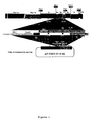
- the nucleic acids encoding FMDV antigens were generated by PCR using specific oligonucleotides including restriction sites PpuMI and BlpI for direct cloning of the amplicons in the TGEV intermediate vector p3'-TGEV (Fig. 1).
- This intermediate vector contained the structural and non-structural TGEV genes, including genes 3a and 3b, located at the 3' third of the genome.
- PCR generated nucleic acids encoding FMDV antigens were digested with PpuMI and BlpI and cloned into p3'-TGEV in place of TGEV genes 3a and 3b under the control of 3a natural transcription regulating sequence (TRS).
- TRS natural transcription regulating sequence
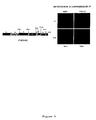
- a AvrII fragment containing the nucleic acid encoding the FMDV antigens under the control of 3a TRS was cloned in the TGEV full-length cDNA clone (BAC-TGEV FL ) to generate the recombinant vectors rTGEV-C, rTGEV-5'P1 and rTGEV-3'P1 (Fig 2.).
- a dicistronic vector expressing FMDV antigens P1 and 3C was generated. This vector allows the expression of both antigens in the same cell and the generation of VLPs after processing of polyprotein P1 by proteinase 3C.
- P1 and 3C were expressed under the control of TGEV strong promoter of gene 3a and the 22N TGEV weak promoter (this promoter includes 22 nt of the 5'TRS of gene N, the conserved CS sequence, and the 3'TRS of gene M), respectively.
- FMDV gene P1 flanked by PpuMI and BlpI restriction sites, and 3C by BlpI restriction site, were generated by PCR and cloned in two steps into p3'-TGEV to generate p3'-TGEV-P1-3C.
- P1 digested with PpuMI and BlpI was cloned into p3'-TGEV digested with the same enzymes to generate p3'-TGEV-P1.
- p3'-TGEV-P1-3C was generated by cloning of 3C digested with BlpI into p3'-TGEV-P1.
- the recombinant vector TGEV-P1-3C was constructed by cloning the AvrII fragment from plasmid p3'-TGEV-P1-3C (Fig. 4). The recombinant virus is being rescued.
- the stability, transcription and expression efficiency of recombinant TGEV derived virus expressing FMDV antigens P1 and 3C can be analyzed in cell culture. Additionally, natural TRSs, modified TRSs, IRES or a combination of them can be used to optimize the expression of FMDV antigens.
- the stability, transcription and expression efficiencies of recombinant TGEV derived viruses expressing FMDV antigens can be analyzed in cell culture.
- BHK-pAPN cells BHK cells expressing the cellular aminopeptidase N receptor
- the recombinant viruses were rescued.
- Recombinant viruses rTGEV-C and rTGEV-5' P1 were stable in cell cultures and expressed high amount of 3C and 5' P1.
- the recombinant virus showed a plaque morphology similar to that of the control virus (rTGEV).
- the stability and expression level of the protein was analysed by immunofluorescence. As an example the results for FMDV 3C are shown in Figure 3.
Landscapes
- Health & Medical Sciences (AREA)
- Life Sciences & Earth Sciences (AREA)
- Chemical & Material Sciences (AREA)
- Molecular Biology (AREA)
- Virology (AREA)
- Immunology (AREA)
- Engineering & Computer Science (AREA)
- Biomedical Technology (AREA)
- Biochemistry (AREA)
- Hematology (AREA)
- Medicinal Chemistry (AREA)
- General Health & Medical Sciences (AREA)
- Urology & Nephrology (AREA)
- Organic Chemistry (AREA)
- Food Science & Technology (AREA)
- Pathology (AREA)
- Physics & Mathematics (AREA)
- Analytical Chemistry (AREA)
- Cell Biology (AREA)
- Biotechnology (AREA)
- General Physics & Mathematics (AREA)
- Microbiology (AREA)
- Gastroenterology & Hepatology (AREA)
- Biophysics (AREA)
- Genetics & Genomics (AREA)
- Proteomics, Peptides & Aminoacids (AREA)
- Tropical Medicine & Parasitology (AREA)
- Medicines Containing Antibodies Or Antigens For Use As Internal Diagnostic Agents (AREA)
- Micro-Organisms Or Cultivation Processes Thereof (AREA)
Abstract
The present invention relates to nucleic acids comprising:
- (a) sequences of a replication competent transmissible gastroenteritis virus (TGEV), which sequences encode a TGEV replicase under the control of expression regulatory sequences so that expression of the replicase in a cell containing the nucleic acid will initiate replication of the nucleic acid and thus increase the number of nucleic acids in the cell; and
- (b) sequences encoding one or more proteins of foot and mouth disease virus (FMDV), wherein the one or more proteins are capable of associating into a virus-like particle (VLP) that does not contain any infectious nucleic acid.
The present invention further relates to vectors, virus particles and host cells comprising these nucleic acids as well as their use for the preparation of pharmaceutical compositions, specifically for the preparation of vaccines.
Description
- The present invention is directed to nucleic acids comprising sequences of a replication competent transmissible gastroenteritis virus (TGEV), which sequences encode a TGEV replicase under the control of expression regulatory sequences so that expression of the replicase in a cell containing the nucleic acid will initiate replication of the nucleic acid and thus increase the number of nucleic acids in the cell. The nucleic acids of the present invention further encode one or more proteins of a foot and mouth disease virus (FMDV), wherein these one or more proteins are capable of associating into a virus-like particle (VLP) that does not contain any infectious nucleic acid. The present invention is further directed to the use of these nucleic acids for the preparation of pharmaceutical compositions in general and specifically for the preparation of vaccines.
- Therapy approaches that involve the insertion of a functional gene into a cell to achieve a therapeutic effect are also referred to as gene therapy approaches, as the gene serves as a drug. Gene therapy is a technique primarily for correcting defective genes responsible for disease development.
- A carrier molecule also referred to as a vector is used to deliver the therapeutic gene to the patient's target cells. Currently, the most common vector is a virus that has been genetically altered to carry human or animal genes. Viruses have evolved a way of encapsulating and delivering their genes to human or animal cells in a pathogenic manner. Scientists have taken advantage of this capability and manipulate the virus genome to remove disease-causing genes and insert therapeutic genes.
- Target cells such as the patient's liver or lung cells are infected with the viral vector. The vector then unloads its genetic material containing the therapeutic gene into the target cell. The generation of a functional protein product from the therapeutic gene restores the target cell to a normal state.
- In an alternative approach, these viral vectors were used for expressing heterologous genes that cause an immunogenic response in the subject receiving the vector and thus immunize that subject. In that case the viral vector serves as a vaccine.
- Transmissible gastroenteritis virus is a member of the family of coronaviruses. Coronaviruses are ssRNA(+) viruses which have the largest genome so far found in RNA viruses with a length between 25 and 31 kilobases (kb; see Siddell S.G. 1995, The Coronaviridae). When a coronavirus infects a cell, the genomic RNA (gRNA) replicates in the cytoplasm and a set of subgenomic RNAs (sgRNA) of positive and negative polarity is produced (Sethna et al., 1989; Sawicki & Sawicki, J.Virol., 1990; and Van der Most and Spaan, The Coronaviridae).
- Due to the fact that the coronaviruses replicate in the cytoplasm, use of coronaviruses as a vector for gene therapy and vaccination has been suggested. Specifically, defective interfering (DI) genomes of coronaviruses were produced. These DI genomes are deletion mutants which require the presence of a complementing or helper virus for replication and/or transcription (see Chang et al., 1994; WO97/34008; Spanish patent application P9600620; Izeta et al., 1999; and Sánchez et al., 1999).
- A respective system was used in the art to generate immune responses in an animal which received a composition containing a DI genome which amongst others contained sequences encoding a heterologous reporter gene or a gene derived from a different infectious agent (porcine reproductive and respiratory disease virus, PRRSV; see Alonso et al., 2002a, 2002b).
- The entire genome of a coronavirus was cloned in the form of an infectious cDNA (Almazan et al., 2000 and WO01/39797). The cloning of the entire genome allowed the preparation of infectious vectors containing heterologous sequences suitable for expression of large proteins in a host cell. In the examples of WO01/39797 sequences encoding the ORF 5 of the porcine reproductive and respiratory disease virus (PRRSV) were expressed in a viral vector derived from a coronavirus.
- The potential of the cloned viral genome for expression of heterologous sequences was further reviewed in Enjuanes et al., 2003.
- Using the cloned virus the structure of the genome and relevance of the coronaviral genes for infection were assessed by preparing deletion mutants. It was found that
genes - The preparation of a vaccine requires that the viral sequences are expressed in a manner which closely resembles the virus particle during infection. Therefore it was suggested to prepare virus-like particles, i.e. an association of several proteins of one virus that resembles the virus. The virus-like particles (VLPs) were administered as a vaccine for example intranasally (see Schwartz-Cornil et al., 2002). Kim et al. (2002), for example describe the production of rotavirus virus-like particles consisting of bovine VP6 and VP2 proteins by expressing the genes encoding these proteins in recombinant baculoviruses.
- All of the above approaches are directed to the use of viral proteins as a vaccine. In a different approach WO02/092827 suggested a vaccine comprising coronavirus virus-like particles from a coronavirus vector backbone. Large parts of the coronaviral genome had been (at least functionally) deleted. However, in that publication virus-like particles were defined as particles containing proteins and nucleic acid (viral RNA). The virus like particle thus contains a potentially replicative nucleic acid and is thus much less safe than the VLPs administered directly as a protein vaccine.
- The problem underlying the present invention thus resides in providing vaccine vectors with good safety and immunogenicity.
- According to a first aspect of the present invention a nucleic acid is provided which comprises:
- (a) sequences of a replication competent transmissible gastroenteritis virus (TGEV), which sequences encode a TGEV replicase under the control of expression regulatory sequences so that expression of the replicase in a cell containing the nucleic acid will initiate replication of the nucleic acid and thus increase the number of nucleic acids in the cell; and
- (b) sequences encoding one or more proteins of foot and mouth disease virus (FMDV), wherein these proteins are capable of associating into a virus-like particle (VLP) that does not contain any infectious nucleic acid.
- The replication competent TGEV sequences need not but may further encode other TGEV proteins. The TGEV sequences may thus encode a fully infectious TGEV virus and the sequences of FMDV or just comprise a replication competent nucleic acid.
- The present invention further relates to vectors comprising a respective nucleic acid and host cells comprising the vector. The host cells may be capable of complementing TGEV genes that may have been deleted from the nucleic acids of the present invention. The host cell thus may be a packaging cell line or may contain a helper virus expressing TGEV genes, so that a TGEV virus particle is formed that comprises the sequences of FMDV encoding proteins capable of associating into a virus-like particle (VLP) that does not contain any infectious nucleic acid. Virus particles obtained by association of the TGEV coat proteins with the nucleic acids of the present invention are an especially preferred embodiment of the present invention (corresponding virus particles have also been referred to as pseudoviruses).
- Finally, the present invention is also directed to the medical use of the nucleic acids, the virus vectors, the host cells and the virus particles, specifically to the use as a vaccine for treating or protecting mammals, such as a ruminant or a swine against infectious diseases. The vaccine can thus be administered to an animal to reduce or eliminate the symptoms of a subsequent infection of a wild-type virus.
- The present invention is thus directed to a nucleic acid comprising:
- (a) sequences of a replication competent transmissible gastroenteritis virus (TGEV), which sequences encode a TGEV replicase under the control of expression regulatory sequences so that expression of the replicase in a cell containing the nucleic acid will initiate replication of the nucleic acid and thus increase the number of nucleic acids in the cell; and
- (b) sequences encoding one or more proteins of foot and mouth disease virus (FMDV), wherein these one or more proteins are capable of associating into a virus-like particle (VLP) that does not contain any infectious nucleic acid.
- The present inventors have surprisingly found that expression of heterologous proteins in the context of the TGEV vector backbone allows the foreign proteins to associate into a virus-like particle, when the nucleic acid is expressed in a host cell.
- In accordance with the present invention an association of viral proteins is referred to as a "virus-like particle" if it comprises a covalently coupled or otherwise linked association of one viral protein with at least a part of a further viral protein that may have the same or a different sequence. Preferably the particle comprises an association of several or all of the viral coat proteins. The "virus-like particle" does not contain any replicating nucleic acid and is by itself thus not capable of causing an infection.
- In other words, the nucleic acids of the present invention allow expression and secretion of virus-like particles, which will initiate immune responses closely mimicking the immune response caused by the wild-type virus particle. At the same time the virus-like particles do not contain any infectious nucleic acids, i.e. are extremely safe and cannot per se cause any infection.
- Although the VLPs thus do not contain a nucleic acid, the proteins of the VLPs are encoded by a nucleic acid of the present invention. In its broadest aspect that nucleic acid is further characterized as a nucleic acid encoding replication competent TGEV sequences that means sequences encoding a TGEV replicase under the control of expression regulatory sequences so that expression of the replicase in a cell containing the nucleic acid will initiate replication of the nucleic acid and thus increase the number of nucleic acids in the cell. Once a cell is infected by the nucleic acids of the present invention, the gene for the replicase will be expressed and the nucleic acid will be replicated. The more copies of the nucleic acid are present in the cell the more VLPs will be expressed.
- The replication competent TGEV vector may be infectious or not. A nucleic acid that contains at least all sequences necessary for replication of the nucleic acid, produces one or several coat proteins and associates with the coat proteins to a viral particle that will allow infection of other cells is referred to as an infectious nucleic acid in accordance with the present invention.
- The non-infectious vector is more safe, as it does not contain sequences encoding a protein capable of associating with the nucleic acid to form an infectious viral particle.
- However, the infectious TGEV vector also has advantages, as it will spread in the vaccinated animal and thus increase the immune response against the VLPs. According to one aspect of the present invention, the TGEV vector encodes different coat proteins that will allow infection of different host cells of the same organism.
- In an especially preferred aspect, the present invention provides a virus particle that comprises the above nucleic acid and at least one TGEV coat protein. The virus particle may comprise more than one and even all TGEV coat proteins. A corresponding virus particle will be capable of entering a host cell by way of infection. However, the nucleic acid of such a virus particle may still be infectious or non-infectious, as it need not encode all of the TGEV coat proteins necessary to produce a virus particle. If the nucleic acid is a non-infectious nucleic acid in the sense of the present application, the virus particle is prepared using a packaging host cell or a helper virus that complements the TGEV genes. The use of packaging host cells or helper viruses for obtaining virus particles comprising an incomplete genome of a virus is well known in the art. This way of proceeding has specific advantages, as the virus particle is per se infectious (i.e. can infect a cell once) but the nucleic acid is not capable of producing further infectious virus particles. In other words, neither the sequences derived from TGEV nor the sequences derived from FMDV encode proteins that will be capable of associating with the nucleic acid to form a new virus particle. These virus particles thus are extremely safe and still provide a high immunogenic response against the VLPs expressed by the nucleic acids.
- According to an alternative embodiment of the present invention the TGEV infectious viral particles obtainable from the association of TGEV proteins and the nucleic acid sequences are attenuated viral particles. This has the advantage that the subject to be treated using the nucleic acids of the present invention will be vaccinated at the same time against TGEV and against FMDV.
- The nucleic acids of the present invention may comprise sequences encoding all proteins of TGEV. Alternatively, the nucleic acids may comprise sequences only encoding the TGEV proteins needed for a replication competent TGEV vector. The nucleic acid thus preferably encodes the TGEV replicase. According to an especially preferred embodiment, the nucleic acid encodes a replication competent but non-infectious TGEV vector that comprises sequences encoding the TGEV replicase and the TGEV N protein and none of the other TGEV proteins. This vector has the specific advantage that the TGEV vector will be highly amplified in the host cell and thus produce large amounts of the VLPs. At the same time this vector is extremely safe as it is non-infectious.
- The term "nucleic acids encoding TGEV proteins" is used herein to refer to nucleic acid sequences as disclosed in Penzes et al., 2001 or nucleic acid sequences having a homology of at least 60%, preferably at least 75% and most preferably at least 95% to these sequences. For example specific alternative sequences may be used to differentiate between TGEV vaccinated animals and TGEV infected animals (as outlined in more detail below). In the TGEV based vector exemplified in the present application corresponding nucleotide substitutions have been introduced using RT-PCR at positions 6752, 18997, 20460, and 21369, respectively. Especially nucleic acid sequences encoding the TGEV replicase, N protein, M protein, E protein or S protein of TGEV as used herein means nucleic acid sequences as disclosed in Penzes et al., 2001 (with or without the amendments mentioned above). It is of course also possible to use other TGEV strains or to include further deletions, substitutions, insertions or additions into the nucleic acid sequence. According to a further aspect the TGEV sequences thus differ from the sequences disclosed in Penzes et al. but still have a homology of at least 60%, preferably at least 75% and most preferably at least 95% to these sequences.
- For the purposes of the present application sequence homology is determined using the clustal computer program available from the European Bioinformatics Institute (EBI), unless otherwise stated.
- The nucleic acid of the present invention may further encode SEQ ID NO: 1 (
gene 7 TRS inactivated plus the UTR 3'primer). - The infectious TGEV vector need not contain
genes genes - The protein coding sequences within the nucleic acids of the present invention are preferably linked to sequences controlling the expression of these genes in the host cells or organisms. The genes encoding proteins capable of associating into VLPs may for example be flanked by transcription regulatory sequences (TRS) and/or internal ribosome entry site (IRES) sequences to increase transcription and/or translation of the protein coding sequences. Respective TRS and IRES sequences are well known in the art.
- According to one aspect of the present invention, at least two of the viral proteins or fragments thereof encoded by the nucleic acid sequences of FMDV are expressed in the form of a polyprotein and the nucleic acid of the present invention further comprises sequences encoding a protease capable of digesting the polyprotein to obtain two or more separate proteins capable of associating into a virus-like particle that does not contain any infectious nucleic acid. This way of designing the expression constructs further increases the rate of protein association and thus the number of virus-like particles.
- According to one aspect the FMDV virus-like particles thus produced are capable of generating an immune response in a mammal. The nucleic acids of the present invention may comprise sequences encoding FMDV proteins VP1, VP2, VP3, VP4 and/or 3C or sequences having a homology of at least 60%, preferably at least 75% and most preferably at least 95% to these sequences.
- The FMDV P1 polyprotein (VP4, VP2, VP3 and VP1) is involved in the protection against FMDV. Three main neutralization sites have been described for FMDV serotype C: i) the mobile and protruding G-H loop of capsid protein VP1 termed antigenic site A, ii) the carboxi-terminal region of VP1, termed site C, and iii) the discontinuous site D involving residues of the carboxi-terminal region of VP1, the BC loop of VP2, and the BB knob of VP3. The 3C proteinase is responsible for processing P1. In a preferred embodiment the nucleic acids of the present invention may comprise sequences encoding FMDV polyprotein P1 and 3C.
- The term "nucleic acids encoding FMDV proteins" is used herein to refer to nucleic acid sequences encoding genes of the FMDV clone C―S8cl as identified in the publication of Toja et al., 1999; the precise sequence of the FMDV genes is identified in Toja et al. by reference to an EMBL sequence (Accession No. AJ133357). According to the present invention the above term covers nucleic acid sequences having a homology of at least 60%, preferably at least 75% and most preferably at least 95% to the specific sequence identified. Corresponding nucleic acid sequenes can be obtained by passaging the virus (as shown in Toja) or by mutagenizing the viral genome, for example by substituting, deleting, inserting or adding nucleotides into the viral wild-type sequence.
- The 3C gene of FMDV encodes a protease, which is capable of digesting a polyprotein obtained by expression of genes VP1-VP4. After digestion of the polyprotein into individual polypeptides, VLPs will be formed. The expression in the form of a polyprotein will increase the rate of VLP formation.
- Additionally, the nucleic acids of the present invention may comprise sequences encoding FMDV protein 3D or sequences having a homology of at least 60%, preferably at least 75 and most preferably at least 95% to this sequence. The 3D gene of FMDV encodes the viral polymeras. The nucleotide sequence encoding the polymerase may encompass the full length sequence or a truncated sequence. It has been observed that for the purposes of generating an immune response a truncated version of the polymerase is sufficient. The truncated polymerase comprises at least consecutive 15 amino acids of the polymerase protein, perferably at least 30 or 50 consecutive amino acid residues of the full length protein. Specifically, the nucleotide sequence encoding the FMDV polymerase 3D may be truncated at the 5'end.
- In accordance with the present invention the nucleic acid sequences encoding the polyprotein are preferably expressed under the control of the same regulatory sequences. According to an especially preferred embodiment the nucleic acid sequences encoding FMDV proteins VP1, VP2, VP3 and/or VP4 are expressed in the form of a polyprotein, optionally further comprising protein 3D of FMDV under the control of a strong promoter. Any strong promoter could be inserted, but it is preferred to use the natural promoter of the
FMDV 3a gene, comprising the sequence:
- Independently or additionally the sequence encoding the
FMDV protease 3C may be expressed under the control of a weak promoter, preferably under the control of the synthetic 22N promoter comprising the sequence:
- The sequences encoding FMDV proteins may be derived from any FMDV isolate. However, preferably, sequences derived from FMDV serotypes O (isolate O panasia) or C (isolate C-Sta.pau.sp70) are used (Rowlands, 2003).
- According to a further aspect of the present invention, the nucleic acids may be modified at specific positions. For example, the nucleic acids of the present invention may contain nucleotide sequences encoding FMDV serotype C capsid protein VP1 which is modified to obtain proteins with amino residues at positions 140-160 which differ from the natural residues in these positions. This approach broadens the immune response generated by vaccination using the nucleic acids.
- The nucleic acids of the present invention may be in the form of DNA or RNA. Within the scope of the present invention specifically recombinant RNA molecules are encompassed which are encoded by one of the above nucleic acids.
- According to a further aspect the present invention is directed towards vectors comprising one of the above nucleic acids. The vector can be a cDNA vector and preferably is a BAC derived vector, such as BAC-TGEVFL. The vector is preferably capable of replicating the nucleic acid within a specific host cell or a number of host cells.
- Host cells, which comprise a vector comprising one of the above nucleic acids are a further subject of the present invention. The cell may be a bacterial cell, an insect cell, a yeast cell, an animal cell, or a human cell. According to a preferred embodiment the cell is a porcine swine testis cell line, such as the cell line deposited under ATCC CRL1746.
- A. further aspect of the present invention is directed to methods of preparing virus-like particles that do not contain any infectious nucleic acid which methods comprise steps, wherein a nucleic acid sequence as described above is expressed in a host cell in cell culture and the virus-like particles are isolated from the medium and/or from the host cells.
- The present invention further is directed to pharmaceutical compositions comprising one of the nucleic acids, viral RNAs or vectors of the present invention or a host cell as described above. The pharmaceutical composition may further comprise a pharmaceutically acceptable carrier, excipient and/or adjuvants.
- In a further embodiment the present invention relates to vaccines capable of protecting an animal against the disease caused by an infectious virus comprising a nucleic acid, a viral RNA, a vector or a host cell of the present invention. The vaccine may also comprise pharmaceutically acceptable carriers, excipients and/or adjuvants.
- Adjuvants and carriers suitable for administering genetic vaccines and immunogens via the mucosal route are known in the art. Conventional carriers and adjuvants are for example reviewed in Kiyono et al 1996. The addition of chemokines that are used to modulate immune responses are also encompassed by the present invention. Respective compounds and their medical use has been reviewed in Toka et al. 2004. It is specifically advantagous to use one of granulocyte/macrophage colony-stimulating factor, interleukin-2 (IL-2), IL-12, IL-18. Combinatorial approaches utilizing several cytokines and chemokines might also be applied. In addition, as more is discovered regarding the requirements for memory development of T cells, boosters involving key cytokines such as IL-15 and IL-23 may prove beneficial to long-term maintenance of the memory pool.
- The vaccine is preferably suitable for treating a mammal, for example a ruminant or a swine.
- In accordance with the present invention vaccines are provided, which are preferably capable of inducing both a systemic immune response and a mucosal immune response against FMDV and/or TGEV.
- The vaccine may be administered in accordance with methods routinely used in the art. Specifically vaccine may be administered by intramuscular, intravenous or oronasal administration.
- One of the specific medical indications of the present invention is the use of the above vaccines for preventing the carrier state in an animal to be vaccinated.
- The vaccines of the present invention allow one of ordinary skill to diagnose whether an animal is infected with a wild-type virus or has been vaccinated. According to a further aspect, the present invention is thus directed to methods for diagnosing whether an animal is infected with a virus or has been vaccinated using a vaccine of the present invention, which methods comprise steps, wherein the diagnosis uses antibodies specific for proteins of the wildtype virus not expressed by the vaccine strain. Differentiation of TGEV vaccinated animals from TGEV infected animals could alternatively be carried out using RT-PCR and sequence markers introduced into the recombinant TGEV genome at positions 6752, 18997, 20460, and 21369, which should encode G, C, T, and C, respectively.
- The differentiation between vaccinated animals and wildtype FMDV, infected animals can be carried out using antibodies specific for proteins not present in the recombinant virus.
-
- Figure 1 shows the genetic structure of TGEV intermediate vector p3'-TGEV. FMDV genes can be cloned in place of the
TGEV genes 3a-3b, using the intermediate plasmid p3'-TGEV that contains the structural and non-structural TGEV genes located in the 3' third of the genome. The sequence of the 3a-3b region as well as the restriction sites that will be used for the cloning steps are indicated. The core sequence (CTAAAC) is indicated in italics. The viral genome is shown at the top. L, leader sequence;Rep 1a,rep 1b, S, 3a, 3b, E, M, N, an 7, TGEV genes; UTR, untranslated region. - Figure 2 shows the strategy for the cloning of FMDV genes into TGEV vector. FMDV genes flanked by PpuMI and BlpI restriction sites were generated by PCR and cloned into the TGEV vector in two steps. PCR generated nucleic acids encoding FMDV antigens were cloned under the control of 3a TRS in p3'-TGEV digested with PpuMI and BlpI. Finally, recombinant vectors TGEV-FMDV were constructed by cloning the AvrII fragment from plasmids p3-TGEV-FMDV into the TGEV vector digested with AvrII.
- Figure 3 shows the analysis of an rTGEV derived vector expressing FMDV-3C. 3C of FMDV was cloned under the control of TRS3a in TGEV infectious cDNA clone, leading to the generation of the recombinant virus rTGEV-3C. Expression of FMDV-3C by the recombinant virus was detected at passage three by immunofluorescence in ST cells. As a
positive control 3C expression in BHK cells infected with FMDV is indicated. - Figure 4 shows the generation of a dicistronic rTGEV derived vector expressing FMDV P1 and 3C genes. A dicistronic vector expressing FMDV genes P1 and 3C has been generated. In this construct the P1 and 3C genes were expressed under the control of the TGEV strong promoter of
gene 3a and the synthetic 22N TGEV weak promoter, respectively. The strategy followed and the relevant restriction sites are indicated. - The following examples illustrate but do not limit the embodiments of the invention.
- TGEV growth, titration, and purification were performed in ST (swine testicle) cells, a cell line obtained from epithelial cells of fetal pig testicles (McClurkin and Norman, 1966). ST cells were obtained from L. Kemeny (National Animal Disease Centre, Ames, Iowa, USA).
- Plasmid transfections assays were performed in Baby Hamster Kidney cells (BHK-21) stably transformed with the gene coding for the porcine aminopeptidase N (BHK-pAPN) (Laude et al., 1990). ST cells were cultivated in DMEM (Dulbecco's Modified Eagle Medium) supplemented with 10% fetal calf serum (FCS) (GIBCO-BRL), 50 mg/mL gentamicine, 2 mM glutamine, and 1% non-essential amino acids.
- The BHK-21 stably transformed with the gene encoding for the porcine aminopeptidase N (BHK-pAPN) were grown in DMEM (Dulbecco's Modified Eagle Medium) supplemented with 2% fetal calf serum (FCS) (GIBCO-BRL), 50 mg/mL gentamicine, 2 mM glutamine, and 1% non-essential amino acids and Geneticine (G418) (1,5 mg/ml) as a selection agent.
- Escherichia coli DH10B (Gibco/BRL) (Hanahan et al., 1991) was the host for all the plasmids constructed. The genotype of this bacterial strain is: F-mcr A Δ (mrr-hsdRMS-mcrBC) φ80dlacZΔM15 ΔlacX74 deoR recA1 endA1 araD139 (ara,leu) 7697 galU galK_rspL nupG.
- For amplification and production of electroporation-competent E. coli DH10B bacteria, the bacteria were grown in a SOB medium. Were inoculated 10 mL of SOB medium (20 g/L tryptone, 5 g/L yeast extract, 0,5 g/L NaCl) with a colony from a fresh plate, and were incubated for 12 h at 37°C under agitation. With 2 mL of this culture, 1 L of SOB medium supplemented was inoculated, and the culture was grown at 37°C to an optical density of 600 nm, between 0.8 and 0.9 absorbance units. Then the culture was cooled on ice for 20 min, and the bacteria were centrifuged in the Sorvall GSA rotor at 4,000 G for 15 min at 4°C. The bacteria were resuspended cold in 1 L of 10% glycerol. The bacteria suspension was centrifuged again and resuspended in 500 mL of 10% cold glycerol. The bacteria were sedimented and resuspended in 250 mL of 10% cold glycerol. Finally, the bacteria were centrifuged and resuspended in 3 mL of 10% glycerol. The final suspension was divided into aliquots parts of 50 µL and 100 µL and were kept at -70°C until they were used for electroporation. The transformation efficiency of the bacteria was calculated by electroporation with a known concentration of a pBluescript plasmid as a reference, and was reproducibly at about 109 colonies/µg of DNA.
- 50 µL of transformation-competent bacteria were mixed with 1 µL of each reaction mixture, or 10 ng of purified plasmid to the bacteria and incubated on ice for 1 min. Then, the mixture was transferred to 0.2 cm electroporation trays (Bio-Rad), and were transformed by a 2.5 kV electric pulse, 25 µF and 200 Ω in a "Gene Pulser" electroporator (Bio-Rad). After adding 1 mL of cold LB medium, the bacteria were incubated at 37°C under agitation for 1 h. Between 50 and 100 µL of the suspension of transformed bacteria were seeded in Petri dishes with LB (Luria-Bertani medium) in a solid medium (15 g/L agar) supplemented with ampicillin (100 µg/mL) or chloramphenicol (34 µg/mL). The bacteria grew for 16 h at 37°C (Bulllock, et al. 1987).
- For production and purification of plasmids, the bacteria transformed with plasmids, that conferred ampicillin or chloramphenicol resistance, were grown from an isolated colony on a plate, in a liquid LB medium supplemented with 100 µg/mL of ampicillin or 34 µg/mL of chloramphenicol.
- The pGEM-T (Promega) plasmid was used to clone PCR products. This plasmid contains the T7 and SP6 bacteriophage promoters separated by the LacZ gene, interrupted by two protuberant T sequences between a multicloning sequences. This plasmid confers ampicillin resistance for its selection.
- For the manipulation and cloning of DNA, the restriction enzymes BamHI, Bbs I, Blp I, Eco RI, Mlu I, Swa I, Xcm I, Xho I, were acquired from ROCHE or from New England Biolabs. Dephosphorylation of the DNA terminals, was done with shrimp alkaline phosphatase (SAP) (USB). A DNA ligation as T4 phage DNA ligase (New England Biolabs) was used. All the treatment with restriction enzymes, dephosphorylation, and DNA ligation were carried out by standard protocols previously described (Sambrook et al., 1989).
- To amplify DNA from a matrix, frequently plasmids, 50-100 ng of DNA plasmid was mixed with the corresponding oligonucleotides (10 µM), 0.25 mM deoxynucleotides triphosphate (ATP, GTP, TTP, and CTP), 1.25 mM MgCl2, PCR buffer (10 mM Tris-HCl, pH 8.3, 50 mM KCl) and 2.5 U of Taq Gold DNA polymerase (Thermus aquaticus) (Roche), in a final volume of 50 µL. The reactions were carried out in the GeneAmp PCR System 9600 thermocycler from Perkin Elmer.
- To separate DNA fragments, 1% agarose gels were used with ethydium bromide (1 µg/mL) in a 1X TAE buffer (40 mM Tris-acetate, 1mM EDTA).
- The bacterial plasmids grown in the presence of the selection antibiotics were purified using the "Qiaprep Spin Miniprep kit" (Qiagen) to prepare of small quantities plasmid DNA, and the "Qiafilter Midi-Plasmid Kit" system (Qiagen) to prepare intermediate quantities of plasmid DNA. The DNA obtained from agarose gels was purified using the "QiaEx II Gel Extraction Kit" system (Qiagen). Purification of the PCR products was carried out by means of the system "QIA quick PCR Purification Kit" (Qiagen). In all cases, the manufacturer's instructions were followed.
- For analysis of the RNA produced in infections with TGEV clone PUR46-MAD, confluent monolayers of ST cells grown in 60 mm diameter culture plates (NUNC) were infected with viral inocula at a MOI of 1. The cells were lysed at 16 hpi [hours post infection] using a "RNeasy Mini Kit" (Qiagen), following the protocol provided by the commercial firm (Qiagen). The RNA was purified and resuspended in 40 µL of water treated with DEPC [diethyl polycarbonate] and 20 U of RNAse inhibitor (Roche).
- The porcine transmissible gastroenteritis virus (TGEV) used belongs to the group of Purdue isolates, and was obtained in Indiana in 1946 (Doyle and Hutchings, 1946). The virus was adapted to grow in cell cultures (Haelterman and Pensaert, 1967), and was provided by E. H. Bohl (Ohio State University, Wooster Ohio). This TGEV isolate has been passaged in ST cells 115 times, and has been cloned five times consecutively in Dr. Luis Enjuanes laboratory (Centro Nacional de Biotecnologia, Madrid, Spain). The clone selected was labelled PUR46-CC120-MAD, abbreviated PUR46-MAD. This is an attenuated virus that grows well in cell cultures, and reaches titers between 108 and 109 PFU/mL.
- rTGEV viruses were generated from pBAC-TGEV constructs containing the S gene from the virulent TGEV strain PUR-C11 (Sc11) as described (Alamazan et al., 2000 ; Gonzalez et al., 2002). Viruses containing the S gene (encoding the TGEV spike protein) from the attenuated strain PTV (SPTV) were derived from the corresponding pBAC-TGEV vectors with Sc11 by replacing this gene by the SPTV of the respiratory strain.
- In one approach the FMDV antigens 3C, the 5' P1 (encoding VP4, VP2 and the 5' end of VP3), and the 3' P1 (encoding VP3 and VP1) were expressed in the BAC-TGEVFL . The nucleic acids encoding FMDV antigens were generated by PCR using specific oligonucleotides including restriction sites PpuMI and BlpI for direct cloning of the amplicons in the TGEV intermediate vector p3'-TGEV (Fig. 1). This intermediate vector contained the structural and non-structural TGEV genes, including
genes TGEV genes - In another approach a dicistronic vector expressing FMDV antigens P1 and 3C was generated. This vector allows the expression of both antigens in the same cell and the generation of VLPs after processing of polyprotein P1 by
proteinase 3C. P1 and 3C were expressed under the control of TGEV strong promoter ofgene 3a and the 22N TGEV weak promoter (this promoter includes 22 nt of the 5'TRS of gene N, the conserved CS sequence, and the 3'TRS of gene M), respectively. FMDV gene P1, flanked by PpuMI and BlpI restriction sites, and 3C by BlpI restriction site, were generated by PCR and cloned in two steps into p3'-TGEV to generate p3'-TGEV-P1-3C. In a first step, P1 digested with PpuMI and BlpI was cloned into p3'-TGEV digested with the same enzymes to generate p3'-TGEV-P1. Secondly, p3'-TGEV-P1-3C was generated by cloning of 3C digested with BlpI into p3'-TGEV-P1. Finally, the recombinant vector TGEV-P1-3C was constructed by cloning the AvrII fragment from plasmid p3'-TGEV-P1-3C (Fig. 4). The recombinant virus is being rescued. The stability, transcription and expression efficiency of recombinant TGEV derived virus expressing FMDV antigens P1 and 3C can be analyzed in cell culture. Additionally, natural TRSs, modified TRSs, IRES or a combination of them can be used to optimize the expression of FMDV antigens. - The stability, transcription and expression efficiencies of recombinant TGEV derived viruses expressing FMDV antigens can be analyzed in cell culture.
- BHK-pAPN cells (BHK cells expressing the cellular aminopeptidase N receptor) were transfected with the recombinant
vector expressing FMDV 3C or 5' P1 and the recombinant viruses were rescued. Recombinant viruses rTGEV-C and rTGEV-5' P1 were stable in cell cultures and expressed high amount of 3C and 5' P1. The recombinant virus showed a plaque morphology similar to that of the control virus (rTGEV). The stability and expression level of the protein was analysed by immunofluorescence. As an example the results forFMDV 3C are shown in Figure 3. -
- Alamazan, F., Gonzales J.M., Penzes Z., Izeta A., Calvo E., Plana-Duran J., and Luis Enjuanes (2000). Proc. Natl. Acad. Sci. USA 97: 5516-5521.
- Alonso, S., Izeta A., Sola I., and Enjuanes L. (2002a). Transcription regulatory sequences and mRNA expression levels in the coronavirus transmissible gastroenteritis virus. J. Virol. 76:1293-1308
- Alonso, S., Sola, I., Teifke, J., Reimann, I., Izeta, A., Balach, M., Plana-Durán, J., Moormann, R. J. M., and Enjuanes, L. (2002b). In vitro and in vivo expression of foreign genes by transmissible gastroenteritis coronavirus-derived minigenomes. J. Gen. Virol. 83, 567-579.
- Bullock, W., Fernández, J.M. and Short, J.M. (1987). XL1-Blue: a high efficiency plasmid transforming recA E.coli strain with P-galactosidadse selection. Biotechniques 8:26-27.
- Chang, K.-Y., and Tinoco, I. (1994). Characterization of a "kissing" hairpin complex derived from the human immunodeficiency virus genome. Proc. Natl. Acad. Sci. USA 91, 8705-8709.
- Delmas B, Gelfi J., Kut E., Sjostrom H., Noren O. , Laude H. (1994). Determinants essential for the transmissible gastroenteritis virus-receptor interaction reside within a domain of aminopeptidase-N that is distinct from the enzymatic site. J Virol. 68(8):5216-24.
- Doyle, L.P. and Hutchings, L.M. (1946). A transmissible gastroenteritis in pigs. J. Amer. Vet. Med. Assoc. 108:257-259.
- Enjuanes L., et al. (2003). Virus based vectors for gene expression in mammalian cells; Coronaviruses; in Gene transfer and expression in mammalian cells; Ed. S.C. Makrides, p. 151-158.
- Gonzalez, J.M., Penzes Z., Almazan F., Calvo E., and Luis Enjuanes. (2002) Stabilization of a full-length infectious cDNA clone of transmissible gastroenteritis coronavirus by the insertion of an intron. J. Virol. 76: 4655-4661.
- Haelterman E.O. and Pensaert M.B. (1967). Pathogenesis of transmissible gastroenteritis of swine. Proc. 18th World Vet. Congress 2:569-572.
- Hanahan D., Jessee J., Bloom F.R. (1991). Plasmid transformation of Escherichia coli and other bacteria. Methods Enzymol. 204: 63-113.
- Izeta, A., Smerdou, C., Alonso, S., Penzes, Z., Méndez, A., Plana-Durán, J., and Enjuanes, L. (1999). Replication and packaging of transmissible gastroenteritis coronavirus-derived synthetic minigenomes. J. Virol. 73, 1535-1545.
- Kim, Y., Kyeong-Ok, Kim W., Saif L. J. (2002). Production of Hybrid Double or Triple-Layered Virus Like Particles of Group A and C Rotaviruses using a Baculovirus expression system. Virology 302: 1-8.
- Kiyono et al. (1996). Mucosal Vaccines. Academic Press, New York.
- Laude, H., Rasschaert D., Delmas B., Godet M., Gelfi J., and Bernard C. (1990). Molecular biology of transmissible gastroenteritis virus. Vet. Microbiol. 23: 147-154.
- McClurkin, A.W. and Noman, J.O. (1966). Studies on transmissible gastroenteritis of swine. II. Selected characteristics of a cytopathogenic virus common to five isolates from transmissible gastroenteritis. Can. J. Comp. Med. Vet. Sci. 30:190-198.
- Ortego J., Escors D., Laude H., and Luis Enjuanes (2002). Generation of a replication-competent, propagation deficient virus vector based on the transmissible gastroenteritis coronavirus genome. J. Virol. 76:11518-11529.
- Ortego J., Sola I., Almazan F., Ceriani J.E., Riquelme C., Balach M., Plana-Duran J. and Luis Enjuanes (2003). Transmissible
gastroenteritis coronavirus gene 7 is not essential but influences in vivo replication and virulence. Virology 308: 13-22. - Penzes Z., Gonzales J.M., Calvo E., Izeta A., Smerdou C., Mendez A., Sanches C.M., Sola I., Almazan F., Enjuanes L. (2001). Complete genome sequence of Transmissible Gastroenteritis Coronavirus PUR46-MAD clone and evolution of the purdue virus cluster. Virus Genes 23:1, 105-118.
- Rowlands, D.J. Editor (2003). Foot-and-mouth disease. Virus Research 91: 1- 161.
- Sambrook et al. (1989). Molecular Cloning: A Laboratory Manual. Ed Cold Spring Harbor Laboratory.
- Sánchez, C. M., Izeta, A., Sánchez-Morgado, J. M., Alonso, S., Sola, I., Balasch, M., Plana-Durán, J. and Enjuanes, L. (1999). Targeted recombination demonstrates that the spike gene of transmissible gastroenteritis coronavirus is a determinant of its enteric tropism and virulence. J. Virol. 73:7607-7618.
- Sawicki & Sawicki (1990) Coronavirus transcription: subgenomic mouse hepatitis virus replicative intermediates function in RNA synthesis. J Virol. 64(3):1050-6.
- Schwartz-Cornil I., Benureau Y., Greenberg H., Hendrickson B.A., Cohen J. (2002) Heterologous protection induces by the inner capsid proteins of rotavirus requires transcytosis of mucosal immunoglobulins. J. Virol. 76: 8110-8117.
- Sethna, P. B., Hung, S.-L., and Brian, D. A. (1989). Coronavirus subgenomic minus-strand RNAs and the potential for mRNA replicons. Proc. Natl. Acad. Sci. USA 86, 5626-5630.
- Siddell, S. G. (1995). "The Coronaviridae." The Viruses (H. Fraenkel-Conrat, and R. R. Wagner, Eds.) Plenum Press, New York.
- Sola I, Alonso S., Zúñiga S., Balasch M., Plana-Duran J., Enjuanes L. (2003) Engineering the transmisible gastroenteritis virus genome as an expression vector inducing lactogenic immunity. J. Virol. 77:4357-4369.
- Toja M., Escarnis C., Domingo E. (1999). Genomic nucleotide sequence of a foot-and-mouth disease virus clone and its persistent derivatives - Implications for the evolution of viral quasispecies during a persistent infection. Virus Research 64:161-171.
- Toka, F.N. et al. (2004). Molecular adjuvants for mucosal immunity. Immunol Rev. 199:100-112.
- van der Most, R. G., and Spaan, W. J. M. (1995). Coronavirus replication, transcription, and RNA recombination. In "The Coronaviridae" (S. G. Siddell, Ed.), pp. 11-31. Plenum Press, NewYork.


Claims (42)
- Nucleic acid comprising:(a) sequences of a replication competent transmissible gastroenteritis virus (TGEV), which sequences encode a TGEV replicase under the control of expression regulatory sequences so that expression of the replicase in a cell containing the nucleic acid will initiate replication of the nucleic acid and thus increase the number of nucleic acids in the cell; and(b) sequences encoding one or more proteins of foot and mouth disease virus (FMDV), wherein the one or more proteins are capable of associating into a virus-like particle (VLP) that does not contain any infectious nucleic acid.
- Nucleic acid according to claim 1, wherein the nucleic acid encodes a TGEV replicase and a sequence encoding the TGEV N protein.
- Nucleic acid according to claim 1 or 2, wherein the nucleic acid further encodes SEQ ID NO:1 or a sequence having a homology of at least 60% to SEQ ID NO.:1.
- Nucleic acid according to any one of claims 1 to 3, wherein the replication competent TGEV vector is not infectious.
- Nucleic acid according to any one of claims 1 to 3, wherein the replication competent TGEV vector is infectious.
- Nucleic acid according to claim 5, wherein the nucleic acid further comprises one or more of the following TGEV genes: S, E, M and/or N or sequences having a homology of at least 60% to the given sequence.
- Nucleic acid according to claim 5 or 6, wherein the TGEV infectious viral particles obtainable from the association of TGEV proteins and the nucleic acid sequences are attenuated viral particles.
- Nucleic acid according to one of claims 1 to 7, wherein at least two of the viral proteins encoded by the nucleic acid sequences characterized in (b) of claim 1 are expressed in the form of a polyprotein and the nucleic acid further comprises sequences encoding a protease capable of digesting the polyprotein to obtain two or more separate proteins capable of associating into a virus like particle (VLP) that does not contain any infectious nucleic acid.
- Nucleic acid according to one of claims 1 to 8, wherein the virus like particles of FMDV are capable of generating an immune response in a mammal.
- Nucleic acid according to any of claims 1 to 9, wherein the nucleic acid sequences encoding FMDV proteins comprise sequences encoding at least two of the following proteins:
VP1, VP2, VP3, VP4 or 3C;
or sequences having a homology of at least 60% to these sequences. - Nucleic acid according to any of claims 1 to 10, further comprising sequences encoding FMDV protein 3D or sequences having a homology of at least 60% to this sequence.
- Nucleic acid according to one of claims 1 to 11, wherein the nucleotide sequence encoding the FMDV polymerase 3D gene is truncated.
- Nucleic acid according to one of claims 1 to 12, wherein the nucleotide sequence encoding the FMDV polymerase 3D is truncated at the 5' end.
- Nucleic acid according to any of claims 1 to 9, wherein the nucleic acid sequences encoding FMDV proteins comprise sequences encoding the FMDV polyprotein P1 (VP4, VP2, VP3, and VP1) and the 3C protein, or sequences having a homology of at least 60% to these sequences.
- Nucleic acid according to one of claims 1 to 14, wherein the nucleic acid sequences encoding FMDV proteins VP1, VP2, VP3 and VP4 is expressed in the form of a polyprotein, which polyprotein optionally further comprises protein 3D.
- Nucleic acid according to claim 15, wherein proteins VP1, VP2, VP3 and VP4 and optionally protein 3D are expressed in the form of a polyprotein under the control of a strong promoter, preferably a promoter comprising the natural promoter of the FMDV 3a gene, which comprises SEQ ID NO:2.
- Nucleic acid according to one of claims 1 to 16, wherein the sequence encoding FMDV protease 3C is expressed under the control of a weak promoter, preferably under the control of the synthetic 22N promoter comprising SEQ ID NO:3.
- Nucleic acid according to any of claims 1 to 17, wherein the sequences encoding FMDV proteins are sequences derived from FMDV serotypes O (isolate O PanAsia) or C (isolate C-Sta.Pau/Sp70).
- Nucleic acid according to any of claims 1 to 18, wherein the nucleotide sequence encoding FMDV serotype C capsid protein VP1 is modified to obtain proteins with modified amino acid residues at position 140 to 160.
- Nucleic acid according to any of claims 1 to 19, which is DNA or RNA.
- Recombinant RNA encoded by a nucleic acid according to any of claims 1 to 20.
- Vector comprising a nucleic acid according to one of claims 1 to 21.
- Vector according to claim 22, wherein the vector is a cDNA vector.
- Vector according to claim 23, wherein the vector is a BAC-TGEVFL vector.
- Vector according to any of claims 22 to 24, wherein the vector is capable of replicating the nucleic acid within a host cell.
- Host cell comprising a vector according to one of claims 22 to 25.
- Host cell according to claim 26, wherein the cell is a bacterial cell, an insect cell, a yeast cell, an animal cell or an isolated human cell.
- Host cell according to claim 27, wherein the cell is a porcine swine testis cell line, such as the cell line deposited under ATCC CRL-1746.
- Virus particle comprising a nucleic acid according to any of claims 1 to 20 and at least one TGEV coat protein.
- Virus particle according to claim 29, comprising all TGEV coat proteins of the native TGEV virus particle.
- Method of preparing virus like particles that do not contain any infectious nucleic acid, comprising steps, wherein a nucleic acid sequence according to any of claims 1-20 is expressed in a host cell in cell culture and the virus like particles are isolated from the medium and/or from the host cells.
- Pharmaceutical preparation comprising a nucleic acid according to one of claims 1 to 20, a viral RNA or vector according to one of claims 21 to 25, a host cell according to one of claims 26 to 28 or a virus particle according to claim 29 or 30.
- Pharmaceutical preparation according to claim 32 further comprising a pharmaceutically acceptable carrier, excipient and/or adjuvants.
- Vaccine capable of protecting an animal against a disease caused by an infectious virus comprising a nucleic acid according to one of claims 1 to 20, a viral RNA or vector according to one of claims 21 to 25 , a host cell according to one of claims 26 to 28 or a virus particle according to claim 29 or 30.
- Vaccine according to claim 34 further comprising a pharmaceutically acceptable carrier, excipient and/or adjuvants.
- Vaccine according to claim 34 or 35, wherein the vaccine is suitable for vaccinating a ruminant or a swine.
- Vaccine capable of protecting an animal against foot and mouth disease comprising a virus particle, wherein the virus particle comprises a nucleic acid according to claim 10 or 11 and at least one or all of the TGEV coat proteins.
- Vaccine according to any of claims 34 to 37, wherein the vaccine is capable of inducing both a systemic immune response and a mucosal immune response against infectious viral agents.
- Vaccine according to any of claims 34 to 38, wherein the infectious agent is FMDV or TGEV.
- Use of a vaccine according to any of claims 34 to 39 for the protection of animals against viral infection, wherein the vaccine is administered by intramuscular, intravenous or oronasal administration.
- Use of a vaccine according to claim 40 for preventing the carrier state in said animals.
- Method for diagnosing whether an animal is infected with a virus or has been vaccinated using a vaccine according to one of claims 34 to 39, comprising steps, wherein the diagnosis uses antibodies specific for proteins of the wild type virus but not expressed by the vaccine strain.
Priority Applications (9)
| Application Number | Priority Date | Filing Date | Title |
|---|---|---|---|
| EP04020994A EP1632247A1 (en) | 2004-09-03 | 2004-09-03 | Nucleic acid sequences encoding FMDV proteins capable of associating into a virus-like particle |
| EP05782439A EP1789566A1 (en) | 2004-09-03 | 2005-09-02 | Nucleic acid sequences encoding proteins capable of associating into a virus-like particle |
| AU2005279303A AU2005279303B2 (en) | 2004-09-03 | 2005-09-02 | Nucleic acid sequences encoding proteins capable of associating into a virus-like particle |
| PCT/EP2005/009477 WO2006024542A1 (en) | 2004-09-03 | 2005-09-02 | Nucleic acid sequences encoding proteins capable of associating into a virus-like particle |
| BRPI0514911-8A BRPI0514911A (en) | 2004-09-03 | 2005-09-02 | nucleic acid sequences encoding proteins that have the ability to associate into a virus-like particle |
| US11/217,338 US20060165723A1 (en) | 2004-09-03 | 2005-09-02 | Nucleic acid sequences encoding proteins capable of associating into a virus-like particle |
| CA002591532A CA2591532A1 (en) | 2004-09-03 | 2005-09-02 | Nucleic acid sequences encoding proteins capable of associating into a virus-like particle |
| EP10012147A EP2295590A1 (en) | 2004-09-03 | 2005-09-02 | Nucleic acid sequences encoding proteins capable of associating into a virus-like particle |
| ARP050103699A AR051923A1 (en) | 2004-09-03 | 2005-09-05 | SEQUENCES OF NUCLEIC ACIDS THAT CODIFY CAPABLE PROTEINS ASSOCIATE IN VIRUS TYPE PARTICLES |
Applications Claiming Priority (1)
| Application Number | Priority Date | Filing Date | Title |
|---|---|---|---|
| EP04020994A EP1632247A1 (en) | 2004-09-03 | 2004-09-03 | Nucleic acid sequences encoding FMDV proteins capable of associating into a virus-like particle |
Publications (1)
| Publication Number | Publication Date |
|---|---|
| EP1632247A1 true EP1632247A1 (en) | 2006-03-08 |
Family
ID=34926419
Family Applications (1)
| Application Number | Title | Priority Date | Filing Date |
|---|---|---|---|
| EP04020994A Withdrawn EP1632247A1 (en) | 2004-09-03 | 2004-09-03 | Nucleic acid sequences encoding FMDV proteins capable of associating into a virus-like particle |
Country Status (1)
| Country | Link |
|---|---|
| EP (1) | EP1632247A1 (en) |
Cited By (8)
| Publication number | Priority date | Publication date | Assignee | Title |
|---|---|---|---|---|
| CN102662063A (en) * | 2012-04-25 | 2012-09-12 | 中国农业科学院兰州兽医研究所 | Detection kit and method for non-structural protein antibody dot blots of foot and mouth disease viruses |
| KR20150003947A (en) * | 2013-07-01 | 2015-01-12 | 대한민국(관리부서 : 농림축산식품부 농림축산검역본부) | Recombinant foot-and-mouth disease virus using Korean isolated strain of FMDV A serotype and the manufacturing method |
| US9243230B2 (en) | 2009-10-20 | 2016-01-26 | The Pirbright Institute | Construct for producing empty virus capsids |
| AU2014232363B2 (en) * | 2013-03-15 | 2017-03-02 | Inovio Pharmaceuticals, Inc. | Foot and mouth disease virus (FMDV) consensus proteins, coding sequences therefor and vaccines made therefrom |
| CN109234463A (en) * | 2018-11-23 | 2019-01-18 | 山东新希望六和集团有限公司 | For detecting primer and probe, the PCR kit for fluorescence quantitative and methods and applications of transmissible gastro-enteritis virus |
| CN109799345A (en) * | 2018-12-07 | 2019-05-24 | 中国农业科学院兰州兽医研究所 | A kind of c-type antibodies against foot-and-mouth disease virus competitive ELISA detection kit based on virus-like particle |
| CN113061587A (en) * | 2021-04-30 | 2021-07-02 | 中国农业科学院兰州兽医研究所 | Antigen spectrum expanded O-type foot-and-mouth disease virus strain and construction method and application thereof |
| US12049479B2 (en) | 2009-11-02 | 2024-07-30 | The Trustees Of The University Of Pennsylvania | Foot and mouth disease virus (FMDV) consensus proteins, coding sequences therefor and vaccines made therefrom |
Citations (1)
| Publication number | Priority date | Publication date | Assignee | Title |
|---|---|---|---|---|
| WO2001039797A2 (en) * | 1999-12-03 | 2001-06-07 | Consejo Superior De Investigaciones Cientificas | Artificial chromosome constructs containing nucleic acid sequences capable of directing the formation of a recombinant rna-virus |
-
2004
- 2004-09-03 EP EP04020994A patent/EP1632247A1/en not_active Withdrawn
Patent Citations (1)
| Publication number | Priority date | Publication date | Assignee | Title |
|---|---|---|---|---|
| WO2001039797A2 (en) * | 1999-12-03 | 2001-06-07 | Consejo Superior De Investigaciones Cientificas | Artificial chromosome constructs containing nucleic acid sequences capable of directing the formation of a recombinant rna-virus |
Non-Patent Citations (7)
| Title |
|---|
| ALMAZAN FERNANDO ET AL: "Engineering the largest RNA virus genome as an infectious bacterial artificial chromosome", PROCEEDINGS OF THE NATIONAL ACADEMY OF SCIENCES OF USA, NATIONAL ACADEMY OF SCIENCE. WASHINGTON, US, vol. 97, no. 10, 9 May 2000 (2000-05-09), pages 5516 - 5521, XP002166823, ISSN: 0027-8424 * |
| BERINSTEIN A ET AL: "Protective immunity against foot-and-mouth disease virus induced by a recombinant vaccinia virus", VACCINE, BUTTERWORTH SCIENTIFIC. GUILDFORD, GB, vol. 18, no. 21, April 2000 (2000-04-01), pages 2231 - 2238, XP004191006, ISSN: 0264-410X * |
| ENJUANES L ET AL: "CORONAVIRUS DERIVED EXPRESSION SYSTEMS", JOURNAL OF BIOTECHNOLOGY, ELSEVIER SCIENCE PUBLISHERS B.V., AMSTERDAM, NL, vol. 88, no. 3, 2001, pages 183 - 204, XP001030907, ISSN: 0168-1656 * |
| GRUBMAN M J ET AL: "Prospects including time-frames, for improved foot and mouth disease vaccines.", REVUE SCIENTIFIQUE ET TECHNIQUE OFFICE INTERNATIONAL DES EPIZOOTIES, vol. 21, no. 3, December 2002 (2002-12-01), pages 589 - 600, XP002324854, ISSN: 0253-1933 * |
| PLANA-DURAN J ET AL.: "New strategies on vaccinology: use of the transmissible gastroenteritis virus as a vector for swine diseases", PROC. 4TH INTERNATIONAL SYMPOSIUM ON EMERGING AND RE-EMERGING PIG DISEASES ROME JUNE29TH-JULY 2ND, 2003, 2003, pages 115 - 116, XP002324855 * |
| SOLA I ET AL: "Engineering the transmissible gastroenteritis virus genome as an expression vector inducing lactogenic immunity", JOURNAL OF VIROLOGY, THE AMERICAN SOCIETY FOR MICROBIOLOGY, US, vol. 77, no. 7, April 2003 (2003-04-01), pages 4357 - 4369, XP002315742, ISSN: 0022-538X * |
| WONG H-T ET AL: "A DNA vaccine against foot-and-mouth disease elicits an immune response in swine which is enhanced by co-administration with interleukin-2", VACCINE, BUTTERWORTH SCIENTIFIC. GUILDFORD, GB, vol. 20, no. 21-22, 21 June 2002 (2002-06-21), pages 2641 - 2647, XP004357785, ISSN: 0264-410X * |
Cited By (11)
| Publication number | Priority date | Publication date | Assignee | Title |
|---|---|---|---|---|
| US9243230B2 (en) | 2009-10-20 | 2016-01-26 | The Pirbright Institute | Construct for producing empty virus capsids |
| US12049479B2 (en) | 2009-11-02 | 2024-07-30 | The Trustees Of The University Of Pennsylvania | Foot and mouth disease virus (FMDV) consensus proteins, coding sequences therefor and vaccines made therefrom |
| CN102662063A (en) * | 2012-04-25 | 2012-09-12 | 中国农业科学院兰州兽医研究所 | Detection kit and method for non-structural protein antibody dot blots of foot and mouth disease viruses |
| AU2014232363B2 (en) * | 2013-03-15 | 2017-03-02 | Inovio Pharmaceuticals, Inc. | Foot and mouth disease virus (FMDV) consensus proteins, coding sequences therefor and vaccines made therefrom |
| US9993545B2 (en) | 2013-03-15 | 2018-06-12 | The Trustees Of The University Of Pennsylvania | Foot and mouth disease virus (FMDV) consensus proteins, coding sequences therefor and vaccines made therefrom |
| KR20150003947A (en) * | 2013-07-01 | 2015-01-12 | 대한민국(관리부서 : 농림축산식품부 농림축산검역본부) | Recombinant foot-and-mouth disease virus using Korean isolated strain of FMDV A serotype and the manufacturing method |
| CN109234463A (en) * | 2018-11-23 | 2019-01-18 | 山东新希望六和集团有限公司 | For detecting primer and probe, the PCR kit for fluorescence quantitative and methods and applications of transmissible gastro-enteritis virus |
| CN109799345A (en) * | 2018-12-07 | 2019-05-24 | 中国农业科学院兰州兽医研究所 | A kind of c-type antibodies against foot-and-mouth disease virus competitive ELISA detection kit based on virus-like particle |
| CN109799345B (en) * | 2018-12-07 | 2021-08-03 | 中国农业科学院兰州兽医研究所 | A competitive ELISA detection kit for type C foot-and-mouth disease virus antibody based on virus-like particles |
| CN113061587A (en) * | 2021-04-30 | 2021-07-02 | 中国农业科学院兰州兽医研究所 | Antigen spectrum expanded O-type foot-and-mouth disease virus strain and construction method and application thereof |
| CN113061587B (en) * | 2021-04-30 | 2023-03-31 | 中国农业科学院兰州兽医研究所 | Antigen spectrum expanded O-type foot-and-mouth disease virus strain and construction method and application thereof |
Similar Documents
| Publication | Publication Date | Title |
|---|---|---|
| EP1951882B1 (en) | Nucleic acids encoding vaccines against the porcine reproductive and respiratory syndrome virus (prrsv) | |
| EP3394085B1 (en) | Feline calicivirus vaccine | |
| CN104159609B (en) | The restructuring KHV and vaccine of disease caused by for preventing Koi herpesvirus (KHV) | |
| JP2003515335A (en) | Infectious clone | |
| CN111961654B (en) | Stable inheritance of heat-resistant phenotype, negative marker-carrying recombinant foot-and-mouth disease virus avirulent strain and O/A foot-and-mouth disease bivalent inactivated vaccine | |
| US20250011730A1 (en) | Novel porcine rotavirus | |
| EP1736539A1 (en) | Attenuated SARS-CoV vaccines | |
| AU2005279303B2 (en) | Nucleic acid sequences encoding proteins capable of associating into a virus-like particle | |
| US20060171962A1 (en) | SARS vaccine | |
| CN115697398A (en) | Swine influenza A virus vaccine comprising two different RNA replicon particles | |
| US20230203536A1 (en) | Coronavirus rna replicons and use thereof as vaccines | |
| US7279327B2 (en) | Methods for producing recombinant coronavirus | |
| EP1650308A1 (en) | Nucleic acid sequences encoding proteins capable of associating into a virus-like particle | |
| CN115768785A (en) | Swine influenza A virus vaccine comprising a nucleic acid construct comprising first, second and third nucleic acid sequences encoding different neuraminidase antigens of the virus | |
| Enjuanes Sánchez et al. | Nucleic acid sequences encoding FMDV proteins capable of associating into a virus-like particle | |
| Ortego Alonso et al. | Nucleic acid sequences encoding proteins capable of associating into avirus-like particle | |
| AU2011236056A1 (en) | Nucleic acid sequences encoding proteins capable of associating into a virus-like particle | |
| WO2025012350A1 (en) | Vectors expressing attenuated rna virus of the family arteriviridae and uses thereof | |
| JP2025513753A (en) | One-to-stop attenuated SARS-CoV-2 virus | |
| WO2022080428A1 (en) | Knockout coronavirus | |
| Bohmer | Engineering of a chimeric SAT2 foot-and-mouth disease virus for vaccine production | |
| HK1153779A (en) | Nucleic acids encoding tgev and prrsv sequences for improved expression of prrsv sequences | |
| Bhat | EVALUATION OF BACULOVIRUS EXPRESSED FOOT AND MOUTH DISEASE (FMD) TYPE O VIRUS CAPSID PROTEINS FOR THEIR IMMUNOGENICITY |
Legal Events
| Date | Code | Title | Description |
|---|---|---|---|
| PUAI | Public reference made under article 153(3) epc to a published international application that has entered the european phase |
Free format text: ORIGINAL CODE: 0009012 |
|
| AK | Designated contracting states |
Kind code of ref document: A1 Designated state(s): AT BE BG CH CY CZ DE DK EE ES FI FR GB GR HU IE IT LI LU MC NL PL PT RO SE SI SK TR |
|
| AX | Request for extension of the european patent |
Extension state: AL HR LT LV MK |
|
| AKX | Designation fees paid | ||
| STAA | Information on the status of an ep patent application or granted ep patent |
Free format text: STATUS: THE APPLICATION IS DEEMED TO BE WITHDRAWN |
|
| 18D | Application deemed to be withdrawn |
Effective date: 20060909 |
|
| REG | Reference to a national code |
Ref country code: DE Ref legal event code: 8566 |