EP1628449A2 - Informed memory access for vehicle electronic modules - Google Patents
Informed memory access for vehicle electronic modules Download PDFInfo
- Publication number
- EP1628449A2 EP1628449A2 EP05017993A EP05017993A EP1628449A2 EP 1628449 A2 EP1628449 A2 EP 1628449A2 EP 05017993 A EP05017993 A EP 05017993A EP 05017993 A EP05017993 A EP 05017993A EP 1628449 A2 EP1628449 A2 EP 1628449A2
- Authority
- EP
- European Patent Office
- Prior art keywords
- vehicle
- memory
- data
- vehicle status
- safety condition
- Prior art date
- Legal status (The legal status is an assumption and is not a legal conclusion. Google has not performed a legal analysis and makes no representation as to the accuracy of the status listed.)
- Granted
Links
Images


Classifications
-
- B—PERFORMING OPERATIONS; TRANSPORTING
- B60—VEHICLES IN GENERAL
- B60R—VEHICLES, VEHICLE FITTINGS, OR VEHICLE PARTS, NOT OTHERWISE PROVIDED FOR
- B60R25/00—Fittings or systems for preventing or indicating unauthorised use or theft of vehicles
Definitions
- This invention relates to vehicle electronic modules.
- the invention relates to a system for safely accessing memory in a vehicle electronics system, uncorrupted by power system fluctuations or other hostile electrical environmental factors.
- Vehicle electronics systems include fundamental electronic modules ranging from engine controllers to anti-lock braking systems.
- vehicle electronic modules now commonly adapt sophisticated consumer technologies to the vehicle, including global positioning systems, cellular telephones, and high quality stereo sound systems.
- Some electronic modules that implement the vehicle electronics system are connected to a vehicle communication bus, and to a power source ultimately derived from the voltage provided by the vehicle battery. At each vehicle ignition cycle, the electronic modules initialize and begin internal diagnostic checks. The diagnostic results are then written into a long-term memory and may be beneficially used during the continuing operation of the vehicle, may be used as a significant source of troubleshooting information for mechanics, or may be used or for other reasons.
- the vehicle ignition cycle generates a hostile environment for the electronic modules.
- the electronic modules may induce severe inductive spikes, low voltages, and high frequency noise onto the vehicle battery line and other parts of the wiring harness. Coupled with relay chatter, ignition cycling, and the effects of magnetic induction on the wiring harness, the electronic modules may experience a hostile environment that is not conducive to stable or reliable operation.
- the hostile environment often causes corrupted data to be written into the long term memories, thereby destroying the data and making the data useless for helping to achieve the benefits noted above.
- a vehicle electronic module performs memory access in an informed manner that enhances the reliability of data written to or read from memory.
- the electronic module may receive information over a communication channel such as a communication bus that informs the electronic module of the environment in which the module operates. When the environment is conducive to memory access, the module may proceed with memory reads, memory writes, or other memory operations.
- the electronic module may include a vehicle communication bus interface, a memory, and a processor connected to the vehicle communication bus interface and the memory.
- the processor may receive vehicle bus messages that may include vehicle status data from the communication bus interface.
- the processor may also determine whether a memory safety condition has been met.
- the processor may delay memory access until the memory safety condition is reached.
- Figure 1 is a vehicle electronics system.
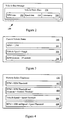
- Figure 2 is a vehicle bus message.
- Figure 3 are vehicle statuses.
- Figure 4 are memory safety conditions.
- Figure 5 shows the acts that a safety test program may take when determining whether a processor may access memory.
- a processor may be implemented as a microprocessor, microcontroller, digital signal processor (DSP), application specific integrated circuit (ASIC), discrete logic, and/or a combination of other types of circuits or logic acting as explained below.
- DSP digital signal processor
- ASIC application specific integrated circuit
- the safety test program discussed below may be a function, subroutine, or in-line test code present in another program, may be a separate program, may be distributed across several memories and processors, or may be partially or wholly implemented without software as a hardware realization of the processing discussed below.
- a vehicle electronics system 100 may include a vehicle communication bus 102, a radio control module 104, and other electronic modules 106, 108, 110, 112, 114, 116, 118, and 120.
- the electronic modules 104-120 are not limited to the form or function described below.
- the vehicle may incorporate any electronic module or distribution of electronic modules that implements any processing performed in the vehicle.
- the electronic modules 106-120 may include an engine control module 106, for governing the vehicle engine operation; a cellular phone control module 108, for transmitting and receiving cellular phone signals; and a global positioning system control module 110, for overseeing vehicle positioning, route finding, or other navigation tasks.
- Other examples of electronic control modules include the anti-lock brake control module 112, for governing the operation of the vehicle brakes; the lock and window control module 114, for operating electric locks and power windows; and the seating control module 116, for handing seat positioning or seat warming.
- a video control module 118 may administer a DVD player and LCD display or other video display, and a climate control module 120 may monitor and maintain vehicle climate settings.
- the radio control module 104 may include a vehicle communication bus interface 122, a processing system 124, and a control system 125.
- the processing system 124 may include a processor 126, a non-volatile memory 128, and a general purpose memory 130.
- the non-volatile memory 128 may store diagnostic data 132, occupant preference data 134, and/or other data.
- the general purpose memory 130 may store programs and/or program data for the processor 126.
- the general purpose memory 130 may store a memory safety condition 136, vehicle status data 138, and a current vehicle status 140.
- the general purpose memory 130 also may store an RPM threshold 142, a speed threshold 144, and a duration threshold 146.
- the processor 126 may execute a safety test program 148 that also may be stored in the general purpose memory 130.
- the control system 125 may include an operator interface 150, a tuning section 152, and an amplifier control section 154.
- the operator interface 150 may include operator controls that influence the operation of a radio.
- the tuning section 152 may include filters, mixers and circuitry that tunes to selected radio stations.
- the amplifier control section 154 may include amplifiers, amplification control, filters, and other circuitry that drives one or more vehicle speakers.
- the vehicle communication bus 102 may couple to each electronic control module 104-120.
- the vehicle communication bus 102 may be a Controller Area Network (CAN) bus, serial bus, Local Interconnect Network (LIN) bus, or any other type of vehicle bus.
- the bus interface 122 may include interface circuitry appropriate for the vehicle communication bus 102, such as a CAN interface, a serial bus interface, or a LIN interface. Vehicle bus messages may be transmitted and received on the vehicle communication bus 102 by any of the electronic control modules 104-120.
- the processor 126 may govern the operation of the radio control module 104.
- the processor 126 may perform diagnostic checks of the circuitry or logic 122, 126, 128, 130, or other circuits and perform a memory write of the diagnostic data 132 into the non-volatile memory 128.
- the processor 126 may also store operator preference data 134 such as volume pre-sets, balance settings, equalizer settings, radio station preferences, and other preference data in the non-volatile memory 128.
- a hostile environment may be present in the vehicle electrical system, particularly during vehicle startup and initialization of the electronic control modules 104-120.
- the processor 126 may determine when memory access will occur.
- the memory data access may include memory reads, memory writes, or other access to the non-volatile memory 128.
- the reads and/or writes may be controlled to occur at times when there is less risk of data corruption due to electromagnetic interference affecting the processor 126, memories 128-130, and/or signal connections between the electronic modules 104-120, processor 126, and/or memories 128-130.
- the processor 126 may execute the safety test program 148 to determine when memory data access may occur with less chance of data corruption due to the effects of the hostile electrical environment.
- the memory safety condition 136 may include, as components of the safety condition, one or more restrictions, states, factors, and/or logical tests.
- the memory safety condition 136 may be chosen to reflect conditions that signify an absence of a hostile electrical environment in the vehicle, such as the absence of inductive spikes, high frequency noise, and/or other environmental factors.
- the general purpose memory 130 may also store test thresholds such as the RPM threshold 142, speed threshold 144, and duration threshold 146.
- the processor 126 may determine whether the memory safety condition 136 is met to determine whether to proceed with memory access.
- the vehicle bus message 200 may include vehicle status data 138 that the processor 126 may store in the general purpose memory 130.
- the vehicle status data 138 may include measurements of vehicle operating parameters taken intermittently, in real-time, at pre-selected intervals, or at any other time.
- the vehicle status data 138 may include RPM data 202, such as the current engine RPM; speed data 204, such as the current vehicle speed; and time data 206, such as a timestamp that indicates the current time and/or the time at which the vehicle status data 138 was measured.
- the vehicle bus message 200 may originate from the engine control module 106 or any other control module.
- the radio control module 102 may monitor the bus interface 122 for vehicle bus messages. In other implementations, the radio control module 102 may transmit a vehicle status request message on the vehicle communication bus 102 to prompt a control module 106-120 for vehicle status data updates.
- the processor 126 receives the vehicle bus messages 200 and obtains the vehicle status data 138.
- the processor 126 may establish, maintain, or track the current vehicle status 140 in the general purpose memory 130 by analyzing the vehicle status data 138. Over time, the processor may track the elapsed time since engine start, since RPMs have exceeded a threshold, since the vehicle has reached a threshold, or may track other conditions.
- the processor may also, over time, determine and maintain an average, maximum, minimum or other statistical parameter of RPMs, speed, or other conditions.
- the vehicle status 140 may include a current engine RPM 302, a current vehicle speed 304, and an RPM duration 306.
- the RPM duration 306 may be time data that represents the amount of time that the vehicle RPM has exceeded the RPM threshold 142 (e.g., a vehicle idle RPM) or another threshold.
- Other vehicle statuses may be determined, maintained, or tracked over time based on the vehicle status data 138 or on other data.
- the processor 126 may employ the vehicle status 140 to determine when one or more memory safety conditions 136 have been met.
- Examples of memory safety conditions 136 are present.
- the safety condition 402 is met when the vehicle RPM exceeds the RPM threshold 142, for example 1,000 RPM.
- the safety condition 404 is met when the vehicle RPM has exceeded the RPM threshold 142 for more than the Duration threshold 146, for example 30 seconds.
- the safety condition 406 is met when the vehicle speed exceeds the Speed threshold 144, for example 5 miles per hour.
- the safety condition 408 is met when the vehicle RPM exceeds the RPM threshold 142 and the vehicle speed is greater than the Speed threshold.
- the thresholds 142-146 may identify relatively safe times or conditions for accessing the non-volatile memory 128.
- a safety condition may be defined in terms of another vehicle engine condition, a vehicle reaching a GPS coordinate, being connected to a cellular base station, or any other vehicle status.
- the processor 126 may delay memory access until the current vehicle status 140 or vehicle status data 138 meets one or more memory safety conditions 136. Assuming that the processor 126 employs the safety condition 404, then the processor 126 may compare the RPM duration status 306 against the safety condition 404. The processor 126 may delay non-volatile memory access until the RPM has exceeded the RPM threshold 142 for more than the Duration threshold 146. When the vehicle status meets a selected memory safety condition, then the processor 126 may proceed with memory access to the non-volatile memory 128. Because the hostile electrical environment has stabilized, the processor 126 may read and write data to the non-volatile memory 128 with reduce risk of corrupted data.
- the memory safety conditions 136 may be pre-established in the memory 128 or the memory 130.
- An external programming interface may couple to the vehicle electronics system to establish, modify or select applicable memory safety conditions 136 for the vehicle.
- the processor 126 may read pre-stored memory safety conditions 136 from the non-volatile memory 128 upon initialization, establish the memory safety conditions 136 in the general purpose memory 130, then change, delete, and/or add one or more memory safety conditions in response to operator input, electrical system measurements, bus messages, or other input.
- a flow diagram 500 summarizes the acts that may be taken by the radio control module 104 or any other vehicle electronic module 106-120. Executed by the processor 126, the memory safety test program 148 may perform one or more of the acts shown in Figure 5.
- the radio control module 104 may establish memory safety conditions 136 in the general purpose memory 130 (Act 502).
- the radio control module 104 also may establish test thresholds 142, 144, 146 in the general purpose memory 130 (Act 504).
- the electronic module 104 may transmit a bus message that requests the vehicle status (Act 506).
- the processor 126 receives the vehicle bus messages 200 including the vehicle status data 138 (Act 508).
- the processor 126 may maintain, track, or otherwise establish the vehicle status 140 over time in the general purpose memory 130 (Act 510).
- the processor 126 compares the vehicle status 140 against the memory safety conditions 136 (Act 512). Informed by the results of the comparison, the processor 126 may perform memory access or may delay memory access. If one ore more memory safety conditions 136 are not met, then the processor 126 may forgo non-volatile memory writes, memory reads, or other memory operations, such as a memory erase (Act 514). Otherwise, the processor 126 may set a flag that indicates that non-volatile memory writes, reads, or other access may proceed (Act 516). The processor 126 may subsequently check the flag to determine whether the processor 126 may perform memory access to the non-volatile memory 128.
- the vehicle electronic modules 104-120 may thereby write data into the non-volatile memory 128 with less chance of data corruption.
- the memory safety conditions 136 help to ensure that the hostile electrical environment often present in the vehicle electrical system has returned to stability.
- the diagnostic data 132 may be more reliable and more effective in its role to assist technicians with diagnosing vehicle problems.
- the preference data 134 may more accurately represent operator preferences and contribute to customer satisfaction with the vehicle.
Landscapes
- Engineering & Computer Science (AREA)
- Mechanical Engineering (AREA)
- Techniques For Improving Reliability Of Storages (AREA)
- Debugging And Monitoring (AREA)
Abstract
Description
- This invention relates to vehicle electronic modules. In particular, the invention relates to a system for safely accessing memory in a vehicle electronics system, uncorrupted by power system fluctuations or other hostile electrical environmental factors.
- The electronic technologies supporting and incorporated into cars, trucks, and other vehicles, driven by strong market demand, have matured rapidly and become quite powerful in a short time period. Vehicle electronics systems include fundamental electronic modules ranging from engine controllers to anti-lock braking systems. In addition, vehicle electronic modules now commonly adapt sophisticated consumer technologies to the vehicle, including global positioning systems, cellular telephones, and high quality stereo sound systems.
- Some electronic modules that implement the vehicle electronics system are connected to a vehicle communication bus, and to a power source ultimately derived from the voltage provided by the vehicle battery. At each vehicle ignition cycle, the electronic modules initialize and begin internal diagnostic checks. The diagnostic results are then written into a long-term memory and may be beneficially used during the continuing operation of the vehicle, may be used as a significant source of troubleshooting information for mechanics, or may be used or for other reasons.
- The vehicle ignition cycle generates a hostile environment for the electronic modules. As the electronic modules begin to draw power and initialize they may induce severe inductive spikes, low voltages, and high frequency noise onto the vehicle battery line and other parts of the wiring harness. Coupled with relay chatter, ignition cycling, and the effects of magnetic induction on the wiring harness, the electronic modules may experience a hostile environment that is not conducive to stable or reliable operation. The hostile environment often causes corrupted data to be written into the long term memories, thereby destroying the data and making the data useless for helping to achieve the benefits noted above.
- A need has long existed for addressing the problems noted above and others previously experienced.
- A vehicle electronic module performs memory access in an informed manner that enhances the reliability of data written to or read from memory. The electronic module may receive information over a communication channel such as a communication bus that informs the electronic module of the environment in which the module operates. When the environment is conducive to memory access, the module may proceed with memory reads, memory writes, or other memory operations.
- The electronic module may include a vehicle communication bus interface, a memory, and a processor connected to the vehicle communication bus interface and the memory. The processor may receive vehicle bus messages that may include vehicle status data from the communication bus interface. The processor may also determine whether a memory safety condition has been met. The processor may delay memory access until the memory safety condition is reached.
- Other systems, methods, features and advantages of the invention will be, or will become, apparent to one with skill in the art upon examination of the following figures and detailed description. It is intended that all such additional systems, methods, features and advantages be included within this description, be within the scope of the invention, and be protected by the following claims.
- The invention can be better understood with reference to the following drawings and description. The components in the figures are not necessarily to scale, emphasis instead being placed upon illustrating the principles of the invention. Moreover, in the figures, like referenced numerals designate corresponding parts throughout the different views.
- Figure 1 is a vehicle electronics system.
- Figure 2 is a vehicle bus message.
- Figure 3 are vehicle statuses.
- Figure 4 are memory safety conditions.
- Figure 5 shows the acts that a safety test program may take when determining whether a processor may access memory.
- The elements illustrated in the Figures interoperate as explained in more detail below. Before setting forth the detailed explanation, however, it is noted that all of the discussion below, regardless of the particular implementation being described, is exemplary in nature, rather than limiting. For example, although selected aspects, features, or components of the implementations are depicted as stored in program, data, or multipurpose system memories, all or part of systems and methods consistent with the technology may be stored on or read from other machine-readable media, for example, secondary storage devices such as hard disks, floppy disks, and CD-ROMs; electromagnetic signals; or other forms of machine readable media either currently known or later developed.
- Furthermore, although this specification describes specific components of a vehicle electronics system, methods, systems, and articles of manufacture consistent with this technology may include additional or different components, implemented in logic and/or circuitry, or in other manners. For example, a processor may be implemented as a microprocessor, microcontroller, digital signal processor (DSP), application specific integrated circuit (ASIC), discrete logic, and/or a combination of other types of circuits or logic acting as explained below. The safety test program discussed below may be a function, subroutine, or in-line test code present in another program, may be a separate program, may be distributed across several memories and processors, or may be partially or wholly implemented without software as a hardware realization of the processing discussed below.
- In Figure I, a
vehicle electronics system 100 may include avehicle communication bus 102, aradio control module 104, and otherelectronic modules - The electronic modules 106-120 may include an
engine control module 106, for governing the vehicle engine operation; a cellularphone control module 108, for transmitting and receiving cellular phone signals; and a global positioningsystem control module 110, for overseeing vehicle positioning, route finding, or other navigation tasks. Other examples of electronic control modules include the anti-lockbrake control module 112, for governing the operation of the vehicle brakes; the lock andwindow control module 114, for operating electric locks and power windows; and theseating control module 116, for handing seat positioning or seat warming. Avideo control module 118 may administer a DVD player and LCD display or other video display, and aclimate control module 120 may monitor and maintain vehicle climate settings. - The
radio control module 104 may include a vehiclecommunication bus interface 122, aprocessing system 124, and acontrol system 125. Theprocessing system 124 may include aprocessor 126, anon-volatile memory 128, and ageneral purpose memory 130. Thenon-volatile memory 128 may storediagnostic data 132,occupant preference data 134, and/or other data. - The
general purpose memory 130 may store programs and/or program data for theprocessor 126. Thegeneral purpose memory 130 may store amemory safety condition 136,vehicle status data 138, and acurrent vehicle status 140. Thegeneral purpose memory 130 also may store anRPM threshold 142, aspeed threshold 144, and aduration threshold 146. Theprocessor 126 may execute asafety test program 148 that also may be stored in thegeneral purpose memory 130. - The
control system 125 may include anoperator interface 150, atuning section 152, and anamplifier control section 154. Theoperator interface 150 may include operator controls that influence the operation of a radio. Thetuning section 152 may include filters, mixers and circuitry that tunes to selected radio stations. Theamplifier control section 154 may include amplifiers, amplification control, filters, and other circuitry that drives one or more vehicle speakers. - The
vehicle communication bus 102 may couple to each electronic control module 104-120. Thevehicle communication bus 102 may be a Controller Area Network (CAN) bus, serial bus, Local Interconnect Network (LIN) bus, or any other type of vehicle bus. Thebus interface 122 may include interface circuitry appropriate for thevehicle communication bus 102, such as a CAN interface, a serial bus interface, or a LIN interface. Vehicle bus messages may be transmitted and received on thevehicle communication bus 102 by any of the electronic control modules 104-120. - The
processor 126 may govern the operation of theradio control module 104. Theprocessor 126 may perform diagnostic checks of the circuitry orlogic diagnostic data 132 into thenon-volatile memory 128. Theprocessor 126 may also storeoperator preference data 134 such as volume pre-sets, balance settings, equalizer settings, radio station preferences, and other preference data in thenon-volatile memory 128. - A hostile environment may be present in the vehicle electrical system, particularly during vehicle startup and initialization of the electronic control modules 104-120. In that environment, the
processor 126 may determine when memory access will occur. The memory data access may include memory reads, memory writes, or other access to thenon-volatile memory 128. The reads and/or writes may be controlled to occur at times when there is less risk of data corruption due to electromagnetic interference affecting theprocessor 126, memories 128-130, and/or signal connections between the electronic modules 104-120,processor 126, and/or memories 128-130. Theprocessor 126 may execute thesafety test program 148 to determine when memory data access may occur with less chance of data corruption due to the effects of the hostile electrical environment. - The
memory safety condition 136 may include, as components of the safety condition, one or more restrictions, states, factors, and/or logical tests. Thememory safety condition 136 may be chosen to reflect conditions that signify an absence of a hostile electrical environment in the vehicle, such as the absence of inductive spikes, high frequency noise, and/or other environmental factors. Thegeneral purpose memory 130 may also store test thresholds such as theRPM threshold 142,speed threshold 144, andduration threshold 146. Theprocessor 126 may determine whether thememory safety condition 136 is met to determine whether to proceed with memory access. - In Figure 2, an example of a
vehicle bus message 200 is present. Thevehicle bus message 200 may includevehicle status data 138 that theprocessor 126 may store in thegeneral purpose memory 130. Thevehicle status data 138 may include measurements of vehicle operating parameters taken intermittently, in real-time, at pre-selected intervals, or at any other time. Thevehicle status data 138 may includeRPM data 202, such as the current engine RPM;speed data 204, such as the current vehicle speed; andtime data 206, such as a timestamp that indicates the current time and/or the time at which thevehicle status data 138 was measured. - The
vehicle bus message 200 may originate from theengine control module 106 or any other control module. Theradio control module 102 may monitor thebus interface 122 for vehicle bus messages. In other implementations, theradio control module 102 may transmit a vehicle status request message on thevehicle communication bus 102 to prompt a control module 106-120 for vehicle status data updates. - The
processor 126 receives thevehicle bus messages 200 and obtains thevehicle status data 138. Theprocessor 126 may establish, maintain, or track thecurrent vehicle status 140 in thegeneral purpose memory 130 by analyzing thevehicle status data 138. Over time, the processor may track the elapsed time since engine start, since RPMs have exceeded a threshold, since the vehicle has reached a threshold, or may track other conditions. The processor may also, over time, determine and maintain an average, maximum, minimum or other statistical parameter of RPMs, speed, or other conditions. - Figure 3 shows that the
vehicle status 140 may include acurrent engine RPM 302, acurrent vehicle speed 304, and anRPM duration 306. TheRPM duration 306 may be time data that represents the amount of time that the vehicle RPM has exceeded the RPM threshold 142 (e.g., a vehicle idle RPM) or another threshold. Other vehicle statuses may be determined, maintained, or tracked over time based on thevehicle status data 138 or on other data. Theprocessor 126 may employ thevehicle status 140 to determine when one or morememory safety conditions 136 have been met. - In Figure 4, examples of
memory safety conditions 136 are present. Thesafety condition 402 is met when the vehicle RPM exceeds theRPM threshold 142, for example 1,000 RPM. Thesafety condition 404 is met when the vehicle RPM has exceeded theRPM threshold 142 for more than theDuration threshold 146, for example 30 seconds. Thesafety condition 406 is met when the vehicle speed exceeds theSpeed threshold 144, for example 5 miles per hour. Thesafety condition 408 is met when the vehicle RPM exceeds theRPM threshold 142 and the vehicle speed is greater than the Speed threshold. The thresholds 142-146 may identify relatively safe times or conditions for accessing thenon-volatile memory 128. - Other safety conditions may be established, and may employ one or more vehicle statuses obtained from any of the electronic modules 104-120 in conjunctive or disjunctive relation. For example, a safety condition may be defined in terms of another vehicle engine condition, a vehicle reaching a GPS coordinate, being connected to a cellular base station, or any other vehicle status.
- The
processor 126 may delay memory access until thecurrent vehicle status 140 orvehicle status data 138 meets one or morememory safety conditions 136. Assuming that theprocessor 126 employs thesafety condition 404, then theprocessor 126 may compare theRPM duration status 306 against thesafety condition 404. Theprocessor 126 may delay non-volatile memory access until the RPM has exceeded theRPM threshold 142 for more than theDuration threshold 146. When the vehicle status meets a selected memory safety condition, then theprocessor 126 may proceed with memory access to thenon-volatile memory 128. Because the hostile electrical environment has stabilized, theprocessor 126 may read and write data to thenon-volatile memory 128 with reduce risk of corrupted data. - The
memory safety conditions 136 may be pre-established in thememory 128 or thememory 130. An external programming interface may couple to the vehicle electronics system to establish, modify or select applicablememory safety conditions 136 for the vehicle. Additionally or alternatively, theprocessor 126 may read pre-storedmemory safety conditions 136 from thenon-volatile memory 128 upon initialization, establish thememory safety conditions 136 in thegeneral purpose memory 130, then change, delete, and/or add one or more memory safety conditions in response to operator input, electrical system measurements, bus messages, or other input. - In Figure 5, a flow diagram 500 summarizes the acts that may be taken by the
radio control module 104 or any other vehicle electronic module 106-120. Executed by theprocessor 126, the memorysafety test program 148 may perform one or more of the acts shown in Figure 5. Theradio control module 104 may establishmemory safety conditions 136 in the general purpose memory 130 (Act 502). Theradio control module 104 also may establishtest thresholds - The
electronic module 104 may transmit a bus message that requests the vehicle status (Act 506). Asvehicle bus messages 200 reach thebus interface 122, theprocessor 126 receives thevehicle bus messages 200 including the vehicle status data 138 (Act 508). Using thevehicle status data 138, theprocessor 126 may maintain, track, or otherwise establish thevehicle status 140 over time in the general purpose memory 130 (Act 510). - The
processor 126 compares thevehicle status 140 against the memory safety conditions 136 (Act 512). Informed by the results of the comparison, theprocessor 126 may perform memory access or may delay memory access. If one ore morememory safety conditions 136 are not met, then theprocessor 126 may forgo non-volatile memory writes, memory reads, or other memory operations, such as a memory erase (Act 514). Otherwise, theprocessor 126 may set a flag that indicates that non-volatile memory writes, reads, or other access may proceed (Act 516). Theprocessor 126 may subsequently check the flag to determine whether theprocessor 126 may perform memory access to thenon-volatile memory 128. - The vehicle electronic modules 104-120 may thereby write data into the
non-volatile memory 128 with less chance of data corruption. Thememory safety conditions 136 help to ensure that the hostile electrical environment often present in the vehicle electrical system has returned to stability. Thediagnostic data 132, for example, may be more reliable and more effective in its role to assist technicians with diagnosing vehicle problems. Thepreference data 134 may more accurately represent operator preferences and contribute to customer satisfaction with the vehicle. - While various embodiments of the invention have been described, it will be apparent to those of ordinary skill in the art that many more embodiments and implementations are possible within the scope of the invention. Accordingly, the invention is not to be restricted except in light of the attached claims and their equivalents.
Claims (37)
- A vehicle electronic module comprising:a vehicle communication bus interface;a memory; anda processor coupled to the vehicle communication bus interface and the memory, the processor operable to:receive vehicle status data transmitted to the vehicle bus interface;determine from at least a portion of the vehicle status data that a memory safety condition is met; anddelay access to the memory until the memory safety condition is met.
- The vehicle electronic module of claim 1, where the vehicle status data comprises Revolutions per Minute (RPM) data and where the memory safety condition comprises an RPM threshold.
- The vehicle electronic module of claim 1, where the vehicle status data comprises vehicle speed data and where the memory safety condition comprises a vehicle speed threshold.
- The vehicle electronic module of claim 1, where the access to the memory comprise a memory write access.
- The vehicle electronic module of claim 4, where the memory safety condition comprises an RPM threshold and an RPM duration threshold.
- The vehicle electronic module of claim 4, where the memory safety condition comprises an RPM threshold and a vehicle speed threshold.
- The vehicle electronic module of claim 1, where the memory comprises a non-volatile memory.
- The vehicle electronic module of claim 1, where the vehicle status data is present in a vehicle bus message received by the processor.
- The vehicle electronic module of claim 1, where the vehicle status data comprises a timestamp.
- A machine readable medium encoded with instructions that cause a vehicle electronic module processor to perform a method comprising:receiving a vehicle bus message;obtaining vehicle status data from the vehicle bus message;comparing the vehicle status data to a memory safety condition; anddelaying a memory access until the memory safety condition is met.
- The machine readable medium of claim 10, where the vehicle status data comprises Revolutions per Minute (RPM) data and where the memory safety condition comprises an RPM threshold.
- The machine readable medium of claim 10, where the vehicle status data comprises vehicle speed data and where the memory safety condition comprises a vehicle speed threshold.
- The machine readable medium of claim 10, where the vehicle status data comprises time data, and further comprising the act of determining a duration during which RPMs are above an RPM threshold.
- The machine readable medium of claim 10, further comprising the act of determining RPMs and vehicle speed from the vehicle status data.
- The machine readable medium of claim 10, where the act of delaying a data write into a memory comprises delaying the data write into a non-volatile memory.
- The machine readable medium of claim 10, where the memory access comprises a data write comprising diagnostic data.
- The vehicle electronic module of claim 10, where the memory access comprises a data write comprising vehicle operator preference settings.
- A method in a vehicle electronic module for safely writing data to memory, the method comprising:receiving a vehicle bus message comprising vehicle status data transmitted to a vehicle bus interface of a vehicle electronic module;maintaining a current vehicle status based on the vehicle status data; anddelaying a memory access until a memory safety condition is met, based on the current vehicle status.
- The method of claim 18, where the act of maintaining a current vehicle status comprises determining a duration for which RPMs have exceeded an RPM threshold.
- The method of claim 18, where the act of maintaining a current vehicle status comprises tracking vehicle speed.
- The method of claim 18, where the memory safety condition is a vehicle speed threshold.
- The method of claim 18, where the memory access comprises a diagnostic data memory write.
- The method of claim 18, where the act of delaying a memory access comprises delaying a memory data write to a non-volatile memory.
- A processing system for a vehicle electronic module, the processing system comprising:a non-volatile memory;a processor coupled to the non-volatile writable memory; anda general purpose memory coupled to the processor, the program memory encoded with instructions that cause the processor to perform a method comprising:monitoring a vehicle communication bus interface for vehicle bus messages arriving at the vehicle communication bus interface;receiving a vehicle bus message;obtaining vehicle status data from the vehicle bus messages;maintaining a vehicle status over time based on the vehicle status data received in the vehicle bus messages;comparing the vehicle status to a memory safety condition; anddelaying a memory access by the processor into the non-volatile writable memory until the vehicle status meets the memory safety condition.
- The processing system of claim 24, where the vehicle status data comprises Revolutions per Minute (RPM) data and where the memory safety condition comprises an RPM threshold.
- The processing system of claim 24, where the vehicle status data comprises vehicle speed data and where the memory safety condition comprises a vehicle speed threshold.
- The processing system of claim 24, where the memory safety condition comprises an RPM threshold and an RPM duration threshold.
- The processing system of claim 24, where the vehicle status data comprises a timestamp.
- The processing system of claim 24, where the memory access comprises a diagnostic data memory write.
- A vehicle electronic module comprising:means for receiving vehicle status data transmitted on a communication bus;means for comparing the vehicle status against a memory safety condition; andmeans for delaying a memory access until the memory safety condition is met.
- The vehicle electronic module of claim 30, further comprising:means for storing data responsive to the memory access.
- The vehicle electronic module of claim 31, further comprising:means for non-volatilely storing data responsive to the memory access.
- The vehicle electronic module of claim 31, further comprising:means for interfacing to the communication bus.
- A product comprising:a machine readable medium;instructions contained on the machine readable medium that receive vehicle status data transmitted to a vehicle bus interface;instructions contained on the machine readable medium that maintain a current vehicle status based on the vehicle status data; andinstructions contained on the machine readable medium that delay a memory access until a memory safety condition is met, based on the current vehicle status.
- The product of claim 34, where the instructions that maintain the current vehicle status comprise instructions that determine a duration for which RPMs have exceeded an RPM threshold.
- The product of claim 34, where the instructions that maintain the current vehicle status comprise instructions that determine a duration for which speed has exceeded a vehicle speed threshold.
- The product of claim 34, where the memory access comprises a diagnostic data memory write.
Applications Claiming Priority (1)
| Application Number | Priority Date | Filing Date | Title |
|---|---|---|---|
| US10/922,801 US7454273B2 (en) | 2004-08-20 | 2004-08-20 | Informed memory access for vehicle electronic modules |
Publications (3)
| Publication Number | Publication Date |
|---|---|
| EP1628449A2 true EP1628449A2 (en) | 2006-02-22 |
| EP1628449A3 EP1628449A3 (en) | 2008-08-06 |
| EP1628449B1 EP1628449B1 (en) | 2013-01-02 |
Family
ID=35295569
Family Applications (1)
| Application Number | Title | Priority Date | Filing Date |
|---|---|---|---|
| EP05017993A Expired - Lifetime EP1628449B1 (en) | 2004-08-20 | 2005-08-18 | Informed memory access for vehicle electronic modules |
Country Status (2)
| Country | Link |
|---|---|
| US (1) | US7454273B2 (en) |
| EP (1) | EP1628449B1 (en) |
Families Citing this family (9)
| Publication number | Priority date | Publication date | Assignee | Title |
|---|---|---|---|---|
| JP4209257B2 (en) * | 2003-05-29 | 2009-01-14 | 三菱重工業株式会社 | Distributed controller, method of operation thereof, and forklift having distributed controller |
| JP2004352466A (en) * | 2003-05-30 | 2004-12-16 | Mitsubishi Heavy Ind Ltd | Machine control device for self-propelled industrial machine and machine control method thereof |
| FR2896894B1 (en) * | 2006-01-27 | 2008-12-05 | Valeo Systemes Thermiques | SYSTEM AND METHOD FOR SERIAL COMMUNICATION BUS COMMUNICATION |
| US8515616B2 (en) | 2008-03-31 | 2013-08-20 | General Motors Llc | Method of diagnosing vehicle malfunction using a telematics unit |
| DE102008030092A1 (en) * | 2008-06-25 | 2009-12-31 | Audi Ag | Electrically controllable assembly of a motor vehicle and method for identifying an electrically controllable assembly of a motor vehicle |
| JP5208074B2 (en) * | 2009-08-27 | 2013-06-12 | 日立建機株式会社 | Remote management system for work machines |
| EP3258652B1 (en) * | 2016-06-14 | 2019-11-27 | Melexis Technologies NV | Local interconnect network bus architecture |
| EP3384603B1 (en) * | 2016-12-12 | 2019-04-10 | MRS Corporate, Inc. | Modular pluggable electronic processing component and distributed processing system formed thereof |
| US11011064B2 (en) * | 2019-03-05 | 2021-05-18 | Denso International America, Inc. | System and method for vehicle platooning |
Citations (2)
| Publication number | Priority date | Publication date | Assignee | Title |
|---|---|---|---|---|
| US6069833A (en) | 1999-01-05 | 2000-05-30 | Mitsubishi Denki Kabushiki Kaisha | Voltage drop circuit enabling ROM to read data with high reliability |
| EP1083475A1 (en) | 1999-09-08 | 2001-03-14 | Ford Motor Company | Power management in automotive computer systems during engine ignition |
Family Cites Families (17)
| Publication number | Priority date | Publication date | Assignee | Title |
|---|---|---|---|---|
| US4902628A (en) * | 1988-08-24 | 1990-02-20 | Guardian Technologies, Inc. | Apparatus and method to deter circumvention of a breath sobriety test |
| US5483692A (en) * | 1993-11-22 | 1996-01-09 | Chrysler Corporation | Automatic variable radio volume control system |
| US5508594A (en) * | 1994-06-10 | 1996-04-16 | Westinghouse Electric Corp | Electric vehicle chassis controller |
| US5670861A (en) | 1995-01-17 | 1997-09-23 | Norvik Tractions Inc. | Battery energy monitoring circuits |
| FR2733103A1 (en) * | 1995-04-12 | 1996-10-18 | Philips Electronics Nv | AUTORADIO RECEIVER WITH MEMORY FOR STORING PREDETERMINAL VOCABULAR ELEMENTS |
| JP3355879B2 (en) | 1995-08-01 | 2002-12-09 | 株式会社デンソー | Control circuit |
| US5773692A (en) * | 1995-12-12 | 1998-06-30 | Her Majesty The Queen In Right Of Canada, As Represented By Agriculture And Agri-Food Canada | Anti-sense RNA for CAB transcript to reduce chlorophyll content in plants |
| US5687573A (en) * | 1996-06-06 | 1997-11-18 | Shih; Ping-Ho | Thermal control device for cooling or heating parked vehicles |
| US5787367A (en) * | 1996-07-03 | 1998-07-28 | Chrysler Corporation | Flash reprogramming security for vehicle computer |
| US6587573B1 (en) | 2000-03-20 | 2003-07-01 | Gentex Corporation | System for controlling exterior vehicle lights |
| US6182171B1 (en) * | 1997-06-06 | 2001-01-30 | Nissan Motor Co., Ltd. | Information communication system and method applicable to in-vehicle networking architecture |
| US20020004694A1 (en) * | 1997-12-05 | 2002-01-10 | Cameron Mcleod | Modular automotive diagnostic system |
| US6490697B1 (en) | 1998-08-27 | 2002-12-03 | Unisia Jecs Corporation | Diagnosing apparatus and method for RAM |
| US6663010B2 (en) * | 2001-01-22 | 2003-12-16 | Meritor Heavy Vehicle Technology, Llc | Individualized vehicle settings |
| US6456904B1 (en) * | 2001-09-13 | 2002-09-24 | Robert Gay | Method and device for gauging distance between race cars |
| US6670788B2 (en) * | 2002-04-17 | 2003-12-30 | Visteon Global Technologies, Inc. | Method and apparatus for maximizing hybrid vehicle energy management |
| US6925616B2 (en) * | 2002-10-04 | 2005-08-02 | Sun Microsystems, Inc. | Method to test power distribution system |
-
2004
- 2004-08-20 US US10/922,801 patent/US7454273B2/en active Active
-
2005
- 2005-08-18 EP EP05017993A patent/EP1628449B1/en not_active Expired - Lifetime
Patent Citations (2)
| Publication number | Priority date | Publication date | Assignee | Title |
|---|---|---|---|---|
| US6069833A (en) | 1999-01-05 | 2000-05-30 | Mitsubishi Denki Kabushiki Kaisha | Voltage drop circuit enabling ROM to read data with high reliability |
| EP1083475A1 (en) | 1999-09-08 | 2001-03-14 | Ford Motor Company | Power management in automotive computer systems during engine ignition |
Also Published As
| Publication number | Publication date |
|---|---|
| US20060041350A1 (en) | 2006-02-23 |
| US7454273B2 (en) | 2008-11-18 |
| EP1628449B1 (en) | 2013-01-02 |
| EP1628449A3 (en) | 2008-08-06 |
Similar Documents
| Publication | Publication Date | Title |
|---|---|---|
| US11288156B2 (en) | Control apparatus, control method, and computer program | |
| US9126542B2 (en) | Vehicle program rewriting system | |
| JP4488464B2 (en) | Vehicle computer device | |
| US10915310B2 (en) | Control apparatus, program updating method, and computer program | |
| CA2530849C (en) | Vehicle-state based parameter adjustment system | |
| US7454273B2 (en) | Informed memory access for vehicle electronic modules | |
| US20210011711A1 (en) | Control device, control method, and computer program | |
| CN114815773A (en) | Vehicle diagnosis response method and device, readable storage medium and vehicle gateway | |
| US20210046887A1 (en) | Control device, control method, and computer program | |
| CN109747392A (en) | In-vehicle air quality control method and system and storage medium | |
| US20200272455A1 (en) | Vehicle controller configuration backup and restoration using data snapshots | |
| CN114212034B (en) | Vehicle-mounted screen control method, device, storage medium and equipment | |
| US20060111827A1 (en) | Accurate velocity dependent audio system | |
| US20220413485A1 (en) | Carwash device, car-washing method, storage medium stored with car-washing program, and car-washing system | |
| CN116729411A (en) | Vehicle control method, device, electronic equipment and storage medium | |
| CN115119236A (en) | Vehicle data transmission control method, storage medium, and vehicle | |
| US10013964B1 (en) | Method and system for controlling noise originating from a source external to a vehicle | |
| CN111639987A (en) | Customized function opening method and system | |
| US9065416B2 (en) | Methods and systems for controlling the volume of infotainment units of vehicles | |
| CN111660759B (en) | air conditioning controls | |
| US20090319131A1 (en) | Vehicle macro recording and playback system able to operate across subsystem boundaries | |
| JP4694049B2 (en) | Download playback system, in-vehicle playback device, download station, in-vehicle playback method, and program | |
| US12198089B2 (en) | Driver evaluation management method and control server using the same | |
| CN112288908B (en) | Time generation method and device of automobile data recorder | |
| US12600311B2 (en) | Video record system for vehicle, method of controlling the video record system, and user terminal |
Legal Events
| Date | Code | Title | Description |
|---|---|---|---|
| PUAI | Public reference made under article 153(3) epc to a published international application that has entered the european phase |
Free format text: ORIGINAL CODE: 0009012 |
|
| AK | Designated contracting states |
Kind code of ref document: A2 Designated state(s): AT BE BG CH CY CZ DE DK EE ES FI FR GB GR HU IE IS IT LI LT LU LV MC NL PL PT RO SE SI SK TR |
|
| AX | Request for extension of the european patent |
Extension state: AL BA HR MK YU |
|
| PUAL | Search report despatched |
Free format text: ORIGINAL CODE: 0009013 |
|
| AK | Designated contracting states |
Kind code of ref document: A3 Designated state(s): AT BE BG CH CY CZ DE DK EE ES FI FR GB GR HU IE IS IT LI LT LU LV MC NL PL PT RO SE SI SK TR |
|
| AX | Request for extension of the european patent |
Extension state: AL BA HR MK YU |
|
| 17P | Request for examination filed |
Effective date: 20090205 |
|
| 17Q | First examination report despatched |
Effective date: 20090313 |
|
| AKX | Designation fees paid |
Designated state(s): DE FR GB IT |
|
| GRAP | Despatch of communication of intention to grant a patent |
Free format text: ORIGINAL CODE: EPIDOSNIGR1 |
|
| GRAS | Grant fee paid |
Free format text: ORIGINAL CODE: EPIDOSNIGR3 |
|
| GRAA | (expected) grant |
Free format text: ORIGINAL CODE: 0009210 |
|
| AK | Designated contracting states |
Kind code of ref document: B1 Designated state(s): DE FR GB IT |
|
| REG | Reference to a national code |
Ref country code: GB Ref legal event code: FG4D |
|
| REG | Reference to a national code |
Ref country code: DE Ref legal event code: R096 Ref document number: 602005037676 Country of ref document: DE Effective date: 20130307 |
|
| PLBE | No opposition filed within time limit |
Free format text: ORIGINAL CODE: 0009261 |
|
| STAA | Information on the status of an ep patent application or granted ep patent |
Free format text: STATUS: NO OPPOSITION FILED WITHIN TIME LIMIT |
|
| 26N | No opposition filed |
Effective date: 20131003 |
|
| PG25 | Lapsed in a contracting state [announced via postgrant information from national office to epo] |
Ref country code: IT Free format text: LAPSE BECAUSE OF FAILURE TO SUBMIT A TRANSLATION OF THE DESCRIPTION OR TO PAY THE FEE WITHIN THE PRESCRIBED TIME-LIMIT Effective date: 20130102 |
|
| REG | Reference to a national code |
Ref country code: DE Ref legal event code: R097 Ref document number: 602005037676 Country of ref document: DE Effective date: 20131003 |
|
| PGFP | Annual fee paid to national office [announced via postgrant information from national office to epo] |
Ref country code: FR Payment date: 20140818 Year of fee payment: 10 |
|
| REG | Reference to a national code |
Ref country code: FR Ref legal event code: ST Effective date: 20160429 |
|
| PG25 | Lapsed in a contracting state [announced via postgrant information from national office to epo] |
Ref country code: FR Free format text: LAPSE BECAUSE OF NON-PAYMENT OF DUE FEES Effective date: 20150831 |
|
| REG | Reference to a national code |
Ref country code: DE Ref legal event code: R082 Ref document number: 602005037676 Country of ref document: DE Representative=s name: MAUCHER JENKINS PATENTANWAELTE & RECHTSANWAELT, DE |
|
| P01 | Opt-out of the competence of the unified patent court (upc) registered |
Effective date: 20230527 |
|
| PGFP | Annual fee paid to national office [announced via postgrant information from national office to epo] |
Ref country code: DE Payment date: 20240723 Year of fee payment: 20 |
|
| PGFP | Annual fee paid to national office [announced via postgrant information from national office to epo] |
Ref country code: GB Payment date: 20240723 Year of fee payment: 20 |
|
| REG | Reference to a national code |
Ref country code: DE Ref legal event code: R071 Ref document number: 602005037676 Country of ref document: DE |
|
| REG | Reference to a national code |
Ref country code: GB Ref legal event code: PE20 Expiry date: 20250817 |