EP1622002A1 - Information processing unit controlling a store instruction and corresponding control method - Google Patents
Information processing unit controlling a store instruction and corresponding control method Download PDFInfo
- Publication number
- EP1622002A1 EP1622002A1 EP04257233A EP04257233A EP1622002A1 EP 1622002 A1 EP1622002 A1 EP 1622002A1 EP 04257233 A EP04257233 A EP 04257233A EP 04257233 A EP04257233 A EP 04257233A EP 1622002 A1 EP1622002 A1 EP 1622002A1
- Authority
- EP
- European Patent Office
- Prior art keywords
- store
- instruction
- store data
- issued
- held
- Prior art date
- Legal status (The legal status is an assumption and is not a legal conclusion. Google has not performed a legal analysis and makes no representation as to the accuracy of the status listed.)
- Granted
Links
Images



Classifications
-
- G—PHYSICS
- G06—COMPUTING OR CALCULATING; COUNTING
- G06F—ELECTRIC DIGITAL DATA PROCESSING
- G06F9/00—Arrangements for program control, e.g. control units
- G06F9/06—Arrangements for program control, e.g. control units using stored programs, i.e. using an internal store of processing equipment to receive or retain programs
- G06F9/30—Arrangements for executing machine instructions, e.g. instruction decode
- G06F9/30003—Arrangements for executing specific machine instructions
- G06F9/3004—Arrangements for executing specific machine instructions to perform operations on memory
- G06F9/30043—LOAD or STORE instructions; Clear instruction
-
- G—PHYSICS
- G06—COMPUTING OR CALCULATING; COUNTING
- G06F—ELECTRIC DIGITAL DATA PROCESSING
- G06F9/00—Arrangements for program control, e.g. control units
- G06F9/06—Arrangements for program control, e.g. control units using stored programs, i.e. using an internal store of processing equipment to receive or retain programs
- G06F9/30—Arrangements for executing machine instructions, e.g. instruction decode
- G06F9/38—Concurrent instruction execution, e.g. pipeline or look ahead
- G06F9/3824—Operand accessing
-
- G—PHYSICS
- G06—COMPUTING OR CALCULATING; COUNTING
- G06F—ELECTRIC DIGITAL DATA PROCESSING
- G06F9/00—Arrangements for program control, e.g. control units
- G06F9/06—Arrangements for program control, e.g. control units using stored programs, i.e. using an internal store of processing equipment to receive or retain programs
- G06F9/30—Arrangements for executing machine instructions, e.g. instruction decode
- G06F9/38—Concurrent instruction execution, e.g. pipeline or look ahead
- G06F9/3824—Operand accessing
- G06F9/3826—Bypassing or forwarding of data results, e.g. locally between pipeline stages or within a pipeline stage
-
- G—PHYSICS
- G06—COMPUTING OR CALCULATING; COUNTING
- G06F—ELECTRIC DIGITAL DATA PROCESSING
- G06F9/00—Arrangements for program control, e.g. control units
- G06F9/06—Arrangements for program control, e.g. control units using stored programs, i.e. using an internal store of processing equipment to receive or retain programs
- G06F9/30—Arrangements for executing machine instructions, e.g. instruction decode
- G06F9/38—Concurrent instruction execution, e.g. pipeline or look ahead
- G06F9/3824—Operand accessing
- G06F9/3834—Maintaining memory consistency
-
- G—PHYSICS
- G06—COMPUTING OR CALCULATING; COUNTING
- G06F—ELECTRIC DIGITAL DATA PROCESSING
- G06F9/00—Arrangements for program control, e.g. control units
- G06F9/06—Arrangements for program control, e.g. control units using stored programs, i.e. using an internal store of processing equipment to receive or retain programs
- G06F9/30—Arrangements for executing machine instructions, e.g. instruction decode
- G06F9/38—Concurrent instruction execution, e.g. pipeline or look ahead
- G06F9/3836—Instruction issuing, e.g. dynamic instruction scheduling or out of order instruction execution
- G06F9/3842—Speculative instruction execution
-
- G—PHYSICS
- G06—COMPUTING OR CALCULATING; COUNTING
- G06F—ELECTRIC DIGITAL DATA PROCESSING
- G06F9/00—Arrangements for program control, e.g. control units
- G06F9/06—Arrangements for program control, e.g. control units using stored programs, i.e. using an internal store of processing equipment to receive or retain programs
- G06F9/30—Arrangements for executing machine instructions, e.g. instruction decode
- G06F9/38—Concurrent instruction execution, e.g. pipeline or look ahead
- G06F9/3861—Recovery, e.g. branch miss-prediction, exception handling
Definitions
- the present invention relates to an information processing unit, which executes store instruction for storing data in predetermined store area on the main memory or cache memory and a store instruction control method.
- an information processing unit which executes store instruction for storing data in a predetermined store area (for example, refer to patent document 1 below).
- Fig. 7 is a block diagram showing the configuration of a conventional information processing unit 100.
- the conventional information processing unit 100 comprises an instruction processing section 10, a arithmetic unit 20, an address register 21, a arithmetic register 22, store ports 30-0 - 30-n (n is an integral number equal to or larger than 0; here, an integral number equal to or larger than 2), an align section 40, store data buffers 50-0 - 50-n (n is an integral number equal to or larger than 0; here, an integral number equal to or larger than 2), a cache memory (storage area) 60 and a reset section 81.
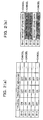
- Fig. 8 is a time chart for illustrating the steps (operation of the information processing unit 100) of the store instruction control method by the conventional information processing unit 100 shown in Fig. 7.
- T1-T12 indicate a time unit respectively; that is, a control clock unit respectively in the information processing unit 100.
- theinstructionprocessing section 10 decodes an instruction held by instruction cache (not shown) (refer to T1 in Fig. 8).
- the instruction processing section 10 obtains the length of the data to be stored (hereinafter, referred to as store data length; indicated as LENGTH in the figure), align instruction information, which indicates right/left alignment of the store data (indicated as ALIGN in the figure), a number (value) or immediate operand of the address register 21, which is used for computing the address (hereinafter, referred to as store address) of the store destination by the arithmetic unit 20 and a number (value) of the arithmetic register 22, which holds the data (hereinafter, referred to as store data) to be stored in accordance with the store instruction along with the decoded store instruction.
- store data length indicated as LENGTH in the figure
- align instruction information which indicates right/left alignment of the store data (indicated as ALIGN in the figure)
- a number (value) or immediate operand of the address register 21 which
- the instruction processing section 10 issues the decoded store instruction, the store data length and the align instruction information to any one of the store ports 30-0 - 30-n (here, store port 30-0) (refer to T3 in Fig. 8).
- the arithmetic unit 20 carries out the computation of the store address using the address register 21 (refer to T3 in Fig. 8).
- the store address obtained as the computation result of the arithmetic unit 20 is temporarily held in a storing register (here, since the address register 21 is a general purpose register, in the address register 21).
- the store address calculated by the arithmetic unit 20 is issued to the store ports 30-0 - 30-n (refer to T4 in Fig. 8).
- the store address is supplied to a pipeline of a memory processing device, which includes at least store ports 30-0 - 30-n.
- the store address is converted to an address (physical address; hereinafter, when the address is not discriminated from the store address held by the address register 21, referred to as just store address) on the storage area (here, cache memory 60), which is the actual store destination, using a Translation Lookaside Buffer (TLB; not shown).
- TLB Translation Lookaside Buffer
- the store port 30-0 is adapted so as to hold information, which indicates that the store instruction, store address (physical address), and store data length have been received (here, flags; refer to "VALID”, "ADRS”, and "LENGTH” in Fig. 7).
- a VALID flag 30a is set to ON; when the store address is received, an ADRS (Address) flag 30b is set to ON; and when the store data length is received, a LENGTH flag 30c is set to ON (refer to T5 in Fig. 8).
- the instruction processing section 10 unlocks the issuance of the store data from the arithmetic register 22 to issue the store data, which are to be stored in response to the store instruction held by the arithmetic register 22, to the store data buffers 50-0 - 50-n (here, store data buffer 50-0) (refer to T6 in Fig. 8). That is, in the conventional information processing unit 100, it is arranged so that, even when the number (value) of the arithmetic register 22 has been determined, the issuance of the store data from the arithmetic register 22 are restrained (interlocked) until the issuance of the store instruction to the store port 30-0 is completed.
- the align section 40 aligns the store data issued from the arithmetic register 22 using the store data length and align instruction information (hereinafter, they will be referred to as align information) issued to the store port 30-0 along with the store instruction (refer to T8 in Fig. 8).
- align information the store data length and align instruction information issued to the store port 30-0 along with the store instruction (refer to T8 in Fig. 8).
- the store data aligned by the align section 40 are held by the store data buffer 50-0 (refer to T9 in Fig. 8).
- the arithmetic register 22 is released and is available for the next processing.
- the store port 30-0 is adapted so as to hold information (here, a flag; refer to "RSTDV" in Fig. 7), which indicates whether or not the store data has been held in the store data buffer 50-0.
- the RSTDV (Received Store Data Valid) flag 30d is set to ON (refer to T9 in Fig. 8).
- the instruction processing section 10 takes out page attribute of the storing area and determines the exception (refer to T6 in Fig. 8). That is, the instruction processing section 10 determines whether or not the store address as the storing area can be written (stored). When the store address can be stored, the instruction processing section 10 notifies the "non-exception" to the store port 30-0. On the other hand, when the store address cannot be stored, the instruction processing section 10 notifies the exception to the store port 30-0, and cancels the execution of the store instruction.
- the store port 30-0 is adapted so as to hold information (here, a flag; refer to "PSTV” in Fig. 7) indicating the result (Y/N) of the exception determination.
- a PSTV (Post Status Valid) flag 30e is set to ON.
- the PSTV flag 30e is set to OFF.
- the instruction processing section 10 determines that the store instruction can be carried out, and notifies the store permission to the store port 30-0 (refer to T10 in Fig. 8).
- the store port 30-0 is adapted so as to hold the information indicating whether or not the store permission is received from the instruction processing section 10 (here, a flag; refer to "READY" in Fig. 7).
- a flag refer to "READY" in Fig. 7
- the READY flag 30f is set to ON.
- the store instruction is carried out (refer to T11 in Fig. 8), store data held in the store data buffer 50-0 are written on a predetermined address in the cache memory 60 based on the store address held in the store port 30-0; and thus, the processing of the store instruction is completed (refer to T12 in Fig. 8).
- the conventional information processing unit 100 is arranged so that the store instruction is issued first from the instruction processing section 10 to the store ports 30-0 - 30-n; and then the store data, which is the operation result by the arithmetic unit 20, is issued from the arithmetic register 22 to the store data buffers 50-0 - 50-n. That is, the processing is carried out in-order.
- the conventional information processing unit 100 is provided with the reset section 81, which can reset the RSTDV flag 30d in the store ports 30-0 - 30-n to OFF, and is arranged so that when the store instruction, which is issued from the instruction processing section 10, is held by the store ports 30-0 - 30-n, the reset section 81 resets the RSTDV flag 30d to OFF (refer to T5 in Fig. 8).
- the reset section 81 resets the RSTDV flag 30d to OFF. Owing to this arrangement, the following errors are prevented.
- store data which are different from the proper store data to be stored, are held in the corresponding store data buffers 50-0 - 50-n, and the data, which are not to be stored, are stored erroneously; or when the store data buffers 50-0 - 50-n do not hold the store data, since the RSTDV flag 30d is erroneously set to ON, the store instruction is not carried out, etc.
- Patent document 1 Japanese Patent Laid-Open (Kokai) HEI 5-289848
- the instruction processing section 10 decodes the instruction and before issuing the store instruction to the store ports 30-0 - 30-n, the number (value) of the address register 21, which is used for computing the store address by the arithmetic unit 20, has to be determined. Also, before issuing the store data to the store data buffers 50-0 - 50-n, the number (value) of the arithmetic register 22, which holds the store data, has to be determined. The order that the numbers of the address register 21 and the arithmetic register 22 are determined is not fixed.
- the processing is carried out in-order such that the store instruction is issued first from the instruction processing section 10 to the store ports 30-0 - 30-n, and then, the store data are issued from the arithmetic register 22 to the store data buffers 50-0 - 50-n. Therefore, even when the number of the arithmetic register 22 is determined and the store data are held in the arithmetic register 22 before the number of the address register 21 is determined, the issuance of the store data from the arithmetic register 22 to the store data buffers 50-0 - 50-n is locked until the number of the address register 21 is determined and the issuance of the store instruction is checked; and thus, has to wait for the issuance of the store data.
- An object of the present invention is to increase the operation efficiency of the arithmetic register, which holds the store data, when carrying out the store instruction.
- an information processing unit comprises an instruction processing section that decodes instruction and issues processing instruction; a arithmetic unit that carries out operation in accordance with arithmetic instruction issued as the processing instruction from the instruction processing section; a arithmetic register that holds the operation result by the arithmetic unit; store ports that hold store instruction, which is issued from the instruction processing section as the processing instruction for storing the operation result held in the arithmetic register in a predetermined storage area; and store data buffers that temporarily hold the operation result issued as store data from the arithmetic register, wherein the instruction processing section is adapted so as, when the arithmetic register holding the operation result is determined, to cause the operation result to be issued from the arithmetic register to the store data buffers as the store data, in response to the store instruction, the store ports are adapted so as to hold a store data hold flag, which is set to ON when the store data corresponding to the store instruction are held in the store data buffers, the
- the information processing unit preferably comprises an align section that aligns the operation result issued from the arithmetic register as the store data, in which the instruction processing section is adapted so as, when the instructionprocessing section causes the operation result stored in the arithmetic register to be issued to the store data buffers to the store data buffers as the store data, to issue an align information necessary for aligning along with the operation result and a usable/unusable information indicating whether or not the align information is used by the align section, and the information processing unit further comprises an align information selection section that selects the align information used in the align section from the align information issued along with the store data and the align information included in the store instruction based on the usable/unusable information.
- the instruction processing section when causing the operation result stored in the arithmetic register to be issued to the store data buffers as the store data after issuing the store instruction to the store ports, the instruction processing section set the usable/unusable information to unusable, and when causing the operation result stored in the arithmetic register to be issued to the store data buffers as the store data before issuing the store instruction to the store ports, the instruction processing section set the usable/unusable information to usable.
- the information processing unit preferably comprises a cancel section that cancels the execution of the store instruction, wherein when the cancel section cancels the store instruction after the store data are issued to the store data buffers and before the store instruction corresponding to the store data is issued to the store ports, the store data held in the store data buffers are deleted, and the store data hold flag corresponding to the store data is set to OFF.
- the information processing unit comprise a fetch bus for, when a fetch instruction is issued from the instruction processing section, supplying the data to be fetched by the fetch instruction from the predetermined storage area to the arithmetic unit or the arithmetic register and a store fetch bypass for directly supplying the store data held in the store data buffers to the fetch bus from the store data buffers, wherein, when the fetch instruction uses the store data held in the store data buffers, the store data is supplied from the store data buffers to the store fetch bypass.
- a store instruction control method is: in an information processing unit including an instruction processing section that decodes instruction and issues processing instruction, a arithmetic unit that carries out operation in accordance with arithmetic instruction issued as the processing instruction from the instruction processing section, a arithmetic register that holds the operation result by the arithmetic unit, store ports that hold store instruction, which is issued from the instruction processing section as the processing instruction for storing the operation result held in the arithmetic register in a predetermined storage area, and store data buffers that temporarily hold the operation result issued as store data from the arithmetic register, wherein the store ports are adapted so as to hold a store data hold flag, which is set to ON when the store data corresponding to the store instruction are held in the store data buffers, a store instruction control method for controlling the execution of the store instruction issued from the instruction processing section, comprising the steps of: when the instruction processing section determines the arithmetic register holding the operation result, causing the
- the instruction processing section causes the operation result stored in the arithmetic register to be issued to the store data buffers as the store data, issue align information necessary for aligning the operation result and usable/unusable information indicating whether or not the align information should be used for the aligning along with the operation result, and select the align information used for the aligning from the align information issued along with the store data and the align information included in the store instruction based on the usable/unusable information.
- the store instruction control method further comprise the steps of, when the instruction processing section causes the operation result stored in the arithmetic register to be issued to the store data buffers as the store data after issuing the store instruction to the store ports, setting the usable/unusable information to unusable, and when the instruction processing section causes the operation result stored in the arithmetic register to be issued to the store data buffers as the store data before issuing the store instruction to the store ports, setting the usable/unusable information to usable.
- the store instruction control method further comprise the steps of, when canceling the store instruction after the store data are issued to the store data buffers and before the store instruction corresponding to the store data is issued to the store ports, deleting the store data held in the store data buffers, and setting the store data hold flag corresponding to the store data to OFF.
- the store instruction control method further comprise the steps of, in the information processing unit, which further comprises a fetch bus for, when a fetch instruction is issued from the instruction processing section, supplying the data to be fetched by the fetch instruction from the predetermined storage area to the arithmetic unit or the arithmetic register and a store fetch bypass for directly supplying the store data held in the store data buffers from the store data buffers to the fetch bus, when the fetch instruction uses the store data held in the store data buffers, supplying the store data from the store data buffers to the store fetch bypass.
- the information processing unit which further comprises a fetch bus for, when a fetch instruction is issued from the instruction processing section, supplying the data to be fetched by the fetch instruction from the predetermined storage area to the arithmetic unit or the arithmetic register and a store fetch bypass for directly supplying the store data held in the store data buffers from the store data buffers to the fetch bus, when the fetch instruction uses the store data held in the store data buffers, supplying the store data from
- the operation result is caused to be issued from the arithmetic register as the store data to the store data buffers.
- the store data hold flag is not set to OFF but maintained to ON. Accordingly, even when the store data is issued to the store data buffers before the store instruction is issued to the store ports, the store instruction can be reliably executed.
- the arithmetic register can be released earlier as much as the store data are issued earlier from the arithmetic register, and can be available for the next processing. As a result, the operation efficiency of the arithmetic register can be increased.
- the aligning is carried out reliablybased on the usable/unusable information.
- the usable/unusable information is set to usable. Therefore, even when the store data are issued to the store data buffers before the store instruction is issued to the store ports, the aligning can be carried out reliably. As a result, the store instruction can be carried out reliably.
- the store data held in the store data buffers are deleted and the store data hold flag corresponding to the store data is set to OFF. Accordingly, it is possible to prevent the store data hold flag in the store ports from staying to ON in spite of the fact that the canceling is carried out, the store instruction, which is held in the store ports after the canceling, from being recognized erroneously that the store data has been already held and being carried out erroneously. Accordingly, the store instruction after the canceling can be carried out reliably.
- the fetch instruction fetches the store data, which are used by the store instruction
- the fetch instruction can be carried out earlier by using the store fetch bypass.
- Fig. 1 is a block diagram showing a configuration of the information processing unit as the first embodiment of the present invention.
- the information processing unit 1 as the first embodiment of the present invention comprises a instruction processing section 10, a arithmetic unit 20, an address register 21, a arithmetic register 22, store ports 30-0 - 30-n (n is an integral number equal to or larger than 0; herein, an integral number equal to or larger than 2), an align section 40, an align information selection section 41, a store data buffers 50-0 - 50-n (n is an integral number equal to or larger than 0; herein, an integral number equal to or larger than 2), a cache memory (storage area) 60, a fetch bus 70, a store fetch bypass 71, a cancel section 80, a reset section 81, and a restraint section 82.
- the instruction processing section 10 decodes instruction held in an instruction cache (not shown) and issues processing instruction.
- the instruction processing section 10 decodes the instruction and obtains store data length (indicated as LENGTH in the figures), align instruction information (indicated as ALIGN in the figures) instructing right alignment/left alignment of the store data, number (value) of the address register 21 used for computing of address of store destination (hereinafter, referredtoas store address) by the arithmetic unit 20, which will be described later, and number (value) of the arithmetic register 22 for holding the store data, which will be described later, along with the store instruction.
- the arithmetic unit 20 carries out the operation in accordance with an arithmetic instruction issued by the instruction processing section 10 as a processing instruction. And based on the store instruction issued by the processing section 10 as the processing instruction, the arithmetic unit 20 carries out address computing of a predetermined storage area (here, cache memory 60) to store in accordance with the store instruction using the address register 21, which will be described later.
- a predetermined storage area here, cache memory 60
- the address register 21 is used for address computing of the store destination by the arithmetic unit 20, and temporarily holds the store address as a result of the computing.
- the arithmetic register 22 is used for the computing by the arithmetic unit 20, and temporarily holds the store data obtained as a result of the computing.
- the computing section comprises the arithmetic unit 20, the address register 21 and the arithmetic register 22.
- the store ports 30-0 - 30-n hold the store instruction for storing the operation result (store data) , which is issued by the instruction processing section 10 as the processing instruction and held by the arithmetic register 22, in a predetermined storage area (here, cache memory 60).
- the instruction processing section 10 is adapted so as to issue the decoded store instruction to the store ports 30-0 - 30-n.
- the instruction processing section 10 issues the store instruction (refer to T3 in Fig. 3, which will be described later).
- the store ports 30-0 - 30-n comprise a VALID flag 30a, an ADRS (Address) flag 30b, an LENGTH flag 30c, an RSTDV (Received Store Data Valid) flag (store data hold flag) 30d, a PSTV (Post Status Valid) flag 30e, and an READY flag 30f, respectively.
- the VALID flag 30a is the information indicating whether or not the store ports 30-0 - 30-n have received the store instruction issued by the instruction processing section 10. When the store instruction is received, the VALID flag 30a is set to ON.
- the ADRS (Address) flag 30b is the information indicating whether or not the store ports 30-0 - 30-n have received the store address from the address register 21. When the store address is received, the ADRS flag 30b is set to ON.
- the LENGTH flag 30c is the information indicating whether or not the store ports 30-0 - 30-n have received the store data length issued by the instruction processing section 10 along with the store instruction. When the store data length is received, the LENGTH flag 30c is set to ON.
- the RSTDV flag 30d is the information indicating whether or not the store data buffers 50-0 - 50-n, which will be described later, corresponding to each of the store ports 30-0 - 30-n have received the store data from the arithmetic register 22. When the store data buffers 50-0 - 50-n hold the store data, the RSTDV flag 30d is set to ON.
- the PSTV flag 30e is the information indicating the result of exception determination in which the instruction processing section 10 takes out page attribute of the storing area (predetermined storage area; here, the cache memory 60) and determines whether or not the store address as the storing area can be written (stored). When the result of the exception determination is "non-exception" (can be stored with), the PSTV flag 30e is set to ON. The timing when the exception determination is carried out by the instructionprocessing section 10 will be described later referring to Fig. 3.
- the READY flag 30f is the information indicating whether or not the store ports 30-0 - 30-n have received the store permission in which the instruction processing section 10 determines that the store instruction held by the store ports 30-0 - 30-n can be executed and notifies it to cause the store ports 30-0 - 30-n to execute the store instruction.
- the READY flag 30f is set to ON.
- the align section 40 aligns the operation result issued from the arithmetic register 22 as the store data using align information including the length of the store data (indicated as LENGTH in the figure) and align instruction information (indicated as ALIGN in the figure) instructing right/left alignment of the store data, which is issued by the instruction processing section 10 along with the store instruction, or the align information issued accompanying the store data issued by the arithmetic register 22.
- align information including the length of the store data (indicated as LENGTH in the figure) and align instruction information (indicated as ALIGN in the figure) instructing right/left alignment of the store data, which is issued by the instruction processing section 10 along with the store instruction, or the align information issued accompanying the store data issued by the arithmetic register 22.
- the align information selection section 41 selects the align information used for aligning in the align section 40 from the align information issued by the instruction processing section 10 along with the store instruction and the align information issued accompanying the store data based on usable/unusable information (indicated as CODE-VALID in the figure), which is issued along with the align information issued accompanying the store data.
- the instruction processing section 10 issues the align information along with the store instruction, and when causing the store data to be issued from the arithmetic register 22 to the store data buffers 50-0 - 50-n, the instruction processing section 10 causes the align information and the usable/unusable information to be issued along with the store data.
- the store data buffers 50-0 - 50-n temporarily hold the store data, which are issued by the instruction processing section 10 from the arithmetic register 22 as the store data and aligned by the align section 40.
- the instructionprocessing section 10 is adapted so as to issue the operation result as the store data, which are held by the arithmetic register 22, to the store data buffers 50-0 - 50-n based on the store instruction.
- the arithmetic register 22 holding the operation result, which should be stored in accordance with the store instruction is determined (that is, the operation result is held by the allotted arithmetic register 22) in accordance with the decoded store instruction, irrespective of the issuance state of the store instruction to the store ports 30-0 - 30-n (whether or not the instruction is issued)
- the operation result is issued from the arithmetic register 22 as the store data (refer to T4 in Fig. 3, which will be described later).
- the store data buffers 50-0 - 50-n and the store ports 30-0 - 30-n correspond to each other in a one-to-one basis.
- the instruction processing section 10 allots which pair of the store port and the store data buffer should be used.
- the memory control device comprises at least the store ports 30-0 - 30-n, the align section 40, the store data buffers 50-0 - 50-n and the cache memory 60.
- the fetch bus 70 is a bus for, when the processing instruction, which is decoded by the instruction processing section 10, is the fetch instruction, supplying the data as the object to be fetched by the fetch instruction, which is issued from the instruction processing section 10, from a predetermined storage area (here, cache memory 60) to the computing section.
- the store fetch bypass 71 is a bus for, when the fetch instruction, which is issued from the instruction processing section 10, uses the store data held in the store data buffers 50-0 - 50-n, supplying the store data directly from the store data buffers 50-0 - 50-n to the fetch bus.
- the instruction processing section 10 is adapted so as, when the decoded instruction is the fetch instruction, and when predetermined conditions are met, to carry out the fetch using the store fetch bypass 71. For example, when the store data held in the store data buffers 50-0 - 50-n are used by a fetch instruction following the store instruction, which uses the store data, before carrying out the store instruction, the store data is supplied from the store data buffers 50-0 - 50-n to the store fetch bypass 71.
- the cancel section 80 cancels (deletes) the store instruction held in the store ports 30-0 - 30-n.
- Figs. 2 (a) and 2 (b) are diagrams for illustrating the cancellation of the execution of the store instruction by the cancel section 80.
- the ADRS flag 30b, the LENGTH flag 30c and the PSTV flag 30e of the store ports 30-0 - 30-n are omitted for simplifying the diagram.
- the cancel section 80 does not cancel the store port (here, store port 30-2) in which the store instruction is held [i.e., VALID flag 30a is ON] , the store data are held in the corresponding store data buffer [i.e., RSTDV flag 30d is ON] and the READY flag 30f is ON.
- the cancel section 80 does not cancel the store port in which neither of the store instruction and the store data is held (here, store port 30-3).
- the cancel section 80 cancels all of the store ports other than the above (here, store ports 30-0, 30-1 and 30-4).
- the cancel section 80 resets every flag 30a-30f of these store ports 30-0, 30-1 and 30-4 to OFF, and when the store instruction is held therein, deletes the store instruction.
- the cancel section 80 deletes the store data held in the store data buffer 50-4 and resets (sets up) the RSTDV flag 30f of the corresponding store port 30-4 to OFF.
- the reset section 81 sets the RSTDV flag 30d in the store ports 30-0 - 30-n to OFF at a point of time when the store instruction issued from the instruction processing section 10 is held by the store ports 30-0 - 30-n.
- the restraint section 82 restrains the reset section 81 from setting RSTDV flag 30d to OFF at a point of time when the store instruction is held by the store ports 30-0 - 30-n to maintain the RSTDV flag 30d to ON.
- the instruction processing section 10 issues the store instruction to the store ports 30-0 - 30-n.
- the operation result is issued as the store data from the arithmetic register 22 to the store data buffers 50-0 - 50-n. That is, the information processing unit 1 is arranged so that the store instruction is issued to the store ports 30-0 - 30-n and the store data (operation result) are issued to the store data buffers 50-0 - 50-n out-of-order.
- the store data are held by the store data buffers 50-0-50-n before the store instruction is held by the store ports 30-0-30-n.
- the restraint section 82 is provided in order to restrict the reset section 81 from resetting the RSTDV flag 30d to OFF at a point of time when the store instruction is held by the store ports 30-0 - 30-n irrespective of the fact that the store data used by the store instruction has already been held in the store data buffers 50-0 - 50-n.
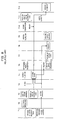
- Fig. 3 is a time chart showing the steps of the store instruction control method (when the store data is issued before the store instruction is issued) as the first embodiment of the present invention.
- T1 to T12 are a time unit respectively; that is, the control clock unit in the information processing unit 1.
- the instruction processing section 10 decodes an instruction held in the instruction cache (not shown) (refer to T1 in Fig. 3).
- the instruction processing section 10 obtains the store data length (in the figure, indicated as LENGTH) , the align instruction information indicating right/left alignment of the store data (in the figure, indicated as ALIGN), the number (value) of the address register 21 used for address computing of the store destination by the arithmetic unit 20 and the number (value) of the arithmetic register 22 in which the store data to be stored by the store instruction are held.
- the address register 21 used for computing of the store address by the arithmetic unit 20 that is, the state where the number of the address register 21 has been allotted and the address register 21 can be used
- the arithmetic register 22 that is, the operation result, which is used as the store data, is held by the allotted arithmetic register 22) (refer to T2 in Fig.
- the instruction processing section 10 causes the operation result to be issued as the store data from the arithmetic register 22 to the store data buffers 50-0 - 50-n (here, store data buffer 50-0) (refer to T3 in Fig. 3).
- the reason why it takes a certain time for determining the address register 21 is that the address register 21 is occupied by the processing instruction issued prior to the store instruction, etc.
- the instruction processing section 10 is arranged so as to issue the align information (the store data length and the align instruction information) along with the store data issued from the arithmetic register 22 as well as issuing usable/unusable information (CODE-VALID) indicating whether or not the align information is used in the align section 40 along with the store data (refer to T3 in Fig. 3).
- the instruction processing section 10 sets the usable/unusable information to usable and issues the information therefrom.
- the arithmetic register 22 is released and is available for the next processing.
- the align information selection section 41 selects the align information, which is used in the align section 40, from the align information issued along with the store instruction and the align information issued with the store data.
- the align information selection section 41 selects the align information issued along with the store data.
- the align section 40 aligns the store data issued from the arithmetic register 22 using the selected align information (refer to T4 in Fig. 3).
- the store data buffer 50-0 holds the aligned store data, and the RSTDV flag of the store port 30-0 is set to ON (refer to T5 in Fig. 3).
- the arithmetic unit 20 carries out the computing of the store address using the address register 21 (refer to T4 in Fig. 3).
- the store address which is obtained as the computing result of the arithmetic unit 20, is temporarily held in the address register 21.
- the instruction processing section 10 issues decoded store instruction to the store port 30-0 along with the store data length and align instruction information (refer to T4 in Fig. 3).
- the store address which is computed by the arithmetic unit 20 and held in the address register 21, is issued to the store port 30-0 (refer to T5 in Fig. 3).
- the store address is supplied to a pipeline of a memory processing device, which includes at least store ports 30-0 - 30-n.
- the store address is converted to an address (physical address; hereinafter, when the address is not discriminated from the store address held by the address register 21, referred to as just store address) on the storage area (here, cache memory 60), which is the actual store destination, using a translation lookaside buffer (TLB; not shown).
- TLB translation lookaside buffer
- the address register 21 is released and is available for the next processing.
- the store port 30-0 receives the store instruction
- the store address (physical address) and the store data length, the VALID flag 30a, the ADRS flag 30b and the LENGTH flag 30c are set to ON (refer to T6 in Fig. 3).
- the restraint section 82 does not allow the reset section 81 to set the RSTDV flag 30d to OFF, and restrains the reset section 81 from resetting to maintain the RSTDV flag 30d to ON (refer to T6 in Fig. 3).
- the instruction processing section 10 determines whether or not the fetch instruction following the store instruction uses the store data, which is used by the store instruction (that is, whether or not the storing area of the store instruction is used) based on the store data length (not shown). When the following fetch instruction uses the store data, which is used by the store instruction, the instruction processing section 10 restrains the execution of the fetch instruction until the execution of the store instruction is completed.
- the store data used by the store instruction is held by the store data buffers 50-0 - 50-n
- the store data are taken out from the store data buffers 50-0 - 50-n
- the writing to the cache memory 60 is bypassed, and the store data are supplied to the fetch data bus 71, thereby the fetch instruction is terminated earlier.
- the instruction processing section 10 takes out the page attribute of the storing area and determines the exception (refer to T7 in Fig. 3). That is, the instruction processing section 10 determines whether or not the store address as the storing area can be written (stored). When it is determined as “storable”, “non-exception” is notified to the store port 30-0. When it is determined as “not storable”, “exception” is notified to the store port 30-0 to cancel the execution of the store instruction.
- the PSTV flag 30e of the store port 30-0 is set to ON.
- the instruction processing section 10 determines that the store instruction can be executed, and notifies the store permission to the store port 30-0 (refer to T10 in Fig. 3) .
- the READY flag 30f of the store port 30-0 is set to ON.
- the store instruction is executed (refer to T11 in Fig. 3), based on the store address held in the store port 30-0, the store data held in the store data buffer 50-0 are written on a predetermined address in the cache memory 60; and thus, the processing of the store instruction is completed (refer to T12 in Fig. 3).
- Fig. 4 is a time chart showing the steps in the store instruction control method of the first embodiment of the present invention (when the store data is issued after the store instruction is issued).
- T1-T12 is a time unit, i.e., a control clock unit respectively in the information processing unit 1.
- the issuance of the store instruction to the store ports 30-0 - 30-n by the instruction processing section 10 and issuance of the store data from the arithmetic register 22 to the store data buffers 50-0 - 50-n can be carried out-of-order.
- the description will be made about the case where the issue of the store data by the instruction processing section 10 is carried out after the store instruction is issued.
- the description will be made mainly about the operation, which is different from that in the case where the issuance of the store data is carried out before the store instruction is issued, as described above referring to Fig. 3. Therefore, the description of the overlapping operations will be omitted.
- the address register 21 is determined (refer to T2 in Fig. 4) first.
- the arithmetic unit 20 carries out the address computing using the determined address register 21, and the instruction processing section 10 issues the store instruction to the store ports 30-0 - 30-n (here, store port 30-0), and at the same time, the arithmetic register 22 is determined (refer to T3 in Fig. 4).
- the instruction processing section 10 causes the store data to be issued from the arithmetic register 22 to the store data buffers 50-0 - 50-n (here, store data buffer 50-0) and the align information and the usable/unusable information (CODE-VALID) are issued.
- the instruction processing section 10 sets the usable/unusable information to unusable and issues the information therefrom (refer to T4 in Fig. 4).
- the align information selection section 41 selects the align information issued along with the store instruction based on the usable/unusable information, and the align section aligns the store data using the align information accompanying the selected store instruction (refer to T5 in Fig. 4).
- the restraint section 82 does not restrain the reset section 81 from resetting the RSTDV flag 30d, and the reset section 81 temporarily sets (resets) the RSTDV flag 30d to OFF (refer to T5 in Fig. 4).
- the RSTDV flag 30d is set to ON (refer to T6 in Fig. 4).
- the information processing unit 1 and the store instruction control method as the first embodiment of the present invention it is arranged so that, when the arithmetic register 22 is determined, the instruction processing section 10 causes the operation result to be issued from the arithmetic register 22 as the store data to the store data buffers 50-0 - 50-n irrespective of the issuance state of the store instruction to the store ports 30-0 - 30-n, and accompanying the store data, the align information and the usable/unusable information are issued so that the aligning thereof can be carried out by the align section 40.
- the restraint section 82 restrains the reset section 81 from setting the RSTDV flag to OFF to maintain the RSTDV flag to ON. Accordingly, even when the store data are issued to the store data buffers 50-0 - 50-n before the store instruction is issued to the store ports 30-0 - 30-n, the store instruction can be executed reliably.
- the arithmetic register 22 can be released earlier (in the example shown in Fig. 3, equivalent to 3 control clock units; in the example shown in Fig. 4, equivalent to 2 control clock units); and thus, the arithmetic register 22 can be available for the next processing. That is, the operation efficiency of the arithmetic register 22 can be increased.
- the timing to notify the store permission can be made to be earlier (in the example shown in Fig. 3, to the timing of T8; in the example shown in Fig. 4, to the timing of T9) depending on the timing when the instruction prior to the store instruction is completed.
- the store instruction and the store data can be issued out-of-order.
- the address register 21 and the arithmetic register 22 are determined at earlier timing, the store instruction can be executed at earlier timing. Accordingly, the processing performance of the information processing unit 1 can be increased depending on the issuance timing of the store permission (execution timing of the store instruction).
- the earliest execution timing of the store instruction is the case where both of the address register 21 and the arithmetic register 22 are determined immediately after the instruction is decoded by the instruction processing section 10 (i.e., at the timing of T2 in Fig. 3 and Fig. 4). In this case, the execution timing of the store instruction can be made earlier to the timing of T9 in Fig. 3 and Fig. 4. Thus, the processing performance of the information processing unit 1 can be increased.
- the instruction processing section 10 when the arithmetic register 22 is determined, the instruction processing section 10 causes the operation result to be issued from the arithmetic register 22 as the store data to the store data buffers 50-0 - 50-n irrespective of the issuance state of the store instruction to the store ports 30-0 - 30-n, and when the store data is held by the store data buffers 50-0 - 50-n before the store instruction is held by the store ports 30-0 - 30-n, at a point of time when the store instruction is held by the store ports 30-0 - 30-n, the restraint section 82 restrains the reset section 81 from setting the RSTDV flag to OFF to maintain the RSTDV flag to ON. Accordingly, even when the fetch instruction following the store instruction fetches the store data, which are used by the store instruction, the instructionprocessing section 10 can reliably execute the following fetch instruction using the store fetch bypass 71.
- the cancel section 80 deletes the store data held in the store data buffers 50-0 - 50-n (here, store data buffer 50-4) and sets the RSTDV flag 30d of the corresponding store ports 30-0 - 30-n (here, store port 30-4) to OFF.
- FIG. 5 is a block diagram showing the configuration of an information processing unit 1' as the second embodiment of the present invention.
- the same reference numerals and symbols as those in the above description indicate the same or substantially the same parts.
- a change-over section 83 is provided thereto. Excepting the above, the configuration is the same as that in the above-described information processing unit 1 of the first embodiment shown in Fig. 1. Accordingly, here, detailed descriptions about the common parts as those in the information processing unit 1 of the first embodiment will be omitted.
- the information processing unit 1' as the second embodiment of the present invention comprises the change-over section 83.
- the change-over section 83 selectively switches over between the in-order processing in which the issuance of the store instruction to the store ports 30-0 - 30-n by the instruction processing section 10 is always carried out before the store data are issued from the arithmetic register 22 to the store data buffers 50-0 - 50-n (first mode) and the out-of-order processing in which, when the arithmetic register 22 holding the operation result is determined, irrespective of the issuance of the store instruction (irrespective of the issuance status), the operation result is caused to be issued from the arithmetic register 22 as the store data to the store data buffers 50-0 - 50-n (second mode).
- the change-over section 83 is adapted so as to switch over between the in-order processing and the out-of-order processing using an operation status register (not shown).
- the instruction processing section 10 interlocks the issuance of the store data from the arithmetic register 22 until the issuance of the store instruction to the store ports 30-0 - 30-n is completed, and when the store instruction is held by the store ports 30-0 - 30-n, the reset section 81 is caused to set the RSTDV flag 30d to OFF (reset).
- the instruction processing section 10 issues the align information and the usable/unusable information along with the issuance of the store data, but sets the usable/unusable information to unusable.
- the instruction processing section 10 does not issue the align information and the usable/unusable information along with the issuance of the store data.
- the instruction processing section 10 releases the interlock of the issuance of the store data from the arithmetic register 22 anytime, and irrespective of the issuance status of the store instruction to the store ports 30-0 - 30-n, when the arithmetic register 22 is determined, the store data is caused to be issued from the arithmetic register 22 to the store data buffers 50-0 - 50-n.
- the instruction processing section 10 issues the align information and the usable/unusable information along with the store data, and sets the usable/unusable information to usable.
- the restraint section 82 restrains the reset section 81 from setting the RSTDV flag to OFF to maintain the RSTDV flag to ON.
- the same effect as that in the above-described first embodiment can be obtained. Further, by selectively switching the issuance of the store instruction to the store ports 30-0 - 30-n and the issuance of the store data from the arithmetic register 22 to the store data buffers 50-0 - 50-n by the instruction processing section 10 between the in-order processing and the out-of-order processing through the change-over section 83, the improvement of performance at the out-of-order processing relative to the in-order processing can be tested.
- the improvement of the operation efficiency of the arithmetic register 22, in which the store data is issued immediately after the arithmetic register 22 is determined and the arithmetic register 22 is released to be available for the next processing, can be checked.
- the present invention is not limited to the above-described embodiments.
- the present invention may be carried out being variously modified within a range of the sprit of the present invention.
- the instruction processing section 10 issues the align information and the usable/unusable information along with the store data.
- the instruction processing section 10 is adapted so as, when causing the arithmetic register 22 to issue the store data to the store data buffers 50-0 - 50-n after the store instruction has been issued to the store ports 30-0 - 30-n, to set the usable/unusable information to unusable.
- the instruction processing section 10 is adapted so as, when causing the arithmetic register 22 to issue the store data to the store data buffers 50-0 - 50-n before issuing the store instruction to the store ports 30-0-30-n, to set the usable/unusable information to usable.
- the present invention is not limited to the above. It may be arranged so that, when the instruction processing section 10 causes the store data to be issued from the arithmetic register 22 to the store data buffers 50-0 - 50-n after the store instruction is issued to the store ports 30-0 - 30-n, the align information and usable/unusable information are not issued along with the store data.
- the align information selection section 41 can be omitted. Accordingly, the aligning by the align section 40 canbe reliably carried out as well as the store instruction can be reliably carried out with a simpler configuration.
- Fig. 6 is a block diagram showing the configuration of the information processing unit 1" as a modification of the present invention.
- the align section 40 may be disposed behind the store data buffers 50-0 - 50-n (i.e., between the store data buffers 50-0 - 50-n and the cache memory 60). In such a case, the align information selection section 41 can be omitted.
- the instruction processing section 10 causes the store data to be issued from the arithmetic register 22, it is not necessary to issue the align information and the usable/unusable information along with the store data. Accordingly, it may be arranged so that, when storing the store data held by the store data buffers 50-0 - 50-n in the cache memory 60, the align section 40 aligns the store data using the align information, which is issued along with store instruction.
- the destination for storing (writing) the store data by carrying out the store instruction is the cache memory 60, but the present invention is not limited thereto.
- the destination for storing the store data may be an external storage connected to the information processing unit 1 (1').
- the functions as the above-described instruction processing section 10, align section 40, align information selection section 41, cancel section 80, reset section 81, restraint section 82 and change-over section 83 are achieved by executing a predetermined application program (store instruction control program) by a computer (including CPU, information processing unit, and various terminals).
- the program is provided in a mode recorded in a recording medium readable by computer such as flexible disk, CD-ROM, CD-R, CD-RWandDVD.
- the computer reads out the store instruction control program from the recording medium, transfers the program to an internal or external storage to store therein, and uses the program.
- the program may be recorded in a storage (recording medium) such as magnetic disk, optical disk and magnetic optical disc, and provided to the computer from the storage via a communication line.
- the wording "computer” is a concept including the hardware and the OS (operating system), and means hardware which operates under the control of the OS.
- the hardware is operated by the application program only, the hardware itself is equivalent to the computer.
- the hardware is provided with at least a microprocessor such as CPU and means for reading out the computer program recorded in the recording medium.
- the above application program as the store instructionprogramin includes aprogramcode for causing the above-described computer to function as the instruction processing section 10, align section 40, align information selection section 41, cancel section 80, reset section 81, restraint section 82 and change-over section 83. Further, part of the functions may be achieved not by the application program but by the OS.
- the recording medium in addition to the above-described flexible disk, CD-ROM, CD-R, CD-RW, DVD, magnetic disk, optical disk and magnetic optical disk, various kinds of mediums readable by computer such as an IC card, ROM cartridge, magnetic tape, punch card, an internal storage of the computer (memory such as RAM and ROM), and an external storage and printings printed with codes such as a bar code are applicable.
Landscapes
- Engineering & Computer Science (AREA)
- Software Systems (AREA)
- Theoretical Computer Science (AREA)
- Physics & Mathematics (AREA)
- General Engineering & Computer Science (AREA)
- General Physics & Mathematics (AREA)
- Memory System Of A Hierarchy Structure (AREA)
- Advance Control (AREA)
- Memory System (AREA)
Abstract
Description
- The present invention relates to an information processing unit, which executes store instruction for storing data in predetermined store area on the main memory or cache memory and a store instruction control method.
- Conventionally, there resides an information processing unit, which executes store instruction for storing data in a predetermined store area (for example, refer to
patent document 1 below). - Fig. 7 is a block diagram showing the configuration of a conventional
information processing unit 100. As shown in Fig. 7, the conventionalinformation processing unit 100 comprises aninstruction processing section 10, aarithmetic unit 20, anaddress register 21, aarithmetic register 22, store ports 30-0 - 30-n (n is an integral number equal to or larger than 0; here, an integral number equal to or larger than 2), analign section 40, store data buffers 50-0 - 50-n (n is an integral number equal to or larger than 0; here, an integral number equal to or larger than 2), a cache memory (storage area) 60 and areset section 81. - Here, each of the above constituent elements of the conventional
information processing unit 100 shown in Fig. 7 will be described based on the operation thereof. Fig. 8 is a time chart for illustrating the steps (operation of the information processing unit 100) of the store instruction control method by the conventionalinformation processing unit 100 shown in Fig. 7. In Fig. 8, T1-T12 indicate a time unit respectively; that is, a control clock unit respectively in theinformation processing unit 100. - As shown in Figs. 7 and 8, in the
information processing unit 100, firstofall,theinstructionprocessing section 10 decodes an instruction held by instruction cache (not shown) (refer to T1 in Fig. 8). Here, when the instruction decoded by theinstruction processing section 10 is a store instruction (store request), theinstruction processing section 10 obtains the length of the data to be stored (hereinafter, referred to as store data length; indicated as LENGTH in the figure), align instruction information, which indicates right/left alignment of the store data (indicated as ALIGN in the figure), a number (value) or immediate operand of theaddress register 21, which is used for computing the address (hereinafter, referred to as store address) of the store destination by thearithmetic unit 20 and a number (value) of thearithmetic register 22, which holds the data (hereinafter, referred to as store data) to be stored in accordance with the store instruction along with the decoded store instruction. - When the
address register 21 used for computing of the store address by thearithmetic unit 20 is determined (refer to T2 in Fig. 8) , theinstruction processing section 10 issues the decoded store instruction, the store data length and the align instruction information to any one of the store ports 30-0 - 30-n (here, store port 30-0) (refer to T3 in Fig. 8). - On the other hand, when the
address register 21 used for computing the store address is determined (refer to T2 in Fig. 8), thearithmetic unit 20 carries out the computation of the store address using the address register 21 (refer to T3 in Fig. 8). The store address obtained as the computation result of thearithmetic unit 20 is temporarily held in a storing register (here, since theaddress register 21 is a general purpose register, in the address register 21). - Then, the store address calculated by the
arithmetic unit 20 is issued to the store ports 30-0 - 30-n (refer to T4 in Fig. 8). Here, the store address is supplied to a pipeline of a memory processing device, which includes at least store ports 30-0 - 30-n. By being flowed through the pipeline, the store address is converted to an address (physical address; hereinafter, when the address is not discriminated from the store address held by theaddress register 21, referred to as just store address) on the storage area (here, cache memory 60), which is the actual store destination, using a Translation Lookaside Buffer (TLB; not shown). And the converted store address is issued to the store port 30-0 (refer to T4 in Fig. 8). When the issuance of the store address from theaddress register 21 is completed, theaddress register 21 is released and is available for the next processing. - The store port 30-0 is adapted so as to hold information, which indicates that the store instruction, store address (physical address), and store data length have been received (here, flags; refer to "VALID", "ADRS", and "LENGTH" in Fig. 7). When the store instruction is received, a VALID
flag 30a is set to ON; when the store address is received, an ADRS (Address)flag 30b is set to ON; and when the store data length is received, aLENGTH flag 30c is set to ON (refer to T5 in Fig. 8). - After checking that the store instruction has been issued to the store port 30-0, the
instruction processing section 10 unlocks the issuance of the store data from thearithmetic register 22 to issue the store data, which are to be stored in response to the store instruction held by thearithmetic register 22, to the store data buffers 50-0 - 50-n (here, store data buffer 50-0) (refer to T6 in Fig. 8). That is, in the conventionalinformation processing unit 100, it is arranged so that, even when the number (value) of thearithmetic register 22 has been determined, the issuance of the store data from thearithmetic register 22 are restrained (interlocked) until the issuance of the store instruction to the store port 30-0 is completed. - Then, the store data held by the
arithmetic register 22 are issued to the store data buffer 50-0 corresponding to the store port 30-0 (refer to T7 in Fig. 8). Here, first of all, thealign section 40 aligns the store data issued from thearithmetic register 22 using the store data length and align instruction information (hereinafter, they will be referred to as align information) issued to the store port 30-0 along with the store instruction (refer to T8 in Fig. 8). After that, the store data aligned by thealign section 40 are held by the store data buffer 50-0 (refer to T9 in Fig. 8). When the issuance of the store data from thearithmetic register 22 has been completed, thearithmetic register 22 is released and is available for the next processing. - Further, the store port 30-0 is adapted so as to hold information (here, a flag; refer to "RSTDV" in Fig. 7), which indicates whether or not the store data has been held in the store data buffer 50-0. When the store data buffer 50-0 holds the store data issued from the
arithmetic register 22, the RSTDV (Received Store Data Valid)flag 30d is set to ON (refer to T9 in Fig. 8). - When the store port 30-0 holds the store address (refer to T5 in Fig. 8) , the
instruction processing section 10 takes out page attribute of the storing area and determines the exception (refer to T6 in Fig. 8). That is, theinstruction processing section 10 determines whether or not the store address as the storing area can be written (stored). When the store address can be stored, theinstruction processing section 10 notifies the "non-exception" to the store port 30-0. On the other hand, when the store address cannot be stored, theinstruction processing section 10 notifies the exception to the store port 30-0, and cancels the execution of the store instruction. - The store port 30-0 is adapted so as to hold information (here, a flag; refer to "PSTV" in Fig. 7) indicating the result (Y/N) of the exception determination. When the determination result of the exception received from the
instruction processing section 10 is "non-exception", a PSTV (Post Status Valid)flag 30e is set to ON. On the other hand, when the determination result is "exception", thePSTV flag 30e is set to OFF. - When the store instruction, the store address and the length of the store data have been held in the store port 30-0, the result of the exception determination of the store instruction is "non-exception" and the store data have been held in the store data buffer 50-0 (i.e., each of the VALID
flag 30a, the ADRSflag 30b, the LENGTHflag 30c, thePSTV flag 30e and the RSTDVflag 30d is ON), and every instructionprior to the store instruction has been completed, theinstruction processing section 10 determines that the store instruction can be carried out, and notifies the store permission to the store port 30-0 (refer to T10 in Fig. 8). - The store port 30-0 is adapted so as to hold the information indicating whether or not the store permission is received from the instruction processing section 10 (here, a flag; refer to "READY" in Fig. 7). When the store permission is received from the
instruction processing section 10, the READYflag 30f is set to ON. - When the READY
flag 30f of the store port 30-0 is set to ON, the store instruction is carried out (refer to T11 in Fig. 8), store data held in the store data buffer 50-0 are written on a predetermined address in thecache memory 60 based on the store address held in the store port 30-0; and thus, the processing of the store instruction is completed (refer to T12 in Fig. 8). - As described above, the conventional
information processing unit 100 is arranged so that the store instruction is issued first from theinstruction processing section 10 to the store ports 30-0 - 30-n; and then the store data, which is the operation result by thearithmetic unit 20, is issued from thearithmetic register 22 to the store data buffers 50-0 - 50-n. That is, the processing is carried out in-order. - Accordingly, as shown in Fig. 7, the conventional
information processing unit 100 is provided with thereset section 81, which can reset theRSTDV flag 30d in the store ports 30-0 - 30-n to OFF, and is arranged so that when the store instruction, which is issued from theinstruction processing section 10, is held by the store ports 30-0 - 30-n, thereset section 81 resets theRSTDV flag 30d to OFF (refer to T5 in Fig. 8). - That is, in the conventional
information processing unit 100, since the processing is carried out in-order, there is no such case where, at a point of time when the store instruction is held by the store ports 30-0 - 30-n, store data are held in the corresponding store data buffers 50-0 - 50-n. Therefore, it is arranged so that, at a point of time when the store instruction is held by the store ports 30-0 - 30-n, thereset section 81 resets theRSTDV flag 30d to OFF. Owing to this arrangement, the following errors are prevented. That is, for example, store data, which are different from the proper store data to be stored, are held in the corresponding store data buffers 50-0 - 50-n, and the data, which are not to be stored, are stored erroneously; or when the store data buffers 50-0 - 50-n do not hold the store data, since theRSTDV flag 30d is erroneously set to ON, the store instruction is not carried out, etc. - In the above-described conventional
information processing unit 100, after theinstruction processing section 10 decodes the instruction and before issuing the store instruction to the store ports 30-0 - 30-n, the number (value) of theaddress register 21, which is used for computing the store address by thearithmetic unit 20, has to be determined. Also, before issuing the store data to the store data buffers 50-0 - 50-n, the number (value) of thearithmetic register 22, which holds the store data, has to be determined. The order that the numbers of the address register 21 and thearithmetic register 22 are determined is not fixed. - However, in the conventional
information processing unit 100, as described above, the processing is carried out in-order such that the store instruction is issued first from theinstruction processing section 10 to the store ports 30-0 - 30-n, and then, the store data are issued from thearithmetic register 22 to the store data buffers 50-0 - 50-n. Therefore, even when the number of thearithmetic register 22 is determined and the store data are held in thearithmetic register 22 before the number of theaddress register 21 is determined, the issuance of the store data from thearithmetic register 22 to the store data buffers 50-0 - 50-n is locked until the number of theaddress register 21 is determined and the issuance of the store instruction is checked; and thus, has to wait for the issuance of the store data. - Therefore, while the issuance of the store data from the
arithmetic register 22 to the store data buffers 50-0 - 50-n is waited for, needless to say, the release of thearithmetic register 22, which holds the store data, also has to be waited for. During that period, thearithmetic register 22 cannot be used for another computing, thus, the operation efficiency of thearithmetic register 22 is not satisfactory. - The present invention has been proposed in view of the above-described problems. An object of the present invention is to increase the operation efficiency of the arithmetic register, which holds the store data, when carrying out the store instruction.
- To achieve the above object, an information processing unit according to the present invention comprises an instruction processing section that decodes instruction and issues processing instruction; a arithmetic unit that carries out operation in accordance with arithmetic instruction issued as the processing instruction from the instruction processing section; a arithmetic register that holds the operation result by the arithmetic unit; store ports that hold store instruction, which is issued from the instruction processing section as the processing instruction for storing the operation result held in the arithmetic register in a predetermined storage area; and store data buffers that temporarily hold the operation result issued as store data from the arithmetic register, wherein the instruction processing section is adapted so as, when the arithmetic register holding the operation result is determined, to cause the operation result to be issued from the arithmetic register to the store data buffers as the store data, in response to the store instruction, the store ports are adapted so as to hold a store data hold flag, which is set to ON when the store data corresponding to the store instruction are held in the store data buffers, the information processing unit further comprises a reset section that sets the store data hold flag to OFF at a point of time when the store instruction is held by the store ports, and a restraint section that, when the store data are held in the store data buffers before the store instruction is held in the store ports, restrains the reset section from setting the store data hold flag to OFF at a point of time when the store instruction is held in the store ports to maintain the store data hold flag to ON.
- Further, the information processing unit preferably comprises an align section that aligns the operation result issued from the arithmetic register as the store data, in which the instruction processing section is adapted so as, when the instructionprocessing section causes the operation result stored in the arithmetic register to be issued to the store data buffers to the store data buffers as the store data, to issue an align information necessary for aligning along with the operation result and a usable/unusable information indicating whether or not the align information is used by the align section, and the information processing unit further comprises an align information selection section that selects the align information used in the align section from the align information issued along with the store data and the align information included in the store instruction based on the usable/unusable information.
- Here, it is preferred that, when causing the operation result stored in the arithmetic register to be issued to the store data buffers as the store data after issuing the store instruction to the store ports, the instruction processing section set the usable/unusable information to unusable, and when causing the operation result stored in the arithmetic register to be issued to the store data buffers as the store data before issuing the store instruction to the store ports, the instruction processing section set the usable/unusable information to usable.
- Further, the information processing unit preferably comprises a cancel section that cancels the execution of the store instruction, wherein when the cancel section cancels the store instruction after the store data are issued to the store data buffers and before the store instruction corresponding to the store data is issued to the store ports, the store data held in the store data buffers are deleted, and the store data hold flag corresponding to the store data is set to OFF.
- It is preferred that the information processing unit comprise a fetch bus for, when a fetch instruction is issued from the instruction processing section, supplying the data to be fetched by the fetch instruction from the predetermined storage area to the arithmetic unit or the arithmetic register and a store fetch bypass for directly supplying the store data held in the store data buffers to the fetch bus from the store data buffers, wherein, when the fetch instruction uses the store data held in the store data buffers, the store data is supplied from the store data buffers to the store fetch bypass.
- Furthermore, to achieve the above object, a store instruction control method according to the present invention is: in an information processing unit including an instruction processing section that decodes instruction and issues processing instruction, a arithmetic unit that carries out operation in accordance with arithmetic instruction issued as the processing instruction from the instruction processing section, a arithmetic register that holds the operation result by the arithmetic unit, store ports that hold store instruction, which is issued from the instruction processing section as the processing instruction for storing the operation result held in the arithmetic register in a predetermined storage area, and store data buffers that temporarily hold the operation result issued as store data from the arithmetic register, wherein the store ports are adapted so as to hold a store data hold flag, which is set to ON when the store data corresponding to the store instruction are held in the store data buffers, a store instruction control method for controlling the execution of the store instruction issued from the instruction processing section, comprising the steps of: when the instruction processing section determines the arithmetic register holding the operation result, causing the arithmetic register to issue the operation result as the store data to the store data buffers, when the store instruction is held by the store ports before the store data are held by the store data buffers, setting the store data hold flag to OFF at a point of time when the store instruction is held by the store ports, and when the store data is held by the store data buffers before the store instruction is held by the store ports, restraining the store data hold flag from setting to OFF at a point of time when the store instruction is held by the store ports to maintain the store data hold flag to ON.
- Further, it is preferred to, when the instruction processing section causes the operation result stored in the arithmetic register to be issued to the store data buffers as the store data, issue align information necessary for aligning the operation result and usable/unusable information indicating whether or not the align information should be used for the aligning along with the operation result, and select the align information used for the aligning from the align information issued along with the store data and the align information included in the store instruction based on the usable/unusable information.
- Here, it is preferred that the store instruction control method further comprise the steps of, when the instruction processing section causes the operation result stored in the arithmetic register to be issued to the store data buffers as the store data after issuing the store instruction to the store ports, setting the usable/unusable information to unusable, and when the instruction processing section causes the operation result stored in the arithmetic register to be issued to the store data buffers as the store data before issuing the store instruction to the store ports, setting the usable/unusable information to usable.
- Further, it is preferred that the store instruction control method further comprise the steps of, when canceling the store instruction after the store data are issued to the store data buffers and before the store instruction corresponding to the store data is issued to the store ports, deleting the store data held in the store data buffers, and setting the store data hold flag corresponding to the store data to OFF.
- It is preferred that the store instruction control method further comprise the steps of, in the information processing unit, which further comprises a fetch bus for, when a fetch instruction is issued from the instruction processing section, supplying the data to be fetched by the fetch instruction from the predetermined storage area to the arithmetic unit or the arithmetic register and a store fetch bypass for directly supplying the store data held in the store data buffers from the store data buffers to the fetch bus, when the fetch instruction uses the store data held in the store data buffers, supplying the store data from the store data buffers to the store fetch bypass.
- As described above, according to the present invention, when the arithmetic register is determined, irrespective of the issuance state of the store instruction to the store port, the operation result is caused to be issued from the arithmetic register as the store data to the store data buffers. When the store data are held by the store data buffers before the store instruction is held by the store ports, at a point of time when store instruction is held by the store port, the store data hold flag is not set to OFF but maintained to ON. Accordingly, even when the store data is issued to the store data buffers before the store instruction is issued to the store ports, the store instruction can be reliably executed.
- Therefore, unlike the conventional information processing unit, it is not necessary to wait, in spite of the fact that arithmetic register has been already determined, to issue the store data from the arithmetic register until the completion of the issuance of the store instruction is checked. At a point of time when the arithmetic register is determined, the store data (operation result) can be immediately issued from the arithmetic register. Thereby, the arithmetic register can be released earlier as much as the store data are issued earlier from the arithmetic register, and can be available for the next processing. As a result, the operation efficiency of the arithmetic register can be increased.
- Further, when aligning the operation result, which is issued from the arithmetic register as the store data, since the align information and the usable/unusable information are issued along with the store data, the aligning is carried out reliablybased on the usable/unusable information. When issuing the store data from the arithmetic register to the store data buffers before the store instruction is issued to the store port, the usable/unusable information is set to usable. Therefore, even when the store data are issued to the store data buffers before the store instruction is issued to the store ports, the aligning can be carried out reliably. As a result, the store instruction can be carried out reliably.
- Furthermore, when canceling the store instruction after the store data has been issued to the store data buffers and before the store instruction corresponding to the store data is issued to the store ports, the store data held in the store data buffers are deleted and the store data hold flag corresponding to the store data is set to OFF. Accordingly, it is possible to prevent the store data hold flag in the store ports from staying to ON in spite of the fact that the canceling is carried out, the store instruction, which is held in the store ports after the canceling, from being recognized erroneously that the store data has been already held and being carried out erroneously. Accordingly, the store instruction after the canceling can be carried out reliably.
- Still further, when the fetch instruction fetches the store data, which are used by the store instruction, the fetch instruction can be carried out earlier by using the store fetch bypass.
-
- Fig. 1 is a block diagram showing a configuration of an information processing unit as a first embodiment of the present invention,
- Fig. 2 (a) and Fig. 2 (b) are diagrams respectively for illustrating the cancel by a cancel section in the information processing unit as the first embodiment of the present invention; Fig. 2 (a) is a diagram for illustrating the cancel in a store port, and Fig. 2 (b) is diagram for illustrating the cancel in a store data buffers,
- Fig. 3 is a time chart for illustrating the step of a store instruction control method as the first embodiment of the present invention,
- Fig. 4 is a time chart for illustrating the step of the store instruction control method as the first embodiment of the present invention,
- Fig. 5 is a block diagram showing a configuration of an information processing unit as a second embodiment of the present invention,
- Fig. 6 is a block diagram showing a configuration of an information processing unit as a modification of the present invention,
- Fig. 7 is a block diagram showing a configuration of a conventional information processing unit, and
- Fig. 8 is a time chart for illustrating the step of the conventional store instruction control method.
- Hereinafter, referring to the drawings, modes of embodiment of the present invention will be described.
- First of all, the configuration of the information processing unit as a first embodiment of the present invention will be described. Fig. 1 is a block diagram showing a configuration of the information processing unit as the first embodiment of the present invention. In Fig. 1, the same reference numerals and symbols as those, which are described above, denote the same parts or substantially the same parts as those in the above description.
- As shown in Fig. 1, the
information processing unit 1 as the first embodiment of the present invention comprises ainstruction processing section 10, aarithmetic unit 20, anaddress register 21, aarithmetic register 22, store ports 30-0 - 30-n (n is an integral number equal to or larger than 0; herein, an integral number equal to or larger than 2), analign section 40, an aligninformation selection section 41, a store data buffers 50-0 - 50-n (n is an integral number equal to or larger than 0; herein, an integral number equal to or larger than 2), a cache memory (storage area) 60, a fetchbus 70, a store fetchbypass 71, a cancelsection 80, areset section 81, and arestraint section 82. - The
instruction processing section 10 decodes instruction held in an instruction cache (not shown) and issues processing instruction. When the decoded instruction is store instruction (store request), theinstruction processing section 10 decodes the instruction and obtains store data length (indicated as LENGTH in the figures), align instruction information (indicated as ALIGN in the figures) instructing right alignment/left alignment of the store data, number (value) of theaddress register 21 used for computing of address of store destination (hereinafter, referredtoas store address) by thearithmetic unit 20, which will be described later, and number (value) of thearithmetic register 22 for holding the store data, which will be described later, along with the store instruction. - The
arithmetic unit 20 carries out the operation in accordance with an arithmetic instruction issued by theinstruction processing section 10 as a processing instruction. And based on the store instruction issued by theprocessing section 10 as the processing instruction, thearithmetic unit 20 carries out address computing of a predetermined storage area (here, cache memory 60) to store in accordance with the store instruction using theaddress register 21, which will be described later. - The
address register 21 is used for address computing of the store destination by thearithmetic unit 20, and temporarily holds the store address as a result of the computing. - The
arithmetic register 22 is used for the computing by thearithmetic unit 20, and temporarily holds the store data obtained as a result of the computing. The computing section comprises thearithmetic unit 20, theaddress register 21 and thearithmetic register 22. - The store ports 30-0 - 30-n hold the store instruction for storing the operation result (store data) , which is issued by the
instruction processing section 10 as the processing instruction and held by thearithmetic register 22, in a predetermined storage area (here, cache memory 60). - That is, the
instruction processing section 10 is adapted so as to issue the decoded store instruction to the store ports 30-0 - 30-n. When the number of theaddress register 21, which is used for the address computing by thearithmetic unit 20 based on the store instruction, is determined, theinstruction processing section 10 issues the store instruction (refer to T3 in Fig. 3, which will be described later). - The store ports 30-0 - 30-n comprise a
VALID flag 30a, an ADRS (Address)flag 30b, anLENGTH flag 30c, an RSTDV (Received Store Data Valid) flag (store data hold flag) 30d, a PSTV (Post Status Valid)flag 30e, and anREADY flag 30f, respectively. - The
VALID flag 30a is the information indicating whether or not the store ports 30-0 - 30-n have received the store instruction issued by theinstruction processing section 10. When the store instruction is received, theVALID flag 30a is set to ON. - The ADRS (Address)
flag 30b is the information indicating whether or not the store ports 30-0 - 30-n have received the store address from theaddress register 21. When the store address is received, theADRS flag 30b is set to ON. - The
LENGTH flag 30c is the information indicating whether or not the store ports 30-0 - 30-n have received the store data length issued by theinstruction processing section 10 along with the store instruction. When the store data length is received, theLENGTH flag 30c is set to ON. - The
RSTDV flag 30d is the information indicating whether or not the store data buffers 50-0 - 50-n, which will be described later, corresponding to each of the store ports 30-0 - 30-n have received the store data from thearithmetic register 22. When the store data buffers 50-0 - 50-n hold the store data, theRSTDV flag 30d is set to ON. - The
PSTV flag 30e is the information indicating the result of exception determination in which theinstruction processing section 10 takes out page attribute of the storing area (predetermined storage area; here, the cache memory 60) and determines whether or not the store address as the storing area can be written (stored). When the result of the exception determination is "non-exception" (can be stored with), thePSTV flag 30e is set to ON. The timing when the exception determination is carried out by theinstructionprocessing section 10 will be described later referring to Fig. 3. - The
READY flag 30f is the information indicating whether or not the store ports 30-0 - 30-n have received the store permission in which theinstruction processing section 10 determines that the store instruction held by the store ports 30-0 - 30-n can be executed and notifies it to cause the store ports 30-0 - 30-n to execute the store instruction. When the store permission is received from theinstruction processing section 10, theREADY flag 30f is set to ON. - The
align section 40 aligns the operation result issued from thearithmetic register 22 as the store data using align information including the length of the store data (indicated as LENGTH in the figure) and align instruction information (indicated as ALIGN in the figure) instructing right/left alignment of the store data, which is issued by theinstruction processing section 10 along with the store instruction, or the align information issued accompanying the store data issued by thearithmetic register 22. - The align
information selection section 41 selects the align information used for aligning in thealign section 40 from the align information issued by theinstruction processing section 10 along with the store instruction and the align information issued accompanying the store data based on usable/unusable information (indicated as CODE-VALID in the figure), which is issued along with the align information issued accompanying the store data. - That is, when issuing the store instruction to the store ports 30-0 - 30-n, the
instruction processing section 10 issues the align information along with the store instruction, and when causing the store data to be issued from thearithmetic register 22 to the store data buffers 50-0 - 50-n, theinstruction processing section 10 causes the align information and the usable/unusable information to be issued along with the store data. - The store data buffers 50-0 - 50-n temporarily hold the store data, which are issued by the
instruction processing section 10 from thearithmetic register 22 as the store data and aligned by thealign section 40. - The
instructionprocessing section 10 is adapted so as to issue the operation result as the store data, which are held by thearithmetic register 22, to the store data buffers 50-0 - 50-n based on the store instruction. When thearithmetic register 22 holding the operation result, which should be stored in accordance with the store instruction, is determined (that is, the operation result is held by the allotted arithmetic register 22) in accordance with the decoded store instruction, irrespective of the issuance state of the store instruction to the store ports 30-0 - 30-n (whether or not the instruction is issued) , the operation result is issued from thearithmetic register 22 as the store data (refer to T4 in Fig. 3, which will be described later). - The store data buffers 50-0 - 50-n and the store ports 30-0 - 30-n correspond to each other in a one-to-one basis. When issuing the store instruction, the
instruction processing section 10 allots which pair of the store port and the store data buffer should be used. Also, the memory control device comprises at least the store ports 30-0 - 30-n, thealign section 40, the store data buffers 50-0 - 50-n and thecache memory 60. - The fetch
bus 70 is a bus for, when the processing instruction, which is decoded by theinstruction processing section 10, is the fetch instruction, supplying the data as the object to be fetched by the fetch instruction, which is issued from theinstruction processing section 10, from a predetermined storage area (here, cache memory 60) to the computing section. - The store fetch
bypass 71 is a bus for, when the fetch instruction, which is issued from theinstruction processing section 10, uses the store data held in the store data buffers 50-0 - 50-n, supplying the store data directly from the store data buffers 50-0 - 50-n to the fetch bus. - The
instruction processing section 10 is adapted so as, when the decoded instruction is the fetch instruction, and when predetermined conditions are met, to carry out the fetch using the store fetchbypass 71. For example, when the store data held in the store data buffers 50-0 - 50-n are used by a fetch instruction following the store instruction, which uses the store data, before carrying out the store instruction, the store data is supplied from the store data buffers 50-0 - 50-n to the store fetchbypass 71. - When such an event that the execution of the store instruction should be cancelled occurs, the cancel
section 80 cancels (deletes) the store instruction held in the store ports 30-0 - 30-n. - Figs. 2 (a) and 2 (b) are diagrams for illustrating the cancellation of the execution of the store instruction by the cancel
section 80. Fig. 2 (a) is a diagram for illustrating the cancellation in the store ports 30-0 - 30-n (here, n=4); Fig. 2 (b) is a diagram for illustrating the cancellation in the store data buffers 50-0 - 50-n (here, n=4). In Fig. 2 (a), theADRS flag 30b, theLENGTH flag 30c and thePSTV flag 30e of the store ports 30-0 - 30-n are omitted for simplifying the diagram. - As shown in Fig. 2 (a), when such an event that the execution of the store instruction should be cancelled has occurred, in the store ports 30-0-30-4, the cancel
section 80 does not cancel the store port (here, store port 30-2) in which the store instruction is held [i.e.,VALID flag 30a is ON] , the store data are held in the corresponding store data buffer [i.e.,RSTDV flag 30d is ON] and theREADY flag 30f is ON. And the cancelsection 80 does not cancel the store port in which neither of the store instruction and the store data is held (here, store port 30-3). The cancelsection 80 cancels all of the store ports other than the above (here, store ports 30-0, 30-1 and 30-4). The cancelsection 80 resets everyflag 30a-30f of these store ports 30-0, 30-1 and 30-4 to OFF, and when the store instruction is held therein, deletes the store instruction. - On the other hand, as shown in Fig. 2(b), in the store data buffers 50-0 - 50-n, with respect to the store data buffers 50-0, 50-1, 50-4 corresponding to the store ports 30-0, 30-1 and 30-4 shown in Fig. 2 (a) , when the store data are held in these store data buffers 50-0, 50-1 and 50-4, the cancel
section 80 cancels (deletes) the held store data. - Accordingly, after the store data have been issued to the store data buffers 50-0 - 50-n and before the store instruction corresponding to the store data is issued to the store ports 30-0 - 30-n [that is, the state of the store port 30-4 and the store data buffer 50-4 shown in Figs. 2 (a) and (b)], when the store instruction is cancelled, the cancel
section 80 deletes the store data held in the store data buffer 50-4 and resets (sets up) theRSTDV flag 30f of the corresponding store port 30-4 to OFF. - The
reset section 81 sets theRSTDV flag 30d in the store ports 30-0 - 30-n to OFF at a point of time when the store instruction issued from theinstruction processing section 10 is held by the store ports 30-0 - 30-n. - When the store data issued from the
arithmetic register 22 by theinstruction processing section 10 is held by the store data buffers 50-0 - 50-n before the store instruction issued from theinstruction processing section 10 is held by the store ports 30-0 - 30-n, therestraint section 82 restrains thereset section 81 from settingRSTDV flag 30d to OFF at a point of time when the store instruction is held by the store ports 30-0 - 30-n to maintain theRSTDV flag 30d to ON. - As described above, in the
information processing unit 1, when theaddress register 21 used for address computing by thearithmetic unit 20 is determined, theinstruction processing section 10 issues the store instruction to the store ports 30-0 - 30-n. On the other hand, whenarithmetic register 22 holding the operation result as the store data used by the store instruction is determined, irrespective of the issuance of the store instruction to the store ports 30-0 - 30-n (irrespective of the issuance state), the operation result is issued as the store data from thearithmetic register 22 to the store data buffers 50-0 - 50-n. That is, theinformation processing unit 1 is arranged so that the store instruction is issued to the store ports 30-0 - 30-n and the store data (operation result) are issued to the store data buffers 50-0 - 50-n out-of-order. - As described above, in the
information processing unit 1, there is case where the store data are held by the store data buffers 50-0-50-n before the store instruction is held by the store ports 30-0-30-n. In such a case, in order to restrict thereset section 81 from resetting theRSTDV flag 30d to OFF at a point of time when the store instruction is held by the store ports 30-0 - 30-n irrespective of the fact that the store data used by the store instruction has already been held in the store data buffers 50-0 - 50-n, therestraint section 82 is provided. - Next, the store instruction control method (operation of the information processing unit 1) as the first embodiment of the present invention will be described.
- Fig. 3 is a time chart showing the steps of the store instruction control method (when the store data is issued before the store instruction is issued) as the first embodiment of the present invention. In Fig. 3, T1 to T12 are a time unit respectively; that is, the control clock unit in the
information processing unit 1. - As shown in Fig. 3, in the
information processing unit 1, first of all, theinstruction processing section 10 decodes an instruction held in the instruction cache (not shown) (refer to T1 in Fig. 3). Here, when the instruction decoded by theinstruction processing section 10 is the store instruction (store request), along with the decoded store instruction, theinstruction processing section 10 obtains the store data length (in the figure, indicated as LENGTH) , the align instruction information indicating right/left alignment of the store data (in the figure, indicated as ALIGN), the number (value) of theaddress register 21 used for address computing of the store destination by thearithmetic unit 20 and the number (value) of thearithmetic register 22 in which the store data to be stored by the store instruction are held. - Here, after the instruction is decoded, before the
address register 21 used for computing of the store address by thearithmetic unit 20 is determined (that is, the state where the number of theaddress register 21 has been allotted and theaddress register 21 can be used) , when thearithmetic register 22 is determined (that is, the operation result, which is used as the store data, is held by the allotted arithmetic register 22) (refer to T2 in Fig. 3), irrespective of the issuance state of the store instruction to the store ports 30-0 - 30-n (here, store port 30-0) (whether or not the store instruction is issued) , theinstruction processing section 10 causes the operation result to be issued as the store data from thearithmetic register 22 to the store data buffers 50-0 - 50-n (here, store data buffer 50-0) (refer to T3 in Fig. 3). The reason why it takes a certain time for determining theaddress register 21 is that theaddress register 21 is occupied by the processing instruction issued prior to the store instruction, etc. - The
instruction processing section 10 is arranged so as to issue the align information (the store data length and the align instruction information) along with the store data issued from thearithmetic register 22 as well as issuing usable/unusable information (CODE-VALID) indicating whether or not the align information is used in thealign section 40 along with the store data (refer to T3 in Fig. 3). When the store data is issued from thearithmetic register 22 before the store instruction is issued, theinstruction processing section 10 sets the usable/unusable information to usable and issues the information therefrom. When the store data has been issued, thearithmetic register 22 is released and is available for the next processing. - Based on the usable/unusable information, the align
information selection section 41 selects the align information, which is used in thealign section 40, from the align information issued along with the store instruction and the align information issued with the store data. Here, since the usable/unusable information is set to usable, the aligninformation selection section 41 selects the align information issued along with the store data. And thealign section 40 aligns the store data issued from thearithmetic register 22 using the selected align information (refer to T4 in Fig. 3). - Then, the store data buffer 50-0 holds the aligned store data, and the RSTDV flag of the store port 30-0 is set to ON (refer to T5 in Fig. 3).
- On the other hand, when the
address register 21 used for computing of the store address by thearithmetic unit 20 is determined (refer to T3 in Fig. 3), thearithmetic unit 20 carries out the computing of the store address using the address register 21 (refer to T4 in Fig. 3). The store address, which is obtained as the computing result of thearithmetic unit 20, is temporarily held in theaddress register 21. - The
instruction processing section 10 issues decoded store instruction to the store port 30-0 along with the store data length and align instruction information (refer to T4 in Fig. 3). - The store address, which is computed by the
arithmetic unit 20 and held in theaddress register 21, is issued to the store port 30-0 (refer to T5 in Fig. 3). Here, the store address is supplied to a pipeline of a memory processing device, which includes at least store ports 30-0 - 30-n. By being flowed through the pipeline, the store address is converted to an address (physical address; hereinafter, when the address is not discriminated from the store address held by theaddress register 21, referred to as just store address) on the storage area (here, cache memory 60), which is the actual store destination, using a translation lookaside buffer (TLB; not shown). And the converted store address is issued to the store port 30-0. - When the store address has been issued, the
address register 21 is released and is available for the next processing. - Then, when the store port 30-0 receives the store instruction, the store address (physical address) and the store data length, the
VALID flag 30a, theADRS flag 30b and theLENGTH flag 30c are set to ON (refer to T6 in Fig. 3). - At this time, in the corresponding store data buffer 50-0, since the store data has already been held, the
restraint section 82 does not allow thereset section 81 to set theRSTDV flag 30d to OFF, and restrains thereset section 81 from resetting to maintain theRSTDV flag 30d to ON (refer to T6 in Fig. 3). - When the store port 30-0 receives the store data length along with the store instruction, the
instruction processing section 10 determines whether or not the fetch instruction following the store instruction uses the store data, which is used by the store instruction (that is, whether or not the storing area of the store instruction is used) based on the store data length (not shown). When the following fetch instruction uses the store data, which is used by the store instruction, theinstruction processing section 10 restrains the execution of the fetch instruction until the execution of the store instruction is completed. Or, when the store data used by the store instruction is held by the store data buffers 50-0 - 50-n, the store data are taken out from the store data buffers 50-0 - 50-n, the writing to thecache memory 60 is bypassed, and the store data are supplied to the fetchdata bus 71, thereby the fetch instruction is terminated earlier. - When the store address is held by the store port 30-0 (refer to T6 in Fig. 3), the
instruction processing section 10 takes out the page attribute of the storing area and determines the exception (refer to T7 in Fig. 3). That is, theinstruction processing section 10 determines whether or not the store address as the storing area can be written (stored). When it is determined as "storable", "non-exception" is notified to the store port 30-0. When it is determined as "not storable", "exception" is notified to the store port 30-0 to cancel the execution of the store instruction. - Here, since the result of the exception determination is "non-exception", the
PSTV flag 30e of the store port 30-0 is set to ON. - When the store instruction, the store address and the length of the store data have been held in the store port 30-0, the result of the exception determination of the store instruction is "non-exception", the store data have been held in the store data buffer 50-0 (i.e., the
VALID flag 30a,ADRS flag 30b,LENGTH flag 30c,PSTV flag 30e andRSTDV flag 30d are all ON) and the instructions preceding the store instruction have been all completed, theinstruction processing section 10 determines that the store instruction can be executed, and notifies the store permission to the store port 30-0 (refer to T10 in Fig. 3) . - At this time, the
READY flag 30f of the store port 30-0 is set to ON. - When the
READY flag 30f of the store port 30-0 is set to ON (refer to T10 in Fig. 3) , the store instruction is executed (refer to T11 in Fig. 3), based on the store address held in the store port 30-0, the store data held in the store data buffer 50-0 are written on a predetermined address in thecache memory 60; and thus, the processing of the store instruction is completed (refer to T12 in Fig. 3). - Fig. 4 is a time chart showing the steps in the store instruction control method of the first embodiment of the present invention (when the store data is issued after the store instruction is issued). In Fig. 4, T1-T12 is a time unit, i.e., a control clock unit respectively in the
information processing unit 1. - As described above, in the information processing unit 1 (refer to Fig. 1) as the first embodiment of the present invention, the issuance of the store instruction to the store ports 30-0 - 30-n by the
instruction processing section 10 and issuance of the store data from thearithmetic register 22 to the store data buffers 50-0 - 50-n can be carried out-of-order. Hereinafter, referring to Fig. 4, the description will be made about the case where the issue of the store data by theinstruction processing section 10 is carried out after the store instruction is issued. Here, the description will be made mainly about the operation, which is different from that in the case where the issuance of the store data is carried out before the store instruction is issued, as described above referring to Fig. 3. Therefore, the description of the overlapping operations will be omitted. - In the example shown in Fig. 4, after the
instruction processing section 10 decodes the instruction (refer to T1 in Fig. 4) , theaddress register 21 is determined (refer to T2 in Fig. 4) first. After that, thearithmetic unit 20 carries out the address computing using the determinedaddress register 21, and theinstruction processing section 10 issues the store instruction to the store ports 30-0 - 30-n (here, store port 30-0), and at the same time, thearithmetic register 22 is determined (refer to T3 in Fig. 4). - The
instruction processing section 10 causes the store data to be issued from thearithmetic register 22 to the store data buffers 50-0 - 50-n (here, store data buffer 50-0) and the align information and the usable/unusable information (CODE-VALID) are issued. Here, since the store instruction has been issued before the store data are issued, theinstruction processing section 10 sets the usable/unusable information to unusable and issues the information therefrom (refer to T4 in Fig. 4). - Accordingly, the align
information selection section 41 selects the align information issued along with the store instruction based on the usable/unusable information, and the align section aligns the store data using the align information accompanying the selected store instruction (refer to T5 in Fig. 4). - On the other hand, when the store instruction is held by the store port 30-0, since the store instruction has been held by the store port 30-0 before the store data is held by the store data buffer 50-0, the
restraint section 82 does not restrain thereset section 81 from resetting theRSTDV flag 30d, and thereset section 81 temporarily sets (resets) theRSTDV flag 30d to OFF (refer to T5 in Fig. 4). - After that, when the store data is held by the store data buffer 50-0, the
RSTDV flag 30d is set to ON (refer to T6 in Fig. 4). - After the exception determination (refer to T6 in Fig. 4), the operation from the point when the store instruction is executed to the point when the store data are stored in the cache memory 60 (refer to T7-T12 in Fig. 4) is the same as the above operation, which has been described referring to Fig. 3.
- As described above, according to the
information processing unit 1 and the store instruction control method as the first embodiment of the present invention, it is arranged so that, when thearithmetic register 22 is determined, theinstruction processing section 10 causes the operation result to be issued from thearithmetic register 22 as the store data to the store data buffers 50-0 - 50-n irrespective of the issuance state of the store instruction to the store ports 30-0 - 30-n, and accompanying the store data, the align information and the usable/unusable information are issued so that the aligning thereof can be carried out by thealign section 40. And further, it is arranged so that, when the store data buffers 50-0 - 50-n hold the store data before the store instruction is held by the store ports 30-0 - 30-n, at a point of time when the store instruction is held by the store ports 30-0 - 30-n, therestraint section 82 restrains thereset section 81 from setting the RSTDV flag to OFF to maintain the RSTDV flag to ON. Accordingly, even when the store data are issued to the store data buffers 50-0 - 50-n before the store instruction is issued to the store ports 30-0 - 30-n, the store instruction can be executed reliably. - Accordingly, different from the conventional
information processing unit 100 shown in Fig. 7, it is not necessary to wait to issue the store data from thearithmetic register 22 until the issuance of the store instruction is checked (refer to T7 in Fig. 8) irrespective of the fact that thearithmetic register 22 has been determined. At a point of time when thearithmetic register 22 is determined, the store data (operation result) can be issued immediately from the arithmetic register 22 (refer to T3 in Fig. 3 and T4 in Fig. 4) . Accordingly, compared to the conventionalinformation processing unit 100, thearithmetic register 22 can be released earlier (in the example shown in Fig. 3, equivalent to 3 control clock units; in the example shown in Fig. 4, equivalent to 2 control clock units); and thus, thearithmetic register 22 can be available for the next processing. That is, the operation efficiency of thearithmetic register 22 can be increased. - In Fig. 3 and Fig. 4, the example in which the timing when the
instruction processing section 10 notifies the store permission is the same as the timing in the conventionalinformation processing unit 100 shown in Fig. 8 has been described (refer to T10 in Fig. 3 and Fig. 4, and T10 in Fig. 8). However, according to theinformation processing unit 1 and the store instruction control method as the first embodiment of the present invention, the timing to notify the store permission can be made to be earlier (in the example shown in Fig. 3, to the timing of T8; in the example shown in Fig. 4, to the timing of T9) depending on the timing when the instruction prior to the store instruction is completed. - That is, in the
information processing unit 1 and the store instruction control method as the first embodiment of the present invention, the store instruction and the store data can be issued out-of-order. When theaddress register 21 and thearithmetic register 22 are determined at earlier timing, the store instruction can be executed at earlier timing. Accordingly, the processing performance of theinformation processing unit 1 can be increased depending on the issuance timing of the store permission (execution timing of the store instruction). - The earliest execution timing of the store instruction is the case where both of the
address register 21 and thearithmetic register 22 are determined immediately after the instruction is decoded by the instruction processing section 10 (i.e., at the timing of T2 in Fig. 3 and Fig. 4). In this case, the execution timing of the store instruction can be made earlier to the timing of T9 in Fig. 3 and Fig. 4. Thus, the processing performance of theinformation processing unit 1 can be increased. - Also, in the
information processing unit 1 and the store instruction control method as the first embodiment of the present invention, as described above, when thearithmetic register 22 is determined, theinstruction processing section 10 causes the operation result to be issued from thearithmetic register 22 as the store data to the store data buffers 50-0 - 50-n irrespective of the issuance state of the store instruction to the store ports 30-0 - 30-n, and when the store data is held by the store data buffers 50-0 - 50-n before the store instruction is held by the store ports 30-0 - 30-n, at a point of time when the store instruction is held by the store ports 30-0 - 30-n, therestraint section 82 restrains thereset section 81 from setting the RSTDV flag to OFF to maintain the RSTDV flag to ON. Accordingly, even when the fetch instruction following the store instruction fetches the store data, which are used by the store instruction, theinstructionprocessing section 10 can reliably execute the following fetch instruction using the store fetchbypass 71. - Furthermore, in the
information processing unit 1 and the store instruction control method as the first embodiment of the present invention, after the store data has been issued to store data buffers 50-0 - 50-n and before the store instruction corresponding to the store data is issued to the store ports 30-0 - 30-n, when such an event that the store instruction shouldbe cancelled occurs [refer to the store port 30-4 in Fig. 2 (a) and the store data buffer 50-4 in Fig. 2 (b) ] , the cancelsection 80 deletes the store data held in the store data buffers 50-0 - 50-n (here, store data buffer 50-4) and sets theRSTDV flag 30d of the corresponding store ports 30-0 - 30-n (here, store port 30-4) to OFF. - Owing to this, after cancellation by the cancel
section 80, even when the store instruction is held by the store port 30-4 before the store data are held by the store data buffer 50-4, since theRSTDV flag 30d of the corresponding store data buffer 50-4 is set to OFF, the store instruction after the cancellation by the cancelsection 80 can be reliably carried out. That is, theRSTDV flag 30d of the store port 30-4 is maintained to ON. Accordingly, it is prevented from being erroneously recognized that the store data are held by the store data buffer 50-4, and the store instruction after the cancellation by the cancelsection 80 from being executed erroneously. - Next, a second embodiment of the present invention will be described. Fig. 5 is a block diagram showing the configuration of an information processing unit 1' as the second embodiment of the present invention. In Fig. 5, the same reference numerals and symbols as those in the above description indicate the same or substantially the same parts.
- As shown in Fig. 5, in the information processing unit 1' as the second embodiment of the present invention, to switch over the issuance order of the store instruction and the store data between the in-order execution in which the store instruction is issued first without fail (first mode) and the out-of-order execution in which the store data are issued irrespective of the issuance state of the store instruction (second mode), a change-over
section 83 is provided thereto. Excepting the above, the configuration is the same as that in the above-describedinformation processing unit 1 of the first embodiment shown in Fig. 1. Accordingly, here, detailed descriptions about the common parts as those in theinformation processing unit 1 of the first embodiment will be omitted. - The information processing unit 1' as the second embodiment of the present invention comprises the change-over
section 83. The change-oversection 83 selectively switches over between the in-order processing in which the issuance of the store instruction to the store ports 30-0 - 30-n by theinstruction processing section 10 is always carried out before the store data are issued from thearithmetic register 22 to the store data buffers 50-0 - 50-n (first mode) and the out-of-order processing in which, when thearithmetic register 22 holding the operation result is determined, irrespective of the issuance of the store instruction (irrespective of the issuance status), the operation result is caused to be issued from thearithmetic register 22 as the store data to the store data buffers 50-0 - 50-n (second mode). The change-oversection 83 is adapted so as to switch over between the in-order processing and the out-of-order processing using an operation status register (not shown). - When the in-order processing is carried out by switching the change-over
section 83, i.e., when the in-order processing is selected by change-oversection 83, theinstruction processing section 10 interlocks the issuance of the store data from thearithmetic register 22 until the issuance of the store instruction to the store ports 30-0 - 30-n is completed, and when the store instruction is held by the store ports 30-0 - 30-n, thereset section 81 is caused to set theRSTDV flag 30d to OFF (reset). - At this time, the
instruction processing section 10 issues the align information and the usable/unusable information along with the issuance of the store data, but sets the usable/unusable information to unusable. - It may be adapted so that, when carrying out the in-order processing, the
instruction processing section 10 does not issue the align information and the usable/unusable information along with the issuance of the store data. - On the other hand, when carrying out the out-of-order processing by switching the change-over
section 83, i.e., when the out-of-order processing is selected by the change-oversection 83, theinstruction processing section 10 releases the interlock of the issuance of the store data from thearithmetic register 22 anytime, and irrespective of the issuance status of the store instruction to the store ports 30-0 - 30-n, when thearithmetic register 22 is determined, the store data is caused to be issued from thearithmetic register 22 to the store data buffers 50-0 - 50-n. - At this time, the
instruction processing section 10 issues the align information and the usable/unusable information along with the store data, and sets the usable/unusable information to usable. - Also when the
instruction processing section 10 causes the store data buffers 50-0 - 50-n to hold the store data before the store instruction is held by the store ports 30-0-30-n, at a point of time when the store instruction is held by the store ports 30-0 - 30-n, therestraint section 82 restrains thereset section 81 from setting the RSTDV flag to OFF to maintain the RSTDV flag to ON. - As described above, according to the information processing unit 1' as the second embodiment of the present invention, the same effect as that in the above-described first embodiment can be obtained. Further, by selectively switching the issuance of the store instruction to the store ports 30-0 - 30-n and the issuance of the store data from the
arithmetic register 22 to the store data buffers 50-0 - 50-n by theinstruction processing section 10 between the in-order processing and the out-of-order processing through the change-oversection 83, the improvement of performance at the out-of-order processing relative to the in-order processing can be tested. That is, by switching over between the in-order processing and the out-of-order processing using the change-oversection 83, the improvement of the operation efficiency of thearithmetic register 22, in which the store data is issued immediately after thearithmetic register 22 is determined and thearithmetic register 22 is released to be available for the next processing, can be checked. - The present invention is not limited to the above-described embodiments. The present invention may be carried out being variously modified within a range of the sprit of the present invention.
- For example, in the above-described embodiments, it is arranged so that, when causing the
arithmetic register 22 to issue the operation result as the store data to the store data buffers 50-0 - 50-n, theinstruction processing section 10 issues the align information and the usable/unusable information along with the store data. Theinstruction processing section 10 is adapted so as, when causing thearithmetic register 22 to issue the store data to the store data buffers 50-0 - 50-n after the store instruction has been issued to the store ports 30-0 - 30-n, to set the usable/unusable information to unusable. On the other hand, theinstruction processing section 10 is adapted so as, when causing thearithmetic register 22 to issue the store data to the store data buffers 50-0 - 50-n before issuing the store instruction to the store ports 30-0-30-n, to set the usable/unusable information to usable. However, the present invention is not limited to the above. It may be arranged so that, when theinstruction processing section 10 causes the store data to be issued from thearithmetic register 22 to the store data buffers 50-0 - 50-n after the store instruction is issued to the store ports 30-0 - 30-n, the align information and usable/unusable information are not issued along with the store data. On the other hand, it may be arranged so that, when causing thearithmetic register 22 to issue the store data to the store data buffers 50-0 - 50-n before the store instruction is issued to the store ports 30-0 - 30-n, the align information only is issued along with the store data. In such a case, by arranging so that, when the align information is issued along with the store data by theinstruction processing section 10, thealign section 40 does not use the align information accompanying the store instruction by using the align information, the aligninformation selection section 41 can be omitted. Accordingly, the aligning by thealign section 40 canbe reliably carried out as well as the store instruction can be reliably carried out with a simpler configuration. - Further, in the above-described embodiments, it is arranged so that the
align section 40 is interposed between thearithmetic register 22 and the store data buffers 50-0 - 50-n. However, the present invention is not limited to the above. Fig. 6 is a block diagram showing the configuration of theinformation processing unit 1" as a modification of the present invention. For example, as shown in Fig. 6, thealign section 40 may be disposed behind the store data buffers 50-0 - 50-n (i.e., between the store data buffers 50-0 - 50-n and the cache memory 60). In such a case, the aligninformation selection section 41 can be omitted. And further, when theinstruction processing section 10 causes the store data to be issued from thearithmetic register 22, it is not necessary to issue the align information and the usable/unusable information along with the store data. Accordingly, it may be arranged so that, when storing the store data held by the store data buffers 50-0 - 50-n in thecache memory 60, thealign section 40 aligns the store data using the align information, which is issued along with store instruction. - Furthermore, in the above-described embodiments, the destination for storing (writing) the store data by carrying out the store instruction is the
cache memory 60, but the present invention is not limited thereto. The destination for storing the store data may be an external storage connected to the information processing unit 1 (1'). - The functions as the above-described
instruction processing section 10, alignsection 40, aligninformation selection section 41, cancelsection 80, resetsection 81,restraint section 82 and change-oversection 83 are achieved by executing a predetermined application program (store instruction control program) by a computer (including CPU, information processing unit, and various terminals). - The program is provided in a mode recorded in a recording medium readable by computer such as flexible disk, CD-ROM, CD-R, CD-RWandDVD. In this case, the computer reads out the store instruction control program from the recording medium, transfers the program to an internal or external storage to store therein, and uses the program. Also, the program may be recorded in a storage (recording medium) such as magnetic disk, optical disk and magnetic optical disc, and provided to the computer from the storage via a communication line.
- Here, the wording "computer" is a concept including the hardware and the OS (operating system), and means hardware which operates under the control of the OS. In the case where the OS is not required, but the hardware is operated by the application program only, the hardware itself is equivalent to the computer. The hardware is provided with at least a microprocessor such as CPU and means for reading out the computer program recorded in the recording medium. The above application program as the store instructionprogramincludes aprogramcode for causing the above-described computer to function as the
instruction processing section 10, alignsection 40, aligninformation selection section 41, cancelsection 80, resetsection 81,restraint section 82 and change-oversection 83. Further, part of the functions may be achieved not by the application program but by the OS. - Further, as for the recording medium as the embodiment of the present invention, in addition to the above-described flexible disk, CD-ROM, CD-R, CD-RW, DVD, magnetic disk, optical disk and magnetic optical disk, various kinds of mediums readable by computer such as an IC card, ROM cartridge, magnetic tape, punch card, an internal storage of the computer (memory such as RAM and ROM), and an external storage and printings printed with codes such as a bar code are applicable.
Claims (16)
- An information processing unit, comprising:an instruction processing section (10) that decodes instruction and issues processing instruction;a arithmetic unit (20) that carries out operation in accordance with arithmetic instruction issued as said processing instruction from the instruction processing section (10);a arithmetic register (22) that holds the operation result by the arithmetic unit (20);store ports (30-0 - 30-n) that hold store instruction, which is issued from said instruction processing section (10) as said processing instruction for storing said operation result held in said arithmetic register(22) in a predetermined storage area; andstore data buffers (50-0 - 50-n) that temporarily hold said operation result issued as store data from said arithmetic register (22), whereinsaid instruction processing section (10) is adapted so as, when said arithmetic register (22) holding said operation result is determined, to cause the operation result to be issued from said arithmetic register (22) to said store data buffers (50-0 - 50-n) as said store data, in response to the store instruction,said store ports (30-0 - 30-n) are adapted so as to hold a store data hold flag (30d), which is set to ON when said store data corresponding to said store instruction are held in said store data buffers (50-0 - 50-n),the information processing unit further comprises a reset section (81) that sets said store data hold flag (30d) to OFF at a point of time when said store instruction is held by said store ports (30-0 - 30-n), anda restraint section (82) that, when said store data are held in said store data buffers (50-0 - 50-n) before said store instruction is held in said store ports (30-0 - 30-n) , restrains said reset section (81) from setting said store data hold flag (30d) to OFF at a point of time when said store instruction is held in said store ports (30-0 - 30-n) to maintain said store data hold flag (30d) to ON.
- An information processing unit, comprising:an instruction processing section (10) that decodes an instruction and issues a processing instruction,a arithmetic unit (20) that carries out operation in accordance with arithmetic instruction issued as said processing instruction from the instruction processing section (10),a arithmetic register (22) that holds the operation result by the arithmetic unit (20),store ports (30-0 - 30-n) that hold store instruction, which is issued from said instruction processing section (10) as saidprocessing instruction for storing the operation result held in said arithmetic register (22) in a predetermined storage area,store data buffers (50-0 - 50-n) that temporarily hold said operation result issued as store data from said arithmetic register (22), anda change-over section (83) that selectively switches over between a first mode in which said store instruction is always issued to said store ports (30-0 - 30-n) before said operation result is issued to said store data buffers (50-0 - 50-n) and a second mode in which, when said arithmetic register (22) holding said operation result is determined, irrespective of the issuance of said store instruction, the operation result stored in said arithmetic register (22) is issued to said store data buffers (50-0 - 50-n) as said store data, whereinsaid store ports (30-0 - 30-n) are adapted so as to hold a store data hold flag (30d), which is set to ON when said store data corresponding to said store instruction are held in said store data buffers (50-0 - 50-n),the information processing unit further comprises a reset section (81) that sets said store data hold flag (30d) to OFF at a point of time when said store instruction is held by said store ports (30-0 - 30-n), anda restraint section (82) that, by selecting said second mode via said change-over section (83) , when said store data are held in said store data buffers (50-0 - 50-n) before said store instruction is held in said store ports (30-0 - 30-n) , restrains said reset section (81) from setting said store data hold flag (30d) to OFF at a point of time when said store instruction is held in said store ports (30-0 - 30-n) to maintain said store data hold flag (30d) to ON.
- An information processing unit according to claims 1 or 2, in which said instruction processing section (10) is adapted so as, when said instruction processing section causes said operation result stored in said arithmetic register (22) to be issued to said store data buffers (50-0 - 50-n) as said store data before said store instruction is issued to said store ports (30-0 - 30-n), to issue an align information necessary for aligning of the operation result along with the operation result,
the information processing unit further comprises an align section (40) that aligns said operation result issued from said arithmetic register (22) based on said align information issued from said instruction processing section (10) or an align information included in said store instruction. - An information processing unit according to claims 1 or 2, further comprising an align section (40) that aligns said operation result issued from said arithmetic register (22) as said store data, in which
said instruction processing section (10) is adapted so as, when said instruction processing section (10) causes said operation result stored in said arithmetic register (22) to be issued to said store data buffers to said store data buffers (50-0 - 50-n) as said store data, to issue an align information necessary for aligning along with the operation result and a usable/unusable information indicating whether or not the align information is used by said align section (40),
the information processing unit further comprises an align information selection section (41) that selects said align information used in said align section (40) from said align information issued along with said store data and said align information included in said store instruction based on said usable/unusable information. - An information processing unit according to claim 4, wherein, when causing said operation result stored in said arithmetic register (22) to be issued to said store data buffers (50-0 - 50-n) as said store data after issuing said store instruction to said store ports (30-0 - 30-n), said instruction processing section (10) sets said usable/unusable information to unusable, and
when causing said operation result stored in said arithmetic register (22) to be issued to said store data buffers (50-0 - 50-n) as said store data before issuing said store instruction to said store ports (30-0 - 30-n), said instruction processing section sets said usable/unusable information to usable. - An information processing unit as in any of claims 1-5, further comprising a cancel section (80) that cancels the execution of said store instruction, wherein
when the cancel section (80) cancels said store instruction after said store data are issued to said store data buffers (50-0 - 50-n) and before said store instruction corresponding to the store data is issued to said store ports (30-0 - 30-n) , the store data held in said store data buffers (50-0 - 50-n) are deleted, and said store data hold flag (30d) corresponding to the store data is set to OFF. - An information processing unit as in any of claims 1-6, further comprising a fetch bus (70) for, when a fetch instruction is issued from said instruction processing section (10), supplying the data to be fetched by the fetch instruction from said predetermined storage area to said arithmetic unit (20) or said arithmetic register (22) and
a store fetch bypass (71) for directly supplying said store data held in said store data buffers (50-0 - 50-n) to said fetch bus (70) from said store data buffers (50-0 - 50-n), wherein,
when said fetch instruction uses said store data held in said store data buffers (50-0 - 50-n), the store data is supplied from said store data buffers (50-0 - 50-n) to said store fetch bypass (71). - An information processing unit as in any of claims 1-7, in which said arithmetic unit (20) computes the store address on said predetermined storage area storing said operation result based on said store instruction issued from said instruction processing section (10),
the information processing unit further comprises address register (21) used for computing of the store address by said arithmetic unit (20),
when said address register (21) is determined, said instruction processing section (10) issues said store instruction to said store ports (30-0 - 30-n). - In an information processing unit including an instruction processing section (10) that decodes instruction and issues processing instruction, a arithmetic unit (20) that carries out operation in accordance with arithmetic instruction issued as said processing instruction from the instruction processing section (10), a arithmetic register (22) that holds the operation result by the arithmetic unit (20), store ports (30-0 - 30-n) that hold store instruction, which is issued fromsaid instruction processing section (10) as said processing instruction for storing the operation result held in said arithmetic register (22) in a predetermined storage area, and store data buffers (50-0 - 50-n) that temporarily hold said operation result issued as store data from said arithmetic register (22), wherein said store ports (30-0 - 30-n) are adapted so as to hold a store data hold flag (30d), which is set to ON when said store data corresponding to said store instruction are held in said store data buffers (50-0 - 50-n), a store instruction control method for controlling the execution of said store instruction issued from said instruction processing section (10), comprising the steps of:when said instruction processing section (10) determines said arithmetic register (22) holding said operation result, causing said arithmetic register (22) to issue the operation result as said store data to said store data buffers (50-0 - 50-n),when said store instruction is held by said store ports (30-0 - 30-n) before said store data are held by said store data buffers (50-0 - 50-n), setting said store data hold flag (30d) to OFF at a point of time when said store instruction is held by said store ports (30-0 - 30-n), andwhen said store data is held by said store data buffers (50-0 - 50-n) before said store instruction is held by said store ports (30-0 - 30-n), restraining said store data hold flag (30d) from setting to OFF at a point of time when said store instruction is held by said store ports (30-0 - 30-n) to maintain said store data hold flag (30d) to ON.
- In an information processing unit including an instruction processing section (10) that decodes instruction and issues processing instruction, a arithmetic unit (20) that carries out operation in accordance with arithmetic instruction issued as said processing instruction from the instruction processing section (10), a arithmetic register (22) that holds the operation result by the arithmetic unit (20), store ports (30-0 - 30-n) that hold store instruction, which is issued from said instruction processing section (10) as said processing instruction for storing said operation result held in said arithmetic register (22) in a predetermined storage area, store data buffers (50-0 - 50-n) that temporarily hold said operation result issued as store data from said arithmetic register (22), and a change-over section (83) that selectively switches over between a first mode in which said store instruction is always issued to said store ports (30-0 - 30-n) before said operation result is issued to said store data buffers (50-0 - 50-n) and a second mode in which, when said arithmetic register (22) holding said operation result is determined, irrespective of the issuance of said store instruction, the operation result stored in said arithmetic register (22) is issued to said store data buffers (50-0 - 50-n) as said store data, wherein
said store ports (30-0 - 30-n) are adapted so as to hold a store data hold flag (30d), which is set to ON when said store data corresponding to said store instruction are held in said store data buffers (50-0 - 50-n),
the information processing unit further comprises a reset section (81) that sets said store data hold flag (30d) to OFF at a point of time when said store instruction is held by said store ports (30-0 - 30-n), and
a restraint section (82) that, by selecting said second mode via said change-over section (83) , when said store data are held in said store data buffers (50-0 - 50-n) before said store instruction is held in said store ports (30-0 - 30-n) , restrains said reset section (81) from setting said store data hold flag (30d) to OFF at a point of time when said store instruction is held in said store ports (30-0 - 30-n) to maintain said store data hold flag (30d) to ON, a store instruction control method for controlling the execution of said store instruction issued from said instruction processing section (10), comprising the steps of:when said store instruction is held by said store ports (30-0 - 30-n) before said store data are held by said store data buffers (50-0 - 50-n), setting said store data hold flag (30d) to OFF at a point of time when said store instruction is held by said store ports (30-0 - 30-n), andwhen said store data is held by said store data buffers (50-0 - 50-n) before said store instruction is held by said store ports (30-0 - 30-n), restraining said store data hold flag (30d) from setting to OFF at a point of time when said store instruction is held by said store ports (30-0 - 30-n) to maintain said store data hold flag (30d) to ON via said instruction processing section (10). - A store instruction control method according to claims 9 or 10, further comprising the step of, when said instruction processing section (10) causes said operation result stored in said arithmetic register (22) to be issued to said store data buffers (50-0 - 50-n) as said store data before said store instruction is issued to said store ports (30-0-30-n) , issuing align information necessary for aligning the operation result along with the operation result via said instruction processing section (10).
- A store instruction control method according to claims 9 or 10, further comprising a step of, when said instruction processing section (10) causes said operation result stored in said arithmetic register (22) to be issued to said store data buffers (50-0 - 50-n) as said store data, issuing align information necessary for aligning the operation result and usable/unusable information indicating whether or not the align information should be used for said aligning along with the operation result, and
selecting said align information used for said aligning from said align information issued along with said store data and said align information included in said store instruction based on said usable/unusable information. - A store instruction control method according to claim 12, further comprising the steps of, when said instruction processing section (10) causes said operation result stored in said arithmetic register (22) to be issued to said store data buffers (50-0 - 50-n) as said store data after issuing said store instruction to said store ports (30-0 - 30-n) , setting said usable/unusable information to unusable, and
when said instruction processing section (10) causes said operation result stored in said arithmetic register (22) to be issued to said store data buffers (50-0 - 50-n) as said store data before issuing said store instruction to said store ports (30-0 - 30-n), setting said usable/unusable information to usable. - A store instruction control method as in any of claims 9-13, further comprising the steps of, when canceling said store instruction after said store data are issued to said store data buffers (50-0 - 50-n) and before said store instruction corresponding to the store data is issued to said store ports (30-0 - 30-n) , deleting the store data held in said store data buffers (50-0 - 50-n) , and setting said store data hold flag (30d) corresponding to the store data to OFF.
- A store instruction control method as in any of claims 9-14, further comprising the steps of, in said information processing unit, which further comprises a fetch bus (70) for, when a fetch instruction is issued from said instruction processing section (10), supplying the data to be fetched by the fetch instruction from said predetermined storage area to said arithmetic unit (20) or said arithmetic register (22) and a store fetch bypass (71) for directly supply said store data held in said store data buffers (50-0 - 50-n) from said store data buffers (50-0 - 50-n) to said fetch bus (70) , when said fetch instruction uses said store data held in said store data buffers (50-0 - 50-n), supplying the store data from said store data buffers (50-0 - 50-n) to said store fetch bypass (71).
- A store instruction control method as in any of claims 9-15, further comprising the step of, when the address register (21) , which is used for computing the store address on said predetermined storage area storing said operation result, is determined, causing said instruction processing section (10) to issue said store instruction to said store ports (30-0 - 30-n).
Applications Claiming Priority (1)
| Application Number | Priority Date | Filing Date | Title |
|---|---|---|---|
| JP2004222044A JP4128551B2 (en) | 2004-07-29 | 2004-07-29 | Information processing apparatus and store instruction control method |
Publications (2)
| Publication Number | Publication Date |
|---|---|
| EP1622002A1 true EP1622002A1 (en) | 2006-02-01 |
| EP1622002B1 EP1622002B1 (en) | 2009-10-14 |
Family
ID=35149150
Family Applications (1)
| Application Number | Title | Priority Date | Filing Date |
|---|---|---|---|
| EP04257233A Expired - Lifetime EP1622002B1 (en) | 2004-07-29 | 2004-11-22 | Information processing unit controlling a store instruction and corresponding control method |
Country Status (4)
| Country | Link |
|---|---|
| US (1) | US7818545B2 (en) |
| EP (1) | EP1622002B1 (en) |
| JP (1) | JP4128551B2 (en) |
| DE (1) | DE602004023601D1 (en) |
Families Citing this family (12)
| Publication number | Priority date | Publication date | Assignee | Title |
|---|---|---|---|---|
| WO2007097017A1 (en) | 2006-02-27 | 2007-08-30 | Fujitsu Limited | Buffering apparatus and buffering method |
| JP2009118212A (en) * | 2007-11-07 | 2009-05-28 | Seiko Epson Corp | Image reading apparatus and image reading method |
| US8245004B2 (en) * | 2008-02-01 | 2012-08-14 | International Business Machines Corporation | Mechanisms for communicating with an asynchronous memory mover to perform AMM operations |
| US8015380B2 (en) * | 2008-02-01 | 2011-09-06 | International Business Machines Corporation | Launching multiple concurrent memory moves via a fully asynchronoous memory mover |
| US8356151B2 (en) * | 2008-02-01 | 2013-01-15 | International Business Machines Corporation | Reporting of partially performed memory move |
| US8095758B2 (en) * | 2008-02-01 | 2012-01-10 | International Business Machines Corporation | Fully asynchronous memory mover |
| US8275963B2 (en) * | 2008-02-01 | 2012-09-25 | International Business Machines Corporation | Asynchronous memory move across physical nodes with dual-sided communication |
| US8327101B2 (en) * | 2008-02-01 | 2012-12-04 | International Business Machines Corporation | Cache management during asynchronous memory move operations |
| US7937570B2 (en) * | 2008-02-01 | 2011-05-03 | International Business Machines Corporation | Termination of in-flight asynchronous memory move |
| US9354884B2 (en) | 2013-03-13 | 2016-05-31 | International Business Machines Corporation | Processor with hybrid pipeline capable of operating in out-of-order and in-order modes |
| JP6200818B2 (en) * | 2014-01-21 | 2017-09-20 | ルネサスエレクトロニクス株式会社 | Manufacturing method of semiconductor device |
| JP6680978B2 (en) | 2016-04-15 | 2020-04-15 | 富士通株式会社 | Arithmetic processing device and method for controlling arithmetic processing device |
Citations (3)
| Publication number | Priority date | Publication date | Assignee | Title |
|---|---|---|---|---|
| US5717896A (en) * | 1994-03-09 | 1998-02-10 | Sun Microsystems, Inc. | Method and apparatus for performing pipeline store instructions using a single cache access pipestage |
| US6374334B1 (en) * | 1994-07-04 | 2002-04-16 | Fujitsu Limited | Data processing apparatus with a cache controlling device |
| US20030005227A1 (en) * | 2000-01-19 | 2003-01-02 | Fujitsu Limited | Storage control device and storage control method |
Family Cites Families (5)
| Publication number | Priority date | Publication date | Assignee | Title |
|---|---|---|---|---|
| JPS60123936A (en) * | 1983-12-07 | 1985-07-02 | Fujitsu Ltd | System for controlling buffer storage |
| JP2532300B2 (en) * | 1990-10-17 | 1996-09-11 | 三菱電機株式会社 | Instruction supply device in parallel processing device |
| JPH05289848A (en) | 1992-04-15 | 1993-11-05 | Toshiba Corp | Processor |
| US5664137A (en) * | 1994-01-04 | 1997-09-02 | Intel Corporation | Method and apparatus for executing and dispatching store operations in a computer system |
| WO1998033115A1 (en) * | 1997-01-24 | 1998-07-30 | Mitsubishi Denki Kabushiki Kaisha | A data processor |
-
2004
- 2004-07-29 JP JP2004222044A patent/JP4128551B2/en not_active Expired - Fee Related
- 2004-11-09 US US10/983,729 patent/US7818545B2/en not_active Expired - Fee Related
- 2004-11-22 EP EP04257233A patent/EP1622002B1/en not_active Expired - Lifetime
- 2004-11-22 DE DE602004023601T patent/DE602004023601D1/en not_active Expired - Lifetime
Patent Citations (3)
| Publication number | Priority date | Publication date | Assignee | Title |
|---|---|---|---|---|
| US5717896A (en) * | 1994-03-09 | 1998-02-10 | Sun Microsystems, Inc. | Method and apparatus for performing pipeline store instructions using a single cache access pipestage |
| US6374334B1 (en) * | 1994-07-04 | 2002-04-16 | Fujitsu Limited | Data processing apparatus with a cache controlling device |
| US20030005227A1 (en) * | 2000-01-19 | 2003-01-02 | Fujitsu Limited | Storage control device and storage control method |
Also Published As
| Publication number | Publication date |
|---|---|
| US20060026399A1 (en) | 2006-02-02 |
| JP4128551B2 (en) | 2008-07-30 |
| JP2006040143A (en) | 2006-02-09 |
| DE602004023601D1 (en) | 2009-11-26 |
| EP1622002B1 (en) | 2009-10-14 |
| US7818545B2 (en) | 2010-10-19 |
Similar Documents
| Publication | Publication Date | Title |
|---|---|---|
| EP0636256B1 (en) | Superscalar risc processor instruction scheduling | |
| EP0213842B1 (en) | Mechanism for performing data references to storage in parallel with instruction execution on a reduced instruction-set processor | |
| US5754839A (en) | Apparatus and method for implementing watchpoints and breakpoints in a data processing system | |
| EP1622002B1 (en) | Information processing unit controlling a store instruction and corresponding control method | |
| US20010005882A1 (en) | Circuit and method for initiating exception routines using implicit exception checking | |
| EP1548576A2 (en) | Method and apparatus for executing instructions that reference registers in a stack and in a non-stack manner | |
| EP0612012B1 (en) | A pipeline computer with scoreboard | |
| US7805594B2 (en) | Multithread processor and register control method | |
| US5668984A (en) | Variable stage load path and method of operation | |
| US7051191B2 (en) | Resource management using multiply pendent registers | |
| US6189093B1 (en) | System for initiating exception routine in response to memory access exception by storing exception information and exception bit within architectured register | |
| CA2367324C (en) | Re-order buffer managing method and processor | |
| JP3751402B2 (en) | Multi-pipeline microprocessor with data accuracy mode indicator | |
| KR20010053623A (en) | Processor configured to selectively free physical registers upon retirement of instructions | |
| RU2150738C1 (en) | Information processing system and method for its operations | |
| US5745725A (en) | Parallel instruction execution with operand availability check during execution | |
| US20030182538A1 (en) | Method and system for managing registers | |
| EP2278453B1 (en) | Processor system with coprocessor | |
| EP1840735A2 (en) | Processor and method of controlling the same | |
| KR100241970B1 (en) | Data processing apparatus for performing pipeline processing | |
| US5784606A (en) | Method and system in a superscalar data processing system for the efficient handling of exceptions | |
| JP2894438B2 (en) | Pipeline processing equipment | |
| JP2906799B2 (en) | Information processing device | |
| JP2901573B2 (en) | Super scalar information processing device | |
| JP2845578B2 (en) | Instruction control method |
Legal Events
| Date | Code | Title | Description |
|---|---|---|---|
| PUAI | Public reference made under article 153(3) epc to a published international application that has entered the european phase |
Free format text: ORIGINAL CODE: 0009012 |
|
| AK | Designated contracting states |
Kind code of ref document: A1 Designated state(s): AT BE BG CH CY CZ DE DK EE ES FI FR GB GR HU IE IS IT LI LU MC NL PL PT RO SE SI SK TR |
|
| AX | Request for extension of the european patent |
Extension state: AL HR LT LV MK YU |
|
| 17P | Request for examination filed |
Effective date: 20060327 |
|
| AKX | Designation fees paid |
Designated state(s): DE FR GB |
|
| 17Q | First examination report despatched |
Effective date: 20080303 |
|
| GRAP | Despatch of communication of intention to grant a patent |
Free format text: ORIGINAL CODE: EPIDOSNIGR1 |
|
| RAP1 | Party data changed (applicant data changed or rights of an application transferred) |
Owner name: FUJITSU LIMITED |
|
| GRAS | Grant fee paid |
Free format text: ORIGINAL CODE: EPIDOSNIGR3 |
|
| GRAA | (expected) grant |
Free format text: ORIGINAL CODE: 0009210 |
|
| AK | Designated contracting states |
Kind code of ref document: B1 Designated state(s): DE FR GB |
|
| REG | Reference to a national code |
Ref country code: GB Ref legal event code: FG4D |
|
| REF | Corresponds to: |
Ref document number: 602004023601 Country of ref document: DE Date of ref document: 20091126 Kind code of ref document: P |
|
| PLBE | No opposition filed within time limit |
Free format text: ORIGINAL CODE: 0009261 |
|
| STAA | Information on the status of an ep patent application or granted ep patent |
Free format text: STATUS: NO OPPOSITION FILED WITHIN TIME LIMIT |
|
| 26N | No opposition filed |
Effective date: 20100715 |
|
| REG | Reference to a national code |
Ref country code: FR Ref legal event code: PLFP Year of fee payment: 12 |
|
| PGFP | Annual fee paid to national office [announced via postgrant information from national office to epo] |
Ref country code: DE Payment date: 20151118 Year of fee payment: 12 Ref country code: GB Payment date: 20151118 Year of fee payment: 12 |
|
| PGFP | Annual fee paid to national office [announced via postgrant information from national office to epo] |
Ref country code: FR Payment date: 20151008 Year of fee payment: 12 |
|
| REG | Reference to a national code |
Ref country code: DE Ref legal event code: R119 Ref document number: 602004023601 Country of ref document: DE |
|
| GBPC | Gb: european patent ceased through non-payment of renewal fee |
Effective date: 20161122 |
|
| REG | Reference to a national code |
Ref country code: FR Ref legal event code: ST Effective date: 20170731 |
|
| PG25 | Lapsed in a contracting state [announced via postgrant information from national office to epo] |
Ref country code: FR Free format text: LAPSE BECAUSE OF NON-PAYMENT OF DUE FEES Effective date: 20161130 |
|
| PG25 | Lapsed in a contracting state [announced via postgrant information from national office to epo] |
Ref country code: DE Free format text: LAPSE BECAUSE OF NON-PAYMENT OF DUE FEES Effective date: 20170601 Ref country code: GB Free format text: LAPSE BECAUSE OF NON-PAYMENT OF DUE FEES Effective date: 20161122 |