EP1616957A1 - Vector - Google Patents
Vector Download PDFInfo
- Publication number
- EP1616957A1 EP1616957A1 EP04727984A EP04727984A EP1616957A1 EP 1616957 A1 EP1616957 A1 EP 1616957A1 EP 04727984 A EP04727984 A EP 04727984A EP 04727984 A EP04727984 A EP 04727984A EP 1616957 A1 EP1616957 A1 EP 1616957A1
- Authority
- EP
- European Patent Office
- Prior art keywords
- vector
- polymer
- chains
- nucleus
- chain
- Prior art date
- Legal status (The legal status is an assumption and is not a legal conclusion. Google has not performed a legal analysis and makes no representation as to the accuracy of the status listed.)
- Granted
Links
- JONNGPXCLGGHOQ-UHFFFAOYSA-N CN(C)CCCNC1OC1C=C Chemical compound CN(C)CCCNC1OC1C=C JONNGPXCLGGHOQ-UHFFFAOYSA-N 0.000 description 1
Images




Classifications
-
- A—HUMAN NECESSITIES
- A61—MEDICAL OR VETERINARY SCIENCE; HYGIENE
- A61K—PREPARATIONS FOR MEDICAL, DENTAL OR TOILETRY PURPOSES
- A61K48/00—Medicinal preparations containing genetic material which is inserted into cells of the living body to treat genetic diseases; Gene therapy
- A61K48/0008—Medicinal preparations containing genetic material which is inserted into cells of the living body to treat genetic diseases; Gene therapy characterised by an aspect of the 'non-active' part of the composition delivered, e.g. wherein such 'non-active' part is not delivered simultaneously with the 'active' part of the composition
- A61K48/0025—Medicinal preparations containing genetic material which is inserted into cells of the living body to treat genetic diseases; Gene therapy characterised by an aspect of the 'non-active' part of the composition delivered, e.g. wherein such 'non-active' part is not delivered simultaneously with the 'active' part of the composition wherein the non-active part clearly interacts with the delivered nucleic acid
- A61K48/0041—Medicinal preparations containing genetic material which is inserted into cells of the living body to treat genetic diseases; Gene therapy characterised by an aspect of the 'non-active' part of the composition delivered, e.g. wherein such 'non-active' part is not delivered simultaneously with the 'active' part of the composition wherein the non-active part clearly interacts with the delivered nucleic acid the non-active part being polymeric
-
- A—HUMAN NECESSITIES
- A61—MEDICAL OR VETERINARY SCIENCE; HYGIENE
- A61K—PREPARATIONS FOR MEDICAL, DENTAL OR TOILETRY PURPOSES
- A61K31/00—Medicinal preparations containing organic active ingredients
- A61K31/70—Carbohydrates; Sugars; Derivatives thereof
- A61K31/7088—Compounds having three or more nucleosides or nucleotides
-
- A—HUMAN NECESSITIES
- A61—MEDICAL OR VETERINARY SCIENCE; HYGIENE
- A61P—SPECIFIC THERAPEUTIC ACTIVITY OF CHEMICAL COMPOUNDS OR MEDICINAL PREPARATIONS
- A61P31/00—Antiinfectives, i.e. antibiotics, antiseptics, chemotherapeutics
-
- A—HUMAN NECESSITIES
- A61—MEDICAL OR VETERINARY SCIENCE; HYGIENE
- A61P—SPECIFIC THERAPEUTIC ACTIVITY OF CHEMICAL COMPOUNDS OR MEDICINAL PREPARATIONS
- A61P31/00—Antiinfectives, i.e. antibiotics, antiseptics, chemotherapeutics
- A61P31/12—Antivirals
- A61P31/14—Antivirals for RNA viruses
- A61P31/18—Antivirals for RNA viruses for HIV
-
- A—HUMAN NECESSITIES
- A61—MEDICAL OR VETERINARY SCIENCE; HYGIENE
- A61P—SPECIFIC THERAPEUTIC ACTIVITY OF CHEMICAL COMPOUNDS OR MEDICINAL PREPARATIONS
- A61P35/00—Antineoplastic agents
-
- A—HUMAN NECESSITIES
- A61—MEDICAL OR VETERINARY SCIENCE; HYGIENE
- A61P—SPECIFIC THERAPEUTIC ACTIVITY OF CHEMICAL COMPOUNDS OR MEDICINAL PREPARATIONS
- A61P43/00—Drugs for specific purposes, not provided for in groups A61P1/00-A61P41/00
-
- A—HUMAN NECESSITIES
- A61—MEDICAL OR VETERINARY SCIENCE; HYGIENE
- A61P—SPECIFIC THERAPEUTIC ACTIVITY OF CHEMICAL COMPOUNDS OR MEDICINAL PREPARATIONS
- A61P9/00—Drugs for disorders of the cardiovascular system
-
- A—HUMAN NECESSITIES
- A61—MEDICAL OR VETERINARY SCIENCE; HYGIENE
- A61P—SPECIFIC THERAPEUTIC ACTIVITY OF CHEMICAL COMPOUNDS OR MEDICINAL PREPARATIONS
- A61P9/00—Drugs for disorders of the cardiovascular system
- A61P9/10—Drugs for disorders of the cardiovascular system for treating ischaemic or atherosclerotic diseases, e.g. antianginal drugs, coronary vasodilators, drugs for myocardial infarction, retinopathy, cerebrovascula insufficiency, renal arteriosclerosis
Definitions
- the present invention relates to a vector on gene transfection technology.
- Gene therapy is intended to express DNA on targeted regions.
- the important things for gene therapy are how to deliver the DNA to the targeted region, and how to effectively introduce the DNA into the targeted region and express functionally the DNA on the region.
- viruses including retrovirus, adenovirus, and herpesvirus, which are altered to transfer therapeutic gene, have been used for clinical trials on human gene therapy. However, the risks of infection and immune reaction still remain.
- dioleoyloxypropyl trimethylammonium which is a cationic lipid
- Lipofectin registered trademark
- polyethyleneimine As a synthetic polymer for vector, polyethyleneimine has been commercialized as Exogen.
- DNA-lipid complexes are described in Felgner et al., PNAS, 84 (1987) 7413.
- nucleic acids are not stable within a living body and are decomposed by a certain type of enzyme.
- the present invention provides a vector which can make nucleic acids to be an aggregate and locate a vector containing a cationic polymer to surround the aggregate so as to protect the nucleic acids from the enzyme.
- the vector of the present invention comprises a cationic polymer having branched chain(s).
- the vector of the present invention forms a complex with the aggregate of nucleic acids and can be administered into a living body.
- a device for insertion into living body there are devices to be percutaneously inserted into tissues near diseased parts and devices to be placed within blood vessels such as a blood vessel catheter and a stent graft.
- the device is not limited thereto.
- nucleic acids are not stable in living body and are decomposed by a certain type of enzyme.
- a nucleic-acid-containing complex using the vector of the present invention can make nucleic acids to be an aggregate and locate a vector containing a cationic polymer to surround the aggregate so as to protect the nucleic acids from the enzyme, thereby making at least nucleic acids inside the aggregate to operate normally in the living body.
- the nucleic-acid-containing complex can be enclosed in a micro- or nano-order sized capsule or micelle and thus can be administered into a blood vessel.
- Cationic polymer employed in the present invention has branched chain(s).
- the effect of vector is enhanced within a certain molecular weight range.
- the range depends on the number of the branched chain(s).
- a vector has three polymer chains and a molecular weight (number average molecular weight) of from 30,000 to 60,000.
- a vector has four polymer chains and a molecular weight of from 30,000 to 65,000.
- a vector has six polymer chains and a molecular weight of from 10,000 to 50,000.
- a vector in an aspect of the present invention, includes nonionic groups which are bonded to ends of the branched chains of the polymer.
- the vector is composed of a polymer which comprises a polyfunctional compound as its nucleus, a plurality of polymer chains as the branched chains which are bonded to the nucleus, and nonionic groups which are bonded to the ends of the polymer chains.
- the nonionic groups may be aromatic compounds, aliphatic compounds, polyacrylic esters, or polymethacrylic esters.
- a plurality of branched chains are bonded to a polyfunctional compound, preferably benzene ring, naphthalene, anthracene, or pyrene.
- a polyfunctional compound preferably benzene ring, naphthalene, anthracene, or pyrene.
- the number of bonds is from 2 to 6, especially 2, 3, 4, or 6. The larger the number of bonds, the more effective it is.
- the number of bonds can be up to 8.
- anthracene or pyrene the number of bonds can be up to 10.
- biphenyl in this case, the number of bonds of branched chains can also be up to 10) in which a plurality of aromatic rings in noncoplanar relation are bonded or a cycloparaffin hydrocarbon such as cyclohexane may be employed as the nucleus.
- benzene ring is preferable.
- Specific examples are as follows.
- An example for three branched chains is 2,4,6-tris (N,N- diethyldithiocarbamylmethyl) mesitylene which is obrtained by addition reaction between 2,4,6-tris (bromomethyl) mesitylene and sodium N,N-diethyldithiocarbamate in ethanol.
- An examples for four branched chains is 1,2,4,5-tetrakis (N,N-diethyldithiocarbamylmethyl) benzene which is obtained by an addition reaction between 1,2,4,5-tetrakis (bromomethyl) benzene and sodium N,N-diethyldithiocarbamate in ethanol.
- An example for six branched chains is hexakis (N,N-diethyldithiocarbamylmethyl) benzene which is obtained by an addition reaction between hexakis (bromomethyl) benzene and sodium N,N-diethyldithiocarbamate in ethanol.
- branched chain homopolymer or copolymer of vinyl series monomer is preferable.
- the length of each branched chain may be either the same or different.
- the structure of the chain may be either linear straight-chain structure or dendritic branched-chain structure.
- a cationic polymer in which the aforementioned polymer of vinyl series monomer is bonded to the benzene ring via -CH 2 - derived from the aforementioned benzene derivative is produced.
- the molecular weight of the thus produced vector is preferably from 5,000 to 500,000, especially 5,000 to 100,000, particularly 10,000 to 50,000.
- the branched chain when it is a copolymer, it may be either a random copolymer or a block copolymer. If it includes a cationic functional monomer as the monomer, a copolymer of a nonionic monomer or a hydrophobic monomer may be employed.
- a nonionic monomer nonionic hydrophilic monomers such as N,N-dimethylacrylamide, N-vinylpyrrolidone, and PEG- (meth) acrylate are preferable.
- the hydrophobic monomer ethyl (meth) acrylate and styrene are preferable.
- the vector composed of thus produced cationic polymer surrounds the nucleic acids and functions as a nucleic-acid-containing complex, thereby inhibiting the deactivation and decomposition of the nucleic acids due to enzyme within a living body.
- the polymer chain composing the branched chain may be a polymer chain which has a quaternary amine on its proximal end and a tertiary amine on its distal end.
- quaternary amine is placed near the nucleus to which the branched chain is bonded and tertiary amine is placed around the quaternary amine, reduction of cytotoxicity and high efficiency of gene transfection could be expected.
- Quaternary amine is cation which is an essential ingredient of a vector.
- quaternary amine has cytotoxicity as it is used as a fungicide or an antibacterial coating. Therefore, placing tertiary amine around the quaternary amine would be of great advantage in cytotoxicity.
- combinations of such as quaternary and primary, quaternary and secondary, tertiary and primary, tertiary and secondary may be possible.
- the cationic polymer within the vector of the present invention may have such a nature that the positive charge thereof is deactivated with time. Since the positive charge within the vector is deactivated as mentioned above, the function of emission of the nucleic acids from the nucleic acid aggregate which is surrounded by the vector can be given. The conditions may be set by a person skilled in the art in such a manner that the emission of nucleic acids will be conducted after the vector permeates the cell membrane.
- the cationic polymer having such function may be a polymer carrying a compound having 4,4'-benzylidenebis (N,N-dimethylaniline) skeleton on its branched chains of a long-chain form.
- the compounds having 4,4'-benzylidenebis (N,N-dimethylaniline) skeleton may be leucomalachite green.
- the cationic polymer carrying the aforementioned compounds is converted to cation by light irradiation, and has a nature that the positive charge thereof is deactivated with time.
- the nucleic acids are added to and mixed with dispersion liquid in which the concentration of the vector is from about 1 to about 1,000 ⁇ g/mL at room temperature. It is preferable to add the cationic polymer to the nucleic acids in an excessive amount so as to make a nucleic-acid-containing complex in which the cationic polymer is combined with the nucleic acid in the saturated state of the cationic polymer.
- nucleic acid polynucleotide such as deoxyribonucleic acid (DNA) and ribonucleic acid (RNA) are preferable. Among these, DNA is especially preferable.
- the nucleic acid may be ribonucleoprotein.
- the nucleic acid may be herpes simple virus thymidine kinase gene (HSV1-TK gene), p53 tumor suppressor gene, and BRCA1 tumor suppressor gene, cytokine gene such as TNF- ⁇ gene, IL-2 gene, IL-4 gene, HLA-B7/IL-2 gene, IHLA-B7/B2M gene, IL-7 gene, GM-CSF gene, IFN- ⁇ gene and IL-12 gene, or cancer antigen peptide gene such as MART- 1 and MAGE-1. These are available for cancer therapy.
- HSV1-TK gene herpes simple virus thymidine kinase gene
- p53 tumor suppressor gene p53 tumor suppressor gene
- BRCA1 tumor suppressor gene cytokine gene
- cytokine gene such as TNF- ⁇ gene, IL-2 gene, IL-4 gene, HLA-B7/IL-2 gene, IHLA-B7/B2M gene, IL-7 gene, GM-CSF gene
- cytokine gene such as VEGF gene, HGF gene, and FGF gene, c-myc antisense, c-myb antisense, cdc2 kinase antisense, PCNA antisense, E2F decoy, and p21 (sdi-1) gene are available for blood vessel disease treatment. These genes are well known to those skilled in the art.
- the particle size of the nucleic-acid-containing complex is preferably from about 50 to about 400 nm. If it is smaller than this range, there is possibility that the effect of the enzyme affects the nucleic acids in the nucleic-acid-containing complex and there is also possibility that the nucleic-acid-containing complex is filtered out at the kidney. Moreover, if it is larger than this range, there is possibility that the nucleic-acid-containing complex has difficulty in introduction into cells.
- Nucleic acid is used in a form that it can exhibit its function within cells by the introduction into the cells.
- nucleic acid is used in the form of plasmid in which the DNA is transcribed within cells where the nucleic acid is introduced and is arranged such that the DNA can exhibit its function through production of polypeptide to be encoded.
- promoter region, initiation codon, DNA which codes protein having desired function, termination codon, and termination region are seriated.
- nucleic acids may be included in a single plasmid.
- cells preferable for introduction of nucleic acid are cells which allow the nucleic acid to exhibit its function and are selected diversely according to the nucleic acid to be used (i.e., the function thereof).
- examples of such cells include cardiac muscle cell, smooth muscle cell, fibrocyte, skeletal muscle cell, vascular endothelial cell, bone marrow cell, bone forming cell, hematocyte stem cell, blood cell, tumor cell, hemopoietic stem cell, peripheral stem cell, SP cell, ES cell, B cell, T cell, NK cell.
- examples also include gastrointestinal tract epithelial cells and renal tubular epithelial cells such as monocyte, dendritic cell, macrophage, histiocyte, Kuppfer cell, osteoclast, synovial A cell, microgliocyte, Langerhans cell, epithelioid cell, multinucleate giant cell.
- gastrointestinal tract epithelial cells and renal tubular epithelial cells such as monocyte, dendritic cell, macrophage, histiocyte, Kuppfer cell, osteoclast, synovial A cell, microgliocyte, Langerhans cell, epithelioid cell, multinucleate giant cell.
- Nucleic-acid-containing complex using the vector of the present invention can be administered in any given manner.
- the nucleic-acid containing complex may be administered into muscle, into adipose tissues, under the skin, intradermally, into lymphatic vessels, into lymph nodes, into body cavities (pericardial cavity, pleural cavity, abdominal cavity, cerebrospinal cavity, and the like), and into bone marrow.
- the nucleic-acid containing complex may be administered directly into diseased tissues, for example, spraying alveolus with the nucleic-acid containing complex by using a tracheal endoscope.
- Drugs of which active ingredient is the nucleic-acid-containing complex can be further mixed with carrier (osmotic adjuster, stabilizer, preservative, solubilizer, pH adjuster, thickener, and the like) acceptable in pharmaceutical preparations if necessary.
- carrier osmotic adjuster, stabilizer, preservative, solubilizer, pH adjuster, thickener, and the like
- these carriers may be of heretofore known type.
- an indirect manner which is well known to those skilled in the art and in which the nucleic-acid-containing complex is used outside the body first and then administered into a living body may be employed.
- the indirect manner comprises letting the nucleic-acid-containing complex affect cells taken from the living body such as lymph cells having high tumor cytotoxicity to give drug sensitive to the cells and, after that, adiministrating them into the living body after incubation. In this case, it is possible to injure the tumor cells with the lymph cells incubated, and kill the administered lymph cells by drugs if
- drugs of which active ingredient is the nucleic-acid-containing complex include drugs containing two or more kinds of nucleic-acid-containing complexes of which nucleic acids are different from each other. Drugs having several therapeutic purposes as mentioned above are especially helpful in the field of the diversifying gene therapys.
- the quantity to animal As for the administration quantity of such drug, the quantity to animal, especially the quantity to human, depends on various factors such as the targeted nucleic acids, the administration manner, and the particular part to be treated. However, the administration quantity should be sufficient enough to cause remedial response.
- the nucleic-acid-containing complex therein is preferably applied for gene therapy.
- the applicable diseases depend on the kind of the nucleic acids contained in the complex. Specific examples include peripheral arterial disease, coronary artery disease, and diseases which are caused at circulatory organ region after arterial dilatation such as restenosis.
- the examples also include cancers (malignant melanoma, brain tumor, metastasizing malignancy, breast cancer, and the like), infection diseases (such as HIV), and monogenic disorders (cystic fibrosis, chronic granulomatous disease, alpha-1-antitrypsin deficiency, Gaucher's disease, and the like).
- a mixture of dimethylaminopropyl acrylamide (3.9 g, 24.96 mmol, Mw.156.23) and benzyl N,N-diethyldithiocarbamate (23.94 mg, 0.1 mmol, Mw. 239.41) was diluted with methanol so as to prepare solution of 20 mL in total.
- the solution thus prepared was agitated while nitrogen gas was blown in, and was irradiated with ultraviolet light (light intensity 1 mW/cm 2 ). After 30 minutes of ultraviolet irradiation, polymer solution was concentrated using an evaporator and was added dropwise to a large quantity of diethylether so as to precipitate high-molecular-weight polymer.
- ethanol 100 ml
- sodium N,N-diethyldithiocarbamate trihydrate 5.43 g, 24.12 mmol, Mw. 225.31
- 2,4,6-tris (bromomethyl) mesitylene 2 g, 4.02 mmol, Mw.398.98
- 2,4,6-tris (N,N-diethyldithiocarbamylmethyl) mesitylene (20.14 mg, 1.67 mmol, Mw. 604.08) was dissolved in chloroform (300 ⁇ l) and was added to methylaminopropylacrylamide (1.6224 g, 10.38 mmol, Mw. 156.23).
- the mixture was diluted with methanol to prepare solution of 20 ml in total.
- the solution thus prepared was agitated while nitrogen gas was blown in, and was irradiated with ultraviolet light (light intensity 1 mW/cm 2 ).
- polymer solution was concentrated using an evaporator and was added dropwise to a large quantity of diethylether to precipitate the high-molecular-weight polymer.
- Supernatant liquid was removed by decantation and high-molecular-weight polymer was dissolved in water and was freeze-dried.
- Molecular weight of the obtained high-molecular-weight polymer was measured using a GPC after freeze-dried and was approximately 18,000.
- ethanol 100 mL
- sodium N,N-diethyldithiocarbamate trihydrate 4 g, 17.76 mmol, Mw. 225.31
- 1,2,4,5-tetrakis (bromomethyl) benzene 1 g, 2.22 mmol, Mw. 449.83
- the mixture was filtered and the precipitate was collected.
- the collected precipitate was dissolved in chloroform, and was washed with water using a separatory funnel.
- the chloroform layer was concentrated using an evaporator and was vacuum-dried using a desiccator, thereby obtaining 1, 2, 4, 5-tetrakis (N,N-dithiocarbamylmethyl) benzene (white solid). Yield point was 1.48 g (yield: 91.4%).
- 1,2,4,5-tetrakis (N,N-diethyldithiocarbamylmethyl) benzene (18.08 mg, 1.25 mmol, Mw. 723.30) was dissolved in chloroform (300 ⁇ l) and was added to dimethylaminopropyl acrylamide (1.326 g, 8.49 mmol, Mw. 156.23).
- the mixture was diluted with methanol so as to prepare solution of 20 ml in total.
- the solution thus prepared was agitated while nitrogen gas was blown in, and was irradiated with ultraviolet light (light intensity 1 mW/cm 2 ).
- polymer solution was concentrated using an evaporator and was added dropwise to a large quantity of diethylether to precipitate the high-molecular-weight polymer.
- Supernatant liquid was removed by decantation and high-molecular-weight polymer was dissolved in water and was freeze-dried. Molecular weight was measured using a GPC after freeze-dried, and was approximately 18,000.
- ethanol 200 ml
- sodium N,N-diethyldithiocarbamate trihydrate 6.36 g, 28.23 mmol, Mw. 225.31
- hexakis (bromomethyl) benzene 1 g, 1.57 mmol, Mw. 635.68
- the mixture was filtered and the precipitate was collected.
- the collected precipitate was dissolved in chloroform, and was washed with water using a separatory funnel.
- hexakis (N,N-diethyldithiocarbamylmethyl) benzene (17.43 mg, 0.83 mmol, Mw. 1045) was dissolved in a small amount of chloroform and was added to dimethylaminopropyl acrylamide (3.9 g, 24.96 mol, Mw. 156.23).
- the mixture was diluted with chloroform so as to prepare solution of 20 ml in total.
- the solution thus prepared was agitated while nitrogen gas was blown in, and was irradiated with ultraviolet light (light intensity 1 mW/cm 2 ).
- Each vector (2.36 mg, M.w. 18,000) was dissolved in tris-HCl-buffer (2 ml). 50 ⁇ L of solution thus obtained was taken and was diluted by adding tris-HCl-buffer so as to prepare vector solution of 500 ⁇ l in total. Separately, 2 ⁇ buffer solution (450 ⁇ l) was added to pGL3control plasmid so as to prepare DNA solution of 540 ⁇ l in total.
- the vector solution (67 ⁇ l) was added to the DNA solution (100 ⁇ l) (the ratio of the positive charge quantity of cationic high-molecular-weight polymer to the negative charge quantity of DNA was 1: 1) and was left at rest for 24 hours at 37°C, thereby forming a nucleic-acid-containing complex.
- Particle size of polyion complex was measured by dynamic light scattering measurement and the result is shown in Fig. 1. In addition, changes of the average particle size with time are shown in Fig. 2.
- each cationic high-molecular-weight polymer formed a polyion complex immediately after mixed with the DNA. According to the result of cumulant analysis, it was found that nano-sized particles of approximately 250 nm were obtained and were still stable after 24 hours.
- Polyion complex solution was added at a rate of 25 ⁇ l per well to COS-1 cells which has been incubated for a day on a 24 well-plate.
- the cells were incubated in a 5% CO 2 incubator. After 3 hours of incubation, the medium was removed and the cells were washed with PBS. After that, DMEM was added at a rate of 1 ml per well to the cells and the cells were incubated within the 5%CO 2 incubator again. After two days of incubation, the medium was removed and the cells were washed with PBS. After that, Luciferase cell culture lysis 5xReagent was added at a rate of 200 ⁇ l per well and was left at rest.
- the cells were put into an Eppendorf tube and were centrifuged (4°C, 15,000 rpm, 1 min.). After centrifugation, each 4 ⁇ l of supernatant was collected onto a microplate and luciferase activity was measured using a luminometer. Moreover, 5 ⁇ L of supernatant after centrifugation was collected, and protein concentration determination was operated.
- the present invention provides a vector which can make nucleic acids to be an aggregate and locate a vector containing a cationic polymer to surround the aggregate so as to protect the nucleic acids from the enzyme.
- Figs. 5 and 6 are TEM photographs of gene complexes, each of which is a mixture of PGL3 plasmid and the aforementioned 6-branched-chain-type vector, wherein Fig. 5 shows a gene complex which is stained with phosphotungstic acid and Fig. 6 shows a gene complex which is stained with uranium acetate.
- Fig. 7 is a graph showing the relation between the molecular weight of a vector having a single branched chain and the gene expression efficiency.
- Fig. 8 is a graph showing the relation between the molecular weight of a vector having three branched chains and the gene expression efficiency.
- Fig. 9 is a graph showing the relation between the molecular weight of a vector having four branched chains and the gene expression efficiency.
- Fig. 10 is a graph showing the relation between the molecular weight of a block polymer and the gene expression efficiency, wherein the block polymer is a vector having four branched chains and a molecular weight of 10,000 and is prepared by block polymerizing dimethylacrylamide on ends of the branched chains
- Fig. 11 is a graph showing the stability within the solution (changes with time when the initial value of the gene expression efficiency is set to 100%) of a block polymer of the vector, a branched polymer, and a PEI.
Landscapes
- Health & Medical Sciences (AREA)
- Life Sciences & Earth Sciences (AREA)
- Chemical & Material Sciences (AREA)
- Pharmacology & Pharmacy (AREA)
- Veterinary Medicine (AREA)
- Public Health (AREA)
- General Health & Medical Sciences (AREA)
- Medicinal Chemistry (AREA)
- Animal Behavior & Ethology (AREA)
- Nuclear Medicine, Radiotherapy & Molecular Imaging (AREA)
- Engineering & Computer Science (AREA)
- General Chemical & Material Sciences (AREA)
- Chemical Kinetics & Catalysis (AREA)
- Organic Chemistry (AREA)
- Molecular Biology (AREA)
- Bioinformatics & Cheminformatics (AREA)
- Epidemiology (AREA)
- Genetics & Genomics (AREA)
- Biotechnology (AREA)
- Communicable Diseases (AREA)
- Oncology (AREA)
- Cardiology (AREA)
- Virology (AREA)
- Biochemistry (AREA)
- Heart & Thoracic Surgery (AREA)
- Urology & Nephrology (AREA)
- AIDS & HIV (AREA)
- Tropical Medicine & Parasitology (AREA)
- Vascular Medicine (AREA)
- Medicines That Contain Protein Lipid Enzymes And Other Medicines (AREA)
- Medicinal Preparation (AREA)
Abstract
Description
- The present invention relates to a vector on gene transfection technology.
- As the molecular genetic factors on human disorders became clearer, study for gene therapy has been increasingly emphasized recently. Gene therapy is intended to express DNA on targeted regions. The important things for gene therapy are how to deliver the DNA to the targeted region, and how to effectively introduce the DNA into the targeted region and express functionally the DNA on the region. As a vector for introducing foreign DNA, many viruses including retrovirus, adenovirus, and herpesvirus, which are altered to transfer therapeutic gene, have been used for clinical trials on human gene therapy. However, the risks of infection and immune reaction still remain.
- As a non-viral vector for transferring DNA into cells, for example, dioleoyloxypropyl trimethylammonium, which is a cationic lipid (Felgner et al., Proc. Natl. Acad. Sci. USA, 84, 7413-7417, 1987), has been commercialized as Lipofectin (registered trademark). As a synthetic polymer for vector, polyethyleneimine has been commercialized as Exogen.
- DNA-lipid complexes are described in Felgner et al., PNAS, 84 (1987) 7413.
- Generally, nucleic acids are not stable within a living body and are decomposed by a certain type of enzyme.
- The present invention provides a vector which can make nucleic acids to be an aggregate and locate a vector containing a cationic polymer to surround the aggregate so as to protect the nucleic acids from the enzyme.
- The vector of the present invention comprises a cationic polymer having branched chain(s).
- The vector of the present invention forms a complex with the aggregate of nucleic acids and can be administered into a living body.
- As a device for insertion into living body, there are devices to be percutaneously inserted into tissues near diseased parts and devices to be placed within blood vessels such as a blood vessel catheter and a stent graft. However, the device is not limited thereto.
- Generally, nucleic acids are not stable in living body and are decomposed by a certain type of enzyme. A nucleic-acid-containing complex using the vector of the present invention can make nucleic acids to be an aggregate and locate a vector containing a cationic polymer to surround the aggregate so as to protect the nucleic acids from the enzyme, thereby making at least nucleic acids inside the aggregate to operate normally in the living body. In addition, the nucleic-acid-containing complex can be enclosed in a micro- or nano-order sized capsule or micelle and thus can be administered into a blood vessel.
-
- Fig. 1 is a graph showing measurement results of the particle distribution of a polyion complex.
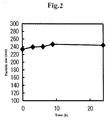
- Fig. 2 is a graph showing changes with time in particle size of the polyion complex.
- Fig. 3 is a graph showing results oftransfection experiments.
- Fig. 4 is a graph showing measurement results of the relation between the cation/anion ratio and the gene expression efficiency.
- Fig. 5 is a TEM photograph of a gene complex, which is stained with phosphotungstic acid.
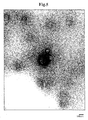
- Fig. 6 is a TEM photograph of a gene complex, which is stained with uranium acetate.
- Fig. 7 is a graph showing the relation between the molecular weight of a vector having a single branched chain and the gene expression efficiency.
- Fig. 8 is a graph showing the relation between the molecular weight of a vector having three branched chains and the gene expression efficiency.
- Fig. 9 is a graph showing the relation between the molecular weight of a vector having four branched chains and the gene expression efficiency.
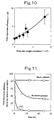
- Fig. 10 is a graph showing the relation between the molecular weight of a block polymer and the gene expression efficiency, wherein the block polymer is a vector having four branched chains and a molecular weight of 10,000 and is prepared by block polymerizing dimethylacrylamide on ends of the branched chains; and
- Fig. 11 is a graph showing the stability within the solution (changes with time when the initial value of the gene expression efficiency is set to 100%) of a block polymer of the vector, a branched polymer, and a PEI.
- Cationic polymer employed in the present invention has branched chain(s).
- In an aspect of the present invention, the effect of vector is enhanced within a certain molecular weight range. The range depends on the number of the branched chain(s).
- In an aspect of the present invention, a vector has three polymer chains and a molecular weight (number average molecular weight) of from 30,000 to 60,000.
- In an aspect of the present invention, a vector has four polymer chains and a molecular weight of from 30,000 to 65,000.
- In an aspect of the present invention, a vector has six polymer chains and a molecular weight of from 10,000 to 50,000.
- In an aspect of the present invention, a vector includes nonionic groups which are bonded to ends of the branched chains of the polymer.
- In an aspect of the present invention, the vector is composed of a polymer which comprises a polyfunctional compound as its nucleus, a plurality of polymer chains as the branched chains which are bonded to the nucleus, and nonionic groups which are bonded to the ends of the polymer chains. The nonionic groups may be aromatic compounds, aliphatic compounds, polyacrylic esters, or polymethacrylic esters.
- In a preferred embodiment of the present invention, a plurality of branched chains are bonded to a polyfunctional compound, preferably benzene ring, naphthalene, anthracene, or pyrene. In the case of benzene ring, the number of bonds is from 2 to 6, especially 2, 3, 4, or 6. The larger the number of bonds, the more effective it is. In the case of naphthalene, the number of bonds can be up to 8. In the case of anthracene or pyrene, the number of bonds can be up to 10. In addition, biphenyl (in this case, the number of bonds of branched chains can also be up to 10) in which a plurality of aromatic rings in noncoplanar relation are bonded or a cycloparaffin hydrocarbon such as cyclohexane may be employed as the nucleus.
- As the nucleus to which the branched chains are bonded, benzene ring is preferable. Specific examples are as follows. An example for three branched chains is 2,4,6-tris (N,N- diethyldithiocarbamylmethyl) mesitylene which is obrtained by addition reaction between 2,4,6-tris (bromomethyl) mesitylene and sodium N,N-diethyldithiocarbamate in ethanol. An examples for four branched chains is 1,2,4,5-tetrakis (N,N-diethyldithiocarbamylmethyl) benzene which is obtained by an addition reaction between 1,2,4,5-tetrakis (bromomethyl) benzene and sodium N,N-diethyldithiocarbamate in ethanol. An example for six branched chains is hexakis (N,N-diethyldithiocarbamylmethyl) benzene which is obtained by an addition reaction between hexakis (bromomethyl) benzene and sodium N,N-diethyldithiocarbamate in ethanol.
- As for the branched chain, homopolymer or copolymer of vinyl series monomer is preferable. The length of each branched chain may be either the same or different. The structure of the chain may be either linear straight-chain structure or dendritic branched-chain structure. When the branched chain is a homopolymer, specifically, a polymer of 3-N,N-dimethylaminopropyl acrylamide, CH2=CHCONHC3H6N(CH3)2, is preferable.
- By mixing the 3-N,N-dimethylaminopropyl acrylamide and the aforementioned each benzene derivative with an alcohol solution such as methanol or a solution of low polarity solvent such as chloroform in consideration of the solubility and subjecting the mixture to photopolymerization reaction, a cationic polymer in which the aforementioned polymer of vinyl series monomer is bonded to the benzene ring via -CH2- derived from the aforementioned benzene derivative is produced. The molecular weight of the thus produced vector is preferably from 5,000 to 500,000, especially 5,000 to 100,000, particularly 10,000 to 50,000. In addition, when the branched chain is a copolymer, it may be either a random copolymer or a block copolymer. If it includes a cationic functional monomer as the monomer, a copolymer of a nonionic monomer or a hydrophobic monomer may be employed. As the nonionic monomer, nonionic hydrophilic monomers such as N,N-dimethylacrylamide, N-vinylpyrrolidone, and PEG- (meth) acrylate are preferable. As the hydrophobic monomer, ethyl (meth) acrylate and styrene are preferable. The vector composed of thus produced cationic polymer surrounds the nucleic acids and functions as a nucleic-acid-containing complex, thereby inhibiting the deactivation and decomposition of the nucleic acids due to enzyme within a living body.
- The polymer chain composing the branched chain may be a polymer chain which has a quaternary amine on its proximal end and a tertiary amine on its distal end. When quaternary amine is placed near the nucleus to which the branched chain is bonded and tertiary amine is placed around the quaternary amine, reduction of cytotoxicity and high efficiency of gene transfection could be expected. Quaternary amine is cation which is an essential ingredient of a vector. However, quaternary amine has cytotoxicity as it is used as a fungicide or an antibacterial coating. Therefore, placing tertiary amine around the quaternary amine would be of great advantage in cytotoxicity. As a matter of course, besides the combination of quaternary and tertiary, combinations of such as quaternary and primary, quaternary and secondary, tertiary and primary, tertiary and secondary may be possible.
- Moreover, the cationic polymer within the vector of the present invention may have such a nature that the positive charge thereof is deactivated with time. Since the positive charge within the vector is deactivated as mentioned above, the function of emission of the nucleic acids from the nucleic acid aggregate which is surrounded by the vector can be given. The conditions may be set by a person skilled in the art in such a manner that the emission of nucleic acids will be conducted after the vector permeates the cell membrane. The cationic polymer having such function may be a polymer carrying a compound having 4,4'-benzylidenebis (N,N-dimethylaniline) skeleton on its branched chains of a long-chain form. The compounds having 4,4'-benzylidenebis (N,N-dimethylaniline) skeleton may be leucomalachite green. The cationic polymer carrying the aforementioned compounds is converted to cation by light irradiation, and has a nature that the positive charge thereof is deactivated with time.
- To combine the vector composed of cationic polymer and the nucleic acids, the nucleic acids are added to and mixed with dispersion liquid in which the concentration of the vector is from about 1 to about 1,000 µg/mL at room temperature. It is preferable to add the cationic polymer to the nucleic acids in an excessive amount so as to make a nucleic-acid-containing complex in which the cationic polymer is combined with the nucleic acid in the saturated state of the cationic polymer.
- As the nucleic acid, polynucleotide such as deoxyribonucleic acid (DNA) and ribonucleic acid (RNA) are preferable. Among these, DNA is especially preferable. The nucleic acid may be ribonucleoprotein.
- The nucleic acid may be herpes simple virus thymidine kinase gene (HSV1-TK gene), p53 tumor suppressor gene, and BRCA1 tumor suppressor gene, cytokine gene such as TNF-α gene, IL-2 gene, IL-4 gene, HLA-B7/IL-2 gene, IHLA-B7/B2M gene, IL-7 gene, GM-CSF gene, IFN-γ gene and IL-12 gene, or cancer antigen peptide gene such as MART- 1 and MAGE-1. These are available for cancer therapy.
- Moreover, cytokine gene such as VEGF gene, HGF gene, and FGF gene, c-myc antisense, c-myb antisense, cdc2 kinase antisense, PCNA antisense, E2F decoy, and p21 (sdi-1) gene are available for blood vessel disease treatment. These genes are well known to those skilled in the art.
- The particle size of the nucleic-acid-containing complex is preferably from about 50 to about 400 nm. If it is smaller than this range, there is possibility that the effect of the enzyme affects the nucleic acids in the nucleic-acid-containing complex and there is also possibility that the nucleic-acid-containing complex is filtered out at the kidney. Moreover, if it is larger than this range, there is possibility that the nucleic-acid-containing complex has difficulty in introduction into cells.
- Nucleic acid is used in a form that it can exhibit its function within cells by the introduction into the cells. For instance, in the case of DNA, nucleic acid is used in the form of plasmid in which the DNA is transcribed within cells where the nucleic acid is introduced and is arranged such that the DNA can exhibit its function through production of polypeptide to be encoded. Preferably, promoter region, initiation codon, DNA which codes protein having desired function, termination codon, and termination region are seriated.
- If required, two or more kinds of nucleic acids may be included in a single plasmid.
- According to the present invention, "cells" preferable for introduction of nucleic acid are cells which allow the nucleic acid to exhibit its function and are selected diversely according to the nucleic acid to be used (i.e., the function thereof). Examples of such cells include cardiac muscle cell, smooth muscle cell, fibrocyte, skeletal muscle cell, vascular endothelial cell, bone marrow cell, bone forming cell, hematocyte stem cell, blood cell, tumor cell, hemopoietic stem cell, peripheral stem cell, SP cell, ES cell, B cell, T cell, NK cell. Moreover, the examples also include gastrointestinal tract epithelial cells and renal tubular epithelial cells such as monocyte, dendritic cell, macrophage, histiocyte, Kuppfer cell, osteoclast, synovial A cell, microgliocyte, Langerhans cell, epithelioid cell, multinucleate giant cell.
- Nucleic-acid-containing complex using the vector of the present invention can be administered in any given manner.
- As for the administration, intravenous or intraarterial infusion is especially preferable. However, the nucleic-acid containing complex may be administered into muscle, into adipose tissues, under the skin, intradermally, into lymphatic vessels, into lymph nodes, into body cavities (pericardial cavity, pleural cavity, abdominal cavity, cerebrospinal cavity, and the like), and into bone marrow. Besides these, the nucleic-acid containing complex may be administered directly into diseased tissues, for example, spraying alveolus with the nucleic-acid containing complex by using a tracheal endoscope.
- Drugs of which active ingredient is the nucleic-acid-containing complex can be further mixed with carrier (osmotic adjuster, stabilizer, preservative, solubilizer, pH adjuster, thickener, and the like) acceptable in pharmaceutical preparations if necessary. These carriers may be of heretofore known type. Moreover, an indirect manner which is well known to those skilled in the art and in which the nucleic-acid-containing complex is used outside the body first and then administered into a living body may be employed. For instance, the indirect manner comprises letting the nucleic-acid-containing complex affect cells taken from the living body such as lymph cells having high tumor cytotoxicity to give drug sensitive to the cells and, after that, adiministrating them into the living body after incubation. In this case, it is possible to injure the tumor cells with the lymph cells incubated, and kill the administered lymph cells by drugs if any side effect is confirmed.
- Moreover, drugs of which active ingredient is the nucleic-acid-containing complex include drugs containing two or more kinds of nucleic-acid-containing complexes of which nucleic acids are different from each other. Drugs having several therapeutic purposes as mentioned above are especially helpful in the field of the diversifying gene therapys.
- As for the administration quantity of such drug, the quantity to animal, especially the quantity to human, depends on various factors such as the targeted nucleic acids, the administration manner, and the particular part to be treated. However, the administration quantity should be sufficient enough to cause remedial response.
- The nucleic-acid-containing complex therein is preferably applied for gene therapy. The applicable diseases depend on the kind of the nucleic acids contained in the complex. Specific examples include peripheral arterial disease, coronary artery disease, and diseases which are caused at circulatory organ region after arterial dilatation such as restenosis. The examples also include cancers (malignant melanoma, brain tumor, metastasizing malignancy, breast cancer, and the like), infection diseases (such as HIV), and monogenic disorders (cystic fibrosis, chronic granulomatous disease, alpha-1-antitrypsin deficiency, Gaucher's disease, and the like).
- First, benzyl N,N-diethyldithiocarbamate was synthesized according to the following reaction formula (Formula 1).

- More specifically, 10 ml of ethanol solution containing benzyl chloride (4.8 g, 38 mmol, Mw. 126.58) was added dropwise into 50 ml of ethanol solution containing sodium N,N-diethyldithiocarbamate trihydrate (10.3 g, 46 mmol, Mw. 225.31) in nitrogen atmosphere at 0°C. After agitating the reaction solution for 23 hours at room temperature, 150 ml of water was added and extracted by diethylether (200 ml × 3 times). The organic layer was washed with water (100 ml × 3 times) and was dried by sodium sulfate. Solvent was distilled away under reduced pressure using an evaporator so as to obtain benzyl N,N-diethyldithiocarbamate (colorless liquid). Yield point was 17.6 g (yield : 93%), 1H-NMR : δ7.407 ppm to 7.271 ppm (m, 5H, Ar-H) δ4.540ppm (s, 2H, Ar-CH2S), δ4.082 ppm to 4.012ppm (q, 2H, -N-CH2-),δ3.763 ppm to 3.692 ppm (q, 2H, -N-CH2-),δ1.311 to 1.252ppm (m, 6H, -CH2-CH3).
- Then, using the benzyl N,N-diethyldithiocarbamate thus obtained, dimethylaminopropyl acrylamide was polymerized according to the following reaction formula (Formula 2).

- More specifically, a mixture of dimethylaminopropyl acrylamide (3.9 g, 24.96 mmol, Mw.156.23) and benzyl N,N-diethyldithiocarbamate (23.94 mg, 0.1 mmol, Mw. 239.41) was diluted with methanol so as to prepare solution of 20 mL in total. The solution thus prepared was agitated while nitrogen gas was blown in, and was irradiated with ultraviolet light (
light intensity 1 mW/cm2). After 30 minutes of ultraviolet irradiation, polymer solution was concentrated using an evaporator and was added dropwise to a large quantity of diethylether so as to precipitate high-molecular-weight polymer. Supernatant liquid was removed by decantation and the high-molecular-weight polymer was dissolved in water and was freeze-dried. Molecular weight of the high-molecular-weight polymer was measured after freeze-dried, and was approximately 18,000, 1H-NMR : δ7.8 ppm to 7.4 ppm (br, 1H, -NH), δ3.43 ppm to 3.0 ppm (br, 2H, -NH-CH2-CH2-),δ2.4 ppm to 2.2 ppm (br, 2H, -CH2-CH2-NR2), δ2.2 ppm to 2.1 ppm (br, 6H, -N-CH3), δ1.8 ppm to 1.5 ppm (br, 2H, -CH2-CH2-CH2-). - Next, 2,4,6-tris (N,N-diethyldithiocarbamylmethyl) mesitylene was synthesized by reacting sodium N,N-diethyldithiocarbamate with 2,4,6-tris (bromomethyl) mesitylene according to the following reaction formula (Formula 3).

- More specifically, ethanol (100 ml) and sodium N,N-diethyldithiocarbamate trihydrate (5.43 g, 24.12 mmol, Mw. 225.31) were added to 2,4,6-tris (bromomethyl) mesitylene (2 g, 4.02 mmol, Mw.398.98) and were agitated at room temperature. After 24 hours from the start of the agitation, the mixture was filtered and the precipitate was collected. The collected precipitate was dissolved in chloroform, and was washed with water using a separatory funnel. Thus formed chloroform layer was concentrated using an evaporator and vacuum-dried using a desiccator, thereby obtaining 2,4,6-tris (N,N-diethyldithiocarbamylmethyl) mesitylene (white solid). Yield point was 3.03 g (yield : 98.4%), 1H-NMR : δ4.447 ppm (s, 6H, Ar-CH2S), δ4.086 ppm to 4.015 ppm (q, 6H, -N-CH2-),δ3.746 ppm to 3.676 ppm (q, 6H, -N-CH2-), δ2.421 ppm (s, 9H, Ar-CH3), δ1.324 ppm to 1.222 ppm (m, 18H, -CH2-CH3).
- To 2,4,6-tris (N,N-diethyldithiocarbamylmetliyl) mesitylene thus obtained, dimethylaminopropyl acrylamide was polymerized according to the following reaction formula (Formula 4), thereby synthesizing a three branched chain type vector.

- More specifically, 2,4,6-tris (N,N-diethyldithiocarbamylmethyl) mesitylene (20.14 mg, 1.67 mmol, Mw. 604.08) was dissolved in chloroform (300 µl) and was added to methylaminopropylacrylamide (1.6224 g, 10.38 mmol, Mw. 156.23). The mixture was diluted with methanol to prepare solution of 20 ml in total. The solution thus prepared was agitated while nitrogen gas was blown in, and was irradiated with ultraviolet light (
light intensity 1 mW/cm2). After 30 minutes of ultraviolet irradiation, polymer solution was concentrated using an evaporator and was added dropwise to a large quantity of diethylether to precipitate the high-molecular-weight polymer. Supernatant liquid was removed by decantation and high-molecular-weight polymer was dissolved in water and was freeze-dried. Molecular weight of the obtained high-molecular-weight polymer was measured using a GPC after freeze-dried and was approximately 18,000. In addition, 1H-NMR : δ7.7 ppm to 7.4 ppm (br, 1H, -NH), δ3.4 ppm to 3.0 ppm (br, 2H, -NH-CH2-CH2-),δ2.4 ppm to 2.3 ppm (br, 2H, -CH2-CH2-NR2), δ2.3 ppm to 2.1 ppm (br, 6H, -N-CH3), δ1.8 ppm to 1.5 ppm (br, 2H, -CH2-CH2-CH2-). - First, 1,2,4,5-tetrakis (N,N-dithiocarbamylmethyl) benzene was synthesized according to the following reaction formula (Formula 5).

- More specifically, ethanol (100 mL) and sodium N,N-diethyldithiocarbamate trihydrate (4 g, 17.76 mmol, Mw. 225.31) were added to 1,2,4,5-tetrakis (bromomethyl) benzene (1 g, 2.22 mmol, Mw. 449.83) and were agitated at room temperature. After 48 hours from the start of agitation, the mixture was filtered and the precipitate was collected. The collected precipitate was dissolved in chloroform, and was washed with water using a separatory funnel. The chloroform layer was concentrated using an evaporator and was vacuum-dried using a desiccator, thereby obtaining 1, 2, 4, 5-tetrakis (N,N-dithiocarbamylmethyl) benzene (white solid). Yield point was 1.48 g (yield: 91.4%). Measurement of 1H-NMR resulted in δ7.487 ppm (s, 2H, Ar-H), δ4.573 ppm (s, 8H, Ar-CH2S), δ4.065 ppm to 3.994 ppm (q, 8H, -N-CH2-), δ3.765 ppm to 3.687 ppm (q, 8H, -N-CH2-), δ1.3 04 ppm to 1.256 ppm (t, 24H, -CH2-CH3).
- To 1,2,4,5-tetrakis (N,N-diethyldithiocarbamylmethyl) benzene thus obtained, dimethylaminopropyl acrylamide was polymerized according to the following reaction formula (Formula 6), thereby synthesizing a four branched chain type vector.

- More specifically, 1,2,4,5-tetrakis (N,N-diethyldithiocarbamylmethyl) benzene (18.08 mg, 1.25 mmol, Mw. 723.30) was dissolved in chloroform (300 µl) and was added to dimethylaminopropyl acrylamide (1.326 g, 8.49 mmol, Mw. 156.23). The mixture was diluted with methanol so as to prepare solution of 20 ml in total. The solution thus prepared was agitated while nitrogen gas was blown in, and was irradiated with ultraviolet light (
light intensity 1 mW/cm2). After 30 minutes of ultraviolet irradiation, polymer solution was concentrated using an evaporator and was added dropwise to a large quantity of diethylether to precipitate the high-molecular-weight polymer. Supernatant liquid was removed by decantation and high-molecular-weight polymer was dissolved in water and was freeze-dried. Molecular weight was measured using a GPC after freeze-dried, and was approximately 18,000. In addition, 1H-NMR : δ7.8 to 7.4 ppm (br, 1H, -NH), δ3.4 ppm to 3.0 ppm (br, 2H, -NH-CH2-CH2-), δ2.4 ppm to 2.2 ppm (br, 2H, -CH2-CH2-NR2), δ2.2 ppm to 2.1 ppm (br, 6H, -N-CH3), δ1.8 ppm to 1.5 ppm (br, 2H, -CH2-CH2-CH2-). - First, hexakis (N,N-diethyldithiocarbamylmethyl) benzene was synthesized according to the following reaction formula (Formula 7).

- More specifically, ethanol (200 ml) and sodium N,N-diethyldithiocarbamate trihydrate (6.36 g, 28.23 mmol, Mw. 225.31) were added to hexakis (bromomethyl) benzene (1 g, 1.57 mmol, Mw. 635.68) and were agitated at room temperature. After 4 days from the start of agitation, the mixture was filtered and the precipitate was collected. The collected precipitate was dissolved in chloroform, and was washed with water using a separatory funnel. The chloroform layer was concentrated using an evaporator and was vacuum-dried using a desiccator, thereby obtaining hexakis (N,N-diethyldithiocarbamylmethyl) benzene (white solid). Yield point was 1.48g (yield : 90.2%). 1H-NMR : δ4.565 ppm (s, 12H, Ar-CH2S), δ4.012 to 3.988 ppm (q, 12H, -N-CH2-), δ3.731 ppm to 3.708 ppm (q, 12H, -N-CH2-), δ1.307 ppm to 1.261 ppm (m, 36H, -CH2-CH3).
- Then, dimethylaminopropyl acrylamide was polymerized to the hexakis (N,N-diethyldithiocarbamylmethyl) benzene thus obtained according to the following reaction formula (Formula 8), thereby synthesizing a six branched chain type vector.

- More specifically, hexakis (N,N-diethyldithiocarbamylmethyl) benzene (17.43 mg, 0.83 mmol, Mw. 1045) was dissolved in a small amount of chloroform and was added to dimethylaminopropyl acrylamide (3.9 g, 24.96 mol, Mw. 156.23). The mixture was diluted with chloroform so as to prepare solution of 20 ml in total. The solution thus prepared was agitated while nitrogen gas was blown in, and was irradiated with ultraviolet light (
light intensity 1 mW/cm2). After 30 minutes of ultraviolet irradiation, polymer solution was concentrated using an evaporator, and was added dropwise to a large quantity of diethylether to precipitate high-molecular-weight polymer. After supernatant liquid was removed by decantation, the high-molecular-weight polymer was dissolved in water and was freeze-dried. Molecular weight of the high-molecular-weight polymer thus obtained was measured using a GPC after freeze-dried and was approximately 18,000. In addition, 1H-NMR : δ7.8 ppm to 7.4ppm (br, 1H, -NH), δ3.43 to 3.0ppm (br, 2H, -NH-CH2-CH2-), δ2.4 ppm to 2.2 ppm (br, 2H, -CH2-CH2-NR2), δ2.2 ppm to 2.1 ppm (br, 6H, -N-CH3), δ1.8 ppm to 1.5 ppm (br, 2H, -CH2-CH2-CH2-). - Each vector (2.36 mg, M.w. 18,000) was dissolved in tris-HCl-buffer (2 ml). 50 µL of solution thus obtained was taken and was diluted by adding tris-HCl-buffer so as to prepare vector solution of 500 µl in total. Separately, 2×buffer solution (450 µl) was added to pGL3control plasmid so as to prepare DNA solution of 540 µl in total. The vector solution (67 µl) was added to the DNA solution (100 µl) (the ratio of the positive charge quantity of cationic high-molecular-weight polymer to the negative charge quantity of DNA was 1: 1) and was left at rest for 24 hours at 37°C, thereby forming a nucleic-acid-containing complex. Particle size of polyion complex was measured by dynamic light scattering measurement and the result is shown in Fig. 1. In addition, changes of the average particle size with time are shown in Fig. 2.
- As shown in Figs. 1 and 2, each cationic high-molecular-weight polymer formed a polyion complex immediately after mixed with the DNA. According to the result of cumulant analysis, it was found that nano-sized particles of approximately 250 nm were obtained and were still stable after 24 hours.
- Polyion complex solution was added at a rate of 25 µl per well to COS-1 cells which has been incubated for a day on a 24 well-plate. The cells were incubated in a 5% CO2 incubator. After 3 hours of incubation, the medium was removed and the cells were washed with PBS. After that, DMEM was added at a rate of 1 ml per well to the cells and the cells were incubated within the 5%CO2 incubator again. After two days of incubation, the medium was removed and the cells were washed with PBS. After that, Luciferase cell culture lysis 5xReagent was added at a rate of 200 µl per well and was left at rest. After 30 minutes, the cells were put into an Eppendorf tube and were centrifuged (4°C, 15,000 rpm, 1 min.). After centrifugation, each 4 µl of supernatant was collected onto a microplate and luciferase activity was measured using a luminometer. Moreover, 5µL of supernatant after centrifugation was collected, and protein concentration determination was operated.
- Transfection experiments were conducted using high-molecular-weight polymer vectors having different numbers of branched chains. When C/A ratio was 10, the gene expression efficiency increased significantly as the number of the branched chains of the high-molecular-weight polymer increased as shown in Fig. 3. Effect on gene expression efficiency according to variation of the C/A ratio (cation/anion ratio) was also examined using a 6-branched-chain-type cationic high-molecular-weight polymer which exhibited the highest gene expression efficiency in the above experiments. As shown in Fig.4, the highest gene expression efficiency was obtained when C/A = 40.
- As mentioned above, the present invention provides a vector which can make nucleic acids to be an aggregate and locate a vector containing a cationic polymer to surround the aggregate so as to protect the nucleic acids from the enzyme.
- Figs. 5 and 6 are TEM photographs of gene complexes, each of which is a mixture of PGL3 plasmid and the aforementioned 6-branched-chain-type vector, wherein Fig. 5 shows a gene complex which is stained with phosphotungstic acid and Fig. 6 shows a gene complex which is stained with uranium acetate.
- Fig. 7 is a graph showing the relation between the molecular weight of a vector having a single branched chain and the gene expression efficiency.
- Fig. 8 is a graph showing the relation between the molecular weight of a vector having three branched chains and the gene expression efficiency.
- Fig. 9 is a graph showing the relation between the molecular weight of a vector having four branched chains and the gene expression efficiency.
- Fig. 10 is a graph showing the relation between the molecular weight of a block polymer and the gene expression efficiency, wherein the block polymer is a vector having four branched chains and a molecular weight of 10,000 and is prepared by block polymerizing dimethylacrylamide on ends of the branched chains, and Fig. 11 is a graph showing the stability within the solution (changes with time when the initial value of the gene expression efficiency is set to 100%) of a block polymer of the vector, a branched polymer, and a PEI.
Claims (36)
- A vector comprising a polymer having branched chain(s).
- A vector as claimed in claim 1, wherein the effect is enhanced within a certain molecular weight range and the molecular weight range depends on the number of the branched chain(s).
- A vector as claimed in claim 1, wherein the vector has three polymer chains and a molecular weight of from 30,000 to 60,000.
- A vector as claimed in claim 1, wherein the vector has four polymer chains and a molecular weight of from 30,000 to 65,000.
- A vector as claimed in claim 1, wherein the vector has six polymer chains and a molecular weight of from 10,000 to 50,000.
- A vector as claimed in claim 1, wherein the vector includes nonionic groups which are bonded to ends of the branched chains of the polymer.
- A vector as claimed in claim 1, wherein the vector is composed of a polymer which comprises a polyfunctional compound as its nucleus, a plurality of polymer chains as the branched chains which are bonded to the nucleus, and nonionic groups which are bonded to ends of the polymer chains.
- A vector as claimed in claim 6, wherein the nonionic groups are aromatic compounds.
- A vector as claimed in claim 6, wherein the nonionic groups are aliphatic compounds.
- A vector as claimed in claim 6, wherein the nonionic groups are polyacrylic esters.
- A vector as claimed in claim 6, wherein the nonionic groups are polymethacrylic esters.
- A vector as claimed in claim 7, wherein the nonionic groups are aromatic compounds.
- A vector as claimed in claim 7, wherein the nonionic groups are aliphatic compounds.
- A vector as claimed in claim 7, wherein the nonionic groups are polyacrylic esters.
- A vector as claimed in claim 7, wherein the nonionic groups are polymethacrylic esters.
- A vector as claimed in claim 1, wherein the vector comprises a polyfunctional compound as its nucleus, and a plurality of polymer chains as the branched chains which are bonded to the nucleus.
- A vector as claimed in claim 16, wherein the number of the polymer chains is from 2 to 10.
- A vector as claimed in claim 1, wherein the vector comprises benzene ring, naphthalene, anthracene, or pyrene as its nucleus, and a plurality of polymer chains as the branched chains which are bonded to the nucleus.
- A vector as claimed in claim 18, wherein the nucleus is benzene ring and the number of the polymer chains is 2, 3, 4, or 6.
- A vector as claimed in claim 18, wherein the nucleus is benzene ring and the number of the polymer chains is 3, 4, or 6.
- A vector as claimed in claim 18, wherein the nucleus is benzene ring and the number of the polymer chains is 4 or 6.
- A vector as claimed in claim 18, wherein the nucleus is benzene ring and the number of the polymer chains is 6.
- A vector as claimed in claim 1, wherein the branched chain(s) is straight-chain-form polymer chain(s).
- A vector as claimed in claim 23, wherein the polymer chain(s) is a random copolymer or a block copolymer.
- A vector as claimed in claim 1, wherein the polymer chain(s) is a cationic polymer.
- A vector as claimed in claim 25, wherein the polymer chains composing the branched chains have a quaternary amine on its proximal end and a tertiary amine on its distal end.
- A vector as claimed in claim 23, wherein the polymer chain(s) is a vinyl-series polymer.
- A vector as claimed in claim 27, wherein the polymer chain(s) is an acrylic polymer.
- A vector as claimed in claim 27, wherein the polymer chain(s) is an acrylamide polymer.
- A vector as claimed in claim 27, wherein the polymer chain(s) is a copolymer of a plurality of vinyl-series monomers.
- A vector as claimed in claim 1, wherein the molecular weight of the vector is from 5,000 to 500,000.
- A vector as claimed in claim 1, wherein the molecular weight of the vector is from 5,000 to 50,000.
- A vector as claimed in claim 25, wherein the positive charge of the cationic polymer is deactivated with time.
- A vector as claimed in claim 1, wherein a compound having 4,4'-benzylidenebis (N,N-dimethylaniline) skeleton is carried on the branched chain(s).
- A vector as claimed in claim 34, wherein the compounds having 4,4'-benzylidenebis (N,N-dimethylaniline) skeleton is leucomalachite green.
- A vector as claimed in claim 34, wherein the vector is irradiated with light.
Applications Claiming Priority (2)
| Application Number | Priority Date | Filing Date | Title |
|---|---|---|---|
| JP2003114541 | 2003-04-18 | ||
| PCT/JP2004/005450 WO2004092388A1 (en) | 2003-04-18 | 2004-04-16 | Vector |
Publications (3)
| Publication Number | Publication Date |
|---|---|
| EP1616957A1 true EP1616957A1 (en) | 2006-01-18 |
| EP1616957A4 EP1616957A4 (en) | 2010-03-10 |
| EP1616957B1 EP1616957B1 (en) | 2017-05-17 |
Family
ID=33296153
Family Applications (1)
| Application Number | Title | Priority Date | Filing Date |
|---|---|---|---|
| EP04727984.9A Expired - Lifetime EP1616957B1 (en) | 2003-04-18 | 2004-04-16 | Vector |
Country Status (4)
| Country | Link |
|---|---|
| US (1) | US8298817B2 (en) |
| EP (1) | EP1616957B1 (en) |
| JP (1) | JP5153072B2 (en) |
| WO (1) | WO2004092388A1 (en) |
Families Citing this family (5)
| Publication number | Priority date | Publication date | Assignee | Title |
|---|---|---|---|---|
| JP4968507B2 (en) * | 2006-02-28 | 2012-07-04 | 独立行政法人国立循環器病研究センター | Gene transfer agent |
| JP5268048B2 (en) * | 2007-02-15 | 2013-08-21 | 独立行政法人国立循環器病研究センター | Gene transfer agent and method for producing the same |
| JP5344420B2 (en) * | 2008-05-15 | 2013-11-20 | 独立行政法人国立循環器病研究センター | GENE TRANSFER, ITS MANUFACTURING METHOD, AND NUCLEIC ACID COMPLEX |
| JP2009274997A (en) * | 2008-05-15 | 2009-11-26 | National Cardiovascular Center | Gene transfer agent, method for producing the same and nucleic acid complex |
| JP5944622B2 (en) * | 2011-04-08 | 2016-07-05 | 株式会社ブリヂストン | Gene transfer agent composition |
Family Cites Families (18)
| Publication number | Priority date | Publication date | Assignee | Title |
|---|---|---|---|---|
| US4558120A (en) * | 1983-01-07 | 1985-12-10 | The Dow Chemical Company | Dense star polymer |
| US5610268A (en) * | 1992-01-13 | 1997-03-11 | Dsm N.V. | Dendritic macromolecule and the preparation thereof |
| IL112920A (en) * | 1994-03-07 | 2003-04-10 | Dow Chemical Co | Composition comprising a dendritic polymer complexed with at least one unit of biological response modifier and a process for the preparation thereof |
| US6353055B1 (en) * | 1994-11-18 | 2002-03-05 | Supratek Pharma Inc. | Polynucleotide compositions |
| US5635571A (en) * | 1995-06-30 | 1997-06-03 | Cornell Research Foundation, Inc. | Polymerizable macromonomers and polymers prepared therefrom |
| US5919422A (en) * | 1995-07-28 | 1999-07-06 | Toyoda Gosei Co., Ltd. | Titanium dioxide photo-catalyzer |
| US6127481A (en) * | 1995-08-04 | 2000-10-03 | Dsm Copolymer, Inc. | Branched polyolefin polymers as additives in fuel and lubricating oil compositions |
| US6084030A (en) * | 1995-08-04 | 2000-07-04 | Dsm Copolymer, Inc. | Branched polymers with polyolefin arms |
| ES2242198T3 (en) * | 1995-10-25 | 2005-11-01 | Octoplus B.V. | POLYACRYLATES AND POLY (RENT) CATIONIC ACRYLATES OR CORRESPONDING ACRYLICATES FOR USE IN SYNTHETIC TRANSFECTION SYSTEMS. |
| US6042820A (en) * | 1996-12-20 | 2000-03-28 | Connaught Laboratories Limited | Biodegradable copolymer containing α-hydroxy acid and α-amino acid units |
| ATE283254T1 (en) | 1999-05-28 | 2004-12-15 | Vical Inc | CYTOFECTIN DIMERS AND METHOD FOR USE THEREOF |
| WO2001000708A1 (en) * | 1999-06-25 | 2001-01-04 | Christian Plank | Combinations for introducing nucleic acids into cells |
| US20010046705A1 (en) * | 2000-04-25 | 2001-11-29 | Arnaud Debin | Particulate complex for adminstering nucleic acid into a cell |
| FR2814370B1 (en) * | 2000-09-22 | 2004-08-20 | Centre Nat Rech Scient | USE OF A NUCLEIC ACID / PEI COMPLEX FOR TARGETING STEM CELLS OF THE BRAIN |
| CA2422524A1 (en) * | 2000-09-25 | 2002-03-28 | Motoyuki Yamashita | Pei: dna vector formulations for in vitro and in vivo gene delivery |
| GB0217298D0 (en) * | 2002-07-26 | 2002-09-04 | Univ Sheffield | Polymer |
| EP1527096A2 (en) * | 2002-08-06 | 2005-05-04 | AplaGen GmbH | Binding molecules |
| DE102004028151A1 (en) * | 2004-06-10 | 2005-12-29 | Mikron Comp-Tec Ag | Storage arrangement for processing machines |
-
2004
- 2004-04-16 JP JP2005505463A patent/JP5153072B2/en not_active Expired - Fee Related
- 2004-04-16 EP EP04727984.9A patent/EP1616957B1/en not_active Expired - Lifetime
- 2004-04-16 WO PCT/JP2004/005450 patent/WO2004092388A1/en not_active Ceased
-
2005
- 2005-10-18 US US11/252,063 patent/US8298817B2/en not_active Expired - Fee Related
Also Published As
| Publication number | Publication date |
|---|---|
| JP5153072B2 (en) | 2013-02-27 |
| EP1616957B1 (en) | 2017-05-17 |
| US8298817B2 (en) | 2012-10-30 |
| JPWO2004092388A1 (en) | 2006-07-06 |
| WO2004092388A1 (en) | 2004-10-28 |
| US20060057714A1 (en) | 2006-03-16 |
| EP1616957A4 (en) | 2010-03-10 |
Similar Documents
| Publication | Publication Date | Title |
|---|---|---|
| ES2265569T3 (en) | PHARMACEUTICAL COMPOSITION THAT IMPROVES THE TRANSFER OF GENES IN VIVO. | |
| US8217015B2 (en) | Endosomolytic polymers | |
| US12343434B2 (en) | Hybrid membrane camouflaged nanomedicine loaded with oxidative phosphorylation inhibitor and preparing method thereof | |
| US11793764B2 (en) | siRNA nanocapsule and preparation method and use thereof | |
| US20180312617A1 (en) | A cation polymer capable of removing positive charges through oxidative response, a preparation method and application | |
| US8298817B2 (en) | Vector | |
| JP2010115153A (en) | Gene-transferring agent and nucleic acid complex | |
| JP2009275001A (en) | Method for producing nucleic acid complex | |
| JP2009275002A (en) | Gene transfer agent, nucleic acid complex and method for producing the same | |
| JP2008195687A (en) | Nucleic acid complex | |
| JP4968507B2 (en) | Gene transfer agent | |
| JP2008195681A (en) | Gene transfer agent, nucleic acid complex, and gene transfer material | |
| JP2010136631A (en) | Method for preparing nucleic acid complex and nucleic acid complex | |
| US20240180849A1 (en) | Immunofunctional carrier, methods of uses, and composition matters as an antitumor immunotherapy | |
| JP2011083243A (en) | Gene transfer agent, method for producing gene transfer agent, and nucleic acid complex and gene transfer method | |
| JP2009073805A (en) | Gene transfer agent, nucleic acid complex, and gene transfer material | |
| JP2008195683A (en) | Gene transfer agent | |
| JP2010136632A (en) | Method for preparing nucleic acid complex and nucleic acid complex | |
| JP2009274996A (en) | Gene transfer agent and nucleic acid complex | |
| JP2008194002A (en) | vector | |
| JP2004081039A (en) | Vector, nucleic acid-containing complex and method for forming the same | |
| JP5944622B2 (en) | Gene transfer agent composition | |
| JP2008222661A (en) | Gene transfer agent | |
| CN116655668A (en) | Ionizable cationic lipid based on imino borate structure and preparation method thereof | |
| JP2008195685A (en) | Gene transfer agent |
Legal Events
| Date | Code | Title | Description |
|---|---|---|---|
| PUAI | Public reference made under article 153(3) epc to a published international application that has entered the european phase |
Free format text: ORIGINAL CODE: 0009012 |
|
| 17P | Request for examination filed |
Effective date: 20050916 |
|
| AK | Designated contracting states |
Kind code of ref document: A1 Designated state(s): AT BE BG CH CY CZ DE DK EE ES FI FR GB GR HU IE IT LI LU MC NL PL PT RO SE SI SK TR |
|
| AX | Request for extension of the european patent |
Extension state: AL HR LT LV MK |
|
| DAX | Request for extension of the european patent (deleted) | ||
| A4 | Supplementary search report drawn up and despatched |
Effective date: 20100210 |
|
| RIC1 | Information provided on ipc code assigned before grant |
Ipc: A61P 43/00 20060101ALI20100201BHEP Ipc: C12N 15/63 20060101AFI20041102BHEP Ipc: A61P 9/10 20060101ALI20100201BHEP Ipc: A61K 31/7088 20060101ALI20100201BHEP Ipc: A61K 48/00 20060101ALI20100201BHEP Ipc: A61P 31/18 20060101ALI20100201BHEP Ipc: A61P 35/00 20060101ALI20100201BHEP Ipc: A61K 47/48 20060101ALI20100201BHEP |
|
| 17Q | First examination report despatched |
Effective date: 20100614 |
|
| RAP1 | Party data changed (applicant data changed or rights of an application transferred) |
Owner name: BRIDGESTONE CORPORATION Owner name: NATIONAL CEREBRAL AND CARDIOVASCULAR CENTER |
|
| GRAP | Despatch of communication of intention to grant a patent |
Free format text: ORIGINAL CODE: EPIDOSNIGR1 |
|
| INTG | Intention to grant announced |
Effective date: 20161019 |
|
| GRAS | Grant fee paid |
Free format text: ORIGINAL CODE: EPIDOSNIGR3 |
|
| GRAA | (expected) grant |
Free format text: ORIGINAL CODE: 0009210 |
|
| RIC1 | Information provided on ipc code assigned before grant |
Ipc: A61K 47/50 20170101ALI20170314BHEP Ipc: A61P 43/00 20060101ALI20170314BHEP Ipc: A61K 48/00 20060101ALI20170314BHEP Ipc: A61P 9/10 20060101ALI20170314BHEP Ipc: A61P 31/18 20060101ALI20170314BHEP Ipc: A61P 35/00 20060101ALI20170314BHEP Ipc: C12N 15/63 20060101AFI20170314BHEP Ipc: A61K 31/7088 20060101ALI20170314BHEP |
|
| AK | Designated contracting states |
Kind code of ref document: B1 Designated state(s): AT BE BG CH CY CZ DE DK EE ES FI FR GB GR HU IE IT LI LU MC NL PL PT RO SE SI SK TR |
|
| REG | Reference to a national code |
Ref country code: GB Ref legal event code: FG4D |
|
| REG | Reference to a national code |
Ref country code: CH Ref legal event code: EP |
|
| REG | Reference to a national code |
Ref country code: IE Ref legal event code: FG4D |
|
| REG | Reference to a national code |
Ref country code: AT Ref legal event code: REF Ref document number: 894515 Country of ref document: AT Kind code of ref document: T Effective date: 20170615 |
|
| REG | Reference to a national code |
Ref country code: DE Ref legal event code: R096 Ref document number: 602004051268 Country of ref document: DE |
|
| REG | Reference to a national code |
Ref country code: NL Ref legal event code: MP Effective date: 20170517 |
|
| REG | Reference to a national code |
Ref country code: AT Ref legal event code: MK05 Ref document number: 894515 Country of ref document: AT Kind code of ref document: T Effective date: 20170517 |
|
| PG25 | Lapsed in a contracting state [announced via postgrant information from national office to epo] |
Ref country code: GR Free format text: LAPSE BECAUSE OF FAILURE TO SUBMIT A TRANSLATION OF THE DESCRIPTION OR TO PAY THE FEE WITHIN THE PRESCRIBED TIME-LIMIT Effective date: 20170818 Ref country code: AT Free format text: LAPSE BECAUSE OF FAILURE TO SUBMIT A TRANSLATION OF THE DESCRIPTION OR TO PAY THE FEE WITHIN THE PRESCRIBED TIME-LIMIT Effective date: 20170517 Ref country code: FI Free format text: LAPSE BECAUSE OF FAILURE TO SUBMIT A TRANSLATION OF THE DESCRIPTION OR TO PAY THE FEE WITHIN THE PRESCRIBED TIME-LIMIT Effective date: 20170517 Ref country code: ES Free format text: LAPSE BECAUSE OF FAILURE TO SUBMIT A TRANSLATION OF THE DESCRIPTION OR TO PAY THE FEE WITHIN THE PRESCRIBED TIME-LIMIT Effective date: 20170517 |
|
| PG25 | Lapsed in a contracting state [announced via postgrant information from national office to epo] |
Ref country code: NL Free format text: LAPSE BECAUSE OF FAILURE TO SUBMIT A TRANSLATION OF THE DESCRIPTION OR TO PAY THE FEE WITHIN THE PRESCRIBED TIME-LIMIT Effective date: 20170517 Ref country code: BG Free format text: LAPSE BECAUSE OF FAILURE TO SUBMIT A TRANSLATION OF THE DESCRIPTION OR TO PAY THE FEE WITHIN THE PRESCRIBED TIME-LIMIT Effective date: 20170817 Ref country code: PL Free format text: LAPSE BECAUSE OF FAILURE TO SUBMIT A TRANSLATION OF THE DESCRIPTION OR TO PAY THE FEE WITHIN THE PRESCRIBED TIME-LIMIT Effective date: 20170517 Ref country code: SE Free format text: LAPSE BECAUSE OF FAILURE TO SUBMIT A TRANSLATION OF THE DESCRIPTION OR TO PAY THE FEE WITHIN THE PRESCRIBED TIME-LIMIT Effective date: 20170517 |
|
| PG25 | Lapsed in a contracting state [announced via postgrant information from national office to epo] |
Ref country code: CZ Free format text: LAPSE BECAUSE OF FAILURE TO SUBMIT A TRANSLATION OF THE DESCRIPTION OR TO PAY THE FEE WITHIN THE PRESCRIBED TIME-LIMIT Effective date: 20170517 Ref country code: RO Free format text: LAPSE BECAUSE OF FAILURE TO SUBMIT A TRANSLATION OF THE DESCRIPTION OR TO PAY THE FEE WITHIN THE PRESCRIBED TIME-LIMIT Effective date: 20170517 Ref country code: SK Free format text: LAPSE BECAUSE OF FAILURE TO SUBMIT A TRANSLATION OF THE DESCRIPTION OR TO PAY THE FEE WITHIN THE PRESCRIBED TIME-LIMIT Effective date: 20170517 Ref country code: EE Free format text: LAPSE BECAUSE OF FAILURE TO SUBMIT A TRANSLATION OF THE DESCRIPTION OR TO PAY THE FEE WITHIN THE PRESCRIBED TIME-LIMIT Effective date: 20170517 Ref country code: DK Free format text: LAPSE BECAUSE OF FAILURE TO SUBMIT A TRANSLATION OF THE DESCRIPTION OR TO PAY THE FEE WITHIN THE PRESCRIBED TIME-LIMIT Effective date: 20170517 |
|
| REG | Reference to a national code |
Ref country code: DE Ref legal event code: R097 Ref document number: 602004051268 Country of ref document: DE |
|
| PG25 | Lapsed in a contracting state [announced via postgrant information from national office to epo] |
Ref country code: IT Free format text: LAPSE BECAUSE OF FAILURE TO SUBMIT A TRANSLATION OF THE DESCRIPTION OR TO PAY THE FEE WITHIN THE PRESCRIBED TIME-LIMIT Effective date: 20170517 |
|
| PLBE | No opposition filed within time limit |
Free format text: ORIGINAL CODE: 0009261 |
|
| STAA | Information on the status of an ep patent application or granted ep patent |
Free format text: STATUS: NO OPPOSITION FILED WITHIN TIME LIMIT |
|
| 26N | No opposition filed |
Effective date: 20180220 |
|
| PG25 | Lapsed in a contracting state [announced via postgrant information from national office to epo] |
Ref country code: SI Free format text: LAPSE BECAUSE OF FAILURE TO SUBMIT A TRANSLATION OF THE DESCRIPTION OR TO PAY THE FEE WITHIN THE PRESCRIBED TIME-LIMIT Effective date: 20170517 |
|
| REG | Reference to a national code |
Ref country code: DE Ref legal event code: R119 Ref document number: 602004051268 Country of ref document: DE |
|
| PG25 | Lapsed in a contracting state [announced via postgrant information from national office to epo] |
Ref country code: MC Free format text: LAPSE BECAUSE OF FAILURE TO SUBMIT A TRANSLATION OF THE DESCRIPTION OR TO PAY THE FEE WITHIN THE PRESCRIBED TIME-LIMIT Effective date: 20170517 |
|
| REG | Reference to a national code |
Ref country code: CH Ref legal event code: PL |
|
| REG | Reference to a national code |
Ref country code: BE Ref legal event code: MM Effective date: 20180430 |
|
| GBPC | Gb: european patent ceased through non-payment of renewal fee |
Effective date: 20180416 |
|
| REG | Reference to a national code |
Ref country code: IE Ref legal event code: MM4A |
|
| PG25 | Lapsed in a contracting state [announced via postgrant information from national office to epo] |
Ref country code: DE Free format text: LAPSE BECAUSE OF NON-PAYMENT OF DUE FEES Effective date: 20181101 Ref country code: LU Free format text: LAPSE BECAUSE OF NON-PAYMENT OF DUE FEES Effective date: 20180416 |
|
| PG25 | Lapsed in a contracting state [announced via postgrant information from national office to epo] |
Ref country code: GB Free format text: LAPSE BECAUSE OF NON-PAYMENT OF DUE FEES Effective date: 20180416 Ref country code: CH Free format text: LAPSE BECAUSE OF NON-PAYMENT OF DUE FEES Effective date: 20180430 Ref country code: BE Free format text: LAPSE BECAUSE OF NON-PAYMENT OF DUE FEES Effective date: 20180430 Ref country code: LI Free format text: LAPSE BECAUSE OF NON-PAYMENT OF DUE FEES Effective date: 20180430 |
|
| PG25 | Lapsed in a contracting state [announced via postgrant information from national office to epo] |
Ref country code: IE Free format text: LAPSE BECAUSE OF NON-PAYMENT OF DUE FEES Effective date: 20180416 Ref country code: FR Free format text: LAPSE BECAUSE OF NON-PAYMENT OF DUE FEES Effective date: 20180430 |
|
| PG25 | Lapsed in a contracting state [announced via postgrant information from national office to epo] |
Ref country code: TR Free format text: LAPSE BECAUSE OF FAILURE TO SUBMIT A TRANSLATION OF THE DESCRIPTION OR TO PAY THE FEE WITHIN THE PRESCRIBED TIME-LIMIT Effective date: 20170517 |
|
| PG25 | Lapsed in a contracting state [announced via postgrant information from national office to epo] |
Ref country code: PT Free format text: LAPSE BECAUSE OF FAILURE TO SUBMIT A TRANSLATION OF THE DESCRIPTION OR TO PAY THE FEE WITHIN THE PRESCRIBED TIME-LIMIT Effective date: 20170517 Ref country code: HU Free format text: LAPSE BECAUSE OF FAILURE TO SUBMIT A TRANSLATION OF THE DESCRIPTION OR TO PAY THE FEE WITHIN THE PRESCRIBED TIME-LIMIT; INVALID AB INITIO Effective date: 20040416 |
|
| PG25 | Lapsed in a contracting state [announced via postgrant information from national office to epo] |
Ref country code: CY Free format text: LAPSE BECAUSE OF FAILURE TO SUBMIT A TRANSLATION OF THE DESCRIPTION OR TO PAY THE FEE WITHIN THE PRESCRIBED TIME-LIMIT Effective date: 20170517 |