EP1616576A1 - Specific nad(p)h oxidase inhibitor - Google Patents
Specific nad(p)h oxidase inhibitor Download PDFInfo
- Publication number
- EP1616576A1 EP1616576A1 EP04726653A EP04726653A EP1616576A1 EP 1616576 A1 EP1616576 A1 EP 1616576A1 EP 04726653 A EP04726653 A EP 04726653A EP 04726653 A EP04726653 A EP 04726653A EP 1616576 A1 EP1616576 A1 EP 1616576A1
- Authority
- EP
- European Patent Office
- Prior art keywords
- alkyl
- agent
- oxidase
- nad
- compound
- Prior art date
- Legal status (The legal status is an assumption and is not a legal conclusion. Google has not performed a legal analysis and makes no representation as to the accuracy of the status listed.)
- Withdrawn
Links
Images

Classifications
-
- A—HUMAN NECESSITIES
- A61—MEDICAL OR VETERINARY SCIENCE; HYGIENE
- A61K—PREPARATIONS FOR MEDICAL, DENTAL OR TOILETRY PURPOSES
- A61K31/00—Medicinal preparations containing organic active ingredients
- A61K31/33—Heterocyclic compounds
- A61K31/395—Heterocyclic compounds having nitrogen as a ring hetero atom, e.g. guanethidine or rifamycins
- A61K31/495—Heterocyclic compounds having nitrogen as a ring hetero atom, e.g. guanethidine or rifamycins having six-membered rings with two or more nitrogen atoms as the only ring heteroatoms, e.g. piperazine or tetrazines
- A61K31/50—Pyridazines; Hydrogenated pyridazines
- A61K31/5025—Pyridazines; Hydrogenated pyridazines ortho- or peri-condensed with heterocyclic ring systems
-
- A—HUMAN NECESSITIES
- A61—MEDICAL OR VETERINARY SCIENCE; HYGIENE
- A61K—PREPARATIONS FOR MEDICAL, DENTAL OR TOILETRY PURPOSES
- A61K31/00—Medicinal preparations containing organic active ingredients
- A61K31/33—Heterocyclic compounds
- A61K31/395—Heterocyclic compounds having nitrogen as a ring hetero atom, e.g. guanethidine or rifamycins
- A61K31/495—Heterocyclic compounds having nitrogen as a ring hetero atom, e.g. guanethidine or rifamycins having six-membered rings with two or more nitrogen atoms as the only ring heteroatoms, e.g. piperazine or tetrazines
- A61K31/50—Pyridazines; Hydrogenated pyridazines
- A61K31/502—Pyridazines; Hydrogenated pyridazines ortho- or peri-condensed with carbocyclic ring systems, e.g. cinnoline, phthalazine
-
- A—HUMAN NECESSITIES
- A61—MEDICAL OR VETERINARY SCIENCE; HYGIENE
- A61P—SPECIFIC THERAPEUTIC ACTIVITY OF CHEMICAL COMPOUNDS OR MEDICINAL PREPARATIONS
- A61P25/00—Drugs for disorders of the nervous system
- A61P25/28—Drugs for disorders of the nervous system for treating neurodegenerative disorders of the central nervous system, e.g. nootropic agents, cognition enhancers, drugs for treating Alzheimer's disease or other forms of dementia
-
- A—HUMAN NECESSITIES
- A61—MEDICAL OR VETERINARY SCIENCE; HYGIENE
- A61P—SPECIFIC THERAPEUTIC ACTIVITY OF CHEMICAL COMPOUNDS OR MEDICINAL PREPARATIONS
- A61P25/00—Drugs for disorders of the nervous system
- A61P25/30—Drugs for disorders of the nervous system for treating abuse or dependence
- A61P25/34—Tobacco-abuse
-
- A—HUMAN NECESSITIES
- A61—MEDICAL OR VETERINARY SCIENCE; HYGIENE
- A61P—SPECIFIC THERAPEUTIC ACTIVITY OF CHEMICAL COMPOUNDS OR MEDICINAL PREPARATIONS
- A61P3/00—Drugs for disorders of the metabolism
- A61P3/04—Anorexiants; Antiobesity agents
-
- A—HUMAN NECESSITIES
- A61—MEDICAL OR VETERINARY SCIENCE; HYGIENE
- A61P—SPECIFIC THERAPEUTIC ACTIVITY OF CHEMICAL COMPOUNDS OR MEDICINAL PREPARATIONS
- A61P3/00—Drugs for disorders of the metabolism
- A61P3/06—Antihyperlipidemics
-
- A—HUMAN NECESSITIES
- A61—MEDICAL OR VETERINARY SCIENCE; HYGIENE
- A61P—SPECIFIC THERAPEUTIC ACTIVITY OF CHEMICAL COMPOUNDS OR MEDICINAL PREPARATIONS
- A61P3/00—Drugs for disorders of the metabolism
- A61P3/08—Drugs for disorders of the metabolism for glucose homeostasis
- A61P3/10—Drugs for disorders of the metabolism for glucose homeostasis for hyperglycaemia, e.g. antidiabetics
-
- A—HUMAN NECESSITIES
- A61—MEDICAL OR VETERINARY SCIENCE; HYGIENE
- A61P—SPECIFIC THERAPEUTIC ACTIVITY OF CHEMICAL COMPOUNDS OR MEDICINAL PREPARATIONS
- A61P35/00—Antineoplastic agents
-
- A—HUMAN NECESSITIES
- A61—MEDICAL OR VETERINARY SCIENCE; HYGIENE
- A61P—SPECIFIC THERAPEUTIC ACTIVITY OF CHEMICAL COMPOUNDS OR MEDICINAL PREPARATIONS
- A61P43/00—Drugs for specific purposes, not provided for in groups A61P1/00-A61P41/00
-
- A—HUMAN NECESSITIES
- A61—MEDICAL OR VETERINARY SCIENCE; HYGIENE
- A61P—SPECIFIC THERAPEUTIC ACTIVITY OF CHEMICAL COMPOUNDS OR MEDICINAL PREPARATIONS
- A61P9/00—Drugs for disorders of the cardiovascular system
-
- A—HUMAN NECESSITIES
- A61—MEDICAL OR VETERINARY SCIENCE; HYGIENE
- A61P—SPECIFIC THERAPEUTIC ACTIVITY OF CHEMICAL COMPOUNDS OR MEDICINAL PREPARATIONS
- A61P9/00—Drugs for disorders of the cardiovascular system
- A61P9/04—Inotropic agents, i.e. stimulants of cardiac contraction; Drugs for heart failure
-
- A—HUMAN NECESSITIES
- A61—MEDICAL OR VETERINARY SCIENCE; HYGIENE
- A61P—SPECIFIC THERAPEUTIC ACTIVITY OF CHEMICAL COMPOUNDS OR MEDICINAL PREPARATIONS
- A61P9/00—Drugs for disorders of the cardiovascular system
- A61P9/08—Vasodilators for multiple indications
-
- A—HUMAN NECESSITIES
- A61—MEDICAL OR VETERINARY SCIENCE; HYGIENE
- A61P—SPECIFIC THERAPEUTIC ACTIVITY OF CHEMICAL COMPOUNDS OR MEDICINAL PREPARATIONS
- A61P9/00—Drugs for disorders of the cardiovascular system
- A61P9/10—Drugs for disorders of the cardiovascular system for treating ischaemic or atherosclerotic diseases, e.g. antianginal drugs, coronary vasodilators, drugs for myocardial infarction, retinopathy, cerebrovascula insufficiency, renal arteriosclerosis
-
- A—HUMAN NECESSITIES
- A61—MEDICAL OR VETERINARY SCIENCE; HYGIENE
- A61P—SPECIFIC THERAPEUTIC ACTIVITY OF CHEMICAL COMPOUNDS OR MEDICINAL PREPARATIONS
- A61P9/00—Drugs for disorders of the cardiovascular system
- A61P9/12—Antihypertensives
-
- C—CHEMISTRY; METALLURGY
- C07—ORGANIC CHEMISTRY
- C07D—HETEROCYCLIC COMPOUNDS
- C07D237/00—Heterocyclic compounds containing 1,2-diazine or hydrogenated 1,2-diazine rings
- C07D237/26—Heterocyclic compounds containing 1,2-diazine or hydrogenated 1,2-diazine rings condensed with carbocyclic rings or ring systems
- C07D237/30—Phthalazines
- C07D237/32—Phthalazines with oxygen atoms directly attached to carbon atoms of the nitrogen-containing ring
Definitions
- the present invention relates to an inhibitor of overexpression or activation of NAD(P)H oxidase (Nicotinamide adenine dinucleotide (phosphate) oxidase). More particularly, the present invention relates to an agent for inhibiting an excessive effect of NAD(P)H oxidase, which comprises, as an active ingredient, a compound that does not act on NADPH oxidase in leukocytes but shows an inhibitory effect on NAD(P)H oxidase that is overexpressed or activated in tissues other than leukocytes.
- ischemic heart diseases myocardial infarction or angina etc.
- stroke Cerebral infarction, cerebral hemorrhage or subarachnoid hemorrhage etc.
- atherosclerosis peripheral circulation disorder (peripheral arterial occlusion etc.) and the like or aggravate the symptoms
- oxidative stress caused by reactive oxygen spieces such as superoxide anion (•O 2 - ) etc. has been drawing close attention in recent years. It has been also reported that the oxidative stress is involved in the growth of cancer (Gene.
- leukocyte has been considered to be the main source of reactive oxygen spieces (e.g., superoxide anion etc.).
- reactive oxygen spieces e.g., superoxide anion etc.
- production of superoxide anion has also been confirmed in various cell types such as vascular cells, myocytes and the like, and NAD(P)H oxidase, a superoxide anion production enzyme thereof, has been receiving attention (Circ-Res. 2000. 86, 494-501).
- NADPH oxidase present in leukocytes and NAD(P)H oxidase present in tissues such as vascular cells, myocytes etc. are considered to be nonidentical because they are different in enzyme activity and regulatory mechanism of activity (Cardiovascular Research, 1998, 38, 256-262).
- DPI diphenyleneiodonium
- apocynin WO01/89517
- S17834 Arterioscler-Thromb-Vasc-Biol., 2001, 21:1577
- these compounds act not only on NADPH oxidase present in leukocytes but also on NAD(P)H oxidase present in tissues other than leukocytes, and do not show tissue specificity.
- the present invention aims at providing a pharmaceutical agent that prevents diseases wherein an excessive effect of NAD(P)H oxidase is a risk factor, or reduces symptoms thereof.
- the present inventors have conducted intensive studies and found that the aforementioned problems can be solved by an agent for inhibiting an excessive effect of NAD(P)H oxidase, which does not show an inhibitory effect on leukocyte NADPH oxidase but acts specifically on NAD(P)H oxidase in tissues other than leukocytes, which resulted in the completion of the present invention.
- the subject matter of the present invention is an agent for inhibiting an excessive effect of NAD(P)H oxidase, which comprises a compound that does not substantially inhibit the effect of leukocyte NADPH oxidase but inhibits the excessive effect of NAD(P)H oxidase in tissues other than leukocytes, and a pharmaceutical composition for the diseases caused by an effect of excessive NAD(P)H oxidase, which comprises the compound as an active ingredient.
- tissues other than leukocytes for example, vascular cells, heart, kidney, retina, microglia and the like, as well as tumor cells and the like can be mentioned.
- vascular cells for example, endothelial cell, smooth muscle cell, fibroblast, foamy macrophage and the like can be mentioned.
- NAD(P)H oxidase means any enzyme that produces superoxide anion using NADH (Nicotinamide adenine dinucleotide) and NADPH (Nicotinamide adenine dinucleotide phosphate) as substrates.
- An excessive effect of NAD(P)H oxidase means an effect based on overexpression or activation of NAD(P)H oxidase and, for example, effect induced by risk factors such as diabetes, hypertension, hyperlipidemia, obesity, smoking, heart failure, cardiac hypertrophy, ischemic heart diseases, angioplasty, ischemia-reperfusion in organ transplantation, cancer, dementia, intake of chemicals (e.g., anticancer agent, nitric acid preparation etc.) and the like can be mentioned.
- risk factors such as diabetes, hypertension, hyperlipidemia, obesity, smoking, heart failure, cardiac hypertrophy, ischemic heart diseases, angioplasty, ischemia-reperfusion in organ transplantation, cancer, dementia, intake of chemicals (e.g., anticancer agent, nitric acid preparation etc.) and the like can be mentioned.
- overexpression of NAD(P)H oxidase means an expression in an amount beyond necessary for the homeostasis of living organisms, and an expression in an amount beyond necessary for normal tissues from the same origin.
- the expression site of NAD(P)H oxidase for example, tissues of vascular cells, heart, kidney, retina, microglia, tumor cell and the like can be mentioned, but not limited thereto. Accordingly, the inhibitory effect on overexpressing NAD(P)H oxidase means an effect that prevents the overexpressing NAD(P)H oxidase from exerting its enzyme function.
- NAD(P)H oxidase The activation of NAD(P)H oxidase means NAD(P)H oxidase ready to exert a superoxide anion production function, wherein, of the respective subunits constituting NAD(P)H oxidase, p47 phox , p40 phox , p67 phox and the like have been translocated on the cell membrane. That is, the inhibitory effect on the activated NAD(P)H oxidase means an effect of suppressing an enzyme function of NAD(P)H oxidase ready to develop an enzyme function, and refers to the inhibition of translocation of each subunit constituting NAD(P)H oxidase and/or interaction between respective constituent subunits.
- ischemic heart diseases for example, ischemic heart diseases, heart failure, diabetic complications, atherosclerosis, restenosis or reocclusion after angioplasty, disorder after organ implantation, stroke, nitrate tolerance, side effects of anticancer agents, dementia, progression of cancer and the like can be mentioned.
- bicyclic pyridazine compounds represented by the following formulas (I)-(VIII) can be mentioned.
- A is C 3 -C 6 alkyl, C 5 -C 7 cycloalkyl, or phenyl, thienyl, furyl, thiazolyl, phenoxy, C 7 -C 9 phenylalkyl, phenylthio, nitrogen-containing saturated ring group, pyridyl or imidazolyl, each optionally having one or more substituents selected from C 1 -C 4 alkyl, C 1 -C 4 alkoxy and halogen
- B is -NH-D [D is wherein R 1 is hydrogen or C 1 -C 4 alkyl, X is halogen, C 1 -C 4 alkyl or C 1 -C 4 alkoxy, and k is an integer of 0 to 3, when k is an integer of 2 or more, multiple Xs may be the same or different, wherein R 2 is hydrogen or C 1 -C 4 alkyl, Y is C 1 -C 4 alkyl or C 1- C
- the compound represented by the formula (I) can be produced according to, for example, a method described in Japanese patent No. 2730421.
- R 5 and R 6 are each independently hydrogen, C 1 -C 6 alkyl, C 1 -C 6 alkoxy, halogen, cyano, nitro, amino, trifluoromethyl or carboxyl, and X' is -COOR 7 (R 7 is hydrogen or optionally substituted C 1 -C 6 alkyl), -CONH 2 , -CN, -COR 8 (R 8 is optionally substituted C 1 -C 6 alkyl or optionally substituted aryl), -NH 2 , -NO 2 or -OR 7 (R 7 is as defined above).
- the compound represented by the formula (II) can be produced according to, for example, the methods described in J. Chem. Soc. Chem. Commun., 1974, 752; Synthesis 1983, 52; EP-197226A; US Patent No. 4729782; WO93/09098, and the like.
- R 9 and R 10 are each independently hydrogen, C 1 -C 6 alkyl, C 1 -C 6 alkoxy, halogen, cyano, nitro, amino, trifluoromethyl or carboxyl.
- the compound represented by the formula (III) can be produced according to, for example, the methods described in Tetrahedron Lett., 37, 1996, 24, 4145, and the like.
- R 11 and R 12 are each independently hydrogen, C 1 -C 6 alkyl, C 1 -C 6 alkoxy, halogen, cyano, nitro, amino, trifluoromethyl or carboxyl, and X" is -OR 13 (R 13 is hydrogen, C 1 -C 6 alkyl or aryl) or -NR 14 R 15 (R 14 and R 15 are each independently hydrogen, C 1 -C 6 alkyl or aryl.
- the compound represented by the formula (IV) can be produced according to, for example, the methods described in Heterocycles (1981), 16(1), 25-30, and the like.
- the compound represented by the formula (V) can be synthesized according to the methods described in literatures such as Shenyang Yaoke Daxue Xuebao (2001), 18(2), 106-109; Chem. Pharm. Bull. (1980), 28(9), 2763-9; Heterocycles (1981), 16(1), 25-30, and the like.
- R 16 and R 17 are each independently hydrogen, C 1 -C 6 alkyl, alkoxy, halogen, cyano, nitro, amino, trifluoromethyl or carboxyl, R 18 and R 19 are each independently hydrogen or C 1 -C 6 alkyl, and Y' is oxygen or sulfur.
- the compound represented by the formula (VI) can be produced according to, for example, methods described in JP-2001-335476-A, and the like.
- the compound represented by the formula (VII) can be produced according to, for example, the methods described in Tetrahedron Lett. (1986), 27(7), 869-872, and the like.
- the compound represented by the formula (VIII) can be produced according to, for example, the methods described in Pharmazie, 46, 2, 1991, 105-8 and the like.
- a bicyclic pyridazine compound represented by the formula (I), (II) or (VIII), particularly a bicyclic pyridazine compound wherein a phenyl group optionally having substituents is bonded at the peri-position thereof and nitrogen atom or oxygen atom is bonded at the p-position thereof is preferable.
- acid addition salts such as salts with inorganic acids (e.g., hydrochloric acid, sulfuric acid, hydrobromic acid, phosphoric acid etc.); salts with sulfonic acids (e.g., methanesulfonic acid, paratoluenesulfonic acid etc.); salts with carboxylic acids (e.g., acetic acid, oxalic acid, citric acid, malic acid, fumaric acid etc.) and the like: base addition salts such as salts with metals (e.g., sodium, potassium, magnesium etc.); ammonium salt ; salts with organic amines (e.g., ethanolamine, 2-amino-2-methyl-1-propanol etc.) and the like can be used.
- inorganic acids e.g., hydrochloric acid, sulfuric acid, hydrobromic acid, phosphoric acid etc.
- saltsulfonic acids e.g., methanesulfonic acid, paratolu
- NAD(P)H oxidase inhibitor an excessive effect of NAD(P)H oxidase of the present invention
- NAD(P)H oxidase inhibitor does not act on leukocyte NADPH oxidase and normal NAD(P)H oxidases other than leukocyte NAD(P)H oxidase
- it is extremely effective for treating diseases caused by excessive effect of NAD(P)H oxidase such as ischemic heart diseases, arteriosclerotic diseases, stroke, diabetic complications and the like or symptoms thereof, particularly for the prophylaxis of the aforementioned diseases associated with lowered immune function or remission of symptoms thereof.
- a pharmaceutical composition comprising an NAD(P)H oxidase inhibitor of the present invention can be prepared by mixing a compound that does not substantially inhibit the effect of leukocyte NADPH oxidase and inhibits the effect of NAD(P)H oxidase in tissues other than leukocytes and a conventionally used preparation carrier at a suitable ratio, and processing by a conventional method.
- the dosage form only needs to be appropriately selected depending on the administration method.
- tablet for example, as a preparation for oral administration, tablet, granule, subtle granules, powder, hard capsule, soft capsule, syrup, liquid, emulsion, suspension, elixir and the like can be mentioned, and as a parenteral preparation, injection, adhesive agent, suppository and the like can be mentioned.
- the pharmaceutical composition of the present invention prevents diseases induced by various risk factors or reduces symptoms thereof, it can be administered concurrently with hypolipidemic agent, antihypertensive agent, hypoglycemic agent, vasodilator, antiplatelet agent, anticoagulant, brain protective agent, anticancer agent, diuretic agent, cardiotonic agent, analgesic agent, antiedemic agent, thrombolytic agent, immunosuppressant, steroid, vitamins or antioxidant, or administered separately therefrom, or administered sequentially therewith.
- hypolipidemic agent antihypertensive agent, hypoglycemic agent, vasodilator, antiplatelet agent, anticoagulant, brain protective agent, anticancer agent, diuretic agent, cardiotonic agent, analgesic agent, antiedemic agent, thrombolytic agent, immunosuppressant, steroid, vitamins or antioxidant, or administered separately therefrom, or administered sequentially therewith.
- the therapeutically effective amount of the NAD(P)H oxidase inhibitor to be contained in the pharmaceutical composition of the present invention can be appropriately determined depending on the age, conditions and the like of the patients. Generally, about 0.001 to 100 mg/kg is preferably administered parenterally or about 0.001 to 100 mg/kg is preferably administered orally to an adult.
- HUVEC Human Umbilical Vein Endothelial Cells
- IL-8 interleukin-8
- the IC 50 value was calculated from the dose-effect line drawn by the least squares method based on the obtained inhibitory rate. The results are shown in Table 1.
- Streptozotocin (40 mg/kg) dissolved in 0.05 M citric acid buffer (pH 4.5) was administered into the tail vein of male Wistar rats (Japan SLC) to prepare diabetic rats.
- blood was drawn from the tail vein using a capillary treated with heparin, which was immediately cooled with ice and centrifuged at 3000 rpm, 15 min, 4°C to give serum.
- the blood glucose level was measured by enzyme assay using a glucose measurement kit "GLU neo sinotest" (sinotest) and a microplate reader (SPECTRA MAX250, Molecular Devices).
- test compound (10 mg/kg) was orally administered to diabetic rats once a day for 3 days.
- the NAD(P)H oxidase activity was measured by the following method, which was modified by the method of the David. G. Harrison et al. (J. Clin. Invest. 91, 2546-2551, 1993), at 4 days from the start of the test, with superoxide anion production in aorta as an index.
- chemiluminescence 500 ⁇ M NADH (SIGMA) was added and chemiluminescence value (chemiluminescence: unit RLU: relative light units) was measured using a luminometer (MULTI-BIOLUMAT LB9505C, Warrack ⁇ Berthold) at 37°C for 10 min.
- the total value of chemiluminescence was calculated from the area under the curve (hereinafter to be referred to as "AUC") drawn by plotting the chemiluminescence value (vertical axis) relative to the measurement time (horizontal axis).
- AUC area under the curve
- the measured total value of chemiluminescence was divided by the wet weight of the vascular ring specimen and standardized to the superoxide anion production per aorta unit weight.
- test compound (10 mg/kg) was administered to normal male Wistar rats (Japan SLC) for 3 days, and the production amount of superoxide anion in the aorta was measured in the same manner as in Experimental Example 2.
- the compounds A and B did not affect the superoxide anion production in normal rat.
- the abdominal aorta removed in the same manner as in Experimental Example 2 was immersed in Krebs-Hepes buffer and the marginal tissues were removed to prepare an about 5 mm ring specimen.
- This ring specimen was preincubated in Krebs-Hepes buffer containing the test compound (compound A, compound B or DPI (SIGMA)) at 37°C for 10 min, and then transferred to Krebs-Hepes buffer containing 0.25 mM lucigenin. NADH (500 ⁇ M) and the test compound were added and the chemiluminescence value was measured at 37°C for 10 min.
- the total value of chemiluminescence was calculated from AUC of the curve drawn by plotting the chemiluminescence value (vertical axis) relative to the measurement time (horizontal axis). The obtained chemiluminescence value was divided by the wet weight of the vascular ring specimen and standardized to the superoxide anion production per aorta unit weight.
- Blood was drawn from the abdominal aorta of normal male Wister rats (Japan SLC) and immediately mixed with an ice-cold lysis buffer at 42 mL of the buffer per 3 mL of the blood. After 5 min, the mixture was centrifuged at 4°C, 1100 rpm for 5 min. The precipitate was suspended in an ice-cold Lysis buffer, and centrifuged again at 4°C, 1100 rpm for 5 min. This operation was repeated 3 times to obtain leukocytes. The obtained leukocytes were suspended in Krebs-Hepes buffer and the number of the cells was adjusted to 1 ⁇ 10 6 /ml.
- HUVEC was seeded in a 24-well collagen-coated plate. Compound A was added, and oxidized LDL (100 ⁇ g/mL) prepared from the blood obtained from normal healthy volunteers was added 24 hr later.
- the concentration of the total RNA was calculated by measuring absorbance (OD 260 ) of a fraction therefrom.
- RT reverse transcription
- PCR polymerase chain reaction
- expression amounts of p22 phox which is a major component of NAD(P)H oxidase, and ⁇ -actin as an internal standard were measured.
- the expression amount of p22 phox was standardized to the expression amount of ⁇ -actin and expressed based on the expression amount of (p22 phox )/( ⁇ -actin) of normal as 100%.
- Table 7 effect on p22 phox expression normal group Oxidized LDL addition group (control group) Oxidized LDL+compound A (0.1 ⁇ M) addition group 100.00 ⁇ 2.01# 165 ⁇ 8.05 116.64 ⁇ 16.61* #:p ⁇ 0.05 (vs control group by t-test) *:p ⁇ 0.05 (vs control group by t-test) mean ⁇ standard error
- p22 phox expression of HUVEC increased by about 1.6-fold by the addition of oxidized LDL.
- p22 phox expression of the compound A addition group was only 1.2-fold of that of the normal group, and it is clear that compound A inhibited increase in the p22 phox expression by the addition of oxidized LDL.
- TC total cholesterol
- the carotid artery was peeled and removed with pentobarbital anesthesia, and exsanguinated to remove the aorta.
- the obtained carotid artery was immediately placed in Krebs buffer, the surrounding tissues were carefully removed, and the ring specimen was prepared trying not to damage endothelial cells. Then, the ring specimen was suspended in a Magnus tank filled with Krebs buffer at 37°C under an air flow of 95% O 2 -5% CO 2 mixed gas. The experiment was conducted after reaching a steady state by loading 2 g tension.
- the specimen was contracted in advance with norepinephrine, and when the contraction reached steady state, acetylcholine was cumulatively added.
- the vascular relaxation rate was determined based on the contraction induced by 10 ⁇ M norepinephrine as 100%.
- the removed aorta was divided into arch aorta, thoracic aorta and abdominal aorta, fixed with 10% formalin buffer, photographed, the area of the lipid adhered to the aorta was measured and the proportion of the area of the lipid-deposition area relative to the area of aorta was determined.
- Table 8 effect on lipid-deposition in atherosclerosis rabbit model lipid-deposition area (%) thoracic aorta abdominal aorta normal feed group 0.2 ⁇ 0.1## 2.1 ⁇ 0.7## control group 93.5 ⁇ 4.0 67.6 ⁇ 8.6 compound A (1 mg/kg) 62.1 ⁇ 10.0 ** 25.4 ⁇ 6.2 ** compound A (10 mg/kg) 56.5 ⁇ 10.5 ** 18.2 ⁇ 2.2 ** ##:p ⁇ 0.01 (vs control group by Dunnett's test) **:p ⁇ 0.01 (vs control group by t-test) mean ⁇ standard error Table 9 effect on blood lipid at 12 weeks from cholesterol-loading Plasma lipid concentration TC (mg/dL) normal feed group 34.1 ⁇ 3.3## control group 2212.8 ⁇ 284.1 compound A (1 mg/kg) 1895.3 ⁇ 244.6 compound A (10 mg/kg) 1887.9 ⁇ 103.9 ##: p ⁇ 0.01 (vs control group by t-
- the plasma TC value of the control group increased to about 2000 mg/dL by the administration of a 0.67% cholesterol-containing feed.
- the plasma TC value did not show a significant lowering effect as compared to the control group.
- a concentration reaction curve of acetylcholine (hereinafter to be indicated as "Ach”) at 10 -8 to 10 -5 M for the endothelial-dependent vascular relaxation response of carotid artery is shown in Fig. 1.
- the relaxation response of the control group by Ach was significantly attenuated as compared to the normal feed group.
- the relaxation response of the compound A administration group by Ach was significantly improved as compared to the control group.
- Compound A significantly inhibited lipid-deposition to the thoracic and abdominal aortas without an improving effect on hyperlipidemia, which is a risk factor of atherosclerosis.
- the results suggests that compound A inhibits lipid-deposition to tissues and improves vascular endothelial-dependent relaxation reaction even in the presence of high concentration lipid in plasma.
- TTC 2,3,5-triphenyltetrazolium chloride
- the compound A administration group showed a significant infarction rate inhibitory effect in the 0.3 mg/kg and 1 mg/kg administration groups.
- the ratios of the ischemic region and infarction focus to the left ventricle area were calculated.
- a part of the heart was freezed with liquid nitrogen, crushed with a crusher, and homogenated with phosphate buffer. This suspension was centrifuged at 3000 rpm for 10 min, and the supernatant (8 mL) was centrifuged at 15000 rpm for 15 min. The obtained supernatant was mixed with phosphate buffer containing o-dianisidine dihydrochloride, kept at 25°C for 30 min, the absorbance (OD 460 ) was measured, and the myeloperoxidase (MPO) activity was determined. The MPO activity was expressed based on the value of the normal group as 100%. The results are shown in Table 12.
- the proportion of the infarction area relative to the ischemia region was 58%. In contrast, in the compound A administration group, this proportion was 14%, showing a significant inhibitory effect.
- the MPO activity which is an index of leukocyte infiltration into cardiac muscle, significantly increased in the control group (infarction heart) as compared to the normal group. However, it was significantly inhibited in the compound A administration group as compared to the control group.
- the compound was evaluated by the mortality rate, heart weight and thickness of left ventricle.
- Table 13 effect on cumulative mortality rate 2 weeks after ligation 4 weeks after ligation mortality rate non-administration group 3/20 6/20 30% compound A administration group 0/12 1/12 8%
- Table 14 effect on heart weight heart weight (g/kg body weight) thickness (mm) of left ventricle normal group 1.85# 1.23# non-administration group 2.35 1.01 compound
- test compound non-administration group showed an increase in the heart weight, thinning and weakening of the left ventricle, and expansion and enlargement of the heart as observed in heart failure after myocardial infarction.
- compound A administration group an increase in the heart weight and thinning and weakening of the left ventricle were inhibited.
- mice Male ICR mice (Japan SLC) were anesthetized with ether and fixed in the dorsal position. The both common carotid arteries were ligated using a thread. The wound was closed, and the mice were released in a cage. The death of the mouse was confirmed every 30 min up to 240 min, and cumulative mortality rate of each group was determined. Compound B was orally administered 1 hr before common carotid artery ligation.
- the pharmaceutical composition containing NAD(P)H oxidase of the present invention is extremely useful, because it can be used for the prophylaxis of diseases caused by various risk factors and the remission of symptoms thereof, and causes only a few side effects because of a small influence exerted on the immune function.
Landscapes
- Health & Medical Sciences (AREA)
- Chemical & Material Sciences (AREA)
- Organic Chemistry (AREA)
- Veterinary Medicine (AREA)
- Public Health (AREA)
- General Health & Medical Sciences (AREA)
- Animal Behavior & Ethology (AREA)
- Life Sciences & Earth Sciences (AREA)
- Medicinal Chemistry (AREA)
- Pharmacology & Pharmacy (AREA)
- Engineering & Computer Science (AREA)
- Bioinformatics & Cheminformatics (AREA)
- Chemical Kinetics & Catalysis (AREA)
- Nuclear Medicine, Radiotherapy & Molecular Imaging (AREA)
- General Chemical & Material Sciences (AREA)
- Cardiology (AREA)
- Heart & Thoracic Surgery (AREA)
- Diabetes (AREA)
- Epidemiology (AREA)
- Hematology (AREA)
- Obesity (AREA)
- Neurology (AREA)
- Neurosurgery (AREA)
- Biomedical Technology (AREA)
- Hospice & Palliative Care (AREA)
- Addiction (AREA)
- Psychiatry (AREA)
- Child & Adolescent Psychology (AREA)
- Vascular Medicine (AREA)
- Urology & Nephrology (AREA)
- Emergency Medicine (AREA)
- Endocrinology (AREA)
- Pharmaceuticals Containing Other Organic And Inorganic Compounds (AREA)
- Medicines That Contain Protein Lipid Enzymes And Other Medicines (AREA)
- Plural Heterocyclic Compounds (AREA)
Abstract
Description
- The present invention relates to an inhibitor of overexpression or activation of NAD(P)H oxidase (Nicotinamide adenine dinucleotide (phosphate) oxidase). More particularly, the present invention relates to an agent for inhibiting an excessive effect of NAD(P)H oxidase, which comprises, as an active ingredient, a compound that does not act on NADPH oxidase in leukocytes but shows an inhibitory effect on NAD(P)H oxidase that is overexpressed or activated in tissues other than leukocytes.
- It is known that risk factors such as hyperlipidemia, hypertension, diabetes, obesity, aging, smoking etc. trigger the onset of ischemic heart diseases (myocardial infarction or angina etc.), stroke (cerebral infarction, cerebral hemorrhage or subarachnoid hemorrhage etc.), atherosclerosis, peripheral circulation disorder (peripheral arterial occlusion etc.) and the like or aggravate the symptoms, and with regard to the onset and symptomatic aggravation thereof, the importance of oxidative stress caused by reactive oxygen spieces such as superoxide anion (•O2 -) etc. has been drawing close attention in recent years. It has been also reported that the oxidative stress is involved in the growth of cancer (Gene. 2001, 269(1-2), 131), aggravation of Alzheimer's disease (Biochem. Biophys. Res. Commun. 2000, 273(1), 5), side effects caused by anticancer agents (Toxicology. 1999 May 3; 134(1): 51-62), and in the treatment of angina patients with nitrate tolerance (J. Clinical Investigation, 1994, 187-194).
- Conventionally, leukocyte has been considered to be the main source of reactive oxygen spieces (e.g., superoxide anion etc.). In recent years, however, production of superoxide anion has also been confirmed in various cell types such as vascular cells, myocytes and the like, and NAD(P)H oxidase, a superoxide anion production enzyme thereof, has been receiving attention (Circ-Res. 2000. 86, 494-501). In the meantime, NADPH oxidase present in leukocytes and NAD(P)H oxidase present in tissues such as vascular cells, myocytes etc. are considered to be nonidentical because they are different in enzyme activity and regulatory mechanism of activity (Cardiovascular Research, 1998, 38, 256-262).
- As a compound that inhibits NAD(P)H oxidase activity, diphenyleneiodonium (hereinafter to be indicated as "DPI", see Biochem. Biophys. Res. Commun. 1998, 253, 295), apocynin (WO01/89517), S17834 (Arterioscler-Thromb-Vasc-Biol., 2001, 21:1577) and the like have been reported heretofore. However, these compounds act not only on NADPH oxidase present in leukocytes but also on NAD(P)H oxidase present in tissues other than leukocytes, and do not show tissue specificity.
- Patients with chronic granulomatous disease, which is a genetic defect of leukocyte NADPH oxidase, are known to be immunocompromised because superoxide anion production by leukocytes is degraded (J. Leukoc. Biol. 2001, 69, 191). Therefore, when the aforementioned nonspecific NAD(P)H oxidase inhibitor is used as a pharmaceutical agent, side effects due to lower immune function and the like may occur.
- The present invention aims at providing a pharmaceutical agent that prevents diseases wherein an excessive effect of NAD(P)H oxidase is a risk factor, or reduces symptoms thereof.
- The present inventors have conducted intensive studies and found that the aforementioned problems can be solved by an agent for inhibiting an excessive effect of NAD(P)H oxidase, which does not show an inhibitory effect on leukocyte NADPH oxidase but acts specifically on NAD(P)H oxidase in tissues other than leukocytes, which resulted in the completion of the present invention.
- Accordingly, the subject matter of the present invention is an agent for inhibiting an excessive effect of NAD(P)H oxidase, which comprises a compound that does not substantially inhibit the effect of leukocyte NADPH oxidase but inhibits the excessive effect of NAD(P)H oxidase in tissues other than leukocytes, and a pharmaceutical composition for the diseases caused by an effect of excessive NAD(P)H oxidase, which comprises the compound as an active ingredient.
-
- Fig. 1 shows the effect of the compound on a endothelial-dependent relaxation reaction induced by Ach.
- The present invention is described in detail in the following.
- In the present description, as tissues other than leukocytes, for example, vascular cells, heart, kidney, retina, microglia and the like, as well as tumor cells and the like can be mentioned.
- As the vascular cells, for example, endothelial cell, smooth muscle cell, fibroblast, foamy macrophage and the like can be mentioned.
- NAD(P)H oxidase means any enzyme that produces superoxide anion using NADH (Nicotinamide adenine dinucleotide) and NADPH (Nicotinamide adenine dinucleotide phosphate) as substrates.
- An excessive effect of NAD(P)H oxidase means an effect based on overexpression or activation of NAD(P)H oxidase and, for example, effect induced by risk factors such as diabetes, hypertension, hyperlipidemia, obesity, smoking, heart failure, cardiac hypertrophy, ischemic heart diseases, angioplasty, ischemia-reperfusion in organ transplantation, cancer, dementia, intake of chemicals (e.g., anticancer agent, nitric acid preparation etc.) and the like can be mentioned.
- As used herein, overexpression of NAD(P)H oxidase means an expression in an amount beyond necessary for the homeostasis of living organisms, and an expression in an amount beyond necessary for normal tissues from the same origin. As the expression site of NAD(P)H oxidase, for example, tissues of vascular cells, heart, kidney, retina, microglia, tumor cell and the like can be mentioned, but not limited thereto. Accordingly, the inhibitory effect on overexpressing NAD(P)H oxidase means an effect that prevents the overexpressing NAD(P)H oxidase from exerting its enzyme function.
- The activation of NAD(P)H oxidase means NAD(P)H oxidase ready to exert a superoxide anion production function, wherein, of the respective subunits constituting NAD(P)H oxidase, p47phox, p40phox, p67phox and the like have been translocated on the cell membrane. That is, the inhibitory effect on the activated NAD(P)H oxidase means an effect of suppressing an enzyme function of NAD(P)H oxidase ready to develop an enzyme function, and refers to the inhibition of translocation of each subunit constituting NAD(P)H oxidase and/or interaction between respective constituent subunits.
- As the diseases caused by an excessive effect of NAD(P)H oxidase, for example, ischemic heart diseases, heart failure, diabetic complications, atherosclerosis, restenosis or reocclusion after angioplasty, disorder after organ implantation, stroke, nitrate tolerance, side effects of anticancer agents, dementia, progression of cancer and the like can be mentioned.
- As a compound that does not substantially inhibit the effect of leukocyte NADPH oxidase and inhibits the effect of NAD(P)H oxidase in tissues other than leukocytes, for example, bicyclic pyridazine compounds represented by the following formulas (I)-(VIII) can be mentioned.
The formula (I)
wherein A is C3-C6 alkyl, C5-C7 cycloalkyl, or phenyl, thienyl, furyl, thiazolyl, phenoxy, C7-C9 phenylalkyl, phenylthio, nitrogen-containing saturated ring group, pyridyl or imidazolyl, each optionally having one or more substituents selected from C1-C4 alkyl, C1-C4 alkoxy and halogen,
B is -NH-D
[D is
wherein R1 is hydrogen or C1-C4 alkyl, X is halogen, C1-C4 alkyl or C1-C4 alkoxy, and k is an integer of 0 to 3, when k is an integer of 2 or more, multiple Xs may be the same or different,
wherein R2 is hydrogen or C1-C4 alkyl, Y is C1-C4 alkyl or C1-C4 alkoxy, and m is an integer of 0 to 6, when m is 2 or more, multiple Ys may be the same or different, and any two Ys may be joined to form optionally branched C1-C6 alkylene,
wherein ring H is C5-C7 cycloalkyl, and Y and m are as defined above,
-CHR3R4
wherein R3 is C1-C5 alkyl, and R4 is C5-C8 cycloalkyl or thienyl,
or C3-C8 alkyl]
or
wherein Z is C1-C4 alkyl or phenyl, and n is an integer of 0 to 2, when n is 2, these Zs may be different, and
Q is a benzene ring, a furan ring or a thiophene ring optionally substituted by C1-C4 alkyl. - The compound represented by the formula (I) can be produced according to, for example, a method described in Japanese patent No. 2730421.
-

wherein R5 and R6 are each independently hydrogen, C1-C6 alkyl, C1-C6 alkoxy, halogen, cyano, nitro, amino, trifluoromethyl or carboxyl, and X' is -COOR7 (R7 is hydrogen or optionally substituted C1-C6 alkyl), -CONH2, -CN, -COR8 (R8 is optionally substituted C1-C6 alkyl or optionally substituted aryl), -NH2, -NO2 or -OR7 (R7 is as defined above). - The compound represented by the formula (II) can be produced according to, for example, the methods described in J. Chem. Soc. Chem. Commun., 1974, 752; Synthesis 1983, 52; EP-197226A; US Patent No. 4729782; WO93/09098, and the like.
-

wherein R9 and R10 are each independently hydrogen, C1-C6 alkyl, C1-C6 alkoxy, halogen, cyano, nitro, amino, trifluoromethyl or carboxyl. - The compound represented by the formula (III) can be produced according to, for example, the methods described in Tetrahedron Lett., 37, 1996, 24, 4145, and the like.
-

wherein R11 and R12 are each independently hydrogen, C1-C6 alkyl, C1-C6 alkoxy, halogen, cyano, nitro, amino, trifluoromethyl or carboxyl, and X" is -OR13 (R13 is hydrogen, C1-C6 alkyl or aryl) or -NR14R15 (R14 and R15 are each independently hydrogen, C1-C6 alkyl or aryl. - The compound represented by the formula (IV) can be produced according to, for example, the methods described in Heterocycles (1981), 16(1), 25-30, and the like.
- The compound represented by the formula (V) can be synthesized according to the methods described in literatures such as Shenyang Yaoke Daxue Xuebao (2001), 18(2), 106-109; Chem. Pharm. Bull. (1980), 28(9), 2763-9; Heterocycles (1981), 16(1), 25-30, and the like.
-

wherein R16 and R17 are each independently hydrogen, C1-C6 alkyl, alkoxy, halogen, cyano, nitro, amino, trifluoromethyl or carboxyl, R18 and R19 are each independently hydrogen or C1-C6 alkyl, and Y' is oxygen or sulfur. - The compound represented by the formula (VI) can be produced according to, for example, methods described in JP-2001-335476-A, and the like.
- The compound represented by the formula (VII) can be produced according to, for example, the methods described in Tetrahedron Lett. (1986), 27(7), 869-872, and the like.
- The compound represented by the formula (VIII) can be produced according to, for example, the methods described in Pharmazie, 46, 2, 1991, 105-8 and the like.
- Of these, a bicyclic pyridazine compound represented by the formula (I), (II) or (VIII), particularly a bicyclic pyridazine compound wherein a phenyl group optionally having substituents is bonded at the peri-position thereof and nitrogen atom or oxygen atom is bonded at the p-position thereof is preferable.
- As the pharmacologically acceptable salt of the compound represented by the formula (I)-(VIII), for example, acid addition salts such as salts with inorganic acids (e.g., hydrochloric acid, sulfuric acid, hydrobromic acid, phosphoric acid etc.); salts with sulfonic acids (e.g., methanesulfonic acid, paratoluenesulfonic acid etc.); salts with carboxylic acids (e.g., acetic acid, oxalic acid, citric acid, malic acid, fumaric acid etc.) and the like: base addition salts such as salts with metals (e.g., sodium, potassium, magnesium etc.); ammonium salt ; salts with organic amines (e.g., ethanolamine, 2-amino-2-methyl-1-propanol etc.) and the like can be used.
- Since the inhibitor of an excessive effect of NAD(P)H oxidase of the present invention (hereinafter sometimes to be indicated as an "NAD(P)H oxidase inhibitor") does not act on leukocyte NADPH oxidase and normal NAD(P)H oxidases other than leukocyte NAD(P)H oxidase, it is extremely effective for treating diseases caused by excessive effect of NAD(P)H oxidase, such as ischemic heart diseases, arteriosclerotic diseases, stroke, diabetic complications and the like or symptoms thereof, particularly for the prophylaxis of the aforementioned diseases associated with lowered immune function or remission of symptoms thereof.
- A pharmaceutical composition comprising an NAD(P)H oxidase inhibitor of the present invention can be prepared by mixing a compound that does not substantially inhibit the effect of leukocyte NADPH oxidase and inhibits the effect of NAD(P)H oxidase in tissues other than leukocytes and a conventionally used preparation carrier at a suitable ratio, and processing by a conventional method. In addition, the dosage form only needs to be appropriately selected depending on the administration method. For example, as a preparation for oral administration, tablet, granule, subtle granules, powder, hard capsule, soft capsule, syrup, liquid, emulsion, suspension, elixir and the like can be mentioned, and as a parenteral preparation, injection, adhesive agent, suppository and the like can be mentioned.
- Moreover, since the pharmaceutical composition of the present invention prevents diseases induced by various risk factors or reduces symptoms thereof, it can be administered concurrently with hypolipidemic agent, antihypertensive agent, hypoglycemic agent, vasodilator, antiplatelet agent, anticoagulant, brain protective agent, anticancer agent, diuretic agent, cardiotonic agent, analgesic agent, antiedemic agent, thrombolytic agent, immunosuppressant, steroid, vitamins or antioxidant, or administered separately therefrom, or administered sequentially therewith.
- The therapeutically effective amount of the NAD(P)H oxidase inhibitor to be contained in the pharmaceutical composition of the present invention can be appropriately determined depending on the age, conditions and the like of the patients. Generally, about 0.001 to 100 mg/kg is preferably administered parenterally or about 0.001 to 100 mg/kg is preferably administered orally to an adult.
- While the present invention is explained in detail in the following by referring to Examples, the present invention is not limited to the following Examples as long as the scope of the invention is not deviated.
- The structural formulas of the compounds used for each test mentioned below are shown below. Compound A and compound B are compounds represented by the formula (I) or a salt thereof, compound C to compound G are compounds represented by the formula (II), and compound H is a compound represented by the formula (VIII).
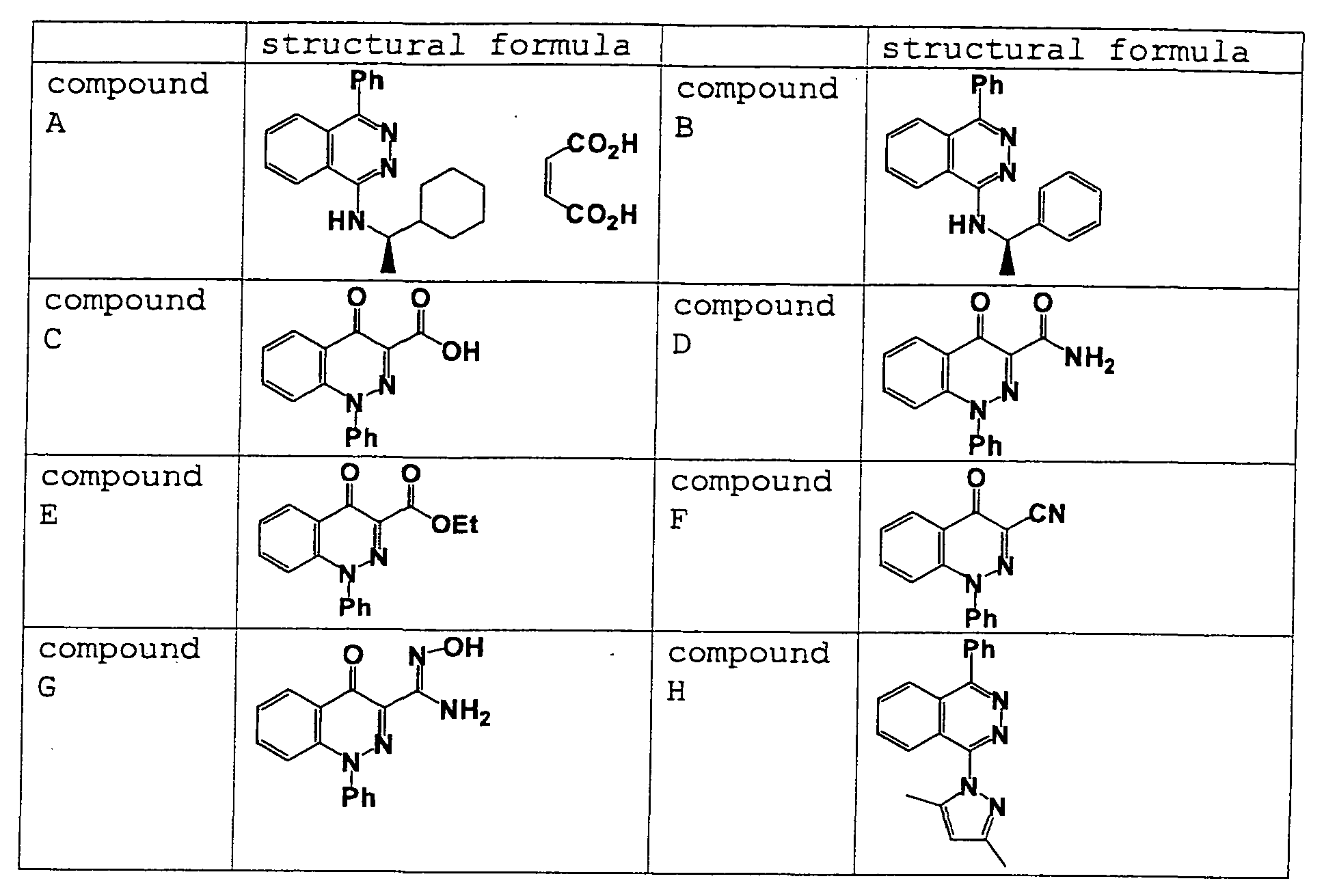
- 44 mM glucose was added to Human Umbilical Vein Endothelial Cells (Bio Whittaker, hereinafter to be indicated as "HUVEC"), and cells were cultured for 8 days. Then, a lysis buffer containing a surfactant, Triton-X Nonidet P-40, was added, and interleukin-8 (hereinafter to be indicated as "IL-8") in the cell lysate, which had been produced by NAD(P)H oxidase was measured by an enzyme-linked immuno solvent assay. The test compound was added one day before glucose addition.
- The inhibitory rate was calculated from the following formula:

wherein A is IL-8 production of a cell cultured in the presence of 44 mM glucose with addition of the test compound, B is IL-8 production of a cell cultured in the presence of 44 mM glucose without addition of the test compound, and C is IL-8 production of a cell cultured in the absence of 44 mM glucose and the test compound. The IC50 value was calculated from the dose-effect line drawn by the least squares method based on the obtained inhibitory rate. The results are shown in Table 1.Table 1 IL-8 production inhibitory effect inhibitory rate (%) IC50 value (µM) test compound concentration (µM) 0.01 0.1 1 compound A 39.5 59.8 74 0.0063 compound B 63.8 77.8 72.0 <0.01 compound C -2.5 53.7 97.7 0.0154 compound D 45.4 98.3 100 0.0111 compound E 96.3 ND 91.0 <0.01 compound F 0 0 54.5 0.943 compound G 39.7 43.9 57.4 0.219 compound H 27.6 49.9 83.0 0.069 ND: no data - Streptozotocin (40 mg/kg) dissolved in 0.05 M citric acid buffer (pH 4.5) was administered into the tail vein of male Wistar rats (Japan SLC) to prepare diabetic rats. At 1 week to 8 weeks from the intravenous injection of streptozotocin, blood was drawn from the tail vein using a capillary treated with heparin, which was immediately cooled with ice and centrifuged at 3000 rpm, 15 min, 4°C to give serum. The blood glucose level was measured by enzyme assay using a glucose measurement kit "GLU neo sinotest" (sinotest) and a microplate reader (SPECTRA MAX250, Molecular Devices).
- The test compound (10 mg/kg) was orally administered to diabetic rats once a day for 3 days. The NAD(P)H oxidase activity was measured by the following method, which was modified by the method of the David. G. Harrison et al. (J. Clin. Invest. 91, 2546-2551, 1993), at 4 days from the start of the test, with superoxide anion production in aorta as an index.
- To be specific, normal rat or diabetic rat free of the above-mentioned treatment was exsanguinated from the abdominal aorta, their thoracic aorta was removed. The removed thoracic aorta was immersed in Krebs-Hepes buffer and marginal tissues were removed to prepare an about 5 mm ring specimen. This ring specimen was preincubate in Krebs-Hepes buffer at 37°C for 10 min and transferred to Krebs-Hepes buffer containing 0.25 mM lucigenin (SIGMA). 500 µM NADH (SIGMA) was added and chemiluminescence value (chemiluminescence: unit RLU: relative light units) was measured using a luminometer (MULTI-BIOLUMAT LB9505C, Warrack·Berthold) at 37°C for 10 min. The total value of chemiluminescence was calculated from the area under the curve (hereinafter to be referred to as "AUC") drawn by plotting the chemiluminescence value (vertical axis) relative to the measurement time (horizontal axis). The measured total value of chemiluminescence was divided by the wet weight of the vascular ring specimen and standardized to the superoxide anion production per aorta unit weight.
- The inhibitory rate (%) was calculated from the following formula:

wherein A was the standardized value of chemiluminescence of diabetic rat administered with the test compound, B was the standardized value of chemiluminescence of diabetic rat without administration of the test compound, and C was the standardized value of chemiluminescence of normal rat without administration of the test compound. The results are shown in Table 2 and Table 3.Table 2 NAD(P)H oxidase activity in diabetic rat aorta chemiluminescence (×105 RLU/wet weight of aorta) inhibitory rate (%) normal rat 4.4±1.0 - diabetic rat 14.6±3.4 - compound A administration group 3.8±0.6 105.8 mean ± standard error Table 3 NAD(P)H oxidase inhibitory effect in diabetic rat aorta test compound inhibitory rate (%) 0.01 mg/kg 0.1 mg/ kg 1 mg/ kg 10 mg/kg compound A ND ND 76.9 105.8 compound B ND ND ND 88.5 compound C 45 90 ND ND compound D 44 72 ND ND ND: no data - As shown in Tables 1 - 3, the NAD(P)H oxidase activity of the endothelial cells cultured in the presence of 44 mM glucose and the aorta of diabetic rat was higher than normal and compounds A to H all showed an NAD(P)H oxidase inhibitory effect.
- The test compound (10 mg/kg) was administered to normal male Wistar rats (Japan SLC) for 3 days, and the production amount of superoxide anion in the aorta was measured in the same manner as in Experimental Example 2.
- The inhibitory rate (%) was calculated by the following formula:

wherein A is the standardized chemiluminescence value of the rats administered with the test compound, and B is the standardized chemiluminescence value of the rats without administration of the test compound (control group). - The results are shown in Table 4.
Table 4 NAD(P)H oxidase inhibitory effect in normal rat aorta test compound chemiluminescence (×105 RLU/wet weight of aorta) inhibitory rate (%) control group 3.96±2.9 - compound A 3.89±3.0 1.8 compound B 4.01±6.0 -1.3 mean ± standard error - The compounds A and B did not affect the superoxide anion production in normal rat.
- The abdominal aorta removed in the same manner as in Experimental Example 2 was immersed in Krebs-Hepes buffer and the marginal tissues were removed to prepare an about 5 mm ring specimen. This ring specimen was preincubated in Krebs-Hepes buffer containing the test compound (compound A, compound B or DPI (SIGMA)) at 37°C for 10 min, and then transferred to Krebs-Hepes buffer containing 0.25 mM lucigenin. NADH (500 µM) and the test compound were added and the chemiluminescence value was measured at 37°C for 10 min.
- The total value of chemiluminescence was calculated from AUC of the curve drawn by plotting the chemiluminescence value (vertical axis) relative to the measurement time (horizontal axis). The obtained chemiluminescence value was divided by the wet weight of the vascular ring specimen and standardized to the superoxide anion production per aorta unit weight.
- The inhibitory rate (%) was calculated by the following formula:

wherein A was the standardized chemiluminescence value of ring specimen added with the test compound and B was the standardized chemiluminescence value of ring specimen (control) without addition of the test compound. - The results are shown in Table 5.
Table 5 NAD(P)H oxidase inhibitory effect in diabetic rat aorta test compound chemiluminescence (×105 RLU/wet weight of aorta) inhibitory rate (%) control 9.3±0.5 - compound A (0.1 µM) 9.1±1.7 2.2 compound A (1 µM) 9.2±1.7 1.1 DPI (200 µM) 5.2±1.1 45.1 mean ± standard error - While compound A did not show an NAD(P)H oxidase inhibitory effect, DPI, a nonspecific inhibitor, showed an NAD(P)H oxidase inhibitory effect.
- Blood was drawn from the abdominal aorta of normal male Wister rats (Japan SLC) and immediately mixed with an ice-cold lysis buffer at 42 mL of the buffer per 3 mL of the blood. After 5 min, the mixture was centrifuged at 4°C, 1100 rpm for 5 min. The precipitate was suspended in an ice-cold Lysis buffer, and centrifuged again at 4°C, 1100 rpm for 5 min. This operation was repeated 3 times to obtain leukocytes. The obtained leukocytes were suspended in Krebs-Hepes buffer and the number of the cells was adjusted to 1×10⁶/ml. 0.25 mM Lucigenin and the test agent were added, Phorbol 12-myristate 13-acetate (hereinafter to be indicated as "PMA", SIGMA) was further added, and the chemiluminescence value was measured at 37°C for 10 min.
- The inhibitory rate (%) was calculated by the following formula:

wherein A is the total chemiluminescence value of the leukocyte suspension with the addition of the test compound, B is the total chemiluminescence value of the leukocyte suspension (control) without addition of the test compound, and C is the total chemiluminescence value of the leukocyte suspension without stimulation with PMA. - The results are shown in the following Table 6.
Table 6 effect on leukocyte NADPH oxidase inhibitory rate (%) compound A 1 µM2.4 ± 13.6 compound B 1 µM11.7 ± 24.2 DPI 200 µg/mL 106.7 ± 0.2 mean ± standard error - While compounds A and B did not show an inhibitory effect on leukocyte NADPH oxidase, DPI, a nonspecific inhibitor, showed an inhibitory effect on leukocyte NADPH oxidase.
- From the results of Experimental Examples 1 to 5, it is clear that the bicyclic pyridazine compounds represented by the formulas (I) to (VIII) do not show an inhibitory effect on leukocyte NADPH oxidase but show an inhibitory effect on the excessive effect of NAD(P)H oxidase in tissues other than leukocytes.
- HUVEC was seeded in a 24-well collagen-coated plate. Compound A was added, and oxidized LDL (100 µg/mL) prepared from the blood obtained from normal healthy volunteers was added 24 hr later.
- At 24 hr after the oxidized LDL addition, total RNA was extracted using MgExtractor (TOYOBO) and DNase I treatment (Nippon gene) was conducted.
- The concentration of the total RNA was calculated by measuring absorbance (OD260) of a fraction therefrom.
- Using the obtained total RNA (100 ng), RT (reverse transcription) reaction (ABI) was carried out to synthesis cDNA.
- Using the synthesized cDNA (10 µL), PCR (polymerase chain reaction) was carried out (ABI), and expression amounts of p22phox which is a major component of NAD(P)H oxidase, and β-actin as an internal standard were measured.
- The expression amount of p22phox was standardized to the expression amount of β-actin and expressed based on the expression amount of (p22phox)/(β-actin) of normal as 100%.
Table 7 effect on p22phox expression normal group Oxidized LDL addition group (control group) Oxidized LDL+compound A (0.1 µM) addition group 100.00±2.01# 165±8.05 116.64±16.61* #:p<0.05 (vs control group by t-test) *:p<0.05 (vs control group by t-test) mean ± standard error - The p22phox expression of HUVEC increased by about 1.6-fold by the addition of oxidized LDL. In contrast, p22phox expression of the compound A addition group was only 1.2-fold of that of the normal group, and it is clear that compound A inhibited increase in the p22phox expression by the addition of oxidized LDL.
- A 0.67% cholesterol-containing feed (40 g/kg/day) and compound A were given to male NZW rabbits (Japan SLC) for 12 weeks. Blood was drawn from the auricular vein using a heparinized capillary tube, and centrifuged at 3000 rpm for 10 min. The total cholesterol (hereinafter to be indicated as "TC") value of the obtained plasma was measured by an enzyme assay using a measurement kit.
- The results are shown in Table 9.
- After 12 weeks, the carotid artery was peeled and removed with pentobarbital anesthesia, and exsanguinated to remove the aorta. The obtained carotid artery was immediately placed in Krebs buffer, the surrounding tissues were carefully removed, and the ring specimen was prepared trying not to damage endothelial cells. Then, the ring specimen was suspended in a Magnus tank filled with Krebs buffer at 37°C under an air flow of 95% O2-5% CO2 mixed gas. The experiment was conducted after reaching a steady state by loading 2 g tension.
- For the measurement of a relaxation response, the specimen was contracted in advance with norepinephrine, and when the contraction reached steady state, acetylcholine was cumulatively added. The vascular relaxation rate was determined based on the contraction induced by 10 µM norepinephrine as 100%.
- Using a transducer (NIHON KOHDEN), tension was measured isometrically. The significant difference was tested for by variance analysis with two-way layout (Dunnett's method) relative to the control group.
- The removed aorta was divided into arch aorta, thoracic aorta and abdominal aorta, fixed with 10% formalin buffer, photographed, the area of the lipid adhered to the aorta was measured and the proportion of the area of the lipid-deposition area relative to the area of aorta was determined.
- The results are shown in Table 8.
Table 8 effect on lipid-deposition in atherosclerosis rabbit model lipid-deposition area (%) thoracic aorta abdominal aorta normal feed group 0.2 ± 0.1## 2.1 ± 0.7## control group 93.5 ± 4.0 67.6 ± 8.6 compound A (1 mg/kg) 62.1 ± 10.0 ** 25.4 ± 6.2 ** compound A (10 mg/kg) 56.5 ± 10.5 ** 18.2 ± 2.2 ** ##:p<0.01 (vs control group by Dunnett's test) **:p<0.01 (vs control group by t-test) mean ± standard error Table 9 effect on blood lipid at 12 weeks from cholesterol-loading Plasma lipid concentration TC (mg/dL) normal feed group 34.1 ± 3.3## control group 2212.8 ±284.1 compound A (1 mg/kg) 1895.3 ±244.6 compound A (10 mg/kg) 1887.9 ±103.9 ##: p<0.01 (vs control group by t-test) mean ± standard error - The plasma TC value of the control group increased to about 2000 mg/dL by the administration of a 0.67% cholesterol-containing feed. The plasma TC value did not show a significant lowering effect as compared to the control group.
- A concentration reaction curve of acetylcholine (hereinafter to be indicated as "Ach") at 10-8 to 10-5 M for the endothelial-dependent vascular relaxation response of carotid artery is shown in Fig. 1.
- The relaxation response of the control group by Ach was significantly attenuated as compared to the normal feed group. On the other hand, the relaxation response of the compound A administration group by Ach was significantly improved as compared to the control group.
- Compound A significantly inhibited lipid-deposition to the thoracic and abdominal aortas without an improving effect on hyperlipidemia, which is a risk factor of atherosclerosis. The results suggests that compound A inhibits lipid-deposition to tissues and improves vascular endothelial-dependent relaxation reaction even in the presence of high concentration lipid in plasma.
- Male SD rats (Japan SLC) were fixed in the dorsal position with ether anesthesia, and subjected to thoracotomy by vertical incision along the left sternal line according to the method by Selye H. et al. (Angiology, 1960, 11, 398) to expose the heart. The left coronary artery was ligated using a silk thread (No. 4) at 1-2 mm from the basal part, the heart was put back in place and quickly deaerated, and the chest was closed. The rat was confirmed to have myocardial infarction with an electrocardiograph (NIHON KOHDEN). The rat was exsanguinated to death from the abdominal aorta 24 hr after ligation. The heart was removed, and a circular cross-section at the center thereof was incubated in a solution of 1% 2,3,5-triphenyltetrazolium chloride (hereinafter to be indicated as "TTC") in 0.1 M phosphate buffer for 20 min under light shielding. Thereafter, the section was fixed with formalin buffer, traced, and the areas of infarction region (TTC unstained region) and left ventricle were calculated. Immediately after coronary artery ligation, compound A was suspended in 1% CMC solution and orally administered to the rat.
- The inhibitory rate was calculated by the following formula:


- In addition, compound A (1 mg/kg) was orally administered at 15 min, 1 hr and 3 hr after ligation, and infarction inhibitory effect was examined. The results are shown in the following Tables.
Table 10 effect on rat acute myocardial infarction model infarction rate (%) inhibitory rate (%) non-administration 40 - compound A (0.1 mg/kg) 40 0 compound A (0.3 mg/kg) 17.2 ** 57 ** compound A (1 mg/kg) 6.3 ** 84.3 ** **:p<0.01 (vs compound non-administration group by Dunnett's test) Table 11 effect on infarction rate by administration after ligation infarction rate (%) inhibitory rate (%) non-administration 40 - 15 min later 10.5 ** 73.8 1 hr later 16.7 ** 58.3 3 hr later 29.3 * 26.8 *:p<0.05,**:p<0.01 (vs compound non-administration group by Dunnett's test) - While the infarction rate of the left ventricle was about 40% in the compound non-administration group, the compound A administration group showed a significant infarction rate inhibitory effect in the 0.3 mg/kg and 1 mg/kg administration groups.
- Male NZW rabbits (Japan SLC) were fixed in the dorsal position and subjected to thoracotomy with pentobarbital anesthesia. A silk thread (No. 4) was applied to the proximal left coronary artery, a polyethylene tube (
length 1 cm) was further applied and the left coronary artery was ligated using a thread. After 2 hr from the ligation, the thread on the polyethylene tube was cut to reperfusion. After 4 hr from the reperfusion, the proximal coronary artery was ligated using a silk thread (No. 4), and 3% Evans blue solution (1 mL/kg) was intravenously administered. After 5 min, an excess pentobarbital was administered and the heart and aorta were removed. The heart was cut into a 3 mm-wide annular shape, and the left ventricle area and ischemia region (Evans blue unstained region) were traced. - After incubation in 1% TTC solution for 30 min, an infarction focus (TTC unstained region) was traced. Compound A (1 mg/kg) was administered 1 hr before the ligation.
- The ratios of the ischemic region and infarction focus to the left ventricle area were calculated.
- A part of the heart was freezed with liquid nitrogen, crushed with a crusher, and homogenated with phosphate buffer. This suspension was centrifuged at 3000 rpm for 10 min, and the supernatant (8 mL) was centrifuged at 15000 rpm for 15 min. The obtained supernatant was mixed with phosphate buffer containing o-dianisidine dihydrochloride, kept at 25°C for 30 min, the absorbance (OD460) was measured, and the myeloperoxidase (MPO) activity was determined. The MPO activity was expressed based on the value of the normal group as 100%. The results are shown in Table 12.
Table 12 effect on rabbit myocardial infarction model infarction area/ischemia area MPO activity in myocyte normal group - 100% Control group 58% 248%## compound A administration group 14%* 128%* *:p<0.05 (vs control group by t-test) ##:p<0.01 (vs normal group by t-test) - In the control group, the proportion of the infarction area relative to the ischemia region was 58%. In contrast, in the compound A administration group, this proportion was 14%, showing a significant inhibitory effect. In addition, the MPO activity, which is an index of leukocyte infiltration into cardiac muscle, significantly increased in the control group (infarction heart) as compared to the normal group. However, it was significantly inhibited in the compound A administration group as compared to the control group.
- Male NZW rabbits (Japan SLC) were fixed in the dorsal position and subjected to thoracotomy with pentobarbital anesthesia. A silk thread (No. 4) was applied to the basal part of the left coronary artery, a polyethylene tube (
length 1 cm) was further applied and the left coronary artery was ligated using a thread. After 2 hr from the ligation, the thread on the polyethylene tube was cut to reperfusion. At 2 hr from the reperfusion, compound A (1 mg/kg) was administered once, and administered once a day for 12 weeks. After 12 weeks, an excess pentobarbital was administered, the heart was removed, and the weight thereof and the thickness of the left ventricle center wall were measured. The results are shown below. - The compound was evaluated by the mortality rate, heart weight and thickness of left ventricle.
Table 13 effect on cumulative mortality rate 2 weeks after ligation 4 weeks after ligation mortality rate non-administration group 3/20 6/20 30% compound A administration group 0/12 1/12 8% Table 14 effect on heart weight heart weight (g/kg body weight) thickness (mm) of left ventricle normal group 1.85# 1.23# non-administration group 2.35 1.01 compound A administration group 2.05* 1.17* *:p<0.05 (vs control group by t-test) #:p<0.05 (vs control group by t-test) - In 12 weeks after ischemia-reperfusion myocardial infarction in rabbit, the test compound non-administration group showed an increase in the heart weight, thinning and weakening of the left ventricle, and expansion and enlargement of the heart as observed in heart failure after myocardial infarction. In the compound A administration group, an increase in the heart weight and thinning and weakening of the left ventricle were inhibited.
- Male ICR mice (Japan SLC) were anesthetized with ether and fixed in the dorsal position. The both common carotid arteries were ligated using a thread. The wound was closed, and the mice were released in a cage. The death of the mouse was confirmed every 30 min up to 240 min, and cumulative mortality rate of each group was determined. Compound B was orally administered 1 hr before common carotid artery ligation.
Table 15 effect on cumulative mortality rate mortality rate control group compound B (1 mg/kg) compound B (3 mg/kg) compound B (10 mg/kg) 0- 30 22(71.0%) 15(78.9%) 11 (57.9%) 8(40.0%) 31- 60 5(87.1%) 2(84.2%) 5(84.2%) 6(70.0%) 61- 90 0 2(94.7%) 0 2(80.0%) 91-120 2(93.5%) 0 0 1(85.0%) 121-150 0 0 1(89.5%) 0 151-180 2(100%) 0 0 0 181-210 0 0 0 0 211-240 0 0 0 0 total 31 20 19 19 - In the compound B administration group, a mortality rate improving effect was seen in a brain ischemia model by ligation of both carotid arteries.
- The pharmaceutical composition containing NAD(P)H oxidase of the present invention is extremely useful, because it can be used for the prophylaxis of diseases caused by various risk factors and the remission of symptoms thereof, and causes only a few side effects because of a small influence exerted on the immune function.
- This application is based on a patent application No. 2003-103576 filed in Japan, the contents of which are hereby incorporated by reference.
Claims (8)
- An agent for inhibiting an excessive effect of NAD(P)H oxidase, which comprises a compound that does not substantially inhibit the effect of leukocyte NADPH oxidase but inhibits the effect of NAD(P)H oxidase in a tissue other than leukocyte.
- The agent of claim 1, wherein the tissue other than leukocyte is a tissue of a vascular cell, the heart, the kidney, the retina, the microglia or a tumor cell.
- The agent of claim 1 or 2, wherein the excessive effect of NAD(P)H oxidase is caused by diabetes, hypertension, hyperlipidemia, obesity, smoking, heart failure, cardiac hypertrophy, ischemic heart diseases, angioplasty or ischemia-reperfusion in organ transplantation.
- The agent of claim 1 or 2, wherein the excessive effect of NAD(P)H oxidase is caused by cancer or dementia.
- The agent of claim 1 or 2, wherein the excessive effect of NAD(P)H oxidase is caused by intake of chemicals.
- The agent of any one of claims 1 to 5, wherein the compound that does not substantially affect leukocyte NADPH oxidase but inhibits an excessive effect of NAD(P)H oxidase in a tissue other than leukocyte is a bicyclic pyridazine compound represented by the following formulas (I) to (VIII) or a pharmacologically acceptable salt thereof:
formula (I)
wherein A is C3-C6 alkyl, C5-C7 cycloalkyl, or phenyl, thienyl, furyl, thiazolyl, phenoxy, C7-C9 phenylalkyl, phenylthio, nitrogen-containing saturated ring group, pyridyl or imidazolyl, each optionally having one or more substituents selected from C1-C4 alkyl, C1-C4 alkoxy and halogen,
B is -NH-D
[D is
wherein R1 is hydrogen or C1-C4 alkyl, X is halogen, C1-C4 alkyl or C1-C4 alkoxy, and k is an integer of 0 to 3, when k is an integer of 2 or more, multiple Xs may be the same or different,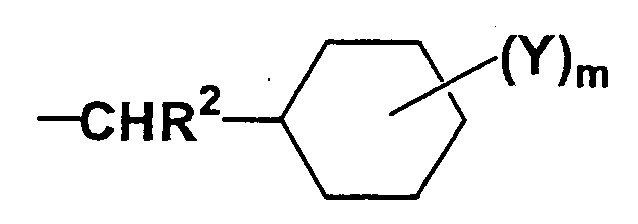
wherein R2 is hydrogen or C1-C4 alkyl, Y is C1-C4 alkyl or C1-C4 alkoxy, and m is an integer of 0 to 6, when m is 2 or more, multiple Ys may be the same or different, and any two Ys may be joined to form optionally branched C1-C6 alkylene,
wherein ring H is C5-C7 cycloalkyl, and Y and m are as defined above,
-CHR3R4
wherein R3 is C1-C5 alkyl, and R4 is C5-C8 cycloalkyl or thienyl,
or C3-C8 alkyl]
or
wherein Z is C1-C4 alkyl or phenyl, and n is an integer of 0 to 2, when n is 2, these Zs may be the same or different, and Q is a benzene ring, a furan ring or a thiophene ring optionally substituted by C1-C4 alkyl,
formula (II)
wherein R5 and R6 are each independently hydrogen, C1-C6 alkyl, C1-C6 alkoxy, halogen, cyano, nitro, amino, trifluoromethyl or carboxyl, and X' is -COOR7 (R7 is hydrogen or optionally substituted C1-C6 alkyl), -CONH2, -CN, -COR8 (R8 is optionally substituted C1-C6 alkyl or optionally substituted aryl), -NH2, -NO2 or -OR7 (R7 is as defined above),
formula (III)
wherein R9 and R10 are each independently hydrogen, C1-C6 alkyl, C1-C6 alkoxy, halogen, cyano, nitro, amino, trifluoromethyl or carboxyl,
formulas (IV) and (V)
wherein R11 and R12 are each independently hydrogen, C1-C6 alkyl, C1-C6 alkoxy, halogen, cyano, nitro, amino, trifluoromethyl or carboxyl, and X'' is -OR13 (R13 is hydrogen, C1-C6 alkyl or aryl) or -NR14R15 (R14 and R15 are each independently hydrogen, C1-C6 alkyl or aryl,
formulas (VI), (VII) and (VIII)
wherein R16 and R17 are each independently hydrogen, C1-C6 alkyl, alkoxy, halogen, cyano, nitro, amino, trifluoromethyl or carboxyl, R18 and R19 are each independently hydrogen or C1-C6 alkyl, and Y' is oxygen or sulfur. - A pharmaceutical composition for the diseases caused by an excessive effect of NAD(P)H oxidase, which comprises the agent of any one of claims 1 to 6 as an active ingredient.
- The pharmaceutical composition of claim 7, which is administered simultaneously with a hypolipidemic agent, an antihypertensive agent, a hypoglycemic agent, a vasodilator, an antiplatelet agent, an anticoagulant, a brain protective agent, an anticancer agent, a diuretic agent, a cardiotonic agent, an analgesic agent, an antiedemic agent, a thrombolytic agent, an immunosuppressant, a steroid, a vitamin or an antioxidant, or administered separately therefrom, or administered sequentially therewith.
Applications Claiming Priority (2)
| Application Number | Priority Date | Filing Date | Title |
|---|---|---|---|
| JP2003103576 | 2003-04-08 | ||
| PCT/JP2004/005065 WO2004089412A1 (en) | 2003-04-08 | 2004-04-08 | Specific nad(p)h oxidase inhibitor |
Publications (2)
| Publication Number | Publication Date |
|---|---|
| EP1616576A1 true EP1616576A1 (en) | 2006-01-18 |
| EP1616576A4 EP1616576A4 (en) | 2010-02-10 |
Family
ID=33156829
Family Applications (1)
| Application Number | Title | Priority Date | Filing Date |
|---|---|---|---|
| EP04726653A Withdrawn EP1616576A4 (en) | 2003-04-08 | 2004-04-08 | SPECIFIC NAD (P) H OXIDASE INHIBITOR |
Country Status (4)
| Country | Link |
|---|---|
| US (1) | US20070082910A1 (en) |
| EP (1) | EP1616576A4 (en) |
| JP (1) | JPWO2004089412A1 (en) |
| WO (1) | WO2004089412A1 (en) |
Cited By (2)
| Publication number | Priority date | Publication date | Assignee | Title |
|---|---|---|---|---|
| US7205127B2 (en) * | 2002-04-17 | 2007-04-17 | Glucox Ab | Methods of treating insulin resistance with an inhibitor of an NAD(P)H oxidase |
| WO2018203298A1 (en) * | 2017-05-04 | 2018-11-08 | Glenmark Pharmaceuticals S.A. | Substituted bicyclic heterocyclic compounds as nadph oxidase inhibitors |
Families Citing this family (9)
| Publication number | Priority date | Publication date | Assignee | Title |
|---|---|---|---|---|
| EP2002835A1 (en) | 2007-06-04 | 2008-12-17 | GenKyo Tex | Pyrazolo pyridine derivatives as NADPH oxidase inhibitors |
| CN101801933A (en) | 2007-09-26 | 2010-08-11 | 安斯泰来制药株式会社 | quinolone derivative |
| EP2166009A1 (en) | 2008-09-23 | 2010-03-24 | Genkyo Tex Sa | Pyrazolo pyridine derivatives as nadph oxidase inhibitors |
| EP2165707A1 (en) | 2008-09-23 | 2010-03-24 | Genkyo Tex Sa | Pyrazolo pyridine derivatives as NADPH oxidase inhibitors |
| EP2166010A1 (en) | 2008-09-23 | 2010-03-24 | Genkyo Tex Sa | Pyrazolo pyridine derivatives as NADPH oxidase inhibitors |
| EP2305679A1 (en) | 2009-09-28 | 2011-04-06 | GenKyoTex SA | Pyrazoline dione derivatives as nadph oxidase inhibitors |
| EP3034500A1 (en) | 2014-12-17 | 2016-06-22 | Genkyotex Sa | Amido thiazole derivatives as NADPH oxidase inhibitors |
| EP3479843A1 (en) | 2017-11-01 | 2019-05-08 | GenKyoTex Suisse SA | Use of nox inhibitors for treatment of cancer |
| KR20230098078A (en) * | 2021-12-24 | 2023-07-03 | 제일약품주식회사 | Novel bicyclic heterocyclyl compounds and use thereof |
Family Cites Families (9)
| Publication number | Priority date | Publication date | Assignee | Title |
|---|---|---|---|---|
| JPS62228067A (en) * | 1985-11-29 | 1987-10-06 | Dainippon Pharmaceut Co Ltd | Novel pyridazine derivative and salt thereof |
| JPH02129180A (en) * | 1988-11-04 | 1990-05-17 | Morishita Pharmaceut Co Ltd | 1-(1h-imidazol-1-yl)phthalazine derivative |
| ES2068413T3 (en) * | 1990-03-30 | 1995-04-16 | Mitsubishi Chem Ind | DERIVATIVES OF 4-PHENYLPHTHALAZINE. |
| JPH04211666A (en) * | 1990-03-30 | 1992-08-03 | Mitsubishi Kasei Corp | 4-Phenylphthalazine derivative |
| TW279162B (en) * | 1991-09-26 | 1996-06-21 | Mitsubishi Chem Corp | |
| JP2798005B2 (en) * | 1994-05-19 | 1998-09-17 | 三菱化学株式会社 | Agent for treating / preventing diseases caused by smooth muscle cell proliferation |
| US5643911A (en) * | 1994-05-19 | 1997-07-01 | Mitsubishi Chemical Corporation | Medicament for therapeutic and prophylactic treatment of diseases caused by smooth muscle cell hyperplasia |
| JPH10109936A (en) * | 1996-10-04 | 1998-04-28 | Mitsubishi Chem Corp | Agent for treatment and prevention of diabetic neuropathy |
| AR025752A1 (en) * | 1999-09-28 | 2002-12-11 | Bayer Corp | PIRIDINES AND REPLACED PIRIDACINES WITH ANGIOGENESIS INHIBITION ACTIVITY |
-
2004
- 2004-04-08 EP EP04726653A patent/EP1616576A4/en not_active Withdrawn
- 2004-04-08 US US10/552,340 patent/US20070082910A1/en not_active Abandoned
- 2004-04-08 JP JP2005505314A patent/JPWO2004089412A1/en active Pending
- 2004-04-08 WO PCT/JP2004/005065 patent/WO2004089412A1/en not_active Ceased
Cited By (2)
| Publication number | Priority date | Publication date | Assignee | Title |
|---|---|---|---|---|
| US7205127B2 (en) * | 2002-04-17 | 2007-04-17 | Glucox Ab | Methods of treating insulin resistance with an inhibitor of an NAD(P)H oxidase |
| WO2018203298A1 (en) * | 2017-05-04 | 2018-11-08 | Glenmark Pharmaceuticals S.A. | Substituted bicyclic heterocyclic compounds as nadph oxidase inhibitors |
Also Published As
| Publication number | Publication date |
|---|---|
| US20070082910A1 (en) | 2007-04-12 |
| JPWO2004089412A1 (en) | 2006-07-06 |
| WO2004089412A1 (en) | 2004-10-21 |
| EP1616576A4 (en) | 2010-02-10 |
Similar Documents
| Publication | Publication Date | Title |
|---|---|---|
| Sorrenti et al. | Targeting heme Oxygenase-1 with hybrid compounds to overcome Imatinib resistance in chronic myeloid leukemia cell lines | |
| US20070082910A1 (en) | Specific nad(p)h oxidase inhibitor | |
| JP2003525217A (en) | Obesity treatment drugs | |
| KR20040050894A (en) | Method for reducing hypertension and heart failure | |
| Al‐Salmy | Individual variation in hepatic aldehyde oxidase activity | |
| CA2767112A1 (en) | Etomidate analogues that do not inhibit adrenocortical steroid synthesis | |
| CN114650817A (en) | Activation of pyruvate kinase R | |
| US5422350A (en) | Nitrogen substituted acridine and cytochrome P450 inhibitors and methods of use | |
| US20200101075A1 (en) | Application of n-benzyl tryptanthrin derivative as tryptophan dioxygenase (tdo) inhibitor | |
| WO1996031211A1 (en) | Protective agent for organ or tissue | |
| US5466696A (en) | Tacrine and cytochrome P450 oxidase inhibitors and methods of use | |
| Zeng et al. | Inhibition of the ROS‐EGFR Pathway Mediates the Protective Action of Nox1/4 Inhibitor GKT137831 against Hypertensive Cardiac Hypertrophy via Suppressing Cardiac Inflammation and Activation of Akt and ERK1/2 | |
| KR20260020475A (en) | Correlation between AKR1C3 enzyme expression levels and KRAS mutations and their medical applications. | |
| CN117295523A (en) | Bifunctional PROTAC-type compounds targeting PXR, their preparation methods and their therapeutic uses | |
| JPH0390027A (en) | Dysuria remedy | |
| US20190076407A1 (en) | Combination therapy for proliferative diseases | |
| US10953004B2 (en) | Combination therapy for proliferative diseases | |
| KR20040023572A (en) | Use of 20-hete synthesizing enzyme inhibitors as therapy for cerebral vascular diseases | |
| WO2005120582A2 (en) | Compositions and methods for inhibiting expression of hypoxia-inducible genes | |
| KR102674220B1 (en) | 4,7-dimethoxy-1H-benzoimidazole derivative as Transglutaminase 2 inhibitors and composition for preventing or treating cancer containing the compounds | |
| US20200148682A1 (en) | Akt isozyme-specific covalent inhibitors derived from redox-signaling lipids | |
| CN104583200B (en) | Quinone based compound and its purposes for treatment of cancer | |
| US20090149551A1 (en) | OXIDIZED cis-TERPENONE AND ITS USE AS A CHEMOPROTECTIVE AND ANTI-MALARIAL AGENT | |
| US20240374580A1 (en) | Small molecule inhibitors of autophagy and histone deactylases and uses thereof | |
| EP1277747A1 (en) | Selective preventives/remedies for progressive lesions after organ damage |
Legal Events
| Date | Code | Title | Description |
|---|---|---|---|
| PUAI | Public reference made under article 153(3) epc to a published international application that has entered the european phase |
Free format text: ORIGINAL CODE: 0009012 |
|
| 17P | Request for examination filed |
Effective date: 20051025 |
|
| AK | Designated contracting states |
Kind code of ref document: A1 Designated state(s): AT BE BG CH CY CZ DE DK EE ES FI FR GB GR HU IE IT LI LU MC NL PL PT RO SE SI SK TR |
|
| AX | Request for extension of the european patent |
Extension state: AL HR LT LV MK |
|
| DAX | Request for extension of the european patent (deleted) | ||
| RAP1 | Party data changed (applicant data changed or rights of an application transferred) |
Owner name: MITSUBISHI TANABE PHARMA CORPORATION |
|
| A4 | Supplementary search report drawn up and despatched |
Effective date: 20100113 |
|
| RIC1 | Information provided on ipc code assigned before grant |
Ipc: A61P 25/28 20060101ALI20100104BHEP Ipc: C07D 237/26 20060101ALI20100104BHEP Ipc: C07D 403/04 20060101ALI20100104BHEP Ipc: A61P 43/00 20060101ALI20100104BHEP Ipc: A61P 9/04 20060101ALI20100104BHEP Ipc: A61P 9/10 20060101ALI20100104BHEP Ipc: A61P 9/00 20060101ALI20100104BHEP Ipc: A61P 3/06 20060101ALI20100104BHEP Ipc: A61P 3/04 20060101ALI20100104BHEP Ipc: A61P 3/10 20060101ALI20100104BHEP Ipc: A61K 45/00 20060101ALI20100104BHEP Ipc: A61K 31/5025 20060101ALI20100104BHEP Ipc: A61K 31/502 20060101AFI20100104BHEP |
|
| 17Q | First examination report despatched |
Effective date: 20100531 |
|
| STAA | Information on the status of an ep patent application or granted ep patent |
Free format text: STATUS: THE APPLICATION IS DEEMED TO BE WITHDRAWN |
|
| 18D | Application deemed to be withdrawn |
Effective date: 20101111 |