EP1610817B1 - Infectious bronchitis virus with an altered spike gene - Google Patents
Infectious bronchitis virus with an altered spike gene Download PDFInfo
- Publication number
- EP1610817B1 EP1610817B1 EP04716603A EP04716603A EP1610817B1 EP 1610817 B1 EP1610817 B1 EP 1610817B1 EP 04716603 A EP04716603 A EP 04716603A EP 04716603 A EP04716603 A EP 04716603A EP 1610817 B1 EP1610817 B1 EP 1610817B1
- Authority
- EP
- European Patent Office
- Prior art keywords
- ibv
- vaccine
- gene
- spike
- strain
- Prior art date
- Legal status (The legal status is an assumption and is not a legal conclusion. Google has not performed a legal analysis and makes no representation as to the accuracy of the status listed.)
- Expired - Lifetime
Links
Images




Classifications
-
- C—CHEMISTRY; METALLURGY
- C07—ORGANIC CHEMISTRY
- C07K—PEPTIDES
- C07K14/00—Peptides having more than 20 amino acids; Gastrins; Somatostatins; Melanotropins; Derivatives thereof
- C07K14/005—Peptides having more than 20 amino acids; Gastrins; Somatostatins; Melanotropins; Derivatives thereof from viruses
-
- A—HUMAN NECESSITIES
- A61—MEDICAL OR VETERINARY SCIENCE; HYGIENE
- A61K—PREPARATIONS FOR MEDICAL, DENTAL OR TOILETRY PURPOSES
- A61K39/00—Medicinal preparations containing antigens or antibodies
- A61K39/12—Viral antigens
-
- A—HUMAN NECESSITIES
- A61—MEDICAL OR VETERINARY SCIENCE; HYGIENE
- A61K—PREPARATIONS FOR MEDICAL, DENTAL OR TOILETRY PURPOSES
- A61K39/00—Medicinal preparations containing antigens or antibodies
- A61K39/12—Viral antigens
- A61K39/215—Coronaviridae, e.g. avian infectious bronchitis virus
-
- A—HUMAN NECESSITIES
- A61—MEDICAL OR VETERINARY SCIENCE; HYGIENE
- A61K—PREPARATIONS FOR MEDICAL, DENTAL OR TOILETRY PURPOSES
- A61K39/00—Medicinal preparations containing antigens or antibodies
- A61K2039/51—Medicinal preparations containing antigens or antibodies comprising whole cells, viruses or DNA/RNA
- A61K2039/525—Virus
- A61K2039/5254—Virus avirulent or attenuated
-
- A—HUMAN NECESSITIES
- A61—MEDICAL OR VETERINARY SCIENCE; HYGIENE
- A61K—PREPARATIONS FOR MEDICAL, DENTAL OR TOILETRY PURPOSES
- A61K39/00—Medicinal preparations containing antigens or antibodies
- A61K2039/54—Medicinal preparations containing antigens or antibodies characterised by the route of administration
-
- A—HUMAN NECESSITIES
- A61—MEDICAL OR VETERINARY SCIENCE; HYGIENE
- A61K—PREPARATIONS FOR MEDICAL, DENTAL OR TOILETRY PURPOSES
- A61K39/00—Medicinal preparations containing antigens or antibodies
- A61K2039/55—Medicinal preparations containing antigens or antibodies characterised by the host/recipient, e.g. newborn with maternal antibodies
- A61K2039/552—Veterinary vaccine
-
- C—CHEMISTRY; METALLURGY
- C12—BIOCHEMISTRY; BEER; SPIRITS; WINE; VINEGAR; MICROBIOLOGY; ENZYMOLOGY; MUTATION OR GENETIC ENGINEERING
- C12N—MICROORGANISMS OR ENZYMES; COMPOSITIONS THEREOF; PROPAGATING, PRESERVING, OR MAINTAINING MICROORGANISMS; MUTATION OR GENETIC ENGINEERING; CULTURE MEDIA
- C12N2770/00—MICROORGANISMS OR ENZYMES; COMPOSITIONS THEREOF; PROPAGATING, PRESERVING, OR MAINTAINING MICROORGANISMS; MUTATION OR GENETIC ENGINEERING; CULTURE MEDIA ssRNA viruses positive-sense
- C12N2770/00011—Details
- C12N2770/20011—Coronaviridae
- C12N2770/20022—New viral proteins or individual genes, new structural or functional aspects of known viral proteins or genes
-
- C—CHEMISTRY; METALLURGY
- C12—BIOCHEMISTRY; BEER; SPIRITS; WINE; VINEGAR; MICROBIOLOGY; ENZYMOLOGY; MUTATION OR GENETIC ENGINEERING
- C12N—MICROORGANISMS OR ENZYMES; COMPOSITIONS THEREOF; PROPAGATING, PRESERVING, OR MAINTAINING MICROORGANISMS; MUTATION OR GENETIC ENGINEERING; CULTURE MEDIA
- C12N2770/00—MICROORGANISMS OR ENZYMES; COMPOSITIONS THEREOF; PROPAGATING, PRESERVING, OR MAINTAINING MICROORGANISMS; MUTATION OR GENETIC ENGINEERING; CULTURE MEDIA ssRNA viruses positive-sense
- C12N2770/00011—Details
- C12N2770/20011—Coronaviridae
- C12N2770/20034—Use of virus or viral component as vaccine, e.g. live-attenuated or inactivated virus, VLP, viral protein
Definitions
- the present invention is concerned with a vaccine for use in the protection of poultry against infectious bronchitis (IB) comprising an attenuated infectious bronchitis virus (IBV) and a pharmaceutical acceptable carrier or diluent, a method for the preparation of such a vaccine and the use of an attenuated IBV for the manufacture of a vaccine for the protection of poultry against IB for in ovo administration.
- IB infectious bronchitis
- IBV infectious bronchitis virus
- IBV is a member of the genus Coronavirus, family Coronaviridae. It has a positive sense, single-stranded RNA genome of approximately 28 000 nucleotides associated with a nucleocapsid protein, N, surrounded by a lipid membrane/envelope. Three other viral proteins are associated with the envelope: the large spike glycoprotein, S; a smaller integral membrane protein, M; and the E protein, the smallest of the envelope-associated proteins.
- the coronavirus S protein is a type I glycoprotein which oligomerises in the endoplasmic reticulum to form trimers which constitute the coronavirus virion spikes observable by electron microscopy.
- the S protein is assembled into virion membranes, possibly through noncovalent interactions with the M protein, but is not required for formation of coronavirus virus-like particles.
- the S glycoprotein is responsible for binding to the target cell receptor and fusion of the viral and cellular membranes, fulfilling a major role in the infection of susceptible cells.
- IBV spike protein is involved in the induction of a protective immune response when inoculated into chickens (for a review see Cavanagh, in: The Coronaviridae; ed: S.G. Siddell, Plenum Press, 73-113, 1995 ).
- All coronavirus S glycoproteins consist of four domains; a signal sequence, that is cleaved during synthesis, the ectodomain which is present on the outside of the virion particle, the transmembrane region responsible for anchoring the S protein into the lipid bilayer of the virion particle, and the cytoplasmic tail that might interact with other IBV proteins, such as the membrane protein (E) and integral membrane protein (M).
- the IBV S glycoprotein (1162 amino acids) is cleaved into two subunits, S1 (535 amino acids 90-kDa) and S2 (627 amino acids 84-kDa).
- the C-terminal S2 subunit associates noncovalently with the N-terminal S1 subunit and contains the transmembrane and C-terminal cytoplasmic tail domains.
- the S1 subunit contains the receptor-binding activity of the S protein.
- Infectious bronchitis is an acute, highly contagious respiratory disease of the domestic fowl (chicken), caused by IB virus.
- Clinical signs of IB include sneezing/snicking, tracheal rales, nasal discharge and wheezing. Clinical signs are more obvious in chicks than in adult birds. The birds may appear depressed and consume less food. Meat-type birds have reduced weight-gain, whilst egg-laying birds lay fewer eggs.
- the respiratory infection predisposes chickens to secondary bacterial infections, which can be fatal in chicks.
- the virus can also cause permanent damage to the oviduct, especially in chicks, leading to reduced egg production and quality, and kidney, sometimes leading to kidney disease, which can be fatal.
- IBV biologic property of IBV is that it becomes avirulent and less immunogenic with successive passages of the virus in embryos.
- the Beaudette strain of IBV is one such high embryo passage, (over-)attenuated, virus, that is not considered to be immunogenic ( Geithausen et al., Arch Intele Virusforsch 40, 285-290, 1973 ).
- IBV exhibits great antigenic variation, initially recognized as different serotypes. Serotypic strain classification of IBV strains is based on the ability of one strain to induce virus neutralizing antibodies effective against another strain ( Cook et al., Avian Pathol. 13, 733-741, 1984 ). The most variable protein of IBV is the spike protein. It defines the serotype and is the major inducer of protective immune responses. An IBV vaccine virus of one serotype induces immune responses that often protect poorly against IBV of other serotypes, because of the differences in the S proteins. Consequently IB vaccines have been developed against many serotypes. However, previously unknown serotypes are continually emerging, creating a requirement for new, homologous vaccine viruses.
- Live IBV vaccines are usually administered to hatched chickens. Administration can be individually by eye drop or intranasally, but these routes are expensive because of the labour needed for their administration, in particular in large broiler flocks. Mass application methods, including spray and drinking water, are also frequently used, but problems in attaining a uniform vaccine application and inactivation of the vaccine virus have been observed.
- IBV vaccines that are both safe and afford adequate protection against virulent field strains, in particular of emerging serotypes, and that can be made without using the conventional empirical approach for IBV vaccine preparation.
- the invention described herein meets one or more of these needs by providing an IBV vaccine that is based on an attenuated IBV strain Beaudette that is able to express a spike protein derived from an IBV strain, for example a field strain, that is different from the spike protein of the Beaudette strain.
- This new attenuated IBV vaccine strain is better equipped for combating IBV infections than an attenuated IBV strain obtained by conventional methods, because it can express a spike protein that is homologous to that of a (virulent) field virus.
- the present invention provides a vaccine for use in the protection of poultry against infectious bronchitis comprising an attenuated infectious bronchitis virus (IBV) and a pharmaceutical acceptable carrier or diluent, characterized in that the attenuated IBV is IBV strain Beaudette that comprises a heterologous IBV spike gene, wherein the fragment of said heterologous IBV spike gene encoding the cytoplasmic tail is derived from the receiver IBV strain Beaudette.
- IBV infectious infectious bronchitis virus
- IBV strain Beaudette that is known to be attenuated, but poorly protective, is rendered highly protective by the insertion of a spike gene of a virulent virus (IBV M41), whereas the level of attenuation of the attenuated IBV strain was not affected (Examples 3 and 4).
- the latter property of the recombinant IBV was unexpected as it has been demonstrated for other coronaviruses that the S gene is a determinant of virulence and that replacing the S gene in mild coronaviruses by a S gene of a virulent coronavirus rendered the recombinant coronaviruses virulent.
- IBV strain Beaudette was originally isolated by Beaudette and Hudson (J. Am. Vet. Med. A. 90, 51-60, 1937 ) and passaged several hundred times in chicken embryos, it is commonly referred to as a "chicken embryo adapted” or “egg adapted” strain.
- the highly egg-adapted Beaudette strain is a-pathogenic for post-hatch administration, causes little detectable damage to ciliated epithelium of trachea and replicates predominantly in the subepithelial cells; but is known to be extremely pathogenic for 9-12-day-old embryos.
- IBV Beaudette is known to be a strain with a poor immunogenicity ( Arch Intele Virusforsch 40, 285-290, 1973 ).
- IBV strain Beaudette is obtainable from the ATCC (accession no. VR-22). and is commonly used in laboratories throughout the world although these viruses may have slight sequence differences due to their individual passage histories. For example, the nucleotide sequences of the spike genes of different IBV Beaudette isolates display an identity of 99% or more.
- a region on the genome of IBV strain Beaudette that distinguishes this IBV strain from other IBV strains is a region (nucleotides 26500-27499; numbering according to Casais et al., 2001, supra, accession No. AJ311317) located at the 3'-terminal end of the genome that starts within the nucleoprotein gene and ends within the 3' untranslated region (UTR).
- An IBV strain Beaudette to be used in the present invention is an IBV that display a nucleotide sequence identity of 99% or more in this region with the corresponding region in the IBV strain Beaudette specifically used herein (BeauR, accession No. AJ311317).
- the nucleotide sequences of the corresponding region in other IBV strains differ significantly (63-95%) from those in IBV strain Beaudette.
- the nucleotide sequence identities referred to herein are determined by the alignment program ClustalX using the multiple alignment mode, Thomson et al., NAR 24, 4876-4882, 1997 , and analysed by Genedoc, version 2.6.002, accessible from www.psc.edu/biomed/aenedoc.
- a vaccine is provided that is further characterized in that the attenuated IBV is the Beaudette strain Beau-CK or BeauR (deposited at the CNCM of the Institute Pasteur, Paris, France on 27.02.2004 under accession no. I-3167).
- BeauR is a recombinant IBV produced from an infectious RNA transcribed from a full length cDNA of Beau-CK.
- the complete genomic sequence analyses for Beau-CK Boursnell et al., J. Gen. Virol. 68, 57-77, 1987 , accession No. M95169
- BeauR have been determined (Casais et al., 2001, supra; accession No. AJ311317).
- a recombinant attenuated IBV comprising a heterologous spike gene to be used in a vaccine according to the invention can be prepared by means of the reverse genetics system described in Casais et al., (2001, supra). This system allows the preparation of recombinant IBV (rIBV) by assembling (mutated) IBV full-length cDNA in vitro, followed by direct cloning into a vaccinia virus genome, and recovering rIBV after in situ synthesis of infectious IBV RNA by using bacteriophage T7 RNA polymerase expressed from a recombinant fowlpox virus.
- rIBV recombinant IBV
- an heterologous spike (S) gene is meant a S gene derived from an IBV strain (the donor strain) that is different from the specific attenuated IBV strain Beaudette that receives that S gene (the receiver strain) and that encodes a S protein having an amino acid sequence that is different compared to the S protein encoded by the S gene of the IBV strain Beaudette.
- the donor - and receiver strain may be of the same or different IBV serotypes).
- Such a recombinant IBV is based on the genome of a single IBV (receiver) strain, the only difference, in essence, being the S gene that is derived from a different IBV (donor) strain.
- the vaccine is based on an IBV strain Beaudette that comprises a spike gene of which the fragment encoding the ectodomain or a functional part thereof, in particular the S1 polypeptide, is derived from a different donor IBV, whereas the fragment encoding the cytoplasmic tail is derived from the receiver IBV strain Beaudette.
- the advantage of such a "chimaeric" spike gene is that any potential problems between the interaction of the cytoplasmic tail domain of the spike protein with the other IBV proteins are avoided as both are native to the receiver IBV.
- the signal sequence, the ectodomain, the transmembrane region and the cytoplasmic tail domain of IBV spike proteins cover the amino acid fragments 1-18, 19-1091, 1092-1119 and 1120-1162, respectively (numbers refer to Beaudette-CK, Casais et al., J. Virol. 75, 12359-12369, 2001 ; S proteins from other strains of IBV can differ in the number of amino acids due to small deletions and insertions).
- the amino acid sequence at the S1/S2 cleavage site of IBV is well known For Beaudette the S1 and S2 polypeptides span amino acid 1 (19)-535 and 536-1162, respectively.
- a spike gene to be used in the present invention is derived from a (virulent) IBV from the field.
- Spike genes can be isolated from any available IBV strain irrespective of its serotype by standard techniques commonly used in the art for this purpose.
- the nucleotide sequences of the spike genes derived from IBV strains of the same serotype are relatively conserved.
- the maximum nucleotide sequence difference between the spike genes within the same serotype is 10% in the S1 part.
- a spike gene of an IBV of a certain serotype is meant a spike gene derived from a strain having the immunological characteristics of that serotype and having a nucleotide sequence that exhibits a maximum of 10% nucleotide sequence difference (in the S1 part) with that of a reference strain of the serotype.
- Examples of typical reference strains and the nucleotide sequence database accession numbers of their spike gene sequences are M41 (Massachusetts serotype; X04722), NL/D274/78 (D274 serotype; X15832), USA/Arkansas 99 (Ark 99 serotype; L10384), Belgium/B1648 (B1648 serotype; X87238), USA(DE)/072/92 (DE072 serotype; U77298), US(GA)/0470/98 (Georgia 98 serotype; AF274437), UK/4/91 (793B1 serotype; AF093794), USA/Connecticut (Connecticut serotype; L18990) and NL/D1466 (D1466 serotype; M21971).
- a preferred embodiment of the present invention concerns a vaccine as described above that is based on an attenuated IBV that comprises a spike gene that encodes a spike protein of an IBV Massachusetts serotype, in particular of IBV strain M41.
- the vaccine is based on an attenuated IBV that comprises a spike gene that encodes a spike protein of an IBV 793B serotype, in particular of IBV strain 4/91.
- the IBV strain Beaudette comprising the heterologous spike gene may have this gene inserted in its genome in addition to the spike gene naturally present in the genome.
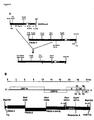
- the vaccine comprises an IBV strain Beaudette in which the heterologous spike gene replaces the original spike gene at its natural position between the replicase gene and gene 3 ( Figure 5 ).
- the present invention demonstrates that a vaccine according to the present invention based on IBV strain BeaudetteR (BeauR) can safely be Administered via the in ovo route as well as to hatched chicks and that it at the same time induces a protective immune response.
- this IBV strain BeauR is not lethal for 18-day-old (SPF) embryos and that the hatchability of the inoculated eggs is very high.
- SPF 18-day-old
- a vaccine according to the present invention can comprise the attenuated IBV in a live or inactivated form, the live form being preferred, i.e. because it does not require adjuvant.
- the present invention also provides a solution for the problem of interference that frequently occurs when administering combinations of different live vaccine viruses.
- the present invention also provides a vaccine as defined above that comprises two or more IBV Beaudette strains that comprise heterologous spike genes of different IBV strains, preferably of IBV strains of different serotypes.
- a vaccine according to the invention can be prepared by conventional methods such as those commonly used for the commercially available live- and inactivated IBV vaccines.
- a susceptible substrate is inoculated with the attenuated IBV and propagated until the virus replicated to a desired titre after which IBV containing material is harvested. Subsequently, the harvested material is formulated into a pharmaceutical preparation with immunising properties.
- Every substrate which is able to support the replication of IBV can be used in the present invention, including primary (avian) cell cultures, such as chicken embryo fibroblast cells (CEF), chicken kidney cells (CK), tracheal organ cultures, or mammalian cell lines such as the VERO cell line.
- primary (avian) cell cultures such as chicken embryo fibroblast cells (CEF), chicken kidney cells (CK), tracheal organ cultures, or mammalian cell lines such as the VERO cell line.
- Particularly suitable substrates on which the attenuated IBV can be propagated are SPF embryonated eggs.
- 9-12 day-old embryonated eggs can be inoculated with, for example 0.1 ml IBV containing allantoic fluid comprising at least 10 2.0 EID 50 per egg.
- 9- to 12-day-old embryonated eggs are inoculated with about 10 5.0 EID 50 and subsequently incubated at 37 °C for 12-72 hours.
- the IBV can be harvested preferably by collecting the allantoic fluid.
- the vaccine according to the invention comprises the attenuated IBV together with a pharmaceutically acceptable carrier or diluent customarily used for such compositions.
- the vaccine containing the live virus can be prepared and marketed in the form of a suspension or in a lyophilised form.
- Carriers include stabilisers, preservatives and buffers.
- Diluents include water, aqueous buffer and polyols.
- the live vaccine according to the invention may contain an adjuvant.
- suitable compounds and compositions with adjuvant activity are the same as those mentioned below for the inactivated IBV vaccine.
- the vaccine is preferably administered by the inexpensive mass application techniques commonly used for IBV vaccination.
- these techniques include drinking water, aerosol and spray vaccination.
- administration of the live vaccine can also be individually by eye drop, intratracheal or intranasal.
- the present invention also provides an IBV vaccine that can be safely administered via the in ovo route and at the same time is able to induce a protective immune response.
- the in ovo administration of the vaccine involves the administration of the vaccine to an avian embryo while contained in the egg (for a review on in ovo vaccination see: Ricks et al., Advances in Vet. Med. 41, 495-515, 1999 ).
- the vaccine may be administered to any suitable compartment of the egg (e.g. allantois fluid, yolk sac, amnion, air cell or into the embryo) as described in the art ( Sharma; Am. J. Vet. Res. 45, 1619-1623, 1984 ).
- the vaccine is administered below the shell (aircell) membrane and chorioallantoic membrane.
- the vaccine is injected into embryonated eggs during late stages of the embryonation, generally during the final quarter of the incubation period, preferably 3-4 days prior to hatch.
- the vaccine is preferably administered between day 15-19 of the 21 day incubation period, in particular at day 17 or 18, most preferably at day 18 of the incubation period.
- the vaccinated embryonated eggs are transferred to an incubator to hatch ( US Patent No. 4,458,630 , WO 98/56413 and WO 95135121 ).
- the whole embryo vaccination process is carried out using high-speed automated vaccination systems, such as the commercially available INOVOJECT®.
- high-speed automated vaccination systems such as the commercially available INOVOJECT®.
- Such devices are also disclosed in U.S. Patent No. 4,681,063 and 4,903,635 , 4,040,388 , 4,469,047 and 4,593,646 .
- a vaccine comprising the attenuated IBV in an inactivated form.
- the advantages of an inactivated vaccine are its safety and the high levels of protective antibodies of long duration that can be induced.
- the aim of inactivation of the viruses harvested after the propagation step is to eliminate reproduction of the viruses. In general, this can be achieved by well-known chemical or physical means.
- An inactivated vaccine according to the invention can, for example, comprise one or more of the above-mentioned pharmaceutically acceptable carriers or diluents suited for this purpose.
- an inactivated vaccine according to the invention comprises one or more compounds with adjuvant activity.
- Suitable compounds or compositions for this purpose include aluminium hydroxide, -phosphate or -oxide, oil-in-water or water-in-oil emulsion based on, for example a mineral oil, such as Bayol F® or Marcol 52® or a vegetable oil such as vitamin E acetate, and saponins.
- Inactivated vaccines are usually administered by injection, e.g. intramuscularly or subcutaneously.
- the vaccine according to the invention comprises an effective dosage of the attenuated IBV as the active component, i.e. an amount of immunising IBV that will induce immunity in the vaccinated birds against challenge by a virulent virus.
- Immunity is defined herein as the induction of a significantly higher level of protection in a population of birds against mortality and clinical symptoms after vaccination compared to an unvaccinated group.
- the live vaccine for post-hatch administration comprises the attenuated IBV in a concentration of 10 2.0 -10 8.0 embryo infectious dose (EID 50 ) per unit dose, preferably in a concentration of 10 3.0 -10 7.0 EID 50 per unit dose.
- EID 50 embryo infectious dose
- the dose volume per bird depends on the route of vaccination and the age of the bird.
- eye drop vaccines are administered in a volume of 20-100 ⁇ l per dose at any age.
- Spray vaccines may contain the dose in a volume of 100-1000 ⁇ l for day-old birds and one dose of a drinking water vaccine usually is diluted in a volume of about 1 ml for each day of age.
- Inactivated vaccines may contain the antigenic equivalent of 10 4.0 -10 9.0 EID 50 per unit dose.
- the live vaccine for in ovo administration typically comprises an amount of the attenuated IBV of 10 2.0 -10 8.0 EID 50 , preferably 10 3.0 -10 7.0 EID 50 in a volume of 50-100 ⁇ l, preferably 50 ⁇ l.
- the IBV vaccine according to the present invention may be used effectively in chickens, also other poultry such as turkeys, pigeons, quail, pheasants, guinea fowl and partridges may be successfully vaccinated with the vaccine.
- Chickens include broilers, reproduction stock and laying stock.
- the age of the birds receiving a live or inactivated vaccine according to the invention post-hatch is the same as that of the birds receiving the conventional commercially available live- or inactivated IBV vaccines.
- broilers may be vaccinated at one-day old or at 1-3 weeks of age, particularly for broilers with high levels of MDA.
- Laying stock or reproduction stock may be vaccinated initially at 1-10 days of age and boosted with a live or inactivated vaccine at 7-12 or 16-18 weeks of age.
- the invention also includes combination vaccines comprising, in addition to the attenuated IBV, a vaccine strain capable of inducing protection against another IBV serotype strain or against another avian pathogen.
- the combination vaccine additionally comprises one or more vaccine strains of Marek's Disease virus (MDV), Newcastle disease virus (NDV), infectious bursal disease virus (IBDV), egg drop syndrome (EDS) virus, turkey rhinotracheitis virus (TRTV) or reovirus.
- MDV Marek's Disease virus
- NDV Newcastle disease virus
- IBDV infectious bursal disease virus
- EDS egg drop syndrome virus
- TRTV turkey rhinotracheitis virus
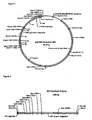
- Plasmid pACNR-Nhel-Notl-IBV ( Figure 2 ) was digested with Pac I and Sal I and the vector-containing fragment purified and retained. Plasmid pACNR-Nhel-Notl-IBV was also digested with Bsp HI and Sal I and the BspHI-SalI fragment purified and retained. Plasmid pM4lStruct contained an IBV-derived cDNA sequence, corresponding from within the replicase gene to the poly (A) tail, derived from M41-CK gRNA, in pBluescript SK(+).
- pM41Struct was digested with Pac I and Bsp HI and the Pac I -BspH I fragment was purified and retained ( Figure 3 ).
- a Beaudette-CK/M41-CK chimaeric S gene consisting of the signal sequence, ectodomain and transmembrane regions derived from M41-CK and the cytoplasmic tail domain from Beau-R, was generated.
- the M41-CK-derived PacI- Bsp HI fragment from pM41 Struct was used to replace the corresponding Beaudette-CK-derived cDNA PacI-BspHI sequence in pFRAG-3.
- IBV-derived cDNA fragments from pFRAG-3-M41S, containing the chimeric S gene sequence, and pFRAG-1 and pFRAG-2 were used to generate a full-length IBV cDNA using in vitro ligation.
- the full-length cDNA was generated using a two-step in vitro ligation procedure as described by Casais et al. (2001, supra). In the first step, the Sac I- Nhe I cDNA (FRAG-2) from pFRAG-2 and the Nhe I -Bsp HI cDNA (FRAG-3-M41S) from p FRAG-3-M41S were ligated to give a 21.5 kb SacI- Bsp 120I fragment that was gel purified.
- the 21.5 kb Sac I- Bsp 120I fragment was ligated to Bsp HI- Sac I cDNA (FRAG-1) from pFRAG-1 to produce a 27.9 kb full-length IBV cDNA ( Figure 5B ).
- This full-length cDNA, containing the chimaeric S gene was under the control of a T7 RNA polymerase promoter and terminated by a H ⁇ R-T7 termination sequence distal to poly (A).
- the T7 promoter and H ⁇ R-T7 termination sequence were required for the in situ generation of infectious IBV RNA by T7 RNA polymerase.
- Sequence analysis of the 4/91 S gene identified 562 nt differences when compared to the BeauR S gene sequence of which 245 represented non-synonymous and 317 synonymous substitutions resulting in a total of 201 amino acid differences between the two S glycoproteins of which two resulted from a six nucleotide insertion within the 4/91 S gene sequence. There are two amino acid differences between the cytoplasmic domains of the two viruses. Overall, the primary translation products of the two S genes are 1162 and 1164 amino acids for Beau-R and 4-91, respectively, with an identity of 83% between the two S proteins. The region of the S gene containing the overlapping region of the replicase gene was acquired from 4/91 for generation of the rIBV S gene sequence.
- the C-terminal ends of the Beaudette and 4/91 S genes are similar, we retained the last 137 nt of the Beaudette S gene, identical to the 4/91 sequence for assembly of the chimaeric S gene.
- the resulting S protein from the chimaeric S gene sequences consists of the ectodomain from 4/91, the transmembrane domain from 4/91 and the cytoplasmic tail domain from Beaudette-CK and is analogous to the chimaeric M41 S protein described above.
- the 4/91 S gene sequence was obtained from virus-derived RNA isolated form the virulent 4/91 IBV strain using two PCRs.
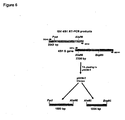
- the two PCR products, 2042 bp and 2300 bp, were generated using two sets of oligonucleotides ( Figure 6 ).
- the 2042 bp product was generated using oligonucleotide BG42 (corresponding to nucleotides 19941-19958 on the Beau-R genome) and a specific 4/91 oligonucleotide, 4/91d (the reverse complement to the equivalent nucleotides 21957-21976 on the Beau-R genome).
- the 2300 bp product was generated using a specific 4/91 oligonucleotide 4/91c (corresponding to the equivalent nucleotides 21600-21619 on the Beau-R genome) and oligonucleotide BG141 (the reverse complement of nucleotides 23879-23898 on the Beau-R genome). Both fragments were inserted into pGEM-T and the resulting plasmids were used as the source of the 4/91 S gene sequence ( Figure 6 ).
- the chimaeric 4/91 S gene sequence was constructed by modifying pGPT-M41S ( Figure 7A ) using the two 4/91-derived PCR products.
- the 2042 bp 4/91-derived product in pGEM-T was excised as a 1580 bp fragment, representing the 5' half of the 4/91 S gene, using Pac l and Alw NI which was purified and retained ( Figure 6 ).
- the 2300 bp 4/91-derived product in pGEM-T was excised as a 1804 bp fragment, representing the 3' half of the 4/91 S gene, using Alw NI and Bsp HI which was purified and retained ( Figure 6 ).
- Plasmid pGPT-M41S was digested with PacI and Bam HI and the 5018 bp fragment representing the plasmid sequence was purified and retained ( Figure 7A ).
- pGPT-M41S was digested with Bsp HI and Bam HI and a Beau-R-derived 1080 bp fragment was purified and retained ( Figure 3A ).
- TDS transient dominant selection
- Plasmid pGPT-IBV- ⁇ S containing Beau-CK sequence corresponding to the replicase and gene 3 with part of the M gene, but lacking the S gene sequence was transfected into cells infected with vNotI/IBV FL .
- vNotI/IBV- ⁇ S FL containing the IBV cDNA lacking the S gene sequence ("spikeless" recombinant) was isolated and identified ( Figure 8 ).
- the TDS method was used to insert the 4/91-Beau-CK chimaeric S gene sequence into the "spikeless" recombinant vaccinia virus vNotI/IBV- ⁇ S FL .
- Plasmid pGPT-4/91S was transfected into cells infected with vNotI/IBv- ⁇ S FL and following recombination IBV-derived sequence in pGPT-4/91S and the IBV sequence within vNotI/IBV- ⁇ S FL a recombinant vaccinia virus, vNotI/IBV FL -4/91S containing the full-length IBV cDNA with the 4/91-Beau-CK chimaeric S gene sequence inserted was isolated and identified ( Figure 9 ).
- Infectious rIBV was recovered from vNotI/IBV FL -M41S or vNotI/IBV FL -4/91S using CK cells, previously infected with rFPV/T7 ( Britton et al., J. Gen. Virol. 77, 963-967, 1996 ), to provide T7 RNA polymerase, and co-transfected with AscI-restricted vNotI/IBV FL -M41S DNA or vNotI/IBV FL -4/91S and pCi-Nuc ( Hiscox et al., J. Virol. 75, 506-512, 2001 ).
- vNotI/IBV FL -M41S or vNotI/IBV FL -4/91S DNA was prepared from semi-purified vaccinia virus and pCi-Nuc, a plasmid expressing the IBV N protein under control of both the T7 and CMV promoters was required for the successful recovery of rIBV.
- the transfected CK cells (Po) were incubated until they showed a cytopathic effect (CPE), the medium was filtered to removed any rFPV/T7 and any potential IBV passaged on fresh CK cells (P 1 ).
- a rIBV, BeauR-M41(S) was isolated from the P 1 cells and the genotype of the rIBV determined by sequence analysis. Which confirmed the presence of the two marker mutations and that the ectodomain of the chimaeric S protein gene was derived from the M41-CK S gene sequence. BeauR-M41(S), derived from P 5 CK cells, was used for further characterisation.
- Confluent monolayers of CK, Vero, CEF and BHK-21 cells in 60 mm dishes were infected with 1.5 x 10 6 PFU of IBV. Following adsorption, for 1 h at 37°C, the cells were washed three times with phosphate-buffered saline (PBS) to remove residual virus and incubated at 37 °C in 5 ml of the appropriate media. Samples of media were, at selected times over a 96 h period, analyzed in triplicate for progeny virus by plaque assay.
- PBS phosphate-buffered saline
- IBV strains Beau-CK and M41-CK have differing cell tropism. It is known that both viruses replicate to similar titres in CK cells but only Beau-CK produces infectious virus on Vero cells. Therefore by using the recombinant isogenic viruses, BeauR and BeauR-M41 (S), that differ only in the ectodomain of the S protein, we sought to determine whether the IBV S glycoprotein was responsible for the observed differences in the ability of distinct IBV strains to infect and replicate in different cell lines.
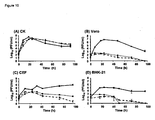
- BeauR, M41-CK and BeauR-M41(S) displayed similar growth profiles on CK cells ( Figure 10 A ). In addition, all three viruses caused CPE within 24 h. Analysis of the growth profiles of the three viruses in Vero, CEF and BHK-21 ( Figure 10 B-D ) showed that only Beau-R replicated to any significant extent in the different cells, usually with maximum titre by 24 h postinfection. These results showed that BeauR-M41 (S) had the same tropism as M41-CK on all four cell types, indicating that replacement of the ectodomain of the Beaudette S glycoprotein with the corresponding sequence from the M41-CK S glycoprotein resulted in a rIBV with an altered cell tropism when compared to BeauR.
- the viruses were titrated in chick embryo tracheal organ cultures. Titres were expressed in log 10 ciliostatic dose 50.
- RIR chickens Eight-day-old RIR chickens were inoculated by eye-drop and in the nose with 0.1 ml of phosphate buffered saline containing 3.0 log 10 ciliostatic dose 50 of virus, or with PBS alone (mock-inoculated group). The birds were housed in groups.
- snicking was recorded for groups of birds during a two-minute period and is presented as snicks/bird/minute.
- Nasal discharge (clear or turbid) and rales (moderate and severe) were recorded for birds individually, the incidence being presented below as a percentage of the group.
- Ciliary activity was determined by killing the birds, removing the trachea, slicing the trachea transversely into rings approximately 1 mm deep and observing them by low power microscopy. 10 rings were examined for each trachea.
- Ciliary activity was recorded as being approximately 100%, 75%, 50%, 25% or 0%. Groups comprised not less than 20 birds on the days when the data below was recorded.
- NE nasal exudate
- S Beau-R or BeauR-M41
- NE was detected in a proportion of the Ma5 in-ovo vaccinates that had hatched (Table 11).
- Table 11 Group number Treatment Dose (EID 50) Signs/no of birds Percentage 1 1 dose Ma5 4.4 4/6 67 2 Control - 0/25 0 3 Beau-R-M41 ⁇ 6.2 0/26 0 4 Beau-R ⁇ 5.9 0/23 0
- Ciliary activity is used as a measure of the attenuation of the inoculated IBV. Tracheas from inoculated birds/embryos are cut into 10 sections, 3 from the top and bottom, and four from the middle. A microscopic assessment of ciliary activity is made and the mean percentage cilia that have stopped beating for the 10 rings is calculated. The higher the score the more the IBV-induced damage.
Landscapes
- Health & Medical Sciences (AREA)
- Life Sciences & Earth Sciences (AREA)
- Chemical & Material Sciences (AREA)
- Virology (AREA)
- General Health & Medical Sciences (AREA)
- Medicinal Chemistry (AREA)
- Animal Behavior & Ethology (AREA)
- Public Health (AREA)
- Veterinary Medicine (AREA)
- Epidemiology (AREA)
- Pharmacology & Pharmacy (AREA)
- Mycology (AREA)
- Organic Chemistry (AREA)
- Immunology (AREA)
- Microbiology (AREA)
- Proteomics, Peptides & Aminoacids (AREA)
- Molecular Biology (AREA)
- Biochemistry (AREA)
- Gastroenterology & Hepatology (AREA)
- Biophysics (AREA)
- Genetics & Genomics (AREA)
- Communicable Diseases (AREA)
- Pulmonology (AREA)
- Micro-Organisms Or Cultivation Processes Thereof (AREA)
- Medicines Containing Antibodies Or Antigens For Use As Internal Diagnostic Agents (AREA)
Abstract
Description
- The present invention is concerned with a vaccine for use in the protection of poultry against infectious bronchitis (IB) comprising an attenuated infectious bronchitis virus (IBV) and a pharmaceutical acceptable carrier or diluent, a method for the preparation of such a vaccine and the use of an attenuated IBV for the manufacture of a vaccine for the protection of poultry against IB for in ovo administration.
- IBV is a member of the genus Coronavirus, family Coronaviridae. It has a positive sense, single-stranded RNA genome of approximately 28 000 nucleotides associated with a nucleocapsid protein, N, surrounded by a lipid membrane/envelope. Three other viral proteins are associated with the envelope: the large spike glycoprotein, S; a smaller integral membrane protein, M; and the E protein, the smallest of the envelope-associated proteins.
- The coronavirus S protein is a type I glycoprotein which oligomerises in the endoplasmic reticulum to form trimers which constitute the coronavirus virion spikes observable by electron microscopy. The S protein is assembled into virion membranes, possibly through noncovalent interactions with the M protein, but is not required for formation of coronavirus virus-like particles. Following incorporation into coronavirus particles, determined by the carboxy-terminal domain, the S glycoprotein is responsible for binding to the target cell receptor and fusion of the viral and cellular membranes, fulfilling a major role in the infection of susceptible cells. Furthermore, the IBV spike protein is involved in the induction of a protective immune response when inoculated into chickens (for a review see Cavanagh, in: The Coronaviridae; ed: S.G. Siddell, Plenum Press, 73-113, 1995).
- All coronavirus S glycoproteins, consist of four domains; a signal sequence, that is cleaved during synthesis, the ectodomain which is present on the outside of the virion particle, the transmembrane region responsible for anchoring the S protein into the lipid bilayer of the virion particle, and the cytoplasmic tail that might interact with other IBV proteins, such as the membrane protein (E) and integral membrane protein (M). The IBV S glycoprotein (1162 amino acids) is cleaved into two subunits, S1 (535 amino acids 90-kDa) and S2 (627 amino acids 84-kDa). The C-terminal S2 subunit associates noncovalently with the N-terminal S1 subunit and contains the transmembrane and C-terminal cytoplasmic tail domains. The S1 subunit contains the receptor-binding activity of the S protein.
- In previous studies with other coronaviruses, murine hepatitis virus (MHV) and transmissible gastroenteritis virus (TGEV), a spike gene of a (virulent) donor virus strain was used to replace the spike gene of a receiver virus strain to investigate the determinants of pathogenesis and cell tropism. These studies showed that both the in vitro properties (cell tropism) and in vivo properties (virulence) of the donor virus strain were acquired by the receiver virus strain. It was concluded that the spike gene is a determinant of cell tropism and virulence (Phillips et al., J. Virol. 73, 7752- 7760, 1999; Sanchez et al., J. Virol. 73, 7607-7618, 1999; Das Sarma et al., J. Virol. 74, 9206-9213, 2000; Navas et al., J. Virol. 75, 2452-2457, 2001 and Kuo et al., J. Virol. 74, 1393-1406, 2000; international patent application
WO 01/39797 WO 98/49195 - Infectious bronchitis is an acute, highly contagious respiratory disease of the domestic fowl (chicken), caused by IB virus. Clinical signs of IB include sneezing/snicking, tracheal rales, nasal discharge and wheezing. Clinical signs are more obvious in chicks than in adult birds. The birds may appear depressed and consume less food. Meat-type birds have reduced weight-gain, whilst egg-laying birds lay fewer eggs. The respiratory infection predisposes chickens to secondary bacterial infections, which can be fatal in chicks. The virus can also cause permanent damage to the oviduct, especially in chicks, leading to reduced egg production and quality, and kidney, sometimes leading to kidney disease, which can be fatal.
- Both live and inactivated virus vaccines are used in IB vaccination. To date, the most efficacious vaccines are live attenuated viruses empirically produced following blind repeated passages through embryonated eggs until a desired balanced degree of attenuation and immunogenicity has been achieved. Such vaccines are ill-defined genetically and the molecular basis of the attenuation is unknown. Disadvantageously, upon serial passaging the immunogenicity of the virus decreases which often results in safe but less efficacious vaccine viruses. Achieving a 'balanced' degree of attenuation - sufficient so as not to be pathogenic but not excessive to the point that it would fail to induce strong immune responses- is a trial and error approach that renders the outcome of this conventional attenuation approach uncertain.
- As indicated above, one of the biologic properties of IBV is that it becomes avirulent and less immunogenic with successive passages of the virus in embryos. The Beaudette strain of IBV is one such high embryo passage, (over-)attenuated, virus, that is not considered to be immunogenic (Geithausen et al., Arch Gesamte Virusforsch 40, 285-290, 1973).
- In a recently published patent application (
WO 02/092827 - IBV exhibits great antigenic variation, initially recognized as different serotypes. Serotypic strain classification of IBV strains is based on the ability of one strain to induce virus neutralizing antibodies effective against another strain (Cook et al., Avian Pathol. 13, 733-741, 1984). The most variable protein of IBV is the spike protein. It defines the serotype and is the major inducer of protective immune responses. An IBV vaccine virus of one serotype induces immune responses that often protect poorly against IBV of other serotypes, because of the differences in the S proteins. Consequently IB vaccines have been developed against many serotypes. However, previously unknown serotypes are continually emerging, creating a requirement for new, homologous vaccine viruses.
- Live IBV vaccines are usually administered to hatched chickens. Administration can be individually by eye drop or intranasally, but these routes are expensive because of the labour needed for their administration, in particular in large broiler flocks. Mass application methods, including spray and drinking water, are also frequently used, but problems in attaining a uniform vaccine application and inactivation of the vaccine virus have been observed.
- The use of vaccines as embryo vaccines (so-called in ovo vaccines) has been suggested previously (Sharma et al; Avian diseases 29, 1155-1169, 1985).
- In ovo vaccination, in principle, could be advantageous due to the early age of resistance to the specific disease and the administration of a uniform dose of vaccine into each egg using semiautomatic machines with multiple injection heads.
- Usually conventional vaccines for post-hatch vaccination of birds cannot be used for in ovo vaccination, because late stage embryos are highly susceptible to infection with most vaccine viruses examined. For instance, vaccine strains of IBV and Newcastle disease virus (NDV) that are used routinely as vaccines in newly hatched chicks are lethal for embryos following in ovo inoculation. Examples of commercially available post-hatch vaccines that cannot be used for in ovo vaccination due to their adverse effect on hatchability of the embryonated eggs are Poulvac©IB, Nobilis IB Ma5© and Nobilis IB 4/91©.
- International patent application
WO 01/64244 - In view of the above it is clear that there exists a need for IBV vaccines that are both safe and afford adequate protection against virulent field strains, in particular of emerging serotypes, and that can be made without using the conventional empirical approach for IBV vaccine preparation.
- Furthermore, there is a need for a safe and efficacious IBV vaccine that can be administered via the in ovo route without having a negative impact on the hatchability of the vaccinated embryonated egg.
- The invention described herein meets one or more of these needs by providing an IBV vaccine that is based on an attenuated IBV strain Beaudette that is able to express a spike protein derived from an IBV strain, for example a field strain, that is different from the spike protein of the Beaudette strain. This new attenuated IBV vaccine strain is better equipped for combating IBV infections than an attenuated IBV strain obtained by conventional methods, because it can express a spike protein that is homologous to that of a (virulent) field virus.
- Therefore, the present invention provides a vaccine for use in the protection of poultry against infectious bronchitis comprising an attenuated infectious bronchitis virus (IBV) and a pharmaceutical acceptable carrier or diluent, characterized in that the attenuated IBV is IBV strain Beaudette that comprises a heterologous IBV spike gene, wherein the fragment of said heterologous IBV spike gene encoding the cytoplasmic tail is derived from the receiver IBV strain Beaudette.
- It is demonstrated in the Examples that IBV strain Beaudette that is known to be attenuated, but poorly protective, is rendered highly protective by the insertion of a spike gene of a virulent virus (IBV M41), whereas the level of attenuation of the attenuated IBV strain was not affected (Examples 3 and 4). In particular, the latter property of the recombinant IBV was unexpected as it has been demonstrated for other coronaviruses that the S gene is a determinant of virulence and that replacing the S gene in mild coronaviruses by a S gene of a virulent coronavirus rendered the recombinant coronaviruses virulent. The absence of an increase of virulence of the recombinant IBV after replacement of the S genes is the more surprising if it is taken into account that the recombinant attenuated IBV does acquire the cell tropism of the virulent IBV in vitro (Example 2).
- IBV strain Beaudette was originally isolated by Beaudette and Hudson (J. Am. Vet. Med. A. 90, 51-60, 1937) and passaged several hundred times in chicken embryos, it is commonly referred to as a "chicken embryo adapted" or "egg adapted" strain. The highly egg-adapted Beaudette strain is a-pathogenic for post-hatch administration, causes little detectable damage to ciliated epithelium of trachea and replicates predominantly in the subepithelial cells; but is known to be extremely pathogenic for 9-12-day-old embryos. Furthermore, IBV Beaudette is known to be a strain with a poor immunogenicity (Arch Gesamte Virusforsch 40, 285-290, 1973). IBV strain Beaudette is obtainable from the ATCC (accession no. VR-22). and is commonly used in laboratories throughout the world although these viruses may have slight sequence differences due to their individual passage histories. For example, the nucleotide sequences of the spike genes of different IBV Beaudette isolates display an identity of 99% or more. A region on the genome of IBV strain Beaudette that distinguishes this IBV strain from other IBV strains is a region (nucleotides 26500-27499; numbering according to Casais et al., 2001, supra, accession No. AJ311317) located at the 3'-terminal end of the genome that starts within the nucleoprotein gene and ends within the 3' untranslated region (UTR). An IBV strain Beaudette to be used in the present invention is an IBV that display a nucleotide sequence identity of 99% or more in this region with the corresponding region in the IBV strain Beaudette specifically used herein (BeauR, accession No. AJ311317). The nucleotide sequences of the corresponding region in other IBV strains differ significantly (63-95%) from those in IBV strain Beaudette. The nucleotide sequence identities referred to herein are determined by the alignment program ClustalX using the multiple alignment mode, Thomson et al., , and analysed by Genedoc, version 2.6.002, accessible from www.psc.edu/biomed/aenedoc.
- In a particularly preferred embodiment of the present invention a vaccine is provided that is further characterized in that the attenuated IBV is the Beaudette strain Beau-CK or BeauR (deposited at the CNCM of the Institute Pasteur, Paris, France on 27.02.2004 under accession no. I-3167). BeauR is a recombinant IBV produced from an infectious RNA transcribed from a full length cDNA of Beau-CK. The complete genomic sequence analyses for Beau-CK (Boursnell et al., J. Gen. Virol. 68, 57-77, 1987, accession No. M95169) and BeauR have been determined (Casais et al., 2001, supra; accession No. AJ311317).
- A recombinant attenuated IBV comprising a heterologous spike gene to be used in a vaccine according to the invention can be prepared by means of the reverse genetics system described in Casais et al., (2001, supra). This system allows the preparation of recombinant IBV (rIBV) by assembling (mutated) IBV full-length cDNA in vitro, followed by direct cloning into a vaccinia virus genome, and recovering rIBV after in situ synthesis of infectious IBV RNA by using bacteriophage T7 RNA polymerase expressed from a recombinant fowlpox virus.
- By "an heterologous spike (S) gene" is meant a S gene derived from an IBV strain (the donor strain) that is different from the specific attenuated IBV strain Beaudette that receives that S gene (the receiver strain) and that encodes a S protein having an amino acid sequence that is different compared to the S protein encoded by the S gene of the IBV strain Beaudette. The donor - and receiver strain may be of the same or different IBV serotypes). Such a recombinant IBV is based on the genome of a single IBV (receiver) strain, the only difference, in essence, being the S gene that is derived from a different IBV (donor) strain.
- In the present invention the vaccine is based on an IBV strain Beaudette that comprises a spike gene of which the fragment encoding the ectodomain or a functional part thereof, in particular the S1 polypeptide, is derived from a different donor IBV, whereas the fragment encoding the cytoplasmic tail is derived from the receiver IBV strain Beaudette. The advantage of such a "chimaeric" spike gene is that any potential problems between the interaction of the cytoplasmic tail domain of the spike protein with the other IBV proteins are avoided as both are native to the receiver IBV.
- In general, the signal sequence, the ectodomain, the transmembrane region and the cytoplasmic tail domain of IBV spike proteins cover the amino acid fragments 1-18, 19-1091, 1092-1119 and 1120-1162, respectively (numbers refer to Beaudette-CK, Casais et al., J. Virol. 75, 12359-12369, 2001; S proteins from other strains of IBV can differ in the number of amino acids due to small deletions and insertions). In addition, also the amino acid sequence at the S1/S2 cleavage site of IBV is well known For Beaudette the S1 and S2 polypeptides span amino acid 1 (19)-535 and 536-1162, respectively.
- Preferably, a spike gene to be used in the present invention is derived from a (virulent) IBV from the field.
- Spike genes can be isolated from any available IBV strain irrespective of its serotype by standard techniques commonly used in the art for this purpose. The nucleotide sequences of the spike genes derived from IBV strains of the same serotype are relatively conserved. The maximum nucleotide sequence difference between the spike genes within the same serotype is 10% in the S1 part.
- Therefore, with a spike gene of an IBV of a certain serotype is meant a spike gene derived from a strain having the immunological characteristics of that serotype and having a nucleotide sequence that exhibits a maximum of 10% nucleotide sequence difference (in the S1 part) with that of a reference strain of the serotype. Examples of typical reference strains and the nucleotide sequence database accession numbers of their spike gene sequences are M41 (Massachusetts serotype; X04722), NL/D274/78 (D274 serotype; X15832), USA/Arkansas 99 (Ark 99 serotype; L10384), Belgium/B1648 (B1648 serotype; X87238), USA(DE)/072/92 (DE072 serotype; U77298), US(GA)/0470/98 (Georgia 98 serotype; AF274437), UK/4/91 (793B1 serotype; AF093794), USA/Connecticut (Connecticut serotype; L18990) and NL/D1466 (D1466 serotype; M21971).
- The cloning of various IBV spike genes is described in Adzhar et al., Avian Path. 26, 625-640, 1997; Shaw et al., Avian Pathol. 25, 607-611, 1996; Binns et al., J. Gen. Virol. 67, 2825-2831, 1986 and Binns et al., J. Gen Virol. 66, 719-726, 1985).
- A preferred embodiment of the present invention concerns a vaccine as described above that is based on an attenuated IBV that comprises a spike gene that encodes a spike protein of an IBV Massachusetts serotype, in particular of IBV strain M41.
- In a further preferred embodiment the vaccine is based on an attenuated IBV that comprises a spike gene that encodes a spike protein of an IBV 793B serotype, in particular of
IBV strain 4/91. - In principle, the IBV strain Beaudette comprising the heterologous spike gene may have this gene inserted in its genome in addition to the spike gene naturally present in the genome. However, in a preferred embodiment of the present invention the vaccine comprises an IBV strain Beaudette in which the heterologous spike gene replaces the original spike gene at its natural position between the replicase gene and gene 3 (
Figure 5 ). - Until today no IBV vaccine that is both safe and efficacious for in ovo administration is commercially available. The present invention, in particular, demonstrates that a vaccine according to the present invention based on IBV strain BeaudetteR (BeauR) can safely be Administered via the in ovo route as well as to hatched chicks and that it at the same time induces a protective immune response. In Example 4 it is shown that this IBV strain BeauR is not lethal for 18-day-old (SPF) embryos and that the hatchability of the inoculated eggs is very high. This property makes IBV strain BeauR suited for receiving a heterologous spike gene and for administering a vaccine according to the invention based on this recombinant IBV strain to a chicken via the in ovo route.
- A vaccine according to the present invention can comprise the attenuated IBV in a live or inactivated form, the live form being preferred, i.e. because it does not require adjuvant.
- The present invention also provides a solution for the problem of interference that frequently occurs when administering combinations of different live vaccine viruses. The combined administration of two or more vaccine viruses that are the same in essence, but express spike proteins from different (sero)types of IBV, is possible now without the interference of replication of one vaccine virus by the other vaccine virus.
- Therefore, the present invention also provides a vaccine as defined above that comprises two or more IBV Beaudette strains that comprise heterologous spike genes of different IBV strains, preferably of IBV strains of different serotypes.
- A vaccine according to the invention can be prepared by conventional methods such as those commonly used for the commercially available live- and inactivated IBV vaccines.
- Briefly, a susceptible substrate is inoculated with the attenuated IBV and propagated until the virus replicated to a desired titre after which IBV containing material is harvested. Subsequently, the harvested material is formulated into a pharmaceutical preparation with immunising properties.
- Every substrate which is able to support the replication of IBV can be used in the present invention, including primary (avian) cell cultures, such as chicken embryo fibroblast cells (CEF), chicken kidney cells (CK), tracheal organ cultures, or mammalian cell lines such as the VERO cell line.
- Particularly suitable substrates on which the attenuated IBV can be propagated are SPF embryonated eggs. 9-12 day-old embryonated eggs can be inoculated with, for example 0.1 ml IBV containing allantoic fluid comprising at least 102.0 EID50 per egg. Preferably, 9- to 12-day-old embryonated eggs are inoculated with about 105.0 EID50 and subsequently incubated at 37 °C for 12-72 hours. The IBV can be harvested preferably by collecting the allantoic fluid.
- The vaccine according to the invention comprises the attenuated IBV together with a pharmaceutically acceptable carrier or diluent customarily used for such compositions.
- The vaccine containing the live virus can be prepared and marketed in the form of a suspension or in a lyophilised form. Carriers include stabilisers, preservatives and buffers. Diluents include water, aqueous buffer and polyols.
- If desired, the live vaccine according to the invention may contain an adjuvant. Examples of suitable compounds and compositions with adjuvant activity are the same as those mentioned below for the inactivated IBV vaccine.
- Although administration by injection, e.g. intramuscular, subcutaneous of the live vaccine according to the present invention is possible, the vaccine is preferably administered by the inexpensive mass application techniques commonly used for IBV vaccination. For IBV vaccination these techniques include drinking water, aerosol and spray vaccination. Alternatively, administration of the live vaccine can also be individually by eye drop, intratracheal or intranasal.
- As outlined above, the present invention also provides an IBV vaccine that can be safely administered via the in ovo route and at the same time is able to induce a protective immune response. The in ovo administration of the vaccine involves the administration of the vaccine to an avian embryo while contained in the egg (for a review on in ovo vaccination see: Ricks et al., Advances in Vet. Med. 41, 495-515, 1999). The vaccine may be administered to any suitable compartment of the egg (e.g. allantois fluid, yolk sac, amnion, air cell or into the embryo) as described in the art (Sharma; Am. J. Vet. Res. 45, 1619-1623, 1984). Preferably the vaccine is administered below the shell (aircell) membrane and chorioallantoic membrane.
- Usually the vaccine is injected into embryonated eggs during late stages of the embryonation, generally during the final quarter of the incubation period, preferably 3-4 days prior to hatch. In chickens the vaccine is preferably administered between day 15-19 of the 21 day incubation period, in particular at
day 17 or 18, most preferably atday 18 of the incubation period. - Subsequently, the vaccinated embryonated eggs are transferred to an incubator to hatch (
US Patent No. 4,458,630 ,WO 98/56413 WO 95135121 U.S. Patent No. 4,681,063 and4,903,635 ,4,040,388 ,4,469,047 and4,593,646 . - In another aspect of the present invention a vaccine is provided comprising the attenuated IBV in an inactivated form. The advantages of an inactivated vaccine are its safety and the high levels of protective antibodies of long duration that can be induced.
- The aim of inactivation of the viruses harvested after the propagation step is to eliminate reproduction of the viruses. In general, this can be achieved by well-known chemical or physical means.
- An inactivated vaccine according to the invention can, for example, comprise one or more of the above-mentioned pharmaceutically acceptable carriers or diluents suited for this purpose.
- Preferably, an inactivated vaccine according to the invention comprises one or more compounds with adjuvant activity. Suitable compounds or compositions for this purpose include aluminium hydroxide, -phosphate or -oxide, oil-in-water or water-in-oil emulsion based on, for example a mineral oil, such as Bayol F® or
Marcol 52® or a vegetable oil such as vitamin E acetate, and saponins. - Inactivated vaccines are usually administered by injection, e.g. intramuscularly or subcutaneously.
- The vaccine according to the invention comprises an effective dosage of the attenuated IBV as the active component, i.e. an amount of immunising IBV that will induce immunity in the vaccinated birds against challenge by a virulent virus. Immunity is defined herein as the induction of a significantly higher level of protection in a population of birds against mortality and clinical symptoms after vaccination compared to an unvaccinated group.
- Typically, the live vaccine for post-hatch administration comprises the attenuated IBV in a concentration of 102.0-108.0 embryo infectious dose (EID50) per unit dose, preferably in a concentration of 103.0-107.0 EID50 per unit dose. The dose volume per bird depends on the route of vaccination and the age of the bird. Typically, eye drop vaccines are administered in a volume of 20-100 µl per dose at any age. Spray vaccines may contain the dose in a volume of 100-1000 µl for day-old birds and one dose of a drinking water vaccine usually is diluted in a volume of about 1 ml for each day of age. Inactivated vaccines may contain the antigenic equivalent of 104.0-109.0 EID50 per unit dose.
- The live vaccine for in ovo administration typically comprises an amount of the attenuated IBV of 102.0-108.0 EID50, preferably 103.0-107.0 EID50 in a volume of 50-100 µl, preferably 50 µl.
- Although, the IBV vaccine according to the present invention may be used effectively in chickens, also other poultry such as turkeys, pigeons, quail, pheasants, guinea fowl and partridges may be successfully vaccinated with the vaccine. Chickens include broilers, reproduction stock and laying stock.
- The age of the birds receiving a live or inactivated vaccine according to the invention post-hatch is the same as that of the birds receiving the conventional commercially available live- or inactivated IBV vaccines. For example, broilers may be vaccinated at one-day old or at 1-3 weeks of age, particularly for broilers with high levels of MDA. Laying stock or reproduction stock may be vaccinated initially at 1-10 days of age and boosted with a live or inactivated vaccine at 7-12 or 16-18 weeks of age.
- The invention also includes combination vaccines comprising, in addition to the attenuated IBV, a vaccine strain capable of inducing protection against another IBV serotype strain or against another avian pathogen.
- Preferably, the combination vaccine additionally comprises one or more vaccine strains of Marek's Disease virus (MDV), Newcastle disease virus (NDV), infectious bursal disease virus (IBDV), egg drop syndrome (EDS) virus, turkey rhinotracheitis virus (TRTV) or reovirus.
- Example 1 Preparation of recombinant IBV Beaudette with heterologous spike genes
- Recombinant DNA techniques used herein were according to standard procedures (Ausubel et al., in: Current Protocols in Molecular Biology, Wiley and Sons Inc, NY, 1987; Sambrook et al., in: Molecular Cloning: A laboratory Manual 2nd edition, Cold Spring Harbor Laboratory, NY, 1989) or were used according to the manufacturers' instructions. All nucleotide and amino acid residue numbers refer to the positions in IBV Beau-R (Casais, 2001, supra, accession No. AJ311317). Cells, viruses, plasmids and bacterial strains used for the preparation of the chimaeric S gene, assembly of full-length IBV cDNA in vaccinia virus, generation of recombinant vaccinia virus and generation of infectious recombinant IBV were as described in Casais et al. (2001, supra).
- Sequence analysis of the M41-CK S gene identified 72 nt differences when compared to the BeauR S gene sequence of which 50 represented non-synonymous and 22 synonymous substitutions resulting in a total of 47 amino acid differences between the two S glycoproteins. The last non-synonymous substitution results in a premature stop codon within the M41 S gene, so that the M41-CK S glycoprotein is nine amino acids shorter than the Beaudette protein. Apart from the loss of the nine amino acids there were no other amino acid differences between the cytoplasmic domains of the two viruses. Overall, the primary translation products of the two S genes are 1153 and 1162 amino acids for M41-CK and BeauR, respectively, representing an identity of 95.2% between the two S proteins. Comparison of the replicase sequence that overlaps the S gene sequence showed there is only one synonymous mutation with no mutations between the S gene transcription associated sequence (TAS) and the initiation codon of the S gene (
Figure 1 ). Therefore, the region of the S gene containing the overlapping region of the replicase gene was acquired from M41-CK for generation of the rIBV S gene sequence. However, because the C-terminal ends of the Beaudette and M41 S genes varied, and are potentially involved in interacting with other virion proteins, we retained the last 137 nt of the Beaudette S gene sequence for the rIBV. This would maintain any interaction of the S protein C-terminal domain with the other Beaudette-derived proteins. - Plasmid pACNR-Nhel-Notl-IBV (
Figure 2 ) was digested with PacI and SalI and the vector-containing fragment purified and retained. Plasmid pACNR-Nhel-Notl-IBV was also digested with BspHI and SalI and the BspHI-SalI fragment purified and retained. Plasmid pM4lStruct contained an IBV-derived cDNA sequence, corresponding from within the replicase gene to the poly (A) tail, derived from M41-CK gRNA, in pBluescript SK(+). pM41Struct was digested with PacI and BspHI and the PacI-BspHI fragment was purified and retained (Figure 3 ). A Beaudette-CK/M41-CK chimaeric S gene, consisting of the signal sequence, ectodomain and transmembrane regions derived from M41-CK and the cytoplasmic tail domain from Beau-R, was generated. The M41-CK-derived PacI-BspHI fragment from pM41 Struct was used to replace the corresponding Beaudette-CK-derived cDNA PacI-BspHI sequence in pFRAG-3. A three way ligation reaction between the PacI-SalI vector-containing fragment (from pFRAG-3), the M41-CK-derived PacI-BspHI S gene fragment and the BspHI-Sall fragment corresponding to the rest of the Beaudette genome downstream of the S gene, was performed resulting in pACNR-Nhel-Notl-IBV-M41-S (Figure 4 and summarised inFigure 5A ). Sequence analysis of pFRAG3-M41S confirmed the presence of a contiguous chimaeric S gene sequence, along with the presence of the two marker mutations, U19668 and G27087, originally present in pFRAG3. - IBV-derived cDNA fragments from pFRAG-3-M41S, containing the chimeric S gene sequence, and pFRAG-1 and pFRAG-2 were used to generate a full-length IBV cDNA using in vitro ligation. The full-length cDNA was generated using a two-step in vitro ligation procedure as described by Casais et al. (2001, supra). In the first step, the SacI-NheI cDNA (FRAG-2) from pFRAG-2 and the NheI-BspHI cDNA (FRAG-3-M41S) from p FRAG-3-M41S were ligated to give a 21.5 kb SacI-Bsp120I fragment that was gel purified. In the second step, the 21.5 kb SacI-Bsp120I fragment was ligated to BspHI-SacI cDNA (FRAG-1) from pFRAG-1 to produce a 27.9 kb full-length IBV cDNA (
Figure 5B ). This full-length cDNA, containing the chimaeric S gene, was under the control of a T7 RNA polymerase promoter and terminated by a HδR-T7 termination sequence distal to poly (A). The T7 promoter and HδR-T7 termination sequence were required for the in situ generation of infectious IBV RNA by T7 RNA polymerase. The products from the second in vitro ligation, containing the full-length IBV cDNA with dephosphorylated Bsp120I ends, were directly ligated to vNotl/tk Notl-derived arms in the presence of Notl. The ligation products were used without further purification to recover recombinant vaccinia viruses using fowlpox virus helper virus, FP9, in CV-1 cells. We obtained 22 recombinant vaccinia viruses and restriction analysis of the DNA isolated from infected cells indicated that eight of them contained an insert of the expected size of which vNotl/IBVFL-M41S, was selected for further analysis - Sequence analysis of the 4/91 S gene identified 562 nt differences when compared to the BeauR S gene sequence of which 245 represented non-synonymous and 317 synonymous substitutions resulting in a total of 201 amino acid differences between the two S glycoproteins of which two resulted from a six nucleotide insertion within the 4/91 S gene sequence. There are two amino acid differences between the cytoplasmic domains of the two viruses. Overall, the primary translation products of the two S genes are 1162 and 1164 amino acids for Beau-R and 4-91, respectively, with an identity of 83% between the two S proteins. The region of the S gene containing the overlapping region of the replicase gene was acquired from 4/91 for generation of the rIBV S gene sequence. In addition, because the C-terminal ends of the Beaudette and 4/91 S genes are similar, we retained the last 137 nt of the Beaudette S gene, identical to the 4/91 sequence for assembly of the chimaeric S gene. The resulting S protein from the chimaeric S gene sequences consists of the ectodomain from 4/91, the transmembrane domain from 4/91 and the cytoplasmic tail domain from Beaudette-CK and is analogous to the chimaeric M41 S protein described above.
- The 4/91 S gene sequence was obtained from virus-derived RNA isolated form the virulent 4/91 IBV strain using two PCRs. The two PCR products, 2042 bp and 2300 bp, were generated using two sets of oligonucleotides (
Figure 6 ). The 2042 bp product was generated using oligonucleotide BG42 (corresponding to nucleotides 19941-19958 on the Beau-R genome) and a specific 4/91 oligonucleotide, 4/91d (the reverse complement to the equivalent nucleotides 21957-21976 on the Beau-R genome). The 2300 bp product was generated using a specific 4/91oligonucleotide 4/91c (corresponding to the equivalent nucleotides 21600-21619 on the Beau-R genome) and oligonucleotide BG141 (the reverse complement of nucleotides 23879-23898 on the Beau-R genome). Both fragments were inserted into pGEM-T and the resulting plasmids were used as the source of the 4/91 S gene sequence (Figure 6 ). - The chimaeric 4/91 S gene sequence was constructed by modifying pGPT-M41S (
Figure 7A ) using the two 4/91-derived PCR products. The 2042bp 4/91-derived product in pGEM-T was excised as a 1580 bp fragment, representing the 5' half of the 4/91 S gene, using Pacl and AlwNI which was purified and retained (Figure 6 ). The 2300bp 4/91-derived product in pGEM-T was excised as a 1804 bp fragment, representing the 3' half of the 4/91 S gene, using AlwNI and BspHI which was purified and retained (Figure 6 ). Plasmid pGPT-M41S was digested with PacI and BamHI and the 5018 bp fragment representing the plasmid sequence was purified and retained (Figure 7A ). In addition, pGPT-M41S was digested with BspHI and BamHI and a Beau-R-derived 1080 bp fragment was purified and retained (Figure 3A ). A four-way ligation reaction between the 5018 bp PacI-BamHI plasmid-containing fragment, the 1080 bp BspHI-BamHI Beau-R-derived fragment, the 1580 bp PacI-AIw NI 4/91-derived fragment and the 1804 bp AlwNI-Bsp HI 4/91-derived fragment was performed resulting in pGPT-4/91S (Figure 7B ). This resulted in the construction of a 4/91-Beau-CK chimaeric S gene sequence, consisting of the signal sequence, ectodomain and transmembrane regions derived from 4/91 and the cytoplasmic tail domain from Beau-R (Figure 7B ). Sequence analysis of pGPT-4/91S confirmed the presence of a contiguous chimaeric S gene sequence, - In order to modify the Beaudette CK-derived full length cDNA in recombinant vaccinia virus vNotI/IBVFL we used the transient dominant selection (TDS) method (Falkner and Moss, Journal of ) to replace the Beaudette S gene sequence with the 4/91-Beau-CK chimaeric S gene sequence. The TDS system consisted of a two step process (
Figures 8 and9 ). In the first step the TDS method was used to remove the Beaudette S gene sequence from the full length cDNA in recombinant vaccinia virus vNotI/IBVFL. Plasmid pGPT-IBV-ΔS, containing Beau-CK sequence corresponding to the replicase andgene 3 with part of the M gene, but lacking the S gene sequence was transfected into cells infected with vNotI/IBVFL. Following homologous recombination between IBV-derived sequence in pGPT-IBV-ΔS and the IBV sequence within vNotI/IBVFL a recombinant vaccinia virus, vNotI/IBV-ΔSFL, containing the IBV cDNA lacking the S gene sequence ("spikeless" recombinant) was isolated and identified (Figure 8 ). In the second step the TDS method was used to insert the 4/91-Beau-CK chimaeric S gene sequence into the "spikeless" recombinant vaccinia virus vNotI/IBV-ΔSFL. Plasmid pGPT-4/91S was transfected into cells infected with vNotI/IBv-ΔSFL and following recombination IBV-derived sequence in pGPT-4/91S and the IBV sequence within vNotI/IBV-ΔSFL a recombinant vaccinia virus, vNotI/IBVFL-4/91S containing the full-length IBV cDNA with the 4/91-Beau-CK chimaeric S gene sequence inserted was isolated and identified (Figure 9 ). - Infectious rIBV was recovered from vNotI/IBVFL-M41S or vNotI/IBVFL-4/91S using CK cells, previously infected with rFPV/T7 (Britton et al., J. Gen. Virol. 77, 963-967, 1996), to provide T7 RNA polymerase, and co-transfected with AscI-restricted vNotI/IBVFL-M41S DNA or vNotI/IBVFL-4/91S and pCi-Nuc (Hiscox et al., J. Virol. 75, 506-512, 2001). The vNotI/IBVFL-M41S or vNotI/IBVFL-4/91S DNA was prepared from semi-purified vaccinia virus and pCi-Nuc, a plasmid expressing the IBV N protein under control of both the T7 and CMV promoters was required for the successful recovery of rIBV.
- The transfected CK cells (Po) were incubated until they showed a cytopathic effect (CPE), the medium was filtered to removed any rFPV/T7 and any potential IBV passaged on fresh CK cells (P1). A rIBV, BeauR-M41(S), was isolated from the P1 cells and the genotype of the rIBV determined by sequence analysis. Which confirmed the presence of the two marker mutations and that the ectodomain of the chimaeric S protein gene was derived from the M41-CK S gene sequence. BeauR-M41(S), derived from P5 CK cells, was used for further characterisation.
- Confluent monolayers of CK, Vero, CEF and BHK-21 cells in 60 mm dishes were infected with 1.5 x 10⁶ PFU of IBV. Following adsorption, for 1 h at 37°C, the cells were washed three times with phosphate-buffered saline (PBS) to remove residual virus and incubated at 37 °C in 5 ml of the appropriate media. Samples of media were, at selected times over a 96 h period, analyzed in triplicate for progeny virus by plaque assay.
- IBV strains Beau-CK and M41-CK have differing cell tropism. It is known that both viruses replicate to similar titres in CK cells but only Beau-CK produces infectious virus on Vero cells. Therefore by using the recombinant isogenic viruses, BeauR and BeauR-M41 (S), that differ only in the ectodomain of the S protein, we sought to determine whether the IBV S glycoprotein was responsible for the observed differences in the ability of distinct IBV strains to infect and replicate in different cell lines.
- BeauR, M41-CK and BeauR-M41(S), displayed similar growth profiles on CK cells (
Figure 10 A ). In addition, all three viruses caused CPE within 24 h. Analysis of the growth profiles of the three viruses in Vero, CEF and BHK-21 (Figure 10 B-D ) showed that only Beau-R replicated to any significant extent in the different cells, usually with maximum titre by 24 h postinfection. These results showed that BeauR-M41 (S) had the same tropism as M41-CK on all four cell types, indicating that replacement of the ectodomain of the Beaudette S glycoprotein with the corresponding sequence from the M41-CK S glycoprotein resulted in a rIBV with an altered cell tropism when compared to BeauR. - Results from analyses of RT-PCR products from RNA isolated from cells infected with these viruses and indirect immunofluorescence analysis of IBV infected cells corroborated with the growth experiment results.
- The Massachusetts M41-CK strain of IBV, virulent for hatched chickens, was used after 11 passages in primary chick kidney (CK) cells and three passages in 10-day-old embryos of specified pathogen free (SPF) Rhode Island Red (RIR) chickens. The rIBVs BeauR and BeauR-M41(S) were propagated in CK cells. The viruses were titrated in chick embryo tracheal organ cultures. Titres were expressed in log10 ciliostatic dose 50.
- Eight-day-old RIR chickens were inoculated by eye-drop and in the nose with 0.1 ml of phosphate buffered saline containing 3.0 log10 ciliostatic dose 50 of virus, or with PBS alone (mock-inoculated group). The birds were housed in groups.
- To determine if either of the two rIBVs were pathogenic in hatched chickens, three clinical signs were recorded: snicking, nasal discharge and rales. Snicking was recorded for groups of birds during a two-minute period and is presented as snicks/bird/minute. Nasal discharge (clear or turbid) and rales (moderate and severe) were recorded for birds individually, the incidence being presented below as a percentage of the group. Ciliary activity was determined by killing the birds, removing the trachea, slicing the trachea transversely into rings approximately 1 mm deep and observing them by low power microscopy. 10 rings were examined for each trachea. Ciliary activity was recorded as being approximately 100%, 75%, 50%, 25% or 0%. Groups comprised not less than 20 birds on the days when the data below was recorded.
- Snicking was maximal on
day 6 p.i.. There was no significant difference in the rate of snicking of BeauR- and BeauR-M41(S)-infected birds and the mock-infected birds. The M41-CK strain induced an order of magnitude more snicking (table 1).Table 1 Inoculum Snicks/bird/minute on day 6 p.i.Mock 0.07 BeauR 0.14 BeauR-M41 (S) 0.24 M41-CK 2.51 - Nasal discharge was maximal on
day 5 p.i. The M41-CK-infected birds exhibited nasal discharge in a majority of birds whereas the two recombinant viruses did so in only a few birds. There was no statistically significant difference between the numbers of birds exhibiting nasal discharge in the mock-infected and rIBV-infected groups (table 2).Table 2 Inoculum Birds with nasal discharge on day 5 p.i. (%)Mock 0 BeauR 4 BeauR-M41 (S) 12 M41-CK 75 - Rales were maximal on
day 4 p.i. in the M41-CK-infected group. BeauR-M41(S) and BeauR did not cause any moderate or severe rales (table 3)Table 3 Inoculum Birds exhibiting moderate or severe rales on day 4 p.i. (%)Mock 0 BeauR 0 BeauR-M41 (S) 0 M41-CK 41 - Neither of the rIBVs diminished ciliary activity, whereas the virulent M41-CK caused complete ciliostasis (table 4).
Table 4 Inoculum Mean ciliary activity of tracheal rings on day 5 p.i. (%)Mock >90 BeauR >90 BeauR-M41 (S) >90 M41-CK 0 - The results depicted in the Tables above demonstrate that both the parent IBV BeauR and the swap mutant BeauR-M41 (S) were not pathogenic for newly hatched chickens.
- The birds in this Experiment which had been vaccinated with BeauR, BeauR-M41(S), M41-CK or no virus at eight days of age, were challenged 21 days later with 3 log10 ciliostatic does 50 of virulent IBV M41-CK. A fifth group of birds had been mock-infected. This was retained as a non-challenged group. Four days after challenge of the chicks, tracheas were removed, the epithelium was scraped off and resuspended in 1 ml of medium. This was titrated in tracheal organ cultures, and the titre expressed as log 10 ciliostatic dose 50 (CD50).
- Challenge, with virulent M41-CK, of birds that had been vaccinated with BeauR-M41(S) resulted in snicking at a low level, similar to that of the birds that had been both vaccinated and challenged with M41-CK. In contrast BeauR-vaccinated birds exhibited a high rate of snicking, although less than the non-vaccinated birds that were challenged (table 5).
Table 5 First inoculum (vaccination) Snicks/bird/minute on day 5 after challenge with virulent IBV M41-CKMock 0.96 BeauR 0.60 BeauR-M41 (S) 0.18 M41-CK 0.11 Mock (not challenged) 0.06 - Challenge with M41-CK caused nasal discharge in 56% of the mock-vaccinated birds and no nasal discharge in birds that had been vaccinated with BeauR-M41 (S) or M41-CK (table 6).
Table 6 First inoculum (vaccination) Birds with nasal discharge on day 5 after challenge with virulent IBV M41-CK (%)Mock 56 BeauR 6 BeauR-M41 (S) 0 M41-CK 0 Mock (not challenged)
0 - Challenge with M41-CK caused moderate or severe rales in 23% of mock-vaccinated birds on
day 6 p.i. and in none of the birds that had been vaccinated with the rIBVs (table 7)Table 7 First inoculum (vaccination) Birds exhibiting moderate or severe rales on day 6 after challenge with virulent IBV M41-CK (%)Mock 23 BeauR 0 BeauR-M41 (S) 0 M41-CK 0 Mock (not challenged)
0 - Birds that had been vaccinated with M41-CK were fully protected against challenge with M41-CK; ciliary activity was 100%, in contrast to non-vaccinated birds, where there was no ciliary activity. Most (7/9) of the birds that had been vaccinated with BeauR-M41(S) had high ciliary activity (>50%) after challenge i.e. they had resisted the challenge. The remaining two birds had almost 50% activity (table 8).
Table 8 First inoculum (vaccination) Birds with ≥50% tracheal ciliary activity on days number/total number % Mock 0/6 0 BeauR 11/9 11 BeauR-M41 (S) 27/9 77 M41- CK 6/6 100 Mock (not challenged)
6/6100 1 The other 8 birds in this group had <25% ciliary activity.
2 The other 2 birds in this group had 48% and 45% ciliary activity. - No challenge virus could be detected in the various groups of vaccinated birds (table 9).
Table 9 First inoculum (vaccination) Detection of challenge virus (IBV M41-CK) in the trachea at 4 days after challenge Mock +a BeauR -b BeauR-M41 (S) -b M41-CK -b a Mean titre of recovered challenge virus was 2.9 log1050/ml.
b No challenge virus recovered. - These challenge experiments demonstrate that BeauR-M41 (S) is able to induce protection against challenge to an extent similar to M41-CK, whereas the parent IBV BeauR only induces a poor protection.
- Groups of specific pathogen free (SPF) eggs were incubated until 18 days of embryonation. The in-ovo vaccinations given are summarized in table 10. One dose of Ma5, a Massachusetts serotype IBV vaccine (Intervet International BV), was given to
group 1,group 2 was not vaccinated,group 3 received the IBV swap mutant Beau-R-M41 (S) andgroup 4 the recombinant Beau-R. The viruses were diluted in Modified Eagles medium (MEM). A small hole was drilled in the egg above the air-space and an inch long, 20 gauge needle used to release 0.1 ml of the virus into the amniotic fluid. The eggs were placed in separate incubators and hatchability was assessed onday 21 of incubationTable 10 Group Inoculation Dose (EID50) by back-titration Number of eggs Hatchability % 1 1 dose Ma5 4.4 33 18 2 none - 33 85 3 Beau-R-M41 (S) ≥6.2 33 82 4 Beau-R ≥5.9 33 73 - On
day 6 post hatch the birds were assessed for nasal exudate (NE), a clinical sign associated with IBV infection. NE was not detected in birds vaccinated in-ovo with Beau-R or BeauR-M41 (S). However, NE was detected in a proportion of the Ma5 in-ovo vaccinates that had hatched (Table 11).Table 11 Group number Treatment Dose (EID50) Signs/no of birds Percentage 1 1 dose Ma5 4.4 4/6 67 2 Control - 0/25 0 3 Beau-R-M41 ≥6.2 0/26 0 4 Beau-R ≥5.9 0/23 0 - To further assess the effect of the IBV vaccinations in-ovo a small number of birds were euthanased on day 7 so that an assessment of the tracheal ciliary activity could be made. Ciliary activity is used as a measure of the attenuation of the inoculated IBV. Tracheas from inoculated birds/embryos are cut into 10 sections, 3 from the top and bottom, and four from the middle. A microscopic assessment of ciliary activity is made and the mean percentage cilia that have stopped beating for the 10 rings is calculated. The higher the score the more the IBV-induced damage.
- Ma5 inoculated in-ovo, although only assessed in 1 bird, gave very high ciliostasis scores in each bird (table 12) .Both of the recombinant IBV Beaudette gave low scores that are acceptable on the grounds of safety.
Table 12 Group number Treatment Dose (EID50) Mean percentage ciliostasis 1 1 dose Ma5 4.4 90 2 Control - 2.5 3 Beau-R-M41 (S) ≥6.2 24 4 Beau-R ≥5.9 29.5 - To determine the efficacy of in-ovo vaccination with the
infectious clones 4 weeks post hatch, a selection of birds were challenged with 2.9 log 10 EID50 of virulent Massachusetts serotype IBV M41 by the ocular-nasal route. Ondays 5 and 7 post.challenge ciliostasis tests were performed on tracheal rings of euthanased birds. Based on an individual ciliostasis score of 50% or less being protected, 100% of the Ma5 vaccinated birds were protected, 90% of the BeauR-M41 (S) birds were protected and 30% of the Beau-R vaccinated birds were protected. The individual and mean ciliostasis scores are shown in table 13.Table 13 Group number Treatment Individual percentage ciliostasis scores day 5 post challengeGroup Mean Individual percentage ciliostasis scores day 7 post challenge Group Mean % protection 1 (n=4), 1 dose Ma5 15,15 15 42.5, 32.5 37.5 100 2 (n=10) Control 97.5, 100,100,100,100 99.5 100, 97.5, 97.5, 95, 97.5 97.5 0 3(n=10) Beau-R-M41 17.5 7.5, 80, 12.5,10, 25.5 22.5, 32.5, 27.5, 20, 30 26.5 90 4(n=10) Beau- R 100, 95, 95, 97.5, 95 96.5 67.5, 40, 27.5, 62.5, 40 47.5 30 - In a second trial the hatchability following in-ovo vaccination was re-assessed. As described for
trial 1 the eggs (40/group) were vaccinated at 18 days of embryonation with either of the infectious clones or with a placebo (MEM). The ciliostasis test was performed ondays Table 14 Group Virus at 18 day embryonation % hatch 1 Beau-R 67 2 Beau-R-M41 (S) 75 3 Placebo 82 Table 15 Group Inoculum Mean % ciliostasis score 2 days oldMean % ciliostasis score 5 days oldMean % ciliostasis score 8 days oldMean % ciliostasis score 12 days old1 Beau-R 32 42 24 23 2 Beau-R-M41(S) 33.5 37.5 36 24 3 Placebo 19.5 10.5 14.5 12 -
-
Figure 1 . Schematic diagram of the IBV S gene. The 5' end of the S gene overlaps the 3' end of the replicase gene. The four domains of the S protein, the position of the S1/S2 cleavage point and the positions of the Pacl and BspHl restriction sites, the S gene TAS, thegene 3 TAS and the start ofgene 3 are shown. The numbers refer to the positions of the amino acid differences between IBV Beaudette-CK and M41-CK-S protein sequences within the chimaeric S gene sequences, resulting from non-synonymous substitutions following exchange of the two S gene sequences. -
Figure 2 . Schematic structure of plasmid pACNR-Nhel-Notl-IBV used as a source of FRAG-3 for the generation of full-length Beaudette-CK derived full-length cDNAs. The plasmid was used for removal of the region of the Beaudette-CK gene encoding the signal sequence, ectodomain and transmembrane domain. Restriction sites are indicated. -
Figure 3 . Schematic structure of the 3383 bp Pacl-BspHl cDNA fragment comprising the signal sequence, ectodomain and transmembrane domain of the M41 spike gene. Restriction sites are indicated. -
Figure 4 . Schematic structure of plasmid pACNR-Nhel-Notl-IBV-M41-S comprising the chimaeric S gene and used as the source of FRAG-3-M41S for generation of an IBV full-length cDNA containing the chimaeric S gene sequences. Restriction sites are indicated. -
Figure 5 . Schematic diagram for the construction of the chimaeric S gene and production of a full-length IBV cDNA. (A) Replacement of the signal sequences, ectodomain and transmembrane regions of the Beaudette-CK S gene with the corresponding sequence from IBV M41-CK for construction of FRAG-3-M41 S. (B) Schematic diagram of the BeauR-M41 (S) full-length cDNA composed of FRAG-1, FRAG-2 and FRAG-3-M41S. -
Figure 6 . Schematic diagram for the isolation of PCR products representing the 4/91 S gene sequence. -
Figure 7 . Schematic diagram showing assembly of the chimaeric 4/91 S gene in pGPT-4/91 S. (A) Two fragments were generated from pGPT-M41 S for use in the assembly process. A fragment representing the chimaeric M41 S gene was discarded. (B) Assembly of the chimaeric 4/91 S gene in pGPT-4/91S, by a four-way ligation reaction, using the two fragments isolated from pGPT-M41S in conjunction with the two digestion products representing the 4/91 S gene sequence. The relevant fragments and restriction sites are indicated. -
Figure 8 . Schematic representation of the first TDS step for generating the "spikeless" IBV cDNA within recombinant vaccinia virus vNotI-IBV-ΔSFL. -
Figure 9 . Schematic representation of the second TDS step for insertion of the 4/91-Beau-R chimaeric S gene into the full-length IBV cDNA within the recombinant vaccinia virus vNot-IBVFL-4/91 S. -
Figure 10 . Growth profiles of the three IBVs on four cell types. The panels show the growth pattern of Beau-R (solid line with triangle), M41-CK (dashed line with diamond) and BeauR-M41 (S) (dotted line with square) on (A) CK cells, (B) Vero cells, (C) CEF cells and (D) BHK-21 cells. -
- <110> AKZO Nobel NV
Institute for Animal Health - <120> Infectious bronchitis virus with an altered spike gene
- <130> 2003-001-FF
- <150>
EP 03-075 623.3
<151> 2003-03-03 - <160> 2
- <170> Patent In version 3.2
- <210> 1
<211> 3498
<212> DNA
<213> Infectious bronchitis virus - <220>
<221> CDS
<222> (1) .. (3492) - <220>
<221> sig_peptide
<222> (1)..(54> - <220>
<221> mat_peptide
<222> (55)..(3492) - <220>
<221> misc_structure
<222> (55) .. (3279)
<223> Ectodomain - <220>
<221> misc_feature
<222> (1603)..(1617)
<223> S1 / S2 cleavage site - <220>
<221> misc_structure
<222> (3280)..(3363)
<223> Transmembrane domain - <220>
<221> misc_feature
<222> (3353)..(3358)
<223> BspH I restriction site - <220>
<221> misc_structure
<222> (3364)..(3492)
<223> Cytoplasmic tail domain - <400> 1


- <210> 2
<211> 1164
<212> PRT
<213> Infectious bronchitis virus - <400> 2


Claims (10)
- A vaccine for use in the protection of poultry against infectious bronchitis comprising an attenuated infectious bronchitis virus (IBV) and a pharmaceutical acceptable carrier or diluent, characterized in that the attenuated IBV is IBV strain Beaudette that comprises a heterologous IBV spike gene, wherein the fragment of said heterologous IBV spike gene encoding the cytoplasmic tail is derived from the receiver IBV strain Beaudette.
- A vaccine according to claim 1, characterized in that the heterologous spike gene encodes a spike protein of an IBV of Massachusetts serotype.
- A vaccine according to claim 2, characterized in that the heterologous spike gene encodes a spike protein of IBV strain M41.
- A vaccine according to claim 1, characterized in that the heterologous spike gene encodes a spike protein of an IBV 793B serotype, in particular of IBV strain 4/91.
- A vaccine according to claims 1 - 4, characterized in that the heterologous spike gene replaces the original spike gene.
- A vaccine according to claims 1 - 5, characterized in that the IBV is in a live form.
- A vaccine according to claims 1 - 6, characterized in that the vaccine further comprises one or more vaccine strains of other pathogens infectious to poultry.
- A vaccine according to claims 1 - 7, characterized in that the vaccine comprises an adjuvant.
- A method for the preparation of a vaccine according to claims 1 - 8, characterized in that the attenuated IBV is mixed with a pharmaceutical acceptable carrier or a diluent.
- Use of IBV Beaudette strain BeauR that comprises a heterologous IBV spike gene for the manufacture of a vaccine for the protection of poultry against infectious bronchitis for in ovo administration, wherein the fragment of said heterologous IBV spike gene encoding the cytoplasmic tail is derived from the receiver IBV Beaudette strain BeauR.
Priority Applications (3)
| Application Number | Priority Date | Filing Date | Title |
|---|---|---|---|
| SI200431300T SI1610817T1 (en) | 2003-03-03 | 2004-03-03 | Infectious bronchitis virus with an altered spike gene |
| PL04716603T PL1610817T3 (en) | 2003-03-03 | 2004-03-03 | Infectious bronchitis virus with an altered spike gene |
| EP04716603A EP1610817B1 (en) | 2003-03-03 | 2004-03-03 | Infectious bronchitis virus with an altered spike gene |
Applications Claiming Priority (3)
| Application Number | Priority Date | Filing Date | Title |
|---|---|---|---|
| EP03075623 | 2003-03-03 | ||
| PCT/EP2004/050247 WO2004078203A2 (en) | 2003-03-03 | 2004-03-03 | Infectious bronchitis virus with an altered spike gene |
| EP04716603A EP1610817B1 (en) | 2003-03-03 | 2004-03-03 | Infectious bronchitis virus with an altered spike gene |
Publications (2)
| Publication Number | Publication Date |
|---|---|
| EP1610817A2 EP1610817A2 (en) | 2006-01-04 |
| EP1610817B1 true EP1610817B1 (en) | 2009-10-14 |
Family
ID=32946897
Family Applications (1)
| Application Number | Title | Priority Date | Filing Date |
|---|---|---|---|
| EP04716603A Expired - Lifetime EP1610817B1 (en) | 2003-03-03 | 2004-03-03 | Infectious bronchitis virus with an altered spike gene |
Country Status (11)
| Country | Link |
|---|---|
| US (1) | US7445785B2 (en) |
| EP (1) | EP1610817B1 (en) |
| AT (1) | ATE445412T1 (en) |
| BR (1) | BRPI0407948B1 (en) |
| DE (1) | DE602004023594D1 (en) |
| DK (1) | DK1610817T3 (en) |
| ES (1) | ES2333223T3 (en) |
| PL (1) | PL1610817T3 (en) |
| PT (1) | PT1610817E (en) |
| SI (1) | SI1610817T1 (en) |
| WO (1) | WO2004078203A2 (en) |
Families Citing this family (13)
| Publication number | Priority date | Publication date | Assignee | Title |
|---|---|---|---|---|
| AR072976A1 (en) * | 2008-08-08 | 2010-10-06 | Wyeth Corp | ISOLATED INFECTIOUS BRONCHITIS (IB) VIRUSES, VACCINE COMPOSITION AND METHOD TO PREPARE AN INFECTIOUS BRONCHITIS (IB) VIRUS ATTACHED LIVE |
| KR101092977B1 (en) | 2009-03-09 | 2011-12-26 | 대한민국 | Avian Infectious Bronchitis Virus and Vaccine for Avian Infectious Bronchitis Comprising the Same |
| GB0911794D0 (en) | 2009-07-07 | 2009-08-19 | Animal Health Inst | Chimaeric protein |
| US20140141043A1 (en) * | 2012-11-16 | 2014-05-22 | Auburn University | Compositions, vectors, kits, and methods for immunizing against avian infectious bronchitis virus |
| GB201308057D0 (en) | 2013-05-03 | 2013-06-12 | Pirbright Inst The | Protein |
| GB201413020D0 (en) | 2014-07-23 | 2014-09-03 | Pribright The Inst | Coronavirus |
| GB201601498D0 (en) | 2016-01-27 | 2016-03-09 | Pirbright Inst The | Coronavirus |
| CN110433288A (en) * | 2018-05-03 | 2019-11-12 | 乐斯福公司 | Application of kit and β-glucan extract in immune enhancement of avian animals |
| EP3873516A1 (en) * | 2018-10-31 | 2021-09-08 | Boehringer Ingelheim Vetmedica GmbH | 4/91 ibv vaccine with heterologous spike protein |
| EA202191147A1 (en) | 2018-10-31 | 2021-08-23 | Бёрингер Ингельхайм Ветмедика Гмбх | VIB H52 VACCINE WITH HETEROLOGICAL SPINE PROTEIN |
| EP3966228A1 (en) | 2019-05-10 | 2022-03-16 | Boehringer Ingelheim Vetmedica GmbH | Modified s2 subunit of the coronavirus spike protein |
| CN110819599B (en) * | 2019-11-22 | 2023-05-19 | 华南农业大学 | A Vaccine Strain to Prevent Taiwan Type Infectious Bronchitis |
| CA3198118A1 (en) | 2020-11-12 | 2022-05-19 | Martijn Alexander LANGEREIS | Recombinant vectors encoding chimeric coronavirus spike proteins and use thereof |
Family Cites Families (3)
| Publication number | Priority date | Publication date | Assignee | Title |
|---|---|---|---|---|
| WO1998049195A1 (en) | 1997-04-29 | 1998-11-05 | Universiteit Utrecht | Corona virus-like particles as tools for vaccination and therapy |
| AU2001237016A1 (en) * | 2000-02-29 | 2001-09-12 | Wyeth | In ovo protection against infectious bronchitis |
| JP4463481B2 (en) * | 2001-05-17 | 2010-05-19 | ウニフェルシテイト ユトレヒト | Coronavirus-like particles containing functionally deleted genomes |
-
2004
- 2004-03-03 BR BRPI0407948-5B1A patent/BRPI0407948B1/en not_active IP Right Cessation
- 2004-03-03 PT PT04716603T patent/PT1610817E/en unknown
- 2004-03-03 DK DK04716603T patent/DK1610817T3/en active
- 2004-03-03 SI SI200431300T patent/SI1610817T1/en unknown
- 2004-03-03 DE DE200460023594 patent/DE602004023594D1/en not_active Expired - Lifetime
- 2004-03-03 US US10/547,219 patent/US7445785B2/en not_active Expired - Lifetime
- 2004-03-03 AT AT04716603T patent/ATE445412T1/en not_active IP Right Cessation
- 2004-03-03 WO PCT/EP2004/050247 patent/WO2004078203A2/en not_active Ceased
- 2004-03-03 ES ES04716603T patent/ES2333223T3/en not_active Expired - Lifetime
- 2004-03-03 EP EP04716603A patent/EP1610817B1/en not_active Expired - Lifetime
- 2004-03-03 PL PL04716603T patent/PL1610817T3/en unknown
Non-Patent Citations (1)
| Title |
|---|
| BOSCH B.J. ET AL: "Spike protein assembly into the coronavirion: exploring the limits of its sequence requirements", VIROLOGY, vol. 334, no. 2, 2005, pages 306 - 318, XP004796061, DOI: doi:10.1016/j.virol.2005.02.001 * |
Also Published As
| Publication number | Publication date |
|---|---|
| DK1610817T3 (en) | 2010-01-25 |
| EP1610817A2 (en) | 2006-01-04 |
| BRPI0407948B1 (en) | 2014-10-21 |
| US7445785B2 (en) | 2008-11-04 |
| WO2004078203A2 (en) | 2004-09-16 |
| SI1610817T1 (en) | 2010-01-29 |
| PT1610817E (en) | 2010-01-18 |
| BRPI0407948A (en) | 2006-03-07 |
| ATE445412T1 (en) | 2009-10-15 |
| US20070154489A1 (en) | 2007-07-05 |
| PL1610817T3 (en) | 2010-05-31 |
| WO2004078203A3 (en) | 2004-11-25 |
| WO2004078203A9 (en) | 2005-08-25 |
| ES2333223T3 (en) | 2010-02-18 |
| DE602004023594D1 (en) | 2009-11-26 |
Similar Documents
| Publication | Publication Date | Title |
|---|---|---|
| CN102405058B (en) | Recombinant avian herpesvirus vectors and vaccines for immunization of waterfowl species | |
| US11999766B2 (en) | Modified S1 subunit of the coronavirus spike protein | |
| US11065328B2 (en) | Vaccine against infectious bronchitis virus | |
| EP1035203B1 (en) | Genetically engineered cell culture adapted infectious bursal diseases virus (IBDV) mutants | |
| US11744888B2 (en) | Method of treating or preventing clinical signs caused by infectious bronchitis virus with 4/91 IBV vaccine having heterologous spike protein | |
| US7445785B2 (en) | Infectious bronchitis virus with an altered spike gene | |
| US11696947B2 (en) | H52 IBV vaccine with heterologous spike protein | |
| EP3966318A1 (en) | Attenuated ibv with extended cell culture and tissue tropism | |
| JP4662931B2 (en) | Safe mutant virus vaccine | |
| US12600751B2 (en) | Modified S2 subunit of the coronavirus spike protein | |
| WO2003039593A1 (en) | Fowl adenovirus vaccine | |
| US7022327B1 (en) | Recombinant birnavirus vaccine | |
| EP1908822B1 (en) | Infectious bursal disease virus mutants and vaccines | |
| WO2025027551A2 (en) | Ibv vaccine with heterologous dmv/1639 spike protein | |
| KR20220025572A (en) | Chinese type Antigen variant Infectious Bursal Disease Virus isolated in South Korea and Vaccine composition comprising the same | |
| EP1170302B1 (en) | Infectious bursal disease virus vaccines | |
| JP2002095485A (en) | Broad spectrum infectious bursal disease virus vaccine | |
| WO2025199518A2 (en) | Enzymes for depletion of glutamine | |
| KR20220025571A (en) | American type Antigen variant Infectious Bursal Disease Virus isolated in South Korea and Vaccine composition comprising the same |
Legal Events
| Date | Code | Title | Description |
|---|---|---|---|
| PUAI | Public reference made under article 153(3) epc to a published international application that has entered the european phase |
Free format text: ORIGINAL CODE: 0009012 |
|
| 17P | Request for examination filed |
Effective date: 20051004 |
|
| AK | Designated contracting states |
Kind code of ref document: A2 Designated state(s): AT BE BG CH CY CZ DE DK EE ES FI FR GB GR HU IE IT LI LU MC NL PL PT RO SE SI SK TR |
|
| AX | Request for extension of the european patent |
Extension state: AL LT LV MK |
|
| DAX | Request for extension of the european patent (deleted) | ||
| 17Q | First examination report despatched |
Effective date: 20060728 |
|
| RAP1 | Party data changed (applicant data changed or rights of an application transferred) |
Owner name: INSTITUTE FOR ANIMAL HEALTH LIMITED Owner name: INTERVET INTERNATIONAL B.V. |
|
| GRAP | Despatch of communication of intention to grant a patent |
Free format text: ORIGINAL CODE: EPIDOSNIGR1 |
|
| GRAS | Grant fee paid |
Free format text: ORIGINAL CODE: EPIDOSNIGR3 |
|
| GRAA | (expected) grant |
Free format text: ORIGINAL CODE: 0009210 |
|
| AK | Designated contracting states |
Kind code of ref document: B1 Designated state(s): AT BE BG CH CY CZ DE DK EE ES FI FR GB GR HU IE IT LI LU MC NL PL PT RO SE SI SK TR |
|
| REG | Reference to a national code |
Ref country code: GB Ref legal event code: FG4D |
|
| REG | Reference to a national code |
Ref country code: CH Ref legal event code: EP |
|
| REG | Reference to a national code |
Ref country code: IE Ref legal event code: FG4D |
|
| REF | Corresponds to: |
Ref document number: 602004023594 Country of ref document: DE Date of ref document: 20091126 Kind code of ref document: P |
|
| REG | Reference to a national code |
Ref country code: CH Ref legal event code: NV Representative=s name: ISLER & PEDRAZZINI AG |
|
| REG | Reference to a national code |
Ref country code: RO Ref legal event code: EPE |
|
| REG | Reference to a national code |
Ref country code: SE Ref legal event code: TRGR |
|
| REG | Reference to a national code |
Ref country code: PT Ref legal event code: SC4A Free format text: AVAILABILITY OF NATIONAL TRANSLATION Effective date: 20100111 |
|
| REG | Reference to a national code |
Ref country code: DK Ref legal event code: T3 |
|
| REG | Reference to a national code |
Ref country code: ES Ref legal event code: FG2A Ref document number: 2333223 Country of ref document: ES Kind code of ref document: T3 |
|
| REG | Reference to a national code |
Ref country code: GR Ref legal event code: EP Ref document number: 20100400095 Country of ref document: GR |
|
| PG25 | Lapsed in a contracting state [announced via postgrant information from national office to epo] |
Ref country code: FI Free format text: LAPSE BECAUSE OF FAILURE TO SUBMIT A TRANSLATION OF THE DESCRIPTION OR TO PAY THE FEE WITHIN THE PRESCRIBED TIME-LIMIT Effective date: 20091014 |
|
| REG | Reference to a national code |
Ref country code: PL Ref legal event code: T3 |
|
| PG25 | Lapsed in a contracting state [announced via postgrant information from national office to epo] |
Ref country code: AT Free format text: LAPSE BECAUSE OF FAILURE TO SUBMIT A TRANSLATION OF THE DESCRIPTION OR TO PAY THE FEE WITHIN THE PRESCRIBED TIME-LIMIT Effective date: 20091014 |
|
| PG25 | Lapsed in a contracting state [announced via postgrant information from national office to epo] |
Ref country code: EE Free format text: LAPSE BECAUSE OF FAILURE TO SUBMIT A TRANSLATION OF THE DESCRIPTION OR TO PAY THE FEE WITHIN THE PRESCRIBED TIME-LIMIT Effective date: 20091014 |
|
| PLBE | No opposition filed within time limit |
Free format text: ORIGINAL CODE: 0009261 |
|
| STAA | Information on the status of an ep patent application or granted ep patent |
Free format text: STATUS: NO OPPOSITION FILED WITHIN TIME LIMIT |
|
| PG25 | Lapsed in a contracting state [announced via postgrant information from national office to epo] |
Ref country code: SK Free format text: LAPSE BECAUSE OF FAILURE TO SUBMIT A TRANSLATION OF THE DESCRIPTION OR TO PAY THE FEE WITHIN THE PRESCRIBED TIME-LIMIT Effective date: 20091014 |
|
| 26N | No opposition filed |
Effective date: 20100715 |
|
| PG25 | Lapsed in a contracting state [announced via postgrant information from national office to epo] |
Ref country code: MC Free format text: LAPSE BECAUSE OF NON-PAYMENT OF DUE FEES Effective date: 20100331 |
|
| REG | Reference to a national code |
Ref country code: HU Ref legal event code: AG4A Ref document number: E008249 Country of ref document: HU |
|
| PG25 | Lapsed in a contracting state [announced via postgrant information from national office to epo] |
Ref country code: CY Free format text: LAPSE BECAUSE OF FAILURE TO SUBMIT A TRANSLATION OF THE DESCRIPTION OR TO PAY THE FEE WITHIN THE PRESCRIBED TIME-LIMIT Effective date: 20091014 |
|
| PG25 | Lapsed in a contracting state [announced via postgrant information from national office to epo] |
Ref country code: LU Free format text: LAPSE BECAUSE OF NON-PAYMENT OF DUE FEES Effective date: 20100303 |
|
| PGFP | Annual fee paid to national office [announced via postgrant information from national office to epo] |
Ref country code: BG Payment date: 20121227 Year of fee payment: 10 |
|
| PGFP | Annual fee paid to national office [announced via postgrant information from national office to epo] |
Ref country code: CZ Payment date: 20130228 Year of fee payment: 10 Ref country code: SE Payment date: 20130308 Year of fee payment: 10 Ref country code: HU Payment date: 20130226 Year of fee payment: 10 Ref country code: IE Payment date: 20130306 Year of fee payment: 10 Ref country code: CH Payment date: 20130129 Year of fee payment: 10 Ref country code: RO Payment date: 20130226 Year of fee payment: 10 Ref country code: DK Payment date: 20130226 Year of fee payment: 10 |
|
| PGFP | Annual fee paid to national office [announced via postgrant information from national office to epo] |
Ref country code: SI Payment date: 20130226 Year of fee payment: 10 Ref country code: GR Payment date: 20130228 Year of fee payment: 10 |
|
| PGFP | Annual fee paid to national office [announced via postgrant information from national office to epo] |
Ref country code: PT Payment date: 20130227 Year of fee payment: 10 |
|
| PGFP | Annual fee paid to national office [announced via postgrant information from national office to epo] |
Ref country code: BE Payment date: 20130410 Year of fee payment: 10 |
|
| REG | Reference to a national code |
Ref country code: PT Ref legal event code: MM4A Free format text: LAPSE DUE TO NON-PAYMENT OF FEES Effective date: 20140903 |
|
| REG | Reference to a national code |
Ref country code: DK Ref legal event code: EBP Effective date: 20140331 |
|
| PG25 | Lapsed in a contracting state [announced via postgrant information from national office to epo] |
Ref country code: CZ Free format text: LAPSE BECAUSE OF NON-PAYMENT OF DUE FEES Effective date: 20140303 Ref country code: RO Free format text: LAPSE BECAUSE OF NON-PAYMENT OF DUE FEES Effective date: 20140303 |
|
| REG | Reference to a national code |
Ref country code: CH Ref legal event code: PL |
|
| REG | Reference to a national code |
Ref country code: SE Ref legal event code: EUG |
|
| REG | Reference to a national code |
Ref country code: GR Ref legal event code: ML Ref document number: 20100400095 Country of ref document: GR Effective date: 20141002 |
|
| PG25 | Lapsed in a contracting state [announced via postgrant information from national office to epo] |
Ref country code: SE Free format text: LAPSE BECAUSE OF NON-PAYMENT OF DUE FEES Effective date: 20140304 |
|
| PG25 | Lapsed in a contracting state [announced via postgrant information from national office to epo] |
Ref country code: PT Free format text: LAPSE BECAUSE OF NON-PAYMENT OF DUE FEES Effective date: 20140903 |
|
| REG | Reference to a national code |
Ref country code: IE Ref legal event code: MM4A Ref country code: SI Ref legal event code: KO00 Effective date: 20141104 |
|
| PG25 | Lapsed in a contracting state [announced via postgrant information from national office to epo] |
Ref country code: BG Free format text: LAPSE BECAUSE OF NON-PAYMENT OF DUE FEES Effective date: 20141231 Ref country code: LI Free format text: LAPSE BECAUSE OF NON-PAYMENT OF DUE FEES Effective date: 20140331 Ref country code: GR Free format text: LAPSE BECAUSE OF NON-PAYMENT OF DUE FEES Effective date: 20141002 Ref country code: IE Free format text: LAPSE BECAUSE OF NON-PAYMENT OF DUE FEES Effective date: 20140303 Ref country code: CH Free format text: LAPSE BECAUSE OF NON-PAYMENT OF DUE FEES Effective date: 20140331 |
|
| PG25 | Lapsed in a contracting state [announced via postgrant information from national office to epo] |
Ref country code: SI Free format text: LAPSE BECAUSE OF NON-PAYMENT OF DUE FEES Effective date: 20140304 Ref country code: HU Free format text: LAPSE BECAUSE OF NON-PAYMENT OF DUE FEES Effective date: 20140304 |
|
| PG25 | Lapsed in a contracting state [announced via postgrant information from national office to epo] |
Ref country code: DK Free format text: LAPSE BECAUSE OF NON-PAYMENT OF DUE FEES Effective date: 20140331 |
|
| REG | Reference to a national code |
Ref country code: FR Ref legal event code: PLFP Year of fee payment: 13 |
|
| REG | Reference to a national code |
Ref country code: FR Ref legal event code: PLFP Year of fee payment: 14 |
|
| PG25 | Lapsed in a contracting state [announced via postgrant information from national office to epo] |
Ref country code: BE Free format text: LAPSE BECAUSE OF NON-PAYMENT OF DUE FEES Effective date: 20140331 |
|
| REG | Reference to a national code |
Ref country code: FR Ref legal event code: PLFP Year of fee payment: 15 |
|
| PGFP | Annual fee paid to national office [announced via postgrant information from national office to epo] |
Ref country code: IT Payment date: 20200325 Year of fee payment: 17 Ref country code: GB Payment date: 20200318 Year of fee payment: 17 Ref country code: DE Payment date: 20200324 Year of fee payment: 17 Ref country code: NL Payment date: 20200318 Year of fee payment: 17 Ref country code: PL Payment date: 20200221 Year of fee payment: 17 |
|
| PGFP | Annual fee paid to national office [announced via postgrant information from national office to epo] |
Ref country code: FR Payment date: 20200324 Year of fee payment: 17 Ref country code: TR Payment date: 20200302 Year of fee payment: 17 |
|
| PGFP | Annual fee paid to national office [announced via postgrant information from national office to epo] |
Ref country code: ES Payment date: 20200421 Year of fee payment: 17 |
|
| REG | Reference to a national code |
Ref country code: DE Ref legal event code: R119 Ref document number: 602004023594 Country of ref document: DE |
|
| REG | Reference to a national code |
Ref country code: NL Ref legal event code: MM Effective date: 20210401 |
|
| GBPC | Gb: european patent ceased through non-payment of renewal fee |
Effective date: 20210303 |
|
| PG25 | Lapsed in a contracting state [announced via postgrant information from national office to epo] |
Ref country code: NL Free format text: LAPSE BECAUSE OF NON-PAYMENT OF DUE FEES Effective date: 20210401 Ref country code: FR Free format text: LAPSE BECAUSE OF NON-PAYMENT OF DUE FEES Effective date: 20210331 Ref country code: GB Free format text: LAPSE BECAUSE OF NON-PAYMENT OF DUE FEES Effective date: 20210303 Ref country code: DE Free format text: LAPSE BECAUSE OF NON-PAYMENT OF DUE FEES Effective date: 20211001 |
|
| PG25 | Lapsed in a contracting state [announced via postgrant information from national office to epo] |
Ref country code: IT Free format text: LAPSE BECAUSE OF NON-PAYMENT OF DUE FEES Effective date: 20210303 |
|
| REG | Reference to a national code |
Ref country code: ES Ref legal event code: FD2A Effective date: 20220517 |
|
| PG25 | Lapsed in a contracting state [announced via postgrant information from national office to epo] |
Ref country code: ES Free format text: LAPSE BECAUSE OF NON-PAYMENT OF DUE FEES Effective date: 20210304 |
|
| PG25 | Lapsed in a contracting state [announced via postgrant information from national office to epo] |
Ref country code: PL Free format text: LAPSE BECAUSE OF NON-PAYMENT OF DUE FEES Effective date: 20210303 |