EP1608965B1 - Methods of determining efficacy of treatments of inflammatory diseases of the bowel - Google Patents
Methods of determining efficacy of treatments of inflammatory diseases of the bowel Download PDFInfo
- Publication number
- EP1608965B1 EP1608965B1 EP04749582.5A EP04749582A EP1608965B1 EP 1608965 B1 EP1608965 B1 EP 1608965B1 EP 04749582 A EP04749582 A EP 04749582A EP 1608965 B1 EP1608965 B1 EP 1608965B1
- Authority
- EP
- European Patent Office
- Prior art keywords
- biological sample
- inflammatory
- ratio
- inflammatory cytokine
- bowel
- Prior art date
- Legal status (The legal status is an assumption and is not a legal conclusion. Google has not performed a legal analysis and makes no representation as to the accuracy of the status listed.)
- Expired - Lifetime
Links
Images

Classifications
-
- G—PHYSICS
- G01—MEASURING; TESTING
- G01N—INVESTIGATING OR ANALYSING MATERIALS BY DETERMINING THEIR CHEMICAL OR PHYSICAL PROPERTIES
- G01N33/00—Investigating or analysing materials by specific methods not covered by groups G01N1/00 - G01N31/00
- G01N33/48—Biological material, e.g. blood, urine; Haemocytometers
- G01N33/50—Chemical analysis of biological material, e.g. blood, urine; Testing involving biospecific ligand binding methods; Immunological testing
- G01N33/68—Chemical analysis of biological material, e.g. blood, urine; Testing involving biospecific ligand binding methods; Immunological testing involving proteins, peptides or amino acids
- G01N33/6863—Cytokines, i.e. immune system proteins modifying a biological response such as cell growth proliferation or differentiation, e.g. TNF, CNF, GM-CSF, lymphotoxin, MIF or their receptors
- G01N33/6869—Interleukin
-
- G—PHYSICS
- G01—MEASURING; TESTING
- G01N—INVESTIGATING OR ANALYSING MATERIALS BY DETERMINING THEIR CHEMICAL OR PHYSICAL PROPERTIES
- G01N33/00—Investigating or analysing materials by specific methods not covered by groups G01N1/00 - G01N31/00
- G01N33/48—Biological material, e.g. blood, urine; Haemocytometers
- G01N33/50—Chemical analysis of biological material, e.g. blood, urine; Testing involving biospecific ligand binding methods; Immunological testing
- G01N33/5005—Chemical analysis of biological material, e.g. blood, urine; Testing involving biospecific ligand binding methods; Immunological testing involving human or animal cells
- G01N33/5008—Chemical analysis of biological material, e.g. blood, urine; Testing involving biospecific ligand binding methods; Immunological testing involving human or animal cells for testing or evaluating the effect of chemical or biological compounds, e.g. drugs, cosmetics
-
- G—PHYSICS
- G01—MEASURING; TESTING
- G01N—INVESTIGATING OR ANALYSING MATERIALS BY DETERMINING THEIR CHEMICAL OR PHYSICAL PROPERTIES
- G01N33/00—Investigating or analysing materials by specific methods not covered by groups G01N1/00 - G01N31/00
- G01N33/48—Biological material, e.g. blood, urine; Haemocytometers
- G01N33/50—Chemical analysis of biological material, e.g. blood, urine; Testing involving biospecific ligand binding methods; Immunological testing
- G01N33/5005—Chemical analysis of biological material, e.g. blood, urine; Testing involving biospecific ligand binding methods; Immunological testing involving human or animal cells
- G01N33/5008—Chemical analysis of biological material, e.g. blood, urine; Testing involving biospecific ligand binding methods; Immunological testing involving human or animal cells for testing or evaluating the effect of chemical or biological compounds, e.g. drugs, cosmetics
- G01N33/502—Chemical analysis of biological material, e.g. blood, urine; Testing involving biospecific ligand binding methods; Immunological testing involving human or animal cells for testing or evaluating the effect of chemical or biological compounds, e.g. drugs, cosmetics for testing non-proliferative effects
- G01N33/5023—Chemical analysis of biological material, e.g. blood, urine; Testing involving biospecific ligand binding methods; Immunological testing involving human or animal cells for testing or evaluating the effect of chemical or biological compounds, e.g. drugs, cosmetics for testing non-proliferative effects on expression patterns
-
- G—PHYSICS
- G01—MEASURING; TESTING
- G01N—INVESTIGATING OR ANALYSING MATERIALS BY DETERMINING THEIR CHEMICAL OR PHYSICAL PROPERTIES
- G01N33/00—Investigating or analysing materials by specific methods not covered by groups G01N1/00 - G01N31/00
- G01N33/48—Biological material, e.g. blood, urine; Haemocytometers
- G01N33/50—Chemical analysis of biological material, e.g. blood, urine; Testing involving biospecific ligand binding methods; Immunological testing
- G01N33/5005—Chemical analysis of biological material, e.g. blood, urine; Testing involving biospecific ligand binding methods; Immunological testing involving human or animal cells
- G01N33/5008—Chemical analysis of biological material, e.g. blood, urine; Testing involving biospecific ligand binding methods; Immunological testing involving human or animal cells for testing or evaluating the effect of chemical or biological compounds, e.g. drugs, cosmetics
- G01N33/5044—Chemical analysis of biological material, e.g. blood, urine; Testing involving biospecific ligand binding methods; Immunological testing involving human or animal cells for testing or evaluating the effect of chemical or biological compounds, e.g. drugs, cosmetics involving specific cell types
-
- G—PHYSICS
- G01—MEASURING; TESTING
- G01N—INVESTIGATING OR ANALYSING MATERIALS BY DETERMINING THEIR CHEMICAL OR PHYSICAL PROPERTIES
- G01N33/00—Investigating or analysing materials by specific methods not covered by groups G01N1/00 - G01N31/00
- G01N33/48—Biological material, e.g. blood, urine; Haemocytometers
- G01N33/50—Chemical analysis of biological material, e.g. blood, urine; Testing involving biospecific ligand binding methods; Immunological testing
- G01N33/5005—Chemical analysis of biological material, e.g. blood, urine; Testing involving biospecific ligand binding methods; Immunological testing involving human or animal cells
- G01N33/5091—Chemical analysis of biological material, e.g. blood, urine; Testing involving biospecific ligand binding methods; Immunological testing involving human or animal cells for testing the pathological state of an organism
-
- G—PHYSICS
- G01—MEASURING; TESTING
- G01N—INVESTIGATING OR ANALYSING MATERIALS BY DETERMINING THEIR CHEMICAL OR PHYSICAL PROPERTIES
- G01N33/00—Investigating or analysing materials by specific methods not covered by groups G01N1/00 - G01N31/00
- G01N33/48—Biological material, e.g. blood, urine; Haemocytometers
- G01N33/50—Chemical analysis of biological material, e.g. blood, urine; Testing involving biospecific ligand binding methods; Immunological testing
- G01N33/68—Chemical analysis of biological material, e.g. blood, urine; Testing involving biospecific ligand binding methods; Immunological testing involving proteins, peptides or amino acids
- G01N33/6863—Cytokines, i.e. immune system proteins modifying a biological response such as cell growth proliferation or differentiation, e.g. TNF, CNF, GM-CSF, lymphotoxin, MIF or their receptors
-
- G—PHYSICS
- G01—MEASURING; TESTING
- G01N—INVESTIGATING OR ANALYSING MATERIALS BY DETERMINING THEIR CHEMICAL OR PHYSICAL PROPERTIES
- G01N33/00—Investigating or analysing materials by specific methods not covered by groups G01N1/00 - G01N31/00
- G01N33/48—Biological material, e.g. blood, urine; Haemocytometers
- G01N33/50—Chemical analysis of biological material, e.g. blood, urine; Testing involving biospecific ligand binding methods; Immunological testing
- G01N33/68—Chemical analysis of biological material, e.g. blood, urine; Testing involving biospecific ligand binding methods; Immunological testing involving proteins, peptides or amino acids
- G01N33/6863—Cytokines, i.e. immune system proteins modifying a biological response such as cell growth proliferation or differentiation, e.g. TNF, CNF, GM-CSF, lymphotoxin, MIF or their receptors
- G01N33/6866—Interferon
-
- G—PHYSICS
- G01—MEASURING; TESTING
- G01N—INVESTIGATING OR ANALYSING MATERIALS BY DETERMINING THEIR CHEMICAL OR PHYSICAL PROPERTIES
- G01N2333/00—Assays involving biological materials from specific organisms or of a specific nature
- G01N2333/435—Assays involving biological materials from specific organisms or of a specific nature from animals; from humans
- G01N2333/52—Assays involving cytokines
-
- G—PHYSICS
- G01—MEASURING; TESTING
- G01N—INVESTIGATING OR ANALYSING MATERIALS BY DETERMINING THEIR CHEMICAL OR PHYSICAL PROPERTIES
- G01N2800/00—Detection or diagnosis of diseases
- G01N2800/06—Gastro-intestinal diseases
- G01N2800/065—Bowel diseases, e.g. Crohn, ulcerative colitis, IBS
-
- G—PHYSICS
- G01—MEASURING; TESTING
- G01N—INVESTIGATING OR ANALYSING MATERIALS BY DETERMINING THEIR CHEMICAL OR PHYSICAL PROPERTIES
- G01N2800/00—Detection or diagnosis of diseases
- G01N2800/52—Predicting or monitoring the response to treatment, e.g. for selection of therapy based on assay results in personalised medicine; Prognosis
Definitions
- the present invention relates to the field of inflammatory diseases of the bowel, particularly to methods for screening and determining efficacy of treatments of these diseases.
- Inflammatory diseases of the bowel is the general term for diseases that cause inflammation of the intestines such as irritable bowel syndrome (IBS), and the inflammatory bowel diseases (IBD) such as ulcerative colitis and Crohn's disease that are chronic inflammatory disorders of the gastrointestinal (GI) tract.
- IBS irritable bowel syndrome
- IBD inflammatory bowel diseases
- ulcerative colitis is an IBD that causes inflammation of the mucosa lining of the large intestine, usually occurring in the rectum and lower part of the colon, but it may affect the entire colon.
- Crohn's disease may affect any section of the GI tract (i.e. mouth, oesophagus, stomach, small intestine, large intestine, rectum and anus), and may involve all layers of the intestinal wall. The cause of many of these diseases is unknown.
- IBS is a functional gastrointestinal disorder in which abdominal discomfort or pain is associated with defecation or change in bowel habit, and with features of disordered defecation. Theses symptoms represent a condition in which disturbances in motor and/or sensory function of the gut may be associated with psychosocial disorders, and the interaction leads to symptoms at several levels of the gastrointestinal tract.
- IBS is now considered to be the most common gastrointestinal disorder. Prevalence in western world is estimated to be 15-20% of the adolescent and adult population and the disorder accounts for 20-50% of the referrals to gastroenterology clinics.
- IBD IBD irritable bowel syndrome
- IBD IBD Despite the prevalence of IBD (it affects an estimated 2 million people in the United States alone), there is no cure and the exact causes of the disease are not yet understood.
- Conventional treatments for IBD have involved anti-inflammatory drugs, immunosuppressive drugs and surgery.
- many of the drugs used for treating the disease have negative side effects such as nausea, dizziness, anaemia, leukopaenia, skin rashes and drug dependence, and the surgical procedures are often radical procedures, such as intestinal resectomy and colectomy.
- the control of inflammatory diseases is exerted at a number of levels.
- the controlling factors include hormones, prostaglandins, reactive oxygen and nitrogen intermediates, leukotrienes and cytokines.
- Cytokines are low molecular weight biologically active proteins that are involved in the generation and control of immunological and inflammatory responses. A number of cell types produce these cytokines, with neutrophils, monocytes and lymphocytes being the major sources during inflammatory reactions due to their large numbers at the injured site.
- cytokines generated at inflammatory sites influence the inflammatory response.
- Chemotaxis stimulates homing of inflammatory cells to the injured site, whilst certain cytokines promote infiltration of cells into tissue. Cytokines released within the injured tissue result in activation of the inflammatory infiltrate.
- Most cytokines are pleiotropic and express multiple biologically overlapping activities. Cytokine cascades and networks control the inflammatory response, rather than the action of a particular cytokine on a particular cell type.
- inflammatory responses can result in diseases such as inflammatory diseases of the bowel, it is reasonable to expect that cytokine production has gone astray in individuals affected with these diseases.
- cytokines may have both pro- and anti-inflammatory activities, it is very difficult to attribute disease symptoms, or recovery there from, with a particular individual cytokine.
- the present invention provides an in vitro method of screening probiotic compositions for efficacy in the treatment of inflammatory diseases of the bowel comprising the steps of:
- compositions referred to herein are weight percentages and all ratios are weight ratios.
- inflammatory diseases of the bowel include “irritable bowel syndrome - IBS” and “inflammatory bowel disease - IBD”.
- IBD inflammatory bowel disease
- IBD includes diseases that cause inflammation of the intestines such as ulcerative colitis and Crohn's disease.
- the present invention is directed towards providing an in vitro method of screening probiotic compositions for efficacy in the treatment of inflammatory diseases of the bowel comprising the steps of:
- the methods herein are suitable for use in screening and determining clinical efficacy of treatments and compositions for the treatment of inflammatory diseases of the bowel.
- diseases include inflammatory gastro-intestinal disorders, some non-limiting examples of which include irritable bowel syndrome (IBS), and IBDs such as ulcerative colitis and Crohn's disease.
- IBS irritable bowel syndrome
- IBDs such as ulcerative colitis and Crohn's disease.
- the method herein is used to determine the efficacy of treatments for irritable bowel syndrome (IBS).
- the treatments herein include any treatment and/or composition for use in the treatment of inflammatory diseases of the bowel.
- the compositions may comprise one or more ingredients that are to have their potential efficacy in the treatment of inflammatory diseases of the bowel, preferably IBS, determined.
- compositions are probiotic compositions.
- the in vitro method of the present invention utilises a biological sample comprising at least one gut-derived cell type.
- Use of the gut-derived cell type in the in vitro method has been found to be advantageous over prior art in vitro methods involving other tissues such as, for example, peripheral blood mononucleocytes. Without being bound by theory, this is though to be because the interaction between the composition for treating inflammatory diseases of the bowel to be screened and the gut is more indicative of what is occurring in vivo. It has been found that the in vitro screening method herein more readily identifies potential treatments of inflammatory diseases of the bowel, and has an improved correlation with clinical efficacy.
- gut-derived cell type includes cell types and strains that have their origin in a mammalian gut or gut-associated tissue, said tissue including the stomach, duodenum, jejunum, ileum, lymphoid, mesentery, axillary, inguinal, popliteal, myeloid, cecum, colon, appendix and rectum.
- cell types also include cells freshly isolated from said tissues, and cell types that have been routinely cultured in vitro following isolation from the above tissues, including non-immortalized cell lines, carcinogenic and otherwise immortalized cell lines.
- the in vitro method utilises a biological sample comprising gut-associated lymphoid tissues, either freshly isolated, or in vitro cell cultures thereof. More preferably, the biological sample comprises mesenteric lymph node cells, either freshly isolated, or in vitro cell cultures thereof.
- the in vitro method of the present invention may additionally comprise the further step of stimulating the biological sample prior to step (c) above.
- in vitro stimulation includes the stimulation of biological samples outside of the donor's body, typically in a laboratory tissue culture setting.
- the stimulus comprises a mitogen, probiotic, anti-CD3 molecules known to those skilled in the art, and mixtures thereof. More preferably, the stimulus comprises a mitogen, probiotic, and mixtures thereof.
- mitogen includes materials that are capable of inducing cell division in a high percentage of T or B cells. Suitable of examples of mitogens useful herein include lectins, bacterial lipopolysaccharides, super-antigens and mixtures thereof. As used herein, "super-antigen” includes materials that can bind to residues in the V (variable) domain of the T-cell receptor and to residues in class II MHC molecules outside of the antigen-binding cleft, even when the T-cell receptor does not recognise the antigenic peptide bound to the class II MHC molecule. Suitable examples of super-antigens useful herein include staphylococcal enterotoxins, toxic shock syndrome toxin 1, and mixtures thereof.
- the mitogen comprises lectins, bacterial lipopolysaccharides, and mixtures thereof.
- lectins useful herein include concanavalin A (isolated from Jack beans), phytohemagglutinin (isolated from kidney beans), pokeweed mitogen (isolated from pokeweed) and mixtures thereof, preferably phytohemagglutinin (PHA).
- bacterial lipopolysaccharides useful herein include Escherichia coli (E. coli) 0111:B4, E. coli 055:B5, E. coli K-235 (all available from Sigma (St Louis, MO)), Salmonella Minnesota, Salmonella typhimurium, Shigella flexneri, Klebisella pneumonia, Pseudomonas aeruginosa, and mixtures thereof.
- Probiotics are micro-organisms, or processed compositions of micro-organisms which beneficially affect a host. How probiotics beneficially affect the host is unknown.
- probiotics is further intended to include the metabolites generated by the micro-organism during a fermentation process, if they are not separately indicated. These metabolites may be released to the medium of fermentation, or they may be stored within the micro-organism.
- probiotic also includes bacteria, bacterial homogenates, bacterial proteins, bacterial extracts, bacterial supernatants, and mixtures thereof, that perform beneficial functions for the host when given at a therapeutic dose. Therefore, yeasts, moulds and bacteria may be included.
- EP 0862863 lists some examples of probiotics presently known. Suitable examples of probiotics useful herein comprise strains of Bifidiobacterium longum infantis (NCIMB 35624) Lactobacillus johnsonii (CNCM I-1225), Bifidobacterium lactis (DSM20215), Lactobacillus paracasei (CNCM I-2216), and mixtures thereof. Further non-limiting examples of probiotics useful herein are described in WO 03/010297 A1 , WO 03/010298 A1 , WO 03/010299 A1 (all published February 6, 2003 and assigned to Alimentary Health Ltd).
- the methods of the present invention comprise the step of measuring at least one anti-inflammatory and at least one pro-inflammatory cytokine levels in a biological sample obtained from a mammalian subject.
- cytokines are pleiotropic, and express multiple biologically overlapping activities. Accordingly, it should be understood that although the cytokines useful herein are categorized by their inflammatory action in the present system, some such ingredients can in some instances provide more than one immune response action. Therefore, the classifications herein are made for the sake of convenience.
- Anti-inflammatory cytokines comprise those known in the art.
- Non-limiting examples of anti-inflammatory cytokines include interleukin-4, interleukin-5, interleukin-13 interleukin-10, transforming growth factor- ⁇ , and mixtures thereof.
- the anti-inflammatory cytokines claimed in the present invention is interleukin-10 (IL-10: accession number: CAA55201; GI accession ID: 14625940).
- Pro-inflammatory cytokines comprise those known in the art.
- Non-limiting examples of pro-inflammatory cytokines include interleukin-2, heterodimeric interleukin-12, tumour necrosis factor- ⁇ , tumour necrosis factor- ⁇ , interferon- ⁇ , and mixtures thereof.
- the pro-inflammatory cytokine claimed herein is interleukin-12 (IL-12: accession number: chain A; 1F45A, chain B; 1F45B; GI accession ID: chain A; 1479640; chain B; 1479641).
- the levels of at least one anti-inflammatory cytokine and at least one pro-inflammatory cytokine in the biological sample are measured.
- Means for measuring the levels of anti-inflammatory or pro-inflammatory cytokines, or both, comprise methods known to those skilled in the art.
- the levels of said anti-inflammatory and said pro-inflammatory cytokines may be measured by measuring mRNA expression or protein expression, as is known to one skilled in the art.
- Non-limiting examples of such methods include immunosorbent assays, enzyme-linked immunosorbent assays (ELISAs), radioimmunoassays (RIAs), multiplexed ELISAs on microarray platforms, multiplexed ELISAs using coded microspheres coupled with a flow cytometer detection systems, bioassays, Western blots, chromatograph-based separation systems, RT-PCR, competitive reverse transcription PCR, Northern blots, gene arrays, direct measurement of m-RNA, and mixtures thereof, preferably ELISAs, RIAs, multiplexed ELISAs using coded microspheres coupled with a flow cytometer detection systems, chromatograph-based separation systems, western blots, and mixtures thereof.
- ELISAs enzyme-linked immunosorbent assays
- RIAs radioimmunoassays
- multiplexed ELISAs on microarray platforms multiplexed ELISAs using coded microspheres coupled with a flow
- the means comprises multiplexed ELISAs using coded microspheres coupled with a flow cytometer detection systems.
- Suitable ELISAs for use in the method of the present invention comprise those known to those skilled in the art, non-limiting examples of which include direct ELISAs, indirect ELISAs, direct sandwich ELISAs, indirect sandwich ELISAs, and mixtures thereof.
- a non-limiting example of commercially available multiplexed ELISAs using coded microspheres coupled with a flow cytometer detection systems suitable for use herein is the LINCOplex kit assay available from Linco Research Inc., Missouri, USA coupled with a BIOPLEX BEAD FLOW CYTOMETERTM from Bio Rad GmbH.
- the methods of the present invention comprise the steps of determining the ratio of at least one anti-inflammatory cytokine to at least one pro-inflammatory cytokine.
- the levels of at least one anti-inflammatory cytokine to at least one pro-inflammatory cytokine are determined in the treatment sample, and an untreated control biological sample tested concurrently.
- the control biological sample must be derived from the same biological sample as that used for the treatment group, and must be run as an untreated control using methods and principles known to those skilled in the art.
- the ratio as determined herein increases when compared with the ratio of the untreated control biological sample, then the treatment is considered to be an inhibitor of inflammatory diseases of the bowel.
- the ratio claimed is IL-10/IL-12.
- the specific ratios described herein are pivotal to the progression or remission of inflammatory diseases of the bowel, and therefore alterations in the ratios herein are indicative of the inhibition or promotion of disease effects by treatments being investigated. It appears that individuals with inflammatory diseases of the bowel have a skewed cytokine profile that is indicative of an inflammatory condition.
- the cytokines used herein that demonstrate the greatest change following treatment with inhibitors of inflammatory diseases of the bowel indicate that sufferers of these diseases have PBMC that are biased towards greater Th-1 activity, altering the normal Th-1/Th-2 cytokine balance. It has surprisingly been found that by increasing the ratios described herein, the symptoms of inflammatory diseases of the bowel can be alleviated. Without wishing to be bound by theory, it is believed that this is due to the fact that by increasing these ratios in sufferers of inflammatory diseases of the bowel, the treatment brings the ratios back up towards, or close to, those levels found in healthy subjects.
- probiotic stimulation Bifidobaterium
- PBMC probiotic-derived neurotrophic factor
- probiotic Bifidobaterium stimulation with probiotic Bifidobacterium infantis 35624 resulted in an increase in the IL-10/IFN- ⁇ ratio from 0.7 ⁇ 0.1 to 14.1 ⁇ 2.3 following treatment (see figure 3 ).
- PBMCs peripheral blood mononuclear cells
- MLNC Mesenteric lymph node cell
- MN Mesenteric lymph nodes
- Mononuclear cells were isolated by Ficoll-Hypaque density centrifugation and resuspended at 1x10 6 cells/ml in complete media - DMEM containing 25mM glucose, 10% FCS, 1% nonessential amino acids, 50U/ml penicillin and 50 ⁇ g/ml streptomycin (Invitrogen, Paisley, UK). These mononuclear cells are termed mesenteric lymph node cells (MLNCs).
- MLNCs mesenteric lymph node cells
- DCs from MLN and peripheral blood were isolated using identical procedures. Cells were resuspended at 5 x 10 7 cells/ ml in PBS (without Ca 2+ or Mg 2+ ) with 4% FCS. For optimal recovery of DCs, 1mM EDTA was added to all media and cell suspensions were blocked with anti-CD32 antibodies (StemCell, Meylan, France). DCs were isolated from this cell suspension, according to the manufacturer's protocol, using a DC negative isolation kit (StemSepTM depletion cocktail, StemCell, Meylan, France). DCs were resuspended in Stemspan serum-free media (StemCell, Meylan, France) at 1x10 6 cells/ ml.
- DCs Viability, determined by trypan blue exclusion, was consistently ⁇ 98%. Purity of DC preparations were assessed using flow cytometry. Cells which were HLA-DR positive and CD3/CD14/CD16/CD19/CD20/CD56 negative were termed DCs. All antibodies were obtained from BD Biosciences, (Oxford, UK).
- Lactobacillus salivarius UCC118 L. salivarius
- Bifidobacterium infantis 35624 B. infantis
- L . salivarius and B . infantis were routinely cultured anaerobically for 24-48 hours in deMann, Rogosa and Sharpe medium, MRS, (Oxoid, Basingstoke, UK) and MRS supplemented with 0.05% cysteine (Sigma, Dublin, Ireland), respectively.
- Salmonella typhimurium UKl S. typhimurium
- was cultured aerobically for 18-24 hours in tryptic soya broth Oxoid, Basingstoke, UK).
- Bacterial cultures were harvested by centrifugation (3,000g x 15 mins), washed with PBS and subsequently diluted to form compositions comprising final cell densities of 1x10 7 , 1x10 5 and 1x10 3 colony forming units (cfu)/ ml in DMEM.
- MLNCs were stimulated for 72 hours with compositions comprising L. salivarius, B. infantis or S. typhimurium at 3 different bacterial concentrations, 1x10 7 CFU, 1x10 5 CFU and 1x10 3 CFU. As treatment with 1x10 7 bacteria resulted in significant stimulation of cytokine production, this bacterial concentration was used in subsequent experiments.
- MLNCs isolated from non-inflamed bowel were stimulated for 72 hours with these bacteria at 1x10 7 cfu.
- MLN-derived DCs were stimulated with L. salivarius, B. infantis or S. typhimurium for 24 hours.
- Results were analysed using ANOVA analysis. Values are illustrated as the mean ⁇ standard error mean. Statistically significant differences in cytokine production between non-stimulated cells (control) and cells stimulated with bacteria were accepted at p ⁇ 0.05.
- the ratio of anti-inflammatory cytokines to pro-inflammatory cytokines produced by gut-derived cell types in vitro following stimulation with probiotic bacteria is greater than the same ratio produced by non-stimulated control samples.
- This trend whilst not always reaching statistical significance, is indicative of the different interaction probiotic compositions, and compositions in general that may be beneficial in the treatment of inflammatory diseases of the bowel, have on the gut tissues in vivo compared with that of pathogenic bacteria. This is believed to be indicative of the composition being an inhibitor of inflammatory diseases of the bowel.
- stimulation with pathogenic bacteria results in no difference in the ratio of anti-inflammatory cytokines to pro-inflammatory cytokines when compared with the control, non-stimulated sample, or more typically, a reduction in said ratio. Again, whilst this difference does not always reach statistical significance, it is indicative of a composition that is not an inhibitor of inflammatory diseases of the bowel.
Landscapes
- Health & Medical Sciences (AREA)
- Life Sciences & Earth Sciences (AREA)
- Engineering & Computer Science (AREA)
- Immunology (AREA)
- Biomedical Technology (AREA)
- Molecular Biology (AREA)
- Chemical & Material Sciences (AREA)
- Urology & Nephrology (AREA)
- Hematology (AREA)
- Cell Biology (AREA)
- Food Science & Technology (AREA)
- General Health & Medical Sciences (AREA)
- Biotechnology (AREA)
- Pathology (AREA)
- General Physics & Mathematics (AREA)
- Medicinal Chemistry (AREA)
- Physics & Mathematics (AREA)
- Analytical Chemistry (AREA)
- Biochemistry (AREA)
- Microbiology (AREA)
- Tropical Medicine & Parasitology (AREA)
- Bioinformatics & Cheminformatics (AREA)
- Toxicology (AREA)
- Proteomics, Peptides & Aminoacids (AREA)
- Physiology (AREA)
- Medicines Containing Material From Animals Or Micro-Organisms (AREA)
- Investigating Or Analysing Biological Materials (AREA)
- Measuring Or Testing Involving Enzymes Or Micro-Organisms (AREA)
- Medicines That Contain Protein Lipid Enzymes And Other Medicines (AREA)
Description
- The present invention relates to the field of inflammatory diseases of the bowel, particularly to methods for screening and determining efficacy of treatments of these diseases.
- Inflammatory diseases of the bowel is the general term for diseases that cause inflammation of the intestines such as irritable bowel syndrome (IBS), and the inflammatory bowel diseases (IBD) such as ulcerative colitis and Crohn's disease that are chronic inflammatory disorders of the gastrointestinal (GI) tract. For example, ulcerative colitis is an IBD that causes inflammation of the mucosa lining of the large intestine, usually occurring in the rectum and lower part of the colon, but it may affect the entire colon. Crohn's disease may affect any section of the GI tract (i.e. mouth, oesophagus, stomach, small intestine, large intestine, rectum and anus), and may involve all layers of the intestinal wall. The cause of many of these diseases is unknown.
- IBS is a functional gastrointestinal disorder in which abdominal discomfort or pain is associated with defecation or change in bowel habit, and with features of disordered defecation. Theses symptoms represent a condition in which disturbances in motor and/or sensory function of the gut may be associated with psychosocial disorders, and the interaction leads to symptoms at several levels of the gastrointestinal tract.
- IBS is now considered to be the most common gastrointestinal disorder. Prevalence in western world is estimated to be 15-20% of the adolescent and adult population and the disorder accounts for 20-50% of the referrals to gastroenterology clinics.
- Current approaches to management of IBS consist of identification of symptoms consistent with the syndrome and the exclusion of organic disease with similar presentation, followed by non-pharmacological and pharmacological therapies, where appropriate. Current pharmacological therapeutic options are limited and the effectiveness of many is poorly documented. The current pharmacological therapies aim at treating symptoms with the rationale being either to modulate intestinal motility, decrease visceral sensitivity or treat associated disorders, particularly anxiety or depression.
- The most common symptoms of IBD include abdominal pain, tenesmus, fecal urgency and bloody diarrhoea. Sufferers may also experience fatigue, weight loss, loss of appetite, rectal bleeding and loss of body fluids and electrolytes. The symptoms of the disease are usually progressive, and sufferers typically experience periods of remission followed by severe flare-ups.
- Despite the prevalence of IBD (it affects an estimated 2 million people in the United States alone), there is no cure and the exact causes of the disease are not yet understood. Conventional treatments for IBD have involved anti-inflammatory drugs, immunosuppressive drugs and surgery. However, many of the drugs used for treating the disease have negative side effects such as nausea, dizziness, anaemia, leukopaenia, skin rashes and drug dependence, and the surgical procedures are often radical procedures, such as intestinal resectomy and colectomy.
- This has led to several investigators to attempt to identify new and novel drugs for treatment of the inflammatory diseases of the bowel. Unfortunately, the very nature of the disease means that screening and measuring the efficacy of potential treatments in human subjects is very difficult. Often, the results of human trials depend upon subjective testimony from the trial candidates themselves, with little or no biochemical or physiological data to substantiate claims. Animal models may be used to allow tissue sections from affected organs to be taken, but drugs effective in animal models do not always have the same efficacy in humans.
- The control of inflammatory diseases is exerted at a number of levels. The controlling factors include hormones, prostaglandins, reactive oxygen and nitrogen intermediates, leukotrienes and cytokines. Cytokines are low molecular weight biologically active proteins that are involved in the generation and control of immunological and inflammatory responses. A number of cell types produce these cytokines, with neutrophils, monocytes and lymphocytes being the major sources during inflammatory reactions due to their large numbers at the injured site.
- Multiple mechanisms exist by which cytokines generated at inflammatory sites influence the inflammatory response. Chemotaxis stimulates homing of inflammatory cells to the injured site, whilst certain cytokines promote infiltration of cells into tissue. Cytokines released within the injured tissue result in activation of the inflammatory infiltrate. Most cytokines are pleiotropic and express multiple biologically overlapping activities. Cytokine cascades and networks control the inflammatory response, rather than the action of a particular cytokine on a particular cell type. As uncontrolled inflammatory responses can result in diseases such as inflammatory diseases of the bowel, it is reasonable to expect that cytokine production has gone astray in individuals affected with these diseases. However, as many cytokines may have both pro- and anti-inflammatory activities, it is very difficult to attribute disease symptoms, or recovery there from, with a particular individual cytokine.
- Based on the forgoing, it is desirable to provide methods for screening and measuring the efficacy of potential treatments for inflammatory diseases of the bowel in humans or other mammals that generate biochemical or physiological data. This data could be used to evaluate the efficacy of the treatment. It is further desirable to provide methods for measuring changes in the levels of specific cytokines potentially involved in the pathogenesis of inflammatory diseases of the bowel such that the prognosis and disease progression of a subject with inflammatory diseases of the bowel can be monitored.
- The present invention provides an in vitro method of screening probiotic compositions for efficacy in the treatment of inflammatory diseases of the bowel comprising the steps of:
- a) treating a biological sample comprising at least one gut-derived cell type with the probiotic composition in vitro;
- b) measuring the level of at least one anti-inflammatory cytokine and at least one pro-inflammatory cytokine in the biological sample at a time following treatment with the probiotic composition;
- c) determining the ratio of the at least one anti-inflammatory cytokine to the at least one pro-inflammatory cytokine in the biological sample at a time following treatment with the probiotic composition;
-
-
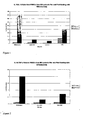
Fig. 1 is a bar graph demonstrating the mean ratio of IL-10 to IL-12 generated from PBMCs from IBS patients with in vitro stimulation both pre- and post-feeding with Bifidobacteria infantis. -
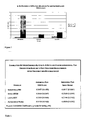
Fig. 2 is a bar graph demonstrating the mean ratio of IL-10 to TNF-α generated from PBMCs from IBS patients with in vitro stimulation both pre- and post-feeding with Bifidobacteria infantis. -
Fig. 3 is a bar graph demonstrating the mean ratio of IL-10 to IFN-γ generated from PBMCs from IBS patients with in vitro stimulation both pre- and post-feeding with Bifidobacteria infantis. - Table 1 demonstrates the Pearson's correlation coefficients and p-values for testing the statistical significance of the negative association between the change in IL-10 to IL-12 ratio and the change in abdominal pain/discomfort score in IBS patients fed with Bifidobacterium infantis. Note that the mean IL-10 to IL-12 ratio increased and the mean abdominal pain/discomfort score decreased from pre- to post-feeding with Bifidobacterium infantis.
-
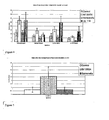
Figure 4 is a bar graph that demonstrates the ratio of anti-inflammatory cytokines to pro-inflammatory cytokines produced by mesenteric lymph node cells (MLNCs) stimulated in vitro. -
Figure 5 is a bar graph that demonstrates the ratio of anti-inflammatory cytokines to pro-inflammatory cytokines produced by Peyer's patch cells (PPs) stimulated in vitro. -
Figure 6 is a bar graph that demonstrates the ratio of anti-inflammatory cytokines to pro-inflammatory cytokines produced by mesenteric lymph node cell-derived dendritic cells (MLNC DCs) stimulated in vitro. - All weights, measurements and concentrations herein are measured at 25°C on the composition in its entirety, unless otherwise specified.
- Unless otherwise indicated, all percentages of compositions referred to herein are weight percentages and all ratios are weight ratios.
- Unless otherwise indicated, all molecular weights are weight average molecular weights.
- Except where specific examples of actual measured values are presented, numerical values referred to herein should be considered to be qualified by the word "about".
- As used herein, "inflammatory diseases of the bowel" include "irritable bowel syndrome - IBS" and "inflammatory bowel disease - IBD".
- As used herein, "inflammatory bowel disease" or "IBD" includes diseases that cause inflammation of the intestines such as ulcerative colitis and Crohn's disease.
- The present invention is directed towards providing an in vitro method of screening probiotic compositions for efficacy in the treatment of inflammatory diseases of the bowel comprising the steps of:
- a) treating a biological sample comprising at least one gut-derived cell type with the probiotic composition in vitro;
- b) measuring the level of at least one anti-inflammatory cytokine and at least one pro-inflammatory cytokine in the biological sample at a time following treatment with the probiotic composition;
- c) determining the ratio of the at least one anti-inflammatory cytokine to the at least one pro-inflammatory cytokine in the biological sample at a time following treatment with the probiotic composition;
- The methods herein are suitable for use in screening and determining clinical efficacy of treatments and compositions for the treatment of inflammatory diseases of the bowel. These diseases include inflammatory gastro-intestinal disorders, some non-limiting examples of which include irritable bowel syndrome (IBS), and IBDs such as ulcerative colitis and Crohn's disease. Preferably, the method herein is used to determine the efficacy of treatments for irritable bowel syndrome (IBS).
- The treatments herein include any treatment and/or composition for use in the treatment of inflammatory diseases of the bowel. The compositions may comprise one or more ingredients that are to have their potential efficacy in the treatment of inflammatory diseases of the bowel, preferably IBS, determined.
- The compositions are probiotic compositions.
- The in vitro method of the present invention utilises a biological sample comprising at least one gut-derived cell type. Use of the gut-derived cell type in the in vitro method has been found to be advantageous over prior art in vitro methods involving other tissues such as, for example, peripheral blood mononucleocytes. Without being bound by theory, this is though to be because the interaction between the composition for treating inflammatory diseases of the bowel to be screened and the gut is more indicative of what is occurring in vivo. It has been found that the in vitro screening method herein more readily identifies potential treatments of inflammatory diseases of the bowel, and has an improved correlation with clinical efficacy. Without being bound by theory, this is thought to be due to the fact that in inflammatory diseases of the bowel, it is the gut tissue that plays a central role in mediating the inflammatory response, and therefore those compositions that beneficially alter the cytokine ratio of gut-derived cell types in vitro are more likely to have an effect in vivo.
- As used herein "gut-derived cell type" includes cell types and strains that have their origin in a mammalian gut or gut-associated tissue, said tissue including the stomach, duodenum, jejunum, ileum, lymphoid, mesentery, axillary, inguinal, popliteal, myeloid, cecum, colon, appendix and rectum. Furthermore, such cell types also include cells freshly isolated from said tissues, and cell types that have been routinely cultured in vitro following isolation from the above tissues, including non-immortalized cell lines, carcinogenic and otherwise immortalized cell lines. Preferably, the in vitro method utilises a biological sample comprising gut-associated lymphoid tissues, either freshly isolated, or in vitro cell cultures thereof. More preferably, the biological sample comprises mesenteric lymph node cells, either freshly isolated, or in vitro cell cultures thereof.
- Furthermore, the in vitro method of the present invention may additionally comprise the further step of stimulating the biological sample prior to step (c) above. As used herein "in vitro stimulation" includes the stimulation of biological samples outside of the donor's body, typically in a laboratory tissue culture setting. Preferably, the stimulus comprises a mitogen, probiotic, anti-CD3 molecules known to those skilled in the art, and mixtures thereof. More preferably, the stimulus comprises a mitogen, probiotic, and mixtures thereof.
- As used herein, "mitogen" includes materials that are capable of inducing cell division in a high percentage of T or B cells. Suitable of examples of mitogens useful herein include lectins, bacterial lipopolysaccharides, super-antigens and mixtures thereof. As used herein, "super-antigen" includes materials that can bind to residues in the V (variable) domain of the T-cell receptor and to residues in class II MHC molecules outside of the antigen-binding cleft, even when the T-cell receptor does not recognise the antigenic peptide bound to the class II MHC molecule. Suitable examples of super-antigens useful herein include staphylococcal enterotoxins, toxic
shock syndrome toxin 1, and mixtures thereof. Preferably, the mitogen comprises lectins, bacterial lipopolysaccharides, and mixtures thereof. Suitable examples of lectins useful herein include concanavalin A (isolated from Jack beans), phytohemagglutinin (isolated from kidney beans), pokeweed mitogen (isolated from pokeweed) and mixtures thereof, preferably phytohemagglutinin (PHA). Suitable examples of bacterial lipopolysaccharides useful herein include Escherichia coli (E. coli) 0111:B4, E. coli 055:B5, E. coli K-235 (all available from Sigma (St Louis, MO)), Salmonella Minnesota, Salmonella typhimurium, Shigella flexneri, Klebisella pneumonia, Pseudomonas aeruginosa, and mixtures thereof. - Probiotics are micro-organisms, or processed compositions of micro-organisms which beneficially affect a host. How probiotics beneficially affect the host is unknown. For the purpose of the present invention, "probiotics" is further intended to include the metabolites generated by the micro-organism during a fermentation process, if they are not separately indicated. These metabolites may be released to the medium of fermentation, or they may be stored within the micro-organism. As used herein "probiotic" also includes bacteria, bacterial homogenates, bacterial proteins, bacterial extracts, bacterial supernatants, and mixtures thereof, that perform beneficial functions for the host when given at a therapeutic dose. Therefore, yeasts, moulds and bacteria may be included.
EP 0862863 lists some examples of probiotics presently known. Suitable examples of probiotics useful herein comprise strains of Bifidiobacterium longum infantis (NCIMB 35624) Lactobacillus johnsonii (CNCM I-1225), Bifidobacterium lactis (DSM20215), Lactobacillus paracasei (CNCM I-2216), and mixtures thereof. Further non-limiting examples of probiotics useful herein are described inWO 03/010297 A1 WO 03/010298 A1 WO 03/010299 A1 - The methods of the present invention comprise the step of measuring at least one anti-inflammatory and at least one pro-inflammatory cytokine levels in a biological sample obtained from a mammalian subject.
- It is known to those skilled in the art that cytokines are pleiotropic, and express multiple biologically overlapping activities. Accordingly, it should be understood that although the cytokines useful herein are categorized by their inflammatory action in the present system, some such ingredients can in some instances provide more than one immune response action. Therefore, the classifications herein are made for the sake of convenience.
- Anti-inflammatory cytokines comprise those known in the art. Non-limiting examples of anti-inflammatory cytokines include interleukin-4, interleukin-5, interleukin-13 interleukin-10, transforming growth factor-β, and mixtures thereof. The anti-inflammatory cytokines claimed in the present invention is interleukin-10 (IL-10: accession number: CAA55201; GI accession ID: 14625940). Pro-inflammatory cytokines comprise those known in the art. Non-limiting examples of pro-inflammatory cytokines include interleukin-2, heterodimeric interleukin-12, tumour necrosis factor-α, tumour necrosis factor-β, interferon-γ, and mixtures thereof. The pro-inflammatory cytokine claimed herein is interleukin-12 (IL-12: accession number: chain A; 1F45A, chain B; 1F45B; GI accession ID: chain A; 1479640; chain B; 1479641).
- According to the method of the present invention, the levels of at least one anti-inflammatory cytokine and at least one pro-inflammatory cytokine in the biological sample are measured. Means for measuring the levels of anti-inflammatory or pro-inflammatory cytokines, or both, comprise methods known to those skilled in the art. The levels of said anti-inflammatory and said pro-inflammatory cytokines may be measured by measuring mRNA expression or protein expression, as is known to one skilled in the art. Non-limiting examples of such methods include immunosorbent assays, enzyme-linked immunosorbent assays (ELISAs), radioimmunoassays (RIAs), multiplexed ELISAs on microarray platforms, multiplexed ELISAs using coded microspheres coupled with a flow cytometer detection systems, bioassays, Western blots, chromatograph-based separation systems, RT-PCR, competitive reverse transcription PCR, Northern blots, gene arrays, direct measurement of m-RNA, and mixtures thereof, preferably ELISAs, RIAs, multiplexed ELISAs using coded microspheres coupled with a flow cytometer detection systems, chromatograph-based separation systems, western blots, and mixtures thereof. More preferably the means comprises multiplexed ELISAs using coded microspheres coupled with a flow cytometer detection systems. Suitable ELISAs for use in the method of the present invention comprise those known to those skilled in the art, non-limiting examples of which include direct ELISAs, indirect ELISAs, direct sandwich ELISAs, indirect sandwich ELISAs, and mixtures thereof. A non-limiting example of commercially available multiplexed ELISAs using coded microspheres coupled with a flow cytometer detection systems suitable for use herein is the LINCOplex kit assay available from Linco Research Inc., Missouri, USA coupled with a BIOPLEX BEAD FLOW CYTOMETER™ from Bio Rad GmbH.
- The methods of the present invention comprise the steps of determining the ratio of at least one anti-inflammatory cytokine to at least one pro-inflammatory cytokine. In the in vitro method, the levels of at least one anti-inflammatory cytokine to at least one pro-inflammatory cytokine are determined in the treatment sample, and an untreated control biological sample tested concurrently. The control biological sample must be derived from the same biological sample as that used for the treatment group, and must be run as an untreated control using methods and principles known to those skilled in the art. As used herein, the ratio of anti-inflammatory cytokine to pro-inflammatory cytokine means the level of anti-inflammatory cytokine divided by the level of pro-inflammatory cytokine. Such ratio can be described by the formula:

- Without wishing to be bound by theory, it is believed that according to the present invention, if the ratio as determined herein increases when compared with the ratio of the untreated control biological sample, then the treatment is considered to be an inhibitor of inflammatory diseases of the bowel. The ratio claimed is IL-10/IL-12. Without wishing to be bound by theory, it is believed that the specific ratios described herein are pivotal to the progression or remission of inflammatory diseases of the bowel, and therefore alterations in the ratios herein are indicative of the inhibition or promotion of disease effects by treatments being investigated. It appears that individuals with inflammatory diseases of the bowel have a skewed cytokine profile that is indicative of an inflammatory condition. Similarly, the cytokines used herein that demonstrate the greatest change following treatment with inhibitors of inflammatory diseases of the bowel indicate that sufferers of these diseases have PBMC that are biased towards greater Th-1 activity, altering the normal Th-1/Th-2 cytokine balance. It has surprisingly been found that by increasing the ratios described herein, the symptoms of inflammatory diseases of the bowel can be alleviated. Without wishing to be bound by theory, it is believed that this is due to the fact that by increasing these ratios in sufferers of inflammatory diseases of the bowel, the treatment brings the ratios back up towards, or close to, those levels found in healthy subjects.
- Daily oral feeding with probiotic Bifidobacterium infantis 35624 for 3 weeks increased the ratio IL-10/IL-12 from 11.2 ± 3.9 (mean ± standard error) to 409.5 ± 95.2 in IBS patients' PBMC with in vitro stimulation by
Bifidobacterium infantis 35624. Similarly, when PBMC from the IBS population were stimulated in vitro with otherprobiotics including Lactobacillus 299V and Lactobacillus GG, similar increases in the IL-10/IL-12 ratio were observed (seefigure 1 ). - Additionally, probiotic stimulation (Bifidobaterium) of PBMC from IBS patients after feeding demonstrated an increase from 0.1 ± 0.0 to 2.0 ± 0.5 in the ratio IL-10/TNF-α; similar results were also seen following stimulation with other
probiotics including Lactobacillus 4331 andLactobacillus 299V (seeFigure 2 ). Also, stimulation withprobiotic Bifidobacterium infantis 35624 resulted in an increase in the IL-10/IFN-γ ratio from 0.7 ± 0.1 to 14.1 ± 2.3 following treatment (seefigure 3 ). - Furthermore, it was observed that the mean abdominal pain/discomfort decreased and the mean IL-10 to IL-12 ratio increased in those IBS patients treated with Bifidobacterium infantis. The negative correlation between the change in abdominal pain/discomfort and the change in IL-10 to IL-12 ratio indicated that the increase in IL-10 to IL-12 ratio was associated with the relief from IBS symptom of abdominal pain/discomfort (see Table 1).
- This study was approved by the Ethics Committee of Cork University Hospital. Mesenteric lymph nodes were obtained from ten patients with active IBD (n=10: age range 19-41 (mean 32.2), 3 women and 7 men: 5 patients with CD; 5 patients with UC). All patients were prescribed and taking 5'- amino salicylic acid. All patients required surgical section because of progressive disease and failure to respond to steroids. Peripheral blood mononuclear cells (PBMCs) were obtained from patients with active inflammatory bowel disease (n=12). The age range was 20-51 (mean 28). Five women and seven men were studied, 5 patients with CD; 7 patients with UC.
- Mesenteric lymph nodes (MLN) were selected for this study with careful regard to their anatomical location relative to areas of inflammation in the bowel. MLN selected directly drained an inflamed area of the bowel. From three patients within this study population, it was possible to obtain MLN draining segments of inflamed and non-inflamed bowel. Single cell suspensions were generated from MLN by gentle extrusion of the tissue through a 180µ mesh wire screen. Cells were washed and resuspended in DMEM (Dulbecco's modified eagle medium) containing 10% FCS (Invitrogen, Paisley, UK). Mononuclear cells were isolated by Ficoll-Hypaque density centrifugation and resuspended at 1x10⁶ cells/ml in complete media - DMEM containing 25mM glucose, 10% FCS, 1% nonessential amino acids, 50U/ml penicillin and 50µg/ml streptomycin (Invitrogen, Paisley, UK). These mononuclear cells are termed mesenteric lymph node cells (MLNCs).
- DCs from MLN and peripheral blood were isolated using identical procedures. Cells were resuspended at 5 x 10⁷ cells/ ml in PBS (without Ca2+ or Mg2+) with 4% FCS. For optimal recovery of DCs, 1mM EDTA was added to all media and cell suspensions were blocked with anti-CD32 antibodies (StemCell, Meylan, France). DCs were isolated from this cell suspension, according to the manufacturer's protocol, using a DC negative isolation kit (StemSep™ depletion cocktail, StemCell, Meylan, France). DCs were resuspended in Stemspan serum-free media (StemCell, Meylan, France) at 1x10⁶ cells/ ml. Viability, determined by trypan blue exclusion, was consistently ≥ 98%. Purity of DC preparations were assessed using flow cytometry. Cells which were HLA-DR positive and CD3/CD14/CD16/CD19/CD20/CD56 negative were termed DCs. All antibodies were obtained from BD Biosciences, (Oxford, UK).
- We have previously reported the selection criteria for isolation of Lactobacillus salivarius UCC118 (L. salivarius) and Bifidobacterium infantis 35624 (B. infantis). L. salivarius and B. infantis were routinely cultured anaerobically for 24-48 hours in deMann, Rogosa and Sharpe medium, MRS, (Oxoid, Basingstoke, UK) and MRS supplemented with 0.05% cysteine (Sigma, Dublin, Ireland), respectively. Salmonella typhimurium UKl (S. typhimurium) was cultured aerobically for 18-24 hours in tryptic soya broth (Oxoid, Basingstoke, UK). Bacterial cultures were harvested by centrifugation (3,000
g x 15 mins), washed with PBS and subsequently diluted to form compositions comprising final cell densities of 1x10⁷, 1x10⁵ and 1x10³ colony forming units (cfu)/ ml in DMEM. - All cells were seeded in 24 well tissue culture plates (Costar, Schiphol-Rijk, Netherlands) at 1x10⁶ cells/ml. MLNCs were stimulated for 72 hours with compositions comprising L. salivarius, B. infantis or S. typhimurium at 3 different bacterial concentrations, 1x10⁷ CFU, 1x10⁵ CFU and 1x10³ CFU. As treatment with 1x10⁷ bacteria resulted in significant stimulation of cytokine production, this bacterial concentration was used in subsequent experiments. MLNCs isolated from non-inflamed bowel were stimulated for 72 hours with these bacteria at 1x10⁷ cfu. MLN-derived DCs were stimulated with L. salivarius, B. infantis or S. typhimurium for 24 hours. Untreated control biological samples were present to assess spontaneous levels of cytokine secretion. Plates were incubated in a 5% CO2 and 37°C humidified atmosphere after which supernatants were harvested for cytokine analysis. Cytokine production was measured, according to the manufacturer's instructions, using commercially available ELISA kits (R&D Systems, Abington, UK). Cytokines measured included TNF-α, IL-12 p40, IL-10 and TGF-β.
- Results were analysed using ANOVA analysis. Values are illustrated as the mean ± standard error mean. Statistically significant differences in cytokine production between non-stimulated cells (control) and cells stimulated with bacteria were accepted at p< 0.05.
- As can be seen from
figures 4, 5 and6 , the ratio of anti-inflammatory cytokines to pro-inflammatory cytokines produced by gut-derived cell types in vitro following stimulation with probiotic bacteria (Bif. 35624 and Lb. 118) is greater than the same ratio produced by non-stimulated control samples. This trend, whilst not always reaching statistical significance, is indicative of the different interaction probiotic compositions, and compositions in general that may be beneficial in the treatment of inflammatory diseases of the bowel, have on the gut tissues in vivo compared with that of pathogenic bacteria. This is believed to be indicative of the composition being an inhibitor of inflammatory diseases of the bowel. As can be seen fromfigures 4, 5 and6 , stimulation with pathogenic bacteria (Salmonella) either results in no difference in the ratio of anti-inflammatory cytokines to pro-inflammatory cytokines when compared with the control, non-stimulated sample, or more typically, a reduction in said ratio. Again, whilst this difference does not always reach statistical significance, it is indicative of a composition that is not an inhibitor of inflammatory diseases of the bowel.
wherein said ratio of anti-inflammatory cytokine to pro-inflammatory cytokine is the ratio interleukin-10/interleukin-12.
wherein said ratio of anti-inflammatory cytokine to pro-inflammatory cytokine is the ratio interleukin-10/interleukin-12.
Claims (13)
- An in vitro method of screening probiotic compositions for efficacy in the treatment of inflammatory diseases of the bowel comprising the steps of:a) treating a biological sample comprising at least one gut-derived cell type with the probiotic composition in vitro;b) measuring the level of at least one anti-inflammatory cytokine and at least one pro-inflammatory cytokine in the biological sample at a time following treatment with the probiotic composition;c) determining the ratio of the at least one anti-inflammatory cytokine to the at least one pro-inflammatory cytokine in the biological sample at a time following treatment with the probiotic composition;
characterised in that a ratio as determined in step (c) from the treated biological sample greater than the same ratio determined in an untreated control biological sample tested concurrently is indicative of the probiotic composition being an inhibitor of inflammatory diseases of the bowel, and a ratio as determined in (c) is the same as or less than the untreated control biological sample ratio is indicative of the probiotic composition not being an inhibitor of inflammatory diseases of the bowel;
wherein said ratio of anti-inflammatory cytokine to pro-inflammatory cytokine is the ratio interleukin-10/interleukin-12. - The method of claim 1 wherein the biological sample comprises gut-associated lymphoid tissue.
- The method of claim 2 wherein the gut-associated lymphoid tissue comprises mesenteric lymph node cells.
- The method according to claims 1 comprising the additional step of stimulating the biological sample in vitro prior to step (b).
- The method according to claim 4 wherein said in vitro stimulation comprises a mitogen, probiotic, anti-CD3 molecule, and mixtures thereof.
- The method according to claim 5, wherein said in vitro stimulation comprises a mitogen.
- The method according to claim 6 wherein said mitogen comprises a lipopolysaccharide, lectin, superantigen, and mixture thereof.
- The method according to claim 7, wherein said lectin comprises concanavalin A, phytohemagglutinin, pokeweed mitogen, and mixtures thereof.
- The method according to claim 1 wherein the means for measuring the levels of said at least one anti-inflammatory cytokine in said biological sample comprises ELISAs, radioimmunoassays, multiplexed ELISAs on microarray platforms, multiplexed ELISAs using coded microspheres coupled with a flow cytometer detection systems, bioassays, Western blots, chromatograph-based separation systems, RT-PCR, competitive reverse transcription PCR, Northern blots, gene arrays, direct measurement of m-RNA, and mixtures thereof.
- The method according to claim 9 wherein the means for measuring the levels of anti-inflammatory cytokines in said biological sample comprises ELISAs, RIAs, multiplexed ELISAs using coded microspheres coupled with a flow cytometer detection systems, and mixtures thereof.
- The method according to claim 10 wherein the means for measuring the levels of said at least one anti-inflammatory cytokine in said biological sample comprises multiplexed ELISAs using coded microspheres coupled with a flow cytometer detection systems.
- The method according to claim 11 wherein the means for measuring the levels of said at least one pro-inflammatory cytokine in said biological sample comprises ELISAs, RIAs, multiplexed ELISAs using coded microspheres coupled with a flow cytometer detection systems, and mixtures thereof.
- The method according to claim 12, wherein the means for measuring the levels of said at least one pro-inflammatory cytokine in said biological sample comprises multiplexed ELISAs using coded microspheres coupled with a flow cytometer detection systems.
Priority Applications (1)
| Application Number | Priority Date | Filing Date | Title |
|---|---|---|---|
| PL04749582T PL1608965T3 (en) | 2003-04-01 | 2004-03-31 | Methods of determining efficacy of treatments of inflammatory diseases of the bowel |
Applications Claiming Priority (3)
| Application Number | Priority Date | Filing Date | Title |
|---|---|---|---|
| US10/404,512 US20040197304A1 (en) | 2003-04-01 | 2003-04-01 | Methods of determining efficacy of treatments of inflammatory diseases of the bowel |
| US404512 | 2003-04-01 | ||
| PCT/US2004/009865 WO2004090539A2 (en) | 2003-04-01 | 2004-03-31 | Methods of determining efficacy of treatments of inflammatory diseases of the bowel |
Publications (2)
| Publication Number | Publication Date |
|---|---|
| EP1608965A2 EP1608965A2 (en) | 2005-12-28 |
| EP1608965B1 true EP1608965B1 (en) | 2013-08-28 |
Family
ID=33096943
Family Applications (1)
| Application Number | Title | Priority Date | Filing Date |
|---|---|---|---|
| EP04749582.5A Expired - Lifetime EP1608965B1 (en) | 2003-04-01 | 2004-03-31 | Methods of determining efficacy of treatments of inflammatory diseases of the bowel |
Country Status (9)
| Country | Link |
|---|---|
| US (4) | US20040197304A1 (en) |
| EP (1) | EP1608965B1 (en) |
| JP (1) | JP2006521537A (en) |
| CN (1) | CN1764838A (en) |
| CA (1) | CA2521136A1 (en) |
| ES (1) | ES2435848T3 (en) |
| MX (1) | MXPA05010634A (en) |
| PL (1) | PL1608965T3 (en) |
| WO (1) | WO2004090539A2 (en) |
Families Citing this family (34)
| Publication number | Priority date | Publication date | Assignee | Title |
|---|---|---|---|---|
| DE10118446A1 (en) * | 2001-04-12 | 2002-10-17 | Thomas Hartung | Test for microbiological toxins, e.g. for testing gases, comprises using a flow vessel with a separator, to incubate separated toxins similar to whole blood incubation, for study on a mediator |
| US9597395B2 (en) | 2001-12-07 | 2017-03-21 | Cytori Therapeutics, Inc. | Methods of using adipose tissue-derived cells in the treatment of cardiovascular conditions |
| US7651684B2 (en) | 2001-12-07 | 2010-01-26 | Cytori Therapeutics, Inc. | Methods of using adipose tissue-derived cells in augmenting autologous fat transfer |
| US7771716B2 (en) | 2001-12-07 | 2010-08-10 | Cytori Therapeutics, Inc. | Methods of using regenerative cells in the treatment of musculoskeletal disorders |
| US7585670B2 (en) | 2001-12-07 | 2009-09-08 | Cytori Therapeutics, Inc. | Automated methods for isolating and using clinically safe adipose derived regenerative cells |
| KR100811995B1 (en) | 2001-12-07 | 2008-03-10 | 사이토리 테라퓨틱스, 인크. | Systems and methods for treating patients with treated lipoasperate cells |
| US20050095228A1 (en) | 2001-12-07 | 2005-05-05 | Fraser John K. | Methods of using regenerative cells in the treatment of peripheral vascular disease and related disorders |
| US8105580B2 (en) | 2001-12-07 | 2012-01-31 | Cytori Therapeutics, Inc. | Methods of using adipose derived stem cells to promote wound healing |
| US7862808B2 (en) * | 2004-07-01 | 2011-01-04 | Mead Johnson Nutrition Company | Method for preventing or treating respiratory infections and acute otitis media in infants using Lactobacillus rhamnosus LGG and Bifidobacterium lactis Bb-12 |
| JP2008520684A (en) | 2004-11-17 | 2008-06-19 | アブジェニックス・インコーポレーテッド | Fully human monoclonal antibody against IL-13 |
| US7303745B2 (en) | 2005-04-15 | 2007-12-04 | Bristol-Myers Squibb Company | Method for preventing or treating the development of respiratory allergies |
| US20080085524A1 (en) * | 2006-08-15 | 2008-04-10 | Prometheus Laboratories Inc. | Methods for diagnosing irritable bowel syndrome |
| WO2010021993A1 (en) | 2008-08-19 | 2010-02-25 | Cytori Therapeutics, Inc. | Methods of using adipose tissue-derived cells in the treatment of the lymphatic system and malignant disease |
| WO2010108908A1 (en) * | 2009-03-24 | 2010-09-30 | Transgene Sa | Biomarker for monitoring patients |
| WO2010124235A1 (en) * | 2009-04-23 | 2010-10-28 | Cytori Therapeutics, Inc. | Use adipose tissue-derived regenerative cells in the modulation of inflammation in the pancreas and in the kidney |
| WO2010127310A1 (en) | 2009-05-01 | 2010-11-04 | Cytori Therapeutics, Inc. | Systems, methods and compositions for optimizing tissue and cell enriched grafts |
| US9511151B2 (en) | 2010-11-12 | 2016-12-06 | Uti Limited Partnership | Compositions and methods for the prevention and treatment of cancer |
| WO2012154987A1 (en) | 2011-05-10 | 2012-11-15 | Nestec Sa | Methods of disease activity profiling for personalized therapy management |
| CN102279257B (en) * | 2011-06-27 | 2014-02-19 | 刘永庆 | Kit used for diagnosing immune associated diseases of human or animals |
| EP3549534B1 (en) | 2011-07-12 | 2022-01-12 | Ircad | Modular magnetic anastomosis device |
| US10988516B2 (en) | 2012-03-26 | 2021-04-27 | Uti Limited Partnership | Methods and compositions for treating inflammation |
| CN102621331B (en) * | 2012-04-05 | 2014-07-30 | 中国医学科学院病原生物学研究所 | Kit for detection or assisted detection of tuberculous pleurisy |
| ES2638971T3 (en) * | 2012-10-05 | 2017-10-24 | Nestec S.A. | Methods to predict and monitor mucosal healing |
| US9603948B2 (en) | 2012-10-11 | 2017-03-28 | Uti Limited Partnership | Methods and compositions for treating multiple sclerosis and related disorders |
| CN105308460A (en) * | 2013-05-02 | 2016-02-03 | 天主教大学基金会 | personalized medicine |
| JP2017500285A (en) | 2013-11-04 | 2017-01-05 | ユーティーアイ リミテッド パートナーシップ | Methods and compositions for sustained immunotherapy |
| SG10201913957PA (en) | 2015-05-06 | 2020-03-30 | Uti Lp | Nanoparticle compositions for sustained therapy |
| CN108135946A (en) | 2015-08-27 | 2018-06-08 | 宝洁公司 | Bifidobacterium longum |
| US11162943B2 (en) | 2017-05-31 | 2021-11-02 | Prometheus Biosciences Inc. | Methods for assessing mucosal healing in Crohn's disease patients |
| JP7436372B2 (en) | 2017-11-29 | 2024-02-21 | ユーティアイ・リミテッド・パートナーシップ | How to treat autoimmune diseases |
| KR102158759B1 (en) * | 2018-11-29 | 2020-09-22 | 주식회사 카인사이언스 | Screening methods for therapeutic agents of arthritis through cytokine analysis |
| JP7013419B2 (en) * | 2019-08-07 | 2022-02-15 | 日清食品ホールディングス株式会社 | Bifidobacterium with low inflammatory cytokine production-inducing activity but high anti-inflammatory cytokine production-inducing activity |
| CN112786113A (en) * | 2019-11-07 | 2021-05-11 | 特安康股份有限公司 | Method for establishing individualized probiotic database and application of method in screening probiotics |
| WO2021087890A1 (en) * | 2019-11-07 | 2021-05-14 | 特安康股份有限公司 | Method for building personalized probiotics database, and use thereof in screening of probiotics |
Family Cites Families (11)
| Publication number | Priority date | Publication date | Assignee | Title |
|---|---|---|---|---|
| GB9107305D0 (en) | 1991-04-08 | 1991-05-22 | Unilever Plc | Probiotic |
| WO1994004180A2 (en) | 1992-08-20 | 1994-03-03 | Schering Corporation | Novel uses of il-4 and/or il-10, and antibodies against the same |
| US5853697A (en) * | 1995-10-25 | 1998-12-29 | The United States Of America, As Represented By The Department Of Health & Human Services | Methods of treating established colitis using antibodies against IL-12 |
| PT862863E (en) | 1997-01-09 | 2002-04-29 | Nestle Sa | CEREALIFERO PRODUCT CONTAINING PROBIOTICS |
| ID29150A (en) | 1999-01-15 | 2001-08-02 | Entpr Ireland Cs | USE OF LACTOBACILLUS SALIVARIUS |
| PL207930B1 (en) * | 2000-05-25 | 2011-02-28 | Nestle Sa | Novel probiotics for pet food applications |
| ATE419331T1 (en) | 2000-08-25 | 2009-01-15 | Wakamoto Pharma Co Ltd | PROBIOTIC PRODUCTS CONTAINING L. SALIVARIUS STRAIN |
| US20020141977A1 (en) | 2001-04-02 | 2002-10-03 | Collins John Kevin | Immunotherapy based on dendritic cells |
| PE20030283A1 (en) | 2001-07-26 | 2003-05-01 | Alimentary Health Ltd | LACTOBACILLUS CASEI STRAINS |
| US20030092163A1 (en) | 2001-07-26 | 2003-05-15 | Collins John Kevin | Probiotic bifidobacterium strains |
| PE20030274A1 (en) | 2001-07-26 | 2003-05-08 | Alimentary Health Ltd | LACTOBACILLUS SALIVARIUS STRAINS |
-
2003
- 2003-04-01 US US10/404,512 patent/US20040197304A1/en not_active Abandoned
-
2004
- 2004-03-26 US US10/810,358 patent/US7923000B2/en not_active Expired - Fee Related
- 2004-03-31 JP JP2005518927A patent/JP2006521537A/en active Pending
- 2004-03-31 WO PCT/US2004/009865 patent/WO2004090539A2/en not_active Ceased
- 2004-03-31 ES ES04749582T patent/ES2435848T3/en not_active Expired - Lifetime
- 2004-03-31 CN CNA2004800081499A patent/CN1764838A/en active Pending
- 2004-03-31 MX MXPA05010634A patent/MXPA05010634A/en unknown
- 2004-03-31 PL PL04749582T patent/PL1608965T3/en unknown
- 2004-03-31 EP EP04749582.5A patent/EP1608965B1/en not_active Expired - Lifetime
- 2004-03-31 CA CA002521136A patent/CA2521136A1/en not_active Abandoned
-
2011
- 2011-02-28 US US13/036,109 patent/US8216563B2/en not_active Expired - Fee Related
-
2012
- 2012-06-15 US US13/524,020 patent/US20130217600A1/en not_active Abandoned
Non-Patent Citations (2)
| Title |
|---|
| ISOLAURI E. ET AL.: "Probiotics: Effects on Immunity", AM. J. CLIN. NUTR., vol. 73, no. suppl, 2001, pages 444S - 450S, XP002219637 * |
| SPILLER R.: "Probiotics: an ideal anti-inflammatory treatment for IBS?", GASTROENTEROLOGY, vol. 128, no. 3, March 2005 (2005-03-01), pages 783 - 785, XP005313747, DOI: doi:10.1053/j.gastro.2005.01.018 * |
Also Published As
| Publication number | Publication date |
|---|---|
| EP1608965A2 (en) | 2005-12-28 |
| CA2521136A1 (en) | 2004-10-21 |
| PL1608965T3 (en) | 2014-01-31 |
| US20130217600A1 (en) | 2013-08-22 |
| MXPA05010634A (en) | 2005-12-12 |
| US7923000B2 (en) | 2011-04-12 |
| US8216563B2 (en) | 2012-07-10 |
| US20040197304A1 (en) | 2004-10-07 |
| CN1764838A (en) | 2006-04-26 |
| WO2004090539A2 (en) | 2004-10-21 |
| WO2004090539A3 (en) | 2004-12-23 |
| US20110152117A1 (en) | 2011-06-23 |
| US20040228837A1 (en) | 2004-11-18 |
| ES2435848T3 (en) | 2013-12-23 |
| JP2006521537A (en) | 2006-09-21 |
Similar Documents
| Publication | Publication Date | Title |
|---|---|---|
| US8216563B2 (en) | Methods of determining efficacy of treatments of diseases of the bowel | |
| Hrdý et al. | Lactobacillus reuteri 5454 and Bifidobacterium animalis ssp. lactis 5764 improve colitis while differentially impacting dendritic cells maturation and antimicrobial responses | |
| Bodogai et al. | Commensal bacteria contribute to insulin resistance in aging by activating innate B1a cells | |
| Lin et al. | Probiotic Lactobacillus reuteri suppress proinflammatory cytokines via c-Jun | |
| Carasi et al. | Enterococcus durans EP1 a promising anti-inflammatory probiotic able to stimulate sIgA and to increase Faecalibacterium prausnitzii abundance | |
| Miranda et al. | High salt diet exacerbates colitis in mice by decreasing Lactobacillus levels and butyrate production | |
| Takeshita et al. | A single species of Clostridium subcluster XIVa decreased in ulcerative colitis patients | |
| Agnholt et al. | Osteopontin, a protein with cytokine‐like properties, is associated with inflammation in Crohn's disease | |
| Ng et al. | Immunosuppressive effects via human intestinal dendritic cells of probiotic bacteria and steroids in the treatment of acute ulcerative colitis | |
| Park et al. | The role of skin and orogenital microbiota in protective immunity and chronic immune-mediated inflammatory disease | |
| Martín et al. | The commensal bacterium Faecalibacterium prausnitzii is protective in DNBS-induced chronic moderate and severe colitis models | |
| Zarrati et al. | Lactobacillus acidophilus La5, Bifidobacterium BB12, and Lactobacillus casei DN001 modulate gene expression of subset specific transcription factors and cytokines in peripheral blood mononuclear cells of obese and overweight people | |
| Buske-Kirschbaum et al. | Altered distribution of leukocyte subsets and cytokine production in response to acute psychosocial stress in patients with psoriasis vulgaris | |
| Sibartie et al. | Mycobacterium avium subsp. Paratuberculosis (MAP) as a modifying factor in Crohn's disease | |
| Riazi-Rad et al. | Impact of gut microbiota on immune system | |
| Filidou et al. | Cytokine Receptor Profiling in Human Colonic Subepithelial Myofibroblasts: A Differential Effect of Th Polarization–Associated Cytokines in Intestinal Fibrosis | |
| Suvanprakorn et al. | Establishment of an anti-acne vulgaris evaluation method based on TLR2 and TLR4-mediated interleukin-8 production | |
| Hashimoto et al. | D-alanine inhibits murine intestinal inflammation by suppressing IL-12 and IL-23 production in macrophages | |
| CN111935985B (en) | A combination product for preventing and treating irritable bowel syndrome | |
| Ji et al. | Effects of hypoxic exposure on immune responses of intestinal mucosa to Citrobacter colitis in mice | |
| Ogita et al. | Streptococcus thermophilus ST28 ameliorates colitis in mice partially by suppression of inflammatory Th17 cells | |
| WO2008110569A1 (en) | Method for determination of immunomodulatory effect | |
| Wang et al. | Fecal microbiome from patients with ulcerative colitis is potent to induce inflammatory responses | |
| Meelu et al. | Impaired innate immune function associated with fecal supernatant from Crohn's disease patients: insights into potential pathogenic role of the microbiome | |
| IE20040191A1 (en) | Methods of determining efficacy of treatments of inflammatory diseases of the bowel |
Legal Events
| Date | Code | Title | Description |
|---|---|---|---|
| PUAI | Public reference made under article 153(3) epc to a published international application that has entered the european phase |
Free format text: ORIGINAL CODE: 0009012 |
|
| 17P | Request for examination filed |
Effective date: 20050927 |
|
| AK | Designated contracting states |
Kind code of ref document: A2 Designated state(s): AT BE BG CH CY CZ DE DK EE ES FI FR GB GR HU IE IT LI LU MC NL PL PT RO SE SI SK TR |
|
| AX | Request for extension of the european patent |
Extension state: AL LT LV MK |
|
| DAX | Request for extension of the european patent (deleted) | ||
| 17Q | First examination report despatched |
Effective date: 20061025 |
|
| GRAP | Despatch of communication of intention to grant a patent |
Free format text: ORIGINAL CODE: EPIDOSNIGR1 |
|
| INTG | Intention to grant announced |
Effective date: 20130402 |
|
| GRAS | Grant fee paid |
Free format text: ORIGINAL CODE: EPIDOSNIGR3 |
|
| GRAA | (expected) grant |
Free format text: ORIGINAL CODE: 0009210 |
|
| AK | Designated contracting states |
Kind code of ref document: B1 Designated state(s): AT BE BG CH CY CZ DE DK EE ES FI FR GB GR HU IE IT LI LU MC NL PL PT RO SE SI SK TR |
|
| REG | Reference to a national code |
Ref country code: GB Ref legal event code: FG4D |
|
| REG | Reference to a national code |
Ref country code: CH Ref legal event code: EP |
|
| REG | Reference to a national code |
Ref country code: AT Ref legal event code: REF Ref document number: 629619 Country of ref document: AT Kind code of ref document: T Effective date: 20130915 |
|
| REG | Reference to a national code |
Ref country code: IE Ref legal event code: FG4D |
|
| REG | Reference to a national code |
Ref country code: DE Ref legal event code: R096 Ref document number: 602004043192 Country of ref document: DE Effective date: 20131024 |
|
| REG | Reference to a national code |
Ref country code: ES Ref legal event code: FG2A Ref document number: 2435848 Country of ref document: ES Kind code of ref document: T3 Effective date: 20131223 |
|
| REG | Reference to a national code |
Ref country code: AT Ref legal event code: MK05 Ref document number: 629619 Country of ref document: AT Kind code of ref document: T Effective date: 20130828 |
|
| REG | Reference to a national code |
Ref country code: NL Ref legal event code: VDEP Effective date: 20130828 |
|
| PG25 | Lapsed in a contracting state [announced via postgrant information from national office to epo] |
Ref country code: AT Free format text: LAPSE BECAUSE OF FAILURE TO SUBMIT A TRANSLATION OF THE DESCRIPTION OR TO PAY THE FEE WITHIN THE PRESCRIBED TIME-LIMIT Effective date: 20130828 Ref country code: CY Free format text: LAPSE BECAUSE OF FAILURE TO SUBMIT A TRANSLATION OF THE DESCRIPTION OR TO PAY THE FEE WITHIN THE PRESCRIBED TIME-LIMIT Effective date: 20130703 Ref country code: SE Free format text: LAPSE BECAUSE OF FAILURE TO SUBMIT A TRANSLATION OF THE DESCRIPTION OR TO PAY THE FEE WITHIN THE PRESCRIBED TIME-LIMIT Effective date: 20130828 Ref country code: PT Free format text: LAPSE BECAUSE OF FAILURE TO SUBMIT A TRANSLATION OF THE DESCRIPTION OR TO PAY THE FEE WITHIN THE PRESCRIBED TIME-LIMIT Effective date: 20131230 |
|
| REG | Reference to a national code |
Ref country code: PL Ref legal event code: T3 |
|
| REG | Reference to a national code |
Ref country code: NL Ref legal event code: VDEP Effective date: 20130828 |
|
| PG25 | Lapsed in a contracting state [announced via postgrant information from national office to epo] |
Ref country code: BE Free format text: LAPSE BECAUSE OF FAILURE TO SUBMIT A TRANSLATION OF THE DESCRIPTION OR TO PAY THE FEE WITHIN THE PRESCRIBED TIME-LIMIT Effective date: 20130828 Ref country code: FI Free format text: LAPSE BECAUSE OF FAILURE TO SUBMIT A TRANSLATION OF THE DESCRIPTION OR TO PAY THE FEE WITHIN THE PRESCRIBED TIME-LIMIT Effective date: 20130828 Ref country code: SI Free format text: LAPSE BECAUSE OF FAILURE TO SUBMIT A TRANSLATION OF THE DESCRIPTION OR TO PAY THE FEE WITHIN THE PRESCRIBED TIME-LIMIT Effective date: 20130828 Ref country code: GR Free format text: LAPSE BECAUSE OF FAILURE TO SUBMIT A TRANSLATION OF THE DESCRIPTION OR TO PAY THE FEE WITHIN THE PRESCRIBED TIME-LIMIT Effective date: 20131129 |
|
| PG25 | Lapsed in a contracting state [announced via postgrant information from national office to epo] |
Ref country code: CY Free format text: LAPSE BECAUSE OF FAILURE TO SUBMIT A TRANSLATION OF THE DESCRIPTION OR TO PAY THE FEE WITHIN THE PRESCRIBED TIME-LIMIT Effective date: 20130828 |
|
| PG25 | Lapsed in a contracting state [announced via postgrant information from national office to epo] |
Ref country code: CZ Free format text: LAPSE BECAUSE OF FAILURE TO SUBMIT A TRANSLATION OF THE DESCRIPTION OR TO PAY THE FEE WITHIN THE PRESCRIBED TIME-LIMIT Effective date: 20130828 Ref country code: SK Free format text: LAPSE BECAUSE OF FAILURE TO SUBMIT A TRANSLATION OF THE DESCRIPTION OR TO PAY THE FEE WITHIN THE PRESCRIBED TIME-LIMIT Effective date: 20130828 Ref country code: RO Free format text: LAPSE BECAUSE OF FAILURE TO SUBMIT A TRANSLATION OF THE DESCRIPTION OR TO PAY THE FEE WITHIN THE PRESCRIBED TIME-LIMIT Effective date: 20130828 Ref country code: EE Free format text: LAPSE BECAUSE OF FAILURE TO SUBMIT A TRANSLATION OF THE DESCRIPTION OR TO PAY THE FEE WITHIN THE PRESCRIBED TIME-LIMIT Effective date: 20130828 Ref country code: DK Free format text: LAPSE BECAUSE OF FAILURE TO SUBMIT A TRANSLATION OF THE DESCRIPTION OR TO PAY THE FEE WITHIN THE PRESCRIBED TIME-LIMIT Effective date: 20130828 Ref country code: NL Free format text: LAPSE BECAUSE OF FAILURE TO SUBMIT A TRANSLATION OF THE DESCRIPTION OR TO PAY THE FEE WITHIN THE PRESCRIBED TIME-LIMIT Effective date: 20130828 |
|
| REG | Reference to a national code |
Ref country code: DE Ref legal event code: R097 Ref document number: 602004043192 Country of ref document: DE |
|
| PLBE | No opposition filed within time limit |
Free format text: ORIGINAL CODE: 0009261 |
|
| STAA | Information on the status of an ep patent application or granted ep patent |
Free format text: STATUS: NO OPPOSITION FILED WITHIN TIME LIMIT |
|
| 26N | No opposition filed |
Effective date: 20140530 |
|
| REG | Reference to a national code |
Ref country code: DE Ref legal event code: R097 Ref document number: 602004043192 Country of ref document: DE Effective date: 20140530 |
|
| PG25 | Lapsed in a contracting state [announced via postgrant information from national office to epo] |
Ref country code: LU Free format text: LAPSE BECAUSE OF FAILURE TO SUBMIT A TRANSLATION OF THE DESCRIPTION OR TO PAY THE FEE WITHIN THE PRESCRIBED TIME-LIMIT Effective date: 20140331 |
|
| REG | Reference to a national code |
Ref country code: CH Ref legal event code: PL |
|
| PG25 | Lapsed in a contracting state [announced via postgrant information from national office to epo] |
Ref country code: CH Free format text: LAPSE BECAUSE OF NON-PAYMENT OF DUE FEES Effective date: 20140331 Ref country code: LI Free format text: LAPSE BECAUSE OF NON-PAYMENT OF DUE FEES Effective date: 20140331 |
|
| REG | Reference to a national code |
Ref country code: FR Ref legal event code: PLFP Year of fee payment: 13 |
|
| PG25 | Lapsed in a contracting state [announced via postgrant information from national office to epo] |
Ref country code: BG Free format text: LAPSE BECAUSE OF FAILURE TO SUBMIT A TRANSLATION OF THE DESCRIPTION OR TO PAY THE FEE WITHIN THE PRESCRIBED TIME-LIMIT Effective date: 20130828 Ref country code: MC Free format text: LAPSE BECAUSE OF FAILURE TO SUBMIT A TRANSLATION OF THE DESCRIPTION OR TO PAY THE FEE WITHIN THE PRESCRIBED TIME-LIMIT Effective date: 20130828 |
|
| PG25 | Lapsed in a contracting state [announced via postgrant information from national office to epo] |
Ref country code: HU Free format text: LAPSE BECAUSE OF FAILURE TO SUBMIT A TRANSLATION OF THE DESCRIPTION OR TO PAY THE FEE WITHIN THE PRESCRIBED TIME-LIMIT; INVALID AB INITIO Effective date: 20040331 Ref country code: TR Free format text: LAPSE BECAUSE OF FAILURE TO SUBMIT A TRANSLATION OF THE DESCRIPTION OR TO PAY THE FEE WITHIN THE PRESCRIBED TIME-LIMIT Effective date: 20130828 |
|
| REG | Reference to a national code |
Ref country code: FR Ref legal event code: PLFP Year of fee payment: 14 |
|
| REG | Reference to a national code |
Ref country code: FR Ref legal event code: PLFP Year of fee payment: 15 |
|
| REG | Reference to a national code |
Ref country code: ES Ref legal event code: PC2A Owner name: OHIO STATE INNOVATION FOUNDATION Effective date: 20191008 |
|
| REG | Reference to a national code |
Ref country code: DE Ref legal event code: R081 Ref document number: 602004043192 Country of ref document: DE Owner name: OHIO STATE INNOVATION FOUNDATION, COLUMBUS, US Free format text: FORMER OWNERS: ALIMENTARY HEALTH LIMITED, COUNTY CORK, IE; THE PROCTER & GAMBLE COMPANY, CINCINNATI, OHIO, US |
|
| REG | Reference to a national code |
Ref country code: GB Ref legal event code: 732E Free format text: REGISTERED BETWEEN 20191031 AND 20191106 |
|
| PGFP | Annual fee paid to national office [announced via postgrant information from national office to epo] |
Ref country code: DE Payment date: 20200327 Year of fee payment: 17 Ref country code: PL Payment date: 20200319 Year of fee payment: 17 Ref country code: IT Payment date: 20200323 Year of fee payment: 17 Ref country code: IE Payment date: 20200327 Year of fee payment: 17 Ref country code: GB Payment date: 20200327 Year of fee payment: 17 |
|
| PGFP | Annual fee paid to national office [announced via postgrant information from national office to epo] |
Ref country code: FR Payment date: 20200325 Year of fee payment: 17 |
|
| PGFP | Annual fee paid to national office [announced via postgrant information from national office to epo] |
Ref country code: ES Payment date: 20200401 Year of fee payment: 17 |
|
| REG | Reference to a national code |
Ref country code: DE Ref legal event code: R119 Ref document number: 602004043192 Country of ref document: DE |
|
| GBPC | Gb: european patent ceased through non-payment of renewal fee |
Effective date: 20210331 |
|
| PG25 | Lapsed in a contracting state [announced via postgrant information from national office to epo] |
Ref country code: FR Free format text: LAPSE BECAUSE OF NON-PAYMENT OF DUE FEES Effective date: 20210331 Ref country code: IE Free format text: LAPSE BECAUSE OF NON-PAYMENT OF DUE FEES Effective date: 20210331 Ref country code: GB Free format text: LAPSE BECAUSE OF NON-PAYMENT OF DUE FEES Effective date: 20210331 Ref country code: DE Free format text: LAPSE BECAUSE OF NON-PAYMENT OF DUE FEES Effective date: 20211001 |
|
| PG25 | Lapsed in a contracting state [announced via postgrant information from national office to epo] |
Ref country code: IT Free format text: LAPSE BECAUSE OF NON-PAYMENT OF DUE FEES Effective date: 20210331 |
|
| REG | Reference to a national code |
Ref country code: ES Ref legal event code: FD2A Effective date: 20220523 |
|
| PG25 | Lapsed in a contracting state [announced via postgrant information from national office to epo] |
Ref country code: ES Free format text: LAPSE BECAUSE OF NON-PAYMENT OF DUE FEES Effective date: 20210401 |
|
| PG25 | Lapsed in a contracting state [announced via postgrant information from national office to epo] |
Ref country code: PL Free format text: LAPSE BECAUSE OF NON-PAYMENT OF DUE FEES Effective date: 20210331 |