EP1607092A1 - Release control compositions - Google Patents
Release control compositions Download PDFInfo
- Publication number
- EP1607092A1 EP1607092A1 EP04720973A EP04720973A EP1607092A1 EP 1607092 A1 EP1607092 A1 EP 1607092A1 EP 04720973 A EP04720973 A EP 04720973A EP 04720973 A EP04720973 A EP 04720973A EP 1607092 A1 EP1607092 A1 EP 1607092A1
- Authority
- EP
- European Patent Office
- Prior art keywords
- controlled release
- release composition
- physiologically active
- active substance
- dissolution
- Prior art date
- Legal status (The legal status is an assumption and is not a legal conclusion. Google has not performed a legal analysis and makes no representation as to the accuracy of the status listed.)
- Withdrawn
Links
- 0 C*(CC1(O)[Al])[n]2c1cnc2 Chemical compound C*(CC1(O)[Al])[n]2c1cnc2 0.000 description 1
Images



Classifications
-
- A—HUMAN NECESSITIES
- A61—MEDICAL OR VETERINARY SCIENCE; HYGIENE
- A61K—PREPARATIONS FOR MEDICAL, DENTAL OR TOILETRY PURPOSES
- A61K9/00—Medicinal preparations characterised by special physical form
- A61K9/20—Pills, tablets, discs, rods
- A61K9/28—Dragees; Coated pills or tablets, e.g. with film or compression coating
-
- A—HUMAN NECESSITIES
- A61—MEDICAL OR VETERINARY SCIENCE; HYGIENE
- A61K—PREPARATIONS FOR MEDICAL, DENTAL OR TOILETRY PURPOSES
- A61K9/00—Medicinal preparations characterised by special physical form
- A61K9/20—Pills, tablets, discs, rods
- A61K9/2072—Pills, tablets, discs, rods characterised by shape, structure or size; Tablets with holes, special break lines or identification marks; Partially coated tablets; Disintegrating flat shaped forms
- A61K9/2086—Layered tablets, e.g. bilayer tablets; Tablets of the type inert core-active coat
- A61K9/209—Layered tablets, e.g. bilayer tablets; Tablets of the type inert core-active coat containing drug in at least two layers or in the core and in at least one outer layer
-
- A—HUMAN NECESSITIES
- A61—MEDICAL OR VETERINARY SCIENCE; HYGIENE
- A61K—PREPARATIONS FOR MEDICAL, DENTAL OR TOILETRY PURPOSES
- A61K31/00—Medicinal preparations containing organic active ingredients
- A61K31/33—Heterocyclic compounds
- A61K31/395—Heterocyclic compounds having nitrogen as a ring hetero atom, e.g. guanethidine or rifamycins
- A61K31/41—Heterocyclic compounds having nitrogen as a ring hetero atom, e.g. guanethidine or rifamycins having five-membered rings with two or more ring hetero atoms, at least one of which being nitrogen, e.g. tetrazole
- A61K31/4164—1,3-Diazoles
- A61K31/4188—1,3-Diazoles condensed with other heterocyclic ring systems, e.g. biotin, sorbinil
-
- A—HUMAN NECESSITIES
- A61—MEDICAL OR VETERINARY SCIENCE; HYGIENE
- A61P—SPECIFIC THERAPEUTIC ACTIVITY OF CHEMICAL COMPOUNDS OR MEDICINAL PREPARATIONS
- A61P35/00—Antineoplastic agents
Definitions
- the present invention relates to a controlled release composition. More specifically, the invention relates to a controlled release composition for oral administration comprising a steroid C 17,20 -lyase inhibiting substance which exhibits high water solubility under acidic conditions and a hydrophilic polymer, or a controlled release composition for oral administration wherein a core containing the steroid C 17,20 -lyase inhibiting substance is coated with a coating layer containing a polymer.
- Preparations for oral administration such as tablets, capsules and granules can be easily administered and are safe as compared with injections or the like, thus being the most frequently used dosage forms in the medical field.
- preparations for oral administration which maintain the effect for a long time with once or twice a day administration have been developed.
- a controlled release composition for oral administration which comprises a steroid C 17,20 -lyase inhibiting substance having high water solubility under acidic conditions as a physiologically active substance and which has remarkably improved sustainability of an effective blood concentration of the physiologically active substance.
- a physiologically active substance for example, a steroid C 17,20 -lyase inhibiting substance, etc.
- a physiologically active substance for example, a steroid C 17,20 -lyase inhibiting substance, etc.
- a matrix base comprising a hydrophilic polymer, or a core containing the physiologically active substance is coated with a coating layer containing a polymer, thus the maximum blood concentration of the physiologically active substance can be significantly lowered as compared with a rapid release preparation, and thereafter, sustained drug release over a long time can be realized.
- the present invention provides:
- the present invention provides a controlled release composition for oral administration which comprises a compound represented by the formula: wherein n is an integer of 1 to 3, and Ar is an aromatic ring which may be substituted, or a salt thereof as a physiologically active substance, and a hydrophilic polymer.
- controlled release composition for oral administration means a composition for which the release profile after oral administration of the physiologically active substance contained in the composition is controlled in a manner different from the release profile shown in administration of the physiologically active substance per se, and includes any of those compositions for which the release rate is controlled to be lower (sustained release), compositions for which the release rate is controlled to be higher (accelerated dissolution), and compositions for which the time for initiation of release is controlled (delayed dissolution), further including those compositions for which two or more of these controlling fashions are combined.
- the controlled release composition for oral administration of the invention (hereinafter, may be simply referred to as "controlled release composition") also includes those compositions for which release is not necessarily controlled over the entire process of dissolution, and release is controlled in a part of the process.
- Preferred examples of the compound represented by formula (I)-A include the following compounds:
- the hydroxyl group which may be substituted represented by Ra 1 , Ra 2 , Ra 3 , Ra 9 and Ra 5 may be exemplified by, in addition to an unsubstituted hydroxyl group, a lower alkoxy (for example, C 1-4 alkoxy such as methoxy, ethoxy and propoxy), a lower alkanoyloxy (for example, C 1-4 alkanoyloxy such as acetyloxy and propionyloxy), a carbamoyloxy which may be substituted (in addition to an unsubstituted carbamoyloxy, a carbamoyloxy substituted with one or two C 1-4 alkyls, such as, for example, methylcarbamoyloxy, ethylcarbamoyloxy, dimethylcarbamoyloxy, diethylcarbamoyloxy and ethylmethylcarbamoyloxy), and the like.
- a lower alkoxy for example, C
- the thiol which may be substituted represented by Ra 1 , Ra 2 , Ra 3 , Ra 4 and Ra 5 may be exemplified by, in addition to an unsubstituted thiol, a lower alkylthio (for example, C 1-4 alkylthio such as methylthio, ethylthio and propylthio), a lower alkanoylthio group (for example, C 1-4 alkanoylthio such as acetylthio and propionylthio), and the like.
- a lower alkylthio for example, C 1-4 alkylthio such as methylthio, ethylthio and propylthio
- a lower alkanoylthio group for example, C 1-4 alkanoylthio such as acetylthio and propionylthio
- the amino which may be substituted represented by Ra 1 , Ra 2 , Ra 3 , Ra 4 and Ra 5 may be exemplified by, in addition to an unsubstituted amino, a lower alkylamino (for example, C 1-4 alkylamino such as methylamino, ethylamino and propylamino), a di-lower alkylamino (for example, di-C 1-4 alkylamino such as dimethylamino and diethylamino), C 1-4 alkanoylamino (for example, acetylamino, propionylamino, etc.), and the like.
- a lower alkylamino for example, C 1-4 alkylamino such as methylamino, ethylamino and propylamino
- a di-lower alkylamino for example, di-C 1-4 alkylamino such as dimethylamino and diethylamino
- the acyl represented by Ra 1 , Ra 2 , Ra 3 , Ra 4 and Ra 5 may be exemplified by alkanoyl (for example, C 1-6 alkanoyl such as formyl, acetyl and propionyl), alkylsulfonyl (for example, C 1-4 alkylsulfonyl such as methylsulfonyl and ethylsulfonyl), aroyl (for example, benzoyl, toluoyl, naphthoyl, etc.), a carbamoyl which may be substituted (for example, mono- or di-C 1-10 alkylcarbamoyl such as methylcarbamoyl, ethylcarbamoyl, dimethylcarbamoyl and diethylcarbamoyl; mono- or di-C 6-14 arylcarbamoyl such as, for example, phenylcarbamoyl and di
- the halogen represented by Ra 1 , Ra 2 , Ra 3 , Ra 4 and Ra 5 may be exemplified by fluorine, chlorine, bromine, and iodine.
- hydrocarbon group of the "hydrocarbon group which may be substituted” represented by Ra 1 , Ra 2 , Ra 3 , Ra 4 and Ra 5 may be exemplified by a chain hydrocarbon group, a cyclic hydrocarbon group or the like.
- the chain hydrocarbon group may be exemplified by a straight-chained or branched hydrocarbon group having 1 to 10 carbon atoms or the like, and specifically by alkyl, alkenyl, alkynyl or the like. Among these, alkyl is particularly preferred.
- alkyl examples include C 1-10 alkyl such as methyl, ethyl, propyl, isopropyl, butyl, isobutyl, sec-butyl, tert-butyl, pentyl, isopentyl, neopentyl, hexyl and isohexyl, and the like, and preferred is C 1-6 alkyl (for example, methyl, ethyl, propyl, isopropyl, butyl, sec-butyl, tert-butyl, etc.).
- alkenyl examples include C 2-10 alkenyl such as vinyl, 1-propenyl, allyl, isopropenyl, 1-butenyl, 2-butenyl, 3-butenyl, isobutenyl and sec-butenyl, and the like, and preferred is C 2-6 alkenyl (for example, vinyl, 1-propenyl, allyl, etc.).
- alkynyl examples include C 2-10 alkynyl such as ethynyl, 1-propynyl and propargyl, and the like, and preferred is C 2-6 alkynyl (for example, ethynyl, etc.).
- the cyclic hydrocarbon group may be exemplified by a cyclic hydrocarbon group having 3 to 18 carbon atoms, and specifically by an alicyclic hydrocarbon group, an aromatic hydrocarbon group or the like.
- the "alicyclic hydrocarbon group” may be exemplified by a monocyclic or fused polycyclic group having 3 to 10 carbon atoms, and specifically by cycloalkyl, cycloalkenyl and bi- or tricyclic fused rings formed therefrom with C 6-14 aryl (for example, benzene, etc.), or the like.
- cycloalkyl examples include C 3-6 cycloalkyl such as cyclopropyl, cyclobutyl, cyclopentyl and cyclohexyl, and the like
- cycloalkenyl examples include C 3-6 cycloalkenyl such as cyclopropenyl, cyclobutenyl, cyclopentenyl and cyclohexenyl, and the like.
- aromatic hydrocarbon group may be exemplified by a monocyclic aromatic hydrocarbon group or a fused polycyclic aromatic hydrocarbon group consisting of 6 to 18 carbon atoms, or the like, and specifically by C 6-14 aryl such as phenyl, 1-naphthyl, 2-naphthyl, 2-indenyl and 2-anthryl, and the like. C 6-10 aryl (for example, phenyl, etc.) or the like is preferred.
- the substituent which may be carried by the "chain hydrocarbon group" of the "hydrocarbon group which may be substituted” is not particularly limited, and examples thereof include a halogen atom, a hydroxyl group, alkoxy, acyloxy, alkylthio, acylamino, carboxyl, alkoxycarbonyl, oxo, alkylcarbonyl, cycloalkyl, aryl, an aromatic heterocyclic group and the like.
- These substituents are substituted on the "chain hydrocarbon group” to a chemically acceptable extent, and the number of the substituents is from 1 to 5, and preferably from 1 to 3, provided that when the number of the substituents is two or more, they may be identical with or different from each other.
- the substituent which may be carried by the "cyclic hydrocarbon group" of the "hydrocarbon group which may be substituted” is not particularly limited, and examples thereof include a halogen atom, a hydroxyl group, alkoxy, acyloxy, alkylthio, alkylsulfonyl, mono- or dialkylamino, acylamino, carboxyl, alkoxycarbonyl, alkynylcarbonyl, alkyl, cycloalkyl, aryl, an aromatic heterocyclic group and the like.
- substituents are substituted on the "cyclic hydrocarbon group" to a chemically acceptable extent, and the number of the substituents is from 1 to 5, and preferably from 1 to 3, provided that when the number of the substituents is two or more, they may be identical with or different from each other.
- Examples of the "halogen atom” include fluorine, chlorine, bromine and iodine.
- Examples of the "alkoxy” include C 1-10 alkoxy such as methoxy, ethoxy, propoxy, isopropoxy, butoxy, isobutoxy, sec-butoxy, pentyloxy and hexyloxy, and the like.
- Examples of the "acyloxy” include formyloxy, C 1-10 alkyl-carbonyloxy (for example, acetoxy, propionyloxy, etc.) and the like.
- Examples of the "alkylthio” include C 1-10 alkylthio such as methylthio, ethylthio, propylthio and isopropylthio, and the like.
- alkylsulfonyl examples include C 1-10 alkylsulfonyl such as methylsulfonyl, ethylsulfonyl and propylsulfonyl, and the like.
- acylamino examples include formylamino, diformylamino, mono- or di-C 1-10 alkylcarbonylamino (for example, acetylamino, propionylamino, butyrylamino, diacetylamino, etc.) and the like.
- the "mono- or dialkylamino” is exemplified by the same lower alkylamino or di-lower alkylamino described above.
- alkoxycarbonyl examples include C 1-10 alkoxycarbonyl such as methoxycarbonyl, ethoxycarbonyl, propoxycarbonyl, isopropoxycarbonyl and butoxycarbonyl, and the like.
- alkylcarbonyl examples include C 1-10 alkylcarbonyl such as acetyl, propionyl, butyryl and valeryl, and the like.
- alkynylcarbonyl include C 3-10 alkynylcarbonyl such as ethynylcarbonyl, 1-propynylcarbonyl and 2-propynylcarbonyl, and the like.
- cycloalkyl examples include C 3-10 cycloalkyl such as cyclopropyl, cyclobutyl, cyclopentyl and cyclohexyl, and the like.
- aryl examples include C 6-14 aryl such as phenyl, 1-naphthyl and 2-naphthyl, and the like.
- aromatic heterocyclic group may be exemplified by monocyclic to tricyclic aromatic heterocyclic groups containing, in addition to carbon atoms, preferably 1 to 4 heteroatoms of one or two kinds selected from nitrogen, oxygen and sulfur, or the like.
- alkyl examples include C 1-10 alkyl such as methyl, ethyl, propyl, isopropyl, butyl, sec-butyl, tert-butyl and pentyl, and the like.
- the substituent which may be carried by the above-mentioned "hydrocarbon group” may be substituted to a chemically acceptable extent having 1 to 5, and preferably 1 to 3 substituents which are further described below.
- substituents include a halogen atom (for example, fluorine, chlorine and bromine), a hydroxyl group, and C 1-6 alkoxy (for example, methoxy, ethoxy, propoxy, isopropoxy, etc.).
- the lower alkyl group represented by Ra 6 and Ra 7 is exemplified by a straight-chained, branched or cyclic alkyl group having 1 to 4 carbon atoms, and examples thereof include methyl, ethyl, propyl, isopropyl, butyl, isobutyl, sec-butyl, tert-butyl, cyclopropyl, cyclobutyl and the like.
- the aromatic ring which may be substituted represented by Ar is exemplified by a monocyclic or bicyclic aromatic fused ring which may have 1 or more substituents, or the like. Further, an aromatic ring which may be substituted and consists of 5 to 10 atoms including 0 to 4 heteroatoms as the ring-constituting atom (here, the aromatic ring is bonded to the fused imidazole ring of the formula (I)-A via carbon atoms, not via heteroatoms) is also a suitable example of Ar.
- the substituent of the aromatic ring which may be substituted represented by Ar may be exemplified by a hydroxyl group which may be substituted, a thiol which may be substituted, an amino which may be substituted, an acyl group, a halogen atom, or a hydrocarbon group which may be substituted.
- the "hydroxyl group which may be substituted”, the "amino which may be substituted", the “acyl”, the “halogen atom” and the "hydrocarbon group which may be substituted” may be exemplified by those exemplified in the above as Ra 1 , Ra 2 , Ra 3 , Ra 4 and Ra 5 , respectively.
- the compound represented by the formula (I)-A may be in the form of a salt, and examples of the salt include acid addition salts, for example, inorganic acid salts (for example, hydrochloride, sulfate, hydrobromide, phosphate, etc.), organic acid salts (for example, acetate, trifluoroacetate, succinate, maleate, fumarate, propionate, citrate, tartrate, lactate, oxalate, methanesulfonate, p-toluenesulfonate, etc.) and the like.
- inorganic acid salts for example, hydrochloride, sulfate, hydrobromide, phosphate, etc.
- organic acid salts for example, acetate, trifluoroacetate, succinate, maleate, fumarate, propionate, citrate, tartrate, lactate, oxalate, methanesulfonate, p-toluenesulfonate, etc.
- the compound represented by the formula (I)-A or a salt thereof may be in the form of a hydrate, and any of these fall within the scope of the invention.
- salts and hydrates are also included into what is referred to as Compound (I)-A.
- the compound represented by the formula (I)-A and a prodrug thereof have excellent effect as a medicine and particularly have excellent inhibitory activity against steroid C 17,20 -lyase. These compounds have low toxicity and few side effects, and thus they are useful for mammals (for example, a human, a cow, a horse, a pig, a dog, a cat, a monkey, a mouse, a rat, etc., especially a human), for example, as (i) an androgen or estrogen-lowering drug [i.e., a medicine having an inhibitory action on production of androgen and subsequent production of estrogen (estrogen is synthesized from androgen as the substrate)], and (ii) a therapeutic and prophylactic drug for the diseases related to androgen or estrogen, for example, (1) primary cancer, metastasis or recurrence of malignant tumors (for example, prostate cancer, breast cancer, uterine cancer, ovarian cancer, etc.), (2) symptoms associated with those cancers (for example, pain,
- the prodrug of Compound (I)-A refers to a compound which is converted to Compound (I)-A by an in vivo reaction under the action of enzyme, gastric acid or the like. Since the prodrug exhibits steroid C 17,20 -lyase inhibitory activity upon conversion to Compound (I)-A in vivo, it is to be included in the physiologically active substance contained in the controlled release composition of the invention.
- Examples of the prodrug of Compound (I)-A include compounds resulting from acylation or alkylation of the imidazole nitrogen of Compound (I)-A (for example, compounds in which the imidazole nitrogen is in the form of dimethylaminosulfonyl, acetoxymethyl, (5-methyl-2-oxo-1,3-dioxolen-4-yl)methoxycarbonylmethyl, pivaloyloxymethyl, benzyloxymethyl, etc.); compounds resulting from acylation, alkylation, phosphorylation, sulfation or boration of the hydroxyl group of Compound (I)-A (for example, compounds in which the hydroxyl group of Compound (I)-A is in the form of acetyl, palmitoyl, propanoyl, pivaloyl, succinyl, fumaryl, alanyl, dimethylaminomethylcarbonyl or the like); and the like. These compounds can be prepared by those methods known per se
- the prodrug of Compound (I)-A may exist as such or as a pharmaceutically acceptable salt.
- salts formed with inorganic bases for example, alkali metals such as sodium and potassium; alkaline earth metals such as calcium and magnesium; transition metals such as zinc, iron and copper; etc.
- organic bases for example, organic amines such as trimethylamine, triethylamine, pyridine, picoline, ethanolamine, diethanolamine, triethanolamine, dicyclohexylamine, N,N'-dibenzylethylenediamine, tromethamine [tris(hydroxymethyl)methylamine] and tert-butylamine; basic amino acids such as arginine, lysine or ornithine; etc.), and the like.
- examples of the salt include salts formed with inorganic acids or organic acids (for example, hydrochloric acid, nitric acid, sulfuric acid, phosphoric acid, carbonic acid, bicarbonic acid, formic acid, acetic acid, propionic acid, trifluoroacetic acid, fumaric acid, oxalic acid, tartaric acid, maleic acid, citric acid, succinic acid, malic acid, methanesulfonic acid, benzenesulfonic acid, p-toluenesulfonic acid, etc.), acidic amino acids such as aspartic acid and glutamic acid, and the like.
- inorganic acids or organic acids for example, hydrochloric acid, nitric acid, sulfuric acid, phosphoric acid, carbonic acid, bicarbonic acid, formic acid, acetic acid, propionic acid, trifluoroacetic acid, fumaric acid, oxalic acid, tartaric acid, maleic acid, citric acid, succinic
- the prodrug of Compound (I)-A may be also either a hydrate or a non-hydrate.
- Compound (I)-A has one or more chiral carbon atoms in the molecule, and both (R) configuration and (S) configuration with respect to these chiral carbon atoms are included in the invention.
- Compound (I)-A is preferably a compound in which the absolute configuration of the hydroxyl group-bonded carbon atom is (S).
- the compound represented by the formula (I)-A can be prepared by, for example, the method disclosed in WO 02/40484.
- the physiologically active substance contained in the controlled release composition of the invention exhibits high water solubility under acidic conditions, and specifically, the solubility of the substance at 37°C with respect to 1 st fluid for the disintegration test in the Japanese Pharmacopoeia (hereinafter, may be abbreviated as "solubility (Pharmacopoeia 1 st fluid, 37°C)") is about 0.1 mg/mL or more, preferably about 1 mg/mL or more, and more preferably about 5 mg/mL or more.
- hydrophilic polymers contained in the controlled release composition of the invention refers to polymers which become hydrogel upon absorption of water, and then allow diffusion of the physiologically active substance dispersed in the gel, or become able to control release of the physiologically active substance by dissolution of the polymer itself in water, or control release of the physiologically active substance not by dissolution but by swelling in water.
- the viscosity of the hydrophilic polymer is, for example, as the viscosity of a 2 wt% aqueous solution (measurement temperature: 20°C), preferably 1 mPa ⁇ s or more, and more preferably 4 mPa ⁇ s or more.
- the controlled release composition of the invention it is possible to arbitrarily control the duration of release of the physiologically active substance from the composition by adjusting the viscosity of the hydrophilic polymer which is used as the base capable of controlled release, or mixing ratio thereof, or the like.
- hydrophilic polymer examples include:
- the content of the physiologically active substance in the controlled release composition of the invention varies depending on the kind of the physiologically active substance, the size of the preparation or the like, but it is, for example, 1 to 90% by weight, preferably 5 to 85% by weight, and more preferably 10 to 80% by weight.
- the content of the hydrophilic polymer in the controlled release composition of the invention varies depending on the content of the physiologically active substance, the size of the preparation, the kind of the hydrophilic polymer or the like, but it is, for example, 3 to 95% by weight, preferably 5 to 95% by weight, and more preferably 5 to 90% by weight.
- the above-described controlled release composition contains the above-described physiologically active substance and hydrophilic polymers at the above-described respective contents
- immediate dissolution of the physiologically active substance at acidic pH for example, pH 1 to 3
- dissolution of the physiologically active substance at weakly acidic to weakly alkaline pH for example, pH 5 to 8
- pH 5 to 8 which corresponds to the subsequent dissolution in the small intestine or less, particularly in the duodenum to ileum
- the dosage form of the above-described controlled release composition can be any suitable form for oral administration such as tablets, granules, powders, pellets capsules, crystals, pastes and the like. Among these, tablets, capsules, granules and the like are preferred.
- the controlled release composition can be prepared by mixing the above-described physiologically active substance and hydrophilic polymers at the above-described respective contents and molding the mixture.
- mixing and molding can be carried out according to methods that are conventionally used in the art of formulation technology.
- the mode of dispersion of the physiologically active substance in the molded product may be homogeneous dispersion or heterogeneous dispersion, but homogeneous dispersion is preferred.
- a pharmaceutically acceptable carrier may be also used.
- the "pharmaceutically acceptable carrier” refers to various organic or inorganic carrier materials that are conventionally used as a material for preparation, for example, an excipient, a lubricant, a binder, a disintegrant and the like. Further, if necessary, additives for preparation such as an antiseptic, an antioxidant, a colorant, a sweetener and the like can be also used.
- excipient examples include lactose, sucrose, D-mannitol, D-sorbitol, starch, ⁇ -starch, dextrin, crystalline cellulose, low-substituted hydroxypropylcellulose, sodium carboxymethylcellulose, gum arabic, dextrin, pullulan, light anhydrous silicic acid, synthetic aluminum silicate, magnesium aluminometasilicate and the like.
- Preferred examples of the lubricant include magnesium stearate, calcium stearate, talc, light anhydrous silicic acid, colloidal silica, synthetic aluminum silicate, magnesium aluminometasilicate and the like.
- binder examples include ⁇ -starch, sugar, gelatin, gum arabic, methylcellulose, carboxymethylcellulose, sodium carboxymethylcellulose, crystalline cellulose, sucrose, D-mannitol, trehalose, dextrin, pullulan, hydroxypropylcellulose, hydroxypropylmethylcellulose, polyvinylpyrrolidone and the like.
- Preferred examples of the disintegrant include lactose, sucrose, starch, carboxymethylcellulose, calcium carboxymethylcellulose, sodium croscarmellose, sodium carboxymethyl starch, light anhydrous silicic acid, low-substituted hydroxypropylcellulose and the like.
- Preferred examples of the antiseptic include paraoxybenzoic acid esters, chlorobutanol, benzyl alcohol, phenethyl alcohol, dehydroacetic acid, sorbic acid and the like.
- Preferred examples of the antioxidant include sulfites, ascorbates and the like.
- the colorant examples include water-soluble edible tar dyes (for example, edible dyes such as Edible Red No. 2 and No. 3, Edible Yellow No. 4 and No. 5, Edible Blue No. 1 and No. 2, etc.), water-insoluble lake dyes (for example, aluminum salts of the above-mentioned water-soluble edible tar dyes), natural dyes (for example, ⁇ -carotene, chlorophyll, Bengala) and the like.
- water-soluble edible tar dyes for example, edible dyes such as Edible Red No. 2 and No. 3, Edible Yellow No. 4 and No. 5, Edible Blue No. 1 and No. 2, etc.
- water-insoluble lake dyes for example, aluminum salts of the above-mentioned water-soluble edible tar dyes
- natural dyes for example, ⁇ -carotene, chlorophyll, Bengala
- Preferred examples of the sweetener include saccharin sodium, dipotassium glycyrrhizinate, aspartame, stevia and the like.
- the above-described controlled release composition is preferably constituted of (1) a physiologically active substance which is a compound represented by the formula: wherein n is an integer of 1 to 3, and Ar is an aromatic ring which may be substituted, or a salt thereof, (2) hydrophilic polymers selected from hydroxypropylcellulose, hydroxypropylmethylcellulose, methylcellulose, polyethylene oxide, sodium carboxymethylcellulose and low-substituted hydroxypropylcellulose, and (3) a lubricant selected from magnesium stearate, calcium stearate, talc, light anhydrous silicic acid, colloidal silica, synthetic aluminum silicate and magnesium aluminometasilicate.
- a physiologically active substance which is a compound represented by the formula: wherein n is an integer of 1 to 3, and Ar is an aromatic ring which may be substituted, or a salt thereof
- hydrophilic polymers selected from hydroxypropylcellulose, hydroxypropylmethylcellulose, methylcellulose, polyethylene oxide, sodium carboxymethylcellulose
- a pH adjusting agent or other solubilizing aids may be added for the purpose of controlling the dissolution behavior of the composition.
- pH adjusting agent or the like it is possible to reduce any change in the drug dissolution property due to the environmental pH. Further, since individual patients may have different in vivo pH values, in order to obtain uniform effect in various patients, reduction of change in the drug dissolution property due to environmental pH is significantly meaningful.
- Examples of the pH adjusting agent include organic acids such as citric acid, tartaric acid, adipic acid, ascorbic acid, malic acid, fumaric acid, malonic acid, succinic acid, maleic acid, aspartic acid, glutamic acid, etc. or salts thereof (for example, sodium dihydrogen citrate, disodium citrate, calcium citrate, monosodium fumarate, monosodium succinate, sodium aspartate, magnesium aspartate, arginine glutamate, potassium glutamate, sodium glutamate, etc.), inorganic acids such as phosphoric acid, hydrochloric acid, sulfuric acid, etc.
- organic acids such as citric acid, tartaric acid, adipic acid, ascorbic acid, malic acid, fumaric acid, malonic acid, succinic acid, maleic acid, aspartic acid, glutamic acid, etc. or salts thereof (for example, sodium dihydrogen citrate, disodium citrate, calcium citrate, monosodium fumarate, mono
- salts thereof for example, potassium dihydrogen phosphate, sodium dihydrogen phosphate, etc.
- acidic polymers such as carboxyvinyl polymer, etc. and salts thereof.
- citric acid, tartaric acid, fumaric acid, ascorbic acid, aspartic acid, glutamic acid and salts thereof, and the like are preferred.
- examples of the other solubilizing aids include cyclodextrins such as ⁇ -cyclodextrin, maltosyl- ⁇ -cyclodextrin, etc., surfactants such as Polysorbate 80, glycerin monostearate, etc., polyethylene glycols such as Polyethylene Glycol 4000, Polyethylene Glycol 6000, etc., and the like.
- the content of the pH adjusting agent or the other solubilizing aid varies depending on the kind and content of the physiologically active substance, the size of the composition or the like, but it is, for example, from 1 to 50% by weight, and preferably from 5 to 40% by weight.
- the granules can be prepared by, for example, a centrifugal tumbling granulation in which while a binder dissolved in a suitable solvent such as water, lower alcohol (for example, methanol, ethanol, etc.) or the like is sprayed on inert carrier particles, the above-described physiologically active substance and hydrophilic polymers, or a mixture of these with an excipient, a lubricant or the like, is sprayed in small portions as a solution or a suspension, or added in powder form; pan coating, fluidized bed coating, melt granulation, extrusion and spheronization, or the like.
- the inert carrier particle for example, those prepared from sucrose, lactose, starch, crystalline cellulose or waxes can be used, and the average particle diameter of such particles is preferably about 100 ⁇ m to about 1,500 ⁇ m.
- the tablets can be prepared by adding hydrophilic polymers, or further the above-mentioned excipient, disintegrant, binder, lubricant or the like, to the physiologically active substance, mixing (if necessary, further kneading) and compression molding the mixture.
- the above controlled release composition has low toxicity and few side effects, it can be orally administered safely to mammals (for example, a human, a cow, a horse, a pig, a dog, a cat, a monkey, a mouse, a rat, etc., and particularly a human), and in particular, the composition can be used as a therapeutic and prophylactic medicine for the above-mentioned various diseases, for which the prophylactic and/or therapeutic effect can be obtained by inhibiting a steroid C 17,20 -lyase, and preferably for prostate cancer, breast cancer or the like.
- mammals for example, a human, a cow, a horse, a pig, a dog, a cat, a monkey, a mouse, a rat, etc., and particularly a human
- the composition can be used as a therapeutic and prophylactic medicine for the above-mentioned various diseases, for which the prophylactic and/or therapeutic effect can be obtained by inhibiting a steroid C 17,20 -
- Dosage of the above-described controlled release composition varies depending on the kind of physiologically active substance, the subject to be administered, the frequency of administration or the like.
- the daily dose in the case of oral administration to an adult patient having solid tumor is, as an effective amount of the physiologically active substance, typically from about 0.001 to about 500 mg/kg of body weight, preferably from about 0.01 to about 40 mg/kg of body weight, and more preferably from about 0.1 to about 20 mg/kg of body weight.
- the above-described controlled release composition can have its effect further enhanced in combination with physiologically active substances having other effects.
- physiologically active substances having other effects include "sexual hormone drugs (hormone-based drugs)", “alkylating agents”, “antimetabolites”, “anticancerous antibiotics”, “plant alkaloids”, “immunotherapeutic agents”, “drugs inhibiting the action of cell growth factors and their receptors” and the like (hereinafter, abbreviated as combination drugs).
- the combination drugs can be used as different pharmaceutical compositions, or can be used in a mixed preparation prepared by adding them to the above-described controlled release composition.
- Examples of the "sexual hormone drug” include fosfestrol, diethylstilbestrol, chlorotrianisene, medroxyprogesterone acetate, megestrol acetate, chlormadinone acetate, cyproteron acetate, danazol, allylestrenol, gestrinone, mepartricin, raloxifene, ormeloxifene, levormeloxifene, antiestrogen drugs (for example, tamoxifen citrate, toremifene citrate, etc.), pill preparations, mepitiostane, testolactone, aminoglutethimide, LHRH receptor modulators [LH-RH receptor agonists (for example, goserelin acetate, buserelin acetate, leuprorelin acetate, etc.), LH-RH receptor antagonists (for example, ganirelix, cetrorelix, abarelix, etc.), droloxifene,
- alkylating agent examples include nitrogen mustard, nitrogen mustard-N-oxide hydrochloride, chlorambutyl, cyclophosphamide, ifosfamide, thiotepa, carboquone, improsulfan tosylate, busulfan, nimustine hydrochloride, mitobronitol, melphalan, dacarbazine, ranimustine, estramustine phosphate sodium, triethylenemelamine, carmustine, lomustine, streptozocin, pipobroman, etoglucid, carboplatin, cisplatin, miboplatin, nedaplatin, oxaliplatin, altretamine, ambamustine, dibrospidium hydrochloride, fotemustine, prednimustine, pumitepa, ribomustin, temozolomide, treosulphan, trophosphamide, zinostatin stimalamer,
- antimetabolite examples include mercaptopurine, 6-mercaptopurine riboside, thioinosine, methotrexate, enocitabine, cytarabine, cytarabine ocfosfate, ancitabine hydrochloride, 5-FU drugs (for example, fluorouracil, tegafur, UFT, doxifluridine, carmofur, gallocitabine, emitefur, etc.), aminopterine, leucovorin calcium, tabloid, butocine, calcium folinate, calcium levofolinate, cladribine, fludarabine, gemcitabine, hydroxycarbamide, pentostatin, piritrexim, idoxuridine, mitoguazone, thiazophrine and the like.
- 5-FU drugs for example, fluorouracil, tegafur, UFT, doxifluridine, carmofur, gallocitabine, emitefur, etc.
- anti-anticancerous antibiotics examples include actinomycin D, actinomycin C, mitomycin C, chromomycin A3, bleomycin hydrochloride, bleomycin sulfate, peplomycin sulfate, daunorubicin hydrochloride, doxorubicin hydrochloride, aclarubicin hydrochloride, pirarubicin hydrochloride, epirubicin hydrochloride, neocarzinostatin, mithramycin, sarcomycin, carzinophilin, mitotane, zorubicin hydrochloride, mitoxantrone hydrochloride, idarubicin hydrochloride and the like.
- plant alkaloid examples include etoposide, etoposide phosphate, vinblastine sulfate, vincristine sulfate, vindesine sulfate, teniposide, paclitaxel, vinorelbine and the like.
- immunotherapeutic agent examples include picibanil, krestin, sizofiran, lentinan, ubenimex, interferons, interleukins, macrophage colony-stimulating factor, granulocyte colony-stimulating factor, erythropoietin, lymphotoxin, BCG vaccine, Corynebacterium parvum, levamisole, polysaccharide K, procodazole and the like.
- the "cell growth factor” in the phrase “drugs inhibiting the action of cell growth factors and their receptors” may be any substance which promotes cell proliferation and may be exemplified by peptides having a molecular weight of 20,000 or less, which are factors exhibiting their action at low concentrations by binding to a receptor.
- EGF epidermal growth factor
- IGF insulin-like growth factor-1, IGF-2, etc.
- FGF fibroblast growth factor
- acidic FGF basic FGF
- KGF keratinocyte growth factor
- FGF-10 fibroblast growth factor
- CSF colony stimulating factor
- EPO erythropoietin
- IL-2 interleukin-2
- NGF nerve growth factor
- PDGF platelet-derived growth factor
- TGF ⁇ transforming growth factor ⁇
- HGF hepatocyte growth factor
- VEGF vascular endothelial growth factor
- the "receptor for cell growth factor” may be any receptor capable of binding to the above-mentioned cell growth factors, and specific examples thereof include an EGF receptor, HER2 (heregulin receptor), an insulin receptor, an IGF receptor, a FGF receptor-1 or a FGF receptor-2, and the like.
- the "drug inhibiting the action of cell growth factors” may be exemplified by EGF receptor antibodies including cetuximab; antibodies against cell growth factors such as HER2 antibodies and their receptors, including Herceptin; drugs inhibiting a tyrosine kinase such as Iressa (drug inhibiting an EGF receptor tyrosine kinase), GW2016 (drug inhibiting an EGF receptor/HER2 tyrosine kinase), and the compounds described in WO98-03505A and WO01-77107A (drug inhibiting a HER2 tyrosine kinase); a ribozyme inhibiting expression of cell growth factors or their receptors; antisense drugs; or the like.
- EGF receptor antibodies including cetuximab
- antibodies against cell growth factors such as HER2 antibodies and their receptors, including Herceptin
- drugs inhibiting a tyrosine kinase such as Iressa (drug inhibiting an EGF receptor
- topoisomerase I inhibiting drugs for example, irinotecan, topotecan, etc.
- topoisomerase II inhibiting drugs for example, sobuzoxane, etc.
- differentiation inducers e.g., retinoid, vitamin D, etc.
- angiogenesis inhibiting drugs ⁇ -
- the combination drugs are preferably LHRH receptor modulating drugs (LHRH modulators) [for example, LHRH receptor agonists (for example, goserelin acetate, buserelin acetate, leuprorelin acetate, etc.) or LHRH receptor antagonists (for example, ganirelix, cetrorelix, abarelix, etc.)], and can be used in combination with these, so as to remove androgen or estrogen in blood more effectively.
- LHRH modulators for example, LHRH receptor agonists (for example, goserelin acetate, buserelin acetate, leuprorelin acetate, etc.) or LHRH receptor antagonists (for example, ganirelix, cetrorelix, abarelix, etc.)]
- LHRH receptor modulating drugs for example, LHRH receptor agonists (for example, goserelin acetate, buserelin acetate, leuprorelin acetate, etc.) or LHR
- Dosage of the combination drugs can be appropriately selected based on the amounts that are clinically used. Further, the mixing ratio of the physiologically active substance and combination drugs in the controlled release composition of the invention can be appropriately selected in accordance with the subjects to be administered, diseases to be treated, symptoms, combinations or the like. For example, when the subject to be administered is a human, the combination drug may be used in an amount of 0.01 to 100 parts by weight with respect to 1 part by weight of the aforementioned physiologically active substance.
- the invention also provides a controlled release composition for oral administration wherein a core containing the above-described compound represented by the formula (I)-A or a salt or prodrug thereof as the physiologically active substance, is coated with a coating layer containing polymers, namely, a controlled release film (hereinafter, sometimes abbreviated as the "film-coated controlled release composition"), provided that the coating layer does not contain a physiologically active substance (including substances different from the physiologically active substance contained in the core).
- a physiologically active substance including substances different from the physiologically active substance contained in the core.
- physiologically active substance refers to a substance contained to achieve a desired pharmaceutical effect and does not include those substances which are incorporated as additives such as excipients.
- the polymer contained in the coating layer is a pharmaceutically acceptable polymer and is not particularly limited, as long as it can form a film structure having the function of controlling release of the physiologically active substance contained in the core.
- the controlled release film includes (1) a film which has relatively large micropores as can be seen in porous films and controls release of the content through the micropores, (2) a non-porous film in a film form, which controls release of the content by diffusion through the interstices between molecular chains resulting from the motion of the film-forming polymers, (3) a film which controls release of the content as a result of dissolution or decomposition of the film, and the like.
- polymers which are insoluble or sparingly soluble in water can be used as the coating polymer
- polymers exhibiting pH-dependent or delayed-dissolution type water solubility can be used.
- the polymer exhibiting pH-dependent water solubility is preferably a polymer having an acidic dissociating group, for example, which is insoluble or sparingly soluble in an acidic (pH 1 to 3) medium such as gastric juice, and is soluble in a medium in a pH range of weakly acidic to weakly alkaline (pH 5 to 8) such as intestinal juice.
- an acidic (pH 1 to 3) medium such as gastric juice
- pH range of weakly acidic to weakly alkaline (pH 5 to 8) such as intestinal juice.
- Examples of such polymer exhibiting pH-dependent water solubility include cellulose acetate phthalate, hydroxypropylmethylcellulose phthalate, hydroxymethylcellulose acetate succinate, methacrylic acid copolymers (methacrylic acid-methyl acrylate copolymers, methacrylic acid-ethyl acrylate copolymers, etc., for example, Eudragit L100-55, L30D-55, L100, S100, FS (tradenames, Röhm-Pharma GmbH)) and the like, which are used as enteric coating agents. These polymers may be used in mixtures of two or more species at appropriate ratios.
- HPC-SSL tradename, Nippon Soda Co., Ltd.
- HPC-SL tradename, Nippon Soda Co., Ltd.
- HPC-L tradename, Nippon Soda Co., Ltd.
- HPC-M tradename, Nippon Soda Co., Ltd.
- it is a polymer whose viscosity of a 2 wt% aqueous solution at 20°C or viscosity of a 1 wt% aqueous solution at 25°C is not lower than 10 mPa ⁇ s.
- These polymers may be used in mixtures of two or more species at appropriate ratios.
- the polymer which is insoluble or sparingly soluble in water includes block polymers and copolymers.
- the polymer which is insoluble or sparingly soluble in water refers to a polymer whose water solubility at 37°C is less than 0.1 mg/mL.
- the polymer is exemplified by fat-soluble bases such as carnauba wax, hydrogenated castor oil, hydrogenated rapeseed oil and polyglycerols; cellulose esters, acrylic polymers, polyvinyl acetate, polyvinyl chloride, compositions having at least one component selected from the aforementioned polymers, or mixtures thereof.
- the polymer is not limited to these. Commercially available latex,
- the coating polymer is a methacrylic acid-methyl acrylate copolymer or a methacrylic acid -ethyl acrylate copolymer.
- the coating polymer is poly(ethyl acrylate, methyl methacrylate, trimethylammonioethyl methacrylate chloride).
- a plasticizer may be added to the coating polymer.
- the softening temperature is an important factor for controlling mechanical properties of a polymer.
- Suitable examples of the plasticizer include acetyl tributyl citrate, acetyltriethyl citrate, castor oil, diacetylated monoglyceride, dibutyl sebacate, diethyl phthalate, glycerin, mono- and diacetylated monoglyceride, polyethylene glycol, propylene glycol, triacetin, triethyl citrate and the like, but are not limited to these.
- the core containing the physiologically active substance can be prepared according to conventional methods that are known in the art of preparation technology.
- the core can be in the form of a tablet, a granule, powders, a pellet, a capsule, crystals, a paste, a liquid or the like, but are not limited to these.
- the release property of the physiologically active substance from the core may be rapid release in the absence of the coating layer and may be also sustained release.
- the term "rapid release” implies that when Method 2 of the dissolution test in the Japanese Pharmacopoeia (paddle method) is carried out using 900 mL of an appropriate test fluid under the conditions such as a rotation speed of paddle of 50 rpm, the drug dissolution rate from the composition at 30 minutes after initiation of the test is 80% or more, or that when Method 1 of the dissolution test in the Japanese Pharmacopoeia (rotatory basket method) is carried out using 900 mL of an appropriate test fluid under the conditions such as a rotation speed of paddle of 75 rpm, the drug dissolution rate from the composition at 30 minutes after initiation of the test is 80% or more.
- test fluid to be used is any conventional fluid in the art of preparation technology, such as water or buffer solution.
- the mechanism of release of the physiologically active substance from the core in the absence of the coating layer is not particularly limited and may be any of such mechanisms as release of the physiologically active substance from the core by passive diffusion, release of the physiologically active substance resulting from erosion of the core, release of the physiologically active substance in accordance with change in the environmental pH, release of the physiologically active substance by the internal pressure of the core when the core interior absorbs environmental moisture and swells, immediate release of the physiologically active substance upon disintegration or dissolution, and the like.
- composition releasing the physiologically active substance from the composition by passive diffusion may be exemplified by matrix compositions using the above-described hydrophilic polymers (for example, hydroxypropylcellulose, hydroxypropylmethylcellulose, polyethylene oxide, etc.), matrix compositions using fat-soluble bases (for example, carnauba wax, hydrogenated castor oil, hydrogenated rapeseed oil, polyglycerol esters of fatty acids, etc.), matrix compositions using other bases for controlled release (for example, cellulose polymers such as ethylcellulose; aminoalkyl methacrylate copolymer-RS, ethyl acrylate-methyl methacrylate copolymer suspensions [acrylic acid-based polymers such as Eudragit NE], etc.), and the like.
- hydrophilic polymers for example, hydroxypropylcellulose, hydroxypropylmethylcellulose, polyethylene oxide, etc.
- fat-soluble bases for example, carnauba wax, hydrogenated castor oil, hydrogenated rapeseed oil
- composition releasing the physiologically active substance resulting from erosion of the preparation may be exemplified by a capsule containing polyglycolated glyceride (for example, Gelucire 50/13 (tradename, Gattefosse SA), or the like.
- polyglycolated glyceride for example, Gelucire 50/13 (tradename, Gattefosse SA), or the like.
- composition releasing the physiologically active substance in accordance with change in the environmental pH may be exemplified by matrix compositions using enteric bases (for example, acrylic acid-based polymers such as methacrylic acid copolymer L [Eudragit L (tradename, Röhm-Pharma GmbH)], methacrylic acid copolymer LD [Eudragit L-30D55 (tradename, Röhm-Pharma GmbH)], methacrylic acid copolymer S [Eudragit S (tradename, Röhm-Pharma GmbH)], etc.), and the like.
- enteric bases for example, acrylic acid-based polymers such as methacrylic acid copolymer L [Eudragit L (tradename, Röhm-Pharma GmbH)], methacrylic acid copolymer LD [Eudragit L-30D55 (tradename, Röhm-Pharma GmbH)], methacrylic acid copolymer S [Eudragit S (tradename, Röhm-Pharma GmbH)
- composition releasing the physiologically active substance by the internal pressure of the composition when the composition interior absorbs environmental moisture and swells may be exemplified by the OROS system (tradename, ALZA Corp.) or the like.
- composition for immediately release resulting from disintegration or dissolution may be exemplified by a composition that can be obtained by mixing the physiologically active substance and pharmaceutically acceptable carriers and molding the mixture.
- pharmaceutically acceptable carrier include those described above.
- mixing and molding are carried out according to conventional methods in the art of preparation technology.
- the mode of dispersion of the physiologically active substance in this molding product may be homogeneous dispersion or heterogeneous dispersion, but it is preferably homogeneous dispersion.
- the release mechanism of the physiologically active substance is preferably immediate release resulting from disintegration or dissolution, that is, rapid release.
- the core containing the physiologically active substance can be prepared by, in addition to the above-described preparation methods, for example, centrifugal tumbling granulation in which while a polymer [for example, hydroxypropylcellulose (for example, HPC-SL, etc.), hydroxypropylmethylcellulose (for example, TC-5-RW, TC-5-EW, etc.), low-substituted hydroxypropylcellulose (for example, L-HPC-32, etc.), etc.] dispersed or dissolved in a suitable solvent such as water, lower alcohol (for example, methanol, ethanol, etc.) or the like is sprayed on inert carrier particles to be the center of the core, the physiologically active substance, or a mixture of this substance with an excipient (for example, mannitol, crystalline cellulose, etc.), a lubricant (for example, talc, light anhydrous silicic acid, etc.) or the like is sprayed in small portions as a solution or
- the core can be also prepared as tablets by adding to the physiologically active substance, for example, the above-described excipient, disintegrant, binder, lubricant or the like, mixing (if necessary, further kneading) and molding the mixture by extrusion.
- the physiologically active substance for example, the above-described excipient, disintegrant, binder, lubricant or the like, mixing (if necessary, further kneading) and molding the mixture by extrusion.
- a pH adjusting agent or other solubilizing aids as described above may be added for the purpose of controlling the behavior of dissolution from the composition.
- the release property of the physiologically active substance from the core in the absence of the coating layer is of sustained release, preferably, it is possible to use the matrix composition containing the aforementioned physiologically active substance and hydrophilic polymers directly as the core.
- the content of the physiologically active substance in the core varies depending on the kind of the physiologically active substance, size of the core or the like, but it is, for example, from 1% to 90% by weight, preferably from 5% to 85% by weight, and more preferably from 10% to 80% by weight.
- the average particle diameter is preferably from about 50 to 2000 ⁇ m, and more preferably from about 100 to about 1400 ⁇ m.
- the content of the hydrophilic polymer in the core varies depending on the content of the physiologically active substance, size of the core, kind of the hydrophilic polymer or the like, but it is, for example, from 3% to 95% by weight, preferably from 5% to 95% by weight, and more preferably from 10% to 90% by weight.
- the film-coated controlled release composition of the invention can be in the form of a tablet, a granule, a pellet or the like depending on the form of the core, or may be a capsule preparation containing them, but the form is not limited to these.
- the film-coated controlled release composition of the invention is prepared by coating the core obtained as described above with an aqueous dispersion or non-aqueous solution of the coating polymer (hereinafter, may be referred to as "coating solution") and drying.
- the composition is also prepared by compression molding the coating polymer on the periphery of the core to form a coating layer, for example, using the same conventional methods in the art of preparation technology as in the preparation of a multilayer tablet or a core-containing tablet.
- the method for coating the core with a coating solution for example, the method of spray coating and the like may be mentioned.
- the amount of the coating layer after drying is about 0.01% to about 500% by weight, preferably about 0.1% to about 300% by weight, and more preferably about 1% to about 200% by weight, with respect to the core.
- the film thickness of the coating layer is about 1 ⁇ m to about 10 mm, and preferably about 5 ⁇ m to about 5 mm.
- water or an organic solvent can be used individually or as a mixed solvent of the two.
- the mixing ratio of water and organic solvent (water/organic solvent: weight ratio) in the case of using a mixed solvent may be varied in the range of 1 to 100%.
- the organic solvent is not particularly limited as long as it dissolves the coating polymer, but those mentioned above are preferably used. However, water or a mixed solvent of water and organic solvent is more preferably used.
- an acid such as tartaric acid, citric acid, succinic acid, fumaric acid or maleic acid may be added to the coating solution as stabilizing agent.
- the operation can be carried out according to general coating methods, and specifically, it can be carried out by spray coating the core with the coating solution according to, for example, fluidized bed coating, pan coating or the like.
- the coating solution according to, for example, fluidized bed coating, pan coating or the like.
- talc, titanium oxide, magnesium stearate, calcium stearate, light anhydrous silicic acid or the like may be added as a lubricant, and glycerin fatty acid ester, hydrogenated castor oil, triethyl citrate, cetyl alcohol, stearyl alcohol or the like may be added as a plasticizer.
- an antistatic agent such as talc or light anhydrous silicic acid may be mixed as well.
- At least one ionic, nonionic or polymeric surfactant may be added as a stabilizing agent.
- the surfactant include diethanolamine, fatty acids, hydroxypropylmethylcellulose, hydroxypropylcellulose, monoethanolamine, nonoxynol, octoxynol, oleic acid, Poloxamers, polyoxyethylene 50 stearate, polyoxy fatty acids, polyoxyl hydrocarbon ethers, polysorbates (for example, Polysorbate 80, etc.), povidone, fatty acid salts, sodium lauryl sulfate, sorbitan esters, trolamine and the like, but are not limited to these.
- the film-coated controlled release composition of the invention as a core containing the above-described physiologically active substance is coated with the above-described polymer using the above-described methods, immediate dissolution of the physiologically active substance at acidic pH (for example, pH 1 to 3), which corresponds to dissolution in the vicinity of the stomach during the early stage after oral administration, is suppressed, and subsequent dissolution of the physiologically active substance at weakly acidic to weakly alkaline pH (for example, pH 5 to 8), which corresponds to dissolution in the small intestine and thereafter, especially in the duodenum to ileum, is sustained for a long time.
- acidic pH for example, pH 1 to 3
- weakly acidic to weakly alkaline pH for example, pH 5 to 8
- the film-coated controlled release composition of the invention is a controlled release composition wherein (A) a core containing (1) a physiologically active substance which is a compound represented by the formula: wherein n is an integer of 1 to 3, and Ar is an aromatic ring which may be substituted, or a salt thereof, and (2) hydrophilic polymers selected from hydroxypropylcellulose, hydroxypropylmethylcellulose, methylcellulose, polyethylene oxide, sodium carboxymethylcellulose and low-substituted hydroxypropylcellulose, is coated with (B) a coating layer containing (1) enteric coating agents selected from cellulose acetate phthalate, hydroxypropylmethylcellulose phthalate, hydroxymethylcellulose acetate succinate and methacrylic acid copolymer, (2) a lubricant selected from magnesium stearate, calcium stearate, talc, light anhydrous silicic acid, colloidal silica, synthetic aluminum silicate and magnesium aluminometasilicate, and (3) a plasticizer selected from aceta
- a controlled release composition containing (1) (+)-6-(7-hydroxy-6,7-dihydro-5H-pyrrolo[1,2-c] imidazol-7-yl)-N-methyl-2-naphthamide or a salt thereof, (2) hydrophilic polymers selected from hydroxypropylcellulose, hydroxypropylmethylcellulose, methylcellulose, polyethylene oxide, sodium carboxymethylcellulose and low-substituted hydroxypropylcellulose, (3) a disintegrant selected from lactose, sucrose, starch, carboxymethylcellulose, calcium carboxymethylcellulose, sodium croscarmellose, sodium carboxymethylstarch, light anhydrous silicic acid and low-substituted hydroxypropylcellulose, (4) a lubricant selected from magnesium stearate, calcium stearate, talc, light anhydrous silicic acid, colloidal silica, synthetic aluminum silicate and magnesium aluminometasilicate, (5) enteric coating agents selected
- a controlled release composition wherein (A) a core containing (1) (+)-6-(7-hydroxy-6,7-dihydro-5H-pyrrolo[1,2-c]imidazol-7-yl)-N-methyl-2-naphthamide or a salt thereof, and (2) hydrophilic polymers selected from hydroxypropylcellulose, hydroxypropylmethylcellulose, methylcellulose, polyethylene oxide, sodium carboxymethylcellulose and low-substituted hydroxypropylcellulose, is coated with (B) a coating agent containing (1) enteric coating agents selected from cellulose acetate phthalate, hydroxypropylmethylcellulose phthalate, hydroxymethylcellulose acetate succinate and methacrylic acid copolymers, (2) a lubricant selected from magnesium stearate, calcium stearate, talc, light anhydrous silicic acid, colloidal silica, synthetic aluminum silicate and magnesium aluminometasilicate, and (3) a plasticizer selected from acetyl tribu
- the film-coated controlled release composition has low toxicity and few side effects, and thus can be safely administered orally to mammals (for example, a human, a cow, a horse, a pig, a dog, a cat, a monkey, a mouse, a rat, etc., and especially a human).
- mammals for example, a human, a cow, a horse, a pig, a dog, a cat, a monkey, a mouse, a rat, etc., and especially a human.
- it can be used as a therapeutic and prophylactic medicine for the above-mentioned various diseases for which prophylactic and/or therapeutic effects can be obtained by inhibiting steroid C 17,20 -lyase, and preferably for prostate cancer, breast cancer or the like.
- Dosage of the film-coated controlled release composition varies depending on the kind of the physiologically active substance, the subject to be administered, the frequency of administration or the like, but the daily dosage in the case of, for example, oral administration to an adult patient having solid tumor (for example, prostate cancer patient) is typically about 0.001 to about 500 mg/kg of body weight, preferably about 0.1 to about 40 mg/kg of body weight, and more preferably about 0.5 to about 20 mg/kg of body weight, as an effective amount of the physiologically active substance.
- the film-coated controlled release composition can have further enhanced effect when used in combination with physiologically active substances having different pharmaceutical effects.
- the physiologically active substance having different pharmaceutical effect may be preferably exemplified by the above-described combination drugs.
- the combination drugs can be used in different pharmaceutical compositions, or can be used in a mixed preparation prepared by adding them to the above-described controlled release composition.
- the dosage of the combination drug can be appropriately selected on the basis of the quantities that are clinically used.
- the mixing ratio of the physiologically active substance and combination drug in the controlled release composition of the invention can be appropriately selected in accordance with the subject to be administered, disease to be treated, symptoms, combination or the like.
- 0.01 to 100 parts by weight of a combination drug may be used with respect to 1 part by weight of the above-described physiologically active substance.
- controlled release composition uncoated matrix composition
- film-coated controlled release composition of the invention both are referred to as the "controlled release composition of the invention"
- the physiologically active substance may be identical with or different from the physiologically active substance contained in the controlled release composition of the invention. If different, the physiologically active substance is preferably exemplified by the above-mentioned combination drugs or the like.
- the above-described constitution allows imparting the rapid drug dissolution property during the early stage after oral administration to the controlled release composition of the invention.
- controlled release composition of the invention may be used in combination with at least one other controlled release composition, and in this case, it may be combined with a single preparation or a plurality of individual preparations.
- the single preparation may be exemplified by a single capsule preparation encapsulating two or more controlled release compositions, a multilayer tablet having a plurality of parts for controlled release, or the like.
- the physiologically active substance which is contained in the other controlled release composition so that release thereof is controlled may be identical with or different from any of the above-mentioned compounds contained in the controlled release composition of the invention.
- the preparation is preferably prepared as a mixed preparation aiming for additive or synergistic effect of the pharmaceutical effects, attenuation of side effects, or the like.
- a combination of the physiologically active substances which exhibit the same pharmaceutical effect although the site of action may be identical with or different from each other a combination in which in order to maintain the blood stability of one physiologically active substance, the other physiologically active substance inhibits or competes with the deactivating factor; a combination in which in order to avoid or delay metabolism of one physiologically active substance, the other physiologically active substance inhibits the metabolism factor; or the like.
- the physiologically active substance contained in the other controlled release composition exhibits high water solubility under acidic conditions, and specifically, the solubility (Japanese Pharmacopoeia 1 st fluid, 37°C) is about 0.1 mg/mL or more, preferably about 0.5 mg/mL or more, and more preferably about 1 mg/mL or more.
- the physiologically active substance contained in the other controlled release composition is the same substance as the physiologically active substance contained in the controlled release composition of the invention, namely, the compound represented by the above-described formula (I)-A or a salt thereof.
- the controlled release composition of the invention immediate dissolution of the physiologically active substance at acidic pH (for example, pH 1 to 3), which corresponds to dissolution in the vicinity of the stomach during the early stage after oral administration, is suppressed, and then dissolution of the physiologically active substance at weakly acidic to weakly alkaline pH (for example, pH 5 to 8), which corresponds to dissolution in the small intestine and thereafter, especially in the duodenum to ileum, is sustained for a long time.
- acidic pH for example, pH 1 to 3
- weakly acidic to weakly alkaline pH for example, pH 5 to 8
- the other controlled release composition contains the same substance as the physiologically active substance contained in the controlled release composition of the invention, it is possible to realize the same drug dissolution and drug absorption in the digestive tract, for example, by using a rapid release composition to realize immediate dissolution in the vicinity of the gastroduodenal part and/or a timed release type controlled release composition to improve the dissolution property in the vicinity of the large intestine, as the other controlled release composition.
- composition of the invention comprising the controlled release composition of the invention and at least one other controlled release composition which contains the same physiologically active substance as the physiologically active substance contained in the controlled release composition of the invention (hereinafter, also referred to the "mixed controlled release composition of the invention") has the following dissolution characteristics:
- the mixed controlled release composition of the invention comprises at least one other controlled release composition having a physiologically active substance whose release rate or release timing is different from the other.
- a timed release type controlled release composition by means of a controlled release film also includes the case where the physiologically active substance in the core is dissolved out immediately after disintegration or dissolution of the film. Therefore, the aforementioned other controlled release composition also may be a composition in which the core containing a physiologically active substance is coated with a coating layer containing polymers which exhibits pH-dependent or delayed-dissolution type water solubility.
- polymers similar to those described above can be preferably used, and for example, Eudragit L-100, S-100, FS (tradenames, Röhm-Pharma GmbH) and the like may be mentioned.
- (+)-6-(7-hydroxy-6,7-dihydro-5H-pyrrolo[1,2-c]imidazol-7-yl)-N-methyl-2-naphthamide (hereinafter, referred to as Compound A) is used as the physiologically active substance in the following Reference Examples, Comparative Examples and Examples.
- hydroxypropylcellulose magnesium stearate, hydroxypropylmethylcellulose, polyethylene glycol 6000, red iron sesquioxide and titanium oxide
- the products as specified in the 14 th edition of the Japanese Pharmacopoeia were used.
- Compound A D-mannitol, low-substituted hydroxypropylcellulose (L-HPC-11), hydroxypropylcellulose (HPC-L), magnesium stearate, hydroxypropylmethylcellulose 2910 (TC-5), polyethylene glycol 8000, titanium oxide and iron sesquioxide in the following amounts were mixed in powder form, and about 300 mg of each of the mixture was weighed and tableted into a rapid release tablet (Comparative Preparation 1) containing 100 mg of Compound A and having a diameter of about 10 mm.
- coating was carried out with about 99 g of the coating solution (about 15 g as the solids content) for about 300 g of the tablets in total, over an hour using a Hicoater (manufactured by Freund Industrial Co., Ltd., HCT-MINI), under the conditions such as the temperature of supplied air of about 70°C, rotation speed of drum of 30 rpm, spray pressure of about 0.1 MPa and coating solution injection speed of about 1.8 g/min.
- Weight increase in each lot of 14 tablets resulting from the coating operation was as follows, and it was confirmed that the tablet surfaces were coated with the coating ingredients:
- the coating conditions were as follows: inlet temperature of about 60°C, spray pressure of about 1 kgf/cm 2 , exhaust air scale of 100, bed pressure of about 250 mmHg, rotation speed of rotor of about 300 rpm, spray injection speed of about 2 to 8 g/min, and the spray position was disposed at the lower side.
- the granules were sieved through a 1000- ⁇ m sieve and further sieved through a 500- ⁇ m sieve, and the remaining granules on the sieve were collected and dried in vacuo at 40°C for about 24 hours.
- the weight of the granules obtained after drying (Reference Preparation 1) was about 170 g, and the content of Compound A therein was about 44.8% by weight of the granules.
- the coating conditions were as follows: inlet temperature of about 40°C, spray pressure of about 1 kgf/cm 2 , exhaust air scale of 100, bed pressure of about 250 mmHg, rotation speed of rotor of about 150 rpm, spray injection speed of about 2 to 3 g/min, and the spray position was disposed at the lower side.
- the granules were sieved through a 1000- ⁇ m sieve and further sieved through a 500- ⁇ m sieve, and the remaining granules on the sieve were collected and dried in vacuo at 40°C for about 24 hours.
- the weight of the granules obtained after drying (Preparation 8) was about 97 g, and the content of drug therein was about 32.8% by weight of the granules.
- the coating conditions were as follows: inlet temperature of about 40°C, spray pressure of about 1 kgf/cm 2 , exhaust air scale of 85 to 97, bed pressure of about 250 mmHg, rotation speed of rotor of about 150 rpm, spray injection speed of about 2 to 3 g/min, and the spray position was disposed at the lower side.
- the granules were sieved through a 1000- ⁇ m sieve and further sieved through a 500- ⁇ m sieve, and the remaining granules on the sieve were collected and dried in vacuo at 40°C for about 24 hours.
- the weight of the granules obtained after drying (Preparation 9) was about 101 g, and the content of drug therein was about 33.5% by weight of the granules.
- Reference Preparation 1 Preparation 8 and Preparation 9 were mixed in a mixing ratio (Reference Preparation 1/Preparation 8/Preparation 9) of 1/6/3 (in terms of the amount of Compound A), so that the content of Compound A summed to 100 mg, and the mixture was encapsulated in Capsule No. 1 to give Preparation 10.
- Preparation 8 and Preparation 9 were mixed in a mixing ratio (Preparation 8/Prepration 9) of 3/1 (in terms of the amount of Compound A), so that the content of Compound A summed to 50 mg, and the mixture was encapsulated in Capsule No. 3 to give Preparation 11.
- coating was carried out with about 80 g of the coating solution (about 12.2 g as the solids content) for about 300 g of the tablets in total, over about 44 minutes using a Hicoater (manufactured by Freund Industrial Co., Ltd., HCT-MINI), under the conditions such as the temperature of supplied air of about 70°C, rotation speed of drum of 30 rpm, spray pressure of about 0.1 MPa, and coating solution injection speed of about 1.8 g/min.
- Weight increase in 10 tablets resulting from the coating operation was from about 3.047 g to about 3.289 g, and it was confirmed that the tablet surfaces were coated with the coating ingredients.
- the resulting tablet was named as Preparation 13.
- coating was carried out with about 60 g of the coating solution (about 10.8 g as the solids content) for about 300 g of the tablets in total, over about 33 minutes using a Hicoater (manufactured by Freund Industrial Co., Ltd., HCT-MINI), under the conditions such as the temperature of supplied air of about 50°C, rotation speed of drum of 30 rpm, spray pressure of about 0.1 MPa, and coating solution injection speed of about 1.8 g/min.
- Weight increase in 10 tablets resulting from the coating operation was from about 3.042 g to about 3.228 g, and it was confirmed that the tablet surfaces were coated with the coating ingredients.
- the resulting tablet was named as Preparation 14.
- HPC-SL hydroxypropylcellulose
- L-HPC-32W low-substituted hydroxypropylcellulose
- the coating conditions were as follows: inlet temperature of about 60°C, spray pressure of about 1 kgf/cm 2 , exhaust air scale of 100, bed pressure of about 250 mmHg, rotation speed of rotor of about 100 rpm, spray injection speed of about 2 to 8 g/min, and the spray position being at the lower lateral side.
- the granules were sieved through a 1180- ⁇ m sieve and further sieved through a 710- ⁇ m sieve, and the remaining granules on the sieve were collected.
- the weight of the resulting granules (Reference Preparation 2) was about 190 g, and the content of Compound A therein was about 49% by weight of the granules.
- the coating conditions were as follows: inlet temperature of about 60°C, spray pressure of about 1 kgf/cm 2 , exhaust air scale of 100, bed pressure of about 300 mmHg, rotation speed of rotor of about 100 rpm, spray injection speed of about 8 g/min, and the spray position being at the lower lateral side.
- the granules were sieved through a 1180- ⁇ m sieve and further sieved through a 710- ⁇ m sieve, and the remaining granules on the sieve were collected.
- the weight of the resulting granules (Reference Preparation 3) was about 200 g.
- the granules were sieved through a 1180- ⁇ m sieve and further sieved through a 710- ⁇ m sieve, and the remaining granules on the sieve were collected.
- the weight of the resulting granules (Reference Preparation 4) was about 200 g.
- the coating conditions were as follows: inlet temperature of about 40°C, spray pressure of about 1 kgf/cm 2 , exhaust air scale of 100, bed pressure of about 290 mmHg, rotation speed of rotor of about 100 rpm, spray injection speed of about 4 to 5 g/min, and the spray position being at the lower lateral side.
- the granules were sieved through a 1400- ⁇ m sieve and further sieved through a 850- ⁇ m sieve, and the remaining granules on the sieve were collected.
- the weight of the obtained granules (Preparation 15) was about 237 g, and the content of drug therein was about 32% by weight of the granules.
- Preparation 15 was encapsulated in Capsule No. 3 so that the content of Compound A was 50 mg, and thus Preparation 16 was obtained.
- the coating conditions were as follows: inlet temperature of about 40°C, spray pressure of about 1 kgf/cm 2 , exhaust air scale of 100, bed pressure of about 300 mmHg, rotation speed of rotor of about 100 rpm, spray injection speed of about 4 to 5 g/min, and the spray position being at the lower lateral side.
- the granules were sieved through a 1400- ⁇ m sieve and further sieved through a 850- ⁇ m sieve, and the remaining granules on the sieve were collected.
- the weight of the obtained granules (Preparation 17) was about 85 g, and the content of drug therein was about 33% by weight of the granules.
- the coating conditions were as follows: inlet temperature of about 40°C, spray pressure of about 1 kgf/cm 2 , exhaust air scale of 100, bed pressure of about 300 mmHg, rotation speed of rotor of about 100 rpm, spray injection speed of about 4 to 5 g/min, and the spray position being at the lower lateral side.
- the granules were sieved through a 1400- ⁇ m sieve and further sieved through a 850- ⁇ m sieve, and the remaining granules on the sieve were collected.
- the weight of the obtained granules (Preparation 18) was about 85 g, and the content of drug therein was about 32% by weight of the granules.
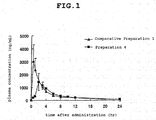
- Example 4 The coated tablets obtained in Example 4 (Preparation 4) was orally administered to beagle dogs (male, body weight of about 10 kg), and the change in the plasma concentration of Compound A thereafter was investigated.
- Comparative Example 1 Comparative Preparation 1
- Comparative Preparation 1 was likewise orally administered to beagle dogs, and the change in the plasma concentration of Compound A thereafter was investigated.
- the results are presented in Fig. 1.
- the blood concentration of the physiologically active ingredient was sustained by the controlled release composition of the invention.
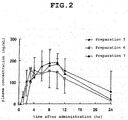
- Example 4 The coated tablets obtained in Example 4 (Preparations 5 to 7) were orally administered to beagle dogs (male, body weight of about 10 kg), and the change in the plasma concentration of Compound A thereafter was investigated. The results are presented in Fig. 2.
- the blood concentration of the physiologically active ingredient (Compound A) was sustained by the controlled release composition of the invention.
- Example 7 The capsules obtained in Example 7 (Preparation 10) was orally administered to beagle dogs (male, body weight of about 10 kg), and the change in the plasma concentration of Compound A thereafter was investigated. The results are presented in Fig. 3.
- the blood concentration of the physiologically active ingredient (Compound A) was sustained by the controlled release composition of the invention.
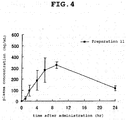
- Example 8 The capsules obtained in Example 8 (Preparation 11) was orally administered to a cynomolgus monkeys (male, body weight of about 4 kg), and the change in the plasma concentration of Compound A thereafter was investigated. The results are presented in Fig. 4.
- the blood concentration of the physiologically active ingredient (Compound A) was sustained by the controlled release composition of the invention.
- Example 13 The capsules obtained in Example 13 (Preparation 16) was orally administered to cynomolgus monkeys (male, body weight of about 4 kg), and the change in the plasma concentration of Compound A thereafter was investigated. The results are presented in Fig. 6.
- the blood concentration of the physiologically active ingredient (Compound A) was sustained by the controlled release composition of the invention.
- a controlled release composition for oral administration of an imidazole derivative which has steroid C 17,20 -lyase inhibiting activity and which has remarkably improved sustainability of the blood concentration, is provided.
Landscapes
- Health & Medical Sciences (AREA)
- Animal Behavior & Ethology (AREA)
- Public Health (AREA)
- Chemical & Material Sciences (AREA)
- Medicinal Chemistry (AREA)
- Pharmacology & Pharmacy (AREA)
- Veterinary Medicine (AREA)
- Life Sciences & Earth Sciences (AREA)
- General Health & Medical Sciences (AREA)
- Epidemiology (AREA)
- Bioinformatics & Cheminformatics (AREA)
- Engineering & Computer Science (AREA)
- Chemical Kinetics & Catalysis (AREA)
- General Chemical & Material Sciences (AREA)
- Nuclear Medicine, Radiotherapy & Molecular Imaging (AREA)
- Organic Chemistry (AREA)
- Medicinal Preparation (AREA)
- Pharmaceuticals Containing Other Organic And Inorganic Compounds (AREA)
Abstract
A controlled release composition for oral administration, which comprises a physiologically active substance which is a compound represented by the formula: <CHEM> wherein n is an integer of 1 to 3, and Ar is an aromatic ring which may be substituted, or a salt thereof, and a hydrophilic polymer, or a controlled release composition for oral administration, wherein a core containing the physiologically active substance is coated with a coating layer containing a polymer, is provided.
Description
The present invention relates to a controlled release
composition. More specifically, the invention relates to a
controlled release composition for oral administration
comprising a steroid C17,20-lyase inhibiting substance which
exhibits high water solubility under acidic conditions and a
hydrophilic polymer, or a controlled release composition for
oral administration wherein a core containing the steroid
C17,20-lyase inhibiting substance is coated with a coating
layer containing a polymer.
Preparations for oral administration such as tablets,
capsules and granules can be easily administered and are
safe as compared with injections or the like, thus being the
most frequently used dosage forms in the medical field. In
recent years, under the purpose of improving a patient's QOL
(Quality of Life) and providing medical care in an energy-saving
and economic way, preparations for oral
administration which maintain the effect for a long time
with once or twice a day administration have been developed.
Since a drug having high water solubility under acidic
conditions is such that when formulated into a general rapid
release preparation, it is rapidly dissolved out in the
stomach and absorbed, the duration of the effective blood
concentration is short. Further, there are problems such as
expression of toxicity due to a sharp rise in the initial
blood concentration of the drug. Therefore, it is strongly
desirable to develop a controlled release preparation which
is imparted with, in particular, the property of sustained
release or non-release in the stomach. However, in many
cases, the in vivo pharmacokinetics in blood may not be
exhibited in the same way as expected from an in vitro
dissolution test, and there still exist a large number of
drugs which have not yet been formulated into effective
controlled release preparations for oral administration.
Thus, it is an object of the invention to provide a
controlled release composition for oral administration which
comprises a steroid C17,20-lyase inhibiting substance having
high water solubility under acidic conditions as a
physiologically active substance and which has remarkably
improved sustainability of an effective blood concentration
of the physiologically active substance.
The present inventors have conducted extensive
investigations in order to achieve the above-described
object and as a result, have found that a physiologically
active substance (for example, a steroid C17,20-lyase
inhibiting substance, etc.) is included in a matrix base
comprising a hydrophilic polymer, or a core containing the
physiologically active substance is coated with a coating
layer containing a polymer, thus the maximum blood
concentration of the physiologically active substance can be
significantly lowered as compared with a rapid release
preparation, and thereafter, sustained drug release over a
long time can be realized. They also have succeeded in
improving the sustainability of the effective blood
concentration of the steroid C17,20-lyase inhibiting substance
by making a core containing the substance into a granule
coated with a coating layer containing a polymer exhibiting
pH-dependent water solubility. The inventors have conducted
further research based on these findings, and then have
completed the invention.
That is, the present invention provides:

or a salt thereof, and a hydrophilic polymer;
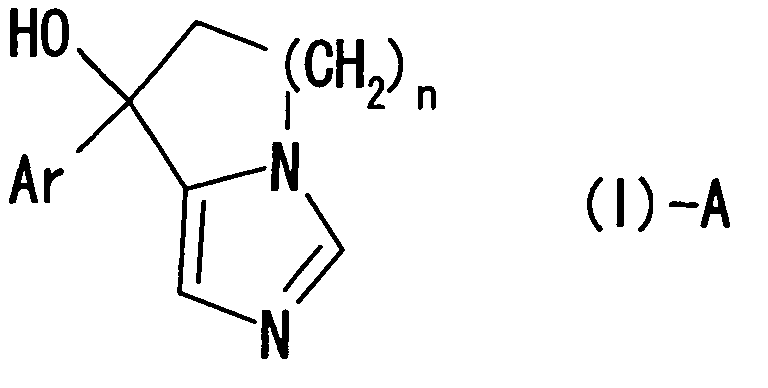
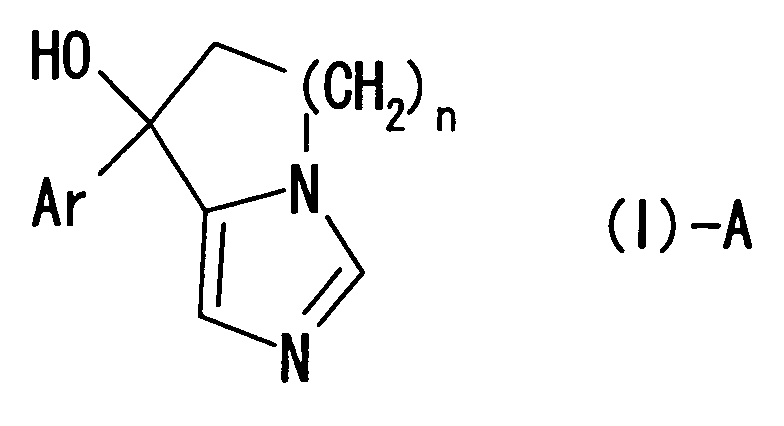
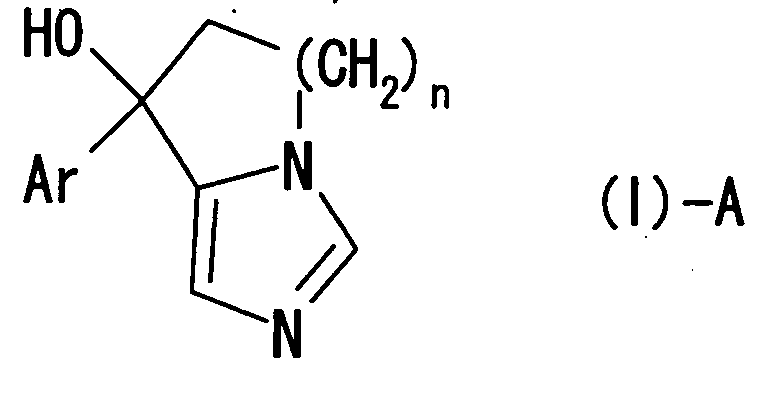

or a salt thereof;
The present invention provides a controlled release
composition for oral administration which comprises a
compound represented by the formula:
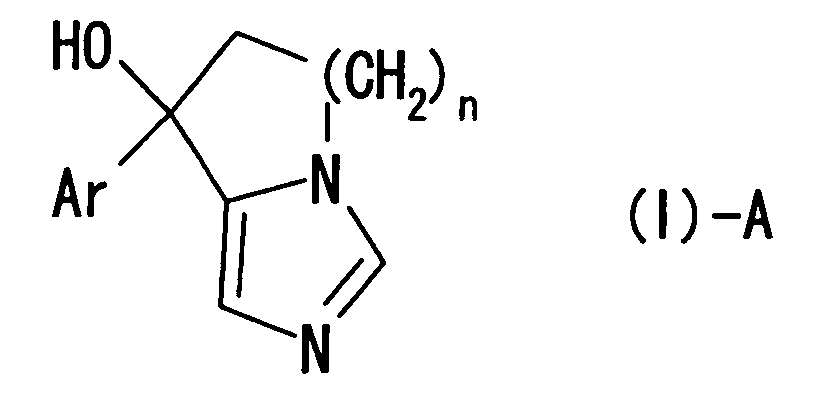 wherein n is an integer of 1 to 3, and Ar is an aromatic
ring which may be substituted, or a salt thereof as a
physiologically active substance, and a hydrophilic polymer.
wherein n is an integer of 1 to 3, and Ar is an aromatic
ring which may be substituted, or a salt thereof as a
physiologically active substance, and a hydrophilic polymer.
The "controlled release composition for oral
administration" as used herein means a composition for which
the release profile after oral administration of the
physiologically active substance contained in the
composition is controlled in a manner different from the
release profile shown in administration of the
physiologically active substance per se, and includes any of
those compositions for which the release rate is controlled
to be lower (sustained release), compositions for which the
release rate is controlled to be higher (accelerated
dissolution), and compositions for which the time for
initiation of release is controlled (delayed dissolution),
further including those compositions for which two or more
of these controlling fashions are combined. The controlled
release composition for oral administration of the invention
(hereinafter, may be simply referred to as "controlled
release composition") also includes those compositions for
which release is not necessarily controlled over the entire
process of dissolution, and release is controlled in a part
of the process.
Preferred examples of the compound represented by
formula (I)-A include the following compounds:
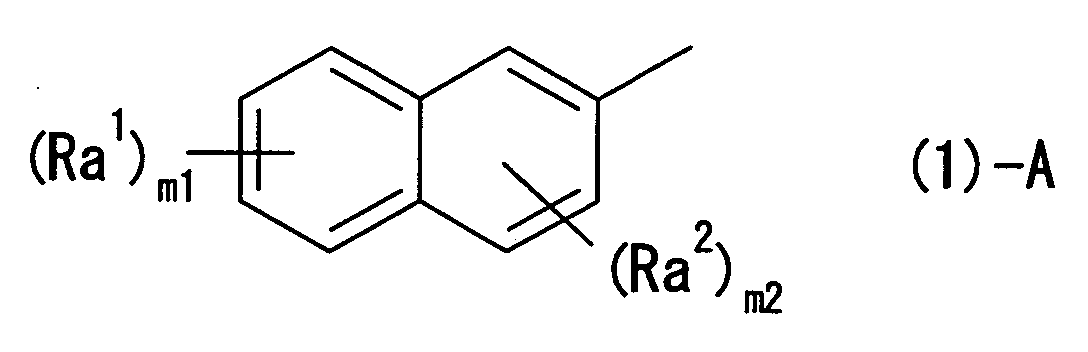
a group represented by the formula:
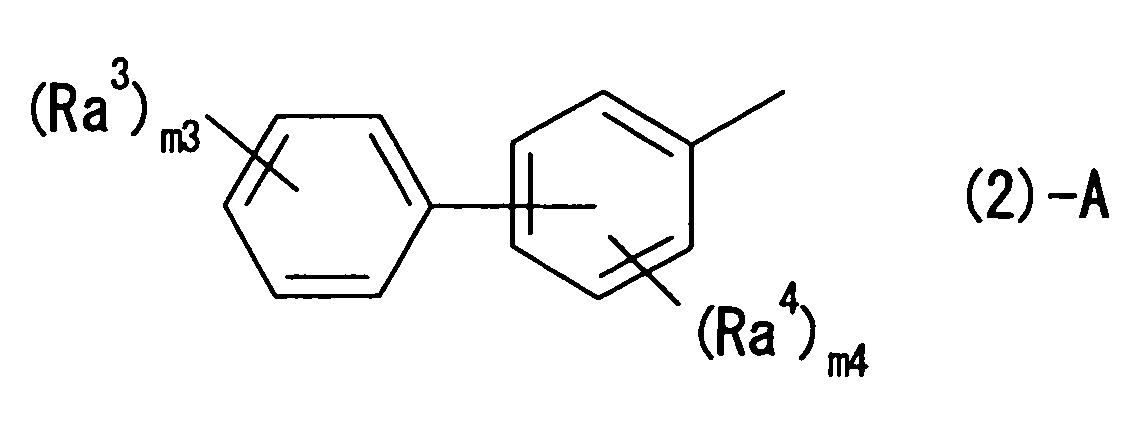
a group represented by the formula:
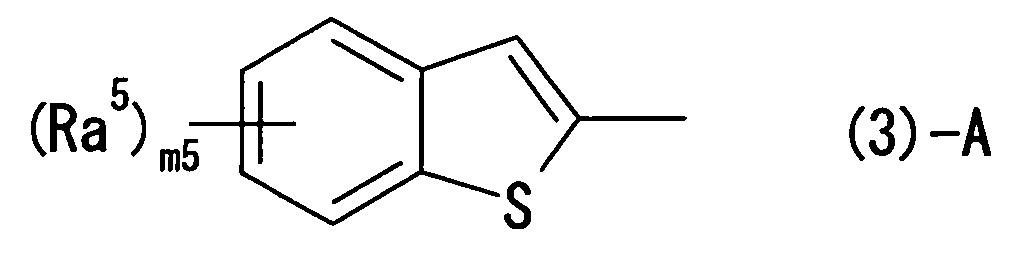

a group represented by the formula:
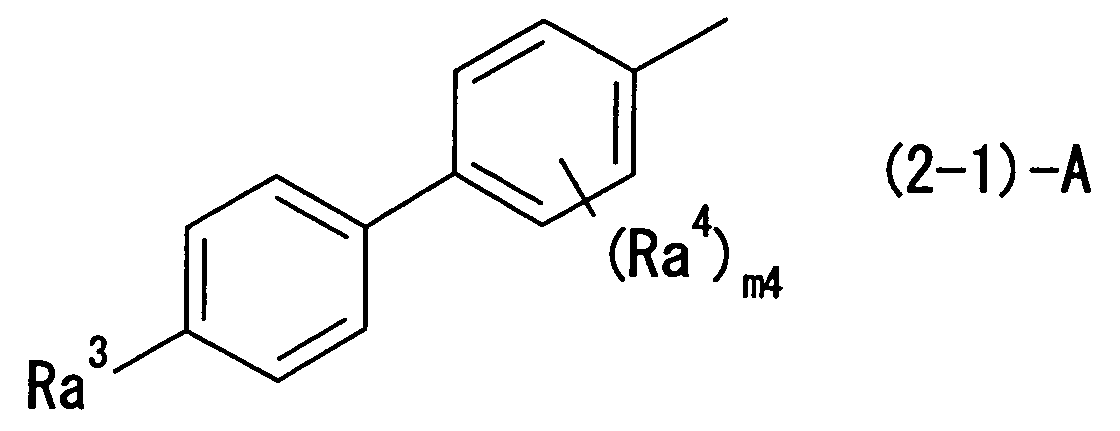

The definition of each symbol in each formula is as
follows:
The hydroxyl group which may be substituted represented
by Ra1, Ra2, Ra3, Ra9 and Ra5 may be exemplified by, in
addition to an unsubstituted hydroxyl group, a lower alkoxy
(for example, C1-4 alkoxy such as methoxy, ethoxy and
propoxy), a lower alkanoyloxy (for example, C1-4 alkanoyloxy
such as acetyloxy and propionyloxy), a carbamoyloxy which
may be substituted (in addition to an unsubstituted
carbamoyloxy, a carbamoyloxy substituted with one or two C1-4
alkyls, such as, for example, methylcarbamoyloxy,
ethylcarbamoyloxy, dimethylcarbamoyloxy, diethylcarbamoyloxy
and ethylmethylcarbamoyloxy), and the like.
The thiol which may be substituted represented by Ra1,
Ra2, Ra3, Ra4 and Ra5 may be exemplified by, in addition to
an unsubstituted thiol, a lower alkylthio (for example, C1-4
alkylthio such as methylthio, ethylthio and propylthio), a
lower alkanoylthio group (for example, C1-4 alkanoylthio such
as acetylthio and propionylthio), and the like.
The amino which may be substituted represented by Ra1,
Ra2, Ra3, Ra4 and Ra5 may be exemplified by, in addition to
an unsubstituted amino, a lower alkylamino (for example, C1-4
alkylamino such as methylamino, ethylamino and propylamino),
a di-lower alkylamino (for example, di-C1-4 alkylamino such
as dimethylamino and diethylamino), C1-4 alkanoylamino (for
example, acetylamino, propionylamino, etc.), and the like.
The acyl represented by Ra1, Ra2, Ra3, Ra4 and Ra5 may be
exemplified by alkanoyl (for example, C1-6 alkanoyl such as
formyl, acetyl and propionyl), alkylsulfonyl (for example,
C1-4 alkylsulfonyl such as methylsulfonyl and ethylsulfonyl),
aroyl (for example, benzoyl, toluoyl, naphthoyl, etc.), a
carbamoyl which may be substituted (for example, mono- or
di-C1-10 alkylcarbamoyl such as methylcarbamoyl,
ethylcarbamoyl, dimethylcarbamoyl and diethylcarbamoyl;
mono- or di-C6-14 arylcarbamoyl such as, for example,
phenylcarbamoyl and diphenylcarbamoyl; mono- or di-C7-16
aralkylcarbamoyl such as, for example, benzylcarbamoyl and
dibenzylcarbamoyl; etc.), a sulfamoyl which may be
substituted (for example, mono- or di-C1-10 alkylsulfamoyl
such as methylsulfamoyl, ethylsulfamoyl, dimethylsulfamoyl
and diethylsulfamoyl; mono- or di-C6-14 arylsulfamoyl such as,
for example, phenylsulfamoyl and diphenylsulfamoyl; mono- or
di-C7-16 aralkylsulfamoyl such as, for example,
benzylsulfamoyl and dibenzylsulfamoyl; etc.), and the like.
The halogen represented by Ra1, Ra2, Ra3, Ra4 and Ra5 may
be exemplified by fluorine, chlorine, bromine, and iodine.
The "hydrocarbon group" of the "hydrocarbon group which
may be substituted" represented by Ra1, Ra2, Ra3, Ra4 and Ra5
may be exemplified by a chain hydrocarbon group, a cyclic
hydrocarbon group or the like.
The chain hydrocarbon group may be exemplified by a
straight-chained or branched hydrocarbon group having 1 to
10 carbon atoms or the like, and specifically by alkyl,
alkenyl, alkynyl or the like. Among these, alkyl is
particularly preferred. Examples of the "alkyl" include C1-10
alkyl such as methyl, ethyl, propyl, isopropyl, butyl,
isobutyl, sec-butyl, tert-butyl, pentyl, isopentyl,
neopentyl, hexyl and isohexyl, and the like, and preferred
is C1-6 alkyl (for example, methyl, ethyl, propyl, isopropyl,
butyl, sec-butyl, tert-butyl, etc.). Examples of the
"alkenyl" include C2-10 alkenyl such as vinyl, 1-propenyl,
allyl, isopropenyl, 1-butenyl, 2-butenyl, 3-butenyl,
isobutenyl and sec-butenyl, and the like, and preferred is
C2-6 alkenyl (for example, vinyl, 1-propenyl, allyl, etc.).
Examples of the "alkynyl" include C2-10 alkynyl such as
ethynyl, 1-propynyl and propargyl, and the like, and
preferred is C2-6 alkynyl (for example, ethynyl, etc.).
The cyclic hydrocarbon group may be exemplified by a
cyclic hydrocarbon group having 3 to 18 carbon atoms, and
specifically by an alicyclic hydrocarbon group, an aromatic
hydrocarbon group or the like.
The "alicyclic hydrocarbon group" may be exemplified by
a monocyclic or fused polycyclic group having 3 to 10 carbon
atoms, and specifically by cycloalkyl, cycloalkenyl and bi-
or tricyclic fused rings formed therefrom with C6-14 aryl
(for example, benzene, etc.), or the like. Examples of the
"cycloalkyl" include C3-6 cycloalkyl such as cyclopropyl,
cyclobutyl, cyclopentyl and cyclohexyl, and the like, and
examples of the "cycloalkenyl" include C3-6 cycloalkenyl such
as cyclopropenyl, cyclobutenyl, cyclopentenyl and
cyclohexenyl, and the like.
The "aromatic hydrocarbon group" may be exemplified by
a monocyclic aromatic hydrocarbon group or a fused
polycyclic aromatic hydrocarbon group consisting of 6 to 18
carbon atoms, or the like, and specifically by C6-14 aryl
such as phenyl, 1-naphthyl, 2-naphthyl, 2-indenyl and 2-anthryl,
and the like. C6-10 aryl (for example, phenyl,
etc.) or the like is preferred.
The substituent which may be carried by the "chain
hydrocarbon group" of the "hydrocarbon group which may be
substituted" is not particularly limited, and examples
thereof include a halogen atom, a hydroxyl group, alkoxy,
acyloxy, alkylthio, acylamino, carboxyl, alkoxycarbonyl, oxo,
alkylcarbonyl, cycloalkyl, aryl, an aromatic heterocyclic
group and the like. These substituents are substituted on
the "chain hydrocarbon group" to a chemically acceptable
extent, and the number of the substituents is from 1 to 5,
and preferably from 1 to 3, provided that when the number of
the substituents is two or more, they may be identical with
or different from each other.
The substituent which may be carried by the "cyclic
hydrocarbon group" of the "hydrocarbon group which may be
substituted" is not particularly limited, and examples
thereof include a halogen atom, a hydroxyl group, alkoxy,
acyloxy, alkylthio, alkylsulfonyl, mono- or dialkylamino,
acylamino, carboxyl, alkoxycarbonyl, alkynylcarbonyl, alkyl,
cycloalkyl, aryl, an aromatic heterocyclic group and the
like. These substituents are substituted on the "cyclic
hydrocarbon group" to a chemically acceptable extent, and
the number of the substituents is from 1 to 5, and
preferably from 1 to 3, provided that when the number of the
substituents is two or more, they may be identical with or
different from each other.
Examples of the "halogen atom" include fluorine,
chlorine, bromine and iodine. Examples of the "alkoxy"
include C1-10 alkoxy such as methoxy, ethoxy, propoxy,
isopropoxy, butoxy, isobutoxy, sec-butoxy, pentyloxy and
hexyloxy, and the like. Examples of the "acyloxy" include
formyloxy, C1-10 alkyl-carbonyloxy (for example, acetoxy,
propionyloxy, etc.) and the like. Examples of the
"alkylthio" include C1-10 alkylthio such as methylthio,
ethylthio, propylthio and isopropylthio, and the like.
Examples of the "alkylsulfonyl" include C1-10 alkylsulfonyl
such as methylsulfonyl, ethylsulfonyl and propylsulfonyl,
and the like. Examples of the "acylamino" include
formylamino, diformylamino, mono- or di-C1-10 alkylcarbonylamino
(for example, acetylamino, propionylamino,
butyrylamino, diacetylamino, etc.) and the like. The "mono-
or dialkylamino" is exemplified by the same lower alkylamino
or di-lower alkylamino described above. Examples of the
"alkoxycarbonyl" include C1-10 alkoxycarbonyl such as
methoxycarbonyl, ethoxycarbonyl, propoxycarbonyl,
isopropoxycarbonyl and butoxycarbonyl, and the like.
Examples of the "alkylcarbonyl" include C1-10 alkylcarbonyl
such as acetyl, propionyl, butyryl and valeryl, and the like.
Examples of the "alkynylcarbonyl" include C3-10
alkynylcarbonyl such as ethynylcarbonyl, 1-propynylcarbonyl
and 2-propynylcarbonyl, and the like. Examples of the
"cycloalkyl" include C3-10 cycloalkyl such as cyclopropyl,
cyclobutyl, cyclopentyl and cyclohexyl, and the like.
Examples of the "aryl" include C6-14 aryl such as phenyl, 1-naphthyl
and 2-naphthyl, and the like. The "aromatic
heterocyclic group" may be exemplified by monocyclic to
tricyclic aromatic heterocyclic groups containing, in
addition to carbon atoms, preferably 1 to 4 heteroatoms of
one or two kinds selected from nitrogen, oxygen and sulfur,
or the like. Specific examples thereof include thienyl,
pyridyl, furyl, pyrazinyl, pyrimidinyl, imidazolyl,
pyrazolyl, thiazolyl, isothiazolyl, oxazolyl, isoxazolyl,
pyridazinyl, tetrazolyl, quinolyl, indolyl, isoindolyl and
the like. Examples of the "alkyl" include C1-10 alkyl such
as methyl, ethyl, propyl, isopropyl, butyl, sec-butyl, tert-butyl
and pentyl, and the like.
The substituent which may be carried by the above-mentioned
"hydrocarbon group" may be substituted to a
chemically acceptable extent having 1 to 5, and preferably 1
to 3 substituents which are further described below.
Examples of such substituent include a halogen atom (for
example, fluorine, chlorine and bromine), a hydroxyl group,
and C1-6 alkoxy (for example, methoxy, ethoxy, propoxy,
isopropoxy, etc.).
The lower alkyl group represented by Ra6 and Ra7 is
exemplified by a straight-chained, branched or cyclic alkyl
group having 1 to 4 carbon atoms, and examples thereof
include methyl, ethyl, propyl, isopropyl, butyl, isobutyl,
sec-butyl, tert-butyl, cyclopropyl, cyclobutyl and the like.
The aromatic ring which may be substituted represented
by Ar is exemplified by a monocyclic or bicyclic aromatic
fused ring which may have 1 or more substituents, or the
like. Further, an aromatic ring which may be substituted
and consists of 5 to 10 atoms including 0 to 4 heteroatoms
as the ring-constituting atom (here, the aromatic ring is
bonded to the fused imidazole ring of the formula (I)-A via
carbon atoms, not via heteroatoms) is also a suitable
example of Ar.
The substituent of the aromatic ring which may be
substituted represented by Ar may be exemplified by a
hydroxyl group which may be substituted, a thiol which may
be substituted, an amino which may be substituted, an acyl
group, a halogen atom, or a hydrocarbon group which may be
substituted. The "hydroxyl group which may be substituted",
the "amino which may be substituted", the "acyl", the
"halogen atom" and the "hydrocarbon group which may be
substituted" may be exemplified by those exemplified in the
above as Ra1, Ra2, Ra3, Ra4 and Ra5, respectively.
The compound represented by the formula (I)-A may be in
the form of a salt, and examples of the salt include acid
addition salts, for example, inorganic acid salts (for
example, hydrochloride, sulfate, hydrobromide, phosphate,
etc.), organic acid salts (for example, acetate,
trifluoroacetate, succinate, maleate, fumarate, propionate,
citrate, tartrate, lactate, oxalate, methanesulfonate, p-toluenesulfonate,
etc.) and the like.
Furthermore, the compound represented by the formula
(I)-A or a salt thereof may be in the form of a hydrate, and
any of these fall within the scope of the invention.
Hereinafter, salts and hydrates are also included into what
is referred to as Compound (I)-A.
The compound represented by the formula (I)-A and a
prodrug thereof have excellent effect as a medicine and
particularly have excellent inhibitory activity against
steroid C17,20-lyase. These compounds have low toxicity and
few side effects, and thus they are useful for mammals (for
example, a human, a cow, a horse, a pig, a dog, a cat, a
monkey, a mouse, a rat, etc., especially a human), for
example, as (i) an androgen or estrogen-lowering drug [i.e.,
a medicine having an inhibitory action on production of
androgen and subsequent production of estrogen (estrogen is
synthesized from androgen as the substrate)], and (ii) a
therapeutic and prophylactic drug for the diseases related
to androgen or estrogen, for example, (1) primary cancer,
metastasis or recurrence of malignant tumors (for example,
prostate cancer, breast cancer, uterine cancer, ovarian
cancer, etc.), (2) symptoms associated with those cancers
(for example, pain, cachexia, etc.), and (3) various
diseases such as benign prostatic hypertrophy, virilism,
hypertrichosis, male pattern baldness, sexual precocity in
boys, endometriosis, hysteromyoma, uterine adenomyosis,
mastopathy and polycystic ovarian syndrome, and preferably
prostate cancer, breast cancer and the like.
The prodrug of Compound (I)-A refers to a compound
which is converted to Compound (I)-A by an in vivo reaction
under the action of enzyme, gastric acid or the like. Since
the prodrug exhibits steroid C17,20-lyase inhibitory activity
upon conversion to Compound (I)-A in vivo, it is to be
included in the physiologically active substance contained
in the controlled release composition of the invention.
Examples of the prodrug of Compound (I)-A include
compounds resulting from acylation or alkylation of the
imidazole nitrogen of Compound (I)-A (for example, compounds
in which the imidazole nitrogen is in the form of
dimethylaminosulfonyl, acetoxymethyl, (5-methyl-2-oxo-1,3-dioxolen-4-yl)methoxycarbonylmethyl,
pivaloyloxymethyl,
benzyloxymethyl, etc.); compounds resulting from acylation,
alkylation, phosphorylation, sulfation or boration of the
hydroxyl group of Compound (I)-A (for example, compounds in
which the hydroxyl group of Compound (I)-A is in the form of
acetyl, palmitoyl, propanoyl, pivaloyl, succinyl, fumaryl,
alanyl, dimethylaminomethylcarbonyl or the like); and the
like. These compounds can be prepared by those methods
known per se in the art.
The prodrug of Compound (I)-A may exist as such or as a
pharmaceutically acceptable salt. Examples of such salt
include, in the case where the prodrug of Compound (I)-A has
an acidic group such as carboxyl, salts formed with
inorganic bases (for example, alkali metals such as sodium
and potassium; alkaline earth metals such as calcium and
magnesium; transition metals such as zinc, iron and copper;
etc.), organic bases (for example, organic amines such as
trimethylamine, triethylamine, pyridine, picoline,
ethanolamine, diethanolamine, triethanolamine,
dicyclohexylamine, N,N'-dibenzylethylenediamine,
tromethamine [tris(hydroxymethyl)methylamine] and tert-butylamine;
basic amino acids such as arginine, lysine or
ornithine; etc.), and the like.
In the case where the prodrug of Compound (I)-A has a
basic group such as amino, examples of the salt include
salts formed with inorganic acids or organic acids (for
example, hydrochloric acid, nitric acid, sulfuric acid,
phosphoric acid, carbonic acid, bicarbonic acid, formic acid,
acetic acid, propionic acid, trifluoroacetic acid, fumaric
acid, oxalic acid, tartaric acid, maleic acid, citric acid,
succinic acid, malic acid, methanesulfonic acid,
benzenesulfonic acid, p-toluenesulfonic acid, etc.), acidic
amino acids such as aspartic acid and glutamic acid, and the
like.
The prodrug of Compound (I)-A may be also either a
hydrate or a non-hydrate.
Compound (I)-A has one or more chiral carbon atoms in
the molecule, and both (R) configuration and (S)
configuration with respect to these chiral carbon atoms are
included in the invention.
Compound (I)-A is preferably a compound in which the
absolute configuration of the hydroxyl group-bonded carbon
atom is (S).
Among compounds represented by the formula (I)-A, inter
alia, (±)-7-(5-methoxybenzo[b]thiophen-2-yl)-6,7-dihydro-5H-pyrrolo[1,2-c]imidazol-7-ol,
(±)-7-(5-fluorobenzo[b]thiophen-2-yl)-6,7-dihydro-5H-pyrrolo[1,2-c]imidazol-7-ol,
(±)-7-(4'-fluoro[1,1'-biphenyl]-3-yl)-6,7-dihydro-5H-pyrrolo[1,2-c]imidazol-7-ol,
(±)-7-(4'-fluoro[1,1'-biphenyl]-4-yl)-6,7-dihydro-5H-pyrrolo[1,2-c]imidazol-7-ol,
(±)-6-(7-hydroxy-6,7-dihydro-5H-pyrrolo[1,2-c]imidazol-7-yl)-N-methyl-2-naphthamide,
(±)-N-cyclopropyl-6-(7-hydroxy-6,7-dihydro-5H-pyrrolo[1,2-c]imidazol-7-yl)-2-naphthamide,
(±)-N-ethyl-6-(7-hydroxy-6,7-dihydro-5H-pyrrolo[1,2-c]imidazol-7-yl)-2-naphthamide,
(±)-N-cyclobutyl-6-(7-hydroxy-6,7-dihydro-5H-pyrrolo[1,2-c]imidazol-7-yl)-2-naphthamide,
(±)-6-(7-hydroxy-6,7-dihydro-5H-pyrrolo[1,2-c]imidazol-7-yl)-N-isopropyl-2-naphthamide,
(±)-6-(7-hydroxy-6,7-dihydro-5H-pyrrolo[1,2-c]imidazol-7-yl)-2-naphthamide,
(+)-7-(5-methoxybenzo[b]thiophen-2-yl)-6,7-dihydro-5H-pyrrolo[1,2-c]imidazol-7-ol,
(+)-7-(5-fluorobenzo[b]thiophen-2-yl)-6,7-dihydro-5H-pyrrolo[1,2-c]imidazol-7-ol,
(+)-7-(4'-fluoro[1,1'-biphenyl]-3-yl)-6,7-dihydro-5H-pyrrolo[1,2-c]imidazol-7-ol,
(+)-7-(4'-fluoro[1,1'-biphenyl]-4-yl)-6,7-dihydro-5H-pyrrolo[1,2-c]imidazol-7-ol,
(+)-6-(7-hydroxy-6,7-dihydro-5H-pyrrolo[1,2-c]imidazol-7-yl)-N-methyl-2-naphthamide,
(+)-N-cyclopropyl-6-(7-hydroxy-6,7-dihydro-5H-pyrrolo[1,2-c]imidazol-7-yl)-2-naphthamide,
(+)-N-ethyl-6-(7-hydroxy-6,7-dihydro-5H-pyrrolo[1,2-c]imidazol-7-yl)-2-naphthamide,
(+)-N-cyclobutyl-6-(7-hydroxy-6,7-dihydro-5H-pyrrolo[1,2-c]imidazol-7-yl)-2-naphthamide,
(+)-6-(7-hydroxy-6,7-dihydro-5H-pyrrolo[1,2-c]imidazol-7-yl)-N-isopropyl-2-naphthamide,
(+)-6-(7-hydroxy-6,7-dihydro-5H-pyrrolo[1,2-c]imidazol-7-yl)-2-naphthamide,
(-)-7-(5-methoxybenzo[b]thiophen-2-yl)-6,7-dihydro-5H-pyrrolo[1,2-c]imidazol-7-ol,
(-)-7-(5-fluorobenzo[b]thiophen-2-yl)-6,7-dihydro-5H-pyrrolo[1,2-c]imidazol-7-ol,
(-)-7-(4'-fluoro[1,1'-biphenyl]-3-yl)-6,7-dihydro-5H-pyrrolo[1,2-c]imidazol-7-ol,
(-)-7-(4'-fluoro[1,1'-biphenyl]-4-yl)-6,7-dihydro-5H-pyrrolo[1,2-c]imidazol-7-ol,
(-)-6-(7-hydroxy-6,7-dihydro-5H-pyrrolo[1,2-c]imidazol-7-yl)-N-methyl-2-naphthamide,
(-)-N-cyclopropyl-6-(7-hydroxy-6,7-dihydro-5H-pyrrolo[1,2-c]imidazol-7-yl)-2-naphthamide,
(-)-N-ethyl-6-(7-hydroxy-6,7-dihydro-5H-pyrrolo[1,2-c]imidazol-7-yl)-2-naphthamide,
(-)-N-cyclobutyl-6-(7-hydroxy-6,7-dihydro-5H-pyrrolo[1,2-c]imidazol-7-yl)-2-naphthamide,
(-)-6-(7-hydroxy-6,7-dihydro-5H-pyrrolo[1,2-c]imidazol-7-yl)-N-isopropyl-2-naphthamide,
(-)-6-(7-hydroxy-6,7-dihydro-5H-pyrrolo[1,2-c]imidazol-7-yl)-2-naphthamide,
and the like are
preferred. In particular, (+)-6-(7-hydroxy-6,7-dihydro-5H-pyrrolo[1,2-c]imidazol-7-yl)-N-methyl-2-naphthamide
is
preferred.
The compound represented by the formula (I)-A can be
prepared by, for example, the method disclosed in WO
02/40484.
Preferably, the physiologically active substance
contained in the controlled release composition of the
invention exhibits high water solubility under acidic
conditions, and specifically, the solubility of the
substance at 37°C with respect to 1st fluid for the
disintegration test in the Japanese Pharmacopoeia
(hereinafter, may be abbreviated as "solubility
(Pharmacopoeia 1st fluid, 37°C)") is about 0.1 mg/mL or more,
preferably about 1 mg/mL or more, and more preferably about
5 mg/mL or more.
The "hydrophilic polymers" contained in the controlled
release composition of the invention refers to polymers
which become hydrogel upon absorption of water, and then
allow diffusion of the physiologically active substance
dispersed in the gel, or become able to control release of
the physiologically active substance by dissolution of the
polymer itself in water, or control release of the
physiologically active substance not by dissolution but by
swelling in water.
The viscosity of the hydrophilic polymer is, for
example, as the viscosity of a 2 wt% aqueous solution
(measurement temperature: 20°C), preferably 1 mPa·s or more,
and more preferably 4 mPa·s or more. With respect to the
controlled release composition of the invention, it is
possible to arbitrarily control the duration of release of
the physiologically active substance from the composition by
adjusting the viscosity of the hydrophilic polymer which is
used as the base capable of controlled release, or mixing
ratio thereof, or the like.
Specific examples of the hydrophilic polymer include:
The content of the physiologically active substance in
the controlled release composition of the invention varies
depending on the kind of the physiologically active
substance, the size of the preparation or the like, but it
is, for example, 1 to 90% by weight, preferably 5 to 85% by
weight, and more preferably 10 to 80% by weight.
Further, the content of the hydrophilic polymer in the
controlled release composition of the invention varies
depending on the content of the physiologically active
substance, the size of the preparation, the kind of the
hydrophilic polymer or the like, but it is, for example, 3
to 95% by weight, preferably 5 to 95% by weight, and more
preferably 5 to 90% by weight.
When the above-described controlled release composition
contains the above-described physiologically active
substance and hydrophilic polymers at the above-described
respective contents, immediate dissolution of the
physiologically active substance at acidic pH (for example,
pH 1 to 3), which corresponds to the dissolution in the
vicinity of stomach during the early stage of oral
administration, is controlled; and dissolution of the
physiologically active substance at weakly acidic to weakly
alkaline pH (for example, pH 5 to 8), which corresponds to
the subsequent dissolution in the small intestine or less,
particularly in the duodenum to ileum, is sustained for a
long time.
Specifically, in the above-described controlled release
composition,
The dosage form of the above-described controlled
release composition can be any suitable form for oral
administration such as tablets, granules, powders, pellets
capsules, crystals, pastes and the like. Among these,
tablets, capsules, granules and the like are preferred.
The controlled release composition can be prepared by
mixing the above-described physiologically active substance
and hydrophilic polymers at the above-described respective
contents and molding the mixture. Here, mixing and molding
can be carried out according to methods that are
conventionally used in the art of formulation technology.
The mode of dispersion of the physiologically active
substance in the molded product may be homogeneous
dispersion or heterogeneous dispersion, but homogeneous
dispersion is preferred.
Furthermore, during the process of mixing and/or
molding, a pharmaceutically acceptable carrier may be also
used. Here, the "pharmaceutically acceptable carrier"
refers to various organic or inorganic carrier materials
that are conventionally used as a material for preparation,
for example, an excipient, a lubricant, a binder, a
disintegrant and the like. Further, if necessary, additives
for preparation such as an antiseptic, an antioxidant, a
colorant, a sweetener and the like can be also used.
Preferred examples of the excipient include lactose,
sucrose, D-mannitol, D-sorbitol, starch, α-starch, dextrin,
crystalline cellulose, low-substituted
hydroxypropylcellulose, sodium carboxymethylcellulose, gum
arabic, dextrin, pullulan, light anhydrous silicic acid,
synthetic aluminum silicate, magnesium aluminometasilicate
and the like.
Preferred examples of the lubricant include magnesium
stearate, calcium stearate, talc, light anhydrous silicic
acid, colloidal silica, synthetic aluminum silicate,
magnesium aluminometasilicate and the like.
Preferred examples of the binder include α-starch,
sugar, gelatin, gum arabic, methylcellulose,
carboxymethylcellulose, sodium carboxymethylcellulose,
crystalline cellulose, sucrose, D-mannitol, trehalose,
dextrin, pullulan, hydroxypropylcellulose,
hydroxypropylmethylcellulose, polyvinylpyrrolidone and the
like.
Preferred examples of the disintegrant include lactose,
sucrose, starch, carboxymethylcellulose, calcium
carboxymethylcellulose, sodium croscarmellose, sodium
carboxymethyl starch, light anhydrous silicic acid, low-substituted
hydroxypropylcellulose and the like.
Preferred examples of the antiseptic include
paraoxybenzoic acid esters, chlorobutanol, benzyl alcohol,
phenethyl alcohol, dehydroacetic acid, sorbic acid and the
like.
Preferred examples of the antioxidant include sulfites,
ascorbates and the like.
Preferred examples of the colorant include water-soluble
edible tar dyes (for example, edible dyes such as
Edible Red No. 2 and No. 3, Edible Yellow No. 4 and No. 5,
Edible Blue No. 1 and No. 2, etc.), water-insoluble lake
dyes (for example, aluminum salts of the above-mentioned
water-soluble edible tar dyes), natural dyes (for example,
β-carotene, chlorophyll, Bengala) and the like.
Preferred examples of the sweetener include saccharin
sodium, dipotassium glycyrrhizinate, aspartame, stevia and
the like.
Specifically, the above-described controlled release
composition is preferably constituted of (1) a
physiologically active substance which is a compound
represented by the formula:
 wherein n is an integer of 1 to 3, and Ar is an aromatic
ring which may be substituted, or a salt thereof, (2)
hydrophilic polymers selected from hydroxypropylcellulose,
hydroxypropylmethylcellulose, methylcellulose, polyethylene
oxide, sodium carboxymethylcellulose and low-substituted
hydroxypropylcellulose, and (3) a lubricant selected from
magnesium stearate, calcium stearate, talc, light anhydrous
silicic acid, colloidal silica, synthetic aluminum silicate
and magnesium aluminometasilicate.
wherein n is an integer of 1 to 3, and Ar is an aromatic
ring which may be substituted, or a salt thereof, (2)
hydrophilic polymers selected from hydroxypropylcellulose,
hydroxypropylmethylcellulose, methylcellulose, polyethylene
oxide, sodium carboxymethylcellulose and low-substituted
hydroxypropylcellulose, and (3) a lubricant selected from
magnesium stearate, calcium stearate, talc, light anhydrous
silicic acid, colloidal silica, synthetic aluminum silicate
and magnesium aluminometasilicate.
When the physiologically active substance contained in
the above-described controlled release composition is from
weakly acidic to weakly alkaline, having relative low water
solubility, and thus there is a fear that when the
composition is used as a preparation for oral administration,
dissolution and absorption of the physiologically active
substance in the small intestine and thereafter are
insufficient, a pH adjusting agent or other solubilizing
aids may be added for the purpose of controlling the
dissolution behavior of the composition. With the use of pH
adjusting agent or the like, it is possible to reduce any
change in the drug dissolution property due to the
environmental pH. Further, since individual patients may
have different in vivo pH values, in order to obtain uniform
effect in various patients, reduction of change in the drug
dissolution property due to environmental pH is
significantly meaningful.
Examples of the pH adjusting agent include organic
acids such as citric acid, tartaric acid, adipic acid,
ascorbic acid, malic acid, fumaric acid, malonic acid,
succinic acid, maleic acid, aspartic acid, glutamic acid,
etc. or salts thereof (for example, sodium dihydrogen
citrate, disodium citrate, calcium citrate, monosodium
fumarate, monosodium succinate, sodium aspartate, magnesium
aspartate, arginine glutamate, potassium glutamate, sodium
glutamate, etc.), inorganic acids such as phosphoric acid,
hydrochloric acid, sulfuric acid, etc. and salts thereof
(for example, potassium dihydrogen phosphate, sodium
dihydrogen phosphate, etc.), acidic polymers such as
carboxyvinyl polymer, etc. and salts thereof. Among these,
citric acid, tartaric acid, fumaric acid, ascorbic acid,
aspartic acid, glutamic acid and salts thereof, and the like
are preferred. In addition, examples of the other
solubilizing aids include cyclodextrins such as β-cyclodextrin,
maltosyl-β-cyclodextrin, etc., surfactants
such as Polysorbate 80, glycerin monostearate, etc.,
polyethylene glycols such as Polyethylene Glycol 4000,
Polyethylene Glycol 6000, etc., and the like.
The content of the pH adjusting agent or the other
solubilizing aid varies depending on the kind and content of
the physiologically active substance, the size of the
composition or the like, but it is, for example, from 1 to
50% by weight, and preferably from 5 to 40% by weight.
When the above-described controlled release composition
is in a granule form, the granules can be prepared by, for
example, a centrifugal tumbling granulation in which while a
binder dissolved in a suitable solvent such as water, lower
alcohol (for example, methanol, ethanol, etc.) or the like
is sprayed on inert carrier particles, the above-described
physiologically active substance and hydrophilic polymers,
or a mixture of these with an excipient, a lubricant or the
like, is sprayed in small portions as a solution or a
suspension, or added in powder form; pan coating, fluidized
bed coating, melt granulation, extrusion and spheronization,
or the like. For the inert carrier particle, for example,
those prepared from sucrose, lactose, starch, crystalline
cellulose or waxes can be used, and the average particle
diameter of such particles is preferably about 100 µm to
about 1,500 µm.
When the above-described controlled release composition
is in a tablet form, the tablets can be prepared by adding
hydrophilic polymers, or further the above-mentioned
excipient, disintegrant, binder, lubricant or the like, to
the physiologically active substance, mixing (if necessary,
further kneading) and compression molding the mixture.
Since the above controlled release composition has low
toxicity and few side effects, it can be orally administered
safely to mammals (for example, a human, a cow, a horse, a
pig, a dog, a cat, a monkey, a mouse, a rat, etc., and
particularly a human), and in particular, the composition
can be used as a therapeutic and prophylactic medicine for
the above-mentioned various diseases, for which the
prophylactic and/or therapeutic effect can be obtained by
inhibiting a steroid C17,20-lyase, and preferably for prostate
cancer, breast cancer or the like.
Dosage of the above-described controlled release
composition varies depending on the kind of physiologically
active substance, the subject to be administered, the
frequency of administration or the like. However, for
example, the daily dose in the case of oral administration
to an adult patient having solid tumor (for example, patient
having prostate cancer) is, as an effective amount of the
physiologically active substance, typically from about 0.001
to about 500 mg/kg of body weight, preferably from about
0.01 to about 40 mg/kg of body weight, and more preferably
from about 0.1 to about 20 mg/kg of body weight.
The above-described controlled release composition can
have its effect further enhanced in combination with
physiologically active substances having other effects.
Examples of the physiologically active substances having
other effects include "sexual hormone drugs (hormone-based
drugs)", "alkylating agents", "antimetabolites",
"anticancerous antibiotics", "plant alkaloids",
"immunotherapeutic agents", "drugs inhibiting the action of
cell growth factors and their receptors" and the like
(hereinafter, abbreviated as combination drugs). The
combination drugs can be used as different pharmaceutical
compositions, or can be used in a mixed preparation prepared
by adding them to the above-described controlled release
composition.
Examples of the "sexual hormone drug" include
fosfestrol, diethylstilbestrol, chlorotrianisene,
medroxyprogesterone acetate, megestrol acetate,
chlormadinone acetate, cyproteron acetate, danazol,
allylestrenol, gestrinone, mepartricin, raloxifene,
ormeloxifene, levormeloxifene, antiestrogen drugs (for
example, tamoxifen citrate, toremifene citrate, etc.), pill
preparations, mepitiostane, testolactone, aminoglutethimide,
LHRH receptor modulators [LH-RH receptor agonists (for
example, goserelin acetate, buserelin acetate, leuprorelin
acetate, etc.), LH-RH receptor antagonists (for example,
ganirelix, cetrorelix, abarelix, etc.), droloxifene,
epitiostanol, ethinylestradiol sulfonate, aromatase
inhibitors (for example, fadrozole hydrochloride,
anastrozole, letrozole, exemestane, vorozole, formestane,
etc.), antiandrogen drugs (for example, flutamide,
bicartamide, nilutamide, etc.), 5α-reductase inhibitors (for
example, finasteride, epristeride, etc.),
adrenocorticohormone drugs (for example, cortisol,
dexamethasone, prednisolone, betamethasone, triamcinolone,
etc.), androgen synthesis inhibitors (for example,
abiraterone, etc.), retinoid and drugs that retard retinoid
metabolism blocking agents (for example, liarozole, etc.)],
and the like.
Examples of the "alkylating agent" include nitrogen
mustard, nitrogen mustard-N-oxide hydrochloride,
chlorambutyl, cyclophosphamide, ifosfamide, thiotepa,
carboquone, improsulfan tosylate, busulfan, nimustine
hydrochloride, mitobronitol, melphalan, dacarbazine,
ranimustine, estramustine phosphate sodium,
triethylenemelamine, carmustine, lomustine, streptozocin,
pipobroman, etoglucid, carboplatin, cisplatin, miboplatin,
nedaplatin, oxaliplatin, altretamine, ambamustine,
dibrospidium hydrochloride, fotemustine, prednimustine,
pumitepa, ribomustin, temozolomide, treosulphan,
trophosphamide, zinostatin stimalamer, adozelesin,
cystemustine, bizelesin and the like.
Examples of the "antimetabolite" include mercaptopurine,
6-mercaptopurine riboside, thioinosine, methotrexate,
enocitabine, cytarabine, cytarabine ocfosfate, ancitabine
hydrochloride, 5-FU drugs (for example, fluorouracil,
tegafur, UFT, doxifluridine, carmofur, gallocitabine,
emitefur, etc.), aminopterine, leucovorin calcium, tabloid,
butocine, calcium folinate, calcium levofolinate, cladribine,
fludarabine, gemcitabine, hydroxycarbamide, pentostatin,
piritrexim, idoxuridine, mitoguazone, thiazophrine and the
like.
Examples of the "anticancerous antibiotics" include
actinomycin D, actinomycin C, mitomycin C, chromomycin A3,
bleomycin hydrochloride, bleomycin sulfate, peplomycin
sulfate, daunorubicin hydrochloride, doxorubicin
hydrochloride, aclarubicin hydrochloride, pirarubicin
hydrochloride, epirubicin hydrochloride, neocarzinostatin,
mithramycin, sarcomycin, carzinophilin, mitotane, zorubicin
hydrochloride, mitoxantrone hydrochloride, idarubicin
hydrochloride and the like.
Examples of the "plant alkaloid" include etoposide,
etoposide phosphate, vinblastine sulfate, vincristine
sulfate, vindesine sulfate, teniposide, paclitaxel,
vinorelbine and the like.
Examples of the "immunotherapeutic agent (BRM)" include
picibanil, krestin, sizofiran, lentinan, ubenimex,
interferons, interleukins, macrophage colony-stimulating
factor, granulocyte colony-stimulating factor,
erythropoietin, lymphotoxin, BCG vaccine, Corynebacterium
parvum, levamisole, polysaccharide K, procodazole and the
like.
The "cell growth factor" in the phrase "drugs
inhibiting the action of cell growth factors and their
receptors" may be any substance which promotes cell
proliferation and may be exemplified by peptides having a
molecular weight of 20,000 or less, which are factors
exhibiting their action at low concentrations by binding to
a receptor. Specific examples thereof include (1) EGF
(epidermal growth factor) or substances having substantially
identical activity therewith [for example, EGF, heregulin
(HER2 ligand), etc.], (2) insulin or substances having
substantially identical activity therewith [for example,
insulin, IGF (insulin-like growth factor)-1, IGF-2, etc.],
(3) FGF (fibroblast growth factor) or substances having
substantially identical activity therewith [for example,
acidic FGF, basic FGF, KGF (keratinocyte growth factor),
FGF-10, etc.], (4) other cell growth factors [for example,
CSF (colony stimulating factor), EPO (erythropoietin), IL-2
(interleukin-2), NGF (nerve growth factor), PDGF (platelet-derived
growth factor), TGF β (transforming growth factor β),
HGF (hepatocyte growth factor), VEGF (vascular endothelial
growth factor), etc.], and the like.
The "receptor for cell growth factor" may be any
receptor capable of binding to the above-mentioned cell
growth factors, and specific examples thereof include an EGF
receptor, HER2 (heregulin receptor), an insulin receptor, an
IGF receptor, a FGF receptor-1 or a FGF receptor-2, and the
like.
The "drug inhibiting the action of cell growth factors"
may be exemplified by EGF receptor antibodies including
cetuximab; antibodies against cell growth factors such as
HER2 antibodies and their receptors, including Herceptin;
drugs inhibiting a tyrosine kinase such as Iressa (drug
inhibiting an EGF receptor tyrosine kinase), GW2016 (drug
inhibiting an EGF receptor/HER2 tyrosine kinase), and the
compounds described in WO98-03505A and WO01-77107A (drug
inhibiting a HER2 tyrosine kinase); a ribozyme inhibiting
expression of cell growth factors or their receptors;
antisense drugs; or the like.
In addition to the aforementioned drugs, an L-asparaginase,
aceglatone, procarbazine hydrochloride, a
protoporphyrin-cobalt complex salt, mercuric
hematoporphyrin-sodium, topoisomerase I inhibiting drugs
(for example, irinotecan, topotecan, etc.), topoisomerase II
inhibiting drugs (for example, sobuzoxane, etc.),
differentiation inducers (e.g., retinoid, vitamin D, etc.),
angiogenesis inhibiting drugs, α-blockers (e.g., tamsulosin
hydrochloride, etc.), and the like can be also used.
The combination drugs are preferably LHRH receptor
modulating drugs (LHRH modulators) [for example, LHRH
receptor agonists (for example, goserelin acetate, buserelin
acetate, leuprorelin acetate, etc.) or LHRH receptor
antagonists (for example, ganirelix, cetrorelix, abarelix,
etc.)], and can be used in combination with these, so as to
remove androgen or estrogen in blood more effectively.
Dosage of the combination drugs can be appropriately
selected based on the amounts that are clinically used.
Further, the mixing ratio of the physiologically active
substance and combination drugs in the controlled release
composition of the invention can be appropriately selected
in accordance with the subjects to be administered, diseases
to be treated, symptoms, combinations or the like. For
example, when the subject to be administered is a human, the
combination drug may be used in an amount of 0.01 to 100
parts by weight with respect to 1 part by weight of the
aforementioned physiologically active substance.
The invention also provides a controlled release
composition for oral administration wherein a core
containing the above-described compound represented by the
formula (I)-A or a salt or prodrug thereof as the
physiologically active substance, is coated with a coating
layer containing polymers, namely, a controlled release film
(hereinafter, sometimes abbreviated as the "film-coated
controlled release composition"), provided that the coating
layer does not contain a physiologically active substance
(including substances different from the physiologically
active substance contained in the core). Further, the
"physiologically active substance" as used herein refers to
a substance contained to achieve a desired pharmaceutical
effect and does not include those substances which are
incorporated as additives such as excipients.
The polymer contained in the coating layer (in the
present specification, hereinafter, sometimes referred to as
the "coating polymer") is a pharmaceutically acceptable
polymer and is not particularly limited, as long as it can
form a film structure having the function of controlling
release of the physiologically active substance contained in
the core. There is no particular limitation on the kind of
the controlled release film as well, and examples thereof
include (1) a film which has relatively large micropores as
can be seen in porous films and controls release of the
content through the micropores, (2) a non-porous film in a
film form, which controls release of the content by
diffusion through the interstices between molecular chains
resulting from the motion of the film-forming polymers, (3)
a film which controls release of the content as a result of
dissolution or decomposition of the film, and the like. In
the case of the above-mentioned (1) or (2), for example,
polymers which are insoluble or sparingly soluble in water
can be used as the coating polymer, and in the case of (3),
for example, polymers exhibiting pH-dependent or delayed-dissolution
type water solubility can be used.
The polymer exhibiting pH-dependent water solubility is
preferably a polymer having an acidic dissociating group,
for example, which is insoluble or sparingly soluble in an
acidic (pH 1 to 3) medium such as gastric juice, and is
soluble in a medium in a pH range of weakly acidic to weakly
alkaline (pH 5 to 8) such as intestinal juice. Examples of
such polymer exhibiting pH-dependent water solubility
include cellulose acetate phthalate,
hydroxypropylmethylcellulose phthalate,
hydroxymethylcellulose acetate succinate, methacrylic acid
copolymers (methacrylic acid-methyl acrylate copolymers,
methacrylic acid-ethyl acrylate copolymers, etc., for
example, Eudragit L100-55, L30D-55, L100, S100, FS
(tradenames, Röhm-Pharma GmbH)) and the like, which are used
as enteric coating agents. These polymers may be used in
mixtures of two or more species at appropriate ratios.
Specific examples of the polymer exhibiting delayed-dissolution
type water solubility include
hydroxypropylcellulose (HPC) such as HPC-SSL (tradename,
Nippon Soda Co., Ltd.) (viscosity of 2 wt% aqueous solution
at 20°C: 2.0 to 2.9 mPa·s), HPC-SL (tradename, Nippon Soda
Co., Ltd.) (viscosity of 2 wt% aqueous solution at 20°C: 3.0
to 5.9 mPa·s), HPC-L (tradename, Nippon Soda Co., Ltd.)
(viscosity of 2 wt% aqueous solution at 20°C: 6.0 to 10.0
mPa·s), HPC-M (tradename, Nippon Soda Co., Ltd.) (viscosity
of 2 wt% aqueous solution at 20°C: 150 to 400 mPa·s), HPC-H
(tradename, Nippon Soda Co., Ltd.) (viscosity of 2 wt%
aqueous solution at 20°C: 1000 to 4000 mPa·s), or the like;
hydroxypropylmethylcellulose such as TC-5E (tradename, Shin-Etsu Chemical Co., Ltd.) (viscosity of 2 wt% aqueous solution at 20°C: about 3 mPa·s), TC-5-EW (tradename, Shin-Etsu Chemical Co., Ltd.) (viscosity of 2 wt% aqueous solution at 20°C: about 3 mPa·s), SB-4 (tradename, Shin-Etsu Chemical Co., Ltd.) (viscosity of 2 wt% aqueous solution at 20°C: about 4 mPa·s), TC-5MW (tradename, Shin-Etsu Chemical Co., Ltd.) (viscosity of 2 wt% aqueous solution at 20°C: about 4.5 mPa·s), TC-5R (tradename, Shin-Etsu Chemical Co., Ltd.) (viscosity of 2 wt% aqueous solution at 20°C: about 6 mPa·s), TC-5-RW (tradename, Shin-Etsu Chemical Co., Ltd.) (viscosity of 2 wt% aqueous solution at 20°C: about 6 mPa·s), TC-5S (tradename, Shin-Etsu Chemical Co., Ltd.) (viscosity of 2 wt% aqueous solution at 20°C: about 15 mPa·s), Metolose 60SH-50 (tradename, Shin-Etsu Chemical Co., Ltd.) (viscosity of 2 wt% aqueous solution at 20°C: about 50 mPa·s), Metolose 65SH-50 (tradename, Shin-Etsu Chemical Co., Ltd.) (viscosity of 2 wt% aqueous solution at 20°C: about 50 mPa·s), Metolose 90SH-100 (tradename, Shin-Etsu Chemical Co., Ltd.) (viscosity of 2 wt% aqueous solution at 20°C: about 100 mPa·s), Metolose 65SH-400 (tradename, Shin-Etsu Chemical Co., Ltd.) (viscosity of 2 wt% aqueous solution at 20°C: about 400 mPa·s), Metolose 90SH-400 (tradename, Shin-Etsu Chemical Co., Ltd.) (viscosity of 2 wt% aqueous solution at 20°C: about 400 mPa·s), Metolose 65SH-1500 (tradename, Shin-Etsu Chemical Co., Ltd.) (viscosity of 2 wt% aqueous solution at 20°C: about 1500 mPa·s), Metolose 60SH-4000 (tradename, Shin-Etsu Chemical Co., Ltd.) (viscosity of 2 wt% aqueous solution at 20°C: about 4000 mPa·s), Metolose 65SH-4000 (tradename, Shin-Etsu Chemical Co., Ltd.) (viscosity of 2 wt% aqueous solution at 20°C: about 4000 mPa·s), Metolose 90SH-4000 (tradename, Shin-Etsu Chemical Co., Ltd.) (viscosity of 2 wt% aqueous solution at 20°C: about 4000 mPa·s), Metolose 90SH-30000 (tradename, Shin-Etsu Chemical Co., Ltd.) (viscosity of 2 wt% aqueous solution at 20°C: about 30000 mPa·s), or the like;
methylcellulose such as Metolose SM15 (tradename, Shin-Etsu Chemical Co., Ltd.) (viscosity of 2 wt% aqueous solution at 20°C: about 15 mPa·s), Metolose SM25 (tradename, Shin-Etsu Chemical Co., Ltd.) (viscosity of 2 wt% aqueous solution at 20°C: about 25 mPa·s), Metolose SM100 (tradename, Shin-Etsu Chemical Co., Ltd.) (viscosity of 2 wt% aqueous solution at 20°C: about 100 mPa·s), Metolose SM400 (tradename, Shin-Etsu Chemical Co., Ltd.) (viscosity of 2 wt% aqueous solution at 20°C: about 400 mPa·s), Metolose SM1500 (tradename, Shin-Etsu Chemical Co., Ltd.) (viscosity of 2 wt% aqueous solution at 20°C: about 1500 mPa·s), Metolose SM4000 (tradename, Shin-Etsu Chemical Co., Ltd.) (viscosity of 2 wt% aqueous solution at 20°C: about 4000 mPa·s), Metolose SM8000 (tradename, Shin-Etsu Chemical Co., Ltd.) (viscosity of 2 wt% aqueous solution at 20°C: about 8000 mPa·s), or the like;
polyethylene oxide such as WSR N-12K (tradename, Union Carbide Corp.) (viscosity of 2 wt% aqueous solution at 20°C: 400 to 800 mPa·s), WSR N-60K (tradename, Union Carbide Corp.) (viscosity of 2 wt% aqueous solution at 20°C: 2000 to 4000 mPa·s), WSR 301 (tradename, Union Carbide Corp.) (viscosity of 1 wt% aqueous solution at 25°C: 1500 to 4500 mPa·s), WSR Coagulant (tradename, Union Carbide Corp.) (viscosity of 1 wt% aqueous solution at 25°C: 4500 to 7500 mPa·s), WSR 303 (tradename, Union Carbide Corp.) (viscosity of 1 wt% aqueous solution at 25°C: 7500 to 10000 mPa·s), WSR 308 (tradename, Union Carbide Corp.) (viscosity of 1 wt% aqueous solution at 25°C: 10000 to 15000 mPa·s), or the like;
sodium carboxymethylcellulose such as Sanlose F-150MC (tradename, Nippon Paper Group, Inc.) (viscosity of 1 wt% aqueous solution at 25°C: 1200 to 1800 mPa·s), Sanlose F-300MC (tradename, Nippon Paper Group, Inc.) (viscosity of 1 wt% aqueous solution at 25°C: 2500 to 3000 mPa·s), Sanlose F-1000MC (tradename, Nippon Paper Group, Inc.) (viscosity of 1 wt% aqueous solution at 25°C: 8000 to 12000 mPa·s), or the like;
low-substituted hydroxypropylcellulose such as LH-11 (tradename, Shin-Etsu Chemical Co., Ltd.), LH-21 (tradename, Shin-Etsu Chemical Co., Ltd.), LH-31 (tradename, Shin-Etsu Chemical Co., Ltd.), LH-22 (tradename, Shin-Etsu Chemical Co., Ltd.), LH-32 (tradename, Shin-Etsu Chemical Co., Ltd.), LH-20 (tradename, Shin-Etsu Chemical Co., Ltd.), LH-30 (tradename, Shin-Etsu Chemical Co., Ltd.), or the like; and the like. Preferably, it is a polymer whose viscosity of a 2 wt% aqueous solution at 20°C or viscosity of a 1 wt% aqueous solution at 25°C is not lower than 10 mPa·s. These polymers may be used in mixtures of two or more species at appropriate ratios.
hydroxypropylmethylcellulose such as TC-5E (tradename, Shin-Etsu Chemical Co., Ltd.) (viscosity of 2 wt% aqueous solution at 20°C: about 3 mPa·s), TC-5-EW (tradename, Shin-Etsu Chemical Co., Ltd.) (viscosity of 2 wt% aqueous solution at 20°C: about 3 mPa·s), SB-4 (tradename, Shin-Etsu Chemical Co., Ltd.) (viscosity of 2 wt% aqueous solution at 20°C: about 4 mPa·s), TC-5MW (tradename, Shin-Etsu Chemical Co., Ltd.) (viscosity of 2 wt% aqueous solution at 20°C: about 4.5 mPa·s), TC-5R (tradename, Shin-Etsu Chemical Co., Ltd.) (viscosity of 2 wt% aqueous solution at 20°C: about 6 mPa·s), TC-5-RW (tradename, Shin-Etsu Chemical Co., Ltd.) (viscosity of 2 wt% aqueous solution at 20°C: about 6 mPa·s), TC-5S (tradename, Shin-Etsu Chemical Co., Ltd.) (viscosity of 2 wt% aqueous solution at 20°C: about 15 mPa·s), Metolose 60SH-50 (tradename, Shin-Etsu Chemical Co., Ltd.) (viscosity of 2 wt% aqueous solution at 20°C: about 50 mPa·s), Metolose 65SH-50 (tradename, Shin-Etsu Chemical Co., Ltd.) (viscosity of 2 wt% aqueous solution at 20°C: about 50 mPa·s), Metolose 90SH-100 (tradename, Shin-Etsu Chemical Co., Ltd.) (viscosity of 2 wt% aqueous solution at 20°C: about 100 mPa·s), Metolose 65SH-400 (tradename, Shin-Etsu Chemical Co., Ltd.) (viscosity of 2 wt% aqueous solution at 20°C: about 400 mPa·s), Metolose 90SH-400 (tradename, Shin-Etsu Chemical Co., Ltd.) (viscosity of 2 wt% aqueous solution at 20°C: about 400 mPa·s), Metolose 65SH-1500 (tradename, Shin-Etsu Chemical Co., Ltd.) (viscosity of 2 wt% aqueous solution at 20°C: about 1500 mPa·s), Metolose 60SH-4000 (tradename, Shin-Etsu Chemical Co., Ltd.) (viscosity of 2 wt% aqueous solution at 20°C: about 4000 mPa·s), Metolose 65SH-4000 (tradename, Shin-Etsu Chemical Co., Ltd.) (viscosity of 2 wt% aqueous solution at 20°C: about 4000 mPa·s), Metolose 90SH-4000 (tradename, Shin-Etsu Chemical Co., Ltd.) (viscosity of 2 wt% aqueous solution at 20°C: about 4000 mPa·s), Metolose 90SH-30000 (tradename, Shin-Etsu Chemical Co., Ltd.) (viscosity of 2 wt% aqueous solution at 20°C: about 30000 mPa·s), or the like;
methylcellulose such as Metolose SM15 (tradename, Shin-Etsu Chemical Co., Ltd.) (viscosity of 2 wt% aqueous solution at 20°C: about 15 mPa·s), Metolose SM25 (tradename, Shin-Etsu Chemical Co., Ltd.) (viscosity of 2 wt% aqueous solution at 20°C: about 25 mPa·s), Metolose SM100 (tradename, Shin-Etsu Chemical Co., Ltd.) (viscosity of 2 wt% aqueous solution at 20°C: about 100 mPa·s), Metolose SM400 (tradename, Shin-Etsu Chemical Co., Ltd.) (viscosity of 2 wt% aqueous solution at 20°C: about 400 mPa·s), Metolose SM1500 (tradename, Shin-Etsu Chemical Co., Ltd.) (viscosity of 2 wt% aqueous solution at 20°C: about 1500 mPa·s), Metolose SM4000 (tradename, Shin-Etsu Chemical Co., Ltd.) (viscosity of 2 wt% aqueous solution at 20°C: about 4000 mPa·s), Metolose SM8000 (tradename, Shin-Etsu Chemical Co., Ltd.) (viscosity of 2 wt% aqueous solution at 20°C: about 8000 mPa·s), or the like;
polyethylene oxide such as WSR N-12K (tradename, Union Carbide Corp.) (viscosity of 2 wt% aqueous solution at 20°C: 400 to 800 mPa·s), WSR N-60K (tradename, Union Carbide Corp.) (viscosity of 2 wt% aqueous solution at 20°C: 2000 to 4000 mPa·s), WSR 301 (tradename, Union Carbide Corp.) (viscosity of 1 wt% aqueous solution at 25°C: 1500 to 4500 mPa·s), WSR Coagulant (tradename, Union Carbide Corp.) (viscosity of 1 wt% aqueous solution at 25°C: 4500 to 7500 mPa·s), WSR 303 (tradename, Union Carbide Corp.) (viscosity of 1 wt% aqueous solution at 25°C: 7500 to 10000 mPa·s), WSR 308 (tradename, Union Carbide Corp.) (viscosity of 1 wt% aqueous solution at 25°C: 10000 to 15000 mPa·s), or the like;
sodium carboxymethylcellulose such as Sanlose F-150MC (tradename, Nippon Paper Group, Inc.) (viscosity of 1 wt% aqueous solution at 25°C: 1200 to 1800 mPa·s), Sanlose F-300MC (tradename, Nippon Paper Group, Inc.) (viscosity of 1 wt% aqueous solution at 25°C: 2500 to 3000 mPa·s), Sanlose F-1000MC (tradename, Nippon Paper Group, Inc.) (viscosity of 1 wt% aqueous solution at 25°C: 8000 to 12000 mPa·s), or the like;
low-substituted hydroxypropylcellulose such as LH-11 (tradename, Shin-Etsu Chemical Co., Ltd.), LH-21 (tradename, Shin-Etsu Chemical Co., Ltd.), LH-31 (tradename, Shin-Etsu Chemical Co., Ltd.), LH-22 (tradename, Shin-Etsu Chemical Co., Ltd.), LH-32 (tradename, Shin-Etsu Chemical Co., Ltd.), LH-20 (tradename, Shin-Etsu Chemical Co., Ltd.), LH-30 (tradename, Shin-Etsu Chemical Co., Ltd.), or the like; and the like. Preferably, it is a polymer whose viscosity of a 2 wt% aqueous solution at 20°C or viscosity of a 1 wt% aqueous solution at 25°C is not lower than 10 mPa·s. These polymers may be used in mixtures of two or more species at appropriate ratios.
The polymer which is insoluble or sparingly soluble in
water includes block polymers and copolymers. The polymer
which is insoluble or sparingly soluble in water refers to a
polymer whose water solubility at 37°C is less than 0.1
mg/mL. The polymer is exemplified by fat-soluble bases such
as carnauba wax, hydrogenated castor oil, hydrogenated
rapeseed oil and polyglycerols; cellulose esters, acrylic
polymers, polyvinyl acetate, polyvinyl chloride,
compositions having at least one component selected from the
aforementioned polymers, or mixtures thereof. Also, it
includes, for example, polyvinyl acetate, polymethyl
methacrylate, poly(vinyl chloride, vinyl alcohol, vinyl
acetate) (terpolymer of vinyl chloride, vinyl alcohol and
vinyl acetate) or the like. Further, it includes, for
example, ethylcellulose, cellulose acetate, cellulose
acetate butyrate, cellulose acetate propionate,
nitrocellulose, polymethyl methacrylate, poly(ethyl acrylate,
methyl methacrylate), for example, Eudragit NE (tradename,
Röhm-Pharma GmbH), polyethylene, polyisobutylene, poly(ethyl
acrylate, methyl methacrylate, trimethylammonioethyl
methacrylate chloride, for example, Eudragit RS, RL
(tradenames, Röhm-Pharma GmbH), compositions having at least
one component selected from the aforementioned polymers, or
mixtures thereof. However, the polymer is not limited to
these. Commercially available latex, pseudolatex and
polymer emulsions can be also used in coating.
In a preferred embodiment of the invention, the coating
polymer is a methacrylic acid-methyl acrylate copolymer or a
methacrylic acid -ethyl acrylate copolymer.
Further, in another preferred embodiment of the
invention, the coating polymer is poly(ethyl acrylate,
methyl methacrylate, trimethylammonioethyl methacrylate
chloride).
In order to adjust the softening temperature of the
polymer, a plasticizer may be added to the coating polymer.
The softening temperature is an important factor for
controlling mechanical properties of a polymer. Suitable
examples of the plasticizer include acetyl tributyl citrate,
acetyltriethyl citrate, castor oil, diacetylated
monoglyceride, dibutyl sebacate, diethyl phthalate, glycerin,
mono- and diacetylated monoglyceride, polyethylene glycol,
propylene glycol, triacetin, triethyl citrate and the like,
but are not limited to these.
The core containing the physiologically active
substance can be prepared according to conventional methods
that are known in the art of preparation technology. The
core can be in the form of a tablet, a granule, powders, a
pellet, a capsule, crystals, a paste, a liquid or the like,
but are not limited to these.
The release property of the physiologically active
substance from the core may be rapid release in the absence
of the coating layer and may be also sustained release.
Here, the term "rapid release" implies that when Method 2 of
the dissolution test in the Japanese Pharmacopoeia (paddle
method) is carried out using 900 mL of an appropriate test
fluid under the conditions such as a rotation speed of
paddle of 50 rpm, the drug dissolution rate from the
composition at 30 minutes after initiation of the test is
80% or more, or that when Method 1 of the dissolution test
in the Japanese Pharmacopoeia (rotatory basket method) is
carried out using 900 mL of an appropriate test fluid under
the conditions such as a rotation speed of paddle of 75 rpm,
the drug dissolution rate from the composition at 30 minutes
after initiation of the test is 80% or more. The term
"sustained release" implies that when Method 2 (paddle
method) or Method 1 (rotatory basket method) of the
dissolution test in the Japanese Pharmacopoeia is carried
out under the same conditions as described above, the drug
dissolution rate from the preparation at 30 minutes after
initiation of the test is less than 80%. The test fluid to
be used is any conventional fluid in the art of preparation
technology, such as water or buffer solution.
The mechanism of release of the physiologically active
substance from the core in the absence of the coating layer
is not particularly limited and may be any of such
mechanisms as release of the physiologically active
substance from the core by passive diffusion, release of the
physiologically active substance resulting from erosion of
the core, release of the physiologically active substance in
accordance with change in the environmental pH, release of
the physiologically active substance by the internal
pressure of the core when the core interior absorbs
environmental moisture and swells, immediate release of the
physiologically active substance upon disintegration or
dissolution, and the like.
Here, the "composition releasing the physiologically
active substance from the composition by passive diffusion"
may be exemplified by matrix compositions using the above-described
hydrophilic polymers (for example,
hydroxypropylcellulose, hydroxypropylmethylcellulose,
polyethylene oxide, etc.), matrix compositions using fat-soluble
bases (for example, carnauba wax, hydrogenated
castor oil, hydrogenated rapeseed oil, polyglycerol esters
of fatty acids, etc.), matrix compositions using other bases
for controlled release (for example, cellulose polymers such
as ethylcellulose; aminoalkyl methacrylate copolymer-RS,
ethyl acrylate-methyl methacrylate copolymer suspensions
[acrylic acid-based polymers such as Eudragit NE], etc.),
and the like.
The "composition releasing the physiologically active
substance resulting from erosion of the preparation" may be
exemplified by a capsule containing polyglycolated glyceride
(for example, Gelucire 50/13 (tradename, Gattefosse SA), or
the like.
The "composition releasing the physiologically active
substance in accordance with change in the environmental pH"
may be exemplified by matrix compositions using enteric
bases (for example, acrylic acid-based polymers such as
methacrylic acid copolymer L [Eudragit L (tradename, Röhm-Pharma
GmbH)], methacrylic acid copolymer LD [Eudragit L-30D55
(tradename, Röhm-Pharma GmbH)], methacrylic acid
copolymer S [Eudragit S (tradename, Röhm-Pharma GmbH)],
etc.), and the like.
The "composition releasing the physiologically active
substance by the internal pressure of the composition when
the composition interior absorbs environmental moisture and
swells" may be exemplified by the OROS system (tradename,
ALZA Corp.) or the like.
The "composition for immediately release resulting from
disintegration or dissolution (rapid release composition)"
may be exemplified by a composition that can be obtained by
mixing the physiologically active substance and
pharmaceutically acceptable carriers and molding the mixture.
Here, examples of the pharmaceutically acceptable carrier
include those described above. Further, mixing and molding
are carried out according to conventional methods in the art
of preparation technology. The mode of dispersion of the
physiologically active substance in this molding product may
be homogeneous dispersion or heterogeneous dispersion, but
it is preferably homogeneous dispersion.
The release mechanism of the physiologically active
substance is preferably immediate release resulting from
disintegration or dissolution, that is, rapid release.
The core containing the physiologically active
substance can be prepared by, in addition to the above-described
preparation methods, for example, centrifugal
tumbling granulation in which while a polymer [for example,
hydroxypropylcellulose (for example, HPC-SL, etc.),
hydroxypropylmethylcellulose (for example, TC-5-RW, TC-5-EW,
etc.), low-substituted hydroxypropylcellulose (for example,
L-HPC-32, etc.), etc.] dispersed or dissolved in a suitable
solvent such as water, lower alcohol (for example, methanol,
ethanol, etc.) or the like is sprayed on inert carrier
particles to be the center of the core, the physiologically
active substance, or a mixture of this substance with an
excipient (for example, mannitol, crystalline cellulose,
etc.), a lubricant (for example, talc, light anhydrous
silicic acid, etc.) or the like is sprayed in small portions
as a solution or a suspension, or is added in powder form;
pan coating; fluidized bed coating; melt granulation;
extrusion and spheronization; or the like. For the inert
carrier particle, for example, those prepared from sucrose,
lactose, starch, crystalline cellulose or waxes can be used,
and the average particle diameter of such particles is
preferably about 50 µm to about 1,500 µm.
Alternatively, the core can be also prepared as tablets
by adding to the physiologically active substance, for
example, the above-described excipient, disintegrant, binder,
lubricant or the like, mixing (if necessary, further
kneading) and molding the mixture by extrusion.
If water solubility of the physiologically active
substance is relatively low at weakly acidic to weakly
alkaline conditions, a pH adjusting agent or other
solubilizing aids as described above may be added for the
purpose of controlling the behavior of dissolution from the
composition.
When the release property of the physiologically active
substance from the core in the absence of the coating layer
is of sustained release, preferably, it is possible to use
the matrix composition containing the aforementioned
physiologically active substance and hydrophilic polymers
directly as the core.
The content of the physiologically active substance in
the core varies depending on the kind of the physiologically
active substance, size of the core or the like, but it is,
for example, from 1% to 90% by weight, preferably from 5% to
85% by weight, and more preferably from 10% to 80% by weight.
When the core is in a granule or powder form, the
average particle diameter is preferably from about 50 to
2000 µm, and more preferably from about 100 to about 1400 µm.
When the core is a matrix composition for controlled
release containing hydrophilic polymers, the content of the
hydrophilic polymer in the core varies depending on the
content of the physiologically active substance, size of the
core, kind of the hydrophilic polymer or the like, but it is,
for example, from 3% to 95% by weight, preferably from 5% to
95% by weight, and more preferably from 10% to 90% by weight.
The film-coated controlled release composition of the
invention can be in the form of a tablet, a granule, a
pellet or the like depending on the form of the core, or may
be a capsule preparation containing them, but the form is
not limited to these.
The film-coated controlled release composition of the
invention is prepared by coating the core obtained as
described above with an aqueous dispersion or non-aqueous
solution of the coating polymer (hereinafter, may be
referred to as "coating solution") and drying.
Alternatively, the composition is also prepared by
compression molding the coating polymer on the periphery of
the core to form a coating layer, for example, using the
same conventional methods in the art of preparation
technology as in the preparation of a multilayer tablet or a
core-containing tablet.
As the method for coating the core with a coating
solution, for example, the method of spray coating and the
like may be mentioned.
The amount of the coating layer after drying is about
0.01% to about 500% by weight, preferably about 0.1% to
about 300% by weight, and more preferably about 1% to about
200% by weight, with respect to the core.
Also, the film thickness of the coating layer is about
1 µm to about 10 mm, and preferably about 5 µm to about 5 mm.
As the solvent for the coating solution, water or an
organic solvent can be used individually or as a mixed
solvent of the two. The mixing ratio of water and organic
solvent (water/organic solvent: weight ratio) in the case of
using a mixed solvent may be varied in the range of 1 to
100%. The organic solvent is not particularly limited as
long as it dissolves the coating polymer, but those
mentioned above are preferably used. However, water or a
mixed solvent of water and organic solvent is more
preferably used. At this time, if necessary, an acid such
as tartaric acid, citric acid, succinic acid, fumaric acid
or maleic acid may be added to the coating solution as
stabilizing agent.
In the case of coating by spray coating, the operation
can be carried out according to general coating methods, and
specifically, it can be carried out by spray coating the
core with the coating solution according to, for example,
fluidized bed coating, pan coating or the like. At this
time, if necessary, talc, titanium oxide, magnesium stearate,
calcium stearate, light anhydrous silicic acid or the like
may be added as a lubricant, and glycerin fatty acid ester,
hydrogenated castor oil, triethyl citrate, cetyl alcohol,
stearyl alcohol or the like may be added as a plasticizer.
After coating, if needed, an antistatic agent such as
talc or light anhydrous silicic acid may be mixed as well.
In the coating solution, at least one ionic, nonionic
or polymeric surfactant may be added as a stabilizing agent.
Suitable examples of the surfactant include diethanolamine,
fatty acids, hydroxypropylmethylcellulose,
hydroxypropylcellulose, monoethanolamine, nonoxynol,
octoxynol, oleic acid, Poloxamers, polyoxyethylene 50
stearate, polyoxy fatty acids, polyoxyl hydrocarbon ethers,
polysorbates (for example, Polysorbate 80, etc.), povidone,
fatty acid salts, sodium lauryl sulfate, sorbitan esters,
trolamine and the like, but are not limited to these.
In the film-coated controlled release composition of
the invention, as a core containing the above-described
physiologically active substance is coated with the above-described
polymer using the above-described methods,
immediate dissolution of the physiologically active
substance at acidic pH (for example, pH 1 to 3), which
corresponds to dissolution in the vicinity of the stomach
during the early stage after oral administration, is
suppressed, and subsequent dissolution of the
physiologically active substance at weakly acidic to weakly
alkaline pH (for example, pH 5 to 8), which corresponds to
dissolution in the small intestine and thereafter,
especially in the duodenum to ileum, is sustained for a long
time. In particular, it is possible to more strictly
control the dissolution during the early stage after
administration, by means of the controlled release film.
Specifically, in the film-coated controlled release
composition of the invention,
Furthermore, specifically the film-coated controlled
release composition of the invention is a controlled release
composition wherein (A) a core containing (1) a
physiologically active substance which is a compound
represented by the formula:
 wherein n is an integer of 1 to 3, and Ar is an aromatic
ring which may be substituted, or a salt thereof, and (2)
hydrophilic polymers selected from hydroxypropylcellulose,
hydroxypropylmethylcellulose, methylcellulose, polyethylene
oxide, sodium carboxymethylcellulose and low-substituted
hydroxypropylcellulose, is coated with (B) a coating layer
containing (1) enteric coating agents selected from
cellulose acetate phthalate, hydroxypropylmethylcellulose
phthalate, hydroxymethylcellulose acetate succinate and
methacrylic acid copolymer, (2) a lubricant selected from
magnesium stearate, calcium stearate, talc, light anhydrous
silicic acid, colloidal silica, synthetic aluminum silicate
and magnesium aluminometasilicate, and (3) a plasticizer
selected from acetyl tributyl citrate, acetyltriethyl
citrate, castor oil, diacetylated monoglyceride, dibutyl
sebacate, diethyl phthalate, glycerin, mono- and
diacetylated monoglyceride, polyethylene glycol, propylene
glycol, triacetin and triethyl citrate.
wherein n is an integer of 1 to 3, and Ar is an aromatic
ring which may be substituted, or a salt thereof, and (2)
hydrophilic polymers selected from hydroxypropylcellulose,
hydroxypropylmethylcellulose, methylcellulose, polyethylene
oxide, sodium carboxymethylcellulose and low-substituted
hydroxypropylcellulose, is coated with (B) a coating layer
containing (1) enteric coating agents selected from
cellulose acetate phthalate, hydroxypropylmethylcellulose
phthalate, hydroxymethylcellulose acetate succinate and
methacrylic acid copolymer, (2) a lubricant selected from
magnesium stearate, calcium stearate, talc, light anhydrous
silicic acid, colloidal silica, synthetic aluminum silicate
and magnesium aluminometasilicate, and (3) a plasticizer
selected from acetyl tributyl citrate, acetyltriethyl
citrate, castor oil, diacetylated monoglyceride, dibutyl
sebacate, diethyl phthalate, glycerin, mono- and
diacetylated monoglyceride, polyethylene glycol, propylene
glycol, triacetin and triethyl citrate.
For the controlled release composition of the invention,
a controlled release composition containing (1) (+)-6-(7-hydroxy-6,7-dihydro-5H-pyrrolo[1,2-c]
imidazol-7-yl)-N-methyl-2-naphthamide
or a salt thereof, (2) hydrophilic
polymers selected from hydroxypropylcellulose,
hydroxypropylmethylcellulose, methylcellulose, polyethylene
oxide, sodium carboxymethylcellulose and low-substituted
hydroxypropylcellulose, (3) a disintegrant selected from
lactose, sucrose, starch, carboxymethylcellulose, calcium
carboxymethylcellulose, sodium croscarmellose, sodium
carboxymethylstarch, light anhydrous silicic acid and low-substituted
hydroxypropylcellulose, (4) a lubricant selected
from magnesium stearate, calcium stearate, talc, light
anhydrous silicic acid, colloidal silica, synthetic aluminum
silicate and magnesium aluminometasilicate, (5) enteric
coating agents selected from cellulose acetate phthalate,
hydroxypropylmethylcellulose phthalate,
hydroxymethylcellulose acetate succinate and methacrylic
acid copolymers, (6) a binder selected from α-starch, sugar,
gelatin, gum arabic, methylcellulose, carboxymethylcellulose,
sodium carboxymethylcellulose, crystalline cellulose,
sucrose, D-mannitol, trehalose, dextrin, pullulan,
hydroxypropylcellulose, hydroxypropylmethylcellulose and
polyvinylpyrrolidone, and (7) a plasticizer selected from
acetyl tributyl citrate, acetyltriethyl citrate, castor oil,
diacetylated monoglyceride, dibutyl sebacate, diethyl
phthalate, glycerin, mono- and diacetylated monoglyceride,
polyethylene glycol, propylene glycol, triacetin and
triethyl citrate, may be mentioned as a preferred specific
example. Further, a controlled release composition wherein
(A) a core containing (1) (+)-6-(7-hydroxy-6,7-dihydro-5H-pyrrolo[1,2-c]imidazol-7-yl)-N-methyl-2-naphthamide
or a
salt thereof, and (2) hydrophilic polymers selected from
hydroxypropylcellulose, hydroxypropylmethylcellulose,
methylcellulose, polyethylene oxide, sodium
carboxymethylcellulose and low-substituted
hydroxypropylcellulose, is coated with (B) a coating agent
containing (1) enteric coating agents selected from
cellulose acetate phthalate, hydroxypropylmethylcellulose
phthalate, hydroxymethylcellulose acetate succinate and
methacrylic acid copolymers, (2) a lubricant selected from
magnesium stearate, calcium stearate, talc, light anhydrous
silicic acid, colloidal silica, synthetic aluminum silicate
and magnesium aluminometasilicate, and (3) a plasticizer
selected from acetyl tributyl citrate, acetyltriethyl
citrate, castor oil, diacetylated monoglyceride, dibutyl
sebacate, diethyl phthalate, glycerin, mono- and
diacetylated monoglyceride, polyethylene glycol, propylene
glycol, triacetin and triethyl citrate, may be also
mentioned as a preferred specific example.
The film-coated controlled release composition has low
toxicity and few side effects, and thus can be safely
administered orally to mammals (for example, a human, a cow,
a horse, a pig, a dog, a cat, a monkey, a mouse, a rat, etc.,
and especially a human). In particular, it can be used as a
therapeutic and prophylactic medicine for the above-mentioned
various diseases for which prophylactic and/or
therapeutic effects can be obtained by inhibiting steroid
C17,20-lyase, and preferably for prostate cancer, breast
cancer or the like.
Dosage of the film-coated controlled release
composition varies depending on the kind of the
physiologically active substance, the subject to be
administered, the frequency of administration or the like,
but the daily dosage in the case of, for example, oral
administration to an adult patient having solid tumor (for
example, prostate cancer patient) is typically about 0.001
to about 500 mg/kg of body weight, preferably about 0.1 to
about 40 mg/kg of body weight, and more preferably about 0.5
to about 20 mg/kg of body weight, as an effective amount of
the physiologically active substance.
The film-coated controlled release composition can have
further enhanced effect when used in combination with
physiologically active substances having different
pharmaceutical effects. The physiologically active
substance having different pharmaceutical effect may be
preferably exemplified by the above-described combination
drugs. The combination drugs can be used in different
pharmaceutical compositions, or can be used in a mixed
preparation prepared by adding them to the above-described
controlled release composition.
The dosage of the combination drug can be appropriately
selected on the basis of the quantities that are clinically
used. Furthermore, the mixing ratio of the physiologically
active substance and combination drug in the controlled
release composition of the invention can be appropriately
selected in accordance with the subject to be administered,
disease to be treated, symptoms, combination or the like.
For example, when the subject to be administered is a human,
0.01 to 100 parts by weight of a combination drug may be
used with respect to 1 part by weight of the above-described
physiologically active substance.
It is possible to coat the above-described controlled
release composition (uncoated matrix composition) and the
film-coated controlled release composition of the invention
(hereinafter, both are referred to as the "controlled
release composition of the invention") with a coating layer
whose release property for the physiologically active
substance is of rapid release. The physiologically active
substance may be identical with or different from the
physiologically active substance contained in the controlled
release composition of the invention. If different, the
physiologically active substance is preferably exemplified
by the above-mentioned combination drugs or the like.
The above-described constitution allows imparting the
rapid drug dissolution property during the early stage after
oral administration to the controlled release composition of
the invention.
In addition, the controlled release composition of the
invention may be used in combination with at least one other
controlled release composition, and in this case, it may be
combined with a single preparation or a plurality of
individual preparations. Here, the single preparation may
be exemplified by a single capsule preparation encapsulating
two or more controlled release compositions, a multilayer
tablet having a plurality of parts for controlled release,
or the like.
The physiologically active substance which is contained
in the other controlled release composition so that release
thereof is controlled, may be identical with or different
from any of the above-mentioned compounds contained in the
controlled release composition of the invention.
When the physiologically active substance contained in
the other controlled release composition is different from
the physiologically active substance contained in the
controlled release composition of the invention, the
preparation is preferably prepared as a mixed preparation
aiming for additive or synergistic effect of the
pharmaceutical effects, attenuation of side effects, or the
like. There may be mentioned a combination of the
physiologically active substances which exhibit the same
pharmaceutical effect although the site of action may be
identical with or different from each other; a combination
in which in order to maintain the blood stability of one
physiologically active substance, the other physiologically
active substance inhibits or competes with the deactivating
factor; a combination in which in order to avoid or delay
metabolism of one physiologically active substance, the
other physiologically active substance inhibits the
metabolism factor; or the like.
Also preferred is a combination by which stabilization
in the digestive tract, optimization of dissolution rate,
improved absorption rate and the like of the physiologically
active substance contained in the controlled release
composition of the invention are anticipated upon release of
the physiologically active substance contained in the other
controlled release composition.
Preferably, the physiologically active substance
contained in the other controlled release composition
exhibits high water solubility under acidic conditions, and
specifically, the solubility (Japanese Pharmacopoeia 1st
fluid, 37°C) is about 0.1 mg/mL or more, preferably about
0.5 mg/mL or more, and more preferably about 1 mg/mL or more.
More preferably, the physiologically active substance
contained in the other controlled release composition is the
same substance as the physiologically active substance
contained in the controlled release composition of the
invention, namely, the compound represented by the above-described
formula (I)-A or a salt thereof.
As described above, in the controlled release
composition of the invention, immediate dissolution of the
physiologically active substance at acidic pH (for example,
pH 1 to 3), which corresponds to dissolution in the vicinity
of the stomach during the early stage after oral
administration, is suppressed, and then dissolution of the
physiologically active substance at weakly acidic to weakly
alkaline pH (for example, pH 5 to 8), which corresponds to
dissolution in the small intestine and thereafter,
especially in the duodenum to ileum, is sustained for a long
time. Therefore, when the other controlled release
composition contains the same substance as the
physiologically active substance contained in the controlled
release composition of the invention, it is possible to
realize the same drug dissolution and drug absorption in the
digestive tract, for example, by using a rapid release
composition to realize immediate dissolution in the vicinity
of the gastroduodenal part and/or a timed release type
controlled release composition to improve the dissolution
property in the vicinity of the large intestine, as the
other controlled release composition.
That is, the composition of the invention comprising
the controlled release composition of the invention and at
least one other controlled release composition which
contains the same physiologically active substance as the
physiologically active substance contained in the controlled
release composition of the invention (hereinafter, also
referred to the "mixed controlled release composition of the
invention") has the following dissolution characteristics:
Furthermore, it is desirable that the mixed controlled
release composition of the invention comprises at least one
other controlled release composition having a
physiologically active substance whose release rate or
release timing is different from the other. For example, a
timed release type controlled release composition by means
of a controlled release film also includes the case where
the physiologically active substance in the core is
dissolved out immediately after disintegration or
dissolution of the film. Therefore, the aforementioned
other controlled release composition also may be a
composition in which the core containing a physiologically
active substance is coated with a coating layer containing
polymers which exhibits pH-dependent or delayed-dissolution
type water solubility. For the polymer exhibiting pH-dependent
or delayed-dissolution type water solubility,
polymers similar to those described above can be preferably
used, and for example, Eudragit L-100, S-100, FS (tradenames,
Röhm-Pharma GmbH) and the like may be mentioned.
The following Reference Examples, Comparative Examples,
Examples and Experimental Example further illustrate the
present invention in detail, but they are not to be
construed to limit the scope thereof.
Also, (+)-6-(7-hydroxy-6,7-dihydro-5H-pyrrolo[1,2-c]imidazol-7-yl)-N-methyl-2-naphthamide
(hereinafter,
referred to as Compound A) is used as the physiologically
active substance in the following Reference Examples,
Comparative Examples and Examples.
Further, for hydroxypropylcellulose, magnesium stearate,
hydroxypropylmethylcellulose, polyethylene glycol 6000, red
iron sesquioxide and titanium oxide, the products as
specified in the 14th edition of the Japanese Pharmacopoeia
were used.
Compound A, D-mannitol, low-substituted
hydroxypropylcellulose (L-HPC-11), hydroxypropylcellulose
(HPC-L), magnesium stearate, hydroxypropylmethylcellulose
2910 (TC-5), polyethylene glycol 8000, titanium oxide and
iron sesquioxide in the following amounts were mixed in
powder form, and about 300 mg of each of the mixture was
weighed and tableted into a rapid release tablet
(Comparative Preparation 1) containing 100 mg of Compound A
and having a diameter of about 10 mm.
| Compound A | 100 mg |
| D-mannitol | 133.5 mg |
| Low-substituted hydroxypropylcellulose | 42 mg |
| Hydroxypropylcellulose | 6.5 mg |
| Magnesium stearate | 3 mg |
| Hydroxypropylmethylcellulose 2910 | 10.416 mg |
| Polyethylene glycol 8000 | 2.1 mg |
| Titanium oxide | 1.4 mg |
| Iron sesquioxide | 0.084 mg |
About 3.2 g of Compound A, about 6.4 g of
hydroxypropylmethylcellulose (TC-5MW) and about 96 mg of
magnesium stearate were mixed in powder form, and about 303
mg of each of the mixture was weighed and tableted under a
tableting pressure of 2.5 ton/cm2, into a tablet in the 7.5R
form having a diameter of 9 mm (Preparation 1).
About 3.2 g of Compound A, about 1.28 g of a
polyethylene oxide polymer (Polyox COAG), about 5.12 g of
polyethylene glycol (PEG6000) and about 96 mg of magnesium
stearate were mixed in powder form, and about 303 mg of each
of the mixture was weighed and tableted under a tableting
pressure of 2.5 ton/cm2, into a tablet in the 7.5R form
having a diameter of 9 mm (Preparation 2).
About 3.2 g of Compound A, about 1.28 g of
hydroxypropylmethylcellulose (Metolose 90SH-4000), about
5.12 g of polyethylene glycol (PEG6000) and about 96 mg of
magnesium stearate were mixed in powder form, and about 303
mg of each of the mixture was weighed and tableted under a
tableting pressure of 2.5 ton/cm2, into a tablet in the 7.5R
form having a diameter of 9 mm (Preparation 3).
Coating of the tablets obtained in Comparative Example
1 and Examples 1 to 3 was carried out as described below.
In about 236 g of purified water, about 4 g of
polyethylene glycol 6000 as a plasticizer and about 1.4 g of
Polysorbate 80 were dissolved sequentially, and then about
12 g of talc as a lubricant was uniformly dispersed therein.
To the resulting solution, about 144 g of Eudragit L-30D-55
(tradename), which was a solution of a methacrylic acid
copolymer, was added to yield a coating solution. Next,
with respect to the tablets obtained in the above-described
Preparative Examples 1 to 4, coating was carried out with
about 99 g of the coating solution (about 15 g as the solids
content) for about 300 g of the tablets in total, over an
hour using a Hicoater (manufactured by Freund Industrial Co.,
Ltd., HCT-MINI), under the conditions such as the
temperature of supplied air of about 70°C, rotation speed of
drum of 30 rpm, spray pressure of about 0.1 MPa and coating
solution injection speed of about 1.8 g/min. Weight
increase in each lot of 14 tablets resulting from the
coating operation was as follows, and it was confirmed that
the tablet surfaces were coated with the coating
ingredients:
Production of granules was carried out as described
below.
In about 1128 mL of purified water, about 19.2 g of
low-substituted hydroxypropylcellulose (L-HPC-32W) was added
and dispersed, and subsequently about 19.2 g of
hydroxypropylcellulose (HPC-SL) was added and dispersed.
About 120 g of Compound A was dispersed uniformly in the
resulting polymer dispersion solution to yield a coating
solution. About 72 g of Celphere CP-305 as the core
particle was coated with about 1126 g of the above-prepared
coating solution containing Compound A, using a coating
apparatus (SPIR-A-FLOW). The coating conditions were as
follows: inlet temperature of about 60°C, spray pressure of
about 1 kgf/cm2, exhaust air scale of 100, bed pressure of
about 250 mmHg, rotation speed of rotor of about 300 rpm,
spray injection speed of about 2 to 8 g/min, and the spray
position was disposed at the lower side. After completion
of the coating operation, the granules were sieved through a
1000-µm sieve and further sieved through a 500-µm sieve, and
the remaining granules on the sieve were collected and dried
in vacuo at 40°C for about 24 hours. The weight of the
granules obtained after drying (Reference Preparation 1) was
about 170 g, and the content of Compound A therein was about
44.8% by weight of the granules.
Coating of the granules obtained in Reference Example 1
was carried out as described below.
In a mixed solvent comprising about 388.8 g of ethanol
and about 43.2 mL of purified water, about 3 g of triethyl
citrate was dissolved, and then about 30 g of Eudragit S-100,
a hydrophilic polymer, was also dissolved. Into the
resulting polymer solution, about 15 g of talc was uniformly
dispersed to yield a coating solution. About 70 g of the
Compound A-containing granules obtained in Reference Example
1 (Reference Preparation 1) was coated with about 331 g of
the hydrophilic polymer-containing coating solution prepared
above using a coating apparatus (SPIR-A-FLOW). The coating
conditions were as follows: inlet temperature of about 40°C,
spray pressure of about 1 kgf/cm2, exhaust air scale of 100,
bed pressure of about 250 mmHg, rotation speed of rotor of
about 150 rpm, spray injection speed of about 2 to 3 g/min,
and the spray position was disposed at the lower side.
After completion of the coating operation, the granules were
sieved through a 1000-µm sieve and further sieved through a
500-µm sieve, and the remaining granules on the sieve were
collected and dried in vacuo at 40°C for about 24 hours.
The weight of the granules obtained after drying
(Preparation 8) was about 97 g, and the content of drug
therein was about 32.8% by weight of the granules.
Coating of the granules obtained in Reference Example 1
was carried out as described below.
In a mixed solvent comprising about 388.8 g of ethanol
and about 43.2 mL of purified water, about 3 g of triethyl
citrate was dissolved, and then about 30 g of Eudragit L-100,
a hydrophilic polymer, was also dissolved. Into the
resulting polymer solution, about 15 g of talc was uniformly
dispersed to yield a coating solution. About 70 g of the
Compound A-containing granules obtained in Reference Example
1 (Reference Preparation 1) was coated with about 331 g of
the hydrophilic polymer-containing coating solution prepared
above using a coating apparatus (SPIR-A-FLOW). The coating
conditions were as follows: inlet temperature of about 40°C,
spray pressure of about 1 kgf/cm2, exhaust air scale of 85
to 97, bed pressure of about 250 mmHg, rotation speed of
rotor of about 150 rpm, spray injection speed of about 2 to
3 g/min, and the spray position was disposed at the lower
side. After completion of the coating operation, the
granules were sieved through a 1000-µm sieve and further
sieved through a 500-µm sieve, and the remaining granules on
the sieve were collected and dried in vacuo at 40°C for
about 24 hours. The weight of the granules obtained after
drying (Preparation 9) was about 101 g, and the content of
drug therein was about 33.5% by weight of the granules.
With regard to the granules obtained in Reference
Example 1, and Examples 5 and 6, Reference Preparation 1,
Preparation 8 and Preparation 9 were mixed in a mixing ratio
(Reference Preparation 1/Preparation 8/Preparation 9) of
1/6/3 (in terms of the amount of Compound A), so that the
content of Compound A summed to 100 mg, and the mixture was
encapsulated in Capsule No. 1 to give Preparation 10.
With regard to the granules obtained in Examples 5 and
6, Preparation 8 and Preparation 9 were mixed in a mixing
ratio (Preparation 8/Prepration 9) of 3/1 (in terms of the
amount of Compound A), so that the content of Compound A
summed to 50 mg, and the mixture was encapsulated in Capsule
No. 3 to give Preparation 11.
About 3 g of Compound A, about 600 mg of
hydroxypropylmethylcellulose (Metolose 60SH-4000), about 3.3
g of polyethylene glycol (PEG6000), about 1.5 g of citric
acid, about 600 mg of mannitol, and about 90 mg of magnesium
stearate were mixed in powder form, and about 303 mg of each
of the mixture was weighed and tableted under a tableting
pressure of 2.5 ton/cm2, into a tablet in the 7.5R form
having a diameter of 9 mm to give Preparation 12.
Coating of the tablets obtained in Example 9 was
carried out as described below.
In about 147 g of purified water, about 2.5 g of
polyethylene glycol 6000 as a plasticizer and about 0.9 g of
Polysorbate 80 were dissolved sequentially, and then about
7.5 g of talc as a lubricant was uniformly dispersed therein.
To the resulting solution, about 90 g of Eudragit L-30D-55
(tradename), which was a solution of a methacrylic acid
copolymer, was added to yield a coating solution. Next,
with respect to Preparation 12, coating was carried out with
about 80 g of the coating solution (about 12.2 g as the
solids content) for about 300 g of the tablets in total,
over about 44 minutes using a Hicoater (manufactured by
Freund Industrial Co., Ltd., HCT-MINI), under the conditions
such as the temperature of supplied air of about 70°C,
rotation speed of drum of 30 rpm, spray pressure of about
0.1 MPa, and coating solution injection speed of about 1.8
g/min. Weight increase in 10 tablets resulting from the
coating operation was from about 3.047 g to about 3.289 g,
and it was confirmed that the tablet surfaces were coated
with the coating ingredients. The resulting tablet was
named as Preparation 13.
Coating of the tablets obtained in Example 9 was
carried as described below.
In about 81 g of purified water, about 3.6 g of
triethyl citrate as a plasticizer was dissolved, and then
about 5.4 g of talc as a lubricant was uniformly dispersed
therein. To the resulting solution, about 30 g of each of
Eudragit RL-30D (tradename) and Eudragit RS-30D (tradename),
each of which was a solution of an aminoalkyl methacrylate
copolymer, was added to yield a coating solution,
respectively. Next, with respect to Preparation 12, coating
was carried out with about 60 g of the coating solution
(about 10.8 g as the solids content) for about 300 g of the
tablets in total, over about 33 minutes using a Hicoater
(manufactured by Freund Industrial Co., Ltd., HCT-MINI),
under the conditions such as the temperature of supplied air
of about 50°C, rotation speed of drum of 30 rpm, spray
pressure of about 0.1 MPa, and coating solution injection
speed of about 1.8 g/min. Weight increase in 10 tablets
resulting from the coating operation was from about 3.042 g
to about 3.228 g, and it was confirmed that the tablet
surfaces were coated with the coating ingredients. The
resulting tablet was named as Preparation 14.
Production of granules was carried out as described
below.
In about 1176 mL of purified water, about 7.2 g of
mannitol was dissolved, subsequently about 19.2 g of
hydroxypropylcellulose (HPC-SL) was added and dispersed, and
about 19.2 g of low-substituted hydroxypropylcellulose (L-HPC-32W)
was added and dispersed. About 120 g of Compound A
was dispersed uniformly in the resulting polymer dispersion
to yield a coating solution. About 72 g of Celphere CP-507
as the core particles was coated with about 1174 g of the
above-prepared coating solution containing Compound A, using
a tumbling fluidized bed granulator (SPIR-A-FLOW). The
coating conditions were as follows: inlet temperature of
about 60°C, spray pressure of about 1 kgf/cm2, exhaust air
scale of 100, bed pressure of about 250 mmHg, rotation speed
of rotor of about 100 rpm, spray injection speed of about 2
to 8 g/min, and the spray position being at the lower
lateral side. After completion of the coating operation,
the granules were sieved through a 1180-µm sieve and further
sieved through a 710-µm sieve, and the remaining granules on
the sieve were collected. The weight of the resulting
granules (Reference Preparation 2) was about 190 g, and the
content of Compound A therein was about 49% by weight of the
granules.
Production of granules was carried out as described
below.
In about 607.2 mL of purified water, about 6.6 g of
mannitol was dissolved, subsequently about 17.6 g of
hydroxypropylmethylcellulose (TC-5-EW) was added and
dispersed, and about 17.6 g of low-substituted
hydroxypropylcellulose (L-HPC-32W) was added and dispersed.
About 110 g of Compound A was dispersed uniformly in the
resulting polymer dispersion to yield a coating solution.
About 72 g of Celphere CP-507 as the core particles was
coated with about 725 g of the above-prepared coating
solution containing Compound A, using a tumbling fluidized
bed granulator(SPIR-A-FLOW). The coating conditions were as
follows: inlet temperature of about 60°C, spray pressure of
about 1 kgf/cm2, exhaust air scale of 100, bed pressure of
about 300 mmHg, rotation speed of rotor of about 100 rpm,
spray injection speed of about 8 g/min, and the spray
position being at the lower lateral side. After completion
of the coating operation, the granules were sieved through a
1180-µm sieve and further sieved through a 710-µm sieve, and
the remaining granules on the sieve were collected. The
weight of the resulting granules (Reference Preparation 3)
was about 200 g.
Production of granules was carried out as described
below.
In about 619.5 mL of purified water, about 6.6 g of
crystalline cellulose (PH101) was added and dispersed,
subsequently about 17.6 g of hydroxypropylmethylcellulose
(TC-5-EW) was added and dispersed, about 17.6 g of low-substituted
hydroxypropylcellulose (L-HPC-32W) was added and
dispersed, and further about 3.1 g of light anhydrous
silicic acid (Aerosil) was added and dispersed. About 110 g
of Compound A was dispersed uniformly in the resulting
polymer dispersion to yield a coating solution. About 72 g
of Celphere CP-507 as the core particle was coated with
about 739 g of the above-prepared coating solution
containing Compound A, using a tumbling fluidized bed
granulator (SPIR-A-FLOW). The coating conditions were as
follows: inlet temperature of about 60°C, spray pressure of
about 1 kgf/cm2, exhaust air scale of 100, bed pressure of
about 300 mmHg, rotation speed of rotor of about 100 rpm,
spray injection speed of about 8 g/min, and the spray
position being at the lower lateral side. After completion
of the coating operation, the granules were sieved through a
1180-µm sieve and further sieved through a 710-µm sieve, and
the remaining granules on the sieve were collected. The
weight of the resulting granules (Reference Preparation 4)
was about 200 g.
Coating of the granules obtained in Reference Example 2
was carried out as described below.
In a mixed solvent comprising about 763.4 g of ethanol
and about 84.8 mL of purified water, about 5.9 g of triethyl
citrate was dissolved, and then about 44.2 g of Eudragit S-100
and about 14.7 g of Eudragit L-100 were dissolved. Into
the resulting polymer solution, about 29.5 g of talc was
uniformly dispersed to yield a coating solution. About 170
g of the Compound A-containing granules obtained in
Reference Example 2 (Reference Preparation 2) was coated
with about 900 g of the polymer-containing coating solution
prepared above using atumbling fluidized bed granulator
(SPIR-A-FLOW). The coating conditions were as follows:
inlet temperature of about 40°C, spray pressure of about 1
kgf/cm2, exhaust air scale of 100, bed pressure of about 290
mmHg, rotation speed of rotor of about 100 rpm, spray
injection speed of about 4 to 5 g/min, and the spray
position being at the lower lateral side. After completion
of the coating operation, the granules were sieved through a
1400-µm sieve and further sieved through a 850-µm sieve, and
the remaining granules on the sieve were collected. The
weight of the obtained granules (Preparation 15) was about
237 g, and the content of drug therein was about 32% by
weight of the granules.
With regard to the granules obtained in Example 12,
Preparation 15 was encapsulated in Capsule No. 3 so that the
content of Compound A was 50 mg, and thus Preparation 16 was
obtained.
Coating of the granules obtained in Reference Example 3
was carried out as described below.
In a mixed solvent comprising about 285.8 g of ethanol
and about 31.8 mL of purified water, about 2.2 g of triethyl
citrate was dissolved, and then about 16.5 g of Eudragit S-100
and about 5.5 g of Eudragit L-100 were dissolved. Into
the resulting polymer solution, about 11.0 g of talc was
uniformly dispersed to yield a coating solution. About 70 g
of the Compound A-containing granules obtained in Reference
Example 3 (Reference Preparation 3) was coated with about
370 g of the polymer-containing coating solution prepared
above using a tumbling fluidized bed granulator(SPIR-A-FLOW).
The coating conditions were as follows: inlet temperature of
about 40°C, spray pressure of about 1 kgf/cm2, exhaust air
scale of 100, bed pressure of about 300 mmHg, rotation speed
of rotor of about 100 rpm, spray injection speed of about 4
to 5 g/min, and the spray position being at the lower
lateral side. After completion of the coating operation,
the granules were sieved through a 1400-µm sieve and further
sieved through a 850-µm sieve, and the remaining granules on
the sieve were collected. The weight of the obtained
granules (Preparation 17) was about 85 g, and the content of
drug therein was about 33% by weight of the granules.
Coating of the granules obtained in Reference Example 4
was carried out as described below.
In a mixed solvent comprising about 285.8 g of ethanol
and about 31.8 mL of purified water, about 2.2 g of triethyl
citrate was dissolved, and then about 16.5 g of Eudragit S-100
and about 5.5 g of Eudragit L-100 were dissolved. Into
the resulting polymer solution, about 11.0 g of talc was
uniformly dispersed to yield a coating solution. About 70 g
of the Compound A-containing granules obtained in Reference
Example 3 (Reference Preparation 4) was coated with about
370 g of the polymer-containing coating solution prepared
above using a tumbling fluidized bed granulator (SPIR-A-FLOW).
The coating conditions were as follows: inlet
temperature of about 40°C, spray pressure of about 1 kgf/cm2,
exhaust air scale of 100, bed pressure of about 300 mmHg,
rotation speed of rotor of about 100 rpm, spray injection
speed of about 4 to 5 g/min, and the spray position being at
the lower lateral side. After completion of the coating
operation, the granules were sieved through a 1400-µm sieve
and further sieved through a 850-µm sieve, and the remaining
granules on the sieve were collected. The weight of the
obtained granules (Preparation 18) was about 85 g, and the
content of drug therein was about 32% by weight of the
granules.
The coated tablets obtained in Example 4 (Preparation
4) was orally administered to beagle dogs (male, body weight
of about 10 kg), and the change in the plasma concentration
of Compound A thereafter was investigated. For comparison,
the tablets obtained in Comparative Example 1 (Comparative
Preparation 1) was likewise orally administered to beagle
dogs, and the change in the plasma concentration of Compound
A thereafter was investigated. The results are presented in
Fig. 1.
As shown in Fig. 1, the blood concentration of the
physiologically active ingredient (Compound A) was sustained
by the controlled release composition of the invention.
The coated tablets obtained in Example 4 (Preparations
5 to 7) were orally administered to beagle dogs (male, body
weight of about 10 kg), and the change in the plasma
concentration of Compound A thereafter was investigated.
The results are presented in Fig. 2.
As shown in Fig. 2, the blood concentration of the
physiologically active ingredient (Compound A) was sustained
by the controlled release composition of the invention.
The capsules obtained in Example 7 (Preparation 10) was
orally administered to beagle dogs (male, body weight of
about 10 kg), and the change in the plasma concentration of
Compound A thereafter was investigated. The results are
presented in Fig. 3.
As shown in Fig. 3, the blood concentration of the
physiologically active ingredient (Compound A) was sustained
by the controlled release composition of the invention.
The capsules obtained in Example 8 (Preparation 11) was
orally administered to a cynomolgus monkeys (male, body
weight of about 4 kg), and the change in the plasma
concentration of Compound A thereafter was investigated.
The results are presented in Fig. 4.
As shown in Fig. 4, the blood concentration of the
physiologically active ingredient (Compound A) was sustained
by the controlled release composition of the invention.
Experimental Example 5
The coated tablets obtained in Examples 10 and 11
(Preparations 13 and 14) were orally administered to beagle
dogs (male, body weight of about 10 kg), and the change in
the plasma concentration of Compound A thereafter was
investigated. The results are presented in Fig. 5.
As shown in Fig. 5, the blood concentration of the
physiologically active ingredient (Compound A) was sustained
by the controlled release composition of the invention.
The capsules obtained in Example 13 (Preparation 16)
was orally administered to cynomolgus monkeys (male, body
weight of about 4 kg), and the change in the plasma
concentration of Compound A thereafter was investigated.
The results are presented in Fig. 6.
As shown in Fig. 6, the blood concentration of the
physiologically active ingredient (Compound A) was sustained
by the controlled release composition of the invention.
According to the present invention, a controlled
release composition for oral administration of an imidazole
derivative, which has steroid C17,20-lyase inhibiting activity
and which has remarkably improved sustainability of the
blood concentration, is provided.
Claims (23)
- A controlled release composition for oral administration, which comprises a physiologically active substance which is a compound represented by the formula:wherein n is an integer of 1 to 3, and Ar is an aromatic ring which may be substituted,

or a salt thereof, and a hydrophilic polymer. - A controlled release composition for oral administration, wherein a core containing a physiologically active substance which is a compound represented by the formula:wherein n is an integer of 1 to 3, and Ar is an aromatic ring which may be substituted,or a salt thereof is coated with a coating layer containing a polymer.

- The controlled release composition according to claim 1 or 2, wherein the solubility (37°C) of the physiologically active substance with respect to 1st fluid for the disintegration test in the Japanese Pharmacopoeia is about 0.1 mg/mL or more.
- The controlled release composition according to claim 1, which has the following dissolution characteristics:1) in Method 2 of the dissolution test in the Japanese Pharmacopoeia (paddle method, rotation speed of paddle: 50 rpm, 37°C) using 900 mL of 1st fluid for the disintegration test in the Japanese Pharmacopoeia, the dissolution rate of the physiologically active substance from the controlled release composition at 15 minutes after initiation of the test is less than 40%, and2) in Method 2 of the dissolution test in the Japanese Pharmacopoeia (paddle method, rotation speed of paddle: 50 rpm, 37°C) using 900 mL of 2nd fluid for the disintegration test in the Japanese Pharmacopoeia, the dissolution rate of the physiologically active substance from the controlled release composition at 24 hours after initiation of the test is 40% or more.
- A controlled release composition for oral administration, which comprises(1) a physiologically active substance which is a compound represented by the formula:wherein n is an integer of 1 to 3, and Ar is an aromatic ring which may be substituted,

or a salt thereof,(2) a hydrophilic polymer selected from hydroxypropylcellulose, hydroxypropylmethylcellulose, methylcellulose, polyethylene oxide, sodium carboxymethylcellulose and low-substituted hydroxypropylcellulose, and(3) a lubricant selected from magnesium stearate, calcium stearate, talc, light anhydrous silicic acid, colloidal silica, synthetic aluminum silicate and magnesium aluminometasilicate. - The controlled release composition according to claim 2, which has the following dissolution characteristics:1) in Method 2 of the dissolution test in the Japanese Pharmacopoeia (paddle method, rotation speed of paddle: 50 rpm, 37°C) using 900 mL of 1st fluid for the disintegration test in the Japanese Pharmacopoeia, the dissolution rate of the physiologically active substance from the controlled release composition at 15 minutes after initiation of the test is less than 10%, and2) in Method 2 of the dissolution test in the Japanese Pharmacopoeia (paddle method, rotation speed of paddle: 50 rpm, 37°C) using 900 mL of 2nd fluid for the disintegration test in the Japanese Pharmacopoeia, the dissolution rate of the physiologically active substance from the controlled release composition at 24 hours after initiation of the test is 40% or more.
- A controlled release composition for oral administration, wherein(A) a core containing (1) a physiologically active substance which is a compound represented by the formula:wherein n is an integer of 1 to 3, and Ar is an aromatic ring which may be substituted, or a salt thereof, and (2) hydrophilic polymers selected from hydroxypropylcellulose, hydroxypropylmethylcellulose, methylcellulose, polyethylene oxide, sodium carboxymethylcellulose and low-substituted hydroxypropylcellulose, is coated with
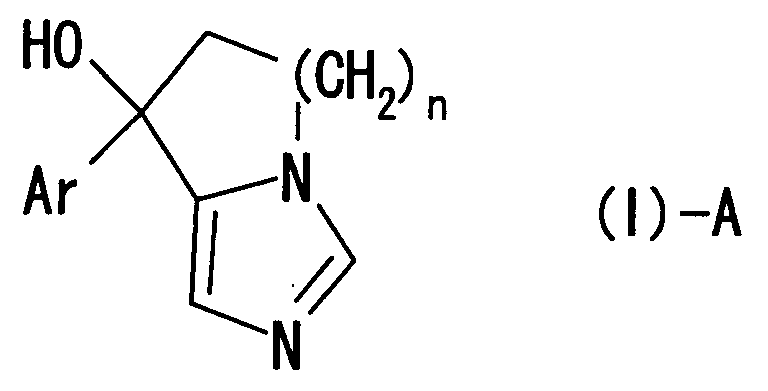 (B) a coating layer containing (1) a enteric coating agent selected from cellulose acetate phthalate, hydroxypropylmethylcellulose phthalate, hydroxymethylcellulose acetate succinate and methacrylic acid copolymers, (2) a lubricant selected from magnesium stearate, calcium stearate, talc, light anhydrous silicic acid, colloidal silica, synthetic aluminum silicate and magnesium aluminometasilicate, and (3) a plasticizer selected from acetyl tributyl citrate, acetyl triethyl citrate, castor oil, diacetylated monoglyceride, dibutyl sebacate, diethyl phthalate, glycerin, mono- and diacetylated monoglyceride, polyethylene glycol, propylene glycol, triacetin and triethyl citrate.
 - The controlled release composition according to claim 2, wherein the release property of the physiologically active substance in the absence of the coating layer is of rapid release.
- The controlled release composition according to claim 2, wherein the core is a controlled release matrix which further comprises a hydrophilic polymer.
- The controlled release composition according to claim 1 or 9, wherein the content of the hydrophilic polymer is about 3% to about 95% by weight.
- The controlled release composition according to claim 2, wherein the polymer in the coating layer exhibits pH-dependent or delayed-dissolution type water solubility.
- The controlled release composition according to claim 2, wherein the polymer in the coating layer is insoluble or sparingly soluble in water.
- A controlled release composition, wherein the controlled release composition according to claim 1 or 2 is coated with a coating layer which contains a physiologically active substance which is identical with or different from the physiologically active substance contained in the above-mentioned controlled release composition, and the release property of the physiologically active substance being of rapid release.
- The controlled release composition according to claim 1 or 2, which is used for prevention or treatment of prostate cancer or breast cancer.
- A composition which comprises the controlled release composition according to claim 1 or 2, combined with at least one other controlled release composition wherein a release rate of a physiologically active substance is different from that of the above-mentioned controlled release composition.
- The composition according to claim 15, wherein the other controlled release composition contains a physiologically active substance whose solubility (37°C) with respect to 1st fluid for the disintegration test in the Japanese Pharmacopoeia is about 0.1 mg/mL or more.
- The composition according to claim 16, wherein the physiologically active substance in the other controlled release composition is a compound represented by the formula:wherein n is an integer of 1 to 3, and Ar is an aromatic ring which may be substituted,

or a salt thereof. - The composition according to claim 17, which has the following dissolution characteristics:1) in Method 2 of the dissolution test in the Japanese Pharmacopoeia (paddle method, rotation speed of paddle: 50 rpm, 37°C) using 900 mL of 1st fluid for the disintegration test in the Japanese Pharmacopoeia, the dissolution rate of the physiologically active substance from the controlled release composition at 15 minutes after initiation of the test is less than 10%, and2) in Method 2 of the dissolution test in the Japanese Pharmacopoeia (paddle method, rotation speed of paddle: 50 rpm, 37°C) using 900 mL of 2nd fluid for the disintegration test in the Japanese Pharmacopoeia, the dissolution rate of the physiologically active substance from the controlled release composition at 24 hours after initiation of the test is 20% or more.
- The composition according to claim 15, wherein the release property of the physiologically active substance in the other controlled release composition is of rapid release.
- The composition according to claim 15, wherein the other controlled release composition is prepared by coating a core containing a physiologically active substance with a coating layer containing a polymer which exhibits pH-dependent or delayed-dissolution type water solubility.
- The composition according to claim 15, which is used for prevention or treatment of prostate cancer or breast cancer.
- A controlled release composition for oral administration, which comprises(1) (+)-6-(7-hydroxy-6,7-dihydro-5H-pyrrolo[1,2-c]imidazol-7-yl)-N-methyl-2-naphthamide or a salt thereof,(2) a hydrophilic polymer selected from hydroxypropylcellulose, hydroxypropylmethylcellulose, methylcellulose, polyethylene oxide, sodium carboxymethylcellulose and low-substituted hydroxypropylcellulose,(3) a disintegrant selected from lactose, sucrose, starch, carboxymethylcellulose, calcium carboxymethylcellulose, sodium croscarmellose, sodium carboxymethyl starch, light anhydrous silicic acid and low-substituted hydroxypropylcellulose,(4) a lubricant selected from magnesium stearate, calcium stearate, talc, light anhydrous silicic acid, colloidal silica, synthetic aluminum silicate and magnesium aluminometasilicate,(5) a enteric coating agent selected from cellulose acetate phthalate, hydroxypropylmethylcellulose phthalate, hydroxymethylcellulose acetate succinate and methacrylic acid copolymers,(6) a binder selected from α-starch, sugar, gelatin, gum arabic, methylcellulose, carboxymethylcellulose, sodium carboxymethylcellulose, crystalline cellulose, sucrose, D-mannitol, trehalose, dextrin, pullulan, hydroxypropylcellulose, hydroxypropylmethylcellulose and polyvinylpyrrolidone, and(7) a plasticizer selected from acetyl tributyl citrate, acetyl triethyl citrate, castor oil, diacetylated monoglyceride, dibutyl sebacate, diethyl phthalate, glycerin, mono- and diacetylated monoglyceride, polyethylene glycol, propylene glycol, triacetin and triethyl citrate.
- A controlled release composition for oral administration, wherein(A) a core containing (1) (+)-6-(7-hydroxy-6,7-dihydro-5H-pyrrolo[1,2-c]imidazol-7-yl)-N-methyl-2-naphthamide or a salt thereof, and (2) a hydrophilic polymer selected from hydroxypropylcellulose, hydroxypropylmethylcellulose, methylcellulose, polyethylene oxide, sodium carboxymethylcellulose and low-substituted hydroxypropylcellulose, is coated with(B) a coating layer containing (1) an enteric coating agent selected from cellulose acetate phthalate, hydroxypropylmethylcellulose phthalate, hydroxymethylcellulose acetate succinate and methacrylic acid copolymers, (2) a lubricant selected from magnesium stearate, calcium stearate, talc, light anhydrous silicic acid, colloidal silica, synthetic aluminum silicate and magnesium aluminometasilicate, and (3) a plasticizer selected from acetyl tributyl citrate, acetyl triethyl citrate, castor oil, diacetylated monoglyceride, dibutyl sebacate, diethyl phthalate, glycerin, mono- and diacetylated monoglyceride, polyethylene glycol, propylene glycol, triacetin and triethyl citrate.
Applications Claiming Priority (3)
| Application Number | Priority Date | Filing Date | Title |
|---|---|---|---|
| JP2003072855 | 2003-03-17 | ||
| JP2003072855 | 2003-03-17 | ||
| PCT/JP2004/003488 WO2004082679A1 (en) | 2003-03-17 | 2004-03-16 | Release control compositions |
Publications (2)
| Publication Number | Publication Date |
|---|---|
| EP1607092A1 true EP1607092A1 (en) | 2005-12-21 |
| EP1607092A4 EP1607092A4 (en) | 2010-12-15 |
Family
ID=33027780
Family Applications (1)
| Application Number | Title | Priority Date | Filing Date |
|---|---|---|---|
| EP04720973A Withdrawn EP1607092A4 (en) | 2003-03-17 | 2004-03-16 | CONTROLLED RELEASE COMPOSITIONS |
Country Status (4)
| Country | Link |
|---|---|
| US (2) | US20060177506A1 (en) |
| EP (1) | EP1607092A4 (en) |
| CA (1) | CA2519211A1 (en) |
| WO (1) | WO2004082679A1 (en) |
Cited By (5)
| Publication number | Priority date | Publication date | Assignee | Title |
|---|---|---|---|---|
| WO2007065942A3 (en) * | 2005-12-09 | 2007-07-26 | Speedel Experimenta Ag | Bis-heterocyclic imidazolyl compounds |
| EP1854463A4 (en) * | 2005-03-03 | 2011-03-23 | Takeda Pharmaceutical | CONTROLLED RELEASE COMPOSITION |
| US9283192B2 (en) | 2010-03-05 | 2016-03-15 | University Of Strathclyde | Delayed prolonged drug delivery |
| US9474719B2 (en) | 2010-03-05 | 2016-10-25 | University Of Strathclyde | Pulsatile drug release |
| US10137091B2 (en) | 2010-03-05 | 2018-11-27 | University Of Strathclyde | Immediate/delayed drug delivery |
Families Citing this family (9)
| Publication number | Priority date | Publication date | Assignee | Title |
|---|---|---|---|---|
| AR065850A1 (en) * | 2007-03-28 | 2009-07-08 | Takeda Pharmaceutical | SOLID PHARMACEUTICAL COMPOSITION INCLUDING A BENZIMIDAZOL-7-CARBOXYLATE DERIVATIVE AND A PH CONTROL AGENT |
| GB0709541D0 (en) * | 2007-05-17 | 2007-06-27 | Jagotec Ag | Pharmaceutical excipient |
| AR073380A1 (en) * | 2008-09-25 | 2010-11-03 | Takeda Pharmaceutical | SOLID PHARMACEUTICAL COMPOSITION. MULTI-PAD TABLET |
| JP5031054B2 (en) * | 2010-03-18 | 2012-09-19 | 信越化学工業株式会社 | Low substituted hydroxypropyl cellulose and solid preparation containing the same |
| WO2011155451A1 (en) * | 2010-06-08 | 2011-12-15 | 学校法人神戸学院 | Coated particle and method for producing coated particle |
| PL2665471T3 (en) * | 2011-01-19 | 2018-06-29 | Pathologica, Llc. | Controlled release oral pharmaceutical dosage forms comprising mgbg |
| TW201244757A (en) | 2011-04-01 | 2012-11-16 | Takeda Pharmaceutical | Solid preparation |
| US9968607B2 (en) | 2011-04-25 | 2018-05-15 | Hetero Research Foundation | Pharmaceutical compositions of raltegravir, methods of preparation and methods of use therof |
| HUE045495T2 (en) | 2012-02-27 | 2019-12-30 | Bayer New Zealand Ltd | Controlled release compositions and their methods of use |
Family Cites Families (9)
| Publication number | Priority date | Publication date | Assignee | Title |
|---|---|---|---|---|
| US3696188A (en) * | 1971-06-16 | 1972-10-03 | Schering Corp | Laminated tablets |
| FI101344B1 (en) * | 1988-03-31 | 1998-06-15 | Tanabe Seiyaku Co | Process for the preparation of a composition for controlled release of a pharmaceutically active substance |
| DE69222006T2 (en) * | 1991-10-30 | 1998-01-22 | Glaxo Group Ltd | Multilayer compositions containing histamine or serotonin antagonists |
| US5160742A (en) * | 1991-12-31 | 1992-11-03 | Abbott Laboratories | System for delivering an active substance for sustained release |
| CN1131944A (en) * | 1993-09-30 | 1996-09-25 | 山之内制药株式会社 | Azole derivatives and its pharmaceutical composition |
| SE512835C2 (en) * | 1996-01-08 | 2000-05-22 | Astrazeneca Ab | Dosage form containing a plurality of units all containing acid labile H + K + ATPase inhibitors |
| US6245351B1 (en) * | 1996-03-07 | 2001-06-12 | Takeda Chemical Industries, Ltd. | Controlled-release composition |
| EP1334106B1 (en) * | 2000-11-17 | 2006-05-24 | Takeda Pharmaceutical Company Limited | Imidazole derivatives, production method thereof and use thereof |
| CA2519208A1 (en) * | 2003-03-17 | 2004-09-30 | Takeda Pharmaceutical Company Limited | Controlled release composition |
-
2004
- 2004-03-16 CA CA002519211A patent/CA2519211A1/en not_active Abandoned
- 2004-03-16 US US10/549,893 patent/US20060177506A1/en not_active Abandoned
- 2004-03-16 EP EP04720973A patent/EP1607092A4/en not_active Withdrawn
- 2004-03-16 WO PCT/JP2004/003488 patent/WO2004082679A1/en not_active Ceased
-
2014
- 2014-01-17 US US14/158,149 patent/US20140205672A1/en not_active Abandoned
Cited By (9)
| Publication number | Priority date | Publication date | Assignee | Title |
|---|---|---|---|---|
| EP1854463A4 (en) * | 2005-03-03 | 2011-03-23 | Takeda Pharmaceutical | CONTROLLED RELEASE COMPOSITION |
| US8828429B2 (en) | 2005-03-03 | 2014-09-09 | Takeda Pharmaceutical Company Limited | Release-control composition |
| WO2007065942A3 (en) * | 2005-12-09 | 2007-07-26 | Speedel Experimenta Ag | Bis-heterocyclic imidazolyl compounds |
| US8008334B2 (en) | 2005-12-09 | 2011-08-30 | Novartis Ag | Bis-heterocyclic imidazolyl compounds |
| US8263615B2 (en) | 2005-12-09 | 2012-09-11 | Novartis Ag | Bis-heterocyclic imidazolyl compounds |
| US9283192B2 (en) | 2010-03-05 | 2016-03-15 | University Of Strathclyde | Delayed prolonged drug delivery |
| US9474719B2 (en) | 2010-03-05 | 2016-10-25 | University Of Strathclyde | Pulsatile drug release |
| US10137091B2 (en) | 2010-03-05 | 2018-11-27 | University Of Strathclyde | Immediate/delayed drug delivery |
| US11065205B2 (en) | 2010-03-05 | 2021-07-20 | Drug Delivery International Limited | Immediate/delayed drug delivery |
Also Published As
| Publication number | Publication date |
|---|---|
| CA2519211A1 (en) | 2004-09-30 |
| US20140205672A1 (en) | 2014-07-24 |
| WO2004082679A1 (en) | 2004-09-30 |
| EP1607092A4 (en) | 2010-12-15 |
| US20060177506A1 (en) | 2006-08-10 |
Similar Documents
| Publication | Publication Date | Title |
|---|---|---|
| US20140205672A1 (en) | Release control compositions | |
| US8828429B2 (en) | Release-control composition | |
| KR101090719B1 (en) | Timed, sustained release multi-particulate dosage forms of propranolol | |
| AU2007267159B2 (en) | Lipoic acid pellets | |
| US20200085861A1 (en) | Pharmaceutical formulations of nitrite and uses thereof | |
| PL206083B1 (en) | Pharmaceutical granules containing tamsulozine and method of their manufacture | |
| JP2003503341A (en) | Pharmaceutical dosage forms for controlled release producing at least one timely pulse | |
| EP3003284A1 (en) | Pharmaceutical formulations of a hif hydroxylase inhibitor | |
| ES2560052T5 (en) | Bilayer tablet comprising benazepril hydrochloride and pimobendan | |
| JP4837895B2 (en) | Controlled release composition | |
| RU2481107C2 (en) | Agent for preventing and treating cancer | |
| JP2006528190A (en) | Antibiotic preparations, their use and preparation | |
| WO2005009365A2 (en) | Antibiotic product, use and formulation thereof | |
| CN1543953A (en) | Fluorouracil colon-targeted pellet drug formulation | |
| JP2007502294A (en) | Antibiotic preparations, their use and preparation | |
| CN100548297C (en) | A kind of slow-release micro-pill that contains toraesmide active ingredient and preparation method thereof | |
| WO2015196956A1 (en) | Metoprolol sustained-release composition and preparation method thereof | |
| JP2004277415A (en) | Pharmaceutical composition containing stabilized imidazole derivative and method of stabilizing the imidazole derivative | |
| JP2007513869A (en) | Antibiotic preparations, their use and preparation | |
| JP2007504141A (en) | Antibiotic preparations, their use and preparation | |
| KR20010027657A (en) | Amitriptyline granule as a controlled release system and the preparation method thereof |
Legal Events
| Date | Code | Title | Description |
|---|---|---|---|
| PUAI | Public reference made under article 153(3) epc to a published international application that has entered the european phase |
Free format text: ORIGINAL CODE: 0009012 |
|
| 17P | Request for examination filed |
Effective date: 20050915 |
|
| AK | Designated contracting states |
Kind code of ref document: A1 Designated state(s): AT BE BG CH CY CZ DE DK EE ES FI FR GB GR HU IE IT LI LU MC NL PL PT RO SE SI SK TR |
|
| AX | Request for extension of the european patent |
Extension state: AL LT LV MK |
|
| DAX | Request for extension of the european patent (deleted) | ||
| A4 | Supplementary search report drawn up and despatched |
Effective date: 20101112 |
|
| 17Q | First examination report despatched |
Effective date: 20120220 |
|
| STAA | Information on the status of an ep patent application or granted ep patent |
Free format text: STATUS: THE APPLICATION IS DEEMED TO BE WITHDRAWN |
|
| 18D | Application deemed to be withdrawn |
Effective date: 20161001 |