Field of the Invention
The present invention relates to a packet transmission
apparatus that transmits a voice band signal using IP (Internet
Protocol) packets. More particularly, it relates to a packet
transmission apparatus that relays signals to be transmitted
via facsimile communications by way of an IP network by assuming
the signals as voice signals.
Background of the Invention
There has been provided a transmission technology for
capturing analog signals to be transmitted via data
communications, such as facsimile communications, into a VoIP
(Voice over Internet Protocol) gateway, as well as voice signals,
and transmitting the analog signals, as IP packets, via an IP
network. This prior art transmission technology is the one for
transmitting signals to be transmitted via data communications
by way of a VoIP gateway, just as they are, by assuming so-called
voice band signals to be transmitted via data communications,
such as facsimile communications, as voice signals (refer to
non-patent reference 1, for example). In accordance with this
transmission technology, voice communications can be
established by using a standard function of VoIP gateways for
implementing voice communications via an IP network, and
facsimile communications similar to those via an analog line
can be established in real time.
[Non-patent reference 1] "Nikkei communication" No.
2000.12.18, pp.154 to 159, published by Nikkei Business
Publications, Inc._
A problem with prior art VoIP technologies is that
although some noises only appear in voices when losses of IP
packets occurs in a voice telephone calling, data
communications may get itself into trouble when losses of IP
packets occurs in the data communications. That is, although
when voice communications are carried out, no trouble occurs
as long as original analog signals can be reproduced to such
an extent that human beings can catch corresponding voices on
a receive side, communications cannot be implemented as long
as signal waveforms are not faithfully reproduced on the receive
side because voice band data signals to be transmitted via data
communications, such as facsimile communications, are analog
signals having complicated waveforms. Especially, when a
transmission error occurs in a facsimile control signal used
for controlling a communication procedure for carrying out
facsimile communications, the facsimile communications may
bring itself into a disconnection state.
The present invention is made in order to solve the
above-mentioned problems, and it is therefore an object of the
present invention to provide a packet transmission apparatus
that can prevent itself from entering a disconnection state even
though a packet loss occurs while packet transmission using VoIP
is carried out, thereby implementing high-reliability
communications.
Disclosure of the Invention
In accordance with the present invention, there is
provided a packet transmission apparatus including: a voice
encoding unit for voice-encoding an incoming voice band signal;
a packet generating unit for accepting the encoded voice signal
from the voice encoding unit, and for assembling packets from
the encoded voice signal and outputting them; a redundant packet
generating unit for accepting the encoded voice signal from the
voice encoding unit, and for assembling redundant packets to
each of which error correction data is added and outputting the
redundant packets; a selector unit for selecting, as an output
source that furnishes packets to a transmission destination,
either the packet generating unit or the redundant packet
generating unit; and a signal detecting unit for determining
whether or not the voice band signal is a signal associated with
predetermined data communications, and for controlling
selection by the selector unit according to a result of the
determination.
Therefore, even in a case where a voice band signal
associated with predetermined data communications is assumed
as a voice signal, and is packetized and is transmitted over
an IP network, as well as in a case where a voice signal to be
transmitted via voice communications is IP-packetized using a
VoIP technology, the packet transmission apparatus creates
redundant packets from any signal associated with the
predetermined data communications and transmits them to a
receive-side apparatus. The packet transmission apparatus can
thus implement high-reliability data communications even
though a transmission error, such as a packet loss, occurs.
Brief Description of the Figures
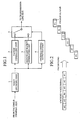
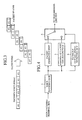
Fig. 1 is a block diagram showing the structure of a packet
transmission apparatus in accordance with embodiment 1 of the
present invention;
Fig. 2 is a diagram explaining packetizing processing
performed by a packet generating unit;
Fig. 3 is a diagram explaining packetizing processing
performed by a redundant packet generating unit;
Fig. 4 is a block diagram showing the structure of a packet
transmission apparatus in accordance with embodiment 2 of the
present invention;
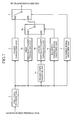
Fig. 5 is a block diagram showing the structure of a packet
transmission apparatus in accordance with embodiment 3 of the
present invention;
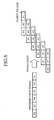
Fig. 6 is a diagram explaining packetizing processing
performed by a second redundant packet generating unit;
Fig. 7 is a block diagram showing the structure of a packet
transmission apparatus in accordance with embodiment 4 of the
present invention;
Fig. 8 is a block diagram showing the structure of a packet
transmission apparatus in accordance with embodiment 5 of the
present invention;
Fig. 9 is a block diagram showing the structure of a packet
transmission apparatus in accordance with embodiment 6 of the
present invention;
Fig. 10 is a block diagram showing the structure of a
packet transmission apparatus in accordance with embodiment 7
of the present invention; and
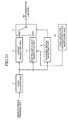
Fig. 11 is a block diagram showing the structure of a
packet transmission apparatus in accordance with embodiment 8
of the present invention.
Preferred Embodiments of the Invention
Hereafter, in order to explain this invention in greater
detail, the preferred embodiments of the present invention will
be described with reference to the accompanying drawings.
Embodiment 1.
Fig. 1 is a block diagram showing the structure of a packet
transmission apparatus in accordance with embodiment 1 of the
present invention. The packet transmission apparatus in
accordance with embodiment 1 is provided with a voice encoding
unit 1 for accepting a communication signal having a voice band
from a facsimile terminal not shown, a packet generating unit
2, a redundant packet generating unit 3 and a facsimile signal
detecting unit (i.e., a signal detecting unit) 4 which all
receive an encoded voice signal from the voice encoding unit
1, and a selector (i.e., a selecting unit) 5 for selecting either
an output of the packet generating unit 2 or an output of the
redundant packet generating unit 3.
The voice encoding unit 1 carries out a so-called voice
coding process of converting an incoming voice band analog
signal into a digital signal. The voice encoding unit 1 can
carry out this voice coding processing according to a coding
method defined by ITU (International Telecommunications
Union)-T recommendation G.711. As an alternative, the voice
encoding unit 1 can be so constructed as to comply with another
coding method defined by ITU-T recommendation and to
automatically select a voice coding method with which the
receive-side apparatus not shown is compliant.
The packet generating unit 2 accepts the encoded voice
signal from the voice encoding unit 1, and assembles packets
from the encoded voice signal. Concretely, as shown in Fig.
2, after dividing the encoded voice signal into plural data
which are separated by predetermined time intervals (i.e., data
#1 to #6 in the figure), the packet generating unit 2 assembles
packets to each of which a packet header is added. This packet
header includes headers according to protocols, such as IP, UDP
(User Datagram Protocol), and RTP (Real-time Transport
Protocol). The RTP header includes sequence information time
indicating whether the packets have arrived in particular order
and stamp information used for determining the amount of jitter
which is a fluctuation in intervals at which the packets have
arrived. The receive-side apparatus can perform
synchronization of packet reception and detection of losses of
packets using these pieces of information.
The redundant packet generating unit 3 accepts the
encoded voice signal from the voice encoding unit 1, and
assembles redundant packets to each of which data for
transmission-error correction is added. Concretely, as shown
in Fig. 3, after dividing the encoded voice signal into plural
data which are separated by predetermined time intervals (i.e.,
data #1 to #6 in the figure), the redundant packet generating
unit 3 assembles redundant packets (in the example of Fig. 3,
redundant packets each of which is comprised of a combination
of two data) in which two or more redundant data are included
as data for transmission-error correction first. After that,
the redundant packet generating unit 3 assembles and outputs
redundant packets to each of which data transmitted to the
selector immediately before the transmission of the next
redundant packet is added as data for transmission-error
correction (in the example of Fig. 3, one of the two data included
in the redundant packet transmitted to the selector immediately
before the transmission of the next redundant packet). As a
result, even if a transmission error, such as a packet loss,
occurs in transmitted data, the receive-side apparatus can
correct (or restore) the data in which a transmission error has
occurred based on redundant packets. Error correction codes
other than data transmitted to the receive-side apparatus in
the past can be used as data for transmission-error correction.
The facsimile signal detecting unit 4 selects facsimile
communications in advance as data communications other than
voice communications. The facsimile signal detecting unit 4
determines whether or not the voice band signal inputted to the
voice encoding unit 1 is a facsimile signal associated with FAX
image data to be transmitted via facsimile communications. The
facsimile signal detecting unit 4 selects data communications
via which the packet transmission apparatus can transmit data
signals as voice signals by using VoIP, e.g., such data
communications with a low degree of
transmission-error-tolerance. In this case, the facsimile
signal detecting unit 4 selects signals which should be
transmitted with the highest stability from among data signals
to be transmitted via the selected data communications and sets
the selected signals as a target for detection.
The selector 5 is connected with the output of the packet
generating unit 2 and the output of the redundant packet
generating unit 3, selects either the output signal of the
packet generating unit 2 or the output signal of the redundant
packet generating unit 3 according to control by the facsimile
signal detecting unit 4, and sends out the selected output
signal onto a transmission line.
Next, the operation of the packet transmission apparatus
in accordance with embodiment 1 of the present invention will
be explained.
First, when accepting a voice band signal from the
facsimile-terminal side, the voice encoding unit 1 performs
voice coding, such as one according to ITU-T recommendation
G.711, on the incoming voice band signal, and outputs the
encoded voice signal to the packet generating unit 2, the
redundant packet generating unit 3, and the facsimile signal
detecting unit 4. The packet generating unit 2 performs a
packetizing process, as shown in Fig. 2, on the inputted encoded
voice signal. The redundant packet generating unit 3 performs
a packetizing process, as shown in Fig. 3, on the inputted
encoded voice signal.
The facsimile signal detecting unit 4 analyzes the
encoded voice signal from the voice encoding unit 1, and
determines whether or not the voice band signal inputted to the
voice encoding unit 1 is a facsimile signal. When determining
that the voice band signal inputted to the voice encoding unit
1 is a facsimile signal, the facsimile signal detecting unit
4 controls the selector 5 so as to select the output of the
redundant packet generating unit 3. In contrast, when
determining that the voice band signal inputted to the voice
encoding unit 1 is not a facsimile signal, but is a voice signal,
for example, the facsimile signal detecting unit 4 controls the
selector 5 so as to select the output of the packet generating
unit 2. The selector 5 selects either the packet generating
unit 2 or the redundant packet generating unit 3 as an output
source with respect to the transmission-line side according to
the control by the facsimile signal detecting unit 4, and sends
out the output data from the selected output source to the
transmission-line side.
As a result, when carrying out facsimile communications
with a not-shown receive-side apparatus, the packet
transmission apparatus makes it possible for the receive-side
apparatus to receive a facsimile signal including FAX image data
which are a main target for transmission in the form of redundant
packets assembled by the redundant packet generating unit 3 of
the packet transmission apparatus. Therefore, even if a packet
loss occurs while facsimile communications between the packet
transmission apparatus and the not-shown receive-side
apparatus are carried out, any transmission error caused by the
packet loss can be recovered by using the redundant packets.
As mentioned above, in accordance with this embodiment
1, the packet transmission apparatus is provided with the voice
encoding unit 1 for performing voice coding on a voice band
signal, the packet generating unit 2 for accepting the encoded
voice signal from,the voice encoding unit 1, and for assembling
packets from the encoded voice signal, the redundant packet
generating unit 3 for accepting the encoded voice signal from
the voice encoding unit 1, and for assembling redundant packets,
the selector 5 for selecting, as the output source that
furnishes packets to the transmission-line side (i.e., the
transmission destination), either the packet generating unit
2 or the redundant packet generating unit 3, and the facsimile
signal detecting unit 4 for determining whether or not the voice
band signal is a facsimile signal associated with facsimile
communications which are pre-selected data communications, and
for controlling the selection by the selector 5 according to
the determination result. Therefore, even in a case where a
voice band signal to be transmitted via facsimile
communications is assumed as a voice signal, and is
IP-packetized and is transmitted over an IP network, as well
as in a case where a voice signal to be transmitted via voice
communications is IP-packetized using a VoIP technology, the
packet transmission apparatus assembles and transmits
redundant packets associated with the facsimile signal
indicating FAX image data, which is a main target of
transmission via facsimile communications, to a receive-side
apparatus. The packet transmission apparatus can thus
implement high-reliability transmission of the facsimile
signal even though a transmission error, such as a packet loss,
occurs.
In accordance with above-mentioned embodiment 1, the
selector 5 is disposed on the output side of the packet
generating unit 2 and the redundant packet generating unit 3.
As an alternative, the selector 5 can be disposed on the input
side of the packet generating unit 2 and the redundant packet
generating unit 3, and can output the encoded voice signal to
either of the packet generating units 2 and 3 which it selects
according to the control by the facsimile signal detecting unit
4.
Embodiment 2.
Fig. 4 is a block diagram showing the structure of a packet
transmission apparatus in accordance with embodiment 2 of the
present invention. While the fundamental structure of the
packet transmission apparatus in accordance with this
embodiment is the same as that of above-mentioned embodiment
1, the packet transmission apparatus in accordance with this
embodiment differs from that of embodiment 1 in that a facsimile
control signal detecting unit (i.e., a signal detecting unit)
6 is disposed instead of the facsimile signal detecting unit
4. This facsimile control signal detecting unit 6 determines
whether or not a voice band signal inputted into a voice encoding
unit 1 is a facsimile control signal used for controlling a
communication procedure for carrying out facsimile
communications. The facsimile control signal is a signal which
is transmitted between a transmit side and a receive side in
order to control the communication procedure for carrying out
facsimile communications. For example, in a case where the
packet transmission apparatus is connected to a G3 facsimile
terminal, the facsimile control signal is a V.21 modem signal
used for controlling the communication procedure, which is
defined by ITU-T recommendation T.30. The same components as
those of Fig. 1 or like components are designated by the same
reference numerals as shown in Fig. 1, and the explanation of
those components will be omitted hereafter.
Next, the operation of the packet transmission apparatus
in accordance with embodiment 2 of the present invention will
be explained.
First, when accepting a voice band signal from the
facsimile-terminal side, the voice encoding unit 1 performs
voice coding, such as one according to ITU-T recommendation
G. 711, on the incoming voice band signal, and outputs the
encoded voice signal to a packet generating unit 2, a redundant
packet generating unit 3, and the facsimile control signal
detecting unit 6. The packet generating unit 2 performs a
packetizing process, as shown in Fig. 2, on the inputted encoded
voice signal. The redundant packet generating unit 3 performs
a packetizing process, as shown in Fig. 3, on the inputted
encoded voice signal.
The facsimile control signal detecting unit 6 analyzes
the encoded voice signal from the voice encoding unit 1, and
determines whether or not the voice band signal inputted to the
voice encoding unit 1 is a facsimile signal such as a V.21 modem
signal in the case of G3 facsimile. When determining that the
voice band signal inputted to the voice encoding unit 1 is a
facsimile control signal, the facsimile control signal
detecting unit 6 controls the selector 5 so as to select the
output of the redundant packet generating unit 3. In contrast,
when determining that the voice band signal inputted to the
voice encoding unit 1 is not a facsimile control signal, but
is a voice signal or a V.29 modem signal which is a facsimile
signal indicating FAX image data to be transmitted, for example,
the facsimile control signal detecting unit 6 controls the
selector 5 so as to select the output of the packet generating
unit 2. The selector 5 selects either the packet generating
unit 2 or the redundant packet generating unit 3 as an output
source that furnishes packets to a transmission-line side
according to the control by the facsimile control signal
detecting unit 6, and sends out the output data from the selected
output source to the transmission-line side.
As a result, when carrying out facsimile communications
with a not-shown receive-side apparatus, the packet
transmission apparatus of this embodiment makes it possible for
the receive-side apparatus to receive a facsimile control
signal used for controlling the communication procedure for
carrying out facsimile communications in the form of redundant
packets assembled by the redundant packet generating unit 3 of
the packet transmission apparatus. Therefore, even if a packet
loss occurs while facsimile communications between the packet
transmission apparatus and the not-shown receive-side
apparatus are carried out, a transmission error caused by the
packet loss can be recovered by using the redundant packets and
therefore the facsimile communications can be prevented from
being interrupted.
As mentioned above, in accordance with this embodiment
2, the packet transmission apparatus is provided with the voice
encoding unit 1 for performing voice coding on a voice band
signal, the packet generating unit 2 for accepting the encoded
voice signal from the voice encoding unit 1, and for assembling
packets from the encoded voice signal, the redundant packet
generating unit 3 for accepting the encoded voice signal from
the voice encoding unit 1, and for assembling redundant packets,
the selector 5 for selecting, as the output source that
furnishes packets to the transmission-line side (i.e., the
transmission destination), either the packet generating unit
2 or the redundant packet generating unit 3, and the facsimile
control signal detecting unit 6 for determining whether or not
the voice band signal is a facsimile control signal used for
controlling a communication procedure for carrying out
facsimile communications, and for controlling the selection by
the selector 5 according to the determination result.
Therefore, even in a case where a voice band signal to be
transmitted via facsimile communications is assumed as a voice
signal, and is IP-packetized and is transmitted over an IP
network, as well as in a case where a voice signal to be
transmitted via voice communications is IP-packetized using a
VoIP technology, the packet transmission apparatus assembles
and transmits redundant packets associated with the facsimile
control signal used for controlling the communication procedure
for carrying out facsimile communications to a receive-side
apparatus. The packet transmission apparatus can thus
implement high-reliability transmission of the facsimile
control signal even though a transmission error, such as a
packet loss, occurs. As a result, the packet transmission
apparatus can provide facsimile communications in a condition
of stability.
In accordance with above-mentioned embodiment 2, the
selector 5 is disposed on the output side of the packet
generating unit 2 and the redundant packet generating unit 3.
As an alternative, the selector 5 can be disposed on the input
side of the packet generating unit 2 and the redundant packet
generating unit 3, and can output the encoded voice signal to
either of the packet generating units 2 and 3 which it selects
according to the control by the facsimile control signal
detecting unit 6.
Embodiment 3.
Fig. 5 is a block diagram showing the structure of a packet
transmission apparatus in accordance with embodiment 3 of the
present invention. The packet transmission apparatus in
accordance with this embodiment 3 is provided with two redundant
packet generating units (i.e., a redundant packet generating
unit, a first redundant packet generating unit, and a second
redundant packet generating unit) 3a and 3b, a selector (i.e.,
a first selector) 5a for selecting one of the outputs of these
redundant packet generating units, a facsimile control signal
detecting unit (i.e., a first signal detection unit) 6 for
controlling a selection by the selector 5a, a selector (i.e.,
a second selector) 5 for selecting either an output of the packet
generating unit 2 or an output of the selector 5a, and a facsimile
signal detecting unit (i.e., a second signal detection unit)
4 for controlling a selection by the selector 5.
The redundant packet generating unit 3a accepts an
encoded voice signal from a voice encoding unit 1, and assembles
redundant packets to each of which data for transmission-error
correction is added. Concretely, as shown in Fig. 3 which is
referred to in above-mentioned embodiment 1, after dividing the
encoded voice signal into plural data which are separated by
predetermined time intervals (i.e., data #1 to #6 in the figure),
the redundant packet generating unit 3a assembles redundant
packets (in the example of Fig. 3, redundant packets each of
which is comprised of a combination of two data) in which two
or more redundant data are included as data for
transmission-error correction. After that, the redundant
packet generating unit 3a assembles and outputs redundant
packets to each of which data transmitted to the selector 5a
immediately before the transmission of the next redundant
packet is added as data for transmission-error correction (in
the example of Fig. 3, one of the two data included in the
redundant packet transmitted to the selector 5a immediately
before the transmission of the next redundant packet). The
redundant packet generating unit 3a of this embodiment operates
fundamentally in the same way as the redundant packet generating
unit 3 of above-mentioned embodiment 1.
The second redundant packet generating unit 3b accepts
the encoded voice signal processed by the voice encoding unit
1, and assembles redundant packets having a higher degree of
transmission-error-tolerance than those assembled by the first
redundant packet generating unit 3a. Concretely, as shown in
Fig. 6, after dividing the encoded voice signal into plural data
which are separated by predetermined time intervals (i.e., data
#1 to #6 in the figure), the redundant packet generating unit
3b assembles redundant packets (in the example of Fig. 6,
redundant packets each of which is comprised of a combination
of three data) in which plural redundant data whose number is
larger than that of redundant data combined by the redundant
packet generating unit 3a are included as data for
transmission-error correction. That is, the redundant packet
generating unit 3b assembles and outputs redundant packets to
each of which two data transmitted to the selector 5a
immediately before the transmission of the next redundant
packet is added as data for transmission-error correction (in
the example of Fig. 3, two of the three data included in the
redundant packet transmitted to the selector 5a immediately
before the transmission of the next redundant packet).
Thus, since each redundant packet assembled by the second
redundant packet generating unit 3b has a larger number of data
redundantly included therein, i.e., a higher degree of
redundancy than each redundant packet assembled by the first
redundant packet generating unit 3a (that is, the number of
times which the second redundant packet generating unit 3b
transmits the same data is larger than the number of times which
the first redundant packet generating unit 3a transmits the same
data), there is a high possibility that a receive-side apparatus
can correct (or restore) received data when a transmission error,
such as a packet loss, occurs in the received data. That is,
this fact means that the redundant packets assembled by the
second redundant packet generating unit 3b have a higher degree
of transmission-error-tolerance than those assembled by the
first redundant packet generating unit 3a.
In the redundant packets assembled by the first redundant
packet generating unit 3a and/or the second redundant packet
generating unit 3b, error correction codes can be used as data
for transmission-error correction, instead of above-mentioned
data transmitted to the receive-side apparatus in past. In this
case, the second redundant packet generating unit 3b assembles
redundant packets using codes having a higher error detection
and correction capability than that of codes which the first
redundant packet generating unit 3a uses in order to assemble
redundant packets.
The facsimile signal detecting unit 4 selects facsimile
communications in advance as data communications other than
voice communications. The facsimile signal detecting unit 4
determines whether or not the voice band signal inputted to the
voice encoding unit 1 is a facsimile signal indicating FAX image
data to be transmitted via facsimile communications. The
facsimile signal detecting unit 4 selects data communications
via which the packet transmission apparatus can transmit data
signals as voice signals by using VoIP, e.g., such data
communications with a low degree of
transmission-error-tolerance.
Like the facsimile signal detecting unit 4, the facsimile
control signal detecting unit 6 selects facsimile
communications in advance as data communications other than
voice communications. The facsimile control signal detecting
unit 6 determines whether or not the voice band signal inputted
to the voice encoding unit 1 is a facsimile control signal used
for controlling a communication procedure for carrying out
facsimile communications. As shown in above-mentioned
embodiment 2, the facsimile control signal is a signal which
is transmitted between a transmit side and a receive side in
order to control the communication procedure of carrying out
facsimile communications. For example, in a case where the
packet transmission apparatus is connected to a G3 facsimile
terminal, the facsimile control signal is a V.21 modem signal
used for controlling the communication procedure, which is
defined by ITU-T recommendation T.30.
The selector 5 selects either the output signal from the
packet generating unit 2 or the output signal from the selector
5a based on the determination result indicating whether or not
the inputted voice band signal is a facsimile signal, which is
inputted thereto from the facsimile signal detecting unit 4,
and outputs the selected output signal. The selector 5a selects
either the output signal from the first redundant packet
generating unit 3a or the output signal from the second
redundant packet generating unit 3b based on a determination
result indicating whether or not the voice band signal inputted
into the voice encoding unit 1 is a facsimile control signal,
which is inputted thereto from the facsimile control signal
detecting unit 6, and outputs the selected output signal.
Next, the operation of the packet transmission apparatus
in accordance with embodiment 3 of the present invention will
be explained.
First, when accepting a voice band signal from the
facsimile-terminal side, the voice encoding unit 1 performs
voice coding, such as one according to ITU-T recommendation
G.711, on the incoming voice band signal, and outputs the
encoded voice signal to the packet generating unit 2, the first
redundant packet generating unit 3a, the second redundant
packet generating unit 3b, the facsimile signal detecting unit
4, and the facsimile control signal detecting unit 6. The
packet generating unit 2 performs a packetizing process, as
shown in Fig. 2, on the inputted encoded voice signal. The first
redundant packet generating unit 3a performs a packetizing
process, as shown in Fig. 3, on the inputted encoded voice signal.
Furthermore, the second redundant packet generating unit 3b
performs a packetizing process, as shown in Fig. 6, on the
inputted encoded voice signal.
The facsimile signal control detecting unit 6 analyzes
the encoded voice signal from the voice encoding unit 1, and
determines whether or not the voice band signal inputted to the
voice encoding unit 1 is a facsimile control signal such as a
V.21 modem signal in the case of G3 facsimile. When determining
that the voice band signal inputted to the voice encoding unit
1 is a facsimile control signal, the facsimile control signal
detecting unit 6 controls the selector 5a so as to select the
output-of the second redundant packet generating unit 3b. In
contrast, when determining that the voice band signal inputted
to the voice encoding unit 1 is not a facsimile control signal,
but is a voice signal or a V.29 modem signal which is a facsimile
signal indicating FAX image data to be transmitted, for example,
the facsimile control signal detecting unit 6 controls the
selector 5a so as to select the output of the first redundant
packet generating unit 3a.
The facsimile signal detecting unit 4 analyzes the
encoded voice signal from the voice encoding unit 1, and
determines whether or not the voice band signal inputted to the
voice encoding unit 1 is a facsimile signal. When determining
that the voice band signal inputted to the voice encoding unit
1 is a facsimile signal, the facsimile signal detecting unit
4 controls the selector 5 so as to select the output of the
selector 5a. In contrast, when determining that the voice band
signal inputted to the voice encoding unit 1 is not a facsimile
signal, but is a voice signal, for example, the facsimile signal
detecting unit 4 controls the selector 5 so as to select the
output of the packet generating unit 2.
The selector 5a selects either the first redundant packet
generating unit 3a or the second redundant packet generating
unit 3b, as an output source that furnishes redundant packets
to a transmission-line side, based on the control signal from
the facsimile control signal detecting unit 6, and outputs the
selected output signal to the selector 5 (i.e., the
transmission-line side). The selector 5 selects either the
packet generating unit 2 or the selector 5a, as an output source
that furnishes packets to the transmission-line side, based on
the control by the facsimile signal detecting unit 4, and
outputs the selected output data to the transmission-line side.
That is, a facsimile control signal is packetized by the second
redundant packet generating unit 3b, a facsimile signal is
packetized by the first redundant packet generating unit 3a,
and a voice band signal other than signals to be transmitted
via facsimile communications is packetized by the packet
generating unit 2, and packets thus assembled are outputted to
the transmission-line side.
As a result, when the packet transmission apparatus
carries out facsimile communications with a not-shown
receive-side apparatus, the receive-side apparatus can receive
a facsimile control signal used for controlling the
communication procedure (i.e., important information required
for establishing facsimile communications) in the form of
redundant packets having a high degree of
transmission-error-tolerance, which are assembled by the
second redundant packet generating unit 3b, a facsimile signal
indicating FAX image data which is a main target for
transmission via facsimile communications in the form of
redundant packets assembled by the first redundant packet
generating unit 3a, and another signal in the form of packets
assembled by the packet generating unit 2. Therefore, even if
a packet loss occurs while facsimile communications between the
packet transmission apparatus and a not-shown receive-side
apparatus are carried out, the receive-side apparatus can
recover received data by using redundant packets having
different degrees of transmission-error-tolerance depending
upon the types of signals associated with the facsimile
communications and therefore the facsimile communications can
be prevented from being interrupted.
As mentioned above, in accordance with this embodiment
3, the packet transmission apparatus is provided with the voice
encoding unit 1 for performing voice coding on a voice band
signal, the packet generating unit 2 for accepting the encoded
voice signal from the voice encoding unit 1, and for assembling
packets from the encoded voice signal, the first redundant
packet generating unit 3a for accepting the encoded voice signal
from the voice encoding unit 1, and for assembling redundant
packets, the second redundant packet generating unit 3b for
accepting the encoded voice signal from the voice encoding unit
1, and for assembling redundant packets having a higher degree
of redundancy than those assembled by the first redundant packet
generating unit 3a, the selector 5a for selecting, as an output
source that furnishes packets to the transmission-line side
(i.e., the transmission destination), either the first
redundant packet generating unit 3a or the second redundant
packet generating unit 3b, the selector 5 for selecting, as an
output source that furnishes packets to the transmission-line
side (i.e., the transmission destination), either the packet
generating unit 2 or the selector 5a, the facsimile control
signal detecting unit 6 for determining whether or not the voice
band signal is a facsimile control signal used for controlling
a communication procedure for carrying out facsimile
communications, and for controlling the selection by the
selector 5a according to the determination result, and the
facsimile signal detecting unit 4 for determining whether or
not the voice band signal is a facsimile signal, and for
controlling the selection by the selector 5 according to the
determination result. Therefore, even in a case where a voice
band signal to be transmitted via facsimile communications is
assumed as a voice signal, and is IP-packetized and is
transmitted over an IP network, as well as in a case where a
voice signal to be transmitted via voice communications is
IP-packetized using a VoIP technology, the packet transmission
apparatus assembles redundant packets having different degrees
of transmission error immunity from the facsimile signal
indicating FAX image data, which is a main target of
transmission via facsimile communications, and the facsimile
control signal used for controlling the communication procedure
for carrying out facsimile communications, the different
degrees of transmission-error-tolerance depending upon the
difference in importance between the facsimile signal and the
facsimile control signal, and transmits the redundant packets
to a receive-side apparatus. As a result, the packet
transmission apparatus can implement high-reliability
transmission of the facsimile control signal even though a
transmission error, such as a packet loss, occurs. As a result,
the packet transmission apparatus can provide facsimile
communications in a condition of stability.
In accordance with above-mentioned embodiment 3, the
facsimile control signal and the facsimile signal for facsimile
communications are used in order to control the selection by
the selector 5 and the selection by the selector 5a,
respectively. As an alternative, each of the signal detecting
units 4 and 6 can be so constructed as to determine if the encoded
voice signal from the voice encoding unit 1 is of which one of
a larger number of signal types into which signals to be
transmitted via facsimile communications are subdivided
according to importance to the facsimile communications, and
the packet transmission apparatus can be provided with a
plurality of redundant packet generating units for assembling
redundant packets having different degrees of
transmission-error-tolerance according to the number of signal
types, and a plurality of selectors for selecting packets to
be transmitted from those redundant packets having different
degrees of transmission-error-tolerance. Therefore, the
packet transmission apparatus can take flexible measures
against transmission errors according to the types of signals
to be processed thereby and transmitted via data communications,
and can implement high-reliability data communications.
In addition, in accordance with above-mentioned
embodiment 3, the selector 5 is disposed on the output side of
the packet generating unit 2 and the selector 5a and the selector
5a is disposed on the output side of the first redundant packet
generating unit 3a and the second redundant packet generating
unit 3b. As an alternative, the selector 5a can be disposed
on the input side of the first redundant packet generating unit
3a and the second redundant packet generating unit 3b, and can
output the encoded voice signal to either of the first redundant
packet generating unit 3a and the second redundant packet
generating unit 3b which it selects according to the control
by the facsimile control signal detecting unit 6, and the
selector 5 can be disposed on the input side of the packet
generating unit 2 and the selector 5a, and can output the encoded
voice signal to either of the packet generating unit 2 and the
selector 5a which it selects according to the control by the
facsimile signal detecting unit 4.
Embodiment 4.
Fig. 7 is a block diagram showing the structure of a packet
transmission apparatus in accordance with embodiment 4 of the
present invention. While the fundamental structure of the
packet transmission apparatus in accordance with this
embodiment is the same as that of above-mentioned embodiment
3, the packet transmission apparatus in accordance with this
embodiment differs from that of embodiment 3 in that a second
voice encoding unit 1a having a lower coding rate than that of
a first voice encoding unit 1 is disposed on an input side of
a second redundant packet generating unit 3b. This second voice
encoding unit 1a has a lower coding rate than that of the first
voice encoding unit 1, and can perform coding processing on an
encoded voice signal inputted thereto from the first voice
encoding unit 1 with a high degree of efficiency.
For example, when the first voice encoding unit 1 performs
voice coding processing by using a method defined by ITU-T
recommendation G. 711 (i.e., by using a 64 kbit/s PCM (Pulse Code
Modulation) voice CODEC), like that of any one of
above-mentioned embodiments, the second voice encoding unit 1a
performs high-efficiency coding processing with a higher coding
rate than that of the first voice encoding unit 1 by using a
method defined by, for example, ITU-T recommendation G.726
(i.e., by using a 16, 24, 32 and 40 kbit/s ADPCM (Adaptive
Differential Pulse Code Modulation) voice CODEC). The same
components as those of Fig. 5 or like components are designated
by the same reference numerals as shown in Fig. 5, and the
explanation of those components will be omitted hereafter.
Next, the operation of the packet transmission apparatus
in accordance with embodiment 4 of the present invention will
be explained.
First, when accepting a voice band signal from a
facsimile-terminal side, the voice encoding unit 1 performs
voice coding, such as one according to ITU-T recommendation
G.711, on the incoming voice band signal, and outputs the
encoded voice signal to a packet generating unit 2, a first
redundant packet generating unit 3a, the second voice encoding
unit 1a, a facsimile signal detecting unit 4, and a facsimile
control signal detecting unit 6. The second voice encoding unit
1a performs voice coding having a higher degree of efficiency
than the first voice encoding unit, such as one according to
ITU-T recommendation G.711, on the inputted encoded voice
signal, and outputs the encoded voice signal to a second
redundant packet generating unit 3b.
The packet generating unit 2 performs a packetizing
process, as shown in Fig. 2, on the encoded voice signal inputted
thereto from the first voice encoding unit 1. The first
redundant packet generating unit 3a performs a packetizing
process, as shown in Fig. 3, on the encoded voice signal inputted
thereto from the first voice encoding unit 1. Furthermore, the
second redundant packet generating unit 3b performs a
packetizing process, as shown in Fig. 6, on the encoded voice
signal inputted thereto from the second voice encoding unit 1a.
That is, the redundant packet generating units 3a and 3b create
redundant packets having different degrees of
transmission-error-tolerance according to the coding rate of
the inputted, encoded voice signal.
The facsimile control signal detecting unit 6 analyzes
the encoded voice signal from the voice encoding unit 1, and
determines whether or not the voice band signal inputted to the
voice encoding unit 1 is a facsimile signal such as a V.21 modem
signal in the case of G3 facsimile. When determining that the
voice band signal inputted to the voice encoding unit 1 is a
facsimile control signal, the facsimile control signal
detecting unit 6 controls the selector 5a so as to select the
output of the second redundant packet generating unit 3b. In
contrast, when determining that the voice band signal inputted
to the voice encoding unit 1 is not a facsimile control signal,
but is a voice signal or a V.29 modem signal which is a facsimile
signal indicating FAX image data to be transmitted, for example,
the facsimile control signal detecting unit 6 controls the
selector 5a so as to select the output of the first redundant
packet generating unit 3a.
The facsimile signal detecting unit 4 analyzes the
encoded voice signal from the voice encoding unit 1, and
determines whether or not the voice band signal inputted to the
voice encoding unit 1 is a facsimile signal. When determining
that the voice band signal inputted to the voice encoding unit
1 is a facsimile signal, the facsimile signal detecting unit
4 controls the selector 5 so as to select the output of the
selector 5a. In contrast, when determining that the voice band
signal inputted to the voice encoding unit 1 is not a facsimile
signal, but is a voice signal, for example, the facsimile signal
detecting unit 4 controls the selector 5 so as to select the
output of the packet generating unit 2.
The selector 5a selects either the first redundant packet
generating unit 3a or the second redundant packet generating
unit 3b, as an output source that furnishes redundant packets
to a transmission-line side, based on the control by the
facsimile control signal detecting unit 6, and outputs the
selected output signal to the selector 5 (i.e., the
transmission-line side). The selector 5 selects either the
packet generating unit 2 or the selector 5a, as an output source
that furnishes redundant packets to the transmission-line side,
based on the control by the facsimile signal detecting unit 4,
and outputs the selected output signal to the transmission-line
side.
That is, a facsimile control signal is packetized by the
second redundant packet generating unit 3b after
high-efficiency voice coding processing is further performed
on the facsimile control signal by the second voice encoding
unit 1a, a facsimile signal is packetized by the first redundant
packet generating unit 3a after voice coding processing is
performed on the facsimile signal by the first voice encoding
unit, and a voice band signal other than signals to be
transmitted via facsimile communications is packetized by the
packet generating unit 2 after voice coding processing is
performed on the voice band signal by the first voice encoding
unit, and packets thus created are outputted to the
transmission-line side.
As a result, when the packet transmission apparatus
carries out facsimile communications with a not-shown
receive-side apparatus, the receive-side apparatus can receive
the facsimile control signal used for controlling a
communication procedure (i.e., important information required
for establishing facsimile communications) as redundant
packets having a high degree of transmission-error-tolerance,
which are created by the second redundant packet generating unit
3b after high-efficiency voice coding processing has been
further performed on the facsimile control signal by the second
voice encoding unit 1a, and can carry out data recovery using
the redundant packets that provide the best reproducibility of
the waveform of the original analog signal for the facsimile
control signal and that exhibit a high degree of
transmission-error-tolerance even if a packet loss occurs.
As mentioned above, in accordance with this embodiment
4, the packet transmission apparatus is provided with the voice
encoding unit 1 for performing voice coding on a voice band
signal, the second voice encoding unit 1a having a lower coding
rate than the first voice encoding unit 1, for performing
high-efficiency coding processing on the encoded voice signal
inputted thereto from the first voice encoding unit 1, the
packet generating unit 2 for accepting the encoded voice signal
from the voice encoding unit 1, and for assembling packets from
the encoded voice signal, the first redundant packet generating
unit 3a for accepting the encoded voice signal from the voice
encoding unit 1, and for assembling redundant packets, the
second redundant packet generating unit 3b for accepting the
encoded voice signal from the voice encoding unit 1a, and for
assembling redundant packets having a higher degree of
redundancy than those created by the first redundant packet
generating unit 3a, the selector 5a for selecting, as an output
source that furnishes packets to the transmission-line side
(i.e., the transmission destination), either the first
redundant packet generating unit 3a or the second redundant
packet generating unit 3b, the selector 5 for selecting, as an
output source that furnishes packets to the transmission-line
side (i.e., the transmission destination), either the packet
generating unit 2 or the selector 5a, the facsimile control
signal detecting unit 6 for determining whether or not the voice
band signal is a facsimile control signal used for controlling
a communication procedure for carrying out facsimile
communications, and for controlling the selection by the
selector 5a according to the determination result, and the
facsimile signal detecting unit 4 for determining whether or
not the voice band signal is a facsimile signal, and for
controlling the selection by the selector 5 according to the
determination result. Therefore, even in a case where a voice
band signal to be transmitted via facsimile communications is
assumed as a voice signal, and is IP-packetized and is
transmitted over an IP network, as well as in a case where a
voice signal to be transmitted via voice communications is
IP-packetized using a VoIP technology, the packet transmission
apparatus performs higher-efficiency voice coding on the
facsimile signal indicating FAX image data, which is a main
target of transmission via facsimile communications, and the
facsimile control signal used for controlling the communication
procedure for carrying out facsimile communications, the voice
coding performed on the facsimile signal and the facsimile
control signal depending upon their importance, and assembles
and transmits redundant packets having different degrees of
transmission-error-tolerance depending upon the difference in
importance between the facsimile signal and the facsimile
control signal to a receive-side apparatus. As a result, the
packet transmission apparatus can implement high-reliability
transmission of the facsimile control signal even though a
transmission error, such as a packet loss, occurs. As a result,
the packet transmission apparatus can provide facsimile
communications in a condition of stability.
In accordance with above-mentioned embodiment 4, the
facsimile control signal and the facsimile signal for facsimile
communications are used in order to control the selection by
the selector 5 and the selection by the selector 5a,
respectively. As an alternative, each of the signal detecting
units 4 and 6 can be so constructed as to determine if the encoded
voice signal from the voice encoding unit 1 is of which one of
a larger number of signal types into which signals to be
transmitted via facsimile communications are subdivided
according to importance to the facsimile communications, and
the packet transmission apparatus can be provided with a
plurality of voice encoding units having different coding rates
according to the number of signal types, a plurality of
redundant packet generating units for assembling redundant
packets having different degrees of
transmission-error-tolerance according to those different
coding rates, and a plurality of selectors for selecting packets
to be transmitted from those redundant packets having different
degrees of transmission-error-tolerance. Therefore, the
packet transmission apparatus can take flexible measures
against transmission errors according to the types of signals
to be processed thereby and transmitted via data communications,
and can implement high-reliability data communications. In
addition, in accordance with above-mentioned embodiment 4, a
plurality of voice encoding units having different coding rates
are provided and the packet transmission apparatus can be so
constructed as to automatically select a voice coding method
associated with the receive-side apparatus.
In addition, in accordance with above-mentioned
embodiment 4, the selector 5 is disposed on the output side of
the packet generating unit 2 and the selector 5a and the selector
5a is disposed on the output side of the first redundant packet
generating unit 3a and the second redundant packet generating
unit 3b. As an alternative, the selector 5a can be disposed
on the input side of the first redundant packet generating unit
3a and the second redundant packet generating unit 3b (via the
second voice encoding unit 1a), and can output the encoded voice
signal to either of the first redundant packet generating unit
3a and the second redundant packet generating unit 3b which it
selects according to the control by the facsimile control signal
detecting unit 6, and the selector 5 can be disposed on the input
side of the packet generating unit 2 and the selector 5a, and
can output the encoded voice signal to either of the packet
generating unit 2 and the selector 5a which it selects according
to the control by the facsimile signal detecting unit 4.
Embodiment 5.
Fig. 8 is a block diagram showing the structure of a packet
transmission apparatus in accordance with embodiment 5 of the
present invention. While the fundamental structure of the
packet transmission apparatus in accordance with this
embodiment is the same as that of above-mentioned embodiment
1, the packet transmission apparatus in accordance with this
embodiment differs from that of embodiment 1 in that it is
provided with a transmission line quality monitoring unit (i.e.,
a line quality monitoring unit) 7 for controlling the degree
of transmission-error-tolerance of redundant packets
assembled by a redundant packet generating unit 3. The
transmission line quality monitoring unit 7 determines the line
quality of a transmission line for connecting between the packet
transmission apparatus itself and a receive-side apparatus,
determines the degree of transmission-error-tolerance (e.g.,
the degree of redundancy) of the redundant packets based on the
result of the determination of the line quality, and notifies
the degree of transmission-error-tolerance to the redundant
packet generating unit 3. The same components as those of Fig.
1 or like components are designated by the same reference
numerals as shown in Fig. 1, and the explanation of those
components will be omitted hereafter.
Next, the operation of the packet transmission apparatus
in accordance with embodiment 5 of the present invention will
be explained.
First, when accepting a voice band signal from a
facsimile-terminal side, a voice encoding unit 1 performs voice
coding, such as one according to ITU-T recommendation G.711,
on the incoming voice band signal, and outputs the encoded voice
signal to a packet generating unit 2, the redundant packet
generating unit 3, and a facsimile signal detecting unit 4.
The transmission line quality monitoring unit 7 monitors
a loss, a fluctuation (jitter), etc. of packets which the packet
transmission apparatus receives from an opposite apparatus
(i.e., a receive-side apparatus), and determines the line
quality of the transmission line between the packet
transmission apparatus and the receive-side apparatus,
determines the degree of transmission-error-tolerance (e.g.,
the degree of redundancy) of redundant packets based on the line
quality of the transmission line, and notifies the degree of
transmission-error-tolerance to the redundant packet
generating unit 3.
To be more specific, the transmission line quality
monitoring unit 7 compares the result of monitoring of, for
example, the number of times that packet losses occur or the
degree of fluctuation (or jitter) in the interval of packet
arrival with a predetermined value so as to determine the line
quality of the transmission line as a numeric value. The
transmission line quality monitoring unit 7 then compares the
numeric value with a predetermined threshold of the line quality
of the transmission line so as to determine whether or not the
line quality of the transmission line is good. After that, when
determining that the line quality is good, the transmission line
quality monitoring unit 7 lowers the degree of
transmission-error-tolerance (e.g., the degree of redundancy)
of redundant packets, whereas when determining that the line
quality is bad, the transmission line quality monitoring unit
7 raises the degree of transmission-error-tolerance (e.g., the
degree of redundancy) of redundant packets.
The packet generating unit 2 performs packetizing
processing, as shown in Fig. 2, on the inputted encoded voice
signal, and the redundant packet generating unit 3 performs
packetizing processing, as shown in Fig. 3, on the inputted
encoded voice signal based on the degree of
transmission-error-tolerance (e.g., the degree of redundancy)
about which the redundant packet generating unit 3 is notified
by the transmission line quality monitoring unit 7.
The facsimile signal detecting unit 4 analyzes the
encoded voice signal from the voice encoding unit 1, and
determines whether or not the voice band signal inputted to the
voice encoding unit 1 is a facsimile signal. When determining
that the voice band signal inputted to the voice encoding unit
1 is a facsimile signal, the facsimile signal detecting unit
4 controls the selector 5 so as to select the output of the
redundant packet generating unit 3. In contrast, when
determining that the voice band signal inputted to the voice
encoding unit 1 is not a facsimile signal, but is a voice signal,
for example, the facsimile signal detecting unit 4 controls the
selector 5 so as to select the output of the packet generating
unit 2. The selector 5 selects either the packet generating
unit 2 or the redundant packet generating unit 3, as an output
source that furnishes redundant packets to the
transmission-line side, based on the control by the facsimile
signal detecting unit 4, and outputs the selected output signal
to the transmission-line side.
As a result, when carrying out facsimile communications
with a not-shown receive-side apparatus, the packet
transmission apparatus makes it possible for the receive-side
apparatus to receive a facsimile signal including FAX image data
which are a main target for transmission in the form of redundant
packets having a degree of transmission-error-tolerance (e.g.,
a degree of redundancy) depending upon the line quality of the
transmission line. Therefore, even if a packet loss occurs
while facsimile communications between the packet transmission
apparatus and the not-shown receive-side apparatus are carried
out, any transmission error caused by the packet loss can be
recovered by using the redundant packets.
As mentioned above, in accordance with this embodiment
5, the packet transmission apparatus is provided with the
transmission line quality monitoring unit 7 for monitoring the
line quality of the transmission line and for controlling the
degree of transmission-error-tolerance of redundant packets
assembled by the redundant packet generating unit 3 according
to the line quality of the transmission line. Therefore, even
in a case where a voice band signal to be transmitted via
facsimile communications is assumed as a voice signal, and is
IP-packetized and is transmitted over an IP network, as well
as in a case where a voice signal to be transmitted via voice
communications is IP-packetized using a VoIP technology, the
packet transmission apparatus assembles redundant packets
having a degree of transmission-error-tolerance (e.g., a degree
of redundancy) depending upon the line quality of the
transmission line from a facsimile signal including FAX image
data which are a main target for transmission via facsimile
communications, and then transmits the redundant packets to a
receive-side apparatus. As a result, even though a
transmission error, such as a packet loss, occurs, the packet
transmission apparatus can effectively deal with the occurrence
of the transmission error and can implement high-reliability
transmission of a facsimile control signal. As a result, the
packet transmission apparatus can provide facsimile
communications in a condition of stability.
In accordance with above-mentioned embodiment 5, the
selector 5 is disposed on the output side of the packet
generating unit 2 and the redundant packet generating unit 3.
As an alternative, the selector 5 can be disposed on the input
side of the packet generating unit 2 and the redundant packet
generating unit 3, and can output the encoded voice signal to
either of the packet generating units 2 and 3 which it selects
according to the control by the facsimile signal detecting unit
4.
In accordance with any one of above-mentioned embodiments
2 to 4, the transmission line quality monitoring unit 7 of this
embodiment can be added to the packet transmission apparatus.
This variant offers the same advantage as provided by
above-mentioned embodiment 5 in addition to the advantage
provided by any one of above-mentioned embodiments 2 to 4.
Embodiment 6.
Fig. 9 is a block diagram showing the structure of a packet
transmission apparatus in accordance with embodiment 6 of the
present invention. While the fundamental structure of the
packet transmission apparatus in accordance with this
embodiment is the same as that of above-mentioned embodiment
1, the packet transmission apparatus in accordance with this
embodiment differs from that of embodiment 1 in that it is
provided with a line quality information receiving unit (i.e.,
a line quality information acquiring unit) 8 for controlling
the degree of transmission-error-tolerance of redundant
packets created by a redundant packet generating unit 3. The
line quality information receiving unit 8 acquires information
about the line quality of a transmission line that connects
between the packet transmission apparatus itself and a
receive-side apparatus from the receive-side apparatus (i.e.,
an opposite apparatus), determines the degree of transmission
error immunity (e.g., the degree of redundancy) of redundant
packets based on the line quality information, and notifies the
degree of transmission-error-tolerance to the redundant packet
generating unit 3. The same components as those of Fig. 1 or
like components are designated by the same reference numerals
as shown in Fig. 1, and the explanation of those components will
be omitted hereafter.
Next, the operation of the packet transmission apparatus
in accordance with embodiment 6 of the present invention will
be explained.
First, when accepting a voice band signal from a
facsimile-terminal side, a voice encoding unit 1 performs voice
coding, such as one according to ITU-T recommendation G.711,
on the incoming voice band signal, and outputs the encoded voice
signal to a packet generating unit 2, the redundant packet
generating unit 3, and a facsimile signal detecting unit 4.
The line quality information receiving unit 8 acquires,
as the line quality information about the line quality of the
transmission line that connects between the packet transmission
apparatus itself and the receive-side apparatus, information
about a loss, a fluctuation (jitter), etc. of packets which the
opposite apparatus (i.e., the receive-side apparatus) receives,
and determines the degree of transmission-error-tolerance
(e.g., the degree of redundancy) of redundant packets based on
the line quality of the transmission line, and notifies the
degree of transmission-error-tolerance to the redundant packet
generating unit 3.
To be more specific, the line quality information
receiving unit 8 analyzes the line quality information and
compares either the number of times that packet losses occur
or the degree of fluctuation (or jitter) in the interval of
packet arrival in the receive-side apparatus with a
predetermined value so as to determine the line quality of the
transmission line as a numeric value. The line quality
information receiving unit 8 then compares the numeric value
with a predetermined threshold of the line quality of the
transmission line so as to determine whether or not the line
quality of the transmission line is good. After that, when
determining that the line quality is good, the line quality
information receiving unit 8 lowers the degree of
transmission-error-tolerance (e.g., the degree of redundancy)
of redundant packets, whereas when determining that the line
quality is bad, the line quality information receiving unit 8
raises the degree of transmission-error-tolerance (e.g., the
degree of redundancy) of redundant packets.
The packet generating unit 2 performs packetizing
processing, as shown in Fig. 2, on the inputted encoded voice
signal, and the redundant packet generating unit 3 performs
packetizing processing, as shown in Fig. 3, on the inputted
encoded voice signal based on the degree of
transmission-error-tolerance (e.g., the degree of redundancy)
about which the redundant packet generating unit 3 is notified
by the line quality information receiving unit 8.
The facsimile signal detecting unit 4 analyzes the
encoded voice signal from the voice encoding unit 1, and
determines whether or not the voice band signal inputted to the
voice encoding unit 1 is a facsimile signal. When determining
that the voice band signal inputted to the voice encoding unit
1 is a facsimile signal, the facsimile signal detecting unit
4 controls the selector 5 so as to select the output of the
redundant packet generating unit 3. In contrast, when
determining that the voice band signal inputted to the voice
encoding unit 1 is not a facsimile signal, but is a voice signal,
for example, the facsimile signal detecting unit 4 controls the
selector 5 so as to select the output of the packet generating
unit 2. The selector 5 selects either the packet generating
unit 2 or the redundant packet generating unit 3, as an output
source that furnishes redundant packets to the
transmission-line side, based on the control by the facsimile
signal detecting unit 4, and outputs the selected output signal
to the transmission-line side.
As a result, when carrying out facsimile communications
with a not-shown receive-side apparatus, the packet
transmission apparatus makes it possible for the receive-side
apparatus to receive a facsimile signal including FAX image data
which are a main target for transmission in the form of redundant
packets having a degree of transmission-error-tolerance (e.g.,
a degree of redundancy) depending upon the line quality
information about the line quality of the transmission line
which the packet transmission apparatus acquires from the
receive-side apparatus. Therefore, even if a packet loss
occurs while facsimile communications between the packet
transmission apparatus and the not-shown receive-side
apparatus are carried out, any transmission error caused by the
packet loss can be recovered by using the redundant packets.
As mentioned above, in accordance with this embodiment
6, the packet transmission apparatus is provided with the line
quality information receiving unit 8 for receiving line quality
information about the line quality of a transmission line that
connects between the packet transmission apparatus itself and
a receive-side apparatus, and for controlling the degree of
transmission-error-tolerance of redundant packets assembled
by the redundant packet generating unit 3 according to the line
quality information received thereby. Therefore, even in a
case where a voice band signal to be transmitted via facsimile
communications is assumed as a voice signal, and is
IP-packetized and is transmitted over an IP network, as well
as in a case where a voice signal to be transmitted via voice
communications is IP-packetized using a VoIP technology, the
packet transmission apparatus assembles redundant packets
having a degree of transmission-error-tolerance (e.g., a degree
of redundancy) depending upon the line quality information
about the line quality of the transmission line which the packet
transmission apparatus acquires from the receive-side
apparatus from a facsimile signal including FAX image data which
are a main target for transmission via facsimile communications,
and then transmits the redundant packets to a receive-side
apparatus. As a result, even though a transmission error, such
as a packet loss, occurs, the packet transmission apparatus can
effectively deal with the occurrence of the transmission error
and can implement high-reliability transmission of a facsimile
controlsignal. As a result, the packet transmission apparatus
can provide facsimile communications in a condition of
stability.
In accordance with above-mentioned embodiment 6, the
selector 5 is disposed on the output side of the packet
generating unit 2 and the redundant packet generating unit 3.
As an alternative, the selector 5 can be disposed on the input
side of the packet generating unit 2 and the redundant packet
generating unit 3, and can output the encoded voice signal to
either of the packet generating units 2 and 3 which it selects
according to the control by the facsimile signal detecting unit
4.
In accordance with any one of above-mentioned embodiments
2 to 4, the line quality information receiving unit 8 of this
embodiment can be added to the packet transmission apparatus.
This variant offers the same advantage as provided by
above-mentioned embodiment 6 in addition to the advantage
provided by any one of above-mentioned embodiments 2 to 4.
Embodiment 7.
Fig. 10 is a block diagram showing the structure of a
packet transmission apparatus in accordance with embodiment 7
of the present invention. While the fundamental structure of
the packet transmission apparatus in accordance with this
embodiment 5 is the same as that of above-mentioned embodiment
1, the packet transmission apparatus in accordance with this
embodiment differs from that of embodiment 1 in that it is
provided with a sent-out data transmission rate monitoring unit
(i.e., a transmission rate monitoring unit) 9 for controlling
the degree of transmission-error-tolerance of redundant
packets assembled by a redundant packet generating unit 3. The
sent-out data transmission rate monitoring unit 9 monitors the
transmission rate of data which the packet transmission
apparatus itself sends out, determines the degree of
transmission-error-tolerance (e.g., the degree of redundancy)
of redundant packets according to the transmission rate
monitored thereby, and notifies the degree of
transmission-error-tolerance to the redundant packet
generating unit 3. The same components as those of Fig. 1 or
like components are designated by the same reference numerals
as shown in Fig. 1, and the explanation of those components will
be omitted hereafter.
Next, the operation of the packet transmission apparatus
in accordance with embodiment 7 of the present invention will
be explained.
First, when accepting a voice band signal from a
facsimile-terminal side, a voice encoding unit 1 performs voice
coding, such as one according to ITU-T recommendation G.711,
on the incoming voice band signal, and outputs the encoded voice
signal to a packet generating unit 2, the redundant packet
generating unit 3, and a facsimile signal detecting unit 4.
The sent-out data transmission rate monitoring unit 9
monitors the transmission rate of data which the packet
transmission apparatus itself sends out, determines the degree
of transmission-error-tolerance (e.g., the degree of
redundancy) of redundant packets according to the transmission
rate, and notifies the degree of transmission-error-tolerance
to the redundant packet generating unit 3. For example, the
sent-out data transmission rate monitoring unit 9 compares the
transmission rate obtained as a result of monitoring with a
threshold of the transmission rate which is preset for a
transmission line so as to determine whether or not the
transmission rate is high or low. After that, when determining
that the data transmission rate is high, the sent-out data
transmission rate monitoring unit 9 determines that there is
a high possibility that line congestions occur in the
transmission line and a packet loss takes place, and then raises
the degree of transmission-error-tolerance (e.g., the degree
of redundancy). In contrast, when determining that the data
transmission rate is low, the sent-out data transmission rate
monitoring unit 9 determines that there is a low possibility
that a packet loss takes place, and then reduces the degree of
transmission-error-tolerance (e.g., the degree of
redundancy).
The packet generating unit 2 performs packetizing
processing, as shown in Fig. 2, on the inputted encoded voice
signal, and the redundant packet generating unit 3 performs
packetizing processing, as shown in Fig. 3, on the inputted
encoded voice signal based on the degree of
transmission-error-tolerance (e.g., the degree of redundancy)
about which the redundant packet generating unit 3 is notified
by the sent-out data transmission rate monitoring unit 9.
The facsimile signal detecting unit 4 analyzes the
encoded voice signal from the voice encoding unit 1, and
determines whether or not the voice band signal inputted to the
voice encoding unit 1 is a facsimile signal. When determining
that the voice band signal inputted to the voice encoding unit
1 is a facsimile signal, the facsimile signal detecting unit
4 controls the selector 5 so as to select the output of the
redundant packet generating unit 3. In contrast, when
determining that the voice band signal inputted to the voice
encoding unit 1 is not a facsimile signal, but is a voice signal,
for example, the facsimile signal detecting unit 4 controls the
selector 5 so as to select the output of the packet generating
unit 2. The selector 5 selects either the packet generating
unit 2 or the redundant packet generating unit 3, as an output
source that furnishes redundant packets to the
transmission-line side, based on the control by the facsimile
signal detecting unit 4, and outputs the selected output signal
to the transmission-line side.
As a result, when carrying out facsimile communications
with a not-shown receive-side apparatus, the packet
transmission apparatus makes it possible for the receive-side
apparatus to receive a facsimile signal including FAX image data
which are a main target for transmission in the form of redundant
packets having a degree of transmission-error-tolerance (e.g.,
a degree of redundancy) depending upon the transmission rate
of data which the packet transmission apparatus itself sends
out. Therefore, even if a packet loss occurs while facsimile
communications between the packet transmission apparatus and
the not-shown receive-side apparatus are carried out, any
transmission error caused by the packet loss can be recovered
by using the redundant packets.
As mentioned above, in accordance with this embodiment
7, the packet transmission apparatus is provided with the
sent-out data transmission rate monitoring unit 9 for
monitoring the transmission rate of data which the packet
transmission apparatus itself sends out, and for controlling
the degree of transmission-error-tolerance of redundant
packets assembled by the redundant packet generating unit 3
according to the transmission rate monitored thereby.
Therefore, even in a case where a voice band signal to be
transmitted via facsimile communications is assumed as a voice
signal, and is IP-packetized and is transmitted over an IP
network, as well as in a case where a voice signal to be
transmitted via voice communications is IP-packetized using a
VoIP technology, the packet transmission apparatus assembles
redundant packets having a degree of
transmission-error-tolerance (e.g., a degree of redundancy)
depending upon the line quality of the transmission line from
a facsimile signal including FAX image data which are a main
target for transmission via facsimile communications, and then
transmits the redundant packets to a receive-side apparatus.
As a result, even though a transmission error, such as a packet
loss, occurs, the packet transmission apparatus can effectively
deal with the occurrence of the transmission error and can
implement high-reliability transmission of a facsimile control
signal. As a result, the packet transmission apparatus can
provide facsimile communications in a condition of stability.
In accordance with above-mentioned embodiment 7, the
selector 5 is disposed on the output side of the packet
generating unit 2 and the redundant packet generating unit 3.
As an alternative, the selector 5 can be disposed on the input
side of the packet generating unit 2 and the redundant packet
generating unit 3, and can output the encoded voice signal to
either of the packet generating units 2 and 3 which it selects
according to the control by the facsimile control signal
detecting unit 6.
In accordance with any one of above-mentioned embodiments
2 to 4, the sent-out data transmission rate monitoring unit 9
of this embodiment can be added to the packet transmission
apparatus. This variant offers the same advantage as provided
by above-mentioned embodiment 7 in addition to the advantage
provided by any one of above-mentioned embodiments 2 to 4.
Embodiment 8.
Fig. 11 is a block diagram showing the structure of a
packet transmission apparatus in accordance with embodiment 8
of the present invention. While the fundamental structure of
the packet transmission apparatus in accordance with this
embodiment 5 is the same as that of above-mentioned embodiment
1, the packet transmission apparatus in accordance with this
embodiment differs from that of embodiment 1 in that it is
provided with an intra-apparatus congestions status monitoring
unit (i.e., a congestions status monitoring unit) 10 for
controlling the degree of transmission-error-tolerance of
redundant packets created by a redundant packet generating unit
3. The intra-apparatus congestions status monitoring unit 10
monitors the level of congestions status of transmission of data
within the packet transmission apparatus itself, determines the
degree of transmission-error-tolerance (e.g., the degree of
redundancy) of redundant packets according to the level of
congestions status monitored thereby, and notifies the degree
of transmission-error-tolerance to the redundant packet
generating unit 3. The same components as those of Fig. 1 or
like components are designated by the same reference numerals
as shown in Fig. 1, and the explanation of those components will
be omitted hereafter.
Next, the operation of the packet transmission apparatus
in accordance with embodiment 8 of the present invention will
be explained.
First, when accepting a voice band signal from a
facsimile-terminal side, a voice encoding unit 1 performs voice
coding, such as one according to ITU-T recommendation G.711,
on the incoming voice band signal, and outputs the encoded voice
signal to a packet generating unit 2, the redundant packet
generating unit 3, and a facsimile signal detecting unit 4.
The intra-apparatus congestions status monitoring unit
10 monitors the level of congestions status of transmission
of data within the packet transmission apparatus, determines
the degree of transmission-error-tolerance (e.g., the degree
of redundancy) of redundant packets according to the level of
congestions status monitored thereby, and notifies the degree
of transmission-error-tolerance to the redundant packet
generating unit 3. To be more specific, the intra-apparatus
congestions status monitoring unit 10 monitors the amount of
data which flows within the packet transmission apparatus so
as to determine the level of intra-apparatus congestions status.
For example, the intra-apparatus congestions status monitoring
unit 10 compares the determination result of the level of
congestions status with a threshold of the level of congestions
status which is preset within the packet transmission apparatus
so as to determine whether or not the level of intra-apparatus
congestions status is high or low. After that, when determining
that the level of intra-apparatus congestions status is high,
the intra-apparatus congestions status monitoring unit 10
determines that there is a high possibility that a packet loss
takes place within the packet transmission apparatus and in a
transmission line, and then raises the degree of
transmission-error-tolerance (e.g., the degree of redundancy).
In contrast, when determining that the level of intra-apparatus
congestions status is low, the intra-apparatus congestions
status monitoring unit 10 determines that there is a low
possibility that a packet loss takes place, and then reduces
the degree of transmission-error-tolerance (e.g., the degree
of redundancy).
The packet generating unit 2 performs packetizing
processing, as shown in Fig. 2, on the inputted encoded voice
signal, and the redundant packet generating unit 3 performs
packetizing processing, as shown in Fig. 3, on the inputted
encoded voice signal based on the degree of
transmission-error-tolerance (e.g., the degree of redundancy)
about which the redundant packet generating unit 3 is notified
by the intra-apparatus congestions status monitoring unit 10.
The facsimile signal detecting unit 4 analyzes the
encoded voice signal from the voice encoding unit 1, and
determines whether or not the voice band signal inputted to the
voice encoding unit 1 is a facsimile signal. When determining
that the voice band signal inputted to the voice encoding unit
1 is a facsimile signal, the facsimile signal detecting unit
4 controls the selector 5 so as to select the output of the
redundant packet generating unit 3. In contrast, when
determining that the voice band signal inputted to the voice
encoding unit 1 is not a facsimile signal, but is a voice signal,
for example, the facsimile signal detecting unit 4 controls the
selector 5 so as to select the output of the packet generating
unit 2. The selector 5 selects either the packet generating
unit 2 or the redundant packet generating unit 3, as an output
source that furnishes redundant packets to the
transmission-line side, based on the control by the facsimile
signal detecting unit 4, and outputs the selected output signal
to the.transmission-line side.
As a result, when carrying out facsimile communications
with a not-shown receive-side apparatus, the packet
transmission apparatus makes it possible for the receive-side
apparatus to receive a facsimile signal including FAX image data
which are a main target for transmission in the form of redundant
packets having a degree of transmission-error-tolerance (e.g.,
a degree of redundancy) depending upon the level of
intra-apparatus congestions status. Therefore, even if a
packet loss occurs while facsimile communications between the
packet transmission apparatus and the not-shown receive-side
apparatus are carried out, any transmission error caused by the
packet loss can be recovered by using the redundant packets.
As mentioned above, in accordance with this embodiment
8, the packet transmission apparatus is provided with the
intra-apparatus congestions status monitoring unit 10 for
monitoring the level of congestions status of transmission of
signals within the packet transmission apparatus, and for
controlling the degree of transmission-error-tolerance of
redundant packets assembled by the redundant packet generating
unit 3 according to the level of congestions status monitored
thereby. Therefore, even in a case where a voice band signal
to be transmitted via facsimile communications is assumed as
a voice signal, and is IP-packetized and is transmitted over
an IP network, as well as in a case where a voice signal to be
transmitted via voice communications is IP-packetized using a
VoIP technology, the packet transmission apparatus assembles
redundant packets having a degree of
transmission-error-tolerance (e.g., a degree of redundancy)
depending upon the level of intra-apparatus congestions status
from a facsimile signal including FAX image data which are a
main target for transmission via facsimile communications, and
then transmits the redundant packets to a receive-side
apparatus. As a result, even though a transmission error, such
as a packet loss, occurs, the packet transmission apparatus can'
effectively deal with the occurrence of the transmission error
and can implement high-reliability transmission of a facsimile
controlsignal. As a result, the packet transmission apparatus
can provide facsimile communications in a condition of
stability.
In accordance with above-mentioned embodiment 8, the
selector 5 is disposed on the output side of the packet
generating unit 2 and the redundant packet generating unit 3.
As an alternative, the selector 5 can be disposed on the input
side of the packet generating unit 2 and the redundant packet
generating unit 3, and can output the encoded voice signal to
either of the packet generating units 2 and 3 which it selects
according to the control by the facsimile signal detecting unit
4.
In accordance with any one of above-mentioned embodiments
2 to 4, the intra-apparatus congestions status monitoring unit
10 of this embodiment can be added to the packet transmission
apparatus. This variant offers the same advantage as provided
by above-mentioned embodiment 8 in addition to the advantage
provided by any one of above-mentioned embodiments 2 to 4.
The packet transmission apparatus in accordance with any
one of above-mentioned embodiments 1 to 8 will be explained by
taking a case where a voice band signal to be transmitted via
facsimile communications is assumed as a voice signal, and is
IP-packetized and is transmitted over an IP network, as well
as a case where a voice signal to be transmitted via voice
communications is IP-packetized using a VoIP technology, as
examples. The present invention is not limited to these cases,
and can be applied to digital communications other than
facsimile communications, such as digital communications
intended for transmission of simple moving images or digital
communications intended for transmission of high-speed data.
Industrial Applicability
As mentioned above, since the packet transmission
apparatus in accordance with the present invention can
implement high-reliability communications while preventing
itself from entering a disconnection state even though a packet
loss occurs when packet transmission using VoIP is carried out,
the packet transmission apparatus in accordance with the
present invention can be applied to a packet transmission system
in which signals, such as ones to be transmitted via facsimile
communications, are assumed as voice signals and are relayed
via an IP network.