EP1586640B1 - Stabilisation of double-stranded nucleic acids using proteins - Google Patents
Stabilisation of double-stranded nucleic acids using proteins Download PDFInfo
- Publication number
- EP1586640B1 EP1586640B1 EP05076162A EP05076162A EP1586640B1 EP 1586640 B1 EP1586640 B1 EP 1586640B1 EP 05076162 A EP05076162 A EP 05076162A EP 05076162 A EP05076162 A EP 05076162A EP 1586640 B1 EP1586640 B1 EP 1586640B1
- Authority
- EP
- European Patent Office
- Prior art keywords
- macroglobulin
- nucleic acid
- composition
- alpha
- duplex
- Prior art date
- Legal status (The legal status is an assumption and is not a legal conclusion. Google has not performed a legal analysis and makes no representation as to the accuracy of the status listed.)
- Expired - Lifetime
Links
- 102000039446 nucleic acids Human genes 0.000 title claims abstract description 78
- 108020004707 nucleic acids Proteins 0.000 title claims abstract description 78
- 150000007523 nucleic acids Chemical class 0.000 title claims abstract description 77
- 108090000623 proteins and genes Proteins 0.000 title description 17
- 102000004169 proteins and genes Human genes 0.000 title description 16
- 230000006641 stabilisation Effects 0.000 title description 2
- 239000000203 mixture Substances 0.000 claims abstract description 54
- 238000000034 method Methods 0.000 claims abstract description 41
- 102100033312 Alpha-2-macroglobulin Human genes 0.000 claims abstract description 24
- 108010015078 Pregnancy-Associated alpha 2-Macroglobulins Proteins 0.000 claims abstract description 24
- 238000004925 denaturation Methods 0.000 claims abstract description 20
- 230000036425 denaturation Effects 0.000 claims abstract description 20
- 230000002401 inhibitory effect Effects 0.000 claims abstract description 9
- 108020004414 DNA Proteins 0.000 claims description 54
- 102000053602 DNA Human genes 0.000 claims description 39
- 239000000243 solution Substances 0.000 claims description 27
- 230000000694 effects Effects 0.000 claims description 26
- 102000004142 Trypsin Human genes 0.000 claims description 24
- 108090000631 Trypsin Proteins 0.000 claims description 24
- 239000012588 trypsin Substances 0.000 claims description 24
- 239000000523 sample Substances 0.000 claims description 15
- 150000001768 cations Chemical class 0.000 claims description 12
- 239000013592 cell lysate Substances 0.000 claims description 11
- 238000010438 heat treatment Methods 0.000 claims description 9
- 230000000717 retained effect Effects 0.000 claims description 8
- TWRXJAOTZQYOKJ-UHFFFAOYSA-L Magnesium chloride Chemical compound [Mg+2].[Cl-].[Cl-] TWRXJAOTZQYOKJ-UHFFFAOYSA-L 0.000 claims description 6
- 239000000047 product Substances 0.000 claims description 6
- 239000012465 retentate Substances 0.000 claims description 6
- 230000003993 interaction Effects 0.000 claims description 5
- 239000006166 lysate Substances 0.000 claims description 5
- 239000007983 Tris buffer Substances 0.000 claims description 4
- 230000002934 lysing effect Effects 0.000 claims description 4
- LENZDBCJOHFCAS-UHFFFAOYSA-N tris Chemical compound OCC(N)(CO)CO LENZDBCJOHFCAS-UHFFFAOYSA-N 0.000 claims description 4
- 238000005406 washing Methods 0.000 claims description 4
- 239000007864 aqueous solution Substances 0.000 claims description 3
- 239000000356 contaminant Substances 0.000 claims description 3
- 229910001629 magnesium chloride Inorganic materials 0.000 claims description 3
- 239000007787 solid Substances 0.000 claims description 3
- 239000012472 biological sample Substances 0.000 claims description 2
- 238000001914 filtration Methods 0.000 claims description 2
- 238000003505 heat denaturation Methods 0.000 claims description 2
- 102000044159 Ubiquitin Human genes 0.000 abstract description 25
- 108090000848 Ubiquitin Proteins 0.000 abstract description 25
- 108700004934 NEDD8 Proteins 0.000 abstract description 15
- 101150107958 NEDD8 gene Proteins 0.000 abstract description 15
- 101100532088 Oryza sativa subsp. japonica RUB2 gene Proteins 0.000 abstract description 15
- 101100532090 Oryza sativa subsp. japonica RUB3 gene Proteins 0.000 abstract description 15
- 101150024074 rub1 gene Proteins 0.000 abstract description 15
- 108010091934 Macroglobulins Proteins 0.000 abstract description 3
- 102000018721 Macroglobulins Human genes 0.000 abstract description 3
- 238000012545 processing Methods 0.000 abstract description 3
- 101100523940 Arabidopsis thaliana RAD23A gene Proteins 0.000 abstract description 2
- 101100523944 Arabidopsis thaliana RAD23B gene Proteins 0.000 abstract description 2
- 101100194005 Arabidopsis thaliana RAD23C gene Proteins 0.000 abstract description 2
- 101100194006 Arabidopsis thaliana RAD23D gene Proteins 0.000 abstract description 2
- 101100086373 Dictyostelium discoideum rcbA gene Proteins 0.000 abstract description 2
- 101150105148 RAD23 gene Proteins 0.000 abstract description 2
- 102000053987 NEDD8 Human genes 0.000 abstract 1
- 102100031911 NEDD8 Human genes 0.000 description 14
- 230000003019 stabilising effect Effects 0.000 description 9
- 210000004369 blood Anatomy 0.000 description 8
- 239000008280 blood Substances 0.000 description 8
- 210000004027 cell Anatomy 0.000 description 8
- 108091093037 Peptide nucleic acid Proteins 0.000 description 7
- 239000003153 chemical reaction reagent Substances 0.000 description 6
- 238000000746 purification Methods 0.000 description 6
- 238000009396 hybridization Methods 0.000 description 5
- 230000005764 inhibitory process Effects 0.000 description 5
- 238000011160 research Methods 0.000 description 5
- 102000035195 Peptidases Human genes 0.000 description 4
- 108091005804 Peptidases Proteins 0.000 description 4
- 239000000539 dimer Substances 0.000 description 4
- 238000010828 elution Methods 0.000 description 4
- 239000004365 Protease Substances 0.000 description 3
- 108020004682 Single-Stranded DNA Proteins 0.000 description 3
- 102100026940 Small ubiquitin-related modifier 1 Human genes 0.000 description 3
- 230000003321 amplification Effects 0.000 description 3
- 210000003743 erythrocyte Anatomy 0.000 description 3
- 238000003199 nucleic acid amplification method Methods 0.000 description 3
- 210000002966 serum Anatomy 0.000 description 3
- 101710081623 Small ubiquitin-related modifier 1 Proteins 0.000 description 2
- 102220489757 Ubiquitin-60S ribosomal protein L40_G76A_mutation Human genes 0.000 description 2
- 239000000872 buffer Substances 0.000 description 2
- 230000006037 cell lysis Effects 0.000 description 2
- 238000011143 downstream manufacturing Methods 0.000 description 2
- 238000000605 extraction Methods 0.000 description 2
- 238000002955 isolation Methods 0.000 description 2
- 210000000265 leukocyte Anatomy 0.000 description 2
- 238000002360 preparation method Methods 0.000 description 2
- IHPYMWDTONKSCO-UHFFFAOYSA-N 2,2'-piperazine-1,4-diylbisethanesulfonic acid Chemical compound OS(=O)(=O)CCN1CCN(CCS(O)(=O)=O)CC1 IHPYMWDTONKSCO-UHFFFAOYSA-N 0.000 description 1
- JKMHFZQWWAIEOD-UHFFFAOYSA-N 2-[4-(2-hydroxyethyl)piperazin-1-yl]ethanesulfonic acid Chemical compound OCC[NH+]1CCN(CCS([O-])(=O)=O)CC1 JKMHFZQWWAIEOD-UHFFFAOYSA-N 0.000 description 1
- 241000283690 Bos taurus Species 0.000 description 1
- 239000007995 HEPES buffer Substances 0.000 description 1
- 101000628899 Homo sapiens Small ubiquitin-related modifier 1 Proteins 0.000 description 1
- 101000717428 Homo sapiens UV excision repair protein RAD23 homolog A Proteins 0.000 description 1
- 241000124008 Mammalia Species 0.000 description 1
- -1 Mg2+ ions Chemical class 0.000 description 1
- 229910004879 Na2S2O5 Inorganic materials 0.000 description 1
- 102000008299 Nitric Oxide Synthase Human genes 0.000 description 1
- 108010021487 Nitric Oxide Synthase Proteins 0.000 description 1
- 108091034117 Oligonucleotide Proteins 0.000 description 1
- 239000007990 PIPES buffer Substances 0.000 description 1
- WCUXLLCKKVVCTQ-UHFFFAOYSA-M Potassium chloride Chemical compound [Cl-].[K+] WCUXLLCKKVVCTQ-UHFFFAOYSA-M 0.000 description 1
- RYYWUUFWQRZTIU-UHFFFAOYSA-N Thiophosphoric acid Chemical class OP(O)(S)=O RYYWUUFWQRZTIU-UHFFFAOYSA-N 0.000 description 1
- 102000004887 Transforming Growth Factor beta Human genes 0.000 description 1
- 108090001012 Transforming Growth Factor beta Proteins 0.000 description 1
- 102100020845 UV excision repair protein RAD23 homolog A Human genes 0.000 description 1
- 102000012275 Ubiquitin domains Human genes 0.000 description 1
- 108050002897 Ubiquitin domains Proteins 0.000 description 1
- 239000005862 Whey Substances 0.000 description 1
- 102000007544 Whey Proteins Human genes 0.000 description 1
- 108010046377 Whey Proteins Proteins 0.000 description 1
- 239000011543 agarose gel Substances 0.000 description 1
- 108010091268 alpha-Macroglobulins Proteins 0.000 description 1
- 102000018162 alpha-Macroglobulins Human genes 0.000 description 1
- 238000004458 analytical method Methods 0.000 description 1
- 239000004599 antimicrobial Substances 0.000 description 1
- 239000012736 aqueous medium Substances 0.000 description 1
- 238000003556 assay Methods 0.000 description 1
- 230000015572 biosynthetic process Effects 0.000 description 1
- 230000015556 catabolic process Effects 0.000 description 1
- 230000001413 cellular effect Effects 0.000 description 1
- 238000006243 chemical reaction Methods 0.000 description 1
- 230000006957 competitive inhibition Effects 0.000 description 1
- 238000001816 cooling Methods 0.000 description 1
- 230000009089 cytolysis Effects 0.000 description 1
- 235000013365 dairy product Nutrition 0.000 description 1
- 238000006731 degradation reaction Methods 0.000 description 1
- 230000027832 depurination Effects 0.000 description 1
- 229940042399 direct acting antivirals protease inhibitors Drugs 0.000 description 1
- 230000002255 enzymatic effect Effects 0.000 description 1
- 238000001976 enzyme digestion Methods 0.000 description 1
- 230000004049 epigenetic modification Effects 0.000 description 1
- 238000002474 experimental method Methods 0.000 description 1
- 239000012634 fragment Substances 0.000 description 1
- 108020001507 fusion proteins Proteins 0.000 description 1
- 102000037865 fusion proteins Human genes 0.000 description 1
- 239000003102 growth factor Substances 0.000 description 1
- HNDVDQJCIGZPNO-UHFFFAOYSA-N histidine Natural products OC(=O)C(N)CC1=CN=CN1 HNDVDQJCIGZPNO-UHFFFAOYSA-N 0.000 description 1
- 229910052588 hydroxylapatite Inorganic materials 0.000 description 1
- 230000000215 hyperchromic effect Effects 0.000 description 1
- 238000011065 in-situ storage Methods 0.000 description 1
- 238000011534 incubation Methods 0.000 description 1
- 230000010354 integration Effects 0.000 description 1
- 238000011835 investigation Methods 0.000 description 1
- 238000004249 ion pair reversed phase high performance liquid chromatography Methods 0.000 description 1
- 210000002540 macrophage Anatomy 0.000 description 1
- 230000014759 maintenance of location Effects 0.000 description 1
- 208000004396 mastitis Diseases 0.000 description 1
- 238000002844 melting Methods 0.000 description 1
- 230000008018 melting Effects 0.000 description 1
- 229930182817 methionine Natural products 0.000 description 1
- 125000001360 methionine group Chemical group N[C@@H](CCSC)C(=O)* 0.000 description 1
- 238000002493 microarray Methods 0.000 description 1
- 239000008267 milk Substances 0.000 description 1
- 235000013336 milk Nutrition 0.000 description 1
- 210000004080 milk Anatomy 0.000 description 1
- 238000002156 mixing Methods 0.000 description 1
- 230000035772 mutation Effects 0.000 description 1
- 239000013642 negative control Substances 0.000 description 1
- 230000007935 neutral effect Effects 0.000 description 1
- XYJRXVWERLGGKC-UHFFFAOYSA-D pentacalcium;hydroxide;triphosphate Chemical compound [OH-].[Ca+2].[Ca+2].[Ca+2].[Ca+2].[Ca+2].[O-]P([O-])([O-])=O.[O-]P([O-])([O-])=O.[O-]P([O-])([O-])=O XYJRXVWERLGGKC-UHFFFAOYSA-D 0.000 description 1
- 239000000137 peptide hydrolase inhibitor Substances 0.000 description 1
- 239000008363 phosphate buffer Substances 0.000 description 1
- 108010017843 platelet-derived growth factor A Proteins 0.000 description 1
- 239000001103 potassium chloride Substances 0.000 description 1
- 229910001414 potassium ion Inorganic materials 0.000 description 1
- 238000001556 precipitation Methods 0.000 description 1
- 239000002243 precursor Substances 0.000 description 1
- 102000005962 receptors Human genes 0.000 description 1
- 108091008146 restriction endonucleases Proteins 0.000 description 1
- 238000012552 review Methods 0.000 description 1
- 150000003839 salts Chemical class 0.000 description 1
- 238000012216 screening Methods 0.000 description 1
- 238000000926 separation method Methods 0.000 description 1
- 238000012163 sequencing technique Methods 0.000 description 1
- HRZFUMHJMZEROT-UHFFFAOYSA-L sodium disulfite Chemical compound [Na+].[Na+].[O-]S(=O)S([O-])(=O)=O HRZFUMHJMZEROT-UHFFFAOYSA-L 0.000 description 1
- 229910001415 sodium ion Inorganic materials 0.000 description 1
- 238000004611 spectroscopical analysis Methods 0.000 description 1
- 239000000758 substrate Substances 0.000 description 1
- 238000003786 synthesis reaction Methods 0.000 description 1
- ZRKFYGHZFMAOKI-QMGMOQQFSA-N tgfbeta Chemical compound C([C@H](NC(=O)[C@H](C(C)C)NC(=O)CNC(=O)[C@H](CCC(O)=O)NC(=O)[C@H](CCCNC(N)=N)NC(=O)[C@H](CC(N)=O)NC(=O)[C@H](CC(C)C)NC(=O)[C@H]([C@@H](C)O)NC(=O)[C@H](CCC(O)=O)NC(=O)[C@H]([C@@H](C)O)NC(=O)[C@H](CC(C)C)NC(=O)CNC(=O)[C@H](C)NC(=O)[C@H](CO)NC(=O)[C@H](CCC(N)=O)NC(=O)[C@@H](NC(=O)[C@H](C)NC(=O)[C@H](C)NC(=O)[C@@H](NC(=O)[C@H](CC(C)C)NC(=O)[C@@H](N)CCSC)C(C)C)[C@@H](C)CC)C(=O)N[C@@H]([C@@H](C)O)C(=O)N[C@@H](C(C)C)C(=O)N[C@@H](CC=1C=CC=CC=1)C(=O)N[C@@H](C)C(=O)N1[C@@H](CCC1)C(=O)N[C@@H]([C@@H](C)O)C(=O)N[C@@H](CC(N)=O)C(=O)N[C@@H](CCC(O)=O)C(=O)N[C@@H](C)C(=O)N[C@@H](CC=1C=CC=CC=1)C(=O)N[C@@H](CCCNC(N)=N)C(=O)N[C@@H](C)C(=O)N[C@@H](CC(C)C)C(=O)N1[C@@H](CCC1)C(=O)N1[C@@H](CCC1)C(=O)N[C@@H](CCCNC(N)=N)C(=O)N[C@@H](CCC(O)=O)C(=O)N[C@@H](CCCNC(N)=N)C(=O)N[C@@H](CO)C(=O)N[C@@H](CCCNC(N)=N)C(=O)N[C@@H](CC(C)C)C(=O)N[C@@H](CC(C)C)C(O)=O)C1=CC=C(O)C=C1 ZRKFYGHZFMAOKI-QMGMOQQFSA-N 0.000 description 1
- 239000013638 trimer Substances 0.000 description 1
- 210000004509 vascular smooth muscle cell Anatomy 0.000 description 1
- XLYOFNOQVPJJNP-UHFFFAOYSA-N water Substances O XLYOFNOQVPJJNP-UHFFFAOYSA-N 0.000 description 1
Images

Classifications
-
- C—CHEMISTRY; METALLURGY
- C07—ORGANIC CHEMISTRY
- C07H—SUGARS; DERIVATIVES THEREOF; NUCLEOSIDES; NUCLEOTIDES; NUCLEIC ACIDS
- C07H1/00—Processes for the preparation of sugar derivatives
- C07H1/06—Separation; Purification
-
- C—CHEMISTRY; METALLURGY
- C07—ORGANIC CHEMISTRY
- C07H—SUGARS; DERIVATIVES THEREOF; NUCLEOSIDES; NUCLEOTIDES; NUCLEIC ACIDS
- C07H21/00—Compounds containing two or more mononucleotide units having separate phosphate or polyphosphate groups linked by saccharide radicals of nucleoside groups, e.g. nucleic acids
- C07H21/04—Compounds containing two or more mononucleotide units having separate phosphate or polyphosphate groups linked by saccharide radicals of nucleoside groups, e.g. nucleic acids with deoxyribosyl as saccharide radical
-
- C—CHEMISTRY; METALLURGY
- C12—BIOCHEMISTRY; BEER; SPIRITS; WINE; VINEGAR; MICROBIOLOGY; ENZYMOLOGY; MUTATION OR GENETIC ENGINEERING
- C12N—MICROORGANISMS OR ENZYMES; COMPOSITIONS THEREOF; PROPAGATING, PRESERVING, OR MAINTAINING MICROORGANISMS; MUTATION OR GENETIC ENGINEERING; CULTURE MEDIA
- C12N15/00—Mutation or genetic engineering; DNA or RNA concerning genetic engineering, vectors, e.g. plasmids, or their isolation, preparation or purification; Use of hosts therefor
- C12N15/09—Recombinant DNA-technology
- C12N15/10—Processes for the isolation, preparation or purification of DNA or RNA
-
- C—CHEMISTRY; METALLURGY
- C12—BIOCHEMISTRY; BEER; SPIRITS; WINE; VINEGAR; MICROBIOLOGY; ENZYMOLOGY; MUTATION OR GENETIC ENGINEERING
- C12N—MICROORGANISMS OR ENZYMES; COMPOSITIONS THEREOF; PROPAGATING, PRESERVING, OR MAINTAINING MICROORGANISMS; MUTATION OR GENETIC ENGINEERING; CULTURE MEDIA
- C12N15/00—Mutation or genetic engineering; DNA or RNA concerning genetic engineering, vectors, e.g. plasmids, or their isolation, preparation or purification; Use of hosts therefor
- C12N15/09—Recombinant DNA-technology
- C12N15/10—Processes for the isolation, preparation or purification of DNA or RNA
- C12N15/1003—Extracting or separating nucleic acids from biological samples, e.g. pure separation or isolation methods; Conditions, buffers or apparatuses therefor
Definitions
- This invention is in the field of nucleic acid preparation and relates to reagents and methods for stabilising nucleic acid duplexes.
- dsDNA double stranded DNA
- ssDNA single-stranded DNA
- reference 1 reviews the sequence-specific isolation and purification of intact dsDNA by oligonucleotide/PNA-assisted affinity capture.
- References 2 & 3 discuss the use of the PD-loop in the isolation of dsDNA fragments from complex mixtures.
- Reference 4 discloses the use of ion-pair reversed-phase HPLC to purify dsDNA.
- Other methods are discussed in the introduction to references 5 and 6, and commercially-available kits include the Wizard TM Genomic DNA Purification Kit (Promega), FlexiPrep TM (Phamacia Biotech) and Whatman BioScience's Genomic DNA Purification System ('WBPS'; ref. 7).
- Reference 5 discloses methods and reagents for stabilising dsDNA. It discloses an aqueous solution for treating a nucleic acid duplex having a pH of from 3 to 11 and comprising (a) a soluble protein or mixture of proteins and (b) 0.1mM to 10mM divalent cations. The nature and concentration of the soluble protein or mixture of proteins is selected so that the solution is capable of inhibiting heat denaturation of a nucleic acid duplex.
- the preferred proteins used in reference 5 are from mammalian blood serum. By its nature, however, serum is a complex mixture. It would be advantageous to achieve the same effects as disclosed in reference 5 using simpler and/or more defined reagents. It is therefore an object of the invention to provide improved reagents, methods and compositions for use in stabilising nucleic acid duplexes such as dsDNA.
- Reference 20 describes the screening of whey from mastitis milk for the presence of ⁇ 2-macroglobulin.
- Reference 21 describes a disulphide bonded ⁇ 2-macroglobulin-DNA conjugate.
- the invention provides a method for inhibiting the denaturation of a nucleic acid duplex, comprising the step of contacting a nucleic acid duplex with a composition that comprises a macroglobulin, wherein the macroglobulin is an a 2-macroglobulin which can inhibit trypsin activity.
- a nucleic acid duplex which has been contacted with an ⁇ 2-macroglobulin which can inhibit trypsin activity can be subjected to more stringent processing conditions than would otherwise be possible, with denaturation of the duplex being inhibited.
- the invention assists in purifying double-stranded nucleic acids from complex mixtures and allows, for instance, dsDNA to be preserved in its intact biologically active form (e.g. for studying epigenetic modifications in imprinted genes).
- the invention also provides the use of a composition that comprises a macroglobulin, wherein the macroglobulin is an a 2-macroglobulin which can inhibit trypsin activity, for inhibiting the denaturation of a nucleic acid duplex.
- the invention also provides a method for purifying a nucleic acid duplex, comprising the step of contacting the nucleic acid duplex with a composition that comprises a macroglobulin, wherein the macroglobulin is an ⁇ 2-macroglobulin which can inhibit trypsin activity.
- the invention also provides a method for purifying a nucleic acid duplex from a sample, comprising the step of contacting the sample with a composition that comprises a macroglobulin, wherein the macroglobulin is an a2-macroglobulin which can inhibit trypsin activity.
- the invention also provides a method in which two nucleic acids (e.g. single stranded) are contacted under hybridising conditions to form a nucleic acid duplex, wherein the method comprises the subsequent step of contacting the duplex with a composition that comprises a macroglobulin, wherein the macroglobulin is an a2-macroglobulin which can inhibit trypsin activity.
- the invention also provides a process for extracting or purifying double-stranded nucleic acid from a biological sample which includes cells, comprising the steps of: (a) lysing cells which contain nucleic acid to form a cell lysate; (b) contacting the cell lysate with a composition that comprises a macroglobulin, wherein the macroglobulin is an ⁇ 2-macroglobulin which can inhibit trypsin activity and (c) purifying nucleic acid from the lysate, optionally including heating the lysate.
- the lysis step may take place on a filter, which conveniently allows treatment of the sample and the lysate (e.g. retention of cells in a sample, washing steps etc.) on a single support.
- the filter composition and dimensions are selected so that the nucleic acid is retained by the filter substantially in the absence of ionic interaction [e.g. ref. 8]. If a cell lysate is already available, step (a) is optional.
- the invention also provides a kit for isolating nucleic acid from a sample comprising cells containing nucleic acid, comprising a composition that comprises a macroglobulin, wherein the macroglobulin is an ⁇ 2 -macroglobulin which can inhibit trypsin activity immobilised on a solid support.
- the invention also provides a complex of a nucleic acid duplex and an alpha 2-macroglobulin which can inhibit trypsin activity, wherein the complex is formed by combining the DNA and alpha 2-macroglobulin in a solution comprising 1% alpha 2-macroglobulin; KCI; MgCl2; Tris; pH ⁇ 7.
- These complexes are preferably in substantially pure form (e.g. free from cellular debris).
- the invention also provides a product for use in affinity capture of double stranded nucleic acid, comprising an ⁇ 2-macroglobulin which can inhibit trypsin activity immobilised on a solid support.
- the nucleic acid duplex The nucleic acid duplex
- the invention can be used with any appropriate nucleic acid duplex, but will typically be used with DNA/DNA duplexes (i.e. with dsDNA).
- duplexes may be formed from single-stranded molecules including both RNA and DNA.
- Duplexes for use according to the invention therefore include, without limitation: RNA/RNA duplexes; DNA/RNA duplexes; DNA/PNA duplexes, PNA/PNA duplexes, PNA/RNA duplexes etc.
- duplex nucleic acid may be in any form e.g. A, B, C, Z etc.
- Inhibition of denaturation can readily tested by the skilled person by a comparison of the behaviour of a duplex contacted with (a) the composition of the invention or (b) a standard wash solution (e.g. water, or a low-salt nucleic acid preserving solution such as AE or the like).
- a convenient way of comparing denaturation is to compare the melting temperature (T m )of the duplex in (a) and (b) e.g. using a parameter such as OD 260 (i.e. measuring the hyperchromic effect) or density.
- Denaturation can also be compared in (a) and (b) by using reagents specific for double- or single-stranded nucleic acids e.g.
- the amount of dsDNA in (a) and (b) can be compared using anti-dsDNA antibodies.
- Other methods which can be used include spectroscopic methods, and the differential affinity of dsDNA and ssDNA for hydroxyapatite [see also ref. 9].
- Denaturation of the duplex is inhibited using the composition of the invention.
- the extent of inhibition may range from a relatively small degree to substantially complete inhibition depending on various factors (e.g. pH, ionic strength, the nature and concentration of cations, temperature, duration of heating etc.) but inhibition is preferably at least 50% (e.g. 60%, 70%, 80%, 90%, 95%, 98%, 99%, or even 100%) compared to a control in which the composition of the invention is not used.
- Denaturation may be caused by, for example, temperature, salt concentration, pH etc.
- compositions inhibit denaturation so that in excess of 50% of a nucleic acid duplex sample is maintained in duplex form when the sample is subjected to a temperature of 90°C for up to 30 minutes, more preferably 100°C for up to I hour.
- the components of the composition are selected so as to inhibit denaturation of some duplexes whilst allowing other (weaker) duplexes to be denatured.
- the denaturation of inhibition is at least partially specific.
- composition of the invention is contacted with a nucleic acid duplex prior to subjecting the duplex to denaturing conditions
- nucleic acid duplex it is also possible for the nucleic acid duplex to be subjected to mild denaturing conditions (e.g. a degree of heating) followed by contacting the duplex with the composition of the invention, with the duplex then being subjected to harsher denaturing conditions.
- composition described herein will typically be in the form of an aqueous solution.
- the pH of the composition of the invention is therefore generally between 3 and 11, preferably between 4 and 10, more preferably between 5 and 9, and most preferably between 6 and 8.
- a typical pH will be neutral i.e. around pH 7.0, although the optimum pH for dsDNA-binding will be different for each particular ⁇ 2-macroglobulin.
- the pH of the composition is preferably controlled using a buffer e.g. Tris, phosphate buffer, histidine buffer, PIPES, HEPES etc.
- a buffer e.g. Tris, phosphate buffer, histidine buffer, PIPES, HEPES etc.
- the composition is preferably sterile.
- the composition will generally comprise divalent cations. These will generally be present at a concentration between 0.1mM and 10mM, preferably between 0.5mM and 8mM, more preferably between 1mM and 5mM, and most preferably between 2 and 4 mM. A typical concentration of divalent cations will be around 3mM, although the optimum concentration for dsDNA-binding will be different for each particular ubiquitin-like protein or macroglobulin.
- Preferred divalent cations are Mg 2+ ions.
- a solution additionally comprises monovalent cations. These will generally be present at a concentration between 0.1mM and 100mM, preferably between 1mM and 50mM, more preferably between 5mM and 15mM, and most preferably between 7 and 10 mM. A typical concentration of monovalent cations will be around 8mM, although the optimum pH for dsDNA-binding will be different for each particular ubiquitin-like protein or macroglobulin.
- Preferred monovalent cations are K + or Na + ions.
- compositions described herein can be mixed in any convenient order. In general, however, proteins are added at the end of mixing to avoid precipitation, and any monovalent cations are preferably added after divalent cations.
- the composition may contain a low concentration of an antimicrobial agent (e.g. Na 2 S 2 O 5 ).
- an antimicrobial agent e.g. Na 2 S 2 O 5
- composition is preferably free from serum (e.g. free from FCS).
- composition described herein may take the form of a dry composition which can be dissolved in an aqueous medium. In these circumstances, it will be appreciated that the above characteristics of the composition relate to the resulting aqueous composition.
- the ⁇ 2-macroglobulin in the composition can take various forms e.g. a fusion protein, a tandem repeat protein, a precursor, a mature protein, glycosylated, ,unglycosylated, methylated, labelled (e.g. biotinylated), with or without N-terminal methionine etc. provided that duplex-stabilisation activity is retained.
- a fusion protein e.g. a tandem repeat protein, a precursor, a mature protein, glycosylated, ,unglycosylated, methylated, labelled (e.g. biotinylated), with or without N-terminal methionine etc. provided that duplex-stabilisation activity is retained.
- the ubiquitin-like protein and/or macroglobulin will typically be present at a concentration of between 0.1 and 20 mg/ml, preferably between 025 and 10mg/ml, more preferably between 0.5 and 5mg/ml, and most preferably between 1 and 3 mg/ml.
- the macroglobulin The macroglobulin
- the macroglobulin for use according to the invention is preferably an ⁇ 2-macroglobulin.
- the ⁇ -macroglobulins are protease inhibitors which have been isolated in many organisms ( e.g. mammals and erthropods). Their inhibitory activity does not result from competitive inhibition of proteases, but from an ability to form "cages" around protease enzymes which block access of high M.W substrates to the active site.
- the ⁇ 2 -macroglobulins are able to bind and neutralize some growth factors, including TGF- ⁇ .
- TGF- ⁇ some growth factors
- ⁇ 2 -macroglobulins induce synthesis of nitric oxide synthase
- ⁇ 2 -macroglobulins induce expression of platelet-derived growth factor a receptor. Further details are given in refs. 18 & 19.
- the ⁇ 2 -macroglobulin should retain its protease inhibitory activity, as denatured ⁇ 2 -macroglobulin which could not inhibit trypsin was found not to stabilise dsDNA.
- the ⁇ 2 -macroglobulin is preferably in oligomeric form (e.g. a dimer, trimer, tetramer etc. ).
- the compositions described herein may comprise mixtures of one or more macroglobulins.
- the stabilisation of duplexes by use of the invention can be integrated into any appropriate technique which uses double-stranded nucleic acids.
- the invention is particularly suited to stabilising genomic dsDNA e.g. during its purification.
- a stabilised duplex may be subjected to downstream processing e.g. one or more steps of purification, analysis, ligation, enzymatic treatment (e.g. restriction enzyme digestion), amplification (e.g. PCR), denaturation, hybridisation, expression, sequencing, separation, etc.
- the duplex to be stabilised may be the product of a hybridisation-based technique in which a labelled probe is hybridised to a nucleic acid sample.
- a hybridisation-based technique in which a labelled probe is hybridised to a nucleic acid sample.
- Such techniques include blotting (Southern, Northern, slot, dot etc. ), microarray hybridisation, in situ hybridisation (e.g. FISH) etc.
- FISH in situ hybridisation
- the invention allows hybridisation products to be protected against denaturation during downstream processing steps in the technique i.e . it allows the duplex to be subjected to more stringent downstream conditions than would otherwise be possible.
- the nucleic acid duplex may be subjected to more stringent wash conditions (e.g . washing at an elevated temperature).
- the invention allows dsDNA to be purified directly from an amplification reaction or from an agarose gel slice. Amplification products can be separated from contaminants such as primers.
- composition of the invention may be used in methods known under the trade names FTA / FTA elute TM , Genspin TM and Genprep TM .
- the invention is particularly suited for use with methods for extracting or purifying dsDNA (e.g. genomic DNA) from samples which include cells ( e.g. from blood samples).
- dsDNA e.g. genomic DNA
- the invention provides a process for purifying double-stranded nucleic acid [ cf. ref. 8] comprising the steps of:
- the filter used in step (c) preferably retains nucleic acid substantially in the absence of ionic interactions.
- Steps (a) to (e) are preferably performed between 0°C and 100°C.
- the process will generally be performed at between 20 and 50°C ( e.g. between 25 and 40°C, or around 35°C), although individual steps in the overall process may involve heating or cooling outside this range.
- Extraction of double-stranded nucleic acid by the methods of the invention enables a required sample to be obtained in a significantly shorter period of time as compared with previous extraction methods.
- FCS can stabilise nucleic acid duplexes.
- the activity of FCS was compared to ubiquitin.
- the filter was then washed with 1ml of either 'solution 3' (1% FCS; KCl, MgCl 2 , Tris; pH ⁇ 7) or 'solution 3' in which FCS was replaced by ubiquitin (Sigma, product code U6253) from bovine erythrocytes. After vacuum elution, 100 ⁇ l TE was added and the column was heated to 80°C for 10 minutes. After heating, 200 ⁇ l TE was added. Elution gives dsDNA from the blood sample.
- 'solution 3' 1% FCS; KCl, MgCl 2 , Tris; pH ⁇ 7
- FCS ubiquitin
- the concentration of dsDNA obtained under the same conditions using FCS-containing 'solution 3' was 17.86 ⁇ 3.41 ng/ ⁇ l (i.e. yield of 5.37 ⁇ 1.25 ⁇ g/ml blood).
- the stabilising effect of 1% FCS can therefore be achieved using between 1 and 2 mg/ml ubiquitin.
- NEDD8 is related to ubiquitin and the dsDNA-stabilising activity of NEDD8 was also tested. Solutions were prepared in the same way as the ubiquitin solutions (i.e. WBPS 'solution 3' but with NEDD8 instead of FCS; pH 7-8). Two forms of NEDD8 were used (a native sequence and a 'control' form with a Gly76 ⁇ Ala mutation, which cannot conjugate), both as GST-fusion proteins. SUMO-1 and ⁇ 2 -macroglobulin were also tested. All proteins were compared to the results obtained using WBPS 'solution 3' (and, as a negative control, against 'solution 3' lacking its FCS component).
- NEDD8 was used in the form of GST-fusion proteins, in which NEDD8 makes up only 24% by weight. Ubiquitin and NEDD8 both have MW ⁇ 8kDa so, at the same concentration (0.49 mg/ml), NEDD8-GST represents about 4x less active protein than ubiquitin. Taking this into account, the specific activity of NEDD8 is around 20 times greater than that of ubiquitin.
- the M6159 preparation was able to stabilise dsDNA whereas the M7151 form was not: Composition Concentration dsDNA concentration (ng/ ⁇ l) ⁇ 2 -macroglobulin (M6159) 5 mg/ml 10.79 ⁇ 0.54 ⁇ 2 -macroglobulin (M7151) 0.1 mg/ml 136 ⁇ 025 ⁇ 2 -macroglobulin (M7151) 0.5mg/ml 1.86 ⁇ 0.13 ⁇ 2 -macroglobulin (M7151) 2.5 mg/ml 1.43 ⁇ 0.19 ⁇ 2 -macroglobulin (M7151) 5.0 mg/ml 1.16 ⁇ 0.07 WBPS(0%FCS) Control 2.25 ⁇ 0.58
Landscapes
- Chemical & Material Sciences (AREA)
- Health & Medical Sciences (AREA)
- Engineering & Computer Science (AREA)
- Life Sciences & Earth Sciences (AREA)
- Genetics & Genomics (AREA)
- Organic Chemistry (AREA)
- Biotechnology (AREA)
- Biomedical Technology (AREA)
- Biochemistry (AREA)
- Molecular Biology (AREA)
- Bioinformatics & Cheminformatics (AREA)
- General Engineering & Computer Science (AREA)
- General Health & Medical Sciences (AREA)
- Zoology (AREA)
- Wood Science & Technology (AREA)
- Microbiology (AREA)
- Plant Pathology (AREA)
- Crystallography & Structural Chemistry (AREA)
- Biophysics (AREA)
- Physics & Mathematics (AREA)
- Analytical Chemistry (AREA)
- Measuring Or Testing Involving Enzymes Or Micro-Organisms (AREA)
- Pharmaceuticals Containing Other Organic And Inorganic Compounds (AREA)
- Medicines That Contain Protein Lipid Enzymes And Other Medicines (AREA)
- Peptides Or Proteins (AREA)
- Preparation Of Compounds By Using Micro-Organisms (AREA)
- Addition Polymer Or Copolymer, Post-Treatments, Or Chemical Modifications (AREA)
- Saccharide Compounds (AREA)
- Organic Low-Molecular-Weight Compounds And Preparation Thereof (AREA)
Abstract
Description
- This invention is in the field of nucleic acid preparation and relates to reagents and methods for stabilising nucleic acid duplexes.
- Many purification techniques include a heating step. It is difficult to purify double-stranded DNA using these techniques because heating causes denaturation of double stranded DNA (dsDNA) duplexes to form single-stranded DNA (ssDNA). This causes problems for any downstream DNA processing techniques which require dsDNA.
- Various methods for stabilising double-stranded nucleic acids are known. For examples, reference 1 reviews the sequence-specific isolation and purification of intact dsDNA by oligonucleotide/PNA-assisted affinity capture. References 2 & 3 discuss the use of the PD-loop in the isolation of dsDNA fragments from complex mixtures. Reference 4 discloses the use of ion-pair reversed-phase HPLC to purify dsDNA. Other methods are discussed in the introduction to references 5 and 6, and commercially-available kits include the Wizard™ Genomic DNA Purification Kit (Promega), FlexiPrep™ (Phamacia Biotech) and Whatman BioScience's Genomic DNA Purification System ('WBPS'; ref. 7).
- Reference 5 discloses methods and reagents for stabilising dsDNA. It discloses an aqueous solution for treating a nucleic acid duplex having a pH of from 3 to 11 and comprising (a) a soluble protein or mixture of proteins and (b) 0.1mM to 10mM divalent cations. The nature and concentration of the soluble protein or mixture of proteins is selected so that the solution is capable of inhibiting heat denaturation of a nucleic acid duplex.
- The preferred proteins used in reference 5 are from mammalian blood serum. By its nature, however, serum is a complex mixture. It would be advantageous to achieve the same effects as disclosed in reference 5 using simpler and/or more defined reagents. It is therefore an object of the invention to provide improved reagents, methods and compositions for use in stabilising nucleic acid duplexes such as dsDNA. Reference 20 describes the screening of whey from mastitis milk for the presence of α2-macroglobulin. Reference 21 describes a disulphide bonded α2-macroglobulin-DNA conjugate.
- It has surprisingly been found that macroglobulins can stabilise nucleic acid duplexes. The invention provides a method for inhibiting the denaturation of a nucleic acid duplex, comprising the step of contacting a nucleic acid duplex with a composition that comprises a macroglobulin, wherein the macroglobulin is an a 2-macroglobulin which can inhibit trypsin activity.
- A nucleic acid duplex which has been contacted with an α2-macroglobulin which can inhibit trypsin activity can be subjected to more stringent processing conditions than would otherwise be possible, with denaturation of the duplex being inhibited. The invention assists in purifying double-stranded nucleic acids from complex mixtures and allows, for instance, dsDNA to be preserved in its intact biologically active form (e.g. for studying epigenetic modifications in imprinted genes).
- The invention also provides the use of a composition that comprises a macroglobulin, wherein the macroglobulin is an a 2-macroglobulin which can inhibit trypsin activity, for inhibiting the denaturation of a nucleic acid duplex.
- The invention also provides a method for purifying a nucleic acid duplex, comprising the step of contacting the nucleic acid duplex with a composition that comprises a macroglobulin, wherein the macroglobulin is an α2-macroglobulin which can inhibit trypsin activity. The invention also provides a method for purifying a nucleic acid duplex from a sample, comprising the step of contacting the sample with a composition that comprises a macroglobulin, wherein the macroglobulin is an a2-macroglobulin which can inhibit trypsin activity.
- The invention also provides a method in which two nucleic acids (e.g. single stranded) are contacted under hybridising conditions to form a nucleic acid duplex, wherein the method comprises the subsequent step of contacting the duplex with a composition that comprises a macroglobulin, wherein the macroglobulin is an a2-macroglobulin which can inhibit trypsin activity.
- The invention also provides a process for extracting or purifying double-stranded nucleic acid from a biological sample which includes cells, comprising the steps of: (a) lysing cells which contain nucleic acid to form a cell lysate; (b) contacting the cell lysate with a composition that comprises a macroglobulin, wherein the macroglobulin is an α2-macroglobulin which can inhibit trypsin activity and (c) purifying nucleic acid from the lysate, optionally including heating the lysate. The lysis step may take place on a filter, which conveniently allows treatment of the sample and the lysate (e.g. retention of cells in a sample, washing steps etc.) on a single support. Preferably the filter composition and dimensions are selected so that the nucleic acid is retained by the filter substantially in the absence of ionic interaction [e.g. ref. 8]. If a cell lysate is already available, step (a) is optional.
- The invention also provides a kit for isolating nucleic acid from a sample comprising cells containing nucleic acid, comprising a composition that comprises a macroglobulin, wherein the macroglobulin is an α2-macroglobulin which can inhibit trypsin activity immobilised on a solid support.
- The invention also provides a complex of a nucleic acid duplex and an alpha 2-macroglobulin which can inhibit trypsin activity, wherein the complex is formed by combining the DNA and alpha 2-macroglobulin in a solution comprising 1% alpha 2-macroglobulin; KCI; MgCl2; Tris; pH ∼ 7. These complexes are preferably in substantially pure form (e.g. free from cellular debris).
- The invention also provides a product for use in affinity capture of double stranded nucleic acid, comprising an α2-macroglobulin which can inhibit trypsin activity immobilised on a solid support.
- The invention can be used with any appropriate nucleic acid duplex, but will typically be used with DNA/DNA duplexes (i.e. with dsDNA).
- Other suitable duplexes may be formed from single-stranded molecules including both RNA and DNA. This includes analogues, such as those containing modified backbones (e.g. phosphorothioates) and peptide nucleic acids (PNA), as well as hybrid molecules (e.g. DNA-RNA hybrids). Duplexes for use according to the invention therefore include, without limitation: RNA/RNA duplexes; DNA/RNA duplexes; DNA/PNA duplexes, PNA/PNA duplexes, PNA/RNA duplexes etc.
- The duplex nucleic acid may be in any form e.g. A, B, C, Z etc.
- Inhibition of denaturation can readily tested by the skilled person by a comparison of the behaviour of a duplex contacted with (a) the composition of the invention or (b) a standard wash solution (e.g. water, or a low-salt nucleic acid preserving solution such as AE or the like). A convenient way of comparing denaturation is to compare the melting temperature (Tm)of the duplex in (a) and (b) e.g. using a parameter such as OD260 (i.e. measuring the hyperchromic effect) or density. Denaturation can also be compared in (a) and (b) by using reagents specific for double- or single-stranded nucleic acids e.g. the amount of dsDNA in (a) and (b) can be compared using anti-dsDNA antibodies. Other methods which can be used include spectroscopic methods, and the differential affinity of dsDNA and ssDNA for hydroxyapatite [see also ref. 9].
- Denaturation of the duplex is inhibited using the composition of the invention. The extent of inhibition may range from a relatively small degree to substantially complete inhibition depending on various factors (e.g. pH, ionic strength, the nature and concentration of cations, temperature, duration of heating etc.) but inhibition is preferably at least 50% (e.g. 60%, 70%, 80%, 90%, 95%, 98%, 99%, or even 100%) compared to a control in which the composition of the invention is not used.
- Denaturation may be caused by, for example, temperature, salt concentration, pH etc.
- Preferred compositions inhibit denaturation so that in excess of 50% of a nucleic acid duplex sample is maintained in duplex form when the sample is subjected to a temperature of 90°C for up to 30 minutes, more preferably 100°C for up to I hour.
- In some embodiments of the invention, the components of the composition are selected so as to inhibit denaturation of some duplexes whilst allowing other (weaker) duplexes to be denatured. In other words, the denaturation of inhibition is at least partially specific.
- Although it is preferred that the composition of the invention is contacted with a nucleic acid duplex prior to subjecting the duplex to denaturing conditions, it is also possible for the nucleic acid duplex to be subjected to mild denaturing conditions (e.g. a degree of heating) followed by contacting the duplex with the composition of the invention, with the duplex then being subjected to harsher denaturing conditions.
- The composition described herein will typically be in the form of an aqueous solution.
- DNA undergoes depurination and structural degradation below pH 3, and denaturation is favoured above pH 11. The pH of the composition of the invention is therefore generally between 3 and 11, preferably between 4 and 10, more preferably between 5 and 9, and most preferably between 6 and 8. A typical pH will be neutral i.e. around pH 7.0, although the optimum pH for dsDNA-binding will be different for each particular α2-macroglobulin.
- The pH of the composition is preferably controlled using a buffer e.g. Tris, phosphate buffer, histidine buffer, PIPES, HEPES etc. In addition, the composition is preferably sterile.
- The composition will generally comprise divalent cations. These will generally be present at a concentration between 0.1mM and 10mM, preferably between 0.5mM and 8mM, more preferably between 1mM and 5mM, and most preferably between 2 and 4 mM. A typical concentration of divalent cations will be around 3mM, although the optimum concentration for dsDNA-binding will be different for each particular ubiquitin-like protein or macroglobulin.
- Preferred divalent cations are Mg2+ ions.
- It is preferred, but not essential, that a solution additionally comprises monovalent cations. These will generally be present at a concentration between 0.1mM and 100mM, preferably between 1mM and 50mM, more preferably between 5mM and 15mM, and most preferably between 7 and 10 mM. A typical concentration of monovalent cations will be around 8mM, although the optimum pH for dsDNA-binding will be different for each particular ubiquitin-like protein or macroglobulin.
- Preferred monovalent cations are K+ or Na+ ions.
- The components of the composition described herein can be mixed in any convenient order. In general, however, proteins are added at the end of mixing to avoid precipitation, and any monovalent cations are preferably added after divalent cations.
- The composition may contain a low concentration of an antimicrobial agent (e.g. Na2S2O5).
- The composition is preferably free from serum (e.g. free from FCS).
- The composition described herein may take the form of a dry composition which can be dissolved in an aqueous medium. In these circumstances, it will be appreciated that the above characteristics of the composition relate to the resulting aqueous composition.
- The α2-macroglobulin in the composition can take various forms e.g. a fusion protein, a tandem repeat protein, a precursor, a mature protein, glycosylated, ,unglycosylated, methylated, labelled (e.g. biotinylated), with or without N-terminal methionine etc. provided that duplex-stabilisation activity is retained.
- The ubiquitin-like protein and/or macroglobulin will typically be present at a concentration of between 0.1 and 20 mg/ml, preferably between 025 and 10mg/ml, more preferably between 0.5 and 5mg/ml, and most preferably between 1 and 3 mg/ml.
- The macroglobulin for use according to the invention is preferably an α2-macroglobulin. The α-macroglobulins are protease inhibitors which have been isolated in many organisms (e.g. mammals and erthropods). Their inhibitory activity does not result from competitive inhibition of proteases, but from an ability to form "cages" around protease enzymes which block access of high M.W substrates to the active site.
- As well as having protease inhibitory activity, the α2-macroglobulins are able to bind and neutralize some growth factors, including TGF-β. In macrophages, α2-macroglobulins induce synthesis of nitric oxide synthase; in vascular smooth muscle cells, α2-macroglobulins induce expression of platelet-derived growth factor a receptor. Further details are given in refs. 18 & 19.
- For use with the invention, the α2-macroglobulin should retain its protease inhibitory activity, as denatured α2-macroglobulin which could not inhibit trypsin was found not to stabilise dsDNA. The α2-macroglobulin is preferably in oligomeric form (e.g. a dimer, trimer, tetramer etc.). The compositions described herein may comprise mixtures of one or more macroglobulins.
- The stabilisation of duplexes by use of the invention can be integrated into any appropriate technique which uses double-stranded nucleic acids. The invention is particularly suited to stabilising genomic dsDNA e.g. during its purification. For example, a stabilised duplex may be subjected to downstream processing e.g. one or more steps of purification, analysis, ligation, enzymatic treatment (e.g. restriction enzyme digestion), amplification (e.g. PCR), denaturation, hybridisation, expression, sequencing, separation, etc.
- The duplex to be stabilised may be the product of a hybridisation-based technique in which a labelled probe is hybridised to a nucleic acid sample. Such techniques include blotting (Southern, Northern, slot, dot etc.), microarray hybridisation, in situ hybridisation (e.g. FISH) etc. The invention allows hybridisation products to be protected against denaturation during downstream processing steps in the technique i.e. it allows the duplex to be subjected to more stringent downstream conditions than would otherwise be possible. For example, the nucleic acid duplex may be subjected to more stringent wash conditions (e.g. washing at an elevated temperature).
- The invention allows dsDNA to be purified directly from an amplification reaction or from an agarose gel slice. Amplification products can be separated from contaminants such as primers.
- The composition of the invention may be used in methods known under the trade names FTA/FTA elute ™ , Genspin ™ and Genprep ™ .
- The invention is particularly suited for use with methods for extracting or purifying dsDNA (e.g. genomic DNA) from samples which include cells (e.g. from blood samples). The invention provides a process for purifying double-stranded nucleic acid [cf. ref. 8] comprising the steps of:
- (a) applying a sample comprising cells which contain nucleic acid to a filter, whereby the cells are retained as a retentate and contaminants are removed;
- (b) lysing the retentate from step (a) whilst the retentate is retained by the filter to form a cell lysate containing the nucleic acid;
- (c) filtering the cell lysate with the filter to retain the nucleic acid and remove remaining cell lysate;
- (d) optionally washing the nucleic acid retained by the filter, and
- (e) eluting the nucleic acid,
- The filter used in step (c) preferably retains nucleic acid substantially in the absence of ionic interactions.
- Steps (a) to (e) are preferably performed between 0°C and 100°C. The process will generally be performed at between 20 and 50°C (e.g. between 25 and 40°C, or around 35°C), although individual steps in the overall process may involve heating or cooling outside this range.
- Extraction of double-stranded nucleic acid by the methods of the invention enables a required sample to be obtained in a significantly shorter period of time as compared with previous extraction methods.
-
-
Figure 1 shows a molecular model of interactions between a DNA duplex and a ubiquitin dimer. -
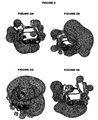
Figure 2 shows models of charge fields surrounding various ubiquitin domain structures. Blue shows positive charge; red shows negative charge. DNA is shown in yellow and grey. The proteins shown are: (2A) ubiquitin; (2B) RAD23A; (2C) SUMO- 1; (2D) NEDD8. - References 5 and 6 disclose that FCS can stabilise nucleic acid duplexes. The activity of FCS was compared to ubiquitin.
- The comparison was carried out using 1 ml WBPS columns according to the standard protocol [7]. Briefly, 0.5ml blood was added to columns with 0.5ml 'solution 1' (a red blood cell lysis solution) and the column is eluted by vacuum pump. A further 1 ml of 'solution 1' was then added, followed by vacuum elution. At this stage, white blood cells are captured within the filter and red blood cells have been removed. 1ml of 'solution 2' (a white blood cell lysis solution) was then added to lyse the trapped cells, followed by vacuum elution. The filter was then washed with 1ml of either 'solution 3' (1% FCS; KCl, MgCl2, Tris; pH ~7) or 'solution 3' in which FCS was replaced by ubiquitin (Sigma, product code U6253) from bovine erythrocytes. After vacuum elution, 100µl TE was added and the column was heated to 80°C for 10 minutes. After heating, 200µl TE was added. Elution gives dsDNA from the blood sample.
- Various concentrations of ubiquitin were tested, and results were as follows:
Ubiquitin concentration (mg/ml) Concentration of dsDNA (ng/µl) ± SD dsDNA yield (µg/ml blood) ± SD 0.00 2.85±0.26 0.84±0.08 0.10 3.11±0.29 0.85±0.10 0.25 4.52±0.50 1.25±0.18 0.50 12.70±10.14 3.65±3.14 1.00 13.59±1.32 3.89±0.51 2.00 22.37± 1.76 6.47±0.63 2.50 20.96 ± 6.04 6.21±1.70 - For comparison, the concentration of dsDNA obtained under the same conditions using FCS-containing 'solution 3' was 17.86±3.41 ng/µl (i.e. yield of 5.37±1.25 µg/ml blood). The stabilising effect of 1% FCS can therefore be achieved using between 1 and 2 mg/ml ubiquitin.
- Similar experiments were performed on blood using higher ubiquitin concentrations:
Ubiquitin concentration (mg/ml) Concentration of dsDNA (ng/µl) ± SD 0.0 2.25 ± 0.58 2.5 27.06 ± 5.91 5.0 30.87 ± 4.93 - For comparison, the concentration of dsDNA obtained under the same conditions using WBPS 'solution 3' was 15.49±10.49 ng/µl
- NEDD8 is related to ubiquitin and the dsDNA-stabilising activity of NEDD8 was also tested. Solutions were prepared in the same way as the ubiquitin solutions (i.e. WBPS 'solution 3' but with NEDD8 instead of FCS; pH 7-8). Two forms of NEDD8 were used (a native sequence and a 'control' form with a Gly76→Ala mutation, which cannot conjugate), both as GST-fusion proteins. SUMO-1 and α2-macroglobulin were also tested. All proteins were compared to the results obtained using WBPS 'solution 3' (and, as a negative control, against 'solution 3' lacking its FCS component).
- These assays were performed using WBPS reagents, but in a 96-well format which uses a slightly modified protocol. Briefly, 0.4ml blood was mixed with 0.4ml 'solution 1'. After vacuum, a further 0.8ml of 'solution 1' was then added (vacuum), followed by 0.3ml 'solution 2' (incubation period 5 minutes, then vacuum). The wells were then incubated for 5 minutes with 0.3ml of either 'solution 3' or an equivalent solution in which FCS was replaced by the protein under investigation. After vacuum, 25µl TE was added and the column was heated to 50°C for 10 minutes. After heating, 200µl TE was added and the TE was then sucked out and collected. The eluted TE contains dsDNA from the blood sample.
- Results were as follows:
Composition Concentration dsDNA concentration (ng/µl) Ubiquitin 1.16 mg/ml 22.34 ± 9.99 Ubiquitin 0.49 mg/ml 13.07 ± 7.37 NEDD8 0.49 mg/ml 68.64 ± 16.63 NEDD8 (G76A) 0.49 mg/ml 50.33 ± 8.22 SUMO-1 (G76A) 1 mg/ml 2.60 ± 0.35 α2-macroglobulin 5 mg/ml 10.79 ± 0.54 'Solution 3' (1% FCS) 1% FCS 26.35 ± 7.26 'Solution 3' (0% FCS) Control 1.35 ± 0.13 - The data in this table show that both forms of NEDD8 are more active than ubiquitin in stabilising dsDNA, and that the stabilising activity is independent of NEDD8's ability to conjugate to target proteins.
- NEDD8 was used in the form of GST-fusion proteins, in which NEDD8 makes up only 24% by weight. Ubiquitin and NEDD8 both have MW ∼8kDa so, at the same concentration (0.49 mg/ml), NEDD8-GST represents about 4x less active protein than ubiquitin. Taking this into account, the specific activity of NEDD8 is around 20 times greater than that of ubiquitin.
- Computer modelling (using Deep View 3.7b2 and ProModII v.3.5) suggests that a dimer of ubiquitin can form a groove which can accommodate dsDNA (
Figures 1 &2A ). The charge field surrounding the dimer in this model is fairly positive, enabling the negative DNA backbone to be held in place. A similar field is seen in NEDD8 (Figure 2D ) and also in RAD23 (Figure 2B ). The charge surrounding SUMOI, however, is different (Figure 2C ). The experimental data obtained using SUMO1 support the view that the charge field of a ubiquitin-like protein is important in determining dsDNA stabilising activity. - The results obtained with α2-macroglobulin were investigated further. Two forms of α2-macroglobulin were tested - a form which did not inhibit trypsin (Sigma code M7151) and a form which did inhibit trypsin (Sigma code M6159). The M6159 preparation was able to stabilise dsDNA whereas the M7151 form was not:
Composition Concentration dsDNA concentration (ng/µl) α2-macroglobulin (M6159) 5 mg/ml 10.79 ± 0.54 α2-macroglobulin (M7151) 0.1 mg/ml 136 ± 025 α2-macroglobulin (M7151) 0.5mg/ml 1.86 ± 0.13 α2-macroglobulin (M7151) 2.5 mg/ml 1.43 ± 0.19 α2-macroglobulin (M7151) 5.0 mg/ml 1.16 ± 0.07 WBPS(0%FCS) Control 2.25 ± 0.58 - The data in this table show that α2-macroglobulin which is unable to inhibit trypsin activity (i.e. which is somehow denatured) is unable to stabilise dsDNA, whereas α2-macroglobulin which can inhibit trypsin activity (i.e. which is not denatured) can stabilise dsDNA.
-
- 1 - Demidov et al. (2000) Curr Issues Mol Biol. 2(1):31-35.
- 2 - Bukanov et al. (1998) Proc. Natl. Acad. Sci. USA 95(10)5516-5520.
- 3 -
US patent 6,265,166 . - 4 - Wong et al. (2000) Biotechniques 28(4):776-783.
- 5 -International patent application
PCT/GB01/02564 - 6-
UK patent application 0014324.8 GB-A-2363381 - 7 - Baker et al. (2001) Biotechniques 31(I):142-145.
- 8 -
International patent application PCT/GB99/03357 WO00/21973 - 9-International
patent application PCT/US99/30751 WO00/37686 - 10 - Hofmann et al. (1999) Nucleic Acids Research 27(1):215-219.
- 11 - Bucher & Bairoch (1994) Proc. Int. Conf. Intell. Syst. Mol. Biol. 2:53-61 [ISMB-94; Proceedings 2nd International Conference on Intelligent Systems for Molecular Biology. (eds. Altman et al.). AAAIPress, Menlo Park].
- 12 - Silverstein et al. (2001) Nucleic Acids Research 29(1):49-51.
- 13 - Shoop et al. (2001) Bioinformatics 17(3):262-271.
- 14 - Silverstein et al. (2001) Bioinformatics 17(3):249-261.
- 15 - Apweiler et al. (2000) Bioinformatics 16(12):1145-1150.
- 16 - Apweiler et al. (2000) Nucleic Acids Research 29(1):37-40.
- 17 - Lo Conte et al. (2000) Nucleic Acids Research 28(1):257-259.
- 18 - Armstrong & Quigley (1999) Dev Comp Immunol 23(4-5):375-390.
- 19 - Feige et al. (1996) Horm Res 45(3-5):227-232.
- 20 - Rantamäki and Müller (1992) J. Dairy Res. 59: 273-285
- 21- Cheng et al. (1983) Nucleic Acids Research 11 (3) : 659-669
Claims (17)
- A method for inhibiting the denaturation of a nucleic acid duplex, comprising the step of contacting a nucleic acid duplex with a composition that comprises a macroglobulin, wherein the macroglobulin is an alpha 2-macroglobulin which can inhibit trypsin activity.
- The use of a composition that comprises a macroglobulin, wherein the macroglobulin is an alpha 2-macroglobulin which can inhibit trypsin activity, for inhibiting the denaturation of a nucleic acid duplex.
- A method for purifying a nucleic acid duplex, comprising the step of contacting the nucleic acid duplex with a composition that comprises a macroglobulin, wherein the macroglobulin is an alpha 2-macroglobulin which can inhibit trypsin activity.
- A method in which two nucleic acids are contacted under hybridising conditions to form a nucleic acid duplex, wherein the method comprises the subsequent step of contacting the duplex with a composition that comprises a macroglobulin, wherein the macroglobulin is an alpha 2-macroglobulin which can inhibit trypsin activity.
- A method for extracting or purifying double-stranded nucleic acid from a biological sample which includes cells, comprising the steps of: (a) lysing cells which contain nucleic acid, to form a cell lysate; (b) contacting the cell lysate with a composition that comprises a macroglobulin, wherein the macroglobulin is an alpha 2-macroglobulin which can inhibit trypsin activity; and (c) purifying nucleic acid from the lysate, optionally including heating the lysate.
- A kit for isolating nucleic acid from a sample comprising cells containing nucleic acid comprising a composition that comprises a macroglobulin, wherein the macroglobulin is an alpha 2-macroglobulin which can inhibit trypsin activity.
- The kit of claim 6, wherein the filter retains nucleic acid substantially in the absence of ionic interactions.
- The method, the use, or the kit of any preceding claim, wherein the composition is in the form of an aqueous solution.
- The method, the use, or the kit of any preceding claim, wherein the composition has a pH between 3 and 11.
- The method, the use, or the kit of any preceding claim, wherein the composition comprises divalent cations at a concentration between 0. 1 mM and 10mM.
- The method, the use, or the kit of any preceding claim, wherein the composition comprises monovalent cations at a concentration between 0.1 mM and 10mM.
- The method, the use, or the kit of any preceding claim, wherein the nucleic acid duplex is double-stranded DNA.
- The method, the use, or the kit of any preceding claim, wherein the denaturation is heat denaturation.
- A process for purifying double-stranded nucleic acid, comprising the steps of: (a) applying a sample comprising cells which contain nucleic acid to a filter, whereby the cells are retained as a retentate and contaminants are removed; (b) lysing the retentate from step (a) whilst the retentate is retained by the filter to form a cell lysate containing the nucleic acid; (c) filtering the cell lysate with the filter to retain the nucleic acid and remove remaining cell lysate; (d) optionally washing the nucleic acid retained by the filter, and (e) eluting the nucleic acid, wherein at least one step of the process is performed in the presence of a macroglobulin, wherein the macrogloblin is an alpha 2-macroglobulin which can inhibit trypsin activity.
- The process of claim 14, wherein the filter used in step (c) retains nucleic acid substantially in the absence of ionic interactions.
- A product for use in affinity capture of double-stranded nucleic acids, comprising an alpha 2-macroglobulin which can inhibit trypsin activity immobilised on a solid support.
- A complex of a nucleic acid duplex and an alpha 2-macroglobulin which can inhibit trypsin activity, wherein the complex is formed by combining the DNA and alpha 2-macroglobulin in a solution comprising 1% alpha 2-macroglobulin; KCI; MgCl2; Tris; pH ~ 7.
Applications Claiming Priority (3)
| Application Number | Priority Date | Filing Date | Title |
|---|---|---|---|
| GBGB0129662.3A GB0129662D0 (en) | 2001-12-11 | 2001-12-11 | Stabilisation of double-stranded nucleic acids |
| GB0129662 | 2001-12-11 | ||
| EP02804620A EP1453961B1 (en) | 2001-12-11 | 2002-12-11 | Stabilisation of double-stranded nucleic acids using proteins |
Related Parent Applications (1)
| Application Number | Title | Priority Date | Filing Date |
|---|---|---|---|
| EP02804620A Division EP1453961B1 (en) | 2001-12-11 | 2002-12-11 | Stabilisation of double-stranded nucleic acids using proteins |
Publications (3)
| Publication Number | Publication Date |
|---|---|
| EP1586640A2 EP1586640A2 (en) | 2005-10-19 |
| EP1586640A3 EP1586640A3 (en) | 2005-10-26 |
| EP1586640B1 true EP1586640B1 (en) | 2008-02-13 |
Family
ID=9927430
Family Applications (2)
| Application Number | Title | Priority Date | Filing Date |
|---|---|---|---|
| EP02804620A Expired - Lifetime EP1453961B1 (en) | 2001-12-11 | 2002-12-11 | Stabilisation of double-stranded nucleic acids using proteins |
| EP05076162A Expired - Lifetime EP1586640B1 (en) | 2001-12-11 | 2002-12-11 | Stabilisation of double-stranded nucleic acids using proteins |
Family Applications Before (1)
| Application Number | Title | Priority Date | Filing Date |
|---|---|---|---|
| EP02804620A Expired - Lifetime EP1453961B1 (en) | 2001-12-11 | 2002-12-11 | Stabilisation of double-stranded nucleic acids using proteins |
Country Status (8)
| Country | Link |
|---|---|
| US (1) | US7893016B2 (en) |
| EP (2) | EP1453961B1 (en) |
| AT (2) | ATE386112T1 (en) |
| AU (1) | AU2002356283A1 (en) |
| CA (2) | CA2475949C (en) |
| DE (2) | DE60209385T2 (en) |
| GB (1) | GB0129662D0 (en) |
| WO (1) | WO2003050278A2 (en) |
Families Citing this family (1)
| Publication number | Priority date | Publication date | Assignee | Title |
|---|---|---|---|---|
| WO2012064898A1 (en) * | 2010-11-09 | 2012-05-18 | Yuan Chen | Singleton inhibitors of sumoylation enzymes and methods for their use |
Family Cites Families (4)
| Publication number | Priority date | Publication date | Assignee | Title |
|---|---|---|---|---|
| AU3671099A (en) | 1998-04-29 | 1999-11-16 | Trustees Of Boston University | Methods and compositions pertaining to pd-loops |
| US20020010323A1 (en) | 1998-10-09 | 2002-01-24 | Andrew Martin Mitchell | Isolation method and apparatus |
| CA2355920A1 (en) | 1998-12-23 | 2000-06-29 | Rutgers, The State University | Methods and kits for screening nucleic acid duplex stability |
| GB2363381B (en) | 2000-06-12 | 2004-11-24 | Cambridge Molecular Tech | Solution |
-
2001
- 2001-12-11 GB GBGB0129662.3A patent/GB0129662D0/en not_active Ceased
-
2002
- 2002-12-11 AU AU2002356283A patent/AU2002356283A1/en not_active Abandoned
- 2002-12-11 US US10/498,437 patent/US7893016B2/en not_active Expired - Fee Related
- 2002-12-11 DE DE60209385T patent/DE60209385T2/en not_active Expired - Lifetime
- 2002-12-11 CA CA2475949A patent/CA2475949C/en not_active Expired - Fee Related
- 2002-12-11 DE DE60225080T patent/DE60225080T2/en not_active Expired - Lifetime
- 2002-12-11 EP EP02804620A patent/EP1453961B1/en not_active Expired - Lifetime
- 2002-12-11 EP EP05076162A patent/EP1586640B1/en not_active Expired - Lifetime
- 2002-12-11 CA CA2783164A patent/CA2783164A1/en not_active Abandoned
- 2002-12-11 WO PCT/GB2002/005617 patent/WO2003050278A2/en not_active Ceased
- 2002-12-11 AT AT05076162T patent/ATE386112T1/en not_active IP Right Cessation
- 2002-12-11 AT AT02804620T patent/ATE318308T1/en not_active IP Right Cessation
Non-Patent Citations (1)
| Title |
|---|
| CHENG ET AL: "A versatile method for the coupling of protein to DNA: synthesis of alpha 2-macroglobulin-DNA conjugates.", NUCLEIC ACID RESEARCH, vol. 11, no. 3, 1983, pages 659 - 669 * |
Also Published As
| Publication number | Publication date |
|---|---|
| EP1453961A2 (en) | 2004-09-08 |
| CA2475949C (en) | 2012-10-23 |
| DE60225080D1 (en) | 2008-03-27 |
| EP1586640A2 (en) | 2005-10-19 |
| CA2475949A1 (en) | 2003-06-19 |
| DE60225080T2 (en) | 2008-08-21 |
| DE60209385T2 (en) | 2006-09-07 |
| US7893016B2 (en) | 2011-02-22 |
| WO2003050278A3 (en) | 2003-09-25 |
| EP1586640A3 (en) | 2005-10-26 |
| AU2002356283A1 (en) | 2003-06-23 |
| GB0129662D0 (en) | 2002-01-30 |
| CA2783164A1 (en) | 2003-06-19 |
| US20050221307A1 (en) | 2005-10-06 |
| DE60209385D1 (en) | 2006-04-27 |
| WO2003050278A2 (en) | 2003-06-19 |
| ATE386112T1 (en) | 2008-03-15 |
| ATE318308T1 (en) | 2006-03-15 |
| EP1453961B1 (en) | 2006-02-22 |
Similar Documents
| Publication | Publication Date | Title |
|---|---|---|
| US8367817B2 (en) | Reagents for isolation of purified RNA | |
| EP1135479B1 (en) | Formulations and methods for isolating nucleic acids from any complex starting material and subsequent complex genetic analysis | |
| EP1641944B1 (en) | Room temperature elution of nucleic acids | |
| JPH10501246A (en) | A general method for isolating and purifying nucleic acids from extremely diverse starting materials that are extremely small and very contaminated | |
| US20040157223A1 (en) | Chemical treatment of biological samples for nucleic acid extraction and kits therefor | |
| US20040126796A1 (en) | Extraction of DNA from biological samples | |
| EP1432830A1 (en) | Method for isolating dna from biological samples | |
| US20060160085A1 (en) | Novel buffer formulations for isolating purifying and recovering long-chain and short-chain nucleic acids | |
| US20090130687A1 (en) | Formulations and method isolating nucleic acids from arbitrary complex starting materials and subsequent complex genetic materials | |
| Hummel et al. | Y-chromosomal DNA from ancient bones | |
| EP1453961B1 (en) | Stabilisation of double-stranded nucleic acids using proteins | |
| US20060210988A1 (en) | Method for isolating nucleic acid and, for nucleic acid isolation, kit and apparatus | |
| US20090088560A1 (en) | Process for Nucleic Acid Purification | |
| US20060141488A1 (en) | Method for stabilizing or preserving nucleic acid by using amino surfactants | |
| KR20120059252A (en) | Kit for pcr | |
| KR20240086707A (en) | Direct RNA extraction buffer and uses thereof | |
| EP3619309B1 (en) | Rapid purification of high quality nucleic acids from biological samples | |
| JP2004105009A (en) | Reagent for separating nucleic acid comprising tetraphenylboron compound and method for separating nucleic acid using the same | |
| HK40025083A (en) | Rapid purification of high quality nucleic acids from biological samples |
Legal Events
| Date | Code | Title | Description |
|---|---|---|---|
| PUAI | Public reference made under article 153(3) epc to a published international application that has entered the european phase |
Free format text: ORIGINAL CODE: 0009012 |
|
| PUAL | Search report despatched |
Free format text: ORIGINAL CODE: 0009013 |
|
| AC | Divisional application: reference to earlier application |
Ref document number: 1453961 Country of ref document: EP Kind code of ref document: P |
|
| AK | Designated contracting states |
Kind code of ref document: A2 Designated state(s): AT BE BG CH CY CZ DE DK EE ES FI FR GB GR IE IT LI LU MC NL PT SE SI SK TR |
|
| AK | Designated contracting states |
Kind code of ref document: A3 Designated state(s): AT BE BG CH CY CZ DE DK EE ES FI FR GB GR IE IT LI LU MC NL PT SE SI SK TR |
|
| 17P | Request for examination filed |
Effective date: 20060412 |
|
| AKX | Designation fees paid |
Designated state(s): AT BE BG CH CY CZ DE DK EE ES FI FR GB GR IE IT LI LU MC NL PT SE SI SK TR |
|
| 17Q | First examination report despatched |
Effective date: 20060822 |
|
| 17Q | First examination report despatched |
Effective date: 20060822 |
|
| GRAP | Despatch of communication of intention to grant a patent |
Free format text: ORIGINAL CODE: EPIDOSNIGR1 |
|
| GRAS | Grant fee paid |
Free format text: ORIGINAL CODE: EPIDOSNIGR3 |
|
| GRAA | (expected) grant |
Free format text: ORIGINAL CODE: 0009210 |
|
| AC | Divisional application: reference to earlier application |
Ref document number: 1453961 Country of ref document: EP Kind code of ref document: P |
|
| AK | Designated contracting states |
Kind code of ref document: B1 Designated state(s): AT BE BG CH CY CZ DE DK EE ES FI FR GB GR IE IT LI LU MC NL PT SE SI SK TR |
|
| REG | Reference to a national code |
Ref country code: GB Ref legal event code: FG4D |
|
| REG | Reference to a national code |
Ref country code: CH Ref legal event code: EP |
|
| REG | Reference to a national code |
Ref country code: IE Ref legal event code: FG4D |
|
| REF | Corresponds to: |
Ref document number: 60225080 Country of ref document: DE Date of ref document: 20080327 Kind code of ref document: P |
|
| PG25 | Lapsed in a contracting state [announced via postgrant information from national office to epo] |
Ref country code: ES Free format text: LAPSE BECAUSE OF FAILURE TO SUBMIT A TRANSLATION OF THE DESCRIPTION OR TO PAY THE FEE WITHIN THE PRESCRIBED TIME-LIMIT Effective date: 20080524 Ref country code: FI Free format text: LAPSE BECAUSE OF FAILURE TO SUBMIT A TRANSLATION OF THE DESCRIPTION OR TO PAY THE FEE WITHIN THE PRESCRIBED TIME-LIMIT Effective date: 20080213 |
|
| ET | Fr: translation filed | ||
| PG25 | Lapsed in a contracting state [announced via postgrant information from national office to epo] |
Ref country code: AT Free format text: LAPSE BECAUSE OF FAILURE TO SUBMIT A TRANSLATION OF THE DESCRIPTION OR TO PAY THE FEE WITHIN THE PRESCRIBED TIME-LIMIT Effective date: 20080213 |
|
| PG25 | Lapsed in a contracting state [announced via postgrant information from national office to epo] |
Ref country code: SI Free format text: LAPSE BECAUSE OF FAILURE TO SUBMIT A TRANSLATION OF THE DESCRIPTION OR TO PAY THE FEE WITHIN THE PRESCRIBED TIME-LIMIT Effective date: 20080213 |
|
| PG25 | Lapsed in a contracting state [announced via postgrant information from national office to epo] |
Ref country code: SK Free format text: LAPSE BECAUSE OF FAILURE TO SUBMIT A TRANSLATION OF THE DESCRIPTION OR TO PAY THE FEE WITHIN THE PRESCRIBED TIME-LIMIT Effective date: 20080213 Ref country code: SE Free format text: LAPSE BECAUSE OF FAILURE TO SUBMIT A TRANSLATION OF THE DESCRIPTION OR TO PAY THE FEE WITHIN THE PRESCRIBED TIME-LIMIT Effective date: 20080513 Ref country code: PT Free format text: LAPSE BECAUSE OF FAILURE TO SUBMIT A TRANSLATION OF THE DESCRIPTION OR TO PAY THE FEE WITHIN THE PRESCRIBED TIME-LIMIT Effective date: 20080714 Ref country code: CZ Free format text: LAPSE BECAUSE OF FAILURE TO SUBMIT A TRANSLATION OF THE DESCRIPTION OR TO PAY THE FEE WITHIN THE PRESCRIBED TIME-LIMIT Effective date: 20080213 Ref country code: DK Free format text: LAPSE BECAUSE OF FAILURE TO SUBMIT A TRANSLATION OF THE DESCRIPTION OR TO PAY THE FEE WITHIN THE PRESCRIBED TIME-LIMIT Effective date: 20080213 |
|
| PLBE | No opposition filed within time limit |
Free format text: ORIGINAL CODE: 0009261 |
|
| STAA | Information on the status of an ep patent application or granted ep patent |
Free format text: STATUS: NO OPPOSITION FILED WITHIN TIME LIMIT |
|
| 26N | No opposition filed |
Effective date: 20081114 |
|
| PG25 | Lapsed in a contracting state [announced via postgrant information from national office to epo] |
Ref country code: EE Free format text: LAPSE BECAUSE OF FAILURE TO SUBMIT A TRANSLATION OF THE DESCRIPTION OR TO PAY THE FEE WITHIN THE PRESCRIBED TIME-LIMIT Effective date: 20080213 Ref country code: BG Free format text: LAPSE BECAUSE OF FAILURE TO SUBMIT A TRANSLATION OF THE DESCRIPTION OR TO PAY THE FEE WITHIN THE PRESCRIBED TIME-LIMIT Effective date: 20080513 |
|
| PG25 | Lapsed in a contracting state [announced via postgrant information from national office to epo] |
Ref country code: MC Free format text: LAPSE BECAUSE OF NON-PAYMENT OF DUE FEES Effective date: 20081231 Ref country code: CY Free format text: LAPSE BECAUSE OF FAILURE TO SUBMIT A TRANSLATION OF THE DESCRIPTION OR TO PAY THE FEE WITHIN THE PRESCRIBED TIME-LIMIT Effective date: 20080213 |
|
| REG | Reference to a national code |
Ref country code: CH Ref legal event code: PL |
|
| PG25 | Lapsed in a contracting state [announced via postgrant information from national office to epo] |
Ref country code: IT Free format text: LAPSE BECAUSE OF FAILURE TO SUBMIT A TRANSLATION OF THE DESCRIPTION OR TO PAY THE FEE WITHIN THE PRESCRIBED TIME-LIMIT Effective date: 20080213 |
|
| PG25 | Lapsed in a contracting state [announced via postgrant information from national office to epo] |
Ref country code: CH Free format text: LAPSE BECAUSE OF NON-PAYMENT OF DUE FEES Effective date: 20081231 Ref country code: LI Free format text: LAPSE BECAUSE OF NON-PAYMENT OF DUE FEES Effective date: 20081231 Ref country code: IE Free format text: LAPSE BECAUSE OF NON-PAYMENT OF DUE FEES Effective date: 20081211 |
|
| PG25 | Lapsed in a contracting state [announced via postgrant information from national office to epo] |
Ref country code: LU Free format text: LAPSE BECAUSE OF NON-PAYMENT OF DUE FEES Effective date: 20081211 |
|
| PG25 | Lapsed in a contracting state [announced via postgrant information from national office to epo] |
Ref country code: TR Free format text: LAPSE BECAUSE OF FAILURE TO SUBMIT A TRANSLATION OF THE DESCRIPTION OR TO PAY THE FEE WITHIN THE PRESCRIBED TIME-LIMIT Effective date: 20080213 |
|
| PG25 | Lapsed in a contracting state [announced via postgrant information from national office to epo] |
Ref country code: GR Free format text: LAPSE BECAUSE OF FAILURE TO SUBMIT A TRANSLATION OF THE DESCRIPTION OR TO PAY THE FEE WITHIN THE PRESCRIBED TIME-LIMIT Effective date: 20080514 |
|
| PGFP | Annual fee paid to national office [announced via postgrant information from national office to epo] |
Ref country code: NL Payment date: 20131226 Year of fee payment: 12 |
|
| PGFP | Annual fee paid to national office [announced via postgrant information from national office to epo] |
Ref country code: BE Payment date: 20131227 Year of fee payment: 12 |
|
| PG25 | Lapsed in a contracting state [announced via postgrant information from national office to epo] |
Ref country code: BE Free format text: LAPSE BECAUSE OF NON-PAYMENT OF DUE FEES Effective date: 20141231 |
|
| REG | Reference to a national code |
Ref country code: NL Ref legal event code: V1 Effective date: 20150701 |
|
| REG | Reference to a national code |
Ref country code: NL Ref legal event code: V1 Effective date: 20150701 |
|
| PG25 | Lapsed in a contracting state [announced via postgrant information from national office to epo] |
Ref country code: NL Free format text: LAPSE BECAUSE OF NON-PAYMENT OF DUE FEES Effective date: 20150701 |
|
| REG | Reference to a national code |
Ref country code: FR Ref legal event code: PLFP Year of fee payment: 14 |
|
| REG | Reference to a national code |
Ref country code: FR Ref legal event code: PLFP Year of fee payment: 15 |
|
| REG | Reference to a national code |
Ref country code: FR Ref legal event code: PLFP Year of fee payment: 16 |
|
| PGFP | Annual fee paid to national office [announced via postgrant information from national office to epo] |
Ref country code: DE Payment date: 20191210 Year of fee payment: 18 |
|
| PGFP | Annual fee paid to national office [announced via postgrant information from national office to epo] |
Ref country code: FR Payment date: 20191219 Year of fee payment: 18 |
|
| PGFP | Annual fee paid to national office [announced via postgrant information from national office to epo] |
Ref country code: GB Payment date: 20191220 Year of fee payment: 18 |
|
| REG | Reference to a national code |
Ref country code: DE Ref legal event code: R119 Ref document number: 60225080 Country of ref document: DE |
|
| GBPC | Gb: european patent ceased through non-payment of renewal fee |
Effective date: 20201211 |
|
| PG25 | Lapsed in a contracting state [announced via postgrant information from national office to epo] |
Ref country code: FR Free format text: LAPSE BECAUSE OF NON-PAYMENT OF DUE FEES Effective date: 20201231 |
|
| PG25 | Lapsed in a contracting state [announced via postgrant information from national office to epo] |
Ref country code: GB Free format text: LAPSE BECAUSE OF NON-PAYMENT OF DUE FEES Effective date: 20201211 Ref country code: DE Free format text: LAPSE BECAUSE OF NON-PAYMENT OF DUE FEES Effective date: 20210701 |